Pollinators | We Oppose The Use Of Bee-Killing Pesticides

We oppose the UK Government’s decision to allow the use of neonicotinoid thiamethoxam, a pesticide known to kill pollinators and bees in particular.

Their use was effectively banned in 2018 after various studies demonstrated how they decimate the bee population. They also lead to a loss of birds due to a reduction in the insect populations.

Here are links to articles with more information on the subject:

Pairfum London Opposes Bee Killing Pesticides Pollinator 1 1

Why are Pollinators so important?

Here at Pairfum London, we are passionate about natural perfumery.

Without pollinators, there is, however, no movement of pollen.

A pollinator is anything that helps carry pollen from the male part of the flower (stamen) to the female part of the same or another flower (stigma). The movement of pollen must occur for a plant to become fertilized and produce fruits, seeds and young plants.

Without this fertilisation we cannot produce natural perfumes.

Pollinator Pairfum London Opposes Bee Killing Pesticides 1 1

What is the Impact of Pollinators?

A third of everything we eat exists because of the work a pollinators, such as fruits, vegetables and seeds. Pollinators also support the habitat and food of animals.

At least 75 percent of all the flowering plants on earth are pollinated by insects and animals! Plants which help to stabilize our soil, clean our air, supply oxygen and support wildlife. The health of our ecosystems depends on pollinators.

Just in the US, honey bees pollinated $19 billion worth of crops in 2010 and the pollination by other insects contributed to just under $10 billion of crops.

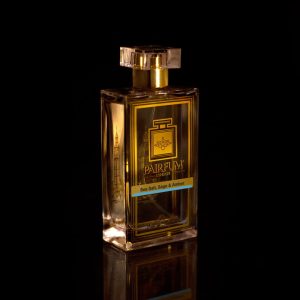
Pairfum London Opposes Pesticides Killing Bees Pollinator 1 1


Products We Believe You Will Love

Let's Stay in Touch

As a warm welcome, to the family & friends of Pairfum London, we will send you the novel ‘Perfume’ by Patrick Sueskind, as an e-Book.

Newsletter Subscribe Form - Blog Post


Let's Socialise

Our Most Recent Posts

Featured Image Key:url

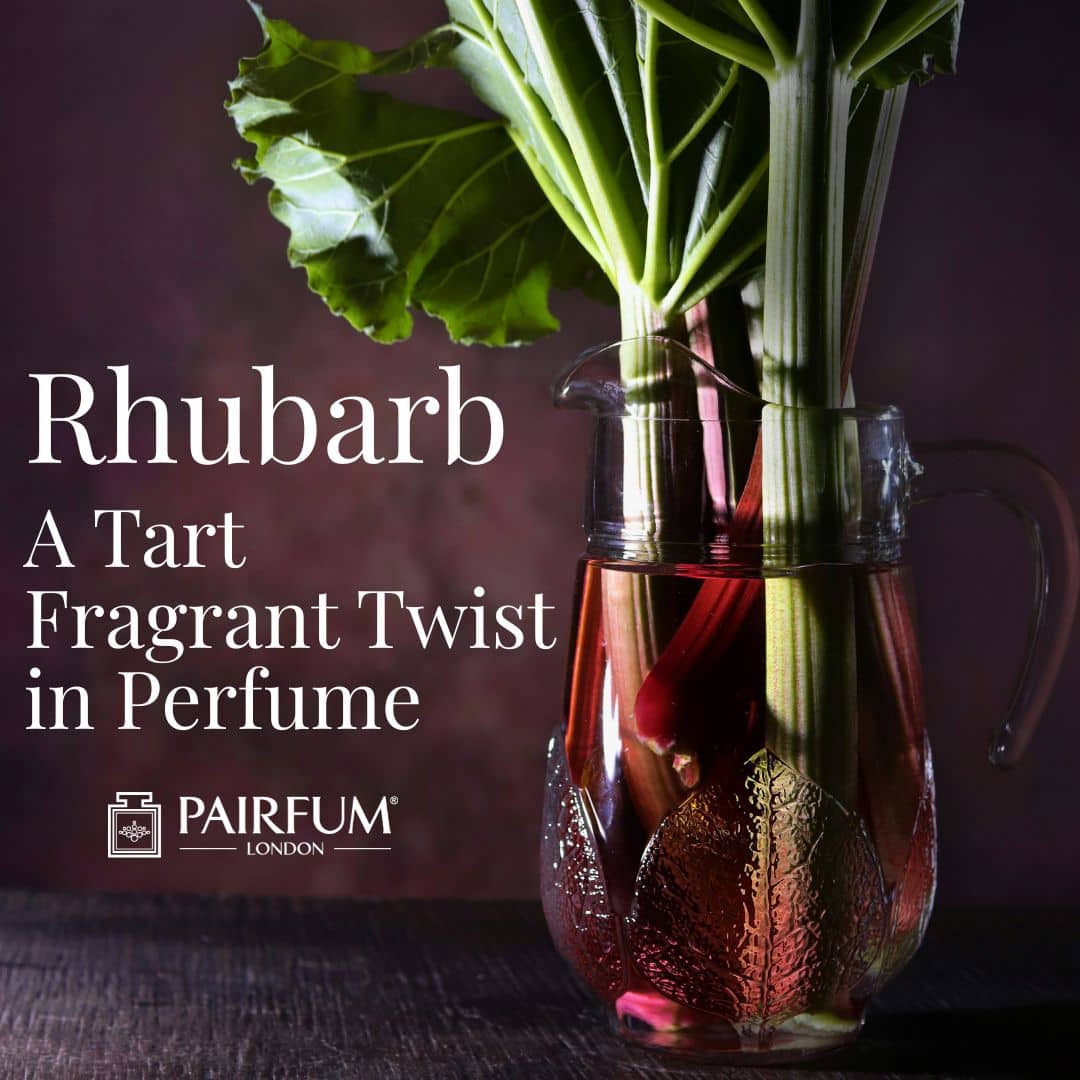
Rhubarb: A Tart Fragrant Twist in Perfume

23/10/2025

When people hear the word rhubarb, most don’t think of fragrance at all. What usually springs to mind first is a crumble with custard, rhubarb cake dusted with sugar, a

Read More
Featured Image Key:url

Oakmoss: A Forest Treasure of Fragrance

21/10/2025

Oakmoss holds a rare position in the world of perfumery. It isn’t just another ingredient that perfumers add for complexity. Oakmoss is a quiet anchor, a presence that has shaped

Read More
Featured Image Key:url

Sweet Pea: Delicate and Floral Perfume Notes

20/10/2025

Sweet pea, one of the most beloved flowers in gardens and perfumery, has long symbolised romance, gratitude and gentle pleasure. Its fragrance is soft and floral with a sweet, airy

Read More
Featured Image Key:url

Hyacinth: The Fragrance of Spring Blooms

17/10/2025

Hyacinth holds a revered position in the perfume world for its captivating aroma and timeless allure. With its distinct floral bouquet, it has long enchanted those with a passion for

Read More
Featured Image Key:url

Why Lemon Is A Perfume Icon

16/10/2025

Few scents feel as instantly familiar and uplifting as the fragrance of lemon. This radiant fruit, scientifically named Citrus limon, is one of the most celebrated citrus notes in perfumery

Read More
Featured Image Key:url

Positive Scent Influence: How Smell Shapes Mood, Health and Memory

14/10/2025

Positive scent influence is the hidden power of fragrance to transform mood, evoke memories and create deeper connections in everyday life. Fragrance is invisible, yet its ability to alter the way

Read More
Previous Next
    0
    Your Cart
    Your cart is emptyReturn to Shop