Home / EssentialOils
Frankincense In Perfumery

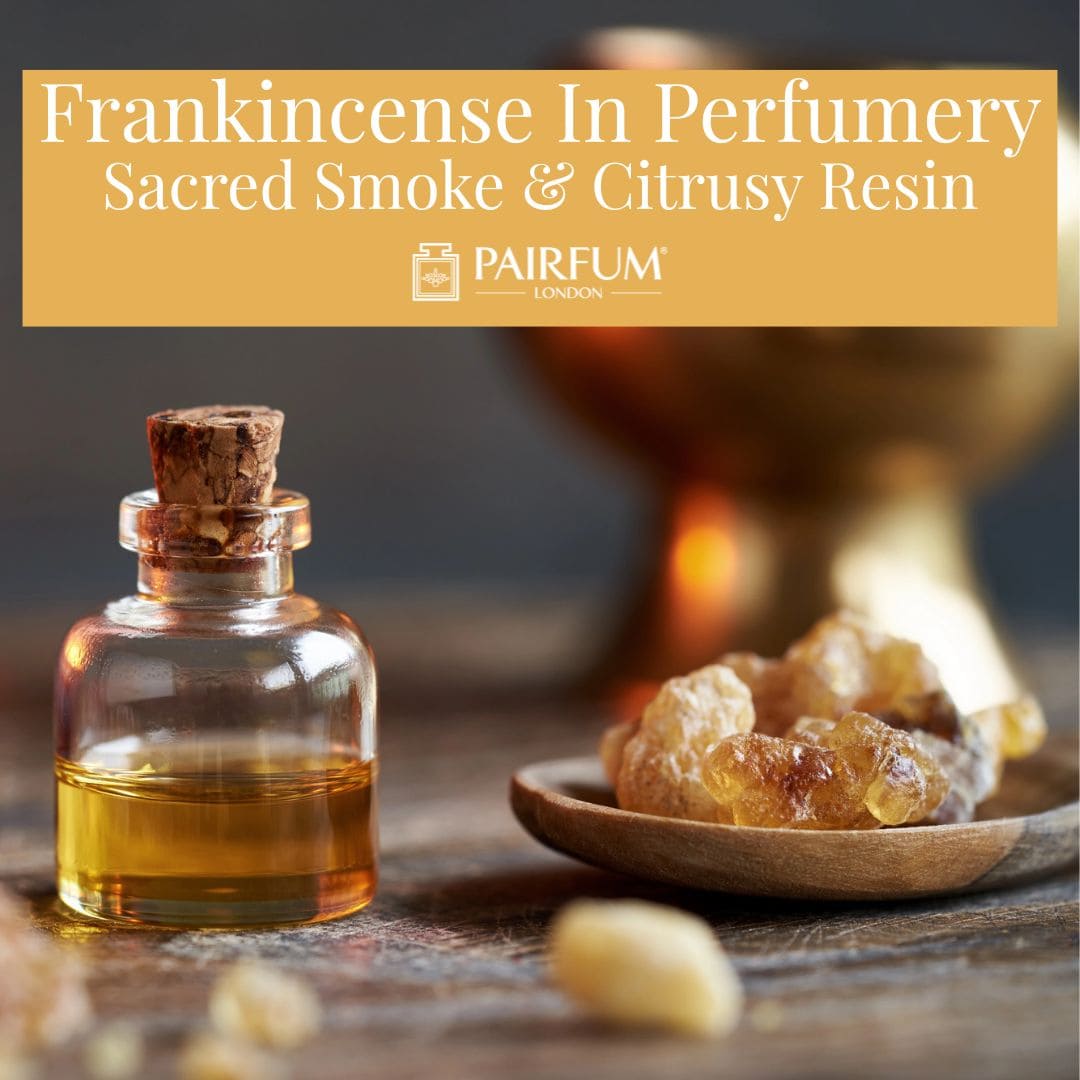
Frankincense In Perfumery: Sacred Smoke & Citrusy Resin

Frankincense is a fragrant aromatic resin harvested from Boswellia trees. It has long been used in quality incense, perfume, and traditional medicine due to its distinctively woody and spicy scent. Today, it remains widely popular in aromatherapy and skincare. Its essential oil is highly valued for its calming and anti-inflammatory properties, which often help to rejuvenate the skin by reducing the appearance of fine lines and scars while also promoting deep relaxation.

For hundreds of years, frankincense has stayed a firm favourite within the world of fragrance. It is quite easy to see why. The unique aroma of this material pulls together a smoky warmth and bright, lemony notes. It feels grounding yet somehow uplifting at the very same time. There is a real sense of peace about it. This makes the scent a perfect choice for various perfume blends, particularly when the days turn cold during winter.

The story of this ingredient goes back a long way. It is tied to ancient trade, old rituals, and human spirituality. Today, we know how to pull out its rich character without letting it overwhelm a scent. It is now a staple in many niche perfumes. This is not just because of the smell. It is about how it makes you feel. On the skin, it stays soft and quiet. It fills the room around you without ever shouting for attention. When it touches your skin, it provides a gentle, steady presence.

A Fragrant Past: Where Frankincense Began

People have valued frankincense for many thousands of years. Long before modern perfume existed, people across ancient lands were using it daily. Merchants moved the resin across vast deserts and over deep seas. It was a primary feature during religious ceremonies held in temples or quiet homes. In those places, the aroma was the heartbeat of sacred rituals. Known by the common name of incense, it acted as a link between the physical world and the spirit. The name itself comes from the Old French phrase “franc encens,” which means true incense.

In places like Egypt, Mesopotamia, and India, frankincense was far more than just a nice smell. People treated it as something holy. You can find it in ancient stone carvings and old writings. The Egyptians even used the resin during mummification to cleanse the body. The thick smoke from spiritual ceremonies helped people clear their minds for prayer. This is likely why frankincense still appeals to anyone seeking a sense of calm. Within traditional medicine, it is called rǔ xiāng. It is prized for its power to get stagnant energy moving again.

As time passed, the use of fragrance moved into our daily routines. The role of the resin shifted. It moved from the temple to the perfume bottle. It became a part of lovely aromatic blends for the skin and the home. For over 5,000 years, people traded the gum resin on the Arabian Peninsula. It even travelled the Silk Road to reach China. This aromatic gum resin has a legacy of luxury that few other things can match.
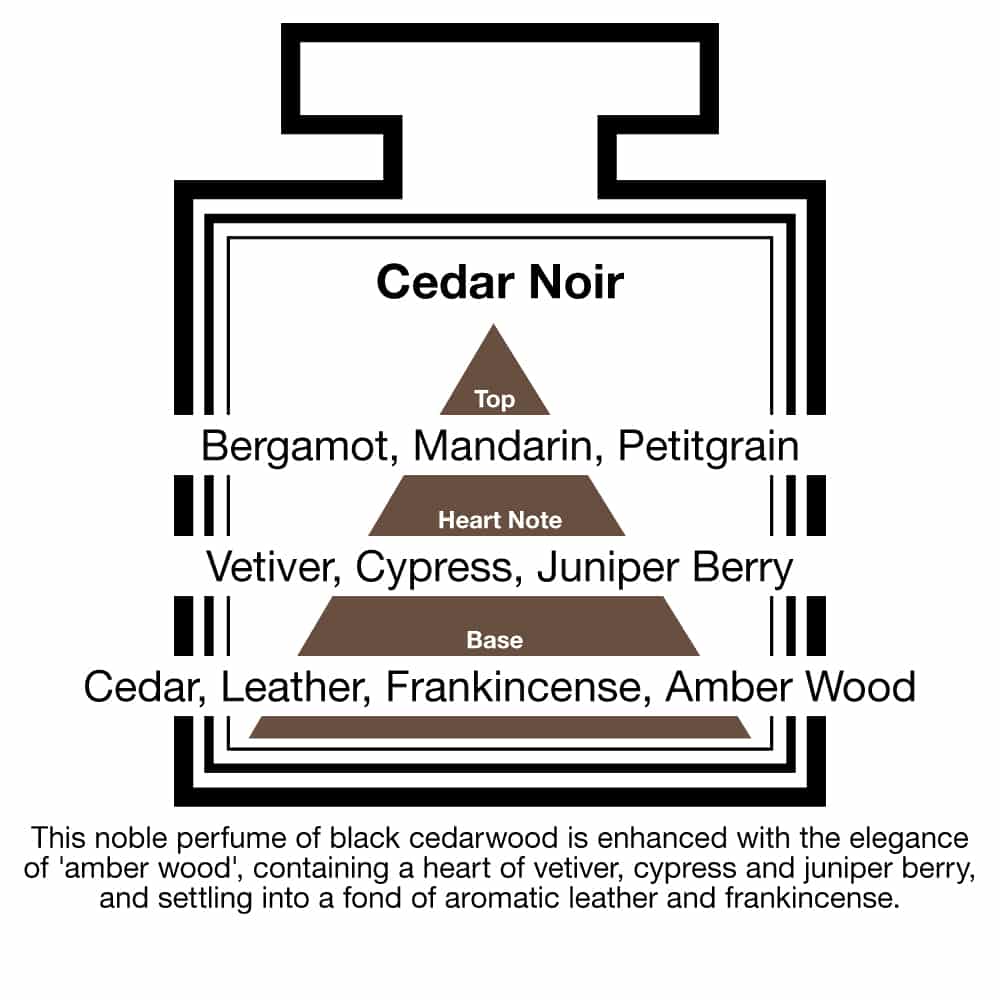
Fragrance Description Cedar Noir Vetiver Juniper Leather Frankincense

What Frankincense Really Smells Like

The scent of frankincense is full of contrast. It is deep and rich, but it also has a surprising freshness. At first, you might notice citrus in the top notes, like lemon zest. A warm, woody smell follows quickly. It reminds one of dry bark and light smoke. Science tells us this scent comes from monoterpenes and sesquiterpenes. These give the resin its pine and lemon character.

Underneath it all sits a balsamic sweetness. It is smooth and gives a fragrance real body. On a freezing day, it feels like a warm scarf. It stays very close to the skin. It is comforting but never heavy. If you have sensitive skin, the mild nature of a properly diluted pure essential oil is often very welcome.

In perfumery, frankincense is excellent at balancing other things. If a perfume is too spicy or too floral, this ingredient can settle it down. It stops a scent from feeling too sharp. It adds a cool, quiet echo to the mix. It can lift up bright notes or ground the heavy ones. The resin also helps the perfume stay on your skin for much longer.

The Botany of the Boswellia Species

To understand this resin, we have to look at the Boswellia species that produce it. The frankincense tree is a survivor. It belongs to the Burseraceae family. We get these oils from trees that grow in very dry, rocky places with almost no soil. Boswellia carterii and Boswellia sacra are the two most famous types.

You find Boswellia sacra mostly on the Arabian Peninsula, in Oman or Yemen. However, Boswellia carterii is found more in East Africa. Another type is Boswellia frereana. This one grows in North Africa and Somalia. It makes a resin that is often used for top quality incense because it forms large tears. In India, they use Boswellia serrata. This is a major source for traditional medicine and is used as a natural remedy.

Each Boswellia tree creates a slightly different gum resin. This depends on the local soil and the weather. The resin contains boswellic acid, which researchers study for health reasons. It is worth noting that boswellic acid is usually too heavy to stay in a steam-distilled essential oil. If someone wants the acid, they usually look for a frankincense extract instead of the essential oil.
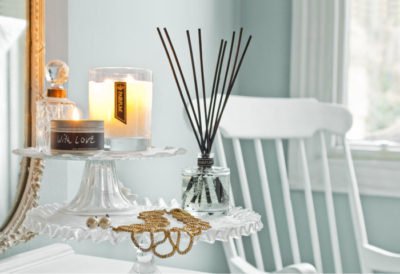
Lifestyle Sideboard Home Fragrance Candle Reed Diffuser 1 1

From Tree to Bottle: How Frankincense Is Made

Frankincense starts its life as part of a tree. It comes from the Boswellia genus found in hot, dry regions. You will see them in Oman, Somalia, and India. These trees are quite small but very tough. They have gnarled trunks that survive the burning sun. They start to make resin when they are about eight or ten years old.

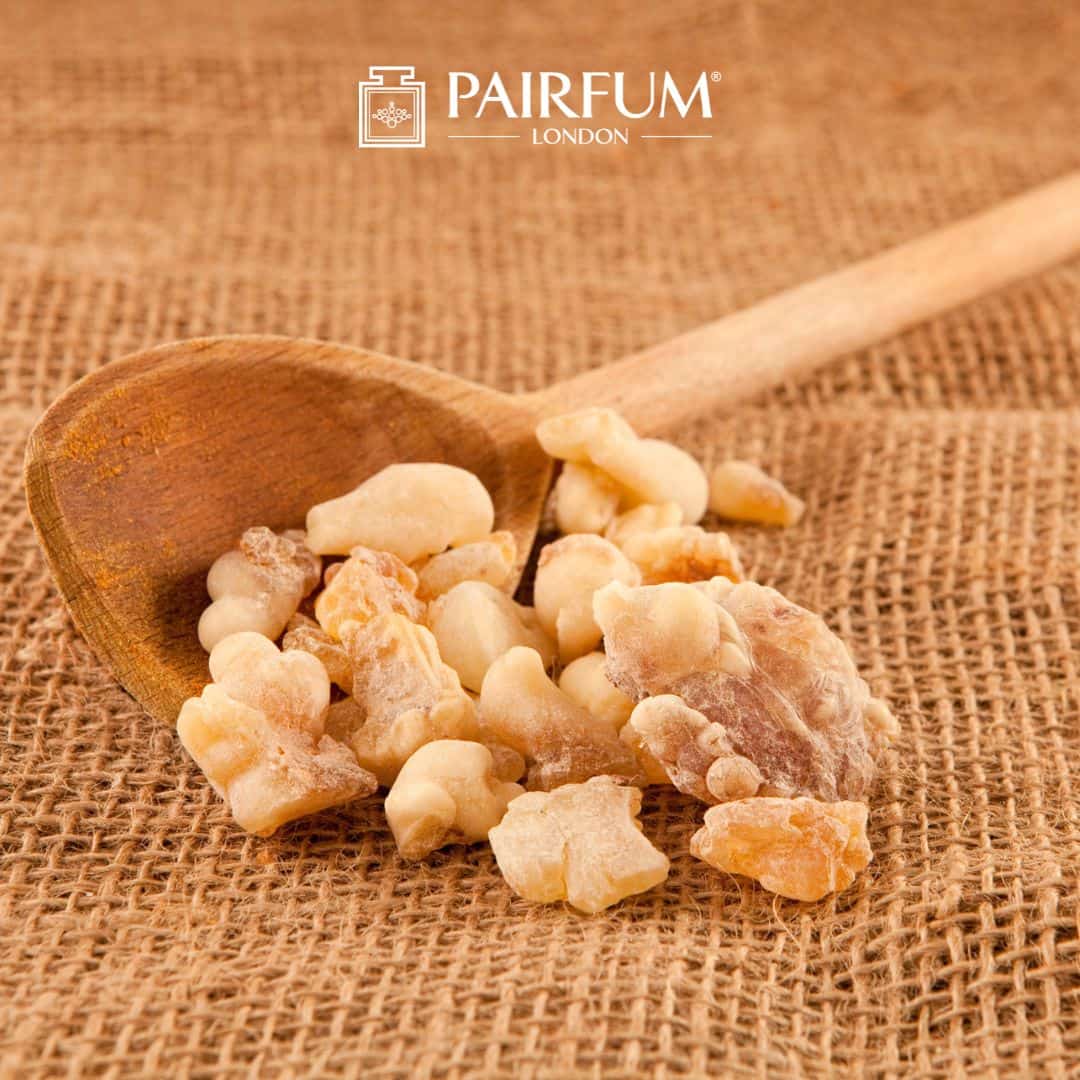
Harvesters make small cuts in the tree bark to collect it. A thick juice comes out and turns hard when it hits the air. We call these drops tears. Once they are dry, they are gathered. This frankincense resin is either crushed for incense sticks or turned into a frankincense essential oil. They usually tap the trees two or three times every year. The last harvest is often the best. It has the strongest scent.

A natural extraction process keeps the earthy and floral notes intact. This is why frankincense essential oil is so popular in niche perfumery. Finding a trusted source for organic essential oils is the best way to ensure the quality is high. If the real thing is not available, perfumers use recreated versions. These allow for more creativity in blends. Both the resin and the oils help us connect with the spirit of the frankincense tree.

Therapeutic Uses: Aromatherapy and Beyond

Outside of the perfume world, frankincense oil is a major part of aromatherapy. Many people use essential oils to help their mental health or to relax. Inhaling the scent can actually lower your heart rate. It brings a feeling of calm. When used for meditation, the smell of burning incense or a diffusing frankincense essential oil helps you breathe deeply. It quiets a busy mind.

Scientists are very interested in Boswellia serrata because of its anti inflammatory properties. The boswellic acid in the resin is often used to help with inflammation. This is especially true for joint pain or gut issues. People with mature skin often find that frankincense oil mixed with carrier oils is very soothing. Because it helps with inflammation, it is a popular addition to skincare. It helps the skin look clear and fresh.

Remember that a pure essential oil is very strong. You must always mix it with carrier oils like almond or jojoba before it touches your skin. This prevents any irritation. If you are pregnant, talk to a doctor before using the resin. Using frankincense as an essential oil can be a great addition to your daily health habits.
Spoonful Of Frankincense

Blending with Elegance: How Perfumers Use Frankincense

In the world of perfume, frankincense is a foundation that pulls everything together. It works in the background but changes the whole feeling. It can lift the top notes or add warmth to the base. It gives a fragrance its structure.

Certain scents work very well with frankincense:

  • Myrrh and labdanum provide extra warmth
  • Citrus oils like bergamot make the mix feel brighter
  • Spices like black pepper or clove give it a winter feel
  • Woods like cedar or sandalwood match its earthy tone

Most perfumers use frankincense as a base note. If used correctly, it can also make the top of a scent feel lighter. In natural perfumes, this balance is what makes it special. It creates space between the different ingredients. This lets you notice every part of the scent.

You will often see incense in winter perfume collections. It might be part of a festive mix or a scent for meditation. It works well with flowers and woods. This makes it very useful for perfumes sold in the United Kingdom. Whether you prefer frankincense essential oil or the raw resin, the result is always very elegant.

Famous Frankincense Fragrances

Avignon by Comme des Garçons is a classic. It smells like the cold, smoky air of an old cathedral. It focuses on the religious history of the resin.

Portrait of a Lady by Frédéric Malle is very sophisticated. Here, frankincense acts as a dark anchor for rose and patchouli. It feels wonderful when worn on the skin.

Cardinal by James Heeley is light and very clean. It highlights the citrus side of the resin for a modern finish.

Pairfum Large Reed Diffuser Bell Signature Cedar Noir

A Frankincense Base in Pairfum London Home Fragrance

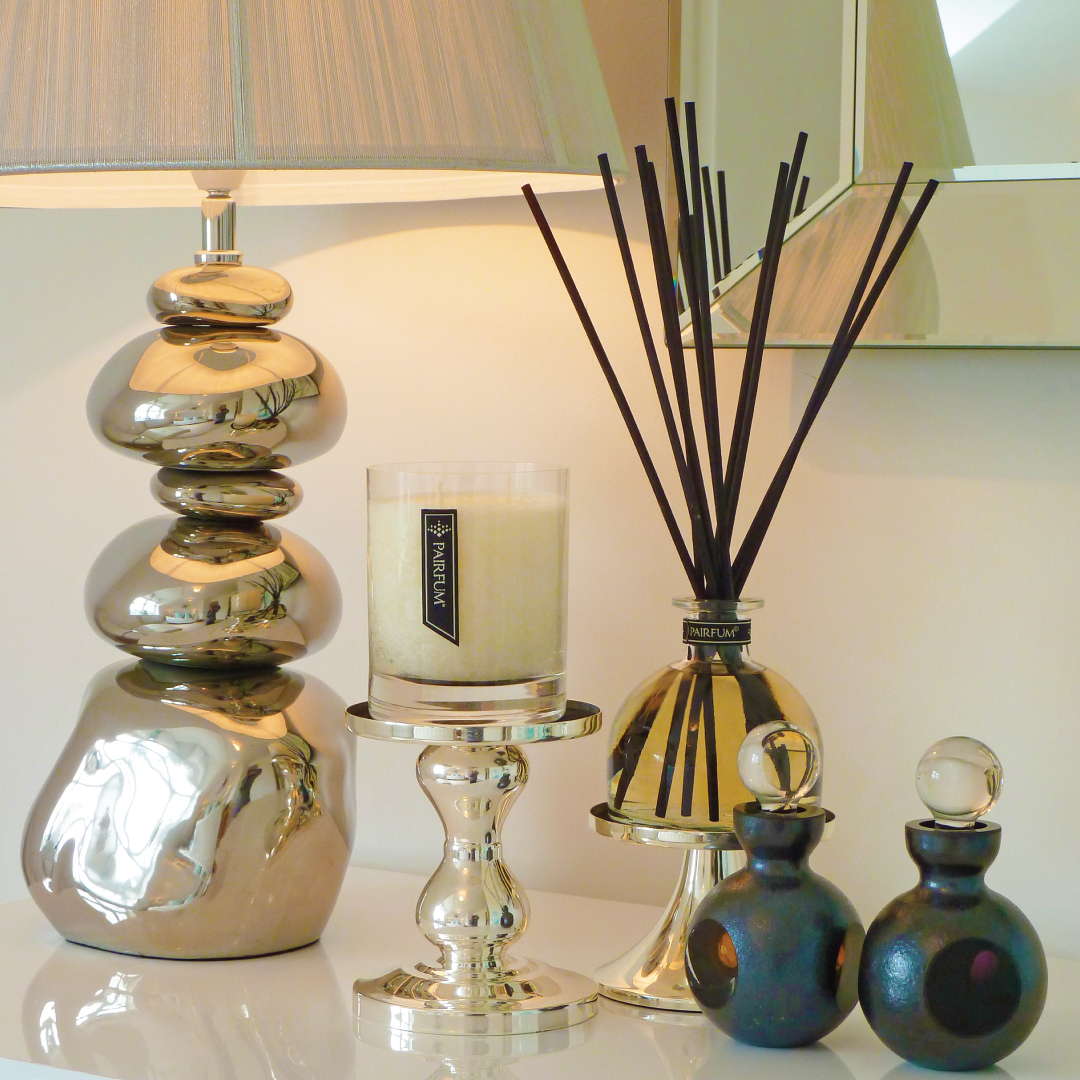
If you want the calming scent of frankincense in your home, our Large Bell-Shaped Reed Diffuser is a great choice. It is an artisan piece that releases its scent slowly and steadily. Because of its size, the resinous scent can fill a large room with clarity. It is a timeless way to make any room feel like a place for rest. It lets the beauty of natural scents grow throughout the day.

Cedar Noir: Large Bell Shape Reed Diffuser by Pairfum London 

This perfume uses Black Cedarwood and Amber Wood. The heart has Vetiver and Juniper Berry. The base is rich with Leather and frankincense. It is one of our best related products for the winter months.

The Glow of Resin in Winter Perfume

Frankincense adds something unique to a perfume. It gives warmth without being too heavy. It is bright but not sharp. Because it has such a long history, the smell feels familiar. Every new perfume finds a different way to use it. Whether you want a balm for your skin or a new scent, this resin is always easy to spot.

It has a steady way of setting the mood. It keeps the other ingredients stable in a perfume. That grounded feeling is why people love it every winter.

Even as the seasons change, frankincense stays a favourite in niche perfume. By getting frankincense essential oil from sustainable Boswellia carterii, Boswellia serrata, or Boswellia sacra, the industry keeps this treasure alive. This aromatic gum resin is a gift from the Boswellia tree. It is a natural remedy for our senses. Its story started in ancient temples and continues today in modern perfume houses. It proves that this scent is truly timeless. Using frankincense as an essential oil or a resin is always a sign of quality.
Patchouli Oil

Patchouli Oil: The Allure of the Quintessential Base Note

Patchouli oil has long been a cornerstone of the fragrance world, offering a distinctive earthy, musky, and slightly sweet aroma that appeals to the senses. Derived from the patchouli plant (Pogostemon cablin), this essential oil is renowned for its versatility in perfume creation, as well as its therapeutic properties in skin care and aromatherapy. Whether used in luxury perfumes, home fragrance, or wellness products, patchouli oil continues to captivate fragrance enthusiasts worldwide.

What Is Patchouli?

Patchouli is a tropical plant from the mint family, native to eastern countries like Indonesia, India, and Sri Lanka. The word ‘patchouli’ is derived from the Tamil words “patchai” (green) and “ellai” (leaf), reflecting the plant’s lush, aromatic leaves. Patchouli plants thrive in warm, humid environments, and their essential oils are extracted from their dried leaves.

The word “patchouli” is often synonymous with its fragrance—an unmistakable earthy and woody scent with hints of spice and sweetness. This scent has been used for centuries in perfumes, incense, and as a moth repellent, making it an enduring ingredient in the fragrance industry.

Eau De Parfum Person Reflection Bergamot Basil Patchouli Man Wood 1 1

Extraction of Patchouli Oil

The quality of patchouli essential oil is highly dependent on the extraction process. There are several methods used to derive the oil from the dried patchouli leaves, each contributing to the final product’s purity and scent profile.

  • Steam distillation: The most common method of extraction, where steam is passed through the leaves to release their oils. This technique results in a high-quality pure essential oil that is widely used in premium fragrance oils.
  • CO2 extraction: This method utilizes high-pressure carbon dioxide to extract a more concentrated form of patchouli essential oil, preserving its full aromatic profile.
  • Solvent extraction: In some cases, solvent extraction is used to produce patchouli absolute, a thicker, more potent oil used in high-end perfumes.

Patchouli Oil Quality

The quality of patchouli fragrance oil is often gauged by its patchouli alcohol content, which can range between 30-40%. The higher the alcohol content, the richer and longer-lasting the scent. Factors such as soil quality, climate, and extraction method all play a crucial role in determining the oil’s overall quality. Top-tier patchouli essential oils are known for their deep, multi-layered scent, which evolves beautifully on the skin.

Patchouli Essential Oil Benefits

Beyond its use in perfumes, patchouli oil boasts several benefits, particularly in skin care and aromatherapy:

Aromatherapy: The grounding scent of patchouli is commonly used in aromatherapy to reduce anxiety and promote relaxation. Many people use oil burners to diffuse patchouli essential oil in their homes, benefiting from its calming properties.

Skin care: Patchouli is highly regarded for its ability to heal cracked skin, reduce inflammation, and combat fungal infections such as eczema. It is also known to aid in scar healing and to hydrate the skin when blended with a carrier oil like jojoba oil.

Home fragrance: In addition to its personal care applications, patchouli oil is a popular ingredient in home fragrance products like reed diffusers, candles, and wax melts. Its rich aroma adds warmth and depth to any space.

Patchouli Oil Raw

Where Is Patchouli in the Fragrance Triangle?

In perfumery, patchouli is typically classified as a base oil, meaning it forms the foundation of a perfume’s scent profile. Base notes like patchouli are heavier and longer-lasting, often lingering on the skin for hours. Paired with top notes like citrus or floral elements, patchouli adds depth and richness to a fragrance.

Typical Fragrance Accords with Patchouli Oil

Patchouli oil is incredibly versatile and pairs well with a variety of fragrance accords. Common pairings include:

  • Woody accords: Patchouli blends beautifully with notes like cedar, sandalwood, and vetiver, creating a grounding, natural scent reminiscent of a forest floor.
  • Floral accords: When combined with floral elements such as geranium or rose, patchouli adds a sensual, romantic dimension to the fragrance.
  • Spicy accords: For a more exotic scent, patchouli is often paired with spices like clary sage, cinnamon, and vanilla. These accords enhance patchouli’s natural warmth, creating a bold, distinctive scent.

The Evolution of Patchouli Fragrance

Patchouli’s role in perfumery has evolved significantly over the years. In the 1960s, it became a symbol of the counterculture movement, its musky scent associated with burnt cannabis and free-spirited ideals. However, in modern times, patchouli has shed its “hippie” connotations and is now celebrated for its complexity and sensuality in high-end perfumes.

Today, patchouli fragrances can be found in everything from fine fragrance to niche perfumery, with brands like Pairfum London offering luxurious blends that elevate patchouli to new heights. The oil’s adaptability ensures its continued relevance in contemporary scent trends.

Eau de Parfum Person Reflection Bergamot Basil Patchouli Woman Green 1 1

Patchouli Fragrance Trends

Sustainability is a growing trend in the fragrance industry, and patchouli is no exception. Ethical cultivation and sourcing of pogostemon cablin in regions like Sri Lanka ensure the sustainability of this valuable resource.

Brands like Pairfum London are committed to using responsibly sourced patchouli oil in their products.

In terms of scent trends, patchouli is increasingly being used in home fragrance products like sachets, candles, and reed diffusers, making it a popular choice for those who appreciate its rich, earthy scent.

Additionally, patchouli is finding new life in the wellness industry, where it is featured in aromatherapy and skin care products for its healing and calming properties.

Patchouli Fragrances by Pairfum London

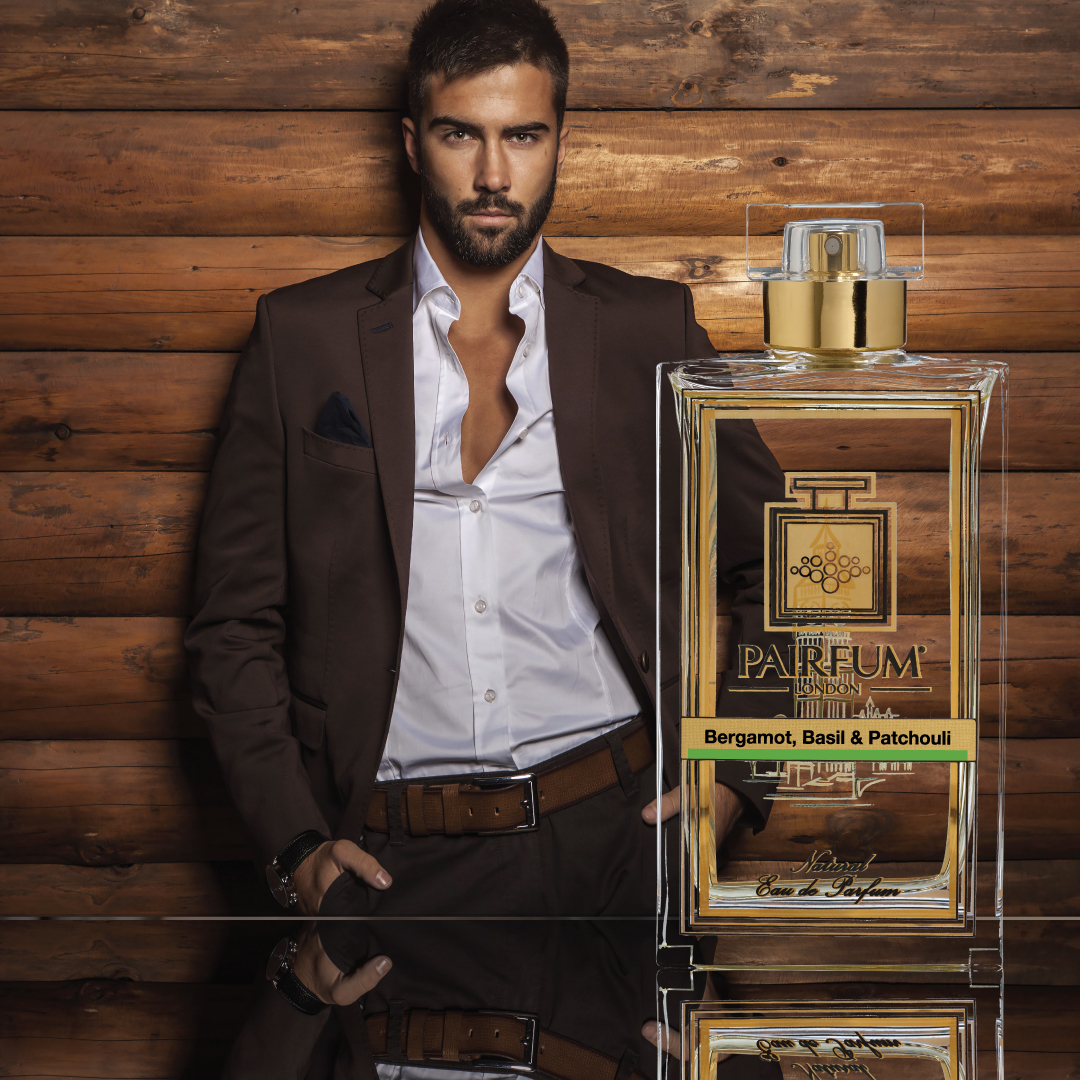
Bergamot, Basil & Patchouli – Eau de Parfum

  • This woody and aromatic accord opens with Bergamot, Lime, Green Leaves and spicy Basil. 
  • The heart is fresh with Lily, Freesia, Violet Leaf, Rose and Geranium. 
  • The note rests on a beautifully rich woody base of Patchouli, Vetiver, Sandalwood, Cedar and Amber.

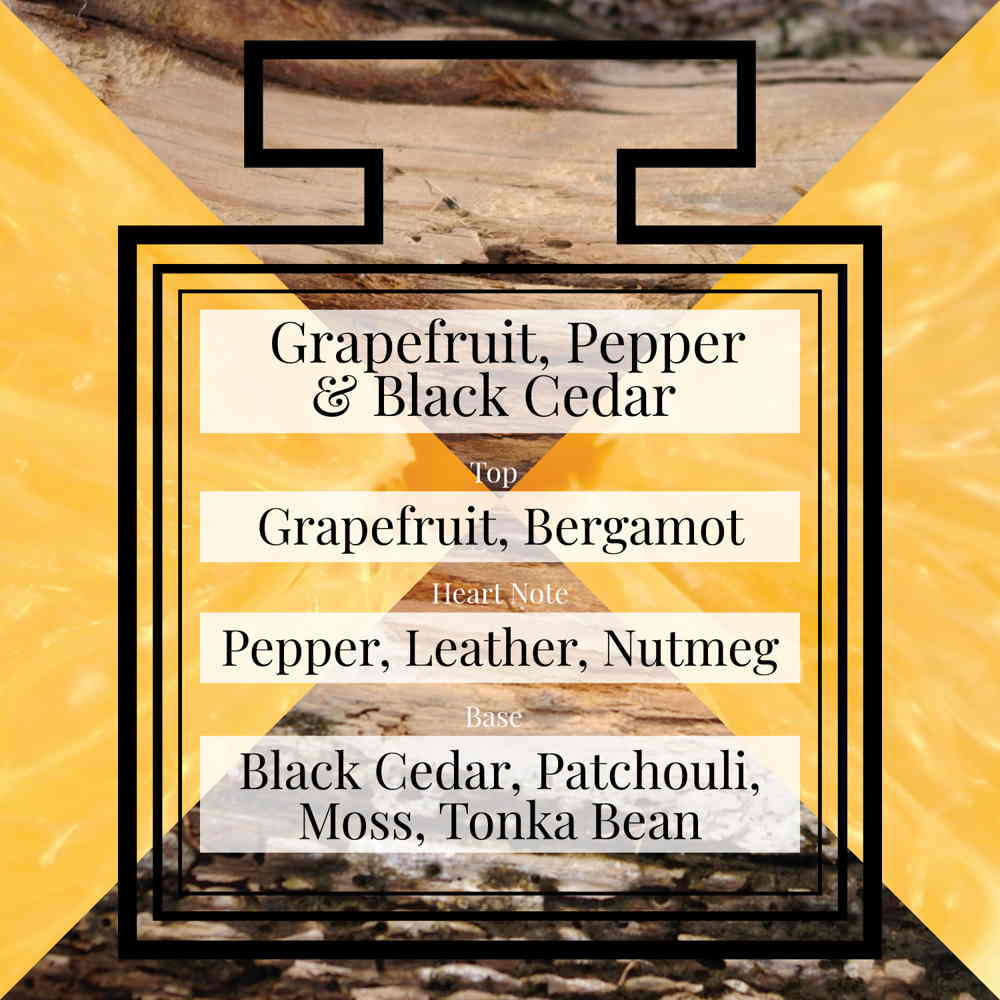
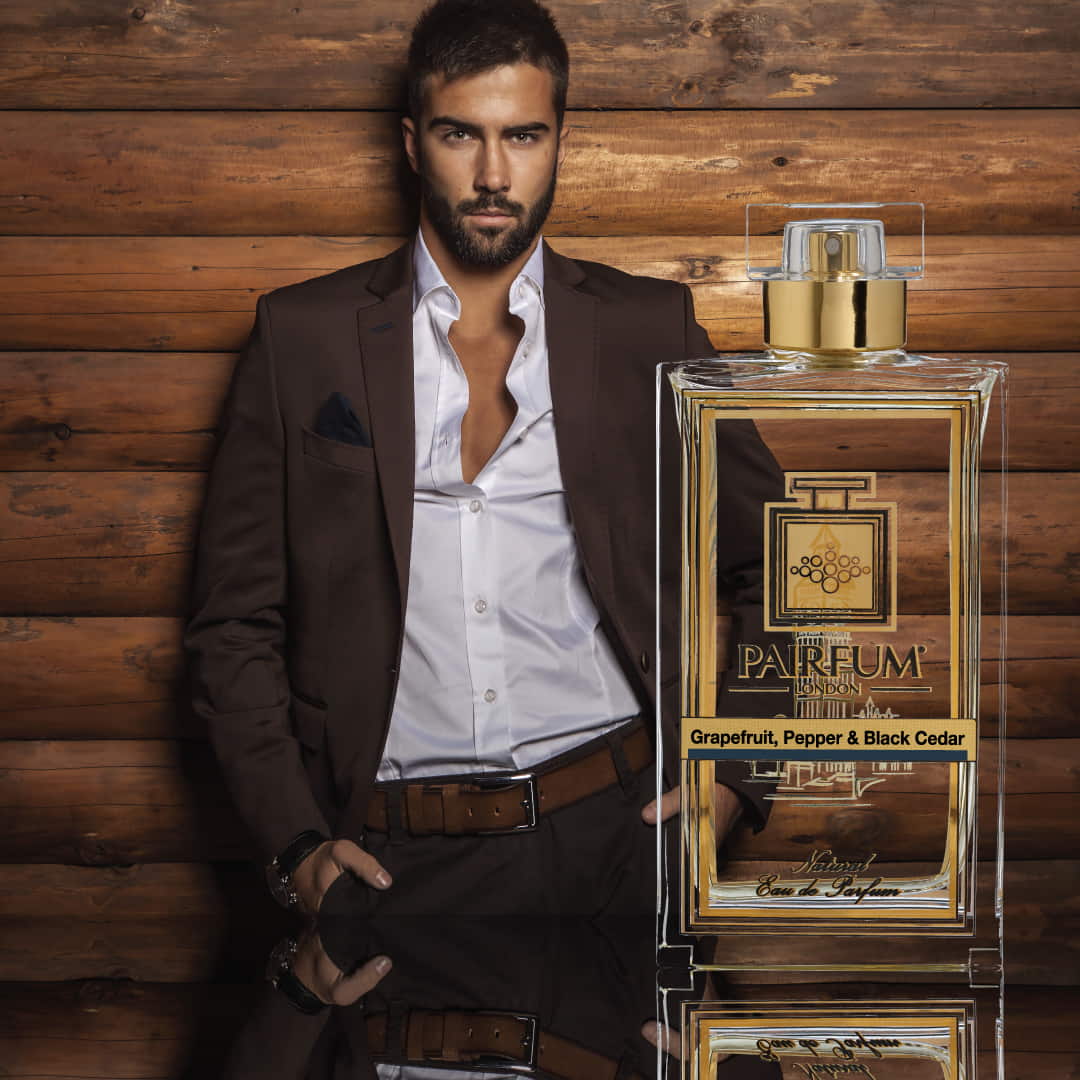
Grapefruit, Pepper & Black Cedar – Eau de Parfum

  • A rich, woody and spicy fragrance where the zest of grapefruit & bergamot infuse the opening with freshness.
  • The sensual heart of masculine leather is enhanced by the rich spicy elements of black pepper and nutmeg.
  • The base is intense and woody with black cedar, patchouli, tonka bean, and moss
Pairfum Fragrance Grapefruit Pepper Black Cedar Triangle

Conclusion

Patchouli oil continues to be a beloved ingredient in the world of perfumery, thanks to its distinctive scent, versatility, and numerous benefits.

From its historical roots to its modern-day applications in luxury perfumes and home fragrance, patchouli remains a key player in the fragrance industry. Whether you’re drawn to its earthy depth or its therapeutic properties, incorporating patchouli essential oil into your lifestyle offers a sensory experience like no other.

Explore the world of patchouli with Pairfum London’s range of exquisite perfumes, home fragrance products, and more.

Whether you’re a fan of classic patchouli or interested in trying contemporary blends, there’s a patchouli scent waiting to enchant you.

For additional information about Patchouli, we invite you to browse our dedicated page to patchouli perfume.

Flower Perfume

Flower Perfume: Beyond the Beautiful Blossom

Flower perfume holds a special place in the world of fragrances. The enchanting floral fragrance captivates our senses, telling stories of nature’s beauty and human creativity. For centuries, flowers have been celebrated for their alluring essences, used in rituals, healing, and perfumery. The appeal of these natural scents lies in their ability to evoke emotions, memories, and a sense of timeless elegance.

From the delicate nuances of damascena rose and jasmine to the bright allure of orange blossom and pink pepper, floral perfumes offer a wide range of olfactory experiences. Each flower captures a unique floral scent, which can be extracted and blended to create exquisite perfumes. The art and science behind these floral fragrances have been refined over generations, transforming raw flowers into iconic perfumes that stand the test of time.

This article explores the history, types, extraction methods, and iconic floral perfumes, taking you on a fragrant journey through the complex world of perfumery.

Eau de Parfum Person Reflection Neroli Musk Orange Blossom 1 1

The History of Flower Perfume

The history of floral perfume is intertwined with human culture and traditions. In ancient Egypt, floral oils were used in religious rituals and personal adornment. Damascena rose was especially valued for its soft, sweet fragrance, and jasmine was often used in both ceremonial and daily perfumes. Cleopatra herself was said to use floral scents to enhance her allure.

Moving into the ancient Greek and Roman periods, flowers such as violet and rose were associated with gods and goddesses. Floral notes were incorporated into perfumery to symbolise love, beauty, and femininity. During the Renaissance, perfumery flourished in Italy and France, giving rise to more sophisticated extraction techniques for essential oils, such as enfleurage and distillation, allowing floral perfumes to evolve into luxurious personal adornments for the wealthy.

Today, the tradition of creating floral perfumes remains strong. Iconic scents continue to emerge, from classics rooted in Damascena rose to modern compositions featuring exotic white flower, gardenia, and patchouli. These fragrances are cherished for their timeless appeal, offering everything from fresh daytime floral scents to deep, sensual womens perfume.

Pairfum Eau de Parfum Person Reading Pink Rose Sensuous Musk Woman 1 1

Types of Flower Perfumes and Their Unique Qualities

Flower perfumes can be categorised based on the type of flowers used, each bringing its own floral notes and distinct aroma to the blend. Below are some of the most iconic floral perfumes and the flowers that inspire them:

Damascena Rose

One of the most cherished flowers in perfumery, the damascena rose is known for its deep, velvety floral fragrance. Rose fragrances are often associated with romance and elegance, making them a timeless choice for those seeking a feminine fragrance.

Jasmine

With its intoxicating sweetness, jasmine is synonymous with sensuality. Often paired with other flowers, it adds richness and complexity to floral perfumes. Its opulent scent is perfect for evening wear and special occasions.
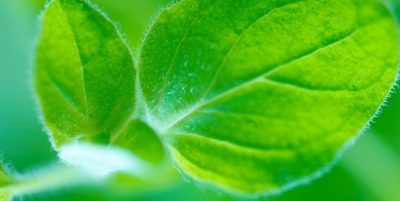
Orange Blossom

Bright, fresh, and uplifting, orange blossom adds a citrus twist to floral perfumes. Its cheerful floral scent makes it an ideal choice for those seeking a fresh scent for daily use.

Gardenia

Known for its creamy and lush aroma, gardenia offers a luxurious and feminine floral fragrance. It’s a popular choice in womens perfumes, adding depth and elegance to floral compositions.

Pink Pepper and Patchouli

For those who enjoy a bit of spice, pink pepper adds a bright, peppery kick to floral perfumes, while patchouli introduces a warm, earthy base that balances the lightness of floral notes with a rich, woody element.

Each of these flowers offers a unique note that can be combined with other ingredients, such as vanilla, fruity accords, and violet, to create a signature perfume tailored to individual preferences.

Flower Perfume Petals

Uses of Flower Perfumes

Flower perfumes serve a variety of purposes beyond personal adornment. They’re integral to the creation of candles, home fragrances, and body products. Their versatility makes them suitable for:

  1. Personal Fragrance – Whether you’re seeking a light daytime floral fragrance or a bold evening perfume, floral perfumes cater to every occasion.
  2. Aromatherapy – Essential oils extracted from flowers like lavender and rose are often used for relaxation, stress relief, and emotional balance.
  3. Home Fragrance – Floral scents are commonly used in home products like candles and diffusers, infusing living spaces with fresh, calming aromas.

Methods of Flower Perfume Extraction

Extracting the delicate floral fragrance from flowers is a meticulous process, with several methods used to ensure the purest scent is captured. Here are some of the most common techniques:

Distillation

Distillation involves steaming the flowers to release their oils. Jasmine and damascena rose are commonly distilled to create concentrated, long-lasting oils used in perfumes.

Solvent Extraction

Solvent extraction uses chemical solvents to dissolve the flower oils. This method is used to create more complex perfumes, including those featuring gardenia and other delicate floral notes.

Enfleurage

A traditional method, enfleurage uses fat to absorb the oils from flowers like jasmine and rose. This method, though time-consuming, captures the most delicate floral scents.

Tuberose Perfume Flower

The Role of Packaging and Personalisation in Flower Perfume

The visual appeal of floral perfumes is often enhanced through luxurious packaging, which reflects the beauty of the fragrance within. Brands now offer personalisation options, allowing consumers to add a bespoke touch to their perfume bottles, making each scent feel even more special.

Personalisation adds a layer of uniqueness, making your signature scent feel like a personal extension of your style and personality. Whether you prefer classic roses, airy white flowers, or the exotic hint or allure of jasmine, custom packaging and personal touches bring another dimension to the floral perfume experience.
Iconic Flower Perfumes Through the Ages

Throughout the years, floral perfumes have reached iconic status, celebrated for their artistry and timeless beauty. Here are some notable examples:

Kenzo Flower

Kenzo Flower is known for its delicate and airy floral notes, capturing the essence of petals and powdery poppies. This perfume has become a symbol of modern femininity.
Kilian Love

Kilian Love is a bold and intoxicating floral perfume that features jasmine and vanilla, creating a romantic, gourmand experience for those who love a rich, enveloping scent.

Marc Jacobs Daisy

Marc Jacobs Daisy is a playful and light-hearted floral fragrance that incorporates fruity notes alongside white flowers, offering a fresh, youthful perfume.

Francis Kurkdjian

Perfumer Francis Kurkdjian is renowned for creating some of the most exquisite floral perfumes in modern perfumery, blending classic flowers like rose and violet with contemporary twists.

These iconic floral perfumes not only highlight the diverse possibilities within the floral scent category but also demonstrate the enduring appeal of floral notes in modern perfumery.

Eau de Parfum Person Reflection Pink Rose Sensuous Musk Woman 1 1

Flower Perfume with Pairfum London

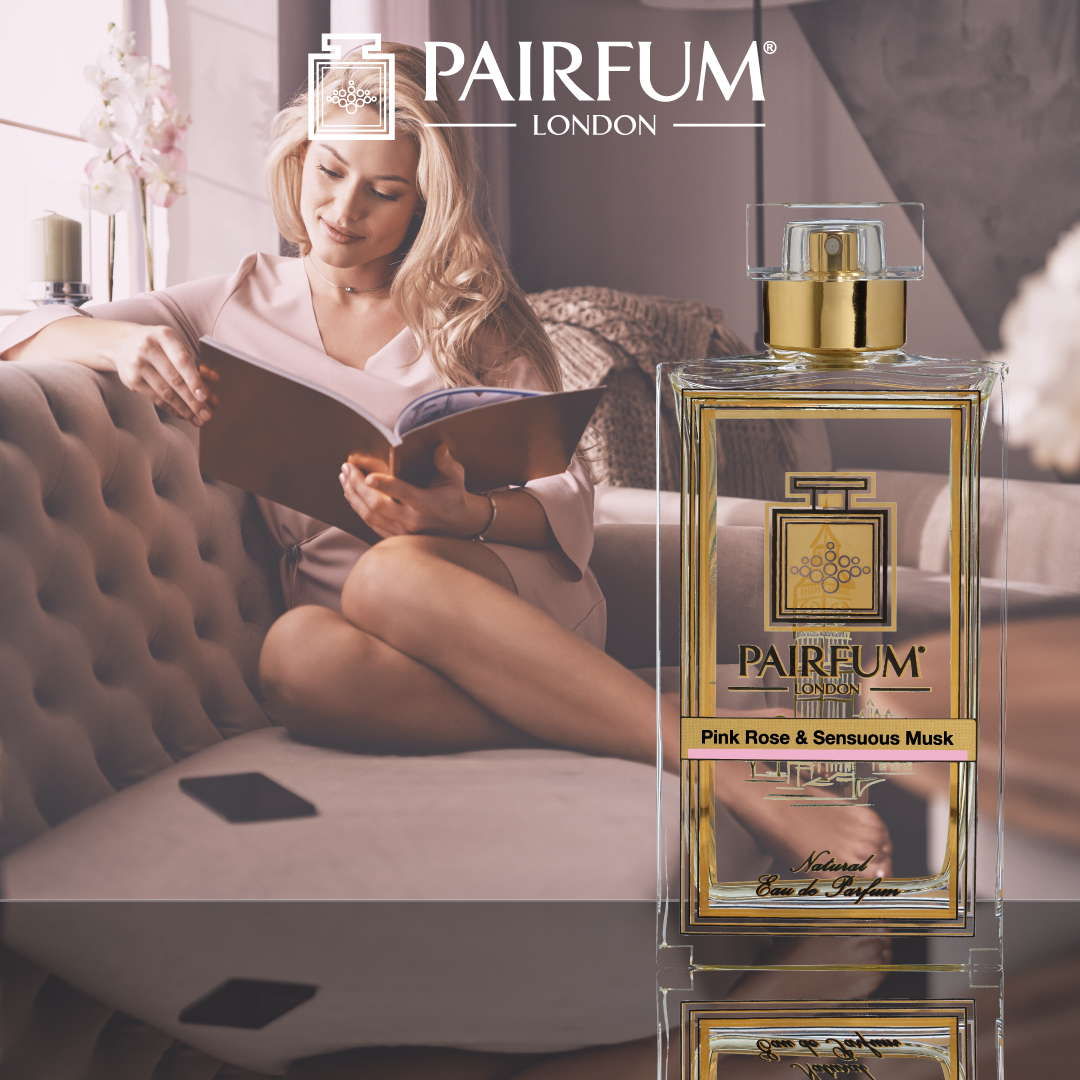
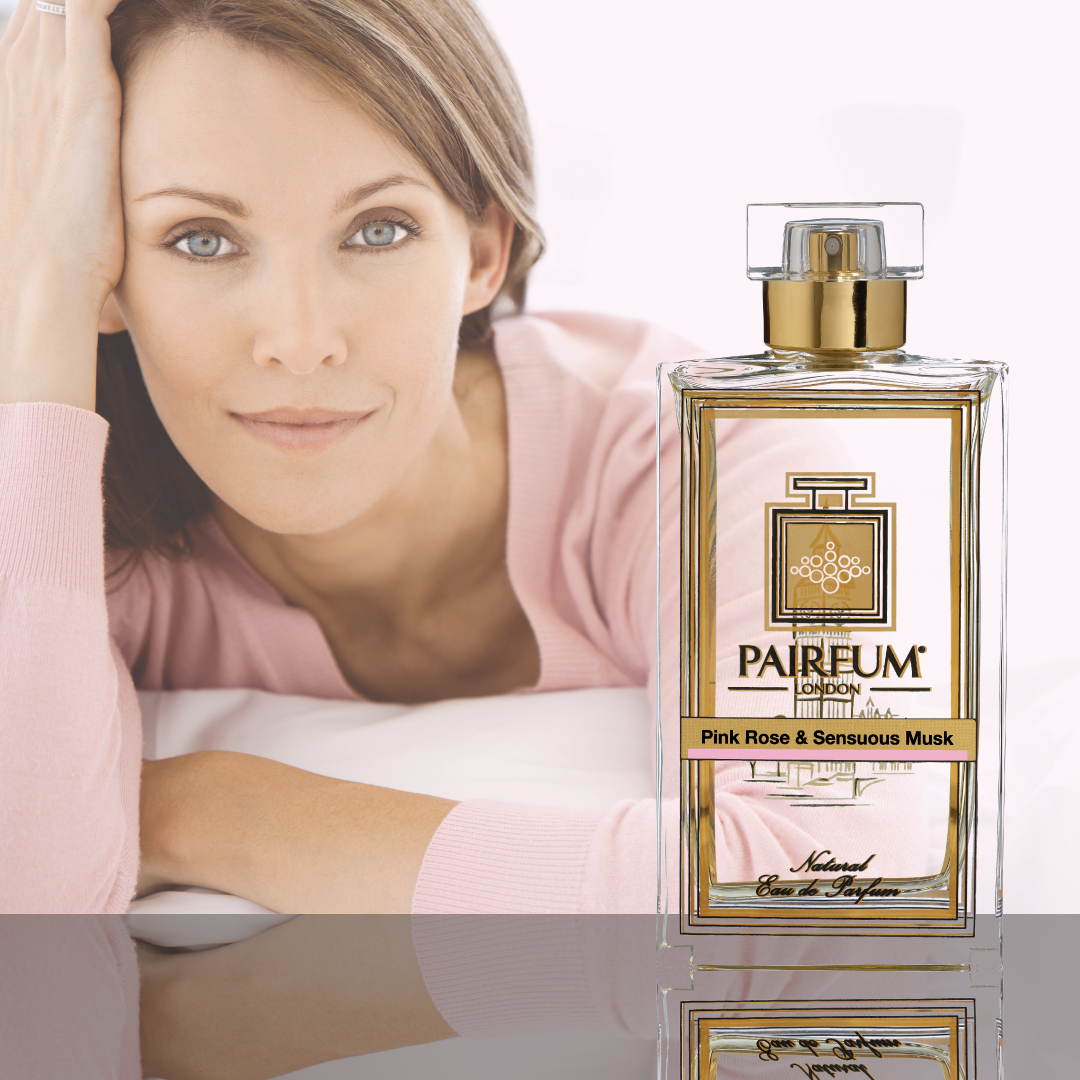
Pink Rose & Sensuous Musk – Eau de Parfum

A vibrant rose fragrance where the top notes of Sparkling Lemon and Lime are enhanced by the fruity nuances of Peach.

This feminine, floral heart is a radiant blend of Pink Rose, Magnolia and Frangipani.

The dark seductive base of Sensuous Musk, Amber and Precious Woods brings this fragrance to life.

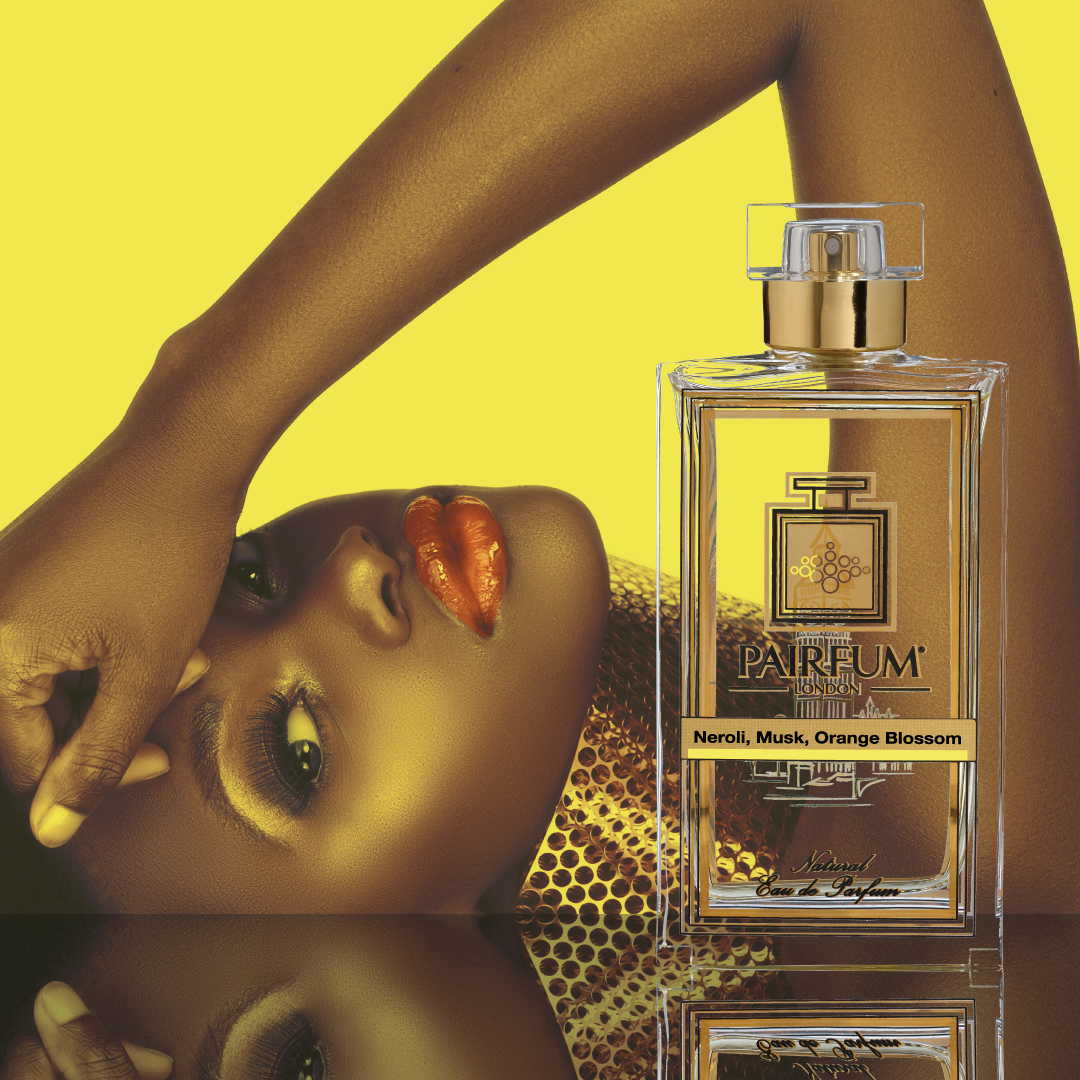
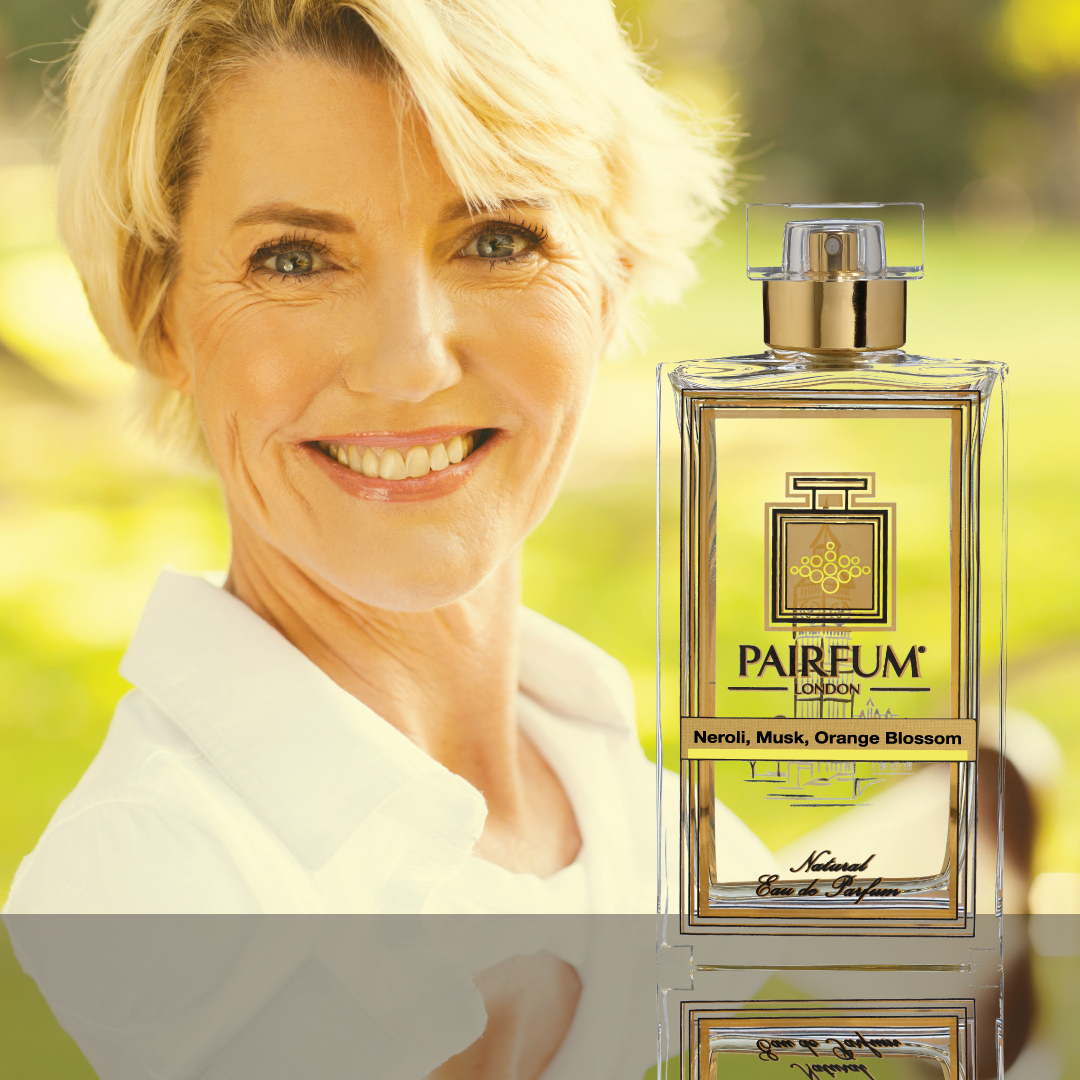
Neroli, Musk, Orange Blossom – Eau de Parfum

This beautifully fresh, floral fragrance opens with the natural top note of Neroli.

What follows is an alluringly pure & white floral heart of Orange Blossom and Madagascan Jasmine.

The sensual base of Radiant Musk and Cedarwood, add depth and warmth to this fragrance.

Eau de Parfum Person Reflection Neroli Musk Orange Blossom Bright 1 1

Conclusion

The world of the floral fragrance family is vast, with an endless variety of fragrances and compositions to suit every preference. From the history of flowers in perfumery to the intricate extraction methods used today, flower-based perfumes remain some of the most beloved scents in the world. Whether you’re drawn to the timeless elegance of damascena rose, the sensuality of jasmine, or the fresh burst of orange blossom, flower perfumes offer something for every woman.

At Pairfum London, we celebrate the beauty of floral perfumes. Explore our collection and discover a floral fragrance that resonates with your personality and style. Embrace the timeless allure of flower perfume and find your perfect fragrance today.

How Fragrances Are Made

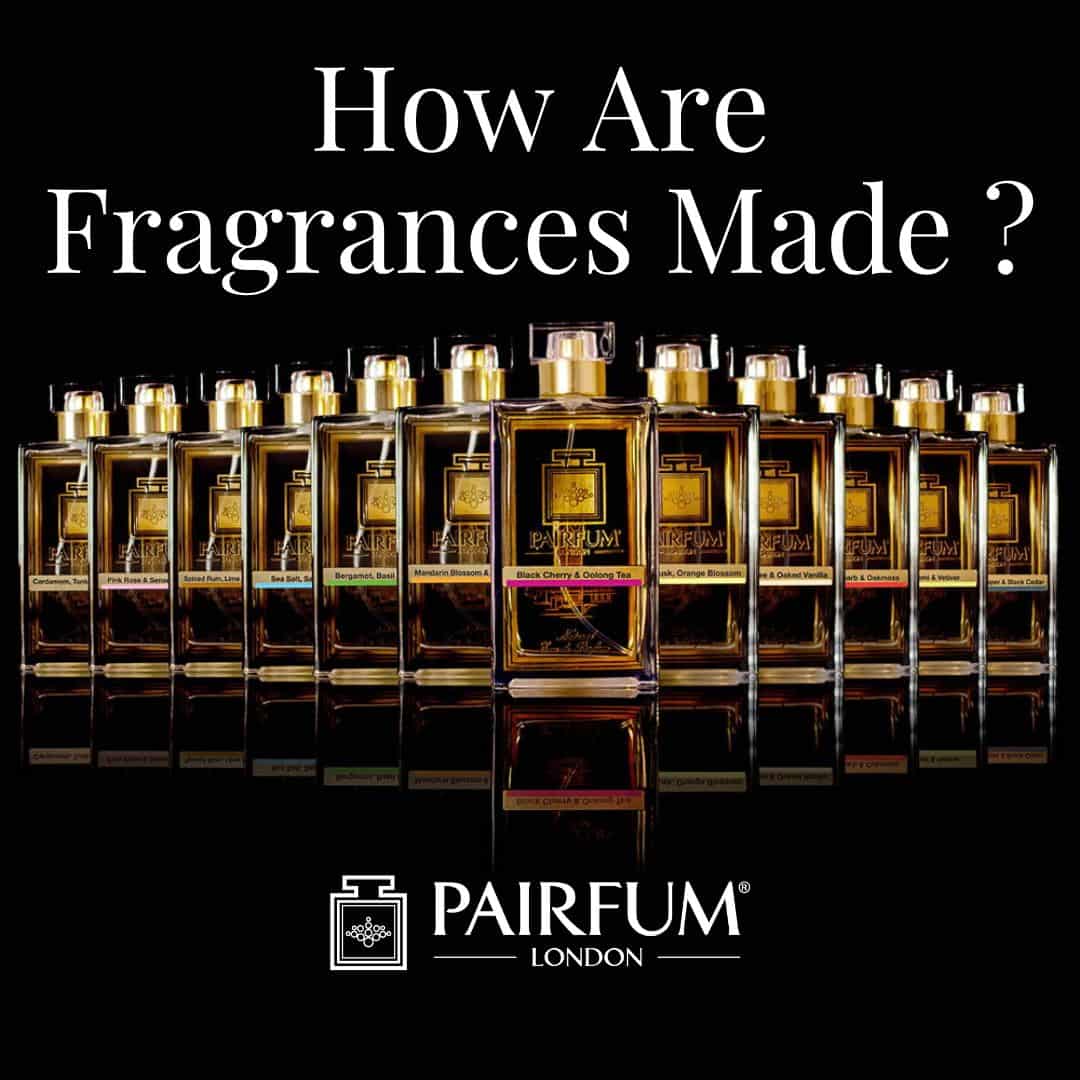
How Are Fragrances Made? The Art and Craft of Perfumery

Many of our customers ask us: How are fragrances made? Across the ages, perfumery has captivated the hearts and minds of many, sparking a fascination with the alchemy involved in crafting these olfactory delights. We unveil the enchanting process that lies behind this mesmerizing art form.

As we embark on this bewitching journey through the multifaceted layers of fragrance creation, prepare to unravel the secrets and complexities that define the remarkable world of perfumery.

A Brief History of Perfumery

Perfumery has a rich history dating back thousands of years, evolving from ancient rituals to modern artistry. The evolution of perfume manufacture has seen a transformation from simple natural ingredients to complex blends of essential oils and synthetic chemicals.

These changes have expanded the possibilities within the fragrance industry, allowing for the creation of unique and captivating scents that capture the imagination through smell.

Fragrance Manufacturing How Are Fragrances Made?

Fragrance Components: The Building Blocks of How Fragrances Are Made

At the core of every captivating perfume lies a symphony of individual elements, each meticulously chosen to harmonize within the final formulation. These building blocks include:

How Are Fragrances Made With Natural Ingredients ?

Some of the most exalted and cherished fragrances employ the use of natural ingredients. A natural ingredient can be derived from various sources like flowers and flower petals, fruits, spices, woods, and plant material. Extraction methods like steam distillation and solvent extraction help obtain the purest essences. While often more expensive and labor-intensive to obtain, the raw material of natural ingredients imparts a depth and richness to perfume that is unparalleled in its complexity and authenticity. The use of a natural scent is a hallmark of fine fragrance and essential to fragrance creation.
How Are Fragrances Made With Synthetic Ingredients ?

The use of synthetic chemicals in creating a fragrance ingredient has revolutionized the perfume industry by providing a more extensive palette to work with and enabling cost-effective production. Additionally, synthetics play a vital role in substituting any perfume ingredient challenged by ethical or ecological concerns, such as animal-derived musk. Talented noses expertly combine synthetic and natural components to achieve intricate works of olfactory art and create a synthetic perfume.

How are Pairfum Fragrances Made

The Perfumer’s Palate: Mastering the Art of Blending

Once ingredients are selected, perfumers embark on the intricate process of blending, utilizing their trained noses and extensive knowledge. The perfumer creates a captivating scent by carefully balancing different fragrance notes, each characterized by its distinct evaporation rates when exposed to air. This breakdown comprises:

Top Notes:

These are the first impressions of a perfume, the initial burst of aroma that lasts up to 30 minutes after spraying. As they evaporate the fastest, top notes are typically light, fresh, and invigorating, composed of citrus and green elements.

Middle or Heart Notes:

These notes form the crux of a perfume, becoming more pronounced after the top notes dissipate. They last for several hours and are the central narrative of the fragrance. Floral, fruity, and gourmand elements typically dominate this layer.

Base Notes:

The foundation of a perfume, base notes create a lasting impression and provide much of the fragrance’s depth, anchoring top and middle notes, allowing them to shine. These notes linger for several hours or, in some cases, days and primarily comprise earthy, woody, and amber elements.

The Science Behind Fragrance Blends

Creating a captivating perfume involves more than just mixing one fragrance oil with another; it requires an understanding of the complex interplay between different aromatic compounds. An aromatic compound, with its unique properties and evaporation rates, are meticulously balanced to achieve the desired scent profile.

Perfume brands invest significant time and resources in perfecting their blends to ensure each fragrance becomes a customer’s favorite perfume. By leveraging the properties of each perfume oil, perfumers can create signature scents that define their brand and resonate with consumers worldwide.

The Importance of Perfumer’s Alcohol

Perfumer’s alcohol is a key component in the perfume manufacturing process, serving as a solvent to blend essential and fragrance oils seamlessly. Its role is crucial in ensuring the perfume’s consistency, stability and longevity, making it an indispensable ingredient in the production of fine fragrances.
By allowing aromatic compounds to dissolve, perfumer’s alcohol facilitates the even distribution of scent, thus enhancing the overall fragrance profile.

The Aging Process: Enhancing and Refining the Fragrance

Once painstakingly blended, the fragrance is left to age or mascerate. Maceration can be as short as a week but also as long as year, It depends entirely on the fragrance and its ingredients.

This crucial stage allows the individual components to meld harmoniously, creating well-rounded and matured scent profiles. This maturation process adds an additional layer of complexity and ensures that the fragrance is consistently stable across different environments, such as variations in temperature and humidity.

How Are Fragrances Made with Modern Techniques and Innovations ?

The perfume manufacturing process has been transformed by modern techniques and innovations. Advanced methods like solvent extraction and steam distillation have enhanced the quality and purity of aromatic compounds.

Additionally, the introduction of synthetic chemicals has expanded the creative possibilities, allowing perfumers to craft scents that were previously unimaginable. These innovations have propelled the fragrance industry forward, ensuring that each perfume creation is a masterpiece in its own right.

Sustainability and Ethics in Perfumery

In today’s world, sustainability and ethics are at the forefront of the fragrance industry. Perfume manufacturers are increasingly focused on sourcing raw materials responsibly and adhering to ethical standards set by the International Fragrance Association. This commitment to sustainability ensures that the captivating scents we love are crafted with respect for the environment and the communities involved in the production process.

How Are Fragrances Made with Quality Control: Ensuring Consistency and Excellence

Prior to releasing a fragrance, it must undergo rigorous quality control assessments to guarantee excellence and consistency. Testing includes evaluating the aroma in a controlled environment, conducting stability and compatibility testing, and assessing it for potential allergens. These ensuring steps maintain that the final perfume remains steadfast to the original artistic vision, presenting an immaculate culmination of the perfumer’s artistry from conception to completion.

The Bottle: A Gateway to the Fragrance Experience

A perfume’s presentation is not only an aesthetic consideration but a functional one as well. A well-designed perfume bottle protects the fragrance from light, heat, and moisture – factors that can degrade the perfume over time. The captivating exterior serves as a gateway to the experience that awaits within, piquing curiosity, and encapsulating the essence of the fragrance in an exquisite form. Designers and perfumers collaborate to create iconic bottles that convey the spirit and vision of the scent inside.

Eau De Parfum Person Reflection Grapefruit Pepper Black Cedar Man Wood 1 1

The Role of Carrier Oils in Perfumery

Carrier oils play a crucial role in the perfume production process. These oils serve as the base for fragrance oils, ensuring that the scent is distributed evenly and lasts longer on the skin. The choice of carrier oil can significantly impact the overall fragrance profile, enhancing the natural ingredient and creating a harmonious blend. Carrier oils are also integral to the formulation of perfume oils, which are increasingly popular for their lasting impact and richness.

The Rise of Solid Perfumes, Perfume Pens & Rollers and DIY Perfumery

In recent years, there has been a growing interest in solid perfumes, perfume pens, roller ball perfumes and DIY perfume making.

A solid perfume offers a convenient and eco-friendly alternative to traditional liquid fragrances. Similarly, perfume pens and roller ball perfumes are a convenient new form of perfume application. DIY kits allow enthusiasts to explore the art of fragrance creation at home for themselves. This trend reflects the evolving preferences of consumers seeking unique and personalized scents.

Embracing Modern Fragrance Oils

Fragrance oils have become a staple in modern perfumery, offering versatility and depth to a wide range of products. These oils are often used in crafting an Eau de parfum and other formulations, providing a long-lasting and potent aroma.

A modern perfume brand now leverages the unique properties of fragrance oils to create memorable and distinctive scents. The inclusion of aromatic compounds in fragrance oils allows for a complex layering of notes, enhancing the overall olfactory experience.

Discover Your Favourite Perfume with Pairfum London

Having unveiled the captivating process of how fragrances are made, we invite you to delve deeper into this bewitching world by discovering the exquisite range of perfumes crafted by Huib Maat at Pairfum London. Today, our boutique perfumery house is revered for its refined taste and innate sensitivity to the ‘zeitgeist’ in fragrance.

Through these artfully created and tailored fragrances, you can experience the captivating journey behind the scenes of the perfume-making process, appreciating the art, craft, and passion that defines each exquisite aroma. Let your senses explore the endless possibilities that await and immerse yourself in the extraordinary world of fragrance, where enchanting stories unfold and vivid memories come to life. Transform your olfactory experience to new heights and unleash your inner nose by exploring the true essence of Pairfum London’s perfume mastery. Find your favourite perfume within this exquisite collection, and celebrate the timeless allure of fine fragrances.

Might we recommend our Spiced Rum, Lime & Guaiac Wood – Eau de Parfum

  • This Connoisseur’s accord opens with the intense aroma of Rum, nuances of Lime & Lemon and a radiant combination of Nutmeg & Pepper. 
  • The heart is deep and rich with Tuberose, Iris and Vintage Leather. A fond of Guaiac Wood, Cedar, Golden Amber, Vanilla Pod and Musk complete this luxuriously fluid fragrance.
How Eau De Parfum Is Made
Extract Perfume Unveiled

Extract Perfume: The Pure Essence of a Fragrance Unveiled

Embarking on the exploration of extract perfume unveils a realm of extraordinary sensory experience that transcends the boundaries of typical fragrances. It is the art of capturing the purest and most potent essence of a scent, unadulterated by dilution or dispersion, in a composition that showcases the true heart of its olfactory beauty.

At Pairfum London, a boutique perfumery house with an innate sensitivity for taste and ‘zeitgeist’ in fragrance, we revel in the world of perfume extracts and in this article, we invite you to join us in uncovering its charm. Plunge headfirst into the intricacies and enigmatic nuances that exemplify this magnificent form of perfumery, from the captivating distillation process to the beguiling aromas that are the hallmark of extract perfume.

Ignite your senses and prepare for an olfactory journey like no other, delving into the extraordinary realm of perfume extract – a world that represents the pinnacle of luxury and sophistication in fragrance.

The Essence of Extract Perfume: Defining Qualities

Before embarking on an exploration into the world of perfume extract, it is essential to grasp the nature of what sets this form of fragrance apart. Comprising the purest and most concentrated essence of a scent, often referred to as ‘absolute’, extract perfume is artisanal and luxurious.

Significantly stronger than eau de parfum or eau de toilette, this potent composition offers unparalleled olfactory intensity and lasting power. As a result, perfume extract is often regarded as the most precious and coveted form of fragrance expression, enveloping the wearer, both men and women, in an aura of sophistication and allure.

Eau De Pairfum Neroli Musk Orange Blossom Bottle Extract Perfume

A Brief History of Extract Perfume

The art of crafting perfume extract can be traced back to ancient times when civilisations, such as the Egyptians and the Persians, practised the use of aromatic ingredients in their rituals, cosmetics, and medicinal preparations. Over time, this sophisticated craft evolved to include new and diverse aromatic materials to create sublime, transportive fragrances.

The golden age of perfumery witnessed the emergence of Grasse, France, as the leading destination for luxurious perfume creations. During this era, the art of extract perfume creation reached new heights of mastery, with perfumers continually innovating new techniques to perfectly capture the essence of a scent.

The Science of Fragrance Extraction

The creation of perfume extract is a delicate and time-intensive process, crafted through a series of intricate steps that capture the pure essence and intensity of the scent. A variety of extraction methods, each with its unique characteristics, are employed:

Steam Distillation

Steam distillation is one of the oldest and most prevalent methods for extracting essential oils. This technique involves passing steam through plant materials, causing their volatile compounds to vaporize. The resulting steam and oils are then condensed and separated to yield the essential oil. This method is particularly effective for heat-stable materials and ensures that the aromatic compounds are preserved without degradation.

Expression

Expression, also known as cold pressing, is primarily used for citrus oils and some fruit. This method involves mechanically pressing or squeezing the peels of citrus fruits to release their oils. Unlike other methods, expression does not involve heat, which helps maintain the integrity and freshness of the oil. This technique is simple yet effective for extracting high-quality citrus essential oils.

Solvent Extraction

Solvent extraction is employed when heat-sensitive materials are involved. Aromatic compounds are dissolved using organic solvents such as ethanol or ethyl alcohol. After the solvent is evaporated, a concentrated aromatic substance known as ‘concrete’ is left behind. Further processing with alcohol can produce an ‘absolute’. This method is essential for extracting delicate flowers like jasmine and rose, ensuring their complete aromatic profile is preserved.

Super-Critical CO2 Extraction

Super-critical CO2 extraction utilizes carbon dioxide in its supercritical state—where it behaves like both a liquid and a gas—to penetrate plant materials and dissolve essential fragrant compounds. This method is favoured for producing pure, high-quality extracts without the use of harmful solvents. It is environmentally friendly, as CO2 is non-toxic and can be recycled, making it a popular choice in the fragrance and flavour industries.

Enfleurage

Enfleurage is a labour intensive and traditional method ideal for extracting oils from a delicate flower. Fresh petals are placed on a layer of fat, which absorbs their essential oils over time. The saturated fat, known as ‘pomade’, is then washed with alcohol to separate the oil. Although time-consuming, enfleurage captures the true essence of flowers like jasmine and tuberose, producing luxurious and authentic fragrances.

Maceration

Maceration involves soaking plant materials in a solvent, typically oil or alcohol, at room temperature or slightly elevated temperatures. Over time, the solvent absorbs the plant’s aromatic compounds. This method is straightforward and effective, though it can be time-consuming and may yield less concentrated extracts compared to other techniques. It is highly valued in artisanal perfumery for producing rich and complex scents.

Extract Perfume Manufacturing

The Future Of Perfume Extraction

Modern Extraction Methods

Modern extraction methods have revolutionised the perfume industry, allowing for more precise and efficient extraction of aromatic compounds. Techniques such as molecular distillation and ultrasound extraction are now being explored. Molecular distillation operates under vacuum conditions, allowing for the distillation of essential oils at lower temperatures, preserving their delicate aromas. Ultrasound extraction uses ultrasonic waves to disrupt plant cells and release their contents, offering a faster and more energy-efficient alternative. These advancements continue to push the boundaries of fragrance extraction, ensuring that perfumers have access to the highest quality ingredients.

The Importance of Purity in Perfume Extracts

Purity is paramount in the creation of perfume extracts. High-purity extracts ensure that the fragrance remains true to its natural source, providing an authentic olfactory experience. Impurities can alter the scent profile, leading to undesirable notes. Advanced extraction techniques strive to maintain the purity of the essential oils by minimizing exposure to heat and solvents that could degrade the aromatic compounds. This dedication to purity not only enhances the fragrance quality but also aligns with the growing consumer demand for natural and unadulterated products.

Sustainability in Perfume Extraction

As the perfume industry evolves, sustainability has become a critical focus. Sustainable extraction methods, such as super-critical CO2 extraction, are gaining popularity due to their minimal environmental impact. Additionally, sourcing raw materials responsibly is essential to preserving biodiversity and supporting local communities. Companies are increasingly adopting practices that ensure the longevity of aromatic plants and the ecosystems they inhabit. This commitment to sustainability not only benefits the environment but also enhances the ethical appeal of perfume products.

Pairfum Fragrance Ginger Elemi Vetiver Triangle

Discovering the Art of Blending Extract Perfume

The olfactory artistry of creating perfume extract goes beyond merely selecting and extracting essential oils; it involves the refined skill of blending these extracts into an exquisitely harmonious composition. Perfumers must consider the delicate balance of top, middle, and base notes, the interplay of aromatic accords, and the interweaving of contrasting elements to create a captivating fragrance that is greater than the sum of its parts.

1. Top Notes

The initial impressions of a fragrance and top notes are typically volatile and light, evaporating quickly after application. These aromatic elements set the stage for a fragrance’s opening act, drawing intrigue and awakening the senses.

2. Heart Notes

Also known as middle notes, heart notes play a substantial role in the composition of a fragrance, forming the body and central character of the scent. Heart notes persist longer than top notes, evolving as they harmonise with the surrounding elements and ultimately defining the tone of the fragrance.

3. Base Notes

Resonating long after the top and heart notes have faded, base notes create an enduring fragrance foundation. Characterised by their deep, rich aromas, these elements provide a sense of warmth and depth to the composition, complementing and grounding the other notes in the blend. Ingredients such as bark add an earthy quality that enhances the richness and complexity of the final product.

For more information about the olfactory pyramid, click here.

The Role of Natural Ingredients in Extract Perfume

The perfume industry has seen a significant shift towards the use of natural ingredients, with consumers increasingly favouring perfumes that highlight the essence of the plant material. Extract perfumes are celebrated for their use of high-quality raw material, such as exquisite essential oils. Essential oil is derived from flowers like lavender, jasmine, and rose. These natural elements ensure that each perfume reflects the true character of its ingredients, providing a more authentic and captivating aroma and olfactory experience.

Pink Rose & Sensuous Musk Extraction Perfume Extract

The Ethical and Sustainable Future of Perfume Extraction

The perfume industry is moving towards more sustainable and ethical practices in the extraction process. Traditional methods, such as enfleurage, and modern techniques, like solvent extraction using a chemical solvent, are being refined to minimise environmental impact while maximising the yield and quality of the final product.

Carrier oil is increasingly used in combination with these methods to optimise the extraction of essential oils and ensure that the process remains sustainable. At Pairfum London, we are committed to sourcing our materials responsibly, ensuring that our luxurious fragrances and any extraction method used in their production do not compromise the planet’s health.

Emotional Connections and Personal Preferences

Perfume is not just about scent; it’s a journey that evokes emotions and memories. The extract perfumes crafted by Pairfum London are designed to resonate deeply with the wearer, allowing personal preferences to guide the choice of fragrance. Whether it is the fresh allure of a citrus blend or the deep warmth of woody accords, our perfumes cater to diverse tastes and personalities, offering an olfactory experience tailored to every individual.

Luxurious Layers of Fragrance Extracts: The Ultimate Sensory Experience

A perfume extract embodies the pinnacle of olfactory artistry and expertise, exploring the fragrant depths of sensory sophistication with unparalleled finesse. As you delve into the world of extract perfume, you unlock the secrets of an opulent fragrance realm where every scent becomes a journey into the exquisite realms of taste and ‘zeitgeist’.

At Pairfum London, we celebrate the enchanting allure of extract perfume, combining our passion and skill to create unparalleled, luxurious compositions that truly captivate the senses.

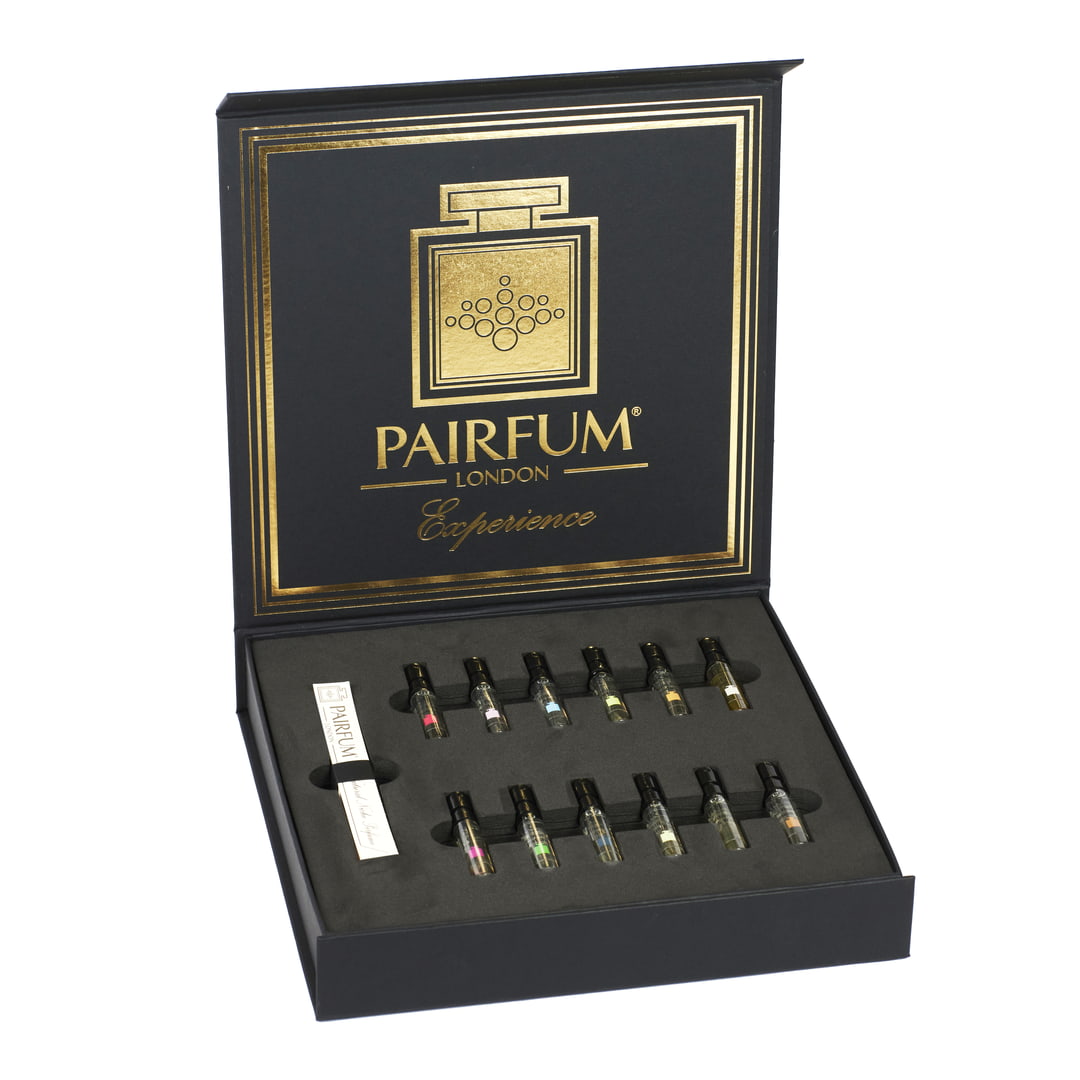
We invite you to immerse yourself in our sophisticated collection of extract perfumes and experience their enchanting, otherworldly quality for yourself. A fantastic place to start is our signature Perfume Experience Box, but for those who enjoy a floral fragrance, might we suggest:

Allow the pure, potent essence of fragrance to unveil the hidden depths of olfactory beauty, and let Pairfum London’s dedication and savoir-faire guide you on a mesmerising journey into the heart of perfume extract.

Pairfum Fragrance Sea Salt Sage Amber Triangle Ingredients Extract Perfume
Essential Oils 3

Review of Top 10 Essential Oils – Keep Young and Beautiful

Essential Oils – we have heard about them read about them, and most lightly we have used or do use them in our day to day lives.

If you have ever had a professional therapeutic massage or a treatment at your local beautician, maybe you have even been lucky enough to visit a spa..

PAIRFUM perfume oils in bottles for reed diffuser

Then whether you realise it or not the chances are you have had essential oils, applied, massaged or mixed in with your treatment.

Since time immemorial ‘Woman & Mankind’, have been searching for the Elixir of life…..

A magic potion that would help them – Keep Young and Beautiful.

If you would like to find out which one of the Reviewed Top 10 Essential Oils – claims to have ‘Youth Renewing’ properties then read on…

A large number of our customers that run Spa’s or Treatment centres, use the PAIRFUM London Healthy Diffusers and Candles, because they are made using Essential Oils.

PAIRFUM luxury scented candle and natural reed diffuser on a side table in a Nordic style house

Essential Oils are in essence the concentrated liquid extracted from plants, which are highly aromatic and can be used for certain medicinal, pharmacological and culinary purposes.

They have been used for centuries in the creation of Perfumes, Soaps, Lotions, and when processed in a particular way, they are safe to use in cooking, much like the way you may use vanilla or almond extract.

INNOCENT VANILLA YL04 Stretched By Savvas

So many articles are written about ‘Wellness’ , and finding ways to promote good health, to help you relax and de-stress after a busy day. Could using Essential Oils be the answer?

Sleeping Woman Bed Pijama Linen

Are there any benefits to using Essential Oils, and if so what are they?

Question Mark Info Graphic

We have picked the following ‘Ten Essential Oils’, some you may be familiar with, some less so, whatever the case may be hopefully you will enjoy finding out a little more about them…….

1. Basil Oil:

Every cook knows how wonderful this herb is in cooking, it has also been claimed that use of the oil helps with or alleviates, nausea, motion sickness, indigestion, constipation, relieves cold symptoms, infections, relieves stress, improves blood circulation and helps alleviate Pain… to name but a few. So quite a wide range of uses for this wonderful little plant.

PAIRFUM herb basil natural room fragrance perfume

2. Peppermint Oil

If you were asked to describe – Fresh, Green, Sparkling – then for most people peppermint would spring to mind. Used for it’s cooling effects and to help relieve sore muscles. It is well known for it’s ability to aid in digestion, and some claim that it triggers satiety. ( If so – this is one to add to the shopping list). Users also swear by it’s antimicrobial properties, which is why it can be used to fight infections and even freshen your breath. This is one of the reasons we find that little tray of mints on offer at the end of a meal in a restaurant.

Peppermint Leaves

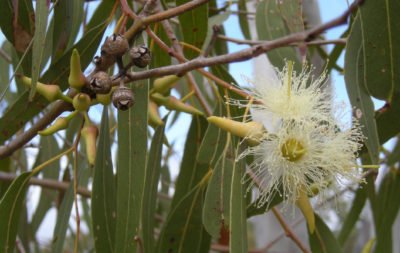
3. Eucalyptus Oil

Eucalyptus actually refers to a large genus of flowering trees that has over 700 different species, most of which are located in Australia and New Zealand. The oil has historically been used for infections, upset stomach, asthma, joint pain and burns. Known as one of the more versatile essential oils, it’s often found in mouthwashes, etc.. However as with all essential oils it should not be applied directly to the skin, or ingested without first consulting a doctor or specialist.

Eucalyptus Tereticornis Flowers,

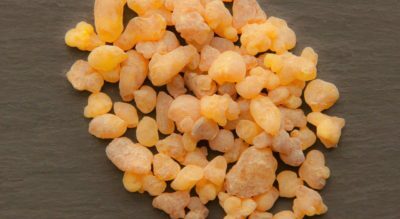
4. Frankincense Oil

Very few of us have not heard or read about the story of ‘The Three Wise Men’ or ‘The Three Kings’, one of whom brought frankincense as a gift for Jesus of Nazareth. This essential oil is an aromatic resin used in incense and perfumes obtained from trees, sometimes referred to as Olibanum. Some of the claims made for this oil are that it can offer a variety of health benefits, including helping relieve chronic stress and anxiety, reducing pain and inflammation, and boosting immunity. Some claim that it aids concentration, and that it may help you focus on the task at hand. ( Well, with that in mind – I will also add this one to my shopping list) it’s worth a shot.

Frankensense Boswellia Sacra

5. Juniper oil

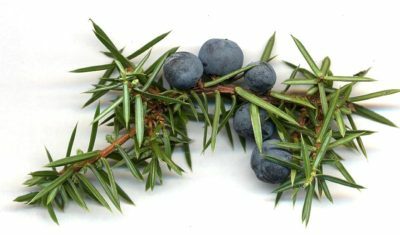
A juniper berry is the female seed cone produced by the various species of junipers, not a true berry, but is in fact a cone that looks like a berry (glad we could clear that up for you!) The uses for this oil range from a cleansing and detoxifying agent, to a natural skin toner that reduces the appearance of skin blemishes. Which may be the reason it is found in a variety of skincare products. It may also be the reason some people have the odd restorative ‘G&T’ now and again – just saying….

Juniperus Berrys Communis Cones

6. Lavender Oil

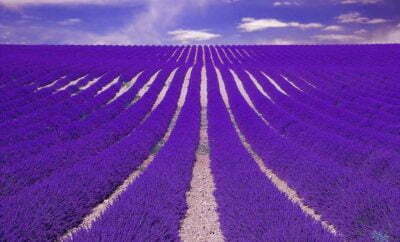
If you have not heard of or used Lavender Oil, then the one question that we have to ask is “Where have you been?” One of the most well known aromas worldwide, and we must also mention one of the most polarising aromas (as some people have a well known ‘Marmite Moment’ when you mention it) is used to calm, relax and de-stress. One of PAIRFUM’s best selling products is the Lavender Pillow Spray – For A Deep Night’s Sleep so if you do want to drift off peacefully into the land of nod – then look no further.

Lavender Field Outdoor Perfume

7. Lemon Oil

Lemons like most citrus fruit, remind us of Sunshine, Health and Vitality, believed to boost immunity, lemon essential oil can be added to a cup of tea, a glass of water or beer – come to think of it –  just about any drink that you want to add a sparkle to. It’s also commonly found in household cleaners, this may be due to the fact that the oils are easier to extract, and for that reason less expensive to produce. The aroma of Lemons is always uplifting and energising.

PAIRFUM cocktail spice lemon bay leaf star anise home fragrance perfume

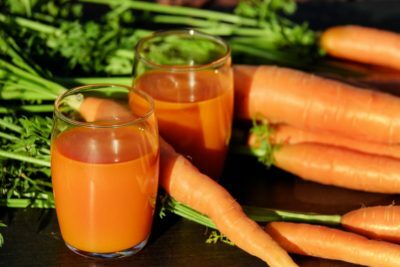
8. Carrot seed Oil

We have all heard that eating carrots helps maintain or improve our eyesight, well claims for this essential oil also include it’s ‘Youth’ promoting effects, as it contains antioxidant properties. (Note to self – add extra carrots to the shopping list). It is also said to help relieve joint conditions. So! to Keep Young and Beautiful….. it really can’t hurt to put carrots at the top of the shopping list for now….

Carrot 1

9. Rose Oil

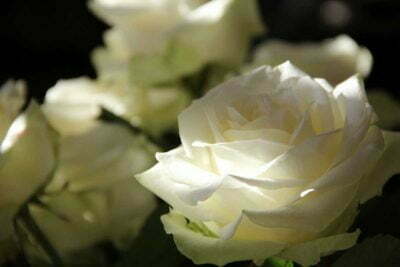
One of the most expensive ingredients in the Perfumery industry, Rose Oil is the essential oil extracted from the petals of various types of roses. It may be extracted through steam distillation, while rose absolutes are obtained through solvent extraction, the absolute being used more commonly in perfumery. Despite the high price and the advent of organic synthesis, rose oils are still perhaps the most widely used essential oil in perfumery. The Essential Oils are used in a number of applications, as it is believed to be an excellent emollient, a moisturiser for dry skin, contain anti-inflammatory properties to help treat redness and inflammation. Along with possessing antiseptic and astringent properties. Remember that what ever life brings, we should all “Take time to smell the roses”

Pure White Rose

10. Tea Tree Oil:

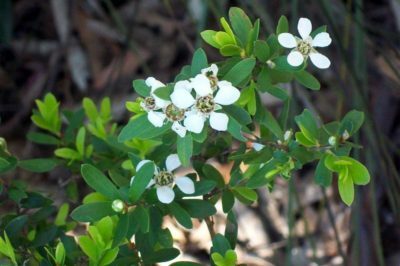
Has become more widely know in recent years, a native to Southeast Queensland and the Northeast coast of New South Wales, Australia. It is extracted from the leaves of the’Tea Tree’ or the  Melaleuca alternifolia. It is reputed to have antibacterial properties used for scrapes and cuts. It has also been claimed to work on everything from toothaches to head lice…. but as we have mentioned before, as with all Essential Oils it comes with a word of warning – it may cause you to have a severe reactions, so never take or use any Essential Oils  without first checking with your Doctor if this is suitable for you to use.

Wildflower Leptospermum Grandifolium Bairne Track

As with everything in ‘LIFE’ it is better to be ‘Safe than Sorry’….. so … A word of caution

While essential oils are generally considered safe to use, they shouldn’t be ingested in large quantities. It should also be noted that they should not be applied to the skin directly, as they may be an irritant or a sensitiser. If you’re thinking about regularly using an oil, you should always insure that you research the usage guidelines and potential risks, especially if there are children or pets in your home.

A NOTE about PREGNANCY:
As not all oils are safe for use during pregnancy. It’s probably safer to refrain from using any oils, since there is no solid evidence of their safety. Plus, pregnant women do tend to be more sensitive to smells and substances during this time. If in doubt always check with your Doctor.

If you would like to know more about the PAIRFUM London Collection – please get in touch we would love to hear from you.


    0
    Your Cart
    Your cart is emptyReturn to Shop