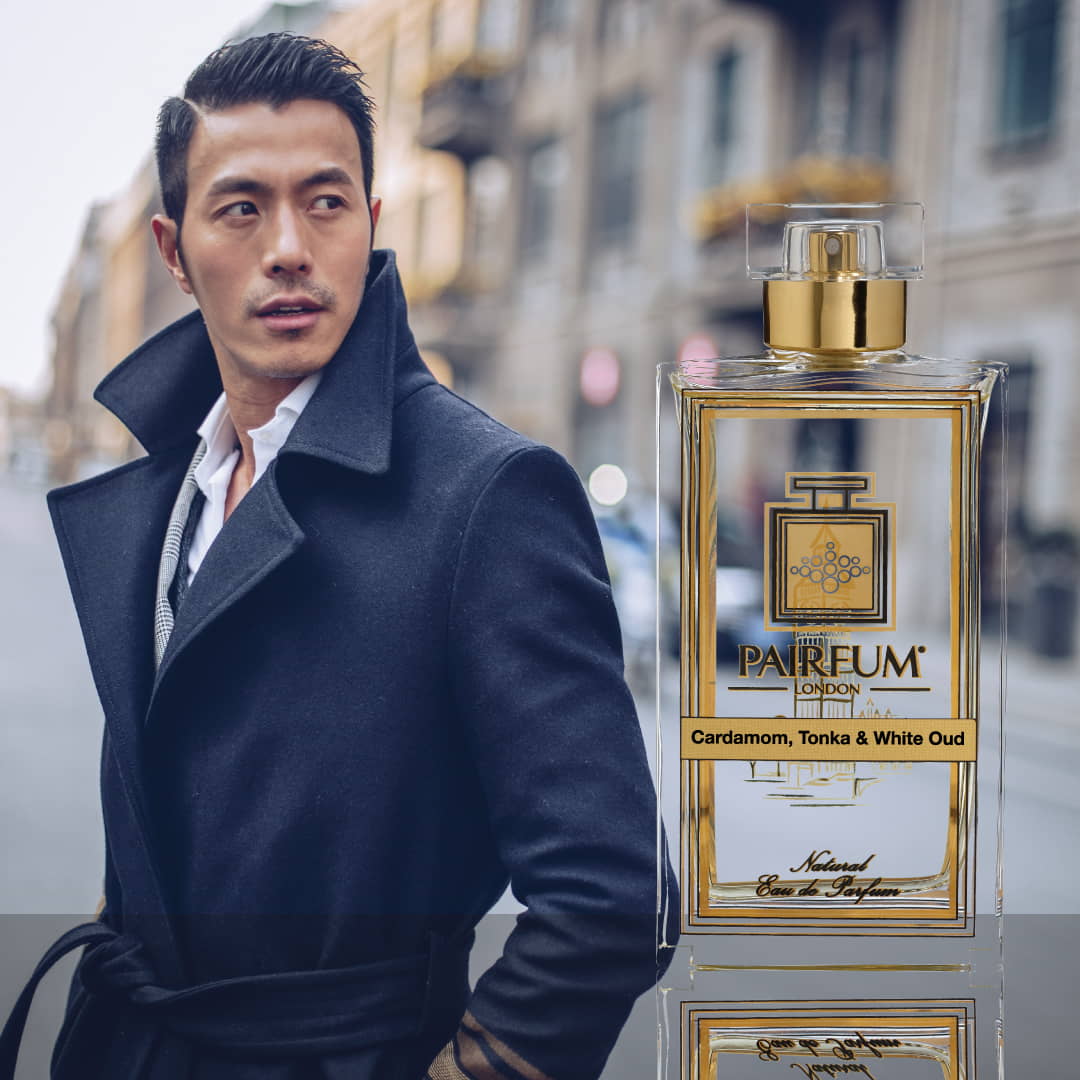
Few scents feel as instantly familiar and uplifting as the fragrance of lemon. This radiant fruit, scientifically named Citrus limon, is one of the most celebrated citrus notes in perfumery and has shaped history, health, food and fragrance alike. The sharp sour taste, vivid colour and sparkling aroma of lemons mean they are woven into daily life across cultures. From lemon water rituals and drinks to culinary favourites like lemon pie, desserts of lemon curd and even savoury accents with lemon pepper.
In fragrance, a single touch of lemon zest can transform an entire composition. It brings flavour and freshness, balances heavier notes and provides the sparkling first impression in some of perfumery’s most loved creations.
A Historical Journey with Lemons and Perfume
Origins and Early Cultivation
The origins of the lemon tree lie in north eastern India and Burma, where it evolved as a hybrid from the citron and bitter orange. Over centuries, cultivation spread westward through trade routes. The tree itself, part of the plant family Rutaceae, thrived in Mediterranean climates thanks to abundant sunshine and reliable water.
By the time of Ancient Rome, lemons were seen as luxury items, stored in jars and revered as exotic imports. Later, during medieval times, references to the word “lymon” appeared in Middle English texts, showing that the fruit had become embedded into Europe’s culture and language.
The Renaissance and Beyond
During the Renaissance, the medicinal and perfumed properties of lemon oil extracted from the lemon rind and lemon peel grew in importance. Sailors stored fresh lemon juice because its vitamin C helped prevent scurvy on voyages. This association between lemons and vitality cemented its reputation as more than just an edible fruit.
By the eighteenth century, the rise of Eau de Cologne placed lemon at perfumery’s centre. Its light, sparkling quality offered a radical contrast to heavier resins and musks of earlier blends, ushering in a whole new chapter of fresh, uplifting fragrance traditions.
The Chemistry of Lemon’s Scent
The sensory appeal of lemon comes from natural plant compounds including limonene, citral and pinene. It is also naturally high in citric acid and vitamin C, which are central to both flavour and nutrition.
For perfumers, lemon’s role as a top note is key. Its volatile molecules evaporate quickly, producing an immediate, dazzling effect. Though fleeting, this sparkle enhances florals, spices, woods and musks, adding contrast, balance and excitement. Even when gone from the skin, that memory of zest lingers in the imagination.
Varieties of Lemon
Perfumers draw on multiple types of lemons to achieve different effects.
Eureka lemon offers the classic zesty identity, providing a vivid, energising impact.
Meyer lemon is softer, fruitier and slightly floral, ideal where sharpness needs gentle rounding.
Lisbon lemons supply high volumes of concentrated juice, making them prized for both scent and flavour.
The geographical source also matters. Sicilian lemon trees grown on volcanic soil produce expressive and intense oils, while Californian orchards yield bright and clear aromas. Everywhere they grow, lemons tell a slightly different story.
Cultivation of Lemon Trees
The beauty of the lemon tree is found not only in its blossoms but also its resilience. Evergreen and fragrant, lemon trees yield fruit multiple times a year in the right climates. The tree requires fertile soil, ample sunlight and steady water.
For centuries, orchards of citrus trees provided more than just fruit. They represented wealth, purity and abundance. Even the smallest detail — from fragrant flowers to firm oval lemon seeds — holds importance. Culinary traditions use the peel, zest and rind, while perfumers treasure the concentrated aromatic compounds in the rind. Every part of the plant is valuable.
Extraction of Lemon Oil for Perfumes
Translating lemon’s vividness into perfume bottles requires careful extraction of lemon oil.
Cold Expression mechanically presses the outer peel to yield oil without heat, ensuring an authentic aroma.
Steam Distillation produces a lighter and fresher interpretation.
Solvent Extraction deepens complexity.
CO₂ Extraction offers eco-conscious plant processing with minimal waste.
Each extraction method influences how lemon flavor is captured in perfume, and modern perfumers continue to refine these approaches while ensuring sustainability.
Lemon in Fragrance Compositions
A Versatile Note
Such a citrus note rarely stands alone. Instead, it interacts beautifully:
With florals, it radiates clarity.
With woods, it balances weight.
With spices, it sharpens.
With musks, it adds cleanliness.
With other citrus fruit, it heightens sparkle.
This makes lemon indispensable to perfumery.
Sustainability
Growing demand means attention to sustainable lemon trees cultivation is increasing. With changing climates, reliance on irrigation water and eco-friendly farming practices are essential to protect orchards for the future.
Lemon, Wellness and Culture
Beyond fragrance, the link between lemon juice and wellbeing is ancient. The fruit is well known for supporting immune function thanks to its richness in vitamin C. Traditional medicine valued lemon water for digestion and cleansing, while modern research associates lemon oil vapour with improved focus and uplifted mood.
Lemon is also indispensable in kitchens. Lemon slices flavour refreshing drinks, a squeeze of fresh lemon juice balances salty or fatty dishes, and cooking uses extend to desserts like lemon pie topped with airy whipped cream, sharp lemon curd smoothed with cream and butter, or sugared lemon rind. Savoury dishes too benefit: think roasted vegetables with olive oil, sugar and a dash of lemon juice, or North African meals enriched with preserved lemon. From salad dressings to spice blends such as lemon pepper, the culinary associations amplify the immediate recognition of lemon’s scent in perfume.
When and How to Wear Lemon Perfumes
Lemon based fragrances are wonderfully versatile for all occasions. Their uplifting opening is ideal for mornings, spring and summer days, or moments needing clarity and energy. Niche perfumers experiment with pairing lemon’s zest with heavier resins for evenings too, demonstrating that its brilliance transcends seasons.
Layering techniques also allow citrus openings to be extended. Blending with woods, musks or florals lengthens lemon’s fleeting sparkle and creates new personal expressions.
Symbolism of Lemon
For centuries, lemons symbolised purity, wealth and abundance. They shine as visual motifs in art and literature, their yellow echoing the sun’s vitality. In cultural rituals, lemons represented cleansing and protection.
This symbolism links back to the multi-sensory richness of lemons: their sour taste, juicy brightness, vivid flavour and uplifting scent. Few other fruit carry such wide-ranging associations.
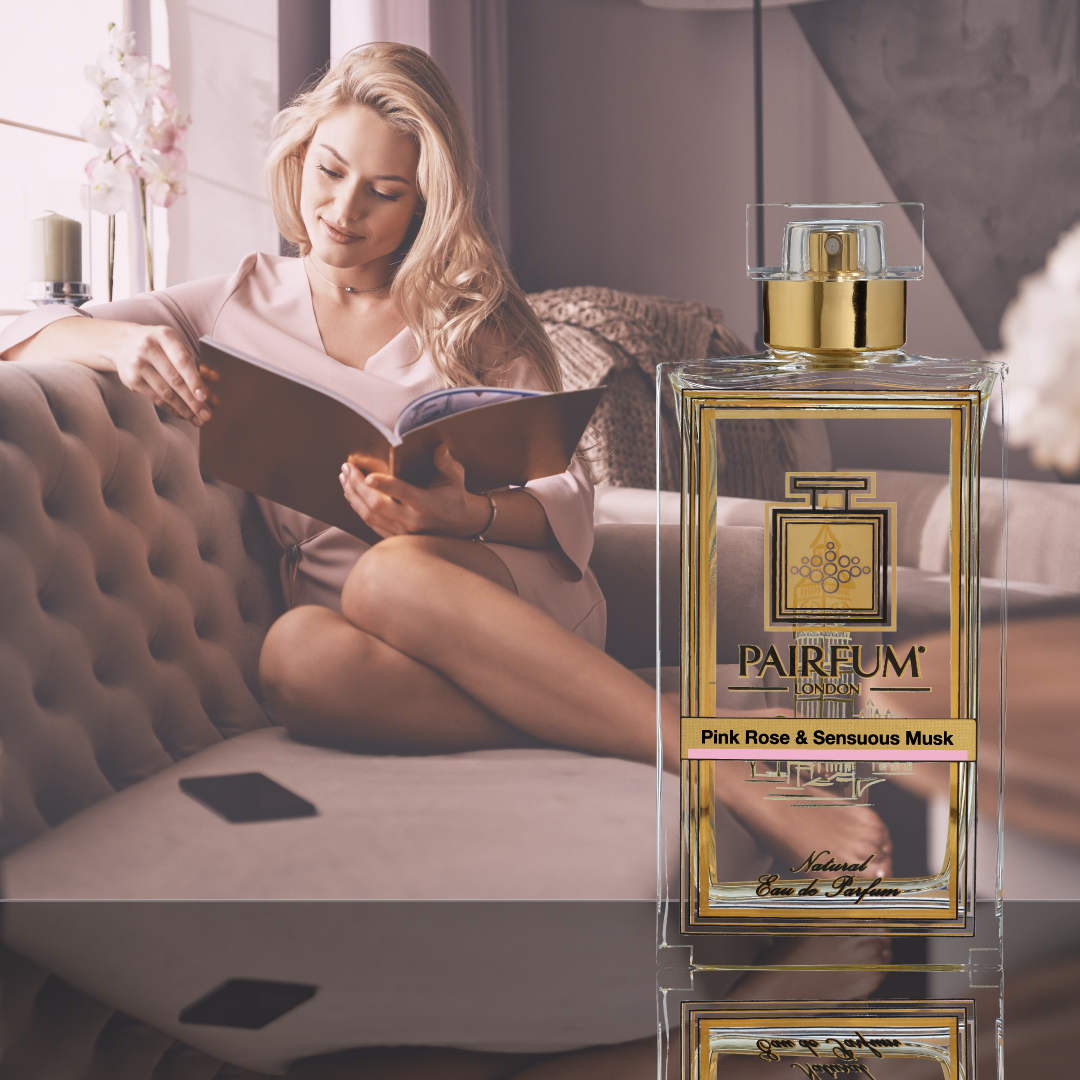
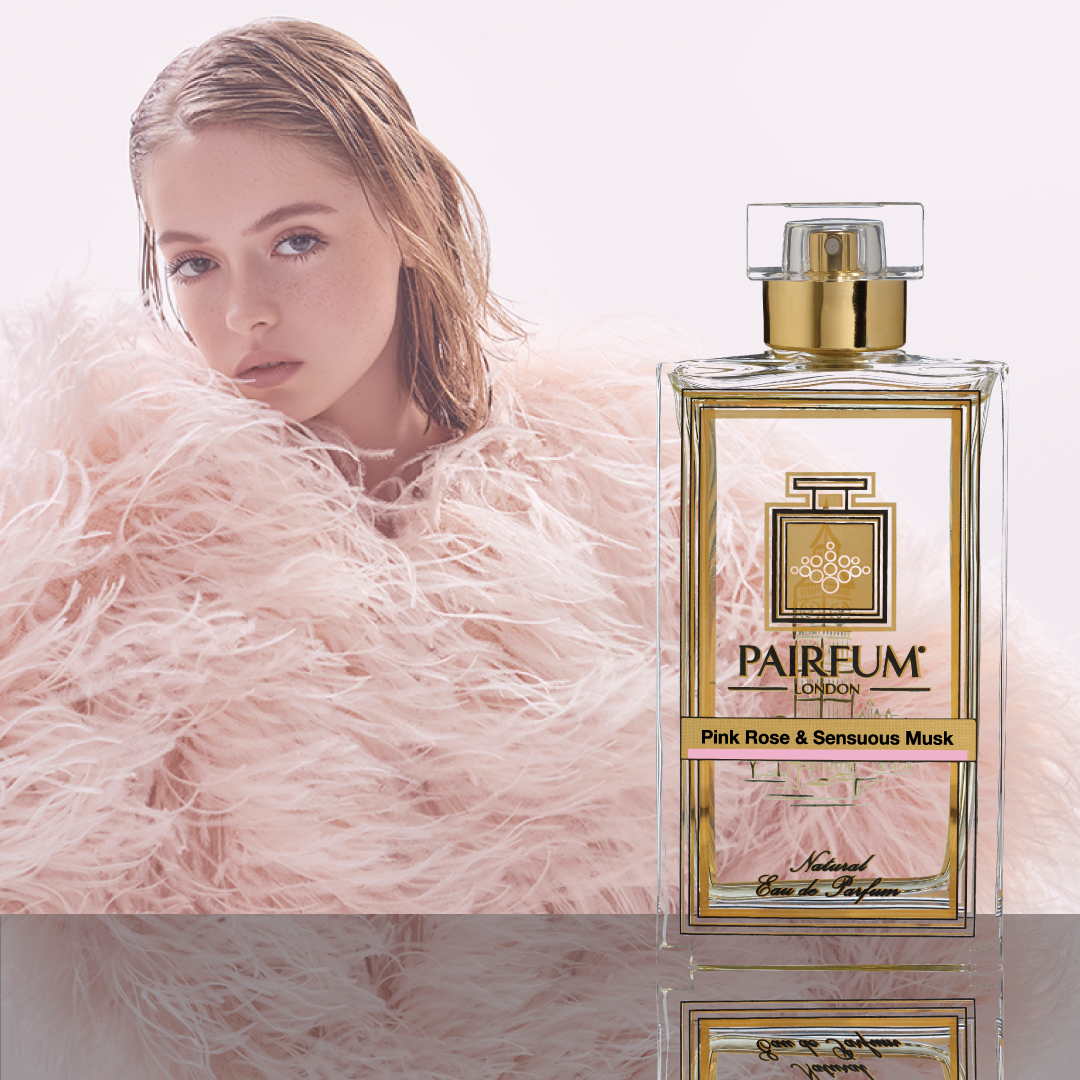
A vibrant, floral fragrance where the top notes of Sparkling Lemon and Lime are enhanced by the fruity nuances of Peach. The feminine, floral heart is a radiant blend of Pink Rose, Magnolia and Frangipani. The dark seductive base of Sensuous Musk, Amber and Precious Woods brings this fragrance to life.
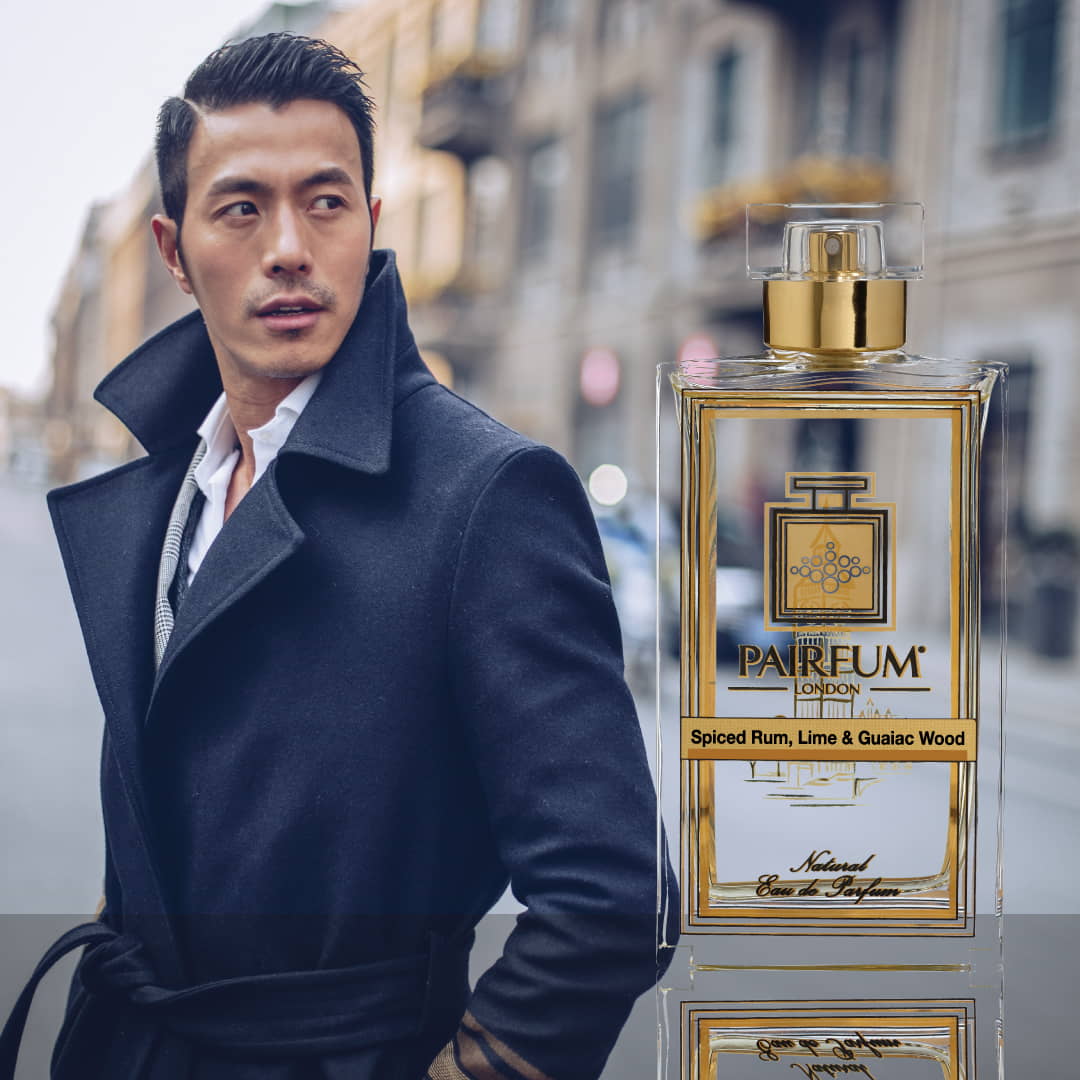
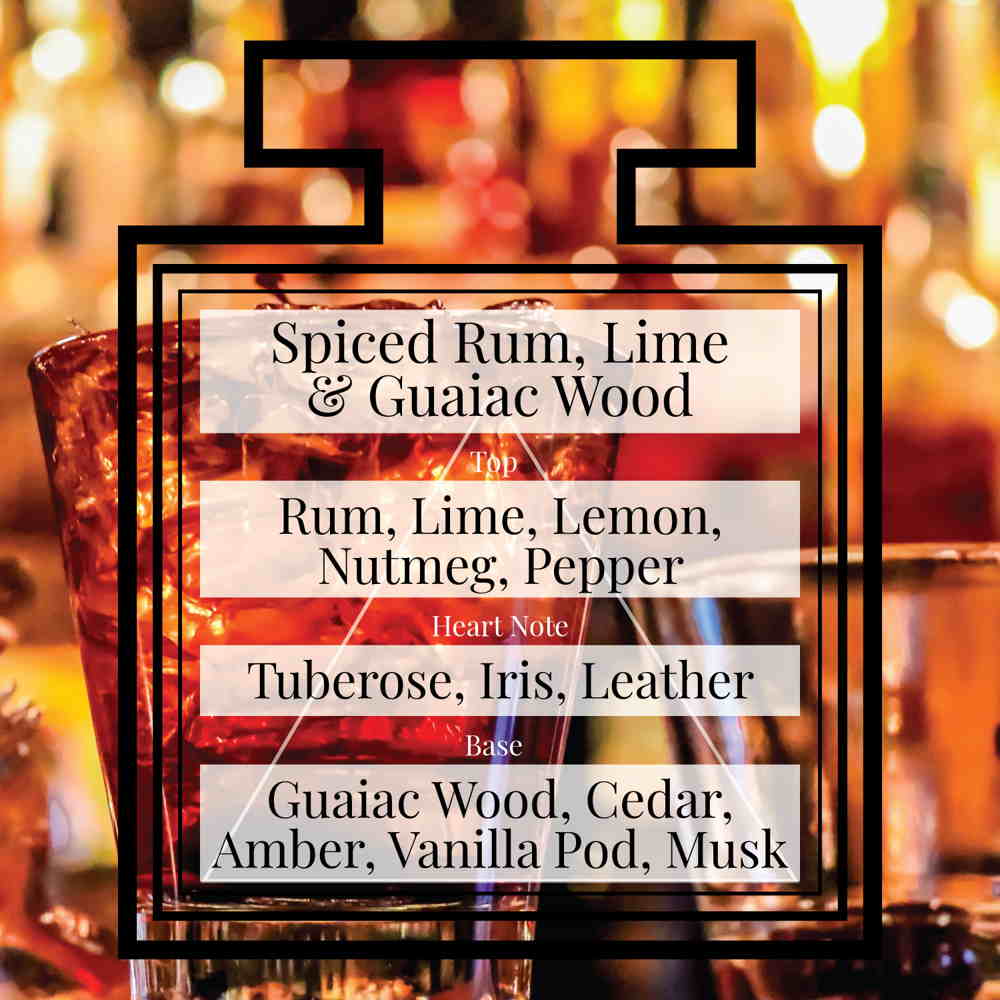
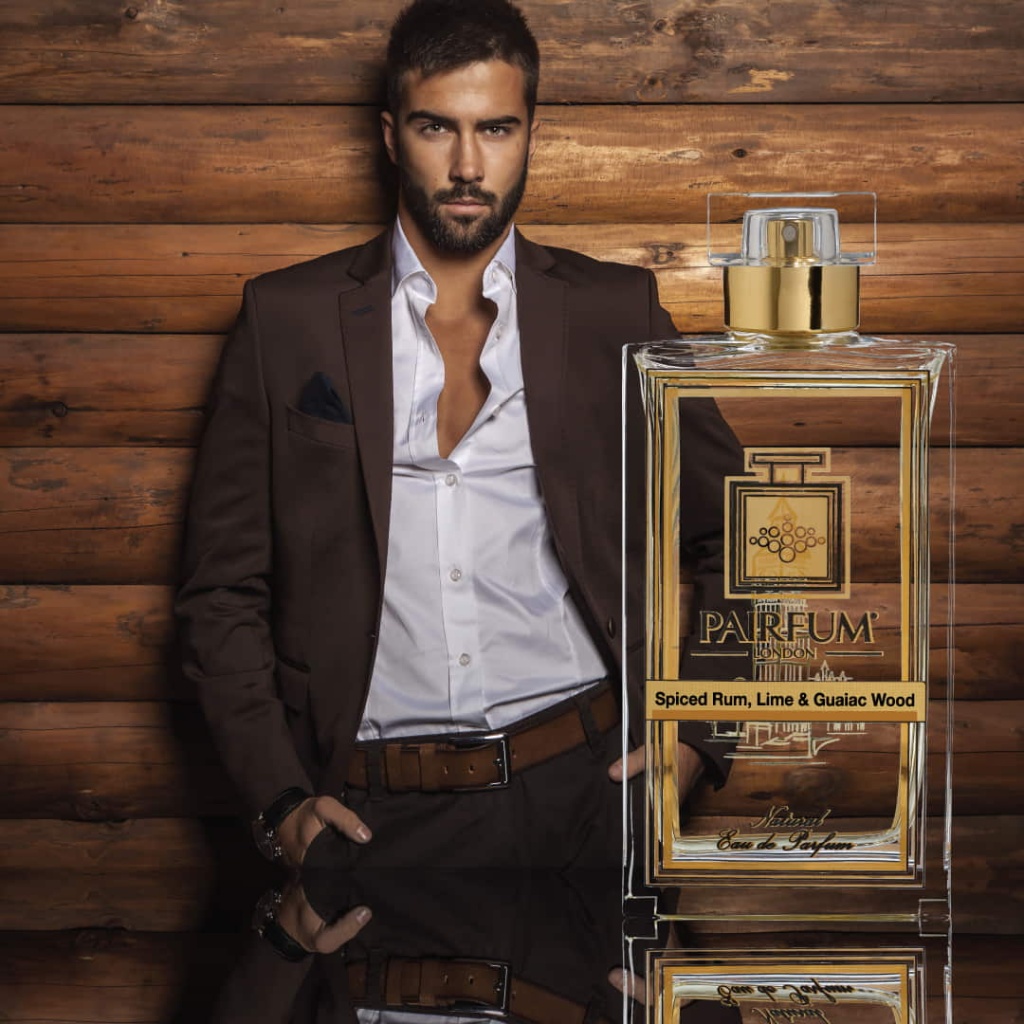
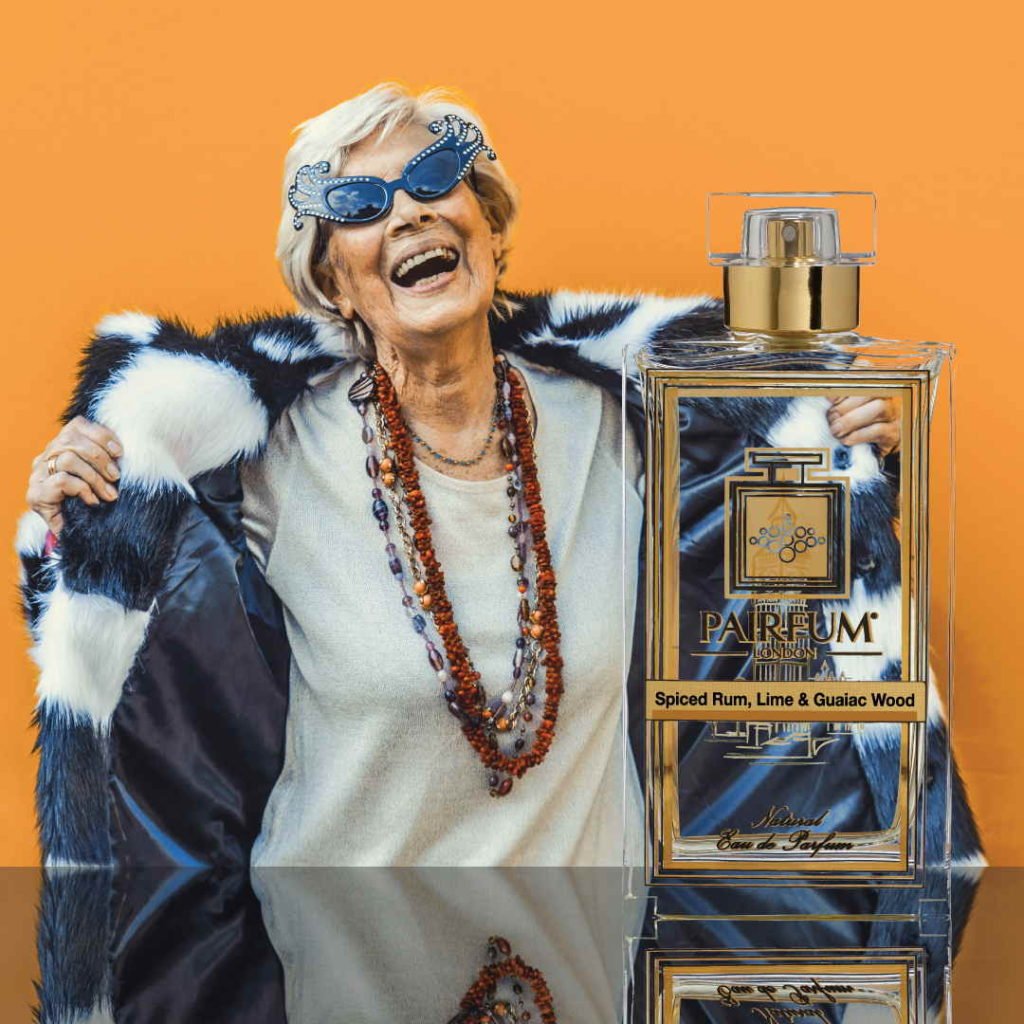
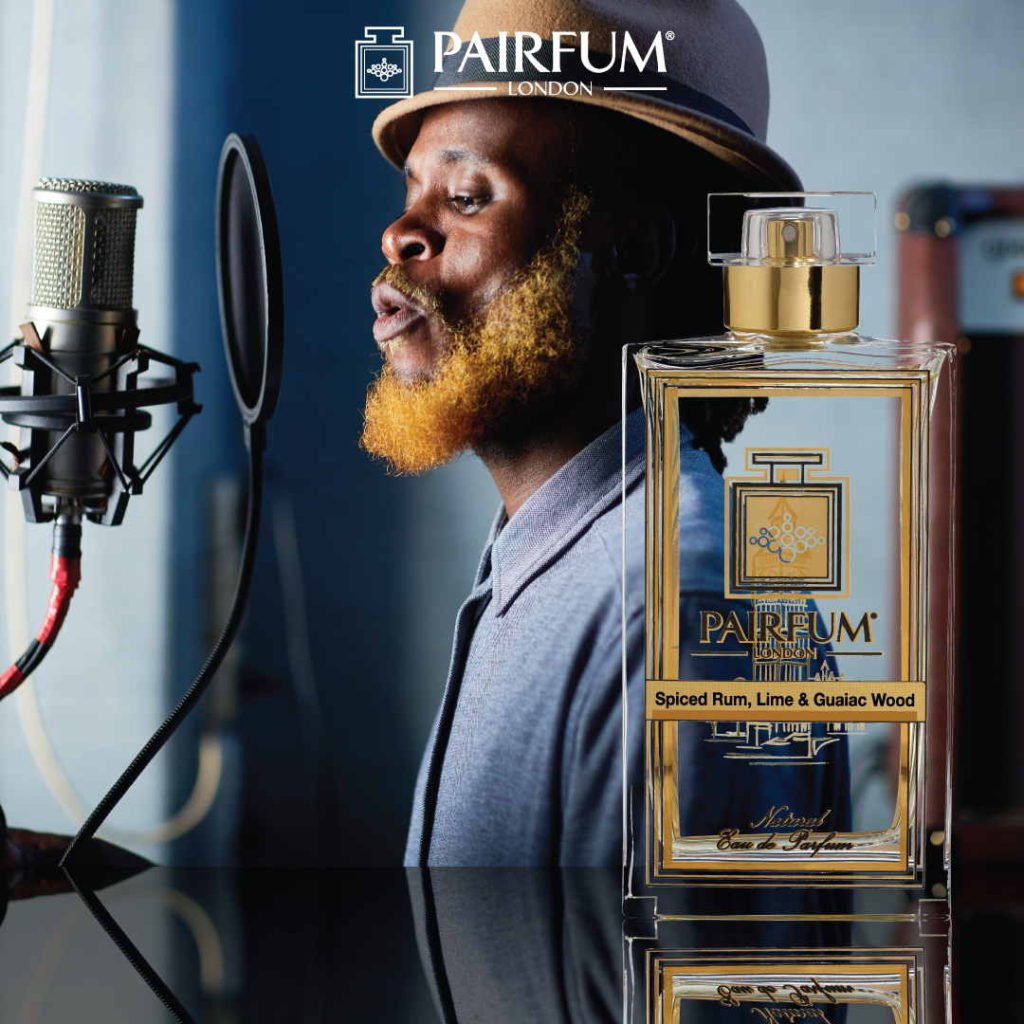
This Connoiseur’s accord opens with the intense aroma of Rum, nuances of Lime & Lemon and a radiant combination of Nutmeg & Pepper. The heart is deep and rich with Tuberose, Iris and Vintage Leather. A fond of Guaiac Wood, Cedarwood, Golden Amber, Vanilla Pod and Musk complete this luxurious fragrance.
Conclusion
This is not just a fruit but a story bridging history, wellness, cuisine, symbolism and fragrance. Its blossoms fill orchards of lemon trees with beauty, its juice and zest enrich recipes, and its oils define some of the most captivating perfumes ever created.
To experience the fragrance of lemon is to embrace light itself: fresh, joyful, timeless. Whether tasted in a spoonful of lemon curd, enjoyed as lemon water, or breathed in as perfume where zest fills the air, this citrus fruit continues to shine as one of humanity’s most enduring treasures.
Positive scent influence is the hidden power of fragrance to transform mood, evoke memories and create deeper connections in everyday life. Fragrance is invisible, yet its ability to alter the way we feel is profound. The smell of bread straight from the oven, the familiar scent of lavender on clean sheets, or the crisp lift of a citrus scent in the morning can affect our state of mind within seconds. This is the essence of positive scent influence — the way fragrance, odour and aromatic notes interact with our memory, body and emotion to create balance, comfort or vitality.
Modern science now validates what ancient cultures knew intuitively: certain scents can calm, energise, restore focus or evoke deep connections. By studying the olfactory system and the psychology of smell, we can learn not just to appreciate fragrance but to actively harness its power.
The Science of Smell and the Olfactory System
The human olfactory system is unique among the senses. When scent molecules enter the nose, they bind to an olfactory receptor and send signals to the olfactory bulb. Unlike sight and sound, which pass through processing centres in the brain’s cortex before reaching emotional areas, smell connects almost immediately with the limbic system. This network includes the hippocampus and amygdala, which play central roles in memory and emotion.
Neuroscientific studies published in peer‑reviewed journals confirm the strength of olfactory cues. Researchers have shown that a specific scent can instantly recall details of a long forgotten memory, a phenomenon known as the Proust Effect. Clinical trials have also demonstrated measurable physiological changes: inhaling lavender can reduce cortisol (a stress hormone), slow heart rate and induce a calming effect. Meanwhile, peppermint and rosemary odours improve accuracy and speed in cognitive performance tasks.
This is why different scents are not simply pleasant. They change neural activity in ways that shape mood and behaviour. By choosing the right fragrance, we can deliberately create environments that inspire wellbeing and positive emotions.
Historical and Cultural Roots of Fragrance
The use of fragrance spans history and geography. In Ancient Egypt, priests burned frankincense, producing a pleasant odour believed to connect mortals with the divine. The Greeks recommended thyme and rosemary for vitality, while Roman bathhouses were filled with ambient scent from oils and herbs.
In Ayurveda, the soothing scent of sandalwood aligns mind and body, while Traditional Chinese Medicine prescribes aromatic plants for harmony. Medieval Europe valued rose and chamomile waters for their calming effect. Across these practices, fragrance was not embellishment but therapy — an incorporating scent into daily life to maintain balance.
Today, anthropologists and psychologists note that olfactory cues retain this role, continuing to regulate ritual, social bonding, and personal significance.
How Fragrances Influence Mood and Emotion
Research repeatedly demonstrates that fragrances influence mood, emotion and physiology in ways both immediate and long lasting.
Engaging with fragrance is ultimately a sensory experience that goes beyond the simple act of smelling. The textures, associations and environments linked with different aromas all play a part in shaping how we feel. For example, surrounding yourself with a calming scent such as lavender, chamomile or sandalwood not only influences the brain through the olfactory system but also nurtures the body’s relaxation response. This connection turns the everyday use of fragrance into a multi‑layered encounter that enriches both mind and surroundings.
Calming and Stress Relief
Lavender: One of the most studied, strongly associated with a calming effect on anxiety and sleep.
Chamomile: Its subtle soothing scent lowers tension and helps the body prepare for rest.
Sandalwood: Promotes stillness and introspection.
Energising and Uplifting
Citrus scents: Orange, lemon and grapefruit deliver uplifting scents proven to increase alertness and productivity.
Peppermint: Enhances sustained attention and working memory.
Eucalyptus: A cleansing stimulus that refreshes the senses.
Romantic and Comforting
Rose: A universal symbol of connection and intimacy.
Vanilla: A pleasant scent with warmth and nostalgia.
Jasmine: Exotic, enveloping and evocative of closeness.
Psychological testing shows how a specific fragrance primes the brain for corresponding roles – citrus promoting vitality in the office, lavender inviting deep rest at night, rose evoking tenderness. It is not accidental: smell functions as an olfactory cue activating associated states.
Beyond Mood: Health Benefits of Scent
Odours also interact with physiology. In clinical environments, ambient scent has been shown to:
Lower blood pressure and stimulate the parasympathetic nervous system.
Improve immune function indirectly by enhancing sleep quality.
Reduce the need for sedative medication when lavender diffusion is present in pre‑operative wards.
Support recovery, as a familiar scent from home has been shown to relax patients in hospital environments.
Aromatherapy research suggests that a particular scent can influence neurotransmitters. For example, lavender stimulates gamma‑aminobutyric acid (GABA) receptors, inducing a natural tranquillity comparable to mild sedative effects but without side effects. Thus certain fragrances are not just symbolic but bioactive.
Scent in Everyday Life
Harnessing positive scent influence requires incorporating scent regularly into routines.
Morning: Bright citrus fragrance to awaken the senses and create focus.
Work: Diffusion of rosemary or peppermint oils for clarity. Some companies use scent marketing and scent branding in offices or retail to strengthen customer memory through signature aromas.
Evening: A warm scented candle with lavender or vanilla initiates restfulness.
Special occasions: Wearing a personal perfume as a signature scent makes a lasting impression and creates a positive association with the event.
Hospitality and wellness: Hotels and spas deploy scent machines to produce a consistent ambient scent, enhancing guest experience through subtle olfactory cues.
Personalisation and the Signature Scent
Fragrance is personal. No two people process the same perfume identically due to differences in skin chemistry, genetics, and lived memories. A particular scent on one body may become an entirely new odor on another. This is why a signature scent can feel like a personal identity — a memory code carried invisibly.
Exploration can involve layering a body perfume with scented candles in the home, choosing uplifting scents for activity and a soothing scent for rest. In this way, incorporating scent becomes curation, guiding mood across settings.
The Role of Sustainability and Conscious Choices
There is growing awareness about the sustainability of fragrance oil and perfume constituents. Natural extraction, eco‑friendly wax for scented candles, and ethical sourcing ensure pleasant scents enhance wellbeing without depleting ecosystems.
Mindful selection allows the enjoyment of pleasant odours and positive mood reinforcement to align with environmental responsibility.
A Curated Positive Scent Experience with Pairfum London
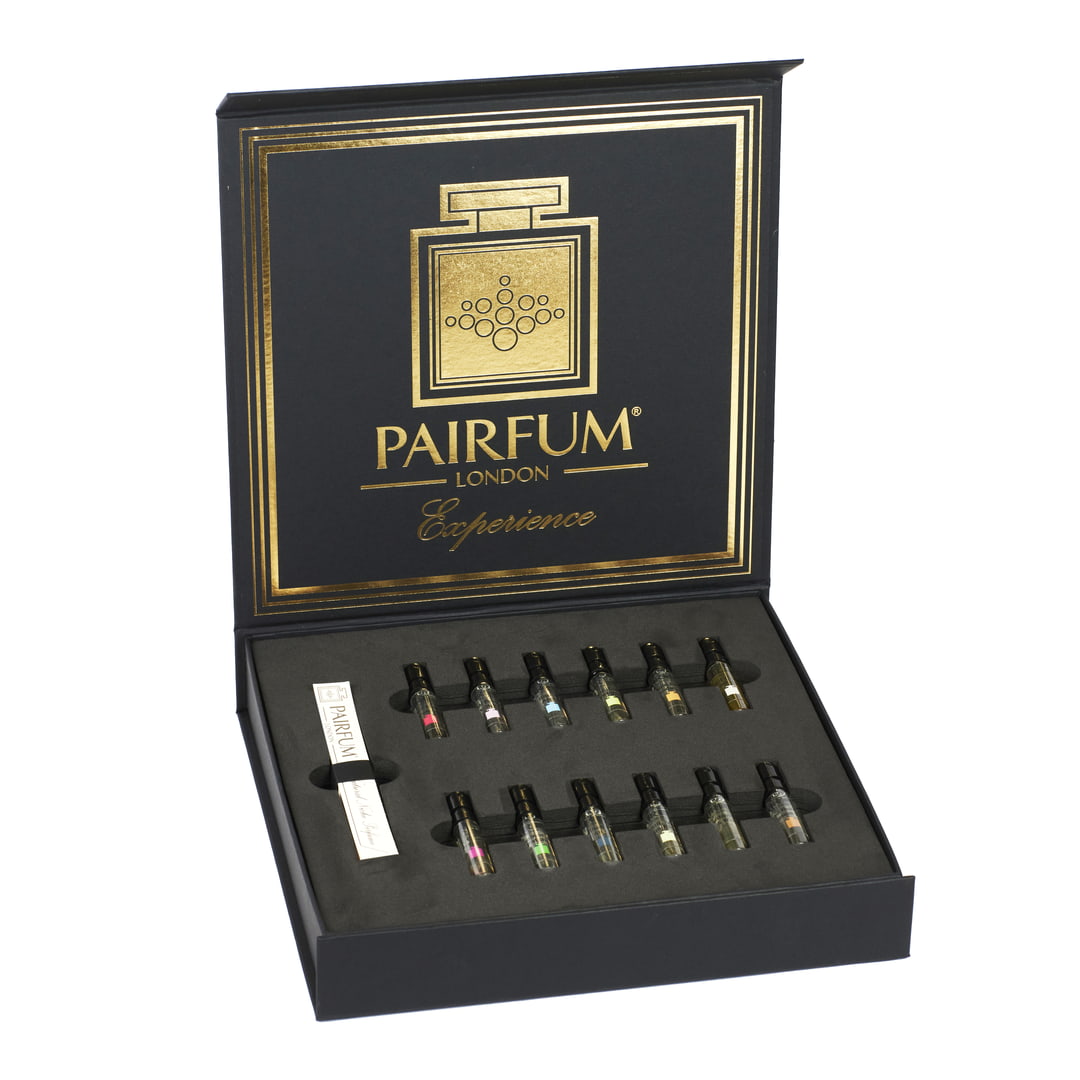
For anyone wishing to deepen their understanding of how fragrances interact with memory, mood and wellbeing, the Fragrance Library Perfume Experience Box Collection offers an elegant way to explore. This beautifully presented set invites you to experience a range of perfumes side by side, allowing you to notice the subtle ways certain scents can shift perspective, recall memories, or create a new sense of identity. It transforms the act of smelling into a personal journey of exploration, where each fragrance reveals its own character and influence.
The collection brings together a variety of refined fragrances in perfectly sized bottles designed for sampling and layering. Its thoughtful presentation makes it ideal for discovering a signature scent, experimenting with different scents for different occasions, or simply enjoying the intimacy of fragrance in daily life. Each perfume is crafted to highlight the richness of natural notes, offering not just an assortment but a full sensory experience that helps you connect with the scents that truly resonate.
Conclusion
Smell is more than a background sense. It is a powerful regulator of mood enhancement, memory, and health, operating through the olfactory system and reinforced by olfactory cues. By recognising how certain fragrances affect us, by choosing the right scent at the right moment, and by bringing fragrance into our daily spaces, we not only enjoy pleasant scents but also amplify vitality, serenity and joy.
Positive scent influence demonstrates how ‘fragrance’ is memory, emotion and science entwined. From the flicker of a scented candle to the trace of perfume, it holds the power to create harmony, reshape experiences and leave a lasting impression.
Sensescaping is rapidly becoming one of the most influential design and well being trends shaping modern interiors. Our homes influence us in ways far greater than we often notice. Beyond what we see, the spaces we inhabit affect our feelings, our mind, and our overall well being. In recent years, there has been growing interest in creating immersive wellness focused environments by paying attention to all the senses. This practice is known as sensescaping.
What is Sensescaping?
Sensescaping is a holistic approach to shaping living space and interiors. Rather than focusing only on visual aesthetics, sensescaping considers sight, smell, sound, touch and texture to create immersive environments that guide our emotional responses and foster relaxation.
By carefully selecting scents, sounds, colours, materials and lighting, homeowners can design spaces that respond directly to the mood they wish to cultivate. For example, soft hues and calming fragrances may invite a sense of peace, while brighter accents such as yellows can introduce vitality and energy. Each choice contributes to steering desired emotions and helps us develop a deeper connection with our surroundings.
Why Sensescaping Matters
Science shows that stimuli from our environments strongly influence feelings and behaviour. The smell of lavender can support relaxation and lower stress levels, while soft instrumental sound may sustain focus during an activity. Similarly, the comfort of natural linen, bouclé or velvet carries with it a tactile reassurance that makes a room more inviting.
This multi-layered design philosophy not only sets atmospheres and moods but also builds authenticity in our relationship with the home. It reminds us to slow down, create time for mindful rituals, and design with depth rather than surface alone. Ultimately, it is about aligning our spaces with our body’s needs and enhancing our sense of overall wellbeing.
The Role of Scent in Shaping Mood
Among all the senses, scent impacts the brain most directly. It bypasses rational thought and connects with the limbic system, where memories and mood are stored. That is why certain fragrances bring immediate calm, while others lift us with energy or optimism.
For example, using essential oils or diffusers in the evening can fill a room with aromas associated with relaxation, while swapping to citrus or woody blends during the day can stimulate focus. The gentle glow of candlelight paired with subtle scents offers another path towards calm, combining visual warmth with olfactory comfort to set a tranquil scene.
Textures, Materials and Touch
The power of touch in sensescaping should never be underestimated. Different materials and textures bring a physical dimension to your interior spaces, providing comfort and grounding:
Linen brings airy freshness ideal for warmer seasons.
Velvet adds depth, sophistication and tactile richness.
Bouclé conveys cosiness with its looped threads.
Faux fur layers introduce indulgence and softness.
Stone surfaces add natural grounding and balance to modern interiors.
These tactile elements invite moments of comfort and intentional pause. Rubbing a silky throw between the fingers or walking barefoot on textured rugs are everyday examples of how texture influences our states of relaxation.
Designing with Sound
Alongside scent and touch, sound carries huge power in sensescaping. It has a direct influence on mood and can either heighten stress, bring relaxation, or support focused activity.
Gentle background music, nature recordings, or smart speakers designed to deliver calming playlists are effective tools. The rhythmic pitter-patter of rainfall, the murmur of ocean waves, or even discreet white noise create environments that cocoon and soothe. For many, these auditory cues are essential in crafting immersive wellness experiences that align with their desired emotions.
Light, Colour and the Influence of Nature
Colour, shade and illumination influence the way we interact with spaces. Muted palettes and earthy tones support grounding feelings, while brighter highlights like yellows encourage optimism and energy. The play of natural light shifts across the day, offering organic rhythm and harmony. When paired with smart bulbs, homeowners can fine-tune light intensity and warmth to match activity and set the right tone for both focus and relaxation.
Equally important is a connection with nature, which lies at the heart of sensescaping. Bringing plants inside, decorating with natural materials like wood and stone, or introducing hues inspired by forests and seas deepen our attachment to the natural world. Nature not only helps reduce stress but also reinforces feelings of continuity, balance and authenticity within our interiors.
Creating Immersive Wellness Focused Environments
The ultimate goal of sensescaping is to form immersive wellness focused environments that echo the body’s needs. In a bedroom, this may mean lavender scent, soft linens, candlelight and gentle wave sound to support deeper relaxation. In a living room, it may be the use of earthy tones, tactile throws in faux fur, and subtle background compositions that make social gatherings flow with warmth and ease.
Each example demonstrates how sensescaping translates attention to the senses into highly practical design choices that refine the living space. Not only do these details influence emotional responses in the moment, but over time they create lasting associations with comfort, relaxation and peace of mind.
Enhancing Sensescaping with Elegant Pairfum London Home Fragrances
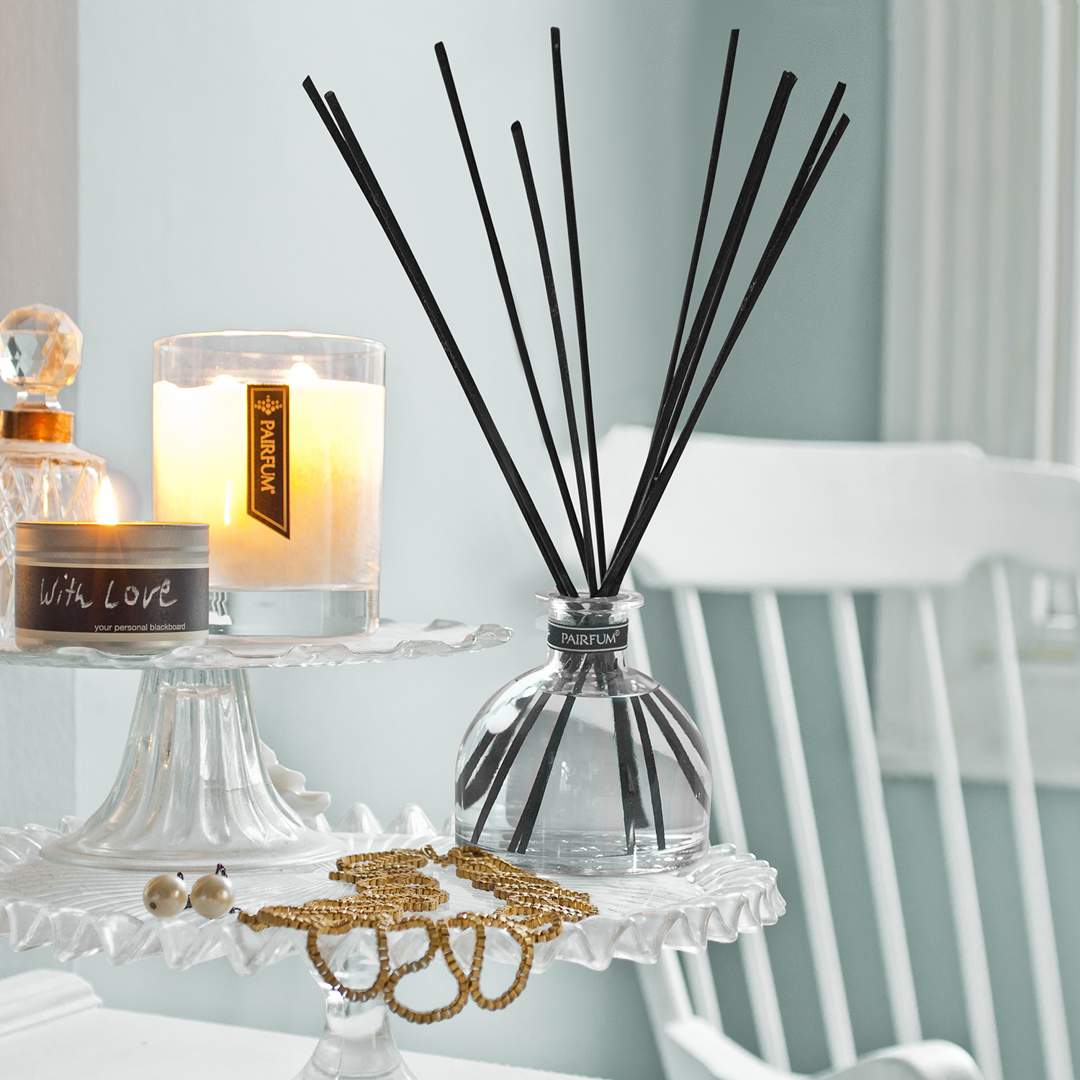
A beautifully chosen reed diffuser can act as the finishing touch in sensescaping, adding balance and inviting calm into the home. The Bell Reed Diffuser is designed not only to enrich the atmosphere with refined fragrance, but also to complement the comfort, mood and authenticity of your living space. A single placement in a bedroom, hallway or lounge can create a subtle yet continuous sense of relaxation, shaping a welcoming environment from the moment you enter.
The diffuser itself combines graceful design with practicality. Its elegant glass bell encourages a slow release of fragrance, ensuring a steady scent that lasts over time without overpowering. Unlike candles, it requires no flame, making it a safe and stylish choice for any interior. With its sculptural form and understated aesthetics, it works as both a decorative piece and a functional part of sensory design, bringing a layer of intimacy and sophistication to every room.
Conclusion
Sensescaping shows us that the design of spaces must include far more than colours and shapes. By weaving together scent, sound, texture, light, and materials, we can construct homes that encourage relaxation, reduce stress, and elevate overall wellbeing. The consideration of sight, smell, and touch, alongside connections to nature, invites deeper connection with our environments and strengthens our ability to evoke desired emotions at will.
Through this holistic approach, our interiors become more than functional backdrops; they turn into harmonised, living organisms responding to mood and supporting authentic, balanced lifestyles. This is the essence of sensescaping – creating homes that are not just beautiful, but profoundly human.
Understanding the relationship between microbiomes and gut health is essential for overall health. The gut microbiome, a complex ecosystem of microorganisms, plays a crucial role in digestion, immunity, and even mental wellbeing through the gut brain axis. Maintaining a healthy gut microbiome involves nurturing the diverse community of gut bacteria that inhabit the human gut.
Understanding Microbiomes and Their Importance
The gut microbiome, encompassing bacteria, fungi, viruses, and other microbes, supports various bodily functions. This microbiota helps in food digestion and nutrient absorption, enhances the immune system, and links directly to skin health by reducing inflammation. Researchers have found that an imbalanced gut microbiome can lead to conditions like inflammatory bowel disease and irritable bowel syndrome.
A healthy microbiome supports the production of essential vitamins and compounds in the human body. Studies highlight that the intestinal microbiota not only plays a role in gut health but is also essential for overall health. By maintaining this balance, the immune response is enhanced, and the body’s functions are optimised.
The Role of Gut Microbes in Health
Understanding the role of gut microbes is crucial for maintaining a balanced intestinal microbiome. These tiny organisms, including healthy bacteria, work together to support digestion and immunity. Fermented food plays a significant role by introducing beneficial microbes into the system. This helps combat harmful bacteria and promotes a diversity of healthy gut bacteria. Certain gut bacteria are vital for producing short chain fatty acids, which have anti-inflammatory properties and benefit overall health. Incorporating a range of fermented foods into the diet can foster a robust human microbiome.
Key Components for a Healthy Gut Microbiome
Several factors contribute to maintaining a healthy gut microbiome. These ensure that beneficial bacteria thrive and support overall health.
Probiotics and Fermented Foods
Probiotics, found in fermented foods like yoghurt and supplements, comprise beneficial bacteria that help maintain the microbiota balance. These good bacteria improve digestion and boost the immune system, promoting microbial diversity.
Prebiotics and Diet
Prebiotics, which are plant fibres, feed the beneficial bacteria in the gut. Foods such as garlic, onions, and bananas enhance the growth of good bacteria. A diet rich in fibre, fruits, and vegetables supports a healthy microbiome, while consuming ultra processed foods can detrimentally affect the gut microbiota composition. Reducing such processed food and sugar intake is critical.
Lifestyle Factors
Regular exercise and adequate sleep are vital for promoting a healthy gut microbiome. These lifestyle elements contribute to a diverse microbiome and assist in balancing the gut microbiota composition.
Natural Oils That Enhance Gut Health and Skin
In addition to diet, natural oils offer nutrient-rich benefits.
Flaxseed Oil
Flaxseed oil contains omega-3 fatty acids which help reduce inflammation and aid digestion. These fatty acids promote smooth skin and improve gut health.
Coconut Oil
Known for its medium-chain triglycerides, coconut oil helps maintain microbial balance in the digestive tract. It benefits both the gut and skin health.
Evening Primrose Oil
Rich in gamma-linolenic acid (a type of fatty acid), Evening Primrose oil supports gastrointestinal and skin health, helping soothe inflammatory skin conditions.
Key Compounds for Gut Function
Short chain fatty acids and bile acids are pivotal compounds produced by the intestinal microbiome. These acids play a critical role in maintaining gut permeability, ensuring the digestive tract functions efficiently. Short chain fatty acids, produced by the fermentation of dietary fibres, promote a healthy gut environment by feeding beneficial microbes. They also assist in reducing inflammation and supporting a balance between helpful and harmful microbes. Maintaining this balance is essential for thriving gut microbiomes and gut health.
Innovations and Future Trends in Gut Health
Emerging trends and innovations are revolutionising approaches to gut health.
Personalised Gut Health Solutions
Personalisation in gut health, focusing on individual microbiota composition, is gaining popularity. Tailored regimens address specific issues through customised diets, supplements, and lifestyle advice. These methods can effectively manage inflammatory bowel disease and irritable bowel syndrome.
Focus on Longevity and Sustainability
With increasing recognition of the link between microbiomes and gut health and human health, there is a shift towards sustainable, health-promoting ingredients. This approach benefits both personal health and the environment, emphasising the importance of microbiome diversity and healthy microbes.
Holistic Wellness at Home with Pairfum London
Enhancing your surroundings can also contribute to your well-being journey. The Pairfum Reed Diffuser offers an elegant way to create a calming and supportive atmosphere. Its subtle fragrance can enhance relaxation and complement the benefits of a balanced gut environment. Embrace the power of scent to enrich your holistic wellness routine.
The Pairfum Reed Diffuser combines aesthetic beauty with functionality. Its stylish design fits seamlessly into any décor while delivering a long-lasting fragrance. The natural reeds ensure a continuous and even scent release, elevating your space effortlessly. Allow this diffuser to bring a touch of luxury and tranquillity to your home.
Conclusion
Gut health is a core aspect of overall wellbeing, influencing immune system efficiency, digestive health, and mental balance. By understanding the human gut microbiome and incorporating probiotics, prebiotics, and natural oils, a balanced gut can be achieved. This balance is vital for optimal health and aids in the prevention of chronic disease and conditions stemming from an unhealthy gut microbiome.
Committing to a healthy gut microbiota composition through mindful dietary and lifestyle choices is essential for maintaining robust immune response and digestive function. Embracing these practices ensures continued human health and vitality.
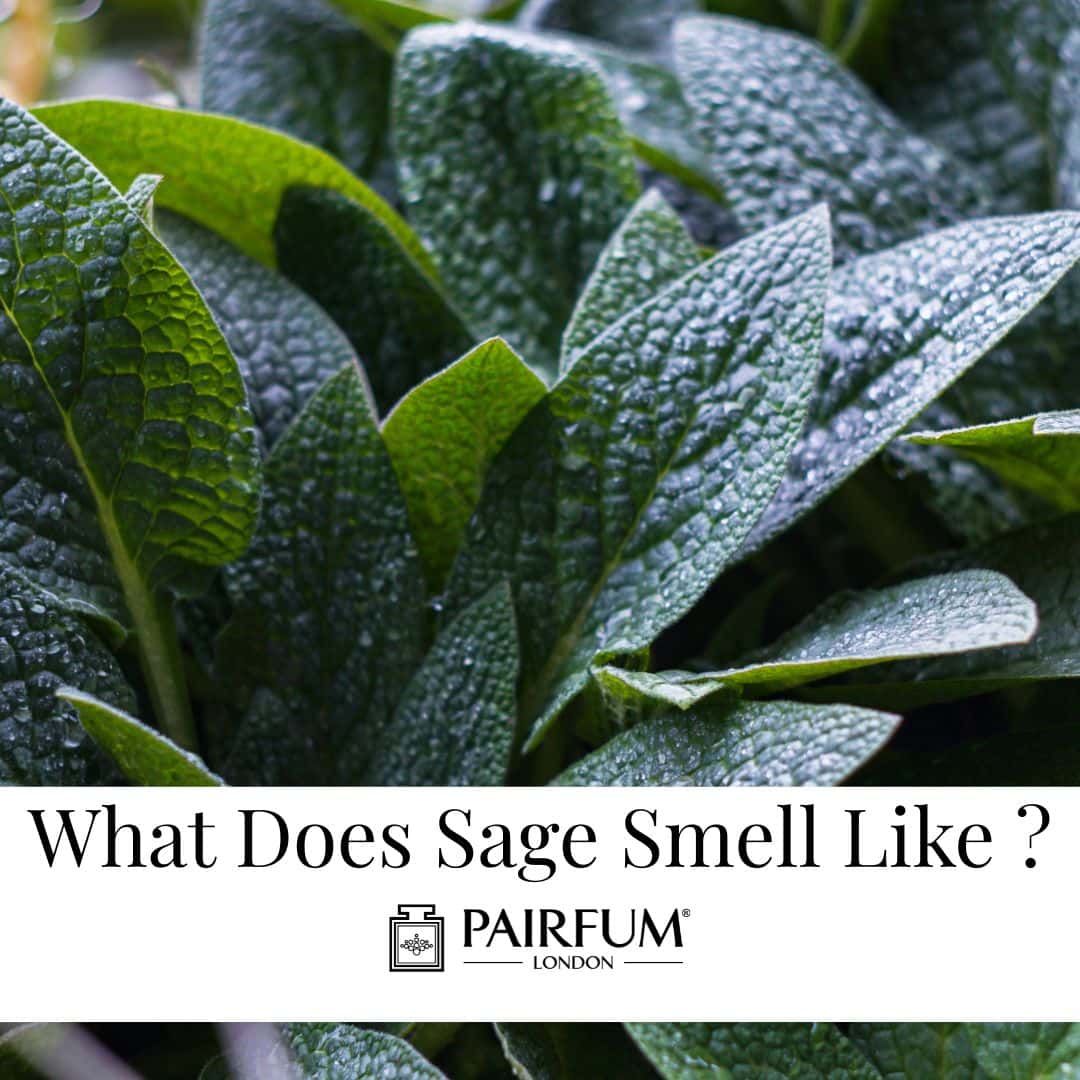
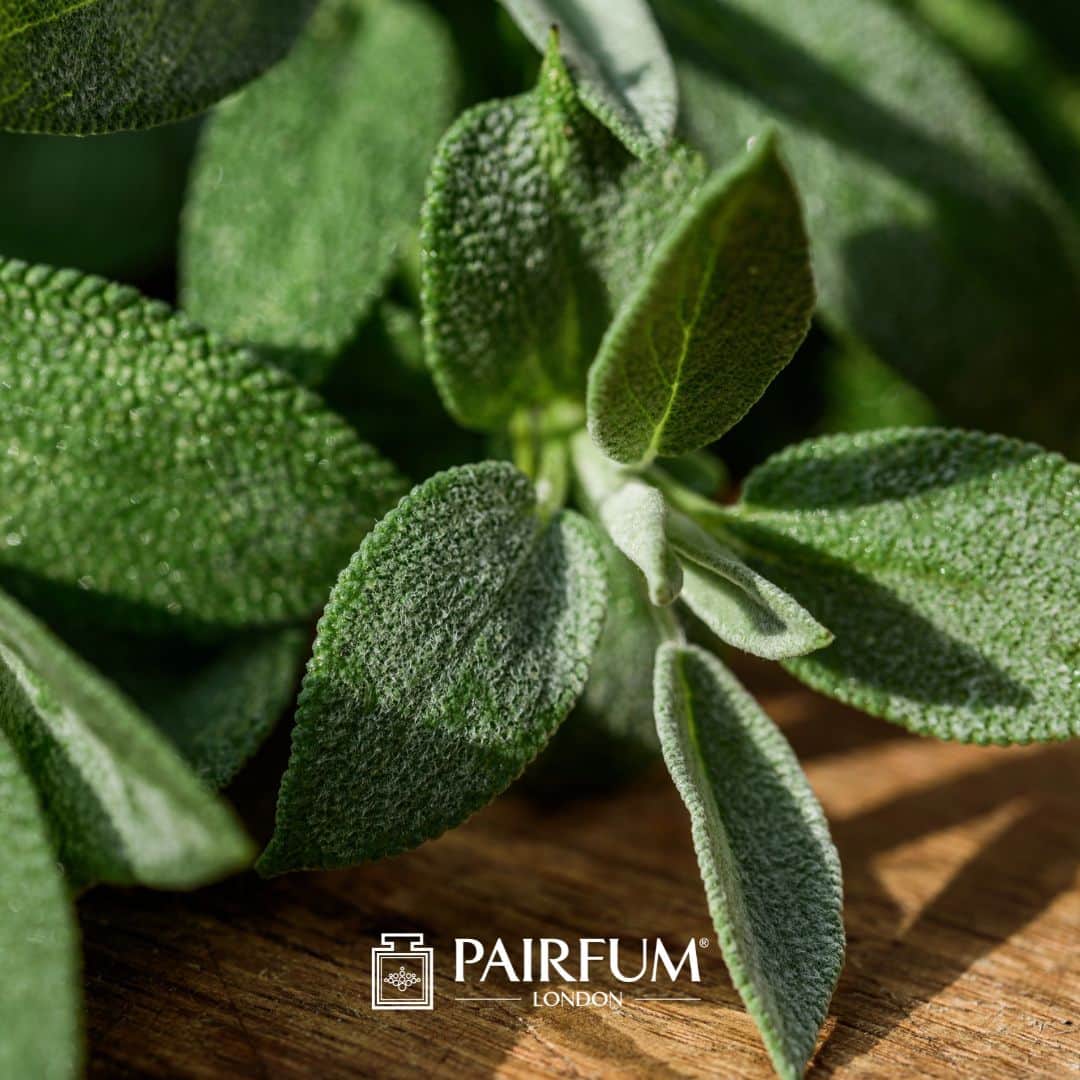
What does sage smell like? The fresh aroma of sage has long captivated those who cherish its green, earthy delight. Found in various perfumes, it offers an invigorating bouquet that brings an extra layer of sophistication and complexity to many fragrance compositions. Known for its refreshing and herbal aura, sage not only carries a rich history but also leaves a lasting impression with anyone who encounters its unique scent. This exploration delves into how sage has enchanted cultures over the centuries. From its ancient roots to its prominent place in modern perfumery, sage has proven itself to be a versatile and cherished element in the world of fragrances. Through understanding its different varieties, methods of extraction, and role in creating iconic perfumes, you’ll appreciate the timeless appeal that has kept sage at the heart of many aromatic creations. Every aspect of sage, from the sage plant itself to its powerful essential oil, contributes to its enduring appeal.
What Does Sage Smell Like? A Detailed Olfactory Profile
When exploring the world of fragrance, one of the most common questions is, ‘What does sage smell like?’ The answer, whilst seemingly simple, reveals a fascinating complexity. At its core, sage possesses a distinctively herbaceous and earthy aroma. Imagine the scent of dry leaves and freshly turned soil mixed with a crisp, green, and often camphorous note. This combination creates an aroma that is both grounding and uplifting, providing a sense of clarity and connection to nature. The overall smell is often described as aromatic, savoury, and fresh, with a unique ability to evoke feelings of tranquility and calm. This multifaceted aroma makes sage instantly recognisable and deeply evocative.
Beyond these primary characteristics, the scent of sage can also present subtle nuances depending on the specific variety and how it is perceived. Many describe a slightly peppery or spicy undertone to the sage smell, adding a lively kick to its otherwise serene profile. There can also be a hint of pine or resin, especially in certain types of sage, contributing to its invigorating and clean character. Some individuals might even detect a subtle, almost minty freshness, particularly when the leaves are crushed or when encountering varieties like woodland sage. The powerful aroma of sage is truly distinctive.
The Rich History of Sage in Perfumery and Beyond
Sage’s journey into the world of perfumes is steeped in tradition and cultural significance. An herb revered across ancient civilisations, it graced the lands of the Mediterranean, where it was cherished for both its culinary and aromatic properties. The early Greeks and Romans, for instance, recognised sage not just as an herb but as an ingredient of ceremonial importance. It often played a crucial part in rituals, believed to purify and promote health, and was even thought to impart wisdom. The Latin name ‘Salvia’ itself comes from ‘salvere’, meaning ‘to save’, highlighting its ancient reputation for well being and its medicinal property. The presence of sage in historical records underscores its long standing value.
As time progressed, sage’s perfume making prominence grew. During the Middle Ages, the herb’s association with wisdom and healing led to its inclusion in various herbal concoctions and aromatic blends, cherished by both alchemists and perfumers alike. It was during this period that sage began appearing more frequently in perfumes, celebrated for its invigorating aura and its ability to harmonise with other essences. This long history demonstrates the enduring appeal of the sage scent.
Beyond fine fragrance, the use of sage spans cultures and centuries. Historically, indigenous communities in North America have incorporated white sage (Salvia apiana) in profound smudging ceremonies for purification and spiritual cleansing. This native American culture spiritual practice involves burning sage bundles or a white sage smudge stick to clear negative energy and create a sacred space. The smoke from burning sage is believed to carry prayers and intentions, making it a central part of a spiritual ritual. Other forms of burning sage, often using a sage smudge stick or sage sticks, are found in various cleansing traditions. The act of smudging with sage is a powerful way to connect with ancient practices and invite positive energy. It is important to acknowledge the origins of these practices and approach them with respect.
Fast forward to today, and sage holds its place in the fragrant landscape, adapting to the modern palate while retaining its timeless charm. Its earthy and aromatic qualities now enhance a multitude of perfumes, proving that while times may change, some scents remain perennial favourites. The enduring appeal of the sage smell is undeniable.
Types of Sage Used in Perfumery and Aromatherapy
Sage doesn’t come in just one form; it’s a family of different varieties, each offering unique characteristics to the art of perfumery and the practice of aromatherapy. Understanding these differences can help appreciate how diverse and rich the sage aroma can be, elevating any fragrance it touches. While there are over 900 different species of Salvia, a few stand out for their specific contributions:
Common Sage (Salvia officinalis) or Garden Sage
Known for its robust and intensely herbal aroma, common sage is often used in perfumes for its warm, earthy notes that provide a grounded balance to lighter, floral bouquets. Its scent is typically the most direct representation of what people imagine when they think of the sage plant, with a slightly peppery and camphor like quality. This is the herb often found in culinary uses, but its distinct fragrance makes it valuable in many applications.
Clary Sage (Salvia sclarea)
This variety is highly prized in perfumery and aromatherapy for its softer, more complex aroma. Unlike common sage, clary sage has a less camphorous and more ambrosial scent, often described as sweet, herbaceous, and slightly musky, with hints of hay or tobacco. It can also present subtle floral or even fruity undertones, adding a sophisticated mellowness to fragrances. The calming scent of clary sage essential oil is particularly effective for promoting relaxation and emotional balance.
Spanish Sage (Salvia lavandulifolia)
Offering a more distinctly camphorous and invigorating scent than common sage, Spanish sage introduces a sharper, cleaner quality. Its aroma is often compared to a blend of rosemary and eucalyptus, providing a refreshing contrast that can cut through richer, sweeter notes. This sage is highly valued for its revitalising and clarifying effects.
White Sage (Salvia apiana)
This revered type of sage, also known as sacred sage, is predominantly associated with smudging and ceremonial uses within Indigenous cultures. Its bright, herbaceous, and deeply cleansing aroma when burned makes white sage integral to spiritual practices. The smoke from a white sage smudge stick is known for its purifying effects on spaces and individuals. The strong, unique scent of white sage is often sought for its ability to clear negative energy.
Pineapple Sage (Salvia elegans)
This unique variety is celebrated for its distinctly sweet and fruity aroma, reminiscent of pineapple. While less common in traditional fine perfumery, its refreshing and pleasant scent makes it a delightful addition to culinary applications and certain more playful fragrance compositions, bringing a surprising and cheerful note to the world of sage.
Whatever type of sage you encounter, each brings its distinct character to the table, demonstrating the versatility that makes sage a staple in high quality perfumes. From the garden sage’s grounding warmth to clary sage’s smooth, fruity charm, these different varieties make sage an indispensable ingredient in the aromatic world. The individual scent of each sage offers a unique experience.
Extraction Methods of Sage Fragrance
Crafting the perfect sage fragrance starts with the careful extraction of its natural aroma. Traditional methods have always relied heavily on techniques like steam distillation. In this process, steam is passed through the sage plant material, causing the volatile aromatic compounds to vaporise. This steam, laden with essential oils, is then cooled and condensed back into liquid form. The essential oil, being less dense than water, separates and can be collected. This method is valued for its ability to capture the true essence of sage, preserving its characteristic herbal notes and providing a potent, full bodied aroma. The resulting sage essential oil is a concentrated form of the plant’s natural oils.
In more recent times, the industry has seen significant advances with the introduction of modern extraction processes. Supercritical CO2 extraction is one such cutting edge technique. This method uses carbon dioxide under high pressure and low temperature to extract the oils. When CO2 reaches a supercritical state, it acts as a solvent, efficiently dissolving the aromatic compounds from the plant material. The pressure is then released, allowing the CO2 to revert to its gaseous state, leaving behind a pure, clean, and solvent free fragrance extract. This method is highly efficient and, because it avoids high heat, often results in an aroma that is remarkably closer to the fresh, natural scent of the sage itself, retaining more delicate nuances. The CO2 extract often retains some of the more delicate volatile compounds that might be lost in steam distillation, offering a nuanced sage smell.
Both traditional and modern techniques have their own unique benefits. While some perfumers prefer the classic approach for its ability to encapsulate the full bodied warmth of sage, others lean towards contemporary methods for their precision and clarity. Ultimately, it’s the harmonious blend of tradition and innovation that allows sage to shine in the diverse landscape of perfumery, giving perfumers a wide range of oils to work with to create exquisite fragrance compositions.
Sage in Fragrance Families and Blending
Sage’s distinctive aroma makes it a versatile ingredient, fitting seamlessly into various fragrance families and complementing a wide array of other notes. It is particularly prominent in aromatic, fougère, and chypre compositions, where its herbaceous and earthy qualities can truly shine, giving each fragrance a unique character. The complexity of sage allows it to contribute significantly to the overall scent profile.
Aromatic Fragrances
In aromatic fragrances, sage provides a refreshing and invigorating green backbone. It often pairs beautifully with other herbs like lavender, rosemary, and thyme, creating scents that evoke open fields and natural landscapes. The clean, crisp character of sage enhances the overall freshness, making these perfumes wonderfully uplifting and revitalising. The green aroma of sage is essential here.
Fougère Fragrances
For fougère fragrances, which are typically characterised by notes of lavender, coumarin, and oakmoss, sage introduces a sophisticated herbaceous dimension. Clary sage, in particular, with its slightly sweet and hay like facets, adds a complex depth and a subtle warmth that rounds out the traditional fougère structure. It contributes to the classic barbershop scent, lending it a timeless and masculine elegance. The rich aroma of clary sage is key to this fragrance family.
Chypre Fragrances
In chypre fragrances, known for their contrasting blend of citrus top notes, a floral heart, and a mossy, woody base, sage can provide an intriguing earthy and slightly bitter accent. It can act as a bridge between the brighter top notes and the deeper, more resonant base notes, adding complexity and a touch of natural ruggedness to the fragrance.
Beyond these categories, sage also blends remarkably well with:
Citrus Notes: The sharp, bright zest of bergamot, lemon, or grapefruit is beautifully balanced by sage’s herbaceous earthiness, creating invigorating and harmonious accords, often found in refreshing cologne style compositions. This combination creates a fresh scent.
Woody Notes: Cedarwood, sandalwood, and vetiver find a natural partner in sage, as its green and slightly camphorous facets enhance the natural richness and depth of wood, providing a grounding and enduring quality to the scent.
Spices: A touch of black pepper, cardamom, or nutmeg can elevate sage’s inherent spiciness, creating a warmer and more intriguing aroma that adds a captivating layer to the fragrance.
Florals: While less common, sage can add an unexpected green and slightly wild touch to floral bouquets, particularly with notes like jasmine, rose, or geranium, preventing them from becoming overly sweet and adding a unique natural complexity. Sometimes, a subtle floral scent can emerge when sage is paired with notes like orange blossom or even a hint of vanilla, creating an intriguing aromatic blend.
The ability of sage to harmonise with such diverse notes speaks to its versatility and enduring appeal in the perfumer’s palette, allowing for endless creative possibilities when crafting a beautiful fragrance. The diverse qualities of the sage smell make it an invaluable ingredient.
The Holistic Benefits and Cultural Resonance of Sage
Beyond its role in perfumery, sage holds a profound place in cultural practices and wellness traditions. Its aromatic properties are widely believed to offer various benefits for both mind and body, extending its appeal far beyond just a pleasant scent. The powerful aroma of sage contributes to these perceived benefits.
In aromatherapy, sage essential oil is highly regarded for its ability to stimulate and clarify the mind. It is known to promote a sense of attentiveness, enhance memory, and ease negative moods, including stress and anxiety. The calming and uplifting properties of sage can help to soothe frazzled nerves, promote relaxation, and even aid in restful sleep. Diffusing sage essential oil can create a tranquil atmosphere, helping to re-balance energy and promote a sense of well being. Specific varieties like clary sage are particularly cherished for their hormone balancing properties, often used to alleviate symptoms associated with PMS and menopause, providing a natural holistic approach. The distinctive clary sage scent is often used in aromatherapy for its calming effects.
Historically, the act of burning sage, often referred to as ‘smudging’, has been a significant practice, particularly within various Indigenous North American cultures. This spiritual practice involves burning dried sage bundles or a white sage smudge stick, allowing the smoke to purify spaces, objects, or individuals, cleansing away negative energy and inviting positive intentions. The concept of using smoke for purification and spiritual cleansing is ancient and crosses many cultures. Some traditions believe the smoke can ward off an evil spirit and cleanse spaces of negative energy. While widely adopted in modern wellness trends, it is important to approach this practice with respect and awareness of its deep cultural roots, ensuring ethical sourcing of materials for your smudge sticks. The intense, earthy smoke of burning sage offers a visceral aromatic experience that differs from its presence in a fine fragrance, yet both highlight its cleansing and clarifying essence.
Other aromatic plants like Palo Santo are also used for similar cleansing purposes, but the sage smell, especially from white sage, is distinctive and powerful. When you smell sage, you are connecting to centuries of tradition. The practice of smudging with a sage bundle is a powerful one.
The use of sage, whether through its essential oils in aromatherapy, as a key note in perfumery, or in traditional cultural practices, consistently points to its perceived ability to cleanse, clarify, and uplift. Its presence in a fragrance can thus evoke not only a beautiful aroma but also a sense of peace, focus, and connection to ancient wisdom and natural purity. The enduring appeal of sage in scented candles and other aromatic products stems from these profound associations with its unique scent.
Iconic Sage Based Perfumes
Sage has left its mark on the perfume market, finding its way into several iconic fragrances. Its ability to add depth and complexity makes it a key ingredient in a variety of well loved perfumes, known for their captivating bouquets and memorable aromas. The distinctive sage smell ensures its prominence.
One such example is the classic Eau de Cologne, often infused with the sharpness of Spanish sage. Its refreshing, brisk note complements the citrus and herbal elements, creating a timeless aura that continues to appeal across generations. The fresh aroma of sage is crucial here. Another beloved perfume that showcases sage is a famous fougère fragrance, where clary sage plays a gentle supporting role alongside lavender and oakmoss, resulting in a smooth, aromatic blend beloved by many. Many popular men’s fragrances across different brands prominently feature sage, often as a central herbaceous scent that provides a clean, refined, and undeniably masculine character. Its inclusion adds a sense of tradition and natural elegance that resonates with a broad audience. For instance, some niche perfumes might highlight the crispness of sage alongside marine notes to evoke a windswept coastline, or blend it with warmer, richer notes like cashmere wood for a comforting, yet invigorating, sensation. Even a touch of vanilla can sometimes accompany the sage aroma in complex compositions, or citrus notes like orange blossom can provide a delightful counterpoint to the herbaceous scent. This demonstrates the versatility of sage in a fragrance.
These perfumes demonstrate sage’s versatility and enduring appeal. By enhancing and balancing other notes, sage brings a unique dimension that elevates these creations, making them stand out in the olfactory landscape. The contribution of sage to a balanced fragrance is immense.
Experience the Depth of A Unique Sage Composition with Pairfum London
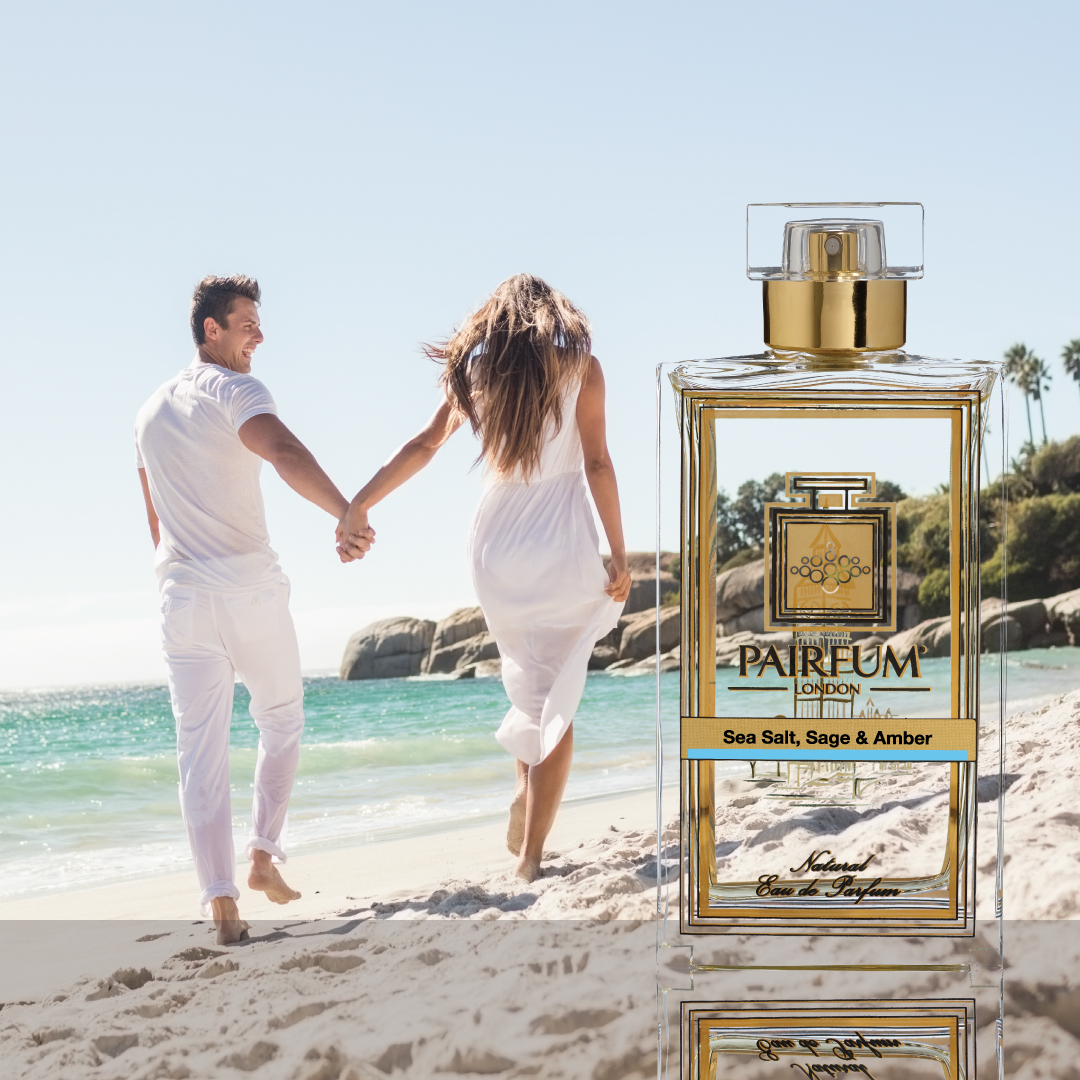
This exquisite Eau de Parfum presents a masterfully crafted balance where the vibrant marine notes of sea salt illuminate the fresh, green aspects of sage, allowing its full aromatic spectrum to unfold. The rich, golden warmth of amber then provides a luxurious foundation, adding longevity and a subtle, alluring sweetness to the composition. It is a modern interpretation of a timeless herb, designed to transport and enchant the senses with its distinct character.
A wonderfully fresh, sophisticated fragrance where Sage & Grapefruit are enriched by hints of fresh Bergamot and Tangerine top notes. The invigorating heart is enlivened with nuances of Seaweed, a fresh Sea breeze, Sea Salt and Kelp, all of which becomes smooth with a soft base of Musk, Amber and Cedarwood.
Embracing Sage in Your Fragrance Collection
For those looking to cultivate a collection that features sage, there are a few tips to bear in mind. It’s helpful to consider the different types of sage and how they might complement existing fragrances in your repertoire. Look for perfumes where sage provides the central note, allowing its herbaceous character to dominate, or seek out those where it adds a subtle hint of herbal aroma, acting as a sophisticated supporting player in the scent. The choice of sage in a fragrance can define its character.
When choosing sage scented products, consider the specific aromatic nuances you desire. If you appreciate a fresh, uplifting aroma with purifying qualities, look for products featuring white sage. For a more emotionally balancing and tranquil scent, clary sage is an excellent choice, often found in essential oils, scented candles, and bath products, providing a truly calming scent. If mental clarity and respiratory support are your aim, Spanish sage might be the ideal selection in an essential oil diffuser blend. Understanding these differences allows for a more intentional and satisfying selection process for your oils. The distinctive sage smell is a key factor here.
Incorporating sage into your collection is not just about finding the right perfume; it’s about enhancing your overall aromatic experience and potentially your sense of well being. Approach your fragrance selection like a connoisseur would, savouring each note and understanding how they contribute to the overall bouquet. With its rich history and distinctive characteristics, sage offers a unique way to explore the varied world of perfumery, inviting you to discover new favourites among the complex layers of aroma it provides. The enduring qualities of the sage plant and its aroma make it a timeless choice for any fragrance collection, truly a gem among herbs. Even a single ‘weed’ can possess such remarkable properties. When you smell sage, you are engaging with a rich aromatic heritage.
Modest fashion is making profound waves in contemporary fashion and style, valuing elegance, discretion, and personal alignment. It isn’t just about covering up; it’s a deliberate choice to express oneself stylishly and respectfully of individual values, whether personal, cultural, or spiritual. For many, modest fashion brings unique comfort and confidence, seamlessly merging traditional aesthetics with a modern edge. Its growing popularity transcends boundaries, now shaping global street style and designer collections. This movement highlights a desire for fashion that resonates with deeper convictions, moving beyond fleeting trends for authentic dressing. The rise of modest fashion testifies to its enduring appeal in the broader fashion industry.
Perfume, much like fashion, is intimately personal. Just as clothing, including modest clothes, reflects beliefs and identity, the aromas individuals choose echo those sentiments. With the ascendance of modest fashion, it’s natural to wonder how this significant shift influences fragrance choices. Does modest fashion favour subtle notes, or celebrate dynamic, culturally rooted blends with a strong presence? Exploring this intersection opens an avenue for understanding how style and aroma align with self respect, dignity, and creative individuality.
What is Modest Fashion? A Comprehensive Definition
To truly appreciate its widespread impact, it’s essential to define modest fashion comprehensively. At its core, modest fashion refers to a woman wearing less skin revealing clothing, often to satisfy spiritual, cultural, or stylistic requirements. This encompasses garments like long sleeve tops, longer hemlines, looser cuts, higher necklines, and non body contouring shapes. This modest clothing approach ensures a dignified appearance. While frequently associated with religious observances, such as Islamic, Jewish, or Christian modesty codes, it has unequivocally transcended these origins to become a broader sartorial choice for a diverse demographic.
The term “modest” itself is fluid, with its interpretation varying across cultures, countries, and individual preferences. There is no single, unambiguous definition, as it’s profoundly influenced by regional socio cultural characteristics. However, a common thread unites all interpretations of modest clothing: the idea that modest fashion signifies loose clothing, comfortable dressing, and a considered covering of the body according to a person’s own comfort level. It is a style that prioritises dignity, grace, and personal autonomy, allowing individuals to express themselves creatively within a framework of thoughtful coverage.
Beyond religious adherence, the appeal of modest fashion extends to those seeking comfort, timeless elegance, a minimalist aesthetic, or a conscious departure from overly revealing styles prevalent in mainstream fashion. It offers an alternative celebrating inner presence over external display, fostering self confidence rooted in personal values. This commitment to modesty is a key aspect of this fashion movement.
Modest fashion has deep historical roots, originating as a cultural and religious practice where different communities interpreted its principles uniquely. From ancient traditions to varied modesty codes, its foundations are profound. What began as a reflection of faith or cultural observance has evolved into a powerful global fashion trend embraced by a vast audience for reasons beyond religion. This transformation is influenced by cultural exchange, evolving consumer preferences, and designers responding to a more diverse market.
Today, modest fashion embodies sophistication and discretion over skin exposure, granting immense creative freedom through ingenious use of colour, silhouette, and material. Designers are experimenting with flowing fabrics, artful layered looks, and palettes from earthy neutrals to vibrant hues. Innovation is evident in structured tailoring, high necklines, sweeping floor length dresses, generously cut wide leg trousers, and sophisticated breathable materials prioritising comfort and style.
Current trends for 2025 in modest fashion include the strong comeback of loose tailoring, offering both structure and ease with wide leg trousers and oversized blazers. Maxi dress and maxi skirt styles continue their reign—they are comfortable, versatile, and effortlessly stylish pieces. While traditional solid colours remain staples, innovation lies in design details like dramatic hemlines, pleats, and embroidery. Patterned modest maxi dresses in floral and abstract prints add vibrancy. Layering, central to modest clothing, sees a rise in tonal layering with neutral palettes. Expect co ord sets offering seamless cohesion and mix and match flexibility. Playful statement sleeves, such as puffed and bishop longer sleeves, are taking centre stage, adding personality to understated modest outfits. Designers balance volume with comfortable fabrics making these trends practical for everyday wear. You might find a long sleeve blouse with a statement sleeve, or long sleeve dresses with unique detailing. Shirt dress options with elegant cuts are also popular. Sustainable fashion choices are an expectation, with ethically sourced fabrics like organic cotton and bamboo knits prominent in modest clothing. Investing in a well cut maxi dress and layering separates like long sleeve tops or denim skirts helps create timeless elegance.
Far from limiting, modest fashion has become a dynamic space for creative experimentation and self expression. The rise of influential figures and celebrities championing modest attire has driven its mainstream acceptance, transforming it into a coveted form of self expression for anyone preferring subtle elegance. The future of this style points towards broader adoption, with fashion houses of all scales integrating it into seasonal collections. The fashion industry is projected to reach $402 billion by 2025, driven by the expanding Muslim consumer base and non Muslim adoption, appreciating its versatility, timeless elegance, and inherent elegance. Digital innovation, e-commerce, and social media marketing accelerate its global reach. Many new brands emerge specifically for modest wear.
As modest fashion becomes more visible, its influence spreads globally. Its rise demonstrates fashion need not be revealing to be compelling. This inclusive trend offers space for styles where ethics, elegance, and personal style walk hand in hand. Modest dresses, including the versatile maxi dress and elegant midi dress, are key pieces in this flourishing fashion landscape.
Psychological Drivers Behind Modest Fashion and the Concept of Agency
There’s more to modest fashion than meets the eye. Many individuals are drawn to it not just for religious or cultural reasons, but for the profound way it nurtures identity, self assurance, and a sense of personal agency. In a fast paced world saturated with unrealistic beauty ideals, modest fashion provides an anchored, authentic alternative, offering stability and timeless elegance that counters fleeting trends. It allows a woman to define her own style.
The decision to dress modestly is, for many, a deeply personal and empowering act. It can be about setting boundaries, affirming values, or simply feeling more at ease and confident without societal pressure to display or conform. This profound sense of control and self determination plays a significant role in why so many individuals find a voice and assert their agency through modest fashion. It allows them to reclaim their personal narrative and focus on their inner self, rather than being defined by external appearances. This choice reflects their personal style.
Moreover, modest fashion subtly redirects attention, allowing individuals to focus on expression in ways often overlooked. With less emphasis on revealing clothing, the focus naturally shifts to meticulous detail: fabric quality, tailoring artistry, outfit’s overall shape harmony, texture interplay, and the impactful choice of fragrance. This emphasis on thoughtful detail and sophisticated layering makes modest fashion rich with personality and understated luxury. A modest outfit is a canvas for thoughtful self expression.
For those uncomfortable with many modern fashion norms, modest dress can represent a liberating escape. This choice reflects not a conservative stance, but a confident embrace of individuality and authenticity. It’s about preserving one’s personal story and values while actively engaging with creativity and contemporary fashion. As Orthodox Jewish fashion journalist Michelle Honig states, “There’s a general misconception that modest clothing is inherently oppressive. But if woman in so called ‘liberated countries’ still choose to cover their bodies, then they have made a choice. They have agency.” This perspective underscores that true liberation lies in the freedom to choose, not just conforming to any single ideal. This is the essence of modest dressing.
Top Notes In Perfume T
Modest Fashion: Embracing Diverse Styles and Occasions
The versatility of modest fashion is remarkable, catering to an extensive range of occasions. From casual dresses perfect for everyday wear to sophisticated evening dress options, there is a modest dress for every moment.
For summer, summer dresses often feature light, breathable fabrics and elegant designs. Floral dresses with a maxi dress length or midi dress cut are particularly popular, offering an airy feel while maintaining coverage. Many of these dresses incorporate long sleeve or longer sleeves designs for sun protection and adherence to modesty principles.
When it comes to more structured clothing, wide leg trousers are a staple, providing both comfort and a refined silhouette. A well chosen co ord set offers effortless elegance for various events, combining a matching long sleeve top and trousers or a maxi skirt. For outerwear, trench coats are a timeless choice complementing many modest outfits.
The range of modest clothing items includes versatile pieces such as denim skirts, which can be styled for casual outings. For activewear respecting modesty, modest swimwear is a growing category, ensuring coverage without compromising on performance or style. The shirt dress is another practical and stylish option, often featuring a long sleeve or three quarter sleeve for coverage. The wrap dress, when chosen with appropriate length and coverage, can also be a flattering and versatile dress style within modest fashion. While mini dresses are generally not aligned with modest fashion principles, the array of other dress styles and clothing options ensures ample choice for every woman. These modest dresses offer fantastic opportunities for personal style.
For those who wear a head covering, options like a premium jersey hijab or a standard jersey hijab are integral pieces of their modest outfit, combining comfort with adherence to religious or personal values. The choice of bottoms, whether trousers or maxi skirt styles, further expands the possibilities for creating a complete modest outfit.
Perfume Styles and Categories in Modest Fashion Regions: A Cultural Deep Dive
In regions where modest fashion is deeply established, particularly the Gulf states and other parts of the Middle East, perfume plays an equally, if not more, important role in personal presence and social interaction. In these areas, aroma carries significant cultural weight, expressing not merely luxury or attraction, but also history, hospitality, dignity, and social standing. Traditional Middle Eastern perfumery is renowned globally for its depth, richness, and enduring character, often featuring earthy, warm, and resinous elements that hold profound symbolic and cultural value. The emphasis here is on strong and lasting luxury scents.
Popular ingredients in these regions include oud, musk, rose, and amber. Oud, “liquid gold,” is a highly prized ingredient from the resinous heartwood of the Aquilaria tree, known for its complex, smoky, woody, and slightly sweet profile. Musk provides warm, animalic, powdery depth, adding sophisticated sensuality. Rose, particularly Taif rose, offers a rich, sweet, and sometimes spicy floral note that is elegant and commanding. Amber, a complex accord blending labdanum, benzoin, and vanilla, contributes a sweet, warm, and resinous quality evoking warmth and luxury. This cultural preference for weightier, longer lasting compositions is intrinsically tied to climate and rich cultural heritage. Oil based perfumes, attars, perform exceptionally well in drier climates, offering a slow, nuanced, and lasting release ideal for enduring heat while maintaining an elegant presence.
What is striking is how strongly perfume choice here is tied to mood, occasions, and individual identity. People often treat fragrance as an indispensable extension of their dress, a final, invisible layer of their meticulously chosen attire. Like fine tailoring or carefully selected accessories, fragrance completes the experience of personal style, adding another profound dimension to their overall presentation. It’s a signature that precedes and lingers, leaving a memorable impression.
Rather than choosing a single signature aroma, it’s common for individuals to possess multiple preferred fragrances, carefully selected for different settings, times of day, and social gatherings. From deep, opulent florals for special occasions to refreshing citrus blends for warmer days, the sheer versatility demonstrates how fragrance becomes an integral, evolving part of a modest lifestyle rather than just a separate accessory. The art of layering different scents, often starting with an oil based attar and then applying an Eau de Parfum, is a highly skilled and common practice, allowing for unique, deeply personalised fragrance profiles expressing nuanced facets of one’s identity.
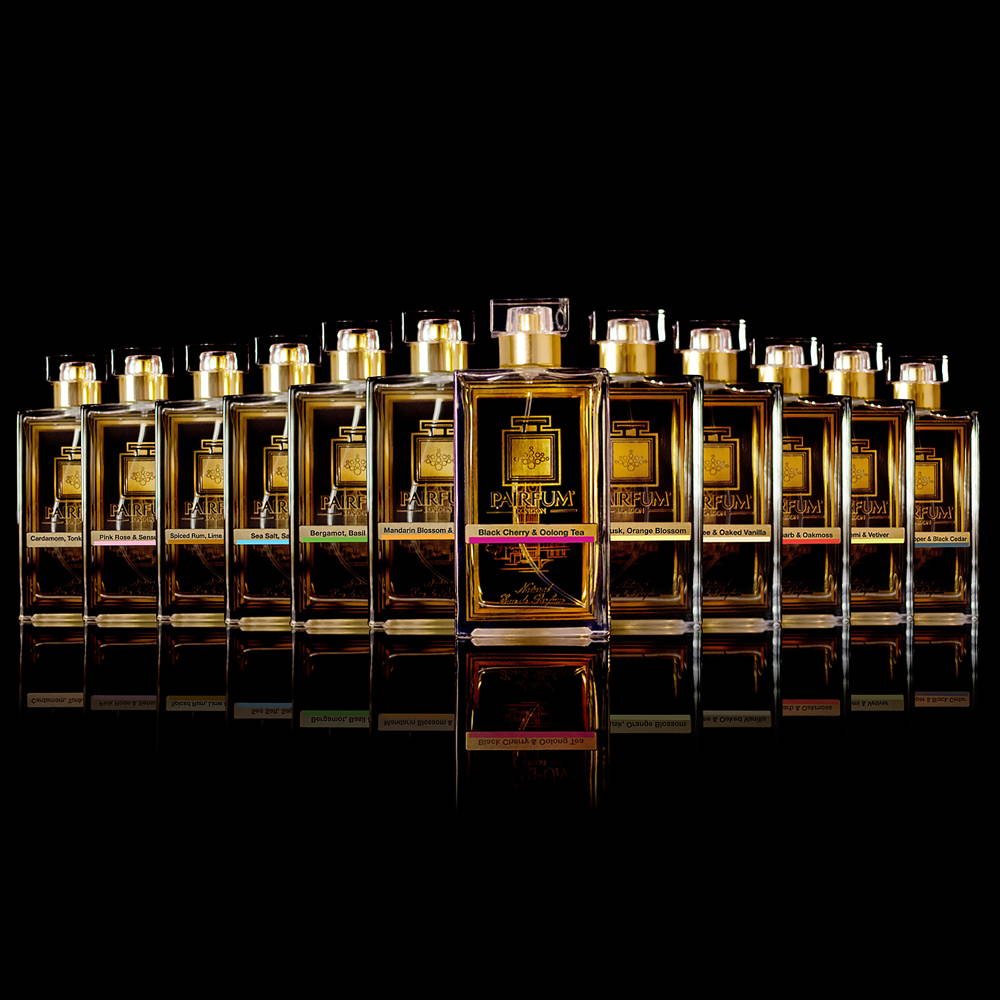
12 Pairfum Eau De Parfum Bottle Niche Collection
Compatibility of Fragrances with Modest Fashion: Dispelling Misconceptions
It’s a common, inaccurate assumption that modest fashion exclusively favours soft, subtle fragrances. This overlooks the incredibly diverse tastes and sophisticated preferences within this dynamic movement. While some prefer gentle warmth or airy freshness, many confidently lean into rich, commanding perfumes that still feel respectful, graceful, and deeply luxurious.
The notion that fragrances overtly ‘sensual,’ ‘feminine,’ ‘masculine,’ ‘intense,’ or with a strong ‘sillage’ (scent trail) do not align with the ‘modest fashion’ trend is largely a misconception, particularly in cultural contexts where modesty is deeply rooted. In many societies where modest fashion is prominent, strong, long lasting fragrances with significant sillage are highly valued as a mark of sophistication, presence, and luxury. The key lies not in avoiding these characteristics entirely, but in utilising them discerningly, with an understanding of cultural nuances and personal style preference. The goal is to enhance, not overpower.
Fragrance, thoughtfully paired with modest fashion, becomes an incredibly potent and expressive element without needing to shout. Here are some aroma profiles that harmoniously match the modest fashion aesthetic:
Clean and uplifting options like crisp citrus, refreshing green tea, or aromatic herbs offer a bright, simple, elegant aura, perfect for everyday wear or warmer climates, providing purity and freshness.
Comforting warmth from soft vanilla, creamy sandalwood, or gentle spices adds subtle, inviting refinement, creating an intimate sense of cosiness and approachable elegance speaking of understated luxury.
Timeless florals such as classic rose, opulent jasmine, or delicate lily provide a natural, inherently elegant feel without overpowering, embodying classic beauty and enduring charm, ideal for a maxi dress or long sleeve dress.
Earthier aromas based in rich wood, mystical incense, or light musk provide depth and grounding to any styled modest outfit, offering natural strength, composure, and sophisticated calm. These are great with trousers or a maxi skirt.
Rich and Resinous scents, including amber and oud, are particularly compatible, given their heritage and luxurious feel in regions where modest fashion is prevalent. These fragrances often possess excellent longevity and sillage, making a statement of refined grandeur.
Subtle yet distinct blends evolving gracefully on the skin, offering a complex olfactive journey without being aggressive or intrusive.
The ultimate goal is balance and harmony. Fragrances don’t need to dominate to make a powerful impression. Many perfumes possess impressive sillage without being suffocating, creating an elegant aura. The aim is to mirror modest fashion’s core principles: profound respect for self and others, seamlessly paired with a style that is anything but limited. It’s about choosing a fragrance that enhances one’s presence with grace, integrity, and sophisticated self assurance, perfectly complementing a modest dress or any modest clothing.
The Future Outlook: Modesty, Inclusivity, and the Power of Choice in Fashion
The trajectory of modest fashion is one of continued growth and mainstream integration. The market for modest fashion is significant and expanding rapidly, driven by diverse consumer demands beyond traditional religious adherence. This growth signals a broader cultural shift towards valuing choice, inclusivity, and personal style in dressing. Major retailers and brands are increasingly recognising this powerful consumer segment, integrating modest clothing items into their collections and dedicating significant resources to understanding and serving this market. This extends to sportswear, modest swimwear, and even high end evening dress wear, showcasing that modesty can be both practical and exceptionally glamorous.
However, the discourse around modest fashion isn’t without complexity. While commercially successful, it can sometimes be culturally contentious. Debates highlight varying interpretations and occasional criticisms, particularly concerning whether modesty is a true expression of woman agency or a reinterpretation of conservative ideals. Yet, the prevailing sentiment within the modest fashion community champions choice: the freedom to cover, to express oneself authentically, and to define beauty on one’s own terms, liberated from pressures to conform to any singular aesthetic. This concept of self determination is paramount. The increasing availability of versatile pieces such as a midi dress, maxi dress, wrap dress, and long sleeve dresses underlines this freedom.
The future of modest fashion will likely see further innovation in design, incorporating tech infused fabrics for comfort in diverse climates, and continued emphasis on sustainability. It will continue to challenge traditional notions of femininity and style, pushing the fashion industry towards greater inclusivity and diverse representation. This evolution from a niche market to a global powerhouse is transforming how we collectively think about getting dressed, embracing individual narratives, and celebrating a multifaceted vision of beauty in clothing. From casual dresses to formal modest outfits, the options are expanding, offering effortless elegance for every woman.
Crafting Your Own Modest Persona with Pairfum London
As we’ve explored how modest fashion and personal style intertwine with aroma, finding a scent that truly resonates is paramount. A curated collection invites you to explore exquisite perfumes from home, allowing thoughtful selection. This ensures your chosen fragrance complements your modest outfit and reflects your unique personal style, making scent an extension of your clothing choices and bringing timeless elegance.
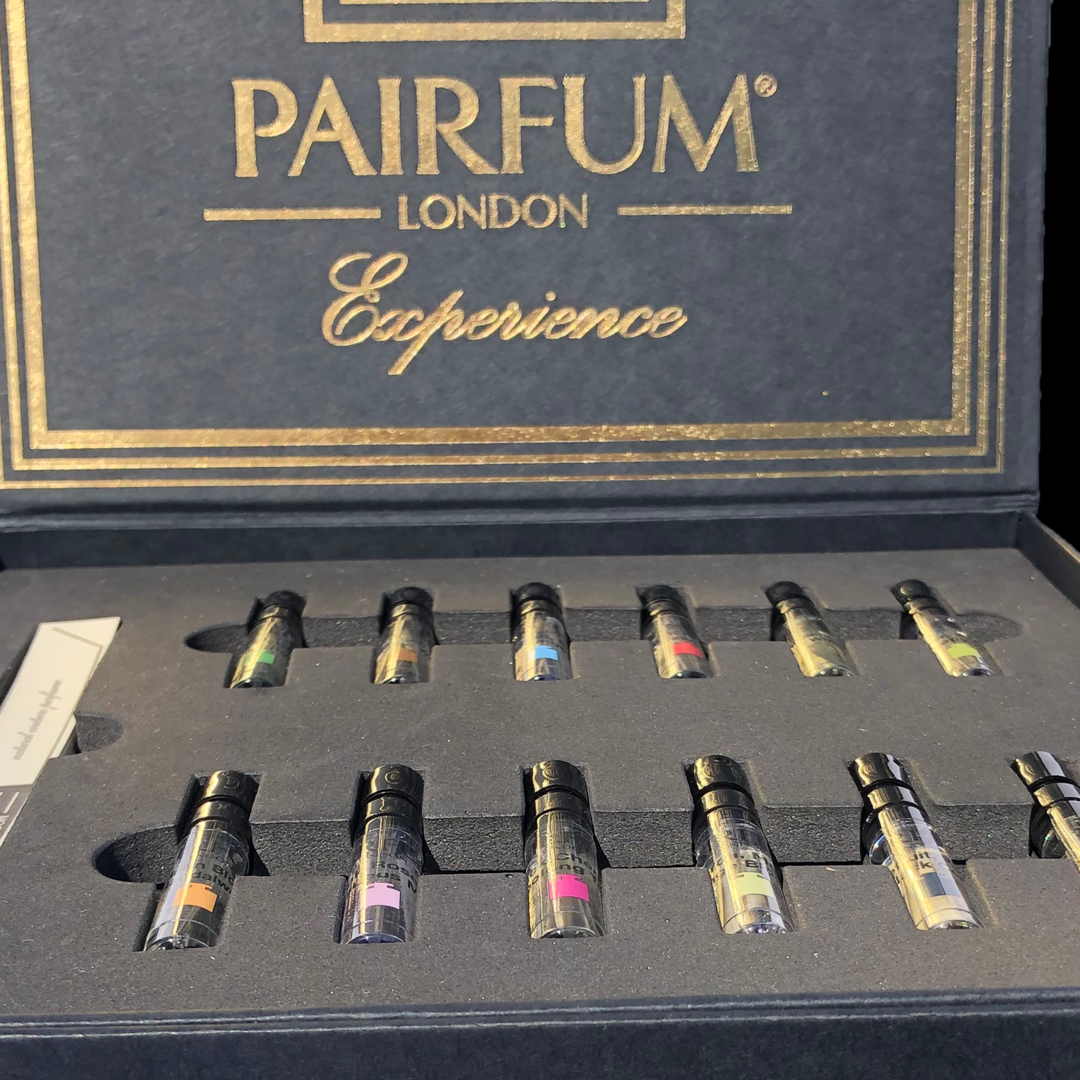
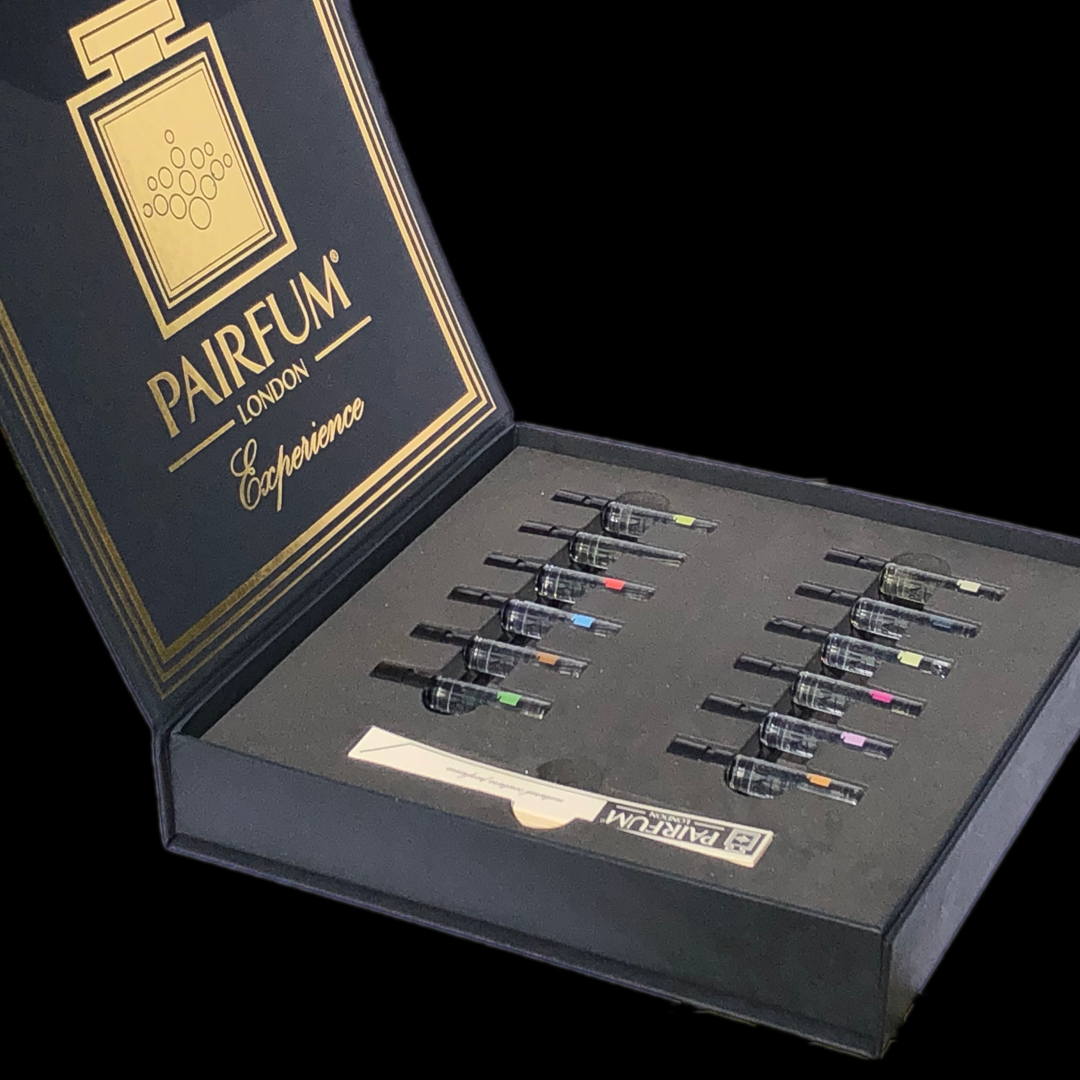
This unique collection offers precise scent discovery. It includes twelve distinct Eau de Parfum Intense bottles, each providing approximately one hundred sprays for up to two weeks of daily use. Fifty smelling strips are included for sampling. The perfumes are crafted with natural and organic essential oils and biodegradable alcohol. They are vegan, cruelty free, and free from parabens, phthalates, and synthetic colours. Handcrafted in the United Kingdom, these exquisitely presented glass bottles are suitable for any woman or man, completing your modest wear with effortless elegance.
Discover Fragrances That Embrace Modest Fashion
Fragrance transcends mere aroma; it’s an intrinsic part of how one chooses to present themselves, a silent declaration of identity. With modest fashion offering a profound platform for quiet confidence, calm elegance, and deep personal meaning, the choice of perfume becomes even more impactful and resonant. It acts as an olfactory signature that completes the narrative of self expression.
Exploring modest fashion goes hand in hand with discovering perfumes that feel authentic and true to oneself. It’s about selecting what suits not only your skin, but your spirit. Aromas that don’t try too hard yet leave a memorable, sophisticated aura are the perfect, quiet companions to a wardrobe brimming with purpose, personality, and an unwavering commitment to personal style and elegance. From trousers to bottoms to an evening dress, the right scent enhances the complete look.
As modern elegance continues to grow and evolve in exciting new directions, there’s a distinct joy in blending timeless tradition with contemporary freshness. Modest fashion and exquisitely crafted fragrance make the perfect pair, offering anyone a path to feel truly seen, deeply valued, and impeccably refined, without needing to utter a single word. This harmonious relationship between clothing and fragrance embodies effortless elegance.
Rum, a drink known for its distinctive taste, has a fascinating history that intertwines with the art of perfumery. This aromatic spirit brings rich and complex notes to perfumes, turning them into unforgettable fragrances. From its bold beginning to its modern day uses, rum has become an integral part of crafting luxurious perfumes that stand out with a unique bouquet. The versatility of rum in fragrance is truly remarkable, offering a spectrum of scent experiences.
Let’s start by looking back in time to see how rum made its way into the heart of aromatic traditions. This journey uncovers how rum travelled through various cultures, leaving behind a sweet and memorable trail in the world of fragrance. The global journey of rum is as captivating as the spirit itself.
Pairfum Fragrance Spiced Rum Lime Guaiac Wood Triangle
The Rich History of Rum
The Origins of Rum and Sugarcane
The story of rum is deeply rooted in the history of sugarcane. Originally from Southeast Asia, sugarcane was brought to the Caribbean by European explorers in the 15th and 16th centuries, thriving in the warm, humid climate. It was on these sun soaked islands that the true birth of rum occurred. As sugar production intensified, so did the accumulation of molasses, a sticky, dark byproduct of the sugar refining process. Enslaved people working on the plantations in the 17th century are credited with discovering that this molasses could be fermented and then distilled into an alcoholic beverage. This early, potent spirit was initially known by various names such as “kill devil” or “rumbullion” before eventually settling on “rum”. This initial rum production was often rudimentary, but it marked the beginning of a global phenomenon.
Rum’s Global Spread and Cultural Significance
The resulting drink quickly spread beyond the Caribbean, taking its tropical essence to distant lands. It was admired for its unique aroma and celebrated across communities. European powers, particularly the British and French, quickly recognised rum’s economic potential. It became a crucial commodity in the notorious Triangular Trade, where molasses from the Caribbean was shipped to New England to be distilled into rum, then traded for enslaved people in Africa, who were transported back to the Caribbean plantations. This dark chapter in rum’s history highlights its profound cultural and economic impact. These extensive trade routes helped to spread the popularity of rum, laying the foundation for diverse rum styles around the world.
Culturally, rum has long played a meaningful role. In the Caribbean, it was not just a refreshment but a symbol of celebration and unity, enjoyed during gatherings and traditions. Its ability to last on long voyages made it invaluable to European explorers and particularly the Royal Navy, who adopted a daily ration of rum from 1655, after capturing Jamaica. This practice, known as the “tot”, continued for centuries, solidifying rum’s association with naval history and exploration. It became not only an item for trade but also a way to connect with new cultures.
Early Aromatic Uses of Rum
Early civilisations quickly found uses for this dark, fragrant liquid beyond consumption. Long before rum was bottled and labelled, it was admired for its aromatic qualities. Ancient perfume makers began infusing it with herbs and flowers, creating early versions of rum based perfumes. These blends captured the deep, sweet bouquet of rum and added a layer of intrigue to oils and fragrances. This evolution from drink to aromatic treasure shows how rum became more than a simple tropical beverage. It grew into something shared, appreciated, and creatively used around the world. The journey of rum from a crude spirit to a refined ingredient, both in beverages and perfumes, is a testament to its enduring appeal and complex flavour.
Eau de Parfum Person Reflection Spiced Rum Lime Guaic Wood Man Wood 1 1
The Scent Profile of Rum in Perfumery
Before delving into the varieties, it’s important to understand the general scent characteristics that make rum so appealing in perfumery. At its core, rum offers a warm, sweet, and often boozy aroma. Its complex aromatic profile is a result of the fermentation of sugarcane molasses or sugarcane juice, followed by distillation and often, extensive ageing. This process creates a rich tapestry of notes, including caramel, toffee, vanilla, dried fruits (like raisin and prune), brown sugar, and sometimes hints of smoky oak barrel, leather, and even spicy nuances like cinnamon or clove. The overall impression of rum can range from light rum and airy to deep, dark, and opulent. These multifaceted notes contribute to its versatility, allowing it to harmonise with a wide array of other perfume ingredients. It often provides a sense of depth and richness, a comforting warmth, and an intriguing complexity that draws the wearer in. The unique flavour and aroma make rum a highly sought after ingredient.
Varieties of Rum and Their Unique Characteristics
Rum is not a one size fits all aroma. Each type brings something different to perfume making, giving perfumers a wide palette to work with. The diverse range of rums available today ensures there is a rum style for every preference.
Light and Golden Rums
Light Rum (White Rum): Often clear or pale gold, light rum is typically not aged or lightly aged in stainless steel tanks, resulting in a cleaner, crisper profile. In perfumery, light rum offers subtle sweetness with hints of fresh sugarcane, delicate vanilla, or citrus. It is perfect for lighter, fresher perfumes, blending beautifully with crisp citrus notes or delicate florals. These perfumes often evoke summer shore walks or morning air. The subtle aroma of white rum provides a clean base that supports rather than overwhelms. White rum is a staple in many classic cocktails.
Golden Rum (Amber Rum): These rums spend considerable time in wooden barrels, typically oak, which allows them to mellow and develop sophisticated flavours. Golden rum often has a medium body and offers notes of vanilla, toasted nuts, and subtle spice. In fragrance, aged rum notes offer a nuanced blend of these characteristics, contributing a smooth, refined warmth.
Dark and Spiced Rums
Dark Rum: Richer and more intense, dark rum owes much of this to its extended ageing, often in charred oak barrels. This imparts deep colours ranging from amber to mahogany and complex aromas. Dark rum brings warmth, pronounced sweetness, and bold character to perfumes, with prominent notes of molasses, caramel, dried fruits, and sometimes chocolate or coffee. When used in a fragrance, it often becomes the foundation for luxurious, mysterious compositions. Many dark rums, like El Dorado, are celebrated for their depth of flavour.
Spiced Rum: Infused with aromatic spices like cinnamon, vanilla, nutmeg, and clove, spiced rum adds another layer altogether. It introduces a sense of exotic delight and often a comforting warmth. Perfumes using spiced rum are often bold and comforting. These blend well with woody or resinous notes, reminding us of autumn warmth or distant adventure. A popular example, Kraken Black Spiced Rum, available in a spiced rum 70cl bottle, is known for its distinctive flavour profile. Another fine example is Foursquare Spiced Rum, offering a unique take on spiced rum.
Flavoured and Agricole Rums
Flavoured Rum: Beyond spiced rum, the world of flavoured rum is expanding rapidly. These rums are infused with various fruit essences or other flavour compounds, such as coconut (think Koko Kanu), banana, or pineapple. This innovation allows for a wider spectrum of rum profiles in perfumery, offering new avenues for creativity beyond traditional rum styles.
Rhum Agricole: Distinct from molasses based rums, Rhum Agricole is made directly from fresh sugarcane juice. This results in a more vegetal, grassy, and often herbaceous scent profile, with brighter, more pungent aromatic notes that can add a unique green freshness to a composition. This rum style reflects the terroir of its origin, primarily the French Caribbean islands.
Each of these varieties gives a different note and feel to the perfumes they inhabit. From carefree and bright to bold, sultry, and deeply complex, rum has the ability to shape a fragrance’s mood and story. The various rums contribute unique qualities to any scent.
Smelling Rum
The Art and Science of Rum Production
Rum production begins with the fermentation of either sugarcane molasses or sugarcane juice. The quality of the raw material, whether it’s the rich molasses from sugar cane or fresh sugarcane juice, greatly influences the final flavour. Yeast is then added to convert the sugars into alcohol. This fermentation can be slow or fast, influencing the resulting flavour compounds. Following fermentation, the liquid is distilled. Different types of stills are used: pot stills, often associated with heavier, more aromatic rums, particularly Jamaican rum, and column stills, which tend to produce lighter, cleaner spirits. The choice of still significantly impacts the rum style.
After distillation, many rums undergo an ageing process. This often occurs in an oak barrel or other wooden barrels. The type of barrel, whether new or previously used for bourbon, sherry, or even wine, profoundly affects the rum’s colour, aroma, and flavour. During ageing, the alcohol interacts with the wood, absorbing compounds that contribute notes of vanilla, caramel, toast, and spice. For example, aged rum can develop incredible complexity over several years in a barrel. The climate of the ageing location also plays a role; tropical climates accelerate the ageing process compared to cooler regions, impacting the final spirit. Rum production is a precise craft, with each step contributing to the final flavour.
Global Influences on Rum and Other Spirits
The world of spirits is rich with regional variations and traditions, and rum is no exception. While Caribbean rum, made from either molasses or sugarcane juice, is the ancestral home of this spirit, other regions have developed their own distinct expressions. For instance, the renowned Havana Club, a quintessential Caribbean rum, embodies the rich history and vibrant culture of Cuba, often characterised by its smooth flavour and notes of tobacco, sweet tropical fruits, and molasses, especially in its aged expressions. It showcases the mastery of Cuban rum production.
Across the globe, other spirits offer equally fascinating complexity. Consider Japanese whisky, a spirit known for its meticulous craftsmanship and balance. While Japanese whisky is typically made from malted barley and other grains, and aged in wooden barrels, its flavour profile often leans towards delicate, floral, and fruity notes, sometimes with a subtle smokiness, contrasting with the rich, sweet characteristics of many rums. The careful blending and ageing processes in Japanese whisky production, much like with premium rum, result in highly nuanced and sought after expressions. Both categories represent the pinnacle of their respective alcohol traditions.
Extraction and Uses in Modern Perfumery
To bring rum into perfume, craftsmen first extract its fragrant elements. This usually begins with sophisticated distillation techniques, similar to those used in producing the drink, where the volatile aromatic compounds responsible for rum’s scent are separated and collected. These aromatic compounds are what give rum its recognisable warmth and sweetness. For perfumery specific applications, these extracts can be further refined to isolate particular facets of the rum aroma, ensuring purity and consistency.
Another common method involves headspace technology, which captures the exact scent of a specific rum without physically altering the liquid. This allows perfumers to analyse and then recreate the precise olfactory signature of a rare or unique rum using a combination of natural extracts and synthetic aroma chemicals. Synthetic accords are also widely used, allowing perfumers to create a “rum note” that is consistent, cost effective, and free from any actual alcohol content, making it suitable for a wider range of products, including cosmetics and personal care. These processes ensure that the rich and complex essence of rum can be faithfully incorporated into fragrance compositions. The careful crafting of rum notes is a testament to the art of perfumery.
Once extracted or replicated, rum essence becomes a base material that can be mixed into fragrance oils. The blending process is a creative one, with perfumers experimenting to create a balance that highlights rum’s charm without letting it overpower. It pairs well with citrus for lift, woods for depth, or florals for elegance. Rum’s inherent warmth makes it an excellent fixative, helping other lighter notes to last longer on the skin.
Modern use of rum in perfume is both traditional and imaginative. Some blends feature rum as the lead, giving a strong, recognisable aroma. Others use a hint of rum in the background, layering it to add richness and intrigue. It is particularly effective in oriental and gourmand fragrances, where its inherent sweetness and warmth complement other rich ingredients like vanilla, chocolate, and coffee. In more unexpected applications, rum can be found in lighter compositions, offering an intriguing twist to fresh or floral accords. The varied flavour of rum is what makes it so appealing.
Whether bold or subtle, the inclusion of rum adds something rare to the perfume: texture. It warms a composition, often making it feel more complete and grounding. This versatility lends itself well to both modern and classic fragrance designs. The spirit of rum truly shines in these creations.
Eau de Parfum Person Reflection Spiced Rum Lime Guaiac Wood 1 1
Complementary Notes and Fragrance Families
Understanding which notes pair well with rum is key to appreciating its versatility in perfumery. Rum’s rich and multifaceted profile makes it an excellent team player, capable of enhancing a wide variety of fragrance families. The complex flavour of rum offers endless possibilities.
For a classic, sophisticated feel, rum marries beautifully with woody notes such as sandalwood, cedarwood, and oud, creating a deep, resonant base. It also finds a natural partner in amber and resinous notes like frankincense and myrrh, which amplify its warmth and add a touch of ancient mystique. Tobacco is another strong companion, forming a rich, smoky, and often masculine accord that speaks of elegance and depth.
In gourmand compositions, rum’s inherent sweetness is brought to the forefront when combined with vanilla, tonka bean, chocolate, and coffee. These pairings create delectable and comforting aromas reminiscent of desserts and spiced rum beverages, offering a truly indulgent olfactory experience.
For a more vibrant and spirited blend, rum can be uplifted by bright citrus notes like orange, bergamot, and lime, which provide a zesty contrast to its warmth. Spices such as cinnamon, clove, nutmeg, and cardamom naturally complement spiced rum varieties, intensifying their exotic character and adding a warm, inviting glow.
Surprisingly, rum can also add an unexpected twist to floral arrangements. When paired with rich florals like jasmine, tuberose, or ylang ylang, it can provide a velvety depth and a touch of heady indulgence, preventing the floral notes from becoming overly sweet or cloying. It can even be used to add a ‘boozy’ or ‘liquor’ facet to fruit notes, enhancing their juiciness and adding a sophisticated edge that is both playful and luxurious. Its warmth can also ground lighter, more ethereal notes, giving them longevity and character. The spirit of rum brings complexity to any composition.
Rum in Cocktails and Beyond
Beyond its use in perfumery, rum is, of course, a beloved spirit in the world of beverages, forming the base for countless classic cocktails. The versatility of rum in mixology reflects its diverse flavour profiles.
White rum, with its clean and subtle flavour, is the backbone of refreshing drinks like the Mojito, where it combines perfectly with fresh mint and lime, and the classic Daiquiri. Aged rum and golden rum are often preferred for more complex cocktails. Dark rum brings depth to drinks like the Dark ‘n’ Stormy, famously made with ginger beer and a float of dark rum. Spiced rum is a star in its own right, adding a warm, aromatic kick to simple serves with cola or as a key ingredient in more elaborate concoctions. Many enthusiasts enjoy a quality spiced rum 70cl bottle for their home bar.
The Mai Tai, a renowned tiki cocktail, showcases a blend of rums, often including Jamaican rum, highlighting the spirit’s ability to layer different flavour characteristics. The rum’s natural sweetness also makes it a fantastic addition to desserts and baking, where its flavour can truly shine. From the sweet notes of a Puerto Rico produced rum to the rich flavour of South America’s finest rums, the category is expansive.
The broader category of spirits, which includes rum, also encompasses gin, vodka, whiskey, and brandy. While each spirit has its distinct characteristics, the appreciation for aged spirits has seen a rise in popularity for items like single malt whisky and Irish whiskey, alongside premium rum. Fine wine, white wine, and sparkling wine also offer their own unique sensory experiences, but rum holds a special place due to its Caribbean origins and sugarcane connection. Even as a simple pairing with soft drinks, rum delivers unique flavour. For those looking for a rum gift, the variety available is immense, from a light rum and floral white rum to a deep, intense dark rum.
Eau De Parfum Person Reflection Spiced Rum Lime Guaiac Wood Couple Kiss 1 1
The Growing Popularity of Rum in the UK and Perfumery
The resurgence of rum as a premium rum spirit in the United Kingdom has also subtly influenced its presence in perfumery. With increased consumer appreciation for craft spirits and diverse flavour profiles, there’s a heightened awareness of rum’s complexity. This trend extends to fragrances, where consumers are increasingly seeking unique, sophisticated, and evocative scents. The allure of rum, whether in a glass of cocktails or a bottle of perfume, continues to captivate. The unique flavour profile of different rums offers a world of discovery.
A Contemporary Pairfum London Take on Classic Rum Sophistication
When seeking a fragrance that truly captures the essence of refined rum craftsmanship, the Spiced Rum, Lime & Guaiac Wood Eau de Parfum stands as an exceptional choice. This sophisticated composition weaves together the warmth of Caribbean spiced rum with the bright zest of lime and the deep, smoky undertones of guaiac wood. The result is a fragrance that feels both familiar and unexpected, offering wearers a chance to experience the luxurious world of rum based perfumery in its most elegant form. Each spritz delivers a journey through tropical warmth and woody sophistication, making it an ideal companion for those who appreciate complexity in their signature scent.
This Connoisseur’s accord opens with the intense aroma of Rum, nuances of Lime & Lemon and a radiant combination of Nutmeg & Pepper. The heart is deep and rich with Tuberose, Iris and Vintage Leather. A fond of Guaiac Wood, Cedar, Golden Amber, Vanilla Pod and Musk complete this luxuriously fluid fragrance.
Pairfum Person Reflection Spiced Rum Lime Guaiac Wood Eau de Parfum Man
Embrace the Timeless Allure of Rum
Rum’s story in perfumery is one of transformation. From the Caribbean heat to European salons, from festival cups to perfume bottles, rum has found its place in ways both expected and surprising. Its many forms give perfume lovers something to appreciate, from soft and subtle to dark and daring. The journey of rum continues to evolve, constantly revealing new facets of its incredible flavour.
Each variety invites you into a different tale. Whether you’re drawn to the bright freshness of light rum, the cosy embrace of dark rum, or the spirited complexity of spiced rum, there’s a fragrance experience waiting. More than that, it’s a way to connect with history and tradition, all through the aroma you wear. The enduring spirit of rum is evident in every drop.
Experience the captivating appeal of rum through aromas infused with tradition, character, and imaginative artistry. The world of rum, both as a beverage and a scent, is rich with possibilities.
Moss is one of nature’s most enchanting and ancient gifts to perfumery. This unique ingredient brings an earthy, serene quality to fragrances, calling to mind primordial forest floors, shaded riverbanks, and peaceful, misty landscapes. Its use adds a remarkable depth, a certain colour and complexity that draws in those who are captivated by the quieter side of nature’s aromas. There is something effortlessly intriguing about moss; it can shift the mood of a perfume from simple to poetic, adding a whisper of mystery and a resilient, contemplative strength. While trends may come and go, fleeting as the fame of a name like Lila Moss, the appeal of this primal scent endures.
The magnetism of this special moss is more than skin deep. It is a scent that feels both timeless and profoundly grounding, a fragrant connection to the patient, persistent life that thrives in overlooked places. To wear a moss based perfume is to carry a sense of calm and reassurance. Today, this wonderful moss continues to flourish in fragrance creation, prized for its ability to anchor a scent and give it a memorable, lasting signature. The humble moss has a story to tell.
The Quiet Power and Ancient Soul of Moss
Before we can appreciate moss in a bottle, we must understand its power in the wild. Mosses are true survivors. They are members of an ancient lineage of plants, the Bryophytes, which have graced our planet for over 450 million years. This type of plant existed long before the dinosaurs and has watched mountains rise and fall. Mosses are pioneer species, often the first to colonise bare rock and barren soil, patiently creating the foundation for all the life that follows.
This quiet resilience has imbued moss with deep symbolic meaning. Unlike other flora, this simple plant has no true roots, instead anchoring itself with rhizoids. It absorbs water and nutrients through its single cell thick leaf structure, a testament to its direct connection with its environment. This amazing plant is a living testament to tranquility. Related to fellow ancient organisms like liverworts, mosses represent a fundamental form of life. This is the soul we connect with in a fragrance: not just a scent, but a feeling of endurance, stillness, and the understated natural beauty of moss.
Pairfum Fragrance Grapefruit Pepper Black Cedar Triangle
What Does Moss Actually Smell Like in Perfumery?
To say moss smells ‘earthy’ is just the beginning. It is a scent of profound complexity that captures a specific, evocative moment. Imagine a walk through a dense, ancient woodland just after a rain shower. The aroma of a fine moss in a fragrance captures that very atmosphere. It is the smell of damp soil, rich and dark, blended with the cool scent of decaying leaves and wet stone. The scent of this moss is unforgettable.
It possesses a character that is simultaneously fresh and musty, clean and slightly animalic. There are often undertones of leather, ink, and a subtle, almost saline bitterness that prevents this moss from being overly green. Unlike the bright, sharp scent of cut grass, the fragrance of moss is a deep, low hum of a note. It is a foundational aroma that feels both grounding and profoundly contemplative. This profile makes moss an invaluable component in fine fragrance.
A Storied Past: The Backbone of Classic Perfumery
Moss has been a treasured component in the perfumer’s palette for hundreds of years. Early artisans of scent discovered how its complex, earthy profile could enrich an entire fragrance. This moss rarely fights for attention. Instead, it offers a foundational layer that provides structure and support, much like the forest floor supports the woodland ecosystem above it.
This ingredient became the very backbone of two of the most important families in classic perfumery: the Chypre and the Fougère. Without the tenacious, mysterious character of this particular moss, these iconic fragrance structures simply would not exist. The important role of moss in perfumery is undeniable. It was, and still is, the key to grounding brighter, more volatile notes, tying a composition together seamlessly and giving it an unforgettable, elegant trail. Many classic perfumes owe their soul to moss.
The World of Moss: Beyond the Woodland Floor
While perfumery prizes its scent, the aesthetic appeal of mosses is celebrated in many other arenas. Gardeners have a complex relationship with these tiny plants. While some strive to remove common moss from their lawns, others cultivate it. At the prestigious RHS Chelsea Flower Show, for instance, moss has been the star of prize winning gardens, celebrated for its verdant texture and tranquil presence.
The art of creating terrariums often relies on various moss species to build miniature worlds, a mini one in a glass vessel that captures a slice of the forest. The creation of such a habitat requires a careful hand. From the lush carpets of Hypnum moss to the upright stalks of common haircap moss, also known as Polytrichum commune, the diversity is stunning. In New Zealand, the unique native moss flora contributes to the country’s breathtaking landscapes. The variety of moss available for enthusiasts is truly impressive.
Eau de Parfum Person Reflection Scarlet Rhubarb Oakmoss Woman 1 1
A Miniature World: The Ecological Magic of Moss
In nature, mosses are miniature ecosystems. Their dense, velvety carpets play a vital role, holding vast amounts of water and hydrating the forest while preventing soil erosion. Certain types, like sphagnum moss, are the primary architects of the peat bog habitat, slowly forming deep layers of peat over millennia. A peat bog is a unique and precious environment, and organisations like the Wildlife Trust work tirelessly to protect them.
This dense structure provides a crucial microhabitat, a sheltered, humid world for countless tiny invertebrates, fungi, and other wildlife. They are a universe in a small space. This role as an ecosystem builder offers a beautiful parallel to the function of moss in a perfume. A moss accord creates a fragrant habitat within the bottle, holding onto lighter notes and providing a rich, complex base upon which the heart notes can flourish, creating a scent that feels alive, integrated, and harmonious. The power of this moss should not be underestimated.
The Signature Mosses of Scent
While there are over 20,000 moss species worldwide, perfumery primarily focuses on a select few, each offering a distinct personality. The identification of the correct species is critical.
Oakmoss
Arguably the most famous, oakmoss (Evernia prunastri), which is technically a lichen (a composite organism arising from algae or cyanobacteria living among filaments of multiple fungi species in a symbiotic relationship), grows on oak trees. It is renowned for its deeply woody and forest like aroma. Its use is foundational in many classic scent profiles. The magic of this moss is its versatility.
Tree Moss
A close relative, tree moss (Evernia furfuracea), offers a lighter, airier lift. While still earthy, it leans more towards the scent of soft, dry woods, with a delicate and almost powdery green edge. This moss is particularly useful in more modern perfumes.
Decoding the Language of Scent: Profiles and Identifiers
A perfumer’s process has interesting parallels with modern data analysis. To create a masterful scent, one must build detailed profiles of each ingredient, understanding its every facet. When working with a new harvest of moss from different sources, a perfumer may have limited data and must meticulously test each sample. Their legitimate interest is in achieving perfection and consistency.
They look for unique identifiers in the molecular structure of the moss that give it its signature scent. Each aromatic compound is an identifier. Every bottle of perfume is a narrative device, designed for a special purpose, to evoke a feeling or a memory from a non precise location like a dream or a half remembered forest. This is not dissimilar to how a digital device assembles information based on possible interests to create an experience. The perfumer considers personal aspects, like how the scent of the moss will develop on skin. This is a complex network of information, far more intricate than a web of iab vendors, where every source must be vetted for quality and character. The perfumer uses their creative device and skill to blend these elements into a seamless whole. The final creation is a testament to this detailed work.
Moss on rocks
From Forest Floor to Fragrance Bottle: The Art of Extraction
To capture the soul of moss for a perfume, perfumers use specific techniques. The choice of method impacts the final character of the moss extract.
Solvent Extraction
This technique uses a solvent to wash the raw moss, capturing its full spectrum of aroma molecules. The result is a highly concentrated absolute, containing the rich, deep, and true to nature scent of the moss. This method preserves the full bodied texture of the moss. Producers ensure they have enough stock of this precious material for sale to fragrance houses.
Steam Distillation
This gentler process passes steam through the moss to vaporise its aromatic molecules. This method typically results in a lighter essential oil. It captures the fresher aspects of the moss. The delicate spores of the moss are not part of this process, which focuses only on the aromatic compounds.
The Perfect Pairing: What Notes Complement Moss?
The true versatility of moss is revealed in its pairings. It is a masterful partner for a wide range of other ingredients, enhancing the notes around it.
With Citrus: The bright energy of bergamot finds a perfect anchor in the deep tenacity of moss.
With Florals: Moss provides a dark, earthy backdrop that makes the beauty of florals feel more dramatic and profound, lending a deep green colour to the scent’s background.
With Woods and Resins: When paired with sandalwood or incense, moss deepens the woodland effect, creating a meditative and immersive forest scent.
Eau de Parfum Person Reflection Scarlet Rhubarb Oakmoss Man 1 1
Discover the Earthy Elegance of Moss with Pairfum London
Inspired by the timeless beauty of moss, we invite you to explore how this remarkable ingredient is woven into our own creations. For those drawn to its classic earthiness paired with a modern and unexpected twist, discover our Scarlet Rhubarb & Oakmoss Eau de Parfum. Or, for an exploration of deep woody notes that share the same grounding spirit, experience the sophisticated blend of Grapefruit, Pepper & Black Cedar Eau de Parfum. Each fragrance offers a unique pathway into the world of complex, nature inspired scents.
This bold, floral Chypre fragrance opens with a blend of fresh Tart Rhubarb, Sun-Dried Fruits and Ripe Strawberries. Hints of crisp Apple & Apricot wrap around the heart of elegant White Gardenia. The base of Oakmoss and Sensuous Musk provides a warm, rich and lingering drydown typical of a Chypre.
A rich, woody and spicy fragrance where the zest of Grapefruit & Bergamot infuse the opening with freshness. The sensual heart of Masculine Leather is enhanced by the rich spicy elements of Black Pepper and Nutmeg. The base is intensely woody with Black Cedar, Patchouli, Tonka Bean and Moss.
Eau de Parfum Person Reflection Grapefruit Pepper Black Cedar 1 1
Embracing the Beauty of Moss in Your Fragrance Collection
Adding a moss based perfume to your collection offers something truly special. These fragrances possess an innate elegance and a grounding presence. They have a way of drawing attention quietly, leaving behind a peaceful and intelligent impression. To choose a moss fragrance is to appreciate the beauty of resilience, stillness, and nature’s patient artistry. It brings layers to a perfume that are hard to replicate, whispering of ancient forests and turning everyday moments into more thoughtful experiences. Embracing moss means embracing nature itself.
If you’re seeking the best winter perfume to enhance this magical time of year, you’re in the right place. Whether you’re drawn to creamy vanilla, warm amber, spicy cinnamon, or soft musk, winter perfumes allow you to wrap yourself in a captivating scent that speaks to the heart of the season.
Winter is a season unlike any other. It blankets the world in stillness, invites us indoors, and encourages a deeper connection with warmth and comfort. As the days shorten and the temperature drops, everything shifts: our wardrobe, our routines, and even our sense of smell. In the colder months, the crisp air transforms how we experience fragrance, making the winter season the ideal time to explore richer, deeper, and more comforting scents.
Why Winter Changes the Way We Wear Perfume
The winter months bring a unique sensory landscape. Frosty air, rich colours, and cosy indoor rituals mean our fragrance choices naturally evolve. Lighter fragrances that shine in summer can fade quickly in winter’s cold, dry atmosphere. This is when deeper base notes truly come alive.
During the winter season, a perfume must offer more than just projection – it must deliver warmth and longevity. This is why winter fragrances are often built with rich, grounding ingredients such as sandalwood, amber, musk, and vanilla.
The skin’s lower moisture levels in winter also affect how fragrance develops and lingers. Heavier, oil-based scents perform better, wrapping the wearer in lasting notes that evolve beautifully over the course of the day and into long winter nights.
Embracing the Winter Fragrance Family
Winter perfumes tend to fall into specific fragrance families that complement the colder weather:
Woody: Sandalwood, vetiver, and cedar provide a dry, grounding base that mirrors the bare trees and stillness of the winter landscape.
Oriental: These include spicy notes like cinnamon and clove, balanced with incense and vanilla. Ideal for creating a luxurious and enveloping winter scent.
Gourmand: Featuring sweet vanilla, tonka bean, caramel and chocolate, these perfumes are indulgent and comforting – like a soft jumper or a warm dessert.
When choosing a winter fragrance, consider how these families align with your personal preferences. Think about how each fragrance family can offer a perfect winter scent that reflects your style and mood.
Notes That Define the Best Winter Perfume
Certain notes are synonymous with the winter season. These aren’t just random preferences – they echo the flavours, textures, and atmospheres of winter life.
Vanilla: Used in both sweet and creamy forms, vanilla is a cornerstone of many winter perfumes. Creamy vanilla creates a soothing, sensual profile, while sweet vanilla can add playfulness to a more structured scent.
Amber: Warm amber offers a golden, resinous depth. It adds a velvety richness that radiates warmth, making it an essential winter ingredient.
Musk: Often used to soften a perfume, musk introduces a skin-like, sensual warmth. Layered beneath florals or woods, it gives a scent a lingering intimacy.
Cinnamon and Spice: Spice notes bring seasonal festivity to life. Cinnamon, especially, is closely tied to winter fragrance notes, adding heat and complexity.
Sandalwood: With its creamy, smooth character, sandalwood adds elegance and a grounding touch to many winter fragrances.
Jasmine: This floral note, when combined with musk or sandalwood, transitions beautifully into winter, giving light and femininity to deeper compositions.
Bergamot: Though citrusy, bergamot acts as a fresh top note that brightens heavier winter perfumes, helping balance the depth.
Leather: Used subtly, leather can add sophistication and an earthy richness. Perfect for more daring and dramatic winter scents.
Tonka Bean: Often compared to vanilla with an almondy warmth, tonka bean is a favourite in unisex fragrance compositions.
Each note contributes to creating a scent that not only smells beautiful but feels like a second skin during winter.
The Allure of Winter Perfumes
Winter perfumes are more than functional accessories – they become a part of your winter identity. Your scent lingers in scarves, coats, and even hair, forming a personal olfactory signature that follows you through the season. Whether you prefer bold spice, cosy musk, or bright citrus contrasted against a warm base, winter fragrances provide an opportunity to express who you are in the most atmospheric time of year.
While many seek out the best winter fragrance as a gift set during the holiday period, a well-chosen perfume is a year-round treasure that earns its place on the vanity every winter.
A Guide to the Perfect Winter Perfume for Every Mood
Here are some scent profiles to match your mood throughout the winter season:
For Festive Gatherings: Look for perfumes with cinnamon, vanilla, and amber. These ingredients evoke the spirit of celebration and create a lasting impression.
For Cosy Evenings In: Choose musk and sandalwood blended with creamy vanilla. These create a private, enveloping warmth that enhances quiet moments.
For Snowy Walks: Citrus paired with warm amber and bergamot brings a brisk clarity that cuts through the chill while maintaining comfort.
For Glamorous Nights Out: Seek out darker blends with leather, jasmine, and black orchid. These powerful compositions exude mystery and elegance.
For Everyday Elegance: A subtle unisex fragrance combining tonka bean, vetiver, and bergamot provides a balanced and refined signature scent.
The Role of Gifting and Discovery
The perfect Fragrance is one of the most meaningful and personal gifts you can give during the winter months. A carefully selected gift set not only shows thoughtfulness but also invites the recipient to create new memories with a perfect winter fragrance.
Whether you’re gifting yourself or someone else, the winter season is the ideal time to visit a fragrance counter, explore scent families, and sample perfumes that speak to the soul.
A Winter Embrace in a Bottle
For those seeking a scent that perfectly captures the essence of winter warmth, Spiced Coffee Oaked Vanilla Eau de Parfum is a captivating choice. This fragrance blends the rich aroma of freshly brewed coffee with soft spices and the enveloping depth of oaked vanilla. It evokes the comfort of a quiet morning by the fire or the indulgence of a festive evening indoors. With each spray, it offers a smooth, inviting trail that lingers like a cherished winter memory—refined, soothing, and effortlessly sophisticated.
This warm, Oriental Spicy Fragrance opens with the top notes of Pink Pepper, Orange Blossom and Crisp Pear. The Heart of the Fragrance is a modern blend of rich & dark Coffee with the elegance of Jasmine. The elegant finale is a sophisticated base of Vanilla aged in Oak, Patchouli and Cedar.
Final Thoughts on Finding Your Perfect Winter Scent
The best perfume in winter is one those that not only complement the season’s atmosphere but also elevate your emotional experience of it. They offer warmth, sensuality, and confidence, cocooning you in notes that feel both intimate and expressive.
From warm amber to creamy vanilla, from delicate jasmine to bold black orchid, every winter fragrance tells a story. Find the perfect winter perfume that reflects your mood, style, and the essence of the season. Let your scent become part of your winter ritual, every time the snow falls or a candle flickers nearby.
As a beauty director once said, “A good perfume doesn’t just smell good – it transports.” So, embrace the cold, the frost, and the warmth that lives within you, and carry it everywhere you go with the right winter perfume.
Santal, widely known as sandalwood, evokes images of serene forests with its rich, creamy aroma. Revered across many cultures, this fragrant wood has been integral to spiritual practices, medicine and perfumery for centuries. Its warm, woody notes have secured a special place in the hearts of fragrance lovers globally. What makes santal so captivating is not just its timeless aroma but its profound versatility. Its essence, a truly unique scent, often suggests calm and balance, making it a favourite in perfumes designed to create peace and elegance. Fragrances featuring santal effortlessly blend strength and serenity, making them highly sought after for both personal indulgence and atmospheric enhancement. The comforting scent is truly unique.
The Enchanting History of Santal
Santal’s history spans diverse landscapes and cultures, deeply intertwined with human civilisation for over 4000 years.
Santal in Ancient Cultures
In ancient India, santal, or sandalwood, was central to religious rituals, its smoke believed to carry prayers to the heavens and purify spaces. It was also a cornerstone in traditional Chinese medicine, where healers valued its calming and therapeutic properties. Thousands of years ago in Egypt, santal oil was cherished for its potential to enhance meditation, cleanse spaces and create a sacred, contemplative atmosphere.
Global Spread and Perfumery
As trade routes expanded, santal travelled far beyond its Asian origins, capturing the imagination of new cultures, including the Greeks and Romans, who blended it into perfumes, incense and cosmetics. This richly fragrant wood became a key element in perfumery due to its unique ability to harmonise with other ingredients. Whether used as a steadfast base note to anchor and round out a fragrance or as a feature note in its own right, santal consistently adds unparalleled depth, warmth and luxurious smoothness. Its enduring appeal in the perfume industry underscores its status as an aromatic delight and a living connection to profound cultural traditions and shared human heritage. This unique scent is always sought after.
The Olfactory Profile of Santal: A Symphony of Notes
The aroma of santal is unique and multifaceted, making it a perfumer’s dream ingredient.
Core Characteristics
At its core, santal offers a warm, woody and distinctively creamy scent, often described as soft, milky and balsamic. Beyond these core characteristics, different varieties and preparations of santal reveal a captivating spectrum of nuanced notes. Some present a subtle, inviting sweetness, reminiscent of vanilla or warm amber, while others lean towards a slightly green, earthy or even spicy facet, adding intrigue. These complex notes are why santal is a master of versatility.
Role in Fragrance Composition
This intricate profile allows santal to play various roles within a fragrance. As a classic base note, its exceptional longevity and profound depth provide a grounding foundation, ensuring the scent lingers beautifully and evolves gracefully. When featured prominently, it evokes feelings of comforting warmth, sophisticated elegance, serenity, or a subtle, inviting sensual universality. The remarkable interplay of these individual notes, including subtle floral notes and and touches of iris or violet, gives santal its distinctive character and its unparalleled ability to blend seamlessly and harmoniously with a vast array of other fragrance families. Its warm, woody scent makes it a perfect base note for many perfumes.
Types of Santal Fragrances and Their Nuances
Within the realm of santal, perfumers explore various types and blends to craft distinctive fragrances. Here’s a closer look at some popular varieties, each offering a unique olfactory signature of santal:
Mysore Santal
Often hailed as the gold standard, Mysore santal, specifically from the region of Mysore in India, is celebrated for its intensely creamy, rich bouquet and unparalleled smoothness. It leaves a lasting trail of warmth and sophisticated elegance, making it a highly sought after choice in luxury perfumes. Due to historic overharvesting and crucial conservation efforts, true Mysore sandalwood is now incredibly rare and often restricted, leading perfumers to responsibly utilise sustainable alternatives or expertly recreate its exquisite profile.
Australian Santal
While perhaps less traditional, Australian santal, or Australian sandalwood, offers a slightly sharper and drier woody note, often with subtle earthy, smoky or a more robust, leather undertone. This creates a fresh and compelling twist on the classic aroma, proving a versatile option that provides a beautiful and long lasting woody base note to many compositions.
Hawaiian Santal
This variety imparts a distinctly softer and more airy fragrance profile, marked by a mellow, almost ethereal sweetness. It can add a touch of sunny island charm and gentle warmth to any perfume, often perceived as lighter and less dense than other sandalwoods.
New Caledonian Santal
This variety offers a scent profile that elegantly bridges the gap between Indian and Australian sandalwood, presenting a wonderfully creamy, woody aroma with a slightly resinous and balsamic quality. It is a popular and increasingly important sustainably sourced alternative for perfumers seeking a balanced and rich santal note.
Synthetic Santal Notes
Given the scarcity and cost of natural sandalwood, many contemporary perfumers skillfully utilise innovative synthetic molecules to replicate and enhance its beloved aroma. These range from highly accurate recreations of creamy, milky notes (such as Javanol or Ebanol) to more abstract interpretations offering a modern twist on the classic scent. These expertly crafted synthetics allow for greater creative freedom, ensure the sustainability of santal inspired fragrances and often contribute to a fragrance’s longevity and projection. These designer creations are vital.
The harmony santal achieves with spices, florals and herbs is remarkable, allowing it to form the backbone of an astonishing array of perfume types, from deeply woody and opulent oriental blends to invigorating fresh and delicate floral compositions. These diverse varieties showcase santal’s inherent flexibility and profoundly reflect the boundless creativity and passion of perfumers who tirelessly bring it to life in their captivating compositions. By embracing these different varieties, fragrance enthusiasts explore a wide spectrum of aromas, each offering a distinctive olfactory journey, deeply rooted in both cherished tradition and pioneering innovation. Every scent becomes unique.
Extraction Methods for Santal Oil: Precision and Purity
Extracting santal oil is a delicate and highly technical process that significantly affects the perfume’s final quality, strength and nuanced character.
Traditional Steam Distillation
Traditionally, steam distillation has been the preferred method for centuries, involving the careful use of steam to gently release the precious aromatic oils from the heartwood of the santal tree. This time honoured method masterfully captures the aroma, preserving its natural richness and complex depth.
Modern CO2 Extraction
Another method gaining considerable popularity in modern perfumery is CO2 extraction. This advanced approach uses carbon dioxide under precise pressure and temperature to extract aromatic compounds, often preserving more subtle and volatile notes, and consequently delivering a truer, more vibrant representation of the wood’s natural aroma profile. While highly effective, this technique tends to be more expensive and requires extremely precise controls and specialised equipment.
Method Selection and Impact
Both steam distillation and CO2 extraction have distinct and valuable places in contemporary perfumery. The choice of method often hinges on the desired fragrance outcome, the specific nuances the perfumer wishes to highlight and, increasingly, considerations of sustainability and purity. Ongoing advances in technology have allowed producers to better preserve the complex and multi layered character of santal oil, enabling perfumers to work with oils that truly retain the captivating warmth, profound depth and serene beauty that make santal so universally desirable. Every meticulous stage of the extraction process contributes significantly to the final bouquet of the oil. The more precise and gentle the process, the more potent, lasting and exquisitely nuanced the resulting perfume becomes. Understanding these intricate methods is key to fully appreciating the artistry and scientific precision required to transform fragrant wood into a truly beautiful and enduring final product. The extraction methods directly influence the resulting fragrance.
Blending with Santal: A Perfumer’s Artistry
Santal’s exceptional versatility and unparalleled harmonising ability make it a highly prized and indispensable ingredient for perfumers globally. Its unique capacity to blend seamlessly with a vast array of other notes allows it to play incredibly diverse and crucial roles within a fragrance composition.
Santal as a Base Note
As a classic and enduring base note, santal provides an indispensable anchor, giving a fragrance remarkable longevity and a rich, velvety smooth dry down. It beautifully rounds out sharper top notes and seamlessly bridges the gap between volatile top, expansive heart and profound base notes, creating a cohesive and beautifully evolving scent narrative.
Blending with Florals and Spices
When expertly blended with lush floral notes like opulent rose, intoxicating jasmine or creamy ylang ylang, santal adds a creamy, sensual warmth, transforming delicate blooms into more opulent, sophisticated and long lasting accords. Paired with aromatic spicy notes such as warm cardamom, inviting cinnamon or fiery black pepper, santal magnificently amplifies their warmth and adds a smooth, comforting and enveloping depth. In rich oriental compositions, it enhances the opulent richness of amber, vanilla and resinous notes, creating a truly luxurious, inviting and often meditative aroma. The rich notes of santal are a perfumer’s secret weapon.
Santal in Modern Compositions
Even in fresh, invigorating or vibrant citrus based fragrances, a carefully judged touch of santal can add an unexpected layer of complexity and sophisticated grounding, preventing the scent from being too fleeting and giving it a more substantial and refined character. Its inherent ability to act as a seamless bridge between vastly different fragrance families is what truly sets santal apart, allowing perfumers to craft intricate, beautifully balanced and emotionally resonant scents that evolve with captivating grace. This remarkable adaptability means santal is an essential and ever present staple in a perfumer’s creative palette, offering endless, exciting possibilities for innovation in every fragrance. Often, cedarwood or cedar notes are paired with santal for additional depth. Vetiver and musk are also common companions, enhancing the overall scent.
The Mood Enhancing Qualities of Santal
Beyond its exquisite aroma, santal possesses remarkable qualities that deeply influence mood and well being.
Scent and Emotion
The connection between scent and emotion is profound, with our olfactory system having a direct pathway to the limbic system, the brain’s centre for emotions and memory. This direct link explains why fragrances can evoke powerful feelings and memories almost instantly, making a particular scent unforgettable.
Therapeutic Benefits
Santal, with its inherently calming and grounding scent, is particularly renowned for its therapeutic properties. It is often associated with feelings of tranquility, focus and emotional balance. Research suggests that certain compounds within santal oil can activate brain regions linked to relaxation and reduced anxiety. This makes santal a favoured choice in aromatherapy for meditation practices, promoting a sense of inner peace and alleviating stress. A perfume featuring santal can act as a personal sanctuary, offering a moment of calm in a busy day or preparing the mind for restful sleep. Its comforting warmth provides a feeling of security and well being, transforming a fragrance from a mere scent into an emotional experience. The addictive comfort of santal is truly profound.
Iconic Perfumes
Santal has long been a cornerstone in luxury perfume blends, appreciated for its warm, grounding notes and exceptional ability to blend seamlessly with other elements. Several well loved perfumes brilliantly showcase how santal can shape a fragrance with unparalleled elegance, character and enduring appeal. These designer fragrance offerings highlight santal beautifully.
Chanel Bois des Îles
In this timeless classic creation, originally launched in 1926, santal acts as a sophisticated base note that perfectly balances vibrant spices and delicate floral notes. The result is a perfume that feels richly comforting, embodying unparalleled, timeless sophistication. It magnificently showcases how santal can provide a strong yet sensual structure to a fragrance without ever overwhelming the intricate blend. The intricate notes create a masterpiece.
Le Labo Santal 33
Le Labo Santal 33, launched in 2011, definitively put santal in the spotlight. Crafted by Frank Voelkl, this Le Labo creation became a best seller. It offers a distinctively leather, woody finish with intriguing touches of cardamom, iris and violet. Le Labo Santal 33 powerfully demonstrates how this precious oil can carry a bold, modern identity while retaining timeless appeal. Created with a vision of the American West, of a cowboy and open plains, it captures unique freedom. This signature scent by Le Labo is synonymous with modern perfumery, embodying a sophisticated, unisex scent. Le Labo, founded by Fabrice Penot and Eddie Roschi, has made this santal fragrance a modern icon, frequently smelled across London and New York.
Serge Lutens Santal Majuscule
This opulent and deeply evocative fragrance is an unashamed celebration of santal, presenting it in a rich, intense and almost gourmand manner. It combines santal with indulgent notes of cocoa and velvety rose, highlighting its creamy, edible facets and showcasing its remarkable ability to be both profoundly comforting and sumptuously luxurious.
Guerlain Samsara
A true, iconic classic from 1989, Samsara is justly renowned for its generous and masterful use of sandalwood, particularly the precious Indian variety. It beautifully combines santal with rich jasmine and exotic ylang ylang, creating a powerful, harmonious and profoundly spiritual fragrance that elegantly envelops the wearer in a comforting and truly unforgettable aura. This perfume is a testament to the enduring appeal of santal.
Floris Santal Eau de Toilette
Drawing inspiration from a Floris London Sandalwood fragrance, originally created in the 1800s, this contemporary archetype is a testament to santal’s timeless allure. This particular Floris London scent opens with vibrant top notes of bergamot, black pepper and cardamom, moving to heart notes of lavender and nutmeg, before settling into a complex woody amber base. This blend perfectly showcases santal’s ability to create a warm, smooth, and distinctly refined fragrance, evoking the mystique of the East and embodying elegance for modern wear. It’s a truly sophisticated scent.
Creed Original Santal
This captivating fragrance, sometimes identified by its distinctive gold cap, offers a vibrant take on santal. Original Santal is often described as an aromatic fougère with oriental influences, featuring notes that include ginger, juniper berries, rosemary, mandarin orange, lavender, and a prominent sandalwood heart, grounded by a base of tonka bean, vanilla, musk, and cedarwood. It is a designer fragrance that showcases the lively, fresh aspects santal can bring to a composition. This perfume is a true standout.
Santal’s Versatile Uses in Modern Fragrance Design and Sustainable Future
Today’s visionary perfumers are tapping deeper into the immense potential of santal, continually finding new and exciting applications.
Modern Applications
No longer confined to traditional roles, santal is woven into fragrances in creative and unexpected ways, from forming the backbone of sophisticated unisex scent creations to contributing to innovative layering combinations. Whether anchoring a bright and effervescent floral, softening a sharp spicy blend or providing serene warmth, its inherent versatility makes it an invaluable and often indispensable choice in contemporary perfumery. The overall fragrance often achieves enhanced functionality through its inclusion.
Ethical Sourcing and Sustainability
Crucially, santal is now at the forefront of a larger and urgent movement toward ethical and sustainable sourcing within the fragrance industry. With escalating global awareness of environmental impact and the vital importance of responsible practices, the sustainability of sandalwood is a critical concern. More discerning producers and conscientious perfumers are making sustainability an absolute priority, ensuring that santal is sourced exclusively from responsibly managed plantations and forests, often through certified programmes within the United Kingdom and globally. Choosing santal from ethical channels not only ensures its long term availability but also imbues the perfume with added integrity and a compelling narrative of responsible luxury. As a direct result, santal becomes more than just a luxurious ingredient; it transforms into a powerful symbol of mindful consumption, environmental stewardship and a deep commitment to preserving our planet’s precious natural resources for future generations.
Future of Santal in Perfumery
Incorporating santal into modern fragrance design allows for both boundless artistic freedom and profoundly responsible production. Its warm, soothing and grounding aroma continues to provide the perfect foundation for fragrances increasingly built around holistic well being, emotional resonance and a conscious connection to nature. With greater attention paid to its origins and sustainable sourcing practices, santal remains not only eternally relevant but also champions a more thoughtful, ethical and harmonious approach to the art of perfumery. Look for information on alcohol denat when considering ingredients. Applying fragrance to pulse points, such as the wrist, allows the scent to diffuse beautifully. The frequency of application can vary for each individual. Day delivery options are increasingly common for fragrances.
Santal Fragrances for You and Your Home with Pairfum London
This rich, passionate fragrance opens with Lime & Mandarin, Cardamom, Nutmeg, Clove and fruity hints of Cassis. At the heart of this accord are spicy White Lily, Rose and Orange Blossom. A sensual base of Tonka, White Oud, Cedar, Santal and Amber rounds off this creation.
Sumptuous fragrance for 6-9 months (250 ml of concentrated fragrance oil), clearly much longer than the typical reed diffuser.
Simply open the large reed diffuser and proudly display this ‘Eau de Parfum’ for your home to envelope your world with beautifully fragrant and natural couture perfume. This large reed diffuser is strong enough to fill a large room and ideal as a gift or as something special for your own home.
Discover the Timeless Aura of Santal
With a magnificent legacy deeply rooted in ancient rituals, revered spiritual practices and a dynamic future pointing towards exciting innovation and unwavering sustainability, santal remains an enduring and indispensable pillar in the realm of fine perfumery. Its captivating fragrance continues to offer unparalleled comfort, sophisticated elegance and a profound sense of quiet luxury that resonates deeply with the soul.
Whether discovered in revered classics that have stood the test of time or reimagined in cutting edge, trending blends, santal effortlessly bridges time and culture, connecting us to both the past and the future. It masterfully brings balance to boldness, imparts a seamless smoothness to spice and infuses a comforting warmth into brightness. For seasoned fragrance lovers and curious newcomers alike, santal holds the unique power to shape truly unforgettable olfactory experiences, leaving a lasting and beautiful impression.
Through deep craftsmanship, pioneering scientific advancements and evolving techniques, santal’s role in perfumery has never been more exciting or more relevant. Allow yourself to experience this fragrant wood’s timeless charm, and discover how its rich narrative and layered aromas can profoundly reshape your appreciation of perfume. From its sacred roots in ancient traditions to its prominent and vital place in the very forefront of perfumery today, santal offers a truly compelling story worth experiencing through its intoxicating aroma. A beautiful santal scent awaits. If you are looking for a new designer scent, santal is an excellent choice. This related product category is growing rapidly.
Get a Full Refund when you later buy a full-sized bottle. Special Offer: Free Gift-Wrap (luxury bag & tissue paper) with every Perfume Experience Box.
We value and respect your personal data and privacy. By submitting this form, you agree that we may process your information in accordance with our Privacy Policy.
×
Risk Free Trial
We understand that shopping online for perfume is different, which is why we offer our 100% Happiness Guarantee:
Free Tester: We will include a mini sampler with your Eau de Parfum so you can try the perfume before you open the pack.
Free Returns: Should you not love your perfume, then we will collect it free of charge from your home (unopened product). No quibbles from us.
We are honoured & proud that Pairfum London is available for you to enjoy at CRYSTALLINE in Abu Dhabi.
CRYSTALLINE Unit 13235, Level 3 The Galleria Al Maryah Island, Abu Dhabi Tel: +971 2 6228 824
eMail: attar@emirates.net.ae / arabia@pairfum.com
×
Try Natural Niche Perfume
Special Offer: Get a Full Refund when you later buy a full-sized bottle.
We value and respect your personal data and privacy. By submitting this form, you agree that we may process your information in accordance with our Privacy Policy.
×
CRYSTALLINE in the UAE
We are honoured & proud that Pairfum London is available for you to enjoy at CRYSTALLINE in Dubai & Abu Dhabi.
CRYSTALLINE LG-110- LOWER GROUND THE DUBAI MALL, DUBAI, UAE Tel +971 4 3398 897