Home / fragrance
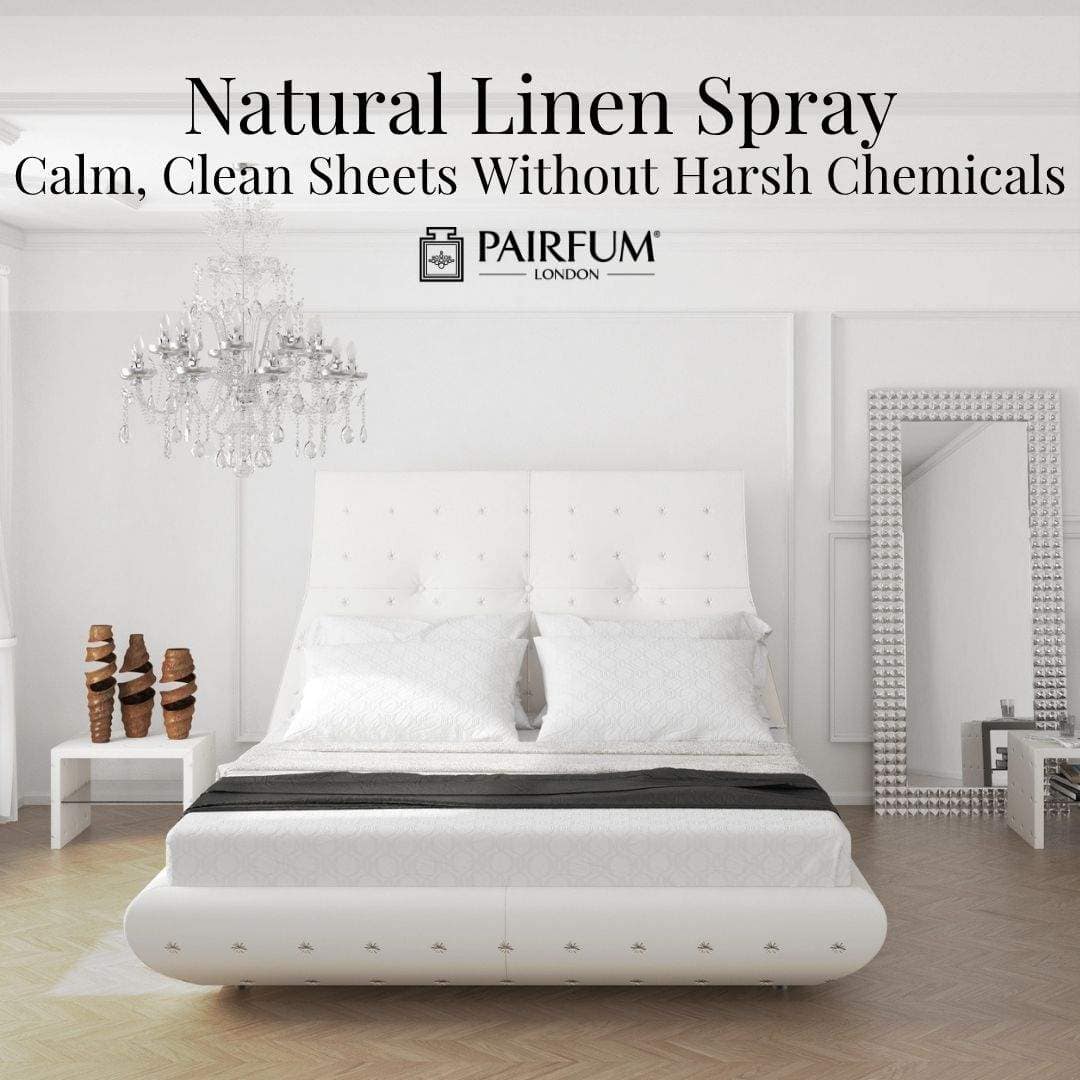
Natural Linen Spray Bedroom

Natural Linen Spray: Calm, Clean Sheets Without Harsh Chemicals

A natural linen spray freshens fabrics safely using plant-based ingredients and essential oils rather than synthetic chemicals. Natural linen spray offers a straightforward, elegant way to make your bedroom feel instantly calmer. Pure comfort.

A gentle spritz over freshly made bed linen introduces a soft, airy aroma that transforms your evening routine into a small daily luxury. When you mist your bedding before settling in for the night, the delicate fragrance helps quiet a busy mind. Lavender essential oil, crisp citrus notes, and clean botanicals combine to create an inviting atmosphere. No synthetic heavy, overpowering laundry smells lingering in the air. Simple freshness.

Every bed deserves this level of care.

On a warm evening, opening the window lets a soft breeze roll through the room. As the air moves, the subtle scent of pure essential oils from your sheets rises gently. Using a natural fragrance mist on your pillows and duvets helps turn a plain sleeping space into a tranquil boutique retreat. Rest comes easier when your sheets smell naturally clean.

Lifestyle Bed Perfume Spray Linen Fabric Sleep Pillow 1 1

Why Many Fabric Sprays Are Not as Gentle as They Seem

Traditional room spray products and commercial air freshener formulas often rely on harsh chemicals.

Many commercial products contain strong synthetic fragrances, artificial fragrance compounds, aggressive preservatives, and chemical colourants. When you spray these solutions onto sheets or curtains, synthetic residues cling to the woven fabric for days. For sensitive individuals, breathing in these artificial scents causes physical discomfort. Tickly throats, sudden headaches, or nasal irritation often follow.

Consider the hours spent close to your pillow each night.

Direct skin contact with harsh chemical residue is best avoided. Nobody wants their bedding coated in synthetic solvents or heavy artificial musks. Many homeowners now look for a clean room linen spray that delivers a pleasant scent without introducing unwanted additives into the home environment.

Inside a Natural Linen Spray: Cleaner Fragrance and Ingredients

What actually goes into a high-quality natural linen mist?

At its core, a clean fabric spray blends pure distilled water, plant-derived alcohol, and natural ingredients. Instead of relying on synthetic fixatives, natural formulas use genuine essential oils to build their olfactory profile. Pure essential oils like eucalyptus, peppermint, tea tree, and soothing lavender provide authentic botanical aroma.

Some people experiment with a homemade linen spray or a diy linen spray recipe using basic household ingredients. A standard diy linen spray often calls for distilled water, a splash of vodka or witch hazel, and several drops of essential oil inside a spray bottle. While a simple diy linen spray recipe offers a fun weekend project, achieving a truly fine, non-staining mist requires specialist formulation. Precision matters.

A professionally crafted natural linen spray pairs pure essential oils with a specialized fine mist spray nozzle. The bottle distributes an even cloud over delicate fabrics without leaving wet spots or oily patches behind.

Natural Linen Spray Towels

Choosing a Natural Mist That Truly Performs

Reading labels carefully is the best way to choose an effective spray for linen.

Look for transparent ingredient lists that clearly highlight natural fragrance components. A quality natural linen spray should eliminate stale odors rather than merely masking them with heavy synthetic perfume. The ideal fabric spray leaves a subtle fragrance that lifts the atmosphere of the room while remaining soft on the nose.

Performance matters across all soft furnishings in your home.

Use your room and linen spray across various textiles: mist bath towels hanging in the bathroom, refresh curtains in the lounge, or spritz soft throws stored in the linen closet. A versatile room and linen spray restores instant freshness to clothes and bedding between regular washes, maintaining a clean home environment effortlessly.

Simple Seasonal Bedding Rituals for Restful Sleep

Establishing a nightly sleep ritual sends a clear signal to your brain that it is time to unwind.

As part of your evening routine, lightly mist your pillows and duvets roughly ten minutes before getting into bed. Hold the glass bottle about an arm’s length away so the fine droplets fall evenly across the sheets. The alcohol evaporates quickly, leaving pure botanical aroma nestled within the fibers.

Different scents suit different moments and seasons.

During warmer months, crisp herbal aromas like eucalyptus, peppermint, and bright citrus bring an invigorating touch to guest room sheets and bath towels. In cooler weather, grounding notes of lavender essential oil and warm botanical oils create a cozy, comforting sanctuary. Incorporating a natural room spray into your daily bedtime habit helps cultivate lasting serenity.

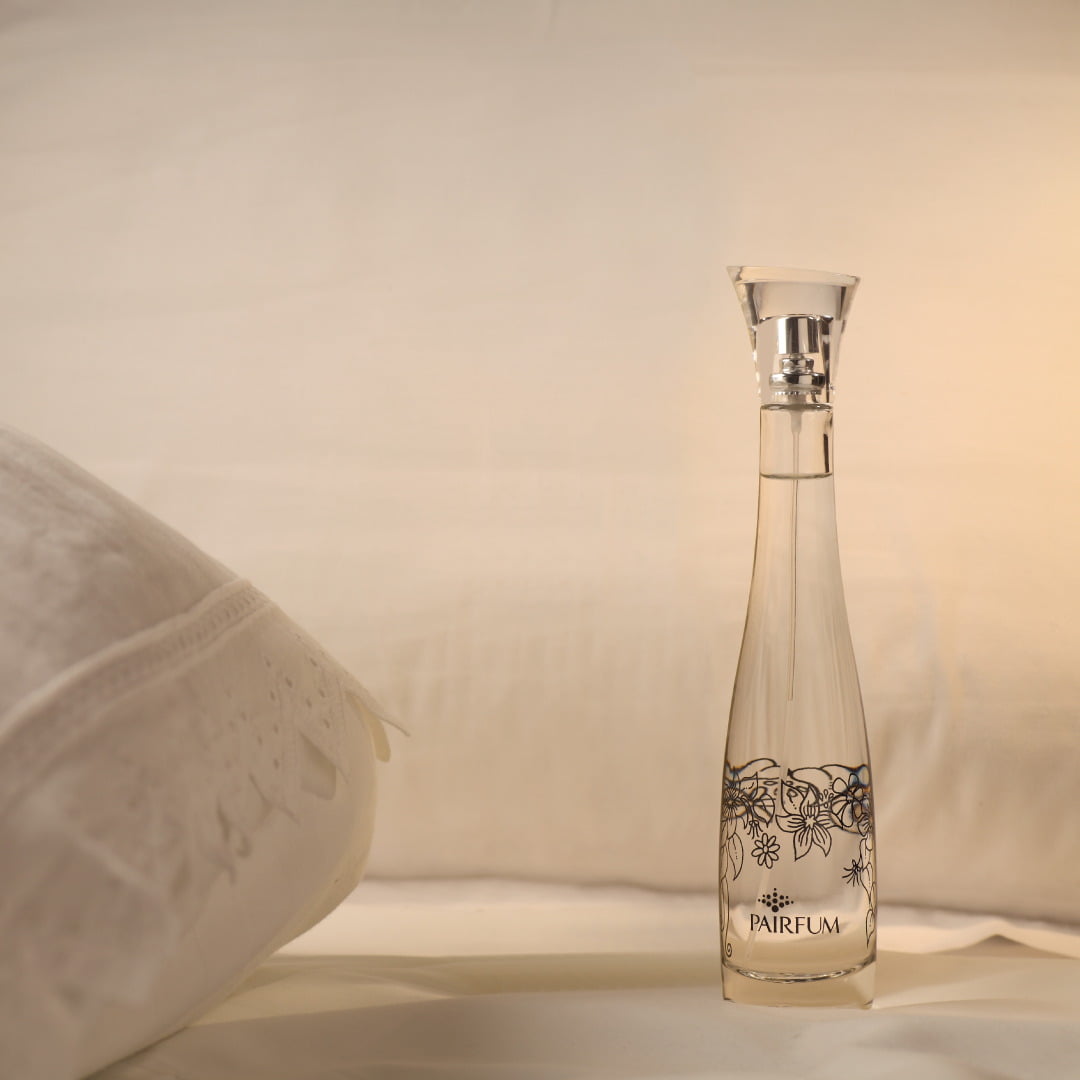
Pairfum Flacon Perfume Linen Fabric Signature Linen Lavender e1576517947956

An Artisan Linen Spray Worth Exploring

When elevating your nightly bedding routine, choosing an expertly blended formulation makes all the difference. For those seeking pure elegance alongside natural ingredient integrity, Pairfum London offers an exceptional artisan solution.

Pillow Spray & Natural Linen Spray by Pairfum London

Handcrafted in the United Kingdom by skilled perfumers, this luxury natural linen spray uses 100% natural alcohol derived from sugar molasses. Formulated as a water-free ‘eau de toilette’ for fabrics, it creates a micro-fine mist that evaporates rapidly without dampening bedding or staining delicate fabrics. Infused with pure essential oils like lavender, chamomile, bergamot, and neroli, it delivers a delicate, skin-friendly scent that promotes deep relaxation while naturally neutralizing unwanted odors.

Enjoy Hotel-Style Bedding Every Night

Creating a serene, hotel-quality sleeping space at home requires only a few thoughtful touches.

By replacing harsh synthetic room sprays with a pure, botanical natural linen spray, you protect your indoor air quality while treating yourself to exquisite fragrance. Lightly mist your sheets, settle into the crisp fabric, and enjoy a peaceful, rejuvenating night of rest.

Natural Scented Candles Home

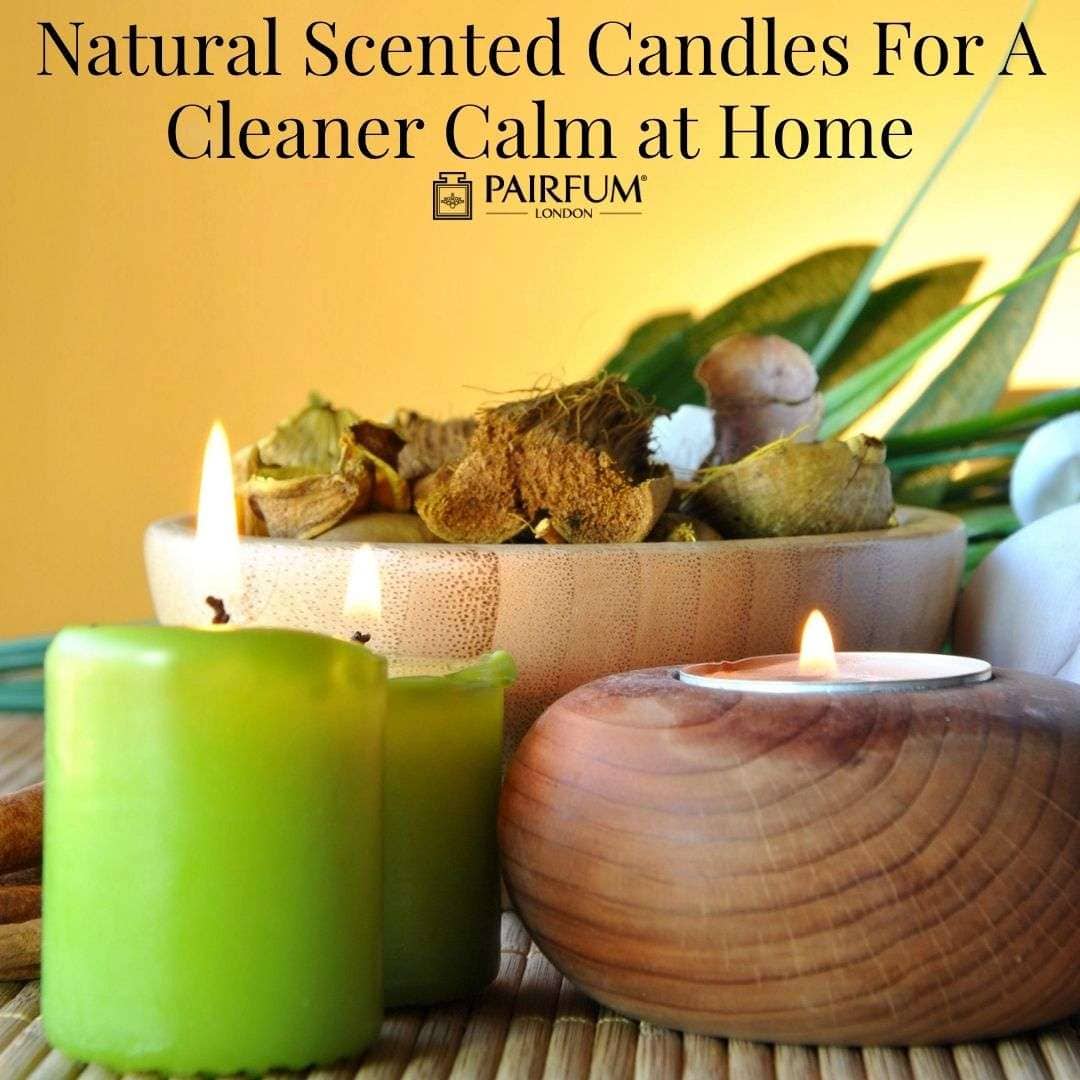
Natural Scented Candles for a Cleaner Calm at Home

Natural scented candles use plant-based waxes, such as soy or beeswax, and pure essential oils instead of synthetic paraffin and chemical fragrances.

They should make your home feel calmer, softer, and cleaner, without leaving you with a heavy head or dusty air. Many of us return home on a warm late-summer evening, light a favourite candle and expect a quiet moment of peace. Yet a flame built on synthetic wax can release soot, harsh fumes, and aggressive allergens that actively disrupt wellness. Creating a cleaner calm requires a closer look at what actually burns inside the jar. The choice of wax, wick, and scent materials fundamentally alters how indoor air feels and how your body reacts.

When thoughtfully crafted, a natural scented candle supports your breathing, improve your mood, and steady your living space. Achieving that gentle atmosphere means stripping away unneeded chemicals while understanding the raw materials that shape every burn. Let us walk through what makes a candle truly natural, how fragrance affects everyday comfort, and how to select better options for late summer and the soft slide into autumn.

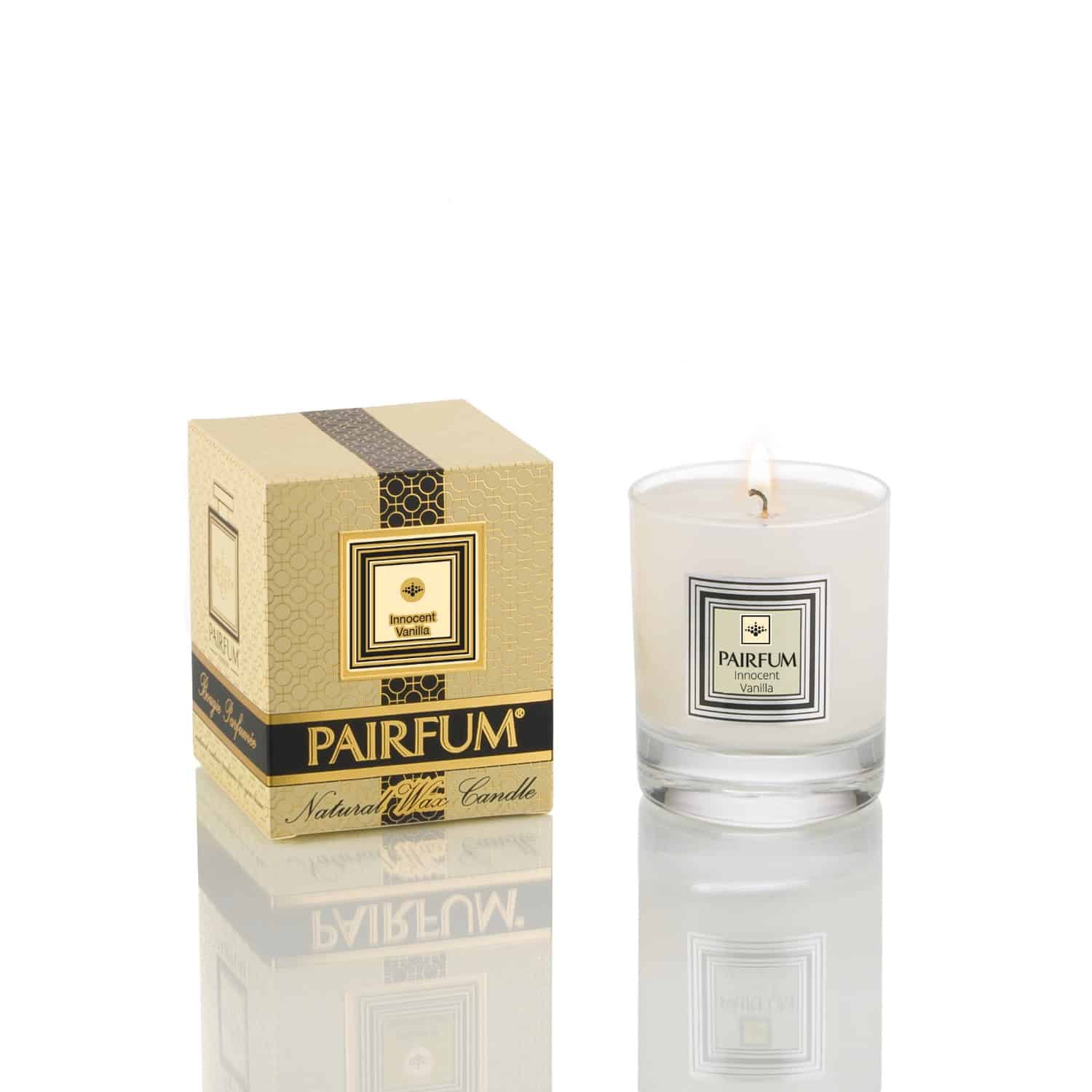
Pairfum Natural Wax Candle Signature Innocent Vanilla 1

What Makes a Candle Truly Natural and Clean

The word natural gets used constantly across home fragrance marketing. For candles, true quality comes down to three clear components: plant-based waxes, safer fragrance materials, and responsible wicks. When a maker selects these ingredients with care, the flame burns cleanly and room air stays noticeably lighter.

The base of any candle is its wax, and the composition matters tremendously. Paraffin wax remains common across mass-market production because it costs very little. However, paraffin wax is derived directly from petroleum refining. Burning paraffin wax or paraffin candles often creates heavy black soot, fills the room with unwanted chemical by-products, and releases volatile compounds. By contrast, a natural wax candle made from plant-based waxes offers a far gentler, eco friendly candle experience.

Options like soy wax, coconut wax, and rapeseed wax burn cooler, creating a softer and more relaxed glow. Beeswax candles provide another slow-burning alternative, carrying a subtle honeyed feel. Natural soy wax and 100 natural soy wax formulations have gained massive popularity for good reason. They melt cleanly and hold scent effortlessly. Beyond poured jars, natural soy wax or rapeseed blends can be shaped into a soy wax candle or crafted into a soy wax melt.

Wicks play an equally critical role in combustion quality. A reliable setup requires pure cotton or paper wicks sized correctly to match the jar diameter. A wick without metal cores ensures a steady, quiet flame. Poorly designed wicks or those containing lead and zinc filaments flicker frantically, smoke heavily, and leave unsightly carbon marks across the glass. That erratic burn destroys the quiet sanctuary you set out to create.

Greenwashing remains a persistent problem in the home fragrance market. Labels boasting eco friendly, botanical candle, or natural blend frequently conceal a heavy proportion of paraffin wax blended with cheap synthetic fragrance. Terms like jar candle or decorative gift set often mask cheap ingredients behind attractive packaging. Transparent listings explicitly stating 100 natural soy wax, coconut wax, or rapeseed wax offer a far stronger indicator of genuine purity.

Understanding Fragrance From Allergens to Aroma Wellness

The fragrance portion of a candle is where character comes alive, but it is also where unseen irritants frequently hide. Lower-quality products routinely rely on cheap synthetic fragrance oils that smell sharp in the nose and quickly overpower small rooms. High-quality, hypoallergenic alternatives behave completely differently. They are formulated to deliver a rich aroma while protecting sensitive skin and breathing comfort.

For households with sensitive noses, enjoying a beautifully fragranced candle does not require choosing between zero scent or harsh chemical fumes. Look for options made without phthalates, produced without animal testing, and developed with a low-allergen focus. Combining pure essential oils with rigorously safety-tested aroma molecules allows perfumers to construct complex, multi-layered scents. A single natural botanical candles concept might feature pure essential oils alongside isolated botanical extracts to ensure scent strength without triggering reactions.

Certain fragrance materials are known potential allergens. In the UK and Europe, strict regulatory standards ensure these ingredients are clearly declared on product packaging whenever present above specified thresholds. Reputable makers strictly observe IFRA standards to minimise skin and respiratory irritation. If you have sensitive airways, this transparent labeling helps you avoid specific triggers like synthetic fragrance oils while enjoying a safe, soothing scent.

Scent directly influences emotional well-being and daily stress levels. Selected natural fragrance combinations work exceptionally well for creating a calmer home:

For deep relaxation: lavender, sweet orange, chamomile, and soft musks. A calming candle built around lavender or gentle herbal notes helps settle a busy mind.

For focus and clarity: eucalyptus, rosemary, and crisp green notes.

For late-summer warmth: vanilla, tonka, creamy florals, soft woods, and sweet amber accords.

Lighting a well-crafted essential oil candle or an aromatherapy candles option turns the end of a long afternoon into a grounding daily ritual.

When choosing home fragrance products, it is essential to consider how different scent ingredients affect overall burn time and air quality. While a synthetic artificial fragrance can produce a sharp initial scent, it often burns unevenly and releases unrefined chemical by-products into the air. Opting instead for cleaner, high-grade formulations or a carefully balanced fragrance oil ensures a steadier flame, a more gradual aroma release, and an extended, cleaner burn for your space.

Natural Scented Candles Ingredients

How Natural Scented Candles Support a Calmer Home

Candlelight possesses a timeless, quiet charm. It softens sharp room corners, reduces harsh glare from digital screens, and encourages a slower personal pace. As daylight fades earlier in late summer, lighting a natural candle during the evening signals to your nervous system that work is finished.

Designing zones of calm across your home helps structure this evening transition:

Bedroom: Opt for soft, powdery floral notes or a calming lavender blend. Keep scent intensity light and comforting to encourage restful sleep.

Living Room: Rich woods, warm amber, vanilla, and gentle spices create an inviting backdrop for conversation or quiet reading.

Bathroom: Crisp citrus, clean herbal accords, or fresh green botanicals turn a quick shower into a mini spa moment.

Cleaner-burning options eliminate irritating distractions. When you burn soy candles, a natural wax candle, or soy wax melts, you avoid dense soot deposits and harsh chemical fumes. There is no unpleasant tickle in the throat or dark smoke coating the glass wall. Instead, you enjoy pure aroma and the steady movement of a quiet flame.

Choosing Natural Scented Candles This Season

Shopping for candles in late summer requires looking past clever marketing slogans to evaluate real ingredient quality. A simple inspection reveals whether a candle truly aligns with clean standards.

Focus on these essential criteria when choosing your next candle:

  1. Wax Base: Insist on clearly identified plant waxes such as soy wax, coconut wax, or rapeseed wax. Avoid vague wax blend labels that hide cheap paraffin.
  2. Wick Construction: Verify wicks are pure cotton or paper, completely free from metal cores.
  3. Fragrance Quality: Prioritise hypoallergenic blends, 100 essential oils, or phthalate-free fragrance formulations.
  4. Glass Container: Select recyclable glass jars that hold melted wax safely while diffusing a warm glow.

Scent preferences naturally evolve as seasons shift. Warm late-summer evenings call for airy florals and fresh botanicals like jasmine, orange blossom, sweet orange, or delicate rose. As cooler autumn breezes arrive, transition towards rich gourmand notes of vanilla and tonka, grounding cedarwood, or cosy amber.

Burn quality reflects precise craftsmanship. A superior soy wax candle forms a smooth, full pool of melted wax across the surface within a few hours. It diffuses a natural fragrance evenly without overpowering the room, and burns with an upright, smokeless flame. Proper maintenance ensures optimal performance: trim the wick before lighting, allow the top layer of wax to melt completely during the first burn, and keep the glass away from drafty windows.

A Pairfum London Fragrance Worth Exploring

Transitioning away from paraffin wax candles toward cleaner home fragrance choices allows you to enjoy rich, evocative scents while protecting indoor air quality.

Flower & Soy Wax Candles by Pairfum London

Pairfum London crafts these luxury natural scented candles using a proprietary blend of 100 natural soy wax and natural flower waxes extracted during floral perfume production. Adding natural flower wax raises the melting point of the soy wax, allowing the molten pool to reach the ideal temperature required for an exceptional fragrance bloom without using paraffin wax. Each handmade glass candle delivers a sumptuously clean burn for 30 to 40 hours, infused with pure essential oils and hypoallergenic couture perfume from top to bottom.

Fruity Fragrance Scented Candle

Concluding Thoughts

Investing in natural scented candles is one of the simplest ways to transform your living space into a serene, healthier sanctuary. By looking beyond clever marketing and choosing clean plant-based waxes, lead-free wicks, and carefully crafted hypoallergenic fragrances, you protect your indoor air quality while creating a truly relaxing atmosphere. As the seasons shift, making the move towards cleaner-burning home fragrance allows you to enjoy rich, comforting aromas and a steady, soot-free glow with total peace of mind.

Natural Room Fragrance Summer

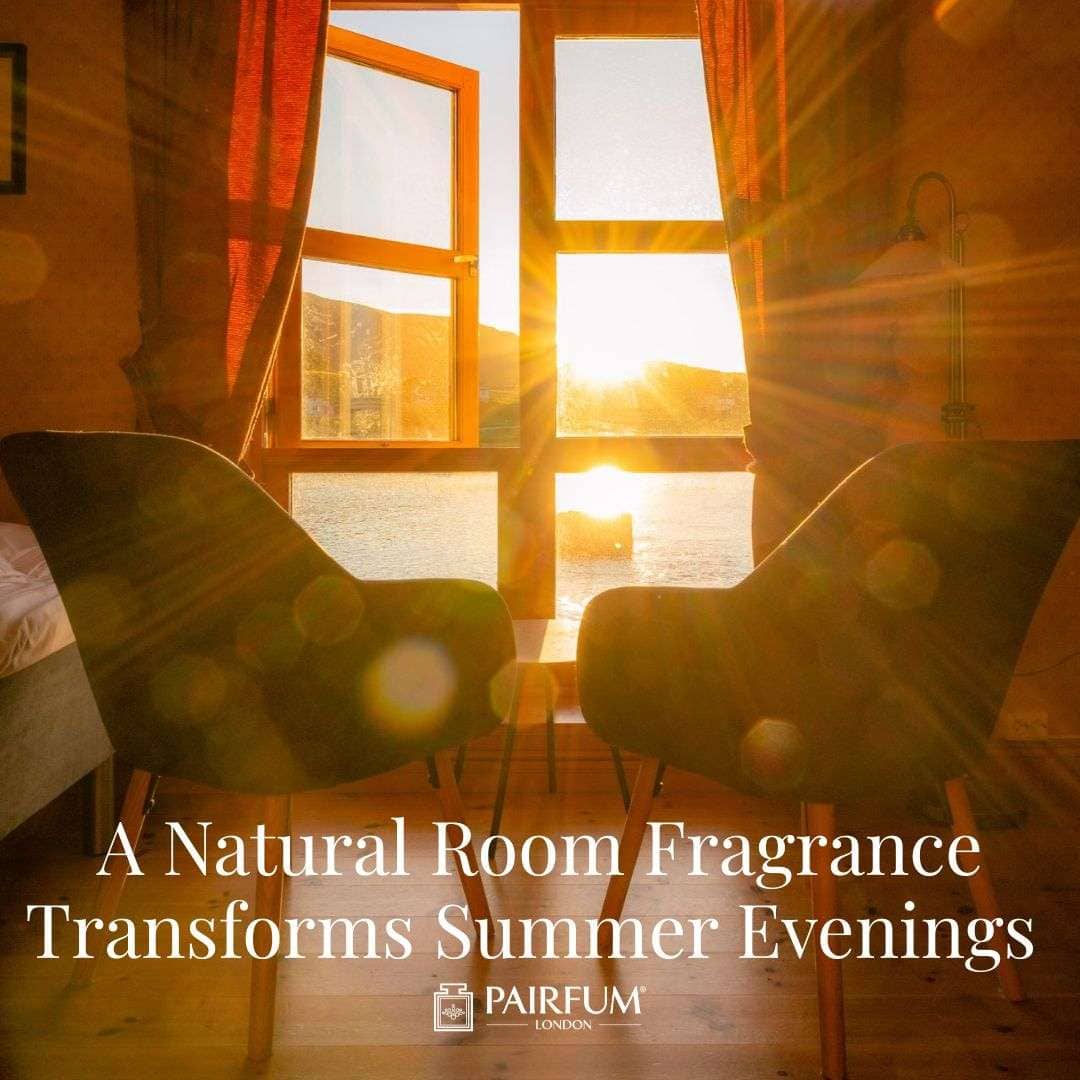
Summer Evenings Transformed by Natural Room Fragrance

Natural home fragrance options use pure botanical extracts, essential oils, and organic elements rather than synthetic chemicals or artificial perfumes. Popular choices range from essential oil diffusers and stove top simmer pots to natural room mists, house plants, and DIY odour neutralisers. A single natural room fragrance can turn a cluttered living room or stuffy bedroom into a quiet sanctuary. Pure atmosphere. Clean, botanical notes settle the mind after hours spent staring at bright screens and dealing with city noise. They feel calm. They treat your living space with quiet respect.

August dusk arrives slowly. Heat clings to brick walls, but the air outside starts to turn. Open every window. Let the cool air drift across the floorboards. A summer evening at home ought to feel like a weekend away. Light softens. The neighbourhood quietens down. People step out onto balconies or sit by open sashes with cold drinks, letting the long, warm day drift off into twilight. In these quiet hours, scent is everything. It shifts the entire mood without making a fuss. 

Think about the difference real ingredients make. Heavy synthetic fragrances mask stale air with harsh artificial chemicals. They linger like smoke, cloying and thick in the back of your throat. Traditional air fresheners often overwhelm a room within seconds, leaving behind a sharp chemical hangover that ruins the peaceful mood. By contrast, a true botanical room spray perfume offers a gentle mist full of plant-derived clarity, replacing synthetic options with pure natural fragrance.

Flacon Room Fragrance Spray Rose Pink Flower 1 1

Why Scent Shapes Your Summer Evening Mood

Olfactory pathways connect directly to emotion and memory. One quick breath of a familiar aroma brings back a quiet coastal walk or a sun-baked garden in late July. Warm evenings heighten this effect. The right scent helps you unwind, reset your focus, or welcome friends through the door when the sun goes down.

Different notes trigger distinct feelings:

  • Sharp citrus options like lemon, bergamot, or grapefruit feel crisp and cooling, working almost like a tall glass of iced water for a sultry, sun-baked room.
  • Green florals bring to mind freshly cut stems resting in glass vases on a cool windowsill. Fresh, light, and perfect for twilight.
  • Marine accords hint at ocean spray and open water when town air gets heavy and motionless.
  • Gentle musks and a comforting woody fragrance wrap around you softly, like slipping on a clean linen shirt when the evening temperature suddenly drops.

There is a massive gap between a house that simply smells okay and one that feels carefully curated. Basic traditional air fresheners rely on single, flat notes that fade fast and leave nothing behind except a brief pleasant scent. Niche home fragrance works in structured layers. Top notes greet you at the doorway. Heart notes build character across the evening. Rich base notes linger long after you close the windows for the night. That depth transforms your space. Exploring authentic home fragrance options elevates everyday life at home.

Choosing a Natural Room Fragrance for Warm Nights

What actually makes a natural room fragrance? True botanical formulas use plant-derived alcohols, essential oils, and organic extracts set in non-toxic bases without synthetic fillers. The goal is simple: pure compositions that respect fine perfumery while improving indoor air quality in rooms where families gather every evening. Using a natural home fragrance ensures natural scents fill your rooms cleanly.

Warm evenings demand specific fragrance qualities:

  • Light, airy profiles that never feel sticky or oppressive in summer heat.
  • Crisp, dry notes instead of sugary blends, ensuring every room stays breathable.
  • Soft, soothing sillage that stays gentle on the senses when doors shut late at night.

Great choices for mid-to-late summer:

  • Sheer florals such as jasmine or orange blossom that mirror night air in full garden bloom.
  • Herbal combinations featuring lavender, rosemary, basil, or mint to clear mental clutter.
  • Smooth, sunlit citrus blends that never bite or feel sharp in small spaces.

Consider how each room functions before picking a home fragrance product:

  • Kitchens and open living spaces thrive on energetic citrus or herbal notes that cut through cooking smells without clashing.
  • Bedrooms need a quiet, calming scent where powdery musks, soft lavender, pure lavender oil, or subtle vanilla help body and mind unwind.
  • Bathrooms stay clean and crisp with green or marine tones that avoid chemical sharpness.

Tailoring scent profiles to specific rooms creates a balanced home smell instead of a noisy mix of competing odours.

Flacon Room Perfume Spray Black Orchid Flower 1 1

Styling Your Home with Summer Room Fragrance

Scent moves through a house like water, following air currents through open windows. Summer breeze through open doors creates natural pathways, and working with those subtle breezes makes a remarkable difference to how aroma spreads across rooms.

Smart placement matters:

  • Set a natural reed diffuser or multiple diffusers near the front entrance to create a welcoming atmosphere the instant anyone walks in.
  • Place a scented candle, a soy candle, or a beeswax candle on a side table or terrace ledge, ready to light as shadows lengthen across the garden.
  • Keep a quick natural room spray or versatile natural room sprays on hand for spaces that need instant refreshment, like kitchens or guest rooms.

Small evening habits build rich atmosphere:

  • Open windows around dusk to let daytime heat escape completely.
  • Light a natural candle or soy candle as dusk settles into dark.
  • Turn the reeds in your diffusers once a week to keep aromatic oils flowing freely. Reed diffusers distribute scent steadily across open areas.
  • Spray a light mist into the centre of the room before guests arrive or before sitting down with a good book. Convenient room sprays let you adjust intensity instantly. Stocking versatile room sprays ensures every corner stays inviting.

Visual appeal counts too. Beautiful glass bottles, clean diffusers, and glass candle vessels complement summer interiors, matching linen throws, woven rattan, and pale timber furniture. When a candle vessel looks striking, home fragrance feels like a natural extension of your decor.

Exploring Natural Room Sprays and Diffusers

Creating an inviting home means knowing how different home fragrance formats perform in practice. Room sprays give immediate results. A quick spray from a natural room spray releases microscopic droplets that neutralise unwanted odours while refreshing rooms in seconds. Keeping a collection of natural room sprays, fine sprays, and room sprays on hand gives you total control over ambient mood.

Reed diffusers handle continuous background scent. Wooden reeds draw up natural oils and pure essential oils, releasing a subtle, steady stream of fragrance all day long without flame or electricity. Combining room sprays with diffusers gives you flexible layers of aroma that adapt to your daily routine.

When using sprays, aim high. Mist upward into the centre of the room so the cloud drifts down softly. Keep sprays away from polished wood, untreated stone, or delicate surfaces. Quality formulas rely on 100 natural essential oils, natural ingredients, and botanical oils that disperse cleanly into the air without leaving oily film behind.

Seasonal changes bring fresh opportunities. Summer favours bright citrus, cool lavender, and airy blossoms. As autumn approaches, warmer notes like vanilla, soft spices, and cinnamon sticks feel right. Understanding how natural oils react to ambient temperature lets you build an evolving olfactory landscape year-round.

Natural Room Fragrance Evening

The Power of Aromatherapy in Daily Life

Beyond looking and smelling good, scent directly impacts daily well-being through aromatherapy. Plant essential oils contain active botanical compounds that interact with the human nervous system in subtle ways. Adding aromatherapy habits to your evening routine supports deeper relaxation, eases stress, and encourages better sleep.

Proven therapeutic combinations:

  • Lavender and chamomile for rest and quiet evenings, where soothing lavender smells wonderful as dusk falls over the house.
  • Lemon, mint, and rosemary for focus and mental clarity during hot afternoons.
  • Soft woody fragrance notes combined with warm vanilla for grounding comfort after long work days.

Choosing products made with 100 natural essential oils guarantees real plant benefits without exposure to synthetic chemicals or toxic additives. Pure essential oils possess an authentic complexity that artificial scents cannot copy. A carefully chosen natural home fragrance supports both mental ease and indoor air quality.

Create Your Summer Evening Scent Ritual Tonight

You do not need to overhaul your entire house. Start with one room where you spend your summer evenings, whether that is a cosy living room, a peaceful bedroom, or a quiet balcony nook.

A simple 4-step ritual:

  1. Air the room at dusk to clear trapped heat and refresh indoor air.
  2. Dim bright lights and pull back curtains to set a relaxed mood.
  3. Light a natural candle or scented candle, checking that diffusers stand away from direct drafts.
  4. Mist a gentle natural room spray upward, letting the long lasting scent settle across the room. Using natural room sprays regularly keeps living areas fresh.

With minimal effort, your space turns into a quiet haven, wrapped in long lasting fragrance that brings ease to warm summer nights.

Pairfum Lifestyle Flacon Room Perfume Spray Clear Natural 1 1 1

A Natural Room Spray Perfume Worth Exploring

Elevate your summer scenting habits with finely crafted home fragrance pieces designed to enhance atmosphere naturally.

Flacon Room Spray Perfume by Pairfum London

Presented in a classic glass flacon, this natural room spray perfume brings timeless elegance to any setting. Formulated with natural essential oils and plant-derived alcohol, it delivers long lasting fragrance while clearing unwanted odours. A single spritz releases a fine mist that fills your living space with refined natural aromas, making it a perfect companion for warm summer evenings.

Concluding Thoughts

As twilight deepens and the warm summer air settles, your home becomes a quiet sanctuary shaped by the gentle power of natural fragrance. Thoughtfully chosen botanical scents do more than simply refresh a space; they alter the mood, ease the mind, and anchor your evening rituals in calm comfort. By opening your windows to the night breeze and layering pure essential oils throughout your living spaces, you create an atmosphere that feels effortless, inviting, and deeply restorative. Welcome the simple luxury of plant-derived aromas tonight, and let every warm evening at home feel like a restful escape.

Non Toxic Perfume Skin Safety

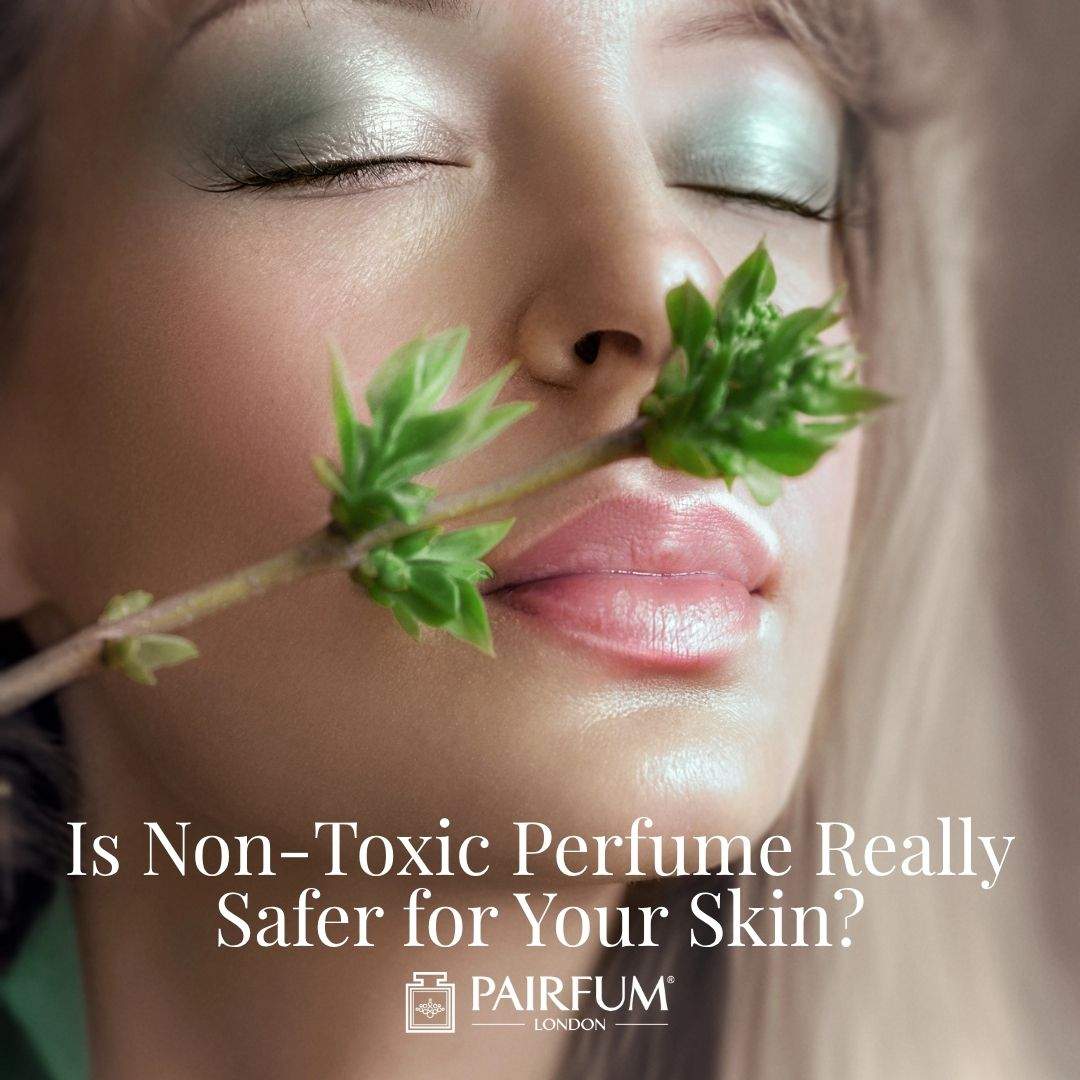
Is Non-Toxic Perfume Really Safer for Your Skin?

Non-toxic perfume refers to a fragrance that is made without harmful harsh chemicals like phthalates, parabens and synthetic musks.

Non-toxic perfume sounds simple, does it not? A lovely scent that is gentle for your skin and kind for your health. The trouble is, the words on the bottle do not always match what is happening in the formula. That is where things can get a little confusing.

As the weather warms and we show more skin, many of us spray more perfume, layer body products and light more candles. We also see more labels: non-toxic, clean, natural, organic, vegan, hypoallergenic. They are often used together, as if they all meant the same thing. In reality, they do not. Here is how to make sense of it, so you can choose perfume with confidence instead of worry.

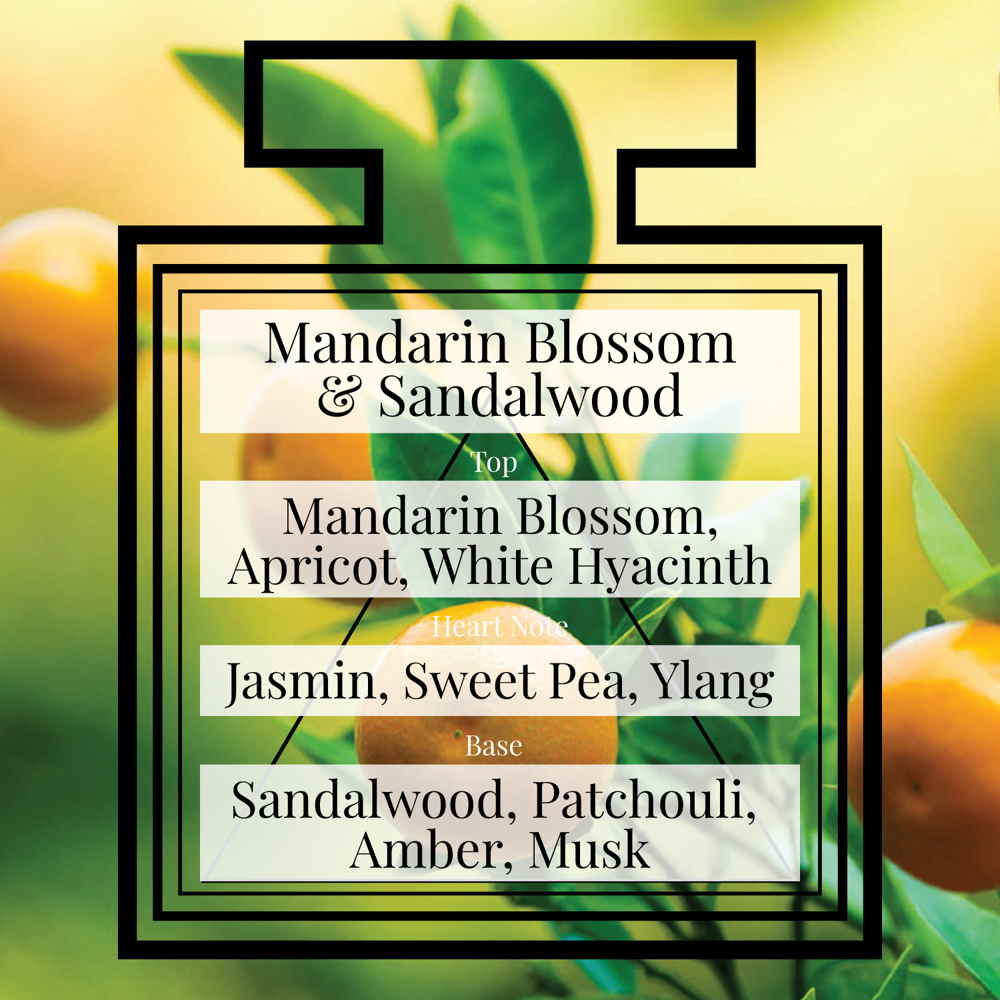
Pairfum Fragrance Mandarin Blossom Sandalwood Triangle

Rethinking Clean: What Non Toxic Really Means

When people say they want a non toxic perfume, they often mean one or more of these:

  • Made with natural ingredients
  • Free from certain chemicals they have heard about
  • Gentle on sensitive skin
  • Kinder for the planet

That is a lot of different wishes hiding inside one small phrase.

The challenge is that words like non-toxic, clean, natural, or hypoallergenic are not strict legal categories for perfume. They are mostly marketing language. One brand may call a scent non-toxic because it avoids a short list of ingredients. Another may mean it is vegan and not tested on animals. Neither tells you the full safety story.

So is non toxic perfume truly safer for your skin? The honest answer is that safety has more to do with:

  • The exact ingredients and how they are combined
  • The amount you use and how often you apply it
  • Your own skin type, allergies and sensitivities

A simple label can never replace that full picture.

This is why searching for the best non toxic perfume can be confusing. Different non toxic perfume brands can use very different standards. One fragrance brand may concentrate on natural ingredients, another on phthalate free formulas, and another on wider clean beauty principles. There is no single definition that makes one perfume automatically safer than another.

Decoding Safety: How Perfume Is Actually Assessed

Perfume in the UK and EU, including fragrances sold here in London, sits inside a clear safety framework. It is not a free-for-all. There are three main pieces to know:

  • IFRA, the International Fragrance Association, sets usage limits and standards for fragrance ingredients.
  • EU Cosmetics Regulation lays down rules for cosmetic products that go on the skin, such as perfumes and body products.
  • Safety assessors look at toxicology, known allergens and restricted materials before a product goes to market.

In science, toxic does not simply mean bad or chemical. It means that an ingredient can cause harm at a certain dose. Even water is toxic at a high enough amount. So when someone says perfume is toxic, we must ask: at what level, on which part of the body and in what kind of product?

Any well made fragrance, whether it is niche perfume or conventional perfume, has to respect limits for:

  • Dermal exposure, meaning how much touches the skin
  • Phototoxicity, meaning how it behaves with sunlight
  • Sensitisation, meaning the risk of allergy over time

There is no official legal class called non toxic perfume. There is just perfume that meets or fails to meet these safety rules. Many clean or non-toxic claims sit on top of this base, as a style choice, not a new safety law.

The same principle applies to clean fragrance. A clean fragrance is not automatically free from every substance that could cause an individual reaction. Fragrance ingredients still need to be considered as part of the complete fragrance formulation.

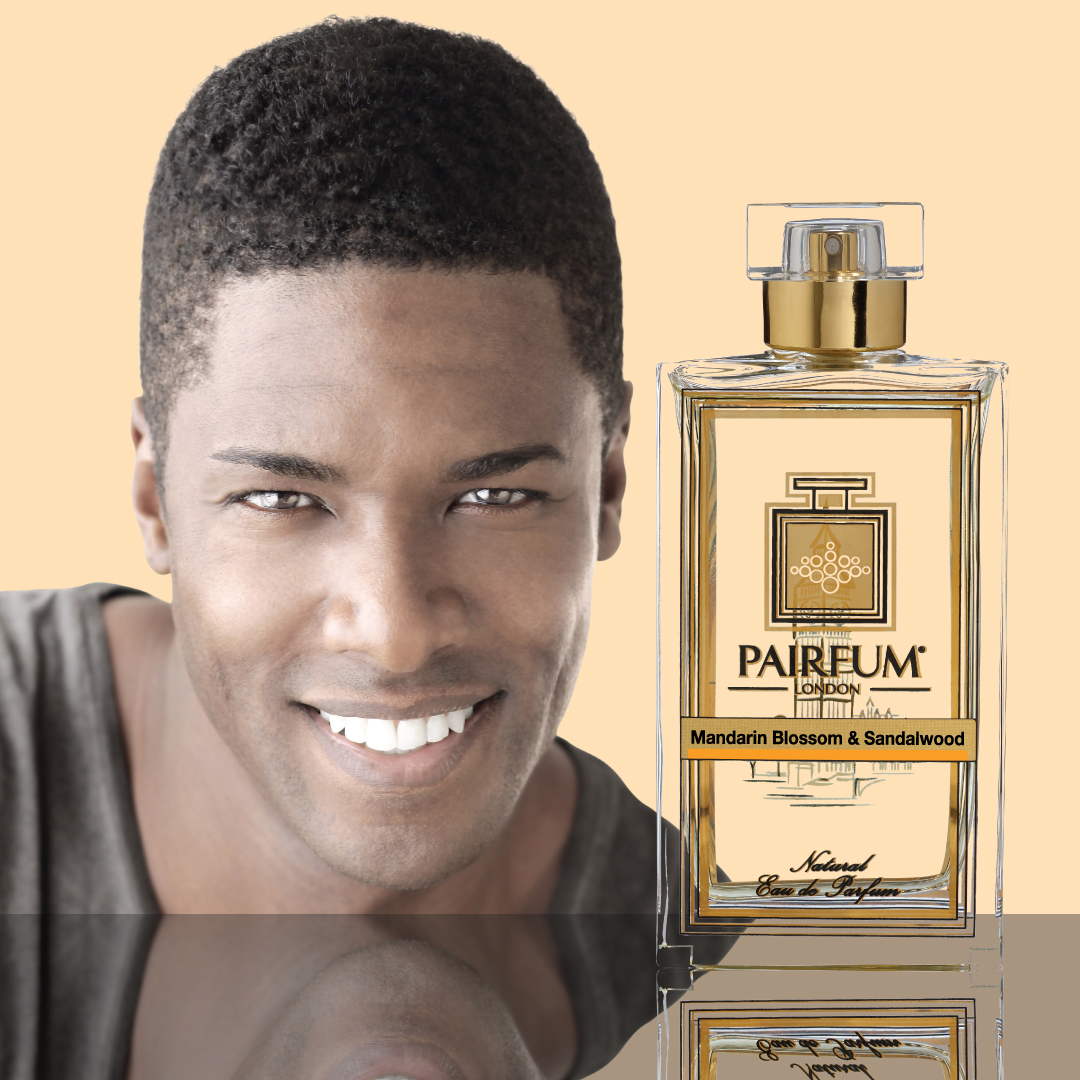
Eau de Parfum Person Reflection Mandarin Blossom Sandalwood Man 1 1

Natural vs Synthetic: The Myth of the Perfectly Pure Scent

A big part of the non-toxic story is the love of natural perfume. We understand the appeal. Natural oils sound soft and pure. Synthetic molecules sound harsh and heavy. But real life is not that simple.

Some natural ingredients can be quite strong on the skin. For example:

  • Certain citrus oils can be phototoxic if used at high levels before sun exposure.
  • Some essential oils are powerful sensitisers and may trigger irritation.
  • Natural extracts are complex mixtures and can include many tiny components, some of which are allergens.

Essential oils are not automatically safer simply because they come from plants. An essential oil can contain numerous chemical constituents. Natural oils, botanical extracts and other natural ingredients can all have benefits, but they can also contain fragrance allergens.

By contrast, a well chosen synthetic ingredient can sometimes be the gentler choice. Synthetic ingredients can be:

  • Very pure and consistent from batch to batch
  • Used at low levels to give a clear effect
  • Designed to avoid problem components in some natural materials

This is one reason natural perfumery and modern fragrance creation are not necessarily opposites. A perfumer may combine natural ingredients with selected synthetic ingredients to create a balanced fragrance.

Vanilla is a useful example. Vanilla is popular in natural perfume and can create a warm, familiar scent. But vanilla can appear as a natural extract or as an aroma material in a wider fragrance formulation. Nine different perfumes containing vanilla could use quite different fragrance ingredients and have very different formulations.

So vanilla itself does not tell you whether a perfume is safer. The same is true of rose, citrus, woods and other popular scent families. What matters is the complete fragrance formulation and how the perfume is intended to be used.

A classic case is oakmoss. The natural extract has long been loved in perfumery, yet it includes known allergens that are now tightly restricted. Using a crafted aroma molecule with a mossy character can give a similar mood with a more controlled risk.

The words synthetic fragrance and synthetic perfume can sound alarming, but synthetic does not automatically mean unsafe. Likewise, natural perfume does not automatically mean harmless.

Reading the Fine Print: Labels, Allergens and Greenwashing

Perfume labels can feel like another language. Here are a few simple pointers.

On many fragrance products, you will see the word parfum or fragrance. This is the blend of aromatic ingredients, both natural and synthetic. By itself, it does not tell you each material, because that is often a protected formula. However, the EU requires that certain known fragrance allergens are listed when they are present above a set level.

If you have sensitive skin, it is helpful to:

  • Learn the names of allergens that bother you, if any
  • Look for those names in the ingredients list
  • Apply new scents on a small patch first, especially in the summer sun

Ingredient transparency can make this process easier. Look for a brand that explains its fragrance ingredients clearly and does not rely entirely on vague claims.

You will also see a lot of free from claims, such as:

  • Paraben free
  • Phthalate free
  • Synthetic free

Sometimes these are meaningful choices. Often, they can shade into greenwashing, when a normal safety requirement is dressed up as a special benefit. A product can be free from a certain group of ingredients and still cause a reaction in someone whose skin is already delicate.

The word phthalate comes up particularly often in discussions about clean perfume. A phthalate free claim tells you that a particular phthalate has not been used, but it does not make every other fragrance ingredient irrelevant. If phthalate is a concern for you, check the manufacturer’s information and look for genuine ingredient transparency.

It is also important not to assume that phthalate, toxic chemicals, toxic ingredients or harmful chemicals are interchangeable terms. Safety depends on the individual substance, concentration, exposure and intended use. One ingredient cannot tell you everything about a perfume.

A thoughtful fragrance brand should therefore be able to discuss its approach to phthalate and other fragrance ingredients without suggesting that every conventional perfume contains dangerous substances.

Non Toxic Perfume Rose

What About Clean, Organic and Botanical Fragrance?

Clean perfume and clean fragrance are increasingly popular terms. Clean beauty has also become a wider movement, with consumers looking for products that appear simpler and more transparent.

But clean ingredients do not have one universal definition. One brand may avoid phthalate, another may avoid certain synthetic ingredients, and another may focus on natural ingredients and botanical ingredients.

Organic perfume is another example. Organic certification can tell you something about how particular ingredients are produced, but organic does not mean allergy free. A natural perfume can contain essential oils and botanical extracts that do not suit every person.

Natural perfumery can be beautiful, but it is not a guarantee of a safer scent. A good perfumer considers the complete formulation rather than simply counting natural ingredients.

Choosing a Format for Everyday Wear

The type of perfume you choose also affects how you experience a scent.

An eau de parfum is designed to be worn on the skin. A perfume oil is another concentrated format that is usually applied directly to pulse points. A solid perfume offers a different application altogether and can be useful for people who prefer a more discreet scent.

Whether you choose perfume for everyday wear or reserve a fine fragrance for special occasions, moderation matters. More perfume does not necessarily mean a better scent. A lighter application can still create a distinctive signature scent.

Your choice of scent can also change with the season. A fresh fragrance may feel comfortable in warm weather, while a vanilla based scent can feel particularly inviting in cooler months.

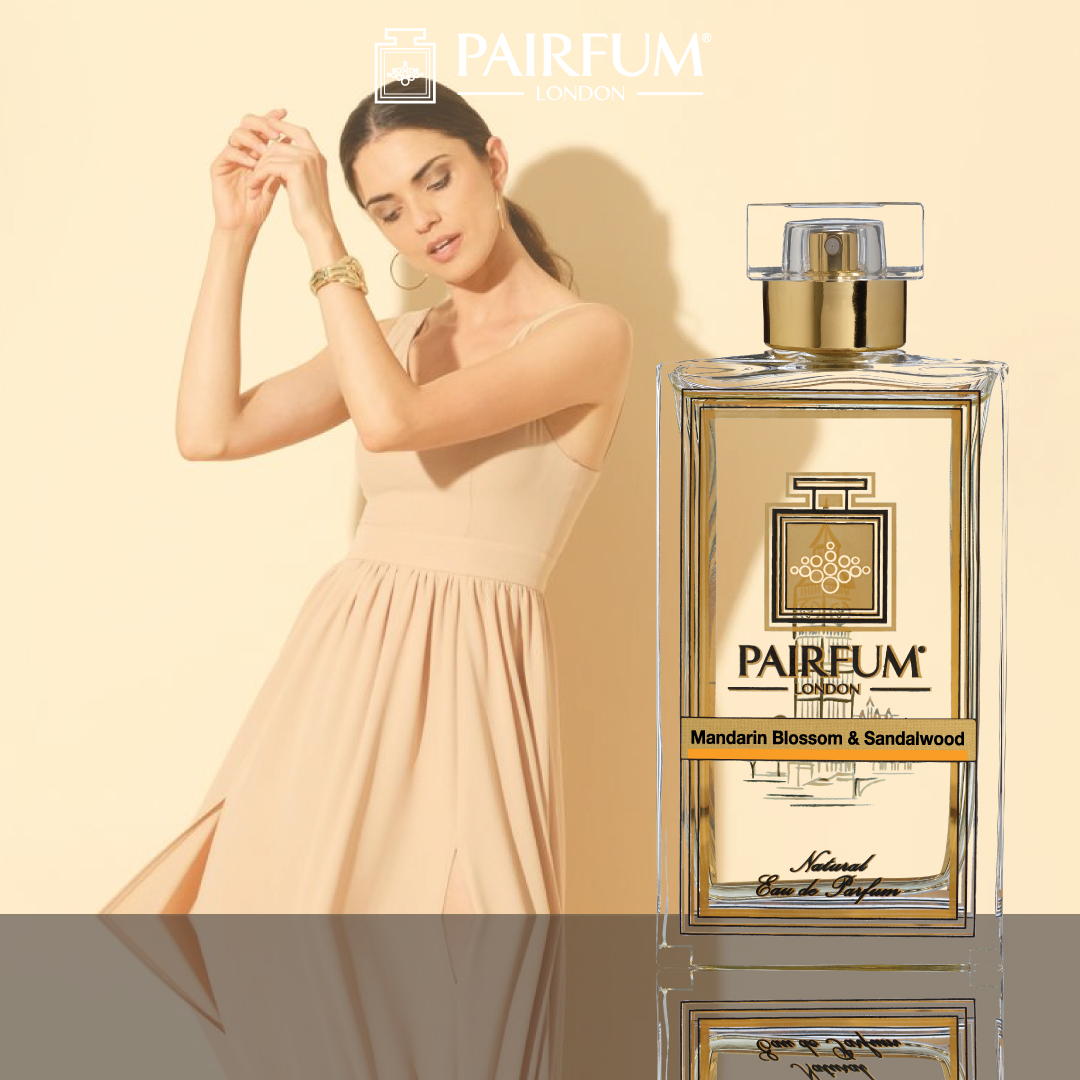
Pairfum Eau de Parfum Person Reflection Mandarin Blossom Sandalwood Woman Dance 1 1

Beyond Skin Deep: Sustainability and Non Toxic Luxury

Non toxic does not stop at the surface of your skin. Once fragrance leaves your body, it enters the air and, in time, soil and water. A modern view of gentle perfume must also think about:

  • How easily materials break down in the environment
  • Whether they are harmful for aquatic life
  • How they travel and settle in the air inside our homes

A thoughtful approach looks at the whole life of a product, from what goes into it to what happens after you use it. This can include:

  • Responsibly sourced natural ingredients
  • Mindful use of synthetics where they bring clear safety or stability benefits
  • Recyclable or refillable packaging
  • Candles that burn with low soot and clean diffusers for indoor air

Natural oils, essential oils, synthetic ingredients and botanical extracts can all have environmental considerations. Sustainability is therefore not as simple as choosing natural over synthetic.

Choosing Your Next Scent with Confidence

When you strip away the buzzwords, a safer skin scent is less about chasing the latest non toxic label and more about knowing yourself and trusting well informed perfumers.

A simple checklist can help when you choose your next fragrance:

  • Your skin: is it dry, oily, reactive, or generally calm?
  • Your triggers: do you know any confirmed allergies or common irritants?
  • The season: lighter, breathable scents often feel better in warm, humid weather.
  • The format: do you prefer an eau de parfum on pulse points, a hair mist, a perfume oil, a solid perfume, or more scent in the air through candles and diffusers?
  • The brand ethos: does the fragrance brand speak clearly about safety, ingredients and sustainability, rather than hiding behind buzzwords?

If you are comparing non toxic perfume brands, look beyond the front of the bottle. Ask what the brand means by non toxic perfume, whether it discusses fragrance ingredients, and whether it provides useful ingredient transparency.

The best non toxic perfume for you may not be the one with the longest list of claims. It may simply be a well formulated fragrance that you enjoy, suits your sensitive skin and fits your preferences.

A signature scent should  feel enjoyable rather than worrying. Whether you prefer natural perfume, clean perfume, niche perfume or a more conventional perfume, the same basic questions apply.

Mandarin Blossom & Sandalwood – Eau de Parfum – 100ml

£ 135.00

In stock

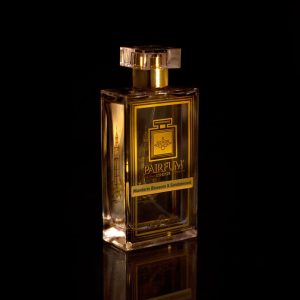
Mandarin Blossom & Sandalwood – Eau de Parfum by Pairfum London

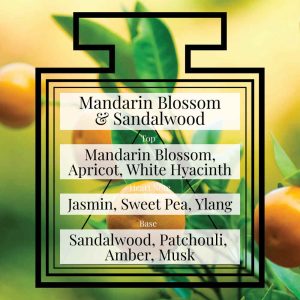
An elegantly, feminine floral Chypre accord opening with the freshness of Mandarin Blossom, Apricot and White Hyacinth as Top notes. It’s romantic heart reveals a floral bouquet of Sweet Pea, Jasmine and Ylang Ylang, while the fond of Sandalwood, Patchouli, Amber and Musk create a magnetic trail.

The Bottom Line

There is nothing wrong with wanting clean ingredients or a non toxic fragrance. It is sensible to care about what you put on your skin. The important thing is not to let marketing language turn a complicated subject into a simple promise.

Natural perfume is not automatically safer. Synthetic perfume is not automatically harmful. Organic perfume is not necessarily allergy free. Clean perfume is not a guarantee of perfect skin compatibility.

The best non toxic perfume is ultimately the one whose ingredients, formulation and intended use make sense for your needs. Look beyond the label, understand what the fragrance contains, pay attention to your own skin and remember that safe perfume is about responsible formulation, not a fashionable name.

Luxury Travel Scents Packing

Packing Perfume Like a Pro: Leak‑Free Luxury Travel Scents

Luxury travel scents bring effortless elegance to any holiday, provided your favourite glass bottles survive airport security and cabin pressure changes intact.

But, packing perfume for a summer holiday can feel surprisingly risky. One single leak in transit and your clothes, shoes, and leather luggage all end up soaked in an overwhelming cloud. Add airport security officers eyeing up liquid limits, plus the constant dread of a smashed glass bottle, and many travellers simply leave their favourite scent behind.

That is a shame. Travelling with a luxury travel fragrance should feel simple, calm, and satisfying. With smart packing techniques and the right bottle formats, luxury travel scents arrive at your hotel in pristine condition. Whether heading off on a brief weekend break, a fortnight on the beach, or a long flight across continents, packing liquid luxury requires only a few deliberate choices.

Niche perfume houses understand how high-end perfumes live beyond the dressing table. From departure lounge to hotel suite, maintaining scent quality requires a keen understanding of bottle mechanics, pressure changes, and olfactory preservation. Here is how to handle your liquid treasures when packing your suitcase.

Pairfum Fragrance Cardamom Tonka White Oud Triangle

Choosing the Perfect Travel Perfume Format

Before reaching for a full 100ml flacon, pause to consider trip duration and luggage type. Choosing an appropriate format eliminates unnecessary hassle at security checkpoints.

For different trips, consider these ideal options:

  • Weekend trip: One or two mini travel size perfumes, or a couple of glass sample vials.
  • One to two weeks: A dedicated 10ml to 30ml travel size fragrance alongside complementary discovery samples.
  • Business travel: One crisp daytime blend and a richer evening option for dining out.
  • Hand luggage only: Compact purse sprays and atomisers that meet strict airline security rules.

In UK and EU airports, liquid containers in cabin baggage must not exceed 100ml, and all items must fit inside a single 1-litre clear bag. A 10ml or 30ml travel size perfume provides ample spray volume for several weeks without occupying precious room.

Why smaller formats excel for travel:

  • They slide neatly into a coat pocket, handbag, or laptop sleeve.
  • Compact bottles resist accidental crushing or thermal leaks under cabin pressure changes.
  • Carrying multiple smaller options allows versatility without adding extra weight.
  • Smaller sizes offer an easy way to sample new fragrances without committing to full bottles.

Fragrance lovers and seasoned travellers often prefer dedicated travel size bottles, purse sprays, and discovery sets. Smaller containers protect concentrated blends while offering convenience on the go. Both men and women appreciate how a compact travel size allows touch-ups anywhere.

In recent years, the shift toward travel size perfumes has transformed how people curate their scent wardrobe. Rather than dragging heavy bottles across borders, sophisticated travellers invest in lightweight luxury options that match their itinerary. A compact travel size fragrance guarantees that your daily routine remains effortless, regardless of destination.

Leak-Proof Packing Techniques for Glass Bottles

If carrying a classic glass bottle is non-negotiable, proper precautions prevent costly accidents. Think in three distinct stages: seal, protect, and place.

First, seal the bottle securely:

  • Ensure the atomiser spray nozzle and protective cap fit snugly.
  • Place a small strip of cling film across the spray nozzle before pressing the cap down firmly.
  • Wrap a small piece of removable tape around the neck seam to hold the cap steady.

Next, protect the vessel:

  • Enclose the bottle inside a heavy-duty grip-seal bag so any micro-droplets remain contained.
  • Press out excess air before sealing the pouch tightly.

Finally, place it strategically inside your suitcase:

  • Wrap each bottle inside soft clothing like cashmere jumpers or cotton tees.
  • Position bottles directly in the physical centre of your main bag, well away from outer edges or luggage wheels.
  • Keep heavy shoes, hard books, and toiletries separated from delicate glass items.
  • Keep splash-top bottles upright at all times.

For elaborate artistic bottles with tall caps, detach ornamental tops and pack them separately. A padded pouch or rigid travel case placed inside your travel bag provides maximum structural defense for precious glass designs.

Understanding air pressure changes during air travel helps explain why leaks happen. Aircraft cabins undergo altitude changes that cause air inside perfume containers to expand. If a bottle has even a minor micro-gap around the seal, liquid gets forced outward. Securing caps with tight wrapping prevents expansion leaks entirely.

Pairfum Eau de Parfum Intense 30ml Travel Spray 3 Bottle Tray Inside Gold 1 1

Curating a Capsule Fragrance Wardrobe for Travel

Building a signature scent travel perfume collection mirrors packing a capsule wardrobe. You do not need dozens of options. Three well-chosen blends cover every possible mood, moment or evening occasion.

A balanced travel collection might include:

  • A bright, uplifted opening note featuring fresh citrus, bergamot, and neroli for warm daytime excursions.
  • An alluring evening choice rich in amber, vanilla, and white oud for special dinners.
  • A subtle, comforting skin scent built around clean musk, jasmine, and soft wood for quiet moments.
  • Optional daytime accent: A breezy floral with fresh citrus and freesia for coastal walks.
  • Optional evening alternative: A warm blend with incense, coffee, dark amber, and rich woods for atmospheric night venues.

Match scent selection to destination climate. Coastal warmth suits effervescent accord notes like mandarin, green violet, and white florals. Conversely, air-conditioned urban hotels and cooler evenings call for deep amber, warm spices, and smooth vanilla notes.

Testing discovery sets at home before departure takes the guesswork out of packing. Exploring a new scent during travel creates powerful neural links. Months later, a quick spritz immediately recalls sunlit afternoons or romantic evenings abroad. Trying new fragrances while exploring historical sites or coastal villages ties olfactory memory directly to moments of personal joy.

Smart Storage on the Move and at Your Hotel

Proper environmental control during transit is just as vital as initial packing. Extreme heat, direct sunlight, and sudden climate shifts degrade delicate perfume oils.

On transit days, keep these rules in mind:

  • Carry one travel size perfume inside your personal travel bag or handbag for effortless touch-ups.
  • Keep fragile bottles encased in a soft lined pouch or protective padded case.
  • Store main bottle allocations securely in checked luggage to maintain stable temperature.
  • Apply fragrance sparingly before boarding, as dry airplane cabin air amplifies aroma intensity for surrounding passengers.

Upon arriving at your destination, resist placing glass bottles on bathroom counters. Hotel bathrooms endure intense humidity spikes, rapid temperature swings, and harsh lighting that degrade subtle top notes.

Instead, select stable display areas:

  • Inside a closed wardrobe or shaded cupboard shelf.
  • Tucked inside a luggage compartment or bedside drawer.
  • On a shaded bedroom dresser positioned far from windows.

Never leave fine perfume in hot cars, on sunny balconies, or near air conditioning vents. Secure caps immediately after spraying so delicate essential oils preserve their balance and longevity. Keeping liquid formulations away from direct sun protects delicate botanical extracts from turning sour.

Luxury Travel Scents Essentials

Turn Every Trip Into a Lasting Scent Memory

Thoughtful preparation transforms travel fragrance from a potential headache into pure daily pleasure. Carrying a secure selection adds quiet luxury to every journey.

Many fragrance enthusiasts select a specific new scent exclusively for take-off. Pairing unique notes with new destinations anchors vivid travel memories. Long after returning home, smelling that favourite scent instantly transports you back to seaside dinners or bustling historic streets.

Whether buying online, searching for top niche brands, or selecting gift cards for fellow perfume lovers, choosing high-quality luxury travel scents elevates the entire travel experience. Many travellers even bring a small candle or home fragrance room spray to bring a familiar scent to their hotel space.

Across the global fragrance world, elegance and confidence go hand in hand with feeling beautifully scented. Women and men alike know that a great perfume brings freshness and poise to every moment, even after a long day of sightseeing. Fine formulations represent true luxury travel scents that fits right in your pocket or handbag.

A Travel Fragrance Worth Exploring

Finding an ideal travel fragrance requires balancing exceptional quality with practical design. Niche British perfumery offers remarkable options crafted specifically for travellers who refuse to compromise on their style or scent elegance while on the move.

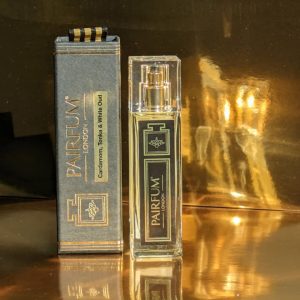
Travel Size (30ml): Cardamom, Tonka & White Oud – Eau de Parfum Intense by Pairfum London

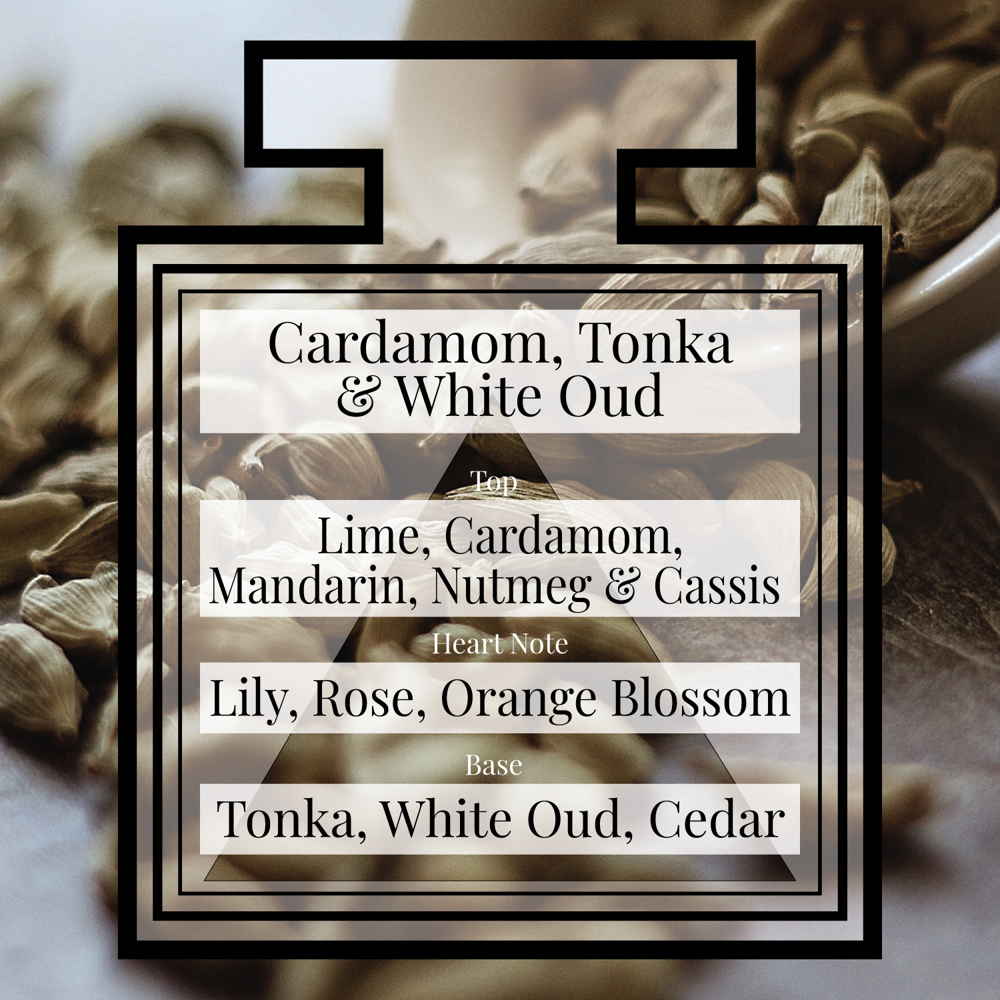
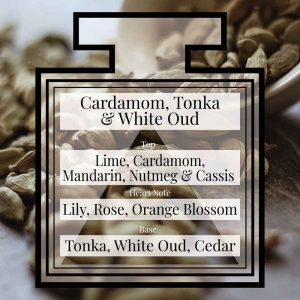
This rich, passionate creation opens with vibrant top notes of lime, mandarin, fresh mint, cardamom, clove, and fruity hints of cassis and plum. At its heart lies an elegant floral accord of white lily, rose, and freesia, grounding into a sensual base of tonka bean, white oud, cedarwood, sandalwood, and warm amber. Handcrafted in the UK using 100% natural sugar molasses alcohol, this vegan and cruelty-free formula comes housed in a travel-friendly 30ml glass bottle decorated with 24-carat gold detailing. It is a ideal companion for any special occasion or long day on the move.

Travel Size (30ml): Cardamom, Tonka & White Oud – Eau de Parfum Intense

£ 60.00

In stock

Final Thoughts

Smart packing turns fragrance travel from a stress-inducing gamble into a seamless luxury. Selecting durable 10ml to 30ml luxury travel scents avoids cabin pressure leaks and airport security friction before you board. Simple steps work wonders. Wrap spray nozzles in cling film, seal containers inside airtight bags, and cushion glass deep within soft garments in the centre of your suitcase. Match a compact three-scent capsule wardrobe to your destination, then store your bottles inside shaded hotel wardrobes away from humid bathrooms. A little forethought keeps signature scents pristine, preserving every vivid travel memory.

Travel Scent Weekender Packing

Weekender Perfume Packing: Curate a Luxury Travel Scent Wardrobe

Travel scent choices can completely transform a weekend getaway, turning ordinary packing into the art of curating a personal luxury fragrance wardrobe.

A packed weekend bag feels instantly more exciting when it contains a carefully curated selection of fragrances. Standard travel items like clothing, footwear and skincare are obvious staples, but a memorable scent is the invisible luxury that quietly completes your entire presence. Scent accompanies you from the very first zip of your bag until that quiet, comfortable journey back home.

Picture a quick coastal retreat or a brief city break. Soft afternoon stone after a light summer shower, fresh sea spray on warm skin, or a rich dark coffee enjoyed in a sunlit European square each have a distinct olfactory profile. When fragrance choices are selected with intention, every excursion feels far more deliberate and personal.

This is where building a dedicated travel perfume wardrobe becomes essential to enhance your whole travel experience. Rather than relying on a single large bottle for every situation, smart travellers select a tight, expressive edit of portable fragrances tuned to specific moments: morning arrivals, relaxed daytime strolls, sunset aperitifs and intimate late evening dinners.

Pairfum Fragrance Bergamot Basil Patchouli Triangle

Craft Your Weekend Fragrance Moodboard

Before packing any bag, draft a mental scent guide. For a standard three-day getaway, carrying two to four distinct fragrance profiles creates plenty of versatility.

Consider these classic olfactory moods:

  • Fresh and Crisp for morning travel days
  • Bright, sunlit florals for lingering lunches
  • Rich woods, amber, or smooth vanilla for twilight dinners

Notice where gaps exist in your current setup. You might own several heavy evening blends, yet lack something light and effortless for quiet hotel mornings. Alternatively, your collection might feature only sheer day options when what you really need is a deep, niche choice for special restaurant bookings.

Planning a compact, reusable edit simplifies your packing routine dramatically. A refined rotation of travel size perfume options alongside small home olfactory touches can be adjusted easily by season and location. Crisp citrus blends and airy floral compositions excel during warm escapes. Warm spice, smooth musk, and dry woods step forward gracefully as cooler temperatures arrive.

Packing Fragrance Safely and Stylishly

Handling fragile glass items inside packed luggage requires a few sensible precautions. Temperature fluctuations and rough handling during transit can easily spoil a trip if liquid leaks across your clothes.

To keep every bottle safe and intact, observe these simple guidelines:

  • Choose robust, leakproof atomisers, travel sized perfumes, or mini perfumes.
  • Slip a tiny atomiser directly into a coat pocket or travel bag for quick touch-ups.
  • Keep all liquid items safely stored inside a zip-tight pouch within your main travel bag.
  • Position your fragile bottles towards the centre of your luggage, padded by soft knitwear or linen.
  • Avoid exposing fragile perfume formulas to direct heat or harsh sunlight during long drives.

When flying with hand luggage only, keeping liquid volumes small is essential for smooth airport security checks. Carrying a neat travel size fragrance under the 100ml limit avoids unnecessary delays at customs, ensuring your favourite perfume arrives in pristine condition.

Pairfum Eau de Parfum Intense 30ml Travel Spray Bergamot Basil Patchouli Bottle Box Gold 1 1

Creating a Sanctuary Away from Home

A true sense of luxury goes beyond what you apply directly to your skin. Turning an unfamiliar hotel room or rented villa into a welcoming sanctuary involves engaging all the senses.

A quick spritzing of a comforting room mist or placing a tiny scented wax tablet inside your wardrobe instantly softens an unfamiliar space. These familiar aromatic notes ground you, transforming a temporary room into a serene personal retreat the moment you cross the threshold.

Matching Fragrance to Your Destination

Matching your fragrance choices to your location creates an enduring sensory link to your journey. Distinct environments call for complementary aromatic profiles.

Coastal Escapes

Bracing sea air, salty breezes and open horizons pair naturally with uplifting citrus notes like lemon, zesty bergamot, aromatic herbs and clean marine notes. Light, sparkling formulas feel effortless against sun-warmed skin.

Country Retreats

Rolling hills and wooded trails harmonise beautifully with earthy vetiver, rich cedar, and soft botanical notes. These grounded compositions feel right at home alongside crisp country air.

City Breaks

Dynamic urban settings invite bolder fragrance choices. Deep amber, velvety rose, unexpected spice and lingering vanilla make a confident statement against the backdrop of vibrant city lights.

Layering Scents for Seamless Transitions

Scent layering offers an ideal way to extend the versatility of a minimal packing list. By applying a fresh, light base in the morning and adding a deeper note later in the afternoon, you effortlessly transform your daytime persona into an alluring evening aura.

Start your morning with a few light sprays of clean citrus or subtle floral notes. Later in the day, add a touch of rich musk or warm woods to strategic pulse points. This technique builds depth without requiring you to haul dozens of bulky bottles along for the ride.

Travel Scent City Break

Your Complete Travel Scent Toolkit

Curating your ultimate travel selection requires striking the right balance between convenience, variety, and personal style. Both men and women benefit from carrying a versatile edit of portable scents on the road.

Every well-edited travel kit should feature:

  • One versatile daytime signature scent for general exploration.
  • One evocative evening option rich in amber, spice or deep woods.
  • A small, leak-resistant travel bag to protect your delicate bottles.
  • A soothing, multi-purpose solid balm or gentle scented cream.

By limiting your selection to exceptional, high-quality choices, you ensure that every single spritz brings genuine delight without adding clutter to your luggage.

Turning Scent into a Lasting Memory

Human memory is deeply linked to our sense of smell. A single whiff of a familiar note can instantly transport you back to a memorable meal, a secluded beach walk, or a bustling flower market visited years ago.

Choosing a dedicated new scent or trying a captivating new fragrance specifically for an upcoming journey creates an unforgettable sensory anchor. Long after you return home, pressing the nozzle of that specific travel perfume will immediately revive the vivid feelings, warm sunlight, and effortless freedom of your getaway. Scent is not merely a cosmetics choice; it is a living archive of your most cherished experiences.

Whether you are embarking on a brief weekend retreat or a long international journey, treating your fragrance selection with care transforms ordinary travel into a deeply rewarding ritual. Explore the wider fragrance world, experiment with new combinations, and curate an aromatic wardrobe that reflects your unique style wherever your journey leads.

Services, Information and Quality Content

Navigating the wide range of options available today requires clear information and trustworthy guidance. High-quality retail services provide crucial content to help visitors discover new scent profiles tailored to their individual tastes. When selecting your next travel companion, take time to sort through notes, test formulas on skin, read more about different olfactive families, and invest in pieces that offer genuine craftsmanship and long-lasting pleasure.

Travel Size (30ml): Bergamot, Basil & Patchouli – Eau de Parfum Intense

£ 60.00

In stock

A Pairfum London Fragrance Worth Exploring

To complement your travel scent edit, Pairfum London offers exquisite niche creations crafted with natural essential oils. Designed to fit effortlessly into your hand luggage, these compact luxury atomisers bring sophisticated British perfumery wherever your journey takes you.

Travel Size (30ml): Bergamot, Basil & Patchouli – Eau de Parfum Intense by Pairfum London

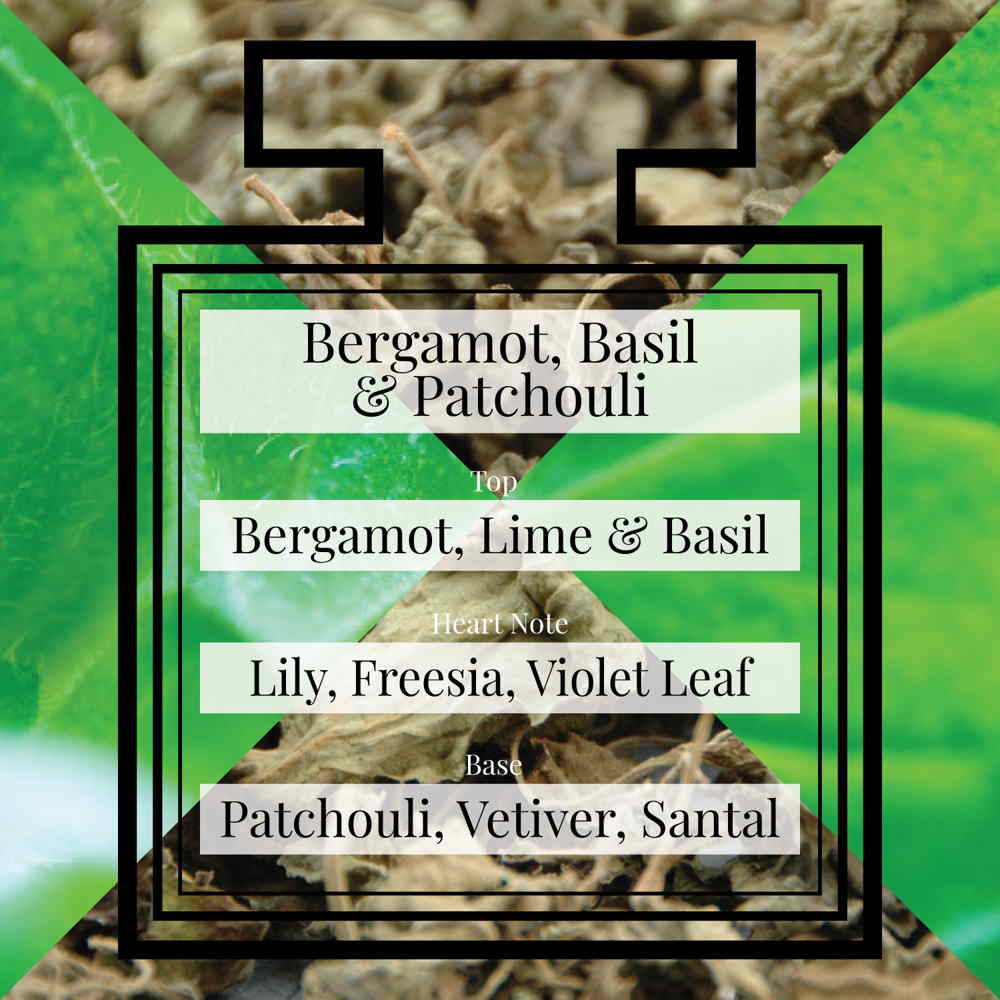
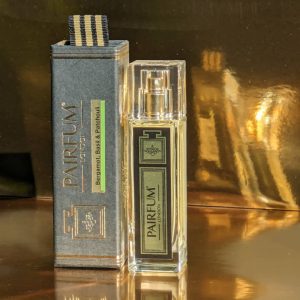
This daring 30ml travel size spray opens with sparkling bergamot, lime, and vibrant green leaves balanced by spicy crushed basil. The fresh heart reveals notes of lily, freesia, and violet leaf before settling into a rich, long-lasting base of patchouli, vetiver, cedar, and warm amber. Handcrafted in the United Kingdom using 100% natural, eco-friendly molasses alcohol, it offers a sophisticated aromatic-woody profile that keeps up with your dynamic lifestyle on any getaway.

Final Reflections

Curating a luxury travel scent wardrobe ultimately turns every journey into an expressive, multi-sensory ritual that lasts far beyond your trip home. From selecting leak-proof mini perfumes and layering notes to matching fragrances to coastal or urban destinations, thoughtful scent packing ensures you always feel polished, relaxed and comfortable in any setting. By choosing versatile, high-quality compositions that capture the essence of your travels, your chosen perfume becomes an enduring memory anchor for your finest getaways.

Apricot In Perfumery

Apricot in Perfumery: The Fruity Essence

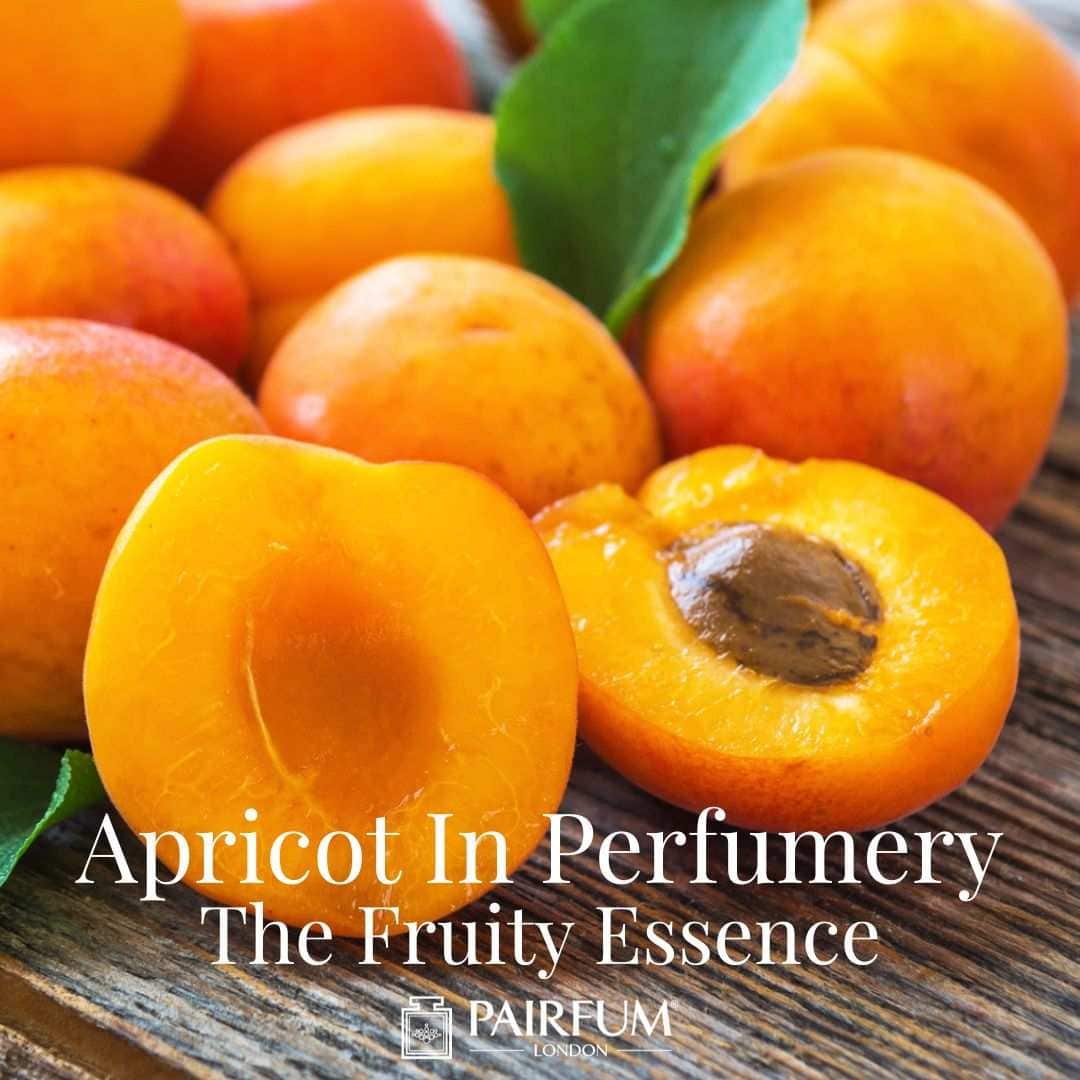
Apricot perfumes blend sweet, juicy fruitiness with velvety, lactonic, and subtly powdery nuances. This warm, sunny accord, often crafted using synthetic compounds for impressive lasting power, pairs beautifully with florals like osmanthus, as well as rich base notes like vanilla and musk.

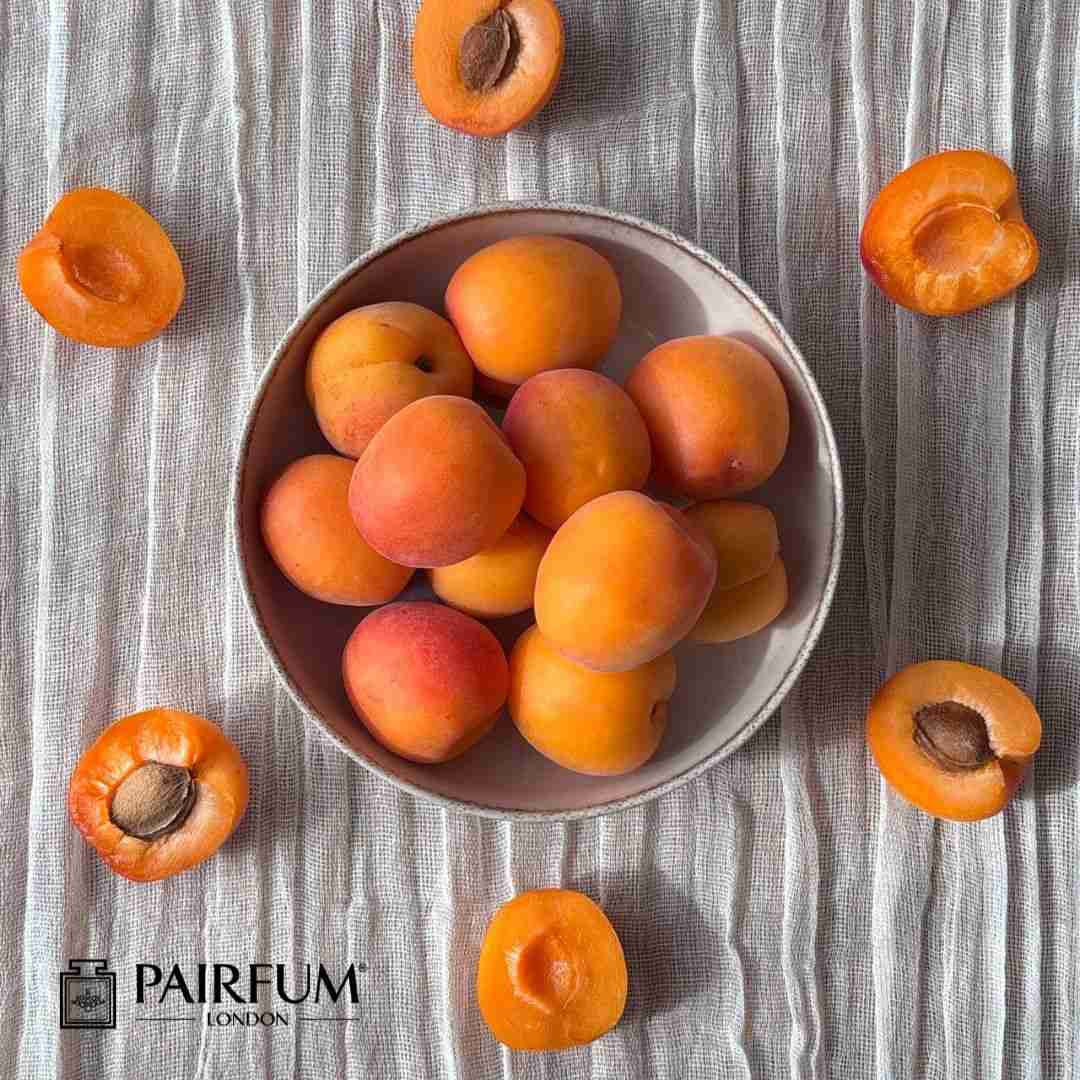
Apricot has a soft fruitiness that brings warmth and brightness to perfume. Its aroma is gentle, juicy, and just a little floral. Smell fresh apricots on a warm afternoon and you’ll understand exactly why perfumers keep reaching for them. Sun-warmed, slightly honeyed, with a fuzz of something almost floral underneath. Apricots at their best smell like summer in a single note.

Whether found in personal fragrances or home fragrance blends, apricot stands out for its welcoming quality. Even the warm amber-orange of the fruit has influenced design, giving its name to apricot clothing and interior colour palettes that borrow its sun-flushed hue. This article looks at how the fruit is used in perfumery, where its scent comes from, how it pairs with other ingredients, and why it has earned a quiet but enduring place in both classic and contemporary perfume.

A Fragrant History of Apricot in Perfume

Long before it became a staple of modern fruity-floral perfumes, apricot was valued for its aroma in oils and balms. The tree, Prunus armeniaca, named for its presumed Armenian origins (the botanical name itself introduced new words into European botanical Latin), though evidence suggests it may have first been cultivated in China, has been grown for thousands of years, and its kernel oil was used in early skincare and fragrance preparations across the ancient world.

In the 20th century, apricots gained real traction in Western perfumery as ingredients for constructing fruity accords as part of a growing appetite for lighter, fruitier compositions. These blends felt more youthful than the heavy florals and orientals that had dominated for decades. Apricots slotted in as the softer, more restrained cousins to peach or plum: enough sweetness to register, but nothing sharp or synthetic about it.

The result was a note that aged well. Apricot sits comfortably in both romantic evening fragrances and everyday wear, which is a rarer quality than it sounds.

Eau de Parfum Person Reflection Mandarin Blossom Sandalwood Man 1 1

What Does Apricot Actually Smell Like?

Fresh apricots have a scent profile that is difficult to pin down precisely, which is part of what makes them interesting to perfumers. There is the obvious sweetness, juicy, ripe, with that characteristic orange flesh warmth. But there is also something slightly almondy underneath, especially near the stone, and a faint green quality from the skin and leaves.

Dried apricot smells quite different. When apricots are dried, the process concentrates the sugars and deepens the honey-like facets, pushing the scent toward something richer and more ambiguous, closer to fig or raisin than to the bright freshness of dried fruit straight from the market. Dried apricots used as a fragrance reference tend to produce warmer, more enveloping compositions than those built around the fresh version.

Apricot blossom, the flower of the apricot tree, adds another dimension entirely. It blooms in early spring, often before the leaves appear, and carries a delicate, slightly powdery floral character that sits closer to almond and cherry blossom than to the fruit itself. Some perfumers use the blossom note specifically to avoid the sweetness of ripe apricots while retaining the connection to the plant.

The Science: Prunus Armeniaca and How Its Scent Is Captured

Prunus armeniaca produces very little extractable essential oil from its fruit flesh, which makes direct extraction impractical. Cold-pressing the kernel yields apricot kernel oil, widely used in skincare for its light texture and skin-softening properties, but this oil is largely odourless and carries almost none of the fruit’s signature aroma.

So perfumers build the scent rather than extract it. The apricot note in most fragrances is a constructed accord: a blend of molecules chosen to recreate the character of apricots from the outside in. Gamma-decalactone and gamma-undecalactone are key lactone molecules responsible for the creamy, peachy-apricot quality found in many fruity fragrances. Ionones, the same family of molecules responsible for violet’s powdery sweetness, add depth and a subtle floral lift.

Osmanthus is worth mentioning here. This small Chinese flower has a natural stone fruit facet, sitting somewhere between apricot, peach, and leather, that makes it one of the most convincing natural bridges to an apricot accord without requiring the fruit directly. Many of the best apricot-adjacent perfumes are built around osmanthus rather than a synthetic accord.

Pairfum Person Reflection Scarlet Rhubarb Oakmoss Eau de Parfum Woman

Apricot’s Role in Perfume Compositions

What makes apricot work so reliably in perfume is its balance. Apricots contribute enough fruit character to register clearly without tipping a composition into candied sweetness. It adds warmth without weight. And it blends, almost annoyingly, with nearly everything. 

Floral combinations are perhaps the most natural pairing. Rose and apricots is a classic pairing: apricots round out the sharpness of rose’s green facets and adds a sensual, edible quality to what might otherwise be a cool, formal composition. Mimosa and jasmine work similarly, with apricot adding warmth to their powdery-sweet characters.

Woody and musky bases also benefit from apricot. When the fruit sits above sandalwood, cedarwood, or musk, it gives the entire composition a creamier, more enveloping quality, a softness that woody fragrances can sometimes lack. In chypre structures, apricot provides the fruity-floral brightness that bridges the fresh top notes to the mossy, earthy base.

Large fruit notes in general (peach, mango, plum) tend to compete with each other when combined, but apricots are restrained enough to support rather than dominate. This is why perfumers so often reach for it as a modifier rather than a headline note.

Apricot in Home Fragrance

Apricot doesn’t have to stay on the skin. Its soft, sunny aroma translates well into home fragrance: candles, room sprays, and reed diffusers where the goal is warmth without aggression. 

Unlike citrus, which can read as sharp or high-pitched in a domestic setting, apricot is mellow. It makes rooms feel welcoming rather than merely fresh. Paired with white florals or soft green elements, it creates a relaxed, breezy atmosphere that suits spring and summer particularly well, though the dried apricot facet, with its deeper honeyed warmth, works just as comfortably through winter. 

Apricot blends well with vanilla and sandalwood in home fragrance, where the combination produces something cosy and unhurried. The soft fruitiness keeps it from tipping into heaviness, and the result is the kind of scent that guests notice without being able to name, always a good sign.

Apricot Fruity Essence

Apricot in the Kitchen: A Note on Its Versatility

Apricot’s appeal extends well beyond perfumery. As an edible fruit, it has inspired some of the most versatile recipes in European and Middle Eastern cooking, and understanding how the fruit behaves in food gives useful context for how it behaves in fragrance.

Fresh apricots are the natural starting point for many a summer dessert: tarts, crumbles, and poached fruit dishes that showcase the fruit’s gentle acidity and honeyed sweetness. Dried apricots deepen those qualities considerably, concentrated, jammy, with an almost caramel edge, making them a favourite in slow-cooked dishes, tagines, and the kind of apricot jam that keeps through the winter months on a cool shelf.

Good food writing has long celebrated the apricot’s versatility. Apricots themselves have become a staple ingredient in home baking, and apricot oat bars have become particularly popular, appearing regularly in food publications including Good Food Magazine, where their combination of dried fruit, rolled oats, and honey is cited as one of the more reliable everyday recipes for home bakers. Overnight oats made with roughly chopped dried apricots, a handful of pistachios, and a spoonful of apricot jam have become a popular quick breakfast, as have apricot oat bars for lunchboxes and snacking.

For savoury cooking, apricots pair unexpectedly well with bold spices. An apricot plait, a glazed pastry filled with spiced dried fruit, is a favourite in many European bakeries. Minty bulgur wheat with soaked dried apricots and toasted pistachios is a classic side dish across the Levant. Even harissa, with its heat and depth, finds balance when paired with fresh or dried apricots in a North African tagine, where apricots provide the sweetness that tempers the spice.

These exclusive recipes highlight a simple truth: apricot, like all great ingredients, adapts. It softens what is too sharp, sweetens what is too austere, and brings warmth to whatever surrounds it. That same quality is precisely why perfumers value it.

Growing Apricots: From Blossom to Fruit

Apricot trees bloom in early spring, sometimes as early as February in milder climates, which makes late frosts a serious concern for growers. A hard frost after blossom opens can wipe out an entire season’s heavy crop overnight, which is one reason apricots have traditionally thrived in continental climates with predictable, dry springs rather than the unpredictable British weather.

The early Moorpark variety is one of the most celebrated English apricots: a large fruit with deep orange flesh, rich flavour, and a relatively reliable cropping habit for the UK climate. It was first cultivated at Moorpark, Hertfordshire, in the 18th century and remains a benchmark for quality.

Pollination is generally straightforward for most apricot varieties, which are self-fertile. A single apricot tree will fruit without a companion tree, though a second tree nearby tends to improve the yield. They can be grown as bare root trees planted in late autumn, or in a container for patios and smaller gardens. Fruit trees grown against a south-facing wall, trained as fans, tend to crop most reliably in the UK, the reflected warmth compensates for the marginal climate.

Potassium is among the most important nutrients for apricot trees: it supports fruit development, flavour intensity, and the tree’s overall resilience. A potassium-rich feed applied in spring supports the transition from blossom to new growth, helping the tree deliver a consistent crop of ripe apricots, large fruit with good flavour, season after season. Without adequate potassium, apricots can be small and lacking in sweetness, regardless of how well the tree has been managed in other respects.

Eau de Parfum Person Reflection Mandarin Blossom Sandalwood Woman Dance 1 1

Pairfum London Fragrances Featuring Apricot

Two fragrances from Pairfum London place apricot at or near the heart of their compositions, one as a delicate top note in a floral chypre, the other as a sun-ripened presence nestled into tart rhubarb and white gardenia. Both are worth exploring if the apricot note interests you.

Mandarin Blossom & Sandalwood Eau de Parfum by Pairfum London

A feminine floral chypre Eau de Parfum Intense opening with Mandarin Blossom, Apricot, and White Hyacinth. The heart reveals Sweet Pea, Jasmine, and Ylang Ylang, while the base of Sandalwood, Patchouli, Amber, and Musk creates a warm, lingering trail. Inspired by the Chinese New Year tradition of gifting mandarin oranges, a symbol of prosperity and good luck, it carries a sense of occasion without heaviness.

Handmade in the UK using natural essential oils. Unisex, vegan, cruelty-free, and eco-friendly. Available in 100ml with free shipping to the UK, EU, US, and Canada. A free mini sampler is included so you can test it on your skin before opening the full bottle.

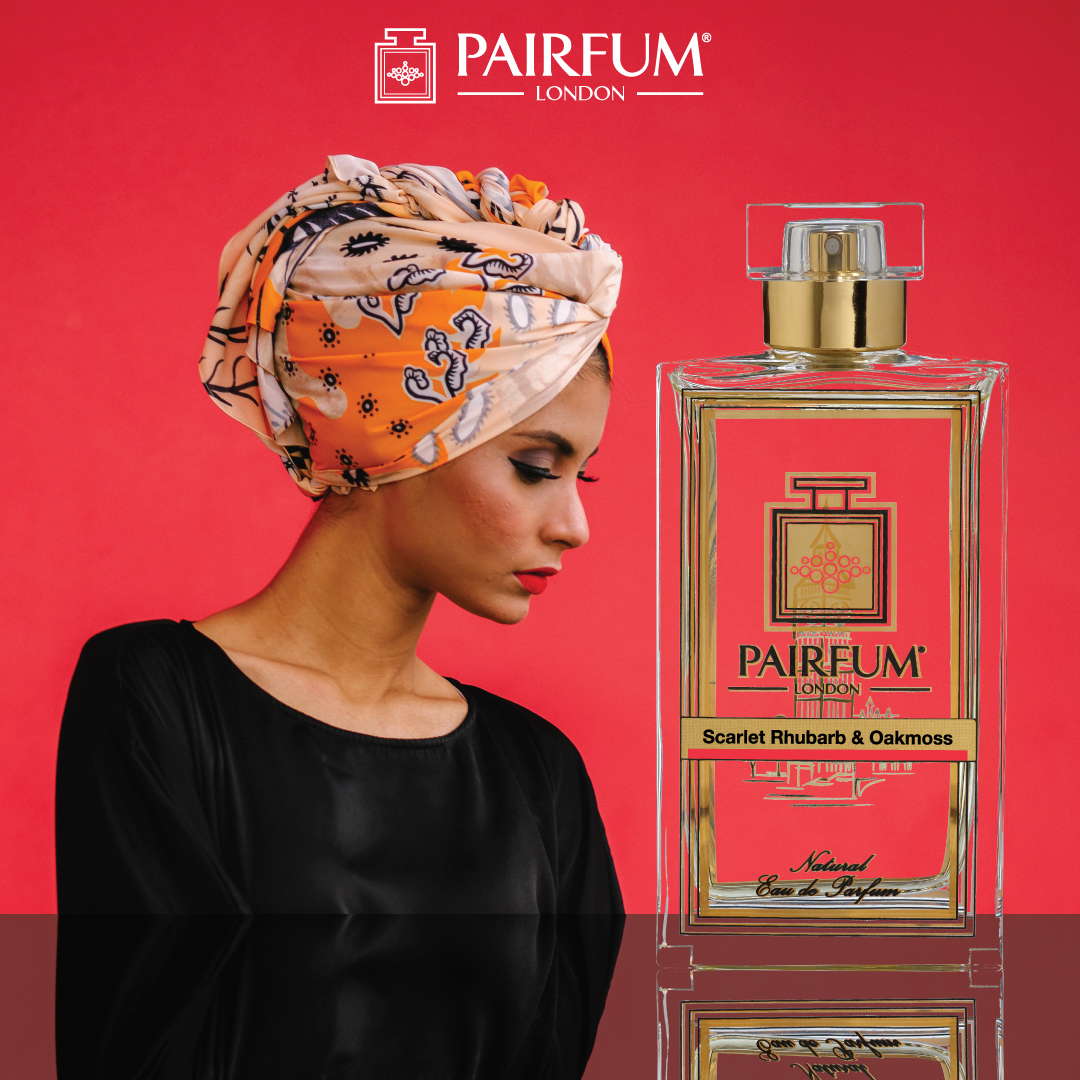
Scarlet Rhubarb & Oakmoss Eau de Parfum by Pairfum London

A bold floral chypre opening with fresh tart Rhubarb, Sun-Dried Fruits, and Ripe Strawberries, with hints of crisp Apple and Apricot wrapping around a heart of elegant White Gardenia. The base of Oakmoss, Musk, and Labdanum provides a rich, warm drydown in the classic chypre tradition, but with a distinctly English twist, rhubarb replacing the usual Bergamot for a greener, more unexpected freshness.

Handmade in the UK using natural essential oils. Unisex, vegan, cruelty-free, eco-friendly. Available in 100ml with free shipping to the UK, EU, US, and Canada, and a free mini sampler included.

Eau de Parfum Person Reflection Scarlet Rhubarb Oakmoss Man 1 1

The Quiet Charm of Apricot

Apricot may not be the loudest note in a perfume. It rarely announces itself. What it does instead is pull everything else together, softening edges, adding warmth, giving a composition the kind of rounded, wearable quality that keeps people reaching for the same bottle season after season.

Its versatility is the point. From the blossom on a frost-threatened apricot tree in early spring, to the concentrated sweetness of dried apricots in a winter tagine, to the creamy lactone accord at the heart of a fruity-floral perfume, the same fruit, in different forms, manages to be at home in almost every context. That adaptability is rare. It is also, in the end, exactly what makes a good fragrance ingredient.

Blackberry Perfume

Blackberry Perfume: Dark Bramble Sweetness

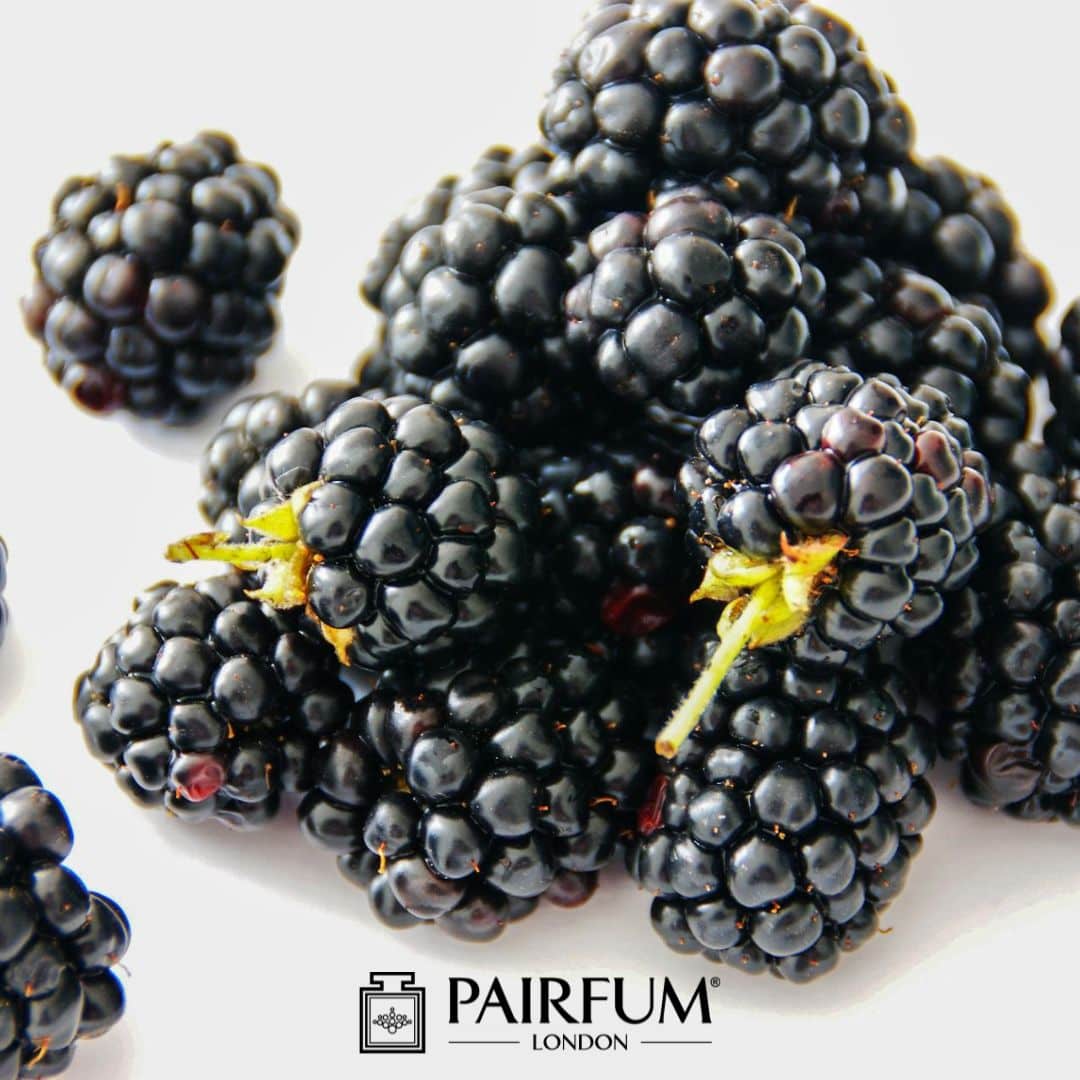
Blackberry perfume is dark, juicy, and just a little wild. When used in fragrance, blackberry offers richness, playfulness, and the raw bramble edge that makes this fruit stand apart from softer fruity notes. A well-made blackberry perfume feels vivid and grounded at the same time.

This aroma fits beautifully with early spring. The air is still crisp, the trees mostly bare, and blossoms are just beginning to appear. Blackberry does not feel like a polished fruit bowl. It feels like a hedgerow after the rain, or a spoonful of deep tart blackberry juice spread over warm toast. It leans into its natural and slightly untamed character, which makes it perfect for perfume compositions that want to surprise the wearer.

We often turn to blackberry in these transitional months when everything still feels grounded, but the promise of something lighter hangs ahead. There is honesty in the scent. It does not hide under sugar or disappear too quickly. Blackberry stays juicy, stays dark, and brings a little mystery wherever it appears.
A Wild Note with History

Blackberry has long been tied to stories, symbolism, and everyday rituals. In parts of Europe, brambles were believed to have healing qualities. The fruit appeared in folk medicine, poetry, and seasonal traditions. Blackberries were treasured in kitchens too, used in pies, preserves, milk-based desserts, and fresh summer dishes gathered straight from the hedge.

It took time for blackberries to move from countryside paths into perfume. Traditional fragrance often focused on polished fruit accords such as peach, apple, or citrus. Blackberry carried a rougher and greener edge. Yet that shift towards more natural fragrance styles helped perfumers recognise the beauty of wild blackberry accords.

The note carries memories of the English countryside, tangled hedges beside old stone walls, and dark clusters hidden beneath leaves on a sunny day. When blackberry appears in fragrance, it brings all of that atmosphere with it. The result feels layered, textured, and more realistic than many modern fruity blends.

Pairfum Fragrance Black Cherry Oolong Tea Triangle

Aroma Profile: What Blackberry Brings to a Fragrance

Blackberry does not smell simply sweet. It balances ripe juice with green sharpness and sometimes a soft smoky undertone. The opening feels bright and fresh before settling into a fuller and richer aroma.

Here is how blackberry stands apart:

  • Sweet but never syrupy, with tart edges
  • Greener than raspberry and less sugary than strawberry
  • Sometimes touched by leafy or smoky facets
  • Able to feel ripe, musky, and slightly woody in certain blends
  • Full of freshness while still carrying depth

In perfume, blackberry often sits at the top or heart of a fragrance. The berry note creates an inviting opening before revealing floral notes, woods, or warm base accords beneath. Perfumers value blackberry because it adds movement to a fragrance rather than flattening it with sugar.

A juicy blackberry accord can make a scent feel playful, while darker blends paired with musk or sandalwood create something far more mysterious. Blackberry is one of those rare fruit notes that can move easily between light daytime perfume and evening fragrance.

Why Blackberry Works So Well in Modern Perfume

Blackberry stands apart from many fruit notes because it feels realistic rather than sugary. It combines tartness, greenery, and dark sweetness, which gives the fragrance more depth and texture.

Perfumers usually recreate blackberry through accords built from fragrance oils and aroma materials, since the fruit itself produces very little oil. The result can suggest ripe berries, crushed leaves, soft woods, or even damp hedgerows after rain.

This balance makes blackberry especially popular in niche perfume. It works equally well in fresh daytime fragrance and richer evening perfume, particularly when blended with musk, vanilla, woods, or citrus.

Blackberry in Contemporary Niche Fragrance

Modern fragrance lovers are often drawn towards realistic fruit notes rather than overly sweet compositions. Blackberry answers that demand beautifully. It offers sweetness, tartness, and a little earthiness all at once.

A good blackberry scent captures the contrast between ripe fruit and tangled hedgerows. Some perfumers even combine blackberry with brambly woods to create the impression of walking through a forest path after rainfall. Others soften the sharpness with vanilla## Blackberry in Contemporary Niche Fragrance

Modern niche perfume houses often pair blackberry with woods, herbs, and greenery to create an atmospheric fragrance. Cedarwood, bay leaf, sandalwood, and soft musk are common companions because they highlight the darker side of the fruit.

Many fragrance lovers are drawn to blackberry because it feels gender neutral and versatile. A juicy blackberry accord can smell bright and playful at first, then settle into something smoother and more woody on the skin.

This balance is why blackberry appears not only in fine fragrance but also in indulgent candles, luxurious shower gels, and fruity wax melts designed for the home.

Pairfum Eau de Parfum Person Reflection Black Cherry Oolong Tea Man 1 1

Blackberry and Seasonal Fragrance

Blackberry changes character with the seasons. In spring and summer, it feels fresh and juicy beside floral notes and citrus. In autumn, it becomes darker and richer when blended with woods, vanilla, or musk.

This versatility explains why blackberry appears in both daytime perfume and deeper evening fragrance. The note works particularly well with brambly woods, cedar, and moss during colder months.

Iconic Perfumes Featuring Blackberry

Many popular perfumes have used blackberry to introduce fruit into fragrance without creating something overly sugary. Blackberry often gives the opening sparkle before the fragrance moves into woods, florals, or musk.

Jo Malone helped bring blackberry into wider popularity through Jo Malone blackberry-inspired creations that paired berry notes with woods and greenery. For many fragrance enthusiasts, Jo Malone demonstrated how blackberry could feel elegant rather than childish.

Blackberry is often chosen in:

  • Floral perfume styles that need a darker fruit layer
  • Gourmand perfume that should feel balanced rather than sugary
  • Natural fragrance where the fruit should smell realistic
  • Spring perfume inspired by cool mornings and blossom-covered gardens
  • Signature scent creations that feel memorable without overpowering the room

Blackberry works across many fragrance families. In a floral perfume, it adds freshness beside rose or jasmine. In woody fragrance, it softens dry woods while keeping depth and structure.

Gourmand perfume uses blackberry to balance sweetness, while musk-based fragrance pairs the fruit with warm skin-like accords. This flexibility allows blackberry to feel bright, comforting, or dramatic depending on the blend.

The Difference Between Blackberry and Other Berry Notes

Not every berry accord behaves the same way in fragrance. Strawberries usually feel brighter and sweeter. Raspberry tends to smell playful and candy-like. Blackberry sits in a deeper and moodier space.

The berry note in blackberry compositions often carries a tart quality that makes the fragrance feel more natural. This depth also allows blackberry to blend beautifully with woods, musk, and floral notes.

Perfumers sometimes describe blackberry as the bridge between fruit and woodland accords. It captures the juicy brightness people enjoy in fruity fragrance while still adding shadow and texture.

Blackberry In Perfume

Blackberry Beyond Fine Fragrance

The popularity of blackberry has expanded far beyond traditional perfume. Home fragrance brands now use blackberry in candles, room sprays, and fragrance oil blends because the scent feels both comforting and refined.

Blackberry fragrance oils are especially popular in artisanal home products because they layer beautifully with vanilla, rose, and woods. Fruity wax melts with blackberry are often chosen during colder months because they create warmth without becoming cloying.

Some independent brands also use blackberry in liquid gold perfume oil style products, where concentrated fragrance creates a rich and long-lasting scent experience. These oils are often appreciated by people who want perfume that develops slowly through the day.

Many fragrance enthusiasts enjoy exploring sample kits that include blackberry blends alongside floral, woody, and gourmand styles. Sampling helps people discover how blackberry changes when paired with jasmine, musk, or sandalwood.

The Emotional Appeal of Blackberry

Part of blackberry’s charm comes from memory. The scent reminds many people of childhood walks, stained fingers after picking fruit, and the smell of hedgerows warming in late sunlight.

Unlike heavily processed fruit notes, blackberries often feel familiar and believable. It has texture and movement. That realism explains why blackberry fragrance continues to attract people looking for perfume that feels expressive rather than artificial.
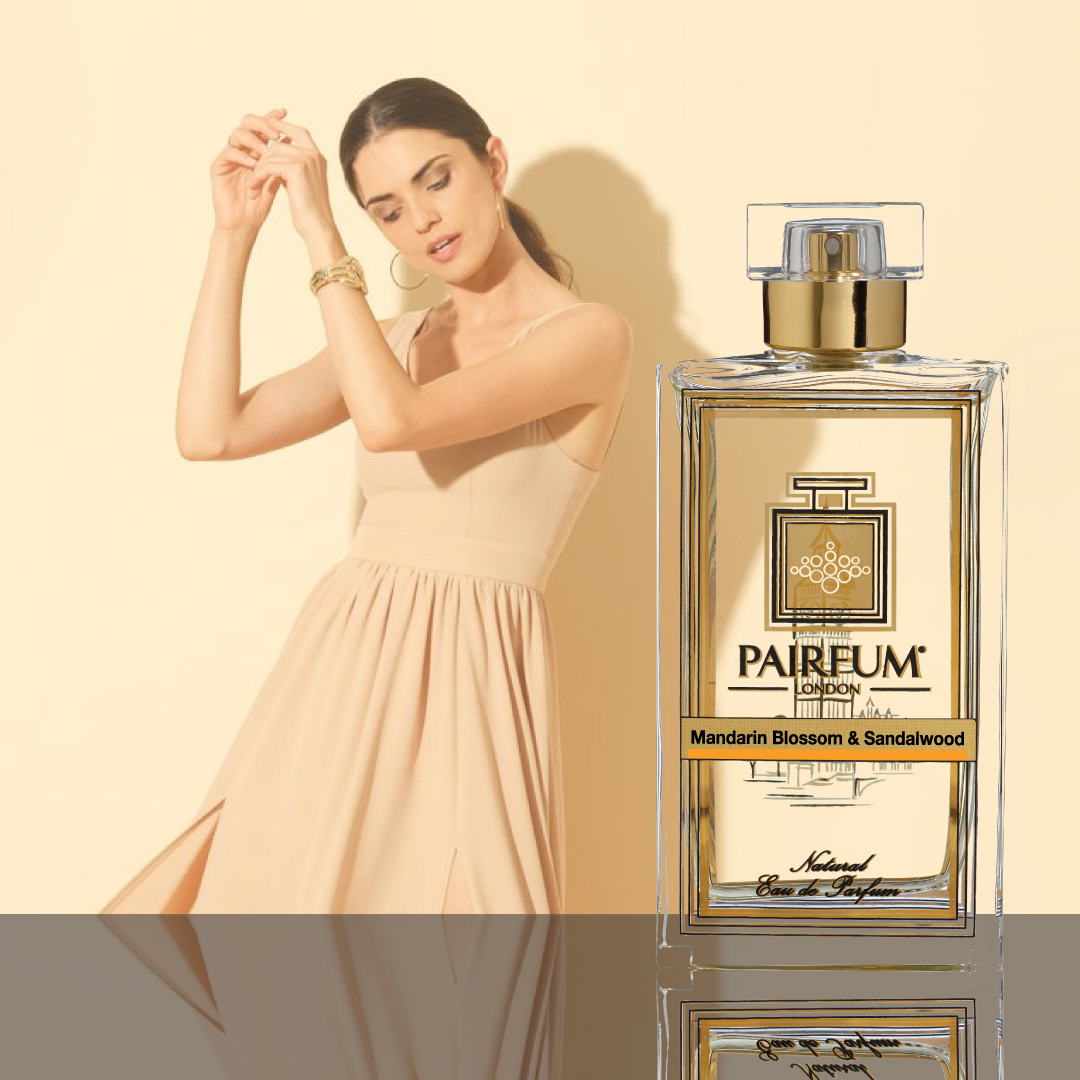
The emotional quality of blackberries can even shape how people respond to fragrance online. Brands often study browsing behaviour and user profiles to understand which fruit-based perfumes customers revisit most often. Blackberry regularly stands out because people connect with its balance of sweetness and depth.

In some digital fragrance shops, customers may also be asked for consent before personalised recommendations are shown. Those recommendations frequently highlight blackberry-based perfume for shoppers who enjoy woody, fruity, or musky fragrance styles.

Building a Blackberry Signature Scent with Pairfum London

Creating a signature scent with blackberry can be surprisingly personal because the note adapts so well to different styles.

Someone who prefers fresh fragrance may enjoy blackberry with rose, citrus, and green herbs. Those who lean towards warmer perfume often prefer blackberry with vanilla, musk, and woods.

For evening wear, blackberry combined with jasmine and soft musk creates elegance without losing the fruit character. During spring and summer, juicy blackberry accords with floral notes, feel bright and relaxed.

Blackberry also works beautifully when layered with woody perfume styles. The contrast between fruit and timber gives fragrance depth and sophistication.

Pairfum Person Reflection Black Cherry Oolong Tea Eau de Parfum

Fruity Complex Multi-Layered Blends by Pairfum London

If you enjoy the rich, slightly wild character of blackberry in perfume, our niche fragrances at Pairfum London are worth exploring. Their collection focuses on high performance fragrance oils and layered fragrance compositions where fruity notes sit naturally beside woods, florals, vanilla, jasmine, rose, sandalwood, and soft musk. The result feels refined, modern, and easy to wear, with the same balance of freshness and depth that makes blackberry such an appealing perfume note.

Black Cherry & Oolong Tea – Eau de Parfum by Pairfum London

This fragrance opens with the sparkling interplay of the aromas of Black Cherry, Bergamot, Red Berries and Nutty Almond. The heart is a most elegant fusion of Oolong Tea, Bulgarian & Turkish Roses and Liquorice. The sensuous base rests on Aniseed, Tonka, Iris and Patchouli.

Concluding Thoughts

Today’s perfume industry values individuality more than ever. Consumers are increasingly interested in niche fragrance, artisan production, and realistic ingredients.

Blackberry fits naturally into this movement. It feels less polished than many fruit accords and more connected to nature. Perfumers appreciate how blackberry can transform a composition from simple to memorable.
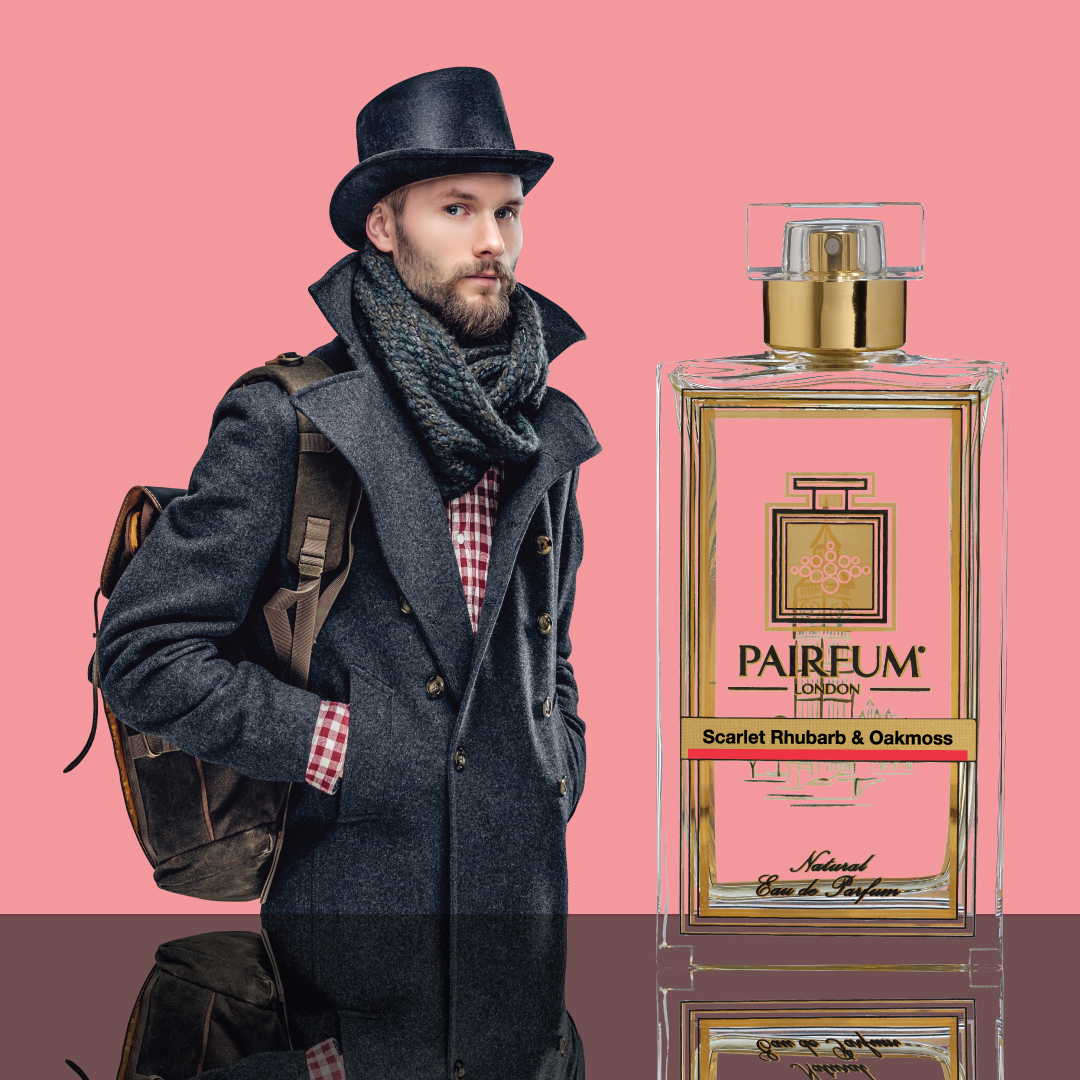
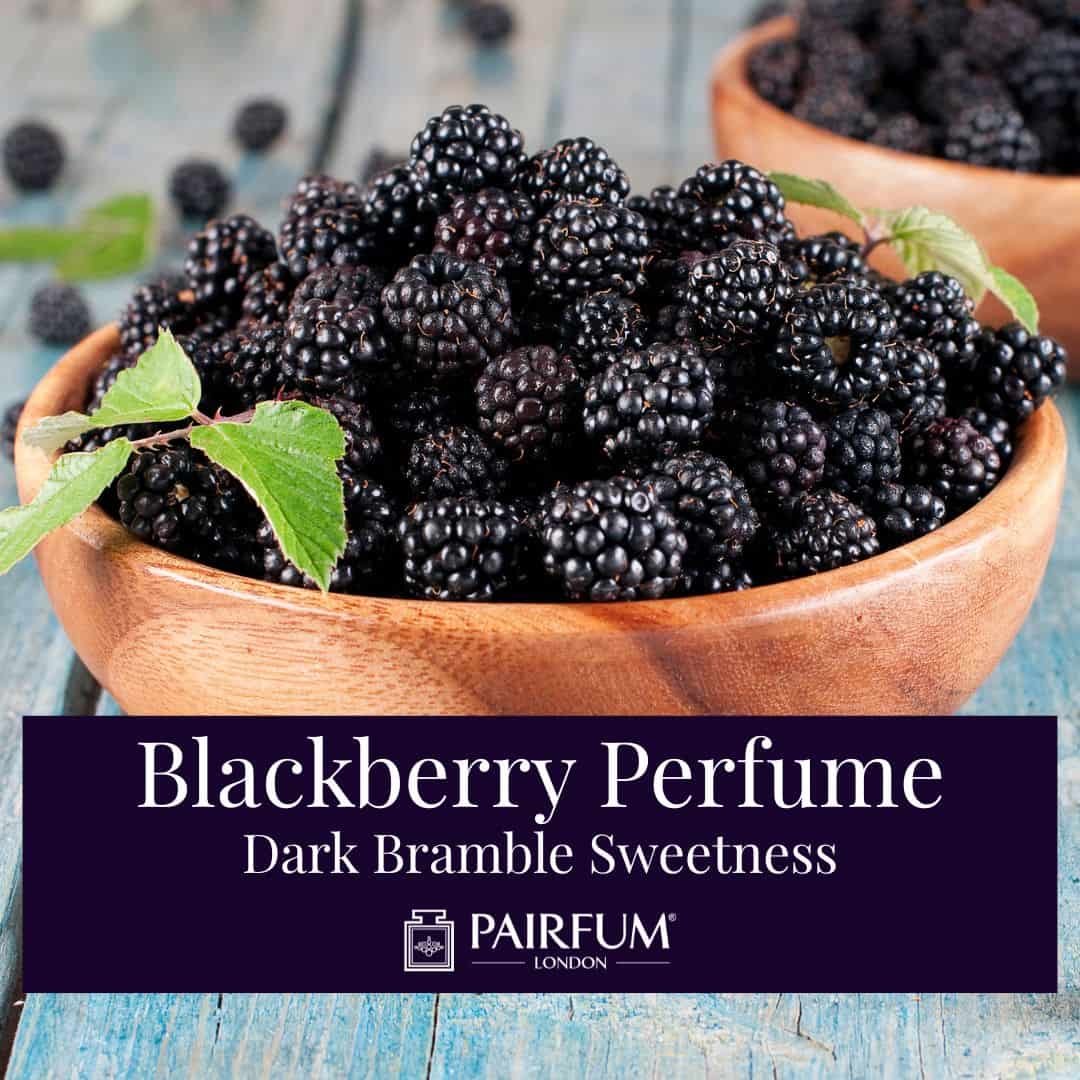
Whether paired with vanilla, rose, musk, sandalwood, or jasmine, blackberry adds texture and atmosphere. The fruit note can feel comforting, dramatic, romantic, or fresh depending on the surrounding accords.

Blackberry does not try to behave perfectly. It keeps a little wildness and a little shadow. That balance is what makes blackberry perfume so compelling.

For fragrance lovers searching for something expressive, blackberry offers richness, freshness, and character in equal measure. From fine perfume to fragrance oil blends for the home, blackberry continues to prove that fruit in perfumery can feel sophisticated, modern, and deeply atmospheric.

Bulgarian Rose In Perfumery

Bulgarian Rose In Perfumery: Lush Damask Elegance

The Bulgarian rose (Rosa damascena) is a world-renowned, high-quality oil-bearing flower that has been cultivated for centuries within Bulgaria’s famous Rose Valley. Highly prized for its deep, honeyed scent, this rose variety serves as the primary source for precious rose oil (rose otto) and rose water. These natural essences are essential staples in luxury perfumery and skincare, valued globally for their intense hydrating and anti-inflammatory properties.

Bulgarian Rose is often thought of as one of the most elegant flowers used in perfumery. Its aroma is soft yet full, rich yet fresh, and always graceful. There is a reason it has stood the test of time in fragrance. With its lush Damask petals and strong natural oil, the Bulgarian Rose brings a sense of floral luxury that feels just right as the days slowly grow longer and early spring settles in.

This flower is not just beautiful in a bottle. It has a deep history, a unique growing region, and a very precise way of being turned into perfume. Today, we are sharing what makes it so loved in natural and niche perfumes and why its presence can lift a fragrance without ever overpowering it.

A Rose with Roots: The History of Bulgarian Rose

Bulgarian Rose comes mainly from a small part of southern Bulgaria known as the Rose Valley. This area has been growing roses for centuries, and its fields are well known for producing some of the finest rose oil in the world. Spring arrives gently in this region, and it is during this short bloom that the flowers are picked in the early morning to protect their freshness.

What started as a local tradition soon became a symbol of craftsmanship and beauty. Known as liquid gold because of its immense value, Bulgarian rose oil became highly respected in European perfumery. Its strong, balanced aroma made it popular with those looking for purity and quality. Today, it still stands out because of how it connects nature, culture, and comfort.

There is something quite special about how this flower is included in springtime rituals, festivals, and even homemade beauty customs. Each of these traditions gives the flower a personal touch, making its aroma feel both grounded and familiar.

Eau De Parfum Person Reflection Black Cherry Oolong Tea Woman Arms 1 1

A Heritage of Cultivation in Central Bulgaria

The journey of the rose begins in the heart of the Balkan Peninsula. In central Bulgaria, the geography creates a perfect cradle for these delicate flowers. This specific location, including the famous area of the Bulgarian rose Karlovo, provides the ideal environment for the plants to thrive. The tradition of cultivation stretches back to a distant century, and even in ancient times, the region was noted for its flora. In fact, historical evidence suggests rose culture existed here as far back as the Thracian Odryssian Kingdom.

Today, local farmers continue to harvest the blooms by hand, a practice that has remained unchanged for generations. Every year, visitors flock to the region to witness the Rose Festival, a celebration of the harvest that showcases the deep cultural connection between the people and the Bulgarian roses they tend. This event, officially established as a national holiday in 1967, features the crowning of the Queen of Roses and traditional folk dances.

What Makes It Different: Types and Special Traits

The Bulgarian Rose used in perfume oil is not just any rose. It is a variety called Rosa damascena, better known as the Damask Rose. This type is known for having a deep floral character, with layers of honeyed sweetness and a hint of green freshness underneath. Genetic testing indicates it is a hybrid of Rosa gallica and Rosa moschata, crossed with the pollen of Rosa fedtschenkoana.

The reason the Bulgarian version is so special has a lot to do with where it grows. The Valley of Roses has a particular mix of geography:

  • Rich, loamy, diluvial sedimented soil that holds moisture well
  • Cool mornings and warm afternoons that help the petals develop their rich aroma
  • Natural mountain protection from the Balkan Mountains and Sredna Gora that creates a calm, steady climate

All of these small details give the Damask Rose from this region its lasting aroma and balance. Compared to rose oils from other places, the Bulgarian Rose tends to feel rounder and more complete, without being too sugary or too sharp.

Eau de Parfum Person Reflection Black Cherry Oolong Tea Man 1 1

The Unique Properties and Benefits of Bulgarian Rose

The rose damascena is prized not just for its scent but for its unique properties that benefit the skin. In the world of beauty and cosmetics, rose oil is celebrated for providing intense hydration. It is a common ingredient in cosmetic products, ranging from luxury creams to simple, traditional soap. The oil contains over 300 chemical compounds, including geraniol and citronellol, which contribute to its therapeutic status.

Because of its delicate tenderness, it is often used in aromatherapy to promote a sense of calm and reduce stress. The purity of the essential oil ensures that even a single drop carries the soul of the rose fields. Whether used for its fragrance or its therapeutic benefits, the quality of Bulgarian rose oil remains the highest quality available on the global market.

Petals to Perfume: Extracting the Essence of Bulgarian Rose

Once the roses are picked, usually before sunrise while the dew still protects the fragrance, teams begin the careful job of turning them into perfume oil. The most common method used is steam distillation. This gentle process lets hot steam pass through the petals, lifting out the oil without damaging its soft aroma. Bulgarian producers famously perfected a double distillation method, which is significantly more effective at capturing the complex profile of the flower.

This distillation method creates pure rose oil, often called rose otto, and a second product as well, which is rose water. This by-product is also used in perfumery and in other areas like skincare and cooking, but the main focus remains that prized oil.

Harvesting is difficult. It takes approximately 3,500 to 4,000 kilograms of rose petals to produce just one kilogram of rose oil. Since each flower is picked by hand, the effort is significant. This care and effort show up in the finished aroma, which feels close to the natural beauty of the flower.

Bulgarian Roses

Global Reach and Modern Usage

The demand for Bulgarian Rose extends far beyond Europe, with significant exports reaching the United States and other global markets. While many people first discover it through perfume, its presence in rose water and various cosmetics makes it a staple in daily routines.

For those who have integrated this scent into their lifestyle, a recurring purchase of rose based products often becomes a ritual. Some specialist suppliers even offer a deferred subscription for those who want to ensure they never run out of this floral essence. In a busy world, perhaps managed from a speedy office, the scent of a rose offers a moment of natural peace.

Iconic Fragrances that Use Bulgarian Rose

You will find Bulgarian Rose at the heart of many popular perfumes, especially those that aim to feel timeless or comforting. It builds the floral part of the perfume and helps hold other notes together.

  • It pairs beautifully with powdery notes and soft woods to create perfumes that feel warm and smooth
  • Add a touch of spice or a hint of citrus, and the floral notes become brighter and cleaner
  • Combine it with resins or amber, and it becomes deeper, smokier, and more romantic

In niche perfumes, Bulgarian Rose often plays a subtle role. It is not always the star, but its presence helps build layers and bring balance. Modern perfumers use it to soften strong edges, round off fruity top notes, or add real depth to lighter, breezier styles.

Tom Ford – Café Rose: A dark and seductive blend where Bulgarian Rose meets exotic spices and dark coffee.

Guerlain – Rose Barbare: A sophisticated, honeyed rose fragrance that highlights the flower’s natural Turkish and Bulgarian elegance.

Bvlgari – Omnia Amethyste: A clean, powdery scent that focuses on the fresh, morning-dew side of the Bulgarian Rose.

Black Cherry & Oolong Tea – Eau de Parfum by Pairfum London

This fragrance opens with the sparkling interplay of the aromas of Black Cherry, Bergamot, Red Berries and Nutty Almond. The heart is a most elegant fusion of Oolong Tea, Bulgarian & Turkish Roses and Liquorice. The sensuous base rests on Aniseed, Tonka, Iris and Patchouli.

Pairfum Eau De Parfum Noir Bottle Carton Black Cherry Oolong Tea

The Feel of Spring in a Bottle

There is something about early spring that asks for something soft. The cold is still there, but the light has changed. Flowers are just starting to show, and the air holds a little more hope. Bulgarian Rose fits this shift perfectly.

Its aroma feels like nature turning the page. With its slightly honeyed, fresh floral character, this rose does not push too hard. It rests gently on the skin and settles nicely in a space. It feels like open windows and soft fabrics. It reminds us of new mornings and quiet afternoons.

Used in perfume or a home bouquet, it gives every room or wrist a bit of that early-season brightness. It does not try to steal the show. It just sits softly and holds everything together, like a well-loved part of a changing season.

If you enjoyed learning about the Rosa damascena, you may wish to look at our recent posts regarding other botanical ingredients. You can also explore related products that celebrate the purity of the rose.

Loganberry In Perfume

Loganberry in Fragrance: Tart Hybrid Berry Pop

The loganberry in fragrance provides a bright, juicy, and multifaceted aroma, which combines the sweet facets of raspberry with the deeper, tart, and earthy characteristics of blackberry. It is frequently utilised as a central heart note to provide a sophisticated, fruity freshness, often being paired with floral accords or woody elements to create a balanced and vibrant scent profile.”

Loganberry has a bold, tart flavour that sits somewhere between raspberry and blackberry. It’s a fruit that doesn’t shout for attention, but once you know it, you don’t forget it. In perfume, that combination of sharpness with soft berry depth creates something playful and slightly unexpected. As a soft fruit, it offers a specific texture to a scent profile that is hard to replicate with more common ingredients.

As winter fades and spring begins to appear, Loganberry feels like it belongs. The air is still cool, trees are just starting to bud, and nature is holding back its full bloom. That early spring mood perfectly matches the character of Loganberry. It’s fresh, a little wild, and full of promise. Adding it to perfume brings a crisp berry brightness, while still holding on to a deeper edge.

We’ve seen Loganberry start to appear in niche and natural perfumes where perfumers are looking for fruit that feels real, not sugary. It’s a twist that lifts the bouquet without turning too sweet, and it works beautifully for perfumes created for the season ahead. Whether used to evoke a summer garden or the crispness of autumn, this edible fruit provides a sophisticated alternative to synthetic alternatives.

Pairfum Collection Niche Perfume Experience Fragrance Library 91 Square

From Crossbreed to Fragrance Note

Loganberry didn’t come from the wild. It was first grown by accident in Santa Cruz, California, in 1881 when a gardener named James Harvey Logan mixed a Pacific blackberry (Rubus ursinus) with a raspberry in his garden. James Logan, a lawyer and amateur horticulturist, was actually trying to produce a superior blackberry when he inadvertently created this vigorous plant. What came out of it was something darker, more tart, and with a richer bite than either parent.

The fruit’s kitchen story helped it find its way into fragrance. Its bold character reminded perfumers of sunny gardens and home recipes. Historically, Loganberry became popular in cooking and jams, and was a staple in summer pudding, pies, and even wine or fruit syrups. One interesting piece of history is the Loganberry drink served at Crystal Beach Park, often frequented by New York residents, which cemented its place in popular culture.

As perfume trends moved toward more natural, food-inspired and seasonal notes, Loganberry fit right in. More recently, we’ve seen perfumers use it to bring something real and surprising to fruity blends. Its sharp edges bring out the best in spring perfumes that aim to feel less processed and more like nature after the rain. For natural and niche perfumery, Loganberry has opened up new ways to play with fruit, without drifting into sticky territory.

The Botanical Roots of the Loganberry Plant

To understand the scent, one must understand the loganberry plant itself. In terms of scientific classification, it is known as Rubus loganobaccus. It is a hybrid of the European raspberry (Rubus idaeus) and a variety of wild blackberries. The plant grows on long, often prickly canes that can reach lengths of eight to ten feet in a single season, requiring horizontal wires for support in a garden setting.

The loganberry inherits the sturdy nature of blackberry plants and the deep colour of the red raspberry. Unlike a raspberry, when you pick ripe loganberries, the core stays inside the berry, much like it does with blackberries. This physical structure contributes to its juice-heavy, fleshy aroma. Interestingly, while the fruit starts out red, it is often best harvested when it reaches a deep purple hue, indicating its full aromatic maturity.

If you were to grow this plant at home, it thrives in a sunny spot with well-drained soil. While it is typically an outdoor vine, some enthusiasts have tried keeping it as a temporary indoor plant during the early stages of growth. It requires rich soil and plenty of compost to produce a high yield of fruit that is famously high in vitamin c. In the UK, it is highly valued for being more resistant to disease and frost than many other berries, though its short shelf life makes it a rarity in commercial shops.

Pairfum Collection Niche Perfume Experience Fragrance Library 40 Square

Fragrance Profile of Loganberry

The aroma of Loganberry isn’t shy. It’s bold at the start, tangy as it hits the skin or the air. After that, you get a soft mix of sweet and sour that feels alive and nicely rounded. There’s a bit of green hidden underneath, almost like you’re still near the bramble it came from, catching the scent of a crushed leaf.

Here’s how Loganberry stands apart from other popular fruit notes:

  • It has more bite than a strawberry but doesn’t lean into the sugar
  • It’s rounder and riper than a raspberry, with fewer floral notes
  • It shares the earthiness of blackberries but keeps a livelier top edge
  • It is less “dusty” than a boysenberry, staying bright and acidic

In many natural or niche perfumes, Loganberry fits best in the top or heart layers. It makes a bold first impression, then blends into whatever comes next. That flexibility gives it range. It can sit at the start of a fresh summer blend or soften the centre of something darker as we transition into autumn. And because it’s not widely used yet, it feels a bit different, like a surprise hidden in familiar territory.

Loganberry, as a perfume note, offers natural energy and vibrancy, brightening up the compositions it joins. Its lively aroma complements the freshness that people associate with the very first weeks of spring, when everything is budding and awakening. While some berry scents in perfumery can feel overly candied or synthetic, Loganberry’s unusual hybrid nature gives it a more lifelike profile, which supports both everyday and more creative fragrance concepts.

Cultivation and the Scent of the Earth

The scent of a loganberry is inextricably linked to the soil and the environment in which the plant grows. Whether grown in the United States or exported to places like New Zealand, the loganberry thrives when the soil is enriched with organic compost.

Gardeners often purchase bare root plants in late autumn or winter to ensure a strong harvest the following summer. As the new cane develops, the plant prepares to produce its signature tart fruit. Even the prickles on the canes seem to suggest the sharp, defensive tartness of the berry itself. This “green” and “thorny” aspect is often captured in niche perfumery by adding hints of bramble or wood to the loganberry accord.

How Loganberry Works in Natural and Niche Perfume

Perfumers are getting creative with Loganberry. The fruit doesn’t offer a pure essential oil, so they build it instead. Some use aroma molecules. Others mix berry accords to get close to the full effect. The goal is always the same: to capture that tart, juicy feel with enough depth to stay interesting.

Here’s why we see Loganberry show up more in niche blends:

  • It smells like garden fruit, not candy
  • It works well with woody and green notes
  • It adds fresh movement without taking over

When blended well, Loganberry can open a perfume with energy, then settle into something softer. It’s often used with clean woods like cedar or herbal notes like clary sage. It plays nicely with florals too, especially peony or violet, which keep it light without losing its shape. For perfumes focused on seasonal changes, Loganberry helps link the cool start of spring with the warmth coming just behind it.

Loganberry’s adaptable personality allows it to bridge the gap between juicy fruit and more grounded, earthy facets in fragrance. Niche and natural perfumers might select Loganberry to add an element of surprise or authenticity, offering a multifaceted burst that harmonises well with both traditional and modern compositions. The result is a balanced fragrance that stands out while remaining wearable and appealing.

Ripe Loganberries

Noteworthy Perfumes Featuring Loganberry

A few niche perfumes have started to use Loganberry as their fruit centrepiece, picking it over the usual berry line-up. These blends often show it off with light musk, clean greens, or herbals to keep its sharpness in check. When handled this way, Loganberry manages to feel bold and balanced at the same time.

Seasonally, Loganberry plays especially well in:

  • Spring perfumes that need fruit but less sugar
  • Natural blends where fruit should feel like it was just picked from the plant
  • Home fragrances that add brightness to early-year moods

Find A New Iconic Spring Fragrance with Pairfum London

Just as the loganberry provides a rare and sophisticated “purple” fruitiness, the Fragrance Library introduces you to a vast array of innovative and natural accords. By stepping away from the overwhelming “cloud of fragrance” found in traditional department stores, this experience box allows you to appreciate the subtle transitions between heart notes and base layers in a neutral environment. Whether you are drawn to the tart brightness of berries or the deep earthiness of woods, this collection offers the ideal “Perfume Experience,” helping you understand the scientific and artistic balance required to create a truly vibrant and balanced scent profile.

Fragrance Library – Perfume Experience Box by Pairfum London

The Fragrance Library is a curated collection of 12 x 2ml Eau de Parfum Intense sprays, designed to let you explore the world of niche perfumery from the comfort of your own home. Each set includes 50 smelling strips and enough perfume for approximately 100 sprays per bottle, allowing you to test each fragrance’s longevity and evolution on your skin over two weeks. This selection is 100% vegan, cruelty-free, and handmade in the United Kingdom using natural and organic essential oils, ensuring a clean and ethical way to find a fragrance that truly resonates with your persona.

Pairfum Collection Niche Perfume Experience Fragrance Library 49 Square

‘Berry Bold’: Why Loganberry Makes Fragrance More Interesting

Loganberry stands at the edge of sweet, where tart makes things more interesting. It’s the kind of fruit perfume note that adds something honest, like where the garden hits the wild. Because it’s not as common as strawberry or raspberry, people notice it, even if they can’t name it.

As the air cools in autumn, the deeper, wine-like qualities of the loganberry come to the fore. It is a plant that yields its best fruit in the height of summer, yet its olfactory memory lingers much longer. Its fresh-tart shape, rooted in real fruits and green branches, brings a twist to springtime perfumes. For those of us working in natural and niche perfumery, Loganberry feels like a welcome change. It brings a bright note that’s modern and playful, while still grounded in nature. Its hybrid nature makes it both familiar and curious, which is exactly why it works so well.

0
Your Cart
Your cart is emptyReturn to Shop