
Home / FragranceCommunity
Bergamot Perfume

Bergamot Perfumes: The Sparkling Citrus That Starts It All

In bergamot perfume, bergamot is a vibrant, citrusy, and mildly spicy fragrance note that is extracted primarily from the green rind of the Citrus bergamia fruit, an inedible bitter orange grown almost exclusively in Calabria, Italy. Celebrated throughout the perfume industry for its exceptionally bright, crisp, and uplifting profile, it serves as an essential, sparkling top note in many of the world’s most recognisable luxury fragrances. Because raw bergamot oil naturally varies in cost and quality, high-end perfumes rely on premium, natural extracts, whereas cheaper commercial compositions frequently utilise synthetic alternatives to replicate the aroma.

There is something about a bergamot perfume that instantly feels like a good day. Its citrusy brightness brings to mind blue skies, cool morning air, and that feeling of heading outside with a clear mind. When we think of fragrances that feel uplifting and fresh, bergamot is often the first to come to mind.

As we move into May, with warmer days and longer evenings, these perfumes feel especially suited to daily wear. Bergamot fits easily into both traditional Eau de Colognes and modern niche perfumes. Whether you notice it on its own or tucked quietly behind other notes, it almost always sets the tone. Here is what makes bergamot such a beloved star in so many aromas.

Eau de Parfum Bergamot Basil Patchouli

A Bright Beginning: What Is Bergamot?

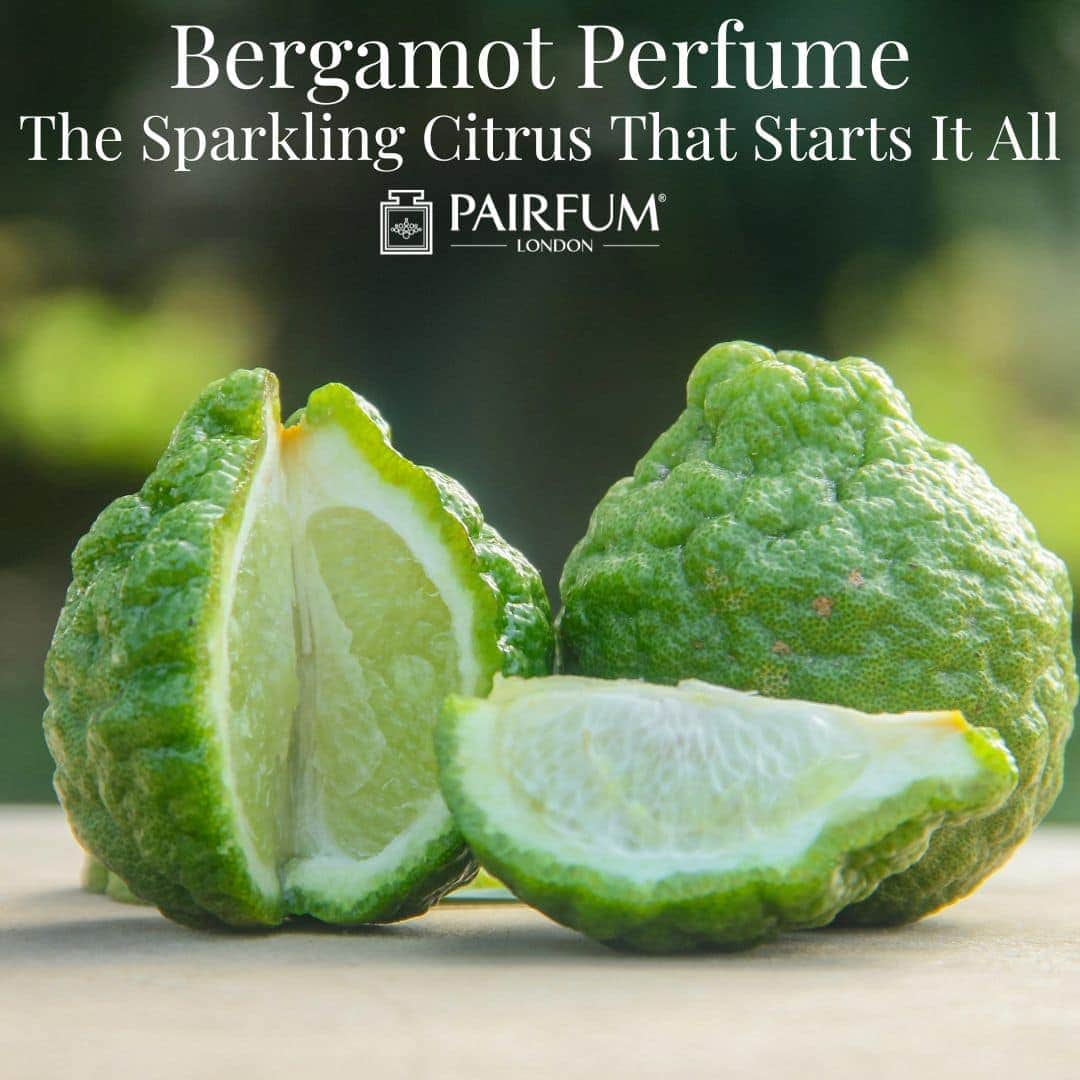
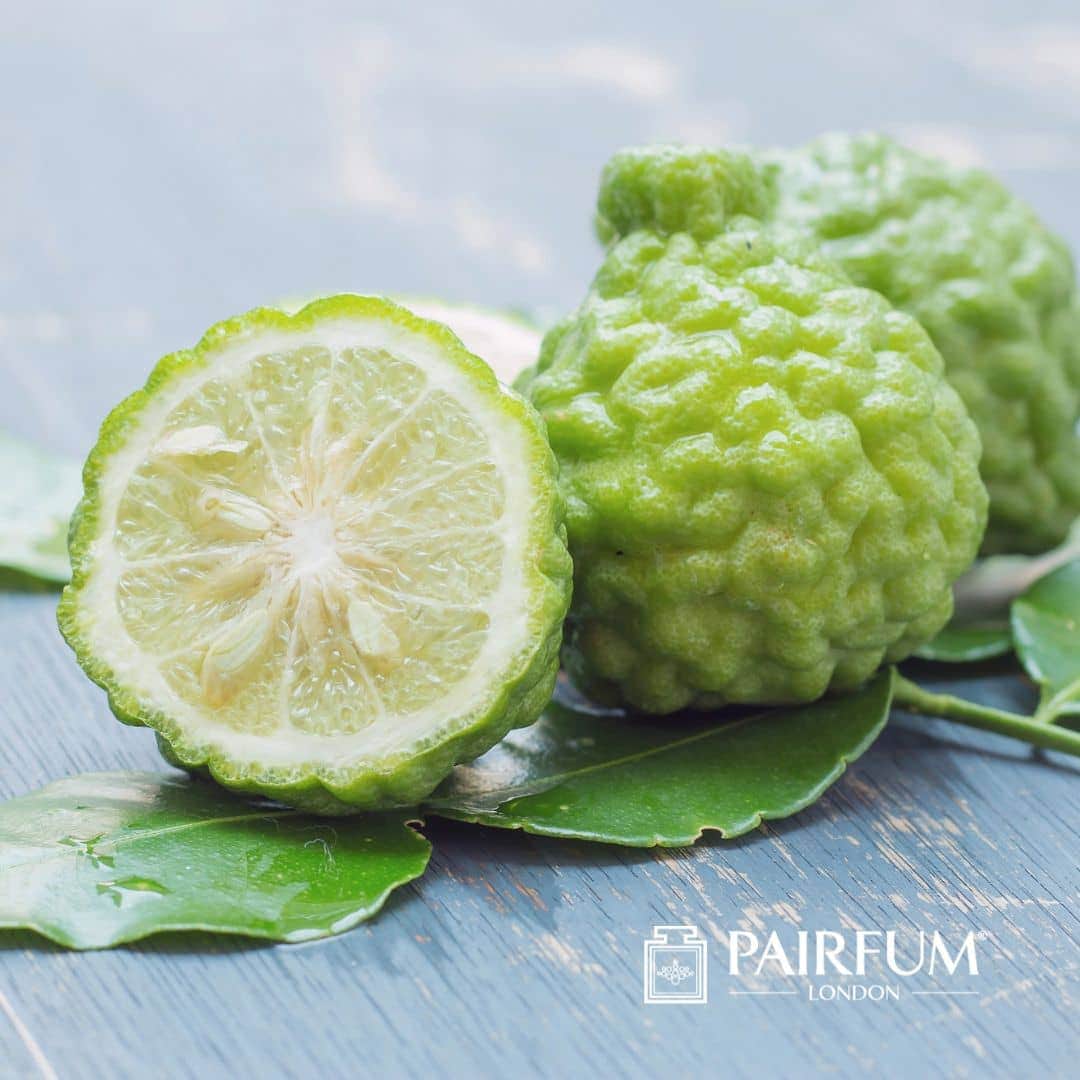
Let us be honest about citrus fruits. Most are incredibly boring, smelling more like a kitchen cleaner than luxury perfumery. Bergamot is different. It comes from a small, round citrus fruit that looks a bit like a cross between a bumpy lime and a bitter orange. This yellow-green hybrid grows on the bergamot tree, known scientifically as Citrus bergamia.

The plant is incredibly fussy. It thrives almost exclusively along a narrow, sun-baked strip of coastal land in southern Italy, particularly in Calabria. You might occasionally spot a rogue bergamot orange growing elsewhere, but the maritime microclimate, heavy clay soils, and intense humidity of this specific Mediterranean region produce the only calabrian bergamot worth talking about.

The fruit itself is completely useless for eating. It is sour, sharp, and aggressively bitter. If you bit into the raw bergamot fruit, you would regret it immediately.

Instead, the magic hides in the thick bergamot rind. To get the oil out, producers gently press the outer skin. Historically, workers used a manual technique called la spugnatura, pressing the rind against natural sponges to soak up the liquid. Today, mechanical cold-expression keeps the living profile of the bergamot oil intact. This yields a rich bergamot essential oil. The resulting perfume note is sharp without being harsh.

  • There is a clean citrus edge, like freshly zested peel
  • A soft, floral roundness sits underneath, smelling almost like sweet mandarin
  • It feels far more refined and less sugary than lemon

This specific mix of brightness and unexpected warmth gives the natural bergamot scent its true signature: sunny, direct, and completely natural.

The Role of Bergamot in Perfume

Think of a fragrance as a three-act play. Bergamot is almost always your opening line. In the formal language of the perfume industry, it is a top note, providing that initial, fleeting flash when the liquid first dries on your skin. It wakes up your senses, draws you in, and then gracefully steps back to let the deeper heart notes take over.

What makes it so indispensable to perfumers is how beautifully it plays with others. It is an exceptional olfactory fixative and a natural bridge. It can take a sharp, aggressive ingredient and sweeten it, or it can give a heavy, suffocating floral note some breathing room. It does not shout over other materials. Instead, it balances them.

Cheap citrus fragrances often smell synthetic and flat. Bergamot escapes this trap because it is chemically complex, loaded with high levels of natural linalyl acetate and linalool. That is why it brings such a quiet, aristocratic elegance to unisex perfumes, cutting through heavy woody or spicy bases without losing its airy feel. Modern perfumes rely on it to keep complex formulas from feeling sluggish.

Fresh Bergamot Perfume Ingredients

A Long-Loved Ingredient: The History of Bergamot in Perfumery

This oil has been a staple of the trade since at least the 18th century. In fact, it became an absolute obsession in the French court of Louis XIV. The aristocracy used it to scent everything from their leather gloves and waistcoats to the air in their drawing rooms.

Before people cared about using it as a luxury scent, ancient Mediterranean cultures like the Greeks and Romans used the fruit primarily for health, treating stubborn fevers and digestive issues. But the real shift happened when the classic cologne trend exploded.

A traditional eau de cologne relied heavily on citrus top notes to feel crisp, and bergamot was the crucial ingredient that made these blends feel sophisticated rather than medicinal. In the 19th century, the massive commercial success of the famous “4711” Eau de Cologne cemented this material as a global industry pillar. Perfumers realised it made complex blends feel polished but completely effortless, blending easily with other essential oils without drowning out the delicate heart of a fragrance.

Changing Notes: Types and Pairings of Bergamot Aroma

Not all bergamot oils smell identical. Some are aggressively sharp and citrusy, while others lean towards a bitter, woody, or distinct floral note. These quirks depend entirely on the harvest timing (which runs from November to March) and how the oil is treated.

Raw, unrefined bergamot oil contains an organic compound called bergapten. It is a furanocoumarin, which is a fancy way of saying it causes severe skin sensitivity and phototoxicity if you go out in the sun. Because nobody wants blistered skin, the modern perfume industry uses treated, bergapten-free versions or high-quality synthetic substitutes that keep the skin safe while preserving the gorgeous bergamot fragrance.

The classic italian bergamot profile pairs beautifully with almost anything. Depending on what a perfumer wants to achieve, it can alter its character completely:

Aromatic & Green Pairings

  • Lavender: Blended with French lavender, it becomes clean, soft, and deeply calming.
  • Petitgrain & Neroli: Combined with bitter orange petitgrain or distilled neroli, the scent feels green and crisp.
  • Green Tea: Pairing it with a green tea accord gives you a refreshing, dry blend that perfectly mimics the smell of a fresh cup of Earl Grey tea.

Floral & Bright Pairings

  • Jasmine: The heavy, sweet warmth of jasmine grandiflorum provides a massive contrast to the citrus, creating a balanced, sunny floral scent.
  • Clean Aldehydes: For a soapy, effervescent opening, perfumers mix fresh bergamot with clean aldehydes.

Warm & Woody Bases

  • Cedarwood & Vetiver: Adding dry cedarwood or smoky vetiver creates a grounded, much cooler fragrance.
  • Musk & Amber: Once the citrus brightness fades, a base of clean musk and rich amber gives the scent incredible longevity on the skin.
  • Vanilla & Tonka Bean: For a hint of sweetness, a smooth base of vanilla and powdery tonka bean ensures the fragrance warms up beautifully over several hours.
Eau de Parfum Person Reflection Bergamot Basil Patchouli 1 1

Signature Moments: Iconic Perfumes That Showcase Bergamot

Some of the most famous fragrances on earth rely entirely on the freshness of bergamot. Look at historic houses like Acqua di Parma. This bright fruit forms the literal backbone of their classic Italian colognes, capturing the exact feeling of Mediterranean style. Mainstream brands like Jo Malone use it constantly, pairing its bright zest with unexpected, savoury elements like oud or sea salt to create crisp daily scents.

In niche perfumery, creators like to push the ingredient into stranger territory. A bottle of Le Labo Bergamote ignores the pretty aspects of the fruit and shines a light on the bitter, multifaceted complexities of the rind, locking it down with heavy amber and musk. On the other end of the spectrum, Guerlain’s Aqua Allegoria Bergamote Calabria focuses on the juicy, sun-drenched side of the fruit, making you feel like you are walking through an actual orchard in southern Italy. Even luxury fashion houses like Yves Saint Laurent and Prada use the note constantly, using its fizzy brightness to cut through heavy, sweet bases like rich vanilla.

Whether you like a delicate floral scent, a sharp green blend, or a deeper, spicy perfume accented with warm clove, bergamot is always the quiet introduction that gets the story moving.

The Perfect Balance of Zesty Herb and Rich Earth with Pairfum London

If you want to experience how these traditional Mediterranean citrus elements transition beautifully from an energetic morning introduction into a rich, long-lasting afternoon warmth, look no further than our own artisan perfume studios. We have captured this exact structural magic in our signature boutique release,

Bergamot, Basil & Patchouli – Eau de Parfum by Pairfum London

This woody and aromatic unisex fragrance opens with Bergamot, Lime, Green Leaves and spicy Basil. The heart is fresh with Lily, Freesia, Violet Leaf, Rose and Geranium. The note rests on a beautifully rich woody base of Patchouli, Vetiver, Sandalwood, Cedar and Amber. It provides an exquisite showcase of how a classic Italian top note can be used to elevate an entirely modern olfactive journey.

Couple Enjoying Bergamot Perfume Top Notes

The Spark of Something Wonderful

A great bergamot perfume is like the morning light. It suggests ease, cleanliness, and just enough understated warmth to feel human. Beyond expensive bottles of fine fragrance, this essential oil is a massive favourite in home fragrance, candles, and diffusers. Aromatherapists rely on it constantly to help clear the mind, reduce stress, and ease anxiety. For a perfumer, that initial bright lift is what saves a heavy composition from smelling stagnant or muddy.

Now that the weather is finally clearing up, these citrus fragrances really show their worth. Bergamot Perfume cuts through the afternoon warmth beautifully without ever feeling thick or heavy on your skin. The subtle, multi-layered charm of a natural bergamot fragrance keeps things grounded, familiar, and still incredibly exciting every single time you press the nozzle.

As an individual note, bergamot does not demand the spotlight. It starts the story beautifully, yet its charm lingers in your mind long after the volatile citrus molecules have actually vanished from your skin. It is the exact part of a fragrance you do not realise you are missing until it is gone.

Synthetic Perfume Raw Materials

Synthetic Perfume Raw Materials: Types, Uses & Benefits Explained

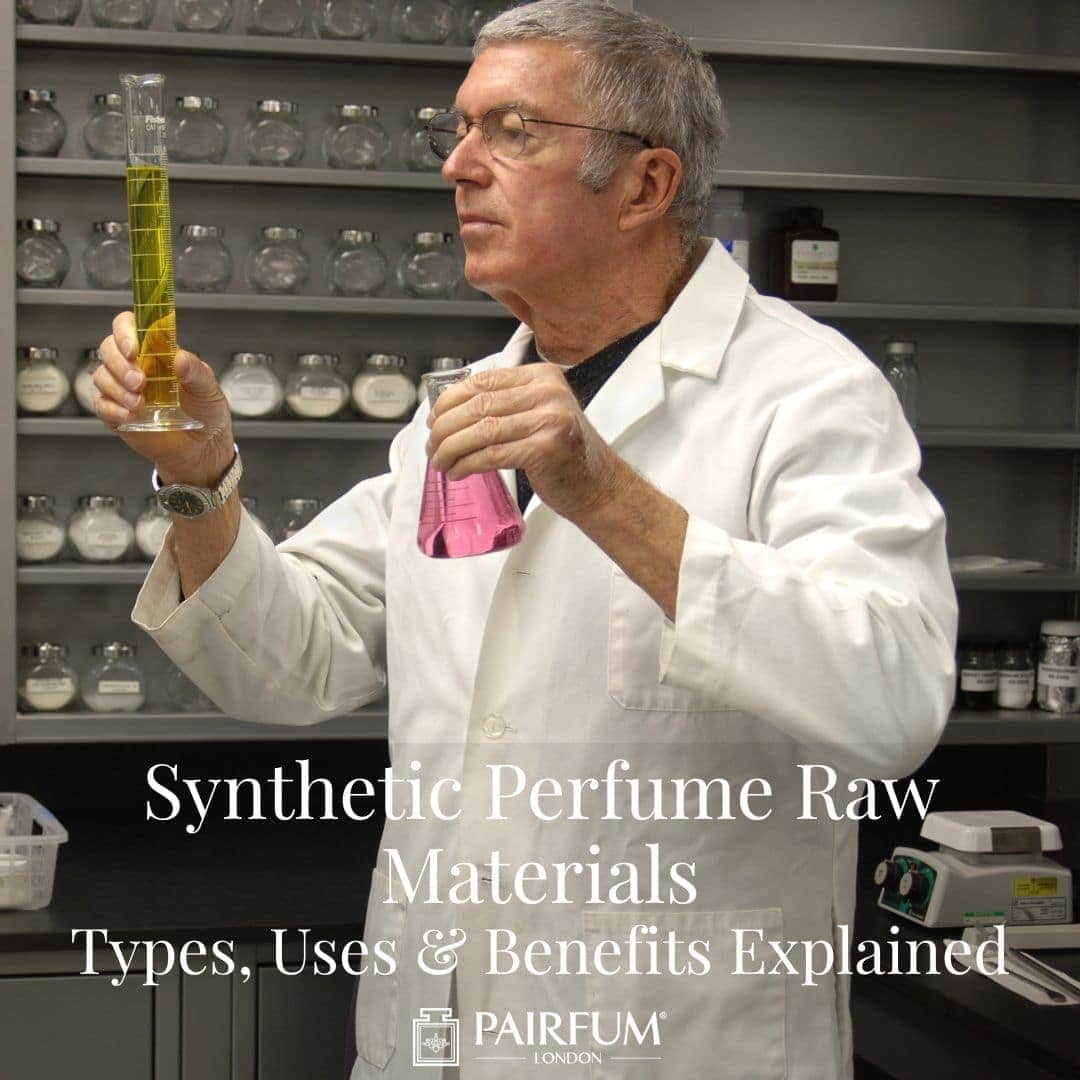
Synthetic perfume raw materials (or aroma molecules) are lab-created compounds used across modern perfumery. These materials either replicate natural scents (nature-identical) or introduce entirely new olfactory dimensions to a fragrance. Ultimately, they offer superior consistency, longevity, and sustainable, ethical alternatives to rare, animal-derived ingredients.

At one time, the idea of using anything other than a natural ingredient in a perfume might have seemed unusual. Today, it’s a different story. Synthetic perfume raw materials have become key in modern perfume creation. They open up new ways to design fragrances that are imaginative, safe, and consistent.

These materials aren’t simply there as cheaper options. They play a real role in shaping long-lasting, interesting perfumes that reach beyond the limits of flowers and resins. In niche perfumery especially, we often blend both natural and synthetic ingredients. This mix gives us fragrances that feel modern while still deeply personal. Synthetic materials help us go beyond tradition without losing it.

Let’s walk through the way synthetic ingredients are changing how perfume is built and experienced, just in time for the light, fresh energy of late spring.

What Are Synthetic Perfume Ingredients?

Synthetic ingredients in perfume are made through science rather than harvested directly from nature. That doesn’t make them artificial in a bad way. It means we can design them for good reasons to enhance every single fragrance composition.

The synthetic category includes distinct types of fragrances:

  • Aroma chemicals: These are single molecules that give off a distinct aroma, like the crisp scent of aldehydes or the smooth musk of ambrettolide.
  • Natural isolates: These are extracted from natural materials using precise laboratory processes, such as isolating coumarin from tonka beans.
  • Nature-identical synthetics: Created in labs but designed with an identical chemical structure to their natural match. One famous example is ambroxide, which can be synthesised from sclareol, a component of clary sage essential oil.
  • Non-natural synthetics: Molecules which are completely unique and not found anywhere in nature, scientifically created through chemical reactions to offer entirely new scent profiles.

We often turn to these materials for everyday reasons:

  • Stability: They perform the same with every use, resisting rapid degradation from light or heat.
  • Safety: Many allergens found in natural oils can be skipped.
  • Ethics: No harm comes to animals or rare plant species.
  • Flexibility: We can build aromas that don’t exist in nature.

As a perfumer, having this toolbox expands what we can create. We never see synthetics as shortcuts. They’re ways to find new and beautiful directions in perfume making.

Pairfum Collection Niche Perfume Experience Fragrance Library 10 Square

Why Synthetic Raw Materials Matter in Modern Perfumery

Natural perfume materials are wonderful, but they do have limits. Seasons, weather, and crop changes affect their quality and supply. Some aromas are tied to rare flowers or plants, which can be hard to find or even endangered. Historically, precious materials like Indian Mysore sandalwood became threatened species, forcing the fragrance industry to seek out ethical alternatives.

This is where synthetic perfume raw materials make a difference:

  • They let us build perfumes that are reliable, no matter the season.
  • We can keep endangered plants safe by using a synthetic alternative.
  • New ideas and combinations come to life more easily when creative boundaries are wide open.

Synthetic notes help define some of the most modern pieces in niche fragrance. They can float, surprise, or glow in ways that naturals alone sometimes can’t. From the buttery note of orris to the cool bite of ozonic air, there’s no need to be limited just to what the earth can grow.

We don’t see this as replacing nature. It’s about balancing tradition with the freedom to try something different.

Breaking Myths About Synthetic Perfumes

A lot of people still mix up the word synthetic with fake or cheap. That’s not fair and it misses the real impact of these ingredients.

Here are some beliefs that just aren’t correct:

  • “Synthetic perfumes smell too harsh.” That can happen with poor blends, but many high-end aromas rely quite a lot on synthetic notes to achieve elegance.
  • “All-natural is always better.” Nature does offer a lot to love, but it isn’t always safe or stable. Some natural extracts can cause reactions or fade quickly.
  • “Synthetic perfume is new to the industry.” Actually, many of the most loved perfumes from the past 100 years include synthetic materials. Landmark molecules like coumarin and vanillin began transforming perfume production as early as the late 19th century.

Using synthetic perfume raw materials doesn’t make a perfume lazy or hollow. Many classic and luxury perfumes rely on them. What matters is how well those materials are used, not where they came from.

Pairfum Collection Niche Perfume Experience Fragrance Library 92 Square

The Science and Safety Inside the Bottle

For a fragrance enthusiast, understanding how a perfume chemical works can change everything. In traditional perfume, a master perfumer relied heavily on natural raw materials. These were harvested through traditional methods like steam distillation, where boiling water vapour passes through plant matter to separate the essential oil from the hydrosol, or cold expression for citrus rinds. For delicate petals, volatile solvents or enfleurage techniques were used to capture a concentrated absolute.

Let us be entirely honest here. Pure nature is chaotic. It reacts. It shifts.

Modern perfumery demands high safety standards and ingredient transparency. Every synthetic compound used today undergoes intense testing. Organisations like the International Fragrance Association establish rules to make sure every aromatic compound and all perfume chemicals is completely safe for skin contact.

Unlike a natural fragrance or a raw natural scent, a synthetic fragrance does not degrade quickly when exposed to environmental factors. This science also protects biodiversity. Synthetic musks have entirely replaced real animal deer musk, acting as excellent synthetic fixatives that help a scent last for hours. Whether used in a luxury perfume oil or fragrance oil, a delicate alcohol blend, or even premium scented candles, these synthetic chemicals keep the scent profile locked in.

Creating New Aromas with Science and Imagination

One of the best parts of using synthetic materials is the freedom they give our noses. They’re not tied to any one flower or wood. They can be subtle or bold, simple or layered. Landmark synthetic molecules have completely redefined the creative palette. For instance, Iso E Super offers a transparent, radiant woody cedar scent, while Ambrox provides a warm, sensual dry down. Musk Ketone delivers a deeply sensual, powdery texture that gives structure to legendary blends.

These ingredients allow us to formulate abstract concepts rather than literal copies. For example, a tea note in perfumery is usually an abstract accord, combining a natural ingredient with synthetic choices to emulate the fresh concept of tea rather than a direct liquid extract.

These are some of the fantasy notes we enjoy building:

  • The fresh feel of warm linen drying indoors.
  • The cool mineral air after a spring rain.
  • The toasted sugar of slightly burnt caramel or coffee edges.

Blends like these are hard to craft with natural oils alone. But synthetic ingredients let us create these moods, especially in seasonal collections. For spring and early summer, perfumes often need to feel weightless, clean, or warm without heaviness. Synthetics give us the lift, the glide, and the shimmering finish that suit this time of year perfectly.

Processing Synthetic Perfume Raw Materials

A Modern Nose: Embracing Innovation with Tradition

When we build perfume, we don’t choose between synthetic and natural. Instead, we bring both together to get the most out of each. Naturals may bring depth and richness. Synthetics add dimension and staying power.

This balance keeps perfumery alive and interesting. It lets us surprise our audience and make something that feels personal. Whether it’s creating a beachy skin-like note or a cool green airiness, synthetic ingredients give us control over the fine details that shape a perfume’s final feel.

The fragrance industry has evolved because of this hybrid approach. Combining a delicate natural perfume ingredient with a high-performance synthetic raw material creates a more resilient product. In perfume production, consistency is everything, and balancing these fragrance materials ensures that the bottle you buy today smells exactly like the one you love tomorrow. And in niche perfumery, where we care about real expression, these choices matter. Every drop has a job. Every layer has purpose.

The Future is Layered and Bright

Synthetic materials let us do more than copy nature. They help us craft new kinds of beauty. We can make perfume safer, more ethical, and wider in reach without losing care.

We still love naturals, and we keep using them, but we no longer have to let rarity or cost limit what kinds of fragrance are possible. The thoughtful use of synthetic perfume raw materials is one of the reasons perfume continues to delight and grow.

As spring leans into brighter skies, now is the perfect time to enjoy perfume with a touch of clever creativity. Knowing what’s behind the bottle makes the experience even richer. The selection of fragrance raw materials remains one of the most meaningful aspects of scent creation. By blending natural elements with targeted synthetic fragrance ingredients and synthetic aroma chemicals, the art of perfume making reaches new heights. It ensures that every unique scent can be enjoyed sustainably for years to come.

Prefer to Explore the All-Natural Route with Pairfum London?

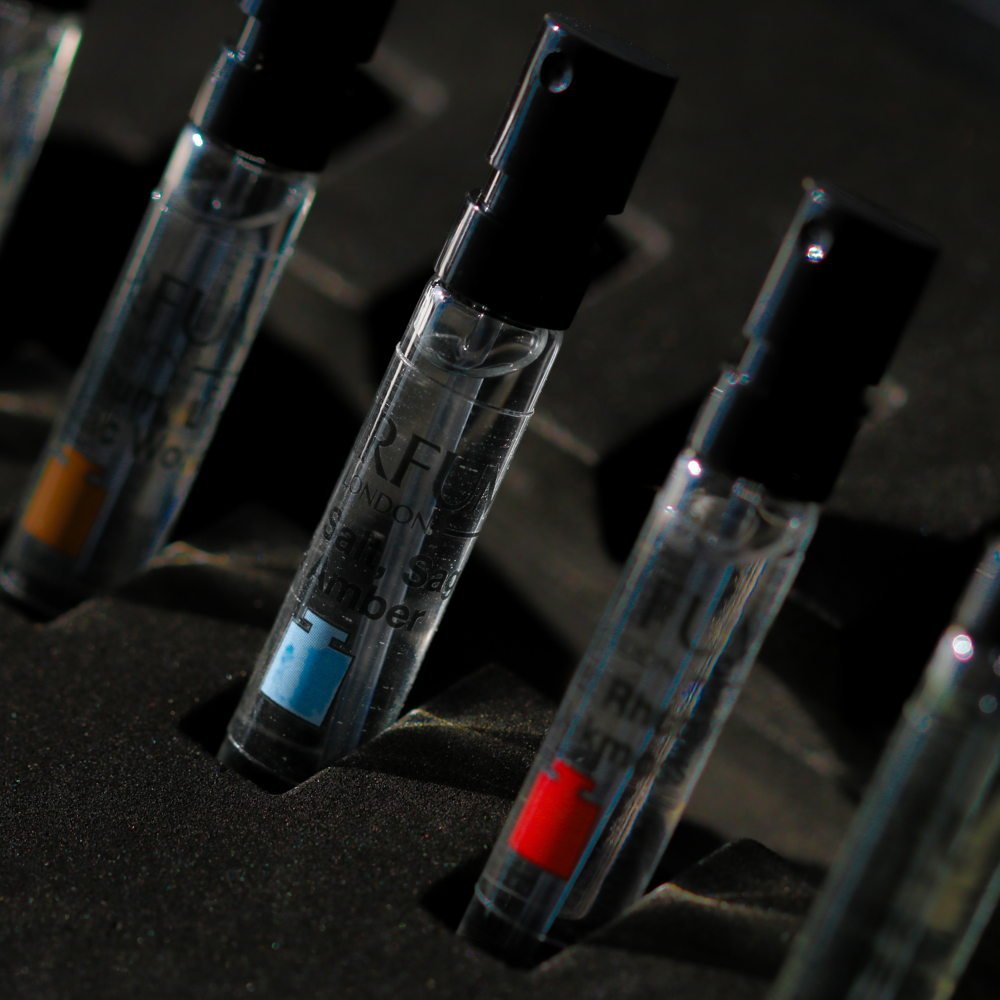
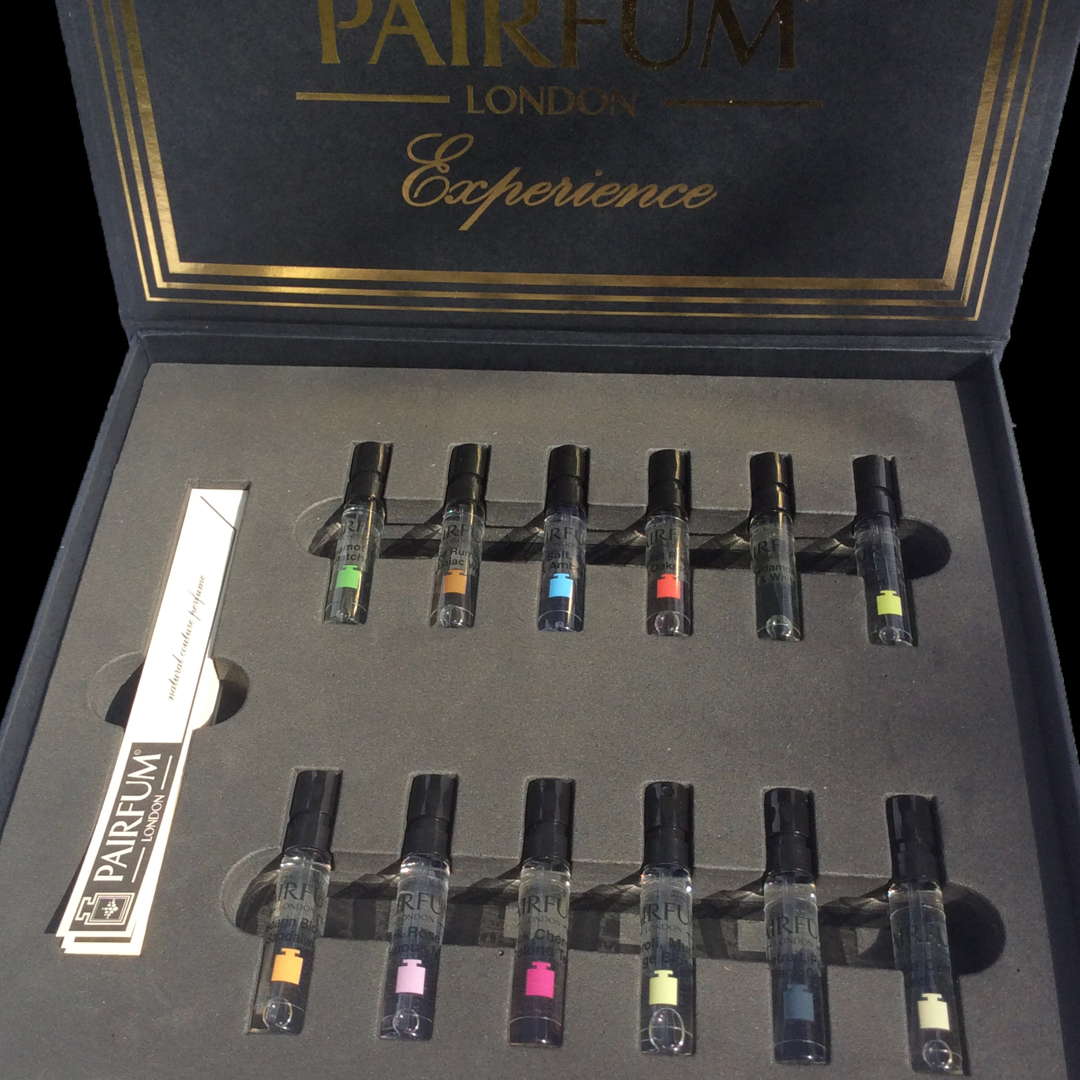
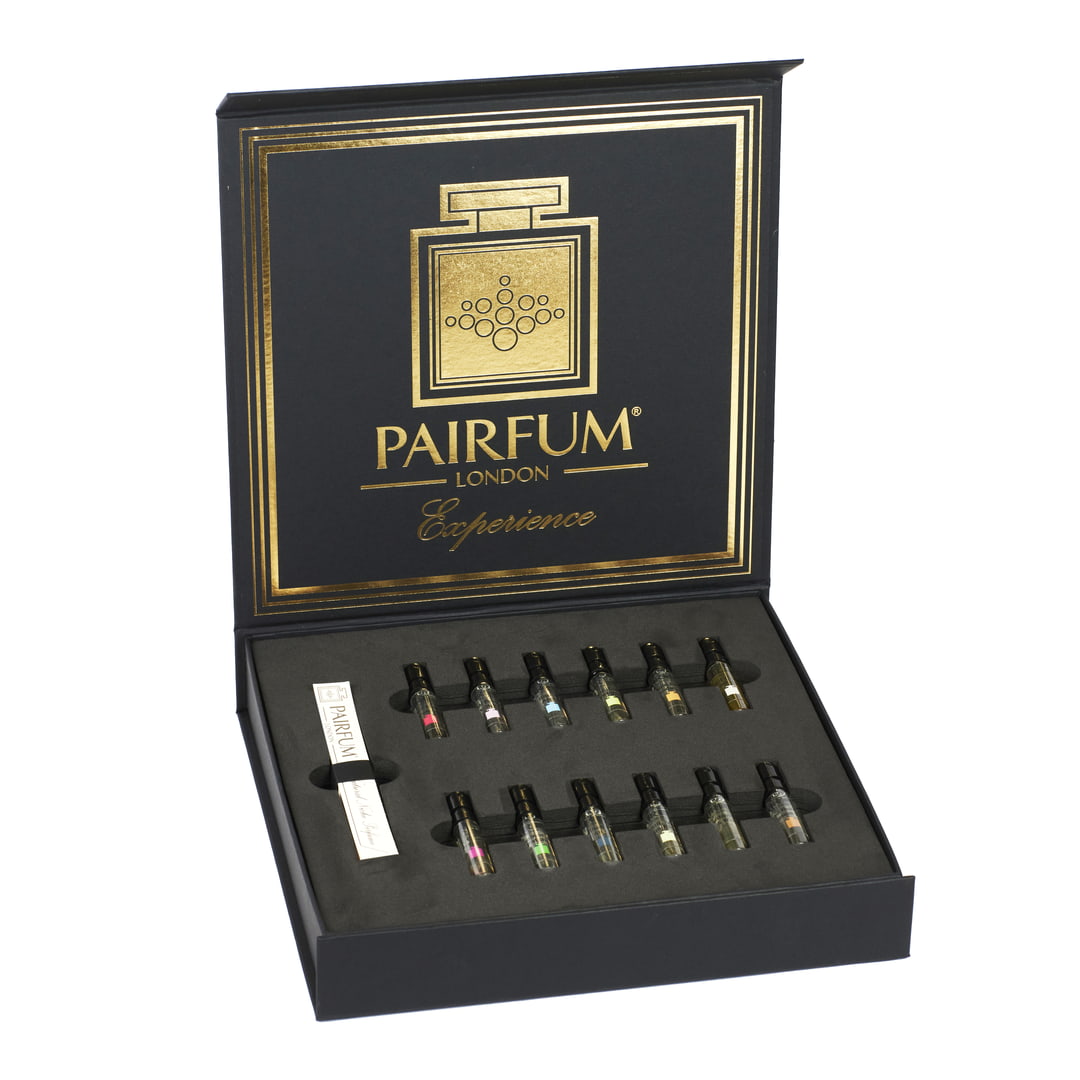
Science clearly brings a lot of balance to the modern scent industry, but what if your heart is set strictly on pure nature? If you want to bypass the laboratory entirely and focus purely on botanicals, finding a signature scent can feel like a massive gamble online. To make things simple, you can try the Fragrance Library Perfume Experience Box Collection, a curated discovery set specifically featuring twelve natural, hand-made niche perfumes. 

Fragrance Library Perfume Experience Box by Pairfum London

Enriched with genuine essential oils, these artisan creations are entirely vegan, cruelty-free, and eco-friendly. Instead of getting overwhelmed by a chaotic cloud of testers in a busy department store, this discovery set allows you to sample twelve distinct, natural bottle profiles in the quiet comfort of your own home, giving your skin the necessary time to see how each real botanical layer genuinely unfolds.

Pairfum Collection Niche Perfume Experience Fragrance Library 40 Square


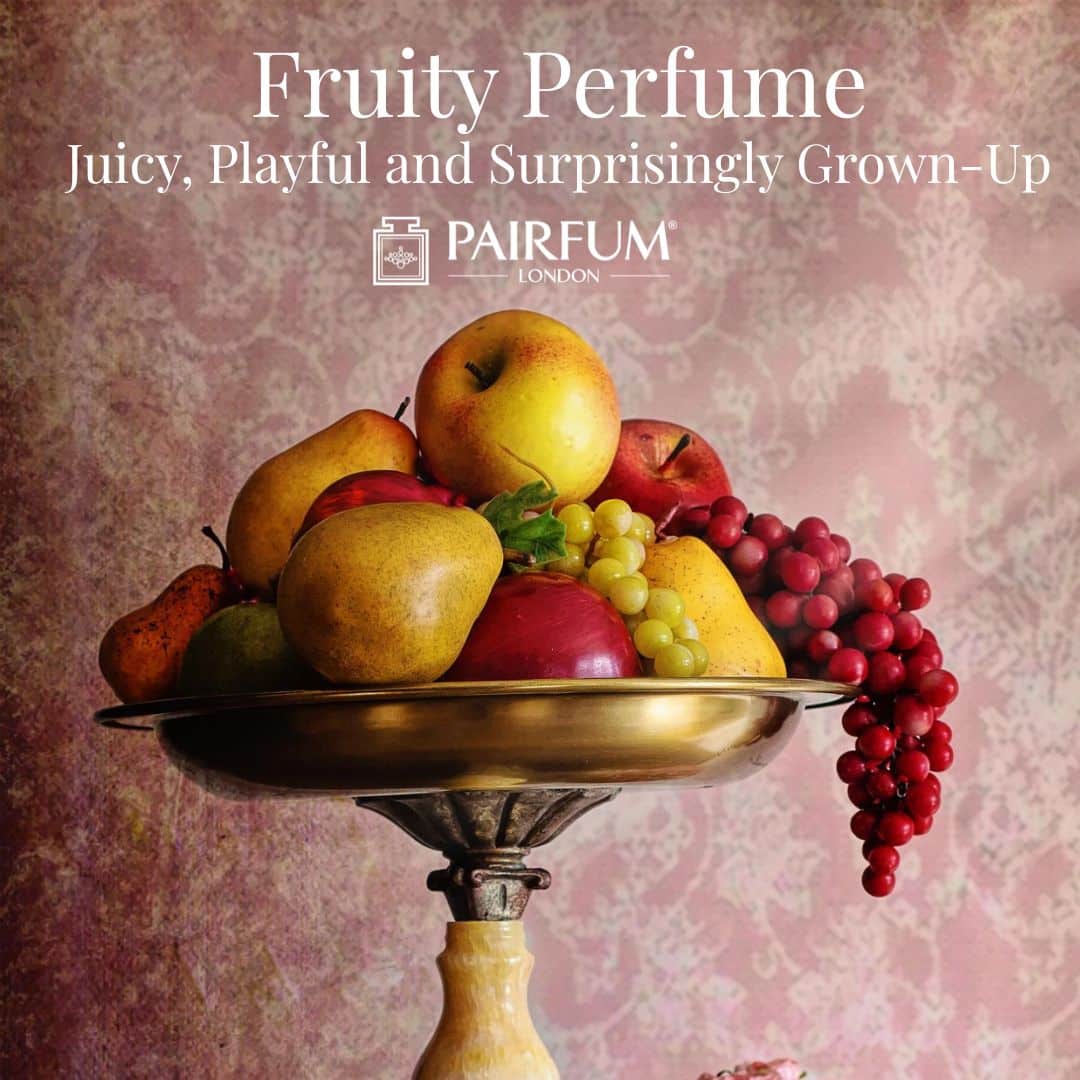
Fruity Perfume

Fruity Perfume: Juicy Playful and Surprisingly Grown-Up

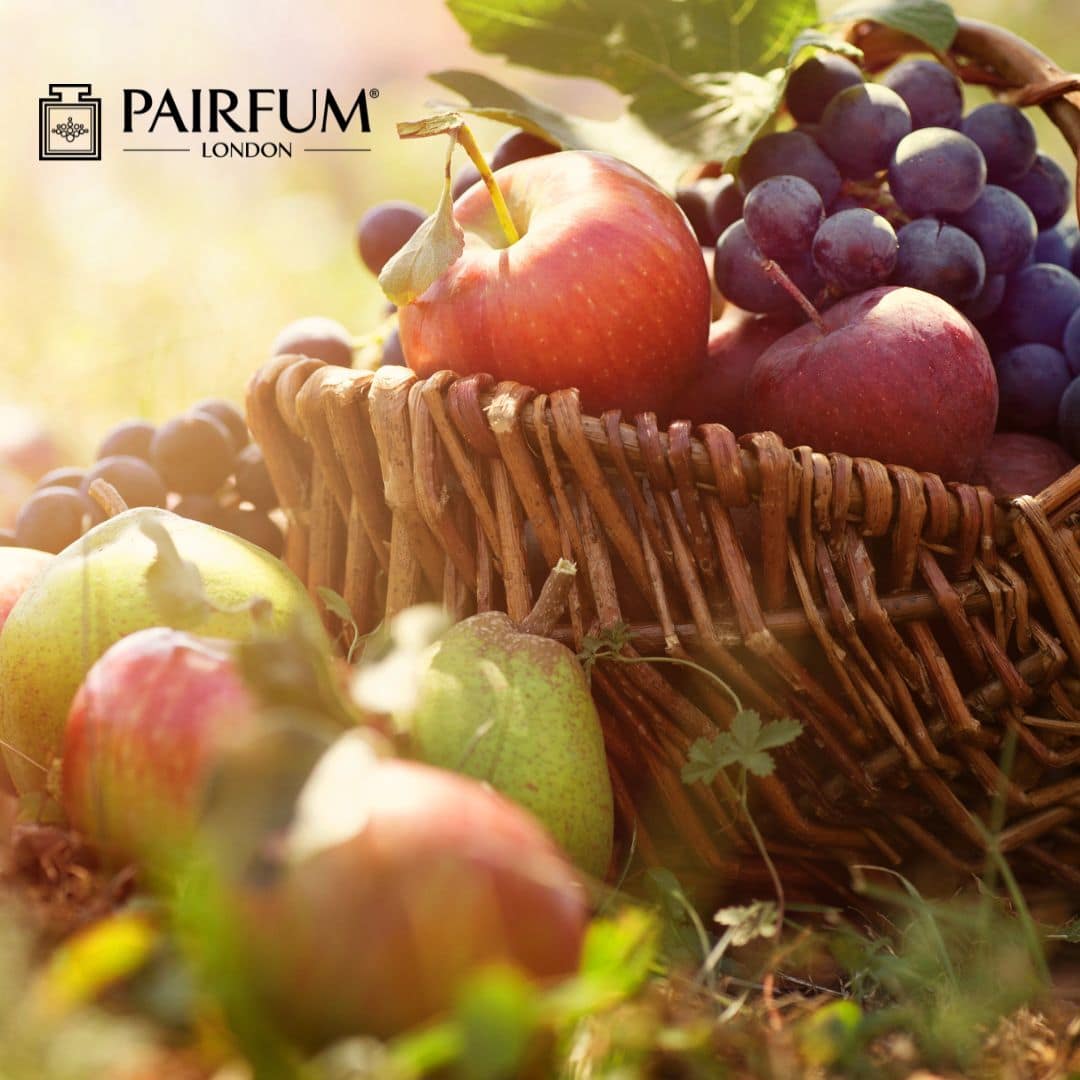
Fruity perfume doesn’t have to smell like a fruit salad. While it often brings to mind bright, juicy notes, there’s a grown-up side too. These perfumes can be soft and refreshing or dark and rich, depending on what they’re mixed with. That makes them a perfect match for early spring, when everything is starting to feel lighter again but the air still carries a chill.

The charm of fruity perfume is how it shifts with its surroundings. A splash of citrus lifts the mood, berries feel lively, and stone fruits add a cosy smoothness. These notes play well with woods, herbs, or even musk, making fruit-based perfumes much more interesting than you might expect. They’re not childish. They’re cheerful, clean, and surprisingly graceful.

How Fruity Fragrances Are Built: The Fragrance Pyramid

To understand why a fruity fragrance smells different an hour after you spray it, it helps to know how perfume is structured. Every scent is built in three layers: top notes, heart notes, and base notes. Together, these form what perfumers call the fragrance pyramid.

Top notes are what you smell first. They’re light and volatile, which means they evaporate quickly, usually within fifteen to thirty minutes. In fruity perfumes, these are often citrus fruits like bergamot, lemon, or grapefruit, or lighter fruit accords such as pear and crisp apple. They give that immediate burst of freshness and set the tone for what’s to come.

Heart notes emerge once the top notes settle. These form the real personality of the fragrance and can last several hours. In a fruity scent, the heart might carry stone fruits like peach or apricot, alongside floral notes such as jasmine or rose. This is where a fruity fragrance often becomes something more interesting: the fruit deepens, florals soften it, and the scent takes on its true character.

Base notes arrive last and stay the longest, sometimes all day. Ingredients like amber, vanilla, sandalwood, musk, and tonka bean anchor the lighter layers and give a perfume its warmth and staying power. A good base is what turns a pretty top note into a fragrance worth wearing. For fruity scents in particular, a warm base is what separates a fleeting burst of freshness from something that lingers beautifully on the skin.

Eau de Parfum Person Reflection Black Cherry Oolong Tea Man 1 1

Beyond Sweet: The Unexpected Layers of Fruity Perfume

Fruity perfumes have a reputation for being sweet and simple, but they often hold much more than that. The fruit notes you smell in well-balanced perfumes aren’t always sugary. Some give off a striking green edge, while others feel tangy or even slightly bitter. In the wider fragrance world, it’s well understood that fruit can anchor a scent with real sophistication.

  • Fig brings a soft creaminess, paired with a leafy twist that feels warm and natural.
  • Blackcurrant adds a tangy, sharp opening that can feel fresh and grown-up.
  • Pomegranate gives depth and juice without being sticky or sugary.
  • Pear adds rounded sweetness but keeps a very light, fresh texture.

What makes these fruits work in a refined fragrance is how they’re blended. Add a little sandalwood, and fig becomes velvet-like. Mix blackcurrant with dry herbs or soft musk, and it smells cleaner and sharper. These kinds of blends help fruity perfumes step into something more refined, where fruit is not just the focus but part of a wider picture. It’s not about smelling like food. It’s about building a feeling: something bold, bright, or just quietly confident.

Fruits That Play Nice: The Most Loved Notes and Their Personalities

Different fruits bring different energy to a perfume. Some are crisp, some rich, and others feel soft and sun-warmed. They each have their own personality, and when mixed with care, they help shape the entire mood of the fragrance. This is true whether you’re searching for the best fruity perfume for yourself or choosing from a fragrance gift set.

Citrus:

 Think lemon, lime, orange, or grapefruit. These are zesty citrus notes and are energising. Citrus fruits are among the most reliable openers in perfumery because they offer immediate freshness without weight, making citrus fragrances a natural fit for morning and everyday wear.

Berries: 

Raspberry, blackberry, and redcurrant come across as tart and sharp. A single berry note can feel playful but still clean, especially when mixed with floral notes or greens.

Stone fruits:

Peach, apricot, and plum add a mellow, velvety feel. These notes are a bit richer and feel comforting on the skin.

Exotic and tropical fruit:

Mango, lychee, and tropical fruit like pineapple can make a perfume feel exciting without being cloying, especially when paired with woody fragrances or spices. Pineapple adds a brightness that sits somewhere between citrus and juicy fruit without landing heavily on either side. A well-judged pineapple note gives a fragrance real lift and playfulness. Miami Nectar is a good example of this tropical spirit done right: warm, vivid, and surprisingly wearable.

Adding florals like jasmine or neroli helps keep things light and airy. Jasmine in particular softens sharper fruit notes, lending a fragrance more beauty and warmth without erasing the fruity scent that defines it. A gentle musk or soft wood brings balance, keeping the fruit from feeling too young or loud.

Pairfum Person Reflection Black Cherry Oolong Tea Eau de Parfum

The Role of Sweetness and Depth

Fruit alone rarely tells the whole story of a fragrance. It’s what surrounds it that makes the difference. Vanilla is one of the most natural partners for fruit: it draws out the sweetness in peach or cherry without pushing the scent into pudding territory. A touch of vanilla also gives a fragrance staying power, helping it settle beautifully on skin.

Amber adds a warm, resinous quality that makes fruity fragrances feel grounded and grown-up. When a light cherry or crisp apple note sits on a bed of amber, the result is a fragrance with real depth that evolves through the day. Similarly, tonka bean brings a soft, slightly nutty sweetness to fruit-led scents, rounding off sharper edges and contributing to a sense of overall warmth.

Cherry deserves special mention. While cherry reads as sweet and familiar, it can also carry a dark, almost smoky undertone, particularly in deeper blends. Think of a cherry note paired with amber, vanilla and a breath of jasmine: you get something rich and confident rather than girlish. Cherry has become a best seller note across many niche houses in recent years, appearing in everything from light daily wear fragrances to more complex evening scents. Lost Cherry by Tom Ford brought dark cherry firmly into the conversation for serious fragrance lovers, and its success shows how a well-chosen fruit note can carry an entire fragrance concept. A unisex fragrance built around cherry can genuinely suit both a man and a woman equally well, which is part of why it continues to grow in appeal.

When to Wear Fruity: Matching Perfume to the Mood and Season

Fruity scents work especially well in spring. After the heavier perfumes of winter, we’re ready for something lighter and more alive. Fruity perfumes match those early warm days and longer evenings where coats come off and everything starts to bloom.

Here’s when fruity scents feel right:

  • Casual afternoons outdoors, when the sun feels warmer but it’s not yet hot.
  • Friendly gatherings, whether a light brunch or a catch-up in the park.
  • Early evenings where you don’t want anything too strong but still want to feel polished.

Some fruits fit especially well with spring and into summer:

  • Lemon and grapefruit feel clean and energising, ideal for morning or everyday wear.
  • English pear and peach bring softness and a cheerful ease to any occasion.
  • Raspberry or redcurrant work well blended into florals for a fruity twist that keeps its freshness throughout the day.

These perfumes don’t overpower. They offer a hit of freshness and then settle into something more wearable, just right for the season. For daily wear, a fruity fragrance with citrus at the top and a soft musky base is one of the most versatile choices around.

Fresh Fruity Fragrance

Choosing and Wearing Your Fruity Perfume: Practical Tips

Knowing how a fragrance is structured also helps you wear it better. Because top notes fade fast, it’s worth waiting a few minutes after spraying before judging a fruity perfume. What smells sharp or simple at first may reveal a much richer character once the heart and base notes come through.

Apply to pulse points: wrists, neck, and behind the ears. These areas are warm, which helps the fragrance project and evolve as the day goes on. Avoid rubbing the wrists together after spraying, as this can disrupt the way the top notes develop. If you find your fruity scent fades quickly on your skin, try applying it to clothes or hair as well. The base notes, particularly amber and vanilla, will cling longer and keep the scent alive.

For those who enjoy layering, fruity fragrances pair well with light florals or soft musks worn underneath. A simple unscented body lotion applied first can also help any fragrance, fruity or otherwise, last considerably longer on the skin.

Fruity and Niche: A Natural Fit for Unique Perfume Lovers

Fruity notes have found a comfortable home in niche and natural perfume styles. These blends often highlight unique or unexpected fruit combinations, and they aren’t shy about playing with contrast. Because they’re not mass-produced, the fruit aromas used in niche perfume can feel more vivid and seasonal.

Instead of fake sweetness, niche perfumes often lean into how fruit actually behaves in nature. Think of green, underripe fig instead of sugary fig jam. Or the earthy edge of plum skin, not the sticky flesh. This gives the perfume an interesting complexity that doesn’t feel overdone.

Fruity notes also shine in natural perfumes, where raw materials like citrus oils or fruit extracts stay closer to their original character. These aromas may not last as long on the skin, but they feel honest and refreshing, carrying a kind of freshness that can’t be faked.

So while fruity may sound simple, in niche and natural perfume it becomes something else entirely: something we reach for when we want a fragrance that feels clean, seasonal, and true to its ingredients.

Eau De Parfum Person Reflection Black Cherry Oolong Tea Woman Arms 1 1

Fruity Perfume by Pairfum London

This olfactory group is wonderfully diverse, featuring fruity fragrances inspired by everything from berries like strawberries, raspberries, loganberries, and blueberries to sweet, juicy fruits such as peaches, nectarines, mangoes, and papayas. Tropical notes like coconut and pineapple add an exotic touch, while scents of kiwi, melon, banana, and many other fruits bring even more variety. With so many delicious and enticing fruit varieties to explore, this fragrance family has endless possibilities.

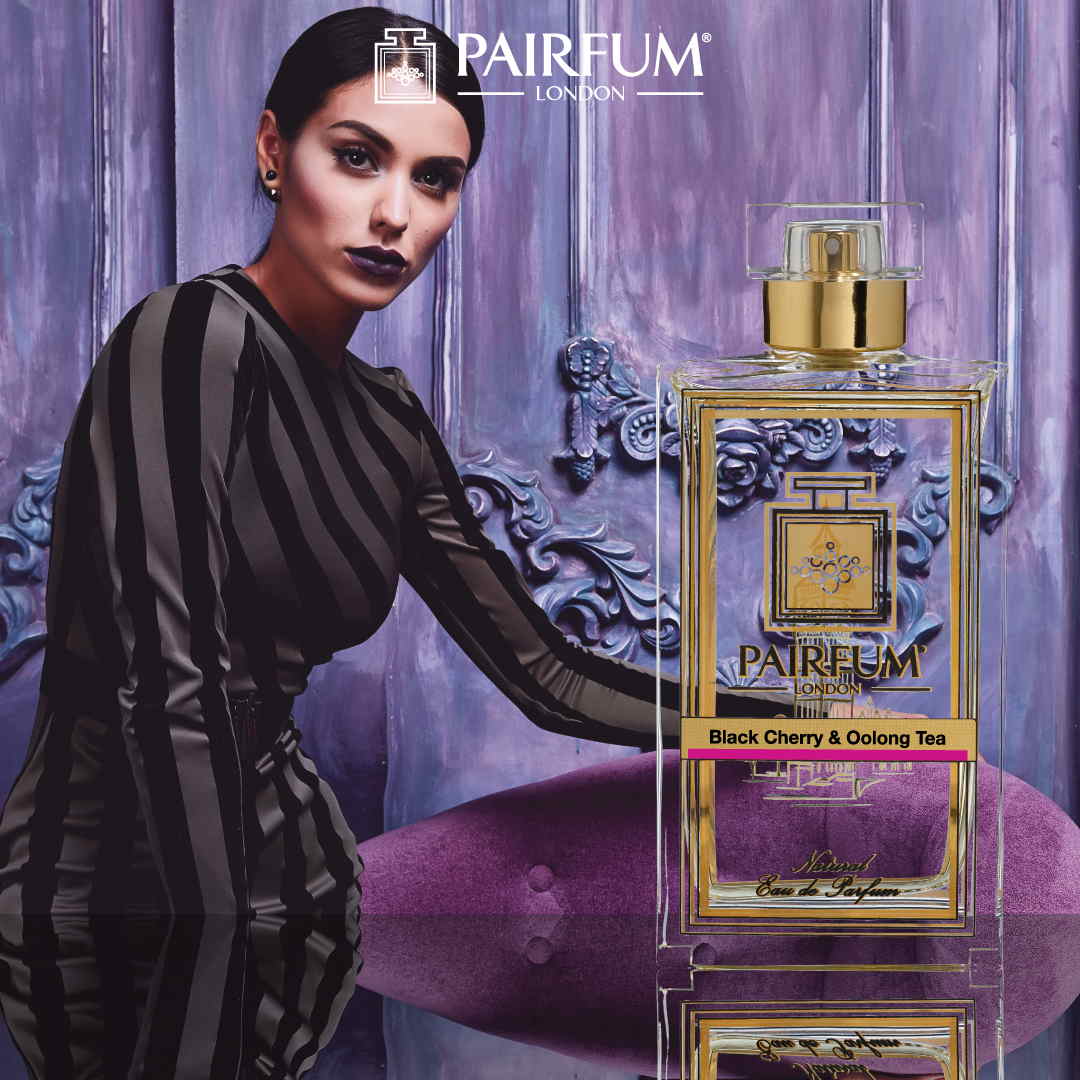
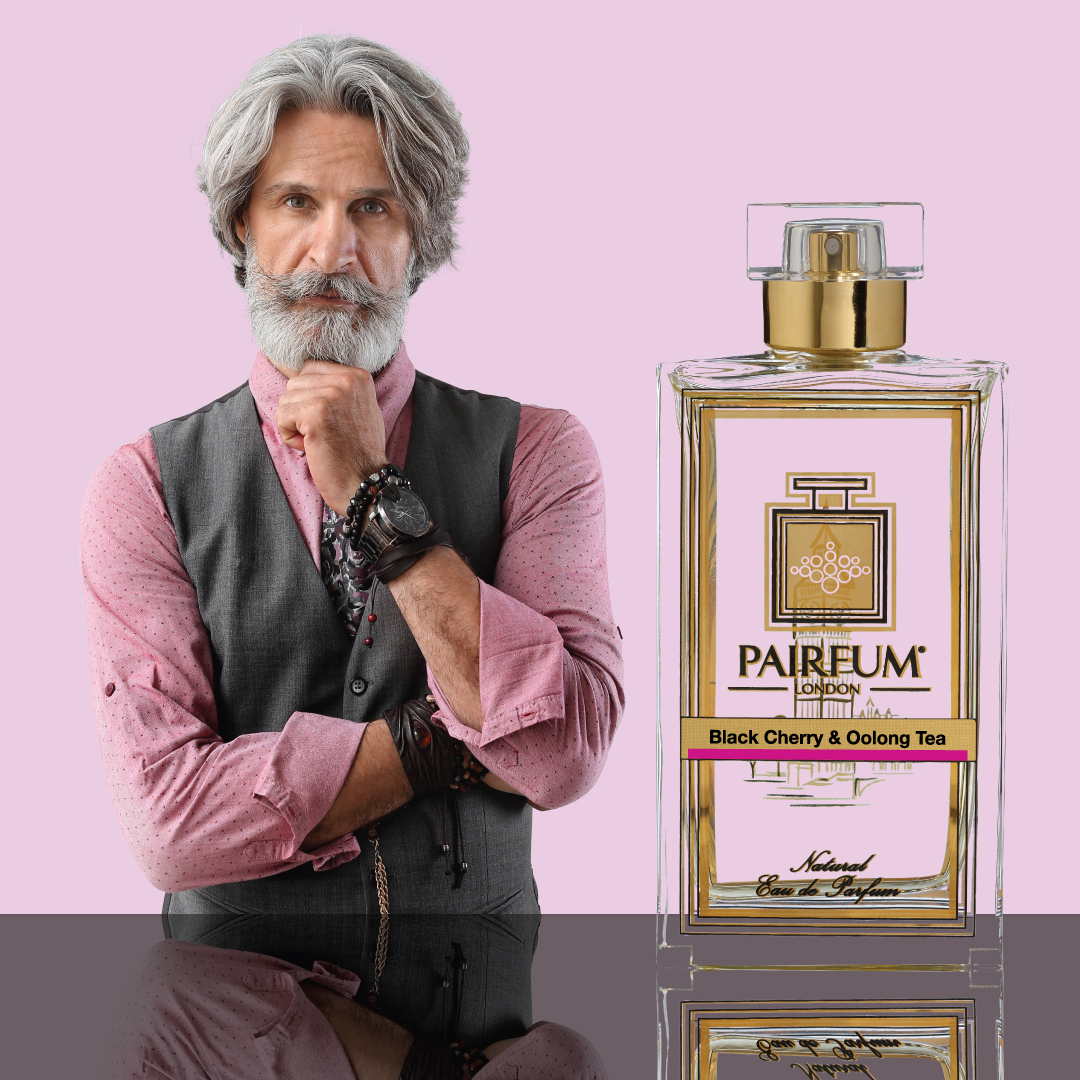
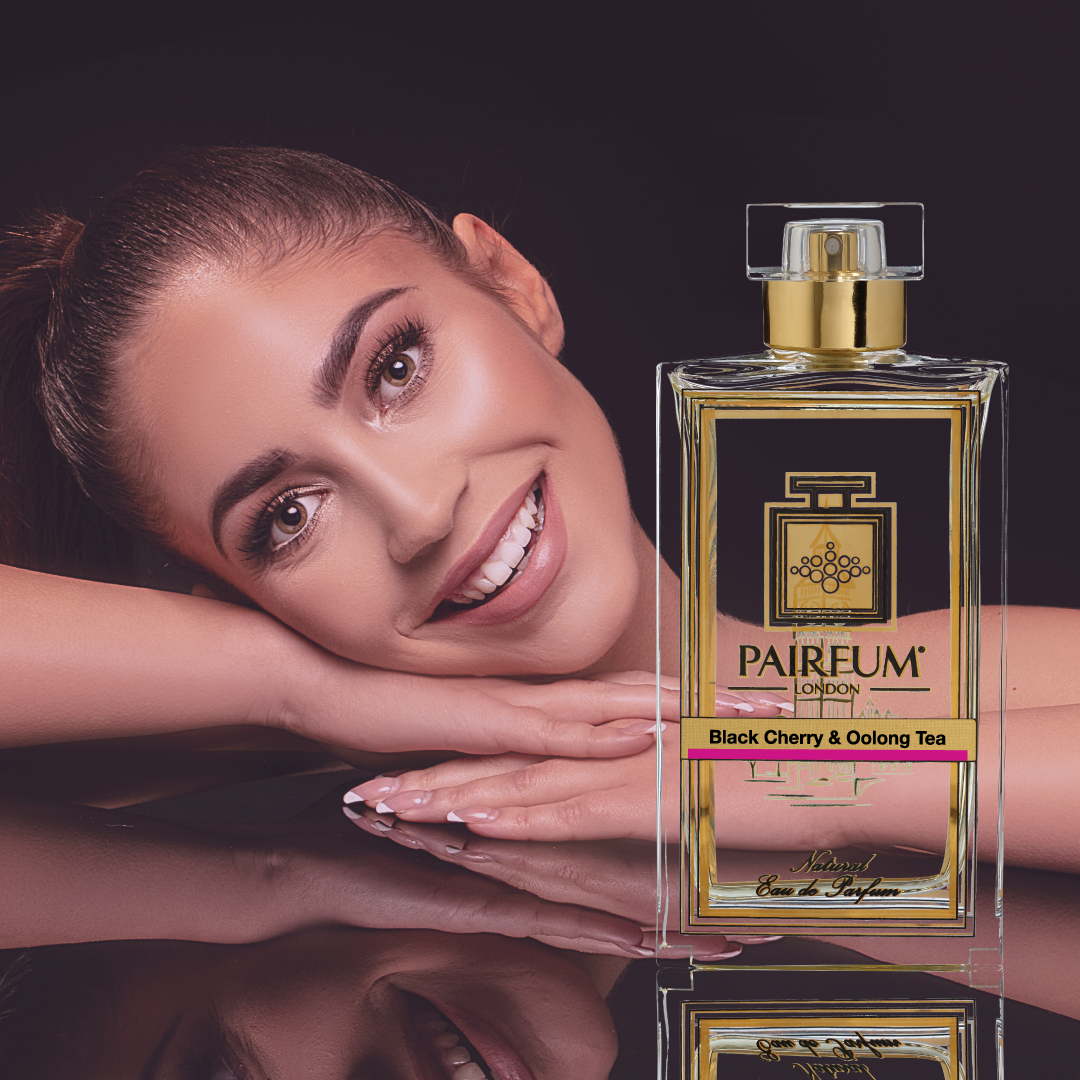
Black Cherry & Oolong Tea – Eau de Parfum by Pairfum London

This fragrance opens with the sparkling interplay of the aromas of Black Cherry, Bergamot, Red Berries and Nutty Almond. The heart is a most elegant fusion of Oolong Tea, Bulgarian & Turkish Roses and Liquorice. The sensuous base rests on Aniseed, Tonka, Iris and Patchouli.

Juicy Notes with Staying Power

Fruity perfumes are more than a seasonal impulse. In early spring, they feel current, clean, and just the right kind of lively. They offer a welcoming charm without needing to be loud or childish. It’s a balance that’s easy to love: part refreshing, part comforting.

When done well, these perfumes hold on to their brightness while still giving off a polished finish. They shift from playful to grown-up without needing to change completely. That makes them ideal for this time of year and worth keeping close for months to come.

As the days get longer and the air slowly warms, a juicy, well-crafted fruity fragrance brings a bit of spark back into the everyday. These fruity perfumes remind us that fragrance can be light, happy, and still feel deeply grown-up. That’s a combination worth coming back to, season after season.

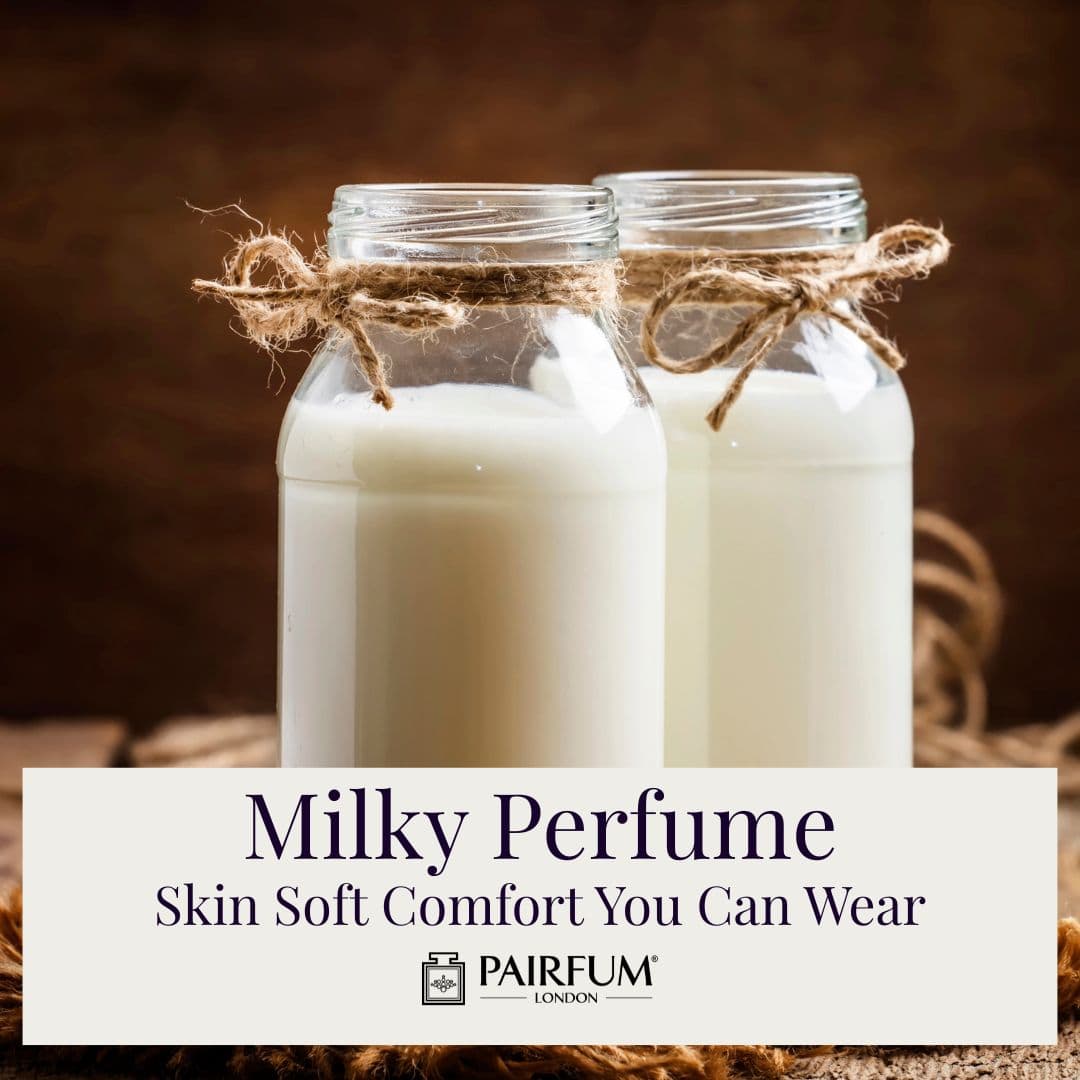
Milky Perfume

Milky Perfume: Skin-Soft Comfort You Can Wear

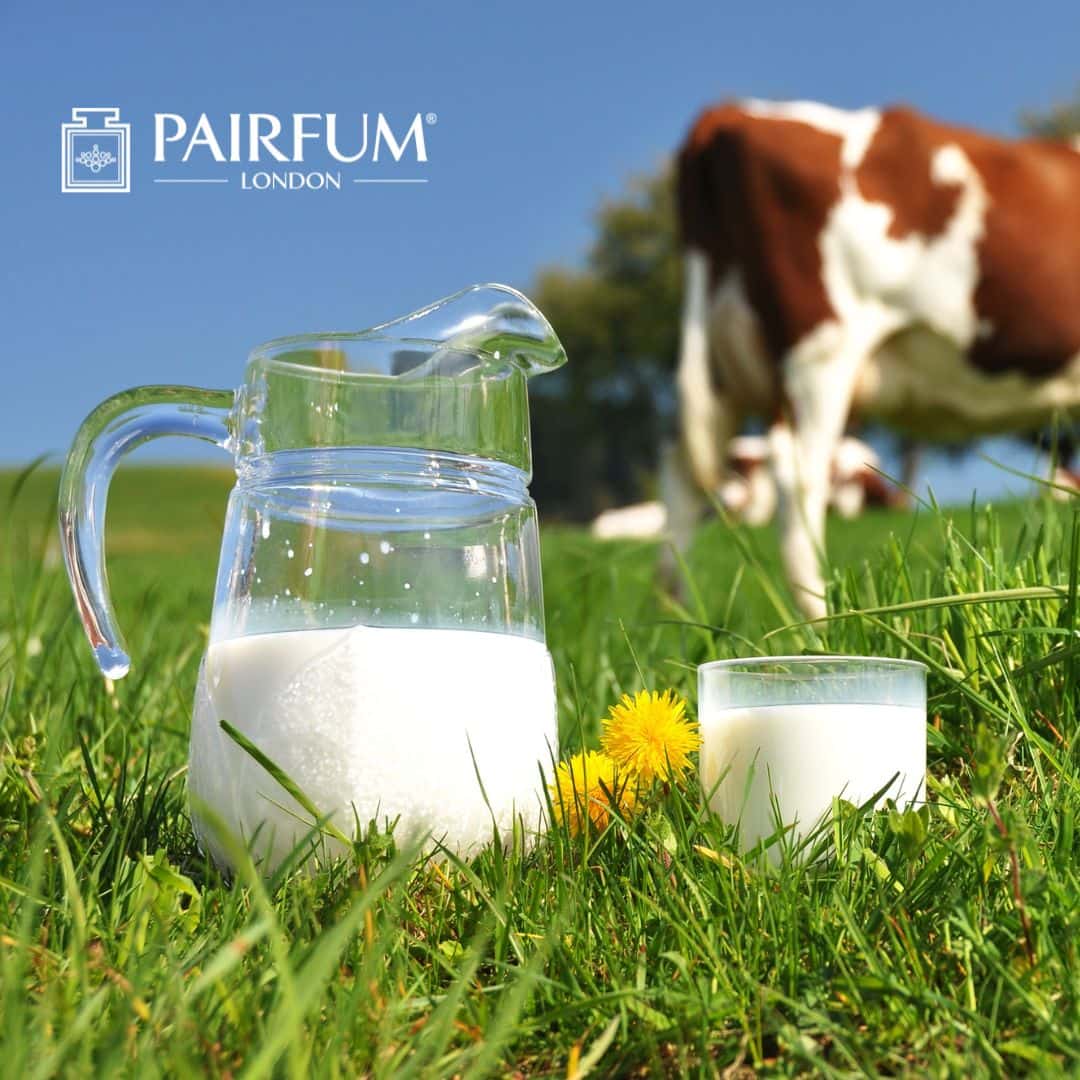
Milky perfume offers a comforting, creamy scent profile, often featuring lactonic notes such as steamed milk, almond, rice or coconut, blended with vanilla and musk to create a soft, skin-like fragrance that sits gently on the skin. Some perfumes do not call attention to themselves. They settle warmly on the skin and feel familiar from the very first wear. That is the quiet beauty of a milky perfume. These fragrances create a soft blur of warmth instead of sharp edges. They are never icy or overpowering. A good milky perfume feels calm, cosy, and personal.

Early spring is the perfect season for milky perfumes. The air still holds a chill, and heavier winter layers are only just being packed away. During this in-between period, a soft fragrance that clings gently to the body feels comforting. Milky scents work beautifully at this time of year because they offer warmth without becoming heavy.

Many people now search for milk perfumes because they create a sense of ease that brighter citrus styles often lack. Whether worn as a perfume or a light body mist, these creamy styles are becoming part of everyday fragrance wardrobes.

What Makes a Perfume Milky?

The recent rise of milky perfumes has been shaped by both niche fragrance houses and beauty editors who describe these scents as comforting, creamy, and quietly addictive. High-scoring fragrance articles often focus on texture, emotional connection, and wearability because these are the qualities perfume lovers consistently search for when exploring milk perfumes.

Unlike sharp citrus or heavily floral perfume styles, a milky perfume usually centres on softness. The creamy effect can come from sandalwood, steamed rice accords, lactones, musk, vanilla, or warm resins. In perfumery, these are often grouped into lactonic perfumes because they recreate the smooth sensation associated with milk, cream, and soft desserts.

Many perfume lovers are drawn to milky fragrances because they feel calming and understated. The scent rarely dominates a room. Instead, the fragrance blends naturally with the warmth of the skin and develops slowly over time.

What Makes a Perfume Milky?

Milkiness in fragrance is more about texture than realism. A milk perfume rarely smells exactly like fresh milk. Instead, it gives the impression of smoothness, softness, and creaminess. The scent profile often feels rounded and comforting.

A milky fragrance may smell:

  • Creamy and rich like warm cream or creamy coconut
  • Nutty and smooth like almond or toasted rice
  • Powdery and soft like musk settling onto skin
  • Sweet and airy like whipped cream with vanilla

In niche perfume, milky notes are often created with sandalwood, musk, tonka bean, vanilla, and soft woods. Some perfumer creations also use rice accords, fig, or subtle floral touches to build a milky accord. These ingredients help create the sensation of warmth resting close to the body.

The best milk fragrance styles never become overwhelming. Instead, the perfume melts slowly into the skin and develops throughout the day. Milky perfumes often feel more natural than louder gourmand fragrances because the sweetness remains restrained.

Eau de Parfum Person Reflection Spiced Coffee Oaked Vanilla Woman 1 1

Why Milky Perfumes Feel So Comforting

There is something deeply reassuring about fragrance that stays close to the skin. Milky perfumes rarely project aggressively. Instead, the scent appears in gentle waves as you move. This softness is one reason milk perfumes continue to grow in popularity.

Many people describe milky fragrances as wearable comfort. The creamy scent can remind you of fresh cream, warm vanilla desserts, steamed milk, soft cashmere, or clean skin after makeup has been removed at the end of the day.

A milky scent often works because it feels familiar. Notes like vanilla, cream, caramel, and musk are naturally soothing. Combined, they create a perfume that feels intimate rather than dramatic.

For people with sensitive skin, softer milk perfume styles are often easier to wear than heavily spicy or intensely floral fragrances. A milky fragrance tends to sit gently on the skin instead of feeling sharp or dry.

The Ingredients Behind Milky Scents

One reason milky scents achieve such strong fragrance reviews is the careful balance between creamy texture and structure. The best milk perfumes are rarely built around a single note. Instead, perfumers layer multiple ingredients to create a realistic yet wearable effect.

Vanilla remains one of the most important ingredients in milky perfumes because it creates warmth and softness. Musk adds a clean skin sensation, while sandalwood contributes smooth woody depth. Tonka bean introduces almond-like richness and subtle sweetness.

Some milk perfumes also feature:

  • Rice accords for a steamed creamy texture
  • Fig for a green milky note
  • Coconut milk for tropical softness
  • White florals for brightness
  • Amber for warmth on the body
  • Caramel for toasted sweetness

A creamy scent usually depends on balance. Too much vanilla can feel sugary, while excessive musk may feel powdery or dry. The strongest perfume compositions move naturally between creaminess, woods, sweetness, and skin.

The most successful milk perfumes balance creamy textures with depth and structure. Vanilla is especially important because it adds warmth and smooth sweetness without making the perfume overly sugary.

Common pairings include:

  • Vanilla with musk for a clean skin effect
  • Tonka bean with caramel for warmth and richness
  • Sandalwood with cream for a velvety finish
  • Iris with musk for a soft powdery scent
  • Coconut and vanilla for a creamy scent with tropical warmth

Tonka and tonka bean are especially common in lactonic perfumes because they add a warm, almond-like softness. Caramel is also frequently used to deepen the sweetness while keeping the fragrance smooth.

Many modern milky fragrances combine musk with woods to stop the perfume from becoming too edible. The result is a fine fragrance that feels polished and elegant rather than sugary.

Pairfum Eau de Parfum Person Reflection Spiced Coffee Oaked Vanilla Man Smile 1 1

Why Milky Perfumes Feel Modern

Milky fragrances feel particularly relevant at the moment because fragrance trends have shifted towards comfort, familiarity, and skin-focused scent profiles. Many people now choose perfume based on how it makes them feel emotionally rather than simply how strongly it projects.

This shift explains why milk fragrance styles have become increasingly popular within fine fragrance. Perfume lovers often describe these scents as calming, clean, and cocooning. The softer style also works well in modern environments where people may prefer subtle fragrance over powerful projection.

Another reason milky perfumes perform well today is their versatility. A creamy vanilla perfume can feel cosy in winter yet still soft enough for spring. Musk-based milk perfumes can also suit daytime wear, office settings, or relaxed evenings.

Milky Perfumes and the Rise of Gourmand Fragrance

The growing popularity of gourmand fragrance has helped milky perfumes become more mainstream. A gourmand perfume uses edible notes like vanilla, cream, caramel, chocolate, or rice to create comfort and warmth.

Unlike very sugary celebrity perfumes from the past, modern gourmand styles are usually more refined. Today, many people want a fragrance that smells soft, clean, and comforting instead of intensely sweet.

A milk scent fits perfectly into this movement. They combine gourmand warmth with elegant musk and soft woods. The result is a scent that feels wearable every day.

On social media, perfume lovers regularly share their favourite milk perfumes and compare the best vanilla-based creations. Many fragrance enthusiasts now describe milky fragrances as the ultimate cosy perfume category.

When to Wear a Milky Perfume

Milky perfumes are especially suited to cooler weather, rainy afternoons, and relaxed evenings. The scent sits close to the skin and creates a gentle aura rather than a strong cloud.

A milky perfume works beautifully for:

  • Quiet mornings at home
  • Weekend walks in soft knitwear
  • Long flights or train journeys
  • Bedtime fragrance rituals
  • Everyday office wear

Because milk perfumes are usually smooth and subtle, they are also excellent signature scent choices. A soft milk fragrance can become closely associated with the person wearing it because it never overwhelms the room.

Some people even spray milky perfumes lightly onto hair or clothing so the scent lasts longer throughout the day. The creamy musk effect often becomes softer and more natural over time.

Natural Milk Fragrance

How Milky Perfumes Change on the Skin

One feature often highlighted in fragrance reviews is the way milky perfumes evolve during wear. The opening may smell airy and sweet, but the dry down often becomes warmer, smoother, and more musky.

A perfume with strong milky notes may begin with vanilla or cream before revealing sandalwood, musk, or tonka underneath. This transition creates depth without becoming overwhelming.

Skin chemistry also changes how a milky perfume performs. On warmer skin, vanilla and caramel may appear richer. On cooler skin, musk and woods may become more noticeable.

Because of this, many fragrance enthusiasts recommend testing milk perfumes directly on the body rather than relying only on paper strips. The scent profile often becomes softer and more realistic after several hours of wear.

The Difference Between Sweet and Creamy

Not every milky perfume smells sugary. Some focus more on musk and woods, while others highlight cream and vanilla. The balance between sweetness and freshness changes the overall fragrance completely.

A sweeter perfume may include:

  • Vanilla
  • Caramel
  • Tonka bean
  • Whipped cream
  • Marshmallow accords

A fresher milky scent may include:

  • Musk
  • Fig
  • Rice
  • Sandalwood
  • Light florals

This variety explains why milky perfumes appeal to so many people. Some prefer deep gourmand warmth, while others enjoy a cleaner skin-focused perfume.

Even within milk perfumes, the texture can vary widely. One perfume may feel airy and delicate while another feels dense and rich like warm cream.

Why Milky Perfumes Continue to Grow in Popularity

The appeal of milky perfumes comes from their emotional quality. They feel comforting without becoming boring and elegant without trying too hard. In a market full of loud fragrance trends, milky perfumes offer something softer.

Vanilla remains central to many of these creations because it blends naturally with musk, cream, caramel, and woods. A carefully balanced vanilla perfume can feel both nostalgic and modern at the same time.

Perfume lovers increasingly want a fragrance that suits everyday life. A strong perfume has its place, but many people now prefer a softer scent that feels wearable from morning until evening.

Milky perfumes also layer beautifully with other fragrance styles. Vanilla and musk combine easily with florals, woods, and even subtle spice notes. This flexibility helps explain why milky fragrances continue to appear across both designer and niche perfume collections.

Pairfum Fragrance Spiced Coffee Oaked Vanilla Triangle

Milky Perfumes Worth Exploring

Several modern perfumes have helped shape interest in milky fragrances.

Bianco Latte by Giardini di Toscana is a rich vanilla and caramel fragrance that leans into creamy sweetness. It feels warm and soft on the skin, with a dessert-like character that is smooth rather than sharp.

Blanche Bête by Liquides Imaginaires blends white florals, musk, vanilla and soft woods to create a luminous milk-inspired fragrance. It develops gently and stays close to the skin, giving a clean, creamy impression.

Commodity Milk by Commodity uses musk, amber and marshmallow-like sweetness to build a modern interpretation of a milk fragrance. It feels soft and slightly woody, with a comforting dry down.

Ellis Brooklyn Vanilla Milk by Ellis Brooklyn combines vanilla, milk notes and tonka bean with soft florals. The result is a creamy scent that feels polished and wearable without becoming overly sweet.

Mylk de Parfum is a lighter interpretation of milky fragrances, built around musk and soft sweetness. It stays very close to the skin and creates a gentle creamy impression throughout wear.

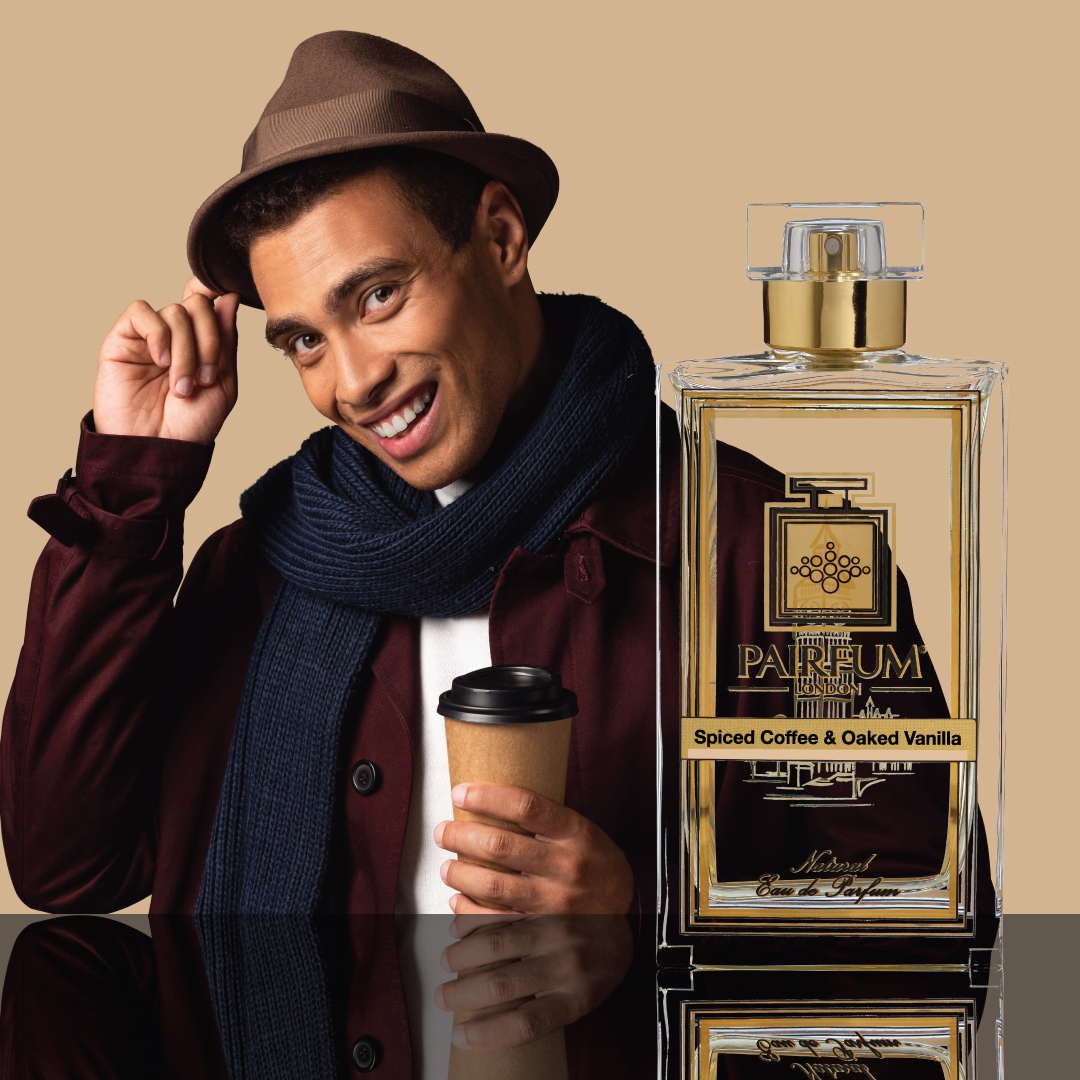
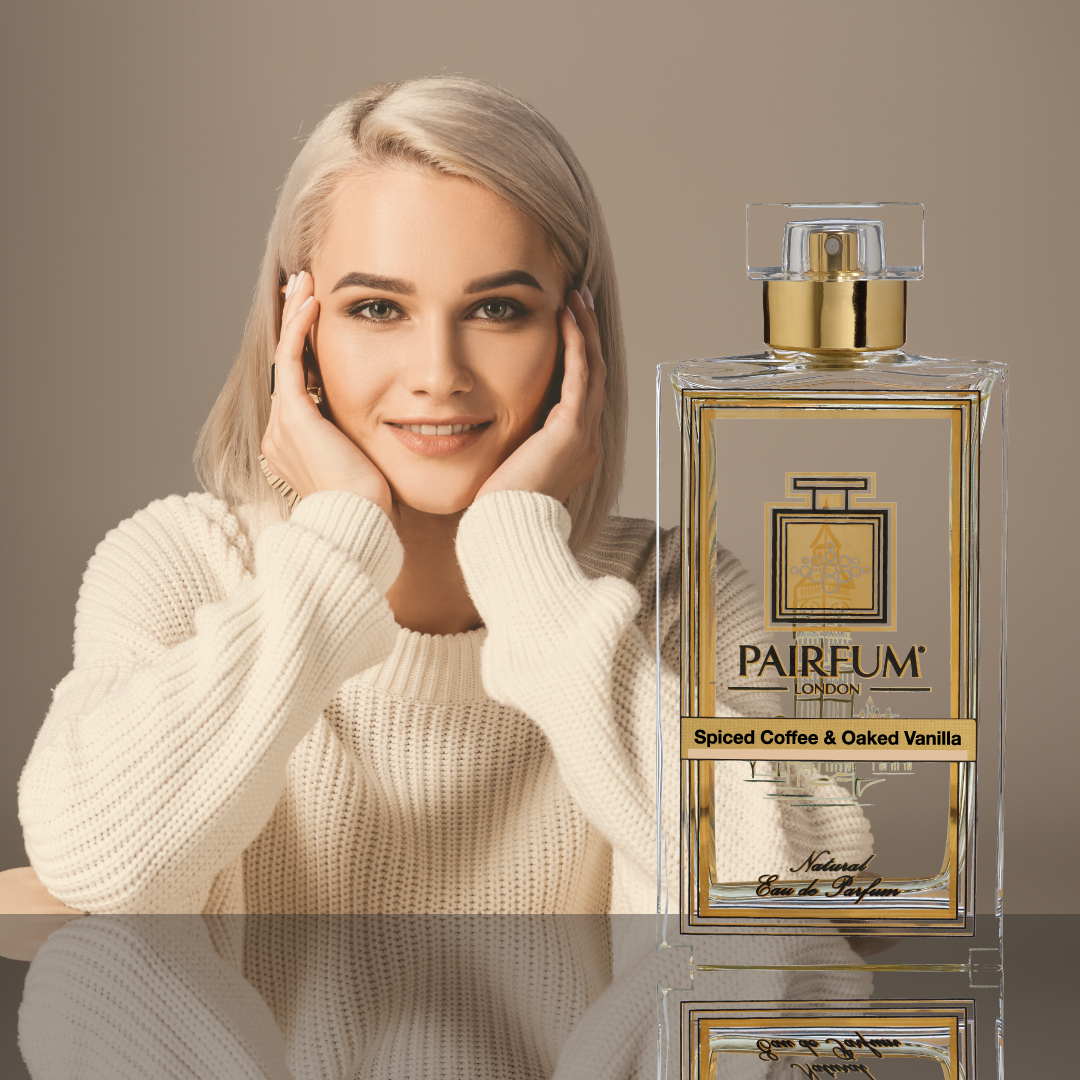
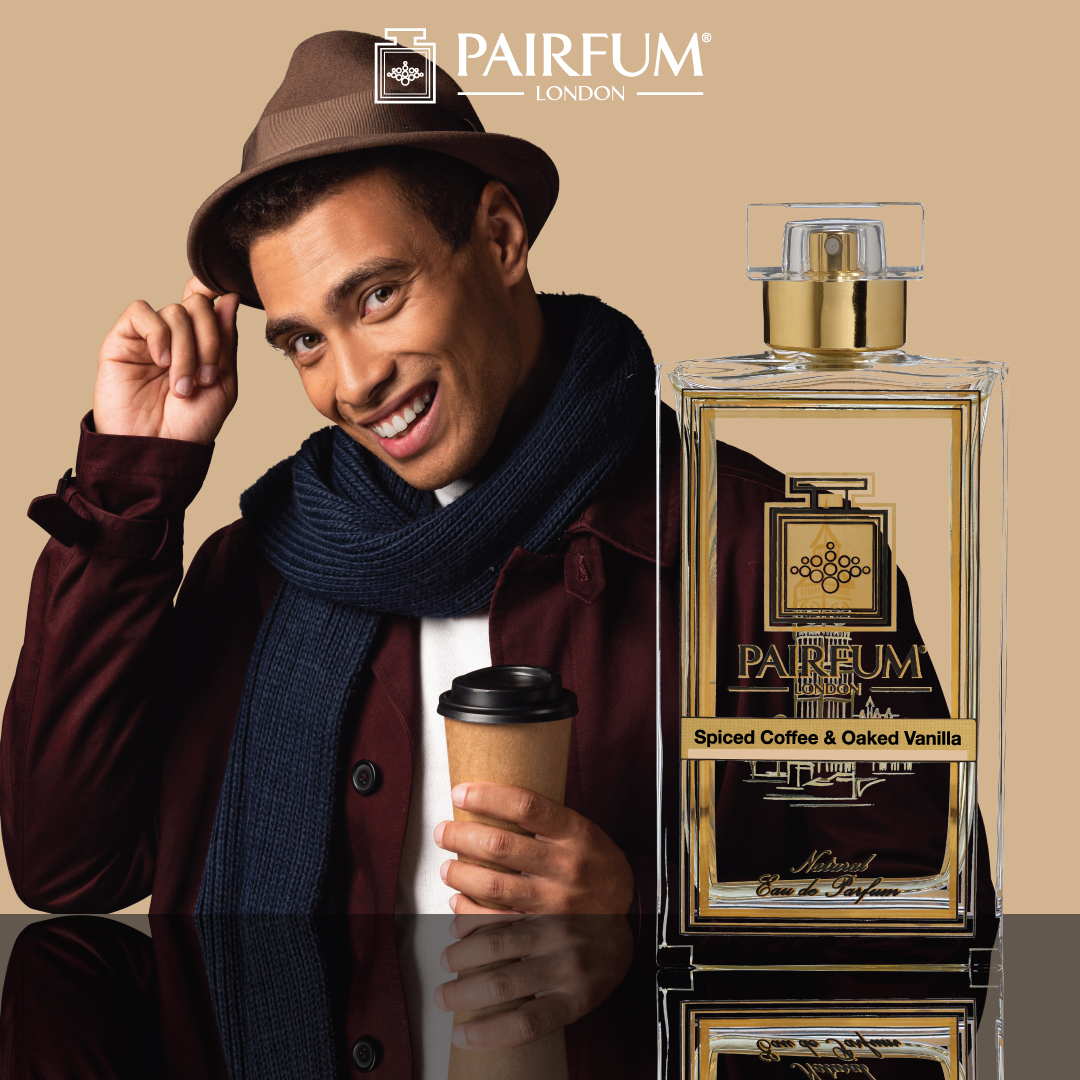
Spiced Coffee & Oaked Vanilla – Eau de Parfum by Pairfum London

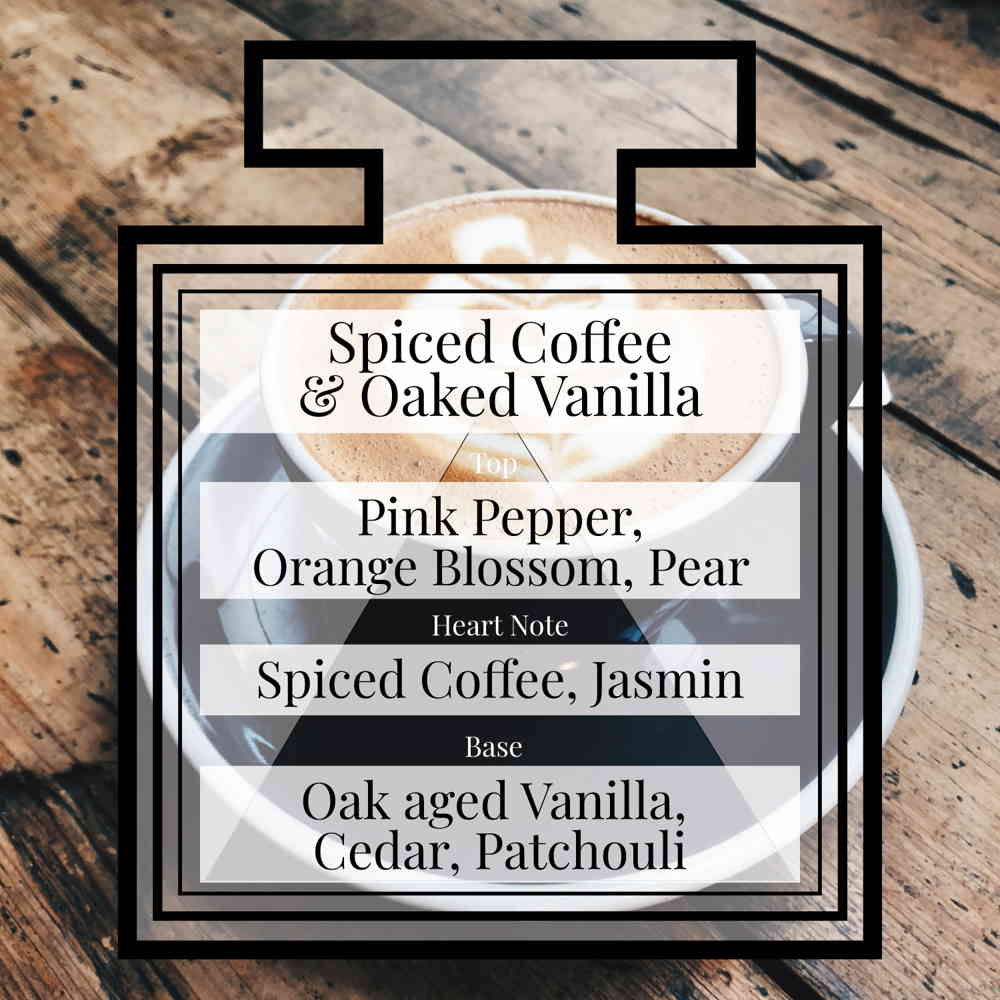
This warm oriental spicy fragrance opens with pink pepper, orange blossom and crisp pear, giving a bright yet gently spiced first impression. At its heart, rich dark coffee blends with the soft elegance of jasmine, creating a contrast that feels both smooth and slightly bitter. The scent settles into a refined base of vanilla aged in oak, layered with patchouli and cedar for a warm, grounded finish.

Milky Eau De Parfum by Pairfum London

Softness That Stays With You

Milky perfumes bring warmth, softness, and quiet comfort to everyday fragrance. Whether built around vanilla, musk, cream, caramel, or woods, these perfumes create an intimate scent that feels personal on the skin.

Some milk perfumes lean sweet and gourmand, while others stay airy, musky, and clean. The common thread is softness. A milky perfume never needs to shout.

From Bianco Latte to Blanche Bête, from Commodity Milk to Ellis Brooklyn Vanilla Milk, the world of milky fragrances continues to expand. Each perfume offers its own interpretation of creaminess, warmth, and skin-like comfort.

If you would like to visit more fragrance guides and learn about modern perfume trends, explore the wider world of niche fragrance and discover which milky perfume suits your personal style best.

    Your Cart
    Your cart is emptyReturn to Shop