Home / NaturalIngredients
Pear In Fragrance

Why Pear Notes Are Essential in Fragrance?

Pear notes bring a fresh, juicy, and slightly sweet aroma to perfumes. This delightful note is cherished for its light and uplifting qualities. The subtle charm of pear has made it an essential ingredient in many perfumes over the years. A single pear can transform a fragrance. This incredible fruit, the pear, is truly a cornerstone of many captivating scents. Every perfumer knows the value of a well chosen pear note.

The use of pear in perfumes is not new. It has a rich history, evolving from ancient times when natural fruits and flowers were the primary sources of fragrance. Perfumers today still appreciate the refreshing qualities of pear, using it to create both classic and modern perfumes. The longevity of pear as a fragrance element speaks volumes about its enduring appeal.

The versatility of pear notes makes them suitable for various types of perfumes. From fruity and floral combinations to more complex blends, pear adds brightness and balance. Understanding the different types of pear notes and how they are extracted helps us appreciate their role in creating unforgettable perfumes. The techniques used to capture the essence of pear ensure that its fresh aroma remains intact, offering perfumers a reliable ingredient to enhance their creations. No other fruit, including apple varieties offers quite the same range for perfumers.

The Olfactory Profile of Pear: What Does it Smell Like?

Before delving into its history and usage, it is important to understand the precise olfactory characteristics of the pear and each different variety . While often described simply as “fresh” or “sweet,” the scent of a pear is more nuanced. It carries a delicate balance of green, aqueous, and fruity facets. Depending on the ripeness and variety of the pear, the aroma can range from the crisp, slightly tart scent of a just picked green pear to the honeyed, almost jam like sweetness of a fully ripe pear. This inherent complexity allows perfumers to explore various interpretations of the note, from bright and invigorating to rich and comforting. The subtle floral undertones that can sometimes be perceived in natural pear also contribute to its versatility in blending with other aromatic ingredients. The pear is a marvel of scent.
Pairfum Fragrance Spiced Coffee Oaked Vanilla Triangle

The History of Pear in Perfumery

The use of pear in perfumery goes back centuries. The botanical name for pear is Pyrus communis, with its origins traced back to Western China, though it is found across all temperate regions. In ancient times, natural fruits and flowers were the main sources of fragrance. There is evidence of pears being a food source since prehistoric times, and the Romans, who extensively cultivated them, recorded over 30 varieties. Pear, with its fresh and sweet aroma, was a popular choice in many early perfumes. It was often blended with other fruits and floral elements to create light and refreshing fragrances.

During the Renaissance, the art of perfumery flourished in Europe. Pear, along with other fruits, was distilled to create luxurious perfumes. The aroma of pear added a unique touch to the elaborate blends crafted by master perfumers. Its fresh and juicy notes were perfect for the opulent and sophisticated fragrances of the time. In the UK, proper pear cultivation was implemented by the Romans, and by the 1640s, pear breeding had significantly advanced, with around 60 cultivars in production. The Domesday Book even mentions old pear trees used as boundary markers, highlighting their long standing presence. The term pear itself derives from Vulgar Latin pira, a plural of pirum, meaning pear.

In modern perfumery, pear has maintained its status as a beloved ingredient. With over 3,000 known varieties grown worldwide, perfumers have a vast palette to draw from. Its light and sweet aroma complements a wide range of other notes, making it a versatile choice for contemporary perfumes. Today’s perfumers continue to be inspired by the timeless appeal of pear, using it to create both classic and innovative fragrances. The pear remains a fruit of endless inspiration for perfumers.

Types of Pear Notes Used in Perfume

Pear notes in perfumes come in various forms, each offering unique characteristics that add depth and complexity to a fragrance. Understanding the different types of pear notes helps us appreciate their versatility. Every kind of pear offers something distinct to a perfume composition.

Natural Pear Notes

Fresh Pear: This type of note is derived from the juice of ripe pears. It provides a crisp, clean, and sweet aroma that is both uplifting and refreshing.

Dried Pear: Dried pear notes have a deeper, more concentrated sweetness. They offer a richer and slightly more complex aroma than fresh pears.

Blended Pear Notes

Pear and Citrus: Blending pear with citrus notes creates a bright and invigorating aroma. This combination is often used in summery and light perfumes.

Pear and Floral: Combining pear with floral notes like rose and jasmine results in a delicate and elegant fragrance. The sweetness of pear balances the floral elements beautifully.

Pear and Woody: When paired with woody notes like cedar or sandalwood, pear adds a juicy freshness that offsets the warmth of the wood, creating a rounded and balanced fragrance.

Synthetic Pear Notes

Pear Aldehyde: This is a synthetic note that mimics the fresh and juicy aroma of pear. It is often used in modern perfumes to replicate the natural pear fragrance with greater stability and longevity.

Each type of pear note offers unique qualities, allowing perfumers to create a wide range of fragrances. From fresh and fruity to deep and rich, pear notes add a special touch that enhances the overall aroma of a perfume. The diversity of pear applications is truly remarkable.
Eau de Parfum Person Reflection Spiced Coffee Oaked Vanilla Woman 1 1

Varieties of Pear and Their Scent Profiles

The vast diversity within pear varieties offers perfumers a rich spectrum of aromatic nuances. Each type of pear can contribute a subtly different facet to a fragrance composition:

  • Conference Pear: The UK’s most popular commercial pear, known for its reliable cropping. Its flavour is pleasantly juicy and sweet with a creamy white flesh. In perfumery, this might translate to a versatile, balanced, and broadly appealing sweet fresh note. This hardy pear is a national favourite. 
  • Doyenne du Comice Pear: A celebrated dessert pear, renowned for its superb, rich flavour and creamy white, melting, juicy flesh. This variety could inspire a more opulent, luxurious, and deeply sweet pear note with an almost sensuous texture. The Doyenne du Comice pear is truly a pear for connoisseurs. 
  • Williams ‘Bon Chretien’ Pear (Bartlett in the US): Known for its incredibly sweet dessert pears and often used for canning. Its distinct, somewhat musky sweetness could lend a recognisable, bright, and intensely fruity character. This sweet pear is a classic. 
  • Louise Bonne de Jersey Pear: A delicious, sweet dessert pear with melting flesh. This suggests a delicate, elegant, and refined sweetness ideal for subtle compositions. 
  • Vicar of Winkfield Pear: A large, culinary pear that ripens in storage and develops flavour over time, often best in spring. Its use in tarts and stewing implies a robust, slightly tart initial profile that mellows into a deep, comforting sweetness, potentially offering a more complex, evolving pear note. 
  • Fondant Dautomne Pear: Described as having “coveted perfumed, soft, tender, and juicy flesh.” This variety explicitly highlights its aromatic qualities, suggesting a truly fragrant and delicate pear essence. 
  • Red Williams Pear: With delicate, buttery, and juicy flesh, this variety could inspire a very smooth, rich, and mellow pear note, perhaps with a subtle warmth. 
  • Asian Pear: Varieties like Kumoi Nashi are often crispier with a different sweetness. Their distinct texture and “delicious sweet white flesh” might translate to a brighter, more aquatic, and crisper pear note in perfumery, distinct from the melting European pear varieties. Unlike apples, the texture of Asian pear can be uniquely crisp. 
  • Winter Nelis: This fine, late pear variety produces small but good fruits with pale green to yellowish green skin, almost covered in russet. Its flesh is greenish white, juicy and sweet with a delicious flavour, making it a great storing pear for winter.

These varied characteristics allow perfumers to select the precise pear aroma that best complements their creative vision, moving beyond a generic “pear” to a truly specific and nuanced expression. Every pear variety offers its own magic.

Methods of Extracting Pear Notes

Extracting pear notes involves several techniques designed to capture its fresh, juicy aroma. These methods ensure that the delightful qualities of pear are preserved and can be used effectively in perfumes. The goal is always to capture the true essence of the pear.

Common Extraction Techniques

Cold Pressing: This method is used to extract the essential oils from pear skin. The mechanical process presses the skin to release the oil, maintaining the fresh and fruity characteristics of pear.

Steam Distillation: Involves passing steam through crushed pear bits, capturing the essential oils. The steam is then condensed, and the distilled oil is separated. This method preserves the pure aroma of pear.

Modern Techniques

Supercritical CO2 Extraction: Utilises carbon dioxide at high pressure to extract the aromatic compounds from pears. This technique retains the full aromatic profile, producing a high quality extract.

Solvent Extraction: This method uses food grade solvents like ethanol to draw out the aromatic compounds from pear mass. The solvents are later evaporated, leaving a pure pear extract. This technique is efficient and can capture a wide range of aromatic compounds, offering a rich and authentic pear aroma.

Advanced Techniques

Molecular Distillation: A sophisticated method that separates the aroma compounds at low temperatures, ensuring that the delicate aroma of pear remains intact. This method is used for high end perfumery.

Enfleurage: Though rare and traditional, enfleurage uses fats to absorb pear aromas. The fat is then washed to separate the oil. This labour intensive method yields a very rich pear aroma.

Each extraction method offers distinct benefits, allowing perfumers to select the best technique to achieve the desired pear note in their creations. The choice of method truly influences the final pear fragrance.

Pear Tree

The Role of Pear in Fragrance Compositions: Top, Middle, or Base?

The placement of pear notes within a fragrance composition is crucial for its overall effect and longevity. Typically, pear is considered a top note or sometimes a top to middle note. As a top note, its light and volatile molecules are among the first to evaporate, providing an immediate burst of freshness and juicy sweetness upon application. This initial impression is vital for captivating the wearer and setting the tone for the fragrance journey. The initial burst of pear is truly memorable.

While pear often shines in the opening, some interpretations or specific extraction methods can allow it to linger longer, extending into the middle phase of the perfume’s development. When blended with heart notes such as florals or lighter fruits, pear can provide a sustained luminosity, enhancing the overall diffusion and vibrancy of the scent. Due to its inherent freshness and lack of heavy, fixative qualities, pear is rarely found as a dominant base note. Its primary function is to provide an uplifting, appealing introduction, harmonising beautifully with a wide array of other ingredients to create a well rounded and engaging olfactory experience. A perfect pear opening can make all the difference.

Iconic Perfumes with Pear Notes

Pear notes have found their way into some of the most iconic perfumes, adding a fresh and sweet touch that enhances the fragrance’s overall character. Here are a few notable perfumes that feature pear notes prominently.

Famous Pear-Infused Perfumes

  • Dolce & Gabbana Light Blue: This classic perfume offers a bright and uplifting aroma with pear notes that mix beautifully with apple and cedar. The pear adds a fresh sweetness that is perfect for daytime wear. 
  • Marc Jacobs Daisy Dream: Known for its light and airy fragrance, this perfume blends pear with blackberry and jasmine. The pear notes add a juicy and inviting freshness, making it a favourite for many. 
  • Lancôme La Vie Est Belle: This luxurious perfume features pear notes combined with blackcurrant and praline. The sweet pear enhances the richness of this fragrance, adding an elegant and playful touch.

More Notable Mentions

  • Gucci Flora: This fragrance combines pear with rose and osmanthus. The pear notes provide a vibrant and fresh contrast to the floral elements, making it both sophisticated and youthful. 
  • Jo Malone English Pear & Freesia: A signature fragrance that highlights pear notes, balanced with freesia and patchouli. The pear stands out for its fresh and juicy aroma, making the perfume clean and timeless. 
  • Chloé Nomade: Pear notes blend with oakmoss and mirabelle in this modern perfume. The pear adds a fresh and invigorating touch to the earthy and slightly sweet blend.

The appeal of pear notes in these iconic perfumes showcases their versatility and enduring popularity. They add a unique freshness and sweetness that is hard to resist.
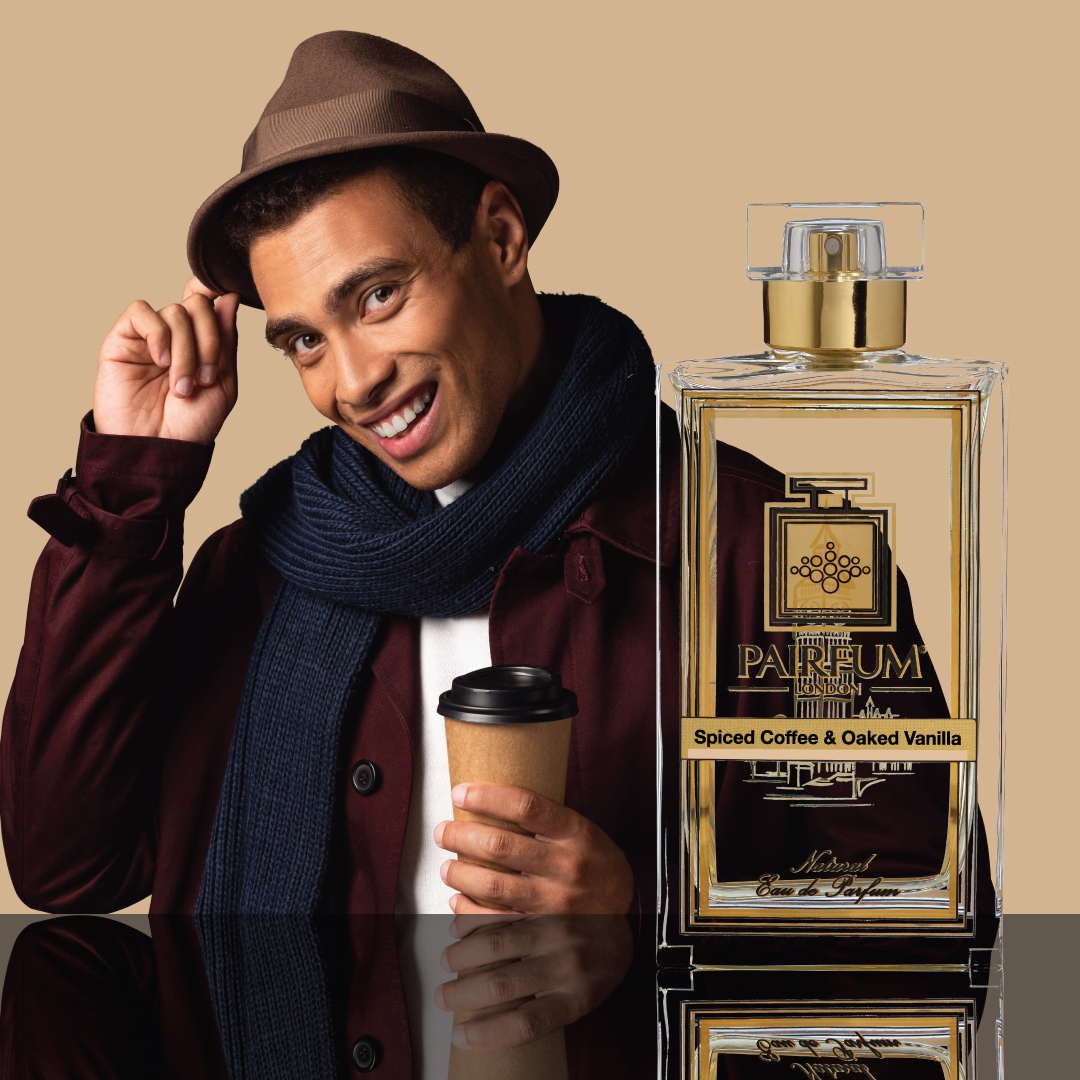
Eau de Parfum Person Reflection Spiced Coffee Oaked Vanilla Man Smile 1 1

Pairing Pear: Complementary Notes and Accords

The beauty of pear in perfumery lies in its exceptional versatility and its ability to harmonise with a wide spectrum of other fragrance notes. Understanding these complementary pairings is key to appreciating why pear is so highly valued by perfumers. A single pear note can open up a world of possibilities.

Fruity Pairings: 

Beyond its natural affinity with other orchard fruits like apples and berries, pear often blends seamlessly with tropical fruits such as lychee or mango, adding a crisp counterpoint to their exotic sweetness. Citrus notes, including bergamot, lemon, and grapefruit, enhance pear’s zesty and uplifting qualities, creating truly invigorating top accords. The pairing of pear with apples is a classic.

Floral Pairings: 

Pear provides an exquisite backdrop for a variety of floral notes. Delicate white florals like freesia, lily of the valley, and jasmine are brightened by pear’s juicy freshness, while fuller blooms such as rose and peony gain a more luminous and youthful character when paired with it. The subtle sweetness of pear can also soften the sharper edges of green floral notes.

Gourmand Pairings: 

In more decadent compositions, pear marries beautifully with gourmand elements. Vanilla, caramel, and praline notes are given an added layer of juicy sophistication by the presence of pear, preventing them from becoming overly cloying. Spices like cinnamon or nutmeg can also accentuate the warmer, sweeter facets of a ripe pear note. A baked pear with butter and sugar is a delightful inspiration for these. Recipes often feature pear in sweet dishes.

Savoury Pairings in the Kitchen, Inspiring Fragrance: 

While fragrance is distinct from culinary use, the successful pairings of pear in food can offer insights into its aromatic compatibility. Pear with blue cheese is a classic combination, where the sweet freshness of the fruit balances the rich, piquant flavour of the cheese. Similarly, a pear can be enjoyed in salads with nuts and a vinaigrette, or roasted and served with savoury meats. Recipes for pear and red wine reductions for poultry also highlight how its fruity notes can complement deeper, more complex aromas. These culinary insights underscore the versatility of the pear’s aroma, hinting at its potential for unexpected and delightful accords even in perfumery. The juicy flesh of a pear pairs wonderfully with many elements.

Woody and Musky Pairings: 

To add depth and longevity, pear notes are often grounded by subtle woody accords. Sandalwood and cedarwood can provide a creamy or clean backdrop, allowing the pear to truly shine. Light musk notes also work wonderfully, extending the airy and soft qualities of the pear, resulting in a gentle yet enduring trail. The thoughtful combination of pear with these diverse notes allows perfumers to craft fragrances that range from sparkling and ethereal to warm and embracing, showcasing the multifaceted nature of this beloved ingredient. A mature pear tree can have wood that adds rich notes.

Growing Pear Trees: A Horticultural Insight

Understanding how a pear grows from a small sapling to a flourishing fruit tree provides a deeper appreciation for this remarkable fruit. Pear trees, specifically Pyrus communis, are often cultivated on particular rootstocks, such as quince rootstock, which influences the ultimate size of the tree and its fruit production. A pear tree can range from a compact tree suitable for a small garden to a large, standard tree. Many fruit trees, including pear trees and apple trees, require careful planting in well drained, fertile soil in a sunny, sheltered spot. The Royal Horticultural Society offers extensive advice for cultivating pear trees.

The branches of a pear tree, especially older ones, bear the precious fruit. Farmers and gardeners carefully prune their pear trees to encourage the best possible crop. A pear tree can be a beautiful addition to any garden, sometimes even gaining the Royal Horticultural Society’s Award of Garden Merit. When considering fruit trees, a pear tree is a rewarding choice, providing delicious pears for years to come. The process of growing fruit from a tree is a journey. Old pear trees are often a testament to careful cultivation. Each pear tree is a promise of future delight.

Cultivars of pear, like the famous Conference pear or Doyenne du Comice, have been developed over centuries for their desirable traits, including their delicious flavour and texture. These tree fruit varieties require specific care, sometimes involving grafting onto different rootstocks to manage their growth or improve disease resistance. This attention to detail in growing ensures that the market receives a perfect medium sized pear, ideal for any fruit bowl. An edible fruit like the pear requires dedication from planting to harvest.

Eau De Pairfum Spiced Coffee Oaked Vanilla Bottle

Pear Top Notes with Pairfum London

While the fresh and delicate essence of pear holds an undeniable charm in perfumery, the world of fragrance offers an expansive tapestry of scents waiting to be explored. Sometimes, the desire is for a deeper, more enveloping experience, one that evokes warmth and sophisticated comfort. Imagine an aroma that settles around you like a cherished memory, a fragrance that speaks of rich indulgence rather than bright, crisp fruit. This journey into contrasting olfactory realms allows one to appreciate the full artistry of perfume, where unique combinations create distinct and captivating personal statements.

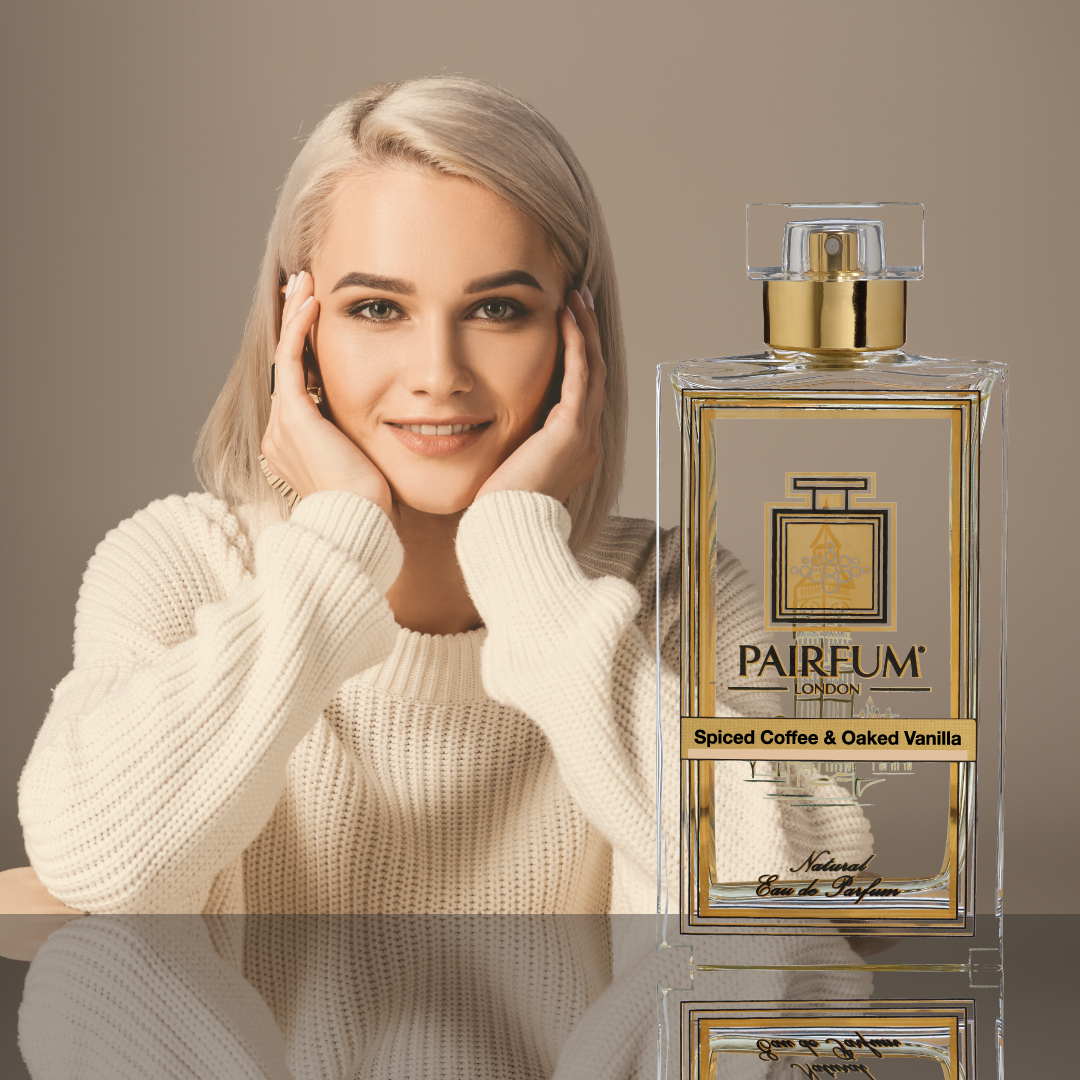
Spiced Coffee & Oaked Vanilla – Eau de Parfum by Pairfum London

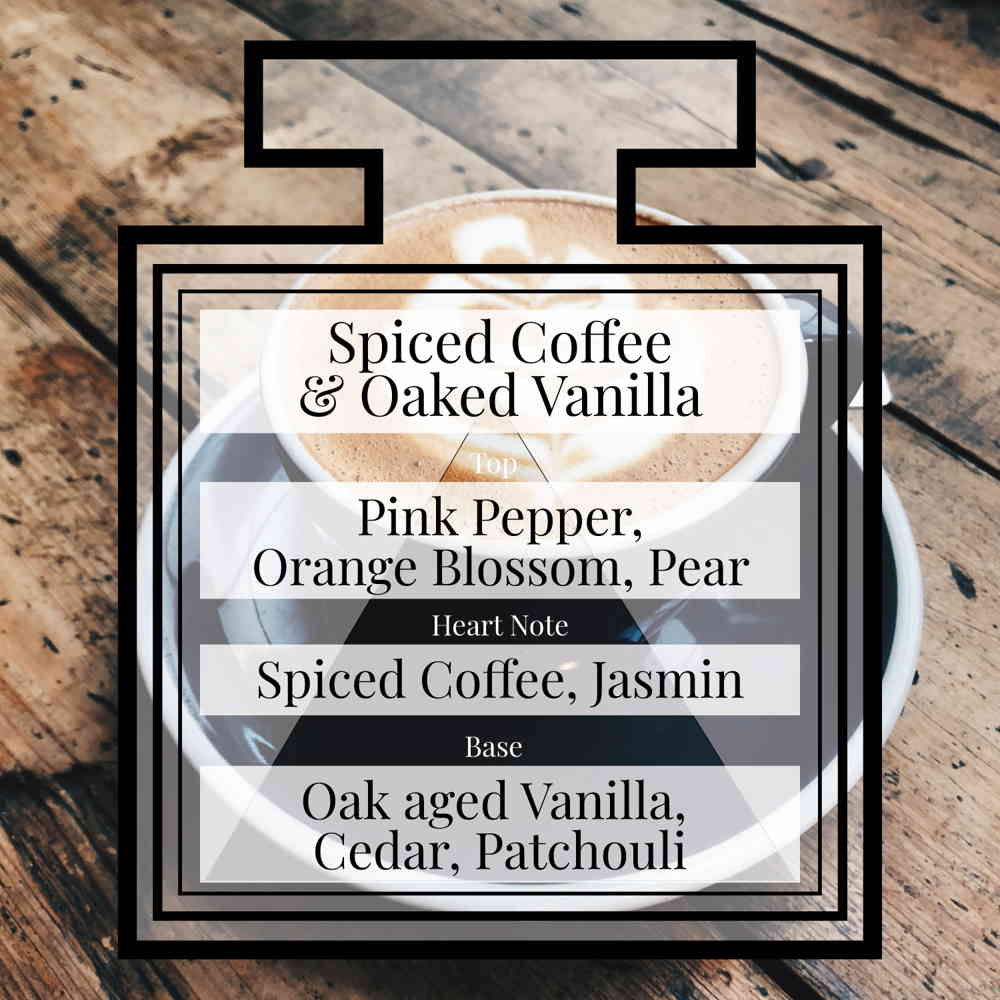
This warm, Oriental Spicy Fragrance opens with the top notes of Pink Pepper, Orange Blossom and Crisp Pear. The Heart of the Fragrance is a modern blend of rich & dark Coffee with the elegance of Jasmine. The elegant finale is a sophisticated base of Bourbon Vanilla aged in Oak, with Patchouli and Cedar.

Conclusion

Pear notes continue to be a cherished ingredient in the world of perfumery. Their ability to add a fresh, sweet, and slightly fruity aroma makes them indispensable in crafting various fragrances. From the historical use of pears in ancient perfumes to their place in modern perfumery, pears have proven to be versatile and timeless. A truly wonderful fruit, the pear continues to inspire. Every pear holds a world of flavour.

Understanding the different types of pear notes and the methods used to extract them gives us a greater appreciation for the effort that goes into creating a delightful perfume. Notable fragrances that feature pear notes exemplify how this fruit can enhance and elevate a perfume, making it unforgettable. Pears also offer health benefits, containing good levels of dietary fibre, antioxidants, minerals, and vitamins A, C, E, and K. They are low in calories and a good source of natural sugar, making them a very safe food source for those with allergies, unlike the alligator pear (avocado), which is unrelated to true pears. The significant fibre content in each pear aids digestion. The flavour of a perfectly ripe pear is unmatched.

Fragrance Creation

The Art of Fragrance Creation: From Dream To Bottle

Fragrance creation blends art and science, seeking the perfect fragrance through balanced fragrance ingredient elements for a unique and captivating aroma. The creation process starts with inspiration—from nature, memories, or emotions—forming the foundation for the fragrance.

Our in house perfumer, Huib Maat, brings these concepts to life. This expert perfumer uses extensive fragrance ingredient knowledge and a keen sense of smell to design delightful, enduring fragrances. Selecting and blending fragrance ingredients achieve the desired scent, ensuring each complements the others for a harmonious, unique fragrance.

Fragrance creation involves more than mixing; it’s about understanding scent note complexity and interaction. The creation process for a fragrance can take months or years as the perfumer tests and refines the formula. This meticulous approach guarantees high quality, unique perfumes. The pursuit of the perfect fragrance drives every step.

Understanding Fragrance Creation

Fragrance creation demands creativity and technical skill. The journey for a new fragrance begins with an idea or inspiration—from nature, memories, or emotions—forming the basis for crafting the fragrance.

Next, select fragrance ingredients that match the concept. These fragrance notes each add a unique quality to the perfume. Notes are classified into top, middle, and base. Top notes offer a light, refreshing first impression. Middle notes form the heart, adding depth and character to the fragrance. Base notes provide lasting power and richness.

Blending these scent notes precisely is crucial for fragrance creation. It requires understanding how they interact. The goal is a balanced, harmonious fragrance that unfolds beautifully. The fragrance creation process may need multiple trials and adjustments for the desired perfect fragrance. This meticulous approach ensures a high quality, unique fragrance, destined to become a beloved signature scent.

Pairfum Collection Niche Perfume Experience Fragrance Library 40 Square

The Olfactory Pyramid: A Visual Guide

Perfumers use the ‘olfactory pyramid’ to illustrate how a fragrance evolves. This tool represents fragrance notes and their evaporation rates. Top notes quickly dissipate, revealing middle notes that form the scent’s main character. Base notes, the slowest to evaporate, provide the enduring foundation. Understanding this pyramid is fundamental to appreciating the artistry and science of perfume creation, allowing a captivating scent journey over hours. Every fragrance tells a story through its development.

The Role of the Perfumer

The perfumer is central to fragrance creation, designing unique fragrances from concept to completion. The expert perfumer combines vast fragrance ingredient knowledge with artistic vision to craft beautiful, complex perfumes. Their skill is paramount to every perfume creation.

The perfumer starts by understanding the fragrance concept and translating the initial inspiration into a captivating perfume. They select appropriate fragrance ingredients to bring the fragrance to life.

Blending chosen scent notes is a delicate task for any perfumer, requiring precision and intuitive balance. The perfumer tests and refines the fragrance formula, making precise adjustments for harmony among notes. This can be time consuming, involving multiple iterations for the ideal perfume. The perfumer needs patience and attention to detail for the perfect blend. The creation of a truly beautiful perfume is a labor of love and creativity.

The final fragrance results from the perfumer’s creativity, skill, and dedication. It reflects the original inspiration and provides a delightful experience. The perfumer’s role is technical yet artistic, requiring a unique blend of talents to create a truly unique perfume. The creation of such a fragrance is a testament to their mastery.

The Perfumer’s Palate and Training

Beyond talent, a perfumer’s expertise comes from extensive training and perfumery experience. This involves years of study, often at prestigious perfumery schools, to develop an acute “nose” and identify thousands of raw materials and odours. They also understand chemical properties and how fragrance ingredients interact. Like a chef’s palate, a perfumer cultivates an exquisite olfactory palate, enabling them to deconstruct existing fragrances and envision new scent profiles. This rigorous training ensures they translate abstract concepts into harmonious fragrance compositions, leading to the creation of a perfect scent. Every perfumer dedicates years to this craft.

The Science Behind the Scent

Fragrance creation, while artistic, is deeply scientific. Perfumers use organic chemistry to understand scent compound structures, volatility, and interactions. This scientific foundation allows precise fragrance formulation, ensuring perfume stability, longevity, and consistent performance. Green Sciences drive the fragrance industry towards sustainable extraction, creating new fragrance ingredients with unique olfactive profiles while minimizing environmental impact. The blend of art and science allows continuous innovation in fragrance creation and the creation of beautiful, technically superior fragrances. This creation relies on deep scientific insight.

Key Ingredients in Fragrance Creation

Choosing the right fragrance ingredients is crucial in fragrance creation. Each contributes distinctly to the fragrance’s character. Our in house perfumer expertly selects fragrance ingredient materials to craft harmonious, appealing perfumes. This selection is key to fragrance creation.

Categories of Fragrance Notes:

  1. Top Notes: Citruses (lemon, bergamot), Herbs (basil, lavender), Fruits (apple, orange). Light and quick to evaporate, offering the fragrance’s immediate impression.
  2. Middle Notes: Florals (rose, jasmine, like the delicate flower), Spices (cinnamon, nutmeg), Greens (violet leaf, tea). Form the heart of the fragrance, providing depth to the perfume.
  3. Base Notes: Woods (sandalwood, cedar), Resins (amber, myrrh), Musk (white musk, animalic notes). Rich and long lasting, giving the fragrance its staying power and foundational scent.

Additional Ingredients:

  • Fixatives: Fragrance ingredients like benzoin enhance fragrance longevity by slowing volatile scent notes’ evaporation.
  • Solvents: Alcohol dissolves fragrance oils for consistent application and scent diffusion.
  • Aroma Chemicals: Beyond natural ingredient extracts, perfumers use synthetic aroma chemicals to replicate natural scents, enhance notes, or create novel aromas. Examples: Hedione (jasmine), Calone (marine). Responsible use allows greater creativity, consistency, and sustainability in fragrance development.

Each fragrance ingredient is chosen to complement others, creating a balanced, cohesive perfume. The meticulous selection ensures each scent note positively contributes to the final fragrance composition. This meticulous approach is vital for fragrance creation.

Sourcing and Sustainability in Fragrance Ingredients

Ethical and sustainable sourcing of fragrance ingredient materials is crucial in the fragrance industry. Many natural ingredients are rare, making responsible procurement vital for any fragrance house. Perfumery establishments commit to responsible sourcing, working with communities for fair trade and minimal environmental impact. This benefits planet and people, adding integrity to the final fragrance. This commitment marks responsible fragrance creators.

Meticiculous Fragrance Creation

Steps in the Fragrance Development Process

Fragrance creation involves detailed, meticulous steps to ensure every perfume is exceptional. This systematic approach is key to consistent fragrance creation.

Concept and Inspiration:

  1. Idea Generation: The fragrance creation process begins with compelling inspiration—a memory, feeling, natural element, or desire to evoke a mood through scent.
  2. Market Research: Fragrance trends and customer preferences are studied to determine market appeal for a new fragrance. This includes analysing bestsellers, emerging fragrance family profiles, and consumer demographics for unique fragrance opportunities. This guides fragrance creation.

Formulation:

  1. Selecting Ingredients: Based on concept, the perfumer chooses top, middle, and base fragrance ingredient notes from a vast library of natural ingredient and synthetic raw materials. This selection is strategic, aiming for a specific olfactive profile for the perfume.
  2. Creating the Blend (Compounding): Selected fragrance ingredients are precisely weighed and blended for perfect balance in the fragrance. The perfumer initially works with small quantities.
  3. Testing and Refinement: Initial blends are rigorously tested. This involves diluting the concentrate, applying it to scent strips and skin, and evaluating performance. Adjustments achieve the desired fragrance outcome, ensuring beautiful evolution. This iterative process is crucial for successful fragrance creation.

At Pairfum London, the formulation stage is overseen by in-house perfumer Huib Maat, whose approach to fragrance creation is rooted in both deep technical understanding and intuitive artistry. With a background in science and a lifelong passion for scent, Huib brings each perfume to life through careful ingredient selection, expert balance of natural and aroma materials, and a refined olfactory sensibility. His process is about more than blending notes—he crafts compositions that unfold in time, echoing the original inspiration while ensuring wearability and sophistication. Whether working with rare essential oils or designing new accords, Huib’s creations reflect a personal, meticulous touch that sets Pairfum apart in today’s fragrance landscape.

Evaluation:

  1. Stability Testing: The fragrance is tested over time for consistency in varying environmental conditions, ensuring the scent doesn’t degrade.
  2. Safety and Regulatory Compliance: Before launch, a fragrance undergoes stringent safety assessments to meet fragrance industry regulations and health standards, checking for allergens for consumer safety.
  3. Feedback and Adjustment: Panels provide feedback on the fragrance, leading to further adjustments until the scent perfectly matches concept and quality, resulting in a perfect fragrance.

Production:

  1. Final Approval: Once the fragrance formula is perfected and passes tests, it receives final approval from the perfumer and brand.
  2. Manufacturing (Scaling Up): The approved fragrance concentrate is scaled up for mixing with alcohol and bottling. Strict quality control ensures consistency. Maceration, where concentrated oils mature with alcohol, is crucial, allowing the scent to fully develop for a richer perfume.

Marketing and Launch:

  1. Branding: The fragrance is named, and packaging designed to reflect its character and target audience. The fragrance bottle itself tells a story, creating emotional impact by blending design and glassmaking science to shape consumer perception.
  2. Promotion: Marketing campaigns introduce the new fragrance, using digital, social media, and in store promotions to build anticipation. This creative dialogue between scent and brand identity is a multiyear journey, culminating in a successful fragrance launch.

Each step ensures the final fragrance is unique, high quality, and enjoyable, delivering a captivating olfactory experience.

The Personal Touch: Bespoke Fragrance Creation

Beyond industrial processes, bespoke fragrance creation offers a deeply personal, unique perfume experience. Specialised perfumery establishments and perfume studios across the UK offer enthusiasts involvement in fragrance creation.

At places like Cotswold Perfumery or other perfume studios, participants step into a master perfumer’s shoes. This perfume experience involves hands on exploration of top, middle, and base notes. Individuals choose fragrance ingredients that resonate with memories, leading to a custom fragrance formula and their own bottle of personalised fragrance. This perfume making experience focuses on the practical creation process, offering an immersive dive into perfumery.

Similarly, luxury fragrance houses offer exquisite bespoke fragrance services. Customers journey with an expert perfumer, selecting from heritage fragrances. New scent accords are refined to complement individual tastes, ensuring a unique scent and personalised fragrance. This highly personal approach underscores the artistry in crafting a custom perfume that truly reflects the wearer, becoming a signature scent. Such a bespoke perfume is an extension of identity, a truly unique fragrance. The creation of these luxury fragrances is an intimate collaboration.

These bespoke scent services highlight that fragrance creation is both an industrial process and an intimate art, translating desires into a unique scent. It’s about crafting a personal fragrance that is a true signature fragrance.

Fragrance Beyond Perfume

The art of fragrance creation extends beyond bottled fine fragrance. Fragrance creators’ expertise applies to many products, enhancing daily life. From scented candles that transform atmosphere to luxurious liquid soap that elevates routines, perfumery principles adapt. The perfumer ensures the chosen fragrance interacts perfectly with different bases, whether heat or water. This versatility demonstrates fragrance creation’s extensive reach and commercial importance, bringing delightful scents into every aspect of our lives.

Pairfum Collection Niche Perfume Experience Fragrance Library 49 Square

A Perfume Studio Experience at Home with Pairfum London

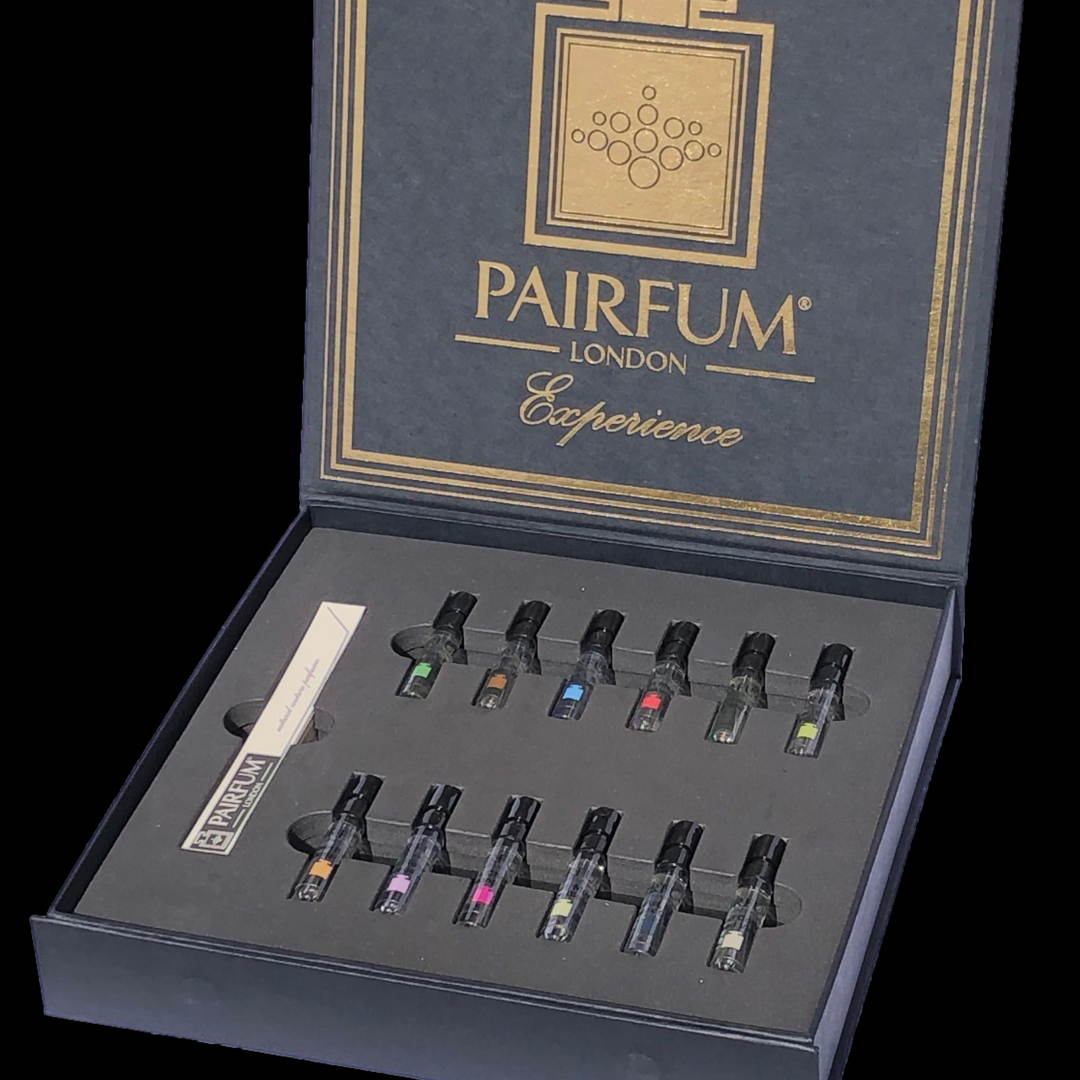
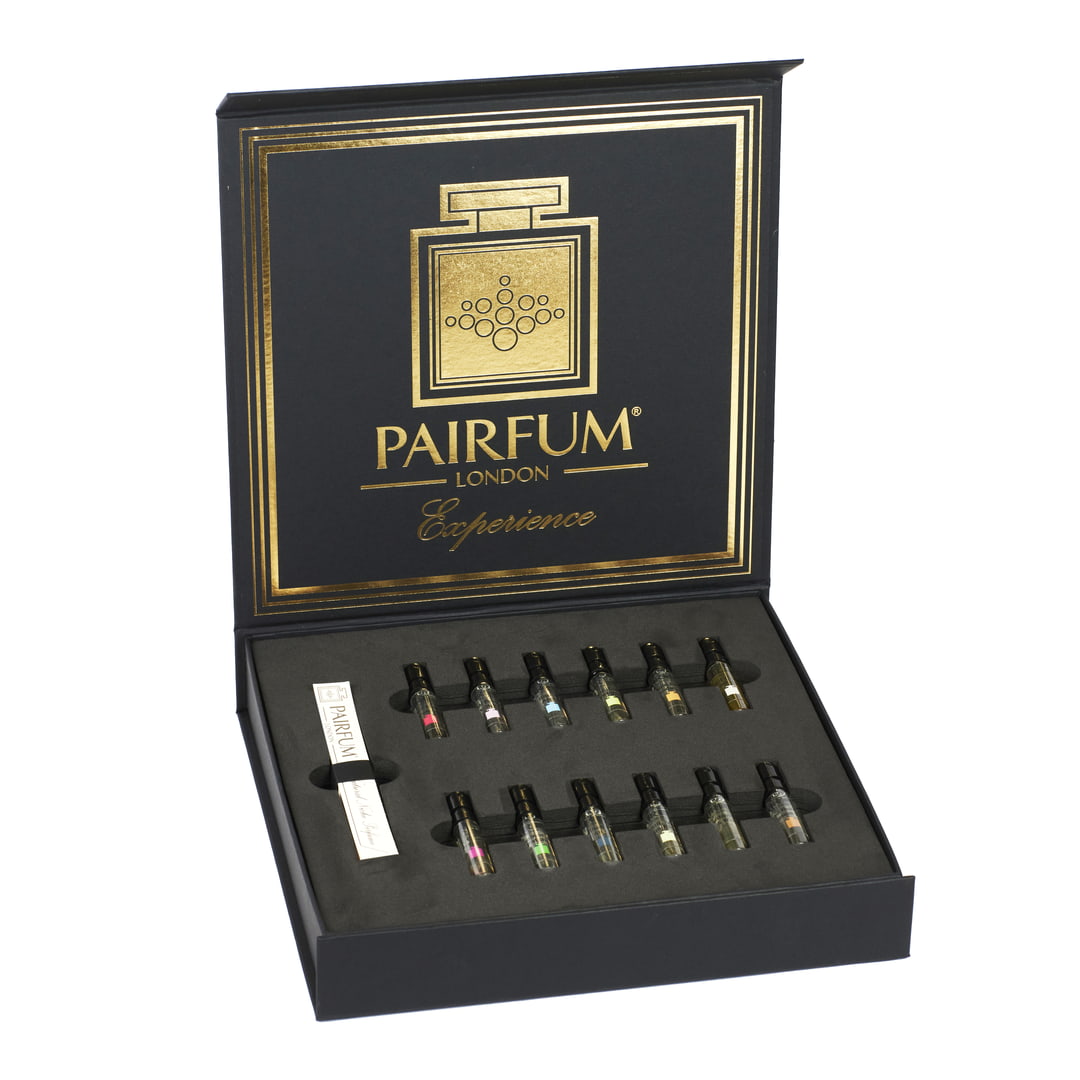
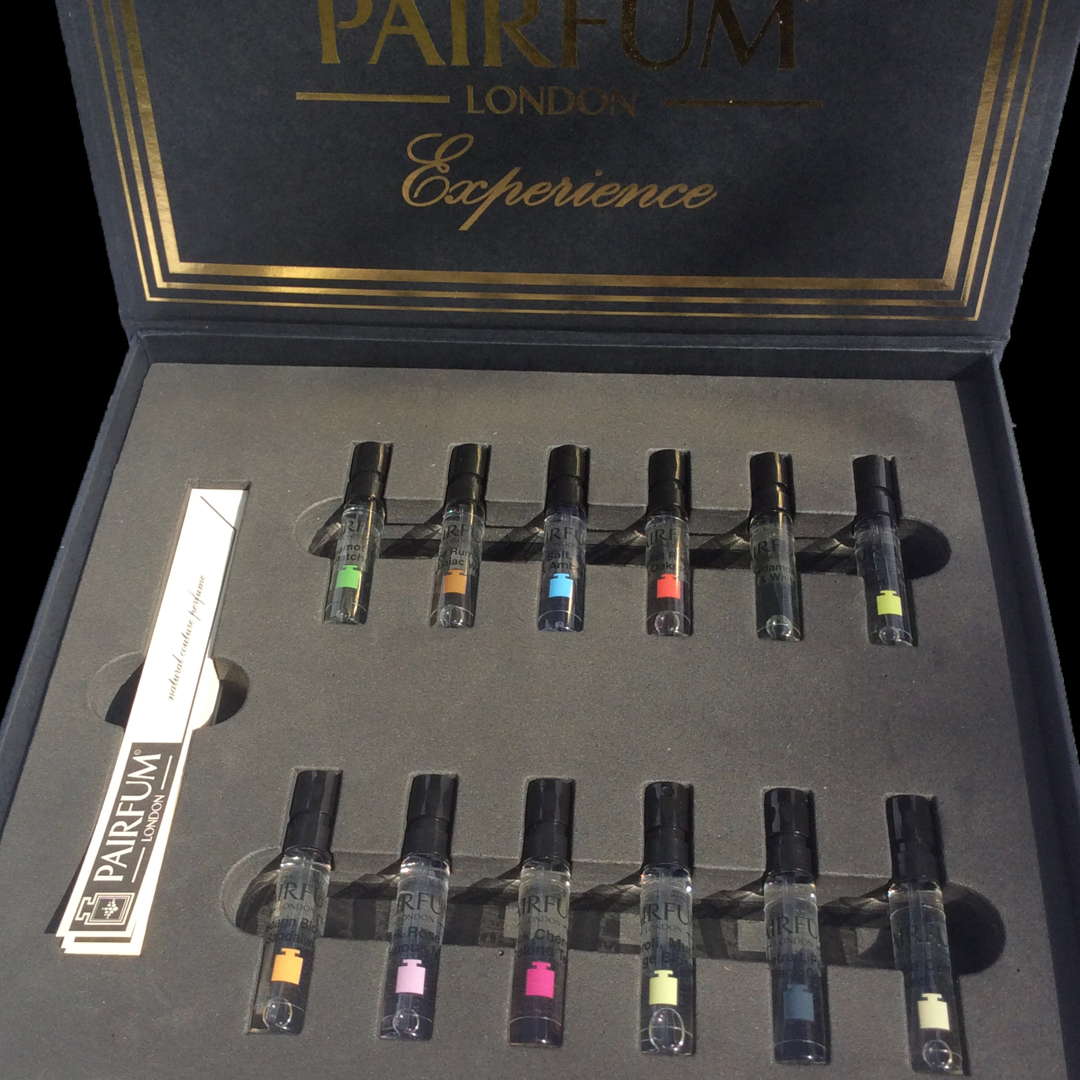
For anyone curious about the art of fragrance creation, Pairfum’s Fragrance Library Perfume Experience Box is the perfect place to begin. It feels like stepping into a miniature perfume studio, where each scent invites exploration. Whether you’re layering to create a signature perfume or simply getting to know your preferences, this set makes the process intuitive and enjoyable. With its refined selection and thoughtful presentation, it brings the world of perfumery closer, one scent strip at a time.

Fragrance Library Perfume Experience Box by Pairfum London

The box includes ten beautifully crafted eau de parfum, each composed using high-quality essential oils and natural ingredients. Every fragrance comes in a generous spray vial, ideal for testing directly on skin or scent strips. The variety spans fresh, woody, floral, and oriental notes, giving you space to experiment, combine, and eventually settle on what feels most like you. It’s a thoughtful and elevated way to discover your own signature perfume through a truly sensory experience.

Conclusion

Fragrance creation is a remarkable journey of creativity, skill, and intricate science. From inspiration to final approval, each step is critical in crafting a unique perfume. Understanding the perfumer’s role and careful fragrance ingredient selection highlights the complexity and art in fragrance creation. The creation process demands patience and precision for a perfect balance of scent notes. Dedication to quality, from sustainable sourcing to rigorous testing, ensures each perfume holds a unique story and exquisite aroma. The increasing scientific focus, alongside enduring artistry, continues to push perfumery boundaries, leading to captivating, memorable olfactory experiences and the creation of the perfect perfume.

Discover the fascinating world of fragrance creation and experience exceptional perfumes. Find your new favourite fragrance crafted with care and expertise. Enhance your daily routine with elegance and sophistication.

Body Mist

Discover Body Mist & Its Growing Popularity

Body mist is a lighter, refreshing alternative to traditional perfume. This gentle aroma suits daily use, unlike heavier perfumes. With fewer fragrance oils, body mists offer a subtle scent that’s easy to wear. They are a popular choice for a delicate fragrance touch all day, providing a pleasant, all over body scent without overpowering. This versatile product is a beauty routine staple.

Let’s explore body mist’s benefits and how to seamlessly integrate this delightful mist into your daily routine. Discover your perfect scent and maximise freshness for your entire body.

Understanding Body Mist: More Than Just a Scent

Body mist is a light, refreshing fragrance product for direct skin application, offering an aroma less intense than traditional perfume. Body mists blend fewer fragrance oils with water, making them gentle. This allows for a less overpowering fragrance and a delightful, all over body scent. Many see body mist as vital body care, complementing skincare.

This product’s versatility is key. Use it generously across the entire body, often after showering. Unlike heavier perfumes, body mists invite frequent reapplication for quick body refreshes, keeping you fresh and pleasant. This body spray offers effortless freshness.

Additionally, body mist often includes hydrating ingredients like glycerin or aloe vera. These benefits mean it adds fragrance while moisturising your skin. The light, airy feel of this mist is popular, especially in summer, when heavier fragrances might be too much for your skin. It’s a perfect body companion.

The Allure of Body Mist: Why It’s a Growing Trend

Body mist’s rising popularity isn’t accidental. In a fast paced world, consumers seek convenient, indulgent products without complexity. Body mists fit perfectly, offering accessible entry into fine fragrance. Their lighter nature aligns with a growing preference for understated elegance. Emphasis on natural ingredients and skin caring properties aligns with broader trends towards holistic wellbeing and diligent skincare. Many individuals are mindful of strong scents in shared spaces, making a body mist’s subtle scent projection a considerate choice for daily routine wear. Body sprays from brands like Sol de Janeiro have popularised body mists, showcasing a wide range of captivating scents, elevating this simple mist to a beauty essential. This body product is highly in demand.

Lifestyle Flacon Room Perfume Spray Clear Natural 1 1

Benefits of Using a Body Mist: A Multi Faced Delight

Body mist offers several benefits, making it popular among fragrance lovers. Key advantages of this wonderful product:

Lightweight & Refreshing:

  • Subtle Fragrance: Body mist delivers a gentle, subtle scent, perfect for daily body wear. Its light mist feels pleasant on skin.
  • Cooling Effect: The water based formula provides refreshing, cooling sensation, especially after a workout or in summer heat. It’s an instant pick me up, offering immediate freshness to your body.

Hydration & Skin Benefits:

  • Moisturising Ingredients: Many body mists contain hydrating ingredients like glycerin or aloe vera, which soothe and moisturise skin. This dual action of fragrancing and nourishing benefits your body.
  • Quick Absorption: Lightweight body mists quickly absorb into skin without greasy residue, ensuring comfortable wear on your body. This benefits everyday skincare.

Versatility & Convenience:

  • Easy to Use: Body mist comes in a convenient spray bottle, easy to apply wherever your body desires. Its portability means on the go freshness.
  • Re-applicable: Reapply body mist throughout the day for fresh, pleasant aroma. Ideal for those preferring a less permanent fragrance, allowing scent changes. A body spray offers immense flexibility.

Cost Effective:

  • Affordable: Body mists are often more affordable than traditional perfumes, allowing fragrance experimentation without overspending. This makes fine fragrance accessible, a budget friendly option for frequent reapplication.
  • Large Quantities: Often in larger sizes, body mists offer more product for your money, providing excellent value. This helps build a body mist collection without a high end perfume budget.

These combined benefits explain body mist’s popularity. Whether seeking light fragrance, hydration for your skin, or convenient daily freshness, a body mist offers an excellent body solution.

Popular Ingredients in Body Mists: The Essence of Delight

Body mists often feature beneficial ingredients for scent and skincare.

Fragrance Notes: Crafting the Scent Profile

A body mist’s aromatic composition features notes designed to evoke moods for your body.

  • Floral: Classic notes like jasmine, rose, and lavender provide fresh, romantic, calming aromas.
  • Fruity: Vibrant, energising citrus notes like bergamot, grapefruit, berries, and apples offer a juicy, uplifting feel. A perfect scent for sunny days. Many body mists embrace these lively notes.
  • Herbal: Mint, basil, and rosemary add calming, invigorating, refreshing aromas with a clean, natural character for the body.
  • Exotic & Gourmand: For warmer, inviting scent, coconut, vanilla, sandalwood, and amber are used, adding luxury. Notes of vanilla orchid and caramel add delicious depth to these fragrance compositions.

Hydrating Agents: Nurturing Your Skin

Beyond scent, many body mists feature skin loving ingredients, making them part of your daily routine for skincare.

  • Glycerin: Draws moisture into skin, keeping it soft and hydrated.
  • Aloe Vera: Soothes and moisturises skin, especially after sun exposure.
  • Vitamin E: Antioxidant that protects skin, promoting a healthy glow. These ingredients ensure your body feels nourished.

Additional Ingredients: Enhancing the Experience

  • Essential Oils: Many body mists incorporate natural essential oils for therapeutic benefits and authentic aromas, from uplifting citrus to calming lavender for your body and mind.
  • Alcohol Free Formulas: A significant development, alcohol free body mists prevent skin dryness and irritation, suitable for sensitive skin and frequent body application.
  • Minerals and Antioxidants: Ingredients like green tea extract and various minerals are added for their protective, revitalising, refreshing effects on the skin, contributing to overall body health.

These ingredients enhance fragrance and provide skincare benefits, making body mists a multifunctional product that cares for your skin while leaving a beautiful scent.

Bold Body Mist

Body Mist vs. Perfume: Understanding the Differences

Both body mists and perfumes impart aroma, yet differ significantly in composition, intensity, and longevity. Understanding these distinctions helps choose the right product.

Body mists typically have 1 3% fragrance oils, offering a light, subtle scent for the body. They last roughly 2 4 hours, often needing reapplication. Intended for generous body use, they are generally more affordable and larger. A key advantage of body mists is their hydrating ingredients, directly benefiting skin. They are ideal for everyday wear, light refreshing, post shower use, or scent layering.

In contrast, traditional perfume, such as Eau de Parfum or Eau de Toilette, has significantly higher fragrance oils concentration (Eau de Toilette 5 15%, Eau de Parfum 15 20%+). This yields a stronger, more concentrated aroma, lasting 4 8 hours or longer. The concentrated perfume oil defines their category. Perfume is applied sparingly to pulse points due to its intensity and higher price, like a high end perfume. Its primary focus is fragrance, with less emphasis on body skin benefits. Perfume is best for special occasions or when a prominent, long lasting fragrance is desired.

Essentially, body mists offer a casual, refreshing, hydrating fragrance experience, perfect for daily routine use and for those preferring a less intense aroma. Body sprays offer similar benefits. Perfumes, however, provide a more lasting, impactful scent, ideal for making a statement.

Hair Mist: A Scent for Your Tresses

Beyond the body, a dedicated hair mist wonderfully scents your hair. Unlike regular perfume or body spray, hair mist is formulated for hair, often with less or no alcohol to prevent dryness or frizz from typical fragrance products. A good hair mist delivers beautiful scent, hydration, and shine to your hair.

Using a hair mist is perfect for quick refreshing between washes, after a workout, or to combat unwanted hair odours like food smells. It adds a subtle scent to your hair, completing your overall fragrance aura. To apply, hold the hair mist bottle 5 7 inches away and spritz evenly, focusing on ends where hair retains scent well. Use on damp or dry hair. Integrating a hair mist into your beauty routine ensures your hair smells as lovely as the rest of your body.

How to Incorporate Body Mist into Your Daily Routine: A Breath of Freshness

Adding a body mist to your daily routine is simple, enhancing overall freshness and aroma. Here are tips for effective use:

After Showering: The Foundation of Fragrance

  • Fresh Start: Spray body mist all over your body right after showering, while skin is slightly damp. Moisture helps lock in fragrance, making it last longer and meld beautifully with your natural skin chemistry.
  • Moisturising Layer: For extended aroma and hydration, apply light, unscented body lotion or complementary scented lotion before spraying body mist. This nourishing base helps hold aroma on your skin, allowing it to develop fully and extend its longevity. This combination significantly enhances fragrance.

Throughout the Day: Quick Re-invigoration

  • Quick Refresh: Keep a body mist bottle handy in your bag or at your desk. A quick spritz on pulse points or all over your body instantly refreshes aroma and boosts mood, especially after exercise or long hours. This ensures perfect on the go freshness.
  • Heat Relief: On hot days, use body mist as a cooling spray. The water based formula evaporates quickly, leaving you cool, refreshed, and subtly fragranced. Storing your body mist in the fridge provides extra cooling, perfect for summer heat or to evoke beach skin.

Beyond Personal Use: Refreshing Your Surroundings

  • Refreshing Wardrobes and Homes: Light, quick drying body mists excel at subtly refreshing fabrics and spaces. A light spritz inside wardrobes leaves clothes smelling fresh; a spray around living areas uplifts the atmosphere. This is a delightful way to use any body spray.
  • Before Bedtime: A Calming Ritual: Choose a calming body mist with notes like lavender, chamomile, or sandalwood. Spray lightly on your body, pyjamas, or directly onto bed linen and pillows to help unwind and promote restful sleep. This transforms your bedroom into a tranquil haven. This mist contributes to well-being and provides a soothing scent.

Special Occasions & Practical Tips:

  • Layering Fragrance: Body mists excel at fragrance layering. Use a body mist with complementary notes under your regular perfume for a complex, unique, long lasting fragrance. For example, a fruity body mist can brighten a deeper floral perfume.
  • Custom Mixes: Experiment with different body mists to create your own unique aroma. Mix fruity notes with floral or herbal ones for a tailored fragrance experience expressing your personality.
  • Makeup Application: When using body mist on your face, especially over makeup, apply from an arm’s length in a fine mist to avoid disturbing your beauty look. Allowing the mist to settle for around 30 minutes after application allows the full scent profile to emerge. Remember body mists are primarily for your body and hair, not a direct makeup setting spray.
  • Longevity Tip: For truly long lasting fragrance, combine your body mist with other products. More layers of the same or complementary scent applied to your body yield greater aroma longevity.

Incorporating a body mist into your daily routine is an easy, delightful way to stay fresh and enjoy the benefits of a light, versatile fragrance for your entire body and hair.

Choosing the Perfect Body Mist for You

With a wide range of body mists available, selecting your perfect scent is enjoyable. Consider these factors for your body:

  • Scent Preference: Do you prefer floral, fruity, fresh, or warm aromas? Think about scents that appeal to you. Perhaps a rich vanilla or zesty citrus will be your perfect scent.
  • Occasion: A light, citrusy mist suits daytime summer outings; a more exotic, vanilla based mist could suit evenings.
  • Skin Type: For sensitive skin, opt for alcohol free formulas or those designed for sensitive skin, often enriched with soothing ingredients like aloe vera for your body.
  • Hydration Needs: If moisturising your body is a priority, seek mists formulated with glycerin or hyaluronic acid.
  • Brand Values: Consider brands aligning with your values. Many popular body sprays, including those from Sol de Janeiro, focus on quality ingredients and offer a broad array of body mist options.

Explore various products to find what truly resonates. Your perfect scent and a delightful body mist await. When ready to explore a wide range of body mist options, consider adding a discovery set to your cart to find your perfect scent before checkout. Many beauty websites offer these possibilities, often opening in a new window for easy Browse. Take time to visit different websites and find the body mist that is right for you.

Pairfum Flacon Perfume Room Spray Signature White Lavender

A Luxury Mist Experience with Unexpected Versatility

If you love the lightness of a body mist but crave a touch more sophistication, the Flacon Room Spray Perfume by Pairfum London is a surprising standout. Though crafted as a home fragrance, its clean, skin-friendly formulation and beautifully balanced scent profile make it perfect for a gentle spritz on clothing, hair, or even directly on the body. The fragrance feels sheer and airy, yet lingers in a way that gives it real presence—ideal for those moments when you want to feel refreshed, not over-scented.

Flacon Room Spray Perfume by Pairfum London

Each bottle is filled with a refined blend of natural essential oils, diffused in a biodegradable base that’s free from harsh chemicals. Whether you choose Blush Rose and Amber, Cedar Noir, or another signature blend, the composition is layered yet effortless—floral, woody, or citrusy notes that never overwhelm. The flacon itself is elegant, with botanical illustrations screen-printed onto glass, making it just as pleasing on the shelf as it is in use. It’s a thoughtful way to elevate your scent routine with something light, lovely, and entirely modern.

Conclusion:

Body mists offer a delightful, increasingly popular way to experience fragrance without heavy traditional perfume. They provide light, refreshing aroma, alongside invaluable hydrating benefits for your body’s skin. With a rich variety of popular ingredients, from uplifting florals and fruity notes to comforting gourmands like vanilla and caramel, body mists cater to diverse preferences, making them a versatile beauty routine addition. This wonderful product is remarkably easy to incorporate into your daily routine: use it post shower, for quick revitalisation, as a calming bedtime ritual, or as a clever tool for fragrance layering and refreshing your surroundings, including your hair.

The subtle scent, skin nourishing properties, and sheer versatility of body mists make them more than just a fleeting scent; they are a sophisticated, accessible form of skincare and self care. This versatile mist brings freshness to your entire body.

Explore the exquisite range of body mists to find your perfect scent. Elevate your fragrance routine and enjoy the refreshing, gentle benefits of body mist today. Discover your perfect scent and the invigorating freshness a body mist can bring to your daily life.

Natural Ingredients For Hormone Health

Natural Ingredients for Hormone Health

Natural ingredients are essential for hormone health. Everyday life exposes us to a vast array of toxins. From air pollution to plastics and pesticides, harmful substances are all around us. Household items, cosmetics, and personal care products often contain synthetic chemicals. Many of these chemicals are endocrine disruptors, which can interfere with our hormonal systems.

Exposure to these chemicals can negatively affect our bodies. According to Science Alert, around 350,000 synthetic chemicals were in use in 2022, with this number continuing to grow. Unfortunately, many of these substances have not been fully tested for long-term safety. Hormonal imbalances can lead to issues with skin health, energy levels, and overall confidence. This highlights the importance of choosing products that support our hormone health.

By being mindful of the ingredients in skincare and personal care products, we can help reduce exposure to endocrine disruptors. This can support both our hormonal health and the planet. Natural alternatives to synthetic ingredients are not only safer but often more effective, providing a cleaner option for health and wellness.

What is Hormonal Health and Why Does it Matter?

Hormonal health refers to the proper balance and functioning of the body’s hormone-producing glands. Hormones regulate many vital processes, including metabolism, mood, sexual health, sleep, immune function, and reproductive health. When hormone levels are imbalanced—either too high or too low—it can result in a variety of symptoms, such as fatigue, anxiety, acne, bloating, or menstrual irregularities.

This makes hormone regulation essential not just for women but for everyone. Factors such as diet, stress, sleep quality, and exposure to harmful substances all influence hormonal function. Understanding how to support hormone balance naturally is a key step towards holistic wellbeing.

Pairfum Pillow Spray

Common Symptoms of Hormonal Imbalance

Hormonal changes can affect people in different ways, but some symptoms are particularly common and may go unnoticed at first. According to experts, here are some signs that could indicate your hormones are out of balance:

  • Persistent fatigue, even with enough sleep
  • Unexplained weight gain or difficulty losing weight
  • Changes in skin such as acne, dryness, or excess oil
  • Irregular or heavy periods or other disruptions to the menstrual cycle
  • Low libido or changes in sex drive
  • Anxiety, mood swings, or feelings of depression
  • Poor sleep or waking during the night
  • Digestive issues that affect gut health
  • Hair thinning or loss

These symptoms may suggest hormone imbalance, which can stem from various issues, including the function of the adrenal gland, pituitary gland, or thyroid hormone production.

Understanding Endocrine Disruptors and Their Impact

Endocrine disruptors are chemicals that interfere with the body’s hormones. These disruptors can be found in many everyday items, ranging from plastics to personal care products. They imitate or block hormones and can disrupt normal hormonal health.

Common sources of endocrine disruptors include household products, cosmetics, and even food packaging. Parabens, phthalates, and synthetic fragrances are some common examples. These disruptors are absorbed through the skin or ingested, impacting hormone levels and overall health.

Hormonal imbalance can result from consistent exposure to these substances, leading to low testosterone, oestrogen dominance, or testosterone deficiency. Awareness of these chemicals and their effects is essential to avoid disruption of hormone regulation.

Key Hormones Affected by Daily Life

Hormones affected by our environment and lifestyle include:

  • Oestrogen: A key hormone in both women and men. High oestrogen levels can result from exposure to xenoestrogens in plastics and beauty products.
  • Testosterone: Crucial for both men and women. Low testosterone can impact sex drive, muscle mass, and energy.
  • Progesterone: Balances oestrogen in the body. Too little can lead to hormonal imbalances, anxiety, and sleep issues.
  • Insulin: Regulates blood sugar. Insulin resistance is often a sign of underlying hormone imbalance.
  • Cortisol: Known as the stress hormone. Chronic stress can spike cortisol, disrupting hormone balance.
  • Thyroid hormone: Affects metabolism and energy. Imbalances here can cause fatigue and weight changes.
  • Follicle stimulating hormone and luteinizing hormone: Essential for reproductive health and the menstrual cycle.
  • Sex hormone binding globulin: Regulates the availability of testosterone and oestrogen in the blood.

Supporting these hormones naturally can improve hormone health and reduce symptoms of imbalance.

Natural Alternatives for Hormonal Balance

Switching to natural ingredients in personal care supports hormone health by reducing exposure to endocrine disruptors. Consider these effective alternatives:

  • Vitamin E: A safe and natural preservative that supports skin and hormone health
  • Neem Oil: Offers antibacterial benefits without disrupting hormones
  • Tea Tree Oil: Acts as a natural preservative
  • Vanilla CO2 Extract: Adds aroma without synthetic compounds
  • Hydrosols: Mild, water-based botanical extracts
  • Sea Buckthorn Oil: Antioxidant-rich and beneficial for skin
  • Avocado Oil: Natural moisturiser and antioxidant
  • Black Cumin Seed Oil: Supports hormone production
  • Aloe Vera Gel: A silicone-free moisturiser
  • Plant Waxes: Such as candelilla and carnauba
  • Mango and Kokum Butter: Moisturising without hormone-disrupting chemicals

These natural alternatives help support hormone balance and are gentler on the endocrine system.

Woman With Good Hormone Health

Nutrition, Gut Health, and Hormonal Wellness

A hormone-friendly diet is crucial for long-term hormonal health. Foods that support hormone production and hormone regulation include:

  • Healthy fats: Such as nuts, olive oil, and oily fish
  • Fibre-rich foods: Like oats and flaxseed, which support oestrogen metabolism
  • Fermented foods: Such as kefir and kimchi, which boost gut health
  • Cruciferous vegetables: Help in natural detoxification

Gut health plays a central role in hormone balance. A healthy gut assists in the elimination of excess oestrogen and stabilises blood sugar, which is vital for managing hormonal changes.

Hormonal Shifts Through Life: From Perimenopause to Menopause

Women often experience major hormonal shifts during perimenopause and menopause. Perimenopause can begin in the late 30s or 40s and includes fluctuating hormone levels, particularly oestrogen and progesterone. These changes can lead to various symptoms, such as:

  • Hot flushes and night sweats
  • Mood swings
  • Irregular periods
  • Sleep disturbances
  • Low libido

During menopause, menstruation stops entirely, and oestrogen levels decline further. This stage can include menopause symptoms such as joint pain, skin dryness, and reduced bone and heart health.

The British Menopause Society recommends lifestyle changes and informed medical guidance for managing menopausal symptoms, such as exploring hormone therapy or hormone replacement therapy under professional supervision.

Hormones, Mental and Sexual Health

Hormonal health has a strong connection to mental health and emotional wellbeing. Imbalances in hormones such as progesterone and testosterone are often linked to anxiety, low mood, and reduced cognitive clarity. Hormonal imbalance can also affect sexual health, including low testosterone and decreased sex drive.

Supportive habits such as regular movement, mindfulness, and nutrient-rich foods can help regulate these hormones naturally.

The Role of Sex Hormones in Men’s and Women’s Health

Sex hormones play a fundamental role in the wellbeing of both men and women. These hormones, particularly oestrogen, progesterone, and testosterone, affect everything from mood and energy to reproductive and mental health. Testosterone is often referred to as a male hormone, yet it is also crucial in women for maintaining bone strength, libido, and muscle tone. Imbalances in testosterone levels can lead to fatigue, mood swings, and decreased sexual health in both sexes. For those focusing on women’s health, it is essential to monitor these hormone levels as they fluctuate naturally during the menstrual cycle, perimenopause, and menopause. A balanced relationship between sex hormones supports overall wellness and can reduce the risk of long-term hormonal issues.

Long-Term Strategies for Hormone Health

To protect hormone health long term:

  • Get consistent sleep to support the pituitary gland and hormone regulation
  • Prioritise relaxation to lower cortisol and the stress hormone
  • Avoid plastics and synthetic fragrances where possible
  • Choose hormone-friendly products made with natural ingredients
  • Monitor symptoms of hormonal imbalance early

Understanding the role of glands such as the parathyroid glands and how they interact with other hormones helps build greater awareness around hormonal health.

Conditions Associated with Hormonal Imbalance

Some conditions linked to hormonal imbalance include:

  • Polycystic ovary syndrome (PCOS): Often associated with insulin resistance and excess androgens like testosterone
  • Thyroid disorders: Can impact weight, energy, and skin
  • Testosterone deficiency: In men and women, it leads to low energy and mood
  • Hormonal birth control side effects: May influence oestrogen level and progesterone

If symptoms persist, medical testing and treatment options such as hormone therapy may be recommended.

Create a Calm Environment to Support Hormone Health

Hormonal balance is deeply connected to rest, relaxation and emotional wellbeing. Creating a peaceful bedtime routine can support hormone regulation by helping lower cortisol and other stress-related hormones. Introducing small rituals like a calming pillow mist can signal to your body and mind that it is time to unwind, promoting deeper rest and supporting better hormonal health over time.

Deep Sleep Pillow Spray by Pairfum London

This pillow spray is crafted with a delicate blend of essential oils and natural fragrances, designed to freshen linen and fabric while creating a soothing environment for sleep. Free from harsh chemicals and synthetic additives, it’s a gentle choice for those mindful of hormone health. Use it on pillows, bedding or soft furnishings to enjoy a light and comforting scent that supports nightly relaxation.

Pairfum Lifestyle Bed Perfume Spray Linen Fabric Sleep Pillow 1 1 1

Conclusion

Hormonal health is vital for everyone, not just for those experiencing menopause or hormonal changes. Supporting your hormones through natural choices, clean living, nutrition, and awareness of environmental toxins can reduce the risk of hormone imbalance and long-term health issues.

The body’s hormonal systems are delicate, but with the right information and consistent habits, they can be supported to thrive.

Stay informed, listen to your body, and take steps daily to protect your hormonal health for better energy, clarity, and overall wellbeing.

    Your Cart
    Your cart is empty