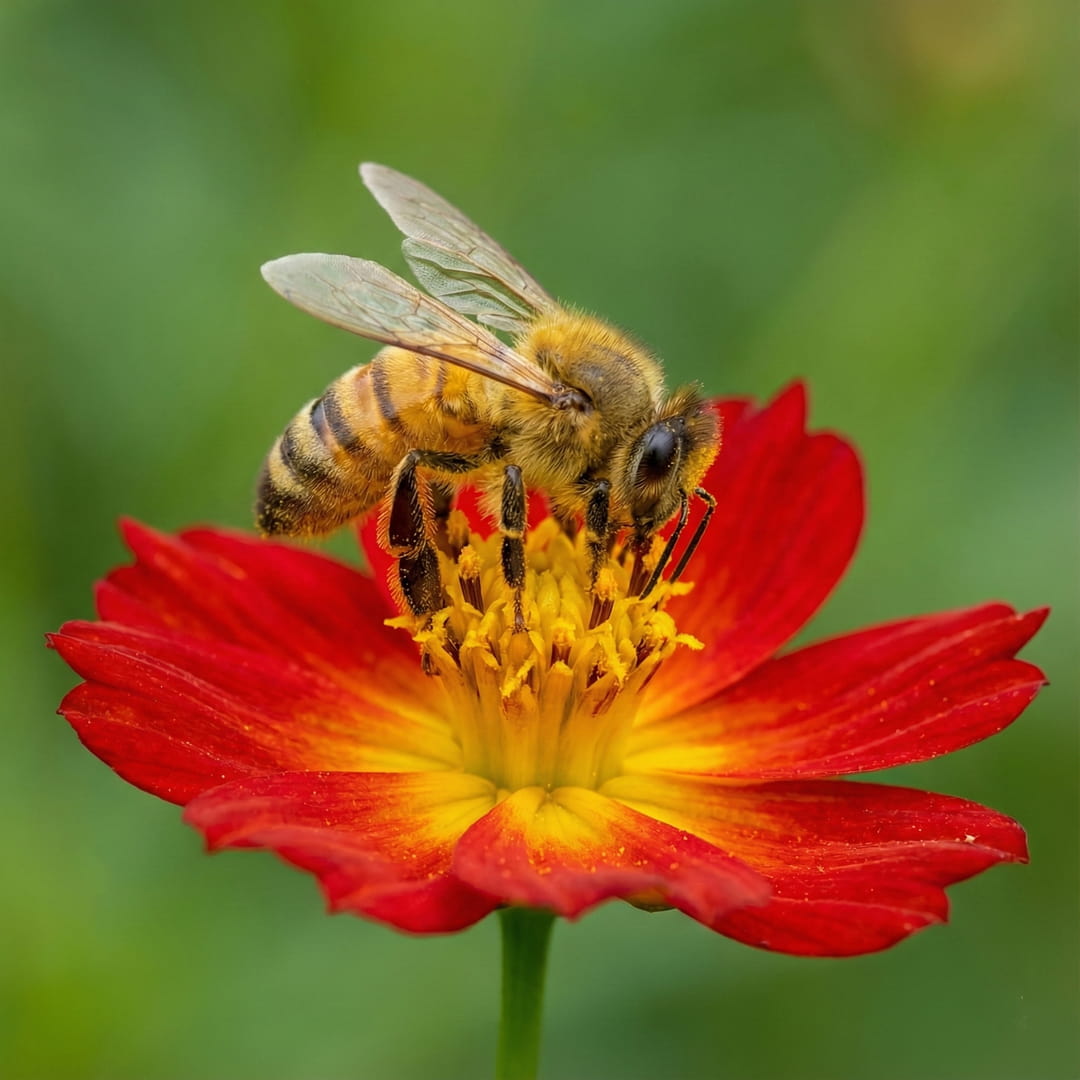
A statement by the United Nations stated that the ‘Decline of honey bees is now a global phenomenon’, today the EU has voted for a permanent ban on pesticides that are harmful to bees. Earlier this year a report released by the European Food Safety Authority (EFSA) found that most uses of neonicotinoid pesticides represent a risk to wild bees and honeybees. Under the new regulations, the use of imidacloprid, clothianidin and thiamethoxam outdoors will now be banned in EU member states.
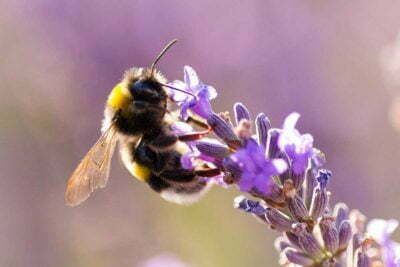
These chemicals have been linked to large-scale extinctions in bee population, and are known to impact on their learning and memory. Bees face chronic exposure to these chemicals, as they persist in the environment and are dispersed to other plants besides the ones they were initially applied to. There is currently a ban on neonicotinoid use on flowering crops in the EU, however the new report suggests this is not sufficient, as the use of these chemicals in any outdoor setting poses a high risk to bees. It also identified that high risk does not result from direct exposure to non-flowering crops, but to subsequent indirect exposure from field margins, adjacent crops and succeeding crops. The report confirms the significant threat these neonicotinoid pesticides pose to our bees, however, indoor use of the pesticides in greenhouses, for example was not found to have the same harmful effects,
Insects make up about two-thirds of all life on Earth, but the last 25 years has witnessed the most dramatic decline in the numbers of flying insects having dropped by 75 per cent. Insects play an essential role for life on earth as pollinators of plants and prey for larger animals, their loss would and is already having a profound impact on our World.
This wonderful news today from the EU gives us hope that we can halt the decline in our Bee populations, and with our help we can over time hopefully reverse this unrepresented loss of our insect life, especially our hard working Bees. One of the ways we can help save the bees is to plant flowers, by planting flowers especially ones indigenous to your area we provide food to feed the bees and other valuable pollinators. By planting a pollinator-friendly garden you are not just saving our Bees, we are ultimately saving ourselves and the Planet.