Today’s post is about the question ‘What are the different types of perfume?’
This is the first post in our mini-series on “How To Choose A Beautiful Fragrance As A Gift”.
When speaking about different ‘types’ of perfumes, this can be answered in many different ways.
Fragrance Oil Concentration
This question about ‘type’ refers to the concentration of fragrance oil within the perfume and we have the following types:
- Parfum, Extrait
- Eau de Parfum
- Eau de Toilette
- Eau de Cologne
- Aftershave / Cologne
- Eau Fraiche
- Spritzer
We have detailed description of each of these different types of perfume on our website within ‘FAQs – which types of perfumes last the longest’:
https://www.pairfum.com/faqs-perfume-frequently-asked-questions/
Olfactive Profile or Category
We categorising fragrances by the fragrance type, the perfume industry has created ‘categories’ and these the main ones:
- Oriental
- Floral
- Floriental
- Fougere / Fern
- Chypre
- Aromatic
- Woody
- Citrus
- Amber
- Fruity
We have a more detailed description of each of these categories on our website, towards the bottom of this page under ‘classification’:
https://www.pairfum.com/perfume-description/
Gender
This split of fragrance types by gender is quite obvious and yet, the past 20-30 years have seen the rise of the ‘unisex’ perfume.
Today, it can be argued that these ‘types’ of perfumes are outdated, as modern women happily wear very masculine fragrances, as well as men wearing more feminine notes without hesitation.
Season / Occasion / Activity
Changing our perfume with the season / occasion / activity is still a quite modern phenomenon, as it requires that we have more than a single perfume. Many consumers now have a collection of perfumes from which the select according to:
- the Season: fresh in Spring / Summer and warmer for Autumn / Winter
- Activity: a light, invigorating note for a sporting activity but a unique/strong/long-lasting note for going to a party
- Occasion: an elegant fragrance for going to the Opera or a more assertive / confident note for a business meeting
Formula
The perfume formula is another type of perfume and it has an enormous impact on how a fragrance smells.
Here are a few examples of different types of perfume formulas:
- alcoholic: this is the most common one and the one everybody has grown to love. Alcohol provides a wonderful lift and freshness to perfume.
- oil: perfumes with an oil base are typically found in a Parfum, Extrait or Attar. Without alcohol, they may seem ‘flat’ or not as strong initially. On the other hand, oil-based perfumes tend to last longer, as the alcohol doesn’t lift the perfume off your skin. This makes them very popular in high temperature countries, e.g. the Arabic countries.
- solid perfume: perfumes presented in a solid wax are the most common type in this context. The olfactive profile of a fragrance will be similar to an oil based perfume
- water: perfumes dissolved in water are typically associated with ‘Spritzers’. The main advantage is cost, as water is much cheaper than alcohol. One downside is that they can feel a little bit sticky or tacky because of the solubilizer needed to mix oil and water.
Format
When it comes to perfume types, today we also have a large variety of perfume formats:
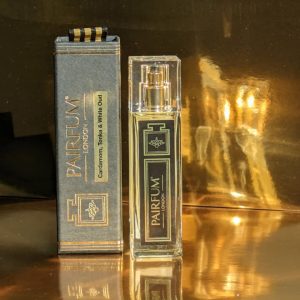
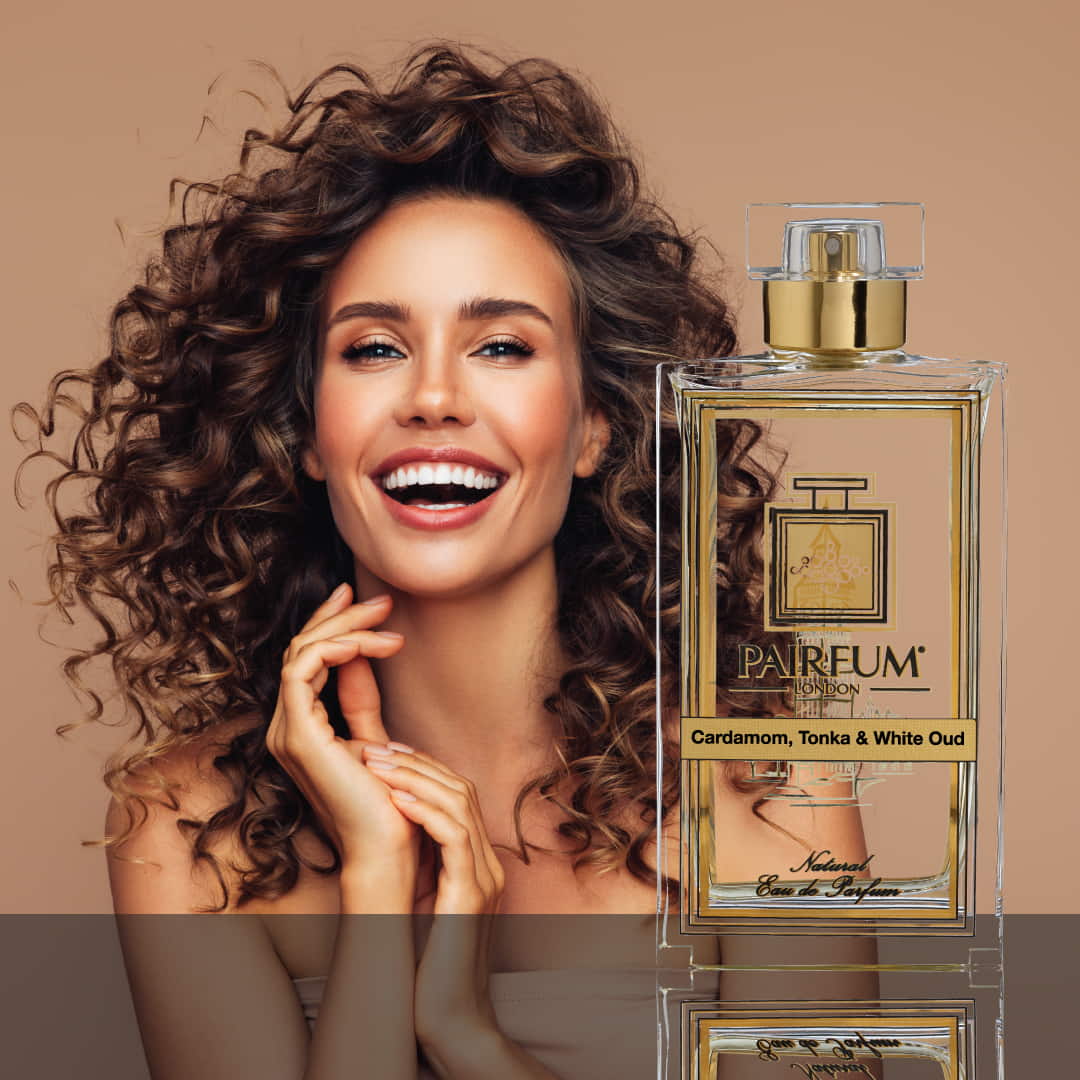
- perfume spray: the 100ml perfume spray is still the most popular type of perfume
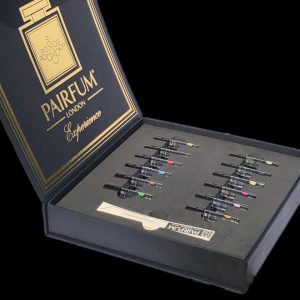
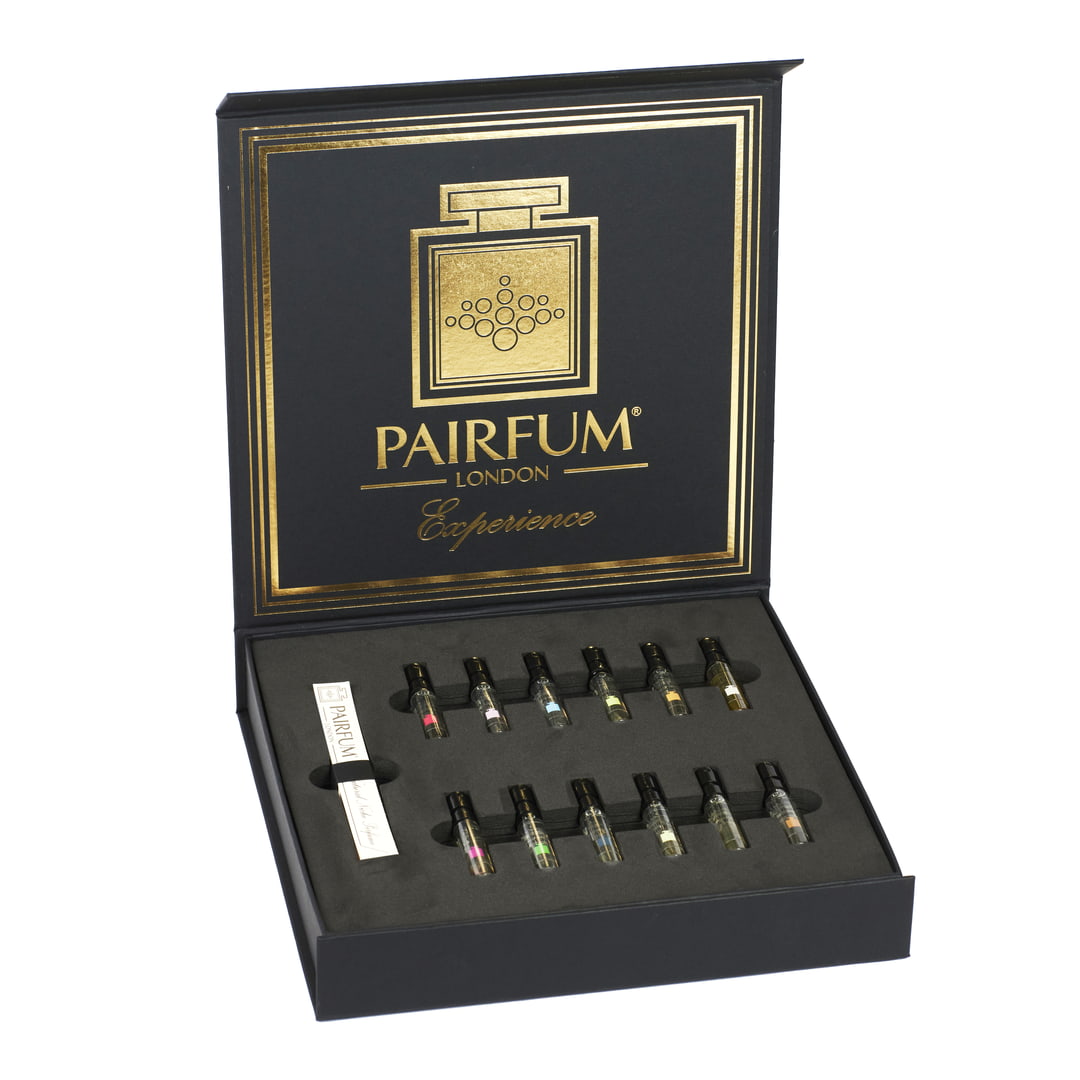
- size: we have seen the rise of the 30ml travel or trial size of perfume. These are not just ideal for holidays but also fit easily into handbags, pockets or sports bags for daily use.
- perfume rollers: they tend to be popular for non-alcoholic perfume oils, as the allow precise application. Keep in mind, Perfume evaporates very differently from a wax than
- perfume pen: this is a new format that competes with the roller but offers the benefit of the alcoholic perfume we love from the sprays.
- solid perfume: these tend to be perfumed waxes, an another new format. Its robustness, i.e. it can’t break, and compactness, i.e. small flat tin, make it very popular as a travel, handbag or sporting accessory. The olfactive profile of a solid perfume is very different though.
Conclusion
As you can see there are many different types of perfume and each has its own strength or use.
The most common is still a typical perfume spray containing alcohol and yet, travel sizes, attars and solid perfumes have increased in popularity and are fantastic for specific uses.