Home / Evergreen / Page 5
Melon In Fragrance

Melon in Fragrance: Juicy Freshness with Watery Sweetness

Melon in fragrance offers a fresh, juicy, sweet, and watery scent, most often created using synthetic materials such as calone to suggest its cooling, aquatic character. This makes it well-suited to light, summer, or clean perfumes, where it pairs naturally with citrus, florals, and aquatic notes to create a vibrant and uplifting effect across fine fragrances and scented candles.

Melon often brings summer to mind, yet in fragrance it has a place far beyond warm days. Its gentle sweetness and high water content give perfume a sense of lift that works throughout the year. As colder months arrive, richer notes such as woods and musks become more common, but melon has a way of cutting through them. It introduces a watery clarity that feels calm rather than sharp. This is not simply a beachside fruit note. Used with care, melon balances depth with lightness and keeps a composition feeling open and breathable. With its mild fruit character and clean impression, melon can feel as clear as cold water and as reassuring as a crisp morning.

Looking more closely at how melon entered modern perfumery helps explain why it remains such a popular choice today.

A Brief History of Melon in Perfume

Melon is a relatively recent addition to fine fragrance. It became widely recognised during the 1990s, when aquatic and fruity floral styles reshaped ideas of freshness. These perfumes favoured clean lines and airy structures, and melon fitted naturally within them.

The word melon itself has deeper roots. It appears in Middle English texts and can be traced back through French and Latin. By the fourteenth century, melons were already being grown and traded across Europe and the Mediterranean. They were valued as a cooling fruit during warmer weather and appreciated for their refreshing juice.

In perfumery, melon offered something different from citrus fruit. Its sweetness was softer and rounder, without sharp edges. This made it useful for balancing bitter green notes or salty marine accords. Over time, melons became linked with ideas of clean skin, water, and ease. These associations helped shape the popularity of melon-based fragrances for everyday wear.

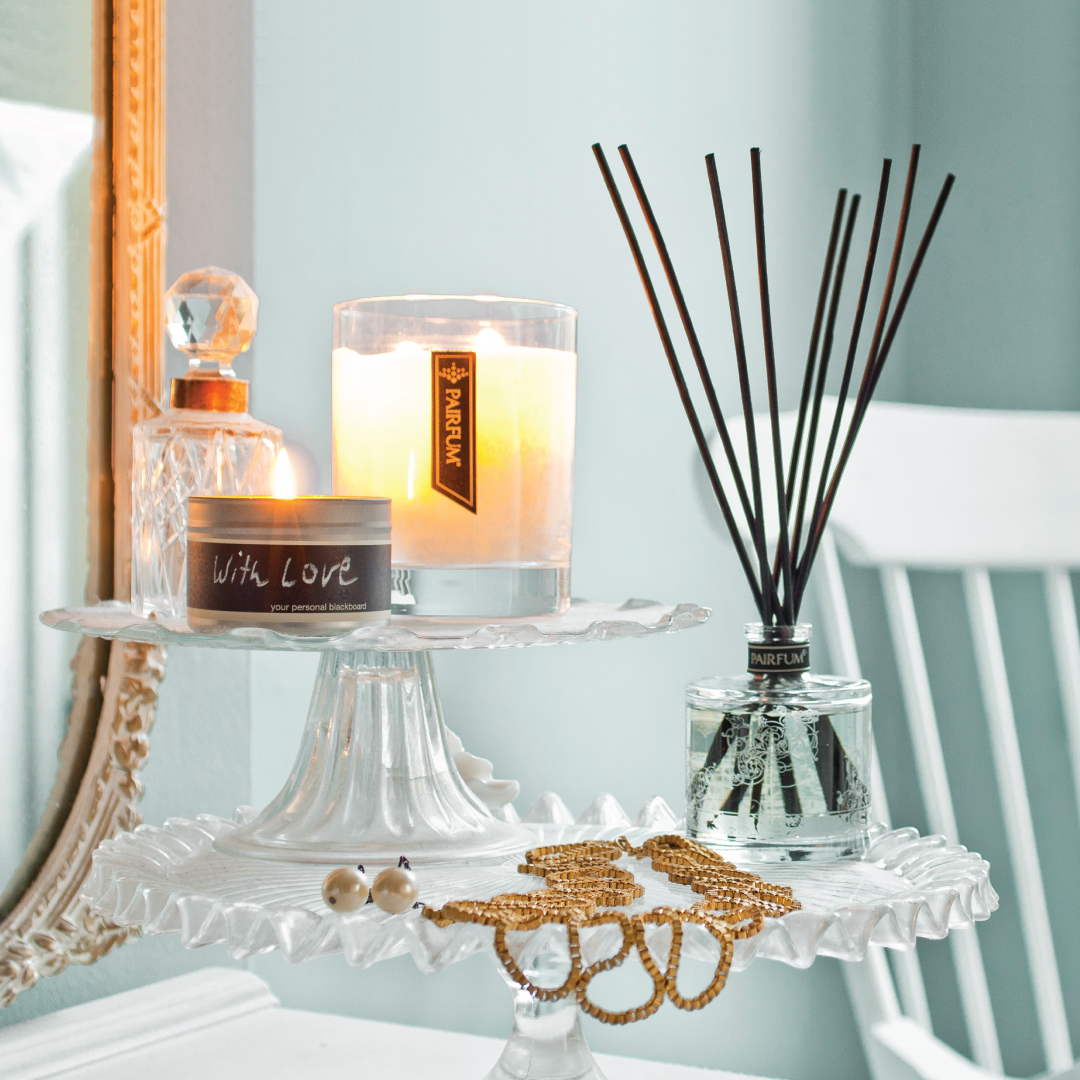
Lifestyle Living Room Natural Reed Diffuser Fragrance Candle 1 1

Melons as Plants and Botanical Background

From a botanical perspective, most cultivated melons belong to the species Cucumis melo, part of the gourd family. Within Cucumis melo there are many varieties, including cantaloupe, honeydew, canary melon, Persian melons, Charentais melon, Hami melon, and the Santa Claus melon. Watermelon is often grouped with melons in daily language, although it belongs to a different species, Citrullus lanatus.

Melon plants are annual and grow along the ground or over supports on a trailing vine. Each plant produces large leaves that protect the developing fruit from strong sun. Both male and female flowers appear on the same plant, and pollination is essential for fruit to form.

As the fruit develops, sugar levels rise, water increases, and aromatic compounds form within the flesh. The rind thickens as protection, while the central cavity surrounds the seed mass. The size and number of seed varies by type, yet melon seeds are always present in mature melons.

Melons thrive in warm conditions with good drainage and steady watering. These growing habits explain why melons are so closely tied to summer, even though types such as winter melon are bred for storage rather than immediate use.

The Types of Melon Used in Fragrance

Different melons create different impressions in scent. Across the many varieties grown worldwide, changes in water content, sugar, and flesh colour influence how we perceive their aroma.

  • Cantaloupe: A cantaloupe melon is recognised by its netted rind and soft orange flesh. Its aroma is gentle and rounded, suggesting ripeness rather than strong sweetness. In fragrance, cantaloupe adds warmth and softness. Cantaloupe appears frequently when a mellow fruit note is required.
  • Honeydew: Honeydew melon has smooth pale skin and light green flesh. Honeydew melons are prized for their clean sweetness and high juice content. This clarity makes honeydew suitable for fresh and watery compositions. The note of honeydew feels calm and restrained.
  • Watermelon: Watermelon has crisp red flesh and very high water content. Its scent is light and fleeting, often used to suggest freshness rather than a distinct fruit flavour.

Other references include canary melon with its bright yellow rind, and Charentais melon, which is valued in France for its intense aroma. Persian melons are larger and elongated, while the Santa Claus melon is known for its thick rind and long keeping quality.

In perfumery, melon is recreated rather than extracted. The aim is to suggest fruit water, freshness, and light sweetness without heaviness.

How Melon Is Created for Perfumery

Melon does not produce an essential oil suitable for traditional extraction. Its scent is delicate and closely tied to water, making it impossible to capture through distillation.

Instead, perfumers build a melon impression using aroma molecules. Calone is one well-known material, adding a marine and watery character that recalls fresh fruit and sea air. Fruity aldehydes, lactones, and green notes are layered to suggest the textures of melon flesh.

By adjusting these elements, perfumers can move between the crisp bite of watermelon and the softer creaminess of ripe melon. This flexibility explains why melon continues to appear in modern fragrance design.

Melon’s Role and Pairings in Perfume

Melon rarely dominates a composition. More often, it acts as a connecting note that smooths transitions between accords.

It pairs naturally with cucumber, reinforcing the watery and green aspects of the scent. Other fruit notes, such as pear or apple, can enhance its brightness. Herbs like mint add lift, while soft florals introduce elegance.

Melon also works well with musks and light woods. In this role, it prevents a perfume from feeling dense and keeps the overall structure airy.

Melon Slice

Melon in Food Culture and Scent Memory

Our response to melon in fragrance is shaped by how we experience melons as food. A ripe melon releases its aroma as soon as it is cut, signalling freshness through smell alone.

Melons appear in simple dishes such as chilled slices, salad, and fruit salad. A familiar pairing is melon with prosciutto, where sweetness meets salt. Melon also works alongside salty cheese, herbs, or a splash of lime or lime juice to sharpen the taste.

These everyday memories influence how melon is perceived in scent. It suggests hydration, cleanliness, and ease rather than indulgence. Many melon dishes rely on simplicity rather than complex recipes.

Lesser Known Melons and Cultural References

Not all melons are sweet dessert fruit. Bitter melon is valued for its sharp taste and is used in savoury cooking. Its aroma is not associated with fragrance.

Winter melon, despite its name, is harvested in warm months and stored for later use. It has firm flesh and a mild flavour, making it suitable for cooking rather than fresh eating. These contrasts show how broad the category of melons really is.

Melon Day celebrations and agricultural events reflect the importance of melons as a crop. Growers often define the perfect melon by balanced sugar, firm flesh, an intact rind, and a well-developed aroma.

The Santa Claus melon takes its name from its ability to keep into the festive season, linking summer fruit with winter traditions.

Iconic and Niche Perfumes Featuring Melon

Melon had a strong influence during the 1990s, when aquatic fragrances reshaped ideas of freshness. Many of these scents remain well-known.

In niche perfumery, melon is used more quietly. It may appear briefly at the top or sit in the background, adding clarity to unusual structures. This approach reflects a move towards atmosphere rather than obvious fruit notes.

L’Eau d’Issey Pour Homme by Issey Miyake

A landmark aquatic fragrance where melon blends with watery accords and soft woods to create a clean and airy impression.

Escape by Calvin Klein

A fruity floral that uses melon to bring openness and brightness, balancing green notes and flowers.

Cool Water Woman by Davidoff

A fresh floral aquatic where melon supports the crisp top notes and enhances the sense of coolness.

Pairfum Natural Wax Candle Pure Magnolias In Bloom

Watery Melon Top Notes In Pairfum London Home Fragrance

For those drawn to the uplifting nature of melon in fragrance, the Snow Crystal Fragranced Candle offers a similar feeling within the home. Its clean scent recalls winter light and gentle sweetness, echoing the watery clarity associated with melon-inspired compositions. It is designed to create space and balance, whatever the season.

Magnolias In Bloom – Classic Snow Crystal Fragranced Candle by Pairfum London

A Spring Flowers accord with a fresh top note of ozone, white flower petals, and a light hint of watery melon. The heart remains floral with magnolia, lily, geranium, rose, and violet, while musks and rosewood form the base.

A Breath of Freshness All Year Round

Although melon is often linked with summer, its role in fragrance extends well beyond warm weather. In cooler seasons, it provides contrast and lightness.

In perfumery, melon is less about sweetness and more about water, air, and light. Across the many species and varieties of melons, from Cucumis melo to Citrullus lanatus, shared qualities of juice and freshness continue to inspire scent creation.

From cantaloupe and honeydew to watermelon and beyond, melons connect agriculture, fruit growing, memory, and fragrance. Their presence in perfume reminds us that scent is shaped by everyday encounters with plant life, taste, and place.

Orris In Perfumery

Orris in Perfumery: Powdered Elegance and Velvet Root

Orris refers essentially to the dried and ground rhizomes (the underground stems) of certain iris species, most notably Iris germanica and Iris pallida. It is highly valued in the perfume and spirits industries for its distinct powdery, violet, and earthy aroma, serving as a natural fixative to harmonise various scents. Historically, it has also been utilised in traditional medicine and cosmetic applications. After a multi-year drying process, the initial bitter, earthy odour matures into a sophisticated floral fragrance reminiscent of violets, rendering it a precious, though costly, botanical component.

There’s something quietly beautiful about orris. Powdery, soft, and smooth to the point of feeling creamy, it’s a note that lingers gently and leaves behind a feeling rather than a statement. A whisper of violet, pale suede, or warm fabric might come to mind when you try to describe it. Orris comes from the root of the iris flower, not the petals, and it takes years to become ready for perfume. That patience pays off. It’s a favourite during winter, when its velvet-like richness and lightly floral aura bring comfort and calm. Here, we look at the story behind orris, what gives it its distinctive character, and how it continues to hold a prized place in fragrance and perfumery today.

A Root with a Rich History

Orris isn’t new to perfumery, far from it. This soft, powdered note has been used in luxury oils and fragrance blends since ancient Egypt. Back then, dried iris root was burned with oils or added to balms, creams, and early lotions. By the time of the Renaissance, especially in places like Venice and Florence, finely ground orris root powder was packed into linen chests and wardrobes. It helped preserve textiles, repel insects, and scent garments with a gentle powder that aged gracefully.

  • Centuries ago, orris root was used as a fixative, helping other perfume ingredients last longer.
  • Its subtle nature made it a natural choice for adding softness and balance, especially when other ingredients were overly sharp or bold.
  • Before modern perfume-making, orris appeared in medicine, soap, and beauty preparations, often blended into powders and spirits for both scent and flavour.

In historical records, orris is sometimes referred to as the Queen Elizabeth root, a name linked to its popularity in Tudor England. Even as synthetic aroma chemicals emerged, orris retained its place, especially in refined perfume, where nuance matters more than impact.

The Iris Family Behind Orris

To understand orris, you need to understand iris. Several species are used, each lending subtle differences. The most prized varieties are Iris Pallida, Iris Germanica, and Iris Florentina. You may also see references to German iris or pallida in older perfumery texts.

  • Iris pallida is known for a softer, more floral profile.
  • Iris germanica brings slightly earthier, woody tones.
  • Iris florentina has long been associated with Italian orris production.

These iris plants are grown for their rhizomes, often called iris root once harvested. The living plant has very little scent. The magic only begins after drying and ageing, when natural compounds develop into what we recognise as orris.

Pairfum Lifestyle Reed Diffuser Tower Classic

From Flower to Fragrance: Extracting Orris Oil

It’s easy to think orris would come from the flower of the iris. But it’s the root, or rhizome, that holds the aroma. And the process of getting orris oil, often called orris butter, takes a long time.

  1. Iris roots are harvested from mature plants of Iris Pallida or Iris Germanica.
  2. The roots are washed, peeled, and left to dry for at least three years. During this time, the scent slowly forms.
  3. After ageing, the dried orris root is ground. At this stage, it may be sold as orris root powder for potpourri or traditional uses.
  4. Steam distillation or solvent extraction produces orris concrete, which is then refined into orris butter or, less commonly, orris absolute.

True orris butter is pale, waxy, and solid at room temperature. It melts with warmth, releasing a creamy, buttery iris aroma that is prized in high-end perfume.

Why Ageing Orris Cannot Be Rushed

Fresh iris root is almost scentless. This is one of the most important and least intuitive facts about orris, and a key reason it is so rare. According to documented agricultural and chemical studies, the characteristic aroma develops only during long-term ageing, as naturally occurring compounds slowly transform into aromatic molecules known as irones.

These changes happen over years rather than months. Attempts to speed up the process result in a flatter, less complex scent. This is why traditional producers insist on extended drying and storage, even though it delays any financial return.

Orris as an Ingredient in Modern Perfumery

Orris is one of the most expensive natural ingredients in perfumery. Its cost reflects time, labour, and low yield. For this reason, it is used sparingly, often as a base note or structural element rather than a feature.

As an essential oil substitute, orris butter provides depth rather than diffusion. It anchors lighter notes and smooths transitions between top and base. Many perfumers value it for how it blends with soft musk, sandalwood, amber, and patchouli, adding a polished, powdery finish.

Because of its density, orris also helps stabilise volatile ingredients, making a perfume last longer on the skin.

Fragrance Description Pink Powder Violet Rose Iris Orris

What Does Orris Smell Like?

It’s hard to describe orris without comparing it to textures. It doesn’t jump out the way citrus or spice might. Instead, it feels like a fragrance worn close to the skin. Silky and smooth, slightly creamy, with a refined powder quality. Many say it reminds them of:

  • Violet petals and soft floral powder
  • Old-fashioned face powder or cosmetics
  • A fine piece of paper, suede, or clean fabric
  • A whisper of almond, wood, or a faint fruity undertone

Orris can also carry a buttery iris impression, sometimes described as cosmetic or lipstick-like. This powdery effect is why it appears so often in classic perfume styles.

Orris Root Powder and Traditional Uses

Beyond perfume, orris root powder has a long history. It has been used in potpourri, scented drawers, and even early dental powders. In some traditions, powdered orris root was added to soap, giving a gentle scent and helping the bar age well.

Its use in flavour was rare but documented, especially in spirits and liqueurs, where a trace amount added a floral nuance. These uses declined as safety standards tightened, since prolonged exposure can cause mild irritation in some people.

Where Orris Is Grown Today

Today, commercial orris production is limited to a small number of regions. Italy remains the most significant source, particularly Tuscany, where iris florentina has been cultivated for centuries. The region’s dry summers, well-drained soils, and long agricultural tradition support the slow development required for high-quality orris root.

Smaller quantities are grown in parts of France and North Africa, but global production has declined. Many farmers have moved away from orris cultivation due to the long wait before harvest and the uncertainty of long-term pricing.

Orris Root

Why Orris Is Considered One of the Rarest Perfume Ingredients

Orris is often described as one of the world’s rarest perfume ingredients, not because the iris plant itself is uncommon, but because so few producers can sustain the process. Fields must be maintained for years without income, followed by further years of storage after harvest.

This extended timeline requires land, labour, and specialist knowledge passed down through generations. As a result, orris butter can command exceptionally high prices, reflecting time and expertise rather than simple scarcity.

Iconic Pairings and Notes That Suit Orris

Orris works best when paired thoughtfully. In perfumery, it often supports rather than leads.

Common companions include:

  • Soft musk for warmth and intimacy
  • Woody notes such as sandalwood or vetiver
  • Patchouli, used carefully to add depth without heaviness
  • Amber for resinous warmth
  • Jasmine in small amounts to lift the floral side
  • Juniper or citrus in the opening to contrast its softness

Together, these notes create balance. Orris smooths sharp edges and gives structure to complex perfume compositions.

Famous Orris Fragrances

Guerlain – Après l’Ondée

A classic composition where orris lends a delicate, powdery softness, blending seamlessly with violet and aniseed to create a wistful, atmospheric scent that feels both romantic and introspective.

Chanel – No. 19

Known for its elegant restraint, this fragrance uses orris to soften crisp green notes and iris, giving structure and poise while maintaining a cool, refined character.

Dior – Homme (Original)

A modern icon built around a smooth, buttery iris and orris accord, balanced with subtle woods and musk to create a contemporary, intimate fragrance with distinctive depth.

Pairfum London – Pink Powder & Violet

A floral fusion of Pink Powdery Rose Petals with Green Violet Leaf and Elegant Iris. The fragrance opens with top notes of Mandarin, Baies Rose and Pink Peppercorn, and finishes on a sumptuous base of Smooth Patchouli, Musk and Vanilla. Orris, Jasmine and Heliotrope enhance the heart note.

Orris in Winter Perfume Palettes

There is something fitting about orris in the colder months. When the air outside is sharp, the powdery warmth of orris feels comforting. It evokes wool, old books, and polished wood rather than sweetness.

  • In winter perfume, orris helps temper spice and resin.
  • It pairs well with incense, soft balsams, and woody accords.
  • It brings a calm presence that lasts throughout the day.

Because it sits close to the skin, orris perfume never feels overwhelming, even when layered with richer notes.

Bedroom Reed Diffuser Classic Perfumed Candle Room Spray

Natural Variations and Quality Differences

Not all orris is equal. Soil, climate, and ageing conditions all affect the final scent. Italian-grown orris, particularly from iris florentina, is often considered the benchmark. Differences between pallida and german iris also matter, with some lots leaning more floral and others more earthy.

Quality is judged by smoothness, lack of harshness, and the balance between powder and wood. Lower quality material may smell dry or dusty, lacking the creamy character associated with fine orris butter.

Orris and the Role of the Perfumer

Using orris well requires restraint. A skilled perfumer understands how little is needed. Too much can mute a fragrance or make it feel cosmetic. Used properly, it gives cohesion and elegance.

In a finished perfume, you may not immediately identify orris, but you would notice its absence. It is often the quiet reason a blend feels finished rather than fragmented.

A Note on Safety and Skin Use

As with many natural ingredients, orris must be handled carefully. In its raw form, orris root powder can cause irritation if inhaled or applied directly. In finished perfume, however, it is used at safe, regulated levels and is suitable for skin contact.

Why Orris Still Matters

Orris continues to hold attention because it never tries to be fashionable. In a market filled with bold launches and attention-grabbing notes, it offers something calmer and more assured. Powdery yet warm, woody yet floral, it brings together contrasts in a way that feels natural rather than engineered.

For those new to fragrance, orris can come as a quiet surprise. It encourages slower appreciation and a closer awareness of scent. For experienced perfume lovers, it remains a clear signal of quality and careful craft. As perfumery keeps evolving, this soft, velvety root still plays an essential role, connecting contemporary creations to centuries of tradition.

Pairfum Reed Diffuser Tower Classic Noir Pink Powder Violet

Exploring Orris Beyond Perfume 

While orris is best known for its role in fine fragrance, it has quietly made its way into other scented products. You will now find it in well-made candles, traditional soaps, and smaller niche items where subtle scent work is valued. Orris has a way of smoothing out a composition, taking away sharp edges and giving the whole fragrance a more considered feel. This makes it especially useful outside perfume, where balance matters more than impact.

Whether someone comes across orris as a concrete, an absolute, or the much-talked-about orris butter, the experience is rarely immediate. It is an ingredient that asks to be lived with rather than judged quickly. In perfumery, there are very few materials that manage to feel both rich and restrained at the same time, which is part of the reason orris remains so highly regarded.

Orris Base Notes in Pairfum London Home Fragrance

Using orris in the home brings a sense of calm that feels natural rather than styled. This classic reed diffuser tower is designed to release fragrance slowly, which suits a note like orris particularly well. Instead of filling a room all at once, the scent builds gently in the background. Over time, the powdery softness becomes more noticeable, adding warmth without ever feeling heavy.

Placed in a living room, bedroom, or hallway, the diffuser creates an atmosphere that feels settled and comfortable. It brings to mind freshly laundered fabrics, smooth wood surfaces, and a quiet kind of luxury. These are the same qualities that have made orris such a valued ingredient in perfumery for generations.

Pink Powder & Violet – Classic Tower Reed Diffuser by Pairfum London

This fragrance combines pink, powdery rose petals with elegant iris and fresh green violet leaf. The opening notes include mandarin, baies rose, and pink peppercorn, offering a gentle lift at first. As the scent develops, it settles into a soft base of patchouli, musk, and vanilla. Jasmine, orris, and heliotrope sit at the heart, helping to tie the composition together and keep it balanced.

Conclusion

Orris reminds us that some perfume ingredients cannot be rushed. From the long ageing process of the iris root to the delicate, powdery effect it brings to a finished scent, everything about orris reflects time and careful handling. It is never showy and never fleeting, yet it leaves a lasting impression. For anyone interested in how fragrance can feel deep without being overpowering, Orris continues to offer one of the clearest examples.

Pink Peppercorn In Fragrance

Pink Peppercorn In Fragrance: Bright Buzzy Spice

Pink peppercorns are the dried, sweet, and mildly spicy berries of the Peruvian pepper tree or Brazilian pepper tree, rather than true peppercorns. They offer a fruity, slightly citrus note to dishes such as fish, salads, sauces, and even desserts or cocktails, and are valued for their vibrant colour and delicate flavour. Pink peppercorns belong to the cashew family and are most often used as a garnish or light seasoning, adding a distinctive aroma and gentle warmth rather than sharp heat.

Pink Peppercorn is the sort of ingredient that catches you off guard in perfume. Light, fizzy, and just a little spicy, it adds a cheerful spark that lifts everything around it. You will often find it playing a key role in modern floral or woody fragrances, giving them a bright edge that feels fresh but still carries warmth. That makes it a perfect fit for early winter, when we are craving comfort and sparkle at the same time.

It is easy to mix up Pink Peppercorn with black pepper, especially when scanning a fragrance listing. But where black pepper is sharp and dry, pink peppercorn is sweeter, softer, and surprisingly fruity. It has a champagne-like pop that works in both classic and unconventional blends.

There is a quiet confidence to this note, never overpowering, just the right kind of zing. Let us look at where it comes from, how perfumers work with it, and which creations have used it particularly well.

A Little History of Pink Peppercorn

Despite its name, Pink Peppercorn is not a true peppercorn at all. It is the dried berry from the Schinus tree, often called the Peruvian pepper tree, found in parts of South America. The fruit has a rosy colour and mild peppery flavour, which is how it ended up in kitchens long before perfumery.

More specifically, pink peppercorns come from two closely related plants: the Peruvian pepper tree, also known as Schinus molle, and the Brazilian pepper tree, or Schinus terebinthifolius. These trees are sometimes collectively referred to as the Peruvian peppertree, and they are part of a different plant family from true pepper.

This distinction matters. True peppercorns, including black peppercorns, white pepper, and white peppercorns, all come from the same vine and are considered real peppercorns. Pink peppercorns, by contrast, come from a different plant entirely, even though they resemble a regular peppercorn once dried.

  • Unlike spices like clove or cinnamon with ancient histories in fragrance, Pink Peppercorn is a relatively new addition.
  • It gained popularity among modern perfume houses over the past few decades, particularly as preferences shifted toward lighter, more playful scents.
  • Its slightly fruity, gently spicy character made it easy to include in blends across seasons.

The berries themselves start as small green fruit before turning pink as they ripen. These ripe berries are harvested, dried, and transformed into the familiar pink peppercorn. In culinary contexts, they are sometimes called pink berry or baies rose.

It does not have the weight of more established spices, but that is exactly what makes it helpful in adding a clean but shiny feel to a perfume.

Fragrance Description Pink Powder Violet Rose Iris Orris

How It’s Sourced and Extracted for Perfume

Pink peppercorns grow in clusters on the pepper tree, thriving in warm climates across South America. Both the Peruvian pepper and Brazilian pepper varieties produce generous crops of fruit. These ripe berries are typically picked by hand to protect the delicate berry skins.

Once harvested, the fruit is dried. Each dried berry becomes a peppercorn with a vibrant colour and distinctive flavour. In perfumery, extraction focuses on preserving that freshness.

  • Rather than steam distillation, Pink Peppercorn oil is often obtained through CO2 extraction.
  • This process captures the fruity, citrus facets without introducing bitterness.
  • The result is a naturally bright and zesty perfume ingredient with complex layers.

Unlike black pepper or green peppercorns, which can feel sharp and dry, pink peppercorns feel light and buoyant. This makes them ideal for top or heart notes, where lift and movement are needed rather than depth alone.

Pink Peppercorn, True Pepper, and Common Confusions

Because of its name and appearance, pink peppercorn is often confused with true peppercorns. However, it is not a true pepper at all. True peppercorns come from the pepper vine and include black pepper, white pepper, and green peppercorns.

Pink peppercorns belong to a different plant family. They are closer relatives of plants such as poison ivy, which explains why some people may experience sensitivity when handling large amounts of the raw fruit. In fragrance use, this is not a concern, as the material is highly refined and used sparingly.

Pink peppercorns are also sometimes compared with chilli peppers, but this is another misconception. Chilli peppers deliver heat. Pink peppercorn delivers aroma, sweetness, and a mild peppery flavour without spice burn.

Safety Considerations Around Pink Peppercorn

Pink peppercorns are generally safe when used in small quantities, but they are not suitable for everyone. Because the pepper tree is related to plants such as poison ivy, some individuals may experience allergic reactions when handling or consuming pink peppercorns.

This sensitivity is rare, but it is documented. As a result, pink peppercorns are often labelled separately from true peppercorns in food settings. In fragrance, the extraction process removes proteins that typically cause irritation, making the ingredient safe for use in perfumes under regulated standards.

These distinctions are one reason pink peppercorn is treated differently from true pepper in both kitchens and perfumery.

Pink Peppercorn In A Bowl

Culinary Associations and Everyday Uses

Outside perfumery, pink peppercorns are used mainly for their colour and gentle flavour. They often appear sprinkled over a salad, folded into butter, or used as a decorative element in sauces. A mixed pepper mill may include pink peppercorns alongside black peppercorns, white peppercorns, and green peppercorns.

In cooking, pink peppercorns are rarely used alone. They are usually part of a spice blend designed to add visual appeal rather than heat. Their flavour pairs well with vegetables, light fish dishes, and creamy sauces, where stronger pepper would overwhelm the dish.

Because pink peppercorn is not a regular peppercorn, chefs tend to treat it carefully. It adds sweetness and fruit rather than sharp spice, which mirrors how perfumers use it in fragrance.

What It Brings to Perfume Blends

Pink Peppercorn works a little like a squeeze of citrus in cooking. It does not necessarily take centre stage, but it changes everything around it. It adds movement, clarity, and edge.

  • In woody blends, it cuts through thick, earthy tones to add contrast and sparkle.
  • With florals like rose, peony, or jasmine, it can sharpen the softness and add dimension.
  • When paired with musks and ambers, it keeps the warmth feeling airy rather than heavy.

It is especially helpful in perfumes that want to feel youthful but not simple, polished but never sweet. There is a dry quality to it that avoids sugariness, even when used alongside fruit or flower notes.

That is why Pink Peppercorn really shines in winter perfumes, trying to bring lightness into colder months. It creates a bright opening that still fits with the deeper, cosier base that winter-heavy perfumes often lean into.

Pink Peppercorn also brings a feeling of sparkle and freshness to a composition that might otherwise feel a bit too serious or heavy. While it is subtle, it can make a fragrance seem more lively and energetic, perfect for days when you want your scent to add a little extra to your mood. This is why it is often chosen for perfumes aiming to thread the line between comfortable and upbeat, working equally well in daytime or evening wear. Its brightness bridges the gap between cooling citrus notes and deeper spices or woods, helping each layer unfold smoothly on the skin.

Pairfum Fragrance Candle Flacon Room Perfume Spray Bathroom Spa 1 1

Pink Peppercorn Compared to Other Pepper Notes

When set beside black pepper, pink peppercorn feels rounder and more fragrant. Black peppercorn delivers sharp spice, while white peppercorns can feel dusty and intense. Pink peppercorns sit apart, offering a balance of spice, sweetness, and fruit.

Green peppercorns bring a fresh, vegetal edge, but they lack the brightness of pink peppercorns. Red peppercorns is a name sometimes used interchangeably with pink peppercorns, referring mainly to their colour rather than flavour.

This contrast explains why perfumers choose pink peppercorn when they want spice without aggression.

How Pink Peppercorn Differs From Other Peppercorns

True peppercorns all come from the same plant species and differ mainly by processing. Black peppercorn is dried while still green, white peppercorns are fermented and peeled, and green peppercorns are preserved before drying.

Pink peppercorn does not follow this process. It is harvested from a different plant and dried whole, retaining its berry-like structure. This is why it lacks the sharp bite found in true peppercorns.

Understanding this difference helps explain why pink peppercorn behaves differently in both cooking and fragrance. It contributes aroma and nuance rather than intensity.

Iconic Fragrances That Feature Pink Peppercorn

You are more likely to find Pink Peppercorn in niche perfumes, where perfume creators lean into ingredients that feel interesting and modern. But it has also crossed into more classic compositions, giving a lifted sparkle to long-loved favourites.

  • It shows up in airy, citrus-forward perfumes where it acts like a bridge between fruit and spice.
  • In romantic floral perfumes, it gives a slight shimmer that keeps bouquets from feeling too heavy.
  • In moodier perfumes with patchouli, incense, or woods, it is used to sharpen the edges and brighten the entry.

In many cases, Pink Peppercorn is blended with citrus, balsamic resins, or soft white flowers. Some perfumers pair it with juniper berries to enhance its crisp, aromatic quality.

When a fragrance needs an initial burst of uplifting energy, Pink Peppercorn is often chosen to do just that. Its inclusion often signals a perfume with movement and development, rather than one that stays flat or static.

Terre d’Hermès by Hermès

A modern classic built around mineral woods and citrus, Terre d’Hermès uses pink peppercorn to add a bright, peppery lift to its opening. The note sharpens the freshness without adding heat, helping the fragrance feel crisp and structured rather than heavy.

Coco Mademoiselle by Chanel

In Coco Mademoiselle, pink peppercorn adds sparkle to a polished floral composition. It brings a subtle spiced freshness that cuts through the sweetness of citrus and rose, giving the fragrance its distinctive, energetic opening.

Portrait of a Lady – Editions de Parfums Frédéric Malle

This rich, opulent fragrance features pink peppercorn as part of its complex spice structure. Here, the note adds brightness and contrast to deep rose, patchouli, and woods, preventing the composition from feeling dense at the start.

Iconic Pink Peppercorn Home Fragrances by Pairfum London

Pink Powder & Violet – Flacon Room Spray by Pairfum London

A floral fusion of Pink Powdery Rose Petals with Green Violet Leaf and Elegant Iris. The Fragrance opens with top notes of Mandarin, Baies Rose and Pink Peppercorn, and finishes on a sumptuous base of Smooth Patchouli, Musk and Vanilla. Orris, Jasmine and Heliotrope enhance the heart note.

Pairfum Flacon Perfume Room Spray Signature Pink Powder Violet

The Lasting Appeal: Why Pink Peppercorn Endures

There is a reason Pink Peppercorn keeps turning up in both niche blends and more familiar perfumes. It is not just about adding warmth or spice. It brings lift, structure, and a sense of easy charm.

This is a note that makes perfume feel clearer and more joyful without making it feel frivolous. Whether used in a floral, a woody perfume, or something herbal and crisp, it lets other ingredients shine. By doing so, it leaves its own quiet flash of energy behind.

For anyone interested in fragrance ingredients, pink peppercorn is a fascinating example of how a dried berry from a pepper tree can redefine what spice means in scent.

Enduring Interest in Pink Peppercorn

Pink peppercorn remains appealing because it occupies a unique space. It suggests spice without heat, and freshness without acidity. This balance allows it to work across many contexts, from food to fragrance.

Its versatility, combined with its distinctive origin and appearance, has kept it relevant as tastes have shifted towards lighter, more nuanced sensory experiences. Rather than replacing true pepper, pink peppercorn stands alongside it as a complementary ingredient.

New Year New Fragrance

New Year, New Fragrance: Finding The Scent That Defines The New You

The start of a new year has a way of making people pause, even if only briefly. It is often the smaller details that come into focus first, the everyday things that quietly shape how life feels. Fragrance sits firmly in that category. A scent can be tied to a memory, a mood, or a sense of confidence, sometimes without us realising it at the time. Trying something new does not mean letting go of old favourites. It is more about curiosity and seeing whether a different fragrance might suit the person you are becoming.

Some people naturally lean towards warm, spiced scents, while others prefer something fresh, floral or quietly woody. There is no right direction to take. Choosing a fragrance for the year ahead can simply be a way of marking intention, however loosely defined that intention might be. It is a gentle nudge beyond the familiar, and an opportunity to let a new scent by Pairfum London find its place in everyday life.

Oriental Fragrances

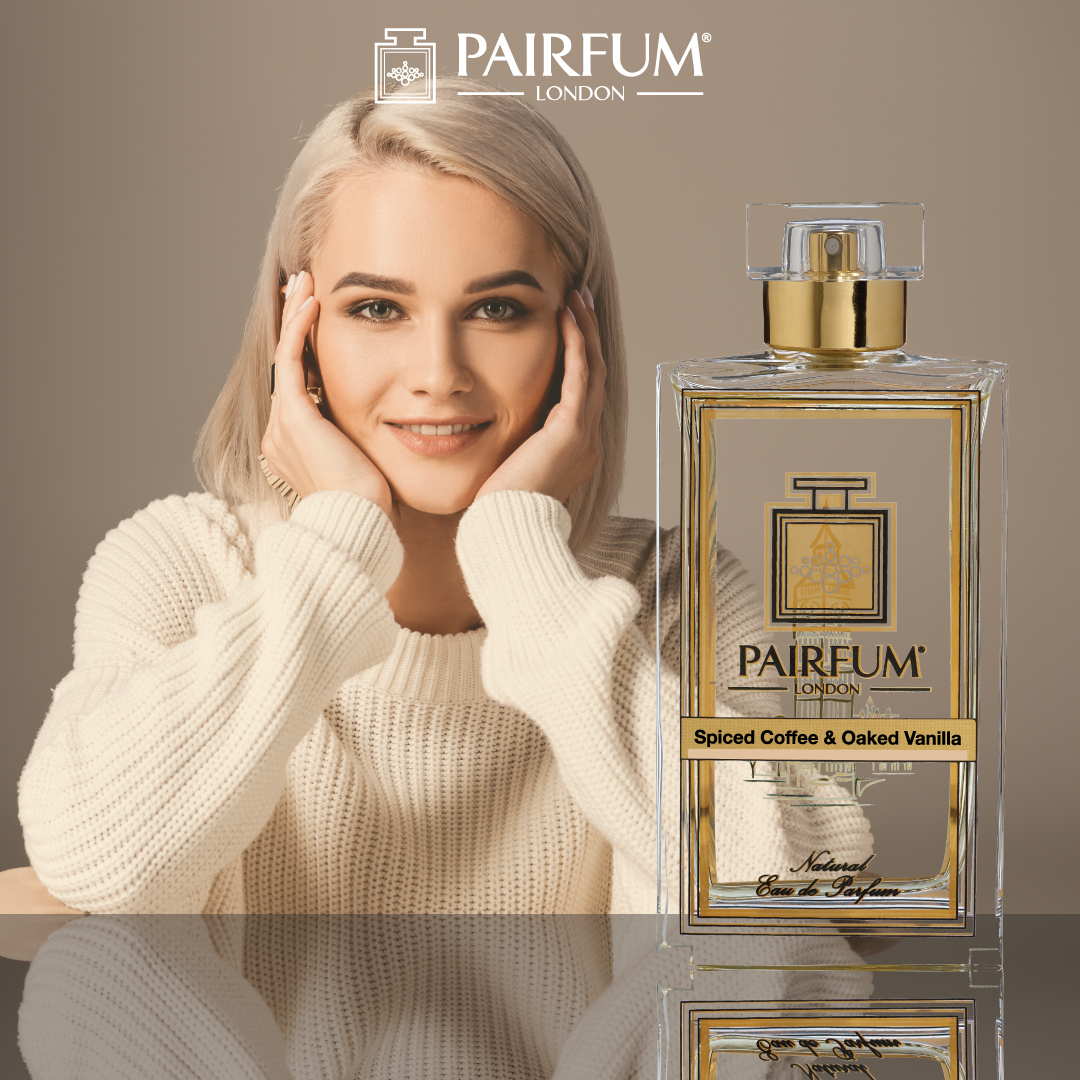
Spiced Coffee & Oaked Vanilla

Pink peppercorn and pear give the opening of this Oriental Spicy fragrance a bright, slightly playful lift, softened by orange blossom. Very quickly, the scent moves into deeper territory, where roasted coffee takes on a smoother edge through the presence of jasmine. As it settles, oak-aged vanilla becomes more prominent, supported by patchouli and cedarwood that add warmth and polish.

This fragrance often appeals to those who feel ready to step away from predictable choices. The mix of coffee and florals feels modern without being showy, and there is a confidence to how it wears over time. It is the kind of scent people tend to comment on when they notice it unexpectedly. Thanks to its layered warmth, it works just as well later in the day as it does in the morning, making it an easy signature for the year ahead.

Cardamom, Tonka & White Oud

A lively rush of lime and mandarin sets the tone here, with cardamom, nutmeg and clove adding immediate warmth. Cassis weaves through the opening before florals begin to emerge, with white lily, rose and orange blossom shaping the heart. In the background, tonka bean, white oud, sandalwood, cedarwood and amber build a rich and lingering base.

This is a fragrance for those who enjoy a sense of momentum in their scent. It opens brightly, grows warmer as it develops, and leaves a lasting impression without feeling heavy. Many people find that it becomes more noticeable several hours after first wearing it. It feels well-suited to anyone embracing change or renewed focus in the year ahead.

Eau De Parfum Person Reflection Cardamom Tonka White Oud Dress 1 1

Floral Perfumes

Pink Rose & Sensuous Musk

Lemon and lime introduce this fragrance with a fresh sparkle, followed by a gentle hint of ripe peach. The floral heart feels soft rather than dramatic, with a pink rose joined by magnolia and frangipani. As the fragrance wears on, musk and amber come through, supported by precious woods that give it a subtle warmth.

There is an uplifting quality to this scent that makes it feel especially fitting for new beginnings. It manages to feel light and elegant at the same time, avoiding anything overly sweet. It is often chosen by those who want a floral that feels easy to live with day after day. The musky base gives it quiet confidence, allowing it to sit comfortably as an everyday floral with character.

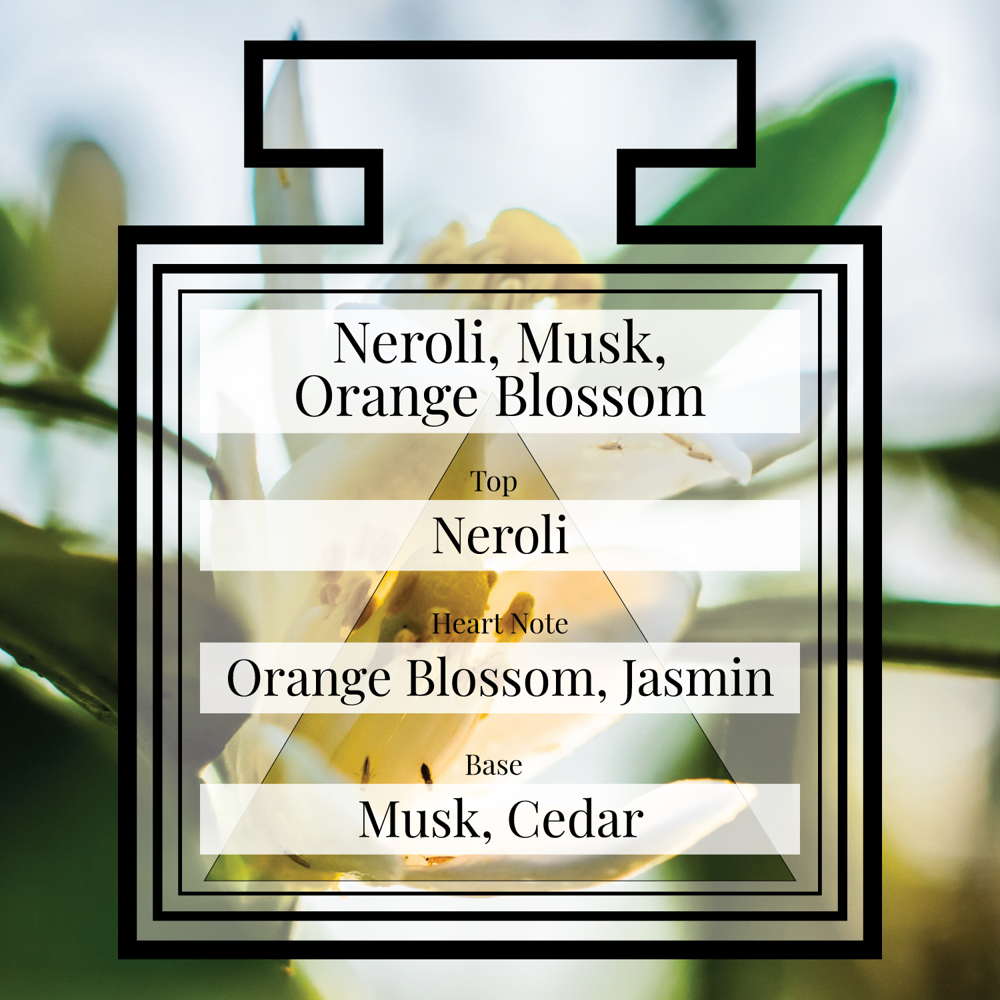
Neroli, Musk & Orange Blossom

This fragrance begins with neroli, offering a clean and natural freshness from the first spray. Orange blossom and Madagascan jasmine follow, creating a white floral heart that feels balanced and unforced. Cedarwood and musk form the base, adding softness and a gentle sense of depth.

For those who prefer clarity over complexity, this scent feels reassuring and easy to wear. The florals are refined rather than loud, giving it a timeless quality that suits many occasions. It often feels particularly comforting when worn close to the skin. As it settles, the musky notes provide warmth and comfort, making it a dependable choice for the year ahead.

Aromatic Scents

Sea Salt, Sage & Amber

Sage and grapefruit lead the opening of this fragrance, with bergamot and tangerine adding brightness. As it develops, the scent takes on a coastal feel, shaped by sea salt, kelp and marine notes that suggest fresh air and open space. Musk, amber and cedarwood soften the finish and keep everything well balanced.

This fragrance feels particularly refreshing without being sharp or fleeting. The marine heart gives it character, while the base ensures it remains wearable throughout the day. Some people associate it with moments of mental clarity or a change of pace. It is often chosen by those looking for a clean, modern scent that still feels considered and distinctive.

Ginger, Elemi & Vetiver

Bright citrus notes of bergamot and grapefruit appear first, quickly warmed by ginger, elemi, nutmeg and cinnamon. Lavender adds a calming touch before a complex floral heart emerges, featuring geranium, rose, freesia, gardenia, jasmine and orange blossom. Subtle hints of coconut and raspberry sit beneath the florals. Vetiver, woods, amber, musks, vanilla and moss shape the base.

This fragrance rewards attention as it wears, revealing different facets over time. It is well-suited to those who enjoy contrast in their scent, moving between freshness, spice and softness. It tends to feel slightly different depending on the time of day it is worn. The base gives it depth and longevity, making it a confident choice for expressing individuality.

Eau de Parfum Person Reflection Ginger Elemi Vetiver Man Coat 1 1

Fougere Perfumes

Bergamot, Basil & Patchouli

The opening here is fresh and green, with bergamot and lime supported by leafy notes and basil. Floral tones of lily, freesia, violet leaf, rose, and geranium form the heart, adding brightness and balance. Patchouli, vetiver, sandalwood, cedarwood and amber anchor the fragrance and give it a lasting presence.

This fragrance feels versatile by nature, shifting easily between freshness and warmth. It has a classic fougere structure but wears in a contemporary way. Many people return to it because it feels familiar without becoming dull. For those reassessing their signature scent, it offers reassurance alongside character.

Grapefruit, Pepper & Black Cedar

Grapefruit and bergamot give this fragrance an energetic start, immediately catching attention. As it develops, leather comes forward, supported by black pepper and nutmeg that add warmth and texture. The base is deep and woody, built around black cedar, patchouli, tonka bean and moss.

There is a boldness to this scent that feels deliberate rather than overpowering. The freshness of the opening keeps it approachable, while the leather and woods give it strength. It is often worn when someone wants to feel especially self-assured. It suits those who want their fragrance to project confidence and direction.

Woody Fragrances

Spiced Rum, Lime & Guaiac Wood

Rum sets the tone at the opening, warm and full-bodied, lifted by lime and lemon with a touch of spice from nutmeg and pepper. The heart introduces tuberose and iris alongside a pronounced leather note, adding texture and depth. Guaiac wood, cedarwood, amber, vanilla pod and musk complete the fragrance with a smooth, lingering finish.

This scent has a measured richness that unfolds gradually. It appeals to those who enjoy craftsmanship and detail, rather than immediate impact. Many find it particularly satisfying during quieter, more reflective moments. The warmth of the base makes it well-suited to a more intentional fragrance choice.

New Year Celebrations

Chypre Perfumes

Mandarin Blossom & Sandalwood

Mandarin blossom opens this floral chypre with a bright, fresh note, joined by apricot and white hyacinth. The heart feels soft and romantic, blending sweet pea, jasmine and ylang-ylang. As it dries down, sandalwood, patchouli, amber and musk provide warmth and a gently lingering trail.

This fragrance feels elegant without being formal. The contrast between freshness and a traditional chypre base gives it depth, while remaining approachable. It often appeals to those who enjoy classic styles interpreted with lightness. It works beautifully as a personal signature.

Scarlet Rhubarb & Oakmoss

Tart rhubarb introduces this fragrance with immediate vibrancy, joined by sun-dried fruits and ripe strawberries. Apple and apricot lead into a floral heart of white gardenia, which softens the brighter notes. Oakmoss and musk form the base, adding richness and longevity.

There is a confidence to how this fragrance develops, moving from bright and lively to warm and grounded. The chypre base gives it structure, while the fruit keeps it expressive. It tends to leave a lasting impression without needing to be reapplied often. It is a strong choice for marking a new chapter.

Fruity Fragrances

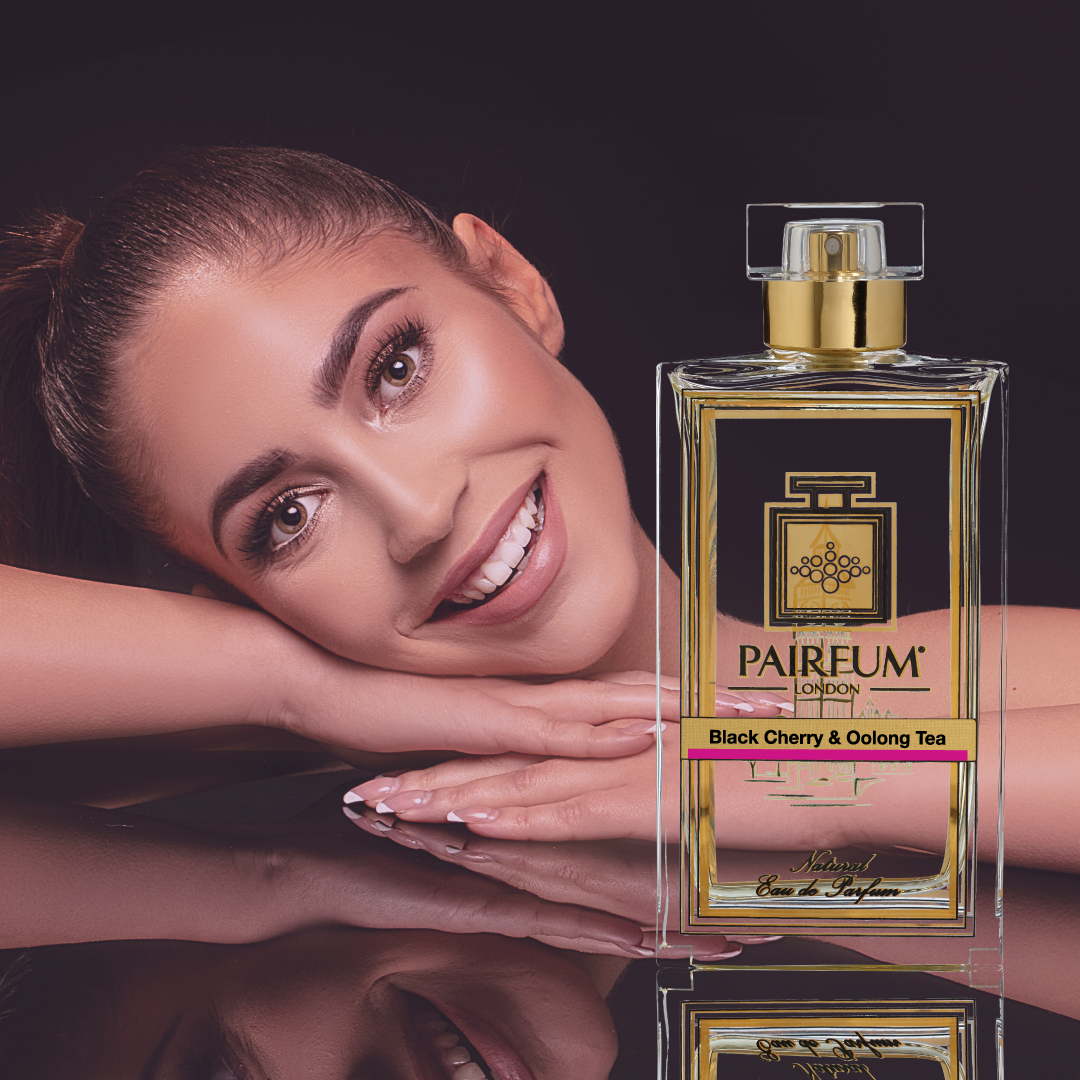
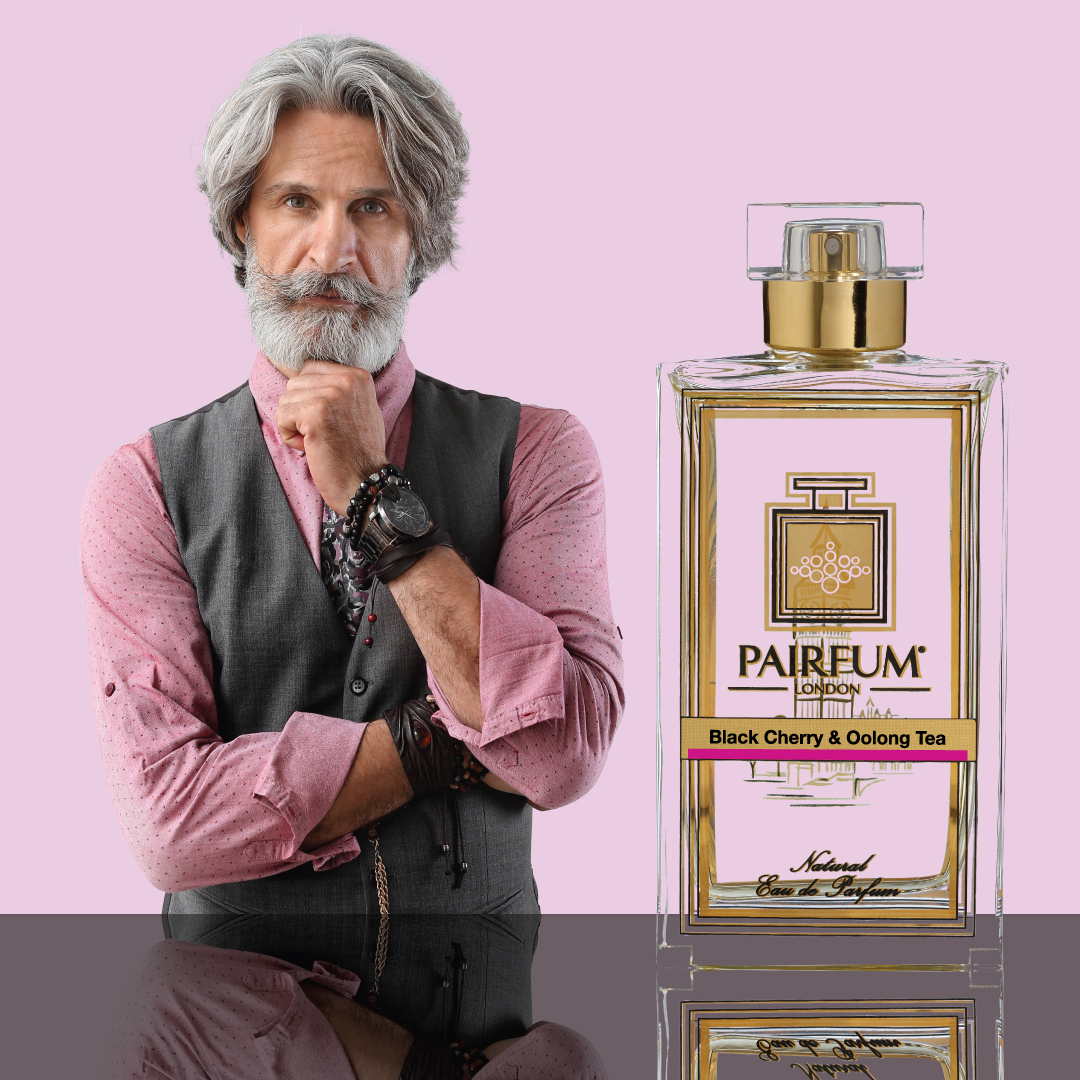
Black Cherry & Oolong Tea

Black cherry and red berries define the opening here, lifted by bergamot and rounded with almond. The heart introduces oolong tea alongside Bulgarian and Turkish roses, with a gentle hint of liquorice adding interest. Aniseed, tonka bean, iris and patchouli complete the fragrance with a smooth and balanced base.

This scent feels thoughtful and composed rather than overtly sweet. The tea note brings calm sophistication, while the fruit keeps it engaging. Many people find it feels particularly personal, as though it settles uniquely on them. As it wears on, the base adds depth and confidence.

Pairfum Eau de Parfum Person Reading Black Cherry Oolong Tea 1 1

Bringing in the New Year with Pairfum London

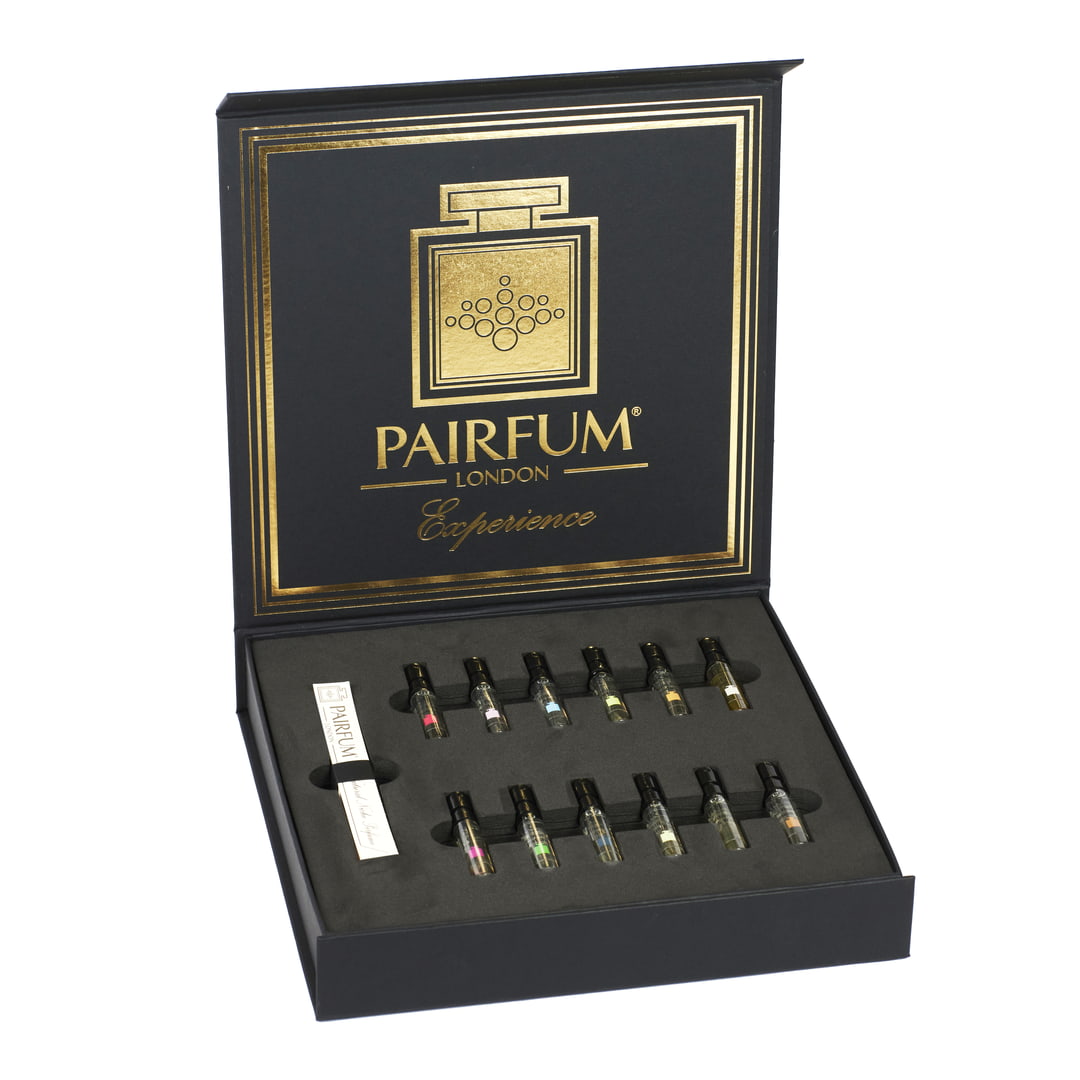
For those who enjoy discovering a new fragrance at the start of the year, the Pairfum London Fragrance Library Perfume Experience Box offers an easy and thoughtful way to explore without commitment. It allows you to spend time with different scent families, noticing how each one feels across different days and moments, before deciding which fragrance truly resonates. It is a relaxed, personal approach to finding a scent that suits where you are now.

Discover the PAIRFUM Fragrance Library Perfume Experience Box

The Fragrance Library Perfume Experience Box is a curated collection of luxury extrait de parfum samples, each crafted with high concentrations for depth and longevity. Presented in elegant packaging, the set includes a range of distinctive fragrances, giving you the chance to experience how each develops on your skin over time. It is designed for those who value quality, craftsmanship and the freedom to explore fragrance at their own pace.

Pairfum Collection Niche Perfume Experience Fragrance Library 6 Square

Final Thoughts

Finding a new fragrance is rarely an instant decision. Often, it is the way a scent behaves over time that matters most, how it settles on the skin, how it feels during ordinary moments, and how it quietly becomes part of a routine. What counts is not following trends or rules, but choosing something that feels honest and comfortable. When a fragrance fits naturally, it does more than smell good. It becomes part of how the year is remembered.

Baies Rose In Fragrance

Baies Rose In Fragrances: Rosy Pepper Sparkle

Baies Rose, or pink peppercorn, is utilised as both a culinary spice with a sweet, fruity, and subtly peppery taste and a favoured note in perfumery for its vibrant, spicy, and fresh floral scent. It is not a true pepper but a berry related to the cashew family.

There is a light, rosy spice that shows up in many modern perfumes, especially as the weather cools. It is soft, warm, and uplifting without being too floral or too sharp. This bright note is called Baies Rose, also known as pink pepper. The name can be misleading, as it is not a rose at all, despite its gentle association with roses and its soft, petal-like touch.

Baies Rose brings a gentle warmth that blends beautifully with florals, woods, or vanillas. It does not shout. Instead, it adds energy and polish to many niche fragrance creations, especially those made for autumn or early winter. If you enjoy aromas that are a little spicy but still cheerful and wearable, you have likely come across this note before, even if you did not know its name.

Take a closer look at this creamy pink berry, where it comes from, how it is used, and why perfume lovers return to its soft spice again and again over time and across different styles of scent.

What Is Baies Rose?

Baies Rose refers to the dried pink berries from the Peruvian pepper tree. These berries look a bit like red peppercorns, which is why they are often confused with pink peppercorns or even standard black peppercorns, but they do not belong to the same botanical family. Despite the name, there is no direct link to a rose flower either.

The aroma of baies roses is what makes it stand out. It combines several facets into a balanced whole:

  • Slightly fruity, with a hint of sweet berry and subtle fruit
  • Warm and lightly pepper-like, without aggressive heat
  • Rounded by a floral softness that brings roses to mind

This soft piquancy makes it an appealing addition to many perfume structures. It can lift a composition, add brightness, or gently contrast heavier elements. Perfumers often describe it as an intriguing spice because it suggests warmth without overwhelming the senses. Among the many spice materials used in perfumery, baies roses offer one of the most approachable profiles.

Baies, Berries, and Botanical Roots

The word baies simply means berries in French, and this ingredient lives up to its name. The small pink berries are sometimes described as jewelled seeds because of their glossy surface and vivid colour, ranging from pale blush to deep crimson.

These berries grow on trees native to South America, though they are now cultivated in other parts of the world, including regions with similar climates such as New Zealand. The berries have long been used in cooking, where they appear in sauces, marinades, and seasoning blends, valued for their gentle sweetness and aromatic pepper tone.

Unlike culinary peppercorns, which deliver heat, these pink peppercorns provide aroma first. Their flavour hints at pomegranate, crimson juice, and even rich ruby fruits, making them popular with chefs as well as perfumers.

Fragrance Description Pink Powder Violet Rose Iris Orris

A Bit of History and Origin

Baies Rose grows mainly in South America, especially in Peru and Brazil. The tree it comes from, Schinus molle, has been part of local life for centuries. Indigenous communities used the berries in food, medicine, and daily rituals, valuing their scent and gentle stimulating quality.

In perfumery, baies roses appeared much later. Their rise began in the 20th century, when perfumers started seeking alternatives to heavy spice materials. Black pepper and clove were powerful but could dominate a composition. Pink peppercorn offered a softer option, with more nuance and less heat.

This shift aligned with changing tastes. As people looked for fragrances that felt lighter and more natural, baies roses became popular. Their ability to suggest warmth while remaining airy made them suitable for daily wear, office environments, and modern lifestyles. Over the years, they have become a familiar but still interesting presence in fine fragrance.

Culinary Use and Sensory Parallels

Before becoming popular in perfume, baies roses were well known in cooking. They are used to season fish, vegetables, cheeses, and light sauces, where their gentle pepper quality enhances rather than dominates.

Culinary descriptions often mention hints of pomegranate, crimson juice, and even rich ruby fruits. These associations help explain why the note translates so effectively into fragrance, where it adds brightness without heaviness.

The crossover between culinary and olfactory use also contributes to the familiarity of the scent. Many people recognise it instinctively, even if they cannot name it.

How Baies Rose Is Extracted and Used in Perfumery

To transform the dried berries into usable fragrance oil, perfumers rely on careful extraction. The most common methods are steam distillation and gentle solvent processes, both designed to preserve the delicate aromatic molecules.

The resulting oil captures the essence of the pink berries: lightly spicy, faintly sweet, and softly floral. In perfume structures, baies roses most often appear in the top notes, where they provide an immediate sparkle. Sometimes they are also used in the heart to bridge fresh openings and deeper bases.

Common pairings include:

  • Citrus notes, where pepper adds lift and contrast
  • Vanilla, which enhances warmth and sweetness
  • Rose and other floral notes, reinforcing a rosy impression
  • Woods and musk, which ground the composition

Because this ingredient is never too forceful, it can be layered without risk. It adds complexity rather than dominance, making it a favourite among perfumers crafting balanced creations.

Bedroom Reed Diffuser Luxury Scented Candle Room Spray 1 1

Baies Rose in Modern Perfumery

In contemporary perfumery, baies roses are valued for their versatility. They appear in a wide range of styles, from minimalist compositions to layered niche blends.

They work particularly well alongside:

  • Citrus, where pepper sharpens the freshness.
  • Woods, where they provide lift and contrast.
  • Florals, especially roses, where they enhance radiance.
  • Soft bases, including musk, which benefit from a bright opening.

In some perfumes, the note is used almost transparently. In others, it is more pronounced, offering a clear touch of spice that defines the opening impression.

Iconic Perfumes Featuring Baies Rose

Today, baies roses appear in countless modern perfumes, particularly those aimed at autumn and winter wear. They are especially effective in blends that need a bright opening before settling into something richer.

You will often encounter them in:

  • Spicy floral fragrances, where pepper lifts petals and prevents sweetness from becoming heavy
  • Gourmand styles, where the berry facet plays against edible notes
  • Woody perfumes, where pink peppercorns cut through density

This ingredient works beautifully with patchouli, amber, cedar, and rose. When paired with woods, baies roses bring clarity. When paired with florals, especially roses, they enhance freshness. Even in compositions featuring juniper or aromatic herbs, a hint of pink peppercorn adds polish.

Although rarely the star, their presence is unmistakable once you recognise it: a lively opening that softens into warmth, leaving a creamy scent behind.

Iconic Baies Rose Fragrances

Le Labo – Baie 19
A modern, mineral fragrance where baies rose adds a cool, peppery brightness to damp earth, woods, and soft musk, giving the scent its clean yet atmospheric opening.

Chanel – Chance Eau Fraîche
In this fresh woody floral composition, baies rose contributes a gentle pepper sparkle that lifts citrus and floral notes, keeping the fragrance light, polished, and energetic.

Hermès – Eau des Merveilles
Here, baies rose is used subtly to add warmth and contrast, softening amber and woody notes while maintaining an airy, refined character rather than overt spice.

Pairfum London – Pink Powder & Violet

A floral fusion of Pink Powdery Rose Petals with Green Violet Leaf and Elegant Iris ! The fragrance opens with top notes of Mandarin, Baies Rose and Pink Peppercorn, and finishes on a sumptuous base of Smooth Patchouli, Musk and Vanilla. Orris, jasmine and Heliotrope enhance the heart note.

Texture, Touch, and the Feeling of Baies Rose

One of the most appealing qualities of baies roses is the way they feel in a fragrance. They create a smooth transition from the first spray to the dry-down, offering a tactile sense of comfort. Many people describe this as a silky or creamy scent, even when no dairy or vanilla notes are present.

This sensation comes from the balance between pepper and fruit, between brightness and warmth. The result is a fragrance that feels close to the skin, offering a gentle touch rather than an aggressive projection. It is a quality that suits everyday life and changing seasons.

In September, when the air begins to cool, perfumes with baies roses often feel just right. They echo the shift in nature without feeling heavy, marking a subtle change in time and mood.

Baies Rose

Baies Rose Beyond Perfume

Although best known in fragrance, baies roses have a broader cultural presence. In food, they are used to season fish, vegetables, and even desserts. Their gentle pepper note enhances rather than masks other flavours.

It is important to note that these berries are safe for culinary use but not suitable for animals, which is why they are handled carefully outside of human consumption. This distinction is part of the essential information surrounding the ingredient.

Their versatility has also made them popular in scented candles, bath products, and home fragrances, where a mild spice can create a welcoming atmosphere without overwhelming a space.

Choosing and Sharing Fragrance with Baies Rose

Perfumes featuring baies roses are often chosen as thoughtful presents. Their broad appeal makes them suitable as a gift for many tastes. Because the note is neither too sweet nor too sharp, it works well for people new to fragrance as well as seasoned enthusiasts.

They are commonly found in curated gift sets, alongside lotions or travel sprays. When ordering such items, people often appreciate clear delivery options, especially around a special date or celebration.

In this context, baies roses play a practical role. They help ensure the fragrance will be worn and enjoyed, rather than set aside.

Baies Rose Fragrance at Pairfum London

Pink Powder & Violet – Large Bell Shape Reed Diffuser by Pairfum London

A floral blend of Pink Powdery Rose Petals with Green Violet Leaf and Elegant Iris. The scent opens with top notes of Mandarin, Baies Rose and Pink Peppercorn, and concludes on a sumptuous base of Smooth Patchouli, Musk and Vanilla. Additionally, Orris, jasmine and Heliotrope work to enhance the heart note.

Pairfum Large Reed Diffuser Bell Noir Pink Powder Violet

A Modern Classic Ingredient

Over the years, baies roses have moved from novelty to staple. They reflect a broader trend in perfumery toward transparency, balance, and comfort. As tastes evolve, this ingredient continues to adapt, appearing in new interpretations and combinations.

Its enduring appeal lies in its ability to enhance without overwhelming. Whether supporting rose, wood, or gourmand notes, it adds just enough pepper to keep things interesting. It speaks to people who value subtlety and craftsmanship.

In the end, Baies Rose is less about making a statement and more about enhancing everyday moments. It brings warmth, sparkle, and a sense of ease to fragrance, reminding us that sometimes the smallest berries leave the longest impression.

Persimmon In Fragrance

Persimmon in Fragrance: Velvet Fruit with Subtle Sweetness

A persimmon is a sweet, edible orange fruit from the Diospyros genus, frequently referred to as kaki or Sharon fruit, known for its honey-like flavour and jelly texture when ripe (though firm varieties also exist). Popular in winter, these fruits are rich in fibre, minerals, and vitamins (like beta-carotene), with different types eaten firm (like an apple) or soft (scooped with a spoon). Their skin and flesh are usually edible, often exhibiting brown specks (resulting from tannins) when ripe.

Persimmon is not an obvious perfume note. Most people do not think of fruit like this when they think about fragrance. Still, it quietly fits colder months. As winter approaches and the air changes, scent choices tend to shift. Heavier. Softer. Less bright. This is where persimmon begins to make sense.

It is not sugary. It is not loud. Persimmon brings a light sweetness and a smooth feel that stays close to the skin. It supports a fragrance rather than taking over. In autumn and winter, persimmons contribute to a sense of comfort that feels familiar rather than dramatic.

In the sections below, we look at how persimmons entered perfumery, how the persimmon tree is grown and classified, and why this fruit works so naturally in both personal fragrance and the persimmon home.

Botanical Origins and the Persimmon Tree

The persimmon belongs to the genus Diospyros, which includes many trees and shrubs. Some of these species are also known for ebony wood. The most widely grown persimmon is Diospyros kaki. It is often called the Japanese persimmon, or simply kaki. This fruit originated in China and later spread to Japan and South Korea, where it became part of everyday life.

A persimmon tree is deciduous and slow-growing. Most reach between five and ten metres. The tree develops broad leaves that protect the fruit as it ripens. Its roots run deep, which helps it tolerate cooler conditions. Many people plant the tree for appearance as much as for fruit.

In late winter, bare branches holding bright orange persimmons are a familiar sight in parts of Asia. The persimmon leaf has also been used traditionally, particularly in teas and food wrapping. The aroma is mild. The use is practical. Simple.

Fragrance Description Rich Spices Pomegranate Cinnamon Clove Fig

Species, Types, and Geographic Spread

There are several persimmon species grown around the world, though Diospyros kaki dominates commercial production. The American persimmon, also called the common persimmon, is native to the eastern United States and parts of North America. For native Americans, this fruit was important. It was eaten ripe. It was sometimes fermented. It did not go to waste.

Persimmons grow best in temperate regions. Today, they are cultivated across southern Europe, the United States, South Africa, and parts of South America. Once established, the tree is relatively low-maintenance.

Coverage in publications such as the Los Angeles Times has noted how persimmons are appearing more often at local market stalls. Seasonal fruit is having a moment again.

The Asian Persimmon and Seasonal Ripening

The Asian persimmon is scientifically described as persimmon diospyros kaki. You may also see it shortened to d kaki. It comes from regions where tropical trees grow alongside temperate plants. While not fully tropical, it shares traits with tropical trees, including broad leaves and a need for warm summers.

Fruit development usually begins in early fall. At this stage, the unripe fruit often contains high levels of tannin. The colour is bright. The flesh is firm. Sweetness comes later. Variety choice and timing matter, especially when the fruit is being interpreted for fragrance.

Varieties, Tannin, and Ripeness

Tannin defines how persimmons behave. An astringent persimmon, such as the hachiya persimmon, contains soluble tannin when firm. Eaten too early, it is unpleasant. Fully ripe, it becomes soft and sweet as the tannin changes.

A non astringent persimmon like fuyu persimmons can be eaten while still firm. The flavour is mild. Slightly sweet. Often compared to an apple with honey notes. Sharon fruit, developed by Israeli growers, is a seedless kaki variety created to reduce astringency and improve consistency for export.

Each persimmon variety creates a different sensory experience. That difference matters when the fruit is recreated in scent.

Lifestyle Living Room Natural Reed Diffuser Fragrance Candle 1 1

Nutritional Composition and Texture

Persimmons are a nutrient rich fruit. They provide vitamin A, which supports vision and immune health, along with vitamin C and manganese.

Fibre is one of the reasons persimmons feel satisfying. This fibre slows sugar release and supports digestion. A single fruit can provide a noticeable amount of daily fibre.

Research has identified antioxidants in persimmons, including carotenoids and flavonoids. These are found in both flesh and peel. When fully ripe, the texture becomes soft and custard-like. Almost a dessert, even without preparation.

Culinary and Cultural Uses

Persimmons are eaten fresh, dried, baked, and used in desserts. In Japan and South Korea, dried persimmons are a traditional winter food, often served with tea. Drying intensifies the flavour and changes the texture.

In Western cooking, persimmons appear in baking, salads, and preserves. Their sweetness works well with spices such as cinnamon, as well as dairy and grains. These traditions connect persimmons with comfort and domestic life.

Fresh vs Dried: How Persimmon Shows Up in Fragrance

Persimmon appears in fragrance in two main forms. Fresh persimmon notes are light and softly fruity. They sit somewhere between pear and apricot. They are used to soften an opening rather than define it.

Dried persimmon notes feel warmer. Deeper. They suggest baked fruit and gentle sweetness. These accords suit autumn and winter and tend to appear later as the fragrance settles.

Some perfumers combine both impressions. The scent changes slowly. Naturally.

How Perfumers Recreate Persimmon

Persimmon does not produce an essential oil. Its scent is built instead through accords. The goal is not realism, it is mood.

Soft fruit notes are blended with woods, musks, and restrained spice. Cinnamon appears occasionally, used carefully. Too much would overwhelm the idea.

The persimmon accord supports the structure of the fragrance. It does not ask for attention.

Persimmon

Iconic and Niche Perfumes Featuring Persimmon

Persimmon is still uncommon in perfumery. When it appears, it is usually in balanced compositions. Persimmons are paired with tea, woods, or amber to create calm and continuity.

Persimmon also appears in home fragrance. In the persimmon home, the note adds warmth without weight. It works quietly in shared spaces.

Iconic Fragrances Featuring Persimmon

Rouge by Comme des Garçons
Uses persimmon with beetroot and woods to create an earthy fruit impression.

Amour by Kenzo
Introduces persimmon early, adding warmth to rice, vanilla, and musks.

Green Tea Yuzu by Elizabeth Arden
Uses persimmon to soften citrus and support the tea accord.

Rich Spices by Pairfum London
This composition opens with pomegranate and cranberry, moves into chestnut, nutmeg, cinnamon, and clove, and settles into vanilla pods, dried figs, dates, and persimmons.

Why Persimmon Fits the Season

As winter settles in, fragrance choices often change. Persimmon fits this moment. It softens wood, it rounds spices, and it adds warmth without heaviness. The effect is subtle. Reassuring. It stays close to the skin.

Persimmon in the Modern Market

Persimmons are now firmly part of the global market. Across Europe, the United States, and South Africa, they appear reliably during colder months. The word persimmon also appears outside food and fragrance. References such as housebuilder Persimmon have made the name familiar in everyday life.

Persimmon in Pairfum London Home Fragrances

Rich Spices – Snow Crystal Fragranced by Pairfum London

This aromatic blend opens with pomegranate and cranberry, moves through chestnut, nutmeg, cinnamon, and clove, and rests on vanilla pods, dried figs, dates, and persimmons.

Pairfum Large Snow Crystal Candle Pure Rich Spices

A Velvet Fruit for Winter

Persimmons occupy a quiet place among fruit notes. They are gentle. Warm. Comforting. Whether experienced as fresh persimmon, dried fruit, or a carefully constructed fragrance accord, persimmons appeal through restraint. In winter, that restraint matters. Readers interested in botanical ingredients, seasonal fruit, and scent culture may wish to explore related articles to see how plants and trees continue to shape modern fragrance.

Iconic Christmas Carols

Iconic Christmas Carols and Their Christian Origins

For many of us, Christmas doesn’t really begin until the carols start. You hear them drifting through town centres, playing quietly in the background of school halls, or filling churches in the days leading up to Christmas Eve. Sometimes they’re sung loudly and joyfully; other times they’re barely more than a hum. Either way, they tend to stick with us.

What’s interesting is that you don’t have to be religious to feel something when a familiar carol comes on. Even people who don’t identify as Christian often know the words by heart. That’s because, over time, these songs have moved beyond church walls and become part of the wider cultural fabric of Christmas.

Still, most traditional Christmas carols began with a very clear purpose. They were written to tell the Christian story of Christmas — the birth of Jesus Christ. Long before printed hymn books or recorded music, carols helped pass on belief, scripture and tradition. Looking back at where these songs came from gives them a bit more depth, even if you now enjoy them simply as seasonal favourites.

Pairfum Collection Niche Perfume Experience Fragrance Library 73 Square

Ten Iconic Christmas Carols

Silent Night

“Silent Night” is one of those carols almost everyone recognises within the first few notes. Its melody is gentle, almost fragile, and it naturally creates a quiet atmosphere wherever it’s sung. Originally a German-language song and first performed in 1818 in a small Austrian church, it has since become a fixture of Christmas services around the world.

The lyrics focus on the nativity itself, describing the night of Jesus’ birth as calm, holy and still. References to Mary and the heavenly hosts come straight from Luke’s Gospel. For Christians, the song reflects the belief that God entered the world not with spectacle, but quietly and humbly.

O Holy Night

“O Holy Night” feels very different in tone. It builds slowly and emotionally, inviting listeners to stop and actually think about what Christmas represents. Written in 19th‑century France, it asks for reflection rather than background listening.

Christian belief sits at the centre of the lyrics. The carol speaks of light breaking into darkness and of hope arriving in a broken world. It echoes biblical ideas of salvation and renewal, which may be why it continues to resonate even outside church settings.

Hark! The Herald Angels Sing

This is a carol that doesn’t hold back. Written by Charles Wesley, it’s joyful, energetic and packed with theology. It was designed to be sung by congregations, not performed quietly in the background.

The inspiration comes from the angels announcing Jesus’ birth to the shepherds, as recorded in Luke’s Gospel. The lyrics celebrate Jesus as both human and divine, and joy is presented as the natural response to that news.

O Come, All Ye Faithful

“O Come, All Ye Faithful” feels like an invitation more than a statement. Each verse encourages people to come, see and adore. It’s easy to imagine worshippers feeling as though they are being asked to make the journey to Bethlehem themselves.

The lyrics are rooted in Christian worship, focusing on Jesus as the Son of God. Angels, shepherds and the newborn king all appear, linking the song closely to the nativity story and the belief in God becoming human.

Away in a Manger

This is often one of the first carols children learn, and its simplicity is part of its charm. “Away in a Manger” paints a gentle picture of a quiet stable and a sleeping child, without any sense of grandeur.

That simplicity reflects an important Christian idea: that Jesus was born into humble surroundings. By focusing on the manger rather than a palace, the carol reinforces values of humility, gentleness and care for others.

Silent Night

The First Nowell

“The First Nowell” tells the Christmas story almost like a narrative. Verse by verse, it walks listeners through the angel’s announcement to the shepherds and the journey of the wise men.

Much of the wording comes directly from the Gospel accounts. For Christians, it highlights ideas of divine guidance and revelation, as well as the belief that the news of Jesus’ birth was meant to be shared, not kept quiet.

O Little Town of Bethlehem

This carol takes a quieter approach, focusing on place rather than action. It reflects on Bethlehem itself — small, unremarkable, and yet central to the Christmas story.

The lyrics connect Jesus’ birth with Old Testament prophecy, particularly the promise that a ruler would come from Bethlehem. For believers, this reinforces the idea that God works through ordinary locations and unexpected people.

Joy to the World

“Joy to the World” is confident and celebratory. It doesn’t dwell on the details of the nativity, but instead focuses on what Jesus’ arrival means for the world as a whole.

From a Christian perspective, the carol reflects beliefs about Jesus as king and saviour. Its themes of joy, renewal and hope are broad enough that it has found a place far beyond church services.

We Three Kings

This carol centres on the wise men and their journey, guided by a star. Each verse focuses on a different gift, giving the song a symbolic depth that unfolds slowly.

The story comes from Matthew’s Gospel and reflects the belief that Jesus came for all people. Gold, frankincense and myrrh symbolise kingship, worship and sacrifice — ideas that point forward to Jesus’ life and purpose.

God Rest Ye Merry, Gentlemen

Despite its darker melody, this carol carries a comforting message. It has been sung for centuries and remains a strong part of British Christmas tradition.

The lyrics focus on the angel’s message to the shepherds: do not be afraid, because a saviour has been born. For Christians, this captures the reassurance and hope at the heart of the nativity story.

Pairfum Collection Niche Perfume Experience Fragrance Library 6 Square

Bringing in the New Year with Pairfum London

As Christmas fades into the New Year, many people naturally slow down and reflect. It’s a time for resetting intentions and letting go of the year just passed. In much the same way that carols help tell a story through sound, fragrance can mark moments of transition.

The PAIRFUM Fragrance Library Perfume Experience Box is designed for that quieter, reflective space between Christmas and New Year. It encourages you to pause, explore and begin the next chapter with calm and intention.

Discover the PAIRFUM Fragrance Library Perfume Experience Box

The collection brings together a range of artisan fragrances, each with its own mood and character. It allows for exploration rather than instant decisions, which feels especially fitting at the start of a new year. Crafted in the UK with a focus on quality and craftsmanship, the experience box suits those reflective days when time feels slightly slower.

Final Thoughts

Christmas carols continue to shape how the season is experienced. For Christians, they express faith and celebrate the birth of Jesus. For others, they offer familiarity, tradition and a connection to the past.

Understanding where these songs came from doesn’t take away from their enjoyment. If anything, it adds another layer. Whether sung in worship or simply enjoyed as part of Christmas itself, these carols continue to carry messages of hope, peace and goodwill — and that may be why they endure.

Dried Fig In Fragrance

Dried Fig in Fragrance: Sun-Warmed Sweetness and Green Woods

Dried fig in fragrance provides a complex, warm, sweet, and earthy aroma, blending honeyed fruitiness with the green, milky, and woody elements of the leaves and sap. This creates rich, comforting, or fresh Mediterranean vibes and is frequently used in gourmand and amber perfumes alongside notes of coconut, cedar, or musk. It is highly versatile, shifting from jammy sweetness to fresh greenness, making it a popular note for many perfume styles, from daytime fresh to deep evening scents.

There is something quietly comforting about the aroma of dried fig in fragrance. It is not a loud note, and it rarely tries to impress. Instead, dried fig settles in gently, with a warmth that feels familiar rather than attention-seeking. The sweetness is there, but it does not rush forward. It sits back, rounded and calm, with a natural sweetness that feels reassuring rather than decorative.

For many people, dried fig brings to mind the feeling of fruit that has been set aside for later, kept carefully and enjoyed slowly. That sense of patience makes dried fig especially appealing once the seasons begin to turn. As the light fades earlier in the day, fragrances with dried fig tend to feel more appropriate. They sit well alongside woods, resins, and subtle spice, creating a sense of ease. The fruit note is present, but it never shouts. It feels warm, settled, and gently familiar.

The History of Dried Fig in Fragrance

Figs have been part of human life for thousands of years, particularly across the Mediterranean, the Middle East, and Asia. Fresh figs and dried figs were both valued, not just as food, but as part of everyday culture. They appeared in cooking, medicine, and ritual, and their aroma and flavour carried meaning well beyond nourishment.

The fig tree itself has long been central to this history. The common fig tree is one of the earliest cultivated fruit trees, thriving in warm regions and producing generous harvests. Because fresh fruit spoils quickly, communities relied on drying as a way to preserve figs. Over time, dried figs became a dependable staple, valued for their longevity and flavour.

In early fragrance practices, dried fruit was often combined with resins, herbs, and flowers. Dried fig played a useful role, softening stronger ingredients and bringing a sense of warmth. This quality remains important today, where dried fig continues to act as a gentle anchor within a composition.

Fragrance Description Rich Spices Pomegranate Cinnamon Clove Fig

Types of Fig: Fresh vs Dried

Fig notes vary more than people often expect. Understanding the difference between fresh fig and dried fig helps explain how they are used.

Fresh Fig

A fresh fig note usually feels green and milky, sometimes even airy. It tends to suggest leaves, sap, and skin rather than sweetness. Many fresh fig interpretations lean towards fresh fruit, evoking freshly picked figs rather than ripeness.

Dry Fig

Dried fig moves in a different direction. As figs lose moisture, their sugars become more concentrated. The result is a deeper sweetness with subtle woody and earthy tones. Dry figs and dried figs often feel better suited to colder months, when brightness matters less than comfort.
From Fig Tree to Dried Fig

The journey from fig tree to dried fig is simple in principle, but careful in practice. After harvesting, figs are prepared for a drying process that reduces water content while protecting flavour.

Traditional methods rely on air and direct sunlight, allowing figs to dry slowly. Modern producers may use controlled environments instead. Each drying method affects the final texture and taste. Properly dried figs become pleasantly chewy, with concentrated flavour and no need for added sugar.

Some fig varieties are particularly valued for drying. Black Mission figs are known for their rich taste and dark colour, while Turkish figs are lighter and more delicate. Many consumers also prefer organic figs, as they highlight the fruit itself without unnecessary treatments.

Nutritional Profile of Dried Figs

Beyond their flavour, dried figs are appreciated for their nutritional qualities. They are a good source of fibre, including soluble fibre, which supports digestion.

They also contain useful minerals, such as calcium, contributing to bone health. While dried figs are energy-dense due to their natural sugars, this sweetness comes directly from the fruit.

Eaten sensibly, dried figs can be a healthy snack, offering a balance of fibre and sustained energy.

Pairfum Flacon Perfume Room Spray Bathroom Marble

Texture, Sweetness, and Sensory Experience

Texture plays a quiet but important role in the appeal of dried fig. The chewy texture encourages slower eating and a more mindful experience. Sweetness develops gradually rather than all at once.

This gradual unfolding is similar to how dried fig behaves in fragrance. It tends to appear gently, revealing warmth and depth over time rather than demanding immediate attention.

Dried Fig in Everyday Eating

In everyday meals, dried figs are easy to use. At breakfast, they are often chopped into cereal or stirred into porridge. In home kitchens, dried fruit remains a familiar ingredient, used in both sweet and savoury cooking.

In baking, dried figs add moisture and richness to baked goods such as loaves and biscuits. Fig rolls remain a popular treat, while modern cooks experiment with new combinations. A simple recipe might involve chopping dried figs and mixing them with mixed nuts for a satisfying bite.

On a cheese board, dried figs are a classic choice. Their sweetness works well with cheese, particularly goat cheese and goats cheese, where the acidity balances the fruit. Some people also enjoy figs with dark chocolate, which deepens the flavour without overpowering it.

Figs are also used in fig jam, served with bread or alongside savoury dishes. In cooking, they may be added to sauces with bay leaves or combined with a gentle nut note for depth.

Storage, Handling, and Practical Advice

To keep them at their best, dried figs should be stored in an airtight container, away from heat and moisture. This helps maintain texture and flavour over time.

As with all foods, allergens should be considered, especially when figs are stored or prepared with nuts or dairy products.

Dried Figs In A Bowl

How Dried Fig Is Used in Perfumery

In perfumery, dried fig is recreated rather than extracted. Perfumers build the impression using several materials that suggest fruit flesh, skin, and wood.

Sweet elements recall dried figs themselves, while woody notes hint at the fig tree. Some fragrances explore a spiced fig style, adding warmth without heaviness. This approach allows dried fig to feel familiar and emotionally resonant.

Fresh Fruit, Dried Fruit, and Seasonal Rhythm

The movement from fresh fruit to dried fruit reflects a seasonal rhythm that has existed for centuries. As harvest ends, preservation begins, and flavours deepen.

In fragrance, this rhythm appears in the shift towards warmer notes. Dried fig captures this transition, holding onto the memory of sunlight while settling into colder months.

Drief Fig & Home Fragrance With Pairfum London

To bring the feeling of dried fig into the home, a thoughtfully made room spray offers a simple solution. A balanced flacon room spray can gently introduce fruit warmth and subtle woods, helping a space feel calm and welcoming without overwhelming it.

Rich Spices – Flacon Perfume Room Spray by Pairfum London

This aromatic and spicy composition opens with Pomegranate and Cranberry, moves into Chestnut, Nutmeg, Cinnamon and Clove, and settles on Vanilla Pods, dried figs, Dates and Persimmons.

Pairfum Flacon Perfume Linen Fabric Signature Rich Spices

Additional Information on Fig-Inspired Scents

For readers looking for additional information, fig-inspired scents often reward patience. The fig note tends to develop slowly.

Because dried fig sits between fruit and wood, sweetness and earth, it appeals to those who prefer fragrances that feel personal rather than dramatic.

The Enduring Comfort of Dried Fig

Dried fig continues to hold a distinctive place in both food and fragrance. It is fruity without sharpness and sweet without excess. There is a sense of time in it, of fruit carefully preserved and enjoyed slowly.

Whether eaten as dried figs in a dessert, paired with cheese, used as an ingredient in cooking, or translated into scent, the character remains consistent. Dried fig offers balance and quiet comfort, which explains its lasting appeal across cultures and seasons.

Clove In Perfumes

Clove in Perfumes: Warm Spice with Vintage Attraction

Clove in perfumery provides a potent, warm, spicy, and subtly sweet aroma, adding depth, richness, and an exotic touch. It is often used as a middle or base note to complement florals, woods, and other spices like cinnamon for cosy, amber, or festive scents, thanks to its key compound, eugenol, which mimics carnation or adds a fiery warmth.

Clove brings a warmth to perfume that many of us recognise straight away, even if we struggle to describe it clearly. There is comfort in clove, certainly, but also a slight edge that prevents it from feeling soft or obvious. The spicy warmth of clove tends to unfold slowly. It does not rush. It settles on the skin, then seems to wait there, sometimes noticed again later in the day. That quiet persistence is part of its appeal.

We often think of cloves first in a culinary sense, and that early association shapes expectations. In perfumery, however, clove behaves differently. It feels older somehow, and perhaps more reflective. As colder months arrive and the air changes, clove often feels particularly appropriate. Among spices, clove occupies a specific space. It is familiar, yet it rarely feels casual.

A Spice with a Story: The History of Clove in Perfume

Clove has been valued for centuries, long before modern fragrance existed as we know it. The dried flower bud of the clove tree, botanically classified as Syzygium aromaticum, was traded widely across early civilisations. From Southeast Asia, cloves travelled along established routes into the Middle East and onward to Europe. They were valued for flavour, yes, but also for scent, preservation and ritual activity.

The clove tree originates in the Maluku Islands, historically referred to as the Spice Islands. Control of cloves once shaped global trade in ways that are now easy to overlook. From those islands, cultivation spread to Sri Lanka, parts of Africa and eventually the Caribbean. Over time, cloves became part of daily life far beyond their place of origin.

In Middle English writing, clove appears as a word linked to shape, referencing its resemblance to a nail and the verb cleave. This detail is small, but revealing. It shows how present cloves were in everyday routines. Historical sources describe clove water used to scent fabrics and interiors, appreciated for a clean yet warming presence.

Pairfum Eau De Parfum Person Reflection Cardamom Tonka White Oud Couple Plane 1 1

The Botany of Clove: From Flower Bud to Fragrance

Cloves are harvested from the clove tree just before the flower buds open. These flower buds are picked by hand, at a moment that matters more than it sounds. They are then laid out to dry. As they dry, they darken and harden, becoming the familiar spice. Each dried flower bud carries a surprisingly concentrated aroma.

The botanical name Syzygium aromaticum appears alongside older references such as Eugenia caryophyllata, or the shortened S aromaticum. All describe the same plant, part of the myrtle family. Within the dried flower bud sits a complex mixture of compounds, most notably eugenol.

Alongside eugenol, smaller amounts of eugenol acetate and other elements contribute to aroma. These compounds do not behave identically in every harvest. Climate, soil and processing all play a role. This is why cloves from different regions can feel subtly different, even to an experienced nose.

Chemical Composition and Aroma Science

From a chemical perspective, clove is notable for its high eugenol content. In many cases, eugenol makes up more than half of the volatile oil. Eugenol has been widely examined for its aroma and biological activity. In fragrance, this activity contributes to warmth, diffusion and how long a scent remains noticeable.

Eugenol acetate plays a quieter role. It softens the sharper aspects of eugenol and introduces a smoother edge. Together, these compounds shape the overall effect of clove within a perfume structure. They also influence how clove interacts with other notes as time passes.

Because of this intensity, clove essential oil must be handled with care. As an essential oil with strong activity, even a small amount can have a pronounced effect, both aromatically and on the skin.

How Aroma is Captured: The Extraction of Clove in Perfumery

The aroma of clove is most commonly obtained through steam distillation. This produces clove oil from either clove buds or leaves. In fine fragrance, oil distilled from clove buds is generally preferred. Leaf oil is sharper and often used for more functional purposes.
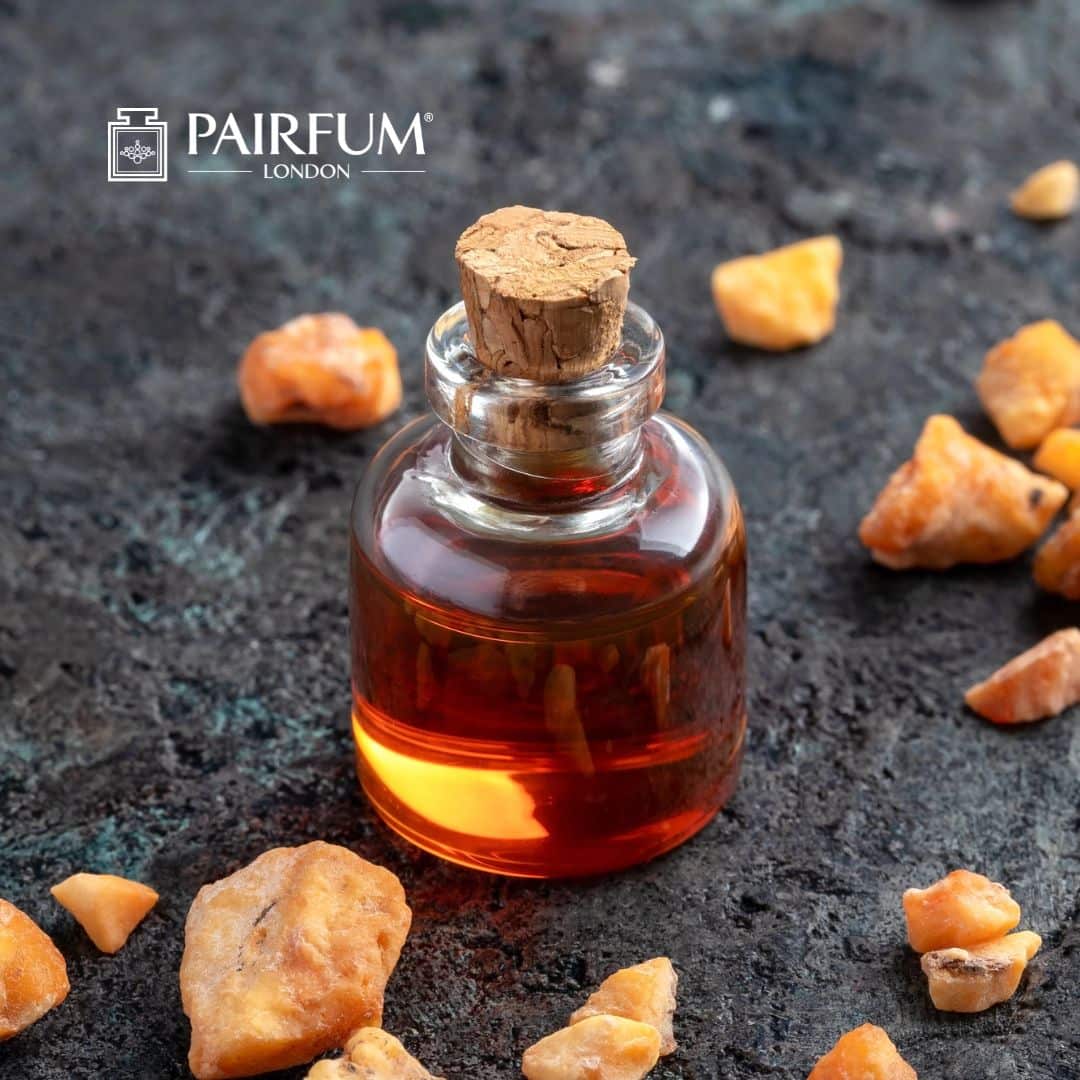
In some cases, clove extract or isolated aroma components are used to ensure consistency. This gives perfumers greater control over how clove behaves within a blend. Both clove oil and clove essential oil are valued tools, though rarely used casually.
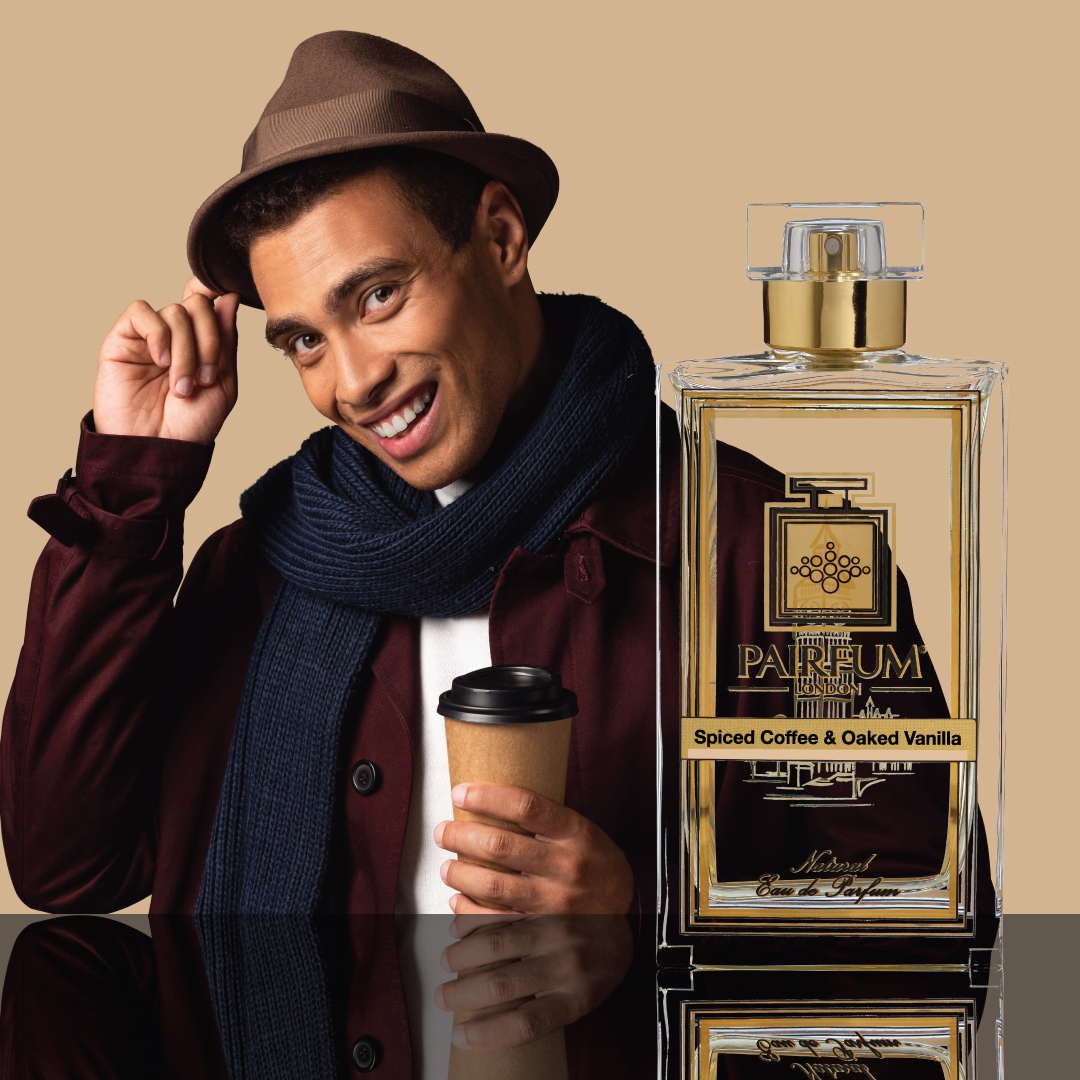
For topical use, clove oil is always diluted with a carrier oil. Undiluted topical clove oil has a well-documented activity on skin, and misuse can cause irritation.

Pairfum Large Reed Diffuser Bell Pure Rich Spices

Not All Cloves are the Same: Types and Perfume Profiles

Cloves vary according to origin, harvest timing and processing. These differences are not theoretical. They are noticeable.

  • Clove buds tend to produce a rounded scent with warmth.
  • Leaf oil often contains higher levels of eugenol and feels drier, sometimes medicinal.

In perfumery, these distinctions matter. Bud-based clove supports comforting compositions, while sharper forms add structure. Both have a place among spices used in fragrance creation.

Clove in Harmony: How Perfumers Blend with It

Clove blends with a wide range of materials, which explains its longevity in perfumery. It can support sweet accords as easily as dry ones. This flexibility is not accidental.

Vanilla, patchouli, sandalwood, rose, and jasmine are classic companions. In these blends, clove often sits in the heart, helping the fragrance move from top notes to base notes. Its activity helps hold the composition together.

Used lightly, clove adds depth. Used too heavily, the effect can become insistent. Balance matters more than strength.

Culinary Roots and Shared Sensory Memory

Cloves are deeply familiar through food. They appear in baked goods, pumpkin pie and festive desserts, and whole cloves are often pressed into baked ham. In savoury dishes, cloves are paired with garlic, rice and lentils, adding depth of flavour.

Ground clove appears in spice blends and are sometimes combined with poppy seeds and other spices. These shared experiences shape how clove is perceived in fragrance, whether we realise it or not.

The flavour of clove is intense. In both cooking and scent, restraint tends to work best.

Handful Of Clove

Traditional Uses and Modern Understanding

Historically, clove has been associated with relief from toothache and pain, largely due to the numbing activity of eugenol. It has also been linked to digestion and digestive health in traditional practice.

Modern research, including work referenced by national institute bodies, explores clove in relation to infections, inflammation and blood clotting. These studies provide insight, but they are not medical advice.

Topical clove oil and clove oil cream should be used carefully. Misuse can lead to pain or irritation, particularly around the nail bed. Personal information should never be shared when discussing health-related use.

Language, Craft, and Curious Associations

The word clove appears in places far removed from fragrance. A clove hitch is a practical knot used in sailing and climbing, reflecting ideas of holding and securing.

The clove cigarette traditions found in parts of Southeast Asia offer another example of how cloves enter daily ritual. These associations add texture to clove’s identity beyond scent alone.

Pairfum Eau De Parfum Noir Giftbag Cardamom Tonka White Oud

Perfumes That Stand the Test of Time: Iconic Uses of Clove

In classic perfumery, clove often played a structural role rather than a starring one. It added warmth and presence without sweetness.

Modern perfumers continue to rely on clove for similar reasons. It supports rather than dominates. As a versatile spice, it remains dependable.

Clove Notes in Personal & Home Fragrance with Pairfum London

Cardamom, Tonka & White Oud – Eau de Parfum by Pairfum London

This intense, passionate scent opens with Lime and Mandarin, Cardamom, Nutmeg, Clove and subtle fruity notes of Cassis. The heart of this accord features spicy White Lily, Rose, and Orange Blossom, while a sensual base of Tonka, White Oud, Cedar, Santal, and Amber completes the creation.

Rich Spices – Bell Shape Reed Diffuser by Pairfum London

This fragrant and spicy scent accord opens with notes of Pomegranate and Cranberry, before flowing into a warm heart of Chestnut, Nutmeg, Cinnamon and Clove, to finally settle on a base of Vanilla Pods and dried Figs, Dates and Persimmons.

Bedroom Reed Diffuser Luxury Scented Candle Room Spray 1 1

The Quiet Fire of Clove: Why It Still Works Today

Clove continues to resonate because it connects scent with memory. From the dried flower bud of Syzygium aromaticum to refined essential oil, it carries history, chemistry and emotion.

The effect is rarely immediate. It unfolds, settles and stays. Among spices, clove remains compelling not because it demands attention, but because it rewards it.

Cinnamon In Perfumery

Cinnamon in Perfumery: Sweet Heat and Spiced Depth

Cinnamon is a highly fragrant, warm, and naturally sweet spice derived from the inner bark of trees belonging to the Cinnamomum genus. It is primarily used in baking, desserts, seasonal drinks (such as mulled wine and hot chocolate), and various savoury dishes worldwide due to its unique versatility and potent aromatic flavour. Available as cinnamon sticks (quills) or ground powder, this spice is also commonly associated with potential blood sugar regulation and brain function support.

Cinnamon has always held a particular charm in perfumery. This familiar spice feels warm and inviting, with just enough heat to catch the senses without overwhelming them. We tend to associate cinnamon with food and home comforts, yet in fragrance it takes on a more nuanced role, adding character, depth, and gentle fire.

Unlike overly sweet dessert flavours, cinnamon in perfume brings balance. It gives warmth without becoming sugary, allowing a fragrance to feel alive in cooler weather. Wrapped around amber, woods, or vanilla, cinnamon settles like a soft scarf on a cold day. Long before its place in modern blends, cinnamon travelled trade routes, scented rituals, and infused healing balms across continents.

This is the story of how cinnamon found its way from bark to bottle, and why it continues to matter in perfumery today.

From Bark to Bottle: Understanding Cinnamon More Deeply

All cinnamon comes from the inner bark of the cinnamon tree, which belongs to the Cinnamomum family. The most prized species is Cinnamomum verum, also known botanically as Cinnamomum zeylanicum. This is the source of true cinnamon and is mainly cultivated in Sri Lankan regions.

Ceylon cinnamon sticks are created by carefully peeling the inner bark and allowing it to dry naturally. These Ceylon cinnamon sticks are light in colour, thinly layered, and refined in flavour. By contrast, cassia varieties use thicker bark, resulting in a darker appearance and a more forceful spice character.

Cassia cinnamon includes Chinese cinnamon, also referred to as Chinese cassia, alongside Indonesian cinnamon and Saigon cinnamon. These are commonly classified as Cinnamomum cassia or c loureiroi. Cassia bark produces a stronger aroma and a sharper heat, which explains its widespread use where intensity of flavour and spice is desired.

Eau de Parfum Person Reflection Ginger Elemi Vetiver Woman Fresh 1 1

A Fragrant Past: The History of Cinnamon in Perfumery

Cinnamon has been valued since ancient times, from China through to Egypt. It was not only prized for its flavour but also for its warming effect and symbolic associations. Oils infused with cinnamon bark were used in rituals, incense, and early perfumes, often connected with protection and vitality.

Across early Arabia and the Mediterranean, cinnamon oil was blended with resins, woods, and herbs for both spiritual and everyday use. As perfumery developed across Europe, cinnamon remained part of the perfumer’s palette.

By the nineteenth and twentieth centuries, cinnamon had shifted from ceremonial use into refined fragrance compositions. It found its place in comforting gourmand styles as well as in spiced perfumes designed for colder months, where warmth and presence were essential.

Two Types, Two Aromas: What Kind of Cinnamon is Used?

Perfumers make careful choices when working with cinnamon, as not all types behave the same way. Two main forms dominate.

Ceylon cinnamon, often called true cinnamon, has a softer profile. Its aroma is rounded, subtly sweet, and smooth. This makes it ideal for perfumes that aim for elegance rather than impact, particularly when paired with vanilla or honey.

Cassia cinnamon delivers far more intensity. Rich, bold, and fiery, cassia brings instant warmth. It is often chosen when a perfume needs drama and strength, especially during autumn and winter.

Whether the goal is comfort or statement, the choice between ceylon cinnamon and cassia shapes the entire direction of a fragrance.

Aroma, Chemistry, and Balance

The distinctive scent of cinnamon comes primarily from cinnamaldehyde, which is concentrated in the bark. Cassia varieties contain higher levels of cinnamaldehyde and also more coumarin. Coumarin adds depth and warmth, but it requires careful handling due to its strength.

In perfumery, cinnamon oil may be extracted from either bark or leaves. Bark oil brings sweetness and heat, while leaf oil introduces a drier, clove-like note. Many perfumers rely on controlled fractions, essential oil blends, or cinnamon extract to manage strength, safety, and balance.

This measured approach allows the spice to shine without overpowering the composition.

Bedroom Reed Diffuser Luxury Scented Candle Room Spray

Cinnamon Beyond Perfumery: Food, Memory, and Everyday Use

Cinnamon is deeply woven into food culture. Ground cinnamon and cinnamon powder appear in baking traditions across the world, from a classic cinnamon roll to festive pastries and enriched rolls.

A familiar recipe often begins with dough made from flour, sugar, and butter. Unsalted butter or melted butter is spread generously, followed by cinnamon sugar made with brown sugar. After baking, a dusting of powdered sugar might be added. A cinnamon bun fresh from the oven carries comfort that feels almost universal.

Beyond baking, cinnamon enhances savoury dishes, mulled wine, and even cinnamon tea. Its flavour crosses sweet and savoury boundaries with ease, which helps explain its lasting appeal.

Supplements, and Responsible Context

Interest in cinnamon has extended into wellness, leading to cinnamon supplements and wider cinnamon supplementation. Research suggests that outcomes depend heavily on the type of cinnamon used, the preparation, and dosage.

Cassia cinnamon supplements may contain higher levels of coumarin, which is why moderation matters. Any supplement should be approached thoughtfully, and cinnamon’s role in fragrance or food should not be confused with health claims.

Capturing the Spice: How Perfumers Extract Cinnamon

In fragrance, cinnamon’s scent usually comes from steam-distilled oil taken from the bark or leaves of the cinnamon tree.

Bark oil delivers the richest warmth associated with spiced perfumes. It feels dry, deep, and comforting, making it ideal for resinous or smoky blends.

Leaf oil offers a lighter, greener aroma with hints reminiscent of clove or even star anise.

Because natural cinnamon oil can irritate the skin at high concentrations, perfumers often use carefully balanced accords or synthetics. These retain the recognisable character of cinnamon while keeping fragrances wearable and safe.

Cinnamon Sticks

How Cinnamon Is Used in Perfume Blending

Cinnamon typically appears in the heart or base of a perfume. It anchors the composition once brighter notes fade, releasing warmth gradually rather than all at once.

It blends particularly well with:

Vanilla, tonka bean, or honey for soft, edible warmth

Amber and woods for depth and comfort

Florals for contrast and structure

Citrus notes to lift and brighten the spice

Cinnamon’s versatility allows it to move between subtle and bold expressions. This is why it features in perfumes for all genders and across many styles.

Cinnamon’s Shining Moments: Iconic Perfumes That Use It Well

Cinnamon often feels most at home in autumn and winter fragrances. Cooler air allows the spice to unfold fully. That said, it is not limited to one season. Used with restraint, cinnamon becomes a defining feature rather than a background note.

Some perfumes combine cinnamon bark with dried fruits, nuts, and soft musks. Others lean into woods and leather, letting cinnamon glow quietly beneath the surface. In-home fragrance, cinnamon evokes memory and comfort, from festive kitchens to spiced evenings indoors.

Its range, from gentle sweetness to sharp spice, keeps it relevant across perfume and interior scenting.

Eau de Parfum Person Reflection Ginger Elemi Vetiver Man Suit 1 1

The Warm Embrace of Spice: Why Cinnamon Draws Us In

Cinnamon feels personal. Its warmth is reassuring rather than overpowering. It brings sweetness, strength, and familiarity in equal measure. Whether encountered in food, scent, or memory, cinnamon has a way of grounding us.

In niche and natural perfumery, cinnamon remains valued for its honesty. It is never sterile or flat. That quiet warmth continues to draw us back, especially as days shorten and seasons change.

Cinnamon Home & Personal Fragrances With Pairfum London

Rich Spices – Large Bell Shape Reed Diffuser by Pairfum London

This aromatic and spiced composition often opens with Pomegranate and Cranberry, moving into a warming heart of Chestnut, Nutmeg, Cinnamon, and Clove. The base rests on Vanilla Pods, dried Figs, Dates, and Persimmons, creating a comforting atmosphere. Free delivery is available on qualifying orders.

Ginger, Elemi & Vetiver – Eau de Parfum by Pairfum London

This fragrance blends bright citrus notes of Bergamot and Grapefruit with warming spices including Ginger, Nutmeg, and aromatic Cinnamon. Floral notes of Geranium, Rose, Freesia, Gardenia, Jasmin, and Orange Blossom follow, supported by Coconut and Raspberry. The base features Vetiver, Guaiacwood, Cedar, Amber, Cashmere Musks, Vanilla, and Moss.

Pairfum Large Reed Diffuser Bell Pure Rich Spices

Conclusion:

From cinnamon stick and cinnamon bark to essential oil and extract, cinnamon bridges flavour, scent, and memory. Whether experienced as Ceylon cinnamon or cassia, it balances sweetness and spice in a way that feels timeless.

Rooted in history and endlessly adaptable, cinnamon continues to hold its place in perfumery, food, and home fragrance, offering warmth and familiarity that never truly fades.

    Your Cart
    Your cart is emptyReturn to Shop