What are the trending alternatives in response to Consumer Concern Over Parabens ?
On the basis of recent Industry Analytics, this article explains the concerns over parabens and highlights the trends in the search for paraben alternatives in personal care formulations.
What are Parabens?
Parabens are an antiseptic, antioxidant preservative used in the cosmetics and food industry to keep moulds, bacteria and other microorganisms out of food and personal-care products. They also help extend a products’ shelf-lives. Commonly used parabens include methylparaben, propylparaben, butylparaben, and ethylparaben.
Experts estimate that 85 percent of all personal care products contain parabens.
Click to read this expert article

What is the problem with Parabens?
Personal care products that contain parabens are absorbed through the skin, such as shampoos, makeup, shaving gels and more. Even though the human body can process and expel parabens, constant exposure maintains small levels of parabens in our bodies.
According to the Centre for Disease Control, methylparaben and propylparaben are present in the bodies of in most Americans, with women showing higher concentrations than men.
Click to read this expert article
Parabens have also infiltrated our water systems and a study from 2015 shows for the first time that these anti-microbials are also present in the tissues of some marine mammals, such as dolphins, sea otters and polar bears.

Scientists are still trying to figure out whether that presence is conclusively harmful:
- How do parabens work?
- Why may this be harmful?
Parabens operate as endocrine disrupters, and mimic how estrogen works in the body, though at weaker levels than the real hormone (See references 1 & 2 below for further information).
In an influential 2004 study, researchers found that parabens could accumulate in breast tissue and specifically in breast cancer tumors. The study didn’t compare paraben levels to those in healthy breast tissue or conclude that the parabens caused the cancer. However, the much-cited study set off a wave of consumer concern about paraben use and unanswered questions about their effect on the body.
Click to read this expert article
That concern remains strong today. As more studies examine links between endocrine disrupters and a range of disorders, “paraben-free” has become a common selling point for products marketed to health conscious consumers looking for healthy and natural alternatives.
Click to read this expert article
Consumer advocacy groups caution personal-care product users, especially women, to limit their paraben exposure. The European Union has banned some parabens in cosmetics and tightly regulated their use in other products.

What are alternatives to Parabens?
The global concern over paraben use is leading brands and product formulators to find acceptable alternatives to preserve and protect their products.
In addition to the ever-popular preservatives alcohol and glycerin, other paraben alternatives have been rising in search popularity: phenoxyethanol, sodium sulfate, salicylic acid, sodium benzoate and sodium gluconate have all shown growth in demand.
Conclusion:
Currently, there is no scientific evidence or conclusive proof that links parabens with cancer but there is a sufficient body of research which justifies consumer concern over parabens.
If you are weary about taking a chance using products that contain these chemicals, then you do have an alternative option. Do your research and choose products that do not contain these potentially hazardous materials.
Why not choose the “safe” rather than “sorry” route for you and your Family?
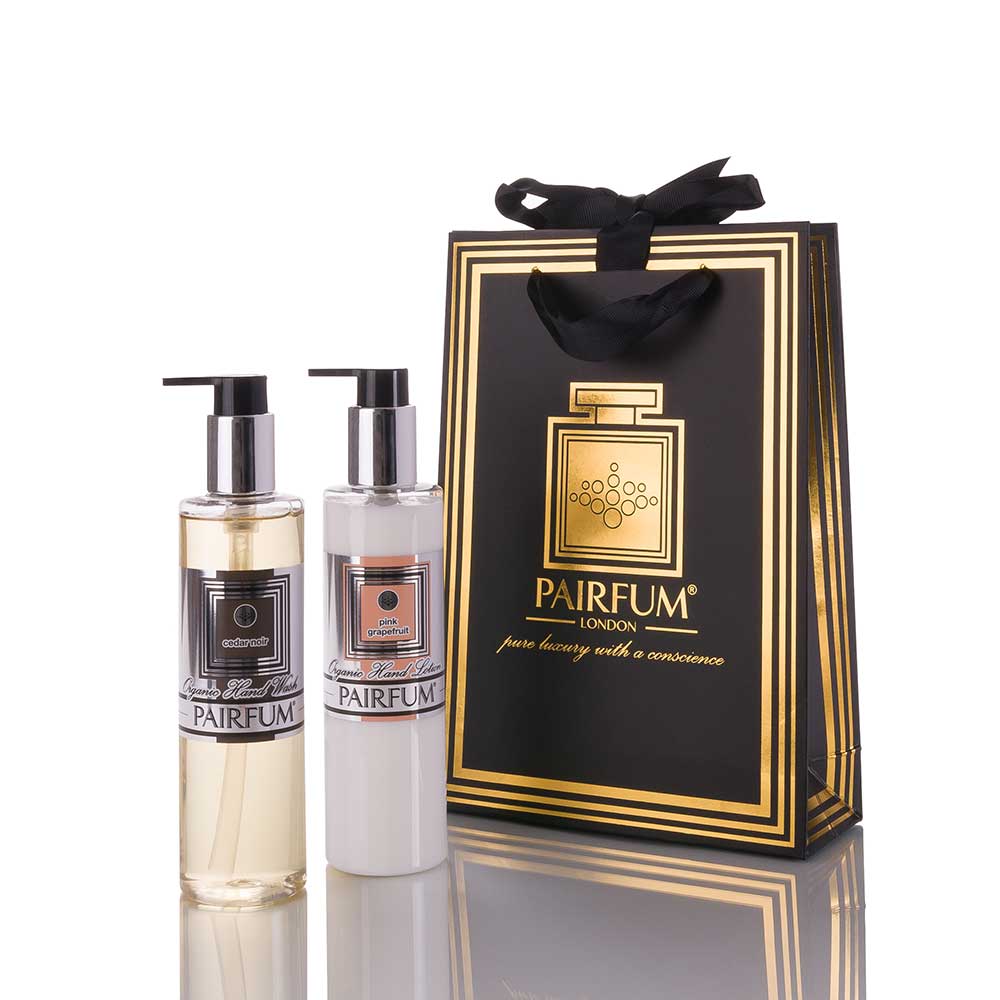
Explore Pairfum’s Collection of paraben free (and organic) skin care produts:
Click to see Pairfum’s Skin Care products
References:
1 FAQ: Parabens and Breast Cancer
2 Paraben esters: review of recent studies of endocrine toxicity, absorption, esterase and human exposure, and discussion of potential human health risks.