Soapy perfume is a clean, fresh, and sometimes lightly powdery fragrance that evokes the scent of fresh laundry, soft florals, or luxury bar soap, often featuring aldehydes, musk, and citrus notes. These “your skin but better” scents are popular for their clean, just-showered feel and understated elegance.
Soapy perfume evokes a simple yet specific sensation: slipping into a freshly ironed shirt, crisp and clean against the skin. A well-made soapy perfume carries the quiet comfort of fresh towels, polished cotton, and the reassuring familiarity of traditional soap. In spring, when the air still feels cool in the morning but brighter by afternoon, these fragrances become especially appealing.
Unlike heavier perfume styles that dominate a room, soapy perfumes sit closer to the skin. Their scent feels calm, refined, and easy to live with. Many fragrance enthusiasts enjoy them because they suggest cleanliness, care, and understated elegance rather than drama.
The appeal of soapy fragrances has grown steadily over the years. Their popularity comes from the way they blend freshness with comfort. They smell polished without becoming too formal and relaxed without feeling careless. A soft, soapy scent can feel as comforting as a luxurious bubble bath after a long day.
For many people, the attraction lies in memory. The scent of soap, fresh linen, warm laundry, and clean skin often recalls childhood routines, favourite hotels, or newly washed clothes drying beside an open window. These things may sound ordinary, yet they create strong emotional connections.
What Makes a Perfume Smell Soapy
There is no single ingredient responsible for a soapy quality in perfume. Instead, perfumery relies on careful balance. Skilled blending creates the clean impression associated with soap, fresh skin, and modern hygiene.
One of the most important ingredients is aldehydes. These sparkling materials give many soapy perfumes their airy brightness. Aldehydes can feel fizzy, almost like bubbles rising from hot water. In classic fragrance composition, aldehydes help create the impression of fresh laundry and polished fabric.
White florals also shape the soapy character. Jasmine, lily, neroli, and violet add softness without becoming too sweet. A delicate floral note can make a fragrance feel smooth and creamy, similar to expensive soap resting beside a sink.
Musk is equally important. Modern musk materials create the effect of clean skin and warmth. White musk in particular gives soapy perfumes their freshly showered feeling. When white musk blends with aldehydes and florals, the result feels soft, airy, and polished.
Some compositions introduce lavender, bergamot, citrus, and vetiver for extra freshness. Bergamot and citrus provide brightness at the top of the fragrance, while lavender adds a familiar clean edge often linked with soap and laundry products. Vetiver contributes dryness and structure, preventing the scent from becoming too creamy.
In richer, soapy fragrances, perfumers may include amber, vanilla, patchouli, or even cinnamon underneath the cleaner notes. These ingredients add warmth and depth while keeping the fragrance balanced. Amber appears often because it softens the sharper aspects of aldehydes and musk.
The overall effect should never smell harsh or like detergent. A refined soapy perfume captures cleanliness while still feeling natural on the skin.
The History Behind Soapy Perfumes
The appeal of soapy perfumes is closely tied to the history of modern fragrance itself. During the early twentieth century, advances in chemistry allowed perfumers to use aldehydes more creatively. These ingredients transformed perfume by introducing sparkling textures that smelled cleaner and brighter than many traditional floral compositions.
This fresh style quickly became associated with elegance and personal care. Clean skin, pressed clothing, and expensive soap all became part of the image surrounding modern perfume.
Over time, soapy fragrances developed into their own category. Some leaned towards airy white florals, while others focused on musky freshness or the crisp scent of laundry drying outdoors.
Today, the style remains popular because it bridges classic and contemporary perfumery. Many modern consumers want a perfume that feels refined yet easy to wear. A soft, soapy scent achieves exactly that without feeling old-fashioned.
Why Soapy Perfumes Feel So Comforting
A soapy scent often creates emotional comfort because it suggests order, calmness, and personal care. The smell of soap has long been associated with freshness and well-being. Even today, people connect soapy fragrances with routines that make them feel prepared and confident.
There is also something deeply familiar about soapy perfumes. They rarely challenge the wearer. Instead, they settle gently onto the skin and become part of the day. This comforting scent works well during busy mornings, quiet evenings, and professional settings alike.
The connection between fragrance and memory explains why favourite soapy perfumes remain popular for decades. Some people are reminded of hotel towels and clean bed sheets. Others think of a parent’s perfume or the scent of soap after a warm bath.
The beauty of soapy perfumes lies in restraint. They feel elegant because they do not try too hard. Rather than overwhelming the senses, the scent creates a clean aura around the wearer.
For some wearers, soapy fragrances also suggest luxury. High-quality soap, clean cotton, soft towels, and fresh skin are all connected with comfort and well-being. A refined perfume that captures these ideas can feel both calming and sophisticated.
This explains why many editors, perfume writers, and fragrance enthusiasts regularly describe soapy perfumes as timeless. They fit naturally into everyday life while still feeling polished.
Some of the most admired soapy perfumes achieve balance by blending bright top notes with creamy musks and smooth florals. The result feels natural rather than artificial. That distinction matters because a successful soapy perfume should never smell too similar to detergent or heavily scented cleaning products.
The Key Notes Found in Soapy Perfumes
Many soapy perfumes rely on familiar ingredients that work together to suggest cleanliness and softness.
Aldehydes
Aldehydes remain central to many classic soapy fragrances. They create sparkle and lift while giving the fragrance its airy texture. Some aldehydes smell waxy or metallic, while others feel bright and citrusy.
Musk and White Musk
Musk gives soapy perfumes their smooth finish. White musk creates the sensation of warm clean skin and helps the fragrance linger gently throughout the day. Musk also softens stronger notes and prevents the scent from becoming sharp.
Florals
Florals play an essential role in giving soapy perfumes softness and texture. Jasmine remains especially important because its creamy quality blends beautifully with musk and aldehydes. Lily contributes freshness, while neroli adds brightness with a slightly green edge.
Some soapy fragrances also include rose, although usually in a restrained style that supports the clean effect rather than dominating it.
Florals
Soft florals are essential in soapy perfumery. Jasmine, lily, neroli, and violet all contribute elegance. These florals provide a creamy texture that mirrors expensive soap.
Citrus and Bergamot
Citrus notes, especially bergamot, brighten the opening of many soapy perfumes. Their crisp freshness creates the immediate impression of cleanliness.
Lavender and Vetiver
Lavender adds an aromatic freshness often linked to soap and clean towels. Vetiver contributes dryness and sophistication. Together, they create a refined finish.
Amber and Vanilla
Amber and vanilla add warmth beneath cleaner notes. They help soapy fragrances feel rounded rather than cold.
Different Styles of Soapy Perfumes
Not all soapy perfumes smell the same. The category includes several different styles, each shaped by its ingredients and structure.
Some compositions focus on white musk and soft florals. These fragrances feel creamy, smooth, and close to the skin.
Others highlight aldehydes and citrus notes for a sharper, cleaner effect that recalls fresh linen and newly washed shirts.
There are also powdery soapy perfumes inspired by vintage cosmetics and classic soap. These blends often combine violet, iris-style accords, lavender, and musk.
A smaller group explores warmer territory with amber, vanilla, patchouli, and vetiver beneath the cleaner notes. These perfumes feel richer and more sensual while still maintaining freshness.
Understanding these variations helps explain why soapy fragrances appeal to such a wide audience. Some people want crisp cleanliness, while others prefer softness and warmth.
Soapy Perfumes for Spring and Summer
Spring weather suits soapy perfumes perfectly. The combination of mild air, open windows, and lighter clothing works beautifully with this fragrance style.
A fresh, soapy perfume feels effortless during warmer months because it never becomes heavy on the skin. Notes like neroli, citrus, lavender, and white musk provide freshness while remaining soft.
Many people also choose soapy perfumes in summer because they perform well in shared spaces. In offices, trains, cafés, and classrooms, a clean scent usually feels more considerate than an intense perfume.
Fresh linen accords are especially popular during spring. They recreate the scent of cotton sheets drying outdoors. Combined with aldehydes and musk, fresh linen notes make soapy fragrances feel airy and bright.
Although these perfumes are clean, they should never smell sterile. The best compositions still feel warm, creamy, and human.
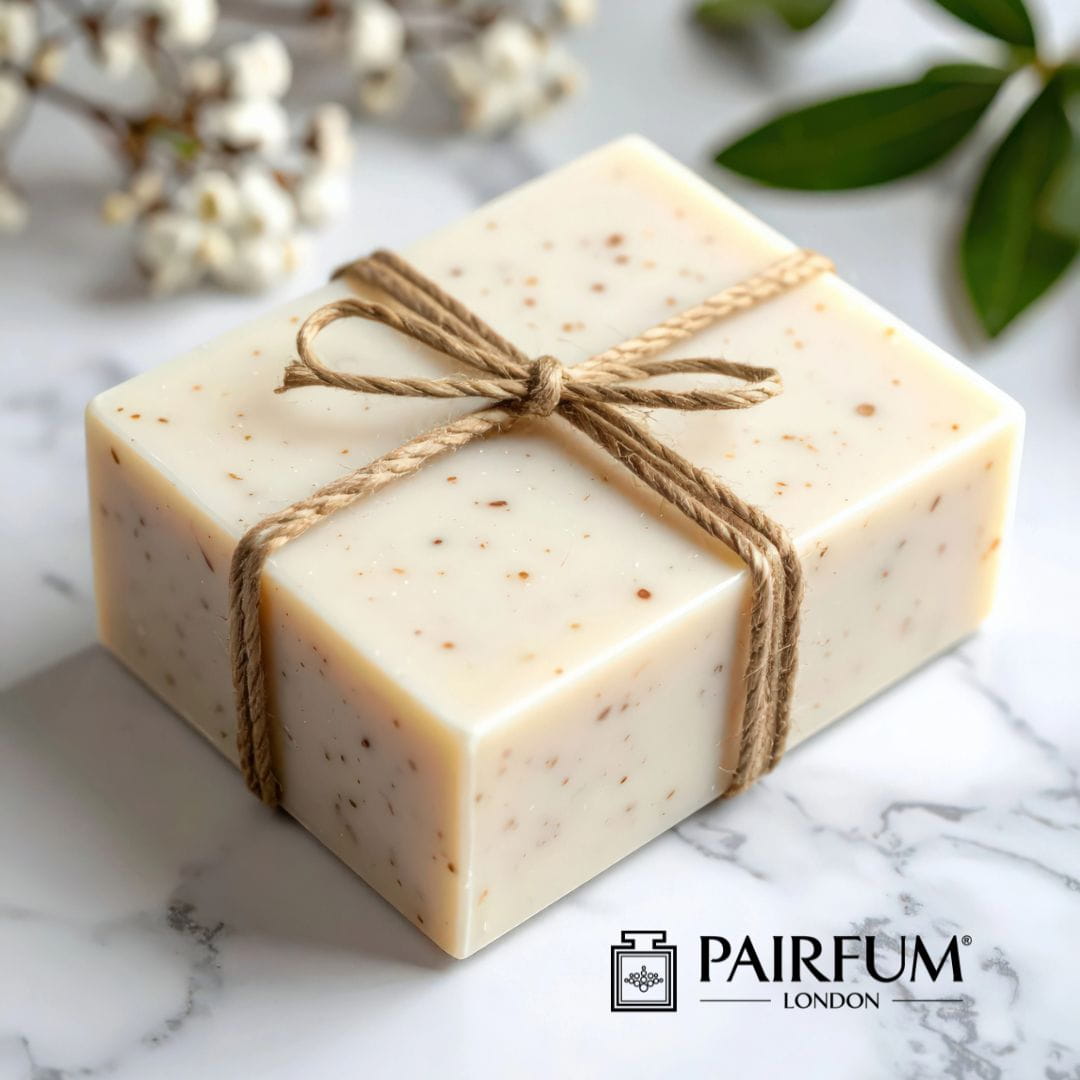
Why Soapy Perfumes Remain Popular in Modern Perfumery
The continuing popularity of soapy perfumes reflects broader changes in taste within the fragrance world. Many consumers now prefer a perfume that feels versatile, wearable, and comforting rather than overpowering.
Modern lifestyles also influence these preferences. People spend more time in shared environments such as offices, public transport, cafés, and fitness studios. In these settings, soapy fragrances often feel more appropriate than dense oriental or strongly sweet compositions.
Social media and digital fragrance content have also contributed to renewed interest in clean-smelling perfume. Reviews frequently describe perfumes using words such as fresh, airy, polished, creamy, musky, and clean.
As a result, many fragrance enthusiasts actively search for perfumes that recreate the scent of expensive soap, clean skin, or luxury laundry.
Classic and Modern Examples of Soapy Perfumes
Many famous perfume houses have explored the appeal of soapy fragrances. Some classic creations from Ralph Lauren became known for their clean style and understated freshness.
Certain iconic perfumes from the late twentieth century also helped define the modern understanding of a soapy perfume. These fragrances relied heavily on aldehydes, white florals, musk, and citrus notes to create an image of polished cleanliness.
Today, niche perfume houses continue to reinterpret the style. Some focus on airy white musk compositions, while others recreate the comforting scent of soap, steam, and warm towels.
Modern niche perfumery has also embraced the trend. Contemporary brands experiment with musk, neroli, amber, and aldehydes to create softer and more natural interpretations of the soapy fragrance family.
Even brands better known for bold oriental fragrances, such as Lattafa Perfumes, occasionally introduce cleaner compositions with a noticeable soapy character.
The popularity of soapy perfumes comes partly from their versatility. They can feel luxurious without becoming difficult to wear.
How Soapy Perfumes Change on the Skin
One reason soapy perfumes remain so appealing is the way they evolve. The opening often feels bright and sparkling due to aldehydes, bergamot, and citrus notes.
After a short time, the fragrance settles closer to the skin. Florals such as jasmine, neroli, lily, and violet become softer and creamier. The scent gradually shifts into musk, amber, and vetiver.
This transition creates the feeling of freshly washed skin throughout the day. A good soapy perfume should feel smooth rather than powdery, although some vintage-inspired styles intentionally include a slightly powdery finish.
Skin chemistry also affects how soapy fragrances perform. On warmer skin, musk and amber may become richer. On cooler skin, aldehydes and citrus notes can appear sharper.
Layering products such as unscented lotion or body oil can help soapy perfumes last longer. This technique allows the fragrance to cling gently to the skin without becoming overwhelming.
Why Soapy Perfumes Work for Everyday Wear
The versatility of soapy perfumes makes them ideal for daily life. Their freshness feels appropriate almost everywhere.
People often reach for a soapy perfume after a morning shower, before work, or during travel. The clean scent creates a sense of readiness and comfort.
Unlike dramatic evening perfume styles, soapy fragrances rarely feel distracting. They sit comfortably in close environments and suit almost every age group.
Their connection to cleanliness and hygiene also explains why they remain popular in professional settings. A subtle soapy scent feels polished without appearing attention-seeking.
Many wearers appreciate how these fragrances support personal style rather than overpower it. The perfume becomes part of the individual rather than the centre of attention.
What to Avoid When Choosing Soapy Perfumes
Although many people enjoy soapy fragrances, not every clean-smelling perfume achieves the same quality.
Some inexpensive compositions can smell too sharp, synthetic, or overly similar to detergent. Excessive aldehydes without enough musk or florals may create a harsh metallic impression on the skin.
Others become too powdery or overly sweet. Balance remains essential.
Testing perfume directly on the skin is important because the same fragrance may smell creamy and soft on one person but dry and sharp on another.
Paying attention to how the fragrance develops over several hours often reveals whether the composition feels refined or overly artificial.
Choosing the Right Soapy Perfume
Finding the right soapy perfume depends on personal taste.
If you enjoy crisp freshness, look for aldehydes, bergamot, citrus, and neroli. These notes create a sparkling, clean effect.
If you prefer softer fragrances, search for white musk, jasmine, lily, and vanilla. These ingredients create a creamy, soapy finish.
For a more sophisticated style, vetiver, amber, patchouli, and lavender add depth while preserving freshness.
It is also worth paying attention to concentration. Eau de parfum versions often feel warmer and smoother, while lighter concentrations can appear brighter and more citrusy.
Sampling remains important because skin chemistry changes with every fragrance. A perfume that smells wonderfully soapy on one person may smell sharper or sweeter on another.
A Floral and Chypre Soapy Perfumes by Pairfum London
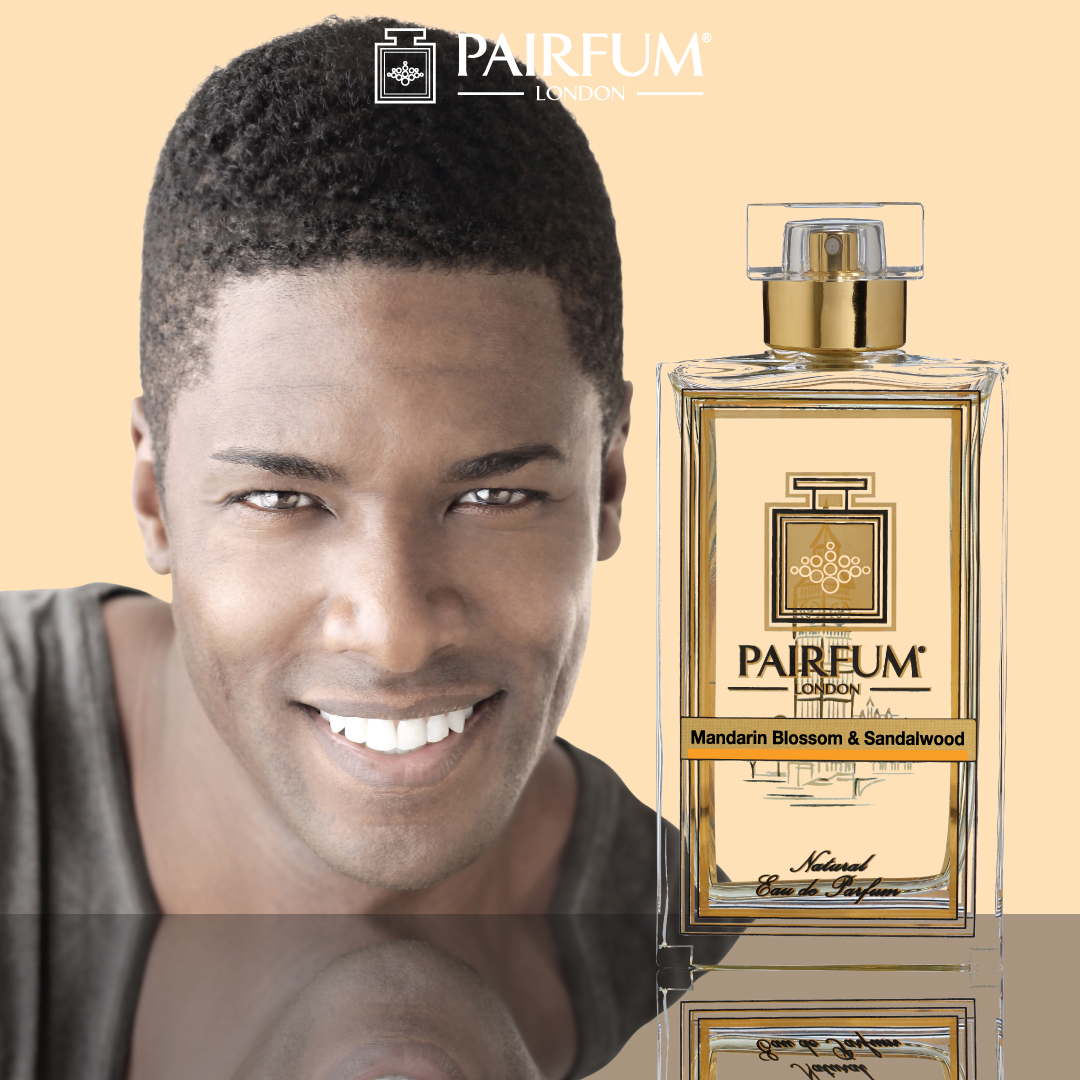
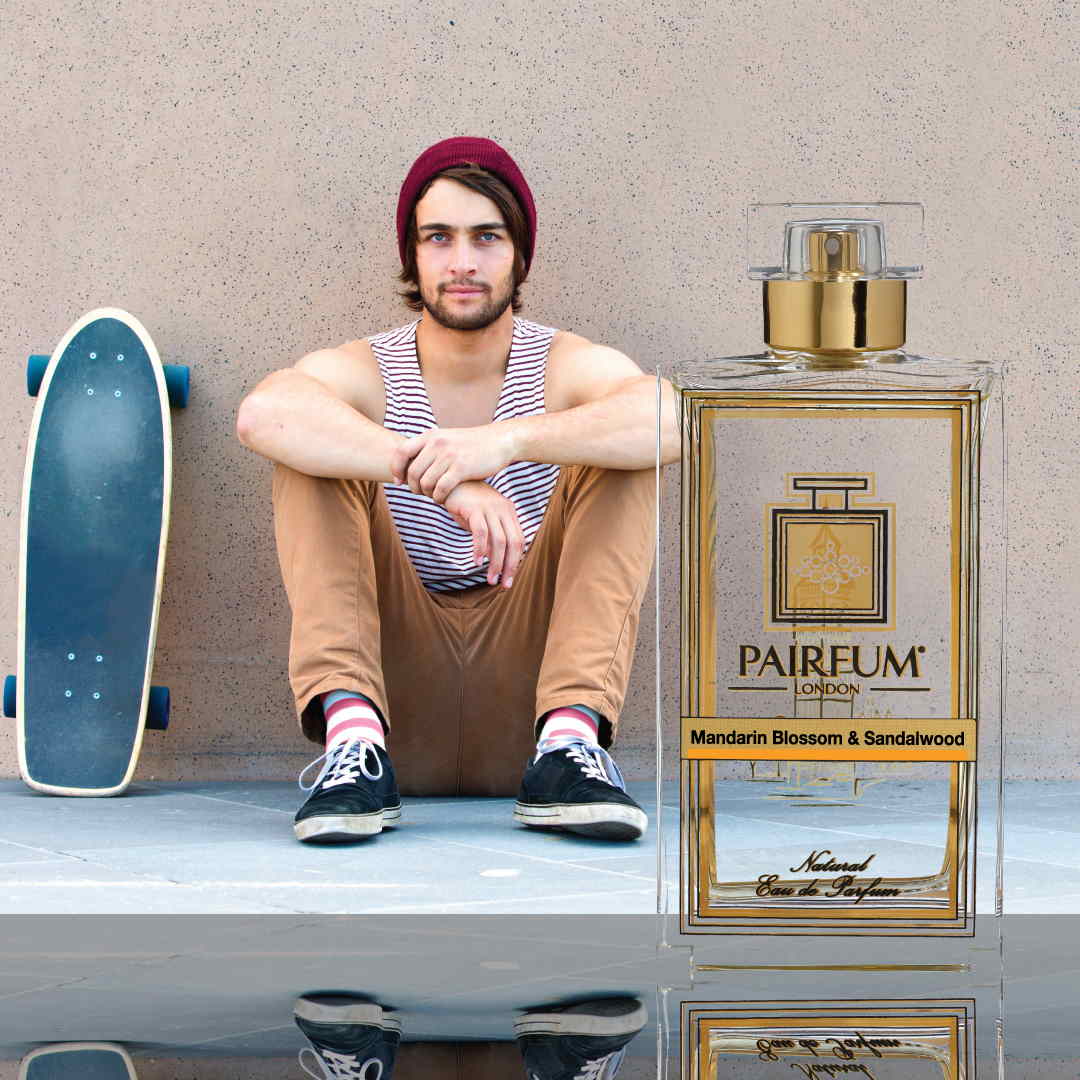
Mandarin Blossom & Sandalwood – Eau de Parfum
A graceful floral chypre with a soft, feminine character. The opening brings together mandarin blossom, apricot, and white hyacinth for a light, fresh first impression. At the heart, sweet pea, jasmine, and ylang ylang unfold into a delicate floral bouquet, while sandalwood, patchouli, amber, and musk leave a warm, lingering finish on the skin.
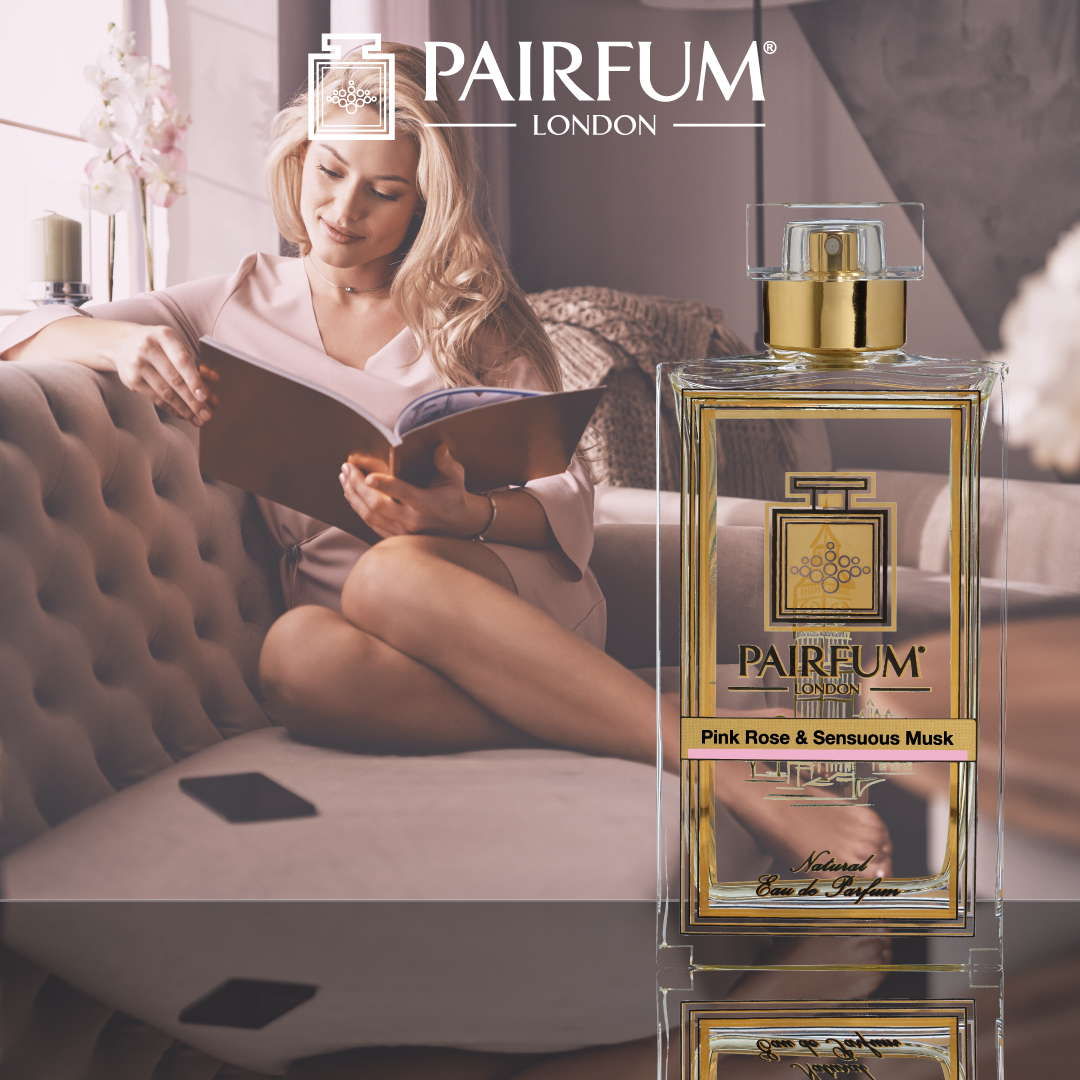
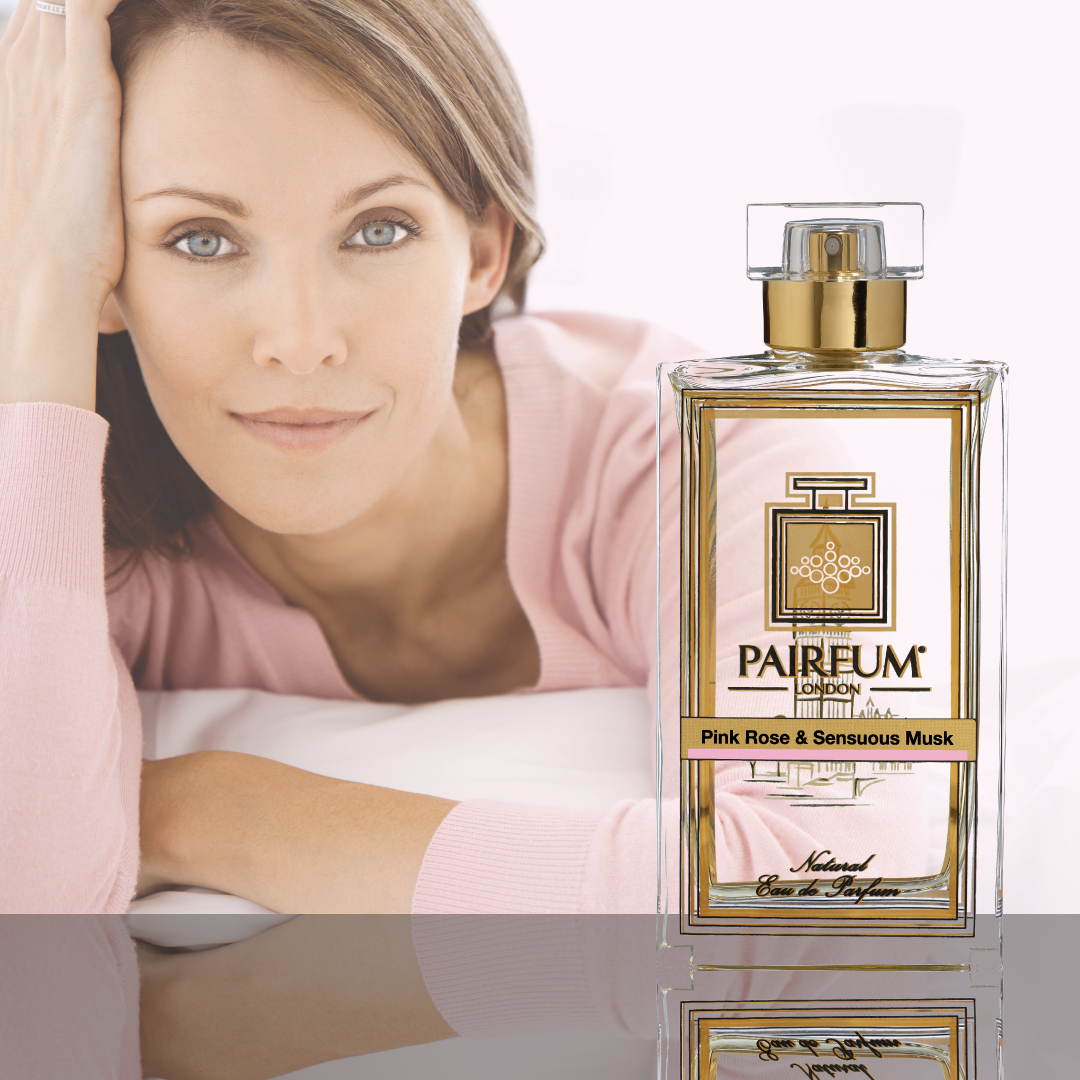
Pink Rose & Sensuous Musk – Eau de Parfum
A bright floral fragrance with a fresh, uplifting opening of sparkling lemon and lime, softened by the sweet fruitiness of peach. The heart reveals a graceful blend of pink rose, magnolia, and frangipani, adding warmth and softness without feeling heavy. Beneath it all, musk, amber, and rich woods create a smooth, sensual finish that endures.
The Lasting Appeal of Soapy Perfumes
Whether inspired by traditional soap, airy aldehydes, creamy florals, or warm musk, soapy perfumes remain timeless because they reflect something universally appealing: the pleasure of cleanliness, calmness, and everyday elegance.
As fragrance trends continue to change, the gentle charm of the soapy fragrance family remains consistent. Some perfume styles come and go, but the appeal of a clean, soapy scent rarely disappears. That lasting connection explains why soapy perfumes continue to appear among modern best sellers across more than one brand.
For many people, a carefully chosen soapy perfume becomes part of daily life. It offers freshness without effort, elegance without excess, and a comforting reminder that the simplest scents are sometimes the most memorable.