Home / AutumnScents
Baies Rose In Fragrance

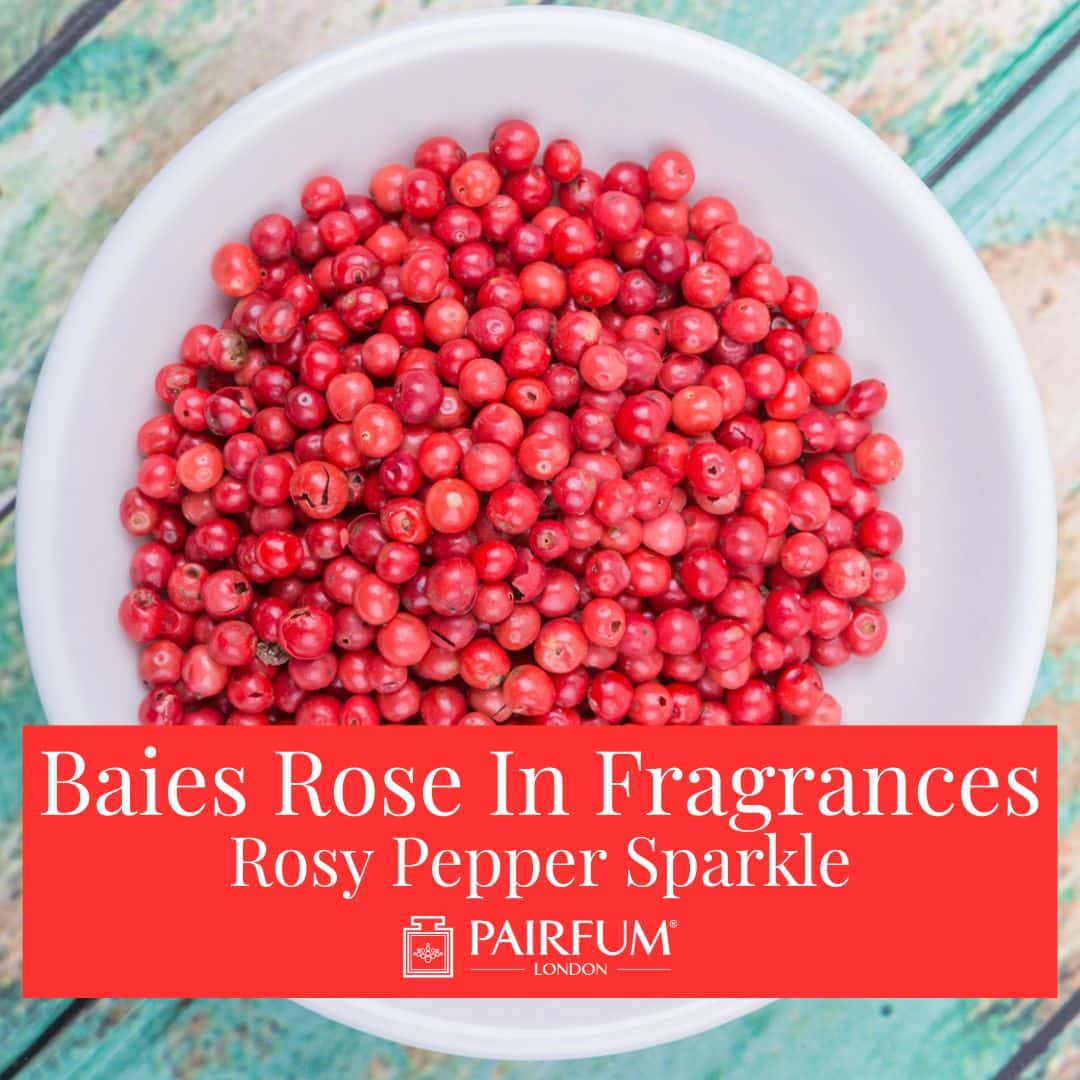
Baies Rose In Fragrances: Rosy Pepper Sparkle

Baies Rose, or pink peppercorn, is utilised as both a culinary spice with a sweet, fruity, and subtly peppery taste and a favoured note in perfumery for its vibrant, spicy, and fresh floral scent. It is not a true pepper but a berry related to the cashew family.

There is a light, rosy spice that shows up in many modern perfumes, especially as the weather cools. It is soft, warm, and uplifting without being too floral or too sharp. This bright note is called Baies Rose, also known as pink pepper. The name can be misleading, as it is not a rose at all, despite its gentle association with roses and its soft, petal-like touch.

Baies Rose brings a gentle warmth that blends beautifully with florals, woods, or vanillas. It does not shout. Instead, it adds energy and polish to many niche fragrance creations, especially those made for autumn or early winter. If you enjoy aromas that are a little spicy but still cheerful and wearable, you have likely come across this note before, even if you did not know its name.

Take a closer look at this creamy pink berry, where it comes from, how it is used, and why perfume lovers return to its soft spice again and again over time and across different styles of scent.

What Is Baies Rose?

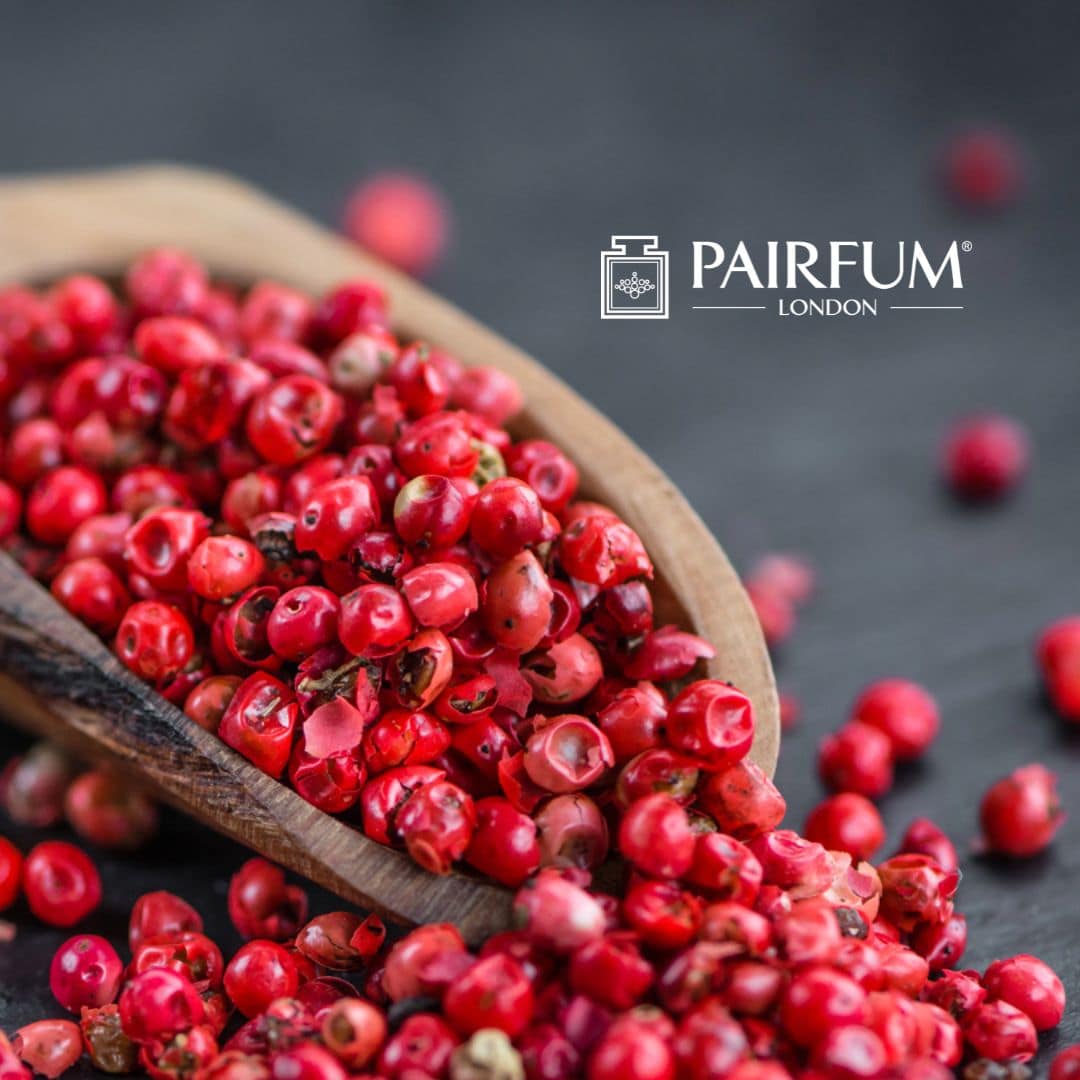
Baies Rose refers to the dried pink berries from the Peruvian pepper tree. These berries look a bit like red peppercorns, which is why they are often confused with pink peppercorns or even standard black peppercorns, but they do not belong to the same botanical family. Despite the name, there is no direct link to a rose flower either.

The aroma of baies roses is what makes it stand out. It combines several facets into a balanced whole:

  • Slightly fruity, with a hint of sweet berry and subtle fruit
  • Warm and lightly pepper-like, without aggressive heat
  • Rounded by a floral softness that brings roses to mind

This soft piquancy makes it an appealing addition to many perfume structures. It can lift a composition, add brightness, or gently contrast heavier elements. Perfumers often describe it as an intriguing spice because it suggests warmth without overwhelming the senses. Among the many spice materials used in perfumery, baies roses offer one of the most approachable profiles.

Baies, Berries, and Botanical Roots

The word baies simply means berries in French, and this ingredient lives up to its name. The small pink berries are sometimes described as jewelled seeds because of their glossy surface and vivid colour, ranging from pale blush to deep crimson.

These berries grow on trees native to South America, though they are now cultivated in other parts of the world, including regions with similar climates such as New Zealand. The berries have long been used in cooking, where they appear in sauces, marinades, and seasoning blends, valued for their gentle sweetness and aromatic pepper tone.

Unlike culinary peppercorns, which deliver heat, these pink peppercorns provide aroma first. Their flavour hints at pomegranate, crimson juice, and even rich ruby fruits, making them popular with chefs as well as perfumers.

Fragrance Description Pink Powder Violet Rose Iris Orris

A Bit of History and Origin

Baies Rose grows mainly in South America, especially in Peru and Brazil. The tree it comes from, Schinus molle, has been part of local life for centuries. Indigenous communities used the berries in food, medicine, and daily rituals, valuing their scent and gentle stimulating quality.

In perfumery, baies roses appeared much later. Their rise began in the 20th century, when perfumers started seeking alternatives to heavy spice materials. Black pepper and clove were powerful but could dominate a composition. Pink peppercorn offered a softer option, with more nuance and less heat.

This shift aligned with changing tastes. As people looked for fragrances that felt lighter and more natural, baies roses became popular. Their ability to suggest warmth while remaining airy made them suitable for daily wear, office environments, and modern lifestyles. Over the years, they have become a familiar but still interesting presence in fine fragrance.

Culinary Use and Sensory Parallels

Before becoming popular in perfume, baies roses were well known in cooking. They are used to season fish, vegetables, cheeses, and light sauces, where their gentle pepper quality enhances rather than dominates.

Culinary descriptions often mention hints of pomegranate, crimson juice, and even rich ruby fruits. These associations help explain why the note translates so effectively into fragrance, where it adds brightness without heaviness.

The crossover between culinary and olfactory use also contributes to the familiarity of the scent. Many people recognise it instinctively, even if they cannot name it.

How Baies Rose Is Extracted and Used in Perfumery

To transform the dried berries into usable fragrance oil, perfumers rely on careful extraction. The most common methods are steam distillation and gentle solvent processes, both designed to preserve the delicate aromatic molecules.

The resulting oil captures the essence of the pink berries: lightly spicy, faintly sweet, and softly floral. In perfume structures, baies roses most often appear in the top notes, where they provide an immediate sparkle. Sometimes they are also used in the heart to bridge fresh openings and deeper bases.

Common pairings include:

  • Citrus notes, where pepper adds lift and contrast
  • Vanilla, which enhances warmth and sweetness
  • Rose and other floral notes, reinforcing a rosy impression
  • Woods and musk, which ground the composition

Because this ingredient is never too forceful, it can be layered without risk. It adds complexity rather than dominance, making it a favourite among perfumers crafting balanced creations.
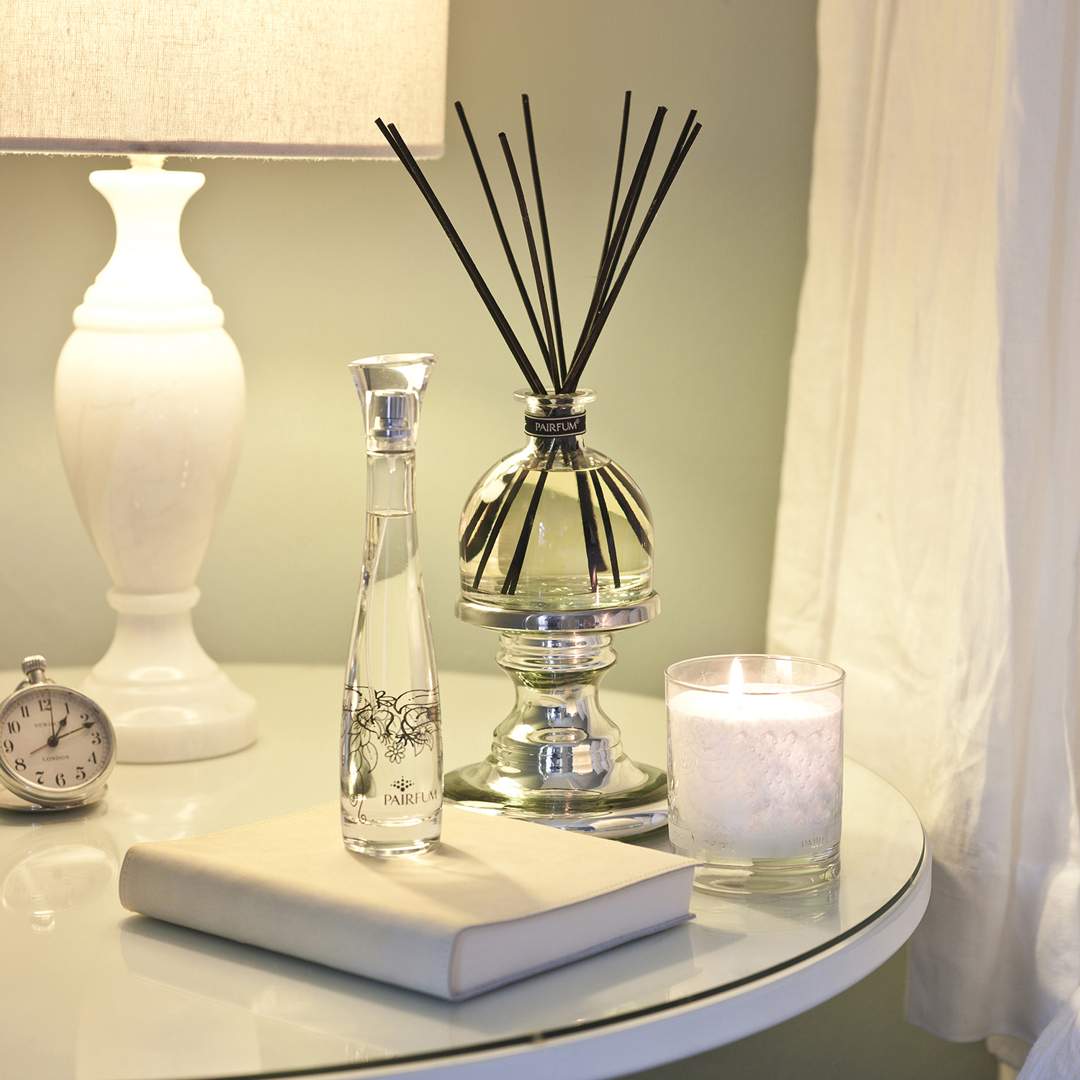
Bedroom Reed Diffuser Luxury Scented Candle Room Spray 1 1

Baies Rose in Modern Perfumery

In contemporary perfumery, baies roses are valued for their versatility. They appear in a wide range of styles, from minimalist compositions to layered niche blends.

They work particularly well alongside:

  • Citrus, where pepper sharpens the freshness.
  • Woods, where they provide lift and contrast.
  • Florals, especially roses, where they enhance radiance.
  • Soft bases, including musk, which benefit from a bright opening.

In some perfumes, the note is used almost transparently. In others, it is more pronounced, offering a clear touch of spice that defines the opening impression.

Iconic Perfumes Featuring Baies Rose

Today, baies roses appear in countless modern perfumes, particularly those aimed at autumn and winter wear. They are especially effective in blends that need a bright opening before settling into something richer.

You will often encounter them in:

  • Spicy floral fragrances, where pepper lifts petals and prevents sweetness from becoming heavy
  • Gourmand styles, where the berry facet plays against edible notes
  • Woody perfumes, where pink peppercorns cut through density

This ingredient works beautifully with patchouli, amber, cedar, and rose. When paired with woods, baies roses bring clarity. When paired with florals, especially roses, they enhance freshness. Even in compositions featuring juniper or aromatic herbs, a hint of pink peppercorn adds polish.

Although rarely the star, their presence is unmistakable once you recognise it: a lively opening that softens into warmth, leaving a creamy scent behind.

Iconic Baies Rose Fragrances

Le Labo – Baie 19
A modern, mineral fragrance where baies rose adds a cool, peppery brightness to damp earth, woods, and soft musk, giving the scent its clean yet atmospheric opening.

Chanel – Chance Eau Fraîche
In this fresh woody floral composition, baies rose contributes a gentle pepper sparkle that lifts citrus and floral notes, keeping the fragrance light, polished, and energetic.

Hermès – Eau des Merveilles
Here, baies rose is used subtly to add warmth and contrast, softening amber and woody notes while maintaining an airy, refined character rather than overt spice.

Pairfum London – Pink Powder & Violet

A floral fusion of Pink Powdery Rose Petals with Green Violet Leaf and Elegant Iris ! The fragrance opens with top notes of Mandarin, Baies Rose and Pink Peppercorn, and finishes on a sumptuous base of Smooth Patchouli, Musk and Vanilla. Orris, jasmine and Heliotrope enhance the heart note.

Texture, Touch, and the Feeling of Baies Rose

One of the most appealing qualities of baies roses is the way they feel in a fragrance. They create a smooth transition from the first spray to the dry-down, offering a tactile sense of comfort. Many people describe this as a silky or creamy scent, even when no dairy or vanilla notes are present.

This sensation comes from the balance between pepper and fruit, between brightness and warmth. The result is a fragrance that feels close to the skin, offering a gentle touch rather than an aggressive projection. It is a quality that suits everyday life and changing seasons.

In September, when the air begins to cool, perfumes with baies roses often feel just right. They echo the shift in nature without feeling heavy, marking a subtle change in time and mood.
Baies Rose

Baies Rose Beyond Perfume

Although best known in fragrance, baies roses have a broader cultural presence. In food, they are used to season fish, vegetables, and even desserts. Their gentle pepper note enhances rather than masks other flavours.

It is important to note that these berries are safe for culinary use but not suitable for animals, which is why they are handled carefully outside of human consumption. This distinction is part of the essential information surrounding the ingredient.

Their versatility has also made them popular in scented candles, bath products, and home fragrances, where a mild spice can create a welcoming atmosphere without overwhelming a space.

Choosing and Sharing Fragrance with Baies Rose

Perfumes featuring baies roses are often chosen as thoughtful presents. Their broad appeal makes them suitable as a gift for many tastes. Because the note is neither too sweet nor too sharp, it works well for people new to fragrance as well as seasoned enthusiasts.

They are commonly found in curated gift sets, alongside lotions or travel sprays. When ordering such items, people often appreciate clear delivery options, especially around a special date or celebration.

In this context, baies roses play a practical role. They help ensure the fragrance will be worn and enjoyed, rather than set aside.

Baies Rose Fragrance at Pairfum London

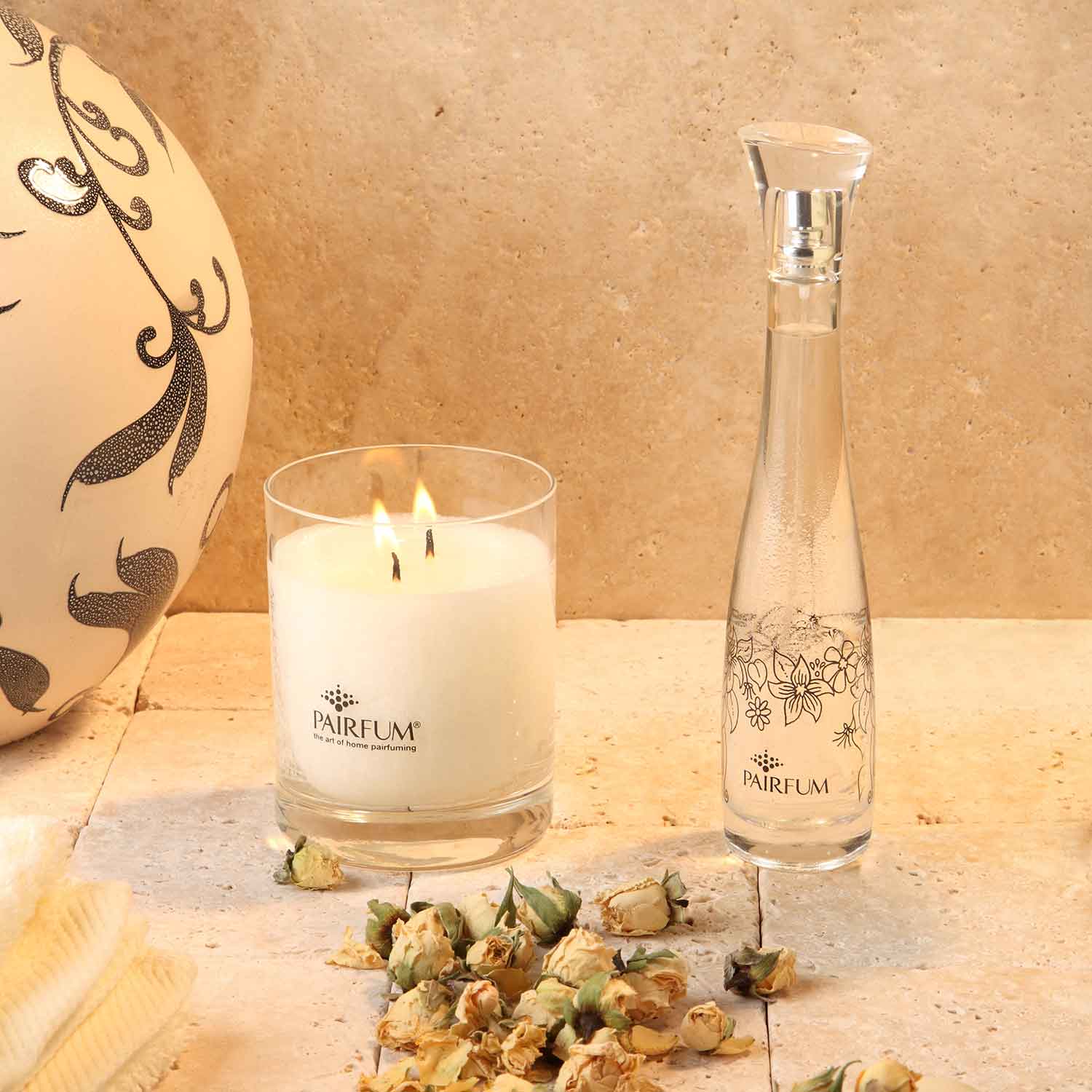
Pink Powder & Violet – Large Bell Shape Reed Diffuser by Pairfum London

A floral blend of Pink Powdery Rose Petals with Green Violet Leaf and Elegant Iris. The scent opens with top notes of Mandarin, Baies Rose and Pink Peppercorn, and concludes on a sumptuous base of Smooth Patchouli, Musk and Vanilla. Additionally, Orris, jasmine and Heliotrope work to enhance the heart note.

Pairfum Large Reed Diffuser Bell Noir Pink Powder Violet

A Modern Classic Ingredient

Over the years, baies roses have moved from novelty to staple. They reflect a broader trend in perfumery toward transparency, balance, and comfort. As tastes evolve, this ingredient continues to adapt, appearing in new interpretations and combinations.

Its enduring appeal lies in its ability to enhance without overwhelming. Whether supporting rose, wood, or gourmand notes, it adds just enough pepper to keep things interesting. It speaks to people who value subtlety and craftsmanship.

In the end, Baies Rose is less about making a statement and more about enhancing everyday moments. It brings warmth, sparkle, and a sense of ease to fragrance, reminding us that sometimes the smallest berries leave the longest impression.
Dried Fig In Fragrance

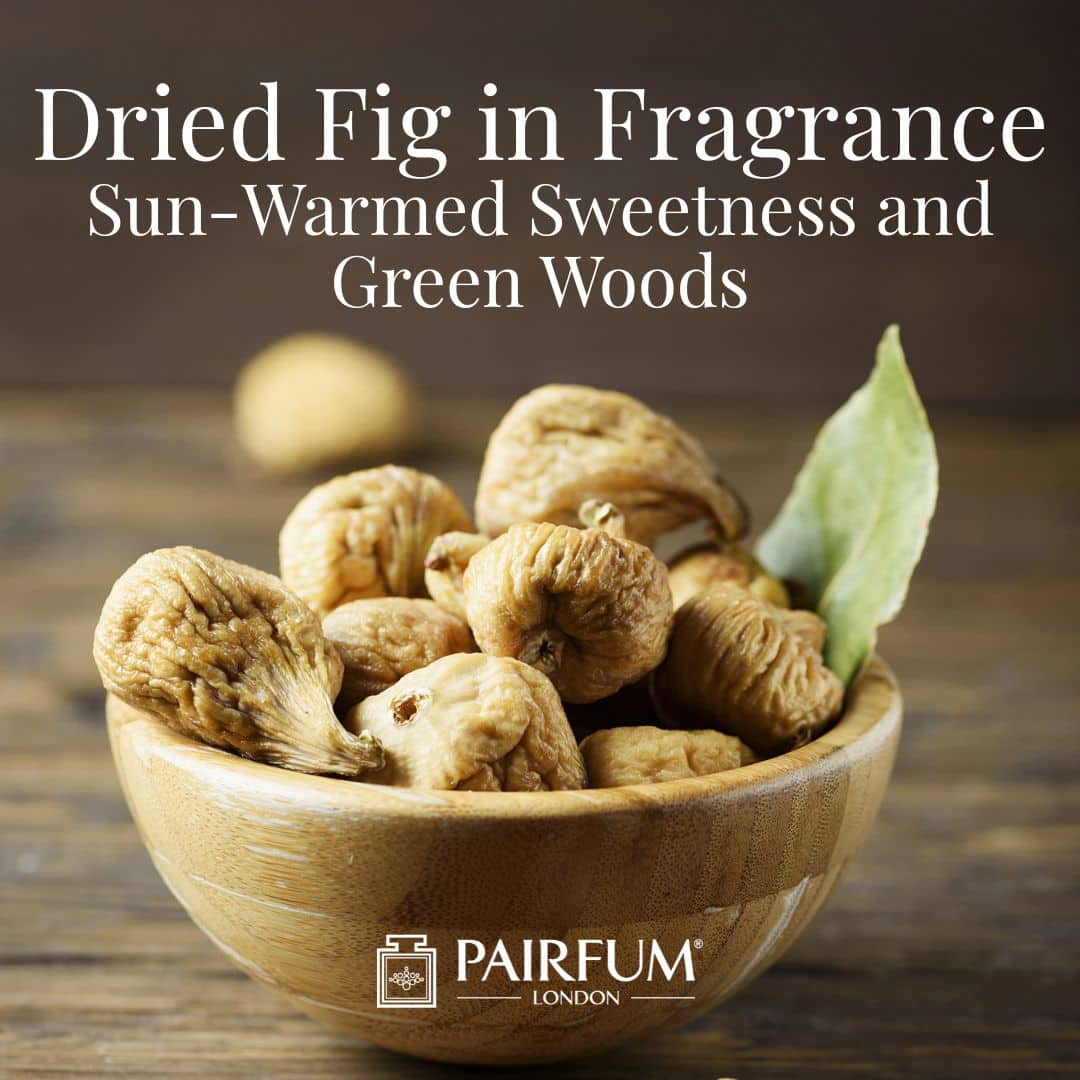
Dried Fig in Fragrance: Sun-Warmed Sweetness and Green Woods

Dried fig in fragrance provides a complex, warm, sweet, and earthy aroma, blending honeyed fruitiness with the green, milky, and woody elements of the leaves and sap. This creates rich, comforting, or fresh Mediterranean vibes and is frequently used in gourmand and amber perfumes alongside notes of coconut, cedar, or musk. It is highly versatile, shifting from jammy sweetness to fresh greenness, making it a popular note for many perfume styles, from daytime fresh to deep evening scents.

There is something quietly comforting about the aroma of dried fig in fragrance. It is not a loud note, and it rarely tries to impress. Instead, dried fig settles in gently, with a warmth that feels familiar rather than attention-seeking. The sweetness is there, but it does not rush forward. It sits back, rounded and calm, with a natural sweetness that feels reassuring rather than decorative.

For many people, dried fig brings to mind the feeling of fruit that has been set aside for later, kept carefully and enjoyed slowly. That sense of patience makes dried fig especially appealing once the seasons begin to turn. As the light fades earlier in the day, fragrances with dried fig tend to feel more appropriate. They sit well alongside woods, resins, and subtle spice, creating a sense of ease. The fruit note is present, but it never shouts. It feels warm, settled, and gently familiar.

The History of Dried Fig in Fragrance

Figs have been part of human life for thousands of years, particularly across the Mediterranean, the Middle East, and Asia. Fresh figs and dried figs were both valued, not just as food, but as part of everyday culture. They appeared in cooking, medicine, and ritual, and their aroma and flavour carried meaning well beyond nourishment.

The fig tree itself has long been central to this history. The common fig tree is one of the earliest cultivated fruit trees, thriving in warm regions and producing generous harvests. Because fresh fruit spoils quickly, communities relied on drying as a way to preserve figs. Over time, dried figs became a dependable staple, valued for their longevity and flavour.

In early fragrance practices, dried fruit was often combined with resins, herbs, and flowers. Dried fig played a useful role, softening stronger ingredients and bringing a sense of warmth. This quality remains important today, where dried fig continues to act as a gentle anchor within a composition.

Fragrance Description Rich Spices Pomegranate Cinnamon Clove Fig

Types of Fig: Fresh vs Dried

Fig notes vary more than people often expect. Understanding the difference between fresh fig and dried fig helps explain how they are used.

Fresh Fig

A fresh fig note usually feels green and milky, sometimes even airy. It tends to suggest leaves, sap, and skin rather than sweetness. Many fresh fig interpretations lean towards fresh fruit, evoking freshly picked figs rather than ripeness.

Dry Fig

Dried fig moves in a different direction. As figs lose moisture, their sugars become more concentrated. The result is a deeper sweetness with subtle woody and earthy tones. Dry figs and dried figs often feel better suited to colder months, when brightness matters less than comfort.

From Fig Tree to Dried Fig

The journey from fig tree to dried fig is simple in principle, but careful in practice. After harvesting, figs are prepared for a drying process that reduces water content while protecting flavour.

Traditional methods rely on air and direct sunlight, allowing figs to dry slowly. Modern producers may use controlled environments instead. Each drying method affects the final texture and taste. Properly dried figs become pleasantly chewy, with concentrated flavour and no need for added sugar.

Some fig varieties are particularly valued for drying. Black Mission figs are known for their rich taste and dark colour, while Turkish figs are lighter and more delicate. Many consumers also prefer organic figs, as they highlight the fruit itself without unnecessary treatments.

Nutritional Profile of Dried Figs

Beyond their flavour, dried figs are appreciated for their nutritional qualities. They are a good source of fibre, including soluble fibre, which supports digestion.

They also contain useful minerals, such as calcium, contributing to bone health. While dried figs are energy-dense due to their natural sugars, this sweetness comes directly from the fruit.

Eaten sensibly, dried figs can be a healthy snack, offering a balance of fibre and sustained energy.

Pairfum Flacon Perfume Room Spray Bathroom Marble

Texture, Sweetness, and Sensory Experience

Texture plays a quiet but important role in the appeal of dried fig. The chewy texture encourages slower eating and a more mindful experience. Sweetness develops gradually rather than all at once.

This gradual unfolding is similar to how dried fig behaves in fragrance. It tends to appear gently, revealing warmth and depth over time rather than demanding immediate attention.

Dried Fig in Everyday Eating

In everyday meals, dried figs are easy to use. At breakfast, they are often chopped into cereal or stirred into porridge. In home kitchens, dried fruit remains a familiar ingredient, used in both sweet and savoury cooking.

In baking, dried figs add moisture and richness to baked goods such as loaves and biscuits. Fig rolls remain a popular treat, while modern cooks experiment with new combinations. A simple recipe might involve chopping dried figs and mixing them with mixed nuts for a satisfying bite.

On a cheese board, dried figs are a classic choice. Their sweetness works well with cheese, particularly goat cheese and goats cheese, where the acidity balances the fruit. Some people also enjoy figs with dark chocolate, which deepens the flavour without overpowering it.

Figs are also used in fig jam, served with bread or alongside savoury dishes. In cooking, they may be added to sauces with bay leaves or combined with a gentle nut note for depth.

Storage, Handling, and Practical Advice

To keep them at their best, dried figs should be stored in an airtight container, away from heat and moisture. This helps maintain texture and flavour over time.

As with all foods, allergens should be considered, especially when figs are stored or prepared with nuts or dairy products.

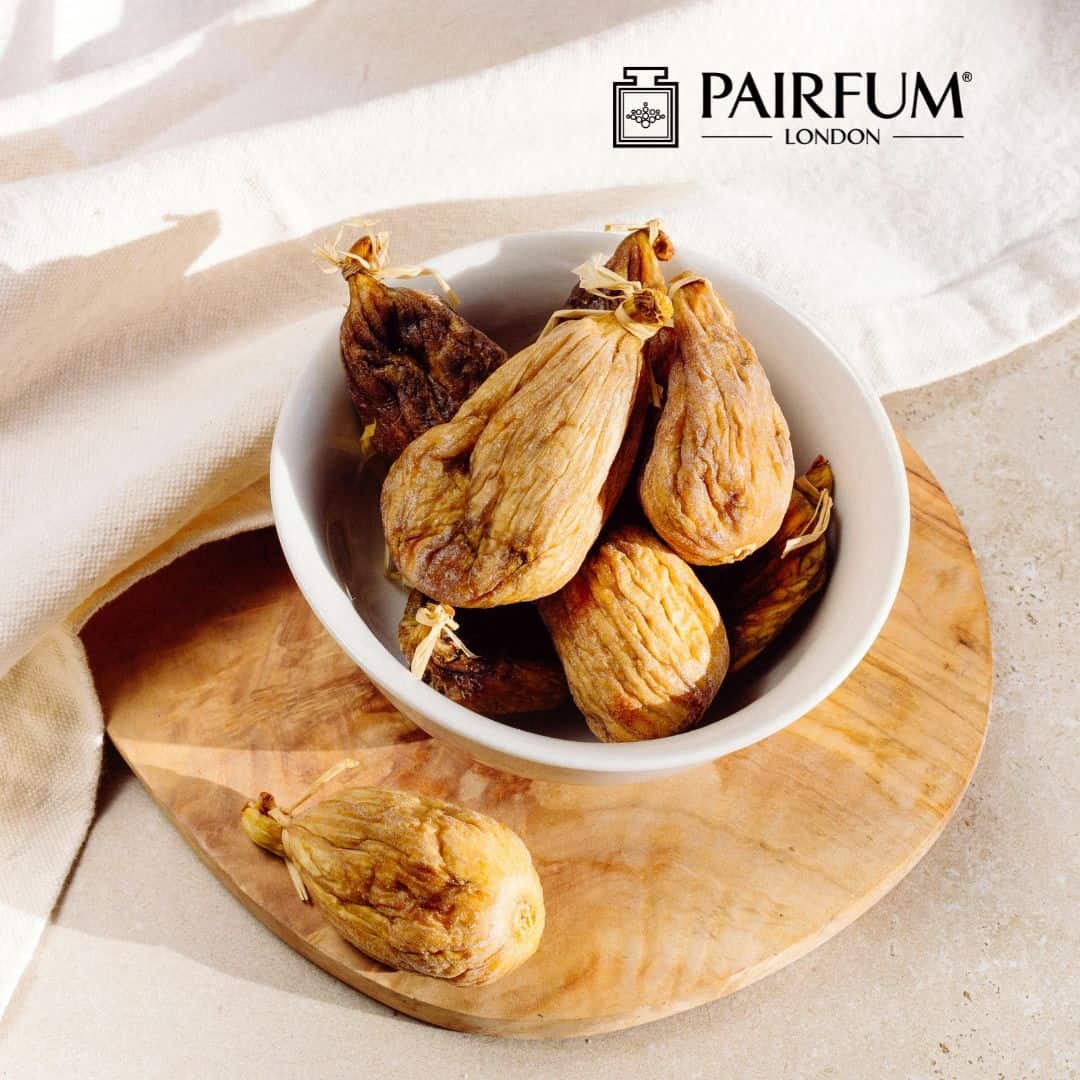
Dried Figs In A Bowl

How Dried Fig Is Used in Perfumery

In perfumery, dried fig is recreated rather than extracted. Perfumers build the impression using several materials that suggest fruit flesh, skin, and wood.

Sweet elements recall dried figs themselves, while woody notes hint at the fig tree. Some fragrances explore a spiced fig style, adding warmth without heaviness. This approach allows dried fig to feel familiar and emotionally resonant.

Fresh Fruit, Dried Fruit, and Seasonal Rhythm

The movement from fresh fruit to dried fruit reflects a seasonal rhythm that has existed for centuries. As harvest ends, preservation begins, and flavours deepen.

In fragrance, this rhythm appears in the shift towards warmer notes. Dried fig captures this transition, holding onto the memory of sunlight while settling into colder months.

Drief Fig & Home Fragrance With Pairfum London

To bring the feeling of dried fig into the home, a thoughtfully made room spray offers a simple solution. A balanced flacon room spray can gently introduce fruit warmth and subtle woods, helping a space feel calm and welcoming without overwhelming it.

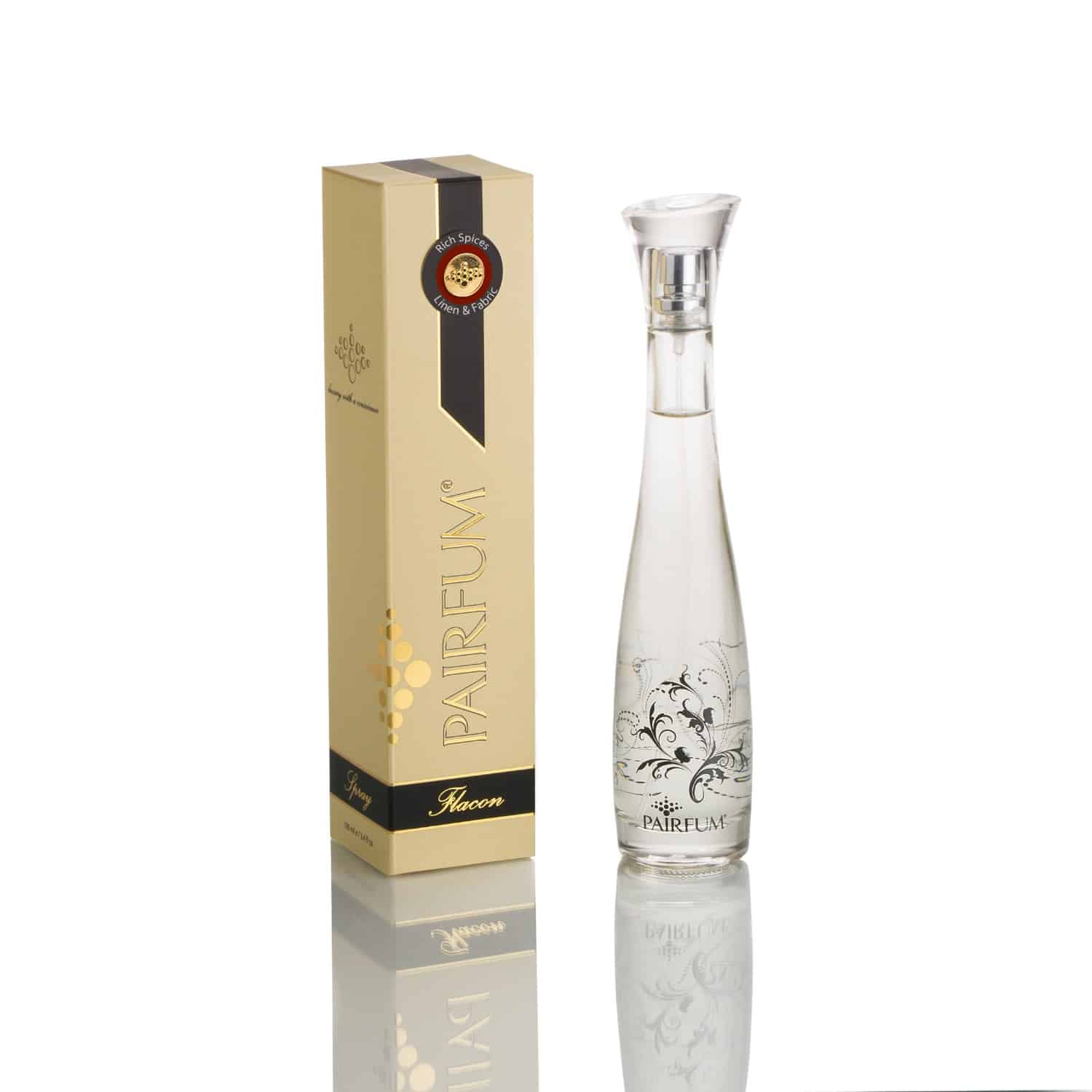
Rich Spices – Flacon Perfume Room Spray by Pairfum London

This aromatic and spicy composition opens with Pomegranate and Cranberry, moves into Chestnut, Nutmeg, Cinnamon and Clove, and settles on Vanilla Pods, dried figs, Dates and Persimmons.

Pairfum Flacon Perfume Linen Fabric Signature Rich Spices

Additional Information on Fig-Inspired Scents

For readers looking for additional information, fig-inspired scents often reward patience. The fig note tends to develop slowly.

Because dried fig sits between fruit and wood, sweetness and earth, it appeals to those who prefer fragrances that feel personal rather than dramatic.

The Enduring Comfort of Dried Fig

Dried fig continues to hold a distinctive place in both food and fragrance. It is fruity without sharpness and sweet without excess. There is a sense of time in it, of fruit carefully preserved and enjoyed slowly.

Whether eaten as dried figs in a dessert, paired with cheese, used as an ingredient in cooking, or translated into scent, the character remains consistent. Dried fig offers balance and quiet comfort, which explains its lasting appeal across cultures and seasons.

Pomegranate In Home Fragrance

Pomegranate in Home Fragrance: Ruby-Toned Tart Sweetness

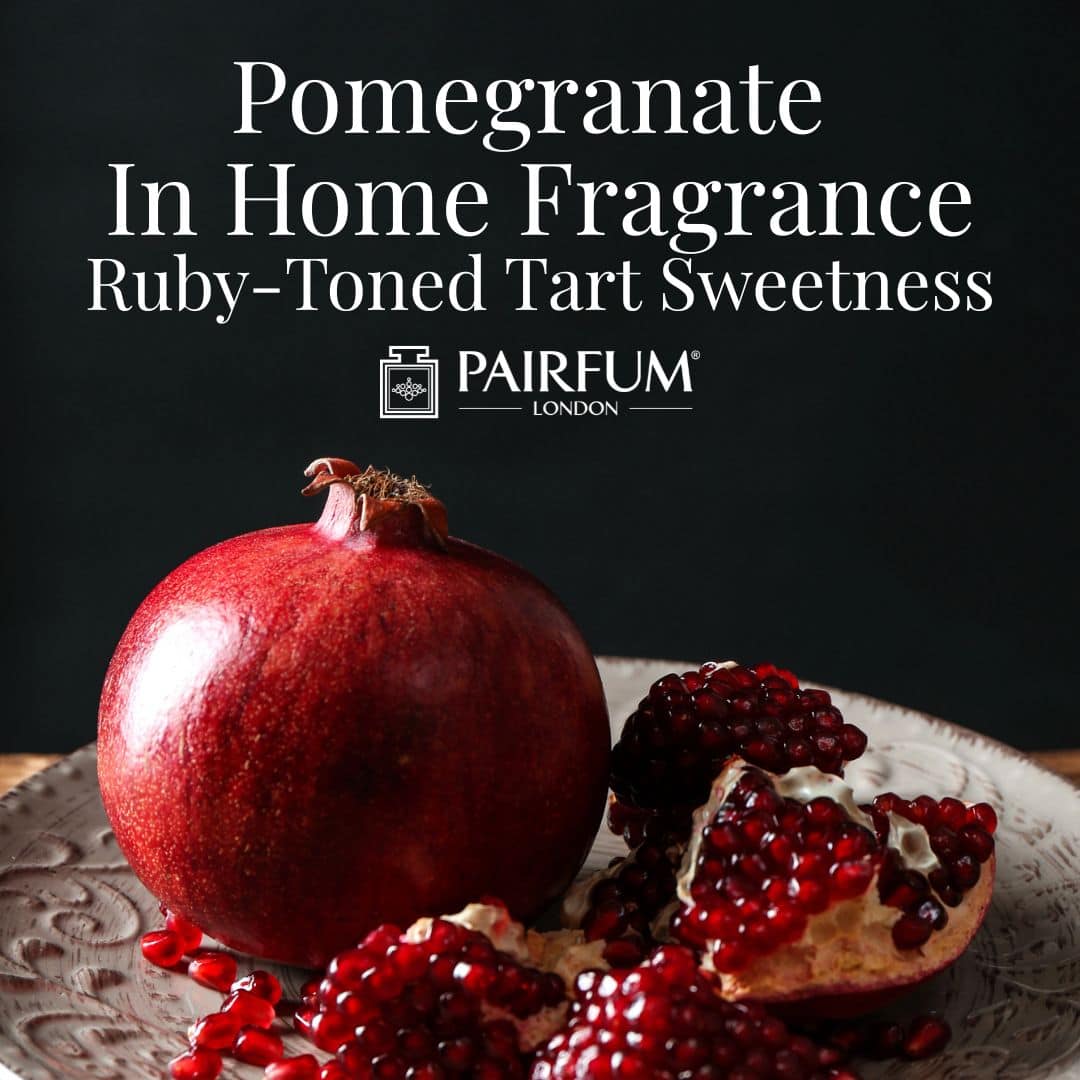
Pomegranate is a fruit that attracts attention even before you taste it. Its deep red skin, round fruit shape and clusters of juicy seeds give it a jewel-like appearance. When you open it, the bright pomegranate arils shine beneath the thick leathery skin. The scent is fresh and vivid. It combines tartness, sweetness and a gentle floral air, similar to biting into fresh fruit on a crisp day. This impression of pomegranate fruit has made it a favourite among modern perfumers.

In recent years, pomegranate has grown in popularity in niche and natural fragrances. People often look for perfumes that feel warm yet lively during the cooler months. Pomegranate offers this balance. It is never overly sweet and does not fall into citrus fruit sharpness. Its personality sits neatly between freshness and comfort, which makes it ideal for transitional seasons.

As days grow shorter, many turn to perfumes that feel padded and cosy. Pomegranate adds clarity to these deeper blends. It gives them lift without disturbing their warmth. This is one reason pomegranate works so well in autumn fragrances. It feels like breathing in cool morning air while wrapped in something soft.

A Fruit with a Long Fragrant Past

Pomegranate has travelled through centuries of history. Known botanically as punica granatum, or punica granatum l in full botanical form, it originated across Egypt, Persia and the Mediterranean. The plant grows as a small tree bearing bright blossoms that develop into pomegranates filled with juicy seeds. The granatum part of its name refers to the grain-like seed structure inside.

Across civilisations, the pomegranate tree became a symbol of life, fertility and abundance. It appears in mythology, including stories from Greek mythology, where it represents change, return and renewal. People valued the fruit not only for its flavour but also for what it symbolised.

In ancient kitchens and rituals, the pomegranate fruit was widely used. Its juice, seeds and peel were added to recipes, drinks and remedies. Many early recipes combined pomegranate juice with herbs or olive oil for sauces or salad dressings. Others used pomegranate molasses, a thick syrup made from reduced juice that adds tart depth to dishes. Even today, cooks enjoy using pomegranate in salad to add brightness and texture.

The fruit also held a place in early beauty rituals. People blended pomegranate extract, fruit juice, seed oil, and peel with oils such as olive oil to create simple balms. These preparations linked beauty with nourishment. Cleopatra is often associated with floral scents, yet fruits such as pomegranate likely surrounded her daily life.

Pomegranate’s connection with wellness is equally deep. The fruit contains antioxidants, polyphenols, vitamin C, vitamin K and folic acid. These compounds help the body handle oxidative stress and support general well-being. This is why drinking pomegranate juice continues to be popular and why pomegranate supplementation appears in modern health products. Even the pomegranate peel and certain extract forms are valued for their potential benefits.

pairfum reed diffuser cube classic rich spices

What Pomegranate Smells Like in Perfume

Describing the aroma of pomegranate begins with tart juiciness. It has a lively snap with a soft sweetness underneath. The scent floats between fruit and floral without leaning too far into either side. It recalls fresh pomegranate, yet also hints at berries or delicate petals.

Because pressing pomegranate seeds produces juice rather than fragrance, perfumers recreate its scent using crafted notes. They may blend pomegranate extract impressions, fruit juice-inspired notes, gentle florals and subtle citrus touches. These layers mimic the airy brightness of pomegranate fruit. Sometimes, peel impressions are added for a slight grounding bitterness. Sometimes pomegranate seed oil is used for nuance, although the oil itself is mild in scent.

In perfume structures, pomegranate often acts as a top note. It opens with sparkle, then settles as deeper notes such as rose, amber or musk begin to unfold. This first impression helps balance the perfume. It keeps fruity florals from becoming too sugary and prevents woody or resinous scents from feeling heavy.

The flexibility of pomegranates makes them attractive to perfumers. A small adjustment in the extract or compounds can shift the fruit toward crispness, roundness or softness. This allows the perfumer to create a pomegranate influence that matches the intended style.

Extracting the Aroma

Since real pomegranate does not yield a perfume material through simple pressing, perfumers rely on extract blends, isolates and crafted molecules. These recreate the lively personality of pomegranate juice and the freshness of the juicy seeds. Many perfumers describe this work as building the idea of the fruit rather than lifting a direct scent from the plant.

Crafted extracts allow incredible control. A perfumer might want a sweeter red fruit impression for one fragrance or a clearer tart top for another. Peel notes, seed nuances and fruit juice tones all contribute to the final result. Even though the real fruit is difficult to extract, the impression it inspires is versatile and modern.

Famous Bouquets: Iconic Perfumes That Use Pomegranate

Many well-known perfumes use pomegranate quietly. You might not identify it immediately, yet it shapes the opening with a clean lift. When blended with rose, peony or gentle florals, pomegranate fruit impressions create a smooth transition into the heart of the fragrance. It completes the picture without demanding attention.

Some perfumes rely on pomegranate more deliberately. Heavy bases featuring oud, amber or patchouli can feel dense on their own, so perfumers may add pomegranate to introduce light. It softens the opening and helps the fragrance move naturally. The fruit creates space within the composition, making it feel more wearable.

Because pomegranate sits between fruity and floral, it works well in perfumes designed for anyone. It gives them brightness without turning sugary and adds charm without leaning too floral. This neutrality makes pomegranate a popular top note in contemporary scent design.

Seasonal perfumes also benefit from pomegranate. Late summer often blends into autumn with a distinctive mood change. People begin to prefer scents that feel warm yet still carry freshness. Pomegranate works well here. It gives perfume a gentle spark that suits cooler air without feeling cold.

Growing Pomegranate

Why Pomegranate Fits Autumn Fragrance

Many perfume lovers want a balance of comfort and clarity in autumn. Spices, woods and resins add warmth but can feel heavy if not balanced. Pomegranate provides lift. Wearing a perfume with pomegranate in this season can feel like stepping outside on a cool morning while wrapped in something soft and warm.

The fruit pairs beautifully with classic autumn materials, including:

• Plum for fruity depth
• Incense for smoky complexity
• Labdanum and other resins for smooth warmth

Beyond personal fragrance, home fragrance often uses pomegranate impressions. Candles, room sprays and diffusers rely on the fruit’s ability to add freshness without sharpness. It makes a room feel inviting and clean, particularly during shorter days when people want comfort.

The Lasting Glow of Tart Sweetness

Pomegranate adds liveliness to deeper scents. It became a seasonal favourite because it supports warmth rather than competing with it. It brings clarity to blends that might otherwise feel too thick. Its tart sweetness stays present beneath woods, spices and resins.

Understanding the Fruit Behind the Fragrance

To appreciate pomegranate in perfume, it helps to look at the fruit itself. A pomegranate is a round fruit with a firm peel enclosing hundreds of seeds. Each seed is surrounded by an aril filled with pomegranate juice. This structure gives the fruit its jewel-like look when opened. The juicy seeds offer a burst of tart flavour and colour.

Pomegranate trees thrive in hot, dry climates. The plant is a small tree with vivid blossoms that develop into ripened fruit. Many gardeners grow the pomegranate tree for both ornamental value and harvest. The fruit’s appearance and structure have made it memorable across cultures.

Pomegranate fruit appears in recipes from Persia, Greece, India and North Africa. It is used in sauces, stews, dressings and desserts. Many recipes call for pomegranate juice, while others rely on pomegranate molasses. The molasses gives savoury dishes depth and sweetness. Fresh fruit is popular in salad, offering colour and crunch.

Soft drinks also use pomegranate, often combining fruit juice with sparkling water or herbs. Others enjoy drinking pomegranate juice on its own. Fresh pomegranate can be added to desserts or eaten alone as a refreshing snack.

Even the pomegranate peel is useful. It contains nutrients and antioxidants and is sometimes used to make extract. Traditionally, peel was dried or boiled for remedies. Today, pomegranate peel extract appears in products where natural compounds are valued.

The Science Behind a Timeless Fruit

Pomegranate has been praised for its health benefits for thousands of years. Modern science explains some of this admiration. The fruit contains antioxidants, polyphenols, vitamin C, vitamin K and folic acid. These compounds help manage oxidative stress, support wellness and may help reduce inflammation.

Researchers study the compounds found in Punica granatum to learn more about their effects. Both the seeds and peel contain valuable nutrients. Pomegranate supplementation appears in wellness products, and extracts are used in skincare and supplements. Many value pomegranate seed oil for its gentle properties.

This scientific interest keeps pomegranates firmly in public awareness. People see the fruit as nourishing, colourful and full of vitality.

Fragrance Description Rich Spices Pomegranate Cinnamon Clove Fig

Language and History Behind the Name

The word pomegranate has roots in Old French, where it described an apple filled with seeds. Its Latin form, granatum, refers to the grain-like seeds inside the fruit. These linguistic connections highlight how much people have always been drawn to the structure of pomegranate fruit.

The fruit appears often in art, literature and religious stories. In Greek mythology, it symbolises cycles of the year. This connection enhances its status as a seasonal favourite in both food and fragrance.

From Kitchen to Perfumery: How the Fruit Inspires Scent

Most people encounter pomegranates first through food. The seeds are sprinkled over salad, blended into sauces or eaten as fresh fruit. The flavour is layered with tartness, sweetness and a gentle floral edge. These qualities inspire the work of perfumers who aim to recreate the brightness of pomegranate fruit through carefully balanced extracts.

Traditional recipes often combine pomegranate seeds with herbs and olive oil for savoury dishes. Others use pomegranate molasses to add depth. This syrup, made by reducing pomegranate juice, is valued in Middle Eastern cooking. Exclusive recipes may use pomegranate in both sweet and savoury contexts, showing the fruit’s versatility.

Pomegranate juice appears in drinks, desserts and soft drinks. Some cooks reduce fruit juice to make glazes or syrups. Many enjoy drinking pomegranate juice for its flavour and perceived benefits. Even the peel can be dried and used to create an extract. Pomegranate peel contains nutrients and has been used in remedies for centuries.

The fruit’s structure adds to its appeal. Each aril contains a burst of juice. Opening a pomegranate and releasing the juicy seeds is almost ceremonial. This sensory richness is one reason pomegranates have remained culturally important across many civilisations.

Health and Wellness

People continue to value pomegranates for their nutritional qualities. The fruit contains vitamin C, vitamin K and folic acid. It also provides antioxidants and polyphenols that help reduce oxidative stress. These compounds are studied for their roles in inflammation and general health.

Pomegranate supplementation is common in wellness circles. Extract forms of Punica granatum, including peel extract and seed extract, appear in skincare and nutritional products. Pomegranate seed oil is appreciated for its gentle properties. The research surrounding the fruit ensures ongoing interest in granatum and its potential uses.

What Modern Nutrition Research Says About Pomegranate

Modern nutrition research has taken a close look at pomegranate and found that many parts of the fruit, including the seeds, peel and juice, contain natural plant compounds. These include polyphenols, which act as antioxidants and help the body manage everyday oxidative stress. Several studies have examined how these compounds behave in the body, although most research uses concentrated forms such as peel extract or seed extract, so the findings cannot be applied directly to ordinary eating habits.

Health resources often point out that pomegranate juice provides vitamins and natural sugars and can play a part in a balanced diet. Eating the seeds also adds fibre. Verywell Health and similar sources note that whole fruit is usually the simplest way to enjoy its benefits. Most people can eat pomegranate safely, though concentrated supplements may not be suitable for everyone. As with many fruits, it is best enjoyed as part of varied, good food choices.

Pairfum Bundle Set Reed Diffuser Refill Large Reeds Rich Spices 1 1

Connecting Back to Perfume

For perfumers, pomegranate offers clarity and charm. It opens a fragrance with a lively splash and supports the transition into deeper notes. Even when subtle, the impression of pomegranate makes a perfume feel more balanced.

A pomegranate-inspired top note can brighten florals, soften woods or bring lift to spices. It works well in gender neutral fragrances because its scent sits comfortably between fruity and floral. Its tart sweetness feels natural and modern.

Perfumers often describe pomegranate as a note that helps a perfume breathe. It adds movement. It does not overwhelm other materials but provides a gentle framework that supports the complexity beneath.

Modern Life and Cultural Presence

Today, pomegranate appears everywhere. People use fresh pomegranate in salads, desserts and savoury dishes. Fruit juice blends and soft drinks often highlight its bright colour and flavour. Cookbooks focus on recipes using pomegranate juice or pomegranate seeds to add vibrancy.

Gardening articles discuss the beauty of the pomegranate tree and how to grow Punica granatum in warm climates. Wellness writing includes related articles about antioxidants, inflammation, oxidative stress and pomegranate supplementation. Marketplaces highlight related products such as extracts, supplements or seed oils.

This broad cultural presence reflects the fruit’s long history. From old French names to ancient myths, from recipes to modern science, pomegranates continue to fascinate.

A Seasonal Symbol

The fruit is strongly linked with autumn. Its colour, flavour and texture feel perfectly suited to the time of year. When temperatures drop, people look for warmth and richness with a touch of freshness. Pomegranate provides exactly that. It brightens warm dishes and adds clarity to warm perfumes.

This connection has roots in Greek mythology, where the fruit symbolises cycles of sunlight and darkness. It marks the rhythm of seasons. When used in perfume, it brings this association with it.

Living Room Large Bell Reed Diffuser Luxury Scented Candles

Pomegranate Notes In Home Fragrance With Pairfum London

A reed diffuser can bring the same gentle lift to a room that a pomegranate brings to a perfume. The Bell Reed Diffuser fills a space with a steady flow of fragrance that feels inviting from morning to evening. Its elegant shape suits living rooms, bedrooms or hallways, and it creates a warm and welcoming atmosphere without effort. For anyone who enjoys the brightness of fruit notes or the calm of softer, deeper scents, this diffuser offers a simple way to keep a home feeling fresh and beautifully scented.

Rich Spices – Large Bell Shape Reed Diffuser by Pairfum London

This richly aromatic and captivating spicy accord commences with uplifting hints of Pomegranate and Cranberry, before gracefully flowing into a warm heart of Chestnut, Nutmeg, Cinnamon, and Clove. The scent then culminates by resting upon a luxurious base of Vanilla Pods alongside dried fruits, specifically Figs, Dates, and Persimmons.

Closing Thoughts on a Remarkable Fruit

Pomegranate is a fruit of depth and beauty. Beneath its thick leathery skin lie countless seeds filled with colour and juice. Its flavour is bright and layered. Its juice is used in cooking and soft drinks. Its peel and seeds produce extract and oils. Its antioxidants and polyphenols help manage oxidative stress and inflammation. Its nutrients, including vitamin C, vitamin K and folic acid, support well-being.

Punica granatum has played a role in myth, medicine, art, cuisine and fragrance. It appears in exclusive recipes, wellness practices and perfumery studios. Its scent inspires perfumers to create fragrances that feel lively yet warm, modern yet timeless.

In perfume, pomegranate adds brightness without sharpness and warmth without heaviness. It creates balance and movement. It fits comfortably with florals, woods and resins. Its gentle tart sweetness glows beneath richer notes.

Whether enjoyed as fresh fruit, used in a recipe, admired for its history or appreciated in a fragrance, pomegranate remains a symbol of abundance and vitality. Its presence in perfume reflects everything the fruit represents: clarity, colour and quiet confidence.

Best Autumn Perfume

The Best Autumn Perfume Choices for 2025

Autumn perfume is quintessential with the season of transition and cosiness. The weather begins to cool, and the leaves on trees turn into stunning hues of red, orange, and yellow. This scenic change brings about a sense of warmth and comfort as we start to pull out our sweaters, enjoy hot drinks, and look forward to festive events like Halloween and Thanksgiving.

This season is marked by shorter days and longer nights, creating a snug and tranquil atmosphere. The crisp air and rich colours of the landscape inspire a shift in our activities as we spend more time inside enjoying firesides and family gatherings. Nature’s transformation during autumn also inspires changes in our daily routines, including the perfumes we choose to wear.

As the warmth of summer fades, our preference for light and airy perfumes shifts to more warming and comforting options. Bold and spicy perfumes with rich, earthy notes are ideal for this time of year, perfectly complementing the season. Choosing the right autumn perfume can enhance your comfort and bring an added layer of warmth to your autumnal experiences.

The Character of the Autumn Season

Autumn is a season of transformation and warmth. The temperature cools down, with crisp air replacing the heat of summer. The landscape undergoes a beautiful change as leaves turn to shades of red, orange, and yellow, creating a tapestry of colours that signal the season’s arrival. This period of change is visually stunning and evokes a cosy atmosphere, perfect for spending time indoors with loved ones.

In autumn, nature prepares for winter. The days get shorter, and nights grow longer, bringing about a serene and tranquil environment. Trees shed their leaves, and the ground is often covered with a blanket of colourful foliage. The air is filled with the earthy aroma of fallen leaves and the smoky notes from fireplaces and bonfires.

Autumn is also a time rich with cultural and festive events. Celebrations like Halloween and Thanksgiving bring people together, fostering a sense of community and gratitude. These gatherings often feature comforting foods and warm drinks, adding to the overall comforting vibe of the season. The unique characteristics of autumn not only shape our daily activities but also influence our sensory preferences, including our choice of perfumes.

Eau De Parfum Person Reflection Ginger Elemi Vetiver Woman Smile 1 1

How Autumn Influences Fragrance Choices

The essence of autumn has a strong impact on our perfume preferences. As the weather turns cooler, we naturally gravitate towards fragrances that offer warmth and comfort. Light and citrusy perfumes that were perfect for the summer months give way to richer, spicier options that better match the season’s cosy atmosphere.

Popular Autumn Notes

Spicy: Cinnamon, nutmeg, and clove are popular choices in autumn perfumes. These notes add a warm and inviting feel, perfect for the cooler weather.

Woody: Notes like sandalwood, cedar, and oak provide a grounding, earthy quality. They are reminiscent of autumn walks through forests with foliage underfoot.

Gourmand: Elements like vanilla, caramel, and chocolate are evocative of autumn treats. These notes offer a comforting and indulgent fragrance experience.

Why Heavier Fragrances Work

Heavier perfumes have more staying power in the cooler autumn air. The lower temperatures can dampen the volatility of lighter notes, making richer fragrances more suitable. These perfumes create an enveloping aura of warmth that aligns perfectly with the season’s emphasis on comfort and cosiness.

Choosing an autumn perfume with spicy, woody, or gourmand notes can enhance your seasonal experience. These fragrances wrap you in a blanket of warmth, making you feel both invigorated and comforted as you go about your day. The right autumn perfume can complete your seasonal transformation, seamlessly blending with the rich tapestry of colours and scents that define this beautiful time of year.

Embracing the Perfect Scent for the Autumn Season

The shift into autumn invites a personal transformation, not only in how we dress but also in the scents we wear. An autumn perfume is more than a fragrance—it’s a companion through colder mornings, early dusks, and evenings by candlelight. Whether you are stepping into the crisp air for a countryside walk or enjoying a quiet autumn night indoors, the right scent adds a layer of warmth and elegance.

Wearing an eau de parfum during this season ensures a longer-lasting experience. These richer blends cling to scarves, hair, and clothing, releasing comforting notes throughout the day. Think of it as your signature scent—a fragrance that enhances your autumn day with subtle sensuality and character.

What Makes a Fragrance Feel Like Autumn?

Not every fragrance captures the mood of the autumn season. Autumn fragrances tend to favour complexity, featuring woody, spicy, or sweet gourmand notes. Vanilla, amber, leather, and vetiver all play starring roles in these types of perfumes, each note adding its own touch of seasonal warmth.

A woody fragrance brings to mind forest strolls with golden leaves underfoot. An eau de parfum with leather or clove evokes the feeling of worn books, soft armchairs, and fireside chats. Citrus or floral notes, when layered with cinnamon, vanilla, or amber, take on an earthier, more autumnal twist. These combinations form the foundation of many best autumn perfumes loved by niche perfume enthusiasts and classic lovers alike.

Eau de Parfum Person Reflection Ginger Elemi Vetiver Man Suit 1 1

Finding Your Autumn Perfume Ritual

Autumn rituals go beyond scented candles and warm drinks. The ritual of applying an eau de parfum becomes more mindful as we welcome the colder months. A comforting scent in the morning can change the way you move through your day. Layering with a complementary fragrance oil adds depth, while a final spray across your scarf or coat lining ensures the aroma follows you gently.

For those who prefer lighter applications, one or two sprays at pulse points like the wrists, neck, and behind the ears will do well. The natural oils in your skin help warm the fragrance, revealing its evolving notes from top to base throughout the day.

Key Notes That Define the Best Autumn Fragrance

Certain ingredients naturally suit the autumn fragrance profile:

Vanilla: Soft, warm, and inviting. Blends beautifully with spicy or woody scent families.

Amber: Resinous and golden, adding richness and body to an eau de parfum.

Cinnamon and Clove: Spices that bring warmth and depth, often found in seasonal blends.

Woody Notes: Sandalwood, cedar, and vetiver give a grounding, earthy fragrance effect.

Leather: Adds texture and a touch of smoky allure, especially in colder weather.

Orange Blossom and Jasmine Sambac: These florals can offer a delicate contrast when paired with heavier notes, perfect for softening more intense autumn perfumes.

If you’re new to selecting an autumn scent, try a few options over several days to let your senses guide you. Every skin type, including those with a natural vanilla skin warmth, will react uniquely to each blend.

Celebrity and Designer Picks for the Autumn Season

For those who lean toward a signature scent with a bit of star power, autumn is a great time to explore celebrity and designer creations that offer something unique. Black Opium by Yves Saint Laurent remains a favourite for fall, thanks to its blend of coffee, vanilla, and floral notes that feel both bold and comforting. If you’re seeking a different fragrance with modern flair, Victoria Beckham’s collection offers clean sophistication with understated warmth. Meanwhile, Tory Burch infuses her perfumes with bright yet grounding accords, perfect for crisp autumn days. For fans of intensity and statement scents, Paco Rabanne delivers complex layers that evoke the richness of the fall season with dramatic elegance.

Autumn Perfume Landscape

Autumn Perfume Trends for 2025

As we move into the best autumn perfumes of 2025, the trend leans toward complexity and nostalgia. Warm spices like cinnamon and clove continue to be in demand. There is also a growing preference for fragrances with clear identity—where one spray instantly transports you to a familiar autumn memory.

In 2025, eau de parfum concentrations are favoured for their long-lasting, full-bodied nature. They work especially well in cooler temperatures, lingering gently and providing that comforting scent trail we all crave during the autumn months.

Minimalist bottles with deep amber or woody hues dominate the shelves, but it’s what’s inside that counts. You’ll see more niche perfume brands exploring sophisticated profiles with leather, vanilla, and woody scent foundations.

Iconic Autumn Perfumes for the Season

Certain perfumes have stood the test of time and continue to be favourites for autumn. These iconic fragrances are perfect for capturing the season’s timeless charm and warmth.

Classic Autumn Fragrances

Chanel Coco: This classic perfume blends spicy and floral notes, including rose and vanilla. It offers a sophisticated and warm fragrance that suits the autumn season beautifully.

Tom Ford Black Orchid: Featuring rich notes of black truffle, dark chocolate, and incense, Black Orchid provides a deep and luxurious fragrance. It’s a bold choice for autumn nights.

Yves Saint Laurent Opium: With its combination of oriental spices and myrrh, Opium is an iconic autumn perfume. It provides an exotic and comforting fragrance that’s perfect for the season.

Modern Autumn Perfumes

Jo Malone Pomegranate Noir: This perfume blends pomegranate, pink pepper, and spicy woods for a unique and modern autumn fragrance. It’s perfect for those looking for something fresh yet warm.

Maison Margiela By the Fireplace: Notes of chestnut, vanilla, and smoky woods create a comforting and nostalgic aroma, reminiscent of cosy autumn evenings by the fire.

Dior Hypnotic Poison: Combining almond, jasmine, and vanilla, Hypnotic Poison offers a warm and alluring fragrance. It’s ideal for autumn days and special occasions.

Layering Your Fragrance for Maximum Impact

Autumn fragrances benefit from layering. Start with a gentle body moisturiser or a light fragrance oil that matches the base notes of your eau de parfum. Then apply the perfume itself to pulse points and hair for a scent that lasts from morning until evening. For added impact on a special autumn night, mist your clothing lightly. Coats and knit scarves absorb and release scent beautifully.

This is a season for comfort, elegance, and richness. Each spray becomes a small moment of luxury in your daily routine.

Pairfum Eau De Parfum Gold Giftbag Ginger Elemi Vetiver

A Unique Autumn Fragrance That Captures the Season

As the air turns crisp and evenings stretch longer, there’s something deeply satisfying about finding a perfume that perfectly mirrors the essence of the season. One fragrance that effortlessly embodies the character of autumn is Ginger Elemi Vetiver. Its sophisticated blend of earthy spice and natural depth brings warmth and complexity to cooler days, making it a refined choice for those seeking a comforting yet distinctive scent for the autumn months.

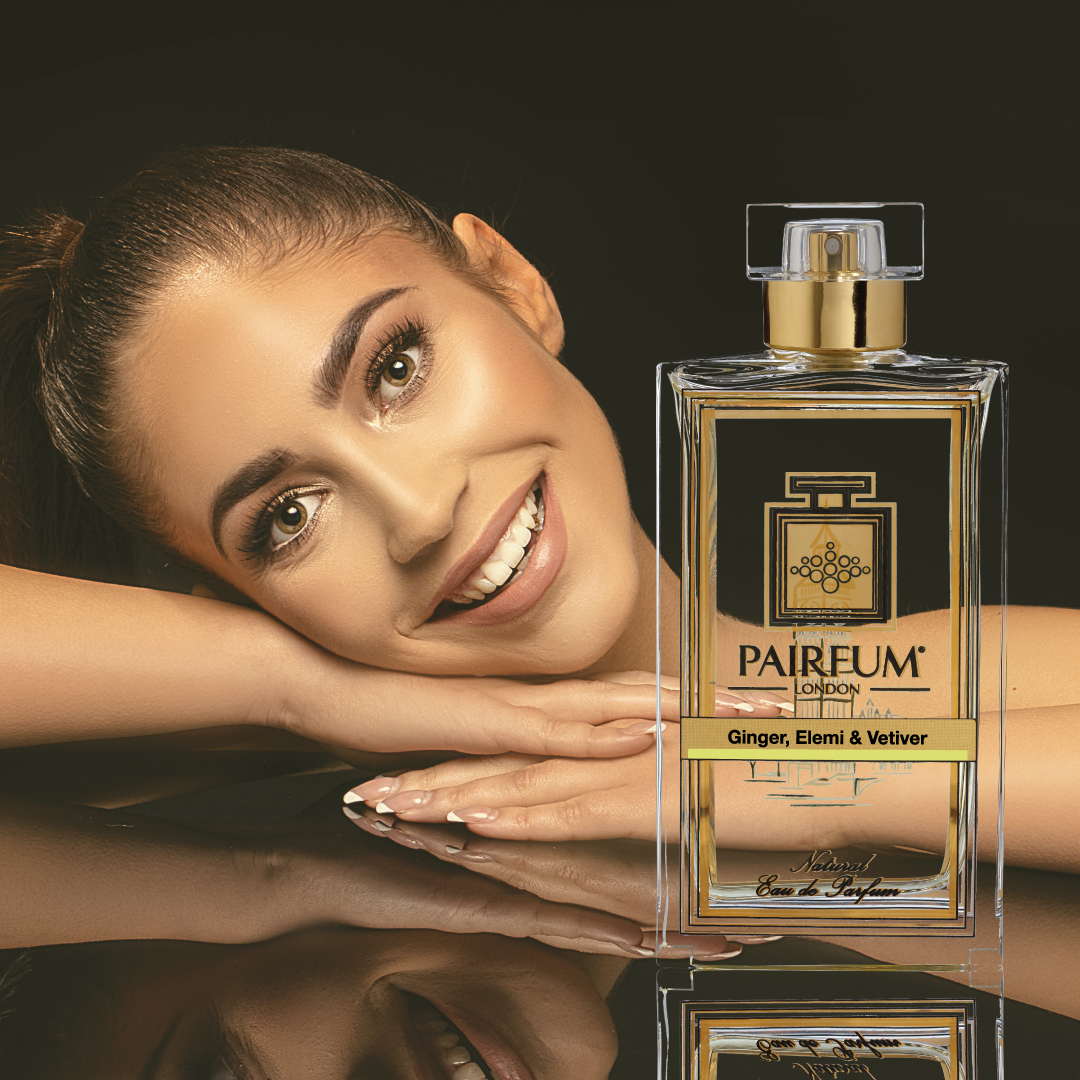
Ginger, Elemi & Vetiver – Eau de Parfum by Pairfum London

This eau de parfum opens with the invigorating brightness of ginger, softened by the resinous clarity of elemi. As it settles, the base reveals the grounding qualities of vetiver, creating a woody fragrance that feels both clean and textured. It wears close to the skin yet lasts beautifully, offering a layered experience that evolves throughout the day. Ideal for day or night, this fragrance invites a sense of understated luxury and warmth, just right for the shifting moods of autumn.

Final Thoughts

Whether you’re sipping tea on a rainy afternoon or preparing for an autumn evening out, the right autumn perfume elevates every moment. Fragrance is not just about smell, it’s about emotion, memory, and atmosphere. With the right blend of woody, spicy, amber, and vanilla notes, your autumn scent becomes part of your identity for the season.

Choose your perfect autumn perfume not just by how it smells in the bottle but by how it makes you feel on a crisp autumn day. Let it reflect your mood, your rhythm, and the warm, golden shift of the season. Because fragrance, especially in autumn, is personal, an extension of you.

    Your Cart
    Your cart is empty