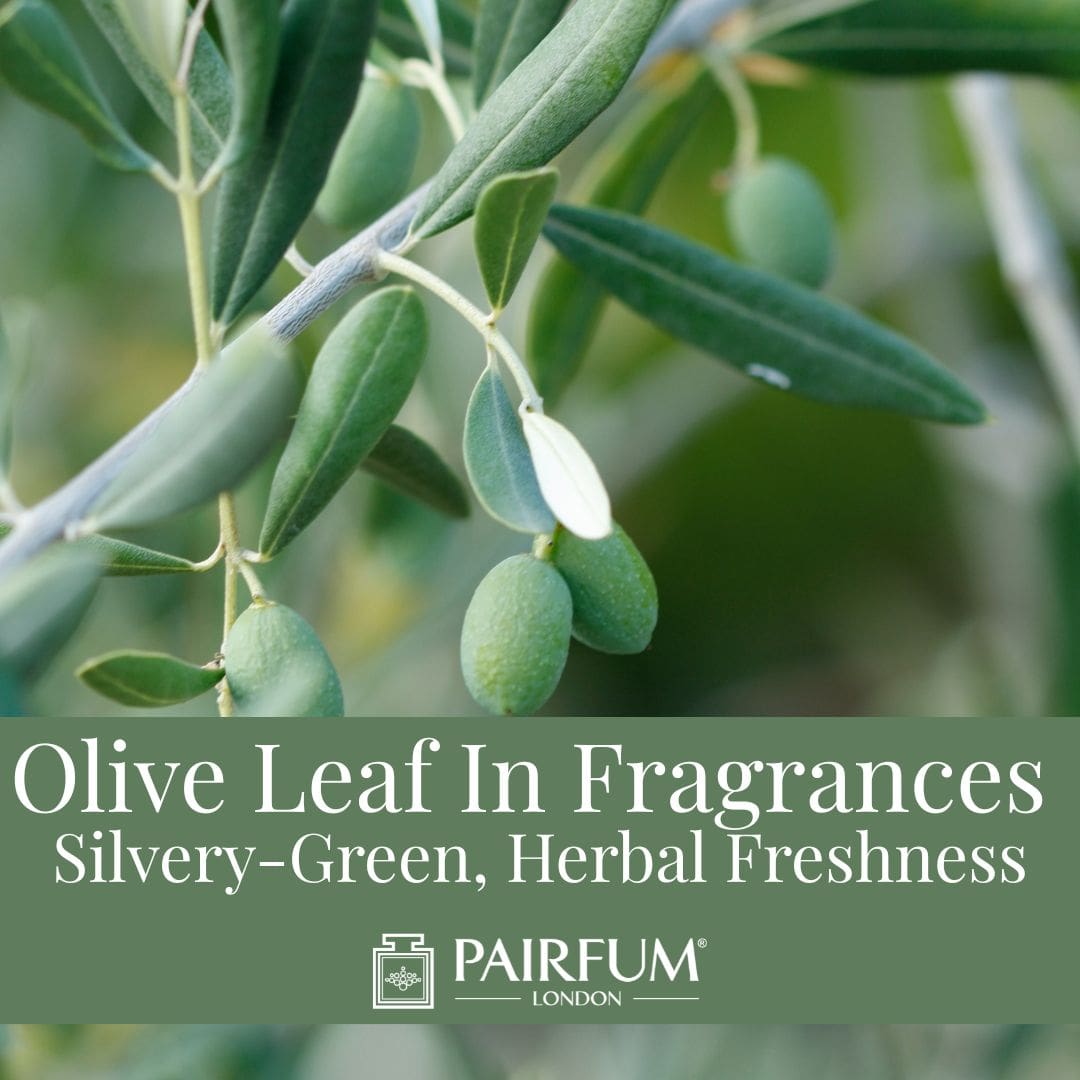
The olive leaf comes directly from the olive tree (Olea europaea) and is widely utilised in modern supplements, teas, and concentrated extracts as a natural food additive due to its remarkably potent antioxidant properties. This efficacy is primarily attributed to its high concentration of polyphenols, notably the bioactive compound oleuropein. Traditionally recognised for its holistic benefits, it is commonly used to actively support robust immune function, respiratory, digestive, and overall cardiovascular health, and certain clinical studies have demonstrated its ability to naturally contribute to the maintenance of healthy blood pressure levels.
Olive leaf brings a quiet kind of freshness that’s both herbal and green. Dry, soft, and a little bitter with a silvery edge, this note is rarely loud but always grounding. In perfume, olive leaf takes us somewhere cool and calm, like standing under tree branches just after a breeze. It’s clean but not cold. Earthy without being heavy.
As the air begins to shift into the cooler days of autumn, this kind of aroma starts to feel just right. Strong summer perfumes can become too much, and warm winter notes aren’t quite suited yet. That’s when something green and natural, like olive leaf, makes sense. It offers space to breathe without fading into the background.
This is part of the reason it is being used more often in both niche perfume and home fragrance. It connects mood to memory, with a crispness that pairs beautifully with the season.
Olea Europaea: From Ancient Symbol to Modern Niche Scents
To truly understand the value of the olive leaf in fragrance, we must look at the source. The tree known botanically as Olea europaea, or specifically Olea europaea L, is one of the most resilient plants on earth. While the olive tree is famous for its fruit and olive oil, the leaves have their own distinct story.
The olive leaf has been a symbol of peace and victory for thousands of years. However, before it was a perfume ingredient, it was a staple of the Mediterranean diet and ancient apothecary cupboards. Today, high-quality olive leaf extract is sourced from regions as diverse as Greece, Italy, and even New Zealand. The aroma of the leaf carries the history of these landscapes. It evokes the dry soil and the hot sun of a Middle Eastern or Mediterranean afternoon.
This botanical pedigree gives the scent a “wellness halo.” Because the olive leaf is so closely linked to a healthy lifestyle, wearing the scent creates a psychological feeling of well-being. It bridges the gap between a beauty product and a therapeutic experience. When we smell olive leaves, we are subconsciously reminded of the health benefit and vitality associated with the tree itself.

The Medicinal Roots: Why the World Knows the Leaf
It is impossible to discuss the olive leaf without acknowledging why it is so famous outside of perfumery. The leaf is a powerhouse of phenolic compounds and flavonoids. The most famous active ingredient is a polyphenol called oleuropein.
In the world of nutrition, olive leaf extract is renowned. You will find olive leaf extract on the shelves of health stores across the United States and the United Kingdom. Many people take olive leaf extract supplements or even drink olive leaf tea as part of their daily routine.
The research into olive leaf extract is extensive. Studies have looked at its potential impact on diabetes and blood sugar control. Because diabetes is such a prevalent concern, the potential for olive leaf extract to assist with blood sugar regulation has made it a popular dietary supplement. Beyond diabetes, researchers have investigated whether the leaf can reduce inflammatory markers or help with viral infections. There is even research exploring the relationship between the compounds in the leaf and serious conditions like breast cancer, though a healthcare practitioner is always the best person to consult regarding serious health issues.
While a perfume is certainly not a supplement, this context matters. The same antioxidant properties that protect the plant from oxidative stress and oxidative damage are what give the olive leaf its unique, bitter scent profile. When you smell that dry, herbal note, you are smelling the very compounds that make the olive leaf extract so potent. It is the scent of defence and vitality.
Expanding on the Health Potential
When we look deeper into why olive leaf extract is so valued in health circles, the details are fascinating. It is not just about general wellness but specific physiological interactions. The compounds found in the leaf are studied for their ability to manage hypertension. High blood pressure is a significant health issue globally, and the olive leaf helps by relaxing the blood vessels. This mirrors the effect of the scent itself, which relaxes the mind.
Furthermore, the olive leaf contributes to heart health by preventing the oxidation of LDL cholesterol. This action on bad cholesterol is another reason why the Mediterranean diet is so highly regarded. Just as olive oil supports the heart, the olive leaf extract offers a concentrated dose of protection.
Immunity is another key area. The olive leaf extract has been shown to support the immune system, particularly against viruses. Some studies even suggest it may have activity against herpes and influenza. This protective quality is perhaps why the scent feels so safe and enclosing. It is the aroma of a plant that knows how to defend itself.
For those interested in cognitive health, early research suggests that olive leaf might have neuroprotective benefits. The same antioxidant power that fights oxidative stress in the body may help protect the brain from age-related decline.
Finally, we cannot overlook the benefits for the skin. Olive leaf extract is often used in skincare for its ability to protect against sun damage and accelerate wound healing. It reduces redness and dehydration. In a way, wearing a perfume with olive leaf notes is an extension of this skincare ritual, enveloping the wearer in an aura of preservation and care.

The Ritual of Preparation: Tea vs. Tincture
The experience of the olive leaf varies depending on how it is prepared. When brewed as olive leaf tea, the flavour is unique. Unlike green tea, olive leaf tea is naturally caffeine-free. This makes it a calming beverage, distinct from the energy boost of tea leaves. The taste is pleasant, slightly bitter, and clean.
To make the tea, one might use fresh leaves or dried leaf matter. Steeping the leaf releases the soluble compounds, creating an amber liquid that is rich in health benefits. It is a slow, deliberate process.
In contrast, creating an olive leaf extract for use in a supplement or a fragrance is more intensive. It often involves alcohol or glycerin to pull out the oleuropein. Whether you take 1 capsule of organic olive leaf extract or apply a dab of perfume, you are interacting with the concentrated essence of the tree. The olive leaf extract used in these products is standardised to ensure potency. This ensures that every drop or capsule delivers the expected beneficial effect.
The Olfactory Science: What Does Olive Leaf Actually Smell Like?
Moving from the apothecary to the laboratory, we have to ask a specific question. What does an olive leaf actually smell like? It is quite different from extra virgin olive oil or the olive fruit itself.
If you were to crush fresh leaves between your fingers, you would get a scent that is green, metallic, and soapy. It has a savoury quality, distinct from the grassy sweetness of a lawn or the minty freshness of herbs. The scent of olive leaf extract in perfumery is often described as “unctuous” yet dry.
The aroma profile of olive leaf extract is complex. It contains the bitterness of oleuropein, which prevents the scent from becoming too sweet. This makes olive leaf an excellent counterpoint to sugary florals or vanilla. It has a “solar” quality, meaning it smells like something that has been baking in direct sunlight.
Perfumers often have to reconstruct this scent. While a natural tincture or organic olive leaf extract can be used, the scent is sometimes boosted with other molecules to ensure stability. The result is a note that feels like a clean, expensive soap (reminiscent of Castile soap, which uses olive oil). It is sophisticated and intellectual rather than purely seductive. It smells like open space and blue skies.

A Leaf with History and Meaning
For nearly as long as people have grown olive trees, the leaves have been seen as something special. Ancient cultures used them in rituals of peace and protection. Their shape and colour made them easy to recognise, and their use carried quite a meaning.
Throughout the Mediterranean, olive leaves were part of daily life. They featured in healing remedies, in household herb mixes, and in festive garlands. The image of the olive leaf came to symbolise calm, nature, and inner strength. All of these associations followed the leaf into oils and perfumes.
When a single note has this much connection to routine and ritual, it tends to settle naturally into fragrance design. People may not know the source, but the aroma often recalls open air, early mornings, or silvery herbs drying in the sun. The right perfume can spark reflection while keeping the rest of the bouquet grounded.
Beyond Gender: Why Olive Leaf is the Ultimate Unisex Note
The modern fragrance market is moving away from strict gender boundaries, and olive leaf is playing a major role in this shift. Historically, florals were for women and woods were for men. Olive leaf sits happily in the middle.
Because olive leaf extract smells herbal and savoury rather than flowery or musky, it is the ultimate neutral territory. It appeals to men who want something fresh but are tired of standard citrus colognes. It appeals to women who want a clean, green scent that isn’t overly sweet or powdery.
In a blind smell test, olive leaf is rarely identified as masculine or feminine. It is simply “natural.” This makes it a key ingredient for modern niche brands creating gender-neutral scents. Whether it is blended with sea salt, sage, or citrus, olive leaf extract provides a sophisticated backbone that suits everyone. It reflects a modern healthy lifestyle where fragrance is about personal expression rather than fitting into a box.
Where the Freshness Comes From: Extraction and Use
The aroma of olive leaf in perfume starts with how the leaf is handled. Extraction usually takes place through steam distillation or careful maceration. These methods allow the herbal, bitter-green character to shine, holding back sharp edges or excessive sweetness.
When sourcing ingredients, perfumers look for the highest quality. Just as you would look for organic olive leaf extract if you were buying a food supplements product, noses look for purity in their aromatic oils. We know that in the world of nutrition, consumers check the label for ” 1 capsule ” dosages or vitamin C content. In perfumery, we check the chemical analysis to ensure the leaf profile is intact.
In natural and niche perfumery, it matters that this greenness is kept pure. The goal is always to preserve the feeling of crushed leaves, not just the juice. When extracted well, the resulting oil is quietly green and softly bitter. It blends gently, adding space to a perfume, but can still hold its own.
Some perfumers use olive leaf as it comes, relying on the pure olive leaf extract for a true herbal lift. Others build on the base, giving the note a crafted shape that fits more closely with their blend. Either way, olive leaf keeps its identity—fresh, earthy, and free from sugary notes.
Within the Pairfum London Botanical Collection, green notes often appear in their natural eau de parfum blends and home fragrances. Olive leaf and other herbal accords are selected for both crispness and the soothing effect they bring to the bouquet.

Sustainability in Scent: Upcycling the Olive Branch
Luxury and sustainability are no longer separate concepts. The use of olive leaf extract in perfumery is a fantastic example of upcycling.
The production of olive oil and table olives is a massive industry. Every year, trees must be pruned to ensure the next harvest is bountiful. This results in tonnes of olive leaves and branches that would traditionally be discarded or burned. By harvesting these leaves for olive leaf extract, the perfume and supplement industries are turning waste into treasure.
Using olive leaf extract reduces the need to grow crops specifically for perfume, which saves water and land. It celebrates the whole plant. For the eco-conscious consumer, wearing a scent featuring olive leaf is a small nod to sustainability. It implies a connection to the earth and a respect for resources. Whether the extract ends up in a bottle of fragrance or a supplement for diabetes management, utilizing the dried leaf is a responsible choice.
Blending Olive Leaf with Other Perfume Notes
Olive leaf hits the right note in almost any part of a perfume. As a top, it is lively and clean. In the middle, it offers gentle support. If used in the base, it helps build a solid but still fresh foundation.
It combines best with other greens and herbal notes. Rosemary, sage, bay, and thyme all share its dry edge. When paired with woods such as cedarwood or vetiver, it can ground a perfume without pushing it into anything too heavy. Softer blends might match olive leaf with camomile or lavender, creating a mixture that is calm yet defined.
Here are a few ways olive leaf shows up in perfume and home fragrance:
- Balancing sharper herbal oils for a rounded, light effect
- Providing structure and clarity to soft florals or grassy blends
- Working quietly in the background to set a calm, clean mood
- Taking the edge off deeper ingredients by giving space for each note to be noticed
Its real value in niche fragrance is the space it creates. Strong ingredients feel a little smoother. Delicate ones hold their own, but the whole effect never becomes flat or too cool. Olive leaf leaves room to breathe in both perfume and home blends.
Perfumes and Home Aromas with a Silvery-Green Touch
As the daylight gets shorter and cooler, it’s natural to look for comfort in our choice of aroma. Heavy, warm blends can feel too much for early autumn. That’s where olive leaf delivers a gentle touch.
It feels refreshing and natural, perfect for days that no longer feel like summer but aren’t yet wintry. In many natural and niche perfumes, olive leaf is found paired with fig, tea, or delicate florals, sitting right at the surface or hidden in the body. It blends in a way that carries a fresh and steady mood without ever taking over.
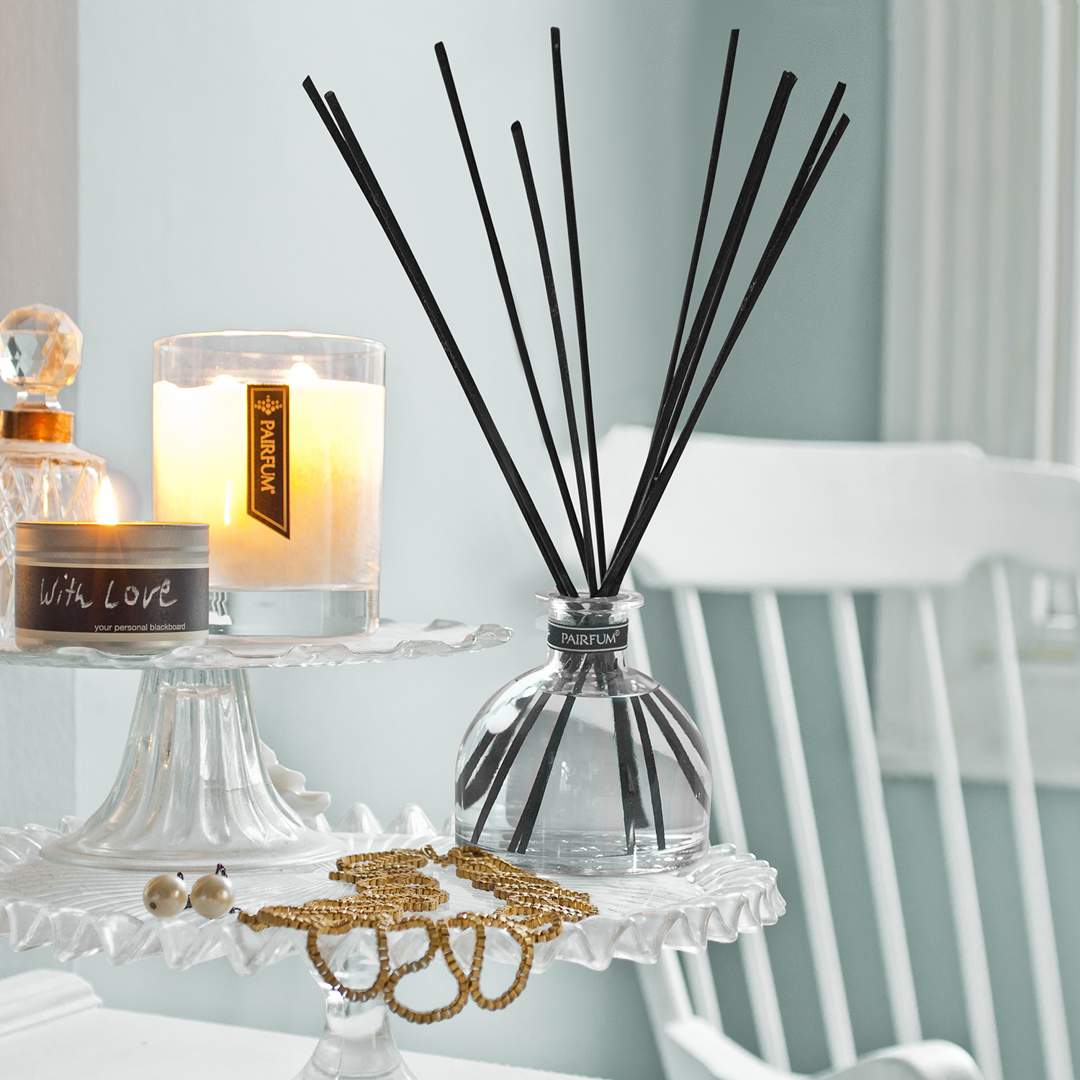
Home fragrance fans find olive leaf works especially well in diffusers, candles, or room sprays. Rather than a hit of clean or sweet, it provides a more subtle, leafy effect. As rooms start to stay closed and windows open less often, its soft crispness offers the kind of clean air feel many people like, without covering the space in heady spice or sugar.
Pairfum London brings together olive-inspired aromas and other green notes in their home products, reflecting both the clarity and the comfort these notes represent.

A Calm, Crisp Layer for the Season Ahead
The impression left by olive leaf fits perfectly with autumn’s gentle change. It sits between warmth and chill, never pulling in either direction. Its presence is like a steady background: the slight crunch of dry leaves, or the scent just before rain.
When everything else in the season grows richer or heavier, olive leaf keeps blends light and open. It reacts kindly with other notes, offering support while still holding a place in the bouquet. Whether added to perfume or used to freshen living spaces, it settles quietly in the air. Its rise in natural and niche fragrance is a nod to how much people appreciate calm, cool clarity as the seasons change.
Olive & Olive Leaf Home Fragrances by Pairfum London
Black Orchid – Classic Tower Reed Diffuser by Pairfum London
This is a lush, Oriental scent profile, opening with a radiant top layer of Anjou Pear, deep Dark Cassis, and Bright Orange Slice. The core features an elegantly blooming floral heart, highlighted by notes of Black Orchid and soft Olive Leaf. Finally, the composition settles into a profoundly sensuous base composed of warm Musk, Resinous Copahu Balm, and sweet Vanilla Pod.
Neroli & Olive – Large Tower Reed Diffuser by Pairfum London
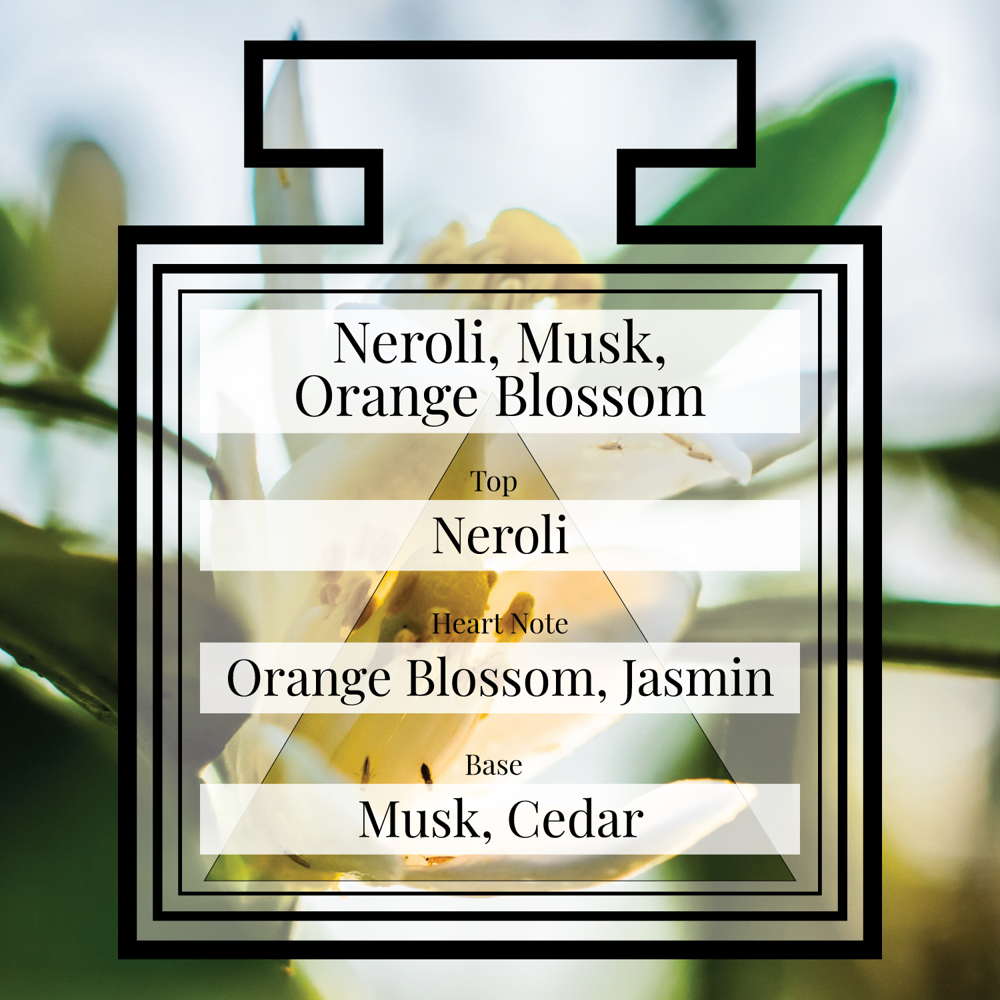
Capturing the Essence of a Mediterranean Holiday, this sophisticated fragrance is constructed around the bright, invigorating notes of Neroli, Pomelo, Lime, and Petitgrain. Deeper layers of Jasmine Petals, Earthy Vetiver, Rich Patchouli, and Aged Leather introduce complexity and a comforting warmth to fully realise the sensation of strolling through a sun-drenched olive grove.
Final Thoughts
Ultimately, the appeal of the olive leaf lies in its unique balance of science and sensation. It stands as a botanical ingredient that commands respect for its wellness potential while enchanting the nose with its dry, silvery aroma. Choosing a fragrance centred on this note is an embrace of the Mediterranean spirit, connecting the wearer to a landscape of resilience and vitality. As we seek grounded, authentic experiences in our daily lives, the quiet strength of the olive leaf offers a moment of calm sophistication that is as good for the mood as it is for the senses.