Clean niche perfume matters most when the days are hot and bright. In warm weather, our skin heat rises, we perspire more, and heavy commercial blends can feel cloying. This is why more people are looking beyond mass market fragrances to discover niche clean perfume options that deliver pure freshness without compromising on sophistication or longevity.
Choosing a niche clean perfume promises an entirely elevated experience. It is about boutique artisan creations crafted with care, designed to sit comfortably close to the skin for daily wear. At Pairfum London, we believe luxury perfume should pair timeless elegance with mindful formulation. Understanding what defines clean niche perfumery helps you curate the perfect fragrance selection for your skin and home.
What Clean Really Means in Modern Perfumery
The word ‘clean’ gets used frequently across beauty and fragrance halls, but its true definition lies in ingredient transparency and conscious formulation. In traditional perfumery, formulations often rely heavily on cheap synthetics, harsh chemical fixatives, and fillers to project aggressively.
In contrast, authentic niche fragrance brands prioritize high quality ingredients, blending sustainable essential oils and natural isolates with safe, refined aromatics. This approach ensures that every perfume offer presents a balanced scent profile that feels gentle on sensitive skin while celebrating true artisanal creativity.
Clean perfumery does not mean avoiding synthetic notes entirely; rather, it means eliminating unnecessary skin irritants and harmful phthalates while embracing both natural essential oils and safe, high-grade synthetics that add structure and longevity.
Artistry, Craftsmanship, and Niche Perfume Excellence
Niche perfumery represents a dedication to pure artistry and uncompromised craftsmanship. Unlike commercial brands focused on volume, a boutique fragrance house empowers its perfumer to innovate freely, resulting in a unique scent that stands out from mainstream trends.
When exploring niche fragrances, you notice a remarkable difference in texture and development. Where standard releases smell flat, a well-crafted niche perfume evolves gracefully over hours. From renowned heritage names like Parfums de Marly to modern independent studios, the focus remains on artisanal quality, rich storytelling, and distinctive character.
Whether you prefer a light Eau de Toilette for warm mornings or a rich Eau de Parfum for evening elegance, niche scent creations offer a depth and delicate touch that commercial alternatives simply cannot replicate.
Building Your Personal Scent Wardrobe
Curating a thoughtful scent wardrobe allows you to express different facets of your personality across seasons and occasions. Instead of owning dozens of impulse buys, a curated collection of versatile signature scents ensures you always have the perfect fragrance choice at hand.
Crisp Citrus & Freshness: Sparkling citrus notes of bergamot, grapefruit, and lemon that provide immediate energy and clean vibrancy.
Bright Florals & Soft Florals: Romantic arrangements featuring bright florals and soft florals like rose, jasmine, and orange blossom, adding a delicate touch of luxury to daytime wear.
Warm Amber & Vanilla: Rich notes of glowing amber, dark vanilla, and incense that bring comforting warmth and depth to cool evenings.
Woody & Earthy Accords: Smooth cedar, vetiver, and delicate resinous fragrance oils that ground your signature fragrance with effortless sophistication.
Having a range of niche options for both women and men makes selecting your daily fragrance an enjoyable ritual. Mixing soft florals for brunch with a cozy amber and incense accord for nighttime creates a complete sensory experience.
Finding Your Signature Scent
Searching for your signature scent should be an inspiring journey rather than a confusing chore. Because niche perfume compositions react uniquely with your skin chemistry, finding your ideal blend requires testing notes in real-life conditions.
To find your signature fragrance, keep these tips in mind:
Test on skin, not paper: Allow top, heart, and base notes to unfold naturally over several hours to evaluate true longevity.
Explore beyond best selling labels: Look for independent perfumery houses that focus on fine fragrance quality over massive advertising campaigns.
Consider seasonal versatility: Choose lighter citrus and soft florals for summer, reserving deeper amber and wood notes for cooler months.
By focusing on artistry, high quality ingredients, and clean formulation, you ensure that every bottle in your perfume collection brings genuine pleasure and peace of mind.
At Pairfum London, we blend traditional craftsmanship with clean innovation to create luxury perfume and natural home fragrance pieces. Our niche fragrances are thoughtfully formulated in small batches, offering women and men sophisticated signature scent options that elevate everyday moments. Explore our curated collection today to find your new best selling clean niche clean perfume.
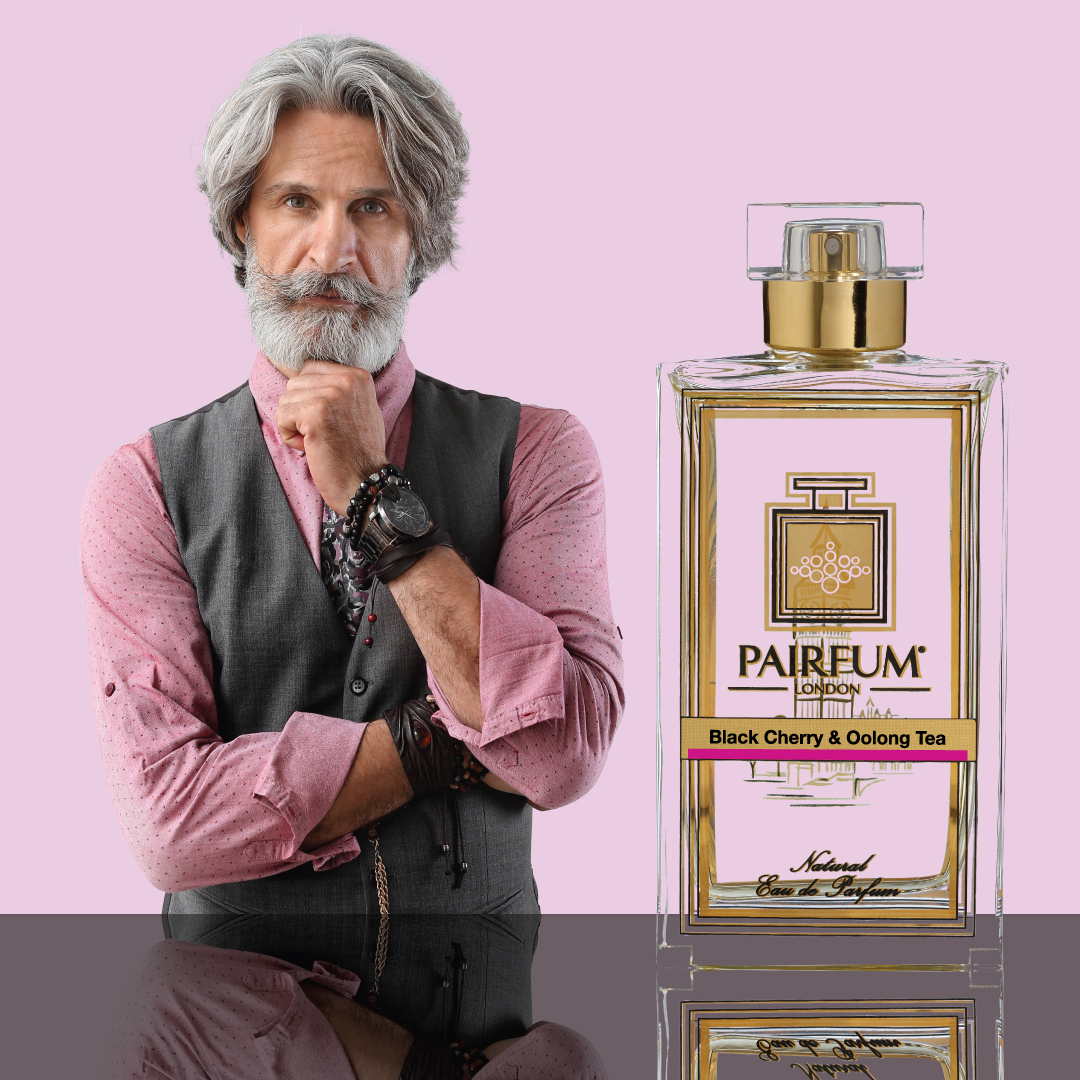
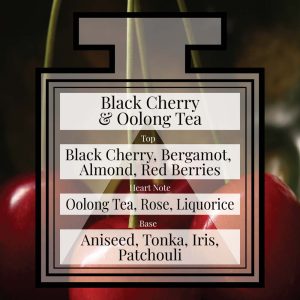
Discover a truly unique niche clean perfume with Black Cherry & Oolong Tea Eau de Parfum by Pairfum London. Crafted with artisanal craftsmanship and high quality ingredients, this sophisticated fragrance combines the dark, juicy sweetness of ripe black cherries with the smoky, refined depth of fine oaked oolong tea. Formulated as a clean luxury perfume using natural essential oils alongside safe, high-grade synthetics, it offers exceptional longevity and a captivating scent profile that feels gentle on the skin. Whether you are searching for a new signature fragrance or expanding your personal scent wardrobe, this best selling creation offers an uncompromised touch of artistry for both women and men.
Final Thoughts
As warm days bring out the best in lightweight, mindful beauty, choosing a niche clean perfume transforms your everyday fragrance ritual. By moving beyond mass market fragrances, you open the door to pure freshness, uncompromised sophistication, and long-lasting artisanal quality. At Pairfum London, our commitment to high quality ingredients, clean formulation, and true craftsmanship ensures that every spritz delivers timeless elegance without feeling heavy or cloying. Explore our curated collection today to discover your new signature fragrance and experience the quiet luxury of fine niche perfumery
Transform Your Summer Home Into a Scented Sanctuary
When we talk about clean home fragrance, we mean clean scents that feel gentle, breathable and thoughtful. Not heavy sprays that mask odours, but well-crafted fragrance choices that sit softly in the air and support a sense of calm and wellbeing.
A summer home feels different. The light is brighter, the air is warmer, and we naturally want rooms to feel fresh, calm and a little bit special. One simple way to do that is with scent. It is the quiet design detail that ties everything together and makes a space feel cared for.
Many traditional products rely on synthetic fragrance blends loaded with harsh chemicals, phthalates and artificial fixatives. Over time, these chemicals can pollute your indoor air quality. Choosing home fragrance made with natural ingredients or pure essential oil blends ensures you bring zero harmful chemicals into your living space.
Before introducing new aromas, it helps to clear stale air naturally. Opening windows to encourage a subtle breeze, wiping down surfaces with simple non-toxic solutions, and letting fresh air circulate creates a pure canvas for your home fragrance. Let us walk through your home, room by room, and create simple summer rituals that feel luxurious, natural and easy to live with.
The Summer Mood of Your Home Starts at the Door
Your hallway is the first breath of your home. On warm days, you want that first breath to feel cool, light and inviting, not stuffy or sharp. A musty smell often lingers near doorways during humid spells, making a welcoming home smell essential.
Fresh, uplifting notes work beautifully here:
Citrus, like lemon, bergamot or grapefruit
Green leaves and stems
Aromatic herbs, such as basil, mint or rosemary
Soft florals to round everything out
Keep the styling simple. In summer, clutter feels heavier, so a few well-chosen touches go a long way:
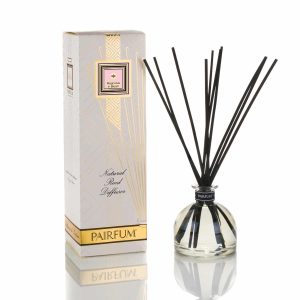
A minimalist reed diffuser on a console or shelf to emit a steady aroma
A neat tray with a room spray bottle and a bowl for keys
A petite scented candle that you light only when guests arrive
Clean home fragrance is as much about how it behaves as how it smells. Look for low-soot candles and carefully balanced essential oils that do not feel thick in the heat. A gentle, crisp scent at the door sets the tone for a calm home and gives everyone a tiny moment to exhale when they step inside.
Cooling Calm in the Living Room and Lounge
The living room often has to do it all in summer, from quiet solo evenings to lively drinks with friends. The fragrance here should feel like a soft breeze through an open window, not a thick cloud of aroma.
Airy notes work especially well:
Sheer florals, like gardenia, peony or jasmine in a light style
Soft woods, such as sandalwood or blond woods
Marine or ozonic notes that recall sea air, crisp linen and fresh air
Gentle musks that feel clean, not powder-heavy
Try a simple daily ritual:
Morning: a light mist of fabric spray over upholstery and curtains to lift stale air. You can easily create a simple mist using a spray bottle filled with distilled water and a few drops of eucalyptus essential oil.
Daytime: set up a stylish diffuser or a reed diffuser on a high shelf where air moves naturally. Position a couple of indoor plants, like potted gardenia or potted jasmine, near bright spots to release a gentle aroma as their leaves warm in the sun.
Evening: light softly scented candles for a relaxed glow as the sun goes down.
In shared spaces, clean home fragrance is also about restraint. A few tips:
Choose one main fragrance family for the room, such as floral or citrus notes
Avoid burning many different candles at the same time
Leave little quiet moments with no extra scent if the room gets very warm due to summer heat
High-quality, cruelty-free formulas feel far more comfortable on hot days because they do not overwhelm your rooms. Your living room should feel easy to breathe in, even with every window closed against a warm night.
Bright, Reviving Fragrance Rituals for the Kitchen and Dining
Kitchens work hard, especially in summer. Even with lighter meals, lingering odours from cooking can hang around. The aim here is not to cover them up, but to help the air feel balanced and clean again.
First, tackle stubborn smells at the source using simple pantry methods:
Leave a bowl of baking soda, dry coffee grounds, or activated charcoal near the bin to absorb moisture and prevent any bad home smell.
Mix one part white vinegar with two parts water in a bottle to wipe down counters, neutralising stubborn food smells naturally.
Mop hard floors with an eco-friendly floor cleaner infused with lemon or eucalyptus essential oils.
Choose scents that sit naturally beside food:
Zesty citrus, like lemon, lime or orange
Aromatic herbs, such as thyme, basil or sage
Light spices, think ginger or soft pepper
Green tea or light floral blends
A simple ritual can keep things feeling pleasant:
Before guests arrive: a quick mist of clean home fragrance spray away from food surfaces to ensure a pleasant scent.
During cooking: keep fragrance minimal so it does not clash with what is on the hob, or gently simmer sliced lemon, spices, and fresh herbs in water to let natural steam refresh the air.
After cooking: light a kitchen-friendly candle, melt a soy wax melt, or rely on an essential oil diffuser to gently smooth out lingering kitchen smells.
In this part of the home, the quality of ingredients really matters. Clean-burning waxes, well-made wicks and subtle essential oils help prevent that heavy, artificial feel that can cling to curtains or table linens. The goal is a kitchen that smells bright and appetising, not overly perfumed.
Restful Bedrooms and Spa-Like Bathrooms for Warm Nights
Sleep can feel tricky in hot weather. Using scent and aromatherapy is a gentle way to tell your body and mind that it is time to slow down so you feel calm, even when the sky is still light.
For bedrooms, think soft, soothing natural ingredients and classic calming notes:
Powdery florals, like iris or rose in a delicate style
Lavender, chamomile or other calming botanicals
Warm vanilla or light musks that feel cocooning but not heavy
A simple evening ritual might look like this:
A light linen spray containing lavender essential oil on sheets a few minutes before bed
A small, softly fragranced candle while you unwind with a book, always blown out before sleep
A matching pillow mist or body product so your skin and space share the same gentle scent story
Bathrooms are perfect for a little spa mood:
Eucalyptus for a crisp, steam-room feel. You can even tie a bundle of fresh eucalyptus stems behind your shower head so the warm steam releases natural oils.
Neroli or orange blossom for a sunny, elegant lift
Citrus and soft woods to keep the space feeling crisp and clean
Because bathrooms can be humid, a compact reed diffuser or room spray is often more practical than large candles. Personal preference dictates how strong it should be, so simply adjust the number of reed sticks to suit your space.
Outdoor Terraces and Balconies as Evening Retreats
When the sun finally drops, taking your evening drink outside onto a small terrace or balcony is one of summer’s great pleasures. On warm evenings, fragrance outdoors should feel like a gentle veil, not a cloud.
Good scent choices for outside are:
Citrus notes that feel lively but not sugary
Herbal touches such as lemongrass, eucalyptus, or rosemary
Refined woods that bring a sense of calm
Some citrus and herbal herbs and oils are also chosen by those who want the space to feel comfortable when insects are about.
Keep it simple:
Light one or two candles at dusk and space them out so the fragrance can breathe
Pair with soft throws, linen cushions and natural textures to make the space feel tactile
Let the subtle home fragrance help you shift from busy daytime energy to a slower evening pace
Outdoors, light scent choices are best. Sweet, heavy vanilla or dense amber scents draw bugs and feel cloying in warm air. Stick to sharp herbs, bright citrus, and clean woods that blend seamlessly into fresh air.
Curate Your Summer Scent Ritual with Pairfum London
When you move through your home, each room can tell a gentle story through scent. From bright, citrus notes at the front door to airy florals in the living room, from crisp kitchen accords to sleepy bedroom musks, your space can feel like one calm, flowing sanctuary.
At Pairfum London, we create a natural clean home fragrance collection and cruelty-free perfumes, candles, reed diffusers, room sprays and skincare that are designed to sit beautifully in your everyday life. Start with just one room that feels a little tired after the cooler months. Choose a fragrance that fits how you want to feel there in summer, and build a small ritual around it. Over time, those quiet, consistent moments turn your home into a true summer retreat, one breath at a time.
A beautiful Spring Flowers accord with a fresh top note of Ozone, White Flower Petals and a hint of Watery Melon. The complex heart is floral with Magnolia, Lily, Geranium, Rose and Violet, while the base shines with Musks and Rosewood.
When shopping for any clean home fragrance brand or evaluating future brands, look closely at how products are made. Consumer preference is shifting toward transparency, as high-performing brands avoid hidden ingredients, synthetic fragrance boosters, or harsh chemicals that pollute your indoor environment.
Read labels carefully. Look for products made with pure essential oil formulations, natural waxes like soy or beeswax, and transparent ingredients lists without harmful chemicals. High-quality home fragrance should enhance your living space, not compromise your health or trigger a headache.
Whether you buy from an established collection or make homemade mixtures in a spray bottle for similar marketing purposes, prioritising plant-based formulas keeps your summer home sanctuary safe, fresh, and soothing. A well-scented home should feel easy, light, and completely effortless all summer long.
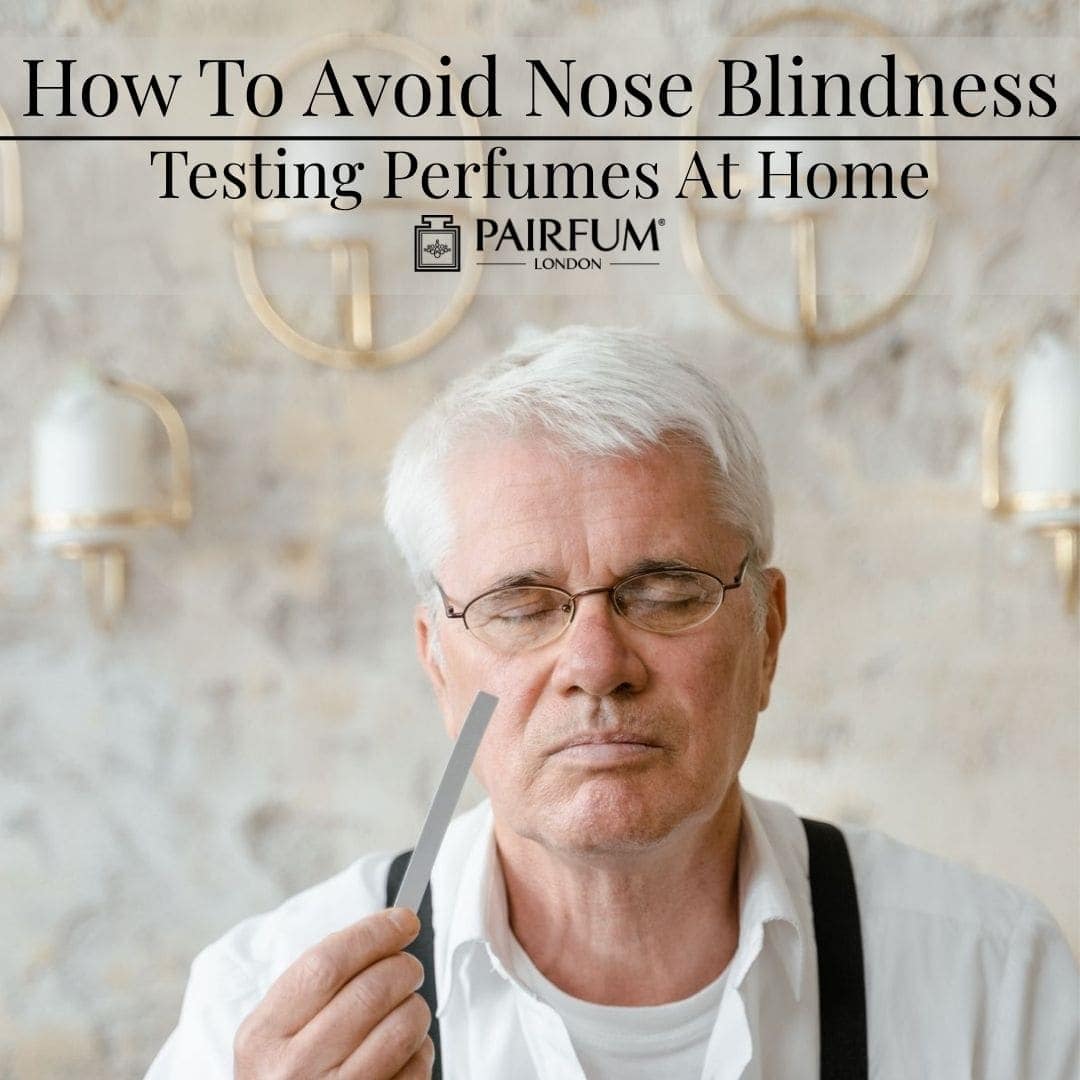
Nose blindness, or if you want the medical term – ‘olfactory fatigue’, in a nutshell is when your sense of smell gets overloaded and gives up. Spritzing four or five different scents in five minutes on a testing strip overwhelms the nose. Soon, every scent on the paper strip blurs into a dull, indistinguishable haze. It happens to every person who tests fragrance quickly. This experience of nose blindness is completely natural, but nose blindness makes choosing a perfume nearly impossible.
Pushing past that point leads to terrible fragrance choices. Notes get muddled. You buy a full bottle of perfume, take it home, and wonder why it feels completely wrong on your skin. Sampling ought to be fun. Slowing down helps your nose stay sharp, allowing your olfactory sense and overall sense of smell to stay clear and prevent nose blindness.
Understand How Your Nose and Brain Read Scent
A quick spritz of perfume releases millions of microscopic particles. Every single perfume sends a cloud of invisible odour molecules floating into the air. These molecules travel up into the nose, landing directly on tiny olfactory receptors tucked inside the olfactory epithelium. Each receptor responds to specific molecule shapes, firing rapid electrical signals straight to the brain.
The brain edits out routine data. It is a biological survival trick. By ignoring a constant smell, your brain stays alert for actual danger. When a smell is constant, like a constant smell from home diffusers or a signature perfume, your mind mutes it. That explains why you stop noticing a smell or your own daily fragrance after twenty minutes, even while people nearby compliment the scent. In an intense testing session with tester perfumes, this process speeds up dramatically. Your nose gets hit with temporary sensory overload, leaving you unable to tell one smell from another.
A slower version happens at home when you go nose blind to a familiar scent, a familiar smell, or a favourite daily fragrance. Different problems require different solutions. Sudden overload requires immediate resets so your nose can recover. Long-term nose blindness requires spending a day or two away from that particular scent or particular smell. Complex natural compositions change over hours. Rushed sampling simply ruins the experience and triggers nose blindness.
The Science of Olfactory Adaptation and Sensory Overload
The human chemical senses are ancient. Sensory adaptation occurs across every human sense, but olfactory adaptation happens almost instantly. Within seconds, specialised olfactory receptors bind each scent molecule in the air. These olfactory receptors pass messages down the nerve path into the olfactory system inside the brain. Once the brain decides that a background smell is harmless, much like quiet background noise, it turns down the volume on that specific scent.
Testing too many different scents triggers complete overload in your smell receptors. This temporary fragrance fatigue, another common name for olfactory fatigue, stops accurate scent identification. You think you have gone nose blind permanently, but your nose is merely taking a self-defence break. When olfactory fatigue sets in, your nose needs rest to recover its natural acuity.
True sensory loss is entirely different. Complete inability to smell is known as anosmia. Some people are born with congenital anosmia, while others experience specific anosmia where they cannot smell one single compound or odour. Physical blockages like a nasal polyp, a severe sinus infection, or sudden swelling in the nasal passages block airflow and dull your sense of smell. Swelling alters how a person processes an odour, aroma, or fragrance because restricted blood flow changes physical sensitivity. Conversely, moving around to encourage healthy blood flow through the nasal passages speeds up recovery when your nose suffers from olfactory fatigue. However, if you suddenly lose the ability to detect a strong odour like smoke or an invisible gas leak, or if loss of taste happens alongside smell loss, speak with a doctor immediately. Medical research links permanent anosmia to broader impacts on mental health and sexual health, proving just how essential the human sense of smell really is.
Set Up the Perfect Home Testing Ritual
Environment matters immensely. Pick a quiet, airy room with an open window. Clear out competing smells first. Cooking smells, cleaning sprays, diffusers, or burning candles ruin the air. Natural light helps too, so you can see how liquid sits on a blotter or skin. Keeping your skin well hydrated helps immensely, because dry skin absorbs liquid too fast and alters scent projection.
Paper blotters are best for first rounds. They keep liquids off your hands and let your nose compare options without commitment. Start with blotters. Only move your absolute favourites onto skin, usually the inner wrists or elbows. Avoid testing more than three or four fragrances at once, unless you want your nose to experience nose blindness as scents fight for attention.
A simple testing cadence works wonders across a full day:
Spritz once on a paper blotter, write down the name, and take a quick sniff from a few inches away.
Write down your raw first reaction, then walk away for ten minutes.
Come back to check the heart notes once top notes fade and the fragrance unfolds.
Put your favourite fragrance selections on your skin and wear them for a few hours.
Sniff the dry down in the evening, noting your thoughts in a notebook.
Taking time transforms a chaotic testing session into a pleasant habit that helps prevent nose blindness.
Practical Ways to Prevent and Reverse Nose Blindness
Set hard limits before opening a single sample bottle. Testing three to five perfumes in one session is plenty for your nose. Space out each scent on paper by at least two minutes. Take even longer gaps before putting any fragrance on your skin. When every smell starts blurring, stop. Your nose is telling you to pause and prevent further nose blindness.
Resetting your senses is remarkably straightforward when nose blindness or olfactory fatigue sets in:
Step outside into crisp, fresh air for five minutes to clear your nose.
Sip a cold glass of water to stay hydrated and refresh your nose.
Smell your clean, unscented skin on the inside of your elbow to reset your nose.
Throw open a window to flush out trapped air so your nose can rest.
Do a few gentle physical stretches to boost blood flow to your head and nasal passages.
What about coffee beans? Perfume shops love offering jars of coffee, but coffee is no miracle fix. Heavy coffee beans add yet another intense aroma to an already exhausted nose. Fresh coffee might offer a brief break, but neutral air and unscented skin work far better than coffee when clearing your nose from olfactory fatigue.
Pace your testing over several days to avoid nose blindness. Prolonged exposure to heavy cologne or strong room spray triggers nose blindness faster. Practice scent rotation by switching between different scents on alternate days. Rotate which perfumes you test on different days, so every fragrance gets its own distinct scent bubble. That way, every scent can show its personality without causing nose blindness or making your nose tire out.
Make Cleaner, Clearer Perfume Choices at Home
Fair testing demands structure for your nose. Spray two options on one arm and two on the other, leaving clean skin between each spot. Check them every hour rather than making quick judgments right after the first spray. Notice how each fragrance evolves over time without triggering nose blindness.
Ask simple, practical questions while testing. How does this fragrance fit into your everyday routine? Does it sit comfortably while you work or relax, or does it demand too much attention? A good perfume or fragrance should complement your day, not overwhelm your nose.
Giving a perfume room to breathe on skin reveals its subtle layers. That prevents nose blindness from ruining your impression, letting your nose appreciate a familiar smell or discover an exciting new fragrance without feeling overwhelmed by nose blindness. That is how you find something you genuinely love wearing, rather than the fragrance that shouted the loudest in the room.
Turn Home Testing Into a Luxurious Scent Ritual with Pairfum London
Testing fragrance at home ought to feel like a treat. Spending twenty quiet minutes with a notebook, a comfortable chair, and a couple of tester perfumes feels just as relaxing as a slow cup of tea. Over time, keeping a scent diary helps track how your taste evolves while preventing nose blindness.
Group your samples by scent family. Try exploring citrus one day, woods or florals the next. Taking your time and trusting your nose keeps nose blindness from getting in the way. With a little patience, home testing turns into a satisfying personal ritual that leads straight to a signature perfume and home fragrance routine that feels completely yours.
Methodical fragrance testing requires reliable tools. The Huib Maat Pack of 50 x Smelling Strips provides the exact absorbency needed for accurate evaluation. Rather than applying multiple scents directly to skin, these specialist paper blotters hold perfume securely, allowing individual notes to unfold at a natural pace across several hours. Isolated on paper, subtle differences become far easier to spot. Keeping a supply of quality strips keeps home sampling organised, preventing premature olfactory fatigue and ensuring every sample receives an honest assessment.
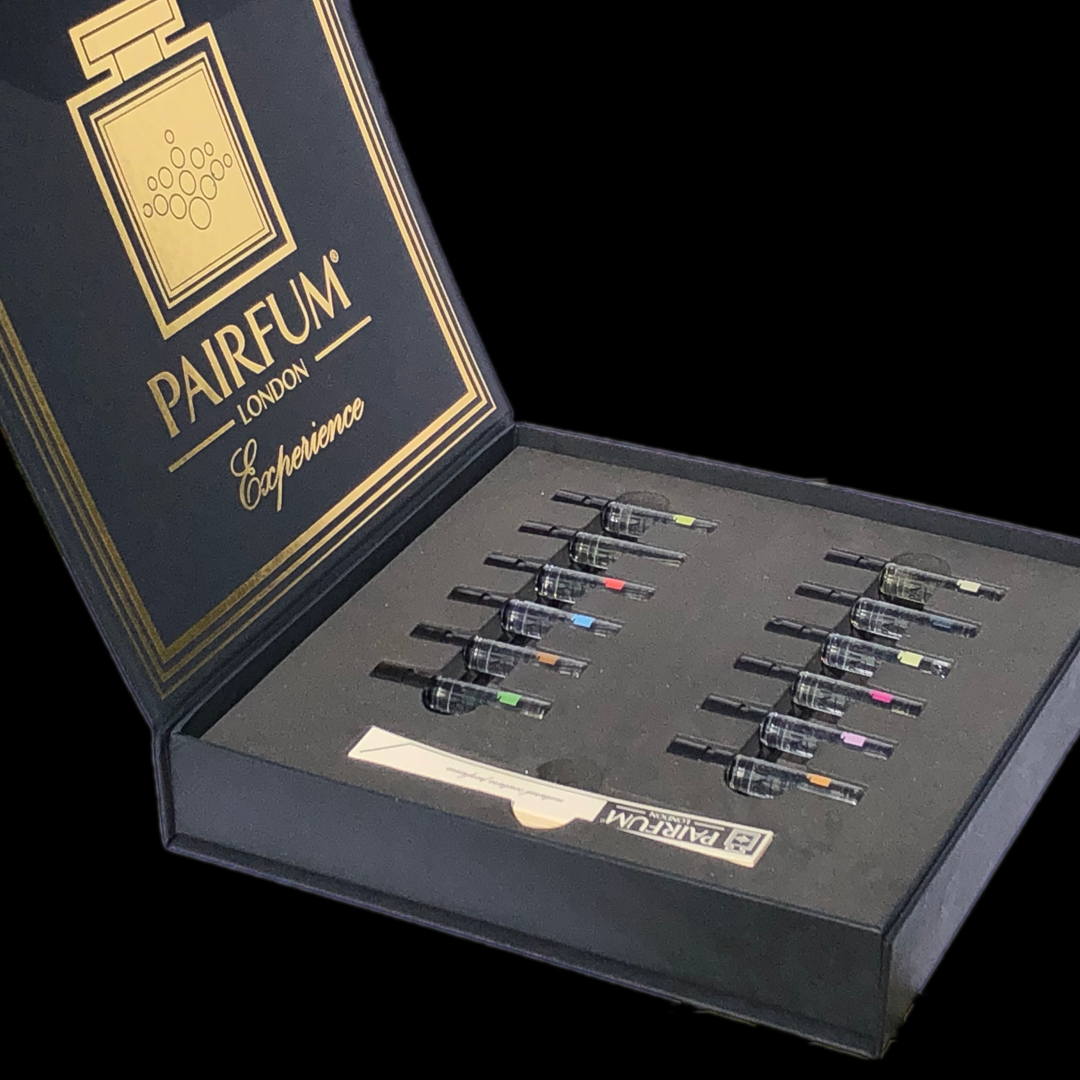
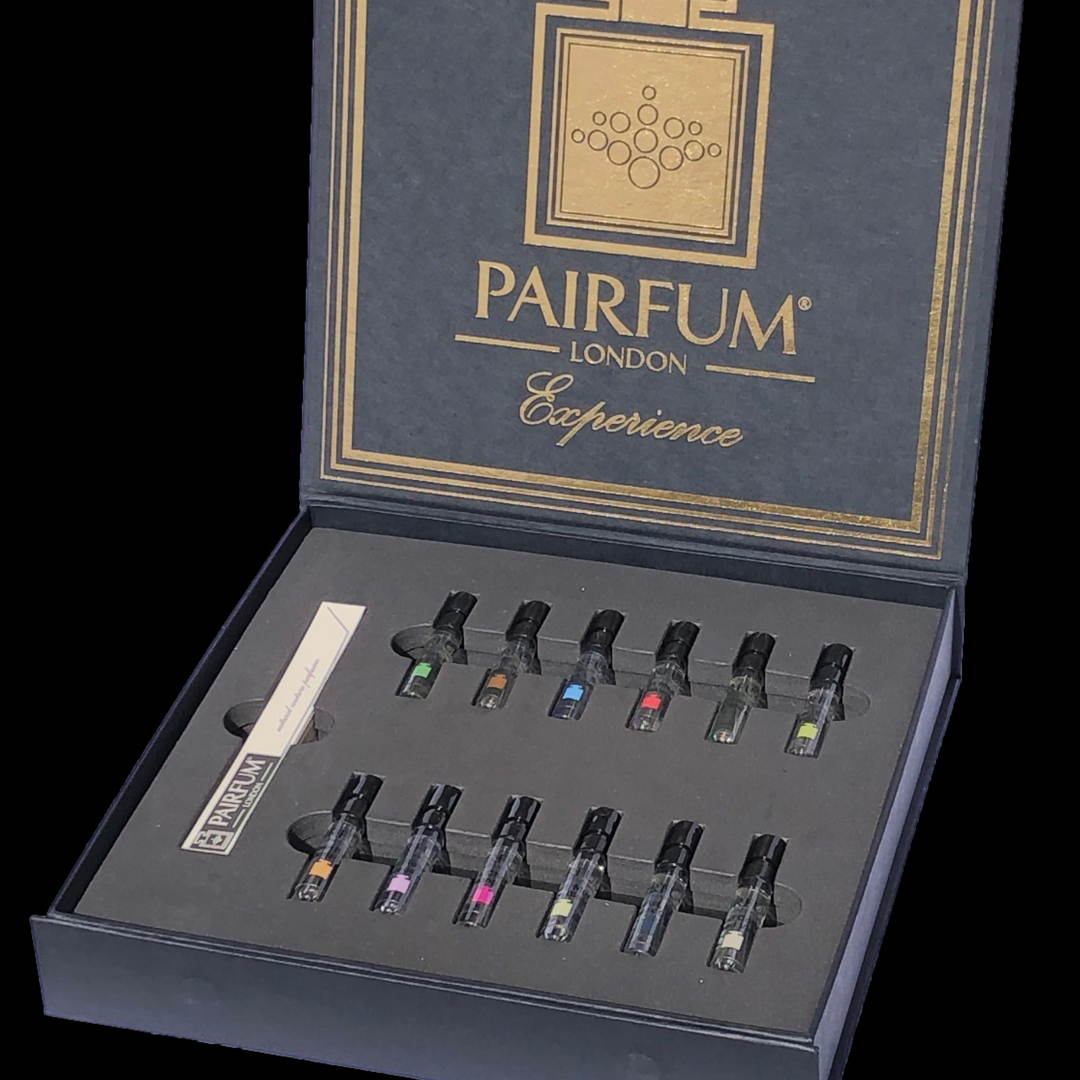
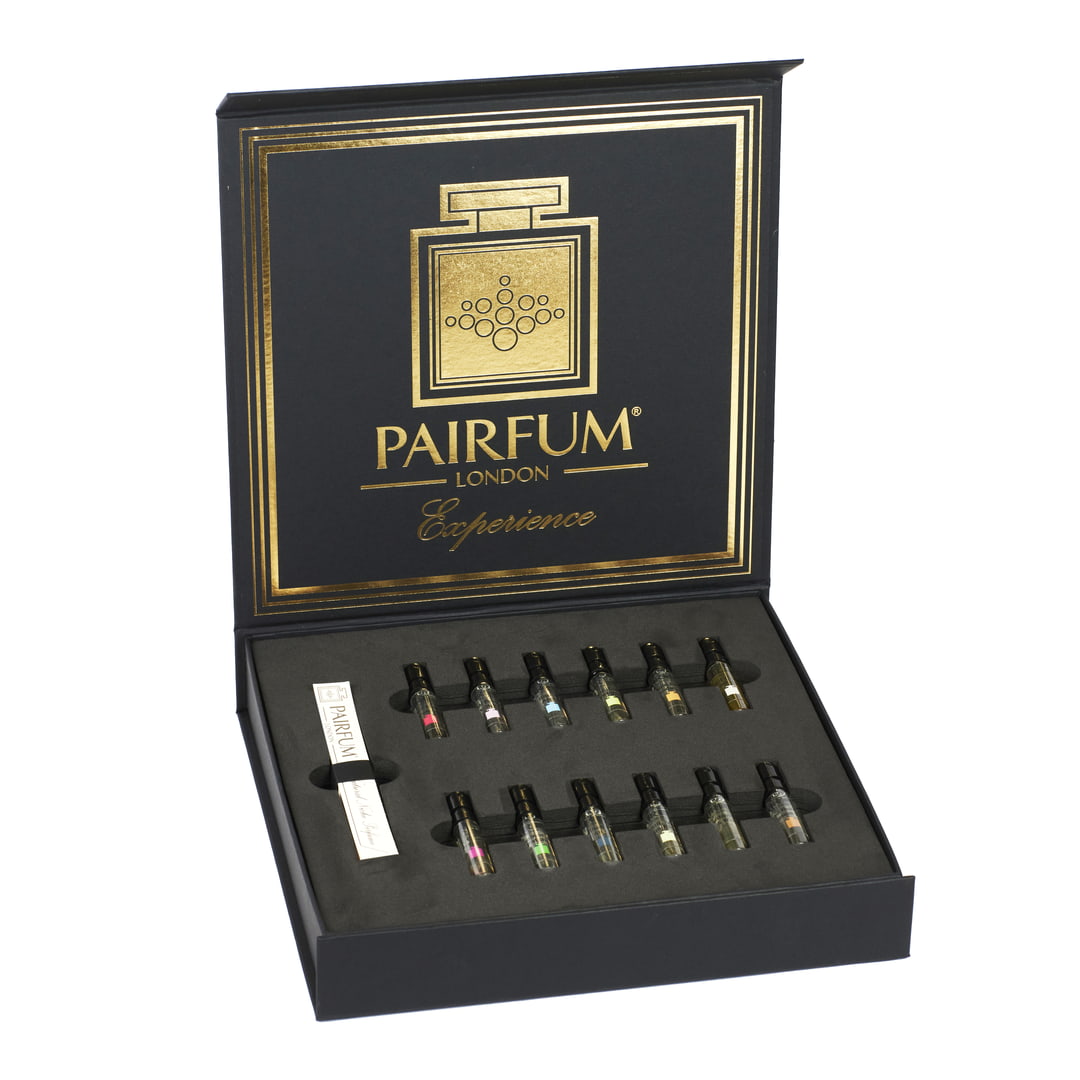
In-shop perfume counters trigger sensory overload within minutes. The Pairfum Fragrance Library Perfume Experience Box fixes that by bringing twelve 2ml Eau de Parfum Intense vials straight to your home. No crowds, no pressure. Each sample delivers roughly one hundred sprays, giving you weeks to test notes on paper or wear them through a full day in your own space. Watch how tart rhubarb or warm cardamom settles on your skin without rushing. With fifty smelling strips included and the cost fully redeemable against a full bottle, trying new scents at home becomes a sensible choice rather than an expensive gamble.
Discover Your Signature Scent With Confidence
Tester perfumes let you test how scents behave on your skin before buying a full bottle. Comparing notes, longevity, and overall feel at your own pace takes the guesswork out of finding a favourite scent or fragrance. Protect your sense of smell, pace your testing to prevent nose blindness, and enjoy discovering a perfume that truly fits your nose and style.
Confidence perfume does a great deal more than make you smell good. The right one lifts your head a fraction higher, and you feel it before you can explain it.
Confidence doesn’t always come from loud, flashy notes. More often it hides in soft warmth and a steady finish, in that feeling you’ve turned up as yourself. So what sort of confidence perfume actually brings that to life?
Here’s something most people never stop to notice. Scent and self belief are tangled up together. A confidence perfume works on emotion first and logic second. You catch a familiar trail of your own scent, and something settles. This article looks at how the right fragrance helps you smell like confidence, from the notes it leans on to how it wears on warm summer days. Plenty of people treat a confidence perfume as a small daily help, one steady thing in a busy life. For example, a single spray before a hard meeting is exactly the kind of example of habit shaping mood that is worth taking seriously, and it can help more than you would expect.
What Makes a Perfume Feel Confident
Confidence in a bottle doesn’t mean overpowering, and it certainly doesn’t mean intense. Usually it’s the opposite. These perfumes build slowly and sit close to the skin.
Many confident fragrances use creamy woods, rich florals, and soft spices that stick with you through the day. They don’t insist on being noticed. Their strength is a question of balance rather than boldness. There’s a real difference between a confidence perfume and an arrogance perfume, and the line falls right about here. Arrogance shouts across a room. A proper confidence perfume makes people pat attention and lean in. Overwhelming a room doesn’t actually help your case. Quiet confidence does far more of the heavy lifting, and that kind of confidence is the sort people read as real.
When a perfume’s top, middle, and base are well matched, it gives a calm, steady, confident energy.
This is also where a signature scent earns its name. Wear one fragrance long enough and it stops being a product. It becomes information other people file away about you, the way they remember a laugh or a handshake. Friends notice when you switch, and strangers form a first impression in seconds. Scent does quiet work in that moment whether you plan it or not. Many women find that a single signature gives people one clear piece of information about them before a word is said. That experience is subtle, but people register it.
Fragrance Notes That Speak with Strength
Certain perfume ingredients carry a grounded, confident feel. They settle in and stay.
Strong base notes like sandalwood, cedar, and vetiver sit deep and add calm. A whisper of vanilla can warm the blend without tipping it sweet. Iris root (orris) and rose bring softness too, never cloying.
Clove and pink peppercorn, both spices with some heat, bring a touch of boldness. A suggestion of courage. Musk threads through the base and lends skin-like warmth, the sort of musk that reads less like perfume and more like you on a good day. Amber does similar work, glowing low and golden under everything else. Resin notes like labdanum or benzoin quietly hold it together and lend warmth, like a slow-burning fire.
These ingredients say something without shouting. They stay steady and reliable, even as the hours go by. Note by note, the whole composition reads as sophistication rather than effort.
How Natural and Niche Perfumes Set the Mood
Natural and niche perfumes feel different on the skin. They shift slowly through the day, which suits a confident mood.
These perfumes are often layered with care, using richer oils that settle into the skin more deeply. The experience of wearing one is closer to a private ritual than a purchase.
A niche perfume can feel deeply personal. It does not try to copy anyone else. Like confidence, it comes from knowing what suits you, not chasing whatever is trending on social media this month. Choosing something this personal carries its own quiet strength. It says you trust your own taste, and that quiet confidence shows.
That trust is worth dwelling on. Self confidence and a settled sense of self esteem rarely arrive from a bottle alone, but the right fragrance can act as a small daily anchor for both.
Confidence, Calm, and the Science of Scent
Here is the part people skip. Scent runs straight to the parts of the brain that handle memory and emotion, faster than words ever could.
For anyone who wrestles with anxiety before a big day, or feels stress climbing as a meeting nears, a chosen fragrance becomes a quiet tool that can help. Not a cure, but a tool. Spray it, breathe, and you give your mind one steady signal to help in a morning full of noise. Some wearers reach for it the way others put on a certain playlist before a run, hoping it’ll help. A small ritual, and it turns fear into focus. It won’t erase the anxiety or wipe out the stress, but a familiar confidence perfume can take the worst edge off.
Performance under pressure has a lot to do with how grounded you feel walking in. Athletes know this. So do people who present for a living. Your ability to think clearly drops when fear takes over, and anything that steadies you helps your ability to perform. The link between confidence and a calm body shows up in posture, in voice, in whether your hands shake. A familiar aroma won’t hand you resilience on a plate. For many women and men alike, that nudge is the whole point.
It even reaches into relationships. Confident, easy people tend to build healthy relationships, and a settled mood makes you easier to be around. Your performance in a room full of strangers improves when you feel settled, and that calm performance feeds back into how the whole experience lands. No perfume fixes a hard week. Still, the small motivation of smelling like your best self on a bad day helps more than most people admit. Success at work, ease in your social life, the quiet confidence that comes from a routine you actually keep. These things stack up over time. It’s one clear example of the way a tiny habit ends up shaping a much larger mind-set, slowly, almost without you clocking it.
Ways to Wear Confidence Perfume That Enhances Your Self-Belief
How you wear your perfume matters as much as what is in it. Small habits help build confidence into your routine.
Spray on the pulse points, so wrists and collarbones and behind the ears.
Applying perfume at a calm moment, maybe just before leaving the house, becomes a quiet ritual. A reminder to move through the day your own way. There is a real risk in overdoing it, mind you. It’s one of the few real risks with any confidence perfume. Too many sprays and the whole effect tips over from assured to overwhelming, which is why a light hand nearly always wins out. A little restraint here helps the scent do its job across a long day in real life. These small practices build confidence through habit and care, not the aroma alone.
Worth a word on women’s fragrance specifically, since the market often pushes women toward sweeter, lighter blends by default. Plenty of women feel most themselves in deep woods, smoky resins, and bold spice. Confidence has no gender, and neither does a good base note. More women are ignoring the old rules, and good for them.
Confidence Perfume in Summer: Choosing the Right Aura for June
Summer perfumes can still feel confident, even in lightweight blends. June brings warmth, sunshine, and often a need for easy-going freshness.
Light florals like neroli or jasmine offer a breezy feel without losing depth. Citrus top notes, like bergamot or mandarin, add brightness, giving the same clean lift as a fresh shirt on a summer morning. Base notes like green tea, light musk, or soft woods add depth that stays close without feeling heavy in the heat.
Wearing perfume in July should feel like linen with leather sandals. A good summer review of your shelf means reaching for something brighter on top, grounded base kept underneath.
Embody How You Want to Feel
Perfume says something before you’ve opened your mouth. A confident aroma never pushes too hard.
When the balance of a fragrance matches your mood, your confidence clicks into place. The notes seem to agree with how you want to show up that day, steady and clear and sure of yourself. There is success in that quiet alignment, the kind that has nothing to do with anyone else watching.
Choosing the right perfume isn’t really about what other people will notice. What matters is how it makes you feel underneath it all. The good ones smell like confidence you already had. There is no single correct selection, no tidy selection results that rank the answer for you. No amount of online content or polished information settles it, and no buyer’s information sheet will either. The place to start is your own skin, your own day, the confidence you happen to have on you.
And that, for some wearers anyway, is why fragrance has never really been about standing out. It’s about knowing who you are and then letting your aroma say so on your behalf. Softly. No second thought required. Your confidence level is yours to carry; the right confident perfume simply walks with elegance beside it. A good example of confidence done quietly, helping people see the version of you that was there all along.
Express Your Confidence Side with Pairfum London
For anyone drawn to the idea of a confidence perfume with real depth, it helps to smell what a grounded, woody-aromatic composition can do on skin. Pairfum London builds natural eau de parfum by hand in small UK studios, and one fragrance in particular fits everything explored above.
This eau de parfum intense opens with confidence, bright and green, with bergamot, lime, fresh leaves, and a spicy hit of basil that wakes up the whole composition. Underneath, the heart turns soft and floral through lily, freesia, violet leaf, rose, and geranium, while the base settles into exactly the grounded, confident woods this article keeps returning to: patchouli, vetiver, sandalwood, cedar, and amber. It is built from natural essential oils, vegan, and made to last all day, which suits a scent meant to carry you from a tense morning to a long evening. For anyone wanting a single signature that reads as quiet strength rather than noise, it is well worth a try.
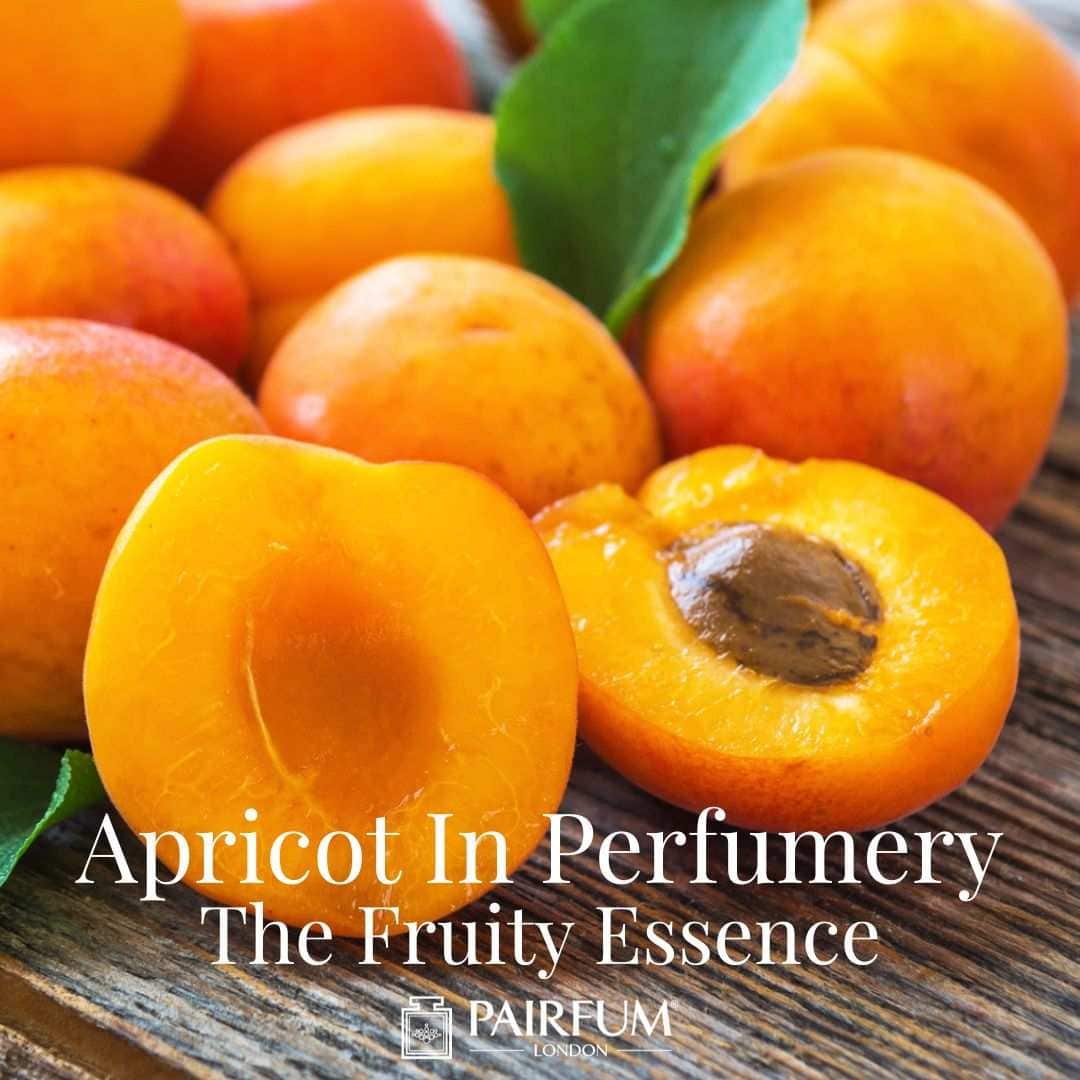
Apricot perfumes blend sweet, juicy fruitiness with velvety, lactonic, and subtly powdery nuances. This warm, sunny accord, often crafted using synthetic compounds for impressive lasting power, pairs beautifully with florals like osmanthus, as well as rich base notes like vanilla and musk.
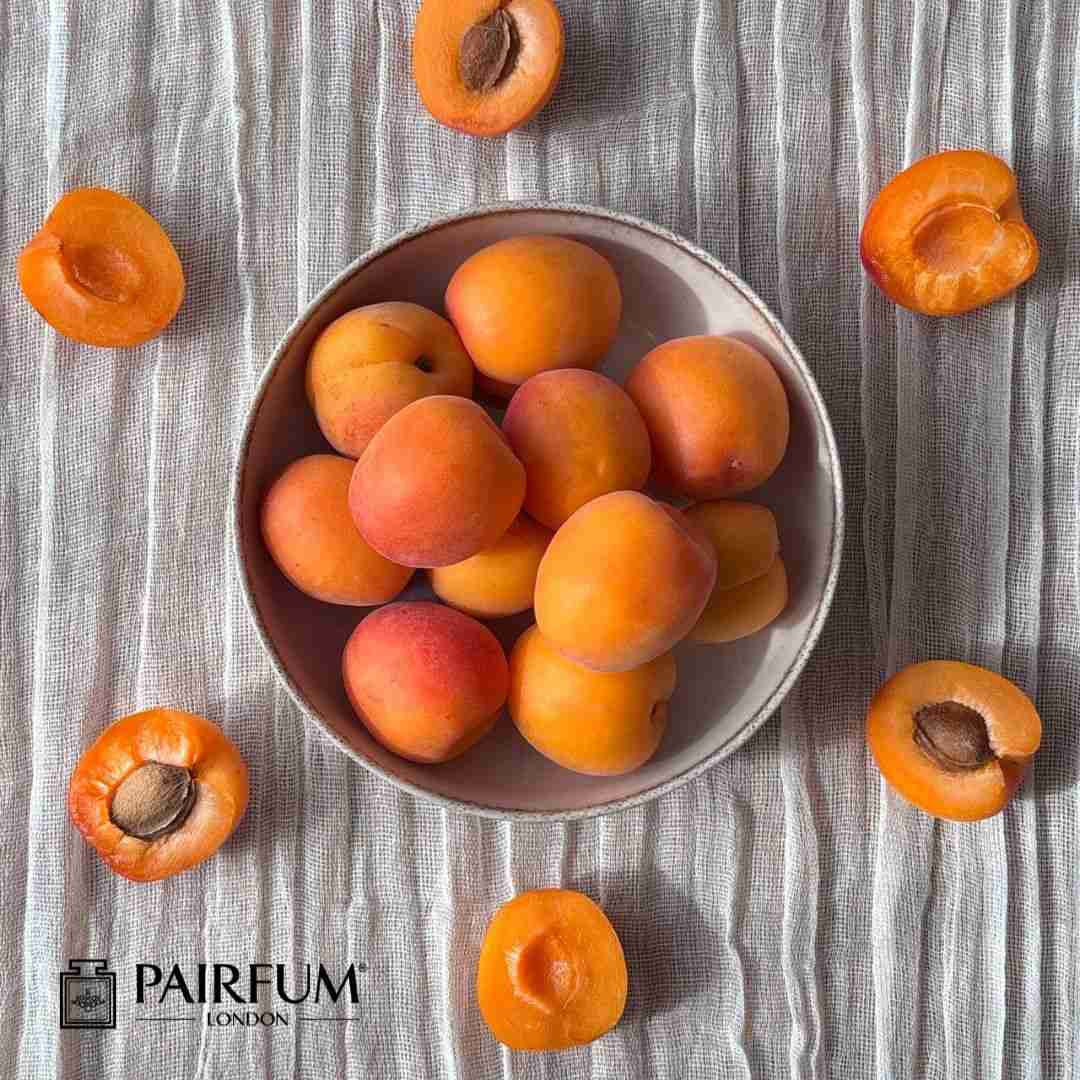
Apricot has a soft fruitiness that brings warmth and brightness to perfume. Its aroma is gentle, juicy, and just a little floral. Smell fresh apricots on a warm afternoon and you’ll understand exactly why perfumers keep reaching for them. Sun-warmed, slightly honeyed, with a fuzz of something almost floral underneath. Apricots at their best smell like summer in a single note.
Whether found in personal fragrances or home fragrance blends, apricot stands out for its welcoming quality. Even the warm amber-orange of the fruit has influenced design, giving its name to apricot clothing and interior colour palettes that borrow its sun-flushed hue. This article looks at how the fruit is used in perfumery, where its scent comes from, how it pairs with other ingredients, and why it has earned a quiet but enduring place in both classic and contemporary perfume.
A Fragrant History of Apricot in Perfume
Long before it became a staple of modern fruity-floral perfumes, apricot was valued for its aroma in oils and balms. The tree, Prunus armeniaca, named for its presumed Armenian origins (the botanical name itself introduced new words into European botanical Latin), though evidence suggests it may have first been cultivated in China, has been grown for thousands of years, and its kernel oil was used in early skincare and fragrance preparations across the ancient world.
In the 20th century, apricots gained real traction in Western perfumery as ingredients for constructing fruity accords as part of a growing appetite for lighter, fruitier compositions. These blends felt more youthful than the heavy florals and orientals that had dominated for decades. Apricots slotted in as the softer, more restrained cousins to peach or plum: enough sweetness to register, but nothing sharp or synthetic about it.
The result was a note that aged well. Apricot sits comfortably in both romantic evening fragrances and everyday wear, which is a rarer quality than it sounds.
What Does Apricot Actually Smell Like?
Fresh apricots have a scent profile that is difficult to pin down precisely, which is part of what makes them interesting to perfumers. There is the obvious sweetness, juicy, ripe, with that characteristic orange flesh warmth. But there is also something slightly almondy underneath, especially near the stone, and a faint green quality from the skin and leaves.
Dried apricot smells quite different. When apricots are dried, the process concentrates the sugars and deepens the honey-like facets, pushing the scent toward something richer and more ambiguous, closer to fig or raisin than to the bright freshness of dried fruit straight from the market. Dried apricots used as a fragrance reference tend to produce warmer, more enveloping compositions than those built around the fresh version.
Apricot blossom, the flower of the apricot tree, adds another dimension entirely. It blooms in early spring, often before the leaves appear, and carries a delicate, slightly powdery floral character that sits closer to almond and cherry blossom than to the fruit itself. Some perfumers use the blossom note specifically to avoid the sweetness of ripe apricots while retaining the connection to the plant.
The Science: Prunus Armeniaca and How Its Scent Is Captured
Prunus armeniaca produces very little extractable essential oil from its fruit flesh, which makes direct extraction impractical. Cold-pressing the kernel yields apricot kernel oil, widely used in skincare for its light texture and skin-softening properties, but this oil is largely odourless and carries almost none of the fruit’s signature aroma.
So perfumers build the scent rather than extract it. The apricot note in most fragrances is a constructed accord: a blend of molecules chosen to recreate the character of apricots from the outside in. Gamma-decalactone and gamma-undecalactone are key lactone molecules responsible for the creamy, peachy-apricot quality found in many fruity fragrances. Ionones, the same family of molecules responsible for violet’s powdery sweetness, add depth and a subtle floral lift.
Osmanthus is worth mentioning here. This small Chinese flower has a natural stone fruit facet, sitting somewhere between apricot, peach, and leather, that makes it one of the most convincing natural bridges to an apricot accord without requiring the fruit directly. Many of the best apricot-adjacent perfumes are built around osmanthus rather than a synthetic accord.
Apricot’s Role in Perfume Compositions
What makes apricot work so reliably in perfume is its balance. Apricots contribute enough fruit character to register clearly without tipping a composition into candied sweetness. It adds warmth without weight. And it blends, almost annoyingly, with nearly everything.
Floral combinations are perhaps the most natural pairing. Rose and apricots is a classic pairing: apricots round out the sharpness of rose’s green facets and adds a sensual, edible quality to what might otherwise be a cool, formal composition. Mimosa and jasmine work similarly, with apricot adding warmth to their powdery-sweet characters.
Woody and musky bases also benefit from apricot. When the fruit sits above sandalwood, cedarwood, or musk, it gives the entire composition a creamier, more enveloping quality, a softness that woody fragrances can sometimes lack. In chypre structures, apricot provides the fruity-floral brightness that bridges the fresh top notes to the mossy, earthy base.
Large fruit notes in general (peach, mango, plum) tend to compete with each other when combined, but apricots are restrained enough to support rather than dominate. This is why perfumers so often reach for it as a modifier rather than a headline note.
Apricot in Home Fragrance
Apricot doesn’t have to stay on the skin. Its soft, sunny aroma translates well into home fragrance: candles, room sprays, and reed diffusers where the goal is warmth without aggression.
Unlike citrus, which can read as sharp or high-pitched in a domestic setting, apricot is mellow. It makes rooms feel welcoming rather than merely fresh. Paired with white florals or soft green elements, it creates a relaxed, breezy atmosphere that suits spring and summer particularly well, though the dried apricot facet, with its deeper honeyed warmth, works just as comfortably through winter.
Apricot blends well with vanilla and sandalwood in home fragrance, where the combination produces something cosy and unhurried. The soft fruitiness keeps it from tipping into heaviness, and the result is the kind of scent that guests notice without being able to name, always a good sign.
Apricot in the Kitchen: A Note on Its Versatility
Apricot’s appeal extends well beyond perfumery. As an edible fruit, it has inspired some of the most versatile recipes in European and Middle Eastern cooking, and understanding how the fruit behaves in food gives useful context for how it behaves in fragrance.
Fresh apricots are the natural starting point for many a summer dessert: tarts, crumbles, and poached fruit dishes that showcase the fruit’s gentle acidity and honeyed sweetness. Dried apricots deepen those qualities considerably, concentrated, jammy, with an almost caramel edge, making them a favourite in slow-cooked dishes, tagines, and the kind of apricot jam that keeps through the winter months on a cool shelf.
Good food writing has long celebrated the apricot’s versatility. Apricots themselves have become a staple ingredient in home baking, and apricot oat bars have become particularly popular, appearing regularly in food publications including Good Food Magazine, where their combination of dried fruit, rolled oats, and honey is cited as one of the more reliable everyday recipes for home bakers. Overnight oats made with roughly chopped dried apricots, a handful of pistachios, and a spoonful of apricot jam have become a popular quick breakfast, as have apricot oat bars for lunchboxes and snacking.
For savoury cooking, apricots pair unexpectedly well with bold spices. An apricot plait, a glazed pastry filled with spiced dried fruit, is a favourite in many European bakeries. Minty bulgur wheat with soaked dried apricots and toasted pistachios is a classic side dish across the Levant. Even harissa, with its heat and depth, finds balance when paired with fresh or dried apricots in a North African tagine, where apricots provide the sweetness that tempers the spice.
These exclusive recipes highlight a simple truth: apricot, like all great ingredients, adapts. It softens what is too sharp, sweetens what is too austere, and brings warmth to whatever surrounds it. That same quality is precisely why perfumers value it.
Growing Apricots: From Blossom to Fruit
Apricot trees bloom in early spring, sometimes as early as February in milder climates, which makes late frosts a serious concern for growers. A hard frost after blossom opens can wipe out an entire season’s heavy crop overnight, which is one reason apricots have traditionally thrived in continental climates with predictable, dry springs rather than the unpredictable British weather.
The early Moorpark variety is one of the most celebrated English apricots: a large fruit with deep orange flesh, rich flavour, and a relatively reliable cropping habit for the UK climate. It was first cultivated at Moorpark, Hertfordshire, in the 18th century and remains a benchmark for quality.
Pollination is generally straightforward for most apricot varieties, which are self-fertile. A single apricot tree will fruit without a companion tree, though a second tree nearby tends to improve the yield. They can be grown as bare root trees planted in late autumn, or in a container for patios and smaller gardens. Fruit trees grown against a south-facing wall, trained as fans, tend to crop most reliably in the UK, the reflected warmth compensates for the marginal climate.
Potassium is among the most important nutrients for apricot trees: it supports fruit development, flavour intensity, and the tree’s overall resilience. A potassium-rich feed applied in spring supports the transition from blossom to new growth, helping the tree deliver a consistent crop of ripe apricots, large fruit with good flavour, season after season. Without adequate potassium, apricots can be small and lacking in sweetness, regardless of how well the tree has been managed in other respects.
Pairfum London Fragrances Featuring Apricot
Two fragrances from Pairfum London place apricot at or near the heart of their compositions, one as a delicate top note in a floral chypre, the other as a sun-ripened presence nestled into tart rhubarb and white gardenia. Both are worth exploring if the apricot note interests you.
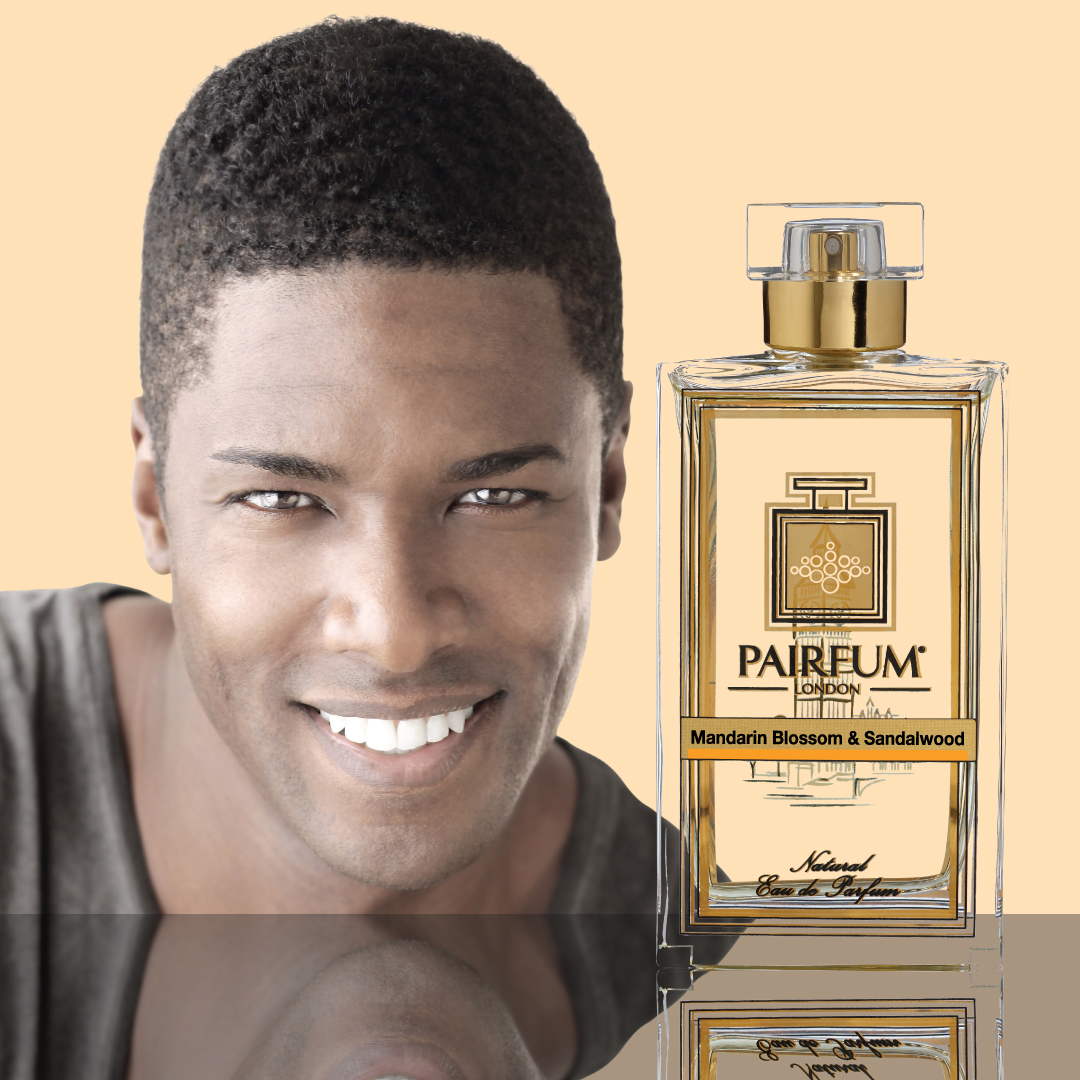
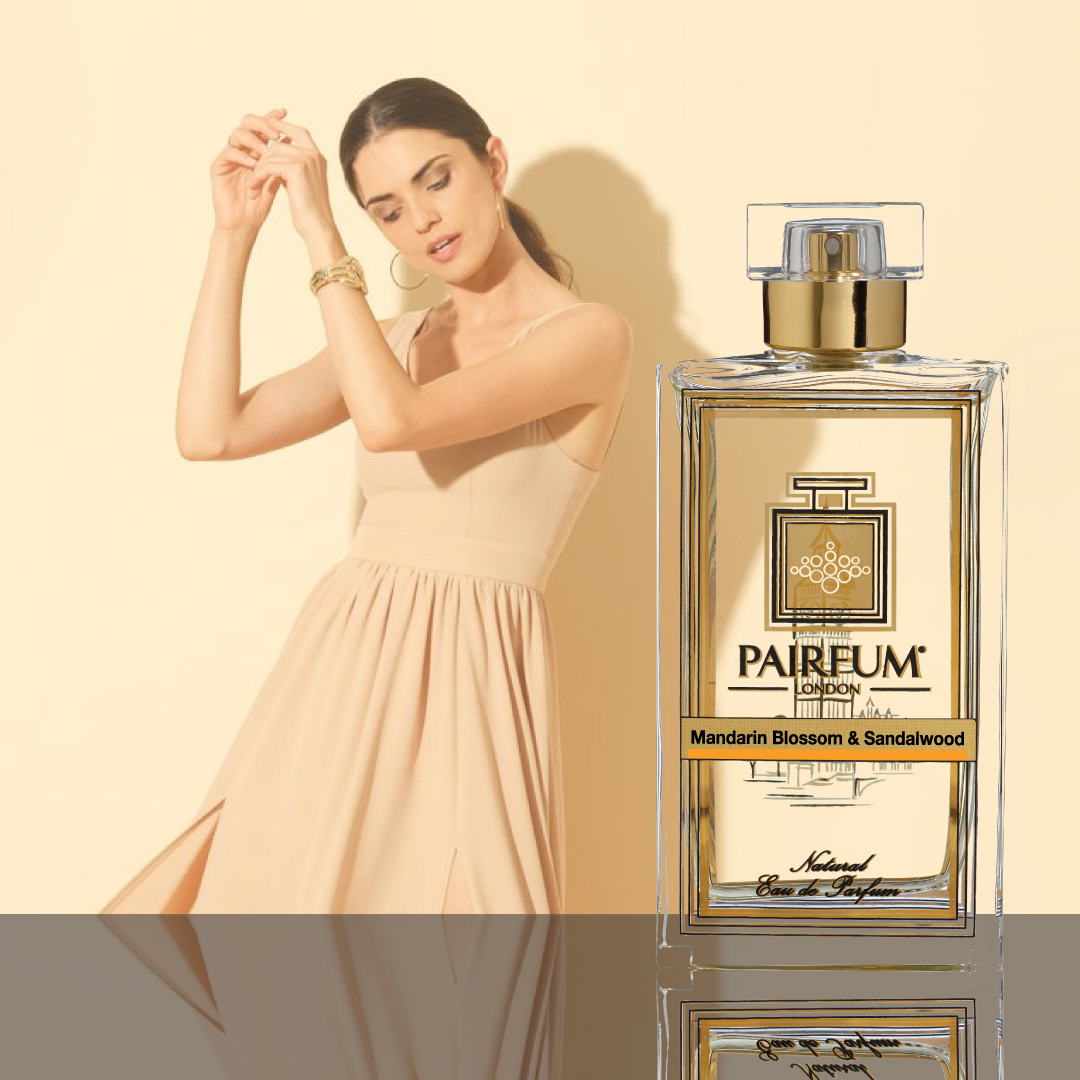
A feminine floral chypre Eau de Parfum Intense opening with Mandarin Blossom, Apricot, and White Hyacinth. The heart reveals Sweet Pea, Jasmine, and Ylang Ylang, while the base of Sandalwood, Patchouli, Amber, and Musk creates a warm, lingering trail. Inspired by the Chinese New Year tradition of gifting mandarin oranges, a symbol of prosperity and good luck, it carries a sense of occasion without heaviness.
Handmade in the UK using natural essential oils. Unisex, vegan, cruelty-free, and eco-friendly. Available in 100ml with free shipping to the UK, EU, US, and Canada. A free mini sampler is included so you can test it on your skin before opening the full bottle.
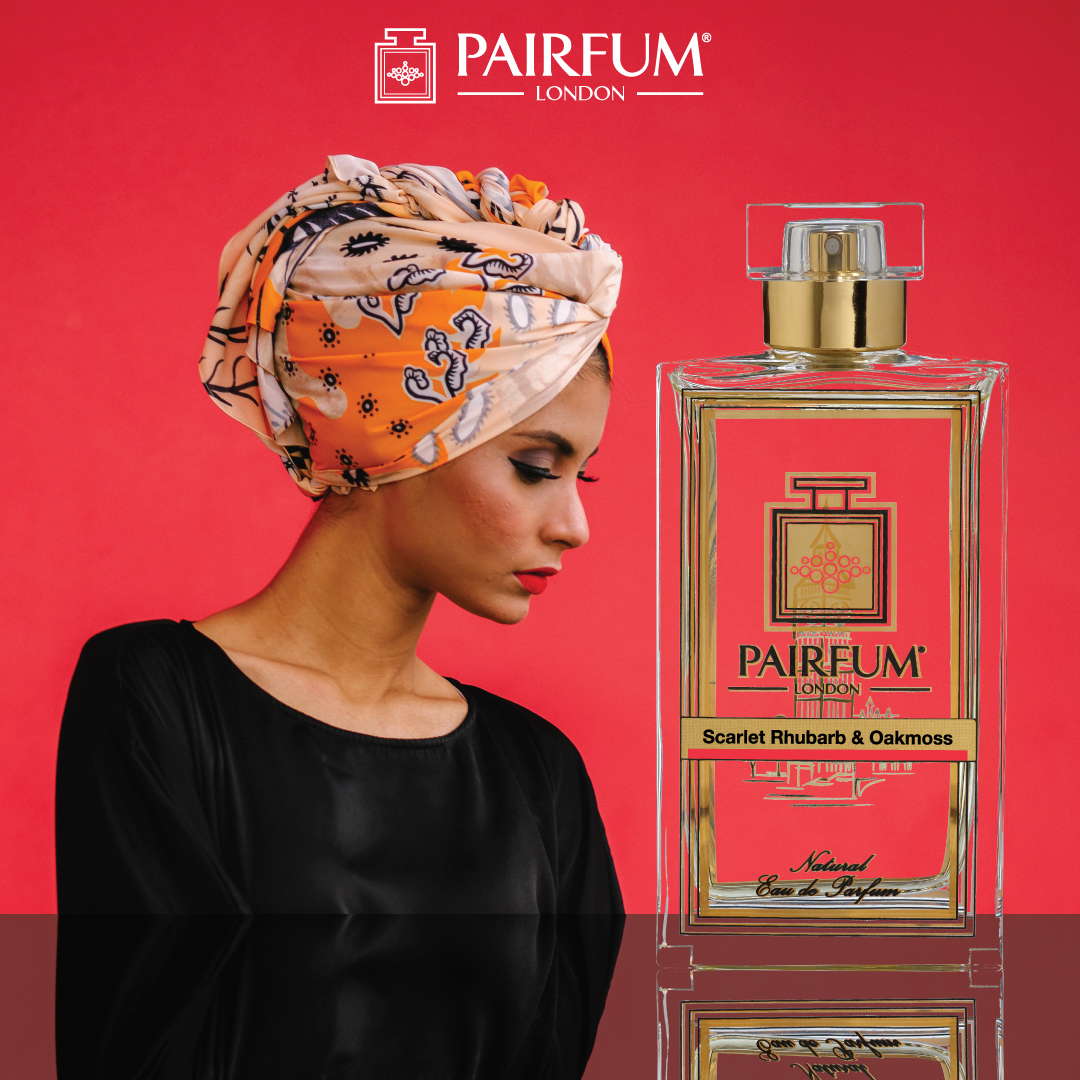
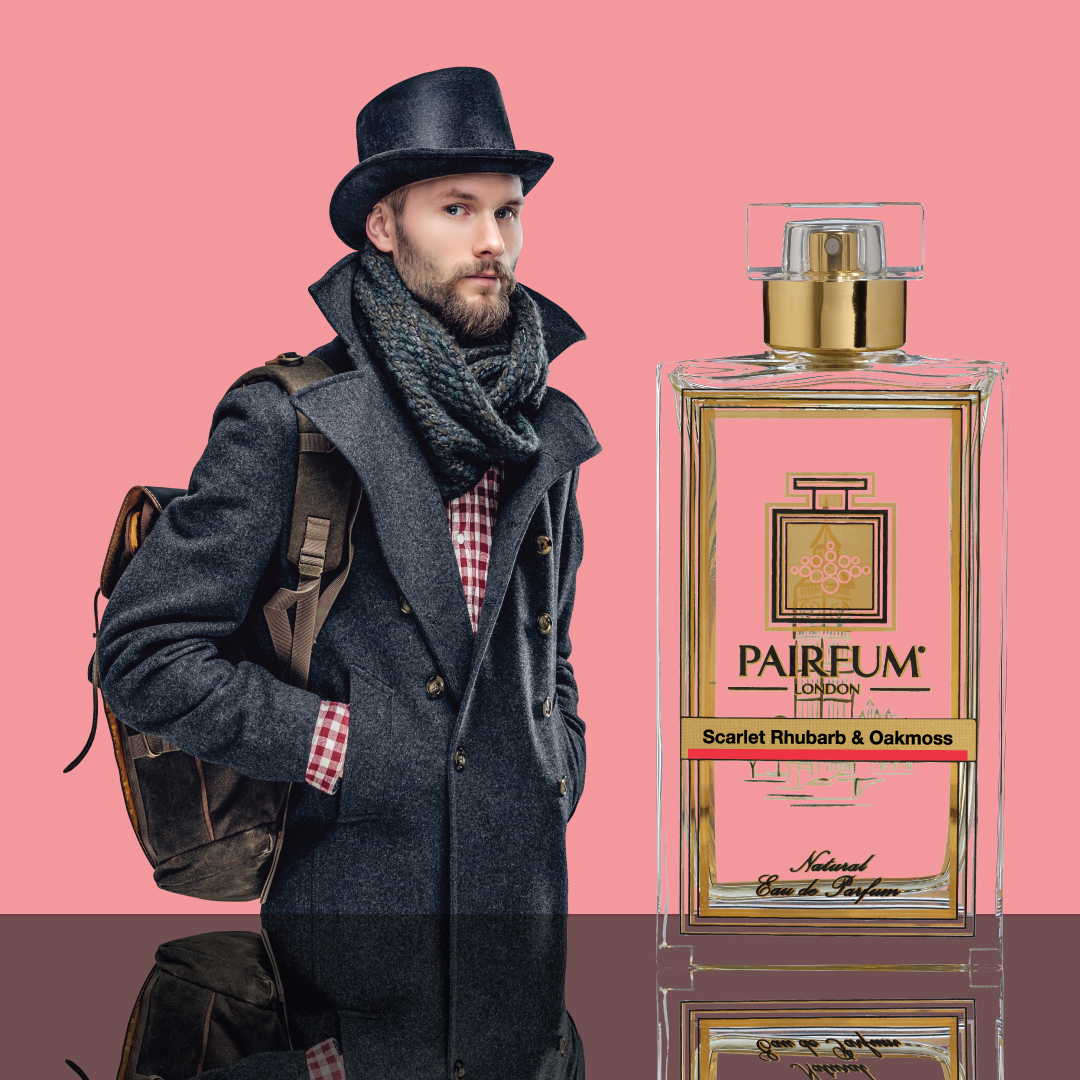
A bold floral chypre opening with fresh tart Rhubarb, Sun-Dried Fruits, and Ripe Strawberries, with hints of crisp Apple and Apricot wrapping around a heart of elegant White Gardenia. The base of Oakmoss, Musk, and Labdanum provides a rich, warm drydown in the classic chypre tradition, but with a distinctly English twist, rhubarb replacing the usual Bergamot for a greener, more unexpected freshness.
Handmade in the UK using natural essential oils. Unisex, vegan, cruelty-free, eco-friendly. Available in 100ml with free shipping to the UK, EU, US, and Canada, and a free mini sampler included.
The Quiet Charm of Apricot
Apricot may not be the loudest note in a perfume. It rarely announces itself. What it does instead is pull everything else together, softening edges, adding warmth, giving a composition the kind of rounded, wearable quality that keeps people reaching for the same bottle season after season.
Its versatility is the point. From the blossom on a frost-threatened apricot tree in early spring, to the concentrated sweetness of dried apricots in a winter tagine, to the creamy lactone accord at the heart of a fruity-floral perfume, the same fruit, in different forms, manages to be at home in almost every context. That adaptability is rare. It is also, in the end, exactly what makes a good fragrance ingredient.
A perfume smells different on everyone due to individual skin chemistry and your specific skin type. Your body’s natural oils, pH levels, and even your daily diet shape exactly how fragrance notes develop into a unique scent profile.
Spray the same bottle on two people and walk away. Come back an hour later. One smells like a sun-warmed garden. The other smells like something vaguely medicinal. Same perfume. Completely different smell.
This isn’t a defect. It’s skin chemistry doing exactly what it’s supposed to do.
Fragrance is not a fixed thing. Once it lands on your skin it begins reacting, to your body temperature, your natural oils, what you ate for lunch, the humidity in the room. A fragrance interaction that produces something beautiful on one person can turn flat, sharp, or oddly synthetic on another. Understanding why is the first step to finding something that actually works on you, not just in the bottle, not just on the strip, but properly, two hours in.
It Starts With Your Skin
Oily skin has unique chemistry that holds fragrance for longer. The oils grip the fragrance molecules, slowing evaporation, which lets the base notes (amber, woods, musks) come forward fully over time. Dry skin does the opposite. It drinks up the perfume oil before it’s had a chance to develop, and the scent can be gone within the hour.
Cooler skin keeps fragrance close, intimate, barely projecting beyond arm’s length. Warmer skin throws it outward, sometimes more forcefully than intended.
Then there’s skin chemistry: the pH level, the natural oils your body produces, the particular cocktail of compounds sitting on your skin at any given moment. These vary enough between different people that the same perfume can smell genuinely different on two people sitting side by side. Not a little different. Sometimes unrecognisably so.
Add your natural scent into that mix, and what you’re wearing is never just the perfume. It’s the perfume plus you.
Biological Differences Affecting Scent
Biological differences affecting scent are more varied than most people realise. Hormonal changes are one of the bigger culprits, and one of the least discussed.
Hormones influence fragrance behaviour in ways that are easy to miss. Oestrogen heightens scent sensitivity. This is why the same fragrance can smell almost overwhelming at certain points in a monthly cycle, then barely noticeable a week later. During pregnancy, the shift can be dramatic enough to make a familiar scent genuinely unpleasant. Skin chemistry changes with age too, which is partly why a perfume you loved at twenty-five smells different at forty.
Genetics play a role that goes even deeper. The ability to detect and process aromatic compounds varies between different people in ways that have nothing to do with preference. Some people simply cannot smell certain scent molecules at all, a condition called specific anosmia. Two fragrance enthusiast friends wearing identical eau de parfum may experience them as completely different smells. Neither is wrong. Their biology just processes the notes differently.
Unique skin chemistry isn’t a problem to solve. It’s what makes a fragrance yours.
What You Eat and Do Changes Things Too
Spicy foods. Garlic. High-sugar diets. All of these shift your natural body odour slightly, and that natural scent sits underneath everything you spray on top of it. A vanilla-heavy fragrance after a rich meal can tip into something sickly. A citrus scent on a day you’ve eaten a lot of garlic can turn sharp and strange.
Medications alter body chemistry in ways that interact with perfume oil unpredictably. Physical activity warms the skin, which makes fragrance bloom faster and project more strongly, but the dry-down arrives sooner. A perfume that lasts all day when you’re sitting at a desk might feel gone within two hours if you’ve been moving around.
None of this means the perfume is wrong. It just means skin is not a passive surface. It’s an active participant in how a fragrance smells.
The Environment Matters More Than You’d Think
In summer, heat speeds up evaporation. Fragrance projects strongly, sometimes too strongly, strong fragrances that are perfectly calibrated in winter can feel aggressive on a hot day. In winter, cold air keeps the molecules close to the skin, and the same bottle smells quieter, more intimate, occasionally almost muted.
Humidity changes things in the opposite direction. Damp air traps scent molecules near the surface longer, which is why a fragrance on a warm, humid evening often seems richer and more lasting than the same thing in a dry, air-conditioned room. Different environments genuinely affect perfume differently. City air, cleaning products, recycled office air, all of it can dull or shift a fragrance’s character over time.
Layering fragrances helps. A matching body lotion or complementary scents from a home fragrance diffuser in the same family anchors the smell and makes it more resilient against environmental factors. Multiple fragrances from the same house tend to reinforce each other rather than clash.
Testing Fragrance the Right Way
Paper strips are useless for anything beyond a first impression. They show you the top notes. That’s it.
The only way to know whether a fragrance actually works on you is to spray it on skin, your inner wrist, the crook of your arm, and then leave it alone for at least thirty minutes. An hour is better. Scent perception shifts as the fragrance dries down. What smells bright and appealing at first application can settle into something quite different or quite wonderful by lunchtime.
Don’t rub it in. Rubbing breaks down the perfume molecules and collapses the structure of the scent before it’s had a chance to develop. Spray, leave, wait.
Shop in the morning. Your nose is sharpest then. Keep tests to two or three fragrances per session, after that, scent perception becomes unreliable and you’ll start making decisions based on nose fatigue rather than the fragrance itself.
Skin Type, Moisture, and Why Your Fragrance Fades
Dry skin is the single most common reason fragrance fades faster than expected and sometimes perfume smells different. It absorbs perfume oil quickly and gives the scent molecules nothing to cling to. The fix is simple: moisturise first. An unscented body lotion before you apply fragrance slows evaporation significantly. A plain body oil containing a natural oil like jojoba or sweet almond works even better: the oily base holds fragrance molecules and skin oils together, giving the scent something to live in.
Acidic skin sharpens certain notes, particularly florals and citruses. Oily skin softens and extends them. Neither skin type produces a better result, they produce different results, and knowing your skin type should inform both the fragrances you choose and how you apply them.
Moisturised skin also changes the quality. Vanilla, musks, and woods smell smoother and more rounded on hydrated skin. On dry skin, the same base notes can turn powdery or slightly flat.
Choosing a Better Fragrance for Your Skin Chemistry
If perfume has smelled wrong on you before, too sharp, too synthetic, oddly flat, the problem usually wasn’t the fragrance. It was a mismatch between the formula and your unique skin chemistry.
Synthetic-heavy fragrances sit on top of the skin. Natural essential oils work differently. They interact with your skin oils rather than float above them, which tends to produce something that smells more like it belongs on you rather than applied to you. Eau de Parfum Intense is often a better choice for people who find scent fades quickly. Higher fragrance oil concentration means slower evaporation and a gentler, more gradual transition between scent stages.
Genderless fragrances are worth considering. Built to complement a wider range of skin chemistries, they tend to adapt more gracefully to individual biology than fragrances engineered around a single demographic. The perfect scent isn’t the one that smells best in the bottle. It’s the one that smells and works best on you with your personal chemistry, after it’s had time to settle.
A Pairfum London Fragrance Worth Trying on Your Skin
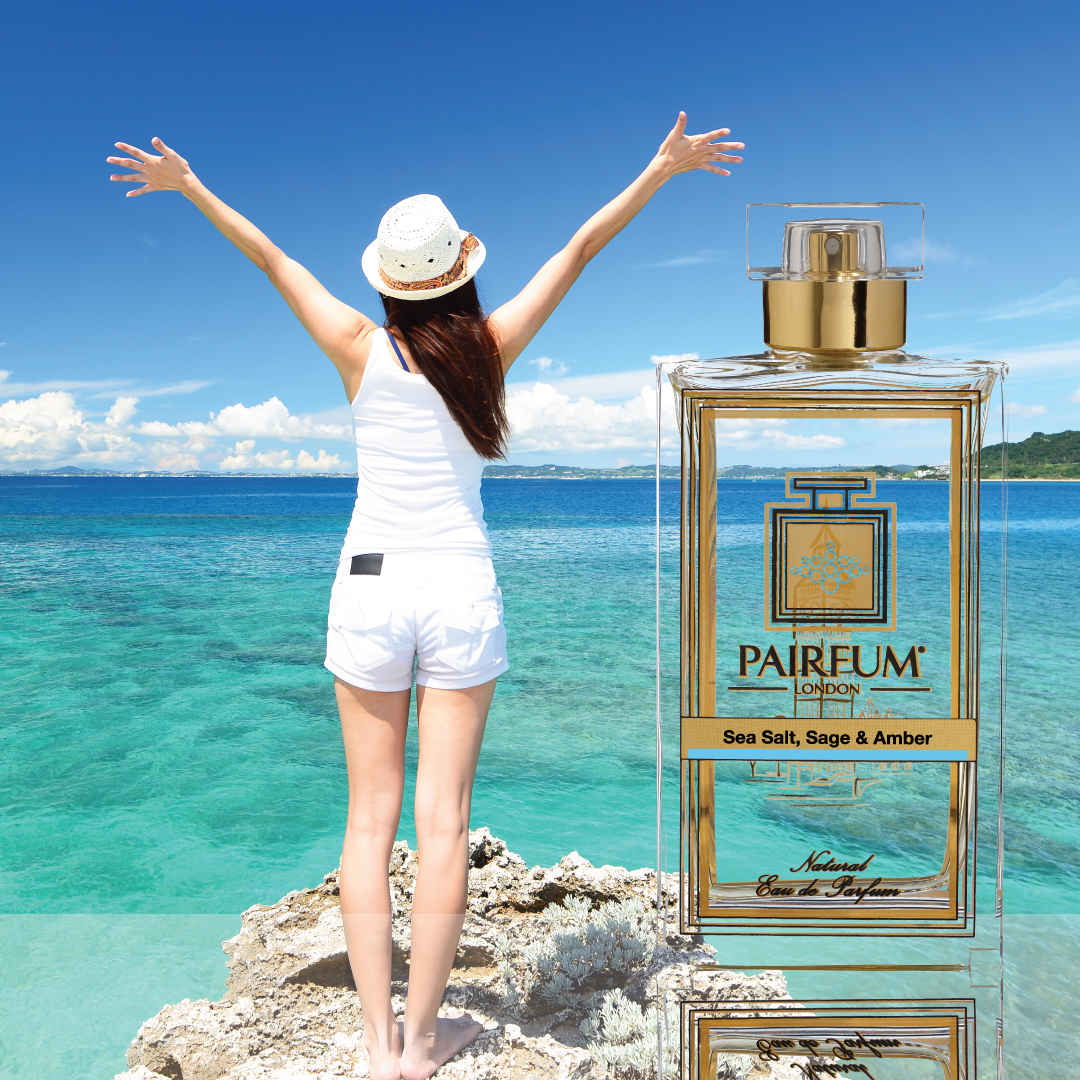
If you want to understand how a well-made natural fragrance actually behaves with your own skin chemistry, a sampler is a far more useful starting point than a department store strip. Pairfum London’s Sea Salt, Sage & Amber is a good fragrance to try, partly because it’s designed to evolve, and partly because it opens quite differently depending on who’s wearing it.
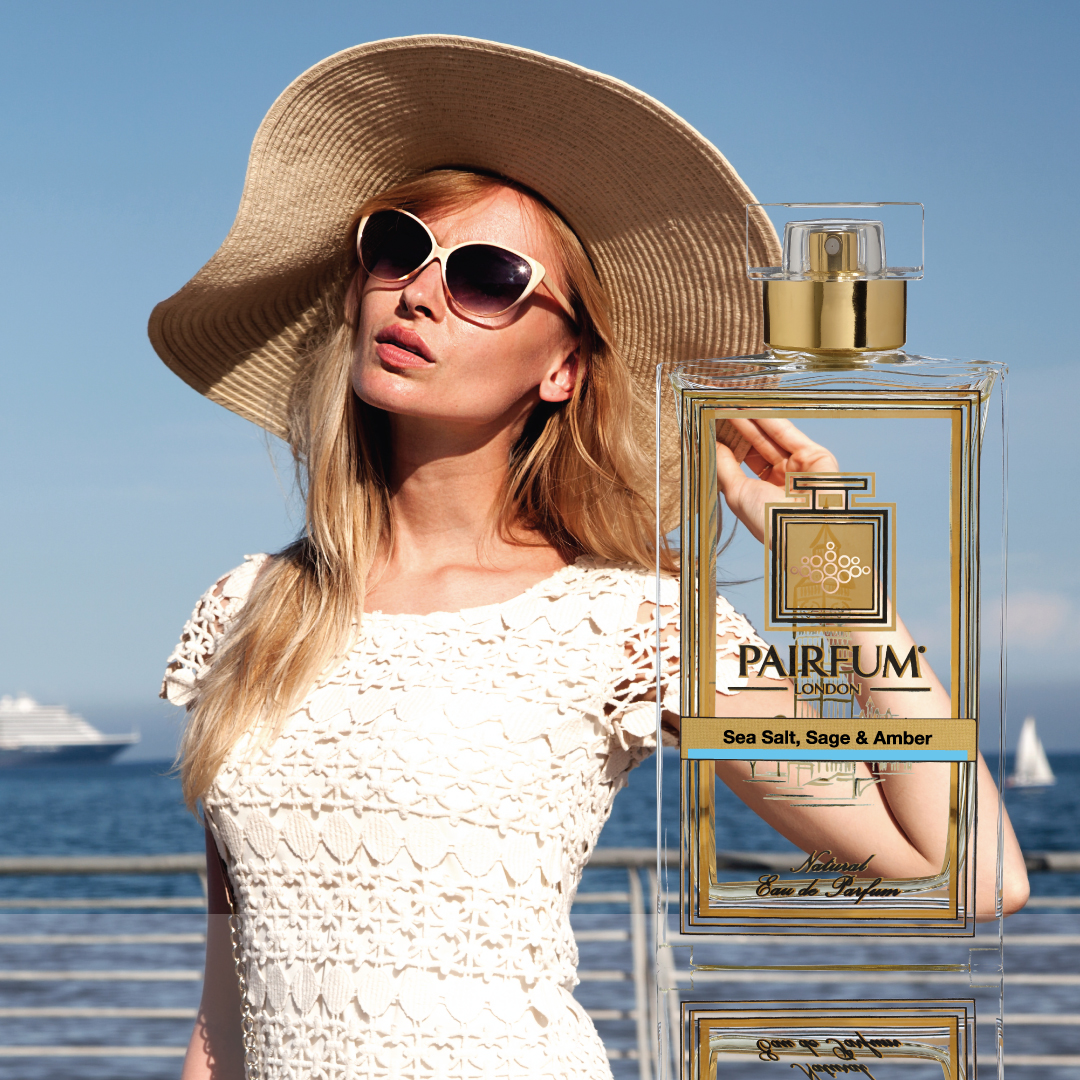
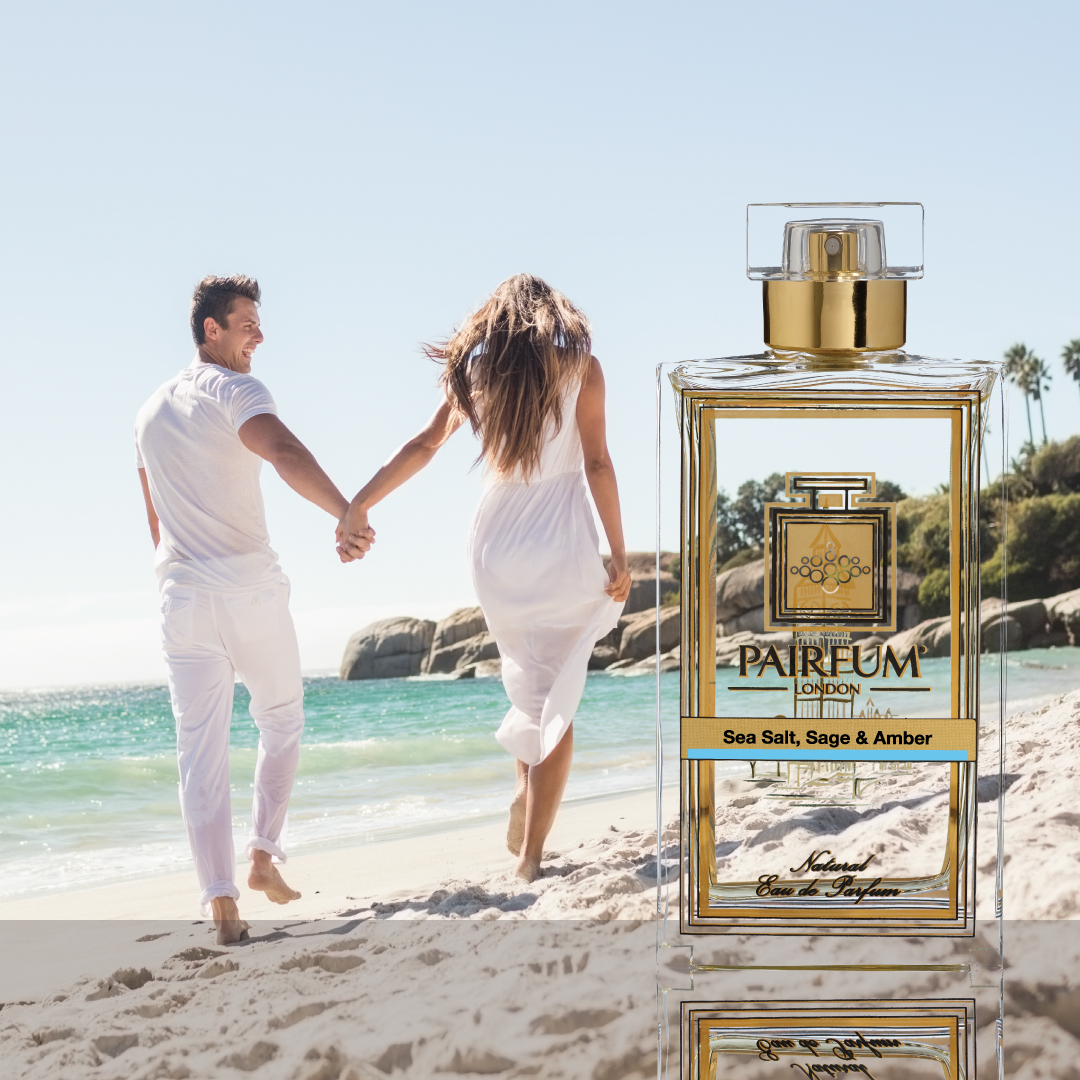
A unisex Eau de Parfum Intense. Top notes of Sage, Grapefruit, Bergamot, and Tangerine open with saline brightness; the heart, Sea Salt, Seaweed, Kelp, Sea Breeze, adds a cool, watery clarity; the base of Musk, Amber, and Cedarwood settles into something warmer and more grounded as the hours pass. On oily skin it tends to deepen and last. On dry skin, the citrus top notes project more sharply before the base arrives.
Handmade in the UK using natural essential oils. Vegan, cruelty-free, eco-friendly. The 100ml bottle includes free shipping to the UK, EU, US, and Canada, plus a free mini sampler so you can try it on your own skin before opening the full bottle. The cost of the sampler is deducted from any full-size purchase. A low-risk way to discover whether it becomes your signature scent.
Your Fragrance, Your Signature
The fact that your perfume smells different from everyone else’s is not a flaw. It’s the point.
Fragrance reacts to who you are: your skin type, your skin oils, your hormones, your diet, the season, the room. Two people can share a bottle for months and never smell the same. The one that smells perfect on a friend might smell entirely wrong on you, not because either of you chose badly, but because skin chemistry is personal.
Test on skin. Give it time. Notice how a familiar scent shifts over a day. A good fragrance moves with you, changes gently, and eventually stops feeling like something you applied and starts feeling like something you just smell like. That’s when you’ve found your signature scent.
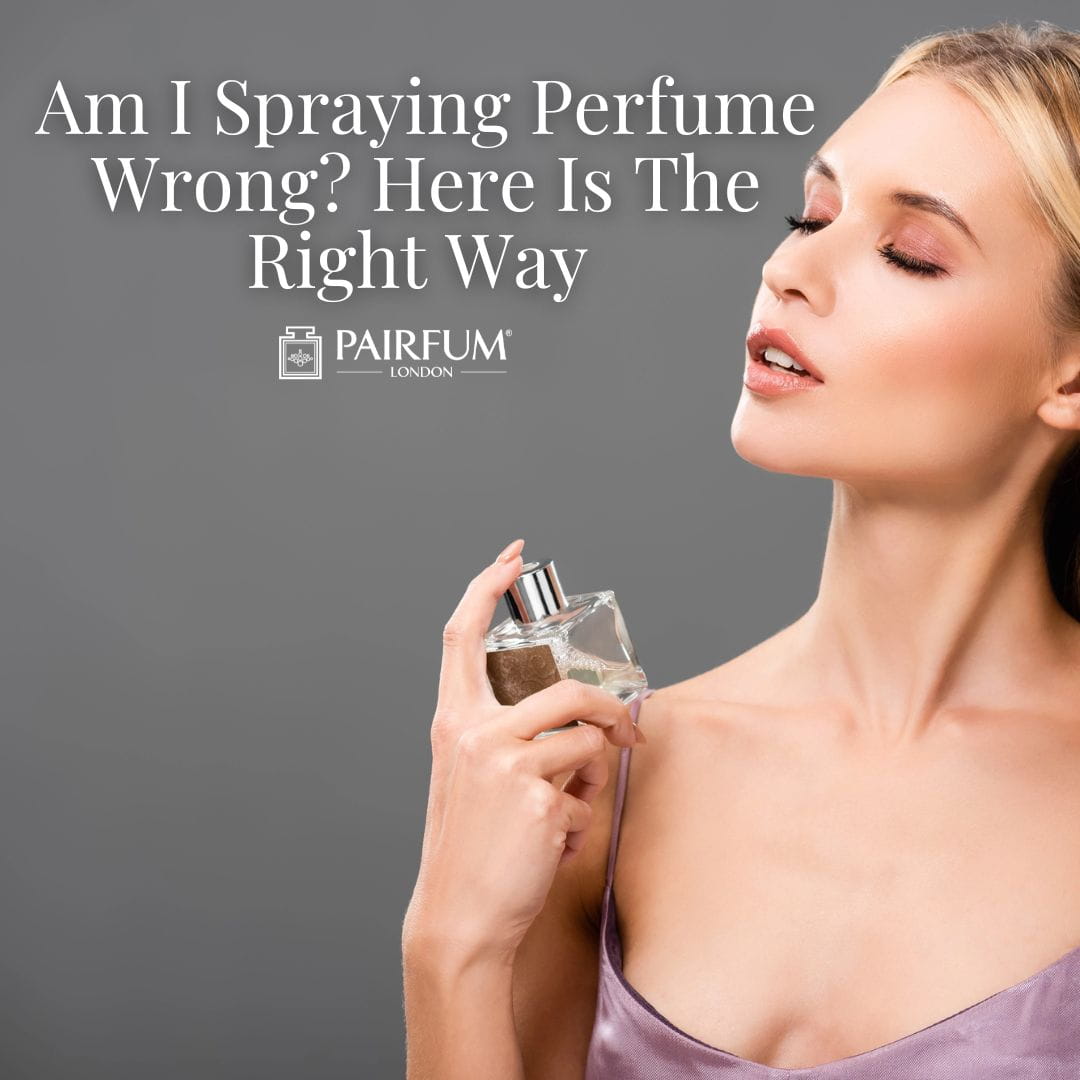
In Summary, you are likely spraying perfume wrong if you rub your wrists together, spray a cloud and walk through it or apply it to dry skin. To maximise longevity and projection, apply directly to moisturised pulse points from about 5-6 inches (12-15 cm) away, and let the fragrance dry naturally on your skin.
Most of us spray perfume the way we have always done it, without thinking twice. A quick spritz on the wrists or neck, and out the door. But what if you have been spraying perfume wrong all along?
As warmer summer mornings settle in across the UK, it is a good moment to fine-tune your routine. Tiny tweaks can lead to a noticeable difference in how your fragrance wears through the day. This guide will walk you through better ways to apply perfume so it smells the way it should, lasts longer, and feels more natural on your skin.
5 Perfume Mistakes You Might Be Making
Even the most dedicated fragrance lover can fall into a bad habit when getting ready. When you are spraying perfume wrong, it usually comes down to a few common perfume mistakes that disrupt how a scent develops. Let us break down the main errors so you can get the absolute best out of every single spray.
1. Are You Spraying Perfume Wrong by Spraying Too Much or Too Little?
When it comes to perfume, more is not always better. Applying too much can overwhelm those around you and cause the lighter notes to disappear. But using too little might mean the fragrance vanishes before your morning tea.
A heavy hand can drown out delicate notes. Instead of layering spray after spray, aim for key points where fragrance will develop slowly. Experts view fragrance as an architecture of air, meaning too many heavy layers collapse the structural balance. Aim for two to three targeted spritzes.
If you notice your perfume fades within an hour, it might be from under-spraying. Some concentration is needed to let it settle on the skin and be noticed.
In warm months, lighter perfumes or eau de parfum work well with fewer sprays. For cooler evenings or indoor settings, one or two extra spritzes might suit the space.
Finding the right balance takes a bit of observation. Pay attention to how your fragrance lingers on you throughout the day, then adjust the amount the next morning.
2. Choosing the Wrong Spots
Where you spray makes all the difference. The spot you choose matters more than you may think. The warmth of your body helps carry the fragrance and keep it going.
Pulse points are the best places to start. These include the neck, inside the elbows, wrists, and behind the knees. The thinnest skin sits over these blood vessels, producing natural heat that acts as a quiet diffuser to release the perfume over time. For a subtle, beautiful trail when walking, utilize the back of the knees or the lower collarbone.
Spraying perfume directly onto places like the hands or lower legs does not do much. These parts do not hold warmth the same way.
During summer, avoid spraying behind the neck if you are heading out into strong sun. Sunlight mixed with some perfume ingredients might irritate the skin. Stick with under-clothing areas or lightly on fabric away from direct contact with the chest.
The closer you spray to where the blood flows nearer the skin, the more even and lasting the effect.
3. Rubbing Your Wrists Together
The right way to spray involves letting the liquid settle naturally. Distance and timing play a quiet but important role in ensuring that you are not spraying perfume wrong.
Hold the perfume bottle about 15 to 20 centimetres away from your skin or fabric. This ensures an even, fine mist rather than a concentrated, dripping blotch.
After you spray, avoid rubbing your wrists together. This friction generates sudden heat that breaks down top notes prematurely, bruises the fragrance molecules, and changes the intended aroma.
The timing matters too. It is better to apply your fragrance immediately after taking a warm bath or shower. Your skin is completely clean, damp, and warm, which helps open pores and allows the liquid to cling firmly.
A slow approach works best. Think gentle layering, not rushing through it.
4. Avoid Spraying Perfume Wrong by Ignoring Your Skin Type and Prep
Your personal skin chemistry plays a massive role in how a fragrance smells. For instance, dry skin does not hold onto scent well because it lacks the natural oils needed to anchor the perfume oils. If your skin is parched, the alcohol in the formulation evaporates too quickly, taking the scent with it. Oily skin naturally retains scents longer because the sebum provides an excellent physical binder.
To fix dry skin issues, ensure you apply to moisturised skin. Using a rich, unscented lotion, petroleum jelly, or a light body oil right after a shower creates a hydrated base that locks in the fragrance strength. This simple trick transforms a fleeting mist into a long lasting scent. Furthermore, make sure your daily deodorant is unscented so it never clashes with your chosen profile.
5. Forgetting Fabric, Hair, and Accessories
Perfume does not only live on skin. There are a few clever ways to help it linger, without making it overwhelming.
Clothes can hold certain types of perfume well, such as natural fibres like cotton and wool. But be cautious when applying perfume to delicate fabrics, silk, satin, or synthetic fabrics, which may cause fabric damage, stain, or change colour.
A light mist over your hair or scarf can offer a softer impression of your perfume. Hair tends to hold fragrance without getting greasy, especially if sprayed from a distance. To protect hair from alcohol drying, try spraying your hairbrush first before running it through your locks. You can even use a lighter body mist here if you want a more subtle scent.
Some accessories, like hats or shawls, can be gently perfumed for a longer aura without needing to be re-applied throughout the day.
Just one or two of these tricks can make the difference between a fleeting aroma and one that follows you gently for hours.
Storing Your Perfume the Right Way
Where you keep your perfume affects how it smells and how long it stays true to itself. A gorgeous bottle deserves a proper home.
Heat and light are two of the biggest reasons why perfume spoils. Avoid sunny shelves, bathroom counters, or windowsills.
Summer heat can change the chemical structure of the fragrance, making it smell a little off. Keep your bottle in a cool drawer or cupboard away from steam and light.
Humidity, particularly in places like the bathroom, speeds up perfume breakdown. Storing it in a cool dry place like a bedroom drawer helps keep it stable. Keeping the bottle upright in its original box provides excellent protection against temperature shifts.
Even the most carefully chosen luxury perfume can disappoint if it has been stored improperly. Think cool, dark, and quiet, like how you would keep a favourite chocolate bar through July.
Understanding Your Scent Profile
The art of traditional perfumery teaches us that every favourite scent has a unique structure. When you try a different scent, whether it is a crisp cologne or a rich, heavier scent, you are interacting with a complex blend of top, heart, and base notes.
The immediate first impression comes from top notes, usually comprised of bright citrus, light fruits, or fresh herbs that evaporate within minutes. The true soul of the fragrance emerges as the top notes fade, showcasing florals, rich spices, or deeper fruits known as heart notes. Finally, the base notes form the heavy foundation of the blend. Ingredients like sandalwood, amber, vanilla, and patchouli possess high molecular weights, allowing them to cling to the skin for hours.
Lighter scents evaporate rapidly. A heavier scent clings to the skin for hours. Knowing the scent profile of your favourite fragrance helps you understand exactly how much to apply. A natural perfume with high concentrations of organic ingredients will evolve beautifully over a day, shifting as it reacts to your unique body heat. If you enjoy layering fragrances to build a custom signature scent, always apply the heavier formula with strong base notes first, followed by the lighter, fresher option on top.
Spraying The Correct Perfume with Pairfum London
Now that you have mastered the physical art of applying perfume, the focus shifts to finding a composition that justifies the effort. A perfect application technique goes to waste on a scent that fails to move you or falls flat on your skin. The logical next step is exploring how different scent profiles actually react with your personal skin chemistry over several hours. Testing a curated variety of miniature vials at home lets you observe the transition from top notes to base notes without committing to a full bottle right away. It is the only foolproof way to discover an authentic signature scent that feels entirely like your own.
Now that you have mastered the physical art of applying perfume, the focus shifts to finding a composition that justifies the effort. A perfect application technique goes to waste on a scent that fails to move you, which is exactly where the Pairfum London Fragrance Library comes in. This Perfume Experience Box features a curated collection of twelve miniature eau de parfum vials, spanning diverse scent profiles from light florals to rich, heavy woods. It provides the ideal, low-risk playground to test high-quality, natural formulations directly on your skin over several hours. By exploring this discovery set at home, you can watch the notes unfold in real-time, helping you track down an authentic signature scent that beautifully rewards your new spraying habits.
Perfume That Works as Hard as You Do
Learning how to stop spraying perfume incorrectly is not about making strict rules. It is about making the most of something you already love. With a few small changes (where you spray, how much, and when), you can enjoy your signature scent all day long.
The right application turns your perfume into part of your presence, not just a fleeting moment in the morning. When a beautiful eau de parfum blends perfectly with your skin chemistry, the smell becomes entirely your own, staying quietly close from the first light of morning to the return home at night. If you notice a lighter formulation fading by late afternoon, do not over apply in the morning. Simply carry a compact travel spray to refresh the top notes safely mid-day.
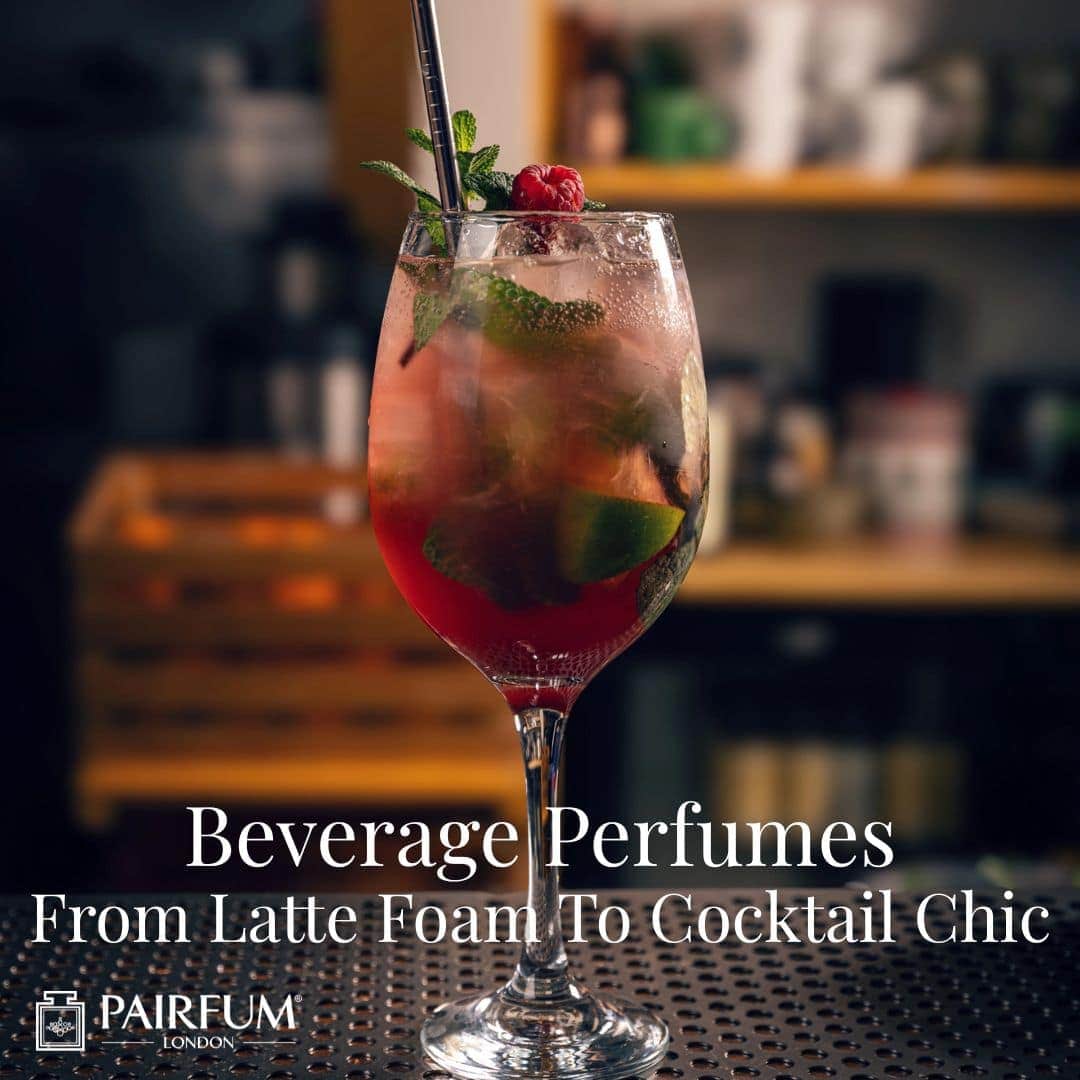
Beverage perfumes and scents typically split into two distinct categories: cocktail-inspired personal fragrances, which feature boozy notes such as cognac, whiskey, and gin, or edible, food-grade aromatic mists that mixologists use to alter the overall sensory experience of a drink. This growing market for unique sensory experiences features standout options, whether your goal is to wear the fragrance on your skin or spray it directly into your glass.
Beverage perfumes are quietly becoming a favourite for people who want something unexpected but deeply familiar. They take the warmth of morning coffee, the sparkle of a zesty cocktail, or the fresh lift of iced tea and turn it into something you can wear on your skin. It makes sense. Aromas tied to taste and memory tend to linger long after the last sip.
These types of fragrances feel right for the season, too. As we move from spring into the early touches of summer, there is comfort in a creamy latte essence or a sense of fresh energy in citrus-inspired blends. A fragrance can calm, cheer, or charm. One inspired by a drink invites a personal connection. We are wearing what we enjoy tasting, and that is part of the appeal of beverage perfumes. Honestly, I think it is a brilliant response to a world saturated with generic floral blends that all smell like the high street on a Saturday afternoon.
In this article, we are exploring how beverage perfumes blend the lines between flavour and fragrance, showing how our favourite drinks have inspired niche fragrance notes full of character and mood.
Why Drinks Work in Perfume
Perfume, like drinks, connects easily to memory. Many of us remember moments through smell, such as steamed milk in a café, the twist of lime in a chilled drink, or the soothing trace of mint tea. Beverages carry built-in nostalgia, giving perfume makers a rich source to draw from.
A lot of familiar fragrance notes already come from drinks:
Vanilla, cacao, and rum are common in desserts and fine fragrances.
Tea and coffee offer subtle bitterness and depth.
Citrus peels bring sharpness and clarity that feel welcoming.
These ingredients are not new in perfumery. When shaped by the experience of a beloved drink, they come to life in a fresh way. The balance between comfort and contrast makes them stand out. They often lead to aromas that feel full but never too heavy, playful without tipping into sweetness.
The Art and Chemistry of Drink Perfumery
To truly understand how a master artisan transforms a liquid beverage into a wearable scent, it helps to look at the raw materials. In traditional perfumery, creating a balanced product involves a special formulation where individual ingredients blend together to mimic a specific beverage profile.
Every liquid perfume you spray relies on a baseline mixture. If you look at the industry standards, there are 3 main ingredients that form the backbone of most commercial blends: a concentrated fragrance oil mixture, distilled water, and a high-proof alcohol carrier.
The alcohol used is typically a highly refined ethanol derived from natural sources like sugar cane or grains. This specific alcohol is denatured, meaning it is treated so it is completely unfit for human consumption, but it serves as the ultimate solvent for dissolving dense aromatic compounds. For those experimenting with creating different perfumes at home, sourcing a skin friendly dilutant is essential. Artisan perfumers rely heavily on professional-grade perfumers alcohol because this specialised alcohol flash-evaporates on the skin, leaving only the pure, beautiful fragrance behind.
In premium commercial formulations, this solvent base contains three primary components. First, denatured ethanol acts as the main carrier, quickly evaporating via skin temperature to disperse the aroma evenly. Second, Isopropyl myristate is included to improve absorption and skin feel. Third, monopropylene glycol or propylene glycol acts as a critical co-solvent. This allows the fragrance oils to remain completely solubilised in the alcohol carrier, regulating the evaporation rate so the scent does not flash off too quickly. This precise chemistry ensures that the blended solutions remain perfectly clear and entirely free from cloudiness.
The Creamy Comfort of Coffee and Tea
There is something gentle about milky drinks that translates beautifully into perfume. The padded warmth of a chai latte or matcha with oat milk becomes a soft trace on the skin, not too sweet, just clean and smooth.
Fragrances like these often include notes such as roasted coffee or black tea for depth, steamed milk or creamy foam for texture, and a hint of vanilla or cardamom for added cosiness.
These kinds of aromas work well for cool mornings, quiet afternoons, or any time you want something comforting but grown-up. They sit close to the skin, creating a subtle presence that feels both polished and personal. This is where creamy, milky perfumes really shine as they offer quiet luxury in an easily wearable package. The rich undertone of vanilla provides a gourmand sweetness that mimics a café experience without becoming cloying. I find that these dairy-mimicking notes can sometimes smell a bit sour if the base fixative is too heavy, but when a perfumer gets it right, it is pure comfort.
From Gin to Whiskey: Sophisticated Spirits in Fragrance
Some perfumes draw their influence from the bar, borrowing the dry crispness of gin or the smoky heat of whiskey to give fragrance a more spirited spin. These are not overly boozy or loud, but they carry a signature that feels a bit more bold and complex.
Gin-inspired perfumes often feature juniper berry for that piney, clean edge, lime or bitter orange for brightness, and light herbs like rosemary or basil for freshness.
On the warmer side, whiskey, rum, or cognac notes bring in richness with hints of wood, leather, or dried fruits. Famous fragrance houses like Kilian have mastered this genre, utilizing oak wood and deep amber to replicate fine spirits. These additions add weight and a velvety finish to evening perfumes without being overpowering.
For anyone looking for a fragrance with charisma and charm, these stylish takes on cocktail notes feel modern, a little daring, and well-balanced. The rich presence of aged spirits adds an intoxicating dimension to modern perfume making.
Fizzy Citrus and Sparkling Mocktail Notes
When the weather gets warmer, many of us reach for drinks that feel fresh, sharp, and light, and perfume is no different. Beverage perfumes with fizzy citrus or chilled tea qualities give off an uplifting, easy-going feel.
Common notes in these types of perfumes include pomelo, bergamot, and grapefruit for zing and clarity, cooling herbs like mint or basil, and gentle florals like jasmine, vetiver, or orange blossom for smooth, rounded edges.
These fragrances work well in spring and early summer when you want something casual but refined. A splash of fresh lemon or green tea brings brightness without tipping into sugary territory, which makes them refreshing for all-day wear. It is like the aroma version of your favourite lemon spritz, clean, happy, and just the right amount of sparkle.
To add a truly eccentric and dynamic twist to green beverages, perfumers sometimes introduce the essential oil of absinthe, known historically as the green fairy. Obtained via the hydrodistillation of its leaves and stems, this aromatic ingredient infuses a creation with airy, bitter, and slightly aniseed facets that instantly elevate a sparkling mocktail profile.
The Ultimate Wine and Fruit Accents in Beverage Perfumes
Beyond high-proof spirits and morning coffees, the world of wine has carved out a massive space in the beverage perfume movement. The complex, fermented bouquet of a fine wine offers perfumers a playground of aromatic notes.
Red wine accords bring heavy, ruby-red warmth to a perfume bottle, often built with dark berry notes, oak barrels, and a hint of spice. On the other hand, white wine inspired scents rely on crisp green apple, pear, and elderflower notes to convey a breezy, sun-drenched vineyard afternoon.
The secret to capturing the ultimate raw authenticity of a vintage lies in an ingredient called wine lees. This is the sediment composed of tartar and yeast that forms at the very bottom of vats during wine production. Through hydrodistillation, perfumers extract an essential oil from these green or white wine lees, revealing a rich, warm, and highly sensual fruity character.
Similarly, cognac essential oil is extracted directly from cognac wine lees. Historically originating in the Charentes region of France, where wine was twice distilled to preserve its quality during transit, true cognac must be aged in oak barrels for at least two years. When used in perfumery, this precious oil reveals multiple smooth facets, combining gourmand candied fruits with natural jasmine and deep vanilla undertones. When these wine elements are combined with traditional floral notes, the resulting aroma profiles adapt beautifully to individual skin chemistry, satisfying a wide variety of personal preferences. Even festive notes like champagne are replicated by combining ambrette, juniper, and specialised lactone molecules to mimic the crisp, sparkling sensation of bubbles. Personally, I find champagne notes in perfume can sometimes smell like spilled ginger ale if they lack a sharp yeast undertone, so look for bottles that emphasize the dry, bready side of the bubble.
Formulating and Blending at Home
For enthusiasts eager to capture their favourite drinks in a bottle, the process of blending individual elements is incredibly rewarding. The foundation of any DIY beverage scent is the selection of high-quality fragrance oils and pure essential oils. While a single essential oil like sweet orange or cold-pressed lemon can provide a vibrant top note, creating a complex beverage profile requires using expertly combined oils.
Here is how the distinct elements generally break down for home creators:
Fragrance Oils: Synthetic or natural-identical fragrance oils replicate complex cooked notes like roasted coffee beans, red wine, or steamed milk foam. Always ensure your chosen fragrance oil is entirely ethanol-soluble before mixing.
Essential Oils: Plant-derived essential oils bring life and brightness, particularly in citrus and herbal drink formulations.
The Medium: To turn your oils into a wearable product, you need a perfect perfume mixer, which is almost always a base of pure perfumers alcohol.
Depending on your final goal, you can alter the ratio of your ingredients. A high concentration of fragrance oil inside a base of perfumers alcohol will yield a long-lasting eau de parfum or a slightly lighter eau de toilette. If you prefer a casual, breezy option for hot summer days, dropping the concentration significantly will create a refreshing body mist or an old-school cologne splash.
To achieve standard industrial clarity, crafters follow a clear manufacturing protocol. After blending your combined oils into the perfumers alcohol base, you must stir the solution slowly and thoroughly until it clears. Let the formulation stand undisturbed in a cool, dark place for a minimum of 48 hours to complete the initial solvation process. For heavier notes like vanilla, wine, or oak, allowing the mixture to mature and marry for three to six weeks smooths out the harsh chemical edges, transforming any spiky top notes into a balanced bouquet. Finally, passing the liquid through a fine filter removes any minor sediment before final bottling.
The same aromatic blending principles apply across different home fragrance products. A heavy, rich espresso fragrance oil can be used inside a base of diffuser oil to build a comforting reed diffuser for your kitchen. By purchasing bulk reed diffuser supplies, you can easily turn your favorite beverage scent into room sprays or a custom reed diffuser to scent your entire home. Keep in mind that while perfumers alcohol offers an exceptional fragrance throw in a reed diffuser, it evaporates very quickly, so combining it with a slower base like monopropylene glycol or Augeo can help regulate diffusion.
How to Wear and Style Beverage Perfumes
A key part of wearing perfumes is knowing when and how to enjoy them. Because they are so varied, they make it easy to switch up your mood or express a different part of your personality.
Here are a few tips:
Soft milky or tea-based fragrances are great for daytime or cosy moments.
Cocktail-inspired or spirit-based bouquets add complexity for evenings or special events.
Citrus or mocktail notes are ideal for warmer weather and easy, everyday freshness.
Layering different perfumes can work well too, especially if you stay in the same category, such as creamy over creamy or citrus over citrus. This helps avoid clashing or ending up with an aroma that feels overly sweet.
Using high-quality natural or niche perfume helps keep beverage notes from feeling artificial. Drinks have depth, and a good perfume should match that, never syrupy, always smooth. Whether you choose a concentrated eau de parfum, a light cologne, or an everyday body mist, the key is to let the scent evolve naturally on your skin.
Discover Luxury Beverage Perfumes with Pairfum London
Experience the ultimate crossover between flavour and fine perfumery with our signature beverage perfumes. Whether you find solace in the decadent warmth of our Spiced Coffee & Oaked Vanilla or seek the bold, sophisticated charisma of Spiced Rum, Lime & Guaiac Wood, we have captured your favourite liquid memories in a bottle. Discover these luxurious blends today and find a drink-inspired fragrance that perfectly matches your taste.
This warm, Oriental Spicy Fragrance opens with top notes of Pink Pepper, Orange Blossom and Crisp Pear. The Heart of the Fragrance is a modern blend of rich & dark Coffee combined with the elegance of Jasmine. The elegant finale settles into a sophisticated base of Vanilla aged in Oak, Patchouli and Cedar.
This Connoisseur’s accord begins with the intense aroma of Rum, alongside nuances of Lime & Lemon and a radiant combination of Nutmeg & Pepper. The heart of the fragrance is deep and rich with Tuberose, Iris and Vintage Leather. A fond of Guaiac Wood, Cedarwood, Golden Amber, Vanilla Pod and Musk completes this luxurious fragrance.
A Fragrance That Feels Like Your Favourite Drink
What we drink often says something about our mood. A creamy cappuccino calms, a gin tonic brightens, and an iced tea cools you down. Beverage perfumes take that feeling and give you a new way to experience it.
By understanding the balance of pure ingredients, fine alcohol bases, and rich fragrance oils, we can appreciate the incredible artistry inside every single bottle. Next time you catch the scent of fresh citrus, rich vanilla, or warm wood notes, think of your favourite beverage and let the nostalgia carry you away.
Aromatic perfume has a way of making everything feel fresh and alive. It brings that clean, green energy you get after a light spring rain or when you walk past a herb garden in the sun. These fragrances are most often built on herbs like rosemary, lavender, thyme, or basil, giving them a crisp, brisk edge. Paired with florals or gentle woods, they keep a good balance and stay easy to wear. As the weather gets warmer, an aromatic perfume does more than add a nice aroma. It lifts your mood too.
Imagine North London on a chilly May morning. The ground was muddy, but the scent of bruised rosemary clinging to your jacket was absolute magic. That is the exact feeling a solid aromatic fragrance captures. When searching for a new signature scent, people often also look through customer reviews to see how a fragrance behaves on the skin, and aromatic fragrances consistently stand out for their genderless appeal and unique clarity.
Choosing the right concentration also matters when exploring this scent family. An eau de parfum will offer a richer, deeper experience that clings to the skin for hours, while a lighter eau de toilette provides a breezy, lifting burst of freshness that is perfect for a quick splash of confidence during a busy morning.
Herb Power: What Makes a Fragrance Aromatic?
An aromatic perfume stands out thanks to its heart of herbs. This core makes it different from traditional floral or citrus perfumes, offering a dry, sometimes peppery or earthy core. Aromatic perfumes are crisp but cosy at the same time, making them easy to wear on many occasions. Sage, thyme, rosemary, tarragon, basil, and lavender all show up in this style of fragrance.
What connects these herbs isn’t only how they smell, but the clean feel they bring. Sage adds warmth and a hint of wood. Basil is sharp and lively. Rosemary is brisk and cool. These herbs avoid being sweet, letting them pair with stronger or fruitier bases without taking over. Herbal notes add contrast and keep the overall aroma from getting sticky or flat.
They’re often found in natural perfumes, where real freshness matters. When the blend works, these herbs keep things feeling good all day long. The result is thoughtful, wearable, and perfect for late spring right through summer evenings.
To elevate the botanical profile, perfumers often weave in other green elements. A touch of crushed mint leaves can send a cooling shiver through the heart of a fragrance, while a twist of real lemon adds an immediate, sunny brightness. These fresh herbs act as a natural wake-up call for the senses, ensuring the blend remains bright and full of spirit.
The Historical Roots and Science of Aromatic Notes
The word aromatic carries deep meaning across different fields. In the culinary world, aromatics refer to the foundational combination of vegetables, herbs, and spices heated in oil or butter to build the primary depth of a dish. In a similar way, perfume makers use these ingredients to construct a robust, outdoorsy framework for a scent. This connection dates back to ancient Egypt, Greece, and Rome, where plants like thyme and lavender were burned as incense, infused into topical oils, and dissolved into medicinal tonics.
These historical remedies eventually laid the groundwork for the traditional fougère fragrance family, a French style named after ferns. Since ferns have no natural scent, perfumers invented an imaginary green forest aroma by blending a refreshing lavender heart with a sweet, hay like base of tonka bean and earthy oakmoss. Frankly, the entire concept is brilliant trickery.
The invigorating, almost medicinal bite of modern aromatic fragrances is driven by natural organic compounds known as terpenes. For instance, the terpene camphor, found in sage and rosemary, provides a crisp coolness that cuts through heavy compositions. Menthol, native to the mint family, delivers a tactile cooling sensation that brightens citrus notes. Eucalyptol, present in eucalyptus leaves, boosts the airy clarity of the blend. Together, these elements give aromatic scents a rustic, slightly dry quality that feels distinct from sweeter floral or heavier oriental groups.
Perfumers also look at subtle botanical variations to alter the mood of a fragrance. A perfect example is the choice between lavender and lavandin. While lavender offers a soft, sweet, and soothing floral scent, lavandin is a hybrid plant with a much higher camphor content. This makes lavandin sharper and more pungent, ideal for energetic, sporty compositions that require an immediate, forceful impact. Modern creators are even pushing boundaries by incorporating unexpected green notes like vegetal tomato leaf or earthy cannabis to introduce a raw, contemporary twist.
Lemongrass in Perfumes: Crisp Lemony Herb Spark
Lemongrass is a well-loved choice in natural fragrance for its sparkling, citrusy energy. It keeps things lively but never strays into the strong peel of lemon. Grown widely across Asia and Africa, lemongrass has long been used both in cooking and wellness. Its use in perfume is built around these same bright, crisp qualities.
To get lemongrass oil, steam distillation is used. This keeps the oil clean and locks in the lemony freshness without tipping it into something harsh or sour. The result feels light, green, and just a little playful.
In a perfume, lemongrass appears as a top or heart note, bringing life to fruity blends or lifting the mood of woody bases. It works well next to ginger, vetiver, or soft florals. On bright spring days, a perfume with lemongrass feels like a fresh breeze, laid-back and smooth. It delivers high quality and an undeniable sense of clean living, easily transitioning from a daytime eau de toilette to a sultry evening eau de parfum.
Pomelo in Fragrance: Bittersweet Citrus Burst
Pomelo is not always the first pick in citrus talks, yet it deserves attention. Larger and milder than grapefruit, still sharp but never sour, it balances the best of sweet and tart. In perfume, pomelo lends a full-bodied citrus aroma. It sits between sweet and bitter, never overpowering, and works especially well on the skin.
Oil is cold-pressed from pomelo’s thick rind. This gentle method saves the bright sparkle at the core of the fruit. In most perfumes, pomelo turns up as a top note, perfect for hot-weather blends. When layered with green herbs and clean musks, pomelo feels more than just citrus. It adds character early on and then mellows out.
A perfume built on aromatic notes can use pomelo to break up sharper green tones, or bring light to the start of the aroma. Pomelo’s style fits those who like complexity and layering in their perfume, not just a single aroma that fades quickly.
Heliotrope in Perfumery: Almond-Powder Softness
Heliotrope is a flower that never shouts, but always lingers sweetly in memory. The aroma is mild, powdery, slightly sweet, and can remind you of almonds or soft vanilla. Heliotrope is known for rounding off rough edges and calming sharper aromas. It often sits at the heart, helping bring together green herbs, quiet florals, or warm base notes.
Native to South America, heliotrope thrives in warm climates, but its oil is tricky to collect. Most of its use in perfume comes from headspace technology or well-crafted synthetics, as the flower doesn’t give much oil naturally.
In an aromatic perfume, heliotrope is comfort. It keeps herbal notes fresh and green, while letting the finish remain smooth. You’ll often see it matched with lavender or gentle spices, where it softens the overall impression but never hides the fresh feeling. When blended with rich vanilla and a whisper of warm amber, heliotrope bridges the gap between the garden and the gourmand, transforming a simple aromatic scent into a sophisticated, multi-layered experience.
Toffee in Fragrance: Buttery Caramel Indulgence
Toffee is an unlikely player in many aromatic perfumes, which makes it exciting. Warm, creamy, and a little sweet, toffee brings depth and contrast. The aroma is built with gourmand profiles in a studio, then paired with the right mix of notes for the ideal balance.
Toffee stands out for its comfort factor—rich and inviting. In cooler months, it wraps around you, and in spring or summer, it adds just a touch of smoothness to keep fresher blends from feeling too raw or sharp.
Within aromatic perfumes, toffee is like a spoonful of sugar in herbal tea. It rounds things out and keeps intensity from building up. When combined with woods, tonka, or lush fruits, it leaves a gentle finish that can linger on the skin. Never overpowering, always gentle.
The Art of Balance: Constructing Aromatic Fragrances
Creating great aromatic fragrances requires a deep understanding of how raw botanical materials interact over time. Master perfumers rely heavily on pure essential oils to establish a strong, natural foundation. These potent plant extracts ensure that the lavender, sage, and basil smell exactly as they do in the wild, providing an authentic connection to nature that synthetic alternatives struggle to replicate.
To build a captivating, full-bodied aromatic fragrance, the sharp herbs must be anchored by a dependable base. This is where a rich, woody accord becomes indispensable. Notes like cedarwood, vetiver, and smoky amber provide a solid foundation that prevents the volatile top notes from evaporating too quickly. When these earthier tones are layered with delicate white flowers, such as traditional jasmine or the exotic, creamy sweetness of ylang ylang, the composition gains an enchanting depth. This floral contrast prevents the herbs from feeling too masculine or medicinal, creating a beautifully balanced unisex appeal.
The final layer of sophistication often comes from a subtle inclusion of musk. A clean, velvety musk acts as a fixative, binding the fresh herbs, the bright pomelo, and the deep woods together. This ensures the fragrance leaves a genuinely lasting impression as it evolves throughout the day, shifting smoothly from a bright herbal burst to a warm, comforting skin scent.
Gifting and Incorporating Scent into Your Lifestyle
Because aromatic fragrances are so versatile and easy to wear, they make incredible presents. When exploring fragrance gift sets for a special woman in your life, moving away from overly sweet florals toward a crisp, herb-driven eau de parfum can be a revelation. These clean, refreshing blends are highly adaptable, making them a safe yet sophisticated choice for anyone who appreciates the scent of the great outdoors.
The beauty of this fragrance family is that it does not have to stop at your pulse points. The modern beauty world has embraced these clean, botanical profiles across various self-care routines. It is now common to find high-end hair spray, protective hair masks, and matching hair accessories infused with subtle hints of lavender, mint, and basil. This allows you to mist your locks for a gentle release of fragrance with every move you make.
Even everyday makeup items, like a high-shine lip gloss, are occasionally scented with a hint of vanilla or refreshing mint to complement your overall style. For a more concentrated, intimate experience, applying a dab of a rich perfume oil directly to the skin allows the herbs and spices to warm up slowly, radiating a gentle, private cloud of aroma that stays with you from dawn until dusk.
From Clinique Aromatics to Modern Blends
To truly understand the power of this scent family, one must look at the classics that defined the category. For decades, the benchmark for bold, earthy aromatics has been Clinique Aromatics Elixir. Launched as a striking eau de parfum, this legendary creation showed the world how powerful unyielding herbs and mosses could be. It remains a masterpiece of composition, revered by those who love high quality, uncompromising perfumery.
The magic of the original Clinique Aromatics formulation lies in its complex structure. It is an intense aromatics elixir that refuses to follow regular trends. The fragrance opens with a sharp burst of green, underpinned by an earthy, rich base of patchouli and smoky incense. This deep, resinous foundation is balanced by the sharp elegance of geranium, a floral note that mimics the crispness of rose but with a distinctly green, minty edge.
For a lighter, more modern way to wear these notes, many enthusiasts look for an eau de toilette version or even a gentle body mist.
Examples of Iconic Aromatic Fragrances
Aromatics Elixir by Clinique: A bold, dry classic featuring intense patchouli, oakmoss, sage, and crisp geranium.
Fougère Royale by Houbigant: The historic 1882 pioneer that created the forest-like blend of lavender, herbs, and oakmoss.
Green Irish Tweed by Creed: A crisp, countryside fragrance mixing sharp lemon and green violet leaves with a smooth ambergris base.
A wonderfully fresh, sophisticated fragrance where Sage & Grapefruit are enriched by hints of fresh Bergamot and Tangerine top notes. The invigorating heart is enlivened with nuances of Seaweed, a fresh Sea breeze, Sea Salt and Kelp, all of which becomes smooth with a soft base of Musk, Amber and Cedarwood.
A surprising fusion of spices and freshness, it opens with notes of Bergamot, Grapefruit and a hint of Lavender, combined with spice notes of Ginger, Elemi, Nutmeg & Cinnamon. The heart is enlivened by Geranium, Rose, Freesia, Gardenia, Jasmine and Orange Blossom, along with fruity hints of Coconut and Raspberry. A rich base of Vetiver, Guaiacwood, Cedar, Amber, Cashmere Musks, Vanilla & Moss supports this note.
An Aromatic Conclusion:
An aromatic perfume is about balance, fresh herbs, juicy fruits, and gentle sweetness. The best blends line up herbs like basil or rosemary, a bright pop of pomelo or lemongrass, then smooth it all over with soft heliotrope or a rich touch of toffee. You don’t have to choose a single style—a good aromatic blend lets you have it all.
Floral perfume captures the true essence of blooming botanicals, which range from crisp, fresh green florals to rich, powdery bouquets and sweet fruity-florals. These completely timeless scents are usually classified by their dominant notes (such as rose, jasmine, gardenia, or iris) and remain widely available in a variety of different concentrations.
Floral perfume has been with us for centuries. It is one of the oldest kinds of fragrance and still one of the most loved. From the gentle aroma of petals brushing your skin to full, blooming bouquets that fill a room, floral perfume can be as soft or bold as you want it to be. Some are light and green, while others feel deep and creamy. That range is what keeps florals feeling fresh year after year.
With spring settling in, it feels like the best time to enjoy what makes floral perfume so well-loved. Flowers are blooming outside, and that touch of colour and renewal finds its way into perfumes. Florals just seem to fit, perfect for walks in sunshine or evenings that call for something a bit more dressed up. Each fragrance is like a new way to enjoy the season, helping you discover a new favourite scent or a defining signature scent.
The Long History of Flowers in Fragrance
People have used flowers in fragrance since ancient times. In early civilisations such as Egypt and India, petals were crushed or soaked in oils to carry their aroma. Later, during Roman and Greek eras, floral oils became personal perfumes and even played a role in different rituals.
The Victorian age made perfume something to carry with you, tucked inside small bottles. Flowers like violet, rose, and jasmine became favourites for their sweet, powdery, or dewy notes. Perfume then was about mood as much as aroma. Certain floral choices even reflected status or modesty.
By the twentieth century, florals turned bold. Every master perfumer started mixing blossoms and adding base notes like musk or amber. New processes let them control how floral notes appear in each fragrance, whether romantic, soft, daring, or unusual. Some flowers became classics, each with its own voice in perfume. Lavender is often calming, rose speaks to love, and jasmine feels warm and welcoming. Over time, these formulas evolved into the elegant eau de parfum concentrations we enjoy today.
Petal-Light Notes: Soft and Gentle Floral Blends
Some floral perfumes are made for days you want something soft and barely-there. These lighter styles are perfect for work, a sunny afternoon, or simply when you want a clean touch that won’t overpower. Blends built around lily, orange blossom, or violet tend to settle close to the skin, never too forward. They feel gentle, pure, and almost like a memory of flowers instead of a full bouquet.
Perfumers often mix these gentle notes with something refreshing. A touch of citrus, green leaf, or white tea can lift the perfume and keep it airy. These touches help the aroma develop without becoming heavy, creating a fresh floral scent that lasts.
Some light floral perfumes seem to melt into the skin. Others leave only a faint trail in the air. These styles are best for spring and early summer when you want beauty that feels easygoing. It’s a quiet confidence, a scent that stands out in its simplicity, making it ideal for everyday wear.
Bold and Lush: The Power-Bloom Florals
Other florals do not hold back. Think tuberose, full and creamy, or ylang-ylang with its exotic, rich twist. Gardenia is another, waxy and bold, almost making you think of a real flower in bloom. These are perfumes that ask to be noticed.
Power-bloom florals work nicely for evening or whenever you want to feel confident. They linger for hours and have a way of shaping moods as soon as you put them on.
It is not just the flowers that add dimension. Lush florals are often paired with musk, patchouli, or spicy undertones. This anchors the bouquet, adding depth and complexity. Some perfumes in this group feel timeless, others completely modern. What links them is boldness, they unfold and leave a memory, even after you’ve left the room.
Natural vs Synthetic: How Floral Perfumes Are Created
Crafting floral perfumes can be a challenge. Some flowers, like rose or lavender, easily give up their oils. These can go straight into perfume. Yet other flowers refuse to offer any oil. An example is lily of the valley, which cannot be naturally extracted. Its floral perfume is recreated with aroma molecules.
These aroma molecules are made to smell like the real flower. Sometimes they are soft and true, other times tweaked for a specific style. Synthetics are sometimes kinder to skin or used to save rare plants from being picked too often.
Blending natural oils with synthetic touches gives a fuller range of options. It is not a question of one being better. This approach lets perfumers create reliable and more inventive bouquets, often stronger and sometimes gentler than nature alone can offer.
Types of Floral Perfume for Every Personality
With floral perfume, there is something for every preference. Some like single-flower perfumes, clean and simple. Neroli is a favourite for orange blossom lovers. A blend with water lily might feel perfect for those who prefer a fresh approach. These simple bouquets work anywhere, easygoing and clear.
Others want warmth and depth. Adding amber, woods, or leather gives florals more shape. These work for cooler nights or if you want a winter perfume that stays with you. Even florals that are tied to a certain season, like mimosa in winter or peony in spring, change their feel depending on their supporting notes.
Florals also work as part of creative blends. Take fruity floral perfumes, which bring flowers together with fruits such as pears, peaches, raspberries, or pomegranate. This structure uses the juicy, crisp quality of fruit to introduce a sparkling brightness before the deeper floral elements fully reveal themselves on the skin.
You also find stunning floral oriental perfumes that use a hint of spice, herbs, or warm base elements. This sub-family blends the natural sweetness of blossoms with rich resins, incense, and amber accords to establish significant sillage and excellent longevity.
Finally, look at powdery florals, a style that brings a soft, classic texture reminiscent of vintage makeup formulations, using specific aromatic roots and petals to create a comforting, velvet-like finish. Floral does not have to be old-fashioned. It is one of the most adaptable types of perfume, allowing you to go from soft to bold, or airy to dramatic, and always feel natural.
Understanding the Floral Families
To find the best floral perfume for your collection, it helps to understand how different flowers behave in an eau de parfum. The character of the fragrance depends heavily on the specific types of blossom used.
The White Floral Family
White floral scents are known for being rich, opulent, and incredibly captivating. This category relies heavily on jasmine, orange blossom, and tuberose. These notes add an intense, creamy depth to an eau de parfum that can feel incredibly glamorous.
The Classic Rose
No discussion of floral fragrances is complete without the rose. A modern rose perfume is rarely just simple or old-fashioned. By combining rose with sharp berries, green leaves, or smooth vanilla, modern creators ensure this legendary flower stays at the top of the best selling lists globally.
Delicate and Powdery Blooms
Flowers like iris and peony offer a completely different experience. They provide a softer texture that feels clean and comforting. Iris adds a distinct, sophisticated touch that feels almost like fine linen, while peony brings a crisp, watery brightness to a composition.
Technical Innovation and the Perfume Pyramid
Top-tier perfume evaluation highlights that a successful floral fragrance relies heavily on structural balance, often explained through the perfume pyramid. This framework consists of the top note, middle note, and base note. The top notes offer an initial greeting, often called the flight or the smile of the fragrance, which frequently incorporates zesty citrus elements. The middle notes form the true heart where the main floral bouquet resides, while the base notes provide the structural anchor.
The evolution of analytical chemistry completely transformed this structure. In the past, early fragrances were limited to straightforward extractions. The discovery of isolated aromatic compounds in the late nineteenth century changed everything. For example, the synthesis of alpha-ionone and beta-ionone allowed perfumers to accurately replicate the delicate scent of violet petals.
Similarly, the introduction of methyl dihydrojasmonate, widely known as hedione, in 1962 altered modern blending. Hedione behaves like a clear floral glue, providing a radiant, airy quality that enhances the lift and diffusion of other blossoms without making the composition heavy. Niche perfumery continues to push these boundaries by combining these advanced synthetic molecules with rich, complex botanical extractions like narcissus and ylang-ylang to achieve unparalleled performance.
Extending Your Scent Beyond Skin
A beautiful floral fragrance does not have to be limited to a traditional eau de parfum sprayed on your wrist. Many people love to mist a delicate version through their hair to create a subtle scent trail with every movement.
Furthermore, the comfort of a beautiful blossom can transform your living space. Investing in a high-quality home fragrance, such as a floral reed diffuser or candle, brings the fresh atmosphere of a spring garden indoors. These options make wonderful additions to beauty gift sets for those who want their entire environment to smell spectacular.
Let the Flowers Speak: Why Floral Perfumes Always Bloom
Floral perfume has a lasting hold because it feels personal. Each flower can mean something different for every person. Rose might stand for romance, or for family traditions. Jasmine might seem bright and lively to one, but calm and grounding to another. Jasmine perfumes have a unique way of adapting to the wearer. This personal connection helps floral perfumes stay beloved year after year, they change with us, and never quite go out of style.
Floral perfumes capture the feeling of nature and new seasons
They can be light for daytime or bold for special nights out
Personal memories and emotions are often tied to certain flowers
Blends can range from classic to wild, but always keep nature at their heart
Iconic Floral Fragrances Through the Years
To truly understand the world of floral fragrances, it helps to look at the famous creations that have shaped the industry. Over the years, major fashion houses and niche creators have used the humble flower to craft masterpieces.
For instance, the bright and youthful charm of Marc Jacobs Daisy has introduced millions to the joy of a vibrant floral scent. In contrast, the classic romance of Miss Dior showcases how traditional rose and jasmine can remain relevant across generations.
The niche perfume world has also embraced the trend, with houses like Parfums de Marly and BDK Parfums creating complex, layered masterpieces that display floral elements in a striking new light. Even the world of lighter colognes has been redefined by brands like Jo Malone London, proving that a high-quality floral fragrance can be both minimalist and deeply memorable.
A vibrant, floral fragrance and scent where the top notes of Sparkling Lemon and Lime are enhanced by the fruity nuances of Peach. The feminine, floral heart is a radiant blend of Pink Rose, Magnolia and Frangipani, while the dark seductive base of Sensuous Musk, Amber and Precious Woods brings this entire fragrance to life.
Conclusion
Springtime and summer time only makes florals feel more at home. When blossoms fill the air, those same happy, bright feelings pour from a perfume bottle. It is not just about aroma, but the reminder that things can start again, feel brighter, and become unique with every spray. Floral perfume is for anyone who wants to carry a little piece of that feeling, no matter the season.
Whether you prefer citrus perfumes with a touch of blossom, a rich blend loaded with warm vanilla, or a dramatic, multi-layered eau de parfum, there is an option waiting to be discovered. Let the flowers speak to your senses, and find the perfect blend that matches your unique style.
Get a Full Refund when you later buy a full-sized bottle. Special Offer: Free Gift-Wrap (luxury bag & tissue paper) with every Perfume Experience Box.
We value and respect your personal data and privacy. By submitting this form, you agree that we may process your information in accordance with our Privacy Policy.
×
Risk Free Trial
We understand that shopping online for perfume is different, which is why we offer our 100% Happiness Guarantee:
Free Tester: We will include a mini sampler with your Eau de Parfum so you can try the perfume before you open the pack.
Free Returns: Should you not love your perfume, then we will collect it free of charge from your home (unopened product). No quibbles from us.
We are honoured & proud that Pairfum London is available for you to enjoy at CRYSTALLINE in Abu Dhabi.
CRYSTALLINE Unit 13235, Level 3 The Galleria Al Maryah Island, Abu Dhabi Tel: +971 2 6228 824
eMail: at***@**********et.ae / ar****@*****um.com
×
Try Natural Niche Perfume
Special Offer: Get a Full Refund when you later buy a full-sized bottle.
We value and respect your personal data and privacy. By submitting this form, you agree that we may process your information in accordance with our Privacy Policy.
×
CRYSTALLINE in the UAE
We are honoured & proud that Pairfum London is available for you to enjoy at CRYSTALLINE in Dubai & Abu Dhabi.
CRYSTALLINE LG-110- LOWER GROUND THE DUBAI MALL, DUBAI, UAE Tel +971 4 3398 897