Home / magnolia
Clean Home Fragrance

Summer Home Sanctuary: Clean Home Fragrance Rituals for Every Room

Transform Your Summer Home Into a Scented Sanctuary

When we talk about clean home fragrance, we mean clean scents that feel gentle, breathable and thoughtful. Not heavy sprays that mask odours, but well-crafted fragrance choices that sit softly in the air and support a sense of calm and wellbeing.

A summer home feels different. The light is brighter, the air is warmer, and we naturally want rooms to feel fresh, calm and a little bit special. One simple way to do that is with scent. It is the quiet design detail that ties everything together and makes a space feel cared for.

Many traditional products rely on synthetic fragrance blends loaded with harsh chemicals, phthalates and artificial fixatives. Over time, these chemicals can pollute your indoor air quality. Choosing home fragrance made with natural ingredients or pure essential oil blends ensures you bring zero harmful chemicals into your living space.

Before introducing new aromas, it helps to clear stale air naturally. Opening windows to encourage a subtle breeze, wiping down surfaces with simple non-toxic solutions, and letting fresh air circulate creates a pure canvas for your home fragrance. Let us walk through your home, room by room, and create simple summer rituals that feel luxurious, natural and easy to live with.

The Summer Mood of Your Home Starts at the Door

Your hallway is the first breath of your home. On warm days, you want that first breath to feel cool, light and inviting, not stuffy or sharp. A musty smell often lingers near doorways during humid spells, making a welcoming home smell essential.

Fresh, uplifting notes work beautifully here:

  • Citrus, like lemon, bergamot or grapefruit
  • Green leaves and stems
  • Aromatic herbs, such as basil, mint or rosemary
  • Soft florals to round everything out

Keep the styling simple. In summer, clutter feels heavier, so a few well-chosen touches go a long way:

  • A minimalist reed diffuser on a console or shelf to emit a steady aroma
  • A neat tray with a room spray bottle and a bowl for keys
  • A petite scented candle that you light only when guests arrive

Clean home fragrance is as much about how it behaves as how it smells. Look for low-soot candles and carefully balanced essential oils that do not feel thick in the heat. A gentle, crisp scent at the door sets the tone for a calm home and gives everyone a tiny moment to exhale when they step inside.

Pairfum Lifestyle Natural Perfume Livingroom Large Reed Diffuser 1 1

Cooling Calm in the Living Room and Lounge

The living room often has to do it all in summer, from quiet solo evenings to lively drinks with friends. The fragrance here should feel like a soft breeze through an open window, not a thick cloud of aroma.

Airy notes work especially well:

  • Sheer florals, like gardenia, peony or jasmine in a light style
  • Soft woods, such as sandalwood or blond woods
  • Marine or ozonic notes that recall sea air, crisp linen and fresh air
  • Gentle musks that feel clean, not powder-heavy

Try a simple daily ritual:

  • Morning: a light mist of fabric spray over upholstery and curtains to lift stale air. You can easily create a simple mist using a spray bottle filled with distilled water and a few drops of eucalyptus essential oil.
  • Daytime: set up a stylish diffuser or a reed diffuser on a high shelf where air moves naturally. Position a couple of indoor plants, like potted gardenia or potted jasmine, near bright spots to release a gentle aroma as their leaves warm in the sun.
  • Evening: light softly scented candles for a relaxed glow as the sun goes down.

In shared spaces, clean home fragrance is also about restraint. A few tips:

  • Choose one main fragrance family for the room, such as floral or citrus notes
  • Avoid burning many different candles at the same time
  • Leave little quiet moments with no extra scent if the room gets very warm due to summer heat

High-quality, cruelty-free formulas feel far more comfortable on hot days because they do not overwhelm your rooms. Your living room should feel easy to breathe in, even with every window closed against a warm night.

Bright, Reviving Fragrance Rituals for the Kitchen and Dining

Kitchens work hard, especially in summer. Even with lighter meals, lingering odours from cooking can hang around. The aim here is not to cover them up, but to help the air feel balanced and clean again.

First, tackle stubborn smells at the source using simple pantry methods:

  • Leave a bowl of baking soda, dry coffee grounds, or activated charcoal near the bin to absorb moisture and prevent any bad home smell.
  • Mix one part white vinegar with two parts water in a bottle to wipe down counters, neutralising stubborn food smells naturally.
  • Mop hard floors with an eco-friendly floor cleaner infused with lemon or eucalyptus essential oils.

Choose scents that sit naturally beside food:

  • Zesty citrus, like lemon, lime or orange
  • Aromatic herbs, such as thyme, basil or sage
  • Light spices, think ginger or soft pepper
  • Green tea or light floral blends

A simple ritual can keep things feeling pleasant:

  • Before guests arrive: a quick mist of clean home fragrance spray away from food surfaces to ensure a pleasant scent.
  • During cooking: keep fragrance minimal so it does not clash with what is on the hob, or gently simmer sliced lemon, spices, and fresh herbs in water to let natural steam refresh the air.
  • After cooking: light a kitchen-friendly candle, melt a soy wax melt, or rely on an essential oil diffuser to gently smooth out lingering kitchen smells.

In this part of the home, the quality of ingredients really matters. Clean-burning waxes, well-made wicks and subtle essential oils help prevent that heavy, artificial feel that can cling to curtains or table linens. The goal is a kitchen that smells bright and appetising, not overly perfumed.

Summer Clean Home Fragrance

Restful Bedrooms and Spa-Like Bathrooms for Warm Nights

Sleep can feel tricky in hot weather. Using scent and aromatherapy is a gentle way to tell your body and mind that it is time to slow down so you feel calm, even when the sky is still light.

For bedrooms, think soft, soothing natural ingredients and classic calming notes:

  • Powdery florals, like iris or rose in a delicate style
  • Lavender, chamomile or other calming botanicals
  • Warm vanilla or light musks that feel cocooning but not heavy

A simple evening ritual might look like this:

  • A light linen spray containing lavender essential oil on sheets a few minutes before bed
  • A small, softly fragranced candle while you unwind with a book, always blown out before sleep
  • A matching pillow mist or body product so your skin and space share the same gentle scent story

Bathrooms are perfect for a little spa mood:

  • Eucalyptus for a crisp, steam-room feel. You can even tie a bundle of fresh eucalyptus stems behind your shower head so the warm steam releases natural oils.
  • Neroli or orange blossom for a sunny, elegant lift
  • Citrus and soft woods to keep the space feeling crisp and clean

Because bathrooms can be humid, a compact reed diffuser or room spray is often more practical than large candles. Personal preference dictates how strong it should be, so simply adjust the number of reed sticks to suit your space.

Outdoor Terraces and Balconies as Evening Retreats

When the sun finally drops, taking your evening drink outside onto a small terrace or balcony is one of summer’s great pleasures. On warm evenings, fragrance outdoors should feel like a gentle veil, not a cloud.

Good scent choices for outside are:

  • Citrus notes that feel lively but not sugary
  • Herbal touches such as lemongrass, eucalyptus, or rosemary
  • Refined woods that bring a sense of calm

Some citrus and herbal herbs and oils are also chosen by those who want the space to feel comfortable when insects are about.

Keep it simple:

  • Light one or two candles at dusk and space them out so the fragrance can breathe
  • Pair with soft throws, linen cushions and natural textures to make the space feel tactile
  • Let the subtle home fragrance help you shift from busy daytime energy to a slower evening pace

Outdoors, light scent choices are best. Sweet, heavy vanilla or dense amber scents draw bugs and feel cloying in warm air. Stick to sharp herbs, bright citrus, and clean woods that blend seamlessly into fresh air.

Living Room Large Bell Reed Diffuser Luxury Scented Candles

Curate Your Summer Scent Ritual with Pairfum London

When you move through your home, each room can tell a gentle story through scent. From bright, citrus notes at the front door to airy florals in the living room, from crisp kitchen accords to sleepy bedroom musks, your space can feel like one calm, flowing sanctuary.

At Pairfum London, we create a natural clean home fragrance collection and cruelty-free perfumes, candles, reed diffusers, room sprays and skincare that are designed to sit beautifully in your everyday life. Start with just one room that feels a little tired after the cooler months. Choose a fragrance that fits how you want to feel there in summer, and build a small ritual around it. Over time, those quiet, consistent moments turn your home into a true summer retreat, one breath at a time.

Magnolias in Bloom – Large Bell Shape Reed Diffuser by Pairfum London

A beautiful Spring Flowers accord with a fresh top note of Ozone, White Flower Petals and a hint of Watery Melon. The complex heart is floral with Magnolia, Lily, Geranium, Rose and Violet, while the base shines with Musks and Rosewood.
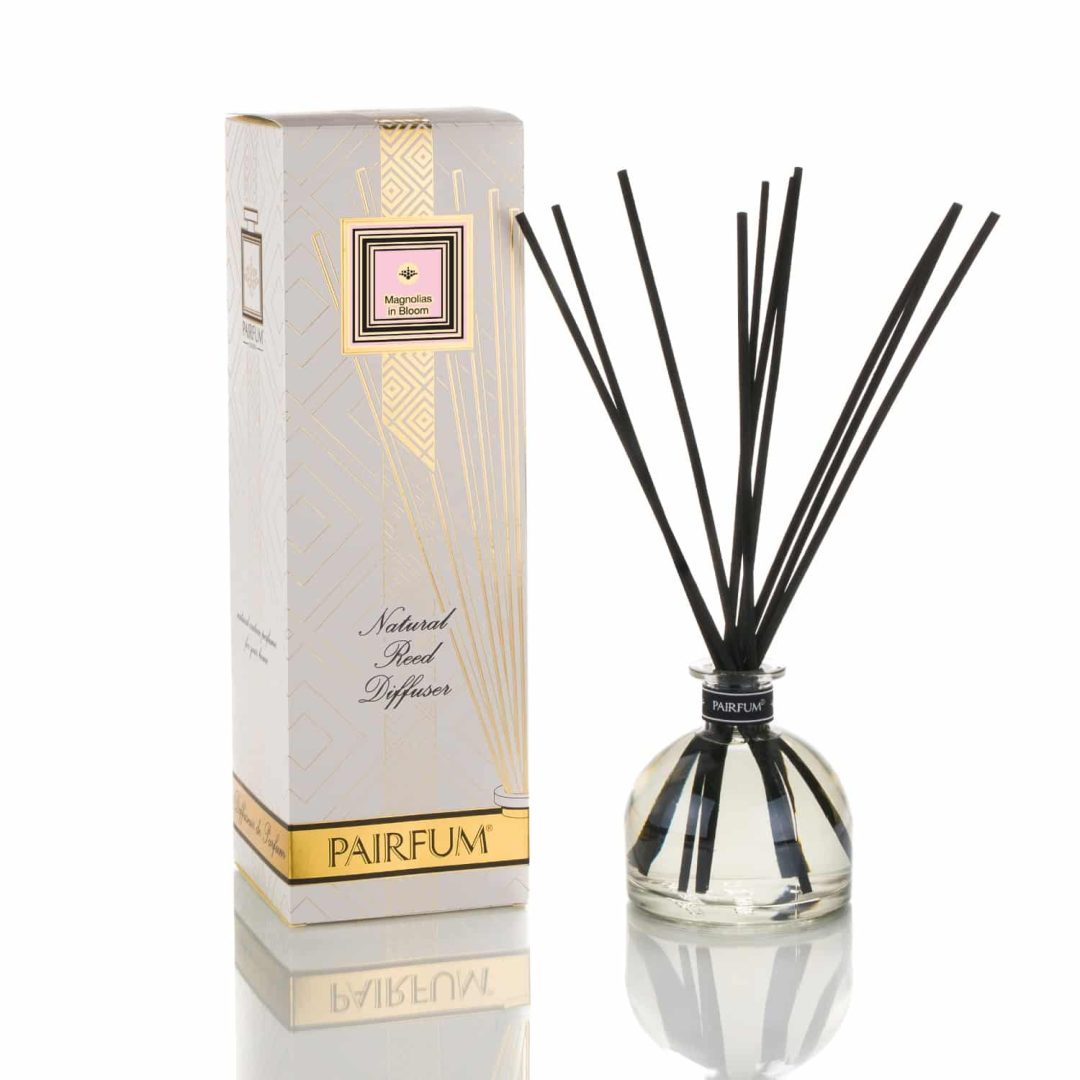
Large Reed Diffuser Bell Shape – Magnolias in Bloom

£ 45.00

In stock

Choosing Clean Scents That Last

When shopping for any clean home fragrance brand or evaluating future brands, look closely at how products are made. Consumer preference is shifting toward transparency, as high-performing brands avoid hidden ingredients, synthetic fragrance boosters, or harsh chemicals that pollute your indoor environment.

Read labels carefully. Look for products made with pure essential oil formulations, natural waxes like soy or beeswax, and transparent ingredients lists without harmful chemicals. High-quality home fragrance should enhance your living space, not compromise your health or trigger a headache.

Whether you buy from an established collection or make homemade mixtures in a spray bottle for similar marketing purposes, prioritising plant-based formulas keeps your summer home sanctuary safe, fresh, and soothing. A well-scented home should feel easy, light, and completely effortless all summer long.
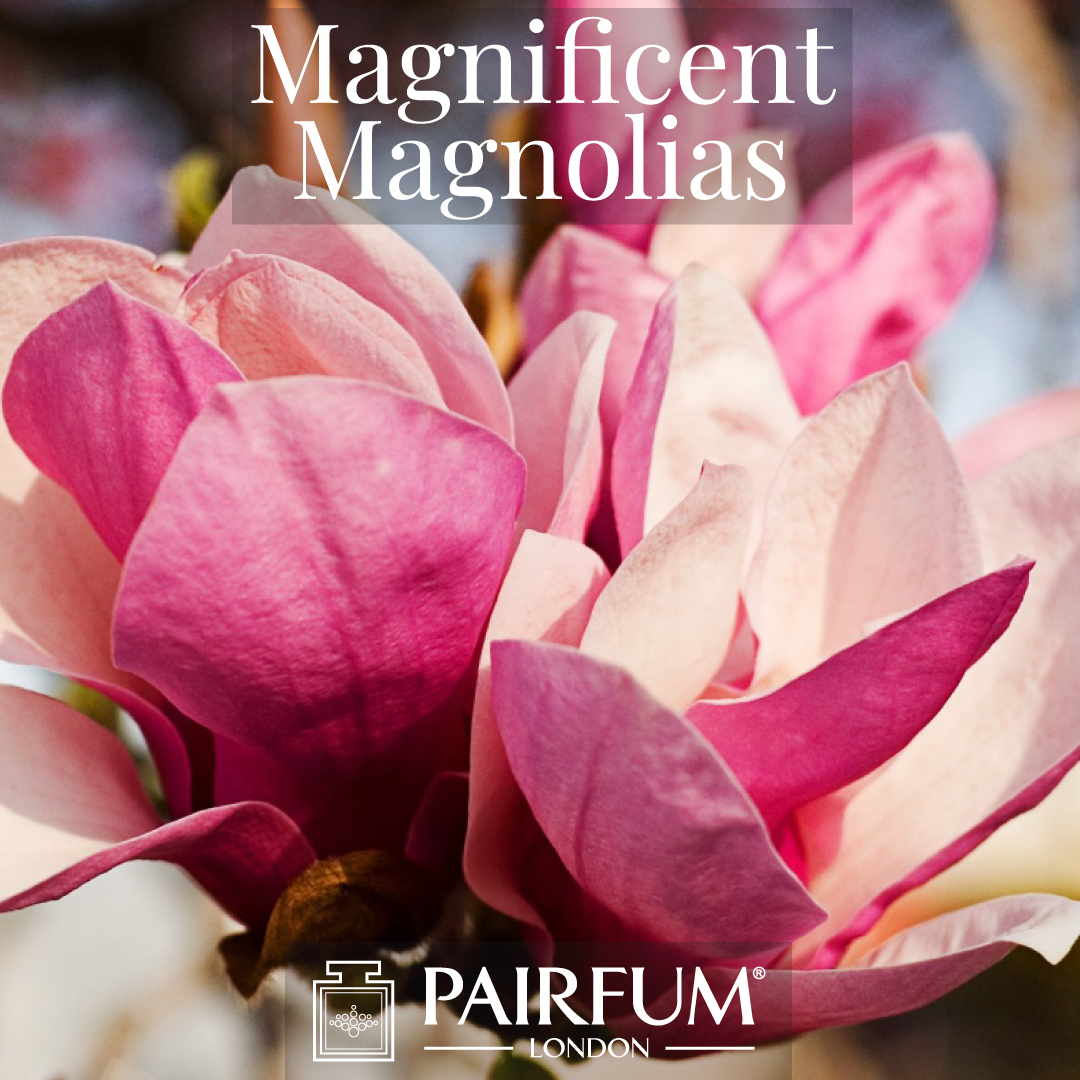
Fragrance Magnificent Magnolias Windsor Park

Magnolias Are Some Of The Most Primitive Of Our Flowering Trees

INSTAGRAM MAGNIFICENT MAGNOLIA

Magnolias are some of the most primitive of our flowering trees, known for their graceful, fragrant flowers they hail from a diverse genus of trees and shrubs.

They have been around for millennia with fossils dating back to the Tertiary period (they were around before our Friends the Bees arrived). They are just as at home in our Gardens and Parks, as they are in their natural forest habitat, and most of them are perfectly happy to adapt to city living.

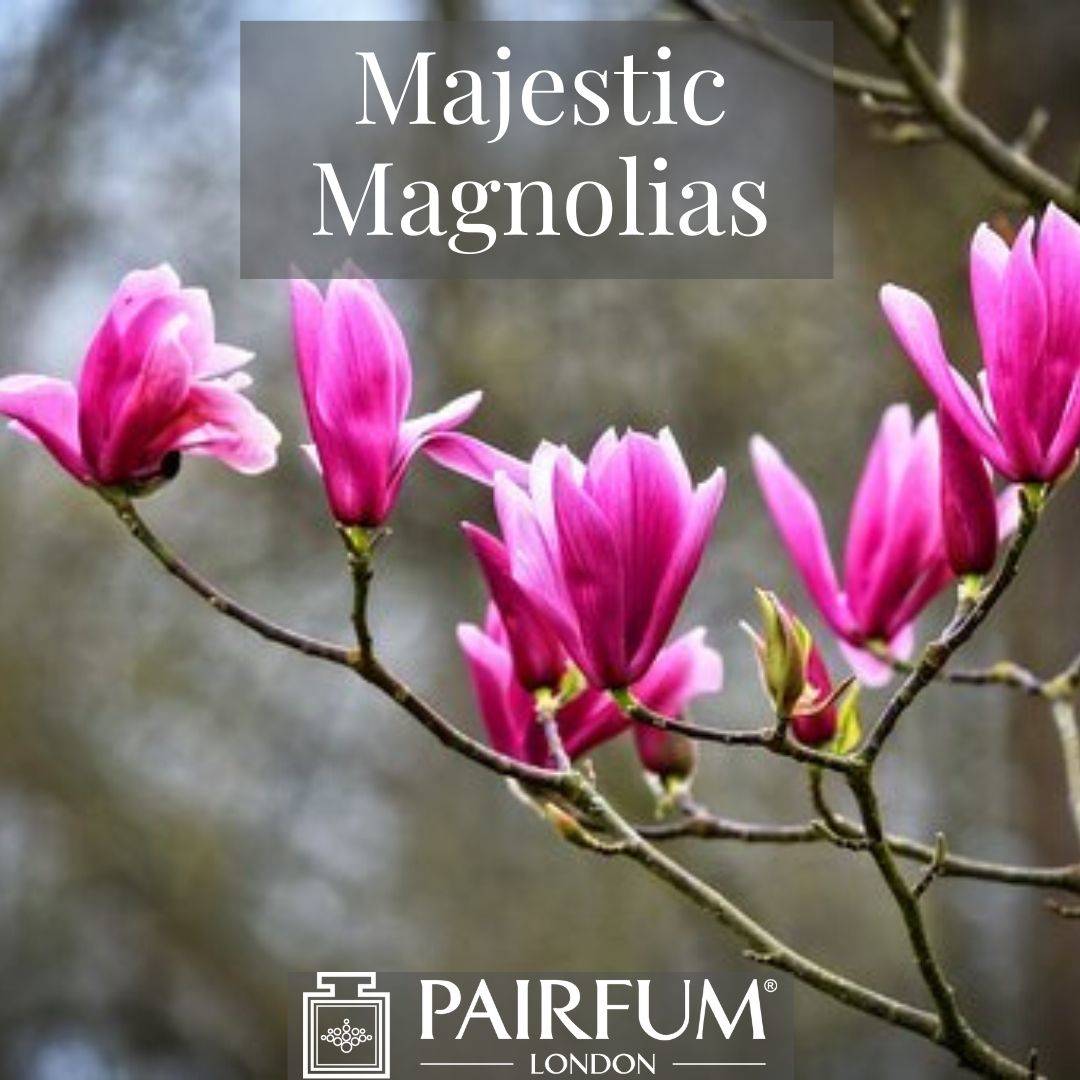
INSTAGRAM MAJESTIC MAGNOLIAS

In warmer parts of the country some magnolias have been in bloom since February others bloom in March and appear to usher in the spring, while others are Happy to wait until as late as June to flower. Regardless of when they grace us with their stunning Flowers and fragrance, the Magnolia has become one of the most loved plants Worldwide.

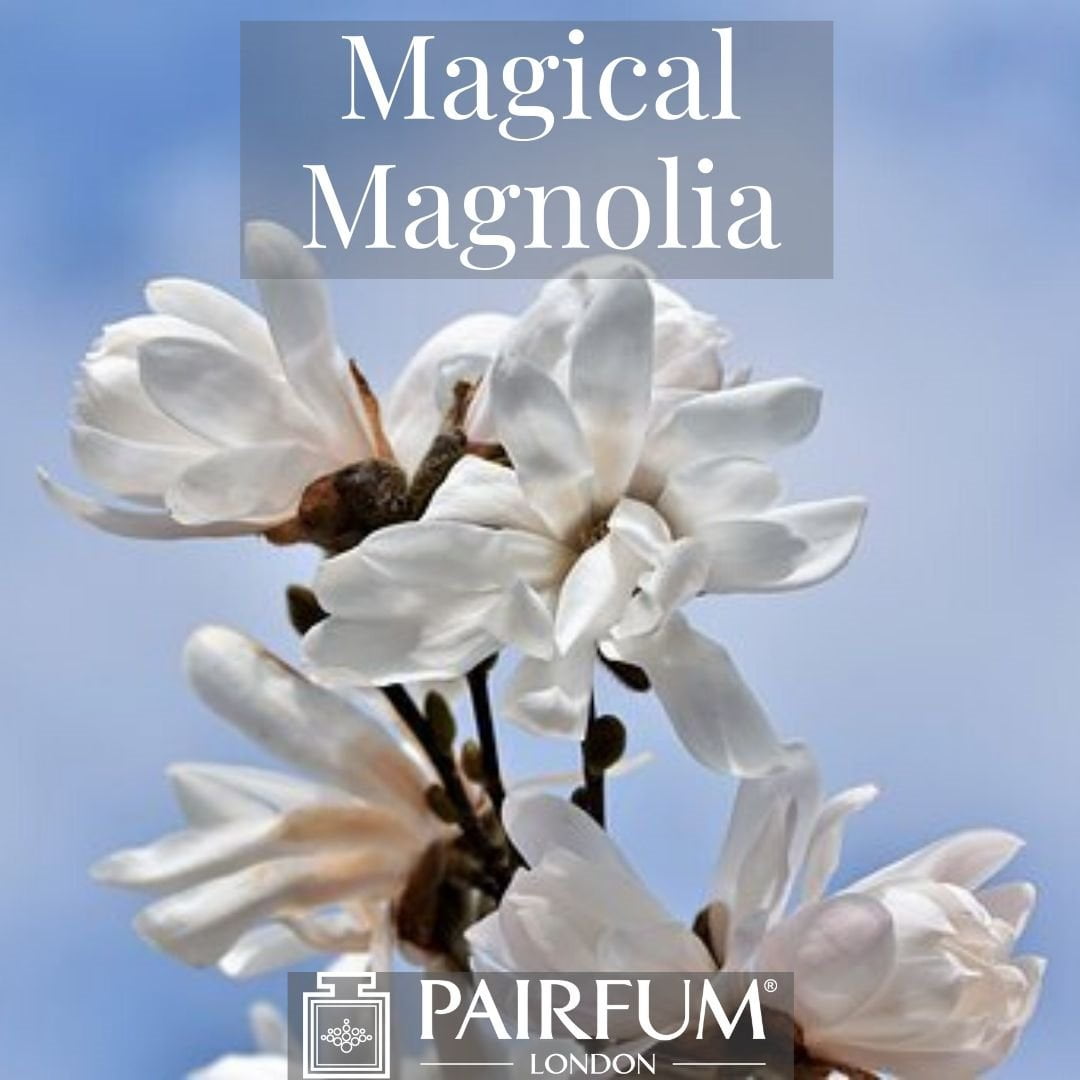
INSTAGRAM MAGICAL MAGNOLIA

Their colours range from pure white to deepest purple and they fill the spring air with an enchanting scent that makes you want to stop and stay a while.

In 1900, Louisiana declared the Magnolia as its state flower due to its abundance throughout the state, and also in 1900 school children in Mississippi held a state-wide election and voted the Magnolia to be their state flower.

So, … from the Rain Forests of Asia, Central Europe and from the East to the West coast of the USA, these exceptional plants are loved the world over.

Historically there has, however, been some confusion and debate as to what can actually be classed as a ‘Magnolia’.

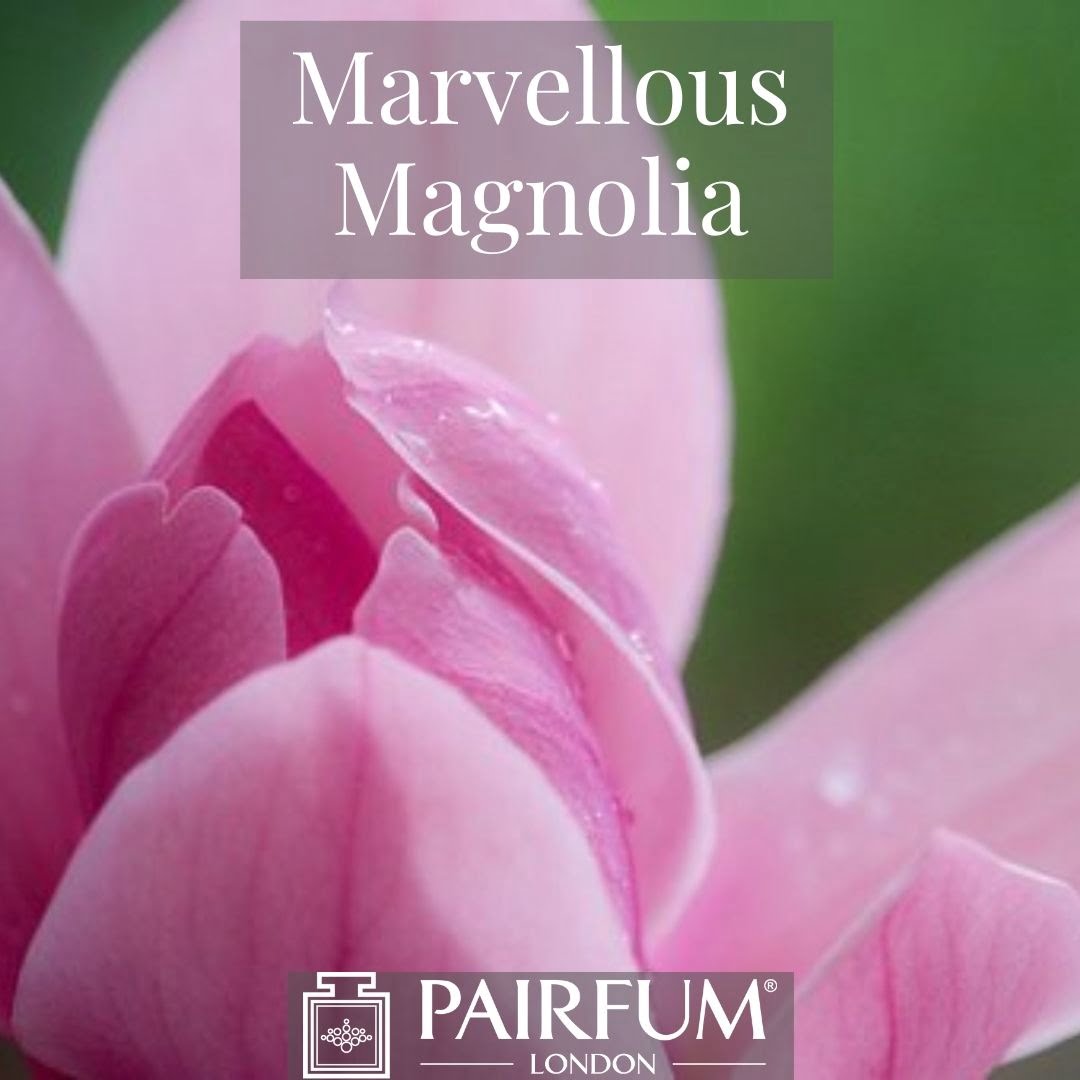
INSTAGRAM MARVELLOUS MAGNOLIA

Description of Magnolia

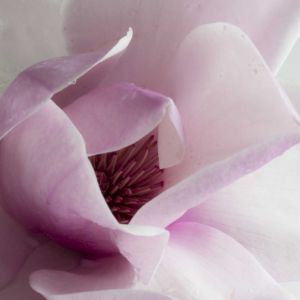
Typically, Magnolias are characterised as large bowl or star shaped fragrant flowers that spread in shrubs or evergreen and deciduous trees.

They usually bloom in to either yellow, purple, green, pink or white flowers and their leaves usually appear afterwards in spring. In autumn, cone-shaped fruits are also produced.

Just like other Magnoliaceae, the perianth has at least 3 whorls each with 9-15 tepals.

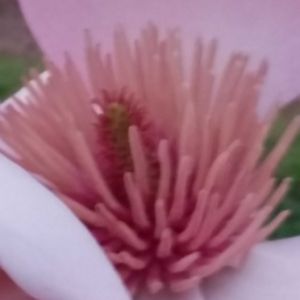
The bisexual flowers have several adnate carpels and on the elongated receptacle, the stamens are arranged in a spiral pattern. Along carpel’s dorsal sutures the fruit dehisces, and the pollen is monocolpate. Magnolias also have a Polygonum type of embryo development.

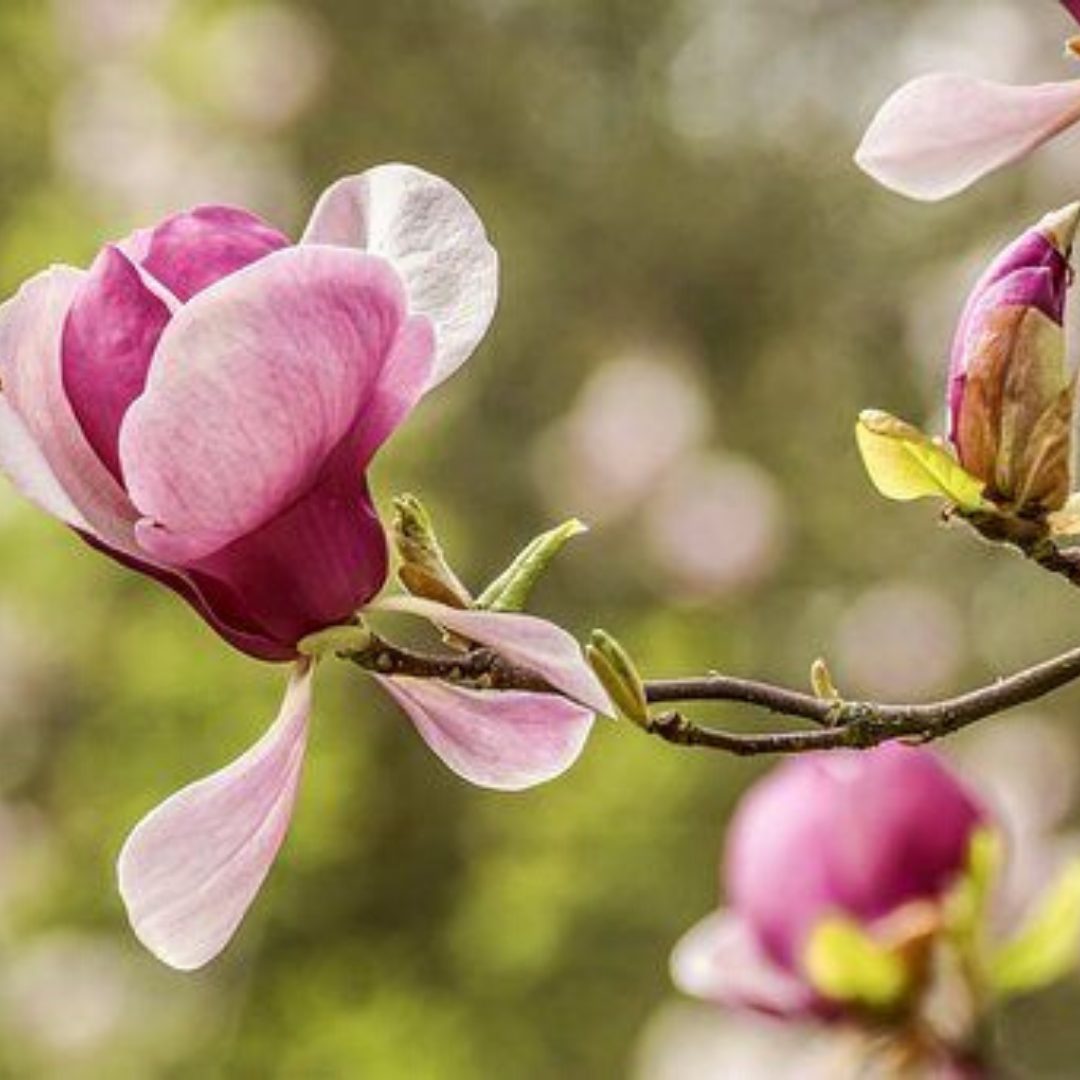
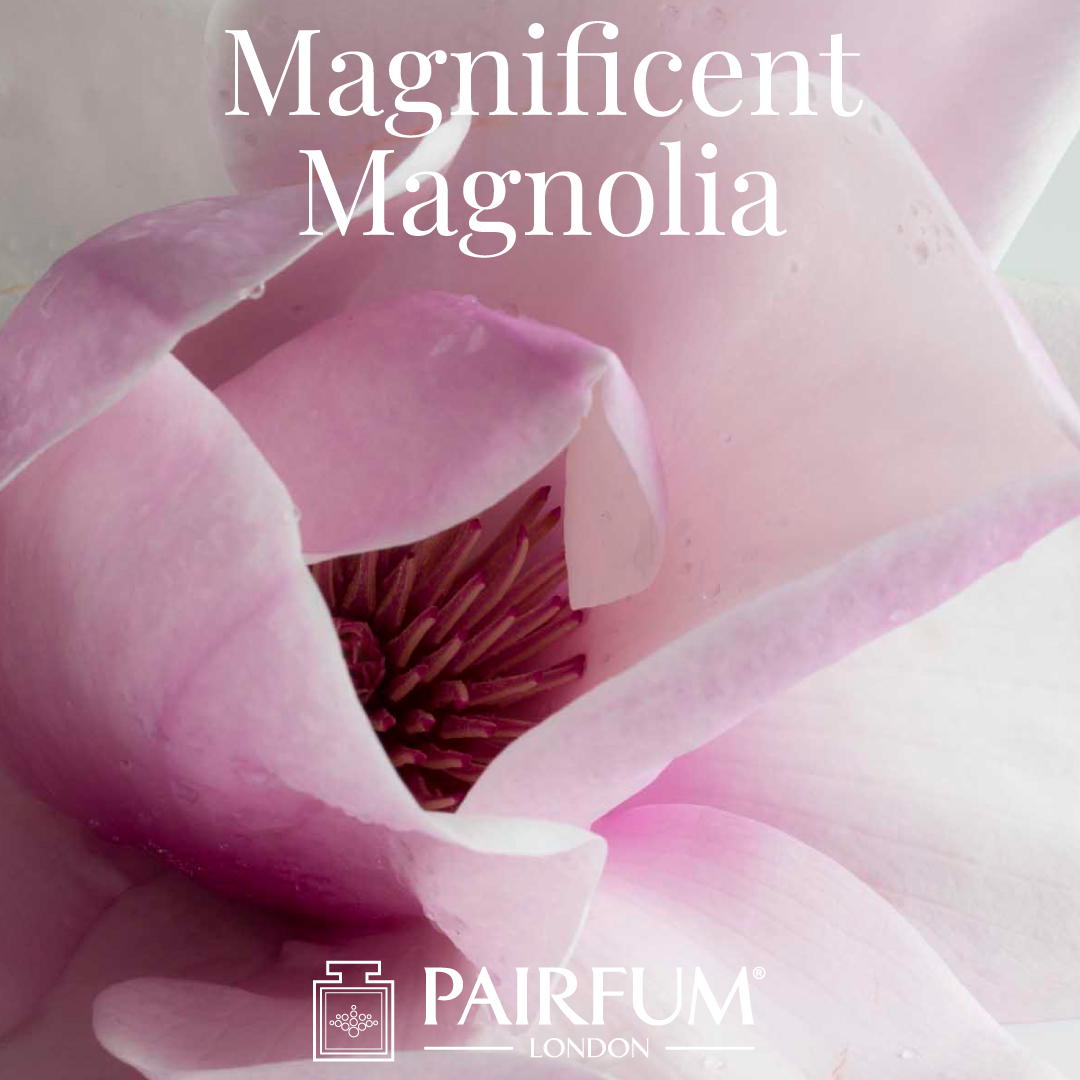
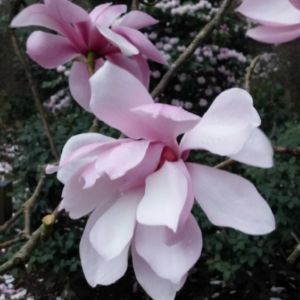
PINK SINGLE MAGNOLIA FLOWER

History of Magnolias

Early History

The first recorded use of the word ‘Magnolia’ was by General Charles Plumier in 1703 to describe a flowering tree found in Martinique. After Plumer, William Sherard, an English botanist who studied under Magnol, was next to use the term ‘Magnolia’.

The first botanical literature since Plumier’s ‘Genera’ included ‘Hortus Elthamensis’ (written by Hohann Jacon Dillenius) and ‘Natural History of Carolina, Florida and the Bahama Islands’ (written by Mark Catesby), both of which Sherard were responsible for.

In these botanical literatures, the term ‘Magnolia’ was also used to describe some types of flowering trees that were found the North America where the climate was more temperate. In fact, a botanist called Lamarck later used the term ‘Annona dodecapetala’ to describe what Plumier first referred to as ‘Magnolia’ which is now recognised as ‘Magnolia dodecapetala’.

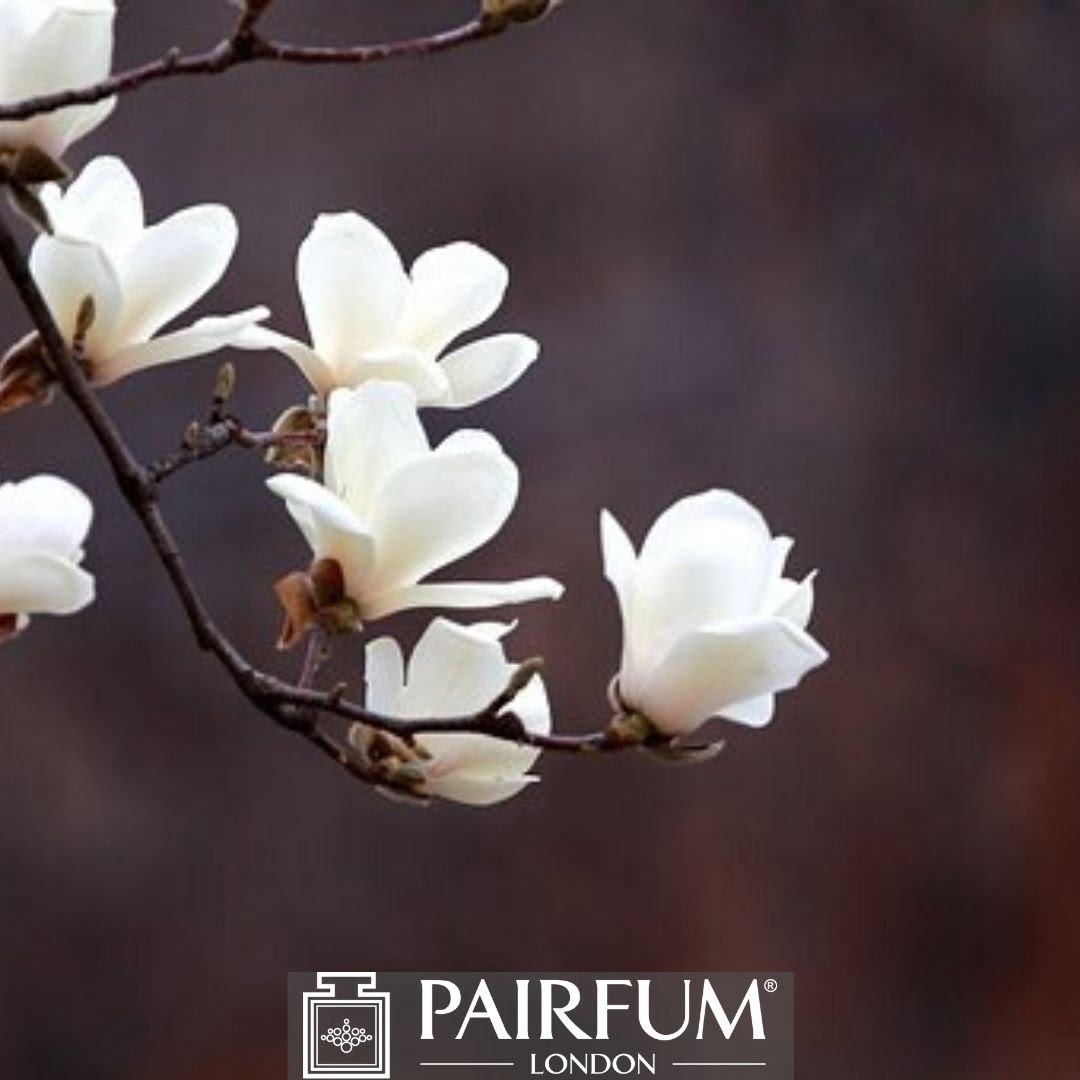
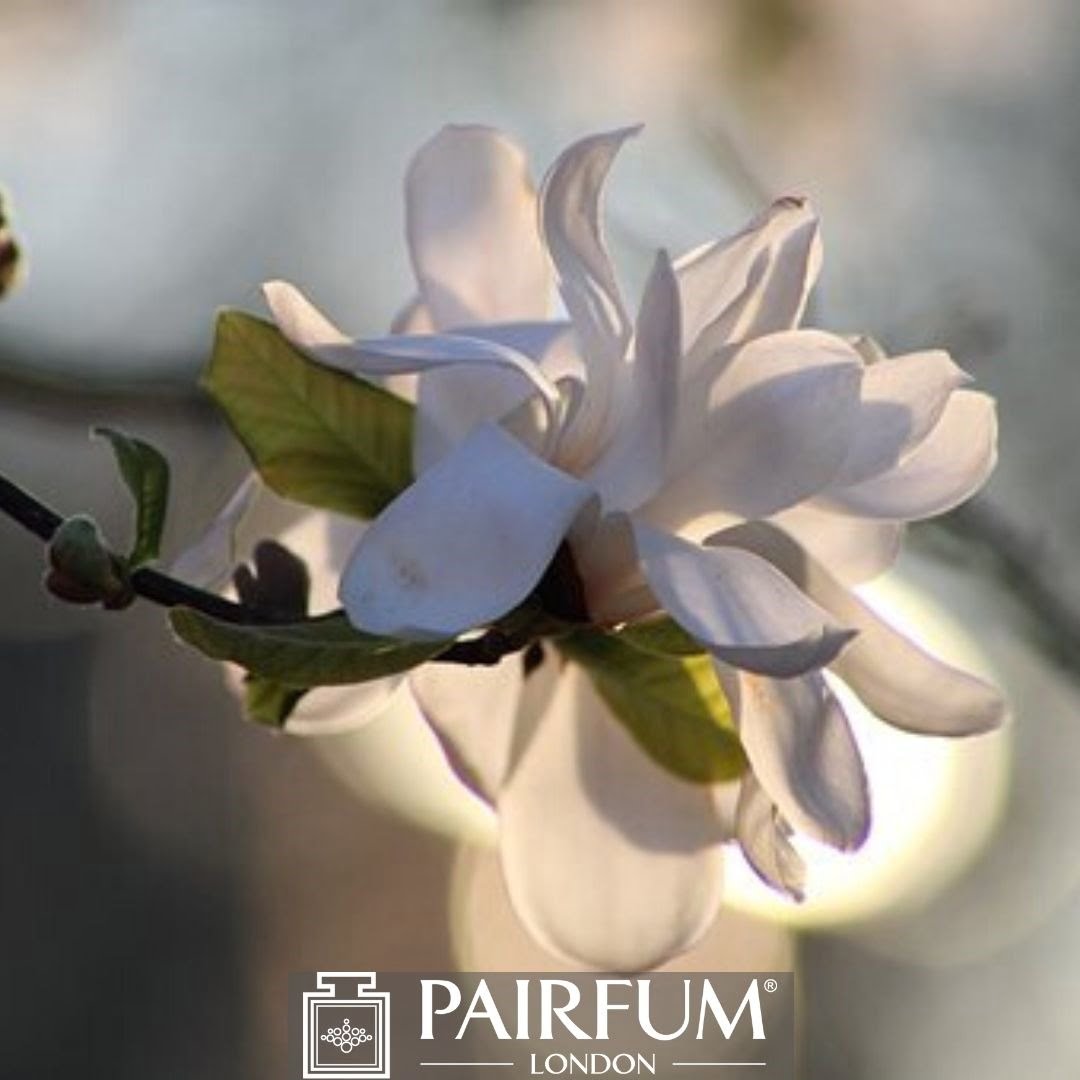
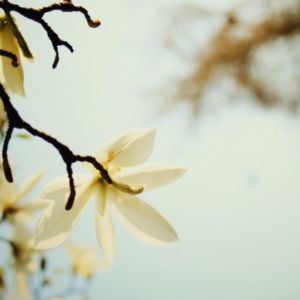
WHITE MAGNOLIA IN BLOOM ON A BRANCH

Carl Linnaeus, also used the genus name Mangnolia in ‘Systema Naturae’ (the first edition), written in 1735. Whilst there was no description references to Plumier’s work were made. Linnaeus again used Plumier’s ‘Magnolia’ where he describes a monotypic genus in 1753 in ‘Species Plantarum’ (first edtion) with ‘Magnolia virginia being the only species.

If there ever was a herbarium specimen from Plumier’s ‘Magnolia’, Linnaeus never saw it and is likely he assumed it was the same plant that Catesby described in ‘Natural History of Carolina (written in 1730. Linnaeus put it synonymous with ‘Magnolia virginia var’.

Foetida is a type of taxon called ‘Magnolia grandiflora’. Linnaeus described five varieties of ‘Magnolia virginia’ (acuminate, foetida, grisea, glauca and tripetala).

These 5 varieties were reduced to four after Linnaeus combined grisea with glauca in ‘Systema Naturae’ (10th edition, written in 1759) where he also raised the other four varieties to the status of species.

Botanists and plant explorers started to describe ‘Mangnolia’ species from China and Japan by the end of the 18th century whilst exploring Asia. The first species were described by western botanists as ‘Magnolia Lilifllora’ & ‘Magnolia Denudata’ and ‘Magnolia Coco’ & ‘Magnolia Figo’.

Not long after, Carl Peter Thunberg collected and described ‘Magnolia Obovata’ in Japan in 1974 and around the same time ‘Magnolia Kobus’ were collected for the first time.

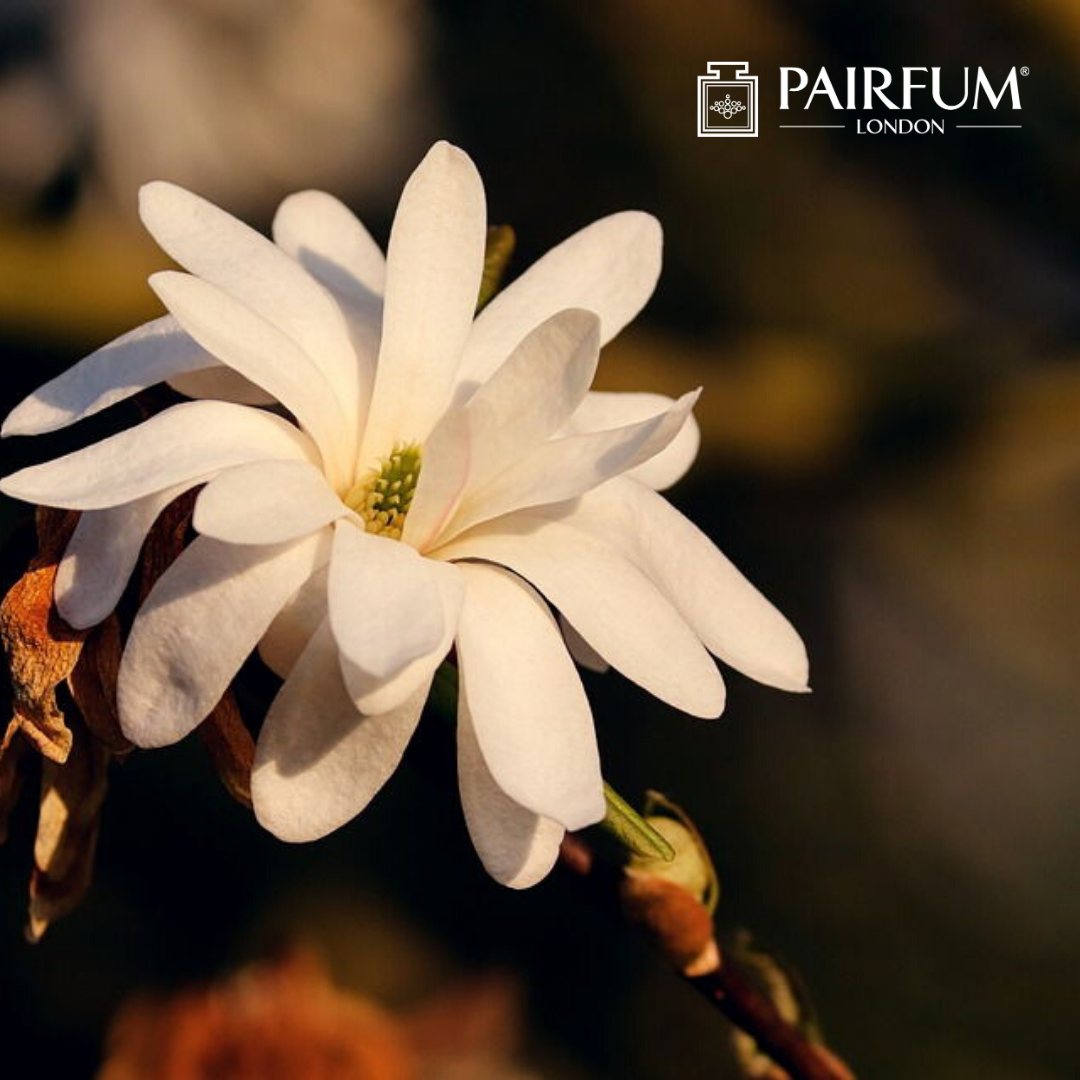
WHITE MAGNOLIA FLOWER POLLEN

Recent History

Much later, as there was an increase in the number of species, it was decided that the genus was to be divided in to two subgenera, ‘Yulania’ and ‘Magnolia’.

‘Magnolia’ includes the horticulturally important ‘M. Grandiflora’ found in the USA and in particular the south-eastern states and the species type known as ‘M. Virginiana’.

‘Yulania’ includes many deciduous species from Asia including ‘M. Kobus’ and ‘M. Denudata’ which have their own horticultural importance and are also important as parents in hybrids.

The American deciduous Cucumber Tree (‘M. Acuminata’) is also classified as ‘Yulania’ and is the responsible for many new hybrids having yellow flowers meaning it has been given greater status.

For a long while, taxonomists have been puzzled by the relations throughout the ‘Magnoliaceae’ family.

Since the Magnoliaceae has survived several huge geographical events (including continental drift, the formation of mountains and even ice ages), they have a vast scattered distribution. This has also led to the long-term isolation of some species or even groups of species as well as other species maintaining close contact.

It has proved impossible to solely use morphological characters to create divisions in the ‘Magnoliaceae’ family and even within the genus ‘Magnolia’.

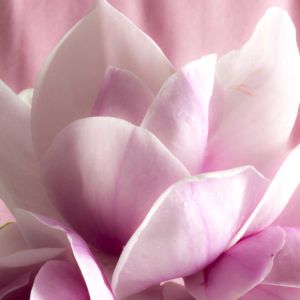
PINK MAGNOLIA PETALS

Phylogenetic Era

Research on phylogenetic relationships was able to be conducted on a large scale at the end of the 20th century once DNA sequencing had finally become available. To investigate the relationships between the many species in the Magnoliaceae family, several studies were conducted.

With the support of morphological data, all of the phylogenetic studies concluded that the genus ‘Michelia’ and the Magnolia, subgenus ‘Yulania’, were considerably more related to each other than either one of them was to ‘Magnolia’ or other subgenus of ‘Magnolia’.

Since relationships are usually reflected by nomenclature, it was an undesirable situation to have species names in ‘Michelia’ and ‘Magnolia’, subgenus ‘Yulania’. Taxonomy provided three possible solutions to this problem.

The first was to join ‘Yulania’ and ‘Michelia’ species in a common genus, separate from the ‘Magnolia’ genus where the term ‘Michelia’ would be given the priority.

The second would leave the subgenus ‘Magnolia’ names and the ‘Micheila’ names untouched by raising the subgenus ‘Yulaina’ to generic rank.

The third solution was to create a “big genus” by joining genus ‘Magnolia’ with ‘Michelia into genus ‘Magnolia, sI’. Since it includes ‘M. virginiana’, (the type species of the genus and the of the family), Mangnolia subgenus ‘Magnolia’ cannot be renamed.

Excluding their wood, only a few ‘Michelia’ species’ have any economic or horticultural importance so far.

On the other hand, many species within subgenus ‘Magnolia’ and subgenus ‘Yulania’ very horticulturally important, to the point that many people in the horticultural discipline would consider it to be undesirable to change their name.

Since most of the cultivated species in Europe have at least one of their parents being ‘Mangnolia (Yulania) denudata’, ‘Yulania’ is considered to be synonymous with ‘Magnolia’ on the continent.

The third option to join ‘Michelia’ with ‘Magnolia’ is supported by most taxonomists as they acknowledge the close the close relations between ‘Michelia’ and ‘Yulania’.

The same applies for the ‘Dugandiodendron’ and the (former) genra ‘Taluama’ which were also placed in genus ‘Manglietia’ and subgenus ‘Magnolia’. ‘Manglietia’ could actually be joined with subgenus ‘Magnolia’ but could also be considered for earning the status of an extra subgenus.

‘Elmerrillia’ is more than likely to be handled in the same was a ‘Michelia’ is now because it is closely related to ‘Michelia’ and ‘Yulania’.

The exact nomenclatural status remains uncertain for non-specific or small genera such as ‘Aromadendron’, ‘Alcimandra’, and ‘Parakmeria’. These non-specific or small genera are often merged into ‘Magnolia sI’ by taxonomists who did the same with ‘Mechelia’.

There is a perpetual debate between botanists as whether to recognise the different small genera or simply recognise just a big ‘magnolia’.

An example of this debate can be found between the Chinese and the western co-author of “Flora of China”.

The book presents two points of view:

  • The first being that there is a large genus ‘Magnolia’, that includes around 300 species which is favoured by the western author.
  • The second is that there are 16 different genera and each of those contain up to 50 species. The second argument is put forward by the Chinese.

Subdivisions of Magnolias

Following the classification conducted by the Magnolia Society, species of Magnolias are usually listed under 3 subgenera, 12 sections and 13 subsections.

However, this is not the last word in regards to genus ‘Magnolia’ and it’s sub-classification as a clear consensus has not yet been achieved.

PURPLE MAGNOLIA FLOWERS IN NATURE

Uses

Horticultural Uses

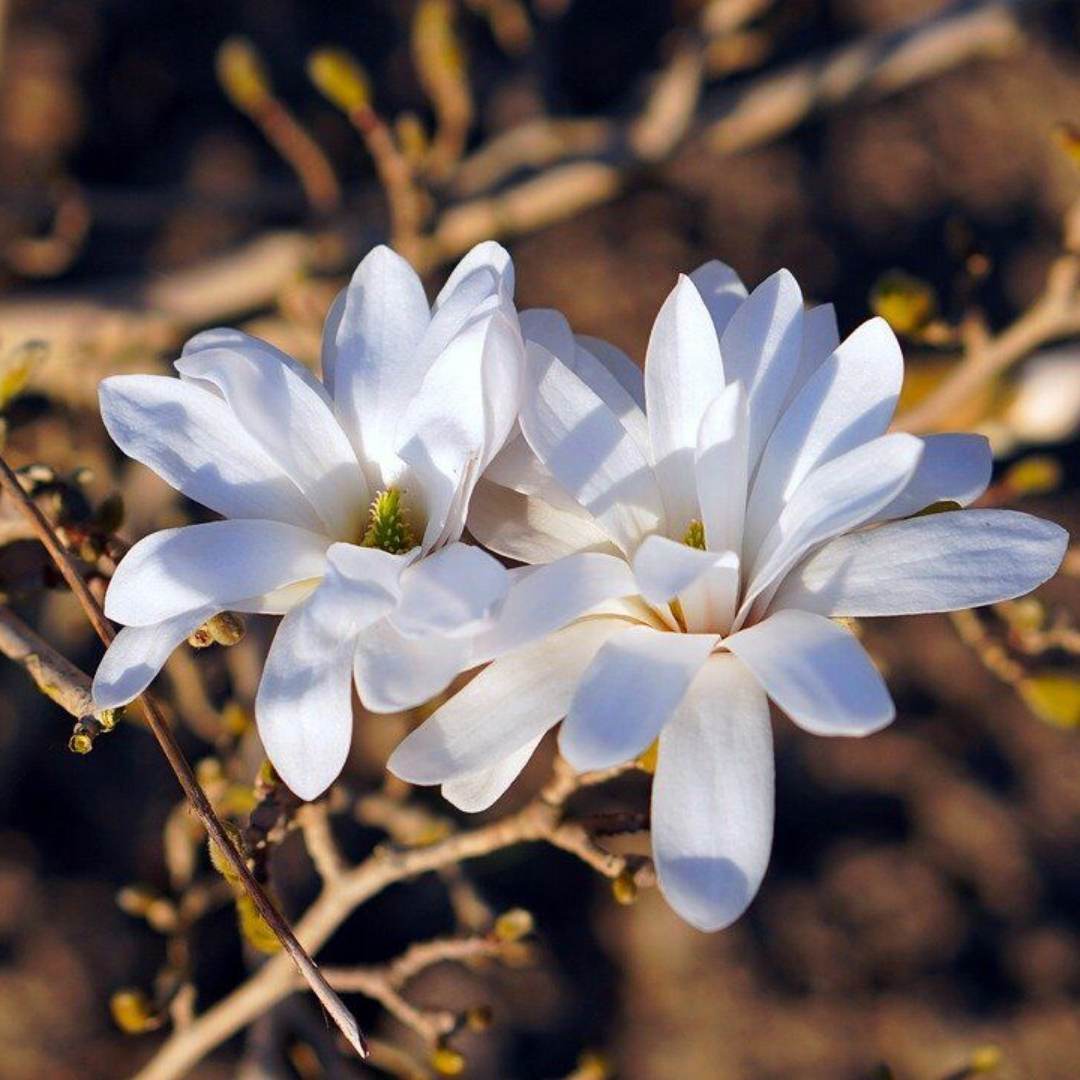
There has been a lot of general horticultural interest for the genus ‘Magnolia’. Many flower early in the spring such as the tree called ‘M. x soulangeana’ also known as the Saucer Magnolia and the shrub called ‘M. stellata’ also known as star magnolia. There are also others that flower as late as early summer such as ‘M. grandiflora’ which is often referred to as ‘Southern Magnolia’, and the ‘M. virginiana’ which is also known as ‘Sweetbay Magnolia’.

There have been efforts made to create plants that have a more impressive flower and that are able flower earlier on than the parent species by attempting to combine the best aspects of different species. Such efforts have been extremely successful thanks to the use of Hybridisation. A popular example of a successful hybrid would be that of ‘M. liliiflora’ and ‘M. denudata’ which created ‘M. x soulangeana’ (one of the most popular garden magnolias).

Pairfum Londn Magnolia

In the eastern United States, ‘M. grandiflora’, ‘M. macrophylia’, ‘M. acuminate’ (in the form of a Shade Tree), ‘M. tripetala’, and ‘M. virginiana’ are five native species that are cultivated frequently.

However, it is worth noting hat ‘M. tripetala’ and ‘M. macrophylia’ have large leaves which means they must be planted in a location not frequented by high winds.

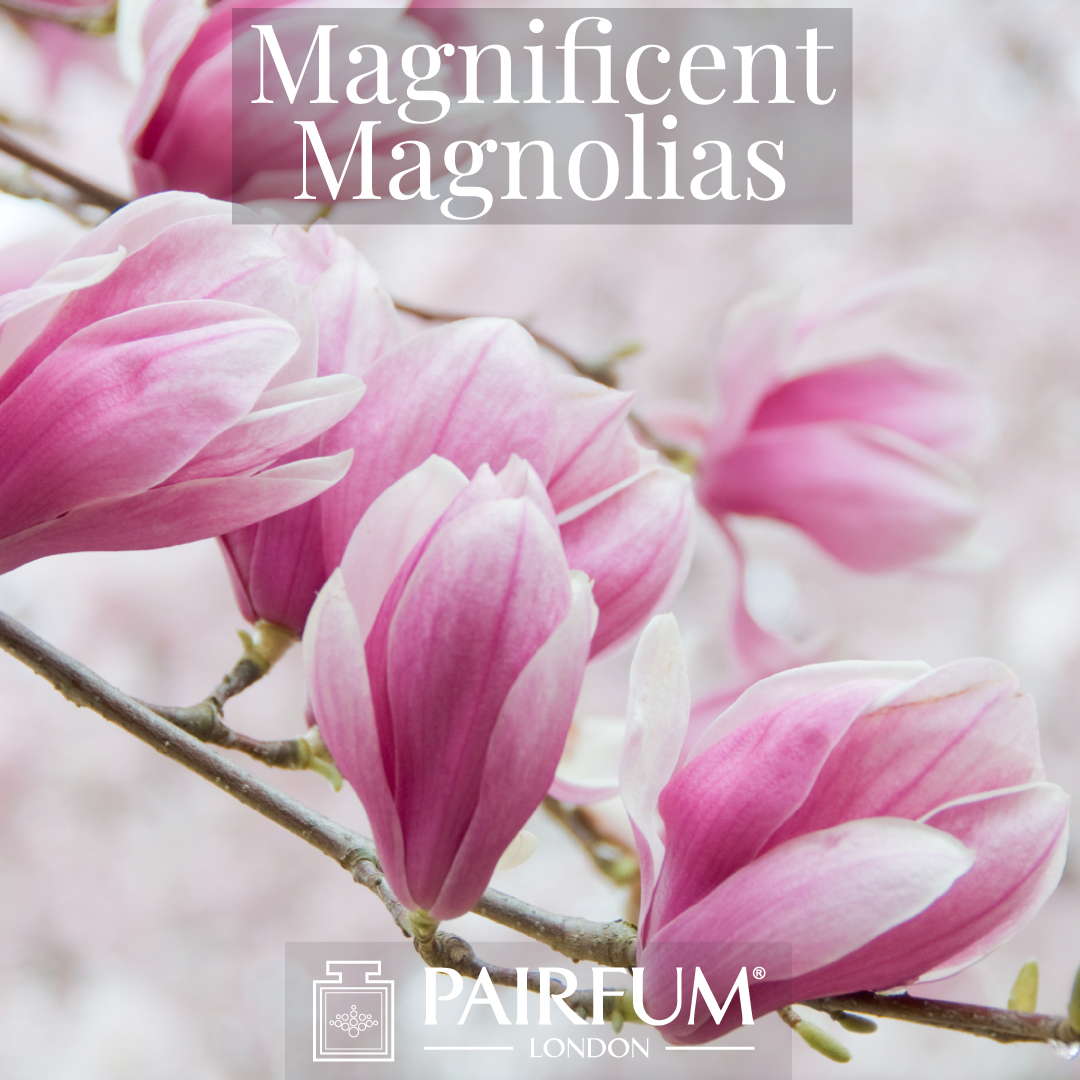
PINK MAGNOLIA FLOWER BUDS

Culinary Uses of Magnolia

With many species of Magnolias, their flowers are edible and are used in cooking all around the world.

The petals of ‘M. Grandiflora’ can be used as a spicy condiment when they are pickled. This is common in some parts of England.

On the other side of the world in Asia, the buds are used rather than the petals to be pickled and then used to scent tea and flavour rice. The flower buds and young leaves of ‘Magnolia hypoleuca’ are eaten as a vegetable in Japan after they are boiled.

Japan have also found further uses by creating cooking dishes and even wrapping their food in the leaves of ‘M. Obovata’.

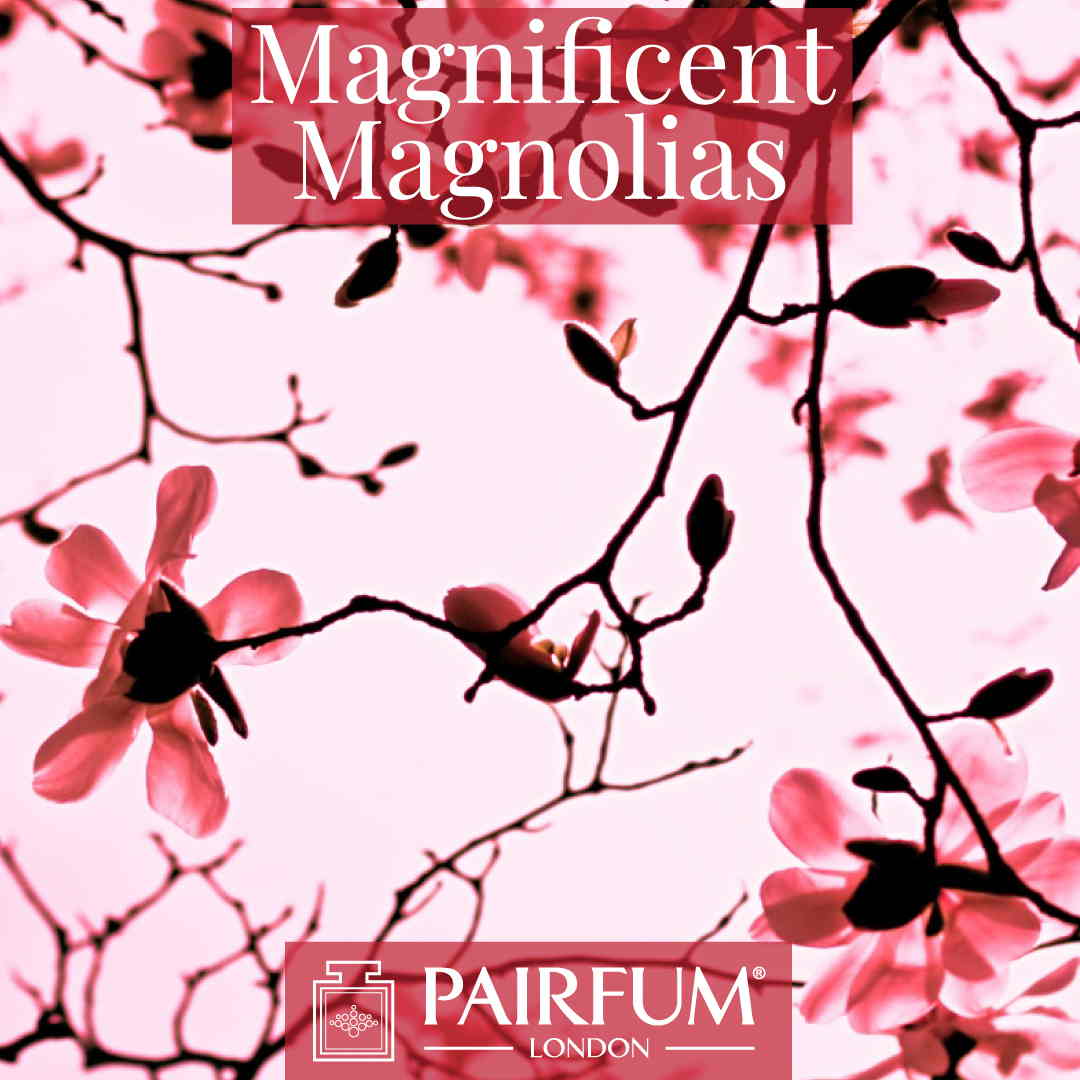
PINK MAGNOLIA FLOWER AGAINST THE SKY

Magnolias in Traditional Medicine

In traditional Chinese medicine, they have long been using the flower buds and even the bark of ‘M. officinalis’ which they refer to as ‘hou po’ (厚朴). In Japan, they also do something similar with ‘M. obovata’ which they call kōboku.

Timber

In forests in the north east of the United States, ‘M. acuminata’ (The Cucumber Tree) is harvested as timber since it grows to a very large size. The wood of the Cucumber Tree is sold as “yellow poplar” alongside the Tuliptree (‘Liriodendron tulipifera’).

On occasion, the ‘M. fraseri’ (The Fraser Magnolia) grows to be large enough to be harvested as well.

Other Uses of Magnolias

As well as humans, Magnolias are also consumed by Giant Leopard Moth and other Lepidoptera species as food plants.

Magnolias in Home Fragrance

If you are lucky enough this weekend to spot a blooming Magnolia, then stop to take a look, and inhale their intoxicating fragrance.

To experience Magnolia, you should really try our perfume “Magnolias in Bloom” in our Home Fragrance range. Have a look at its fragrance description and then visit our online boutique to find the product that would enjoy most.

Photo Gallery of Magnolias

Magnificent Magnolias Fragrance Windsor Park

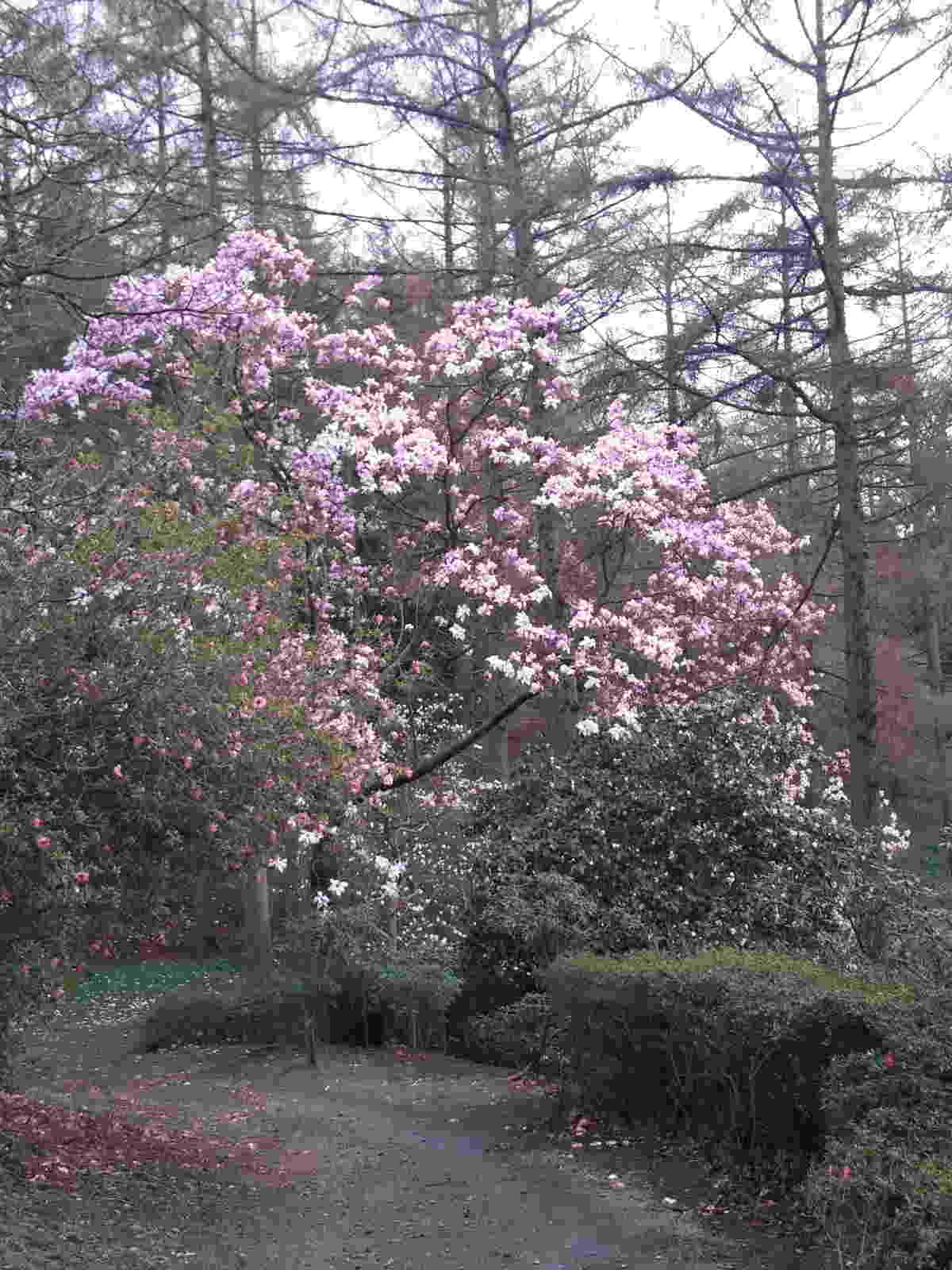
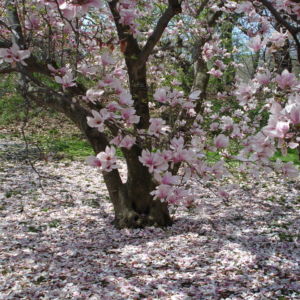
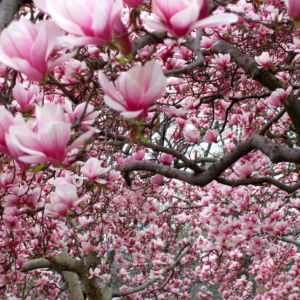
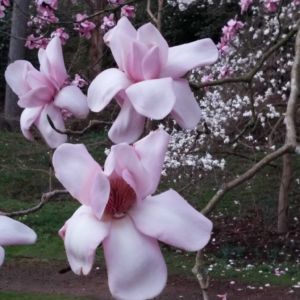
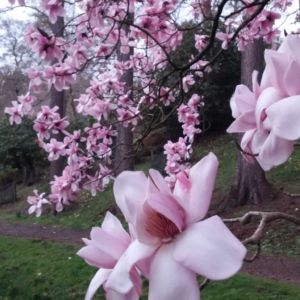
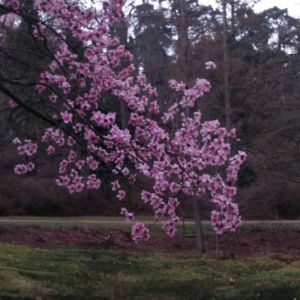
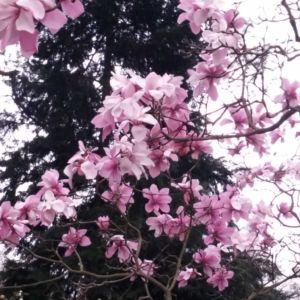
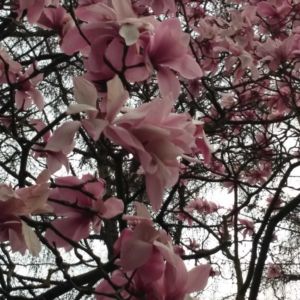
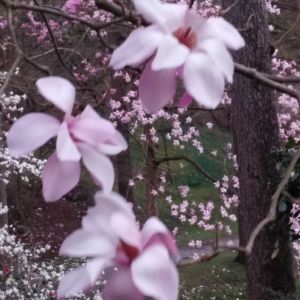
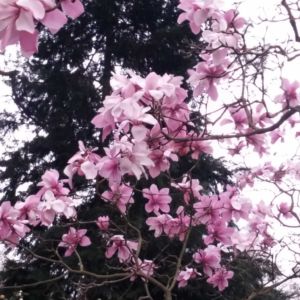
Magnificent Magnolias Blooming in Windsor Great Park!

Perfumery Magnificent Magnolias Windsor Park

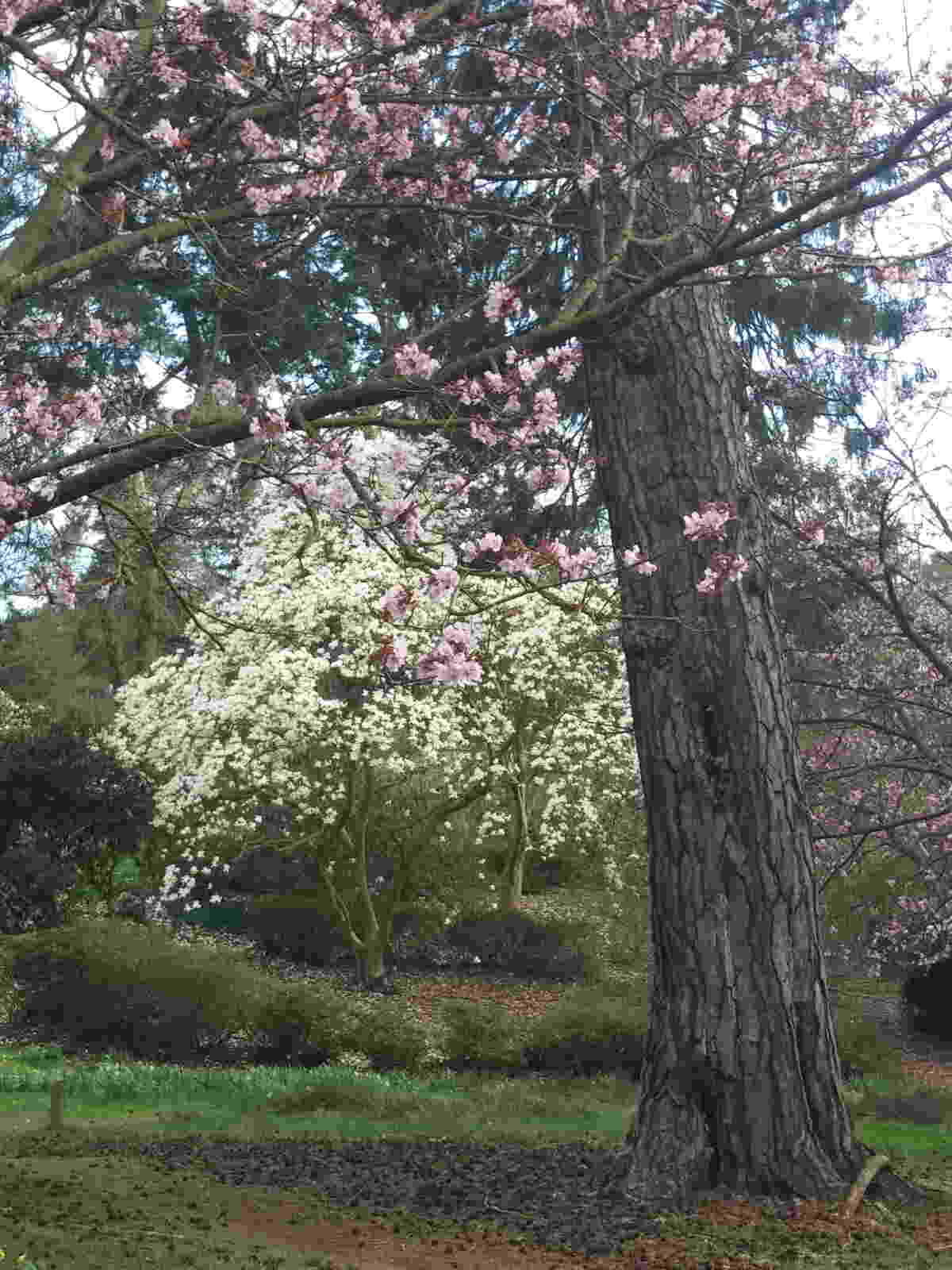
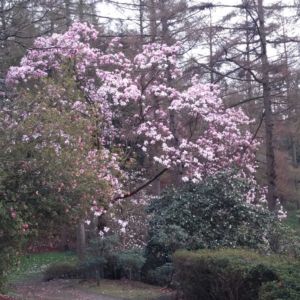
Magnificent Magnolias blooming in Great Windsor Park in Spring offer a spectacular sight.

The Valley Gardens, together with The Savill Garden, provide a home to a National Collection of Magnolia trees. Here are some examples:

  • On leaving the Savill building, visitors are welcomed to a fantastic show by a mature Magnolia loebneri ‘Merrill’, covered in ice-white flowers.
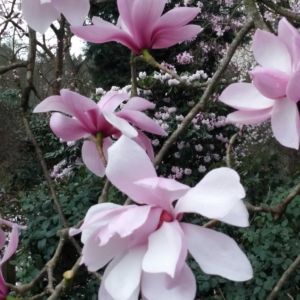
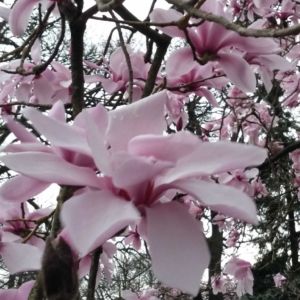
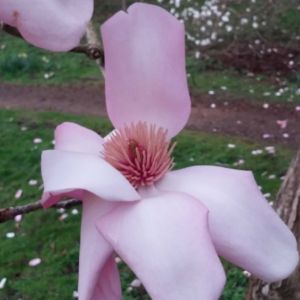
  • In a far corner of the garden, close to the summer house, is a Magnolia sprengeri ‘Eric Savill’, with large, bold pink flowers.
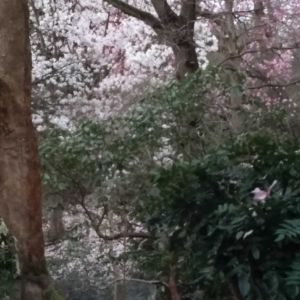
  • The Valley Gardens features a glorious collection of rhododendrons, azaleas, camellias and magnolias, best viewed in the spring from the top of the valley, with views down to Virginia Water.

Perfume Magnificent Magnolias Windsor Park

About Magnolia

The magnolia family can count approx 200 species mainly found in two regions:

  • Asia, and
  • the Americas.

The Magnolia tree was named after Pierre Magnol, the French botanist behind the current nomenclature of botanical classification.

Magnificent Magnolias are significant flowers in Chinese and Japanese culture, and has been cultivated for centuries.

The ‘Magnolia Virginiana’ species (from Virginia) was the first Magnolia to be introduced into Europe. In 1687, it was sent across John Banister, an English missionary and naturalist, to Henry Compton, English bishop and a passionate gardener.

Shortly afterwards, Europe was introduced to Chinese Magnolias (Magnolia Denudata and Liliflora).

In the middle of the nineteenth century, the beautiful Star Magnolia (Stellata) from Japan was planted in Europe.

The “queen of Magnolias”, the pink Magnolia Campbellii from the Himalaya, was discovered at the beginning of the last century.

It is believed that Magnolia is one of the oldest plants, the Dinosaurs probably saw Magnolias blooming.
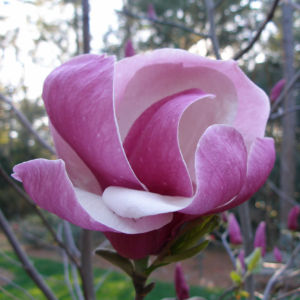
Magnificent Magnolias Windsor Park Fragrance Ingredient

Magnificent Magnolias in Perfumery

Magnolia flowers (Magnolia Grandiflora) frequently have a fragrance. Their perfume is fresh, floral and creamy sweet with hints of waxy citrus.

Magnolia is a popular ingredient in floral perfume accords and there have been notable fragrances where Magnolia is the main floral ingredient.

Here are some of these fragrances that focus on Magnolia and its various olfactive facettes:

  • Magnolia Rosae (Lancome, Female, 2019): Magnolia, Rose, Musk
  • Spendia Magnolia Sensuel (Bulgari, Female, 2018): Magnolia, Orange Blossom & Jasmine, Tangerine, Musk
  • Song of America Magnolia (Ralph Lauren, Unisex, 2016): Floral Chypre with Magnolia, Lemon, Patchouli
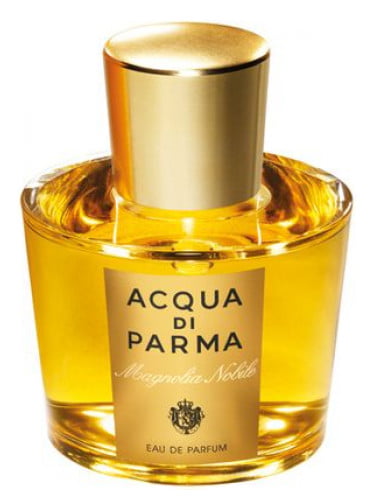
  • Magnolia Nobile (Acqua die Parma, Female, 2009): Magnolia, Lemon, Jasmin, Bergamot, Vetiver
  • Eau de Fleur de Magnolia (Kenzo, Female, 2008): Magnolia, Citrus
  • Miracle (Lancome, Female, 2000): Oriental, Magnolia, Litchi, Pepper, Musk
  • Magnolia (Yves Rocher, Female, 1983): Magnolia, Lily, Gardenia, Tuberose, Jasmin, Oakmoss
  • Magnolia (Yardley, Female, 1970): Magnolia, Hyacinth, Lily

When reviewing these notes, you will notice one commonality in that they interpret the freshness of Magnolia in different ways: some use the freshness of white flowers, others incorporate citrus and again others use fruity nuances.

Here at Pairfum London we have built our fragrance “Magnlias in Bloom” around the white flowers of Magnolia, Lily and Geranium with the sweet freshness typical of Magnolia Grandiflora coming from the more modern notes of ozone and watermelon, rather than citrus. “Magnolias in Bloom” is available in our online boutique in many different Home Fragrance products (candles, diffusers, sprays, …).

Photo Gallery: Magnolia in Windsor Park

0
Your Cart
Your cart is emptyReturn to Shop