
Home / niche
Blackberry Perfume

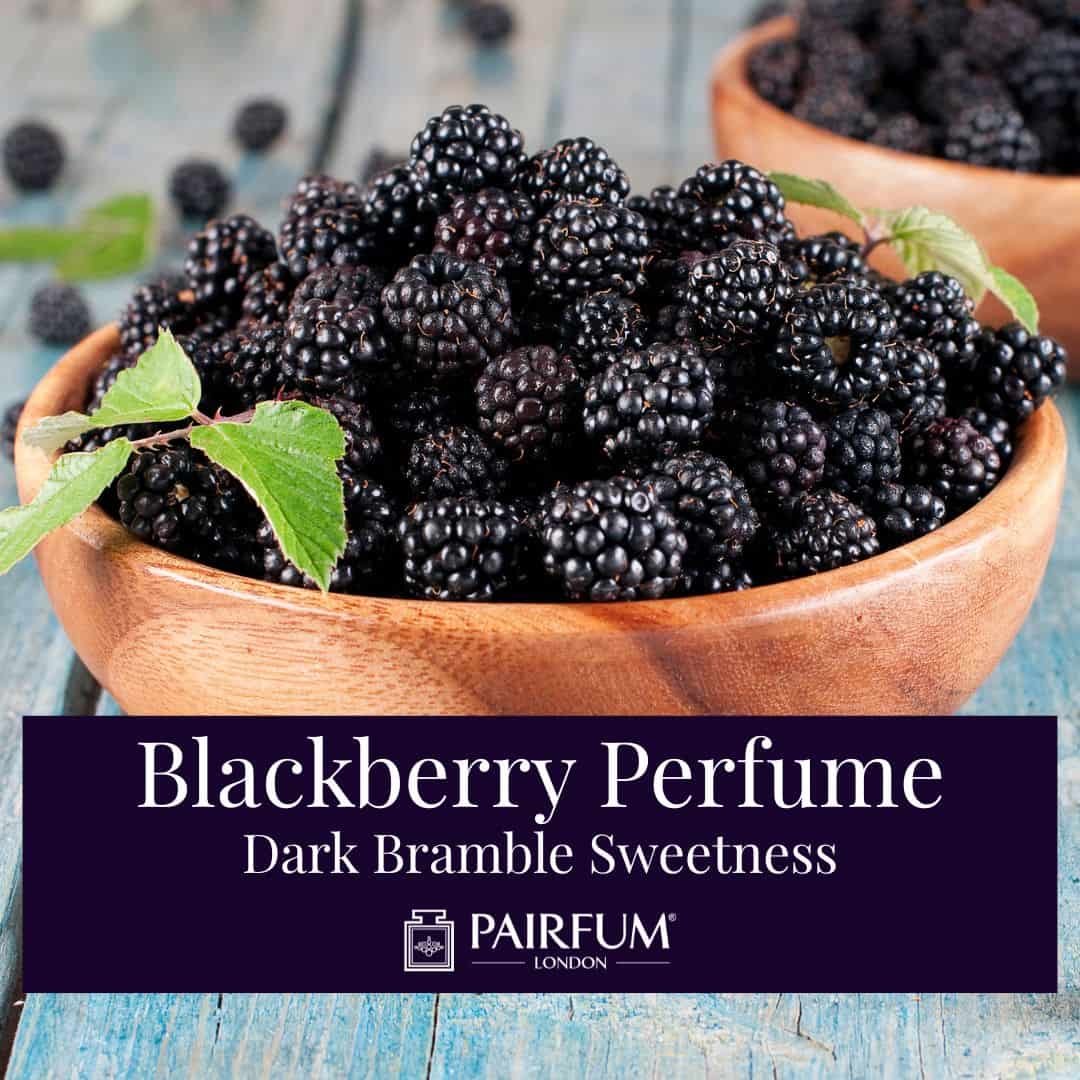
Blackberry Perfume: Dark Bramble Sweetness

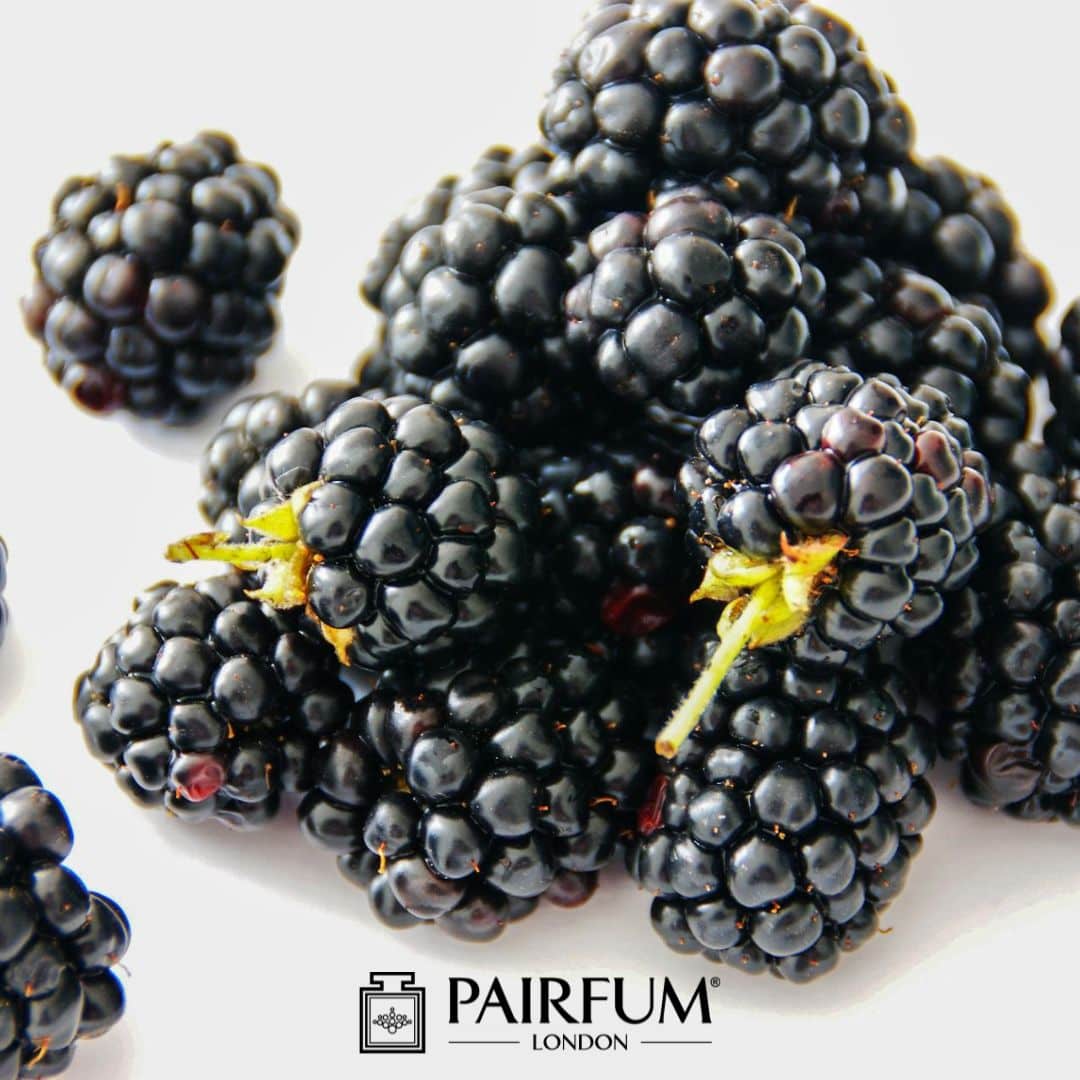
Blackberry perfume is dark, juicy, and just a little wild. When used in fragrance, blackberry offers richness, playfulness, and the raw bramble edge that makes this fruit stand apart from softer fruity notes. A well-made blackberry perfume feels vivid and grounded at the same time.

This aroma fits beautifully with early spring. The air is still crisp, the trees mostly bare, and blossoms are just beginning to appear. Blackberry does not feel like a polished fruit bowl. It feels like a hedgerow after the rain, or a spoonful of deep tart blackberry juice spread over warm toast. It leans into its natural and slightly untamed character, which makes it perfect for perfume compositions that want to surprise the wearer.

We often turn to blackberry in these transitional months when everything still feels grounded, but the promise of something lighter hangs ahead. There is honesty in the scent. It does not hide under sugar or disappear too quickly. Blackberry stays juicy, stays dark, and brings a little mystery wherever it appears.

A Wild Note with History

Blackberry has long been tied to stories, symbolism, and everyday rituals. In parts of Europe, brambles were believed to have healing qualities. The fruit appeared in folk medicine, poetry, and seasonal traditions. Blackberries were treasured in kitchens too, used in pies, preserves, milk-based desserts, and fresh summer dishes gathered straight from the hedge.

It took time for blackberries to move from countryside paths into perfume. Traditional fragrance often focused on polished fruit accords such as peach, apple, or citrus. Blackberry carried a rougher and greener edge. Yet that shift towards more natural fragrance styles helped perfumers recognise the beauty of wild blackberry accords.

The note carries memories of the English countryside, tangled hedges beside old stone walls, and dark clusters hidden beneath leaves on a sunny day. When blackberry appears in fragrance, it brings all of that atmosphere with it. The result feels layered, textured, and more realistic than many modern fruity blends.

Pairfum Fragrance Black Cherry Oolong Tea Triangle

Aroma Profile: What Blackberry Brings to a Fragrance

Blackberry does not smell simply sweet. It balances ripe juice with green sharpness and sometimes a soft smoky undertone. The opening feels bright and fresh before settling into a fuller and richer aroma.

Here is how blackberry stands apart:

  • Sweet but never syrupy, with tart edges
  • Greener than raspberry and less sugary than strawberry
  • Sometimes touched by leafy or smoky facets
  • Able to feel ripe, musky, and slightly woody in certain blends
  • Full of freshness while still carrying depth

In perfume, blackberry often sits at the top or heart of a fragrance. The berry note creates an inviting opening before revealing floral notes, woods, or warm base accords beneath. Perfumers value blackberry because it adds movement to a fragrance rather than flattening it with sugar.

A juicy blackberry accord can make a scent feel playful, while darker blends paired with musk or sandalwood create something far more mysterious. Blackberry is one of those rare fruit notes that can move easily between light daytime perfume and evening fragrance.

Why Blackberry Works So Well in Modern Perfume

Blackberry stands apart from many fruit notes because it feels realistic rather than sugary. It combines tartness, greenery, and dark sweetness, which gives the fragrance more depth and texture.

Perfumers usually recreate blackberry through accords built from fragrance oils and aroma materials, since the fruit itself produces very little oil. The result can suggest ripe berries, crushed leaves, soft woods, or even damp hedgerows after rain.

This balance makes blackberry especially popular in niche perfume. It works equally well in fresh daytime fragrance and richer evening perfume, particularly when blended with musk, vanilla, woods, or citrus.

Blackberry in Contemporary Niche Fragrance

Modern fragrance lovers are often drawn towards realistic fruit notes rather than overly sweet compositions. Blackberry answers that demand beautifully. It offers sweetness, tartness, and a little earthiness all at once.

A good blackberry scent captures the contrast between ripe fruit and tangled hedgerows. Some perfumers even combine blackberry with brambly woods to create the impression of walking through a forest path after rainfall. Others soften the sharpness with vanilla## Blackberry in Contemporary Niche Fragrance

Modern niche perfume houses often pair blackberry with woods, herbs, and greenery to create an atmospheric fragrance. Cedarwood, bay leaf, sandalwood, and soft musk are common companions because they highlight the darker side of the fruit.

Many fragrance lovers are drawn to blackberry because it feels gender neutral and versatile. A juicy blackberry accord can smell bright and playful at first, then settle into something smoother and more woody on the skin.

This balance is why blackberry appears not only in fine fragrance but also in indulgent candles, luxurious shower gels, and fruity wax melts designed for the home.

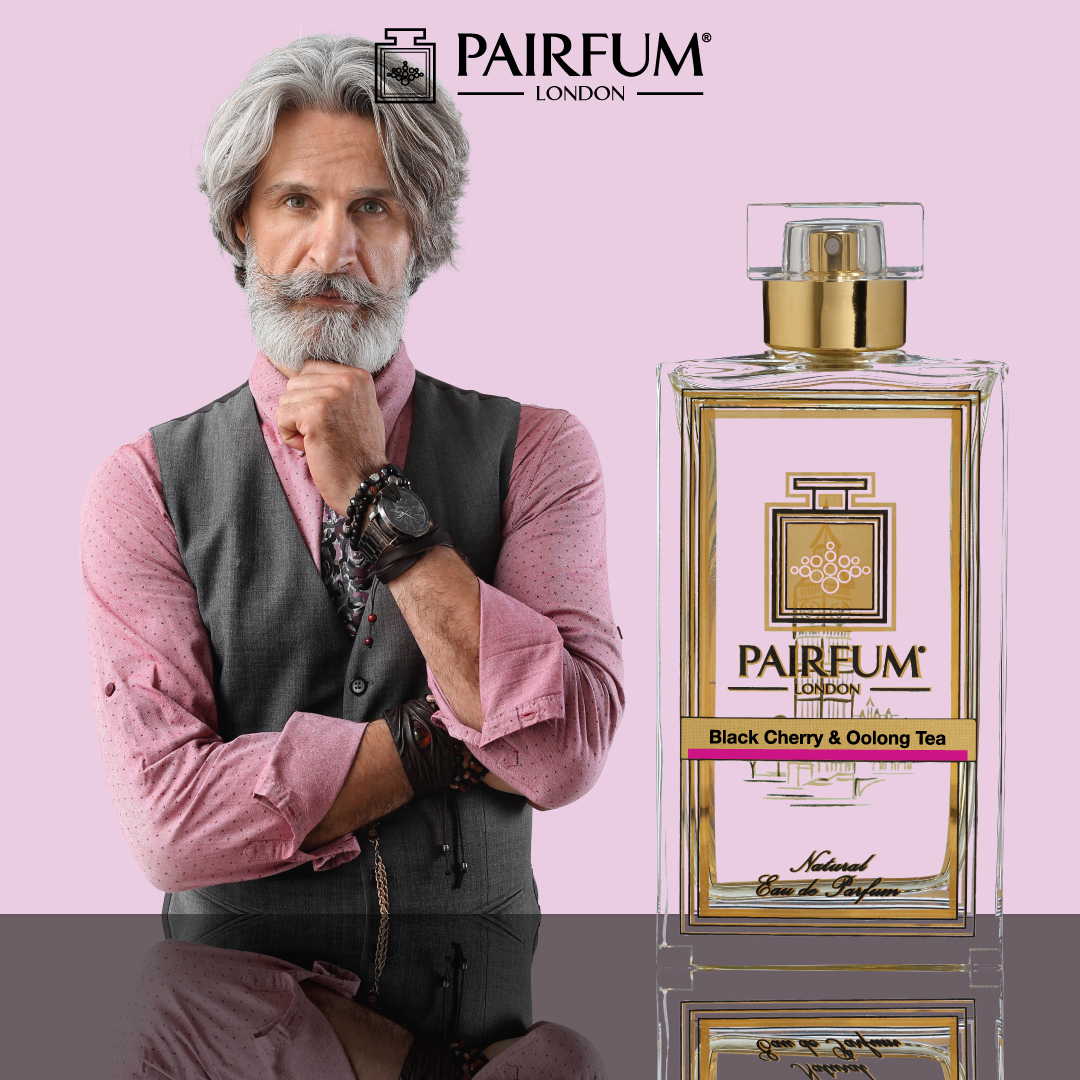
Pairfum Eau de Parfum Person Reflection Black Cherry Oolong Tea Man 1 1

Blackberry and Seasonal Fragrance

Blackberry changes character with the seasons. In spring and summer, it feels fresh and juicy beside floral notes and citrus. In autumn, it becomes darker and richer when blended with woods, vanilla, or musk.

This versatility explains why blackberry appears in both daytime perfume and deeper evening fragrance. The note works particularly well with brambly woods, cedar, and moss during colder months.

Iconic Perfumes Featuring Blackberry

Many popular perfumes have used blackberry to introduce fruit into fragrance without creating something overly sugary. Blackberry often gives the opening sparkle before the fragrance moves into woods, florals, or musk.

Jo Malone helped bring blackberry into wider popularity through Jo Malone blackberry-inspired creations that paired berry notes with woods and greenery. For many fragrance enthusiasts, Jo Malone demonstrated how blackberry could feel elegant rather than childish.

Blackberry is often chosen in:

  • Floral perfume styles that need a darker fruit layer
  • Gourmand perfume that should feel balanced rather than sugary
  • Natural fragrance where the fruit should smell realistic
  • Spring perfume inspired by cool mornings and blossom-covered gardens
  • Signature scent creations that feel memorable without overpowering the room

Blackberry works across many fragrance families. In a floral perfume, it adds freshness beside rose or jasmine. In woody fragrance, it softens dry woods while keeping depth and structure.

Gourmand perfume uses blackberry to balance sweetness, while musk-based fragrance pairs the fruit with warm skin-like accords. This flexibility allows blackberry to feel bright, comforting, or dramatic depending on the blend.

The Difference Between Blackberry and Other Berry Notes

Not every berry accord behaves the same way in fragrance. Strawberries usually feel brighter and sweeter. Raspberry tends to smell playful and candy-like. Blackberry sits in a deeper and moodier space.

The berry note in blackberry compositions often carries a tart quality that makes the fragrance feel more natural. This depth also allows blackberry to blend beautifully with woods, musk, and floral notes.

Perfumers sometimes describe blackberry as the bridge between fruit and woodland accords. It captures the juicy brightness people enjoy in fruity fragrance while still adding shadow and texture.

Blackberry In Perfume

Blackberry Beyond Fine Fragrance

The popularity of blackberry has expanded far beyond traditional perfume. Home fragrance brands now use blackberry in candles, room sprays, and fragrance oil blends because the scent feels both comforting and refined.

Blackberry fragrance oils are especially popular in artisanal home products because they layer beautifully with vanilla, rose, and woods. Fruity wax melts with blackberry are often chosen during colder months because they create warmth without becoming cloying.

Some independent brands also use blackberry in liquid gold perfume oil style products, where concentrated fragrance creates a rich and long-lasting scent experience. These oils are often appreciated by people who want perfume that develops slowly through the day.

Many fragrance enthusiasts enjoy exploring sample kits that include blackberry blends alongside floral, woody, and gourmand styles. Sampling helps people discover how blackberry changes when paired with jasmine, musk, or sandalwood.

The Emotional Appeal of Blackberry

Part of blackberry’s charm comes from memory. The scent reminds many people of childhood walks, stained fingers after picking fruit, and the smell of hedgerows warming in late sunlight.

Unlike heavily processed fruit notes, blackberries often feel familiar and believable. It has texture and movement. That realism explains why blackberry fragrance continues to attract people looking for perfume that feels expressive rather than artificial.

The emotional quality of blackberries can even shape how people respond to fragrance online. Brands often study browsing behaviour and user profiles to understand which fruit-based perfumes customers revisit most often. Blackberry regularly stands out because people connect with its balance of sweetness and depth.

In some digital fragrance shops, customers may also be asked for consent before personalised recommendations are shown. Those recommendations frequently highlight blackberry-based perfume for shoppers who enjoy woody, fruity, or musky fragrance styles.

Building a Blackberry Signature Scent with Pairfum London

Creating a signature scent with blackberry can be surprisingly personal because the note adapts so well to different styles.

Someone who prefers fresh fragrance may enjoy blackberry with rose, citrus, and green herbs. Those who lean towards warmer perfume often prefer blackberry with vanilla, musk, and woods.

For evening wear, blackberry combined with jasmine and soft musk creates elegance without losing the fruit character. During spring and summer, juicy blackberry accords with floral notes, feel bright and relaxed.

Blackberry also works beautifully when layered with woody perfume styles. The contrast between fruit and timber gives fragrance depth and sophistication.

Pairfum Person Reflection Black Cherry Oolong Tea Eau de Parfum

Fruity Complex Multi-Layered Blends by Pairfum London

If you enjoy the rich, slightly wild character of blackberry in perfume, our niche fragrances at Pairfum London are worth exploring. Their collection focuses on high performance fragrance oils and layered fragrance compositions where fruity notes sit naturally beside woods, florals, vanilla, jasmine, rose, sandalwood, and soft musk. The result feels refined, modern, and easy to wear, with the same balance of freshness and depth that makes blackberry such an appealing perfume note.

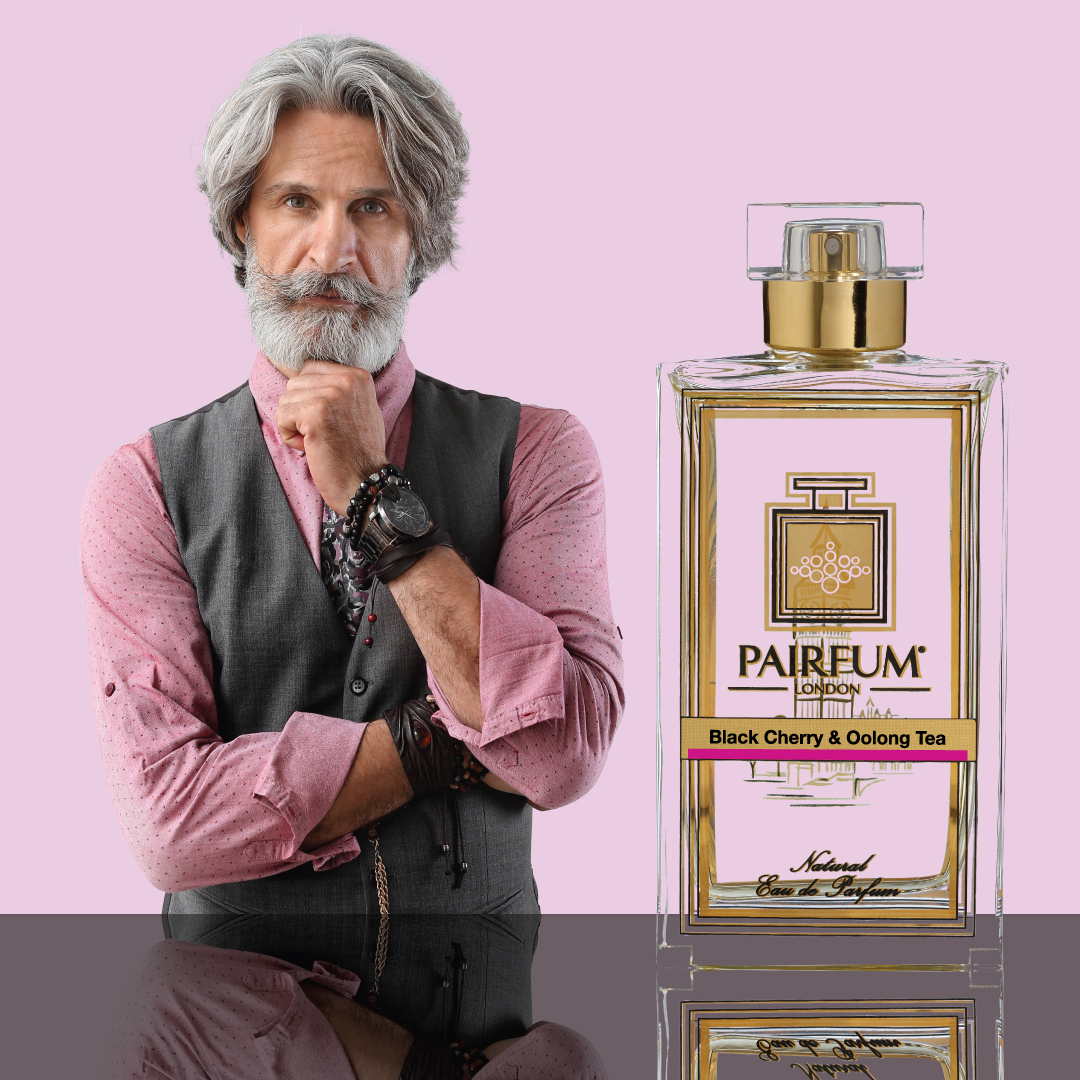
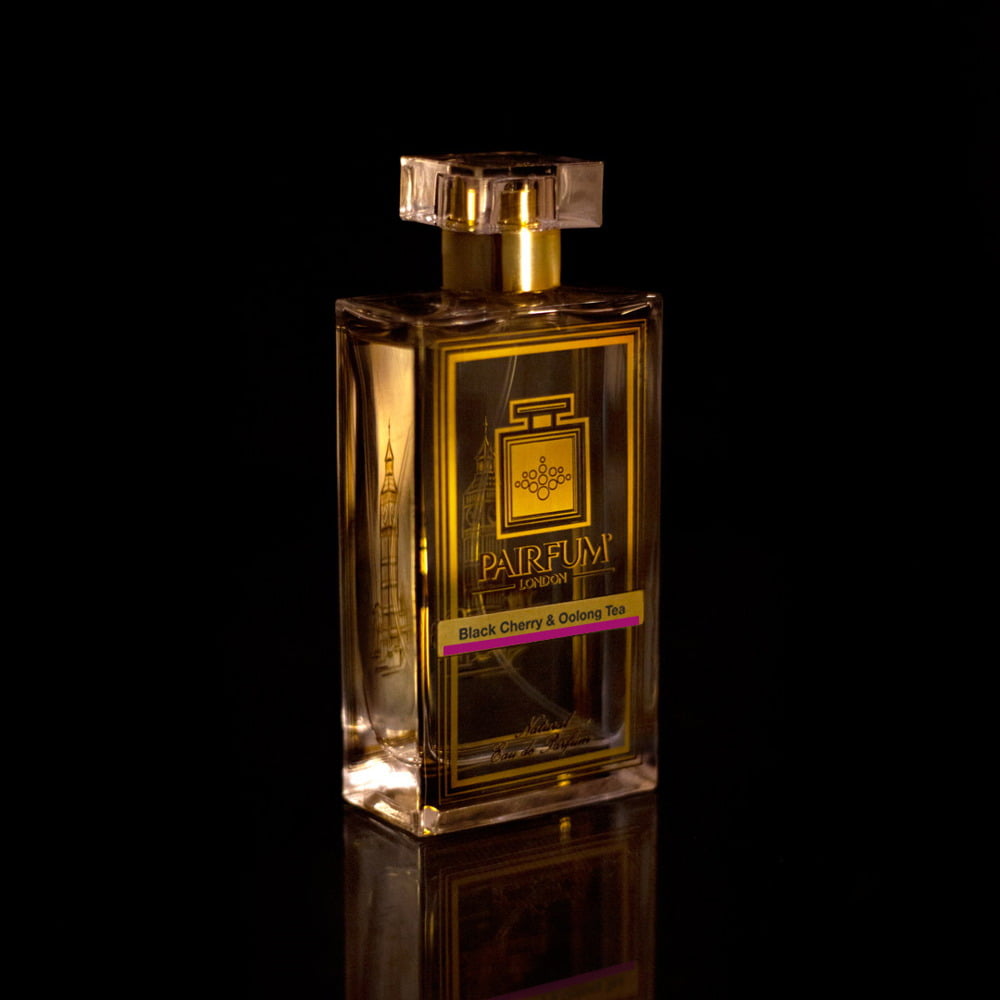
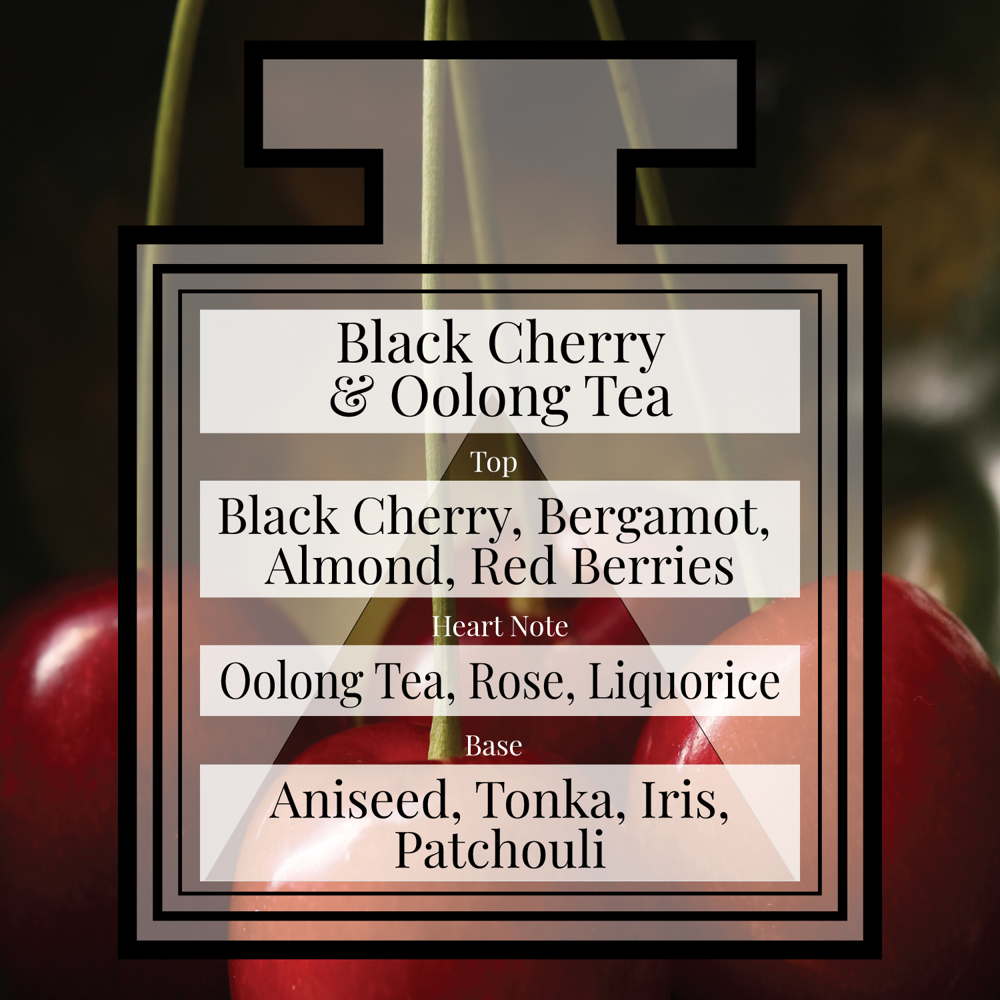
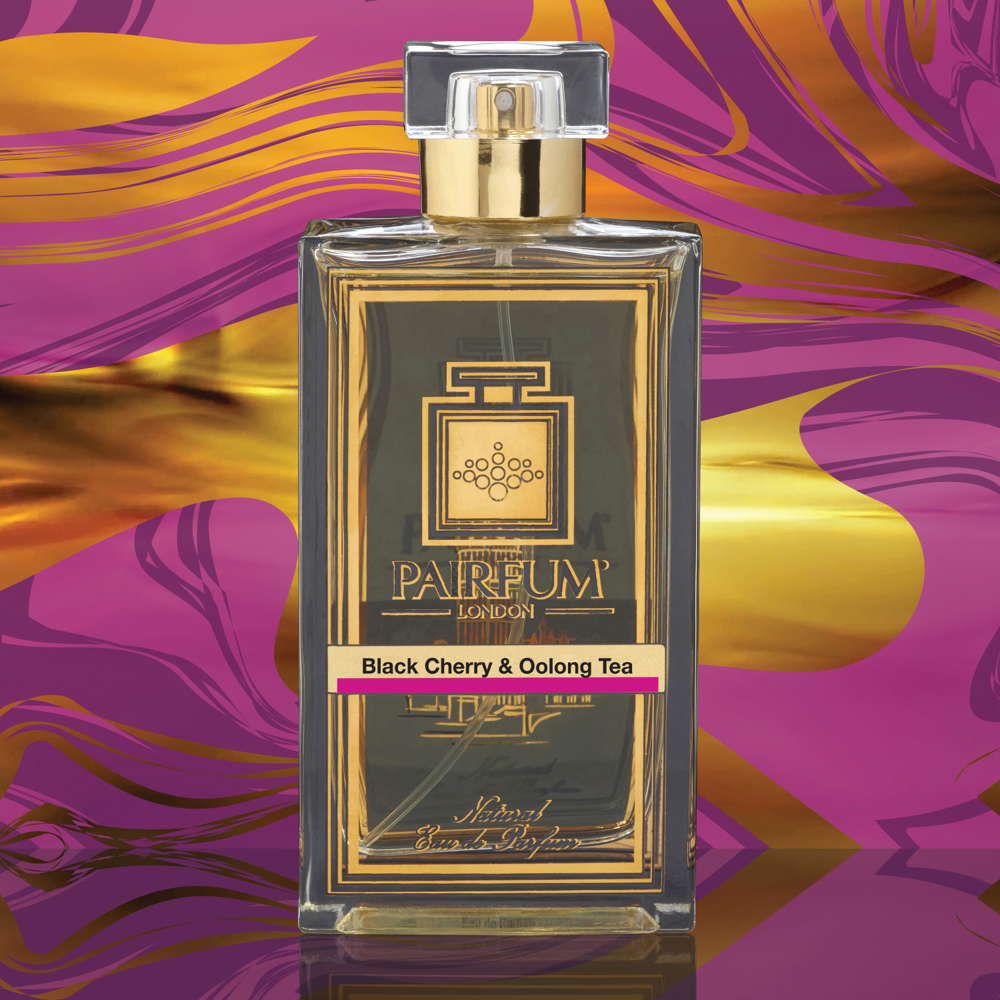
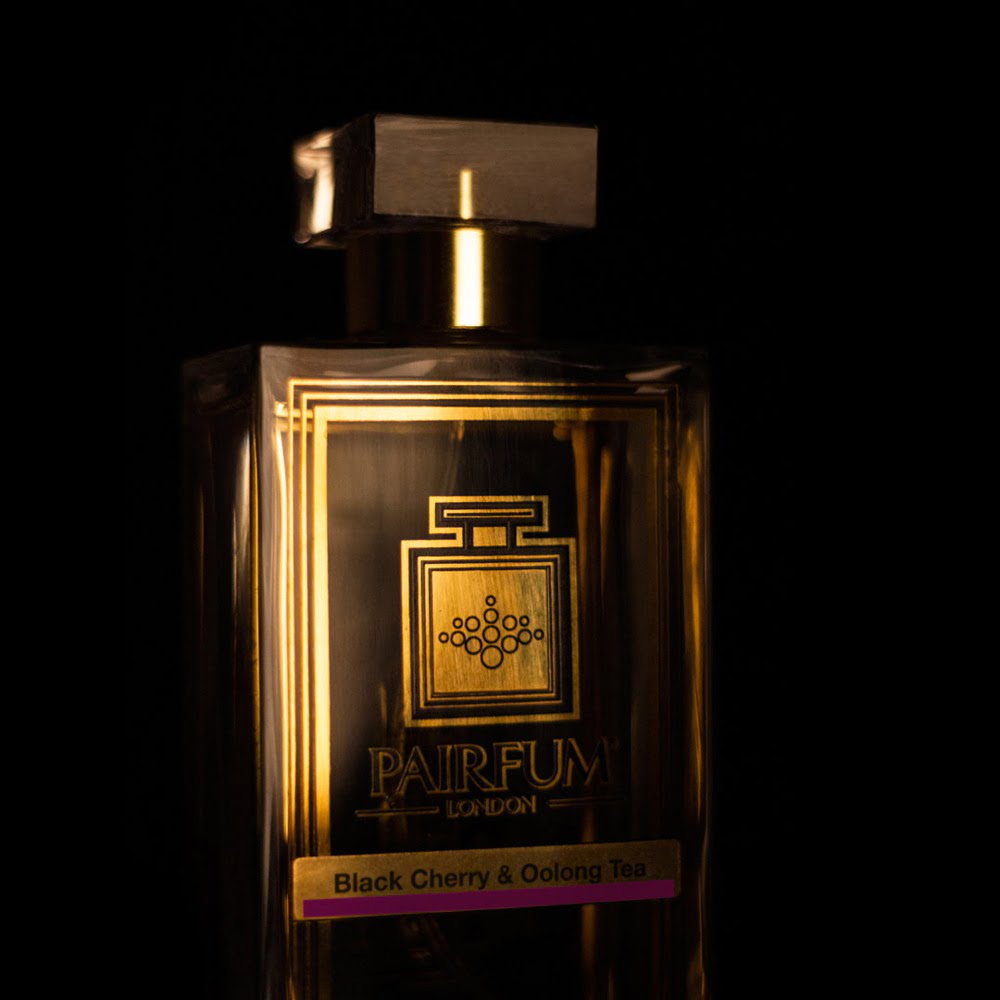
Black Cherry & Oolong Tea – Eau de Parfum by Pairfum London

This fragrance opens with the sparkling interplay of the aromas of Black Cherry, Bergamot, Red Berries and Nutty Almond. The heart is a most elegant fusion of Oolong Tea, Bulgarian & Turkish Roses and Liquorice. The sensuous base rests on Aniseed, Tonka, Iris and Patchouli.

Concluding Thoughts

Today’s perfume industry values individuality more than ever. Consumers are increasingly interested in niche fragrance, artisan production, and realistic ingredients.

Blackberry fits naturally into this movement. It feels less polished than many fruit accords and more connected to nature. Perfumers appreciate how blackberry can transform a composition from simple to memorable.

Whether paired with vanilla, rose, musk, sandalwood, or jasmine, blackberry adds texture and atmosphere. The fruit note can feel comforting, dramatic, romantic, or fresh depending on the surrounding accords.

Blackberry does not try to behave perfectly. It keeps a little wildness and a little shadow. That balance is what makes blackberry perfume so compelling.

For fragrance lovers searching for something expressive, blackberry offers richness, freshness, and character in equal measure. From fine perfume to fragrance oil blends for the home, blackberry continues to prove that fruit in perfumery can feel sophisticated, modern, and deeply atmospheric.

Bulgarian Rose In Perfumery

Bulgarian Rose In Perfumery: Lush Damask Elegance

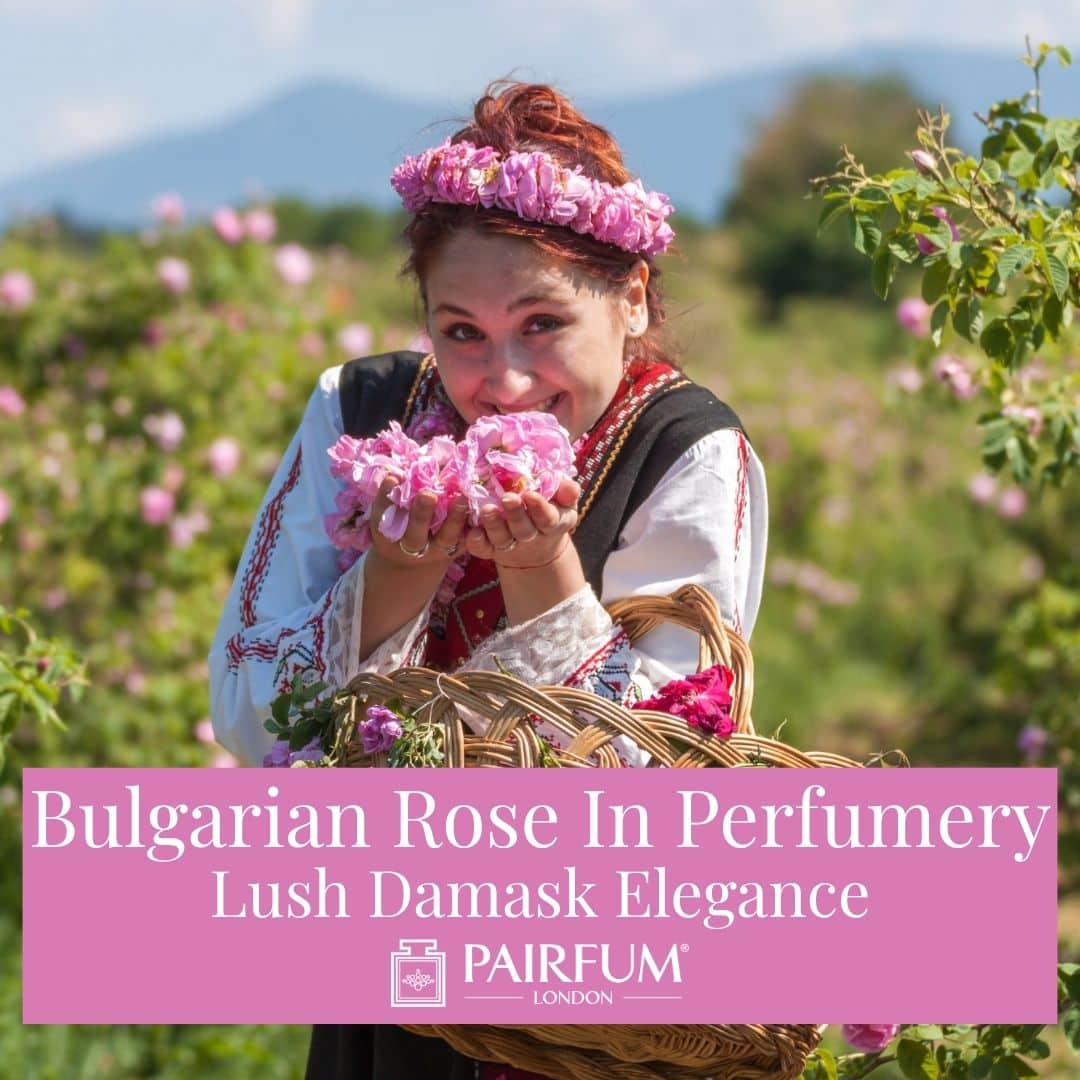
The Bulgarian rose (Rosa damascena) is a world-renowned, high-quality oil-bearing flower that has been cultivated for centuries within Bulgaria’s famous Rose Valley. Highly prized for its deep, honeyed scent, this rose variety serves as the primary source for precious rose oil (rose otto) and rose water. These natural essences are essential staples in luxury perfumery and skincare, valued globally for their intense hydrating and anti-inflammatory properties.

Bulgarian Rose is often thought of as one of the most elegant flowers used in perfumery. Its aroma is soft yet full, rich yet fresh, and always graceful. There is a reason it has stood the test of time in fragrance. With its lush Damask petals and strong natural oil, the Bulgarian Rose brings a sense of floral luxury that feels just right as the days slowly grow longer and early spring settles in.

This flower is not just beautiful in a bottle. It has a deep history, a unique growing region, and a very precise way of being turned into perfume. Today, we are sharing what makes it so loved in natural and niche perfumes and why its presence can lift a fragrance without ever overpowering it.

A Rose with Roots: The History of Bulgarian Rose

Bulgarian Rose comes mainly from a small part of southern Bulgaria known as the Rose Valley. This area has been growing roses for centuries, and its fields are well known for producing some of the finest rose oil in the world. Spring arrives gently in this region, and it is during this short bloom that the flowers are picked in the early morning to protect their freshness.

What started as a local tradition soon became a symbol of craftsmanship and beauty. Known as liquid gold because of its immense value, Bulgarian rose oil became highly respected in European perfumery. Its strong, balanced aroma made it popular with those looking for purity and quality. Today, it still stands out because of how it connects nature, culture, and comfort.

There is something quite special about how this flower is included in springtime rituals, festivals, and even homemade beauty customs. Each of these traditions gives the flower a personal touch, making its aroma feel both grounded and familiar.

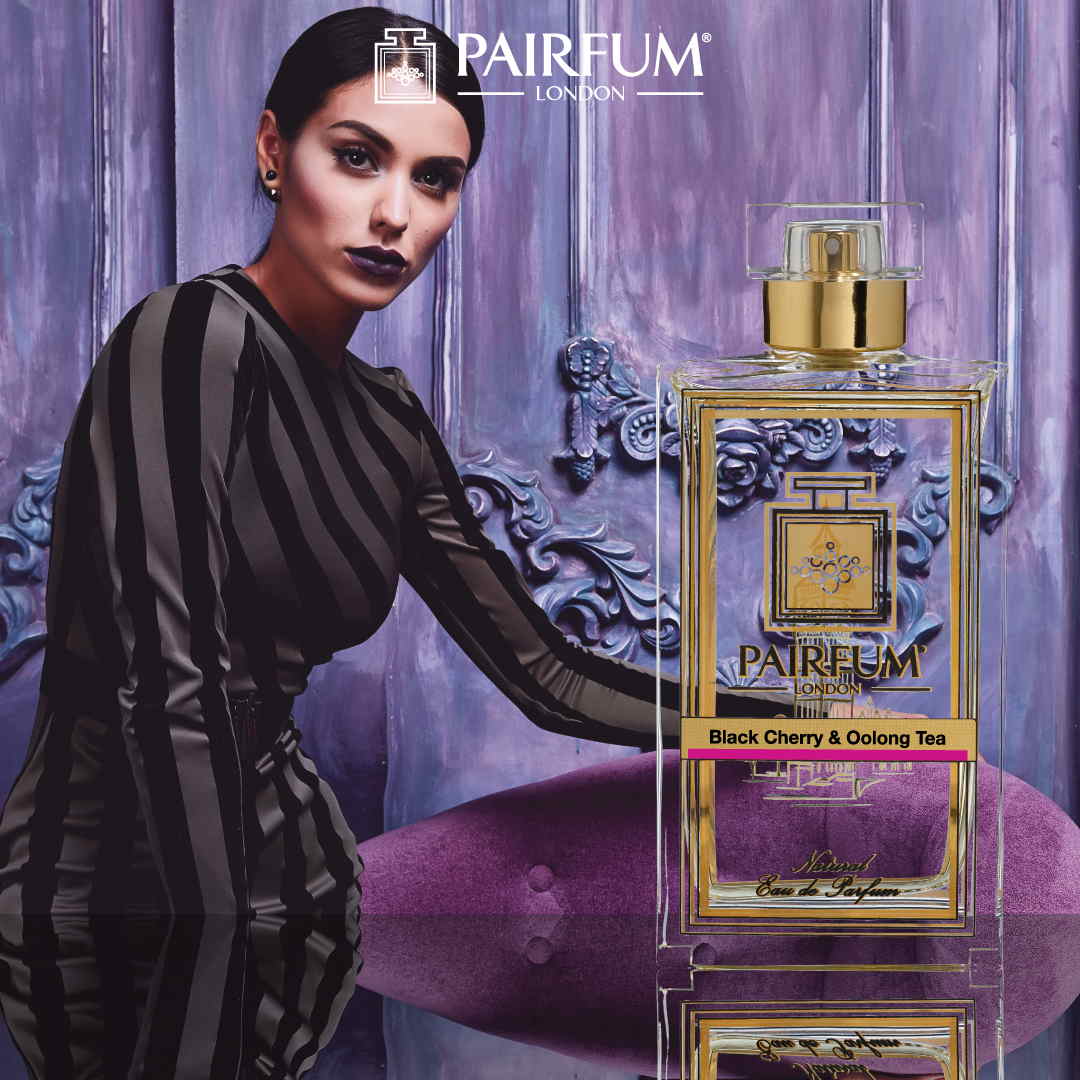
Eau De Parfum Person Reflection Black Cherry Oolong Tea Woman Arms 1 1

A Heritage of Cultivation in Central Bulgaria

The journey of the rose begins in the heart of the Balkan Peninsula. In central Bulgaria, the geography creates a perfect cradle for these delicate flowers. This specific location, including the famous area of the Bulgarian rose Karlovo, provides the ideal environment for the plants to thrive. The tradition of cultivation stretches back to a distant century, and even in ancient times, the region was noted for its flora. In fact, historical evidence suggests rose culture existed here as far back as the Thracian Odryssian Kingdom.

Today, local farmers continue to harvest the blooms by hand, a practice that has remained unchanged for generations. Every year, visitors flock to the region to witness the Rose Festival, a celebration of the harvest that showcases the deep cultural connection between the people and the Bulgarian roses they tend. This event, officially established as a national holiday in 1967, features the crowning of the Queen of Roses and traditional folk dances.

What Makes It Different: Types and Special Traits

The Bulgarian Rose used in perfume oil is not just any rose. It is a variety called Rosa damascena, better known as the Damask Rose. This type is known for having a deep floral character, with layers of honeyed sweetness and a hint of green freshness underneath. Genetic testing indicates it is a hybrid of Rosa gallica and Rosa moschata, crossed with the pollen of Rosa fedtschenkoana.

The reason the Bulgarian version is so special has a lot to do with where it grows. The Valley of Roses has a particular mix of geography:

  • Rich, loamy, diluvial sedimented soil that holds moisture well
  • Cool mornings and warm afternoons that help the petals develop their rich aroma
  • Natural mountain protection from the Balkan Mountains and Sredna Gora that creates a calm, steady climate

All of these small details give the Damask Rose from this region its lasting aroma and balance. Compared to rose oils from other places, the Bulgarian Rose tends to feel rounder and more complete, without being too sugary or too sharp.

Eau de Parfum Person Reflection Black Cherry Oolong Tea Man 1 1

The Unique Properties and Benefits of Bulgarian Rose

The rose damascena is prized not just for its scent but for its unique properties that benefit the skin. In the world of beauty and cosmetics, rose oil is celebrated for providing intense hydration. It is a common ingredient in cosmetic products, ranging from luxury creams to simple, traditional soap. The oil contains over 300 chemical compounds, including geraniol and citronellol, which contribute to its therapeutic status.

Because of its delicate tenderness, it is often used in aromatherapy to promote a sense of calm and reduce stress. The purity of the essential oil ensures that even a single drop carries the soul of the rose fields. Whether used for its fragrance or its therapeutic benefits, the quality of Bulgarian rose oil remains the highest quality available on the global market.

Petals to Perfume: Extracting the Essence of Bulgarian Rose

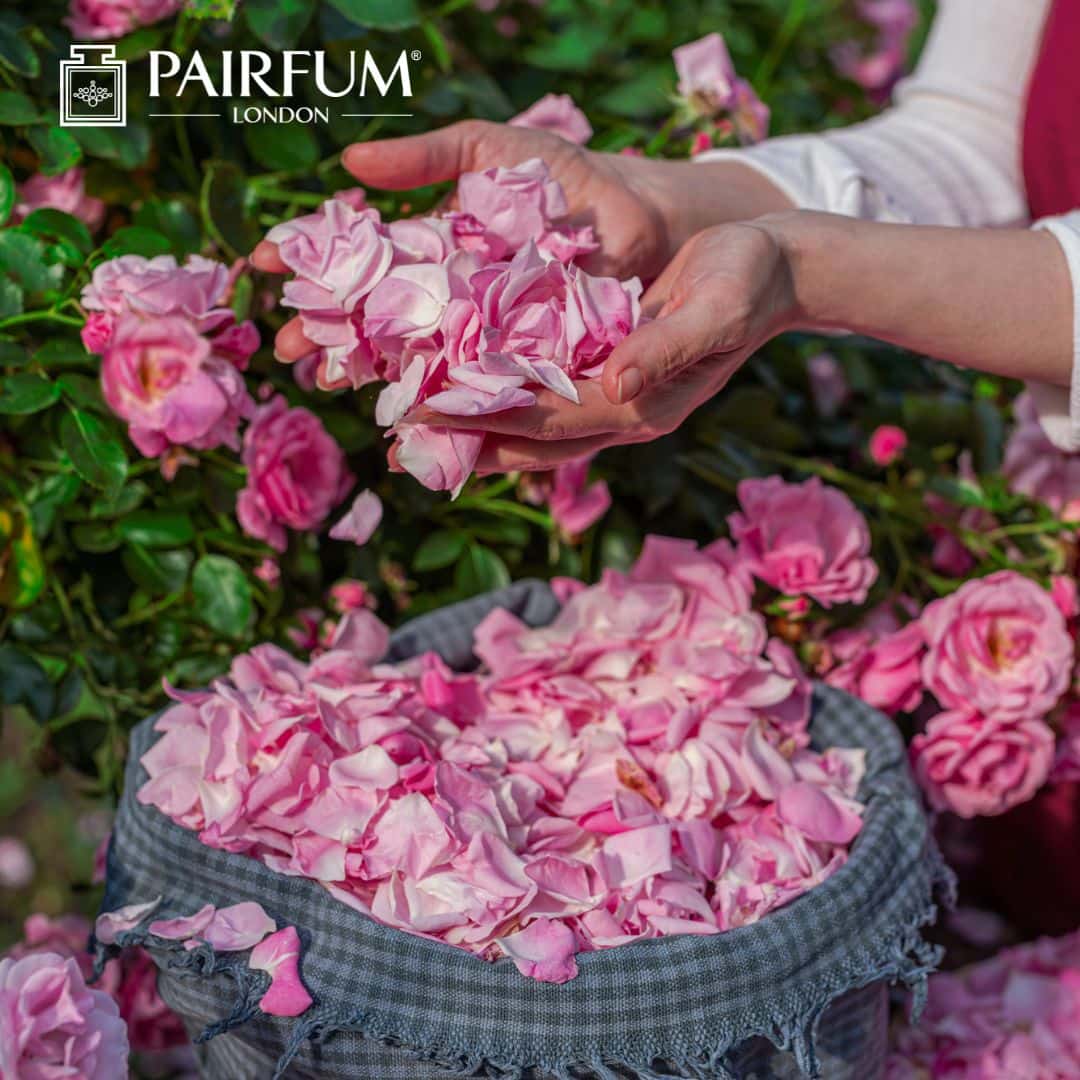
Once the roses are picked, usually before sunrise while the dew still protects the fragrance, teams begin the careful job of turning them into perfume oil. The most common method used is steam distillation. This gentle process lets hot steam pass through the petals, lifting out the oil without damaging its soft aroma. Bulgarian producers famously perfected a double distillation method, which is significantly more effective at capturing the complex profile of the flower.

This distillation method creates pure rose oil, often called rose otto, and a second product as well, which is rose water. This by-product is also used in perfumery and in other areas like skincare and cooking, but the main focus remains that prized oil.

Harvesting is difficult. It takes approximately 3,500 to 4,000 kilograms of rose petals to produce just one kilogram of rose oil. Since each flower is picked by hand, the effort is significant. This care and effort show up in the finished aroma, which feels close to the natural beauty of the flower.

Bulgarian Roses

Global Reach and Modern Usage

The demand for Bulgarian Rose extends far beyond Europe, with significant exports reaching the United States and other global markets. While many people first discover it through perfume, its presence in rose water and various cosmetics makes it a staple in daily routines.

For those who have integrated this scent into their lifestyle, a recurring purchase of rose based products often becomes a ritual. Some specialist suppliers even offer a deferred subscription for those who want to ensure they never run out of this floral essence. In a busy world, perhaps managed from a speedy office, the scent of a rose offers a moment of natural peace.

Iconic Fragrances that Use Bulgarian Rose

You will find Bulgarian Rose at the heart of many popular perfumes, especially those that aim to feel timeless or comforting. It builds the floral part of the perfume and helps hold other notes together.

  • It pairs beautifully with powdery notes and soft woods to create perfumes that feel warm and smooth
  • Add a touch of spice or a hint of citrus, and the floral notes become brighter and cleaner
  • Combine it with resins or amber, and it becomes deeper, smokier, and more romantic

In niche perfumes, Bulgarian Rose often plays a subtle role. It is not always the star, but its presence helps build layers and bring balance. Modern perfumers use it to soften strong edges, round off fruity top notes, or add real depth to lighter, breezier styles.

Tom Ford – Café Rose: A dark and seductive blend where Bulgarian Rose meets exotic spices and dark coffee.

Guerlain – Rose Barbare: A sophisticated, honeyed rose fragrance that highlights the flower’s natural Turkish and Bulgarian elegance.

Bvlgari – Omnia Amethyste: A clean, powdery scent that focuses on the fresh, morning-dew side of the Bulgarian Rose.

Black Cherry & Oolong Tea – Eau de Parfum by Pairfum London

This fragrance opens with the sparkling interplay of the aromas of Black Cherry, Bergamot, Red Berries and Nutty Almond. The heart is a most elegant fusion of Oolong Tea, Bulgarian & Turkish Roses and Liquorice. The sensuous base rests on Aniseed, Tonka, Iris and Patchouli.

Pairfum Eau De Parfum Noir Bottle Carton Black Cherry Oolong Tea

The Feel of Spring in a Bottle

There is something about early spring that asks for something soft. The cold is still there, but the light has changed. Flowers are just starting to show, and the air holds a little more hope. Bulgarian Rose fits this shift perfectly.

Its aroma feels like nature turning the page. With its slightly honeyed, fresh floral character, this rose does not push too hard. It rests gently on the skin and settles nicely in a space. It feels like open windows and soft fabrics. It reminds us of new mornings and quiet afternoons.

Used in perfume or a home bouquet, it gives every room or wrist a bit of that early-season brightness. It does not try to steal the show. It just sits softly and holds everything together, like a well-loved part of a changing season.

If you enjoyed learning about the Rosa damascena, you may wish to look at our recent posts regarding other botanical ingredients. You can also explore related products that celebrate the purity of the rose.

Loganberry In Perfume

Loganberry in Fragrance: Tart Hybrid Berry Pop

The loganberry in fragrance provides a bright, juicy, and multifaceted aroma, which combines the sweet facets of raspberry with the deeper, tart, and earthy characteristics of blackberry. It is frequently utilised as a central heart note to provide a sophisticated, fruity freshness, often being paired with floral accords or woody elements to create a balanced and vibrant scent profile.”

Loganberry has a bold, tart flavour that sits somewhere between raspberry and blackberry. It’s a fruit that doesn’t shout for attention, but once you know it, you don’t forget it. In perfume, that combination of sharpness with soft berry depth creates something playful and slightly unexpected. As a soft fruit, it offers a specific texture to a scent profile that is hard to replicate with more common ingredients.

As winter fades and spring begins to appear, Loganberry feels like it belongs. The air is still cool, trees are just starting to bud, and nature is holding back its full bloom. That early spring mood perfectly matches the character of Loganberry. It’s fresh, a little wild, and full of promise. Adding it to perfume brings a crisp berry brightness, while still holding on to a deeper edge.

We’ve seen Loganberry start to appear in niche and natural perfumes where perfumers are looking for fruit that feels real, not sugary. It’s a twist that lifts the bouquet without turning too sweet, and it works beautifully for perfumes created for the season ahead. Whether used to evoke a summer garden or the crispness of autumn, this edible fruit provides a sophisticated alternative to synthetic alternatives.

Pairfum Collection Niche Perfume Experience Fragrance Library 91 Square

From Crossbreed to Fragrance Note

Loganberry didn’t come from the wild. It was first grown by accident in Santa Cruz, California, in 1881 when a gardener named James Harvey Logan mixed a Pacific blackberry (Rubus ursinus) with a raspberry in his garden. James Logan, a lawyer and amateur horticulturist, was actually trying to produce a superior blackberry when he inadvertently created this vigorous plant. What came out of it was something darker, more tart, and with a richer bite than either parent.

The fruit’s kitchen story helped it find its way into fragrance. Its bold character reminded perfumers of sunny gardens and home recipes. Historically, Loganberry became popular in cooking and jams, and was a staple in summer pudding, pies, and even wine or fruit syrups. One interesting piece of history is the Loganberry drink served at Crystal Beach Park, often frequented by New York residents, which cemented its place in popular culture.

As perfume trends moved toward more natural, food-inspired and seasonal notes, Loganberry fit right in. More recently, we’ve seen perfumers use it to bring something real and surprising to fruity blends. Its sharp edges bring out the best in spring perfumes that aim to feel less processed and more like nature after the rain. For natural and niche perfumery, Loganberry has opened up new ways to play with fruit, without drifting into sticky territory.

The Botanical Roots of the Loganberry Plant

To understand the scent, one must understand the loganberry plant itself. In terms of scientific classification, it is known as Rubus loganobaccus. It is a hybrid of the European raspberry (Rubus idaeus) and a variety of wild blackberries. The plant grows on long, often prickly canes that can reach lengths of eight to ten feet in a single season, requiring horizontal wires for support in a garden setting.

The loganberry inherits the sturdy nature of blackberry plants and the deep colour of the red raspberry. Unlike a raspberry, when you pick ripe loganberries, the core stays inside the berry, much like it does with blackberries. This physical structure contributes to its juice-heavy, fleshy aroma. Interestingly, while the fruit starts out red, it is often best harvested when it reaches a deep purple hue, indicating its full aromatic maturity.

If you were to grow this plant at home, it thrives in a sunny spot with well-drained soil. While it is typically an outdoor vine, some enthusiasts have tried keeping it as a temporary indoor plant during the early stages of growth. It requires rich soil and plenty of compost to produce a high yield of fruit that is famously high in vitamin c. In the UK, it is highly valued for being more resistant to disease and frost than many other berries, though its short shelf life makes it a rarity in commercial shops.

Pairfum Collection Niche Perfume Experience Fragrance Library 40 Square

Fragrance Profile of Loganberry

The aroma of Loganberry isn’t shy. It’s bold at the start, tangy as it hits the skin or the air. After that, you get a soft mix of sweet and sour that feels alive and nicely rounded. There’s a bit of green hidden underneath, almost like you’re still near the bramble it came from, catching the scent of a crushed leaf.

Here’s how Loganberry stands apart from other popular fruit notes:

  • It has more bite than a strawberry but doesn’t lean into the sugar
  • It’s rounder and riper than a raspberry, with fewer floral notes
  • It shares the earthiness of blackberries but keeps a livelier top edge
  • It is less “dusty” than a boysenberry, staying bright and acidic

In many natural or niche perfumes, Loganberry fits best in the top or heart layers. It makes a bold first impression, then blends into whatever comes next. That flexibility gives it range. It can sit at the start of a fresh summer blend or soften the centre of something darker as we transition into autumn. And because it’s not widely used yet, it feels a bit different, like a surprise hidden in familiar territory.

Loganberry, as a perfume note, offers natural energy and vibrancy, brightening up the compositions it joins. Its lively aroma complements the freshness that people associate with the very first weeks of spring, when everything is budding and awakening. While some berry scents in perfumery can feel overly candied or synthetic, Loganberry’s unusual hybrid nature gives it a more lifelike profile, which supports both everyday and more creative fragrance concepts.

Cultivation and the Scent of the Earth

The scent of a loganberry is inextricably linked to the soil and the environment in which the plant grows. Whether grown in the United States or exported to places like New Zealand, the loganberry thrives when the soil is enriched with organic compost.

Gardeners often purchase bare root plants in late autumn or winter to ensure a strong harvest the following summer. As the new cane develops, the plant prepares to produce its signature tart fruit. Even the prickles on the canes seem to suggest the sharp, defensive tartness of the berry itself. This “green” and “thorny” aspect is often captured in niche perfumery by adding hints of bramble or wood to the loganberry accord.

How Loganberry Works in Natural and Niche Perfume

Perfumers are getting creative with Loganberry. The fruit doesn’t offer a pure essential oil, so they build it instead. Some use aroma molecules. Others mix berry accords to get close to the full effect. The goal is always the same: to capture that tart, juicy feel with enough depth to stay interesting.

Here’s why we see Loganberry show up more in niche blends:

  • It smells like garden fruit, not candy
  • It works well with woody and green notes
  • It adds fresh movement without taking over

When blended well, Loganberry can open a perfume with energy, then settle into something softer. It’s often used with clean woods like cedar or herbal notes like clary sage. It plays nicely with florals too, especially peony or violet, which keep it light without losing its shape. For perfumes focused on seasonal changes, Loganberry helps link the cool start of spring with the warmth coming just behind it.

Loganberry’s adaptable personality allows it to bridge the gap between juicy fruit and more grounded, earthy facets in fragrance. Niche and natural perfumers might select Loganberry to add an element of surprise or authenticity, offering a multifaceted burst that harmonises well with both traditional and modern compositions. The result is a balanced fragrance that stands out while remaining wearable and appealing.

Ripe Loganberries

Noteworthy Perfumes Featuring Loganberry

A few niche perfumes have started to use Loganberry as their fruit centrepiece, picking it over the usual berry line-up. These blends often show it off with light musk, clean greens, or herbals to keep its sharpness in check. When handled this way, Loganberry manages to feel bold and balanced at the same time.

Seasonally, Loganberry plays especially well in:

  • Spring perfumes that need fruit but less sugar
  • Natural blends where fruit should feel like it was just picked from the plant
  • Home fragrances that add brightness to early-year moods

Find A New Iconic Spring Fragrance with Pairfum London

Just as the loganberry provides a rare and sophisticated “purple” fruitiness, the Fragrance Library introduces you to a vast array of innovative and natural accords. By stepping away from the overwhelming “cloud of fragrance” found in traditional department stores, this experience box allows you to appreciate the subtle transitions between heart notes and base layers in a neutral environment. Whether you are drawn to the tart brightness of berries or the deep earthiness of woods, this collection offers the ideal “Perfume Experience,” helping you understand the scientific and artistic balance required to create a truly vibrant and balanced scent profile.

Fragrance Library – Perfume Experience Box by Pairfum London

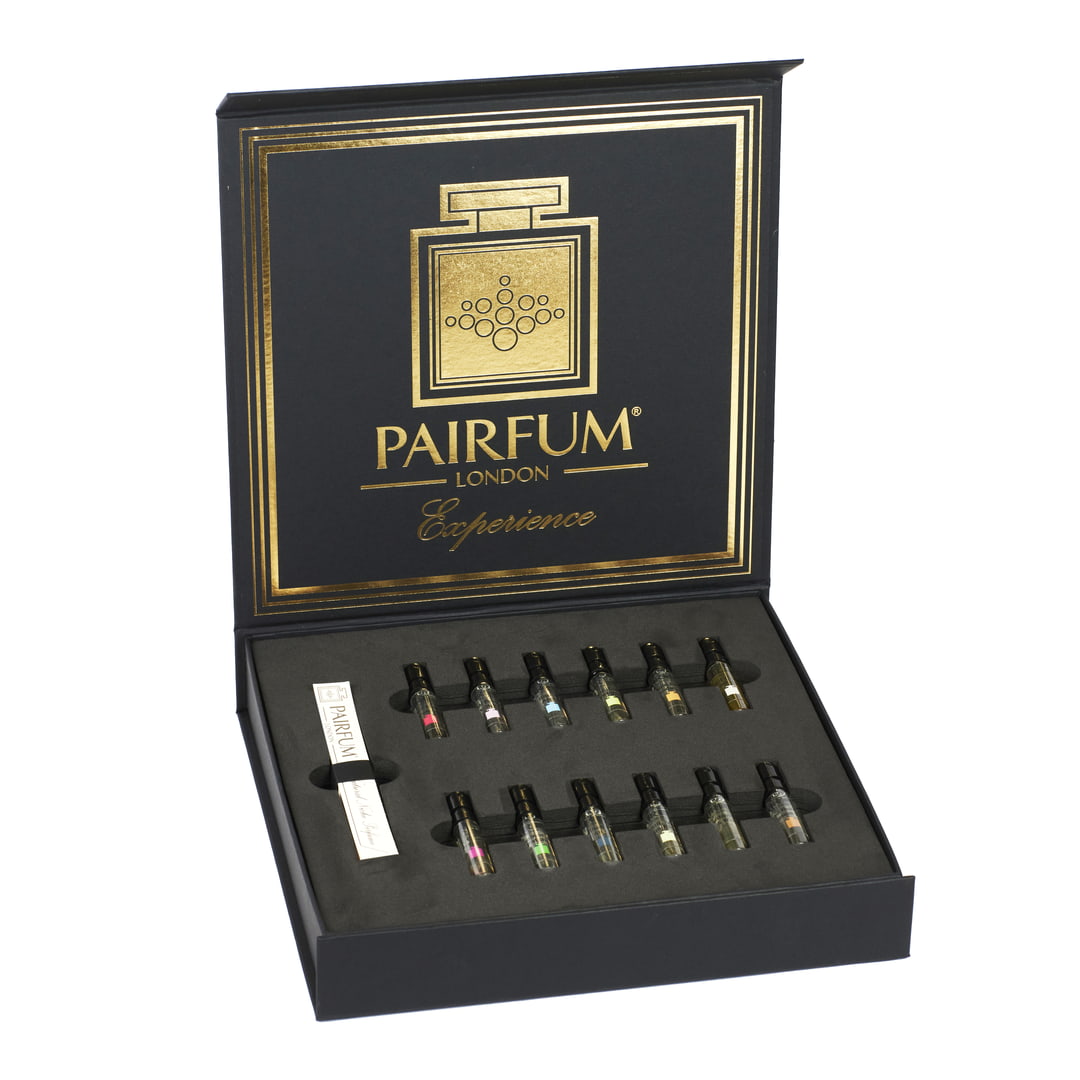
The Fragrance Library is a curated collection of 12 x 2ml Eau de Parfum Intense sprays, designed to let you explore the world of niche perfumery from the comfort of your own home. Each set includes 50 smelling strips and enough perfume for approximately 100 sprays per bottle, allowing you to test each fragrance’s longevity and evolution on your skin over two weeks. This selection is 100% vegan, cruelty-free, and handmade in the United Kingdom using natural and organic essential oils, ensuring a clean and ethical way to find a fragrance that truly resonates with your persona.

Pairfum Collection Niche Perfume Experience Fragrance Library 49 Square

‘Berry Bold’: Why Loganberry Makes Fragrance More Interesting

Loganberry stands at the edge of sweet, where tart makes things more interesting. It’s the kind of fruit perfume note that adds something honest, like where the garden hits the wild. Because it’s not as common as strawberry or raspberry, people notice it, even if they can’t name it.

As the air cools in autumn, the deeper, wine-like qualities of the loganberry come to the fore. It is a plant that yields its best fruit in the height of summer, yet its olfactory memory lingers much longer. Its fresh-tart shape, rooted in real fruits and green branches, brings a twist to springtime perfumes. For those of us working in natural and niche perfumery, Loganberry feels like a welcome change. It brings a bright note that’s modern and playful, while still grounded in nature. Its hybrid nature makes it both familiar and curious, which is exactly why it works so well.

Macaroon In Perfumes

Macaroon in Perfumes: Sweet Coconut Gourmand Charm

A macaroon is a dense, chewy cookie primarily crafted from shredded coconut, egg white, and sugar, and is often dipped in chocolate. These treats differ from the French macaron (spelt with one ‘o’), which is a delicate, meringue-based sandwich made with ground almond. While coconut macaroons are typically rustic and packed with tropical flavour, the French macaron is smooth, colourful, and light.

There’s something wonderfully soft about the macaroon note in perfumes. It brings to mind the sweet crunch of coconut, the warmth of baked treats, and that gentle, toasted charm that feels comforting without being too sugary. As winter begins to ease into early spring, these kinds of aromas seem to suit the change in seasons perfectly.

The macaroon note brings its familiar coconut touch into fragrances in a way that adds depth and creaminess without weighing everything down. It doesn’t shout. It smooths. Whether tucked into the heart or base of a perfume, it creates an atmosphere that feels cosy and welcoming. And while it borrows from something edible, it stays grown-up, wearable, and wonderfully suited to perfumes that want to be memorable without being loud.

A Sweet History: How the Macaroon Became a Perfume Favourite

Gourmand perfumes have always had a link to comfort. They began showing up in full force in the late 20th century, led by vanilla and chocolate notes that captured the feeling of desserts without turning perfume into food. As the gourmand style grew, perfumers started to reach for other familiar treats to build new perfume profiles.

The macaroon note started to show up not just as a nod to coconut, but as a richer, fuller element made up of coconut, almond, and baked facets. Historically, these treats have deep roots; the name stems from the Italian word maccarone, meaning a fine paste. While the French macaron rose to fame in Parisian tea salons like Ladurée during the 20th century, the earlier versions were simple almond meringue biscuits. It was the introduction of shredded coconut in the late 1800s that transformed the recipe into the dense, chewy coconut macaroons we recognise today.

We saw this evolution mirrored in the move toward perfumes that felt personal and emotional. These weren’t perfumes meant to impress from a distance. They were the kind of people who wore clothes and perfume to feel good. And that’s where macaroon found its place, quietly adding warmth and sugar while helping a perfume feel holding and familiar.

Pairfum Collection Niche Perfume Experience Fragrance Library 91 Square

Recreating the Aroma: How Perfumers Capture the Macaroon Note

Unlike some natural perfume ingredients, there’s no plant or flower that gives us a true macaroon oil. Instead, perfumers build the note piece by piece, using a mix of both natural extracts and aroma molecules. Typical components include:

  • Coconut milk or shredded coconut accords for the sweet, tropical base
  • Almond oils or tonka bean to bring a nutty tone
  • Soft vanilla and sugar notes to round out the sweetness

When layered in the right way, these ingredients create a perfume note that smells gently creamy and toasted, like the real treat it’s inspired by. It usually appears in the heart or base of a fragrance, places where it can linger on the skin and offer its cosy softness all day. And because it’s a warm note, it blends seamlessly into the kind of perfumes made for cuddling up, whether that’s on chilly days or early spring evenings.

The Culinary Inspiration: From Baking Tray to Fragrance Bottle

To understand why macaroons smell so divine, one must look at the baking process itself. A classic coconut macaroon is a simple yet indulgent sweet treat. The traditional recipe involves a mixture of egg white beaten until it forms soft peaks, eventually reaching stiff peaks as sugar is folded in. Unlike the delicate French macaron, which relies on ground almond and a smooth macaron shell, the coconut variety is rugged and hearty.

In a kitchen, a baking tray lined with parchment is filled with spoonfuls of batter. As they sit on the baking sheet, the edges begin to caramelise. This toasted flavour is exactly what perfumers try to replicate. While some may confuse them with the French macaroon (often spelt macaron), the scent profile we often find in gourmand perfumes is closer to the dense, golden coconut macaroons found in British bakeries.

Even a Scottish macaroon has its own unique profile, famously invented by John Justice Lees in 1931. This version traditionally uses a surprising ingredient like mashed potato or boiled potato mixed with an abundance of icing sugar to create a thick fondant. It is then dipped in chocolate and rolled in coconut. This specific combination of earthy potato and intense sweetness creates a very different olfactory profile, one that is dense, rich, and nostalgic.

Mastering the Texture: Sugar, Butter, and Cream

The olfactory “texture” of a macaroon perfume comes from simulating the weight of the ingredients. To mimic the density of a macaron recipe, perfumers use synthetic notes that evoke butter and heavy cream. Just as a baker uses an electric mixer to combine caster sugar and almond extract at room temperature, a perfumer carefully balances superfine sugar notes with darker elements.

When you think of a high-quality chocolate macaroon, you imagine the snap of dark chocolate against a soft centre. In scent, this is achieved by layering cocoa accords over a sugar and almond mixture. The goal is to capture the essence of the food without the stickiness. This involves avoiding the trapped air bubbles of a light meringue and focusing instead on the “chewiness” of the coconut and icing sugar blend. Experts like Sally’s Baking Addiction highlight that using the right sugar and avoiding fat in the egg white is vital for the bake; similarly, a perfumer must ensure no single note “collapses” the scent’s structure.

Scottish Macaroons

Blending with Character: How Macaroon Pairs with Other Notes

One of the nicest things about the macaroon note is how adaptable it is. It doesn’t take over, which means it’s great at blending and giving structure to many different combinations.

  • It holds very well with other warm notes like tonka bean, sandalwood, and amber
  • It melts into floral notes like jasmine or tiaré to create soft, tropical-style perfumes
  • It contrasts nicely with hints of citrus or green notes, offering sugar without losing freshness

In niche perfumes, where character and contrast matter more than just sweetness, macaroon is often used to round out sharper or more airy smells. It can take something cold or dry and soften the edges just enough to make it feel inviting.

We’ve seen perfumers use it in both traditional gourmand blends and more inventive pairings. Sometimes it appears beside sea breeze notes or smoky woods, showing that coconut or vanilla doesn’t need to stay in the dessert category. When used with a light touch, it simply brings calm.

The Art of the Confectioner and the Perfumer

There is a certain theatricality to baking that mirrors the art of scent. Think of the Great British Bake Off, where contestants carefully prepare a piping bag to ensure every macaroon on the tray is uniform. They watch the selection results of their hard work as the prepared baking sheet comes out of the oven.

Similarly, a perfumer must ensure their mixture is balanced. If there is too much confectioners sugar or powdered sugar in the accord, the perfume becomes cloying. If the almond is too strong, it can smell medicinal. However, when the caster sugar and butter notes are handled with precision, the result is a fragrance that smells like the most refined macaroons in the world.

Soft and Cosy: Why Does Macaroon Work for the Colder Season

Late winter into early March brings a change in mood. We start looking forward to lighter days and milder weather, but it’s still chilly enough to want something warming on the skin. Macaroon gives that gentle warmth in a way that feels perfectly timed.

This is the season when heavy perfumes can start to feel too much, but many spring perfumes feel a little too clean or airy. A macaroon note gives the best of both sides. It’s cushiony like soft layers on a cool day, but doesn’t weigh the whole perfume down.

  • It softens perfumes that rely on sharp greens or citrus
  • It makes floral blends feel more creamy and smooth
  • It warms perfumes with woody bases without making them feel too dark

As the weather shifts, we often want perfumes that feel like an easy comfort. The macaroon note does exactly that; it creates a sense of closeness and ease that feels just right for this time of year.

12 Pairfum Eau De Parfum Bottle Niche Collection

Find Your Next Iconic Fragrance With Pairfum London

Finding the perfect gourmand scent is a deeply personal journey, especially when looking for those subtle, toasted notes of macaroon and vanilla that truly resonate with your skin chemistry. Rather than guessing at a crowded perfume counter, the Fragrance Library Perfume Experience Box allows you to explore sophisticated aromas in the comfort of your own home. It is the ideal way to discover how a sweet treat of a scent evolves from the first spray to the warm, lingering base notes, ensuring you find a fragrance that feels like a natural extension of your own style.

Fragrance Library Perfume Experience Box by Pairfum London

This beautifully presented collection features twelve 2ml bottles of Intense Eau de Parfum, providing approximately 100 sprays per bottle or enough for a two-week trial of each unique scent. The set includes 50 professional smelling strips for expert sampling and is crafted using natural, organic essential oils and a biodegradable alcohol base derived from sugar. As a 100% vegan and cruelty-free product handmade in the United Kingdom, it offers a risk-free way to sample niche luxury, with the full cost of the box refundable when you upgrade to a full-sized flacon.

Pairfum Collection Niche Perfume Experience Fragrance Library 49 Square

A Lasting Treat: When Sweetness Feels Grown-Up

Sweetness in perfume sometimes gets a bad name, but there’s a difference between sugar overload and well-made gourmand warmth. What keeps macaroon on the grown-up side is how it’s used to support, not to lead. When layered thoughtfully, it gives perfume a soft texture and a fuller shape.

We keep seeing this note appear in both familiar, comforting perfumes and in newer niche creations. It bridges the gap between everyday favourite and something just a bit unexpected. That’s probably why macaroons never quite go out of style. They don’t try too hard; they just work. And sometimes, that’s exactly what perfume should do. Experience the comforting warmth of macaroon and dark chocolate undertones, and discover how a simple recipe of notes can transform your daily flavour profile into something truly sophisticated.

Cognac In Fragrance

Cognac in Fragrance: Boozy Warmth and Fruity Depth

Cognac is a prestigious and protected variety of brandy produced exclusively within the Cognac region of France under strict, centuries-old regulations. This spirit is distilled twice in traditional copper pot stills from specific white grapes, predominantly Ugni Blanc, before being aged in French oak casks for a minimum of two years. The resulting spirit offers complex and smooth flavours that range from light floral and fruity notes to rich, spiced, and woody profiles.

There is something about Cognac in a perfume that stops you. It feels warm and familiar, like a subtle touch of something smooth and rich drifting through the air. With its deep fruitiness and soft boozy character, Cognac brings comfort and elegance to cold-weather perfumes. It fits perfectly in winter, when we reach for fragrances that feel a bit heavier, rounder, and made for the indoors.

You will often find it in natural or niche perfumes, where its richness can develop gently over time. Rather than shouting, it hums in the background, adding warmth and depth to everything around it. For perfumers and fragrance lovers alike, Cognac has become a go-to ingredient for creating a sense of calm, luxury, and slow, quiet evenings. This fine cognac essence is more than a scent. It is an atmosphere of refined relaxation.

Aromatic Origins: How Cognac Found Its Way into Perfume

Cognac begins its life in the vineyards of western France, specifically within the famous Cognac region. It is made from a specific white grape selection, primarily the Ugni Blanc variety. These grapes are fermented into a wine that is then distilled into a clear spirit and aged in oak barrels. This ageing process in a wooden cask brings out the nutty, woody, and fruity notes that Cognac is known for. What perfumers use, though, isn’t the drink itself but an extract drawn from the distillation residue or created through other aromatic means.

In perfume, what we call Cognac usually refers to either an oil or a recreated aroma that carries the spirit’s signature warmth. It is not about the drink one might pour but about the feeling it creates, such as the mood of a glass in hand by a fire, or a dark room lit by candles. Because of this, it is naturally linked to comfort, richness, and tradition, which is why so many winter perfumes use it to build that feeling. While it is a type of brandy, it is held to a much higher standard of production than your average brandy bottle. To be legally called Cognac, the spirit must be produced in Cognac France, under strict Appellation d’Origine Contrôlée (AOC) regulations.

Historically, boozy notes like Cognac were used to suggest wealth and celebration. They reminded people of old libraries, soft leather chairs, and well-stocked cabinets. Today, they still carry some of that atmosphere, but they are also used in a more modern way, blending with other ingredients for something fresh yet familiar. Whether it is a VS Cognac or a rare Extra Cognac, the influence on the nose is undeniable.

Fragrance Description Cognac Vanilla Coconut Patchouli Benzoin Labdanum

The Terroir: Crus and Grapes

To truly discover cognac, one must understand the land. The production area is divided into six zones, or crus, each defined by its unique soil composition. The most prestigious is Grande Champagne, known for producing spirits with great length and elegance due to its high chalk content. A Grande Champagne Cognac often requires much longer ageing to reach its peak. Next is Petite Champagne, and when these two are blended with at least 50% from the former, it is called a Fine Champagne Cognac.

The Ugni Blanc grape is the backbone of the industry, making up about 98% of the vines in the region. However, other grape varieties like Meslier St François are also permitted, though they are much rarer now. The soil in these areas, particularly the chalky ground of Grande Champagne, gives the wine a high acidity and low alcohol content that is ideal for distillation. Even the Bons Bois region, which features more clay-based soils, contributes its own unique, faster ageing character to the final brandy blends.

The Craft of the Cognac House

Every famous Cognac house follows strict traditions to maintain its signature flavour. The process involves double distillation in traditional copper pot stills, specifically the Charentais style still. This method concentrates the fruit and floral notes of the base wine. After the spirit is made, it must age. As the Cognac matures, it interacts with the oak of the cask, absorbing tannins and developing a golden hue. By law, this oak must come from the Limousin or Tronçais forests.

Different ages are denoted by specific labels. The youngest brandy in a blend determines its category:

  • VS Cognac (Very Special): Aged for at least two years.
  • VSOP Cognac (Very Superior Old Pale): Aged for at least four years.
  • XO Cognac (Extra Old): Aged for at least ten years.
  • XXO Cognac: A newer category for spirits aged fourteen years or more.
  • Hors d’age: This term means “beyond age” and is used for very high-quality spirits that exceed the official age scales.

Luxury bottles like Hennessy XO, Rémy Martin XO, and Courvoisier XO are world-renowned for their complexity. For the ultimate pinnacle of the craft, one might look to Louis XIII, a spectacular Louis XIII Cognac blend that represents generations of work.

Pairfum Lifestyle Natural Perfume Livingroom Large Reed Diffuser 1 1

The Fragrance Profile: What Cognac Really Smells Like

The aroma of Cognac in perfume is often warm and rounded. You will notice a whisper of aged wood, mixed in with baked fruits, faint vanilla, and just a trace of spice. It does not smell like alcohol, but the idea is still there, a nod to smooth drinks and slow evenings. The flavour profile is sophisticated and layered.

Depending on how it is blended, Cognac can smell:

  • Fruity, like dried grapes, plum, or apple.
  • Woody, thanks to the oak barrels in which it ages.
  • Sweet, in a soft, baked kind of way.
  • Warm, with amber-like tones underneath.

These features give depth to cold-weather perfumes, making them feel cosy and full. It works beautifully with other rich ingredients but never fights for attention. Used in the right amount, Cognac balances out sharp spices or lifts dense woods, building a full, steady foundation that carries the perfume forward. It provides a Dry XO quality that is both crisp and deep.

Extraction Methods and Perfume Applications

Getting the Cognac aroma into a perfume is a careful process. Natural versions come from the distillation leftovers of actual Cognac production, which are refined into oils. These carry the true character of aged spirit and are used in small amounts due to their strong perfume. In some cases, a Delamain Pale style extraction is used to keep the scent lighter and more floral.

In many modern perfumes, especially niche blends, perfumers might also use aroma molecules built to match or evoke the essence of Cognac. This allows more control over its strength and how it reacts with other ingredients. Either way, whether you are working with natural oil or a creative version, the goal is the same: to get that smooth, warm feel into the bouquet.

Cognac is rarely used at the very top of a fragrance. Instead, it often sits in the middle or base, where it can stretch out its warmth and support the other notes layered above it. From natural to niche perfumes, it quietly builds atmosphere without taking over. Whether inspired by a Courvoisier VS, a Courvoisier VSOP, or a Hennessy VS Cognac, the effect is always one of high class.

Man Holding Cognac

Blending and Pairing: Notes That Work with Cognac

As a perfume note, Cognac feels welcoming and mellow. It plays particularly well with other warm, rich, or sweet aromas. When styling a fragrance for the cooler months, this is one of those pieces that brings everything together. It shares the same DNA as a high-quality brandy but with a more floral, elevated finish.

Some of the notes commonly blended with Cognac include:

  • Tobacco and leather, for depth and boldness.
  • Amber, vanilla, and tonka bean, for soft sweetness.
  • Plum, black cherry, or fig, to echo its fruitiness.
  • Spices like clove or cinnamon can bring out warmth.
  • Dark woods like cedar or patchouli, to ground the aroma.

Used like this, Cognac helps shape woody or gourmand perfumes, giving them a richer, fuller body. It works just as well in home fragrances, lending a calm, layered finish suited to winter nights. Some perfumers even try to capture the effervescence found in cocktails, perhaps nodding to the mix of Cognac and ginger ale.

Fragrance Inspirations and Classifications

When we look at the world of spirits, brands like Hennessy VS, Rémy Martin, and Courvoisier VS have defined what we expect from this grape-based treasure. In perfumery, we seek to replicate the Hors d’age quality, where the spirit has spent decades in wood. This character is the holy grail for a perfumer, offering a scent that is both ancient and fresh.

The presence of Champagne Cognac notes in a bottle brings an immediate sense of prestige. Whether the inspiration is a VSOP Cognac or an XO Cognac, the depth provided by the distillation of wine is unmistakable. The aroma profile of a brandy is often simpler, whereas Cognac offers a symphony of fruit and spice.

Iconic Cognac Perfumes

  • Kilian Paris – Angels’ Share A tribute to the Hennessy heritage, this scent features cognac oil, oak absolute, and cinnamon to recreate the aroma of spirits evaporating in oak barrels.
  • Frapin – 1270 Named after the year the Frapin family settled in the Cognac region, this perfume uses notes of candied orange, raisins, and nuts to mirror the complexity of a fine aged spirit.
  • Roja Parfums – Enigma Pour Homme Often described as a “cognac and tobacco” masterpiece, this fragrance blends boozy notes with ginger and vanilla to evoke the atmosphere of an exclusive private members’ club.
Pairfum Reed Diffuser Tower Classic Noir Cognac Vanilla

Inspiring Cognac Home Fragrance by Pairfum London

To bring the sophisticated, boozy warmth of Cognac into your home, the Reed Diffuser Tower Classic with our ‘Cognac & Vanilla’ fragrance is the perfect choice. This artisan-crafted diffuser acts as an ‘Eau de Parfum’ for your room, using a natural, non-VOC oil serum that is healthy for your family and the environment. As the scent unfolds through the natural rattan reeds, the rich, fruity depth is beautifully balanced by the creamy sweetness of Vanilla, creating a luxurious and welcoming atmosphere. It is the ideal way to enjoy the timeless elegance and comforting glow of Cognac-infused fragrances throughout the colder months.

Cognac & Vanilla – Classic Tower Reed Diffuser by Pairfum London

The aroma of a worthy Connoisseur: Sherry Aged Oak, Rich Bourbon Vanilla, Golden Cognac, Caribbean Patchouli, Amber Benzoin and Ancient Labdanum.

A Toast to Warmth and Richness in Fragrance

Cognac might come from a bottle, but in perfume it becomes something softer that lingers. Its fruity sweetness and slow warmth are part of what makes it feel almost timeless. The brandy heritage is clear, but the execution is far more delicate. In the winter months, the spirit of the vine remains a gift for the senses.

Olive In Fragrance

Olive in Fragrance: Mediterranean Green and Savoury Nuance

An olive is the small, oval fruit of the evergreen olive tree (Olea europaea), a staple of Mediterranean culture and cuisine, widely utilised for both table food and the production of valuable olive oil. The tree itself is highly drought-tolerant and grows globally, often symbolising peace, prosperity, and wealth. Beyond the fruit, the term “olive” can also refer to the distinct silvery-green colour of the leaves and fruit, or the darker, muted “olive drab” military shade. These fruits are commercially harvested at various stages, either green (unripe) or black (fully ripe), and meticulously preserved in brine or oil before consumption.

Olive brings something different to perfume. It is not sweet or floral, and it does not try to stand out. Instead, it gives a dry, green and savoury feeling, something quiet and grounded. For fragrances that are meant to feel fresh without being sharp, olive is a natural fit. Its calm character pairs perfectly with the cooler weather as autumn settles in.

Used with a gentle touch, the aroma of olive can make a perfume or home fragrance feel like fresh air through a window or a walk under silver green trees. This look into olive explores where these notes come from, how they are used, and why they have become a quiet favourite in many niche perfumes.

A Fragrant Piece of the Mediterranean

The olive tree has long been part of daily life across the Mediterranean. It appears on tables at meals, in regional stories and traditions, and in everyday rituals such as pressing oil. Its long history offers much more than practical use. Olive is a link to place, time and a deep sense of peace.

In fragrance, the tree brings different elements depending on the material used. The leaf is known for its dry bitterness, the fruit for muted softness and the bark for a woody, earthy touch. Each adds something unique but always keeps a natural green balance.

Using olive in perfume often means reaching for the feeling of nature and the comfort of familiar routines. Its role is to ground a fragrance, never to overpower. It delivers a calm glow and a connection to something both simple and shared.

Extracting the Aroma: How Olive Becomes a Perfume Note

To add olive into perfume blends, perfumers usually work with the leaf or the oil from the fruit. These sources bring the purest form of the olive character. Olive leaf can be processed by steam distillation or maceration. Both methods carry the soft herbal bitterness through to the final oil, letting the real green notes stay intact.

Certain perfumes use natural isolates, capturing a single aroma molecule from olive or a closely related plant. This gives control over the final blend, pulling the freshest or greenest note from the olive profile. The result is never overpowering. Olive offers a cool, dry green quality that resembles leaves crushed in the hand.

Lifestyle Living Room Natural Reed Diffuser Fragrance Candle 1 1

Where Olive Sits in a Fragrance

Olive fits best at the top or in the middle of a fragrance. You encounter it right at the beginning or as the perfume settles. Olive refreshes without drawing attention or adding sweetness. It lets other ingredients speak clearly.

Some combinations where olive shines include herbs such as sage or thyme, woods such as cedar or vetiver and florals such as lavender or iris. Olive can soften heavy woods or give shape to delicate bouquets.

Cool, Herbal Comfort for Early Autumn

Olive is ideal for early autumn when the air becomes cool but heavier winter spices are not yet welcome. It gives clarity and quietness. In home fragrance, olive offers freshness without sweetness, working especially well in room sprays and diffusers as days grow shorter.

A Natural Pause in the Fragrance Calendar

Olive suits quieter moments. Its green calm captures the thoughtful days before the festive season. It provides structure without weight and gently supports other notes.

Chemical Profile and Key Aroma Molecules

To understand the aroma of olive, it helps to look at the chemistry of the olive tree, known botanically as olea europaea. This plant contains natural compounds that influence both aroma and taste. One of the best known is oleuropein, which is most concentrated in the unripe olive. It contributes strong bitterness to the olive fruit before it is softened through brine, salt or water curing.

Another group of aroma contributors includes green aldehydes such as hexanal. These produce the crisp herbal scent that people recognise from tomato vines or fresh leaves. Anyone who has walked through an olive grove during an olive harvest in southern Spain will know these breezy green notes. They are also present in olive oil, especially extra virgin olive oil, which carries the most vivid aroma. Virgin olive oil also contains aromatic compounds, while refined olive oil is milder and more neutral.

The olive tree also produces natural terpenes that add subtle woodiness. These compounds appear not only in the leaves but also in the wood and fruit. Together they create the distinctive natural aroma associated with olives, the Mediterranean diet and traditional cooking with herbs, tomato and almond.

Types of Olive Raw Materials Used in Perfumery

Perfumers use several materials drawn from the olive tree and its olives. Each has a different scent profile:

Olive leaf
Olive leaf provides fresh green sharpness with hints of bitter almond and tomato plants. It works well with clean herbal or floral accords.

Olive wood
Olive wood gives a gentle, smooth warmth similar to soft cedar or plum wood. It is subtle and steady, ideal for adding structure.

Olive fruit extract
This provides soft green olive or mild black olive nuances. It is not the same as culinary preparations. It is processed for scent rather than taste.

Olive oil
Although olive oil is not typically used as a fragrance concentrate, its recognisable aroma is influential. Extra virgin olive oil has fruity and grassy brightness, virgin olive oil is softer and pure olive oil carries a mild natural scent that can be useful in small quantities in at-home creations.

Olive blossom
The tiny white flowers of the olive tree offer a faint jasmine-like sweetness. While not commonly available, they provide charm and delicacy when used.

Fragrance Description Neroli Olive Pomelo Lime Leather Vetiver

Regional Varietals and Their Scent Differences

Olive trees grow widely across Mediterranean countries, and different varieties give different aromas.

Greek olives often produce a fresh green olive character with herbal clarity. Italian olives, especially from southern regions, are sometimes fuller and fruitier with soft almond or plum nuances. Olives from southern Spain often have a gentle earthy depth shaped by warm climate and mineral-rich soil. Olives from North Africa can feel savoury, with a natural hint of brine that reflects coastal influences.

The wild olive is sharper and more aromatic, often used when perfumers want a vivid green tone.

These regional nuances appear not only in the fruit but also in olive oil and olive leaf extracts. People familiar with the flavour of olives served with anchovies, herbs or butter may notice faint echoes of these impressions in fragrance, though perfume is never intended to taste like cooking ingredients. These references simply help build associations that enrich the imagination.

Sourcing, Sustainability and Traceability

The olive tree has been cultivated for centuries, and sustainable farming matters for fragrance materials. Many growers follow guidelines established by the International Olive Council to ensure that olives are grown responsibly and with respect for land and water. Since aroma content is influenced by soil quality, climate and farming methods, good stewardship is essential.

Traceability also matters because different varieties and locations produce different scent qualities. Sustainable growers protect soil, limit water waste and encourage biodiversity by allowing wild flowers to grow between trees. A well-managed olive grove supports insects and wildlife, and this balance increases the overall health of the trees.

The timing of the olive harvest influences aroma. Early olives retain greener tones. Riper fruit carries softer, more rounded notes. For perfumers, this difference is significant because it helps shape the final character.

DIY and At-Home Blending Guidelines

Olive-inspired materials allow beginners to experiment with natural aroma blending at home. Olive leaf tinctures or infusions can be found in some specialist shops. A simple home fragrance blend might combine olive leaf infusion with lavender water and a light citrus note.

Some people enjoy using extra virgin olive oil or virgin olive oil as a carrier oil. While these already have their own scent, they can still support small amounts of herbal or floral essential oils. If a milder carrier is preferred, refined olive oil may be suitable.

Beginners can follow a few useful guidelines:

Start small. Use tiny amounts of extracts until you understand the scent strength.
Combine olive leaf with herbs or flowers for balance.
Keep notes, as if following a small school experiment, to record proportions and how the scent develops.
Blend with cooled boiled water for gentle room sprays.

Home Fragrance Formulation Advice

Olive works beautifully in home fragrance because it creates a calm and natural feeling. In candles, the soft green presence of olive leaf or olive fruit can be uplifted with herbs such as rosemary or sage. Vegetable waxes often suit this type of composition because they support herbal notes without adding sweetness.

For reed diffusers, olive accords remain gentle but steady. A diffuser blend with olive leaf and light woody tones can create an atmosphere that feels relaxed and clean. During summer, olive combined with citrus can brighten the room. In cooler seasons, a deeper black olive styled nuance paired with cedarwood can produce warmth.

If creating room sprays, test each blend to observe how the fragrance behaves in water. Some materials float while others dissolve more evenly. Writing notes helps build confidence and encourages thoughtful experimentation.

Green Olives

FAQs About Olive in Fragrance

What does olive smell like in perfume?

Olive has a soft green aroma with herbal dryness. It does not smell exactly like olives in brine. Instead, it creates a sense of leaves, earth and gentle freshness.

Is olive oil used in perfumes?

Olive oil is not typically used as a main fragrance concentrate, but the aroma of extra virgin olive oil and virgin olive oil influences olive-inspired accords. Pure olive oil has a mild scent, and refined olive oil is gentle, so these may appear in small roles in simple at-home blends rather than commercial perfumes.

Why do perfumers choose olive?

Olive provides balance. Many green notes are sharp, but olive is smoother. It supports a blend instead of dominating it.

Is olive a fruit or a vegetable?

An olive is a fruit. If listed in a dictionary, it would appear as a noun with roots in Middle English, which in turn derives from the Latin oliva.

Does olive work in summer scents?

Yes. Olive is light and airy, and when combined with citrus it creates a refreshing summer character.

Does olive blossom smell like olive oil?

No, olive blossom is soft and floral. It has a whisper of sweetness rather than the fruity green tones associated with olive oil.

Cultural Significance, Symbolism and Memory

The olive tree has shaped life across the Mediterranean region. The olive branch symbolises peace. The wreath made from its leaves was once used to honour achievement. Many Mediterranean countries have stories that celebrate the endurance of ancient olive trees.

Because the tree is long-lived and often treated with respect, its presence evokes calm reflection. This influences how we perceive the aroma. Olive in fragrance often feels peaceful because it carries the quiet dignity of the olive grove. The colour of the silver leaves, the flowers that appear in spring and the changing shape of the olives as they ripen link the plant to seasonal rhythms.

People also connect olive aromas with food memories. The flavour of olives in salad dishes, or their taste when served with anchovies and herbs, reminds people of coastal cooking. The touch of salt found in olives cured in brine also influences imagination. Even though perfume is not food, these links help the mind form gentle associations. Someone may smell an olive note and recall the warmth of southern Spain or small restaurants near the sea where olives are served before a meal.

Aroma Performance and Blending Techniques

Olive is generally used as a top or heart note. It appears early and then softens. This makes it ideal for compositions that aim for freshness without sharpness. Olive leaf blends well with light flowers and herbs. Olive wood blends well with cedar or vetiver. Olive fruit extracts work when softness is required.

A perfumer may build a summer perfume using citrus, light herbs and a faint green olive suggestion to bring calmness. For autumn, the perfumer may pair olive with soft spices to ease the transition into cooler days. Olive also works well in minimalist fragrances where the goal is clarity and natural elegance.

Modern Appeal of Olive in Niche Fragrance

Olive has become more visible because people gravitate toward natural and subtle scents. Modern fragrance lovers often appreciate materials that feel grounded. Olive fits comfortably within this movement. It reminds people of nature, simple rituals and the gentle rhythm of daily life.

Olive also suits contemporary interior styles where clean lines and soft colours dominate. An olive-inspired room fragrance brings quiet freshness without sweetness. It feels appropriate for those who prefer balance rather than intensity.

Pairfum Large Reed Diffuser Bell Pure Neroli Olive

An Olive Home Fragrance by Pairfum London

Neroli & Olive – Large Bell Shape Reed Diffuser by Pairfum London

Capturing the Spirit of the Mediterranean: this elegant blend opens with lively touches of Neroli, Pomelo, Lime and Petitgrain. Notes of Jasmine petals, Vetiver, Patchouli and weathered leather add richness and depth, evoking the impression of strolling through an olive grove on a sunlit day.

Final Thoughts:

Olive is a note that reveals its beauty slowly. It carries the long history of the Mediterranean region, the culture of the olive tree and the memories of food, water, sun and shared meals. In fragrance, it offers freshness, softness and a sense of place.

The aroma of olive has depth without heaviness. It adapts to many styles and works in perfumes and home fragrances across the seasons. Whether reminding someone of the taste of olives on a warm day, the scent of extra virgin olive oil on a dish of tomato or the sight of an olive branch moving in the wind, olive brings natural peace. Its benefits lie in its ability to calm, support and connect fragrance with nature in a way that feels honest and timeless.

Dark Cassis In Perfumes

Dark Cassis in Perfumes: Inky Berry Bite and Green Tartness

“Dark cassis” most often refers to Crème de Cassis, a rich, dark red liqueur crafted from blackcurrants, popular in cocktails or sipped on its own. The term can also describe flavoured products such as dark chocolate with cassis, as well as fragrances and scented items that feature a dark cassis aroma.

Dark cassis has a bold edge that sets it apart. Its mix of juicy berry and tart green notes brings something sharp, almost electric, to a fragrance. Where other fruits slip toward sugary or soft aromas, dark cassis sticks to its bite, and that’s not easy to miss. It hits the top of a perfume with a burst of energy that feels crisp and deep at once.

Perfumery often seeks notes that keep fragrances steady and add a hint of mystery. Dark cassis does exactly that. It can wear many hats, bright and berry-like but never really sweet, and brings green depth without turning leafy. There’s an adult feel to it, more confident than most other fruit notes. This is why it’s trusted in so many refined fragrances. From the hedgerow to fine perfume, the journey of this small black berry is full of quiet twists. Starting in traditional uses and now with a place in niche collections, it is now a staple ingredient that delivers all year.

What is Cassis? The Science and Chemistry

Cassis, better known to many as blackcurrant, is the dark purple berry of the Ribes nigrum shrub, native to parts of Europe and Asia. The scent of cassis holds a special place in the world of fragrance as it sits at the crossroads between juicy, tangy berries and fresh, green herbal accords. The chemistry of cassis is uniquely rich owing to compounds such as methyl anthranilate and terpenes, which create a fresh, fruity, and slightly floral effect. Dimethyl sulfide, present in both the berry and the leaf, gives dark cassis its distinct tartness and a hint of green sharpness, making the note complex and versatile. Cassis bud oil, often used in niche fragrances, is prized for delivering an intensely green, almost animalic edge, while the berry itself provides juicy tartness and an enveloping swirl of aroma. As a result, cassis is valued in perfumery for its ability to transition seamlessly between the fruity and green scent families, and it features widely in fragrance creations across the world.

History and Cultural Significance

The story of cassis stretches back centuries. Blackcurrant has been cherished in culinary traditions for its tart flavour, appearing in jams, cordials, and desserts. In France, the berry became the basis of the celebrated liqueur crème de cassis, a staple in the Kir and Kir Royale—each blending cassis with white wine or champagne. Its robust, tangy taste and colour have made it a favourite in many deli products and beverages. In herbal medicine, blackcurrant leaves and berries have been used in teas and remedies, treasured for their purported health benefits.

Cassis found its place in perfumery only later, as perfumers sought alternatives to traditional sweet berries. The adult, sophisticated edge of dark cassis set new standards for berry notes, offering subtlety over syrupiness. In contemporary perfume, cassis is now seen not only as a bridge between green and berry accords but also as a note tied to cultural elegance and a culinary legacy.

Pairfum Large Reed Diffuser Bell Signature Black Orchid

What Is Dark Cassis and Where Does It Come From?

Dark cassis comes from blackcurrants, small and deep purple, growing in clusters on woody stems. Unlike lighter berries such as blueberries or strawberries, these carry a thick, inky essence. When fresh, their taste is sharp and bold, somewhere between grapes and green tea.

In natural fragrance, dark cassis is set apart from other fruity notes. It has more structure and weight, never just floating in sweetness. Raspberry notes shine in summer, and strawberries bring soft charm, but dark cassis stands grounded with an earthy tartness.

These berries have a history reaching back through years of herbal teas, garden hedges, and preserves. Some might recognise the taste from blackcurrant cordial or the lifted aura from homemade syrups. Their distinct bite set them apart long before perfumery took note. Once bottled, the aroma grew on those searching for something more than simple fruit.

Sourcing and Sustainability

The quality and authenticity of cassis in fragrance depend greatly on its sourcing. The best cassis is derived from blackcurrants grown in regions with rich soil and a cool climate, often using sustainable farming practices to ensure biodiversity and healthy crops. Many fragrance houses today prioritise responsible sourcing, using cassis extracts from suppliers committed to the environment and to supporting local communities. Sustainable extraction methods like steam distillation and solvent-free techniques are increasingly popular in producing cassis essential oils and fragrance oil, helping to reduce the environmental impact. The move toward eco-friendly practices also includes cruelty-free standards, such as a complete ban on animal testing, throughout the creation of candles, reed diffusers, soap, and other home fragrance and body care products.

Cassis in the Perfumery Context

Cassis is both a berry and a green note, placing it in a rare space within the scent family. It sits beautifully in the fragrance family alongside other tangy and fresh accords, such as wild fig, apple, or citrus, acting as a vital bridge between sweetness and earthiness. The scent of cassis interacts dynamically with a wide spectrum of fragrance oils, providing freshness to florals, preventing sticky sweetness, and adding a lively touch to base notes like musk, patchouli, and sandalwood.

Whether featured in a hand poured candle, wax melts, reed diffuser, or room spray, cassis energises the entire olfactory experience. Its versatility allows it to complement not just fruits, but spices such as black pepper and woody notes, creating complex layers in many new arrivals and related products for the home fragrance and personal care markets.

Pairfum Large Snow Crystal Candle Signature Trail Of White Petals

How the Dark Cassis Fragrance Is Captured for Perfumery

Capturing dark cassis for perfume is about keeping berry and green qualities close together. Balancing both is tricky, but pays off. Perfumers often use isolates or carefully built blends to reach that fresh, tart edge. Steam distillation is a common method, where berries are gently heated. The essence is drawn away and slowly collected, drop by drop.

Natural perfumery aims to keep the stems and leafy green feel of cassis included, not just the fruit part. The finished essence feels vivid yet natural, a true uplift from the skin. Many niche perfume houses, including those with strict natural standards, create their cassis interpretations using building blocks from pure, raw ingredients, adjusting them until they reach the right note.

Crafted versions offer more control. Perfumers can tune up the green edge or soften it, shaping dark cassis toward the right spot in the overall blend. However it’s made, the goal remains to let cassis stay bold, green, and tart, while never drowning out the main bouquet.

Skin Chemistry and Longevity

Dark cassis exhibits exceptional versatility on the skin. As a top note, it delivers a burst of tart berry freshness, while cassis bud oil or leaf extracts can extend its impact into the heart and even base notes of a fragrance. Its longevity depends on how it is blended: in a perfume with musks, patchouli, and sandalwood, cassis can linger for hours, offering an underlying musk element with a green, fruity sparkle that is both memorable and complex.

This lasting power also comes into play in products such as body lotion and soap, where cassis continues to offer freshness and sophistication even after washing or moisturising. When layered with fragrance oil or essential oils that match its character, cassis retains its brightness while evolving beautifully over time.

The Many Faces of Dark Cassis in Perfume

Dark cassis is incredibly flexible. It can lead off a perfume with a tart splash or soften the mood as it settles in. Where it works best depends on what other notes surround it.

– As an opening note, dark cassis is bright, juicy, and lively.

– In the middle (heart notes), it pairs perfectly with florals, stopping perfumes from becoming too gentle or powdery.

– Sometimes it acts as a link, tying spiced or woody bases with light top notes.

It regularly shows up with warm spices like cinnamon or deep musks that add contrast. Dark cassis is known to blend well with rose, preventing floral perfumes from escaping into sticky sweetness. Vanilla can mellow it out, while amber backs up its richness. What makes cassis unique is its ability to flip roles, sharp when paired with florals and brightening when joined with woods. Its ability to suit so many styles and seasons makes it stand out.

Cassis has become a staple ingredient across the world of home fragrance, whether in a candle, reed diffuser, or room spray, delivering brisk clarity and an enveloping swirl of tart berry freshness that never overwhelms.

Dark Cassis Black Currants

Notable Perfumes and Case Studies

Cassis has played a starring role in a number of renowned fragrances. Some iconic examples include:

  • Chanel Cristalle Eau Verte – celebrated for its clean citrus opening underpinned by cassis.
  • Byredo Pulp – a bold and flamboyant fragrance in which cassis and wild fig form a lively fruit medley.
  • Maison Francis Kurkdjian Aqua Universalis – where cassis lends nuanced depth to the fragrance’s radiant freshness.
  • Bond No. 9 Greenwich Village – cassis brings a juicy and modern berry twist to contemporary perfumery.

Cassis is also widely used in the broader world of scent: in hand poured candle collections, wax melts, and home fragrance oil blends. Users often describe the result as an enveloping swirl, blending the tartness of berry with the warmth of patchouli and musk, or even hints of black pepper. Fragrance case studies show that blending cassis in home fragrance and candle products adds energy, complexity, and a sophisticated touch, making it a favourite in gift sets and custom products.

The Bold and the Bright Character of Dark Cassis

Dark cassis matches the shifts in perfume favourites seen in early October. As temperatures dip, most turn to fragrances that feel settled yet not too heavy. The clean spark from cassis gives enough lightness to keep a perfume feeling crisp, with a bold finish that suits breezy days and layered clothing.

It avoids the lightness of summer fruits and the heaviness of winter spice. This is why cassis is perfect as autumn arrives. Sometimes you might not even notice it as the first note after a spray, but you’ll sense its freshness and structured bite right away.

People who love green notes yet seek something with a subtle fruit feel often come back to dark cassis. It’s strong, never bitter, vivid without being sugary. In both personal perfume and home fragrance, it provides something fresh, sharp, and a little bit surprising.

Dark cassis delivers more than just another fruity layer for autumn perfumes. It adds punch, focus, and a clear structure to fragrances, perfect for the months when the air gets cool and the days start to feel shorter. Sometimes, what you want is a note that wakes you up and gives your fragrance new life. For many, dark cassis is that note.

How to Layer or Wear Dark Cassis

Layering dark cassis in your scent regimen can create remarkable depth and personality. Apply a fragrance featuring cassis and complement it with a body lotion or soap in a similar scent family for enhanced softness. For daytime, pair cassis with florals like rose or peony to lighten the mood, or blend with citrus for a crisp effect.

In the evening, try layering cassis with patchouli, musk, or sandalwood to create a stronger underlying musk element and add maturity to your fragrance profile. The combination of dark cassis with base notes of patchouli or vanilla in a candle or reed diffuser will add warmth and roundness, bringing the enveloping swirl of berry brightness into your home or personal space. Wooden matches or kobo matches can help you light your candle with style and ease.

Bedroom Reed Diffuser Luxury Scented Candle Room Spray 1 1

Dark cassis has cemented its place in the world of home fragrance. Candles, wax melts, reed diffusers, and room sprays all benefit from the addition of cassis, offering freshness and vibrancy that fills the room without overpowering. Each hand poured candle or wax melt can feature cassis as the centrepiece, balanced with green notes, wild fig, black pepper, or even a delicate underlying musk element. These fragrances are often presented as gift sets or as part of new arrivals, delivering lasting scent and enhanced functionality for indoor spaces.

Kobo products, featuring kobo matches and eco-friendly packaging, provide essential functionality and design, making the enjoyment of a dark cassis candle effortless and stylish. The pack contents of each product, from reed diffusers to soap and body lotion, are crafted to maximise both scent intensity and the longevity of the experience. Selection results may include custom products and related products that complement the core scent, supporting a cohesive fragrance story throughout your home.

FAQs and Myths

Is cassis the same as blackcurrant?
Yes, cassis is the French word for blackcurrant. In perfumery, dark cassis often also includes oil or extracts from the berry’s leaf or bud, resulting in a complex aroma that differs from culinary uses.

Does cassis last on the skin?
Cassis can be surprisingly long-lasting, especially when combined with rich base notes like patchouli, sandalwood, or musk. In soap or body lotion, the effect lingers beautifully after use.

Is cassis safe for sensitive skin?
Generally, fragrance oil and essential oils that contain cassis are safe in properly formulated products, but caution should be exercised for those with particularly sensitive skin or allergies.

Why does cassis in perfume smell different from the actual berry or wine?
Dark cassis in fragrance commonly includes additional green and woody notes from the leaf or bud, rather than only the ripe berry, resulting in a drier, more complex scent rather than a sugary aroma.

What home fragrance products feature cassis?
Cassis is found in candles, wax melts, reed diffusers, soap, room spray, and body lotion, where it delivers vibrancy across an entire range of related products. Hand poured and curated to highlight the berry’s full character, these offerings appear in many exclusive offers, new arrivals, and custom products.

Are cassis fragrances cruelty-free?
Many top fragrance brands have adopted cruelty-free standards, avoiding animal testing in all home fragrance and personal care products, providing peace of mind for ethical consumers.

Where can I find additional information about dark cassis fragrances?
Most brands now offer pack contents, scent family details, and online resources with additional information on the origins, sustainability, and scent profile of cassis in their fragrance family.

Lifestyle Living Room Natural Reed Diffuser Fragrance Candle 1 1

Dark Cassis Home Fragrance Range by Pairfum London

Black Orchid – Large Bell Shape Reed Diffuser by Pairfum London

A luxurious, Oriental fragrance featuring top notes of Anjou pear, dark cassis, and orange slice. Its heart reveals an elegant floral blend of black orchid and powdery violet, while the base unfolds into a divinely sensuous mix of musk, copaiba balm, and vanilla pod.

Trail of White Petals – Perfume Candle by Pairfum London

A delicate yet vibrant white floral fragrance, highlighted by jasmine blossom and interwoven with lily, tuberose, and ylang-ylang. The top notes feature bright accents of apple and cassis, while the base settles into a creamy blend of sandalwood and musk.

Conclusion

The versatile nature of dark cassis means it can be explored in many ways. From candles and wax melts to reed diffusers, room sprays, body lotion, and soap, this berry note delivers energy and clarity in every form. Information on pack contents, scent family, and product sustainability should be available from the brand of your choice. 

Whether you are seeking a new signature fragrance, enhancing functionality in your home, or shopping for a unique gift set, dark cassis remains a dynamic player in the fragrance world. Enjoy its enveloping swirl of green tartness and inky berry charm—an eternal autumn in scent form.

Anjou Pear In Perfumes

Anjou Pear in Perfumes: Juicy, Fresh, and Elegant

Anjou pear in perfume is celebrated for its naturally light, fresh, and fruity scent. It is often layered with floral, green, or woody notes to produce a fragrance that feels sheer and ethereal. This popular ingredient is widely used to create everyday, clean, and elegant fragrances, usually serving as a top note that opens a scent with a juicy, bright, and mildly sweet aroma.

Anjou pear carries with it a delightful mix of freshness and sophistication that has found a unique place in the world of perfumes. Known for its juicy freshness and elegant aroma, Anjou pear is a favourite for those looking for a perfume ingredient with both versatility and subtle refinement. From light daytime fragrances to complex bouquets for evening wear, this pear brings a touch of class to every composition, offering a scent that appeals across the board.

Its flexibility is one of the many reasons why the Anjou pear stands out in perfumery. Perfume enthusiasts know and love how beautifully it blends with other notes, introducing a burst of freshness that suits floral and woody undertones alike. This adaptability makes it an excellent choice for fragrances that are at once crisp, rich, and luxurious.

What is Anjou Pear? (Botanical and Sensory Profile)

Anjou pears, scientifically labelled as Pyrus communis, are one of the most popular European pear varieties grown today. These pears originated in the Anjou region of France and have since become a staple of both the European pear and the USA pear markets. The green anjou and red anjou are the two main types you will find. Green Anjou pears are known for their bright green colour, which stays much the same even as the pear ripens, and for their mild sweet flavour and smooth skin. The red Anjou variety, meanwhile, boasts a beautiful red skin with a rich colour that becomes more vibrant as the pear matures.

Both types feature a slightly egg-shaped appearance with a broad base and a short neck. The fruit is firm, with abundant juices when fully ripe, making it especially favoured as a fresh pear for eating out of hand and for adding to a fruit bowl or a salad. The texture is fine and dense without graininess, making these pears suitable for poached pear dishes, desserts, and even savoury recipes.

Anjou pears grow on a pear tree, which is a deciduous fruit tree, appreciated as much for its attractive spring blossoms as for its fruit. Both green anjou trees and red anjou trees are reliable, hardy and long-lived. They are popular with gardeners for their consistent yield and moderate size, and can be found among other pear trees and nut trees in home orchards and commercial settings alike. Growing in the Pacific Northwest, Anjou pears thrive alongside a different variety of pears, including Bosc pear, Red Bartlett, and Beurre Bosc. Their resilience to cold and their reliability as a large pear crop make them indispensable to growers.

Fragrance Description Black Orchid Pear Freesia Vanilla Musk

The Origins and History of Anjou Pear in Fragrance

First cultivated in France and widely grown as a European pear, Anjou pears have deep roots in both culinary and fragrance history. With their long shelf-life and dense, juicy flesh, they became favourites not only for eating but also as a natural inspiration for scent makers. Both the green Anjou and red Anjou varieties play a significant role in global production, with the Pacific Northwest now a leading region for USA pears, especially Anjou and its companions like Bosc pear and Bartlett pear.

Perfume houses first embraced anjou pears for their subtle and pleasing aroma. Ancient civilisations valued fruit-based scents as a symbol of abundance and prosperity, a tradition that continues to this day. With its rich history, the pear tree has also come to represent longevity and renewal, several qualities that fragrance lovers continue to appreciate in sophisticated compositions inspired by this fruit.

Why Do Perfumers Love Anjou Pear? (Technical, Sensory, and Emotional Appeal)

Perfumers are particularly fond of Anjou pears because of the balance they offer. The scent profile is delicately sweet, with mild tart notes and a juiciness that closely mirrors the sensation of biting into a ripe pear fresh from the tree. Unlike some fruit scents that are too sugary or cloying, the anjou pear note remains clean and refined.

Green Anjou is loved for its crisp, fresh character, while red Anjou brings a touch of warmth and adds a splash of colour to the olfactory palette. This makes anjou pears useful in everything from classic to contemporary perfume design. Their aroma is gender-neutral, and their abundant juices and mild sweet flavour evoke feelings of comfort, nostalgia, and simple pleasure. For many, the fragrance of ripe pears conjures the memory of a family orchard or a lovingly prepared salad with pear slices.

Pairfum Person Reflection Spiced Coffee Oaked Vanilla Eau de Parfum Woman

Today’s perfume trends are all about versatile, wearable fragrances, and anjou pears fit this trend perfectly. With their subtle scent and gentle sweetness, both green anjou pears and red anjou pears are found in a range of modern niche and luxury brands. The ability for these pears to feature as either a prominent note or as part of a supporting blend makes them a popular ingredient in gender-neutral scents.

Perfume houses have noticed how well Anjou pears work in concert with other fresh fruit notes, florals, and even woods. Their restrained sugar content ensures the fruit note never overpowers, and their compatibility with green pears, Bosc pear, or Red Bartlett keeps the scent profile lively and textured. This trend towards “clean” and “natural” is only set to grow, and Anjou pears from the Pacific Northwest and Europe continue to lead the way in quality and scent profile.

The Unique Characteristics and Types of Anjou Pear Aroma

Anjou pears are renowned for their juicy, mild, sweet flavour, moderate sugar content, and subtle tart aftertaste. Green anjou is prized for its bright, clean scent, while red anjou stands out for its unique berry-like complexity and rich colour. The skin of each is thin and edible, and their ivory-hued or yellow flesh remains firm yet moist, offering abundant juices that carry their fragrance exceptionally well, whether in a bottle or in a bowl of fresh pears.

Unlike the Bartlett pear, which often has a more aromatic and ephemeral sweetness, Anjou pears have a more subtle flavour, which is perfect for delicate or sophisticated perfume blends. When compared to the Asian pear or Bosc pear, both green anjou and red anjou are softer and more likely to hold their shape when baked or poached, making them excellent for recipes that focus on both texture and flavour.

The harvesting process ensures pears are picked before full ripeness and allowed to ripen off the tree, which preserves both flavour and aroma in the finished scent. Anjou pears, green and red alike, are known for their storage life, meaning they remain available and aromatic well beyond the main fruit season.

Anjou Pear

Scent Pairing and Olfactory Families

The true beauty of the Anjou pear in fragrance lies in how harmoniously it blends with other ingredients. Florals like peony, jasmine, rose, and freesia accentuate its fresh fruit notes, while gentle woods such as cedarwood and sandalwood effortlessly complement its green freshness. In more gourmand perfumes, Anjou pears can be paired with vanilla, tonka bean, or even with gentle spices, balancing natural sugars and lifting the entire blend.

Anjou pears also work well alongside green pears, Red Bartlett, Bosc pear, and Beurre Bosc, each bringing a slightly different variety of pear nuance. Combining these with musk, amber, or even a woody fig tree note creates a fragrance profile that feels at once familiar and refined.

Methods of Extracting Anjou Pear Essence

Capturing the true essence of anjou pear requires a careful blend of old and new techniques. Traditional pressing retains the purity and abundant juices of the pear, yielding a fresh and authentic aroma ideal for artisanal blends. Cold pressing is commonly used for green anjou and green anjou pears, preserving their freshness but requiring more energy. The increasingly popular supercritical CO2 extraction provides an eco-friendly and precise method, perfect for reproducing the pear’s distinct, mild sweet flavour and subtleties.
Growers and distillers favour pears harvested just before ripeness, ensuring the highest level of aroma and flavour in the final extract. This, along with storing pears at cool temperatures, maintains the balance of sugar and acid and guarantees the resulting fragrance oil is an accurate reflection of the green anjou tree or red anjou tree from which it came.

Pairfum Large Reed Diffuser Tower Signature Black Orchid

Olfactory Pyramid: Role of Anjou Pear (Top, Heart, Base Note)

In fragrance structure, anjou pear is most often used as a top note, offering immediate freshness that lasts through the opening of the scent. As it settles toward the heart, the pear’s tart and juicy characteristics blend with florals and fruits, providing a full and succulent transition. Sometimes, when paired with musks or soft woods, the pear note can linger gently into the base, echoing the enduring aroma you’d find from a ripe pear left to mature on the tree.

Iconic Perfumes Featuring Anjou Pear

Several standout perfumes demonstrate the enduring popularity of Anjou pear. In Jo Malone English Pear & Freesia, the combination of pear and freesia brings out the fresh, floral, and slightly tart characteristics of green Anjou pears. Marc Jacobs Daisy Eau So Fresh uses anjou pear as a lively introduction to a youthful blend of fruits and florals. Lanvin Éclat d’Arpège features pears at the forefront, where their abundant juices and subtle sweetness bring brightness and depth to each spray.

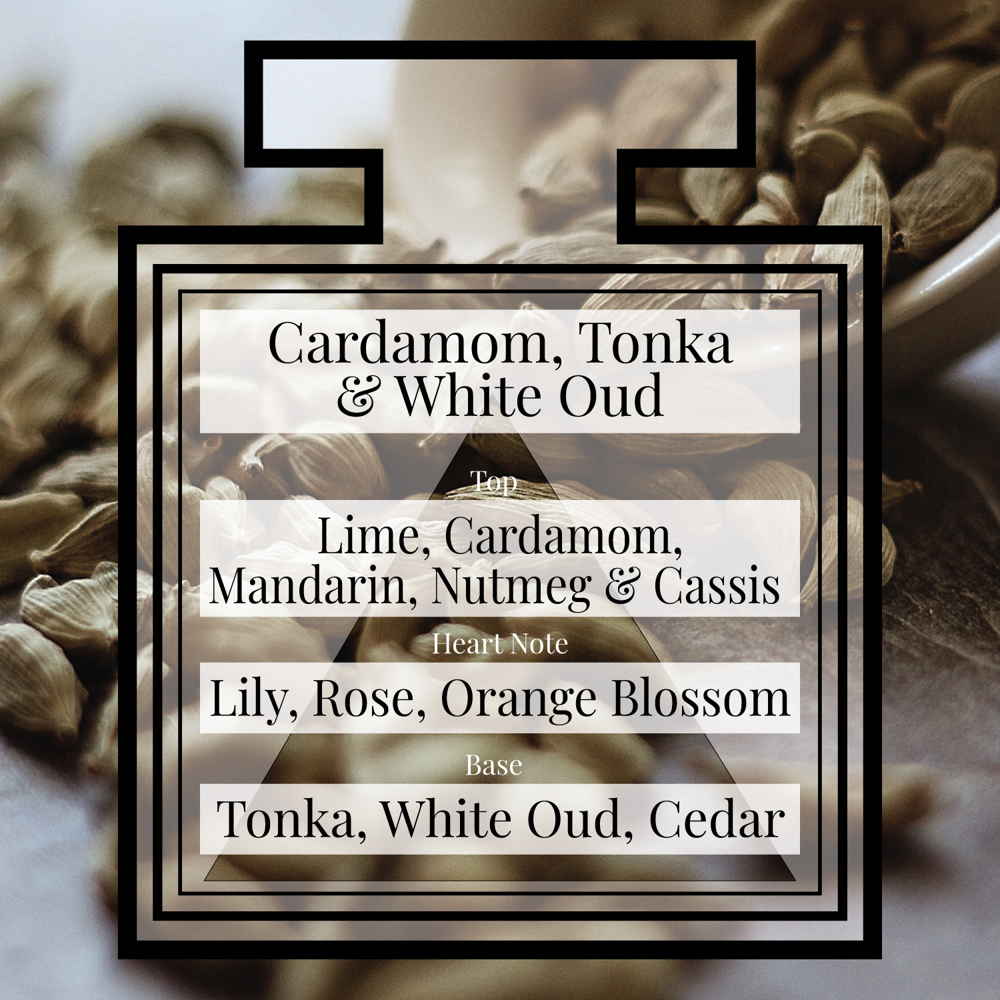
These perfumes show how the subtle, alluring qualities of Anjou pears, along with their ability to complement a wide variety of ingredients, have made them a timeless favourite among both fragrance lovers and perfumers.

How to Choose a Perfume with Anjou Pear

When selecting a fragrance with Anjou pear, consider the type and ripeness of the pear used. If you prefer a bright, refreshing opening, look for green Anjou or green Anjou pears in the top notes. For a deeper, warmer scent profile, choose perfumes that highlight red Anjou, as its colour and natural sugars add body and subtlety to the composition.

Think about the other ingredients included, as pairings with floral, woody, or spicy notes can influence the overall flavour and impression of the perfume. Opt for fragrances with references to fresh pear, abundant juices, or specific pear tree varieties, and sample the scent on your skin to see how it develops throughout the day.

Eau de Parfum Person Reflection Spiced Coffee Oaked Vanilla Man Smile 1 1

Layering and Home Fragrance

The gentle nature of Anjou pears makes them equally well-suited to home fragrance. Pairfum London’s home collection features Anjou pear in diffusers, candles, and sprays, offering the same juicy aroma and colour found in the fresh fruit. For an even more immersive experience, layer a pear perfume with a matching scented body lotion or hand cream to help the fragrance last.

Fragrances with pear notes pair beautifully with citrus, especially a splash of lemon juice, for a zesty uplift. This layering technique works not only with personal scent, but also when fragrancing a room, especially when using products that recall the clean, green scent of a freshly picked pear or notes reminiscent of a fig tree or nut trees.

FAQ Section

What does Anjou pear smell like in perfume?
Anjou pear smells fresh, mildly sweet, and gently tart. The aroma is juicy but restrained, with less pronounced sugar than canned pears, yet more depth than many green pears or even the Bosc pear.

Is Anjou pear a natural or synthetic note in perfumery?
Both natural extracts and nature-identical aroma compounds are used to recreate the true scent of Anjou pear. Due to the delicacy of peppers’ oils and abundant juices, combining both techniques is common for a stable, long-lasting result.

How long does the Anjou pear note last in a fragrance?
Anjou pear is usually found as a top note, but in well-structured perfumes, it can be detected in the heart of the fragrance, especially if layered with other fruits or grounded with musk.

Can men wear Anjou pear fragrances?
Yes, Anjou pear is entirely gender-neutral. It’s clean, uplifting and mildly sweet flavour pairs well with earthy or woody notes, making it versatile for all.

What is the difference between green Anjou and red Anjou in fragrance?
Green Anjou provides a crisp, bright freshness, while red Anjou brings a touch of rich colour and berry note. Both varieties offer abundant juices, but the red anjou adds extra complexity to the aroma.

How does Anjou pear compare to other pears?
Compared to Bartlett pear, Bosc pear, Red Bartlett, Asian pear, and Danjou pears, Anjou pears have a denser texture, less graininess, and a more understated, mild sweet flavour and sugar.

What are some culinary uses of Anjou pears?
Besides being enjoyed as a fresh pear, Anjou pears are perfect for salads, desserts, and poached pear dishes. Their shape and abundant juices help them stand up in recipes where other varieties might soften too much.

How do you ripen Anjou pears?
Store Anjou pears at room temperature. Ripe pears yield to gentle pressure near the stem. Harvesting is done before peak ripeness to ensure full flavour and colour as the pear matures off the tree.

Pairfum Reed Diffuser Tower Classic Signature Black Orchid

Anjou Pear and Pear-Inspired Home & Personal Fragrance Products by Pairfum London

Black Orchid Tower Reed Diffuser by Pairfum London

This rich, Oriental fragrance opens with a vibrant blend of Anjou pear, dark cassis, and fresh orange slice as its top notes. The heart reveals an elegant floral bouquet featuring black orchid and powdery violet. The base is finished with a divinely sensuous mix of musk, copahu balm, and vanilla pod.

Spiced Coffee & Oaked Vanilla – Eau de Parfum by Pairfum London

This warm, oriental spicy fragrance begins with top notes of pink pepper, orange blossom, and crisp pear. At its heart, the fragrance features a contemporary combination of rich, dark coffee and the elegance of jasmine. The sophisticated base concludes with vanilla aged in oak, patchouli, and cedar.

Embrace the Fresh Elegance of Anjou Pear with Pairfum London

The journey of the Anjou pear in perfumery is a story of refinement, freshness, and charm. From its roots as a classic European pear in the Anjou region, to its current prominence in both culinary arts and modern fragrance, green Anjou pears and red Anjou pears continue to enchant with their elegance. Their balanced flavour, vibrant colour, and unique scent profile evoke the simple happiness of a walk through a pear orchard or the pleasure of enjoying a fresh pear from the tree.

Explore how Pairfum London weaves this beautiful note into its collection, creating fragrances that are both timeless and contemporary. Discover the artistry and natural allure of Anjou pears in our Natural Eau de Parfum range, and let the subtle sophistication of this classic fruit bring joy to every day.

Black Orchid In Perfume

Black Orchid in Fragrance: Dark Floral Opulence

In the world of floral opulence, the black orchid emerges as both muse and mystery. This flower, dark as midnight velvet, keeps its secrets close. Many have gazed upon the black orchid, wondering at its richness and the sense of drama it projects. In fragrance, it’s easy to spot: a single breath of black orchid perfume alters the mood of a room, veiling the air in sophistication. No ordinary bloom, this rare orchid symbolises not just beauty but opulence and a certain, enigmatic allure.

There’s charm in the way black orchid weaves through a scent composition – sometimes spirited, sometimes haunting. Its notes flit from spirited spice through textured, earthy depths, ending with subtle hints that leave an impression lingering far after the last note. Perfume aficionados return time and again to black orchid, not just for the fragrance, but for the mood it creates: richly floral, unforgettably dark, undeniably unique.

Botanical and Scientific Details

Ask a botanist for additional information about the black orchid, and a knowing smile might appear. A proper black orchid is few and far between. The likes of Fredclarkeara After Dark, certain Draco and Cymbidium species are classic examples with petals nearly absolutely absorbing light. Yet, the truth is, most “black” orchids wear deep reds or purples. Orchid flowers dazzle with colour diversity, yet black orchids are prized for their puzzling allure and hypnotic hues.

Across tropical climes from Central and South America to parts of Asia and Australia, orchids grow in wild profusion. Even so, a true black orchid is something to boast about.  A flower might simply be a flower, but with orchids, and especially black orchids, the fascination runs deep.

Meanwhile, within the laboratory and the atelier, “black orchid” doesn’t describe an ingredient to be plucked or distilled at all. Perfumers sketch the concept using a palette of notes: a little of this, a hint of that. The result is something abstract, not literal, and it’s this freedom that gives black orchid fragrances so much range and personality. That’s worth considering next time a bottle tempts you to place an order.

Pairfum Flacon Room Perfume Spray Black Orchid Flower 1 1

The History of Black Orchid in Perfumery

The whispers of black orchid in the perfume world are not historical whispers from antiquity, but stories woven in modern times.

  • Origins and Early Uses: In rainforests and cloud forests, black orchids were feted for what they represent—power, secrecy, intrigue. Their rarity alone made them emblems among indigenous cultures.
  • Cultural Significance: Victorian collectors, ever on the hunt for the next marvel, found their match in black orchids. During that era, rarest equalled dearest, and black orchids soon became trophies of horticultural bravado.
  • Historical Anecdotes: Written records don’t often mention black orchids in ancient scents, but tales about fearless botanists risking everything just to add black orchids to their collection abound. The romance stuck, and now black orchid holds a place in the modern canon of perfumery.

Now, black orchids are associated with cutting-edge design and stand at the crossroads of tradition and trend in designer fragrance.

Black Orchid in Perfumery Chemistry

Black orchid perfumes are more about inspiration than extraction. Here, scent artisans orchestrate accord upon accord to bring the glamour and sensuality of black orchid to life.

A classic black orchid scent is usually structured around a luxurious floral heart, anchored by rich dark accords: patchouli, amber, sandalwood, each chosen for its resonance. Additional flourishes, such as blackcurrant or black truffle, lend intrigue and unconventional depth. Spicy notes such as pepper or cardamom create drama, while vanilla and dark chocolate wrap things in comfort. Bergamot, appearing often as a top note, refreshes, after which jasmine (often both classic and French Jasmine types) elaborates on the theme. These elements lead, at last, into base notes of vetiver and incense, solidifying the perfume’s complexity and guaranteeing a lasting impression.

Many black orchid perfumes are artfully blended, using both carefully sourced botanicals and well-chosen synthetics. Orchid, spice, sandalwood, vanilla, patchouli, and amber are all deployed for a multidimensional journey. Even a single drop may deliver waves of sophistication, a kind of aromatic “bold statement” seldom replicated.

Eau De Parfum Person Reflection Cardamom Tonka White Oud Hat 1 1

Unique Characteristics of Black Orchid Fragrance

Black orchid scents do not blend in. There is drama to their composition, a velvety texture, an aura that separates them from softer blooms.

  • Distinctive Aroma: Expect a presence that interlaces heady florals, just a glint of spice, hints of the forest, and a finishing note that gestures toward dark chocolate and blackcurrant. Each black orchid perfume claims its place as an alluring potion, a scent that makes its wearer the source of intrigue.
  • Comparison with Other Floral and Dark Notes: Rose speaks to romance, jasmine calls to mind innocence and light; in contrast, black orchid holds court among the deep and layered. Its base notes—patchouli, sandalwood, vetiver, amber—create a resonance reminiscent of twilight, of evening sophistication. The mood is undimmed confidence.

What results is an iconic fragrance that resists fleeting attention and is remembered for its theatricality and the lasting impression it bestows.

Extraction Methods for Black Orchid Essence

Even by orchid standards, black orchid essence defies easy capture. There are tried and tested routes, though each brings challenges.

  • Steam Distillation: Steam courses through petals and the stem, carrying fragrance into the cooled, collected oil. For many orchids, this technique is all but essential.
  • Solvent Extraction: Here, orchids steep in gentle chemicals, their scent ultimately becoming a concentrated absolute—thicker, richer, more suited for creative blending.
  • Enfleurage: An old-fashioned process, involving fat and time. Orchid petals sit in clean fat, their fragrance seeps in, and the perfumer, at last, extracts the scented base. Most would call this artisanal; a few call it essential.

Preserving orchid extracts means protecting them from light and heat. The simplest, smartest solution? Store every absolute or essence in fluted black glass, shielding the notes for future enjoyment.

Black Orchid Sketch

Sustainability and Ethical Considerations

The rush to embrace black orchid in modern fragrance demands a pause. Many orchids, especially black orchids, sit on the brink of endangerment. Harvesting from the wild brings clear risk to populations. Sustainable perfume houses—including Pairfum London—embrace techniques that avoid damaging natural stocks, working instead with laboratory-crafted notes or carefully farmed botanicals.

Choosing a black orchid perfume crafted in this way supports sustainability and preserves one of the world’s great floral wonders. Each new bottle ordered represents a vote for conservation, ethical luxury, and a long-view approach to sophisticated scent.

Black orchid stands at the heart of a broader movement: perfumes embracing darkness, depth, and a complex, worldly glamour. When Tom Ford Black Orchid made its debut, the landscape shifted. Black orchid, black truffle, spicy notes, rich dark accords—these came together in one scent, setting a new gold standard for luxury and iconic style.

Stars and stylists alike now reach for black orchid fragrances, seeking the perfect mix of sensuality and subtle power. The trend pushes beyond gender boundaries; fragrances built around black orchid and base notes like patchouli, amber, and incense are no longer just for evening, and special occasions see their own black orchid favourites. Transparency has also become crucial, with shoppers requesting additional information on ingredients and sourcing before they order. The ability to consult selection results and easily browse required fields gives fragrance collectors and newcomers alike the perfect starting point.

Pairfum Eau De Parfum Person Reflection Cardamom Tonka White Oud Couple Plane 1 1

Iconic Perfumes Featuring Black Orchid

Black orchid’s legacy is cemented in bottles that sit on vanity tables around the globe. The flower stars in perfumes that are both headline-grabbing and quietly complex.

  • Classic Creations: Some of the best-known luxury perfumes use black orchid as their anchor. These are often the sort that become a signature scent, distinctive and impossible to ignore.
  • Notable Examples: Wise perfumers know to blend in vanilla, patchouli, black truffle, dark chocolate and amber, layering spice and floral in precise measure. The bouquet glows with intensity, giving depth to the black orchid’s story.
  • Impact on Composition: Black orchid supplies the backbone, often complemented by jasmine or french jasmine. The result is a perfume for evening or for those occasions that call for presence and structure.

Tom Ford Black Orchid remains a touchstone, appearing in its fluted black glass bottle—an iconic scent, uniting black orchids, black truffle, spicy notes, vanilla, patchouli, incense, amber and more. Its enduring appeal is the mark of its iconic fragrance status and its lasting impression on the world of perfumery.

Occasion, Layering, and Gender

Black orchid perfumes have a breadth that few others can match. Evening, with its low golden lights, may be the obvious setting, but black orchid also punctuates special occasions and daily rituals. Feature it in selected gift sets for a gesture that feels personal and unexpected.

Universal in its appeal, black orchid defies age and gender. Those with a taste for layering will find it combines well with citrus highs or green accents, softened with base notes of sandalwood or vanilla. Application to clean skin—especially on desired areas like pulse points—ensures every accord can shine, bringing that iconic style to life.

Offered as a gift, black orchid perfume is rarely forgotten, especially if discovered within a thoughtfully curated set including bath or home luxuries.

Fragrance Description Black Orchid Pear Freesia Vanilla Musk

Embracing Dark Floral Opulence in Your Collection

There are few quicker ways to lend depth and intrigue to a perfume collection than to add black orchid. Wearing such a fragrance communicates sophistication, a flair for the dramatic, and an openness to the unexpected.

  • Selecting the Right Fragrance: Seek out black orchid perfumes paired with amber or cardamom for spicy warmth, or vanilla for smoothness. Patchouli and sandalwood often anchor the scent, offering a refined base.
  • Wearing Tips: A little black orchid goes a long way. Try a mist in autumn or as a finishing touch before evening. As the scent unfolds, expect shifting notes. Sometimes spice, sometimes a ghost of dark chocolate but always a richness that emerges as the oils warm on the skin’s required fields.
  • Enhancing Your Collection: In a landscape dominated by fresh florals or citrus, black orchid introduces contrast, complexity, and that ever-important lasting impression.

Perfume wardrobes, whether focused on designer names or niche treasures, only gain from the inclusion of an orchid scent with sophistication and broad appeal.

Pairfum Person Reflection Cardamom Tonka White Oud Eau de Parfum

Black Orchid in Home Fragrance

Black orchid is not reserved for pulse points. The same qualities grace homes in the form of candles, reed diffusers, and room sprays. Rooms given a touch of black orchid become instantly more inviting, filled with the extraordinary richness that earns the fragrance its reputation.

Home fragrances with black orchid are especially welcome during evening gatherings or relaxed afternoons. Accords found in the finest perfumes are echoed here: rich dark notes, hints of spice, and the unmistakable orchid undercurrent. Presentation in fluted black glass adds both preservation and iconic style, with exclusive gift sets available to order for thoughtful occasions.

How to Choose and Care for Black Orchid Perfumes

A new fragrance deserves careful attention. Read the short description and, if given, required fields for details on notes, longevity, and strength before ordering.

Try the perfume on clean skin, applying to desired areas such as the wrists or neck, letting the scent unfold fully. Layering with florals, woods, or spices can build on the black orchid accord, enriching sillage and character.

Proper storage is critical. Perfumes are best kept in a dark, cool place—ideally in fluted black glass, both for its tradition and its effectiveness at shielding the fragrance from spoiling light. Keep bottles capped tight, and freshness (along with those signature notes) should linger for months, even years.

Unsure which black orchid to pick? Pairfum London offers discovery sets and practical selection results, making it easy to sample, compare, and discover a favourite black orchid perfume before placing a final order.

Pairfum Large Reed Diffuser Bell Signature Black Orchid

Frequently Asked Questions

What is “Black Orchid Parfum”?

Black orchid parfum designates a high-strength perfume, featuring the signature black orchid accord. Tom Ford Black Orchid Parfum, known for its concentration and luxurious fluted black glass packaging, stands as a prime example—blending powerful scent, longevity, and iconic style.

Are there other notes commonly used with black orchid perfumes?

Absolutely. Alongside orchid, black orchid, and base notes like patchouli, amber and vanilla, perfumers often use jasmine, french jasmine, black truffle, sandalwood, spicy notes, incense, bergamot, dark chocolate, and blackcurrant. These notes contribute depth and layered intrigue.

How should black orchid perfume be stored?

To keep a black orchid perfume fresh, store it in a cool, dark place. Fluted black glass bottles shield precious orchid notes from light, safeguarding performance and ensuring the iconic fragrance remains true.

Black Orchid Inspired Fragrance by Pairfum London

Black Orchid – Large Bell Reed Diffuser by Pairfum London

This rich, Oriental fragrance opens with a vibrant blend of Anjou pear, dark cassis, and fresh orange slice as its top notes. The heart reveals an elegant floral bouquet featuring black orchid and powdery violet. The base is finished with a divinely sensuous mix of musk, copahu balm, and vanilla pod.

Cardamom, Tonka & White Oud – Eau de Parfum by Pairfum London

This opulent and passionate scent begins with lively notes of Lime and Mandarin, complemented by Cardamom, Nutmeg, Clove, and subtle touches of Cassis. At its heart lies a spicy blend of White Lily, Rose, and Orange Blossom. The fragrance settles into a sensual base featuring Tonka, White Oud, Cedarwood, Sandalwood, and Amber, completing this distinctive creation.

Eau De Parfum Person Reflection Cardamom Tonka White Oud Man Suit 1 1

Final Thoughts

The black orchid continues to captivate both fragrance creators and connoisseurs, offering far more than just a scent; it invites discovery, individuality, and timeless sophistication. Whether chosen for personal elegance, gifted as a memorable gesture, or welcomed into the home, black orchid perfumes represent the pinnacle of dark floral opulence. With each encounter, the allure endures, ensuring that this enigmatic orchid remains a defining note in the world of iconic fragrance.

Tree Resin In Perfume

Tree Resin in Perfumes: Balsamic Glow and Lasting Depth

Tree resin is a sticky, solid or sometimes semi-solid material produced by trees, mainly to protect themselves from injury, infections, and insect attacks. For thousands of years, people have used resin in various ways, including as adhesives, sealants, incense, and in traditional medicine. Well-known examples are pine resin, frankincense, and myrrh, which can be sourced directly from living trees or found as fossilised resin, commonly known as amber.

Perfume has been deeply influenced by tree resin for centuries. Used for its scent and as a symbol of healing and tradition, tree resin brings warmth, depth, and complexity to fragrance. Today, these botanical treasures are solidified on bark or around a tree trunk, wafting from incense, or forming key notes in luxury perfume and remain essential to artisan scent.

What Is Tree Resin? A Botanical Overview

Tree resin is a sticky substance secreted by certain trees, especially coniferous trees, as a defence when their bark is injured or stressed. These resins, rich in terpenes and containing resin acid, have a strong aroma and important protective qualities. Different from sap collected for maple syrup or from water-soluble gum, resin is channelled through resin ducts, helping trees quickly seal wounds. As this plant resin comes into contact with air, it can harden to become solidified resin. If left undisturbed, resin sometimes transforms into fossilised resin, which we recognise as amber. Both a gift from nature and a marvel of time, tree resin has long been treasured.

Eau de Parfum Person Reflection Spiced Rum Lime Guaic Wood Man Wood 1 1

Types of Tree Resins Used in Perfume

Perfumery relies heavily on both natural and plant resins. Each resin has its own story and chemistry.

  • Pine resin, which comes from pine trees and other coniferous trees, brings crisp, green notes that evoke the forest. Pine resin tends to seep out from pine bark, and often collects on the tree trunk, pine cones, or pine needles. When pine sap sets, it becomes hard resin or what some call raw resin. Pine resin, once distilled, results in wood rosin, used for stringed instruments, as well as turpentine—a staple for cleaning, painting and crafts.
  • Frankincense is derived from the Boswellia tree and delivers an aromatic, pine-like, citrus quality, making it a staple in incense and in many ceremonial traditions.
  • Myrrh, which is tapped from the Commiphora plant, gives a deep, earthy warmth, valued for both healing and for its balsamic scent in blends.
  • Benzoin is sourced from Styrax trees and lends vanilla-almond sweetness.
  • Labdanum, collected from Cistus plants, offers an ambery, leathery scent as sticky resin forms on leaves or stems.
  • Mastic resin is obtained from the mastic tree, Pistacia lentiscus. This hard resin has aromatic, herbal qualities and is used in incense, and, historically, as a form of chewing gum in the Mediterranean.
  • Styrax has a soft balsamic aroma that can blend smoothly with floral or woody perfumes.

The number of plant resins is vast, but these few remain central to perfumery, incense and more.

The Nature, Healing, and Function of Resin in Trees

Nature provides an automatic remedy for trees when wounds open in the bark of a living tree: resin flows and seals the area, helping to block decay and infection. Pine, fir, and their relatives all utilise sticky resin, which contains resin acid as well as terpenes, vital for protection and healing. Pine resin, first released as pine sap, will gradually become hard resin. It is not uncommon to spot layers of plant resin on a tree trunk or clustered near bark that has faced repeated stress. This natural resin is invaluable for the tree and for those who value incense, perfume, and other healing products.

Harvesting: Cultural and Ecological Impact

To collect tree resin, harvesters make careful incisions in the bark, allowing resin to flow. This traditional skill has ensured that the plant can heal and continue growing. In many societies, particularly among Native American groups, pine resin and beeswax have been used to create incense, as well as healing balms and even adhesives. Mastic resin, valued for centuries, served as a popular chewing gum and played a key role in incense traditions. Fragments of hard resins such as raw resin have been used to make glue, natural varnish and oleoresin balms for use on wounds.

Pairfum London is committed to sourcing plant resin from sustainable, ethical supplies (whether it be pine, labdanum, myrrh or mastic), championing the long tradition of resin’s use in perfume and incense, and also supporting nature.

Pairfum Person Reflection Spiced Coffee Oaked Vanilla Eau de Parfum Girls

Tree Resins in History and Ritual

Since the earliest civilisations in Egypt and Mesopotamia, tree resin has found a sacred place in spiritual life. Incense made with frankincense, myrrh, pine resin and plant resins has filled homes, temples and places of gathering across ancient and modern cultures. In Egypt, burning tree resins on charcoal was central to both healing and spiritual ceremonies, and over time, beeswax was often melted in as well. Certain traditional blends include touches of maple syrup to create a sweetly scented smoke. Each of these rituals carries an element of healing, with pine resin, labdanum and mastic being regularly used for support and purification.

Extraction and Applications

Once gathered, hard resins such as pine resin are sorted and cleaned for use. Steam distillation is a common process: pine resin, for example, can produce turpentine and also wood rosin for musicians. Resin from benzoin or labdanum often gets extracted via alcohol or solvents, helping perfumers unlock the full depth of their complex scent. Mixing resin with beeswax—and occasionally grated beeswax—can produce incense or even a balm. Tree resin remains incredibly versatile, playing roles in incense, ornaments, healing balm, glue, natural varnish and more.

Resin in Artisan Perfumery

For the artisan perfumer, resin is the very heart of a fragrance’s structure and longevity. It’s not simply a fixative—it links top notes and plant-based aromas, grounding and enriching them. Pairfum London uses natural resins of all types, like labdanum’s sticky resin, pine, myrrh, mastic and benzoin, aiming to create nuanced scents that feel timeless yet fresh. Beeswax and plant resin, blended with care, give our perfumes a warmth that could only come from nature.

Tree Resin

Iconic Perfumes Featuring Tree Resins

Some of the world’s most memorable perfumes rely on tree resin to set them apart. Blends centred on frankincense, myrrh or labdanum are famous for their longevity and sophisticated trail. Perfumes with rich resin notes are often cited for their elegance and depth. Skilled perfumers use a balance of plant resin with lighter notes such as citrus and florals, creating a scent that bridges ancient tradition and present-day luxury. Classic techniques allow the full character of resin to come through, offering a perfume that feels distinctly personal.

Choosing, Collecting and Caring For Resin Perfumes

Anyone drawn to tree resin can start with fragrances featuring benzoin or frankincense. Pine resin, mastic or myrrh lend a resinous, outdoorsy touch, while beeswax and labdanum round things off with creamy comfort. You may want to layer your perfume with lighter or woodier scents for year-round wear. Store them somewhere cool and dark—resin-based perfumes can fade with too much light or heat. Enthusiasts who enjoy making their own incense can use pine resin, beeswax, charcoal and grated beeswax; those interested in natural skin care may enjoy making balm from raw resin blended with wax.

Other Traditional and Modern Uses

Tree resin has more uses than many realise. Pine resin supplies turpentine, while wood rosin is valued by those who play stringed instruments. Plant resins help produce traditional varnish, glue, healing ointments, balms and adhesives. Chewing gum was once made from mastic resin or chunks of raw resin gathered from pine. Pine and even maple syrup are occasionally paired in regional food traditions. People everywhere have turned to resin for incense, protective sealers, crafts, and for its special role in healing.

The Future of Sustainable Natural Resin

Interest in natural, ethical perfume is growing steadily. Managing pine, mastic tree, pistacia lentiscus and other resin source plants responsibly is now more important than ever. Sustainable practices for gathering resin—such as eco-friendly oleoresin production for incense and balm—protect the future of these remarkable trees. At Pairfum London, we promise to help protect both these vital species and the communities that rely on them for their livelihood and art.

Eau de Parfum Person Reflection Spiced Rum Lime Guaic Wood Man Jacket 1 1

Frequently Asked Questions About Tree Resins

What is the difference between resin, sap and gum? Pine resin and tree resin are sticky, aromatic and protect trees after injury. Sap is much thinner and is used for maple syrup. Gums are water-soluble and work mainly as adhesives.

What is pine resin? It is the substance tapped from the bark of pine trees—a vital ingredient for incense, turpentine, adhesives, balms and stringed instruments.

Why do trees release resin? Trees use resin to seal wounds, prevent disease, and promote healing.

What is resin acid? This component in pine and other coniferous resins is naturally antimicrobial and helps preserve the resin.

How is resin used for incense and balm? Most traditional recipes include frankincense, myrrh, pine resin, mastic resin, beeswax, grated beeswax, and sometimes charcoal.

Is chewing gum ever made from resin? Before synthetics, many cultures used mastic resin or pine resin as a form of chewing gum.

What is fossilised resin? This is amber—ancient, solidified resin from prehistoric forests.

What is wood rosin? The solid product from pine resin distillation, used especially for stringed instruments.

What is oleoresin? A naturally occurring mix of essential oils and resins, found mostly in coniferous trees and prized for both incense and perfume.

How do resin ducts function? Resin ducts are small tubes that help a tree mobilise resin quickly when facing stress or injury.

Why pair beeswax with resin? Beeswax improves the structure, burn and longevity of balms, adhesives, incense and perfume.

Explore Exquisite Tree Notes with Pairfum London

Spiced Rum, Lime & Guaiac Wood – Eau de Parfum by Pairfum London

This Connoisseur’s blend begins with the bold scent of Rum accompanied by hints of Lime and Lemon, enhanced by a luminous mix of Nutmeg and Pepper. The heart unveils a deep richness of Tuberose, Iris, and aged Leather. The base settles into Guaiac Wood, Cedar, warm Amber, Vanilla Pod, and Musk, bringing this opulent fragrance to a refined and lasting close.

Spiced Coffee & Oaked Vanilla – Eau de Parfum by Pairfum London

This inviting, oriental spicy fragrance starts with vibrant top notes of Pink Pepper, Orange Blossom, and fresh Pear. At its heart is a contemporary mix of robust, dark Coffee paired with refined Jasmine. The scent concludes with a sophisticated finish of Oak-aged Vanilla, Patchouli, and Cedar, ensuring an elegant and memorable base.

Eau de Parfum Person Reflection Spiced Coffee Oaked Vanilla Man Smile 1 1

Conclusion

Tree resin has woven its way through centuries of culture, craftsmanship, and scent, continuing to captivate with its natural depth and versatility. Whether enhancing a precious perfume, kindling the heart of incense, or nurturing a tree’s healing, resin is a true wonder of nature. At Pairfum London, we celebrate these remarkable ingredients, ensuring every fragrance honours both tradition and the living world that provides them. If you are seeking scents with enduring warmth and history, look to the timeless beauty of tree resin.

    Your Cart
    Your cart is emptyReturn to Shop