
Home / WoodyPerfume
Rich Wood Fragrances

Rich Wood Fragrances: Opulent Depths and Lasting Trails

Rich wood in perfume offers warmth that feels grounding and elegant all at once. Their woody ingredients have a way of creating depth that lingers without being loud. They are often the quiet strength behind a fragrance, helping it last longer and feel more complete.

Late November is when rich woods feel especially fitting. As the trees lose their leaves and the air turns crisp, we naturally reach for aromas that feel snug and sophisticated. Whether they come in the form of smooth sandalwood, smoky oud, or resinous patchouli, woody notes wrap around us like a soft, familiar jumper.

Let us look at where these ingredients come from, how they are used in perfumery, and why they have become such a reliable choice in luxurious, niche creations.

The Deep Roots of Wood in Perfumery

Woods have always held a special place in the art of perfumery. Even in the earliest rituals, natural materials like cedar, frankincense, and myrrh were burned or crushed to release their earthy perfume. Many of these resins and sacred trees were prized not just for their aromas, but for the calming rituals they made possible.

Over time, these rich woods began to appear in oils and early fragrance blends. They carried with them cultural meaning: strength, balance, grounding. In many traditions, aromatic woods were used in spiritual ceremonies because their smoke was believed to connect this world with something deeper.

Now, you will find woody notes as the base of many niche perfumes. They help hold everything together without overpowering the other ingredients. Rich woods are often described as symbols of confidence, warmth, and sensuality: qualities that people naturally gravitate to, especially in colder months.

Understanding the Fragrance Family

In the world of fine fragrance, the woody fragrance family is vast. It ranges from the dry, mossy scent of a forest floor to the opulent, sweet trail of a luxurious fragrance found in a high-end boutique. When you explore a specific scent profile, you begin to see how wood acts as the skeleton of the perfume, providing a structure for lighter notes to cling to. Whether it is a rich wood perfume designed for evening wear or a lighter eau de parfum for the office, the presence of wood ensures a sophisticated finish.

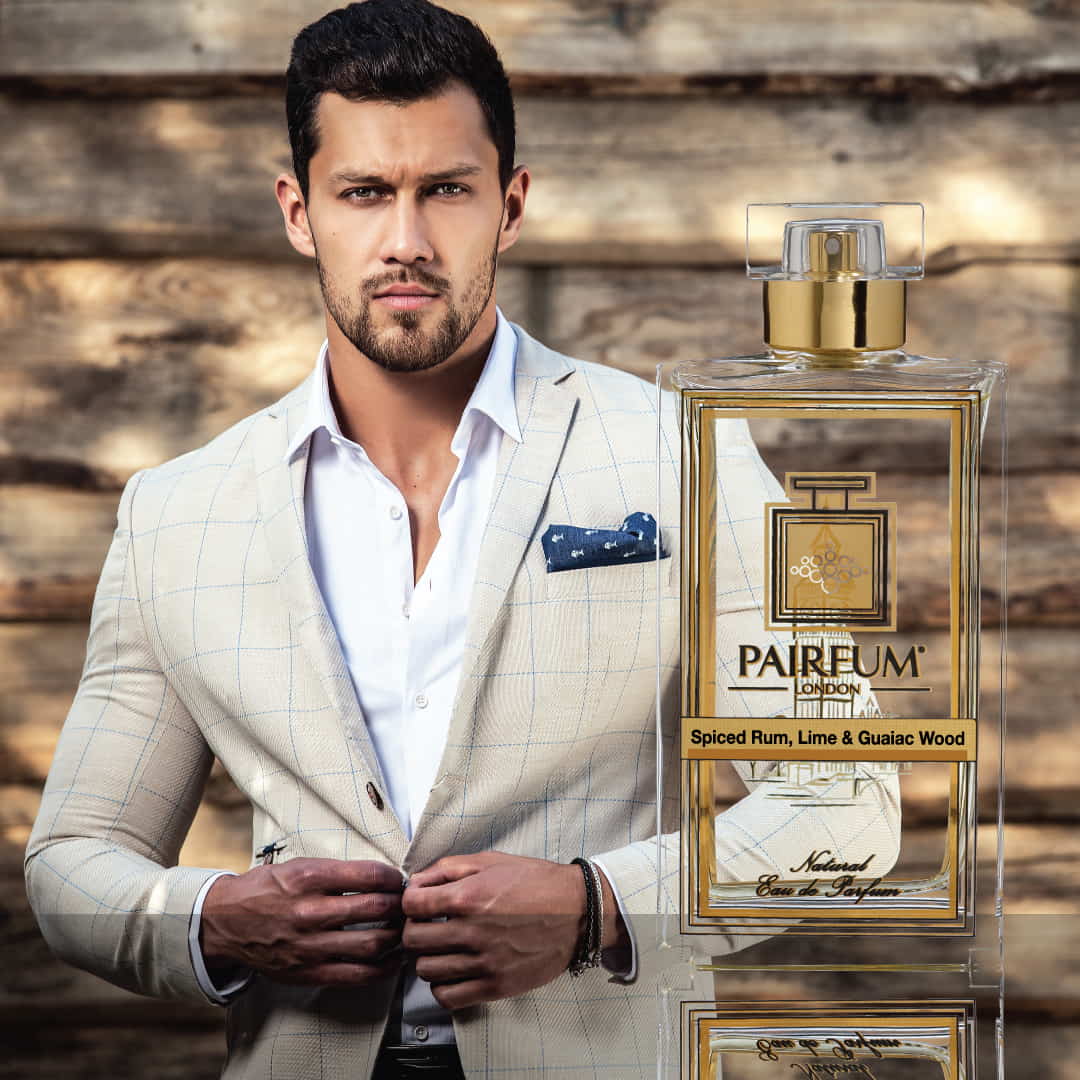
Eau de Parfum Person Reflection Spiced Rum Lime Guaic Wood Man Wood 1 1

Common Types of Rich Woods and What They Add

Each woody ingredient brings a unique twist, and when used well, they can turn a simple perfume into something unforgettable.

  • Sandalwood brings a creamy, smooth richness that feels polished and soft.
  • Oud adds a dark, resinous scent with smoky edges and deep muskiness.
  • Cedarwood often smells dry, clean, and a little sharp, almost pencil-like in its clarity.
  • Patchouli has a damp earthiness with hints of spice and dry leaves.
  • Guaiacwood offers a slightly sweet, smoky profile that is well-loved in unisex perfumes.

In cooler weather, these notes perform best. They settle on the skin and slowly warm up, creating an aura that feels perfect for wool coats, firelit rooms, and longer evenings. Hot weather can cause heavy woods to feel overwhelming, but in autumn and winter, they become soft and welcoming.

The Nuance of Sandalwood and Earthy Tones

Within these categories, creamy sandalwood stands out for its ability to mimic the softness of skin. It provides an elegant earthiness that avoids the harshness sometimes found in synthetic alternatives. When blended with tonka bean, the wood takes on a gourmand quality, reminiscent of a warm scent drifting through a library of old books. This specific scent is often what draws people toward niche perfumery, as it feels more personal and less mass-produced.

How Rich Woods Are Captured: Oils, Resins and Synths

Getting the fragrance from wood into a bottle is not always simple. Some oils are drawn through steam distillation, like cedarwood or patchouli. Others, like sandalwood, may use CO2 extraction to keep more of the natural warmth intact.

Then there are modern methods, such as using synthetic ingredients. Some woods are rare or come with environmental concerns, making synthetics a more ethical choice. For example, oud can be incredibly precious, so perfumers often turn to lab alternatives to mimic its depth without sourcing the actual material.

A clever part of perfume making is how woods are blended. Alone, they can feel too heavy, but when layered with florals, spices, or fruit, the balance can be beautifully refined. A touch of bergamot up top or amber in the base can make the rich woods feel smooth rather than stark.

Complex Extractions and Composition

The process of creating a fragrance oil requires a deep understanding of raw materials. Master perfumers like Sergio Momo have explored how to elevate these traditional ingredients into something modern. For instance, a rich wood base can be brightened with crisp citrus or mandarin peel to create a contrast between the top and bottom notes. This prevents the wood from feeling dusty and instead gives it a vibrant, living quality.

Expertly composed fragrances often use a “pyramid” structure. This means the scent opens with light, volatile molecules, like grapefruit or tangerine, before revealing the heavy wood heart. This ensures the perfume is wearable and dynamic rather than static and heavy.

The Evolution of the Wood Note

Woods tend to have staying power. They are the part of the perfume that stays longest on the skin and clothes. That makes them a go-to for those who want something that lasts without needing multiple sprays. Their complexity also means they reveal themselves slowly, which keeps the aura interesting throughout the day. This longevity is why an extrait de parfum is often preferred over a standard eau de parfum when wood is the star, as the higher concentration allows the richwood Xerjoff style of depth to truly shine.

When we examine the profile of these world-class scents, we find that the patchouli used is often aged or specifically distilled to remove any “headshop” connotations, leaving only a chocolatey, earthy smoothness. This refined patchouli acts as a bridge between the floral heart and the heavy wood base.
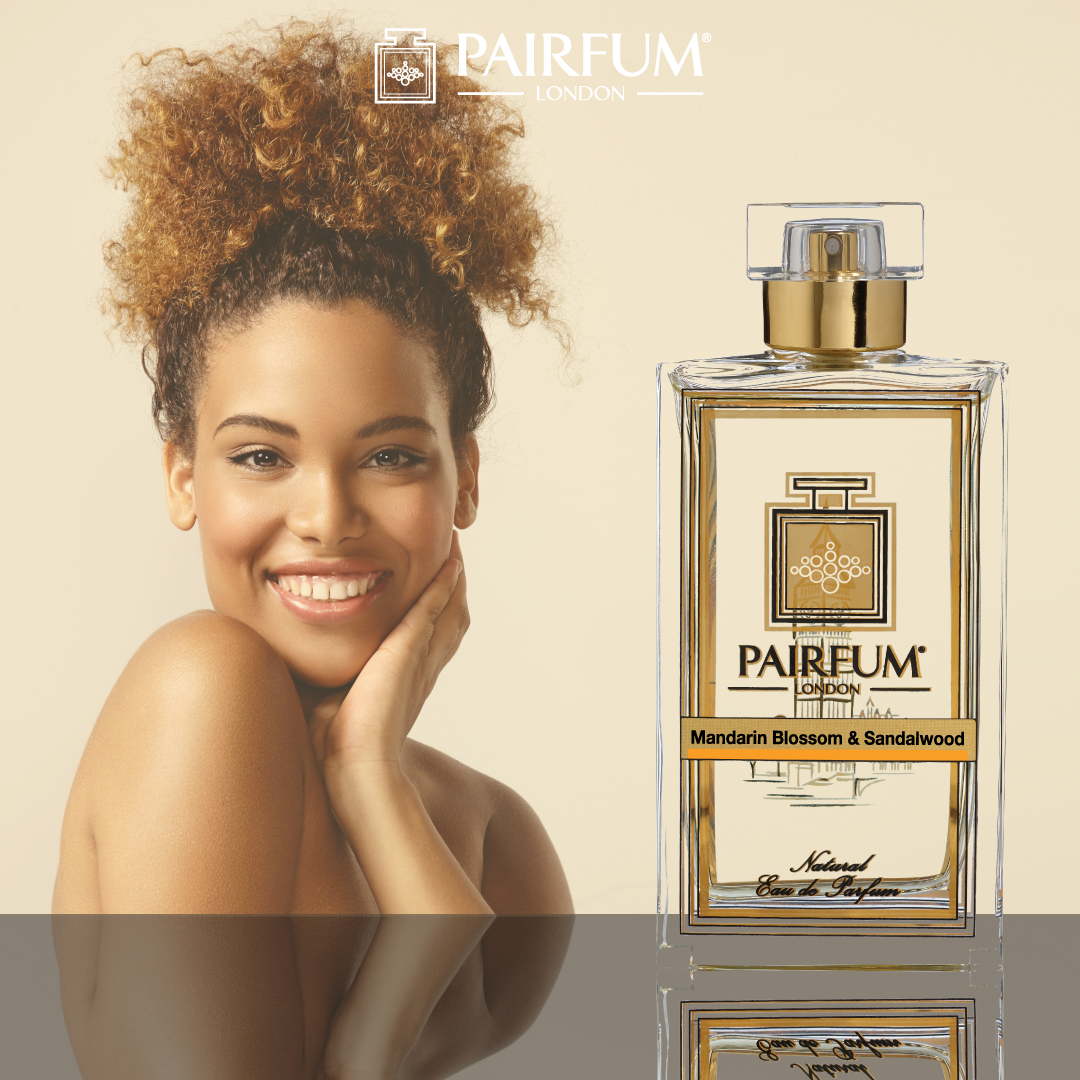
Pairfum Person Reflection Mandarin Blossom Sandalwood Eau de Parfum

Why Rich Woods Are Perfect for the Colder Months

During the colder days, rich woods come into their own. They reflect the quieter side of the year: bare branches, warm drinks, evenings indoors.

There is something about these perfumes that feels in step with cold weather. They do not disappear after an hour, and they do not fight for attention. Instead, they sit close to the skin and quietly remind you they are there.

  • They layer well with warm spices like cardamom, cloves, or nutmeg.
  • They suit sweet, edible notes like vanilla or caramel, which become more popular in winter fragrances.
  • They pair comfortably with resins like labdanum or benzoin, creating soft, amber-like finishes.

This time of year is about comfort, slowing down, and reconnecting with small routines. Fragrances built around woods reflect that feeling and help carry it through the day.

Floral and Fruity Pairings

To prevent a woody fragrance from becoming too masculine, perfumers often weave in delicate florals. A touch of damask rose or jasmine can transform a heavy wood scent into something more balanced. Some compositions even use bourgeons cassis (blackcurrant buds) to add a dark, fruity tartness that complements the smokiness of the wood. When these are layered over a base of sensual musk, the result is a fine fragrance that appeals to both men perfumes and women perfumes markets.
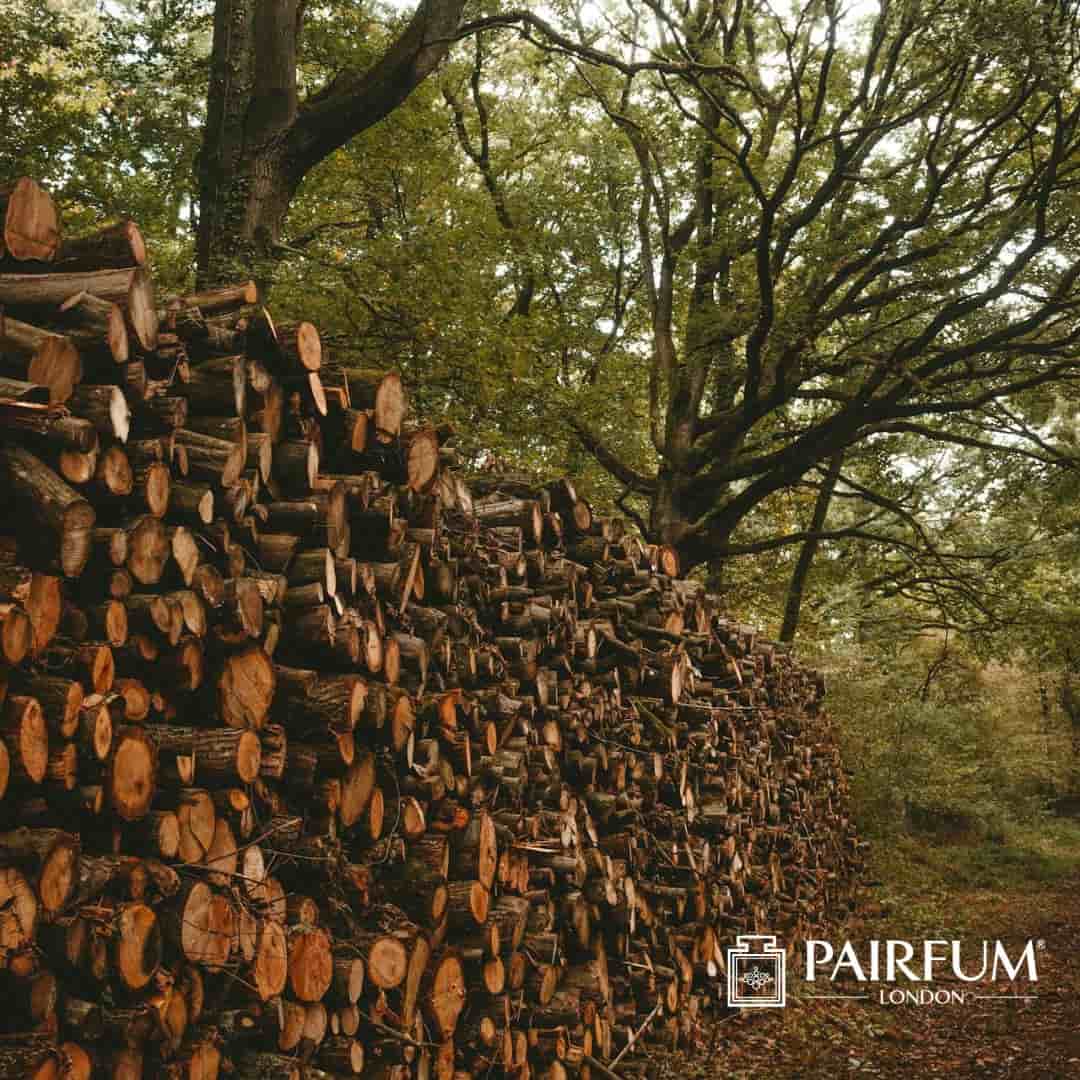
Rich Woods

Application and Versatility

The way a rich wood fragrance interacts with the body is fascinating. When applied to the skin, the heat helps the woody molecules evaporate slowly. Some people even choose to spray a little on their hair, as the porous nature of hair holds onto the scent for even longer than the skin does.

For those with sensitive skin, finding a high-quality eau de parfum with natural oils is essential. A well-constructed perfume will use a base of creamy vanilla and musk to soften the impact of the stronger wood notes, ensuring the scent remains pleasant from the first spray of citrus and bergamot to the final dry down of amber.

Maceration and Concentration

A hallmark of high-end perfumery is the concentration of the oil. An extrait de parfum, which often contains 20% to 40% concentrate fragrance oil, provides a “majestic” presence that lingers for ten hours or more. Furthermore, these rich, wood-heavy compositions often undergo a process called maceration. Much like a fine wine, the fragrance continues to mature and deepen over time as it sits in the bottle, allowing the sandalwood and patchouli to become even smoother and more integrated.

Whether you are wearing an extrait de parfum with a heavy dose of sandalwood or a lighter eau de parfum, the goal is the same: to create a personal atmosphere of warmth.

Pairfum Person Reflection Spiced Rum Lime Guaiac Wood Eau de Parfum Man

Iconic Perfumes That Showcase Rich Woods

Many cult classics rely on a rich wood, such as sandalwood or cedar as their backbone. These woods allow other notes to shine without fading too quickly. One famous example is Xerjoff Richwood, a fragrance highly regarded for its use of Mysore sandalwood. The Xerjoff Richwood scent is often compared to a vintage wine, improving and becoming more complex as it sits on the skin.

The popularity of Xerjoff Richwood has even inspired the creation of an Alexandria fragrance, such as Valley of the Kings, which is inspired by its profile.

Spiced Rum, Lime & Guaiac Wood – Eau de Parfum by Pairfum London

This accord opens with the rich aroma of rum, accented by hints of lime and lemon, and a vibrant blend of nutmeg and pepper. The heart unfolds into a deep, opulent mix of tuberose, iris, and vintage leather. A base of guaiac wood, cedarwood, golden amber, vanilla pod, and musk completes this refined and luxurious fragrance.

Mandarin Blossom & Sandalwood – Eau de Parfum by Pairfum London

An elegant, feminine floral chypre accord opens with the fresh notes of mandarin blossom, apricot, and white hyacinth. Its romantic heart reveals a delicate bouquet of sweet pea, jasmine, and ylang ylang, while a base of sandalwood, patchouli, amber, and musk leaves a soft, magnetic trail.
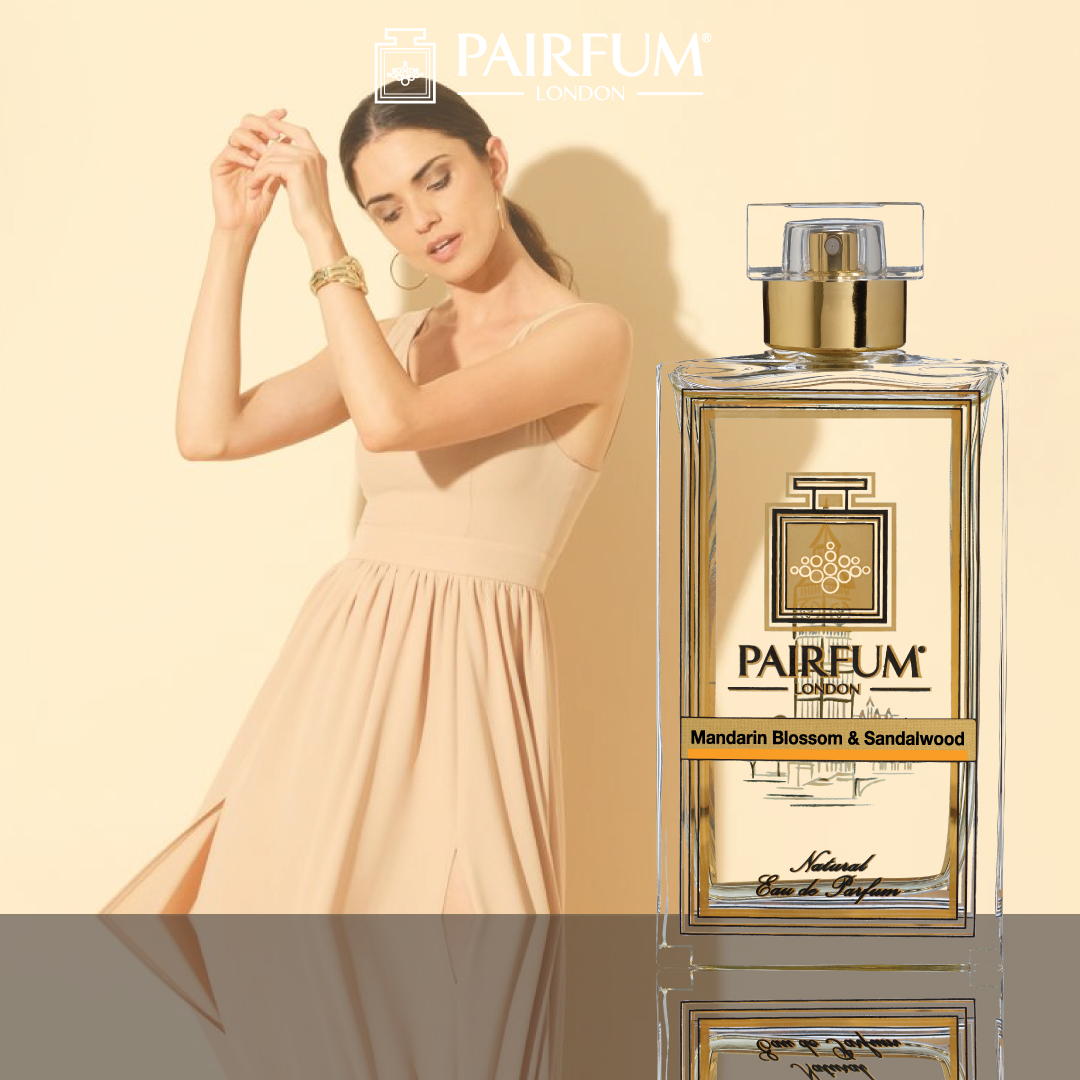
Pairfum Eau de Parfum Person Reflection Mandarin Blossom Sandalwood Woman Dance 1 1

Lasting Warmth, Lasting Impression

Rich wood speaks to quiet elegance. Whether it is the creamy softness of sandalwood or the smoky depth of guaiacwood, these ingredients ground a perfume in something solid and timeless. They have been used since ancient days, and they are still part of the most refined compositions today.

As winter draws closer, woody notes feel more natural with each passing day. Something about them matches the stillness outside and the warmth we seek inside. It is no surprise that as the temperature drops, we reach for these familiar perfumes again: deep woods that seem to know the season almost as well as we do.

Woody Base

What Does a ‘Woody Base’ Mean in Perfumery?

A woody base is a crucial element in the world of perfumery. It forms the foundation of many perfumes, providing depth, warmth, and longevity. These bases are composed of various ingredients derived from woods, bringing rich and earthy notes to a fragrance. Whether it’s the creamy aroma of sandalwood or the smoky allure of oud, woody bases have a unique charm that is both timeless and versatile.

The history of using woody notes in perfumery dates back to ancient times when aromatic woods were prized for their ceremonial and therapeutic uses. Today, perfumers continue to use these invaluable ingredients to craft complex and memorable fragrances. Understanding what goes into a woody base and how it’s created can deepen our appreciation for these beautiful compositions.

In this article, we will delve into the world of woody bases, exploring their ingredients, the different types of woods used, and the methods of extraction. We’ll also highlight some iconic perfumes that showcase the elegance and richness of woody bases. By the end, you’ll have a clearer understanding of why these bases are so cherished in perfumery.

Understanding a Woody Base in Perfumery

A woody base forms the backbone of many perfumes, providing stability, richness, and depth. By definition, a base note is the lasting foundation of a fragrance, and woody bases are known for their enduring qualities. These bases originate from various types of woods, each imparting a unique character to the perfume.

Woody bases are often associated with warmth and earthiness. They evoke the natural world, reminding us of forests, lush trees, and even the interiors of antique wooden furniture. This grounding quality makes woody bases a popular choice in perfumery, as they add complexity and longevity to the fragrance.

Woody bases are versatile, making them suitable for both men’s and women’s perfumes. They can stand alone or be paired with other fragrance families like florals, spices, or orientals, enhancing the overall composition. Understanding what constitutes a woody base and its role in perfumery helps in appreciating the nuanced aromas these bases bring to our favourite perfumes.

Pairfum Person Reflection Spiced Coffee Oaked Vanilla Eau de Parfum

Key Ingredients and Accords in a Woody Base

Woody bases include a range of ingredients that contribute to their rich and complex profiles. Here are some key ingredients and accords commonly found in woody bases:

Primary Woody Ingredients

  1. Sandalwood: Known for its creamy, soft, and slightly sweet aroma, sandalwood adds a luxurious smoothness to a fragrance. It’s widely used in both classic and modern perfumes for its versatile and enduring qualities.
  2. Cedarwood: Cedarwood offers a dry, sharp, and clean aroma, providing a stable and grounding base. Its distinct sharpness can balance out sweeter or floral notes, creating a well-rounded perfume.
  3. Vetiver: Vetiver is prized for its earthy, smoky, and green aroma. It adds depth and complexity, making the fragrance more sophisticated and refined.
  4. Patchouli: Often used for its earthy and sweet aroma, patchouli lends a musky quality to the fragrance. It’s a popular ingredient that can enhance both the freshness and intensity of the perfume.
  5. Oud (Agarwood): Oud is one of the most luxurious and sought-after ingredients in perfumery. Known for its rich, resinous, and smoky aroma, oud adds a deep, exotic element to the fragrance. Oud is derived from the Aquilaria tree.
  6. Pine: Pine adds a crisp, green facet to a woody base, evoking the scent of evergreen forests and adding vibrancy to more resinous or musky notes.
  7. Oakmoss: Adds an earthy, mossy touch that enhances the richness of woody bases.

Supporting Elements

  1. Amber and musk lend softness and sensuality to deepen the woody experience.
  2. Jasmine, rose, and iris offer floral contrast that balances the ruggedness of woods.
  3. Clove, leather, and bergamot introduce spice, animalic undertones, and brightness respectively.
  4. Leaves, bark, and roots emphasize the connection to trees, forests, and nature.

Additional Woody Accords

  1. Woody-Ambery: This accord combines woody notes with amber, resulting in a warm, resinous blend often found in oriental perfumes.
  2. Woody-Spicy: Incorporating spices like cinnamon or clove, this accord adds an exotic, warm character to the perfume, perfect for colder seasons.
  3. Woody-Floral: Mixing woody notes with florals like jasmine or rose creates a balanced, sophisticated aroma, suitable for many occasions.
  4. Woody-Leather: Merges the animalic softness of leather with natural wood tones for a luxurious feel.
  5. Woody-Green: Adds sharp, fresh elements like moss or green leaves, evoking dense forests and fresh-cut bark.

These accords showcase the versatility of the woody fragrance family.

How Woody Bases Are Extracted

Extracting woody bases involves several methods, each capturing the rich, earthy aromas unique to different woods. These techniques ensure the purity and potency of the essential oils used in perfumery.

Distillation Methods

  • Steam Distillation: Steam is passed through the wood, carrying the essential oils with it. As the steam cools, the oils and water separate, leaving pure essential oil. This is widely used for oils like cedarwood and sandalwood.
  • Water Distillation: The wood is immersed in boiling water, which turns to steam and carries the oils. After cooling, the oils are collected. This method is gentler and is used for delicate woods.

Solvent Extraction

  • Liquid Solvent Extraction: Chemical solvents like hexane are used to dissolve the oils. The mixture is filtered and the solvent is evaporated, leaving behind a concentrated extract called a concrete. Further processing turns this into an absolute.
  • Supercritical CO2 Extraction: Carbon dioxide under high pressure is used as a solvent. This method is effective for capturing pure oils without leaving harmful residues.

Mechanical Methods

  • Cold Pressing: Wood is mechanically pressed to release its essential oils. This method is rarely used for wood but can be effective for softer materials.
  • Maceration: Wood is soaked in a solvent (usually alcohol), allowing the oils to leach out. The mixture is then filtered, collecting the aromatic compounds.

These methods preserve the integrity of the wood’s aroma, ensuring that the woody base captures the true essence of the wood used.

Woody Base Ingredients

Iconic Perfumes Featuring a Woody Base

Classic Woody Perfumes

Classic compositions with a strong woody base offer both nostalgia and innovation. They often contain sandalwood, cedarwood, and vetiver to create a grounding experience that lingers long after the top notes fade.

Modern Woody Perfumes

Contemporary perfumes experiment with woody bases by blending them with amber, iris, musk, and floral notes like jasmine and rose. These combinations create a dynamic fragrance journey that feels fresh yet timeless.

The Enduring Allure of Woody Fragrance

Emotional and Sensory Impact

Woody perfumes are loved for their warmth, depth, and connection to nature. Whether experienced as a woody fragrance worn on the skin or as a home fragrance that transforms a space, the appeal remains the same. People across generations continue to love the sophistication and emotional resonance offered by woody scents.

A good example of a woody base might include vetiver, sandalwood, and cedarwood layered with soft floral notes like jasmine and iris, spiced with clove, and grounded by earthy notes of patchouli and moss. This structure brings not only balance but also long-lasting intensity and elegance.

Nature and Sustainability

Woody bases often recall forests, trees, and bark, invoking a sense of grounding and calm. The inclusion of amber, musk, leaves, and even leather creates rich and multifaceted compositions that elevate a scent from simple to memorable.

The role of natural wood and sustainable harvesting practices is increasingly important in perfumery. The rise of sustainability has inspired a new wave of responsibly sourced materials that maintain the richness of woody notes while preserving the environment.

Nochturnal Allure and Exotic Inspirations

The appeal of woody fragrances deepens as day turns to night, when their rich, enveloping character becomes more pronounced and intimate. A woody scent can take on a mysterious and sensual dimension under the moonlight, ideal for evening wear or romantic moments. The sultry air of Cuba, with its aged wood interiors, warm breezes, and soulful ambiance, provides a fitting backdrop to the inspiration behind many woody creations. These perfumes capture the essence of faraway places, adding a layer of storytelling that transports the wearer to another world—wrapped in the comforting, familiar embrace of wood.

Eau de Parfum Person Reflection Spiced Coffee Oaked Vanilla Man Smile 1 1

A Contemporary Woody Masterpiece

For those who appreciate the warmth and richness of a woody base, Spiced Coffee and Oaked Vanilla Eau de Parfum offers a modern interpretation of classic depth. This fragrance draws on the grounding qualities of wood while layering in nuanced gourmand elements for added complexity. It captures the spirit of late evenings and quiet sophistication, making it a perfect choice for anyone drawn to enveloping woody fragrances that linger gracefully into the night.

Spiced Coffee & Oaked Vanilla Eau de Parfum by Pairfum London

This warm, Oriental Spicy Fragrance opens with the top notes of Pink Pepper, Orange Blossom and Crisp Pear. The Heart of the Fragrance is a modern blend of rich & dark Coffee with the elegance of Jasmine. The elegant finale is a sophisticated base of Bourbon Vanilla aged in Oak, with Patchouli and Cedar.

Final ‘Woody’ Notes

Whether you’re drawn to the green freshness of vetiver, the creamy smoothness of sandalwood, or the smokiness of oud, there’s a woody perfume to suit every style and mood. The woody fragrance family continues to evolve, embracing both traditional ingredients and innovative new blends while staying true to its roots in nature.

Ultimately, the power of a woody base lies in its ability to create emotional depth. From the embrace of familiar woods like cedar and sandalwood to the exotic allure of aquilaria, these ingredients shape fragrances that endure beyond fleeting top notes. Perfume built on a woody base captures love, memory, and timelessness, making it a vital part of any perfumer’s palette.

Woody scents are more than just a trend—they are an enduring staple that reflect the elegance and craftsmanship behind each fragrance. Through the blending of classic wood, earthy notes, and aromatic nuances, woody bases will continue to ground, uplift, and captivate.

Woody Notes

Woody Notes: A Backbone of Fragrance Design

Woody notes are an essential part of many perfumes. They give a warm, earthy and robust quality that often forms the base of a fragrance. These notes can evoke the feeling of a walk through a forest or the comfort of a wooden cabin. They add depth and richness that are crucial for a well-rounded perfume.

Woody notes come in many forms, from classic sandalwood and cedarwood to exotic agarwood and vetiver. Each type brings its unique character to a fragrance, making it complex and intriguing. Understanding these notes helps one appreciate the craft of perfumery even more.

In this article, we will dive into the fascinating world of woody notes. We will explore their different types, how they are extracted, and their role in iconic perfumes. By the end of this journey, you will have a deeper understanding of what makes woody notes so special in the art of perfumery.

Understanding Woody Notes in Perfumery

Woody notes form the backbone of many perfumes. These notes are derived from various types of wood, roots and even some herbs. They provide a warm, earthy and sometimes balsamic aroma that anchors a fragrance. Woody notes are commonly found in the base notes of perfumes, giving them lasting qualities.

Characteristics of Woody Notes

Woody notes are often described as dry, warm and complex. They evoke natural landscapes and can bring a sense of elegance and sophistication to a perfume. Unlike floral or fruity notes, woody notes develop slowly on the skin, revealing their depth over time.

Common Woody Ingredients

Sandalwood: Smooth, creamy and slightly sweet, sandalwood is a classic woody note that adds richness to many perfumes.

Cedarwood: Known for its dry, sharp aroma, cedarwood brings a clean and sturdy quality to fragrances.

Agarwood (Oud): Rare and precious, agarwood offers a deep, resinous aroma that is highly valued in luxury perfumes. Oud wood is an iconic component of many intense woody perfumes.

Vetiver: Earthy and green, vetiver provides a smoky and woody touch, often used in masculine fragrances. It’s a key ingredient in building both woody aromatic and woody chypre accords.

Patchouli: With its earthy, musky quality, patchouli is a versatile woody note that can also add a touch of sweetness and spice.

Understanding these characteristics and ingredients helps in appreciating the complexity and beauty of woody notes in perfumery.

Eau de Parfum Person Reflection Spiced Rum Lime Guaic Wood Man Jacket 1 1

Different Types of Woody Ingredients and Accords

Woody ingredients in perfumery are diverse, each bringing unique olfactory experiences. These ingredients can be divided into various types, each with its distinct aroma profile.

Types of Woods

Hardwoods: These woods, like oak and mahogany, impart strong, long-lasting aromas. They are often used to create the foundation of a perfume and support the overall woody structure.

Softwoods: Examples include pine and fir, which provide fresher, lighter woody notes. Pine cone and pine bring a clean, crisp dimension to woody scents.

Exotic Woods: Rare woods like rosewood and ebony offer unique, rich aromas that add complexity and luxury. Guaiac wood, for instance, is smoky and smooth, often found in deeper, darker woody fragrances.

Accords Combining Woody Notes

Woody-Ambery: Combining woody notes with amber creates a warm, resinous accord. This blend is often used in oriental fragrances and brings out the richness of the wood.

Woody-Floral: Adding floral notes to woody bases creates balanced, sophisticated perfumes. Roses paired with sandalwood create a classic woody floral combination.

Woody-Spicy: Incorporating spices like cinnamon or cardamom with woody notes gives a warm, exotic character. This woody spicy accord is popular in autumn and winter fragrances.

Woody-Marine: Blending marine notes with woody ingredients results in fresh, invigorating perfumes that are perfect for daily wear.

Woody-Fruity: Combining woody and fruity notes introduces brightness and contrast, adding lift to the deeper base of a woody perfume.

Common Uses

Woody ingredients are used in various ways in perfumery:

– Base Notes: Most commonly, woody notes form the base of a perfume, providing depth and longevity. The base note is where woody notes often anchor the scent.

– Middle Notes: Some woody ingredients like vetiver are used in the heart of a fragrance to add complexity. These middle notes or heart notes bridge the transition between top and base.

– Top Notes: Softer woody notes like pine can be used in the top layer to give an immediate freshness.

Learning about these different types and accords enhances the understanding of how these notes shape the structure and experience of a fragrance.

Natural Woody Notes

Extraction Methods of Woody Notes

The extraction of woody notes involves various methods. Each method can impact the aroma and quality of the final product. Here are some common extraction techniques used for capturing woody aromas.

Distillation

Steam Distillation: This method uses steam to carry the aromatic compounds from wood. The steam is then cooled to separate the oil from the water. Sandalwood oil is often extracted using steam distillation.

Hydrodistillation: Similar to steam distillation, hydrodistillation immerses the wood in water before heating. This process is gentler and used for more delicate woody materials.

Solvent Extraction

Solvent Extraction: This technique uses solvents like hexane to dissolve the aromatic compounds in wood. The solution is then filtered, and the solvent is evaporated, leaving a concrete—a solid form of concentrated aromatic compounds.

Supercritical CO2 Extraction: This modern method uses supercritical carbon dioxide as a solvent. It is efficient and produces high-quality extracts without leaving harmful residues.

Other Methods

Maceration: Wood materials are soaked in a solvent, usually alcohol, to extract their aromatic compounds. This method is slower but effective in capturing complex aromas.

Cold Pressing: Typically used for softwoods, cold pressing involves mechanically pressing the wood to release its oils. This method preserves the natural aroma without heat damage.

Each extraction method has its benefits and is chosen based on the type of wood and the desired quality of the aroma. These methods ensure the rich, nuanced notes that are essential for perfumery.

Iconic Perfumes Featuring Woody Notes

Woody notes have shaped some of the most iconic perfumes. They add a timeless appeal and a sense of stability, making these fragrances memorable and enduring.

Classic Woody Perfumes

Woody perfumes often become classics due to their complexity and longevity. Mossy wood and dry wood notes lend structure and warmth to these time-honoured creations.

Modern Woody Fragrances

Contemporary compositions continue to embrace the woody fragrance family, blending it with floral note accents, fruity notes and musk to create gender-neutral and innovative designs.

Unisex Woody Scents

Unisex perfumes featuring woody leather, woody fruity, and woody aromatic profiles highlight how the woody scent can be both versatile and inclusive. Musk, resin and cedar notes often round off these compositions with a feeling of warmth and sophistication.

Eau de Parfum Person Reflection Spiced Rum Lime Guaic Wood Man Wood 1 1

Expanding the Olfactory Palette: Notable Accents and Influences

To further enrich a fragrance, perfumers often layer woody notes with intriguing elements that lend additional character and complexity. These combinations enhance the heart notes of a composition, creating multi-dimensional scents that evolve beautifully over time.

The Role of Tonka Bean and Oriental Notes

Tonka bean is a commonly used ingredient that adds warmth and softness to woody bases. With its sweet, slightly nutty aroma, it harmonises beautifully with sandalwood, vetiver and cedarwood, softening the sharp edges of dry woody accords. When paired with oriental notes such as amber, vanilla and spices, tonka bean contributes to the luxurious depth often found in sensual and long-lasting woody perfumes.

Oriental notes, known for their opulent and spicy characteristics, work exceptionally well in woody fragrances. These elements often sit within the heart notes and base, blending with woods to form rich, enveloping scents that captivate the senses.

The Power of a Floral Note in Woody Perfumes

While woody scents are traditionally seen as earthy or masculine, introducing a floral note can completely transform the profile. A single floral note such as rose, jasmine or iris can add elegance, freshness or softness to the composition. This is especially true in woody floral blends, where the strength of wood meets the delicacy of blossoms to create refined and balanced perfumes.

Celebrated Interpretations in Perfumery

Though this guide focuses on the structure and elements of woody fragrances rather than specific brands, it’s worth noting how certain renowned creations have embraced these complex combinations.

For instance, Tam Dao has become emblematic of sandalwood’s velvety depth, capturing its creamy and serene character with precision. Meanwhile, Serge Lutens is often celebrated for his mastery of warm, resinous woody notes paired with oriental nuances, offering fragrances that are bold, mysterious and timeless.

Maison Margiela, known for crafting evocative scent stories, has used woody and floral notes to recreate moments and atmospheres, bridging memory and olfaction. Similarly, Yves Saint Laurent has long explored the interplay between woody and oriental notes, creating layered perfumes that exemplify both modernity and tradition.

These compositions illustrate how woody fragrances can transcend time, genre and gender, making them a staple of olfactory artistry.

Discover the Warmth of Spiced Rum Lime and Guaiac Wood

For those who appreciate the depth and complexity of woody notes, this fragrance masterfully combines the crisp zest of lime with the smoky richness of guaiac wood. The subtle warmth of spiced rum adds an unexpected twist, creating a woody perfume that is both vibrant and comforting. It’s an excellent example of how a woody scent can balance freshness with resinous depth.

Spiced Rum, Lime & Guaiac Wood Eau de Parfum – by Pairfum London

This eau de parfum features a carefully crafted blend where the woody aroma of guaiac wood takes centre stage, enhanced by citrusy lime and the gentle spice of rum. The composition unfolds with aromatic woods and musk, offering a sophisticated and warm scent profile that lingers beautifully on the skin. Ideal for anyone seeking a distinctive woody perfume note with both character and elegance.

Eau de Parfum Person Reflection Spiced Rum Lime Guaic Wood Man Suit 1 1

Conclusion

Woody notes play a vital role in the world of perfumery. From their complex aromas to their longevity, these notes form the foundation of many beloved fragrances. They offer depth, warmth, and sophistication, making them a timeless choice for perfumers.

Understanding woody notes involves exploring different types of woods, their unique characteristics, and the methods used to extract their rich aromas. This knowledge helps in appreciating the artistry behind each bottle of perfume.

Iconic fragrances featuring woody notes highlight the versatility and appeal of these ingredients. They range from classic compositions to modern masterpieces, each telling its own fragrant story.

If you want to explore the world of these notes further, consider the rich tapestry of woody perfumes, from those featuring aromatic woods to those that blend woody spicy or woody fruity accords. The woody family continues to evolve, celebrating warmth, resin, musk, and sophistication, anchored by staples like cedar, sandalwood, and vetiver. Whether it’s the dry woody freshness of pine or the deep richness of oud wood, woody notes remain a cornerstone of elegant and enduring fragrances.

Aromatic Wood

Aromatic Wood: The Soulful Scent of Nature

There is something eternal and enchanting about the scent of aromatic wood. It’s the feeling of walking through a misty forest at dawn, the quiet crackle of a log fire, the faint sweetness of an aged drawer, or the sensual warmth of a lingering perfume. This captivating fragrance has woven itself into rituals, traditions and memories for centuries, evoking a deep connection to the earth, to the body, and to the soul.

Aromatic woods are more than just beautiful materials — they are a symphony of aroma, depth, and sensory comfort. Whether distilled into essential oil, blended into a complex perfume, or simply enjoyed in its raw state, aromatic wood is a cornerstone of fine fragrance and wellness traditions alike.

What Is Aromatic Wood?

Aromatic wood refers to any type of wood that releases a notable scent — either when burned, carved, or transformed into essential oil. This natural fragrance is the result of compounds such as terpenes and resins that give each aromatic wood its unique profile. From the dry crispness of cedarwood to the creamy smoothness of sandalwood, every type of wood tells a different story through its aroma.

What sets aromatic woods apart is their richness and staying power. These are not fleeting top notes, but grounding base notes that provide structure and longevity to a perfume. Whether in eau de parfum, scented oil, or reed diffusers, the presence of aromatic woods ensures a sense of elegance and permanence.

Pairfum Person Reflection Spiced Rum Lime Guaiac Wood Eau de Parfum

Popular Types of Aromatic Wood

The world of aromatic wood is vast and varied, with each variety offering a distinct personality. Some woods are floral, others are spicy, smoky, or creamy — yet all share a sense of warmth and depth.

Sandalwood

Among the most cherished of all aromatic woods, sandalwood has a soft, milky aroma that is instantly recognisable. Distilled from the sandalwood tree, its essential oil — known as sandalwood essential oil — is revered in both perfumery and aromatherapy. True santalum album has a velvety, long-lasting finish that pairs well with florals, spices, and musks.

Cedarwood

Dry, clean, and slightly balsamic, cedarwood adds clarity and crispness to a fragrance. Whether it’s cedar from the Atlas Mountains or Virginian cedarwood, this aromatic wood is commonly found in masculine and woody fragrances. Its aroma blends easily with citrus, herbs, and smoke.

Palo Santo

Known as the “holy wood,” palo santo has a sweet, citrusy, and resinous aroma. Used in ceremonial clearing rituals, it is also appreciated in modern perfumery for its spiritual warmth and gentle sweetness. Whether used in massage oil, candles, or essential oils, palo santo brings peace and focus.

Rosewood

With a naturally sweet and slightly spicy aroma, rosewood is a favourite in both fine fragrance and personal care. Its floral undertones give it a gentle sophistication, making it an ideal complement to lighter fragrance oils and floral accords.

Oud Wood

Rare, deep, and mysterious, oud wood is produced when certain trees become infected with a type of mould. The resulting resin, known as agarwood, releases a rich, complex aroma used in luxury eau de parfum and incense traditions.

From Forest to Fragrance: How Aromatic Woods Are Used…

In Perfumery

Aromatic woods play a central role in perfumery, providing depth, balance and sensuality. They are especially favoured in woody or oriental compositions and are often blended with musk, vanilla, or floral notes to create a captivating fragrance. Natural essential oil extractions are used to ensure the wood’s aromatic integrity, making them highly sought after by artisan perfumers.

In Aromatherapy

Woods like ho wood, tea tree, and cedarwood are used in aromatherapy for their calming and grounding effects. Whether applied in massage oils or diffused into the air, these oils are believed to support emotional balance and relaxation.

In Skincare & Body Products

Thanks to their antimicrobial and soothing properties, aromatic woods are also found in liquid soaps, lip balms, and carrier oil blends. When infused into body oils or massage oil, their aroma lingers gently on the skin, adding both therapeutic and sensual benefits.

Aromatic Woods

Essential Oils & Fragrance Oils from Aromatic Woods

The essential oils derived from aromatic woods vary in both scent and function:

  • Sandalwood essential oil: Known for its soothing and anti-inflammatory properties.
  • Nutmeg essential oil: Spicy and warm, excellent in autumnal blends.
  • Cedarwood oil: Grounding and detoxifying, often used in sleep and anxiety relief blends.

Whether used alone or combined with other oils, these essential oil types form the heart of earthy, balanced scents. They are also a key component in many massage oils, fragrance oils, and aromatherapy rituals.

Beyond the Bottle: Aromatic Wood in Everyday Life

Aromatic wood is more than just an olfactory note  because it is a lifestyle ingredient. Here’s how it weaves itself into daily experiences:

  • Furniture crafted from aromatic woods such as cedar or sandalwood not only looks beautiful but helps naturally perfume indoor spaces.
  • A walk through woodland areas filled with different wood types offers a direct, primal experience of aroma and tranquillity.
  • Burnt as incense or logs, these woods release complex aroma profiles that feel both ancient and soothing.
  • Used in candles, reed diffusers, or scented oil, they infuse any room with warmth and sophistication.

This seamless integration into both aesthetic and sensory spaces shows just how versatile aromatic woods can be.

 A Sustainable Scent Journey

As demand for aromatic woods continues to rise, so does the need for ethical sourcing. Many of these trees, especially sandalwood and rosewood, are endangered due to over harvesting. Sustainability is now a non-negotiable part of working with fragrant wood ingredients.

Look for:

  • Sustainably harvested and certified ingredients
  • Organic or fair-trade essential oil distillations
  • Eco-conscious extraction methods for fragrance

The use of carrier oil, plant-based oils, and ethical sourcing practices ensures that the future of aromatic woods remains both fragrant and responsible.

The Emotional Power of Aroma

There’s a reason why we return to the aroma of wood time and again. Whether it’s the dry snap of cedarwood, the creamy curl of sandalwood, or the spiritual hum of palo santo, aromatic woods connect us to something elemental.

Their aroma grounds the mind, warms the body, and enriches the soul. The best perfume isn’t just something we wear, it’s something we experience. And with aromatic wood, that experience becomes deeper, more personal, and unforgettable.

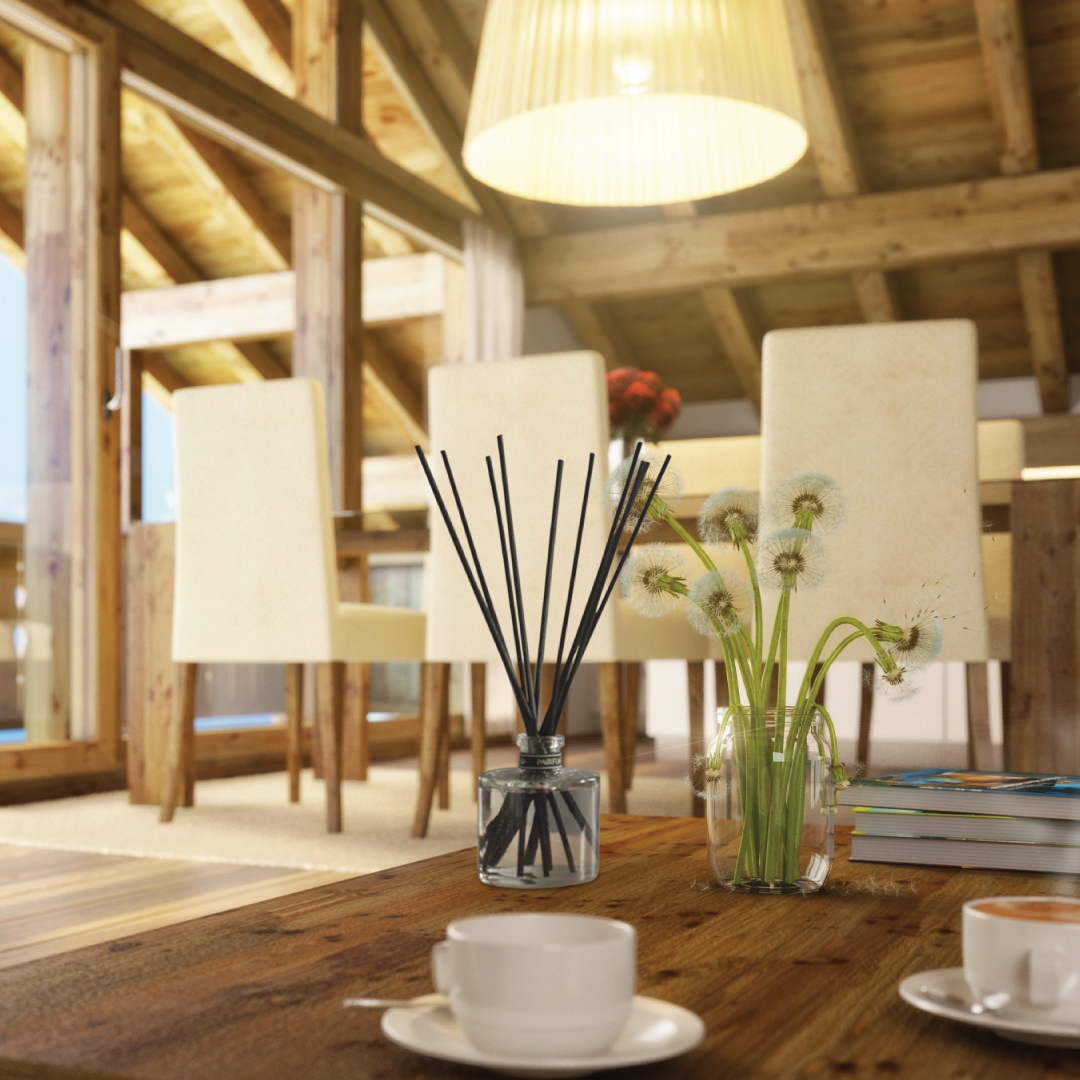
Lifestyle wooden Loft Natural Large Reed Diffuser

Creating a Sanctuary with Aromatic Wood: Reed Diffusers, Pillow Sprays and Perfume Candles

Aromatic wood fragrances bring a sense of calm and understated elegance into your home, transforming each room into a sanctuary of warmth and sensory delight. Whether you’re winding down after a long day or entertaining guests, these scent-driven accents offer a lasting and luxurious aroma.

Living Room: 

Reed diffusers are a beautiful way to maintain a continuous, subtle fragrance throughout shared spaces. The natural aroma of aromatic wood gently diffuses into the air, adding an earthy, refined presence that feels both grounding and inviting.

Bedroom: 

Pillow sprays infused with essential oils derived from aromatic woods help create a restful, sleep-enhancing atmosphere. A light mist over your bedding infuses your skin and space with a soothing scent, encouraging deeper relaxation and a peaceful night’s rest.

Throughout the house

Perfume candles featuring rich woody notes like sandalwood, cedarwood, or palo santo elevate the mood with their flickering glow and slow-releasing aroma. These candles provide not only olfactory pleasure but also visual elegance, making them perfect for moments of quiet or intimate gatherings.

By integrating these elements into your routine, you allow the natural charm of aromatic wood to gently permeate every corner of your home, nurturing both body and mind with a captivating fragrance that lingers in memory.

Embrace the Essence of Aromatic Wood in a Signature Personal Scent

For those who seek a truly distinctive expression of aromatic wood, a fragrance that blends spice, zest, and depth offers a captivating olfactory experience. The Spiced Rum, Lime & Guaiac Wood Eau de Parfum captures the essence of the woodland, fusing the warmth of spiced rum with the brightness of lime and the smoky allure of guaiac wood. This eau de parfum delivers a rich and memorable woody fragrance, enveloping the skin in an elegant, long-lasting aroma that speaks of adventure, comfort, and refined sophistication. It’s an ideal choice for those drawn to the grounding and evocative power of aromatic woods.

Spiced Rum, Lime & Guaiac Wood – Eau de Parfum by Pairfum London

This Connoisseur’s accord opens with the intense aroma of Rum, nuances of Lime & Lemon and a radiant combination of Nutmeg & Pepper. 

The heart is deep and rich with Tuberose, Iris and Vintage Leather. 

A fond of Guaiac Wood, Cedar, Golden Amber, Vanilla Pod and Musk complete this luxuriously fluid fragrance.

Eau de Parfum Spiced Rum Lime Guaic Wood

Final Thoughts

Aromatic wood has earned its place as one of perfumery’s most enduring muses. It balances the senses, beautifies our surroundings, and evokes something timeless within us. Whether admired in its raw state, infused in massage oil, or captured in an artisanal perfume, its charm remains undiminished.

To explore the full aromatic wood collection of nature, simply take a deep breath. Let your senses awaken to the layered, woody richness of aromatic woods and discover the soul of fragrance.

    Your Cart
    Your cart is emptyReturn to Shop