
Few scents feel as instantly familiar and uplifting as the fragrance of lemon. This radiant fruit, scientifically named Citrus limon, is one of the most celebrated citrus notes in perfumery and has shaped history, health, food and fragrance alike. The sharp sour taste, vivid colour and sparkling aroma of lemons mean they are woven into daily life across cultures. From lemon water rituals and drinks to culinary favourites like lemon pie, desserts of lemon curd and even savoury accents with lemon pepper.
In fragrance, a single touch of lemon zest can transform an entire composition. It brings flavour and freshness, balances heavier notes and provides the sparkling first impression in some of perfumery’s most loved creations.
A Historical Journey with Lemons and Perfume
Origins and Early Cultivation
The origins of the lemon tree lie in north eastern India and Burma, where it evolved as a hybrid from the citron and bitter orange. Over centuries, cultivation spread westward through trade routes. The tree itself, part of the plant family Rutaceae, thrived in Mediterranean climates thanks to abundant sunshine and reliable water.
By the time of Ancient Rome, lemons were seen as luxury items, stored in jars and revered as exotic imports. Later, during medieval times, references to the word “lymon” appeared in Middle English texts, showing that the fruit had become embedded into Europe’s culture and language.
The Renaissance and Beyond
During the Renaissance, the medicinal and perfumed properties of lemon oil extracted from the lemon rind and lemon peel grew in importance. Sailors stored fresh lemon juice because its vitamin C helped prevent scurvy on voyages. This association between lemons and vitality cemented its reputation as more than just an edible fruit.
By the eighteenth century, the rise of Eau de Cologne placed lemon at perfumery’s centre. Its light, sparkling quality offered a radical contrast to heavier resins and musks of earlier blends, ushering in a whole new chapter of fresh, uplifting fragrance traditions.

The Chemistry of Lemon’s Scent
The sensory appeal of lemon comes from natural plant compounds including limonene, citral and pinene. It is also naturally high in citric acid and vitamin C, which are central to both flavour and nutrition.
For perfumers, lemon’s role as a top note is key. Its volatile molecules evaporate quickly, producing an immediate, dazzling effect. Though fleeting, this sparkle enhances florals, spices, woods and musks, adding contrast, balance and excitement. Even when gone from the skin, that memory of zest lingers in the imagination.
Varieties of Lemon
Perfumers draw on multiple types of lemons to achieve different effects.
- Eureka lemon offers the classic zesty identity, providing a vivid, energising impact.
- Meyer lemon is softer, fruitier and slightly floral, ideal where sharpness needs gentle rounding.
- Lisbon lemons supply high volumes of concentrated juice, making them prized for both scent and flavour.
The geographical source also matters. Sicilian lemon trees grown on volcanic soil produce expressive and intense oils, while Californian orchards yield bright and clear aromas. Everywhere they grow, lemons tell a slightly different story.
Cultivation of Lemon Trees
The beauty of the lemon tree is found not only in its blossoms but also its resilience. Evergreen and fragrant, lemon trees yield fruit multiple times a year in the right climates. The tree requires fertile soil, ample sunlight and steady water.
For centuries, orchards of citrus trees provided more than just fruit. They represented wealth, purity and abundance. Even the smallest detail — from fragrant flowers to firm oval lemon seeds — holds importance. Culinary traditions use the peel, zest and rind, while perfumers treasure the concentrated aromatic compounds in the rind. Every part of the plant is valuable.

Extraction of Lemon Oil for Perfumes
Translating lemon’s vividness into perfume bottles requires careful extraction of lemon oil.
- Cold Expression mechanically presses the outer peel to yield oil without heat, ensuring an authentic aroma.
- Steam Distillation produces a lighter and fresher interpretation.
- Solvent Extraction deepens complexity.
- CO₂ Extraction offers eco-conscious plant processing with minimal waste.
Each extraction method influences how lemon flavor is captured in perfume, and modern perfumers continue to refine these approaches while ensuring sustainability.
Lemon in Fragrance Compositions
A Versatile Note
Such a citrus note rarely stands alone. Instead, it interacts beautifully:
- With florals, it radiates clarity.
- With woods, it balances weight.
- With spices, it sharpens.
- With musks, it adds cleanliness.
- With other citrus fruit, it heightens sparkle.
This makes lemon indispensable to perfumery.
Sustainability
Growing demand means attention to sustainable lemon trees cultivation is increasing. With changing climates, reliance on irrigation water and eco-friendly farming practices are essential to protect orchards for the future.
Lemon, Wellness and Culture
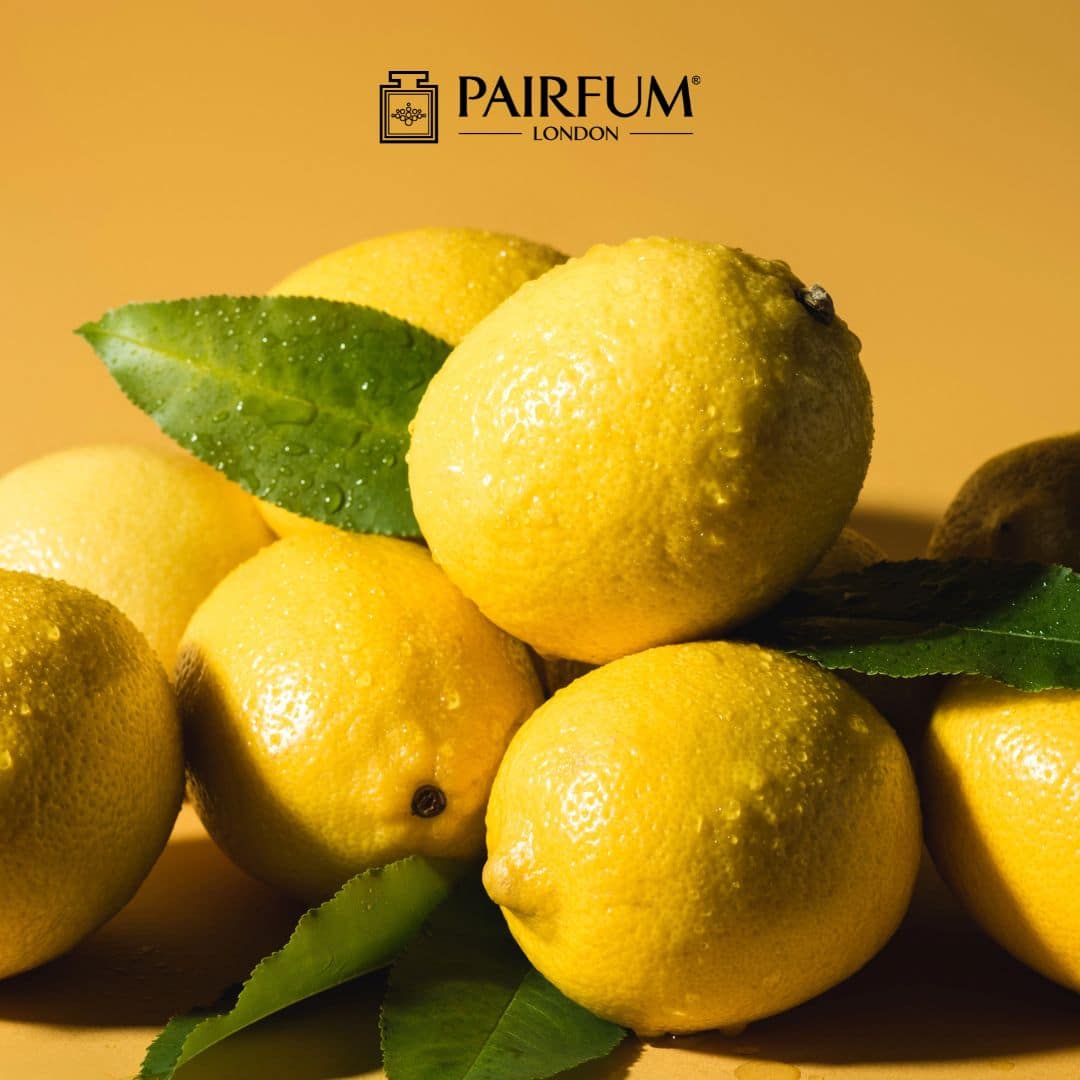
Beyond fragrance, the link between lemon juice and wellbeing is ancient. The fruit is well known for supporting immune function thanks to its richness in vitamin C. Traditional medicine valued lemon water for digestion and cleansing, while modern research associates lemon oil vapour with improved focus and uplifted mood.
Lemon is also indispensable in kitchens. Lemon slices flavour refreshing drinks, a squeeze of fresh lemon juice balances salty or fatty dishes, and cooking uses extend to desserts like lemon pie topped with airy whipped cream, sharp lemon curd smoothed with cream and butter, or sugared lemon rind. Savoury dishes too benefit: think roasted vegetables with olive oil, sugar and a dash of lemon juice, or North African meals enriched with preserved lemon. From salad dressings to spice blends such as lemon pepper, the culinary associations amplify the immediate recognition of lemon’s scent in perfume.
When and How to Wear Lemon Perfumes
Lemon based fragrances are wonderfully versatile for all occasions. Their uplifting opening is ideal for mornings, spring and summer days, or moments needing clarity and energy. Niche perfumers experiment with pairing lemon’s zest with heavier resins for evenings too, demonstrating that its brilliance transcends seasons.
Layering techniques also allow citrus openings to be extended. Blending with woods, musks or florals lengthens lemon’s fleeting sparkle and creates new personal expressions.
Symbolism of Lemon
For centuries, lemons symbolised purity, wealth and abundance. They shine as visual motifs in art and literature, their yellow echoing the sun’s vitality. In cultural rituals, lemons represented cleansing and protection.
This symbolism links back to the multi-sensory richness of lemons: their sour taste, juicy brightness, vivid flavour and uplifting scent. Few other fruit carry such wide-ranging associations.
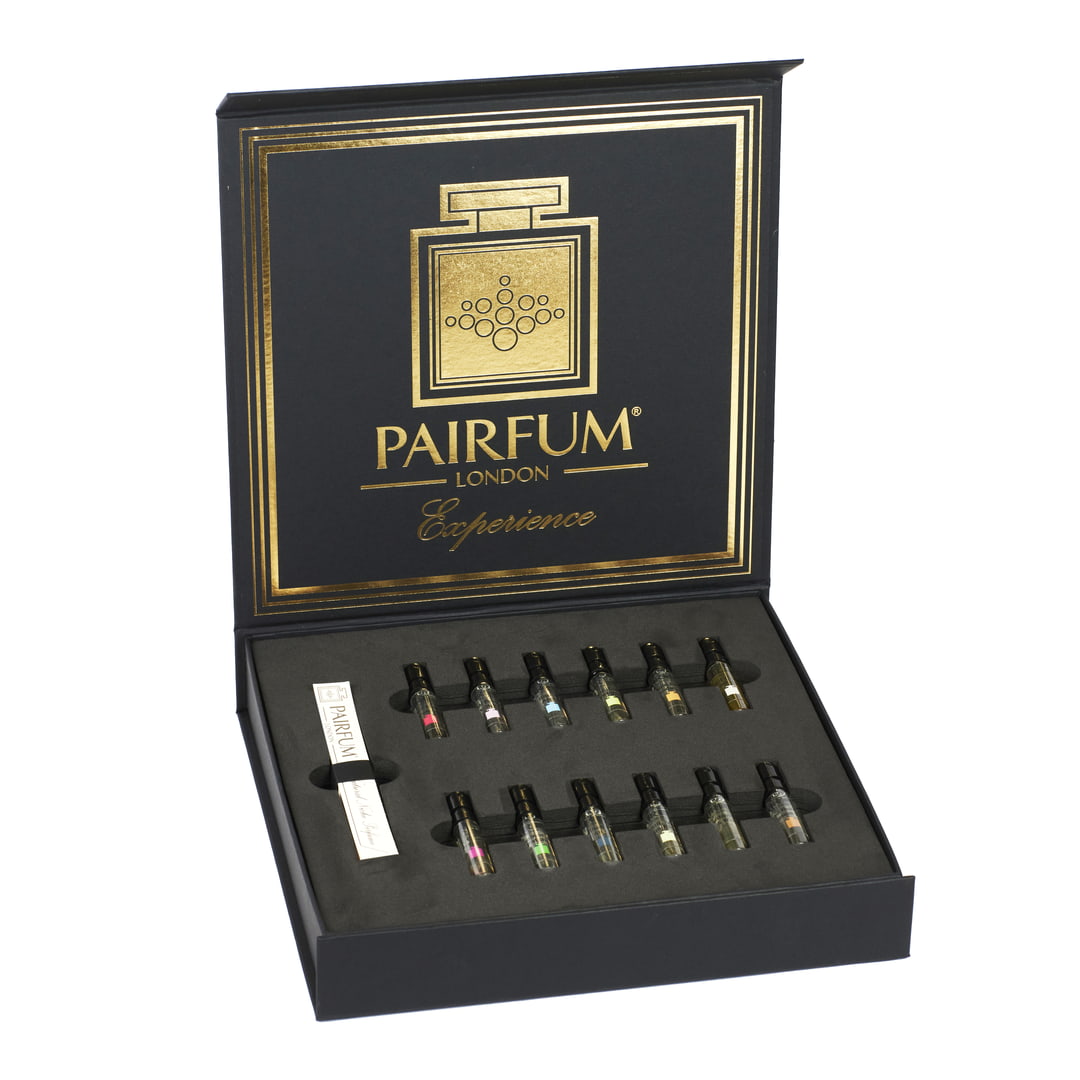
Lemon Top Notes with Pairfum London
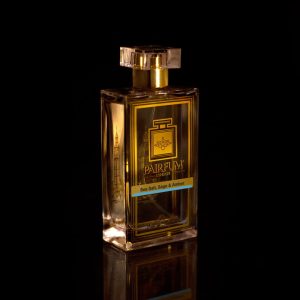
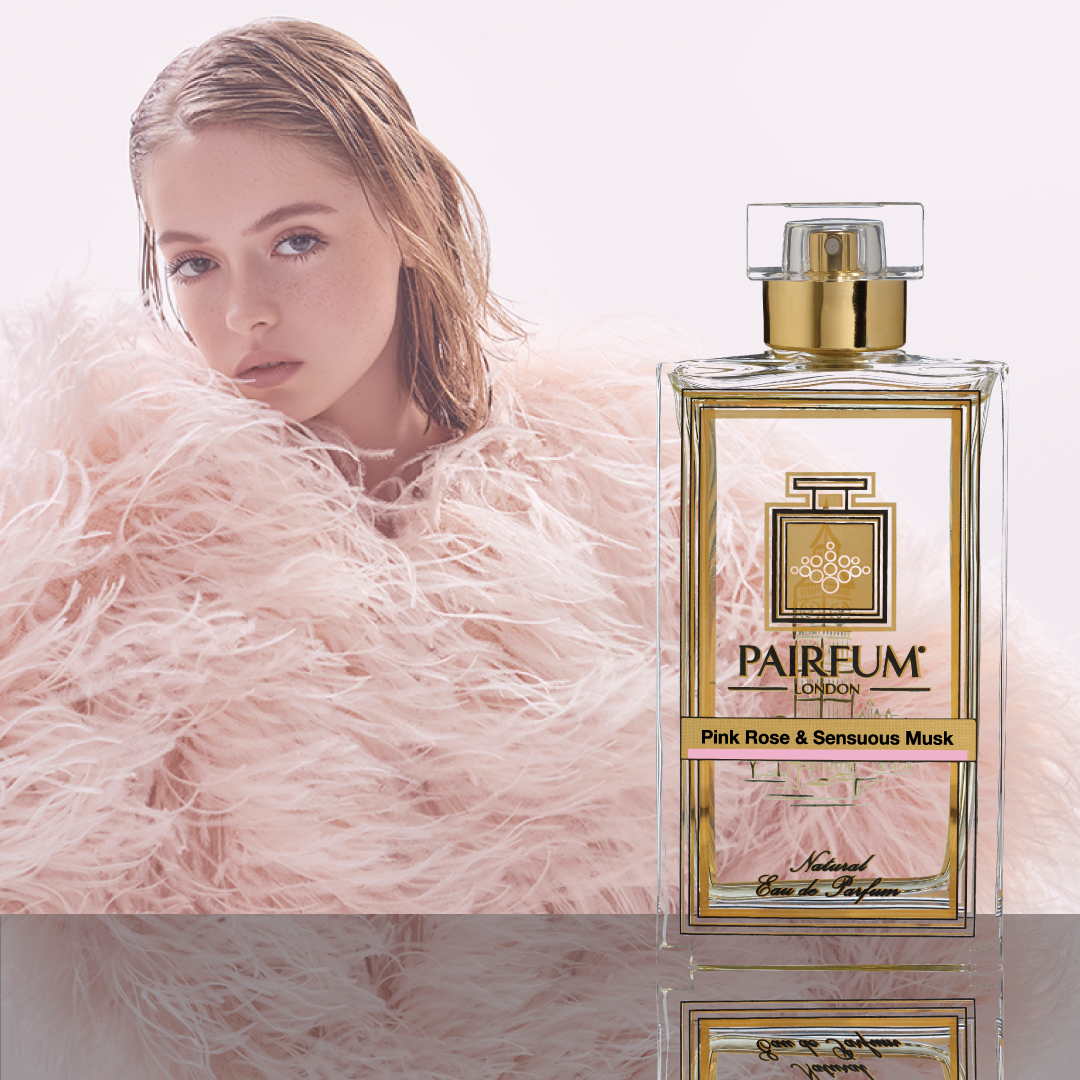
Pink Rose & Sensuous Musk – Eau de Parfum by Pairfum London
A vibrant, floral fragrance where the top notes of Sparkling Lemon and Lime are enhanced by the fruity nuances of Peach. The feminine, floral heart is a radiant blend of Pink Rose, Magnolia and Frangipani. The dark seductive base of Sensuous Musk, Amber and Precious Woods brings this fragrance to life.
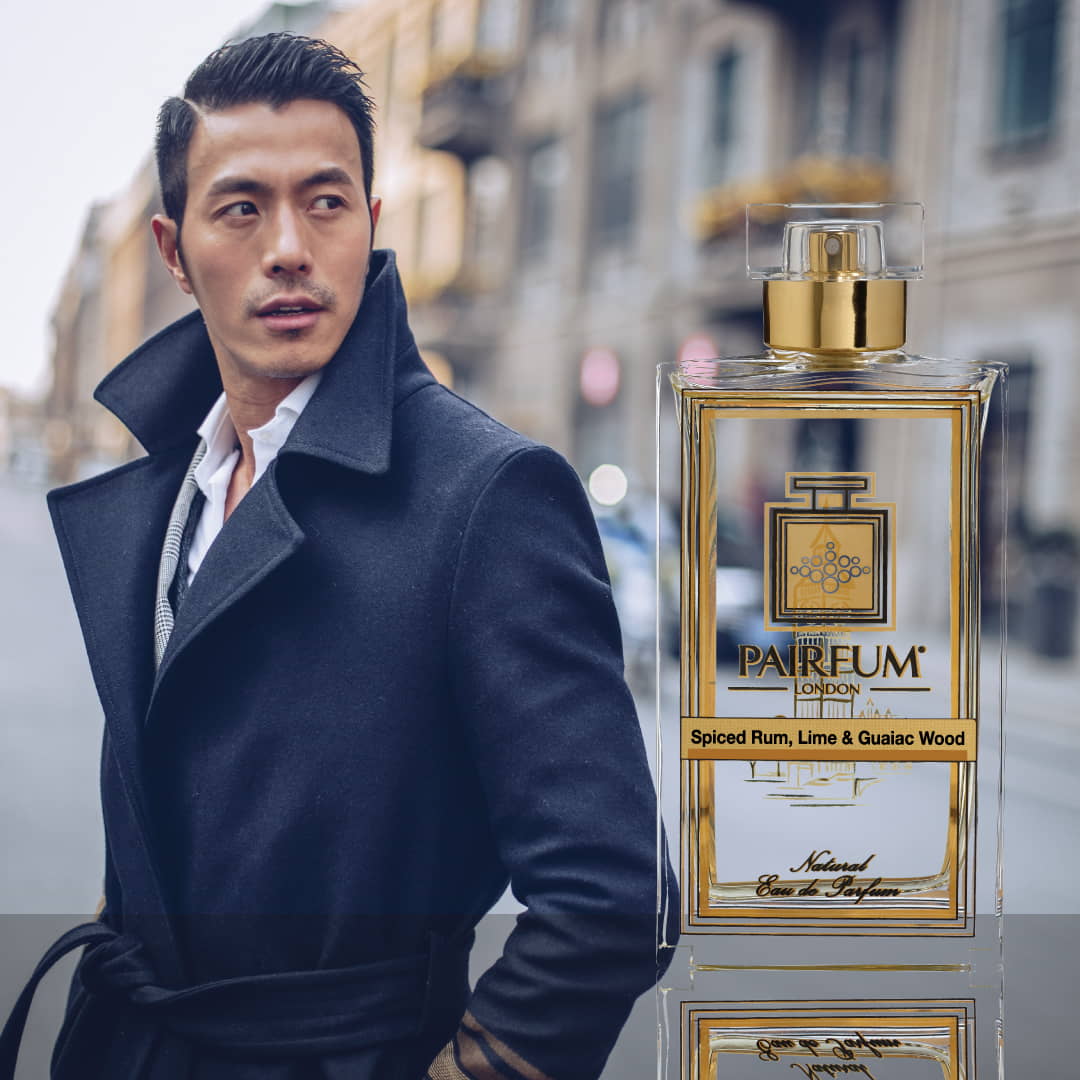
Spiced Rum, Lime & Guaiac Wood – Eau de Parfum by Pairfum London
This Connoiseur’s accord opens with the intense aroma of Rum, nuances of Lime & Lemon and a radiant combination of Nutmeg & Pepper. The heart is deep and rich with Tuberose, Iris and Vintage Leather. A fond of Guaiac Wood, Cedarwood, Golden Amber, Vanilla Pod and Musk complete this luxurious fragrance.
Conclusion
This is not just a fruit but a story bridging history, wellness, cuisine, symbolism and fragrance. Its blossoms fill orchards of lemon trees with beauty, its juice and zest enrich recipes, and its oils define some of the most captivating perfumes ever created.
To experience the fragrance of lemon is to embrace light itself: fresh, joyful, timeless. Whether tasted in a spoonful of lemon curd, enjoyed as lemon water, or breathed in as perfume where zest fills the air, this citrus fruit continues to shine as one of humanity’s most enduring treasures.