Home / Ingredients / Page 3
Extract Perfume Unveiled

Extract Perfume: The Pure Essence of a Fragrance Unveiled

Embarking on the exploration of extract perfume unveils a realm of extraordinary sensory experience that transcends the boundaries of typical fragrances. It is the art of capturing the purest and most potent essence of a scent, unadulterated by dilution or dispersion, in a composition that showcases the true heart of its olfactory beauty.

At Pairfum London, a boutique perfumery house with an innate sensitivity for taste and ‘zeitgeist’ in fragrance, we revel in the world of perfume extracts and in this article, we invite you to join us in uncovering its charm. Plunge headfirst into the intricacies and enigmatic nuances that exemplify this magnificent form of perfumery, from the captivating distillation process to the beguiling aromas that are the hallmark of extract perfume.

Ignite your senses and prepare for an olfactory journey like no other, delving into the extraordinary realm of perfume extract – a world that represents the pinnacle of luxury and sophistication in fragrance.

The Essence of Extract Perfume: Defining Qualities

Before embarking on an exploration into the world of perfume extract, it is essential to grasp the nature of what sets this form of fragrance apart. Comprising the purest and most concentrated essence of a scent, often referred to as ‘absolute’, extract perfume is artisanal and luxurious.

Significantly stronger than eau de parfum or eau de toilette, this potent composition offers unparalleled olfactory intensity and lasting power. As a result, perfume extract is often regarded as the most precious and coveted form of fragrance expression, enveloping the wearer, both men and women, in an aura of sophistication and allure.

Eau De Pairfum Neroli Musk Orange Blossom Bottle Extract Perfume

A Brief History of Extract Perfume

The art of crafting perfume extract can be traced back to ancient times when civilisations, such as the Egyptians and the Persians, practised the use of aromatic ingredients in their rituals, cosmetics, and medicinal preparations. Over time, this sophisticated craft evolved to include new and diverse aromatic materials to create sublime, transportive fragrances.

The golden age of perfumery witnessed the emergence of Grasse, France, as the leading destination for luxurious perfume creations. During this era, the art of extract perfume creation reached new heights of mastery, with perfumers continually innovating new techniques to perfectly capture the essence of a scent.

The Science of Fragrance Extraction

The creation of perfume extract is a delicate and time-intensive process, crafted through a series of intricate steps that capture the pure essence and intensity of the scent. A variety of extraction methods, each with its unique characteristics, are employed:

Steam Distillation

Steam distillation is one of the oldest and most prevalent methods for extracting essential oils. This technique involves passing steam through plant materials, causing their volatile compounds to vaporize. The resulting steam and oils are then condensed and separated to yield the essential oil. This method is particularly effective for heat-stable materials and ensures that the aromatic compounds are preserved without degradation.

Expression

Expression, also known as cold pressing, is primarily used for citrus oils and some fruit. This method involves mechanically pressing or squeezing the peels of citrus fruits to release their oils. Unlike other methods, expression does not involve heat, which helps maintain the integrity and freshness of the oil. This technique is simple yet effective for extracting high-quality citrus essential oils.

Solvent Extraction

Solvent extraction is employed when heat-sensitive materials are involved. Aromatic compounds are dissolved using organic solvents such as ethanol or ethyl alcohol. After the solvent is evaporated, a concentrated aromatic substance known as ‘concrete’ is left behind. Further processing with alcohol can produce an ‘absolute’. This method is essential for extracting delicate flowers like jasmine and rose, ensuring their complete aromatic profile is preserved.

Super-Critical CO2 Extraction

Super-critical CO2 extraction utilizes carbon dioxide in its supercritical state—where it behaves like both a liquid and a gas—to penetrate plant materials and dissolve essential fragrant compounds. This method is favoured for producing pure, high-quality extracts without the use of harmful solvents. It is environmentally friendly, as CO2 is non-toxic and can be recycled, making it a popular choice in the fragrance and flavour industries.

Enfleurage

Enfleurage is a labour intensive and traditional method ideal for extracting oils from a delicate flower. Fresh petals are placed on a layer of fat, which absorbs their essential oils over time. The saturated fat, known as ‘pomade’, is then washed with alcohol to separate the oil. Although time-consuming, enfleurage captures the true essence of flowers like jasmine and tuberose, producing luxurious and authentic fragrances.

Maceration

Maceration involves soaking plant materials in a solvent, typically oil or alcohol, at room temperature or slightly elevated temperatures. Over time, the solvent absorbs the plant’s aromatic compounds. This method is straightforward and effective, though it can be time-consuming and may yield less concentrated extracts compared to other techniques. It is highly valued in artisanal perfumery for producing rich and complex scents.

Extract Perfume Manufacturing

The Future Of Perfume Extraction

Modern Extraction Methods

Modern extraction methods have revolutionised the perfume industry, allowing for more precise and efficient extraction of aromatic compounds. Techniques such as molecular distillation and ultrasound extraction are now being explored. Molecular distillation operates under vacuum conditions, allowing for the distillation of essential oils at lower temperatures, preserving their delicate aromas. Ultrasound extraction uses ultrasonic waves to disrupt plant cells and release their contents, offering a faster and more energy-efficient alternative. These advancements continue to push the boundaries of fragrance extraction, ensuring that perfumers have access to the highest quality ingredients.

The Importance of Purity in Perfume Extracts

Purity is paramount in the creation of perfume extracts. High-purity extracts ensure that the fragrance remains true to its natural source, providing an authentic olfactory experience. Impurities can alter the scent profile, leading to undesirable notes. Advanced extraction techniques strive to maintain the purity of the essential oils by minimizing exposure to heat and solvents that could degrade the aromatic compounds. This dedication to purity not only enhances the fragrance quality but also aligns with the growing consumer demand for natural and unadulterated products.

Sustainability in Perfume Extraction

As the perfume industry evolves, sustainability has become a critical focus. Sustainable extraction methods, such as super-critical CO2 extraction, are gaining popularity due to their minimal environmental impact. Additionally, sourcing raw materials responsibly is essential to preserving biodiversity and supporting local communities. Companies are increasingly adopting practices that ensure the longevity of aromatic plants and the ecosystems they inhabit. This commitment to sustainability not only benefits the environment but also enhances the ethical appeal of perfume products.
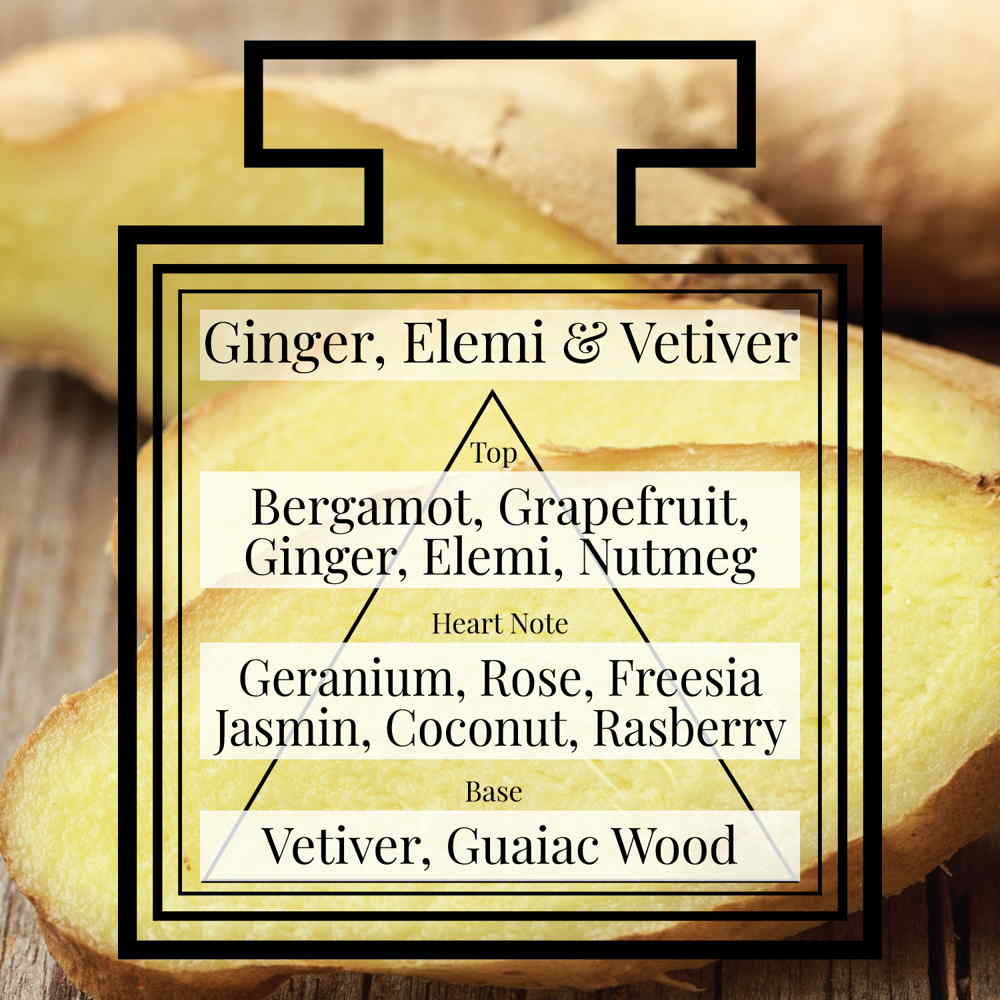
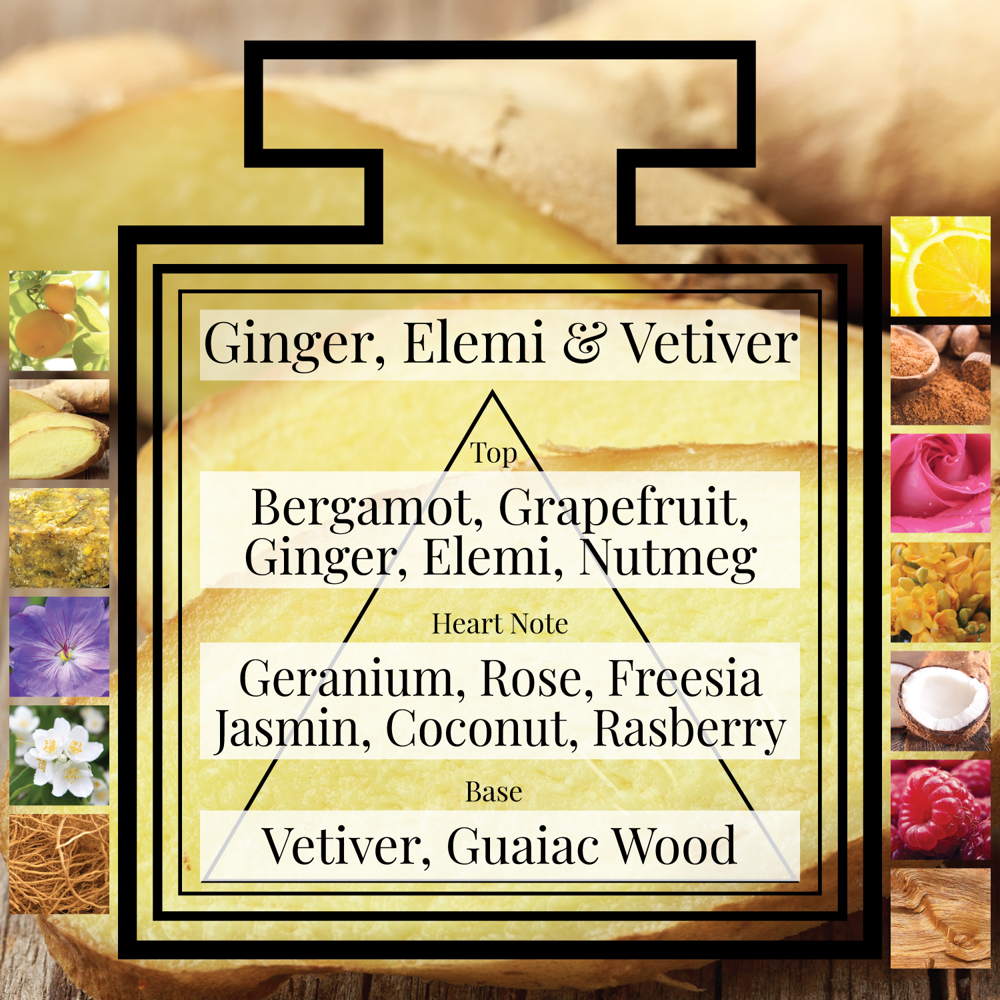
Pairfum Fragrance Ginger Elemi Vetiver Triangle

Discovering the Art of Blending Extract Perfume

The olfactory artistry of creating perfume extract goes beyond merely selecting and extracting essential oils; it involves the refined skill of blending these extracts into an exquisitely harmonious composition. Perfumers must consider the delicate balance of top, middle, and base notes, the interplay of aromatic accords, and the interweaving of contrasting elements to create a captivating fragrance that is greater than the sum of its parts.

1. Top Notes

The initial impressions of a fragrance and top notes are typically volatile and light, evaporating quickly after application. These aromatic elements set the stage for a fragrance’s opening act, drawing intrigue and awakening the senses.

2. Heart Notes

Also known as middle notes, heart notes play a substantial role in the composition of a fragrance, forming the body and central character of the scent. Heart notes persist longer than top notes, evolving as they harmonise with the surrounding elements and ultimately defining the tone of the fragrance.

3. Base Notes

Resonating long after the top and heart notes have faded, base notes create an enduring fragrance foundation. Characterised by their deep, rich aromas, these elements provide a sense of warmth and depth to the composition, complementing and grounding the other notes in the blend. Ingredients such as bark add an earthy quality that enhances the richness and complexity of the final product.

For more information about the olfactory pyramid, click here.

The Role of Natural Ingredients in Extract Perfume

The perfume industry has seen a significant shift towards the use of natural ingredients, with consumers increasingly favouring perfumes that highlight the essence of the plant material. Extract perfumes are celebrated for their use of high-quality raw material, such as exquisite essential oils. Essential oil is derived from flowers like lavender, jasmine, and rose. These natural elements ensure that each perfume reflects the true character of its ingredients, providing a more authentic and captivating aroma and olfactory experience.

Pink Rose & Sensuous Musk Extraction Perfume Extract

The Ethical and Sustainable Future of Perfume Extraction

The perfume industry is moving towards more sustainable and ethical practices in the extraction process. Traditional methods, such as enfleurage, and modern techniques, like solvent extraction using a chemical solvent, are being refined to minimise environmental impact while maximising the yield and quality of the final product.

Carrier oil is increasingly used in combination with these methods to optimise the extraction of essential oils and ensure that the process remains sustainable. At Pairfum London, we are committed to sourcing our materials responsibly, ensuring that our luxurious fragrances and any extraction method used in their production do not compromise the planet’s health.

Emotional Connections and Personal Preferences

Perfume is not just about scent; it’s a journey that evokes emotions and memories. The extract perfumes crafted by Pairfum London are designed to resonate deeply with the wearer, allowing personal preferences to guide the choice of fragrance. Whether it is the fresh allure of a citrus blend or the deep warmth of woody accords, our perfumes cater to diverse tastes and personalities, offering an olfactory experience tailored to every individual.

Luxurious Layers of Fragrance Extracts: The Ultimate Sensory Experience

A perfume extract embodies the pinnacle of olfactory artistry and expertise, exploring the fragrant depths of sensory sophistication with unparalleled finesse. As you delve into the world of extract perfume, you unlock the secrets of an opulent fragrance realm where every scent becomes a journey into the exquisite realms of taste and ‘zeitgeist’.

At Pairfum London, we celebrate the enchanting allure of extract perfume, combining our passion and skill to create unparalleled, luxurious compositions that truly captivate the senses.

We invite you to immerse yourself in our sophisticated collection of extract perfumes and experience their enchanting, otherworldly quality for yourself. A fantastic place to start is our signature Perfume Experience Box, but for those who enjoy a floral fragrance, might we suggest:

Allow the pure, potent essence of fragrance to unveil the hidden depths of olfactory beauty, and let Pairfum London’s dedication and savoir-faire guide you on a mesmerising journey into the heart of perfume extract.

Pairfum Fragrance Sea Salt Sage Amber Triangle Ingredients Extract Perfume
Pairfum London Top Notes of Perfume

Top Notes In Perfume: The Exquisite First Impression of a Fragrance

In the intricate world of perfumery, the first impression of a fragrance and plays a critical role in capturing the heart and senses of the wearer. Top notes in perfume are the initial aromatic delights that beckon and entice, unveiling the curtain behind which the fragrance story unfolds.

At Pairfum London, a boutique perfumery house with a refined sensitivity for taste and ‘zeitgeist’ in fragrance, we celebrate the allure of top notes in our article.

Join us on a fascinating journey as we discern the essence of top notes and the essential part they play in the harmonious blend of fragrances. From their evanescent nature to the myriad of captivating aromas that encompass the perfumer’s palette, immerse yourself in an enthralling exploration of top notes and discover the delicate balance and artistry required to weave the ultimate fragrance story – a tale that begins with the enchanting and ephemeral whisper of the top note.

An Introduction To Top Notes In Perfume

The role of Top Notes in Perfume: An Olfactory Prelude

Top notes in perfume play a critical role in the olfactory pyramid (or the fragrance pyramid)by setting the stage for the entire fragrance experience. Often described as the ‘opening’ or ‘head note’, they are the initial essence that greets the wearer upon application. These fleeting yet captivating aromas act as an opening act, leading the way for the middle and base notes to unfold and revealing the depth and complexity that lie beneath the surface.

Top notes typically have higher volatility and evaporate more rapidly than the other notes in a composition, which is why they are perceived first and disappear relatively quickly. The initial scent of a perfume can create a strong initial impression, enticing the wearer to explore further into the olfactory pyramid of the fragrance.

Pairfum Fragrance Sea Salt Sage Amber Triangle Ingredients Heart Middle Top Notes in Perfume

Signature Aromas: Popular Top Notes In Perfume

Perfumers utilise a vast array of fragrance raw materials and ingredients to craft alluring top notes that captivate the senses and leave a lasting impression. Some popular top notes in perfume include:

Citrus Notes

Bright, tangy, and refreshing citrus notes are often found at the forefront of many fragrances. Lemon, orange, bergamot, grapefruit, and lime provide an invigorating zestiness that instantaneously lifts the spirits and energises the senses. The appeal of citrus notes lies in their versatility, as they can seamlessly complement various fragrance genres, from fresh fragrances to aromatic woody aromas. A citrus scent is often a popular choice for those seeking an invigorating and lively perfume.

Examples are Bergamot, Lemon, Lime, Mandarin, Orange & Bitter Orange, Grapefruit, Petitgrain, Neroli, Yuzu and Kaffir Lime.

Green Notes

Green perfume notes can evoke the enthralling freshness of nature, conjuring images of verdant forests, leafy foliage, and lush gardens. Ingredients such as galbanum, violet leaf, and basil contribute a crisp, herbaceous quality to the top notes, setting a refreshing and rejuvenating tone for the fragrance journey.

Here are Green Top Notes: Galbanum, Green tea, Basil, Mint, Ivy, Violet leaf, Petitgrain, Tarragon, Tomato leaf, Fig leaf, Grass, Clary Sage, Mate, Artemisia, Bamboo.

Fruity Notes

Fruity top notes bring a playful, enticing charm to a fragrance, adding a sense of whimsy and delight to the olfactory experience. From tart berries and sweet stone fruits to juicy apples and tropical delights, fruity notes can be wonderfully diverse and sophisticated, imbuing the perfume with an uplifting, vivacious character.

Examples include Apple, Peach, Pear, Berries (Strawberry, Raspberry, Blackberry, Blueberry), Mango, Coconut, Melon, Apricot, Grapes, Passion Fruit, Lychee, Pomegranate

Aromatic Notes

Top notes with an aromatic character, such as lavender, rosemary, and thyme, inject an air of intrigue and complexity into a fragrance. These essences can evoke an olfactory landscape reminiscent of Mediterranean herb gardens, imbued with a gentle warmth that simultaneously comforts and stimulates the senses.

Some examples: Lavender, Rosemary, Thyme, Basil, Sage, Mint, Eucalyptus, Marjoram, Anise, Bay leaf, Tarragon, Clary sage, Fennel, Oregano, Juniper.

Aquatic Notes

Aquatic notes offer a refreshing and crisp aroma, reminiscent of the sea breeze and water. These notes are perfect for adding a light, airy quality to the fragrance, making them ideal for fresh fragrances.

Examples include: Watermelon, Cucumber, Seaweed, Sea breeze accord, Lotus, Water lily, Marine notes, Ozonic notes, Salty notes, Calone.

Floral Notes

Floral top notes are the initial burst of fragrance that greets you upon the first spritz of a floral perfume. These a floral note is typically light, fresh, and highly volatile, meaning they are among the first to be noticed but also the quickest to evaporate. Despite their fleeting presence, floral top notes play a crucial role in setting the tone for the fragrance journey.

Examples: Lily of the valley, Neroli, Jasmine, Rose, Orange blossom, Ylang-ylang, Freesia, Peony, Hyacinth, Gardenia, Tuberose, Lotus, Honeysuckle, Cherry blossom, Carnation.

Spicy Top Notes

Spicy top notes in perfumery add warmth, zest, and an invigorating kick to fragrance compositions. These notes are characterized by their vibrant, peppery, and often piquant aromas, creating an immediate sensory impact.
They are frequently used in both masculine and unisex fragrances to impart a lively, exotic, and dynamic quality, setting an intriguing tone right from the opening of the scent. Spicy top notes blend well with citrus, woody, and floral elements, enhancing the overall complexity and depth of a fragrance.

Examples: Cardamom, Pink pepper, Ginger, Saffron.

Aldehydic Top Notes

Aldehydic top notes in perfumery are known for their bright, sparkling, and effervescent qualities. These synthetic notes were popularised by iconic fragrances like Chanel No. 5, where they impart a clean, soapy, and sometimes slightly metallic or waxy aroma.

Aldehydes create a sense of effervescence and luminosity, often described as “champagne-like” or reminiscent of fresh linen. They add a unique, sophisticated character to perfumes, enhancing the diffusion and longevity of the fragrance.

Aldehydic top notes work well with floral, citrus, and woody accords, providing an uplifting and radiant opening that sets the stage for the scent’s development.

Pairfum Fragrance Ginger Elemi Vetiver Triangle Ingredients Heart Middle Top Notes in Perfume

The Balancing Act: Composing Harmonious Top Notes in Perfume

Creating a harmonious perfume requires the careful balance of its constituent notes, with the top notes playing an essential role in setting the stage for the rest of the composition. Skilled perfumers devote considerable attention to crafting top notes that gracefully transition into the fragrance story as the aroma develops on the wearer’s skin.

The delicate balancing act of composing top notes entails several considerations:

Complementarity: To ensure a seamless progression throughout the life of a fragrance, perfumers carefully select top notes that naturally complement the heart and base notes of the composition. For example, a citrus top note may gracefully blend with a floral heart, while aromatic green top notes can provide an intriguing prelude to a woody or spicy base note. This ensures that the different fragrance notes harmonize well together.

Proportion: The proportion of top notes in a perfume will impact the overall aroma and development of the fragrance. Excessive top notes can risk overpowering the more delicate nuances of the heart and base notes, whereas too few top notes may result in a fragrance that lacks the initial spark needed to capture the wearer’s interest.

Longevity: Despite their fleeting nature, top notes that linger just long enough to create an impactful opening impression are valuable assets in perfumery. Perfumers must, therefore, strike the right balance between aromatic intensity and evaporation rate when selecting ingredients for the top notes.

Distinctiveness: With countless fragrances competing for attention in the perfume market, crafting memorable and distinctive top notes is essential in ensuring a fragrance’s success. An alluring and unforgettable top note can leave a striking impression, enticing the wearer to further explore the depth and subtlety of the overall aroma.

The Power of the First Impression: Psychological Effects of Top Notes in Perfume:

The human olfactory system, responsible for our sense of smell, is intricately linked to memory and emotion. A captivating top note can actively elicit emotional responses and create lasting memories, creating a strong bond between the wearer and the fragrance.

Top notes carry the power to evoke nostalgic feelings, induce a sense of relaxation, or spark a passionate attraction, all through the fascinating chemistry underpinning the fragrant molecules that interact with our olfactory receptors. The initial impression created by these opening notes is crucial in determining whether the fragrance will become a signature scent for the wearer.

Exquisite Introduction To Perfume Heart Middle Top Notes in Fragrance

Understanding Fragrance Notes: A Deeper Dive into the Olfactory Pyramid

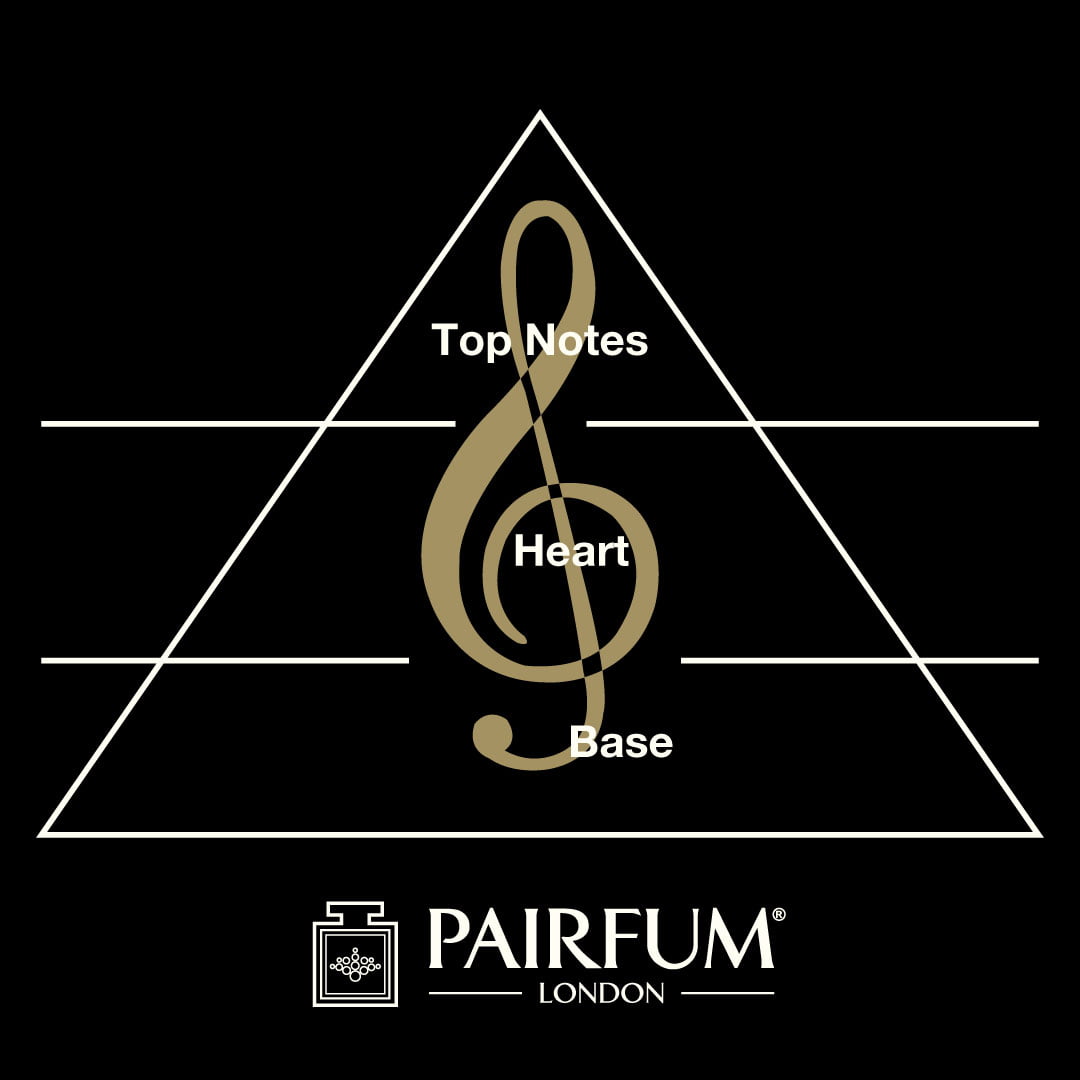
Top notes are just the beginning of a fragrance’s journey. The perfume pyramid or olfactory pyramid is a fundamental concept in perfumery that helps when creating harmonious and beautiful fragrance compositions. It includes the top, heart (middle), and base notes. Each of these layers contributes to the overall scent experience, with the middle note often known as the ‘heart’ of the fragrance.

Middle Note: The Heart of the Fragrance

The middle note or heart note forms the core of the perfume. They appear once the top notes evaporate, providing a smooth transition to the base notes. Middle notes are essential for adding depth and character to the fragrance.

They often include floral notes, spices, and fruity elements that blend seamlessly with both the top and base notes, ensuring the perfume’s complexity and richness. Floral perfumes often rely heavily on a well-crafted middle note to deliver their full aromatic experience.

Base Notes: The Foundation of a Perfume

Base notes form the foundation of a great fragrance, providing depth, richness, and longevity to the scent. These notes are typically composed of heavier, more enduring ingredients that emerge slowly and linger on the skin long after the top and heart notes have dissipated.

Common base notes include woods (such as sandalwood, cedarwood), resins (like amber, benzoin), musk, vanilla, and earthy elements like patchouli and vetiver. They anchor the fragrance, adding complexity and balance, and are crucial for the scent’s lasting power and overall character. The interplay of these base notes with the other layers of the perfume creates a harmonious and memorable olfactory experience.

The Importance of Fragrance Notes in Perfumery

Fragrance notes are the building blocks of any perfume. Understanding the interplay between top, middle, and base notes is crucial for creating a balanced and appealing scent. These notes work together to provide a full olfactory experience that unfolds over time, revealing the intricacies of the fragrance. From the first spritz to the lingering base note, each stage of the fragrance notes contributes to the perfume’s overall character and longevity. The final fragrance that one experiences is a result of this meticulous blending of different notes.

Pairfum Natural Niche Perfume Home Fragrance Olfactory Triangle Heart Middle Top Notes in Perfume

Fragrance Families

Fragrance families are classifications that group perfumes based on their dominant olfactory characteristics, such as floral, oriental, woody, or fresh. These families provide a framework for understanding and categorising scents by their overall impression, rather than individual ingredients or the structure of the fragrance.

This differs from fragrance top, heart, and base notes, which refer to the different stages of evaporation and perception within a single perfume composition. While top, heart, and base notes describe the progression of a scent over time, fragrance families focus on the overarching style and thematic qualities.

Fragrance raw materials are the specific ingredients used to create the notes and ultimately shape the fragrance’s profile, whereas fragrance families offer a broader context that helps consumers and perfumers navigate the vast array of scents in the market.

Examples of Fragrance Families:

  • Oriental: Oriental fragrances often contain rich, spicy, and resinous notes, creating a warm and exotic aroma. Woody notes, such as cedarwood and sandalwood, provide a grounding base that adds sophistication and longevity to the scent. These elements are essential in crafting a unique scent that stands out and lingers.
  • Woody: These fragrances offer a sense of earthiness and depth, making them a popular choice for those seeking a signature scent with character. Additionally, combining floral fragrances with oriental and woody notes can create a balanced and multi-dimensional fragrance that appeals to a wide range of preferences.
  • Floral: Characterised by the scent of fresh flowers. This family can be further divided into subcategories like single floral (soliflore), floriental and bouquet.
  • Aromatic: The aromatic fragrance family is characterised by the presence of herbaceous, spicy, and fragrant plants. These scents often include notes of lavender, rosemary, thyme, sage, and basil, creating a fresh, green, and slightly spicy profile. Aromatic fragrances are commonly used in men’s perfumes due to their clean, invigorating, and natural scent. Aromatic scents evoke a sense of nature and freshness, making them popular for casual and daytime wear.
  • Fougere: Characterised by a blend of lavender, oakmoss, and coumarin, often with additional notes of woods and herbs. Fougere scents are typically fresh, herbal, and slightly woody, often used in men’s fragrances. Aquatic fragrances are part of this family.
  • Chypre: Built around a harmony of citrus, mossy, and woody notes. Typically includes bergamot, oakmoss, patchouli, and labdanum. Chypre fragrances are sophisticated, earthy, and slightly dry.
  • Gourmand: Evoking edible or dessert-like qualities. Common notes include vanilla, caramel, chocolate, and coffee. These scents are sweet, warm, and often rich.
  • Green: Fresh, crisp, and invigorating scents reminiscent of grass and leaves. These fragrances are often sharp and lively.
  • Fruity: Sweet and juicy scents of fruits other than citrus. These fragrances are playful, vibrant, and often sweet.
  • Citrus: Bright, tangy, and refreshing scents derived from citrus fruits. These fragrances are lively, fresh, and often used in colognes and summer scents.

Essential Oils In Perfumery: Crafting The Perfect Scent

Essential oils play a pivotal role in the art of perfume making. These natural extracts from plants provide a rich and complex array of scents that form the building blocks of many fragrances. Perfumers blend essential oils to create distinctive top notes that captivate the senses. The use of high-quality perfume oil ensures that each fragrance not only smells exquisite but also maintains a harmonious balance with the heart and base notes. Natural perfume ingredients, often derived from essential oils, add a unique and pure quality to the fragrance.

Pairfum Eau De Parfum Intense 30ml Travel Spray 3 Bottle Tray Inside Gold 1 1

Conclusions on Top Notes in Perfume

Embracing the enchanting prelude of Fragrance In the intricate world of perfumery, top notes play a decisive role in crafting a fragrance that captivates the senses and imbues a memorable experience. As the harmonious prelude that sets the stage for a symphony of exquisite aromas, these evanescent yet mesmerising aromas form the opening act of a luxuriously orchestrated olfactory performance.

At Pairfum London, our passion for the art of fragrance and our keen sensitivity for taste and ‘zeitgeist’ embody our commitment to creating innovative compositions that expertly balance the delicate complexities of top notes with the alluring depths of the heart and base notes.

We invite you to discover Pairfum London’s range of niche fragrances meticulously blended to perfection and embark on a sensory adventure that honours the enchanting power of top notes in perfume. Allow us to be your guide on this olfactory journey, and immerse yourself in the essence of true fragrance craftsmanship. Check out our collection of Eau de Parfum and purchase one today!

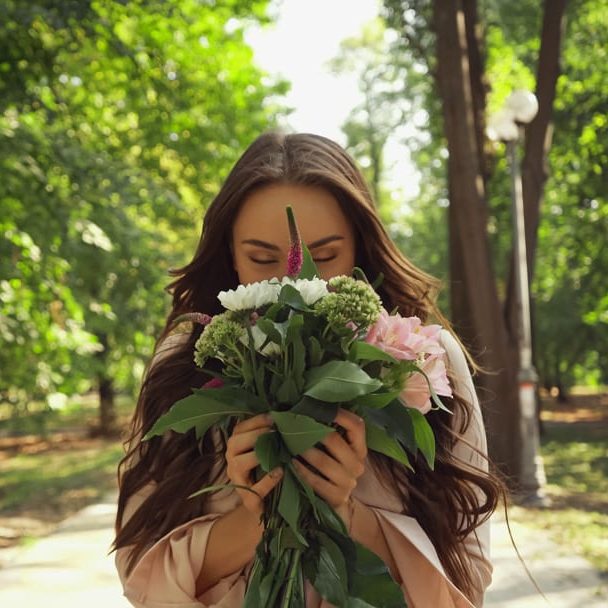
Woman enjoying green smell e1721992320708

Exploring the Enigmatic: What Is the ‘Green Smell’ in Perfumery?

The green smell in perfumery is a scent that has fascinated and intrigued the fragrance world for generations, with its beguilingly elusive and enchanting essence that conjures the essence of nature’s hidden treasures.

Green notes impart a crisp, sharp quality and enhance the naturality perfumes. Whether incorporated into a floral, chypre, aromatic, woody or fruity fragrance, their distinctive freshness serves as a magical element that brings a sense of ‘outdoor life’ to a fragrance.

As a boutique perfumery house with a sensitivity for the taste and ‘zeitgeist’ in fragrance, Pairfum invites you on a journey to discover the enigmatic green smell of perfumery as we reveal its intricate nature in this article.

Here, we delve into the origins of this intriguing aroma, its various nuances, and its impact on the art and craft of perfumery. Immerse yourself in this mystical olfactory world, where green perfumes capture the spirit of nature and its intricate allure, captivating the senses and transporting us to a realm of sensory enchantment.

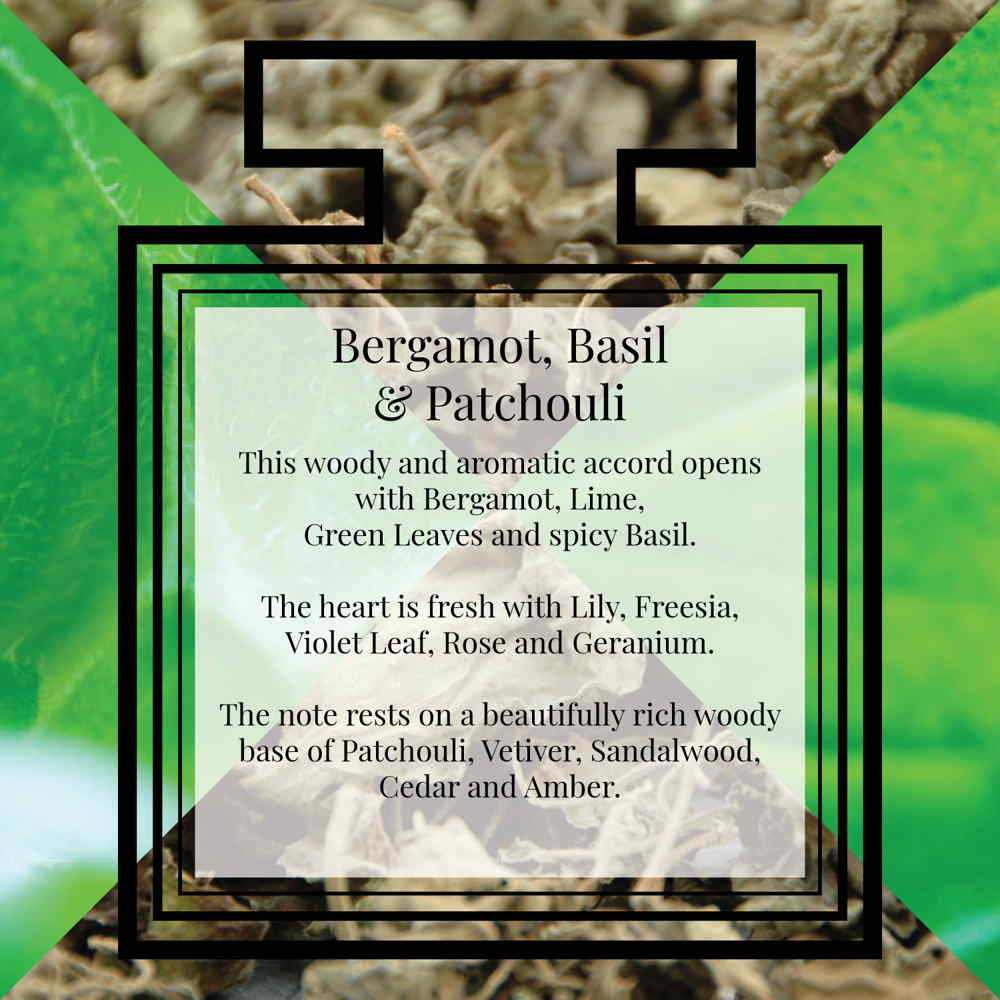
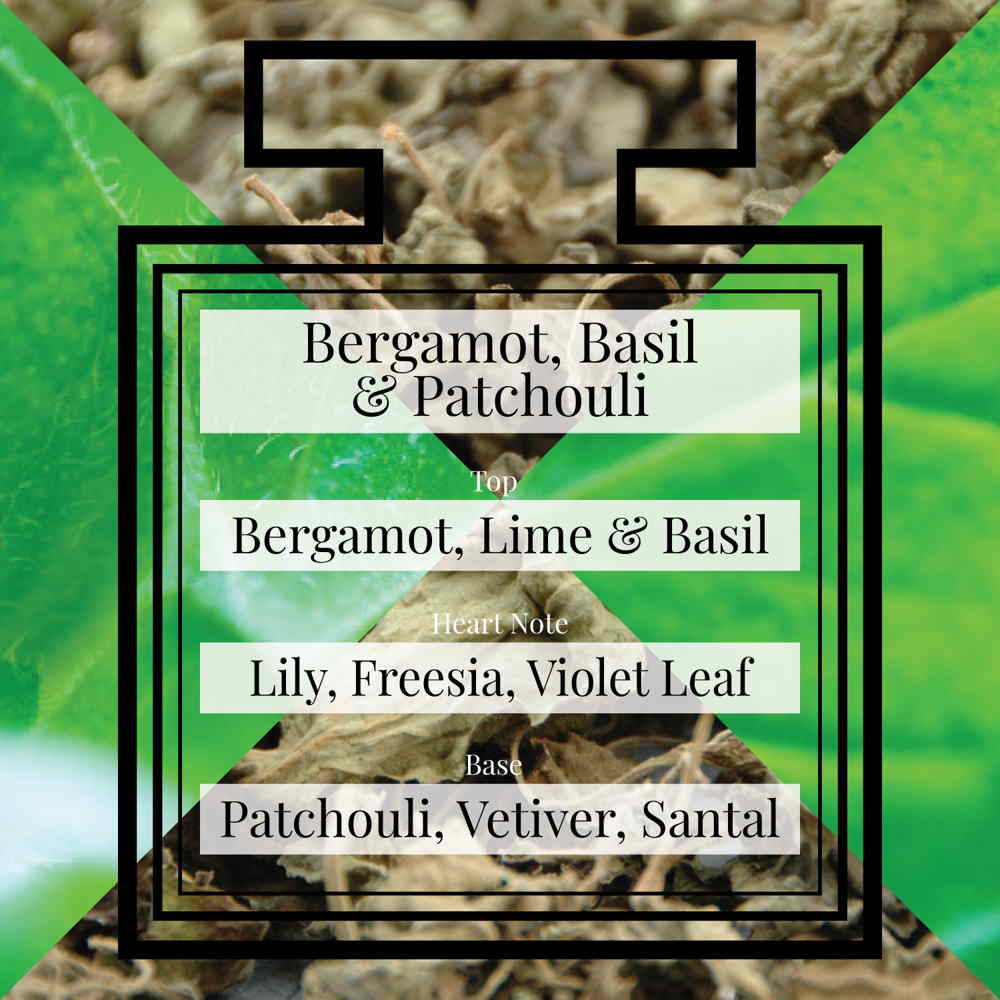
Pairfum Fragrance Bergamot Basil Patchouli Description

Origins of the Green Smell in Perfumery

While the term may evoke an air of mystery, the green smell has a rich heritage deeply rooted in the history of perfumery. The enigmatic green aroma references a specific genre of scents inspired by leaves, stems, foliage and the raw, fresh green essence of fresh grass.

During the 1960s and 1970s, perfumers began to explore its unique and exciting olfactory charms, with classic fragrances such as Estée Lauder’s Alliage, Givenchy’s III, Vent Vert by Balmain and Chanel’s Nº19 leading the charge. As the practice of olfactory artistry evolved, so too did the green smell, finding its way into various fragrance compositions and capturing the hearts of perfume enthusiasts seeking solace in nature’s embrace.

PAIRFUM green smell bamboo forest room fragrance natural perfume

Understanding the Green Smell: Nuances and Variations

As with all things in nature, the green fragrance in perfumery encompasses a vast array of scents that can be classified along several fascinating spectrums:

Fresh, Leafy Greens

Think of the scents that waft through a lush forest or an earthy garden after a rainfall. These fragrances often contain a refreshing note that is redolent of crushed green leaves and vegetation, capturing the essence of verdant life. This fresh and invigorating smell is reminiscent of freshly cut grass, bringing to mind summer fragrances that evoke the liveliness of greenery and the natural world.

Bitter Greens and Resinous Exudations

Some green scents offer a bitterness that is evocative of the sap-filled resin that exudes from a broken tree branch or a freshly cut stem. Galbanum is one such plant commonly used in perfumery for its distinctive and potent green note. The resin obtained from galbanum (Ferula galbaniflua) is highly aromatic and conveys an intensely green, bitter, earthy scent.

Grassy Greens and Coumarin

In this category of green scents, the aroma of newly mown grass serves as inspiration. The olfactory compound coumarin, found in sweet grass and plants such as tonka bean, ignites a sweet, hay-like fragrance that evokes days spent basking in the sun. The scent of fresh cut grass is both invigorating and nostalgic, embodying the essence of summer.

Herbal Greens and Warm Spices

Aromatic herbs such as lavender, rosemary, basil, sage and thyme can lend green warmth and fragrant, spicy character to a perfume. These herbal green notes can evoke the sensation of walking through herb gardens on a sunny day, adding a layer of depth and complexity to a host of fragrances. These aromatics combine combines beautifully with citrussy or aquatic notes for an light, refreshing and outdoor feeling. Other ingredients that wonderfully complement these aromatic are mosses, woods and resins.

Fougere Fragrance Fern Leaves

Selected Ingredients that Contribute to the Green Smell in Perfumery

When seeking the source of the green aroma in perfumery, certain botanical ingredients stand out for their distinctive green-tinged aroma:

Galbanum

As mentioned earlier, galbanum is an indispensable ingredient in many green fragrances. This plant, native to Iran, releases a potent and earthy aroma with underlying green and bitter nuances. Perfumers often use galbanum to construct green chypres and intriguing scent combinations.

Green Tea

Green tea extends a soft, calming aura to perfumes, contributing a delicate freshness that is both subtle and sophisticated. Its unmistakable scent is characterised by hints of green leaves and a slight earthiness, enhancing the composition with a serene, natural touch.

Ivy

Ivy provides a crisp, vegetal green scent that lends a distinctive charm to green perfumery. Adding ivy to a fragrance can evoke a sense of wistful nostalgia, as it conjures images of ancient castles and overgrown gardens.

Oakmoss

Oakmoss, found in the lichen family, imparts a woody, earthy aroma to a fragrance, adding an element of depth that is unmistakably connected to the forest floor. Utilised in chypre fragrances for its resinous, green qualities, oakmoss brings a certain intensity and richness to the mix.

Violet Leaf

Violet leaf introduces a green leaf aroma that is both fresh and slightly metallic. This ingredient adds a dewy, crisp quality to perfumes, reminiscent of green leaf volatiles that one might encounter in nature.

Fig

The green fig note is fruity and fresh, with a hint of earthiness that evokes the lushness of fig trees. This note adds a sweet, succulent dimension to green fragrances. The green bean scent, with its unique and slightly sweet vegetal aroma, also enhances the complexity of these fragrances.

Matcha

In perfumery, matcha, a finely ground green tea powder, has a unique and distinctive scent profile. The aroma of matcha in a perfume can be described as follows:

  1. Green and Fresh: Matcha has a vibrant green aroma that is refreshing and invigorating, reminiscent of freshly cut grass or green leaves.
  2. Earthy and Vegetal: There is a notable earthy and vegetal quality to matcha, evoking the natural and grounding essence of tea leaves.
  3. Slightly Bitter: Matcha has a subtle bitterness, similar to the taste of green tea, which can add depth and complexity to a fragrance.
  4. Creamy and Smooth: Matcha often has a creamy and smooth undertone, providing a soft and comforting aspect to its scent.
  5. Mildly Sweet: There can be a gentle sweetness in matcha’s aroma, which balances its green and earthy characteristics.

Matcha brings a fresh, earthy, and slightly sweet quality to perfumes, creating a serene and sophisticated olfactory experience.

Basil

In perfumery, basil has a distinct and multifaceted aroma profile. Here are the key characteristics of basil’s scent:

  1. Herbaceous and Fresh: Basil has a green, herbaceous quality that is refreshing and invigorating, often reminiscent of freshly crushed leaves.
  2. Spicy and Warm: There is a subtle clove spiciness to basil, which can add warmth and complexity to a fragrance.
  3. Sweet and Slightly Anise-like: Basil can have a sweet undertone with a hint of anise or licorice, contributing to its unique and appealing scent.
  4. Citrusy and Bright: Some varieties of basil have a mild citrusy aspect, adding a bright and zesty note to perfumes.

Basil imparts a lively, aromatic, and slightly spicy character to fragrances, making it a popular ingredient in both fresh and complex compositions.

Mastic

Mastic, also known as lentisque or lentisk, is a resin obtained from the mastic tree (Pistacia lentiscus). In perfumery, mastic has a distinctive and multifaceted aroma. It is a natural green note that is not very common in fragrances.

Its scent profile can be described as follows:

  1. Green and Fresh: Mastic has a sharp, green, and slightly balsamic quality that imparts a fresh and invigorating character to perfumes.
  2. Pine and Resinous: It possesses a pine-like, resinous aroma that adds depth and complexity, often evoking a sense of the outdoors or forest.
  3. Earthy and Woody: Mastic has an earthy, woody undertone that can enhance the natural and grounding aspects of a fragrance.
  4. Slightly Citrus: There is also a subtle citrusy facet to mastic, which can contribute a hint of brightness and zest.

Overall, mastic lends a clean, aromatic, and slightly spicy dimension to perfumes, making it a versatile and valued ingredient in both men’s and women’s fragrances.

Garlic

In perfumery, garlic is generally not used as a primary note due to its strong and often unpleasant odour. However, if it were to be described in a fragrance context, its scent profile would include the following characteristics:

  1. Pungent and Sharp: Garlic has a very strong, intense aroma that is immediately recognizable and can be overwhelming.
  2. Spicy and Sulfurous: The smell of garlic is spicy and contains sulfurous compounds, which contribute to its distinctive and sometimes acrid scent.
  3. Earthy and Raw: There is an earthy quality to garlic, often associated with raw, freshly cut bulbs.
  4. Savoury and Warm: Garlic’s scent can also be described as warm and savoury, commonly linked with culinary uses.

Blackcurrent Bud

The young blackcurrant buds are primarily harvested in Burgundy (France) early in the year, and the absolute is obtained through solvent extraction. Its olfactive profile is both green and fruity, resembling boxwood.

Synthetic Green Smell

The are also a variety of synthetic green notes that add different facets to the green smell to perfumery:

  • Cis-3-Hexenol, Cis-3-Hexenyl Acetate, Triplal, Vivaldie, Cortex and Gabascone.
  • Fruity facette: Liffarome, Stemone.
  • Vegetal facette: Asparagus, Gardenia, Sytrallyl Acetate.
  • Cucumber facette: Nonadienal.
Essential Oil Diffuser Ingredient

Perfumers’ Artistry: Blending the Green Smell

The art of blending the green aroma in perfumery lies in combining various green scents to create a balanced aroma that evokes the sensation of strolling through nature. Perfumers often play with contrasts – mingling softer green notes with spicier, deeper essences – in order to capture depth and add dimension to their olfactory creations. Green notes are frequently paired with contrasting elements, such as sweet florals, citrus and warm woodsy notes, to design fragrances with harmonious complexity and allure.

Is the Green Smell a Top, Middle or Base Note?

Within the layers of a perfume, i.e. its olfactive pyramid, the green notes are typically a top or middle note. The exact position depends on the other ingredients it is combined with, i.e. whether it is a lighter or heavier fragrance.

For example, in a composition with ‘green tea’ and ‘citrus’, the green tea will be in the top note. On the other hand, if we combine ‘green tea’ with patchouli, sandalwood or oud, the ‘green tea’ note becomes a middle or heart note, as the overall fragrance has become heavier.

The Sensory Symphony of Green Fragrances

Ultimately, the green smell in perfumery is a testament to the ceaseless fascination and beauty of nature and the never-ending quest for sensory exploration in the art of perfumery. This enigmatic scent offers a world of olfactory intrigue and transports the wearer on a journey through the wonders of the natural realm, with each green-infused fragrance delicately weaving a sensory symphony to enrapture and enchant the senses.

A Green Cologne Journey with Pairfum: Embrace Nature’s Enchantment

The enigmatic green fragrance in perfumery continues to captivate the hearts and senses of fragrance connoisseurs across the globe. As we explore the delicate balance of botanical essences and aromatic complexities that define the elusive green aroma, it is evident that the world of perfumery remains ever-enthralled by the magical allure of nature’s symphony of scent. At Pairfum London, our passion for olfactory artistry, combined with a sensitivity for the taste and ‘zeitgeist’ of fragrance, sees us continue to embrace and innovate the art of green perfumery.

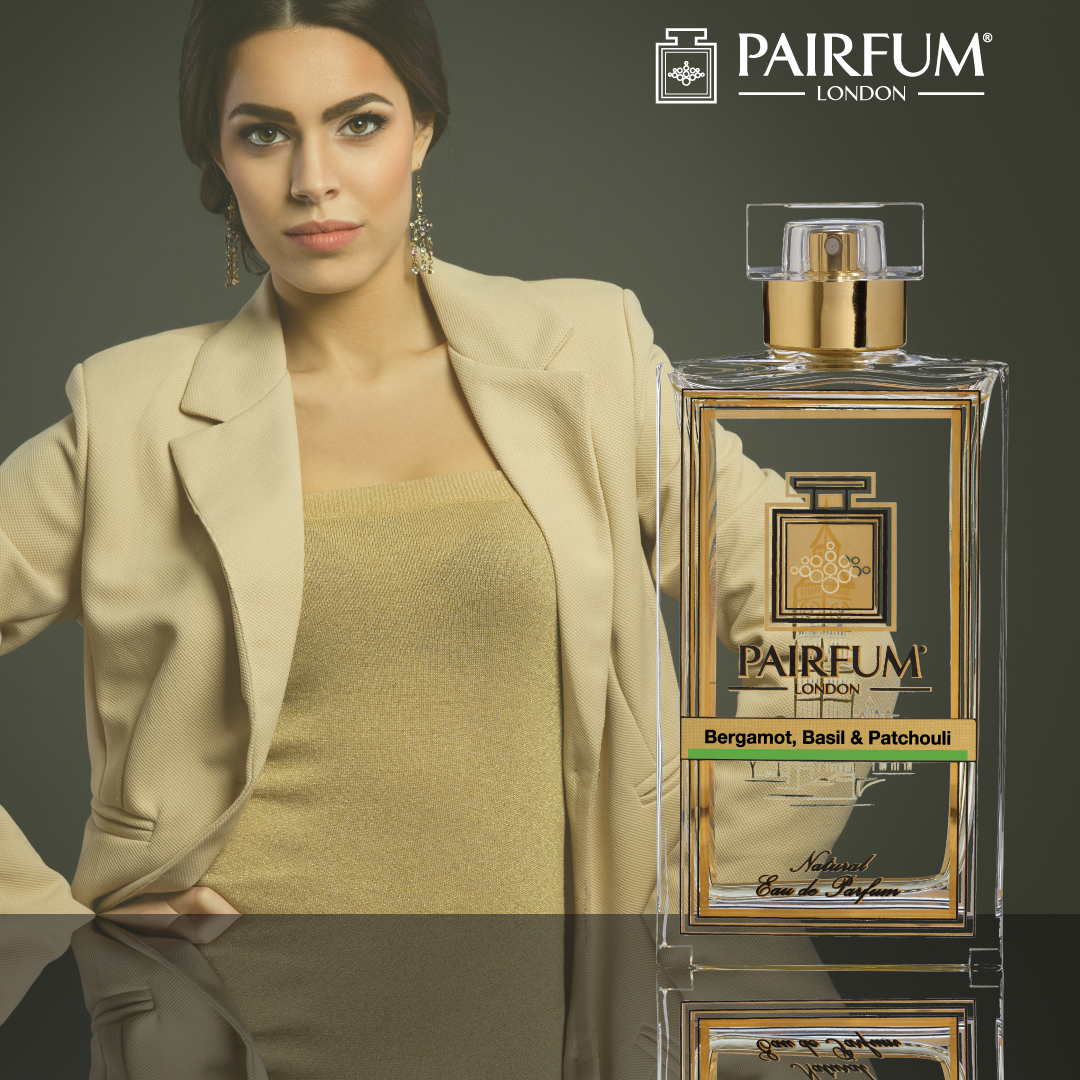
We invite you to discover our wonderfully green fragrance “Bergamot, Basil & Patchouli”:

This woody and aromatic accord opens with Bergamot, Lime, Green Leaves and spicy Basil. The heart is fresh with Lily, Freesia, Violet Leaf, Rose and Geranium. The note rests on a beautifully rich woody base of Patchouli, Vetiver, Sandalwood, Cedar and Amber.

Pairfum Fragrance Bergamot Basil Patchouli Triangle

Explore our exquisite range of Natural Eau de Parfum Intense in our online perfume boutique. Allow Pairfum London to be your guide on a sensory adventure, leading you through a verdant world of intrigue as you uncover the natural fragrances that uniquely resonate with you.

Vanilla Bean Pod Wood Liquid Oriental 1 1

Vanilla in Perfume: Experience Sweet Warmth and Subtle Seduction

Introduction:

There is something magical about Vanilla in Perfume. A revered ingredient in the realm of flavours and fragrances, Vanilla has captivated our senses for centuries with its enchanting sweetness, warmth, depth and subtle seduction. With its diverse and fascinating history, it remains a staple in the world of perfumery today. In this illuminating guide, we unravel the mysteries behind this captivating aroma and explore its allure, versatility, and impact in the enchanting world of perfumes.

As a boutique perfumery house, Pairfum London celebrates the mesmerising qualities of vanilla in perfume, highlighting its unparalleled ability to create seductive, soothing, and evocative olfactory experiences.

Join us in exploring the magical world of vanilla-infused fragrances, and embrace the power of this sweet and sensual aroma to create unforgettable aromatic masterpieces that speak to your unique essence.

Vanilla in Perfume Orchid 1 1

History of Vanilla in Perfume

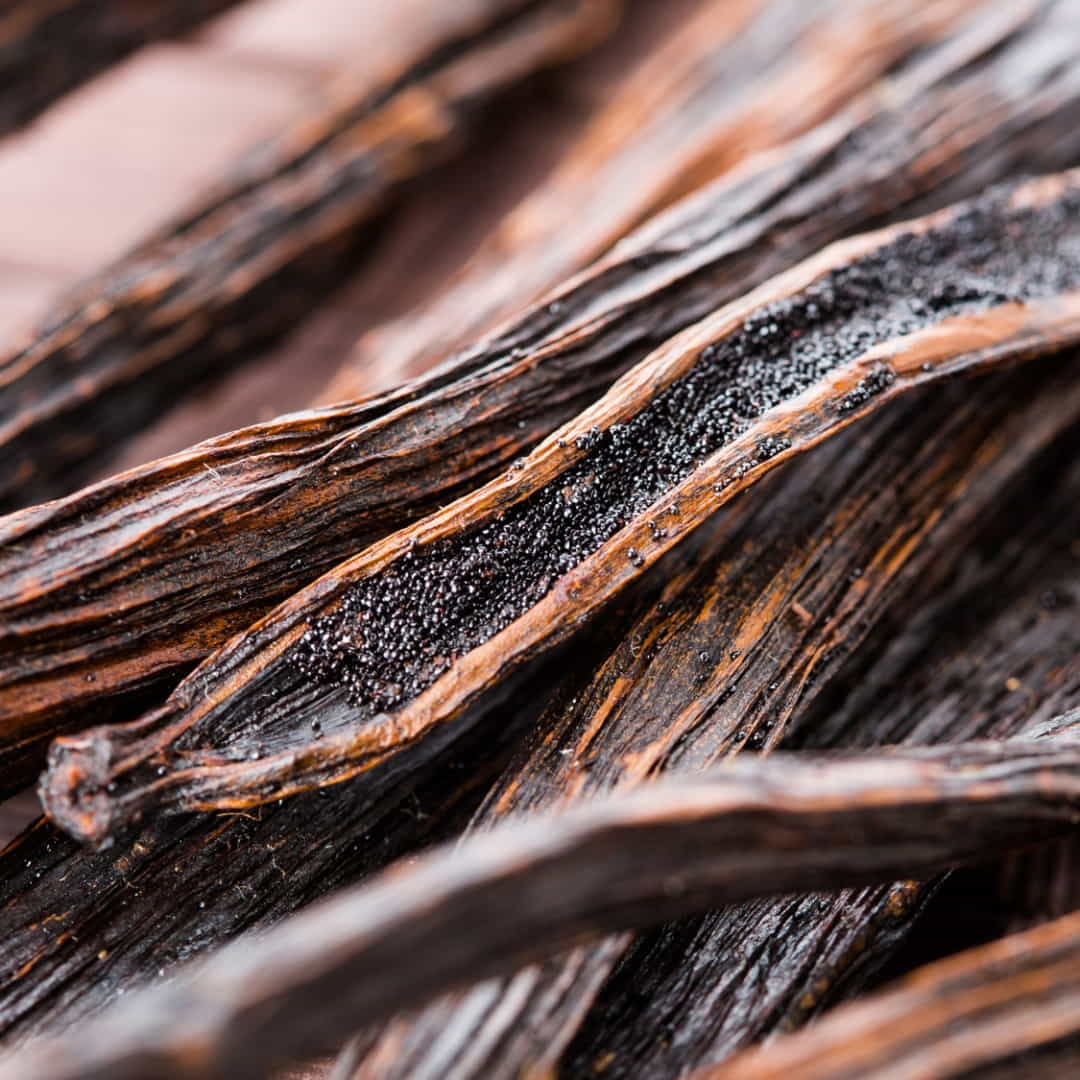
Vanilla, an aroma derived from the beans of the Vanilla planifolia orchid, holds a prominent place in the world of fragrances.

Vanilla’s use in perfumery dates back to the Aztec civilization, where it was combined with cacao to create aromatic beverages. When Spanish explorers brought vanilla to Europe in the 16th century, it quickly gained popularity. By the 19th century, vanilla had become a staple in perfumery, valued for its ability to blend seamlessly with other ingredients and enhance the longevity of a scent.

Types of Vanilla

  1. Vanilla Planifolia: Also known as Bourbon vanilla, this is the most common type used in perfumery. It originates from Madagascar and has a rich, creamy aroma.
  2. Vanilla Tahitensis: Sourced from Tahiti, this variety is floral and fruity, with a slightly anise-like undertone.
  3. Vanilla Pompona: Known as West Indian vanilla, it is less common but offers a spicy, woody fragrance.

Natural vs. Synthetic Vanilla

Natural vanilla is derived from the beans of the vanilla orchid. Its production is labour-intensive, involving hand-pollination, harvesting, and curing, which contributes to its high cost.

Synthetic vanilla, known as vanillin, is chemically identical to the primary aroma compound in natural vanilla but can be produced more affordably. While some purists prefer the complexity of natural vanilla, high-quality synthetic vanillin is widely used in perfumery for its consistency and cost-effectiveness.

Extraction Methods

The extraction of natural vanilla for perfumery involves several methods:

  • Solvent Extraction: This method uses liquid solvents to extract the fragrant compounds from vanilla beans, producing a resinoid or absolute. Vanilla absolute is highly concentrated and prized for its rich aroma.
  • CO2 Extraction: A modern technique that uses supercritical carbon dioxide to extract essential oils. It is known for producing a pure and clean vanilla extract with a true-to-life scent.
  • Enfleurage: An ancient method where vanilla beans are placed in fat to absorb their fragrance. Enfleurage, as an extraction method, is rarely used today due to its expensive, labour-intensive process.
Vanilla Pod Fragrance Oil 3

Olfactive Profile of Vanilla

The allure of vanilla lies in its extraordinary versatility. This versatile ingredient can impart a wide range of aromatic qualities, from delicate and sweet to rich and smoky. This adaptability makes its presence almost indispensable in the nuances of modern perfumery.

Vanilla’s olfactive profile is complex and multifaceted. It is primarily characterised by its sweet, creamy, and warm scent, often evoking feelings of comfort and nostalgia. The aroma can also carry subtle nuances of smokiness, spiciness, animal and floral notes, depending on its origin and extraction method.

Vanilla adds depth and warmth to a fragrance, making it a popular choice for both gourmand and oriental perfume families. The velvety sweetness of vanilla in perfume lends a calming and soothing quality to aromatic compositions. When expertly blended with other fragrances, it smooths out any harsh edges, adding depth and dimension to the overall essence. Paired with spicy, woody, or floral notes, vanilla’s gentle touch softens and caresses, creating a comforting, enveloping aura.

The Transformative Quality of Vanilla

The varying facets of vanilla lend an air of mystery and intrigue to any fragrance composition. Vanilla’s subtle sweetness, combined with its deep, resinous, and smoky undertones, allows it to playfully shift between the background and the spotlight within a fragrance structure. This transformative quality ensures vanilla’s continued popularity and vitality in the ever-evolving landscape of perfumery.

Eau De Parfum Person Reflection Fragrance Descriptions Spiced Rum Lime Guaiac Wood Couple About Kiss Vanilla in Perfume

The Seductive Undertone in Oriental Perfumes

Oriental perfumes, replete with exotic and opulent notes, have typically harnessed the seductive power of vanilla to create tantalising, sensual concoctions.

Combining vanilla’s soft sweetness with rich and spicy ingredients, such as amber, resins, and precious woods, these fragrances exude an intoxicating allure reminiscent of Eastern mystique. The presence of vanilla weaves a thread of delicate sensuality through these bold and captivating fragrances.

Iconic Perfumes Featuring Vanilla

  1. Guerlain Shalimar: Launched in 1925, this iconic oriental fragrance combines vanilla with bergamot, iris, and incense, creating a timeless and sensual scent.
  2. Chanel No. 5 (1921): Although primarily known for its aldehydic floral character, Chanel No. 5 includes a subtle hint of vanilla in its base notes, adding a soft, creamy undertone that enhances its complexity and allure.
  3. Estée Lauder Youth-Dew (1953): One of the first major oriental fragrances for women, Youth-Dew combines vanilla with spices, amber, and patchouli, creating a rich and opulent scent.
  4. Yves Saint Laurent Opium (1977): This bold oriental fragrance features vanilla as one of its key ingredients, blending it with spices, florals, and resins to create a powerful and exotic scent.
  5. Dior Hypnotic Poison (1998): A modern classic, Hypnotic Poison combines vanilla with almond, jasmine, and musk, creating a bewitching and intoxicating fragrance that is both sweet and sensual.
  6. Lancôme Trésor (1990): Known for its romantic and elegant character, Trésor includes vanilla in its base, complemented by rose, apricot blossom, and peach, resulting in a soft and enveloping fragrance.
  7. Tom Ford Tobacco Vanille: A modern classic, this fragrance blends vanilla with tobacco, spices, and cacao, resulting in a rich, gourmand experience.
  8. Chanel Allure: This sophisticated fragrance features vanilla alongside notes of mandarin, peach, and rose, offering a delicate yet luxurious scent.
Eau De Parfum Person Reflection Spiced Coffee Oaked Vanilla in Perfume

Vanilla and Gourmand Fragrances

Vanilla plays a pivotal role in gourmand fragrances, a category of perfumes that evoke the smell and taste of edible delights. These fragrances are characterised by their sweet, often dessert-like qualities, creating a sense of indulgence and comfort.

Gourmand fragrances find a natural ally in vanilla. The evocative sweetness of vanilla in perfume imparts a delectable sense of indulgence reminiscent of beloved desserts.

The Rise of Gourmand Fragrances

Gourmand fragrances became particularly popular in the late 20th and early 21st centuries. This trend can be traced back to the launch of Thierry Mugler’s Angel (1992), which is often credited with popularising the gourmand genre. Angel features a distinctive combination of vanilla, chocolate, caramel, and patchouli, creating a scent reminiscent of a delectable dessert.

Key Ingredients and Compositions

Vanilla is a cornerstone of gourmand fragrances, often paired with other sweet and edible notes such as:

  • Chocolate: Adds a rich and creamy depth.
  • Caramel: Contributes a buttery, sweet note.
  • Honey: Enhances the warmth and sweetness.
  • Fruits: Notes like berries, apples, and peaches add a juicy freshness.
  • Spices: Cinnamon, nutmeg, and clove provide a spicy kick that balances the sweetness.
  • Nuts: Almond adds a mouthwatering cherry-like sweetness.

Vanilla combined with these edible notes, vanilla’s rich warmth lends an air of delicious comfort to these aromas. The result is an irresistibly inviting aroma that surrounds the wearer in a blanket of edible temptation.

Iconic Gourmand Fragrances Featuring Vanilla

  1. Thierry Mugler Angel (1992): As mentioned, Angel is a trailblazer in the gourmand category, combining vanilla with chocolate, caramel, and patchouli.
  2. Prada Candy (2011): This fragrance highlights the sweet and seductive side of vanilla, blending it with benzoin and caramel for an irresistibly gourmand experience.
  3. Viktor & Rolf Flowerbomb (2005): Although primarily a floral fragrance, Flowerbomb features a gourmand twist with vanilla, tea, and osmanthus, creating a sweet and explosive scent.
  4. Jean Paul Gaultier Classique (1993): This fragrance combines vanilla with orange blossom, ginger, and amber, resulting in a sweet and spicy scent that is both seductive and comforting.
  5. Aquolina Pink Sugar (2004): A playful and youthful gourmand fragrance, Pink Sugar features vanilla alongside cotton candy, licorice, and caramel, evoking the scent of a candy shop.
Eau De Parfum Person Reflection Spiced Rum Lime Guaic Wood Man Settee Vanilla in Perfume

Vanilla in Niche Perfume

Vanilla has also its place in the world of high-end niche perfumery, offering a unique and sophisticated twist to fragrance compositions. Niche perfumes often push the boundaries of conventional scent profiles, and vanilla plays a crucial role in this innovation. Among niche perfume houses, Pairfum London stands out for its creative and trendsetting use of vanilla in its exclusive fragrances.

Pairfum London is renowned for its luxurious and avant-garde approach to perfumery, incorporating vanilla in unexpected and delightful ways. Our niche perfumes feature complex, layered compositions that highlight vanilla’s versatility and depth.

Here are some of our standout creations:

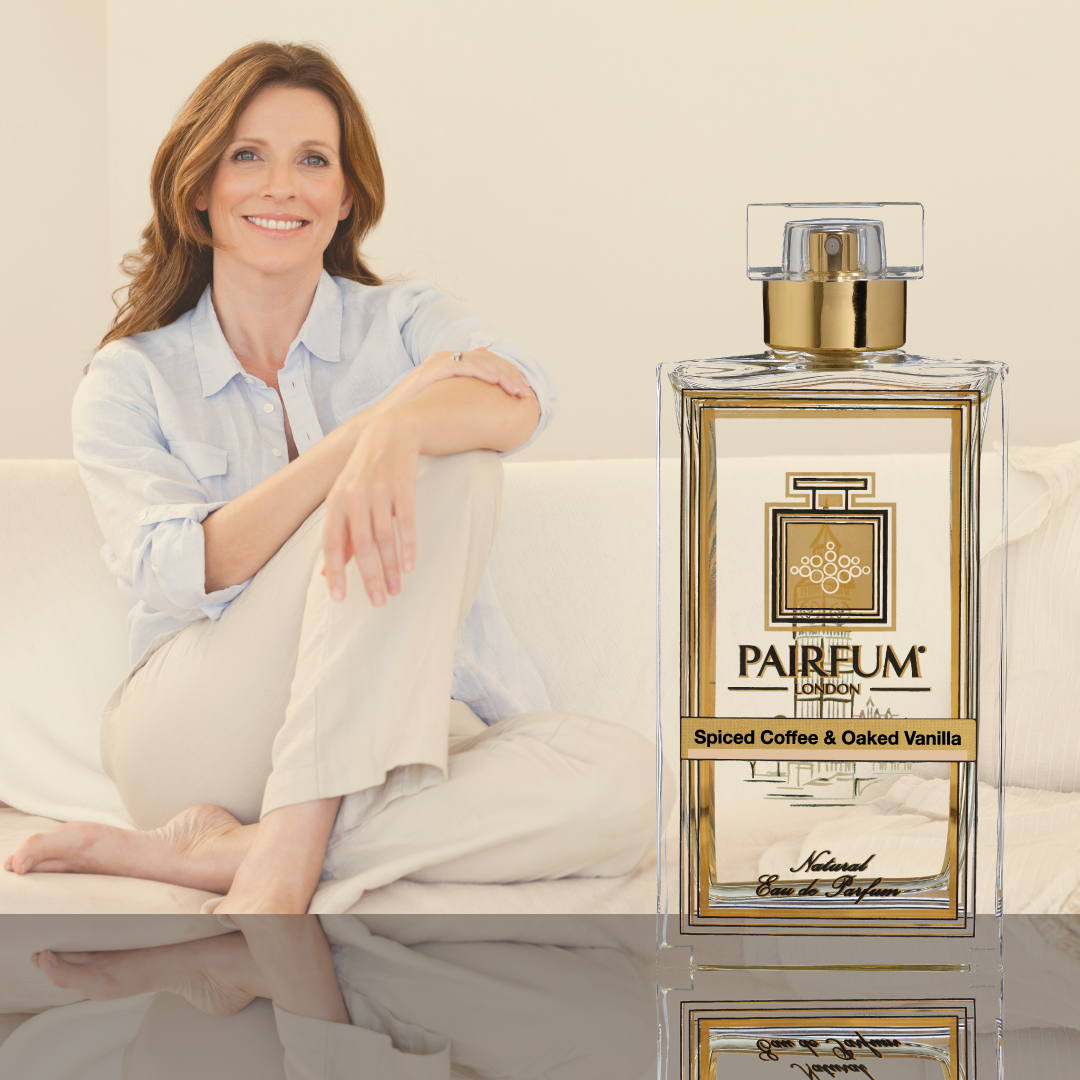
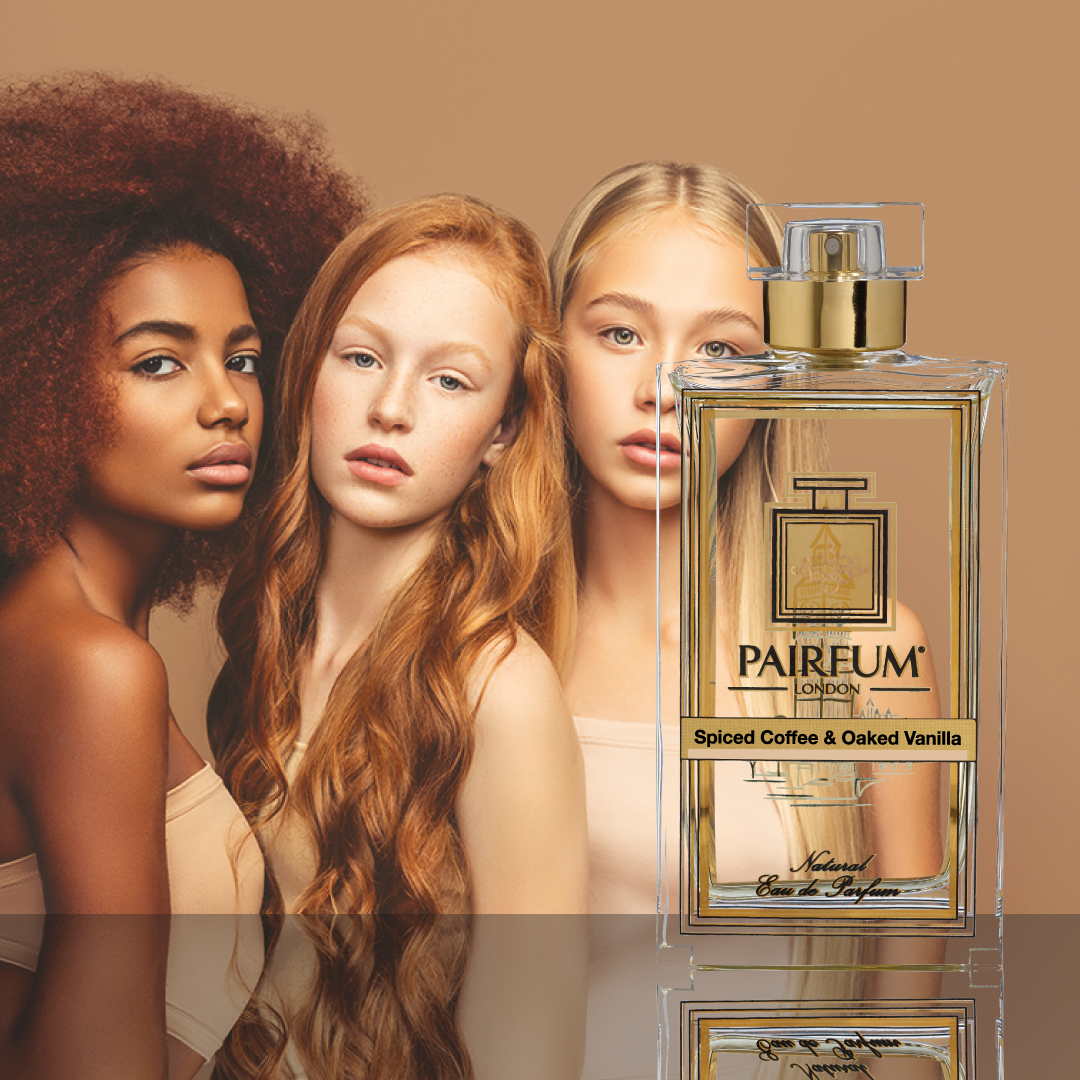
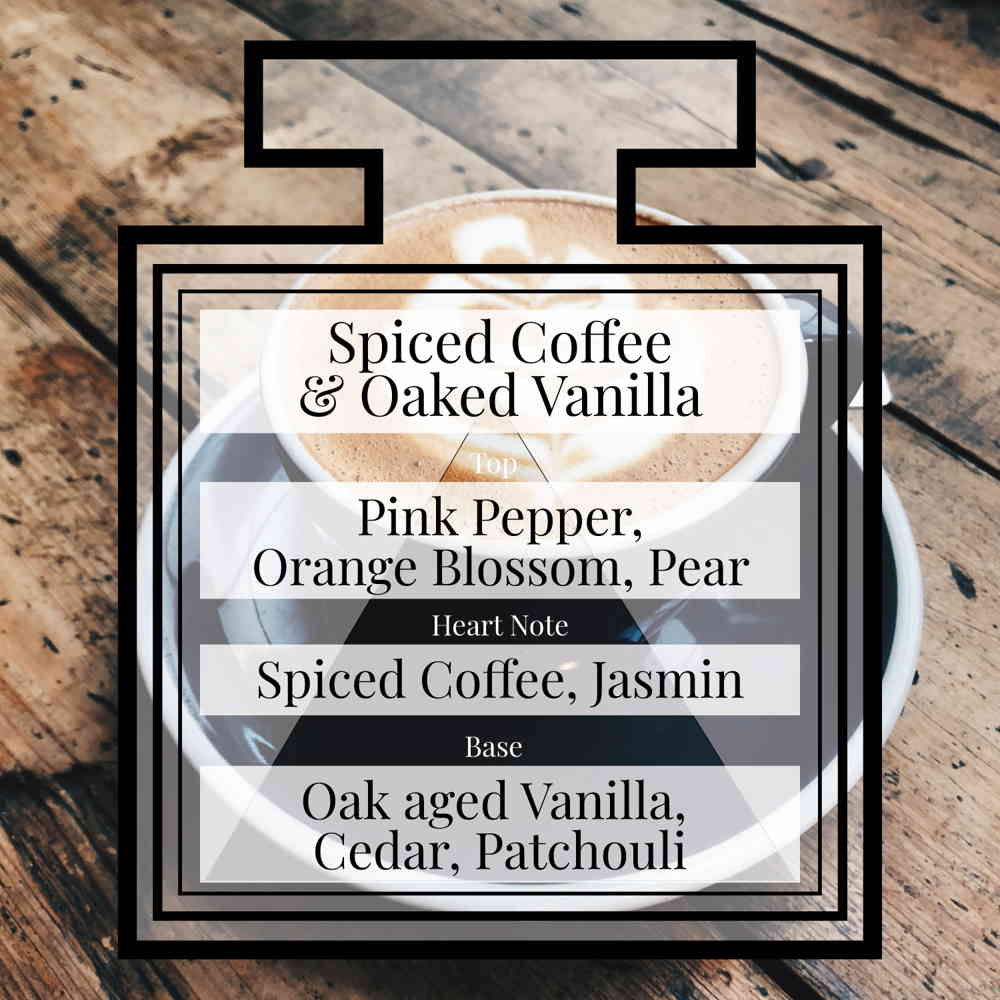
  1. Spiced Coffee & Oaked Vanilla: This fragrance combines the rich, robust aroma of spiced coffee with the warm, woody notes of oaked vanilla. The result is a sophisticated and comforting scent that evokes the atmosphere of a cosy café.
  2. Ginger, Elemi & Vetiver: In this composition, vanilla adds a creamy sweetness that balances the sharp, spicy notes of ginger and elemi. The addition of vetiver provides an earthy base, creating a harmonious and intriguing fragrance.
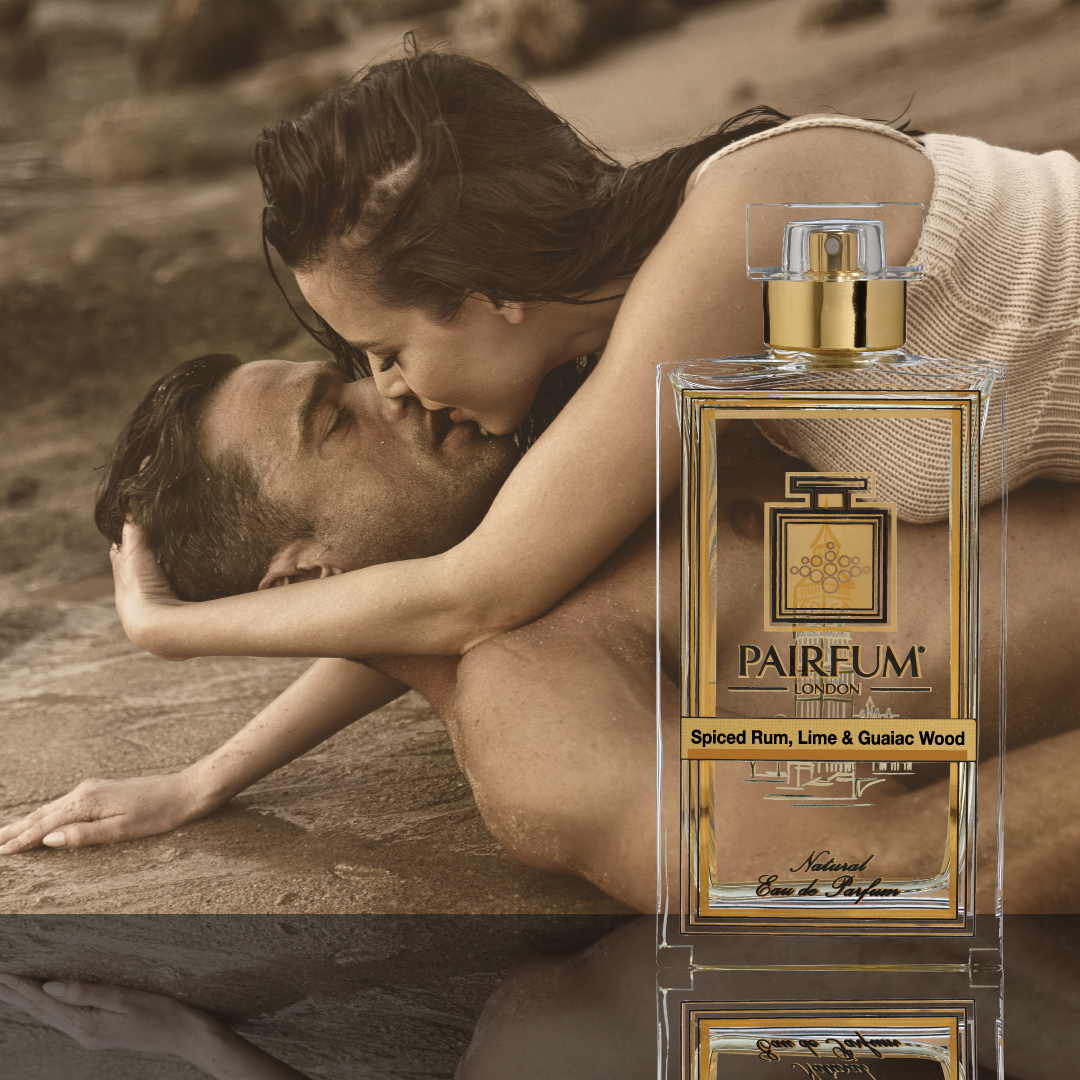
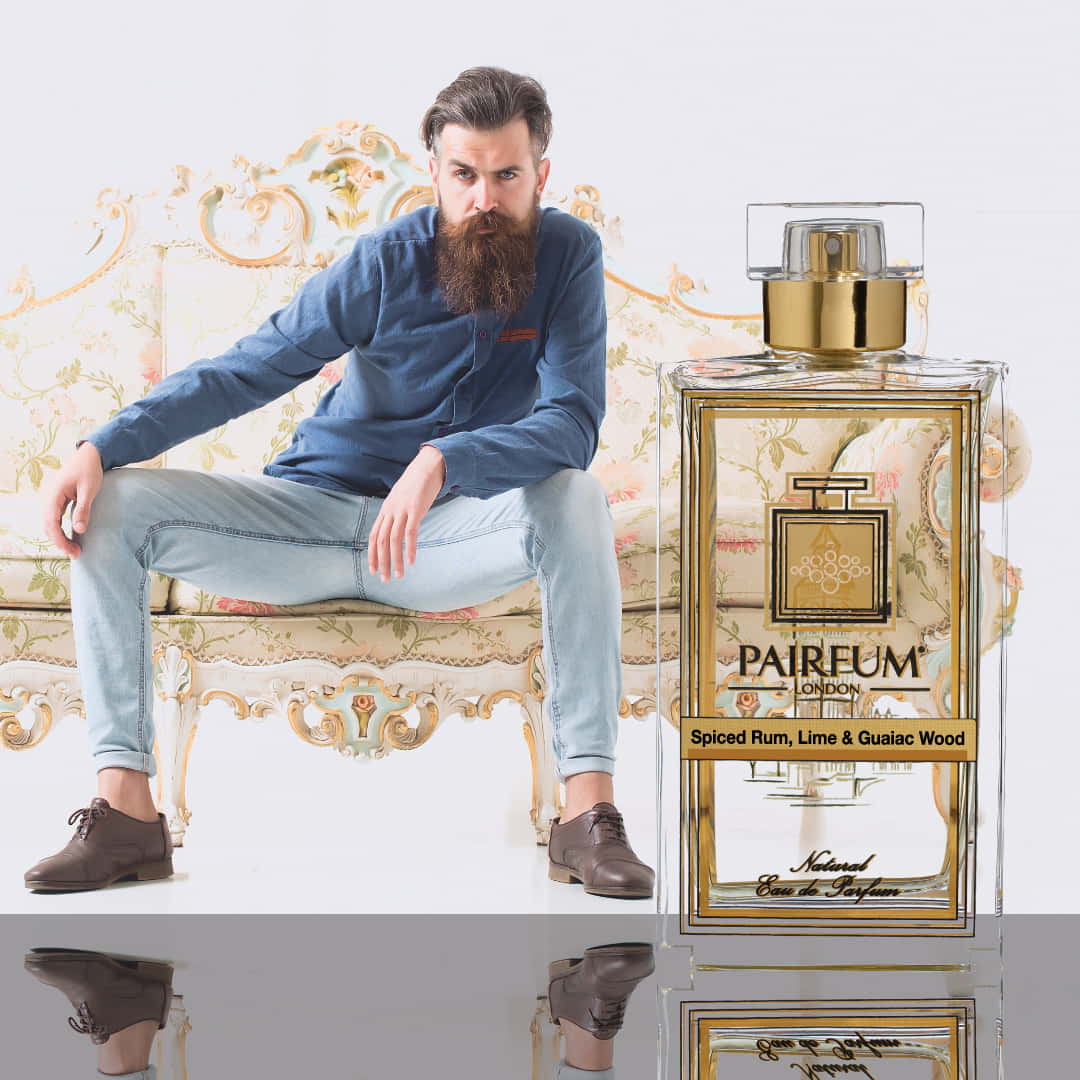
  3. Spiced Rum, Lime, Guaiac Wood: Here, vanilla is expertly blended with the intoxicating warmth of spiced rum and the zesty freshness of lime. The inclusion of guaiac wood adds depth and a smoky undertone, making this a bold and adventurous scent.

These luxurious fragrances, featuring expertly crafted compositions that seamlessly blend vanilla’s rich warmth with various complementary notes, provide a delightful and immersive olfactory experience to be treasured.

Pairfum London’s innovative use of vanilla in these niche perfumes not only sets trends but also showcases the ingredient’s ability to transform and elevate a fragrance. By combining vanilla with unconventional notes and crafting complex olfactive profiles, Pairfum London continues to expand the possibilities of vanilla in niche perfumery.

In celebration of vanilla’s prominent role in the world of fragrance, Pairfum London offers an exquisite range of vanilla-infused perfumes that pay homage to its diverse and captivating essence.

Eau De Parfum Person Reflection Spiced Coffee Oaked Vanilla in Perfume Girls

A Timeless and Enduring Appeal

Throughout the 20th and 21st century, many fragrance trends have come and gone, with only a few timeless notes managing to secure a lasting foothold in the hearts and minds of perfume enthusiasts worldwide.

Vanilla, with its enchanting sweetness and captivating warmth, comfortably holds its ground as an enduring favourite. The timeless appeal of vanilla ensures its continued prominence and relevance in the modern world of perfumery, where it shines brightly as a much-loved beacon of sweet temptation.

Vanilla’s enduring popularity in the world of perfume can be attributed to its multifaceted aromatic profile. Providing a spectrum of olfactory nuances, from delicate and sweet to dark and smoky, vanilla has a remarkable ability to elevate and transform other ingredients in a composition.

As a result, perfumers worldwide continue to revisit this timeless aroma, uncovering new ways to celebrate and enhance its captivating charm.

Eau De Parfum Person Reflection Ginger Elemi Vetiver Man Jacket Vanilla in Perfume

Conclusion: Discover the Magic of Vanilla in Perfume with Pairfum London

The unparalleled allure of vanilla in perfume is a testament to its captivating versatility, warmth, and timeless charm. Its unique properties, allowing for dynamic transformations and meaningful connections, make it a beloved and enduring key player in the world of fragrances. At Pairfum London, our passion for capturing the essence of vanilla is reflected through our exceptional range of finely crafted perfumes, showcasing the rich diversity of this enchanting aroma.

Embrace the sweet warmth of vanilla in perfume, and indulge in the sensory delights it has to offer by exploring Pairfum London’s exquisite collection of oil based perfumes. Perhaps you can even embark on a bespoke olfactory journey tailored to your unique preferences and desires. Dive into the world of vanilla-infused fragrances today by visiting Pairfum London’s online boutique, and let the magic of this timeless aroma enchant your senses.

Pairfum Natural Niche Perfume Home Fragrance Olfactory Triangle 1 1

The Symphony of Fragrance: Understanding the Complex Notes of a Perfume

The allure of a finely crafted perfume encompasses a world of complex, refined aromas designed to captivate the senses and evoke powerful emotions. At the heart of this enchanting world lies the intricate symphony of fragrance notes, the fundamental building blocks of a perfume.

As a boutique perfumery house attuned to the taste and ‘zeitgeist’ of fragrance, we appreciate the mastery involved in creating harmonious Fragrance compositions using meticulously crafted perfume accords and notes.

In this fascinating exploration of the notes of a perfume, we will delve into the intricate layers that make up a Fragrance, reveal how fragrance notes interact, and illuminate the art of combining notes to create perfumes that embody the essence of their wearer. Embark on this odyssey through the enchanting realm of fragrance notes and unravel the complexities that lie behind each exquisite fragrance in the world of perfumery and better understand how to describe perfume.

1. The Fragrance Pyramid: Understanding the Structure of Perfume Notes

To appreciate the intricacies of perfume notes, it is essential to understand the concept of the fragrance pyramid, which forms the foundation of a perfume’s structure. The pyramid is divided into three hierarchical layers: top notes, heart (middle) notes, and base notes, each playing a unique role in determining a perfume’s overall character. Let’s delve deeper into the purpose and characteristics of each layer.

– Top Notes: The Introduction

Top notes are the lightest and most volatile elements of a perfume, providing the initial impression upon application. Evaporating the quickest, usually within the first 15-30 minutes, they serve as an enticing prelude to the perfume’s main theme. Some typical examples of top notes include citrus elements like bergamot, lemon and orange, as well as light floral notes like lavender and fresh herbs such as mint or basil.

– Heart Notes: The True Essence

The heart notes emerge once the top notes have faded, taking centre stage as the main body of a perfume’s composition. These notes are more robust, lasting for several hours, and are essential in creating a harmonious transition between the initial impression and the lasting foundation of the base notes. Common heart notes include full-bodied florals like jasmine, rose, or ylang-ylang, and rich spices like cinnamon, clove or cardamom.

– Base Notes: The Lasting Impression

As the slowest-evaporating notes, the base notes provide the foundation for a perfume and serve as the lasting memory of its wearer. These rich and complex notes persist long after the top and heart notes have dissipated, providing depth and longevity to the fragrance. Examples of base notes include woods such as sandalwood and cedar, resins like amber, musk, and often sweet or warm compositions like vanilla or patchouli.

Notes of a Perfume Fragrance Accord Melody Chord Chorus Refrain

2. The Role of Accords: Arranging the Notes of a Perfume

Accords form when different notes seamlessly blend to create a unified and harmonious aroma, just like the notes in a melody or an accord in music.

Typically comprising two to three complementary notes, accords create a distinctive fragrance element that may be difficult to identify individually. Each perfume contains a unique combination of accords, which ultimately contribute to the overall structure and balance of the Fragrance.

Master perfumers excel in the art of developing sophisticated accords, creating innovative, pleasing, and sometimes unexpected aroma combinations that constantly surprise and delight the senses.

3. The Importance of Perfume Families

Perfume families categorise fragrances based on their dominant scents and accords, serving as a helpful tool to identify and appreciate different styles and characteristics of perfumes.

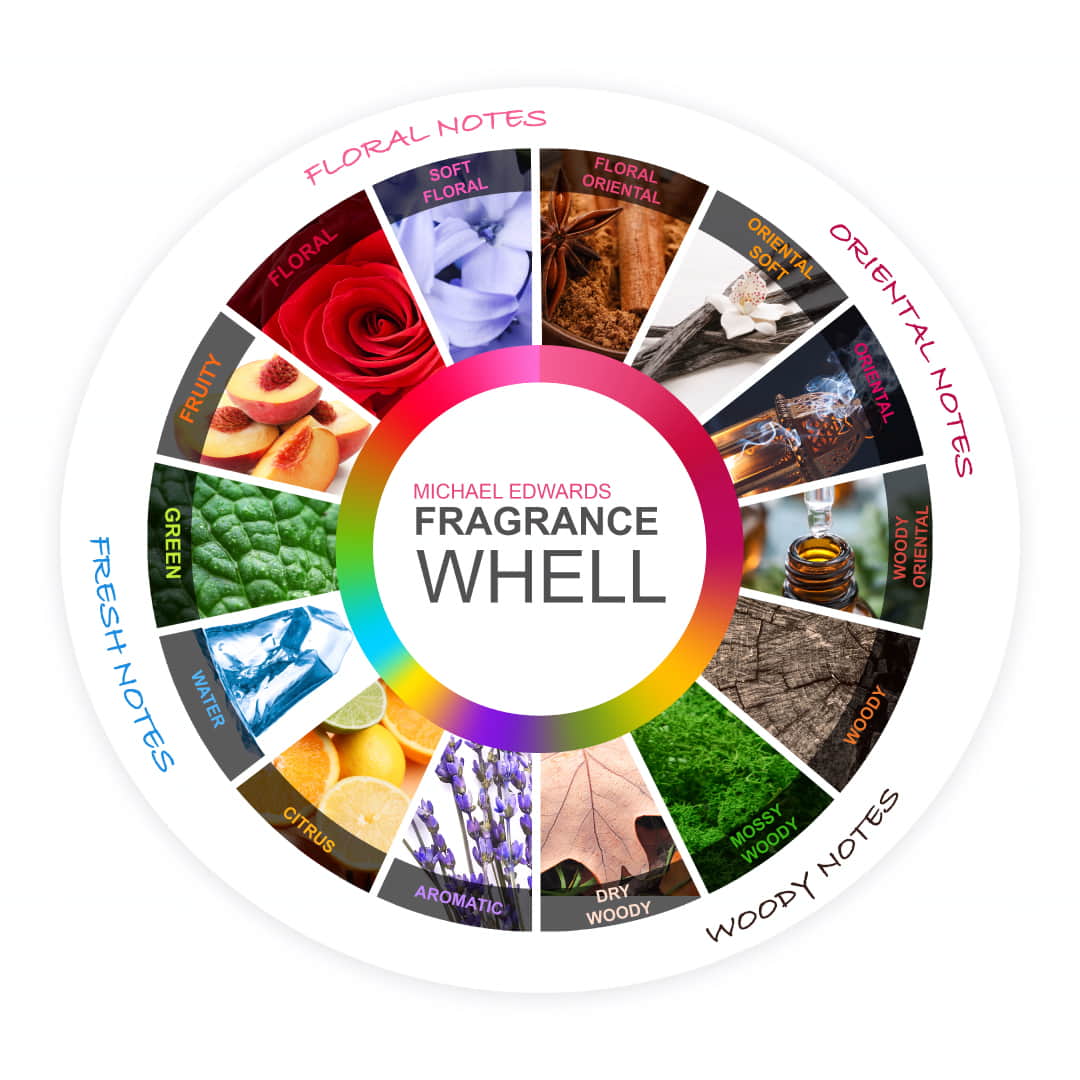
Broadly classified into these categories – Floral, Oriental, Woody, Fougere, Aromatic, Chypre, Citrus, and Gourmand – perfume families offer guidelines for exploring new fragrances and learning how varied notes contribute to particular fragrance styles.

The ‘Fragrance Wheel‘ by Michael Edwards is another way of classifying perfumes into families. Have a look at the image below.

For example, floral perfumes predominantly feature floral heart notes, symbolising grace, femininity, and romance. In contrast, woody perfumes derive their character from earthy, warm, and often masculine base notes, creating a sense of depth and mystery.

By understanding the underlying notes and accords that form specific perfume families, we can better appreciate the artistry and craftsmanship behind each fragrance. In turn, this allows us to understand why we believe some fragrances and/or fragrance styles suit us more.

Olfactive Families Fragrance Wheel Classification Michael Edwards notes of a perfume

4. Evoking Emotion: Vibrant Perfume Notes and Personal Connections

As olfactory senses are closely linked to emotions and memories, distinct perfume notes can evoke powerful personal connections, transcending mere aromatic pleasure.

Each individual may have unique preferences and emotional responses to specific notes or accords, influenced by personal experience, cultural background, or even genetic factors. For instance, a particular floral note may transport one person back to their childhood garden, while evoking the emotions of romance and love for another.

Notes of a Perfume Memory Mood Boost

5. Selecting the Perfect Perfume: The Significance of Notes

Considering the central role of notes in shaping a perfume’s character, selecting a fragrance that resonates with one’s personal preferences, personality, and lifestyle is essential. Start by identifying some of your favourite perfumes and familiarising yourself with the dominant notes and perfume family to which they belong, aiding in selecting new fragrances that align with your taste. Sampling a fragrance on your skin is a crucial step, as each person’s skin chemistry interacts uniquely with the perfume notes, altering their overall olfactory perception and creating a personalised aroma.

By embracing the symphony of notes that form the core of a perfume, we gain insight into the artistry and mastery of perfumery – understanding how fragrance notes interact, harmonise and ultimately create the enchanting world of perfume for us to experience. With this newfound appreciation for the intricacies of perfume notes, we can truly savour the extraordinary beauty of each meticulously crafted fragrance.

Discover Your Olfactory Symphony with Perfume Notes

Now that we’ve unravelled the intriguing world of perfume notes and the artistry behind their harmonious interplay, it’s time to embark on your personal journey to discover the symphony of notes that resonate with your unique taste, personality, and emotions. Embrace the diversity of fragrance families and explore the intricate layers of top, heart, and base notes that captivate the senses and leave a lasting impression.

Begin your fragrance adventure by exploring our remarkable collection of boutique perfumes, crafted with the utmost attention to detail and sensitivity for the taste and ‘zeitgeist’ in fragrance. Indulge in the extraordinary world of notes of a perfume, and allow us to help you find the perfect fragrance that sings in unison with your soul, reflecting the captivating essence that defines you. Shop natural fragrances at Pairfum London!

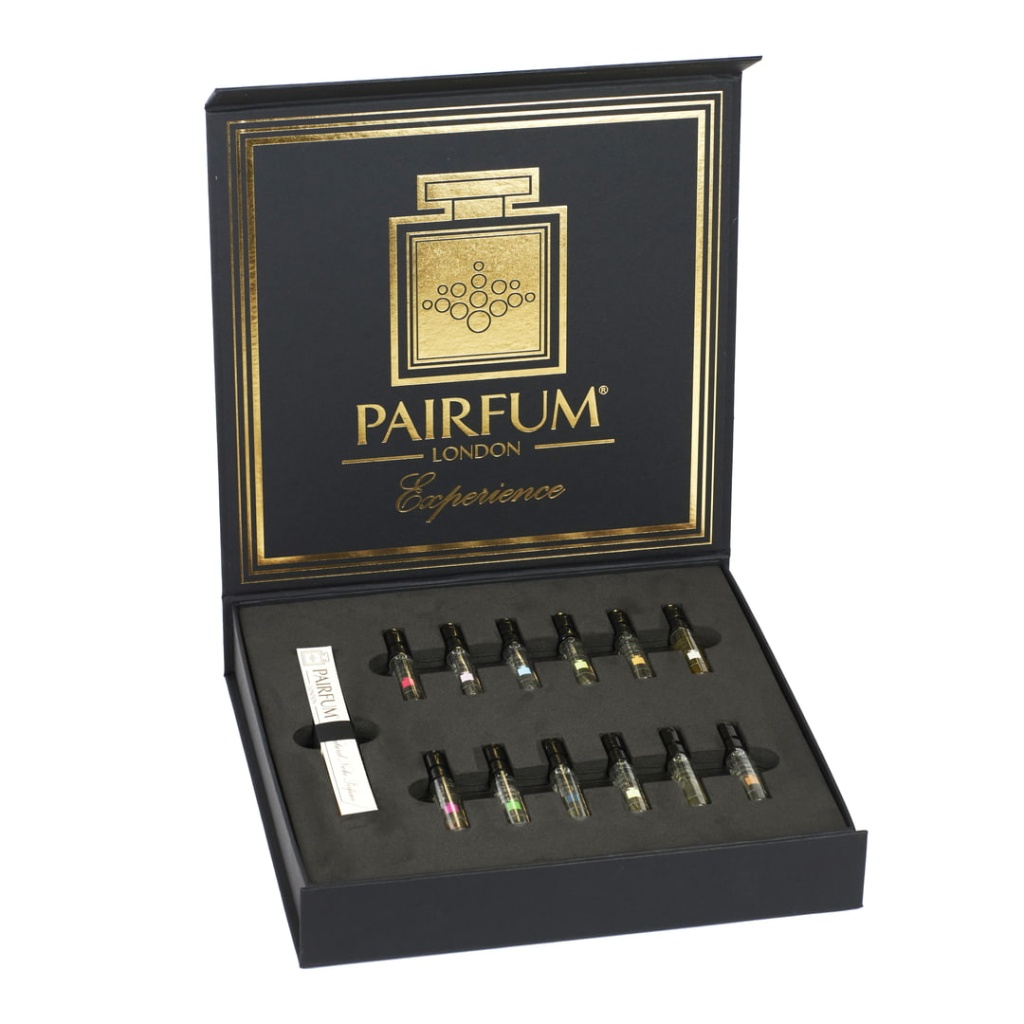
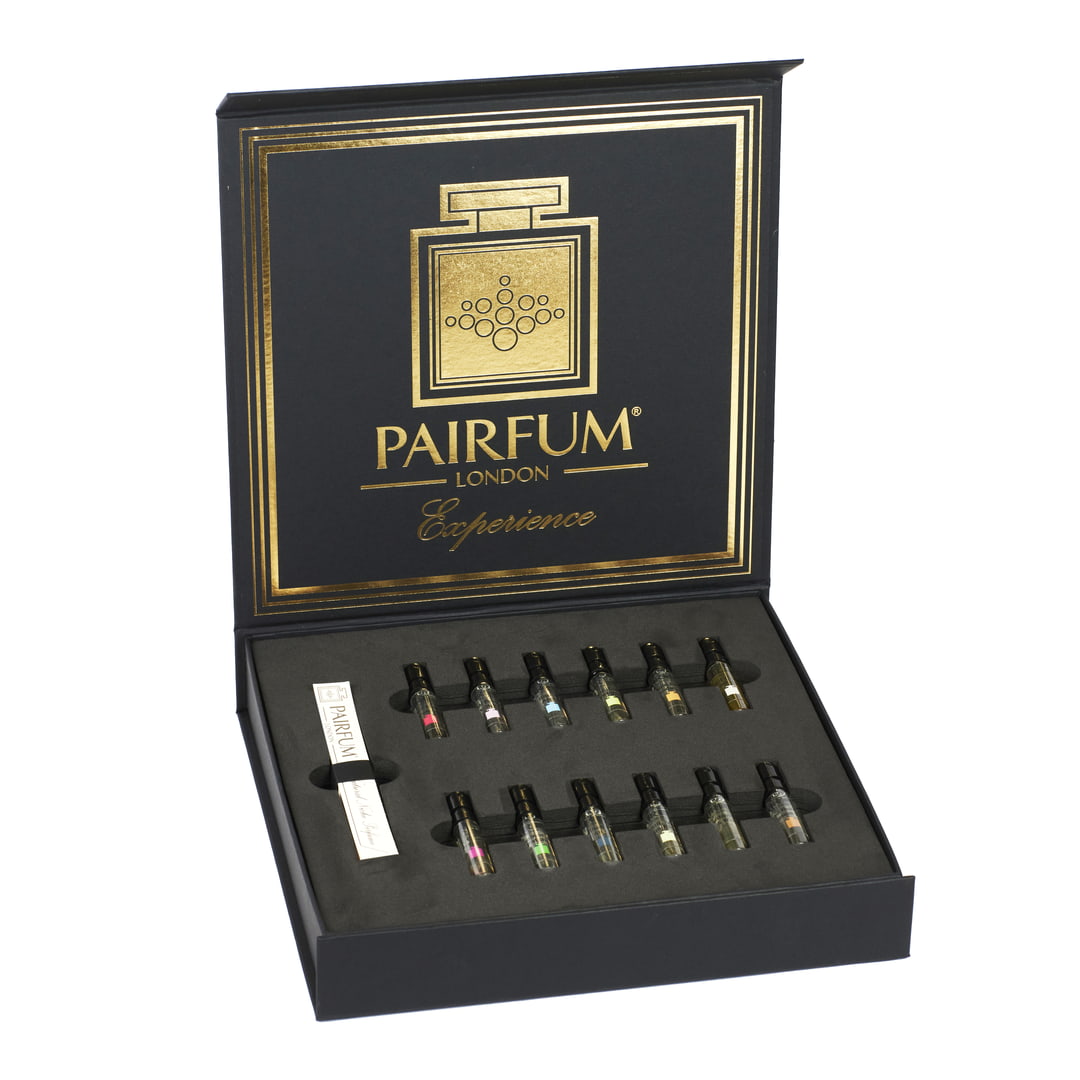
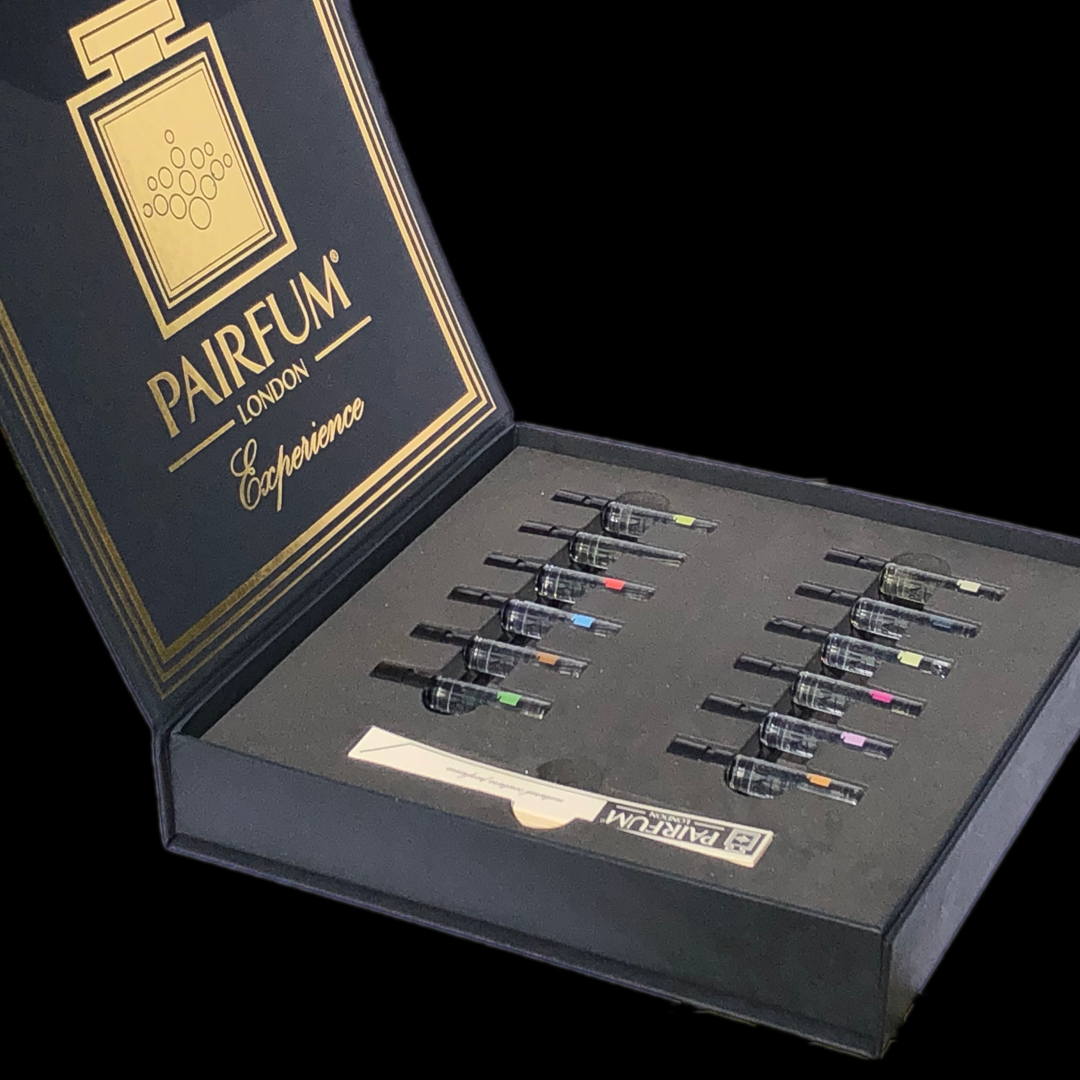
Ideal for discovering which notes and families suit you best, is our Perfume Experience Box, as it contains 12 x Eau de Parfum with a large variety of fragrance notes and families. You will be surprised to discover notes of a perfume that you did not expect that would suit you. It is not only a wonderful tool for a personal fragrance discovery but also ideal as gift for somebody that loves perfume.

Pairfum Collection Experience Niche  Fragrance Library Square Gift Box Open Display Notes of a Perfume
Pairfum Home Fragrance Rose Scented Candle Ruslan Keba

Floral Perfume: Discover The Bouquet of Blossoms

Nature’s mesmerising symphony of blossoms holds a special place in the hearts of fragrance enthusiasts and perfumers alike, who appreciate the enchanting beauty of a floral perfume. In this captivating guide, we delve into the rich tapestry of aromatic blooms and celebrate their allure, diversity, and spellbinding essence in the world of perfumery.

As a boutique perfumery house, Pairfum London reveres the hypnotic charm of nature’s floral offerings and infuses their soulful essence into our luxurious perfume creations.

Join us as we journey through the entrancing world of floral fragrances, uncovering the delicate nuances, artful combinations, and evocative emotions that emanate from nature’s blossoming treasures. Together, let us marvel at the symphony of floral perfume, where awe-inspiring artistry and the magic of nature’s blossom bouquet unite in perfect harmony.

The Enchanting World of Floral Notes

Floral perfume compositions are among the most iconic and evocative in the realm of fragrances. They celebrate the wonders of nature’s blossoming bounty, encapsulating the essence of myriad blooms in a delicate and captivating symphony. Floral notes range from the subtly sophisticated to the arresting and exotic, providing endless inspiration and possibilities for the creative perfumer.

Pairfum Rose floral perfume

Ingredients: The Floral Families

The complex and diverse world of floral perfume can be divided into several families, each distinguished by their unique characteristics and charm:

1. Red Flowers

Commonality: Red flowers are often associated with rich, sweet, and sometimes spicy or fruity scents. They are bold and often create a sense of passion and romance.

  • Rose: Sweet, floral, sometimes with a hint of spice or fruitiness. The Queen Of Flowers, holds an undeniably timeless appeal in perfumery. Boasting over 100 species and countless hybrids, rose notes vary from the velvety, deeply captivating to the fresh, uplifting, and luminous aroma of dewy blooms. The myriad facets of this regal flower have long captivated the hearts of fragrance aficionados, featuring a vast array of delicate and voluptuous compositions.
  • Peony: Light, sweet, and somewhat rosy with a fresh undertone.
  • Geranium: Fresh, green, slightly rosy with a hint of citrus.

2. White Flowers

Commonality: White flowers typically possess a heady, creamy, and often intoxicating scent. They are known for their elegance and intensity.

  • Jasmine: Intense, sweet, and exotic with an almost animalic richness. A star of the night, jasmine’s intoxicating essence fills the air with an exquisite, almost narcotic lure. Renowned for its sensual and rich nature, jasmine imparts a warm, full-bodied aura to the fragrances in which it is featured. Often found woven into complex and intoxicating compositions, jasmine adds a layer of unparalleled depth and intrigue.
  • Tuberose: Rich, creamy, and sweet with a carnal, opulent quality. A mysterious and opulent bloom, the tuberose beguiles with its creamy, intoxicating presence. Tuberose’s allure lies in its duality: a seductive mix of heady, narcotic facets and dewy, lush green elements. This enchanting note entices both lovers of opulent opulence and the freshness of nature’s green world.
  • Orange Blossom: Fresh, sweet, and somewhat citrusy, with a bright, floral essence.
  • Magnolia: Creamy, lemony, and sweet, with a slightly waxy undertone.
Lily Of The Valley Sunlight Fragrance White Flower floral perfume

3. Green White Flowers

Commonality: A sub-category are ‘green’ white flowers boasting a crisp, fresh, slightly herbal and light scent. These blooms, like lily of the valley or white hyacinth, have a subtle vegetal or grassy note alongside their classic white floral character, evoking the smell of leaves and stems. Imagine the clean scent of a white rose or jasmine, but with dewy grass or crushed leaves. This verdant twist adds a touch of complexity and intrigue, making them a unique choice for those seeking a fresher, more interesting white floral fragrance.

  • Gardenia: Piquant green, sweet, slightly creamy and earthy mushroom nuances, sometimes compared to a more potent jasmine.
  • Lily of the Valley: Fresh, green, and slightly sweet with soapy undertones, with a delicate, clean and airy quality.
  • Hyacinth: Green, fresh, and slightly sweet with a crisp floral note.
  • Narcissus: Green, fresh, and somewhat sweet, often with an earthy undertone.

3. Yellow Flowers

Commonality: Another subcategory of ‘White Flowers’, Yellow Flowers are often bright, cheerful, and have a sweet, sometimes honeyed scent with hints of green or citrus.

  • Ylang-Ylang: Sweet, slightly fruity, and creamy with a tropical flair.
  • Mimosa: Sweet, powdery, and slightly green with a touch of honey.
WHITE MAGNOLIA IN BLOOM floral perfume

4. Purple and Blue Flowers

Commonality: These flowers often have a fresh, sometimes powdery, and occasionally slightly spicy scent profile.

  • Lavender: Fresh, herbaceous, and slightly sweet with a camphoraceous undertone.
  • Violet: Sweet, powdery, and slightly green with a delicate floral aroma.
  • Iris: Powdery, earthy, and slightly sweet, often with a hint of woody and floral nuances.

6. Exotic & Tropical Flowers

Commonality: These flowers are characterized by their rich, sweet, and often fruity or spicy scents, evoking a sense of the tropics.

  • Frangipani: Sweet, creamy, and slightly fruity with a tropical richness.
  • Hibiscus: Slightly sweet, floral, and fruity with a tropical touch.
Pairfum Flower Lilac Blossom Natural Fragrance floral perfume

7. Spicy Flowers

Commonality: Flowers in this category possess a unique blend of floral sweetness with spicy or woody undertones.

  • Lilies: A white lily is an example of a spicy white floral note, sweet and waxy. Imparts a delicate, refined elegance to the world of floral perfume.
  • Carnation: Spicy, clove-like, and slightly sweet with a warm floral aroma.
  • Heliotrope: Sweet, powdery, and slightly spicy, often with a vanilla-like note.

8. Powdery Flowers

Commonality: These flowers have a soft, powdery, and sometimes slightly sweet or almond-like scent.

  • Almond Blossom: Sweet, powdery, and slightly nutty with a delicate floral aroma.
  • Cherry Blossom: Soft, sweet, and slightly fruity with a delicate, powdery touch.
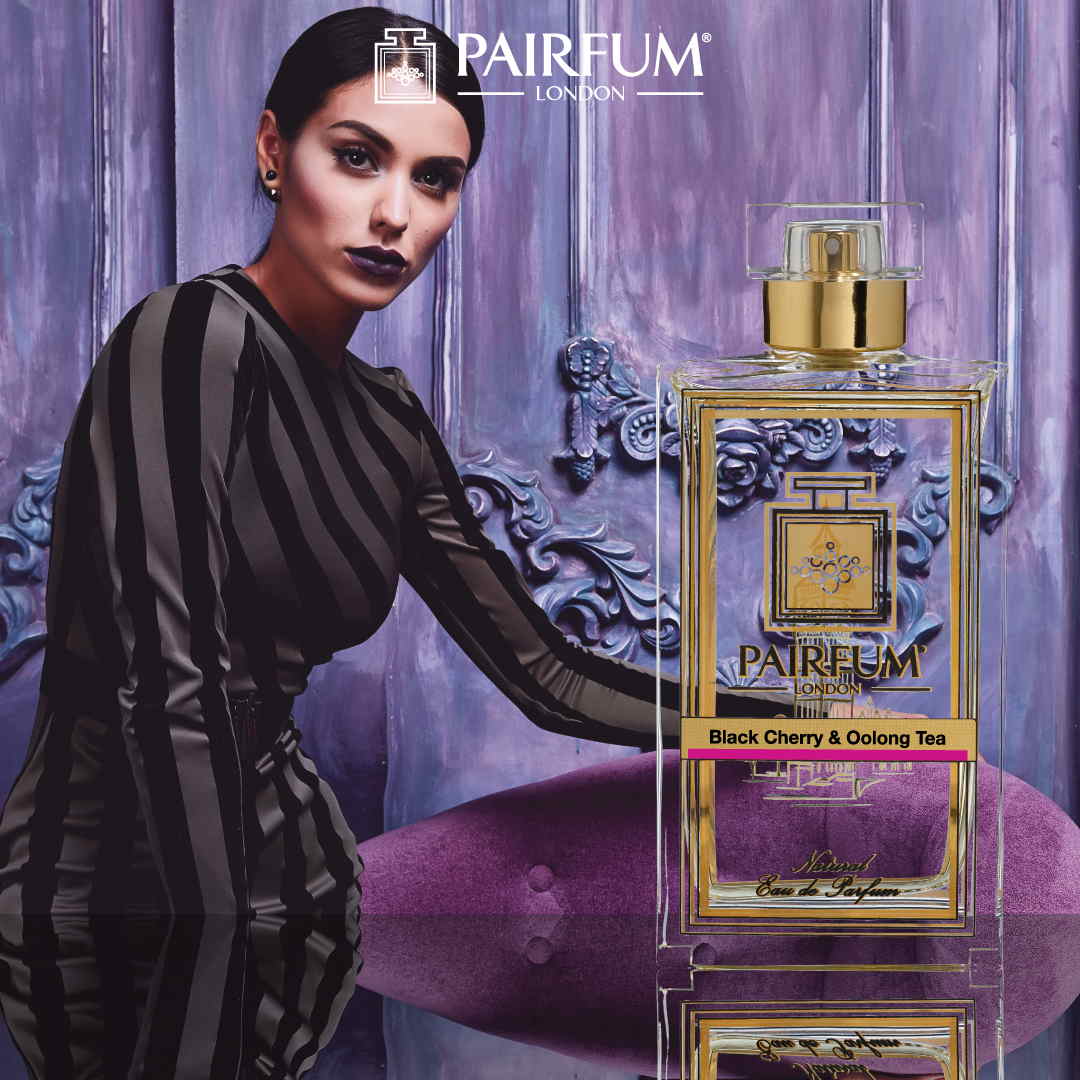
Pairfum Person Reflection Black Cherry Oolong Tea Eau De Parfum floral perfume

Floral Perfume Compositions

Boldly diverse and endlessly captivating, the world of floral perfume extends far beyond the realm of single-note compositions. Artful blends, multifaceted creations, and unexpected pairings abound, weaving an intricate tapestry of olfactory delight:

Soliflores

Soliflores celebrate the beauty and depth of a single floral note, allowing it to shine unadorned and resplendent. The art of soliflore perfumery lies in the perfumer’s ability to showcase the myriad facets and nuances of their chosen bloom, inviting the wearer to discover and appreciate its full complexity.

Floral Bouquets

By blending various floral notes in perfect harmony, perfumers can create stunning olfactory bouquets that transport the wearer to imagined gardens or evoke nostalgic memories. These intricate blends require a deft and delicate touch as the perfumer carefully weaves together the unique facets of each floral essence into a mesmerising mosaic of fragrance.

Floral Orientals

Intriguing and exotic, floral orientals pair the sensuality and opulence of floral notes with the rich and alluring warmth of amber, vanilla, and spices. Bold and evocative, these captivating compositions captivate with their complex dance of sweet, spicy, and voluptuous elements as the wearer is transported to an entrancing world of mystery and intrigue.

Fruity Florals

Fruity floral fragrances offer a modern and vivacious twist to the world of floral perfume, balancing the delicate nuances of nature’s blossoms with the enticing, effervescent charm of fruity notes. These lively, energetic compositions unfurl playfully across the skin, embracing both freshness and sweetness in a contemporary dance of fragrance.

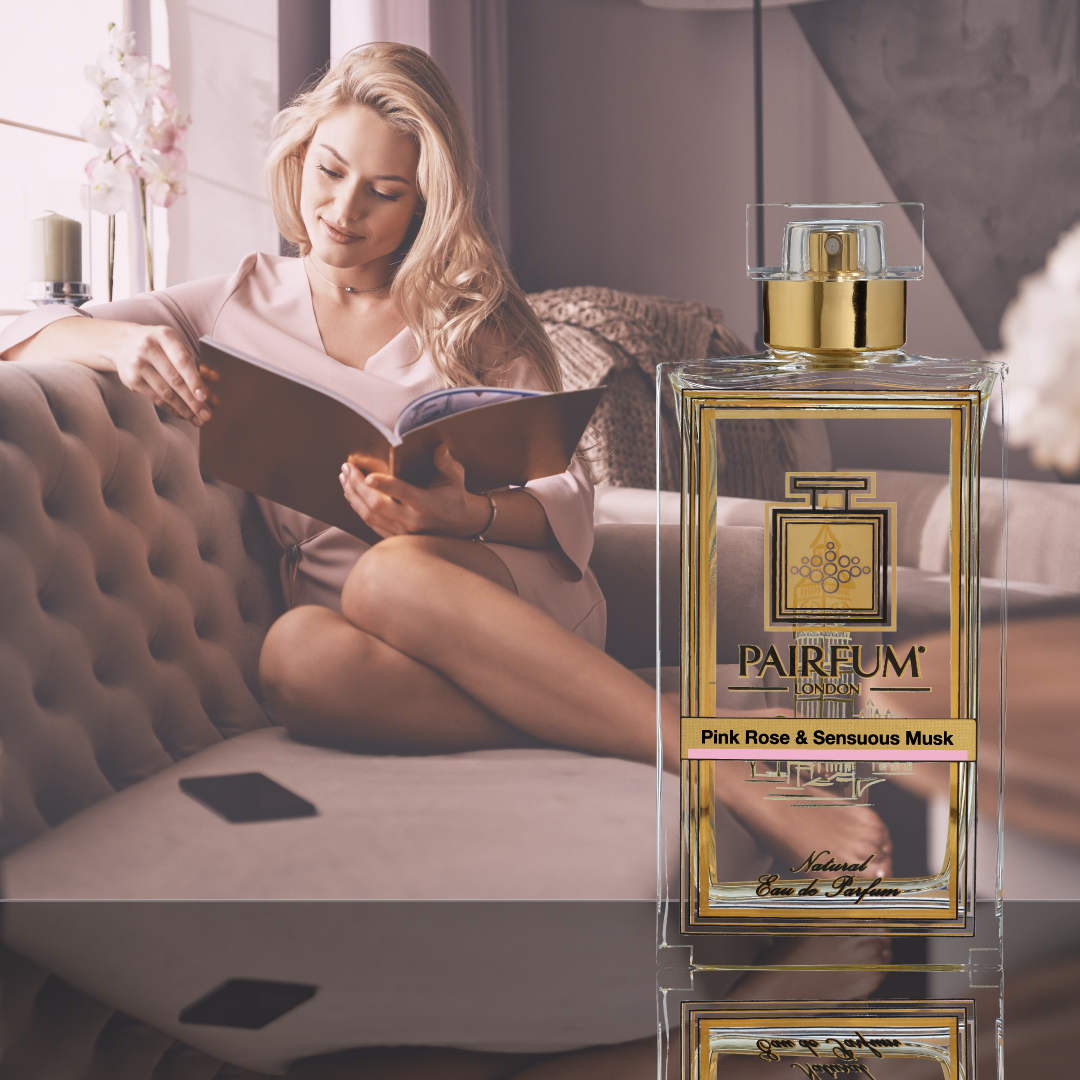
Eau De Parfum Person Reading Pink Rose Sensuous Musk Woman floral perfume

Celebrating Seasonal Floral Perfumes

The beauty of floral perfume lies in its ability to evoke the changing seasons, reflecting the eternal cycle of nature’s blossoming world:

Spring

In spring, fresh, dew-kissed florals take centre stage, bringing the promise of new beginnings and the awakening of the natural world. Narcissus, freesia, lilac, and daffodils often feature in springtime fragrances, capturing the essence of youth, renewal, and boundless optimism.

Summer

As the days lengthen and the sun shines bright, summer floral perfumes bloom with an abundance of lush, sun-drenched notes. Jasmine, orange blossom, and ylang-ylang conjure images of languid afternoons spent basking in golden light, while crisp, aquatic blooms like water lilies and lotus flowers evoke the refreshing embrace of cool, crystalline waters.

Autumn

As the world turns golden and leaves begin to fall, autumnal floral perfumes envelop the wearer in the warmth and richness of nature’s seasonal transformation. Chrysanthemum, osmanthus, and heliotrope imbue fragrances with a sensuous depth, echoing the bittersweet beauty of nature’s passing moments.

Winter

In the cold embrace of winter, floral perfumes adopt a quietude and introspection, enveloping the wearer in a world of contemplation and stillness. Wintery floral compositions often feature the warmth and opulence of rose, iris, and carnation, their velvety, powdery qualities evoking the silent beauty of snow-covered landscapes and the anticipation of a world reborn.

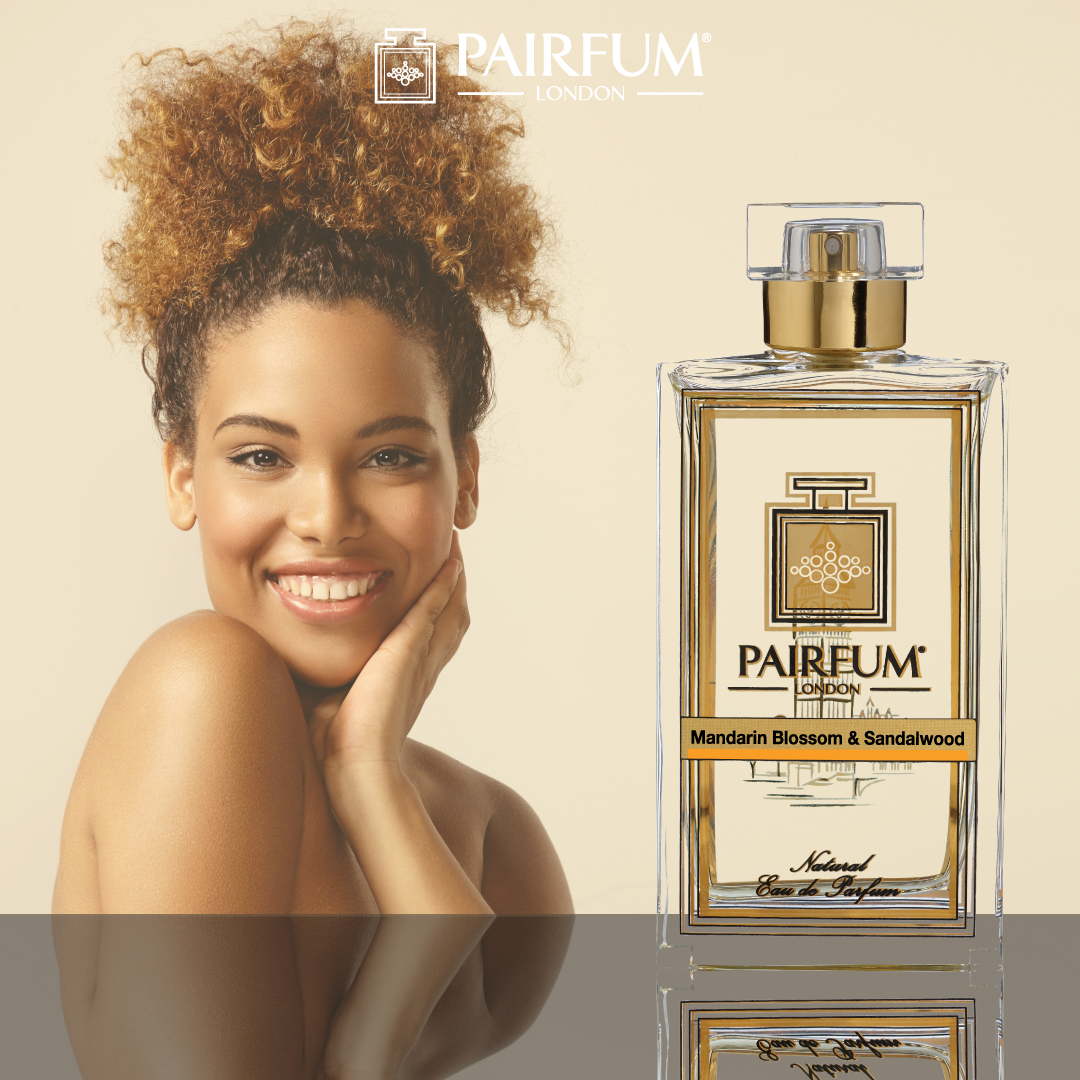
Pairfum Person Reflection Mandarin Blossom Sandalwood Eau De Parfum floral perfume

Discover Floral Perfume with Pairfum London

The enchanting symphony of a floral perfume serves as both a celebration and a tribute to the extraordinary beauty and diversity of nature’s blossoming world. The evocative power of these fragrances lies in their ability to transport us to lush, imagined gardens, inspire deep emotion, and remind us of cherished memories.

As a niche perfumery house, Pairfum London embraces and honours this timeless connection between nature, artistry, and the human spirit. Visit our Online Perfume Boutique and discover a floral perfume to compliment you.

We invite you to explore our exquisite floral perfumes and experience the captivating allure of nature’s floral bouquets. Allow us to guide you through this mesmerising journey as you discover your own fragrant narrative and curate a floral symphony that resonates with your unique essence. Experience the magic and wonder of nature’s blossoming treasures with Pairfum London.

Pairfum Collection Niche Perfume Experience Fragrance Library Square Presentation Box Macro Bottle floral perfume
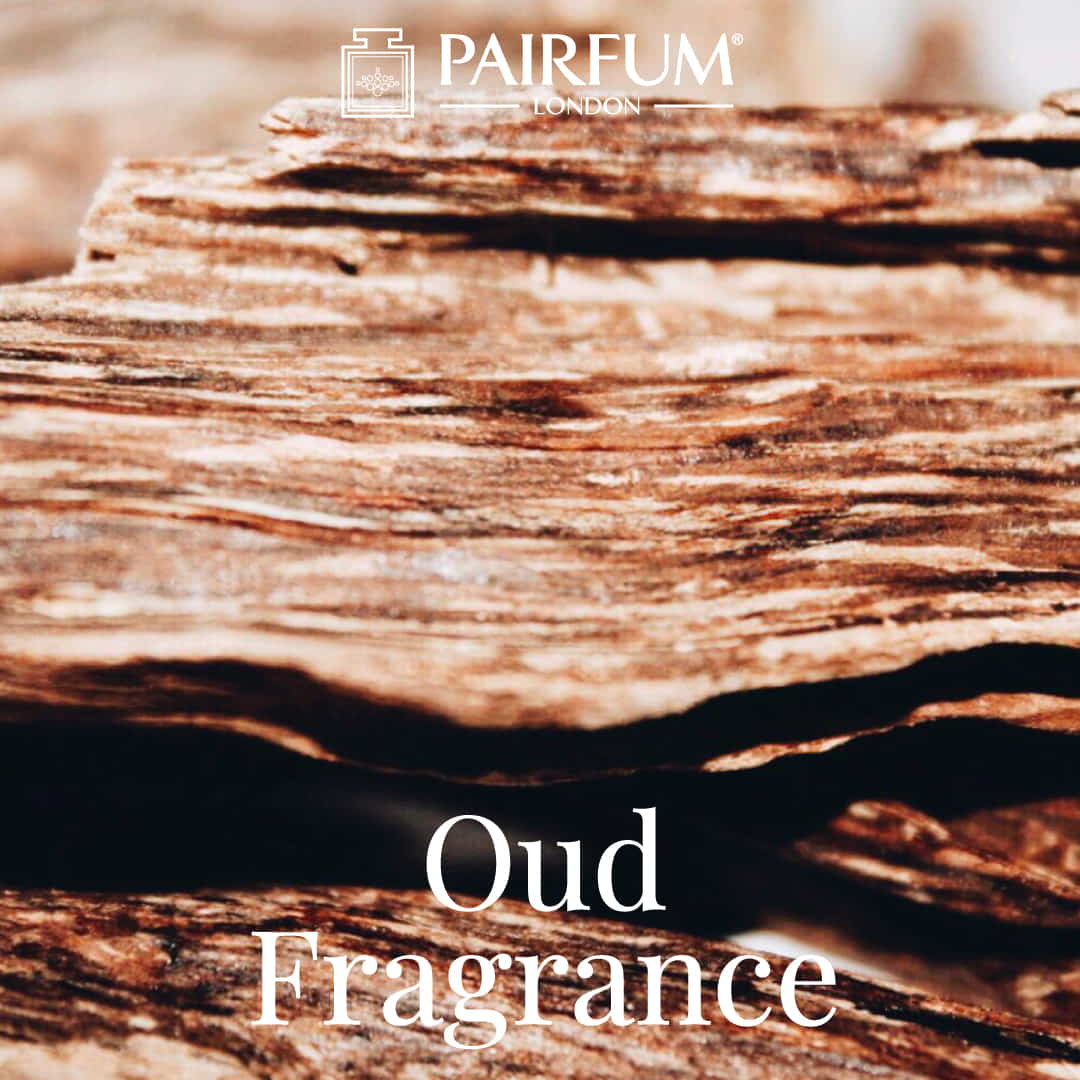
Pairfum London Oud Fragrance Arabic

The Scent Of Oud: Discover Its Enigmatic & Exquisite World

A mystical and beguiling essence, the scent of oud is a rare and precious fragrance that has enamoured generations of perfume enthusiasts with its enigmatic charm. Often referred to as ‘liquid gold’ due to its exceptional value and captivating allure, oud has become a staple in the world of luxury perfumery.

As a boutique perfume house passionately devoted to the art of fragrance and its ever-evolving ‘zeitgeist’, we are both enchanted and inspired by the remarkable scent of oud.

In this article, we embark on a sensory journey to uncover the enticing story of oud, exploring its history, origins, and the tantalising aroma profile that has made it one of the most coveted fragrance ingredients in the world. From the ancient tales to the modern fascination, join us in discovering what makes the fragrance of oud truly irresistible.

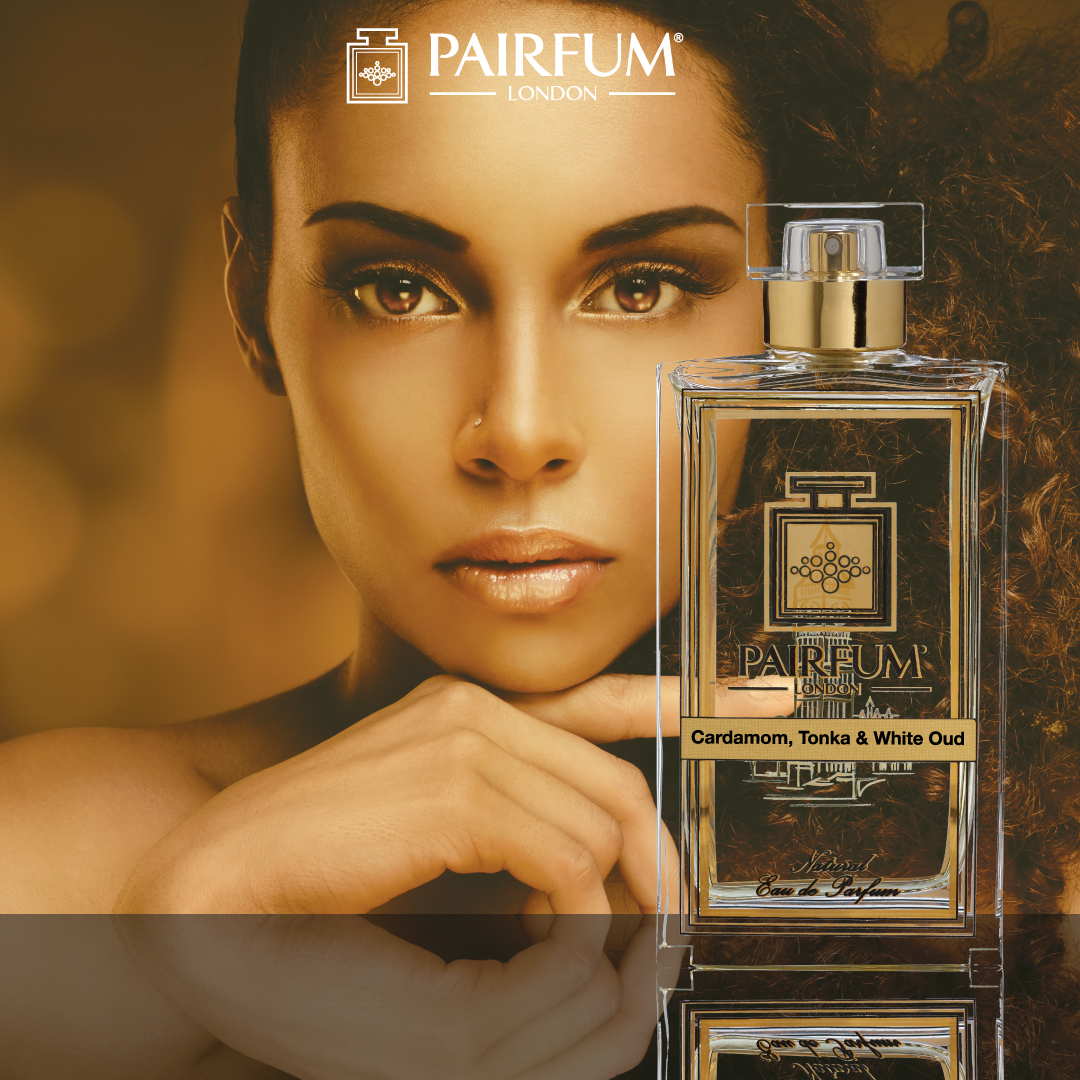
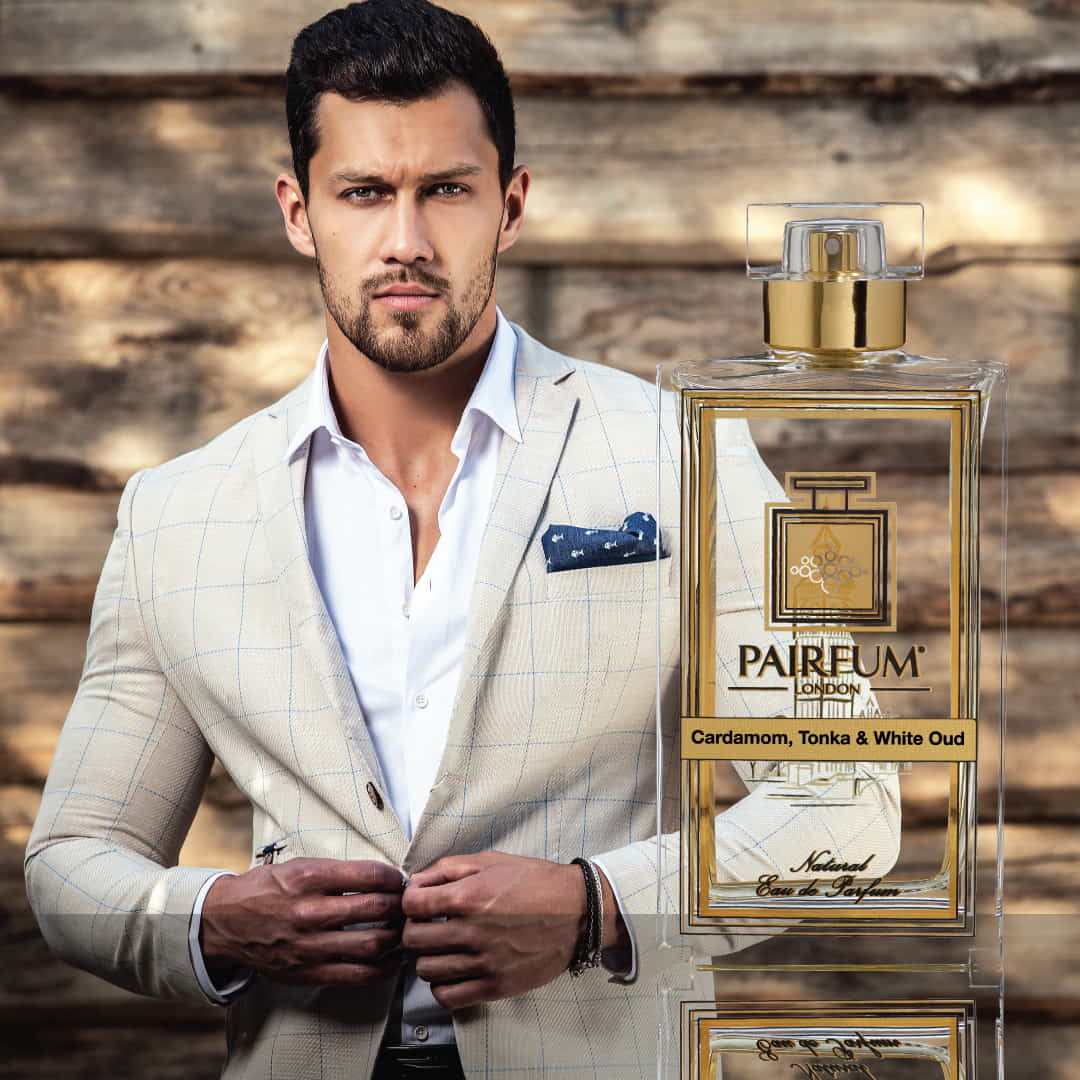
Pairfum Person Reflection Cardamom Tonka White Scent of Oud Eau De Parfum

Oud – Rich In History

Fragrances and emotions have shared an entwined history dating back to ancient civilisations. From Egyptian perfume-bearing ceremonies to the Greek’s fascination with aromatic substances, these enchanting olfactory creations have long been associated with distinct emotions and memories.

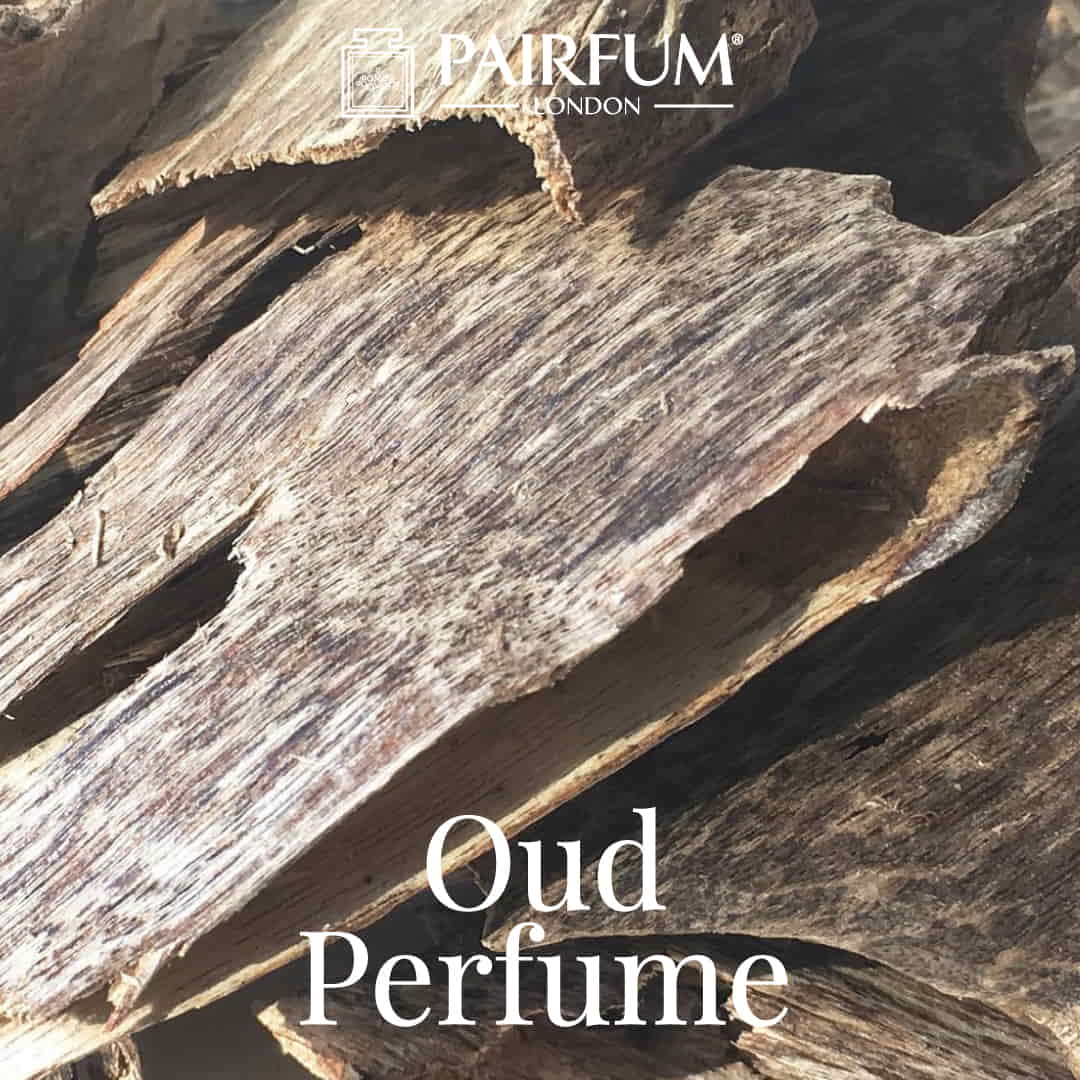
Oud’s origins can be traced back to the ancient forests of Southeast Asia, particularly in countries like India, Malaysia, and Indonesia. This precious wood is formed when certain species of Aquilaria trees become infected with a specific type of mould. As a defense mechanism, the trees produce a dark, fragrant resin, which is the coveted oud.

The extraction of oud is a meticulous and time-honored process. Agarwood trees become imbued with the precious resinous oud oil as a result of fungal infection. This process can take decades, making oud a rare and valuable commodity. Traditionally, oud is extracted by chipping the infected wood and distilling it with steam to produce the concentrated oud oil. The resulting oil is then aged and matured to refine its complex aroma.

The use of oud in perfumery dates back millennia. Ancient civilizations in Asia, including China, Japan, and India, prized oud for its medicinal properties and unique fragrance. Early mentions of oud can be found in historical texts and religious scriptures, highlighting its cultural significance. Throughout history, oud has been a symbol of luxury and status, adorning the royal courts and religious ceremonies of the East.

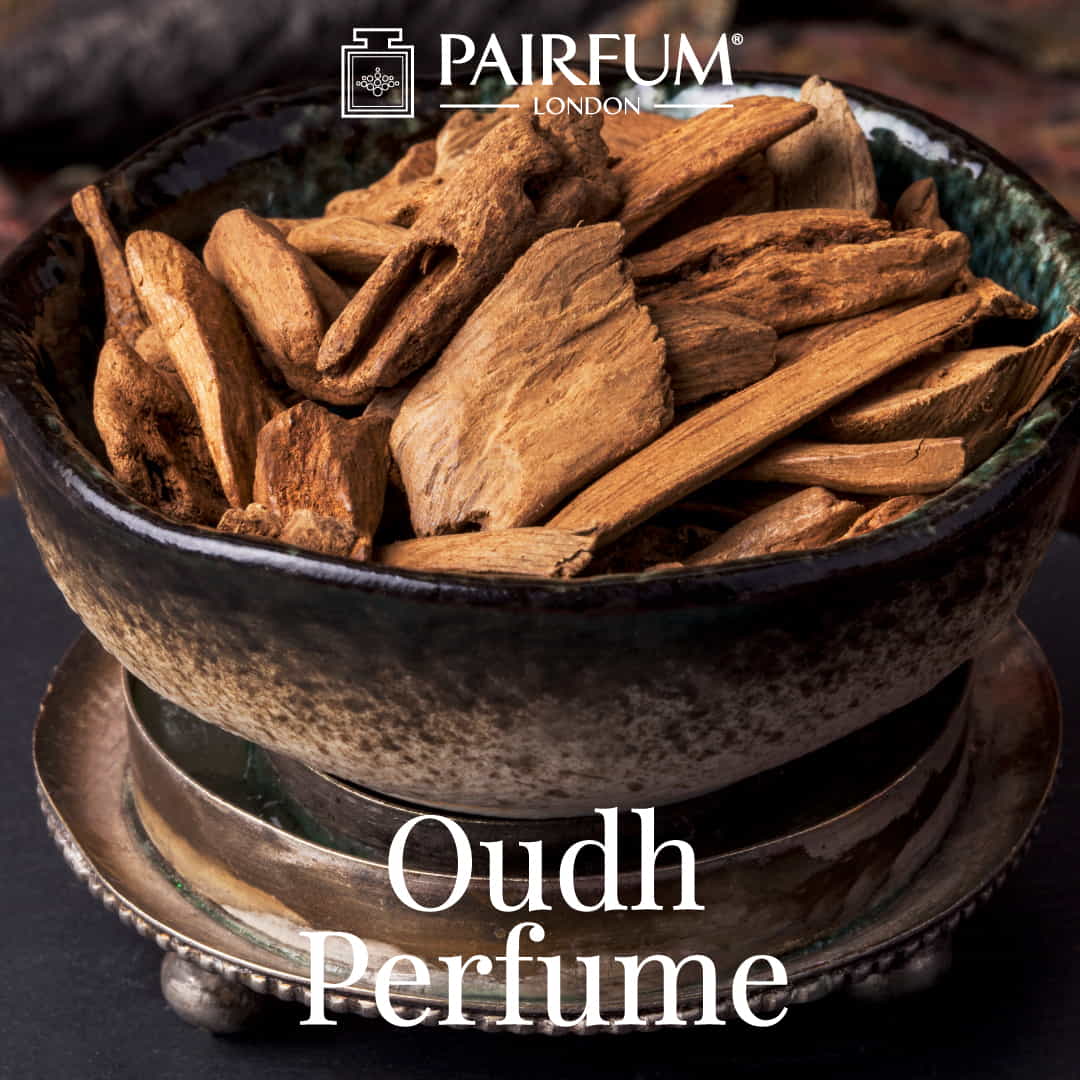
Pairfum London Scent of Oud Fragrance Arabic Perfumes

The Extravagant World of Oud

The scent of oud has enchanted the world for centuries, with its distinctive aroma often hailed as the ‘liquid gold’ of perfumery. Derived from the agarwood tree, oud is one of the world’s rarest and most valuable natural raw materials, celebrated for its warm, sensual, and complex nature.

Olfactive Profile & Accords

Oud and its perfumes encompass a wide spectrum of aromatic profiles and accords. The interplay of smoky, sweet, and woody notes offers a captivating and exotic olfactory experience, communicating emotions ranging from sophistication and luxury to sensuality and spirituality.

The scent of oud can vary depending on the tree species, its geographical origin, and the distillation process. Some ouds possess a deep, woody aroma with hints of leather, smoke, and balsamic undertones. Others lean towards a sweeter, more floral character, reminiscent of roses or violets.

This remarkable diversity makes oud a versatile ingredient in perfumery, allowing perfumers to create an array of captivating fragrances.

Types of Oud

Oud comes in various forms, each offering a unique olfactory experience. Some of the most sought-after types include:

  1. Natural Oud: Harvested from mature Aquilaria trees, natural oud is prized for its unparalleled depth and complexity.
  2. Synthetic Oud: Created through chemical synthesis, synthetic oud offers a more affordable alternative while still capturing the essence of the natural ingredient.
  3. Aged Oud: Oud resin becomes more aromatic and valuable with age, developing deeper and richer nuances over time.

Extraction Methods

Extracting oud is a meticulous process that requires skill and patience. Traditionally, oud is obtained through one of the following methods:

  1. Steam Distillation: Steam is passed through oud wood chips, capturing the aromatic compounds in a condensed form.
  2. Enfleurage: Oud chips are soaked in a carrier oil, allowing the fragrance to infuse over time.
  3. Solvent Extraction: Chemical solvents are used to dissolve the aromatic compounds, which are then separated and concentrated.

Uses of Oud

Oud’s versatility extends beyond perfumery, finding its way into an array of products including:

  • Perfumes: Oud serves as a luxurious base note in many fine fragrances, adding depth, warmth, and sophistication. In perfumes, it is particularly treasured for its long-lastingness on skin.
  • Incense & Bakhoor: used as a room fragrance, in spiritual practices and aromatherapy for its sensuality, grounding and calming properties.
  • Luxury Goods: from scented candles to skincare products, oud lends an air of opulence to an array of luxury goods.

Iconic Perfumes Featuring Oud

Numerous perfumes have achieved legendary status thanks to their incorporation of oud. Some notable examples include:

  • Tom Ford Oud Wood: A modern classic, blending oud with spices, vanilla, and amber for a luxurious and seductive scent.
  • Dior Oud Ispahan: An ambery, rose & oud accord for women and men.
  • Creed Royal Oud: A regal fragrance that juxtaposes oud with citrus, spice, and wood notes for a timeless elegance.
  • YSL M7 Oud Absolu: A bold and daring scent that showcases oud in all its aromatic glory, accented by warm and resinous undertones.

In this context, Pairfum London’s Eau de Parfum “Cardamom, Tonka & White Oud” is the new ‘kid on the block’ daring to challenge accepted conventions with this creamy & spicy oud accord.

Eau De Parfum Person Reflection Cardamom Tonka White Scent of Oud Man Jacket 1 1

The Emotional Impact of Various Perfume Types

Fragrances possess unique emotional qualities, depending on their composition, character, and intensity. Choosing the right perfume can be crucial for conveying the emotions you wish to embody and evoke in those around you. Here are some examples of the emotional impact different perfume types can have:

– Floral: Romantic, feminine, and delicate, floral perfumes evoke feelings of love, nurturing, and softness. The enchanting blend of petals and blossoms can transport the wearer to a fragrant garden filled with sentimental memories.

– Citrus: Zesty, fresh, and invigorating, citrus fragrances tap into emotions of happiness and vitality. They evoke images of sun-soaked orchards, communicating an energetic and vivacious personality.

– Chypre: Elegant, refined, and sophisticated, chypre perfumes encompass the allure of an enigmatic and luxurious persona. They suggest a taste for the finer things in life and unfaltering self-confidence.

– Oriental: Sensuous, mysterious, and intense, oriental perfumes have a mesmerising quality that captivates the senses. Their rich tapestry of warm spices, exotic resins, and opulent florals conveys passion, seduction, and depth.

Pairfum London Fragrance of Oud Perfume Arabic Fragrance

Mastering the Art of Perfume Compliments

Delivering heartfelt compliments centred around fragrance can enhance the emotional connection between individuals, expressing admiration or affection for the person wearing the perfume. Here are some tips on offering fragrance compliments that resonate with emotion and sincerity:

– Be Specific: Elaborate on the facets of the perfume that evoke particular emotions or memories. For instance, express how the fragrance of oud elicits a sense of intoxicating allure or transportive luxury.

– Share Personal Experiences: Connecting a compliment to a personal memory, such as a favourite travel destination or a cherished moment, makes the praise genuine and heartfelt.

– Encourage Dialogue: Engage the wearer by asking questions about their perfume, discussing fragrance preferences, and creating an open conversation that deepens connections while exploring the world of fragrance together.

Pairfum Fragrance Cardamom Tonka White Oud Triangle

Crafting a Captivating Fragrance Presence

Creating an alluring and memorable fragrance presence involves selecting the perfect fragrance that resonates with your emotions, personality, and the messages you wish to convey. Consider the following steps for crafting a personal aroma that captivates and communicates:

– Aligning with Your Emotions: Reflect on the emotions and memories you wish to evoke through your perfume, opting for fragrances that align with those sentiments. For example, if you wish to convey a sense of warmth and sensuality, consider exploring perfumes featuring the enigmatic fragrance of oud.

– Layering Techniques: Experiment by layering different perfumes or fragranced body products to create a unique and versatile blend that deepens the emotional presence of your fragrance.

– Fragrance Longevity: Enhance your perfume’s staying power through strategic application and storage, ensuring that your fragrance’s emotional impact lingers, even when you are no longer present.

By exploring the captivating language of fragrance and understanding the power of perfume compliments, we can further the emotional connections and communication between individuals, creating a shared appreciation for the art of fragrance. The mesmerising scent of oud, along with other aromatic compositions, has the unique ability to evoke and convey an array of emotions, providing a harmonious and intimate bridge between people who may otherwise never intersect. Embracing this emotional aspect of perfumery allows us to create deeper and more meaningful relationships, united through the enchanting world of fragrance emotion.

Eau De Parfum Person Reflection Cardamom Tonka White Oud Girl 1 1

Discover The Scent Of Oud

Embrace the power of fragrance emotions and transform the way you connect with others through the evocative world of fragrance communication. By understanding the emotional significance of different perfumes, including the enigmatic perfume of oud, you can create a captivating and sincere fragrance presence that resonates with those around you. Delve into the art of perfume compliments, fostering deeper relationships and shared experiences with those who appreciate the beauty and emotion of finely crafted fragrances.

Explore our boutique perfumery, where our passion for oud in fragrance meets an exceptional understanding of the taste and ‘zeitgeist’ in perfumery. We invite you to embark on your emotional fragrance journey, uncovering the perfect fragrance that encapsulates your desired ambience and emotion. Enter a world where natural fragrance and emotion intertwine, enriching your personal connections and igniting the senses.

Eau De Parfum Bottle Cardamom Tonka White Oud Noir Liquid
Pairfum London How Do You Describe Fragance Perfume Description 1 1

What Are Olfactive Families? Perfume Notes Or Ingredients?

One of the first questions we are frequently asked here at Pairfum London are:

  • What are Olfactive Families?” and
  • How do you describe your Favourite Perfume?

When confronted by the shear volume of fragrances available, it can be so easy to get overwhelmed by the different varieties of scents.

One way of discovering your ‘New’ favourite perfume, or a way to discover more about your go-to classic is to use Olfactive families.

“Easier said than done”, … I hear you say.

Olfactive Families Fragrance Wheel Classification Michael Edwards Describe Perfume

History

However, before we go into the definition or classification of the olfactive families, we should ask ourselves:

  • who or what defines and gives us these classifications?
  • when did it begin and do they differ?

It should also be ‘noted’ (we do love using Perfume terms), that Olfactive families do not refer to ingredient classifications, but refer solely to the finished Perfume. In essence (there we go again), it is a way to describe and classify how a perfume smells rather than what it contains.

The first classification of fragrances surfaced around the 1900, and consisted of seven families, however in the late 19th Century as techniques for synthesising compounds became more intricate, so did the need to evolve the methods for categorising them.

Then in 1949 an Austrian perfumer called ‘Paul Jellinek’ devised the first fragrance wheel, which he called the ‘Odor Effects Diagram’. This is a round diagram showing the inferred relationships among olfactory groups based upon the similarities or differences in their odor. On the fragrance wheel, perfume groups that border one another are implied to share common olfactory characteristics.

Since it’s creation there have been many other notable versions of the wheel. Which include the version from 1983 by perfumer Michael Edwards, and the ‘Fragrance Circle’ which was developed in 1979 by U. Harder at ‘Haarman & Reimer’ which has since become part of  Symrise.

Since its creation Edwards version of the Fragrance Wheel has been modified several times through the addition of different groups to encompass different fragrance types. With the latest revision being in 2010, in this version there are four standard families, Floral, Oriental, Woody and Fresh, these are in turn then divided into three further sub-groups.

Eau De Parfum Person Reflection Sea Salt Sage Amber Family Beach Walk Olfactive

Different Classification Systems

In the wonderful world of Perfume there are a number of major ‘Perfume Houses’, four of which are:

  • Firmenich,
  • Givaudan,
  • IFF and
  • Symrise.

By ‘Perfume Houses’ we do not refer to major brands that have as part of their offerings or collections released ‘Perfumes’ for sale., such as the illustrious brands of ‘Channel’, ‘Dior’, ‘Estee Lauder’, ‘Versace’ or ‘Gucci’, to name but a few.

When referencing ‘Perfume Houses’, in this article we are referring to the eminent classical houses, such as Firmenich and Symrise among others, where some of the ‘Top Perfumers’ in the world were nurtured, trained and in some cases still reside.

Within these ‘Houses’ they also have their specific way of classifying perfumes, which differ from each other for example:

Firmenich classifies their perfumes in the following way: Chypre, Citrus, Floral, Oriental, Aromatic and Woody. 

Other companies such as Symrise, IFF or Givaudan, use different classifications.

The Olfactive Families

As mentioned above, there are major families: Citrus, Chypre, Floral, Floriental, Aromatic, Citrus, Oriental and Woody. Each one of these olfactive families can then be split into several subfamilies.

THE CITRUS FAMILY

By “citrus”, we mean the essential oils obtained by extracting the zest from fruits such as bergamot, lemon, orange, mandarin, etc., combined with orange flower products. In this group we find the main “Eau de Cologne” fragrances used by men and women. Also included in this group are – SPICY CITRUS, AROMATIC CITRUS, FLORAL CHYPRE CITRUS, WOODY CITRUS, FLORAL WOODY CITRUS and MUSKY CITRUS.

THE FLORAL FAMILY

This family consists of fragrances with a single flower as their main component, such as  jasmine, rose, , violet, tuberose, lily of the valley narcissus, to name but a few. Also belonging to this family are SOLIFLORE (single-flower) as the name suggests is used when a single floral note is needed, FLORAL MUSKY, FLORAL BOUQUET, FLORAL ALDEHYDIC, FLORAL GREEN, FLORAL FRUITY WOODY, FLORAL WOODY,  FLORAL MARINE, FLORAL FRUITY.

Fougere Fragrance Evolution Meaning History Fern

THE FOUGERE FAMILY

This term which is associated by many with fern, does not in fact claim to represent a fern fragrance. It consists mainly of a blend of notes made up of lavender, woody, oak moss, coumarin, and bergamot notes. The other family members within this clan are FLORAL AMBER FOUGERE, SOFT AMBER FOUGERE, SPICY FOUGERE, AROMATIC FOUGERE, FRUITY FOUGERE.

THE CHYPRE FAMILY

It has been suggested that the chypre fragrance construction dates back to Roman times, and ‘chypre’ as the name for an accord is often mentioned in 18th Century. However others suggest that this type of fragrance was popularised by the release of ‘Chypre de Coty’ in 1917  by pioneering perfumer François Coty. Whichever line of thought you choose to follow, the following acords are also part of this sub-group – FRUITY CHYPRE, FLORAL ALDEHYDIC CHYPRE, LEATHER CHYPRE, AROMATIC CHYPRE, GREEN CHYPRE, FLORAL CHYPRE.

THE WOODY FAMILY

When warm, opulent notes, such as sandalwood or patchouli, or dry notes such as cedar or vetiver, are combined with top notes of lavender and citrus, then the Woody Family is born. This family is made up of WOODY, WOODY CITRUS CONIFEROUS, WOODY SPICY, WOODY AMBER, WOODY AROMATIC, WOODY SPICY LEATHER, WOODY MARINE, WOODY FRUITY, WOODY MUSKY.

AMBER-ORIENTAL

Under the heading of “AMBER” or “ORIENTAL”, we find fragrances with soft powdery notes, vanilla, cistus, labdanum and animal very dominant. Six sub-groups of ambers are listed: SOFT AMBER, FLORAL SPICY AMBER, CITRUS AMBER, FLORAL WOODY AMBER, FLORIENTAL, FLORAL FRUITY AMBER.
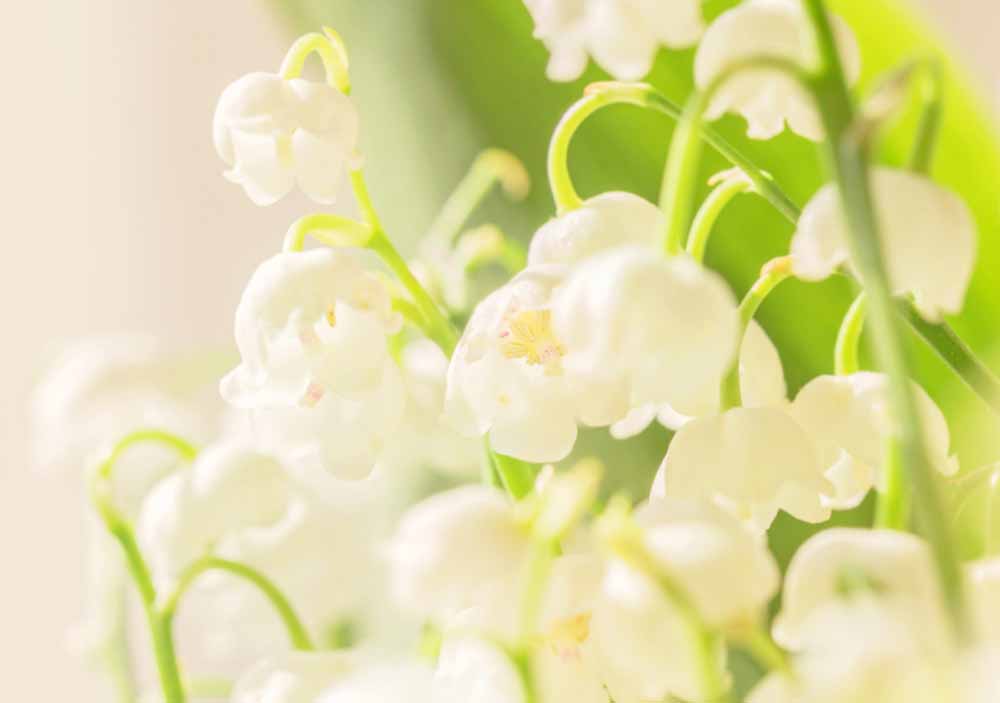
THE LEATHER FAMILY

This has an exceptional formula, a slightly different concept of perfumery with dry, sometimes very dry notes, in the aim of trying to reproduce the characteristic fragrance of leather (smoke, burnt wood, silver birch, tobacco…) and top notes with floral inflexions.

The subfamilies are: FLORAL LEATHER, TOBACCO LEATHER

The leather note is tempered with wood, honey and hay harmonies which characterize the virginian tobacco note.

THE FRUITY FAMILY

This olfactive group has no limits: beautiful, fruity fragrances with berries (strawberries, raspberries, loganberries, blueberries, …), sweet juicy fruit (peaches, nectarines, mango, papaya, …), tropical fruit (coconut, pineapple,… ), Kiwi, melons, … there are always new enticing fruit varieties to try.

Unlike the afore mentioned catogories, Skin Care and Toiletries products typically take the lead here. Shower gels, soaps or lotions are more likely to introduce a new type of fruit than an Eau de Toilette.

Lavender Perfume Light The Allure Of Natural Fragrance Oils Exploring Nature’s Essence In Perfumery

Conclusion – Olfactive Families

Olfactive families aren’t a method for categorising ingredients but the actual notes in perfumery. In essence, it was a way to break down and class how a perfume smells rather than what it contains.

Although many fragrances can be described with about 10-20 dominant notes, there are literally thousands in perfumery, and olfactive families are used to group perfumes by their profiles.

Any Parfumista or Connoisseur in the field of perfume will enjoy browsing the following articles on our website for more in-depth insights into the world of fragrance:

Eau De Parfum Person Reflection Black Cherry Oolong Tea Olfactive Family
Aromatics Herbs In Perfume

Aromatics and Herbs in Perfume: the Herbal Symphony of Scent

The incorporation of aromatics and herbs in perfume presents a lush and sensory landscape filled with olfactory treasures—an enthralling symphony of scent that captures the essence of nature and intertwines it with the craftsmanship of our fragrant desires. As a boutique perfumery house with a refined taste for the ‘zeitgeist’ in fragrance, Pairfum London invites you to join us on a voyage through the captivating world of herbal infusions within fine perfumes.

In this exploration, we delve into the distinct flavour profiles, fascinating history, and intricate blending techniques that bring a wealth of depth and intrigue to the fine art of perfumery through the use of aromatic herbs. Ignite your sensory curiosity and immerse yourself in this intricate tapestry, a journey that opens the doors to the natural beauty and nuance of herbal essence that enriches the fragrances we cherish.

Eau De Parfum Person Reflection Sea Salt Sage Amber Man Tan Aromatics and Herbs in Perfume

Historical Significance of Aromatics and Herbs in Perfume

Long before the advent of modern perfumes, aromatic herbs have played a significant role in the world of fragrance, with ancient civilizations such as the Egyptians, Romans, and Greeks using these fragrant botanicals for a myriad of purposes. From anointing the body with infused essential oil to mask odours and protect against diseases to scenting the air with incense during rituals and ceremonies, herbs have left an indelible mark on the fragrant course of human history.

Herbs such as lavender, mint, and rosemary were not only valued for their aromatic fragrance but also for their use in aromatherapy and herbal tea rituals. The use of herbs in spiritual and medicinal practices further highlights their versatile application throughout the ages.

As the art of perfumery has evolved, so too has the incorporation of these aromatic wonders, with modern fragrance compositions often featuring the essence of various herbs to add depth, freshness, and complexity to the olfactory experience.

The Unique Scent Profiles of Aromatic Herbs

The diverse array of aromatics and herbs in perfume offers a kaleidoscope of olfactory delights, ranging from crisp, invigorating scents to soft, soothing, and warm aromas. Here are some of the key aromatic herbs that are frequently used as notes within the world of perfumery:

1. Lavender

Emanating a fresh, sweet, and floral aura with herbaceous undertones, lavender has cemented its place as an olfactory staple in numerous fragrances, including the iconic ‘fougère’ family of perfumes. Its timeless appeal lends a calming, uplifting, and elegant character to the fragrances it graces.

2. Mint

The invigorating freshness of mint is hard to surpass when it comes to herbs in perfume. Its crisp, slightly sweet, and uplifting scent profile adds an effervescent sparkle to the fragrance composition, particularly in the top notes, enchanting and energising the senses.

3. Rosemary

Rosemary’s simultaneously woody and evergreen aroma lends an earthiness and depth to fragrances that are both grounding and refreshing. This versatile herbaceous note imbues subtle nuances of pine, camphor, and herbaceous elements, making it a fascinating addition to herbal perfume compositions.

4. Basil

The rich, green aroma of basil brings both warmth and spice to a fragrance, adding an unexpected twist that intrigues the senses. With hints of anise and clove, basil’s complex character is both robust and sophisticated, offering an aromatic allure that is hard to resist.

5. Thyme

Thyme, with its unique blend of herbaceous, slightly sweet, and warm aroma, makes it an adept and engaging component within the world of perfumery. Adding a layer of nuanced depth and richness, thyme injects a luscious warmth to the fragrance profile that is soothing and inviting.

Symphony Of Aromatics And Herbs In Perfume

Modern Innovations in Herbal Perfumery

The world of natural perfumery is witnessing exciting innovations as artisans and fragrance experts explore new ways to incorporate natural ingredients and raw materials like aromatic herbs. These advancements have led to a resurgence in the popularity of natural perfumes, which highlight the beauty and complexity of herbs as central fragrance components.

The method of steam distillation is often employed to extract essential oils from herbs, capturing the pure aromatic essence that is used in perfumes. This technique preserves the natural fragrance, ensuring that each aromatic scent is authentic and vibrant.

Contemporary perfumers are experimenting with aromatic plant materials to create fragrances that are not only pleasant but also eco-friendly, emphasizing sustainability and ethical sourcing. This movement aligns with the growing consumer demand for natural fragrance products that respect both the environment and personal health.

Artful Blending: The Role of Aromatics and Herbs in Perfume Compositions

The use of aromatics and herbs in perfume is a revered and longstanding practice, ever-evolving as perfumers play with blends and pairings to unveil new dimensions in the art form. The following are examples of how herbs can be skillfully blended within fragrance compositions to create a tapestry of captivating scents:

1. Lavender & Citrus: A Refreshing Olfactory Dance

The early morning freshness of lavender pairs beautifully with the effervescent zest of citrus fruits, creating a harmony of scents that exhilarates and uplifts the senses. In fougère compositions, this duo works in tandem to enliven the fragrance profile, adding a welcome burst of vivacity that is both invigorating and pleasant.

2. Sage & Aquatic Notes: A Breezy, Cool Embrace

Sage’s innate fresh & invigorating herbaceous aspect works wonderfully with aquatic notes to instill a brisk, breezy ambiance within a fragrance. This marriage of scents evokes a sense of cooling & flowing waters and fresh, outdoor spaces, transporting the wearer to a tranquil, and soothing waterfall and pool with its camphoraceous, woody and earthy notes.

3. Rosemary & Floral Accords: A Delicate Balance

The grounding, earthy character of rosemary finds an exquisite counterpoint in the enchanting elegance of floral accords. Rosemary’s woody and evergreen nuances harmonize with the delicate, ethereal beauty of flowers like jasmine or rose, adding a layer of aromatic contrast that highlights their intoxicating allure.

4. Basil & Spicy Notes: An Intriguing Symphony

Basil’s warm, spicy notes are enhanced when blended with additional spices such as cinnamon and vanilla. This combination introduces a spicy note richness that deepens the fragrance and adds a touch of mystery and sophistication to the perfume composition.

Eau De Parfum Person Reflection Bergamot Basil Patchouli Woman Green aromatics and herbs in perfume

The Role of Aromatic Herbs in Aromatherapy

Beyond their use in perfumery, aromatic herbs play a significant role in the field of aromatherapy. The therapeutic benefits of these herbs have been recognized for centuries, with aromatic herb plants being used to promote relaxation, improve mood, and enhance well-being.

Herbs such as lavender, rosemary, and mint are often incorporated into aromatherapy practices, offering a holistic approach to wellness through their soothing and invigorating properties. The inclusion of herbs in herbal tea blends and home scent diffusers can further enhance the ambiance and create a calming environment.

The synergy between aromatic herbs and their potential to heal and uplift is a testament to the power of nature’s bounty. Whether through personal care products or ambient home fragrance solutions, the incorporation of herbs continues to inspire and rejuvenate.

A World of Possibilities: Layering and Beyond

As you explore the complex, alluring world of aromatics and herbs in perfume, possibilities for experimentation and personalization abound. One way to inject a touch of herbal allure into your fragrance wardrobe is by layering existing perfumes with complementary herb-infused scents. This personalized blending allows you to accentuate or modify specific herbal elements within your fragrance profile, resulting in a captivating aroma that is uniquely yours.

For instance, combining a natural perfume featuring lavender and mint with a warm, spicy fragrance can create an intriguing aromatic contrast that enhances the overall aromatic scent. Additionally, the practice of layering can be a great way to explore the nuances of dried herbs and their subtle contributions to a home fragrance atmosphere.

Another possibility lies in seeking out niche perfumes that place a heightened emphasis on the artistic use of herbs within their creations. With the growing appreciation for innovative and unconventional fragrance compositions, there are a plethora of enticing herbal perfumes available to delight, intrigue, and inspire. The inclusion of herbs like violet leaf, known for its delicate and powdery aroma, adds another dimension to the perfume experience.

Incorporating synthetic fragrances alongside natural components can also provide a modern twist, offering stability and consistency while still allowing the aromatic plant characteristics to shine through. This approach exemplifies the art of balancing raw material and natural ingredients and with modern techniques to create perfumes that are both enduring and dynamic.

Floral Aromatics In Perfume

Discover the Herbal Symphony of Scent with Pairfum London

The fascinating world of aromatics and herbs in perfume is a rich and engrossing tapestry of scents, history, and artistry spanning centuries. Whether blended with other fragrance families or standing on their own as captivating perfumes, the natural elegance of these botanicals lends a distinct character and charm that is hard to resist. At Pairfum London, our sensitivity for the taste and ‘zeitgeist’ in fragrance inspires us to create exceptional perfumes that celebrate the harmonious beauty of these aromatic herbs.

Pairfum London’s commitment to natural perfumery is evident in our expertly crafted fragrances that showcase the power and beauty of plant material. We pride ourselves on using both traditional and innovative methods, such as steam distillation, to extract the purest essential oils and natural fragrances.

Our creations often highlight the complex interplay between herbs and other elements, such as citrus and vanilla, to produce perfumes that are as rich in history as they are in spicy notes. By prioritizing the use of natural and ethically sourced ingredients, we offer a fragrance experience that is not only captivating but also aligned with the principles of sustainability and respect for nature.

We invite you to discover our elegantly crafted range of exquisite fragrances at Pairfum London, where the symphony of scent awaits your exploration. Experience our dedication to expertly balancing and crafting these extraordinary herbal notes to create alluring, complex, and captivating perfumes, enriching your sensory journey and enlivening the world of fragrance with the natural grace of these exquisite botanicals.

Pairfum Fragrance Bergamot Basil Patchouli Triangle Aromatics and Herbs in Perfume

Our two recommendations would be:

Bergamot, Basil & Patchouli Eau de Parfum

This woody and aromatic accord opens with Bergamot, Lime, Green Leaves and spicy Basil. The heart is fresh with Lily, Freesia, Violet Leaf, Rose and Geranium. The note rests on a beautifully rich woody base of Patchouli, Vetiver, Sandalwood, Cedar and Amber.

Sea Salt, Sage & Amber – Eau de Parfum

A wonderfully fresh, sophisticated fragrance where Sage & Grapefruit are enriched by hints of fresh Bergamot and Tangerine top notes. The invigorating heart is enlivened with nuances of Seaweed, a fresh Sea breeze, Sea Salt and Kelp, all of which becomes smooth with a soft base of Musk, Amber and Cedarwood.

Pairfum Fragrance Sea Salt Sage Amber Triangle Ingredients Aromatics and Herbs in Perfume

Expert Insights on Herbal Blends

According to our resident fragrance expert, the use of aromatics and herbs in perfumes provides an opportunity to experiment with aromatic note combinations that are both traditional and contemporary. Our experts highlight the importance of balancing the herbal elements with other scent families to achieve a well-rounded aroma.

The incorporation of culinary delights such as vanilla and cinnamon into perfume compositions not only enhances the flavour profile but also enriches the overall sensory experience. This approach mirrors the trend of using gourmet ingredients in fragrance design, offering a unique and delectable twist.

In-House Perfume Expert

Aromatics and Herbs in Perfume: Pairfum London’s Herbal Fragrance Creations

At Pairfum London, we are proud to present a collection of perfumes that celebrate the diverse and enchanting world of aromatic herbs. Our range of natural perfumes draws on the rich traditions of herbal infusions while embracing contemporary innovations to deliver a fragrance experience that is both timeless and modern.

Our signature fragrances include harmonious blends of spicy notes and refreshing citrus fruits, accented by the subtle elegance of herbs like violet leaf. These perfumes are designed to captivate the senses and transport the wearer to a world of natural beauty and sophistication.

Explore our collection and indulge in the exquisite craftsmanship that defines Pairfum London’s approach to aromatics and herbs in perfume. With each smell, we invite you to embark on a journey of discovery, where the fragrant allure of aromatic herbs unfolds in a symphony of scent.

Conclusion

Aromatic herbs within the realm of perfumery are a testament to the wealth of olfactory treasures that the natural world has to offer. Through their historical significance, unique scent profiles, and versatile applications, these herbs continue to inspire both traditional and modern fragrance creations.

The exploration of herbs in perfumery is a journey of discovery and creativity, inviting fragrance lovers to embrace the art of scent with an appreciation for the natural elements that define it. Whether through innovative blends or timeless classics, the aromatic allure of herbs remains a cherished component of the fragrance landscape.

292A1386
Cardamom in perfume

Cardamom in Perfume: Discover the Aroma of the Singing Spice in Fragrances

Cardamom in perfume is one of a wonderous treasure trove of unique ingredients, each offering a distinct character and charm to fragrance compositions that you will find as you venture into the realm of artisan perfumery.

An olfactory delight, cardamom, the aromatic spice revered for its invigorating and captivating essence, has captured the hearts and minds of perfumers and fragrance enthusiasts alike. In our article, we celebrate the alluring aroma of cardamom and explore its versatile presence in modern and traditional perfumes alike.

At Pairfum London, a boutique perfumery house with a sophisticated palette for taste and ‘zeitgeist’ in fragrance, we revel in uncovering the facets of cardamom that make it such a captivating ingredient. Join us on a sensorial expedition as we unveil the mysteries of cardamom in perfume, from its rich history and olfactory characteristics to its seamless integration into scintillating scent harmonies that resonate with depth, warmth, and allure.

Eau De Parfum Person Reflection Cardamom Tonka White Oud 1 1

A Fragrant History: The Origins of Cardamom in Perfume

The enchanting aroma of cardamom has been revered and celebrated across cultures for centuries as both an aromatic spice and a prized ingredient in perfumery. Native to Southern India and Sri Lanka, cardamom is a member of the ginger family, boasting an unparalleled, exotic fragrance.

Long considered a symbol of luxury and opulence, this captivating spice has been used in perfumes, incense, and scented oils throughout history. In ancient Egypt, cardamom was utilized as an ingredient in prestige perfumes, and its enticing aroma captivated the palates of Greeks and Romans, who adored the exotic aroma.

The Olfactory Profile: Cardamom’s Alluring Aroma

As an ingredient that brings depth and sophistication to a fragrance, cardamom in perfume often lends an irresistible charm to the composition. Its olfactory profile is characterized by a captivating melange of spicy, sweet, and woody nuances, with subtle hints of balsamic, citrus, and floral tones that create a tantalizingly complex aroma.

The appealing versatility of cardamom allows it to be effortlessly woven into a variety of fragrance genres, from intoxicating oriental fragrances to sultry ambers and spicy, woody perfumes. It is this adaptability, coupled with its extraordinary depth, that has secured cardamom’s enduring legacy as a cornerstone of the perfumer’s palette.

Dried Cardamom

Complementary Ingredients: The Harmonious Integration of Cardamom in Perfume

To appreciate the true allure of cardamom in perfume, it is vital to recognize the role of complementary ingredients that accentuate, soften, and transform the aroma of this remarkable spice. Skilfully interweaving compatible olfactory elements is an essential aspect of crafting memorable and balanced scent symphonies. Some ingredients that frequently complement cardamom’s unique fragrance include:

Rose

The elegance and radiance of rose can beautifully harmonize with the warmth and spiciness of cardamom, resulting in a captivating interplay between delicate florals and bold spice.

Patchouli

Patchouli’s earthy, slightly sweet, and woody aroma enhances the depth of cardamom while adding a rich, grounding element to the fragrance composition.

Jasmine

The intoxicating, sensual aroma of jasmine can serve as a splendid foil for the vibrant spice of cardamom. This contrast between opulent florals and invigorating spice creates a dynamic olfactory narrative.

Cedarwood

Cedarwood’s warm and robust character imbues a stable, enduring quality to cardamom, augmenting its intrigue while adding a touch of woody sophistication.

Citrus

The zest and vitality of citrus notes can uplift and contrast with cardamom’s inherent warmth, resulting in a refreshing, exhilarating fragrance that tantalizes the senses.

Cardamon in perfume by Pairfum London

Crafting Fragrances: The Role of Cardamom in Perfume Accords

In the art of perfumery, cardamom in perfume is commonly utilized as a versatile and adaptable ingredient that can lend depth and intrigue to fragrance compositions. It can serve as a connecting link between the other components of the perfume notes providing a harmonious bridge between opposing elements, such as a sweet floral note and woody notes, while simultaneously adding its own distinctive character.

Cardamom can play a variety of roles within a fragrance accord:

Accentuating

Cardamom’s spicy, invigorating aroma can accentuate and add depth to other ingredients, amplifying their olfactory presence while introducing a subtle warmth and refinement.

Modifying

The complex, multi-faceted nature of cardamom can impart transformative effects upon other fragrance notes, altering their character and infusing intriguing new dimensions into the scent.

Binding

Cardamom’s adaptable nature allows it to serve as a binder between various fragrance components, uniting them into a harmonious whole while simultaneously endowing the perfume with its unique charm.

The Alluring Aroma Of Cardamom In Perfume

Signature Scents: Cardamom in Iconic Perfumes

Throughout the years, cardamom has graced some of the most iconic perfumes, each composition showcasing the distinct allure and versatility of this captivating spice. Here are a few notable perfumes that have captured the essence of cardamom in perfume:

  1. Amouage Gold Man: An indulgent, opulent fragrance that features cardamom alongside rich rose, incense, and patchouli, evoking the splendor of an Arabian palace.
  2. Jo Malone London Mimosa & Cardamom: A striking blend of vibrant cardamom and sweet, powdery mimosa, this aroma transports wearers to a sun-drenched, ethereal landscape with an understated charm.
  3. Tom Ford Cardamom & Oud Wood: An intoxicating composition that perfectly balances the rich spiciness of cardamom with the deep, resonant tones of oud and vetiver, crafting an enigmatic and captivating scented tale.
  4. Pairfum London Cardamom, Tonka & White Oud: A wonderfully creamy and spicy oud fragrance where cardamom sets the opening accents. This rich, passionate fragrance opens with zesty and spicy nuances. At the heart are floral notes and the base is sensual with Tonka, White Oud and woody notes.
Pairfum Fragrance Cardamom Tonka White Oud Triangle

Cultural and Historical Significance of Cardamom in Perfume

Cardamom’s rich history spans various cultures and periods, making it a symbol of both luxury and mystique. From ancient Egypt to the royal courts of Europe, this exotic spice has been treasured for its unique scent and therapeutic properties. The cultural significance of cardamom in perfumery underscores its timeless appeal and enduring presence in perfume notes across the globe.

Harvesting and Processing of Cardamom in Perfume

The journey of cardamom from seed to scent is a meticulous process. Harvested primarily in Southern India and Sri Lanka, cardamom seeds are carefully extracted and dried to preserve their aromatic properties. This raw material undergoes a series of refinement processes to produce the essential oil used in perfumes. The careful extraction and processing ensure that the final fragrance retains the spice’s distinctive aroma.

Cardamom in Perfume: Blends & Composition

Cardamom’s ability to blend seamlessly with other fragrance notes makes it a valuable component in perfume creation. Whether it’s the initial scent of a head note or the lingering base note, cardamom’s versatility allows it to enhance and unify various fragrance elements. Its role in the fragrance pyramid is pivotal, acting as a bridge that harmonizes sweet florals, woody notes, and oriental fragrances.

Fragrance Families and Types Featuring Cardamom

Cardamom’s versatility allows it to be featured prominently in several fragrance families and types:

Oriental Fragrances

Cardamom is a staple in oriental fragrances, where its spicy and exotic character adds a rich, warm undertone. These scents, such as the citrus scent often evoke opulence and mystery, making them perfect for evening wear and special occasions.

Woody Fragrances

Cardamom blends beautifully with notes like cedarwood and sandalwood to create a woody scent. These compositions are known for their earthy smell and grounding qualities, providing a sense of stability and sophistication.

Floral Fragrances

Cardamom’s subtle spiciness enhances floral fragrances, adding depth and intrigue. When paired with rose, jasmine, or other floral notes, cardamom creates a unique scent that is both captivating and harmonious in a floral perfume.

Cardamom-Perfume-Olfactory=Pyramid

Cardamom in Different Fragrance Notes

Understanding the role of cardamom within the fragrance pyramid helps appreciate its versatility and impact on the overall fragrance composition:

Top Notes in Perfume

The top notes in perfume are the first notes you will notice and create the initial impression. Cardamom, with its vibrant and spicy aroma, often plays a role in these opening notes, making the scent lively and inviting. This initial burst of fragrance captures the wearer’s attention and provides a fresh, exhilarating start.

Cardamom can be a striking opening note, offering a fresh and spicy introduction that captures attention and sets the tone for the fresh fragrances.

Middle Notes

Middle notes form the core of the fragrance and emerge once the top notes evaporate.

Cardamom as a middle note interacts with other middle notes like jasmine and patchouli, enriching the scent’s complexity. The combination of different notes at this stage provides a harmonious blend that is both captivating and balanced.

Base Notes

Base notes are the final and longest-lasting part of the fragrance. Cardamom, in combination with other common base notes like amber and cedarwood, provides depth and warmth, ensuring the scent lingers. This lasting impression is crucial for creating a memorable and enduring fragrance experience.

As a base note, cardamom contributes to the perfume’s lasting impression, leaving a memorable and enduring scent on the skin. Fragrance Notes and the Fragrance Pyramid

Cardamom in Natural and Essential Oils

Cardamom essential oil is derived from the seeds of the cardamom plant and is valued for its aromatic and therapeutic properties. This essential oil is a key ingredient in many natural perfumes and fragrance oils, contributing both scent and beneficial properties.

The perfume oil extracted from cardamom is particularly prized for its high-quality aroma and versatility in blending with other fragrance notes.

Eau De Parfum Person Reflection Cardamom Tonka White Oud Man 1 1

Crafting the Perfect Cardamom Scent

Creating a signature scent with cardamom involves balancing it with complementary notes to highlight its unique qualities. Whether it’s in a natural perfume or a more complex fragrance oil, cardamom’s ability to blend and enhance other scents makes it an indispensable ingredient. The crafting process often involves a detailed understanding of the olfactory pyramid to ensure the cardamom complements the top, middle, and base notes.

Popular Choices Featuring Cardamom in Perfumes by Pairfum London

One popular choice that contains cardamom as a key note is: Cardamom, Tonka & White Oud – Eau de Parfum: 

This rich, passionate fragrance opens with Lime & Mandarin, Cardamom, Nutmeg, Clove and fruity hints of Cassis. At the heart of this accord are spicy White Lily, Rose and Orange Blossom. A sensual base of Tonka, White Oud, Cedar, Santal and Amber rounds off this creation.

Conclusion: The Indelible Allure of Cardamom in Perfume

The exploration of cardamom in perfume is a fascinating journey through an enchanting olfactory landscape teeming with synergistic relationships, captivating nuances, and artistic innovation. From its storied historical origins to its unrivalled adaptability and allure, cardamom remains an indispensable element in the perfumer’s palette, gracing iconic fragrances with its harmonizing and transformative charm.

At Pairfum London, our passion for the art of fragrance and keen sensitivity for taste and ‘zeitgeist’ in aroma composition embodies our commitment to crafting innovative perfumes that expertly balance the captivating essence of cardamom with other luxurious ingredients. Our creations are created around an olfactory pyramid that ensures a harmonious blend of top, middle, and base notes, providing a rich and lasting sensory experience.

We invite you to experience Pairfum London’s exquisite range of niche fragrances meticulously crafted to perfection and immerse yourself in the world of cardamom-infused sensory delights. Allow us to guide you on this olfactory voyage and experience the indelible allure of cardamom in perfume, a spice that truly sings in perfumes. Check out our collection of Eau de Parfum and shop now!

If you enjoyed this article, take a look at our recent post on the enigmatic green smell in perfumery.

Pairfum London Perfume Experience Box Bottle Upright
    Your Cart
    Your cart is empty