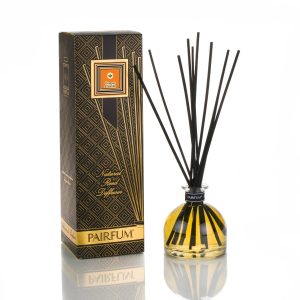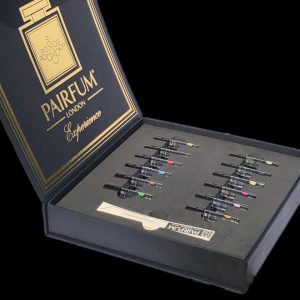
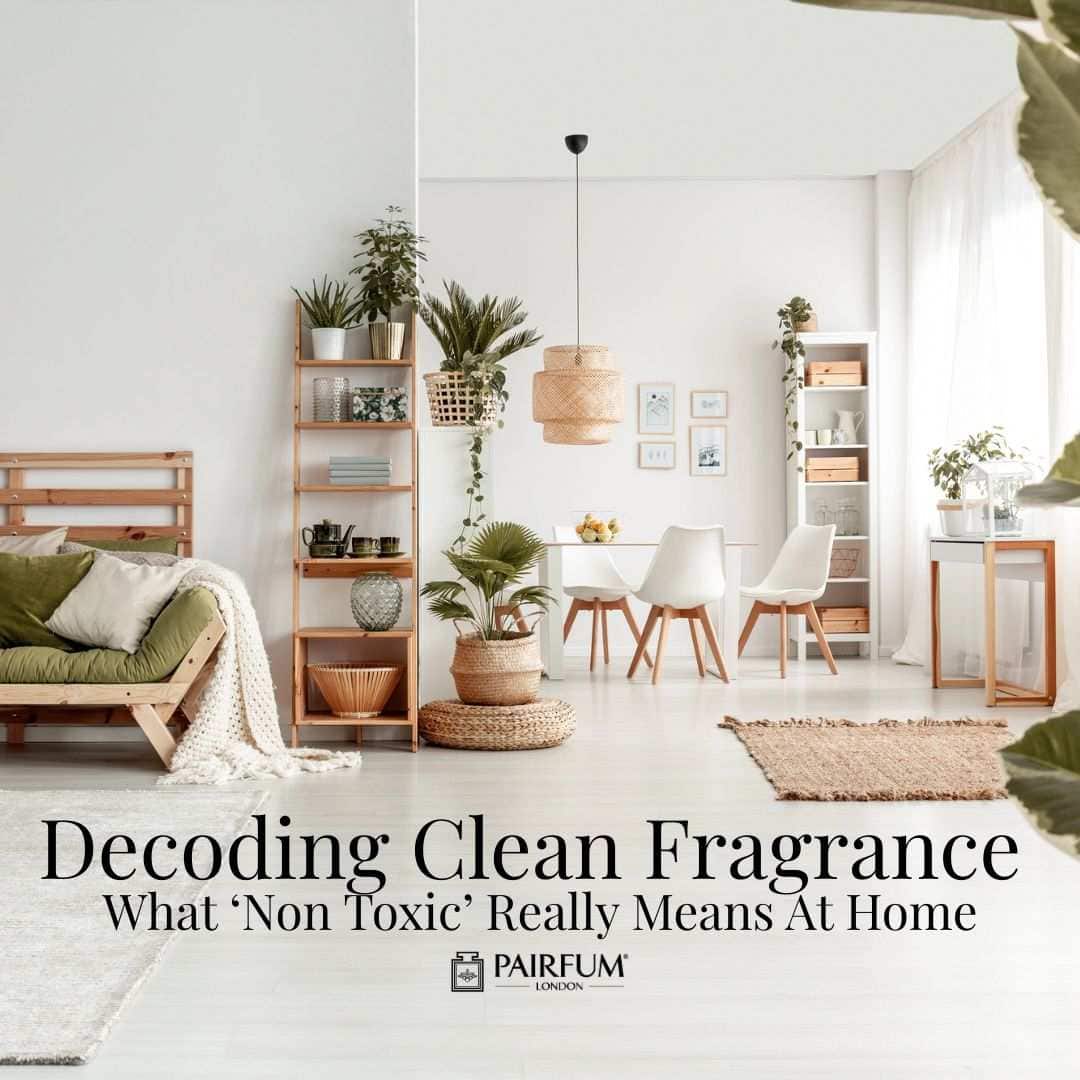
A non-toxic home fragrance enables you to breathe beautifully at home this summer. Clean, safe fragrance at home matters deeply, especially in the height of summer when the air outside can feel hot, sticky, and heavy. Stepping through the front door into a cool, softly scented room changes everything. Shoulders drop. Breathing slows down. The day seems a little calmer immediately. Fragrance does not just smell nice. It shapes mood and creates a quiet sense of absolute sanctuary.
As the temperature rises, you probably shut the windows to keep out the oppressive heat, stray pollen, or busy city air. You spend far longer in sealed rooms. It is completely natural to care more about what you are breathing in. That is exactly where the words “clean” and “non-toxic” start to appear on labels. Often, they lack any real explanation. Some products feel safe just because the packaging says “natural” or “eco”. Others seem confusing. A few might even feel a little scary. Mixed messages are everywhere in the home fragrance market.
It can be incredibly hard to read between the lines. This guide will unpack what a non-toxic home fragrance truly is. You will learn how safety rules work in practice. You will discover how to choose delightful scents that feel both beautiful and entirely thoughtful for every single room in your home.

What Non-Toxic Really Means for Home Fragrance
When discussing non toxic home fragrance, the focus remains firmly on products designed to minimise possible harm to people, pets, and indoor air quality when you use them exactly as directed. It does not mean zero risk in absolutely any situation. You cannot use a room spray endlessly in a tiny, closed room without consequence. It simply means the scent has been assessed properly. It should be used in a way considered safe for normal home life.
The incredibly tricky part is that “non-toxic” is not a legally protected phrase for a home fragrance product. Any brand can print it on a shiny label. To make proper sense of this, it helps to clearly understand a few specific terms you might see on safety data sheets or packaging for a room spray or candle:
- Toxic: can cause serious harm, usually at much higher doses or with the entirely wrong type of exposure.
- Irritant: may sting or inflame skin, eyes, or lungs in some people.
- Sensitiser: can make certain people more reactive over time, so tiny amounts might later trigger uncomfortable allergic reactions.
- Allergenic: far more likely to cause an allergy in a few susceptible individuals.
- Carcinogenic: linked to a specific cancer risk when used in certain specific ways or in massive amounts.
Not every single chemical is dangerous. Not every natural ingredient is perfectly gentle. What truly matters is the actual material itself, the exact dose, and how long and how often you are exposed to these synthetic chemicals.
In the UK and EU, perfumers work within very strict safety frameworks. IFRA standards and CLP rules check exactly how fragrance ingredients behave in different types of physical products. They carefully test scented candles, an essential oil diffuser, or a liquid spray. Clean, responsible luxury means you should never have to choose between physical safety and sheer pleasure. You can enjoy a highly refined home smell and still feel totally comfortable about what is actively diffusing into your living room. The lovely smell should never overpower you.
Inside Your Scent: Natural, Synthetic and Safe Choices
There is endless talk about natural versus synthetic chemicals. People act as if one is always good and the other always bad. Real life is simply not that neat. Natural materials include many fascinating things. Essential oils pressed or distilled directly from plants. Absolutes created carefully from delicate flowers and green leaves. Rich resins and sticky gums from trees.
Synthetics are aroma molecules made painstakingly in a laboratory. Some match the precise odour molecules already found in nature. Others offer entirely new scent notes that do not naturally exist in a single living plant. A synthetic fragrance can be perfectly safe. It can also be problematic. It depends entirely on how the chemical ingredients are chosen and used in the final blend.
Natural does definitely not automatically mean non-toxic. Certain essential oils can be highly sensitising or irritating, especially in high, concentrated amounts. Some citrus oils can become violently phototoxic on bare skin in bright sunlight. A few specific natural oils are strongly not advised to be used around certain household pets. This does not mean concentrated pure essential oils are inherently bad. They simply need very careful handling. Diffusing essential oils requires caution. Not all essential oils are safe for cats. Blending essential oils is an art. Many essential oils evaporate quickly. Pure lavender is famous for aiding sleep. A concentrated lavender extract must still be treated with total respect. Some people even use dried lavender directly.
Well-chosen aroma molecules add major, undeniable benefits. They are much more stable. The gorgeous scent from your reed diffuser lasts exactly as it should over the months. They are very often less allergenic than incredibly intense natural essential oils. They allow very fine, modern fragrance accords that feel brilliantly airy, complex, and elegant.
When you shop for a non toxic home fragrance, it drastically helps to look for brands that openly share the fragrance family or key notes. You need to know what you are bringing into your home. Refer strictly to clear safety guidelines. Avoid brands hiding lazily behind vague phrases like “secret blend” with zero sense of ingredient care at all. A beautifully balanced mix of natural ingredients and laboratory aroma molecules can give you both proven safety and a beautiful, lasting scent signature. You might love the fresh smell of citrus. An artificial smell can be cloying. When a smell is too strong, it causes headaches. Finding a delicate smell takes patience.

Home Fragrance Myths That Need Clearing Up
One very common myth insists that every single candle is bad for indoor air. The actual truth is much more complex. The precise quality of the wax, the physical type of wick, and the total fragrance load all have a massive impact. Cheap paraffin wax blends paired with the wrong wick can easily smoke and create dark soot. Cleaner-burning waxes behave very differently.
Another massive source of worry is volatile organic compounds. All fragranced products give off VOCs constantly. Even a simple bowl of freshly peeled oranges on a kitchen table releases them into the air. Non-toxic home fragrance aims to firmly keep these natural emissions within strictly safe levels when you use the products exactly as intended and with some basic daily ventilation. Opening a window briefly now and then goes a remarkably long way.
Instead of instinctively reaching for a conventional air freshener packed densely with harsh chemicals, many people actively seek a reliable non toxic alternative. You might try placing a small bowl of white vinegar to absorb stubborn, unwanted smells. Some carefully leave pieces of bamboo charcoal or activated charcoal in a hidden corner to act as a silent odour neutraliser. You could even simmer a dry cinnamon stick gently on the stove. These traditional natural air freshener methods work fairly well for basic home smell management. However, they simply do not provide the complex, uplifting scent experience of a genuinely fine perfume.
For a true room spray or diffuser in the blazing summer, a few incredibly simple habits help enormously:
- Keep them completely away from direct, harsh sunlight and strong heat sources.
- Place diffusers high up where curious pets and small children cannot easily knock them over.
- Use a spray bottle to mist directly into the middle of the room, never straight onto people or delicate fabrics.
- Follow the printed label on exactly how often to spray or exactly when to flip the wooden reeds.
You can spray it in the kitchen. A quick spray refreshes the bathroom. Many people spray their linens. One final spray completes the room. A room spray is incredibly versatile. Thoughtful, dedicated brands design their physical bases, wicks, and fragrance loads to fully support much cleaner performance.
How to Choose a Truly Non-Toxic Home Fragrance
When you are standing confused in front of a shop shelf, it can be quite hard to properly judge what is truly safe. Does the brand share genuine safety information or just print pretty marketing words? Do they explicitly mention working to fully recognised standards? Are there perfectly clear directions for daily use, general care, and safe storage? Do they openly talk about their deep ingredient philosophy, instead of just claiming vaguely to be completely free of toxic chemicals or toxic ingredients?
You might currently use a standard, brightly coloured scent fill plug-in from the supermarket. Consider swapping it out entirely. A pure beeswax candle is an exceptionally excellent choice. Real beeswax candles burn very cleanly and naturally help clear the surrounding air. A properly wicked non toxic candle will certainly not fill your enclosed space with harmful chemicals.
When closely reviewing the printed ingredients of a natural scent, look aggressively for total transparency. Are organic essential oils clearly listed? You might add an essential oil to a bath. Choosing a pure essential oil matters. Are organic ingredients mentioned with proper context? Are there obvious warnings for people with known skin sensitivities? Are the scent descriptions clear enough that you can vividly picture the smell lingering quietly in your home?
In very warm rooms, a natural fragrance can bloom much more strongly. You may strongly prefer airy, sheer scents in a liquid room spray or subtle reed diffuser. Rotating your home fragrance prevents your nose from getting prematurely tired. These oils require careful storage. Dark glass protects delicate oils. Some oils oxidise over time. Heavy oils linger longer in the air. Pairing natural oils with regular room airing keeps your intimate space smelling crisp, fresh, and perfectly calm without ever becoming unpleasantly heavy in the sweltering heat. This helps manage your home smell perfectly.

A Pairfum London Home Fragrance Worth Exploring
Finding the exact right balance of beautiful aroma and mindful formulation takes quite a bit of time. You want an incredibly elegant atmosphere without compromising the air quality in your living space. Carefully handcrafted options offer a much more sophisticated approach to scenting your beloved surroundings.
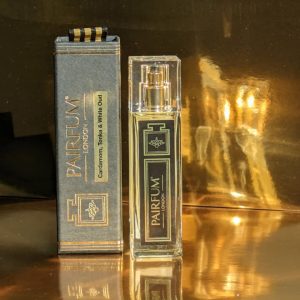
Flacon Room Spray Perfume by Pairfum London
This exquisite room spray transforms your immediate environment with a single, fine spritz. Encased securely in a beautiful, heavy glass flacon, it visibly serves as a stunning interior statement piece that requires absolutely no plugs or open flames. The completely natural, long-lasting liquid blends are layered with absolute precision by expert, passionate perfumers. It provides a truly effortless way to quickly refresh your personal space with a wonderfully uplifting and perfectly balanced scent.
Final Thoughts
Make your home a genuine sanctuary of clean, brilliant scent. You do not need to throw everything out at once. Start very small. Look critically at the products you already proudly own. If any candle, oil diffuser, or room spray gives you dull headaches or tightness in the chest, set it aside immediately. Replace it quickly with something far more thoughtfully crafted. Treat your personal fragrance as a vital part of your daily wellbeing. A soft, welcoming citrus in the hallway can warmly greet you after a brutal commute. A gentle herbal note in the bedroom can deeply help your racing mind slow down right before sleep.