Home / ArtisanPerfumersofLondon / Page 4
Rich Wood Fragrances

Rich Wood Fragrances: Opulent Depths and Lasting Trails

Rich wood in perfume offers warmth that feels grounding and elegant all at once. Their woody ingredients have a way of creating depth that lingers without being loud. They are often the quiet strength behind a fragrance, helping it last longer and feel more complete.

Late November is when rich woods feel especially fitting. As the trees lose their leaves and the air turns crisp, we naturally reach for aromas that feel snug and sophisticated. Whether they come in the form of smooth sandalwood, smoky oud, or resinous patchouli, woody notes wrap around us like a soft, familiar jumper.

Let us look at where these ingredients come from, how they are used in perfumery, and why they have become such a reliable choice in luxurious, niche creations.

The Deep Roots of Wood in Perfumery

Woods have always held a special place in the art of perfumery. Even in the earliest rituals, natural materials like cedar, frankincense, and myrrh were burned or crushed to release their earthy perfume. Many of these resins and sacred trees were prized not just for their aromas, but for the calming rituals they made possible.

Over time, these rich woods began to appear in oils and early fragrance blends. They carried with them cultural meaning: strength, balance, grounding. In many traditions, aromatic woods were used in spiritual ceremonies because their smoke was believed to connect this world with something deeper.

Now, you will find woody notes as the base of many niche perfumes. They help hold everything together without overpowering the other ingredients. Rich woods are often described as symbols of confidence, warmth, and sensuality: qualities that people naturally gravitate to, especially in colder months.

Understanding the Fragrance Family

In the world of fine fragrance, the woody fragrance family is vast. It ranges from the dry, mossy scent of a forest floor to the opulent, sweet trail of a luxurious fragrance found in a high-end boutique. When you explore a specific scent profile, you begin to see how wood acts as the skeleton of the perfume, providing a structure for lighter notes to cling to. Whether it is a rich wood perfume designed for evening wear or a lighter eau de parfum for the office, the presence of wood ensures a sophisticated finish.
Eau de Parfum Person Reflection Spiced Rum Lime Guaic Wood Man Wood 1 1

Common Types of Rich Woods and What They Add

Each woody ingredient brings a unique twist, and when used well, they can turn a simple perfume into something unforgettable.

  • Sandalwood brings a creamy, smooth richness that feels polished and soft.
  • Oud adds a dark, resinous scent with smoky edges and deep muskiness.
  • Cedarwood often smells dry, clean, and a little sharp, almost pencil-like in its clarity.
  • Patchouli has a damp earthiness with hints of spice and dry leaves.
  • Guaiacwood offers a slightly sweet, smoky profile that is well-loved in unisex perfumes.

In cooler weather, these notes perform best. They settle on the skin and slowly warm up, creating an aura that feels perfect for wool coats, firelit rooms, and longer evenings. Hot weather can cause heavy woods to feel overwhelming, but in autumn and winter, they become soft and welcoming.

The Nuance of Sandalwood and Earthy Tones

Within these categories, creamy sandalwood stands out for its ability to mimic the softness of skin. It provides an elegant earthiness that avoids the harshness sometimes found in synthetic alternatives. When blended with tonka bean, the wood takes on a gourmand quality, reminiscent of a warm scent drifting through a library of old books. This specific scent is often what draws people toward niche perfumery, as it feels more personal and less mass-produced.

How Rich Woods Are Captured: Oils, Resins and Synths

Getting the fragrance from wood into a bottle is not always simple. Some oils are drawn through steam distillation, like cedarwood or patchouli. Others, like sandalwood, may use CO2 extraction to keep more of the natural warmth intact.

Then there are modern methods, such as using synthetic ingredients. Some woods are rare or come with environmental concerns, making synthetics a more ethical choice. For example, oud can be incredibly precious, so perfumers often turn to lab alternatives to mimic its depth without sourcing the actual material.

A clever part of perfume making is how woods are blended. Alone, they can feel too heavy, but when layered with florals, spices, or fruit, the balance can be beautifully refined. A touch of bergamot up top or amber in the base can make the rich woods feel smooth rather than stark.

Complex Extractions and Composition

The process of creating a fragrance oil requires a deep understanding of raw materials. Master perfumers like Sergio Momo have explored how to elevate these traditional ingredients into something modern. For instance, a rich wood base can be brightened with crisp citrus or mandarin peel to create a contrast between the top and bottom notes. This prevents the wood from feeling dusty and instead gives it a vibrant, living quality.

Expertly composed fragrances often use a “pyramid” structure. This means the scent opens with light, volatile molecules, like grapefruit or tangerine, before revealing the heavy wood heart. This ensures the perfume is wearable and dynamic rather than static and heavy.

The Evolution of the Wood Note

Woods tend to have staying power. They are the part of the perfume that stays longest on the skin and clothes. That makes them a go-to for those who want something that lasts without needing multiple sprays. Their complexity also means they reveal themselves slowly, which keeps the aura interesting throughout the day. This longevity is why an extrait de parfum is often preferred over a standard eau de parfum when wood is the star, as the higher concentration allows the richwood Xerjoff style of depth to truly shine.

When we examine the profile of these world-class scents, we find that the patchouli used is often aged or specifically distilled to remove any “headshop” connotations, leaving only a chocolatey, earthy smoothness. This refined patchouli acts as a bridge between the floral heart and the heavy wood base.
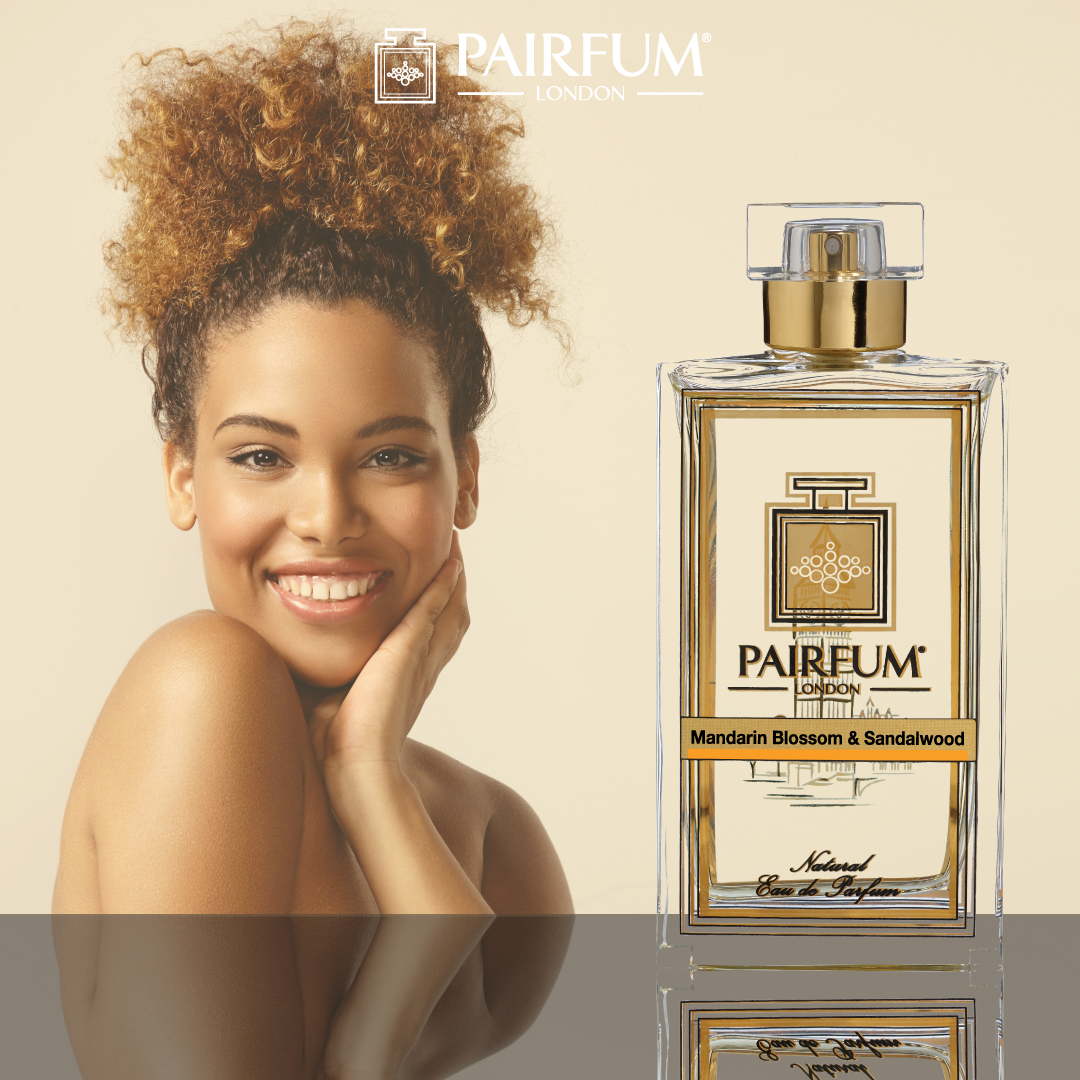
Pairfum Person Reflection Mandarin Blossom Sandalwood Eau de Parfum

Why Rich Woods Are Perfect for the Colder Months

During the colder days, rich woods come into their own. They reflect the quieter side of the year: bare branches, warm drinks, evenings indoors.

There is something about these perfumes that feels in step with cold weather. They do not disappear after an hour, and they do not fight for attention. Instead, they sit close to the skin and quietly remind you they are there.

  • They layer well with warm spices like cardamom, cloves, or nutmeg.
  • They suit sweet, edible notes like vanilla or caramel, which become more popular in winter fragrances.
  • They pair comfortably with resins like labdanum or benzoin, creating soft, amber-like finishes.

This time of year is about comfort, slowing down, and reconnecting with small routines. Fragrances built around woods reflect that feeling and help carry it through the day.

Floral and Fruity Pairings

To prevent a woody fragrance from becoming too masculine, perfumers often weave in delicate florals. A touch of damask rose or jasmine can transform a heavy wood scent into something more balanced. Some compositions even use bourgeons cassis (blackcurrant buds) to add a dark, fruity tartness that complements the smokiness of the wood. When these are layered over a base of sensual musk, the result is a fine fragrance that appeals to both men perfumes and women perfumes markets.
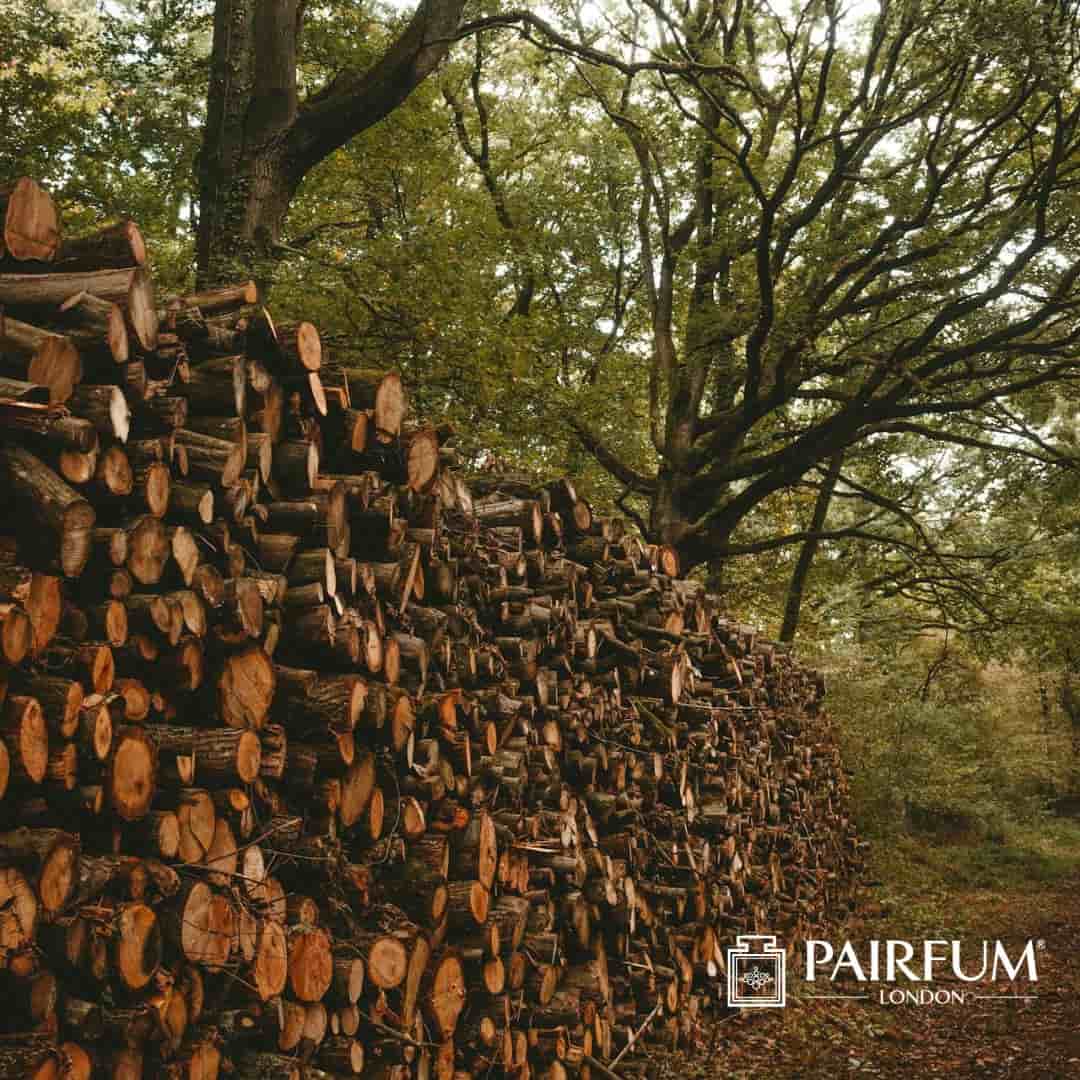
Rich Woods

Application and Versatility

The way a rich wood fragrance interacts with the body is fascinating. When applied to the skin, the heat helps the woody molecules evaporate slowly. Some people even choose to spray a little on their hair, as the porous nature of hair holds onto the scent for even longer than the skin does.

For those with sensitive skin, finding a high-quality eau de parfum with natural oils is essential. A well-constructed perfume will use a base of creamy vanilla and musk to soften the impact of the stronger wood notes, ensuring the scent remains pleasant from the first spray of citrus and bergamot to the final dry down of amber.

Maceration and Concentration

A hallmark of high-end perfumery is the concentration of the oil. An extrait de parfum, which often contains 20% to 40% concentrate fragrance oil, provides a “majestic” presence that lingers for ten hours or more. Furthermore, these rich, wood-heavy compositions often undergo a process called maceration. Much like a fine wine, the fragrance continues to mature and deepen over time as it sits in the bottle, allowing the sandalwood and patchouli to become even smoother and more integrated.

Whether you are wearing an extrait de parfum with a heavy dose of sandalwood or a lighter eau de parfum, the goal is the same: to create a personal atmosphere of warmth.
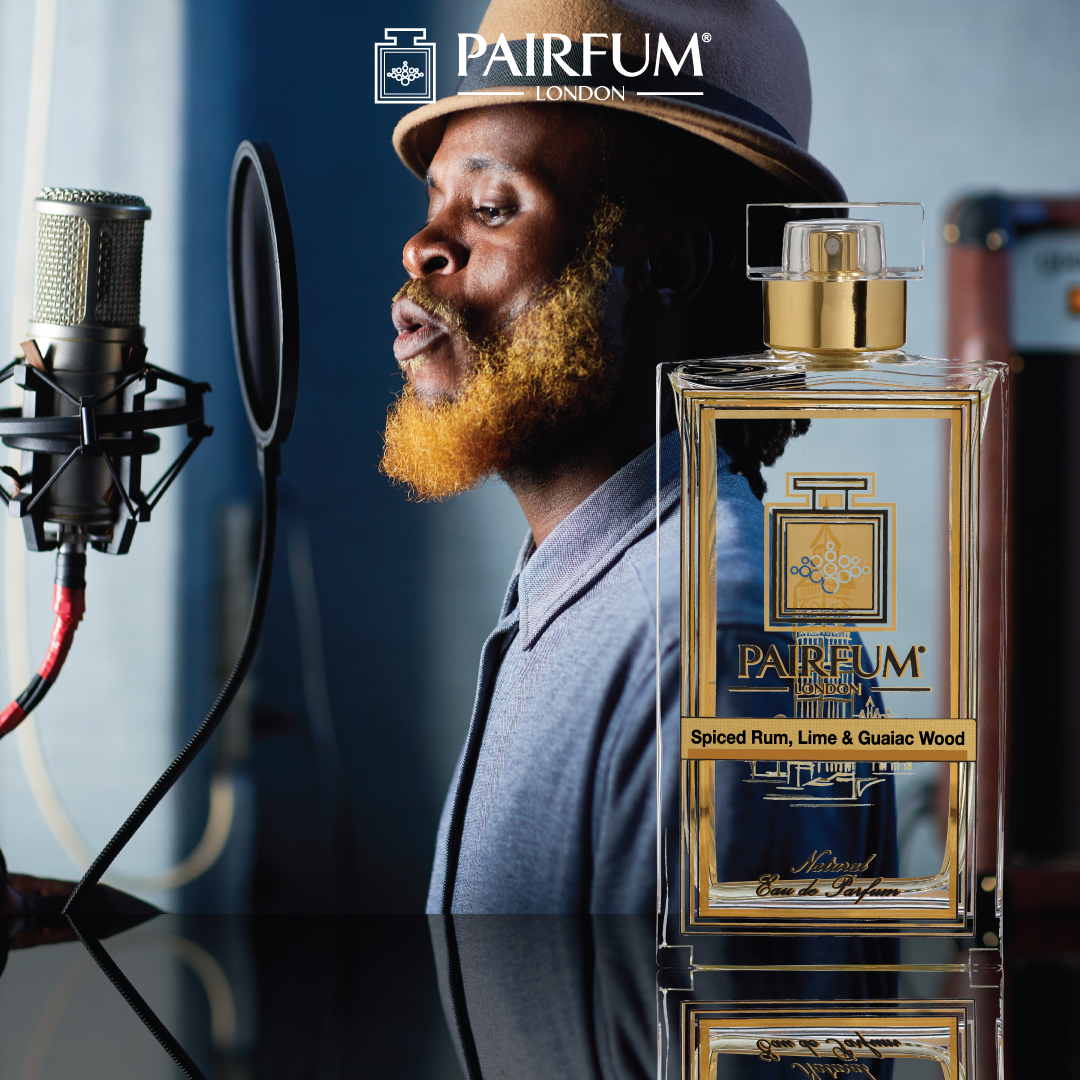
Pairfum Person Reflection Spiced Rum Lime Guaiac Wood Eau de Parfum Man

Iconic Perfumes That Showcase Rich Woods

Many cult classics rely on a rich wood, such as sandalwood or cedar as their backbone. These woods allow other notes to shine without fading too quickly. One famous example is Xerjoff Richwood, a fragrance highly regarded for its use of Mysore sandalwood. The Xerjoff Richwood scent is often compared to a vintage wine, improving and becoming more complex as it sits on the skin.

The popularity of Xerjoff Richwood has even inspired the creation of an Alexandria fragrance, such as Valley of the Kings, which is inspired by its profile.

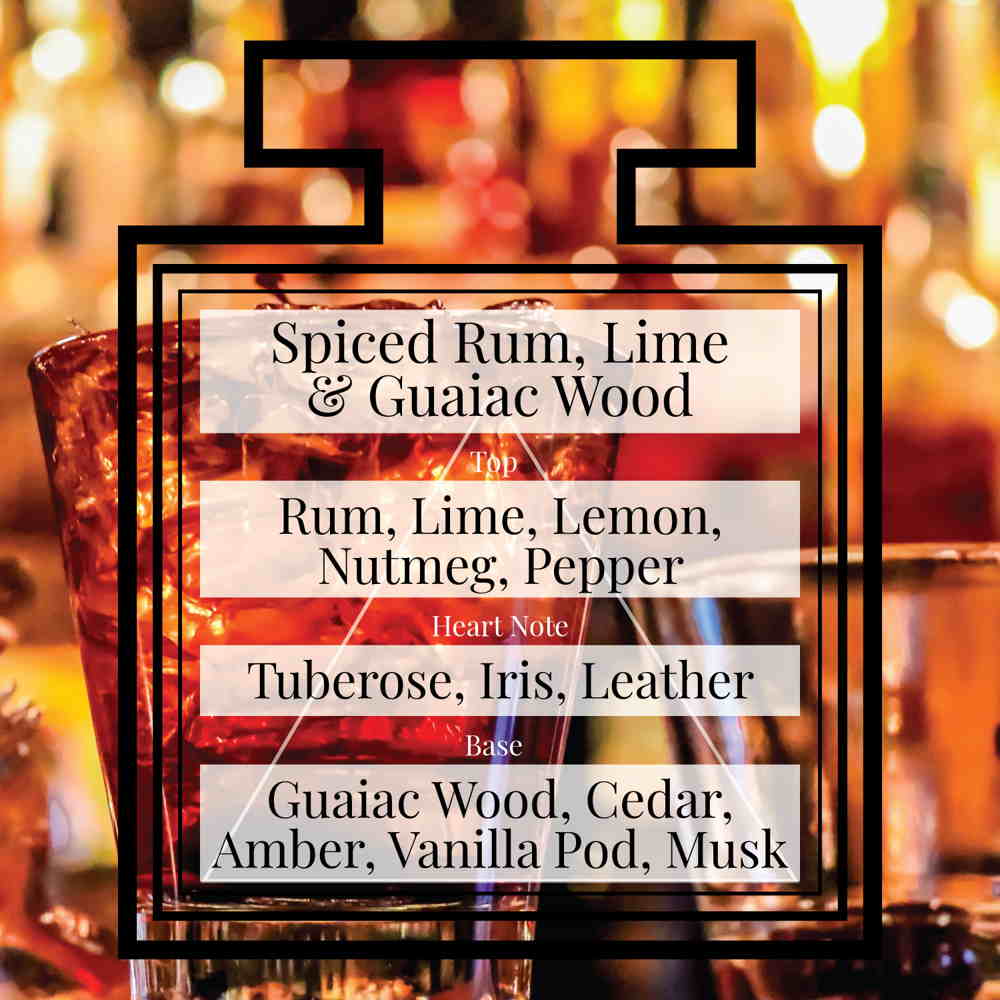
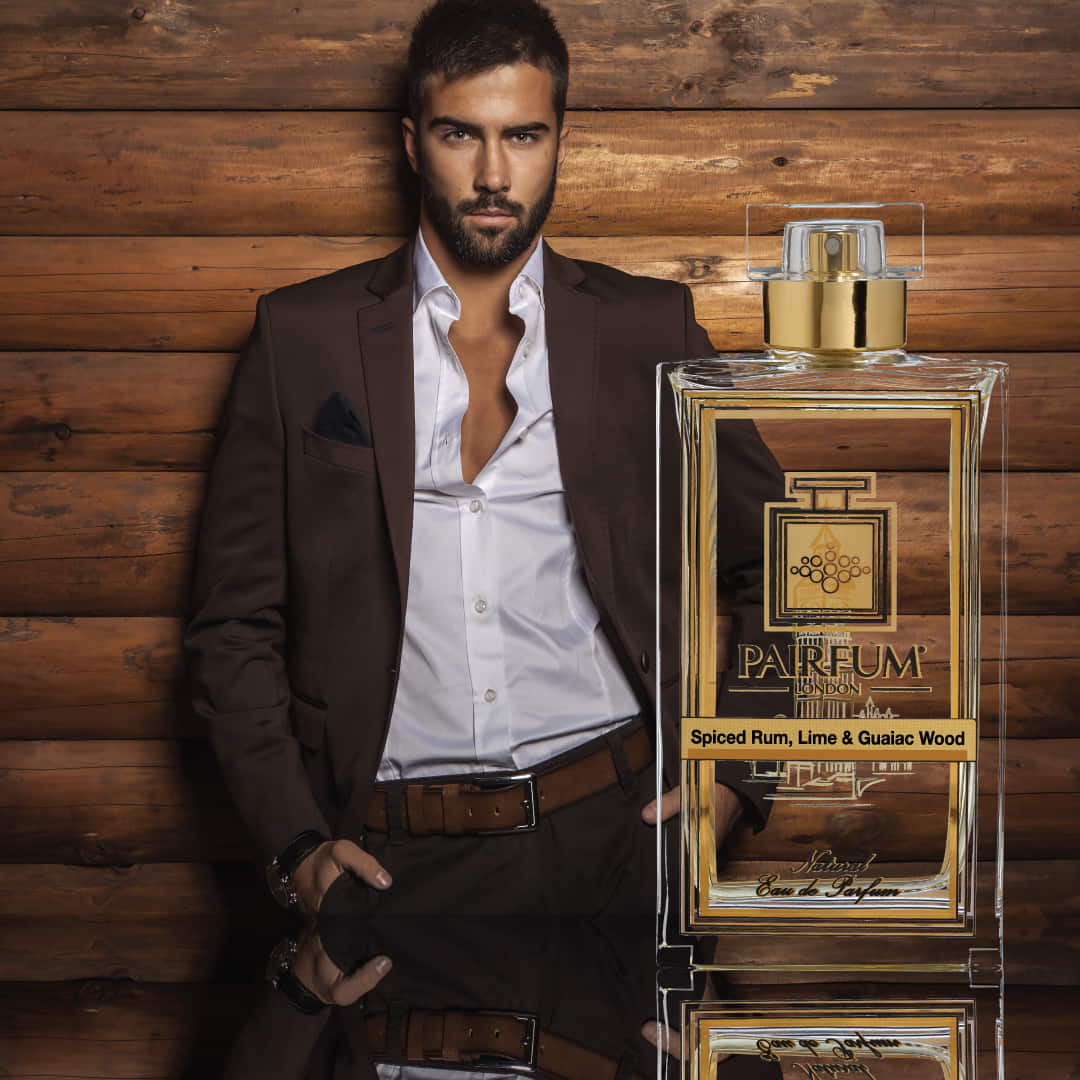
Spiced Rum, Lime & Guaiac Wood – Eau de Parfum by Pairfum London

This accord opens with the rich aroma of rum, accented by hints of lime and lemon, and a vibrant blend of nutmeg and pepper. The heart unfolds into a deep, opulent mix of tuberose, iris, and vintage leather. A base of guaiac wood, cedarwood, golden amber, vanilla pod, and musk completes this refined and luxurious fragrance.

Mandarin Blossom & Sandalwood – Eau de Parfum by Pairfum London

An elegant, feminine floral chypre accord opens with the fresh notes of mandarin blossom, apricot, and white hyacinth. Its romantic heart reveals a delicate bouquet of sweet pea, jasmine, and ylang ylang, while a base of sandalwood, patchouli, amber, and musk leaves a soft, magnetic trail.
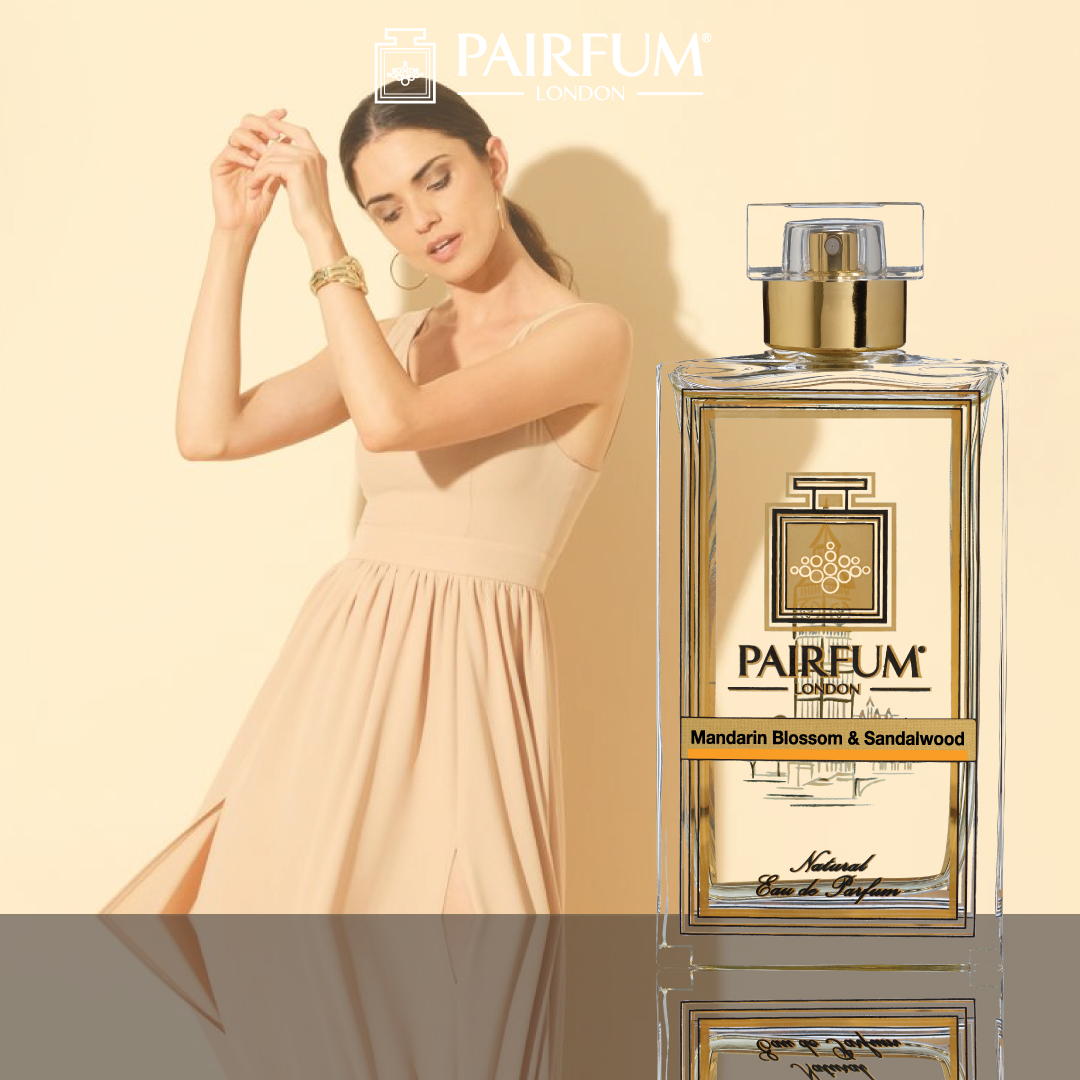
Pairfum Eau de Parfum Person Reflection Mandarin Blossom Sandalwood Woman Dance 1 1

Lasting Warmth, Lasting Impression

Rich wood speaks to quiet elegance. Whether it is the creamy softness of sandalwood or the smoky depth of guaiacwood, these ingredients ground a perfume in something solid and timeless. They have been used since ancient days, and they are still part of the most refined compositions today.

As winter draws closer, woody notes feel more natural with each passing day. Something about them matches the stillness outside and the warmth we seek inside. It is no surprise that as the temperature drops, we reach for these familiar perfumes again: deep woods that seem to know the season almost as well as we do.
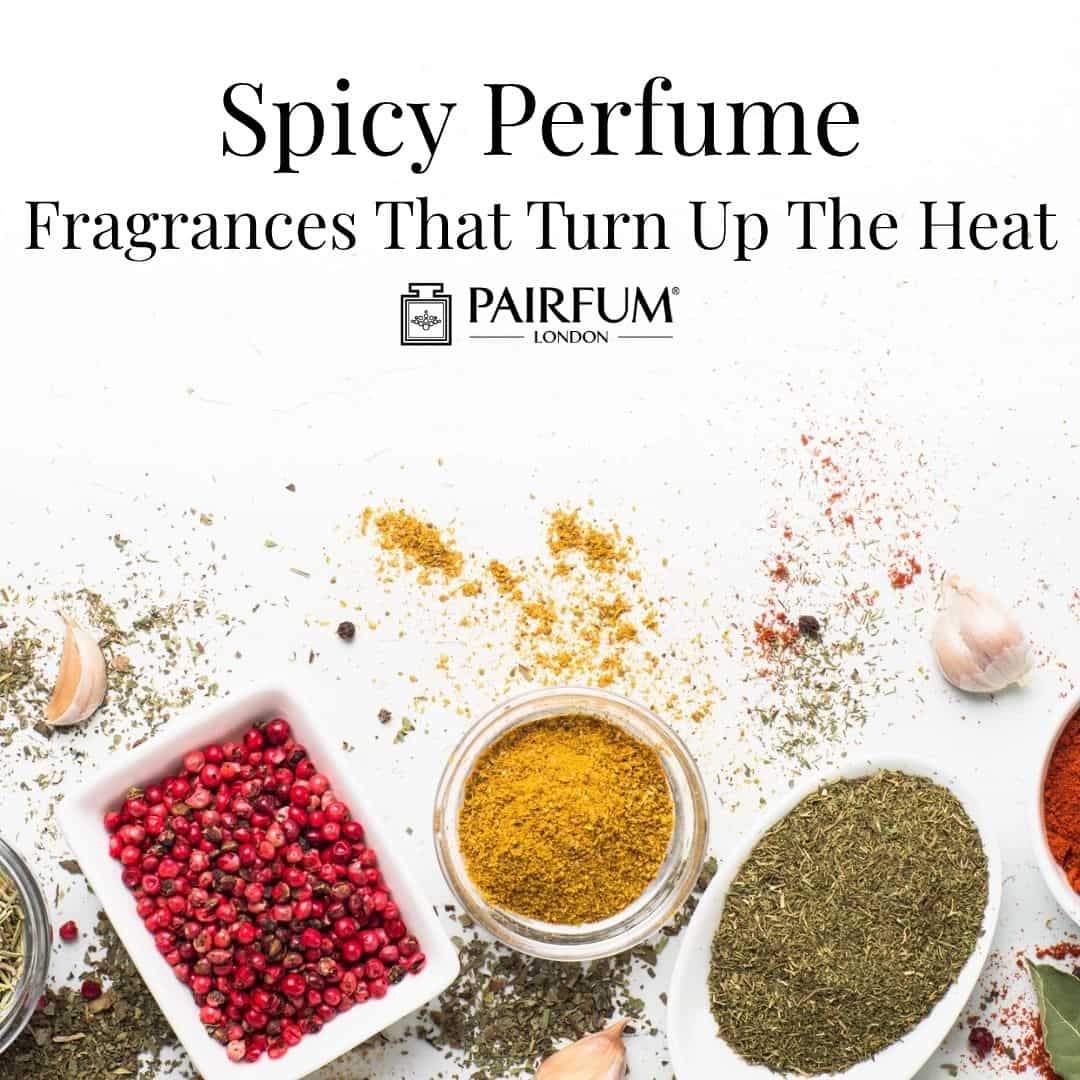
Spicy Perfume

Spicy Perfume: Fragrances That Turn Up The Heat

Spicy perfume truly comes into its own now that April has arrived and the lingering winter chill finally begins to lift. We want something that offers warmth on those biting-cool evenings without feeling cloying or heavy when the afternoon sun breaks through. This is where a spicy perfume truly comes into its own. These compositions strike a brilliant balance, providing a glowing heat that feels incredibly comfortable as the seasons shift.

Rather than the dense, almost suffocating weight of a traditional winter blend, spicy perfumes offer a certain grounded energy. They skip the sharp, screechy edges of summer scents while providing a much-needed depth that adapts to your environment. Depending on how they are built, some of these fragrances bring a bright, effervescent spark to your day, while others are all about a soothing, quiet calm. It is this inherent versatility that makes them so reliable; they help us move into spring one warm note at a time.

From Kitchen to Cologne: Spice as a Perfume Note

There is something undeniably magnetic about using spices in perfume. These notes tap into our most primal memories of comfort, often tied to the aromas we encounter in the culinary world. Once a perfumer distils these kitchen staples into high-grade oils, they cease to be simple seasonings and become the very soul of a fragrance. For an interested reader, it is worth noting that these ingredients provide a level of character and relief that florals or woods alone often struggle to achieve.

Take cinnamon as a prime example. It lends a sweet heat to a blend that feels approachable yet sophisticated. It is a classic for a reason, especially when you want to add gourmand depth. On the other end of the scale, you have black pepper. This brings a dry, bracing heat to a scent, offering a pungent sensation that effectively slices through heavier base notes to keep everything in focus. Cardamom is perhaps the most intriguing, often categorised as a “cold” spice due to its green, resinous, and almost eucalyptus-like facets.

Deep, grounding notes like clove are often used to anchor more delicate florals, providing a nostalgic quality thanks to a high eugenol content. Then there is saffron, which contributes a golden, slightly leathery aroma that bridges the gap between floral and woody accords beautifully. These elements are rarely flying solo; they are artfully woven together with florals, resins, and amber. This meticulous blending ensures the spicy elements provide warmth without ever becoming a distraction. Every spice brings a different personality to the table, and finding the right mix is what makes spicy perfumes such a rewarding category to explore.

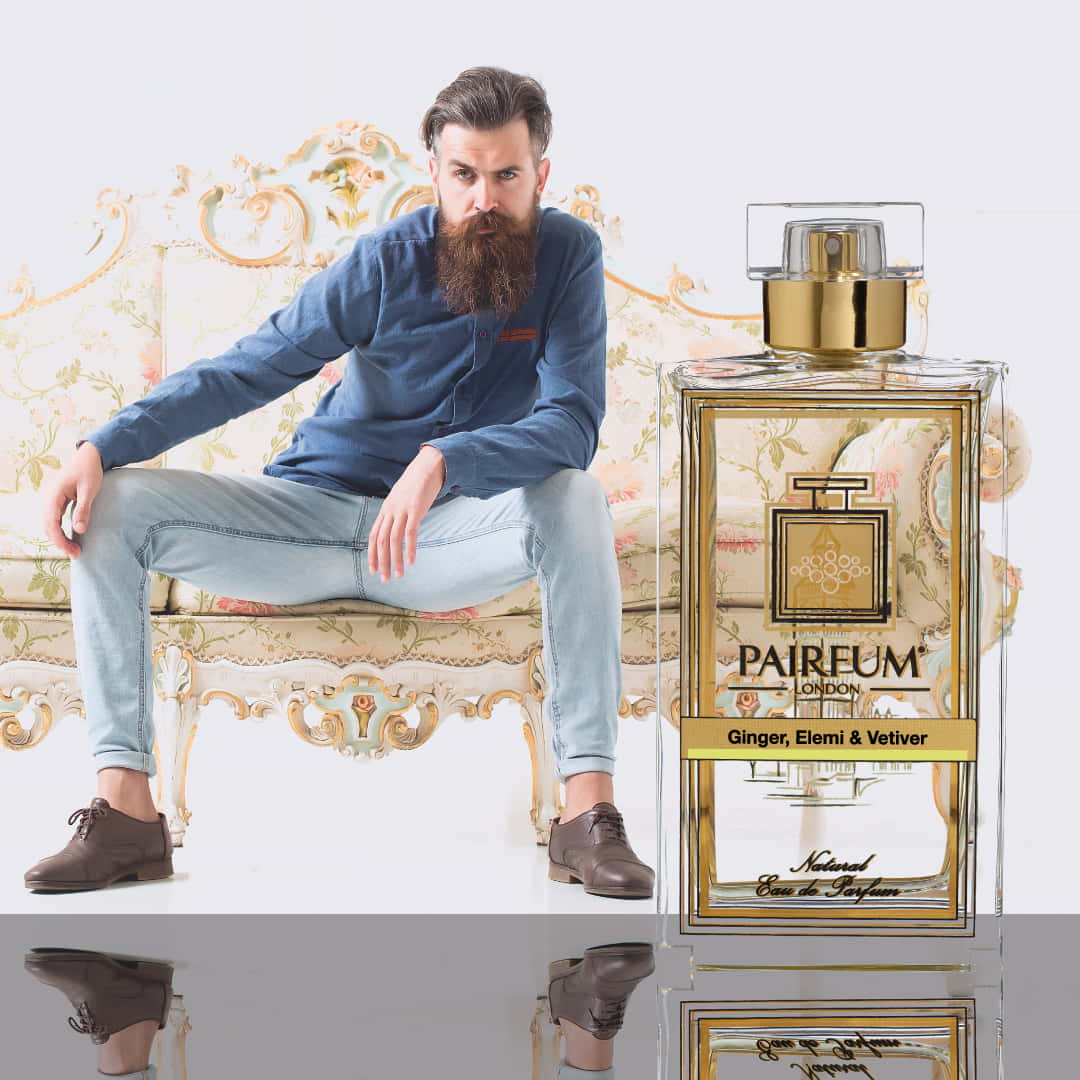
Eau de Parfum Person Reflection Ginger Elemi Vetiver Man Settee 1 1

The Science of Scent: Fresh vs Warm Spices

If you want to understand the “why” behind a spicy perfume, you have to look at how notes are grouped by their weight and how fast they evaporate. In the industry, we generally split spicy perfumes into two camps: fresh spices and warm spices.

Fresh spices, like pink pepper, ginger, and coriander, usually take the lead as top notes. They are there to give the fragrance an immediate sense of vibrancy and lift. Because these molecules are quite volatile, they hit your nose fast and fade just as quickly, leaving behind a trail of pure energy.

On the flip side, warm spices such as cinnamon, nutmeg, and cloves are the marathon runners. They develop much later, usually sitting in the heart or base of the perfume. These warm notes are far denser, clinging to the skin for hours on end. They create that slow-burning, smouldering effect that is so synonymous with an eau de parfum designed for evening wear. This specific scent profile is exactly what you should look for if you want a fragrance that starts with a bang but ends in a soft, lingering embrace.

Spicy Perfumes That Feel Light Enough for Spring

It is a total myth that a spicy perfume has to be “heavy.” Plenty are surprisingly airy and clean, making them perfect for the unpredictable British spring. The specific spice used is what dictates the “weight” of the scent:

  • Pink pepper: This is fresh with rosy edges. It is actually harvested from the Baies Rose tree, which is why it feels so delicate and floral rather than aggressive.
  • Ginger: This note is wonderfully zippy and dry. It provides a sparkle that almost mimics the bubbly feel of citrus.
  • Nutmeg: While often associated with winter baking, it actually wears brilliantly in the spring when paired with floral notes, adding a dusty, sophisticated sweetness.

When these are married to soft musk or green tea, the spicy notes keep their energy without feeling like a thick woollen blanket. They are the ideal choice for those April days that start with a frost but end in sunshine. The transition is the best part; a high-quality eau de parfum might open with a sharp pop of bergamot or pink peppercorn before slowly mellowing into something soft and reliable.

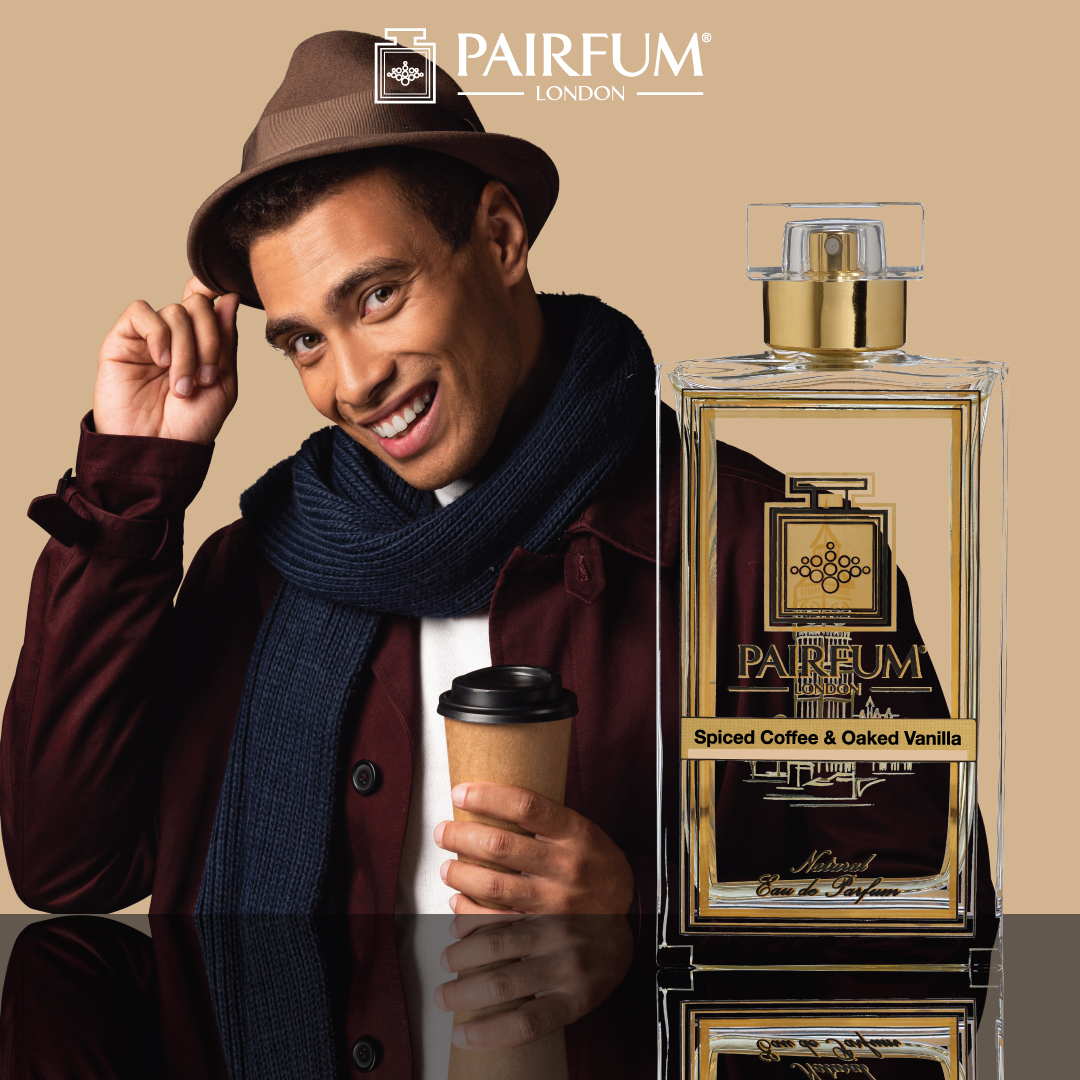
Pairfum Person Reflection Spiced Coffee Oaked Vanilla Eau de Parfum

Defining the Spicy Fragrance Family

When you are on the hunt for the best spicy perfume, it helps to know the “neighbourhoods” of the fragrance family. Most of these scents live in the oriental or woody categories, but the spicy floral has become a modern standout. This sub-group uses the sweetness of jasmine or a broader floral fragrance to take the edge off the bite of black pepper.

Whether your taste leans toward a spicy scent that feels like a dessert—think vanilla and tonka bean—or something more “down to earth” with patchouli, the result is always deeply evocative. Adding warm spices like cinnamon or nutmeg introduces a layer of sensuality that is incredibly hard to replicate. For many enthusiasts, a spicy blend eventually becomes a signature scent simply because of the unique way it reacts to the natural heat of your skin.

How Spicy Notes Add a Touch of Boldness

There is a quiet, understated confidence in a spicy perfume. It doesn’t need to shout to get noticed. In scents marketed towards men, you will often see spices paired with leather or tobacco to create a lingering essence. In feminine compositions, those spicy hits are usually balanced by fruity accords, creamy vanilla, or the white-floral hit of jasmine.

Modern perfumery is increasingly moving away from gendered labels, focusing instead on unisex blends that mix pepper with citrus for a punchy, balanced effect. If you are just starting out, try a moderate strength eau de parfum. Look for a mix of pepper or cardamom and a note you already know you love. You will likely be surprised by how wearable these blends become as they settle and evolve throughout your day.

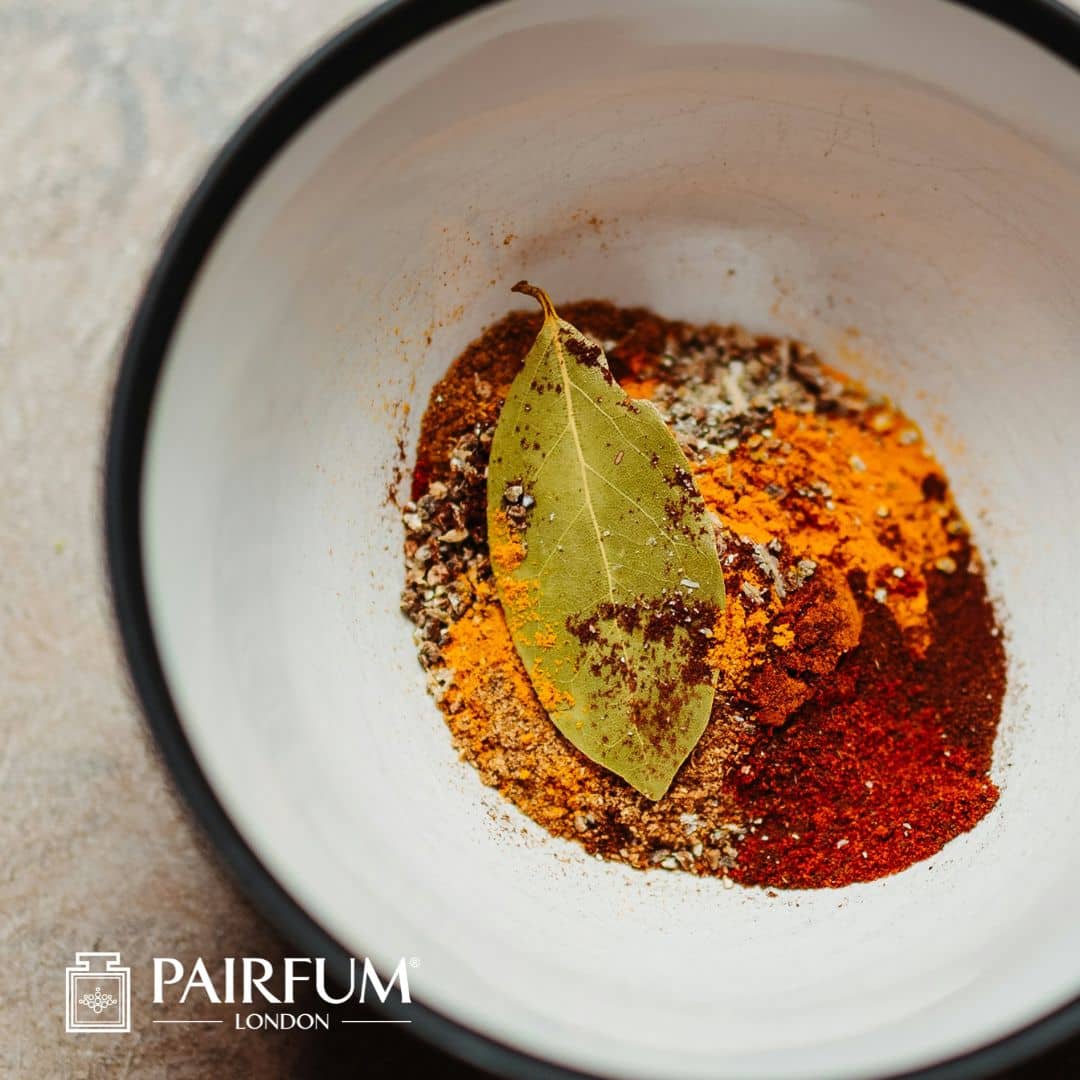
Spicy Perfume Ingredients In A Bowl

What Natural and Niche Perfumery Gets Right About Spice

In a niche perfume house, spices are typically handled with a much more delicate touch. By prioritising real spice oils, the scent is allowed to glow quietly on the skin rather than barking at everyone in the room. This texture is the real draw; natural oils have a way of warming up and unfolding gradually.

Independent brands like Essential Parfum, Maison Margiela, or Jo Malone are famous for pairing spices with very unexpected partners. You might find cardamom resting against a backdrop of incense, or clove matched with the powdery elegance of iris. By using a base of bourbon vanilla or a rich warm amber, a perfumer can transform a simple spicy idea into a masterpiece suitable for evening wear.

Playing with Warmth: When and How to Wear It

April in London is never straightforward. One minute it is pouring, the next you are reaching for sunglasses. This is exactly why spicy perfumes are so effective right now. They are built for the “in-between.” Try wearing your spicy blends during:

  • Chilly early morning walks when you need a bit of spicy warmth to get moving.
  • Grey, overcast afternoons when those warm notes provide a sense of comfort.
  • Nights out when a bit of soft heat on the skin feels just right.

Keep in mind that spicy perfumes are a journey. They usually start quite sharp before they start to mellow out. That initial zing of ginger or pepper eventually settles into the comforting embrace of vanilla or amber. Where you apply it matters, too. Try the inside of your elbows or even a light spritz on a scarf for a much slower, more intimate release of the fragrance. If you want your eau de parfum to really go the distance, apply a neutral lotion first to give the spicy molecules something to grip onto.

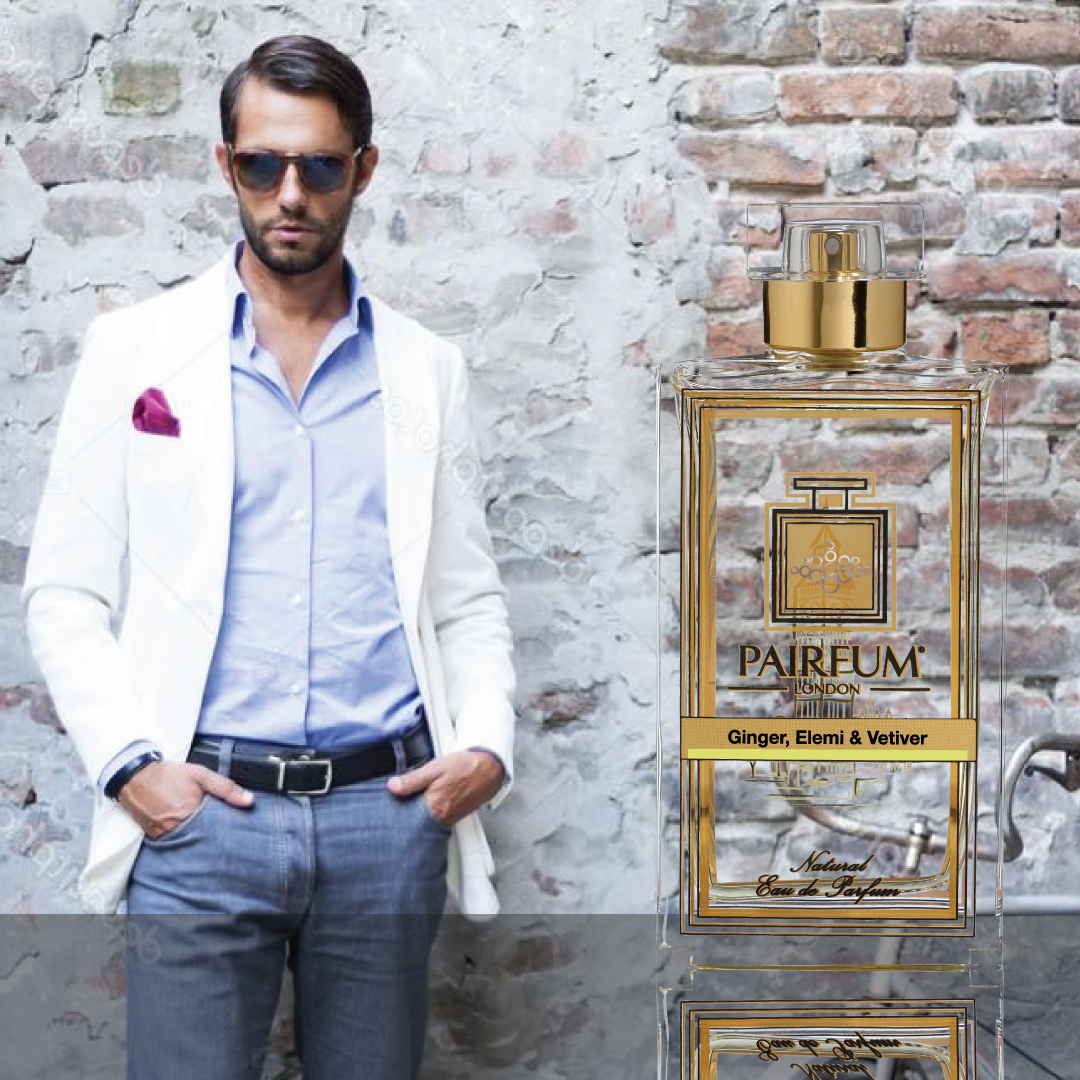
Eau De Parfum Person Reflection Ginger Elemi Vetiver Man Bike 1 1

Spicy Perfume by Pairfum London

Ginger, Elemi & Vetiver – Eau de Parfum by Pairfum London

This blend offers a striking fusion of sharp zest and deep heat. It opens with bergamot, grapefruit, and a touch of lavender, invigorated by ginger, elemi, nutmeg, and cinnamon. The heart reveals a floral harmony of rose, jasmine, and orange blossom, enriched by fruity hints of coconut and raspberry. Finally, a robust base of cedar, amber, musk, and vanilla ensures the fragrance settles with a smooth, woody warmth.

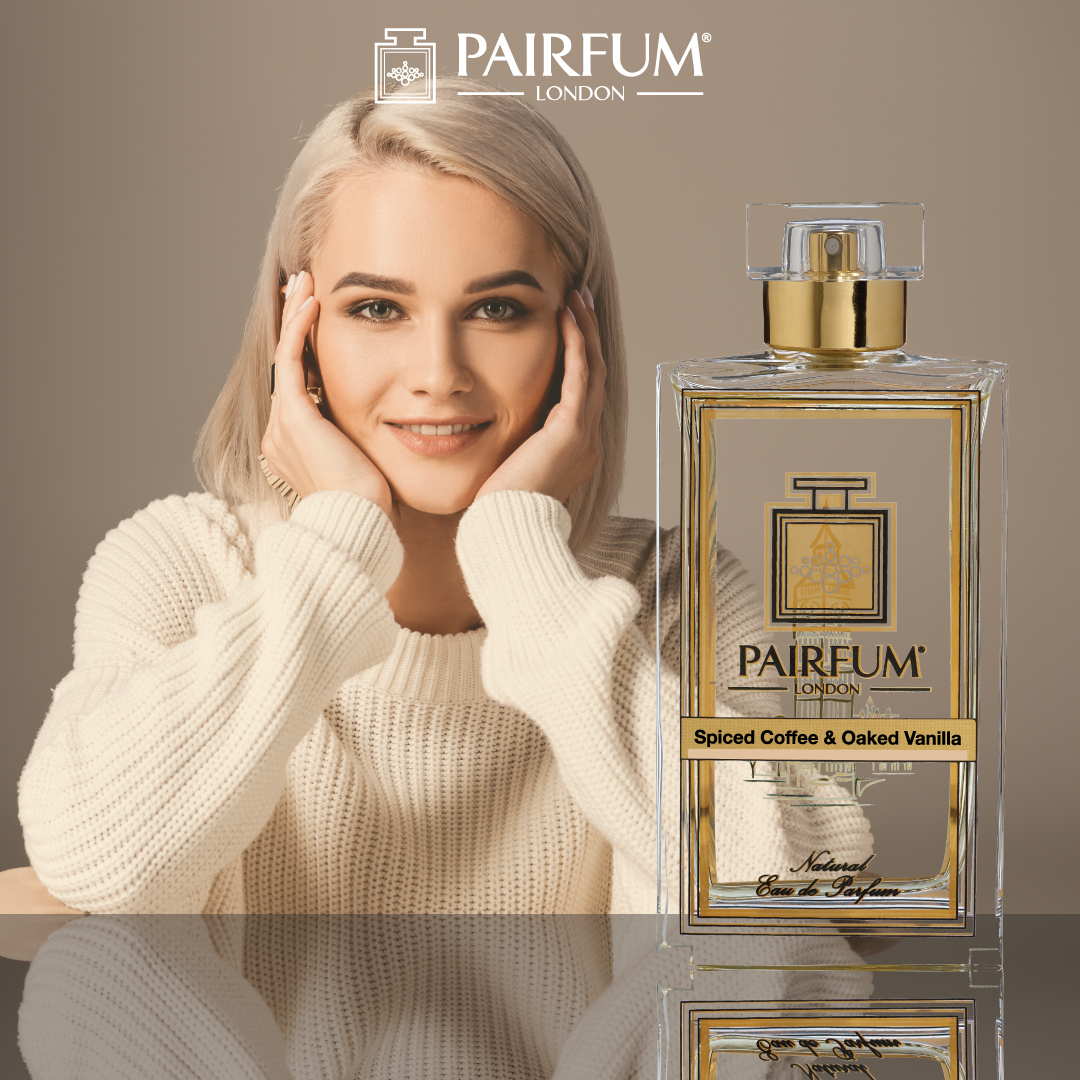
Spiced Coffee & Oaked Vanilla – Eau de Parfum by Pairfum London

A rich spicy fragrance that leads with a vibrant spark of pink pepper, orange blossom, and crisp pear. The heart reveals a modern, bold blend of dark coffee balanced by the elegance of jasmine. It settles into a sophisticated eau de parfum finish, featuring vanilla, patchouli, and cedar for a smooth, woody warmth that lingers on the skin.

Fragrant Heat That Lingers in Memory

At its heart, a spicy perfume is about a warmth that stays close. It isn’t about being showy; it is about a steady, glowing presence that follows you through the day. As we move into longer days, that sense of comfort remains vital. Whether it is the ginger in your morning routine or the black pepper in your evening scent, these choices carry a quiet, internal strength.

A well-rounded spicy blend featuring patchouli, musk, and cinnamon is almost guaranteed to leave a lasting impression. These fragrances don’t just sizzle and vanish; they soften and change. The way a scent moves from a bright pepper opening to a warm amber and vanilla finish is what makes this fragrance profile so addictive. By looking for blends that incorporate pink pepper, amber, and citrus, you can keep the feeling vibrant and fresh. When you add bergamot for a bit of sunshine or tonka bean for a touch of luxury, you get a scent that reveals itself slowly. Ultimately, it is that unmistakable spicy spark that keeps us coming back.

Pairfum Person Reflection Spiced Coffee Oaked Vanilla Eau de Parfum Woman

Smoky Perfume

Smoky Perfumes: Ember-Warmed Scents with Noir Allure

There is something about smoky perfume that is hard to pin down. Not dramatic, not fleeting either. They tend to sit somewhere in between, quietly present. On cooler spring days, when the air still carries a trace of winter, that kind of scent feels right.

Most people reach for something light at this time of year. Freshness, citrus, soft florals. Yet smoky perfumes move in another direction. They bring warmth, but not in a heavy way. More like a gentle trace of smoke in the background. In the fragrance world, this shift has been noticeable. More fragrance lovers are exploring these deeper styles of perfume, not just in winter but throughout the year.

A smoky perfume does not always announce itself. Often, it lingers close to the skin, revealing itself slowly.

The Roots of Smoke in Perfumery

Smoke has always been part of scent, long before modern perfume. Burning woods and resins were once part of daily life. Not only for ritual, but also for comfort and atmosphere. That memory still seems to carry through into smoky perfumes today. Certain materials create that effect almost instinctively. Birch tar, for example, gives a dry leather tone. It feels textured, almost tangible. Resins such as incense bring something softer, more rounded. Woods supports everything underneath.

Smoke on its own would be too sharp. That is where balance comes in. Amber and vanilla are often used to soften the edges. They introduce warmth without turning the fragrance overly sweet. In some cases, the result becomes an oriental woody fragrance, or even an oriental woody smoky fragrance with a rich, bold oriental character. You will often find oriental notes and oriental resins woven through these blends. They help build depth and give the scent a sense of continuity. Incense adds a reflective quality. Not overpowering, just present enough to shift the mood.

This is where authenticity starts to matter. A well-composed fragrance does not feel forced. It settles naturally.

Pairfum Fragrance Spiced Rum Lime Guaiac Wood Triangle

Layered Like Ash and Air: What Smoky Smells Like

Trying to describe a smoky scent can feel slightly frustrating. It rarely smells like one thing alone.

At times, it leans towards leather. Dry, worn, familiar. In other blends, it feels closer to burnt sugar or even warm wood. That variation is what makes smoky perfumes so interesting. There are common patterns, though. Many smoky scents combine spice, florals, and woods. Orange blossom can appear, adding a light touch. Sandalwood and vetiver often sit underneath, steady and grounding.

Tobacco plays a noticeable role in many smoky perfumes. Sometimes it is deep and slightly bitter, like tobacco leaf. Sometimes softer, as with white tobacco. Leather is also frequent, giving the fragrance structure and a certain understated sophistication.

A smoky scent may open with a hint of freshness. Something light, almost unexpected. Then the smoke begins to emerge. Gradually, not all at once. As it settles, you will usually notice amber, vanilla, and sometimes musk. These base notes are what carry the scent forward. They help create that lasting impression people often associate with a well-made perfume. Fragrance oils and smoky accords are part of this process. They help everything blend so the transitions feel smooth.

Who Wears It Best: Smoky Perfumes for All

There is a common assumption that smoky perfumes are difficult or overly bold. In reality, they vary quite a lot.

Some are dry and quiet, built around vetiver or sandalwood. Others lean warmer, where amber and vanilla soften the edges. The difference can be subtle, but it changes how the fragrance feels.

That is why smoky perfumes tend to suit a wide range of people. Many are unisex. They do not sit neatly into categories. Instead, they adapt.

For someone new to smoky scents, it often makes sense to start lightly. A fragrance where the smoke sits in the background rather than at the centre. Over time, preferences tend to shift. Stronger smoky notes, more leather, more tobacco. It becomes easier to recognise what feels comfortable.

There is no single way a smoky perfume should feel. That flexibility is part of the appeal.

Eau de Parfum Person Reflection Spiced Rum Lime Guaiac Wood 1 1

Iconic and Modern: Well-Loved Perfumes That Lean into the Smoke

Some smoky perfumes have become widely recognised because they capture a certain mood so clearly. Maison Margiela is one example often mentioned when people talk about this style.

There has also been a shift towards more experimental blends. Perfumers are combining smoke with unexpected elements. Vanilla appears frequently, adding softness. Orange blossom sometimes brings a subtle lift.

Many best sellers follow a similar structure. Amber for warmth, leather for depth, tobacco for dryness. Vetiver often supports the base, helping the fragrance last longer.

What stands out is not just the scent itself, but the atmosphere it creates. A smoky fragrance can feel calm, reflective, even slightly distant. It does not need to be loud to be noticed.

The Role of Ingredients: Building a Smoky Profile

Looking at the ingredients individually helps explain the overall effect.

Birch tar brings that recognisable smoky leather note. Incense adds a resinous layer that can feel almost meditative. Amber introduces warmth, while vanilla softens everything around it.

Tobacco and tobacco leaf give depth. Musk supports the structure quietly in the background.

In richer compositions, oriental notes and oriental resins are added to reinforce the overall character. These elements help create a smooth progression from top to ‘base’.

A well-balanced smoky fragrance does not feel like separate parts. It feels continuous.

Smoky Fragrance

Authenticity and Choosing the Right Perfume

When choosing a smoky perfume, authenticity is worth paying attention to. Counterfeit items are more common than many realise, and they rarely reflect the intended scent.

Looking for authentic products is a simple way to avoid this. Original packaging is often a good sign, along with a clear authenticity guarantee. Many retailers now highlight that they offer 100 genuine perfumes.

It is also helpful to understand the fragrance type you are drawn to. Some smoky perfumes lean towards an oriental woody fragrance, while others focus more on leather or tobacco.

Trying a few different options usually makes things clearer.

The Art of Balance: Finding Your Own Ember-Soft Fragrance with Pairfum London

A smoky perfume does not always reveal itself immediately. It often takes time.

Wearing it on a cooler day can make a difference. The warmth develops more naturally. Applying lightly at first also helps. It gives space to notice how the scent changes.

Many smoky perfumes shift quite a bit from the first spray to the dry down. What begins as dry or slightly sharp often softens into amber, vanilla, and a touch of musk.

There is no strict method here. Some people experiment with layering. Others simply observe how the fragrance behaves over time.

Gradually, patterns start to appear. Certain smoky scents will feel more natural than others.

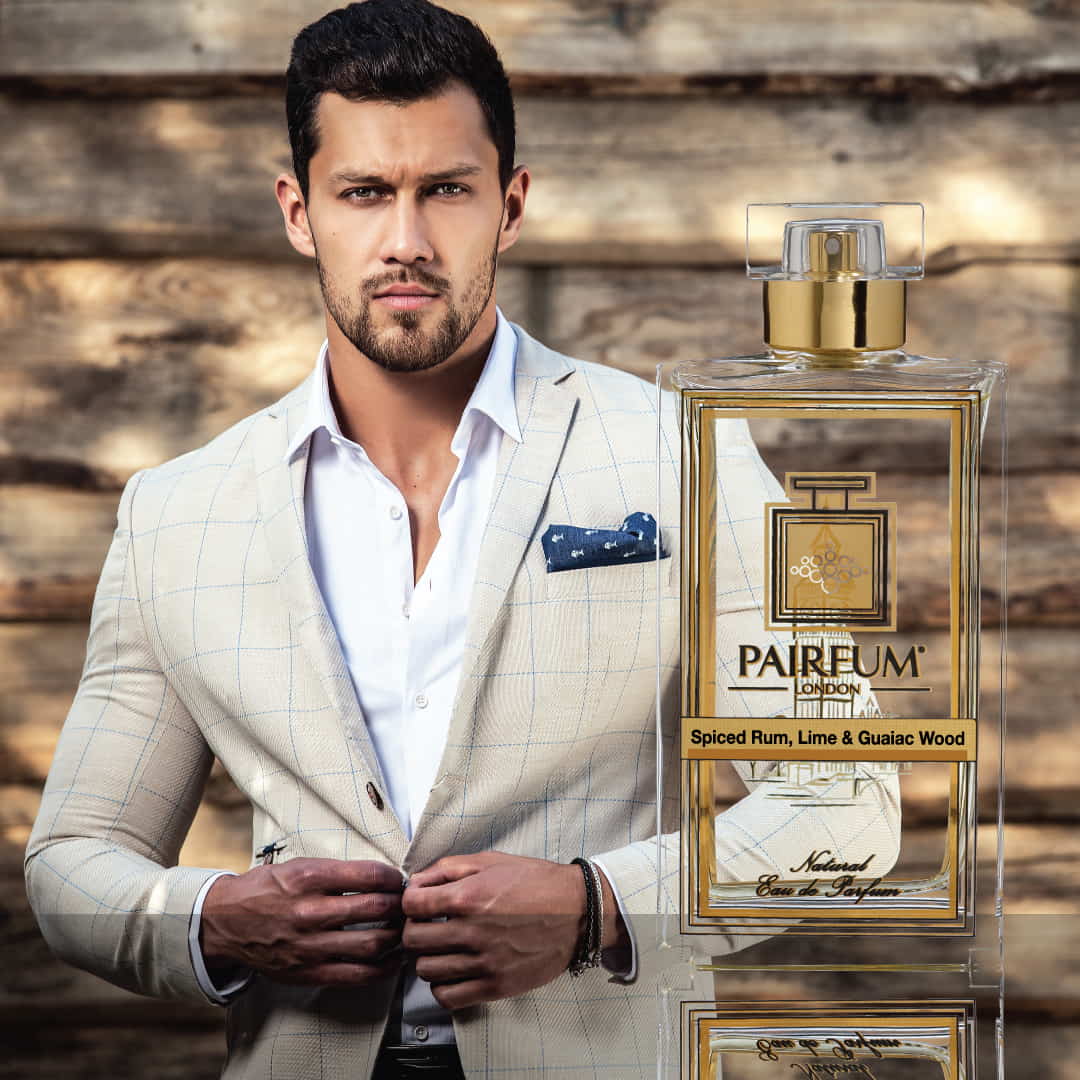
Spiced Rum, Lime & Guaiac Wood – Eau de Parfum by Pairfum London

This connoisseur’s blend begins with a spirited burst of rum, lifted by bright citrus accents of lime and lemon and the vibrant warmth of nutmeg and pepper. 

At its heart, the fragrance deepens into a sophisticated core of tuberose, iris, and vintage leather. 

Finally, a base of guaiac wood, cedarwood, golden amber, vanilla pod, and musk rounds out the composition for a truly luxurious finish.

Eau de Parfum Person Reflection Spiced Rum Lime Guaic Wood Man Jacket 1 1

A Warm Glow That Lasts

Smoky perfumes do not follow the usual path of spring fragrance. They are quieter, more grounded.

A well-made smoky perfume stays close. Notes of leather, tobacco, amber, and vanilla appear slowly. The overall effect is subtle but steady, often leaving a lasting impression.

For many fragrance lovers, that is exactly the point. These scents are not about standing out immediately. They are about depth, warmth, and a certain sense of timeless elegance.

They do not disappear quickly either. The trace of smoke tends to linger, soft but present.

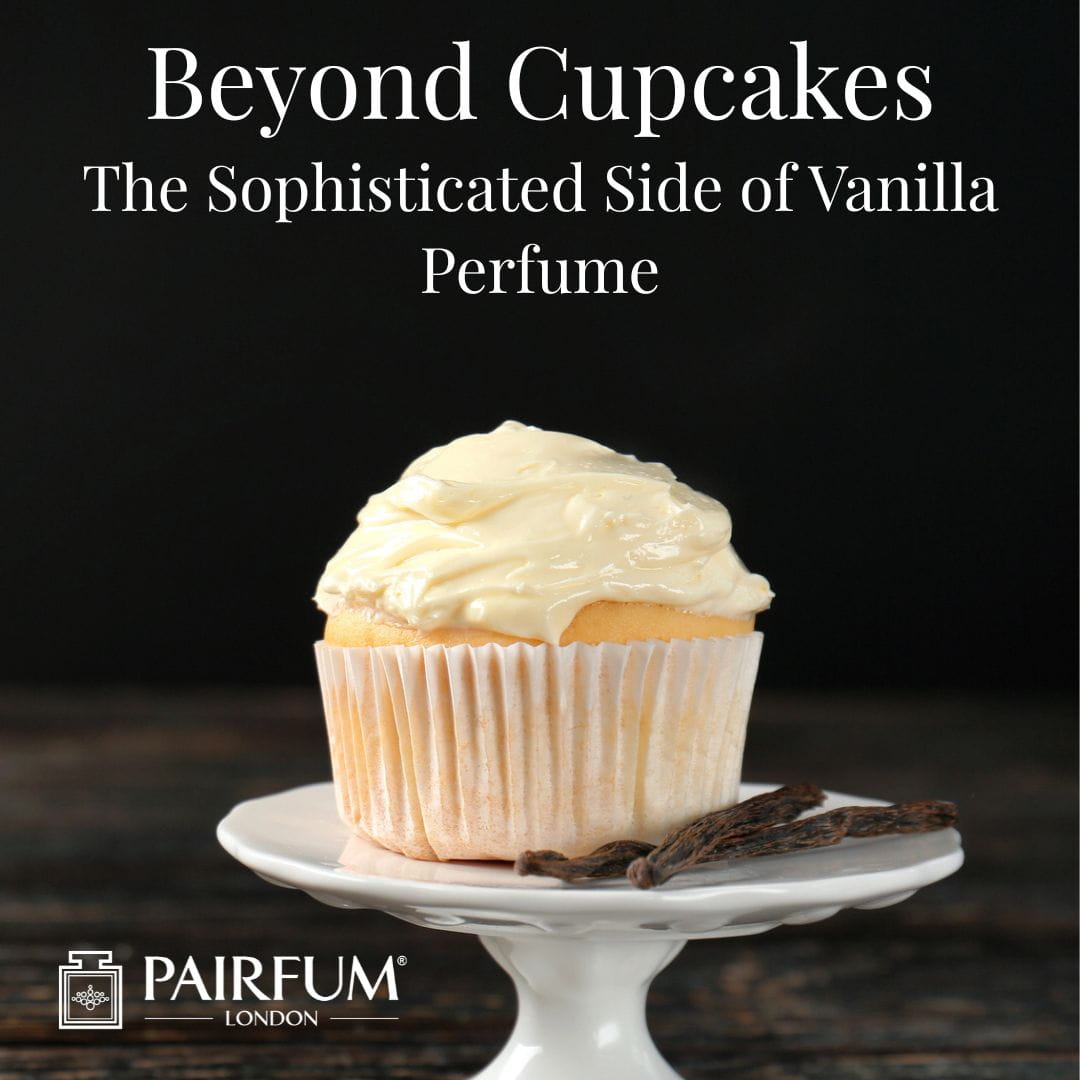
Vanilla Perfume Beyond Cup Cakes

Beyond Cupcakes: The Sophisticated Side of Vanilla Perfume

When most people think of vanilla perfume, they picture something sugary and soft, maybe even a bit childlike. Cupcakes, milkshakes and sweet sprays from teen years come to mind. But vanilla is far from simple. When used with intention, it becomes rich, smooth and quietly elegant.

In niche and natural perfumes, vanilla is rarely just background sweetness. It is often the heart of the bouquet, adding warmth and polish without ever trying too hard. For spring, when the weather softens and light layers return, vanilla perfume feels right at home. Its calm, steady aura encourages a gentle shift toward ease and comfort. Let us take a closer look at how vanilla became one of the most loved ingredients in perfumery.

The Origins of Vanilla in Perfumery

The story of this fragrance starts long before it ended up in perfume bottles. The vanilla orchid is native to parts of Central America, where ancient civilisations used it in rituals and food. Spanish explorers brought vanilla pods back to Europe in the 1500s, but it took much longer for the ingredient to show up in perfumery.

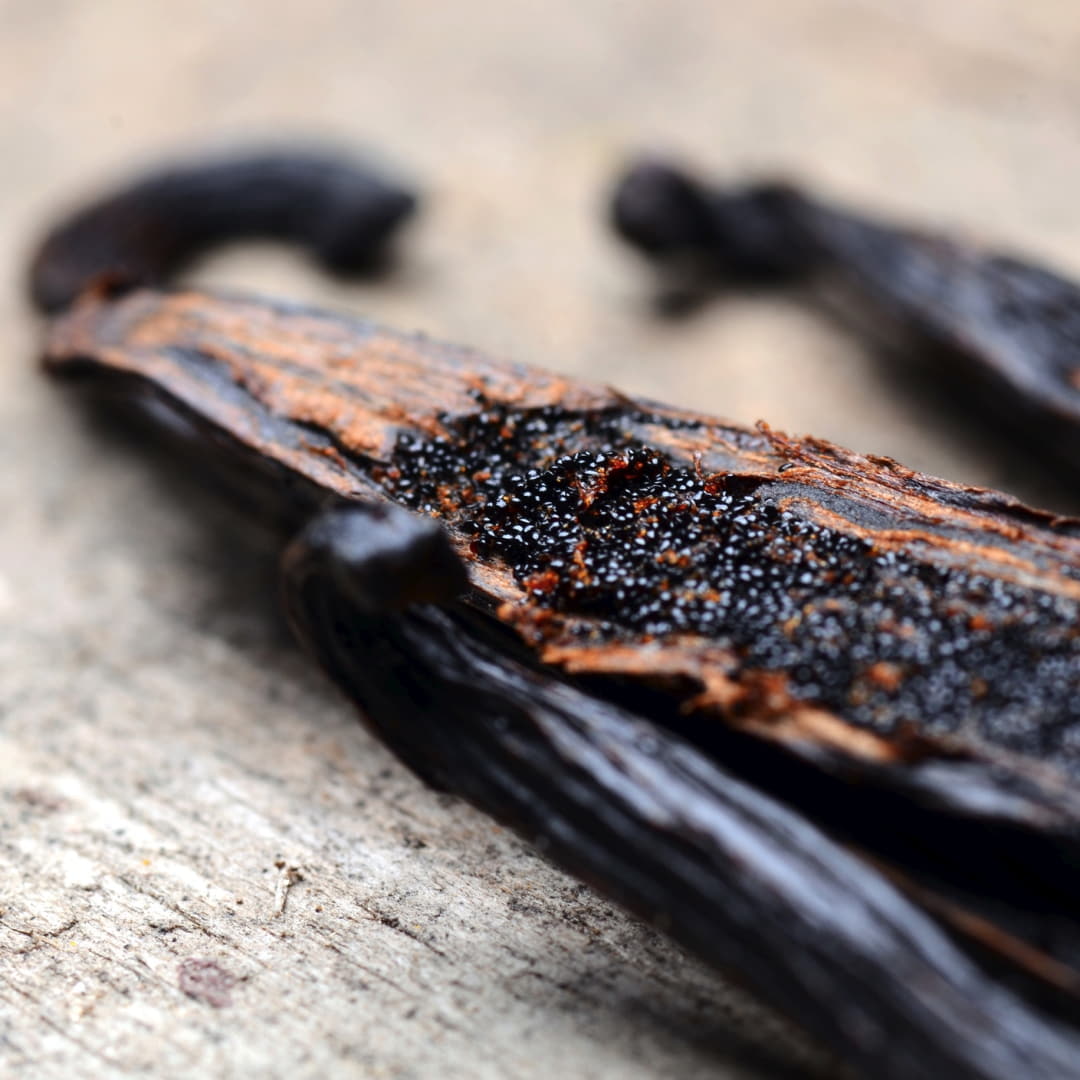
It was not until techniques were developed to extract the rich oils from dried pods that perfumers began to see its value. The process is time-consuming and delicate. First, the vanilla orchid must be hand-pollinated and then the vanilla bean pods picked at just the right time. They are then sun-dried and cured for weeks or months to develop their earthy, roasted aroma.

Once each vanilla pod is ready, the inner seeds and surrounding material become key ingredients for natural perfume oils. The transformation from green plant to deep, amber-like perfume oil is part of what gives vanilla its mystique. Today, we still value the traditional process of hand-curing and slow extraction, ensuring that each natural vanilla note feels complex and soulful.

Pairfum Person Reflection Spiced Coffee Oaked Vanilla Eau de Parfum Woman

Types of Vanilla Used in Fragrance Creation

Not all vanilla smells the same. It depends on where it is grown, how it is handled, and what part of the plant is used. Some of the best-known kinds include:

  • Madagascar vanilla: A creamy, warm profile that feels full and rounded.
  • Tahitian vanilla: Tends to be more floral and soft.
  • Mexican vanilla: Carries a slight spice with a bold edge that lingers.
  • Bourbon vanilla: Offers a dark, intense depth often found in a gourmand vanilla blend.

Perfumers often choose between natural vanilla and synthetic vanilla compounds like vanillin. While natural vanilla offers more depth and subtlety, synthetics can help support large production or balance other perfume notes without overpowering them.

Vanilla as a Base Note: Balance and Warmth

In vanilla perfumes, the ingredient tends to sit at the base of a fragrance. That means it anchors the lighter notes and gives the whole bouquet lasting power. It softens the sharper top notes and adds body to the middle florals or spices.

We often think of vanilla as sweet, but in perfume it is much more than that. It can feel woody, creamy or balsamic depending on how it is blended. That is part of why it works so well for both feminine and masculine styles. It plays nicely with lavender or rose, but it can just as easily support leather, smoke or tobacco.

A vanilla base often leaves a gentle trace in the air. People may not always recognise it right away, but they will sense something rich and calming. It gives that just-right feeling without needing to shine too brightly.

Pairfum Eau de Parfum Person Reflection Spiced Coffee Oaked Vanilla Man Smile 1 1

Famous Perfumes That Feature Vanilla With Sophistication

Some of the most iconic vanilla perfumes include this ingredient in a way that is not loud or sugary. These are blends that use vanilla to bring balance, round out rough edges, or add mood without stealing the show.

You will often find vanilla working under jasmine, patchouli or ylang-ylang, supporting the complexity of the bouquet while grounding it. Popular examples that have shaped the market include Burberry Goddess, which uses a trio of vanillas, or the deep 7 Virtues Vanilla Woods. For those who prefer a gourmand edge, Kayali Vanilla 28 is a staple, while Tobacco Vanille by Tom Ford shows the darker side of the scent.

Even in the celebrity world, the Ariana Grande Cloud fragrance uses vanilla to create a cult favourite scent. Meanwhile, DS&Durga Deep Dark Vanilla offers a more smoky, niche perspective. These are vanilla perfumes where the ingredient does not shout; it comes through smooth and steady.

Decoding the Vanilla Scent Profile

To find the best vanilla perfume, one must understand the layers. A vanilla fragrance is rarely a solo act. It is a fragrance note that plays well with others to create a specific floral scent or a spicy gourmand experience:

  • Pink Pepper: Adds a rosy, bright sparkle to the top.
  • Black Pepper: Provides a dry, woody heat.
  • Orange Blossom: Creates a fresh, honeyed floral opening.
  • Tonka Bean: Enhances the almond-like sweetness.
  • Creamy Sandalwood: Deepens the vanilla into a woody scent.
  • Creamy Musk: Softens the edges for a “second skin” feel.

When these are combined with warm spices, the vanilla takes on an exotic elegance. If you are looking for the best fresh vanilla perfume, look for blends featuring delicate florals or citrus that prevent the vanilla from becoming too heavy.

The Rise of the Anti-Vanilla and Skin Scents

Modern trends have shifted toward the anti-vanilla movement. This involves moving away from literal food-like aromas in favour of abstract and earthy interpretations. Expert beauty publications highlight how notes like sea salt, cypress root, and incense are being used to strip away the sugary coating of traditional vanilla.

This approach has led to the popularity of vanilla skin scents. These are minimalist fragrances designed to sit close to the wearer, acting as an olfactory enhancement rather than a heavy mask. By blending sheer vanilla with molecules like Iso E Super or white amber, perfumers create an aura that feels like clean skin warmed by the sun. It is a sophisticated way to wear a gourmand note without it feeling intrusive.

Vanilla Pod Wood 1 1

When and How to Wear a Vanilla Perfume

Spring is a great time to lean into vanilla perfumes, especially those with lighter blends. As the air warms, a creamy vanilla feels natural.

There are a few ways to wear this scent:

  • Body Spray and Hair: For a subtle aura, a vanilla-themed body spray can be misted through the hair. Because hair holds fragrance well, you will get compliments all day.
  • Layering: Use a vanilla-focused perfume over a woodier scent to add warmth. This is a technique often used by connoisseurs to give their signature scent more depth.
  • Skin Focus: Applying to vanilla skin (warm pulse points) allows the vanilla to bloom. Ensure skin is moisturised beforehand, as hydrated skin holds onto the sticky molecules of a vanilla base much more effectively.

Enjoy Vanilla Perfume with Pairfum London

To experience this modern sophistication first-hand, our Spiced Coffee and Oaked Vanilla Eau de Parfum offers the perfect balance of warmth and depth. It is an ideal choice for those looking to move beyond simple sweetness and embrace a vanilla perfume with a truly refined, grown-up edge. Explore this unique vanilla fragrance and discover how the right blend can transform a classic scent into something entirely timeless.

Spiced Coffee & Oaked Vanilla – Eau de Parfum by Pairfum London

This warm, oriental spicy fragrance opens with a bright spark of pink pepper, honeyed orange blossom, and the crispness of fresh pear. At its heart, the composition reveals a modern, bold blend of rich, dark coffee paired with the timeless elegance of jasmine. The sophisticated finale rests on a deep vanilla base of oak-aged vanilla, earthy patchouli, and woody cedar.

Pairfum London Eau De Parfum

Modern Sophistication, Classic Comfort

Vanilla perfume has gone through many changes, but it never really left. It has stayed part of perfumery not because it is simple, but because it adapts and quietly brings everything together. Today, it is less about sugar and more about warmth.

Whether rounded in perfume oils or softened with botanicals, vanilla continues to shape how a perfume feels on skin and in memory. Its confidence lies in the balance it offers, the comfort it brings, and the quiet sophistication that lingers long after. This fragrance is a testament to the enduring power of the vanilla bean to captivate our senses through every era of perfume history.

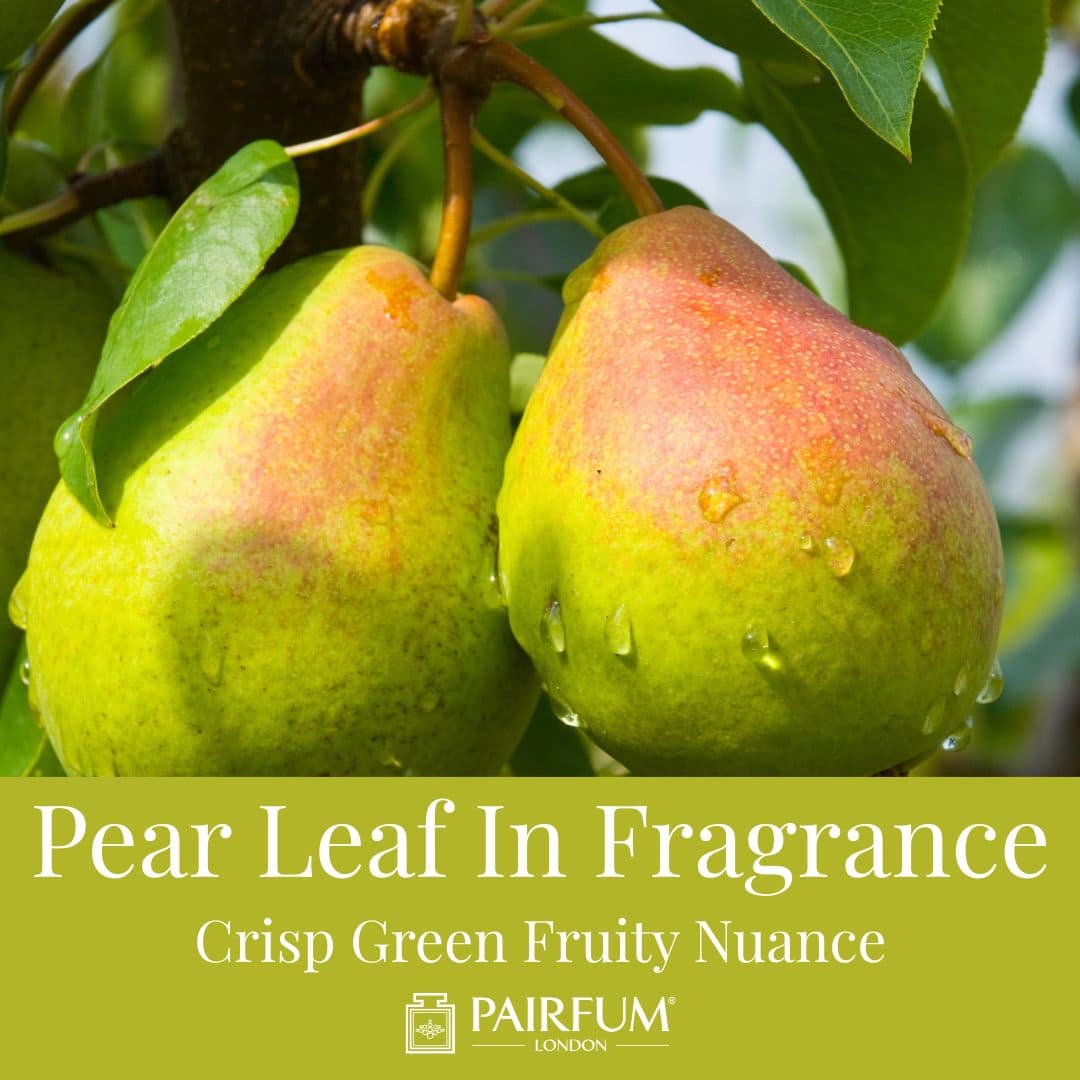
Pear Leaf In Fragrance

Pear Leaf in Fragrance: Crisp Green Fruity Nuance

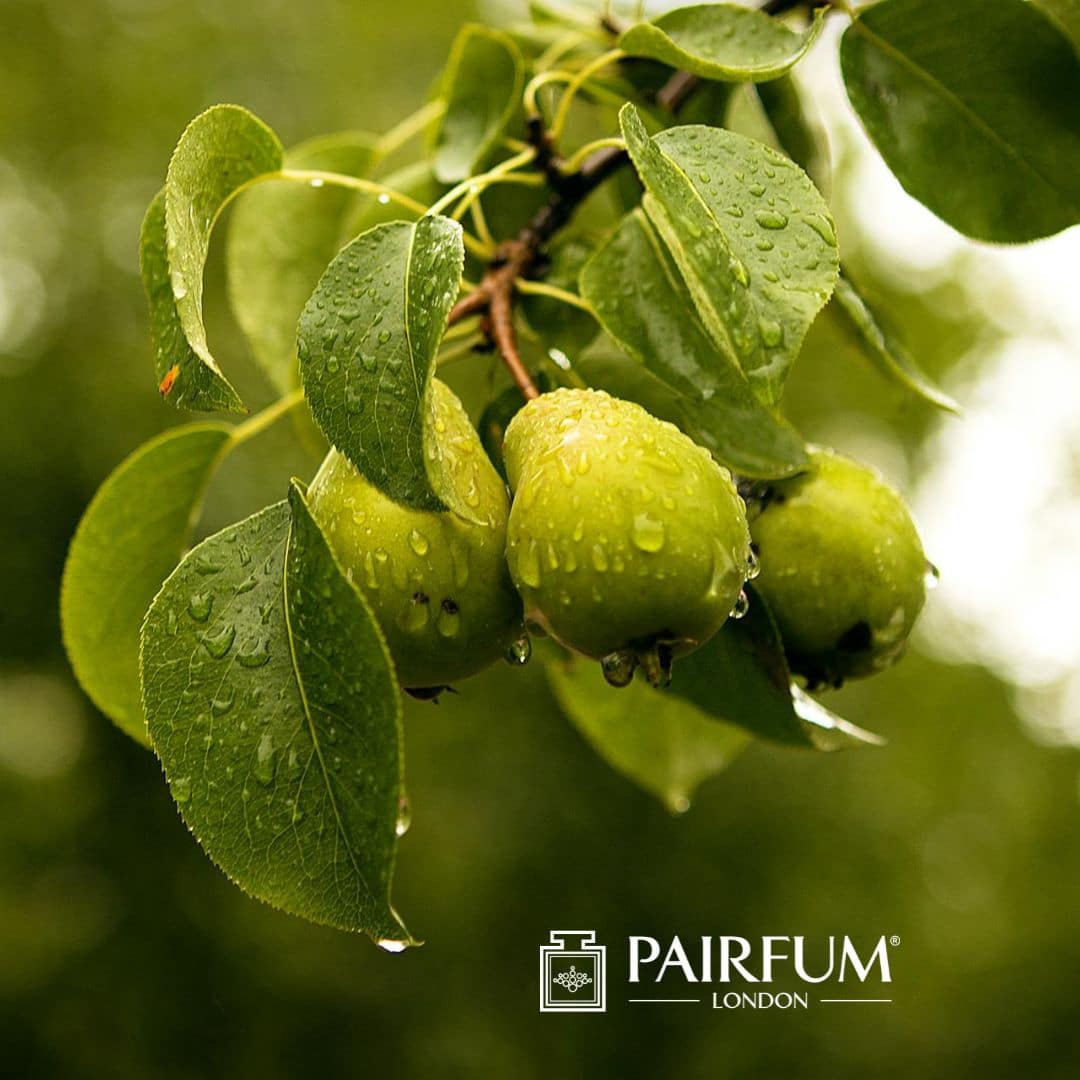
Pear leaf brings a fresh and fruity quality that is gentle but bright. It smells like a soft spring morning, somewhere between the sweetness of the pear fruit and the greenery of the tree itself. It is not sharp or sugary. Instead, there is a natural lightness that feels quietly uplifting. In fragrance, pear leaf lands softly next to florals, woods, and musks, adding a clean and rounded green note.

For spring, it fits naturally. Lightweight perfumes call for fresh ideas, and pear leaf offers something both vivid and soft. Many perfumers turn to it this time of year when trying to build something that feels alive and breathable. To understand this note, one must look at the pear tree as a whole. The leaf is the engine of the plant, and its olfactory profile is distinct from the heavy, syrupy scent of a ripe pear.

A Brief History of Pear Leaf in Perfumery

Long before pear leaf was captured as an ingredient, the fruit itself held symbolic meaning. Pears appeared in early perfumes and oils as symbols of comfort and love in Greek and Roman cultures. Their aroma, tender and ripe, was appreciated, but working with the actual fruit was difficult.

Later, perfumers began experimenting with materials around the fruit, including sap, bark, and leaves. As natural perfumery grew, so did interest in green botanical notes. The idea of bottling the feel of a garden or orchard became especially appealing. By the late 20th century, green-fruity notes became popular in everyday perfumes. Compared to heavy florals or sharp citrus, they felt modern, quietly elegant and easy to wear. Pear leaf began appearing in blends that needed a soft lift without being too playful or too crisp.

Pairfum Eau de Parfum Person Reflection Spiced Coffee Oaked Vanilla Man Smile 1 1

The Lifecycle of the Pear Tree

To appreciate the scent, it helps to understand the life of the pear tree, known scientifically as Pyrus communis. During the growing season, the leaf is vibrant, oval, and slightly waxy. Whether it is a European pear or a hardy Asian pear, the leaf remains a vital part of the orchard’s scent profile. In early spring, the tree wakes up, and the first flush of green provides a different aroma than the leaves found in late summer.

For those interested in a growing guide, the health of the leaf is paramount. A healthy tree produces a cleaner, more vibrant scent, whereas a stressed plant might lose its olfactory charm. Most varieties prefer fertile, moisture-retentive soil and plenty of sun to thrive. While the tree can reach heights of 10 to 20 metres, many garden varieties are grown on dwarfing rootstocks to keep them manageable.

The Aroma Profile: What Makes Pear Leaf Unique

Pear leaf does not smell exactly like the fruit. It feels lighter and greener, like the aroma of crushed leaves with a hint of sweetness underneath. It adds an airy fruitiness, not sticky or juicy, but still familiar.

Pear Note Types & Scent Characteristics

Pear Leaf – Crisp, botanical, light sweetness, green

Pear Fruit – Juicy, honeyed, dense, ripe

This makes pear leaf an especially fitting choice for spring. Its brightness helps bring clarity to floral blends, and its soft fruit edge gives freshness without feeling cold. For anyone seeking a note that is somewhat less pronounced than true green notes, yet without the intense juiciness of pure fruit, pear leaf provides a harmonious middle ground. This pleasing balance allows it to act as a connector between the light, sweet top notes and more substantial heart or base notes in a fragrance, creating a seamless transition that feels both modern and natural.

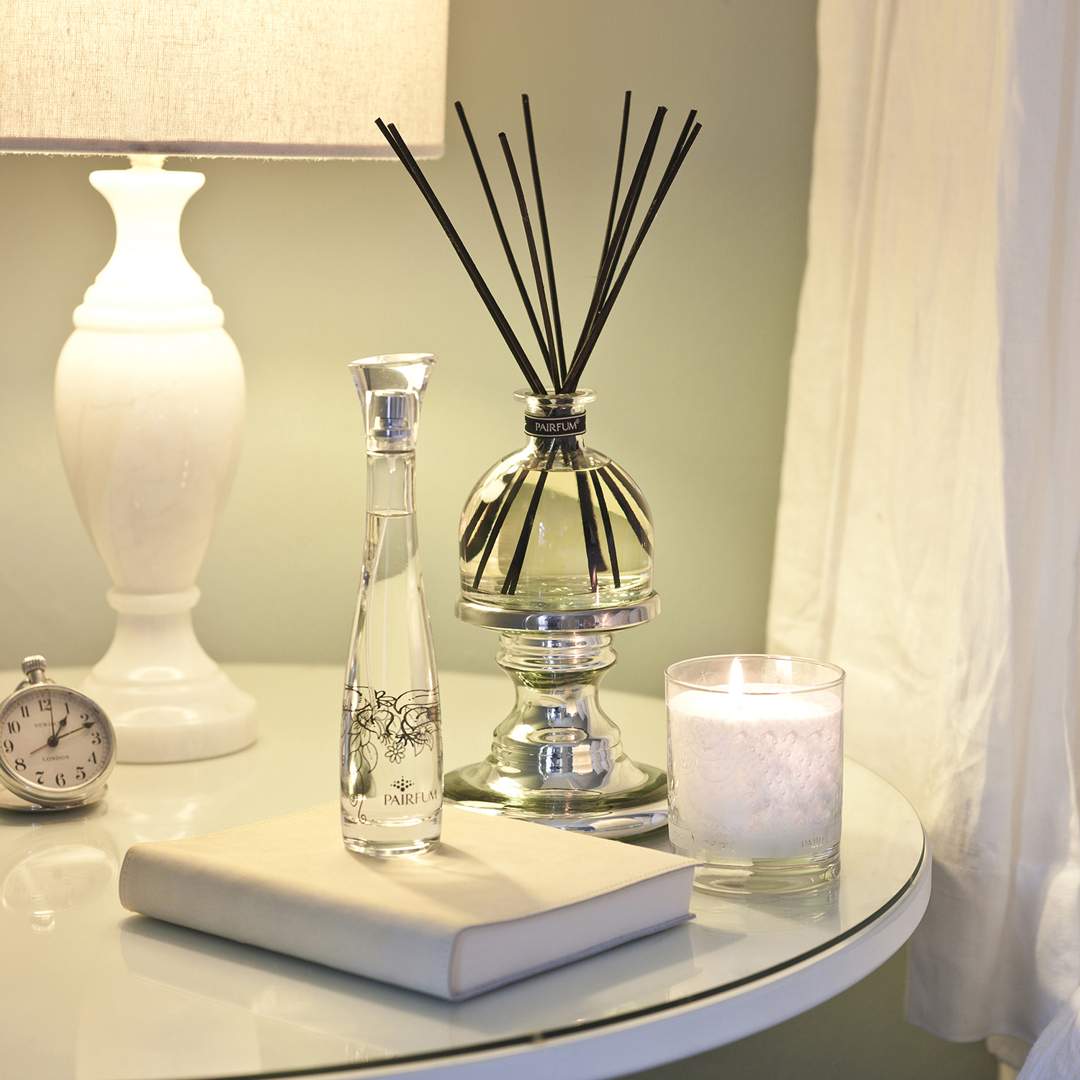
Bedroom Reed Diffuser Luxury Scented Candle Room Spray

Extracting the Essence: From Leaf to Fragrance Oil

Unlike more common fragrance ingredients, capturing the aroma of a leaf is not simple. Pear leaves do not produce fragrance oils in the usual way roots, resins, or flowers do. Instead, perfumers work with aroma molecules that recreate the aroma based on the natural material’s profile.
There are a few ways this is done:

  • Aroma compounds are isolated from the leaf using headspace or micro-distillation.
  • The fragrance is recreated synthetically and adjusted for balance and longevity.
  • Pear fruit notes are used sparingly to reinforce the effect.

The result is something that feels real, though it is often created with a blend of naturals and synthetics. By layering it with ivy, green tea, or soft florals, perfumers get a version of pear leaf that feels both natural and wearable. It holds its own without overpowering.

The process of capturing the pure scent of a pear leaf can be delicate. Because these leaves don’t yield essential oil easily, modern fragrance chemistry steps in, allowing scent designers to trace and map the olfactory impression of an actual pear leaf and then carefully craft a formula that mimics its complexity. This ensures the finished result feels authentic, never artificial or overpowering, and perfectly suited for airy spring compositions.

Challenges in the Orchard: Protecting the Leaf

Because the scent of the pear leaf is so tied to its botanical purity, perfumers and growers alike are wary of anything that spoils the leaf. In the natural world, the pear tree faces several challenges. A common pest is the pear leaf blister mite, scientifically known as Eriophyes pyri. This tiny mite causes a condition known as pear leaf blister, where the leaf develops unsightly raised bumps. If a leaf is damaged by the leaf blister mite, its natural oils and scent profile can be compromised.

Other issues include fungal disease. Pear rust is a frequent problem, often jumping from junipers to the pear tree. This fungus creates bright orange spots on the leaf surface. If you see these lesions on a branch, it is a sign that spores have taken hold. These spores are wind-borne and can travel long distances between their two hosts. Other conditions like fabraea leaf spot, pear scab, or apple scab can also affect fruit trees.

Maintaining mature trees and protecting young trees from the pear midge is essential. The midge produces larvae that can distort the growth of the plant. According to the Royal Horticultural Society, keeping a clean orchard floor by removing fallen leaves is a vital step in pest management. If infected leaves are left on the ground, the fungus or pest can return the following year.

Pear Leaves

Fragrance Families Where Pear Leaf Shines

Because pear leaf is gentle and green, it works well in combinations that need roundness without depth. You will notice it featured most in three types of perfume:

  • Green florals: where it plays with soft notes like freesia, peony, or neroli.
  • Fruity-florals: giving body to apple, melon, or lychee without leaning too sugary.
  • Aquatic greens: adding a leafy feel to perfumes that already feel fresh and clean.

It does particularly well next to:

  • Rose: for a clean contrast that softens any powdery finish.
  • Citrus: such as bergamot or mandarin, enhancing brightness.
  • Soft woods and musks: offering a smooth transition between top and base notes.

Pear leaf behaves politely in a formula. It does not pull too much attention and sits comfortably through the dry down, offering a sense of balance through every phase. In the structure of a fragrance, pear leaf typically appears as a mid-note or an accent to the top notes, bridging initial freshness with longer-lasting base notes. Its presence ensures a seamless evolution from the sparkling open to the mellow drydown. In these families of fragrances, pear leaf may never feel intrusive or overt, yet it imparts a continuous impression of brightness and clarity that lasts.

Iconic Perfumes and Varietals

While pear leaf is not typically the star of a perfume, it plays a key role in several modern blends. Different varieties of pear can inspire different scent profiles. For example, the Conference pear offers a very classic, balanced aroma and is the most widely grown commercial variety in the UK. In contrast, the Passe Crassane variety is a French winter pear that provides a deeper, slightly more complex fruit note with a hint of acidity and aniseed.

As fresh perfumes have become more sophisticated, the green-fruity mix of pear leaf brings a quiet luxury. It has a natural warmth that keeps spaces feeling open, making it ideal for everyday wear. These modern compositions demonstrate just how versatile pear leaf can be. Rather than standing out in the crowd, it creates a smooth foundation, working with other ingredients to build nuance. Even in blends with pronounced rose or powdery iris, a hint of pear leaf keeps the mood fresh and contemporary.

Petite Chérie by Goutal Paris – A soft, dewy fragrance that captures the scent of a pear tree in a garden, blending the fruit with a distinct green botanical quality.

Poirier d’un Soir by Miller Harris – An atmospheric scent evoking an orchard at sunset, balancing bright pear notes with cedarwood and birch for a structured, leafy finish.

English Pear & Freesia by Jo Malone London – A British classic featuring the King William pear, paired with white freesia to create a cool, dewy, and crisp green aroma.

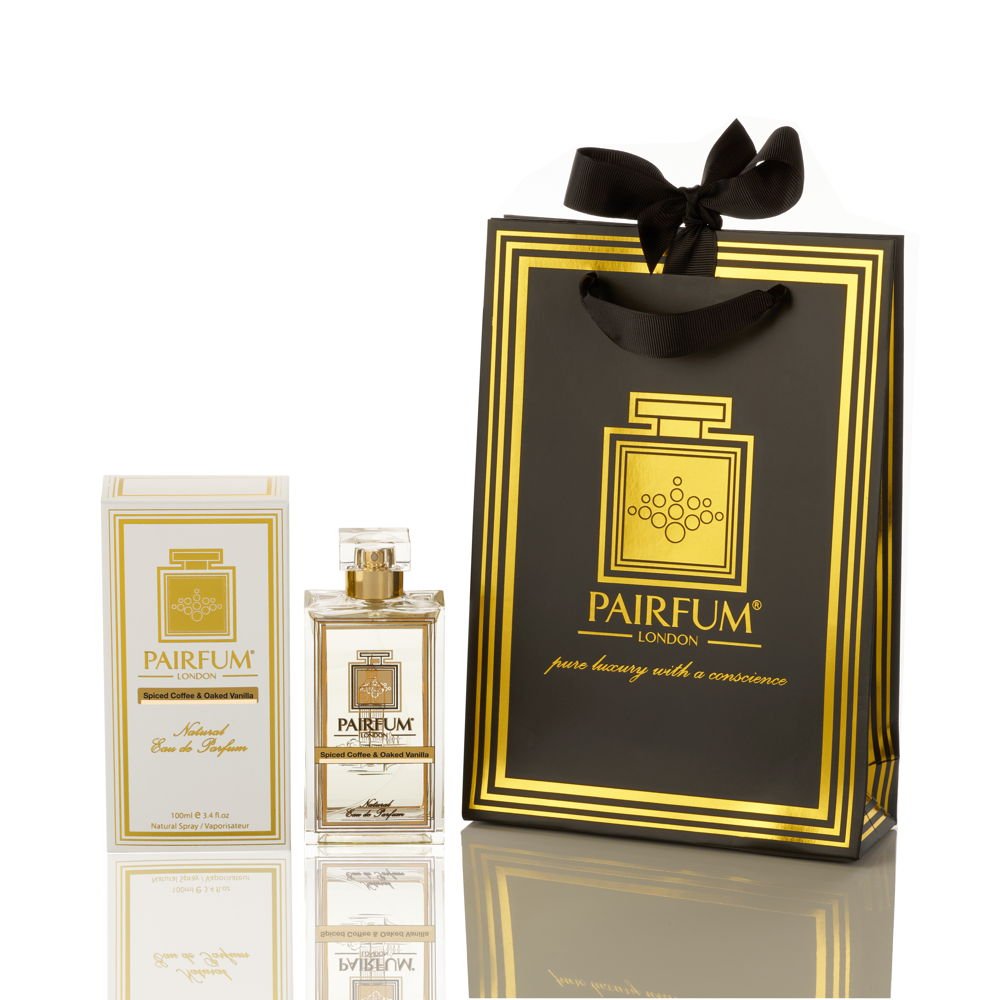
Pairfum Eau De Parfum Pure Giftbag Spiced Coffee Oaked Vanilla

Pear Top Notes & Pairfum London Fragrances

Spiced Coffee & Oaked Vanilla – Eau de Pairfum by Pairfum London

This warm, Oriental Spicy Fragrance opens with the top notes of Pink Pepper, Orange Blossom and Crisp Pear. The Heart of the Fragrance is a modern blend of rich & dark Coffee with the elegance of Jasmin. The elegant finale is a sophisticated base of Vanilla aged in Oak, Patchouli and Cedar.

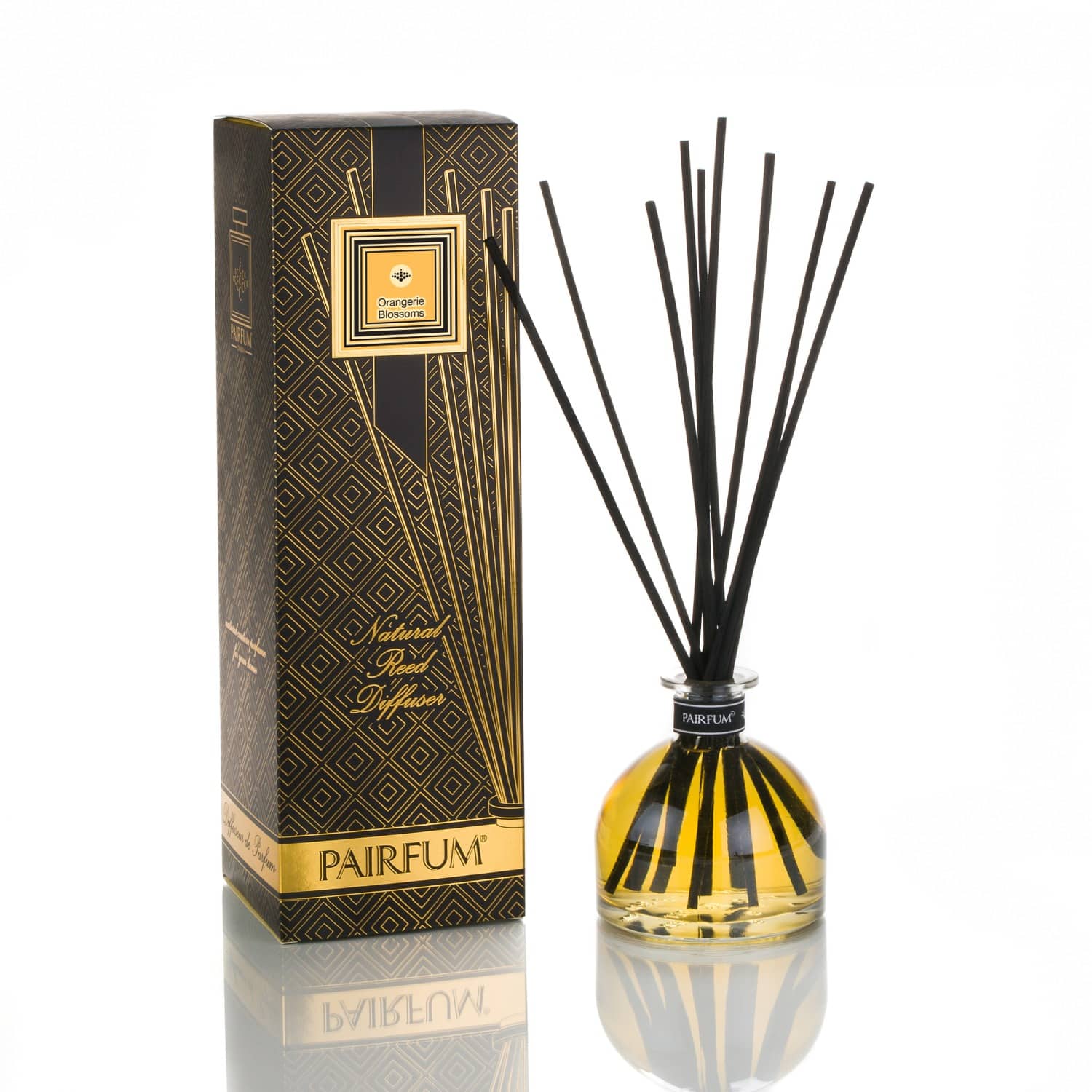
Orangerie Blossoms – Large Bell Shape Reed Diffuser by Pairfum London

The aroma of a peaceful, sunlight-flooded Orangery with Heady Orange Blossom, Jasmine, Tuberose, and Ylang Ylang. The top has subtle fruity aspects of Peach, Apricot and Pear. Warmth radiates from Sandalwood, Musk and Honey.

Pairfum Large Reed Diffuser Bell Noir Orangerie Blossoms

A Seasonal Note That Feels Effortlessly Fresh

A pear leaf fragrance evokes a clean, lively feel, often sought after by perfumers in spring. It makes blends feel awake but never too punchy, leaving a soft fruit and leaf trail that is more elegant than playful. It does not need to stand on its own because it is often used to support other notes.

In natural-style perfumes, it is especially effective. When layered well, its green brightness gives lift to skin-like woods and floral hearts. As layers get lighter and the air feels crisper, pear leaf steps in with just the right touch of leafy sweetness, nothing too sharp, nothing too soft. It simply fits.

Whether you are interested in the horticulture of the pear tree or simply the beautiful scent it produces, there are many possible interests to explore. From the delicate flower of the tree in summer to the golden fruit it bears, every part of the plant contributes to the story of fragrance. Understanding the journey from a simple green leaf to a complex perfume note allows us to appreciate the subtle art of the perfumer even more. Let the fresh, airy touch of pear leaf elevate your fragrance experience. Perfect for spring, these scents embody a light yet elegant presence, creating a bright, uplifting aura that feels effortlessly modern. Revel in the quiet luxury and embrace a scent journey that is both memorable and refined.

Bulgarian Rose In Perfumery

Bulgarian Rose In Perfumery: Lush Damask Elegance

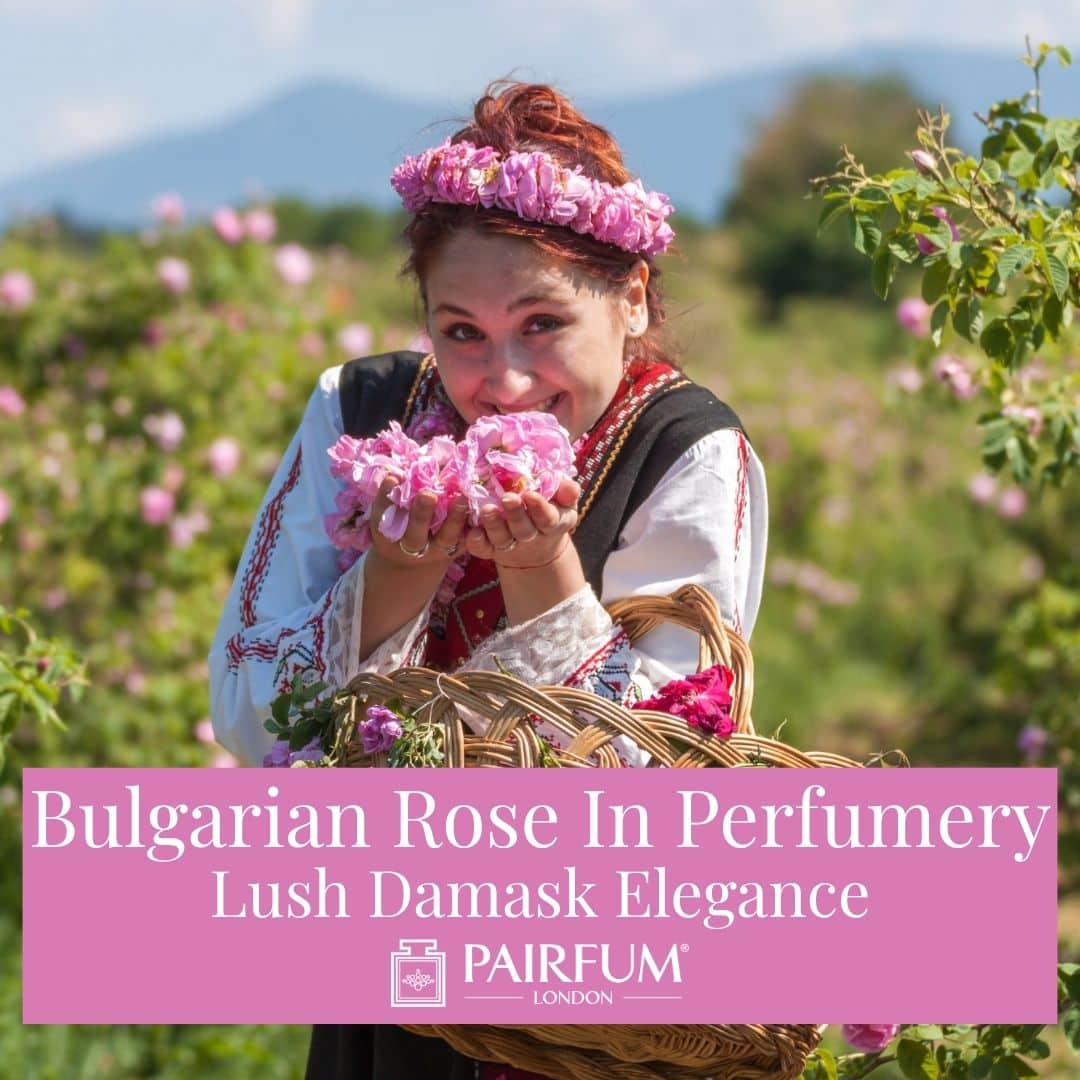
The Bulgarian rose (Rosa damascena) is a world-renowned, high-quality oil-bearing flower that has been cultivated for centuries within Bulgaria’s famous Rose Valley. Highly prized for its deep, honeyed scent, this rose variety serves as the primary source for precious rose oil (rose otto) and rose water. These natural essences are essential staples in luxury perfumery and skincare, valued globally for their intense hydrating and anti-inflammatory properties.

Bulgarian Rose is often thought of as one of the most elegant flowers used in perfumery. Its aroma is soft yet full, rich yet fresh, and always graceful. There is a reason it has stood the test of time in fragrance. With its lush Damask petals and strong natural oil, the Bulgarian Rose brings a sense of floral luxury that feels just right as the days slowly grow longer and early spring settles in.

This flower is not just beautiful in a bottle. It has a deep history, a unique growing region, and a very precise way of being turned into perfume. Today, we are sharing what makes it so loved in natural and niche perfumes and why its presence can lift a fragrance without ever overpowering it.

A Rose with Roots: The History of Bulgarian Rose

Bulgarian Rose comes mainly from a small part of southern Bulgaria known as the Rose Valley. This area has been growing roses for centuries, and its fields are well known for producing some of the finest rose oil in the world. Spring arrives gently in this region, and it is during this short bloom that the flowers are picked in the early morning to protect their freshness.

What started as a local tradition soon became a symbol of craftsmanship and beauty. Known as liquid gold because of its immense value, Bulgarian rose oil became highly respected in European perfumery. Its strong, balanced aroma made it popular with those looking for purity and quality. Today, it still stands out because of how it connects nature, culture, and comfort.

There is something quite special about how this flower is included in springtime rituals, festivals, and even homemade beauty customs. Each of these traditions gives the flower a personal touch, making its aroma feel both grounded and familiar.

Eau De Parfum Person Reflection Black Cherry Oolong Tea Woman Arms 1 1

A Heritage of Cultivation in Central Bulgaria

The journey of the rose begins in the heart of the Balkan Peninsula. In central Bulgaria, the geography creates a perfect cradle for these delicate flowers. This specific location, including the famous area of the Bulgarian rose Karlovo, provides the ideal environment for the plants to thrive. The tradition of cultivation stretches back to a distant century, and even in ancient times, the region was noted for its flora. In fact, historical evidence suggests rose culture existed here as far back as the Thracian Odryssian Kingdom.

Today, local farmers continue to harvest the blooms by hand, a practice that has remained unchanged for generations. Every year, visitors flock to the region to witness the Rose Festival, a celebration of the harvest that showcases the deep cultural connection between the people and the Bulgarian roses they tend. This event, officially established as a national holiday in 1967, features the crowning of the Queen of Roses and traditional folk dances.

What Makes It Different: Types and Special Traits

The Bulgarian Rose used in perfume oil is not just any rose. It is a variety called Rosa damascena, better known as the Damask Rose. This type is known for having a deep floral character, with layers of honeyed sweetness and a hint of green freshness underneath. Genetic testing indicates it is a hybrid of Rosa gallica and Rosa moschata, crossed with the pollen of Rosa fedtschenkoana.

The reason the Bulgarian version is so special has a lot to do with where it grows. The Valley of Roses has a particular mix of geography:

  • Rich, loamy, diluvial sedimented soil that holds moisture well
  • Cool mornings and warm afternoons that help the petals develop their rich aroma
  • Natural mountain protection from the Balkan Mountains and Sredna Gora that creates a calm, steady climate

All of these small details give the Damask Rose from this region its lasting aroma and balance. Compared to rose oils from other places, the Bulgarian Rose tends to feel rounder and more complete, without being too sugary or too sharp.

Eau de Parfum Person Reflection Black Cherry Oolong Tea Man 1 1

The Unique Properties and Benefits of Bulgarian Rose

The rose damascena is prized not just for its scent but for its unique properties that benefit the skin. In the world of beauty and cosmetics, rose oil is celebrated for providing intense hydration. It is a common ingredient in cosmetic products, ranging from luxury creams to simple, traditional soap. The oil contains over 300 chemical compounds, including geraniol and citronellol, which contribute to its therapeutic status.

Because of its delicate tenderness, it is often used in aromatherapy to promote a sense of calm and reduce stress. The purity of the essential oil ensures that even a single drop carries the soul of the rose fields. Whether used for its fragrance or its therapeutic benefits, the quality of Bulgarian rose oil remains the highest quality available on the global market.

Petals to Perfume: Extracting the Essence of Bulgarian Rose

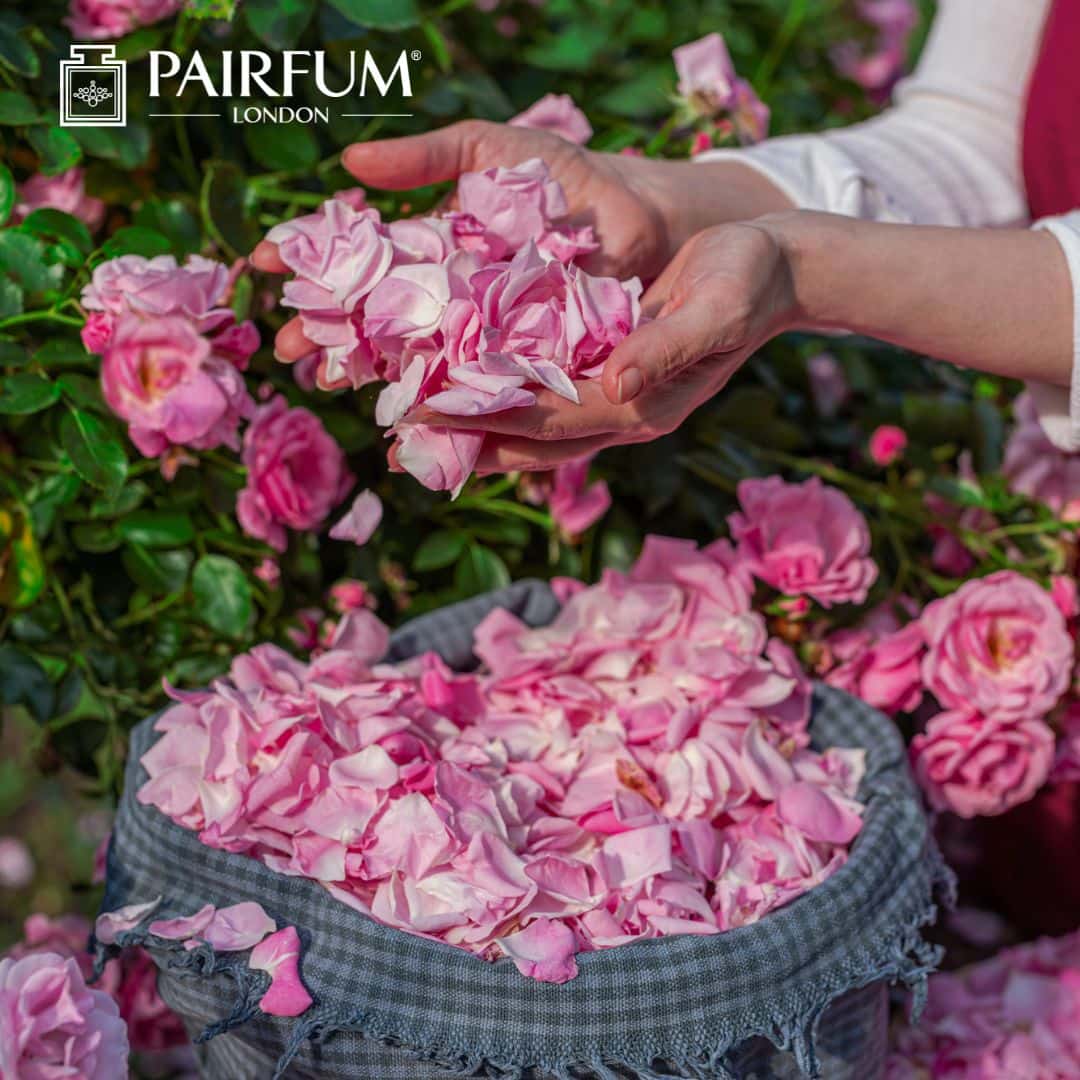
Once the roses are picked, usually before sunrise while the dew still protects the fragrance, teams begin the careful job of turning them into perfume oil. The most common method used is steam distillation. This gentle process lets hot steam pass through the petals, lifting out the oil without damaging its soft aroma. Bulgarian producers famously perfected a double distillation method, which is significantly more effective at capturing the complex profile of the flower.

This distillation method creates pure rose oil, often called rose otto, and a second product as well, which is rose water. This by-product is also used in perfumery and in other areas like skincare and cooking, but the main focus remains that prized oil.

Harvesting is difficult. It takes approximately 3,500 to 4,000 kilograms of rose petals to produce just one kilogram of rose oil. Since each flower is picked by hand, the effort is significant. This care and effort show up in the finished aroma, which feels close to the natural beauty of the flower.

Bulgarian Roses

Global Reach and Modern Usage

The demand for Bulgarian Rose extends far beyond Europe, with significant exports reaching the United States and other global markets. While many people first discover it through perfume, its presence in rose water and various cosmetics makes it a staple in daily routines.

For those who have integrated this scent into their lifestyle, a recurring purchase of rose based products often becomes a ritual. Some specialist suppliers even offer a deferred subscription for those who want to ensure they never run out of this floral essence. In a busy world, perhaps managed from a speedy office, the scent of a rose offers a moment of natural peace.

Iconic Fragrances that Use Bulgarian Rose

You will find Bulgarian Rose at the heart of many popular perfumes, especially those that aim to feel timeless or comforting. It builds the floral part of the perfume and helps hold other notes together.

  • It pairs beautifully with powdery notes and soft woods to create perfumes that feel warm and smooth
  • Add a touch of spice or a hint of citrus, and the floral notes become brighter and cleaner
  • Combine it with resins or amber, and it becomes deeper, smokier, and more romantic

In niche perfumes, Bulgarian Rose often plays a subtle role. It is not always the star, but its presence helps build layers and bring balance. Modern perfumers use it to soften strong edges, round off fruity top notes, or add real depth to lighter, breezier styles.

Tom Ford – Café Rose: A dark and seductive blend where Bulgarian Rose meets exotic spices and dark coffee.

Guerlain – Rose Barbare: A sophisticated, honeyed rose fragrance that highlights the flower’s natural Turkish and Bulgarian elegance.

Bvlgari – Omnia Amethyste: A clean, powdery scent that focuses on the fresh, morning-dew side of the Bulgarian Rose.

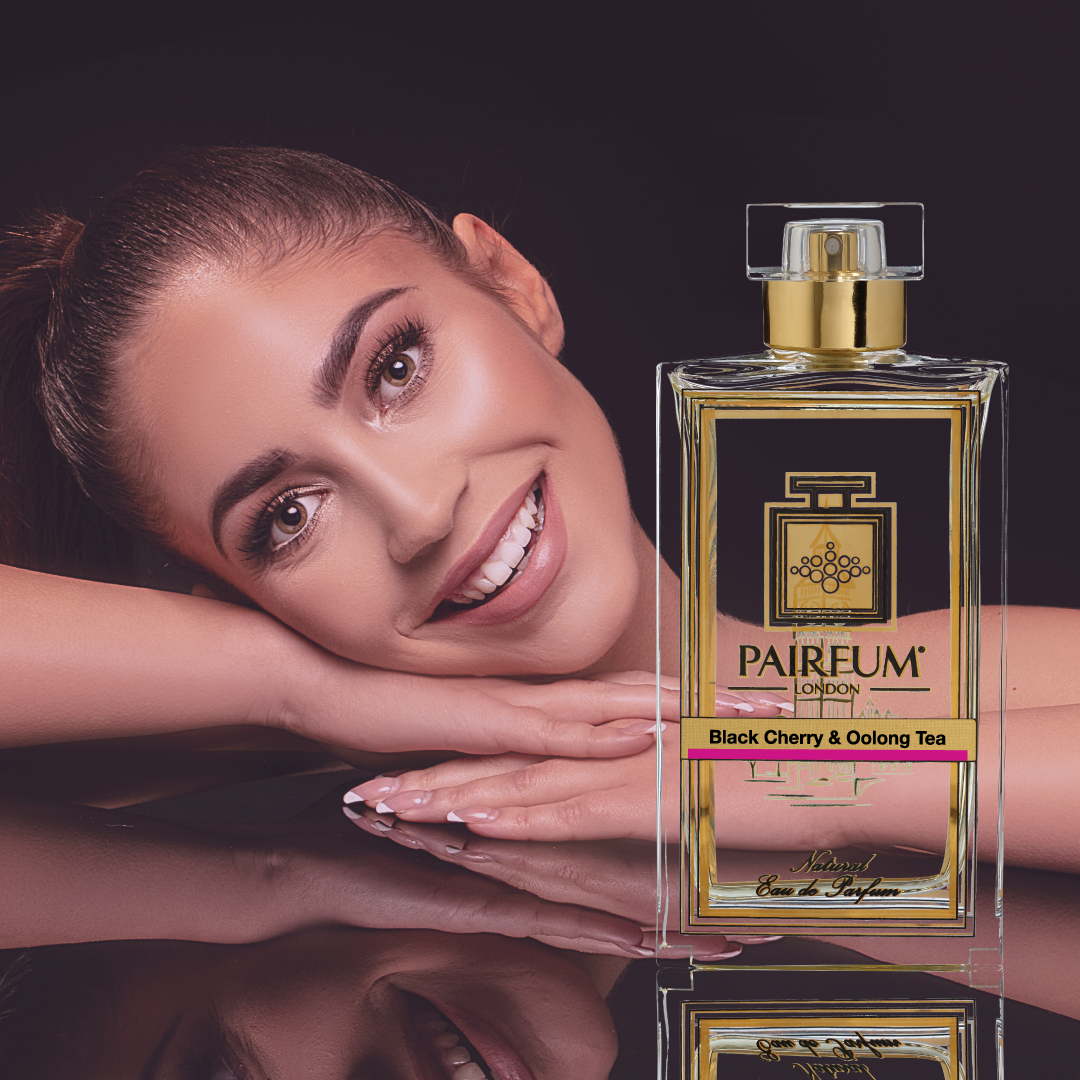
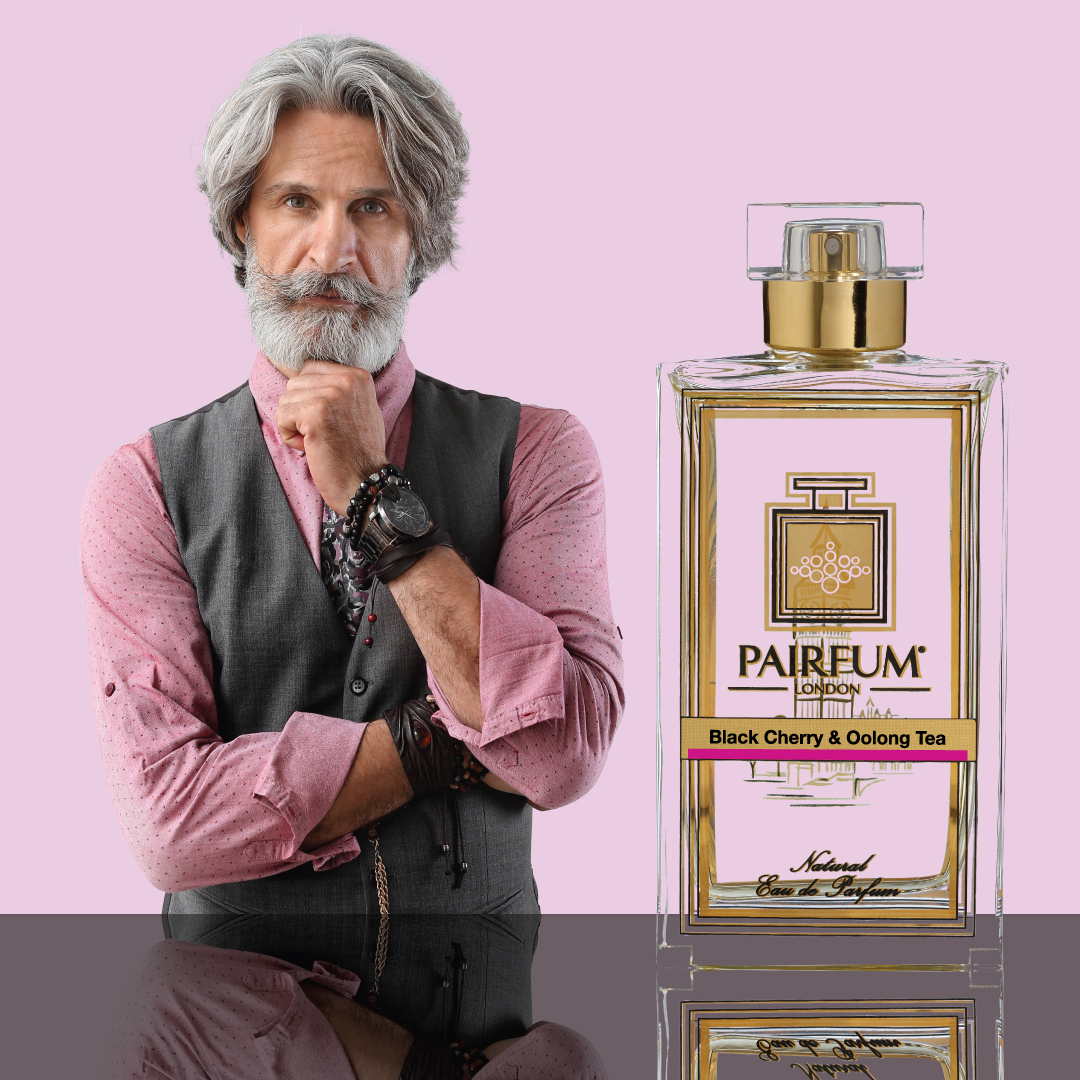
Black Cherry & Oolong Tea – Eau de Parfum by Pairfum London

This fragrance opens with the sparkling interplay of the aromas of Black Cherry, Bergamot, Red Berries and Nutty Almond. The heart is a most elegant fusion of Oolong Tea, Bulgarian & Turkish Roses and Liquorice. The sensuous base rests on Aniseed, Tonka, Iris and Patchouli.

Pairfum Eau De Parfum Noir Bottle Carton Black Cherry Oolong Tea

The Feel of Spring in a Bottle

There is something about early spring that asks for something soft. The cold is still there, but the light has changed. Flowers are just starting to show, and the air holds a little more hope. Bulgarian Rose fits this shift perfectly.

Its aroma feels like nature turning the page. With its slightly honeyed, fresh floral character, this rose does not push too hard. It rests gently on the skin and settles nicely in a space. It feels like open windows and soft fabrics. It reminds us of new mornings and quiet afternoons.

Used in perfume or a home bouquet, it gives every room or wrist a bit of that early-season brightness. It does not try to steal the show. It just sits softly and holds everything together, like a well-loved part of a changing season.

If you enjoyed learning about the Rosa damascena, you may wish to look at our recent posts regarding other botanical ingredients. You can also explore related products that celebrate the purity of the rose.

Loganberry In Perfume

Loganberry in Fragrance: Tart Hybrid Berry Pop

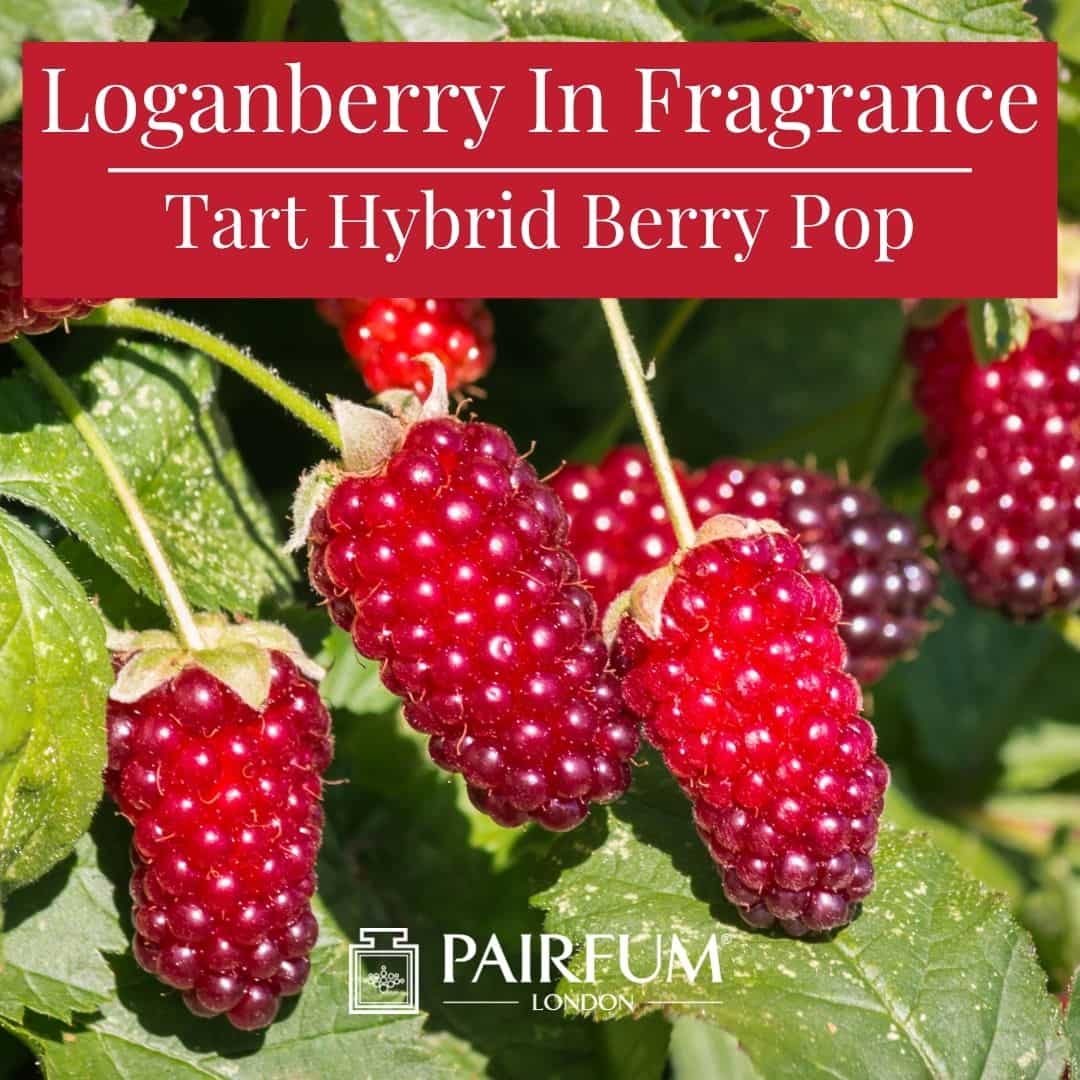
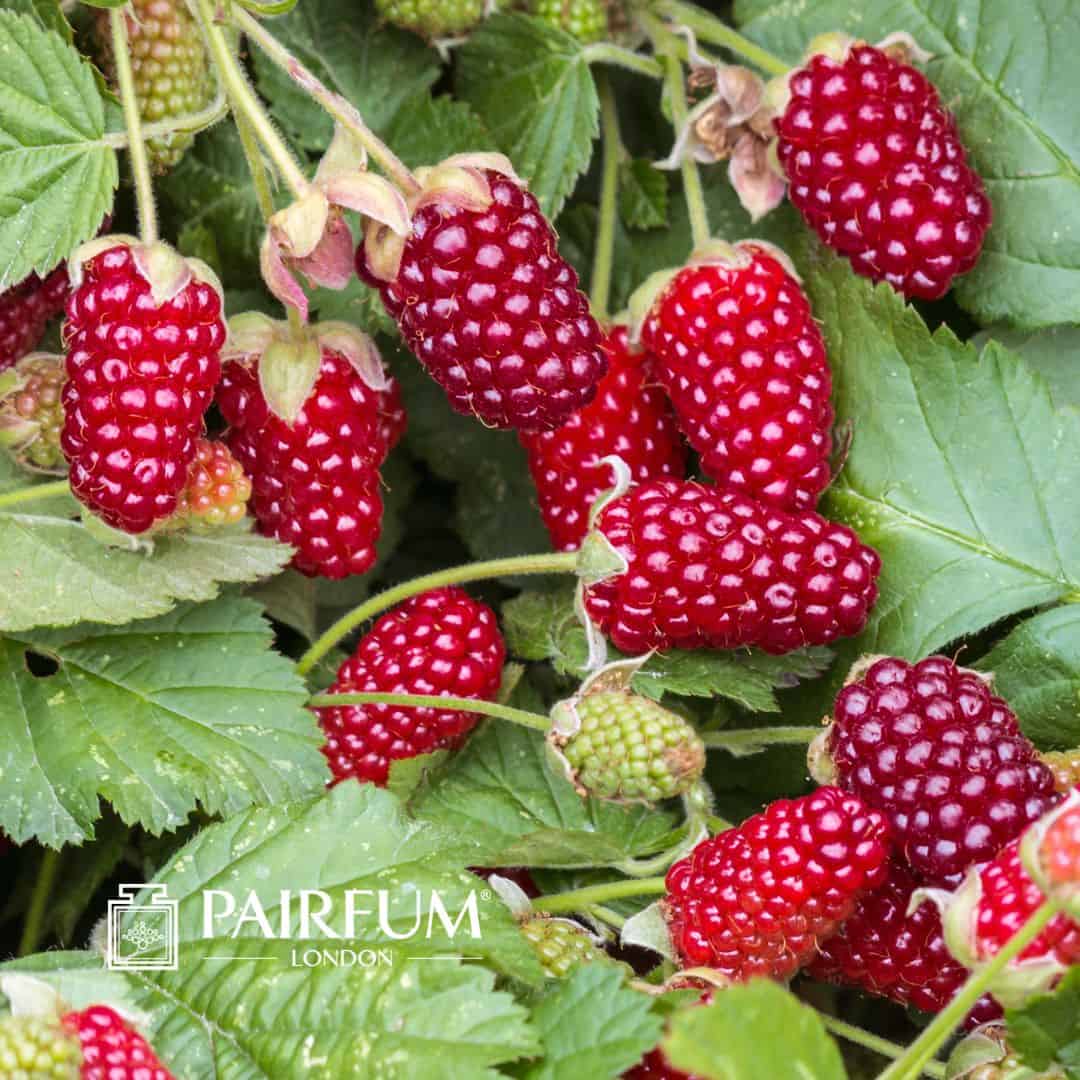
The loganberry in fragrance provides a bright, juicy, and multifaceted aroma, which combines the sweet facets of raspberry with the deeper, tart, and earthy characteristics of blackberry. It is frequently utilised as a central heart note to provide a sophisticated, fruity freshness, often being paired with floral accords or woody elements to create a balanced and vibrant scent profile.”

Loganberry has a bold, tart flavour that sits somewhere between raspberry and blackberry. It’s a fruit that doesn’t shout for attention, but once you know it, you don’t forget it. In perfume, that combination of sharpness with soft berry depth creates something playful and slightly unexpected. As a soft fruit, it offers a specific texture to a scent profile that is hard to replicate with more common ingredients.

As winter fades and spring begins to appear, Loganberry feels like it belongs. The air is still cool, trees are just starting to bud, and nature is holding back its full bloom. That early spring mood perfectly matches the character of Loganberry. It’s fresh, a little wild, and full of promise. Adding it to perfume brings a crisp berry brightness, while still holding on to a deeper edge.

We’ve seen Loganberry start to appear in niche and natural perfumes where perfumers are looking for fruit that feels real, not sugary. It’s a twist that lifts the bouquet without turning too sweet, and it works beautifully for perfumes created for the season ahead. Whether used to evoke a summer garden or the crispness of autumn, this edible fruit provides a sophisticated alternative to synthetic alternatives.

Pairfum Collection Niche Perfume Experience Fragrance Library 91 Square

From Crossbreed to Fragrance Note

Loganberry didn’t come from the wild. It was first grown by accident in Santa Cruz, California, in 1881 when a gardener named James Harvey Logan mixed a Pacific blackberry (Rubus ursinus) with a raspberry in his garden. James Logan, a lawyer and amateur horticulturist, was actually trying to produce a superior blackberry when he inadvertently created this vigorous plant. What came out of it was something darker, more tart, and with a richer bite than either parent.

The fruit’s kitchen story helped it find its way into fragrance. Its bold character reminded perfumers of sunny gardens and home recipes. Historically, Loganberry became popular in cooking and jams, and was a staple in summer pudding, pies, and even wine or fruit syrups. One interesting piece of history is the Loganberry drink served at Crystal Beach Park, often frequented by New York residents, which cemented its place in popular culture.

As perfume trends moved toward more natural, food-inspired and seasonal notes, Loganberry fit right in. More recently, we’ve seen perfumers use it to bring something real and surprising to fruity blends. Its sharp edges bring out the best in spring perfumes that aim to feel less processed and more like nature after the rain. For natural and niche perfumery, Loganberry has opened up new ways to play with fruit, without drifting into sticky territory.

The Botanical Roots of the Loganberry Plant

To understand the scent, one must understand the loganberry plant itself. In terms of scientific classification, it is known as Rubus loganobaccus. It is a hybrid of the European raspberry (Rubus idaeus) and a variety of wild blackberries. The plant grows on long, often prickly canes that can reach lengths of eight to ten feet in a single season, requiring horizontal wires for support in a garden setting.

The loganberry inherits the sturdy nature of blackberry plants and the deep colour of the red raspberry. Unlike a raspberry, when you pick ripe loganberries, the core stays inside the berry, much like it does with blackberries. This physical structure contributes to its juice-heavy, fleshy aroma. Interestingly, while the fruit starts out red, it is often best harvested when it reaches a deep purple hue, indicating its full aromatic maturity.

If you were to grow this plant at home, it thrives in a sunny spot with well-drained soil. While it is typically an outdoor vine, some enthusiasts have tried keeping it as a temporary indoor plant during the early stages of growth. It requires rich soil and plenty of compost to produce a high yield of fruit that is famously high in vitamin c. In the UK, it is highly valued for being more resistant to disease and frost than many other berries, though its short shelf life makes it a rarity in commercial shops.

Pairfum Collection Niche Perfume Experience Fragrance Library 40 Square

Fragrance Profile of Loganberry

The aroma of Loganberry isn’t shy. It’s bold at the start, tangy as it hits the skin or the air. After that, you get a soft mix of sweet and sour that feels alive and nicely rounded. There’s a bit of green hidden underneath, almost like you’re still near the bramble it came from, catching the scent of a crushed leaf.

Here’s how Loganberry stands apart from other popular fruit notes:

  • It has more bite than a strawberry but doesn’t lean into the sugar
  • It’s rounder and riper than a raspberry, with fewer floral notes
  • It shares the earthiness of blackberries but keeps a livelier top edge
  • It is less “dusty” than a boysenberry, staying bright and acidic

In many natural or niche perfumes, Loganberry fits best in the top or heart layers. It makes a bold first impression, then blends into whatever comes next. That flexibility gives it range. It can sit at the start of a fresh summer blend or soften the centre of something darker as we transition into autumn. And because it’s not widely used yet, it feels a bit different, like a surprise hidden in familiar territory.

Loganberry, as a perfume note, offers natural energy and vibrancy, brightening up the compositions it joins. Its lively aroma complements the freshness that people associate with the very first weeks of spring, when everything is budding and awakening. While some berry scents in perfumery can feel overly candied or synthetic, Loganberry’s unusual hybrid nature gives it a more lifelike profile, which supports both everyday and more creative fragrance concepts.

Cultivation and the Scent of the Earth

The scent of a loganberry is inextricably linked to the soil and the environment in which the plant grows. Whether grown in the United States or exported to places like New Zealand, the loganberry thrives when the soil is enriched with organic compost.

Gardeners often purchase bare root plants in late autumn or winter to ensure a strong harvest the following summer. As the new cane develops, the plant prepares to produce its signature tart fruit. Even the prickles on the canes seem to suggest the sharp, defensive tartness of the berry itself. This “green” and “thorny” aspect is often captured in niche perfumery by adding hints of bramble or wood to the loganberry accord.

How Loganberry Works in Natural and Niche Perfume

Perfumers are getting creative with Loganberry. The fruit doesn’t offer a pure essential oil, so they build it instead. Some use aroma molecules. Others mix berry accords to get close to the full effect. The goal is always the same: to capture that tart, juicy feel with enough depth to stay interesting.

Here’s why we see Loganberry show up more in niche blends:

  • It smells like garden fruit, not candy
  • It works well with woody and green notes
  • It adds fresh movement without taking over

When blended well, Loganberry can open a perfume with energy, then settle into something softer. It’s often used with clean woods like cedar or herbal notes like clary sage. It plays nicely with florals too, especially peony or violet, which keep it light without losing its shape. For perfumes focused on seasonal changes, Loganberry helps link the cool start of spring with the warmth coming just behind it.

Loganberry’s adaptable personality allows it to bridge the gap between juicy fruit and more grounded, earthy facets in fragrance. Niche and natural perfumers might select Loganberry to add an element of surprise or authenticity, offering a multifaceted burst that harmonises well with both traditional and modern compositions. The result is a balanced fragrance that stands out while remaining wearable and appealing.

Ripe Loganberries

Noteworthy Perfumes Featuring Loganberry

A few niche perfumes have started to use Loganberry as their fruit centrepiece, picking it over the usual berry line-up. These blends often show it off with light musk, clean greens, or herbals to keep its sharpness in check. When handled this way, Loganberry manages to feel bold and balanced at the same time.

Seasonally, Loganberry plays especially well in:

  • Spring perfumes that need fruit but less sugar
  • Natural blends where fruit should feel like it was just picked from the plant
  • Home fragrances that add brightness to early-year moods

Find A New Iconic Spring Fragrance with Pairfum London

Just as the loganberry provides a rare and sophisticated “purple” fruitiness, the Fragrance Library introduces you to a vast array of innovative and natural accords. By stepping away from the overwhelming “cloud of fragrance” found in traditional department stores, this experience box allows you to appreciate the subtle transitions between heart notes and base layers in a neutral environment. Whether you are drawn to the tart brightness of berries or the deep earthiness of woods, this collection offers the ideal “Perfume Experience,” helping you understand the scientific and artistic balance required to create a truly vibrant and balanced scent profile.

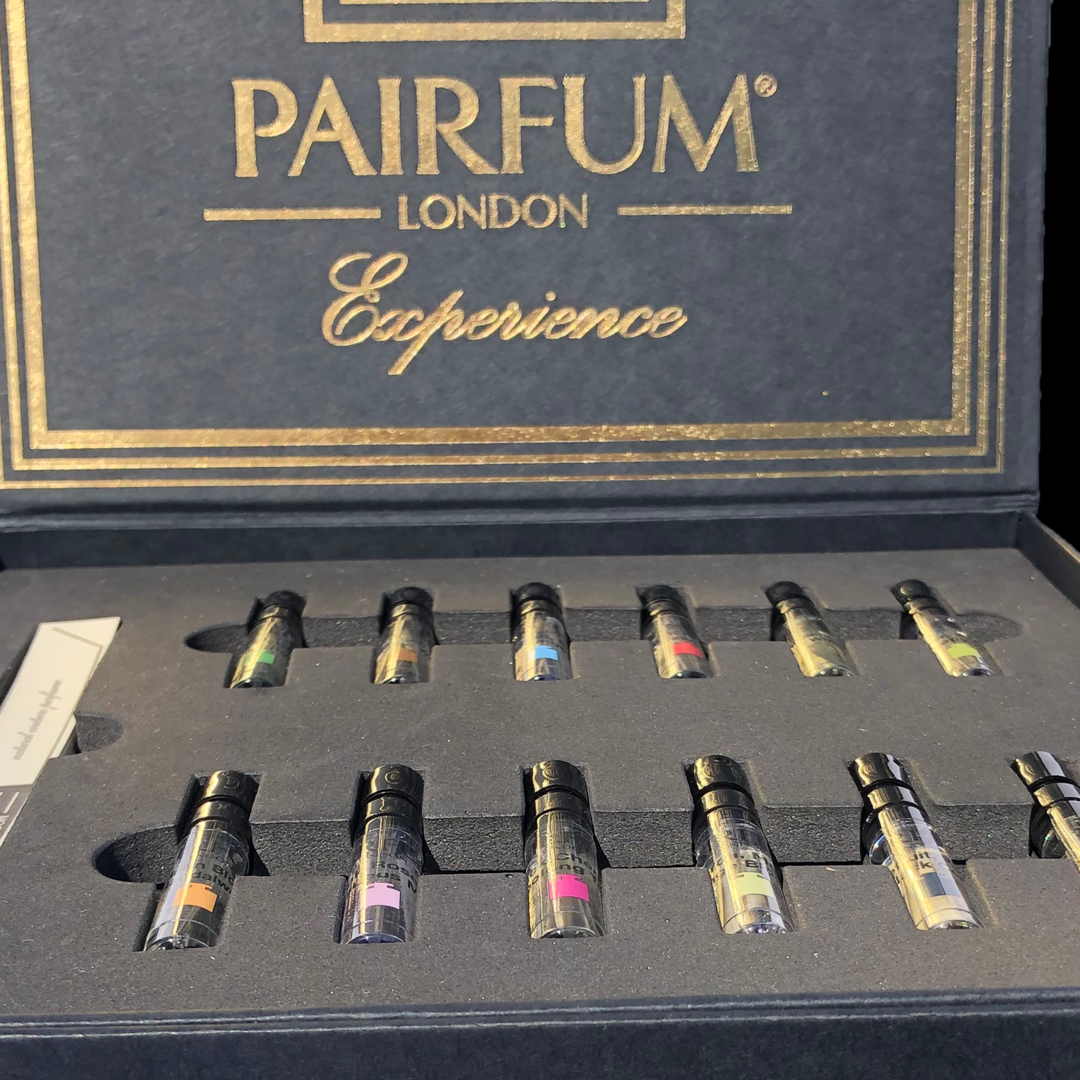
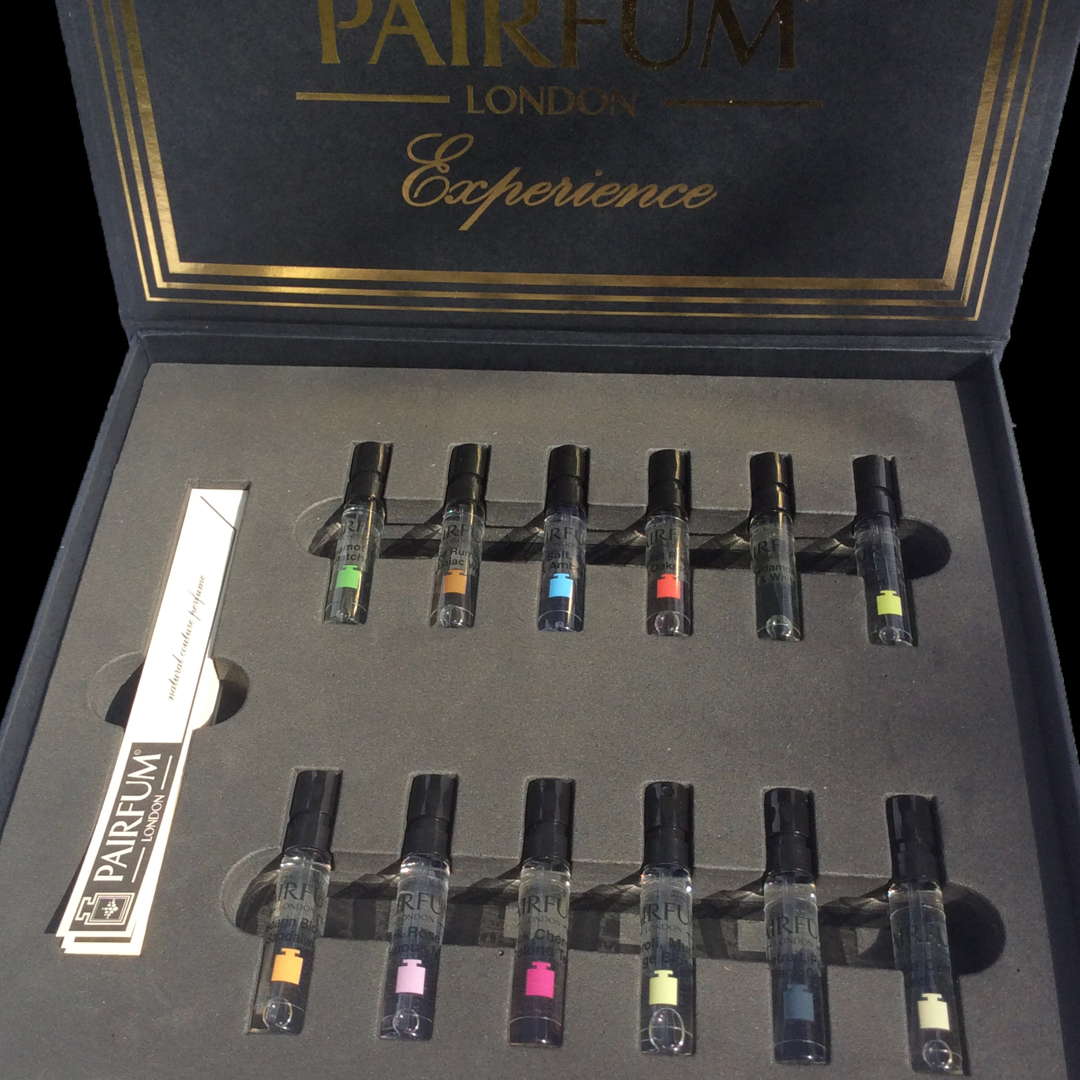
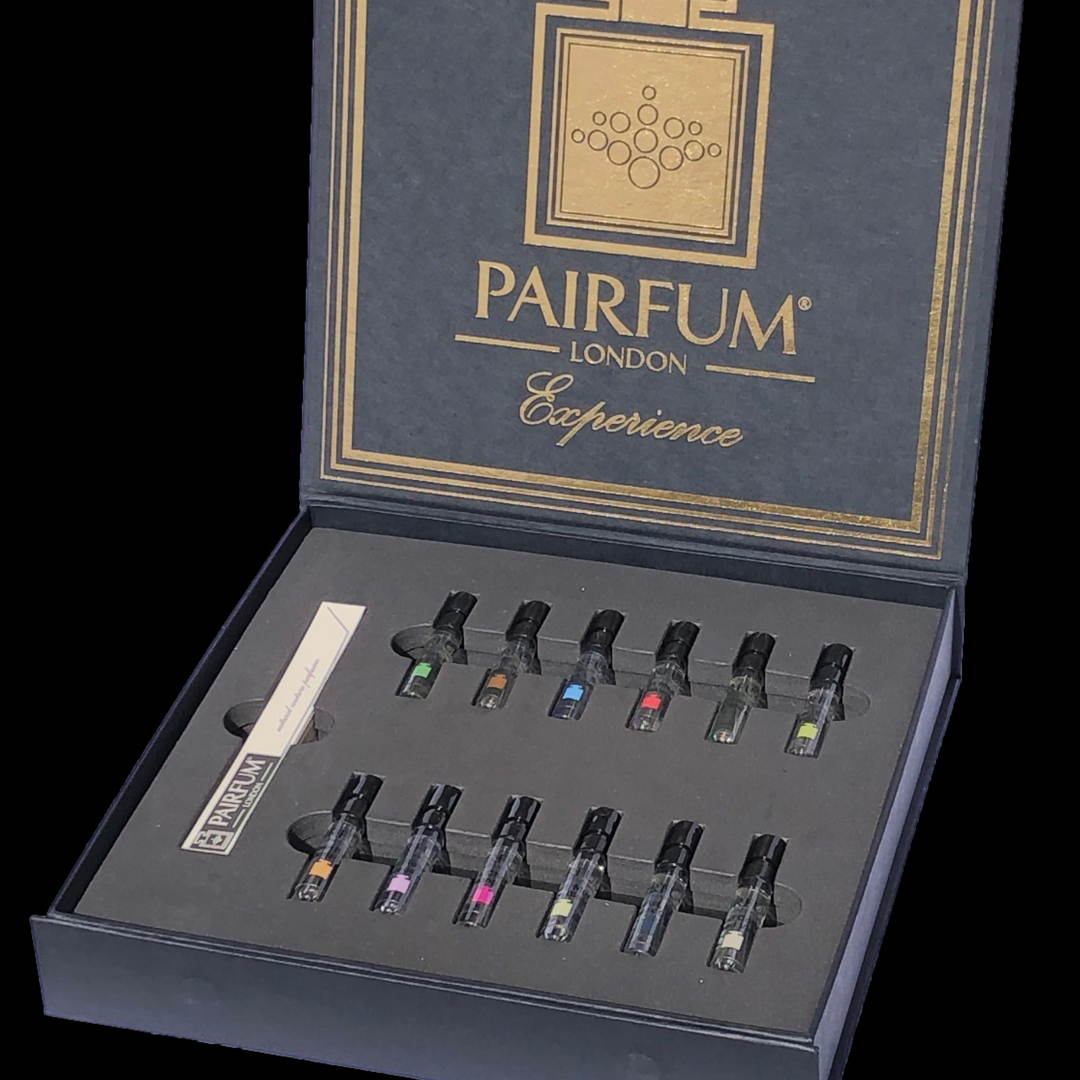
Fragrance Library – Perfume Experience Box by Pairfum London

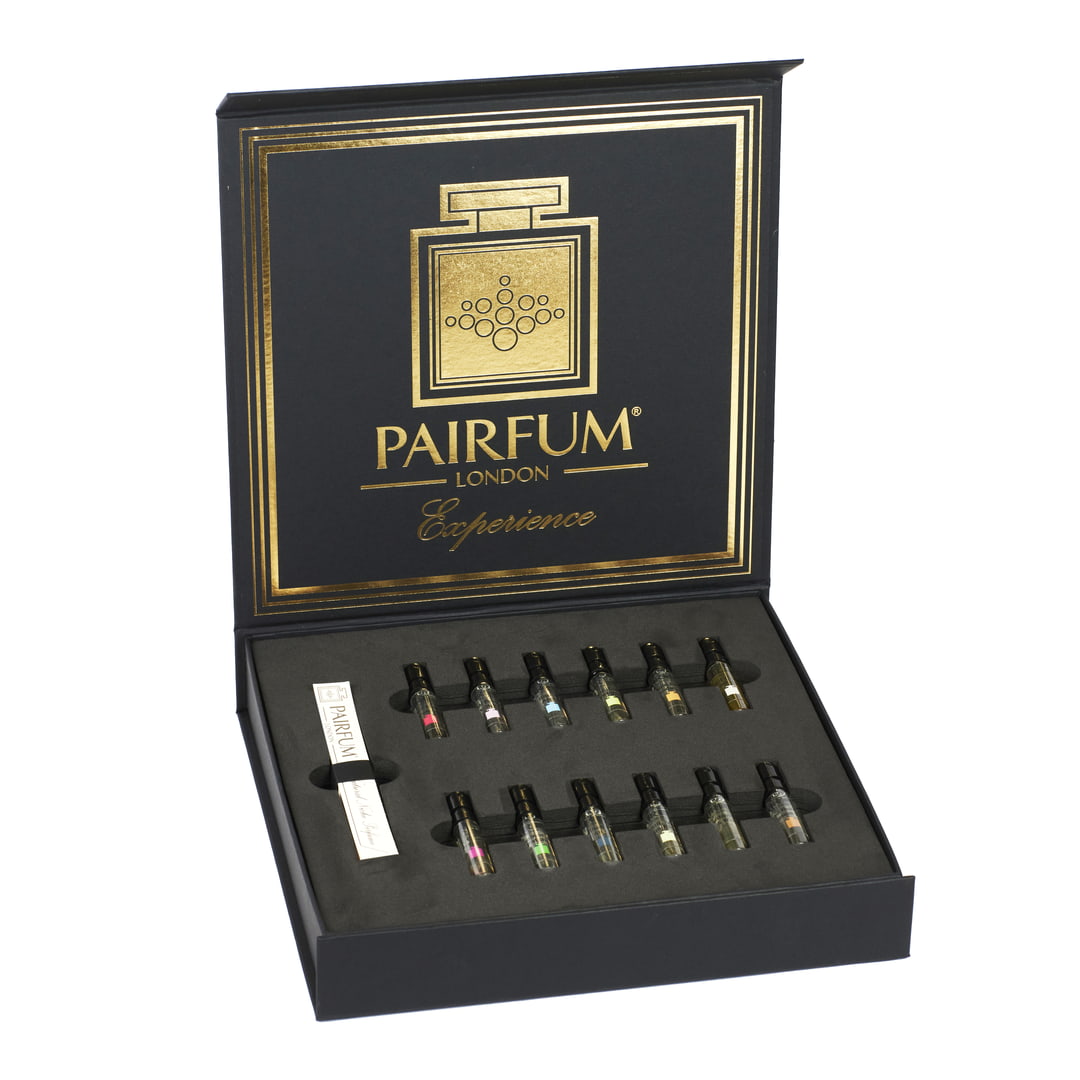
The Fragrance Library is a curated collection of 12 x 2ml Eau de Parfum Intense sprays, designed to let you explore the world of niche perfumery from the comfort of your own home. Each set includes 50 smelling strips and enough perfume for approximately 100 sprays per bottle, allowing you to test each fragrance’s longevity and evolution on your skin over two weeks. This selection is 100% vegan, cruelty-free, and handmade in the United Kingdom using natural and organic essential oils, ensuring a clean and ethical way to find a fragrance that truly resonates with your persona.

Pairfum Collection Niche Perfume Experience Fragrance Library 49 Square

‘Berry Bold’: Why Loganberry Makes Fragrance More Interesting

Loganberry stands at the edge of sweet, where tart makes things more interesting. It’s the kind of fruit perfume note that adds something honest, like where the garden hits the wild. Because it’s not as common as strawberry or raspberry, people notice it, even if they can’t name it.

As the air cools in autumn, the deeper, wine-like qualities of the loganberry come to the fore. It is a plant that yields its best fruit in the height of summer, yet its olfactory memory lingers much longer. Its fresh-tart shape, rooted in real fruits and green branches, brings a twist to springtime perfumes. For those of us working in natural and niche perfumery, Loganberry feels like a welcome change. It brings a bright note that’s modern and playful, while still grounded in nature. Its hybrid nature makes it both familiar and curious, which is exactly why it works so well.

Star Anise Benefits

Star Anise Benefits in Perfumery: Liquorice-Bright Spiced Spark

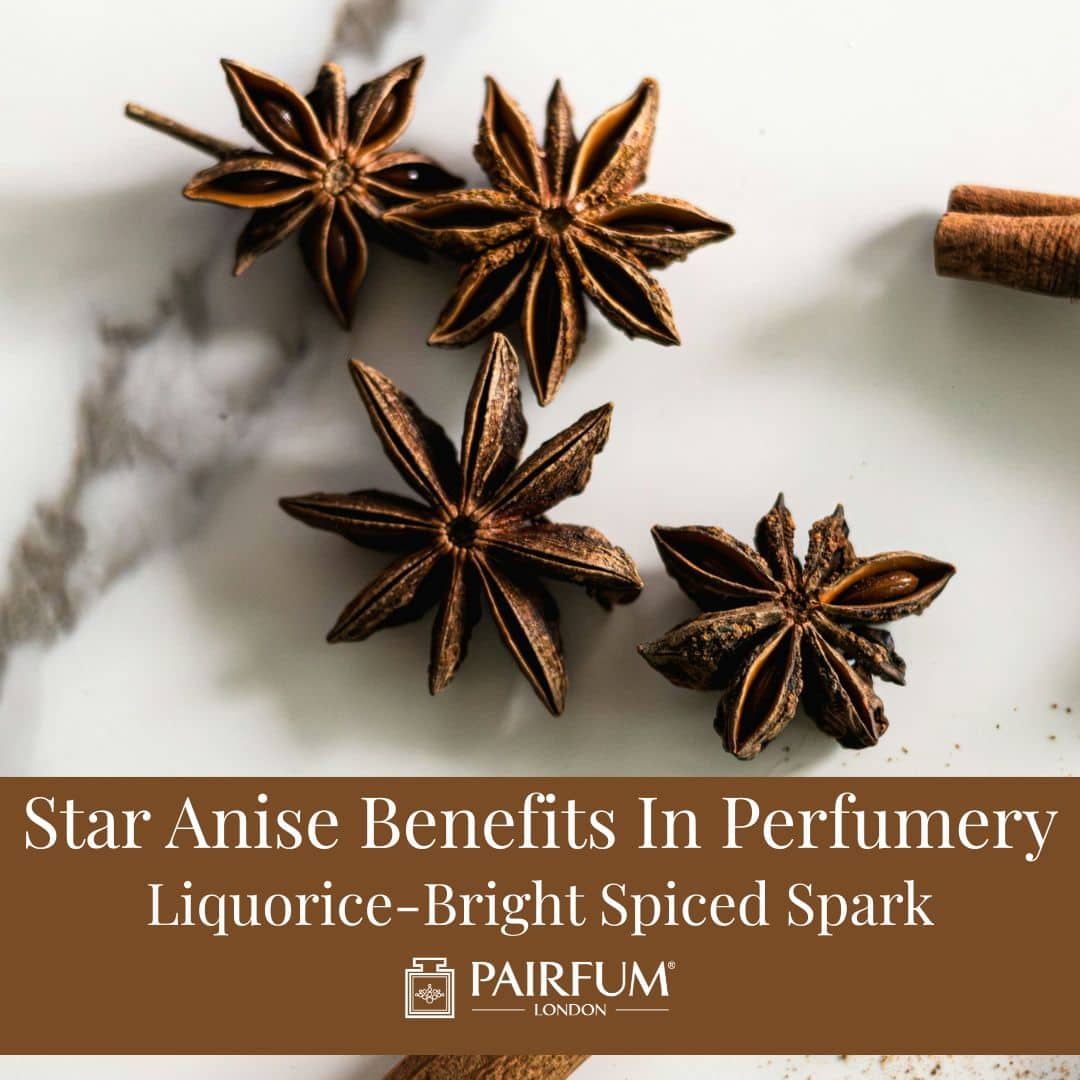
There is something immediately cheerful about the first whiff of star anise in a perfume. With its sparkling liquorice-like glow and soft spice, it brings warmth and lift to a fragrance at the same time. That makes it perfect for spring, when we crave something with a little freshness, but still want a trace of comfort as the weather shifts.

Star anise has a sweet, slightly peppery brightness that feels at once familiar and a little unusual. It is playful without being too bold, especially when paired with ingredients like citrus or wood. This spice has been used in fragrance for centuries, but when it shows up in a fine perfume, it often takes on a new, more refined expression. Here is how.

The Origins and Story Behind Star Anise

Star anise may be striking in shape, but its aromatic qualities are what have kept people fascinated for hundreds of years. Native to parts of China and Vietnam, this spice has been used in traditional herbal blends, cooking, and, over time, fine fragrance. The star-shaped pods come from a small evergreen tree and are picked when still green, then dried until they turn deep brown.

What makes the aroma of star anise stand out is how it balances contrast. It is warm, but it lifts. It is sweet, but not sugary. It brings a subtle depth to a perfume without overpowering the other ingredients. Cultures through Asia and parts of Europe have long found it to be soothing and emotionally grounding, making it a favourite for more than just its taste or look.

In fragrance, there is something familiar in its soft spice, like a comforting memory on a chilly morning or the playful zing in a fresh blend. It is this dual nature, both cosy and lively, that makes it such a useful note in perfume creation.

Pairfum Collection Niche Perfume Experience Fragrance Library 10 Square

Understanding the Botanical Profile

To truly appreciate this ingredient, one must look at the Illicium genus. The culinary and perfumery staple is known as Illicium verum. It is an evergreen tree that can live for over 50 years, reaching heights of up to 20 feet. It thrives in the humid, subtropical climates of Southern China and Northern Vietnam, where it produces small, pale yellow flowers before the fruit develops.

However, it is vital to distinguish this from Illicium anisatum, also known as Japanese star anise. While the Japanese variety is beautiful and looks remarkably similar to the edible version, it is highly toxic and primarily used as incense in temples rather than in food or skin-safe applications.

In the botanical order of spices, star anise holds a unique position. While it shares the name anise with the European anise seed, they are botanically unrelated. The common anise is a small seed from the parsley family, whereas star anise comes from a woody tree. Despite this, they share a high frequency of anethole, the organic compound that provides that signature liquorice flavour.

How Star Anise is Extracted for Perfume

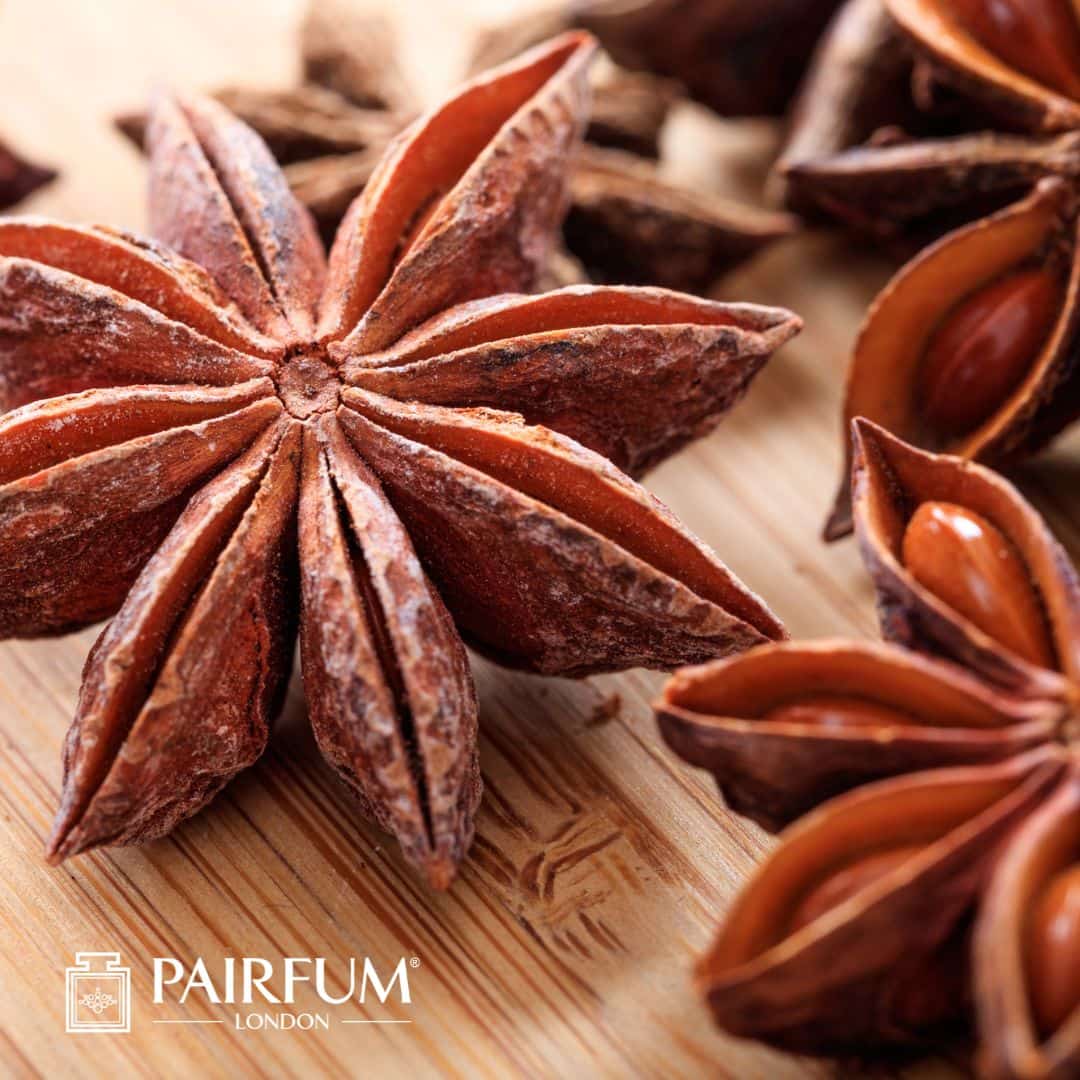
The star-shaped pods used in perfume come from the Illicium verum plant. These little stars are not just a name; they really do look like eight-pointed flowers carved out of wood. Each point on the star holds a single seed, and both the pod and seed are rich with essential oils.

To turn these lovely shapes into something wearable, we use a method called steam distillation. This gentle process releases the essential oil inside each pod without damaging its quality. It captures the full aroma of the spice, sweet, aromatic, and warmly spicy, all while keeping the oil clear and smooth.

The extracted oil is prized in perfumery for several reasons:

  • It has a clean profile that does not muddy up a composition
  • It works well with both fresh and warm notes
  • It offers brightness, without the sharpness that comes from some spices

This makes it a favourite for use in both top and heart notes. Whether used as a ground powder in solids or as a distilled liquid, the addition of this anise note creates a sensory refresh.

Health Benefits and Traditional Wisdom

The value of star anise extends beyond its scent. Modern science has found that it contains shikimic acid, a primary ingredient used in the production of antiviral medications. It is also packed with antioxidants like linalool and quercetin, which help the body manage inflammation.

In traditional wellness, it is often brewed into a tea to act as a digestive aid. It functions as a carminative, helping to reduce bloating and settle the stomach after a heavy meal. Its mild sedative properties also make it a popular choice for those looking to improve sleep quality or reduce stress. When you wear a perfume containing this anise note, you are tapping into a long history of ingredients chosen for their ability to soothe the spirit.

Star Anise Close Up

Culinary Roots and Versatility

The description on a botanical label often masks just how versatile this spice is in the home. Long before it was a staple in a perfume, it was essential in Chinese and Vietnamese kitchens. It is a cornerstone of Chinese five-spice powder and a vital part of the broth for authentic Pho.
In the kitchen, a small amount goes a long way because it is incredibly potent. It is often simmered in water or wine to release its oils into soups and stews. Its ability to bridge the gap between savoury and sweet is remarkable:
  • Savoury: It pairs perfectly with pork, garlic, and ginger. It is frequently used alongside soy sauce, green chillies, and clove to create deep, umami-rich sauces.
  • Spiced Blends: It is a key component in garam masala, working alongside cinnamon and fennel seed.
  • Sweet: Beyond the savoury, it is used to infuse yoghurt or flavour baked goods, cakes, and various desserts.

When cooking, the pods are often added for several minutes to infuse the dish before being removed. This culinary depth is exactly why star anise feels so grounded when used in an olfactory context.

Star Anise Notes in Perfumes: What They Smell Like

The aroma of star anise in perfume is easy to spot once you know what you are looking for. It smells faintly like liquorice, light, sweet, and mildly spicy, with a flash of something herbal. But it is not a static note. Depending on how it is blended, it can shift its feel quite a bit.

  • In citrus-forward perfumes, it adds a gentle spice that smooths out the sharper edges
  • With woodier notes, it introduces a nostalgic sweetness that keeps things from feeling too heavy
  • In gourmand or food-inspired fragrances, it gives a twist that is comforting and interesting

Star anise shines best in transitional seasons like early spring. Picture a slightly crisp morning walk: cool air, but sunlight starting to stretch across your jacket collar. Its glow fits right into that. It also makes for a charming evening note, especially when the weather still holds a bit of bite and you want your fragrance to feel slightly mysterious yet warm.

Iconic Perfumes That Use Star Anise

Several well-known perfumes feature star anise, and they do this in very different ways, which speaks to its range. Some highlight the spice right at the top, letting it sparkle for a few minutes before settling into softer heart notes. Others draw it down into the base where it mingles with amber or vanilla to add roundness.

In masculine perfumes, star anise can sit in the heart or base to smooth out sharp aromatics or leather notes. In feminine perfumes, it can bring a bright vibration to the beginning of the bouquet, pairing beautifully with citrus peels or floral herbs like neroli or orange blossom.

Lolita Lempicka – Le Premier Parfum: An iconic gourmand fragrance where star anise and liquorice meet violet and ivy to create a whimsical, enchanted forest aroma.

Guerlain – L’Instant de Guerlain pour Homme: A sophisticated scent using star anise to bridge the gap between fresh citrus top notes and a warm, cocoa-rich base.

Jo Malone London – Vanilla & Anise: A modern, airy blend that pairs the herbal spice of star anise with wild fennel for a transparent and dewy finish.

It is clear from these blends that star anise does not belong to one type of perfume. It flexes, rounds things out, or adds a twist exactly where it is needed. Each anise-infused blend carries a unique date with nature.

Pairfum Collection Niche Perfume Experience Fragrance Library 49 Square

Elevate Your Scent Profile through Personal Discovery

The world of perfume is vast, and finding that perfect balance of sweet anise and soft spice requires a personal touch. If you are curious about the transformational powers of other botanical herbs, our Fragrance Library – Perfume Experience Box Collection offers the ideal way to explore. This curated set allows you to experience a wide variety of niche scents in the comfort of your home, making it easy to identify which aromatic profiles truly resonate with your spirit before committing to a full bottle.

Fragrance Library – Perfume Experience Box Collection by Pairfum London

This collection features a versatile range of natural Eau de Parfum sprays, each presented in a glass vial to ensure the spirit of the fragrance remains pure. The set is designed for discovery, providing enough frequency of use to test each scent across different days and moods. With a diverse description of notes ranging from deep woods to sparkling spices, this library is a wonderful addition to any fragrance lover’s collection and makes a thoughtful gift for those keen to refine their olfactory palette.

The Sweet Spark That Keeps on Shining

The appeal of star anise in perfumery lies in its unique mix of comfort and brightness. It does not just add a liquorice-like sweetness or sharp spice, it adds energy. Something about its warmth feels full of life, like the earth waking up after winter.

When star anise is used thoughtfully in niche or natural perfumes, it becomes part of something that lingers. It finishes softly but starts with sparkle. It connects well with today’s longing for familiarity, but also novelty. That makes it a small but steady star in the anise aroma map of spring and beyond.

By understanding the journey of star anise from the Chinese forest to the fragrance bottle, one can better appreciate the complex anise nuances in every spray. Whether it is the anise aroma in your favourite anise perfume or the anise scent in a sweet anise treat, this anise spice remains a classic. The anise pods deliver an anise punch that makes anise a true anise favourite for any anise lover. This anise profile is simply timeless.

Cistus Labdanum Smell

Cistus Labdanum Smell In Perfumery: Smoky Rockrose Amber

Cistus labdanum (rockrose) has a complex, warm, and tenacious scent profile, often described as a blend of balsamic amber, rich leather, and honey-like sweetness. Extracted from the labdanum resin of the cistus shrub, it offers woody, smoky, and slightly animalic undertones that serve as a natural fixative in fine perfumes.

Cistus Labdanum carries a smoky, earthy tone that fits perfectly as winter gives way to spring. This natural resin, drawn from a plant known as rockrose, has an aroma that feels warm, deep, and grounded. For centuries, it has been used in rituals and ceremonies, adding richness to the air and early fragrance blends. Often called the champion of perfume, it remains a cornerstone of the industry due to its incredible versatility and animalic allure.

Today, it still holds a place in perfumery, especially in compositions that want to feel grounded, soothing, or quietly luxurious. We often turn to it in both niche perfume and natural blends for its smooth amber style with gentle smoky edges. Here is how we think about it, where it starts, what makes it special, and how it is used by perfumers today.

Lifestyle Living Room Natural Reed Diffuser Fragrance Candle 1 1

The Origins of Cistus Labdanum

Cistus Labdanum comes from the leaves and twigs of the Cistus ladanifer plant, which grows around the Mediterranean. This hardy, evergreen shrub is not flashy, but it produces a thick, sticky brown resin that was treasured in ancient times for more than just its fragrance. The plant thrives in dry, nutrient-poor soil and is known for its five fragile white petals that resemble crepe paper, often marked with deep maroon spots at the base.

In early Mediterranean cultures, labdanum resin was collected using wool or leather combed through the plants. Historically, it is said that goats and sheep would wander through the cistus scrub, and the fragrant resin would stick to their coats and beards, only to be scraped off later by shepherds. In Ancient Egypt, this was so highly valued that pharaohs reportedly wore false beards made of goat hair soaked in the resin. Later, the labdanum gum was used in religious ceremonies or burned as incense. It was believed to have healing powers and was even utilised in herbal medicine to treat various ailments such as colds, coughs, and rheumatism.

The plant itself is often called rock rose, but Cistus Labdanum refers to the rich resin that seeps from it. That is the part used in perfumes. The botanical name is Cistus ladanifer, though you might sometimes see it referred to as Cistus ladaniferus or Cistus creticus, depending on the specific subspecies found across the Western Mediterranean, North Africa, and parts of the Middle East. The name Cistus actually stems from the Greek word kistos, the original name for the shrub in antiquity.

Perfumers from long ago liked cistus for its bold, smoky character. It easily blends with other materials used in spiritual oils and incense sticks, which gives it a strong link to both tradition and warmth.

Extraction: Transforming Raw Material into Liquid Gold

Collecting labdanum resin can be a slow and careful process. Traditionally, branches were brushed with leather or wool, trapping the sticky brown resin. After drying, the resin was scraped off and shaped by hand. Even with fewer machines, the result smelled remarkably full and warm. Modern producers in countries like Spain and Morocco still use traditional rakes called Ladanisterion to collect the gum during the peak heat of summer.

Modern extraction uses a few different methods to turn the raw material into a usable extract:

  • Steam distillation is a common approach. By turning the plant oil into steam and then cooling it, we can gather cistus essential oil. This extraction method results in a soft, more subtle version of the resin with fruity and balsamic overtones.
  • Solvent extraction gets a deeper, stickier result, known as labdanum absolute. This absolute is full of that smoky amber character. It can make the fragrance richer but might feel heavier.
  • In natural perfumery, many prefer clean, pure labdanum essential oil gathered without added chemicals. They keep the true depth of the cistus plant without the harshness.

Each extraction method gives slightly different outcomes. While cistus oil is often distilled from the leaves and twigs to create a lighter, more herbal scent, labdanum refers specifically to the products derived from the gum resin itself. This distinction is vital for perfumers looking to balance the bright, sharp top notes of a fragrance with a deep, heavy base. The labdanum absolute is particularly prized for its ability to mimic the scent of ambergris, a rare animal-derived ingredient once sourced from whales. By using cistus, perfumers can achieve that oceanic, salty, and sweet warmth ethically.

Pairfum Fragrance Triangle White Sandalwood Jasmine Labdanum Neroli

A Deep Amber Touch: Uses in Fine Fragrance

In a finished perfume, cistus often appears in the base or heart. That is where the long-lasting, grounding notes usually go. Cistus ladanifer excels here because of its natural depth and presence. It acts as a superb fixative, slowing the evaporation of lighter notes and helping the scent stay on the wearer for longer.

It pairs beautifully with other strong oils like patchouli, frankincense, myrrh, and even sweet notes like vanilla. This helps round out sharp edges and create a warm, inviting finish. In fact, if you blend cistus ladaniferus with a carrier oil, you can begin to see how it anchors more volatile scents. While most oils like citrus evaporate quickly, labdanum resin stays at room temperature and lingers on the skin for a significant amount of time.

In chypre fragrances, cistus holds everything together. This fragrance family was pioneered by Francois Coty in 1917 and relies on the contrast between citrus and a mossy, resinous base. These blends often include citrus, moss, and woods, and labdanum resin anchors the mix with softness and smoke. Amber perfumes would not be the same without it. Cistus labdanum can give amber blends their signature richness that lingers on the skin for hours.

We keep coming back to cistus because it fills in gaps. It deepens sweet perfumes without making them too heavy and gives woody or earthy perfumes something almost soft at their centre. Whether used as an essential oil or a concentrated absolute, it provides hints of complexity that are hard to replicate.

Cistus Labdanum Across the Senses: Character and Mood

The aura of cistus labdanum is hard to miss. It is warm, heavy, a bit leathery, and sometimes slightly sweet or smoky depending on how it is used. This gives it a strong emotional edge as well.

  • Grounding: It feels steady without being too dry. People often call it relaxing or meditative, as it brings a calm that does not demand too much attention.
  • Versatility: It shows up often in masculine or unisex perfumes, especially when the goal is to create strength without being too crisp or sharp. It has a balsamic, almost tobacco-like quality that adds sophistication.
  • Skincare: Beyond scent, cistus is often found in products for mature skin. When diluted in carrier oils, the essential oil is thought to have astringent and toning properties, often used in anti-ageing formulations.
  • Seasonal: As cold seasons linger in late winter or early spring, cistus suits the moment. It adds comfort, like a warm wool jumper or a mug of spiced tea.

It does not stand out the way florals or fruits do, but it adds body and warmth to almost anything it touches. That is why it is so loved in perfumery: it never tries to steal the show, but it holds everything together. Even in the culinary world, one might find hints of similar earthy complexity in ingredients like boletus edulis, though cistus remains firmly rooted in the world of scent.

Cistus Labdanum Flower

Iconic Perfumes Featuring Smoky Cistus Labdanum

Some well-known perfumes feature cistus labdanum as a key note, and they have helped keep it in the mix for many years now. You will usually find it near the base, bringing structure and warmth to the final fragrance. It is the secret ingredient in many legendary classics, providing a sense of weight and history.

It often appears in niche perfumes that want to feel rooted in traditional materials. The resin balances out brighter tones like citrus or spice, keeping things from feeling too sharp or dry. Whether the bottle is sold in the United Kingdom, the United States, or anywhere else in the world, the pickup availability of these cistus heavy scents remains high because of their timeless appeal.

Each perfume brings out different parts of the cistus ladanifer plant. Some pull forward the leathery parts, others highlight the ambergris style, and some let the smoky depth of the labdanum absolute do the talking. It is often described as the heartbeat of a fragrance, providing the rhythm that allows other notes to dance.

The way labdanum resin holds a fragrance together makes it a favourite in blends built to last. It gives the perfume a longer finish on the skin, which people often notice even if they cannot quite name it.

Signature Labdanum Notes with Pairfum London Home Fragrances

Cognac & Vanilla – Flacon Perfume Room Spray by Pairfum London

The aroma worthy of a Connoisseur: Sherry Aged Oak, rich Bourbon Vanilla, Golden Cognac, Caribbean Patchouli, Amber Benzoin and Ancient Labdanum.

White Sandalwood – Classic Tower Reed Diffuser by Pairfum London

A Creamy Sandalwood accord with a hint of Chypre. It includes top notes of Neroli and Lychee, a floral heart of White Jasmine, Violet and Cistus Labdanum, and a base of sun-bleached Cedar, Patchouli, Musk and Tonka Bean.

Pairfum Flacon Perfume Room Spray Signature Cognac Vanilla

Conclusion

Cistus labdanum is one of those rare perfume notes that feels current while carrying deep roots in history. Its amber-like, smoky tone fits perfectly in this nearly spring season, when we want scents that are smooth but still comforting.

Because cistus is a natural resin, its quality can vary based on the soil and sun of the Mediterranean. Perfumers must be experts in selecting the right labdanum absolute to ensure consistency. This raw material is more than just a scent; it is a bridge between the ancient world of burning incense and the modern world of high-end perfumery.

Experience the timeless allure of cistus labdanum. Its smoky, amber warmth adds a unique touch to every scent, making it a staple in any fragrance collection. Let this enduring note transform your journey with its comforting depth and sophisticated charm. Discover the art of scent that balances tradition with modern elegance.

Lychee Fruit In Fragrance

Lychee Fruit in Fragrance: Rosy Juicy Tropical Lift

Lychee (Litchi chinensis) is a small, tropical fruit native to Southern China, featuring a rough, reddish-pink, and easy-to-peel skin. The translucent white, juicy flesh inside offers a sweet, aromatic, and slightly tart flavour profile. As a rich source of vitamin C and phenolic compounds, this fresh fruit is commonly enjoyed during the summer months or used as a base for an exotic fruit dessert and various botanical cocktails.

There is something bright and joyful about lychee in fragrance, especially as winter leans into early spring. That soft, fruity aroma adds just the right amount of energy without feeling too heavy or sweet. It is rosy, almost floral at times, yet still unmistakably a tropical fruit.

We often turn to this fruit when we want a perfume to feel playful and light-hearted. It brings gentleness to blends that need a boost without taking over the whole composition. As the days start getting longer and a bit warmer, lychee fits the mood. It lifts the fragrance and brings to mind freshness, movement, and a soft kind of brightness that works well in both niche perfume and home fragrance.

A Fruit with Fragrant Roots: The History and Origin of Lychees

The lychee originates in Southern China, specifically within the provinces of Fujian and Guangdong, where it has been cultivated for over two thousand years. Known botanically as Litchi chinensis, this Chinese tree produces edible fruits that were once so prized they were delivered by imperial messenger to the emperors of the Tang Dynasty. While it began in East Asia, lychee trees are now found in many warm climates, including South East Asia, South Africa, and even parts of the United States like Florida and Hawaii.

The lychee tree itself is a handsome evergreen, a member of the soapberry family or Sapindaceae. In these regions, lychees are more than just a tropical fruit; they are a cultural staple. Whether found in the herb section of a local market or alongside new fresh asian vegetables, the lychee fruit is a symbol of romance and luck.

Historically, the dried lychee was often referred to as a lychee nut, though this is a bit of a misnomer. While the outer skin becomes brown and brittle when dried, the fruit inside remains sweet and raisin-like. In its fresh fruit form, the litchi is unmatched for its perfume. It is a drupe, much like a plum or a peach, featuring a rough, strawberry-red outer husk that protects the delicate treasure within.

Bedroom Reed Diffuser Luxury Scented Candle Room Spray 1 1

Bright and Juicy: The Character and Aroma Profile

The aroma of a lychee is hard to miss. It is both juicy and light, with a natural sparkle that falls somewhere between rosewater and a fruit salad. It has a round, ripe lychee quality that brings to mind soft common fruits, but with none of the sticky sweetness. Instead, there is a cooling effect behind it that freshens up whatever it touches.

Inside the fruit, you will find a single, dark lychee seed. While this lychee seed is not for consumption, the translucent white flesh around it, known as an aril, is packed with vitamin C and phenolic compounds. These elements contribute to the health benefits often associated with the fruit, such as supporting the skin and general immunity.

When we describe the flavour and scent, we often talk about the sugar content. However, a fresh lychee has a sophisticated profile. It is not just about the sugar; it is about the balance of floral and tart notes. This makes it a smart fit for spring perfumes that need a balance. Scientific analysis shows that the litchi shares the same key molecule as the rose, known as cis-rose oxide, which explains why the two smell so harmonious when paired together.

From Fruit to Fragrance: How Lychee is Used and Extracted

A fresh lychee fruit is delicious, but it is quite hard to work with directly in perfumery. Getting oil or essence from it in pure form is not easy because the fruit has very little oil to extract. Most often, perfumers use carefully created natural accords or blended aroma molecules that mimic the juicy, dewy shimmer of a real litchi.

There are two common types used in fragrance formulations:

  • Natural accords made by blending materials that together smell like fresh lychee.
  • Aroma molecules created in the lab to match the rosy, fresh-fruit tone of the litchi.

This does not mean it smells artificial. In good hands, those blends end up feeling very close to nature and quite soft on the skin. The goal is to capture the brightness and sweet charm of the lychee while keeping everything gentle and wearable. In some cases, a lychee syrup accord is used to add a gourmand touch, similar to how one might find canned lychee used in a dessert. A fresh lychee fruit contains high levels of water, and capturing that aqueous, “wet” sensation is the hallmark of a high-quality lychee note in niche perfumery.

Lychee In A Bowl

Culinary Inspiration: From Savoury Dishes to the Lychee Martini

The influence of lychees extends deep into Asian cuisine. You will often find the fruit used in savoury dishes to balance heat, or served as a simple, chilled dessert. The versatility of the litchi is one reason it transitioned so well into the lifestyle space. In Southeast Asia, it is a seasonal highlight that signals the arrival of warmer months.

In modern mixology, the lychee martini has become a classic, showcasing how lychee and a touch of syrup can create a sophisticated, botanical drink. This “cocktail” vibe often carries over into perfumery, where lychee is used to create a “fizzy” or “sparkling” sensation. Even though it is sweet, the fruit is often noted for having a moderate impact on blood sugar compared to heavily processed sweets, making it a “guilt-free” inspiration for both chefs and perfumers. Because it is so perishable, the fresh lychee is a fleeting luxury, which only adds to its allure in the world of high-end fragrance.

Perfume Pairings and Fragrance Families

Lychee blends beautifully with a handful of other notes, especially ones that lean soft, powdery, or fresh. We often notice it working best in fruity-floral perfumes or lighter springtime blends. Some of the most common pairings include:

  • Rose or peony, which matches the floral brightness of the lychee.
  • Musk, which helps ground the fruit in a smooth base.
  • Green tea or citrus, which balances the sweetness of the lychee.

What we like about lychee is that it softens a fragrance and makes it feel more youthful. It does not demand all the attention. Instead, it lets other notes speak clearly while still leaving a gentle, rosy-fruit trail behind. Whether the tree grew in Southeast Asia or was harvested in South Africa, the litchi essence remains a symbol of elegance. It provides a bridge between the edible and the ethereal, a trait shared by few other common fruits.

Iconic Perfumes and the Future of Lychee

Though lychee may not always be listed front and centre, it is the quiet star in many memorable blends. It helps add brightness and cheer to perfumes that want to avoid being overly sweet or dry. Because the lychee has a seed that is large and smooth, it reminds us of the stone fruits, yet its scent is far more delicate.

In fine fragrance, we often find lychees used in:

  1. Modern rose perfumes, where lychee brings freshness.
  2. Spring or summer fragrances that need a tropical fruit top.
  3. Niche perfumes that want to feel unique and clean.

The reason lychee keeps coming back in perfume trends is simple: it stays refreshing without fading too fast. It is bright enough to stand out at first, but delicate enough to blend into the full story. Perfumers continue to explore the nuances of the litchi, finding new ways to highlight its watery, translucent character without relying on heavy syrup notes.

Pairfum Large Reed Diffuser Bell Pure White Sandalwood

Lychee Top Notes in Pairfum London Home Fragrance

White Sandalwood – Large Bell Shape Reed Diffuser by Pairfum London

A Creamy Sandalwood accord with a hint of Chypre. It includes top notes of Neroli and Lychee, a floral heart of White Jasmine, Violet and Cistus Labdanum, and a base of sun-bleached Cedar, Patchouli, Musk and Tonka Bean.

The Feel-Good Lift of Lychee

The lychee has earned its place in perfumery not by being dramatic or bold, but by being quietly lovely. Its blend of fruit and floral fits exactly with the kind of perfumes we want to wear when the air still feels cool but warmer, brighter days are on the way.

It adds that special lift, a small bit of sunshine tucked into a bottle. Light, rosy, and juicy, the lychee is the kind of fragrance note that helps everything feel a little fresher. From the lychee fruit hanging on a tree in a distant land to the spray of a fine mist on your wrist, this exotic fruit continues to captivate our senses. It brings a soft joy to perfume, like opening a window to let the season in. Whether you are enjoying a fresh lychee fruit at a spring feast or wearing its essence in a bespoke blend, the litchi is a timeless reminder of nature’s beauty.

    0
    Your Cart
    Your cart is emptyReturn to Shop