
Home / freshfragrance
Fresh Lime Leaves

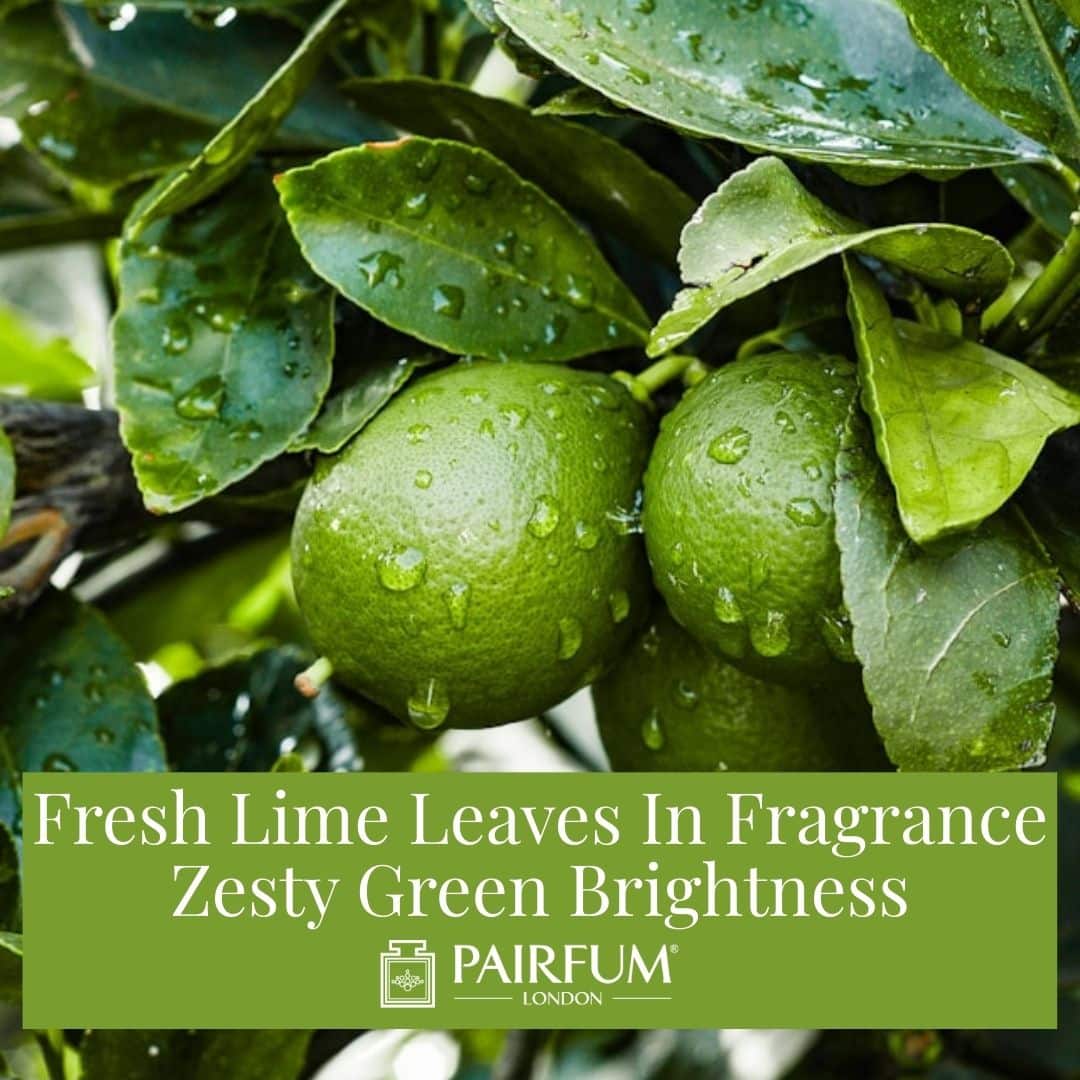
Fresh Lime Leaves in Fragrance: Zesty Green Brightness

Fresh lime leaves, specifically the Makrut or Kaffir lime leaf, are highly aromatic, double-lobed leaves that are essential for Thai cuisine and other Southeast Asian dishes. They offer an intense, citrusy, and spicy flavour profile, often compared to a blend of lemon and lime, commonly used in curry, soups, and various marinades. These fresh leaves are typically available in the refrigerated section of major supermarkets, within local Asian grocery stores, or through online specialist retailers.

Just before spring pushes winter out for good, there is something about green, citrusy perfumes that feels just right. Lime leaves offer that exact type of brightness. They carry a vivid, zesty aroma with hints of fresh greenery, almost like crushed leaves in sunshine. Used in perfumes, they can lift the whole composition in a way that feels clean, refreshing, and quietly cheerful.

We are looking more closely at lime leaves to understand how they have made their way into fine perfumery, what their perfume character is like, and why their bright green character remains a favourite in both classic and modern blends. To fully appreciate the profile of the lime, we must look at the specific species that provides these aromatic leaves, most notably the Citrus hystrix.

Pairfum Fragrance Spiced Rum Lime Guaiac Wood Triangle

A Little History Behind Lime Leaves in Perfume

Lime trees have long been grown for the freshness of their leaves as well as their tart fruit. In warm parts of the world, crushed lime leaves have been used for centuries in home rituals, cooking, and even bathing. People prized them for their natural, clean aroma, light and a bit floral, without being sugary or overpowering.

As perfume developed into an art with its own rules and structure, lime leaves provided something that citrus peel alone could not. Their leafy-green brightness added a soft, natural twist to perfumes built around herbs, white flowers, or zest. Not too sharp, not too sweet, just right for building in layers.

Historically, the Kaffir lime tree has been a primary source of these scents. While the fruit itself is quite bumpy and often less juicy than a standard lime, the leaf is a powerhouse of fragrance. In the United Kingdom, we often see these ingredients arriving from distant tropical climates, bringing a sense of exotic luxury to our shores.

The Botanical Identity: Makrut and Kaffir

It is important to understand that the lime leaves used in high-end scents often come from the Makrut lime, also known as the Kaffir lime. The term Makrut lime leaf is becoming the preferred name in many botanical and culinary circles. This specific Makrut lime is native to Southeast Asia, where the humid climate allows the Kaffir lime leaf to develop its signature high oil content.

Whether you refer to it as a Kaffir leaf or a Makrut lime leaf, the physical structure is unique. It looks like two leaves joined together, one appearing to grow out of the tip of the other. Botanically, this is known as a winged petiole, where the leaf-like stalk is nearly as large as the blade itself. This hourglass or bifoliate leaf shape is a hallmark of the species. In regions like South Africa and across South East Asia, the tree is a garden staple, providing fresh leaves for daily use.

Eau de Parfum Bergamot Basil Patchouli

What Lime Leaves Smell Like in a Fragrance

Lime leaves do not smell like lime juice or peel, though they share a family resemblance. They are greener and softer, with a hint of wood and a light floral touch that gives them more character than you might expect.

  • In the top notes of a perfume, lime leaves help create a fresh, crisp opening without being too sharp.
  • In the middle of a fragrance, they can soften spicy herbs, citrus, or tea notes while keeping things lively.
  • Compared with petitgrain (from the bitter orange tree), lime leaves feel less bitter and more mellow. They are also lighter than green tea, which can lean closer to dry or earthy in some blends.

The lime zest provides a punchy, sharp hit, but the leaf offers a lingering, sophisticated flavour to the scent profile. This is largely due to high concentrations of citronellal, which gives the leaves their distinctively intense, lemony-floral aroma. This makes lime leaves flexible in perfumery. They work well in fresh colognes, floral blends, and even some woody compositions that need a dash of green lightness. Whether as a starring ingredient or complementing others, lime leaves have earned their place as a staple in several scent styles over time.

Culinary Origins and Aromatic Influence

To understand why lime leaves work so well in fragrance, we can look at their role in Asian cuisine. The scent is so potent that even a single fresh Kaffir lime leaf can transform a recipe. In Thai cuisine, the Makrut lime is indispensable. You will find it in:

  • Tom Yum soup, where the fresh Kaffir lime leaves provide a counterpoint to spicy chillies.
  • A traditional Green Curry or Thai curry, where the leaves are bruised to release their oils.
  • Fish cakes and various dishes where a bright flavour is needed to cut through rich ingredients.

The way a chef uses a Kaffir lime to create a curry paste is not unlike how a perfumer uses the extract. In traditional cooking, the leaves are often julienned extremely finely to make them palatable, as they are naturally quite tough and fibrous. Both the chef and the perfumer are looking for that “spark.” In Southeast Asian cuisine, the balance of fish sauce, oyster sauce, and citrus creates a complex profile. Similarly, in a bottle of perfume, the lime notes must balance against other heavy hitters. Even the use of Thai basil or a dried leaf like a bay leaf in cooking mirrors the layering of herbs in scent.

Lime Leaf

How Lime Leaf Essence Is Created

The most common method for getting lime leaf fragrance is steam distillation. Fresh leaves from the lime tree are gently heated with steam so that their aromatic oils rise up and can be collected. This brings out the purest form of the green, citrusy aroma.

Some perfumers prefer slightly different techniques, adapting their extraction method to shape the final aroma:

  • CO2 extraction, which allows for a softer, rounder aroma that leans toward creamy, making the resulting note a little smoother for gentle blends.
  • Traditional infusions, where leaves are soaked in a neutral oil or alcohol to pick up their subtler notes over time, illustrate the slow art of fragrance.

The quality of the fresh Kaffir lime leaves used in the process is paramount. Just as a dried Kaffir lime leaf or a dried leaf loses some of its top-note vibrancy in a curry, a paste made from older leaves will not have the same olfactory “lift” as a fresh extract. In Southeast Asian markets, these leaves are prized when they are dark green and shiny, indicating a high concentration of essential oils.

How the oil is handled affects the feel of the perfume. A cleaner, sharper extract can go into a summer body splash or crisp cologne. A softer version might sit nicely in a botanical eau de parfum or even blend with white florals in a home fragrance. The choice of extraction method is an important artistic decision that can affect the end result, tailoring the lime leaf note for a particular perfumer’s vision.

Beyond the Kitchen: A Cultural Staple

The influence of the lime extends into many cultural celebrations. During Chinese New Year, citrus fruits and their aromatic leaves are often used as symbols of luck and freshness. In some cultures, the fruit and leaves are even used in traditional hair washes or religious ceremonies to signify purification. While a cook might reach for rice paper and lime to wrap a fresh spring roll, a perfumer reaches for the same botanical essence to wrap the wearer in a sense of renewal.

Even in the digital age, as we “manage consent preferences” on our favourite fragrance blogs, the search for “natural” and “authentic” scents leads us back to these ancient ingredients. The Kaffir lime remains at the top of the list for those who want a scent that feels “real.”

Eau de Parfum Person Reflection Spiced Rum Lime Guaiac Wood 1 1

Where You Will Find Lime Leaves in Perfumes Today

Lime leaves have become a notable ingredient in niche perfumes and naturally built fragrances, especially those intended to feel light, fresh, and alive. They often suggest the idea of new growth or sun-warmed air, which is why they fit seasonal launches around springtime so well.

They blend easily with:

  • Basil or verbena, for a green herbal twist that comes alive.
  • White tea or neroli, for a fresh floral edge with an airy finish.
  • Ginger or cardamom, where citrusy green notes soften warming spices and keep a balance between freshness and intensity.

Famous Lime Leaf Fragrances

To see how these notes perform in professional blends, consider these three iconic examples:

Jo Malone London – Lime Basil & Mandarin: The gold standard for herb-infused citrus. It uses a punchy lime top note balanced by peppery basil and white thyme to create a crisp, “freshly crushed” garden aroma.

Creed – Virgin Island Water: A high-end tropical classic. It features a sharp, authentic Kaffir lime note paired with coconut and white rum, perfectly capturing the zesty brightness of aromatic leaves in the sun.

Diptyque – Oyédo: A complex citrus blend inspired by ancient Japan. It combines lime and mandarin with cooling shiso leaf, providing a unique, minty-green edge that stays vivid and refreshing on the skin.

Pairfum Eau De Parfum Person Reflection Bergamot Basil Patchouli Couple Bike 1 1

Iconic Lime Notes in Pairfum London Fragrances

Spiced Rum, Lime & Guaiac Wood – Eau de Parfum by Pairfum London

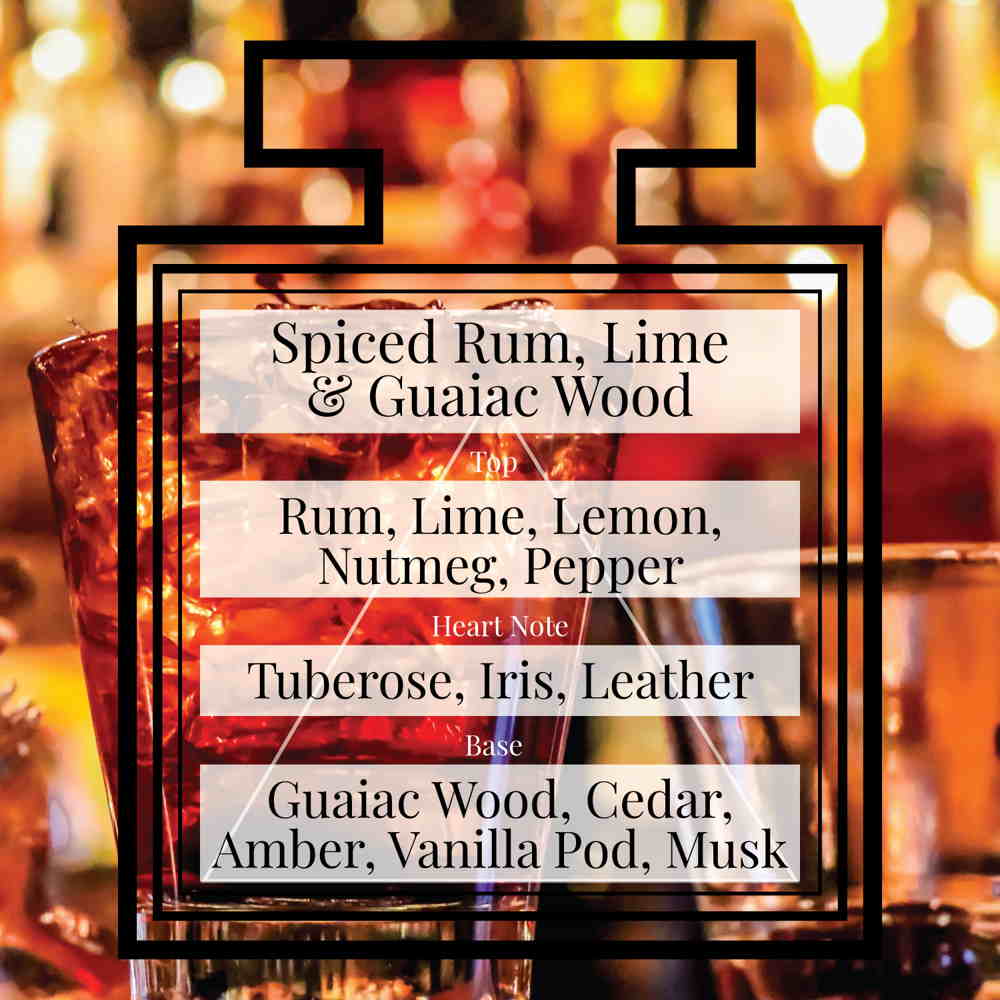
This Connoiseur’s accord opens with the intense aroma of Rum, nuances of Lime & Lemon and a radiant combination of Nutmeg & Pepper. The heart is deep and rich with Tuberose, Iris and Vintage Leather. A fond of Guaiac Wood, Cedarwood, Golden Amber, Vanilla Pod and Musk completes this luxurious fragrance.

Bergamot, Basil & Patchouli – Eau de Parfum by Pairfum London

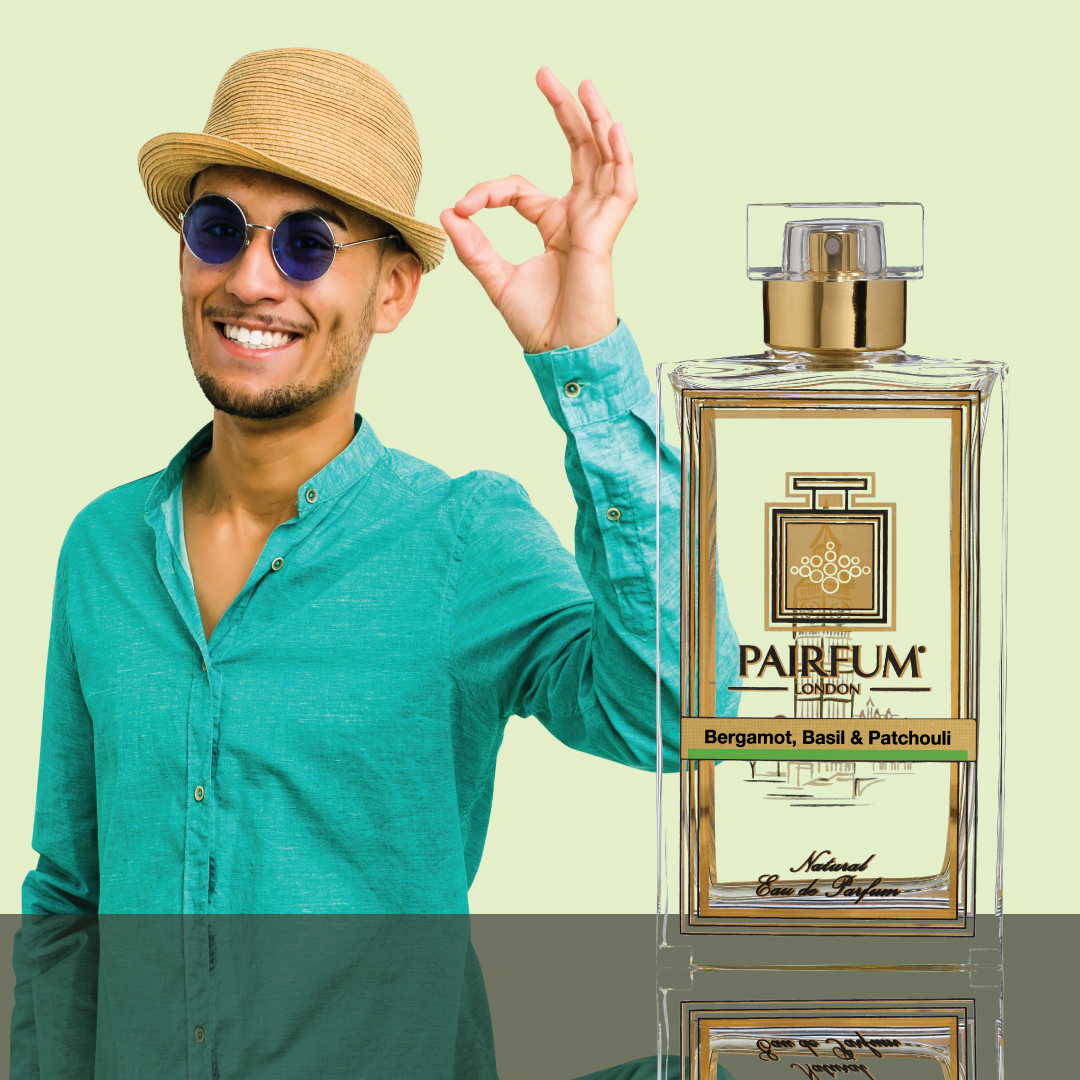
This woody and aromatic accord opens with Bergamot, Lime, Green Leaves and spicy Basil. The heart is fresh with Lily, Freesia, Violet Leaf, Rose and Geranium. The note rests on a beautifully rich woody base of Patchouli, Vetiver, Sandalwood, Cedar and Amber.

Fragrance with a Green Spark: Why Lime Leaves Still Capture Us

There is something poetic about a perfume that feels alive without shouting. Lime leaves accomplish this. Their green citrus edge gives clarity without harshness. They can lift heavier florals or woods without changing their core and fit beautifully in fragrances where balance is key.

Whether it is the scent of a Kaffir lime in a steaming bowl of soups or the elegant trail of a Makrut lime perfume, the impact is undeniable. Currently, perfumery leans into gentler touches. People want perfumes that feel natural, relaxed, and breathable. Lime leaves deliver that sense of presence without weight. Their aroma sits somewhere between leaf, zest, and faint blossom, a small twist that makes a bottle feel more grounded, more real.

Mint In Fragrance

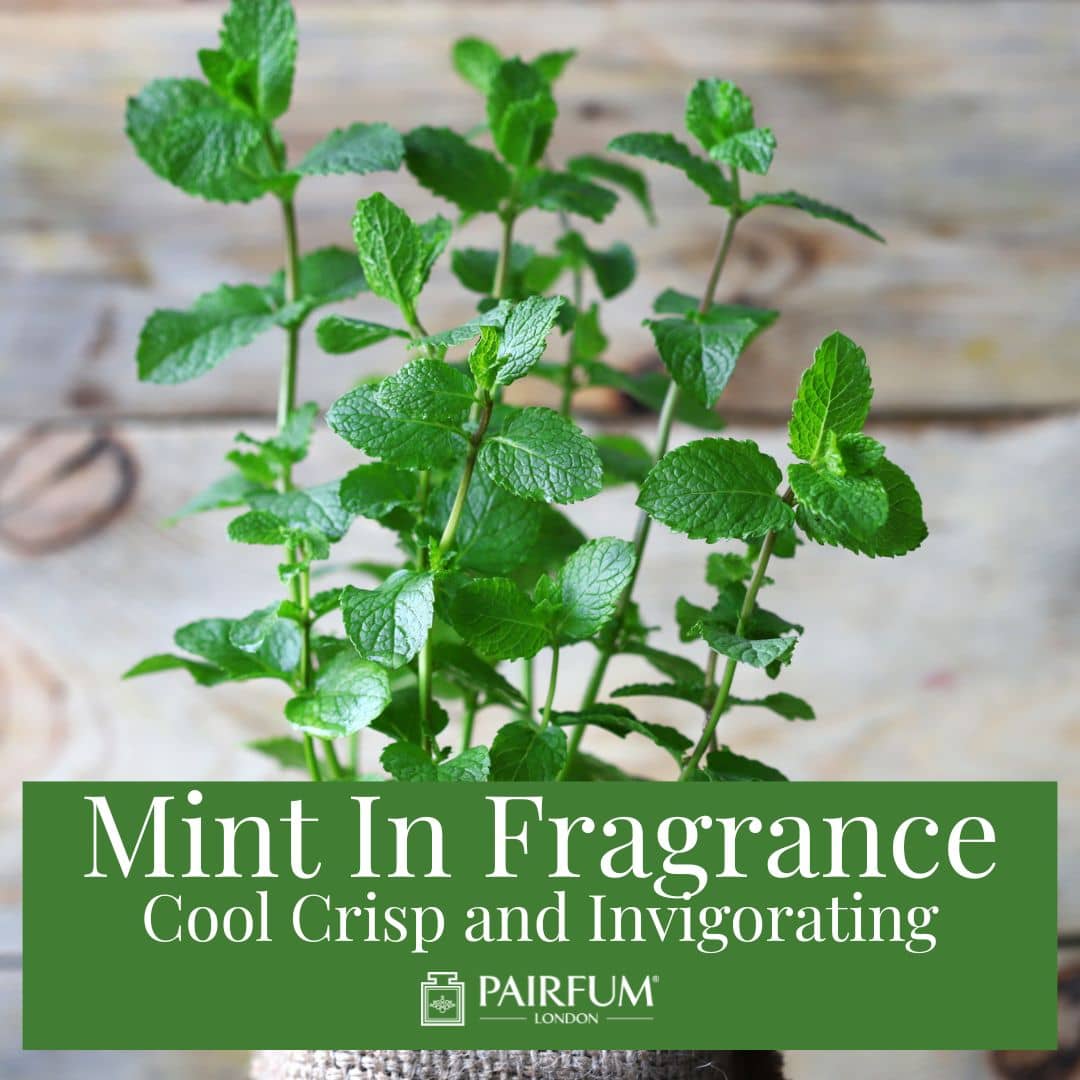
Mint In Fragrance: Cool Crisp and Invigorating

Mint refers to a popular aromatic herb (from the genus mentha) known for its refreshing flavour, used in cooking, drinks, and remedies for digestion. However, it can also mean something excellent in slang, a place where money is made at a coin mint, or even an operating system. Key types include peppermint (stronger, for sweets) and spearmint (milder, for dishes, mint sauce or mint tea).

Mint brings an unmistakable feeling of freshness to perfume. It is clean. It is crisp. It has a cooling effect that makes other notes pop. Think of that first deep breath outdoors on a frosty morning: a sharp clarity with a hint of green. Mint is often connected with summer, but it is not limited to warm-weather blends. It plays an important role in cold-season perfumes too. It offers contrast and lift when everything else begins to feel more intense. Many fragrances released around December include a trace of this brisk herbal oil, especially during winter when heavier accords dominate the composition. Today, this article takes a closer look at how mint moves within perfume, its origin, how it is used, and why it keeps turning up in modern and timeless creations alike.

Meaning, Language, and Usage

Before exploring mint in fragrance, you should understand mint as a word. Mint is a noun with several distinct meanings. As a noun, mint may refer to an aromatic plant, a place where a coin is produced, or a description of condition and quality. These meanings developed over time. They are still reflected in modern terms and everyday language. In Old English, mint referred both to the plant and to a place associated with coin production. During Middle English, usage expanded further. This reinforced links between value, purity, and freshness.

This linguistic history explains why phrases such as mint condition and perfect condition are still used today. You see them when people describe objects like collectables, books, or even a perfume bottle that has never been opened. The phrase mint condition originally related to the appearance of a coin fresh from the royal mint, untouched and without wear. In modern usage, it no longer refers to money alone. It remains closely linked to ideas of quality and care. Mint has several synonyms depending on context. In culinary and fragrance language, synonyms often relate to freshness or flavour. In financial language, synonyms relate to origin and authenticity. These overlapping terms give mint its unusual flexibility as a noun.

Fragrance Description Pink Lavender Tangerine Mint Rose Amber

The Roots of Mint in Fragrance

Mint has a long history. For thousands of years, mint plants have been used across cultures as a cooking herb, natural remedy, and refreshing infusion. Long before it made its way into fragrance, people relied on mint for stomach troubles, headaches, and to freshen the air in homes and public spaces. Perfumers noticed its naturally clean and energising quality. Across fragrance houses, mint began appearing as a way to open a perfume with brightness and ease. It added shape to compositions that might otherwise lean too floral, citrus, or woody. Different types of mint offer different aromas. Each one supports other ingredients in its own way. From cooling top notes to green herbal hearts, mint continues to add a fresh angle to the classic perfume structure.

The Mint Plant: Botany and Growth

Mint refers to a group of aromatic plants within the mint family, botanically known as Lamiaceae. The mint plant belongs to the genus Mentha, more commonly written as Mentha. There are many recognised mint varieties, along with natural hybrids that occur where species grow close together. A typical plant is a hardy perennial plant with a spreading root system. This root network allows the plant to regenerate year after year, even after winter dormancy. Above ground, the plant develops a square stem, textured leaves, and small flowers when mature. Each flower is usually pale purple, pink, or white. Because of its vigorous growth, mint is often grown in containers or a dedicated pot rather than directly in open soil. This prevents the plant from spreading too aggressively.

Growing Mint at Home

Growing mint is considered straightforward, even for beginners. Mint prefers moist soil, moderate temperatures, and partial shade, although many varieties will tolerate full sun if watered well. The plant can be grown outdoors or indoors, provided there is adequate light and airflow. When planting mint, young nursery plants are usually recommended rather than seeds. This ensures accurate identification of the plant, whether peppermint, spearmint, apple mint, or another cultivar. Gardeners often harvest mint leaves regularly. This encourages bushier growth. Left to flower, the plant continues to attract pollinating insects and remains healthy throughout the growing season.

Green Mint

Mint Leaves, Menthol, and Extraction

The aroma of mint comes primarily from its leaves. Mint leaves contain aromatic compounds, most notably menthol, which is responsible for the cooling sensation associated with mint. Menthol interacts with cold-sensitive receptors in the skin and nose. It creates a perception of freshness rather than actual temperature change. To extract scent for fragrance, the leaves are usually steam-distilled. This process produces a concentrated essential oil that captures the characteristic aroma of the plant. Peppermint oil is one of the most widely used extracts due to its clarity and strength. Because peppermint oil is highly concentrated, perfumers use it carefully. A small quantity can influence the entire structure of a fragrance.

Types of Mint Used in Perfume

Not all varieties are the same. Each brings a distinct character to the fragrance. Peppermint (Mentha piperita) is the most widely recognised. Peppermint is a natural hybrid of spearmint and water mint. It contains a high level of menthol, giving it a sharp, cooling profile. Peppermint oil, derived from piperita, is often used to create a clear and energetic opening. Peppermint remains one of the most recognisable mint notes in perfume.

Spearmint (Mentha spicata) is softer and greener. Spearmint blends easily with florals, citrus, and herbal notes. It is often chosen when a more rounded freshness is required. Apple mint, botanically known as mentha suaveolens, has a gentle aroma and soft leaf texture. Chocolate mint offers a subtle cocoa nuance. Corsican mint is low-growing but intensely aromatic. Wild mint and other varieties grow naturally near streams and damp ground, offering an earthier profile.

Food, Culture, and Daily Life

Mint is deeply embedded in daily life. Fresh mint is widely used in salads, desserts, and cold drinks, while dried mint appears in spice blends. Mint sauce is traditionally served with savoury dishes such as roast lamb. Mint sauce remains a familiar part of British cooking. This aromatic herb provides a unique flavour profile that is hard to replicate. Mint flavour is also found in sweets and chewing gum, where it is associated with freshness and cleanliness. Mint tea, made by infusing leaves in hot water, is valued for its gentle taste and calming qualities. Because mint connects scent, taste, and memory, it has a strong presence in cultural habits from Europe to New Zealand. While sharing personal information about one’s favourite tea is common, almost everyone agrees on the refreshing power of this herb.

Lifestyle Living Room Natural Reed Diffuser Fragrance Candle 1 1

Why Mint Shines in Winter Perfumes

During winter, perfumes often feature spice, resin, and wood. While these notes suit the cold, they can feel dense. Mint plays a valuable role in winter compositions. In these fragrances, mint:

  • Lifts heavier accords
  • Adds contrast and brightness
  • Evokes cold air and freshness

Mint is frequently paired with clove, fir, patchouli, or cinnamon to balance warmth with clarity during the colder months.

How Perfumers Extract and Use Mint

The essential oil used in fragrance comes from the leaves, usually through steam distillation. This method gently heats the plant material. Aromatic compounds rise with the steam, then condense into oil. The resulting peppermint oil is light, volatile, and highly aromatic. Mint is typically used as a top note. It is one of the first impressions experienced when applying a fragrance from a bottle. Many perfumers:

  • Blend peppermint with citrus oils for a fresh opening
  • Mix it with herb notes to enhance structure
  • Use it against woods or resins for contrast

In each case, peppermint adds clarity and prevents heaviness.

Iconic Fragrances

Several well-known perfumes rely on peppermint to sharpen their structure. It is especially common in men’s and unisex fragrances where clarity and balance are important. Mint is often found:

  • Following spicy or woody openings
  • Paired with citrus or green notes
  • Used to lighten floral compositions

Mint does not dominate. Instead, it creates space within the fragrance.

Iconic Perfumes Featuring Mint

Guerlain – Héritage 

A refined classic where peppermint adds a subtle lift to a warm, woody and spicy structure. The note is restrained rather than dominant. This helps to keep the fragrance elegant and breathable, particularly in cooler weather.

Amouage – Beach Hut Man 

A vivid green fragrance built around fresh peppermint, ivy, and galbanum. Here, the aroma feels wild and herbal rather than icy. It evokes open air and natural landscapes while adding sharp definition to the composition.

Comme des Garçons – Amazingreen 

A modern, unconventional take on green freshness. Peppermint is paired with palm leaf and gunpowder notes. This creates a crisp yet mineral effect. The peppermint provides clarity and contrast rather than traditional sweetness.

Pairfum Large Snow Crystal Candle Pure Pink Lavender

Mint Notes & Home Fragrance At Pairfum London

Bring the fresh clarity of winter indoors with the Snow Crystal Perfumed Candle. Crafted from natural stearin wax, this large candle releases a refined fragrance as it burns. It creates a calm and inviting atmosphere. Its crystal-like finish and clean burn echo the crisp, uplifting sensation that mint brings to fragrance. This makes it an elegant addition to seasonal living spaces.

Pink Lavender – Large Snow Crystal Perfumed Candle by Pairfum London

A bright and refreshing fragrance that opens with lively notes of tangerine, bergamot and cool mint inspired dew. At its heart, a fruity pink lavender accord blends with lily of the valley, freesia and soft rose. The base reveals a warm combination of musk, amber and gently dried lavender.

Cool Clarity That Lasts

At first, mint might seem simple: an ingredient that only adds freshness. In perfume, it does much more. Mint shapes the space of a fragrance. It adds contrast and prevents blends from becoming overwhelming. Whether someone prefers light fragrances or complex compositions, mint helps each element remain distinct. Its crisp presence lingers long after application. It creates a sense of freshness that feels appropriate in every season.

Melon In Fragrance

Melon in Fragrance: Juicy Freshness with Watery Sweetness

Melon in fragrance offers a fresh, juicy, sweet, and watery scent, most often created using synthetic materials such as calone to suggest its cooling, aquatic character. This makes it well-suited to light, summer, or clean perfumes, where it pairs naturally with citrus, florals, and aquatic notes to create a vibrant and uplifting effect across fine fragrances and scented candles.

Melon often brings summer to mind, yet in fragrance it has a place far beyond warm days. Its gentle sweetness and high water content give perfume a sense of lift that works throughout the year. As colder months arrive, richer notes such as woods and musks become more common, but melon has a way of cutting through them. It introduces a watery clarity that feels calm rather than sharp. This is not simply a beachside fruit note. Used with care, melon balances depth with lightness and keeps a composition feeling open and breathable. With its mild fruit character and clean impression, melon can feel as clear as cold water and as reassuring as a crisp morning.

Looking more closely at how melon entered modern perfumery helps explain why it remains such a popular choice today.

A Brief History of Melon in Perfume

Melon is a relatively recent addition to fine fragrance. It became widely recognised during the 1990s, when aquatic and fruity floral styles reshaped ideas of freshness. These perfumes favoured clean lines and airy structures, and melon fitted naturally within them.

The word melon itself has deeper roots. It appears in Middle English texts and can be traced back through French and Latin. By the fourteenth century, melons were already being grown and traded across Europe and the Mediterranean. They were valued as a cooling fruit during warmer weather and appreciated for their refreshing juice.

In perfumery, melon offered something different from citrus fruit. Its sweetness was softer and rounder, without sharp edges. This made it useful for balancing bitter green notes or salty marine accords. Over time, melons became linked with ideas of clean skin, water, and ease. These associations helped shape the popularity of melon-based fragrances for everyday wear.

Lifestyle Living Room Natural Reed Diffuser Fragrance Candle 1 1

Melons as Plants and Botanical Background

From a botanical perspective, most cultivated melons belong to the species Cucumis melo, part of the gourd family. Within Cucumis melo there are many varieties, including cantaloupe, honeydew, canary melon, Persian melons, Charentais melon, Hami melon, and the Santa Claus melon. Watermelon is often grouped with melons in daily language, although it belongs to a different species, Citrullus lanatus.

Melon plants are annual and grow along the ground or over supports on a trailing vine. Each plant produces large leaves that protect the developing fruit from strong sun. Both male and female flowers appear on the same plant, and pollination is essential for fruit to form.

As the fruit develops, sugar levels rise, water increases, and aromatic compounds form within the flesh. The rind thickens as protection, while the central cavity surrounds the seed mass. The size and number of seed varies by type, yet melon seeds are always present in mature melons.

Melons thrive in warm conditions with good drainage and steady watering. These growing habits explain why melons are so closely tied to summer, even though types such as winter melon are bred for storage rather than immediate use.

The Types of Melon Used in Fragrance

Different melons create different impressions in scent. Across the many varieties grown worldwide, changes in water content, sugar, and flesh colour influence how we perceive their aroma.

  • Cantaloupe: A cantaloupe melon is recognised by its netted rind and soft orange flesh. Its aroma is gentle and rounded, suggesting ripeness rather than strong sweetness. In fragrance, cantaloupe adds warmth and softness. Cantaloupe appears frequently when a mellow fruit note is required.
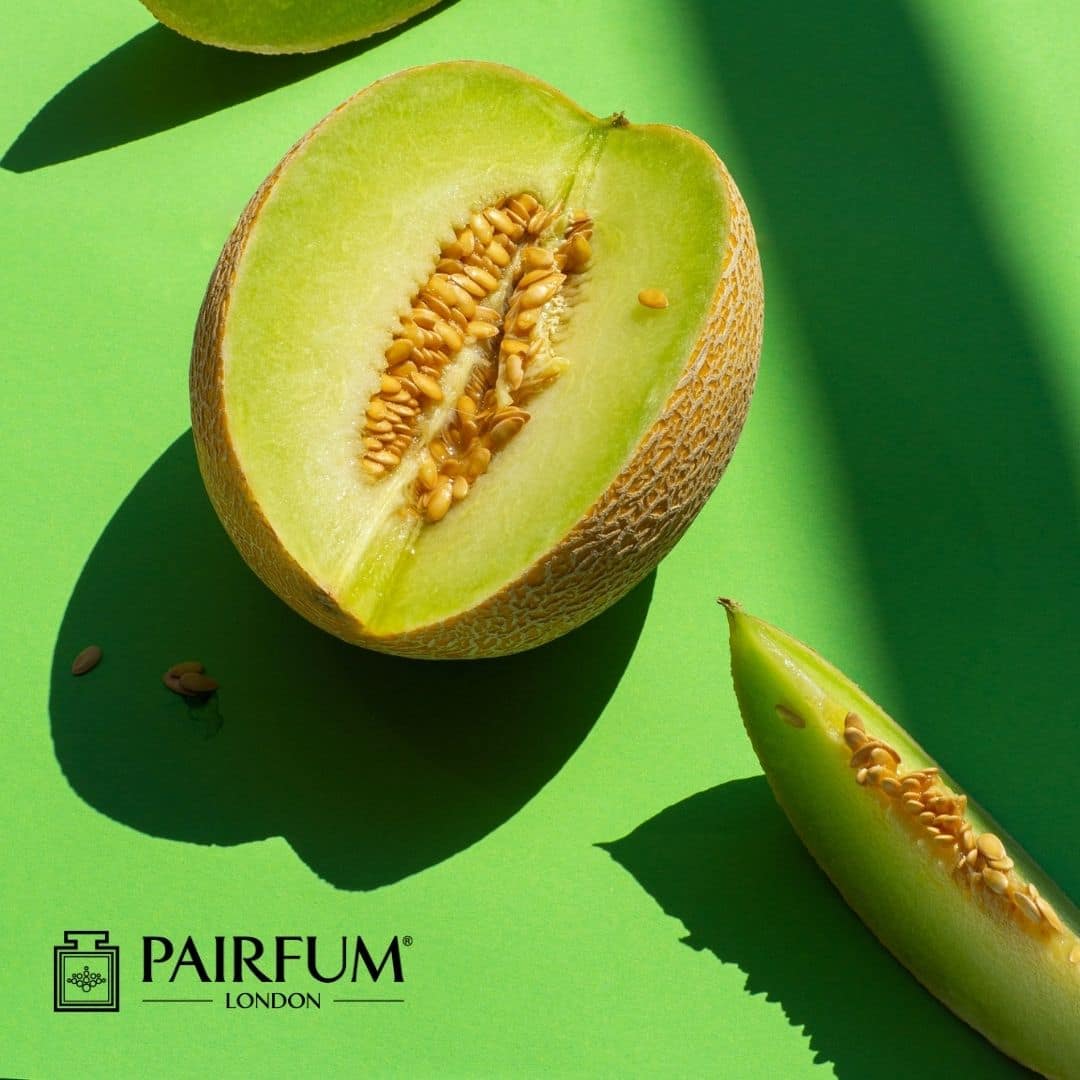
  • Honeydew: Honeydew melon has smooth pale skin and light green flesh. Honeydew melons are prized for their clean sweetness and high juice content. This clarity makes honeydew suitable for fresh and watery compositions. The note of honeydew feels calm and restrained.
  • Watermelon: Watermelon has crisp red flesh and very high water content. Its scent is light and fleeting, often used to suggest freshness rather than a distinct fruit flavour.

Other references include canary melon with its bright yellow rind, and Charentais melon, which is valued in France for its intense aroma. Persian melons are larger and elongated, while the Santa Claus melon is known for its thick rind and long keeping quality.

In perfumery, melon is recreated rather than extracted. The aim is to suggest fruit water, freshness, and light sweetness without heaviness.

How Melon Is Created for Perfumery

Melon does not produce an essential oil suitable for traditional extraction. Its scent is delicate and closely tied to water, making it impossible to capture through distillation.

Instead, perfumers build a melon impression using aroma molecules. Calone is one well-known material, adding a marine and watery character that recalls fresh fruit and sea air. Fruity aldehydes, lactones, and green notes are layered to suggest the textures of melon flesh.

By adjusting these elements, perfumers can move between the crisp bite of watermelon and the softer creaminess of ripe melon. This flexibility explains why melon continues to appear in modern fragrance design.

Melon’s Role and Pairings in Perfume

Melon rarely dominates a composition. More often, it acts as a connecting note that smooths transitions between accords.

It pairs naturally with cucumber, reinforcing the watery and green aspects of the scent. Other fruit notes, such as pear or apple, can enhance its brightness. Herbs like mint add lift, while soft florals introduce elegance.

Melon also works well with musks and light woods. In this role, it prevents a perfume from feeling dense and keeps the overall structure airy.

Melon Slice

Melon in Food Culture and Scent Memory

Our response to melon in fragrance is shaped by how we experience melons as food. A ripe melon releases its aroma as soon as it is cut, signalling freshness through smell alone.

Melons appear in simple dishes such as chilled slices, salad, and fruit salad. A familiar pairing is melon with prosciutto, where sweetness meets salt. Melon also works alongside salty cheese, herbs, or a splash of lime or lime juice to sharpen the taste.

These everyday memories influence how melon is perceived in scent. It suggests hydration, cleanliness, and ease rather than indulgence. Many melon dishes rely on simplicity rather than complex recipes.

Lesser Known Melons and Cultural References

Not all melons are sweet dessert fruit. Bitter melon is valued for its sharp taste and is used in savoury cooking. Its aroma is not associated with fragrance.

Winter melon, despite its name, is harvested in warm months and stored for later use. It has firm flesh and a mild flavour, making it suitable for cooking rather than fresh eating. These contrasts show how broad the category of melons really is.

Melon Day celebrations and agricultural events reflect the importance of melons as a crop. Growers often define the perfect melon by balanced sugar, firm flesh, an intact rind, and a well-developed aroma.

The Santa Claus melon takes its name from its ability to keep into the festive season, linking summer fruit with winter traditions.

Iconic and Niche Perfumes Featuring Melon

Melon had a strong influence during the 1990s, when aquatic fragrances reshaped ideas of freshness. Many of these scents remain well-known.

In niche perfumery, melon is used more quietly. It may appear briefly at the top or sit in the background, adding clarity to unusual structures. This approach reflects a move towards atmosphere rather than obvious fruit notes.

L’Eau d’Issey Pour Homme by Issey Miyake

A landmark aquatic fragrance where melon blends with watery accords and soft woods to create a clean and airy impression.

Escape by Calvin Klein

A fruity floral that uses melon to bring openness and brightness, balancing green notes and flowers.

Cool Water Woman by Davidoff

A fresh floral aquatic where melon supports the crisp top notes and enhances the sense of coolness.

Pairfum Natural Wax Candle Pure Magnolias In Bloom

Watery Melon Top Notes In Pairfum London Home Fragrance

For those drawn to the uplifting nature of melon in fragrance, the Snow Crystal Fragranced Candle offers a similar feeling within the home. Its clean scent recalls winter light and gentle sweetness, echoing the watery clarity associated with melon-inspired compositions. It is designed to create space and balance, whatever the season.

Magnolias In Bloom – Classic Snow Crystal Fragranced Candle by Pairfum London

A Spring Flowers accord with a fresh top note of ozone, white flower petals, and a light hint of watery melon. The heart remains floral with magnolia, lily, geranium, rose, and violet, while musks and rosewood form the base.

A Breath of Freshness All Year Round

Although melon is often linked with summer, its role in fragrance extends well beyond warm weather. In cooler seasons, it provides contrast and lightness.

In perfumery, melon is less about sweetness and more about water, air, and light. Across the many species and varieties of melons, from Cucumis melo to Citrullus lanatus, shared qualities of juice and freshness continue to inspire scent creation.

From cantaloupe and honeydew to watermelon and beyond, melons connect agriculture, fruit growing, memory, and fragrance. Their presence in perfume reminds us that scent is shaped by everyday encounters with plant life, taste, and place.

Lemon

Why Lemon Is A Perfume Icon

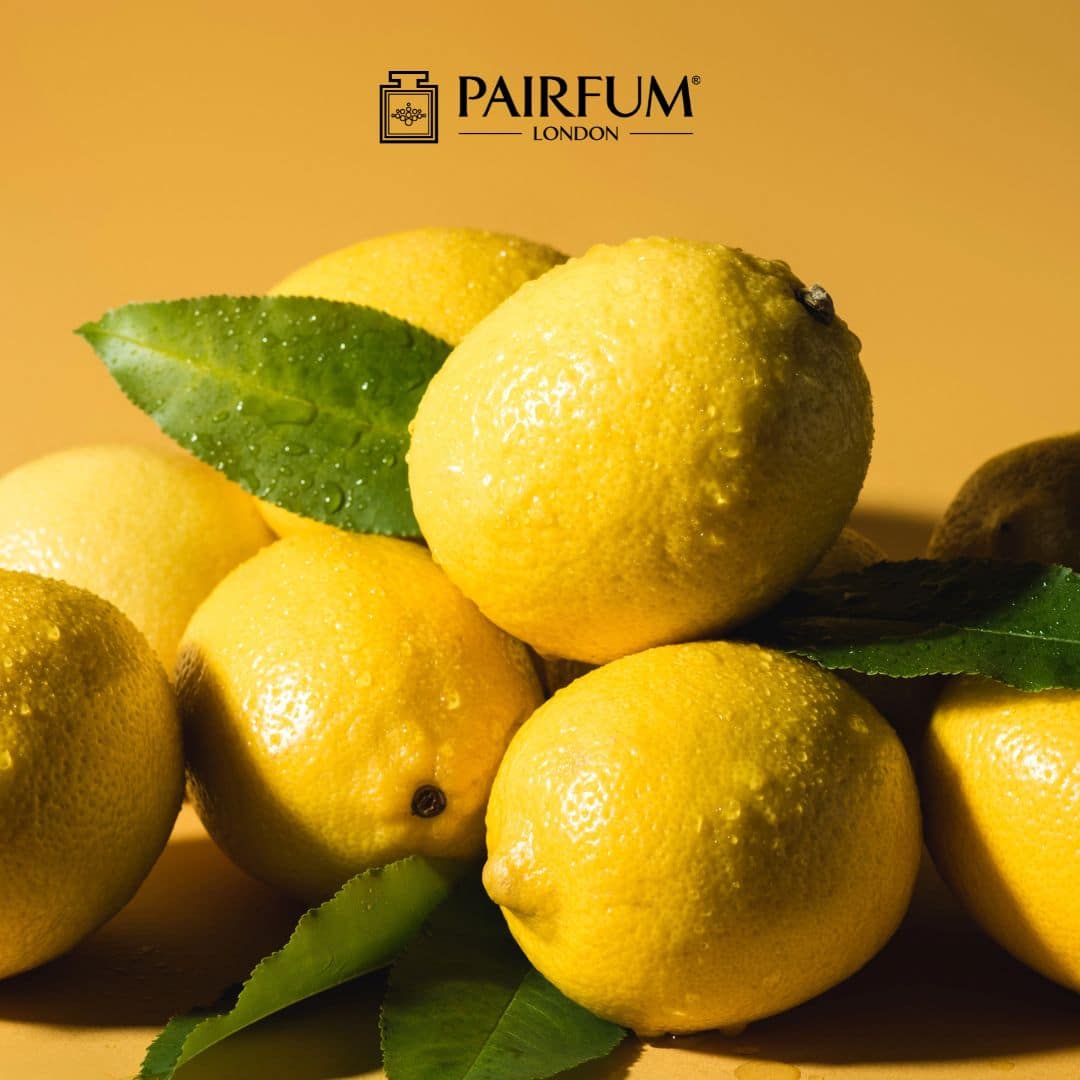
Few scents feel as instantly familiar and uplifting as the fragrance of lemon. This radiant fruit, scientifically named Citrus limon, is one of the most celebrated citrus notes in perfumery and has shaped history, health, food and fragrance alike. The sharp sour taste, vivid colour and sparkling aroma of lemons mean they are woven into daily life across cultures. From lemon water rituals and drinks to culinary favourites like lemon pie, desserts of lemon curd and even savoury accents with lemon pepper.

In fragrance, a single touch of lemon zest can transform an entire composition. It brings flavour and freshness, balances heavier notes and provides the sparkling first impression in some of perfumery’s most loved creations.

A Historical Journey with Lemons and Perfume

Origins and Early Cultivation

The origins of the lemon tree lie in north eastern India and Burma, where it evolved as a hybrid from the citron and bitter orange. Over centuries, cultivation spread westward through trade routes. The tree itself, part of the plant family Rutaceae, thrived in Mediterranean climates thanks to abundant sunshine and reliable water.

By the time of Ancient Rome, lemons were seen as luxury items, stored in jars and revered as exotic imports. Later, during medieval times, references to the word “lymon” appeared in Middle English texts, showing that the fruit had become embedded into Europe’s culture and language.

The Renaissance and Beyond

During the Renaissance, the medicinal and perfumed properties of lemon oil extracted from the lemon rind and lemon peel grew in importance. Sailors stored fresh lemon juice because its vitamin C helped prevent scurvy on voyages. This association between lemons and vitality cemented its reputation as more than just an edible fruit.

By the eighteenth century, the rise of Eau de Cologne placed lemon at perfumery’s centre. Its light, sparkling quality offered a radical contrast to heavier resins and musks of earlier blends, ushering in a whole new chapter of fresh, uplifting fragrance traditions.

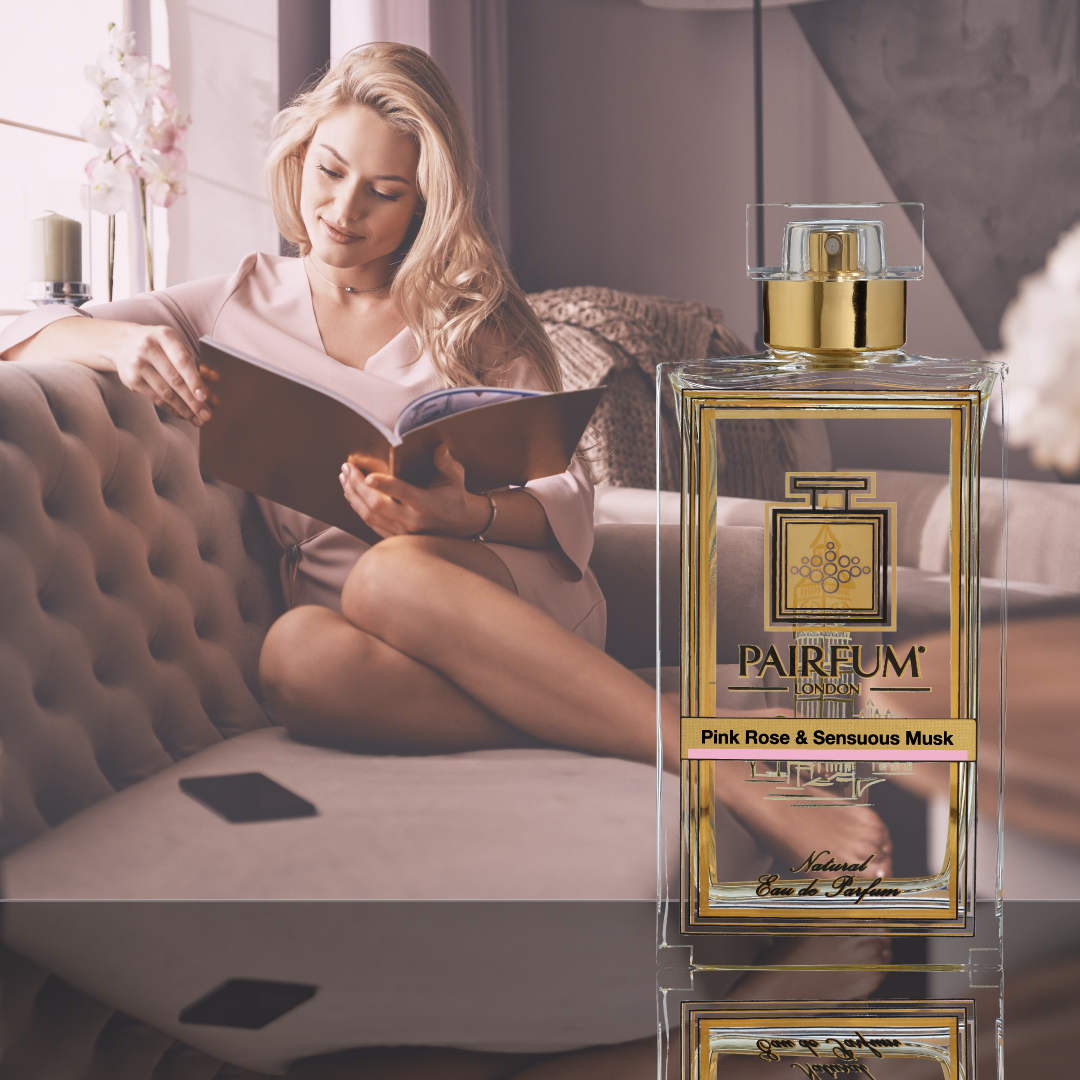
Eau de Parfum Person Reading Pink Rose Sensuous Musk

The Chemistry of Lemon’s Scent

The sensory appeal of lemon comes from natural plant compounds including limonene, citral and pinene. It is also naturally high in citric acid and vitamin C, which are central to both flavour and nutrition.

For perfumers, lemon’s role as a top note is key. Its volatile molecules evaporate quickly, producing an immediate, dazzling effect. Though fleeting, this sparkle enhances florals, spices, woods and musks, adding contrast, balance and excitement. Even when gone from the skin, that memory of zest lingers in the imagination.

Varieties of Lemon

Perfumers draw on multiple types of lemons to achieve different effects.

  • Eureka lemon offers the classic zesty identity, providing a vivid, energising impact.
  • Meyer lemon is softer, fruitier and slightly floral, ideal where sharpness needs gentle rounding.
  • Lisbon lemons supply high volumes of concentrated juice, making them prized for both scent and flavour.

The geographical source also matters. Sicilian lemon trees grown on volcanic soil produce expressive and intense oils, while Californian orchards yield bright and clear aromas. Everywhere they grow, lemons tell a slightly different story.

Cultivation of Lemon Trees

The beauty of the lemon tree is found not only in its blossoms but also its resilience. Evergreen and fragrant, lemon trees yield fruit multiple times a year in the right climates. The tree requires fertile soil, ample sunlight and steady water.

For centuries, orchards of citrus trees provided more than just fruit. They represented wealth, purity and abundance. Even the smallest detail — from fragrant flowers to firm oval lemon seeds — holds importance. Culinary traditions use the peel, zest and rind, while perfumers treasure the concentrated aromatic compounds in the rind. Every part of the plant is valuable.

Eau de Parfum Person Reflection Spiced Rum Lime Guaic Wood Man Walk 1 1

Extraction of Lemon Oil for Perfumes

Translating lemon’s vividness into perfume bottles requires careful extraction of lemon oil.

  • Cold Expression mechanically presses the outer peel to yield oil without heat, ensuring an authentic aroma.
  • Steam Distillation produces a lighter and fresher interpretation.
  • Solvent Extraction deepens complexity.
  • CO₂ Extraction offers eco-conscious plant processing with minimal waste.

Each extraction method influences how lemon flavor is captured in perfume, and modern perfumers continue to refine these approaches while ensuring sustainability.

Lemon in Fragrance Compositions

A Versatile Note

Such a citrus note rarely stands alone. Instead, it interacts beautifully:

  • With florals, it radiates clarity.
  • With woods, it balances weight.
  • With spices, it sharpens.
  • With musks, it adds cleanliness.
  • With other citrus fruit, it heightens sparkle.

This makes lemon indispensable to perfumery.

Sustainability

Growing demand means attention to sustainable lemon trees cultivation is increasing. With changing climates, reliance on irrigation water and eco-friendly farming practices are essential to protect orchards for the future.

Lemon Perfume

Lemon, Wellness and Culture

Beyond fragrance, the link between lemon juice and wellbeing is ancient. The fruit is well known for supporting immune function thanks to its richness in vitamin C. Traditional medicine valued lemon water for digestion and cleansing, while modern research associates lemon oil vapour with improved focus and uplifted mood.

Lemon is also indispensable in kitchens. Lemon slices flavour refreshing drinks, a squeeze of fresh lemon juice balances salty or fatty dishes, and cooking uses extend to desserts like lemon pie topped with airy whipped cream, sharp lemon curd smoothed with cream and butter, or sugared lemon rind. Savoury dishes too benefit: think roasted vegetables with olive oil, sugar and a dash of lemon juice, or North African meals enriched with preserved lemon. From salad dressings to spice blends such as lemon pepper, the culinary associations amplify the immediate recognition of lemon’s scent in perfume.

When and How to Wear Lemon Perfumes

Lemon based fragrances are wonderfully versatile for all occasions. Their uplifting opening is ideal for mornings, spring and summer days, or moments needing clarity and energy. Niche perfumers experiment with pairing lemon’s zest with heavier resins for evenings too, demonstrating that its brilliance transcends seasons.

Layering techniques also allow citrus openings to be extended. Blending with woods, musks or florals lengthens lemon’s fleeting sparkle and creates new personal expressions.

Symbolism of Lemon

For centuries, lemons symbolised purity, wealth and abundance. They shine as visual motifs in art and literature, their yellow echoing the sun’s vitality. In cultural rituals, lemons represented cleansing and protection.

This symbolism links back to the multi-sensory richness of lemons: their sour taste, juicy brightness, vivid flavour and uplifting scent. Few other fruit carry such wide-ranging associations.

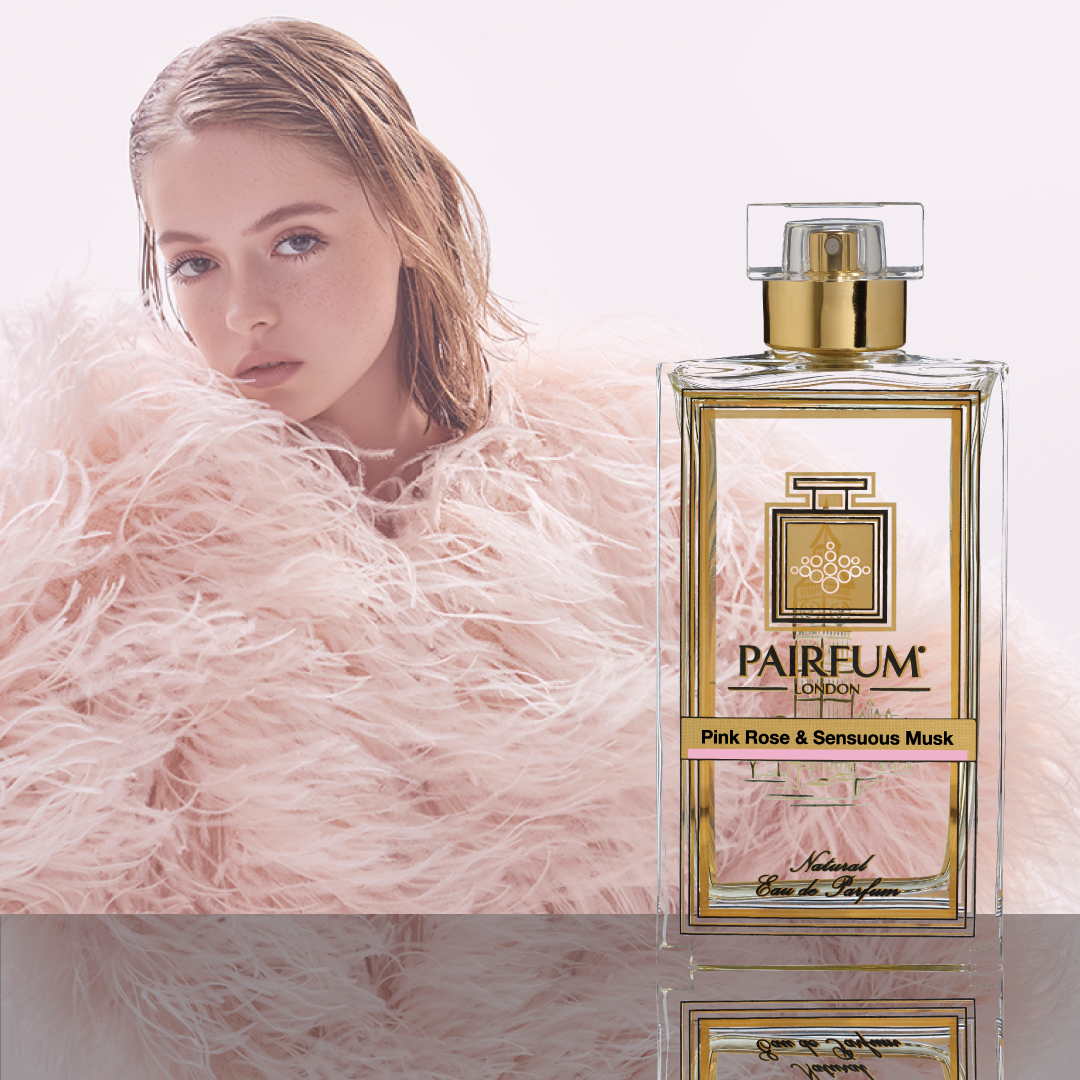
Eau de Parfum Person Reflection Pink Rose Sensuous Musk 1 1

Lemon Top Notes with Pairfum London

Pink Rose & Sensuous Musk – Eau de Parfum by Pairfum London

A vibrant, floral fragrance where the top notes of Sparkling Lemon and Lime are enhanced by the fruity nuances of Peach. The feminine, floral heart is a radiant blend of Pink Rose, Magnolia and Frangipani. The dark seductive base of Sensuous Musk, Amber and Precious Woods brings this fragrance to life.

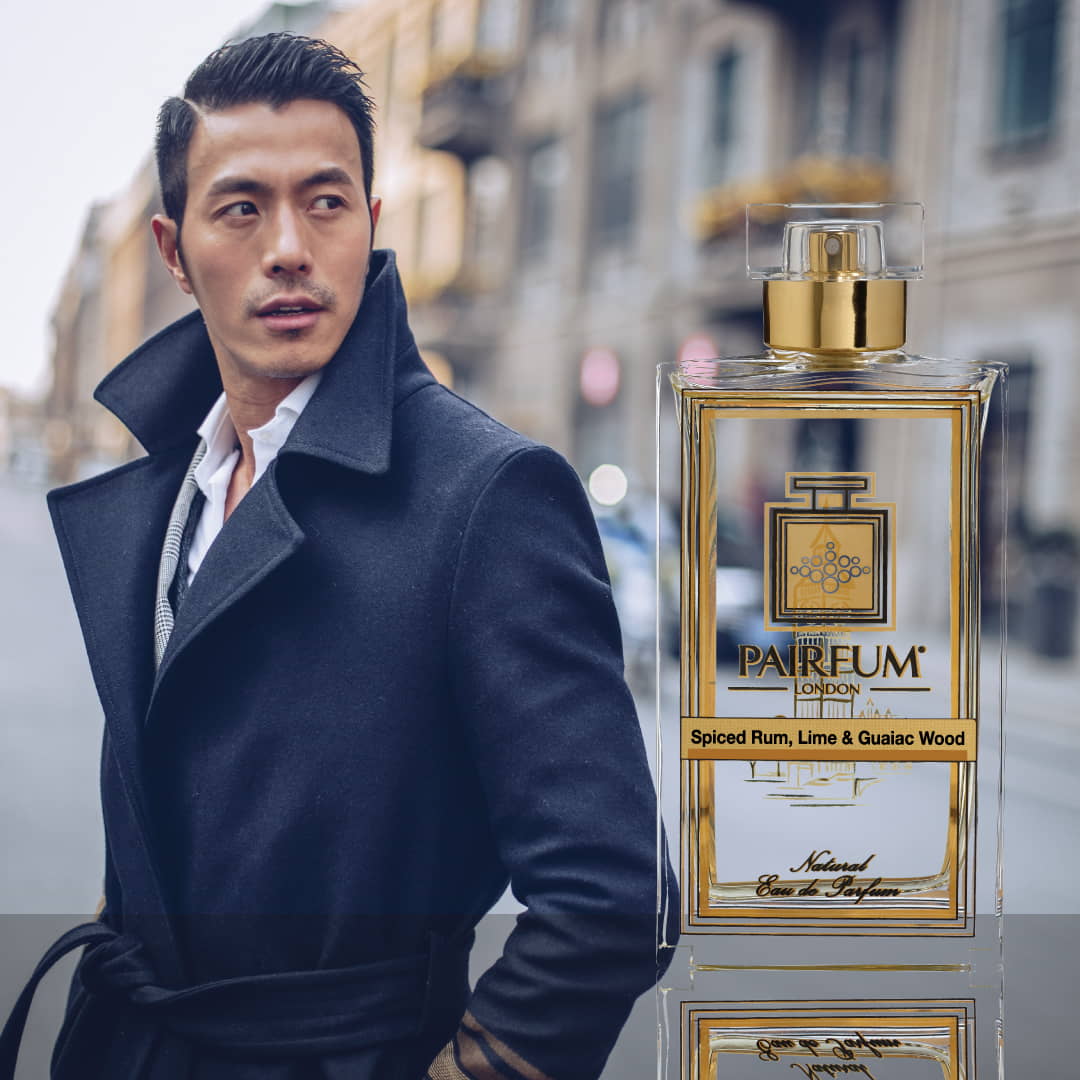
Spiced Rum, Lime & Guaiac Wood – Eau de Parfum by Pairfum London

This Connoiseur’s accord opens with the intense aroma of Rum, nuances of Lime & Lemon and a radiant combination of Nutmeg & Pepper. The heart is deep and rich with Tuberose, Iris and Vintage Leather. A fond of Guaiac Wood, Cedarwood, Golden Amber, Vanilla Pod and Musk complete this luxurious fragrance.

Eau de Parfum Person Reflection Spiced Rum Lime Guaic Wood Man Coat 1 1

Conclusion

This is not just a fruit but a story bridging history, wellness, cuisine, symbolism and fragrance. Its blossoms fill orchards of lemon trees with beauty, its juice and zest enrich recipes, and its oils define some of the most captivating perfumes ever created.

To experience the fragrance of lemon is to embrace light itself: fresh, joyful, timeless. Whether tasted in a spoonful of lemon curd, enjoyed as lemon water, or breathed in as perfume where zest fills the air, this citrus fruit continues to shine as one of humanity’s most enduring treasures.

Sport Perfume

Sport Perfume: Peak Freshness for the Active Lifestyle

Sport perfume is a specially crafted fragrance designed for individuals with an active lifestyle. These scents cater to people who enjoy sports and outdoor activities, providing a refreshing and energising aroma that can last through intense physical exertion. Whether you’re heading to the gym, hitting the tennis court, or sailing, the right sport perfume can be an inspiration and a game-changer.

Definition and History of Sport Perfume

Sport perfumes are a category of fine perfumery specifically designed for active individuals. They typically feature light, fresh notes that can withstand sweat and movement, ensuring a long-lasting impression even during intense physical activity. Unlike heavier, traditional perfumes, sport fragrances focus on freshness and energy, ideal for sports enthusiasts who need something more functional yet sophisticated.

The rise of sport perfumes began in the late 20th century as athletes and fitness enthusiasts demanded lighter, more suitable fragrances that would stand up to their active lifestyles. While traditional fragrances like eau de toilette and eau de parfum were popular, they often felt inappropriate for vigorous activities. This created a market for sport-inspired fragrances, with brands launching unique formulations to meet this demand. Today, sport perfumes are an essential part of the fine perfumery market, recognised for their practicality and versatility.

Pairfum Fragrance Spiced Rum Lime Guaiac Wood Triangle

Typical Notes in Sport Perfumes

Sport perfumes are defined by their fresh, clean, and long-lasting compositions, making them perfect for active wearers. Here are some of the typical notes you’ll find in these fragrances:

Citrus

Citrus fruits like grapefruit, lemon, and mandarin are core components of sport perfumes. They provide a sharp, zesty freshness that energises and uplifts. Whether it’s a woody citrusy musky blend or a refreshing citrus-focused scent, these notes are perfect for energising athletes.

Aquatic and Marine

Marine and aquatic notes deliver a cool, clean feel that mimics the ocean breeze. These elements are ideal for outdoor activities like sailing or beach sports, providing a sensation of freshness that lasts. Ambergris, commonly associated with marine accords, adds depth and sensuality to a fragrance, while still maintaining that light and airy feel.

Herbal and Spicy

Spicy notes like pink pepper and ginger introduce warmth and a slight kick to sport perfumes, keeping the scents vibrant and alive. Patchouli and tonka bean are other essential ingredients that add warmth and richness to the composition. They offer a unique edge to a fragrance designed for physical activities with warm and rich notes.

Woody and Earthy

For a grounded yet long-lasting base, sport perfumes often feature woody elements of nature like vetiver and cedarwood. These notes add an earthy, natural quality that balances out the freshness of citrus or marine accords. Musk, including white musk, is another key ingredient that lends sensuality and lasting strength to the perfume.

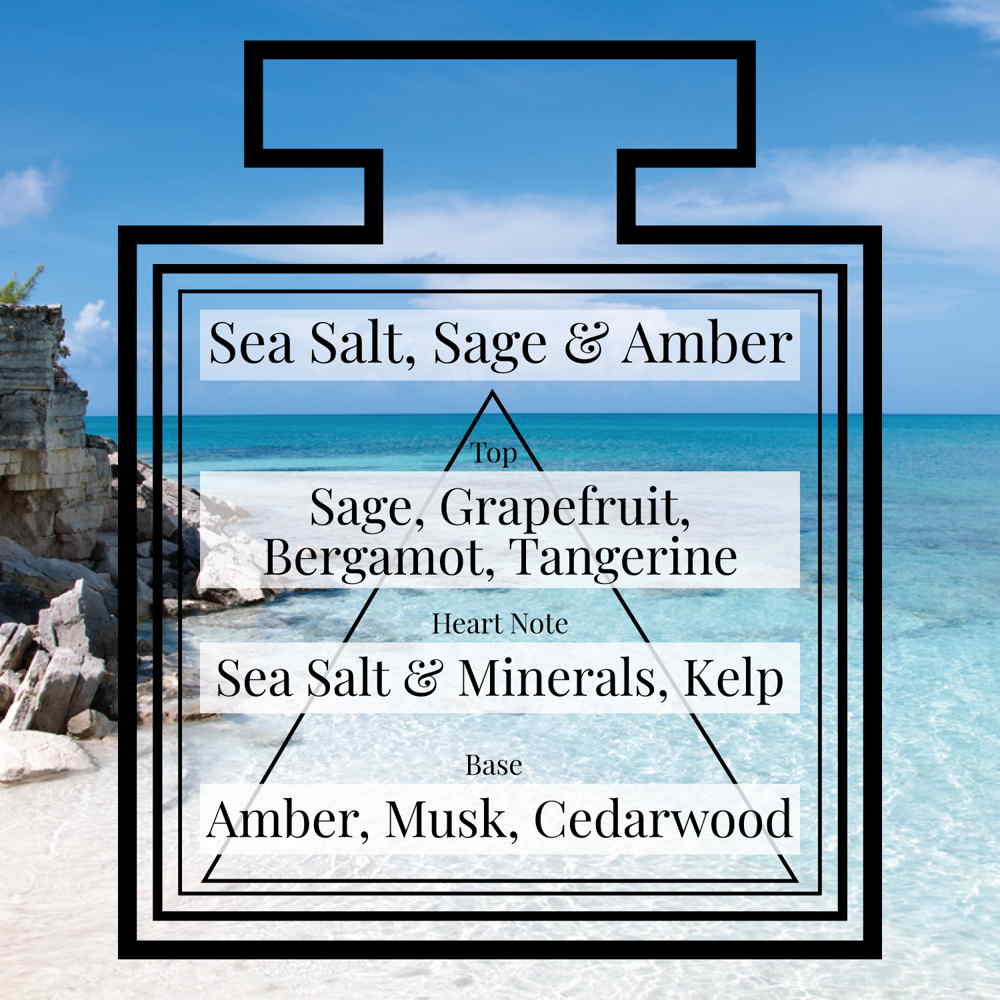
Pairfum Fragrance Sea Salt Sage Amber Triangle

When and How to Use Sport Perfumes

Knowing how and when to apply your sport perfume can maximise its effectiveness, whether you’re using a dior homme sport scent or a new exquisite variant that just hit the market.

When to Use

  • Before Workouts: Spray your sport perfume before heading to the gym or sports activities. The freshness of citrus and aquatic notes will boost your confidence and help you feel energised throughout.
  • During Casual Outings: Sport perfumes aren’t just for the gym. Their light, fresh aromas make them ideal for casual outings, whether you’re running errands or enjoying a weekend hike.
  • Post-Shower: After a refreshing shower, applying a sport perfume locks in the freshness, prolonging the clean feeling throughout the day.

How to Use

  • Pulse Points: Spray on key pulse points such as the wrists, neck, and behind the ears. These areas generate heat, allowing the fragrance to diffuse and leave a lasting impression throughout the day.
  • Layering: Combine your sport perfume with deodorants or body lotions of similar notes. This enhances the scent and ensures it lasts through high-intensity activities.
  • Reapplication: Carry a travel-size bottle in your gym bag or car for reapplication, especially if you’re engaging in longer sports sessions. Travel sizes (30ml-50ml) are perfect for quick refreshment during the day.
Sport Perfume Wearer

Sport Perfumes for Different Sports and Genders

Different sports call for different scents, and sport perfumes can be tailored to specific activities, whether you’re playing tennis, football, or even something as refined as golf.

Perfumes for Specific Sports

  • Tennis: Light, citrus-based perfumes are perfect for this fast-paced sport. The citrus helps you feel fresh on the court, while herbal notes keep you cool.
  • Sailing: Marine and aquatic notes are ideal for water sports like sailing. They evoke the fresh sea breeze, enhancing the natural outdoor experience.
  • Football: Stronger, spicier notes like pink pepper or ginger work well in high-energy sports such as football. These fragrances endure physical exertion, providing lasting strength.
  • Golf: For a relaxed, outdoor game like golf, earthy tones of vetiver and patchouli are perfect. They offer a natural, warm scent that complements the greenery of the course.

Perfumes for Men, Women, and Unisex

Sport perfumes are designed for everyone, whether you’re looking for a bold masculine fragrance or a lighter feminine scent.

  • Men: Fragrances like dior homme sport and ralph lauren are often designed with strong, masculine notes like musk, vetiver, and wood. These scents deliver a bold and dynamic presence, suited for men’s active lifestyles.
  • Women: Sport perfumes for women typically feature lighter, more delicate compositions. Floral or citrus-based perfumes like those in chanel allure homme sport work beautifully for active women, offering both freshness and elegance.
  • Unisex: Some sport perfumes are designed to be unisex, blending universal notes like citrus, marine, and woody citrusy musky accords. These versatile fragrances appeal to both men and women, making them perfect for sharing or gifting.

Ideal Sizes, Packaging, and Pricing of Sport Perfumes

When selecting a sport perfume, size and packaging matter. Compact sizes like 30ml or 50ml are perfect for carrying to the gym or during travel. For those who prefer larger bottles, 100ml options are also available. It’s important to check the price and stock levels, especially for related products such as deodorants or body lotions that may complement your scent.

Packaging is often sleek and durable, ensuring your item is protected while you’re on the go. Easy-to-use spray mechanisms ensure even application, while leak-proof caps prevent spills in your bag.

Water Sport Perfume

Where to Spray Sport Perfume for Maximum Effectiveness

To get the most out of your sport perfume, apply it to the areas of your body that radiate the most heat. These include:

  • Wrists: A popular spot for applying perfume, as the pulse point here helps diffuse the scent.
  • Neck and Behind the Ears: These areas are ideal for allowing the perfume to project as you move.
  • Inner Elbows: Another area that emits heat, helping to release the perfume gradually over time.

Avoid spraying directly on areas where you sweat heavily, such as underarms, as this may alter the fragrance’s composition.

Reviews and Order Information

When choosing a sport perfume, it’s helpful to read reviews from other users. Look for feedback on lasting impression, strength, and the type of note that stands out in the fragrance. Customers often appreciate perfumes with well-balanced compositions that offer both freshness and sensuality.

You can easily place an order for your chosen sport perfume online. Be sure to check availability and stock for any new exquisite variant that catches your eye, as well as related products like hair brushes or deodorants that might complement your fragrance.

Pairfum Eau de Parfum Intense 30ml Travel Spray Spiced Rum Lime Guaiac Wood Bottle Box Gold 1 1

Eau de Parfum Intense Fragrances with Pairfum London

Spiced Rum, Lime & Guaiac Wood – Sport Size (30ml) Eau de Parfum Intense

This connoisseur’s blend begins with the bold intensity of rum, accented by zesty hints of lime and lemon, and a vibrant fusion of nutmeg and pepper. At its heart, the fragrance deepens with the opulent richness of tuberose, iris, and aged leather. A warm base of guaiac wood, cedarwood, golden amber, vanilla pod, and musk elegantly rounds out this luxurious scent.

Sea Salt, Sage & Amber – Sport Size (30ml) Eau de Parfum Intense

This wonderfully fresh and refined fragrance opens with uplifting notes of age and grapefruit, enhanced by the brightness of bergamot and tangerine. The invigorating heart reveals the essence of seaweed, a crisp sea breeze, sea salt, and kelp. The fragrance is seamlessly softened by a smooth base of musk, amber, and cedarwood.

Pairfum Eau de Parfum Intense 30ml Travel Spray Sea Salt Sage Amber Bottle Box Gold 1 1

Conclusion

Sport perfumes are an essential addition to any active individual’s routine. Whether you’re seeking the freshness of citrus or the grounding warmth of vetiver, these fragrances are designed to keep you feeling fresh and confident throughout your activities. From tennis to football, choosing the right sport perfume enhances your performance while leaving a lasting impression.

Explore Pairfum London’s exclusive collection of sport perfumes today, and find the perfect fragrance to match your active lifestyle.

    Your Cart
    Your cart is empty