Home / instaperfume / Page 7
Clove In Perfumes

Clove in Perfumes: Warm Spice with Vintage Attraction

Clove in perfumery provides a potent, warm, spicy, and subtly sweet aroma, adding depth, richness, and an exotic touch. It is often used as a middle or base note to complement florals, woods, and other spices like cinnamon for cosy, amber, or festive scents, thanks to its key compound, eugenol, which mimics carnation or adds a fiery warmth.

Clove brings a warmth to perfume that many of us recognise straight away, even if we struggle to describe it clearly. There is comfort in clove, certainly, but also a slight edge that prevents it from feeling soft or obvious. The spicy warmth of clove tends to unfold slowly. It does not rush. It settles on the skin, then seems to wait there, sometimes noticed again later in the day. That quiet persistence is part of its appeal.

We often think of cloves first in a culinary sense, and that early association shapes expectations. In perfumery, however, clove behaves differently. It feels older somehow, and perhaps more reflective. As colder months arrive and the air changes, clove often feels particularly appropriate. Among spices, clove occupies a specific space. It is familiar, yet it rarely feels casual.

A Spice with a Story: The History of Clove in Perfume

Clove has been valued for centuries, long before modern fragrance existed as we know it. The dried flower bud of the clove tree, botanically classified as Syzygium aromaticum, was traded widely across early civilisations. From Southeast Asia, cloves travelled along established routes into the Middle East and onward to Europe. They were valued for flavour, yes, but also for scent, preservation and ritual activity.

The clove tree originates in the Maluku Islands, historically referred to as the Spice Islands. Control of cloves once shaped global trade in ways that are now easy to overlook. From those islands, cultivation spread to Sri Lanka, parts of Africa and eventually the Caribbean. Over time, cloves became part of daily life far beyond their place of origin.

In Middle English writing, clove appears as a word linked to shape, referencing its resemblance to a nail and the verb cleave. This detail is small, but revealing. It shows how present cloves were in everyday routines. Historical sources describe clove water used to scent fabrics and interiors, appreciated for a clean yet warming presence.

Pairfum Eau De Parfum Person Reflection Cardamom Tonka White Oud Couple Plane 1 1

The Botany of Clove: From Flower Bud to Fragrance

Cloves are harvested from the clove tree just before the flower buds open. These flower buds are picked by hand, at a moment that matters more than it sounds. They are then laid out to dry. As they dry, they darken and harden, becoming the familiar spice. Each dried flower bud carries a surprisingly concentrated aroma.

The botanical name Syzygium aromaticum appears alongside older references such as Eugenia caryophyllata, or the shortened S aromaticum. All describe the same plant, part of the myrtle family. Within the dried flower bud sits a complex mixture of compounds, most notably eugenol.

Alongside eugenol, smaller amounts of eugenol acetate and other elements contribute to aroma. These compounds do not behave identically in every harvest. Climate, soil and processing all play a role. This is why cloves from different regions can feel subtly different, even to an experienced nose.

Chemical Composition and Aroma Science

From a chemical perspective, clove is notable for its high eugenol content. In many cases, eugenol makes up more than half of the volatile oil. Eugenol has been widely examined for its aroma and biological activity. In fragrance, this activity contributes to warmth, diffusion and how long a scent remains noticeable.

Eugenol acetate plays a quieter role. It softens the sharper aspects of eugenol and introduces a smoother edge. Together, these compounds shape the overall effect of clove within a perfume structure. They also influence how clove interacts with other notes as time passes.

Because of this intensity, clove essential oil must be handled with care. As an essential oil with strong activity, even a small amount can have a pronounced effect, both aromatically and on the skin.

How Aroma is Captured: The Extraction of Clove in Perfumery

The aroma of clove is most commonly obtained through steam distillation. This produces clove oil from either clove buds or leaves. In fine fragrance, oil distilled from clove buds is generally preferred. Leaf oil is sharper and often used for more functional purposes.

In some cases, clove extract or isolated aroma components are used to ensure consistency. This gives perfumers greater control over how clove behaves within a blend. Both clove oil and clove essential oil are valued tools, though rarely used casually.

For topical use, clove oil is always diluted with a carrier oil. Undiluted topical clove oil has a well-documented activity on skin, and misuse can cause irritation.

Pairfum Large Reed Diffuser Bell Pure Rich Spices

Not All Cloves are the Same: Types and Perfume Profiles

Cloves vary according to origin, harvest timing and processing. These differences are not theoretical. They are noticeable.

  • Clove buds tend to produce a rounded scent with warmth.
  • Leaf oil often contains higher levels of eugenol and feels drier, sometimes medicinal.

In perfumery, these distinctions matter. Bud-based clove supports comforting compositions, while sharper forms add structure. Both have a place among spices used in fragrance creation.

Clove in Harmony: How Perfumers Blend with It

Clove blends with a wide range of materials, which explains its longevity in perfumery. It can support sweet accords as easily as dry ones. This flexibility is not accidental.

Vanilla, patchouli, sandalwood, rose, and jasmine are classic companions. In these blends, clove often sits in the heart, helping the fragrance move from top notes to base notes. Its activity helps hold the composition together.

Used lightly, clove adds depth. Used too heavily, the effect can become insistent. Balance matters more than strength.

Culinary Roots and Shared Sensory Memory

Cloves are deeply familiar through food. They appear in baked goods, pumpkin pie and festive desserts, and whole cloves are often pressed into baked ham. In savoury dishes, cloves are paired with garlic, rice and lentils, adding depth of flavour.

Ground clove appears in spice blends and are sometimes combined with poppy seeds and other spices. These shared experiences shape how clove is perceived in fragrance, whether we realise it or not.

The flavour of clove is intense. In both cooking and scent, restraint tends to work best.
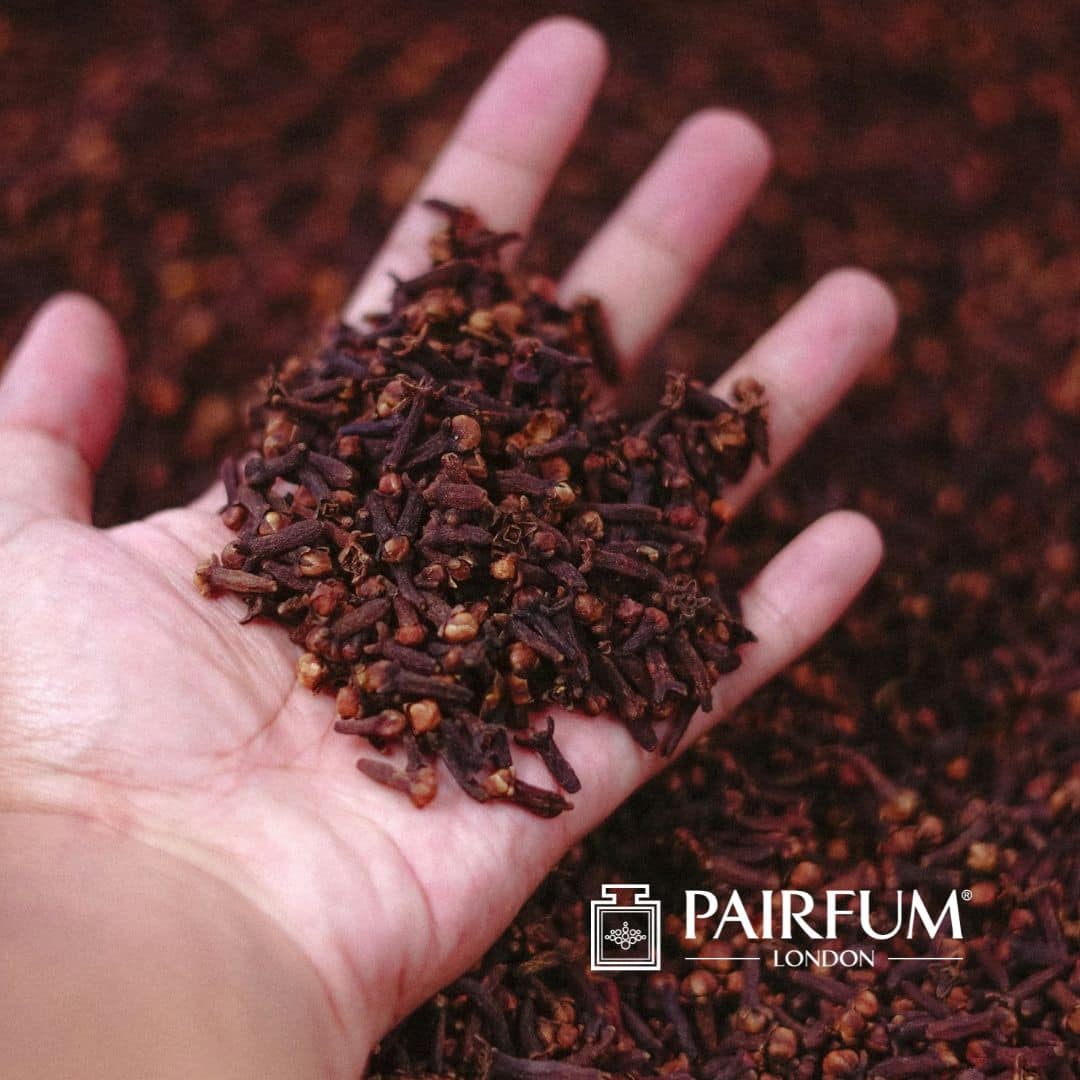
Handful Of Clove

Traditional Uses and Modern Understanding

Historically, clove has been associated with relief from toothache and pain, largely due to the numbing activity of eugenol. It has also been linked to digestion and digestive health in traditional practice.

Modern research, including work referenced by national institute bodies, explores clove in relation to infections, inflammation and blood clotting. These studies provide insight, but they are not medical advice.

Topical clove oil and clove oil cream should be used carefully. Misuse can lead to pain or irritation, particularly around the nail bed. Personal information should never be shared when discussing health-related use.

Language, Craft, and Curious Associations

The word clove appears in places far removed from fragrance. A clove hitch is a practical knot used in sailing and climbing, reflecting ideas of holding and securing.

The clove cigarette traditions found in parts of Southeast Asia offer another example of how cloves enter daily ritual. These associations add texture to clove’s identity beyond scent alone.

Pairfum Eau De Parfum Noir Giftbag Cardamom Tonka White Oud

Perfumes That Stand the Test of Time: Iconic Uses of Clove

In classic perfumery, clove often played a structural role rather than a starring one. It added warmth and presence without sweetness.

Modern perfumers continue to rely on clove for similar reasons. It supports rather than dominates. As a versatile spice, it remains dependable.

Clove Notes in Personal & Home Fragrance with Pairfum London

Cardamom, Tonka & White Oud – Eau de Parfum by Pairfum London

This intense, passionate scent opens with Lime and Mandarin, Cardamom, Nutmeg, Clove and subtle fruity notes of Cassis. The heart of this accord features spicy White Lily, Rose, and Orange Blossom, while a sensual base of Tonka, White Oud, Cedar, Santal, and Amber completes the creation.

Rich Spices – Bell Shape Reed Diffuser by Pairfum London

This fragrant and spicy scent accord opens with notes of Pomegranate and Cranberry, before flowing into a warm heart of Chestnut, Nutmeg, Cinnamon and Clove, to finally settle on a base of Vanilla Pods and dried Figs, Dates and Persimmons.
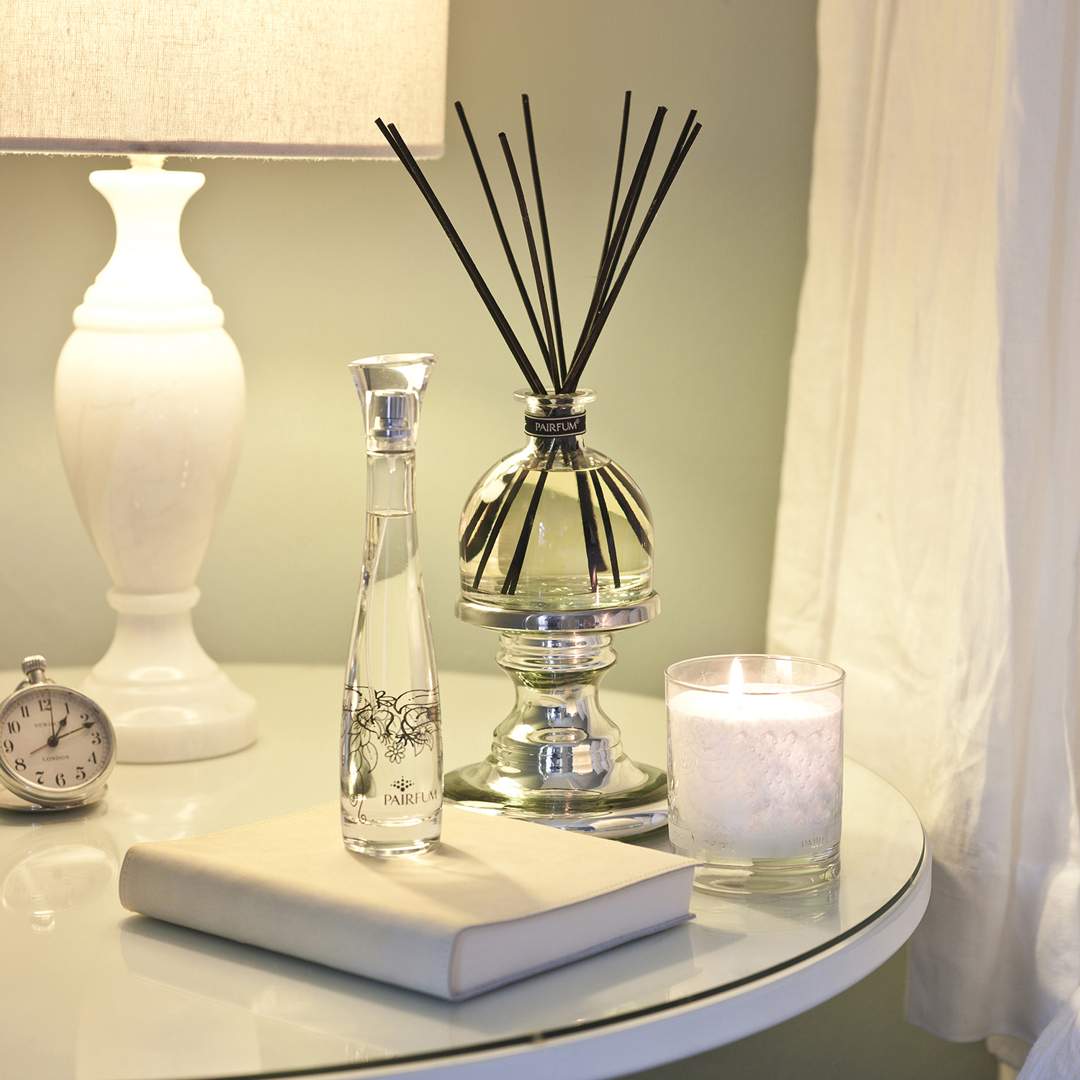
Bedroom Reed Diffuser Luxury Scented Candle Room Spray 1 1

The Quiet Fire of Clove: Why It Still Works Today

Clove continues to resonate because it connects scent with memory. From the dried flower bud of Syzygium aromaticum to refined essential oil, it carries history, chemistry and emotion.

The effect is rarely immediate. It unfolds, settles and stays. Among spices, clove remains compelling not because it demands attention, but because it rewards it.
Cinnamon In Perfumery

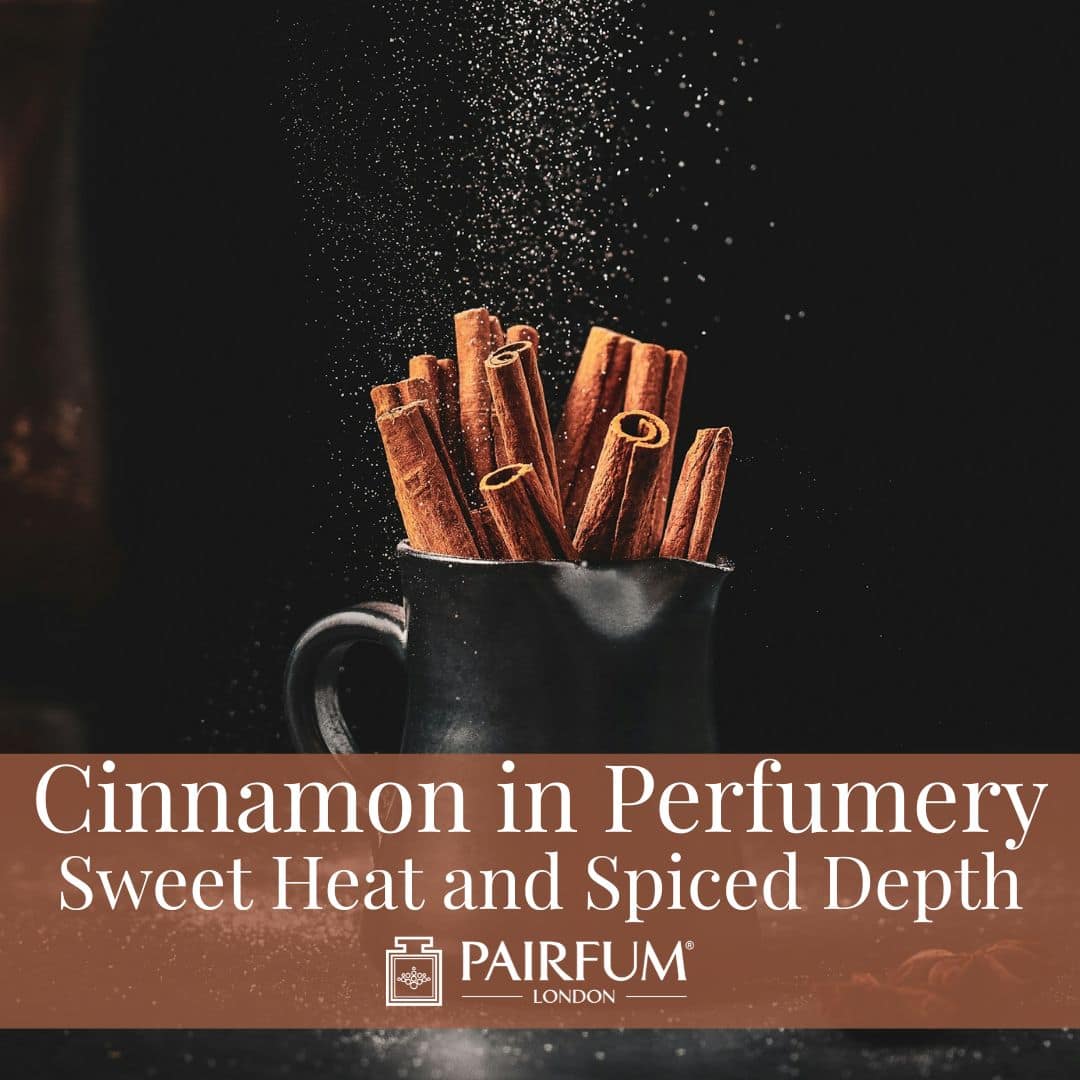
Cinnamon in Perfumery: Sweet Heat and Spiced Depth

Cinnamon is a highly fragrant, warm, and naturally sweet spice derived from the inner bark of trees belonging to the Cinnamomum genus. It is primarily used in baking, desserts, seasonal drinks (such as mulled wine and hot chocolate), and various savoury dishes worldwide due to its unique versatility and potent aromatic flavour. Available as cinnamon sticks (quills) or ground powder, this spice is also commonly associated with potential blood sugar regulation and brain function support.

Cinnamon has always held a particular charm in perfumery. This familiar spice feels warm and inviting, with just enough heat to catch the senses without overwhelming them. We tend to associate cinnamon with food and home comforts, yet in fragrance it takes on a more nuanced role, adding character, depth, and gentle fire.

Unlike overly sweet dessert flavours, cinnamon in perfume brings balance. It gives warmth without becoming sugary, allowing a fragrance to feel alive in cooler weather. Wrapped around amber, woods, or vanilla, cinnamon settles like a soft scarf on a cold day. Long before its place in modern blends, cinnamon travelled trade routes, scented rituals, and infused healing balms across continents.

This is the story of how cinnamon found its way from bark to bottle, and why it continues to matter in perfumery today.

From Bark to Bottle: Understanding Cinnamon More Deeply

All cinnamon comes from the inner bark of the cinnamon tree, which belongs to the Cinnamomum family. The most prized species is Cinnamomum verum, also known botanically as Cinnamomum zeylanicum. This is the source of true cinnamon and is mainly cultivated in Sri Lankan regions.

Ceylon cinnamon sticks are created by carefully peeling the inner bark and allowing it to dry naturally. These Ceylon cinnamon sticks are light in colour, thinly layered, and refined in flavour. By contrast, cassia varieties use thicker bark, resulting in a darker appearance and a more forceful spice character.

Cassia cinnamon includes Chinese cinnamon, also referred to as Chinese cassia, alongside Indonesian cinnamon and Saigon cinnamon. These are commonly classified as Cinnamomum cassia or c loureiroi. Cassia bark produces a stronger aroma and a sharper heat, which explains its widespread use where intensity of flavour and spice is desired.

Eau de Parfum Person Reflection Ginger Elemi Vetiver Woman Fresh 1 1

A Fragrant Past: The History of Cinnamon in Perfumery

Cinnamon has been valued since ancient times, from China through to Egypt. It was not only prized for its flavour but also for its warming effect and symbolic associations. Oils infused with cinnamon bark were used in rituals, incense, and early perfumes, often connected with protection and vitality.

Across early Arabia and the Mediterranean, cinnamon oil was blended with resins, woods, and herbs for both spiritual and everyday use. As perfumery developed across Europe, cinnamon remained part of the perfumer’s palette.

By the nineteenth and twentieth centuries, cinnamon had shifted from ceremonial use into refined fragrance compositions. It found its place in comforting gourmand styles as well as in spiced perfumes designed for colder months, where warmth and presence were essential.

Two Types, Two Aromas: What Kind of Cinnamon is Used?

Perfumers make careful choices when working with cinnamon, as not all types behave the same way. Two main forms dominate.

Ceylon cinnamon, often called true cinnamon, has a softer profile. Its aroma is rounded, subtly sweet, and smooth. This makes it ideal for perfumes that aim for elegance rather than impact, particularly when paired with vanilla or honey.

Cassia cinnamon delivers far more intensity. Rich, bold, and fiery, cassia brings instant warmth. It is often chosen when a perfume needs drama and strength, especially during autumn and winter.

Whether the goal is comfort or statement, the choice between ceylon cinnamon and cassia shapes the entire direction of a fragrance.

Aroma, Chemistry, and Balance

The distinctive scent of cinnamon comes primarily from cinnamaldehyde, which is concentrated in the bark. Cassia varieties contain higher levels of cinnamaldehyde and also more coumarin. Coumarin adds depth and warmth, but it requires careful handling due to its strength.

In perfumery, cinnamon oil may be extracted from either bark or leaves. Bark oil brings sweetness and heat, while leaf oil introduces a drier, clove-like note. Many perfumers rely on controlled fractions, essential oil blends, or cinnamon extract to manage strength, safety, and balance.

This measured approach allows the spice to shine without overpowering the composition.

Bedroom Reed Diffuser Luxury Scented Candle Room Spray

Cinnamon Beyond Perfumery: Food, Memory, and Everyday Use

Cinnamon is deeply woven into food culture. Ground cinnamon and cinnamon powder appear in baking traditions across the world, from a classic cinnamon roll to festive pastries and enriched rolls.

A familiar recipe often begins with dough made from flour, sugar, and butter. Unsalted butter or melted butter is spread generously, followed by cinnamon sugar made with brown sugar. After baking, a dusting of powdered sugar might be added. A cinnamon bun fresh from the oven carries comfort that feels almost universal.

Beyond baking, cinnamon enhances savoury dishes, mulled wine, and even cinnamon tea. Its flavour crosses sweet and savoury boundaries with ease, which helps explain its lasting appeal.

Supplements, and Responsible Context

Interest in cinnamon has extended into wellness, leading to cinnamon supplements and wider cinnamon supplementation. Research suggests that outcomes depend heavily on the type of cinnamon used, the preparation, and dosage.

Cassia cinnamon supplements may contain higher levels of coumarin, which is why moderation matters. Any supplement should be approached thoughtfully, and cinnamon’s role in fragrance or food should not be confused with health claims.

Capturing the Spice: How Perfumers Extract Cinnamon

In fragrance, cinnamon’s scent usually comes from steam-distilled oil taken from the bark or leaves of the cinnamon tree.

Bark oil delivers the richest warmth associated with spiced perfumes. It feels dry, deep, and comforting, making it ideal for resinous or smoky blends.

Leaf oil offers a lighter, greener aroma with hints reminiscent of clove or even star anise.

Because natural cinnamon oil can irritate the skin at high concentrations, perfumers often use carefully balanced accords or synthetics. These retain the recognisable character of cinnamon while keeping fragrances wearable and safe.

Cinnamon Sticks

How Cinnamon Is Used in Perfume Blending

Cinnamon typically appears in the heart or base of a perfume. It anchors the composition once brighter notes fade, releasing warmth gradually rather than all at once.

It blends particularly well with:

Vanilla, tonka bean, or honey for soft, edible warmth

Amber and woods for depth and comfort

Florals for contrast and structure

Citrus notes to lift and brighten the spice

Cinnamon’s versatility allows it to move between subtle and bold expressions. This is why it features in perfumes for all genders and across many styles.

Cinnamon’s Shining Moments: Iconic Perfumes That Use It Well

Cinnamon often feels most at home in autumn and winter fragrances. Cooler air allows the spice to unfold fully. That said, it is not limited to one season. Used with restraint, cinnamon becomes a defining feature rather than a background note.

Some perfumes combine cinnamon bark with dried fruits, nuts, and soft musks. Others lean into woods and leather, letting cinnamon glow quietly beneath the surface. In-home fragrance, cinnamon evokes memory and comfort, from festive kitchens to spiced evenings indoors.

Its range, from gentle sweetness to sharp spice, keeps it relevant across perfume and interior scenting.

Eau de Parfum Person Reflection Ginger Elemi Vetiver Man Suit 1 1

The Warm Embrace of Spice: Why Cinnamon Draws Us In

Cinnamon feels personal. Its warmth is reassuring rather than overpowering. It brings sweetness, strength, and familiarity in equal measure. Whether encountered in food, scent, or memory, cinnamon has a way of grounding us.

In niche and natural perfumery, cinnamon remains valued for its honesty. It is never sterile or flat. That quiet warmth continues to draw us back, especially as days shorten and seasons change.

Cinnamon Home & Personal Fragrances With Pairfum London

Rich Spices – Large Bell Shape Reed Diffuser by Pairfum London

This aromatic and spiced composition often opens with Pomegranate and Cranberry, moving into a warming heart of Chestnut, Nutmeg, Cinnamon, and Clove. The base rests on Vanilla Pods, dried Figs, Dates, and Persimmons, creating a comforting atmosphere. Free delivery is available on qualifying orders.

Ginger, Elemi & Vetiver – Eau de Parfum by Pairfum London

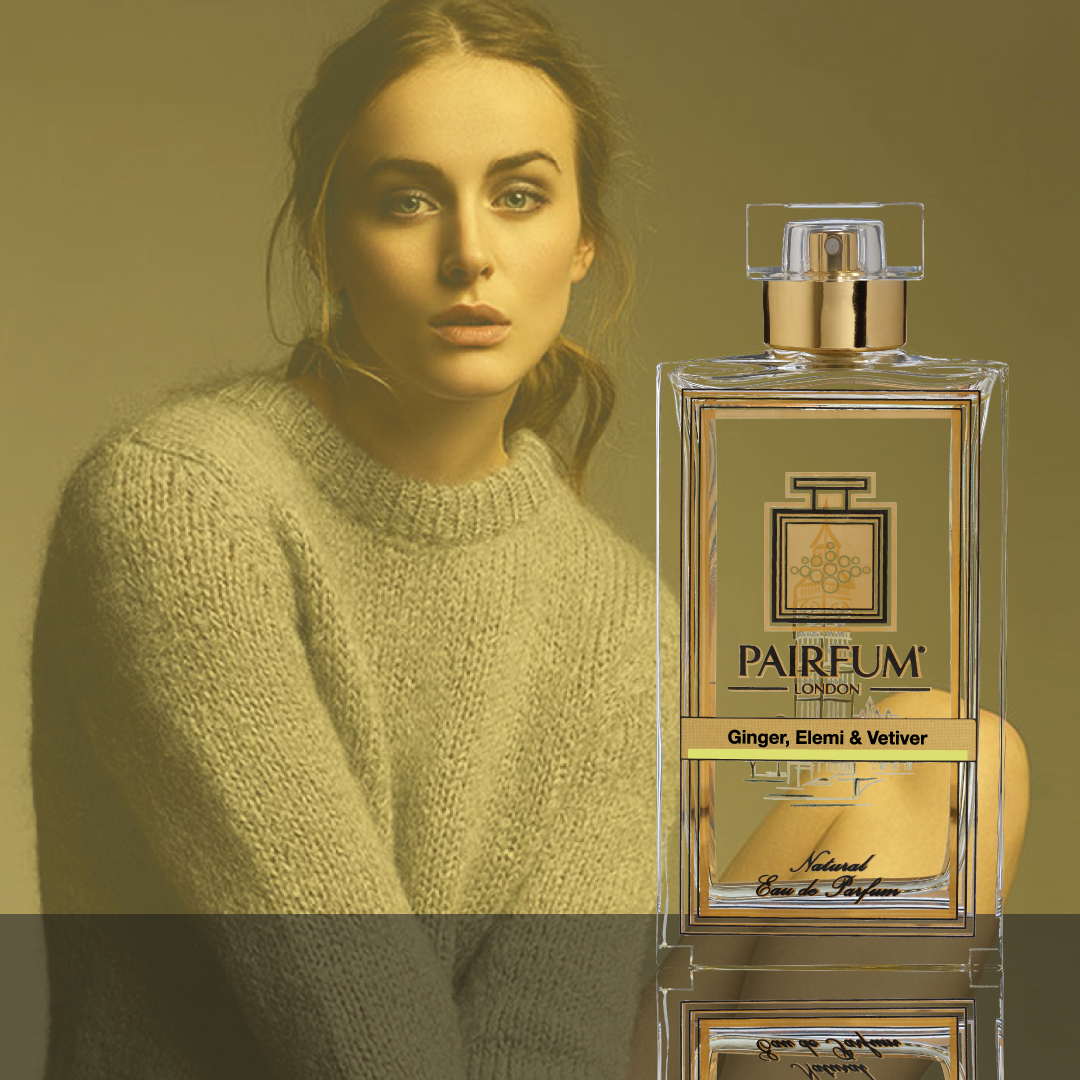
This fragrance blends bright citrus notes of Bergamot and Grapefruit with warming spices including Ginger, Nutmeg, and aromatic Cinnamon. Floral notes of Geranium, Rose, Freesia, Gardenia, Jasmin, and Orange Blossom follow, supported by Coconut and Raspberry. The base features Vetiver, Guaiacwood, Cedar, Amber, Cashmere Musks, Vanilla, and Moss.

Pairfum Large Reed Diffuser Bell Pure Rich Spices

Conclusion:

From cinnamon stick and cinnamon bark to essential oil and extract, cinnamon bridges flavour, scent, and memory. Whether experienced as Ceylon cinnamon or cassia, it balances sweetness and spice in a way that feels timeless.

Rooted in history and endlessly adaptable, cinnamon continues to hold its place in perfumery, food, and home fragrance, offering warmth and familiarity that never truly fades.

Pomegranate In Home Fragrance

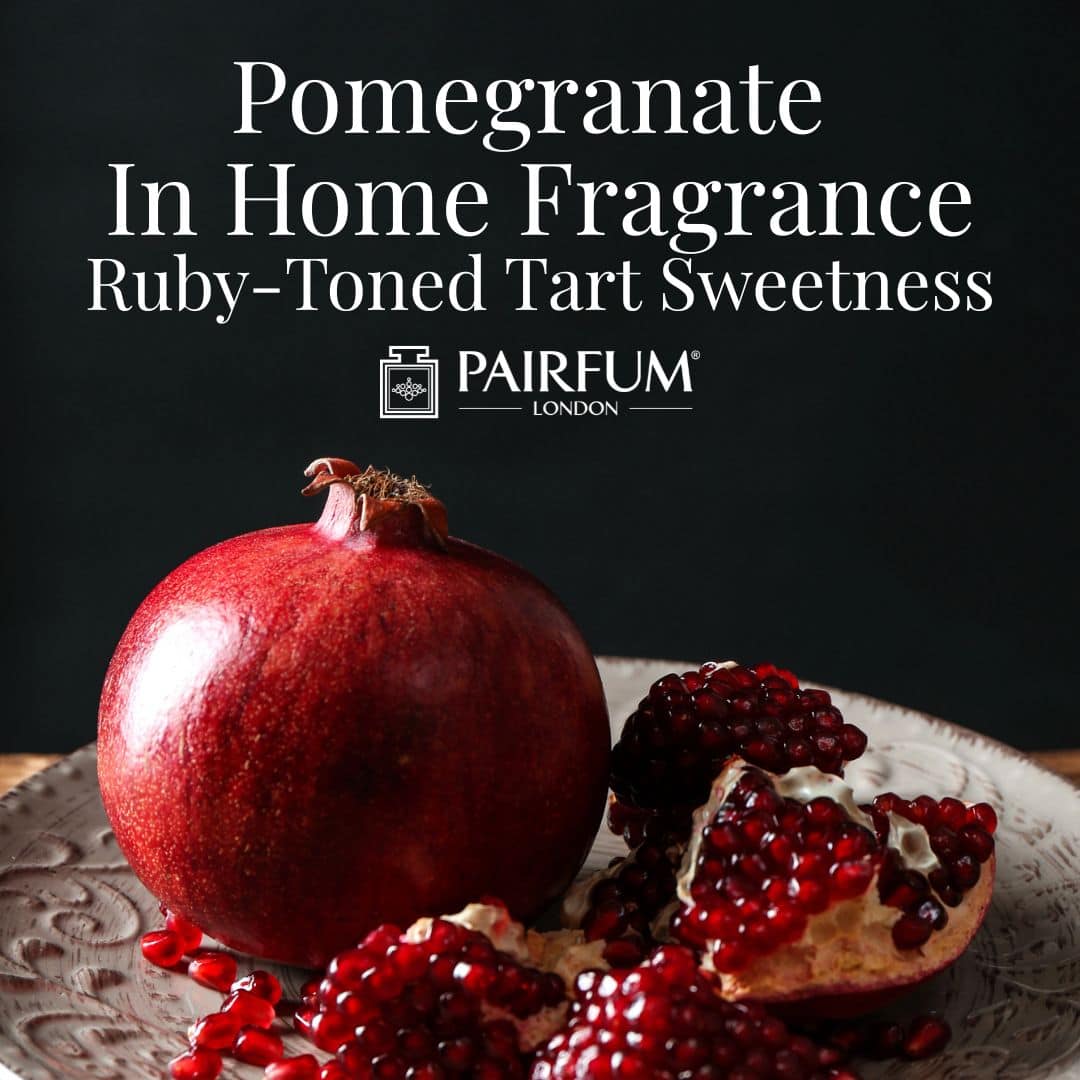
Pomegranate in Home Fragrance: Ruby-Toned Tart Sweetness

Pomegranate is a fruit that attracts attention even before you taste it. Its deep red skin, round fruit shape and clusters of juicy seeds give it a jewel-like appearance. When you open it, the bright pomegranate arils shine beneath the thick leathery skin. The scent is fresh and vivid. It combines tartness, sweetness and a gentle floral air, similar to biting into fresh fruit on a crisp day. This impression of pomegranate fruit has made it a favourite among modern perfumers.

In recent years, pomegranate has grown in popularity in niche and natural fragrances. People often look for perfumes that feel warm yet lively during the cooler months. Pomegranate offers this balance. It is never overly sweet and does not fall into citrus fruit sharpness. Its personality sits neatly between freshness and comfort, which makes it ideal for transitional seasons.

As days grow shorter, many turn to perfumes that feel padded and cosy. Pomegranate adds clarity to these deeper blends. It gives them lift without disturbing their warmth. This is one reason pomegranate works so well in autumn fragrances. It feels like breathing in cool morning air while wrapped in something soft.

A Fruit with a Long Fragrant Past

Pomegranate has travelled through centuries of history. Known botanically as punica granatum, or punica granatum l in full botanical form, it originated across Egypt, Persia and the Mediterranean. The plant grows as a small tree bearing bright blossoms that develop into pomegranates filled with juicy seeds. The granatum part of its name refers to the grain-like seed structure inside.

Across civilisations, the pomegranate tree became a symbol of life, fertility and abundance. It appears in mythology, including stories from Greek mythology, where it represents change, return and renewal. People valued the fruit not only for its flavour but also for what it symbolised.

In ancient kitchens and rituals, the pomegranate fruit was widely used. Its juice, seeds and peel were added to recipes, drinks and remedies. Many early recipes combined pomegranate juice with herbs or olive oil for sauces or salad dressings. Others used pomegranate molasses, a thick syrup made from reduced juice that adds tart depth to dishes. Even today, cooks enjoy using pomegranate in salad to add brightness and texture.

The fruit also held a place in early beauty rituals. People blended pomegranate extract, fruit juice, seed oil, and peel with oils such as olive oil to create simple balms. These preparations linked beauty with nourishment. Cleopatra is often associated with floral scents, yet fruits such as pomegranate likely surrounded her daily life.

Pomegranate’s connection with wellness is equally deep. The fruit contains antioxidants, polyphenols, vitamin C, vitamin K and folic acid. These compounds help the body handle oxidative stress and support general well-being. This is why drinking pomegranate juice continues to be popular and why pomegranate supplementation appears in modern health products. Even the pomegranate peel and certain extract forms are valued for their potential benefits.

pairfum reed diffuser cube classic rich spices

What Pomegranate Smells Like in Perfume

Describing the aroma of pomegranate begins with tart juiciness. It has a lively snap with a soft sweetness underneath. The scent floats between fruit and floral without leaning too far into either side. It recalls fresh pomegranate, yet also hints at berries or delicate petals.

Because pressing pomegranate seeds produces juice rather than fragrance, perfumers recreate its scent using crafted notes. They may blend pomegranate extract impressions, fruit juice-inspired notes, gentle florals and subtle citrus touches. These layers mimic the airy brightness of pomegranate fruit. Sometimes, peel impressions are added for a slight grounding bitterness. Sometimes pomegranate seed oil is used for nuance, although the oil itself is mild in scent.

In perfume structures, pomegranate often acts as a top note. It opens with sparkle, then settles as deeper notes such as rose, amber or musk begin to unfold. This first impression helps balance the perfume. It keeps fruity florals from becoming too sugary and prevents woody or resinous scents from feeling heavy.

The flexibility of pomegranates makes them attractive to perfumers. A small adjustment in the extract or compounds can shift the fruit toward crispness, roundness or softness. This allows the perfumer to create a pomegranate influence that matches the intended style.

Extracting the Aroma

Since real pomegranate does not yield a perfume material through simple pressing, perfumers rely on extract blends, isolates and crafted molecules. These recreate the lively personality of pomegranate juice and the freshness of the juicy seeds. Many perfumers describe this work as building the idea of the fruit rather than lifting a direct scent from the plant.

Crafted extracts allow incredible control. A perfumer might want a sweeter red fruit impression for one fragrance or a clearer tart top for another. Peel notes, seed nuances and fruit juice tones all contribute to the final result. Even though the real fruit is difficult to extract, the impression it inspires is versatile and modern.

Famous Bouquets: Iconic Perfumes That Use Pomegranate

Many well-known perfumes use pomegranate quietly. You might not identify it immediately, yet it shapes the opening with a clean lift. When blended with rose, peony or gentle florals, pomegranate fruit impressions create a smooth transition into the heart of the fragrance. It completes the picture without demanding attention.

Some perfumes rely on pomegranate more deliberately. Heavy bases featuring oud, amber or patchouli can feel dense on their own, so perfumers may add pomegranate to introduce light. It softens the opening and helps the fragrance move naturally. The fruit creates space within the composition, making it feel more wearable.

Because pomegranate sits between fruity and floral, it works well in perfumes designed for anyone. It gives them brightness without turning sugary and adds charm without leaning too floral. This neutrality makes pomegranate a popular top note in contemporary scent design.

Seasonal perfumes also benefit from pomegranate. Late summer often blends into autumn with a distinctive mood change. People begin to prefer scents that feel warm yet still carry freshness. Pomegranate works well here. It gives perfume a gentle spark that suits cooler air without feeling cold.

Growing Pomegranate

Why Pomegranate Fits Autumn Fragrance

Many perfume lovers want a balance of comfort and clarity in autumn. Spices, woods and resins add warmth but can feel heavy if not balanced. Pomegranate provides lift. Wearing a perfume with pomegranate in this season can feel like stepping outside on a cool morning while wrapped in something soft and warm.

The fruit pairs beautifully with classic autumn materials, including:

• Plum for fruity depth
• Incense for smoky complexity
• Labdanum and other resins for smooth warmth

Beyond personal fragrance, home fragrance often uses pomegranate impressions. Candles, room sprays and diffusers rely on the fruit’s ability to add freshness without sharpness. It makes a room feel inviting and clean, particularly during shorter days when people want comfort.

The Lasting Glow of Tart Sweetness

Pomegranate adds liveliness to deeper scents. It became a seasonal favourite because it supports warmth rather than competing with it. It brings clarity to blends that might otherwise feel too thick. Its tart sweetness stays present beneath woods, spices and resins.

Understanding the Fruit Behind the Fragrance

To appreciate pomegranate in perfume, it helps to look at the fruit itself. A pomegranate is a round fruit with a firm peel enclosing hundreds of seeds. Each seed is surrounded by an aril filled with pomegranate juice. This structure gives the fruit its jewel-like look when opened. The juicy seeds offer a burst of tart flavour and colour.

Pomegranate trees thrive in hot, dry climates. The plant is a small tree with vivid blossoms that develop into ripened fruit. Many gardeners grow the pomegranate tree for both ornamental value and harvest. The fruit’s appearance and structure have made it memorable across cultures.

Pomegranate fruit appears in recipes from Persia, Greece, India and North Africa. It is used in sauces, stews, dressings and desserts. Many recipes call for pomegranate juice, while others rely on pomegranate molasses. The molasses gives savoury dishes depth and sweetness. Fresh fruit is popular in salad, offering colour and crunch.

Soft drinks also use pomegranate, often combining fruit juice with sparkling water or herbs. Others enjoy drinking pomegranate juice on its own. Fresh pomegranate can be added to desserts or eaten alone as a refreshing snack.

Even the pomegranate peel is useful. It contains nutrients and antioxidants and is sometimes used to make extract. Traditionally, peel was dried or boiled for remedies. Today, pomegranate peel extract appears in products where natural compounds are valued.

The Science Behind a Timeless Fruit

Pomegranate has been praised for its health benefits for thousands of years. Modern science explains some of this admiration. The fruit contains antioxidants, polyphenols, vitamin C, vitamin K and folic acid. These compounds help manage oxidative stress, support wellness and may help reduce inflammation.

Researchers study the compounds found in Punica granatum to learn more about their effects. Both the seeds and peel contain valuable nutrients. Pomegranate supplementation appears in wellness products, and extracts are used in skincare and supplements. Many value pomegranate seed oil for its gentle properties.

This scientific interest keeps pomegranates firmly in public awareness. People see the fruit as nourishing, colourful and full of vitality.

Fragrance Description Rich Spices Pomegranate Cinnamon Clove Fig

Language and History Behind the Name

The word pomegranate has roots in Old French, where it described an apple filled with seeds. Its Latin form, granatum, refers to the grain-like seeds inside the fruit. These linguistic connections highlight how much people have always been drawn to the structure of pomegranate fruit.

The fruit appears often in art, literature and religious stories. In Greek mythology, it symbolises cycles of the year. This connection enhances its status as a seasonal favourite in both food and fragrance.

From Kitchen to Perfumery: How the Fruit Inspires Scent

Most people encounter pomegranates first through food. The seeds are sprinkled over salad, blended into sauces or eaten as fresh fruit. The flavour is layered with tartness, sweetness and a gentle floral edge. These qualities inspire the work of perfumers who aim to recreate the brightness of pomegranate fruit through carefully balanced extracts.

Traditional recipes often combine pomegranate seeds with herbs and olive oil for savoury dishes. Others use pomegranate molasses to add depth. This syrup, made by reducing pomegranate juice, is valued in Middle Eastern cooking. Exclusive recipes may use pomegranate in both sweet and savoury contexts, showing the fruit’s versatility.

Pomegranate juice appears in drinks, desserts and soft drinks. Some cooks reduce fruit juice to make glazes or syrups. Many enjoy drinking pomegranate juice for its flavour and perceived benefits. Even the peel can be dried and used to create an extract. Pomegranate peel contains nutrients and has been used in remedies for centuries.

The fruit’s structure adds to its appeal. Each aril contains a burst of juice. Opening a pomegranate and releasing the juicy seeds is almost ceremonial. This sensory richness is one reason pomegranates have remained culturally important across many civilisations.

Health and Wellness

People continue to value pomegranates for their nutritional qualities. The fruit contains vitamin C, vitamin K and folic acid. It also provides antioxidants and polyphenols that help reduce oxidative stress. These compounds are studied for their roles in inflammation and general health.

Pomegranate supplementation is common in wellness circles. Extract forms of Punica granatum, including peel extract and seed extract, appear in skincare and nutritional products. Pomegranate seed oil is appreciated for its gentle properties. The research surrounding the fruit ensures ongoing interest in granatum and its potential uses.

What Modern Nutrition Research Says About Pomegranate

Modern nutrition research has taken a close look at pomegranate and found that many parts of the fruit, including the seeds, peel and juice, contain natural plant compounds. These include polyphenols, which act as antioxidants and help the body manage everyday oxidative stress. Several studies have examined how these compounds behave in the body, although most research uses concentrated forms such as peel extract or seed extract, so the findings cannot be applied directly to ordinary eating habits.

Health resources often point out that pomegranate juice provides vitamins and natural sugars and can play a part in a balanced diet. Eating the seeds also adds fibre. Verywell Health and similar sources note that whole fruit is usually the simplest way to enjoy its benefits. Most people can eat pomegranate safely, though concentrated supplements may not be suitable for everyone. As with many fruits, it is best enjoyed as part of varied, good food choices.

Pairfum Bundle Set Reed Diffuser Refill Large Reeds Rich Spices 1 1

Connecting Back to Perfume

For perfumers, pomegranate offers clarity and charm. It opens a fragrance with a lively splash and supports the transition into deeper notes. Even when subtle, the impression of pomegranate makes a perfume feel more balanced.

A pomegranate-inspired top note can brighten florals, soften woods or bring lift to spices. It works well in gender neutral fragrances because its scent sits comfortably between fruity and floral. Its tart sweetness feels natural and modern.

Perfumers often describe pomegranate as a note that helps a perfume breathe. It adds movement. It does not overwhelm other materials but provides a gentle framework that supports the complexity beneath.

Modern Life and Cultural Presence

Today, pomegranate appears everywhere. People use fresh pomegranate in salads, desserts and savoury dishes. Fruit juice blends and soft drinks often highlight its bright colour and flavour. Cookbooks focus on recipes using pomegranate juice or pomegranate seeds to add vibrancy.

Gardening articles discuss the beauty of the pomegranate tree and how to grow Punica granatum in warm climates. Wellness writing includes related articles about antioxidants, inflammation, oxidative stress and pomegranate supplementation. Marketplaces highlight related products such as extracts, supplements or seed oils.

This broad cultural presence reflects the fruit’s long history. From old French names to ancient myths, from recipes to modern science, pomegranates continue to fascinate.

A Seasonal Symbol

The fruit is strongly linked with autumn. Its colour, flavour and texture feel perfectly suited to the time of year. When temperatures drop, people look for warmth and richness with a touch of freshness. Pomegranate provides exactly that. It brightens warm dishes and adds clarity to warm perfumes.

This connection has roots in Greek mythology, where the fruit symbolises cycles of sunlight and darkness. It marks the rhythm of seasons. When used in perfume, it brings this association with it.

Living Room Large Bell Reed Diffuser Luxury Scented Candles

Pomegranate Notes In Home Fragrance With Pairfum London

A reed diffuser can bring the same gentle lift to a room that a pomegranate brings to a perfume. The Bell Reed Diffuser fills a space with a steady flow of fragrance that feels inviting from morning to evening. Its elegant shape suits living rooms, bedrooms or hallways, and it creates a warm and welcoming atmosphere without effort. For anyone who enjoys the brightness of fruit notes or the calm of softer, deeper scents, this diffuser offers a simple way to keep a home feeling fresh and beautifully scented.

Rich Spices – Large Bell Shape Reed Diffuser by Pairfum London

This richly aromatic and captivating spicy accord commences with uplifting hints of Pomegranate and Cranberry, before gracefully flowing into a warm heart of Chestnut, Nutmeg, Cinnamon, and Clove. The scent then culminates by resting upon a luxurious base of Vanilla Pods alongside dried fruits, specifically Figs, Dates, and Persimmons.

Closing Thoughts on a Remarkable Fruit

Pomegranate is a fruit of depth and beauty. Beneath its thick leathery skin lie countless seeds filled with colour and juice. Its flavour is bright and layered. Its juice is used in cooking and soft drinks. Its peel and seeds produce extract and oils. Its antioxidants and polyphenols help manage oxidative stress and inflammation. Its nutrients, including vitamin C, vitamin K and folic acid, support well-being.

Punica granatum has played a role in myth, medicine, art, cuisine and fragrance. It appears in exclusive recipes, wellness practices and perfumery studios. Its scent inspires perfumers to create fragrances that feel lively yet warm, modern yet timeless.

In perfume, pomegranate adds brightness without sharpness and warmth without heaviness. It creates balance and movement. It fits comfortably with florals, woods and resins. Its gentle tart sweetness glows beneath richer notes.

Whether enjoyed as fresh fruit, used in a recipe, admired for its history or appreciated in a fragrance, pomegranate remains a symbol of abundance and vitality. Its presence in perfume reflects everything the fruit represents: clarity, colour and quiet confidence.

Copahu Balm

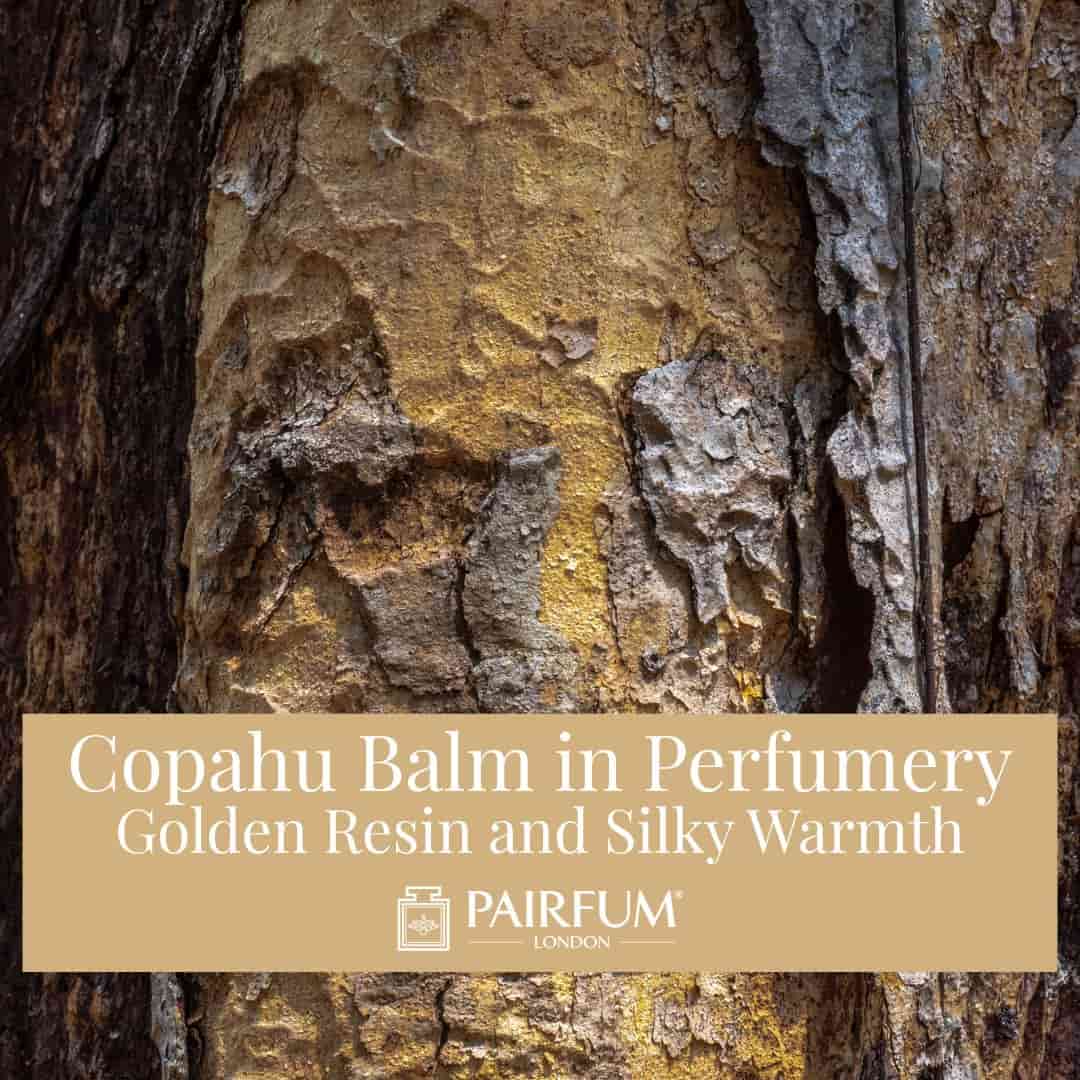
Copahu Balm in Perfumery: Golden Resin and Silky Warmth

Also referred to as Copaiba Balsam or Copaiba oil, Copahu balm is a natural oleoresin harvested from the trunk of the South American Copaifera copaiba tree. It has historically been utilised for its powerful analgesic (pain-relieving), antiseptic, and anti-inflammatory qualities.

Copahu balm is drop-drawn from the copaiba tree, which is native to South America. These tall copaiba oil trees stand quietly in the rain-fed forests, offering their golden resin drop by drop. Local communities have valued this balsam resin for hundreds of years, treasuring both its aroma and gentle presence in daily life.

When it is time to gather the copaiba balsam, the tree is tapped with care. The balsam seeps out slowly, shining gold and just a little sticky. Collected with patience, this balsam has long been used not only for aroma, but wherever comfort or calm was called for. Its place in rituals and everyday routines reaches back well before the perfumery oils industry gave it a new home.

This history still sets the tone for how we use the copahu balm today. Its grounding touch and gentle depth make the copaiba balsam especially welcome as the seasons turn and autumn settles in.

Extracting the Aroma: From Tree to Perfume

Bringing raw copahu balm into perfume is a careful process. The aim is to keep its soft, woody nature alive from tree to bottle. Steam distillation and cold pressing are the most common ways to collect its oils.

Steam distillation warms the balsam gently until fragrant vapour rises, carrying oils that are then cooled and gathered. Cold pressing skips the heat, using pressure only, which helps the final aroma stay very close to the natural feel of the resin. Though slower, this process keeps all the gentle, silky notes intact.

These gentle extraction methods are valued by natural perfume makers, who want each copaiba ingredient to keep its true personality. When copahu balm acts as a subtle base, keeping its original depth and softness is vital in creating a rich yet quiet blend.

What It Smells Like: Aroma Notes and Fragrance Personality

The aroma of copahu balm is smooth and woody, rounded by just a bit of sweetness. It brings a soft depth, never sharp or overly complex. If you can picture warm wood touched by the sun, it gives a sense of how relaxing and easy the balsam feels.

When paired with other natural oils, copahu balm stands out for its flexibility. It can:

  • Soften sharper notes in floral perfumes
  • Add roundness to woody or earthy blends
  • Support vanilla and amber for added warmth and calm

Because of its mellow personality, copahu balm works especially well in the cooler seasons. Perfumes for autumn are often built with notes that feel close to the skin. The copaiba balsam warmth adds comfort, whether found in a niche eau de parfum or creating an inviting home fragrance.

Fragrance Description Black Orchid Pear Freesia Vanilla Musk

Quiet Icons: Where Copahu Balm Shines in Perfume

Copahu balm rarely claims the spotlight, yet it anchors many beloved niche and natural perfumes. Its most common role is as a quiet base, giving body and warmth to blends built around natural woods or resins. The copaiba balsam’s calm energy means it fits seamlessly in perfumes aiming for a peaceful or earthy mood.

Some well-crafted perfumes will use copahu balm in these ways:

  • Layered underneath patchouli, cedarwood or sandalwood for a calming effect
  • Blending into amber-focused perfumes for creamy depth
  • Surrounding gentle florals to soften the overall aura

Rather than drowning out bolder notes, copahu balm ties each aroma together. It is the soft touch that helps even complex blends feel relaxed and wearable, never too green or sharp.

A Resin for the Season: Why It Works in Autumn

When October brings crisp air, perfume begins to shift, too. Copahu balm answers the call for calm and comfort. Its warmth is soothing without ever being rich or smoky. That makes the copaiba just right for the season, when many want to slow down and savour layered, quiet days.

Blended with natural oils such as labdanum, vanilla or mild spices, copahu balm creates perfumes and home aromas that feel built for autumn. In candles and reeds, its warmth settles into any room, filling the air without shouting for attention.

Perfume makers rely on copahu balm’s subtlety to guide blends into something comforting, yet never predictable. It lets each layer take a turn, keeping space open for shift and change as the day moves.

Warmth That Lingers: The Enduring Glow of Copahu Balm

What stands out about copahu balm is its gentle presence. It never fades too soon, and it never overwhelms. Instead, it leaves a silky hint on the skin, bringing a sense of warmth and ease that is personal and inviting.

Its adaptability means it belongs in both personal perfumes and home fragrance blends. Whether its job is to ground a brighter note or soften a heavy base, copahu balm quietly completes the picture. As the season cools and routines settle in, its gentle touch feels even more welcome. This one simple copaiba ingredient wraps each perfume in a glow that stays, peaceful, steady and always cosy.

Take a closer look at how we have used copahu balm in our collection of niche perfumes. This quiet, golden resin blends with ease, offering warmth and balance without overpowering. At Pairfum London, we find it brings a calm, silky finish to both woody and floral notes, which feels just right as the weather cools. If you are wondering how it might shape your own perfume preferences, we would be happy to talk.

Botanical Details of Copahu Balm and Copaiba

Before understanding how copahu balm works in modern perfumery, it helps to look at the copaiba tree itself and the variations that influence both aroma and quality. The balsam comes from several species of the copaiba tree, with two of the most recognised being copaifera officinalis and copaifera langsdorffii. These trees grow naturally in the tropical regions of South America where warm temperatures and steady rainfall support their slow-forming resin. The resin forms inside natural cavities within the trunk. It gathers over time and becomes the thick liquid known traditionally as copaiba and more widely today as copahu balm or Copaiba Balsam.

These trees are not related to rubber trees, although both produce natural liquids that gather inside the trunk. The copaiba balsam tree produces an oleoresin that holds both oil and resin in one substance. This copaiba oleoresin has been tapped for centuries and remains the source of copahu balm, Copaiba Balsam and copaiba oil. Each species produces a slightly different balance of aroma and texture. Some produce a softer and sweeter Copaiba Balsam while others create a deeper and more resin-focused copaiba oleoresin. These natural variations help perfumers select the exact character they want when working with this traditional remedy in a modern setting.

Within the trunk of the tree, the main constituents of the resin develop slowly. These include natural compounds like beta caryophyllene, which is widely recognised in aromatherapy, and other gentle terpenes that contribute to the odour description of the balsam. These constituents create the soft woody feeling that runs through many copaiba related products. This natural development of resin is one reason why oils from the copaiba tree have been valued for so long. The gentle aroma owes much to the tree’s own slow process.

Pairfum Fragrance Candle Flacon Room Perfume Spray Bathroom Spa 1 1 1

Historical and Cultural Uses

Long before copahu balm and Copaiba Balsam found their place in perfumery, they held an important role in daily life among communities across South America. For many generations, the copaiba balsam tree was appreciated for more than its aroma. People used the copaiba oleoresin as a traditional remedy, applying small amounts directly to affected areas on the skin. In some communities, it was used on wounds or affected areas where discomfort was felt. Others warmed the balsam in simple preparations, allowing a drop of the oleoresin to ease sore muscles.

The balsam was sometimes mixed with water or combined with local plant materials to create simple lotions that could be applied to the skin or even used on the mucous membranes. Although traditions varied from region to region, the gentle quality of Copaiba Balsam made it a suitable choice for families who sought comfort when dealing with inflammation or skin conditions caused by daily life in warm climates. This practical use established copaiba as an ingredient that carried both familiarity and trust, which continues today when people seek natural options such as copaiba balsam essential oil or copaiba balsam oil in modern wellness stores.

Over time, copaiba oil became a traded material. As merchants travelled between regions, they carried oleoresin in small wooden containers. It was valued not only as a topical oil but also as a substance that burned cleanly when exposed to a flame. This helped lend it a place beside other historical resins such as frankincense. Even though frankincense developed a far broader ritual use, copaiba remained known as a resin that brought relaxation and quiet comfort.

Differentiation from Similar Resins

For readers who are learning about copahu balm for the first time, it can be helpful to understand what sets it apart from other common balms and resins. Many people assume it is similar to copal or to thicker balsamic resins like benzoin or labdanum. While these raw materials share a general place in natural perfumery, each one behaves quite differently.

Copal is often harder and more brittle than copahu balm or Copaiba Balsam. It melts at higher temperatures and tends to produce a sharper aroma. Benzoin and labdanum are thicker, sweeter and more resinous, sometimes leaning into sticky or honey-like notes. Copahu balm sits in a gentler space. Its oil-rich nature gives it a smoother texture than most other raw materials in this category. Rather than feeling heavy or intense, it remains understated. Even copaiba balsam essential oil, which is more concentrated, avoids the dense feeling associated with other aromatic resins.

Another distinctive feature is the lack of smokiness. Some resins carry a slight turpentine note, which can become strong when heated. Copahu balm and Copaiba Balsam tend to avoid this, offering a cleaner and more rounded effect. This makes them especially useful when the aim is to achieve warmth without weight.

Olfactory Classification and Odour Description

In the world of perfumery, every raw material is given a place within a broader aromatic family. Copahu balm and Copaiba Balsam are usually placed within the woody and balsamic group. Their gentle sweetness and soft depth give them an easy fit among other warm oils, but they do not dominate the way heavier balsams sometimes can.

The odour description of copahu balm often includes soft wood, warm earth, a mild hint of sweetness and a slightly creamy tone. It does not take the lead in most compositions. Instead, it acts as a smoothing base that supports brighter notes. For example, when blended with ylang ylang, it creates balance by softening some of the floral intensity. When combined with natural raw materials like frankincense or soft spices, it blends into the structure without drawing attention to itself. This is one reason why perfumers value copaiba so highly. It behaves helpfully and cooperatively, ensuring that no single element appears too sharp.

Within this classification, copaiba oil and copaiba balsam essential oil can offer slightly different results. The essential oil often feels a bit lighter and more diffusive, while the thicker balsam remains closer to the skin. Perfumers sometimes use both forms to achieve dimension. Since both the oil and the balsam come from the same copaiba tree, they complement each other naturally.

Perfumery Usage Guidelines

Working with copahu balm in perfumery requires an understanding of how it behaves in blends. Although it is considered one of the more forgiving balsamic raw materials, it still deserves careful handling. In alcohol based perfumes, copahu balm dissolves easily and behaves predictably. It can be used at low percentages when a perfumer wants just a trace of warmth, or at higher levels when a deeper foundation is required.

When combining it with essential oils or natural isolates, perfumers often pair copaiba with vanilla, cedarwood, sandalwood or florals that benefit from gentle smoothing. It rarely clashes with others and does not require solvents or complex preparation. It blends readily, whether the formula aims for earthy tones or a more airy character. Its behaviour is often compared to mild carrier oil ingredients because of its natural softness, although it is not used in the same way.

Copaiba oil is slightly thinner and offers more lift, making it suitable when a perfumer wants the warmth to extend a little into the heart of the composition. Copaiba Balsam or copaiba balsam oil sit more firmly in the base. Some formulas combine the oil, the oleoresin and the balsam in small amounts to create a layered structure.

Copahu Balm Tree

Applications Beyond Fine Fragrance

Beyond perfumery, copahu balm and Copaiba Balsam have been used in a variety of everyday preparations. In aromatherapy, they appear in blends aimed at relaxation and comfort. Their gentle scent makes them an easy companion to other calming materials. When used in a massage blend, they add a smooth texture. Some therapists also use the copaiba oil for massage on affected areas where the client feels sore muscles or mild discomfort. Copaiba oil, being naturally soft and smooth, spreads easily in massage and adds warmth to the skin.

In skin care, copaiba related products have long been used in lotions or oils aimed at soothing the skin. Some people apply a small amount to affected areas related to inflammation or mild skin conditions. Others rely on copaiba balsam oil as part of a simple homemade lotion. While modern products follow strict safety guidance, these uses remain inspired by traditions that stretch far back.

It is also common to see copaiba oleoresin in natural ointments or balsams where its calming properties are appreciated. Some families across South America have even used it to reduce the appearance of stretch marks or to soothe minor discomfort. These uses continue today, although modern guidance encourages patch testing on the skin before applying to larger areas.

Consumer Benefits and Everyday Appeal

Many people discover copahu balm and Copaiba Balsam not through perfumery but through everyday wellness or home use. One of the most appreciated qualities is the sense of relaxation that the aroma brings. Even a small amount on the skin creates a feeling of calm that lingers without becoming heavy. This quiet effect makes copaiba oil and other copaiba related products appealing to anyone who prefers gentle aromas over strong or sharp fragrances.

The warm tone of copaiba also means it pairs well with familiar scents. When used in aromatherapy, it is often mixed with lavender, citrus oils or floral materials such as ylang ylang. These blends are valued for easing tension and helping the mind slow down. A simple massage using copaiba oil or a lotion scented with Copaiba Balsam can add comfort when the body feels tired. Many people use it on sore muscles after activity or apply a small amount to affected areas where they seek relief.

Its softness also makes it suitable for sensitive skin. While every person responds differently, Copaiba Balsam and copaiba balsam essential oil are often found in natural skin care because they are gentle, lightly moisturising and easily absorbed. Some people use them to soothe dry patches or to support the skin after exposure to the sun. The mild nature of the oleoresin helps explain why it has remained a trusted traditional remedy throughout the generations.

There is a clear pattern in fragrance preferences as the year moves from summer into autumn. Many people turn from bright citrus and airy florals toward notes that feel closer to the skin. Warmth becomes desirable. This shift is why copahu balm, Copaiba Balsam and copaiba oil rise in popularity during the cooler months.

Autumn often brings an interest in woody bases, gentle spices and earthy tones. Copaiba supports all of these without adding heaviness. When perfumers build seasonal blends, they look for raw materials that sit comfortably under vanilla, amber, resin or soft woods. Copahu balm fits naturally in this role. Its subtle character allows deeper ingredients to shine without creating an overpowering structure. It also blends well with incense-like raw materials such as frankincense, giving a grounded feeling that suits the mood of autumn.

During winter, the appeal continues. People often seek fragrances that offer comfort, warmth and a sense of shelter. Copaiba Balsam and copaiba oleoresin help deliver this through their soft sweetness and steady presence. Even in home aromas such as candles or room sprays, the gentle nature of copaiba prevents the space from feeling overwhelmed. Instead, it creates a quiet glow that complements the season.

A Closer Look at Copaiba as a Raw Material

Understanding the qualities of copahu balm and Copaiba Balsam becomes easier when we look at them as raw materials. The oleoresin that comes directly from the copaiba tree is a natural mixture of oil and resin. This balance is what gives it such unique behaviour. It is fluid enough to be tapped without heat, yet resinous enough to hold depth on the skin. This also means that copaiba can be used directly or refined through distillation into copaiba balsam essential oil or copaiba oil.

The process of distillation separates lighter aromatic compounds from the thicker balsam. This produces an essential oil that is more suited to aromatherapy or blending into massage oil. The thicker balsam remains rich and grounding, making it popular in perfumery and skin care. Since no harsh solvents are needed, both forms retain their gentle character.

Copaiba’s history as a raw material is long. As traders moved across regions, the balsam was exported in small wooden containers or clay jars. It was often listed alongside other valuable resins and balsams. Its mild aroma and versatility made it easy to include in preparations for the skin, in early medicinal recipes and even in mixtures used for massage. It was sometimes used to ease pain or to soothe wounds that needed simple but gentle care. Even today, many natural practitioners appreciate copaiba for the same reasons.

Flacon Room Perfume Spray Black Orchid Flower 1 1

Why Copaiba Remains Distinct Among Natural Ingredients

Many natural ingredients offer warmth, yet copaiba stands out because of its balance. Some woody materials can feel sharp, while some balsams can feel sticky or dense. Copaiba Balsam avoids both extremes. It sits comfortably in the middle, where it adds support without drawing attention. Perfumers often comment that copaiba behaves like a quiet linking note. This means it helps separate ingredients to join smoothly so that nothing feels abrupt.

Another advantage is the versatility of copaiba oil. It can be used in aromatherapy, massage, skin care and even in simple at-home blends created with everyday oils. This makes it one of the more widely used natural balsams. Many people keep it in small bottles to apply to affected areas of the skin or mix it into a massage blend for relaxation. Even though scientific understanding continues to develop, the long-standing cultural use offers reassurance to those exploring natural options.

An Iconic Copahu Balm Home Fragrance Base Note With Pairfum London

Black Orchid – Perfume Room Spray by Pairfum London

A deep, Eastern-inspired fragrance opens with Anjou Pear, Dark Cassis, and a bright Orange Slice at the top. The centre features an elegantly floral heart of Black Orchid and Powdery Violet. It finishes with a divinely alluring base comprising Musk, Copahu Balm, and Vanilla Pod.

A Resin with a Gentle Presence

Among the many balsams and resins available today, copahu balm and Copaiba Balsam remain quietly distinctive. Their long history, subtle aroma and natural affinity with other oils make them well-suited to both perfumery and everyday use. From simple massage to aromatherapy to seasonal fragrance blends, copaiba adds a steady and peaceful warmth wherever it is used.

As interest in natural materials continues to grow, more people are discovering why copaiba has been valued for so many generations. It offers softness without weakness, warmth without heaviness and a gentle glow that lingers on the skin. Whether enjoyed in a fragrance, a lotion, a balsam or as part of a ritual for relaxation, its enduring appeal shows no sign of fading.

Orange Slice In Perfume

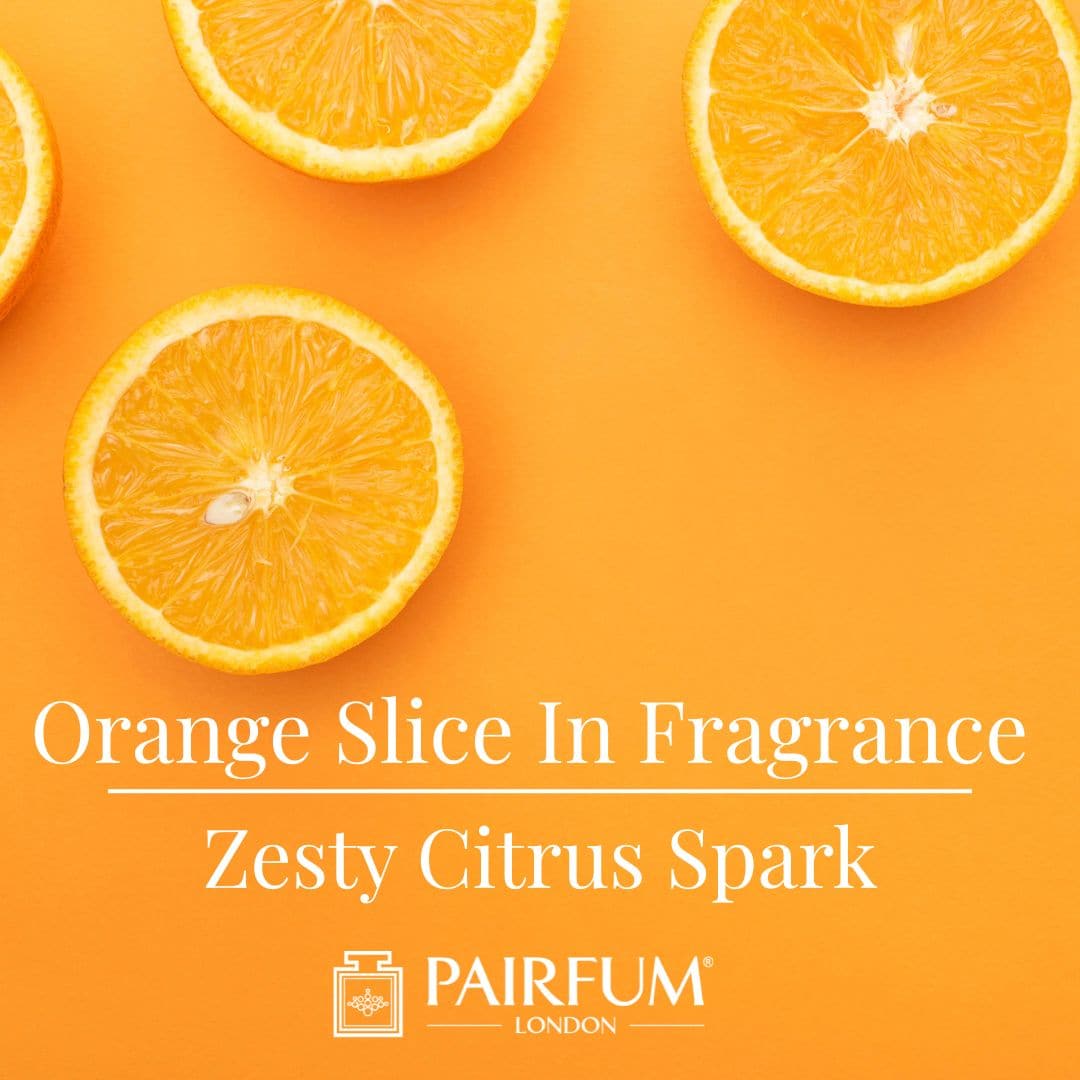
Orange Slice in Fragrance: Zesty Citrus Spark

The term ‘orange slice‘ typically refers to a wedge or segment of a fresh orange, a candied or dried citrus confection, or a specific type of ancient flint tool. Fresh orange slices are a popular, healthy fruit snack, whereas candied and dried orange slices are frequently used in baking, cooking, and as decorative garnishes for desserts and cocktails. Archaeologically, the term also refers to a crescent-shaped flint tool resembling an orange segment, primarily used for harvesting plants during the Neolithic period.

The pull of citrus in fragrance is something most people recognise. It feels bright the moment you notice it, and it has an easy way of cutting through richer scents. Among the familiar citrus notes, the orange slice has become one that many perfumers enjoy working with. An orange slice lends a lively touch that feels cheerful without drifting into sweetness. In both natural blends and niche creations, orange slices bring a burst of freshness that feels clean, modern and instantly uplifting.

This is nothing like the artificial orange found in sugary drinks. Instead, the aroma from a well‑built orange slice note has a quick spark of zest. It suits early mornings, crisp weather and even a cosy evening indoors. When the season edges towards early autumn, that soft mix of juice and peel sits comfortably between fruity and green. It feels gentle, balanced and never too heavy.

The Citrus Fruit Behind the Aroma

When perfumers speak about an orange slice, they are not thinking only of a piece of fruit you might eat. The full idea includes the orange peel with its sharp edge, the zest that brings bitterness, the burst of juice and even the slight greenness from the membrane. Together, these form something fuller than simple orange. A citrus fruit behaves this way in nature, offering several layers at once, and perfumers aim to capture that.

Most people are familiar with sweet oranges, which are often featured in drinks, desserts, and fresh oranges sold in shops. Bitter orange brings something more complex. It is sharper, deeper and slightly more aromatic. Many perfumers value this contrast, which helps shape a more rounded citrus slice impression in natural formulas.

There is also a long history of using orange peel and other citrus materials in older traditions. People dried citrus fruit for scenting rooms, and various herbal blends relied on these notes for their brightening effect. These older habits still influence modern fragrance when orange slices and other citrus materials are chosen for their calming yet cheerful qualities.

Clear Definition: What Is an Orange Slice Note?

An orange slice note aims to mirror what happens the moment you cut into sliced oranges. You notice the first rush of juice, followed by a gentle bitterness and the sweet tone of fruit. It also includes the green edge of the membrane. This is why an orange slice note feels wider and more lifelike than a simple touch of orange. The aim is to recreate a citrus slice that smells natural, juicy and comforting. For someone new to citrus perfumery, this type of note provides a friendly way in. It feels instantly recognisable yet still offers subtle layers that give interest. Even a single slice within a perfume can brighten the composition.

Pairfum Person Reflection Neroli Musk Orange Blossom Eau de Parfum

Olfactory Profile of Orange Slice

The scent of an orange slice is more intricate than many expect. It begins with a lively top note that calls to mind freshly squeezed juice. This quick spark then softens into a rounded sweetness, one that steers clear of the sugary quality found in confectionery. A green accent slips in afterwards, echoing the faint bitterness of the thin slices of membrane. A herbal whisper may also drift through, drawn from the natural oils in the orange peel. Each layer contributes to a profile that feels refreshing without being too sharp. Perfumers value this balance because the character of an orange slice can lighten a blend or add warmth, depending on what it sits beside. This versatility is why orange slices continue to be used in both simple cologne styles and more complex contemporary designs.

Types of Orange Used and Their Sources

Different varieties of orange offer slightly different qualities, and perfumers take advantage of this when creating an orange slice impression. Sweet oranges have a friendly scent that leans towards comfort. Bitter orange adds a sharper edge with a touch of resin. Blood oranges bring a richer colour in nature and a deeper fruity nuance in scent. When cara cara oranges are used, they offer a soft sweetness that blends easily with florals. Navel oranges remain popular simply because they are reliable, producing consistent oils.

Some prefer to use organic oranges because untreated skins can offer a cleaner outcome. Fresh oranges grown in warm conditions often hold more aromatic oil in their rinds, which makes them useful for extraction. A perfumer might choose to combine two or three varieties to recreate the sense you get when sliced oranges are laid out on a plate. Each slice delivers something slightly different, yet they work together to form a lively citrus slice effect.

Capturing the Zest: How Orange Makes It into Perfume

For a perfumer, the challenge lies in taking the vivid scent of an orange slice and placing it inside a bottle. Cold pressing remains the most common method for gathering orange oil. The orange peel is pressed until the oils emerge, producing a bright, juicy aroma. Because heat is not used, these oils keep their lively freshness. Steam distillation can also be used, although it requires careful control. If handled gently, it creates a softer, slightly deeper citrus. If pushed too far, the outcome becomes too bitter.

Natural style blends sometimes use pure oils while others rely on crafted accords. These accords mix different citrus materials to recreate the full effect of a fresh slice. A well-balanced orange slice accord carries both the brightness of juice and the subtle greenness around it. Some botanical-themed collections rely on this approach when they want a fragrance to feel refreshing without drifting into sweetness.

Lifestyle Living Room Natural Reed Diffuser Fragrance Candle 1 1

Perfume Structures that Feature Orange Slice

There are many ways that orange slices can sit within a fragrance. In classic cologne structures, an orange slice usually appears in the opening where it joins lemon or mandarin to create an instant sense of clarity. More modern compositions sometimes place an orange slice deeper in the heart of the blend, helping the perfume shift smoothly from bright top notes to deeper woods or musks.

A perfumer may even draw on an orange slice to soften heavier ingredients. Woods, resins and certain spices can feel dense if left unbalanced. When a citrus slice effect is added, it can create lightness without removing warmth. Although an orange slice is rarely used as a base note, it may linger longer when paired with fixatives that slow evaporation. In this way, even a hint of citrus can shape the final stages of a fragrance.

Working with Other Notes: Orange Slice in a Perfume Blend

An orange slice can play several roles inside a fragrance depending on what surrounds it. Most often it appears at the top, creating an early spark. At other times it settles into the heart, joining florals or herbs to help them breathe more easily. In rare situations, a perfumer might anchor a citrus slice deeper in the structure, although this requires careful work so that the light qualities of citrus do not disappear too quickly.

Pairings make a real difference. An orange slice with jasmine or neroli adds a lively opening for flowers that might otherwise feel subdued. Used with spices such as cinnamon or clove, orange slices brighten the warmth. When added to woods or soft resins, an orange slice brings gentle clarity so that heavier notes feel more open. In home fragrance, an orange slice often provides a clean tone that keeps the atmosphere feeling fresh.

Some perfumers use orange slices to round out sharp materials. When combined with tea, ginger or lavender, the result feels calm yet never dull. For this reason, an orange slice continues to be chosen when a fragrance needs lift without becoming loud.

Historical and Cultural Significance

The use of citrus fruit in fragrance dates back many centuries. In early Mediterranean regions, people dried citrus fruit for simple room scenting, hanging pieces in doorways to bring freshness indoors. As trade expanded, oranges travelled across sea routes, and different varieties spread into new climates. The aroma was linked with hospitality and cleanliness, two qualities that still shape how an orange slice is used in modern compositions.

In some parts of East Asia, oranges symbolised good fortune and purity. Orange blossom became a familiar wedding flower, while the fruit itself appeared in several ceremonies. When distillation techniques moved across Europe, perfumers began exploring everything from the orange peel to the leaf and the flower. Each part offered something distinct. This long history sits quietly behind the orange slice notes found in contemporary perfumes, carrying forward a sense of bright comfort.

Orange Slices

Fragrances with Lasting Spark: Perfumes That Use Orange Slice Well

Many fragrances rely on an orange slice to introduce clarity. This can be seen in light colognes that suit warm days, as well as balanced daytime scents worn throughout the year. An orange slice may open a perfume with sparkle before settling into softer tones such as lavender or musk. In other perfumes, orange slices remain present for longer, particularly when blended with green tea or mild spices like ginger.

Orange slices appear often in home fragrance as well. They give a clean impression when used in candles or diffusers, helping a room feel fresh without becoming overpowering. Their scent sits comfortably in early autumn and even in winter, when a gentle citrus note can lift the darker days.

Benefits of Orange Slice in Perfumery and Well-being

People often describe citrus as uplifting, and an orange slice easily supports this perception. Its natural sweetness remains soft, avoiding anything cloying. This suits those who want a fragrance that feels familiar and gentle. The airy quality of an orange slice can open a perfume, making it easier to wear during busy days or relaxed evenings.

Aromatherapy traditions have long used citrus for clearing the mind. The same qualities appear in modern perfumes when an orange slice provides a sense of brightness without intensity. It can soften a blend or create a bridge between contrasting ingredients, leaving the wearer with a feeling of ease.

A Clean Pop of Citrus for Early Autumn

As autumn arrives, the weather shifts slightly and orange slices fit this moment well. The aroma feels like a link between summer’s warmth and the cooler air of October. It brightens mornings without overwhelming the senses. Much like opening a window to let in a fresh breeze, an orange slice adds movement inside a fragrance or a room.

This balance makes orange slices ideal for people who want freshness during cooler months but dislike heavy spices. The scent feels tidy and steady, returning each time with a gentle spark. Even a small citrus slice note can add enough energy to make everyday routines feel more open.

Layering Tips and Usage Advice

An orange slice is one of the easiest notes to use when layering perfumes. It blends smoothly with florals, adding a sunny upper layer to jasmine or neroli. With green or herbal fragrances, an orange slice introduces clarity. Woodier scents also work well with orange slices, since the citrus helps prevent the base from becoming heavy.

A simple approach is to start with a citrus-centred fragrance. When that layer settles, apply something deeper or softer on top. The orange slice will shine through, drawing the layers together without competing with them.

Home fragrance can use a similar method. A candle with a citrus slice effect near a mild floral diffuser gives a natural sense of freshness that moves throughout the space.

Pairfum Eau de Parfum Person Reflection Neroli Musk Orange Blossom Bright 1 1

Sustainability and Ingredient Integrity

Sourcing citrus is often more sustainable than people expect. Much of the orange used in perfumery comes from the byproducts of the juice industry. Instead of discarding the peel, producers press it to extract oils. This makes good use of material that would otherwise be wasted.

Organic oranges offer additional assurance because their peels are untreated. Some perfumers look for small-scale growers who farm responsibly. Cold pressing remains one of the most energy-efficient extraction methods for oranges. Steam distillation uses more resources but can still be carried out carefully.

For many consumers, ingredient integrity matters. Knowing where an orange slice note comes from, how the oils were extracted and how growers were treated helps people make choices that match their own values.

A Culinary Detour: Orange Slices in the Kitchen and Crafts

Fresh Oranges in Everyday Use

Fresh oranges turn up in many homes, whether used for baking, drinks or simple table decoration. People often prepare dried orange slices when they want something long-lasting, especially for Christmas crafts where colour and scent matter. Dehydrated orange slices are popular because they hold their shape well. Some prefer dried oranges for their gentle aroma, and a larger slice can be used as a rustic decoration hung in a window. A single citrus slice can add more charm than expected, especially when paired with other dried fruit in small seasonal arrangements.

The Charm of Candied Orange

Candied orange slices have a sweetness that feels nostalgic. Many use candied orange when decorating a cake, sometimes dipping pieces in chocolate or dark chocolate for a pleasant contrast. Candied orange slices appear in older recipe collections where fruit was simmered slowly. Some cooks include candied citrus slices or candied slices to bring warmth. Others reach for candied lemon slices when they want brightness. A baking sheet lined with baking paper helps the fruit cool after cooking, and a paper towel can remove extra moisture before the slices are coated in syrup. This step improves the look of each dried slice once it sets.

Drying and Preparing the Fruit

To prepare dried fruit at home, a sharp knife is used to create thin slices of fresh oranges. These sliced oranges are placed into a low oven until they dry slowly. A single dried orange or a tray of dry oranges can then be stored for later use. Some people coat pieces lightly with syrup or orange syrup so they shine once cooled. A cinnamon stick or star anise can also be added to a pan when warming slices, giving a warm, spiced scent. Dried citrus works well as a cocktail garnish, and those who like to garnish cocktails often enjoy mixing citrus with herbs for extra colour.

Varieties and Their Uses

Many recipes call for fresh oranges, though cara cara oranges are chosen for their soft flavour. Blood oranges are used when a deeper shade is wanted, and navel oranges remain reliable for preparation and drying. Organic oranges appeal to those who want untreated skins. Dried citrus, dried orange, and dried fruit all bring gentle fragrance to a room. Some people place dry oranges in bowls as simple decoration.

Using Orange Peel and Larger Slices in Crafting and Home Aroma

Those who enjoy seasonal crafts often use orange peel or larger slices for displays. The peel retains much of the essential oil, which keeps the aroma vivid even after drying. Larger slices stay firm, making them ideal for wreaths or table decoration. Dehydrated oranges appeal to people who want pieces that hold colour. These methods show how citrus can cross easily from the kitchen into simple home fragrance.

Recipes and Final Touches

A simple recipe can turn slices of citrus into gifts or house décor. A recipe faq may answer questions about oven temperatures and storage. A recipe rating helps people choose the method they prefer. Candied orange slices, candied citrus slices and candied slices are used widely, and some people enjoy placing them beside dark chocolate on a platter. Candied lemon slices sometimes appear in mixed trays with citrus, adding a lighter contrast.

The Sensory Connection with Perfumery

Anyone who has simmered candied orange or dried orange slices will recognise the warm citrus scent that rises. This aroma feels uplifting in much the same way as a perfume with an orange slice note. The link between the two worlds explains why citrus materials continue to inspire both cooks and perfumers.

Pairfum Fragrance Neroli Musk Orange Blossom Triangle Ingredients

FAQs

What makes an orange slice note different from a plain orange?
It includes the zest, the juice, the soft bitterness of the membrane and even the green edge of the peel, creating something fuller than a simple orange.

Why do citrus notes fade more quickly?
Citrus materials evaporate faster. Perfumers slow this by layering or using fixatives.

Is orange slice suitable for wear throughout the year?
Yes. It suits spring, summer, early autumn and even winter when a little brightness is welcome.

Can orange slices be used in both personal and home fragrance?
Yes. They add freshness without heaviness and feel clean in most settings.

Does an orange slice blend well with florals or spices?
It works with jasmine, neroli, lavender and warm spices. It also introduces clarity to woods and herbs.

Orange Blossom and Orange Slice-Inspired Personal & Home Fragrance by Pairfum London

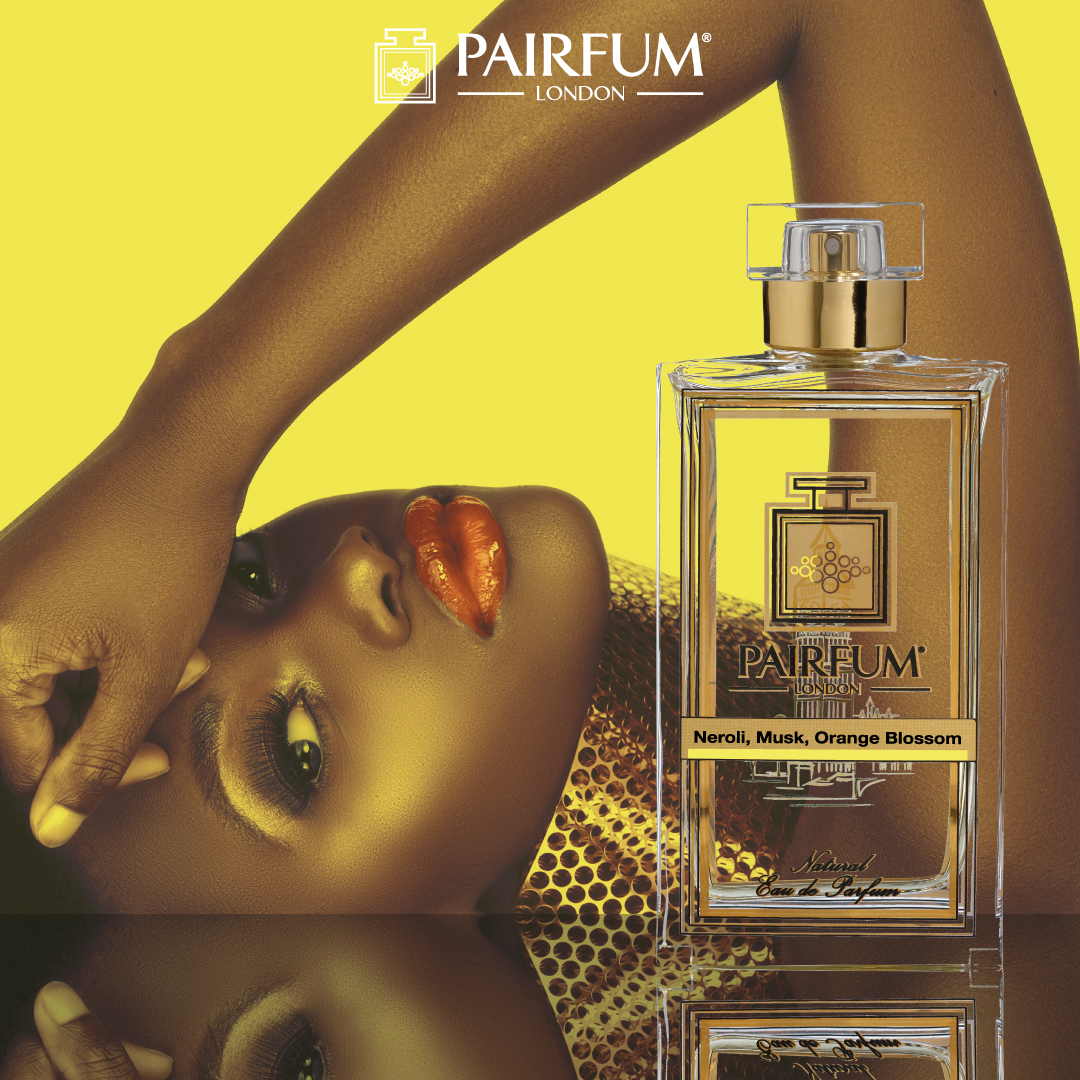
Neroli, Musk, Orange Blossom – Eau de Parfum by Pairfum London

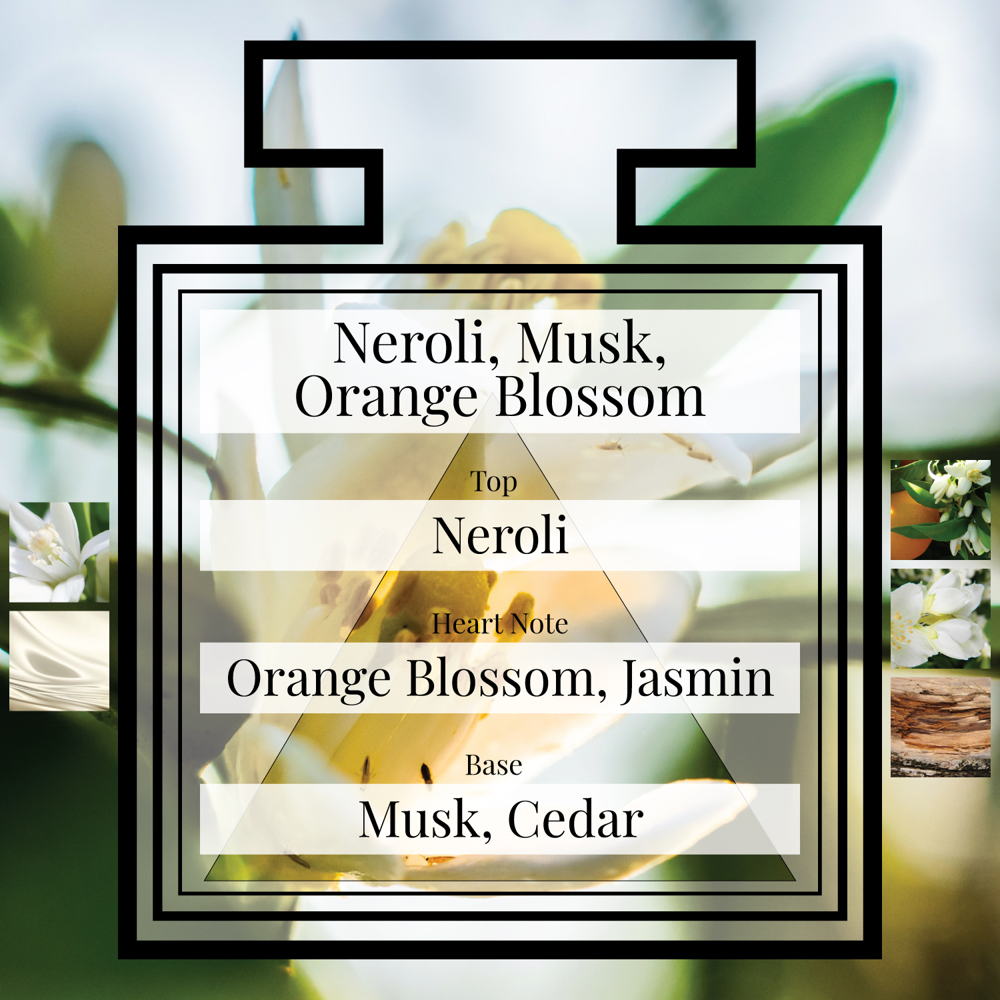
This beautifully fresh, floral fragrance opens with the natural top note of Neroli. What follows is an alluringly pure & white floral heart of Orange Blossom and Madagascan Jasmine. The sensual base of Radiant Musk and Cedarwood adds depth and warmth to this fragrance.

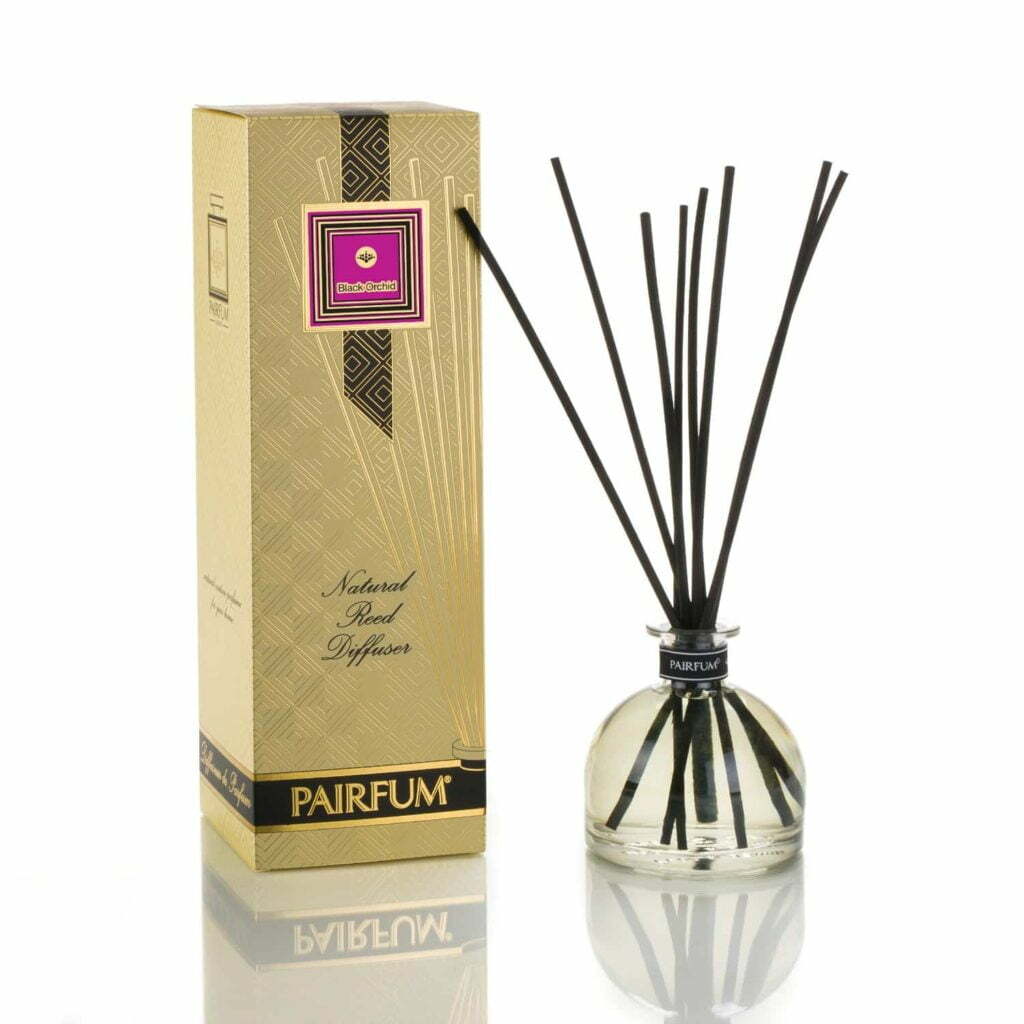
Black Orchid – Bell Shape Reed Diffuser by Pairfum London

This rich, Oriental fragrance features a top of Anjou Pear, Dark Cassis and Orange Slice. The heart is elegantly floral, consisting of Black Orchid and Powdery Violet. Finally, a divinely sensuous base of Musk, Copahu Balm and Vanilla Pod completes the scent.

Pairfum Large Reed Diffuser Bell Signature Black Orchid

Conclusion

Orange slice remains one of the most familiar and uplifting notes in fragrance. Its mix of zest, gentle sweetness and soft green nuances makes it a favourite among perfumers and fragrance lovers alike. It adds clarity to perfumes, warmth to seasonal blends and brightness to home fragrance. Even away from perfumery, orange slices appear in cooking, crafts and simple household decoration. Whether dried, candied or freshly sliced, the natural charm of citrus fruit continues to offer colour, comfort and a sense of easy freshness.

Dark Cassis In Perfumes

Dark Cassis in Perfumes: Inky Berry Bite and Green Tartness

“Dark cassis” most often refers to Crème de Cassis, a rich, dark red liqueur crafted from blackcurrants, popular in cocktails or sipped on its own. The term can also describe flavoured products such as dark chocolate with cassis, as well as fragrances and scented items that feature a dark cassis aroma.

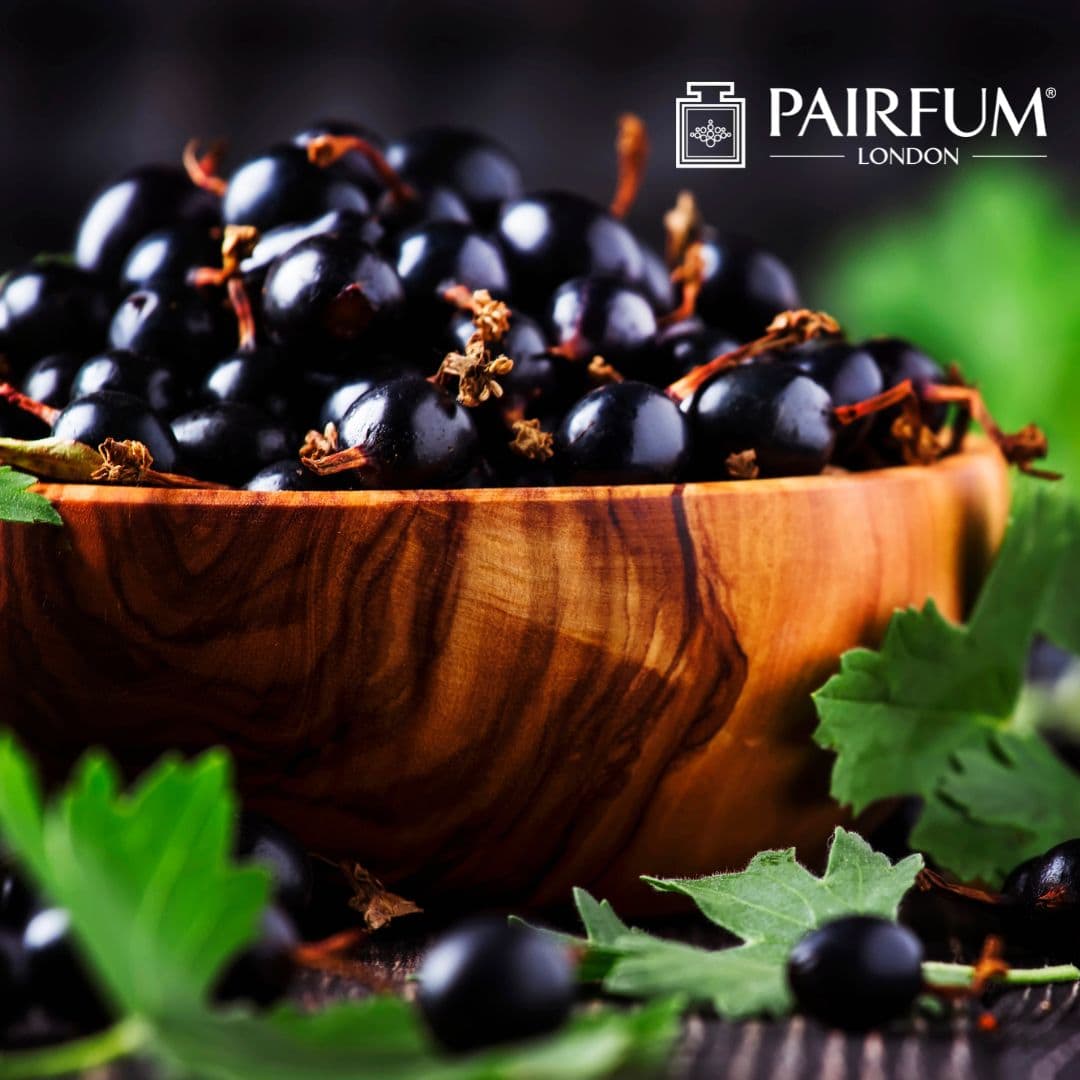
Dark cassis has a bold edge that sets it apart. Its mix of juicy berry and tart green notes brings something sharp, almost electric, to a fragrance. Where other fruits slip toward sugary or soft aromas, dark cassis sticks to its bite, and that’s not easy to miss. It hits the top of a perfume with a burst of energy that feels crisp and deep at once.

Perfumery often seeks notes that keep fragrances steady and add a hint of mystery. Dark cassis does exactly that. It can wear many hats, bright and berry-like but never really sweet, and brings green depth without turning leafy. There’s an adult feel to it, more confident than most other fruit notes. This is why it’s trusted in so many refined fragrances. From the hedgerow to fine perfume, the journey of this small black berry is full of quiet twists. Starting in traditional uses and now with a place in niche collections, it is now a staple ingredient that delivers all year.

What is Cassis? The Science and Chemistry

Cassis, better known to many as blackcurrant, is the dark purple berry of the Ribes nigrum shrub, native to parts of Europe and Asia. The scent of cassis holds a special place in the world of fragrance as it sits at the crossroads between juicy, tangy berries and fresh, green herbal accords. The chemistry of cassis is uniquely rich owing to compounds such as methyl anthranilate and terpenes, which create a fresh, fruity, and slightly floral effect. Dimethyl sulfide, present in both the berry and the leaf, gives dark cassis its distinct tartness and a hint of green sharpness, making the note complex and versatile. Cassis bud oil, often used in niche fragrances, is prized for delivering an intensely green, almost animalic edge, while the berry itself provides juicy tartness and an enveloping swirl of aroma. As a result, cassis is valued in perfumery for its ability to transition seamlessly between the fruity and green scent families, and it features widely in fragrance creations across the world.

History and Cultural Significance

The story of cassis stretches back centuries. Blackcurrant has been cherished in culinary traditions for its tart flavour, appearing in jams, cordials, and desserts. In France, the berry became the basis of the celebrated liqueur crème de cassis, a staple in the Kir and Kir Royale—each blending cassis with white wine or champagne. Its robust, tangy taste and colour have made it a favourite in many deli products and beverages. In herbal medicine, blackcurrant leaves and berries have been used in teas and remedies, treasured for their purported health benefits.

Cassis found its place in perfumery only later, as perfumers sought alternatives to traditional sweet berries. The adult, sophisticated edge of dark cassis set new standards for berry notes, offering subtlety over syrupiness. In contemporary perfume, cassis is now seen not only as a bridge between green and berry accords but also as a note tied to cultural elegance and a culinary legacy.

Pairfum Large Reed Diffuser Bell Signature Black Orchid

What Is Dark Cassis and Where Does It Come From?

Dark cassis comes from blackcurrants, small and deep purple, growing in clusters on woody stems. Unlike lighter berries such as blueberries or strawberries, these carry a thick, inky essence. When fresh, their taste is sharp and bold, somewhere between grapes and green tea.

In natural fragrance, dark cassis is set apart from other fruity notes. It has more structure and weight, never just floating in sweetness. Raspberry notes shine in summer, and strawberries bring soft charm, but dark cassis stands grounded with an earthy tartness.

These berries have a history reaching back through years of herbal teas, garden hedges, and preserves. Some might recognise the taste from blackcurrant cordial or the lifted aura from homemade syrups. Their distinct bite set them apart long before perfumery took note. Once bottled, the aroma grew on those searching for something more than simple fruit.

Sourcing and Sustainability

The quality and authenticity of cassis in fragrance depend greatly on its sourcing. The best cassis is derived from blackcurrants grown in regions with rich soil and a cool climate, often using sustainable farming practices to ensure biodiversity and healthy crops. Many fragrance houses today prioritise responsible sourcing, using cassis extracts from suppliers committed to the environment and to supporting local communities. Sustainable extraction methods like steam distillation and solvent-free techniques are increasingly popular in producing cassis essential oils and fragrance oil, helping to reduce the environmental impact. The move toward eco-friendly practices also includes cruelty-free standards, such as a complete ban on animal testing, throughout the creation of candles, reed diffusers, soap, and other home fragrance and body care products.

Cassis in the Perfumery Context

Cassis is both a berry and a green note, placing it in a rare space within the scent family. It sits beautifully in the fragrance family alongside other tangy and fresh accords, such as wild fig, apple, or citrus, acting as a vital bridge between sweetness and earthiness. The scent of cassis interacts dynamically with a wide spectrum of fragrance oils, providing freshness to florals, preventing sticky sweetness, and adding a lively touch to base notes like musk, patchouli, and sandalwood.

Whether featured in a hand poured candle, wax melts, reed diffuser, or room spray, cassis energises the entire olfactory experience. Its versatility allows it to complement not just fruits, but spices such as black pepper and woody notes, creating complex layers in many new arrivals and related products for the home fragrance and personal care markets.

Pairfum Large Snow Crystal Candle Signature Trail Of White Petals

How the Dark Cassis Fragrance Is Captured for Perfumery

Capturing dark cassis for perfume is about keeping berry and green qualities close together. Balancing both is tricky, but pays off. Perfumers often use isolates or carefully built blends to reach that fresh, tart edge. Steam distillation is a common method, where berries are gently heated. The essence is drawn away and slowly collected, drop by drop.

Natural perfumery aims to keep the stems and leafy green feel of cassis included, not just the fruit part. The finished essence feels vivid yet natural, a true uplift from the skin. Many niche perfume houses, including those with strict natural standards, create their cassis interpretations using building blocks from pure, raw ingredients, adjusting them until they reach the right note.

Crafted versions offer more control. Perfumers can tune up the green edge or soften it, shaping dark cassis toward the right spot in the overall blend. However it’s made, the goal remains to let cassis stay bold, green, and tart, while never drowning out the main bouquet.

Skin Chemistry and Longevity

Dark cassis exhibits exceptional versatility on the skin. As a top note, it delivers a burst of tart berry freshness, while cassis bud oil or leaf extracts can extend its impact into the heart and even base notes of a fragrance. Its longevity depends on how it is blended: in a perfume with musks, patchouli, and sandalwood, cassis can linger for hours, offering an underlying musk element with a green, fruity sparkle that is both memorable and complex.

This lasting power also comes into play in products such as body lotion and soap, where cassis continues to offer freshness and sophistication even after washing or moisturising. When layered with fragrance oil or essential oils that match its character, cassis retains its brightness while evolving beautifully over time.

The Many Faces of Dark Cassis in Perfume

Dark cassis is incredibly flexible. It can lead off a perfume with a tart splash or soften the mood as it settles in. Where it works best depends on what other notes surround it.

– As an opening note, dark cassis is bright, juicy, and lively.

– In the middle (heart notes), it pairs perfectly with florals, stopping perfumes from becoming too gentle or powdery.

– Sometimes it acts as a link, tying spiced or woody bases with light top notes.

It regularly shows up with warm spices like cinnamon or deep musks that add contrast. Dark cassis is known to blend well with rose, preventing floral perfumes from escaping into sticky sweetness. Vanilla can mellow it out, while amber backs up its richness. What makes cassis unique is its ability to flip roles, sharp when paired with florals and brightening when joined with woods. Its ability to suit so many styles and seasons makes it stand out.

Cassis has become a staple ingredient across the world of home fragrance, whether in a candle, reed diffuser, or room spray, delivering brisk clarity and an enveloping swirl of tart berry freshness that never overwhelms.

Dark Cassis Black Currants

Notable Perfumes and Case Studies

Cassis has played a starring role in a number of renowned fragrances. Some iconic examples include:

  • Chanel Cristalle Eau Verte – celebrated for its clean citrus opening underpinned by cassis.
  • Byredo Pulp – a bold and flamboyant fragrance in which cassis and wild fig form a lively fruit medley.
  • Maison Francis Kurkdjian Aqua Universalis – where cassis lends nuanced depth to the fragrance’s radiant freshness.
  • Bond No. 9 Greenwich Village – cassis brings a juicy and modern berry twist to contemporary perfumery.

Cassis is also widely used in the broader world of scent: in hand poured candle collections, wax melts, and home fragrance oil blends. Users often describe the result as an enveloping swirl, blending the tartness of berry with the warmth of patchouli and musk, or even hints of black pepper. Fragrance case studies show that blending cassis in home fragrance and candle products adds energy, complexity, and a sophisticated touch, making it a favourite in gift sets and custom products.

The Bold and the Bright Character of Dark Cassis

Dark cassis matches the shifts in perfume favourites seen in early October. As temperatures dip, most turn to fragrances that feel settled yet not too heavy. The clean spark from cassis gives enough lightness to keep a perfume feeling crisp, with a bold finish that suits breezy days and layered clothing.

It avoids the lightness of summer fruits and the heaviness of winter spice. This is why cassis is perfect as autumn arrives. Sometimes you might not even notice it as the first note after a spray, but you’ll sense its freshness and structured bite right away.

People who love green notes yet seek something with a subtle fruit feel often come back to dark cassis. It’s strong, never bitter, vivid without being sugary. In both personal perfume and home fragrance, it provides something fresh, sharp, and a little bit surprising.

Dark cassis delivers more than just another fruity layer for autumn perfumes. It adds punch, focus, and a clear structure to fragrances, perfect for the months when the air gets cool and the days start to feel shorter. Sometimes, what you want is a note that wakes you up and gives your fragrance new life. For many, dark cassis is that note.

How to Layer or Wear Dark Cassis

Layering dark cassis in your scent regimen can create remarkable depth and personality. Apply a fragrance featuring cassis and complement it with a body lotion or soap in a similar scent family for enhanced softness. For daytime, pair cassis with florals like rose or peony to lighten the mood, or blend with citrus for a crisp effect.

In the evening, try layering cassis with patchouli, musk, or sandalwood to create a stronger underlying musk element and add maturity to your fragrance profile. The combination of dark cassis with base notes of patchouli or vanilla in a candle or reed diffuser will add warmth and roundness, bringing the enveloping swirl of berry brightness into your home or personal space. Wooden matches or kobo matches can help you light your candle with style and ease.

Bedroom Reed Diffuser Luxury Scented Candle Room Spray 1 1

Dark cassis has cemented its place in the world of home fragrance. Candles, wax melts, reed diffusers, and room sprays all benefit from the addition of cassis, offering freshness and vibrancy that fills the room without overpowering. Each hand poured candle or wax melt can feature cassis as the centrepiece, balanced with green notes, wild fig, black pepper, or even a delicate underlying musk element. These fragrances are often presented as gift sets or as part of new arrivals, delivering lasting scent and enhanced functionality for indoor spaces.

Kobo products, featuring kobo matches and eco-friendly packaging, provide essential functionality and design, making the enjoyment of a dark cassis candle effortless and stylish. The pack contents of each product, from reed diffusers to soap and body lotion, are crafted to maximise both scent intensity and the longevity of the experience. Selection results may include custom products and related products that complement the core scent, supporting a cohesive fragrance story throughout your home.

FAQs and Myths

Is cassis the same as blackcurrant?
Yes, cassis is the French word for blackcurrant. In perfumery, dark cassis often also includes oil or extracts from the berry’s leaf or bud, resulting in a complex aroma that differs from culinary uses.

Does cassis last on the skin?
Cassis can be surprisingly long-lasting, especially when combined with rich base notes like patchouli, sandalwood, or musk. In soap or body lotion, the effect lingers beautifully after use.

Is cassis safe for sensitive skin?
Generally, fragrance oil and essential oils that contain cassis are safe in properly formulated products, but caution should be exercised for those with particularly sensitive skin or allergies.

Why does cassis in perfume smell different from the actual berry or wine?
Dark cassis in fragrance commonly includes additional green and woody notes from the leaf or bud, rather than only the ripe berry, resulting in a drier, more complex scent rather than a sugary aroma.

What home fragrance products feature cassis?
Cassis is found in candles, wax melts, reed diffusers, soap, room spray, and body lotion, where it delivers vibrancy across an entire range of related products. Hand poured and curated to highlight the berry’s full character, these offerings appear in many exclusive offers, new arrivals, and custom products.

Are cassis fragrances cruelty-free?
Many top fragrance brands have adopted cruelty-free standards, avoiding animal testing in all home fragrance and personal care products, providing peace of mind for ethical consumers.

Where can I find additional information about dark cassis fragrances?
Most brands now offer pack contents, scent family details, and online resources with additional information on the origins, sustainability, and scent profile of cassis in their fragrance family.

Lifestyle Living Room Natural Reed Diffuser Fragrance Candle 1 1

Dark Cassis Home Fragrance Range by Pairfum London

Black Orchid – Large Bell Shape Reed Diffuser by Pairfum London

A luxurious, Oriental fragrance featuring top notes of Anjou pear, dark cassis, and orange slice. Its heart reveals an elegant floral blend of black orchid and powdery violet, while the base unfolds into a divinely sensuous mix of musk, copaiba balm, and vanilla pod.

Trail of White Petals – Perfume Candle by Pairfum London

A delicate yet vibrant white floral fragrance, highlighted by jasmine blossom and interwoven with lily, tuberose, and ylang-ylang. The top notes feature bright accents of apple and cassis, while the base settles into a creamy blend of sandalwood and musk.

Conclusion

The versatile nature of dark cassis means it can be explored in many ways. From candles and wax melts to reed diffusers, room sprays, body lotion, and soap, this berry note delivers energy and clarity in every form. Information on pack contents, scent family, and product sustainability should be available from the brand of your choice. 

Whether you are seeking a new signature fragrance, enhancing functionality in your home, or shopping for a unique gift set, dark cassis remains a dynamic player in the fragrance world. Enjoy its enveloping swirl of green tartness and inky berry charm—an eternal autumn in scent form.

Anjou Pear In Perfumes

Anjou Pear in Perfumes: Juicy, Fresh, and Elegant

Anjou pear in perfume is celebrated for its naturally light, fresh, and fruity scent. It is often layered with floral, green, or woody notes to produce a fragrance that feels sheer and ethereal. This popular ingredient is widely used to create everyday, clean, and elegant fragrances, usually serving as a top note that opens a scent with a juicy, bright, and mildly sweet aroma.

Anjou pear carries with it a delightful mix of freshness and sophistication that has found a unique place in the world of perfumes. Known for its juicy freshness and elegant aroma, Anjou pear is a favourite for those looking for a perfume ingredient with both versatility and subtle refinement. From light daytime fragrances to complex bouquets for evening wear, this pear brings a touch of class to every composition, offering a scent that appeals across the board.

Its flexibility is one of the many reasons why the Anjou pear stands out in perfumery. Perfume enthusiasts know and love how beautifully it blends with other notes, introducing a burst of freshness that suits floral and woody undertones alike. This adaptability makes it an excellent choice for fragrances that are at once crisp, rich, and luxurious.

What is Anjou Pear? (Botanical and Sensory Profile)

Anjou pears, scientifically labelled as Pyrus communis, are one of the most popular European pear varieties grown today. These pears originated in the Anjou region of France and have since become a staple of both the European pear and the USA pear markets. The green anjou and red anjou are the two main types you will find. Green Anjou pears are known for their bright green colour, which stays much the same even as the pear ripens, and for their mild sweet flavour and smooth skin. The red Anjou variety, meanwhile, boasts a beautiful red skin with a rich colour that becomes more vibrant as the pear matures.

Both types feature a slightly egg-shaped appearance with a broad base and a short neck. The fruit is firm, with abundant juices when fully ripe, making it especially favoured as a fresh pear for eating out of hand and for adding to a fruit bowl or a salad. The texture is fine and dense without graininess, making these pears suitable for poached pear dishes, desserts, and even savoury recipes.

Anjou pears grow on a pear tree, which is a deciduous fruit tree, appreciated as much for its attractive spring blossoms as for its fruit. Both green anjou trees and red anjou trees are reliable, hardy and long-lived. They are popular with gardeners for their consistent yield and moderate size, and can be found among other pear trees and nut trees in home orchards and commercial settings alike. Growing in the Pacific Northwest, Anjou pears thrive alongside a different variety of pears, including Bosc pear, Red Bartlett, and Beurre Bosc. Their resilience to cold and their reliability as a large pear crop make them indispensable to growers.
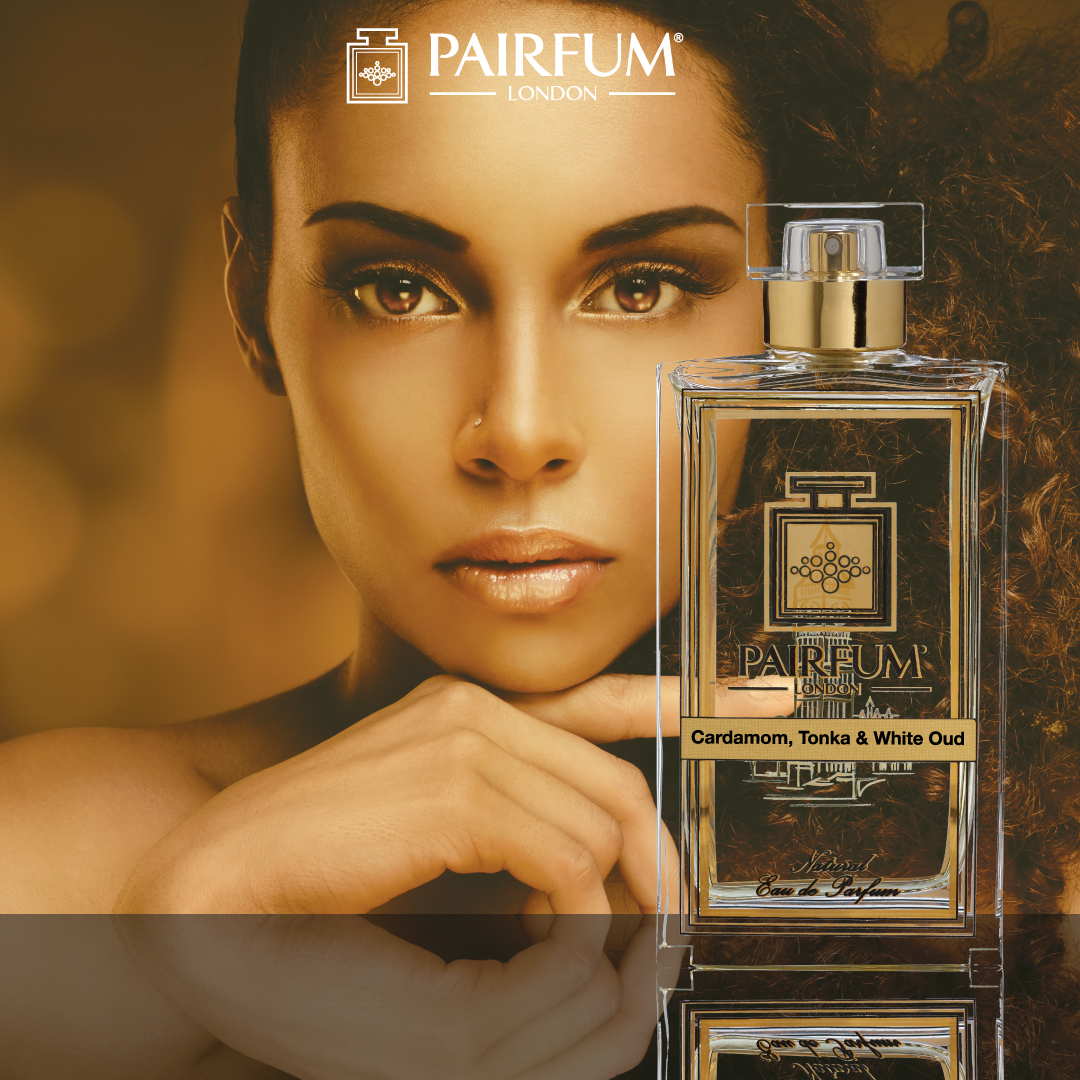
Fragrance Description Black Orchid Pear Freesia Vanilla Musk

The Origins and History of Anjou Pear in Fragrance

First cultivated in France and widely grown as a European pear, Anjou pears have deep roots in both culinary and fragrance history. With their long shelf-life and dense, juicy flesh, they became favourites not only for eating but also as a natural inspiration for scent makers. Both the green Anjou and red Anjou varieties play a significant role in global production, with the Pacific Northwest now a leading region for USA pears, especially Anjou and its companions like Bosc pear and Bartlett pear.

Perfume houses first embraced anjou pears for their subtle and pleasing aroma. Ancient civilisations valued fruit-based scents as a symbol of abundance and prosperity, a tradition that continues to this day. With its rich history, the pear tree has also come to represent longevity and renewal, several qualities that fragrance lovers continue to appreciate in sophisticated compositions inspired by this fruit.

Why Do Perfumers Love Anjou Pear? (Technical, Sensory, and Emotional Appeal)

Perfumers are particularly fond of Anjou pears because of the balance they offer. The scent profile is delicately sweet, with mild tart notes and a juiciness that closely mirrors the sensation of biting into a ripe pear fresh from the tree. Unlike some fruit scents that are too sugary or cloying, the anjou pear note remains clean and refined.
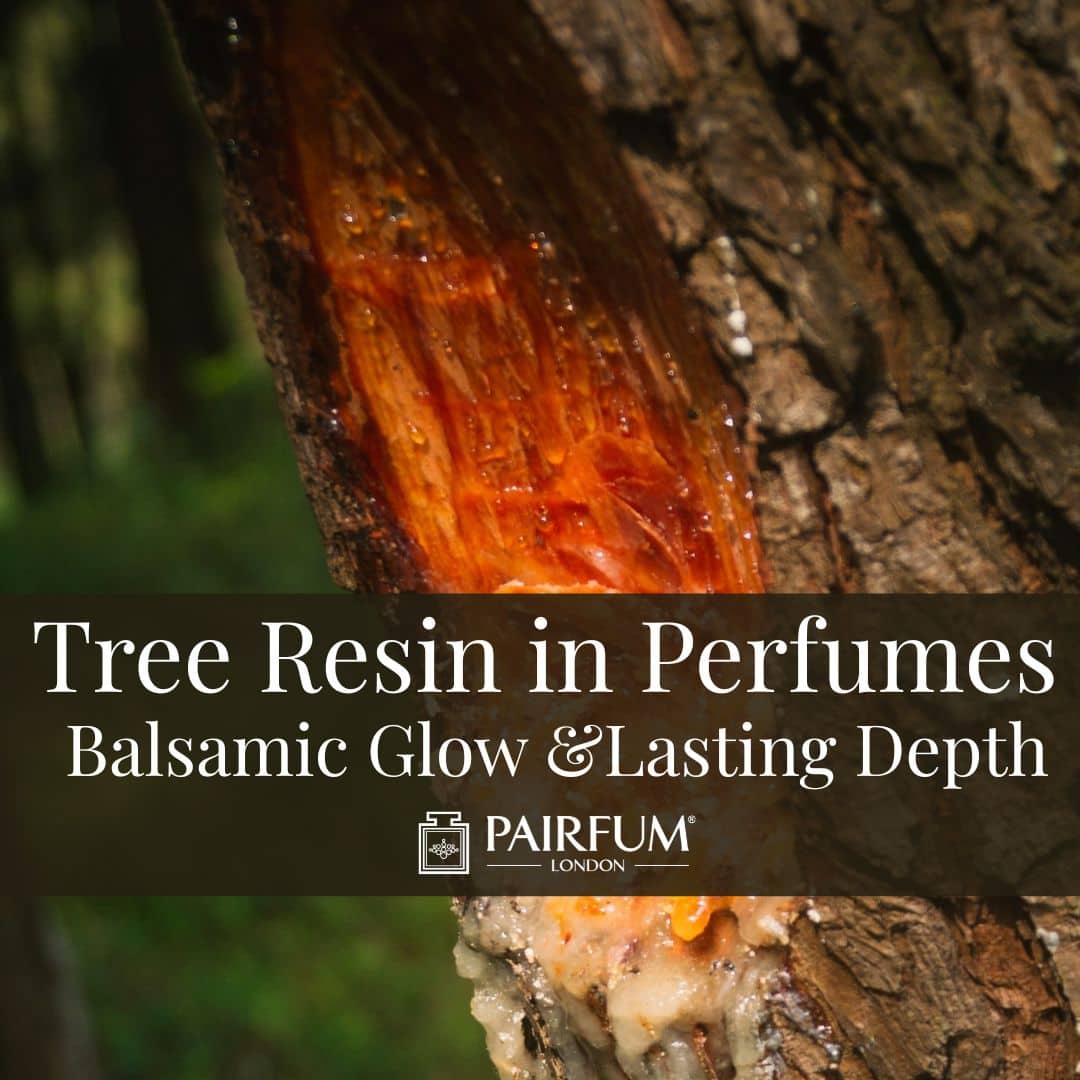
Green Anjou is loved for its crisp, fresh character, while red Anjou brings a touch of warmth and adds a splash of colour to the olfactory palette. This makes anjou pears useful in everything from classic to contemporary perfume design. Their aroma is gender-neutral, and their abundant juices and mild sweet flavour evoke feelings of comfort, nostalgia, and simple pleasure. For many, the fragrance of ripe pears conjures the memory of a family orchard or a lovingly prepared salad with pear slices.

Pairfum Person Reflection Spiced Coffee Oaked Vanilla Eau de Parfum Woman

Today’s perfume trends are all about versatile, wearable fragrances, and anjou pears fit this trend perfectly. With their subtle scent and gentle sweetness, both green anjou pears and red anjou pears are found in a range of modern niche and luxury brands. The ability for these pears to feature as either a prominent note or as part of a supporting blend makes them a popular ingredient in gender-neutral scents.

Perfume houses have noticed how well Anjou pears work in concert with other fresh fruit notes, florals, and even woods. Their restrained sugar content ensures the fruit note never overpowers, and their compatibility with green pears, Bosc pear, or Red Bartlett keeps the scent profile lively and textured. This trend towards “clean” and “natural” is only set to grow, and Anjou pears from the Pacific Northwest and Europe continue to lead the way in quality and scent profile.

The Unique Characteristics and Types of Anjou Pear Aroma

Anjou pears are renowned for their juicy, mild, sweet flavour, moderate sugar content, and subtle tart aftertaste. Green anjou is prized for its bright, clean scent, while red anjou stands out for its unique berry-like complexity and rich colour. The skin of each is thin and edible, and their ivory-hued or yellow flesh remains firm yet moist, offering abundant juices that carry their fragrance exceptionally well, whether in a bottle or in a bowl of fresh pears.

Unlike the Bartlett pear, which often has a more aromatic and ephemeral sweetness, Anjou pears have a more subtle flavour, which is perfect for delicate or sophisticated perfume blends. When compared to the Asian pear or Bosc pear, both green anjou and red anjou are softer and more likely to hold their shape when baked or poached, making them excellent for recipes that focus on both texture and flavour.

The harvesting process ensures pears are picked before full ripeness and allowed to ripen off the tree, which preserves both flavour and aroma in the finished scent. Anjou pears, green and red alike, are known for their storage life, meaning they remain available and aromatic well beyond the main fruit season.

Anjou Pear

Scent Pairing and Olfactory Families

The true beauty of the Anjou pear in fragrance lies in how harmoniously it blends with other ingredients. Florals like peony, jasmine, rose, and freesia accentuate its fresh fruit notes, while gentle woods such as cedarwood and sandalwood effortlessly complement its green freshness. In more gourmand perfumes, Anjou pears can be paired with vanilla, tonka bean, or even with gentle spices, balancing natural sugars and lifting the entire blend.

Anjou pears also work well alongside green pears, Red Bartlett, Bosc pear, and Beurre Bosc, each bringing a slightly different variety of pear nuance. Combining these with musk, amber, or even a woody fig tree note creates a fragrance profile that feels at once familiar and refined.

Methods of Extracting Anjou Pear Essence

Capturing the true essence of anjou pear requires a careful blend of old and new techniques. Traditional pressing retains the purity and abundant juices of the pear, yielding a fresh and authentic aroma ideal for artisanal blends. Cold pressing is commonly used for green anjou and green anjou pears, preserving their freshness but requiring more energy. The increasingly popular supercritical CO2 extraction provides an eco-friendly and precise method, perfect for reproducing the pear’s distinct, mild sweet flavour and subtleties.

Growers and distillers favour pears harvested just before ripeness, ensuring the highest level of aroma and flavour in the final extract. This, along with storing pears at cool temperatures, maintains the balance of sugar and acid and guarantees the resulting fragrance oil is an accurate reflection of the green anjou tree or red anjou tree from which it came.

Pairfum Large Reed Diffuser Tower Signature Black Orchid

Olfactory Pyramid: Role of Anjou Pear (Top, Heart, Base Note)

In fragrance structure, anjou pear is most often used as a top note, offering immediate freshness that lasts through the opening of the scent. As it settles toward the heart, the pear’s tart and juicy characteristics blend with florals and fruits, providing a full and succulent transition. Sometimes, when paired with musks or soft woods, the pear note can linger gently into the base, echoing the enduring aroma you’d find from a ripe pear left to mature on the tree.

Iconic Perfumes Featuring Anjou Pear

Several standout perfumes demonstrate the enduring popularity of Anjou pear. In Jo Malone English Pear & Freesia, the combination of pear and freesia brings out the fresh, floral, and slightly tart characteristics of green Anjou pears. Marc Jacobs Daisy Eau So Fresh uses anjou pear as a lively introduction to a youthful blend of fruits and florals. Lanvin Éclat d’Arpège features pears at the forefront, where their abundant juices and subtle sweetness bring brightness and depth to each spray.

These perfumes show how the subtle, alluring qualities of Anjou pears, along with their ability to complement a wide variety of ingredients, have made them a timeless favourite among both fragrance lovers and perfumers.

How to Choose a Perfume with Anjou Pear

When selecting a fragrance with Anjou pear, consider the type and ripeness of the pear used. If you prefer a bright, refreshing opening, look for green Anjou or green Anjou pears in the top notes. For a deeper, warmer scent profile, choose perfumes that highlight red Anjou, as its colour and natural sugars add body and subtlety to the composition.

Think about the other ingredients included, as pairings with floral, woody, or spicy notes can influence the overall flavour and impression of the perfume. Opt for fragrances with references to fresh pear, abundant juices, or specific pear tree varieties, and sample the scent on your skin to see how it develops throughout the day.

Eau de Parfum Person Reflection Spiced Coffee Oaked Vanilla Man Smile 1 1

Layering and Home Fragrance

The gentle nature of Anjou pears makes them equally well-suited to home fragrance. Pairfum London’s home collection features Anjou pear in diffusers, candles, and sprays, offering the same juicy aroma and colour found in the fresh fruit. For an even more immersive experience, layer a pear perfume with a matching scented body lotion or hand cream to help the fragrance last.

Fragrances with pear notes pair beautifully with citrus, especially a splash of lemon juice, for a zesty uplift. This layering technique works not only with personal scent, but also when fragrancing a room, especially when using products that recall the clean, green scent of a freshly picked pear or notes reminiscent of a fig tree or nut trees.

FAQ Section

What does Anjou pear smell like in perfume?
Anjou pear smells fresh, mildly sweet, and gently tart. The aroma is juicy but restrained, with less pronounced sugar than canned pears, yet more depth than many green pears or even the Bosc pear.

Is Anjou pear a natural or synthetic note in perfumery?
Both natural extracts and nature-identical aroma compounds are used to recreate the true scent of Anjou pear. Due to the delicacy of peppers’ oils and abundant juices, combining both techniques is common for a stable, long-lasting result.

How long does the Anjou pear note last in a fragrance?
Anjou pear is usually found as a top note, but in well-structured perfumes, it can be detected in the heart of the fragrance, especially if layered with other fruits or grounded with musk.

Can men wear Anjou pear fragrances?
Yes, Anjou pear is entirely gender-neutral. It’s clean, uplifting and mildly sweet flavour pairs well with earthy or woody notes, making it versatile for all.

What is the difference between green Anjou and red Anjou in fragrance?
Green Anjou provides a crisp, bright freshness, while red Anjou brings a touch of rich colour and berry note. Both varieties offer abundant juices, but the red anjou adds extra complexity to the aroma.

How does Anjou pear compare to other pears?
Compared to Bartlett pear, Bosc pear, Red Bartlett, Asian pear, and Danjou pears, Anjou pears have a denser texture, less graininess, and a more understated, mild sweet flavour and sugar.

What are some culinary uses of Anjou pears?
Besides being enjoyed as a fresh pear, Anjou pears are perfect for salads, desserts, and poached pear dishes. Their shape and abundant juices help them stand up in recipes where other varieties might soften too much.

How do you ripen Anjou pears?
Store Anjou pears at room temperature. Ripe pears yield to gentle pressure near the stem. Harvesting is done before peak ripeness to ensure full flavour and colour as the pear matures off the tree.

Pairfum Reed Diffuser Tower Classic Signature Black Orchid

Anjou Pear and Pear-Inspired Home & Personal Fragrance Products by Pairfum London

Black Orchid Tower Reed Diffuser by Pairfum London

This rich, Oriental fragrance opens with a vibrant blend of Anjou pear, dark cassis, and fresh orange slice as its top notes. The heart reveals an elegant floral bouquet featuring black orchid and powdery violet. The base is finished with a divinely sensuous mix of musk, copahu balm, and vanilla pod.

Spiced Coffee & Oaked Vanilla – Eau de Parfum by Pairfum London

This warm, oriental spicy fragrance begins with top notes of pink pepper, orange blossom, and crisp pear. At its heart, the fragrance features a contemporary combination of rich, dark coffee and the elegance of jasmine. The sophisticated base concludes with vanilla aged in oak, patchouli, and cedar.

Embrace the Fresh Elegance of Anjou Pear with Pairfum London

The journey of the Anjou pear in perfumery is a story of refinement, freshness, and charm. From its roots as a classic European pear in the Anjou region, to its current prominence in both culinary arts and modern fragrance, green Anjou pears and red Anjou pears continue to enchant with their elegance. Their balanced flavour, vibrant colour, and unique scent profile evoke the simple happiness of a walk through a pear orchard or the pleasure of enjoying a fresh pear from the tree.

Explore how Pairfum London weaves this beautiful note into its collection, creating fragrances that are both timeless and contemporary. Discover the artistry and natural allure of Anjou pears in our Natural Eau de Parfum range, and let the subtle sophistication of this classic fruit bring joy to every day.

Black Orchid In Perfume

Black Orchid in Fragrance: Dark Floral Opulence

In the world of floral opulence, the black orchid emerges as both muse and mystery. This flower, dark as midnight velvet, keeps its secrets close. Many have gazed upon the black orchid, wondering at its richness and the sense of drama it projects. In fragrance, it’s easy to spot: a single breath of black orchid perfume alters the mood of a room, veiling the air in sophistication. No ordinary bloom, this rare orchid symbolises not just beauty but opulence and a certain, enigmatic allure.

There’s charm in the way black orchid weaves through a scent composition – sometimes spirited, sometimes haunting. Its notes flit from spirited spice through textured, earthy depths, ending with subtle hints that leave an impression lingering far after the last note. Perfume aficionados return time and again to black orchid, not just for the fragrance, but for the mood it creates: richly floral, unforgettably dark, undeniably unique.

Botanical and Scientific Details

Ask a botanist for additional information about the black orchid, and a knowing smile might appear. A proper black orchid is few and far between. The likes of Fredclarkeara After Dark, certain Draco and Cymbidium species are classic examples with petals nearly absolutely absorbing light. Yet, the truth is, most “black” orchids wear deep reds or purples. Orchid flowers dazzle with colour diversity, yet black orchids are prized for their puzzling allure and hypnotic hues.

Across tropical climes from Central and South America to parts of Asia and Australia, orchids grow in wild profusion. Even so, a true black orchid is something to boast about.  A flower might simply be a flower, but with orchids, and especially black orchids, the fascination runs deep.

Meanwhile, within the laboratory and the atelier, “black orchid” doesn’t describe an ingredient to be plucked or distilled at all. Perfumers sketch the concept using a palette of notes: a little of this, a hint of that. The result is something abstract, not literal, and it’s this freedom that gives black orchid fragrances so much range and personality. That’s worth considering next time a bottle tempts you to place an order.

Pairfum Flacon Room Perfume Spray Black Orchid Flower 1 1

The History of Black Orchid in Perfumery

The whispers of black orchid in the perfume world are not historical whispers from antiquity, but stories woven in modern times.

  • Origins and Early Uses: In rainforests and cloud forests, black orchids were feted for what they represent—power, secrecy, intrigue. Their rarity alone made them emblems among indigenous cultures.
  • Cultural Significance: Victorian collectors, ever on the hunt for the next marvel, found their match in black orchids. During that era, rarest equalled dearest, and black orchids soon became trophies of horticultural bravado.
  • Historical Anecdotes: Written records don’t often mention black orchids in ancient scents, but tales about fearless botanists risking everything just to add black orchids to their collection abound. The romance stuck, and now black orchid holds a place in the modern canon of perfumery.

Now, black orchids are associated with cutting-edge design and stand at the crossroads of tradition and trend in designer fragrance.

Black Orchid in Perfumery Chemistry

Black orchid perfumes are more about inspiration than extraction. Here, scent artisans orchestrate accord upon accord to bring the glamour and sensuality of black orchid to life.

A classic black orchid scent is usually structured around a luxurious floral heart, anchored by rich dark accords: patchouli, amber, sandalwood, each chosen for its resonance. Additional flourishes, such as blackcurrant or black truffle, lend intrigue and unconventional depth. Spicy notes such as pepper or cardamom create drama, while vanilla and dark chocolate wrap things in comfort. Bergamot, appearing often as a top note, refreshes, after which jasmine (often both classic and French Jasmine types) elaborates on the theme. These elements lead, at last, into base notes of vetiver and incense, solidifying the perfume’s complexity and guaranteeing a lasting impression.

Many black orchid perfumes are artfully blended, using both carefully sourced botanicals and well-chosen synthetics. Orchid, spice, sandalwood, vanilla, patchouli, and amber are all deployed for a multidimensional journey. Even a single drop may deliver waves of sophistication, a kind of aromatic “bold statement” seldom replicated.

Eau De Parfum Person Reflection Cardamom Tonka White Oud Hat 1 1

Unique Characteristics of Black Orchid Fragrance

Black orchid scents do not blend in. There is drama to their composition, a velvety texture, an aura that separates them from softer blooms.

  • Distinctive Aroma: Expect a presence that interlaces heady florals, just a glint of spice, hints of the forest, and a finishing note that gestures toward dark chocolate and blackcurrant. Each black orchid perfume claims its place as an alluring potion, a scent that makes its wearer the source of intrigue.
  • Comparison with Other Floral and Dark Notes: Rose speaks to romance, jasmine calls to mind innocence and light; in contrast, black orchid holds court among the deep and layered. Its base notes—patchouli, sandalwood, vetiver, amber—create a resonance reminiscent of twilight, of evening sophistication. The mood is undimmed confidence.

What results is an iconic fragrance that resists fleeting attention and is remembered for its theatricality and the lasting impression it bestows.

Extraction Methods for Black Orchid Essence

Even by orchid standards, black orchid essence defies easy capture. There are tried and tested routes, though each brings challenges.

  • Steam Distillation: Steam courses through petals and the stem, carrying fragrance into the cooled, collected oil. For many orchids, this technique is all but essential.
  • Solvent Extraction: Here, orchids steep in gentle chemicals, their scent ultimately becoming a concentrated absolute—thicker, richer, more suited for creative blending.
  • Enfleurage: An old-fashioned process, involving fat and time. Orchid petals sit in clean fat, their fragrance seeps in, and the perfumer, at last, extracts the scented base. Most would call this artisanal; a few call it essential.

Preserving orchid extracts means protecting them from light and heat. The simplest, smartest solution? Store every absolute or essence in fluted black glass, shielding the notes for future enjoyment.

Black Orchid Sketch

Sustainability and Ethical Considerations

The rush to embrace black orchid in modern fragrance demands a pause. Many orchids, especially black orchids, sit on the brink of endangerment. Harvesting from the wild brings clear risk to populations. Sustainable perfume houses—including Pairfum London—embrace techniques that avoid damaging natural stocks, working instead with laboratory-crafted notes or carefully farmed botanicals.

Choosing a black orchid perfume crafted in this way supports sustainability and preserves one of the world’s great floral wonders. Each new bottle ordered represents a vote for conservation, ethical luxury, and a long-view approach to sophisticated scent.

Black orchid stands at the heart of a broader movement: perfumes embracing darkness, depth, and a complex, worldly glamour. When Tom Ford Black Orchid made its debut, the landscape shifted. Black orchid, black truffle, spicy notes, rich dark accords—these came together in one scent, setting a new gold standard for luxury and iconic style.

Stars and stylists alike now reach for black orchid fragrances, seeking the perfect mix of sensuality and subtle power. The trend pushes beyond gender boundaries; fragrances built around black orchid and base notes like patchouli, amber, and incense are no longer just for evening, and special occasions see their own black orchid favourites. Transparency has also become crucial, with shoppers requesting additional information on ingredients and sourcing before they order. The ability to consult selection results and easily browse required fields gives fragrance collectors and newcomers alike the perfect starting point.

Pairfum Eau De Parfum Person Reflection Cardamom Tonka White Oud Couple Plane 1 1

Iconic Perfumes Featuring Black Orchid

Black orchid’s legacy is cemented in bottles that sit on vanity tables around the globe. The flower stars in perfumes that are both headline-grabbing and quietly complex.

  • Classic Creations: Some of the best-known luxury perfumes use black orchid as their anchor. These are often the sort that become a signature scent, distinctive and impossible to ignore.
  • Notable Examples: Wise perfumers know to blend in vanilla, patchouli, black truffle, dark chocolate and amber, layering spice and floral in precise measure. The bouquet glows with intensity, giving depth to the black orchid’s story.
  • Impact on Composition: Black orchid supplies the backbone, often complemented by jasmine or french jasmine. The result is a perfume for evening or for those occasions that call for presence and structure.

Tom Ford Black Orchid remains a touchstone, appearing in its fluted black glass bottle—an iconic scent, uniting black orchids, black truffle, spicy notes, vanilla, patchouli, incense, amber and more. Its enduring appeal is the mark of its iconic fragrance status and its lasting impression on the world of perfumery.

Occasion, Layering, and Gender

Black orchid perfumes have a breadth that few others can match. Evening, with its low golden lights, may be the obvious setting, but black orchid also punctuates special occasions and daily rituals. Feature it in selected gift sets for a gesture that feels personal and unexpected.

Universal in its appeal, black orchid defies age and gender. Those with a taste for layering will find it combines well with citrus highs or green accents, softened with base notes of sandalwood or vanilla. Application to clean skin—especially on desired areas like pulse points—ensures every accord can shine, bringing that iconic style to life.

Offered as a gift, black orchid perfume is rarely forgotten, especially if discovered within a thoughtfully curated set including bath or home luxuries.

Fragrance Description Black Orchid Pear Freesia Vanilla Musk

Embracing Dark Floral Opulence in Your Collection

There are few quicker ways to lend depth and intrigue to a perfume collection than to add black orchid. Wearing such a fragrance communicates sophistication, a flair for the dramatic, and an openness to the unexpected.

  • Selecting the Right Fragrance: Seek out black orchid perfumes paired with amber or cardamom for spicy warmth, or vanilla for smoothness. Patchouli and sandalwood often anchor the scent, offering a refined base.
  • Wearing Tips: A little black orchid goes a long way. Try a mist in autumn or as a finishing touch before evening. As the scent unfolds, expect shifting notes. Sometimes spice, sometimes a ghost of dark chocolate but always a richness that emerges as the oils warm on the skin’s required fields.
  • Enhancing Your Collection: In a landscape dominated by fresh florals or citrus, black orchid introduces contrast, complexity, and that ever-important lasting impression.

Perfume wardrobes, whether focused on designer names or niche treasures, only gain from the inclusion of an orchid scent with sophistication and broad appeal.

Pairfum Person Reflection Cardamom Tonka White Oud Eau de Parfum

Black Orchid in Home Fragrance

Black orchid is not reserved for pulse points. The same qualities grace homes in the form of candles, reed diffusers, and room sprays. Rooms given a touch of black orchid become instantly more inviting, filled with the extraordinary richness that earns the fragrance its reputation.

Home fragrances with black orchid are especially welcome during evening gatherings or relaxed afternoons. Accords found in the finest perfumes are echoed here: rich dark notes, hints of spice, and the unmistakable orchid undercurrent. Presentation in fluted black glass adds both preservation and iconic style, with exclusive gift sets available to order for thoughtful occasions.

How to Choose and Care for Black Orchid Perfumes

A new fragrance deserves careful attention. Read the short description and, if given, required fields for details on notes, longevity, and strength before ordering.

Try the perfume on clean skin, applying to desired areas such as the wrists or neck, letting the scent unfold fully. Layering with florals, woods, or spices can build on the black orchid accord, enriching sillage and character.

Proper storage is critical. Perfumes are best kept in a dark, cool place—ideally in fluted black glass, both for its tradition and its effectiveness at shielding the fragrance from spoiling light. Keep bottles capped tight, and freshness (along with those signature notes) should linger for months, even years.

Unsure which black orchid to pick? Pairfum London offers discovery sets and practical selection results, making it easy to sample, compare, and discover a favourite black orchid perfume before placing a final order.

Pairfum Large Reed Diffuser Bell Signature Black Orchid

Frequently Asked Questions

What is “Black Orchid Parfum”?

Black orchid parfum designates a high-strength perfume, featuring the signature black orchid accord. Tom Ford Black Orchid Parfum, known for its concentration and luxurious fluted black glass packaging, stands as a prime example—blending powerful scent, longevity, and iconic style.

Are there other notes commonly used with black orchid perfumes?

Absolutely. Alongside orchid, black orchid, and base notes like patchouli, amber and vanilla, perfumers often use jasmine, french jasmine, black truffle, sandalwood, spicy notes, incense, bergamot, dark chocolate, and blackcurrant. These notes contribute depth and layered intrigue.

How should black orchid perfume be stored?

To keep a black orchid perfume fresh, store it in a cool, dark place. Fluted black glass bottles shield precious orchid notes from light, safeguarding performance and ensuring the iconic fragrance remains true.

Black Orchid Inspired Fragrance by Pairfum London

Black Orchid – Large Bell Reed Diffuser by Pairfum London

This rich, Oriental fragrance opens with a vibrant blend of Anjou pear, dark cassis, and fresh orange slice as its top notes. The heart reveals an elegant floral bouquet featuring black orchid and powdery violet. The base is finished with a divinely sensuous mix of musk, copahu balm, and vanilla pod.

Cardamom, Tonka & White Oud – Eau de Parfum by Pairfum London

This opulent and passionate scent begins with lively notes of Lime and Mandarin, complemented by Cardamom, Nutmeg, Clove, and subtle touches of Cassis. At its heart lies a spicy blend of White Lily, Rose, and Orange Blossom. The fragrance settles into a sensual base featuring Tonka, White Oud, Cedarwood, Sandalwood, and Amber, completing this distinctive creation.

Eau De Parfum Person Reflection Cardamom Tonka White Oud Man Suit 1 1

Final Thoughts

The black orchid continues to captivate both fragrance creators and connoisseurs, offering far more than just a scent; it invites discovery, individuality, and timeless sophistication. Whether chosen for personal elegance, gifted as a memorable gesture, or welcomed into the home, black orchid perfumes represent the pinnacle of dark floral opulence. With each encounter, the allure endures, ensuring that this enigmatic orchid remains a defining note in the world of iconic fragrance.

Tree Resin In Perfume

Tree Resin in Perfumes: Balsamic Glow and Lasting Depth

Tree resin is a sticky, solid or sometimes semi-solid material produced by trees, mainly to protect themselves from injury, infections, and insect attacks. For thousands of years, people have used resin in various ways, including as adhesives, sealants, incense, and in traditional medicine. Well-known examples are pine resin, frankincense, and myrrh, which can be sourced directly from living trees or found as fossilised resin, commonly known as amber.

Perfume has been deeply influenced by tree resin for centuries. Used for its scent and as a symbol of healing and tradition, tree resin brings warmth, depth, and complexity to fragrance. Today, these botanical treasures are solidified on bark or around a tree trunk, wafting from incense, or forming key notes in luxury perfume and remain essential to artisan scent.

What Is Tree Resin? A Botanical Overview

Tree resin is a sticky substance secreted by certain trees, especially coniferous trees, as a defence when their bark is injured or stressed. These resins, rich in terpenes and containing resin acid, have a strong aroma and important protective qualities. Different from sap collected for maple syrup or from water-soluble gum, resin is channelled through resin ducts, helping trees quickly seal wounds. As this plant resin comes into contact with air, it can harden to become solidified resin. If left undisturbed, resin sometimes transforms into fossilised resin, which we recognise as amber. Both a gift from nature and a marvel of time, tree resin has long been treasured.

Eau de Parfum Person Reflection Spiced Rum Lime Guaic Wood Man Wood 1 1

Types of Tree Resins Used in Perfume

Perfumery relies heavily on both natural and plant resins. Each resin has its own story and chemistry.

  • Pine resin, which comes from pine trees and other coniferous trees, brings crisp, green notes that evoke the forest. Pine resin tends to seep out from pine bark, and often collects on the tree trunk, pine cones, or pine needles. When pine sap sets, it becomes hard resin or what some call raw resin. Pine resin, once distilled, results in wood rosin, used for stringed instruments, as well as turpentine—a staple for cleaning, painting and crafts.
  • Frankincense is derived from the Boswellia tree and delivers an aromatic, pine-like, citrus quality, making it a staple in incense and in many ceremonial traditions.
  • Myrrh, which is tapped from the Commiphora plant, gives a deep, earthy warmth, valued for both healing and for its balsamic scent in blends.
  • Benzoin is sourced from Styrax trees and lends vanilla-almond sweetness.
  • Labdanum, collected from Cistus plants, offers an ambery, leathery scent as sticky resin forms on leaves or stems.
  • Mastic resin is obtained from the mastic tree, Pistacia lentiscus. This hard resin has aromatic, herbal qualities and is used in incense, and, historically, as a form of chewing gum in the Mediterranean.
  • Styrax has a soft balsamic aroma that can blend smoothly with floral or woody perfumes.

The number of plant resins is vast, but these few remain central to perfumery, incense and more.

The Nature, Healing, and Function of Resin in Trees

Nature provides an automatic remedy for trees when wounds open in the bark of a living tree: resin flows and seals the area, helping to block decay and infection. Pine, fir, and their relatives all utilise sticky resin, which contains resin acid as well as terpenes, vital for protection and healing. Pine resin, first released as pine sap, will gradually become hard resin. It is not uncommon to spot layers of plant resin on a tree trunk or clustered near bark that has faced repeated stress. This natural resin is invaluable for the tree and for those who value incense, perfume, and other healing products.

Harvesting: Cultural and Ecological Impact

To collect tree resin, harvesters make careful incisions in the bark, allowing resin to flow. This traditional skill has ensured that the plant can heal and continue growing. In many societies, particularly among Native American groups, pine resin and beeswax have been used to create incense, as well as healing balms and even adhesives. Mastic resin, valued for centuries, served as a popular chewing gum and played a key role in incense traditions. Fragments of hard resins such as raw resin have been used to make glue, natural varnish and oleoresin balms for use on wounds.

Pairfum London is committed to sourcing plant resin from sustainable, ethical supplies (whether it be pine, labdanum, myrrh or mastic), championing the long tradition of resin’s use in perfume and incense, and also supporting nature.

Pairfum Person Reflection Spiced Coffee Oaked Vanilla Eau de Parfum Girls

Tree Resins in History and Ritual

Since the earliest civilisations in Egypt and Mesopotamia, tree resin has found a sacred place in spiritual life. Incense made with frankincense, myrrh, pine resin and plant resins has filled homes, temples and places of gathering across ancient and modern cultures. In Egypt, burning tree resins on charcoal was central to both healing and spiritual ceremonies, and over time, beeswax was often melted in as well. Certain traditional blends include touches of maple syrup to create a sweetly scented smoke. Each of these rituals carries an element of healing, with pine resin, labdanum and mastic being regularly used for support and purification.

Extraction and Applications

Once gathered, hard resins such as pine resin are sorted and cleaned for use. Steam distillation is a common process: pine resin, for example, can produce turpentine and also wood rosin for musicians. Resin from benzoin or labdanum often gets extracted via alcohol or solvents, helping perfumers unlock the full depth of their complex scent. Mixing resin with beeswax—and occasionally grated beeswax—can produce incense or even a balm. Tree resin remains incredibly versatile, playing roles in incense, ornaments, healing balm, glue, natural varnish and more.

Resin in Artisan Perfumery

For the artisan perfumer, resin is the very heart of a fragrance’s structure and longevity. It’s not simply a fixative—it links top notes and plant-based aromas, grounding and enriching them. Pairfum London uses natural resins of all types, like labdanum’s sticky resin, pine, myrrh, mastic and benzoin, aiming to create nuanced scents that feel timeless yet fresh. Beeswax and plant resin, blended with care, give our perfumes a warmth that could only come from nature.

Tree Resin

Iconic Perfumes Featuring Tree Resins

Some of the world’s most memorable perfumes rely on tree resin to set them apart. Blends centred on frankincense, myrrh or labdanum are famous for their longevity and sophisticated trail. Perfumes with rich resin notes are often cited for their elegance and depth. Skilled perfumers use a balance of plant resin with lighter notes such as citrus and florals, creating a scent that bridges ancient tradition and present-day luxury. Classic techniques allow the full character of resin to come through, offering a perfume that feels distinctly personal.

Choosing, Collecting and Caring For Resin Perfumes

Anyone drawn to tree resin can start with fragrances featuring benzoin or frankincense. Pine resin, mastic or myrrh lend a resinous, outdoorsy touch, while beeswax and labdanum round things off with creamy comfort. You may want to layer your perfume with lighter or woodier scents for year-round wear. Store them somewhere cool and dark—resin-based perfumes can fade with too much light or heat. Enthusiasts who enjoy making their own incense can use pine resin, beeswax, charcoal and grated beeswax; those interested in natural skin care may enjoy making balm from raw resin blended with wax.

Other Traditional and Modern Uses

Tree resin has more uses than many realise. Pine resin supplies turpentine, while wood rosin is valued by those who play stringed instruments. Plant resins help produce traditional varnish, glue, healing ointments, balms and adhesives. Chewing gum was once made from mastic resin or chunks of raw resin gathered from pine. Pine and even maple syrup are occasionally paired in regional food traditions. People everywhere have turned to resin for incense, protective sealers, crafts, and for its special role in healing.

The Future of Sustainable Natural Resin

Interest in natural, ethical perfume is growing steadily. Managing pine, mastic tree, pistacia lentiscus and other resin source plants responsibly is now more important than ever. Sustainable practices for gathering resin—such as eco-friendly oleoresin production for incense and balm—protect the future of these remarkable trees. At Pairfum London, we promise to help protect both these vital species and the communities that rely on them for their livelihood and art.

Eau de Parfum Person Reflection Spiced Rum Lime Guaic Wood Man Jacket 1 1

Frequently Asked Questions About Tree Resins

What is the difference between resin, sap and gum? Pine resin and tree resin are sticky, aromatic and protect trees after injury. Sap is much thinner and is used for maple syrup. Gums are water-soluble and work mainly as adhesives.

What is pine resin? It is the substance tapped from the bark of pine trees—a vital ingredient for incense, turpentine, adhesives, balms and stringed instruments.

Why do trees release resin? Trees use resin to seal wounds, prevent disease, and promote healing.

What is resin acid? This component in pine and other coniferous resins is naturally antimicrobial and helps preserve the resin.

How is resin used for incense and balm? Most traditional recipes include frankincense, myrrh, pine resin, mastic resin, beeswax, grated beeswax, and sometimes charcoal.

Is chewing gum ever made from resin? Before synthetics, many cultures used mastic resin or pine resin as a form of chewing gum.

What is fossilised resin? This is amber—ancient, solidified resin from prehistoric forests.

What is wood rosin? The solid product from pine resin distillation, used especially for stringed instruments.

What is oleoresin? A naturally occurring mix of essential oils and resins, found mostly in coniferous trees and prized for both incense and perfume.

How do resin ducts function? Resin ducts are small tubes that help a tree mobilise resin quickly when facing stress or injury.

Why pair beeswax with resin? Beeswax improves the structure, burn and longevity of balms, adhesives, incense and perfume.

Explore Exquisite Tree Notes with Pairfum London

Spiced Rum, Lime & Guaiac Wood – Eau de Parfum by Pairfum London

This Connoisseur’s blend begins with the bold scent of Rum accompanied by hints of Lime and Lemon, enhanced by a luminous mix of Nutmeg and Pepper. The heart unveils a deep richness of Tuberose, Iris, and aged Leather. The base settles into Guaiac Wood, Cedar, warm Amber, Vanilla Pod, and Musk, bringing this opulent fragrance to a refined and lasting close.

Spiced Coffee & Oaked Vanilla – Eau de Parfum by Pairfum London

This inviting, oriental spicy fragrance starts with vibrant top notes of Pink Pepper, Orange Blossom, and fresh Pear. At its heart is a contemporary mix of robust, dark Coffee paired with refined Jasmine. The scent concludes with a sophisticated finish of Oak-aged Vanilla, Patchouli, and Cedar, ensuring an elegant and memorable base.

Eau de Parfum Person Reflection Spiced Coffee Oaked Vanilla Man Smile 1 1

Conclusion

Tree resin has woven its way through centuries of culture, craftsmanship, and scent, continuing to captivate with its natural depth and versatility. Whether enhancing a precious perfume, kindling the heart of incense, or nurturing a tree’s healing, resin is a true wonder of nature. At Pairfum London, we celebrate these remarkable ingredients, ensuring every fragrance honours both tradition and the living world that provides them. If you are seeking scents with enduring warmth and history, look to the timeless beauty of tree resin.

Apple Perfume

Apple Perfume: Crisp and Fresh

Apple perfume generally refers to fragrances that feature a prominent apple note, which can range from fresh and crisp green apple scents to sweet and warm spiced or candied apple aromas. Apple notes are highly versatile, blending well with a variety of florals, woods, and spices to create diverse scent profiles and fragrances.

Fragrance is one of those things that can paint a picture without words, and apple is a note that speaks volumes. Its crisp, fresh, and slightly sweet aroma is instantly recognisable and incredibly comforting. From a stroll through a dew-soaked orchard to the aroma of warm apple desserts or apple brandy, apple has a way of connecting us to cherished memories. The scent of apples can evoke a sense of nostalgia, reminding us of autumnal days spent picking apples or enjoying a warm apple pie fresh from the oven. Apple perfume is a popular choice among fragrance enthusiasts, and for good reason.

History Of Apple In Perfumery

Apples have spent a long time in the spotlight, both in myth and in daily life. Ancient civilisations like the Greeks and Romans associated apples with beauty, love, and even temptation. The story of the Apple of Discord in Greek mythology, for instance, highlights the fruit’s symbolic significance. These symbolic ties made apples a natural fit for use in early perfumery, where ingredients were often chosen not just for their aroma, but also their meaning. The use of apples in perfumery dates back to ancient times, where they were likely used in maceration processes to infuse their character into oils and fats, creating fragrance oils with a distinct apple scent.

Early versions of apple-based fragrances were likely created through maceration, where apples were soaked in fats or oils to infuse their character. Even though the extraction methods were simple, the results were captivating. Apple quickly became a sought-after ingredient in perfumed oils, creams, and early blends. As perfumery evolved, so did the techniques for incorporating apple into fragrances. Perfumers in later centuries refined the use of apples, learning how to combine them with other notes to create balance and depth. Apple’s naturally fresh and juicy quality meant it could uplift earthier tones or add a spark to soft florals and spicy woods.

The historical significance of apples in perfumery is also reflected in the traditional use of apple blossom and leaves in fragrances. The delicate floral scent of apple blossoms adds a subtle yet alluring quality to perfumes, while the leaves contribute a fresh, green note. This multifaceted approach to using apples in perfumery highlights the fruit’s versatility and enduring appeal. Apple blossom is a particularly popular note in spring-inspired fragrances, often paired with other floral notes to create a fresh and airy scent.

Pairfum Person Reflection Scarlet Rhubarb Oakmoss Eau de Parfum Hat

Types Of Apple Aromas

There isn’t just one apple note in perfumery. Each variety of apple brings its own personality to a fragrance, depending on how it smells when fresh and how it behaves in a blend. Here are a few popular types used in perfumery:

Granny Smith: 

This variety gives a tart, citrus-like edge to the fragrance. Zesty and sharp, it brings energy and lightness. It’s often used in fresh, active aromas that are designed to wake up the senses. The bright, snappy quality of Granny Smith apples makes them a popular choice for perfumes that require a lively, uplifting note, such as green apple perfume.

Red Delicious: 

This apple is known for its mellow, almost honey-like sweetness. In perfume, it adds warmth and comfort. It’s often the note that rounds out sharper top notes or supports fruity-floral hearts. The sweetness of Red Delicious apples is particularly suited to perfumes that aim to evoke a sense of warmth and cosiness, often blending with vanilla for a smooth, creamy scent. Red apple is a popular variation used in perfumery.

Golden Delicious: 

Smooth, balanced, and less tart than others, Golden Delicious gives a sweet aroma without being overpowering. It’s a versatile middle ground between bright and rich. Golden Delicious apples are often used in perfumes that require a subtle, nuanced apple note.

Each of these varieties tells a different story in perfume. Whether it’s crisp and energetic or warm and nostalgic, apple can make apple-based perfumes truly unique. The diversity of apple varieties allows perfumers to experiment with different characteristics, creating unique and captivating fragrances that can be classified as best apple perfumes. Apple fragrances are a staple in many perfumers’ collections, and for good reason.

Extraction Methods

Turning apples into perfume oil is not quite as simple as squeezing the juice. The process has to capture the apple’s true aroma without breaking it down or altering it too much. That’s why perfumers use specific techniques to extract apple essence. The resulting fragrance oil can then be blended with other notes to create a sophisticated scent.

Cold pressing is one way to retrieve the oil. It involves squeezing and pressing the apple without heat. This protects the light, fruity top notes and keeps the final result smelling true to the original fruit. This method is most effective for capturing the vivid freshness of a green apple. The fragrance resulting from cold pressing is often used in home fragrance products, such as scented candles and diffusers.

Steam distillation is another method, where steam is pushed through the apple material to collect the aromatic compounds. It’s more complex and can sometimes result in a slightly cooked profile, but it’s valuable when the goal is to blend apple with deeper or warmer notes, such as amber.

Some apple aromas used in modern perfumery may also be re-created using natural isolates or synthetic compounds. This allows perfumers to pick out specific apple qualities—like tartness, sweetness, or crispness—and control how they show up in a fragrance. The use of natural isolates and synthetic compounds provides perfumers with greater flexibility and precision when crafting apple fragrances. Fruity fragrances, like those featuring apple, are particularly popular among perfume enthusiasts.

Livingroom Bell Large Reed Diffuser Natural

Iconic Perfumes With Apple

Apple has had its moment in many popular perfumes, becoming central to fragrances that have made a lasting impression. Here are a few standout examples that celebrate the apple in all its splendour.

DKNY Be Delicious: A fragrance that lives up to its name, this perfume made green apple a fashion-forward note. It pairs the apple’s fresh edge with cucumber, grapefruit, lily-of-the-valley, and sandalwood. The result is lively, modern, and effortlessly wearable. DKNY Be Delicious introduced many people to the idea that fruit, when done well, could be just as sophisticated as florals or spice.

Nina by Nina Ricci: This is a more whimsical take. Here, apple is softened and sweetened with light florals and a base of vanilla and woody notes. It captures the aura of a fairytale apple—one that’s both sweet and slightly mysterious. Nina has a romantic feel that appeals to anyone looking for something charming and nostalgic.

In addition to these iconic perfumes, many modern fragrances continue to feature apple as a key note. For example, Juicy Couture Viva La Juicy and Marc Jacobs Daisy Eau So Fresh both showcase apple in a contemporary context, blending it with other fruity and floral notes to create fresh, youthful fragrances. Other notable examples include Kate Spade New York Stash, which combines apple with floral and woody notes for a sweet and sophisticated scent, and Viktor & Rolf Flowerbomb, which features a subtle apple note amidst its floral bouquet.

Why Choose Apple-Based Aromas

Apple-based perfumes are often those that people return to time and again. There’s something universally agreeable about apple. It’s familiar without being boring, sweet without being candy-like, fresh but grounded.

Crisp Freshness

Apple brings a lively, brisk quality that appeals to those who love clean and natural aromas. It’s like a breath of fresh air—both comforting and energising. The crisp freshness of apple is particularly suited to spring and summer perfumes, where it adds a bright, uplifting quality to the fragrance. Fresh apple is a popular note in many perfumes, often paired with other fruity notes, such as juicy apple or candied apple.

Versatility

Apple pairs well with nearly everything. Whether matched with florals, woods, musks, or spices, apple adds a top note that lifts the entire profile. It complements summer bouquets and suits cosy autumn perfumes just as easily. The versatility of apple makes it a valuable ingredient in perfumery, allowing perfumers to create a wide range of fragrances, from fruity scents to sophisticated scents. Florals and fruit are a classic combination in perfumery, and apple is no exception.

Nostalgic Joy

For many, apple evokes special moments. From school lunches to orchard visits, it’s woven into personal memories. That emotional connection can make apple-based perfumes feel more intimate and personal. The nostalgic quality of apple is a key factor in its enduring appeal, as it taps into fond memories and emotions, much like the scent of a plum blossom or cherry. Apple love is a common phenomenon among perfume enthusiasts, who often cherish fragrances that feature this beloved note.

Apple might not always be the star of the show, but when it is, it shines. It adds charm, brightness, and a down-to-earth feeling that’s hard to find elsewhere. Apple-based perfumes can be considered best sellers due to their timeless appeal and the joy they evoke. Eden juicy apple is just one example of a fragrance that showcases the appeal of apple.

Crisp & Fresh Apple Perfume

How To Choose The Perfect Apple Perfume

When selecting an apple perfume, consider your personal preferences and the occasions you plan to wear it for. Do you prefer fresh and energetic scents, or something warmer and more comforting? Think about the concentration of the fragrance as well; eau de parfum is generally richer and longer-lasting than eau de toilette.

If you’re looking for a scent that captures the essence of a crisp autumn day, a perfume featuring Granny Smith apple notes might be the perfect choice. On the other hand, if you prefer something sweeter and more romantic, a fragrance with Red Delicious or Golden Delicious apple notes could be more to your liking. You might also consider perfumes that blend apple with other fruits, like grapefruit or citrus, for a refreshing scent.

Creating A Signature Scent

To create a signature scent, consider blending apple with other complementary notes. For example, pairing apple with vanilla can create a smooth, creamy fragrance, while combining it with floral notes like plum blossom can add a delicate, alluring quality. The key is to find a balance that suits your personal taste and style. A signature scent is a personal expression of one’s style and preferences, and apple perfume can be a great choice for those looking for a unique and captivating fragrance.

When it comes to related products, apple-based perfumes are often paired with other fragrances that feature fruity or floral notes. For example, a perfume that combines apple with cherry or grapefruit can create a sweet and tangy scent. Fruity fragrances are particularly popular among perfume enthusiasts, who often appreciate their bright and uplifting qualities.

Pairfum Fragrance Scarlet Rhubarb Oakmoss Triangle

Best Apple Perfumes

When it comes to finding the best apple perfumes, there are several factors to consider. Look for fragrances that feature high-quality ingredients, a well-balanced blend of notes, and a scent that resonates with you. Some popular apple perfumes include those that blend apple with other fruity notes, like juicy apple or candied apple, creating a sweet and sophisticated scent.

Ultimately, the best apple perfume is one that makes you feel confident and comfortable. Whether you’re looking for a fresh, energetic scent or something warmer and more comforting, there’s an apple perfume out there that’s sure to delight. Apple scented perfumes are a great place to start your search, and you may also want to explore apple fragrances that feature a blend of apple with other notes.

Fresh Scent and Crisp Apple Fragrance Notes with Pairfum London

Scarlett Rhubarb & Oakmoss – Eau de Parfum by Pairfum London

This bold, floral Chypre fragrance opens with a blend of fresh Tart Rhubarb, Sun-Dried Fruits and Ripe Strawberries. Hints of Crisp Apple & Apricot wrap around the warmth of the heart of elegant White Gardenia. The base of Oakmoss and Sensuous Musk provides a rich and lingering drydown.

Trail of White Petals – Large Bell Shaped Reed Diffuser by Pairfum London

A delicate and yet sparkling white floral note infused with Jasmine Blossom, interlaced with Lily, Tuberose and Ylang-Ylang. The top note has highlights of Apple and Cassis, while the fond rests on a base of creamy Sandalwood and Musk.

Fragrance Description Trail White Petals Jasmine Tuberose Ylang

Conclusion

In conclusion, apple is a versatile and beloved note in perfumery, offering a range of possibilities for fragrance creation. From its historical significance to its modern applications, the apple continues to captivate perfumers and fragrance enthusiasts alike. Whether you’re drawn to the crisp freshness of green apple or the warmth of red apple, there’s an apple perfume out there that’s sure to captivate your senses and evoke a sense of nostalgia and joy. Apple tree-inspired fragrances are a great example of how perfumers can draw inspiration from nature to create unique and captivating scents.

    0
    Your Cart
    Your cart is emptyReturn to Shop