Home / naturalperfume
Lemongrass In Perfumes

Lemongrass in Perfumes: Crisp Lemony Herb Spark

Lemongrass in perfume provides a fresh, bright, and zesty scent, often used as a top or heart note to create invigorating, clean, and herbaceous fragrances. Extracted via steam distillation of the leaves and stems, it blends well with citrus, floral, and green notes. It is frequently used in summer scents for its energising and uplifting, slightly spicy aroma.

We often think of lemongrass as something cooked with or used in a calming tea, but it’s just as clever in perfumery. It works quietly in the background or adds a burst of citrus to the top of a perfume. In this piece, we’re walking through where it comes from, how it becomes perfume oil, and why its uplifting essence keeps showing up season after season. Lemongrass might make you think of sunny weather, but its versatility makes it suitable year-round, and we use it to add zest and a clean feel to blends that could easily become too heavy or too sweet.

A Brief History of Lemongrass in Perfume

Before lemongrass showed up in niche perfumes, it had deep roots in traditional herbal blends. It’s long been known for its clean, calming character and was used in oils and body products well before perfumers caught on to its potential.

Lemongrass oil started showing up in early perfumery thanks to its naturally strong citrus character. The fragrance world took notice of how fresh and clear it felt without being sugary or heavy. As the interest in wellness and natural living grew in the late 20th century, lemongrass found more space in personal fragrances, solidifying its place as a go-to choice for clean, herb-forward aromas.

Over time, people began to appreciate the lively aroma of lemongrass and its unique ability to blend with so many types of notes. What was once a common household and wellness ingredient developed a new role in personal and home fragrance. Its botanical name, Cymbopogon, actually comes from the Greek words for boat and beard, referring to the boat-shaped spathes and the hairy spikelets of the plant.

Fragrance Description Ginger Lemongrass Clove Cardamom Coriander Wood

The Origin and Growth of the Lemongrass Plant

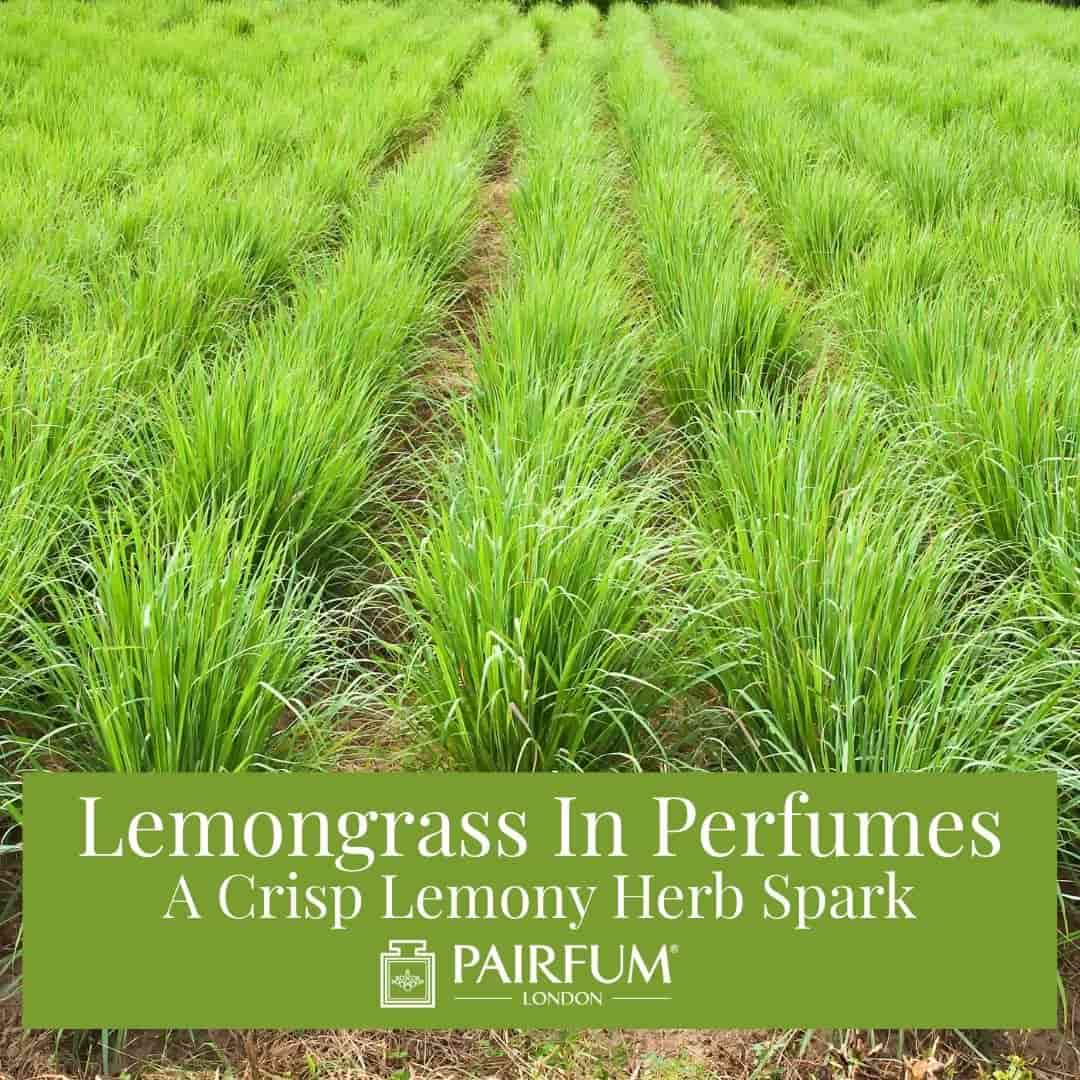
To understand the lemongrass used in your favourite bottle of perfume, it helps to look at the plant itself. This perennial grass thrives in tropical climates, particularly across Southeast Asia and South East Asia, as well as parts of Sri Lanka and South India.

When growing this herb, the soil is a vital factor. It requires well-draining soil that remains moist but never waterlogged. Whether it is growing in a vast field in South India or in a pot indoors on a sunny windowsill, the plant needs plenty of light to develop its signature lemony flavour and aromatic oils.

For those interested in gardening information, you can start the plant from a seed or by rooting stalks purchased from a market. While a seed takes time to mature, once the grass is established, it becomes quite hardy. The long, slender leaf of the plant can grow several feet tall, creating a fountain of green grass that releases a scent when crushed.

In the UK, the Royal Horticultural Society notes that because it is a tropical plant, it is not hardy and requires protection from frost. It is best grown in containers that can be moved into a warm, bright spot like a conservatory or greenhouse during the winter months when temperatures must stay above 13°C for the plant to thrive.

Types of Lemongrass Used in Perfumery

There are two types of lemongrass most commonly used in fragrance:

  • Cymbopogon citratus (also called West Indian lemongrass) brings a soft, lemony feel with delicate green notes.
  • Cymbopogon flexuosus (East Indian lemongrass) is a bit spicier and can come across as more herbal than sweet.

Each delivers a slightly different effect. One makes a blend feel lively and bright, the other brings warmth and a grassy earthiness. Depending on how it’s paired, lemongrass can make a perfume feel sharper or more rounded. Both types work beautifully in fragrance, but the choice often depends on how the perfume is built.

West Indian lemongrass lends itself nicely to lighter, more airy perfumes that are easy to wear every day, while East Indian lemongrass can add extra texture and complexity to a formula. For perfumers, having two distinct options opens up new blends and styles, letting them dial in just the right amount of energy, warmth, or herbiness for a specific aroma.

Beyond Perfume: Lemongrass in Cuisine and Wellness

While we adore lemongrass for its scent, much of the world first encounters it in a kitchen. It is a staple of Southeast Asian cuisine and Thai cuisine, where it provides a citrusy backbone to many dishes.

In Thai cooking, the lemongrass stalk is often bruised or finely chopped to release its flavour. If you follow a classic recipe for a Thai dish, you will likely find fresh lemongrass listed alongside chilli, ginger, and garlic. It is a core component of a Thai green curry or a spicy tom yum soup. The woody stalks are usually removed before eating or sliced so thinly that they soften during the cooking process.

If you are looking for lemongrass recipes that use coconut milk, you will find that the creamy fat of the coconut perfectly balances the sharp lemon notes of the herb. Beyond curries and soup, it makes an excellent marinade for chicken or pork. Even in soft drinks, a hint of lemongrass provides a sophisticated alternative to sugary lemonade.

Experts often advise that the flavour of lemongrass is more complex than that of simple lemon. It contains hints of ginger and mint without the bitterness often associated with citrus zest. When selecting fresh stalks, look for those that are firm and heavy with a pale yellow base and green tips, avoiding any that look dry or brittle.
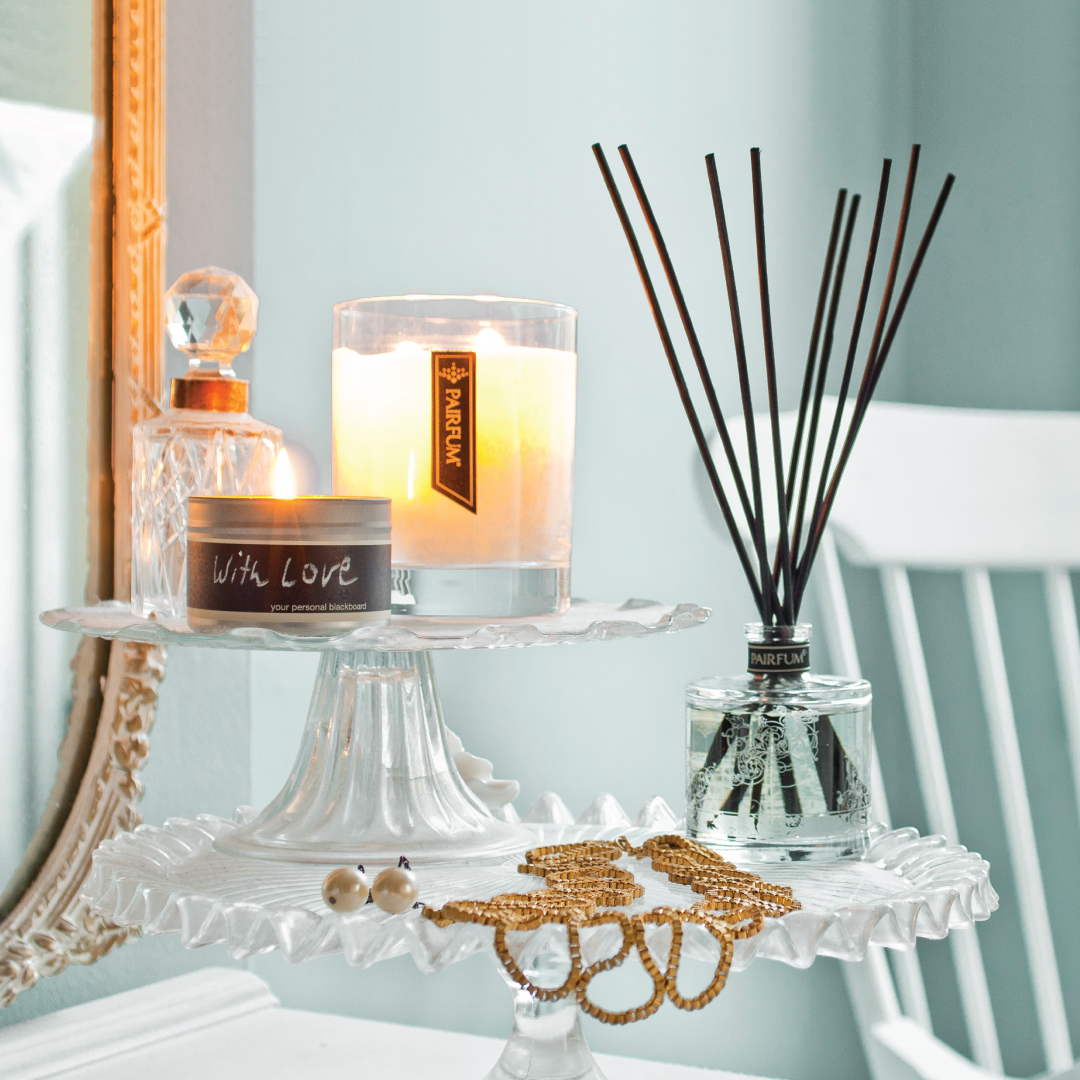
Lifestyle Living Room Natural Reed Diffuser Fragrance Candle 1 1

Growing and Using Lemongrass Stalks

If you decide to keep this plant at home, you will find it incredibly rewarding. To harvest, you should cut the stalks at the base of the plant once they are about half an inch thick. The outer layers of the stalks are tough, so you must peel them away to reach the tender, aromatic core.

In Asian cuisine, this core is what provides the intense flavour. Whether you are preparing a recipe for chicken, pork, or a vegetarian soup, the freshness of the stalks is superior to any dried version. For those with limited outdoor space, lemongrass grows well indoors as long as it has a deep pot and nutrient-rich soil. You can even grow it from a seed if you have the patience to watch the first leaf emerge and eventually turn into a thick cluster of grass.

Kitchen experts recommend that if you are using the stalks whole to infuse a broth, you should bash them first with a rolling pin or mallet. This “bruising” method breaks the internal fibres and allows the essential oils to seep into the liquid. For stir-fries, the stalks should be sliced paper-thin so they are pleasant to eat rather than woody.

The Soothing Power of Lemongrass Tea

Another popular way to enjoy this plant is as a herbal tea. Lemongrass tea is prized for its digestive benefits and its ability to help the body relax. To make a refreshing herbal tea, you can use fresh lemongrass or dried lemongrass.

Simply steep the leaf or sliced stalks in hot water. The resulting lemongrass tea has a pale yellow hue and a clean, citrusy flavour that is far less acidic than actual lemon juice. Many people find that drinking lemongrass tea provides a moment of calm in a busy day, mirroring the relaxing effect it has when used in aromatherapy as an essential oil.

How Lemongrass Essential Oil Is Extracted

Most natural ingredients used in perfumery go through a process to draw out their aroma. For lemongrass, we turn to steam distillation to produce a high-quality essential oil. This method is gentle yet effective, pulling the oils from the plant without changing their nature.

In the end, the essential oil tends to be clear or light yellow. It smells strongly of lemon at first, but that opening fades into a drier, grassier aroma within a few minutes. It’s this shift that makes lemongrass such a treat to work with. The top lifts off quickly, unveiling an earthy finish that gives depth and body to lighter blends.

Steam distillation matters for preserving the balance of lemon, green, and herbal notes. When distillation is done with care, the final essential oil isn’t harsh or flat but full of nuance, ready to be mixed into a wide range of perfumes. Lemongrass is often chosen for its ability to move from bright and lively to soft and subtle in just a short time.
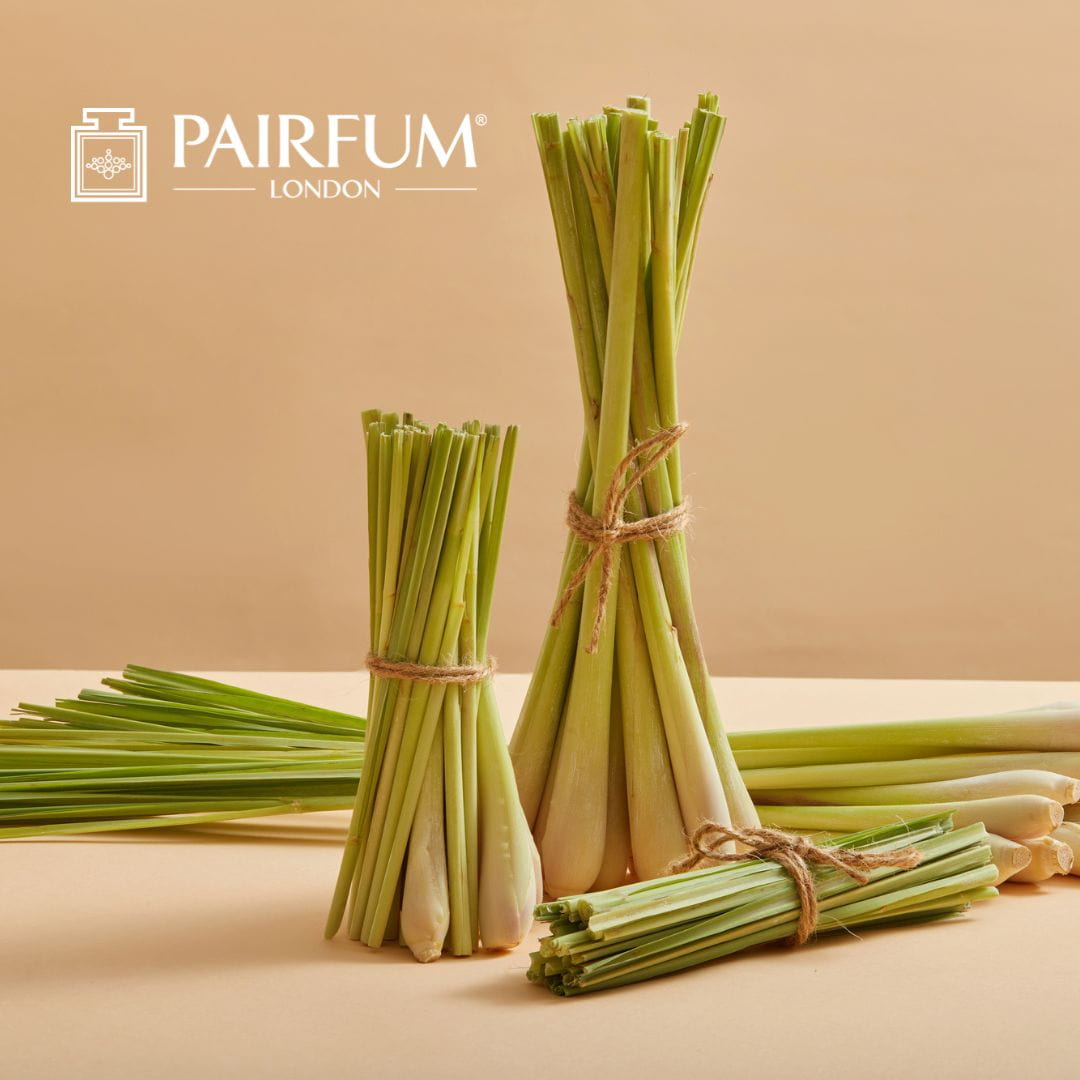
Lemongrass Stalks

Technical Details: C. Citratus and C. Flexuosus

For those seeking more technical information, c citratus is the botanical shorthand for Cymbopogon citratus. This specific species is the one most commonly found in home gardens and used for cooking. It prefers sandy soil and plenty of heat.

In contrast, Cymbopogon flexuosus, or East Indian lemongrass, is the primary source of essential oil for industrial and fragrance use because it contains a high concentration of citral. The information available to perfumers suggests that East Indian lemongrass provides a more robust and stable scent profile for long-lasting fragrances.

Interestingly, another relative in the family is Cymbopogon nardus, which is the source of citronella oil. While less commonly used in fine fragrance than citratus or flexuosus, it shares the same hardy grass structure and powerful insect-repelling properties.

Why Lemongrass Still Shines in Winter

Lemongrass may be known for its sunshine feel, but it plays a smart role in winter perfumes too. That zip of citrus brings life to darker oils that might otherwise feel too rich. When you’ve got woods, spices, and resins in a perfume, lemongrass can lift the whole thing just enough to make it feel wearable.

Cold air tends to dull heavier oils, so a dash of lemongrass keeps things from getting stuck. It is often worked into blends with incense, amber, or cedar to balance out the weight. In a season where warmth and comfort matter, it’s that unexpected hit of lemongrass that keeps a perfume fresh, not flat.

Even when temperatures drop, people still want to feel uplifted. Lemongrass delivers that, whether it’s used alone in a clean, green perfume or mixed in with more indulgent notes. It even works in home fragrances to keep the air feeling lively when winter can sometimes make spaces feel closed-in.

Lemongrass in Iconic and Niche Perfumes

Lemongrass hasn’t always been the star note in fine fragrance, but it’s played some strong supporting roles. In niche perfumes, it’s often paired with other crisp notes like bergamot or green tea. It also plays well with basil, black pepper, and mint when we want to keep the bouquet more natural and less floral.

When used as the top note, lemongrass gets the first word in the perfume’s story. It sets the overall feel of the piece: bright, unsweet, and slightly herbal. Other times, it’s used behind the scenes to clean up heavier aromas like patchouli or to smooth out florals. This makes it a favourite ingredient in natural and niche blends, where the goal is to strike a refined, relaxed tone.

Many compositions use lemongrass to remain different from mainstream perfumes. It pairs with unusual partners or makes classic accords feel modern again. Some blends use it as a main note to give the whole perfume a lemony, zesty brightness, while others tuck it deep in the mix for a green or herbal boost.

Annick Goutal – Les Nuits d’Hadrien: A sophisticated, Mediterranean-inspired scent where lemongrass adds a sharp, herbal crispness to a warm base of citrus and spice.

Lush – Karma: A cult-classic blend using lemongrass to provide a bright, clean lift against heavy, earthy notes of patchouli and pine.

Diptyque – Oyédo: A vibrant, avant-garde fragrance that layers yuzu and green mandarin over a heart of lemongrass for a clear, zesty finish.
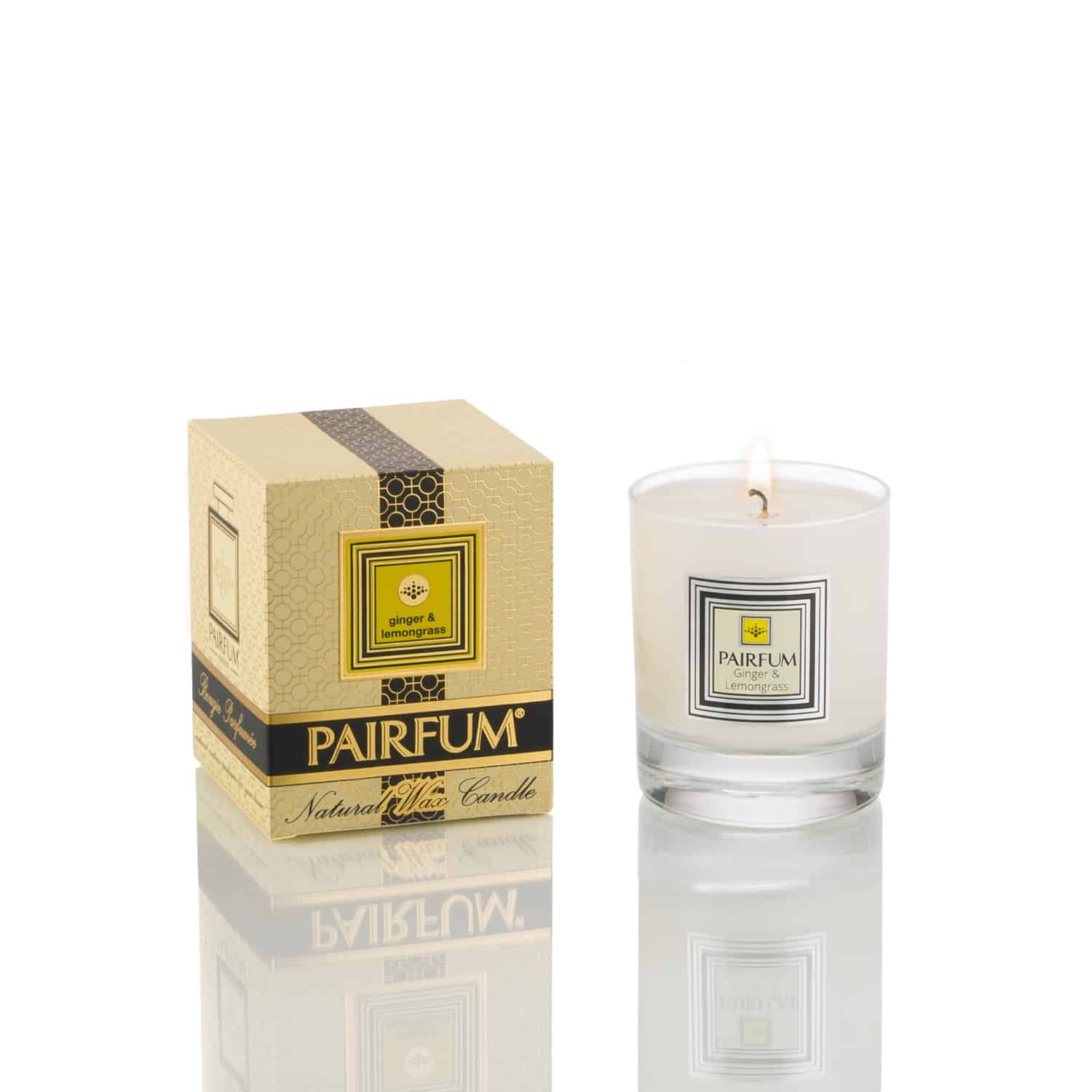
Pairfum Natural Wax Candle Signature Ginger Lemongrass

Bringing Lemongrass Into Your Home with Pairfum London

Beyond personal fragrance, lemongrass works beautifully in home scenting, where its clean, uplifting character can transform a room’s atmosphere. Our Flower Soy Wax Candles collection captures this versatility, pairing lemongrass with complementary botanicals to create welcoming, naturally refined ambiences. Hand-poured in London with pure soy wax and essential oils, these candles bring the same thoughtful balance we apply to perfumery into your living spaces. Whether you’re seeking that crisp, lemony spark to brighten a winter afternoon or a gentle herbal warmth for evening relaxation, the right candle can extend the lemongrass experience beyond what you wear, creating a cohesive sense of freshness throughout your home.

Ginger & Lemongrass – Soy Wax Candle by Pairfum London

An intensely spicy yet zesty fragrance featuring Fresh Ginger woven with a garland of Lemongrass, Bergamot, Lime and Orange. The heart reveals Clove, Cardamom, Jasmine, Lily and Coriander, whilst the base comprises Musk and precious Woods.

The Lasting Charm of Lemongrass in Fragrance

What we find again and again is that lemongrass always seems to find its place. It doesn’t need to demand attention. Its charm is in its balance. It shows up at the start of a perfume to wake things up, or deep in the blend where it steadies the mix.

Lemongrass continues to be one of the quiet champions in natural and niche fragrance. It works with a wide range of styles, from fresh and sporty to soft and smooth. When used well, it brings a familiar ease to the perfume: something cheerful, clean, and confident without being too obvious.

There’s something about its natural, lemony punch that never gets old. Over the years, regardless of changing trends, the place of lemongrass at the heart of classic and modern perfumes stays steady. Blending it into a new formula is a chance to revisit the feeling of green mornings and open skies, no matter the season.

The information we have today confirms that whether as a lemon grass essential oil, a fragrant stalk in a thai dish, or a soothing cup of lemongrass tea, this plant is a versatile treasure. From the soil of Southeast Asia to the fine glass bottles on a perfumer’s shelf, lemon grass remains a timeless favourite for anyone seeking a touch of nature’s brilliance.
What Is Clean Beauty

What is ‘Clean Beauty’?

Clean beauty is all about cosmetic and skincare products formulated with non-toxic ingredients and typically created using ethical, sustainable, and transparent processes. The movement emphasises steering clear of potentially harmful or irritating ingredients such as parabens, sulphates, phthalates, and synthetic fragrances, instead highlighting natural and plant-derived formulations. Although the concept of clean beauty is not formally regulated, it represents a shift within the beauty industry towards higher standards of ingredient safety and a greater commitment to environmental responsibility.

There’s a certain buzz in the beauty industry that can’t be ignored: clean beauty. If you’ve found yourself double-tapping at the back of a bottle or scrolling through ingredient lists before buying your next beauty product, you’re part of a growing community that refuses just to accept things as they are. Clean beauty is more than a trending hashtag; for many, it has become the new standard by which the beauty industry is measured.

Clean Beauty Explained

Let’s strip it back for a moment. Clean beauty, in its purest sense, means opting for personal care products built on transparency, ethics, and actual care for you, your skin, and by extension, the planet. This isn’t marketing fluff; it’s about well-researched, no-nonsense ingredients and a firm rejection of anything dubious. Parabens, sulphates, phthalates, mineral oils, synthetic fragrance; these are on most clean beauty brand “no” lists, especially by leaders like Pairfum London, Green People, Evolve Organic Beauty, and Augustinus Bader.

What’s refreshing is proper, plain-speaking labels. You don’t need a chemistry degree to make heads or tails of what’s in that luxury lotion. The clean beauty movement is as much about giving back your power as it is about giving your skin a glow.

How Clean Beauty Evolved

Let’s be honest, beauty history doesn’t always make inspiring reading and nor do conventional beauty products. The industry got by for years with dazzling promises and very little transparency. A few decades ago, who even checked the ingredients in their face cream? But it’s a different world now. The clean beauty trend arrived as people paid closer attention to the science and the not-so-great stories behind certain cosmetic products.

Today, analytics are everywhere. Brands monitor not just which products become best sellers and which ingredients are most loved, but also how their formulas truly perform. Analytics guide what goes in those free gift bundles you see on Black Friday and which gift sets top wish lists. It’s beauty with brains, finally.

The Foundations of Clean Beauty

Every good movement is rooted in sturdy principles. Clean beauty rests on four:

  1. Safety: If it’s not safe, it’s not going in. Full stop. The days of wild west chemical cocktails are fading fast.
  2. Transparency: Open up that box, and you should know what you’re holding. Clean beauty brands don’t play hide and seek with their ingredient lists.
  3. Sustainability: The packaging should make you feel good, not guilty. Sustainable packaging tells you the brand cares what happens after you toss the empties.
  4. Performance: Results matter. Forget the notion that clean means compromise. The clean beauty trend is about products that feel good and work even better, just ask the analytics.
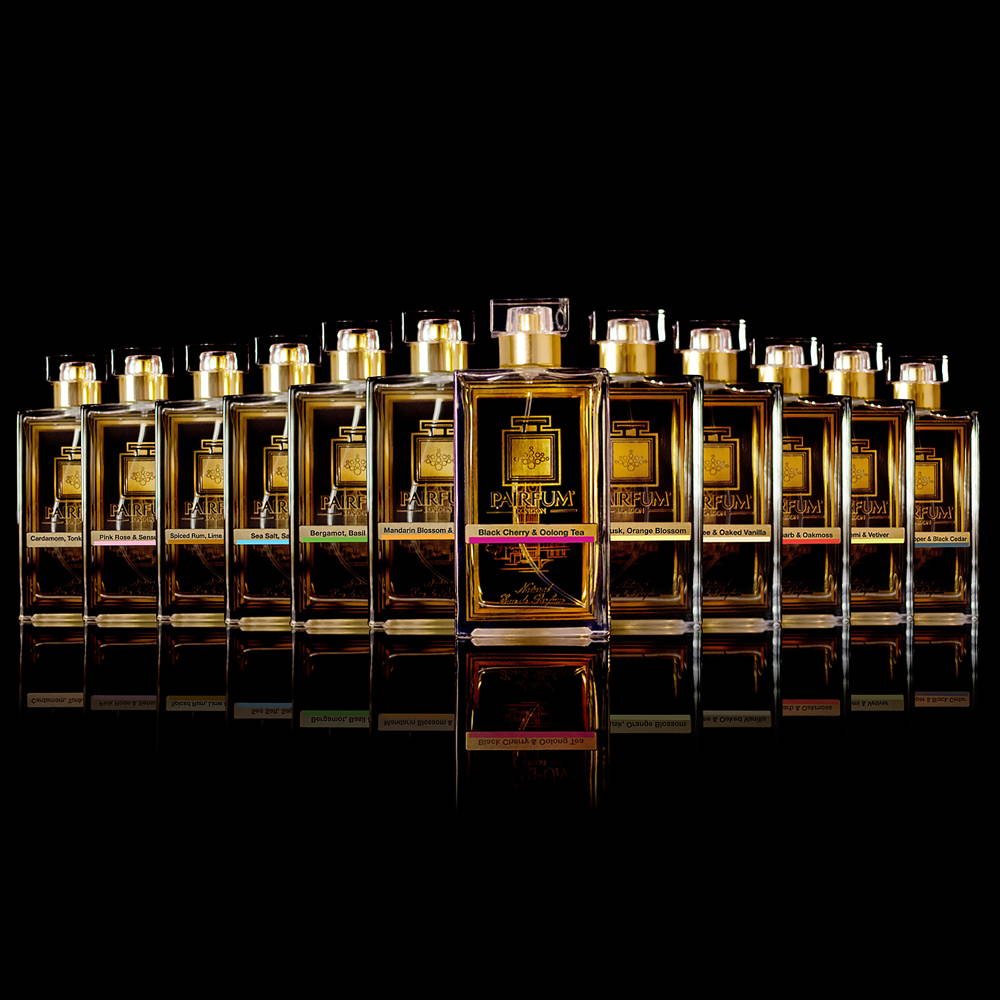
12 Pairfum Eau De Parfum Bottle Niche Collection

Natural, Organic, Vegan and Clean: What’s The Difference?

Sometimes, shopping for a new beauty product can feel like decoding the Rosetta Stone. “Natural beauty” simply means the formula banks heavily on ingredients plucked straight from nature, think plant oils and nut butters rather than chemical lookalikes. “Organic” tightens the standards, vetting ingredients for farming pedigree, with no synthetic pesticides (look for validation from COSMOS or Soil Association). “Vegan” keeps all animal ingredients out of the equation.

Now zoom out. Clean beauty isn’t just a mash-up of these values. It’s a more holistic approach. A clean beauty brand might use natural, organic, or vegan ingredients, but every ingredient has to earn its place based on safety, efficacy, and ethical grounds.

Key Clean Beauty Ingredients Ingredients

When it comes to clean beauty, certain ingredients are worth seeking out, while others are best avoided.

  • To Look For: Ingredients like Aloe Vera, Jojoba Oil and Vitamin E are known for their natural healing properties.
  • To Avoid: On the other hand, chemicals like Parabens, Phthalates, Colourants, Preservatives and other questionable synthetic ingredients have been linked to various health issues. They generally like to be avoided by those concerned with the environment and their personal health.

Ingredient Transparency in Clean Beauty

If you’ve ever tried to pronounce the ingredients on your shampoo, you’ll understand why this matters. Clean beauty brands say enough is enough, here’s what’s inside, plain and simple. Using analytics, they check where ingredients come from, and how they stack up for safety and effect. You’ll see natural ingredients like aloe vera, shea butter, and essential oils taking the main stage.

Synthetic fragrance? Not likely. Given its reputation for causing skin irritation, clean beauty has moved on. But even with natural ingredients, it pays to be fussy; well-made, clean products work across sensitive skin and the whole spectrum of skin tone. The extra effort shows.

Clean Beauty Labelling and Certification

Let’s not pretend the term “clean beauty” is protected by law. In the UK and EU, it’s mostly up to brands and watchdogs. That’s why third-party certifications such as COSMOS, The Vegan Society, Cruelty Free International, and Soil Association matter so much. These aren’t stickers for show; they signal someone independent has taken a proper look.

When you pick up a new personal care product, it shouldn’t take a microscope to figure out if the hype holds true. Honest brands lay it out clearly, sometimes with analytics to back up product claims. That’s where trust begins.

Clean Beauty Regulation and Ongoing Innovation

While “clean” still escapes a single legal definition, all cosmetic products sold here must obey regulations (EU Cosmetics Regulation (EC) No 1223/2009, UK Cosmetics Regulation (SI 2019/696)). No loopholes, no shortcuts. Leading names like Augustinus Bader and Evolve Organic Beauty pledge complete traceability, often using analytics to keep their standards sharp and formulations sustainably on point.

Clean Beauty

Exploring Clean Beauty Categories

Clean Skincare

Here’s where many people encounter clean beauty for the first time. Using any skin care product, such as creams, cleansers, serums, or a trusty lip balm, shouldn’t be a chemistry experiment. Clean products focus on simple, nourishing, natural ingredients. The difference shows, especially across repeated use.

Body Care

Clean beauty’s touch goes beyond the face. Body lotions, washes, and natural deodorants show that today’s clean beauty trend is about working in harmony with the skin’s barrier. Kind and effective, and crucially, not a chemical-laden nightmare.

Hair Care

There was a time when a freshly washed scalp meant a head full of sulphates. Not anymore. Clean beauty brands now lead with plant-based care. No harsh chemicals or suspect ingredients, just shine, strength, and healthy skin underneath.

Cosmetics and Makeup

The cosmetics case has also had a reboot. Clean beauty means makeup, like foundation, lip gloss, or blush, that’s as functional and safe as it is flattering. Skin doesn’t have to suffer for style; better formulas can support and enhance healthy skin, with fewer worries over irritation.

Makeup Remover

A gentle makeup remover, in line with clean beauty values, is a must-have. These formulas use natural oils or smart micellar waters to whisk away make-up without disturbing your skin’s finely tuned balance.

Clean Fragrance

Clean fragrance, once a contradiction in terms, is now a badge of progress. Brands like Pairfum London are cutting out synthetic fragrance and allergens, blending essential oils and botanical extracts for evocative scent that doesn’t punish sensitive skin. You can now smell fantastic, breathe easy, and know every ingredient.

The Benefits of Clean Beauty

Skin is individual. That said, most people notice fewer problems with irritation and a more even skin tone when their routine revolves around clean beauty products. Whether you’re new to skincare or have a shelf stacked high with the latest releases, it’s hard to argue with kinder formulas.

Analytics have a seat at the table too; they show which products become best sellers, and why. The effect is especially visible during Black Friday or when a brand decides to sweeten a sale with a free gift. It’s real-world proof that clean is more than just talk.

Clean Beauty and Sustainability

It’s not enough to change what goes in the bottle. Clean beauty brands are leading the way in sustainable packaging, opting for recyclable materials, clever refill systems, and even biodegradable wraps. Each brand tracks its impact, and analytics help them see where they can do better. It’s logic: a beauty product isn’t beautiful if it’s trashing the planet.

Clean Beauty Worldwide

Clean beauty doesn’t stay put. Across the UK and Europe, certainly, but just as much in places like Cape Verde or the up-and-coming market of isk kr. Drawing on regional botanicals and centuries of natural wisdom, global brands are showing that clean beauty is truly borderless. The outcome is more exciting and more inclusive cosmetic products.

Greenwashing and Clean Beauty Myths

Let’s not sugar-coat it: not every “clean” product lives up to the billing. It’s a myth that all-natural means safe, or that clean beauty products lack creative flair or effectiveness. The best clean beauty brands back up talk with action: transparent ingredient lists, analytics, third-party stamps, and clear information for consumers. The rest is just noise.

Pairfum London: Clean Beauty Commitment

At Pairfum London, our ethos is rooted in clean beauty. Only natural ingredients cut, and we’re picky: for your skin, for the environment, and for the very spirit of luxury. Our vegan, cruelty-free products come with sustainable packaging; there are enough analytics in our development to satisfy the most demanding customer. Gift sets and best sellers are designed with care, quality, and transparency in mind, whether for yourself or as a thoughtful free gift.

Pairfum Collection Niche Perfume Experience Fragrance Library 91 Square

Clean Beauty Rituals

A clean beauty routine isn’t some grand ritual. It’s the quiet confidence that comes from a gentle cleanser, a nourishing face cream, a lovely lip balm or a makeup remover that protects as it cleans. Gift sets and best sellers now tend to feature clean, vegan, or natural beauty heroes, sometimes alongside a free gift, which never hurts.

Beginning Your Clean Beauty Routine

Thinking of changing things up? Start by swapping just one or two staples, a face cream or make-up remover, perhaps, for a clean beauty option. Read those ingredient lists. Consider the story behind the product, and keep an eye on how your skin changes. If it feels good (and the data says so), you’re onto something.

Sometimes, starting out is as easy as trying a vegan lip gloss or a skincare product that comes recommended as a best seller. Pick up a gift during Black Friday or grab a set designed for sensitive skin; the rest follows naturally.

Clean Beauty and Your Ongoing Wellbeing

Every switch to clean beauty, no matter how small, nudges your skin health in the right direction. Gone are the grim days of skin irritation from mystery chemicals; in come essential oils, vitamins, and botanical extracts meant to nourish. Long-term, the benefits show as hydrated, radiant, happier skin. Clean beauty proves you don’t have to settle for less.

Clean Beauty on the Global Stage

London’s shops are just the start. From the islands of Cape Verde to avant-garde pockets in isk kr, brands are blending local knowledge and clean formulas to create an industry that genuinely reflects diverse skin tones and needs. That’s beauty, levelled up.

Celebrating Industry Leaders

Names like Pairfum London, Green People, Evolve Organic Beauty, Credo Beauty, and Augustinus Bader aren’t just clean beauty brands; they’re torchbearers. It’s their commitment to transparency, analytics, sustainability, and ingredient integrity that sets the standard.

The Evolution of Clean Fragrance

Now for a moment of olfactory delight: clean fragrance has entirely changed how we approach our signature scent. Time was, fragrance meant deciphering unlisted, cryptic “parfums.” Not today. Clean fragrance brands like Pairfum London mix beautiful essential oils, plant absolutes and safe aroma molecules, with no corners cut. Out go phthalates and synthetic musks. The result is fragrances you can wear with confidence, even for sensitive skin.

How to Choose a Clean Fragrance

Picking a clean fragrance isn’t just about choosing the latest launch. Look for brands that lay out every component, not just “fragrance” as a catch-all. Check for natural ingredients and essential oils; if you’re vegan or sensitive-skinned, check for those claims too, and look for sustainable packaging. The best clean fragrances feel like a secret shared: ethical, transparent, and joyous to use. Multipurpose options, like a fragrance-infused body care product, can be a clever way to weave scent into your whole routine.

Pairfum Collection Niche Perfume Experience Fragrance Library 49 Square

Fragrance Library Perfume Experience by Pairfum London

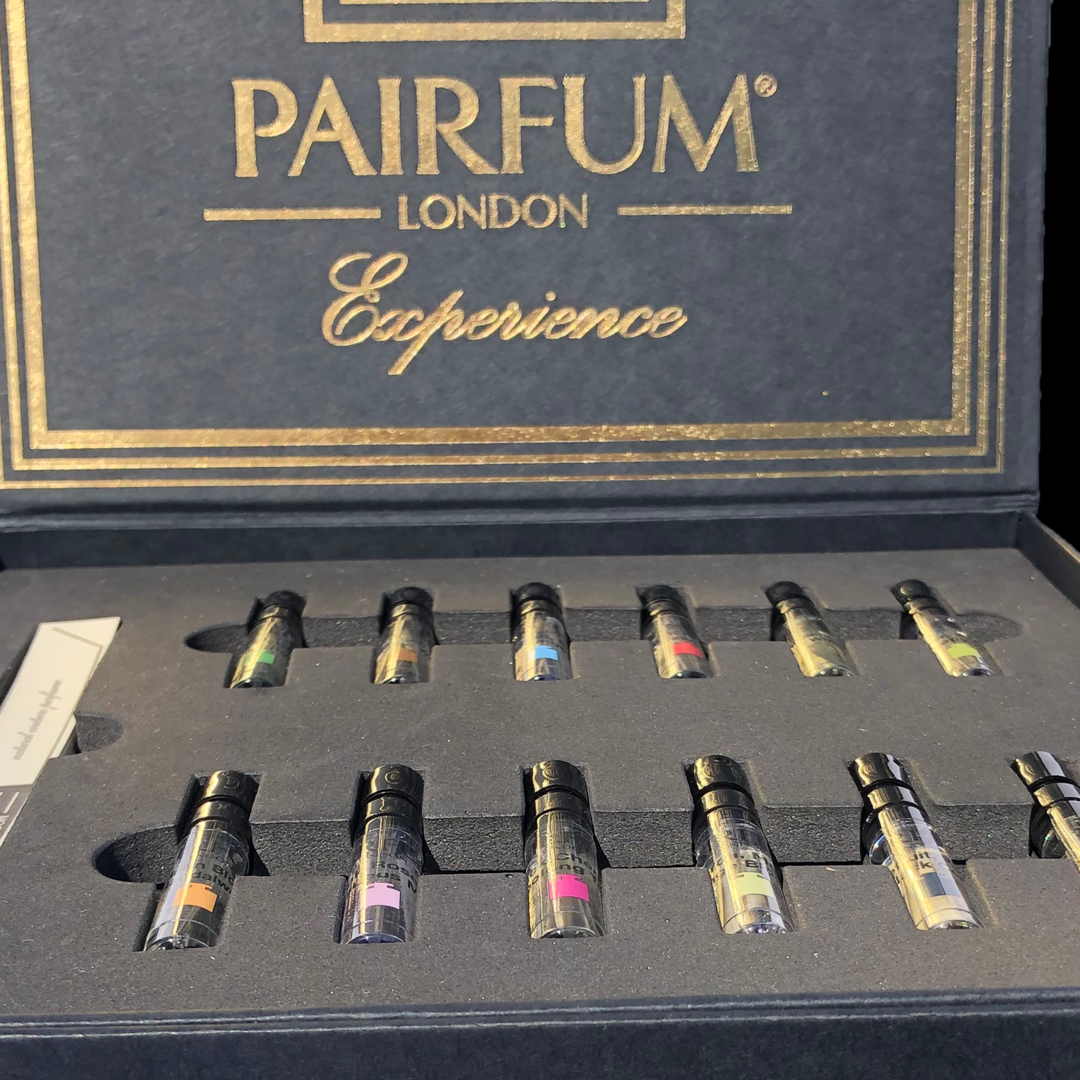
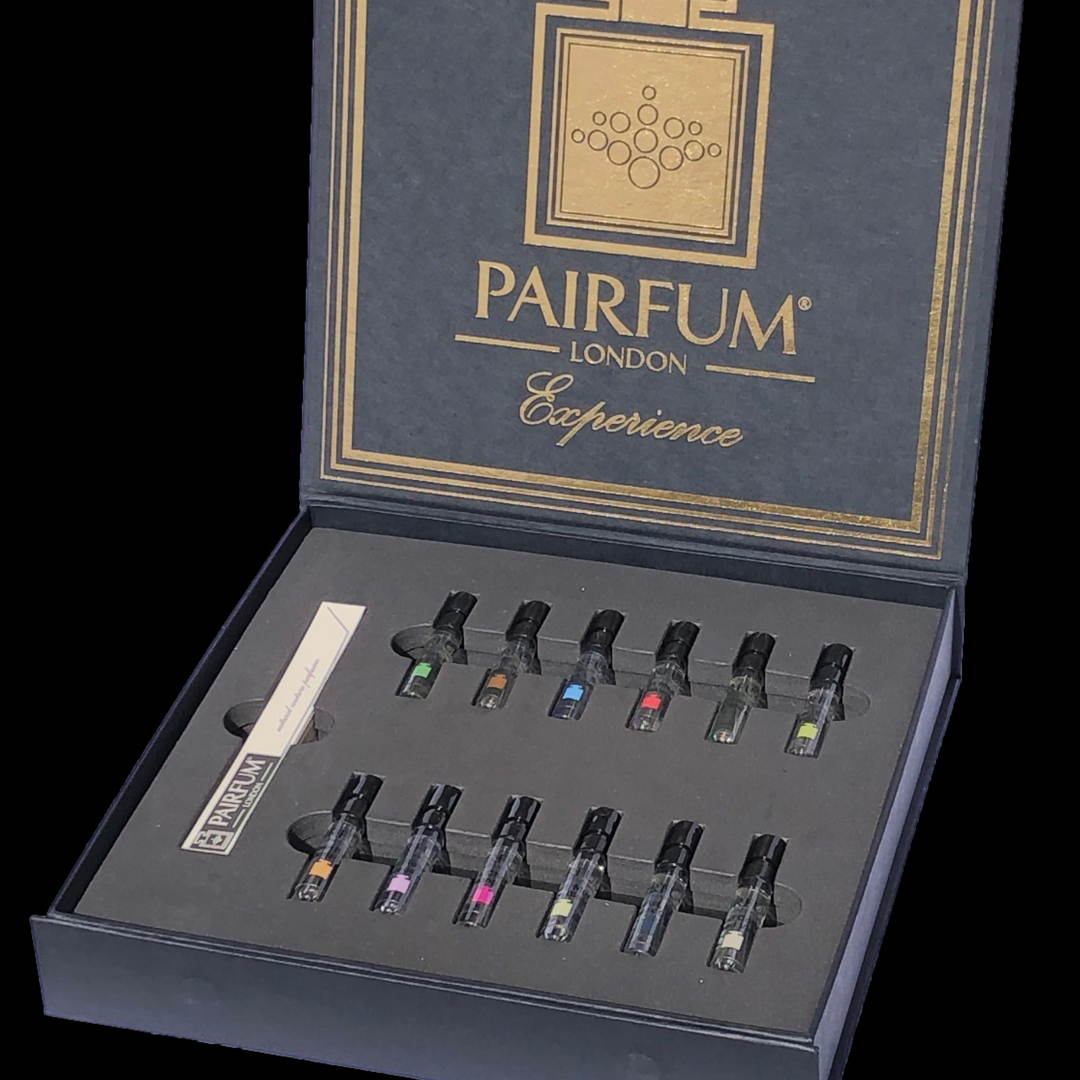
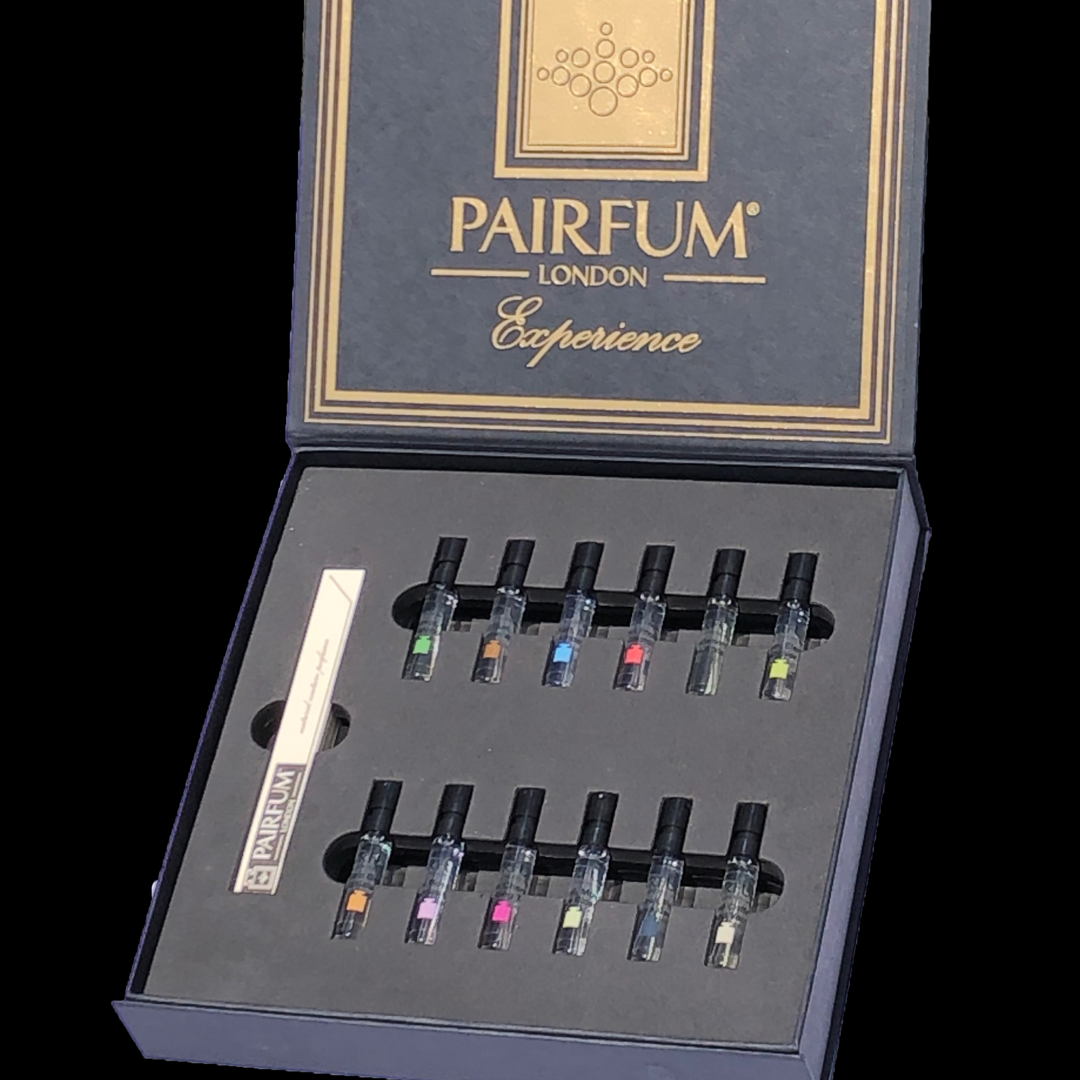
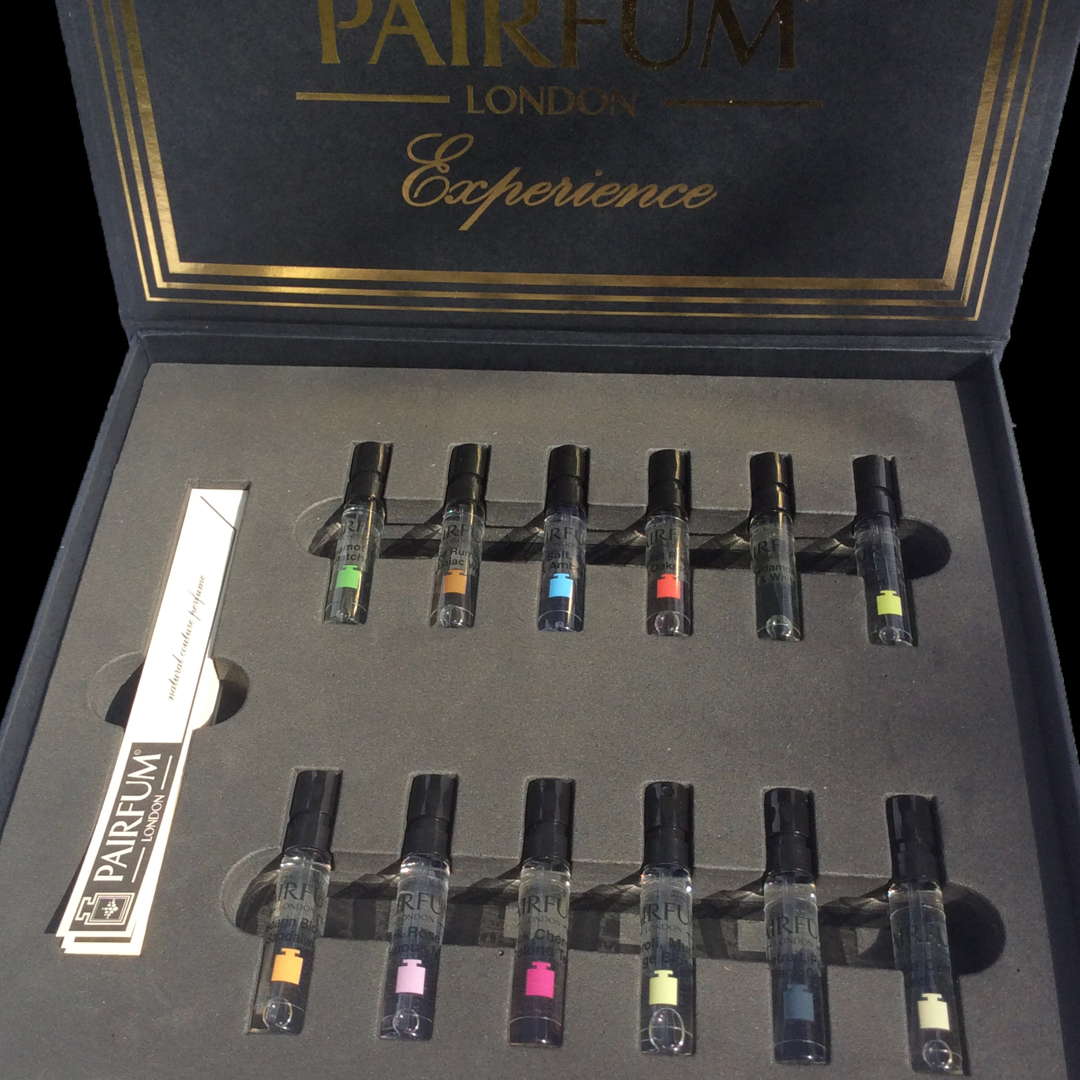
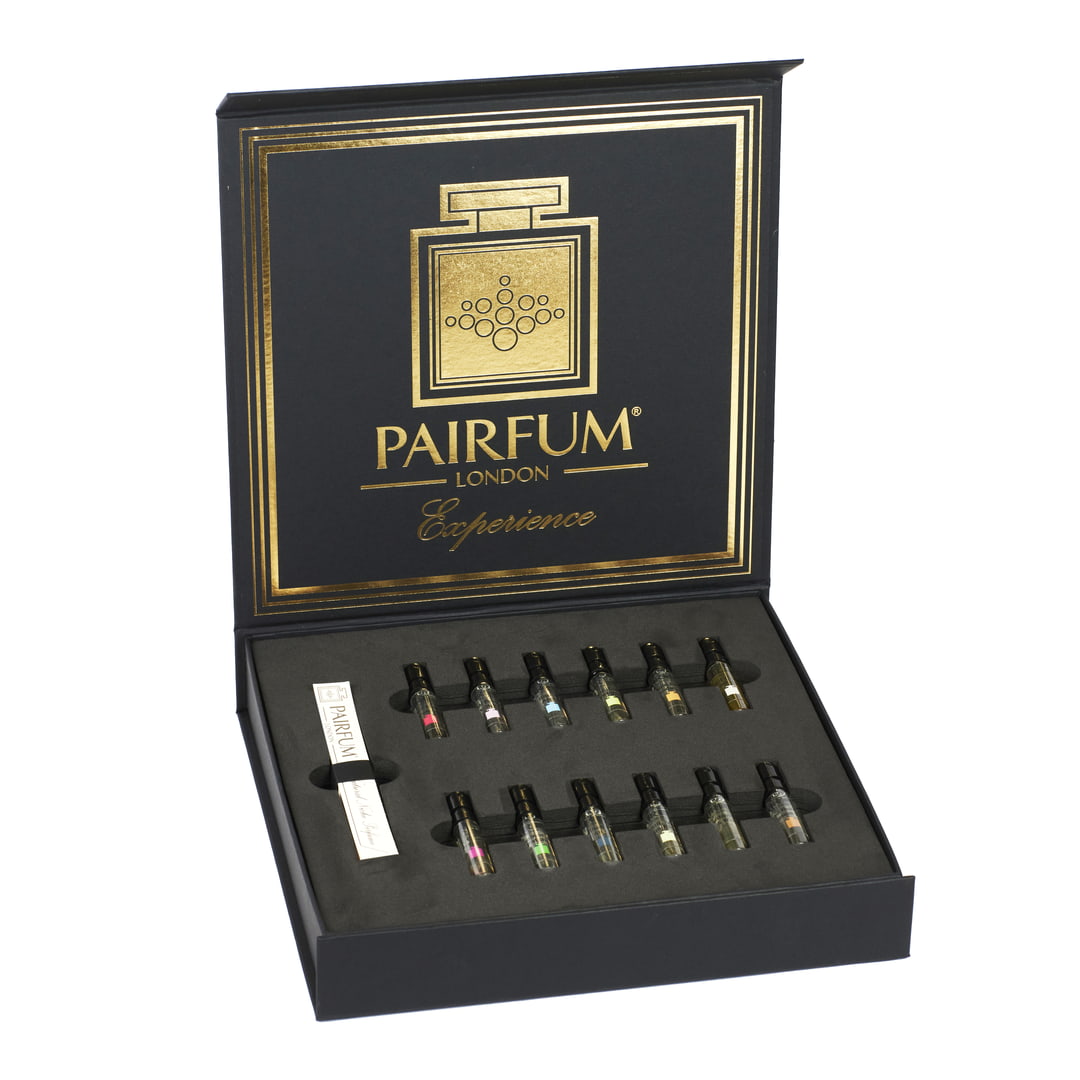
For those looking to explore clean fragrances in all their variety, the Pairfum London Fragrance Library Perfume Experience Box Collection offers an ideal introduction. This thoughtfully curated set features a selection of elegant, naturally-inspired perfumes, each crafted to embody the values of clean beauty: purity, transparency, and sustainability. Perfect as a gift or for personal discovery, the Perfume Experience Box makes it easy to enjoy sophisticated scents while supporting a brand committed to ethical ingredients and responsible luxury.

Conclusion: Clean Beauty for Modern Life

Clean beauty is here to stay. With analytics, transparency, and honest storytelling now essential, it’s never been easier, or more rewarding, to find a beauty product that aligns with your health, your values, and the bigger picture. Whether you’re picking out a face cream, a cult favourite lip balm, one of our vegan gift sets or a new clean fragrance, there’s joy in every step of the routine. Treat your skin kindly, and the world will thank you.

Sweet Liquorice

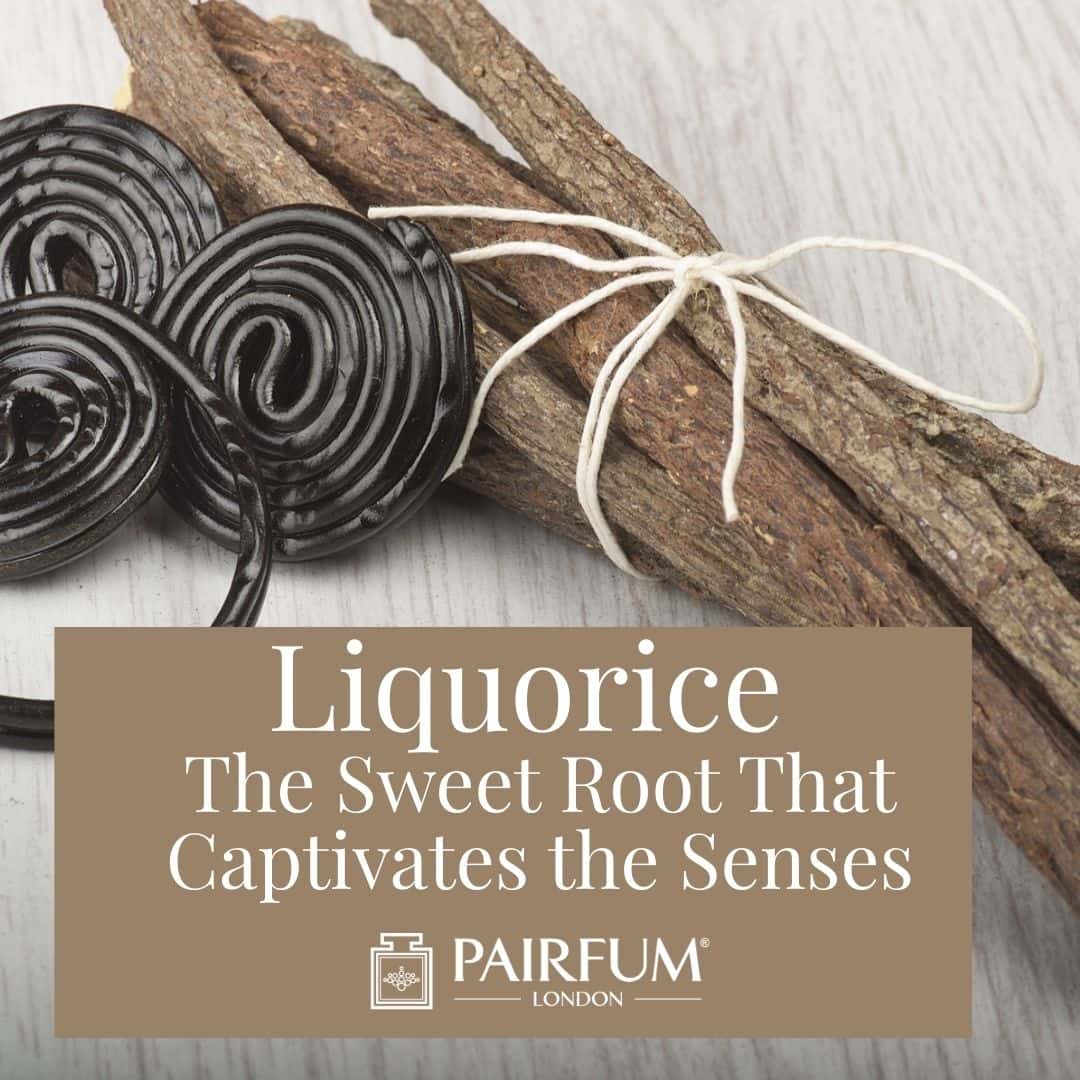
Liquorice: The Sweet Root That Captivates the Senses

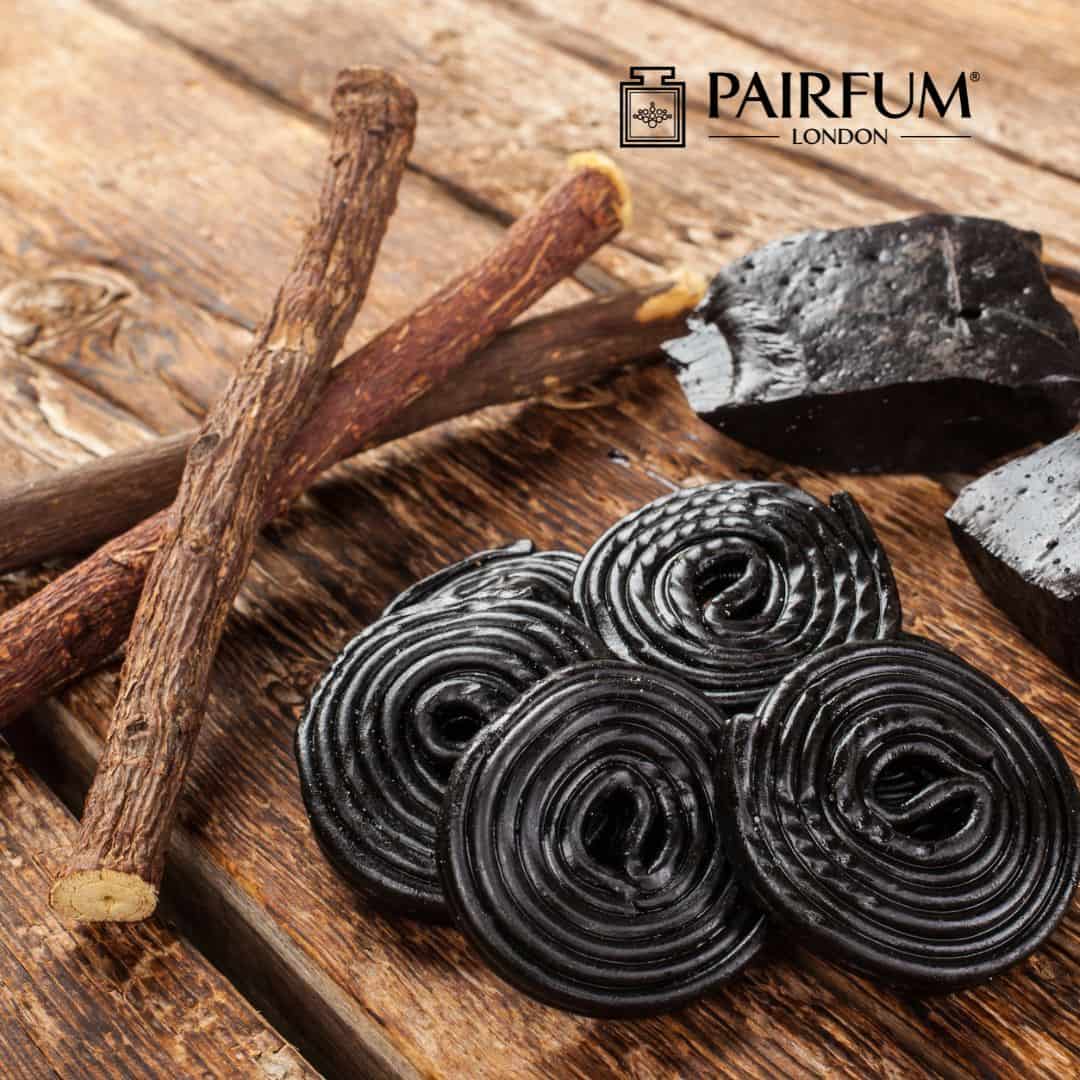
This is the unmistakable scent of liquorice. Imagine walking through a garden filled with blossoms and herbs, and catching on the breeze a fragrance that is unexpectedly warm and sweet yet faintly bitter and herbal. A single plant with extraordinary versatility, liquorice has been treasured for thousands of years. Most of us first meet it as children in colourful sweets such as liquorice allsorts, chewy liquorice torpedoes, or a pontefract cake from a traditional British tin. Others remember the sharp thrill of salty liquorice candy sold in northern Europe or the coiled charm of red liquorice wheels. Yet, beyond these memories of liquorice confectionery, the presence of the liquorice plant can also be found in medicine, supplements, cooking, herbal teas, and fine fragrance.

Ancient Roots and Early Uses

The journey of liquorice began in ancient civilisations. The liquorice plant is properly known as Glycyrrhiza glabra, a leguminous plant native to parts of southern Europe and western Asia. Its name comes from Greek words meaning “sweet root”, a precise description of its quality.

In Ancient Egypt, liquorice root was valued for its supposed power to grant long life. Archaeologists have discovered deposits of dried liquorice root buried alongside pharaohs, confirming its medicinal uses. Texts describe it being infused into sweet drinks flavoured with honey and herbs.

Greek physicians continued the tradition. The philosopher Theophrastus praised it, and Hippocrates noted it in his pharmacopeia. Actors and singers chewed pieces of liquorice root to soothe the throat before talking or performing, demonstrating its usefulness in herbal medicine. The Roman Empire spread liquorice across Europe. Military accounts showcase that Roman soldiers carried sticks of dried liquorice root in their packs. Its long-lasting, chewy consistency could suppress thirst and hunger and steady endurance during marches.

During the medieval period, monasteries cultivated liquorice plant in their cloisters. Monks turned the roots into tinctures, syrups, and lozenges. These were both remedies and rudimentary liquorice sweets, often sweetened with sugar or honey. Medicinal uses spanned stomach complaints, sore throats, and coughs. By the Renaissance, distilled liquorice extract was commonplace in apothecaries. Bottled waters scented with liquorice both refreshed the mouth and perfumed the body. Global trade encouraged its cultivation, and it became increasingly valuable.

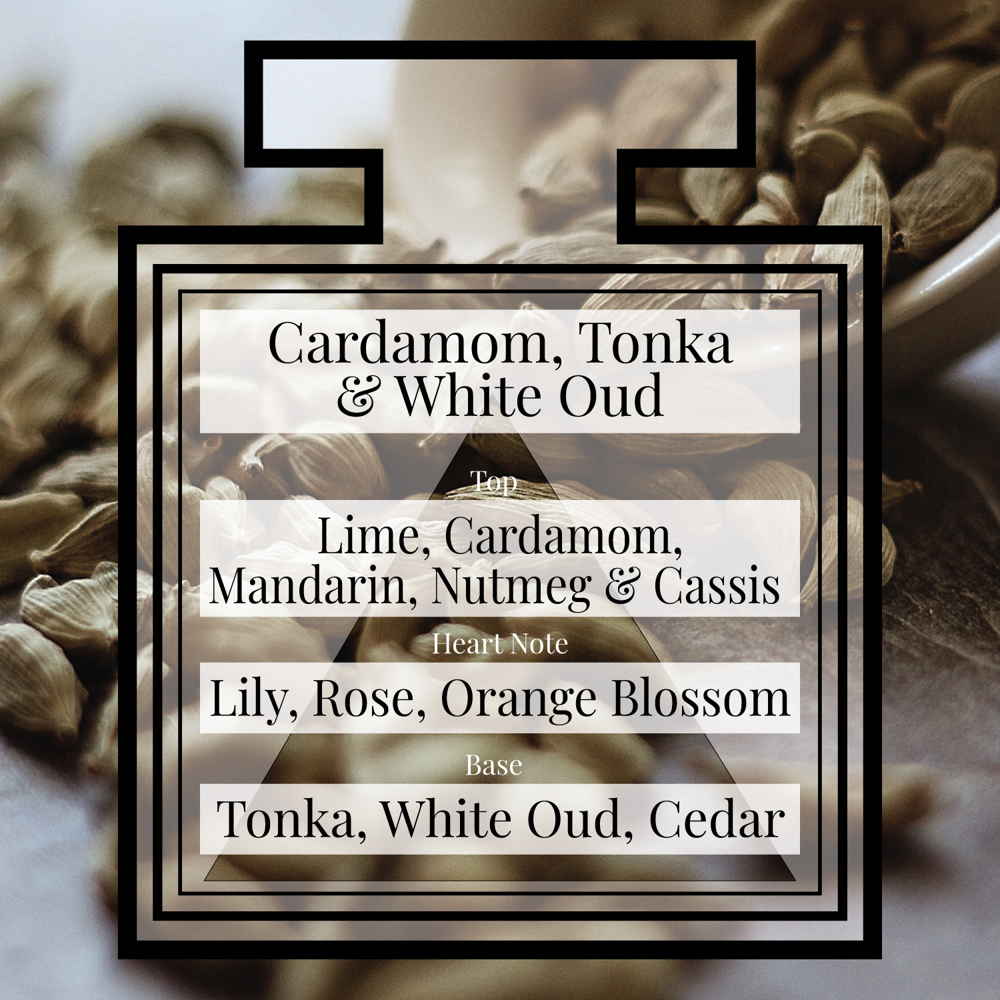
Fragrance Description Anise Black Vanilla Liquorice Heliotrope Amber

Liquorice and the Rise of Confectionery

By the 18th and 19th centuries, liquorice confectionery took centre stage. In Pontefract, Yorkshire, cultivation and processing of the liquorice plant led to the creation of the circular stamped pontefract cake. Soft, chewy and deeply flavoured, it quickly grew popular. From there, liquorice sweets expanded into many varieties: bright liquorice allsorts with their layers of pastel-coloured fondant; sugar-coated liquorice torpedoes with glossy shells; coiled red liquorice wheels; and bite-sized pellets of black liquorice confectionery.

Different regions interpreted the taste in unique ways. Salty liquorice, also called salmiak liquorice, became beloved in Scandinavia, flavoured with ammonium chloride to deliver sharp salinity. This gave rise to famous variations such as Tyrkisk Peber, known for its fiery bite. In Finland, Denmark, and Sweden, salty liquorice candy is considered a national treasure.

In North America, palates tended to prefer milder versions. Red liquorice, though often containing no actual liquorice extract, became a dominant style, flavoured with fruits and ingredients unrelated to the natural root. For generations of Americans, “liquorice” meant red liquorice wheels or twists sold as candy, a far cry from the robust, bittersweet aroma of genuine black liquorice.
This divergence between liquorice confectionery traditions reflects culture. In Britain, classics like liquorice allsorts and black liquourice lozenges remain enduring symbols of childhood sweetshops. In the Netherlands, dropjes (as the Dutch call them) range from mild, honeyed forms to salty, double-salted varieties. Everywhere the recurring themes are memory, nostalgia and a once simple root transformed into chewy delights with layered flavour.
Composition and Chemistry of Liquorice

What gives liquorice its unique flavour is glycyrrhizic acid (or glycyrrhizin), a compound found in liquorice root. This natural sweetener is 50 times stronger than sugar, though unlike refined sugar, it carries herbal bitterness and earthy depth. It is this duality — sweet and bitter — that makes liquorice extract so versatile for perfumers.

Other key ingredients in the plant include flavonoids, volatile oils, and coumarins, which add complexity. Interestingly, some sweets use added anise oil to heighten or imitate the distinctive flavour of liquorice. Anise has a naturally similar taste profile, which is why many people confuse the two.

Pairfum Eau De Parfum Noir Giftbag Black Cherry Oolong Tea

Liquorice in Health and Supplements

Beyond perfumery and confectionery, liquorice root remains a pillar of natural wellness. In both Traditional Chinese Medicine and Ayurveda, it is considered a harmoniser of ingredients in remedies. In modern contexts, it appears in supplements and herbal teas, particularly to support digestion and soothe throats.

Health research, reported by trusted medical sources, has shown that excessive consumption should be avoided because the glycyrrhizin in liquorice root can influence potassium levels and raise blood pressure. Still, moderate enjoyment is considered safe. For centuries, its place within herbal medicine proves the depth of cultural reliance on its healing powers.

This dual reputation — enjoyable in sweets but serious in medicinal uses — reveals once again how layered the identity of liquorice really is. Few plants connect so strongly to both taste and therapy, nostalgia and science.

The Aroma of Liquorice in Perfumery

Now, consider the same distinctive flavour transposed into aroma. In perfume it becomes warm, herbal, balsamic, earthy, and faintly caramelised. A perfumer might describe it as sitting somewhere between molasses, old wood, chocolate, balsam, and fennel seed.

Liquorice extract used in fragrances is prepared from the plant itself through careful extract methods such as steam distillation, solvent extraction, or CO₂ extraction. The resulting aroma is far more elegant than candy and liquorice sweets, and it blends beautifully.

  • In gourmands, it enriches accords of vanilla, caramel, cocoa and chocolate.
  • In orientals, it complements amber, resin, cinnamon and cardamom.
  • In florals, it softens violet, iris and jasmine, giving depth beyond petals.
  • Even with woody perfumes, its herbal sweetness brings intrigue.

This adaptability explains why perfumers return to it as frequently as cooks use chocolate — it ties together seemingly unrelated flavours and notes.

Liquorice Across Cultures

In Scandinavia, salty liquorice is more than food. It is woven into national identity, and rituals around salty liquorice candy have become associated with childhood. In Britain the pontefract cake recalls centuries of cultivation. Dutch sweet shops proudly stock dozens of varieties. In North America, licorice more often means red liquorice twists, sometimes fruit-flavoured, sometimes coiled into red liquorice wheels, and only occasionally true black liquorice confectionery.

Each variety, whether chewy, brittle or glossy, reiterates the cultural adaptability of the plant.

Liquorice

FAQs: Everything About Liquorice

What gives liquorice its flavour?
The distinctive flavour comes from glycyrrhizic acid in the liquorice root of the glabra species of the plant. Unlike sugar, it also contains earthy, herbal undertones.

Does liquorice in perfume smell like liquorice sweets?
Not exactly. Liquorice sweets use sugar, flour, molasses and sometimes anise. Perfume versions highlight the woodier, more herbal side.

What does black liquorice taste like?
Black liquorice, whether as a chewy stick or lozenge, blends the natural root with sugar and other ingredients. Black liquorice confectionery has been a classic across Europe for centuries.

What are liquorice allsorts?
A colourful medley of layered liquorice confectionery, combined with fondants, liquorice allsorts remain among the most recognisable British sweets.

Is there a difference between red and black liquorice?
Yes. Red liquorice often contains no liquorice root at all but instead uses fruit ingredients to offer a cherry-like flavour. Authentic black liquorice and black liquourice use true extract.

What is salty liquorice?
Known as salmiak liquorice, it is beloved in Scandinavia, often appearing as strong salty liquorice candy or brands like Tyrkisk Peber.

What are popular global styles of liquorice sweets?
Britain enjoys pontefract cake, continental Europe favours salty liquorice and dropjes, North America is familiar with red liquorice wheels, while the Netherlands loves double-salted forms.

Does liquorice appear in drinks or teas?
Yes, it appears in herbal teas and infusions worldwide. It is also used in chocolate desserts, sauces, and even some savoury recipes for its unusual flavour.

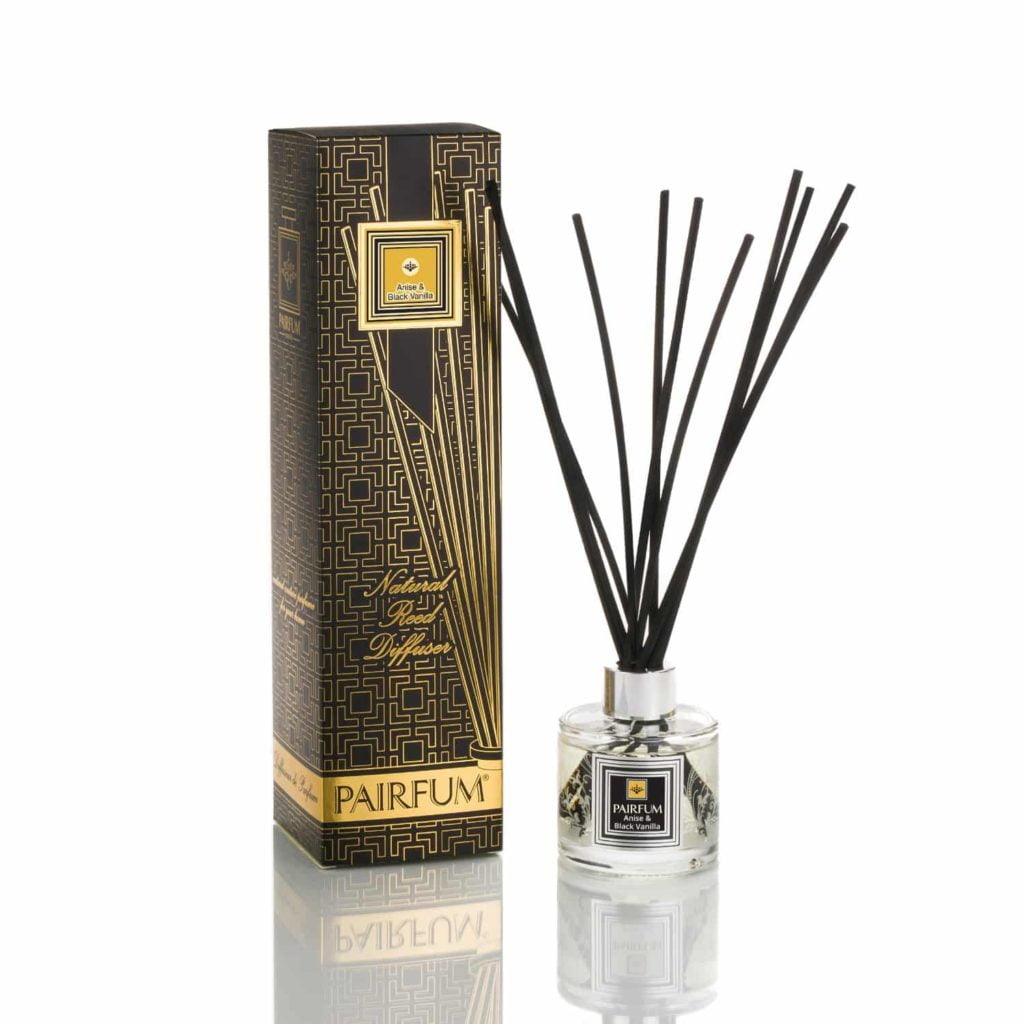
Pairfum Reed Diffuser Tower Classic Noir Anise Black Vanilla

Liquorice in Modern Fragrance

In modern perfumery, liquorice offers what perfumers crave: surprise. Unlike vanilla or cocoa, it is less predictable, more textured. A perfume with subtle touches of liquorice feels different — mysterious and sophisticated, sometimes nostalgic like sweets, sometimes elegant like chocolate in a couture dessert.

Because liquorice extract carries herbal qualities as well as sweetness, it links easily across fragrance families. Niche perfumery especially values it for creating uniqueness.

Sweet Liquorice Personal and Home Fragrances with Pairfum London

Black Cherry & Oolong Tea – Eau de Parfum by Pairfum London

This fragrance unfolds with a vibrant burst of Black Cherry, Bergamot, Red Berries, and Almond, creating a sparkling first impression. At its heart, an elegant harmony of Oolong Tea, Bulgarian and Turkish Roses, and a hint of Liquorice adds depth and sophistication. The scent lingers on a sensuous base of Aniseed, Tonka, Iris, and Patchouli.

Anise & Black Vanilla – Tower or Bell-Shaped Reed Diffuser by Pairfum London

The elegantly smooth ‘Noir’ fragrance begins with intriguing top notes of Anise and Liquorice, creating an air of mystery. At its heart, delicate hints of Vanilla and Almond intertwine with the floral softness of Heliotrope and Powdery Violet. Finally, Sandalwood and Amber bring a warm, sensual depth to the base.

Pairfum Eau De Parfum Noir Bottle Carton Black Cherry Oolong Tea

A Lasting Impression

Liquorice occupies a rare space. It is a plant with a heritage in herbal medicine, a foundation in confectionery, a psychological trigger in sweets, and an aromatic gem in perfumery. It can be rustic in a chewy stick of black liquorice, playful in colourful liquorice allsorts, inventive in red liquorice wheels, or highly sophisticated in a gourmand fragrance paired with chocolate.

Across regions, traditions and centuries, the liquorice plant remains unforgettable, never bland and always stirring emotion. It tells us stories of empire and cultivation, of health and healing, of kitchens and sweet shops, of perfumers chasing a muse. Few ingredients in either flavour or fragrance can claim such a sweep of history and memory.

For anyone intrigued by the ways taste and scent overlap, liquorice is a perfect subject to visit again and again. A root, a medicine, a candy, a sweet treat, a fragrance note: each facet is as layered and captivating as the last.

Lemon

Why Lemon Is A Perfume Icon

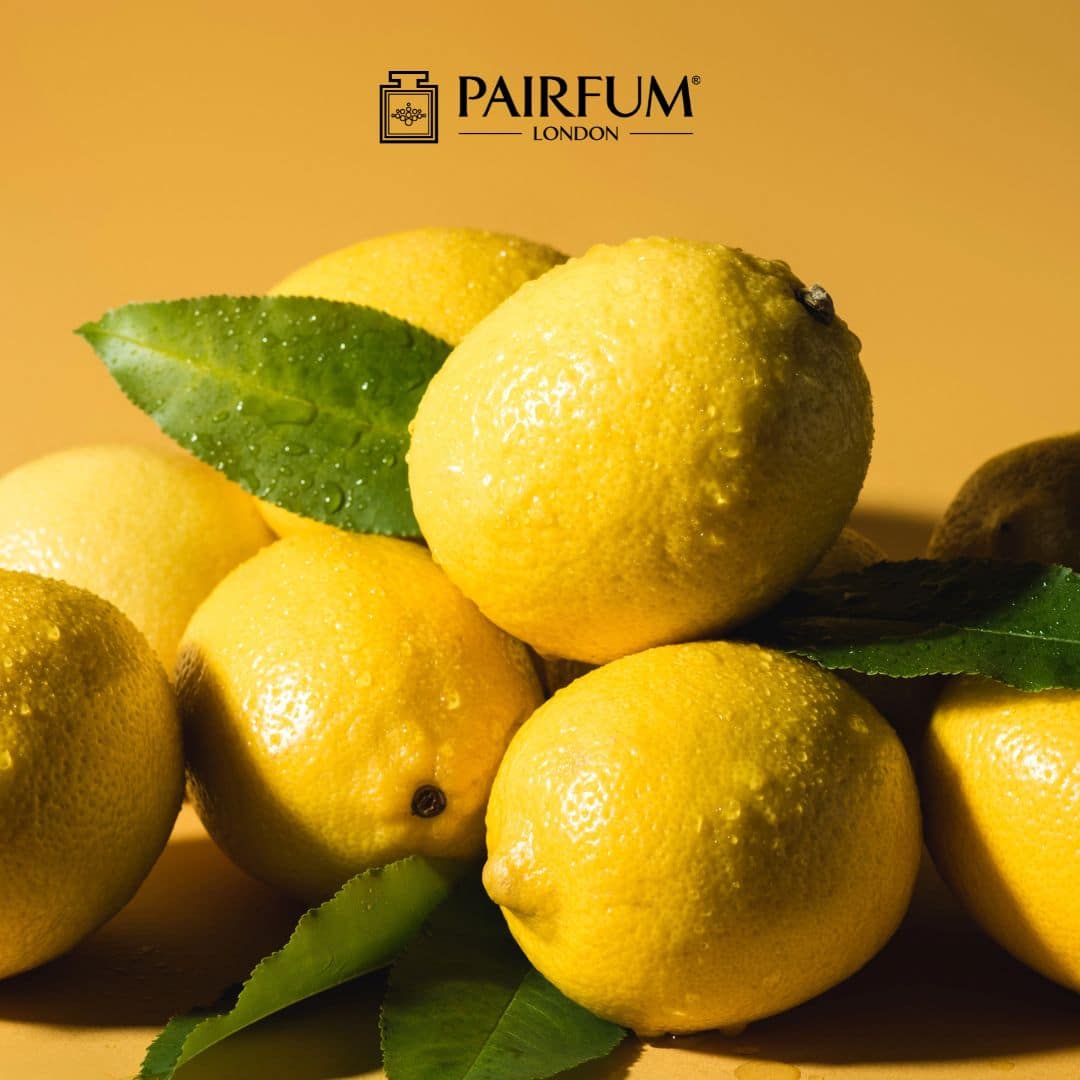
Few scents feel as instantly familiar and uplifting as the fragrance of lemon. This radiant fruit, scientifically named Citrus limon, is one of the most celebrated citrus notes in perfumery and has shaped history, health, food and fragrance alike. The sharp sour taste, vivid colour and sparkling aroma of lemons mean they are woven into daily life across cultures. From lemon water rituals and drinks to culinary favourites like lemon pie, desserts of lemon curd and even savoury accents with lemon pepper.

In fragrance, a single touch of lemon zest can transform an entire composition. It brings flavour and freshness, balances heavier notes and provides the sparkling first impression in some of perfumery’s most loved creations.

A Historical Journey with Lemons and Perfume

Origins and Early Cultivation

The origins of the lemon tree lie in north eastern India and Burma, where it evolved as a hybrid from the citron and bitter orange. Over centuries, cultivation spread westward through trade routes. The tree itself, part of the plant family Rutaceae, thrived in Mediterranean climates thanks to abundant sunshine and reliable water.

By the time of Ancient Rome, lemons were seen as luxury items, stored in jars and revered as exotic imports. Later, during medieval times, references to the word “lymon” appeared in Middle English texts, showing that the fruit had become embedded into Europe’s culture and language.

The Renaissance and Beyond

During the Renaissance, the medicinal and perfumed properties of lemon oil extracted from the lemon rind and lemon peel grew in importance. Sailors stored fresh lemon juice because its vitamin C helped prevent scurvy on voyages. This association between lemons and vitality cemented its reputation as more than just an edible fruit.

By the eighteenth century, the rise of Eau de Cologne placed lemon at perfumery’s centre. Its light, sparkling quality offered a radical contrast to heavier resins and musks of earlier blends, ushering in a whole new chapter of fresh, uplifting fragrance traditions.

Eau de Parfum Person Reading Pink Rose Sensuous Musk

The Chemistry of Lemon’s Scent

The sensory appeal of lemon comes from natural plant compounds including limonene, citral and pinene. It is also naturally high in citric acid and vitamin C, which are central to both flavour and nutrition.

For perfumers, lemon’s role as a top note is key. Its volatile molecules evaporate quickly, producing an immediate, dazzling effect. Though fleeting, this sparkle enhances florals, spices, woods and musks, adding contrast, balance and excitement. Even when gone from the skin, that memory of zest lingers in the imagination.

Varieties of Lemon

Perfumers draw on multiple types of lemons to achieve different effects.

  • Eureka lemon offers the classic zesty identity, providing a vivid, energising impact.
  • Meyer lemon is softer, fruitier and slightly floral, ideal where sharpness needs gentle rounding.
  • Lisbon lemons supply high volumes of concentrated juice, making them prized for both scent and flavour.

The geographical source also matters. Sicilian lemon trees grown on volcanic soil produce expressive and intense oils, while Californian orchards yield bright and clear aromas. Everywhere they grow, lemons tell a slightly different story.

Cultivation of Lemon Trees

The beauty of the lemon tree is found not only in its blossoms but also its resilience. Evergreen and fragrant, lemon trees yield fruit multiple times a year in the right climates. The tree requires fertile soil, ample sunlight and steady water.

For centuries, orchards of citrus trees provided more than just fruit. They represented wealth, purity and abundance. Even the smallest detail — from fragrant flowers to firm oval lemon seeds — holds importance. Culinary traditions use the peel, zest and rind, while perfumers treasure the concentrated aromatic compounds in the rind. Every part of the plant is valuable.

Eau de Parfum Person Reflection Spiced Rum Lime Guaic Wood Man Walk 1 1

Extraction of Lemon Oil for Perfumes

Translating lemon’s vividness into perfume bottles requires careful extraction of lemon oil.

  • Cold Expression mechanically presses the outer peel to yield oil without heat, ensuring an authentic aroma.
  • Steam Distillation produces a lighter and fresher interpretation.
  • Solvent Extraction deepens complexity.
  • CO₂ Extraction offers eco-conscious plant processing with minimal waste.

Each extraction method influences how lemon flavor is captured in perfume, and modern perfumers continue to refine these approaches while ensuring sustainability.

Lemon in Fragrance Compositions

A Versatile Note

Such a citrus note rarely stands alone. Instead, it interacts beautifully:

  • With florals, it radiates clarity.
  • With woods, it balances weight.
  • With spices, it sharpens.
  • With musks, it adds cleanliness.
  • With other citrus fruit, it heightens sparkle.

This makes lemon indispensable to perfumery.

Sustainability

Growing demand means attention to sustainable lemon trees cultivation is increasing. With changing climates, reliance on irrigation water and eco-friendly farming practices are essential to protect orchards for the future.

Lemon Perfume

Lemon, Wellness and Culture

Beyond fragrance, the link between lemon juice and wellbeing is ancient. The fruit is well known for supporting immune function thanks to its richness in vitamin C. Traditional medicine valued lemon water for digestion and cleansing, while modern research associates lemon oil vapour with improved focus and uplifted mood.

Lemon is also indispensable in kitchens. Lemon slices flavour refreshing drinks, a squeeze of fresh lemon juice balances salty or fatty dishes, and cooking uses extend to desserts like lemon pie topped with airy whipped cream, sharp lemon curd smoothed with cream and butter, or sugared lemon rind. Savoury dishes too benefit: think roasted vegetables with olive oil, sugar and a dash of lemon juice, or North African meals enriched with preserved lemon. From salad dressings to spice blends such as lemon pepper, the culinary associations amplify the immediate recognition of lemon’s scent in perfume.

When and How to Wear Lemon Perfumes

Lemon based fragrances are wonderfully versatile for all occasions. Their uplifting opening is ideal for mornings, spring and summer days, or moments needing clarity and energy. Niche perfumers experiment with pairing lemon’s zest with heavier resins for evenings too, demonstrating that its brilliance transcends seasons.

Layering techniques also allow citrus openings to be extended. Blending with woods, musks or florals lengthens lemon’s fleeting sparkle and creates new personal expressions.

Symbolism of Lemon

For centuries, lemons symbolised purity, wealth and abundance. They shine as visual motifs in art and literature, their yellow echoing the sun’s vitality. In cultural rituals, lemons represented cleansing and protection.

This symbolism links back to the multi-sensory richness of lemons: their sour taste, juicy brightness, vivid flavour and uplifting scent. Few other fruit carry such wide-ranging associations.

Eau de Parfum Person Reflection Pink Rose Sensuous Musk 1 1

Lemon Top Notes with Pairfum London

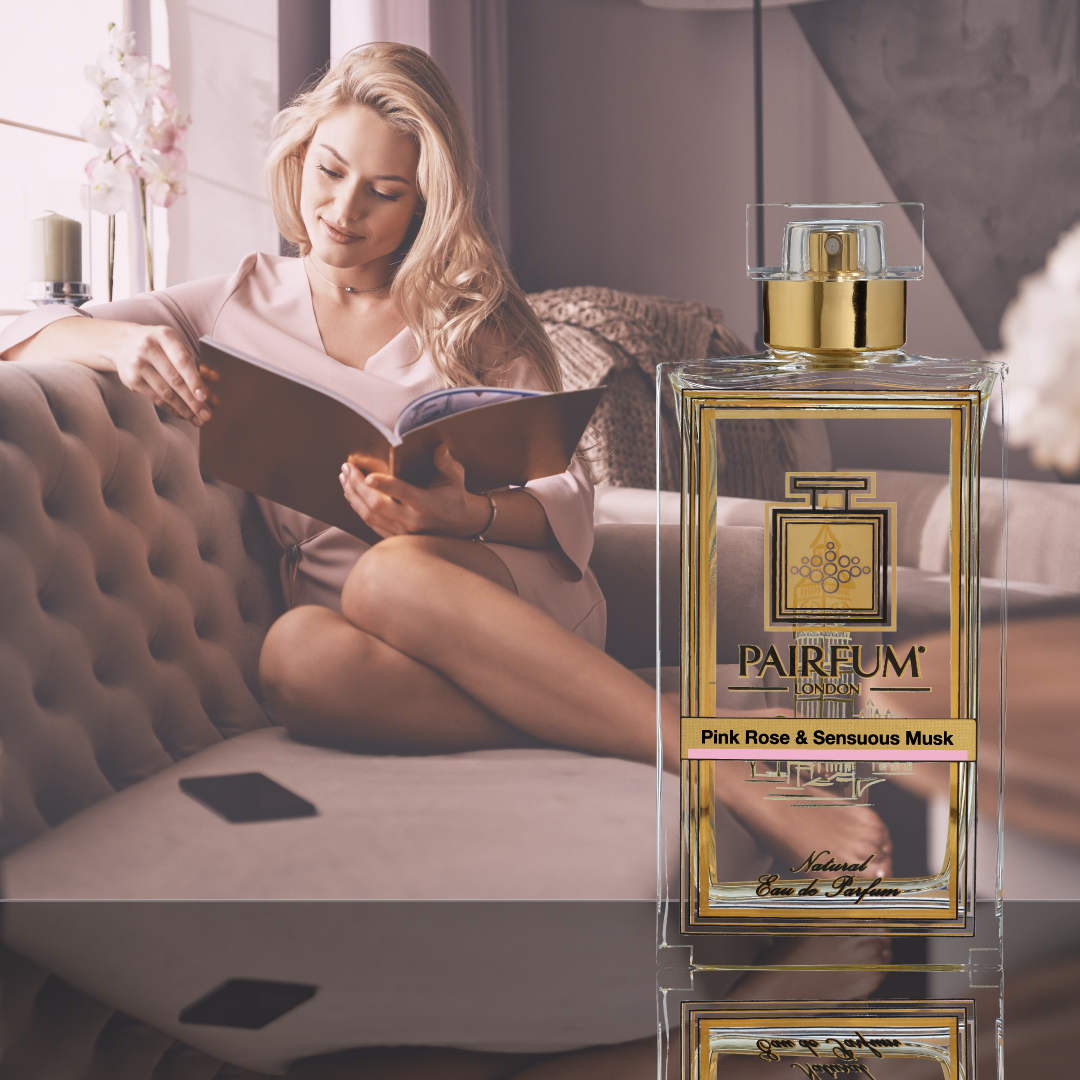
Pink Rose & Sensuous Musk – Eau de Parfum by Pairfum London

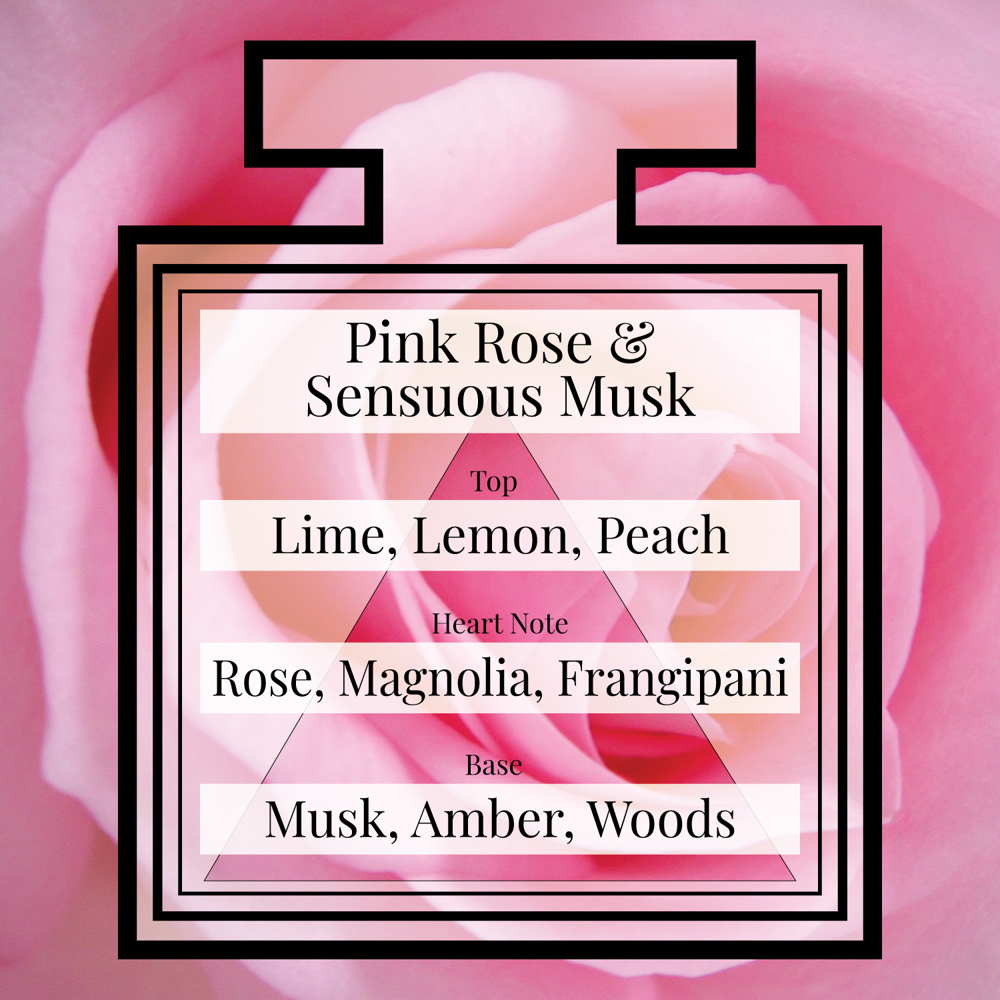
A vibrant, floral fragrance where the top notes of Sparkling Lemon and Lime are enhanced by the fruity nuances of Peach. The feminine, floral heart is a radiant blend of Pink Rose, Magnolia and Frangipani. The dark seductive base of Sensuous Musk, Amber and Precious Woods brings this fragrance to life.

Spiced Rum, Lime & Guaiac Wood – Eau de Parfum by Pairfum London

This Connoiseur’s accord opens with the intense aroma of Rum, nuances of Lime & Lemon and a radiant combination of Nutmeg & Pepper. The heart is deep and rich with Tuberose, Iris and Vintage Leather. A fond of Guaiac Wood, Cedarwood, Golden Amber, Vanilla Pod and Musk complete this luxurious fragrance.

Eau de Parfum Person Reflection Spiced Rum Lime Guaic Wood Man Coat 1 1

Conclusion

This is not just a fruit but a story bridging history, wellness, cuisine, symbolism and fragrance. Its blossoms fill orchards of lemon trees with beauty, its juice and zest enrich recipes, and its oils define some of the most captivating perfumes ever created.

To experience the fragrance of lemon is to embrace light itself: fresh, joyful, timeless. Whether tasted in a spoonful of lemon curd, enjoyed as lemon water, or breathed in as perfume where zest fills the air, this citrus fruit continues to shine as one of humanity’s most enduring treasures.

Moss In Perfumes

Moss in Perfumes: Earthy Elegance

Moss is one of nature’s most enchanting and ancient gifts to perfumery. This unique ingredient brings an earthy, serene quality to fragrances, calling to mind primordial forest floors, shaded riverbanks, and peaceful, misty landscapes. Its use adds a remarkable depth, a certain colour and complexity that draws in those who are captivated by the quieter side of nature’s aromas. There is something effortlessly intriguing about moss; it can shift the mood of a perfume from simple to poetic, adding a whisper of mystery and a resilient, contemplative strength. While trends may come and go, fleeting as the fame of a name like Lila Moss, the appeal of this primal scent endures.

The magnetism of this special moss is more than skin deep. It is a scent that feels both timeless and profoundly grounding, a fragrant connection to the patient, persistent life that thrives in overlooked places. To wear a moss based perfume is to carry a sense of calm and reassurance. Today, this wonderful moss continues to flourish in fragrance creation, prized for its ability to anchor a scent and give it a memorable, lasting signature. The humble moss has a story to tell.

The Quiet Power and Ancient Soul of Moss

Before we can appreciate moss in a bottle, we must understand its power in the wild. Mosses are true survivors. They are members of an ancient lineage of plants, the Bryophytes, which have graced our planet for over 450 million years. This type of plant existed long before the dinosaurs and has watched mountains rise and fall. Mosses are pioneer species, often the first to colonise bare rock and barren soil, patiently creating the foundation for all the life that follows.

This quiet resilience has imbued moss with deep symbolic meaning. Unlike other flora, this simple plant has no true roots, instead anchoring itself with rhizoids. It absorbs water and nutrients through its single cell thick leaf structure, a testament to its direct connection with its environment. This amazing plant is a living testament to tranquility. Related to fellow ancient organisms like liverworts, mosses represent a fundamental form of life. This is the soul we connect with in a fragrance: not just a scent, but a feeling of endurance, stillness, and the understated natural beauty of moss.

Pairfum Fragrance Grapefruit Pepper Black Cedar Triangle

What Does Moss Actually Smell Like in Perfumery?

To say moss smells ‘earthy’ is just the beginning. It is a scent of profound complexity that captures a specific, evocative moment. Imagine a walk through a dense, ancient woodland just after a rain shower. The aroma of a fine moss in a fragrance captures that very atmosphere. It is the smell of damp soil, rich and dark, blended with the cool scent of decaying leaves and wet stone. The scent of this moss is unforgettable.

It possesses a character that is simultaneously fresh and musty, clean and slightly animalic. There are often undertones of leather, ink, and a subtle, almost saline bitterness that prevents this moss from being overly green. Unlike the bright, sharp scent of cut grass, the fragrance of moss is a deep, low hum of a note. It is a foundational aroma that feels both grounding and profoundly contemplative. This profile makes moss an invaluable component in fine fragrance.

A Storied Past: The Backbone of Classic Perfumery

Moss has been a treasured component in the perfumer’s palette for hundreds of years. Early artisans of scent discovered how its complex, earthy profile could enrich an entire fragrance. This moss rarely fights for attention. Instead, it offers a foundational layer that provides structure and support, much like the forest floor supports the woodland ecosystem above it.

This ingredient became the very backbone of two of the most important families in classic perfumery: the Chypre and the Fougère. Without the tenacious, mysterious character of this particular moss, these iconic fragrance structures simply would not exist. The important role of moss in perfumery is undeniable. It was, and still is, the key to grounding brighter, more volatile notes, tying a composition together seamlessly and giving it an unforgettable, elegant trail. Many classic perfumes owe their soul to moss.

The World of Moss: Beyond the Woodland Floor

While perfumery prizes its scent, the aesthetic appeal of mosses is celebrated in many other arenas. Gardeners have a complex relationship with these tiny plants. While some strive to remove common moss from their lawns, others cultivate it. At the prestigious RHS Chelsea Flower Show, for instance, moss has been the star of prize winning gardens, celebrated for its verdant texture and tranquil presence.

The art of creating terrariums often relies on various moss species to build miniature worlds, a mini one in a glass vessel that captures a slice of the forest. The creation of such a habitat requires a careful hand. From the lush carpets of Hypnum moss to the upright stalks of common haircap moss, also known as Polytrichum commune, the diversity is stunning. In New Zealand, the unique native moss flora contributes to the country’s breathtaking landscapes. The variety of moss available for enthusiasts is truly impressive.

Eau de Parfum Person Reflection Scarlet Rhubarb Oakmoss Woman 1 1

A Miniature World: The Ecological Magic of Moss

In nature, mosses are miniature ecosystems. Their dense, velvety carpets play a vital role, holding vast amounts of water and hydrating the forest while preventing soil erosion. Certain types, like sphagnum moss, are the primary architects of the peat bog habitat, slowly forming deep layers of peat over millennia. A peat bog is a unique and precious environment, and organisations like the Wildlife Trust work tirelessly to protect them.

This dense structure provides a crucial microhabitat, a sheltered, humid world for countless tiny invertebrates, fungi, and other wildlife. They are a universe in a small space. This role as an ecosystem builder offers a beautiful parallel to the function of moss in a perfume. A moss accord creates a fragrant habitat within the bottle, holding onto lighter notes and providing a rich, complex base upon which the heart notes can flourish, creating a scent that feels alive, integrated, and harmonious. The power of this moss should not be underestimated.

The Signature Mosses of Scent

While there are over 20,000 moss species worldwide, perfumery primarily focuses on a select few, each offering a distinct personality. The identification of the correct species is critical.

Oakmoss

Arguably the most famous, oakmoss (Evernia prunastri), which is technically a lichen (a composite organism arising from algae or cyanobacteria living among filaments of multiple fungi species in a symbiotic relationship), grows on oak trees. It is renowned for its deeply woody and forest like aroma. Its use is foundational in many classic scent profiles. The magic of this moss is its versatility.

Tree Moss

A close relative, tree moss (Evernia furfuracea), offers a lighter, airier lift. While still earthy, it leans more towards the scent of soft, dry woods, with a delicate and almost powdery green edge. This moss is particularly useful in more modern perfumes.

Decoding the Language of Scent: Profiles and Identifiers

A perfumer’s process has interesting parallels with modern data analysis. To create a masterful scent, one must build detailed profiles of each ingredient, understanding its every facet. When working with a new harvest of moss from different sources, a perfumer may have limited data and must meticulously test each sample. Their legitimate interest is in achieving perfection and consistency.

They look for unique identifiers in the molecular structure of the moss that give it its signature scent. Each aromatic compound is an identifier. Every bottle of perfume is a narrative device, designed for a special purpose, to evoke a feeling or a memory from a non precise location like a dream or a half remembered forest. This is not dissimilar to how a digital device assembles information based on possible interests to create an experience. The perfumer considers personal aspects, like how the scent of the moss will develop on skin. This is a complex network of information, far more intricate than a web of iab vendors, where every source must be vetted for quality and character. The perfumer uses their creative device and skill to blend these elements into a seamless whole. The final creation is a testament to this detailed work.

Moss On Rocks
Moss on rocks

From Forest Floor to Fragrance Bottle: The Art of Extraction

To capture the soul of moss for a perfume, perfumers use specific techniques. The choice of method impacts the final character of the moss extract.

Solvent Extraction

This technique uses a solvent to wash the raw moss, capturing its full spectrum of aroma molecules. The result is a highly concentrated absolute, containing the rich, deep, and true to nature scent of the moss. This method preserves the full bodied texture of the moss. Producers ensure they have enough stock of this precious material for sale to fragrance houses.

Steam Distillation

This gentler process passes steam through the moss to vaporise its aromatic molecules. This method typically results in a lighter essential oil. It captures the fresher aspects of the moss. The delicate spores of the moss are not part of this process, which focuses only on the aromatic compounds.

The Perfect Pairing: What Notes Complement Moss?

The true versatility of moss is revealed in its pairings. It is a masterful partner for a wide range of other ingredients, enhancing the notes around it.

  • With Citrus: The bright energy of bergamot finds a perfect anchor in the deep tenacity of moss. 
  • With Florals: Moss provides a dark, earthy backdrop that makes the beauty of florals feel more dramatic and profound, lending a deep green colour to the scent’s background. 
  • With Woods and Resins: When paired with sandalwood or incense, moss deepens the woodland effect, creating a meditative and immersive forest scent.
Eau de Parfum Person Reflection Scarlet Rhubarb Oakmoss Man 1 1

Discover the Earthy Elegance of Moss with Pairfum London

Inspired by the timeless beauty of moss, we invite you to explore how this remarkable ingredient is woven into our own creations. For those drawn to its classic earthiness paired with a modern and unexpected twist, discover our Scarlet Rhubarb & Oakmoss Eau de Parfum. Or, for an exploration of deep woody notes that share the same grounding spirit, experience the sophisticated blend of Grapefruit, Pepper & Black Cedar Eau de Parfum. Each fragrance offers a unique pathway into the world of complex, nature inspired scents.

Scarlet, Rhubarb & Oakmoss – Eau de Parfum by Pairfum London

This bold, floral Chypre fragrance opens with a blend of fresh Tart Rhubarb, Sun-Dried Fruits and Ripe Strawberries. Hints of crisp Apple & Apricot wrap around the heart of elegant White Gardenia. The base of Oakmoss and Sensuous Musk provides a warm, rich and lingering drydown typical of a Chypre.

Grapefruit, Pepper & Black Cedar – Eau de Parfum by Pairfum London

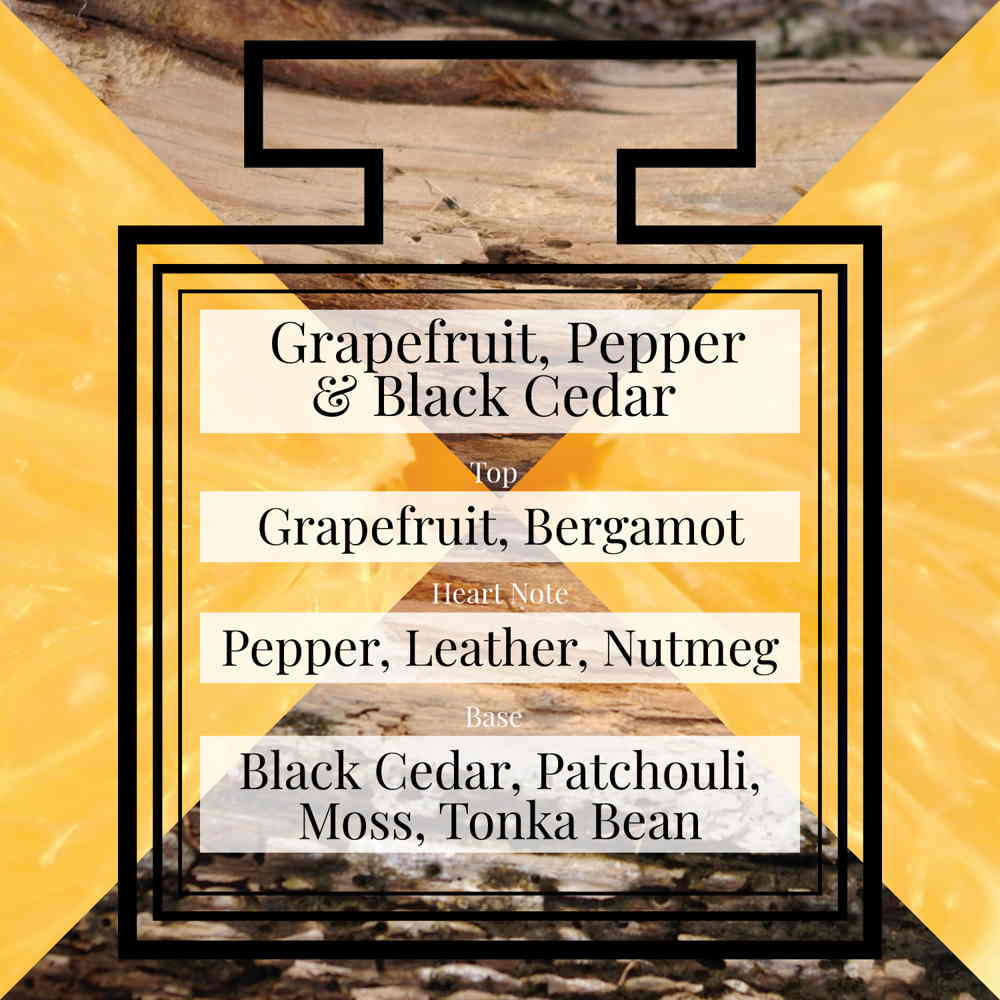
A rich, woody and spicy fragrance where the zest of Grapefruit & Bergamot infuse the opening with freshness. The sensual heart of Masculine Leather is enhanced by the rich spicy elements of Black Pepper and Nutmeg. The base is intensely woody with Black Cedar, Patchouli, Tonka Bean and Moss.

Eau de Parfum Person Reflection Grapefruit Pepper Black Cedar 1 1

Embracing the Beauty of Moss in Your Fragrance Collection

Adding a moss based perfume to your collection offers something truly special. These fragrances possess an innate elegance and a grounding presence. They have a way of drawing attention quietly, leaving behind a peaceful and intelligent impression. To choose a moss fragrance is to appreciate the beauty of resilience, stillness, and nature’s patient artistry. It brings layers to a perfume that are hard to replicate, whispering of ancient forests and turning everyday moments into more thoughtful experiences. Embracing moss means embracing nature itself.

Best Autumn Perfume

The Best Autumn Perfume Choices for 2025

Autumn perfume is quintessential with the season of transition and cosiness. The weather begins to cool, and the leaves on trees turn into stunning hues of red, orange, and yellow. This scenic change brings about a sense of warmth and comfort as we start to pull out our sweaters, enjoy hot drinks, and look forward to festive events like Halloween and Thanksgiving.

This season is marked by shorter days and longer nights, creating a snug and tranquil atmosphere. The crisp air and rich colours of the landscape inspire a shift in our activities as we spend more time inside enjoying firesides and family gatherings. Nature’s transformation during autumn also inspires changes in our daily routines, including the perfumes we choose to wear.

As the warmth of summer fades, our preference for light and airy perfumes shifts to more warming and comforting options. Bold and spicy perfumes with rich, earthy notes are ideal for this time of year, perfectly complementing the season. Choosing the right autumn perfume can enhance your comfort and bring an added layer of warmth to your autumnal experiences.

The Character of the Autumn Season

Autumn is a season of transformation and warmth. The temperature cools down, with crisp air replacing the heat of summer. The landscape undergoes a beautiful change as leaves turn to shades of red, orange, and yellow, creating a tapestry of colours that signal the season’s arrival. This period of change is visually stunning and evokes a cosy atmosphere, perfect for spending time indoors with loved ones.

In autumn, nature prepares for winter. The days get shorter, and nights grow longer, bringing about a serene and tranquil environment. Trees shed their leaves, and the ground is often covered with a blanket of colourful foliage. The air is filled with the earthy aroma of fallen leaves and the smoky notes from fireplaces and bonfires.

Autumn is also a time rich with cultural and festive events. Celebrations like Halloween and Thanksgiving bring people together, fostering a sense of community and gratitude. These gatherings often feature comforting foods and warm drinks, adding to the overall comforting vibe of the season. The unique characteristics of autumn not only shape our daily activities but also influence our sensory preferences, including our choice of perfumes.

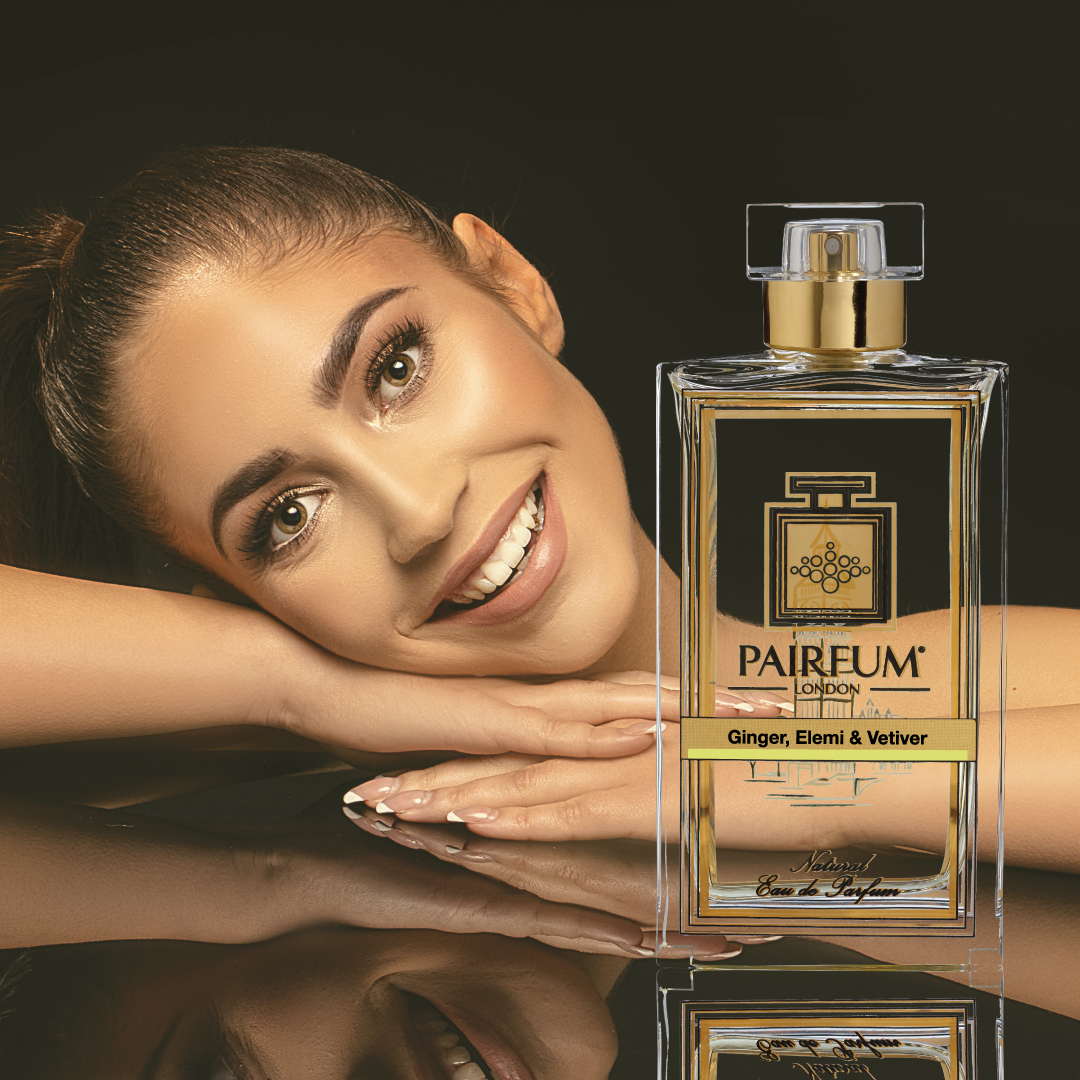
Eau De Parfum Person Reflection Ginger Elemi Vetiver Woman Smile 1 1

How Autumn Influences Fragrance Choices

The essence of autumn has a strong impact on our perfume preferences. As the weather turns cooler, we naturally gravitate towards fragrances that offer warmth and comfort. Light and citrusy perfumes that were perfect for the summer months give way to richer, spicier options that better match the season’s cosy atmosphere.

Popular Autumn Notes

Spicy: Cinnamon, nutmeg, and clove are popular choices in autumn perfumes. These notes add a warm and inviting feel, perfect for the cooler weather.

Woody: Notes like sandalwood, cedar, and oak provide a grounding, earthy quality. They are reminiscent of autumn walks through forests with foliage underfoot.

Gourmand: Elements like vanilla, caramel, and chocolate are evocative of autumn treats. These notes offer a comforting and indulgent fragrance experience.

Why Heavier Fragrances Work

Heavier perfumes have more staying power in the cooler autumn air. The lower temperatures can dampen the volatility of lighter notes, making richer fragrances more suitable. These perfumes create an enveloping aura of warmth that aligns perfectly with the season’s emphasis on comfort and cosiness.

Choosing an autumn perfume with spicy, woody, or gourmand notes can enhance your seasonal experience. These fragrances wrap you in a blanket of warmth, making you feel both invigorated and comforted as you go about your day. The right autumn perfume can complete your seasonal transformation, seamlessly blending with the rich tapestry of colours and scents that define this beautiful time of year.

Embracing the Perfect Scent for the Autumn Season

The shift into autumn invites a personal transformation, not only in how we dress but also in the scents we wear. An autumn perfume is more than a fragrance—it’s a companion through colder mornings, early dusks, and evenings by candlelight. Whether you are stepping into the crisp air for a countryside walk or enjoying a quiet autumn night indoors, the right scent adds a layer of warmth and elegance.

Wearing an eau de parfum during this season ensures a longer-lasting experience. These richer blends cling to scarves, hair, and clothing, releasing comforting notes throughout the day. Think of it as your signature scent—a fragrance that enhances your autumn day with subtle sensuality and character.

What Makes a Fragrance Feel Like Autumn?

Not every fragrance captures the mood of the autumn season. Autumn fragrances tend to favour complexity, featuring woody, spicy, or sweet gourmand notes. Vanilla, amber, leather, and vetiver all play starring roles in these types of perfumes, each note adding its own touch of seasonal warmth.

A woody fragrance brings to mind forest strolls with golden leaves underfoot. An eau de parfum with leather or clove evokes the feeling of worn books, soft armchairs, and fireside chats. Citrus or floral notes, when layered with cinnamon, vanilla, or amber, take on an earthier, more autumnal twist. These combinations form the foundation of many best autumn perfumes loved by niche perfume enthusiasts and classic lovers alike.

Eau de Parfum Person Reflection Ginger Elemi Vetiver Man Suit 1 1

Finding Your Autumn Perfume Ritual

Autumn rituals go beyond scented candles and warm drinks. The ritual of applying an eau de parfum becomes more mindful as we welcome the colder months. A comforting scent in the morning can change the way you move through your day. Layering with a complementary fragrance oil adds depth, while a final spray across your scarf or coat lining ensures the aroma follows you gently.

For those who prefer lighter applications, one or two sprays at pulse points like the wrists, neck, and behind the ears will do well. The natural oils in your skin help warm the fragrance, revealing its evolving notes from top to base throughout the day.

Key Notes That Define the Best Autumn Fragrance

Certain ingredients naturally suit the autumn fragrance profile:

Vanilla: Soft, warm, and inviting. Blends beautifully with spicy or woody scent families.

Amber: Resinous and golden, adding richness and body to an eau de parfum.

Cinnamon and Clove: Spices that bring warmth and depth, often found in seasonal blends.

Woody Notes: Sandalwood, cedar, and vetiver give a grounding, earthy fragrance effect.

Leather: Adds texture and a touch of smoky allure, especially in colder weather.

Orange Blossom and Jasmine Sambac: These florals can offer a delicate contrast when paired with heavier notes, perfect for softening more intense autumn perfumes.

If you’re new to selecting an autumn scent, try a few options over several days to let your senses guide you. Every skin type, including those with a natural vanilla skin warmth, will react uniquely to each blend.

Celebrity and Designer Picks for the Autumn Season

For those who lean toward a signature scent with a bit of star power, autumn is a great time to explore celebrity and designer creations that offer something unique. Black Opium by Yves Saint Laurent remains a favourite for fall, thanks to its blend of coffee, vanilla, and floral notes that feel both bold and comforting. If you’re seeking a different fragrance with modern flair, Victoria Beckham’s collection offers clean sophistication with understated warmth. Meanwhile, Tory Burch infuses her perfumes with bright yet grounding accords, perfect for crisp autumn days. For fans of intensity and statement scents, Paco Rabanne delivers complex layers that evoke the richness of the fall season with dramatic elegance.

Autumn Perfume Landscape

Autumn Perfume Trends for 2025

As we move into the best autumn perfumes of 2025, the trend leans toward complexity and nostalgia. Warm spices like cinnamon and clove continue to be in demand. There is also a growing preference for fragrances with clear identity—where one spray instantly transports you to a familiar autumn memory.

In 2025, eau de parfum concentrations are favoured for their long-lasting, full-bodied nature. They work especially well in cooler temperatures, lingering gently and providing that comforting scent trail we all crave during the autumn months.

Minimalist bottles with deep amber or woody hues dominate the shelves, but it’s what’s inside that counts. You’ll see more niche perfume brands exploring sophisticated profiles with leather, vanilla, and woody scent foundations.

Iconic Autumn Perfumes for the Season

Certain perfumes have stood the test of time and continue to be favourites for autumn. These iconic fragrances are perfect for capturing the season’s timeless charm and warmth.

Classic Autumn Fragrances

Chanel Coco: This classic perfume blends spicy and floral notes, including rose and vanilla. It offers a sophisticated and warm fragrance that suits the autumn season beautifully.

Tom Ford Black Orchid: Featuring rich notes of black truffle, dark chocolate, and incense, Black Orchid provides a deep and luxurious fragrance. It’s a bold choice for autumn nights.

Yves Saint Laurent Opium: With its combination of oriental spices and myrrh, Opium is an iconic autumn perfume. It provides an exotic and comforting fragrance that’s perfect for the season.

Modern Autumn Perfumes

Jo Malone Pomegranate Noir: This perfume blends pomegranate, pink pepper, and spicy woods for a unique and modern autumn fragrance. It’s perfect for those looking for something fresh yet warm.

Maison Margiela By the Fireplace: Notes of chestnut, vanilla, and smoky woods create a comforting and nostalgic aroma, reminiscent of cosy autumn evenings by the fire.

Dior Hypnotic Poison: Combining almond, jasmine, and vanilla, Hypnotic Poison offers a warm and alluring fragrance. It’s ideal for autumn days and special occasions.

Layering Your Fragrance for Maximum Impact

Autumn fragrances benefit from layering. Start with a gentle body moisturiser or a light fragrance oil that matches the base notes of your eau de parfum. Then apply the perfume itself to pulse points and hair for a scent that lasts from morning until evening. For added impact on a special autumn night, mist your clothing lightly. Coats and knit scarves absorb and release scent beautifully.

This is a season for comfort, elegance, and richness. Each spray becomes a small moment of luxury in your daily routine.

Pairfum Eau De Parfum Gold Giftbag Ginger Elemi Vetiver

A Unique Autumn Fragrance That Captures the Season

As the air turns crisp and evenings stretch longer, there’s something deeply satisfying about finding a perfume that perfectly mirrors the essence of the season. One fragrance that effortlessly embodies the character of autumn is Ginger Elemi Vetiver. Its sophisticated blend of earthy spice and natural depth brings warmth and complexity to cooler days, making it a refined choice for those seeking a comforting yet distinctive scent for the autumn months.

Ginger, Elemi & Vetiver – Eau de Parfum by Pairfum London

This eau de parfum opens with the invigorating brightness of ginger, softened by the resinous clarity of elemi. As it settles, the base reveals the grounding qualities of vetiver, creating a woody fragrance that feels both clean and textured. It wears close to the skin yet lasts beautifully, offering a layered experience that evolves throughout the day. Ideal for day or night, this fragrance invites a sense of understated luxury and warmth, just right for the shifting moods of autumn.

Final Thoughts

Whether you’re sipping tea on a rainy afternoon or preparing for an autumn evening out, the right autumn perfume elevates every moment. Fragrance is not just about smell, it’s about emotion, memory, and atmosphere. With the right blend of woody, spicy, amber, and vanilla notes, your autumn scent becomes part of your identity for the season.

Choose your perfect autumn perfume not just by how it smells in the bottle but by how it makes you feel on a crisp autumn day. Let it reflect your mood, your rhythm, and the warm, golden shift of the season. Because fragrance, especially in autumn, is personal, an extension of you.

Natural Ingredients For Hormone Health

Natural Ingredients for Hormone Health

Natural ingredients are essential for hormone health. Everyday life exposes us to a vast array of toxins. From air pollution to plastics and pesticides, harmful substances are all around us. Household items, cosmetics, and personal care products often contain synthetic chemicals. Many of these chemicals are endocrine disruptors, which can interfere with our hormonal systems.

Exposure to these chemicals can negatively affect our bodies. According to Science Alert, around 350,000 synthetic chemicals were in use in 2022, with this number continuing to grow. Unfortunately, many of these substances have not been fully tested for long-term safety. Hormonal imbalances can lead to issues with skin health, energy levels, and overall confidence. This highlights the importance of choosing products that support our hormone health.

By being mindful of the ingredients in skincare and personal care products, we can help reduce exposure to endocrine disruptors. This can support both our hormonal health and the planet. Natural alternatives to synthetic ingredients are not only safer but often more effective, providing a cleaner option for health and wellness.

What is Hormonal Health and Why Does it Matter?

Hormonal health refers to the proper balance and functioning of the body’s hormone-producing glands. Hormones regulate many vital processes, including metabolism, mood, sexual health, sleep, immune function, and reproductive health. When hormone levels are imbalanced—either too high or too low—it can result in a variety of symptoms, such as fatigue, anxiety, acne, bloating, or menstrual irregularities.

This makes hormone regulation essential not just for women but for everyone. Factors such as diet, stress, sleep quality, and exposure to harmful substances all influence hormonal function. Understanding how to support hormone balance naturally is a key step towards holistic wellbeing.

Pairfum Pillow Spray

Common Symptoms of Hormonal Imbalance

Hormonal changes can affect people in different ways, but some symptoms are particularly common and may go unnoticed at first. According to experts, here are some signs that could indicate your hormones are out of balance:

  • Persistent fatigue, even with enough sleep
  • Unexplained weight gain or difficulty losing weight
  • Changes in skin such as acne, dryness, or excess oil
  • Irregular or heavy periods or other disruptions to the menstrual cycle
  • Low libido or changes in sex drive
  • Anxiety, mood swings, or feelings of depression
  • Poor sleep or waking during the night
  • Digestive issues that affect gut health
  • Hair thinning or loss

These symptoms may suggest hormone imbalance, which can stem from various issues, including the function of the adrenal gland, pituitary gland, or thyroid hormone production.

Understanding Endocrine Disruptors and Their Impact

Endocrine disruptors are chemicals that interfere with the body’s hormones. These disruptors can be found in many everyday items, ranging from plastics to personal care products. They imitate or block hormones and can disrupt normal hormonal health.

Common sources of endocrine disruptors include household products, cosmetics, and even food packaging. Parabens, phthalates, and synthetic fragrances are some common examples. These disruptors are absorbed through the skin or ingested, impacting hormone levels and overall health.

Hormonal imbalance can result from consistent exposure to these substances, leading to low testosterone, oestrogen dominance, or testosterone deficiency. Awareness of these chemicals and their effects is essential to avoid disruption of hormone regulation.

Key Hormones Affected by Daily Life

Hormones affected by our environment and lifestyle include:

  • Oestrogen: A key hormone in both women and men. High oestrogen levels can result from exposure to xenoestrogens in plastics and beauty products.
  • Testosterone: Crucial for both men and women. Low testosterone can impact sex drive, muscle mass, and energy.
  • Progesterone: Balances oestrogen in the body. Too little can lead to hormonal imbalances, anxiety, and sleep issues.
  • Insulin: Regulates blood sugar. Insulin resistance is often a sign of underlying hormone imbalance.
  • Cortisol: Known as the stress hormone. Chronic stress can spike cortisol, disrupting hormone balance.
  • Thyroid hormone: Affects metabolism and energy. Imbalances here can cause fatigue and weight changes.
  • Follicle stimulating hormone and luteinizing hormone: Essential for reproductive health and the menstrual cycle.
  • Sex hormone binding globulin: Regulates the availability of testosterone and oestrogen in the blood.

Supporting these hormones naturally can improve hormone health and reduce symptoms of imbalance.

Natural Alternatives for Hormonal Balance

Switching to natural ingredients in personal care supports hormone health by reducing exposure to endocrine disruptors. Consider these effective alternatives:

  • Vitamin E: A safe and natural preservative that supports skin and hormone health
  • Neem Oil: Offers antibacterial benefits without disrupting hormones
  • Tea Tree Oil: Acts as a natural preservative
  • Vanilla CO2 Extract: Adds aroma without synthetic compounds
  • Hydrosols: Mild, water-based botanical extracts
  • Sea Buckthorn Oil: Antioxidant-rich and beneficial for skin
  • Avocado Oil: Natural moisturiser and antioxidant
  • Black Cumin Seed Oil: Supports hormone production
  • Aloe Vera Gel: A silicone-free moisturiser
  • Plant Waxes: Such as candelilla and carnauba
  • Mango and Kokum Butter: Moisturising without hormone-disrupting chemicals

These natural alternatives help support hormone balance and are gentler on the endocrine system.

Woman With Good Hormone Health

Nutrition, Gut Health, and Hormonal Wellness

A hormone-friendly diet is crucial for long-term hormonal health. Foods that support hormone production and hormone regulation include:

  • Healthy fats: Such as nuts, olive oil, and oily fish
  • Fibre-rich foods: Like oats and flaxseed, which support oestrogen metabolism
  • Fermented foods: Such as kefir and kimchi, which boost gut health
  • Cruciferous vegetables: Help in natural detoxification

Gut health plays a central role in hormone balance. A healthy gut assists in the elimination of excess oestrogen and stabilises blood sugar, which is vital for managing hormonal changes.

Hormonal Shifts Through Life: From Perimenopause to Menopause

Women often experience major hormonal shifts during perimenopause and menopause. Perimenopause can begin in the late 30s or 40s and includes fluctuating hormone levels, particularly oestrogen and progesterone. These changes can lead to various symptoms, such as:

  • Hot flushes and night sweats
  • Mood swings
  • Irregular periods
  • Sleep disturbances
  • Low libido

During menopause, menstruation stops entirely, and oestrogen levels decline further. This stage can include menopause symptoms such as joint pain, skin dryness, and reduced bone and heart health.

The British Menopause Society recommends lifestyle changes and informed medical guidance for managing menopausal symptoms, such as exploring hormone therapy or hormone replacement therapy under professional supervision.

Hormones, Mental and Sexual Health

Hormonal health has a strong connection to mental health and emotional wellbeing. Imbalances in hormones such as progesterone and testosterone are often linked to anxiety, low mood, and reduced cognitive clarity. Hormonal imbalance can also affect sexual health, including low testosterone and decreased sex drive.

Supportive habits such as regular movement, mindfulness, and nutrient-rich foods can help regulate these hormones naturally.

The Role of Sex Hormones in Men’s and Women’s Health

Sex hormones play a fundamental role in the wellbeing of both men and women. These hormones, particularly oestrogen, progesterone, and testosterone, affect everything from mood and energy to reproductive and mental health. Testosterone is often referred to as a male hormone, yet it is also crucial in women for maintaining bone strength, libido, and muscle tone. Imbalances in testosterone levels can lead to fatigue, mood swings, and decreased sexual health in both sexes. For those focusing on women’s health, it is essential to monitor these hormone levels as they fluctuate naturally during the menstrual cycle, perimenopause, and menopause. A balanced relationship between sex hormones supports overall wellness and can reduce the risk of long-term hormonal issues.

Long-Term Strategies for Hormone Health

To protect hormone health long term:

  • Get consistent sleep to support the pituitary gland and hormone regulation
  • Prioritise relaxation to lower cortisol and the stress hormone
  • Avoid plastics and synthetic fragrances where possible
  • Choose hormone-friendly products made with natural ingredients
  • Monitor symptoms of hormonal imbalance early

Understanding the role of glands such as the parathyroid glands and how they interact with other hormones helps build greater awareness around hormonal health.

Conditions Associated with Hormonal Imbalance

Some conditions linked to hormonal imbalance include:

  • Polycystic ovary syndrome (PCOS): Often associated with insulin resistance and excess androgens like testosterone
  • Thyroid disorders: Can impact weight, energy, and skin
  • Testosterone deficiency: In men and women, it leads to low energy and mood
  • Hormonal birth control side effects: May influence oestrogen level and progesterone

If symptoms persist, medical testing and treatment options such as hormone therapy may be recommended.

Create a Calm Environment to Support Hormone Health

Hormonal balance is deeply connected to rest, relaxation and emotional wellbeing. Creating a peaceful bedtime routine can support hormone regulation by helping lower cortisol and other stress-related hormones. Introducing small rituals like a calming pillow mist can signal to your body and mind that it is time to unwind, promoting deeper rest and supporting better hormonal health over time.

Deep Sleep Pillow Spray by Pairfum London

This pillow spray is crafted with a delicate blend of essential oils and natural fragrances, designed to freshen linen and fabric while creating a soothing environment for sleep. Free from harsh chemicals and synthetic additives, it’s a gentle choice for those mindful of hormone health. Use it on pillows, bedding or soft furnishings to enjoy a light and comforting scent that supports nightly relaxation.

Pairfum Lifestyle Bed Perfume Spray Linen Fabric Sleep Pillow 1 1 1

Conclusion

Hormonal health is vital for everyone, not just for those experiencing menopause or hormonal changes. Supporting your hormones through natural choices, clean living, nutrition, and awareness of environmental toxins can reduce the risk of hormone imbalance and long-term health issues.

The body’s hormonal systems are delicate, but with the right information and consistent habits, they can be supported to thrive.

Stay informed, listen to your body, and take steps daily to protect your hormonal health for better energy, clarity, and overall wellbeing.

Scent & Relationships

Scent & Relationships: Building Connection Through Fragrance

Scent and relationships are deeply interconnected, with smell playing a subtle yet powerful role in attraction, affection, and overall connection. Whether it’s body odour or the fragrance we choose, scent affects everything from romantic relationships to friendships and even family bonds. In fact, psychological science has shown that the scents we emit, consciously or otherwise, have a significant impact on how we perceive each other and form bonds.

The Science of Attraction: Pheromones, Chemical Signals, and Scent

When it comes to attraction and the factors influencing a strong romantic relationship, pheromones and chemical signals play a vital role. Although pheromone science remains a developing field, evidence suggests that these invisible cues, often detected subconsciously, contribute to emotional closeness. A woman, for instance, might find herself drawn to a partner’s scent, particularly if it aligns well with her own preferences for a natural fragrance that signals compatibility.

Interestingly, even in studies where a random pair of people were asked to match solely based on scent, many participants reported a surprising sense of comfort with the partners smell familiar. This points to the strong psychological impact of olfactory preferences in fostering connection and this chemical signal can sometimes override visual or other physical attraction cues.

Couple in a relationship wearing eau de parfum

How Body Odour Influences Attraction and Human Relationships

Natural Scent and the Role of Body Odour

Our natural scent, including body odour, contains chemical signals that communicate valuable information to others. These signals can even influence mate selection by hinting at genetic compatibility. Interestingly, studies on sweat reveal that the natural components of body odour affect sexual attraction and the perception of a potential partner. In particular, research shows that humans are drawn to similar body odour as a subconscious way of selecting compatible partners.

Olfactory Cues and Sexual Attraction

Olfactory cues, such as human pheromones, can enhance physical and sexual arousal, impacting our level of attraction to a romantic partner. Human relationships benefit from these subconscious cues, which can increase intimacy and foster trust. Even social psychology research, conducted by experts like Mehmet Mahmut, indicates that the effect of pheromones and body odour extends to influencing mental health, as a satisfying relationship supports emotional well-being.

The Appeal of Natural Pheromones and Scent Similarity

A phenomenon known as smell dating has emerged, which involves matching people based on natural body odour rather than appearance. Studies conducted by institutions such as the Monell Chemical Senses Center demonstrate how natural pheromones and similar scents can create strong bonds by triggering a sense of familiarity and comfort. When people have compatible body odour, it often fosters a more immediate connection, making physical attraction feel natural and instinctual.

Scent in Romantic and Everyday Relationships

The allure of partners’ scent can play a major role in the quality of romantic relationships. Romantic partners frequently associate specific scents with positive memories, and body odour is often a key factor in how they remember each other. In fact, social media cookies are even used to understand user preference trends related to fragrance, showing the depth of this interest in partners smell and how personal information is often shared to improve scent compatibility experiences.

Woman seducing while wearing Pink Rose Perfume

Smell, Attraction, and Health

Scent and the Impact on Physical and Sexual Health

For partnered women, body odour plays an influential role in sustaining sexual health and sexual behavior. The natural connection that a partner’s scent provides can positively impact sexual arousal, with research showing that this aspect of relationship satisfaction can lead to improved overall well-being. Experts like Inbal Ravreby suggest that mutual attraction influenced by scent is a foundation for longer-lasting romantic relationships.

Olfactory Function and Genetic Compatibility

The olfactory function is so finely tuned that it can detect minor variations in scent, which plays into the role of genetic compatibility in mate selection. If someone’s odour aligns well with another’s preferences, it can indicate a complementary genetic profile, reinforcing the sense of connection. This concept is deeply rooted in evolutionary biology, where scent acts as a guide for selecting a romantic partner with compatible genetics.

Practical Ways to Strengthen Connection Through Scent

Enhancing Attraction with Thoughtful Fragrance Choices

Choosing the right fragrance can improve the quality of interactions and make social settings more inviting. When exploring scent together, partners can discuss preferences openly, ensuring they choose fragrances that appeal to both parties. Whether through a gentle cologne or a subtle floral scent, fragrance can become a cherished element of daily life, enriching shared experiences.

Environmental Odour Awareness

Beyond personal fragrance, environmental odours, such as those from household items or food, can shape how people experience spaces. Opting for complementary odours in the home, such as mild room fresheners, and avoiding overpowering scents can ensure a comfortable environment for everyone.

Fragrance Discovery as a Bonding Activity

Exploring scent together can be an enjoyable bonding experience. Whether at a boutique perfumery or sampling scents at home, partners can discover new aromas that reflect their relationship. Many partners find pleasure in creating or selecting scents together, establishing a personal scent memory that deepens connection.

Link Between Scent And Relationships

How the Olfactory System Shapes Social Bonds

Scent is more than a sensory experience—it is a biological language that speaks directly to the brain. The olfactory system processes thousands of chemical compounds and sends signals to the olfactory bulb, a brain region closely linked to memory and emotion. This direct connection explains why a specific scent, such as a calming scent worn during a tender moment, can evoke powerful feelings long after the experience. In relationships, the brain’s interpretation of olfactory stimuli contributes to how we connect with others, from partner selection to emotional intimacy, influencing human behaviour at a subconscious level.

The Power of a Pleasant Fragrance in Social Interaction

A pleasant scent can enhance social interaction, foster comfort, and even heighten sexual desire. Studies show that a pleasant fragrance not only boosts mood but can also increase receptivity to touch and conversation, playing a significant role in how we form connections. Whether through body odour or perfume, scent leaves a lasting impression and influences our response to a partner’s scent. Because of this, choosing the right fragrance can help create positive associations and deepen emotional bonds, proving that scent is a key factor in the chemistry of attraction and relationship satisfaction.

Elevate Your Relationships with Signature Scents

Discover the power of scent to enhance your relationships with our exquisite perfumes, Cardamom, Tonka & White Oud for him and Pink Rose & Sensuous Musk for her. 

The enchanting floral notes of pink rose, combined with the warmth of sensuous musk, create a captivating fragrance that evokes intimacy and affection, perfect for forging deeper emotional connections. Meanwhile, the sophisticated blend of cardamom, tonka, and white oud offers a bold, alluring scent that exudes confidence and charm, making it an irresistible choice for attracting your partner. Embrace the profound influence of fragrance in your love story and let these scents serve as a bridge to lasting connection and attraction.

Pairfum Fragrance Cardamom Tonka White Oud Triangle

Cardamom, Tonka & White Oud – Eau de Parfum by Pairfum London

This opulent and passionate fragrance begins with the vibrant notes of lime and mandarin, complemented by cardamom, nutmeg, clove, and fruity hints of cassis. 

The heart reveals a spicy bouquet of white lily, rose, and orange blossom, adding an alluring touch. 

A sensual base of tonka, white oud, cedar, sandalwood, and amber completes this captivating scent, delivering a rich and sophisticated experience.

Pink Rose & Sensuous Musk – Eau de Parfum by Pairfum London

A lively floral fragrance featuring top notes of sparkling lemon and lime, beautifully complemented by fruity hints of peach. 

At its heart lies a luminous blend of pink rose, magnolia, and frangipani, creating a distinctly feminine essence. 

The scent is anchored by a deep, seductive base of sensuous musk, amber, and precious woods, which adds richness and depth to the overall experience.

Pairfum Fragrance Pink Rose Sensuous Musk Triangle

Conclusion

Scent is integral to human relationships, influencing how we perceive each other on a fundamental level. Whether through body odour, natural pheromones, or shared fragrances, scent serves as a bridge to deeper, more meaningful connections. Embracing the power of olfactory ability allows us to navigate relationships with greater understanding, emotional connection, and enduring attraction.

At Pairfum London, we celebrate the beauty of fragrance in fostering relationships. Discover the perfect fragrance that resonates with you and your loved ones, and experience how scent can bring harmony and joy to every relationship.

The Evolution Of Skincare Trends In

The Evolution of 2024 Skincare Trends in 2025

What has been the evolution of 2024 skincare trends in 2025? 2024 was a groundbreaking year for the beauty and wellness sector. Natural and organic products gained immense popularity, driving significant growth in the industry. The search for sustainable and holistic solutions led to many new trends that are now evolving into 2025. These trends are not only changing how we approach beauty but also integrating more into our daily lives. This moment marks the evolution of 2025 skincare trends.

One of the standout developments of 2024 was the shift towards plant-based collagen alternatives and clean beauty products. Consumers became more aware of the ingredients in their skincare and health products, pushing the demand for natural solutions. This shift set the stage for other trends like biohacking and nutricosmetics, which combine science and natural ingredients to optimise health and beauty from the inside out.

As we step into 2025, it’s clear that these trends are here to stay and will continue to evolve. From innovative skincare routines to new approaches in personal wellness, these trends reflect a growing commitment to sustainability and self-care. Join us as we take a closer look at how these 2024 trends are developing and what to expect in the year ahead.

Rise of Natural Collagen Alternatives

In 2024, the beauty industry saw a surge in natural collagen alternatives. People turned to plant-based options like Jojoba Oil, Shea Butter, and Avocado Oil. These natural solutions offer similar benefits to traditional collagen, such as improving skin elasticity and hydration.

Leading Natural Collagen Boosters

Jojoba Oil: Known for its moisturising properties, Jojoba Oil also helps to balance the skin’s natural oils, reducing the appearance of fine lines and wrinkles.

Shea Butter: Rich in vitamins A and E, Shea Butter promotes skin healing and has anti-inflammatory properties.

Avocado Oil: Packed with essential fatty acids and antioxidants, Avocado Oil nourishes and revitalises the skin, making it look fresh and youthful.

Growing Popularity

The shift to vegan and natural alternatives was driven by heightened consumer awareness. People are increasingly concerned about what they apply to their skin and the environmental impact. As a result, searches for sustainable and natural skincare products continue to rise, pushing brands to innovate and offer greener, plant-based solutions.

Pairfum Collection Niche Perfume Experience Fragrance Library 47 Square

Biohacking and Personalised Skincare

Biohacking combines science, technology, and natural ingredients to create personalised skincare solutions. This approach focuses on tailoring products to an individual’s specific needs, optimising both inner health and external appearance.

Key Biohacking Ingredients

Jojoba Oil: Utilised for its adaptability, Jojoba Oil suits different skin types and enhances the skin’s natural barrier.

Hemp Seed Oil: Rich in omega fatty acids, Hemp Seed Oil calms inflammation and nourishes the skin deeply.

Personalisation in Skincare

Biohacking empowers consumers to take control of their skincare routines. By understanding their unique skin needs and using data-driven approaches, individuals can select products that best suit them. This personalisation trend is expected to gain even more traction in 2025 as consumers look for customised, effective solutions.

Evolution in 2025

In 2025, biohacking will continue to evolve, leveraging advancements in plant-based innovations. These innovations will make skincare even more effective and aligned with personal wellness goals. From targeted serums to bespoke creams, the future of skincare is personalised, natural, and science-backed.

Nutricosmetics: Beauty from Within

Nutricosmetics combine nutrition and beauty, offering benefits from the inside out. This trend has been growing rapidly, with products such as gummies and shots that contain beauty-boosting ingredients.

Popular Nutricosmetic Ingredients

Ahiflower: Rich in omega fatty acids, Ahiflower oil supports skin health and hydration.

Baobab: Packed with vitamins and antioxidants, Baobab helps to rejuvenate the skin and improve elasticity.

Market Growth

Nutricosmetics are seeing significant growth due to the increasing focus on transparency and sustainability. Consumers prefer products that are not just effective but also ethically sourced and environmentally friendly. As this trend continues, we can expect to see more innovative products that provide holistic beauty solutions tailored to skin concerns.

What to Expect in 2025

By 2025, the nutricosmetics market is set to expand even further. Brands are likely to introduce more targeted supplements that cater to specific skin concerns and overall well-being. This holistic approach to beauty will ensure that people can look good and feel good simultaneously.

New Skincare Trends

Innovative Trends: Whole Body Deodorant and Year-Round SPF

In 2024, natural deodorants and year-round SPF usage gained significant traction. Let’s explore how these trends are evolving in 2025.

Whole Body Deodorant

Natural deodorants made with simple, plant-based ingredients like Shea Butter and Coconut Oil became popular in 2024. Consumers are looking for safer and more eco-friendly options.

Transparency: People want to know what’s in their products. Brands are now highlighting the ingredients of natural deodorants and their benefits.

Eco-Friendly Packaging: Sustainable packaging is crucial. Many brands are adopting refillable containers and recyclable materials.

Year-Round SPF

The use of SPF daily, influenced by Korean beauty trends, increased dramatically. Protecting skin from UVA damage is now a priority, regardless of the season.

Key Features

Lightweight Formulations: Consumers prefer SPFs that are easy to apply and don’t leave a residue.

Reef-Safe Ingredients: Environmentally conscious consumers are choosing products that do not harm marine life.

Inclusive Options: Brands are offering SPFs suited for all skin tones and types, making sun protection accessible to everyone.

Year-round SPF usage is anticipated to become a norm in 2025, with more people understanding its benefits for skin health and anti-ageing.

Skinimalism and Streamlined Routines

Skinimalism is gaining ground in 2025. Consumers are adopting minimal, intentional routines with multi-functional products that do more with fewer steps. This trend not only benefits the skin but also reduces consumption and waste, aligning with broader eco-conscious values.

Ingredient Transparency and Biotech Skincare

Biotech innovation is allowing brands to use lab-grown peptides and clean ingredients that support long-term skin health. Peptides, in particular, are expected to play a bigger role in anti-ageing and hydration strategies this year. Transparent ingredient lists have become a consumer expectation, with a growing demand for knowing where ingredients come from and their effect on the skin.

The Influence of TikTok and Gen Z

TikTok continues to shape skincare trends in 2025. Gen Z’s influence is seen in the demand for authentic, inclusive products with clean ingredients. Their preference for education and transparency is reshaping how brands communicate. Reviews, tutorials, and viral tips are introducing new routines and products to a broad audience, further shaping the evolution of 2025 skincare trends.

Fragrance and Skin Harmony

Fragrance in skincare remains a talking point. Consumers are leaning toward products where fragrance is derived from natural sources and does not interfere with skin sensitivity. Essential oils and botanical extracts are often used to provide a sensory element while still being gentle.

Expanding Horizons: Skin, Products, and Trends

As 2025 progresses, expect a broader expansion of skin-focused products addressing diverse needs. From hydration and texture to tone and age-related concerns, new ingredients are driving high-performance formulations. Consumers now choose products tailored to their skin concerns, examining ingredient lists with keen interest.

Multi-step routines are being replaced by efficient, minimalist selections. The most talked-about trends highlight sustainable packaging, fragrance-free alternatives for sensitive skin, and results-driven ingredients such as peptides. Skin health is no longer a niche—it is the cornerstone of innovation.

The connection between what you put on and into your body continues to fuel demand for beauty product supplements and ingestibles. Popular trends are revealing a strong crossover between wellness and aesthetics. Shoppers are looking for effective products with clean ingredients, driven by values and results.

Pairfum Collection Niche Perfume Experience Fragrance Library 40 Square

Curate Your Own Fragrance Identity

As skincare routines become more personal and expressive, so too does the way we scent our spaces. With the Home Fragrance Library Room Perfume Experience Box, you can explore a curated selection of elegant room perfumes and create your own signature ambience. Much like setting trends with your skincare, experimenting with different scents allows you to craft a unique atmosphere that reflects your mood and style. It’s a simple yet sophisticated way to elevate your environment and express your individuality.

Home Fragrance Library Room Perfume Experience Box

This beautifully presented box features an assortment of refined room perfumes, each designed to evoke a distinct mood or memory. The collection offers a chance to discover which fragrances resonate most with your senses, whether warm and comforting or fresh and uplifting. Perfect for gifting or personal indulgence, it invites you to layer and rotate scents throughout the seasons, just as you would with your skincare rituals.

Conclusion

As we’ve seen, the beauty and wellness landscape continues to evolve with a strong focus on natural and sustainable solutions. Trends from 2024 have paved the way for innovative developments in 2025, from natural collagen alternatives to personalised skincare and holistic beauty approaches like nutricosmetics and year-round SPF usage.

Consumers are increasingly knowledgeable and selective about their products, preferring those that support both their health and environmental values. Brands are responding with more customised, effective, and eco-friendly options.

From skinimalism and biotech to the growing influence of TikTok and Gen Z, this year is about smart choices and clean ingredients. Skincare trends are not only about appearance but also about integrity, transparency, and intention.

The evolution of 2025 skincare trends shows that the beauty industry is undergoing a meaningful transformation—one that puts skin health and conscious consumption at the heart of innovation. The year 2025 promises powerful innovation, meaningful change, and a renewed focus on effective skincare products tailored to individual skin types, concerns, and values. As new trends emerge throughout the year, expect the emphasis on skin, clean ingredients, and the impact of products to continue rising.

Bloom Perfume

Bloom Perfume: Fascinating Floral Magic

Bloom perfume captures the very essence of flowers in their most radiant state. These floral fragrances have enchanted people across cultures and centuries with their delightful smell, reminiscent of blooming gardens and vibrant blossoms. From ancient civilisations to modern-day bloom perfumery, floral fragrance has held a special place in the world of beauty and scent.

Floral perfumes are celebrated for their timeless appeal and versatility. Whether light and fresh or rich and complex, they are suitable for various occasions. Bloom perfumes evoke feelings of romance, cheerfulness, or elegance, making them the ideal purchase for women looking to enhance their everyday life.

The History of Bloom Perfume

The history of bloom perfume dates back to ancient civilisations like Egypt and Greece, where people used floral scents in oils and balms for personal and religious use. As the art of perfumery advanced, bloom perfumes became popular in Europe, especially during the 18th century, when floral perfumes were associated with royalty.

Today, modern bloom perfumes like Gucci Bloom embody the luxurious tradition of bloom perfumery, blending floral elements like jasmine and rose. These perfumes celebrate nature and the quality of fine flowers, continuing to captivate enthusiasts around the world.

Pairfum Fragrance Pink Rose Sensuous Musk Triangle

Types of Bloom Perfume

Bloom perfumes come in a variety of types, each offering a unique experience depending on the flower and its note. Some of the most popular types include:

Single Flower Perfumes

Single flower perfumes focus on one specific flower, such as jasmine, rose, or iris. These floral fragrances highlight the natural beauty of a single bloom. For instance, the eau de parfum version of a rose scent offers a more intense and long-lasting fragrance than an eau de toilette.

Mixed Floral Blends

Mixed floral blends combine multiple flowers, creating complex bouquets that bring together different notes. These blends, including patchouli and sandalwood, offer a balance of musk and sweetness. An example of a harmonious blend is Gucci Bloom, which combines jasmine with other floral elements to produce a refined and enchanting scent.

Seasonal Bloom Perfumes

Seasonal bloom perfumes, like Eternal Sunshine, reflect the unique smell of flowers that bloom in specific seasons. For spring, perfumes may feature tulips and lilies, while summer blends could include gardenias and sunflowers.

Exotic Floral Perfumes

Exotic floral perfumes use rare flowers from distant regions. For instance, jasmine and orchids are combined in exotic bloom perfumes to transport you to faraway places.

Pairfum Fragrance Mandarin Blossom Sandalwood Triangle

Uses and Benefits of Bloom Perfumes

Bloom perfumes offer numerous uses and benefits. Here are some of the most popular ones:

Personal Fragrance

Wearing bloom perfume daily creates a lasting scent that uplifts your mood. For women, a fragrance with jasmine or rose can evoke feelings of confidence and elegance.

Aromatherapy

Floral fragrances such as lavender and chamomile are commonly used in aromatherapy. These floral scents promote relaxation and well-being. You can also use reed diffusers with floral essential oils to add a touch of nature to your home.

Home Fragrance

Using reed diffusers or floral related products like candles can transform your home into a fragrant haven. Floral aromas like rose or jasmine make your space more welcoming, helping mask unpleasant odours while enhancing the overall atmosphere.

Special Occasions

For formal events or special occasions, bloom perfumes are a perfect addition to your ensemble. A floral eau de parfum can leave a lasting impression and enhance your overall presence.

Bloom Perfume Flowers

Extraction Methods for Bloom Aromas

Capturing the essence of flowers in perfumes requires specific extraction techniques:

Steam Distillation

Steam distillation is commonly used for extracting oils from flowers like jasmine and rose, allowing perfumers to create high-quality perfumes with long-lasting scents.

Solvent Extraction

Solvent extraction is used for delicate flowers that may not withstand steam distillation. This method allows for the creation of concentrated items with rich, pure floral notes.

Enfleurage

This traditional technique is perfect for capturing delicate floral notes that may be lost in other methods. While less common today, enfleurage remains a valuable part of high-quality bloom perfume production.

Iconic Bloom Perfumes

Among the most iconic bloom perfumes is Gucci Bloom, known for its captivating floral composition featuring jasmine and tuberose. This perfume has become a signature scent for many women, thanks to its luxurious and refined bouquet.

Other iconic bloom perfumes include several Eau de Parfum varieties that combine the richness of musk with the delicate notes of flowers like jasmine and rose. These perfumes have become timeless symbols of elegance.

Pairfum Eau de Parfum Person Reading Pink Rose Sensuous Musk Woman 1 1

Shopping for Bloom Perfume

When looking to purchase a bloom perfume, consider visiting a dedicated store or exploring the marketplace online. Some stores, especially in London, offer samples of various products so you can find your perfect scent. To ensure you’re choosing the right bloom perfume, always check the description, rating, and customer review before making a decision.

Pairfum London offers a wide range of floral eau de parfum options. You can also explore other related products like reed diffusers to bring the beauty of floral scents into your home.

Pairfum London Bloom Frangrances

Pink Rose & Sensuous Musk – Eau de Parfum

A vibrant, floral fragrance where the top notes of Sparkling Lemon and Lime are enhanced by the fruity nuances of Peach. The feminine, floral heart is a radiant blend of Pink Rose, Magnolia and Frangipani. The dark seductive base of Sensuous Musk, Amber and Precious Woods brings this fragrance to life.

Mandarin Blossom & Sandalwood – Eau de Parfum

An elegantly, feminine floral Chypre accord opening with the freshness of Mandarin Blossom, Apricot and White Hyacinth as Top notes. It’s romantic heart reveals a floral bouquet of Sweet Pea, Jasmine and Ylang Ylang, while the fond of Sandalwood, Patchouli, Amber and Musk create a magnetic trail.

Pairfum Person Reflection Mandarin Blossom Sandalwood Eau de Parfum

Conclusion

Bloom perfumes are a celebration of flowers and the artistry of capturing their essence in a bottle. From single floral fragrances to complex blends, bloom perfumes offer an array of options for women and people seeking to embrace the natural beauty of nature. Whether you’re drawn to jasmine, rose, or exotic blooms, these fragrances offer a sensory escape into the world of floral delights.

Ready to discover your next bloom perfume? Visit our online shop to explore a curated collection of high-quality floral perfumes and related products. With options available for every taste and occasion, you’ll find the perfect perfume to suit your style.

    0
    Your Cart
    Your cart is emptyReturn to Shop