Home / naturalperfume / Page 2
Natural Fragrance Perfume

Natural Fragrance Perfume: Pure Ingredients & Craftsmanship

Natural fragrance perfume holds a special place in the vibrant world of perfumery. For those who prefer products that are gentle on both the skin and the environment, natural perfumes offer a refined and luxurious alternative. Unlike conventional perfumes, which often contain synthetic materials and harmful chemicals, natural fragrance perfumes utilise ingredients sourced directly from nature’s bounty, providing an authentic scent experience that is pure and closer to the earth.

Natural perfumes go beyond just a pleasing aroma; they embody a connection with nature, promoting clean beauty and an organic lifestyle without compromising on quality or longevity. Let’s explore what makes natural fragrance perfumes so enchanting, the ingredients involved, and how they can enhance your well-being while contributing positively to the planet.

What is Natural Fragrance Perfume?

Natural fragrance perfume is crafted exclusively from ingredients found in nature. Each element within the bottle comes from real plants, flowers, fruits, bark, or other natural sources. There are no synthetic fragrances, synthetic dyes, or synthetic materials involved. This purity allows the scent to reflect the earth’s own resources, offering a natural fragrance that captivates the senses.

The process of creating natural perfumes involves distilling components to capture their full, natural beauty without altering their intrinsic qualities. The result is a natural perfume that not only smells luxurious but also nurtures a deep connection with the earth. In every spray, you experience the true, unadulterated aroma of nature itself.

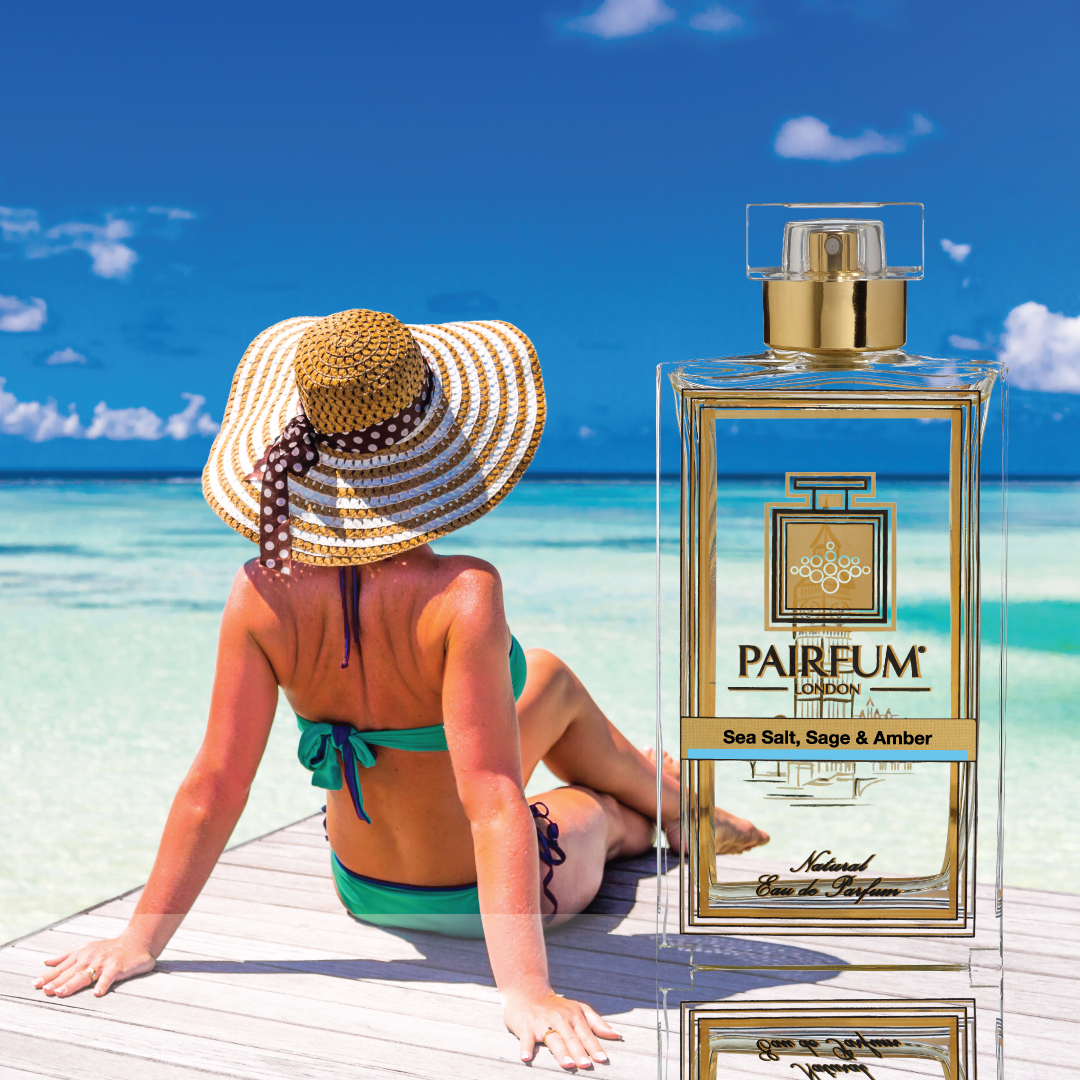
Natural Eau de Parfum Fragrance

The Benefits of Choosing Natural Fragrance Perfumes

Choosing natural fragrance perfumes provides numerous benefits for both personal well-being and environmental health:

1. Kind to the Skin

Natural perfumes are gentle on the skin and free from harmful ingredients, such as synthetic dyes, synthetic fragrances, and artificial compounds. This makes them ideal for those with sensitive skin or allergies, reducing the risk of irritation. By using clean ingredients like essential oils, plant extracts, and natural fragrance oils, these perfumes soothe rather than harm, providing a safe and comforting scent experience.

2. Environmentally Friendly

Natural perfumes are crafted using sustainably sourced natural ingredients. This practice supports biodiversity, prevents the depletion of precious resources, and helps maintain the balance of ecosystems. By choosing organic perfumes, you’re not only opting for a product that’s better for your skin but also making a conscious decision to care for the planet. Packaging for natural perfumes is often designed to be eco-friendly, further minimising environmental impact.

3. Complex and Unique Scent Profiles

Unlike synthetic perfumes, natural fragrances have a unique complexity that evolves on your skin throughout the day. Natural ingredients create a personal aromatic journey, with notes that change and deepen over time. This makes each wear a unique experience, highlighting the true artistry behind natural perfumery. From floral street scents to fruity undertones like grapefruit and red mandarin, natural fragrances offer a diverse palette of aromas.

Key Ingredients in Natural Fragrance Perfumes

Natural fragrance perfumes are crafted using a variety of carefully selected natural ingredients. Here’s a look at some of the key components:

Essential Oils

Essential oil (or fragrance oil) forms the heart of natural fragrance perfumes. Extracted from flowers, fruits, leaves, and wood through processes like steam distillation or cold pressing, these oils capture the essence of nature. Popular choices include rose, lavender, bergamot, and sandalwood. Unlike a synthetic ingredient or synthetic fragrance, they are the perfect ingredient to not only provide the main scent profile but also offer therapeutic benefits for the mind and skin.

Absolutes and Carrier Oils

Absolutes are concentrated aromatic substances derived from delicate flowers, such as jasmine and orange blossom. These ingredients add depth and a rich nuance to natural perfumes. Additionally, carrier oils like jojoba or almond are used to dilute essential oils, ensuring that they are skin-friendly and long-lasting. This blending of oils creates a well-rounded fragrance that’s both sophisticated and natural as opposed to using a synthetic note to construct a synthetic scent.

Natural Scent Components

A natural source for fragrances might include a blend of resins, balsams, and other botanical extracts. Ingredients like frankincense, myrrh, and vanilla add warmth and complexity to the scent. The use of natural sources ensures that the fragrances remain free from synthetic notes while maintaining a full-bodied character.

Natural Fragrance Perfume Craftsmanship

How Natural Fragrance Perfumes Are Crafted

The art of crafting natural fragrance perfumes requires patience, creativity, and precision. It begins with meticulously selecting clean ingredients that meet high standards for purity and sustainability. Perfumers then experiment with different combinations, balancing their properties to achieve the perfect harmony.

Due to the variability in natural ingredients, each batch is adjusted to maintain consistent quality while celebrating its unique character. After blending, the perfume undergoes a maturation process, allowing the scents to meld together. This stage is crucial for enhancing the fragrance profile, resulting in a perfume that captivates the senses with every spray.

Exploring Different Natural Fragrance Families

Floral Street & Fruity Notes

Natural perfumes feature a variety of scent profiles. Floral street fragrances often highlight notes of rose, lavender, and orange blossom, bringing the essence of springtime blooms to every bottle. For those who enjoy a fruity twist, scents like grapefruit and red mandarin offer a burst of freshness, adding a vibrant dimension to any fragrance collection.

Fine Fragrance from Organic Perfumes

Fine fragrances in the natural perfume category are often richer and more sophisticated, using organic ingredients to create a luxurious scent experience. Perfumes featuring vanilla or sandalwood provide warm and exotic undertones. These organic perfumes not only smell exquisite but also align with clean beauty principles.

Natural Perfume Brands Worth Exploring

Several brands in the natural fragrance realm inspire with their commitment to using clean ingredients and small-batch production. Brands like ‘Floral Street’, ‘Rosie Jane’ and Pairfum London stand out for their dedication to creating perfumes free from synthetic fragrances, synthetic ingredients, and harmful chemicals. Each brand contributes to the growing movement toward a more sustainable and skin-friendly approach to beauty.

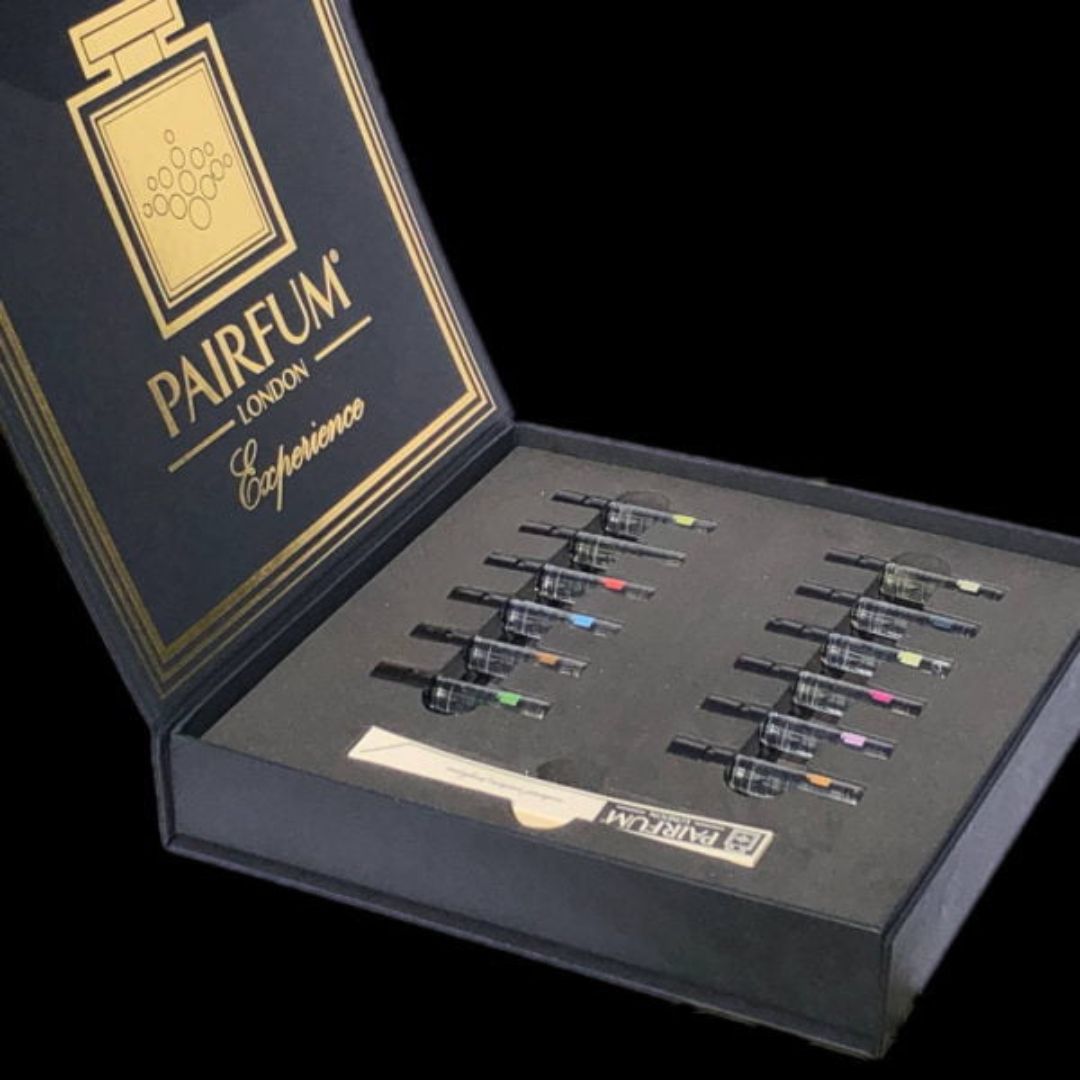
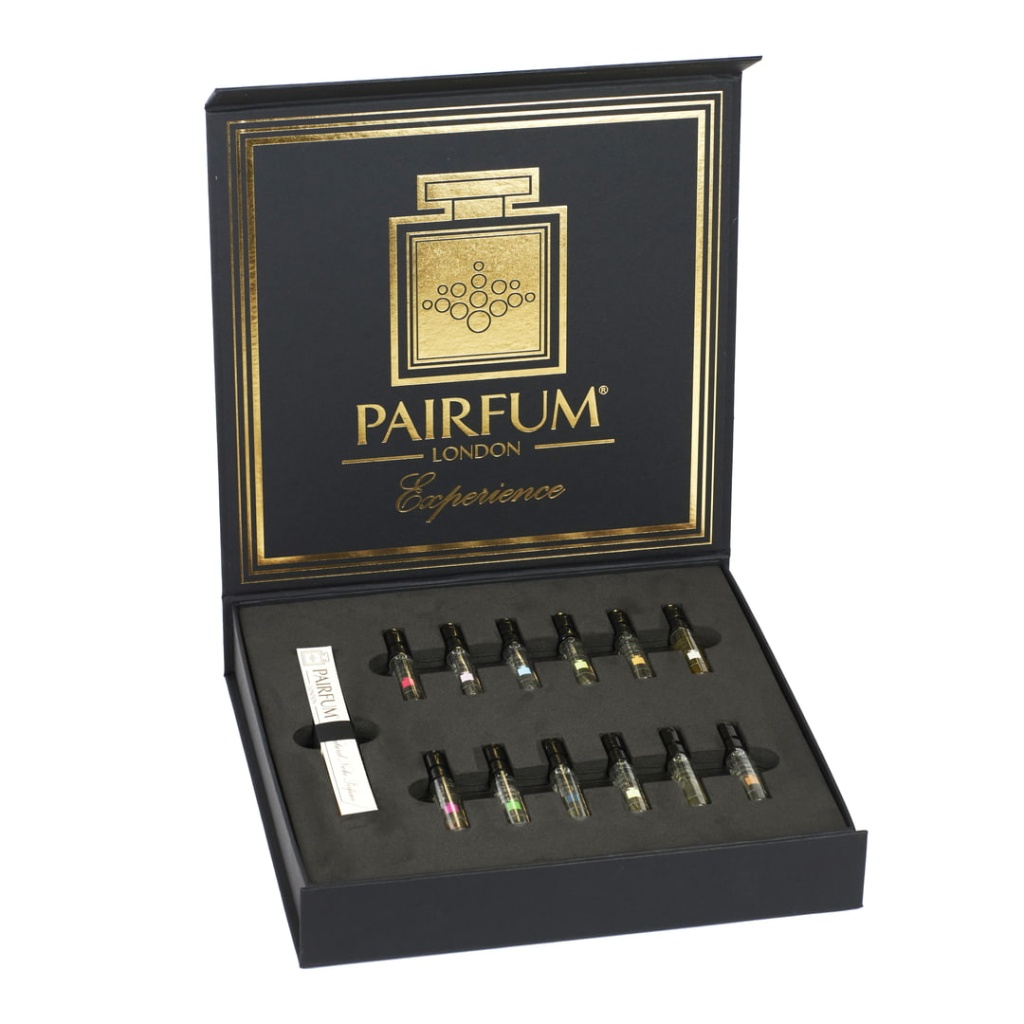
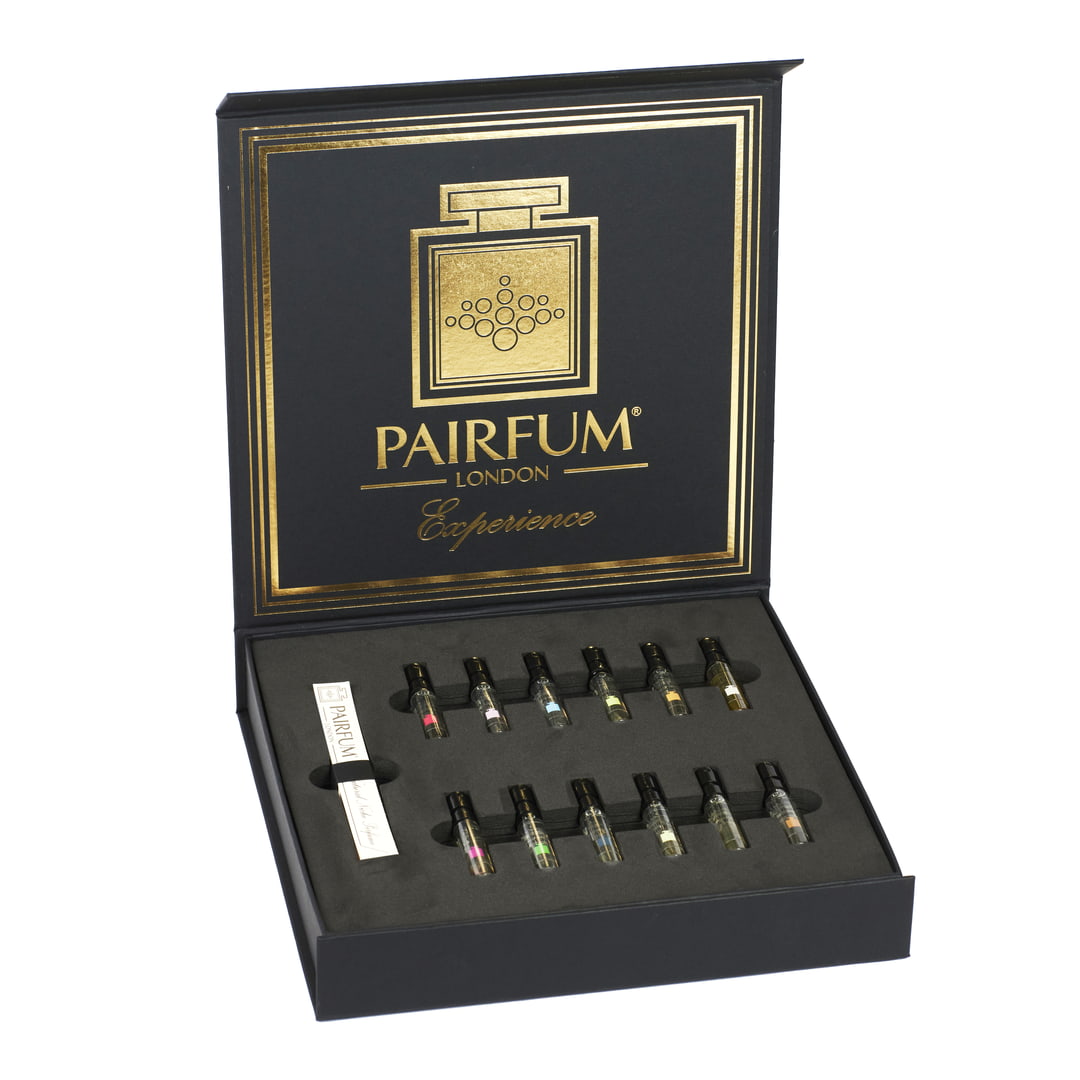
Natural Perfume Experience Box 1080 1080

Discover Your Signature Natural Fragrance Perfume

At Pairfum London, we have created our signature Fragrance library to create The Ideal Perfume Experience.

What’s included:

  • 12 x Intense Eau de Parfum with natural / organic essential oils (fully biodegradable, healthy for you and your family)
  • Contains 25 ml = 12 x 2 ml bottles | 0.85 fl oz = 12 x 0.07 fl oz
  • 50 x Smelling Strips / Blotters / Mouillettes:
    • Made with 100% natural & biodegradable alcohol from sugar (molasses), i.e., renewable
    • CO2 neutral – non-toxic – non-carcinogenic
    • Lovingly handmade by Artisans in our Studios in the United Kingdom
  • 12 x glass perfume bottles
  • 100% cruelty-free (no animal testing) and vegan perfume

Embracing Nature Through Natural Fragrance Perfumes

Embracing natural fragrance perfumes is about more than just enjoying beautiful scents. It’s about promoting a healthier lifestyle, supporting clean beauty, and fostering a deeper connection with nature. Many natural perfumes are crafted in small batches, ensuring each bottle receives the utmost care and attention. By choosing natural perfumes, you’re embracing a lifestyle that values the purity of nature’s gifts.

Discover how natural fragrance perfume can make your daily ritual. Opt for scents crafted with nature’s finest ingredients and enjoy the harmonious blend of beauty and sustainability in every spritz.

Perfume Ingredients

Perfume Ingredients: A Complete Guide

When you spritz on your favourite perfume, have you ever paused to think about the individual perfume ingredients that create it ?Understanding the components that make up your beloved perfumes can give you a deeper appreciation for the art and science of perfumery. It’s not just about smelling good; it’s about connecting on a sensory level with a carefully crafted blend of elements.

At our perfumery, we take pride in selecting the finest perfume ingredients that go into each bottle. We believe that knowing what components are used and why they have been chosen helps to build a stronger bond between the wearer and the fragrance. Whether you are a casual fragrance user or an ardent perfume enthusiast, getting to know more about perfume ingredients can enhance your experience and elevate your understanding of this fascinating craft.

Join us as we unveil the secrets behind perfume ingredients, exploring everything from the timeless classics to the innovative synthetics that are shaping the future of fragrance. This is your opportunity to step into the world behind the bottle—where every ingredient matters, and every note tells a story.

Unlocking the Essence: Key Perfume Ingredients Explained

When we create perfumes, the choice of perfume ingredients is fundamental to crafting fragrances that resonate and appeal. In the world of perfumery, the palette is vast and varied, consisting of a mix of natural extracts and synthetic ingredients. Natural ingredients often include flowers, fruits, woods, and resins, each bringing their unique character to a fragrance. For instance, jasmine and rose are popular for their rich floral notes, while sandalwood and cedar provide a woody depth.

However, not all wonderful fragrances can be extracted from nature. That’s where synthetic ingredients come into play. They not only replicate scents that are hard to extract naturally, such as lily of the valley but also offer consistency in quality and intensity. By explaining the use of these ingredients, we want to highlight how each component is selected for its ability to harmonise within the blend, creating something unique and memorable. Understanding these ingredients provides a glimpse into the meticulous artistry and science that goes into each bottle.

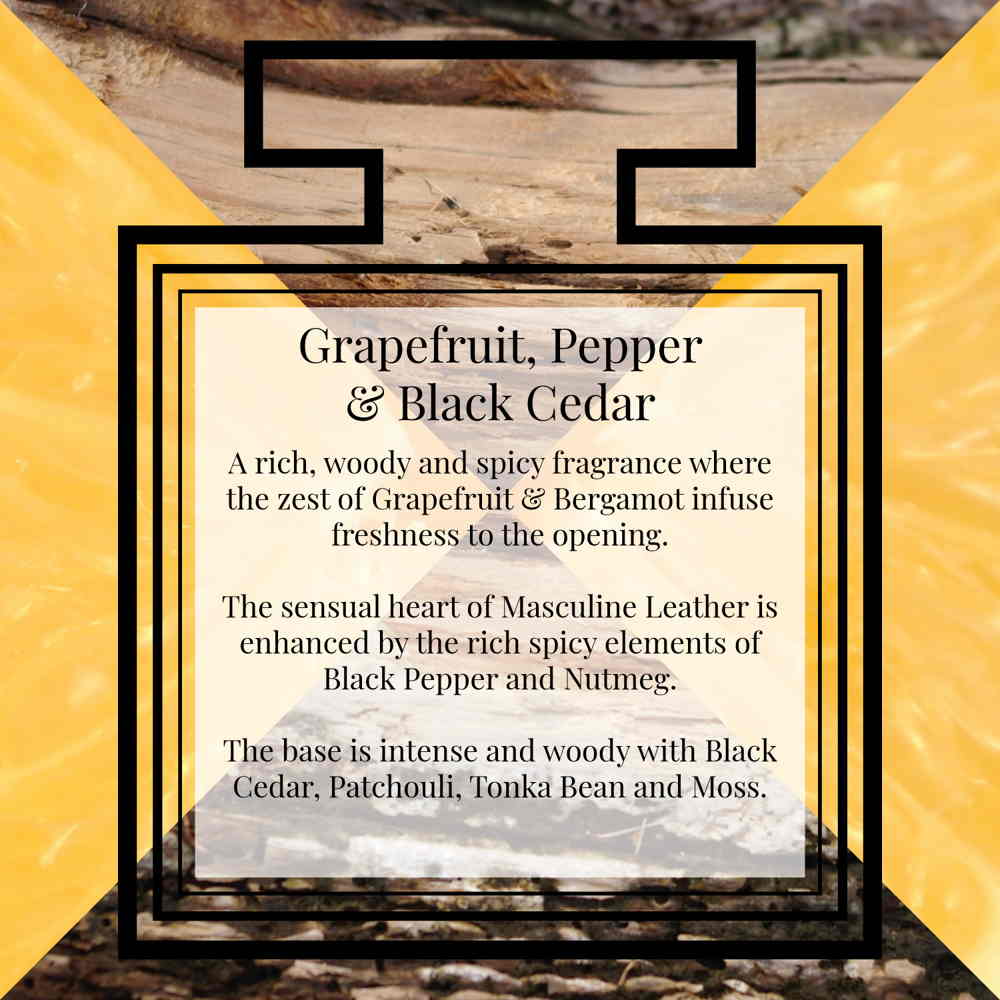
Pairfum Fragrance Grapefruit Pepper Black Cedar perfume ingredient Description

The Symphony of Scents: Natural vs Synthetic Ingredients in Modern Perfumery

Both natural and synthetic ingredients play crucial roles. Naturals bring the irreplaceable authenticity of scents derived directly from the environment, celebrated for their complexity and multi-faceted profiles. Synthetics, on the other hand, provide reliability and the ability to create novel accords that expand the boundaries of traditional perfumery.

Integrating synthetic ingredients can often enhance the stability and longevity of a perfume, making the fragrance last longer on your skin. Furthermore, synthetics are indispensable in instances where sustainability is a concern. For example, some natural ingredients can be rare or require extensive resources to produce, which isn’t always feasible or ethical. In such cases, synthetic fragrances offer a more sustainable, cruelty-free option without compromising on the fragrance quality.

Together, these two types of ingredients allow us to craft perfumes that are not only enchanting but also kind to our planet. They help us ensure that we can continue to offer you fragrances that are both beautiful and responsible.

From Field to Bottle: Meticulous Ingredient Selection and Sourcing

At the heart of our craft is a dedication to quality, which is why the choice and sourcing of perfume ingredients are guided by meticulous standards. Each element should be selected based not only on its aroma but also on its source and purity. The best ingredients come from trusted suppliers who share our commitment to sustainability and ethical practices. This means you should select organic and responsibly harvested natural ingredients.

There is also great importance on the traceability of ingredients. Knowing where and how each component is sourced allows us to maintain the highest standards of quality control and sustainability. For example, sourcing lavender from fields that practise organic farming ensures that the quality of raw material ingredients is not compromised by chemical additives. Similarly, when using synthetics ensure they are of the highest fidelity to safety standards.

A careful selection process enables us to blend tradition with innovation, creating perfumes that are not only fragrant but truly of the finest quality, safe for our customers, and kind to the earth.

collection of fragrance ingredients

The Art of Fragrance Composition: Blending Ingredients for Unique Creations

Combining ingredients to craft a unique fragrance is an art form that requires deep knowledge, creativity, and precision. Begin by understanding the profile of each ingredient, considering factors like volatility, aroma profile, and how it blends with other notes. Reputable perfumers use both time-honoured techniques and innovative methods to create balanced, harmonious blends.

The process usually starts with a concept or a desired mood which we want the perfume to evoke. From there, they might select a base note that acts as a foundation for the fragrance — often something deep and enduring like musk or amber. They then layer in heart notes, which form the core of the fragrance. Floral or fruity ingredients work well at this stage, bridging the base with more ephemeral top notes, which are usually lighter, like citrus or herbal aromas.

Each perfume is likely tested and refined multiple times, ensuring that the final product smells exquisite and has the right strength, longevity, and balance.

It is through an intricate process at Pairfum London that we manage to create fragrances that are unique to us, offering our customers an exclusive olfactory experience.

The Fragrance Families: A Guide to Understanding Scent Categories

In the world of perfumery, fragrances are often categorised into families based on their dominant notes and overall character. Understanding these families can help you navigate the vast world of perfumes and find scents that resonate with your personal preferences. Let’s delve into some of the most common fragrance families and their characteristic notes.   

Floral: The Language of Flowers

Floral fragrances are perhaps the most popular and widely recognised family, celebrating the beauty and diversity of flowers. These perfumes can range from delicate and romantic, featuring notes like rose, jasmine, and lily of the valley, to bold and opulent, with accords of tuberose, gardenia, and orange blossom. Floral perfumes evoke a sense of femininity, elegance, and natural beauty.

Citrus: A Burst of Freshness

Citrus fragrances are known for their invigorating and uplifting qualities, often featuring notes of lemon, bergamot, orange, and grapefruit. These perfumes are perfect for warm weather or when you need a refreshing pick-me-up. Citrus scents are often associated with energy, vitality, and a sense of optimism.

Woody: Earthy and Sophisticated

Woody fragrances are characterised by their warm, earthy, and sophisticated notes, often featuring ingredients like sandalwood, cedarwood, patchouli, and vetiver. These perfumes can range from dry and smoky to creamy and balsamic. Woody scents are often associated with strength, confidence, and a connection to nature.

Oriental: Rich and Exotic

Oriental fragrances are known for their richness, warmth, and exotic allure. These perfumes often feature notes of vanilla, amber, spices, and resins like frankincense and myrrh. Oriental scents are often associated with sensuality, mystery, and sophistication.

Fruity: Sweet and Playful

Fruity fragrances are characterised by their juicy, sweet, and playful notes, often featuring ingredients like berries, peach, pear, and tropical fruits. These perfumes can range from light and refreshing to rich and gourmand. Fruity scents are often associated with youthfulness, joy, and a sense of fun.

By understanding these fragrance families and their characteristic notes, you can better appreciate the artistry and complexity of perfumes. Whether you prefer the delicate floral scents, the invigorating citrus notes, the earthy woody accords, the exotic oriental fragrances, or the playful fruity blends, there is a perfume out there that is perfect for you.

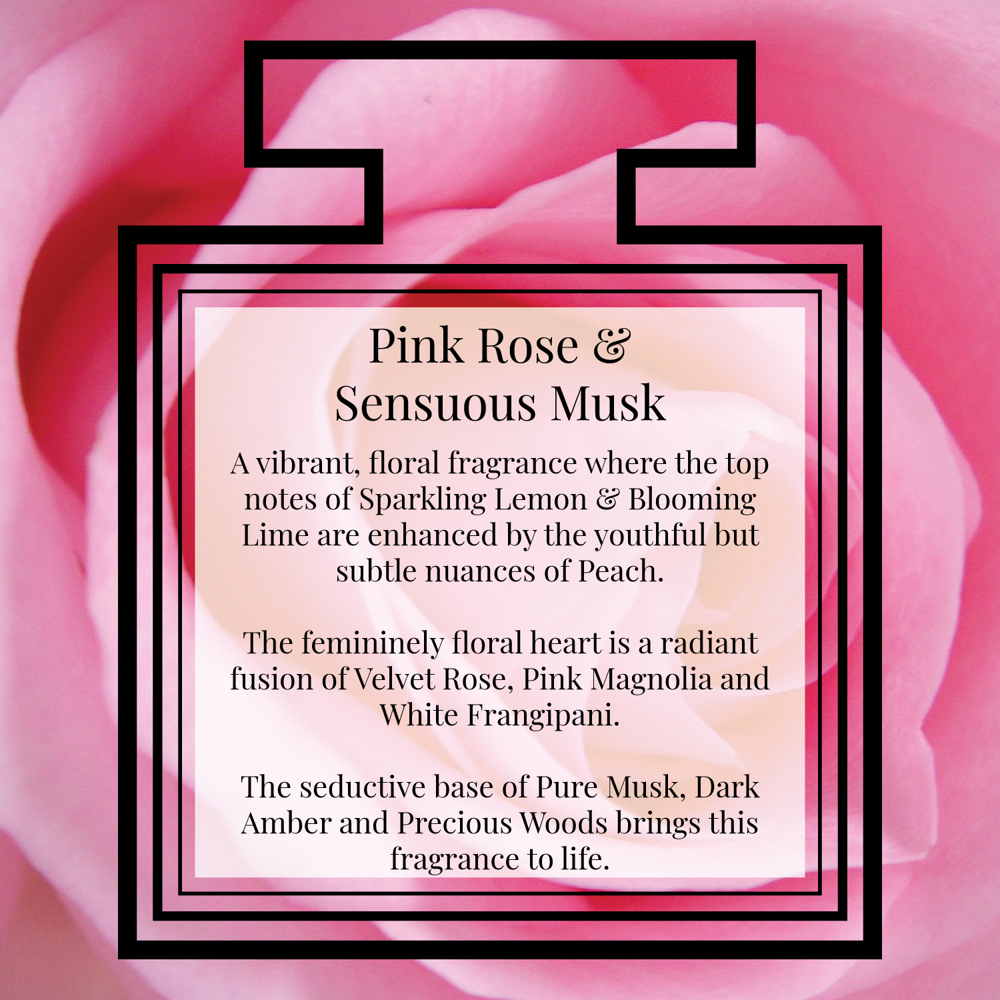
pink rose & Musk description

The Science Behind the Scent: Understanding Fragrance Notes

When you smell a perfume, you are experiencing a complex interplay of different fragrance notes that unfold over time. These notes are categorised into three stages: top notes, heart notes, and base notes. Each stage plays a crucial role in the overall fragrance composition and contributes to its unique character.

Top Notes: The First Impression

Top notes are the first scents you perceive when you apply a perfume. They are typically light, volatile molecules that evaporate quickly, creating the initial impression of the fragrance. Citrus oils, such as bergamot and lemon, are a common ingredient used as top notes, as are green and herbal notes like basil and mint. Top notes, are designed to capture your attention and entice you to explore the fragrance further.

Heart Notes: The Core of the Fragrance

Heart notes, also known as middle notes, emerge as the top notes fade away. They form the core of the fragrance and last longer on the skin than the top notes. A majestic floral note, such as rose, jasmine, and lily of the valley, are often found in the heart, as are spicy notes like cinnamon and clove. Heart notes provide the main theme of the fragrance and contribute to its overall character.

Base Notes: The Lasting Impression

Base notes are the foundation of the fragrance and emerge as the heart notes subside. They are the heaviest and longest-lasting molecules, lingering on the skin for hours or even days. Woody notes, such as sandalwood and cedarwood, are common base notes, as are musky notes like musk and amber. Base notes provide depth, warmth, and richness to the fragrance, leaving a lasting impression on the wearer.

The interplay of these three stages creates a dynamic and evolving fragrance experience. As the perfume interacts with your skin and the environment, the notes unfold and blend, creating a unique scent that is personal to you. Understanding the different fragrance notes can help you appreciate the complexity and artistry of perfumes, and choose fragrances that resonate with your individual preferences.

From Raw Materials to Fine Fragrances: The Journey of Perfume Creation

The creation of a natural perfume is a meticulous process that involves sourcing the finest raw materials, blending them with precision, and ensuring the final product meets the highest standards of quality and safety. Let’s explore the key steps involved in this fascinating journey.

Sourcing the Ingredients: A Global Endeavour

Perfume ingredients are sourced from all corners of the globe, with each region offering its unique natural and synthetic treasures. From the fragrant fields of Grasse, France, to the exotic spice markets of India, perfumers embark on a global quest to find the perfect ingredients for their creations.

Natural ingredients, such as essential oils, are obtained through various extraction methods, including steam distillation and solvent extraction. These methods carefully capture the aromatic essence of plant material, preserving its delicate nuances. Synthetic ingredients, on the other hand, are created in laboratories using advanced techniques like green chemistry. Any fragrance ingredient or essential oil offers a wide range of possibilities, allowing perfumers to produce a perfume oil and recreate natural scents or invent entirely new ones.

The Perfumer’s Palette: Blending the Ingredients

Once the ingredients are sourced, the perfumer begins the intricate process of blending them to create a harmonious and captivating fragrance. This is where the perfumer’s artistry and expertise truly shine. Using their knowledge of fragrance families, notes, and accords, they carefully combine the ingredients, adjusting the proportions and layering the scents to achieve the desired effect.

The blending process is a delicate balance of science and intuition. Perfumers must consider the volatility of each ingredient, its interaction with other notes, and its overall contribution to the fragrance composition. They also rely on their sense of smell, constantly evaluating the evolving scent and making adjustments as needed. The final product is a carefully crafted symphony of scents, where each note plays its part in creating a beautiful and memorable fragrance.

Safety and Regulation: Ensuring Consumer Confidence

Perfume creation is not just about crafting beautiful scents; it’s also about ensuring the safety of the final product. The fragrance industry is subject to strict regulations and guidelines to protect consumers from potential harm. The International Fragrance Association (IFRA) sets standards for the safe use of fragrance ingredients, ensuring that perfumes are free from harmful chemicals and allergens.

Perfume houses also conduct extensive testing to ensure their products are safe for use. This includes evaluating the potential for skin irritation, allergic reactions, and other adverse effects. By adhering to these rigorous standards, perfumers can create fragrances that are both captivating and safe for consumers to enjoy.

Floral Perfume Ingredients

Beyond Perfume: The Versatility of Fragrance Ingredients

While perfume is the most obvious application of fragrance ingredients, their use extends far beyond the realm of fine fragrance. These versatile ingredients play a crucial role in a wide range of fragrance products, including cosmetics, cleaning products, and even flavour ingredients for food and beverages.

In cosmetics, fragrance ingredients are used to enhance the sensory experience of products like lotions, shampoos, and soaps. They can add a touch of luxury, create a specific mood, or simply mask the natural odour of other ingredients. In cleaning products, fragrance ingredients help to neutralise unpleasant smells and leave behind a fresh and inviting aroma. And in the food and beverage industry, fragrance ingredients, also known as flavour ingredients, are used to create enticing flavours and aromas in a variety of products.

The versatility of fragrance ingredients highlights their importance in our everyday lives. From the perfumes we wear to the products we use, fragrance ingredients play a subtle yet significant role in shaping our sensory experiences and enhancing our well-being.

Exploring the Spectrum of Fragrance Ingredients

The world of fragrance ingredients is vast and diverse, offering a multitude of options for perfumers to create unique and captivating scents. Let’s explore some of the most common and intriguing ingredients used in modern perfumery.

Natural Ingredients: The Bounty of Nature

Nature provides a rich tapestry of aromatic treasures, from delicate flowers to exotic spices. There are many contenders for the most popular natural ingredient in perfumery. They include:

  • Floral Notes: Rose, jasmine, lavender, lily of the valley, orange blossom, tuberose, gardenia.
  • Citrus Oils: Bergamot, lemon, orange, grapefruit, lime, mandarin.
  • Woody Notes: Sandalwood, cedarwood, patchouli, vetiver, oakmoss, guaiac wood.
  • Spices: Cinnamon, clove, nutmeg, cardamom, ginger, pepper.
  • Resins: Frankincense, myrrh, benzoin, labdanum, opoponax.
  • Animalic Notes: Musk, civet, castoreum, ambergris (now largely replaced by synthetic alternatives).

These natural ingredients, often extracted through traditional methods like steam distillation and solvent extraction, bring a sense of authenticity and complexity to fragrances. They capture the essence of nature, evoking memories and emotions associated with the natural world. Essential oils, derived from various parts of plants, are a prime example of natural ingredients that offer a wide range of aromatic possibilities.

Synthetic Ingredients: The Power of Innovation

Synthetic ingredients, created in laboratories through advanced chemical processes, offer perfumers a vast array of possibilities. They can replicate natural scents, enhance the performance of natural ingredients, or create entirely new and unique accords. Some of the most common synthetic ingredients used in perfumery include:

  • Aldehydes: These molecules add a clean, soapy, or waxy quality to fragrances. They are often used in floral and citrus perfumes to enhance their brightness and diffusion.
  • Musks: Synthetic musks provide a warm, sensual, and skin-like quality to fragrances. They are often used as base notes to add depth and longevity.
  • Woods: Synthetic woody notes, such as Iso E Super and Cashmeran, offer a smooth, creamy, and long-lasting woody character. They are often used in modern perfumes to create a sense of sophistication and elegance.
  • Fruity Notes: Synthetic fruity notes, such as ethyl maltol and gamma-decalactone, can recreate the juicy, sweet, and tart aromas of various fruits. They are often used in gourmand and fruity fragrances to add a playful and delicious touch.

Synthetic ingredients have revolutionised the world of perfumery, allowing perfumers to create fragrances that were once impossible to achieve with natural ingredients alone. They offer greater creative freedom, improved performance, and a wider range of scent possibilities. Benzyl benzoate, for instance, is a common synthetic ingredient used as a fixative and solvent in perfumes, contributing to their longevity and stability.

The Role of Carrier Oils: Blending and Dilution

In addition to natural and synthetic fragrance ingredients, carrier oils play a crucial role in perfume creation. These oils, derived from plants like coconut oil or jojoba oil, act as a base for diluting and blending the concentrated fragrance ingredients. They also help to nourish and moisturise the skin, making the perfume more comfortable to wear.

The choice of carrier oil can influence the overall character of the fragrance. For example, coconut oil adds a subtle sweetness and creaminess, while jojoba oil is known for its light and non-greasy texture. Perfumers carefully select carrier oils that complement the fragrance composition and enhance its performance on the skin.

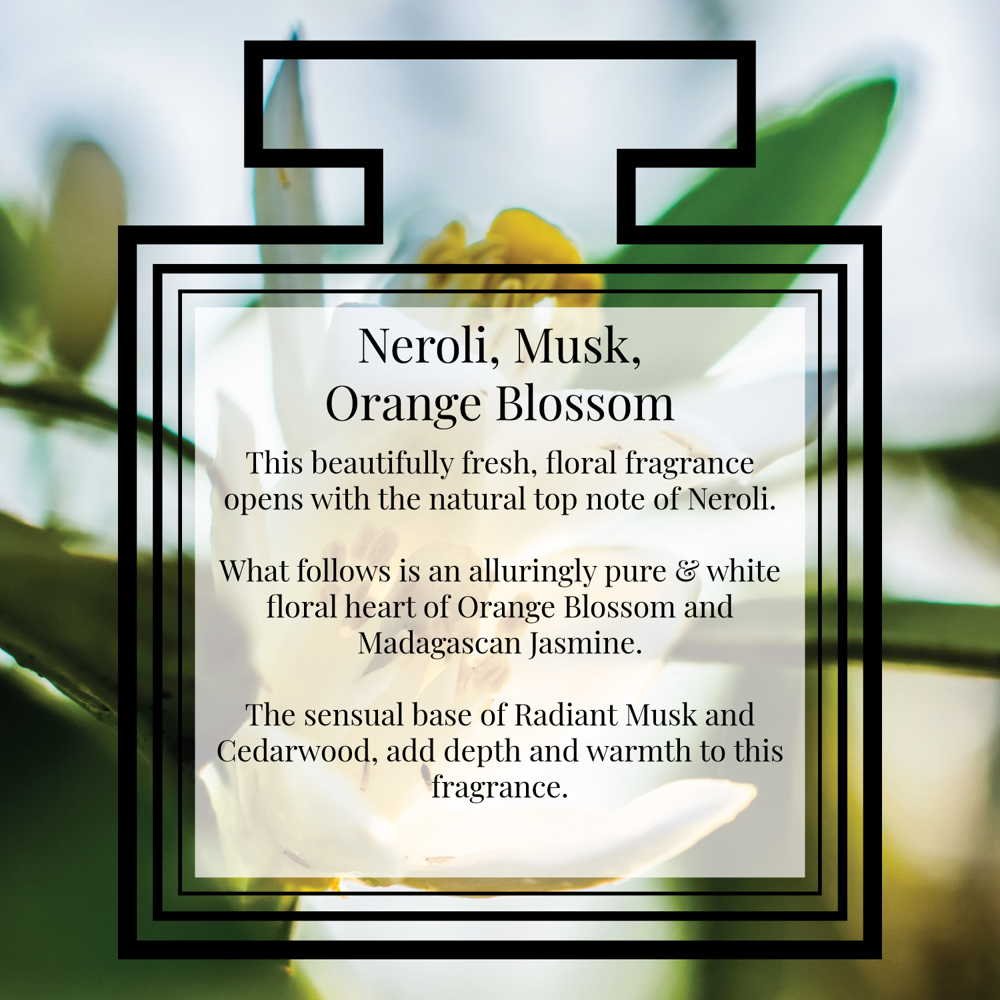
Pairfum Fragrance Neroli Musk Orange Blossom Description

The Allure of Natural Perfumes

In recent years, there has been a growing interest in natural perfumes, crafted exclusively from natural ingredients. These perfumes appeal to those seeking a more authentic and holistic fragrance experience, free from synthetic chemicals.

Natural perfumers utilise a wide array of natural materials, including essential oils, absolutes, concretes, and tinctures, to create their unique blends. They often employ traditional extraction methods and artisanal techniques, resulting in fragrances that are both captivating and respectful of the environment.

While natural perfumes may have a shorter lifespan on the skin compared to their synthetic counterparts, they offer a unique olfactory experience that connects the wearer to the natural world. The subtle nuances and complexities of natural ingredients create a fragrance that evolves and unfolds throughout the day, leaving a lasting impression.

Fragrance Houses: The Guardians of Olfactory Heritage

Fragrance houses play a vital role in the perfume industry, preserving the art and heritage of fragrance creation. These established companies, often with centuries of history, employ talented perfumers who dedicate their lives to crafting exquisite scents.

Fragrance houses are responsible for developing and producing a wide range of fragrance products, from fine fragrances to fragrance oils used in various industries. They also collaborate with fashion brands, celebrities, and other entities to create signature scents that capture their unique identity.

The Future of Fragrance: Innovation and Sustainability

The fragrance industry is constantly evolving, driven by innovation and a growing awareness of sustainability. Perfumers are exploring new ways to create captivating scents while minimising their environmental impact.

Green chemistry is playing an increasingly important role in fragrance development, offering sustainable alternatives to traditional synthetic ingredients. Bio-based ingredients, derived from renewable resources, are also gaining popularity, reducing the reliance on fossil fuels and promoting a circular economy.

Furthermore, the fragrance industry is actively working towards greater transparency and traceability in its supply chains. This ensures that fragrance ingredients are sourced responsibly and ethically, with minimal impact on local communities and ecosystems.

Perfume Experience Box 1080 1080

Experience Perfumery Excellence with Pairfum London

Through the careful selection and combination of high-quality perfume ingredients, we craft fragrances that captivate and charm. Each perfume in our collection tells a story, evoking emotions and creating memories. At Pairfum London, we invite you to explore our sophisticated world of fragrances. Discover the perfect fragrance that speaks to you, crafted with passion and precision, and feel the difference quality ingredients can make.

The perfect place to start your exploration is through our Fragrance Library as part of The Ideal Perfume Experience.

You will find one mini-bottle of each of the following 12 x Niche Eau de Parfums inside the Fragrance Library:

Conclusion:

In conclusion, the world of perfume ingredients is a captivating blend of art, science, and nature’s bounty. From the delicate floral notes to the complex synthetic molecules, each ingredient plays a crucial role in creating the fragrances that evoke emotions, memories, and personal connections. The journey from raw materials to the finished product is a testament to human ingenuity and creativity, where perfumers, guided by tradition and innovation, weave a tapestry of scents that enchant and inspire.

Whether you’re drawn to the allure of natural perfumes or the boundless possibilities of synthetic creations, the world of fragrance offers a sensory experience that transcends the ordinary. It is a testament to the power of scent to shape our perceptions, evoke memories, and connect us to the world around us. So the next time you encounter a captivating fragrance, take a moment to appreciate the artistry and complexity behind its creation, and let it transport you to a world of olfactory wonder.

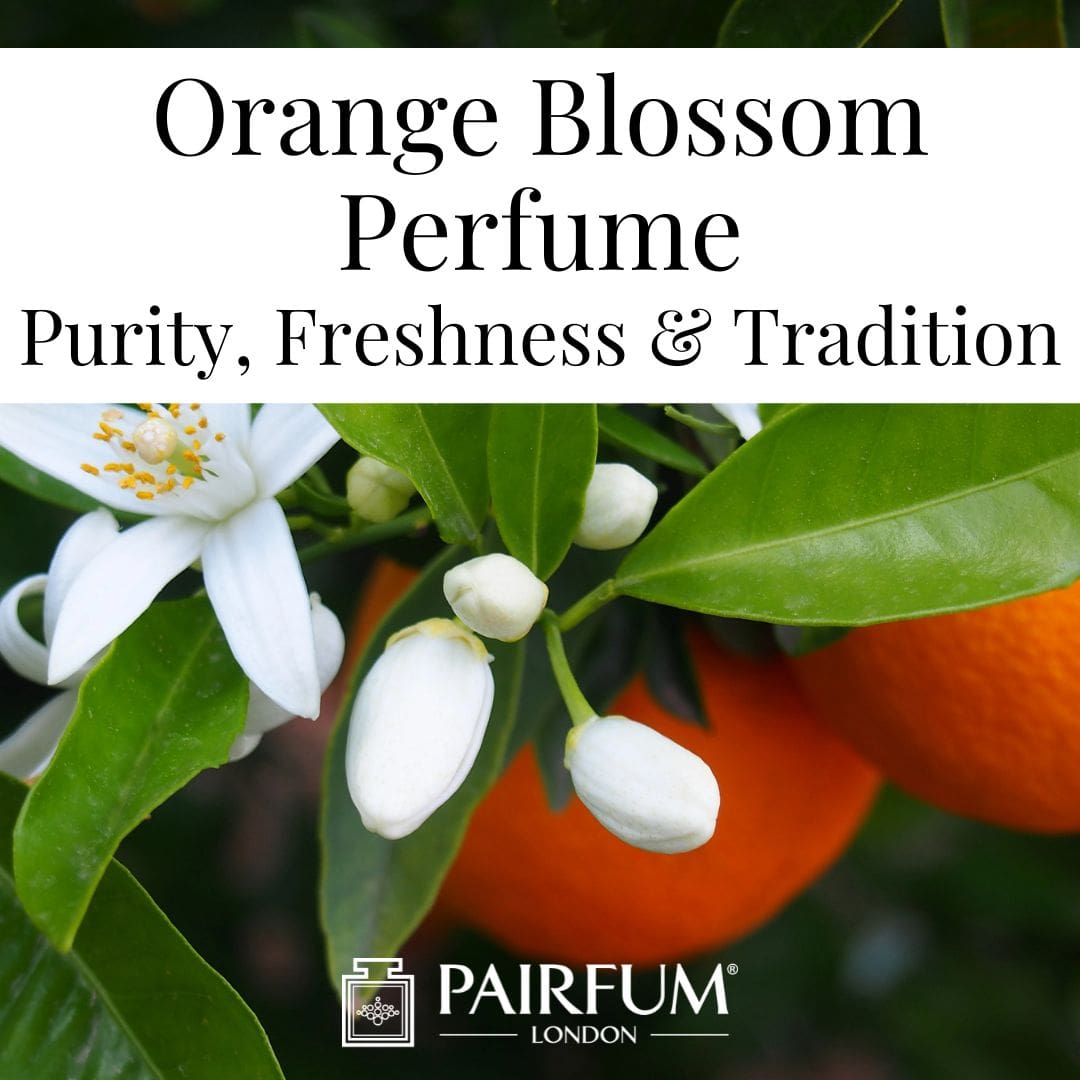
Orange Blossom Perfume

Orange Blossom Perfume: Purity, Freshness & Tradition

Orange blossom perfume holds a special place in the art of fragrance by embodying tradition, purity, and the essence of spring’s freshness. Known for its delicate floral notes, an orange blossom fragrance has become synonymous with refinement and elegance. Let us explore the history, uses, and iconic perfumes that feature orange blossom, from ancient times to modern creations.

The Enchanting History of Orange Blossom in Perfume

The captivating scent of orange blossom has been cherished in perfumery since the Middle Ages, particularly in Mediterranean regions. The orange tree, specifically the bitter orange tree, produces blossoms that symbolise purity and innocence. Cultures worldwide have valued this flower for its light, refreshing aroma and its ability to enhance well-being. In classical perfumery, the use of orange blossom was favoured for its versatility and delicate scent.

Historically, orange blossom perfume was a favourite in the royal courts of the Renaissance, symbolising luxury and refinement. Today, it remains an essential component in crafting modern fragrances. One of the most iconic perfumes that spotlight this note is Jo Malone Orange Blossom, which celebrates the flower’s delicate, airy sweetness.

Eau de Parfum Person Reflection Neroli Musk Orange Blossom

Methods of Extracting Orange Blossom Essential Oil

Extracting the aroma of orange blossom involves various methods, each producing different results in intensity and longevity. The traditional method is steam distillation, where steam passes through the blossoms, capturing the fragrant oils. This method preserves the floral freshness of the orange blossom while delivering a lighter scent.

Another method used in contemporary perfumery is solvent extraction, which produces a more concentrated orange blossom fragrance oil. This process involves soaking the blossoms in a solvent to extract a richer fragrance that is prized for its depth and complexity.

Each technique reveals unique facets of the orange flower, whether a lighter scent from distillation or a richer profile from solvent extraction. The orange blossom’s adaptability allows perfumers to create diverse and intriguing perfume compositions.

Types of Orange Blossom Scents & Fragrances

Orange blossom’s versatility makes it ideal for various perfume types. One category includes pure orange blossom perfumes, which highlight the delicate, crisp note of the blossom. These are ideal for casual or daytime wear, especially in spring and summer.

For those who prefer more complexity, orange blossom can be blended with other notes like jasmine, white flower, and honeysuckle. These blends offer a sophisticated, layered fragrance perfect for evening wear. Neroli, a distillate from the bitter orange tree, is often used in these blends to add a hint of sweetness and warmth.

Modern perfumers also blend orange blossom with citrus elements like mandarin and orange fruit, creating eau de parfum that is fresh and zesty. These fragrances offer energy and uplift for daytime wear, especially in warmer weather.

Orange Blossom Perfume Ingredients

Iconic Orange Blossom Fragrances and Their Legacy

Iconic orange blossom perfumes have left a significant mark on the industry, inspiring many modern creations of pure delight. Jo Malone’s Orange Blossom, renowned for its authentic and pure representation of the orange flower, set the standard for this fragrance profile. The inclusion of balsamic vetiver in some formulations adds a base note of richness, enhancing the perfume’s longevity.

Additionally, the versatility of orange blossom has made it a cornerstone of unisex fragrances. Its balance between freshness and floral elegance appeals to both masculine and feminine preferences, breaking traditional gender norms in fragrance design.

Other notable orange blossom perfumes include blends with orris and patchouli, which deepen the fragrance’s profile, adding mystery and allure. This versatility ensures that orange blossom continues to inspire perfumers and fragrance lovers alike.

Orange Blossom Fragrances by Pairfum London

Apart from perfumes, orange blossom’s delicate aroma is also featured in other our luxury products Orange blossom shower gel, hand cream, and soap are popular choices for their refreshing and soothing properties. These products, like candles infused with orange blossom, bring the uplifting essence of orange blossom water into everyday life.

At Pairfum London, our collection showcases a variety of orange blossom Eau de Parfum fragrances.

These products embrace the elegance and freshness of orange blossom, bringing a touch of nature into your routine.

Pairfum Eau de Parfum Neroli Musk Orange Blossom Bright fragrance

Neroli, Musk, Orange Blossom – Eau de Parfum

This beautifully fresh, floral fragrance opens with the natural top note of Neroli. What follows is an alluringly pure & white floral heart of Orange Blossom and Madagascan Jasmine. The sensual base of Radiant Musk and Cedarwood, add depth and warmth to this fragrance.

Another if you prefer an oriental related product, we certainly recommend you consider the following:

Spiced Coffee & Oaked Vanilla – Eau de Pairfum

  • This warm, Oriental Spicy Fragrance opens with the top notes of Pink Pepper, Orange Blossom and Crisp Pear.
  • The Heart of the Fragrance is a modern blend of rich & dark Coffee with the elegance of Jasmin.
  • The elegant finale is a sophisticated base of Vanilla aged Oak, Patchouli and Cedar.

Cardamom, Tonka & White Oud

  • This rich, passionate fragrance opens with Lime & Mandarin, Cardomom, Nutmeg, Clove and fruity hints of Cassis.
  • At the heart of this accord are spicy White Lily, Rose and Orange Blossom. 
  • A sensual base of Tonka, White Oud, Cedar, Santal and Amber rounds off this creation.

Orange Blossom Beyond Perfume:

Orange blossom is also a popular ingredient in shower gel, hand cream and soap due to their refreshing and soothing properties. At Pairfum London we infuse orange blossom in our own range of luxury products such as our candles and iconic reed diffusers to bring the uplifting essence of orange blossom water into everyday life.

Celebrating the Elegance of Orange Blossom Perfume 

Orange blossom perfume captures the best of nature’s beauty and the artistry of perfumery. Its rich history, various forms, and iconic perfumes highlight its timeless appeal. Whether you’re drawn to the lightness of pure orange blossom perfume or the complexity of blends with jasmine or vanilla, this fragrance has something for every preference.

Explore our collection at Pairfum London and discover the sophisticated blends that pay homage to this elegant flower in both beautiful full sized and travel sized bottles.  Let us guide you to a world where nature meets artisanal craftsmanship.

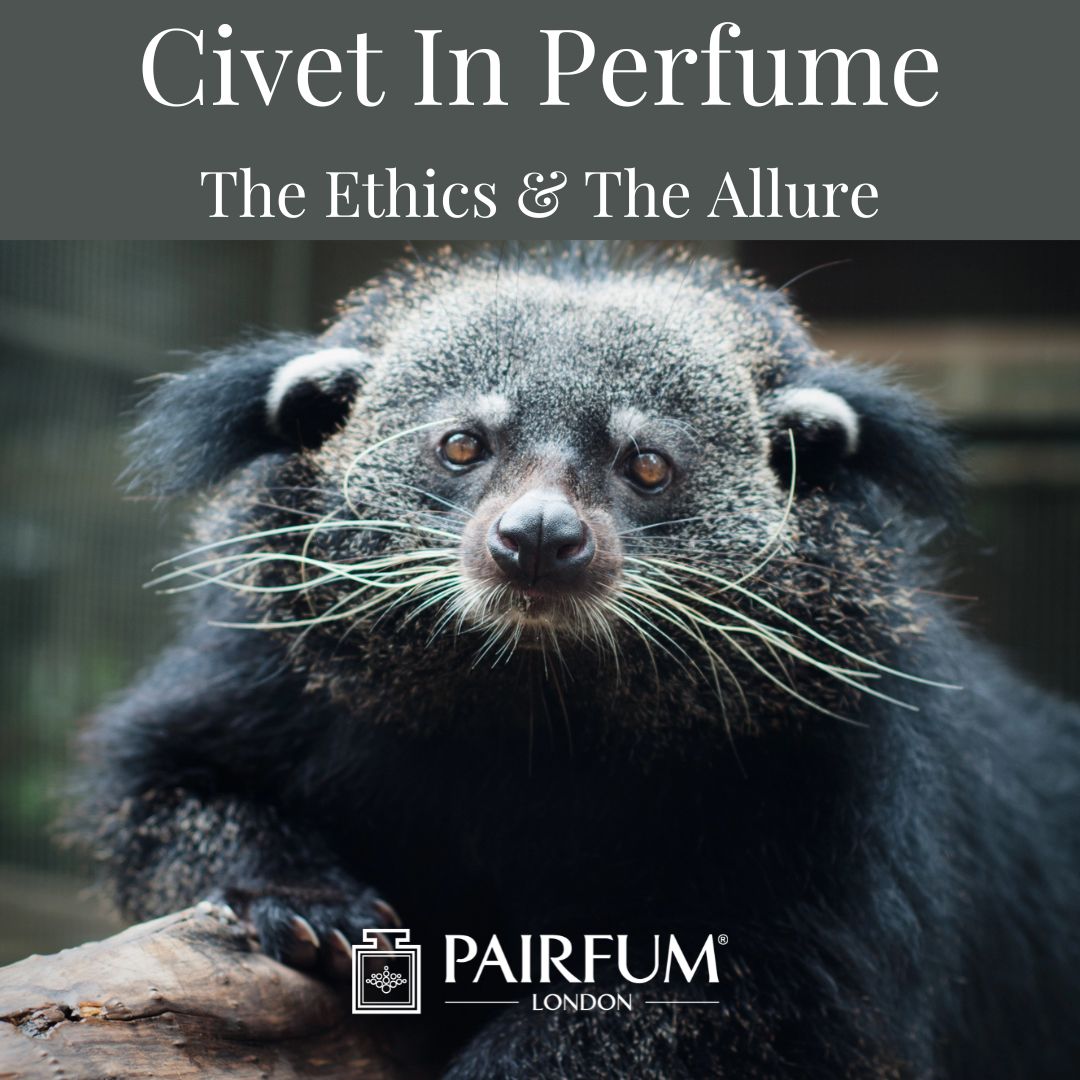
civet in perfume

Civet in Perfume: The Ethics & The Allure of Animalic Notes

Civet in perfume demonstrates that perfumery is an art form that masterfully explores scent’s captivating universe, from the delicate whispers of floral notes to the depth and intrigue of earthy, woody tones. One particularly fascinating aspect of this world is the role of animalic notes, such as Civet, in the creation of unique and bewitching perfume compositions.

Characterised by their potent natural scent, animalic notes have an undeniable capacity to capture the senses and create enduring, complex fragrances. As a boutique perfumery house, Pairfum London explore the intricate and beguiling dance between the aromas, discovering and sharing the essence of beauty hidden within these enigmatic scents as well as the ethical controversies.

Join us as we embark on a journey with Pairfum London into the intriguing realm of Civet in perfume, examining its rich history, the contemporary significance of animalic notes, and the secrets they hold in defining extraordinary fragrances.

A Walk Through the Ages: The Storied History of Civet in Perfume

Civet, The Alluring Secret Ingredient

Civet, a musky secretion produced by the African civet cat, has been a fascinating and prized ingredient in perfumery for centuries. The natural substance, famed for its intoxicating warm, musky aroma, has been used in many iconic fragrances throughout the ages, transcending the boundaries between the animal and botanical worlds. Civet’s captivating charm lies in its capacity to add an irresistible depth and sensual dimension to perfume compositions, binding and elevating other notes within the fragrance. Historically, civet paste was obtained from the perineal glands of both male and female civets, often from Indian civet as well as the African variety

Civet’s Role in Ancient Perfumery and Apothecary

The history of civet in perfume can be traced as far back as ancient Egypt, where civet and other animalic notes were highly regarded for their rarity and mysterious allure. The Egyptians used civet in perfumes and ointments, with the substance often reserved for sacred rituals or given as precious gifts among nobility. In later years, civet’s use expanded to include medicine and apothecary, where its unique properties were harnessed in the pursuit of health and wellbeing.

Eau De Parfum Person Reflection Grapefruit Pepper Black Cedar Man Wood 1 1

The Essence of Civet: Understanding its Unique Aroma Profile

Civet, in its natural form, possesses a distinctive civet musk that is both captivating and complex. It’s often described as warm, animalic, and slightly faecal, with hints of honey, leather, and even tobacco. Some civet perfumes even feature dark coffee tones that complement the animalic musk, perhaps drawing inspiration from the fact that coffee berries have a natural aroma that sometimes resembles the scent of civet. However, the true beauty of civet lies in its evolution on the skin. As it interacts with the wearer’s body chemistry, it transforms, revealing a smoother, more refined musky scent with a subtle sweetness.

This unique aroma profile makes civet a powerful fixative, enhancing the longevity and sillage of a perfume. It also adds depth and complexity, creating a bewildering sophisticated scent that lingers in the air and on the skin.

The Science Behind Civet: Its Chemical Composition and Effects

The captivating aroma of civet is a result of a complex cocktail of chemical compounds. These include indole, skatole, and civetone, among others. Indole and skatole contribute to the initial animalic and fecal notes, while civetone provides the characteristic musky undertone.

When combined with other fragrance notes, civet can create a symphony of scents. It blends particularly well with floral, woody, and spicy accords, adding a touch of warmth and sensuality. The interaction between civet and other ingredients is what makes each civet-based perfume unique and intriguing. The spicy floral accord in some civet perfumes adds a touch of vibrancy and intrigue to this fascinating note

Animalic Notes in Modern Perfumery: Civet’s Enduring Legacy

The Contemporary Relevance of Animalic Notes

With the ever-evolving landscape of modern perfumery, the use of animalic notes such as civet has seen a fascinating transformation. Rather than simply incorporating a raw, animalic ingredient, contemporary perfumers are exploring innovative methods and ingredients to evoke a sense of the wild within their fragrances. Synthetic alternatives with intriguing, warm, and sensual qualities reminiscent of the natural civet are now favoured, paying homage to the essence of animalic notes while adhering to ethical and sustainable practices. “Real civet” is rarely used in modern perfumery due to ethical concerns and the availability of high-quality synthetic alternatives.

Civet in Niche and Boutique Perfumes

Civet continues to play an essential role in niche and boutique perfumery, as artisanal perfume houses embrace animalic notes’ enigmatic charm and their extraordinary ability to enhance and unify complex compositions. The civet note is often used in chypre perfumes to add depth and complexity. We, for example, pride ourselves on a keen appreciation for the taste and zeitgeist in fragrance and recognise the power of animalic notes like civet to captivate and intrigue the senses, creating unforgettable and enduring scents.

Civet Oil in Perfumery

The use of civet oil in perfumery has long been revered for its ability to create alluring, long-lasting fragrances. Traditionally derived from the civet secretion of the small Indian civet and other related animals, this natural civet musk possesses a rich, animal scent that adds depth and warmth to compositions. With its ability to blend effortlessly with mossy aromas, sweet vanilla, and hypnotic narcotic flower blossoms, civet was historically infused into perfumes using a tincture process, allowing its complexity to develop over time.

Perfumers once approached this ingredient warily, balancing its raw potency with essential oils and other refined notes to create fragrances that were both sensual and sophisticated. While ethical concerns have led to a shift toward synthetic alternatives, the timeless appeal of civet-inspired compositions continues to influence the world of luxury perfumery, preserving its mysterious and intoxicating legacy.

Ethical Considerations: The Shift towards Synthetic Civet

In recent years, there’s been a growing awareness about the ethical implications of sourcing natural civet. Traditionally, civet was obtained by scraping the civet paste from the anal glands of wild civets, a process that raised concerns about animal welfare. The zebu horn was traditionally used to collect civet paste.

Today, the perfume industry has largely moved towards using synthetic civet. This synthetic version not only addresses ethical concerns but also offers greater consistency and control over the final product.

Civet In Perfume Ingredients

Civet in Perfume: The Mysterious Beauty of Animalic Notes

The Art of Incorporating Civet in Perfume

While the methods and ingredients employed in modern perfumery have transformed significantly over time, the art of crafting the essence of civet in perfume remains a delicate and fascinating process. To create a harmonious and captivating scent, perfumers carefully balance the unique and potent animalic qualities against the perfume’s other elements, ensuring a perfect marriage of notes that complement and elevate each other.

A Well-Crafted Civet-Inspired Perfume Composition Should Possess:

An Engaging Depth: The essence of civet adds a profound, sensuous depth to fragrances, ensuring an air of intrigue that lingers and entices the senses. – Harmonious Complementarity: The perfect blend of animalic and non-animalic notes creates a harmonious fragrance that works in unison, lending warmth and sensuality while maintaining a balanced, captivating smell. – A Timeless Quality: A well-designed civet-inspired perfume should possess a timeless charm that appeals to wearers across the generations, transcending trends to become an enduring classic.

The Fascinating Diversity of Animalic Notes Like Civet in Perfume

The world of animalic notes extends beyond civet alone, covering a rich and multifaceted spectrum of aromas that inspire and delight perfume enthusiasts. Among these scents are:

Musk: One of the most recognised animalic notes, musk is derived from the glandular secretions of the musk deer, offering an intoxicating, sensual aroma that adds depth and warmth to countless perfumes. Synthetic musks have become the ethical standard today, providing a cruelty-free alternative with the same appealing qualities.

Castoreum: Sourced from the glands of beavers, castoreum contributes a rich, leathery scent to the fragrances it graces. While not as widely used as musk or civet, it still plays an integral role in niche and classic perfumes.

Ambergris: A rare substance originating from the digestive system of sperm whales, ambergris presents a distinctive, musky-earthy scent enriched with marine nuances. Due to its scarcity, synthetic alternatives are commonly utilised in contemporary perfumery.

Civet in the Spotlight: Iconic Perfumes Featuring this Note

Several iconic perfumes have showcased the captivating power of civet.

  • Chanel No. 5: This timeless classic features a subtle civet note that adds depth and warmth to its floral bouquet.
  • Shalimar by Guerlain: Civet contributes to the oriental richness and sensuality of this legendary fragrance.
  • Muscs Koublai Khan by Serge Lutens: This bold and animalic perfume celebrates the raw alluring animalistic musks, including civet, creating a truly unforgettable olfactory experience.
  • Frederic Malle’s Musc Ravageur is a modern classic that features a prominent civet note

These are just a few examples of how civet has been masterfully employed by perfumers to create masterpieces that have stood the test of time.

Eau De Parfum Person Reflection Grapefruit Pepper Black Cedar Man Song 1 1

Civet Beyond Perfume – Its Use in Other Industries

While primarily associated with perfumery, civet has also found its way into other industries. In traditional medicine, it was believed to possess various therapeutic properties. Additionally, civet has been used as a flavoring agent in some cuisines, particularly in coffee-producing regions.

Navigating the World of Civet Perfumes: Tips for Selection and Wear

Choosing a civet perfume can be an exciting yet daunting task, given its unique and potent nature. “Civetticitis” and “civetta” are other terms used to refer to civet in perfumery, so keep an eye out for these when researching. The unique civet smell has been described as both repulsive and alluring, showcasing its polarizing nature, so understanding your preferences is key when exploring civet perfumes. Here are a few tips to help you navigate the world of civet perfumes:

Start with a Sample: Always try a sample before committing to a full bottle. Civet can react differently with individual skin chemistry, so it’s important to see how it develops on you.

Consider the Concentration: Civet is often used in Eau de Parfum or Parfum concentrations due to its potency. If you’re new to civet, start with a lower concentration.

Pay Attention to the Blending: A well-crafted civet natural perfume will seamlessly integrate the animalic note with other ingredients, creating a harmonious and balanced composition.

Wear it with Confidence: Civet perfumes are bold and statement-making. Embrace their unique character and wear them with confidence.

Appreciating the Wild Beauty of Civet-Inspired Perfumes

Civet in perfume acts as the hidden, enigmatic beauty that becomes integral to the beguiling allure of animalic-inspired scents. At once sensual, mysterious, and vibrant, these fragrances elicit a passionate response, drawing in the wearer and those who encounter the scent. As the embodiment of untamed wildness, the essence of civet and other animal scents serve to remind us of the captivating power of nature, and the extraordinary sensory experiences it can impart through the masterful art of perfumery. While animal scents can be polarizing, they offer a unique and captivating dimension to perfumery

Discover the Enigmatic Charm of Other Masculine Fragrances with Pairfum London

At Pairfum London, we are committed to crafting luxurious fragrances that are entirely vegan and free from animal-derived ingredients, while still capturing the depth and complexity traditionally associated with materials like civet. Our collection of masculine perfumes is meticulously designed to evoke the same rich, sophisticated allure, using innovative plant-based ingredients and expertly blended accords. Each fragrance delivers a distinctive olfactory experience, proving that elegance, intensity, and refinement can be achieved without the use of animal products.

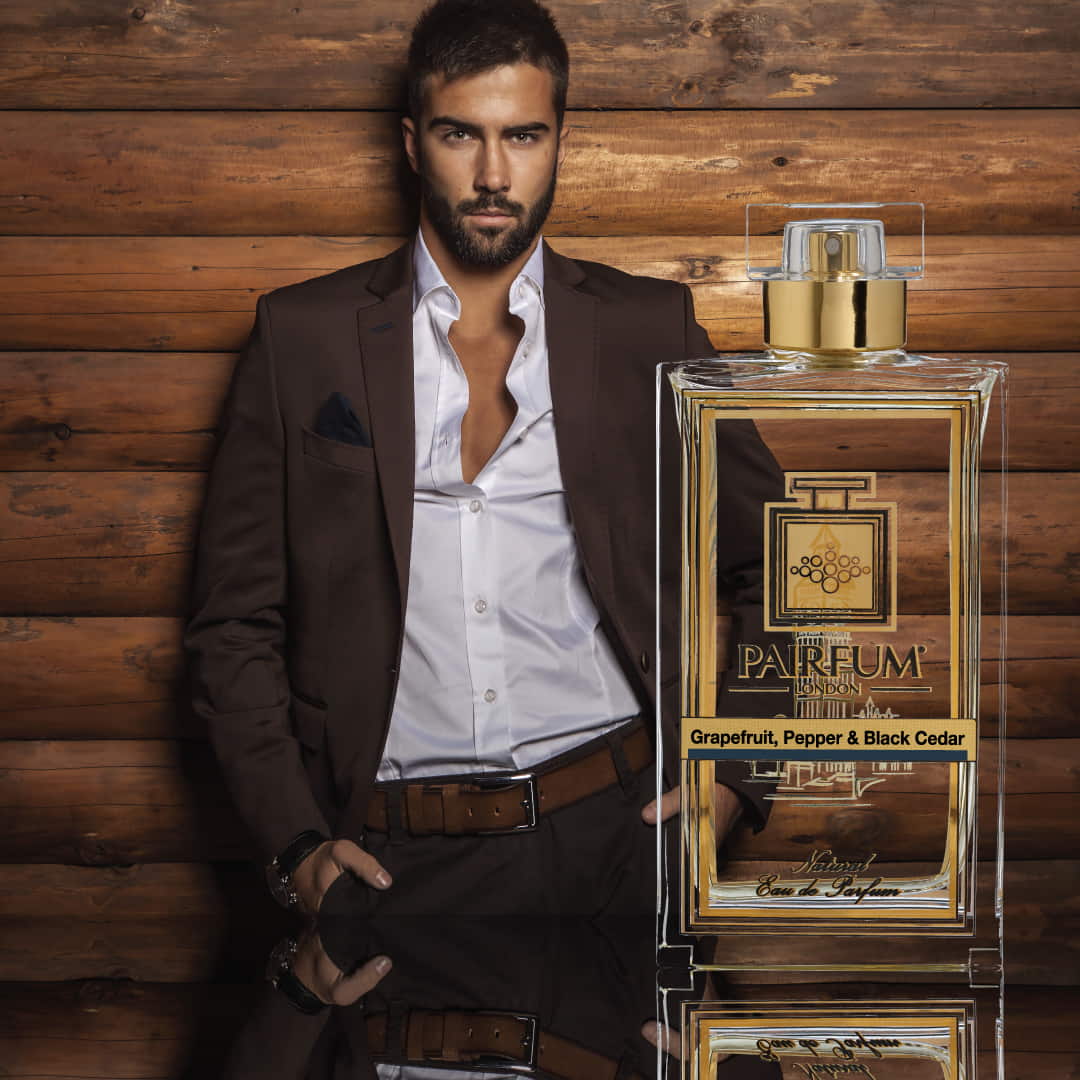
Grapefruit, Pepper & Black Cedar – Eau de Parfum

  • A rich, woody and spicy fragrance where the zest of Grapefruit & Bergamot infuse the opening with freshness.
  • The sensual heart of Masculine Leather is enhanced by the rich spicy elements of Black Pepper and Nutmeg.
  • The base is intensely woody with Black Cedar, Patchouli, Tonka Bean and Moss.

We invite you to embark on a sensory adventure with our exquisite collection of masculine fragrances created to enchant and inspire. Explore Pairfum London’s online shop today, and uncover the true essence of animalic notes within our meticulously crafted scents. Delve into the mystery and allure of the untamed, and find your sublime, signature aroma that speaks to the depths of your spirit.

Eau De Parfum Person Reflection Grapefruit Pepper Black Cedar Man Coat 1 1

base note

The Base Note: The Foundation of Fragrance

The base note carries the power of a fragrance to evoke memories, stir emotions, and transport us to realms of dreams and wonder. At the heart of every captivating fragrance lies the interplay of its components – delicate layers that harmoniously unfold to create an inimitable olfactory experience. Of these components, base notes play a pivotal role in defining the character and longevity of a fragrance. At Pairfum London, our passion for fragrance and dedication to excellence has led us to be acutely attuned to the taste and ‘zeitgeist’ in fragrance and well-versed in the significance of base notes.

In recognition of their vital role in creating enchanting perfumes, we invite you to explore the world of base notes. Delve into the complexities that lay beneath these fragrant foundations as we chronicle their significance, interactions, and the delicate balance required to bring a perfume to life.

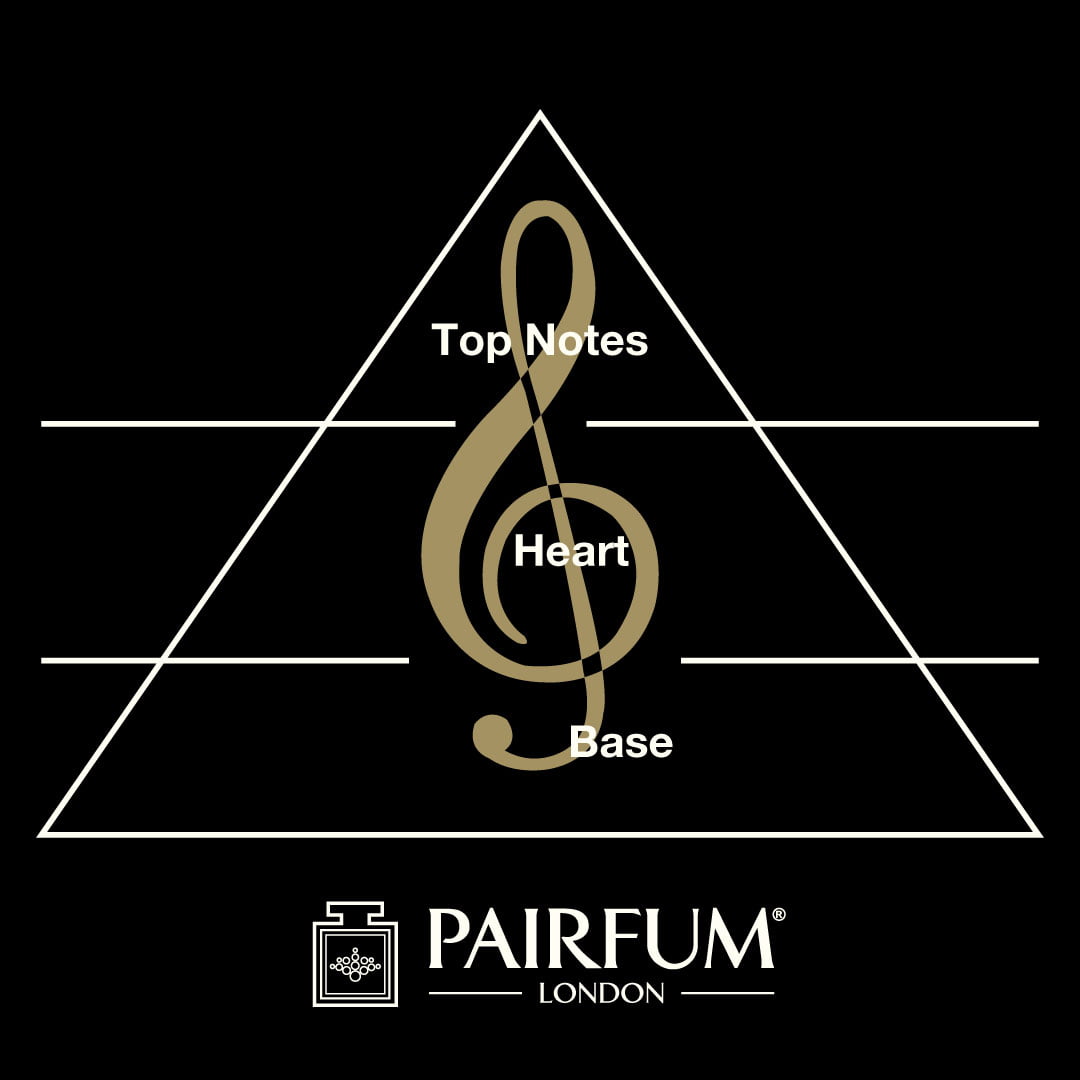
The Fragrance Pyramid: Understanding the Role of the Base Note

Central to the art of perfumery is the fragrance pyramid – a tiered framework highlighting the structural complexity and development of a fragrance. The composition is divided into three types of fragrance notes:

  • Top note (or head note) – the first drop depicting the initial impression.
  • Heart note (or middle note) – forming the core fragrance.
  • Base note – providing the foundation. 
Olfactory Perfume Note Pyramid

Within this intricate architecture, the base notes play a fundamental role, with their lingering presence and lasting impression making them an elemental facet of any fragrance.

To learn more about top and heart notes, click here to find a recent post and other related articles.

Characteristics and Importance of Base Notes

Base notes are rich, deep, and enduring fragrance components that serve as the backbone of a perfume’s composition. They are the last elements to emerge as a perfume evolves but linger long after the top and heart notes have dispersed.

Key Characteristics of a Base Note

Longevity: Base notes boast notable persistence, which is essential in maintaining a fragrance’s character. Their slow evaporation rate contributes to the lasting impression of the fragrance.

Depth and Complexity: These grounding elements possess an innate depth and complexity that complements and supports the lighter top and heart notes.

Fixative Properties: Base notes often contain fixative agents that enhance the performance of other components within the composition, ensuring a harmonious and long-lasting fragrance.

The Role of Middle Notes in the Fragrance Pyramid

Middle notes, also known as heart notes, act as the bridge between the initial impact of top notes and the lasting presence of base notes. They are crucial in balancing the fragrance, adding depth, and ensuring a smooth transition. Common middle notes include ylang-ylang, neroli, and patchouli, each contributing unique characteristics that shape the overall aroma.

The Evolution of a Fragrance: From Top Note to Base Note

Fragrance is a dynamic experience that unfolds over time. It begins with the initial impression of the top notes, which quickly give way to the heart note, providing the core of the fragrance. As time passes, the base notes emerge, leaving a lasting impression that defines the perfume’s character. Understanding this evolution is key to appreciating the complexity of any fragrance.

Orange Blossom Base Notes

Common Base Note Ingredients

A wide variety of ingredients constitutes base notes, ranging from natural to synthetic sources. At Pairfum London, we leverage the individual strengths of these elements to fashion both traditional and innovative fragrance compositions.

Some common base notes ingredients include:

Animalics: Ingredients such as ambergris, civet, and musk have historically been used for their fixative properties and sensual appeal, although ethical concerns have led to the implementation of synthetic alternatives.

Resins: Resinous components like benzoin, labdanum, and frankincense offer a comforting warmth and richness to fragrances.

Woods: Woody ingredients and woody notes such as sandalwood, cedarwood, and oud provide a distinct depth, stability to perfume compositions.

Synthetic Ingredients: A plethora of synthetic molecules have been developed over the years to expand the perfumer’s creative palette and offer innovative and diverse effects.

Eau De Parfum Person Reflection Grapefruit Pepper Black Cedar Man Wood 1 1

The Art and Science of Blending a Base Note

The process of blending base notes into a perfume’s composition demands an expert understanding of ingredient chemistry, imaginative flair, and diligent refinement. The perfumer must carefully consider the nuances of each base perfume note, evaluating how well they can harmonise with the other components to establish a sturdy and flattering foundation.

Key Considerations in Blending Base Notes Include:

  • Balance: Perfumers strive to achieve a perfect equilibrium between the base, heart, and top notes, resulting in a harmoniously layered fragrance composed of different notes.
  • Fragrance Lifespan: The longevity and performance of the fragrance depend greatly on the base notes, as these elements linger longest on the skin.
  • Sensory Evolution: How a perfume evolves and changes over time is significantly influenced by the interplay between base notes and the other components of the composition.

Sustainability and Ethical Sourcing in Base Notes

At Pairfum London, we are committed to sustainability and ethical sourcing. Our base notes include ethically sourced ingredients, such as sandalwood, ylang ylang, vanilla, orange zest and neroli which are harvested with care to preserve the environment and support local communities. This commitment to responsible sourcing ensures that our fragrances are not only luxurious but also conscientious.

Pairfum London’s Expertise in Crafting the Base Note

At Pairfum London, we pride ourselves on the creation of exquisite perfumes that stimulate the senses and resonate with our customers. Our expertise in the art and science of base scent notes is instrumental to this success.

We are committed to incorporating the following elements into our craft:

  • Exceptional Ingredients: By sourcing the finest ingredients and embracing both traditional and innovative components, Pairfum London ensures that each base note is of the highest calibre.
  • Expert Blending Techniques: Our perfumers employ expert blending techniques to seamlessly integrate base notes with top and heart notes, resulting in exceptionally balanced fragrances.
  • Methodical Approach: We understand the importance of a methodical approach when developing base notes and leverage our experience and expertise to perfect each component of the fragrance hierarchy.
Base Note Ingredients

Exploring Pairfum London’s Fragrances

Pairfum London offers a diverse and captivating range of fragrances that pay testament to our understanding and expertise in the realm of base notes. Whether it is a lush and ethereal floral note or opulent orientals, our perfumes showcase the multifaceted nature of a base note combined with ingredients from other perfume notes and their power to inspire the senses.

Some noteworthy examples from our fragrance portfolio include:

Neroli, Musk & Orange Blossom – Eau de Parfum

  • This beautifully fresh, floral fragrance opens with the natural top note of Neroli. 
  • What follows is an alluringly pure & white floral heart of Orange Blossom and Madagascan Jasmine. 
  • The sensual base of Radiant Musk and Cedarwood, add depth and warmth to this fragrance.

Grapefruit, Pepper & Black Cedar – Eau de Parfum

  • A rich, woody and spicy citrus fragrance where the zest of Grapefruit & Bergamot infuse to create fresh opening notes.
  • The sensual heart of Masculine Leather is enhanced by the rich spicy material elements of Black Pepper and Nutmeg.
  • The base is intense and woody with Black Cedar, Patchouli, Tonka Bean and Moss and completes the final fragrance.

Perhaps you find our portfolio to be as exciting as London or New York City but you are unsure where to start. Perhaps you are looking for a gift set for a loved one. The Ideal Perfume Experience is a great place to from which to begin your journey.

Perfume Experience Box 1080 1080

Discover the Enchantment of Base Notes with Pairfum London’s Fragrances

As we have unearthed, the hidden world of base notes is crucial in the creation of mesmerising fragrances. These unyielding cornerstones grant each perfume its unique character, alluring depth, and enduring appeal. Pairfum London understands the significance of base notes, and our passion for fragrance drives us to perfect every component in our compositions, forging fragrances that captivate the senses and tell a story.

We invite you to delve further into the heart of fragrance by exploring Pairfum London’s distinct and memorable perfumes. Experience the enchantment of expertly crafted base notes as they ingeniously interweave with heart and top notes to create an unparalleled olfactory journey. Visit our online boutique today to discover our selection of exquisite perfumes, and let the interplay of base notes transport you through a world of fragrant wonder.
Pairfum London is based in London, United Kingdom and offers secure payment options including American Express, and we maintain robust security features to protect your personal information. We also uphold a clear refund policy and respect your privacy through the use of necessary cookies for basic functionalities. Click here to read our full terms and conditions.

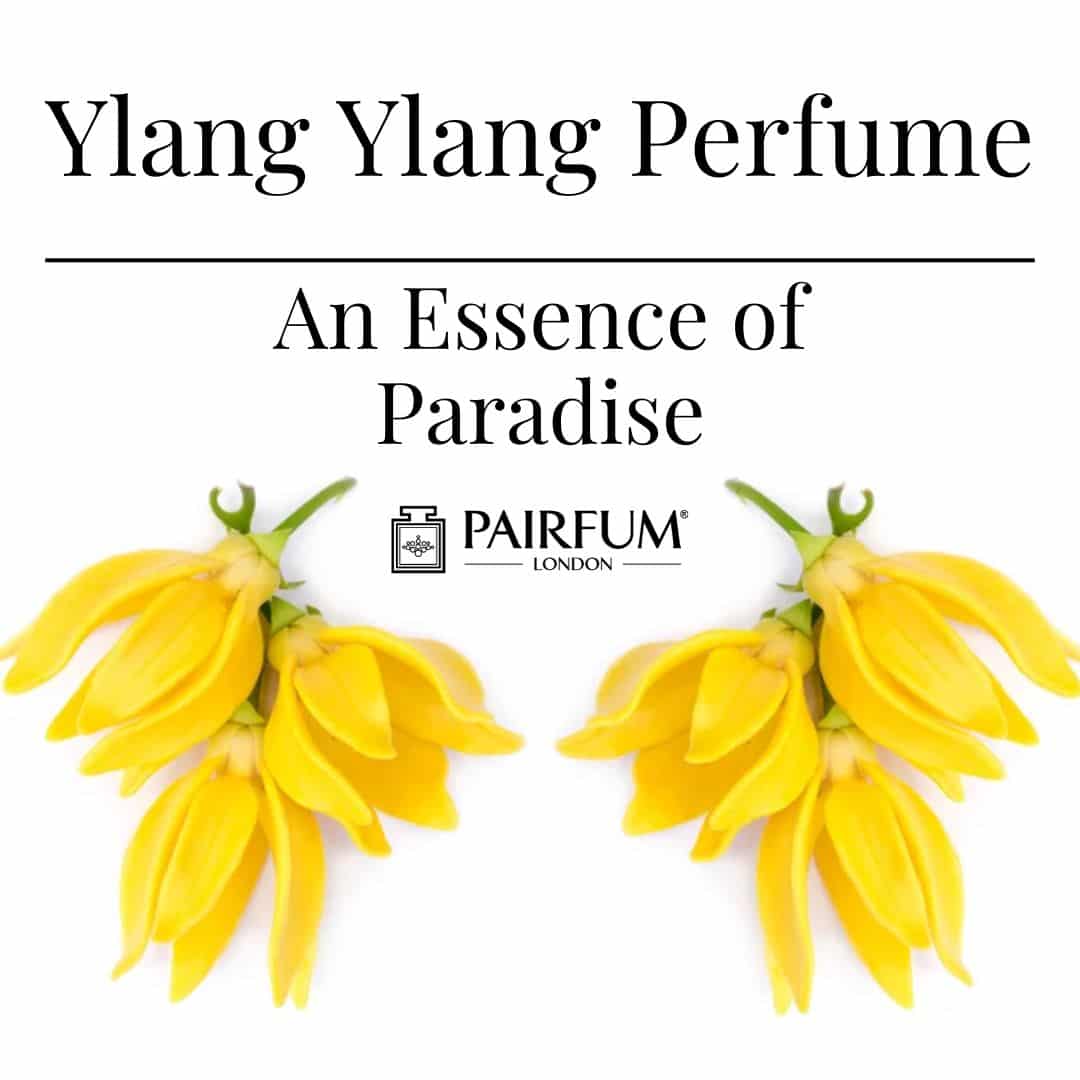
Ylang Ylang Perfume

Ylang Ylang Perfume: Embrace the Exotic Essence of a Tropical Paradise

The intoxicating fragrance ylang ylang perfume from the Ylang Ylang flower has long been a source of fascination for perfume connoisseurs around the globe. The alluring blend of sweet, floral, and exotic notes transports the senses to a tropical paradise, where lush flora and warm breezes promise a serene escape from the mundane. Pairfum London, as a boutique perfumery house attuned to the taste and ‘zeitgeist’ in fragrance, skilfully crafts Ylang Ylang Perfume that encapsulates the essence of this tropical wonder, creating immersive fragrance experiences that evoke a sense of tranquillity and indulgence.

Embark with us on a sensory journey through Ylang Ylang perfume’s offerings, which pay homage to the enchanting, exotic charm of this tropical bloom. Explore our diverse fragrance creations, each expertly blended to showcase the Ylang Ylang flower’s captivating allure and transport you to an idyllic world of exquisite beauty and tranquillity.

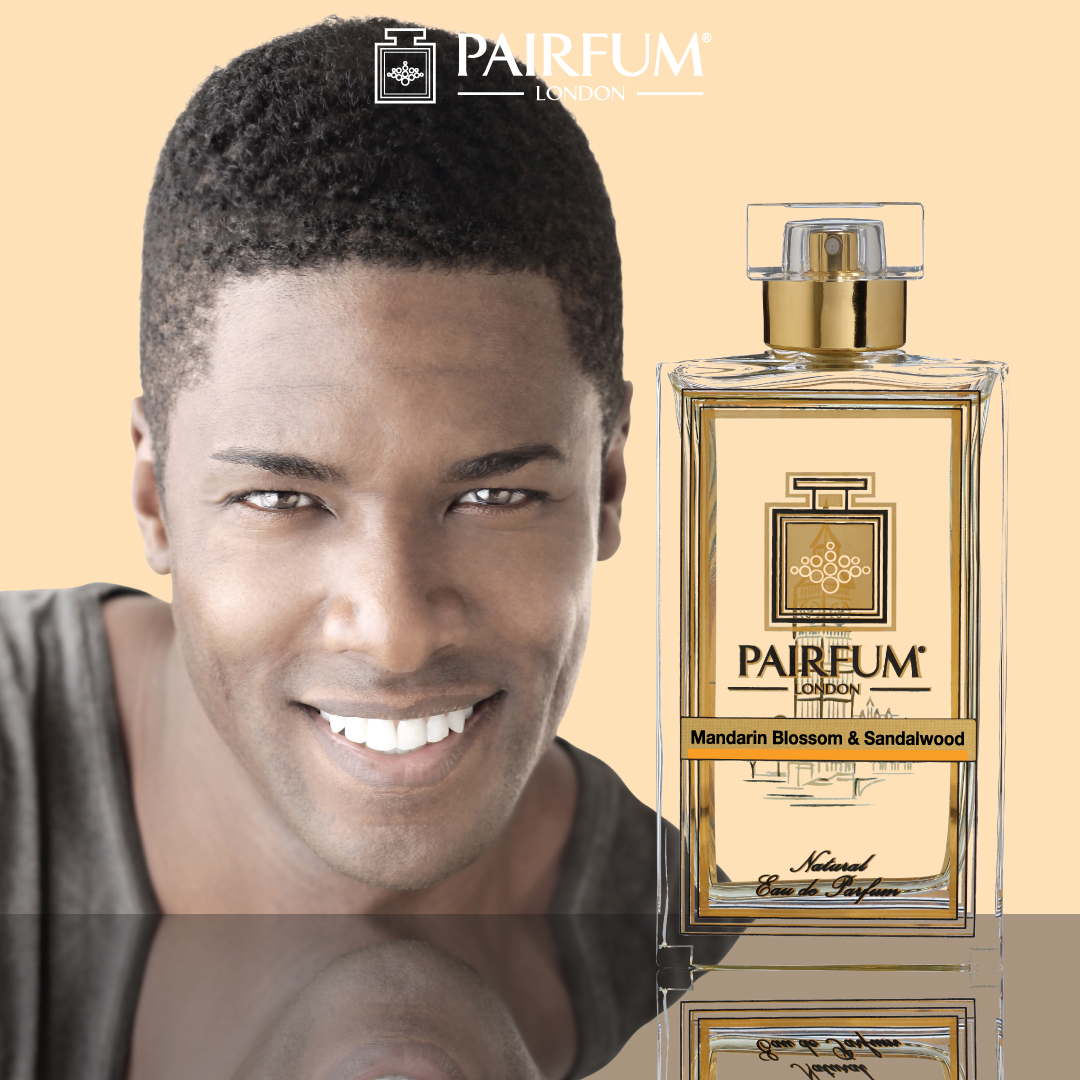
Pairfum Eau De Parfum Person Reflection Mandarin Blossom Sandalwood Man 1 1

The Captivating World of Ylang Ylang: A Coveted Treasure in Perfumery

The beguiling Ylang Ylang flower (also known as the Cananga odorata has entranced perfumers worldwide with its rich and complex profile, characterised by a unique composition of sweet, floral, and exotic facets. Pairfum London embraces the spirit of this remarkable bloom, creating Ylang Ylang perfume that resonates with the essence of the tropical paradise from whence it came. By expertly blending the lush aroma of Ylang Ylang with complementary ingredients, our Ylang Ylang perfumes evoke feelings of serenity, sophistication, and warmth in exquisite harmony.

Origins and Cultural Significance

The natural origin of the Ylang Ylang tree (Cananga odorata) is Southeast Asia, particularly the Philippines, Indonesia, and the Polynesian islands. Revered for its stunning blooms and captivating fragrance, Ylang Ylang has been a potent symbol of love and beauty across many cultures. In traditional Filipino weddings, Ylang Ylang petals are often strewn to symbolise love, while in other cultures, the intoxicating aroma of Ylang Ylang is believed to possess natural aphrodisiac properties. With such a rich and storied history, Ylang Ylang’s irresistible allure has made it an indispensable ingredient in perfumery.

Ylang Ylang in Fragrance Creation: Extraction, Process, and Blending Techniques

The creation of a sublime Ylang Ylang perfume hinges on the delicate balance of factors, ranging from the selection of the finest flowers to employing meticulous extraction and blending techniques. Skilled artisans carefully navigate these aspects to bring forth the allure of Ylang Ylang as a vibrant, nuanced fragrance experience.

  1. Extraction Process: Constituting the raw materials, Ylang Ylang flowers and their soft petals must be harvested early in the morning hours when their aroma is the most potent. The process of steam distillation is used to extract the precious Ylang Ylang oil from the flowers. This method produces a range of Ylang Ylang essential oils (also referred to as fragrance oils), with Ylang Ylang Extra being the most sought after due to its rich, concentrated aroma, and as the initial distillation phase.
  2. Blending Techniques: Expertly blending Ylang Ylang fragrance oil with other ingredients allows perfumers to showcase its diverse elements in harmony or contrast. At Pairfum London, our fragrance artists skilfully combine complementary and contrasting ingredients to create captivating Ylang Ylang perfume compositions that uniquely convey its tropical charm.
Exotic Ylang Ylang Perfume

Decoding the Multifaceted Profile

Ylang Ylang boasts an intricate fragrance profile, marked by a multitude of nuanced qualities that lend it a unique character in the world of fragrance. Upon closer examination, one can discover the myriad facets of Ylang Ylang’s fragrance, which fabricate its exotic allure.

  1. Sweet and Floral Notes: Ylang Ylang’s signature sweetness creates an enticing and sumptuous aura and musk. The floral heart reveals lush, velvety petals entwined with delicate hints of jasmine and neroli, painting a vivid image of a tropical floral street paradise.
  2. Exotic and Creamy Undertones: Unmistakably exotic, Ylang Ylang boasts creamy and smooth undertones, accentuated by touches of banana, custard, and coconut. These elements evoke the richness of tropical desserts or sultry, sun-kissed skin in the Comoro Islands.
  3. Hint of Green and Spice: An intriguing element of Ylang Ylang’s fragrance profile is the subtle impression of green and spiciness. These facets add a fresh, invigorating contrast to the otherwise voluptuous aroma, breathing vitality into a balanced Ylang Ylang perfume.

The Harmonious Blend of Ylang Ylang and Vanilla

Ylang Ylang and vanilla create a harmonious blend that is both captivating and comforting. The exotic floral notes of Ylang Ylang intertwine seamlessly with the sweet, creamy essence of vanilla, resulting in a fragrance that is rich, warm, and indulgent. This pairing brings out the best in both ingredients: the lush, tropical allure of Ylang Ylang is softened by the velvety, sweet creamy vanilla, making it an irresistible combination for those who seek a perfume that is both sensual and inviting. Together, they evoke a sense of serene luxury, perfect for any occasion where you want to feel both elegant and effortlessly alluring.

Discovering the Essence of Ylang Ylang in Pairfum London’s Fragrances

At Pairfum London, we celebrate the captivating allure of Ylang Ylang by incorporating its essence into our carefully curated range of fragrances. Each composition is thoughtfully crafted to highlight the unique beauty of this tropical flower, bringing its exotic charm to life in new and enchanting ways.

Ylang Ylang Elegance: In our fragrances, Ylang Ylang adds a touch of sensual elegance, seamlessly blending with notes like rose and jasmine to create a sophisticated and timeless scent. The floral harmony showcases the versatility and grace of Ylang Ylang, making it a cherished element in our perfume collection.

Exotic Inspirations: Drawing on the exotic origins of Ylang Ylang, our perfumes often pair this floral gem with warm, rich ingredients such as amber and spices. This combination evokes a sense of mystery and allure, transporting you to distant lands with every spritz.

Refreshing Floral Blends: For those who seek a more vibrant and uplifting experience, our fragrances feature Ylang Ylang in refreshing floral compositions. These scents emphasize the bright, green aspects of Ylang Ylang, offering a revitalising aroma that captures the invigorating spirit of the tropics.

Each fragrance at Pairfum London is a testament to our dedication to quality and artistry, allowing the enchanting scent of Ylang Ylang to shine in all its multifaceted glory.

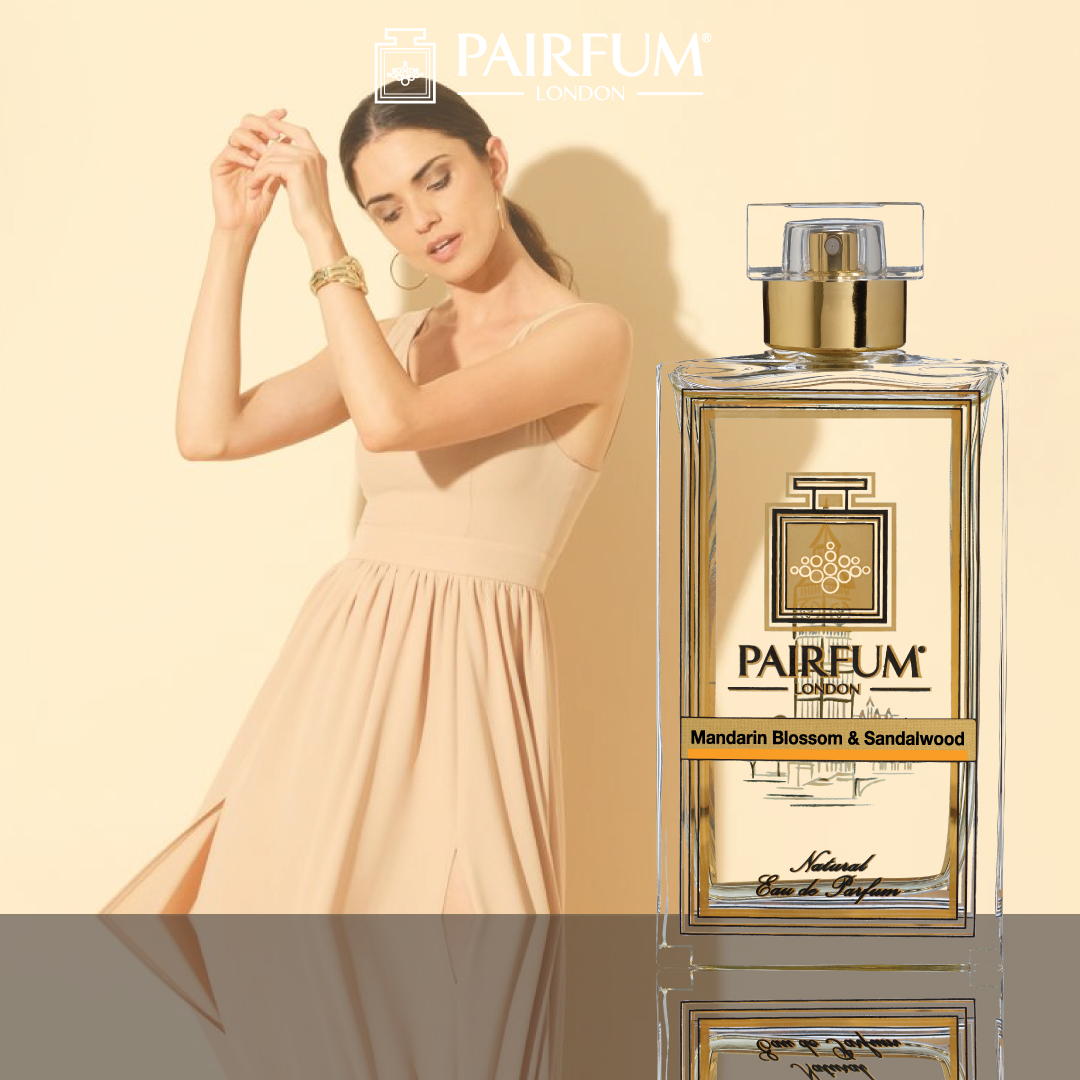
Pairfum Eau de Parfum Person Reflection Mandarin Blossom Sandalwood Woman Dance 1 1

Mandarin Blossom & Sandalwood – Eau de Parfum

An elegantly, feminine floral Chypre accord opening with the freshness of Mandarin Blossom, fruity Apricot and White Hyacinth as Top notes. 

Experience the scent evolve as it’s romantic heart reveals a floral bouquet of Sweet Pea, Jasmine and Ylang Ylang, while the fond of Sandalwood, Patchouli, Amber and Musk create a magnetic trail.

100% vegan, cruelty free and natural ingredients for sensitive skin. (and the perfect addition to a fragrant gift set)

Usage Tips for Pairfum London’s Ylang Ylang Eau de Parfum

Ylang Ylang perfume is versatile and can be worn during various occasions. Its rich and floral notes make it perfect for evening wear, while the lighter, fresher compositions are ideal for daytime use. Pair it with candles, room sprays and other home fragrance products such as  body oils or bath salts in the same scent for a luxurious layering effect that lasts throughout the day. We would recommend our Mandarin Blossom & Sandalwood Eau de Parfum please find additional information below:

Embrace the Exquisite Beauty of Ylang Ylang Perfumes by Pairfum London

The enchanting Ylang Ylang flower has long captured the hearts and minds of fragrance enthusiasts due to its unique, multifaceted fragrance that conjures visions of idyllic tropical paradises. Pairfum London honours the spirit of Ylang Ylang in our exquisite perfume creations, expertly weaving together its diverse aspects to craft immersive fragrance experiences that evoke feelings of serenity, passion, and mystical allure.

We invite you to explore our collection of Ylang Ylang Perfumes by Pairfum London and indulge in the luxurious tropical gem that has captured the wonder of perfume artisans throughout history. Visit our online perfume boutique today and allow the exotic world of Ylang Ylang to transport you to an exquisite realm of sensory delight, where an unforgettable fragrance journey awaits your arrival.

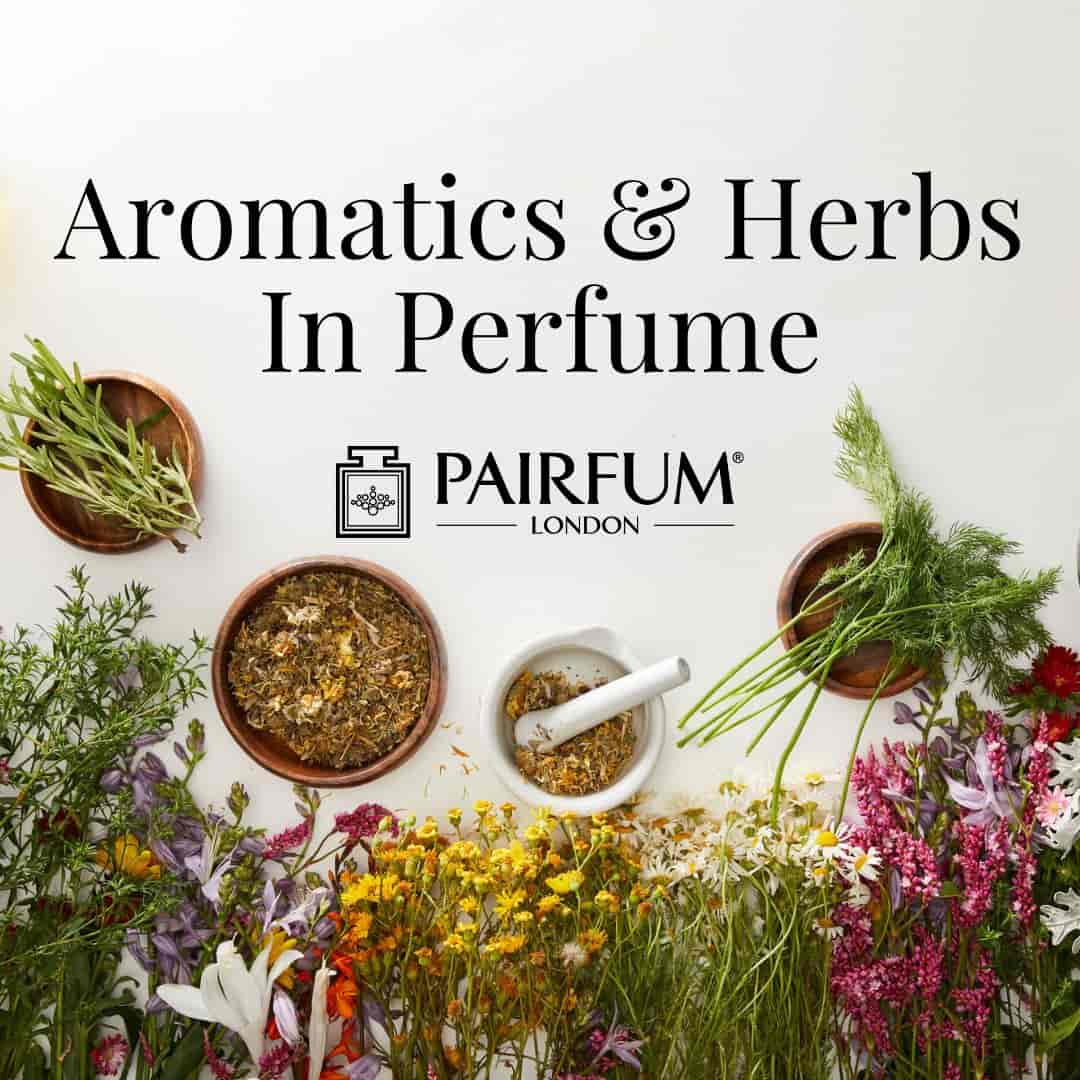
Aromatics Herbs In Perfume

Aromatics and Herbs in Perfume: the Herbal Symphony of Scent

The incorporation of aromatics and herbs in perfume presents a lush and sensory landscape filled with olfactory treasures—an enthralling symphony of scent that captures the essence of nature and intertwines it with the craftsmanship of our fragrant desires. As a boutique perfumery house with a refined taste for the ‘zeitgeist’ in fragrance, Pairfum London invites you to join us on a voyage through the captivating world of herbal infusions within fine perfumes.

In this exploration, we delve into the distinct flavour profiles, fascinating history, and intricate blending techniques that bring a wealth of depth and intrigue to the fine art of perfumery through the use of aromatic herbs. Ignite your sensory curiosity and immerse yourself in this intricate tapestry, a journey that opens the doors to the natural beauty and nuance of herbal essence that enriches the fragrances we cherish.

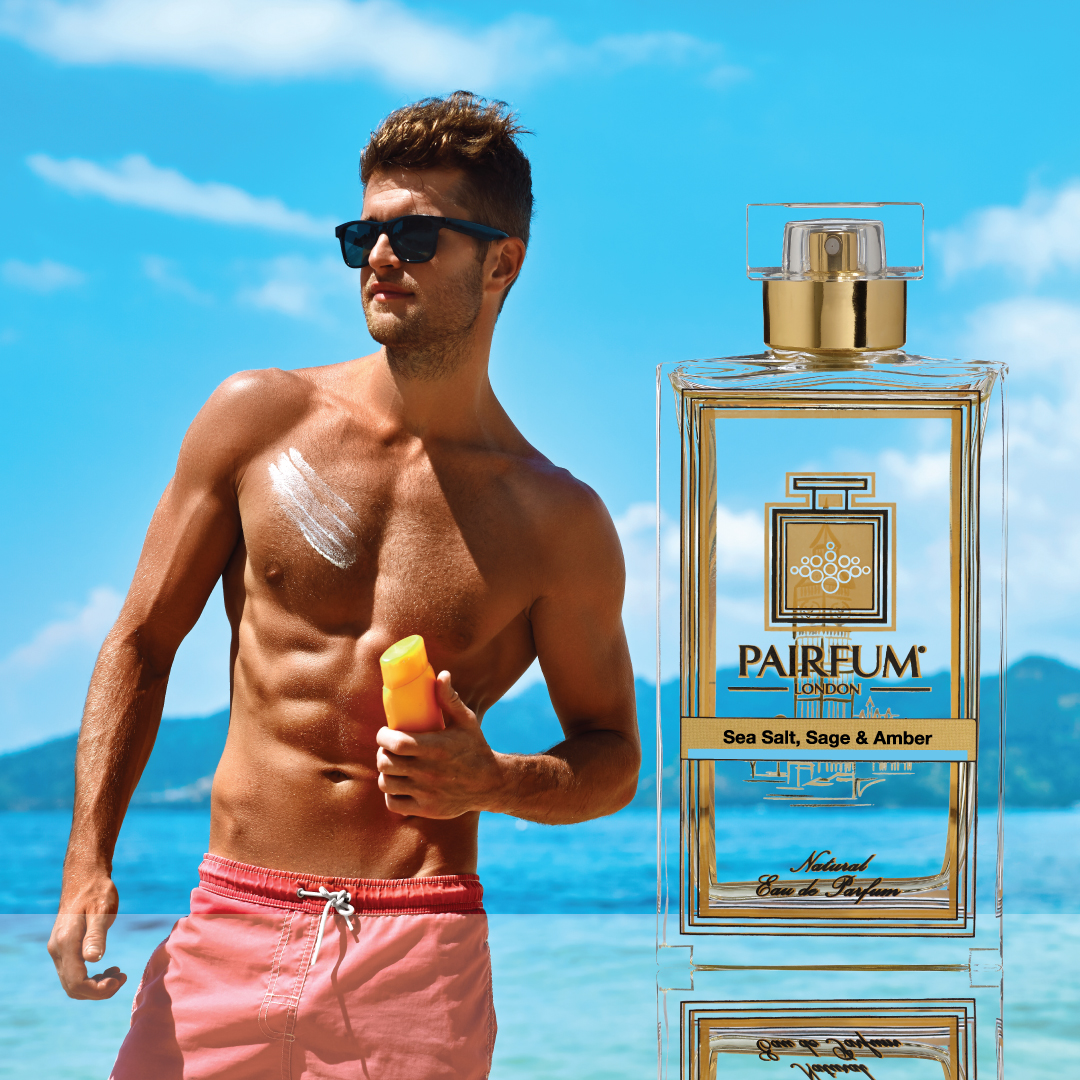
Eau De Parfum Person Reflection Sea Salt Sage Amber Man Tan Aromatics and Herbs in Perfume

Historical Significance of Aromatics and Herbs in Perfume

Long before the advent of modern perfumes, aromatic herbs have played a significant role in the world of fragrance, with ancient civilizations such as the Egyptians, Romans, and Greeks using these fragrant botanicals for a myriad of purposes. From anointing the body with infused essential oil to mask odours and protect against diseases to scenting the air with incense during rituals and ceremonies, herbs have left an indelible mark on the fragrant course of human history.

Herbs such as lavender, mint, and rosemary were not only valued for their aromatic fragrance but also for their use in aromatherapy and herbal tea rituals. The use of herbs in spiritual and medicinal practices further highlights their versatile application throughout the ages.

As the art of perfumery has evolved, so too has the incorporation of these aromatic wonders, with modern fragrance compositions often featuring the essence of various herbs to add depth, freshness, and complexity to the olfactory experience.

The Unique Scent Profiles of Aromatic Herbs

The diverse array of aromatics and herbs in perfume offers a kaleidoscope of olfactory delights, ranging from crisp, invigorating scents to soft, soothing, and warm aromas. Here are some of the key aromatic herbs that are frequently used as notes within the world of perfumery:

1. Lavender

Emanating a fresh, sweet, and floral aura with herbaceous undertones, lavender has cemented its place as an olfactory staple in numerous fragrances, including the iconic ‘fougère’ family of perfumes. Its timeless appeal lends a calming, uplifting, and elegant character to the fragrances it graces.

2. Mint

The invigorating freshness of mint is hard to surpass when it comes to herbs in perfume. Its crisp, slightly sweet, and uplifting scent profile adds an effervescent sparkle to the fragrance composition, particularly in the top notes, enchanting and energising the senses.

3. Rosemary

Rosemary’s simultaneously woody and evergreen aroma lends an earthiness and depth to fragrances that are both grounding and refreshing. This versatile herbaceous note imbues subtle nuances of pine, camphor, and herbaceous elements, making it a fascinating addition to herbal perfume compositions.

4. Basil

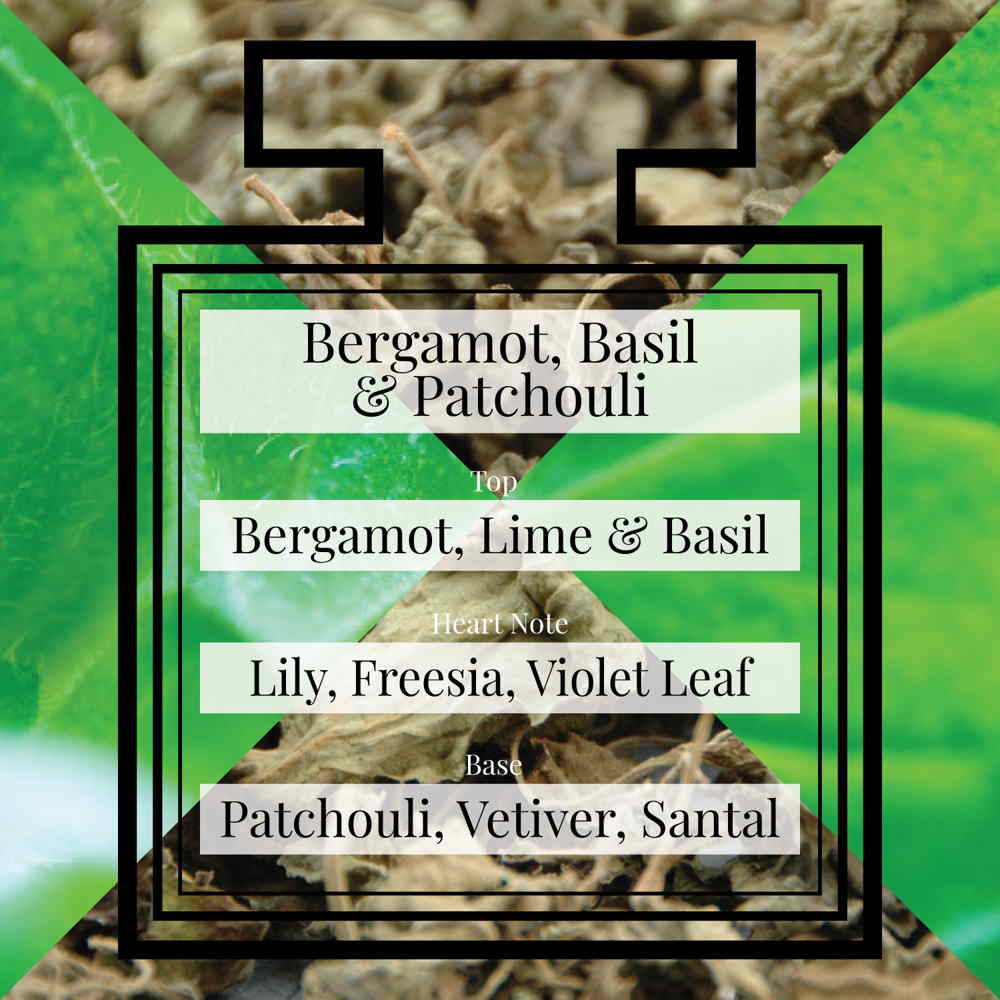
The rich, green aroma of basil brings both warmth and spice to a fragrance, adding an unexpected twist that intrigues the senses. With hints of anise and clove, basil’s complex character is both robust and sophisticated, offering an aromatic allure that is hard to resist.

5. Thyme

Thyme, with its unique blend of herbaceous, slightly sweet, and warm aroma, makes it an adept and engaging component within the world of perfumery. Adding a layer of nuanced depth and richness, thyme injects a luscious warmth to the fragrance profile that is soothing and inviting.

Symphony Of Aromatics And Herbs In Perfume

Modern Innovations in Herbal Perfumery

The world of natural perfumery is witnessing exciting innovations as artisans and fragrance experts explore new ways to incorporate natural ingredients and raw materials like aromatic herbs. These advancements have led to a resurgence in the popularity of natural perfumes, which highlight the beauty and complexity of herbs as central fragrance components.

The method of steam distillation is often employed to extract essential oils from herbs, capturing the pure aromatic essence that is used in perfumes. This technique preserves the natural fragrance, ensuring that each aromatic scent is authentic and vibrant.

Contemporary perfumers are experimenting with aromatic plant materials to create fragrances that are not only pleasant but also eco-friendly, emphasizing sustainability and ethical sourcing. This movement aligns with the growing consumer demand for natural fragrance products that respect both the environment and personal health.

Artful Blending: The Role of Aromatics and Herbs in Perfume Compositions

The use of aromatics and herbs in perfume is a revered and longstanding practice, ever-evolving as perfumers play with blends and pairings to unveil new dimensions in the art form. The following are examples of how herbs can be skillfully blended within fragrance compositions to create a tapestry of captivating scents:

1. Lavender & Citrus: A Refreshing Olfactory Dance

The early morning freshness of lavender pairs beautifully with the effervescent zest of citrus fruits, creating a harmony of scents that exhilarates and uplifts the senses. In fougère compositions, this duo works in tandem to enliven the fragrance profile, adding a welcome burst of vivacity that is both invigorating and pleasant.

2. Sage & Aquatic Notes: A Breezy, Cool Embrace

Sage’s innate fresh & invigorating herbaceous aspect works wonderfully with aquatic notes to instill a brisk, breezy ambiance within a fragrance. This marriage of scents evokes a sense of cooling & flowing waters and fresh, outdoor spaces, transporting the wearer to a tranquil, and soothing waterfall and pool with its camphoraceous, woody and earthy notes.

3. Rosemary & Floral Accords: A Delicate Balance

The grounding, earthy character of rosemary finds an exquisite counterpoint in the enchanting elegance of floral accords. Rosemary’s woody and evergreen nuances harmonize with the delicate, ethereal beauty of flowers like jasmine or rose, adding a layer of aromatic contrast that highlights their intoxicating allure.

4. Basil & Spicy Notes: An Intriguing Symphony

Basil’s warm, spicy notes are enhanced when blended with additional spices such as cinnamon and vanilla. This combination introduces a spicy note richness that deepens the fragrance and adds a touch of mystery and sophistication to the perfume composition.

Eau De Parfum Person Reflection Bergamot Basil Patchouli Woman Green aromatics and herbs in perfume

The Role of Aromatic Herbs in Aromatherapy

Beyond their use in perfumery, aromatic herbs play a significant role in the field of aromatherapy. The therapeutic benefits of these herbs have been recognized for centuries, with aromatic herb plants being used to promote relaxation, improve mood, and enhance well-being.

Herbs such as lavender, rosemary, and mint are often incorporated into aromatherapy practices, offering a holistic approach to wellness through their soothing and invigorating properties. The inclusion of herbs in herbal tea blends and home scent diffusers can further enhance the ambiance and create a calming environment.

The synergy between aromatic herbs and their potential to heal and uplift is a testament to the power of nature’s bounty. Whether through personal care products or ambient home fragrance solutions, the incorporation of herbs continues to inspire and rejuvenate.

A World of Possibilities: Layering and Beyond

As you explore the complex, alluring world of aromatics and herbs in perfume, possibilities for experimentation and personalization abound. One way to inject a touch of herbal allure into your fragrance wardrobe is by layering existing perfumes with complementary herb-infused scents. This personalized blending allows you to accentuate or modify specific herbal elements within your fragrance profile, resulting in a captivating aroma that is uniquely yours.

For instance, combining a natural perfume featuring lavender and mint with a warm, spicy fragrance can create an intriguing aromatic contrast that enhances the overall aromatic scent. Additionally, the practice of layering can be a great way to explore the nuances of dried herbs and their subtle contributions to a home fragrance atmosphere.

Another possibility lies in seeking out niche perfumes that place a heightened emphasis on the artistic use of herbs within their creations. With the growing appreciation for innovative and unconventional fragrance compositions, there are a plethora of enticing herbal perfumes available to delight, intrigue, and inspire. The inclusion of herbs like violet leaf, known for its delicate and powdery aroma, adds another dimension to the perfume experience.

Incorporating synthetic fragrances alongside natural components can also provide a modern twist, offering stability and consistency while still allowing the aromatic plant characteristics to shine through. This approach exemplifies the art of balancing raw material and natural ingredients and with modern techniques to create perfumes that are both enduring and dynamic.

Floral Aromatics In Perfume

Discover the Herbal Symphony of Scent with Pairfum London

The fascinating world of aromatics and herbs in perfume is a rich and engrossing tapestry of scents, history, and artistry spanning centuries. Whether blended with other fragrance families or standing on their own as captivating perfumes, the natural elegance of these botanicals lends a distinct character and charm that is hard to resist. At Pairfum London, our sensitivity for the taste and ‘zeitgeist’ in fragrance inspires us to create exceptional perfumes that celebrate the harmonious beauty of these aromatic herbs.

Pairfum London’s commitment to natural perfumery is evident in our expertly crafted fragrances that showcase the power and beauty of plant material. We pride ourselves on using both traditional and innovative methods, such as steam distillation, to extract the purest essential oils and natural fragrances.

Our creations often highlight the complex interplay between herbs and other elements, such as citrus and vanilla, to produce perfumes that are as rich in history as they are in spicy notes. By prioritizing the use of natural and ethically sourced ingredients, we offer a fragrance experience that is not only captivating but also aligned with the principles of sustainability and respect for nature.

We invite you to discover our elegantly crafted range of exquisite fragrances at Pairfum London, where the symphony of scent awaits your exploration. Experience our dedication to expertly balancing and crafting these extraordinary herbal notes to create alluring, complex, and captivating perfumes, enriching your sensory journey and enlivening the world of fragrance with the natural grace of these exquisite botanicals.

Pairfum Fragrance Bergamot Basil Patchouli Triangle Aromatics and Herbs in Perfume

Our two recommendations would be:

Bergamot, Basil & Patchouli Eau de Parfum

This woody and aromatic accord opens with Bergamot, Lime, Green Leaves and spicy Basil. The heart is fresh with Lily, Freesia, Violet Leaf, Rose and Geranium. The note rests on a beautifully rich woody base of Patchouli, Vetiver, Sandalwood, Cedar and Amber.
Sea Salt, Sage & Amber – Eau de Parfum

A wonderfully fresh, sophisticated fragrance where Sage & Grapefruit are enriched by hints of fresh Bergamot and Tangerine top notes. The invigorating heart is enlivened with nuances of Seaweed, a fresh Sea breeze, Sea Salt and Kelp, all of which becomes smooth with a soft base of Musk, Amber and Cedarwood.

Pairfum Fragrance Sea Salt Sage Amber Triangle Ingredients Aromatics and Herbs in Perfume

Expert Insights on Herbal Blends

According to our resident fragrance expert, the use of aromatics and herbs in perfumes provides an opportunity to experiment with aromatic note combinations that are both traditional and contemporary. Our experts highlight the importance of balancing the herbal elements with other scent families to achieve a well-rounded aroma.

The incorporation of culinary delights such as vanilla and cinnamon into perfume compositions not only enhances the flavour profile but also enriches the overall sensory experience. This approach mirrors the trend of using gourmet ingredients in fragrance design, offering a unique and delectable twist.

In-House Perfume Expert

Aromatics and Herbs in Perfume: Pairfum London’s Herbal Fragrance Creations

At Pairfum London, we are proud to present a collection of perfumes that celebrate the diverse and enchanting world of aromatic herbs. Our range of natural perfumes draws on the rich traditions of herbal infusions while embracing contemporary innovations to deliver a fragrance experience that is both timeless and modern.

Our signature fragrances include harmonious blends of spicy notes and refreshing citrus fruits, accented by the subtle elegance of herbs like violet leaf. These perfumes are designed to captivate the senses and transport the wearer to a world of natural beauty and sophistication.

Explore our collection and indulge in the exquisite craftsmanship that defines Pairfum London’s approach to aromatics and herbs in perfume. With each smell, we invite you to embark on a journey of discovery, where the fragrant allure of aromatic herbs unfolds in a symphony of scent.

Conclusion

Aromatic herbs within the realm of perfumery are a testament to the wealth of olfactory treasures that the natural world has to offer. Through their historical significance, unique scent profiles, and versatile applications, these herbs continue to inspire both traditional and modern fragrance creations.

The exploration of herbs in perfumery is a journey of discovery and creativity, inviting fragrance lovers to embrace the art of scent with an appreciation for the natural elements that define it. Whether through innovative blends or timeless classics, the aromatic allure of herbs remains a cherished component of the fragrance landscape.

292A1386
The Importance Of Natural Perfume

Natural Perfume

The Meaning Of Natural Perfume

We have just published a new article about the importance of natural perfume:

https://www.pairfum.com/natural-perfume/

With many synthetic products on the market, we believe it is more important than ever to educate our readers about the importance and the processes behind developing and manufacturing natural perfumes.

We hope this article provides something for the beginner perfumer as well as the seasoned enthusiast.

Enjoy.

Natural Perfume Manufacturing

Natural Perfume For All

Natural Ingredients In Perfume

Experience Natural Perfume

    0
    Your Cart
    Your cart is emptyReturn to Shop