
Home / perfumenotes
Baies Rose In Fragrance

Baies Rose In Fragrances: Rosy Pepper Sparkle

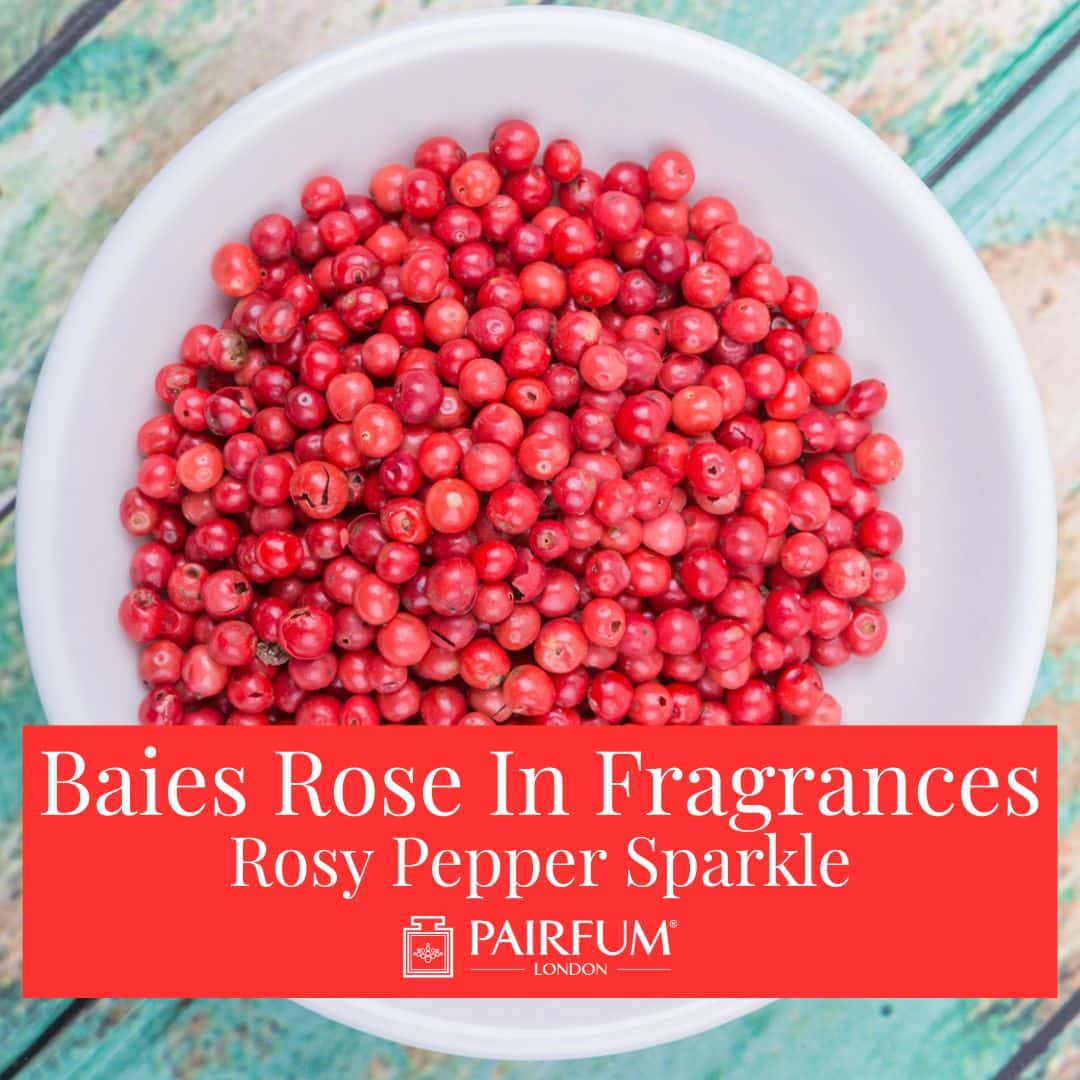
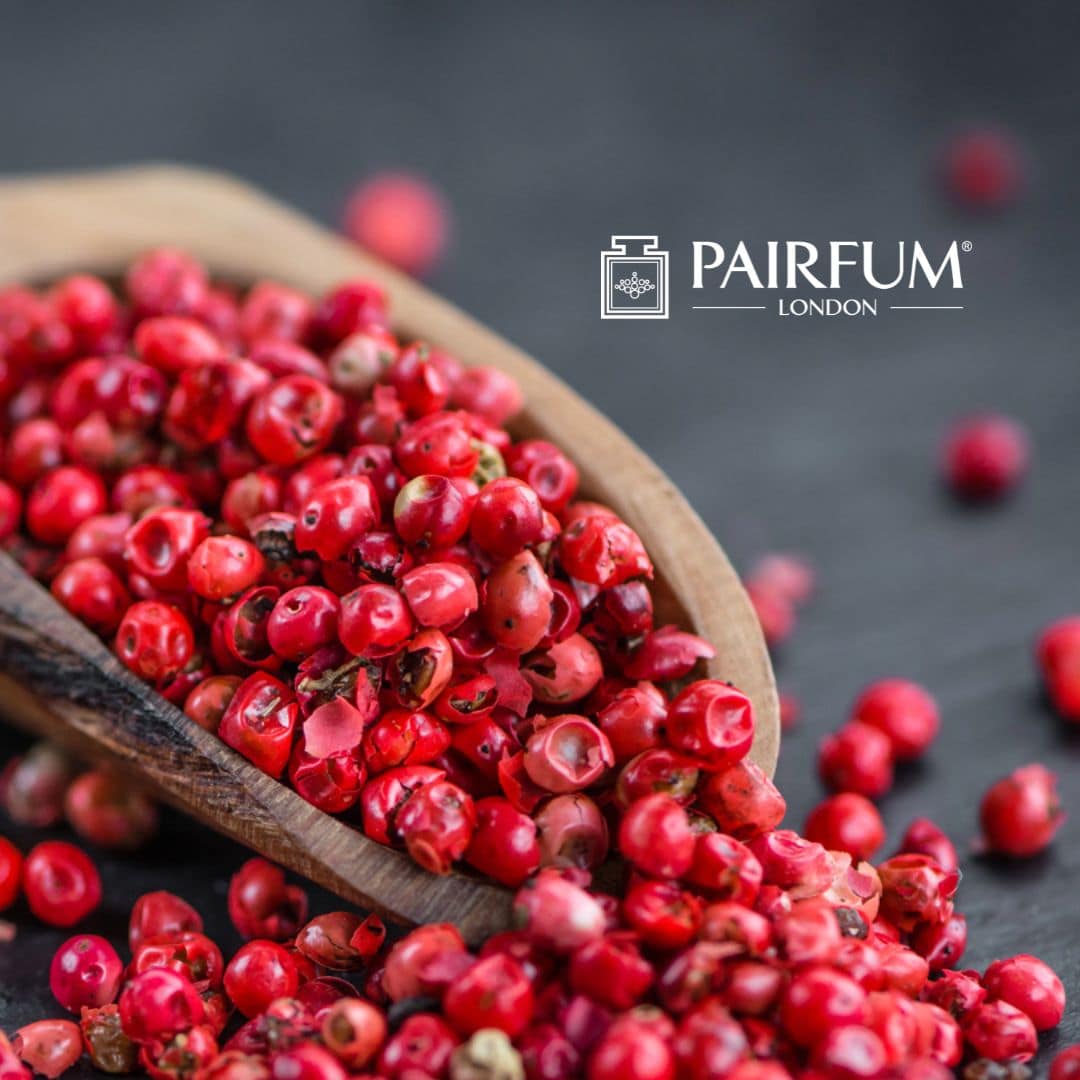
Baies Rose, or pink peppercorn, is utilised as both a culinary spice with a sweet, fruity, and subtly peppery taste and a favoured note in perfumery for its vibrant, spicy, and fresh floral scent. It is not a true pepper but a berry related to the cashew family.

There is a light, rosy spice that shows up in many modern perfumes, especially as the weather cools. It is soft, warm, and uplifting without being too floral or too sharp. This bright note is called Baies Rose, also known as pink pepper. The name can be misleading, as it is not a rose at all, despite its gentle association with roses and its soft, petal-like touch.

Baies Rose brings a gentle warmth that blends beautifully with florals, woods, or vanillas. It does not shout. Instead, it adds energy and polish to many niche fragrance creations, especially those made for autumn or early winter. If you enjoy aromas that are a little spicy but still cheerful and wearable, you have likely come across this note before, even if you did not know its name.

Take a closer look at this creamy pink berry, where it comes from, how it is used, and why perfume lovers return to its soft spice again and again over time and across different styles of scent.

What Is Baies Rose?

Baies Rose refers to the dried pink berries from the Peruvian pepper tree. These berries look a bit like red peppercorns, which is why they are often confused with pink peppercorns or even standard black peppercorns, but they do not belong to the same botanical family. Despite the name, there is no direct link to a rose flower either.

The aroma of baies roses is what makes it stand out. It combines several facets into a balanced whole:

  • Slightly fruity, with a hint of sweet berry and subtle fruit
  • Warm and lightly pepper-like, without aggressive heat
  • Rounded by a floral softness that brings roses to mind

This soft piquancy makes it an appealing addition to many perfume structures. It can lift a composition, add brightness, or gently contrast heavier elements. Perfumers often describe it as an intriguing spice because it suggests warmth without overwhelming the senses. Among the many spice materials used in perfumery, baies roses offer one of the most approachable profiles.

Baies, Berries, and Botanical Roots

The word baies simply means berries in French, and this ingredient lives up to its name. The small pink berries are sometimes described as jewelled seeds because of their glossy surface and vivid colour, ranging from pale blush to deep crimson.

These berries grow on trees native to South America, though they are now cultivated in other parts of the world, including regions with similar climates such as New Zealand. The berries have long been used in cooking, where they appear in sauces, marinades, and seasoning blends, valued for their gentle sweetness and aromatic pepper tone.

Unlike culinary peppercorns, which deliver heat, these pink peppercorns provide aroma first. Their flavour hints at pomegranate, crimson juice, and even rich ruby fruits, making them popular with chefs as well as perfumers.

Fragrance Description Pink Powder Violet Rose Iris Orris

A Bit of History and Origin

Baies Rose grows mainly in South America, especially in Peru and Brazil. The tree it comes from, Schinus molle, has been part of local life for centuries. Indigenous communities used the berries in food, medicine, and daily rituals, valuing their scent and gentle stimulating quality.

In perfumery, baies roses appeared much later. Their rise began in the 20th century, when perfumers started seeking alternatives to heavy spice materials. Black pepper and clove were powerful but could dominate a composition. Pink peppercorn offered a softer option, with more nuance and less heat.

This shift aligned with changing tastes. As people looked for fragrances that felt lighter and more natural, baies roses became popular. Their ability to suggest warmth while remaining airy made them suitable for daily wear, office environments, and modern lifestyles. Over the years, they have become a familiar but still interesting presence in fine fragrance.

Culinary Use and Sensory Parallels

Before becoming popular in perfume, baies roses were well known in cooking. They are used to season fish, vegetables, cheeses, and light sauces, where their gentle pepper quality enhances rather than dominates.

Culinary descriptions often mention hints of pomegranate, crimson juice, and even rich ruby fruits. These associations help explain why the note translates so effectively into fragrance, where it adds brightness without heaviness.

The crossover between culinary and olfactory use also contributes to the familiarity of the scent. Many people recognise it instinctively, even if they cannot name it.

How Baies Rose Is Extracted and Used in Perfumery

To transform the dried berries into usable fragrance oil, perfumers rely on careful extraction. The most common methods are steam distillation and gentle solvent processes, both designed to preserve the delicate aromatic molecules.

The resulting oil captures the essence of the pink berries: lightly spicy, faintly sweet, and softly floral. In perfume structures, baies roses most often appear in the top notes, where they provide an immediate sparkle. Sometimes they are also used in the heart to bridge fresh openings and deeper bases.

Common pairings include:

  • Citrus notes, where pepper adds lift and contrast
  • Vanilla, which enhances warmth and sweetness
  • Rose and other floral notes, reinforcing a rosy impression
  • Woods and musk, which ground the composition

Because this ingredient is never too forceful, it can be layered without risk. It adds complexity rather than dominance, making it a favourite among perfumers crafting balanced creations.

Bedroom Reed Diffuser Luxury Scented Candle Room Spray 1 1

Baies Rose in Modern Perfumery

In contemporary perfumery, baies roses are valued for their versatility. They appear in a wide range of styles, from minimalist compositions to layered niche blends.

They work particularly well alongside:

  • Citrus, where pepper sharpens the freshness.
  • Woods, where they provide lift and contrast.
  • Florals, especially roses, where they enhance radiance.
  • Soft bases, including musk, which benefit from a bright opening.

In some perfumes, the note is used almost transparently. In others, it is more pronounced, offering a clear touch of spice that defines the opening impression.

Iconic Perfumes Featuring Baies Rose

Today, baies roses appear in countless modern perfumes, particularly those aimed at autumn and winter wear. They are especially effective in blends that need a bright opening before settling into something richer.

You will often encounter them in:

  • Spicy floral fragrances, where pepper lifts petals and prevents sweetness from becoming heavy
  • Gourmand styles, where the berry facet plays against edible notes
  • Woody perfumes, where pink peppercorns cut through density

This ingredient works beautifully with patchouli, amber, cedar, and rose. When paired with woods, baies roses bring clarity. When paired with florals, especially roses, they enhance freshness. Even in compositions featuring juniper or aromatic herbs, a hint of pink peppercorn adds polish.

Although rarely the star, their presence is unmistakable once you recognise it: a lively opening that softens into warmth, leaving a creamy scent behind.

Iconic Baies Rose Fragrances

Le Labo – Baie 19
A modern, mineral fragrance where baies rose adds a cool, peppery brightness to damp earth, woods, and soft musk, giving the scent its clean yet atmospheric opening.

Chanel – Chance Eau Fraîche
In this fresh woody floral composition, baies rose contributes a gentle pepper sparkle that lifts citrus and floral notes, keeping the fragrance light, polished, and energetic.

Hermès – Eau des Merveilles
Here, baies rose is used subtly to add warmth and contrast, softening amber and woody notes while maintaining an airy, refined character rather than overt spice.

Pairfum London – Pink Powder & Violet

A floral fusion of Pink Powdery Rose Petals with Green Violet Leaf and Elegant Iris ! The fragrance opens with top notes of Mandarin, Baies Rose and Pink Peppercorn, and finishes on a sumptuous base of Smooth Patchouli, Musk and Vanilla. Orris, jasmine and Heliotrope enhance the heart note.

Texture, Touch, and the Feeling of Baies Rose

One of the most appealing qualities of baies roses is the way they feel in a fragrance. They create a smooth transition from the first spray to the dry-down, offering a tactile sense of comfort. Many people describe this as a silky or creamy scent, even when no dairy or vanilla notes are present.

This sensation comes from the balance between pepper and fruit, between brightness and warmth. The result is a fragrance that feels close to the skin, offering a gentle touch rather than an aggressive projection. It is a quality that suits everyday life and changing seasons.

In September, when the air begins to cool, perfumes with baies roses often feel just right. They echo the shift in nature without feeling heavy, marking a subtle change in time and mood.

Baies Rose

Baies Rose Beyond Perfume

Although best known in fragrance, baies roses have a broader cultural presence. In food, they are used to season fish, vegetables, and even desserts. Their gentle pepper note enhances rather than masks other flavours.

It is important to note that these berries are safe for culinary use but not suitable for animals, which is why they are handled carefully outside of human consumption. This distinction is part of the essential information surrounding the ingredient.

Their versatility has also made them popular in scented candles, bath products, and home fragrances, where a mild spice can create a welcoming atmosphere without overwhelming a space.

Choosing and Sharing Fragrance with Baies Rose

Perfumes featuring baies roses are often chosen as thoughtful presents. Their broad appeal makes them suitable as a gift for many tastes. Because the note is neither too sweet nor too sharp, it works well for people new to fragrance as well as seasoned enthusiasts.

They are commonly found in curated gift sets, alongside lotions or travel sprays. When ordering such items, people often appreciate clear delivery options, especially around a special date or celebration.

In this context, baies roses play a practical role. They help ensure the fragrance will be worn and enjoyed, rather than set aside.

Baies Rose Fragrance at Pairfum London

Pink Powder & Violet – Large Bell Shape Reed Diffuser by Pairfum London

A floral blend of Pink Powdery Rose Petals with Green Violet Leaf and Elegant Iris. The scent opens with top notes of Mandarin, Baies Rose and Pink Peppercorn, and concludes on a sumptuous base of Smooth Patchouli, Musk and Vanilla. Additionally, Orris, jasmine and Heliotrope work to enhance the heart note.

Pairfum Large Reed Diffuser Bell Noir Pink Powder Violet

A Modern Classic Ingredient

Over the years, baies roses have moved from novelty to staple. They reflect a broader trend in perfumery toward transparency, balance, and comfort. As tastes evolve, this ingredient continues to adapt, appearing in new interpretations and combinations.

Its enduring appeal lies in its ability to enhance without overwhelming. Whether supporting rose, wood, or gourmand notes, it adds just enough pepper to keep things interesting. It speaks to people who value subtlety and craftsmanship.

In the end, Baies Rose is less about making a statement and more about enhancing everyday moments. It brings warmth, sparkle, and a sense of ease to fragrance, reminding us that sometimes the smallest berries leave the longest impression.

Chestnut In Perfumes

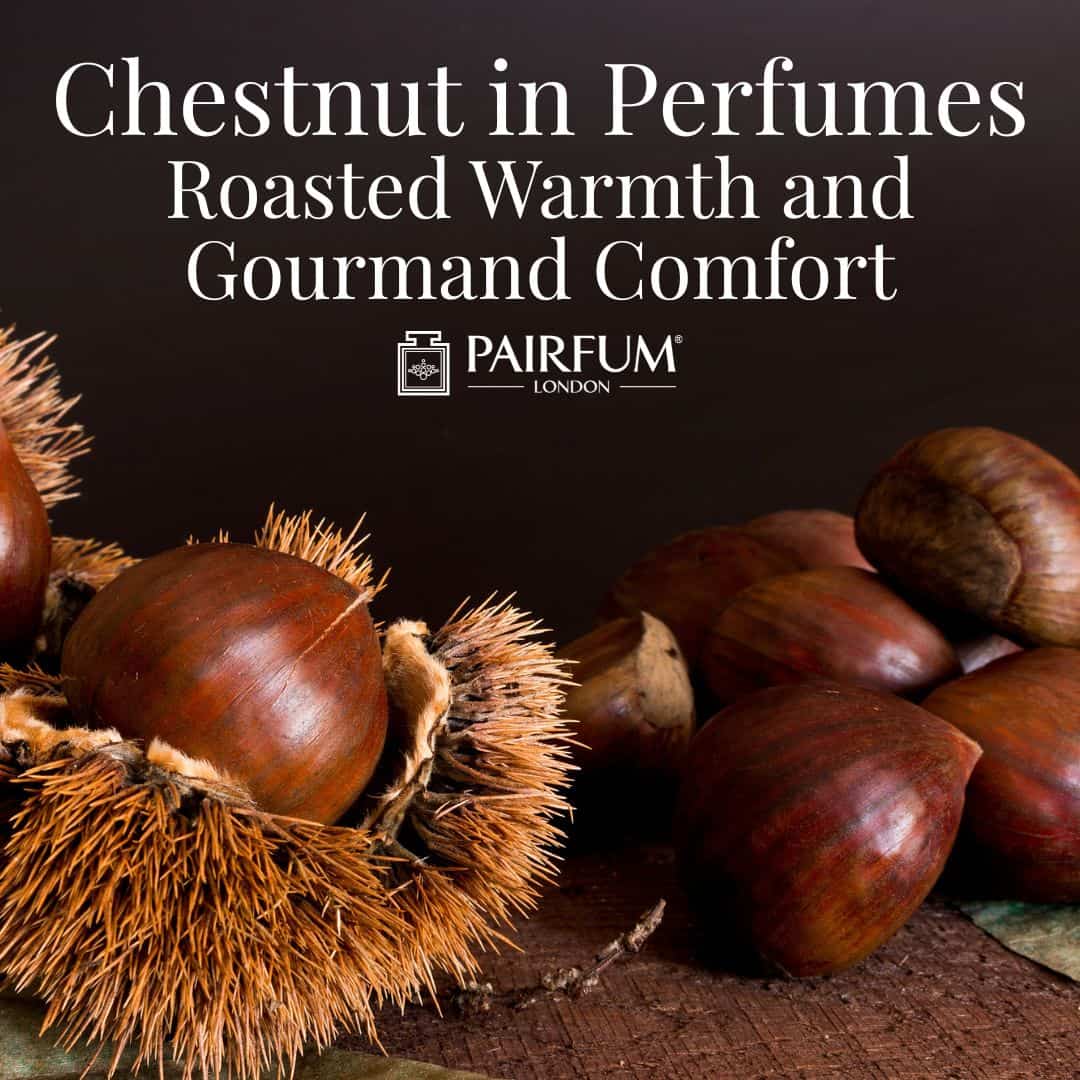
Chestnut in Perfumes: Roasted Warmth and Gourmand Comfort

A chestnut is an edible brown nut that grows on trees belonging to the genus Castanea. It sits inside a sharply spiked shell and has been gathered, cooked and eaten for centuries. In the English language, chestnut works as both a noun and a description. It refers to the nut itself, a familiar brown colour, and even an idea that has been repeated often enough to feel well-worn. The word comes to us through Middle English, which hints at just how long chestnuts have been part of everyday life.

There is also a distinction that matters. A true chestnut should not be confused with the poisonous horse chestnut, commonly known as a conker. Edible chestnuts are enjoyed roasted in winter, ground into chestnut flour, or blended into purées for cooking. They are naturally high in fibre and minerals and have long been valued as both nourishing and filling.

When the weather cools and routines slow, certain scents begin to feel right. Chestnut is one of them. Its warmth is gentle rather than sweet, familiar rather than showy. It often brings to mind food cooking quietly nearby.

Compared with bright fruit notes or sugary gourmands, chestnut stays calm. It settles into a fragrance and stays there. Over time, this quality has given chestnut a steady place in niche and seasonal perfumery, especially during autumn and winter. The sections below explore where chestnut comes from, how it appears in fragrance, and why it still resonates.

What Is a Chestnut?

A chestnut is both a fruit and a nut, produced by a tree that has shaped landscapes and diets for thousands of years. Beyond food, the word chestnut is used to describe colour, texture and atmosphere, often linked to wood, age and autumn light.

True chestnuts grow on chestnut trees within the genus Castanea. These are long-lived fruit trees, found in cultivated land and natural woodland. A mature chestnut tree is usually a tall, broad tree. It is a deciduous tree, shedding its leaves each year. The rough bark, wide canopy and long leaf shape make it easy to recognise once you know it.

Fragrance Description Rich Spices Pomegranate Cinnamon Clove Fig

The Chestnut Tree in Ecology and Landscape

The chestnut tree has always been useful beyond the harvest of chestnuts. As a deciduous tree, it improves soil health through the steady fall of leaves each year. This supports fungi, insects and wildlife within woodland habitats. Chestnut trees are also tolerant of poorer soils, which allows them to grow where other fruit trees struggle.

Historically, many sweet chestnut tree stands were coppiced. This practice encouraged new shoots from the base of the tree, producing poles for fencing, fuel and building. Over time, these managed areas became a familiar feature of parts of England and mainland Europe. Mature chestnut trees still shape local landscapes today.

Flowering, Pollination, and the Iconic Fruit

In early summer, sweet chestnut produces pale flower spikes rich in pollen. These flowers attract bees and other insects. Pollination happens through both wind and insects, which helps chestnut trees succeed in varied environments.

The fruit forms inside a spiny burr. When ripe, the burr opens and releases the chestnuts, which fall to the ground in autumn. Each nut contains a high level of starch. This sets chestnuts apart from oil-rich nuts and explains their soft texture once cooked. These same qualities influence how perfumers imagine chestnut as a scent.

Sweet Chestnut and Horse Chestnut Explained

When talking about chestnuts, precision matters. The sweet chestnut, botanically known as Castanea sativa, is the edible species. It is also called the European chestnut or Spanish chestnut and has been cultivated for centuries.

The horse chestnut is different. Its seeds look similar but are toxic. Horse chestnut is grown as an ornamental tree, not for food or fragrance. Only the sweet chestnut is relevant to perfumery.

Living Room Large Bell Reed Diffuser Luxury Fragranced Candles

Chestnut Trees Around the World

Several chestnut species grow across Europe, Asia and North America.

In Europe, Castanea sativa, the European chestnut, is most common. In Asia, the Chinese chestnut, known scientifically as C mollissima, and the Japanese chestnut are widely cultivated and valued for their disease resistance.

In North America, the story of the American chestnut is often cited. The American chestnut tree, or Castanea dentata, once dominated vast forests. The arrival of chestnut blight, a fungal disease, changed everything. This single disease devastated populations and permanently altered ecosystems.

From Tree to Table: How Chestnuts Are Prepared

Chestnuts behave differently from many other nuts. They are low in fat and high in starch. A raw chestnut is firm and bitter, which is why chestnuts are almost always cooked.

Preparation methods include roasting, boiling and drying. Roasted chestnuts are perhaps the most familiar, especially in winter markets. Many people also roast chestnuts at home. After cooking, the shells are removed, leaving peeled chestnuts.

Other forms include fresh chestnuts, fresh chestnut, cooked chestnuts, and dried chestnut. Traditional recipes use chestnut flour in breads and cakes. Desserts such as Mont Blanc rely on smooth chestnut purée, often finished with cream and candied chestnut. These foods strongly shape how chestnut is imagined in fragrance.

Chestnut in Culture and Daily Life

Across Europe, chestnuts appear in everyday traditions. Autumn farm walks often involve collecting fallen chestnuts. An old chestnut tree may serve as a familiar meeting point or landmark. In Britain, dehusked Kentish cobnuts are sometimes compared with sweet chestnut, showing how closely the nut is woven into rural culture.

These experiences give chestnut emotional weight as a scent, linking it to warmth, food and continuity.

Chestnut

A Warm Glimpse into the Past: The Origins of Chestnut in Perfumery

Chestnut found its way into perfumery through memory rather than extraction. For generations, roasted chestnuts scented streets and markets during colder months. The aroma became tied to home, warmth and routine.

Early perfumers recognised this connection. As gourmand fragrances grew in popularity, chestnut offered warmth without excess sweetness. In older traditions, nut-based aromas were believed to calm the senses, which helped chestnut take its place in fragrance.

What Kind of Chestnut Is Used?

Only the sweet chestnut is used as inspiration in perfumery, most often referencing Castanea sativa. The nut itself does not produce a strong extract.

Because of this, perfumers rely on constructed accords that suggest sweet chestnut rather than recreate it directly.

How Perfumers Use Chestnut in Fragrance

In perfume, chestnut usually appears in the heart or base. It adds warmth and staying power rather than brightness.

Its character is creamy, gently toasted and softly woody, echoing the chestnut tree itself. Chestnut pairs naturally with vanilla, woods, leather and spices.

The Art of Extraction: How Chestnut Makes Its Way into Perfume

Chestnut does not give up its scent easily. Neither nut nor shell distils well.

Instead, perfumers build accords using woody notes, creamy facets inspired by chestnut purée, and faint smoky tones that recall roasted chestnuts. The aim is to suggest a feeling rather than capture a literal smell.

Pairfum Snow Crystal Candle Classic Pure Rich Spices

Chestnut appears in many niche and luxury perfumes, particularly those aimed at colder months. Each uses it a little differently:

  • Some perfumes let chestnut take centre stage, combining it with coffee, cream, or vanilla for a full gourmand feel
  • Others blend it into smoky or woody profiles to add a touch of sweetness and cosiness
  • A few modern creations play with spiced chestnut, combining it with warm spices and dark fruit for a more mysterious effect

In autumn and winter releases, chestnut is not just a seasonal extra. It fills a genuine gap, giving depth and balance to perfumes that want to feel grounded but soft, rich but not overpowering.

Home Fragrance Heart Notes With Pairfum London

To bring chestnut-inspired warmth into the home, the Large Snow Crystal Perfumed Candles offer an inviting option. Designed for slower seasons, these candles create a calm, enveloping atmosphere with roasted, nutty comfort. Their generous size and refined presence suit evenings spent indoors.

Rich Spices – Large Snow Crystal Candle by Pairfum London

This fragrance opens with Pomegranate and Cranberry, moves into a warming heart of Chestnut, Nutmeg, Cinnamon and Clove, and settles into Vanilla Pods with dried fruits such as Figs, Dates and Persimmons.

Conclusion:

Fragrance is closely tied to memory. Chestnuts often bring to mind winter evenings, shared food and familiar rituals.

Chestnut never tries to dominate. It sits quietly in a composition, offering comfort without insistence. That restraint is why perfumers return to sweet chestnut again and again. Rooted in nature and shaped by culture, it remains a reassuring presence when the air turns cold.

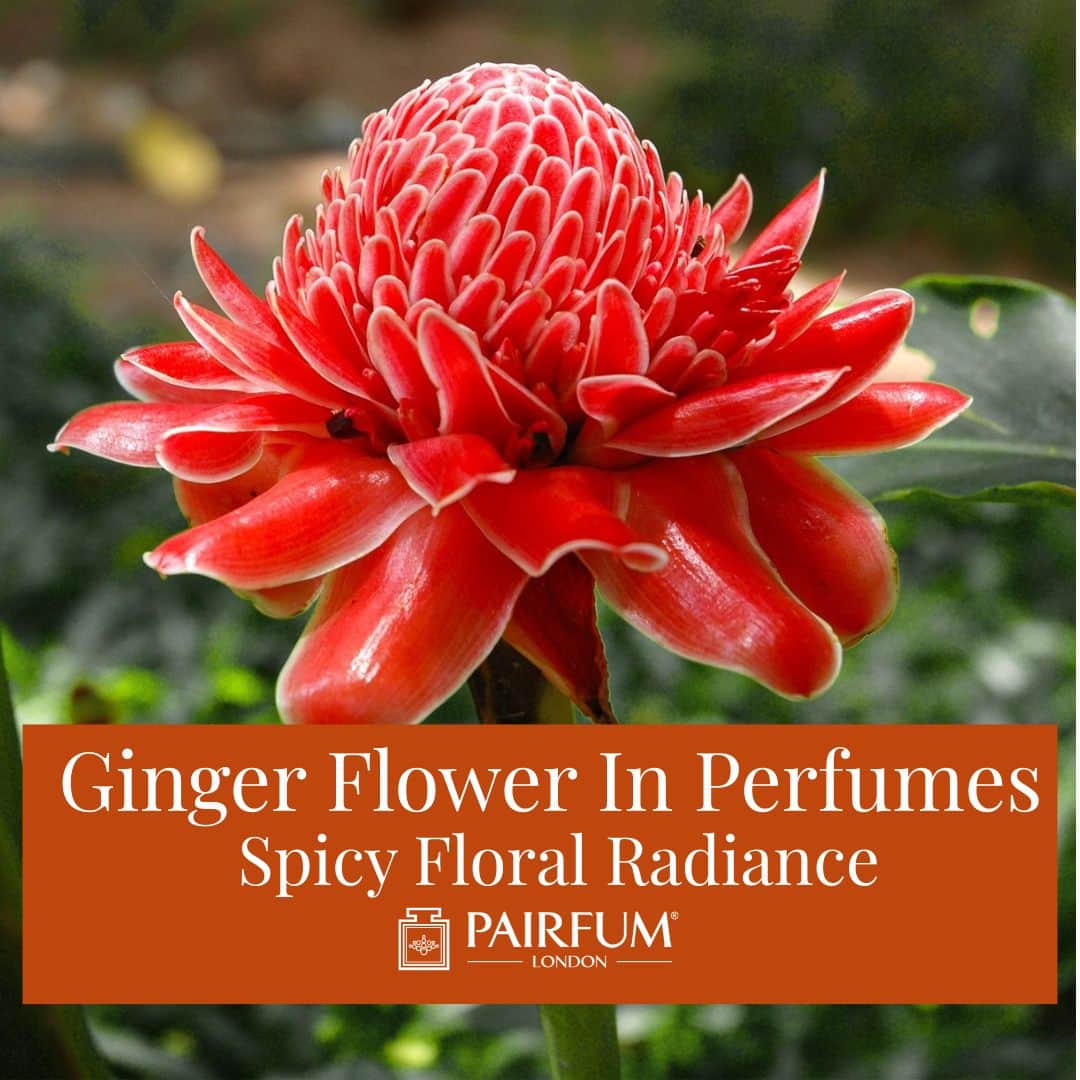
Ginger Flower In Perfumes

Ginger Flower in Perfumes: Spicy Floral Radiance

Ginger flower refers to the showy and often fragrant blooms from the ginger plant family (Zingiberaceae), such as the popular, White Ginger Lily (Hedychium coronarium) or the vibrant orange/red varieties (Hedychium coccineum). These sought-after flowers are prized for adding tropical height and delightful scent to gardens in warm, humid climates, typically requiring moist, well-draining soil and bright, filtered indirect light for successful summer/fall flowering. The culinary ginger (Zingiber officinale), though primarily grown for its root, also produces unique purple-spotted blossoms that emerge directly from the rhizome.

The ginger flower has a bright, naturally spicy character that provides an uplifting effect in almost every blend it touches. In fine perfume, it introduces a floral sparkle that feels simultaneously refreshing and gently warming. This dual warmth and clarity make it a highly favoured ingredient, particularly as the long, bright days of summer naturally begin to recede, and the more gentle pull of mid-autumn starts to take hold. Its crisp, appealing aroma brings forth an undeniable feeling of energy, yet it never presents as too sharp or overly assertive.

Ginger Flower Through History

The ginger flower, which is often gracefully known as the butterfly ginger or the white ginger lily, thrives naturally in genuinely warm geographical regions. It is most commonly found growing in India, various areas of Southeast Asia, and the beautiful Pacific islands. Its wonderfully delicate aroma has been deeply appreciated within these specific regions for numerous generations.

Long, long before it began to successfully appear in sophisticated modern fragrances, this captivating flower played a subtle but important role in everyday local rituals. In many traditional communities, the ginger flower was intentionally placed indoors to delicately refresh the air. It was also sometimes gracefully worn during cultural celebrations, valued for its softly uplifting and serene quality. Its aroma, cool yet very slightly sweet, has been traditionally valued for helping to naturally establish peaceful and harmonious surroundings.

These inherently calm and cheerful qualities quickly captured the discerning attention of master perfumers. The ginger flower’s appealingly crisp edges and its gentle inherent warmth made it absolutely ideal for adding unique brightness and clarity to a great many floral fragrance compositions.

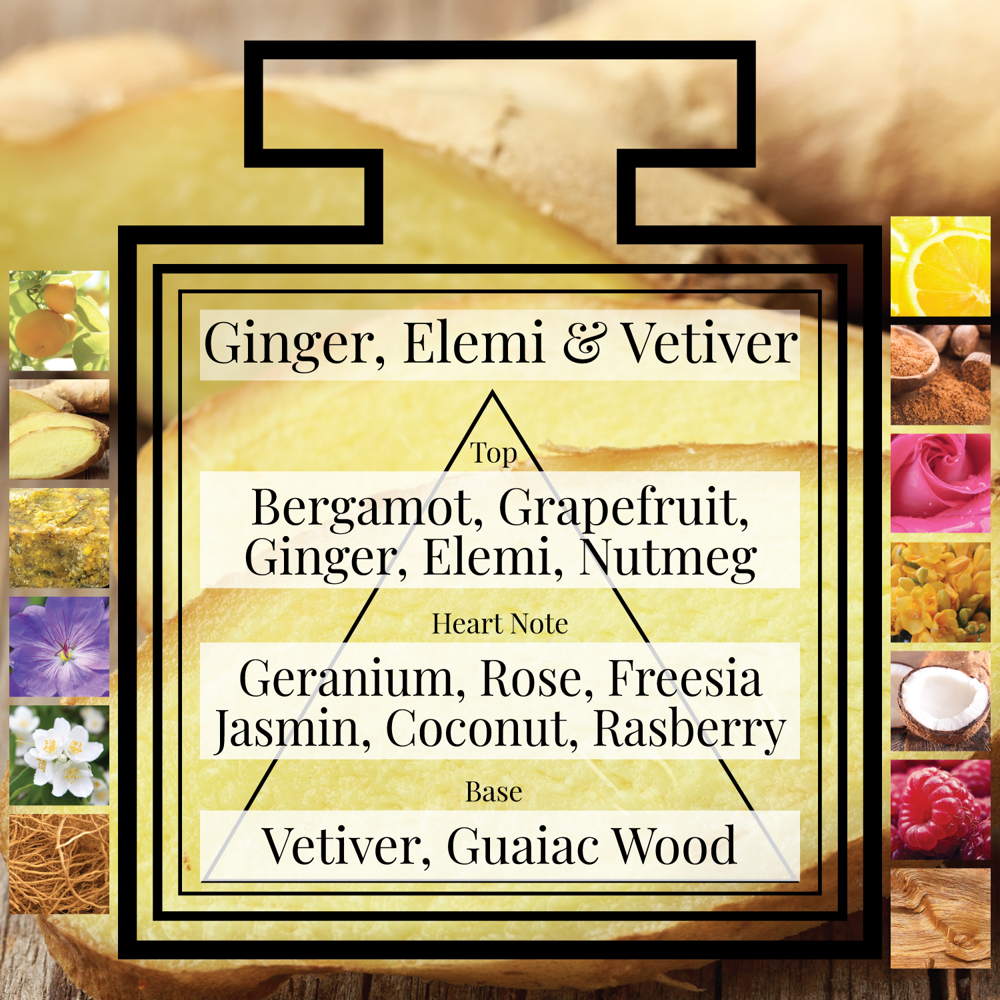
Pairfum Fragrance Ginger Elemi Vetiver Triangle Ingredients

How the Flower Becomes a Fragrance Ingredient

Successfully extracting the beautiful scent of the ginger flower demands a high degree of specialist care. The flower is notably known for releasing only a comparatively small amount of desired aromatic material, meaning that the most gentle and careful methods are absolutely essential to perfectly preserve its subtle, unique character. Steam distillation stands out as the single most common technique utilised. This particular method allows the precious floral aroma to be meticulously collected without risk of losing the innate freshness that makes this ginger flower so incredibly special. A second, more traditional medicine method sometimes employed is known as enfleurage. During this detailed process, the delicate flowers are carefully rested in pure natural fats, which then very slowly and gently absorb their exquisite fragrance.

Maintaining the absolute, true, living nature of the flower is the most significant challenge throughout the process. The characteristic aroma of the ginger flower is light and distinctly watery, presenting a graceful mixture of both floral and very light spice notes that can be regrettably easy to lose if the process involves too much heat. Natural extraction methods are key to successfully capturing this extremely subtle, beautiful balance, ensuring the resulting fragrant ginger flower ingredient feels completely honest to the original, living plant.

The Scent Profile of the Ginger Flower

Describing the true fragrance of the ginger flower can often feel a little like trying to verbally capture a fleeting moment of pure sunlight. It is definitely floral, yet it is decidedly not powdery in the way that classic rose often is. It possesses a gentle touch of natural spice and a soft, pleasingly watery roundness that beautifully imparts a profound sense of calm. There is also a small, intriguing hint of tanginess that successfully creates interest without ever becoming sharp.

The ginger flower generally blends harmoniously with numerous other fragrance ingredients, such as:

  • Jasmine, to provide a sense of rich depth and smoothness.
  • Various Citrus elements, to enhance overall brightness.
  • Soft, refined woods for an ethereal, airy freshness.

It will typically make its valued appearance at either the top or, more commonly, the heart of a fine perfume. It consistently offers a bright, immediate opening that then moves in a very natural manner into warmer or generally deeper fragrance accords. When strategically utilised in high-quality home fragrances, such as elegant candles or functional diffusers, the ginger flower consistently generates a wonderful feeling of clean comfort.

Its authentic and true gift is its incredible balance. It successfully ensures the composition never becomes overly sweet or unpleasantly heavy. It possesses the distinct, airy freshness of a gentle breeze smoothly drifting through a wide, open window.

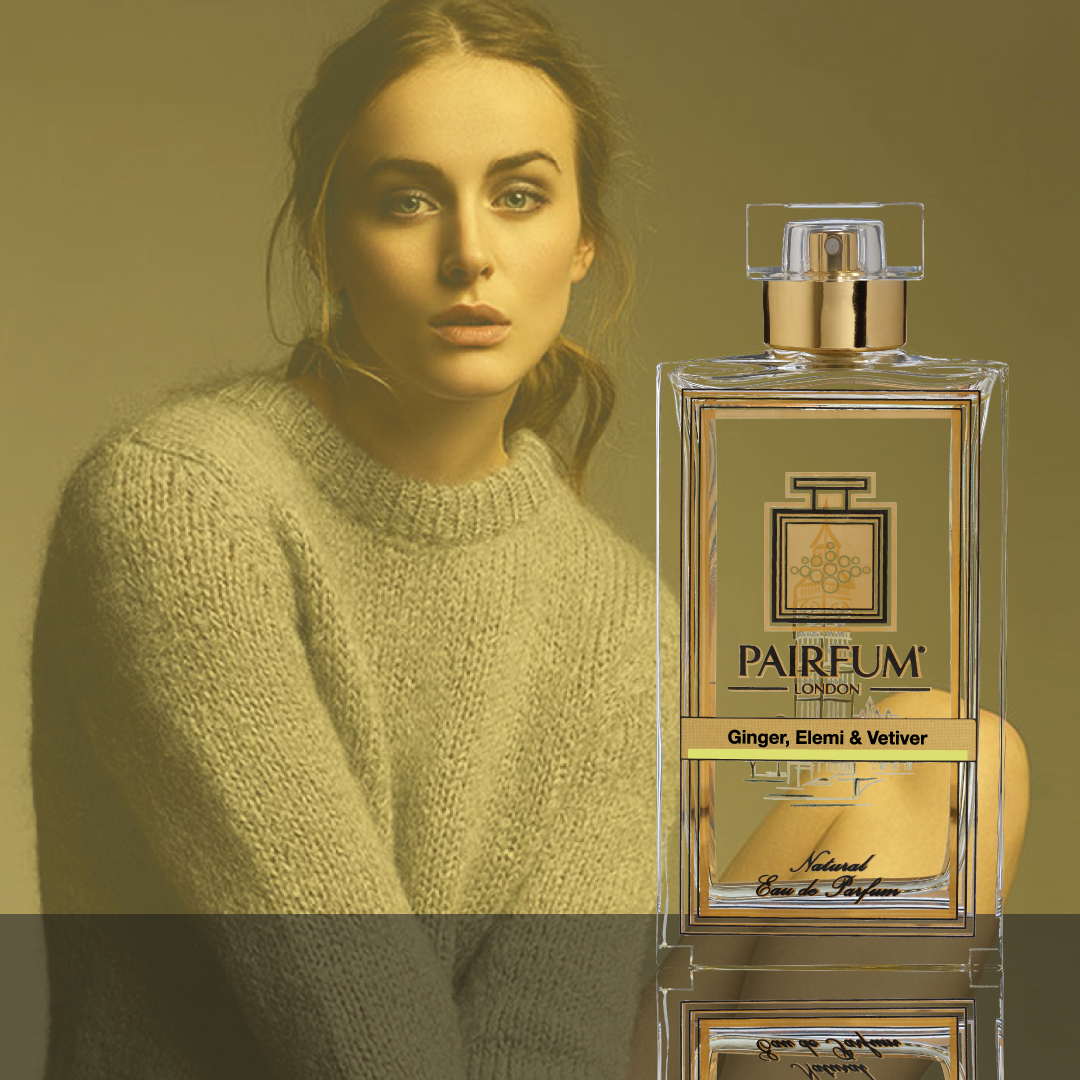
Eau de Parfum Person Reflection Ginger Elemi Vetiver Woman Fresh 1 1

Ginger Flower in Well-Known Perfume Styles

The versatile ginger flower is quite capable of playing either a major leading role or a highly competent supporting one. It is very frequently chosen when a particular fragrance composition needs to introduce freshness that feels distinctly more elegant and refined than purely herbal or straightforward citrus notes alone. Its floral sparkle adds beautiful shape and dimension without ever overpowering the delicate surrounding composition.

Common, appreciated ways the ginger flower successfully appears include:

  • Serving as a vibrant, bright note in light summer perfumes.
  • Being smoothly blended with soft spice notes for maximum finesse.
  • Being combined with watery florals for a desirable, dewy effect.
  • Being expertly paired with citruses, refined tea notes, or gentle musks for a truly modern, clean impression.

Its inherently soft and appealingly creamy floral tone is widely appreciated by those individuals who are actively seeking a scent that feels comfortably familiar yet simultaneously quietly distinctive.

The captivating ginger flower continues to be highly favoured because its delightful aroma is so very easy to enjoy. It is reliably clean, notably light, and instantly inviting. It performs particularly brilliantly during the noticeable transition and shift from the height of summer right into early autumn, a time when many individuals are searching for personal fragrances that manage to feel both distinctly fresh and simultaneously warmly comforting.

It also perfectly suits the welcoming atmosphere of indoor domestic spaces, precisely as the external season gradually cools. A diffuser that is subtly scented with ginger flower can immediately brighten and refresh a living room or a hallway. It offers clarity without the sharp, almost aggressive quality that the stronger citrus notes sometimes tend to leave behind.

Part of its enduring, lasting charm lies specifically in just how incredibly well it successfully combines with other fragrant ingredients. It blends incredibly smoothly, adds a beautiful, subtle glow, and works effectively across many diverse fragrance families.

Ginger Flower and Ginger Root: How They Differ in Perfumery

Although their ginger plant names are clearly quite similar, the ginger flower and the ginger root possess dramatically different characteristics and olfactive profiles. The ginger root is widely familiar in cooking, where its well-known fiery and highly aromatic heat is greatly valued. In the art of perfumery, the ginger root is typically used specifically for its bright, highly energetic quality. It offers a lively, zesty spice that feels sparkling, highly dynamic, and invigorating.

The ginger flower, conversely, possesses almost none of the sharp heat or distinct fieriness that is so often immediately associated with the ginger root. It is overwhelmingly more floral, complemented by a beautifully soft, gentle watery touch. It carries only the absolute lightest suggestion of spice. The ginger flower is primarily valued for its inherent brightness and calming nature, while the ginger root is chosen expressly for its power and sheer vitality.

They originate from the same wider ginger plant family, yet each member offers something completely unique to the perfumer. Perfumers commonly use the ginger root when their blend requires a fresh, lively opening, and they use the ginger flower when they desire grace, true radiance, and a delicate floral lift.

Ginger Flower

Ginger Flower in Aromatherapy and Cultural Wellness Traditions

Although this entire article focuses primarily and specifically on the realm of perfumery, it is certainly worth noting that the ginger flower and ginger root appear within numerous important cultural and long-standing historical wellness traditions. These important cultural additional information references stem from generations of oral traditions, historical rituals, and deeply long-standing practices, rather than modern, empirical scientific explanations.

In The Home

The ginger flower has traditionally been closely associated with relaxation in certain global cultural settings. People have historically placed the delicate flower in water bowls within homes or temples to naturally impart a genuine sense of calm. Ginger root has been used in countless culinary preparations where its distinctive warm spices are genuinely appreciated for their comforting, grounding character. Ginger tea made with thin slices of fresh ginger or finely ground ginger has a long-established presence in many households as a vital part of seasonal rituals, often meticulously prepared with steaming hot water and sometimes deliciously combined with a touch of lemon juice for the desired flavour.

These meaningful examples clearly demonstrate exactly how ginger-related products and preparations are deeply woven into cultural life, but it must be clearly stated that they do not relate to any kind of modern scientific claims. They simply serve to demonstrate how wonderfully the flower and the ginger root have been universally appreciated by numerous diverse communities and countless families over many, many generations.

Speculative (but unproven) health benefits

In traditional medicine, a person might choose to consider the ginger flower alongside its accompanying ginger root as part of a natural remedy for addressing certain everyday bodily symptoms such as common minor pain, joint inflammation, uncomfortable heartburn, or concerns that are broadly diabetes related. The specific active ingredient found within ginger extract is speculated by some historical practitioners to potentially support enhanced circulation, gently promote better blood flow, and potentially benefit the delicate blood vessels for overall enhanced blood health. Ginger supplementation or taking a ginger supplement very often includes natural vitamin C to potentially further promote better eye health, healthy sexual health, and even improved hormones balance. Of course, these many historical claims are not yet fully and scientifically substantiated by current modern science, and a great deal of additional information and rigorous study is absolutely required.

For additional information on these historical uses, growers keenly interested in planting a ginger flower at home should take careful note that applying a thick layer of protective mulch around the plant’s base genuinely helps it to retain essential nutrients in the soil and offers necessary protection from seasonal frost, thereby ensuring the plant thrives to provide its incredibly fragrant flower blooms.

Eau de Parfum Person Reflection Ginger Elemi Vetiver Man Jacket 1 1

Ginger Flower Across the Seasons

The ginger flower possesses a rather interesting and highly versatile ability to successfully suit every single temperature and season of the year.

  • In the bright spring, it pairs wonderfully with refreshing green and leafy notes, offering a genuine sense of deep renewal.
  • In the height of summer, it feels inherently refreshing, successfully bringing clarity without any sense of heaviness.
  • In the cool autumn, it instantly creates a desirable feeling of softness and gentle, inviting warmth.
  • In the depths of winter, it expertly brightens compositions that might otherwise feel too rich or heavy.

This very broad seasonal flexibility clearly explains precisely why the captivating ginger flower makes an appearance across so many diverse fragrance families. Its unique watery brightness works exactly like a perfectly clean ribbon that subtly ties a complex blend together, regardless of the external temperature or the precise time of the year.

The sector of home fragrance has experienced significant growth and notable popularity over recent years, and the versatile ginger flower plays a highly notable role in the most prominent modern trends. Its reliably clean but comforting warm profile is highly appealing to individuals who want their personal spaces to feel fresh yet simultaneously wonderfully inviting.

Current prominent home trends successfully include:

  • Clean, minimalist interiors that wisely utilise subtle floral scents to create inviting softness.
  • Light, incredibly airy home aromas that successfully avoid excessive sweetness.
  • Tropical-inspired themes where exotic flowers such as the magnificent red ginger lily appear beautifully alongside the ginger flower.
  • Spa-like, tranquil interiors that favour calm, sophisticated watery florals.

The ginger flower works exceptionally well in scented candles, highly effective diffusers, instant room sprays, and delicate linen mists. Its naturally soft radiance ensures a room feels genuinely cared for without actively calling strong, overwhelming attention to itself.

The highly versatile ginger flower appears successfully in many established fragrance families, with each one utilising it in a slightly different but impactful way.

  • Fresh florals: The flower is used to add sparkling lift and immediate freshness.
  • Aquatic florals: It beautifully enhances the distinctly watery impression with its soft, dewy nature.
  • Citrus aromatic blends: It brings a gentle floral cushion to successfully lie beneath the brighter citrus notes.
  • Soft florals: It is used to add clarity and refinement without the unwelcome addition of sweetness.
  • Woods and florals: It expertly lightens the deeper base notes and successfully adds a clean, appealing glow.
  • Contemporary unisex fragrances: It reliably supports compositions that deliberately avoid traditional gender boundaries.

The flower’s inherent versatility means it readily adapts comfortably to a great many different fragrance structures without ever truly losing its own unique, beautiful identity.

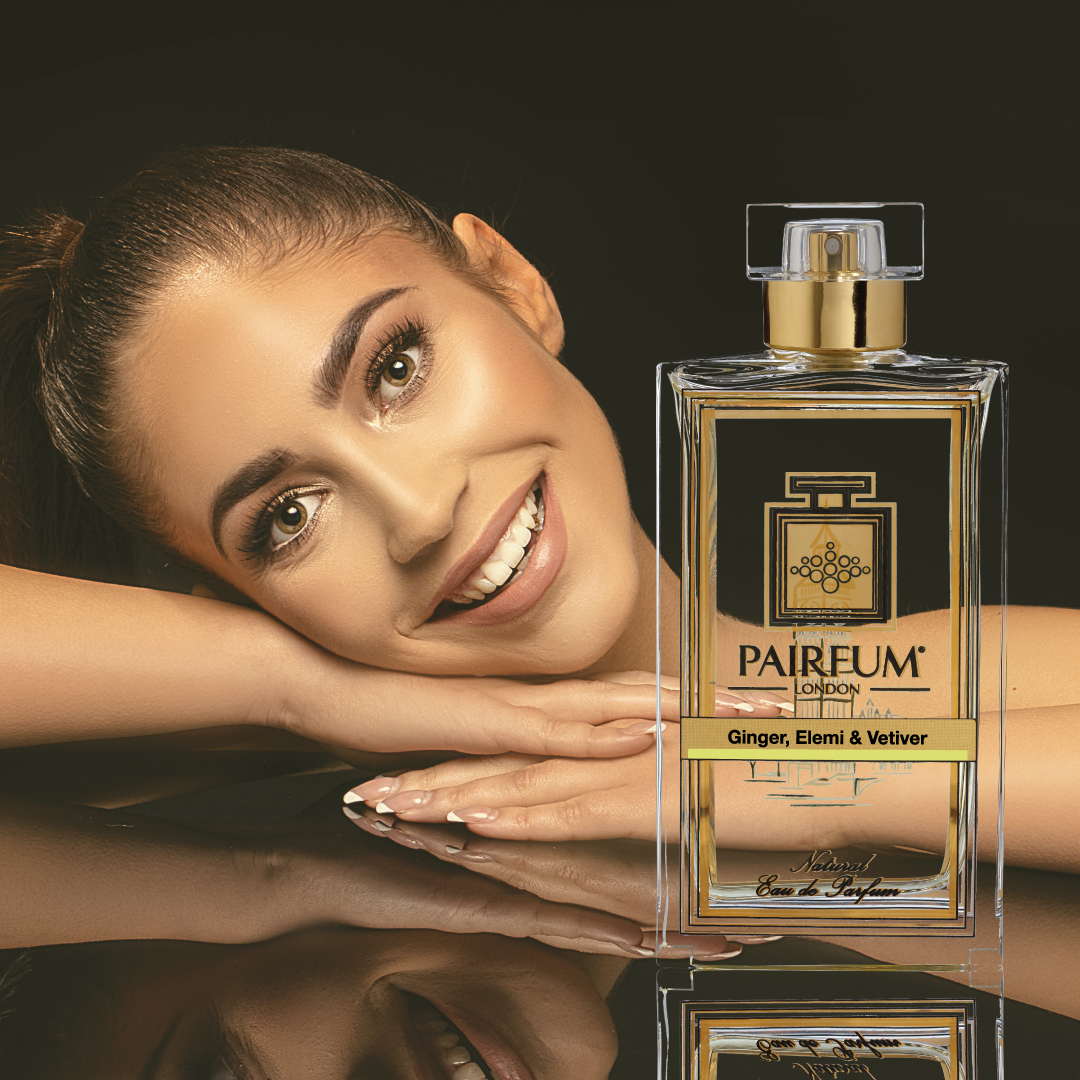
Eau De Parfum Person Reflection Ginger Elemi Vetiver Woman Smile 1 1

Gender Appeal and Why the Ginger Flower Feels So Universal

General fragrance preferences have undergone a significant transformation in recent years. There is now a far greater, active interest in appealing scents that feel naturally unisex rather than those that are strictly masculine or feminine. The exceptional ginger flower fits perfectly and comfortably into this modern approach.

Its innate floral quality naturally imparts a desirable softness, yet its bright, lively edge successfully prevents it from ever feeling overly sweet. It skilfully avoids the heavy, deep richness typically associated with some classic flowers and also manages to avoid the sharpness often found in more assertive spices. This unique balance makes it instantly approachable for a great number of individuals. A person who typically prefers green or straight citrus notes might genuinely enjoy the ginger flower because it successfully offers freshness without sharpness. Someone who generally prefers established floral perfumes might appreciate it because it successfully adds a desirable lift without adding undue intensity.

Its incredibly wide and enduring appeal is a very strong and fundamental reason for its continuously rising popularity within contemporary perfumery.

How Perfumers Use the Ginger Flower in Composition

Understanding precisely how skilled perfumers successfully work with the ginger flower provides an intriguing glimpse into the genuine craft behind a finished fragrance.

  • As a crucial top note, it consistently offers immediate brightness right at the very first spray.
  • As a central heart note it introduces appealing energy to the composition’s central theme.
  • It is used to beautifully soften heavier, richer flowers such as ylang ylang or tuberose.
  • It reliably supports vivid citrus notes by expertly smoothing their edges and angles.
  • It successfully introduces a distinctive watery quality that always feels modern and naturally airy.

Perfumers will very often state that the ginger flower is incredibly useful when a complex blend is in need of perfect balance. It effectively acts as a graceful bridge between highly fresh and deeply warm notes. It also blends surprisingly well with bold spices such as pepper or powerful clove, always bringing clarity to accords that might otherwise feel heavy or muddied.

Its gentle, subtle nature ensures it very rarely dominates any complex blend. Instead, it subtly but meaningfully shapes the overall impression, consistently giving the finished perfume a wonderfully clean and polished feel.

The magnificent ginger flower is occasionally compared with other beautiful tropical flowers, such as frangipani, the vibrant red ginger lily, or even the white blossoms of the wider ginger plant family. Each one of these different plant materials possesses its own completely unique character.

  • The red ginger lily possesses a far richer and much more overtly tropical style, coupled with a creamy depth.
  • Frangipani is generally both sweeter and noticeably more exotic in its profile.
  • Certain other tropical lilies can feel more highly indolic or noticeably creamy.

The distinctive ginger flower sits gracefully between these varying personalities. It possesses the immediate freshness of an airy floral accompanied by only a subtle whisper of spice. It also has a distinctive watery lightness that is often extremely hard to find in the vast majority of other flowers.

Its impressive subtlety makes it absolutely ideal for modern, refined perfumery, where a desired clarity and natural brightness are very often strongly preferred over weight and excessive richness.

Pairfum Eau De Parfum Gold Giftbag Ginger Elemi Vetiver

Ginger Personal Fragrance by Pairfum London

Discover the uniquely invigorating elegance of Pairfum London’s Ginger Elemi Vetiver Eau de Parfum, where the perfectly spicy, beautifully radiant lift of the ginger flower meets the distinctly resinous freshness of elemi and the deep, smoky sophistication of vetiver. This exceptional unisex masterpiece flawlessly captures a sophisticated, warm, earthy sophistication that beautifully lingers from the busy day well into the evening, expertly blending floral brightness with grounding, natural woods for a truly unforgettable trail. Ideal for discerning fragrance lovers actively craving natural vibrancy and modern poise, it is a must-have supplement addition to any sophisticated collection.

Ginger, Elemi & Vetiver – Eau de Parfum by Pairfum London

An unexpected, complex blend of lively spicy warmth and crisp freshness, it smoothly unfolds with immediate top notes of Bergamot, Grapefruit and subtle Lavender, all layered beautifully alongside Ginger, Elemi, Nutmeg and a hint of Cinnamon. The heart of the fragrance skillfully reveals Geranium, Rose, Freesia, Gardenia, Jasmine and Orange Blossom, further accented by gentle, fruity touches of Coconut and Raspberry. Finally, anchoring the beautiful composition, a deep base of Vetiver, Guaiacwood, Cedar, Amber, Cashmere Musks, Vanilla and Moss provides exceptionally beautiful support.

A Final Reflection on the Ginger Flower

The captivating ginger flower continues to charmingly appeal to both master perfumers and dedicated fragrance lovers alike. Its wonderfully quiet glow, gentle natural spices, and delightful watery florals consistently give compositions an inherent sense of life, movement, and effortless grace. It fits beautifully into the natural rhythms of the year and adapts with notable ease to countless different fragrance families.

Whether it is expertly used to truly brighten a person’s personal scent or to successfully create a warm, welcoming atmosphere in the home, the ginger flower consistently brings a highly distinctive, soft radiance. It’s a perfect blend of innate freshness and appealing warmth that creates a profound impression that feels both completely modern and utterly timeless.

If you are genuinely curious about floral notes that successfully offer a subtle sparkle rather than an overwhelming intensity, the ginger flower is a beautiful and elegant starting point. Its truly delicate presence continues to inspire many perfumers and remains one of the single most graceful and versatile flowers in contemporary fragrance.

Orange Slice In Perfume

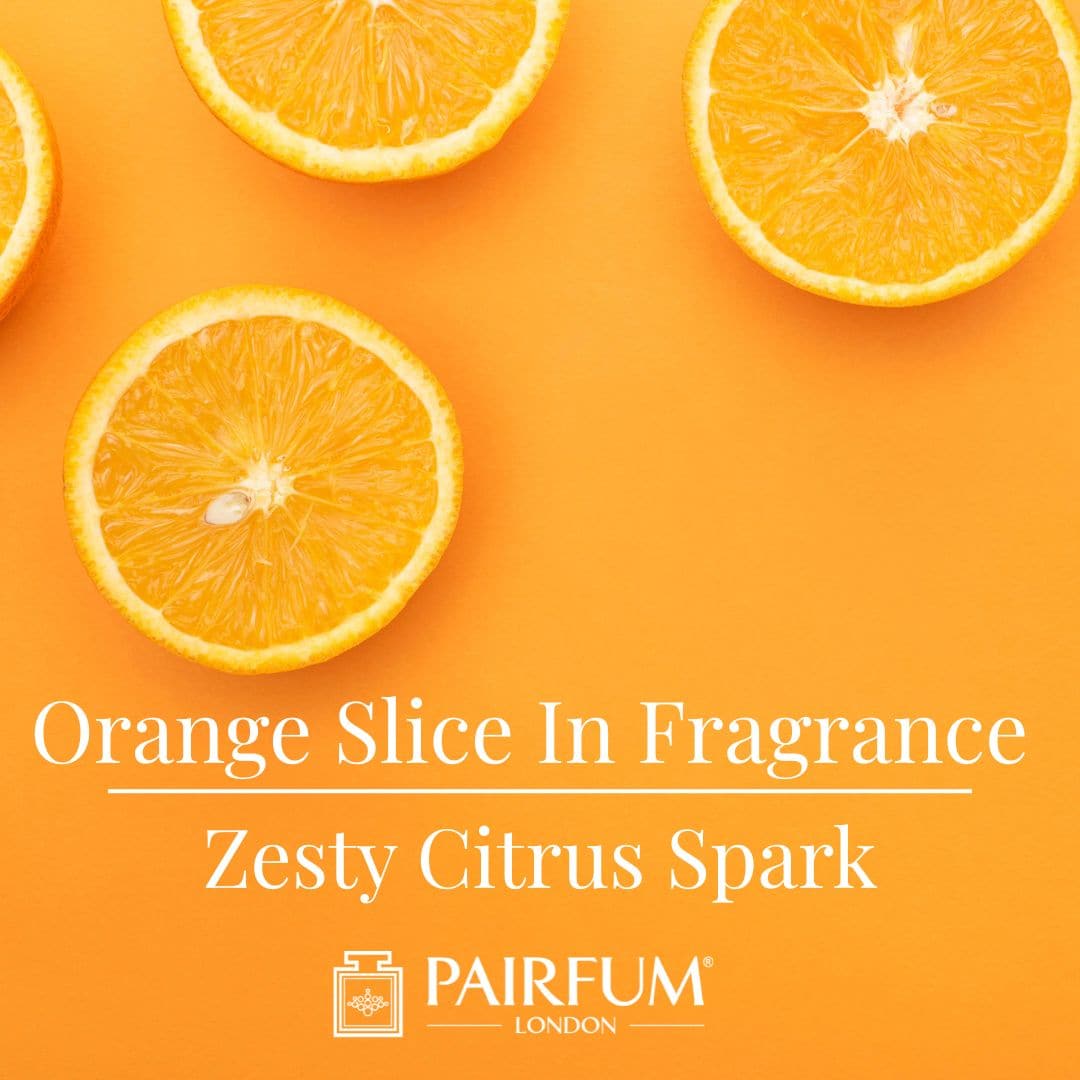
Orange Slice in Fragrance: Zesty Citrus Spark

The term ‘orange slice‘ typically refers to a wedge or segment of a fresh orange, a candied or dried citrus confection, or a specific type of ancient flint tool. Fresh orange slices are a popular, healthy fruit snack, whereas candied and dried orange slices are frequently used in baking, cooking, and as decorative garnishes for desserts and cocktails. Archaeologically, the term also refers to a crescent-shaped flint tool resembling an orange segment, primarily used for harvesting plants during the Neolithic period.

The pull of citrus in fragrance is something most people recognise. It feels bright the moment you notice it, and it has an easy way of cutting through richer scents. Among the familiar citrus notes, the orange slice has become one that many perfumers enjoy working with. An orange slice lends a lively touch that feels cheerful without drifting into sweetness. In both natural blends and niche creations, orange slices bring a burst of freshness that feels clean, modern and instantly uplifting.

This is nothing like the artificial orange found in sugary drinks. Instead, the aroma from a well‑built orange slice note has a quick spark of zest. It suits early mornings, crisp weather and even a cosy evening indoors. When the season edges towards early autumn, that soft mix of juice and peel sits comfortably between fruity and green. It feels gentle, balanced and never too heavy.

The Citrus Fruit Behind the Aroma

When perfumers speak about an orange slice, they are not thinking only of a piece of fruit you might eat. The full idea includes the orange peel with its sharp edge, the zest that brings bitterness, the burst of juice and even the slight greenness from the membrane. Together, these form something fuller than simple orange. A citrus fruit behaves this way in nature, offering several layers at once, and perfumers aim to capture that.

Most people are familiar with sweet oranges, which are often featured in drinks, desserts, and fresh oranges sold in shops. Bitter orange brings something more complex. It is sharper, deeper and slightly more aromatic. Many perfumers value this contrast, which helps shape a more rounded citrus slice impression in natural formulas.

There is also a long history of using orange peel and other citrus materials in older traditions. People dried citrus fruit for scenting rooms, and various herbal blends relied on these notes for their brightening effect. These older habits still influence modern fragrance when orange slices and other citrus materials are chosen for their calming yet cheerful qualities.

Clear Definition: What Is an Orange Slice Note?

An orange slice note aims to mirror what happens the moment you cut into sliced oranges. You notice the first rush of juice, followed by a gentle bitterness and the sweet tone of fruit. It also includes the green edge of the membrane. This is why an orange slice note feels wider and more lifelike than a simple touch of orange. The aim is to recreate a citrus slice that smells natural, juicy and comforting. For someone new to citrus perfumery, this type of note provides a friendly way in. It feels instantly recognisable yet still offers subtle layers that give interest. Even a single slice within a perfume can brighten the composition.

Pairfum Person Reflection Neroli Musk Orange Blossom Eau de Parfum

Olfactory Profile of Orange Slice

The scent of an orange slice is more intricate than many expect. It begins with a lively top note that calls to mind freshly squeezed juice. This quick spark then softens into a rounded sweetness, one that steers clear of the sugary quality found in confectionery. A green accent slips in afterwards, echoing the faint bitterness of the thin slices of membrane. A herbal whisper may also drift through, drawn from the natural oils in the orange peel. Each layer contributes to a profile that feels refreshing without being too sharp. Perfumers value this balance because the character of an orange slice can lighten a blend or add warmth, depending on what it sits beside. This versatility is why orange slices continue to be used in both simple cologne styles and more complex contemporary designs.

Types of Orange Used and Their Sources

Different varieties of orange offer slightly different qualities, and perfumers take advantage of this when creating an orange slice impression. Sweet oranges have a friendly scent that leans towards comfort. Bitter orange adds a sharper edge with a touch of resin. Blood oranges bring a richer colour in nature and a deeper fruity nuance in scent. When cara cara oranges are used, they offer a soft sweetness that blends easily with florals. Navel oranges remain popular simply because they are reliable, producing consistent oils.

Some prefer to use organic oranges because untreated skins can offer a cleaner outcome. Fresh oranges grown in warm conditions often hold more aromatic oil in their rinds, which makes them useful for extraction. A perfumer might choose to combine two or three varieties to recreate the sense you get when sliced oranges are laid out on a plate. Each slice delivers something slightly different, yet they work together to form a lively citrus slice effect.

Capturing the Zest: How Orange Makes It into Perfume

For a perfumer, the challenge lies in taking the vivid scent of an orange slice and placing it inside a bottle. Cold pressing remains the most common method for gathering orange oil. The orange peel is pressed until the oils emerge, producing a bright, juicy aroma. Because heat is not used, these oils keep their lively freshness. Steam distillation can also be used, although it requires careful control. If handled gently, it creates a softer, slightly deeper citrus. If pushed too far, the outcome becomes too bitter.

Natural style blends sometimes use pure oils while others rely on crafted accords. These accords mix different citrus materials to recreate the full effect of a fresh slice. A well-balanced orange slice accord carries both the brightness of juice and the subtle greenness around it. Some botanical-themed collections rely on this approach when they want a fragrance to feel refreshing without drifting into sweetness.

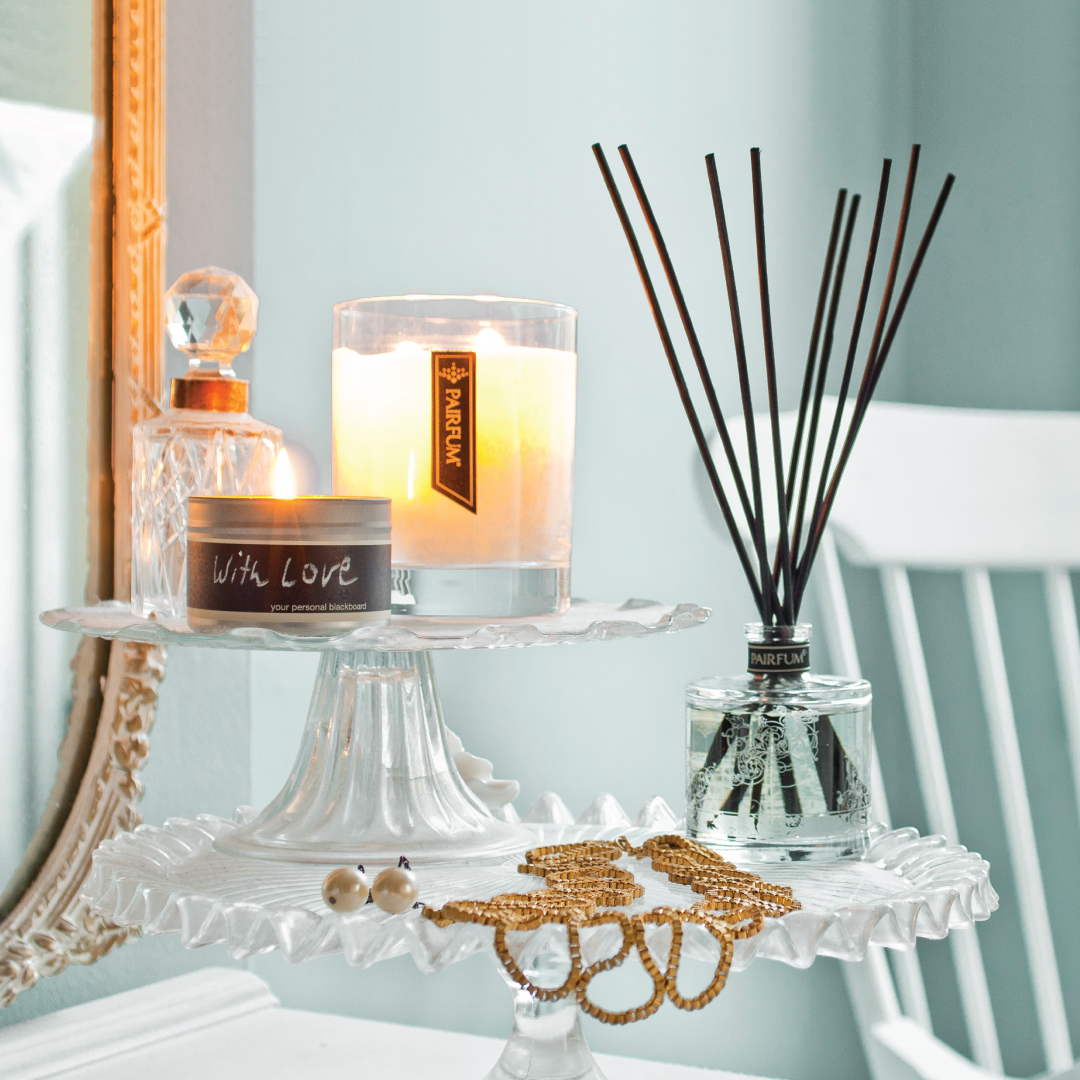
Lifestyle Living Room Natural Reed Diffuser Fragrance Candle 1 1

Perfume Structures that Feature Orange Slice

There are many ways that orange slices can sit within a fragrance. In classic cologne structures, an orange slice usually appears in the opening where it joins lemon or mandarin to create an instant sense of clarity. More modern compositions sometimes place an orange slice deeper in the heart of the blend, helping the perfume shift smoothly from bright top notes to deeper woods or musks.

A perfumer may even draw on an orange slice to soften heavier ingredients. Woods, resins and certain spices can feel dense if left unbalanced. When a citrus slice effect is added, it can create lightness without removing warmth. Although an orange slice is rarely used as a base note, it may linger longer when paired with fixatives that slow evaporation. In this way, even a hint of citrus can shape the final stages of a fragrance.

Working with Other Notes: Orange Slice in a Perfume Blend

An orange slice can play several roles inside a fragrance depending on what surrounds it. Most often it appears at the top, creating an early spark. At other times it settles into the heart, joining florals or herbs to help them breathe more easily. In rare situations, a perfumer might anchor a citrus slice deeper in the structure, although this requires careful work so that the light qualities of citrus do not disappear too quickly.

Pairings make a real difference. An orange slice with jasmine or neroli adds a lively opening for flowers that might otherwise feel subdued. Used with spices such as cinnamon or clove, orange slices brighten the warmth. When added to woods or soft resins, an orange slice brings gentle clarity so that heavier notes feel more open. In home fragrance, an orange slice often provides a clean tone that keeps the atmosphere feeling fresh.

Some perfumers use orange slices to round out sharp materials. When combined with tea, ginger or lavender, the result feels calm yet never dull. For this reason, an orange slice continues to be chosen when a fragrance needs lift without becoming loud.

Historical and Cultural Significance

The use of citrus fruit in fragrance dates back many centuries. In early Mediterranean regions, people dried citrus fruit for simple room scenting, hanging pieces in doorways to bring freshness indoors. As trade expanded, oranges travelled across sea routes, and different varieties spread into new climates. The aroma was linked with hospitality and cleanliness, two qualities that still shape how an orange slice is used in modern compositions.

In some parts of East Asia, oranges symbolised good fortune and purity. Orange blossom became a familiar wedding flower, while the fruit itself appeared in several ceremonies. When distillation techniques moved across Europe, perfumers began exploring everything from the orange peel to the leaf and the flower. Each part offered something distinct. This long history sits quietly behind the orange slice notes found in contemporary perfumes, carrying forward a sense of bright comfort.

Orange Slices

Fragrances with Lasting Spark: Perfumes That Use Orange Slice Well

Many fragrances rely on an orange slice to introduce clarity. This can be seen in light colognes that suit warm days, as well as balanced daytime scents worn throughout the year. An orange slice may open a perfume with sparkle before settling into softer tones such as lavender or musk. In other perfumes, orange slices remain present for longer, particularly when blended with green tea or mild spices like ginger.

Orange slices appear often in home fragrance as well. They give a clean impression when used in candles or diffusers, helping a room feel fresh without becoming overpowering. Their scent sits comfortably in early autumn and even in winter, when a gentle citrus note can lift the darker days.

Benefits of Orange Slice in Perfumery and Well-being

People often describe citrus as uplifting, and an orange slice easily supports this perception. Its natural sweetness remains soft, avoiding anything cloying. This suits those who want a fragrance that feels familiar and gentle. The airy quality of an orange slice can open a perfume, making it easier to wear during busy days or relaxed evenings.

Aromatherapy traditions have long used citrus for clearing the mind. The same qualities appear in modern perfumes when an orange slice provides a sense of brightness without intensity. It can soften a blend or create a bridge between contrasting ingredients, leaving the wearer with a feeling of ease.

A Clean Pop of Citrus for Early Autumn

As autumn arrives, the weather shifts slightly and orange slices fit this moment well. The aroma feels like a link between summer’s warmth and the cooler air of October. It brightens mornings without overwhelming the senses. Much like opening a window to let in a fresh breeze, an orange slice adds movement inside a fragrance or a room.

This balance makes orange slices ideal for people who want freshness during cooler months but dislike heavy spices. The scent feels tidy and steady, returning each time with a gentle spark. Even a small citrus slice note can add enough energy to make everyday routines feel more open.

Layering Tips and Usage Advice

An orange slice is one of the easiest notes to use when layering perfumes. It blends smoothly with florals, adding a sunny upper layer to jasmine or neroli. With green or herbal fragrances, an orange slice introduces clarity. Woodier scents also work well with orange slices, since the citrus helps prevent the base from becoming heavy.

A simple approach is to start with a citrus-centred fragrance. When that layer settles, apply something deeper or softer on top. The orange slice will shine through, drawing the layers together without competing with them.

Home fragrance can use a similar method. A candle with a citrus slice effect near a mild floral diffuser gives a natural sense of freshness that moves throughout the space.

Pairfum Eau de Parfum Person Reflection Neroli Musk Orange Blossom Bright 1 1

Sustainability and Ingredient Integrity

Sourcing citrus is often more sustainable than people expect. Much of the orange used in perfumery comes from the byproducts of the juice industry. Instead of discarding the peel, producers press it to extract oils. This makes good use of material that would otherwise be wasted.

Organic oranges offer additional assurance because their peels are untreated. Some perfumers look for small-scale growers who farm responsibly. Cold pressing remains one of the most energy-efficient extraction methods for oranges. Steam distillation uses more resources but can still be carried out carefully.

For many consumers, ingredient integrity matters. Knowing where an orange slice note comes from, how the oils were extracted and how growers were treated helps people make choices that match their own values.

A Culinary Detour: Orange Slices in the Kitchen and Crafts

Fresh Oranges in Everyday Use

Fresh oranges turn up in many homes, whether used for baking, drinks or simple table decoration. People often prepare dried orange slices when they want something long-lasting, especially for Christmas crafts where colour and scent matter. Dehydrated orange slices are popular because they hold their shape well. Some prefer dried oranges for their gentle aroma, and a larger slice can be used as a rustic decoration hung in a window. A single citrus slice can add more charm than expected, especially when paired with other dried fruit in small seasonal arrangements.

The Charm of Candied Orange

Candied orange slices have a sweetness that feels nostalgic. Many use candied orange when decorating a cake, sometimes dipping pieces in chocolate or dark chocolate for a pleasant contrast. Candied orange slices appear in older recipe collections where fruit was simmered slowly. Some cooks include candied citrus slices or candied slices to bring warmth. Others reach for candied lemon slices when they want brightness. A baking sheet lined with baking paper helps the fruit cool after cooking, and a paper towel can remove extra moisture before the slices are coated in syrup. This step improves the look of each dried slice once it sets.

Drying and Preparing the Fruit

To prepare dried fruit at home, a sharp knife is used to create thin slices of fresh oranges. These sliced oranges are placed into a low oven until they dry slowly. A single dried orange or a tray of dry oranges can then be stored for later use. Some people coat pieces lightly with syrup or orange syrup so they shine once cooled. A cinnamon stick or star anise can also be added to a pan when warming slices, giving a warm, spiced scent. Dried citrus works well as a cocktail garnish, and those who like to garnish cocktails often enjoy mixing citrus with herbs for extra colour.

Varieties and Their Uses

Many recipes call for fresh oranges, though cara cara oranges are chosen for their soft flavour. Blood oranges are used when a deeper shade is wanted, and navel oranges remain reliable for preparation and drying. Organic oranges appeal to those who want untreated skins. Dried citrus, dried orange, and dried fruit all bring gentle fragrance to a room. Some people place dry oranges in bowls as simple decoration.

Using Orange Peel and Larger Slices in Crafting and Home Aroma

Those who enjoy seasonal crafts often use orange peel or larger slices for displays. The peel retains much of the essential oil, which keeps the aroma vivid even after drying. Larger slices stay firm, making them ideal for wreaths or table decoration. Dehydrated oranges appeal to people who want pieces that hold colour. These methods show how citrus can cross easily from the kitchen into simple home fragrance.

Recipes and Final Touches

A simple recipe can turn slices of citrus into gifts or house décor. A recipe faq may answer questions about oven temperatures and storage. A recipe rating helps people choose the method they prefer. Candied orange slices, candied citrus slices and candied slices are used widely, and some people enjoy placing them beside dark chocolate on a platter. Candied lemon slices sometimes appear in mixed trays with citrus, adding a lighter contrast.

The Sensory Connection with Perfumery

Anyone who has simmered candied orange or dried orange slices will recognise the warm citrus scent that rises. This aroma feels uplifting in much the same way as a perfume with an orange slice note. The link between the two worlds explains why citrus materials continue to inspire both cooks and perfumers.

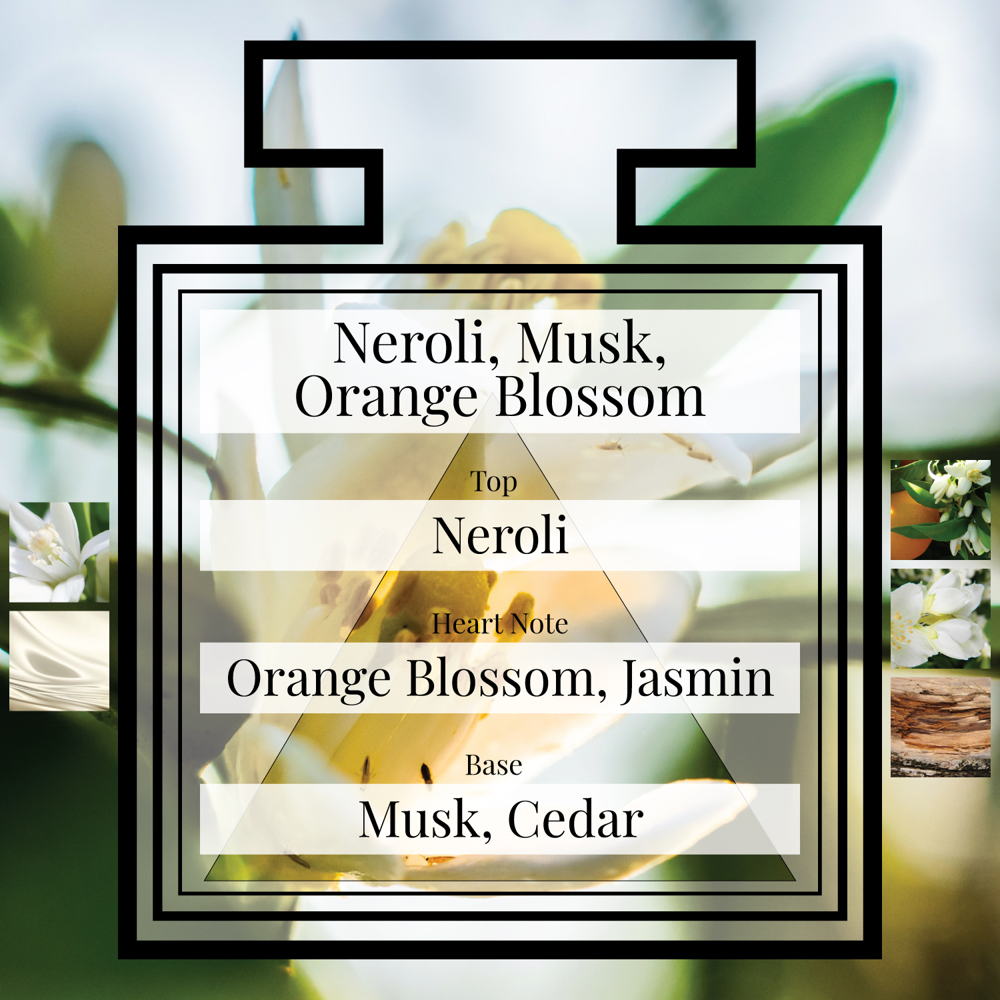
Pairfum Fragrance Neroli Musk Orange Blossom Triangle Ingredients

FAQs

What makes an orange slice note different from a plain orange?
It includes the zest, the juice, the soft bitterness of the membrane and even the green edge of the peel, creating something fuller than a simple orange.

Why do citrus notes fade more quickly?
Citrus materials evaporate faster. Perfumers slow this by layering or using fixatives.

Is orange slice suitable for wear throughout the year?
Yes. It suits spring, summer, early autumn and even winter when a little brightness is welcome.

Can orange slices be used in both personal and home fragrance?
Yes. They add freshness without heaviness and feel clean in most settings.

Does an orange slice blend well with florals or spices?
It works with jasmine, neroli, lavender and warm spices. It also introduces clarity to woods and herbs.

Orange Blossom and Orange Slice-Inspired Personal & Home Fragrance by Pairfum London

Neroli, Musk, Orange Blossom – Eau de Parfum by Pairfum London

This beautifully fresh, floral fragrance opens with the natural top note of Neroli. What follows is an alluringly pure & white floral heart of Orange Blossom and Madagascan Jasmine. The sensual base of Radiant Musk and Cedarwood adds depth and warmth to this fragrance.

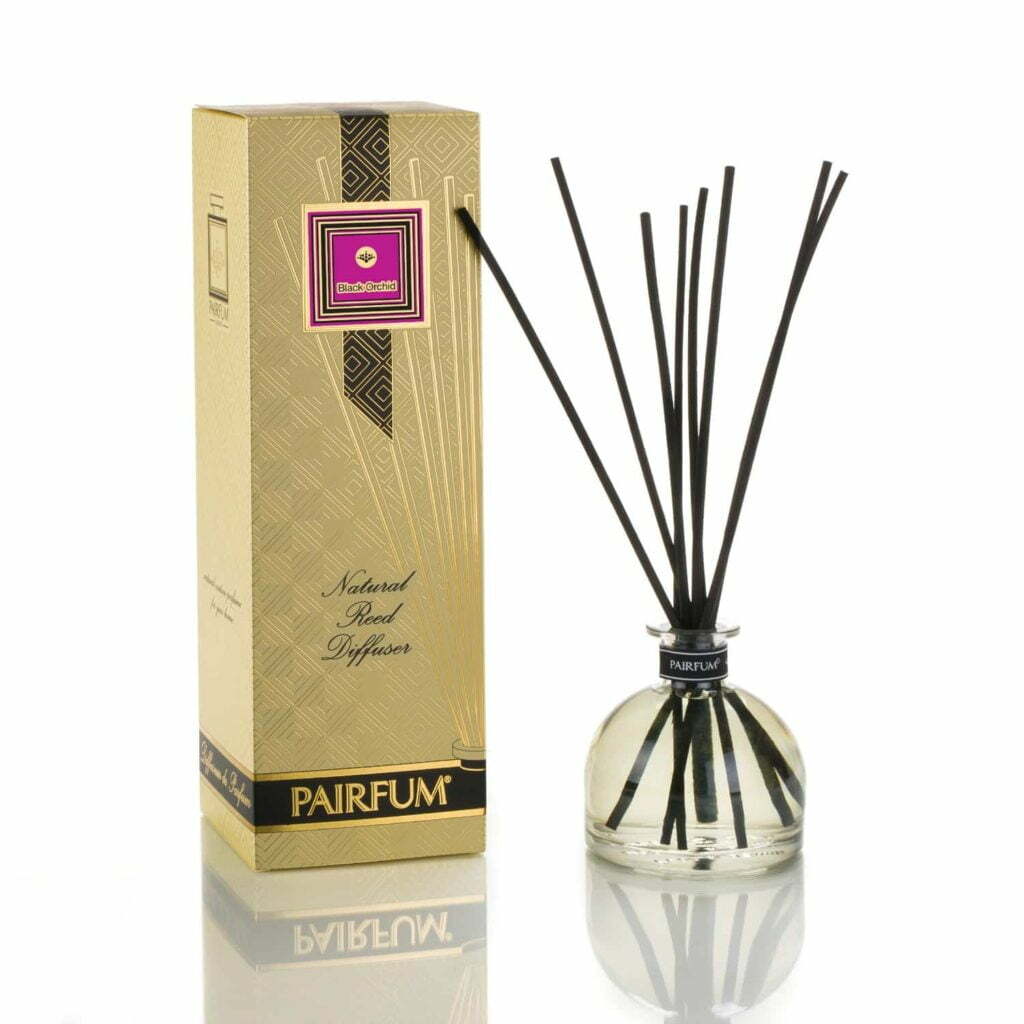
Black Orchid – Bell Shape Reed Diffuser by Pairfum London

This rich, Oriental fragrance features a top of Anjou Pear, Dark Cassis and Orange Slice. The heart is elegantly floral, consisting of Black Orchid and Powdery Violet. Finally, a divinely sensuous base of Musk, Copahu Balm and Vanilla Pod completes the scent.

Pairfum Large Reed Diffuser Bell Signature Black Orchid

Conclusion

Orange slice remains one of the most familiar and uplifting notes in fragrance. Its mix of zest, gentle sweetness and soft green nuances makes it a favourite among perfumers and fragrance lovers alike. It adds clarity to perfumes, warmth to seasonal blends and brightness to home fragrance. Even away from perfumery, orange slices appear in cooking, crafts and simple household decoration. Whether dried, candied or freshly sliced, the natural charm of citrus fruit continues to offer colour, comfort and a sense of easy freshness.

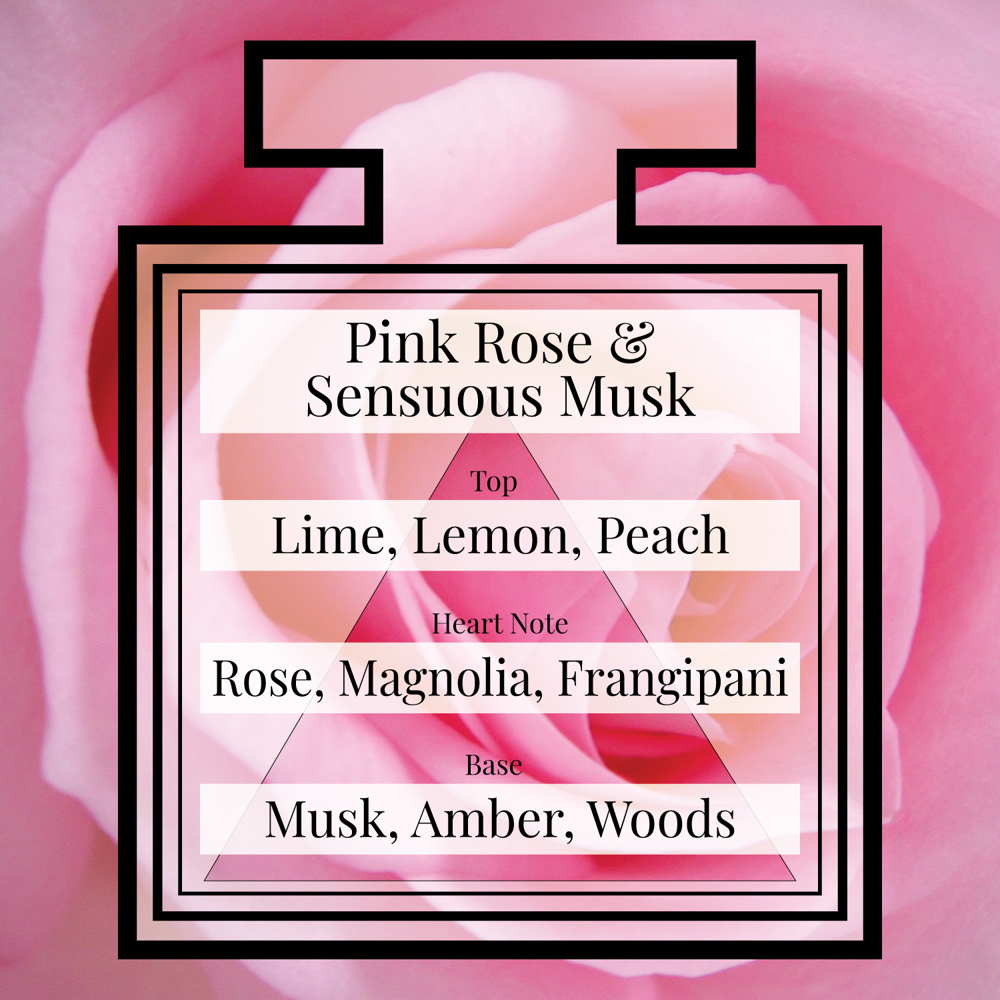
Eau De Parfum Pure Three Pairfum Pink Rose Sensuous Musk

4 x Tips to Identify the Key Notes in Perfume – An Expert Guide

Introduction:

Perfumes are more than just a scent; they are an expression of your personality. Understanding the key notes in perfume can help you find the perfect fragrance that resonates with you.

In this comprehensive guide, we will delve into the art of identifying top, middle, and base notes in perfumes. Understanding the complex blend of fragrance notes and ingredients that make up a fragrance can be daunting for even the most experienced perfume enthusiasts.

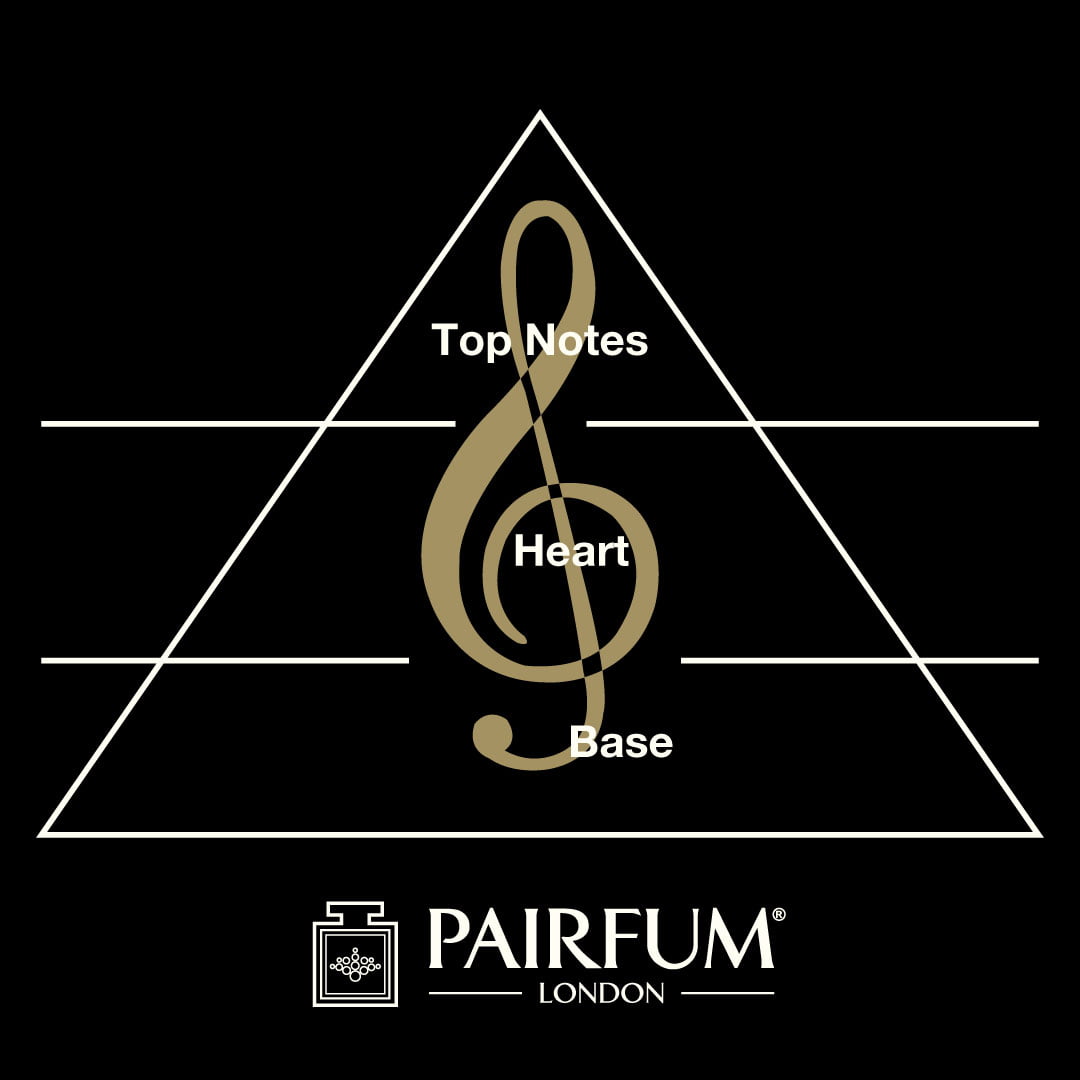
Perfume notes are often compared to musical notes as they come together to create an aromatic symphony. These notes are categorised into three sections: top, middle and bottom notes.

In order to fully appreciate and enjoy the fragrances you wear, you need to understand the different types of notes and recognise the characteristics of each note.

At Pairfum London, our in-house perfumer continuously creates a variety of unique and memorable perfumes. Our fragrant collection includes a wide range of niche perfumes, diffusers, scented candles, prebiotic lotions, room sprays and much more.

In this blog, we present tips and tricks for identifying the key notes in perfume. Whether you are a seasoned perfume connoisseur or just starting to explore the world of fragrances, these tips will help you develop a deeper understanding and appreciation of perfumes.

Pairfum Natural Niche Perfume Home Fragrance Olfactory Triangle Key notes in perfume

What are Perfume Notes?

Perfume notes are basically the ingredients that make up a fragrance. Perfume artisans carefully select each note to craft complex and pleasant aromas.

These fragrance key notes can be separated into a three-tiered pyramid: top, middle and bottom. 

Understanding perfume notes is crucial for anyone who wants to find their signature scent.

Let’s understand these notes further.

Understanding the Top Note in Perfumes

When you first apply a perfume, the initial scent that greets your senses is known as the top note. These are the “opening chords” in the aromatic symphony of a fragrance. These form the top layer of a fragrance and they play an essential role in the first impression made by the perfume.

Common top notes in perfumes include citrus elements like lemon and bergamot, as well as light floral or fruity essences like lavender and apple that make a strong impact on the wearer.

These notes are designed to make a strong, memorable impact but generally last for only five to fifteen minutes. Understanding the top note is crucial for capturing that all-important first impression of a fragrance and to provide you with a memorable starting point for your fragrance.

Pairfum Fragrance Pink Rose Sensuous Musk Triangle Key notes in perfume

The Importance of Middle or Heart Notes

After the dominance of the top notes fades, the middle or heart notes start to unfold. These notes make up the core of the perfume and often last much longer, sometimes for several hours.

To avoid confusion, the heart notes are present from the very first instance you sense the perfume. However, they are overpowered by the top notes and yet they do contribute significantly to how you perceive the top notes (as do the base notes).

Middle notes in perfume often include floral elements like jasmine or rose, and can also feature spicy notes such as nutmeg or cinnamon. They serve as the heart or core of the perfume that connects the light top notes and the deeper base notes, offering a more rounded and complex scent profile.

Recognizing the characteristics of middle notes can deepen your appreciation and understanding of a fragrance’s longevity and complexity.

Deciphering the Base Note in Fragrances

These notes form the foundation of a perfume. Base notes are the final layer in the aromatic structure of a perfume, providing depth and solidity to the fragrance.

These notes kick in about 30 to 45 minutes after application and can last for several hours, sometimes even an entire day. Although present from the beginning and influencing how you perceive the fragrance from the very first instance, they become more recognisable from teh 30 minute mark, typically.

Common base notes in perfume include rich, robust elements like woods (sandalwood, patchoulie,…), gourmands (e.g. vanilla, caramel, …), animal notes (e.g. musk) or amber.

Understanding the base notes is essential for anyone interested in the long-lasting impact of a fragrance.

One key feature of base notes is that are usually the note that lingers on your skin. An example of a base note that has fantastic ‘substantivity’, i.e. the ability to stay on your skin for a long time, is an ingredient called ‘oud’. The substantivity of oud makes it the single most popular ingredient in the Arabic region due to the enormous heat the region experiences.

No matter your favourite key note preference, find your perfect perfume in our amazing collection of niche fragrances.

Exploring the Fragrance Pyramid: A Deeper Dive into How to Identify Perfume Notes

If you’re keen to master how to identify perfume notes, a crucial step is understanding the fragrance pyramid, often referred to as the olfactory pyramid. This structure is the backbone of any perfume, illustrating how the layers of scent (top, heart, and base) unfold over time to create a harmonious aroma. Each layer, or perfume note, plays a distinct role in shaping the overall experience of a fragrance, and learning to identify fragrance notes can transform the way you choose and appreciate scents.

At the top of the fragrance pyramid, you’ll encounter the lightest and most volatile notes, which make the first impression. A bright citrus scent like bergamot or a burst of fruity scents such as apple often dominates here, grabbing attention immediately after application. These notes are fleeting, but they set the tone for what’s to come. Moving deeper, the heart of the fragrance reveals itself with a floral scent like rose or jasmine, offering a softer, more emotional connection. These middle notes bridge the gap between the initial burst and the enduring foundation.

Finally, the base of the pyramid delivers a lasting impression with deeper, richer tones. A woody scent or woody fragrance, think sandalwood or cedarwood in a classic woody perfume, grounds the scent, providing warmth and longevity. You might also encounter spicy scents like clove or cinnamon, adding intrigue, or even a niche fragrance with unique olfactory notes that stand out from mainstream offerings. Each different note contributes to the perfume’s character, and recognising these layers can help you pinpoint your favourite scent.

When exploring fragrances, consider the role of fragrance oil concentration, as it impacts how these notes evolve on your skin. A higher concentration, such as in an Eau de Parfum, ensures the base notes linger longer, allowing you to fully appreciate the complexity of the scent over hours. Whether you’re drawn to a comforting woody fragrance or a vibrant mix of fruity scents, taking the time to dissect the fragrance pyramid will deepen your connection to every bottle you try.

Key notes in perfume Fragrance Library Experience

Tips for Identifying Key Notes in Perfumes

1. Determine the Notes

One of the best ways to identify the different notes in a fragrance is to smell it at different stages of the dry down.

The dry down is the process of the fragrance evaporating and developing on your skin. When you first apply a fragrance, focus on the initial scents and ingredients that you smell, these are the top notes. Are there any particular ones that you can pick up? As the assistants in the store to guide you by listing the ‘top notes’ only. Hearing the ‘heart’ or ‘base’ notes will only confuse you at this stage.

After about 15-30 minutes, the middle notes will start to develop, and you’ll notice a shift in the scent profile. Now is the ideal time to ask for the heart notes.

Finally, from an hour onwards, the base notes will become more prominent, and the perfume will have settled into its final form.
2. Recognise the Note’s Characteristics

Once you have a basic understanding of the different types of notes in perfumes, you can start to recognise their characteristics.

You’ll notice that citrus notes are typically fresh and bright, while floral notes are typically delicate and romantic. Spicy notes tend to have a warm and comforting quality, while woody notes can have a grounding and earthy quality. With Gourmand notes you are typically reminded of food item

When choosing your signature scent, find the notes that resonate with you and suit your personality and tastes.

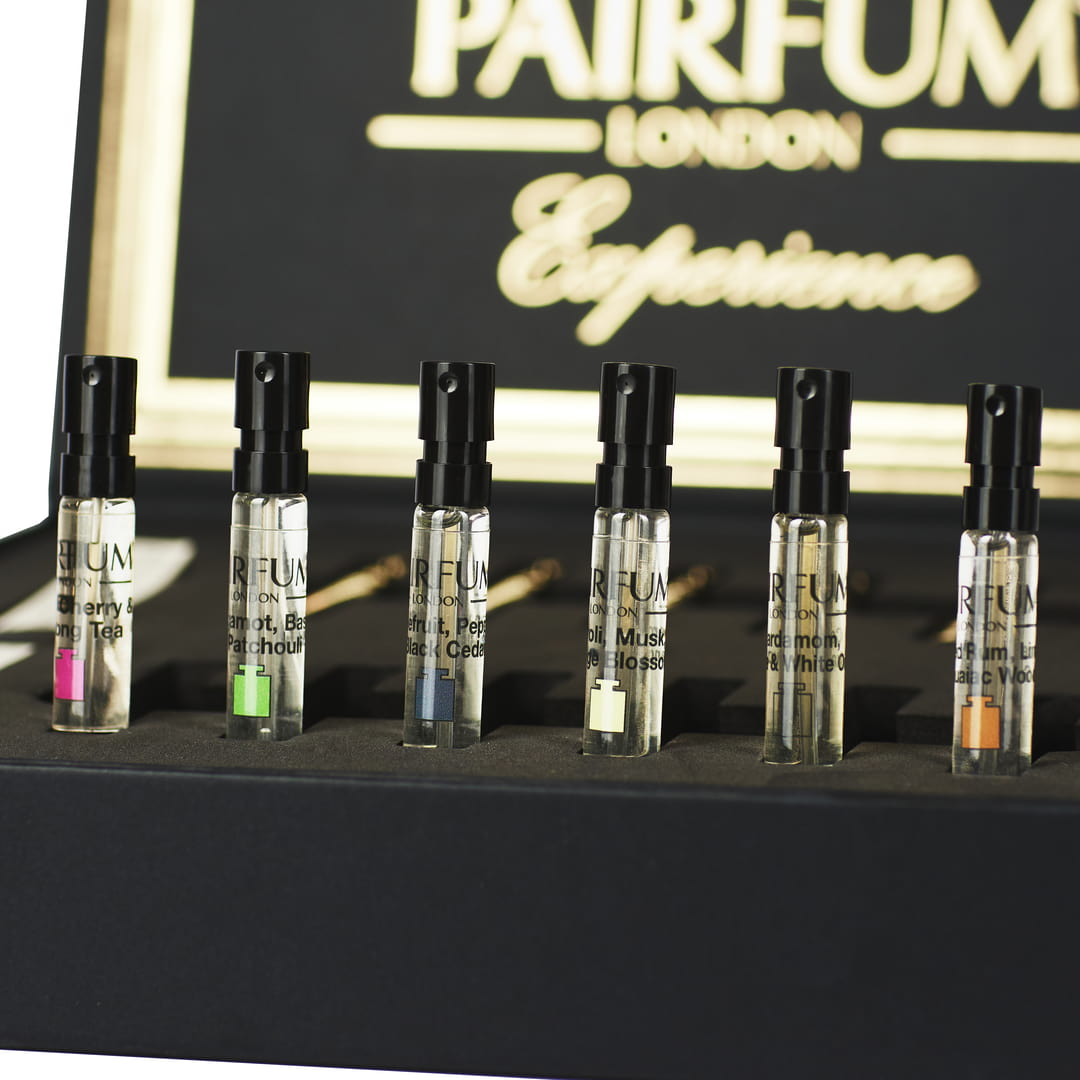
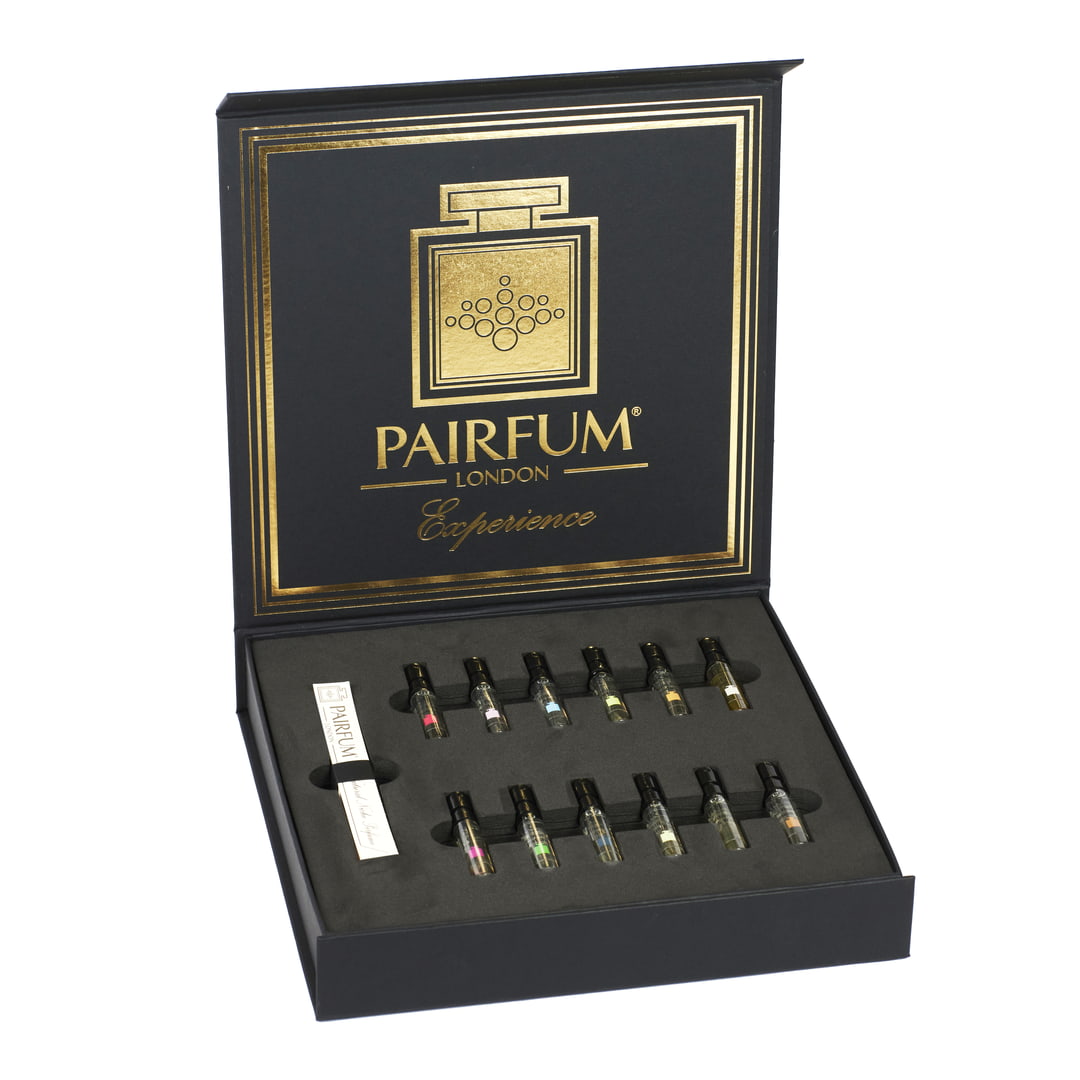
Check out our perfume experience box to sample a variety of exquisite aromas.

3. Analyse the Fragrance Families

Fragrances can also be grouped into different olfactive families. Here are the main ones:

  • citrus
  • floral
  • fougere or aromatic
  • oriental
  • woody
  • chypre

Each family has its signature notes that are commonly used and define the perfumes within that family. 

Floral fragrances typically have a strong presence of notes such as rose, jasmine, and lavender. Vanilla and spicy notes, e.g. clove, cinnamon, tend to dominate Oriental fragrances. With woody fragrances, you’ll find notes such as cedarwood and sandalwood.

Fragrance Wheel

The fragrance wheel is an invaluable tool designed to simplify the complex world of scents into an easy-to-understand visual guide.

Created by Michael Edwards in 1983, this wheel categorizes various fragrances into the different main olfactive families and then breaks it down further breaking them down into sub-families for more nuanced identification.

The wheel serves as a roadmap for both novices and connoisseurs to explore, understand, and articulate the wide array of scents available. To use the fragrance wheel, start by identifying the broader family that appeals to you, and then delve into its sub-categories to find scents that resonate with your personal preferences.

Whether you’re a perfume aficionado looking to expand your olfactory vocabulary or a beginner seeking to find your signature scent, the fragrance wheel offers a structured approach to navigating the intricate and fascinating landscape of perfumes.

Olfactive Families Fragrance Wheel Classification Michael Edwards

4. Create a Personal Fragrance Library

As you start to become more familiar with the different notes and families of perfumes, you can create a personal fragrance library for reference and comparison. This can be a physical collection of perfumes or a digital collection of notes and observations. 

Keeping a record of the fragrances you have tried and what you liked and didn’t like about them can help you to refine your fragrance preferences and make more informed decisions when choosing new fragrances to try.

5. How to Smell Perfume?

When testing a new perfume, it is essential to know how to smell it correctly. Avoid smelling too many fragrances in quick succession, as this can overwhelm your olfactory senses. Take a break and smell something neutral, to cleanse your palate between scents.

6. Fragrance Strength and Longevity

The strength and longevity of a perfume depend on its concentration.

Eau de Parfum (EDP) is stronger and lasts longer, usually around 6-8 hours, compared to Eau de Toilette (EDT), which generally lasts between 1-3 hours.

Knowing the strength can help you choose a perfume that suits your needs, whether you’re looking for a long-lasting scent or something lighter.

7. How To Use A Smelling Strip?

This is a practical tip that can be useful for those of our readers who are new to the world of perfumes.

Smelling strips are a useful tool for identifying key notes in a perfume. To use a smelling strip, simply spray the perfume onto one end of the strip and wait a few seconds to allow the initial burst of alcohol to dissipate.

Initially, you’ll smell the top notes. As time passes, the strip will reveal the heart and eventually the base notes, giving you a complete olfactory journey of the fragrance.

When you meet a perfumer or a fragrance connoisseur, you will probably notice that they hold a few ‘smelling strips’ in their hand, like a fan, and repeatedly smell them while speaking with you. Notice that these smelling strips normally contain a code or name and that they do not touch the fragrant end of the smelling strip with the nose or hands. Equally, a perfumer never allows the perfumed tips of the strip to touch to avoid any form of cross-contamination or ‘muddling’ of the perfumes.

You may also notice that their arms are like ‘living smelling strips’. Perfumers will regularly use these to evaluate how the note unfolds over time.

8. Frequently Asked Questions

Why do perfumes smell different on different people?

The way a perfume smells can vary from person to next due to individual skin chemistry, micro-flora, diet and the weather or climate. These factors will also influence how the perfume notes evolve over time on your skin.

How can I make my perfume last longer on my skin?

To make your perfume last longer, apply it to areas of your body that are covered with clothing, like the arms or chest.

You can also apply an unscented lotion or body oil first and then layer the perfume over the top. The oil will bind the fragrance to your skin to allow it to last longer.

Should I Spray My Perfume On My Skin Or My Clothes?

The ideal place to apply perfume is directly onto your skin, specifically on pulse points like the wrists, behind the ears, and the base of the throat.

Spraying perfume on clothes can sometimes lead to stains and may not evolve the same way it does on your skin. However, some people prefer to spray it on their clothes to avoid skin irritation.

Can Perfume Be An Aphrodisiac?

While there’s no scientific evidence to confirm that perfume can act as an aphrodisiac, many believe that certain scents can evoke feelings of attraction or arousal.

Scents like vanilla, musk, and certain floral notes are often cited as having aphrodisiac qualities. Choosing a perfume with these notes might add an extra layer of allure.

How Long Can You Store Perfume?

The shelf life of a perfume can vary depending on its composition and how it’s stored.

Generally, perfumes can last anywhere from 2 to 5 years, if stored in a cool, dark place. Over time, exposure to light and temperature fluctuations can degrade the quality of the fragrance. If you notice a change in color or scent, it may be time to replace your perfume.

More FAQs?

We have a section on our website that answers the most Frequently Asked Questions when it comes to perfume and we invite you to explore it.

Conclusion:

We hope you enjoyed our introduction of how to Identify the Key Notes in Perfume.

The next step is to start discovering and exploring perfume differently. One obvious thing you may have noticed when reading this article is that you should take more time to smell a fragrance to see how it unfolds over time and whether you love how it smells and develops on your skin.

Ask yourself these questions:

  • Do you still love the perfume when you are at home?
  • Do you like how it smells on you at the end of the day?
  • Does it only work for particular occasions, seasons, locations or times of the day or is it a note that love throughout the entire year?

These questions are impossible to answer when you run through the Duty Free to catch your flight or when you browse the perfumery isle in your favourite store.

Instead, you should do the following:

  • keep the smelling strips / perfume you are testing apart so that their scents to mix
  • take your time and don’t smell too many
  • select only a few and ask for samples to take away
  • then use the samples to consciously wear these notes for a week.

This sounds a bit difficult. Doesn’t it!

We have a much simpler solution for you: The Perfume Experience Box.

It contains 12 x Eau de Parfum Intense and each perfume vial contains enough fragrance to wear it daily for two weeks, enough time to fully experience the perfume and not just initially on a smelling strip in the confusion of a perfumery.

With the Perfume Experience Box, you will find it much easier to identify the key notes in a perfume and to discover the fragrance that is ideal for you or for a specific occasion or season.

4 Tips to Identify the Key Notes in Perfume Experience Box

How to Use Perfume Notes to Choose the Right Fragrance

Understanding the different fragrance notes is essential when selecting the perfect perfume for various occasions, moods, or seasons. Each layer of scent – from the head note to the base note – contributes to the final fragrance that unfolds over time.

For a fresh and invigorating start, citrus scents like lemon or bergamot are common opening notes that provide a bright, lively experience. These are ideal for daytime wear, particularly in warmer weather, as their fresh notes align with a light, airy atmosphere. Floral perfumes featuring heart notes such as rose or jasmine are also great for daytime, evoking a sense of romance and elegance.

On the other hand, woody fragrances with deeper woody notes such as sandalwood or cedar are perfect for evening wear or colder seasons. The richness of woody scents adds warmth and sophistication to your presence. Oriental fragrances, which often include spices like cinnamon or clove, are ideal for adding an exotic, luxurious touch to your evening or special event look.

Understanding how these different scents fit into a fragrance family can make it easier to identify your perfect scent. For instance, floral fragrances often feature a blend of delicate, floral scents like jasmine or lavender, while woody fragrances focus on robust, grounding elements such as cedar or sandalwood. Meanwhile, the fragrance wheel can help you explore different fragrance families and sub-families, offering guidance in finding the right perfume for your personal style.

If you’re looking for long-lasting perfumes, eau de parfum is a great option. Its higher concentration of perfume oil ensures the scent lingers for hours, making it perfect for all-day wear. For a more customized approach, consider the role of common base notes like musk or amber in perfume creation – these are the notes that will define how your perfume wears throughout the day.

By paying attention to these scent notes and how they evolve, you’ll be able to confidently choose the perfect scent for any occasion.

Choose Pairfum London to Experience Niche Fragrances

Are you looking for a unique and luxuriously natural Niche Perfume? We have got just what you have been looking for.

At Pairfum London, our in-house perfumer is passionate about natural niche fragrances and is dedicated to inventing new and unique perfumes to delight our customers. 

With our expertise in the perfume industry, we create a wide range of fragrant products. Our collection includes exquisite niche perfumes, home aromas, skin care products and much more. Explore our stunning products and reach out to us to find out more about our offering.

Lifestyle Living Room Natural Reed Diffuser Fragrance Candle Key notes in perfume
Heart Notes In Perfume 1

Heart Notes in Perfume: The Soulful Core of a Fragrance

In this article about the “Heart Notes in Perfume“, we venture into the captivating world of heart notes, unravelling the mysteries of their olfactory significance and their indispensable role in crafting evocative, lasting perfumes:

  • introduction to perfume notes and the heart note in particular
  • what is a fragrance pyramid?
  • typical heart notes
  • common heart note accords

The intricate dance of perfume notes is a harmonious symphony that tells the story of a fragrance, an enchanting narrative that goes beyond the mere sensations of olfaction. At the very core of this scented tale lies the vital essence that defines and shapes the soul of a fragrance, the heart note.

Introduction to Perfume Notes

To truly appreciate the beauty of heart notes, one must first understand the broader spectrum of perfume notes.

Perfume notes are the individual scents that make up a fragrance, categorized into top, heart, and base notes. These different notes combine to create the initial scent, evolving into the final fragrance as they interact with the wearer’s skin. Each fragrance note plays a crucial role in this evolution, shaping the overall experience of the perfume.

Here are other words how these fragrance notes are sometimes described:

  • Top Note: opening note, head note, note de tête (french)
  • Heart Note: fragrance coeur (french for heart), middle note
  • Base Note: fond note, final note,
Pairfum Natural Niche Perfume Home Fragrance Olfactory Triangle Pyramid Top Hearts Notes Base

The Fragrance Pyramid: Understanding the Role of Heart Notes in Perfume

The journey of heart notes in perfume begins with an understanding of the structure of scent, an intricate pyramid of olfactory layers that unveils the narrative of a fragrance through the sequential interplay of top, middle and base notes. These three notes are used to describe the volatility of the ingredients or notes, their speed of evaporation. The higher the volatility, the more immediate the perception of the note. The reverse, ingredients with a slow evaporation, form the base notes. To avoid any confusion, all three notes evaporate at the same time. However, the emphasis changes over time.

Top notes are the dominant ingredients that we perceive when we have just sprayed the perfume. Typically, they captivate us with their freshness or character. As these head notes dissipate, heart notes emerge, infusing the fragrance with personality. The base notes come to the fore when the majority of the heart note has dissipated., anchoring the scent with a lasting impression of depth, richness and longevity.

As the second layer in this olfactory pyramid, heart notes serve as the central hear or the anchor of the perfume, ensuring a smooth transition between the initial impression and the final lingering base notes. These heart notes, also referred to as middle notes, provide the foundation upon which the other layers of a fragrance are supported and anchored.

The heart notes in a perfume provide this stability and harmony, acting as a central connecting element that weaves together the distinct olfactory impressions of top and base notes, creating a memorable olfactory symphony.

The Evolution of Fragrance Notes

The top notes lasts for around 5-20 minutes and then the heart or middle notes begin to introduce themselves. Common top notes are citrus, fruits and aquatic.

The heart notes last for between 20 minutes – 3 hours. The heart notes constitute about 40-80% of the fragrance.

As the heart notes fade, the base notes start to reveal themselves. How long the base or bottom notes last depends on the fragrance concentration (Parfum, Eau de Parfum, Eau de Toilette, …) and ingredients used in the fragrance. Some concentrations and base notes, e.g. oud, are known to last upto 24 hrs on skin. In fabrics or clothing, fragrances can last days. Common base notes are vanilla, patchouli, musk, ambergris and oakmoss.

A well-crafted fragrance relies heavily on balance and cohesion between the various components and ingredients that constitute its olfactory identity.

Pairfum Fragrance Triangle Black Orchid Pear Freesia Vanilla Musk Heart Notes in Fragrance

Typical Heart Note Ingredients:

The enchanting world of heart notes in perfume is home to a diverse array of fragrance rawmaterials or oils, each ingredient bringing its unique charm and allure to the fragrance composition. Some iconic heart note ingredients include:

Flowers

  • Rose: As a common floral note, the ‘queen of flowers’ often takes centre stage in heart notes, with its elegant, romantic aroma forming the foundation for many perfume compositions. It brings a luxurious, timeless quality to the fragrance, infusing it with classic sophistication.
  • Jasmine: Its opulent, intoxicating scent has made jasmine a beloved fixture in the realm of heart notes. Its multifaceted appeal lends the composition an intoxicating atmosphere, adding sensuality to the overall fragrance experience.
  • Geranium: Geranium’s crisp, green, and slightly spicy scent serves as a versatile connecting point between other fragrance components. Its ability to imbue compositions with vibrancy and depth renders geranium an essential player in the heart note ensemble.
  • Ylang-Ylang: This distinctly tropical flower is known for its rich, narcotic scent, which can impart sensual, exotic dimensions to the middle notes of a fragrance. The alluring essence of ylang-ylang adds a luxurious decadence to perfume compositions.

Spicy Notes:

  • Cinnamon: Warm, sweet, and spicy, cinnamon adds a comforting and sometimes exotic touch to the heart of a fragrance.
  • Nutmeg: Nutmeg has a warm, slightly sweet, and woody scent that complements both floral and oriental fragrances.
  • Clove: This spicy note adds warmth and a slightly sweet, aromatic scent, often used in oriental and woody compositions.

Fruity Notes:

  • Peach: Peach provides a sweet, juicy, and slightly creamy scent that adds a fresh and playful dimension to a perfume.
  • Pear: Offering a crisp, sweet, and fresh aroma, pear is often used to add lightness and a touch of sweetness.
  • Plum: Plum has a rich, sweet, and slightly tart aroma, often used in oriental and fruity-floral fragrances.

Green Notes:

  • Violet Leaf: Violet leaf has a fresh, green, and slightly metallic scent that adds a crisp, natural quality to the heart notes.
  • Galbanum: This green note is resinous, earthy, and slightly bitter, often used to add depth and complexity to floral and chypre perfumes.

Herbal Notes:

  • Lavender: A cornerstone of aromatic and fougère fragrances, lavender’s herbaceous, soothing aroma notes offer balance and freshness to perfume composition, adding character and depth to the heart note layer.
  • Rosemary: Rosemary offers a fresh, aromatic, and slightly camphorous scent, adding an invigorating and herbal quality to perfumes.
  • Thyme: With a fresh, green, and slightly spicy aroma, thyme is often used in masculine and unisex fragrances.

Woody Notes:

  • Cedarwood: Cedarwood provides a warm, dry, and slightly sweet woody scent, often used to add structure and longevity to the heart of a fragrance.
  • Sandalwood: Known for its creamy, soft, and slightly sweet woody aroma, sandalwood is a popular heart note in oriental and woody fragrances.
Pairfum Fragrance Triangle Olfactive Pyramid White Sandalwood Jasmine Labdanum Neroli Heart Note Top Middle Base

Evoking Emotions: The Psychological Impact of Heart Notes

While the experience of fragrance is deeply personal, heart notes in perfume play a crucial role in eliciting emotional responses that resonate with wearers. As the soulful core of a fragrance, heart notes can create an olfactory atmosphere that evokes unique sensory experiences, such as the comforting warmth of spices, the fresh, invigorating sensation of green notes, or the sensual allure of heady florals.

Studies have shown that fragrance can significantly impact mood, stress levels, and cognitive function. By carefully selecting heart note ingredients that tap into these psychological and emotive responses, perfumers can craft fragrances that provide not only a captivating scent but also a profound, personal connection to the wearer.

Natural and Synthetic Ingredients: The Role of Oils in Heart Notes

In the world of perfumery, both natural and synthetic ingredients play crucial roles in developing heart notes. An essential oil (or perfume oil) can be derived from either flowers, spices, and herbs, provide authenticity and depth, while synthetic compounds offer consistency and innovation in creating new and unique scents. The careful blending of fragrance oils allows perfumers to create complex fragrances that capture the essence of natural aromas and push the boundaries of olfactory artistry.

Perfume oil is a concentrated, long-lasting component that enhance the richness of middle notes, ensuring they remain vibrant throughout the fragrance’s wear. The inclusion of both essential oils and synthetic elements in a fragrance allows for greater versatility and complexity, making each scent an individual masterpiece.

Scent Longevity: How Heart Notes Impact a Fragrance’s Lifespan

Heart notes in perfume play a pivotal role in determining the longevity of a fragrance’s scent on the skin. These middle notes, typically comprising complex, more tenacious ingredients, provide a foundation upon which the initial top notes and the eventual base notes can securely rest. As a transition between these olfactory layers, heart notes can have a profound impact on the overall wear time and perceived duration of the scent.

By ensuring a smooth olfactory progression from the ephemeral top notes to the lingering base notes, heart notes exert considerable influence over the fragrance’s evolution on the skin, ultimately shaping its olfactory profile and lasting essence.

Eau De Parfum Person Reflection Pink Rose Sensuous Musk Woman Heart Note

Typical Heart Note Accords

In perfumery, heart note accords or combinations play a crucial role in shaping the character and overall experience of a fragrance. These accords are carefully crafted blends of individual notes that work together to create a harmonious and complex scent profile.

Here are some of the most common heart note accords or combinations found in perfumes:

1. Floral Bouquet Accord

  • Combination: Rose, Jasmine, Ylang-Ylang, and Lily of the Valley.
  • Description: This is one of the most classic and widely used accords in perfumery. The blend of various floral notes creates a rich, multi-faceted floral heart that is both elegant and timeless. Each flower contributes its unique qualities—rose adds depth and sweetness, jasmine offers opulence and sensuality, ylang-ylang provides a creamy, exotic touch, and lily of the valley imparts a fresh, green nuance.

Rose and Jasmine Accord:

  • This classic floral combination is both rich and opulent, creating a lush bouquet that is both elegant and timeless. It is widely used in feminine fragrances.
  • Example: Dior J’adore – This perfume features a prominent rose and jasmine heart, contributing to its luxurious and sensual floral character.

Violet and Iris Accord:

  • Violet provides a soft, powdery sweetness, while iris adds a buttery, slightly woody undertone, creating a sophisticated and refined floral bouquet.
  • Example: Guerlain Insolence – The heart of this fragrance is dominated by violet and iris, giving it a powdery, floral elegance.

Tuberose and Ylang-Ylang Accord:

  • Tuberose brings an intense, creamy floral scent, while ylang-ylang adds a rich, slightly fruity floral aspect, resulting in a voluptuous and exotic accord.
  • Example: Frédéric Malle Carnal Flower – This fragrance is known for its lush tuberose heart, supported by the exotic ylang-ylang.

2. Spicy Floral Accord

  • Combination: Rose, Carnation, and Clove.
  • Description: This accord blends the sweetness of florals with the warmth of spices. The rose offers a sweet and rich floral aspect, while carnation adds a peppery, slightly clove-like aroma. Clove enhances the spiciness, creating a warm, inviting, and slightly exotic heart note combination. This accord is often found in oriental and chypre fragrances.

Rose and Clove Accord:

  • The warmth and spiciness of clove balance the sweetness of rose, creating an intriguing and dynamic floral-spicy combination.
  • Example: Serge Lutens La Fille de Berlin – This perfume showcases a spicy rose heart, where clove enhances the rose’s depth and complexity.

Carnation and Nutmeg Accord:

  • Carnation offers a spicy, peppery floral note, while nutmeg adds warmth and a slightly sweet, woody spice, making for a classic spicy floral combination.
  • Example: Caron Bellodgia – This fragrance is celebrated for its carnation and nutmeg heart, which gives it a warm, spicy floral character.
Pairfum Fragrance Ginger Elemi Vetiver Triangle Ingredients Olfactive Pyramid

3. Fruity Floral Accord

  • Combination: Peach, Jasmine, and Rose.
  • Description: Combining juicy, sweet fruits with delicate florals creates a fresh, vibrant, and playful accord. The peach note adds a sweet, succulent quality that complements the rich, opulent jasmine and the sweet, romantic rose. This accord is often used in modern feminine perfumes to create a youthful and approachable scent.

Peach and Rose Accord:

  • The juicy sweetness of peach complements the rich, velvety aroma of rose, creating a fresh yet romantic heart note accord.
  • Example: Lancôme Trésor – The heart of this perfume features peach and rose, giving it a sweet and floral sophistication.

Plum and Jasmine Accord:

  • Plum adds a deep, sweet, and slightly tart fruitiness, while jasmine contributes an opulent floral quality, resulting in a rich and sensual accord.
  • Example: Yves Saint Laurent Opium – This iconic fragrance features a heart of plum and jasmine, creating an oriental and alluring character.
Pairfum Fragrance Black Cherry Oolong Tea Triangle

4. Green Floral Accord

  • Combination: Violet Leaf, Galbanum, and Lily of the Valley.
  • Description: This accord blends fresh, green, and slightly bitter notes with delicate florals. Violet leaf brings a crisp, leafy quality, galbanum adds a resinous and earthy depth, and lily of the valley contributes a fresh, delicate floral note. This combination is often used in chypre and green fragrances, evoking the scent of a lush garden.

Violet Leaf and Rose Accord:

  • Violet leaf adds a crisp, green freshness to the softness of rose, resulting in a fresh yet elegant floral combination.
  • Example: Balenciaga Paris – The heart of this fragrance is a blend of violet leaf and rose, giving it a modern and slightly green floral profile.

Galbanum and Jasmine Accord:

  • Galbanum provides a bitter, resinous green note that pairs with the heady, sweet aroma of jasmine, creating a complex and earthy floral accord.
  • Example: Chanel No. 19 – This perfume features a heart of galbanum and jasmine, offering a unique, green floral character that is both bold and elegant.

5. Woody Floral Accord

  • Combination: Cedarwood, Rose, and Jasmine.
  • Description: This accord combines the softness of florals with the warmth and depth of woody notes. Cedarwood provides a dry, slightly sweet woody base that complements the richness of rose and the sensuality of jasmine. The result is a balanced and sophisticated heart that is both floral and grounded, often used in both feminine and unisex fragrances.

Sandalwood and Rose Accord:

  • Sandalwood’s creamy, soft woodiness blends beautifully with the rich, sweet aroma of rose, creating a warm, comforting, and romantic accord.
  • Example: Chanel Bois des Iles – This fragrance combines sandalwood and rose in its heart, resulting in a luxurious and timeless woody floral perfume.

Cedarwood and Jasmine Accord:

  • The dry, slightly sharp woody note of cedarwood contrasts with the sweet, heady floral scent of jasmine, creating a balanced and sophisticated accord.
  • Example: Guerlain Samsara – The heart of this fragrance is characterized by jasmine and cedarwood, giving it an exotic and serene woody floral profile.
Pairfum Fragrance Neroli Musk Orange Blossom Triangle Ingredients

6. Herbal Floral Accord

  • Combination: Lavender, Rosemary, and Rose.
  • Description: This accord blends aromatic herbs with classic florals. Lavender brings a fresh, calming, and slightly sweet herbal scent, rosemary adds a green, camphorous edge, and rose offers a soft, romantic floral touch. This combination creates a soothing and refreshing heart note that is often found in aromatic and fougère fragrances.

Lavender and Rose Accord:

  • Lavender offers a fresh, aromatic, and slightly camphorous scent, while rose provides a rich and sweet floral note. Together, they create a soothing and balanced herbal floral accord.
  • Example: Chanel Boy – This fragrance features a heart of lavender and rose, blending the herbal and floral elements to create a sophisticated unisex scent.

Thyme and Jasmine Accord:

  • The green, slightly spicy aroma of thyme contrasts with the sweet and opulent scent of jasmine, resulting in a fresh, aromatic, and floral combination.
  • Example: Jo Malone Jasmine Sambac & Marigold – The heart of this perfume combines jasmine with an herbal touch, enhancing its natural and earthy qualities.
Fragrance Description White Lavender Artemisia Lily Musk Vanilla Top Base Heart Note in Perfume

7. Oriental Floral Accord

  • Combination: Jasmine, Ylang-Ylang, and Cinnamon.
  • Description: This accord blends exotic florals with warm, spicy notes. Jasmine provides an opulent and sensual floral core, ylang-ylang adds a creamy, exotic sweetness, and cinnamon introduces a warm, spicy undertone. This combination is often used in oriental fragrances, creating a rich, luxurious, and slightly mysterious heart.

Amber and Orange Blossom Accord:

  • The warmth and sweetness of amber blend with the fresh, slightly citrusy floral note of orange blossom, creating an intoxicating and exotic accord.
  • Example: Jean Paul Gaultier Classique – This fragrance features a heart of amber and orange blossom, contributing to its rich and sensual oriental floral character.

Patchouli and Rose Accord:

  • Patchouli’s earthy, woody aroma pairs with the sweetness of rose, creating a deep, mysterious, and often dark floral accord.
  • Example: Tom Ford Noir de Noir – This perfume has a heart of patchouli and rose, giving it a luxurious, dark, and velvety oriental floral feel.
Pairfum Fragrance Cardamom Tonka White Oud Triangle Perfume Heart Note

8. Chypre Floral Accord

  • Combination: Rose, Oakmoss, and Patchouli.
  • Description: This accord combines classic florals with earthy, woody notes. Rose adds a sweet and rich floral aspect, oakmoss provides an earthy, mossy depth, and patchouli contributes a warm, woody, and slightly spicy character. This combination is the hallmark of chypre fragrances, known for their sophisticated, elegant, and slightly austere scent profile.

Oakmoss and Rose Accord:

  • The earthy, slightly damp scent of oakmoss blends with the richness of rose, creating a classic chypre floral accord that is both sophisticated and timeless.
  • Example: Guerlain Mitsouko – This iconic perfume features a heart of rose and oakmoss, offering a refined and complex chypre floral character.

Patchouli and Jasmine Accord:

  • Patchouli’s earthy, woody scent pairs beautifully with the sweet, heady aroma of jasmine, resulting in a deep, mysterious, and elegant chypre floral accord.
  • Example: Dior Miss Dior (original 1947 version) – The heart of this fragrance is known for its blend of jasmine and patchouli, creating a bold and sophisticated chypre floral experience.
Pairfum Fragrance Scarlet Rhubarb Oakmoss Fragrance Triangle Top Heart Base Note

9. Gourmand Floral Accord

  • Combination: Jasmine, Orange Blossom, and Vanilla.
  • Description: This accord combines sweet florals with gourmand notes, creating a rich, edible quality. Jasmine offers an opulent floral base, orange blossom adds a bright, citrusy sweetness, and vanilla provides a creamy, comforting warmth. This combination is often used in modern feminine fragrances, appealing to those who enjoy sweet and indulgent scents.

Vanilla and Orange Blossom Accord:

  • The sweetness of vanilla pairs with the fresh, slightly citrusy scent of orange blossom, creating a rich and indulgent gourmand floral accord that is both comforting and sensual.
  • Example: Lancôme La Vie Est Belle – The heart of this fragrance is characterized by a blend of vanilla and orange blossom, contributing to its warm and sweet gourmand floral profile.

Almond and Tuberose Accord:

  • The creamy, nutty aroma of almond enhances the rich, heady scent of tuberose, resulting in a lush and decadent gourmand floral accord.
  • Example: Christian Dior Hypnotic Poison – This fragrance is known for its sensual heart featuring almond and tuberose, creating an intoxicating gourmand floral experience.
Pairfum Fragrance Spiced Coffee Oaked Vanilla Triangle

10. Powdery Floral Accord

  • Combination: Iris, Violet, and Rose.
  • Description: This accord blends soft, powdery notes with delicate florals. Iris and violet both contribute a powdery, slightly sweet, and earthy aroma, while rose adds a soft, romantic floral touch. This combination is often used in classic and vintage-inspired fragrances, evoking a sense of elegance and sophistication.

Iris and Violet Accord:

  • Iris brings a buttery, slightly woody and powdery note, while violet adds a soft, sweet, and powdery floral scent, creating a classic powdery floral accord.
  • Example: Chanel No. 5 – The heart of this timeless fragrance features iris and violet, contributing to its iconic powdery floral character.

Heliotrope and Rose Accord:

  • Heliotrope offers a sweet, almond-like, and powdery scent, which when combined with rose, creates a soft, romantic, and slightly nostalgic powdery floral accord.
  • Example: Guerlain L’Heure Bleue – This perfume is renowned for its powdery floral heart, blending heliotrope and rose to evoke a sense of timeless elegance.

These heart note accords are meticulously crafted to create a balanced and pleasing perfume that evolves over time, leaving a lasting impression on the wearer and those around them. Each combination offers a unique olfactory experience, contributing to the perfume’s overall narrative and emotional impact.
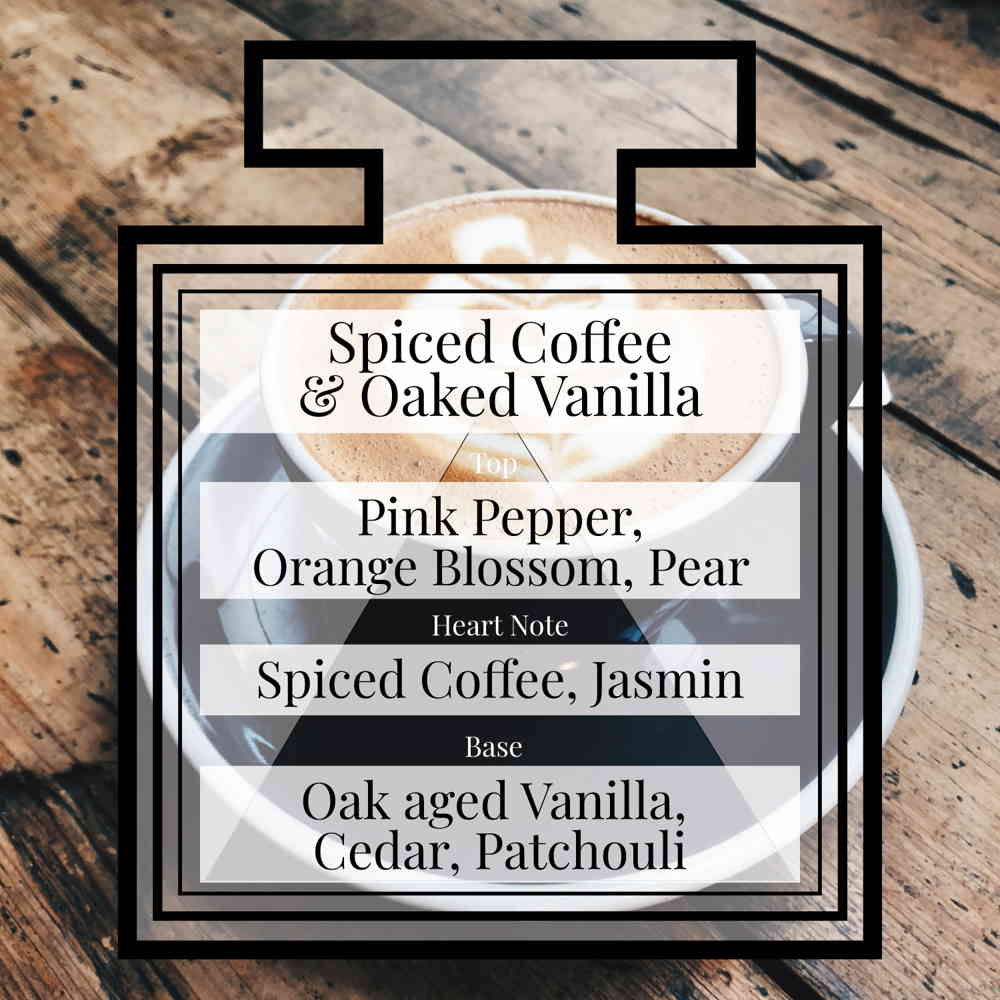
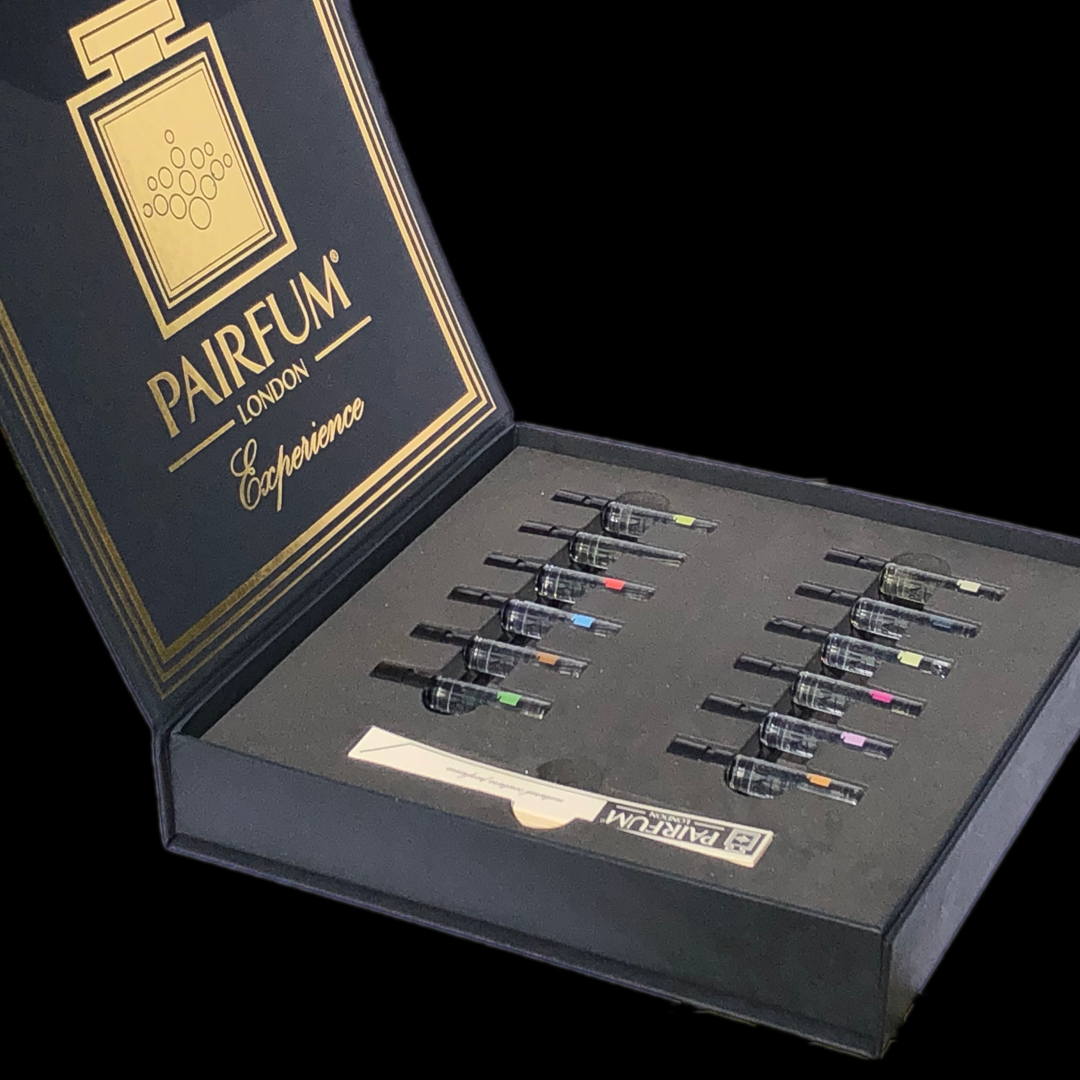
Fragrance Description Pink Powder Violet Rose Iris Orris Powdery Floral Accord Top Heart Middle Note

Consumer Preferences: The Influence of Heart Notes on Popular Fragrance Profiles

Heart notes significantly impact consumer preferences, as they form the central theme of a fragrance that lingers throughout its wear. Perfume enthusiasts often seek fragrances with floral, woody, or spicy heart notes, each offering a different olfactory experience. Floral notes like jasmine and rose are favoured for their timeless elegance and romantic appeal, while woody fragrances, characterized by woody notes such as sandalwood and cedar, offer a warm, sophisticated aura.

The diversity of heart note compositions allows consumers to select fragrances that resonate with their personal style and emotional connection. Whether choosing a signature scent or exploring different scents through gift sets, the influence of heart notes is pivotal in shaping the final fragrance that becomes a beloved part of their daily ritual.

Pairfum Collection Niche Perfume Experience Fragrance Library Square Gift Box Open Display Gift Heart Notes

Heartfelt Creations: The Masterful Art of Crafting Soulful Fragrances

In the world of perfume, heart notes form the soulful core, weaving a tapestry of emotive and evocative olfactory experiences that resonate with wearers.

The inspiring dance of heart note fragrance ingredients, carefully balanced and skillfully blended, helps define the identity and longevity of a fragrance, creating an indelible olfactory memory that lingers, like a timeless melody echoing through the air. At Pairfum London, we celebrate and honour the profound impact of heart notes in perfume, elevating the essence of scent into an art form that stirs the deepest emotions.

Fragrance families, including floral, oriental, woody, and fresh categories, each offer unique heart note compositions that cater to diverse preferences and occasions. Understanding these fragrance families helps consumers navigate the vast world of perfumes and select scents that best reflect their personality and mood.

A Note from the Heart in Gift Sets

Perfume gift sets often feature a selection of fragrances that highlight the beauty and diversity of heart notes and the perfect gift is the Pairfum London Perfume Experience Box.

This curated collection allow the wearer to explore the emotional and olfactory impact of different heart note accords, from floral notes to woody fragrances, offering a journey through the rich tapestry of scent.

Gift sets can also include items like candles, reed diffusers or room sprays that incorporate these delightful notes, extending the fragrance experience into everyday living spaces.

Pairfum London Perfume Experience Box Bottle Upright Olfactive Pyramid Heart Middle Base Note

Conclusion: The ‘Heart Note & Soul’ of a Fragrance

Are you ready to embark on a sensorial journey and awaken your senses with the soulful core of artisan fragrances?

Explore Pairfum London’s elegant collection of captivating natural perfumes, each meticulously created to incorporate heart notes that sing in perfect harmony with their olfactory counterparts.

Let our exquisite perfumes touch your heart and take you on a journey of self-discovery through the power of scent. Visit our website now to learn more about our collection and experience the magic of Pairfum London.

Heart Notes In Perfume Are The Core Of A Fragrance Top Base Middle
    Your Cart
    Your cart is emptyReturn to Shop