Home / scent
Pillow Sprays

Questioning Pillow Sprays: Is Natural Linen Spray Enough?

Pillow sprays use calming essential oils such as Lavender, vetiver and chamomile and help relax your mind and prepare your body to sleep. A natural linen spray on your pillow can feel like a tiny luxury at the end of a long day. A few spritzes. Lights down. The room softens, and letting go of the day gets easier as nights grow longer and cooler. Many people reach for pillow sprays as part of an autumn wind-down.

But is that light mist on your pillow really enough to support deeper, more restful sleep? Or does a good nights sleep need a more layered approach to scent and routine?

Here is a closer look at what pillow sprays actually do, where “natural” fits into the story, and how to build a seasonal bedtime ritual around scent instead of relying on one bottle.

What Your Pillow Spray Is Really Doing

Scent speaks straight to the parts of the brain tied to emotion and memory. A familiar fragrance can calm you before your mind has caught up. Spritz a natural linen spray over your bedding at night and you send a quiet signal to slow down.

There is a real gap between:

  • A moment of “ahh, that smells lovely”
  • A lasting shift in habits and sleep quality

Plenty of sleep sprays and pillow sprays promise the earth. A pillow mist can help you unwind, take the edge off a busy head and soften the move from day to night. It cannot replace a regular routine, cut blue light from screens or act like a sedative. Anyone with ongoing trouble sleeping should seek proper medical advice rather than hoping one bottle will fix it.

Aromatherapy gets plenty of attention here, and the appeal of a calming atmosphere is easy to see. Lavender and chamomile are the classic choices for good reason. Lavender oil has a long association with relaxation, and a lavender pillow spray is probably the most familiar sleep spray on any shelf. Brands such as Neom helped make that kind of bedtime scent routine mainstream. Familiarity, though, is not the same as results.

A few common mistakes:

  • Spraying too much, so the scent feels heavy instead of gentle
  • Mixing lots of strong products, such as bold detergents, plug-in air fresheners and powerful candles
  • Expecting to drift off the second your head meets the scented pillow

Better to treat scent in the bedroom as a murmur, not a shout. Think in layers: freshly washed sheets, pyjamas, the general smell of the room. When they agree, your linen spray becomes part of a calm whole. When they clash, even the best sleep pillow spray ends up fighting a losing battle.

Pairfum Lifestyle Bed Perfume Spray Linen Fabric Sleep Pillow 1 1 1

Natural Linen Spray Versus Synthetic Sleep Scents

Not all pillow sprays are made alike. Pillow sprays, linen sprays and room sprays share one trait: they work best lightly. A natural linen spray is usually a simple blend, often containing:

  • Water or floral waters
  • Essential oils or other natural aromatic extracts
  • A gentle solubiliser or alcohol so oil and water can mix

A good pillow mist keeps the formula simple. Formulas like these sit lightly on fabric and are kinder to the air in the room. Some conventional sleep products lean harder on synthetic fragrance compounds, stronger solvents or additives. These can cling to textiles for longer and feel harsher, especially on sensitive skin, and light sleepers tend to notice first. A pillow sits against the face for hours, after all. Skin notices.

The two styles behave differently in the air, too. Many natural blends:

  • Open softly, then fade in a smooth, rounded way
  • Smell more like real plants and flowers, with subtle shifts over time

Scents heavy on synthetics can be:

  • Louder and more linear
  • Longer lasting, but sometimes less gentle and less refined

That is why a calming blend built around lavender, chamomile (or camomile, if you prefer the older spelling) and a touch of patchouli or ylang ylang tends to read as more rounded than a single sharp note. Pairfum London favours this clean, niche approach: carefully balanced naturals alongside safe aroma materials, chosen for comfort and peace of mind at bedtime. The aim is not a loud “sleep perfume”. It is a soft, intelligent scent that sits quietly behind your evening.

When Natural Is Not Quite Enough on Its Own

Even the loveliest natural linen spray has limits. It can transform how a bedroom feels, but it cannot undo bad habits. A strong coffee at nine, bright overhead lights and an hour of scrolling? No mist will soften that.

Seasons play a part too. As autumn settles over London and the air cools, central heating comes back on. That changes both comfort and how scent behaves:

  • Drier air can make fragrances feel lighter and quicker to fade
  • Warmer, stuffier rooms may feel less restful, whatever you spray

So see a linen spray as one piece of a bigger picture. The basics still matter:

  • Breathable bed linen in natural fibres such as cotton or linen
  • A room that is dark and slightly cool
  • A wake-up and sleep time that keeps the body clock steady
  • Screens put away a little before lights out

Get those right and your pillow spray becomes the finishing touch. Over time, the brain links that particular scent with going to bed calm and unhurried. The smell stops being merely pleasant. It becomes a cue, and cues build habits, which is where better sleep really comes from.

Some people expect a spray to deliver a restful night all by itself. Rarely does. Peaceful sleep is built from several small choices, with scent as one of them. Sleep habits stack up quietly, like savings.

Natural Pillow Sprays

Crafting a Complete Bedtime Scent Ritual

So how do you build a simple, grown-up routine around scent, especially as evenings draw in?

Try a gentle order like this:

  • Open the window for a few minutes to air the room
  • Dim the lights and switch to a warmer, softer glow
  • Turn off loud screens, or leave them in another room
  • Spritz your natural linen spray over pillowcases, throws and even your pyjama top, from a light distance

A short spritz from an arm’s length is usually plenty. The fabric should feel kissed by scent, not drenched in it. A light mist is all it takes. Whichever pillow mist you choose, leave it a few minutes before lying down so the fine mist can settle. A little near the bedside table lets the fragrance drift into the room, though polished wood is best left alone.

You can also pair a linen spray with other quiet forms of home fragrance. A softly scented candle lit while reading, then blown out before sleep. A reed diffuser in a corner. Both work. The trick is keeping the fragrance family coherent: if your pillow spray is a soft herbal blend of lavender and chamomile, pick a candle or diffuser with similar notes rather than a bold, sugary gourmand.

To keep the ritual fresh:

  • Rotate scents gently with the seasons
  • Choose lighter, airier accords in warmer months and deeper, cocooning notes as evenings cool
  • Stay with each choice long enough for your brain to link that scent with rest

Think of it as small-scale aromatherapy, not a performance. On colder nights, a warm bath beforehand lets the body unwind and turns the whole sequence into a proper wind-down rather than a chore. Call it beauty sleep with a little ceremony.

Upgrade Your Nightly Ritual with Intelligent Scent

So, is a natural linen spray enough? On its own, it is a lovely start. The real difference comes when it sits inside a wider, thoughtful ritual. Scent works best as part of a full sensory story, not a last-minute afterthought.

Try auditing your bedroom with a curious nose:

  • Strong detergent or fabric softener smells on the bedding
  • Cooking aromas drifting in from the kitchen
  • Heavily scented body lotion or skincare that argues with your sleep spray
  • Synthetic air fresheners or plug-ins working against your pillow spray

Clearing out clashing smells makes room for one considered pillow mist to shine. Add one or two supporting accents, such as a matching candle or diffuser, rather than a jumble of unrelated scents. Think of it as a filter: if a product does not suit the mood of the room, leave it out. Plenty of people give their beauty and skincare routine careful thought each evening. Scent in the bedroom deserves the same attention, since the body responds to a calm atmosphere long before the mind admits it.

Over the coming autumn evenings, treat your nightly spray as a small, mindful ritual. A pause. A breath. A signal that the day is closing and rest is welcome. Done well, a good nights sleep feels less like a struggle and more like a quiet, scented invitation.

Pairfum Pillow Spray 1

A Pairfum London Fragrance Worth Exploring

If a layered, natural approach appeals, one product sits neatly at the centre of it. It is made for pillows first, though it works across the whole bedroom, from bed linen to throws and curtains.

Sleep & Pillow Spray by Pairfum London

Billed as a deep sleep pillow spray, this 100 ml bottle is handmade by artisans in the UK. The formula is water-free, with no preservatives, parabens, sulphates or phthalates, and its alcohol base comes from sugar molasses. It is described as suitable for skin contact and, importantly, it will not stain fabrics. Eight scents are on offer, including Linen & Lavender (lavender, chamomile and neroli), Blush Rose & Amber, and Pink Grapefruit. Start light, since more is not always better, and test it on your hands first: rub them together and check nothing feels sticky. Nothing about the product is fussy. A gentle recommendation for anyone wanting a better sleep spray that still feels like a proper fragrance.
Personal Fragrance Collection Mistakes

Mistakes to Avoid When Building a Personal Fragrance Collection

A well-balanced personal fragrance collection usually contains around 10-12 versatile scents that cover every season, mood, and occasion without leading to unused clutter.A personal fragrance collection should feel calm and joyful, not stressful. Choose scents with care and every bottle earns its place. Every spray becomes a small, daily pleasure.

Early autumn is arriving in the UK. Evenings cool, jumpers come out of the wardrobe, and people start layering perfume the way they layer clothes. It is a good moment to look at the bottles on your shelf and ask a blunt question: do you truly love these, or did they just follow you home by accident? A thoughtful fragrance collection brings comfort, elegance and a sense of self. A cluttered one brings confusion.

Plenty of perfume lovers fall into the same simple traps. Here are the mistakes worth avoiding, and a calmer way to build a fragrance collection that actually feels like you.

Stop Chasing Hype and Start Discovering Your Style

The biggest mistake is buying whatever is popular this week. A celebrity perfume launches, a scent goes viral on social media, and suddenly everyone feels they must own it. Advertising is brilliant at manufacturing that feeling. The result? A shelf of bottles that do not match and do not feel personal.

Slow down instead. Notice what you are genuinely drawn to. Ask yourself:

  • Do you love soft florals, perhaps jasmine or peony, that feel gentle and romantic?
  • Are you happiest in clean citrus notes, or something fruity and sun-warmed, that smell bright and fresh?
  • Do cosy gourmands, airy musks or elegant woods feel more like you?
  • As the weather cools, do you enjoy warm amber notes that wrap around you?

A simple scent diary helps. Try samples or a discovery set, wear a different perfume every few days, and jot down a quick note. Trying new fragrances should be a pleasure, never a panic purchase.

  • How did it smell at first spray?
  • How did it feel on the skin after a few hours?
  • Did it bring compliments, or make you smile when you caught a whiff?

Reviews can point you in a direction. They cannot tell you what suits your skin, and only wearing a perfume will do that. A wide selection is fun to browse, though it tends to overwhelm, so narrow things down by fragrance family (floral, citrus, woody, amber) and your pattern shows up quickly.

Niche fragrances often have a clearer character. The compositions are more focused, which makes it easier to judge whether the style suits you. Some people even commission a bespoke perfume once they know their taste, although that step comes much later. Over time you begin to recognise your own perfume personality instead of smelling like everyone else on the high street.

Pairfum Collection Niche Perfume Experience Fragrance Library 73 Square

Avoid Ignoring Season, Setting and Mood

One perfume cannot do every job. Scent behaves differently depending on the conditions. Heat lifts perfume and makes it feel stronger. Cold air softens the notes and makes them more intimate, which is why the same bottle can seem like a different perfume in January than it did on a July holiday. Heated or air-conditioned rooms change things again.

Early autumn in the UK is unpredictable. A light, breezy summer fragrance can feel too thin by evening, while a heavy winter scent is far too much on a mild afternoon. Once the temperature drops for good, deeper notes such as leather, smoky woods or spiced vanilla start to make sense. Think in simple categories:

  • Light, sparkling scents for daytime, the office or the school run
  • Fresh florals or citrus blends for busy, active days
  • Richer eau de parfum for evenings, dates or special dinners
  • Soft, comforting fragrances for relaxed days at home

Match the scent to the occasion and keep different scents for different moods. A body mist suits a warm afternoon. A travel spray in your bag lets you refresh on the move, whatever the day throws at you.

Think about your space too, not only your skin. Home fragrances such as candles, diffusers and room sprays support your mood and quietly show your style. You might choose:

  • A cosy vanilla or woody diffuser in the hallway to greet visitors
  • A fresh, clean room spray in the kitchen or bathroom
  • A warm candle in the living room for darker, cooler evenings

Match your personal scent to your home fragrances and you create a gentle, invisible aura that feels consistent. No need to wear one strong perfume everywhere.

Do Not Confuse Quantity with Luxury and Quality

Collecting lots of inexpensive bottles is easy. They look exciting at first, and most of them then sit untouched. A full shelf does not always mean a satisfying fragrance collection. Treat your perfume collection the way you would treat a good wardrobe: fewer pieces, worn often, each one chosen because it fits your life rather than because it was on offer. Loyalty rewards and bundle deals make it worse, because every extra item feels like a bargain.

Quality shows in how a perfume feels on the skin and how it moves through the day. Look for:

  • Concentration: eau de parfum usually lasts longer than very light formats
  • Balance between top, heart and base notes, so nothing feels harsh or flat
  • Clean, well-constructed formulas that sit comfortably instead of shouting
  • Clear information on the label, from concentration to ingredients

Rather than ten bottles you rarely reach for, start with a small, focused fragrance wardrobe. Perhaps:

  • One calm, polished scent for work or daily wear
  • One relaxed, easy-going fragrance for weekends and errands
  • One elegant, slightly deeper perfume for evenings and occasions
  • One soft, cosy scent just for staying in, perfect for autumn and winter

Artisan, niche houses suit this way of collecting. Small perfumery workshops compose carefully, the packaging is beautiful, and many bottles feel special enough to become long-term favourites. That care makes them ideal for gifting too.

A well-chosen gift set says far more than a rushed purchase. A perfume gift box can be the perfect gift for someone still working out their taste. Browse perfume gift sets and fragrance gift sets made for women, men or both, but check what is actually inside before you buy.

Pairfum Collection Niche Perfume Experience Fragrance Library 49 Square

Protect Your Investment with Simple Care Rituals

Perfume is delicate. Another common mistake is keeping bottles where they look pretty but do not live well. Heat, direct light and humidity change a fragrance far faster than most people realise, and well-made fragrances deserve better than a sunny windowsill. Store them properly and they reward you for years.

Try a few simple rules:

  • Keep bottles away from windows, radiators and hot spots
  • Store them in a cool, stable place like a bedroom shelf or cupboard
  • Avoid long-term storage in the bathroom, where steam and temperature swings are common

Application matters too. Over-spraying overwhelms and wastes product, and rubbing your wrists together crushes the top notes. Try:

  • Light sprays on pulse points such as wrists, neck and inner elbows
  • One small mist in the hair with a hairbrush, or on a scarf, for a gentle trail
  • Spraying from a short distance so the fragrance settles in a fine cloud

Home scents need care as well. Diffuser reeds do not need flipping constantly. Turning them once a week or so refreshes the fragrance without burning through the liquid. Trim a candle wick before lighting, and let the wax melt right to the edges. That prevents tunnelling, and the candle will perfume the room through the darker evenings from September on.

Personal Fragrance Collection

A Pairfum London Fragrance Worth Exploring

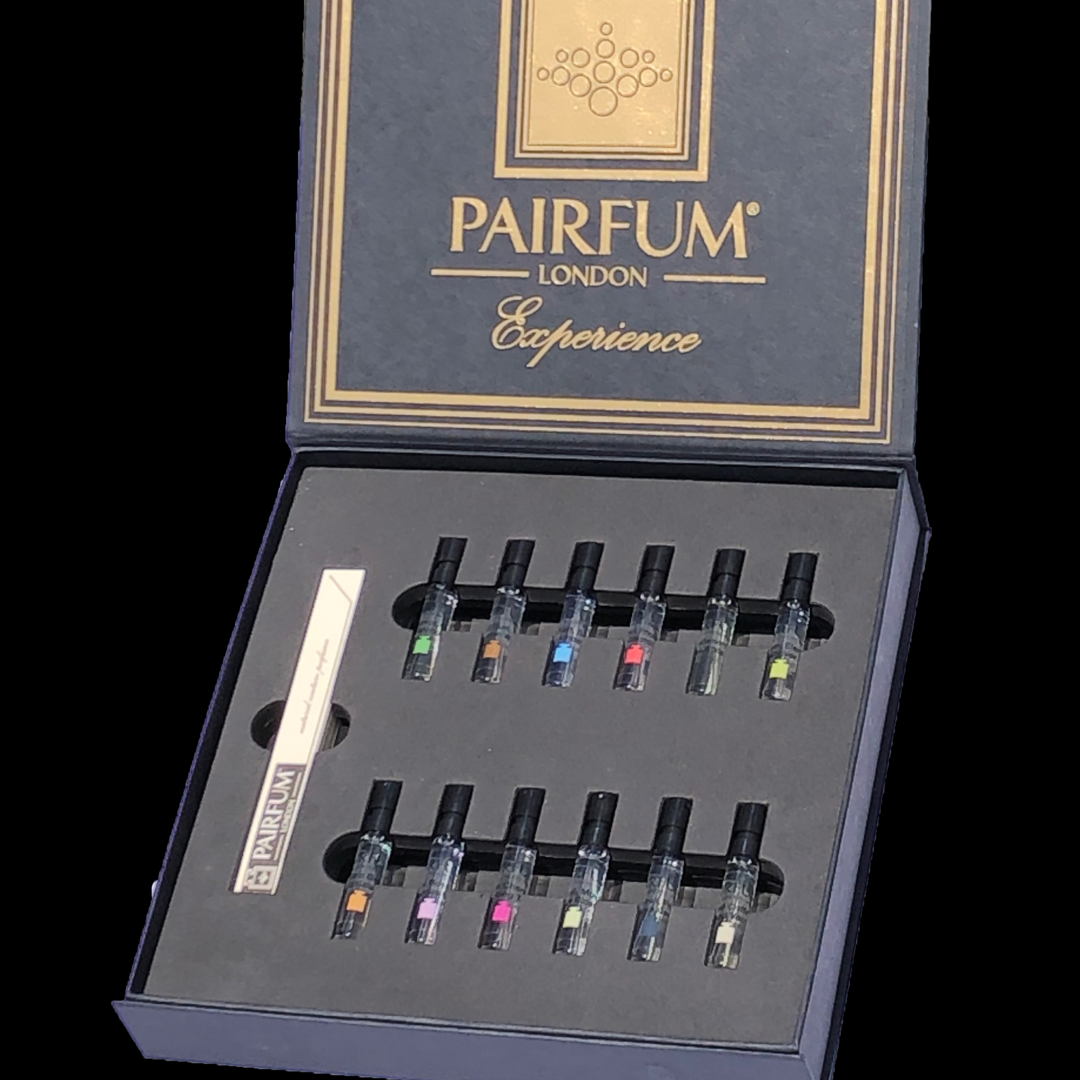
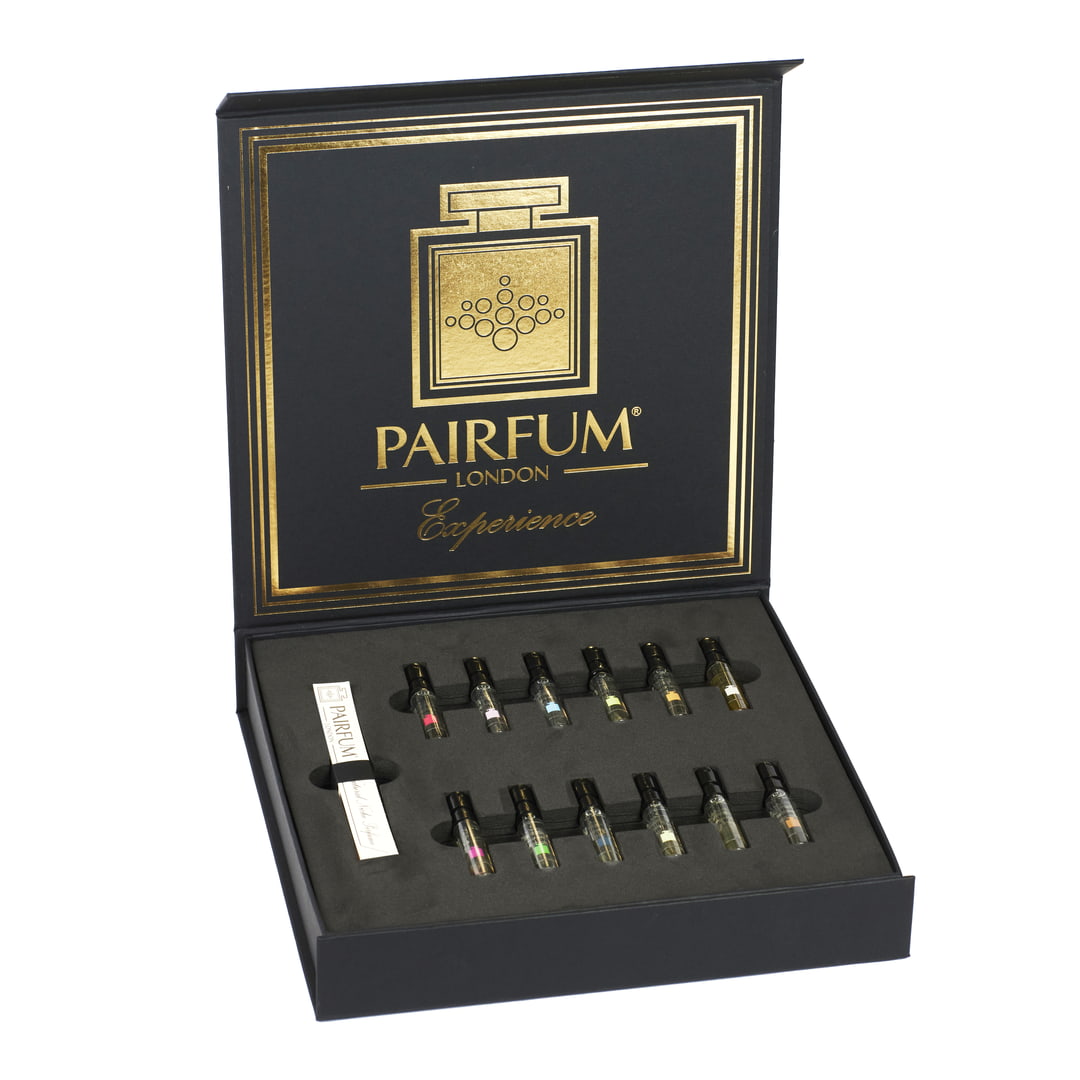
Sampling before buying is the sensible route, and it is the idea behind one Pairfum London box. It suits anyone who wants to test a broad range of styles at home before committing to a full bottle.

Perfume Experience Box by Pairfum London

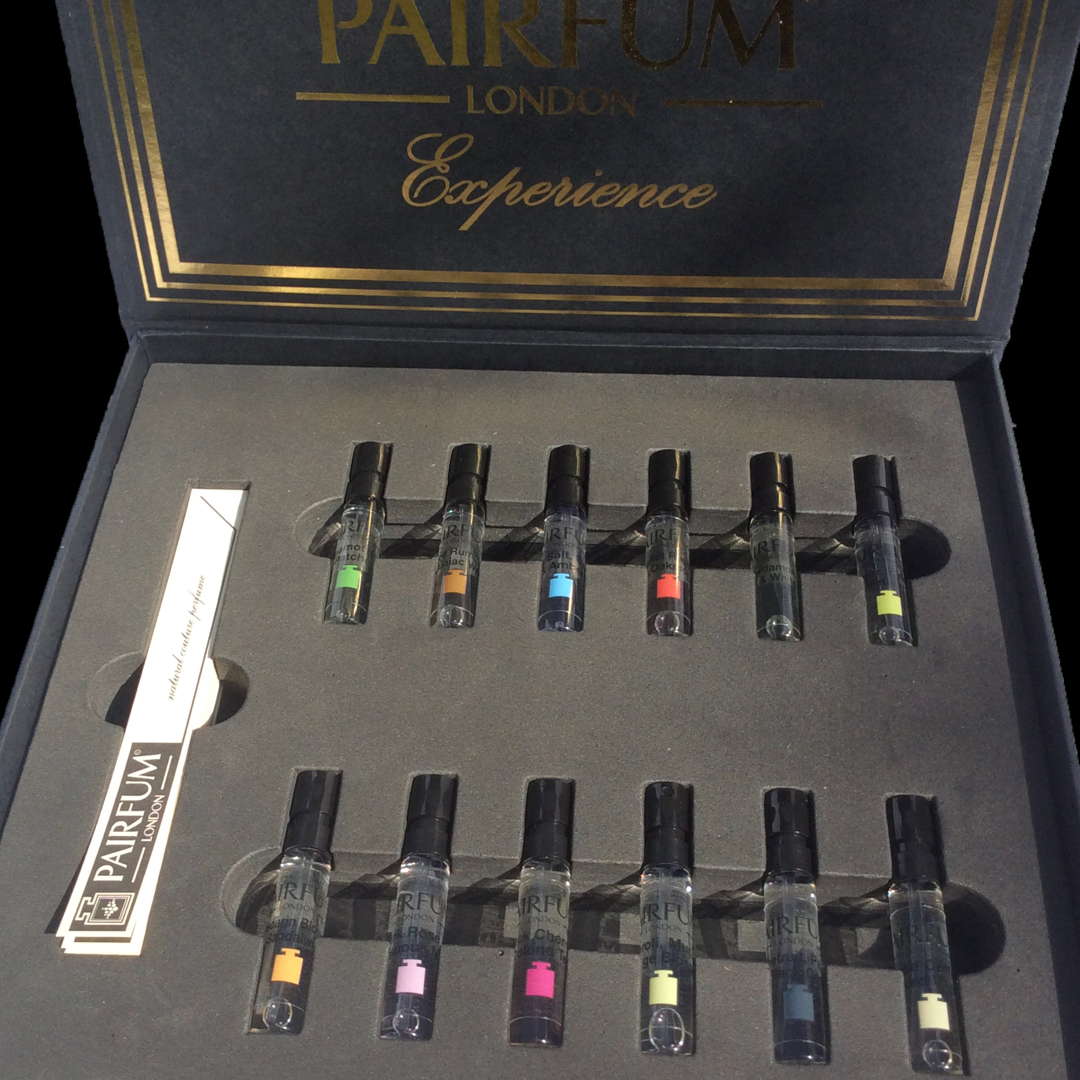
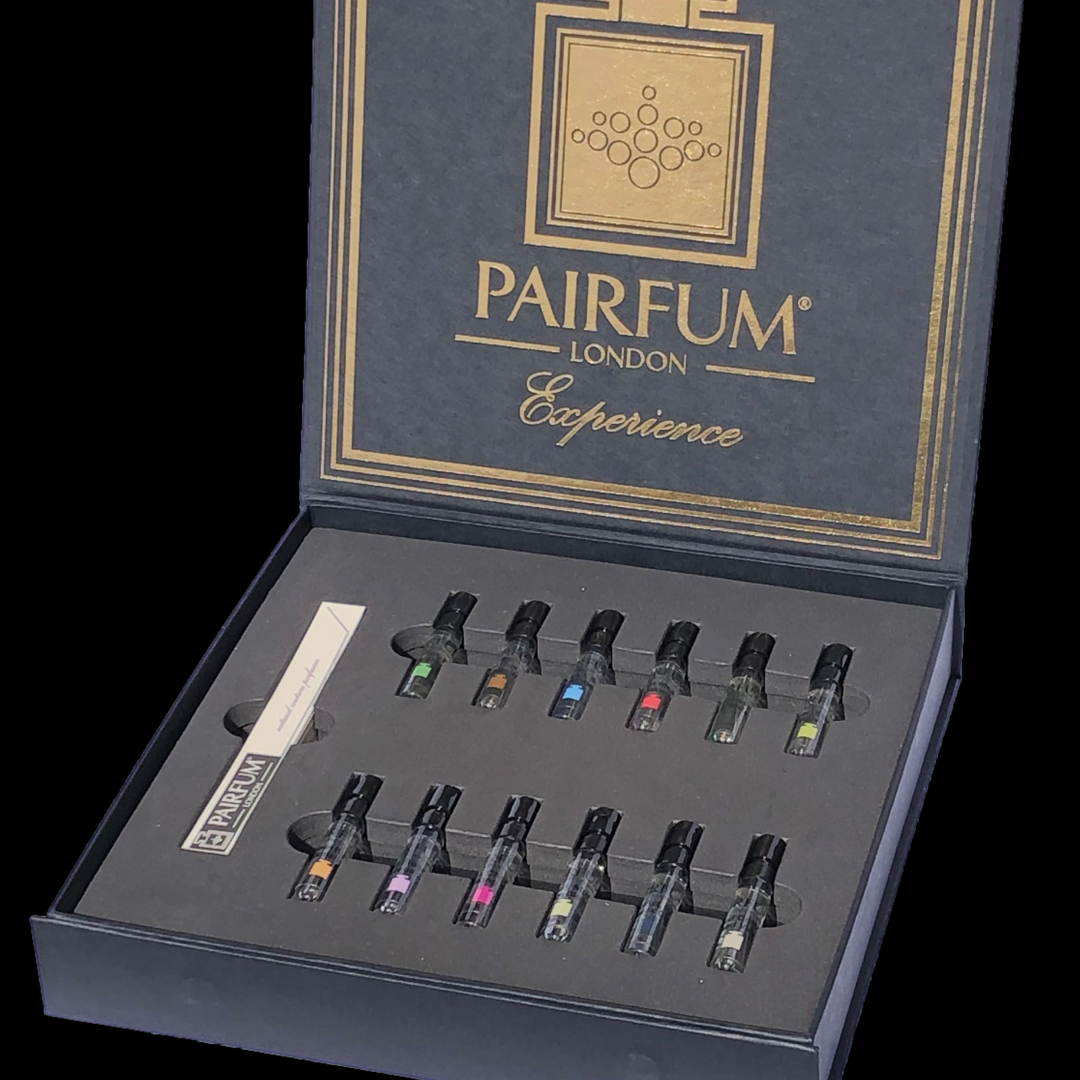
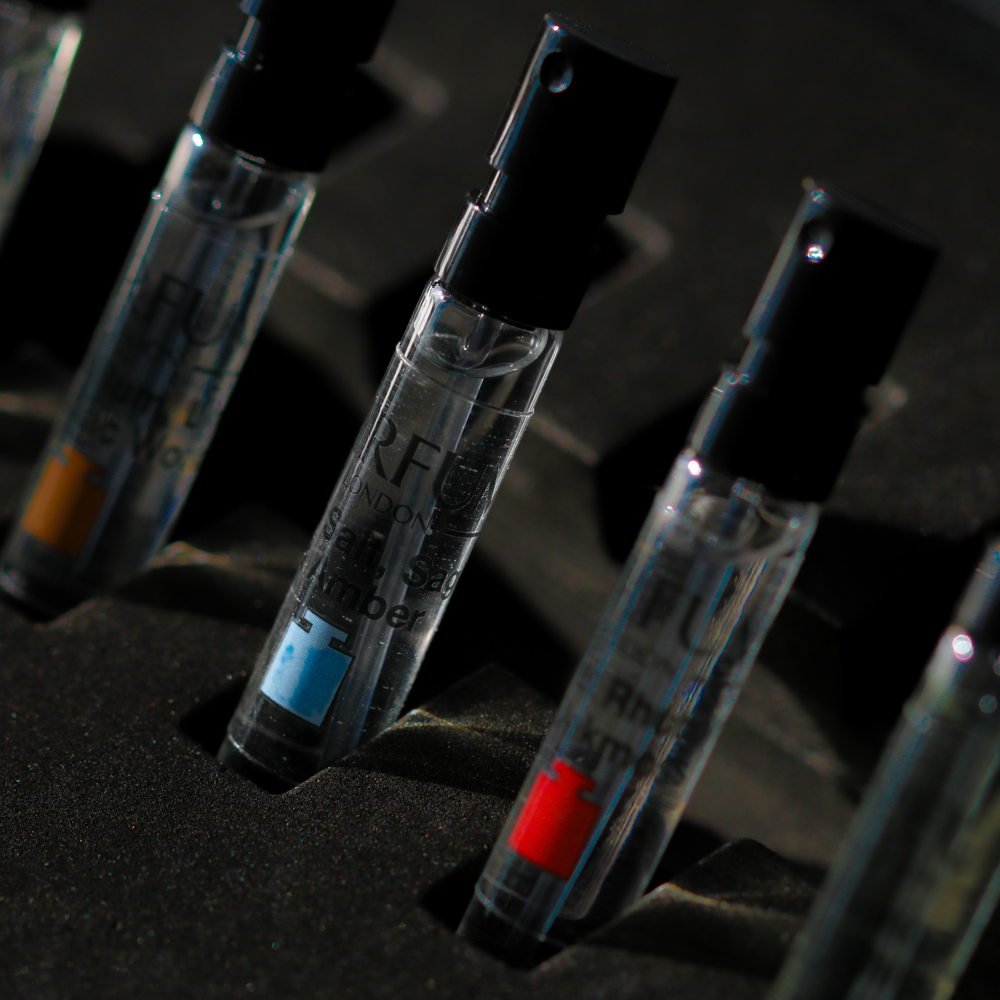
The Perfume Experience Box holds 12 miniature Eau de Parfum Intense bottles of 2ml each, plus 50 smelling strips, so you can compare scents side by side. The line-up runs from Bergamot, Basil & Patchouli to Pink Rose & Sensuous Musk, with Sea Salt, Sage & Amber and Spiced Coffee & Oaked Vanilla in between. The page describes every one as natural and handmade, made with essential oils, vegan and cruelty-free. Each miniature gives roughly 100 sprays, and a full refund is promised when you upgrade to a full-sized bottle. A fair place to start if you want to know your taste before building a shelf.

Home Fragrance Library | Room Perfume Experience Box

£ 30.00

In stock

Curate Your Signature Scent Story This Season

As the days shorten and more time goes on indoors, it is a good moment to look honestly at your fragrance collection. Pull everything out. Smell each bottle and each home scent. Ask yourself:

  • Do you still love this?
  • Does it feel like you now?
  • When did you last actually wear or light this?

Let go of what no longer fits, then notice the gaps. Perhaps there is no elegant evening perfume. Perhaps the hallway lacks a welcoming autumn diffuser, or there is no soft, clean scent for working from home.

Looking to discover the perfect scent or blend is a trap. Some fragrances earn a permanent place on the shelf, while others fade from favour within a month. Some wearers find a signature scent within weeks, while others settle on a signature fragrance only after a year of trying. Be content with three or four you adore.

Before adding full-sized bottles, experiment with a discovery set or several samples. The experience of living with a fragrance across different days, outfits and moods tells you far more than a quick sniff in a shop. It also makes a small, high-quality edit easier to build. Good content, in perfume as in writing, comes from editing.

Think of your fragrance collection as a story that grows with you. Not a finished project that has to be perfect right now. A few thoughtful choices this autumn, and you avoid the usual mistakes, enjoy every bottle, and create a quiet, beautiful scent world that feels unmistakably yours.

Clean Scent Perfume Men

Decoding Clean Scent Perfume for Men with Sensitive Skin

A refined clean scent perfume can still feel masculine, polished and memorable when the formula, concentration and fragrance family suit your skin. The trick is knowing what “clean” means to you, then testing the fragrance slowly.

Choosing a fragrance should feel relaxing, not risky. With sensitive skin, a new perfume can raise an awkward question: will it sting, leave redness around the neck, or become too strong?

Warm weather makes the difference obvious. On a crowded train, in an office, or after a brisk walk, strong fragrances can seem louder than they did in the bottle. Fresh compositions and fresh fragrances often feel easier in those moments. Different fragrances behave differently in heat, and fresh scents do too.

Eau de Parfum Person Reflection Grapefruit Pepper Black Cedar Man Jacket 1 1

What Clean Scent Perfume Really Means for Men

The phrase clean scent perfume is used for several ideas: ingredients, aesthetics, a perfume style, or the feeling of freshly washed skin. Those meanings overlap, but they are not identical.

A useful clean fragrance may suggest:

  • Skin-considerate ingredients
  • Clearer allergen information and useful beauty information
  • Cruelty-free and eco-aware choices
  • A fresh, light “just showered” style

Clean perfume does not have to mean bland. Clean perfumes can use contrast: citrus over woods, airy musks beside cedar, or lavender with mineral freshness. Freshness gives perfume lift, while deeper notes add texture.

“Clean” is not a strict technical category. One clean fragrance may lean towards aldehydes and laundry. Another may feel woody, green, powdery or softly floral. The best clean smelling perfumes often borrow the impression of soap, rain, fresh linen or clean skin without smelling like a single ingredient.

For a man who prefers discreet scents, a skin scent can be especially appealing. It should feel close, not absent.

How Fragrance Irritates Sensitive Male Skin

If perfume causes trouble, the reaction often appears where it is sprayed most heavily. The neck and wrists are common places, particularly after shaving.

People can react differently to aroma materials, strong perfume blends and known fragrance allergens. Citrus, spice and floral materials may contain constituents that sensitive skin does not tolerate well.

Then there is the alcohol question. Eau de parfum and eau de toilette use alcohol in the fragrance base, with different concentrations and constructions. For freshly shaved skin, even a familiar perfume may feel sharper.

Common problems include redness, itching, tightness and dry patches. A headache can appear when the smell feels dense.

Heat changes the experience. A perfume that felt soft in a cool bedroom may smell much bigger on a warm afternoon. Layering can add to the effect too. Deodorant, shower gel, hair products, hair mist, aftershave and perfume all contribute scent. Hair can hold fragrance too, especially after hair styling.

Choosing a Clean Scent Perfume That Loves Your Skin

There is no single clean scent for every man. Skin chemistry matters, and so does taste. One wearer may want citrus; another may prefer lavender, cedar or a powdery musk with a hint of cozy warmth.

Start small. A lighter eau de toilette can be easier to test than an intense eau de parfum, although concentration alone does not decide comfort. Apply a little to the inner arm and wait.

Patch testing helps. Give the perfume several hours. The opening may smell bright and fresh; the dry-down can become woody, musky or warm.

A travel size is useful before buying a full bottle. Beauty shopping becomes easier when several fragrances can be compared calmly. Wear the same fragrance after a shower, during a commute, at a desk and on an evening out. Real life tells you more than a five-minute beauty counter test.

Useful styles for a fresh fragrance wardrobe include:

  • Soft woods such as cedar
  • Green, leafy notes
  • Herbal aromatics such as lavender, sage and rosemary
  • Aquatic and mineral touches
  • Clean musks
  • Fresh linen effects
  • Soft florals and delicate florals

Freshness does not have to mean citrus. That is why modern clean scents can feel more interesting than the old lemon-and-soap idea.

Eau de Parfum Person Reflection Grapefruit Pepper Black Cedar Man 1 1

Reading Labels and Ingredient Lists Without Guesswork

A little label knowledge helps. “Fragrance” or “parfum” refers to the perfume mixture, which can contain many aroma materials. Essential oils are plant extracts, but natural does not automatically mean gentle.

Ingredient lists may include limonene, linalool or citral. Clear information is more useful than vague beauty language. For sensitive skin, some people prefer readable INCI lists and fewer decorative ingredients.

Sourcing may matter too. Buyers often look for biodegradable materials, responsible sourcing and cruelty-free credentials. These are beauty and buying choices, not guarantees of skin comfort.

Keep an irritant diary. Note the perfume, where it was applied, whether you shaved, the weather and how your skin felt later. Patterns can appear quickly, which makes future beauty shopping less stressful.

The same idea applies to home fragrance. A scented candle can make a room smell freshly laundered, but wearing a clean scent perfume is different because body heat and skin chemistry change the result.

Why Fresh Perfumes Feel So Good in Everyday Life

Fresh perfumes are practical because they often feel easy to wear. Think of an early train, a lift, a coffee queue and a bright pavement at lunchtime. A fresh perfume with structure can stay noticeable without becoming the only smell in the room.

Different scents suggest different versions of cleanliness. Fresh laundry can feel airy. Clean laundry can feel soapy. Clean skin can feel warmer. A mineral fragrance can suggest cool water, while a floral perfume can feel breezy rather than sweet.

Modern fragrances often borrow from freshly laundered clothes, shower steam or a white shirt. Fresh fragrances, clean fragrances and airy fragrances can all create that effect. Byredo Blanche is a familiar reference, combining aldehydes, rose, peony, violet, musks and sandalwood. Byredo Blanche is often discussed through linen and laundry imagery, yet the fragrance still has texture. The name Blanche itself has become shorthand for this style.

Fleur de Peau takes a softer route, built around a musky skin idea rather than literal soap. Fleur de Peau can suit someone who wants a clean scent with warmth.

Clean Reserve is another useful name to know. The category also includes minimalist scents, soft florals, fresh scents and skin scent styles. These scents can overlap with wider beauty trends. Even in beauty coverage, “clean” tells you little until the notes are considered.

Clean Scent Perfume Fresh

Finding Freshness Without Losing Character

The most satisfying fresh perfumes usually have something deeper underneath. Citrus can lead to woods. Fresh linen can settle into musk. Lavender can meet leather, cedar or amber.

That structure matters in a masculine clean scent perfume. Pure sparkle can fade quickly. Texture gives the fragrance a longer story.

Citrus creates immediate freshness. Grapefruit can smell bitter and lively; bergamot can feel greener and softer. Woods add depth. Cedar can be dry and crisp, while patchouli and moss bring earthiness.

Floral notes have a place here too. A floral perfume does not have to be sweet. Lavender, violet and rose can make fragrances feel airy and polished.

Aldehydes are worth exploring when the goal is a lifted, almost sparkling cleanliness. Powdery musk can soften the finish. Cleanliness does not need to smell cold.

Some of the best clean smelling perfumes are therefore hard to reduce to one note. They may suggest clean skin, fresh air, soap, fabric and warmth at once. That is part of their charm.

A Refined Approach to a Gentle Masculine Perfume

A gentle perfume is not necessarily a weak perfume. Many men’s fragrances and lighter fragrances achieve presence through balance. The useful question is how it feels at close range.

Balance matters. A clean scent can have enough projection to notice when you move without dominating a small room. Fresh can be elegant. Woody can be airy. Spicy can stay controlled.

When choosing an eau de parfum, look at the complete construction. Top notes shape the opening. The heart carries the main character. The base brings later warmth and persistence.

An eau de parfum can change dramatically after the first spray. Another eau de parfum may develop differently from a third eau de parfum, while an eau de toilette can stay brighter. A second eau de toilette may feel softer. Another eau de parfum may begin with citrus and later turn woodier. A third eau de parfum may feel musky only after an hour. The same is true of an eau de toilette. An eau de toilette can be bright at first, then softer as it dries down.

That is why samples are useful. Smell the strip first, then skin. Check the fragrance at ten minutes and again after an hour. If the perfume still feels comfortable at the end of the day, that tells you far more than a quick beauty counter test.

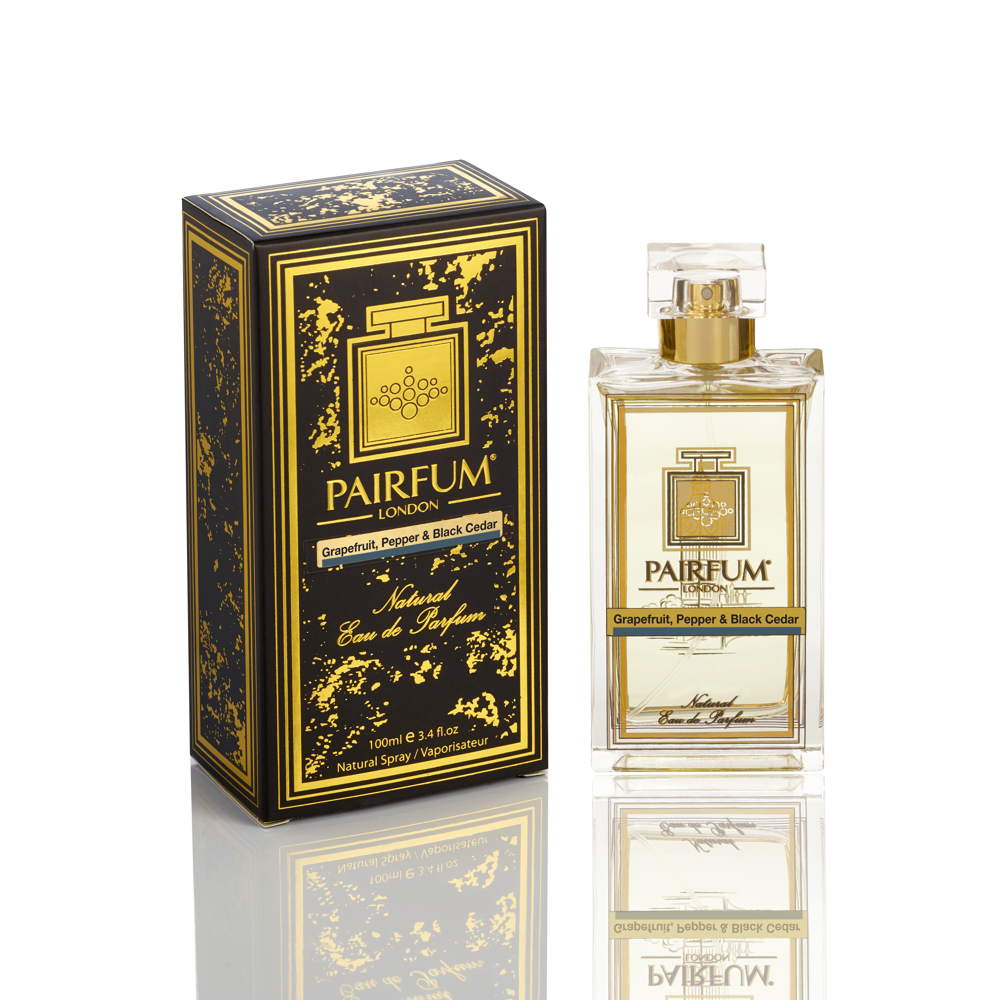
Eau De Pairfum Grapefruit Pepper Black Cedar Bottle

A Pairfum London Fragrance Worth Exploring

One fragrance pairs freshness with darker, spicier textures.

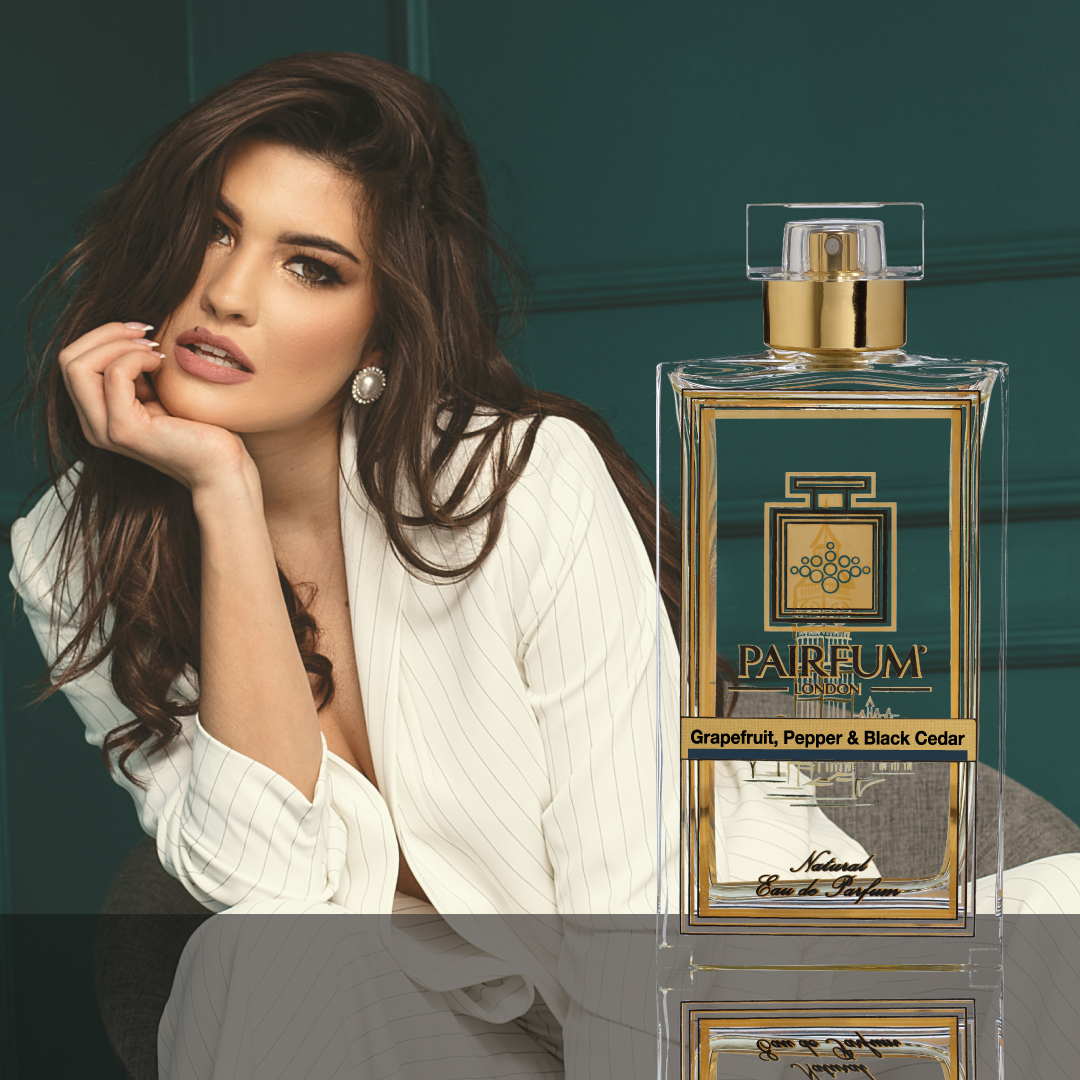
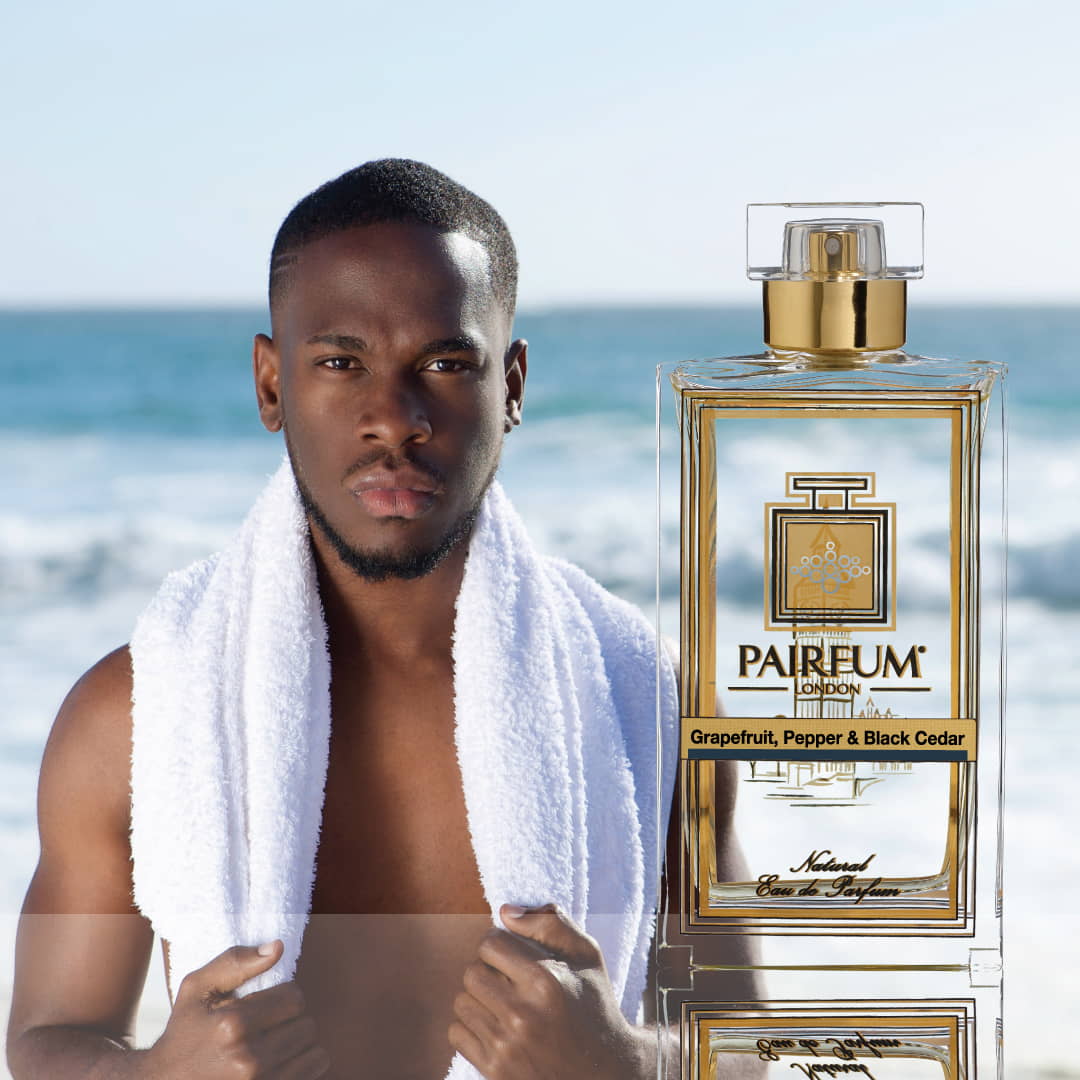
Grapefruit, Pepper & Black Cedar by Pairfum London

The Grapefruit, Pepper & Black Cedar Eau de Parfum is a woody, masculine Eau de Parfum Intense in a 100 ml format. Its opening combines grapefruit and bergamot for freshness, followed by leather, black pepper and nutmeg, then a base of black cedar, patchouli, tonka bean and moss. The product page lists natural essential oils, vegan and cruelty-free credentials and handmade production in the United Kingdom, with an all-day profile. It may suit someone who wants a fresh start followed by a darker, spicier dry-down.

Grapefruit, Pepper & Black Cedar – Eau de Parfum – 100ml

£ 135.00

In stock

Making Your Next Signature Scent a Clean, Skin-Friendly Choice

Choosing a clean scent perfume for sensitive skin is partly about understanding your habits. Notice what your skin tolerates. Notice what your nose enjoys. The two do not always point to the same bottle.

Think about where the fragrance will be worn. An office needs a different approach from a late dinner. A hot commute is different again.

Watch concentration, ingredients, fragrance families and dry-down. Try samples. Rotate a few scents instead of forcing one perfume to work everywhere.

The best clean fragrance for you may be citrus-led, woody, musky, floral or mineral. It may smell like fresh laundry, a crisp shirt, clean skin or cool air. There is room for personality inside cleanliness.

A signature scent should feel natural once it is on your skin. Not invisible. Not overwhelming. Just right.

Discover Your Signature Clean Scent Today

Explore clean perfumes with curiosity rather than rules. Look for fresh scents that feel easy on the nose, then test how the perfume behaves on your skin.

Clean freshness can be bright in the morning, calm in the afternoon and warmer by evening. With the right balance, freshness, softness and warmth can sit together.

The goal: a comfortable, distinctive fragrance.

Alcohol Free Perfume Sensitive Skin

Is Alcohol Free Perfume the Answer for Sensitive Skin?

Alcohol free perfume is an excellent alternative to traditional fragrances. They swap harsh ethyl alcohol solvents for gentle water, premium oils, or wax bases. This makes them ideal for sensitive skin, highly hydrating, and perfectly safe for use on your hair. Without the quick evaporation of alcohol, these fragrances sit closer to the body and gloom gradually over time.

Perfume should feel like a small daily pleasure, not a sting on your wrist. When fragrance leaves your skin red, dry, or itchy, giving up scent entirely feels like the only option. That frustration is common, especially during late summer when heat, sun, and dry skin already leave wrists and neck feeling touchy.

Standard perfume relies heavily on traditional perfumes and traditional perfume options that use strong ethanol as a carrier base. That sharp splash of alcohol evaporates quickly, scattering scent notes into the air. For many people, that quick evaporation also causes a severe drying effect, leaving skin tight, uncomfortable, and visibly flushed.

Alcohol free perfume offers a softer path. By replacing harsh solvents with gentle carriers, non alcoholic perfume formulas allow individuals with delicate skin to enjoy fine scents without irritation. Understanding how different perfume types behave helps you build a comforting daily scent routine.

Eau de Parfum Person Reflection Bergamot Basil Patchouli Woman Green 1 1

The Hidden Drawbacks of Traditional Perfumes on Sensitive Skin

Standard spray perfume products contain significant amounts of high-proof ethanol. This volatile alcohol serves specific purpose in traditional perfumery:

  • It dissolves heavy concentrated perfume oils and aromatic fragrance compounds into a clear, uniform liquid.
  • It provides rapid evaporation, projecting top notes out into the room immediately after application.
  • It acts as an effective preservative, ensuring long shelf stability.

However, that rapid evaporation pulls natural moisture straight out of your skin barrier. Continuous exposure to alcohol based sprays disrupts lipid balance, causing redness, flaking, and heightened sensitivity.

It is not only the alcohol content that triggers discomfort. Synthetic colourants, heavy preservatives, and concentrated fragrance oils can also inflame delicate skin. On hot days, sweat and UV exposure compound this irritation.

For individuals suffering from dry skin, eczema, or rosacea, repeated application of high-proof alcohol based perfumes can ruin the daily wear experience. Finding a gentler alternative becomes essential.

Understanding What Alcohol Free Really Means

When searching for non alcoholic options, bottle labels can sometimes confuse buyers. Filter through product descriptions carefully to check ingredient lists before buying. Understanding basic perfume definitions makes choosing much simpler:

  • Alcohol free means the liquid contains zero ethanol base.
  • Low-alcohol formulas reduce standard ethanol volume but still contain some volatile alcohol.
  • Unscented products contain no added fragrance materials, though base ingredients may carry a faint natural smell.

Modern alcohol free formulas rely on alternative carrier systems to deliver scent smoothly to pulse points.

Eau De Parfum Person Reflection Bergamot Basil Patchouli Man Face 1 1

Water Based Perfume vs Oil Based Formulations

Removing standard ethanol requires alternative liquids to hold and release scent molecules. The most common carrier bases include water based perfume options, natural oils, and rich solid perfumes.

Water Based Perfume Options

Innovations in modern perfumery have produced sophisticated water based perfume formulations. These micro-emulsions suspend aromatic compounds directly in purified water:

  • They spray as a light, refreshing mist over body and hair.
  • They deliver immediate surface hydration rather than a drying effect.
  • They are completely free from heavy residue, making them ideal for everyday wear in warm weather.

Oil Based Perfumes and Concentrated Perfume Oils

For deeper richness, many fragrance lovers turn to alcohol free perfume oil creations, alcohol free perfumes, and concentrated oil products:

  • Formulations using jojoba, fractionated coconut, or natural oils absorb slowly into pulse points.
  • Pure perfume oils, alcohol free perfumes, and concentrated perfume oils stay close to your body, creating a subtle, personal aura.
  • Rich scents like creamy vanilla, warm vanilla accords, or oud perfume oil unfold gradually over many hours, warmed directly by your body heat.

Solid Perfumes and Balms

Solid perfumes blend natural plant waxes with aromatic oils into a smooth balm:

  • They offer ultimate portability without risk of leaks during travel.
  • Application requires gentle dabbing directly onto wrists, neck, or behind ears.
  • They form a protective barrier on skin while releasing gentle fragrance throughout your day.

Key Benefits of Non Alcoholic Perfume

Switching to alcohol free fragrances offers several distinct advantages for everyday wear and long-term skin health:

  • Zero stinging: Applying alcohol free formulas over freshly shaved skin or delicate areas causes no sharp burn.
  • Better moisture retention: Natural oils and water bases support skin barrier function instead of stripping essential lipids.
  • True scent development: Without an initial chemical blast, you experience genuine scent notes from the very first spray.
  • Intimate projection: Scent sits comfortably close to you, making it ideal for office environments, travel, or close gatherings.
Alcohol Free Perfume Woman

Comparing Scent Performance and Wearability

Evaluating how different bases perform helps set realistic expectations for daily use:

  • Sillage and projection: Traditional alcohol based sprays project heavily across a room because evaporating ethanol lifts scent molecules aggressively into the air. Non alcoholic options project softly, forming a subtle aura.
  • Longevity: While water based perfume options may require occasional reapplication, concentrated perfume oils cling to skin for extended periods.
  • Texture and feel: Oil based perfumes feel slightly richer upon application, whereas water based mists feel weightless and cooling.

Choosing the ideal formula depends on personal preference, climate, and how noticeable you want your scent to be.

How to Select and Wear Fragrance with Delicate Skin

A cautious, thoughtful approach ensures comfortable daily use:

  1. Always patch test: Apply a tiny dab of any new perfume on your inner elbow and wait 24 hours to monitor for redness.
  2. Apply to moisturised skin: Hydrated skin holds scent molecules longer and resists potential irritation.
  3. Consider hair and clothing: Spraying a light mist onto clothing or a hairbrush avoids direct skin contact entirely.
  4. Rotate your fragrance wardrobe: Use soft alcohol free fragrances on sensitive days, saving stronger eau de parfum options for times when your skin feels calm.

When exploring fragrance choices, shoppers compare price points, value, and ethical credentials across diverse brands:

  • Online beauty retailers often offer free shipping promotions on selected items to make testing accessible, alongside iconic ranges like Pairfum London collections.
  • Some luxury brands focus on high-potency alcohol sprays, while niche creators prioritise cruelty free, plant-based, and ethical formulations.
  • From individual bottle purchases to curated gift sets, verifying carrier bases ensures your selection aligns with skin sensitivity and ethical values.
Eau De Parfum Person Reflection Bergamot Basil Patchouli Couple Bike 1 1

The Sustainable Alternative: Natural Sugar Molasses Alcohol

While pure alcohol free perfume oil and water based options offer wonderful benefits, some perfume enthusiasts still prefer the spray performance, wide diffusion, and familiar feel of a classic spray perfume.

Fortunately, modern eco-conscious perfumery offers an exceptional middle ground: 100% natural, biodegradable alcohol derived from sugar molasses.

Unlike synthetic ethanol alcohol derived from crude oil processing, natural molasses alcohol is fermented and distilled from renewable plant sources:

  • It provides the crisp spray, clear note separation, and excellent shelf stability of traditional perfumery.
  • It is 100% natural, renewable, cruelty free, and fully biodegradable.
  • The distillation process produces a clean, soft liquid that evaporates without harsh chemical undertones, making it far kinder to skin.

This sustainable plant base allows luxury fragrance houses to craft elegant, high-performance eau de parfum products that align with clean beauty values.

A Pairfum London Scent Worth Exploring

If you appreciate refined scent design crafted with sustainable principles, exploring Pairfum London offers a luxury experience.

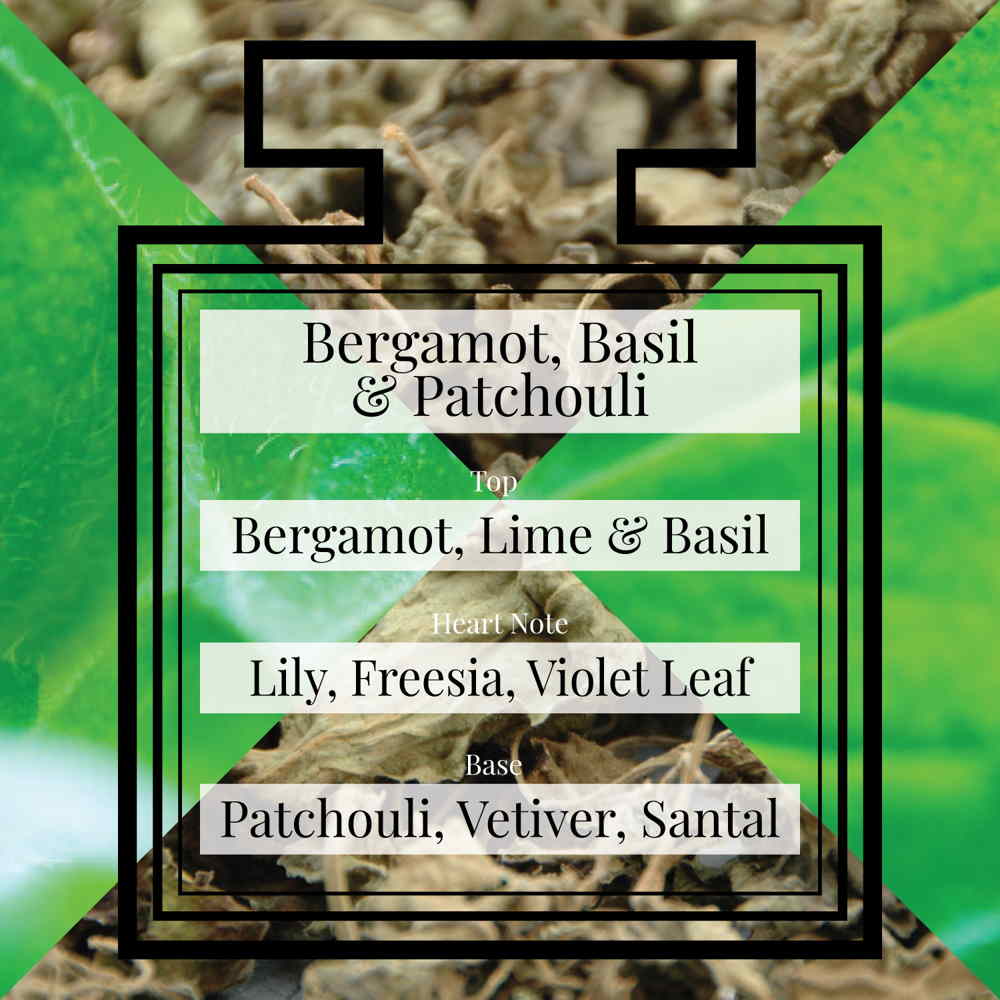
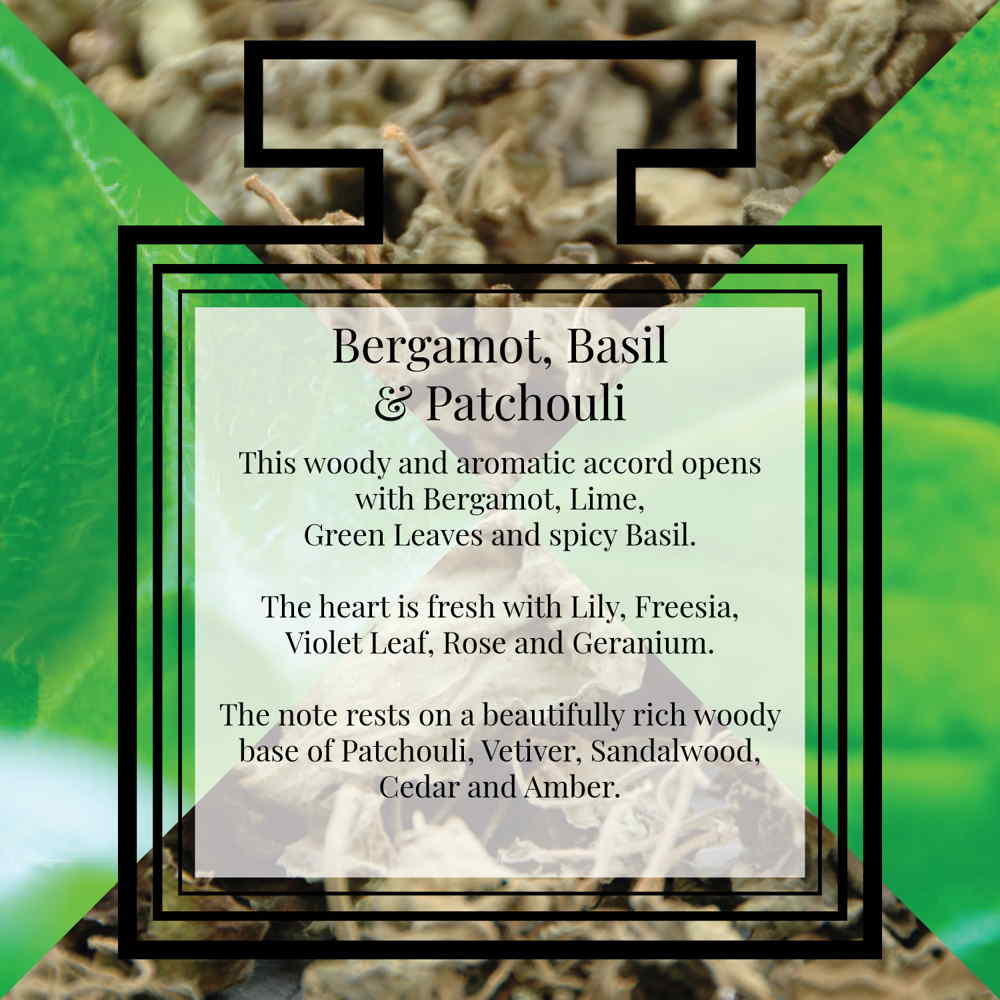
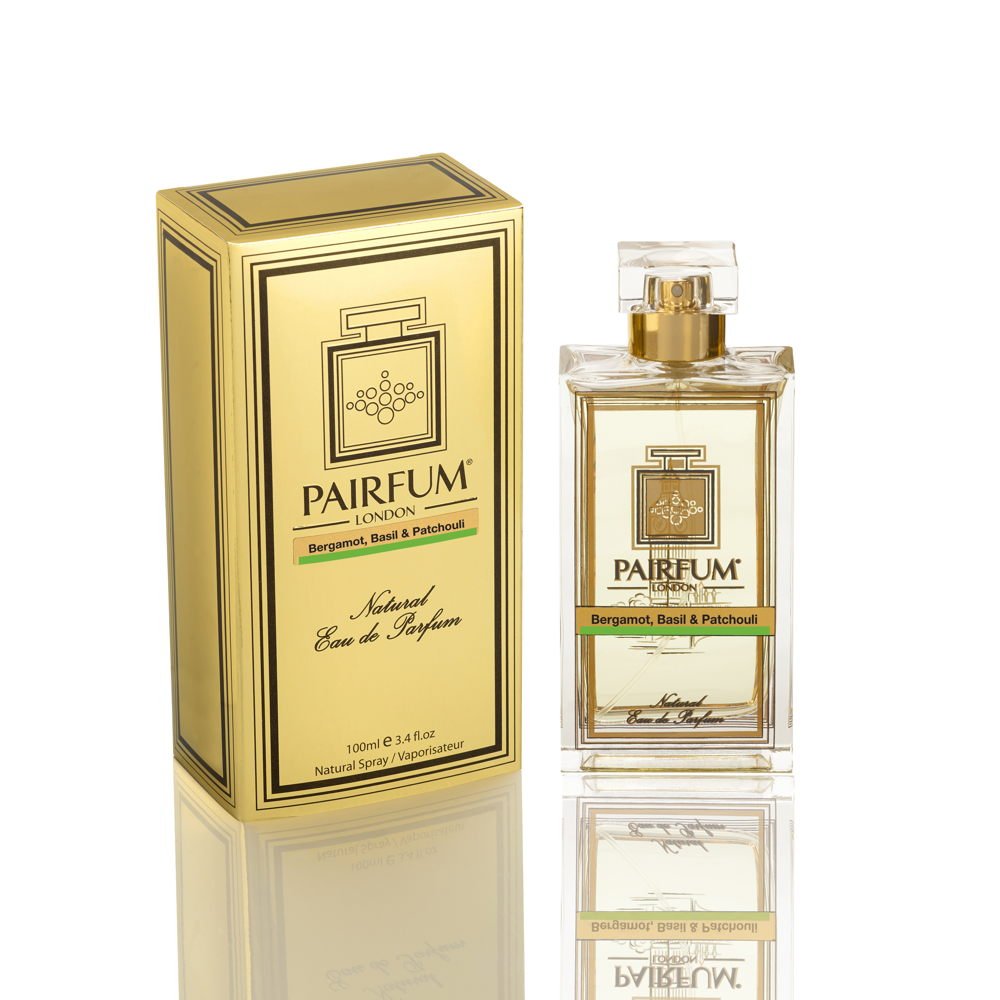
Bergamot, Basil & Patchouli Eau de Parfum by Pairfum London

This sophisticated unisex eau de parfum demonstrates how fine fragrance can be both high-performing and environmentally responsible. While not entirely alcohol free, it is crafted using 100% natural and biodegradable alcohol distilled from sugar molasses. This clean, renewable base ensures the sparkling top notes of sunny bergamot and fresh crushed basil diffuse effortlessly into the air without any harsh chemical sting or drying effect on skin. As the scent settles, rich patchouli, warm spices, and natural essential oils merge gracefully with your skin chemistry, delivering long-lasting luxury for daily wear.

Bergamot, Basil & Patchouli – Eau de Parfum – 100ml

£ 135.00

In stock

Discover Fragrance That Honours Your Skin

Sensitive skin should never prevent you from enjoying exquisite scents. Whether you choose pure alcohol free perfumes, hydrating water based formulas, rich perfume oils, or natural sugar-alcohol creations, selecting gentle bases keeps your skin comfortable. Explore luxury options that elevate your daily routine while respecting your skin and values.

Natural Linen Spray Bedroom

Natural Linen Spray: Calm, Clean Sheets Without Harsh Chemicals

A natural linen spray freshens fabrics safely using plant-based ingredients and essential oils rather than synthetic chemicals. Natural linen spray offers a straightforward, elegant way to make your bedroom feel instantly calmer. Pure comfort.

A gentle spritz over freshly made bed linen introduces a soft, airy aroma that transforms your evening routine into a small daily luxury. When you mist your bedding before settling in for the night, the delicate fragrance helps quiet a busy mind. Lavender essential oil, crisp citrus notes, and clean botanicals combine to create an inviting atmosphere. No synthetic heavy, overpowering laundry smells lingering in the air. Simple freshness.

Every bed deserves this level of care.

On a warm evening, opening the window lets a soft breeze roll through the room. As the air moves, the subtle scent of pure essential oils from your sheets rises gently. Using a natural fragrance mist on your pillows and duvets helps turn a plain sleeping space into a tranquil boutique retreat. Rest comes easier when your sheets smell naturally clean.

Lifestyle Bed Perfume Spray Linen Fabric Sleep Pillow 1 1

Why Many Fabric Sprays Are Not as Gentle as They Seem

Traditional room spray products and commercial air freshener formulas often rely on harsh chemicals.

Many commercial products contain strong synthetic fragrances, artificial fragrance compounds, aggressive preservatives, and chemical colourants. When you spray these solutions onto sheets or curtains, synthetic residues cling to the woven fabric for days. For sensitive individuals, breathing in these artificial scents causes physical discomfort. Tickly throats, sudden headaches, or nasal irritation often follow.

Consider the hours spent close to your pillow each night.

Direct skin contact with harsh chemical residue is best avoided. Nobody wants their bedding coated in synthetic solvents or heavy artificial musks. Many homeowners now look for a clean room linen spray that delivers a pleasant scent without introducing unwanted additives into the home environment.

Inside a Natural Linen Spray: Cleaner Fragrance and Ingredients

What actually goes into a high-quality natural linen mist?

At its core, a clean fabric spray blends pure distilled water, plant-derived alcohol, and natural ingredients. Instead of relying on synthetic fixatives, natural formulas use genuine essential oils to build their olfactory profile. Pure essential oils like eucalyptus, peppermint, tea tree, and soothing lavender provide authentic botanical aroma.

Some people experiment with a homemade linen spray or a diy linen spray recipe using basic household ingredients. A standard diy linen spray often calls for distilled water, a splash of vodka or witch hazel, and several drops of essential oil inside a spray bottle. While a simple diy linen spray recipe offers a fun weekend project, achieving a truly fine, non-staining mist requires specialist formulation. Precision matters.

A professionally crafted natural linen spray pairs pure essential oils with a specialized fine mist spray nozzle. The bottle distributes an even cloud over delicate fabrics without leaving wet spots or oily patches behind.

Natural Linen Spray Towels

Choosing a Natural Mist That Truly Performs

Reading labels carefully is the best way to choose an effective spray for linen.

Look for transparent ingredient lists that clearly highlight natural fragrance components. A quality natural linen spray should eliminate stale odors rather than merely masking them with heavy synthetic perfume. The ideal fabric spray leaves a subtle fragrance that lifts the atmosphere of the room while remaining soft on the nose.

Performance matters across all soft furnishings in your home.

Use your room and linen spray across various textiles: mist bath towels hanging in the bathroom, refresh curtains in the lounge, or spritz soft throws stored in the linen closet. A versatile room and linen spray restores instant freshness to clothes and bedding between regular washes, maintaining a clean home environment effortlessly.

Simple Seasonal Bedding Rituals for Restful Sleep

Establishing a nightly sleep ritual sends a clear signal to your brain that it is time to unwind.

As part of your evening routine, lightly mist your pillows and duvets roughly ten minutes before getting into bed. Hold the glass bottle about an arm’s length away so the fine droplets fall evenly across the sheets. The alcohol evaporates quickly, leaving pure botanical aroma nestled within the fibers.

Different scents suit different moments and seasons.

During warmer months, crisp herbal aromas like eucalyptus, peppermint, and bright citrus bring an invigorating touch to guest room sheets and bath towels. In cooler weather, grounding notes of lavender essential oil and warm botanical oils create a cozy, comforting sanctuary. Incorporating a natural room spray into your daily bedtime habit helps cultivate lasting serenity.

Pairfum Flacon Perfume Linen Fabric Signature Linen Lavender e1576517947956

An Artisan Linen Spray Worth Exploring

When elevating your nightly bedding routine, choosing an expertly blended formulation makes all the difference. For those seeking pure elegance alongside natural ingredient integrity, Pairfum London offers an exceptional artisan solution.

Pillow Spray & Natural Linen Spray by Pairfum London

Handcrafted in the United Kingdom by skilled perfumers, this luxury natural linen spray uses 100% natural alcohol derived from sugar molasses. Formulated as a water-free ‘eau de toilette’ for fabrics, it creates a micro-fine mist that evaporates rapidly without dampening bedding or staining delicate fabrics. Infused with pure essential oils like lavender, chamomile, bergamot, and neroli, it delivers a delicate, skin-friendly scent that promotes deep relaxation while naturally neutralizing unwanted odors.

Enjoy Hotel-Style Bedding Every Night

Creating a serene, hotel-quality sleeping space at home requires only a few thoughtful touches.

By replacing harsh synthetic room sprays with a pure, botanical natural linen spray, you protect your indoor air quality while treating yourself to exquisite fragrance. Lightly mist your sheets, settle into the crisp fabric, and enjoy a peaceful, rejuvenating night of rest.

Natural Scented Candles Home

Natural Scented Candles for a Cleaner Calm at Home

Natural scented candles use plant-based waxes, such as soy or beeswax, and pure essential oils instead of synthetic paraffin and chemical fragrances.

They should make your home feel calmer, softer, and cleaner, without leaving you with a heavy head or dusty air. Many of us return home on a warm late-summer evening, light a favourite candle and expect a quiet moment of peace. Yet a flame built on synthetic wax can release soot, harsh fumes, and aggressive allergens that actively disrupt wellness. Creating a cleaner calm requires a closer look at what actually burns inside the jar. The choice of wax, wick, and scent materials fundamentally alters how indoor air feels and how your body reacts.

When thoughtfully crafted, a natural scented candle supports your breathing, improve your mood, and steady your living space. Achieving that gentle atmosphere means stripping away unneeded chemicals while understanding the raw materials that shape every burn. Let us walk through what makes a candle truly natural, how fragrance affects everyday comfort, and how to select better options for late summer and the soft slide into autumn.

Pairfum Natural Wax Candle Signature Innocent Vanilla 1

What Makes a Candle Truly Natural and Clean

The word natural gets used constantly across home fragrance marketing. For candles, true quality comes down to three clear components: plant-based waxes, safer fragrance materials, and responsible wicks. When a maker selects these ingredients with care, the flame burns cleanly and room air stays noticeably lighter.

The base of any candle is its wax, and the composition matters tremendously. Paraffin wax remains common across mass-market production because it costs very little. However, paraffin wax is derived directly from petroleum refining. Burning paraffin wax or paraffin candles often creates heavy black soot, fills the room with unwanted chemical by-products, and releases volatile compounds. By contrast, a natural wax candle made from plant-based waxes offers a far gentler, eco friendly candle experience.

Options like soy wax, coconut wax, and rapeseed wax burn cooler, creating a softer and more relaxed glow. Beeswax candles provide another slow-burning alternative, carrying a subtle honeyed feel. Natural soy wax and 100 natural soy wax formulations have gained massive popularity for good reason. They melt cleanly and hold scent effortlessly. Beyond poured jars, natural soy wax or rapeseed blends can be shaped into a soy wax candle or crafted into a soy wax melt.

Wicks play an equally critical role in combustion quality. A reliable setup requires pure cotton or paper wicks sized correctly to match the jar diameter. A wick without metal cores ensures a steady, quiet flame. Poorly designed wicks or those containing lead and zinc filaments flicker frantically, smoke heavily, and leave unsightly carbon marks across the glass. That erratic burn destroys the quiet sanctuary you set out to create.

Greenwashing remains a persistent problem in the home fragrance market. Labels boasting eco friendly, botanical candle, or natural blend frequently conceal a heavy proportion of paraffin wax blended with cheap synthetic fragrance. Terms like jar candle or decorative gift set often mask cheap ingredients behind attractive packaging. Transparent listings explicitly stating 100 natural soy wax, coconut wax, or rapeseed wax offer a far stronger indicator of genuine purity.

Understanding Fragrance From Allergens to Aroma Wellness

The fragrance portion of a candle is where character comes alive, but it is also where unseen irritants frequently hide. Lower-quality products routinely rely on cheap synthetic fragrance oils that smell sharp in the nose and quickly overpower small rooms. High-quality, hypoallergenic alternatives behave completely differently. They are formulated to deliver a rich aroma while protecting sensitive skin and breathing comfort.

For households with sensitive noses, enjoying a beautifully fragranced candle does not require choosing between zero scent or harsh chemical fumes. Look for options made without phthalates, produced without animal testing, and developed with a low-allergen focus. Combining pure essential oils with rigorously safety-tested aroma molecules allows perfumers to construct complex, multi-layered scents. A single natural botanical candles concept might feature pure essential oils alongside isolated botanical extracts to ensure scent strength without triggering reactions.

Certain fragrance materials are known potential allergens. In the UK and Europe, strict regulatory standards ensure these ingredients are clearly declared on product packaging whenever present above specified thresholds. Reputable makers strictly observe IFRA standards to minimise skin and respiratory irritation. If you have sensitive airways, this transparent labeling helps you avoid specific triggers like synthetic fragrance oils while enjoying a safe, soothing scent.

Scent directly influences emotional well-being and daily stress levels. Selected natural fragrance combinations work exceptionally well for creating a calmer home:

• For deep relaxation: lavender, sweet orange, chamomile, and soft musks. A calming candle built around lavender or gentle herbal notes helps settle a busy mind.

• For focus and clarity: eucalyptus, rosemary, and crisp green notes.

• For late-summer warmth: vanilla, tonka, creamy florals, soft woods, and sweet amber accords.

Lighting a well-crafted essential oil candle or an aromatherapy candles option turns the end of a long afternoon into a grounding daily ritual.

When choosing home fragrance products, it is essential to consider how different scent ingredients affect overall burn time and air quality. While a synthetic artificial fragrance can produce a sharp initial scent, it often burns unevenly and releases unrefined chemical by-products into the air. Opting instead for cleaner, high-grade formulations or a carefully balanced fragrance oil ensures a steadier flame, a more gradual aroma release, and an extended, cleaner burn for your space.

Natural Scented Candles Ingredients

How Natural Scented Candles Support a Calmer Home

Candlelight possesses a timeless, quiet charm. It softens sharp room corners, reduces harsh glare from digital screens, and encourages a slower personal pace. As daylight fades earlier in late summer, lighting a natural candle during the evening signals to your nervous system that work is finished.

Designing zones of calm across your home helps structure this evening transition:

• Bedroom: Opt for soft, powdery floral notes or a calming lavender blend. Keep scent intensity light and comforting to encourage restful sleep.

• Living Room: Rich woods, warm amber, vanilla, and gentle spices create an inviting backdrop for conversation or quiet reading.

• Bathroom: Crisp citrus, clean herbal accords, or fresh green botanicals turn a quick shower into a mini spa moment.

Cleaner-burning options eliminate irritating distractions. When you burn soy candles, a natural wax candle, or soy wax melts, you avoid dense soot deposits and harsh chemical fumes. There is no unpleasant tickle in the throat or dark smoke coating the glass wall. Instead, you enjoy pure aroma and the steady movement of a quiet flame.

Choosing Natural Scented Candles This Season

Shopping for candles in late summer requires looking past clever marketing slogans to evaluate real ingredient quality. A simple inspection reveals whether a candle truly aligns with clean standards.

Focus on these essential criteria when choosing your next candle:

  1. Wax Base: Insist on clearly identified plant waxes such as soy wax, coconut wax, or rapeseed wax. Avoid vague wax blend labels that hide cheap paraffin.
  2. Wick Construction: Verify wicks are pure cotton or paper, completely free from metal cores.
  3. Fragrance Quality: Prioritise hypoallergenic blends, 100 essential oils, or phthalate-free fragrance formulations.
  4. Glass Container: Select recyclable glass jars that hold melted wax safely while diffusing a warm glow.

Scent preferences naturally evolve as seasons shift. Warm late-summer evenings call for airy florals and fresh botanicals like jasmine, orange blossom, sweet orange, or delicate rose. As cooler autumn breezes arrive, transition towards rich gourmand notes of vanilla and tonka, grounding cedarwood, or cosy amber.

Burn quality reflects precise craftsmanship. A superior soy wax candle forms a smooth, full pool of melted wax across the surface within a few hours. It diffuses a natural fragrance evenly without overpowering the room, and burns with an upright, smokeless flame. Proper maintenance ensures optimal performance: trim the wick before lighting, allow the top layer of wax to melt completely during the first burn, and keep the glass away from drafty windows.

A Pairfum London Fragrance Worth Exploring

Transitioning away from paraffin wax candles toward cleaner home fragrance choices allows you to enjoy rich, evocative scents while protecting indoor air quality.

Flower & Soy Wax Candles by Pairfum London

Pairfum London crafts these luxury natural scented candles using a proprietary blend of 100 natural soy wax and natural flower waxes extracted during floral perfume production. Adding natural flower wax raises the melting point of the soy wax, allowing the molten pool to reach the ideal temperature required for an exceptional fragrance bloom without using paraffin wax. Each handmade glass candle delivers a sumptuously clean burn for 30 to 40 hours, infused with pure essential oils and hypoallergenic couture perfume from top to bottom.

Fruity Fragrance Scented Candle

Concluding Thoughts

Investing in natural scented candles is one of the simplest ways to transform your living space into a serene, healthier sanctuary. By looking beyond clever marketing and choosing clean plant-based waxes, lead-free wicks, and carefully crafted hypoallergenic fragrances, you protect your indoor air quality while creating a truly relaxing atmosphere. As the seasons shift, making the move towards cleaner-burning home fragrance allows you to enjoy rich, comforting aromas and a steady, soot-free glow with total peace of mind.

Non Toxic Perfume Skin Safety

Is Non-Toxic Perfume Really Safer for Your Skin?

Non-toxic perfume refers to a fragrance that is made without harmful harsh chemicals like phthalates, parabens and synthetic musks.

Non-toxic perfume sounds simple, does it not? A lovely scent that is gentle for your skin and kind for your health. The trouble is, the words on the bottle do not always match what is happening in the formula. That is where things can get a little confusing.

As the weather warms and we show more skin, many of us spray more perfume, layer body products and light more candles. We also see more labels: non-toxic, clean, natural, organic, vegan, hypoallergenic. They are often used together, as if they all meant the same thing. In reality, they do not. Here is how to make sense of it, so you can choose perfume with confidence instead of worry.

Pairfum Fragrance Mandarin Blossom Sandalwood Triangle

Rethinking Clean: What Non Toxic Really Means

When people say they want a non toxic perfume, they often mean one or more of these:

  • Made with natural ingredients
  • Free from certain chemicals they have heard about
  • Gentle on sensitive skin
  • Kinder for the planet

That is a lot of different wishes hiding inside one small phrase.

The challenge is that words like non-toxic, clean, natural, or hypoallergenic are not strict legal categories for perfume. They are mostly marketing language. One brand may call a scent non-toxic because it avoids a short list of ingredients. Another may mean it is vegan and not tested on animals. Neither tells you the full safety story.

So is non toxic perfume truly safer for your skin? The honest answer is that safety has more to do with:

  • The exact ingredients and how they are combined
  • The amount you use and how often you apply it
  • Your own skin type, allergies and sensitivities

A simple label can never replace that full picture.

This is why searching for the best non toxic perfume can be confusing. Different non toxic perfume brands can use very different standards. One fragrance brand may concentrate on natural ingredients, another on phthalate free formulas, and another on wider clean beauty principles. There is no single definition that makes one perfume automatically safer than another.

Decoding Safety: How Perfume Is Actually Assessed

Perfume in the UK and EU, including fragrances sold here in London, sits inside a clear safety framework. It is not a free-for-all. There are three main pieces to know:

  • IFRA, the International Fragrance Association, sets usage limits and standards for fragrance ingredients.
  • EU Cosmetics Regulation lays down rules for cosmetic products that go on the skin, such as perfumes and body products.
  • Safety assessors look at toxicology, known allergens and restricted materials before a product goes to market.

In science, toxic does not simply mean bad or chemical. It means that an ingredient can cause harm at a certain dose. Even water is toxic at a high enough amount. So when someone says perfume is toxic, we must ask: at what level, on which part of the body and in what kind of product?

Any well made fragrance, whether it is niche perfume or conventional perfume, has to respect limits for:

  • Dermal exposure, meaning how much touches the skin
  • Phototoxicity, meaning how it behaves with sunlight
  • Sensitisation, meaning the risk of allergy over time

There is no official legal class called non toxic perfume. There is just perfume that meets or fails to meet these safety rules. Many clean or non-toxic claims sit on top of this base, as a style choice, not a new safety law.

The same principle applies to clean fragrance. A clean fragrance is not automatically free from every substance that could cause an individual reaction. Fragrance ingredients still need to be considered as part of the complete fragrance formulation.

Eau de Parfum Person Reflection Mandarin Blossom Sandalwood Man 1 1

Natural vs Synthetic: The Myth of the Perfectly Pure Scent

A big part of the non-toxic story is the love of natural perfume. We understand the appeal. Natural oils sound soft and pure. Synthetic molecules sound harsh and heavy. But real life is not that simple.

Some natural ingredients can be quite strong on the skin. For example:

  • Certain citrus oils can be phototoxic if used at high levels before sun exposure.
  • Some essential oils are powerful sensitisers and may trigger irritation.
  • Natural extracts are complex mixtures and can include many tiny components, some of which are allergens.

Essential oils are not automatically safer simply because they come from plants. An essential oil can contain numerous chemical constituents. Natural oils, botanical extracts and other natural ingredients can all have benefits, but they can also contain fragrance allergens.

By contrast, a well chosen synthetic ingredient can sometimes be the gentler choice. Synthetic ingredients can be:

  • Very pure and consistent from batch to batch
  • Used at low levels to give a clear effect
  • Designed to avoid problem components in some natural materials

This is one reason natural perfumery and modern fragrance creation are not necessarily opposites. A perfumer may combine natural ingredients with selected synthetic ingredients to create a balanced fragrance.

Vanilla is a useful example. Vanilla is popular in natural perfume and can create a warm, familiar scent. But vanilla can appear as a natural extract or as an aroma material in a wider fragrance formulation. Nine different perfumes containing vanilla could use quite different fragrance ingredients and have very different formulations.

So vanilla itself does not tell you whether a perfume is safer. The same is true of rose, citrus, woods and other popular scent families. What matters is the complete fragrance formulation and how the perfume is intended to be used.

A classic case is oakmoss. The natural extract has long been loved in perfumery, yet it includes known allergens that are now tightly restricted. Using a crafted aroma molecule with a mossy character can give a similar mood with a more controlled risk.

The words synthetic fragrance and synthetic perfume can sound alarming, but synthetic does not automatically mean unsafe. Likewise, natural perfume does not automatically mean harmless.

Reading the Fine Print: Labels, Allergens and Greenwashing

Perfume labels can feel like another language. Here are a few simple pointers.

On many fragrance products, you will see the word parfum or fragrance. This is the blend of aromatic ingredients, both natural and synthetic. By itself, it does not tell you each material, because that is often a protected formula. However, the EU requires that certain known fragrance allergens are listed when they are present above a set level.

If you have sensitive skin, it is helpful to:

  • Learn the names of allergens that bother you, if any
  • Look for those names in the ingredients list
  • Apply new scents on a small patch first, especially in the summer sun

Ingredient transparency can make this process easier. Look for a brand that explains its fragrance ingredients clearly and does not rely entirely on vague claims.

You will also see a lot of free from claims, such as:

  • Paraben free
  • Phthalate free
  • Synthetic free

Sometimes these are meaningful choices. Often, they can shade into greenwashing, when a normal safety requirement is dressed up as a special benefit. A product can be free from a certain group of ingredients and still cause a reaction in someone whose skin is already delicate.

The word phthalate comes up particularly often in discussions about clean perfume. A phthalate free claim tells you that a particular phthalate has not been used, but it does not make every other fragrance ingredient irrelevant. If phthalate is a concern for you, check the manufacturer’s information and look for genuine ingredient transparency.

It is also important not to assume that phthalate, toxic chemicals, toxic ingredients or harmful chemicals are interchangeable terms. Safety depends on the individual substance, concentration, exposure and intended use. One ingredient cannot tell you everything about a perfume.

A thoughtful fragrance brand should therefore be able to discuss its approach to phthalate and other fragrance ingredients without suggesting that every conventional perfume contains dangerous substances.

Non Toxic Perfume Rose

What About Clean, Organic and Botanical Fragrance?

Clean perfume and clean fragrance are increasingly popular terms. Clean beauty has also become a wider movement, with consumers looking for products that appear simpler and more transparent.

But clean ingredients do not have one universal definition. One brand may avoid phthalate, another may avoid certain synthetic ingredients, and another may focus on natural ingredients and botanical ingredients.

Organic perfume is another example. Organic certification can tell you something about how particular ingredients are produced, but organic does not mean allergy free. A natural perfume can contain essential oils and botanical extracts that do not suit every person.

Natural perfumery can be beautiful, but it is not a guarantee of a safer scent. A good perfumer considers the complete formulation rather than simply counting natural ingredients.

Choosing a Format for Everyday Wear

The type of perfume you choose also affects how you experience a scent.

An eau de parfum is designed to be worn on the skin. A perfume oil is another concentrated format that is usually applied directly to pulse points. A solid perfume offers a different application altogether and can be useful for people who prefer a more discreet scent.

Whether you choose perfume for everyday wear or reserve a fine fragrance for special occasions, moderation matters. More perfume does not necessarily mean a better scent. A lighter application can still create a distinctive signature scent.

Your choice of scent can also change with the season. A fresh fragrance may feel comfortable in warm weather, while a vanilla based scent can feel particularly inviting in cooler months.

Pairfum Eau de Parfum Person Reflection Mandarin Blossom Sandalwood Woman Dance 1 1

Beyond Skin Deep: Sustainability and Non Toxic Luxury

Non toxic does not stop at the surface of your skin. Once fragrance leaves your body, it enters the air and, in time, soil and water. A modern view of gentle perfume must also think about:

  • How easily materials break down in the environment
  • Whether they are harmful for aquatic life
  • How they travel and settle in the air inside our homes

A thoughtful approach looks at the whole life of a product, from what goes into it to what happens after you use it. This can include:

  • Responsibly sourced natural ingredients
  • Mindful use of synthetics where they bring clear safety or stability benefits
  • Recyclable or refillable packaging
  • Candles that burn with low soot and clean diffusers for indoor air

Natural oils, essential oils, synthetic ingredients and botanical extracts can all have environmental considerations. Sustainability is therefore not as simple as choosing natural over synthetic.

Choosing Your Next Scent with Confidence

When you strip away the buzzwords, a safer skin scent is less about chasing the latest non toxic label and more about knowing yourself and trusting well informed perfumers.

A simple checklist can help when you choose your next fragrance:

  • Your skin: is it dry, oily, reactive, or generally calm?
  • Your triggers: do you know any confirmed allergies or common irritants?
  • The season: lighter, breathable scents often feel better in warm, humid weather.
  • The format: do you prefer an eau de parfum on pulse points, a hair mist, a perfume oil, a solid perfume, or more scent in the air through candles and diffusers?
  • The brand ethos: does the fragrance brand speak clearly about safety, ingredients and sustainability, rather than hiding behind buzzwords?

If you are comparing non toxic perfume brands, look beyond the front of the bottle. Ask what the brand means by non toxic perfume, whether it discusses fragrance ingredients, and whether it provides useful ingredient transparency.

The best non toxic perfume for you may not be the one with the longest list of claims. It may simply be a well formulated fragrance that you enjoy, suits your sensitive skin and fits your preferences.

A signature scent should  feel enjoyable rather than worrying. Whether you prefer natural perfume, clean perfume, niche perfume or a more conventional perfume, the same basic questions apply.

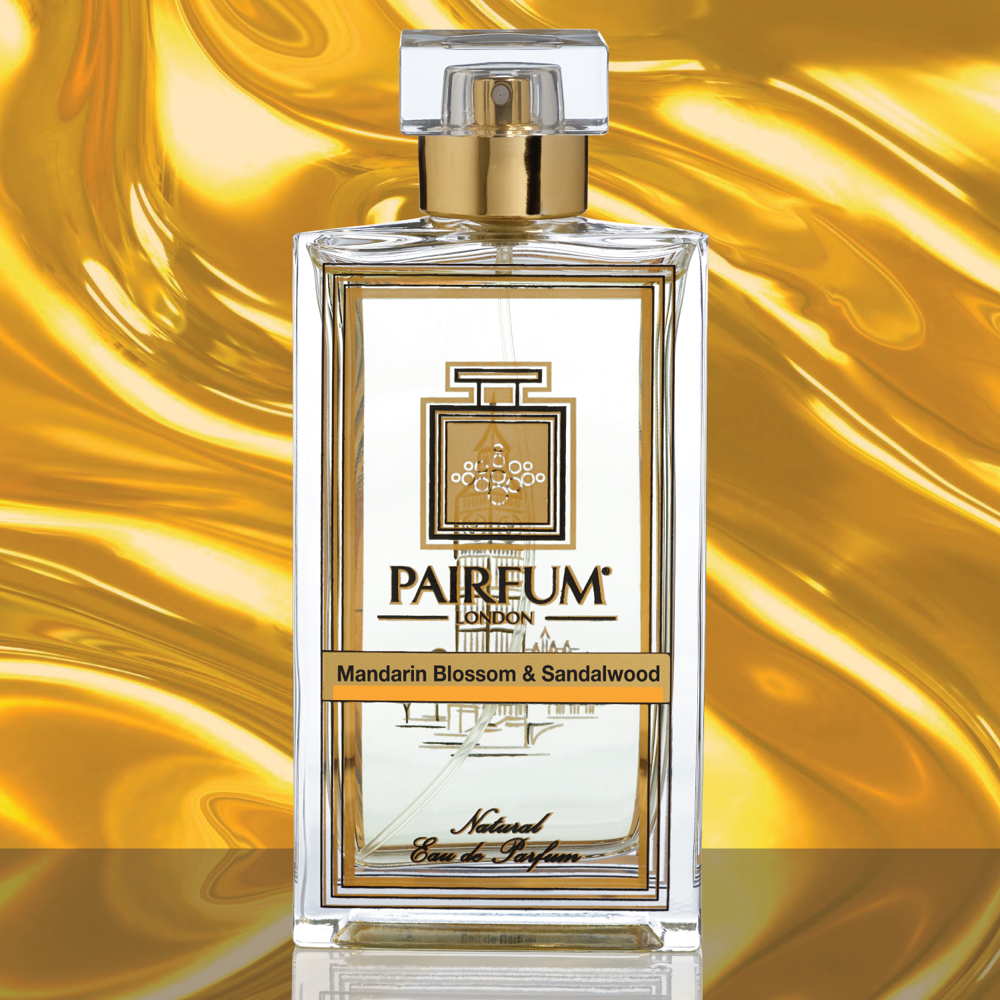
Mandarin Blossom & Sandalwood – Eau de Parfum – 100ml

£ 135.00

In stock

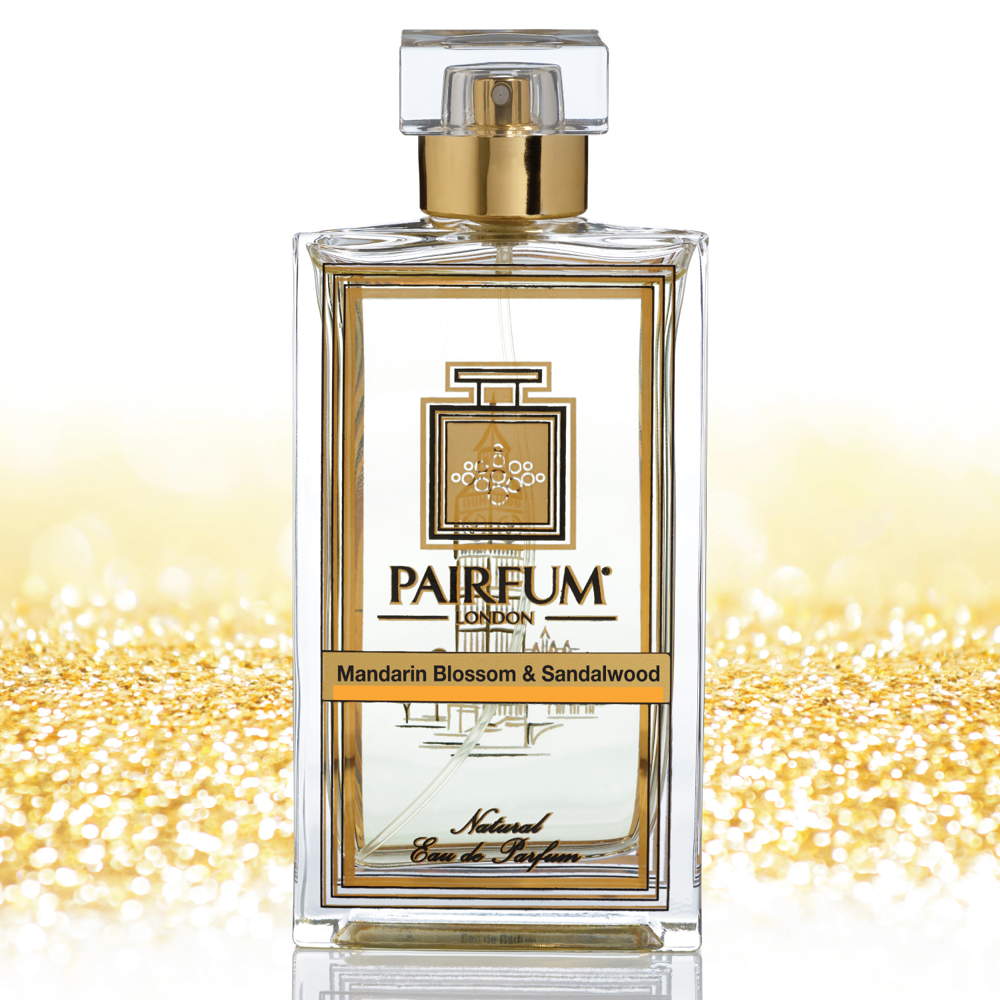
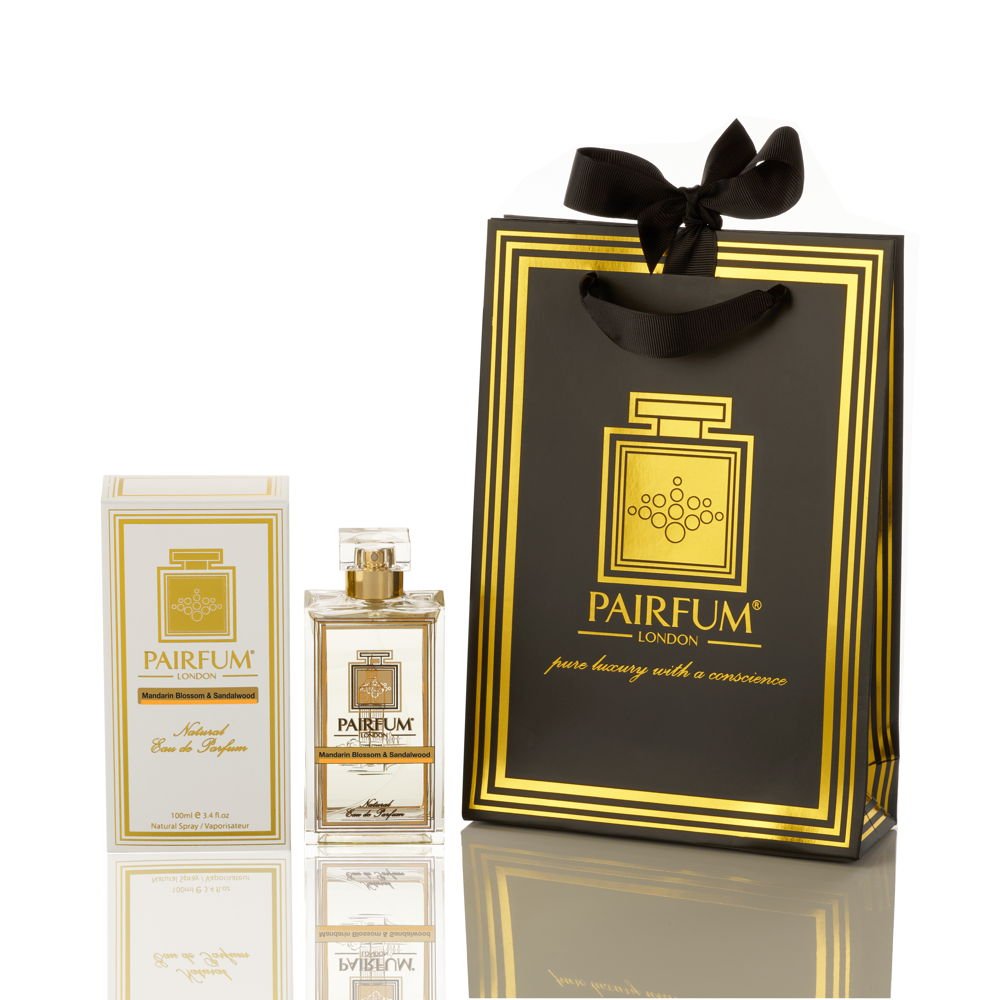
Mandarin Blossom & Sandalwood – Eau de Parfum by Pairfum London

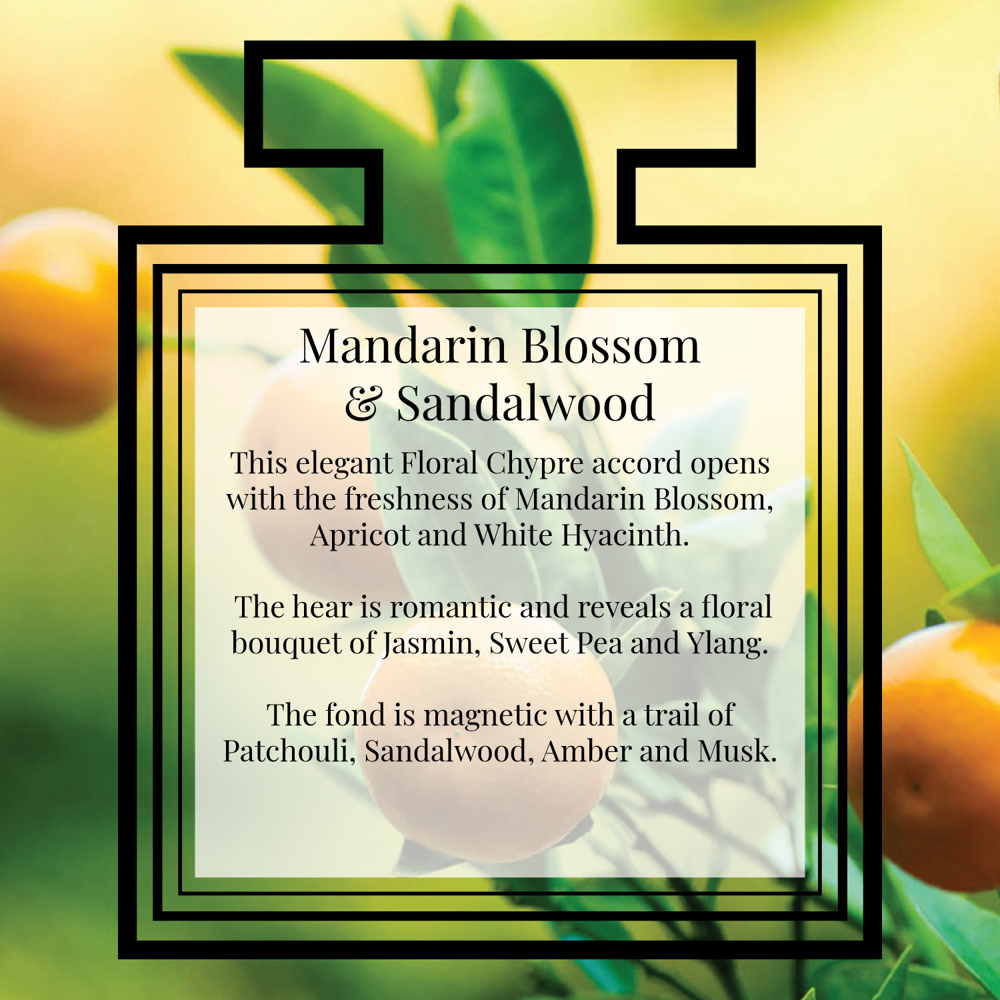
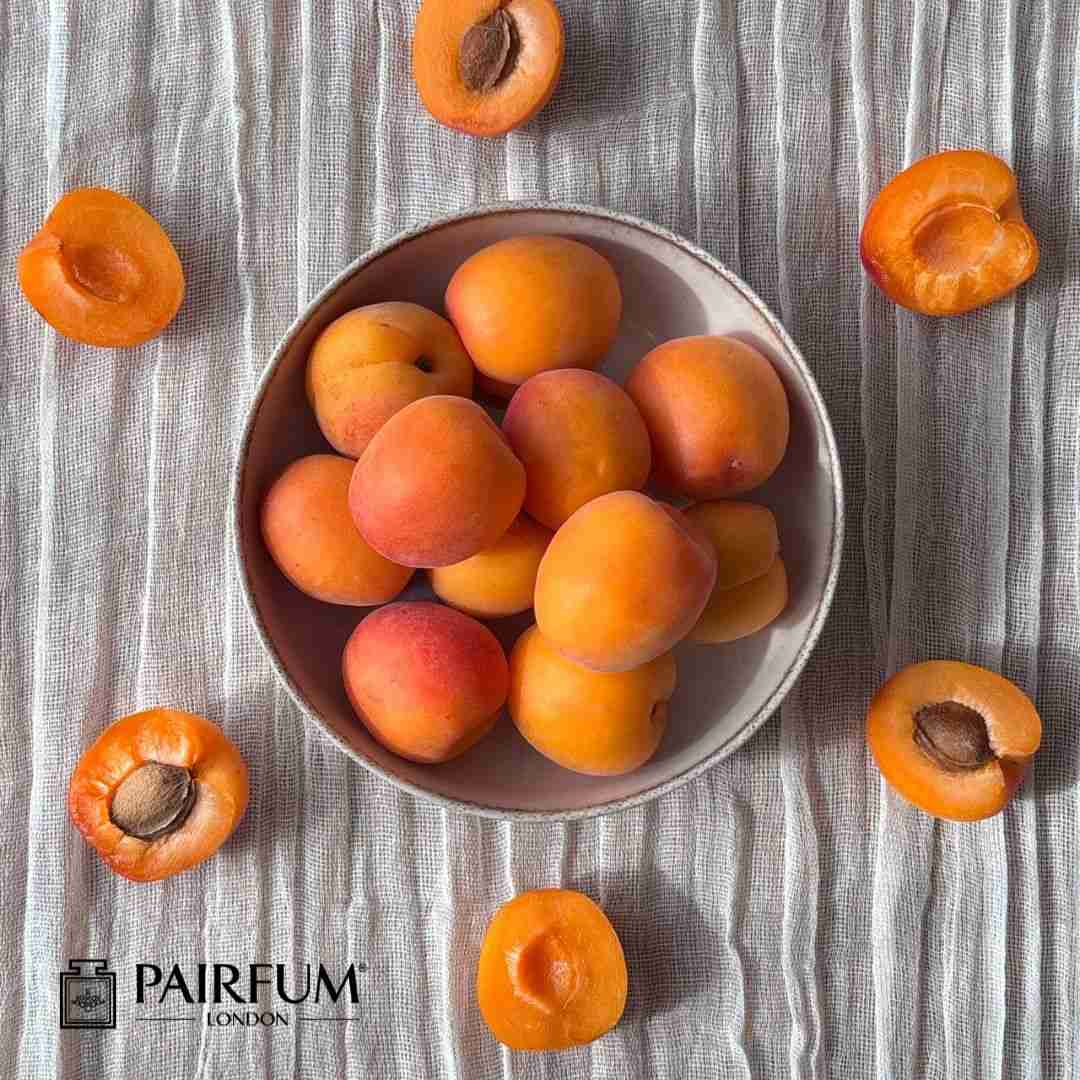
An elegantly, feminine floral Chypre accord opening with the freshness of Mandarin Blossom, Apricot and White Hyacinth as Top notes. It’s romantic heart reveals a floral bouquet of Sweet Pea, Jasmine and Ylang Ylang, while the fond of Sandalwood, Patchouli, Amber and Musk create a magnetic trail.

The Bottom Line

There is nothing wrong with wanting clean ingredients or a non toxic fragrance. It is sensible to care about what you put on your skin. The important thing is not to let marketing language turn a complicated subject into a simple promise.

Natural perfume is not automatically safer. Synthetic perfume is not automatically harmful. Organic perfume is not necessarily allergy free. Clean perfume is not a guarantee of perfect skin compatibility.

The best non toxic perfume is ultimately the one whose ingredients, formulation and intended use make sense for your needs. Look beyond the label, understand what the fragrance contains, pay attention to your own skin and remember that safe perfume is about responsible formulation, not a fashionable name.

Luxury Travel Scents Packing

Packing Perfume Like a Pro: Leak‑Free Luxury Travel Scents

Luxury travel scents bring effortless elegance to any holiday, provided your favourite glass bottles survive airport security and cabin pressure changes intact.

But, packing perfume for a summer holiday can feel surprisingly risky. One single leak in transit and your clothes, shoes, and leather luggage all end up soaked in an overwhelming cloud. Add airport security officers eyeing up liquid limits, plus the constant dread of a smashed glass bottle, and many travellers simply leave their favourite scent behind.

That is a shame. Travelling with a luxury travel fragrance should feel simple, calm, and satisfying. With smart packing techniques and the right bottle formats, luxury travel scents arrive at your hotel in pristine condition. Whether heading off on a brief weekend break, a fortnight on the beach, or a long flight across continents, packing liquid luxury requires only a few deliberate choices.

Niche perfume houses understand how high-end perfumes live beyond the dressing table. From departure lounge to hotel suite, maintaining scent quality requires a keen understanding of bottle mechanics, pressure changes, and olfactory preservation. Here is how to handle your liquid treasures when packing your suitcase.

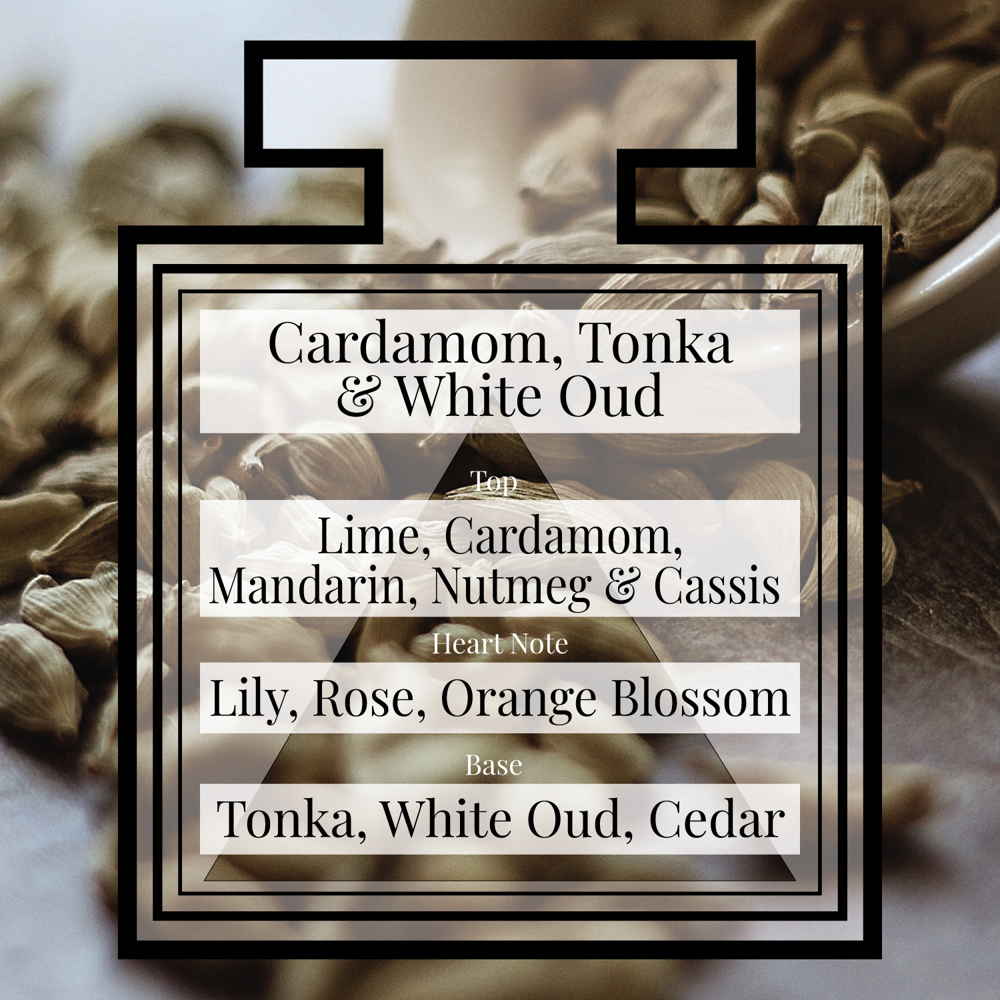
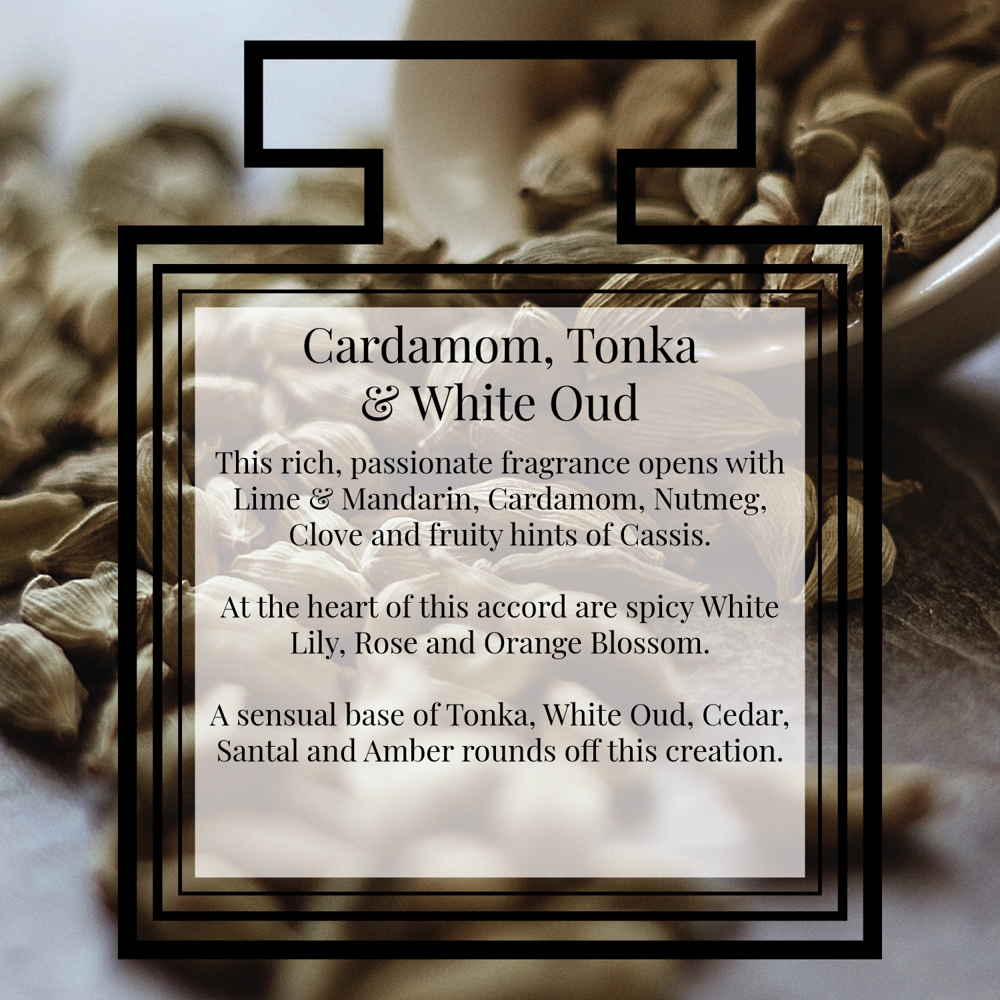
Pairfum Fragrance Cardamom Tonka White Oud Triangle

Choosing the Perfect Travel Perfume Format

Before reaching for a full 100ml flacon, pause to consider trip duration and luggage type. Choosing an appropriate format eliminates unnecessary hassle at security checkpoints.

For different trips, consider these ideal options:

  • Weekend trip: One or two mini travel size perfumes, or a couple of glass sample vials.
  • One to two weeks: A dedicated 10ml to 30ml travel size fragrance alongside complementary discovery samples.
  • Business travel: One crisp daytime blend and a richer evening option for dining out.
  • Hand luggage only: Compact purse sprays and atomisers that meet strict airline security rules.

In UK and EU airports, liquid containers in cabin baggage must not exceed 100ml, and all items must fit inside a single 1-litre clear bag. A 10ml or 30ml travel size perfume provides ample spray volume for several weeks without occupying precious room.

Why smaller formats excel for travel:

  • They slide neatly into a coat pocket, handbag, or laptop sleeve.
  • Compact bottles resist accidental crushing or thermal leaks under cabin pressure changes.
  • Carrying multiple smaller options allows versatility without adding extra weight.
  • Smaller sizes offer an easy way to sample new fragrances without committing to full bottles.

Fragrance lovers and seasoned travellers often prefer dedicated travel size bottles, purse sprays, and discovery sets. Smaller containers protect concentrated blends while offering convenience on the go. Both men and women appreciate how a compact travel size allows touch-ups anywhere.

In recent years, the shift toward travel size perfumes has transformed how people curate their scent wardrobe. Rather than dragging heavy bottles across borders, sophisticated travellers invest in lightweight luxury options that match their itinerary. A compact travel size fragrance guarantees that your daily routine remains effortless, regardless of destination.

Leak-Proof Packing Techniques for Glass Bottles

If carrying a classic glass bottle is non-negotiable, proper precautions prevent costly accidents. Think in three distinct stages: seal, protect, and place.

First, seal the bottle securely:

  • Ensure the atomiser spray nozzle and protective cap fit snugly.
  • Place a small strip of cling film across the spray nozzle before pressing the cap down firmly.
  • Wrap a small piece of removable tape around the neck seam to hold the cap steady.

Next, protect the vessel:

  • Enclose the bottle inside a heavy-duty grip-seal bag so any micro-droplets remain contained.
  • Press out excess air before sealing the pouch tightly.

Finally, place it strategically inside your suitcase:

  • Wrap each bottle inside soft clothing like cashmere jumpers or cotton tees.
  • Position bottles directly in the physical centre of your main bag, well away from outer edges or luggage wheels.
  • Keep heavy shoes, hard books, and toiletries separated from delicate glass items.
  • Keep splash-top bottles upright at all times.

For elaborate artistic bottles with tall caps, detach ornamental tops and pack them separately. A padded pouch or rigid travel case placed inside your travel bag provides maximum structural defense for precious glass designs.

Understanding air pressure changes during air travel helps explain why leaks happen. Aircraft cabins undergo altitude changes that cause air inside perfume containers to expand. If a bottle has even a minor micro-gap around the seal, liquid gets forced outward. Securing caps with tight wrapping prevents expansion leaks entirely.

Pairfum Eau de Parfum Intense 30ml Travel Spray 3 Bottle Tray Inside Gold 1 1

Curating a Capsule Fragrance Wardrobe for Travel

Building a signature scent travel perfume collection mirrors packing a capsule wardrobe. You do not need dozens of options. Three well-chosen blends cover every possible mood, moment or evening occasion.

A balanced travel collection might include:

  • A bright, uplifted opening note featuring fresh citrus, bergamot, and neroli for warm daytime excursions.
  • An alluring evening choice rich in amber, vanilla, and white oud for special dinners.
  • A subtle, comforting skin scent built around clean musk, jasmine, and soft wood for quiet moments.
  • Optional daytime accent: A breezy floral with fresh citrus and freesia for coastal walks.
  • Optional evening alternative: A warm blend with incense, coffee, dark amber, and rich woods for atmospheric night venues.

Match scent selection to destination climate. Coastal warmth suits effervescent accord notes like mandarin, green violet, and white florals. Conversely, air-conditioned urban hotels and cooler evenings call for deep amber, warm spices, and smooth vanilla notes.

Testing discovery sets at home before departure takes the guesswork out of packing. Exploring a new scent during travel creates powerful neural links. Months later, a quick spritz immediately recalls sunlit afternoons or romantic evenings abroad. Trying new fragrances while exploring historical sites or coastal villages ties olfactory memory directly to moments of personal joy.

Smart Storage on the Move and at Your Hotel

Proper environmental control during transit is just as vital as initial packing. Extreme heat, direct sunlight, and sudden climate shifts degrade delicate perfume oils.

On transit days, keep these rules in mind:

  • Carry one travel size perfume inside your personal travel bag or handbag for effortless touch-ups.
  • Keep fragile bottles encased in a soft lined pouch or protective padded case.
  • Store main bottle allocations securely in checked luggage to maintain stable temperature.
  • Apply fragrance sparingly before boarding, as dry airplane cabin air amplifies aroma intensity for surrounding passengers.

Upon arriving at your destination, resist placing glass bottles on bathroom counters. Hotel bathrooms endure intense humidity spikes, rapid temperature swings, and harsh lighting that degrade subtle top notes.

Instead, select stable display areas:

  • Inside a closed wardrobe or shaded cupboard shelf.
  • Tucked inside a luggage compartment or bedside drawer.
  • On a shaded bedroom dresser positioned far from windows.

Never leave fine perfume in hot cars, on sunny balconies, or near air conditioning vents. Secure caps immediately after spraying so delicate essential oils preserve their balance and longevity. Keeping liquid formulations away from direct sun protects delicate botanical extracts from turning sour.

Luxury Travel Scents Essentials

Turn Every Trip Into a Lasting Scent Memory

Thoughtful preparation transforms travel fragrance from a potential headache into pure daily pleasure. Carrying a secure selection adds quiet luxury to every journey.

Many fragrance enthusiasts select a specific new scent exclusively for take-off. Pairing unique notes with new destinations anchors vivid travel memories. Long after returning home, smelling that favourite scent instantly transports you back to seaside dinners or bustling historic streets.

Whether buying online, searching for top niche brands, or selecting gift cards for fellow perfume lovers, choosing high-quality luxury travel scents elevates the entire travel experience. Many travellers even bring a small candle or home fragrance room spray to bring a familiar scent to their hotel space.

Across the global fragrance world, elegance and confidence go hand in hand with feeling beautifully scented. Women and men alike know that a great perfume brings freshness and poise to every moment, even after a long day of sightseeing. Fine formulations represent true luxury travel scents that fits right in your pocket or handbag.

A Travel Fragrance Worth Exploring

Finding an ideal travel fragrance requires balancing exceptional quality with practical design. Niche British perfumery offers remarkable options crafted specifically for travellers who refuse to compromise on their style or scent elegance while on the move.

Travel Size (30ml): Cardamom, Tonka & White Oud – Eau de Parfum Intense by Pairfum London

This rich, passionate creation opens with vibrant top notes of lime, mandarin, fresh mint, cardamom, clove, and fruity hints of cassis and plum. At its heart lies an elegant floral accord of white lily, rose, and freesia, grounding into a sensual base of tonka bean, white oud, cedarwood, sandalwood, and warm amber. Handcrafted in the UK using 100% natural sugar molasses alcohol, this vegan and cruelty-free formula comes housed in a travel-friendly 30ml glass bottle decorated with 24-carat gold detailing. It is a ideal companion for any special occasion or long day on the move.

Travel Size (30ml): Cardamom, Tonka & White Oud – Eau de Parfum Intense

£ 60.00

In stock

Final Thoughts

Smart packing turns fragrance travel from a stress-inducing gamble into a seamless luxury. Selecting durable 10ml to 30ml luxury travel scents avoids cabin pressure leaks and airport security friction before you board. Simple steps work wonders. Wrap spray nozzles in cling film, seal containers inside airtight bags, and cushion glass deep within soft garments in the centre of your suitcase. Match a compact three-scent capsule wardrobe to your destination, then store your bottles inside shaded hotel wardrobes away from humid bathrooms. A little forethought keeps signature scents pristine, preserving every vivid travel memory.

Apricot In Perfumery

Apricot in Perfumery: The Fruity Essence

Apricot perfumes blend sweet, juicy fruitiness with velvety, lactonic, and subtly powdery nuances. This warm, sunny accord, often crafted using synthetic compounds for impressive lasting power, pairs beautifully with florals like osmanthus, as well as rich base notes like vanilla and musk.

Apricot has a soft fruitiness that brings warmth and brightness to perfume. Its aroma is gentle, juicy, and just a little floral. Smell fresh apricots on a warm afternoon and you’ll understand exactly why perfumers keep reaching for them. Sun-warmed, slightly honeyed, with a fuzz of something almost floral underneath. Apricots at their best smell like summer in a single note.

Whether found in personal fragrances or home fragrance blends, apricot stands out for its welcoming quality. Even the warm amber-orange of the fruit has influenced design, giving its name to apricot clothing and interior colour palettes that borrow its sun-flushed hue. This article looks at how the fruit is used in perfumery, where its scent comes from, how it pairs with other ingredients, and why it has earned a quiet but enduring place in both classic and contemporary perfume.

A Fragrant History of Apricot in Perfume

Long before it became a staple of modern fruity-floral perfumes, apricot was valued for its aroma in oils and balms. The tree, Prunus armeniaca, named for its presumed Armenian origins (the botanical name itself introduced new words into European botanical Latin), though evidence suggests it may have first been cultivated in China, has been grown for thousands of years, and its kernel oil was used in early skincare and fragrance preparations across the ancient world.

In the 20th century, apricots gained real traction in Western perfumery as ingredients for constructing fruity accords as part of a growing appetite for lighter, fruitier compositions. These blends felt more youthful than the heavy florals and orientals that had dominated for decades. Apricots slotted in as the softer, more restrained cousins to peach or plum: enough sweetness to register, but nothing sharp or synthetic about it.

The result was a note that aged well. Apricot sits comfortably in both romantic evening fragrances and everyday wear, which is a rarer quality than it sounds.

Eau de Parfum Person Reflection Mandarin Blossom Sandalwood Man 1 1

What Does Apricot Actually Smell Like?

Fresh apricots have a scent profile that is difficult to pin down precisely, which is part of what makes them interesting to perfumers. There is the obvious sweetness, juicy, ripe, with that characteristic orange flesh warmth. But there is also something slightly almondy underneath, especially near the stone, and a faint green quality from the skin and leaves.

Dried apricot smells quite different. When apricots are dried, the process concentrates the sugars and deepens the honey-like facets, pushing the scent toward something richer and more ambiguous, closer to fig or raisin than to the bright freshness of dried fruit straight from the market. Dried apricots used as a fragrance reference tend to produce warmer, more enveloping compositions than those built around the fresh version.

Apricot blossom, the flower of the apricot tree, adds another dimension entirely. It blooms in early spring, often before the leaves appear, and carries a delicate, slightly powdery floral character that sits closer to almond and cherry blossom than to the fruit itself. Some perfumers use the blossom note specifically to avoid the sweetness of ripe apricots while retaining the connection to the plant.

The Science: Prunus Armeniaca and How Its Scent Is Captured

Prunus armeniaca produces very little extractable essential oil from its fruit flesh, which makes direct extraction impractical. Cold-pressing the kernel yields apricot kernel oil, widely used in skincare for its light texture and skin-softening properties, but this oil is largely odourless and carries almost none of the fruit’s signature aroma.

So perfumers build the scent rather than extract it. The apricot note in most fragrances is a constructed accord: a blend of molecules chosen to recreate the character of apricots from the outside in. Gamma-decalactone and gamma-undecalactone are key lactone molecules responsible for the creamy, peachy-apricot quality found in many fruity fragrances. Ionones, the same family of molecules responsible for violet’s powdery sweetness, add depth and a subtle floral lift.

Osmanthus is worth mentioning here. This small Chinese flower has a natural stone fruit facet, sitting somewhere between apricot, peach, and leather, that makes it one of the most convincing natural bridges to an apricot accord without requiring the fruit directly. Many of the best apricot-adjacent perfumes are built around osmanthus rather than a synthetic accord.

Pairfum Person Reflection Scarlet Rhubarb Oakmoss Eau de Parfum Woman

Apricot’s Role in Perfume Compositions

What makes apricot work so reliably in perfume is its balance. Apricots contribute enough fruit character to register clearly without tipping a composition into candied sweetness. It adds warmth without weight. And it blends, almost annoyingly, with nearly everything. 

Floral combinations are perhaps the most natural pairing. Rose and apricots is a classic pairing: apricots round out the sharpness of rose’s green facets and adds a sensual, edible quality to what might otherwise be a cool, formal composition. Mimosa and jasmine work similarly, with apricot adding warmth to their powdery-sweet characters.

Woody and musky bases also benefit from apricot. When the fruit sits above sandalwood, cedarwood, or musk, it gives the entire composition a creamier, more enveloping quality, a softness that woody fragrances can sometimes lack. In chypre structures, apricot provides the fruity-floral brightness that bridges the fresh top notes to the mossy, earthy base.

Large fruit notes in general (peach, mango, plum) tend to compete with each other when combined, but apricots are restrained enough to support rather than dominate. This is why perfumers so often reach for it as a modifier rather than a headline note.

Apricot in Home Fragrance

Apricot doesn’t have to stay on the skin. Its soft, sunny aroma translates well into home fragrance: candles, room sprays, and reed diffusers where the goal is warmth without aggression. 

Unlike citrus, which can read as sharp or high-pitched in a domestic setting, apricot is mellow. It makes rooms feel welcoming rather than merely fresh. Paired with white florals or soft green elements, it creates a relaxed, breezy atmosphere that suits spring and summer particularly well, though the dried apricot facet, with its deeper honeyed warmth, works just as comfortably through winter. 

Apricot blends well with vanilla and sandalwood in home fragrance, where the combination produces something cosy and unhurried. The soft fruitiness keeps it from tipping into heaviness, and the result is the kind of scent that guests notice without being able to name, always a good sign.

Apricot Fruity Essence

Apricot in the Kitchen: A Note on Its Versatility

Apricot’s appeal extends well beyond perfumery. As an edible fruit, it has inspired some of the most versatile recipes in European and Middle Eastern cooking, and understanding how the fruit behaves in food gives useful context for how it behaves in fragrance.

Fresh apricots are the natural starting point for many a summer dessert: tarts, crumbles, and poached fruit dishes that showcase the fruit’s gentle acidity and honeyed sweetness. Dried apricots deepen those qualities considerably, concentrated, jammy, with an almost caramel edge, making them a favourite in slow-cooked dishes, tagines, and the kind of apricot jam that keeps through the winter months on a cool shelf.

Good food writing has long celebrated the apricot’s versatility. Apricots themselves have become a staple ingredient in home baking, and apricot oat bars have become particularly popular, appearing regularly in food publications including Good Food Magazine, where their combination of dried fruit, rolled oats, and honey is cited as one of the more reliable everyday recipes for home bakers. Overnight oats made with roughly chopped dried apricots, a handful of pistachios, and a spoonful of apricot jam have become a popular quick breakfast, as have apricot oat bars for lunchboxes and snacking.

For savoury cooking, apricots pair unexpectedly well with bold spices. An apricot plait, a glazed pastry filled with spiced dried fruit, is a favourite in many European bakeries. Minty bulgur wheat with soaked dried apricots and toasted pistachios is a classic side dish across the Levant. Even harissa, with its heat and depth, finds balance when paired with fresh or dried apricots in a North African tagine, where apricots provide the sweetness that tempers the spice.

These exclusive recipes highlight a simple truth: apricot, like all great ingredients, adapts. It softens what is too sharp, sweetens what is too austere, and brings warmth to whatever surrounds it. That same quality is precisely why perfumers value it.

Growing Apricots: From Blossom to Fruit

Apricot trees bloom in early spring, sometimes as early as February in milder climates, which makes late frosts a serious concern for growers. A hard frost after blossom opens can wipe out an entire season’s heavy crop overnight, which is one reason apricots have traditionally thrived in continental climates with predictable, dry springs rather than the unpredictable British weather.

The early Moorpark variety is one of the most celebrated English apricots: a large fruit with deep orange flesh, rich flavour, and a relatively reliable cropping habit for the UK climate. It was first cultivated at Moorpark, Hertfordshire, in the 18th century and remains a benchmark for quality.

Pollination is generally straightforward for most apricot varieties, which are self-fertile. A single apricot tree will fruit without a companion tree, though a second tree nearby tends to improve the yield. They can be grown as bare root trees planted in late autumn, or in a container for patios and smaller gardens. Fruit trees grown against a south-facing wall, trained as fans, tend to crop most reliably in the UK, the reflected warmth compensates for the marginal climate.

Potassium is among the most important nutrients for apricot trees: it supports fruit development, flavour intensity, and the tree’s overall resilience. A potassium-rich feed applied in spring supports the transition from blossom to new growth, helping the tree deliver a consistent crop of ripe apricots, large fruit with good flavour, season after season. Without adequate potassium, apricots can be small and lacking in sweetness, regardless of how well the tree has been managed in other respects.

Eau de Parfum Person Reflection Mandarin Blossom Sandalwood Woman Dance 1 1

Pairfum London Fragrances Featuring Apricot

Two fragrances from Pairfum London place apricot at or near the heart of their compositions, one as a delicate top note in a floral chypre, the other as a sun-ripened presence nestled into tart rhubarb and white gardenia. Both are worth exploring if the apricot note interests you.

Mandarin Blossom & Sandalwood Eau de Parfum by Pairfum London

A feminine floral chypre Eau de Parfum Intense opening with Mandarin Blossom, Apricot, and White Hyacinth. The heart reveals Sweet Pea, Jasmine, and Ylang Ylang, while the base of Sandalwood, Patchouli, Amber, and Musk creates a warm, lingering trail. Inspired by the Chinese New Year tradition of gifting mandarin oranges, a symbol of prosperity and good luck, it carries a sense of occasion without heaviness.

Handmade in the UK using natural essential oils. Unisex, vegan, cruelty-free, and eco-friendly. Available in 100ml with free shipping to the UK, EU, US, and Canada. A free mini sampler is included so you can test it on your skin before opening the full bottle.

Scarlet Rhubarb & Oakmoss Eau de Parfum by Pairfum London

A bold floral chypre opening with fresh tart Rhubarb, Sun-Dried Fruits, and Ripe Strawberries, with hints of crisp Apple and Apricot wrapping around a heart of elegant White Gardenia. The base of Oakmoss, Musk, and Labdanum provides a rich, warm drydown in the classic chypre tradition, but with a distinctly English twist, rhubarb replacing the usual Bergamot for a greener, more unexpected freshness.

Handmade in the UK using natural essential oils. Unisex, vegan, cruelty-free, eco-friendly. Available in 100ml with free shipping to the UK, EU, US, and Canada, and a free mini sampler included.

Eau de Parfum Person Reflection Scarlet Rhubarb Oakmoss Man 1 1

The Quiet Charm of Apricot

Apricot may not be the loudest note in a perfume. It rarely announces itself. What it does instead is pull everything else together, softening edges, adding warmth, giving a composition the kind of rounded, wearable quality that keeps people reaching for the same bottle season after season.

Its versatility is the point. From the blossom on a frost-threatened apricot tree in early spring, to the concentrated sweetness of dried apricots in a winter tagine, to the creamy lactone accord at the heart of a fruity-floral perfume, the same fruit, in different forms, manages to be at home in almost every context. That adaptability is rare. It is also, in the end, exactly what makes a good fragrance ingredient.

Solar Perfume

Solar Perfume: Sunlit Skin and Salt-Kissed Warmth

A Solar perfume is designed and crafted to evoke the feeling and warmth of sunshine, blending vibrant notes like orange blossom, ylang-ylang, tiare flower, amber, and salted vanilla. Rather than smelling like one specific ingredient, it expertly captures a bright, radiant, and uplifting vacation fantasy on your skin.

Solar perfumes carry something special that reminds us of sunshine. They feel soft and natural, like warm skin fresh from the shade and touched by a bit of salt in the air. These perfumes are made to feel bright and glowing, easy to wear on warm days. As we move from spring toward early summer, their quiet lightness fits the season perfectly.

What sets solar perfumes apart is the way they feel cosy without being heavy. They’re soft but confident, often made with hints of white flowers, soft musk, or beachy oils that make you think of long afternoons outside. These types of perfumes don’t try too hard. They sit on your skin and stay with you gently, catching different notes as the day warms up.

Late April through early summer is a good time to wear something like this. The weather is starting to change, and it brings with it the right mood for something calm, sunny, and soft. That’s the feel these perfumes offer.

What Makes a Perfume “Solar”

A solar perfume doesn’t come from one single ingredient. It’s more about how all the pieces work together to feel like sunlight. These perfumes are built to reflect warmth, brightness, and that fresh skin-after-sun feeling.

The main notes often include a mix of:

  • White florals like orange blossom or jasmine, which bring a gentle brightness
  • Summer fruit oils such as peach or mandarin that add a juicy lift
  • Soft musks or amber blends that give the perfume warmth and comfort

Sometimes, extra touches are added to build that sun-drenched feeling. Coconut oils bring a creamy roundness. Driftwood or marine florals suggest salty air or warm skin that’s been near the sea. These details help shape the perfume into something more than floral. It becomes a full experience of summer heat and quiet stillness.

What we get is something like a warm hug from the sun. Solar perfume is light enough for daytime but holds enough body to stay with you.

Eau De Parfum Person Reflection Sea Salt Sage Amber Couple Beach Stroll 1 1

Understanding the Solar Accord and Ingredients

To understand this category, it helps to understand what a perfumer puts into the bottle of a solar perfume. At the heart of almost every modern solar fragrance is a specific chemical concept known as the solar accord. This is not a single extraction from a flower but a crafted blend of ingredients designed to mimic the olfactory sensation of heat, light, and glowing radiance. It captures the essence of sun-kissed skin after a long afternoon on a summer holiday.

Industry experts point out that the term solar defines an overall radiant effect rather than a specific temperature. Master perfumers explain that solar notes evoke a physical feeling of turning your face toward a light source, generating an immediate sensation of happiness. To achieve this, a perfumer relies on a highly scientific blend of natural and synthetic elements.

The historical foundation of the solar scent profile is deeply linked with early European suntan oils, which used natural coco de mer, coconut oils, and jasmine to form an instant olfactive association with seaside leisure. In modern fragrance labs, this effect is amplified using organic chemical compounds known as salicylates. Specifically, benzyl salicylate is utilised to replicate the distinct scent of hot sand and tropical blossoms baking under midday rays.

Other advanced aromachemicals include Helional, which contributes a fresh, watery, ozone element that mimics coastal morning air, and Heliotropin, which provides a powdery, almond-like vanilla nuance to soften the edges.

To understand how these fragrances unfold, it helps to look at the traditional pyramid structure used by perfumers:

  • Bright Top Notes: Neroli, Bergamot, Citrus Oils
  • Radiant Heart: Jasmine Petals, Tiare Flower, Ylang-Ylang
  • Sensual Solar Base: Salicylates, Coconut Milk, Soft Musks
     

The specific choice of flower matters immensely here. While a standard floral perfume might focus on green, dewy roses, a sunny scent leans heavily on tropical flower varieties. The tiare flower, for example, is a type of gardenia native to Tahiti that possesses a naturally creamy, sweet, and slightly green profile. When steam-distilled or extracted, this flower delivers an immediate holiday feeling.

Similarly, jasmine petals offer an indolic, rich thickness that mimics the heavy air of a warm summer evening. Ylang-ylang is equally crucial, bringing a multifaceted character that ranges from minty sweetness to a green banana peel nuance, providing both a luminous opening and a buttery heft that anchors the composition. These components are carefully balanced so that the final perfume evokes the physical sensation of sun warmed skin, rather than just a simple bouquet of cut flowers.

The Feeling of Sun on Skin: When to Wear Solar Perfumes

There’s something about the way the light changes near the end of April. Mornings start out cool, but by afternoon the warmth lingers. This is when these perfumes fit just right. They match the season without pushing it. You don’t need bold spices or heavy flowers now. You need something that breathes with the day.

Solar perfumes feel soft on the skin, but they leave a presence. They don’t shout, but they don’t vanish either. They carry a comfort that feels like the day unfolding slowly. Though widely publicised as a summer staple, many perfume enthusiasts find that these radiant structures perform beautifully on grey, overcast winter days, acting as an olfactive sundial to bring light when the sky is shadowed.

  • Good for everyday spring use when you want something lighter
  • Wearable on bare skin, soft clothes, and during outdoor lunches
  • A natural choice for days that shift from cool starts to warm afternoons

For people who don’t want anything too sweet or too strong, this kind of perfume gives gentle company. It’s clean without being sharp, warm without too much weight.

Eau De Parfum Person Reflection Sea Salt Sage Amber Man Muscular 1 1

How Niche Perfumery Builds the Solar Mood

In niche perfumery, we like to work with layers that feel human and natural. That’s what makes solar perfumes a pleasure to create. They don’t rely on dramatic contrasts. They move through the day with gentle ease.

Some of the more interesting notes used in solar-style perfumes include:

  • Tiare flower, which brings creamy floral softness
  • Mineral seawater notes for a coastal edge
  • Ylang-ylang, which gives a sunny feel lifted by tropical warmth
  • Soft suede, adding subtle strength under smooth florals

Niche houses frequently introduce unconventional texture elements to mimic specific moments of sun exposure. For instance, some compositions utilise light, frothy notes of café latte paired with a crisp pear granita to simulate waking up to a sun-filled morning at home. Others use a blend of plum, frangipani, and sandalwood to establish a creamy, tropical fluidity that bypasses traditional citrus openings entirely.

These are mixed in with classic solar touches, like coconut milk, blossoms, or warm musk. Together, they create perfumes that might remind you of beach grass, wrapped towels, or quiet time in the sun.

What’s special about these perfumes is how they shift across the day. In the morning, they feel calm and clear. As your body warms, more of the deeper florals or musk come forward. That makes them feel personal, like they’re working with your skin instead of sitting on top of it.

Finding Your Perfect Solar Perfume Concentration: From Mist to Parfum

Not every solar perfume is built to last the same amount of time on your skin, and choosing the right concentration depends entirely on how you like to wear your fragrance during the warmer months of the year.

First, consider a Body Mist, which features a very low oil concentration of between 1% and 3%. These formulas are light, refreshing, and incredibly fleeting. This makes them absolutely perfect for spraying generously over your limbs straight after a shower, or for tossing into your bag when taking to the beach for a quick cooling lift without any heavy residue.

Next up is Eau de Cologne, sitting at a 2% to 5% concentration. This style is highly citrusy and sharp. Traditional colognes excel at providing an immediate shock of brightness and morning freshness, though they generally fade within two hours.

Finally, for real staying power, you have Eau de Parfum, which contains a much higher concentration of 15% to 20% fragrance oils. This rich, deep, and long-lasting concentration allows the complex solar notes, heavy musks, and floral structures to cling to the skin from morning until evening, developing beautifully as your body heat rises.

If you are hunting for the best solar perfumes, think about your lifestyle. A heavy eau de parfum might feel wonderful for a summer evening out, while a light body mist or a splash of fresh citrus cologne is much better suited for a casual day spent lounging in the garden.

Solar Perfume Inspirational Landscape

Solar Perfume For Days That Need Light

We all have those days when we want to feel a little more light-hearted, a bit lifted. Solar perfumes serve that purpose well. They add softness without powder, warmth without sweat, and calm without cooling off too much. There’s something reassuring about them.

  • These perfumes are usually soft enough to wear every day
  • They’re easy for shared spaces, never too strong or sweet
  • They carry brightness without needing big citrus or vanilla notes

For those who like fragrance that’s close to the skin and not loud, this style fits easily into a regular perfume wardrobe. Even people who normally lean toward creamy or woody bases find something to enjoy in a solar blend. A solar perfume is a nice way to bring warmth to a room without drawing attention to yourself.

The sheer variety of solar fragrances available today means you can choose exactly how you want your personal sunshine to feel. You might prefer a scent that highlights a heavy solar drip of golden honey and amber, or perhaps you prefer something clean and breezy that mimics a simple linen shirt drying in the breeze. Modern gourmand perfumery even introduces a solar note into rich toffee or buttery caramel bases, using the salty, radiant accord to slice through the heavy sweetness and ground the aroma beautifully on the skin. The choice is entirely personal.

Iconic Examples of Solar Perfumes

The rise of the solar scent profile has led to some incredible creations across both luxury houses and high-street names. Looking at these famous examples can help clarify how different brands interpret the theme of light and warmth.

Estée Lauder Bronze Goddess

This is perhaps the quintessential summer perfume that defined the entire category for a generation. It relies heavily on a creamy coconut base, sweet tiare, and warm amber to replicate the literal scent of premium suntan oil and hot sand. It is pure summer in a bottle, designed to feel indulgent and unashamedly beachy.

Tom Ford Soleil Blanc & Tom Ford Soleil

For a more refined, luxurious take, Tom Ford Soleil Blanc explores the concept of private island luxury. This eau de parfum opens with crisp solar notes of pistachio, cardamom, and pink pepper before melting into an incredibly smooth blend of ylang-ylang, jasmine, and coco de mer. It is sophisticated, smooth, and textured, focusing on the sensuality of warm skin under a golden sun.

Paco Rabanne Olympéa Solar

A more intense, modern interpretation can be found in Paco Rabanne Olympéa Solar. This fragrance strips away the heavy, salty-vanilla aquatic notes of the original Olympéa and replaces them with a burst of sparkling citrus, orange blossom, and heady solar oakmoss. It represents a fierce, brilliant sunshine, vibrant and full of energy.

Eau De Parfum Person Reflection Sea Salt Sage Amber Woman Smile 1 1

Sea Salt, Sage & Amber – Eau de Parfum by Pairfum London

A wonderfully fresh, sophisticated fragrance where Sage & Grapefruit are enriched by hints of fresh Bergamot and Tangerine top notes. The invigorating heart is enlivened with nuances of Seaweed, a fresh Sea breeze, Sea Salt and Kelp, all of which becomes smooth with a soft base of Musk, Amber and Cedarwood.

Solar Fragrances Are The Quiet Glow You Can Carry

Solar perfumes offer warmth, but without any sharp edges. That’s what makes them perfect this time of year. While spring opens the window to lightness, summer brings the heat. These perfumes sit neatly between those two spaces.

They carry the feeling of walking outside after a warm shower or feeling the sun touch your arm while sitting by the garden. It’s that quiet joy of light on sun kissed skin.

As spring shifts into early summer, these perfumes remain smooth and comfortable as a summer fragrance. They’re not here to impress, just to stay with you. They offer a steady, quiet glow that feels easy to wear but hard to forget.

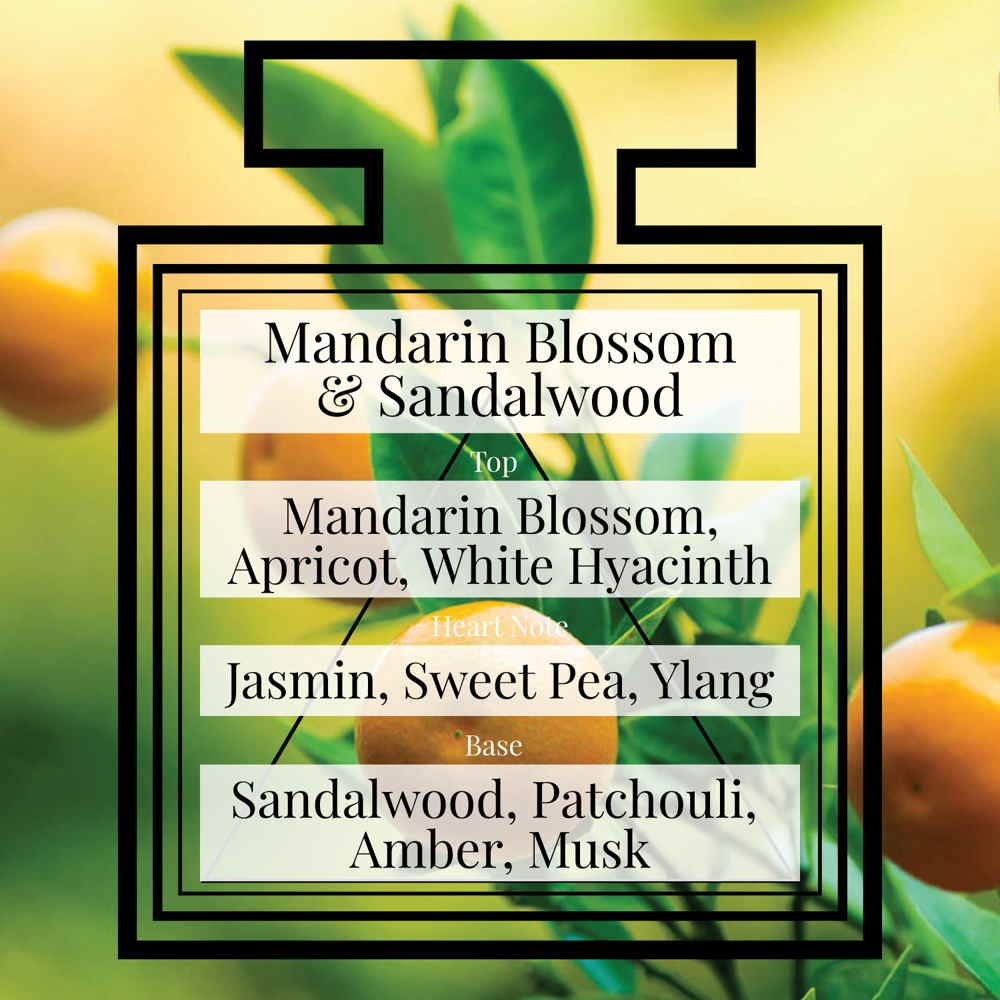
The magic of this radiant fragrance style lies in its simplicity and its emotional connection to our memories of the sun. Whether you are looking for a complex niche creation or a simple, joyful spray to lift your mood on a grey morning, introducing a bit of solar power into your routine is a beautiful way to celebrate the changing seasons. 

0
Your Cart
Your cart is emptyReturn to Shop