Home / scentedliving
Dried Fig In Fragrance

Dried Fig in Fragrance: Sun-Warmed Sweetness and Green Woods

Dried fig in fragrance provides a complex, warm, sweet, and earthy aroma, blending honeyed fruitiness with the green, milky, and woody elements of the leaves and sap. This creates rich, comforting, or fresh Mediterranean vibes and is frequently used in gourmand and amber perfumes alongside notes of coconut, cedar, or musk. It is highly versatile, shifting from jammy sweetness to fresh greenness, making it a popular note for many perfume styles, from daytime fresh to deep evening scents.

There is something quietly comforting about the aroma of dried fig in fragrance. It is not a loud note, and it rarely tries to impress. Instead, dried fig settles in gently, with a warmth that feels familiar rather than attention-seeking. The sweetness is there, but it does not rush forward. It sits back, rounded and calm, with a natural sweetness that feels reassuring rather than decorative.

For many people, dried fig brings to mind the feeling of fruit that has been set aside for later, kept carefully and enjoyed slowly. That sense of patience makes dried fig especially appealing once the seasons begin to turn. As the light fades earlier in the day, fragrances with dried fig tend to feel more appropriate. They sit well alongside woods, resins, and subtle spice, creating a sense of ease. The fruit note is present, but it never shouts. It feels warm, settled, and gently familiar.

The History of Dried Fig in Fragrance

Figs have been part of human life for thousands of years, particularly across the Mediterranean, the Middle East, and Asia. Fresh figs and dried figs were both valued, not just as food, but as part of everyday culture. They appeared in cooking, medicine, and ritual, and their aroma and flavour carried meaning well beyond nourishment.

The fig tree itself has long been central to this history. The common fig tree is one of the earliest cultivated fruit trees, thriving in warm regions and producing generous harvests. Because fresh fruit spoils quickly, communities relied on drying as a way to preserve figs. Over time, dried figs became a dependable staple, valued for their longevity and flavour.

In early fragrance practices, dried fruit was often combined with resins, herbs, and flowers. Dried fig played a useful role, softening stronger ingredients and bringing a sense of warmth. This quality remains important today, where dried fig continues to act as a gentle anchor within a composition.

Fragrance Description Rich Spices Pomegranate Cinnamon Clove Fig

Types of Fig: Fresh vs Dried

Fig notes vary more than people often expect. Understanding the difference between fresh fig and dried fig helps explain how they are used.

Fresh Fig

A fresh fig note usually feels green and milky, sometimes even airy. It tends to suggest leaves, sap, and skin rather than sweetness. Many fresh fig interpretations lean towards fresh fruit, evoking freshly picked figs rather than ripeness.

Dry Fig

Dried fig moves in a different direction. As figs lose moisture, their sugars become more concentrated. The result is a deeper sweetness with subtle woody and earthy tones. Dry figs and dried figs often feel better suited to colder months, when brightness matters less than comfort.

From Fig Tree to Dried Fig

The journey from fig tree to dried fig is simple in principle, but careful in practice. After harvesting, figs are prepared for a drying process that reduces water content while protecting flavour.

Traditional methods rely on air and direct sunlight, allowing figs to dry slowly. Modern producers may use controlled environments instead. Each drying method affects the final texture and taste. Properly dried figs become pleasantly chewy, with concentrated flavour and no need for added sugar.

Some fig varieties are particularly valued for drying. Black Mission figs are known for their rich taste and dark colour, while Turkish figs are lighter and more delicate. Many consumers also prefer organic figs, as they highlight the fruit itself without unnecessary treatments.

Nutritional Profile of Dried Figs

Beyond their flavour, dried figs are appreciated for their nutritional qualities. They are a good source of fibre, including soluble fibre, which supports digestion.

They also contain useful minerals, such as calcium, contributing to bone health. While dried figs are energy-dense due to their natural sugars, this sweetness comes directly from the fruit.

Eaten sensibly, dried figs can be a healthy snack, offering a balance of fibre and sustained energy.

Pairfum Flacon Perfume Room Spray Bathroom Marble

Texture, Sweetness, and Sensory Experience

Texture plays a quiet but important role in the appeal of dried fig. The chewy texture encourages slower eating and a more mindful experience. Sweetness develops gradually rather than all at once.

This gradual unfolding is similar to how dried fig behaves in fragrance. It tends to appear gently, revealing warmth and depth over time rather than demanding immediate attention.

Dried Fig in Everyday Eating

In everyday meals, dried figs are easy to use. At breakfast, they are often chopped into cereal or stirred into porridge. In home kitchens, dried fruit remains a familiar ingredient, used in both sweet and savoury cooking.

In baking, dried figs add moisture and richness to baked goods such as loaves and biscuits. Fig rolls remain a popular treat, while modern cooks experiment with new combinations. A simple recipe might involve chopping dried figs and mixing them with mixed nuts for a satisfying bite.

On a cheese board, dried figs are a classic choice. Their sweetness works well with cheese, particularly goat cheese and goats cheese, where the acidity balances the fruit. Some people also enjoy figs with dark chocolate, which deepens the flavour without overpowering it.

Figs are also used in fig jam, served with bread or alongside savoury dishes. In cooking, they may be added to sauces with bay leaves or combined with a gentle nut note for depth.

Storage, Handling, and Practical Advice

To keep them at their best, dried figs should be stored in an airtight container, away from heat and moisture. This helps maintain texture and flavour over time.

As with all foods, allergens should be considered, especially when figs are stored or prepared with nuts or dairy products.
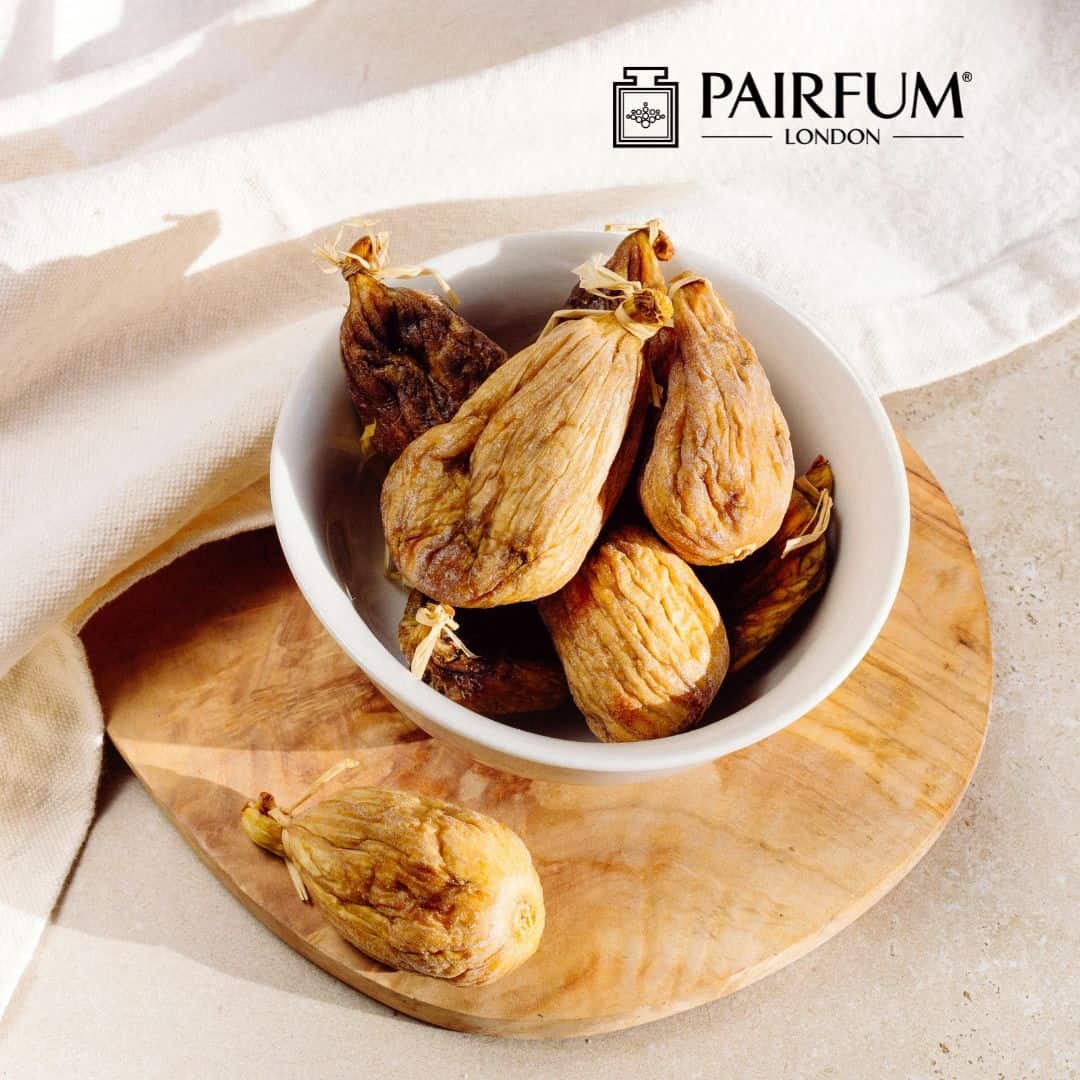
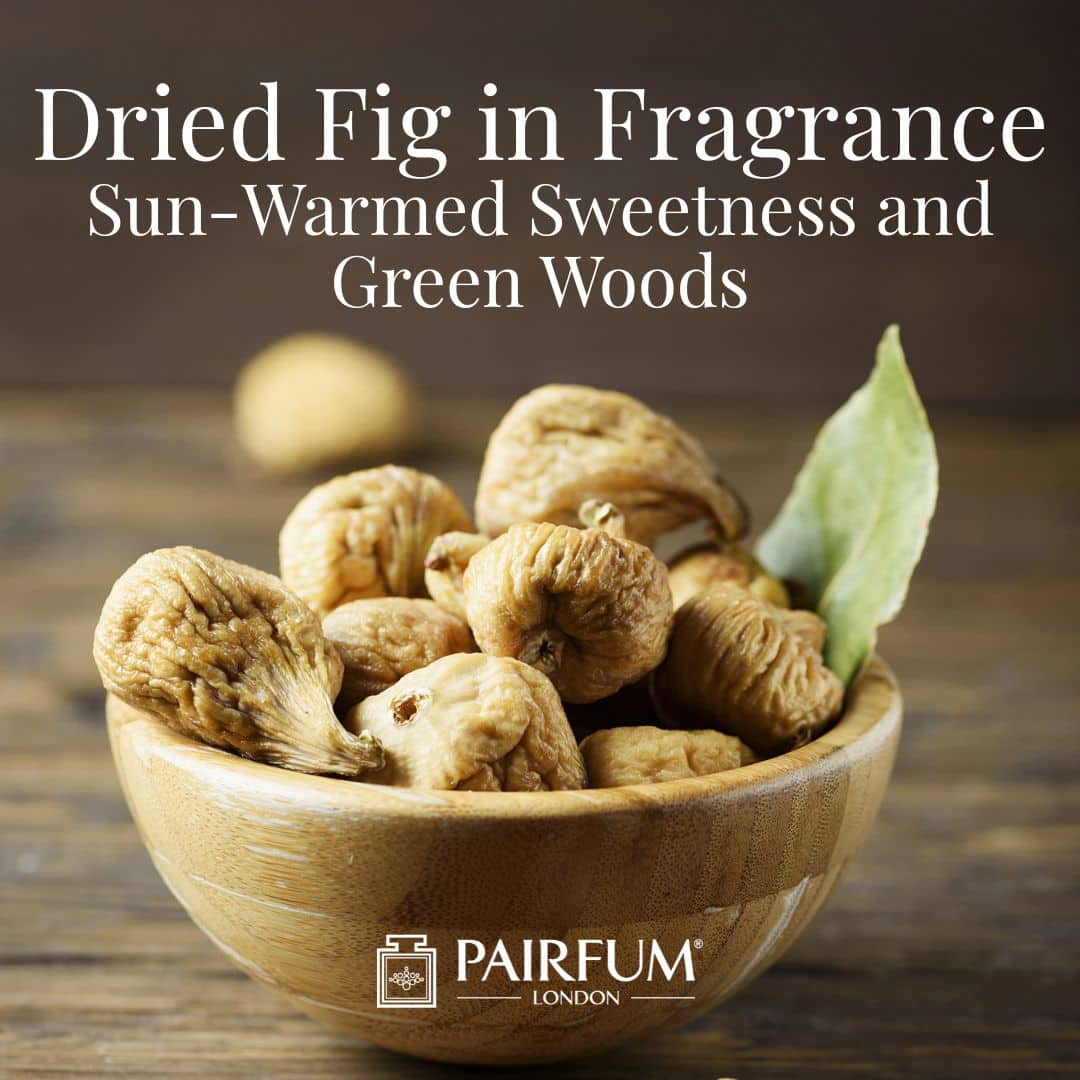
Dried Figs In A Bowl

How Dried Fig Is Used in Perfumery

In perfumery, dried fig is recreated rather than extracted. Perfumers build the impression using several materials that suggest fruit flesh, skin, and wood.

Sweet elements recall dried figs themselves, while woody notes hint at the fig tree. Some fragrances explore a spiced fig style, adding warmth without heaviness. This approach allows dried fig to feel familiar and emotionally resonant.

Fresh Fruit, Dried Fruit, and Seasonal Rhythm

The movement from fresh fruit to dried fruit reflects a seasonal rhythm that has existed for centuries. As harvest ends, preservation begins, and flavours deepen.

In fragrance, this rhythm appears in the shift towards warmer notes. Dried fig captures this transition, holding onto the memory of sunlight while settling into colder months.

Drief Fig & Home Fragrance With Pairfum London

To bring the feeling of dried fig into the home, a thoughtfully made room spray offers a simple solution. A balanced flacon room spray can gently introduce fruit warmth and subtle woods, helping a space feel calm and welcoming without overwhelming it.

Rich Spices – Flacon Perfume Room Spray by Pairfum London

This aromatic and spicy composition opens with Pomegranate and Cranberry, moves into Chestnut, Nutmeg, Cinnamon and Clove, and settles on Vanilla Pods, dried figs, Dates and Persimmons.
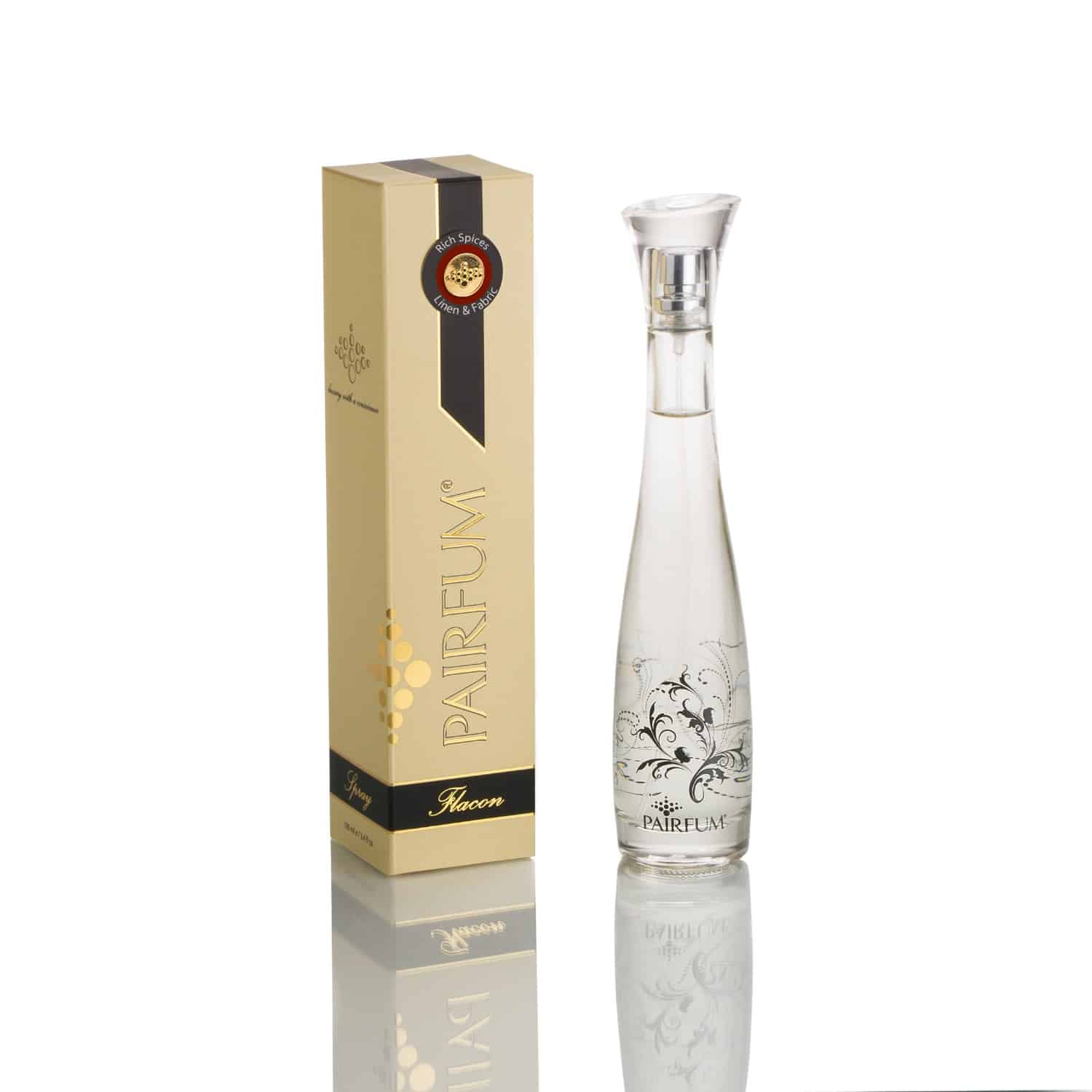
Pairfum Flacon Perfume Linen Fabric Signature Rich Spices

Additional Information on Fig-Inspired Scents

For readers looking for additional information, fig-inspired scents often reward patience. The fig note tends to develop slowly.

Because dried fig sits between fruit and wood, sweetness and earth, it appeals to those who prefer fragrances that feel personal rather than dramatic.

The Enduring Comfort of Dried Fig

Dried fig continues to hold a distinctive place in both food and fragrance. It is fruity without sharpness and sweet without excess. There is a sense of time in it, of fruit carefully preserved and enjoyed slowly.

Whether eaten as dried figs in a dessert, paired with cheese, used as an ingredient in cooking, or translated into scent, the character remains consistent. Dried fig offers balance and quiet comfort, which explains its lasting appeal across cultures and seasons.

Dark Cassis In Perfumes

Dark Cassis in Perfumes: Inky Berry Bite and Green Tartness

“Dark cassis” most often refers to Crème de Cassis, a rich, dark red liqueur crafted from blackcurrants, popular in cocktails or sipped on its own. The term can also describe flavoured products such as dark chocolate with cassis, as well as fragrances and scented items that feature a dark cassis aroma.

Dark cassis has a bold edge that sets it apart. Its mix of juicy berry and tart green notes brings something sharp, almost electric, to a fragrance. Where other fruits slip toward sugary or soft aromas, dark cassis sticks to its bite, and that’s not easy to miss. It hits the top of a perfume with a burst of energy that feels crisp and deep at once.

Perfumery often seeks notes that keep fragrances steady and add a hint of mystery. Dark cassis does exactly that. It can wear many hats, bright and berry-like but never really sweet, and brings green depth without turning leafy. There’s an adult feel to it, more confident than most other fruit notes. This is why it’s trusted in so many refined fragrances. From the hedgerow to fine perfume, the journey of this small black berry is full of quiet twists. Starting in traditional uses and now with a place in niche collections, it is now a staple ingredient that delivers all year.

What is Cassis? The Science and Chemistry

Cassis, better known to many as blackcurrant, is the dark purple berry of the Ribes nigrum shrub, native to parts of Europe and Asia. The scent of cassis holds a special place in the world of fragrance as it sits at the crossroads between juicy, tangy berries and fresh, green herbal accords. The chemistry of cassis is uniquely rich owing to compounds such as methyl anthranilate and terpenes, which create a fresh, fruity, and slightly floral effect. Dimethyl sulfide, present in both the berry and the leaf, gives dark cassis its distinct tartness and a hint of green sharpness, making the note complex and versatile. Cassis bud oil, often used in niche fragrances, is prized for delivering an intensely green, almost animalic edge, while the berry itself provides juicy tartness and an enveloping swirl of aroma. As a result, cassis is valued in perfumery for its ability to transition seamlessly between the fruity and green scent families, and it features widely in fragrance creations across the world.

History and Cultural Significance

The story of cassis stretches back centuries. Blackcurrant has been cherished in culinary traditions for its tart flavour, appearing in jams, cordials, and desserts. In France, the berry became the basis of the celebrated liqueur crème de cassis, a staple in the Kir and Kir Royale—each blending cassis with white wine or champagne. Its robust, tangy taste and colour have made it a favourite in many deli products and beverages. In herbal medicine, blackcurrant leaves and berries have been used in teas and remedies, treasured for their purported health benefits.

Cassis found its place in perfumery only later, as perfumers sought alternatives to traditional sweet berries. The adult, sophisticated edge of dark cassis set new standards for berry notes, offering subtlety over syrupiness. In contemporary perfume, cassis is now seen not only as a bridge between green and berry accords but also as a note tied to cultural elegance and a culinary legacy.

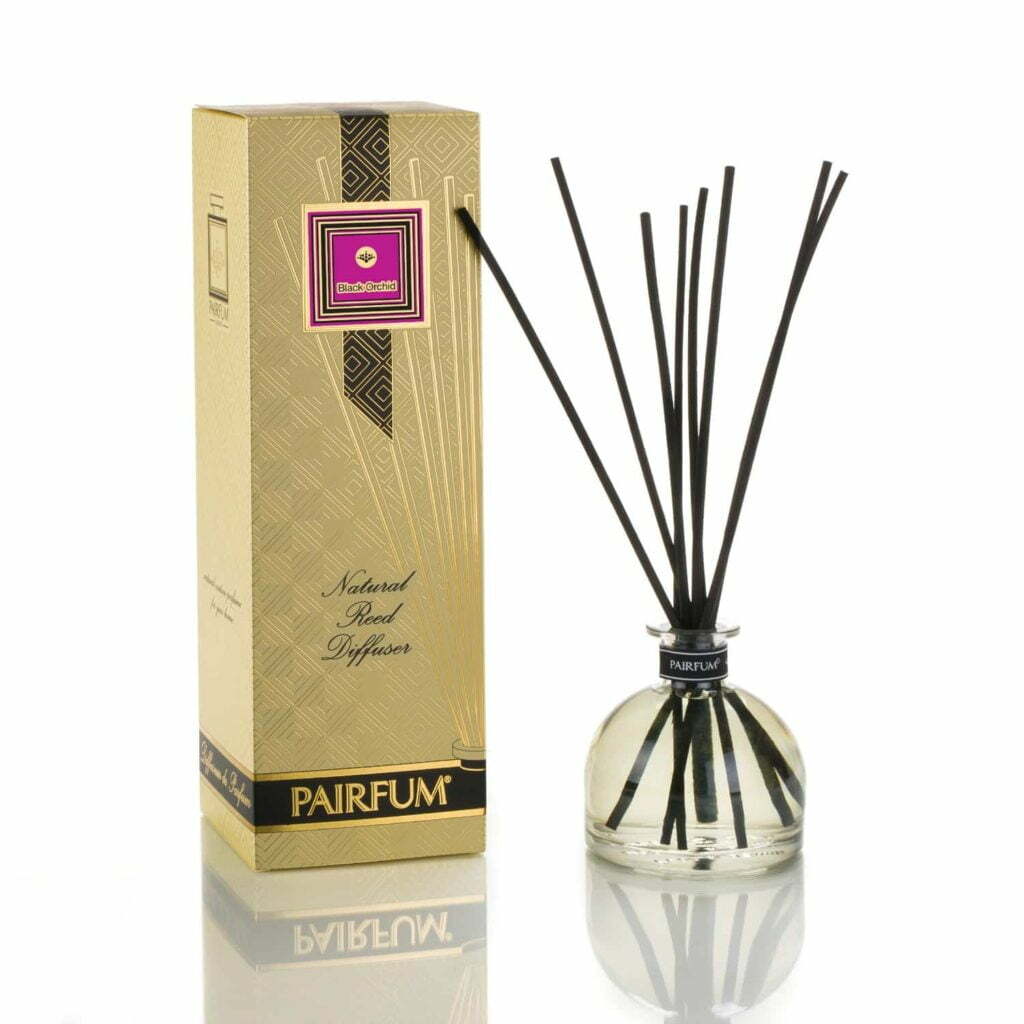
Pairfum Large Reed Diffuser Bell Signature Black Orchid

What Is Dark Cassis and Where Does It Come From?

Dark cassis comes from blackcurrants, small and deep purple, growing in clusters on woody stems. Unlike lighter berries such as blueberries or strawberries, these carry a thick, inky essence. When fresh, their taste is sharp and bold, somewhere between grapes and green tea.

In natural fragrance, dark cassis is set apart from other fruity notes. It has more structure and weight, never just floating in sweetness. Raspberry notes shine in summer, and strawberries bring soft charm, but dark cassis stands grounded with an earthy tartness.

These berries have a history reaching back through years of herbal teas, garden hedges, and preserves. Some might recognise the taste from blackcurrant cordial or the lifted aura from homemade syrups. Their distinct bite set them apart long before perfumery took note. Once bottled, the aroma grew on those searching for something more than simple fruit.

Sourcing and Sustainability

The quality and authenticity of cassis in fragrance depend greatly on its sourcing. The best cassis is derived from blackcurrants grown in regions with rich soil and a cool climate, often using sustainable farming practices to ensure biodiversity and healthy crops. Many fragrance houses today prioritise responsible sourcing, using cassis extracts from suppliers committed to the environment and to supporting local communities. Sustainable extraction methods like steam distillation and solvent-free techniques are increasingly popular in producing cassis essential oils and fragrance oil, helping to reduce the environmental impact. The move toward eco-friendly practices also includes cruelty-free standards, such as a complete ban on animal testing, throughout the creation of candles, reed diffusers, soap, and other home fragrance and body care products.

Cassis in the Perfumery Context

Cassis is both a berry and a green note, placing it in a rare space within the scent family. It sits beautifully in the fragrance family alongside other tangy and fresh accords, such as wild fig, apple, or citrus, acting as a vital bridge between sweetness and earthiness. The scent of cassis interacts dynamically with a wide spectrum of fragrance oils, providing freshness to florals, preventing sticky sweetness, and adding a lively touch to base notes like musk, patchouli, and sandalwood.

Whether featured in a hand poured candle, wax melts, reed diffuser, or room spray, cassis energises the entire olfactory experience. Its versatility allows it to complement not just fruits, but spices such as black pepper and woody notes, creating complex layers in many new arrivals and related products for the home fragrance and personal care markets.

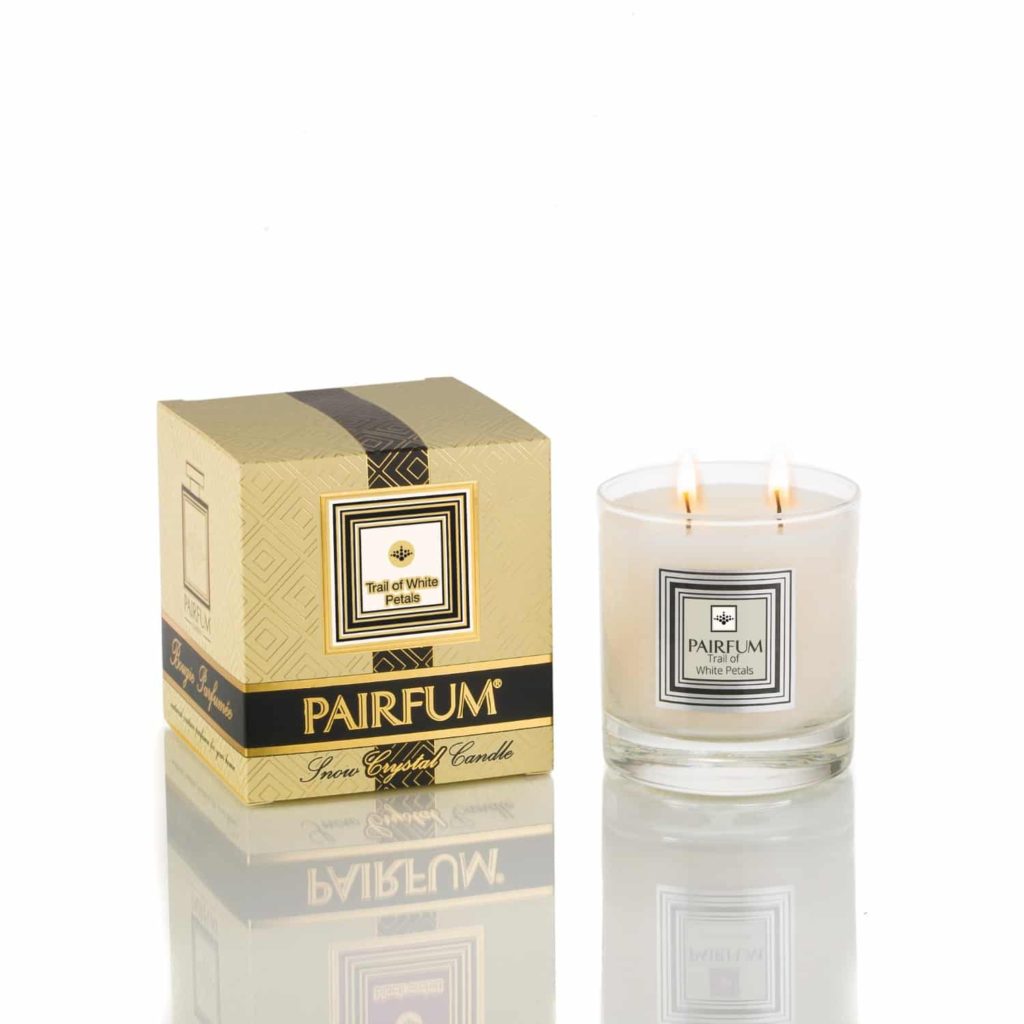
Pairfum Large Snow Crystal Candle Signature Trail Of White Petals

How the Dark Cassis Fragrance Is Captured for Perfumery

Capturing dark cassis for perfume is about keeping berry and green qualities close together. Balancing both is tricky, but pays off. Perfumers often use isolates or carefully built blends to reach that fresh, tart edge. Steam distillation is a common method, where berries are gently heated. The essence is drawn away and slowly collected, drop by drop.

Natural perfumery aims to keep the stems and leafy green feel of cassis included, not just the fruit part. The finished essence feels vivid yet natural, a true uplift from the skin. Many niche perfume houses, including those with strict natural standards, create their cassis interpretations using building blocks from pure, raw ingredients, adjusting them until they reach the right note.

Crafted versions offer more control. Perfumers can tune up the green edge or soften it, shaping dark cassis toward the right spot in the overall blend. However it’s made, the goal remains to let cassis stay bold, green, and tart, while never drowning out the main bouquet.

Skin Chemistry and Longevity

Dark cassis exhibits exceptional versatility on the skin. As a top note, it delivers a burst of tart berry freshness, while cassis bud oil or leaf extracts can extend its impact into the heart and even base notes of a fragrance. Its longevity depends on how it is blended: in a perfume with musks, patchouli, and sandalwood, cassis can linger for hours, offering an underlying musk element with a green, fruity sparkle that is both memorable and complex.

This lasting power also comes into play in products such as body lotion and soap, where cassis continues to offer freshness and sophistication even after washing or moisturising. When layered with fragrance oil or essential oils that match its character, cassis retains its brightness while evolving beautifully over time.

The Many Faces of Dark Cassis in Perfume

Dark cassis is incredibly flexible. It can lead off a perfume with a tart splash or soften the mood as it settles in. Where it works best depends on what other notes surround it.

– As an opening note, dark cassis is bright, juicy, and lively.

– In the middle (heart notes), it pairs perfectly with florals, stopping perfumes from becoming too gentle or powdery.

– Sometimes it acts as a link, tying spiced or woody bases with light top notes.

It regularly shows up with warm spices like cinnamon or deep musks that add contrast. Dark cassis is known to blend well with rose, preventing floral perfumes from escaping into sticky sweetness. Vanilla can mellow it out, while amber backs up its richness. What makes cassis unique is its ability to flip roles, sharp when paired with florals and brightening when joined with woods. Its ability to suit so many styles and seasons makes it stand out.

Cassis has become a staple ingredient across the world of home fragrance, whether in a candle, reed diffuser, or room spray, delivering brisk clarity and an enveloping swirl of tart berry freshness that never overwhelms.

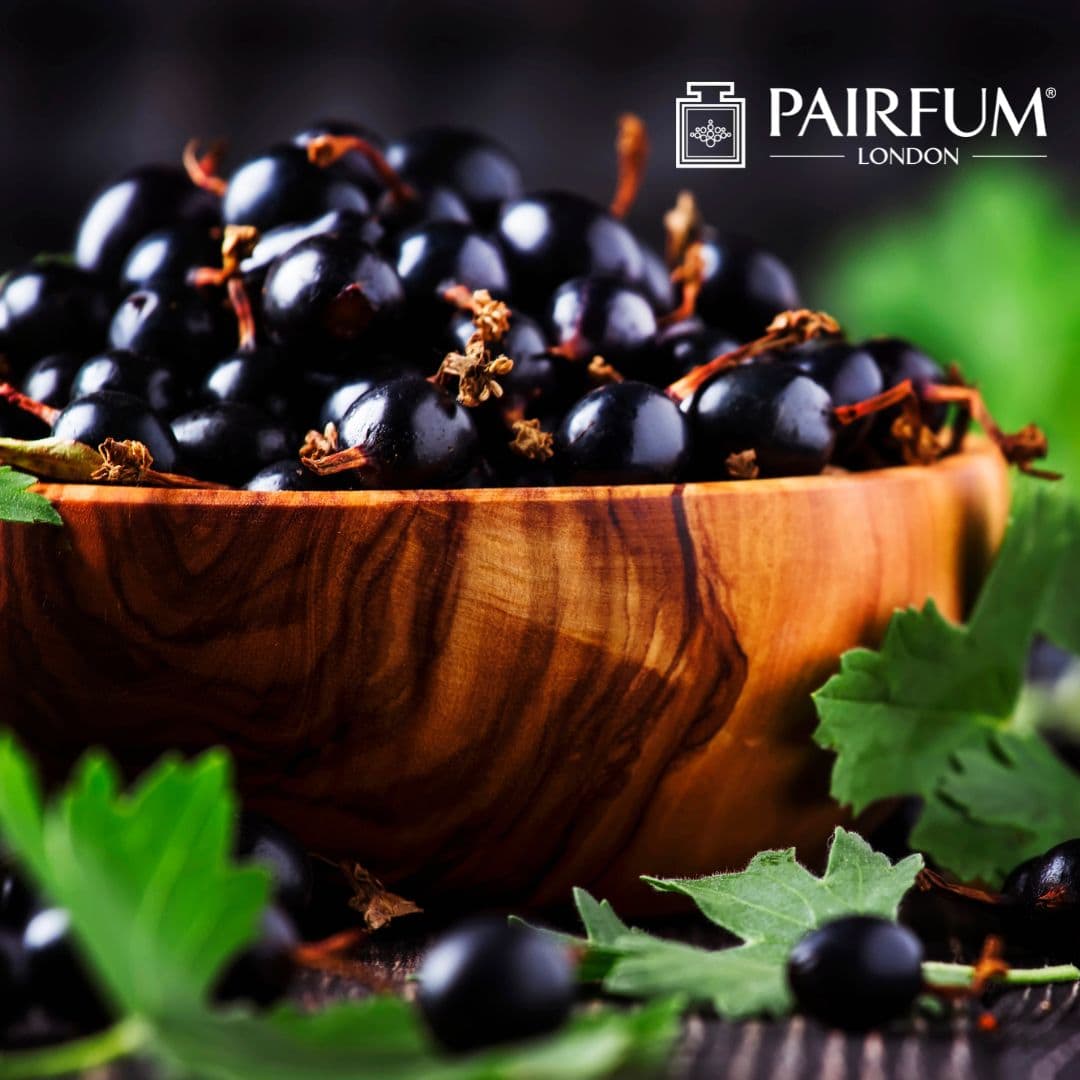
Dark Cassis Black Currants

Notable Perfumes and Case Studies

Cassis has played a starring role in a number of renowned fragrances. Some iconic examples include:

  • Chanel Cristalle Eau Verte – celebrated for its clean citrus opening underpinned by cassis.
  • Byredo Pulp – a bold and flamboyant fragrance in which cassis and wild fig form a lively fruit medley.
  • Maison Francis Kurkdjian Aqua Universalis – where cassis lends nuanced depth to the fragrance’s radiant freshness.
  • Bond No. 9 Greenwich Village – cassis brings a juicy and modern berry twist to contemporary perfumery.

Cassis is also widely used in the broader world of scent: in hand poured candle collections, wax melts, and home fragrance oil blends. Users often describe the result as an enveloping swirl, blending the tartness of berry with the warmth of patchouli and musk, or even hints of black pepper. Fragrance case studies show that blending cassis in home fragrance and candle products adds energy, complexity, and a sophisticated touch, making it a favourite in gift sets and custom products.

The Bold and the Bright Character of Dark Cassis

Dark cassis matches the shifts in perfume favourites seen in early October. As temperatures dip, most turn to fragrances that feel settled yet not too heavy. The clean spark from cassis gives enough lightness to keep a perfume feeling crisp, with a bold finish that suits breezy days and layered clothing.

It avoids the lightness of summer fruits and the heaviness of winter spice. This is why cassis is perfect as autumn arrives. Sometimes you might not even notice it as the first note after a spray, but you’ll sense its freshness and structured bite right away.

People who love green notes yet seek something with a subtle fruit feel often come back to dark cassis. It’s strong, never bitter, vivid without being sugary. In both personal perfume and home fragrance, it provides something fresh, sharp, and a little bit surprising.

Dark cassis delivers more than just another fruity layer for autumn perfumes. It adds punch, focus, and a clear structure to fragrances, perfect for the months when the air gets cool and the days start to feel shorter. Sometimes, what you want is a note that wakes you up and gives your fragrance new life. For many, dark cassis is that note.

How to Layer or Wear Dark Cassis

Layering dark cassis in your scent regimen can create remarkable depth and personality. Apply a fragrance featuring cassis and complement it with a body lotion or soap in a similar scent family for enhanced softness. For daytime, pair cassis with florals like rose or peony to lighten the mood, or blend with citrus for a crisp effect.

In the evening, try layering cassis with patchouli, musk, or sandalwood to create a stronger underlying musk element and add maturity to your fragrance profile. The combination of dark cassis with base notes of patchouli or vanilla in a candle or reed diffuser will add warmth and roundness, bringing the enveloping swirl of berry brightness into your home or personal space. Wooden matches or kobo matches can help you light your candle with style and ease.

Bedroom Reed Diffuser Luxury Scented Candle Room Spray 1 1

Dark cassis has cemented its place in the world of home fragrance. Candles, wax melts, reed diffusers, and room sprays all benefit from the addition of cassis, offering freshness and vibrancy that fills the room without overpowering. Each hand poured candle or wax melt can feature cassis as the centrepiece, balanced with green notes, wild fig, black pepper, or even a delicate underlying musk element. These fragrances are often presented as gift sets or as part of new arrivals, delivering lasting scent and enhanced functionality for indoor spaces.

Kobo products, featuring kobo matches and eco-friendly packaging, provide essential functionality and design, making the enjoyment of a dark cassis candle effortless and stylish. The pack contents of each product, from reed diffusers to soap and body lotion, are crafted to maximise both scent intensity and the longevity of the experience. Selection results may include custom products and related products that complement the core scent, supporting a cohesive fragrance story throughout your home.

FAQs and Myths

Is cassis the same as blackcurrant?
Yes, cassis is the French word for blackcurrant. In perfumery, dark cassis often also includes oil or extracts from the berry’s leaf or bud, resulting in a complex aroma that differs from culinary uses.

Does cassis last on the skin?
Cassis can be surprisingly long-lasting, especially when combined with rich base notes like patchouli, sandalwood, or musk. In soap or body lotion, the effect lingers beautifully after use.

Is cassis safe for sensitive skin?
Generally, fragrance oil and essential oils that contain cassis are safe in properly formulated products, but caution should be exercised for those with particularly sensitive skin or allergies.

Why does cassis in perfume smell different from the actual berry or wine?
Dark cassis in fragrance commonly includes additional green and woody notes from the leaf or bud, rather than only the ripe berry, resulting in a drier, more complex scent rather than a sugary aroma.

What home fragrance products feature cassis?
Cassis is found in candles, wax melts, reed diffusers, soap, room spray, and body lotion, where it delivers vibrancy across an entire range of related products. Hand poured and curated to highlight the berry’s full character, these offerings appear in many exclusive offers, new arrivals, and custom products.

Are cassis fragrances cruelty-free?
Many top fragrance brands have adopted cruelty-free standards, avoiding animal testing in all home fragrance and personal care products, providing peace of mind for ethical consumers.

Where can I find additional information about dark cassis fragrances?
Most brands now offer pack contents, scent family details, and online resources with additional information on the origins, sustainability, and scent profile of cassis in their fragrance family.

Lifestyle Living Room Natural Reed Diffuser Fragrance Candle 1 1

Dark Cassis Home Fragrance Range by Pairfum London

Black Orchid – Large Bell Shape Reed Diffuser by Pairfum London

A luxurious, Oriental fragrance featuring top notes of Anjou pear, dark cassis, and orange slice. Its heart reveals an elegant floral blend of black orchid and powdery violet, while the base unfolds into a divinely sensuous mix of musk, copaiba balm, and vanilla pod.

Trail of White Petals – Perfume Candle by Pairfum London

A delicate yet vibrant white floral fragrance, highlighted by jasmine blossom and interwoven with lily, tuberose, and ylang-ylang. The top notes feature bright accents of apple and cassis, while the base settles into a creamy blend of sandalwood and musk.

Conclusion

The versatile nature of dark cassis means it can be explored in many ways. From candles and wax melts to reed diffusers, room sprays, body lotion, and soap, this berry note delivers energy and clarity in every form. Information on pack contents, scent family, and product sustainability should be available from the brand of your choice. 

Whether you are seeking a new signature fragrance, enhancing functionality in your home, or shopping for a unique gift set, dark cassis remains a dynamic player in the fragrance world. Enjoy its enveloping swirl of green tartness and inky berry charm—an eternal autumn in scent form.

    Your Cart
    Your cart is empty