Home / Fine Fragrances / Page 10
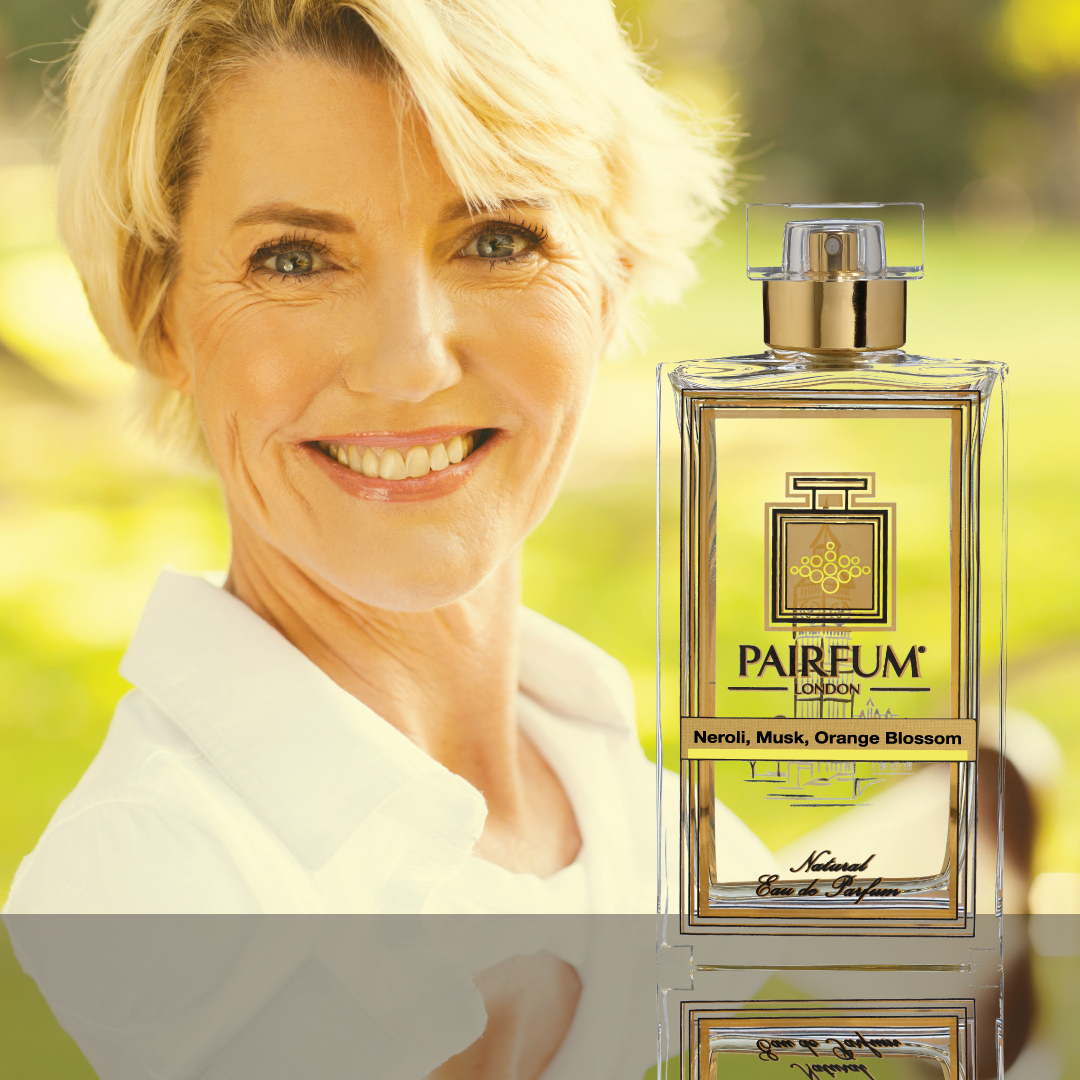
Eau de Parfum Person Reflection Neroli Musk Orange Blossom Bright 1 1

Exploring Natural Perfumery: The Benefits and Beauty of Nature-Inspired Fragrances

In an increasingly fast-paced and technology-driven world, reconnecting with nature has become more important than ever. The desire to forge a deeper bond with our roots, harnessing the therapeutic qualities and breathtaking beauty of the natural world, has reaffirmed a desire for authenticity and purity in our daily lives. In the realm of fragrances, this has given rise to the captivating and rebellious art of natural perfumery, where the evocative power of nature is distilled into scents that are as enchanting and diverse as the elements themselves.

In this blog, we’ll explore the fascinating world of natural perfumery and its myriad benefits. Join us as we dive into the enchanting universe of natural perfumery, delving into topics such as the origin and evolution of natural fragrances, the unique properties and benefits of natural ingredients, and the role of sustainability and ethical sourcing in the creation of niche perfumes. 

Embark on a sensory journey through the art of natural perfumery, foster a deeper understanding of the benefits of nature-inspired fragrances, and learn how Pairfum London is leading the way in enriching our lives through aromatic mastery. 

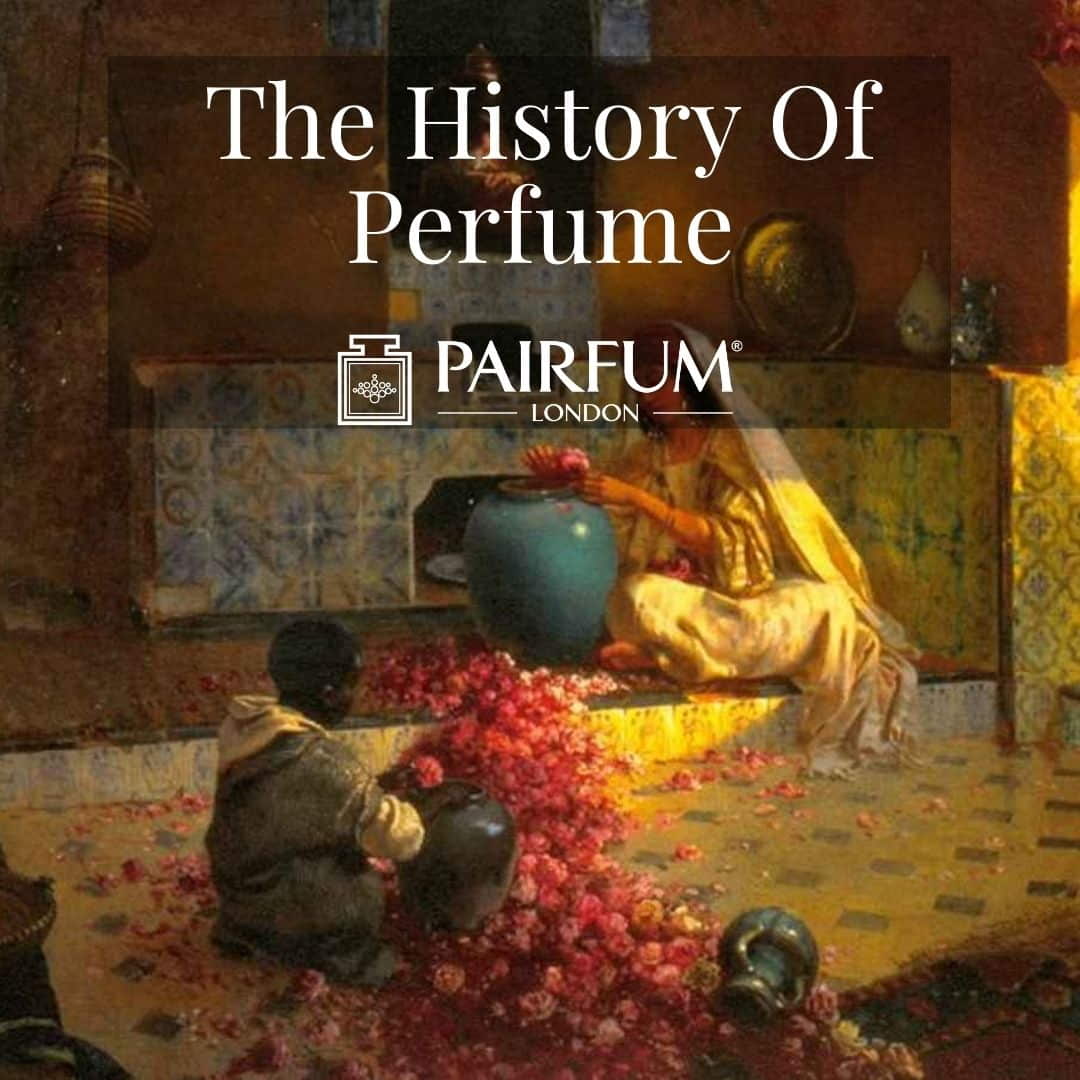
The History Of Natural Perfumery

A Brief History of Natural Perfumery

Natural perfumery traces its origins back thousands of years to the ancient civilisations of Mesopotamia, Egypt, and Indus Valley, where holistic practices and spiritual traditions placed a strong emphasis on the use of aromatic plant-based ingredients. These ancient perfumers utilised methods such as infusion, maceration, and distillation to extract the fragrant essences of plants and flowers, creating scents that were revered for their therapeutic, medicinal, and spiritual properties.

Over time, the art of perfumery spread and evolved, with modern perfumers leveraging ground-breaking technologies to create a diverse array of fragrances. However, as the fragrance industry has grown and developed, a renewed interest in natural perfumery and its intrinsic connection to nature has emerged, offering unique opportunities to explore the myriad benefits and beauty of nature-inspired scents.

The Unique Properties and Benefits of Natural Ingredients

Natural perfumery distinguishes itself from synthetic perfumery by relying on the use of pure aromatic ingredients, sourced directly from nature and / or produced naturally. These fragrance ingredients are typically described as essential oils, absolutes and resins, derived from flowers, leaves, fruits, woods, and spices, which possess a wealth of olfactory and therapeutic qualities.

The use of natural ingredients offers several benefits, including:

1. Authenticity: Natural fragrances are characterised by their complex, nuanced scents, which capture the authentic essences of the plants they are derived from, resulting in a more realistic and evocative olfactory experience.

2. Emotional Resonance: Nature-inspired fragrances have the unique ability to elicit strong emotional responses, tapping into our deepest memories and feelings, and providing a deep sense of connection to the world around us.

3. Ecology: these ingredients respect the environment, both when they are produced, extracted or distilled but also when the return to the environment and biodegrade without harm.

4. Sustainable: unlike petroleum derived ingredients, fragrance rawmaterials classed as natural are sustainable and do not deplete the environment of precious resources.

5. Therapeutic Properties: Many natural ingredients are endowed with therapeutic properties, such as the calming effect of lavender, the uplifting qualities of citrus, or the stress-relieving properties of sandalwood. Incorporating these natural scents into perfumes and home fragrances can enhance our sense of wellbeing and promote a healthier lifestyle.

Natural perfumery Ingredients In fragrance

Sustainability and Ethical Sourcing in Natural Perfumery

As consumers become more conscious of the need to protect our planet and its resources, sustainability and ethical sourcing practices play an increasingly important role in the perfume industry. Natural perfumery, in particular, must strike a delicate balance between creating exquisite fragrances and preserving the fragile ecosystems from which their ingredients are sourced.

Ethical sourcing practices prioritise fair working conditions, eco-friendly farming methods, and responsible harvesting techniques, ensuring that both the environment and local communities are treated with respect and care. By committing to these practices, natural perfumers demonstrate a deep respect for the environment and the purity of their raw materials, while offering consumers access to fragrances that are as ecologically responsible as they are luxurious and captivating.

Experiencing the Beauty of Nature-Inspired Fragrances

Natural perfumery offers a creative outlet for both perfumers and consumers alike – a chance to embark on an olfactory journey that transcends the boundaries of conventional perfume, and reintroduces us to the inherent beauty and complexity of the world around us. Whether you prefer the fresh, invigorating scents of citrus fruits, the seductive allure of exotic spices, or the serene tranquillity of imagery evoked by a lush forest, there is a natural fragrance to suit every taste and mood.

By embracing the art of natural perfumery and incorporating these exquisite scents into our daily lives, we not only express our own unique, individual style but also foster a greater appreciation for the myriad wonders of our natural world.

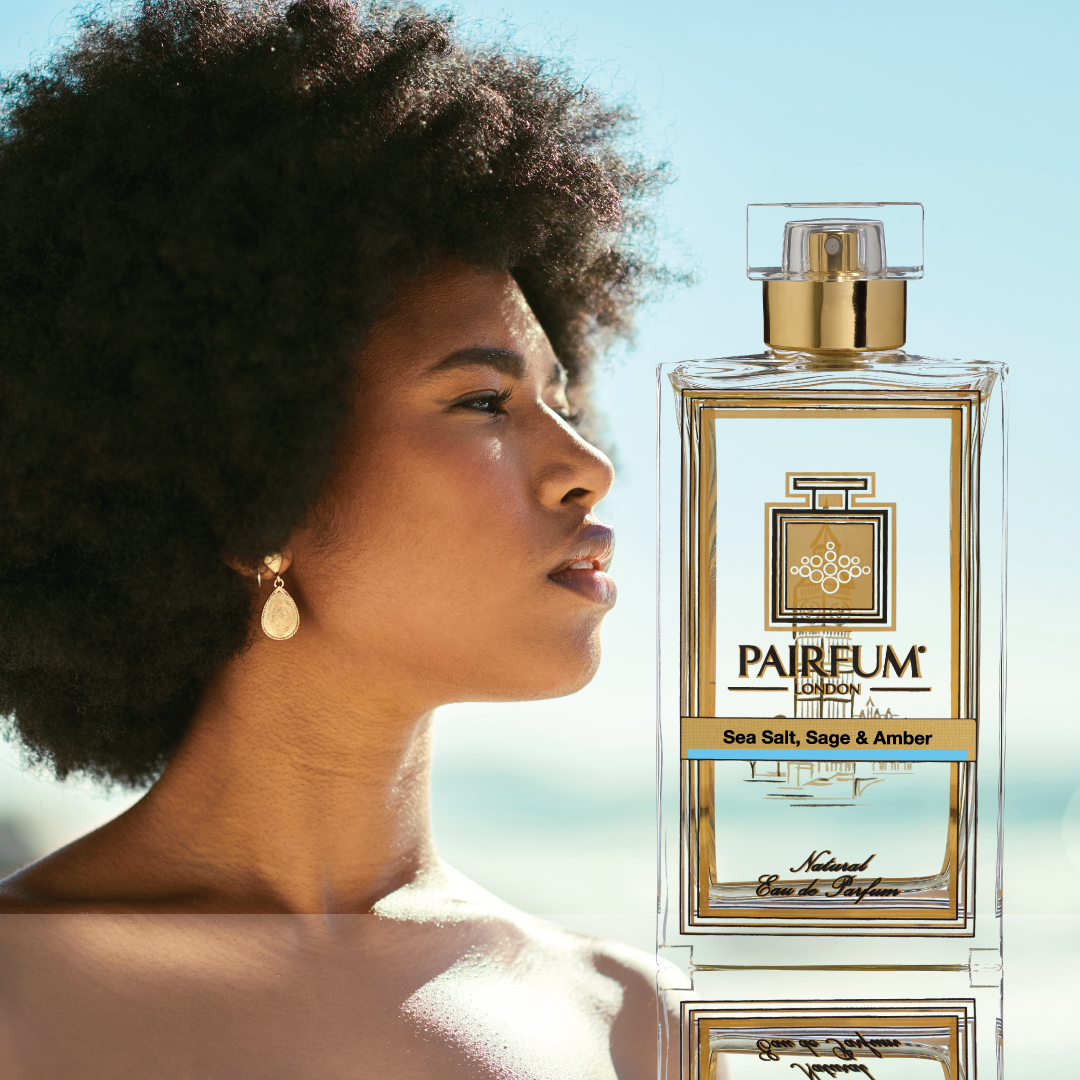
Eau De Parfum Person Reflection Sea Salt Sage Amber Woman Green natural perfumery

A Naturally Fragrant Conclusion

Natural perfumery is more than a mere fleeting trend–it is a return to the very essence of our shared, aromatic heritage, and an opportunity to rediscover the powerful bond between scent and our emotions, our memories, and our environment. By embracing the principles of sustainability, ethical sourcing, and artistic craftsmanship, Pairfum London offers an unparalleled foray into the sensory universe of nature-inspired fragrances. Allow the enchanting scents of the natural world to elevate your perfume collection, and ultimately, inspire your life.

Pairfum London, a natural perfumery house passionate about crafting nature-inspired niche perfumes. With a keen understanding of the ‘zeitgeist’ and a deeply cultivated sensitivity to the dynamic tastes of the fragrance industry, we pride ourselves on designing alluring scents that you can fall in love with and cherish for years to come. Our exquisite range of natural perfumes and home fragrances highlights the exceptional artistry, passion, and values that set us apart in the world of niche perfumery. Let us offer you luxurious, exclusive, and sustainable products that celebrate the grace and harmony of the natural world.

Browse our selection of perfumes today!

Pairfum EdP Intense Trinity Gold Natural Perfumery
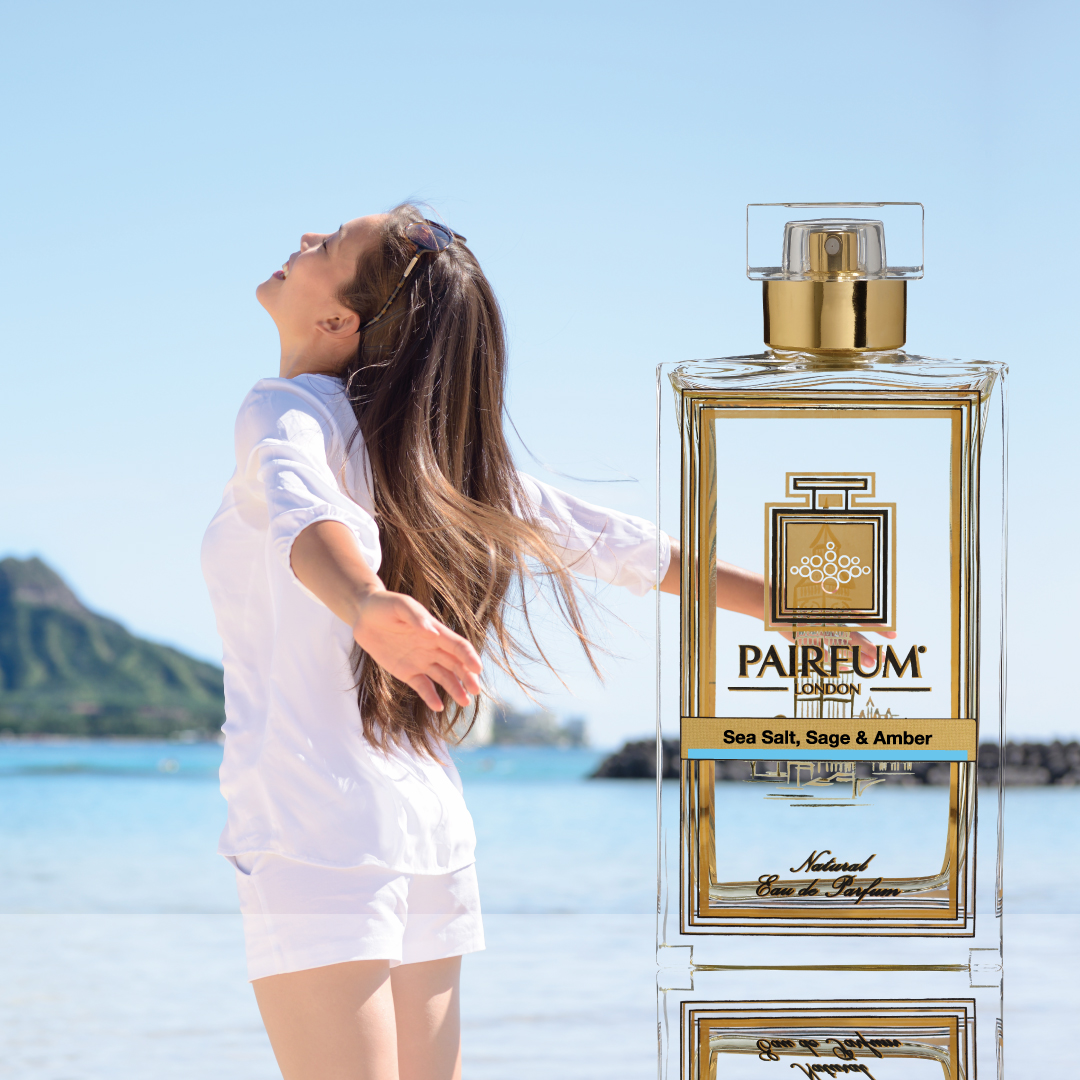
Eau De Parfum Person Reflection Sea Salt Sage Amber Woman Jackieo 1 1

The Secrets of Unique Fragrances: A Deep Dive

Introduction:

Unique Fragrances, and Niche perfumes in particular, have been stealing the limelight in the fragrance world, captivating fragrance enthusiasts with their unique, handcrafted formulas and exclusive availability.

Far removed from the mass-produced scents lining department store shelves, these unusual fragrances make a bold statement with their artful and innovative approach to perfumery.

At Pairfum London, we pride ourselves on creating one-of-a-kind fragrances that our customers can fall in love with and enjoy
for years to come.

In this article, we’ll explore the alluring world of niche fragrances and their unique perfumes tooffer a deeper understanding of what sets these remarkable scents apart.

In the world of Pairfum London and niche perfumes, fragrance enthusiasts can expect to be enthralled by the intricate artistry and depth of emotion captured in every bottle.

As you journey through the beguiling realm of niche fragrances, you will come to appreciate the craftsmanship, exclusivity, and sheer passion that serves as the foundation for these exquisite scents.

Eau De Parfum Person Reflection Ginger Elemi Vetiver Man Song Unique Fragrances

The Art of Niche Perfumery: Embracing Creativity and Authenticity

A fundamental aspect of niche perfumes that makes them stand out in the sea of commercial fragrances is the unbridled creativity and authenticity they embody.

Independent perfumers are not restrained by the pressures of mass-market trends and can fully embrace their artistic visions when crafting a niche scent. This allows them to explore unconventional combinations and push the boundaries of the olfactory world to create something truly unique.

In their quest for originality, niche perfumers draw inspiration from various sources: art, literature, historical events, and even personal experiences.

This creative freedom results in fragrances that are not only unique but also emotionally layered, invoking evocative imagery
and transporting the wearer to another realm. In contrast to mainstream counterparts that often favour universally appealing formulations, niche perfumes are unapologetically bold and daring, resonating with a loyal audience that seeks distinctiveness and individuality in their scents.

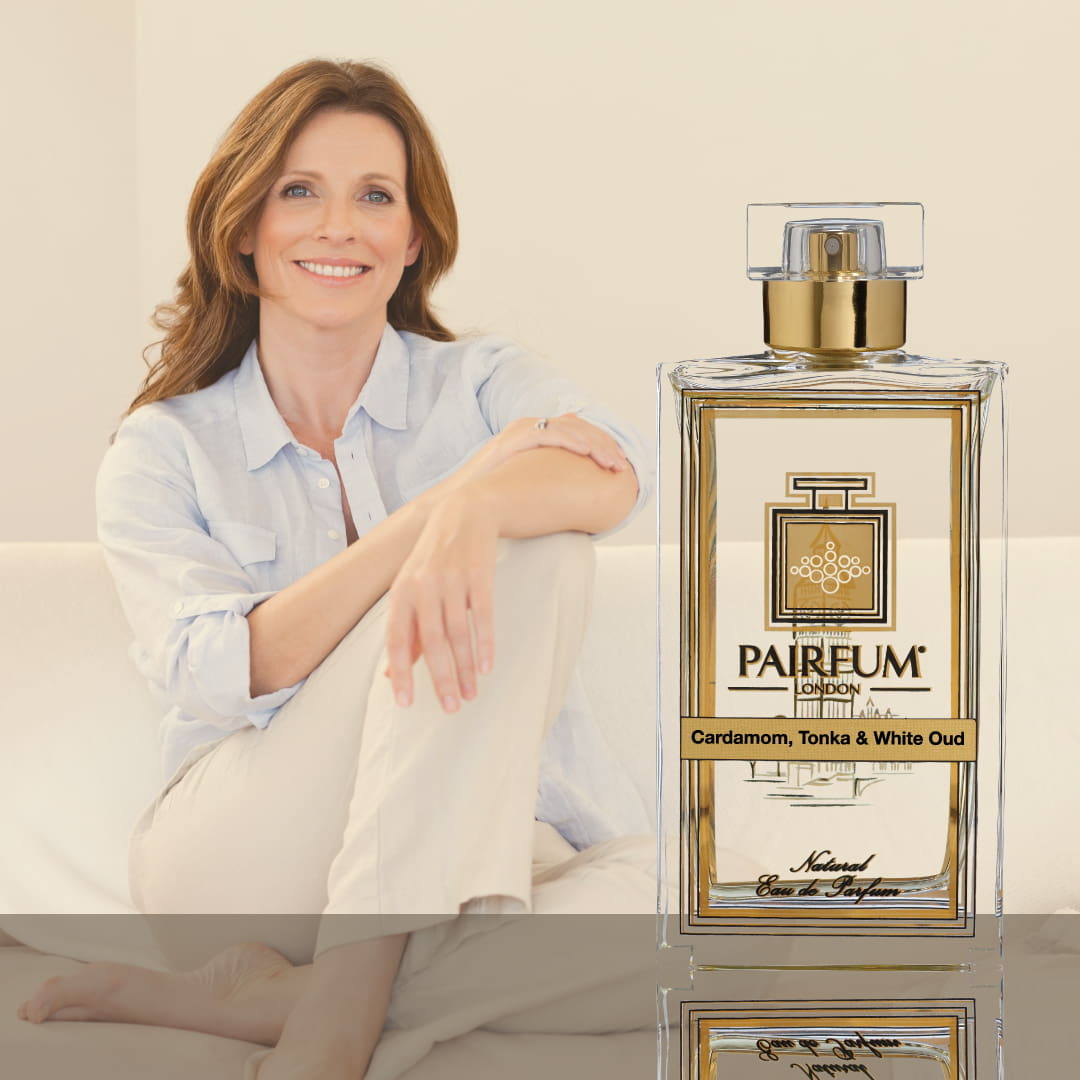
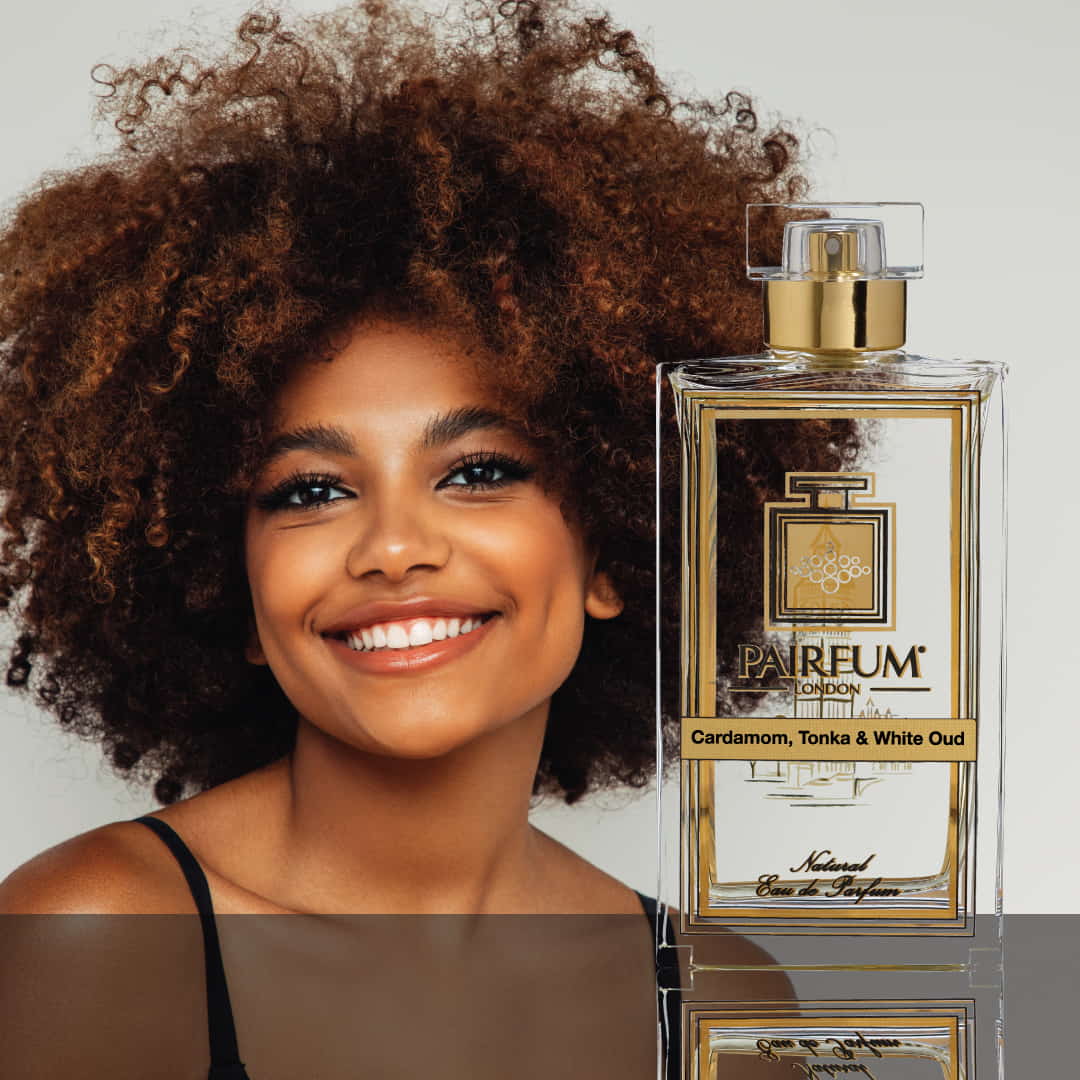
Eau De Parfum Person Reflection Cardamom Tonka White Oud Woman Unique Fragrances

Small Batches, Greater Impact: The Benefits of Limited Production

At the heart of niche perfumery lies an inherent appreciation for quality over quantity.

Most niche perfume houses avoid mass-production practices and instead focus on crafting limited batches of each fragrance. There are several benefits to this approach, which contributes to the allure of niche perfumes:

  1. Seasonality: When incorporating natural ingredients, these change their profile according to the characteristics of the crop, just as wine changes from one year to the next. As a consequence, fragrances change from batch-to-batch or season-to-season.
  2. Exclusivity: The limited availability of niche fragrances creates an air of exclusivity and allure, which appeals to those who value uniqueness and individuality in their choice of scent. Owning a niche perfume can feel like possessing a piece of art that few others have.
  3. Quality Control: Producing on a smaller scale allows niche perfumers to maintain rigorous quality standards, ensuring that each bottle is crafted with the utmost care and precision. This artisanal approach fosters a stronger connection between the perfumer and their creation, resulting in a superior-quality fragrance that stands the test of time.
  4. Innovative Formulations: With smaller batch sizes, niche perfumers have the flexibility to explore and experiment with novel formulations and different ingredient ratios, refining their scent profile and creating something rare and noteworthy.
  5. Reduced Waste: By focusing on limited production and a more sustainable approach to perfumery, niche fragrances can contribute to reducing waste and the environmental impact of their production process.

A Journey to Sustainability: The Green Evolution in Niche Perfumery

As conversations surrounding sustainability, clean beauty, and environmentally-friendly practices become increasingly prominent in the beauty industry, niche perfumery has stepped up to become a driving force in the green revolution.

Many niche brands are committed to incorporating eco-conscious principles into their production processes and care deeply about
the environmental footprint of their fragrances. By utilising natural, cruelty-free, and responsibly-sourced elements, niche perfumers offer their customers a guilt-free scent experience that aligns with their ethical convictions.

Moreover, niche brands often prioritise eco-friendly packaging, investing in recyclable materials, minimalistic designs to reduce waste and environmental impact. This commitment to sustainable practices goes beyond token gestures and serves as a genuine,
integral part of their brand identity.

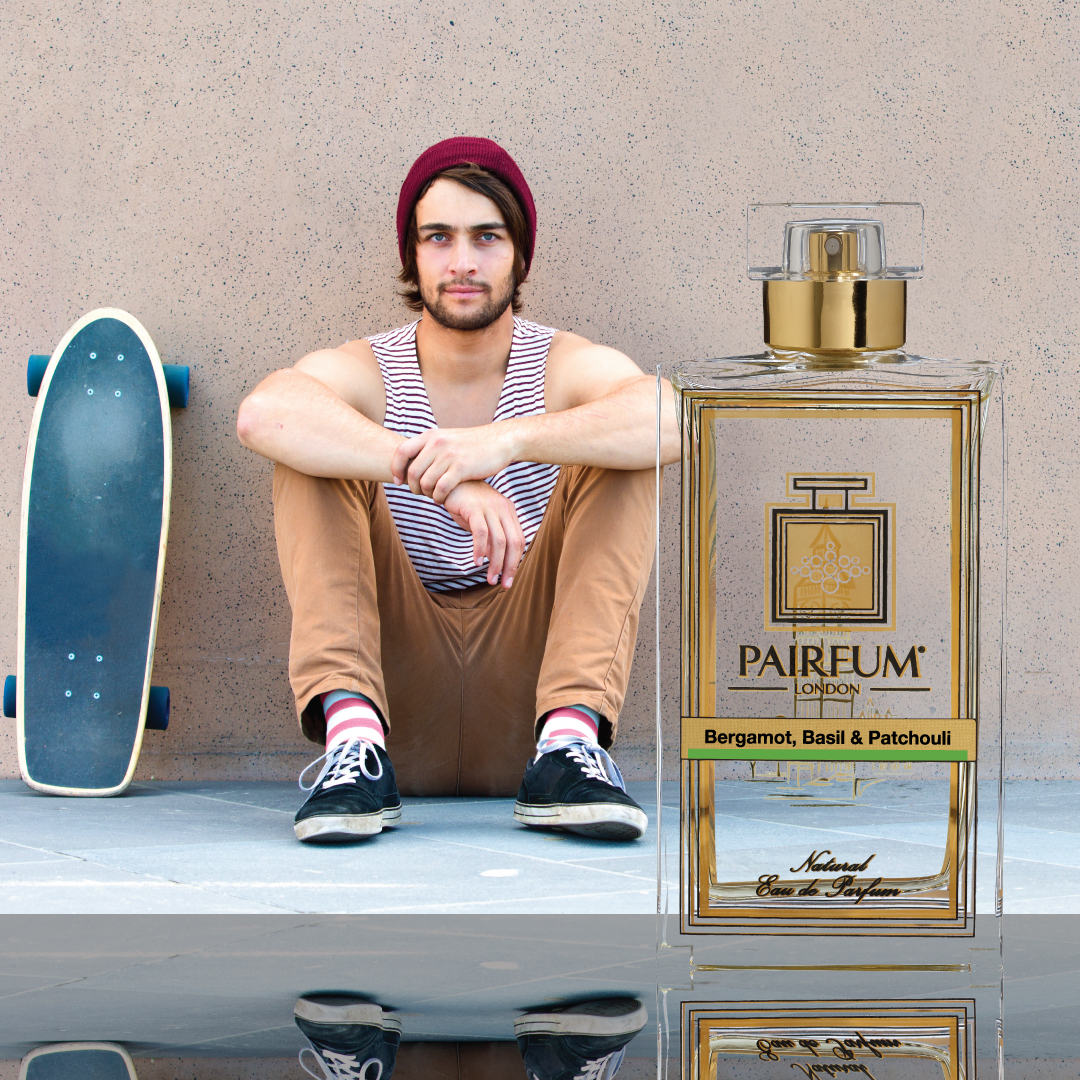
Eau De Parfum Person Reflection Bergamot Basil Patchouli Man Skateboard Unique Fragrances

Embracing the Bespoke Experience: Personalised and Custom Fragrances

Another enticing aspect of niche perfumery is the ability for perfumers to offer their clients personalised and custom fragrances.

These are the most common forms of bespoke fragrances.

  • A true bespoke fragrance costs from Euro 30,000 upwards and few consumers are prepared to invest these amounts for a bespoke fragrance. This bespoke service fosters a unique connection between the wearer and their scent, taking their fragrance journey to an entirely new level. Custom fragrances can be crafted based on a client’s specific preferences, fragrances that have personal significance, or tailored to complement their skin’s unique chemistry. This personal touch results in a truly signature scent that is both meaningful and unlocks the wearer’s personality through the language of fragrance
  • A bespoke fragrance for a consumer typically costs Euro 500-2,000. These tend to be more like ‘fragrance consultations’ with a perfumer and the ‘bespoke’ element is usually a small change within the fragrance formula, i.e. it is like the Chef adding an extra twist to a Michelin Star meal. Sadly, in some cases the difference or customisation is barely noticeable.
  • Our company offers a third form of personalisation where the fragrances change on the skin of the wearer to become totally unique. Our niche perfumes adapt to your skin & your home! Have you noticed how natural fragrances smell different from one person to the next? They become uniquely You! This is lost in modern prestige fragrances that are designed to smell uniform on everybody.

While not all niche perfume houses offer a bespoke service or personalised perfume, creating or offering a fragrance that becomes uniquely you is a quintessential hallmark of what sets niche perfumery apart from mainstream brands.

The celebration of individuality, uniqueness and personal expression that characterises the niche sector ultimately elevates the olfactory experience for the wearer.

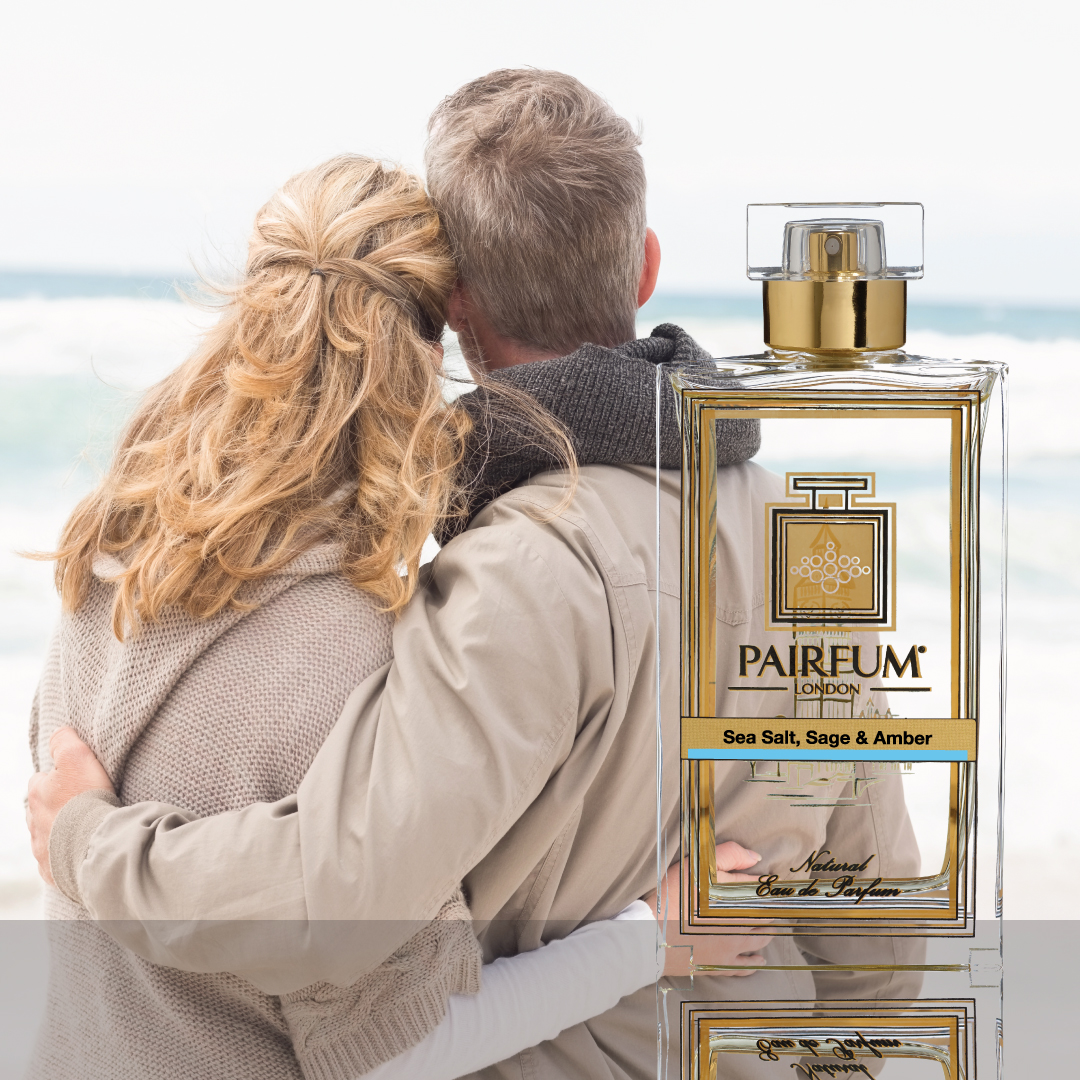
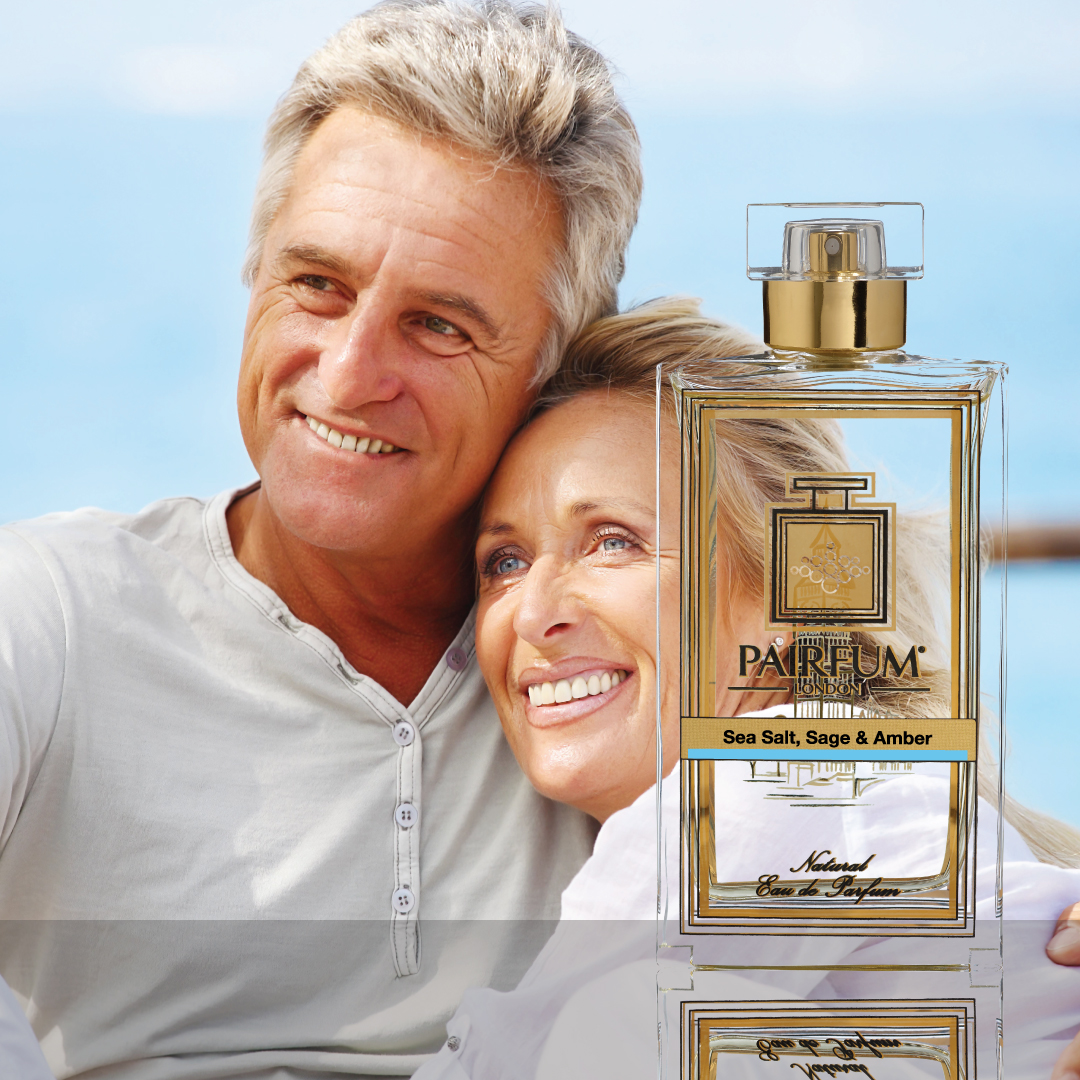
Eau De Parfum Person Reflection Sea Salt Sage Amber Couple Wind Unique Fragrances

The Irresistible Allure of Unique Fragrances

In conclusion, niche perfumes and their unique fragrances embody the spirit of exploration and individuality that scent enthusiasts crave in an increasingly homogenised market.

With their artful storytelling, authentic craftsmanship, and unwavering commitment to quality and sustainability, niche fragrances offer
a truly unique olfactory voyage for those willing to step off the beaten path. Whether it’s a custom creation or a beautifully handcrafted scent from a limited batch, the joy of wearing a niche perfume is undeniably special and memorable.

As you explore the diverse world of Pairfum London and niche fragrances, we hope that you’ll come to appreciate the passion and creativity that goes into each meticulously crafted scent. Immerse yourself in the captivating realm of niche perfumes and discover your next signature scent with Pairfum London, a work of art that resonates with your own unique personality and style.

Skin Flooding Perfume Implications

Skin Flooding: Perfume Implications?

Introduction:

In this article, we introduce skin flooding, the Newest Skincare Trend on TikTok for Hydrated, Plump Skin and highlight the implications it has for wearing perfume. How does skin flooding influence the perfume you are wearing?

Pairfum Eau De Parfum Person Reflection Mandarin Blossom Sandalwood

What Is Skin Flooding?

Skin flooding is the latest skincare trend to take social media by storm. This technique involves layering multiple hydrating products on skin to create a “flood” of moisture. The goal of skin flooding is to deeply hydrate the skin and improve its barrier function, leading to plumper, more radiant skin.

Skin flooding is a great option for people with all skin types, but it is especially beneficial for those with dry or dehydrated skin. The layering of hydrating products helps to seal in moisture and prevent it from evaporating, which can help to reduce the appearance of fine lines and wrinkles.

In its most basic form, the routine requires a cleanser, a serum and then a moisturizer. Here is a step-by-step guide to skin flooding:

  1. Start with a gentle cleanser to remove any dirt or makeup.
  2. Apply a hydrating toner or essence to help prep the skin for hydration.
  3. Apply a serum that contains hyaluronic acid or another humectant ingredient. Humectants attract water to the skin, helping to keep it hydrated.
  4. Apply a moisturizer that is specifically designed for dry or dehydrated skin.
  5. Finish with a facial oil to seal in all of the moisture.
Skin Flooding Routine Perfume Implications

It is important to note that skin flooding should not be done every day. Over-hydrating the skin can actually lead to breakouts. It is best to do skin flooding 2-3 times per week, or as needed.

If you are new to skin flooding, it is a good idea to start with a few products and gradually add more as your skin gets used to the routine. It is also important to listen to your skin and stop if you experience any irritation.

Skin flooding is a great way to hydrate your skin and improve its appearance. If you are looking for a way to get plumper, more radiant skin, this trend is worth trying.

Here are some additional benefits of skin flooding:

  • Reduces the appearance of fine lines and wrinkles
  • Improves skin elasticity
  • Helps to protect the skin from damage
  • Promotes a healthy skin barrier
  • Makes makeup go on smoother
  • Gives the skin a healthy glow

If you are looking for a new skincare routine that will give you hydrated, plump skin, skin flooding is a great option to try.

Skin Flooding Perfume Implications Woman Pink

Perfume Implications?

Intriguingly, the Skin Flooding trend extends its influence beyond the realm of skincare, touching upon even the subtleties of personal fragrance. As individuals embrace this comprehensive hydration ritual, a fascinating interplay emerges between skincare and the fragrances they wear. The multi-step process of Skin Flooding, which emphasizes deep moisturization and the fortification of the skin barrier, has a noteworthy impact on the perfume worn by enthusiasts.

One of the most immediate effects is on the longevity of the perfume. Well-hydrated skin acts as an ideal canvas for fragrance application, allowing the scent molecules to adhere more effectively and thus extending the fragrance’s staying power. The oil-rich environment created by Skin Flooding ensures that the perfume’s oily compounds can attach themselves to these oils, leading to a longer-lasting olfactory experience.

However, the olfactive profile of a perfume can also be subtly influenced by the hydrated skin. Moisturized skin possesses a different texture and molecular composition compared to dry skin, which can result in variations in how the perfume’s notes & bouquet develop and project. This interaction can potentially lead to a perfume unfolding in a slightly different fashion, with certain notes becoming more pronounced or evolving in unexpected directions. Perfume enthusiasts may find this alteration intriguing as it adds a new layer of complexity to their fragrance experience.

Another crucial aspect to consider is skin irritation. The emphasis on skincare in the Skin Flooding routine contributes to a healthier skin barrier, which can mitigate the risk of irritation caused by alcohol-based perfume formulas. Well-hydrated skin is less likely to be irritated by the alcohol content in fragrances, reducing the chances of redness, irritation or sensitivity. This compatibility between the skincare ritual and fragrance application creates a harmonious coexistence, where the benefits of both practices reinforce each other.

Pairfum Person Reflection Pink Rose Sensuous Musk Eau De Parfum

Conclusion:

The Skin Flooding trend does not merely transform the complexion; it also intertwines with the art of perfumery in fascinating ways.

From the longevity of the fragrance to the evolution of its scent profile, and even its interaction with the skin’s natural chemistry, this trend’s impact on fragrance is a testament to the interconnectedness of beauty rituals.

As the trend continues to make waves in the beauty and skincare landscape, its influence on the realm of personal fragrance is yet another testament to its all-encompassing approach to enhancing both appearance and sensory experiences.

Experiment

If you enjoy experimenting with different skin flooding products and routines, you may wish to complement this with a variety of perfumes.

In this context, we highly recommend Fragrance Libraries. Many Perfumery Houses offer these and they typically contain smaller sized perfume bottles.

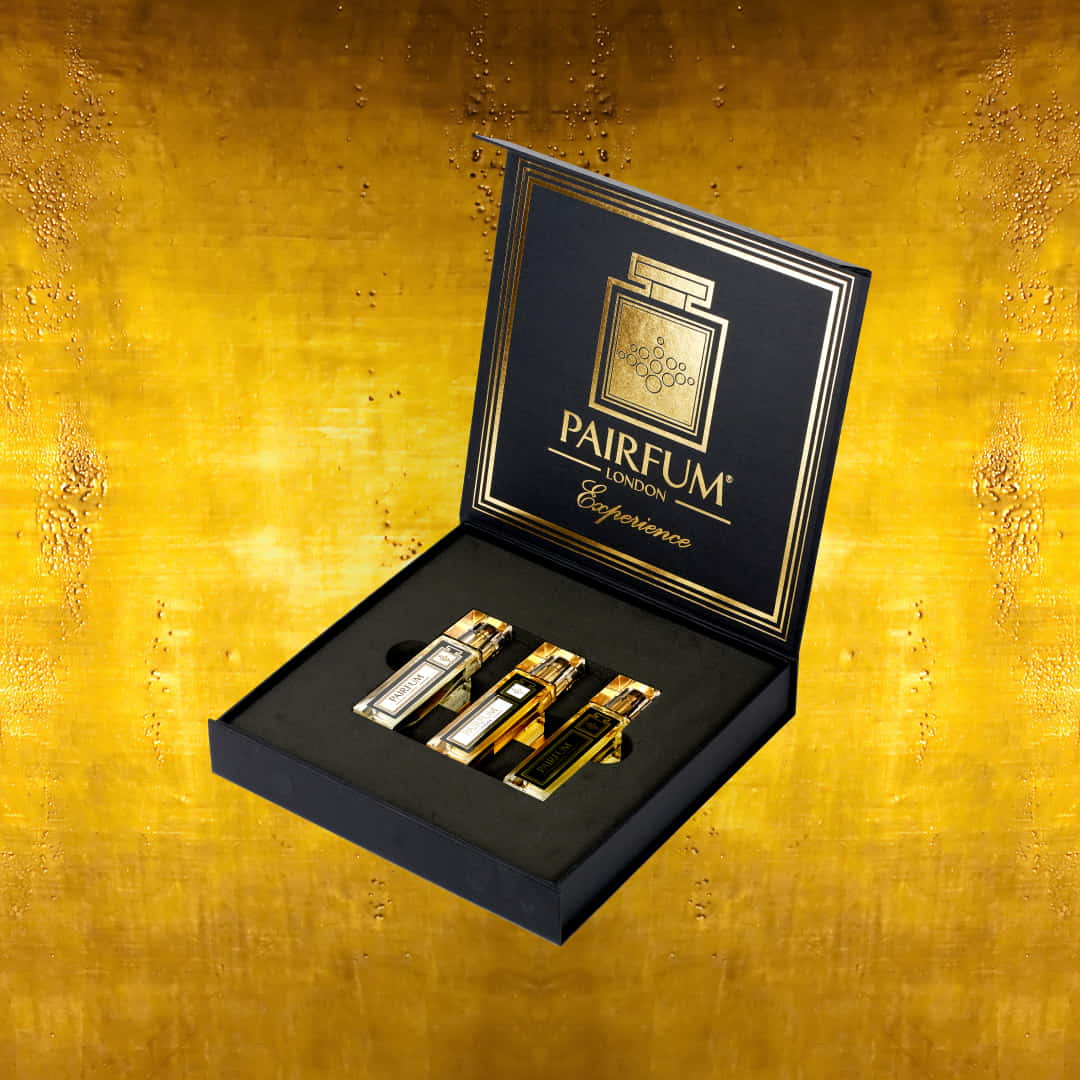
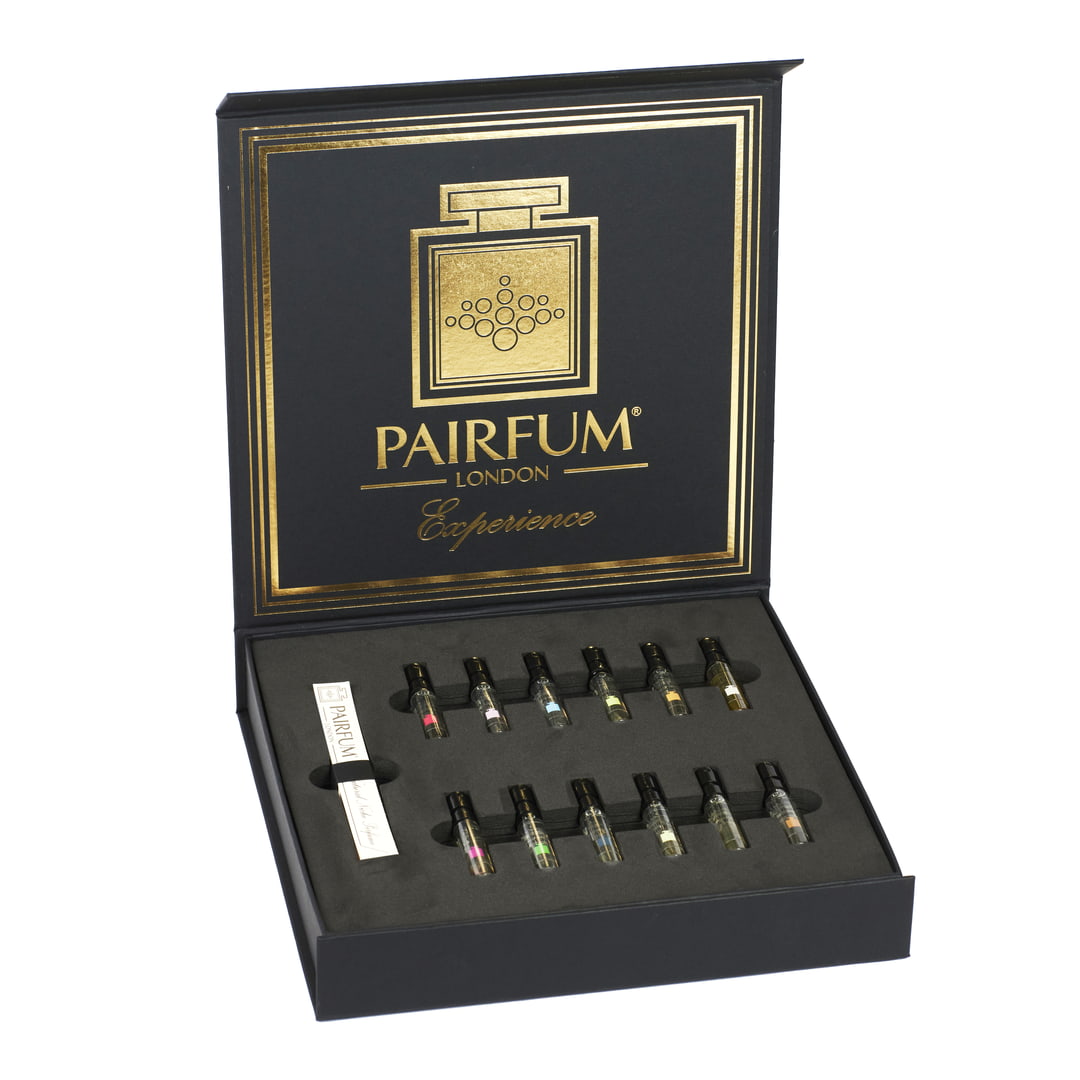
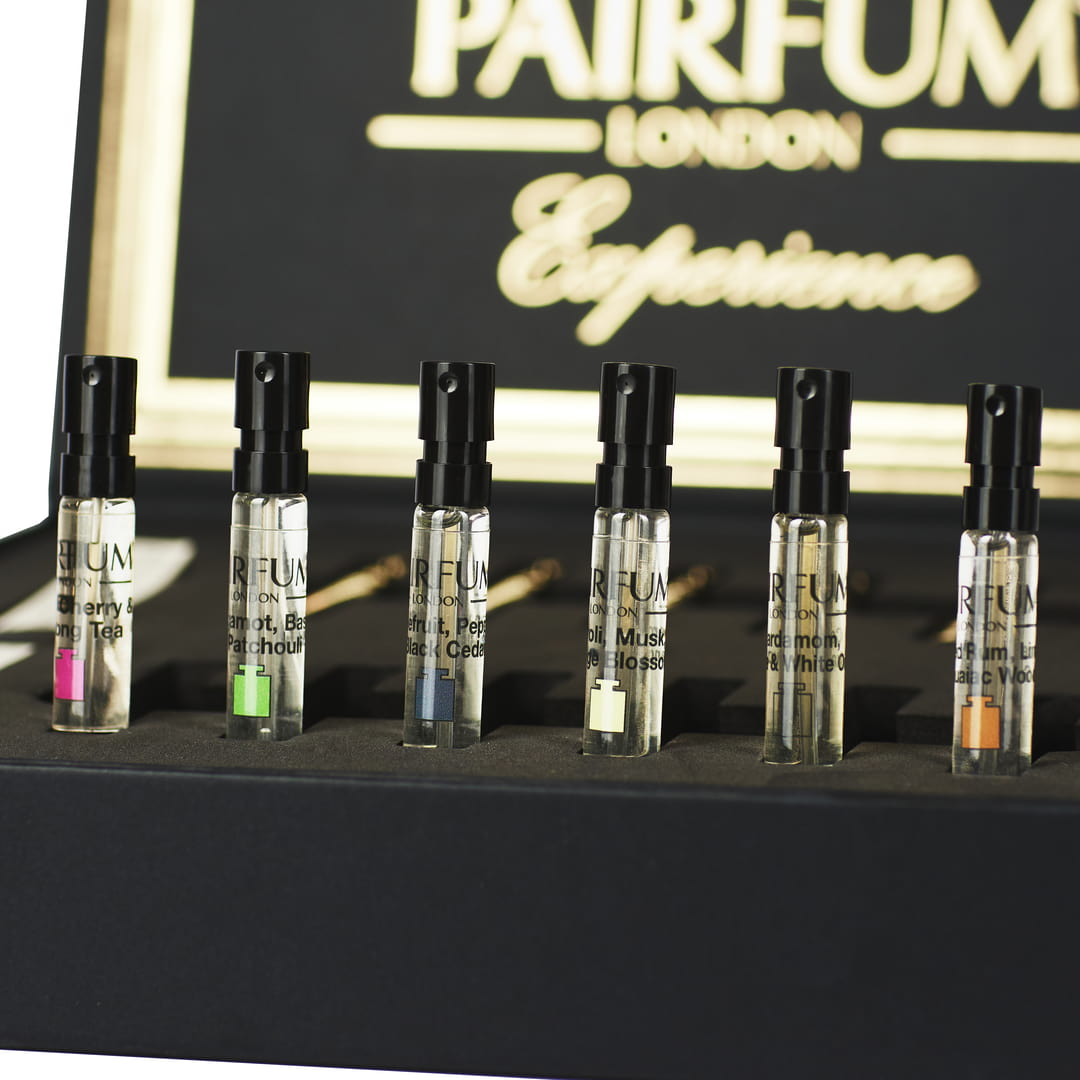
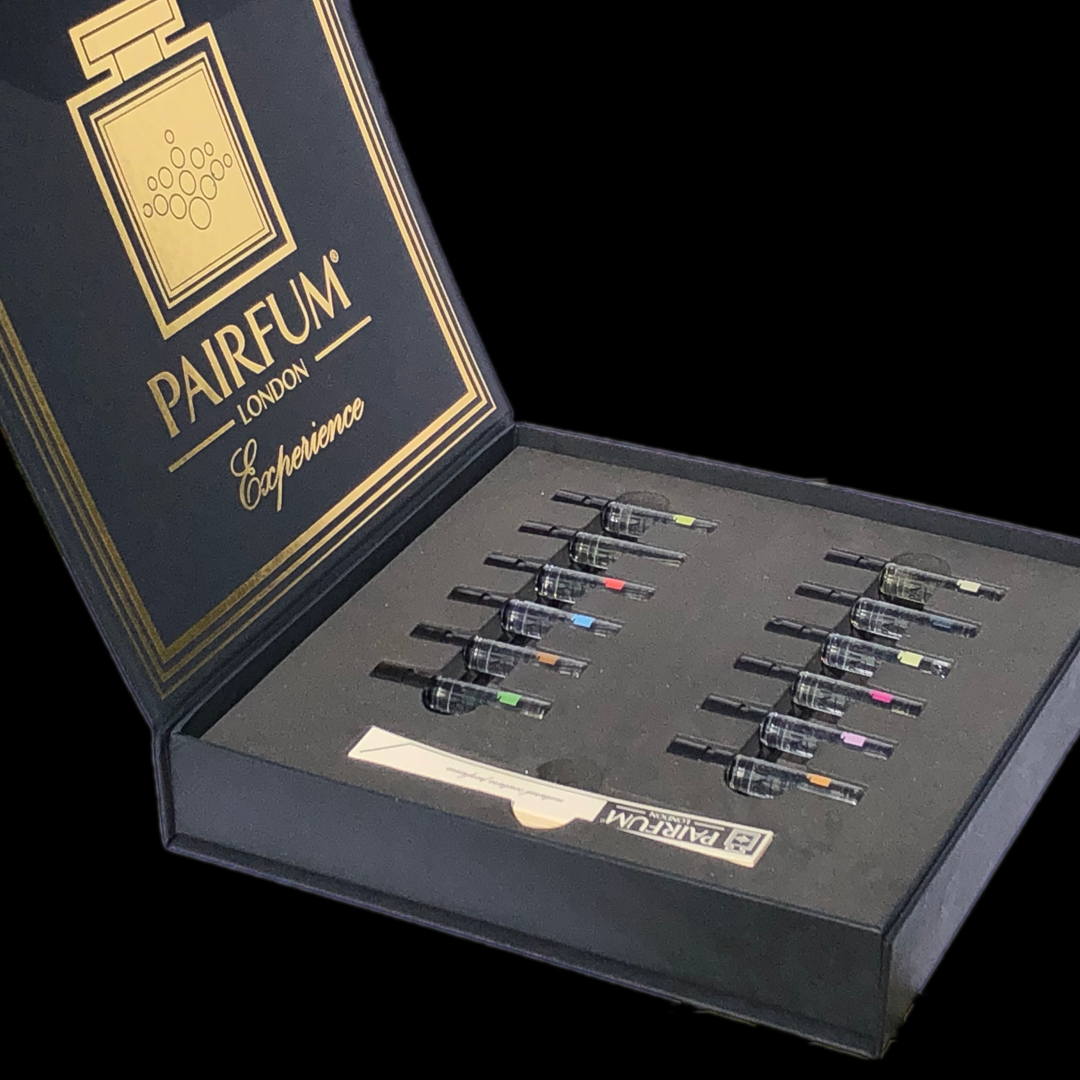
Here at Pairfum London, we offer the Perfume Experience Box, with 12 x Eau de Parfum Intense. Each vial contains enough perfume to wear the fragrance daily for about 2 weeks, giving you plenty of time to experiment with your perfume and your Skin Care routine.

Skin Flooding Experiment Niche Perfume Experience Box Eau de Parfum Intense
Lightweight Skin Care Perfume Implications

Trend: Lightweight Skin Care. Implications For Your Perfume?

Introduction:

During this year’s summer, one trend is lightweight skin care and it is a trend that is expected to continue into the autumn and to be resurrected for holidays in sunny & warm destinations.

In this blog post, we explain what lightweight skin care is and what implications this trend has for perfume and your use of perfume.

Eau De Parfum Person Reflection Sea Salt Sage Amber Woman Tropical Lightweight Skin Care

What Is Lightweight Skin Care?

Lightweight skin care products add hydration without lying heavily on the skin.

The reasons are simple:

  • First, it allows for a healthy amount of vitamin D to penetrate the skin. Vitamin D is essential for overall health, and it can also help to protect the skin from sun damage.
  • Second, lightweight products are less likely to clog pores. This is important, especially during the warmer months when sweat, oil and residues from other skin care products can build up on the skin. Clogged pores can lead to breakouts, so it is important to use products that allow your skin to function naturally.
  • Finally, lightweight skincare products are often packed with beneficial ingredients that can improve the overall health of the skin. These ingredients may include hyaluronic acid, vitamin C or retinol.

Some products that fall into this lightweight category are tinted moisturizers, sunscreens, lotions and serums. Many of these products became a staple before spending the day in the sun. However, consumers are starting to think these benefits could be useful in all other seasons as well.

Many lightweight skincare products are aimed at packing in many beneficial skincare ingredients to ensure that your skin is left healthier after use. Healthier skin is the goal year-round, so we will be seeing this trend stick around.

An important thing to note about this trend is that lightweight products are perfect for applying before a full face of makeup. So, whether you are planning a day in the sun or a night out, lightweight skincare is not just a trend but a skin priming go-to for healthy skin.

Trend Lightweight Skin Care Implications Perfume

What Are The Implications Of Lightweight Skin Care For Perfume?

We expect that the popularity of lightweight skincare will lead to a trend towards lighter, more refreshing perfumes, which are less likely to clog pores or irritate the skin.

In particular, here are our perfumer’s thoughts on how the trend towards lightweight skincare impacts the use of perfume:

  • Perfume Concentration: Perfumes come in different concentrations, ranging from eau de parfum (EDP) to eau de toilette (EDT), eau de cologne (EDC) and eau fraiche (EF). EDPs are the most concentrated type of perfume, and they typically last the longest. EDT, EDC and EFs are less concentrated than EDPs. Eau Fraiche in particular are ideal for those that are looking for a perfume to match their lightweight skin care, as it offers a light, refreshing scent. It will require, however, that you re-apply the perfume several times during the day, in particular in countries or at times when the weather is warm or even hot.
  • Oil-Based Perfumes: Oil-based perfumes, e.g. Parfum, Extrait or Attars, are excellent options for people with dry skin, as they can help to hydrate the skin and prevent it from drying out. However, oil-based perfumes will be heavier than the other types of perfumes we mentioned and will risk that your pores get clogged. In other words, they may not be suitable for people with oily, acne-prone skin or if you are concerned with clogged pores.
  • Alcohol-Free Perfumes: Alcohol-free perfumes appear at first sight to be another excellent option when looking for a lightweight perfume solution. However, they are typically water based and contains ingredients that have the potential to clog pores and build up on your skin. As a consequence of the water content, a water-based perfume will require the following ingredients that don’t evaporate:
    • solubilisers, to get the perfume to mix with the water,
    • preservatives, to prevent bacteria build-up in the water, and
    • other typically ingredients, such as foaming inhibitors, colourants, …
  • Nozzles: Perfume sprays come with spray nozzles of varying quality. They control the amount of perfume that is released but also how fine and wide the mist is that they release. This is an area where low-cost perfume save money buy opting for lower quality spray nozzles with a heavier mist. Equally, while a rollerball or perfume pen can help to apply a perfume more precisely, they do tend to apply a heavier, thicker film then a delicate and fine spray nozzle does. Hence, we believe that perfume sprays are more in line with lightweight skin care.
  • Application: Many of us rub our wrists after applying perfume. This mixes the skin care products you have applied with the perfume you just sprayed. We believe this routine goes against the intentions of lightweight skin care, as this could potentially block pores. Hence, we suggest that you simply spray your perfume and allow it to dry naturally.
  • Amount: Another recommendation of ours would be to spray less perfume but re-fresh and top up your perfume it more frequently throughout the day. You will find that this works much better in hotter climates.
  • Area: Spray your hair instead of your skin! This is a perfect fragrancing solution to accompany your lightweight skin care approach. In particular, we recommend lifting your hair and spraying your perfume into it from underneath. This helps to reduce perfume evaporation in hot climates.
  • Perfume Notes: The style of the perfume note can also impact how it interacts with lightweight skincare. For example, perfumes with strong, heavy notes may not align with lightweight skincare. Perfumes with lighter, more refreshing notes may be a better choice.
  • Back Notes: Back notes are the notes that linger on the skin after the initial scent has evaporated. Some people prefer perfumes with strong back notes, while others prefer perfumes with lighter back notes. If you are concerned about lightweight skincare interfering with the back notes of your perfume, you may want to choose a perfume with lighter back notes. Having said, the exact opposite can be observed in climates with high & extreme temperatures, e.g. the Arabic region, where the dominant back note is Oud, a note famous for its longevity. In other words, consumers tend to opt for heavy backnotes in the regions with high temperatures.
Eau De Parfum Person Reflection Sea Salt Sage Amber Man Tan 1 1

Conclusion

Ultimately, the best way to find out which perfume and how you apply it that works best for your with your lightweight skincare, is to experiment.

With a little trial and error, you should be able to find a solution that you love and that also works well with your lightweight skincare solution.

In this context, we highly recommend our company’s Perfume Experience Box. It contains 12 x Eau de Parfum Intense together paper smelling strips, allowing you to experiment with different niche perfume notes in the comfort of your own home over time, when the temperatures are elevated and on the paper strip before you apply it to your skin. The Box contains enough perfume to wear and live with each individual perfume for approx 2 weeks.

This is much better than buying a perfume in a rush, as you pass through the Duty Free at the airport only to find that you don’t enjoy it in the heat of your holiday destination.

Enjoy the combo of your lightweight skin care and a natural niche perfume to go with it.

Perfume Experience Box Lightweight Skin Care
Trend Skin Care Implications Fragrance
Lightweight Skin Care Fragrance Implications
Trend Skin Care Perfume Implications
Pairfum Person Reflection Spiced Coffee Oaked Vanilla Eau de Parfum Woman

Does Perfume Smell Different On Everyone?

Have you ever noticed that the same perfume can smell different on different people?

Maybe you tried a perfume that you loved on a friend, but when you wore it yourself, it didn’t smell the same. Or, … maybe you noticed that your favourite perfume seems to smell different from one day to the next or when you are away on holiday.

What have you experienced? Does perfume smell different on everyone and have your favourites changed over time?

In this article we present probable reasons and offer a few solutions.

Eau De Parfum Person Reflection Bergamot Basil Patchouli Man Fresh Does Perfume Smell Different On Everyone

Why Does Perfume Smell Different On Everyone?

There are numerous reasons why perfume may smell different on another person and on you.

Here are some of the most common factors:

  • Skin type: The pH balance of your skin can affect how a perfume smells. For example, people with dry skin tend to smell perfumes more strongly than people with oily skin.
  • Body chemistry and skin micro-flora: The chemicals in your body and the skin micro-flora can also interact with the material in a perfume, creating different scent profiles. This is why some people find that certain perfumes make them smell “like themselves” while others don’t.
  • Diet: What you eat can also affect how a perfume smells on you. For example, eating spicy foods can make your skin more acidic, which can change the way a perfume smells. Equally, some food ingredients affect the scent of your skin, e.g. garlic and spices.
  • Hormones: Your hormone levels can also affect how a perfume smells on you. For example, women’s perfumes may smell different during different phases of their menstrual cycle.
  • Environment: The environment you are in can also affect how a perfume smells. For example, perfume will smell different in a hot, humid environment than in a cold, dry environment.
  • Safety & Ethics: Today, it is no longer acceptable to use animal derived ingredients. Equally, a large variety of fragrance ingredients have been found to be skin irritants or sensitisers. Other ingredients are not bio-degradable. The fragrance industry and its governing body, IFRA, continuously research and review the ingredients used in perfume. This requires perfume houses to rework existing perfumes to comply with the most modern safety and environmental standards.
  • Cost: Perfume is a luxury good. Their marketing activities and retail outlets are expensive, creating cost pressures on manufacturers to stay commercially viable. This incentivises to reduce costs, which may lead to a reduction in the fragrance oil concentration in the perfume you love and have come to know well.
  • Naturals: natural perfume ingredients change from crop to crop and are more likely to react and change on your skin.

If you are wondering why your perfume smells different than it used to, it is likely due to one of these factors.

If you are not sure what is causing your perfume to smell differently, you can try experimenting to see what may be the cause. We encourage to discuss with your friends & family: Does Perfume Smell Different On Everyone? What is their experience? Have they perhaps found another reason why?

Eau De Parfum Person Reflection Sea Salt Sage Amber Woman Profile Does Perfume Smell Different On Everyone

Different Approaches

Having said all of this, major prestige perfume brands like Chanel, Dior, Gucci, etc work very hard to ensure their perfumes smell the same on everyone because what is the point of buying Chanel No.5, if it doesn’t smell like Chanel No.5 on you.

Here at Pairfum London, we embrace a different approach: we develop our niche perfumes to smell different on everyone! This creates a personal perfume that is unique to you and an aura that impossible to copy. The compliments you receive will be uniquely you.

In other words, it creates a beautiful choice of perfume types for you:

  • fragrances from prestige brands, like Chanel No 5, for special occasions, e.g. the opera, and
  • a natural niche perfume, like Pairfum London, to allow the unique in you to flourish.

Tips From A Perfumer

Here are some fragrance tips to make your perfume smell its best on you:

  • Apply it to clean, dry skin. This will help the perfume to absorb evenly and last longer.
  • Apply it to pulse points. In these areas of your body, the blood vessels are closer to the skin, making your skin slightly warmer. This will help to amplify the scent of you perfume.
  • Avoid applying it to your clothes. Perfume can stain your clothes and equally hook into the fabrics to last longer but smell weaker.
  • Reapply it throughout the day. Your perfume will naturally fade over time and we advise that you re-apply it every few hours to keep it smelling fresh and true to its scent.

If you not happy with the way your perfume smells on you, you may want to try a different one.

There are the two different approaches we mentioned above and many different perfumes on the market, offering you a fantastic choice to experiment and find the one (or many) that you love and that smells great on you.

In this context, you should explore fragrances from olfactive families you have never tried before. Many perfume houses offer ‘Fragrance Libraries’ to introduce you to the types of notes that you may not immediately try when you are in a perfumery. Embrace and enjoy the motto: Who dares wins!

Here at Pairfum London, we offer the Perfume Experience Box, a fragrance library with 12 x Eau de Parfum Intense in combination with paper smelling strips. This allows you to really experience 12 x new perfumes in the comfort of your own, scent-neutral home and to live with & wear each perfume for approx 2 weeks.

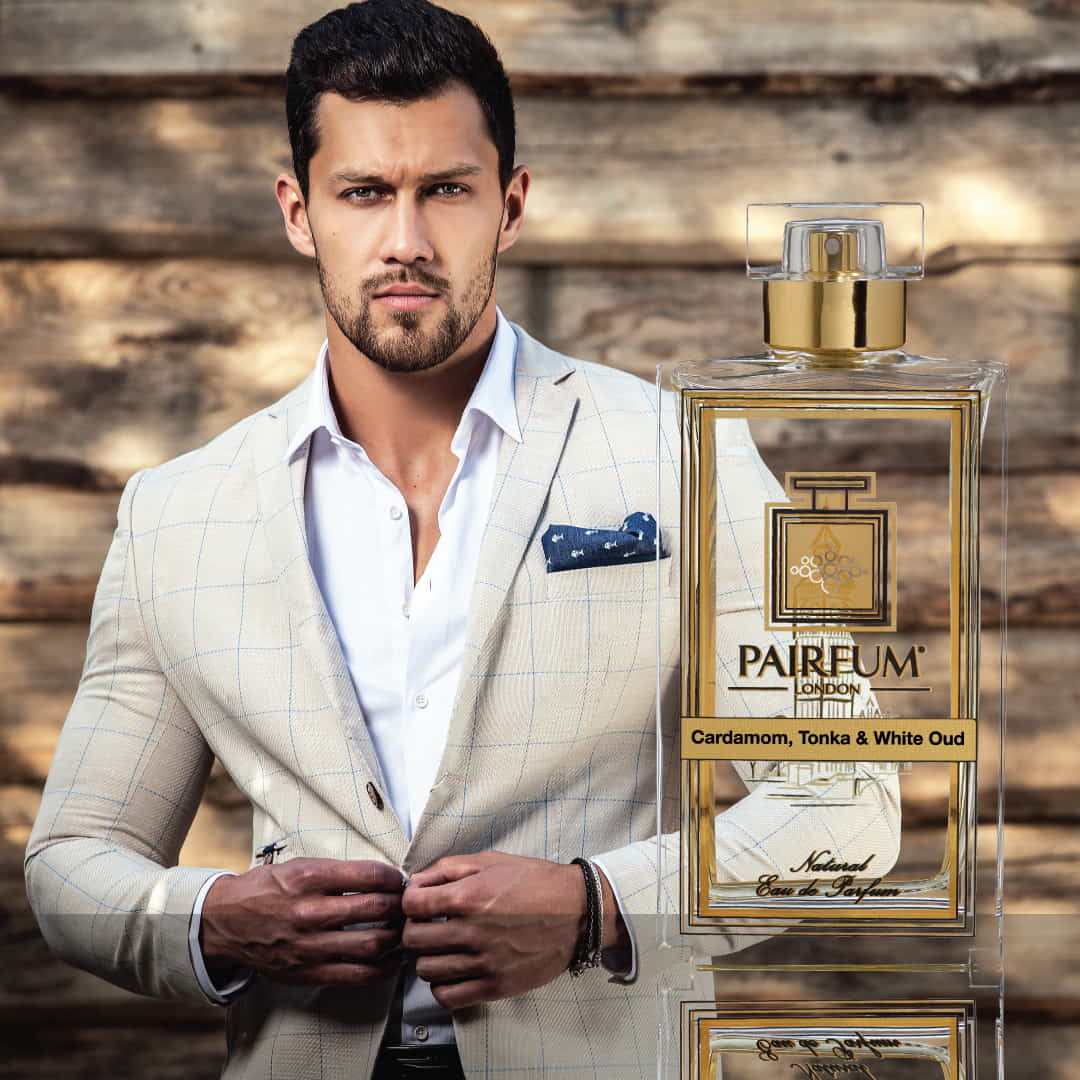
Eau De Parfum Person Reflection Cardamom Tonka White Oud Man Jacket Does Perfume Smell Different On Everyone

Additional Questions

Here are some additional answers to frequently asked questions about perfume:

  • Q: Why can’t I smell my perfume after a while? A: This is a common phenomenon called olfactory fatigue. It happens when your nose gets used to a smell and stops detecting it as strongly. You may still be able to smell your perfume on other people, but you won’t be able to smell it on yourself as much.
  • Q: Why does my perfume smell stronger on some people than on others? A: This is usually due to skin type. People with dry skin tend to smell perfumes more strongly than people with oily skin.
  • Q: Why does my perfume smell different in different environments? A: The temperature and humidity of the environment can affect how a perfume smells. For example, perfume will smell different in a hot, humid environment than in a cold, dry environment.

We hope this article has answered your questions about “why does perfume smell different on everyone”. If you have any other questions, please feel free to ask us.

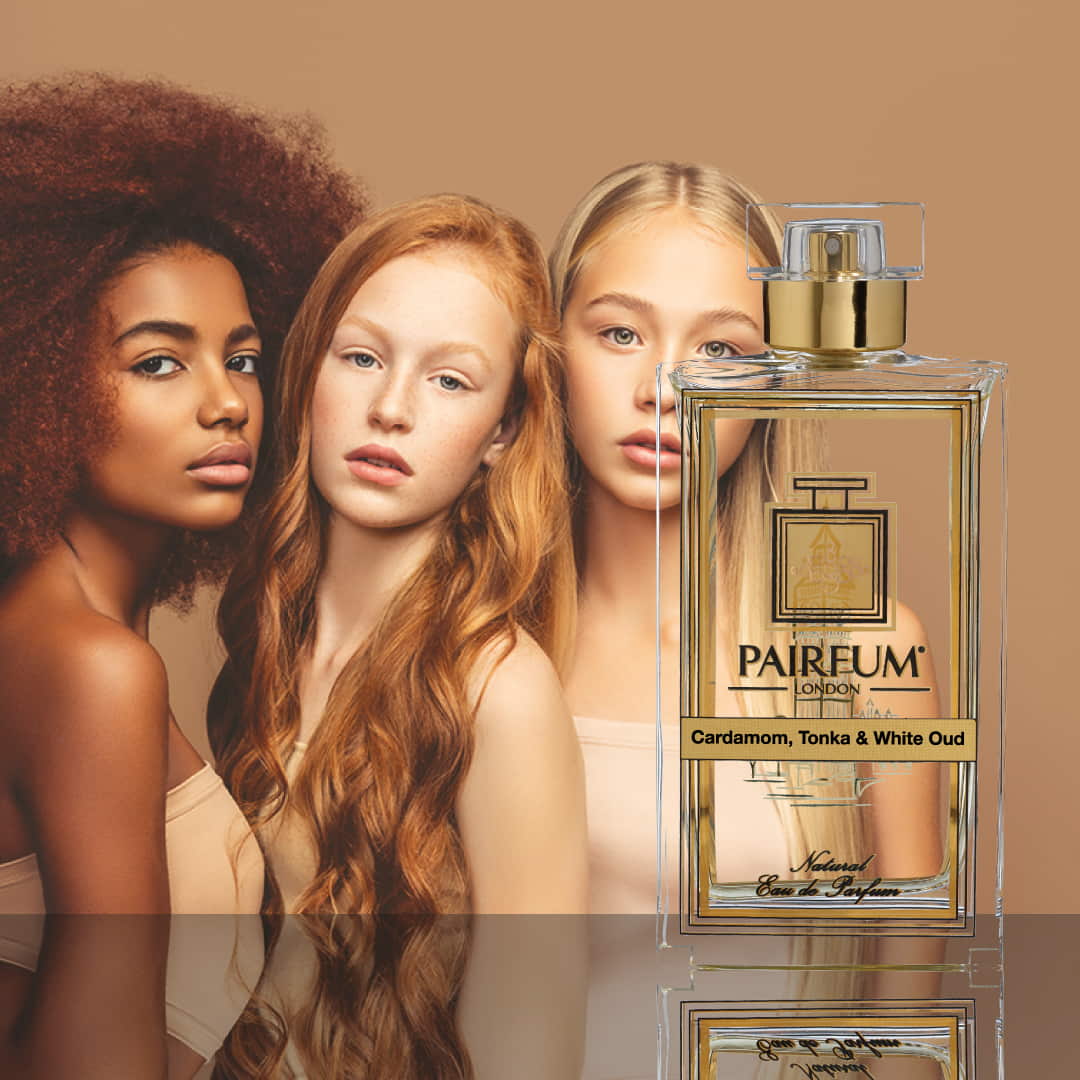
Eau De Parfum Person Reflection Cardamom Tonka White Oud Girls Does Perfume Smell Different On Everyone
Eau De Parfum Person Reflection Sea Salt Sage Amber Woman Happy 1 1

Perfume Composition: Crafting Fragrant Masterpieces

Introduction

Perfume has long been celebrated for its ability to evoke emotions, create memories, and leave a lasting impression. It is a symphony of scents that captivates our senses, and its composition is an art form in itself.

The intricate blend of ingredients, notes, accords and facets comes together to create unique olfactory experiences.

In this article, we will delve into the fascinating world of the perfume composition, exploring its definition, history, examples, ingredients, notes, accords, facets, and families.

Definition of Perfume Composition

The best analogy to define a perfume composition is a musical composition, a harmonious combination of notes.

The perfume composition is the result of creating a fragrance by combining various aromatic ingredients in specific proportions. It involves blending natural or synthetic substances to achieve a desired olfactory profile. Perfumers, often considered artists of the fragrance world, carefully select and combine these ingredients to create a harmonious and appealing scent.

Perfume composition is not only an art form but also a reflection of cultural and societal influences. Fragrances can capture the essence of a time period, evoke nostalgia, or represent a specific lifestyle or mood. They have the power to transport us to different places, awaken memories, and evoke emotions.

The process of composing a perfume is a delicate balance of creativity, technical expertise, and an understanding of consumer preferences.

Eau De Parfum Person Reflection Cardamom Tonka White Oud Hat Perfume Composition

History of Perfume Composition

The art of perfumery dates back thousands of years, with its origins traced to ancient civilizations such as Egypt, Mesopotamia, and India. The Egyptians were renowned for their mastery of fragrance, using perfumes in religious rituals, as well as for personal adornment. They extracted aromatic oils from plants and combined them with resins, spices, and other natural ingredients.

The art of perfume composition continued to evolve through the ages, with significant contributions from the Arab world during the Islamic Golden Age. It was during this time that the distillation process was perfected, allowing for the extraction of essential oils from flowers, herbs, and woods. The Crusades brought this knowledge to Europe, where it flourished in regions such as Grasse, France, which eventually became the perfume capital of the world.

Throughout history, perfumers have experimented with a wide range of ingredients, both natural and synthetic, to achieve their desired compositions. Natural ingredients sourced from plants and flowers provide a sense of authenticity and luxury, while synthetic ingredients offer versatility and affordability. The combination of these elements allows perfumers to create fragrances that cater to various preferences and market demands.

In recent years, there has been a growing interest in niche perfumery, which focuses on creating unique and unconventional fragrances. Niche perfumers often push the boundaries of traditional perfume composition, experimenting with unusual combinations of ingredients and exploring new olfactory territories. This has allowed for a greater diversity and creativity within the fragrance industry, appealing to those who seek a more personalized and exclusive scent experience.

Pairfum Eau De Parfum Person Reflection Spiced Coffee Oaked Vanilla Man Smile Perfume Composition

Examples

Perfume compositions can range from simple to complex, and they can be categorized into various types, including eau de parfum, eau de toilette, eau de cologne, and more. Each category represents a different concentration of fragrance oils in a specific base. For instance, eau de parfum contains a higher concentration of oils, making it more intense and long-lasting than eau de toilette.

Some iconic perfume compositions have stood the test of time, becoming legendary in the fragrance industry. Chanel No. 5, created by Ernest Beaux in 1921, revolutionized perfumery with its use of aldehydes, a synthetic compound that added a sparkling quality to the fragrance. Another notable composition is Guerlain’s Shalimar, crafted in 1925 by Jacques Guerlain, which blended citrus notes with oriental accords, creating a timeless masterpiece.

Perfume Ingredients

The ingredients used in perfume composition can be classified into two main categories: natural and synthetic. Natural ingredients are derived from botanical sources, such as flowers, leaves, fruits, and woods. They include essential oils, absolutes, concretes, and tinctures. Synthetic ingredients, on the other hand, are created in laboratories and mimic the aroma of natural substances or create entirely new scents. They provide perfumers with a wider range of possibilities and often offer alternatives to rare, prohibited or expensive natural ingredients.

Common natural ingredients used in perfume composition include rose, jasmine, lavender, sandalwood, vetiver, bergamot, and patchouli. Synthetic ingredients include aldehydes, musks, ambergris, and various aroma chemicals. Perfumers carefully select these ingredients based on their desired fragrance profile, taking into consideration factors such as volatility, longevity, and compatibility with other materials.

Herbs, Green, Fougere

There are the following subdivisions

  • Aromatic: Lavender, Thyme, Rosemary
  • Anise notes: Aniseed, Tarragon
  • Spicy: Basil
  • Minty: Peppermint, Spearmint, Chickpea mint
  • Green: galbanum
  • Fougere: fern
  • Tea

Flowers

The dominant category of ingredients and it can be categorised as follows:

  • Rose: the ‘queen’ of flowers has its own category with red, white, orange, … roses and yet they all share the typical rose note.
  • Purple flowers: hyacinth, lilac
  • Green & white flowers: lily of the valley, gardenia
  • powdery flowers: mimosa, violet, iris root, heliotrope
  • White flowers: jasmine, magnolia, tuberose, honeysuckle, ylang-ylang
  • Solar flowers: frangipani, tiare flower
  • Spicy flowers: carnation, immortal, lily
  • Fruity flowers: peony, osmanthus

Fruits, Nuts, Vegetables

These are the different sub-categories:

  • Red fruits: raspberry, strawberry, blackcurrant, blackberry, blueberry
  • Yellow fruits: peach, apricot, plum
  • Exotic fruits: pineapple, mango, passion fruit
  • Crisp fruits: pear, apple
  • Acidic fruit: kiwi
  • Green fruits: fig, cassis
  • Balsamic fruit: cherry
  • Watery: melon
  • Nuts: almond, peanut, coconut
  • Vegetable: pea,

Citrus

A big category of mainly natural ingredients:

  • lemon, lime, orange, grapefruit, mandarin
  • bergamot
  • neroli

Woods & Mosses

Here are the woody and mossy notes:

  • Sandalwood
  • Patchouli
  • Cedar
  • Vetiver (this is a root)
  • Cypress, Pine
  • Gauïac Wood
  • Amber
  • Oud
  • Oakmoss

Spices

There are many natural spicy notes, which can be divided into two categories:

  • Fresh: Cardamom, Pepper, Ginger
  • Warm: Cinnamon, Safran, Nutmeg, Clove

Gourmand

Vanilla typifies this category and these ingredients are reminiscent of food:

  • vanilla
  • caramel, honey
  • chocolate
  • coffee
  • bread, pastries, cooky

Balms & Resins

Also called balsamic or resinous notes, they are a key element of the amber or oriental accord and add roundness and mystique.

They fall roughly into two types:

  • Soft: Benzoin, Peru balsam, Tolu balsam
  • Resinous: opoponax, frankincense/olibanum, myrrh, birch tar, elemi and styrax.

Musk, Amber & Animal Notes

These are the most common animal notes:

  • Musk
  • Castoreum
  • Civet
  • Beeswax
  • Ambergris
  • Amber

Synthetic

This is a group of ingredients that although they may exist in nature, do have a ‘synthetic’ smell. Here are some examples

  • Aldehyde
  • Ozone
Pairfum Person Reflection Grapefruit Pepper Black Cedar Eau De Parfum

Notes, Accords, and Facets

In perfume composition, fragrances are often described in terms of notes, accords, and facets.

Notes refer to the individual scents that are perceived throughout the development of the fragrance. They are the building blocks that make up the overall scent. Perfumes are typically composed of three types of notes: top notes, middle notes (also known as heart notes), and base notes.

The concept of notes, accords, and facets adds depth and complexity to perfume compositions. By carefully selecting and blending different notes, perfumers create a multi-layered fragrance experience that unfolds over time. The top notes provide an initial burst of freshness, the middle notes reveal the heart of the fragrance, and the base notes leave a lasting impression. Accords and facets further enhance the composition by creating harmonious combinations or highlighting specific aspects of the scent.

Top notes are the initial scents that are detected when the perfume is first applied. They are often light and refreshing and provide the first impression of the fragrance. Common top notes include citrus fruits like bergamot and lemon, as well as herbal and green scents like lavender and mint.

Middle notes emerge after the top notes have evaporated and form the heart of the fragrance. They are often floral, fruity, or spicy, and they give the perfume its character and depth. Popular middle notes include rose, jasmine, ylang-ylang, and cinnamon.

Base notes are the final scents that become apparent after the perfume has settled on the skin. They are typically rich, warm, and long-lasting, providing a foundation for the fragrance. Base notes often include woody, musky, or oriental ingredients like sandalwood, patchouli, vanilla, and amber.

Accords and facets are terms used to describe the combination and interaction of different notes in a perfume composition. An accord refers to a combination of notes that work together to create a specific scent or effect. For example, a floral accord may combine rose, jasmine, and lily of the valley to create a delicate and romantic fragrance.

Facets, on the other hand, describe the different aspects or dimensions of a fragrance. They capture the complexity and nuances of the scent, revealing its various characteristics. For instance, a perfume may have facets of freshness, sweetness, warmth, or spiciness, all contributing to its overall allure.

Pairfum Eau De Parfum Person Reflection Black Cherry Oolong Tea Man Perfume Composition

Fragrance Families

Perfume compositions can also be classified into fragrance families or categories based on their dominant olfactory characteristics.

Fragrance families serve as a classification system that helps both perfumers and consumers understand and navigate the vast world of perfumery. Each fragrance family has its own distinctive character and appeals to different preferences and occasions. Whether it’s the timeless elegance of floral fragrances, the alluring warmth of oriental scents, or the invigorating zest of citrus compositions, there is a fragrance family for every mood and personality.

There are several recognized fragrance families, each with its own distinctive scent profile. Some common fragrance families include:

Floral: This family is characterized by the prominent use of floral notes such as rose, jasmine, lily, and violet. Floral fragrances can range from light and airy to rich and opulent.

Oriental: Oriental fragrances are warm, exotic, and often incorporate ingredients like spices, amber, vanilla, and incense. They evoke a sense of mystery and sensuality.

Citrus: Citrus fragrances are refreshing and vibrant, featuring notes of lemon, bergamot, orange, and grapefruit. They are often used in lighter, summer-inspired perfumes.

Woody: Woody fragrances are built around notes of woods such as sandalwood, cedarwood, and vetiver. They can be earthy, smoky, or creamy, depending on the specific woods used.

Chypre: Chypre fragrances are characterized by a combination of citrus top notes, floral middle notes, and mossy or woody base notes. They are known for their sophisticated and timeless appeal.

Fougère: Fougère fragrances are often considered masculine and feature notes of lavender, oakmoss, and coumarin. They are commonly used in men’s fragrances but can also be found in unisex compositions.

Gourmand: Gourmand fragrances are inspired by sweet and edible aromas, such as vanilla, caramel, chocolate, and fruits. They evoke a sense of indulgence and are popular in modern perfumery.

Conclusion

Perfume composition is an intricate and captivating process that combines artistry and science. Perfumers carefully select and blend ingredients, notes, accords, and facets to create unique and evocative fragrances. From the ancient civilizations to modern-day perfumery, the art of perfume composition has evolved, leaving us with a rich tapestry of scents that have become iconic and beloved.

As we continue to embrace the art of perfume composition, it is important to appreciate the craftsmanship and dedication that goes into creating these fragrant masterpieces. Perfume composition is a true fusion of science and art, where perfumers blend their expertise, creativity, and passion to craft scents that touch our senses and enrich our lives.

In conclusion, perfume composition is a captivating process that weaves together ingredients, notes, accords, facets, and fragrance families to create olfactory works of art. From the ancient civilizations to the modern fragrance industry, perfumers have honed their skills, embracing innovation while honoring tradition. As we explore and enjoy the diverse world of perfumes, let us celebrate the beauty and complexity of perfume composition, where every bottle holds a story waiting to be discovered and cherished.

Discovery

When trying to discover unique & natural Perfume Compositions, we highly recommend our Natural Niche Perfumes and we invite you to visit our Online Perfume Boutique.

Another way to discover perfume compositions is using ‘Fragrance Libraries’, ‘Discovery Boxes’ or ‘Perfume Experience Boxes’. Here at Pairfum London we offer the wonderful Perfume Experience Box with 12 x Eau de Parfum Intense and it allows you discover each one of our perfume compositions, their longevity and character.

Perfume Experience Box Eau de Parfum Intense Sillage
Eau de Parfum Person Reflection Scarlet Rhubarb Oakmoss 1 1

Sillage: The Lingering Trail of Perfume

Introduction

As perfumers, we are frequently asked to explain “What is Sillage?” or “Why is Sillage so important?

Perfume is an art form that goes beyond the sense of smell, it has the power to evoke emotions, create memories, and to leave a lasting impression.

One crucial aspect of fragrance is its sillage, the enchanting trail it leaves behind to mesmerize long after you have left.

In this article, we will explore the concept of sillage:

  • its definition,
  • historical significance,
  • how to find a perfume with good sillage, and we
  • highlight both classic and contemporary fragrances known for their excellent sillage.
Pairfum Eau De Parfum Person Reflection Ginger Elemi Vetiver Man Bike Sillage

Definition

Sillage, derived from the French word for “wake” or “trail,” refers to the olfactory footprint left by a perfume as it diffuses in the surrounding space.

It represents the projection and longevity of a fragrance, capturing its ability to linger and be noticed even when the wearer has moved away. Sillage is a vital characteristic that adds depth and allure to a perfume, enhancing its overall impact and making it more memorable.

History

The concept of sillage can be traced back centuries when perfumes were first created and used.

In ancient civilizations, fragrances were considered a luxury and symbol of status. It was believed that the lingering trail of scent left by a person represented their presence and allure.

Perfumers and wearers alike recognised the significance of sillage as an extension of one’s identity and the power of seduction.

Eau De Parfum Person Reflection Sea Salt Sage Amber Couple Beach Stroll Sillage

What is Sillage?

Sillage is the result of multiple factors working together harmoniously in a perfume.

It is influenced by the concentration and quality of ingredients, the artistry of the perfumer, the fragrance’s structure, and the chemistry of the wearer’s skin.

A well-balanced composition, with carefully chosen top, middle, and base notes, contributes to a perfume’s ability to create a captivating and long-lasting sillage.

Factors of Sillage?

When seeking a perfume with good sillage, several factors influence it:

  1. Concentration: Opt for perfumes with higher concentrations, such as eau de parfum or parfum, as they contain more aromatic oils, resulting in enhanced projection and longevity.
  2. Fragrance Families: Certain fragrance families are known for their strong sillage, such as oriental, woody, or spicy. Exploring perfumes within these families can lead to scents with excellent projection.
  3. Perfume Strength: Look for keywords like “intense,” “extrême,” or “absolue” in the perfume’s name or description. These indicate a stronger version or formulation of the fragrance, which often comes with better sillage.
  4. Test and Experience: Visit perfume boutiques or counters to test different perfumes on your skin. Allow the fragrance to evolve over time and pay attention to its projection and longevity. Sampling perfumes in various environments and climates can provide a more accurate assessment of their sillage.

How To Increase Sillage?

Once you have found your perfume with excellent, how can you increase the effect on you? The trade-off for making your perfume sillage stronger using the techniques we describe here, is that it won’t last as long.

  • Pulse Points: to make your perfume sillage stronger, apply it to areas of your body that are warmer because the blood vessels are close to the surface of your skin, e.g. your pulse points.
  • Area: the bigger the area you apply your fragrance to, the stronger the perfume sillage will be, as it will have a bigger surface area from which it can evaporate. If you want a strong fragrance sillage, don’t just apply it to your pulse points but also your neck, décolletage, hair, arms and even your scarf and clothes (as long as you have tested that your perfume doesn’t discolour them).
  • Don’t cover it: to make your perfume sillage stronger apply to your exposed skin, e.g. the neck, bare arms & hands, … or your hair. Don’t apply it in areas that are covered by clothes, e.g. body.
  • No oil: don’t apply your perfume to areas where you applied lotion or oil, as the oil will bind with your perfume and will hold it back. In other words, the sillage will less strong.

There is one technique that we do not find makes perfume sillage stronger:

  • Layering: we see fragrance enthusiast recommending that you should layer different fragrances to make the perfume sillage stronger. They obviously feel that it works. This is, however, easily explained because if you spray a perfume several times it becomes stronger, regardless of whether you spray the same or a different fragrances. In other words, it refers back to ‘concentration’ we mention above, i.e. your perfume gets stronger the more oil you apply, … which is obvious. Equally, if you layer a perfume with strong sillage over a weak one, the overall fragrance sillage becomes stronger but why not apply the perfume with strong sillage twice, as it will dominate the overall note anyway. In other words, there is nothing within the technique of layering that makes a perfume’s sillage stronger.
Eau De Parfum Person Reflection Cardamom Tonka White Oud Girls Sillage

Perfumes With Excellent Sillage?

Here we list a few examples of fragrances known for their excellent Sillage:

Classic Fragrances

  • Chanel No. 5: This iconic fragrance, created by Ernest Beaux in 1921, has remarkable sillage. Its blend of aldehydes, florals, and warm undertones leaves a captivating trail that has become legendary.
  • Guerlain Shalimar: Introduced in 1925, Shalimar’s oriental composition, with notes of citrus, vanilla, and amber, creates a luxurious and powerful sillage that has mesmerized generations.
  • Christian Dior Poison: Launched in 1985, Poison is a bold and intense fragrance with strong sillage. Its distinctive blend of spicy notes, rich florals, and dark woods exudes a sense of mystery and allure, making it impossible to ignore.
  • Yves Saint Laurent Opium: Opium, released in 1977, is known for its opulent and exotic character. With its oriental composition featuring warm spices, sweet florals, and resinous notes, Opium creates a captivating sillage that commands attention and leaves a lasting impression.
Contemporary Fragrances

  • Tom Ford “Black Orchid”: Launched in 2006, Black Orchid’s rich blend of dark florals, spices, and woods envelops the wearer in an aura of mysterious and seductive sillage.
  • Maison Francis Kurkdjian “Baccarat Rouge 540”: This contemporary fragrance combines floral, woody, and amber notes in an intricate composition. Baccarat Rouge 540 leaves a trail of elegance and sophistication, with its intense sillage capturing attention and admiration.
  • Viktor & Rolf “Flowerbomb”: Flowerbomb, introduced in 2005, is a powerful and captivating floral fragrance. Its explosion of sweet floral notes, enhanced by warm and creamy undertones, creates an enveloping sillage that is both alluring and unforgettable.
  • By Kilian “Good Girl Gone Bad”: This modern composition by Kilian Hennessy features a bouquet of white florals, accentuated by creamy undertones. Good Girl Gone Bad boasts excellent sillage, leaving a sensual and seductive trail that lingers in the air.
  • Pairfum London “Mandarin Blossom & Sandalwood”: this fragrance was presented in 2021 and is an excellent Chypre that combines the beautifully fresh floracy of Mandarin Blossom with the wonderful creamy warmth of Sandalwood to create exceptional sillage.

Finding Fragrances With Excellent Sillage?

When trying to find fragrances with excellent sillage, we highly recommend our Natural Niche Perfumes and we invite you to visit our Online Perfume Boutique.

Another way to discover the sillage of a variety of fragrances is by using ‘Fragrance Libraries’, ‘Discovery Boxes’ or ‘Perfume Experience Boxes’. Here at Pairfum London we offer a wonderful Perfume Experience Box with 12 x Eau de Parfum Intense and it allows you discover each one of our perfumes and experience their Sillage.

Perfume Experience Box Eau de Parfum Intense Sillage
Eau de Parfum Person Reflection Pink Rose Sensuous Musk 1 1

A Guide to Perfume Maintenance: How to Keep Your Fragrance Fresh

From evoking memories and enhancing moods to making lasting impressions on everyone we come into contact with, perfumes play a significant part in our day-to-day lives. However, without proper care, even the most exquisite fragrances can lose their allure over time. 

At Pairfum, our passionate in-house perfumer and talented artisans use their skills to create a wide range of unique aromatic products. Our collection includes niche fragrances, luxurious scented candles, reed diffusers, room sprays and more. Regardless of your fragrance needs and preferences, we’ve got you covered!

In this perfume maintenance guide, we’ll help you understand the essential steps and techniques to maintain the integrity of your perfumes. We’ll share expert advice on proper storage techniques, highlighting the impact of temperature and light sensitivity on perfume quality. Additionally, we’ll uncover tips for handling and applying perfumes effectively to maximise their longevity and projection. 

Prepare to immerse yourself in a world of fragrance care and discover the secrets to keeping your aromas captivating and fresh. 

1. Proper Storage Techniques

Perfume maintenance, Pairfum's mandarin blossom and sandalwood perfume bottle and box.

Proper storage techniques are vital for preserving the freshness of your perfumes. When it comes to storing fragrances, protecting them from light, heat and air is crucial. Ideally, perfumes should be stored in cool, dark places away from direct sunlight and extreme temperatures. 

Airtight containers or boxes can shield fragrances from exposure to oxygen, preventing them from oxidising and deteriorating. Additionally, avoiding fluctuating humidity levels can help maintain the quality of the fragrance. 

By implementing these proper storage practices, you can ensure that your perfumes retain their original aroma and longevity, allowing you to enjoy them for an extended period. For a unique aromatic experience, explore our niche fragrances now.

2. Handling and Application

Perfume maintenance, three niche fragrances from Pairfum's collection.

Proper handling and application techniques are essential for maximising the lastingness and impact of your perfumes. When handling fragrances, it’s crucial to avoid unnecessary exposure to air, heat and light, as these factors can degrade the perfume over time. 

Applying perfumes strategically on pulse points, such as the wrists, neck and behind the ears, allows the fragrance to interact with the warmth of your body, enhancing its projection and span. Make sure to apply your perfumes with a light touch, as excessive spraying or rubbing can alter the aroma and cause it to dissipate more quickly. 

Mastering these techniques ensures that you make the most of your perfumes, experiencing their captivating fragrance to the fullest. Moreover, try to avoid making common mistakes that could degrade your fragrance quality.

3. Temperature and Light Sensitivity

Temperature and light sensitivity play a significant role in maintaining the quality and longevity of your perfumes. Extreme temperatures can degrade fragrance compounds, altering their aromas and diminishing their potency. 

Always make sure to store your perfumes in cool and stable environments to prevent heat-induced damage. Additionally, avoid exposure to direct sunlight as it can lead to chemical reactions within the fragrance, resulting in changes to the aroma profile. 

You can protect your perfumes from light and temperature fluctuations by storing them in opaque containers or cabinets as it helps preserve their freshness and integrity. By understanding and mitigating temperature and light sensitivity, you can ensure that your fragrances retain their true essence and captivating allure.

4. Cleaning and Maintenance Rituals

Cleaning and maintenance rituals are essential for keeping your perfume bottles and packaging in pristine condition. Over time, residue and buildup can accumulate on the surfaces, affecting both the appearance and functionality of the containers. 

Regular cleaning with a soft cloth and mild detergent can remove dirt and dust, restoring the luster of your perfume bottles. Atomisers and spray nozzles should also be cleaned periodically to prevent clogs and ensure proper fragrance dispersion. 

Additionally, maintaining the integrity of the packaging, such as avoiding excessive exposure to moisture or rough handling, contributes to the overall longevity and appeal of your perfumes. By incorporating these cleaning and maintenance rituals into your routine, you can keep your fragrances looking and performing their best.

5. Fragrance Maintenance on the Go

Perfume maintenance, man and woman with Pairfum's cardamom, tonka and white oud perfume.

Traveling with perfumes requires careful consideration to ensure that your fragrances remain in top-notch condition. You can choose travel-friendly perfume options, such as solid perfumes or travel-sized bottles, to minimise the risk of leaks or breakage. 

Safeguard your fragrances by placing them in protective cases or wrapping them in soft clothing to prevent damage during transit. Moreover, keep in mind the temperature and light conditions during your journey to avoid exposing your perfumes to extreme heat or direct sunlight. 

Finally, pack your perfumes in your carry-on luggage to prevent them from being subjected to rough handling or temperature fluctuations in checked bags. By following these tips, you can enjoy your favourite aromas wherever you go while preserving their freshness and quality.

To Find Exquisite Niche Fragrances, Choose Pairfum London

Now that you understand the basics of perfume maintenance, why not browse through our selection of niche perfumes? You might just find a new signature fragrance.

At Pairfum, our in-house perfumer is passionate about fragrances and dedicated to innovating new and unique aromas to delight our customers. 

With our expertise in the perfume industry, we create a wide range of fragrant products. Our collection includes exquisite niche perfumes, home aromas, skin care products and much more.

Explore our stunning products and reach out to us to find out more about our offering.

Eau De Parfum Person Reflection Cardamom Tonka White Oud Curls 1 1

How To Find A Strong Perfume?

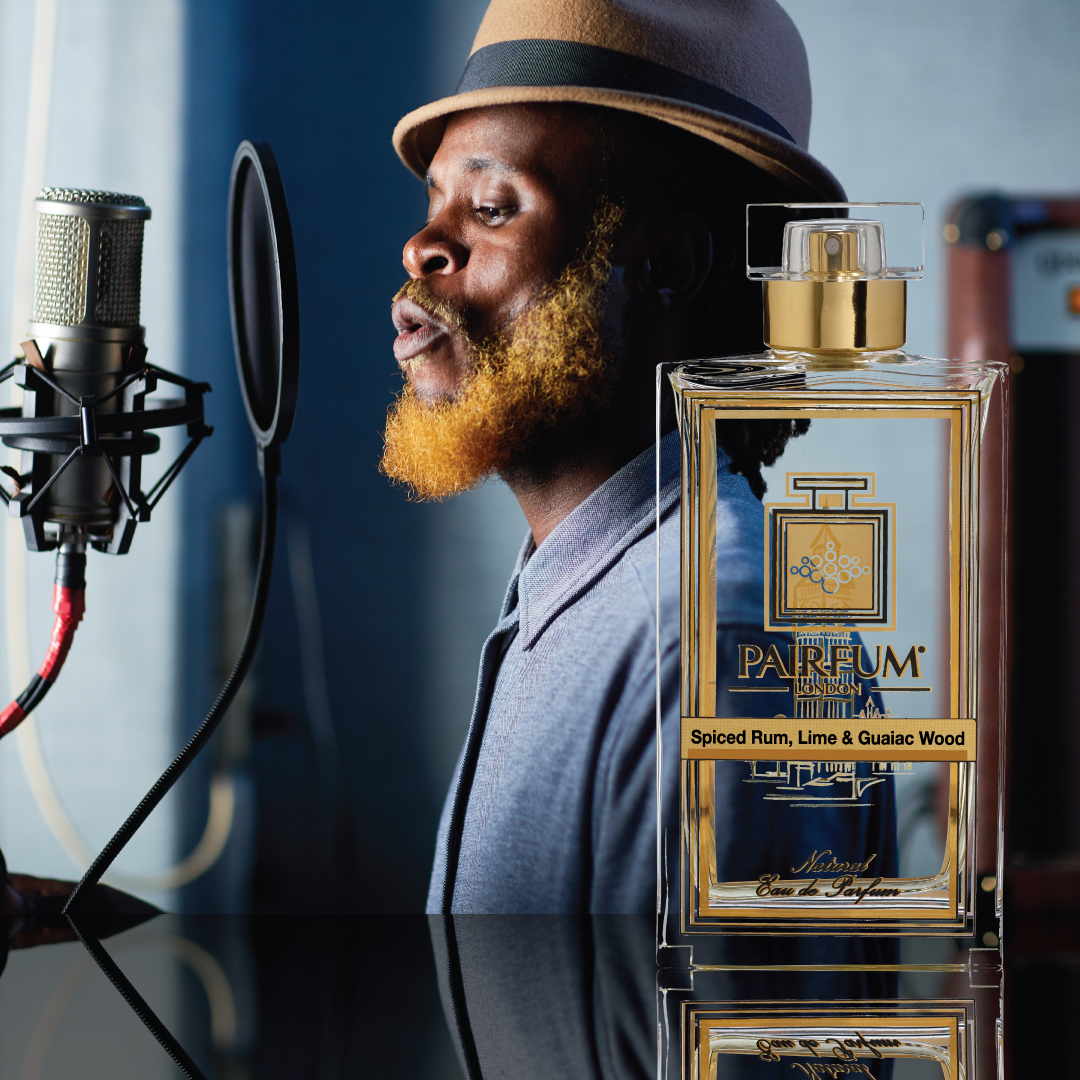
Eau De Parfum Person Reflection Spiced Rum Lime Guaiac Wood Man Strong Perfume

We are often asked the following questions about strong perfume:

  • How do I find a strong perfume?
  • Which one of yours is a strong perfume?
  • Does a strong perfume last longer?
  • How do I know if my perfume is strong?

In this post we explain what to look for when trying to find a strong fragrance.

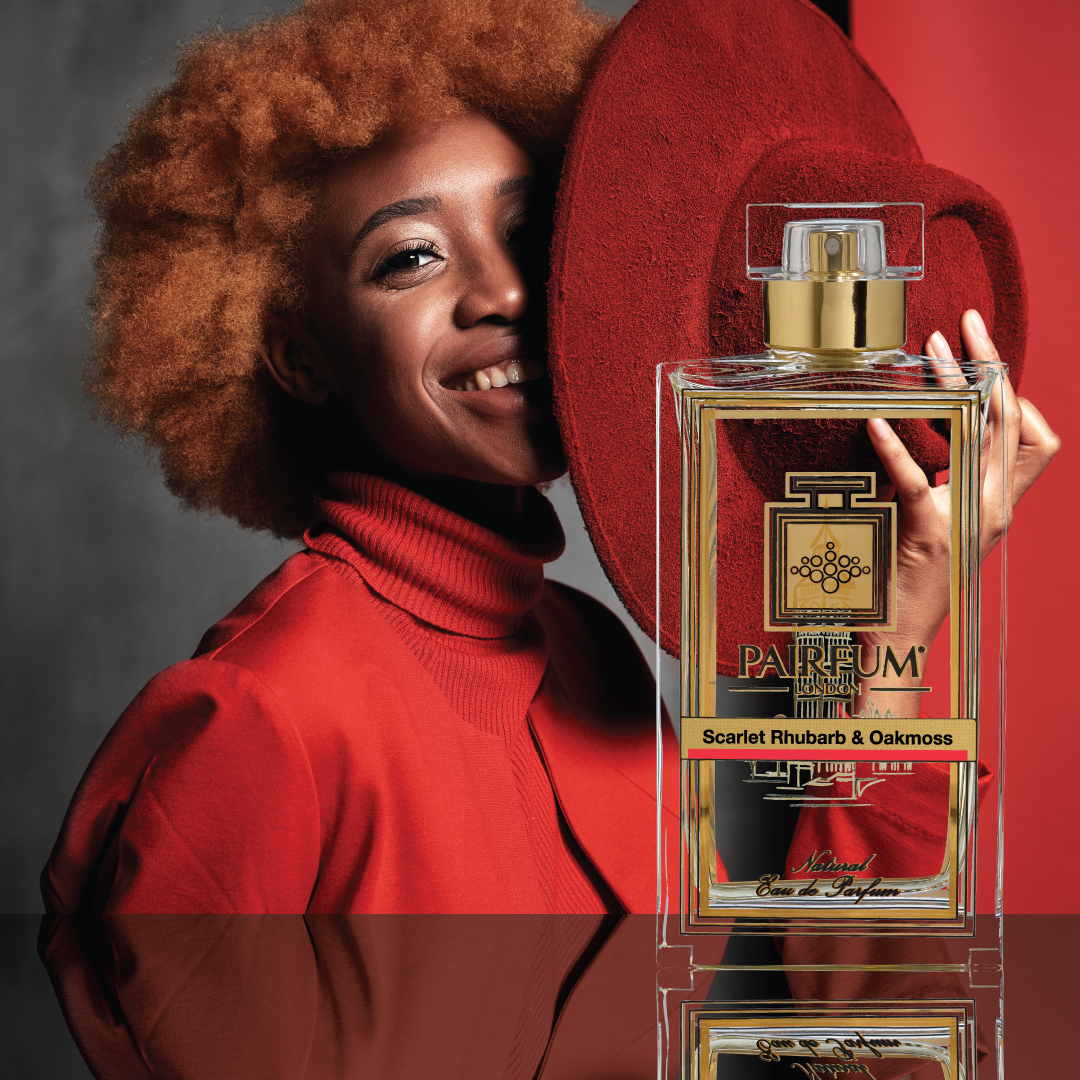
Eau De Parfum Person Reflection Scarlet Rhubarb Oakmoss Hat The Magic Of Strong Perfume

What Does Strong Mean In Fragrance?

As perfumers, we find that when consumers use the term ‘strong’ to describe a perfume, the frequently refer to one (or all) of the following:

  • the fragrance intensity itself, e.g. do you feel wonderfully fragranced after one single spray or do you need several sprays?
  • the longevity of the fragrance, i.e. for how long it lasts after it has been applied and under which conditions, e.g. in the heat of the Middle East or the European Winter. A fragrance might be strong initially but sadly not last.
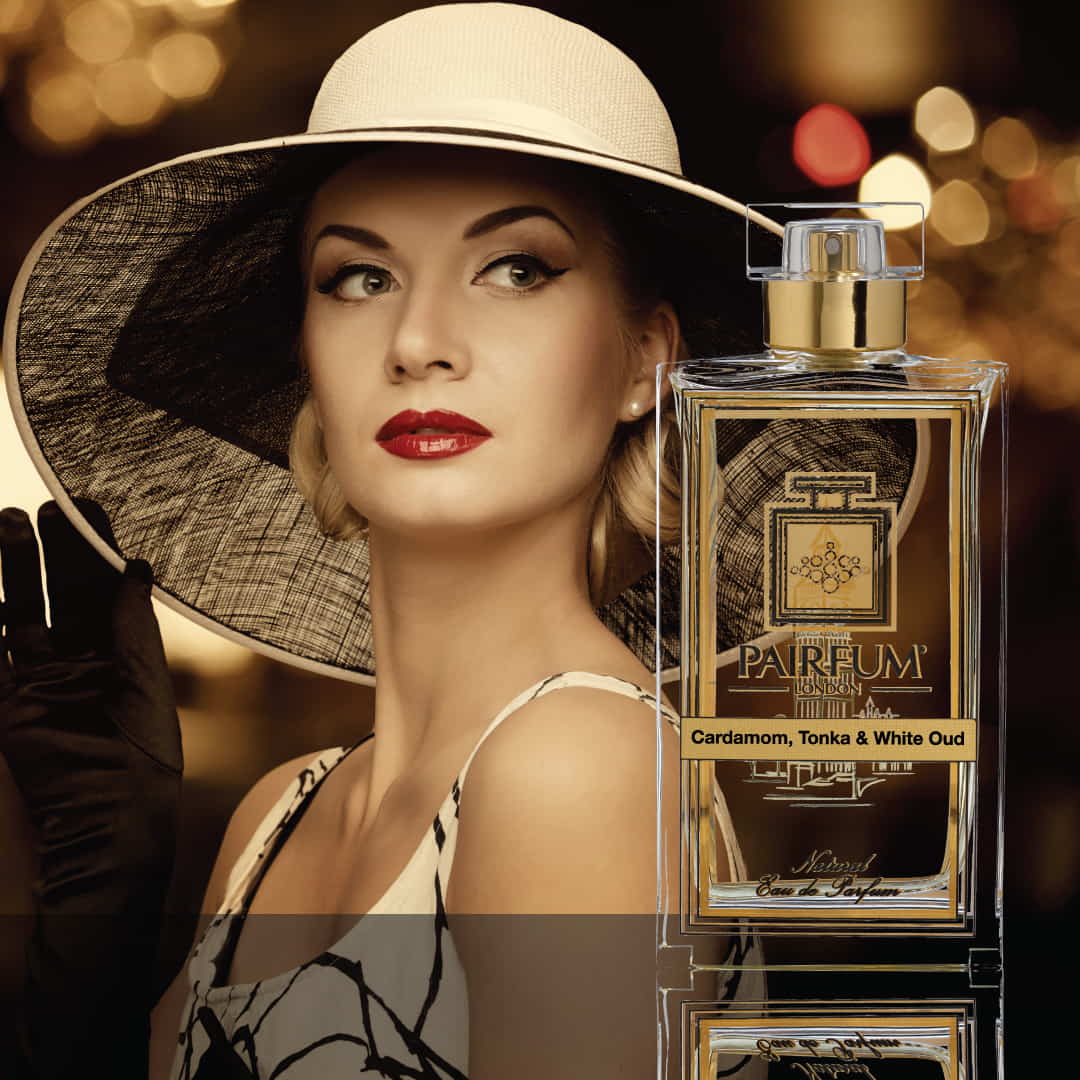
  • its radiance: ‘Projection’ refers to depth or distance a perfume radiates to, i.e. can only somebody standing right next to you smell or do you fill the room with your fragrance when you enter.
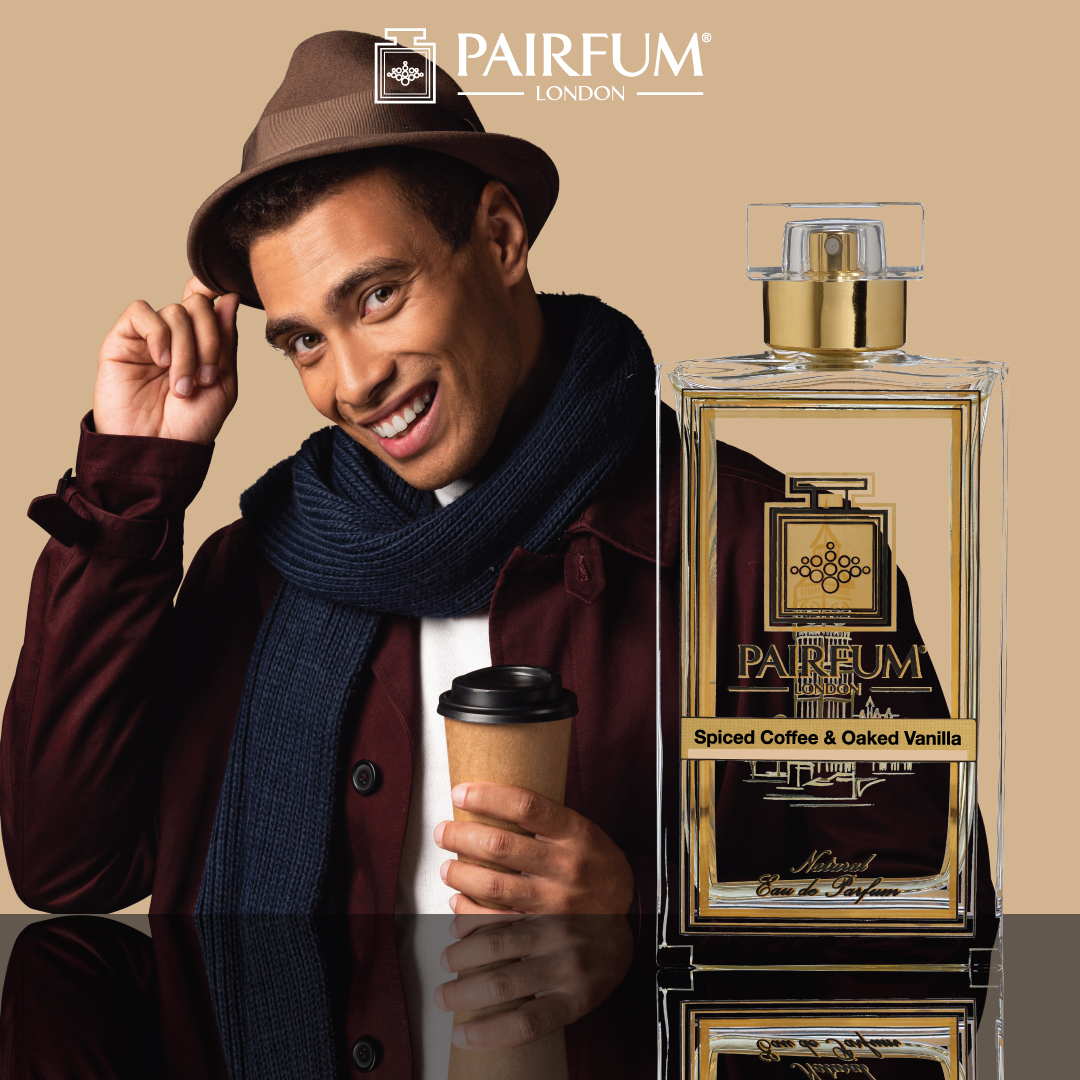
  • Sillage is the wake or trail a fragrance leaves behind, i.e. is the fragrance gone as soon as you leave, or does it have a beautiful trail that lingers long after the wearer has left. You will probably remember this type of situation. Technically speaking, your fragrance has ‘sillage’ when even trace amounts are perceivable. A good example is vanilla where even the tiniest amount will be noticed.
  • perception: we frequently find that when somebody doesn’t like a perfume, they say “it is too strong”. A perfume that we love, typically can’t be strong enough.
  • familiarity: it can be that our noses have become trained to identify certain notes, e.g. we find it easy to identify lavender because our mother used to keep some in our wardrobes against moths. We all have certain perfume ingredients that we find easy to identify and that give us the impression that a fragrance is strong or perhaps even too strong.
  • ingredients: there are some ingredients which are very strong for some and not perceptible for others. A good example is musk: Some can’t smell it all, but others perceive it strongly. Consequently, a perfume containing musk can be both strong and weak, depending on who smells it.

It is not always easy to distinguish clearly between these, as there is some interdependence, e.g. a weak fragrance will struggle to project.

In other words, the next time somebody says “your perfume is strong”, try and find out ‘how’ it is too strong? You will enjoy hearing how your fragrance is perceived.

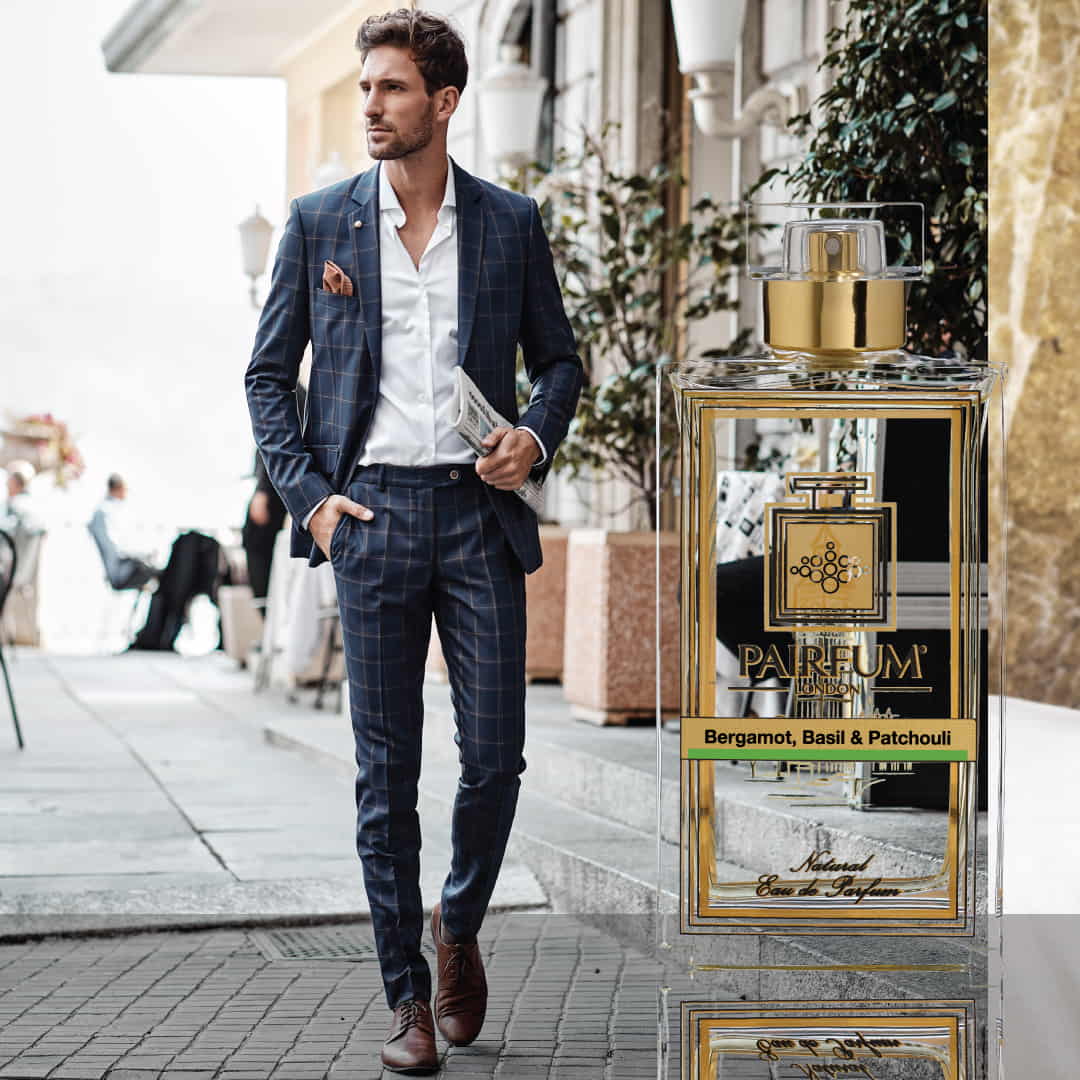
Eau De Parfum Person Reflection Bergamot Basil Patchouli Man Suit strong perfume

Finding A Strong Perfume?

Now with this in mind, how do you find a strong fragrance?

As perfumers, we have found the first 4 x from the list above to the be most important:

  1. Intensity: when you look for an intense perfume, there is no point looking at a fragrance with a low fragrance concentration, e.g. an Eau Fraiche, Eau de Cologne or Eau de Toilette. Instead, opt for an Eau de Parfum (ideally an Intense or Extreme version) or a Parfum. You will also have to apply it generously, as it doesn’t make sense to buy a strong perfume and then not applying enough.
  2. Longlasting: the trick to find a longlasting fragrance is to focus on fragrances that come across as ‘heavy’, ‘rich’, ‘woody’ or ‘oriental’. A light citrus cologne or aquatic marine notes will never be longlasting.
  3. Radiant & Sillage: finding the fragrance for you that has both ‘projection’ and a beautiful ‘sillage’ is a question of trialling and wearing a few.

How To Make My Perfume Strong?

Once you have found your strong perfume, how can you make it stronger on you? The trade-off for making your perfume stronger using the techniques we describe here, is that it won’t last as long.

  • Pulse Points: to make your perfume stronger, apply it to areas of your body that are warmer because the blood vessels are close to the surface of your skin, e.g. your pulse points.
  • Area: the bigger the area you apply your fragrance to, the stronger the perfume will be, as it will have a bigger surface area from which it can evaporate. If you want a strong fragrance, don’t just apply it to your pulse points but also your neck, décolletage, hair, arms and even your scarf and clothes (as long as you have tested that your perfume doesn’t discolour them).
  • Don’t cover it: one of the tricks to make a perfume last longer is to keep it covered with the clothes you wear. We are looking for the opposite, a strong perfume. Hence, to make your perfume strong apply to your exposed skin, e.g. the neck, bare arms & hands, … or your hair.
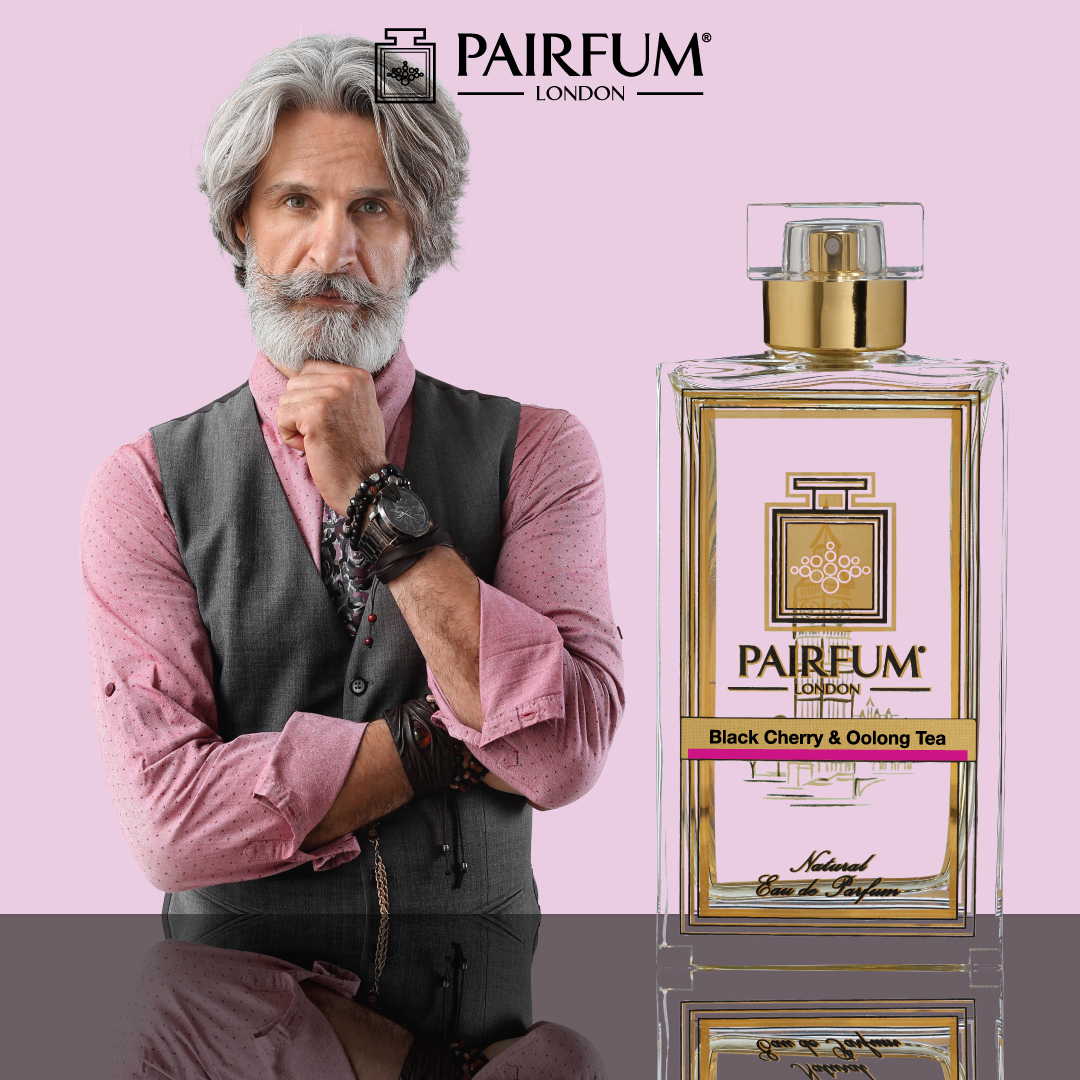
  • No oil: don’t apply your perfume to areas where you applied lotion or oil, as the oil will bind with your perfume and will hold it back. In other words, it will less strong.

There is one technique that we do not find makes a perfume stronger:

  • Layering: we see fragrance enthusiast recommending that you should layer different fragrances to make the overall perfume stronger. They obviously feel that it works. This is, however, easily explained because if you spray a perfume several times it becomes stronger, regardless of whether you spray the same or a different fragrances. In other words, it refers back to ‘intensity’ we explained above, i.e. your perfume get stronger the more you apply, … which is obvious. Equally, if you layer a strong perfume over a weak one, the overall fragrance becomes stronger but why not apply the strong perfume twice, as it will dominate the overall note anyway. In other words, there is nothing within the technique of layering that makes a perfume stronger.

Looking For A Strong Perfume? Choose Pairfum London.

With this in mind, we invite you to try the Natural Niche Perfumes in our Online Perfume Boutique.

If you prefer to try out all of our 12 x Eau de Parfum Intense to find the ‘strongest’, the we highly recommend our Perfume Experience Box. It allows you to experience them in the scent-neutral environment of your own home, in your own time and on your skin over time.

Pairfum Collection Niche Perfume Experience Fragrance Library Square Gift Box Open Display
Eau De Parfum Person Reflection Sea Salt Sage Amber Couple Smile 1 1

The Top 10 x Things Everybody Needs To Know About Perfume

As you grow to love perfume, you might like to find out more about fragrance and it is probably difficult to know where to start.

In this context, we are often asked:

  • What are the 10 x Things Everybody Needs To Know About Perfume?
  • What can you tell me about perfume? or
  • What should I know about fragrance?
  • etc.

You get the gist.

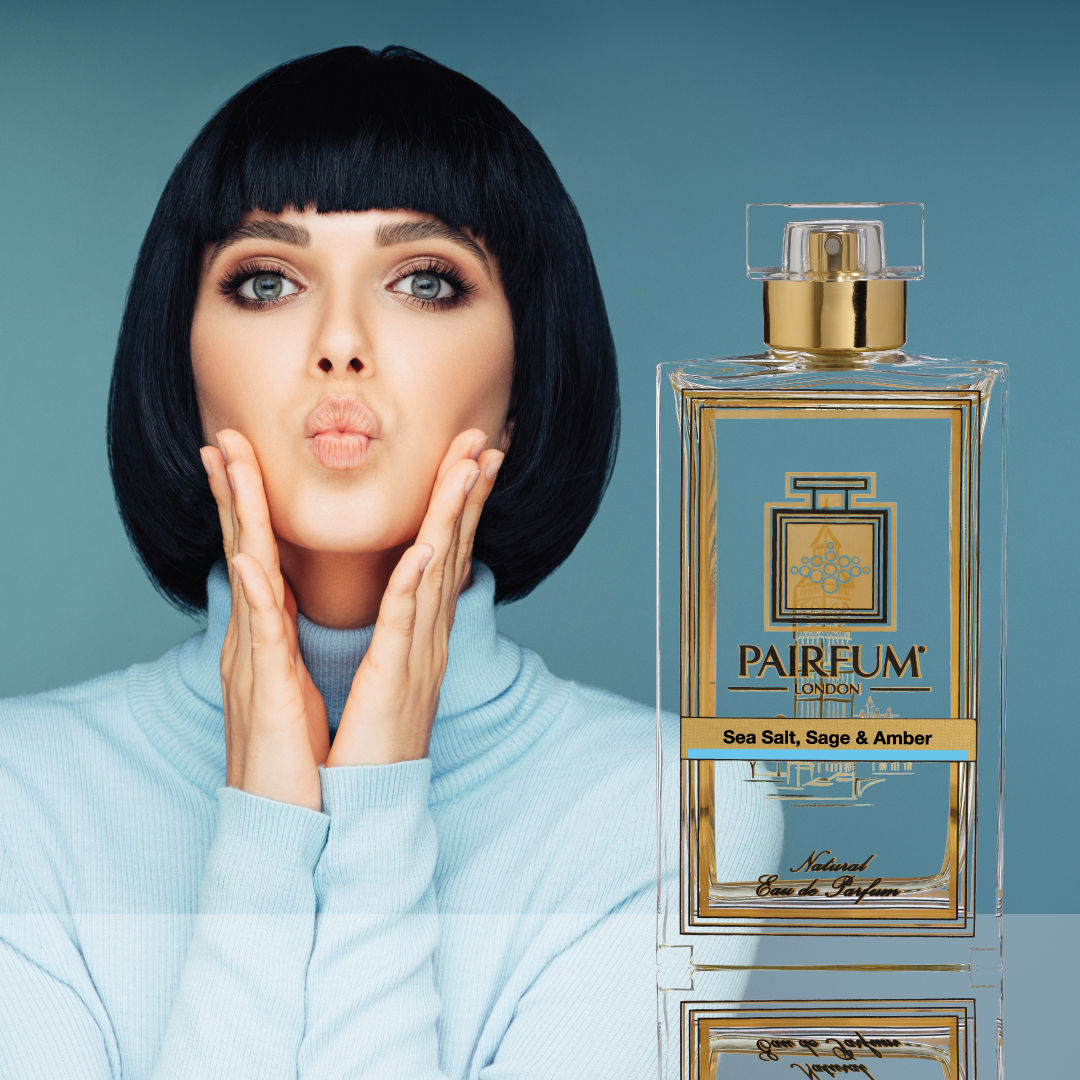
Eau De Parfum Person Reflection Sea Salt Sage Amber Woman Kiss Things Everybody Needs To Know About Perfume

With this in mind, we have created this list of the top 10 x things everybody needs to know about perfume:

  • Perfume Composition: Perfumes are crafted from a combination of various ingredients such as essential oils, aroma compounds, fixatives, and solvents. These elements work together to create the desired fragrance.
  • Fragrance Notes: Perfumes are often described in terms of top, middle, and base notes. Top notes are the initial scents that you smell upon application, while middle notes emerge as the top notes evaporate. Base notes are the long-lasting scents that remain after the perfume settles on the skin.
  • Fragrance Families: Perfumes are categorized into different fragrance families, such as floral, oriental, woody, citrus, and fresh. Understanding these families can help you choose scents that align with your preferences.
  • Fragrance Concentration: Perfumes come in different concentrations, ranging from eau de cologne (least concentrated) to eau de toilette, eau de parfum, and parfum (most concentrated). Higher concentrations typically last longer on the skin.
  • Skin Chemistry: Perfume can smell different on different individuals due to variations in skin chemistry. It’s essential to test perfumes on your own skin to see how they interact with your body’s natural scent.
  • Sillage: Sillage refers to the trail or aura left by a perfume as it diffuses in the air. Some perfumes have a strong sillage, while others have a more intimate or close-to-the-skin effect.
  • Storage: Proper storage is crucial to preserve the quality of perfumes because perfume does expire. They should be kept away from direct sunlight, heat, and extreme temperature fluctuations, as these can alter the scent, change the colour and degrade the fragrance.
  • Fragrance Layering: Fragrance layering involves using complementary products, such as matching body lotions or shower gels, to enhance and prolong the scent of a perfume.
  • Application Techniques: Perfume is best applied to pulse points, such as the wrists, neck, and behind the ears, where body heat helps to diffuse the fragrance. Avoid rubbing the perfume into the skin, as it can alter the scent.
  • Personal Connection: Perfume is a highly personal choice and can evoke memories and emotions. It’s important to choose scents that resonate with you and make you feel confident and comfortable. Your fragrance becomes part of our aura that you radiate. People will remember you by your perfume.

These ten points cover key aspects of perfume, providing a foundation of knowledge for understanding and enjoying fragrances.

They can also be starting points for conversations with your friends & family about perfume. We invite you to ask them what they know about perfume or what their fragrance means to them.

As perfumers, we are continuously surprised by and in awe of what our customers, patrons, friends & family tell us about perfume.

Eau De Parfum Person Reflection Cardamom Tonka White Oud Man Jacket Things Everybody Needs To Know About Perfume
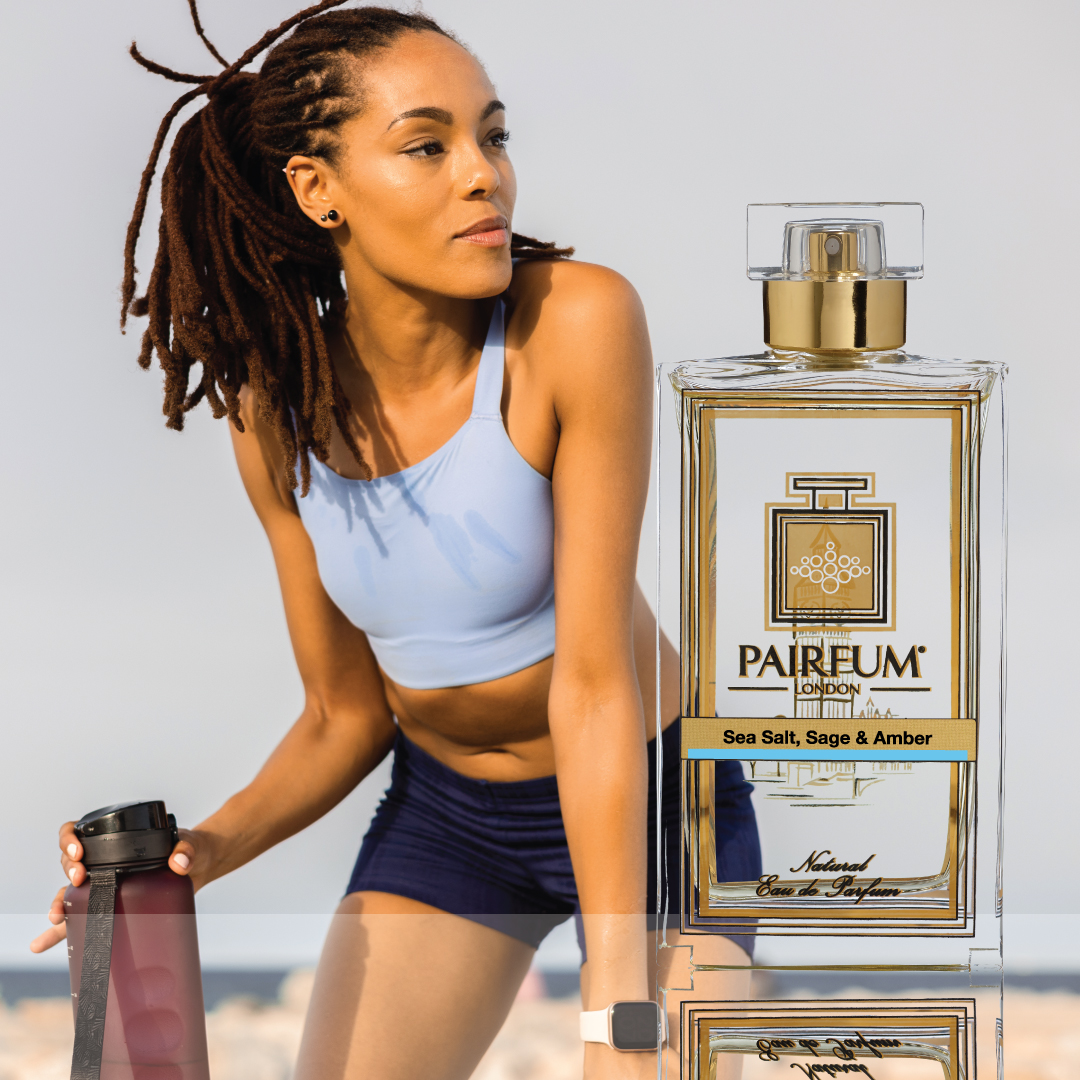
Eau De Parfum Person Reflection Sea Salt Sage Amber Woman Hydrate Things Everybody Needs To Know About Perfume
    Your Cart
    Your cart is emptyReturn to Shop