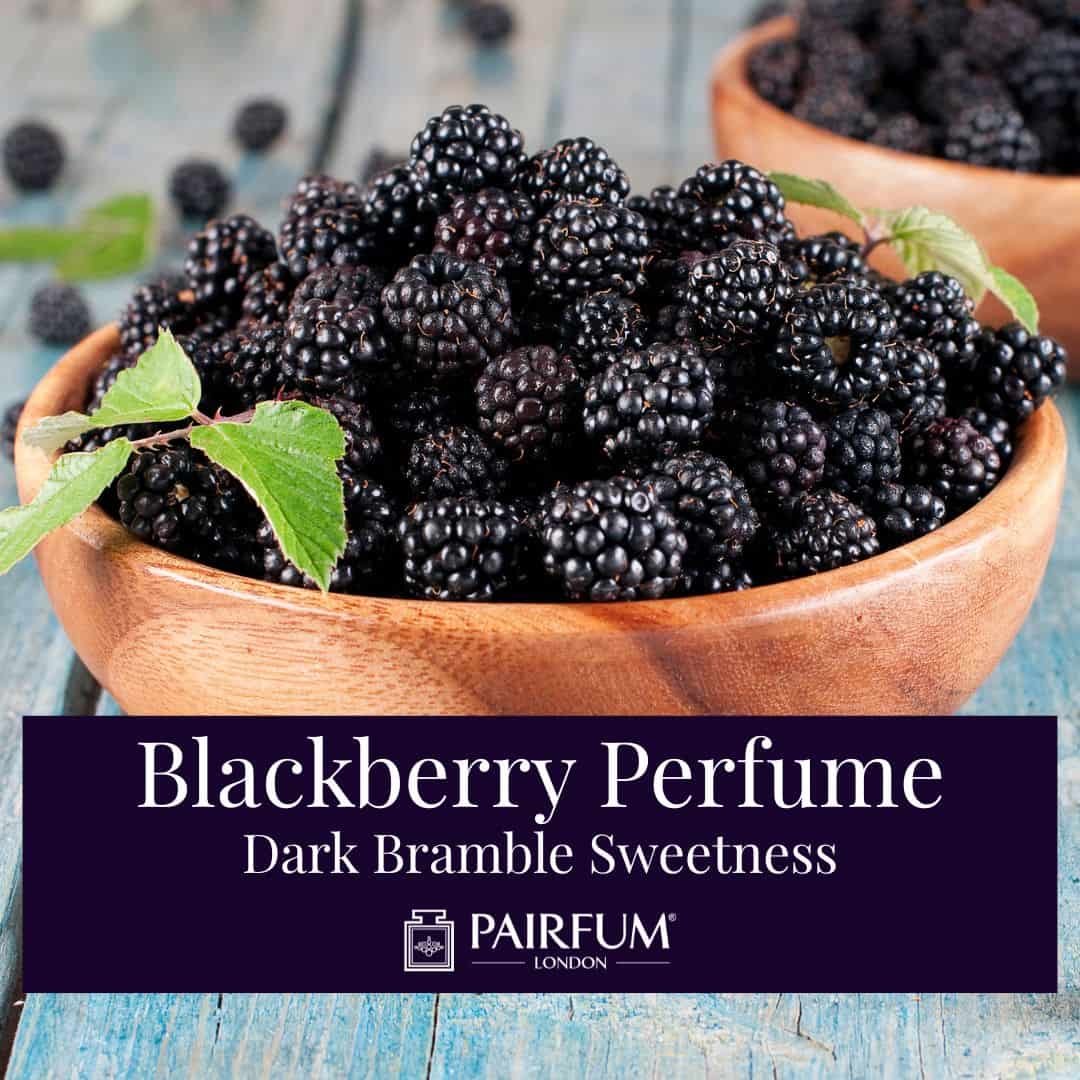
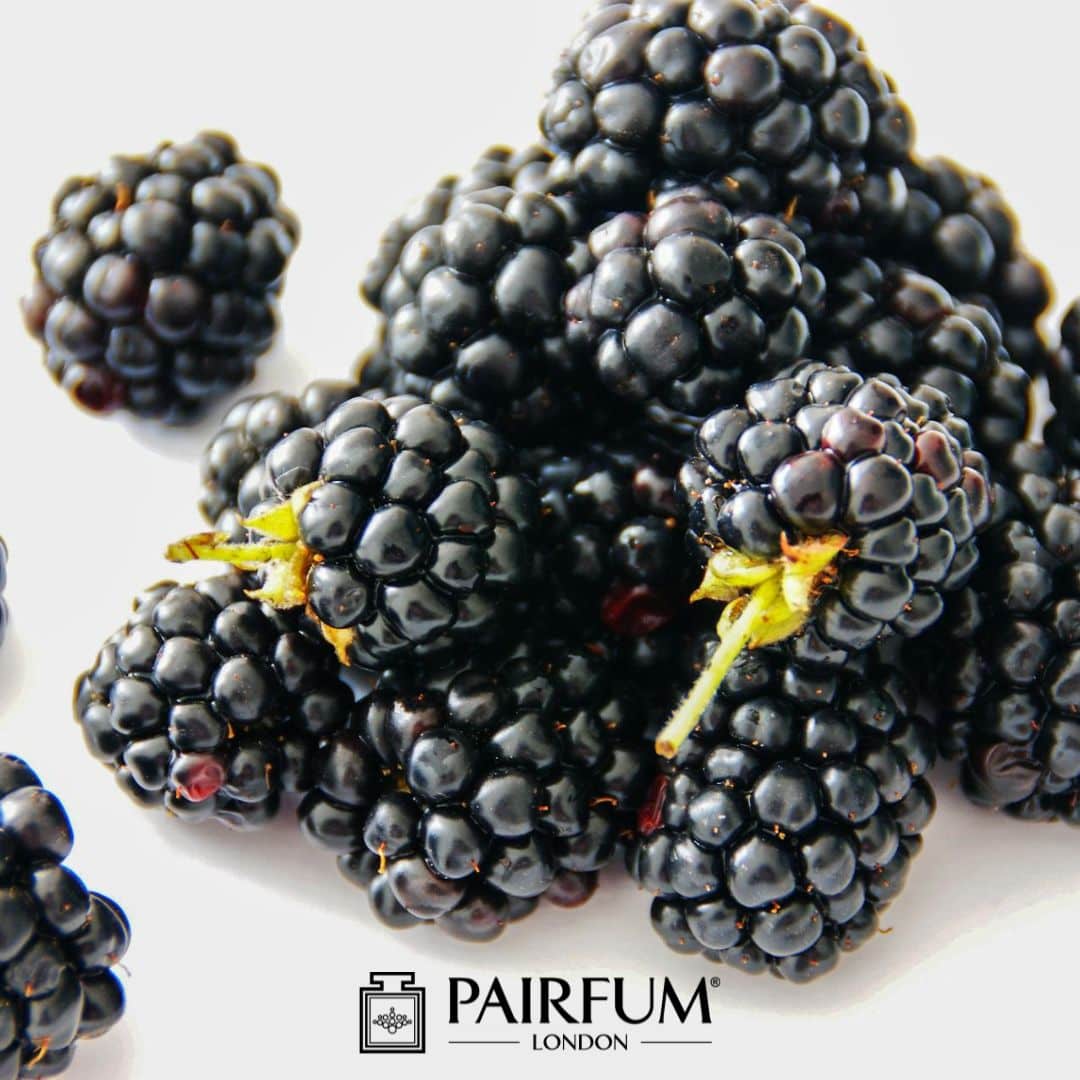
Blackberry perfume is dark, juicy, and just a little wild. When used in fragrance, blackberry offers richness, playfulness, and the raw bramble edge that makes this fruit stand apart from softer fruity notes. A well-made blackberry perfume feels vivid and grounded at the same time.
This aroma fits beautifully with early spring. The air is still crisp, the trees mostly bare, and blossoms are just beginning to appear. Blackberry does not feel like a polished fruit bowl. It feels like a hedgerow after the rain, or a spoonful of deep tart blackberry juice spread over warm toast. It leans into its natural and slightly untamed character, which makes it perfect for perfume compositions that want to surprise the wearer.
We often turn to blackberry in these transitional months when everything still feels grounded, but the promise of something lighter hangs ahead. There is honesty in the scent. It does not hide under sugar or disappear too quickly. Blackberry stays juicy, stays dark, and brings a little mystery wherever it appears.
A Wild Note with History
Blackberry has long been tied to stories, symbolism, and everyday rituals. In parts of Europe, brambles were believed to have healing qualities. The fruit appeared in folk medicine, poetry, and seasonal traditions. Blackberries were treasured in kitchens too, used in pies, preserves, milk-based desserts, and fresh summer dishes gathered straight from the hedge.
It took time for blackberries to move from countryside paths into perfume. Traditional fragrance often focused on polished fruit accords such as peach, apple, or citrus. Blackberry carried a rougher and greener edge. Yet that shift towards more natural fragrance styles helped perfumers recognise the beauty of wild blackberry accords.
The note carries memories of the English countryside, tangled hedges beside old stone walls, and dark clusters hidden beneath leaves on a sunny day. When blackberry appears in fragrance, it brings all of that atmosphere with it. The result feels layered, textured, and more realistic than many modern fruity blends.
Aroma Profile: What Blackberry Brings to a Fragrance
Blackberry does not smell simply sweet. It balances ripe juice with green sharpness and sometimes a soft smoky undertone. The opening feels bright and fresh before settling into a fuller and richer aroma.
Here is how blackberry stands apart:
Sweet but never syrupy, with tart edges
Greener than raspberry and less sugary than strawberry
Sometimes touched by leafy or smoky facets
Able to feel ripe, musky, and slightly woody in certain blends
Full of freshness while still carrying depth
In perfume, blackberry often sits at the top or heart of a fragrance. The berry note creates an inviting opening before revealing floral notes, woods, or warm base accords beneath. Perfumers value blackberry because it adds movement to a fragrance rather than flattening it with sugar.
A juicy blackberry accord can make a scent feel playful, while darker blends paired with musk or sandalwood create something far more mysterious. Blackberry is one of those rare fruit notes that can move easily between light daytime perfume and evening fragrance.
Why Blackberry Works So Well in Modern Perfume
Blackberry stands apart from many fruit notes because it feels realistic rather than sugary. It combines tartness, greenery, and dark sweetness, which gives the fragrance more depth and texture.
Perfumers usually recreate blackberry through accords built from fragrance oils and aroma materials, since the fruit itself produces very little oil. The result can suggest ripe berries, crushed leaves, soft woods, or even damp hedgerows after rain.
This balance makes blackberry especially popular in niche perfume. It works equally well in fresh daytime fragrance and richer evening perfume, particularly when blended with musk, vanilla, woods, or citrus.
Blackberry in Contemporary Niche Fragrance
Modern fragrance lovers are often drawn towards realistic fruit notes rather than overly sweet compositions. Blackberry answers that demand beautifully. It offers sweetness, tartness, and a little earthiness all at once.
A good blackberry scent captures the contrast between ripe fruit and tangled hedgerows. Some perfumers even combine blackberry with brambly woods to create the impression of walking through a forest path after rainfall. Others soften the sharpness with vanilla## Blackberry in Contemporary Niche Fragrance
Modern niche perfume houses often pair blackberry with woods, herbs, and greenery to create an atmospheric fragrance. Cedarwood, bay leaf, sandalwood, and soft musk are common companions because they highlight the darker side of the fruit.
Many fragrance lovers are drawn to blackberry because it feels gender neutral and versatile. A juicy blackberry accord can smell bright and playful at first, then settle into something smoother and more woody on the skin.
This balance is why blackberry appears not only in fine fragrance but also in indulgent candles, luxurious shower gels, and fruity wax melts designed for the home.
Blackberry and Seasonal Fragrance
Blackberry changes character with the seasons. In spring and summer, it feels fresh and juicy beside floral notes and citrus. In autumn, it becomes darker and richer when blended with woods, vanilla, or musk.
This versatility explains why blackberry appears in both daytime perfume and deeper evening fragrance. The note works particularly well with brambly woods, cedar, and moss during colder months.
Iconic Perfumes Featuring Blackberry
Many popular perfumes have used blackberry to introduce fruit into fragrance without creating something overly sugary. Blackberry often gives the opening sparkle before the fragrance moves into woods, florals, or musk.
Jo Malone helped bring blackberry into wider popularity through Jo Malone blackberry-inspired creations that paired berry notes with woods and greenery. For many fragrance enthusiasts, Jo Malone demonstrated how blackberry could feel elegant rather than childish.
Blackberry is often chosen in:
Floral perfume styles that need a darker fruit layer
Gourmand perfume that should feel balanced rather than sugary
Natural fragrance where the fruit should smell realistic
Spring perfume inspired by cool mornings and blossom-covered gardens
Signature scent creations that feel memorable without overpowering the room
Blackberry Notes in Popular Perfume Families
Blackberry works across many fragrance families. In a floral perfume, it adds freshness beside rose or jasmine. In woody fragrance, it softens dry woods while keeping depth and structure.
Gourmand perfume uses blackberry to balance sweetness, while musk-based fragrance pairs the fruit with warm skin-like accords. This flexibility allows blackberry to feel bright, comforting, or dramatic depending on the blend.
The Difference Between Blackberry and Other Berry Notes
Not every berry accord behaves the same way in fragrance. Strawberries usually feel brighter and sweeter. Raspberry tends to smell playful and candy-like. Blackberry sits in a deeper and moodier space.
The berry note in blackberry compositions often carries a tart quality that makes the fragrance feel more natural. This depth also allows blackberry to blend beautifully with woods, musk, and floral notes.
Perfumers sometimes describe blackberry as the bridge between fruit and woodland accords. It captures the juicy brightness people enjoy in fruity fragrance while still adding shadow and texture.
Blackberry Beyond Fine Fragrance
The popularity of blackberry has expanded far beyond traditional perfume. Home fragrance brands now use blackberry in candles, room sprays, and fragrance oil blends because the scent feels both comforting and refined.
Blackberry fragrance oils are especially popular in artisanal home products because they layer beautifully with vanilla, rose, and woods. Fruity wax melts with blackberry are often chosen during colder months because they create warmth without becoming cloying.
Some independent brands also use blackberry in liquid gold perfume oil style products, where concentrated fragrance creates a rich and long-lasting scent experience. These oils are often appreciated by people who want perfume that develops slowly through the day.
Many fragrance enthusiasts enjoy exploring sample kits that include blackberry blends alongside floral, woody, and gourmand styles. Sampling helps people discover how blackberry changes when paired with jasmine, musk, or sandalwood.
The Emotional Appeal of Blackberry
Part of blackberry’s charm comes from memory. The scent reminds many people of childhood walks, stained fingers after picking fruit, and the smell of hedgerows warming in late sunlight.
Unlike heavily processed fruit notes, blackberries often feel familiar and believable. It has texture and movement. That realism explains why blackberry fragrance continues to attract people looking for perfume that feels expressive rather than artificial.
The emotional quality of blackberries can even shape how people respond to fragrance online. Brands often study browsing behaviour and user profiles to understand which fruit-based perfumes customers revisit most often. Blackberry regularly stands out because people connect with its balance of sweetness and depth.
In some digital fragrance shops, customers may also be asked for consent before personalised recommendations are shown. Those recommendations frequently highlight blackberry-based perfume for shoppers who enjoy woody, fruity, or musky fragrance styles.
Building a Blackberry Signature Scent with Pairfum London
Creating a signature scent with blackberry can be surprisingly personal because the note adapts so well to different styles.
Someone who prefers fresh fragrance may enjoy blackberry with rose, citrus, and green herbs. Those who lean towards warmer perfume often prefer blackberry with vanilla, musk, and woods.
For evening wear, blackberry combined with jasmine and soft musk creates elegance without losing the fruit character. During spring and summer, juicy blackberry accords with floral notes, feel bright and relaxed.
Blackberry also works beautifully when layered with woody perfume styles. The contrast between fruit and timber gives fragrance depth and sophistication.
Fruity Complex Multi-Layered Blends by Pairfum London
If you enjoy the rich, slightly wild character of blackberry in perfume, our niche fragrances at Pairfum London are worth exploring. Their collection focuses on high performance fragrance oils and layered fragrance compositions where fruity notes sit naturally beside woods, florals, vanilla, jasmine, rose, sandalwood, and soft musk. The result feels refined, modern, and easy to wear, with the same balance of freshness and depth that makes blackberry such an appealing perfume note.
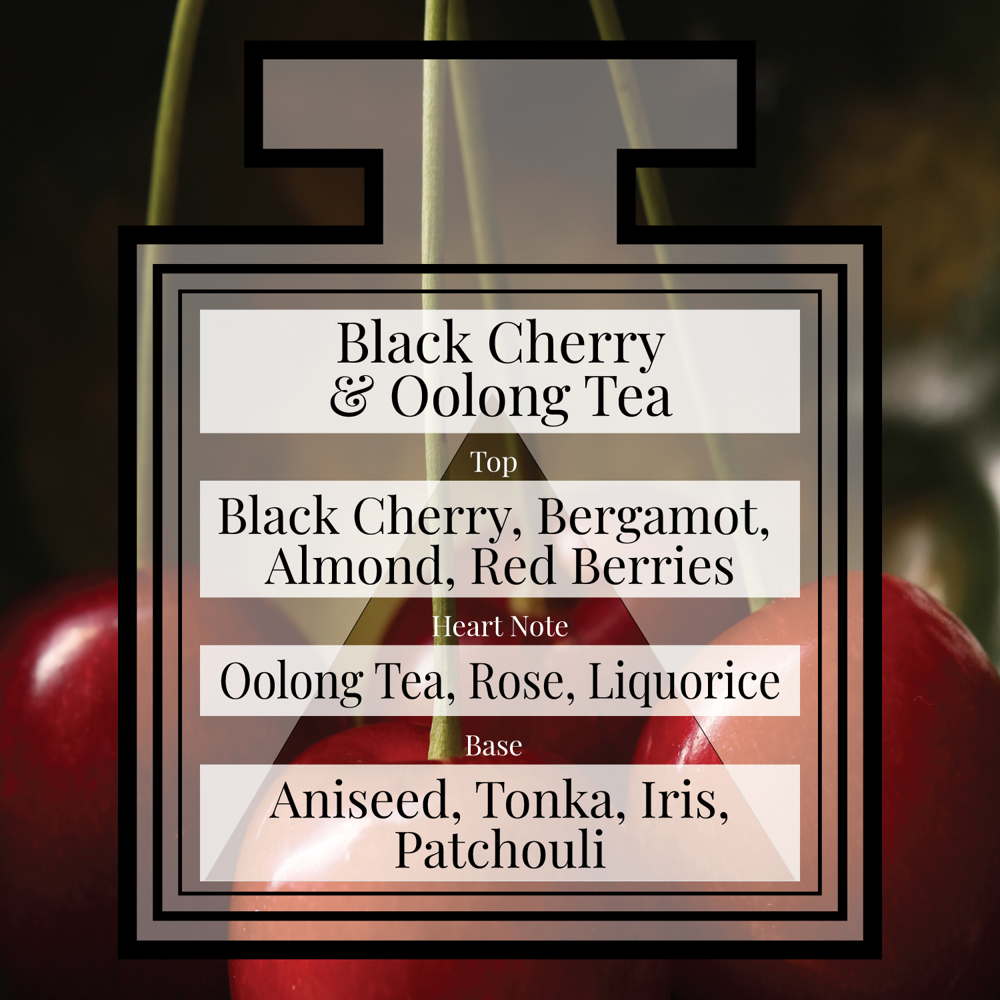
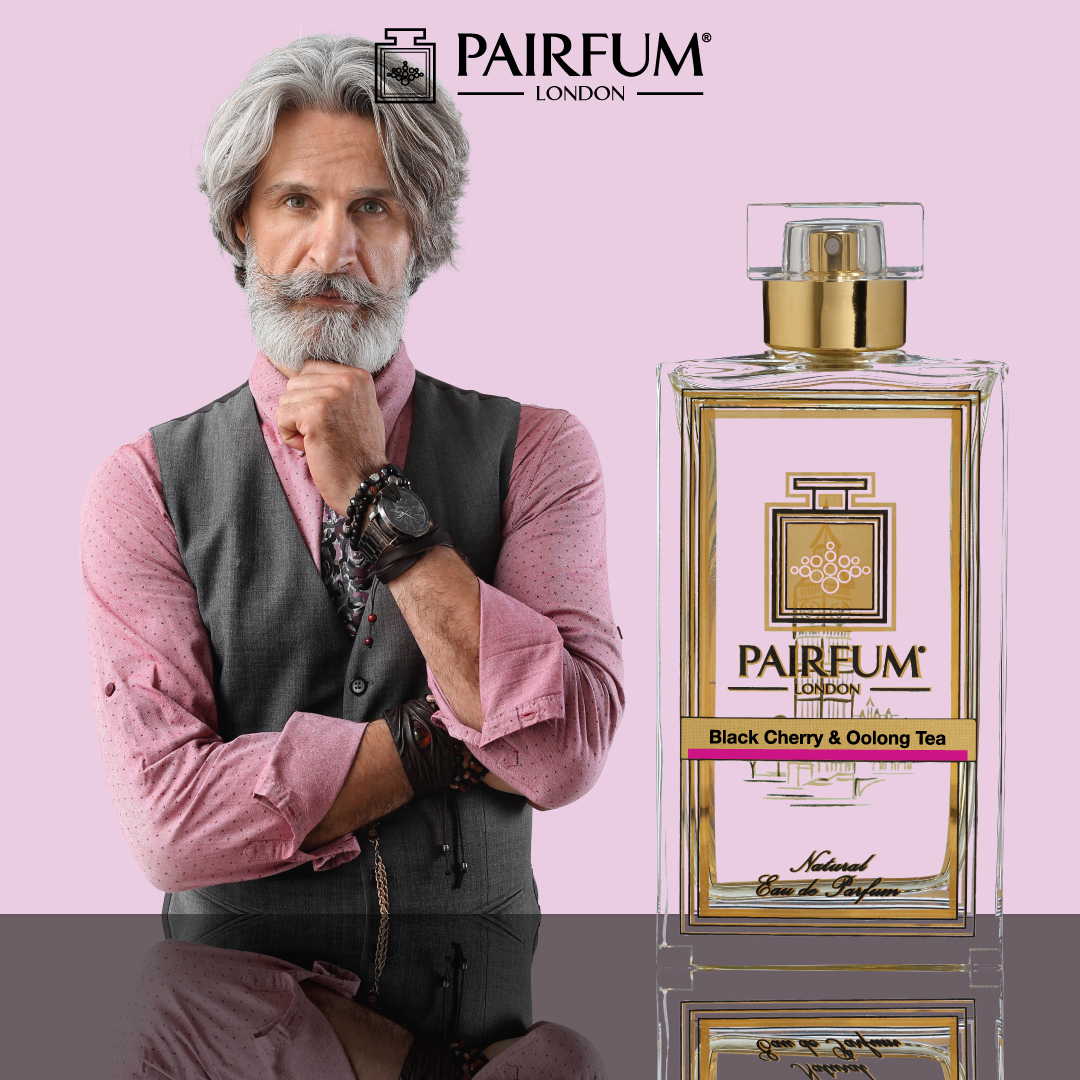
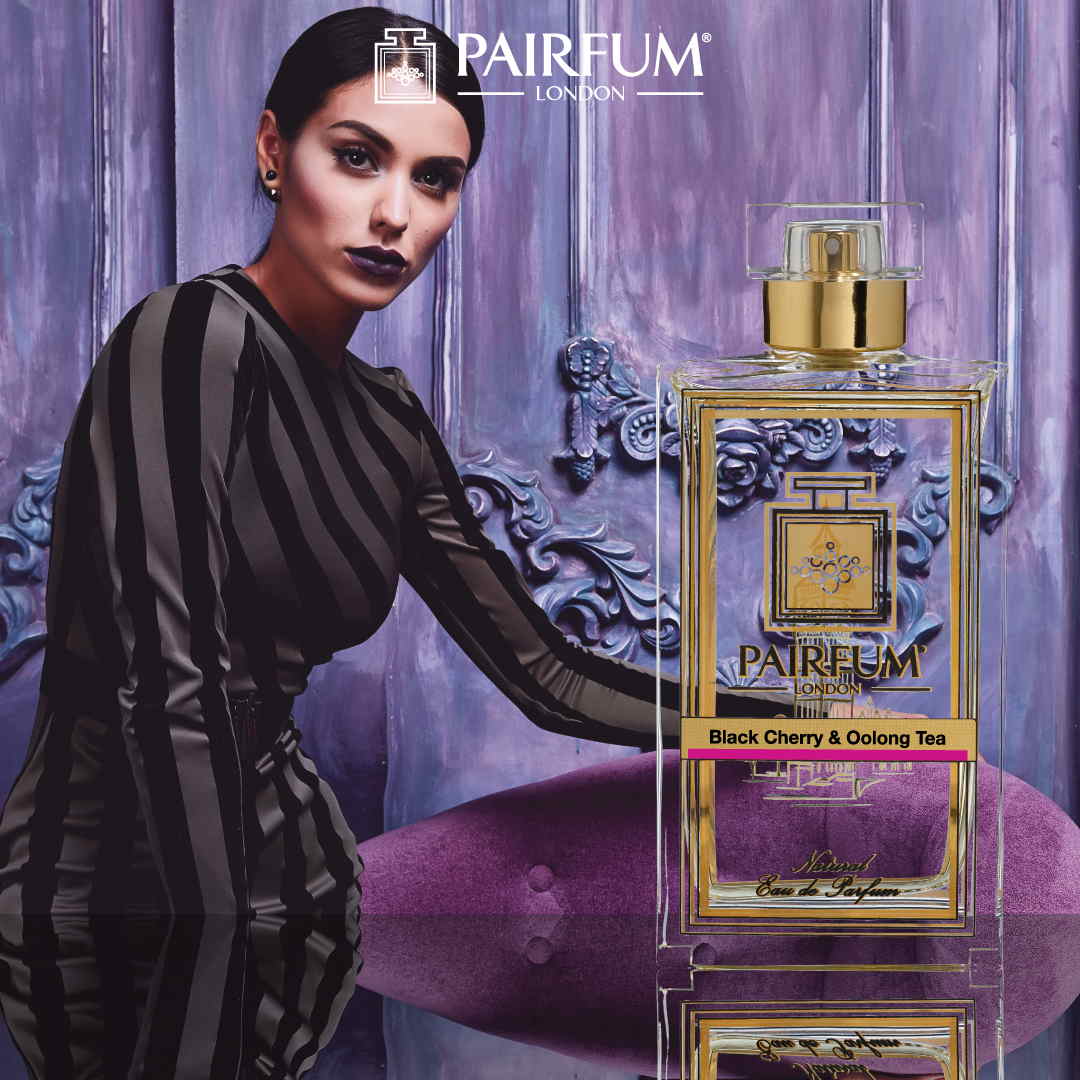
This fragrance opens with the sparkling interplay of the aromas of Black Cherry, Bergamot, Red Berries and Nutty Almond. The heart is a most elegant fusion of Oolong Tea, Bulgarian & Turkish Roses and Liquorice. The sensuous base rests on Aniseed, Tonka, Iris and Patchouli.
Concluding Thoughts
Today’s perfume industry values individuality more than ever. Consumers are increasingly interested in niche fragrance, artisan production, and realistic ingredients.
Blackberry fits naturally into this movement. It feels less polished than many fruit accords and more connected to nature. Perfumers appreciate how blackberry can transform a composition from simple to memorable.
Whether paired with vanilla, rose, musk, sandalwood, or jasmine, blackberry adds texture and atmosphere. The fruit note can feel comforting, dramatic, romantic, or fresh depending on the surrounding accords.
Blackberry does not try to behave perfectly. It keeps a little wildness and a little shadow. That balance is what makes blackberry perfume so compelling.
For fragrance lovers searching for something expressive, blackberry offers richness, freshness, and character in equal measure. From fine perfume to fragrance oil blends for the home, blackberry continues to prove that fruit in perfumery can feel sophisticated, modern, and deeply atmospheric.
Cistus labdanum (rockrose) has a complex, warm, and tenacious scent profile, often described as a blend of balsamic amber, rich leather, and honey-like sweetness. Extracted from the labdanum resin of the cistus shrub, it offers woody, smoky, and slightly animalic undertones that serve as a natural fixative in fine perfumes.
Cistus Labdanum carries a smoky, earthy tone that fits perfectly as winter gives way to spring. This natural resin, drawn from a plant known as rockrose, has an aroma that feels warm, deep, and grounded. For centuries, it has been used in rituals and ceremonies, adding richness to the air and early fragrance blends. Often called the champion of perfume, it remains a cornerstone of the industry due to its incredible versatility and animalic allure.
Today, it still holds a place in perfumery, especially in compositions that want to feel grounded, soothing, or quietly luxurious. We often turn to it in both niche perfume and natural blends for its smooth amber style with gentle smoky edges. Here is how we think about it, where it starts, what makes it special, and how it is used by perfumers today.
The Origins of Cistus Labdanum
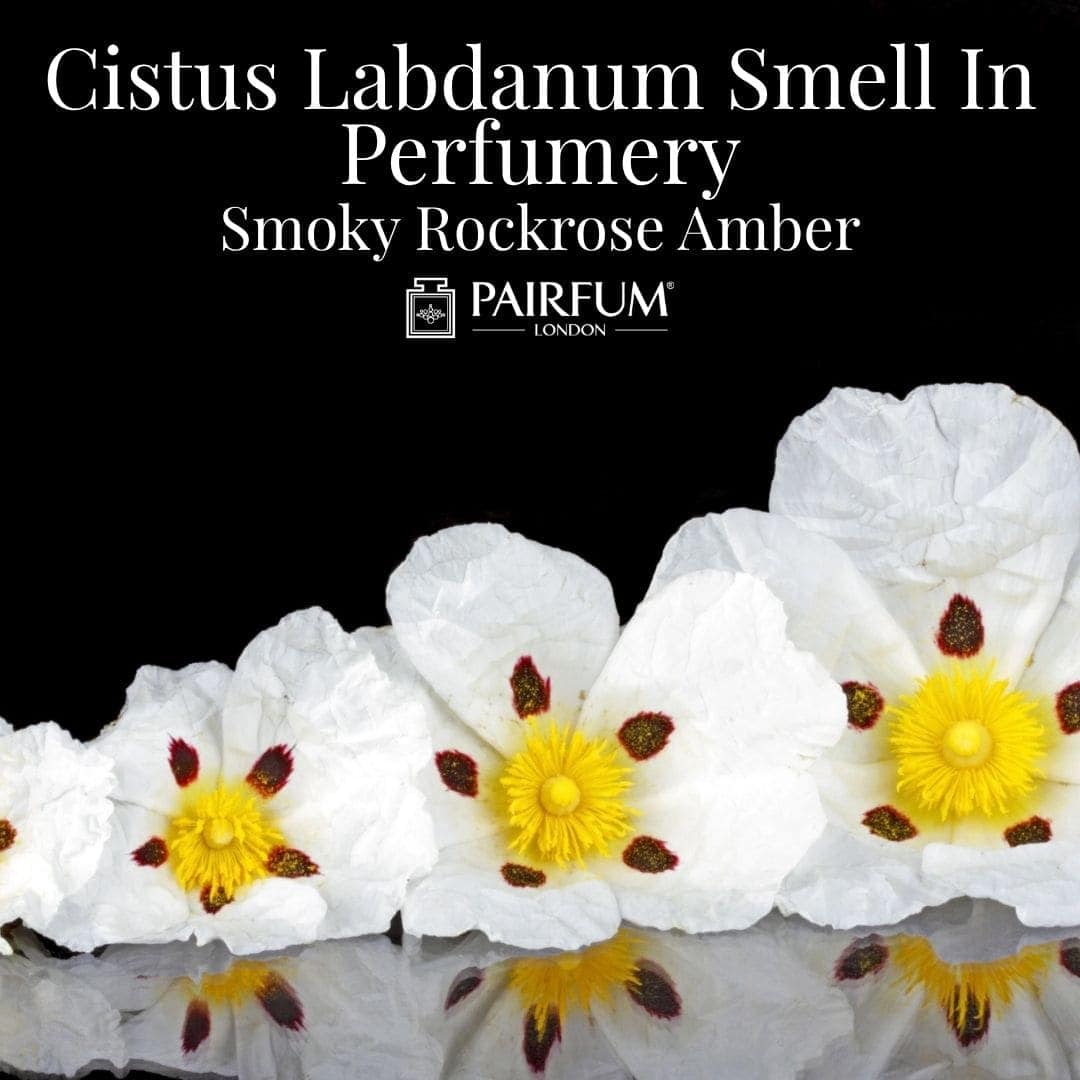
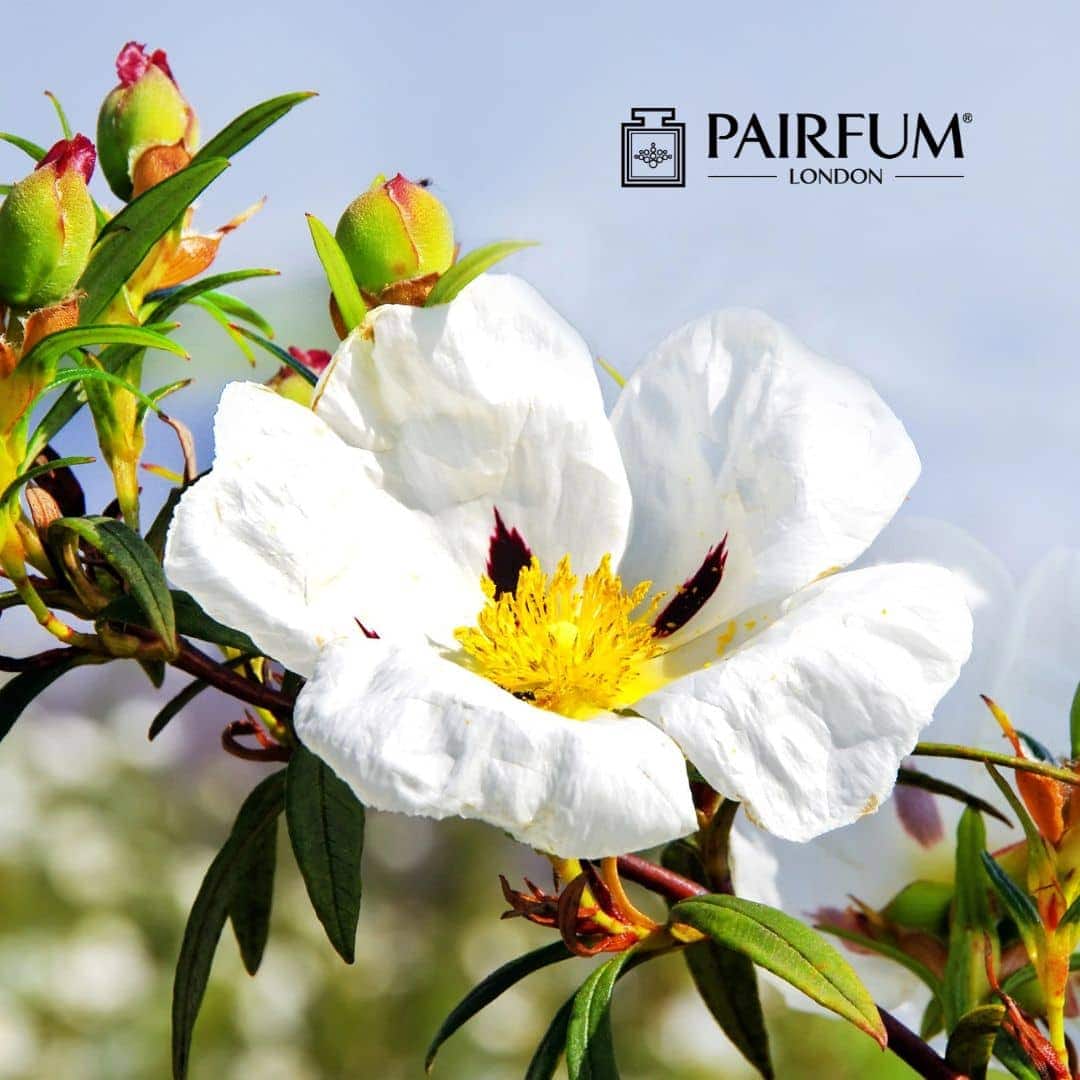
Cistus Labdanum comes from the leaves and twigs of the Cistus ladanifer plant, which grows around the Mediterranean. This hardy, evergreen shrub is not flashy, but it produces a thick, sticky brown resin that was treasured in ancient times for more than just its fragrance. The plant thrives in dry, nutrient-poor soil and is known for its five fragile white petals that resemble crepe paper, often marked with deep maroon spots at the base.
In early Mediterranean cultures, labdanum resin was collected using wool or leather combed through the plants. Historically, it is said that goats and sheep would wander through the cistus scrub, and the fragrant resin would stick to their coats and beards, only to be scraped off later by shepherds. In Ancient Egypt, this was so highly valued that pharaohs reportedly wore false beards made of goat hair soaked in the resin. Later, the labdanum gum was used in religious ceremonies or burned as incense. It was believed to have healing powers and was even utilised in herbal medicine to treat various ailments such as colds, coughs, and rheumatism.
The plant itself is often called rock rose, but Cistus Labdanum refers to the rich resin that seeps from it. That is the part used in perfumes. The botanical name is Cistus ladanifer, though you might sometimes see it referred to as Cistus ladaniferus or Cistus creticus, depending on the specific subspecies found across the Western Mediterranean, North Africa, and parts of the Middle East. The name Cistus actually stems from the Greek word kistos, the original name for the shrub in antiquity.
Perfumers from long ago liked cistus for its bold, smoky character. It easily blends with other materials used in spiritual oils and incense sticks, which gives it a strong link to both tradition and warmth.
Extraction: Transforming Raw Material into Liquid Gold
Collecting labdanum resin can be a slow and careful process. Traditionally, branches were brushed with leather or wool, trapping the sticky brown resin. After drying, the resin was scraped off and shaped by hand. Even with fewer machines, the result smelled remarkably full and warm. Modern producers in countries like Spain and Morocco still use traditional rakes called Ladanisterion to collect the gum during the peak heat of summer.
Modern extraction uses a few different methods to turn the raw material into a usable extract:
Steam distillation is a common approach. By turning the plant oil into steam and then cooling it, we can gather cistus essential oil. This extraction method results in a soft, more subtle version of the resin with fruity and balsamic overtones.
Solvent extraction gets a deeper, stickier result, known as labdanum absolute. This absolute is full of that smoky amber character. It can make the fragrance richer but might feel heavier.
In natural perfumery, many prefer clean, pure labdanum essential oil gathered without added chemicals. They keep the true depth of the cistus plant without the harshness.
Each extraction method gives slightly different outcomes. While cistus oil is often distilled from the leaves and twigs to create a lighter, more herbal scent, labdanum refers specifically to the products derived from the gum resin itself. This distinction is vital for perfumers looking to balance the bright, sharp top notes of a fragrance with a deep, heavy base. The labdanum absolute is particularly prized for its ability to mimic the scent of ambergris, a rare animal-derived ingredient once sourced from whales. By using cistus, perfumers can achieve that oceanic, salty, and sweet warmth ethically.
A Deep Amber Touch: Uses in Fine Fragrance
In a finished perfume, cistus often appears in the base or heart. That is where the long-lasting, grounding notes usually go. Cistus ladanifer excels here because of its natural depth and presence. It acts as a superb fixative, slowing the evaporation of lighter notes and helping the scent stay on the wearer for longer.
It pairs beautifully with other strong oils like patchouli, frankincense, myrrh, and even sweet notes like vanilla. This helps round out sharp edges and create a warm, inviting finish. In fact, if you blend cistus ladaniferus with a carrier oil, you can begin to see how it anchors more volatile scents. While most oils like citrus evaporate quickly, labdanum resin stays at room temperature and lingers on the skin for a significant amount of time.
In chypre fragrances, cistus holds everything together. This fragrance family was pioneered by Francois Coty in 1917 and relies on the contrast between citrus and a mossy, resinous base. These blends often include citrus, moss, and woods, and labdanum resin anchors the mix with softness and smoke. Amber perfumes would not be the same without it. Cistus labdanum can give amber blends their signature richness that lingers on the skin for hours.
We keep coming back to cistus because it fills in gaps. It deepens sweet perfumes without making them too heavy and gives woody or earthy perfumes something almost soft at their centre. Whether used as an essential oil or a concentrated absolute, it provides hints of complexity that are hard to replicate.
Cistus Labdanum Across the Senses: Character and Mood
The aura of cistus labdanum is hard to miss. It is warm, heavy, a bit leathery, and sometimes slightly sweet or smoky depending on how it is used. This gives it a strong emotional edge as well.
Grounding: It feels steady without being too dry. People often call it relaxing or meditative, as it brings a calm that does not demand too much attention.
Versatility: It shows up often in masculine or unisex perfumes, especially when the goal is to create strength without being too crisp or sharp. It has a balsamic, almost tobacco-like quality that adds sophistication.
Skincare: Beyond scent, cistus is often found in products for mature skin. When diluted in carrier oils, the essential oil is thought to have astringent and toning properties, often used in anti-ageing formulations.
Seasonal: As cold seasons linger in late winter or early spring, cistus suits the moment. It adds comfort, like a warm wool jumper or a mug of spiced tea.
It does not stand out the way florals or fruits do, but it adds body and warmth to almost anything it touches. That is why it is so loved in perfumery: it never tries to steal the show, but it holds everything together. Even in the culinary world, one might find hints of similar earthy complexity in ingredients like boletus edulis, though cistus remains firmly rooted in the world of scent.
Iconic Perfumes Featuring Smoky Cistus Labdanum
Some well-known perfumes feature cistus labdanum as a key note, and they have helped keep it in the mix for many years now. You will usually find it near the base, bringing structure and warmth to the final fragrance. It is the secret ingredient in many legendary classics, providing a sense of weight and history.
It often appears in niche perfumes that want to feel rooted in traditional materials. The resin balances out brighter tones like citrus or spice, keeping things from feeling too sharp or dry. Whether the bottle is sold in the United Kingdom, the United States, or anywhere else in the world, the pickup availability of these cistus heavy scents remains high because of their timeless appeal.
Each perfume brings out different parts of the cistus ladanifer plant. Some pull forward the leathery parts, others highlight the ambergris style, and some let the smoky depth of the labdanum absolute do the talking. It is often described as the heartbeat of a fragrance, providing the rhythm that allows other notes to dance.
The way labdanum resin holds a fragrance together makes it a favourite in blends built to last. It gives the perfume a longer finish on the skin, which people often notice even if they cannot quite name it.
Signature Labdanum Notes with Pairfum London Home Fragrances
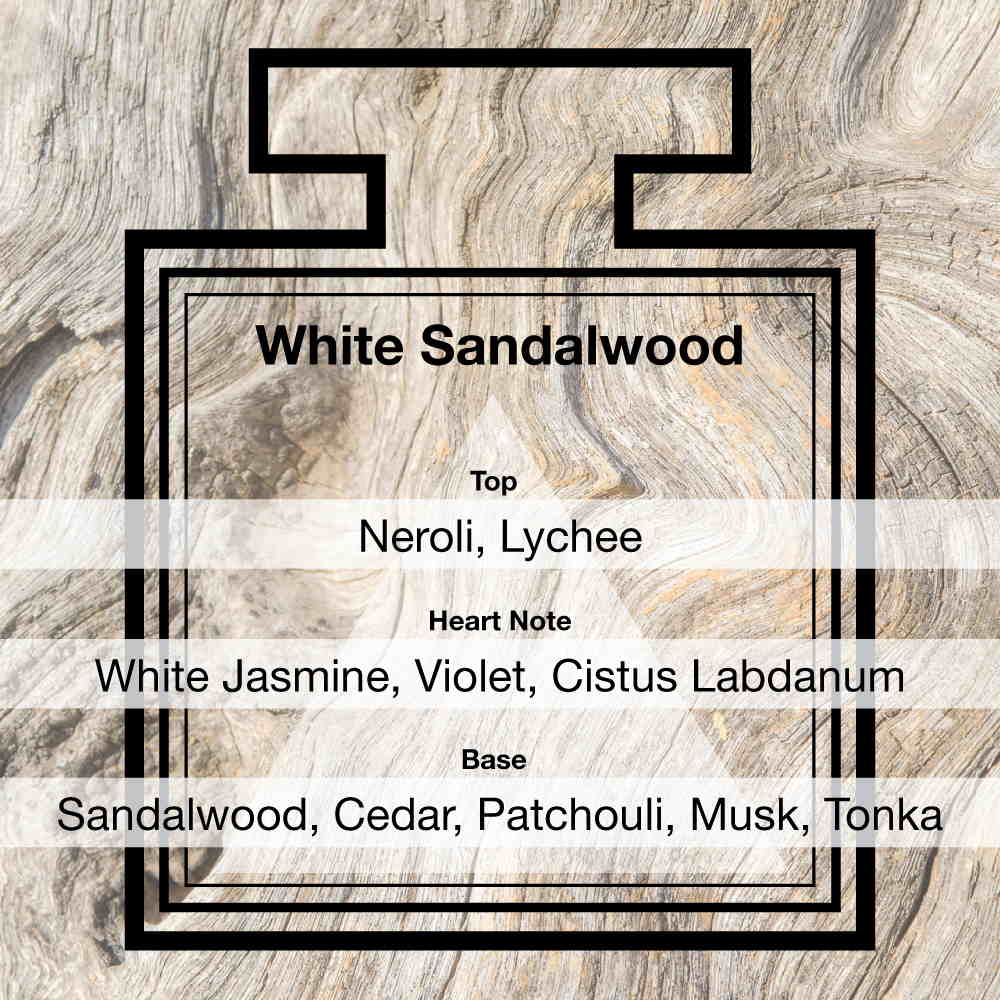
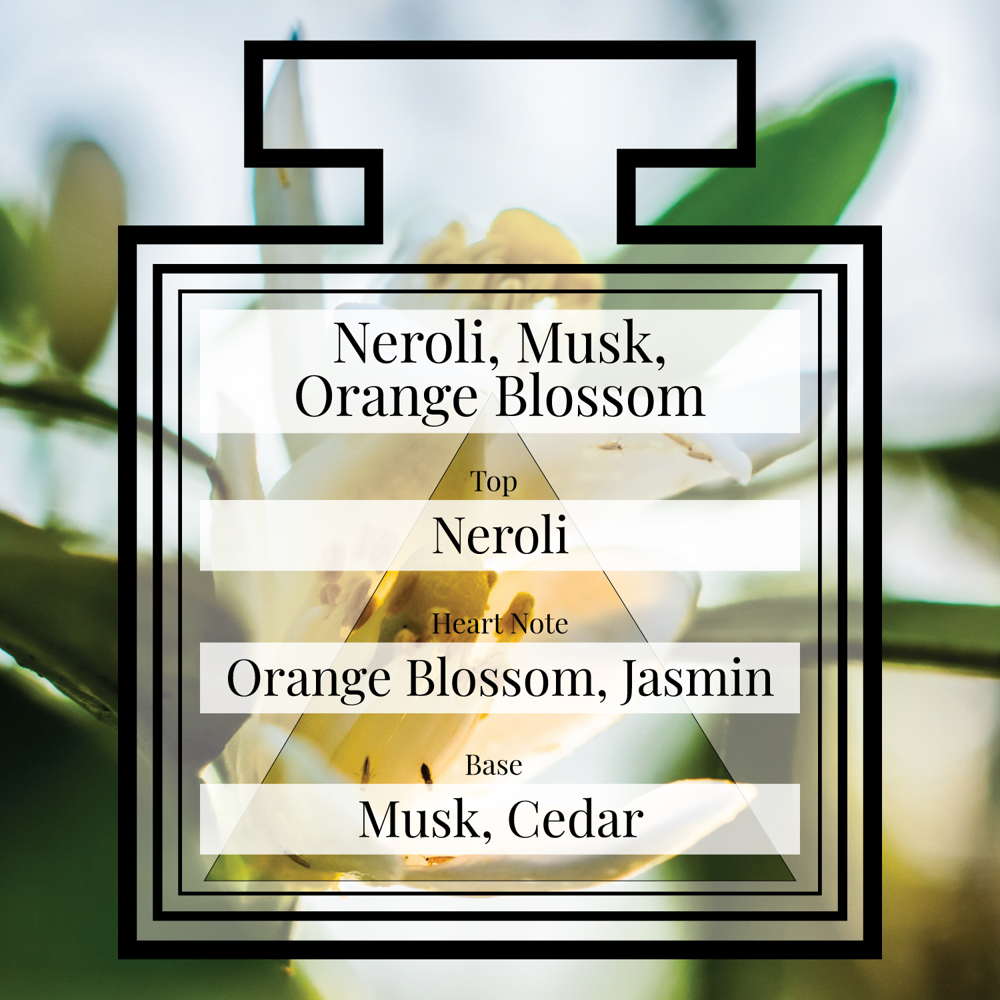
A Creamy Sandalwood accord with a hint of Chypre. It includes top notes of Neroli and Lychee, a floral heart of White Jasmine, Violet and Cistus Labdanum, and a base of sun-bleached Cedar, Patchouli, Musk and Tonka Bean.
Conclusion
Cistus labdanum is one of those rare perfume notes that feels current while carrying deep roots in history. Its amber-like, smoky tone fits perfectly in this nearly spring season, when we want scents that are smooth but still comforting.
Because cistus is a natural resin, its quality can vary based on the soil and sun of the Mediterranean. Perfumers must be experts in selecting the right labdanum absolute to ensure consistency. This raw material is more than just a scent; it is a bridge between the ancient world of burning incense and the modern world of high-end perfumery.
Experience the timeless allure of cistus labdanum. Its smoky, amber warmth adds a unique touch to every scent, making it a staple in any fragrance collection. Let this enduring note transform your journey with its comforting depth and sophisticated charm. Discover the art of scent that balances tradition with modern elegance.
Pomelo is a popular citrus note in perfumery, known for being fresher, sweeter, and less bitter than its close relative, the grapefruit. In aromatherapy and fragrance, it is often described as “cheerfulness, bottled” because of its energising and vibrant qualities.
Pomelo in fragrance offers something many perfume lovers crave, a citrus note that isn’t too sugary or too sharp. It’s clean, a bit bitter, and quietly bright. That balance is what gives pomelo its charm. In natural and niche perfumes, we see more perfumers turning to this fruit when they want to keep a blend crisp and fresh without tipping too far into sweetness.
We’ve always found pomelo helpful when building perfumes with energy. It nudges a bouquet to life right at the top and brings a gentle cheer in the middle of colder months, when darker oils dominate. From where it comes from to how it’s used, this is how pomelo made its place in fragrance.
A Citrus with Roots: The History of Pomelo in Perfumery
Pomelo isn’t new. Its essential oil has been used for centuries in both beauty and wellness routines, often featured in simple body oils or refreshing room blends. The pomelo fruit itself, which looks like a larger, softer-skinned grapefruit, has long been enjoyed for more than its flavour. In early aromatic traditions, pomelo peel or flowers were used to bring lightness or clarity to mixtures meant to calm or revive.
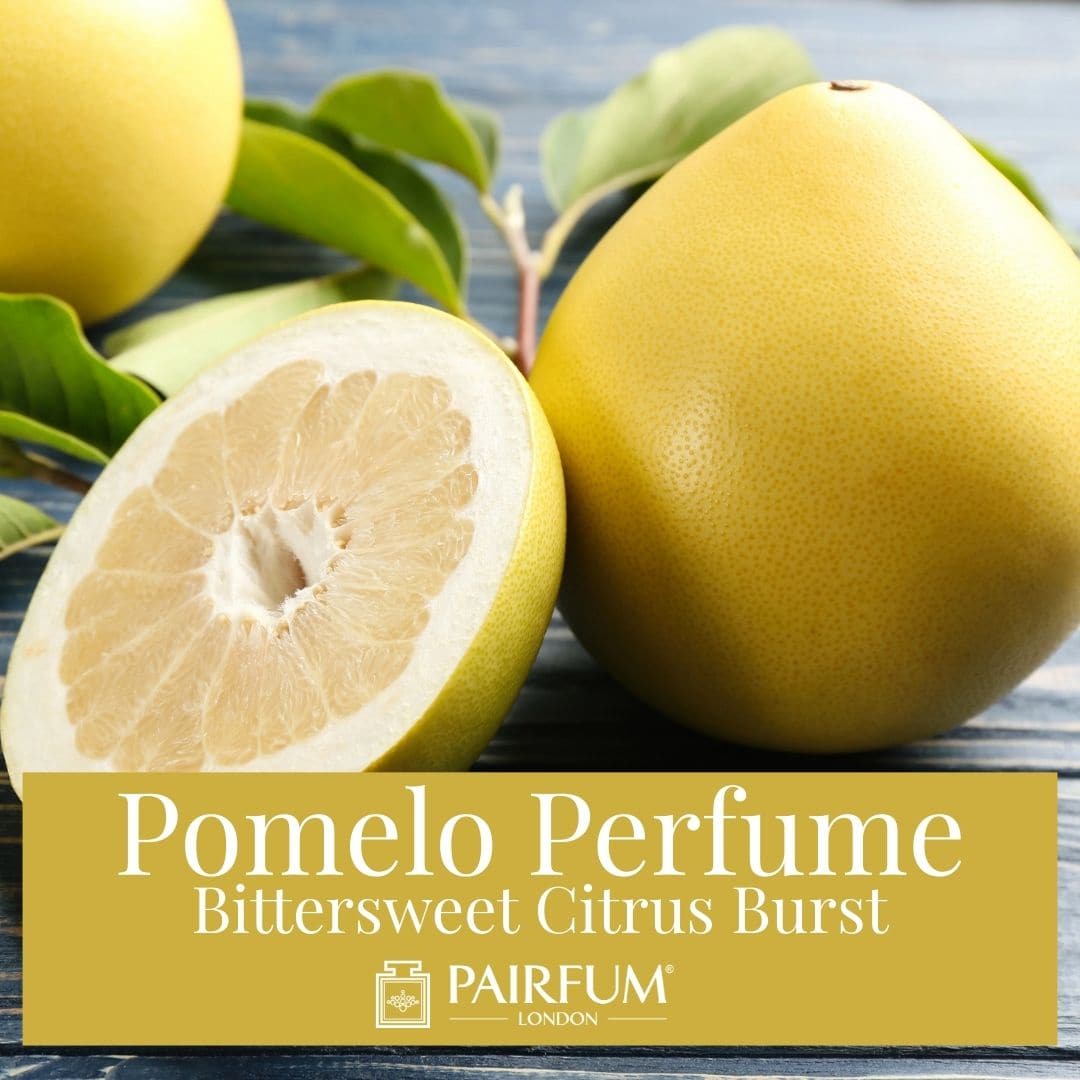
Known botanically as Citrus maxima or Citrus grandis, this citrus fruit is the largest member of the citrus family. Originally native to South East Asia and the wider Southeast Asia region, it is a non-hybrid ancestor of several other citrus species. For instance, the sweet orange is a cross between a pomelo and a mandarin, while the grapefruit is a hybrid of the pomelo and the sweet orange. By the late 20th century, as natural perfumery grew and interest turned to cleaner fragrances, pomelo oil found a way into more blends. Makers began looking for citrus notes that offered more character than lemon or orange. Pomelo, with its touch of bitterness and transparency, became a useful addition for those wanting lightness with depth.
In historical contexts, the bright aroma of a pomelo has represented cleansing and renewal. In China, it remains a symbol of prosperity and family unity, often offered to ancestors during the Lunar New Year. This cultural significance made it attractive not only in personal fragrance but in home aromatherapy practices, since its presence suggested fresh starts after long winters.
Distinct Types of Pomelo and What They Offer
Not all pomelos give off the same aroma, and in perfumery, we consider the variety just as much as the process. Pomelos can range in colour and aroma, each type bringing its own effect to a perfume.
White pomelo tends to be drier with a greener, sharper citrus edge
Pink pomelo comes across as rounder, a bit sweeter, and sometimes juicier under the nose, often featuring a vibrant pink flesh
These small shifts make a meaningful difference. A white pomelo may lift a fragrance cleanly without too much presence, while a pink pomelo might create a softer citrus roundness, especially in eau de toilettes or warmer skin oils. The variety we pick depends on how prominent we want the citrus to feel and where it should land in the overall profile.
The harvesting area and the season at which the pomelo is picked can subtly shift the oil’s aroma as well. A pomelo harvested early in the season tends to present a livelier profile, while those picked later lend more warmth and softness to the finished essence. In the United States, cultivation in states like Florida and California has allowed for a steady supply, though the fruit is also widely grown in Israel and South Africa. This attention to timing helps us shape a fragrance experience that matches its purpose, whether that’s for an energising spring lift or a mellow backdrop.
Botanical Profile and Physical Characteristics
To understand the pomelo, one must look at its structure. Unlike a standard grapefruit, the pomelo is known for its incredibly thick rind and a total weight that can reach several kilograms. The tree itself can grow up to 15 metres tall, featuring distinctly winged leaf stalks and fragrant yellow-white flowers. When you cut through the yellow colored exterior, you find the inner edible flesh protected by a dense, spongy pith called the albedo.
While many enjoy the fresh fruit for its fibre and high levels of Vitamin C, perfumers are more interested in the pomelo extract derived from the skin. Because it grows primarily in tropical regions and various Asian countries, the citrus produced there often has a more robust profile than that grown in cooler climates. Whether it is sourced from the East or newer plantations, the citrus quality remains a benchmark for freshness.
Extracting Pomelo’s Citrus Essence
To capture pomelo in fragrance form, we press the peel. This method, called cold pressing, doesn’t involve heat, so the oil stays close to the natural experience of peeling open the fruit. Cold-pressed oils carry the boldness of raw citrus with a sharper, fresher hit than those heated into extract.
Once collected, pomelo oil shows up at the very top of a perfume’s development. It’s a top note, which means it’s often the first thing someone smells and one of the first to fade. That lightness is part of its charm. Pomelo hits quick with citrus bite, then eases into a more relaxed green bitterness just before the heart of the perfume comes forward.
This fleeting brightness leaves room for the rest of the fragrance to reveal itself. We often combine pomelo with other top notes such as bergamot or grapefruit, using it to add extra zest and complexity at the very beginning of a blend. Sometimes, a hint of pomelo peel is added to aromatic waters or mists, refreshing linens or personal workspaces. The process of cold pressing relies on careful handling to avoid capturing too much of the bitter pith, as this can skew the aroma toward harshness. That’s why we choose the right portions of the peel for the optimal balance of zest and delicacy.
Culinary and Health Context of the Fruit
While we focus on scent, the pomelo fruit is a staple in many food products and delicious recipes. In many cultures, the fruit is broken down into fruit salads, where each seed is removed to highlight the juicy vesicles. Beyond its culinary use, nutritional guides often highlight the pomelo for its high fibre content and concentration of antioxidants.
Research into antioxidants such as naringin and naringenin has even looked at how compounds in citrus might interact with cancer cells or help prevent heart disease. These phytochemicals help combat oxidative stress by neutralising reactive oxygen species. For those living in the United Kingdom, specifically in areas like Northern Ireland, finding this exotic fruit might have once been a challenge, but modern delivery services and wider selection results in supermarkets mean it is now easily added to a shopping basket.
Whether you are looking for certified halal meat or speciality 100 halal meat in an international market, you will likely find the pomelo nearby in the fresh fruit section. This crossover between the kitchen and the vanity table is common for citrus notes, as the product description for both food and perfume often shares terms like zesty, sharp, and refreshing. One health consideration to note is that pomelos contain furanocoumarins, which, like grapefruit, can interfere with the metabolism of certain medications like statins.
Pomelo in Iconic and Niche Perfumes
We’ve noticed pomelo paired well with other sharp fruits like grapefruit or bergamot, where its bitterness can cut through and clean up a perfume’s opening. In natural perfumes, it often appears beside herbal notes such as sage, mint, or rosemary. These combinations keep the mood from drifting into sweet or floral territory, making it a strong match for those seeking something cool and clear.
In summer perfumes, pomelo feels at home as a burst of energy. It has also been well received in reed diffusers or room sprays, where the idea is to keep a space feeling bright without leaning on florals or overly sweet citrus oils. In niche perfumes, pomelo often finds a place beside soft musks or warm woods, where it adds lift to notes like sandalwood or neroli.
Many natural perfume makers seek out pomelo when creating modern interpretations of classic citrus colognes. It shines when used to highlight fresh cut grass, dewy florals, or even dry, spicy backgrounds. The bitter edge of the pomelo keeps these blends from becoming too easy, giving them a small jolt that sets them apart. We’ve found that the pomelo profile blends well with cooling, slightly spicy notes such as cardamom or pink pepper. This gives the perfume extra complexity and extends its sparkling first impression.
Iconic Pomelo Fragrances
Jo Loves: Pomelo – A cult classic known for its photorealistic, zingy, and sharp opening that captures the exact scent of a freshly peeled fruit against a clean base of vetiver.
Heeley: Note de Yuzu – A sophisticated, salty citrus blend that uses the bitter zest of pomelo to create a crisp, high-fashion energy inspired by traditional Japanese baths.
Tiffany & Co: Tiffany & Love For Her – A bright, modern floral that pairs the bittersweet spark of pomelo with blue basil and neroli for a refined and elegant finish.
Pomelo’s Bright Role During the Late Winter
February can feel long. In the middle of heavier, comfort-driven perfumes filled with resins, woods, or spice, pomelo shows up like a breeze cutting through the closeness. The oil doesn’t overpower, but it helps reset the profile of a fragrance that might feel overly warm or dry when the winter drags on.
We work pomelo into cold-weather perfumes to keep them from closing in. A touch of citrus at the top, especially one with a bitter spark, brightens oud or amber just enough to keep things wearable and not too heavy. This fruit gives the fragrance a cleaner lift without steering off course.
As early spring approaches, many people prefer a perfume that hints at the coming change in season without being overly floral or sweet. The gentle bitterness of the pomelo is especially helpful here, because it signals freshness, not just sweetness, to the senses. Its crispness can refresh the spirit and help transition a fragrance wardrobe from winter comfort to spring cheer. By using different parts of the citrus aroma, from the zest to the floral undertones, a perfumer can create a narrative of growth and light.
Pomelo Inspired Perfume Spray by Pairfum London
In the spirit of pomelo’s refreshing clarity, our Flacon Perfume Room Spray offers an elegant way to bring natural fragrance into your living spaces. These beautifully crafted glass bottles hold concentrated perfume mists that freshen rooms without overwhelming them, perfect when you want to lift the atmosphere during late winter’s heaviest days or transition into spring’s lighter mood. A few spritzes deliver the same thoughtful blend of notes you’d wear on your skin, but designed to scent linens, curtains, or simply the air around you. It’s a natural extension of your fragrance ritual, allowing your favourite perfume profiles to live beyond the body and into the spaces where you spend your time.
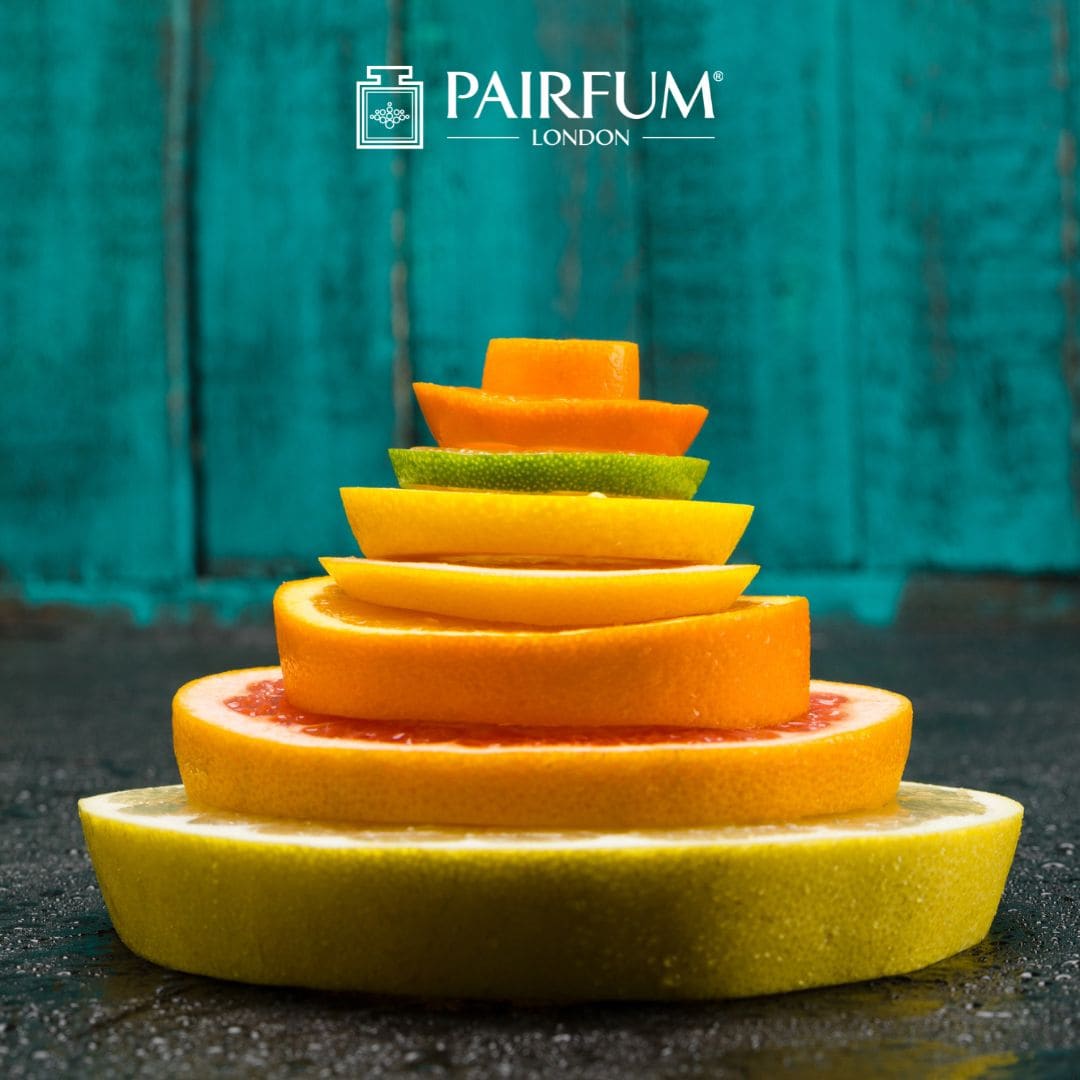
A refined accord centred around the luminous notes of Neroli, Pomelo, Lime and Petitgrain. Jasmine Petals, Vetiver, Patchouli and Aged Leather bring depth and warmth to capture the feeling of strolling through an olive grove on a warm, sun-drenched day.
Conclusion: The Lasting Appeal of the Largest Citrus
The pomelo remains a fascinating subject for anyone interested in the intersection of nature and scent. Its high Vitamin C and fibre levels might make it a star in the kitchen, but its complex, bittersweet citrus profile makes it a legend in the lab. By understanding the pomelo fruit and its journey from South East Asia to the global stage, we can better appreciate the nuances of the fragrances we wear every day.
From its thick rind to its pink flesh, every element of this citrus fruit contributes to its status as a versatile and beloved ingredient. Whether you are enjoying it in fruit salads or as a sparkling top note in a niche perfume, the pomelo provides a unique sensory experience that is both ancient and thoroughly modern.
Coconut is a cherished ingredient in the fragrance world, adored for its creamy and exotic aroma that transports you to tropical beaches and sunny escapes. This versatile ingredient has made its way into many perfumes, where its rich and luscious fragrance adds depth and a touch of the exotic. The charm of coconut lies not just in its delightful smell, but also in the warmth and richness it brings to fragrance compositions, making them irresistibly inviting. The journey of coconut in perfumery is fascinating. It is not just about the tropical vibe; coconut oil, coconut milk, and coconut water each offer unique elements that enhance a fragrance’s profile. Exploring how coconut is used in perfumes reveals a captivating intersection of tradition, culture, and innovation. The allure of coconut in fragrances is undeniable, with its ability to evoke serene, sun drenched images. Many perfumers seek out the finest coconut extracts to capture this essence.
The Mighty Coconut: A Botanical Marvel
Before delving into its fragrant applications, it is worth appreciating the coconut itself. The coconut palm, scientifically known as Cocos nucifera, is a member of the palm family (Arecaceae). It is not, botanically speaking, a true nut, but rather a drupe, which is a fleshy fruit with a hard, stony covering enclosing the edible seeds. Originating from the Indo Malayan region, perhaps from a specific area such as the northwest of South America or more commonly believed, island Southeast Asia and the Western Pacific, this remarkable palm tree has spread across tropical and subtropical regions worldwide, largely aided by ocean currents carrying its buoyant fruit. Its widespread cultivation means it thrives in over 90 countries, from Southeast Asia, particularly regions like Sri Lanka, to the Pacific Islands and parts of Africa and Latin America, highlighting its global significance far beyond just perfumery. The robust nature of the coconut tree allows it to flourish in coastal areas, supporting vast coconut populations.
Every single part of the coconut palm, from its extensive root system to its towering fronds, has traditionally been used by communities for food, drink, fibre, fuel, and shelter, earning it the moniker “the tree of life.” This inherent versatility and life sustaining quality contribute to its deeply positive cultural associations, which naturally translate into its appealing presence in fragrances. The fibrous outer husk protects the valuable coconut meat inside. A fresh coconut, often a young coconut, yields refreshing coconut water, while a mature coconut provides the rich coconut meat for various uses. Coconuts provide essential sustenance for many communities.
The Versatility of Coconut in Global Cuisines
Beyond its fragrant properties, the coconut is a cornerstone ingredient in numerous global cuisines, showcasing its remarkable versatility and economic importance. The creamy coconut milk, extracted from the grated coconut meat, is a fundamental component in dishes across Southeast Asia and beyond. Consider the rich flavour of a coconut curry, a staple in many Asian diets, where the coconut milk provides a luxurious base and depth. Dishes incorporating rice often benefit from the subtle sweetness and creaminess imparted by coconut milk. The dried coconut flesh, often in the form of desiccated coconut, is used in baking and as a topping.
From the mature coconut, we derive coconut cream, a thicker, richer version of coconut milk, essential for more indulgent recipes. Raw coconut meat is often enjoyed as a snack. The distinct flavour of fresh coconut is prized in tropical desserts. Even the coconut flour, made from ground, dried coconut meat, is gaining popularity as a gluten free alternative in baking. While olive oil is a Mediterranean staple, in tropical regions, coconut oil serves a similar foundational role in cooking and preparation. The coconut fruit is truly a marvel of nature. The crispness of fresh coconut and the cooling sensation of coconut juice are culinary delights.
The Rich History of Coconut in Fragrances
Coconut’s journey into the world of fragrances began in the regions where coconut palms thrive. Traditionally, communities in these areas used coconut for its fresh, sweet smelling coconut oil. For millennia, indigenous populations, particularly those living amidst Pacific coconuts and Indo Atlantic coconuts, have extracted oil from the dried meat of the coconut, known as copra, to be used in culinary preparations, skincare, and for its pleasing aroma. As explorers and traders discovered its unique properties, particularly during the Age of Exploration, coconut quickly garnered attention in the wider world and subsequently in the burgeoning fragrance industry. Its aroma was used to evoke images of far off islands and the allure of untouched tropical splendour, playing into the romanticism of distant lands and the beauty of the coconut tree. The historical significance of the coconut palm is vast.
At the heart of many cultural traditions, coconut plays a significant role beyond just a food ingredient. In ancient rituals and ceremonies across Asia, the Pacific, and parts of Africa, coconut oil was used not only for its fragrance but also for its supposed spiritual purity, as an offering, or in anointing rituals. The presence of coconuts in Hindu mythology and rituals, for example, underscores its sacred importance. This deep cultural backdrop makes coconut a profoundly meaningful ingredient in perfumery, one that carries with it a legacy of connection, heritage, and well being. Large coconut plantations historically played a crucial role in the economies of many tropical regions. The perfume industry began weaving coconut into compositions to capture that sense of adventure and the spirit of exploration. It was not long before coconut became a popular choice for those who wanted their perfumes to embody the essence of faraway places and exotic dreams, tapping into a collective desire for escape and tropical warmth, all thanks to the humble coconut.
Types of Coconut Used in Fragrances
When it comes to coconut in perfumes, there are several forms, each differing in their contribution to the fragrance profile. The specific part of the coconut used and its processing method significantly influence the final scent of the coconut.
Coconut Oil:
Known for its thick, long lasting properties, often extracted from the dried copra, coconut oil adds warmth and depth to a perfume. It is particularly effective in fragrances where a creamy base is desired, providing a smooth, almost buttery or lactonic texture to the scent. Virgin coconut oil, which is minimally processed, retains more of the natural coconut aroma. The presence of certain fatty acid chains in coconut oil contributes to its unique texture and scent.
Coconut Water:
Offering a lighter, refreshing profile, derived from the clear liquid inside young, green coconuts, coconut water lends a crisp and airy element to fragrances. It is often found in blends that aim to evoke a sense of freshness and vitality, much like a cool drink on a hot day. This form brings a more subtle, delicate, and aquatic facet of coconut. This clear juice is very different from coconut milk.
Coconut Milk:
With a smooth and rich texture, obtained by grating the flesh of mature coconuts and mixing it with water, coconut milk imparts a soft and creamy undertone to a fragrance. It is typically used to add sweetness and a silky finish to the composition, often providing a more comforting and gourmand feel, reminiscent of creamy desserts. This milk is a key component in many tropical culinary creations.
Coconut Absolute:
This highly concentrated form is typically extracted using solvents from the coconut flesh and captures the full, rich aroma of coconut. It offers a more intense and true to life coconut scent, often used when a pronounced and long lasting coconut note is desired. Absolutes are valuable for their faithful reproduction of the natural scent profile of coconuts.
Coconut CO2 Extract:
Similar to solvent extraction but using carbon dioxide as a solvent, this method yields a very pure and often more nuanced aroma. It can capture both the creamy and slightly green or fresh facets of coconut, offering a high fidelity representation of the natural scent without residual solvents, making it a preferred choice for some perfumers seeking a cleaner profile of the fruit.
These different forms of coconut allow perfumers to tap into a range of olfactory experiences, creating perfumes that can be light and fresh or rich and indulgent. Whether used alone or blended, coconut provides a distinctive aroma that perfume lovers continue to enjoy. The variety in forms ensures the versatile use of coconut.
Extraction Methods of Coconut for Perfumery
When it comes to capturing the true essence of coconut for fragrances, the extraction process is key. The chosen method directly impacts the nuances of the resulting aromatic material derived from the coco.
Cold Pressing:
This technique involves pressing the meat of the coconut to extract its oil. This method is particularly effective for virgin coconut oil, as it preserves the natural compounds that give coconut its characteristic aroma, resulting in an oil that is rich and full bodied. It is excellent for retaining the natural sweetness and creaminess, often providing a more “food grade” and authentic representation of the coconut scent.
Solvent Extraction:
In this method, volatile solvents such as hexane or ethanol help draw out the coconut essence from the dried raw material (copra). This process is particularly useful for extracting a high concentration of fragrance components, which is ideal for creating perfumes with a strong coconut focus. This method often yields an absolute, which is very potent and true to the original scent, capturing a broad spectrum of the coconut’s aromatic molecules.
Steam Distillation:
While less common for the direct extraction of a prominent coconut aroma for perfumery, steam distillation is popular for extracting various components or for initial processing of coconut oil. Here, steam passes through the coconut material to separate the oil from the plant matter. This process can produce a light and fresh essence, which might be suitable for crafting airy and subtle fragrance profiles, leaning towards the more volatile, fresh notes rather than the creamy richness of the fruit.
CO2 Extraction:
This modern and highly effective method uses pressurised carbon dioxide as a solvent to extract aromatic compounds from the coconut flesh. It is a highly efficient process that yields a very clean and pure extract, often capturing a more comprehensive scent profile than other methods. This can include subtle nuances that might be lost in heat dependent processes, providing a nuanced and true to life coconut aroma, often with excellent stability and longevity.
Each method impacts the fragrance in different ways, influencing everything from intensity to longevity. The choice of extraction process plays a vital role, adding layers and complexity to the perfume, making coconut based aromas diverse and captivating.
The Olfactory Profile of Coconut in Perfumery
The scent of coconut in perfumery is multifaceted, offering a surprisingly complex range of notes beyond just a simple tropical aroma. Its profile is influenced by the part of the coconut used and the extraction method, contributing to its diverse applications. It is often described as:
Creamy and Lactonic: This is the most common association, evoking the rich, smooth texture of coconut milk or coconut cream. This facet provides a comforting, indulgent, and sometimes milky quality to fragrances, often contributing to a soft, enveloping dry down. The specific fatty acid profile of coconut contributes to this creaminess.
Sweet and Tropical: Naturally sweet, coconut brings a sun kissed, exotic sweetness that is less sugary and more naturally fruity than some other sweet notes. It instantly conjures images of white sand beaches and lush vegetation, embodying the essence of summer and holidays, a distinct flavour of paradise.
Slightly Nutty: Beneath the sweetness, particularly in extracts from the coconut meat or grated coconut, there can be a subtle nutty undertone, adding depth and a grounding element to the aroma. This can prevent the scent from being overly simplistic and adds complexity to the coconut.
Subtly Green and Aquatic: Especially when derived from coconut water or through specific extraction methods that capture its fresher volatiles, coconut can present a light, fresh, almost watery green note. This aspect is invigorating and suggests the crispness of a newly opened, young coconut. This provides a refreshing counterpoint to the richer notes of coconut.
Warm and Exotic: Overall, coconut inherently imparts a sense of warmth and exoticism, transporting the wearer to a sun drenched paradise. It has an inherent radiance that makes it feel bright, inviting, and truly evocative of tropical climates. The entire coconut fruit contributes to this appeal.
Waxy/Fruity Aldehydic: In some contexts, particularly when used in combination with certain aldehydes, coconut can contribute a waxy or slightly fruity aldehydic nuance, adding sparkle and diffusion to the fragrance. The rich, ripe coconut yields a full bodied scent.
This diverse olfactory profile allows perfumers to utilise coconut in a multitude of ways, from enhancing rich gourmand compositions to adding a unique, natural twist to fresh and floral scents, demonstrating its remarkable versatility as a fruit. The distinctive flavour of coconut is translated beautifully into scent.
Nutritional and Health Aspects of Coconut
While our focus is on perfumery, understanding the broader context of coconut, including its nutritional profile, reinforces its status as a “superfood” in many cultures and adds to its holistic appeal. The white coconut meat, also known as dried coconut flesh or raw coconut, is highly nutritious. It is rich in fibre and minerals such as manganese and copper. Coconut oil, particularly virgin coconut oil, is often lauded for its unique composition of saturated fatty acids, primarily lauric acid, which behaves differently in the body compared to longer chain fatty acids.
Coconut water, found within the young coconut, is a natural electrolyte drink, popular for hydration. Coconut milk and coconut cream, derived from the grated coconut, are dairy alternatives, providing a rich source of healthy fats. Desiccated coconut is also a good source of fibre. While some concerns exist regarding saturated fatty acids, the overall nutritional profile of the coconut fruit contributes to its positive image and desirability. The versatility of the coconut extends to its culinary uses, from a simple slice of fresh coconut to the use of coconut flour in baking or incorporating it into dishes like sweet potato and rice. A splash of lime juice or the addition of lime wedges often complements the rich flavour of coconut in both food and drink. The robust nature of the entire palm, from the palm tree itself to its edible seeds, offers a bounty of uses.
Blending Coconut: Complementary Notes and Accords
Coconut’s versatility makes it an exceptional blending ingredient, capable of harmonising with a wide array of other notes to create diverse olfactory experiences. Its chameleon like ability allows it to adapt to various fragrance narratives, making coconut a go to for perfumers.
Tropical Florals:
Coconut pairs exquisitely with notes like tiare flower (monoi oil often features coconut oil as a base), frangipani, jasmine, ylang ylang, and gardenia. These combinations amplify the tropical allure, creating lush, exotic bouquets that evoke visions of island paradises. The creamy nature of coconut often softens and enriches the intensity of heady florals, making them more approachable. The aroma of a fresh coconut blends seamlessly with these blossoms.
Fruity Notes:
Juicy fruits such as pineapple, mango, passion fruit, and vibrant citrus notes like bergamot, lime, and orange, find a natural partner in coconut. These pairings result in bright, refreshing, and playful compositions that are perfect for summer or casual wear. The coconut adds a smooth, creamy backdrop to the bright fruitiness, enhancing its longevity and depth. The flavour of the fruit is beautifully translated.
Gourmand Accords:
Vanilla, caramel, tonka bean, praline, and chocolate are natural allies for coconut, creating delectable and comforting gourmand fragrances. The creamy, sweet facets of coconut are amplified, resulting in scents that are rich, edible, and incredibly inviting, often reminiscent of exotic desserts or creamy beverages made with coconut milk or coconut cream. The coconut flour could even inspire delicate notes.
Musks and Ambers:
For a more sophisticated and long lasting foundation, coconut blends beautifully with soft, skin like musks and warm, resinous amber notes. These combinations provide a sensual depth and a lingering warmth, making the tropical essence of coconut feel more refined, elegant, and wearable in various settings. The richness of the ripe coconut supports these heavier notes.
Woods:
Subtle woody notes, such as creamy sandalwood, cedar, or driftwood, can add an earthy dimension to coconut fragrances, preventing them from being overly sweet or cloying. This creates a more grounded, natural, and balanced scent profile, often enhancing the natural warmth of the coconut. Even the scent of the coconut shell could offer an intriguing note.
Marine and Aquatic Notes:
To enhance the fresh, airy aspects of coconut water, marine and aquatic notes (like salt or sea spray accords) can be incorporated. This creates a scent that evokes the sea breeze and the refreshing feel of ocean water, perfect for a light, summery, and invigorating fragrance. The pure coconut juice lends itself well to this.
Spices:
A touch of warm spices like cinnamon, nutmeg, or cardamom can add an intriguing layer to coconut, providing a cosy, exotic warmth that is both inviting and unique. The versatility of the coconut is evident here.
The careful combination of coconut with these complementary notes allows perfumers to craft fragrances that range from intensely tropical and overtly sweet to subtle, sophisticated, and unexpectedly fresh, highlighting its truly adaptable nature as a fruit.
Iconic Perfumes Featuring Coconut
Coconut has made its indelible mark in the world of perfumes, becoming a star ingredient in several renowned fragrances. Its ability to transport us to sun drenched beaches makes it a go to for perfumes that aim to capture the essence of paradise, evoking a sense of escape and relaxation. The creamy nature of coconut makes it a popular choice.
One classic example is a perfume that blends coconut with vanilla and white floral notes, creating an inviting bouquet that feels both exotic and comforting. This combination celebrates the creamy richness of coconut while enhancing its tropical vibe, resulting in a fragrance that is both timeless and modern. Think of fragrances that instantly bring to mind suntan lotion and warm skin, a testament to coconut’s evocative power. The use of coconut in such blends is a hallmark of tropical perfumery.
Beyond this, numerous high profile fragrances have embraced coconut’s unique charm. From luxurious niche houses crafting complex tropical narratives to mainstream labels creating widely beloved summer hits, coconut is featured either as a central theme or a crucial supporting note that adds a distinctive warmth, creamy texture, and tropical luminosity. Its presence often signifies a playful, carefree spirit, making it a staple in the “vacation in a bottle” genre. Its widespread adoption across different price points and stylistic categories further underscores its universal appeal and the creative freedom the palm fruit offers perfumers. The comforting aroma of coconut milk can be found in many exquisite compositions.
Coconut’s versatility allows it to pair beautifully with a variety of ingredients. Whether it is lush tropical floral bouquets, vibrant citrus blends with a hint of lime juice, or rich gourmand accords, coconut consistently brings a smooth, creamy balance that enhances and enriches the overall fragrance, proving its widespread appeal and adaptable nature in diverse olfactory compositions. The distinctive flavour notes of coconut are expertly translated into scent.
Coconut Heart Notes with Pairfum London
While coconut offers a delightful tropical escape, the expansive world of fragrance holds countless other captivating journeys waiting to be explored. Sometimes, the most memorable scents emerge from unexpected combinations, taking inspiration from the earth’s diverse aromatic treasures. Discovering these unique accords allows for a broader appreciation of perfumery’s artistry, offering distinct olfactory experiences that transport and intrigue in equally compelling ways. It is a testament to the endless possibilities within the realm of scent creation, moving beyond the beloved coconut.
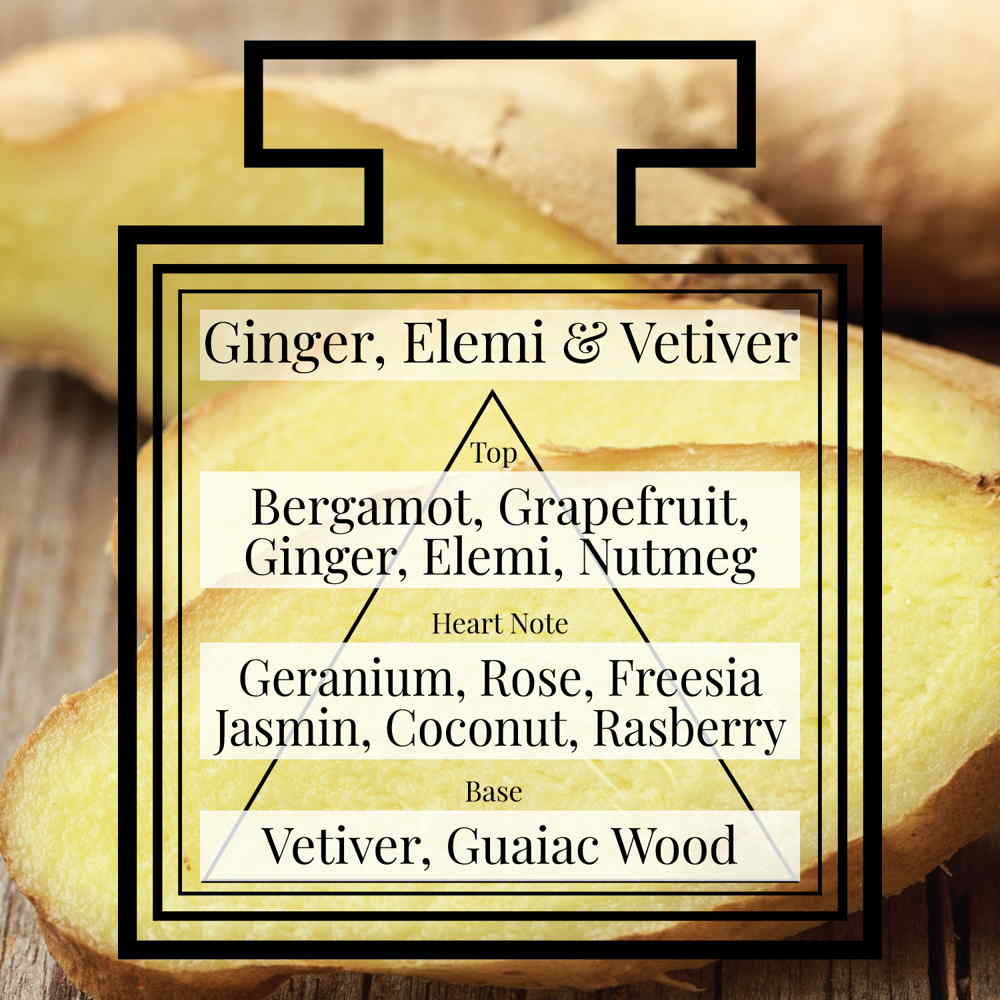
A surprising fusion of spices and freshness, it opens with notes of Bergamot, Grapefruit and a trace of Lavender, combined with Ginger, Elemi, Nutmeg & Cinnamon. The heart is composed of Geranium, Rose, Freesia, Gardenia, Jasmine and Orange Blossom, with fruity hints of Coconut and Raspberry. A base of Vetiver, Guaiacwood, Cedar, Amber, Cashmere Musks, Vanilla & Moss supports this note beautifully.
Embrace the Exotic Aroma of Coconut
Coconut based fragrances are a delightful addition to any perfume collection, offering a unique olfactory journey that is both comforting and exhilarating. They effortlessly evoke sun kissed vacations, tranquil beach holidays, and moments of pure relaxation, adding a touch of the exotic and the joyous to everyday life. The rich, creamy notes of coconut, reminiscent of coconut milk or coconut cream, can transform a simple fragrance into something warm, enchanting, and deeply memorable, appealing to those who seek a bit of sunshine and escapism in a bottle. The scent of a fresh coconut is truly transporting.
Exploring fragrances with coconut allows you to indulge in the inherent warmth, creamy depth, and surprising freshness it offers, truly transforming your perfume experience. With its remarkable ability to blend seamlessly into a wide range of compositions, from light and airy to rich and opulent, coconut provides endless opportunities to experiment and find your signature aroma. Whether you are drawn to its lactonic, creamy allure, its refreshing lightness from coconut water, or its warm, nutty undertones derived from the coconut meat, coconut profoundly enhances the perfume landscape, making every day feel like a never ending summer, brimming with possibility and tropical dreams. The entire coconut fruit contributes to this experience. The enduring appeal of the palm and its precious fruit is undeniable.
Clusters of vibrant freesia blooms dance in a soft breeze to create a scent so delicate yet so powerful that is whisks you away to a sunlit garden. This is the allure of freesia, a flower adored by fragrance enthusiasts for its unique charm. Celebrated for its sweet, uplifting aroma, freesia holds a cherished place in the world of perfumery. With hints of citrusy brightness and a touch of peppery warmth, freesia offers a refreshing elegance that captivates the senses. The versatility of freesia allows it to blend effortlessly into countless perfumes, adding a sophisticated floral note that enchants admirers of freesia worldwide. Whether you’re drawn to freesia for its scent or its beauty, this flower, especially freesia in its many forms, remains a timeless favourite.
The journey of freesia, including varieties like freesia mixed, from a wild bloom in South Africa to an iconic perfume ingredient is as mesmerising as the freesia flowers themselves. Whether freesia is breathing a light, airy spirit into a summer scent or weaving warmth into a winter fragrance, freesia proves its adaptability in fragrance creation. Freesia, often grown from freesia corms, has a story that spans continents and centuries, making freesia a beloved choice for perfumers and enthusiasts of freesia flowers alike. In this exploration of freesia, we’ll uncover the rich history, botanical wonders, and aromatic allure of freesia, delving into why freesia, and indeed freesias in general, remain celebrated across gardens and fragrances. Freesia, as a floral icon, connects us to nature, and we’ll also look at how to nurture freesia plants at home to enjoy freesias in their purest form.
The Rich History and Botanical Roots of Freesia
The story of freesia begins in the rugged landscapes of South Africa, particularly around the Cape region in Southern Africa, where this delicate flower, known simply as freesia, first bloomed wild. Belonging to the Iridaceae family, freesia encompasses about 16 species, with notable ones like freesia refracta and f laxa contributing to its diversity across species. Discovered by European botanists in the 19th century, freesia was named after Friedrich Heinrich Theodor Freese, a German physician and botanist, reflecting its scientific heritage. The lovely fragrance and striking bell-shaped blooms of freesia quickly won admiration, leading explorers to introduce freesia to gardens across Europe, including the United Kingdom and even regions like Northern Ireland, where delivery of freesia corms and freesia bulbs became popular for cultivation.
In Victorian times, freesia and freesias became symbols of friendship and trust, often woven into a bouquet or bridal bouquet to convey heartfelt emotions. Beyond Britain, the cultural resonance of freesia and freesias spread, representing innocence and thoughtfulness, embedding freesia deeply in the language of flowers. These associations, paired with the captivating scent of freesia, cemented freesias as favourites in floral arrangements and fragrances. As demand for unique perfume notes grew, freesia emerged as a vital ingredient, with freesias inspiring countless blends over time. The history of freesia and freesias continues to inspire, proving that flowers like freesia hold an eternal charm.
The Unique Aromatic Profile of Freesia
What makes freesia stand out in the fragrance world is its intricate yet approachable scent profile. At first sniff, freesia unveils a sweet floral bouquet with a lively citrusy edge that feels like a burst of spring light. Beneath this brightness of freesia lies a subtle peppery warmth, making freesia more than just typical flowers. This layered aroma enables freesia to pair exquisitely with diverse fragrance families, enhancing the beauty of freesias in perfumery. Whether it’s freesia brightening a blend or tempering richer notes, freesias offer a harmonious balance that perfumers cherish. Freesia, in all its forms, evokes joy and nostalgia, making freesias a perfect choice for anyone seeking a scent that uplifts.
In perfumery, freesia and freesias often play the role of heart notes, linking fleeting top notes with enduring base notes. Freesia can amplify the playfulness of fruity mixes or soften intense compositions, showcasing why freesias are so versatile. The scent of freesia, drawn from various species of freesias, remains a staple for creators exploring floral depth. When you experience freesia, you connect with the timeless allure of flowers, as freesias continue to inspire with every bouquet or perfume crafted from freesia blooms.
The Visual Beauty and Varieties of Freesia
Freesia isn’t just a treat for the nose; it’s a feast for the eyes with its stunning array of colour and form across flowers. Blooming in shades like vibrant yellow freesia, alongside white, pink, red, and purple freesias, these flowers bring life to any setting. Freesia flowers, with their slender funnel-shaped blooms, cluster along one side of a wiry stem, creating an elegant arching display of freesias that’s captivating in gardens or as cut flowers. This visual diversity of freesia translates into perfumery, where different freesias lend unique nuances to fragrance compositions, showcasing the magic of flowers.
Common varieties of freesia include single blooms with subtle aromas, double freesias with richer scents, and hybrid freesias blending the best traits of their origins. Whether it’s a yellow freesia adding sunshine to a garden or a freesia mixed selection bringing variety, freesias delight with their diversity. Beyond fragrance, the beauty of freesia flowers as cut blooms makes freesias a popular choice for home decor, filling spaces with natural scent and vivid hues of flowers, deepening the connection to freesias behind beloved scents.
Extraction Methods for Freesia Essence
Capturing the aromatic essence of freesia and freesias demands precision, as the method shapes the final fragrance’s intensity and purity. Perfumers crafting with freesia employ techniques to distil the soul of flowers, ensuring each batch of freesia essence arrives in perfect condition for blending. One method for freesia is steam distillation, using steam to draw oils from freesia petals, preserving the fresh note of freesias. Solvent extraction pulls concentrated oils from freesia blooms, ideal for bold scents of freesias, while CO2 extraction retains the pure aroma of freesia, mimicking the natural charm of flowers.
The delivery of freesia essence to fragrance creators worldwide relies on these methods to maintain quality. Whether it’s freesia from a single bloom or a mix of freesias, the extraction process ensures the spirit of flowers like freesia shines through. Each delivery of extracted freesia oils carries the legacy of freesias, connecting the raw beauty of a freesia plant to the artistry of perfume, making freesias a cornerstone of floral creations.
The Emotional and Wellbeing Benefits
Beyond its sensory allure, freesia nurtures emotional wellbeing with its bright, cheerful scent. Freesia and freesias often uplift spirits and ease stress, acting as a natural mood booster on gloomy days, much like the blooming of flowers in spring. In aromatherapy, the fragrance of freesia fosters calm and positivity, making freesias a sought-after note for personal care and home use alongside other flowers. The gentle warmth of freesia offers comfort, creating a soothing presence through freesias that helps melt away tension during winter or late winter months.
Wearing a scent inspired by freesia or placing freesia flowers in your space can stir nostalgia, recalling springtime strolls or tender moments with flowers. For those seeking a fragrance that nurtures both body and soul, freesia and freesias blend sensory delight with emotional resonance, much like the delicate leaves of a freesia plant sway in the breeze. Freesia enhances daily life with its quiet magic, ensuring freesias remain a source of joy through every season, from spring to winter.
Growing Freesia at Home: Bring the Fragrance Closer
For lovers of freesia and freesias eager to connect with the source of their favourite scents, growing freesias at home is a rewarding pursuit. Native to warmer climates, the freesia plant thrives in well-drained sandy soil with plenty of sunshine, making freesias a delightful addition to gardens or pots in many regions. Often grown from freesia corms or freesia bulbs, freesias can be planted for flowering in summer outdoors or for flowering indoors during late winter and early spring. Whether using pots or garden beds, freesias offer vibrant blooms when cared for properly, enhancing any space with flowers.
To cultivate freesia, choose a spot with full sun and ensure soil or compost in pots is enriched with organic matter for optimal flowering. Plant a freesia corm or freesia bulbs about 5 to 8 centimetres deep, with the pointed end up, spacing freesias apart for healthy growth. Water freesias moderately via careful watering, keeping soil or compost in containers moist but not waterlogged, as freesias dislike soggy conditions. For growing in containers or pots, ensure good drainage to enjoy the scent of freesias indoors during autumn or winter, when frost poses a risk to outdoor freesias. With care, flowering freesias last weeks, filling your home with the fragrance of flowers.
Gardeners must note that freesia and freesias are tender and need protection from frost, especially in colder areas where frost can damage leaves and blooms of freesias. In regions prone to frost, consider lifting freesia corms after flowering to store over winter, or grow freesias as annuals using fresh freesia bulbs. Pests like aphid or red spider mite can affect freesias, so monitor plants and ensure good air circulation around freesias. Resources from experts like Sarah Raven or the Royal Horticultural Society offer guidance on growing freesias, ensuring your selection results in thriving flowers. Whether in pots or borders, growing freesias links you to the floral heart of cherished scents.
Freesia in Gardens: Planting and Timing
Understanding the timing for freesia and freesias is key to successful cultivation of these stunning flowers. Planting freesia corms in spring often yields blooms by late summer, while setting freesias in autumn can bring flowering in early spring indoors. The delivery of freesia bulbs or corms to gardeners often aligns with these seasons, ensuring freesias arrive in perfect condition for planting. Whether you’re nurturing a single freesia plant or a variety of freesias, timing impacts how freesias develop their vibrant blooms and lush leaves, enhancing gardens with flowers.
In cooler climates, protecting freesias from harsh winter frost remains essential for healthy flowering. Freesia plants can also be started from seed, though growing freesias from seed takes longer than using a corm or freesia corms, delaying the delivery of blooms. Regardless of method, freesias reward patience with their beauty, transforming any garden or bouquet with the charm of flowers. Keep exploring related products like quality compost to support freesias, ensuring every freesia reaches its full potential as part of your floral haven.
Iconic Uses of Freesia in Perfumery
Freesia has left its aromatic mark on countless celebrated perfumes, showcasing the versatility of freesias in scent creation. The ability of freesia to harmonise with varied notes makes freesias a cherished choice for crafting timeless fragrances with flowers. In light, breezy blends, freesia often leads with a fresh touch, amplifying the essence of freesias alongside citrus notes, much like spring flowers blooming anew. Imagine a scent inspired by dew-kissed meadows at dawn, where freesia mirrors the first light of day through freesias’ radiance.
For deeper, warmer profiles, freesia pairs beautifully with richer bases, softening heavy tones with floral elegance from freesias. Picture an evening fragrance where the subtle sweetness of freesia lingers, evoking the depth of flowers like freesias. Modern creations also tap into the allure of freesia, mixing freesias with unexpected elements for bold results, inviting wearers to explore new sensory paths with flowers. The adaptability of freesia ensures freesias hold a lasting place in perfumery, inspiring enthusiasts to seek the magic of freesias in their scent journeys.
Sustainability and Ethical Cultivation
In an era of mindful choices, the cultivation of freesia and freesias gains attention for its environmental impact. Sustainable farming of freesias supports communities in regions where freesias originate, preserving natural ecosystems around flowers like freesia. Ethical delivery of freesia bulbs and resources ensures freesias are grown responsibly, maintaining the integrity of freesias for future generations. Choosing to support such practices with freesias allows appreciation of freesia to align with care for the planet, honouring the roots of flowers.
Sustainable efforts also reduce waste during the delivery and cultivation of freesia, ensuring freesias thrive without harm to their surroundings. Whether it’s planting freesias in gardens or enjoying the scent of freesia in fragrances, supporting ethical sources for freesias enhances the joy of flowers. Freesia remains a symbol of beauty and responsibility, with freesias reminding us to cherish nature as we cultivate and admire flowers.
Freesia Heart Notes with Pairfum London
If the enchanting allure of freesia has captured your heart, imagine experiencing its floral charm in a beautifully crafted scent that complements its timeless grace. Dive into a fragrance that weaves subtle hints of freesia with invigorating notes, offering a sophisticated touch to your everyday moments. This eau de parfum, available for exploration at a dedicated online boutique, brings together the delicate beauty of freesia with complementary essences, creating a truly captivating aroma that resonates with lovers of floral elegance.
A surprising fusion of spices and freshness, it opens with notes of Bergamot, Grapefruit and a trace of Lavender, combined with Ginger, Elemi, Nutmeg & Cinnamon. The heart is composed of Geranium, Rose, Freesia, Gardenia, Jasmine and Orange Blossom, with fruity hints of Coconut and Raspberry. A base of Vetiver, Guaiacwood, Cedar, Amber, Cashmere Musks, Vanilla & Moss supports this note beautifully.
How to Choose and Appreciate Freesia Fragrances
If the enchanting allure of freesia and freesias calls to you, exploring fragrances inspired by these flowers can feel like a joyful quest. Consider the mood or moment when appreciating freesia: for daytime, a light scent with freesias evokes a breezy charm akin to spring flowers. For evenings, deeper blends featuring freesia add sophistication, reflecting the depth of freesias and other blooms. The delivery of such fragrances to your senses mirrors the natural beauty of a freesia plant or freesias in full bloom.
Appreciating freesia also extends to home settings, where freesias as cut flowers or in a bouquet enhance spaces with their aroma. Experiment with freesias by placing them in various rooms, letting the warmth of flowers like freesia bring freesias’ delicate magic to life daily. Whether through scent or sight, freesia and freesias offer endless inspiration, connecting us to the timeless elegance of flowers in every form. All rights reserved to the natural wonder of freesias as we celebrate their place in our lives.
At the heart of perfumery lies a captivating ingredient known as elemi. This intriguing element is celebrated for its unique properties that contribute to creating unforgettable aromas. Elemi brings a distinctive character to fragrances, adding layers of depth and warmth that perfume enthusiasts appreciate. It offers a fresh and spicy profile that complements a myriad of other components, making it versatile and cherished by perfumers worldwide. Its scent profile is often described as a harmonious blend of citrus, particularly lemon, with pine, subtle peppery undertones, and balsamic nuances, making this fragrant resin exceptionally adaptable to various fragrance compositions. This remarkable resin has played a significant role throughout history, securing its place as a truly cherished ingredient in the world of perfumery.
The Rich History of Elemi in Perfumery
Elemi has a fascinating history that traces back to ancient civilisations. Originally sourced from large evergreen trees, primarily Canarium luzonicum, native to tropical regions like the Philippines, particularly the islands of Luzon and Mindanao, elemi was primarily valued for its aromatic oleoresin. This elemi oleoresin is a remarkable substance. These cultures not only admired its aroma but also utilised it in various ceremonial and daily activities. The resin from the elemi tree was often burned as incense in rituals, symbolising purification and the presence of the divine, and was also incorporated into embalming mixtures. Its use in ancient Egypt for mummification highlights its preservative qualities and revered status, similar to frankincense from Boswellia frereana. Beyond its aromatic use, indigenous communities in the Philippines traditionally used elemi resin to soothe coughs, alleviate skin issues, and support respiratory health.
As trade expanded during the Middle Ages, elemi found its way into European perfumery and medicine. Its refreshing aroma became a favourite among royalty and the elite, often used in opulent balms, oils, and ointments for its perceived healing properties. Medieval apothecaries valued it as an antiseptic and a balm for wounds. Over the centuries, elemi’s unique aroma became synonymous with elegance and luxury. Even today, its historical significance influences its use in modern fragrances, bridging past traditions with contemporary aromatic experiences. This enduring legacy speaks volumes about its timeless appeal. The resin from the elemi tree continues to be highly prized. Understanding this rich narrative allows us to see elemi not just as another ingredient, but as a key character in the story of perfumery. The journey of elemi from its humble beginnings to a timeless staple in fragrance creation spotlights its enduring charm and versatility.
Botanical Insights: The Elemi Tree and Its Precious Resin
The source of this treasured ingredient, the elemi tree, predominantly refers to Canarium luzonicum, a large evergreen tree native to the Philippines, capable of reaching heights of up to 30 metres (100 feet). Its leaves are alternate and pinnate, and its insect pollinated flowers are followed by thick shelled nuts containing edible kernels. The oleoresin harvested from the tree is known as elemi resin, a pale yellow substance with a honey like consistency and a fragrant, sharp pine and lemon like scent. This fragrant resin is what is processed to create elemi essential oil and other valuable elemi products. The tree naturally exudes this resin when its yellowy leaves sprout, making the collection process efficient and sustainable. While Canarium luzonicum is the primary source, other Canarium species, such as Canarium commune found in areas like New Caledonia, can also yield a form of elemi resin, though their specific aromatic profiles may vary. The careful cultivation and harvesting of these trees are crucial for producing high quality elemi essential oil.
Types of Elemi Used in Fragrances
Elemi is not just one single type; it encompasses several varieties that each lend a different character to perfumes. The most well known kinds of elemi used in perfumery come from trees like the Manila Elemi and Brazilian Elemi. Each has its own unique traits and aromatic profile, contributing different facets to fragrance formulations.
Manila Elemi:
Derived from the Canarium luzonicum tree, native to the Philippines, this type of elemi offers a warm, spicy, and slightly balsamic aroma. It often carries strong notes of lemon and frankincense, making it highly versatile. Its resinous, peppery facets blend well with other fragrance materials, making it a popular choice for creating both soothing and invigorating blends, particularly in oriental and chypre compositions. This elemi essential oil is a cornerstone for many perfumers. The manila elemi variety is particularly esteemed for its clarity and balance.
Brazilian Elemi:
Known for its brighter, more pronounced citrus notes, Brazilian Elemi (often from Protium heptaphyllum or Canarium commune) has a lively and dynamic aroma. It’s often used to add freshness and uplift to perfumes, harmonising wonderfully with floral, herbal, and even aquatic elements, providing a sparkling top note. This elemi oil brings a distinct vibrancy.
Understanding these varieties helps us see why elemi continues to be valued in the fragrance industry. Each type provides different layers, allowing perfumers to craft complex and captivating bouquets that appeal to diverse tastes. The subtle differences between them offer perfumers a rich palette to work from, enabling nuanced and sophisticated scent creation with this incredible resin.
Extraction Methods of Elemi
The process of extracting elemi oil plays a significant role in its final fragrance quality. Through careful techniques, the essence of elemi is drawn from the resin in a way that preserves its aromatic integrity and therapeutic properties. The Canarium luzonicum tree, when its yellowy leaves sprout, naturally emits a resin that is then harvested. This pale yellow substance is the raw material for elemi essential oil.
Steam Distillation:
This is the most common and widely preferred extraction method for elemi essential oil. The raw resin is subjected to steam, which volatilises the aromatic compounds. The steam, carrying the oil, is then cooled, condensing into a liquid from which the essential oil separates. This method yields a clear, highly aromatic oil that captures elemi’s fresh and vibrant notes while maintaining the natural balance of its constituents. This method produces a very pure essential oil, capturing the true essence of the elemi tree.
Solvent Extraction:
While less common for the essential oil, solvent extraction can be used to produce an elemi resinoid or absolute, particularly when additional precision or a more viscous product is required. This extraction method involves using a solvent (such as ethanol or hexane) to extract the aromatic compounds from the resin. The solvent is then evaporated, leaving behind a highly concentrated, often waxy or solid, extract. This method can intensify the mixture’s bouquet and capture some of the heavier, less volatile compounds that might be missed by steam distillation. The elemi resinoid captures a broader spectrum of the original resin’s complexity.
The choice of extraction method determines the concentration, purity, and specific aromatic nuances of the final product. By maintaining the delicate balance necessary during extraction, perfumers ensure that elemi retains its character, whether it is bright and citrus or deep and spicy, contributing its unique magic to the fragrance. The resulting oil is highly valued.
The Aromatic Profile and Olfactory Characteristics of Elemi
The distinct scent of elemi is one of its most compelling attributes. It is often described as fresh, lemony, peppery, and resinous, with subtle undertones of pine and frankincense. This complex profile makes elemi essential oil a highly adaptable ingredient in perfumery.
Top Notes: Elemi often presents as a bright, uplifting top note due to its significant citrusy, lemon like facets. It provides an initial burst of freshness that can immediately capture attention in a fragrance.
Heart Notes: As the fragrance develops, elemi transitions into the heart, offering warm, spicy, and slightly balsamic notes. Its peppery and woody nuances become more apparent, adding depth and complexity to the blend. This makes the elemi oil particularly versatile.
Base Notes: While not a heavy base note like amber or patchouli, elemi’s resin quality can contribute to the longevity and overall fixative properties of a perfume, anchoring other volatile notes and enhancing their diffusion. Even a single drop can influence the entire composition of an essential oil blend.
Its multifaceted nature allows it to bridge different olfactive families seamlessly. It can brighten woody notes, add a unique twist to florals, and provide an interesting counterpoint to oriental accords. This versatility is a key reason for its enduring popularity among perfumers. Its categorisation is often debated, but it is commonly placed in the amber or fresh fragrance families due to its invigorating and slightly sweet notes, though its warm, grounding qualities also make it suitable for the woody family. The unique scent of elemi is truly captivating.
Chemical Composition and Therapeutic Benefits
The unique aroma and properties of elemi essential oil are attributed to its complex chemical composition. The main constituents include:
Limonene: This major component is responsible for elemi’s prominent citrusy scent and is known for its mood enhancing and uplifting qualities, contributing to emotional balance.
Elemol: A key component, elemene contributes significantly to its unique aroma and is associated with soothing and grounding properties.
Terpinene: Lends fresh and slightly spicy notes, recognised for potential antioxidant and antimicrobial properties.
Phellandrene: Contributes to woody undertones and may have anti inflammatory and pain relieving effects.
Eugenol: Present in smaller quantities, adding a hint of spiciness and known for antimicrobial and analgesic properties.
Beyond perfumery, elemi essential oil has been valued in traditional medicine for its therapeutic benefits. It is highly antiseptic and useful in aromatherapy for nervous exhaustion, promoting feelings of peace and calm, and supporting emotional balance. Topically, this essential oil has a long history as a remedy for various skin conditions, advocating for the treatment of fine lines and scars, and is often found in wrinkle reduction serums and lotion applications. Therapeutically, elemi oil is also used for muscle pain and tiredness, and as an expectorant, providing relief from colds and congestion by loosening phlegm. A warm bath with a few drops of elemi essential oil can be incredibly soothing. The numerous benefits of this essential oil make it a valuable addition to any well being regimen.
Blending and Complementary Notes for Elemi
Elemi’s versatile aromatic profile makes it an excellent blending partner for a wide array of other fragrance notes. Its ability to harmonise with diverse families is a testament to its unique character, making elemi essential oil a perfumer’s dream.
Citrus Notes: Its inherent lemon like facets make it a natural complement to bergamot, lemon, orange, and grapefruit, enhancing their freshness and adding a sophisticated depth. Elemi can extend the scent and fragrance of other citrus oils, creating a richer, fuller bodied aroma.
Woody Notes: Elemi pairs exceptionally well with cedarwood, sandalwood, vetiver, and frankincense. It can brighten and uplift heavier woody accords, adding a resinous, almost spiritual quality.
Spicy Notes: Given its peppery undertones, elemi beautifully complements spices like black pepper, cardamom, ginger, and nutmeg, adding a refined warmth and complexity.
Floral Notes: While less obvious, elemi can lend an intriguing twist to florals such as jasmine, rose, geranium, and lavender, providing a fresh, green, or slightly resinous counterpoint that prevents them from becoming overly sweet. A drop of clary sage can further enhance these blends.
Resinous/Balsamic Notes: Naturally, it blends seamlessly with other resins like myrrh, opopanax, galbanum, and benzoin, enhancing their balsamic qualities and adding a brighter dimension. The pairing with frankincense is particularly synergistic for creating deep, rich fragrances.
Herbal Notes: Aromatic herbs like rosemary, sage, and basil find a good companion in elemi, which can deepen their green and camphorous aspects.
Perfumery creativity shines when elemi is used to bridge different olfactive families, creating unexpected yet harmonious combinations. For instance, in an oriental composition, elemi can lift heavy resins, while in a fougère, it can add a unique resinous freshness. For massage blends, its versatile aroma is also highly effective. The subtle contributions of this essential oil are invaluable.
Iconic Perfumes Featuring Elemi
Throughout history, elemi has been a key player in signature perfumes, cherished for its ability to add a distinctive, uplifting, and sophisticated touch. Its versatility allows it to augment both masculine and feminine blends, highlighting its adaptability across diverse fragrance styles. Elemi is often used as a fixative and base note, enhancing the longevity and diffusion of other notes in a perfume, truly showcasing the power of this elemi oil.
Classic Eau de Parfum: Elemi adds an exhilarating lift to these timeless creations, often paired with woody, herbal, or floral notes to create an enduring appeal. Its fresh, peppery, and resinous facets contribute to a refined elegance. Examples often include compositions where elemi acts as a bright top or heart note, providing a subtle yet impactful resinous warmth that enhances the overall longevity and character. The subtle scent of elemi truly elevates these compositions.
Modern Blends: In contemporary perfumes, elemi serves as a refreshing counterpoint to heavier ingredients like amber, oud, or musk, ensuring that the composition is balanced, inviting, and vibrant. Its clean, slightly balsamic aroma can cut through richer notes, preventing them from becoming cloying and adding a sophisticated edge. It is frequently found in unisex fragrances, where its adaptable nature shines, contributing to a modern, crisp, and intriguing profile. The consistent demand for elemi underscores its timeless appeal in perfumery.
These uses exemplify elemi’s knack for enhancing the aura of any perfume it graces. By offering both historical richness and modern versatility, elemi has etched itself as a staple ingredient in the craft of fragrance making. Its role in iconic perfumes ensures that elemi’s allure will not be forgotten, but rather celebrated for generations to come, continuing to inspire new olfactory masterpieces with its unique scent. The enduring legacy of elemi in the fragrance world is undeniable.
Practical Applications and Related Products
Beyond fine fragrances and aromatherapy, elemi’s versatile properties lend themselves to a range of related products and applications. The elemi oleoresin, a pale yellow substance, has historically been used in varnish and lacquer production, highlighting its adhesive and protective qualities. The resin itself is quite a marvel.
In personal care, elemi essential oil can be incorporated into lotion formulations for its skin benefits, especially for addressing fine lines and scars. A few drops can be added to bathwater for a relaxing and invigorating bath experience, combining the benefits of aromatherapy with skin care. Its soothing properties also make it an excellent choice for massage oils, particularly for tired muscles. For those seeking pure essential oil options, elemi essential oil stands out for its clarity and potent aroma. This essential oil is truly a multifaceted gift from the elemi tree.
The Future of Elemi in Perfumery
As the world of perfumery continues to evolve, elemi’s unique attributes position it for continued relevance and innovation. Its natural origin aligns with the growing demand for sustainable and naturally derived ingredients. Perfumers are increasingly exploring its potential not only for its captivating aroma but also for its ability to lend complexity and depth without relying on heavier, more traditional fixatives. The quest for novel and intriguing scent profiles means elemi, with its multifaceted character, will undoubtedly feature prominently in future fragrance developments. Its ability to be both fresh and resinous, bright and grounding, offers endless possibilities for creative expression in the years to come. The continued demand for natural oils and pure essential oils ensures elemi essential oil will remain a key player. This essential oil is an ingredient with a bright future.
Safety Considerations for Elemi Essential Oil
While elemi essential oil offers numerous benefits, it is crucial to use this potent oil with care. Here is some additional information regarding its safe application:
Dilution: Always dilute elemi essential oil with a carrier oil before applying it to the skin to minimise the risk of irritation. A general guideline is a 2-3% dilution for most topical applications. This is vital for the safe use of any essential oil.
Patch Test: Conduct a patch test on a small area of skin to check for any allergic reactions before widespread use. Very sensitive skin may find it irritating, even in diluted forms.
Pregnancy and Medical Conditions: Pregnant or nursing individuals, or those with specific medical conditions, should consult with a qualified healthcare practitioner or aromatherapist before using elemi oil.
Internal Use: Elemi essential oil is intended for external use and aromatherapy only. It should not be ingested.
For a comprehensive understanding of elemi and its vast applications, from perfumery to well being, exploring trusted sources for pure essential oils provides further insight. Whether sourced from the Canarium luzonicum trees of the Philippines or other Canarium species in regions like New Caledonia, the timeless allure of this fragrant resin continues to inspire. No special offer is needed to appreciate this magnificent ingredient.
Crisp & Captivating Elemi Fragrance by Pairfum London
For those captivated by the crisp brightness of elemi, Ginger Elemi Vetiver offers a sophisticated way to experience its charm. This Eau de Parfum beautifully balances the resin’s citrusy facets with spicy ginger and grounding vetiver, creating a scent that feels both timeless and modern. It captures the uplifting spirit of elemi while adding unexpected depth and nuance, making it an irresistible choice for perfume lovers seeking something distinctive yet wearable.
A surprising fusion of spices and freshness, it opens with notes of Bergamot, Grapefruit and a trace of Lavender, combined with Ginger, Elemi, Nutmeg & Cinnamon. The heart is composed of Geranium, Rose, Freesia, Gardenia, Jasmine and Orange Blossom, with fruity hints of Coconut and Raspberry. A base of Vetiver, Guaiacwood, Cedar, Amber, Cashmere Musks, Vanilla & Moss supports this note beautifully.
Conclusion
In conclusion, elemi stands as a truly remarkable and versatile ingredient in the vast landscape of perfumery and holistic well being. From its ancient origins as a revered fragrant resin used in spiritual rituals and traditional medicine to its indispensable role in modern fragrances, the journey of elemi is one of enduring appeal and multifaceted utility. The elemi tree, primarily Canarium luzonicum, yields an elemi oleoresin that, through careful extraction methods, becomes the precious elemi essential oil we cherish. Its complex aroma, a fresh and peppery blend of lemon, pine, and balsamic notes, coupled with its therapeutic benefits for skin health, emotional balance, and respiratory support, ensures its continued relevance. Whether enhancing a sophisticated fragrance, offering solace in aromatherapy, or enriching a calming bath, elemi oil consistently proves its worth. As the world increasingly seeks natural and effective solutions, the pure essential oil of elemi continues to captivate, promising to be a celebrated ingredient for generations to come. Its timeless scent and profound benefits make elemi a true gem among nature’s bounty of oils.
Ginger has been cherished across cultures for millennia. This revered rhizome, commonly known as ginger root, boasts a rich history, travelling ancient trade routes and finding roles in culinary traditions, medicine, and now, perfume. Its spicy, warm aroma captivates, giving perfumes a unique twist that’s hard to replicate. From ancient uses to modern fragrance applications, ginger offers intriguing depth and character, blending seamlessly to create bold yet refreshing scents.
The Historical and Cultural Importance
The ginger plant originated in Southeast Asia thousands of years ago. Ancient civilisations quickly recognised its potential, incorporating it into diets and daily life for its myriad properties. It became more than just an aromatic spice; it was a valuable commodity, even a form of currency.
Through trade routes, ginger spread to India, China, the Middle East, and eventually Europe. In Old English, it was “gingiber,” evolving to “gingere” in Middle English. Each culture found unique uses for ginger, appreciating its culinary charm and profound medicinal powers. Ancient texts from Chinese and Indian medical practices, such as Ayurveda, frequently mention ginger for its soothing and healing abilities. In Ayurveda, ginger is known as “Mahaushadha” (great medicine), highlighting its wide range of therapeutic applications. It was used to treat ailments from colds and nausea to inflammation. Its pleasant, warm fragrance was also incorporated into rituals and early aromatic oils.
The captivating aroma of ginger cemented its place in history. Whether adding a luxurious touch to Roman bathhouses or balancing energies in Ayurvedic practices, ginger’s role as a fragrant wonder remains unchanged. Its historical significance as a global commodity and traditional medicine staple underscores its enduring value, still recognized in modern science.
The Chemical Composition and Olfactory Profile of Ginger
Understanding ginger’s unique chemical composition reveals its diverse scent profile. The pungent aroma and flavour of Zingiber officinale come from volatile essential oils and non-volatile pungent compounds.
Essential oils, making up 1-3% of fresh ginger’s weight, are responsible for its aroma. Key compounds include zingiberene, for spicy notes; beta phellandrene, offering minty facets; and curcumene, adding woody nuances. Citral and citronellal can impart fresh, citrusy qualities. The specific blend varies by origin and processing, leading to subtle differences in aroma and flavour.
Non-volatile compounds, primarily gingerols, shogaols, and paradols, create ginger’s characteristic ‘heat’. Fresh ginger is rich in gingerols. When ginger is dried ginger or heated, gingerols convert to shogaols (more pungent) or zingerone (sweeter). This explains why dried ginger or cooked ginger has a different scent than fresh ginger. These compounds also contribute to ginger’s anti-inflammatory and antioxidant properties. Understanding this interplay helps perfumers select ginger extract for specific aromatic effects. The natural flavour of ginger is truly unique.
Types of Ginger Used in Perfumery
Perfumes use several types of ginger, each offering a unique aromatic palette, primarily from Zingiber officinale:
Zingiber officinale (Common Ginger): The most widespread type in perfumery and cooking. Valued for its classic spicy, zesty essence, its fiery, warm, and sometimes lemony notes add invigorating warmth and depth. This fresh ginger root forms the backbone of many ginger fragrances. Both fresh ginger and ground ginger are widely used.
Japanese Ginger (Shoga): Also Zingiber officinale, but milder and sweeter. It provides a refreshing, almost floral note that balances well with delicate florals and bright citrus, offering a refined interpretation. Young ginger is often associated with this type due to its tenderness.
Blue Ginger (e.g., Zingiber zerumbet or related to galangal): Rarer in Western perfumery, this ginger has distinct camphoraceous, slightly woody, and often floral undertones. It adds complexity and an exotic twist, prized for unique nuances. Wild ginger species also offer unique aromatic qualities, though less cultivated.
Other varieties, like Chinese ginger (stronger, more pungent) and Indian ginger (sharper, more citrusy/earthy), also exist. Each type of ginger brings different character, creating aromatic layers. Combining them allows perfumers to balance zest and warmth, fresh and spicy, creating memorable fragrances. The ginger family is an aromatic treasure trove.
Extraction Methods
Creating ginger oil for perfumes draws out the ginger root’s character, with methods influencing the final ginger extract.
Steam Distillation: The most common method for producing ginger essential oils. Ginger rhizome is heated with steam, vaporizing volatile compounds. The vapour cools, separating into essential oil and floral water. Steam distilled ginger essential oil is prized for its intensity, clarity, and true spicy aroma, ideal for a distinct ginger note.
CO2 Extraction: Uses supercritical carbon dioxide to extract aromatic and pungent compounds from ginger. This gentle process extracts a broader range of compounds, including heavier ones like gingerols and shogaols, contributing warmth and depth. The resulting ginger extract is very true to the natural scent, with a fuller, more complex, and longer lasting aroma, free from solvent residues.
Solvent Extraction: Less common for pure ginger essential oils, this method uses a volatile solvent to dissolve aromatic compounds from the ginger plant material. After evaporation, it leaves a concentrated ginger extract called a “resinoid” or “absolute.” This method can capture a broad, deep aromatic profile, including resinous and nuanced notes, requiring careful purification.
Each method uniquely contributes to the perfume’s bouquet. Steam distillation offers a bright, bold ginger essence for clear, spicy top or heart notes. CO2 extraction provides a richer, warmer ginger profile for deeper nuances and longevity. This diversity in ginger extract forms gives perfumers flexibility, making every ginger fragrance unique.
Pairing Ginger with Other Fragrance Notes
Ginger’s versatility shines in its ability to harmonise with diverse fragrance notes, making it a beloved ingredient. Its spicy warmth and fresh zest complement many olfactory families. Its unique flavour is highly sought after.
For fresh and citrusy compositions, ginger adds a vibrant, invigorating kick. It pairs well with lemon, bergamot, grapefruit, mandarin, and lime, enhancing their crispness for energetic, uplifting scents.
With florals, ginger introduces a modern edge, adding warmth and subtle spiciness that prevents notes like rose, jasmine, or ylang ylang from becoming cloying. It can bring a contemporary twist to traditional floral bouquets.
In oriental and spicy perfumes, ginger naturally enhances cinnamon, clove, cardamom, nutmeg, and pink pepper. It also blends beautifully with rich base notes like amber, vanilla, frankincense, myrrh, and resins, creating opulent, comforting, and long-lasting dry downs.
For woody and earthy fragrances, ginger provides a vibrant counterpoint to sandalwood, cedarwood, vetiver, and patchouli. It adds freshness and pungency, preventing heaviness and creating intriguing profiles. Its subtle green facets can also complement herbaceous notes like basil or mint.
Ginger also excels in gourmand compositions, lending warmth and spice reminiscent of baked goods, teas, or confections, especially with vanilla or caramel. Think ginger biscuits or a spicy ginger snap. The masterful pairing of ginger with other ingredients creates captivating scent stories, showcasing its dynamic personality.
The Health and Wellness Aspects of Ginger
Beyond aroma and culinary uses, ginger offers remarkable health benefits, recognized for millennia and supported by research. While not directly influencing a perfume’s function, these properties enrich ginger’s narrative as an ingredient.
Anti-inflammatory Properties: Ginger is known for its anti-inflammatory effects, largely from gingerols and shogaols in the ginger root. These compounds reduce inflammation, making ginger a popular remedy for arthritis, muscle pain, and menstrual cramps. Ginger consumption is widely recommended.
Antioxidant Powerhouse: Phenolic and terpene compounds in ginger act as powerful antioxidants, neutralizing free radicals and protecting cells. This contributes to overall cellular health and may help prevent chronic diseases. Ginger extract is often concentrated for this benefit.
Digestive Aid: Ginger is celebrated for soothing digestion. It’s effective for nausea (motion sickness, morning sickness, chemotherapy-induced). It aids digestion, reduces bloating, and relieves indigestion by promoting healthy gut movement. Raw ginger or a ginger tea are common remedies.
Immune Support: Rich in vitamins (C, B6), minerals (magnesium, potassium), and antioxidants, ginger strengthens the immune system. Traditionally used for cold and flu symptoms like sore throats, promoting warmth and sweating. A herbal tea with ginger is a common comfort.
Blood Sugar Regulation: Research suggests ginger may help manage blood sugar levels by influencing insulin sensitivity and glucose uptake. This is a promising area for the ginger root. Maintaining healthy blood sugar is vital.
Eye and Sexual Health: Emerging studies explore ginger’s potential for eye health, suggesting it may alleviate eye fatigue by enhancing blood flow. Preliminary studies also suggest ginger may enhance sexual health by counteracting disgust, though more rigorous study is needed. Ginger consumption for overall well-being is global.
Mental Well-being: Compounds in ginger, including gingerols, may impact mental health. Research suggests interaction with serotonin receptors, potentially contributing to mood enhancement and anxiety reduction. Regular ginger consumption might offer a subtle boost to mental health.
The diverse health benefits of the ginger root make it a truly remarkable ingredient, extending its influence beyond aroma and culinary uses. A ginger supplement is a popular way to consume ginger for these benefits.
Culinary Applications
Ginger is an incredibly versatile ingredient in the kitchen, adding its distinctive flavour to dishes worldwide. Both fresh ginger and dried ginger, as ground ginger or dried herbs, offer unique characteristics.
In Asian cuisine, fresh ginger is indispensable. It’s often grated ginger or sliced for stir-fries, curries, and marinades. A classic recipe involves steaming fish with ginger and soy sauce, where fresh ginger root cuts richness. Many Asian soup recipes use charred ginger for broth depth. Ginger’s warm notes complement chicken and duck, and it’s key in dipping sauces, sometimes with olive oil.
Dried ginger, especially ginger powder, has a concentrated flavour and spicier kick. It’s common in baking for ginger biscuits, ginger snap cookies, and gingerbread. Dried ginger also features in savoury spice blends, stews, and some frozen food where its stable flavour is beneficial. Stem ginger, preserved in syrup, offers a sweeter, milder ginger flavour for desserts and confectionery, sometimes with dry fruits.
For beverages, ginger ale and ginger beer are popular. Ginger beer, traditionally fermented, has a stronger ginger presence. Ginger tea, from fresh ginger or dried ginger, is a popular herbal tea for warmth and digestion. Raw ginger can be juiced for potent plant juices in health shots. Even bee products, like honey infused with ginger, are gaining popularity. The flavour profile of ginger, fresh or dried ginger, is truly adaptable.
Growing Ginger: A Brief Insight
The ginger plant, Zingiber officinale, is a tropical perennial thriving in warm, humid climates. It grows from a fleshy underground stem, the rhizome, commonly called ginger root. For cultivation, selecting a healthy ginger rhizome with visible “eyes” or buds is crucial.
Ginger plants prefer well-drained, loose soil rich in organic matter. Adding compost improves drainage, mimicking its native habitat. The rhizome should be planted shallowly, spreading horizontally as it grows. While enjoying warmth, the ginger plant prefers partial shade, as direct sun can scorch leaves. Adequate watering is vital, but overwatering can rot the rhizome in the compost. Harvesting the ginger rhizome typically occurs when leaves yellow, 8-10 months after planting. Young ginger is harvested earlier for tenderness, while mature ginger root has a more developed flavour.
Iconic Perfumes Featuring Ginger
Ginger has made a mark in the perfume world, with several well-known fragrances proudly showcasing its spicy allure. These iconic perfumes have become favourites among many, thanks to the distinctive touch ginger offers.
Eau de Gingembre: This perfume combines the zest of ginger with subtle floral hints, creating an invigorating aroma that is both refreshing and energising. Its popularity continues to grow due to its vibrant and uplifting character.
Ginger Essence: Known for its elegant blend of ginger and citrus notes, this perfume exudes a sophisticated aura. It’s a favourite for those who appreciate a fragrance that transitions elegantly from day to night.
Ginger, Elemi & Vetiver – Eau de Parfum: A surprising fusion of spices and freshness, it opens with notes of Bergamot, Grapefruit and a trace of Lavender, combined with Ginger, Elemi, Nutmeg & Cinnamon. The heart is composed of Geranium, Rose, Freesia, Gardenia, Jasmine and Orange Blossom, with fruity hints of Coconut and Raspberry. A base of Vetiver, Guaiacwood, Cedar, Amber, Cashmere Musks, Vanilla & Moss supports this note beautifully.
The role ginger plays in these perfumes isn’t just about adding spiciness. It’s about enhancing the entire harmony of the fragrance, providing warmth, depth, and a sense of freshness. Perfumes like these show why ginger remains a beloved choice among perfumers looking to craft distinct and memorable creations.
The Modern Uses of Ginger in Fragrance
As trends evolve, ginger remains a key ingredient in contemporary fragrances. Modern perfumers appreciate ginger for its remarkable versatility. It seamlessly fits into various families, from fresh to spicy, woody, and even gourmand. This adaptability makes ginger a staple in many trendy perfumes, often contributing to gender-neutral scents due to its universally appealing character and complex flavour.
Ginger’s enduring appeal lies in its ability to evoke rich sensory experiences. Ginger perfumes can recall exotic travels or warm holiday memories, making the aroma a gateway to cherished moments. Its presence transforms a fragrance into an olfactory journey that entices. Furthermore, with increasing demand for natural and sustainably sourced ingredients, ginger, as a widely cultivated natural ginger extract, aligns perfectly with modern preferences for quality and mindful sourcing. Consumers are increasingly seeking personal information about ingredient origins.
Incorporating ginger into modern perfume highlights a brand’s creativity and embrace of timeless ingredients with a contemporary twist. In a world valuing natural elements, ginger symbolises elegance, sophistication, and vibrant natural energy. This timeless quality, adaptability, and ability to convey natural vitality and comfort ensure ginger’s secure place in aromatic collections. The flavour of ginger is truly timeless.
A surprising fusion of spices and freshness, it opens with notes of Bergamot, Grapefruit and a trace of Lavender, combined with Ginger, Elemi, Nutmeg & Cinnamon. The heart is composed of Geranium, Rose, Freesia, Gardenia, Jasmine and Orange Blossom, with fruity hints of Coconut and Raspberry. A base of Vetiver, Guaiacwood, Cedar, Amber, Cashmere Musks, Vanilla & Moss supports this note beautifully.
Conclusion
Ginger, with its remarkable history and multifaceted nature, continues to charm those seeking unique, captivating fragrances. This illustrious spice has proven its worth through centuries of cultural appreciation, remaining a beloved ingredient across industries. In perfumery, ginger is celebrated for blending seamlessly with other elements, creating inviting, complex, and surprisingly versatile aromas. The use of ginger in perfumes testifies to its enduring appeal.
Exploring ginger in perfumes invites deeper appreciation for this vibrant ginger root. It’s an adventure revealing how its richly layered aroma, from zesty top notes to warm, earthy dry downs, elevates a fragrance, making it memorable and full of character. The flavour journey it offers is exceptional. Those choosing a ginger-infused aroma often feel transported, enjoying a sensory experience connecting ancient traditions with modern elegance and well-being. Let curiosity guide your discovery of ginger scents. The robust flavour and numerous benefits of ginger ensure its continued prominence.
Kelp, a type of seaweed found along coastlines worldwide, offers unique and captivating aromas that have inspired perfumers for centuries. As the perfumery world constantly seeks fresh and innovative ingredients, kelp has emerged as a fascinating addition, bringing depth and richness to fragrances. Whether you’re a perfume connoisseur or simply curious about the art of fragrance, discovering the use of kelp might change how you perceive the aroma of the sea that envelops every whiff. Kelp truly offers a distinct olfactory journey.
What is Kelp? A Perfumer’s Perspective on a Marine Marvel
Before delving into its aromatic applications, it’s helpful to understand what kelp truly is. Kelp refers to a diverse group of large, brown seaweeds belonging to the order Laminariales. These remarkable marine algae are not plants in the traditional sense, but rather highly evolved protists, thriving in the cool, nutrient rich waters of temperate and polar coastlines. They anchor themselves to the seabed via a strong kelp holdfast, from which a sturdy kelp stalk, or stipe, rises towards the surface. From this stipe, broad blades, collectively forming a frond, extend, performing photosynthesis. These incredible organisms form dense underwater ecosystems known as kelp forests, which are among the most productive and biodiverse habitats on Earth. The sheer scale of some kelp species, such as giant kelp, is truly astounding.
From a perfumer’s perspective, this biological richness translates into a fascinating array of compounds. Kelp’s ability to absorb minerals and trace elements from the ocean contributes to its unique and complex aromatic profile, making it a nuanced and versatile ingredient for fragrance creation. The specific character of kelp can vary significantly depending on its species, the marine environment it inhabits, and even the time of year it’s harvested. Understanding the nuances of each kelp species is crucial for perfumers.
The Ecological Powerhouse: Why Kelp Matters Beyond Perfume
While our focus here is on kelp’s perfumery applications, it’s vital to acknowledge its profound ecological importance. Kelp forests are often referred to as the ‘rainforests of the sea’ due to their immense biodiversity and critical role in marine ecosystems. These underwater giants provide vital kelp habitats and nurseries for thousands of marine species, including numerous fish species, various invertebrates like sea squirts, and marine mammals such as sea lions and sea otters. The complex structure of kelp forests supports vast food webs, offering shelter and food for juvenile fish, providing crucial protection from predators for many small fish, and supporting populations of larger fish. Entire kelp forests are vital for the health of coastal waters.
Kelp plays a significant role in carbon sequestration, absorbing vast amounts of carbon dioxide from the atmosphere and helping to mitigate climate change. They act as natural coastal defences, reducing wave energy and protecting shorelines from erosion, a crucial service in the face of rising sea levels. Understanding this broader context enriches our appreciation for kelp, seeing it not just as a fragrant raw material but as a fundamental component of our planet’s health. The health of kelp beds directly impacts countless species, from tiny crustaceans to large whales. The importance of kelp cannot be overstated.
Understanding Kelp Forest Ecosystems
Kelp forests are intricate ecosystems teeming with life. The kelp plant itself provides the foundation, offering shelter and hunting grounds. Key inhabitants include sea urchins, which can graze heavily on kelp, and their natural predators, sea otters and sea stars, which help keep urchin populations in check. A healthy balance between kelp, sea urchins, and otters is crucial for the stability of these underwater forests. Without a thriving sea otter population, for instance, urchin numbers can explode, leading to the destruction of vast kelp habitats. This delicate balance highlights the interconnection of all species within the kelp forest. The survival of many fish, including juvenile fish, depends on these productive kelp habitats. The decline of kelp forests can have cascading effects on the entire marine food chain, potentially impacting even large predators like the killer whale. Marine science is continually studying these complex interactions within kelp habitats to better protect them.
History Of Kelp In Perfumery: From Ancient Rituals to Modern Masterpieces
Kelp’s history in perfumery stretches back to ancient times when civilisations, particularly those with strong coastal connections, discovered its aromatic potential. Ancient Egyptians and Romans, known for their sophisticated use of botanicals, were pioneers in incorporating natural elements into their aromatic creations. They used various forms of seaweed, including types of kelp, not only for its scent but also for ceremonial purposes, believing it contained mystical properties that could purify, heal, and enhance spiritual rituals. This early usage laid the foundation for kelp’s role in perfumery, where it was valued for its intriguing, fresh yet earthy aroma. Some historical records even suggest the use of kelp ash for certain applications.
Transitioning to more contemporary times, perfumers began exploring a broader range of natural ingredients, and kelp became a sensible choice. In the late 19th and early 20th centuries, as the perfume industry evolved and scientific understanding of natural extracts grew, pioneering perfumers sought alternative ingredients that provided unique aromas and lasted longer on the skin. Kelp’s earthy, slightly saline aura caught their attention, and its versatile qualities started appearing in numerous fragrances. This marked a significant shift, as perfumers began to appreciate kelp not just for its cultural significance but for its ability to transform perfume compositions with new and refreshing aromas. The mid 20th century saw a resurgence of interest in natural and marine inspired scents, further cementing kelp’s place as a valuable ingredient, particularly with the rise of ‘aquatic’ fragrance families. The appeal of kelp in perfumery has endured for centuries.
Types Of Kelp Used In Perfume Making: A Spectrum of Oceanic Scents
When it comes to perfumery, not all kelp is created equal. Various kelp species and types have distinct characteristics that profoundly influence the fragrance’s final aroma. Here’s a closer look at the most common types and their perfumery applications:
Brown Kelp (Phaeophyceae):
This broad category includes many of the most commonly used kelps, such as Giant Kelp (Macrocystis pyrifera), which forms extensive kelp forests along the Pacific coast of North America and in other regions. Another notable example is Sugar Kelp (Saccharina latissima), found in colder waters, including parts of the United Kingdom and New Zealand. This type of large brown seaweed is known for its rich, earthy, and often subtly sweet or mushroom like aroma. Brown kelp is frequently employed as a robust base note. It provides a warm, grounding effect, blending exceptionally well with both aquatic and woody aromas. Its depth can evoke the scent of damp earth after a rain shower, a mineral rich seabed, or even a hint of dark chocolate, providing a sophisticated anchor to a fragrance. The distinctive scent of this kelp is highly sought after.
Bull Kelp (Nereocystis luetkeana):
A significant kelp species found along the North American Pacific coast, particularly in areas like British Columbia. Bull kelp, with its long, hollow stipe topped by a single float and numerous blades, contributes a distinctive fresh, green, and slightly briny note. While often processed similarly to other brown kelps, its unique structure and rapid growth rate make it a valuable species for harvesting and studying in marine science.
Laminaria Species:
The genus Laminaria includes important kelp species like Laminaria digitata, sometimes known as oarweed, and Saccharina latissima (sugar kelp), both common in the United Kingdom and other parts of Europe. These kelp species are known for their fresh, clean, and slightly sweet marine notes, making them excellent choices for fresh aquatic or green fragrances.
Winged Kelp (Alaria esculenta):
Another European species of brown seaweed, winged kelp offers a lighter, more delicate marine aroma, often with subtle hints of cucumber or green vegetables. This kelp can be used to add an airy freshness to top and heart notes.
Saccorhiza polyschides:
This is a substantial brown seaweed found in the United Kingdom and along the Atlantic coasts, often referred to as furbelows. Its robust nature and unique chemical profile offer a deeper, more intensely marine scent that can anchor more complex oceanic compositions involving kelp.
Red Algae (Rhodophyta):
While often smaller and less massive than their brown kelp counterparts, certain species of red algae, though not strictly kelp, are highly valued for their unique aromatic contributions in perfumery. This type can add a slightly sweeter, more floral, or even a delicately spicy essence. It is typically used to create the heart notes of a fragrance, enriching the perfume with a delicate and aromatic bouquet. Some perfumers describe its scent as having subtle hints of rose, violet, or a gentle, saline sweetness, adding an intriguing complexity that can bridge marine and floral accords.
Green Algae (Chlorophyta):
Although less common in perfumery than brown kelps, certain green algae species can be selectively used. Lighter and fresher in aroma, green algae bring a crisp, slightly vegetal, and rejuvenating quality. It’s perfect for top notes, adding an invigorating touch that pairs well with citrus, green, and light floral ingredients. This variety often contributes a distinctly ‘green’ aquatic note, reminiscent of fresh sea spray or newly emerged marine vegetation.
Each type of kelp offers unique possibilities, allowing perfumers to craft distinctive and captivating fragrances. By skilfully combining different kelp species, one can create complex perfumes that capture many facets of the ocean’s embrace, moving beyond a simple ‘marine’ scent to an intricate olfactory tapestry of coastal life. The choice of kelp species significantly impacts the final fragrance.
The Scent Profile of Kelp: More Than Just ‘Seaweed’
The aroma of kelp in perfumery is far more sophisticated than simply “smelling like seaweed.” Its complex olfactive profile can encompass a surprising range of notes, making it a chameleon like ingredient. At its heart, kelp provides a distinct marine accord, which can vary from a fresh, ozonic, and almost metallic quality, reminiscent of sea air after a storm, to a deeper, more briny, and iodine rich character that speaks of deep ocean currents. This is the true essence of sea kelp.
Beyond this foundational oceanic presence, perfumers often detect pronounced earthy nuances, evoking wet soil, mineral rich rocks, or even a damp, ancient kelp forest floor. There are often green facets, bringing to mind lush, damp vegetation or the vibrant freshness of a coastal meadow. Some kelp species even present subtle sweet, musky, or slightly smoky undertones, adding further complexity and warmth. The interplay of these diverse elements creates a truly unique and evocative scent that can transport the wearer to various coastal landscapes, from rugged, windswept cliffs and hidden coves to sun drenched tranquil shores. It’s this multifaceted nature that allows kelp to be seamlessly integrated into a wide array of fragrance compositions. The use of kelp extract is key to this depth.
Uses Of Kelp In Fragrance Creation: Orchestrating Oceanic Harmonies
Kelp brings an array of possibilities to fragrance creation, adding unique layers, textures, and a profound sense of natural authenticity. Its diverse aromatic properties allow perfumers to craft perfumes that truly stand out and tell a compelling olfactory story. Here’s how kelp is expertly utilised:
Providing Unique Aromatic Profiles:
Kelp offers notes that are both earthy and refreshing, a duality that is rare in the perfumery palette. This makes it suitable for a wide range of fragrances, from those that evoke the invigorating feeling of a seaside escape to others that are warm, comforting, and deeply grounded. It can act as a crucial bridge between traditional fresh and earthy accords, creating unexpected and harmonious blends that feel both familiar and novel. The distinctive scent of kelp is truly unique.
Enhancing Longevity and Depth (Fixative Qualities):
The intrinsic qualities of kelp extracts, particularly their heavier molecules, contribute significantly to the longevity of a fragrance on the skin. By using kelp as a base note or a fixative, perfumers can create fragrances that linger gracefully, capturing the essence of the sea long after the initial spray. Its fixative properties ensure that other, more volatile top and heart notes unfold smoothly and remain perceptible for extended periods, creating a richer, more enduring experience. Dried kelp can also act as a natural fixative.
Blending with Other Natural Ingredients:
Creating Olfactory Landscapes: Kelp’s versatility truly shines when it’s artfully blended with other natural elements. This fusion can highlight and amplify the floral nature of jasmine, the sparkling citrusy aroma of bergamot, or the creamy, musky undertones of sandalwood, adding unprecedented complexity and balance. It harmonises particularly well with woody notes like vetiver and cedar, creating a grounded yet expansive sensation. It also complements amber and musk, lending a sophisticated marine warmth, and can even add a compelling contrast to spicy or resinous notes, evoking a rich, multi layered coastal environment. The inclusion of kelp provides a truly distinctive character to fragrances.
Extraction Methods For Kelp Essence: Capturing the Ocean’s Soul
The process of extracting kelp essence is a delicate art, ensuring that its natural aromas are preserved without compromising quality. The goal is to capture the purest expression of kelp’s scent, a challenge given its complex chemical makeup. Let’s look at the methods used:
Traditional Techniques:
Maceration (Historical Context): Historically, and still occasionally for artisanal perfumers, methods like maceration might be employed. Maceration involves steeping dried or fresh kelp in a solvent (often alcohol or oil) over an extended period, allowing the aromatic compounds to infuse. While time consuming, this gentle method can yield a very authentic and full bodied extract. This approach is cherished for maintaining the nuanced authenticity of kelp’s aromatic profile. The use of kelp seaweed powder in these methods is also notable.
Modern Innovations in Extraction:
Precision and Purity: Advances in technology have introduced cutting edge techniques that allow for greater efficiency, purity, and control over the final extract from kelp.
CO2 Extraction (Supercritical Fluid Extraction): This is one of the most highly regarded modern methods for botanical extracts. Using carbon dioxide under high pressure and low temperature, this method captures the essence of kelp efficiently and cleanly, preserving the rich, complex bouquet it brings to perfumes without the use of harsh chemical solvents. Supercritical CO2 extraction, in particular, allows for the isolation of specific aromatic compounds, offering perfumers exceptional precision and a truer representation of the kelp’s natural scent.
Steam Distillation: While less common for the heavier, earthy kelp notes, steam distillation can yield a lighter, more ethereal kelp absolute or essential oil. Steam passes through the kelp, vaporising the volatile aromatic compounds, which are then condensed back into a liquid form. This method is suitable for capturing the fresher, greener nuances of certain kelp species.
Solvent Extraction: This method uses a volatile solvent (like hexane or ethanol) to wash the aromatic compounds from the kelp, creating a ‘concrete’ which is then further processed into an ‘absolute’. This is a common method for obtaining rich, concentrated extracts from various botanicals, including kelp, providing a comprehensive representation of its aroma. The result is often a concentrated kelp extract.
Sustainability Considerations – Ethical Sourcing and Environmental Stewardship of Kelp
As the demand for natural and responsibly sourced ingredients grows, sustainable practices in harvesting and extracting kelp become paramount. Leading perfumeries and raw material suppliers focus on ecological methods to harvest kelp, ensuring the oceans remain unharmed and their vital kelp habitats thrive. This includes:
Responsible Wild Harvesting: Collecting kelp from natural kelp beds in a way that ensures regeneration and avoids over exploitation, often involving rotational harvesting and leaving kelp intact. This protects the existing kelp plant.
Kelp Aquaculture (Farming): Cultivating kelp in controlled marine environments, which not only provides a consistent and renewable source of raw material but also offers additional environmental benefits, such as absorbing excess nutrients and providing local habitats for various marine species. The growth of kelp farming is a positive development for sustainable sourcing.
Traceability: Ensuring full traceability from the harvesting site to the final extract, allowing perfumers to confirm the ethical and sustainable origins of their kelp.
This commitment to sustainability not only protects marine ecosystems and the vital kelp forest habitats but also contributes to the purity and integrity of the kelp essence, reflecting a broader dedication to environmental responsibility within the luxury fragrance industry. Kelp restoration projects are also crucial for the future of these marine ecosystems.
Kelp and the Food Industry: A Complementary Use
Beyond its applications in perfumery, kelp has a significant role in the food industry. Various kelp species are consumed as seaweed, particularly in Asian cuisines. Dried kelp, for example, is a staple ingredient in many dishes, prized for its unique flavour and nutritional content. Kelp supplements are also popular, capitalising on its rich mineral profile. While the aromatic extracts for perfumes are distinct from kelp used for seafood, this broader appreciation for kelp highlights its versatility and the widespread recognition of its benefits. The demand for kelp in various sectors underlines its importance.
Pairing Kelp in Fragrance Accords: Crafting Olfactory Narratives
Kelp’s unique and multifaceted aromatic profile makes it an incredibly intriguing and versatile component in various fragrance accords. When artfully combined with other notes, it can evoke distinct olfactory landscapes and create compelling narratives:
Aquatic Accords:
The Heart of the Ocean: Kelp naturally enhances aquatic and marine fragrances, deepening the impression of the ocean itself. It pairs beautifully with notes like crisp sea salt, invigorating ozone, fresh watery accords, and even a hint of mineral notes, creating a truly immersive and authentic oceanic experience that goes beyond simple freshness. The essence of kelp is fundamental here.
Fougère Accords:
A Modern Green Twist: In contemporary fougère compositions, kelp can introduce an unexpected yet harmonious twist. Its earthy and green facets can complement classic fougère elements such as aromatic lavender, creamy coumarin, and damp oakmoss, adding a modern, natural, and slightly untamed edge that evokes a verdant coastal landscape. The robust character of kelp enriches these blends.
Chypre Accords:
Sophistication with a Saline Edge: For chypre fragrances, kelp can provide an intriguing counterpoint to traditional bright bergamot, rich labdanum, and earthy oakmoss. Its slightly salty or mineral notes can add a contemporary, unconventional dimension, lending a subtle marine sophistication that updates this classic structure. The use of kelp adds a distinct character.
Woody Accords:
Rooted in Coastal Forests: Kelp’s inherent earthiness and subtle dampness make it a natural partner for a wide range of woody notes, including dry cedarwood, creamy sandalwood, pungent vetiver, and smoky guaiac wood. It can add a sense of damp, ancient kelp forest floor, or a rugged, driftwood like woodiness that is both grounding and expansive, evoking a dense woodland bordering the sea. The integration of kelp here is seamless.
Floral Accords:
Unexpected Depth and Freshness: While less intuitive, kelp can lend surprising depth and a unique freshness to floral compositions. Paired with white florals like jasmine or tuberose, it can provide a green, almost dewy backdrop, making the flowers feel as if they are blooming by the sea. With more robust florals like rose or ylang ylang, it can introduce a subtle saline quality that adds complexity and modernity. This is the true versatility of kelp.
Iconic Perfumes Featuring Kelp: Signature Scents of the Sea
Some perfumes have become signatures thanks to the unique presence of kelp. Let’s explore a few notable creations:
Oceanic Serenity: Known for its calming aura, this fragrance blends green kelp with notes of lavender and cedar, creating a scent reminiscent of a gentle coastal breeze.
Earl’s Island: A bolder creation, it combines brown kelp with vetiver and patchouli, offering a deep, earthy aroma that captures the rugged essence of a rocky shore.
These enchanting perfumes showcase how kelp, when expertly employed, can transform an ordinary aroma into something truly unforgettable. Perfumers often regard kelp as a touch of the ocean captured in a bottle, broadening the horizons of fragrance creation.
The Future of Kelp in Perfumery: Sustainable Innovation and Olfactory Exploration
As the perfumery industry continues its relentless pursuit of innovation, uniqueness, and, crucially, sustainability, the role of kelp is set to expand significantly. We are likely to see increased research into new, even more precise extraction methods that can unlock hitherto undiscovered facets of its complex aroma, allowing for even greater nuance in fragrance composition. The growing global awareness of marine biodiversity and the critical importance of healthy ocean ecosystems will undoubtedly lead to a greater appreciation for kelp’s diverse potential, not only as a sustainable raw material but also as an ingredient that tells a compelling environmental story. Groups like the Kelp Forest Alliance are advocating for greater protection and kelp restoration of kelp forests globally.
We can anticipate more fragrances that highlight specific kelp species, perhaps even single note kelp scents that showcase its unadulterated beauty, or innovative combinations that explore its multifaceted character in new and unexpected ways. The trend towards natural, ethically sourced, and transparently produced ingredients further solidifies kelp’s prominence in fine fragrance. Its ability to evoke a sense of connection to nature, combined with its unique aromatic versatility, ensures that kelp will continue to be a cherished and evolving ingredient in the art of perfumery, offering endless possibilities for olfactory exploration and inspiration. The future for kelp in fragrance looks bright.
A Scent that Captures the Ocean’s Soul with Pairfum London
For those drawn to the untamed beauty of the sea, Sea Salt Sage & Amber Eau de Parfum offers more than a coastal impression—it carries the essence of the ocean itself. A subtle thread of kelp weaves through the composition, lending a green, mineral freshness that anchors the fragrance in the wildness of the shoreline. Paired with the airy salt of sea spray, the herbal clarity of sage, and the warmth of amber, the kelp note brings a quiet depth, like low tide revealing secrets on a rocky shore.
A wonderfully fresh, sophisticated fragrance where Sage & Grapefruit are enriched by hints of fresh Bergamot and Tangerine top notes. The invigorating heart is enlivened with nuances of Seaweed, a fresh Sea breeze, Sea Salt and Kelp, all of which becomes smooth with a soft base of Musk, Amber and Cedarwood.
Unveil The Sea’s Essence In Your Fragrance Collection
With its rich history, profound ecological significance, and multifaceted applications, kelp adds an unparalleled layer of complexity and intrigue to fragrances. Whether you’re drawn to its ancient traditions and mystical associations or its modern adaptations in cutting edge perfumery, kelp provides endless inspiration. By embracing kelp, perfumers can enhance their creations, crafting aromatic experiences that are both unique, memorable, and deeply connected to the natural world.
The allure of the ocean, beautifully captured and expressed through kelp, continues to invite us to explore new olfactory possibilities. As you discover the intricacies of kelp derived fragrances, consider how this remarkable seaweed, a true marine marvel, can bring a refreshing and sophisticated twist to your personal fragrance collection, immersing you in the ocean’s boundless wonder and its vital, life giving essence. Explore the depths of kelp inspired perfumes and experience the magic it brings to the art of perfumery.
Why are minerals making waves in the world of fragrance? Perfume enthusiasts often marvel at the depth and complexity of fragrances. A less talked about yet intriguing component in perfumery is minerals. Unlike common floral or citrus notes, minerals bring a distinct, earthy quality to perfumes, offering a grounding aroma both subtle and memorable. These elements add unique dimension and characteristic sophistication. Understanding the role of a mineral in perfume unlocks a new layer of appreciation, revealing how these natural elements have crafted exquisite aromas through ages. From providing a solid base note to enhancing overall profile, a mineral carries multifaceted qualities. Let us explore their historical background and indispensable place in the modern perfumer’s palette. Every compelling fragrance benefits from a solid underlying structure, often informed by the very essence of a mineral.
What Exactly are Minerals? A Scientific Perspective
In geology and mineralogy, a mineral is precisely defined: a naturally occurring, homogeneous solid with a definite chemical composition and a specific, ordered crystal structure, typically formed through inorganic geological processes. This definition usually excludes biogenic compounds. The International Mineralogical Association (IMA) is the global body naming new minerals and existing mineral species, recognising over 6,000. Each mineral possesses unique characteristics like specific gravity and measurable mineral hardness. For instance, common mineral quartz, a silicon dioxide form, has a hardness of 7 on the Mohs scale, making it very durable. A mineral’s crystal habit, its characteristic external crystal shape, is also a key identifying feature of its structure.
Organisations like the British Geological Survey (BGS) in the UK, and Geoscience Australia, are national institutes dedicated to advancing geoscientific knowledge of the Earths crust. They study various mineral deposits and mineral resources. Their work mapping these natural resources is vital. Many common minerals are silicate minerals, forming the majority of the Earths crust. Other types include oxides, sulfides, and carbonates, such as calcium carbonate found in limestone. Iron, in various forms like iron oxide or iron sulfide, is a ubiquitous mineral and essential component in many rocks and industrial mineral applications.
In perfumery, “minerals” extend beyond this strict geological definition. While some natural ingredients possess mineralic facets (like resins acquiring an earthy, stone like quality), many “mineral notes” are meticulously crafted accords. These accords blend synthetic and natural components to evoke specific mineral sensations: the crisp coolness of wet stone, the metallic tang of iron, the dry heat of sand, or the briny freshness of sea salt. This nuanced understanding allows perfumers to capture vast natural impressions, bringing the essence of the earth’s hidden treasures to life in scent. Every different mineral quality, whether real or evoked, shapes a perfume’s distinct identity.
Minerals in Our Daily Lives: Beyond Perfume
Before exploring their role in fragrance, it is important to acknowledge the pervasive impact of minerals on human life. Minerals are not only geological formations but also essential nutrients. As a dietary mineral, elements like iron, magnesium, and potassium are critical for human health, working alongside vitamins to support countless bodily functions. Iron is vital for red blood cell formation, while magnesium and potassium play key roles in muscle and nerve function. Our bodies require various chemical elements, from macro minerals to trace element amounts. A healthy diet rich in fruit, vegetables, and grains provides many essential mineral components, proving that minerals are truly fundamental natural resources. The structure of our very biology depends on these vital substances.
The World of Mineral Resources and Supply Chains
The extraction of mineral resources is a monumental global undertaking. Mineral extraction involves removing useful mineral deposits from the Earth’s crust, leading to substantial mineral production worldwide. Some minerals are classified as critical minerals due to their economic importance and supply chain risk. Rare earth elements, or simply rare earths, are prime examples of critical minerals. They are vital for high technology, from smartphones to electric vehicles. Minerals like cobalt are also critical. The journey from ore minerals to usable metals often involves complex processes in a smelter. Understanding the global critical mineral supply chain is vital for modern economies. Every different mineral type contributes to various industries, underscoring the immense value of these chemical compounds. A key mineral underpins vast technological advancements.
History of Minerals and Mineralic Accords in Perfumery
Minerals and materials with distinct mineralic qualities have a storied history in perfumes, dating back thousands of years. Ancient civilisations, such as the Egyptians and Mesopotamians, first incorporated these natural elements into their aromatic creations. They understood the intrinsic value materials with mineralic facets carried, not only for their aromas but for their symbolic and therapeutic qualities.
These early cultures used materials with mineralic characteristics in religious ceremonies, anointing oils, and even as expression. Frankincense, a tree sap resin, is one example of a material with a distinct mineralic facet used extensively in ancient perfumes. It played a prominent role in spiritual rituals, symbolising purity and divinity. This historical usage paved the way for ingredients with mineralic characteristics to be recognised as essential fragrance components.
As time progressed, the allure of mineral inspired notes continued to captivate perfumers. They experimented with types to create nuanced, layered fragrances. With advancements in extraction techniques and sophisticated synthetic molecules, harnessing the essence and evocative qualities of minerals improved significantly, allowing for bolder, more expressive perfumes. This blend of history and innovation highlights the versatile appeal of minerals and mineralic accords, solidifying their place in modern perfumery, where the very structure of a scent can evoke the strength of rock or the gleam of metal.
Types of Minerals and Mineralic Accords Used in Perfumes
Minerals and mineralic accords appear in various forms, each bringing unique characteristics and benefits to fragrance. Here are commonly used elements contributing mineralic qualities to perfumes, demonstrating the diverse uses of a distinct mineral note:
Amber: A common base note with a warm, honeyed aroma, often possessing a dry, stone like warmth. In perfumery, “amber” refers to a resinous accord, not the fossilised gemstone mineral, but evokes deep, earthy richness. It provides longevity and depth, giving a perfume its solid structure.
Orris Root: Known for its powdery, floral scent, extracted from Iris roots. Its aroma is sweet and earthy, often with a cool, almost metallic nuance, lending sophisticated texture. This is a crucial element for a delicate mineral touch.
Benzoin: This resin offers a vanilla like aroma, adding a mellow, rich dimension. It can have a subtle crystallised, almost sugary mineral quality in its dry down, providing a unique aspect to any mineral rich composition.
Frankincense: An age old resin used for woody, spicy notes, delivering warmth and mystery. It carries a distinctive cool, ethereal mineralic note, reminiscent of ancient stone cathedrals. This complex mineral note adds profound depth.
Myrrh: Known for its smoky, slightly medicinal aroma, used for complex, deep undertones. Myrrh offers a dry, dusty, sometimes salty mineralic facet that grounds other notes. Its presence ensures a robust mineral foundation.
Sandalwood: While botanically a wood, its essence can be deeply mineralic, providing a creamy, soft, warm foundation with a slightly exotic edge. It contributes significant longevity and a velvety texture, sometimes with a hint of dry earth, making it a versatile mineral component.
Vetiver: A grass root essence offering a distinctively earthy, smoky, sometimes leathery aroma with mineralic facets, providing excellent grounding and fixative qualities that evoke damp soil or stone. This is a powerful mineral earth note.
Flint Accord: A synthetic creation mimicking the sharp, metallic, slightly smoky aroma of striking flint. It imparts a dry, cool, crisp mineral note. The sensation of a spark from flint is purely mineral.
Salt/Marine Accords: Not a “mineral” in the solid sense, these accords (using ingredients like ambroxan) replicate sea salt on skin or ozonic ocean air, bringing bracing, mineralic freshness. These capture the essence of a dissolved mineral.
Each element contributes uniquely, enhancing a perfume’s structure significantly. By selecting types based on desired effect, perfumers craft captivating, harmonious aromas. These components support primary fragrances, complementing and enhancing them, making any composition richer and more intriguing with its core mineral presence.
The Olfactory Impact of Minerals: Beyond the Earthy Note
While often described as “earthy,” the olfactory impact of minerals and mineralic accords in perfumery is far more nuanced and complex. They offer a spectrum of sensations beyond a simple grounding aroma, demonstrating the versatile nature of a mineral in scent.
Texture and Feel: Minerals imbue fragrance with texture. Orris root provides a powdery, velvety feel; some resins give a smooth, polished sensation. Flint accords add a crisp, abrasive texture, enhancing tactile impression. This textural dimension adds to the overall perfume experience, a subtle but vital aspect of its structure.
Depth and Resonance: Minerals excel at adding depth and resonance. They are responsible for a scent’s lingering impression, allowing it to evolve beautifully on skin for hours. This is true for base notes like amber and myrrh, creating a profound, enveloping aura rooted in a mineral like depth.
Subtle Complexity: Unlike dominant floral or fruity notes, minerals work subtly in the background, enhancing and intertwining with other ingredients. They introduce unexpected facets: a hint of smokiness, saltiness, a cool, airy quality, or a metallic gleam of iron, adding sophistication without overpowering. The complexity of a trace element of mineral can be profound.
Bridging Notes: Minerals frequently bridge different olfactive families. Their versatile nature harmonises disparate notes, creating a seamless, well blended fragrance. A mineralic note can connect bright citrus top notes with rich woody base notes, ensuring a smooth transition and cohesive scent profile. Every good fragrance relies on this fundamental structure.
Uses of Minerals in Perfumes
Minerals and mineralic accords have carved a niche in enhancing and creating unique fragrances. They bring natural complexity and depth sought after in perfume. Their uses range from cherished base notes to defining elements. These components significantly contribute to a fragrance’s longevity and intensity, anchoring lighter notes. A key mineral provides this essential anchoring.
Let us consider ways minerals enhance perfumes:
Base Enhancement: Materials like amber and myrrh form a fragrance’s backbone, providing warm, earthy undertones that help aroma linger. They act as excellent fixatives, ensuring scent longevity, much like a rock’s enduring hardness.
Texture Addition: Orris root adds powdery quality, offering rich texture and softness to floral bouquets, creating elegance and comfort. Flint accords introduce a sharp, gritty texture, giving the impression of a rugged mineral.
Unique Aromatic Character: Benzoin’s vanilla aura enriches with a smooth, sweet quality for comforting aromas, while frankincense introduces spiritual, contemplative dimension with its cool, incenselike minerality. The distinct character of a specific mineral truly shines.
Layering Effect: Minerals enable layered compositions, where each note plays its part in creating a harmonious blend, yet maintains individual charm. They provide a subtle backdrop for other notes to sparkle, forming a compelling structural foundation.
Enhancing Longevity: Due to their often heavier molecular structure and fixative properties, mineralic notes are invaluable for increasing perfume staying power. They evaporate slowly, ensuring fragrance endures for hours, allowing full development. This inherent hardness of character translates to lasting power.
Adding Complexity and Sophistication: Minerals prevent a fragrance from being one dimensional. They introduce subtle nuances that unfold over time, making scent more intriguing and sophisticated. This appeals to those who appreciate perfume with character and depth, where every mineral note contributes richness.
Popular perfume compositions feature these mineral elements and accords, providing an earthy appeal both evocative and enveloping.
Extraction Methods for Mineral Essence and Accords
The artistry of perfumery lies in how essences with mineralic qualities are extracted or how mineralic accords are created. The process profoundly affects aroma intensity and purity. Traditionally, distillation and solvent extraction are methods for natural resins and roots, each yielding distinctive results. For true mineralic accords, sophisticated perfumery techniques are employed.
Distillation: Generally used for resins like frankincense and myrrh, distillation heats raw material to release aroma through steam. This captures pure essence, resulting in a concentrated, vibrant, clean, and sharp fragrance. The essential oil is prized for aromatic fidelity and often carries a distinct cool or dry mineral facet, reflecting the original chemical composition of the plant resin.
Solvent Extraction: Suitable for materials like orris root and many resins. Volatile solvents draw out subtler notes and heavier compounds. The resulting extract (resinoid for resins, concrete then absolute for others) is delicate but alluring, capturing a fuller spectrum of the raw material’s scent profile, including earthy or powdery mineralic nuances. This method is effective for heat sensitive materials, preserving the subtle structure of fragrance molecules.
Accords Creation: For notes not from a natural mineral or inherently mineralic material (e.g., flint, metallic, wet stone), perfumers meticulously blend aromatic chemicals to construct a “mineralic accord.” This requires deep understanding of raw materials and interactions to convincingly mimic the desired scent, creating an impression rather than direct extraction. This creative process allows development of new minerals in scent, even if not true mineral species geologically.
These processes profoundly influence final fragrance character, dictating richness, complexity, and how it unfolds. Choosing the right method is crucial for perfume integrity and achieving the desired olfactive profile, bringing the full depth of a potential mineral note to the final composition.
The Ethical and Sustainable Sourcing of Minerals and Mineralic Ingredients
Consumers increasingly care about product origins, making ethical, sustainable sourcing of perfumery ingredients, including those with mineralic characteristics, paramount. Reputable perfumeries ensure essences are obtained responsibly.
Responsible Harvesting: For natural resins like frankincense and myrrh, this means working with communities practising sustainable harvesting, ensuring tree health and harvester livelihoods. Over harvesting depletes natural resources, so careful management is essential. This is a critical aspect ensuring stable supply of valuable raw materials with unique mineral qualities.
Fair Trade Practices: Supporting fair trade ensures people involved in sourcing these precious materials receive fair compensation and work in safe conditions. This promotes economic stability in remote regions where key mineral resources might be found.
Traceability: Modern perfumers strive for greater supply chain traceability, knowing ingredient origin and production. This transparency builds consumer trust and ensures adherence to ethical standards, from initial mineral extraction to finished product.
Commitment to responsible sourcing benefits environment and communities, elevating perceived value and quality of finished fragrance, aligning with discerning customers seeking authentic, conscientiously produced mineral inspired scents. This reflects a broader commitment to sustainable mineral production.
Iconic Perfumes Featuring Minerals and Mineralic Notes
Several iconic perfumes owe their unique aura to minerals and sophisticated mineralic accords. A renowned fragrance might boast myrrh notes, endowing it with a mysterious, smoky appeal, reminiscent of ancient rituals. Another could highlight benzoin’s vanilla like essence, creating an instant classic, sweet and sophisticated. The hardness of its character often comes from its mineral heart.
Classic Chypre fragrances often feature oakmoss, which, though a lichen, contributes a distinctively earthy, damp, mineralic quality, providing a sophisticated, enduring base. Similarly, woody oriental perfumes rely heavily on sandalwood or vetiver for their rich, grounding, multifaceted mineralic backbone. Contemporary fragrances frequently employ flint, metallic, or wet stone accords to create unique, avant garde compositions evoking urban landscapes or natural elements. These could include subtle hints of iron or magnesium. These are not merely notes; they are foundational elements defining character and longevity of beloved scents, providing the underlying structure that makes them memorable.
Such perfumes demonstrate how minerals and mineralic interpretations elevate fragrance from ordinary to extraordinary. Their contribution extends beyond aroma; they introduce narrative, a story unfolding with each wear. By adding depth, richness, and unique olfactory signature, these elements secure their spot in repertoire of iconic creations, making them unforgettable. Every mineral touch enhances the story.
A wonderfully fresh, sophisticated fragrance where Sage & Grapefruit are enriched by hints of fresh Bergamot and Tangerine top notes. The invigorating heart is enlivened with nuances of Seaweed, a fresh Sea breeze, Sea Salt and Kelp, all of which becomes smooth with a soft base of Musk, Amber and Cedarwood.
Embrace the Unique Aura of Minerals in Your Fragrance Collection
Incorporating minerals and mineralic notes into your fragrance collection transforms aroma experience. These elements bring an age old tradition of elegance and sophistication, weaving a tale with every whiff. The complexity minerals introduce adds character and longevity, leaving a memorable impression. The very structure of your perfume wardrobe can be enhanced by this addition.
If keen on exploring unique fragrances, look for those infused with minerals or boasting mineralic accords. They surprise and delight, offering a captivating experience echoing natural beauty. For personal indulgence or gifting, mineral inspired fragrances provide an unmatched aromatic journey filled with intrigue and allure, truly a key mineral for your collection. Discover how natural depth of minerals and their evocative counterparts add richness and longevity to your fragrance wardrobe. From warm, earthy foundations to delicate powdery finishes, and even crisp, metallic touches of iron, these elements offer refined complexity you can truly feel. The essential mineral quality of these scents creates a unique olfactory experience.
Tangerine is a delightful aroma that has found its way into perfumes. With its lively and fresh aura, this wonderful fruit captivates the senses and adds a touch of brightness to any fragrance collection. Its appeal lies in the blend of sweet and citrusy notes, offering a cheerful and energising experience. Exploring the multifaceted uses of tangerine uncovers a bouquet that brings both vibrancy and warmth to perfumes. This versatile fruit is truly a treasure in the world of fragrance.
The Botanical Identity of Tangerine
To fully appreciate tangerine in perfumery, it is essential to understand its botanical background. The term “tangerine” specifically refers to a type of citrus fruit that is orange in colour and is broadly considered either a variety of the mandarin orange (Citrus reticulata) or a closely related species, sometimes classified as Citrus tangerina. Some botanical classifications even suggest it as a hybrid (Citrus × tangerina) with some pomelo contribution. This intricate lineage places tangerines firmly within the extensive Rutaceae family, a genus known for its fragrant, oil gland studded fruits.
Tangerines are generally smaller and less rounded than common oranges, distinguishing themselves with a sweeter, stronger flavour and a thin, loose, pebbly skin that makes them particularly easy to peel. This “kid glove orange” quality, often referred to as “zipper skin tangerine” due to how easily its peel separates from the fruit, is a shared trait among mandarins in general. The fruit is typically slightly flattened at either end, and its evergreen tree is smaller than other orange trees, bearing slender twigs and glossy, lance shaped leaves. Its white, five petalled flowers are also notably fragrant, contributing to the aromatic profile that eventually makes its way into essential oils. Unlike the thicker rind of a Valencia orange, the tangerine fruit’s peel is thin, containing a minimal little bitter white mesocarp, which is the spongy white pith, allowing for a cleaner extraction of its fragrant essential oils.
History of Tangerine in Perfumery
Tangerine’s journey into perfumery begins with its origins and cultivation. Believed to have first been cultivated in Southeast Asia, this vibrant fruit gradually spread across the globe, adored for its sweet aroma and refreshing qualities. The name “tangerine” itself originates from Tangier, a Moroccan seaport on the Strait of Gibraltar, reflecting its historical significance as a shipping point for these mandarin varieties, a usage cited as early as 1710. This long history highlights the global fascination with this particular citrus fruit.
Its easy cultivation and the alluring nature of its fragrance made it a popular choice not just for consumption but also in various fragrance applications. As perfumers of the past explored new ingredients, tangerine quickly gained popularity for its ability to impart a bright and lively essence. Its fragrance provided a fresh top note that worked well with other ingredients, creating rich and layered perfumes. The Dancy tangerine, a seedling from the Moragne tangerine (itself imported from Morocco by Major Atway in Florida in the 1800s), was for decades the most widely grown variety in the United States, cementing the popularisation of the term “tangerine” in the commercial market. During peak tangerine season, the abundance of this ripe tangerine fruit meant ample supply for both culinary uses and for the production of fragrant essential oils. With time, this fruit transcended its role as a culinary delight, becoming an essential component of aromatic experiences that evoke joy and vitality. The vibrant colour of the fruit also made it appealing for various uses.
The Scent Profile of Tangerine
The unique scent profile of tangerine is a key factor in its appeal to perfumers. Unlike the sharper, more intensely tart aroma of lemon or lime, tangerine offers a softer, sweeter citrus note. It is often described as juicy, sunny, and slightly floral, with a playful effervescence that instantly uplifts. The overall flavour profile is distinctly sweet and inviting.
The characteristic aroma of tangerine essential oil is primarily attributed to a rich composition of volatile organic compounds. The most dominant of these is d-Limonene, which often constitutes 70% to over 90% of the oil, providing the quintessential bright, zesty, and sweet citrus scent. Other significant contributors include:
Gamma Terpinene: Lending a fresh, herbaceous, and slightly lime like facet.
Myrcene: Adding green, earthy, and sometimes balsamic nuances.
Linalool: Contributing a delicate, sweet, and floral quality.
Various Aldehydes (such as Octanal and Nonanal): These provide the bright, diffusive, and sometimes waxy notes that give tangerine its immediate impact.
Minor compounds like alpha and beta Pinene, Sabinene, and Camphene also contribute subtle woody or piney undertones.
This multifaceted character makes the tangerine fruit incredibly versatile, allowing it to seamlessly blend with a wide array of other fragrance families. Its inherent sweetness also provides a lovely counterpoint to more bitter or woody notes, creating a harmonious balance in a composition. The precise balance of these aroma molecules can vary slightly depending on the specific tangerine variety and the extraction method used. This detailed information allows perfumers to understand and control the nuances of the scent. Furthermore, the presence of flavonoids in the tangerine fruit contributes to its vibrant colour and may also play a role in its subtle aromatic qualities.
Tangerine in Daily Life
Beyond perfumery, the tangerine fruit is a beloved culinary ingredient and a source of beneficial nutrients. Rich in Vitamin A, an important antioxidant, this delightful citrus fruit is a popular choice for healthy snacking. The sweet flavour of a fresh fruit like the ripe tangerine makes it a favourite. It is often enjoyed on its own, transformed into fresh tangerine juice, or used in recipes for desserts and even marmalade. Its ease of peeling, characteristic of a “zipper skin tangerine” or “kid glove orange,” makes it a convenient fruit to eat.
While not directly tied to its use in perfumery, the widespread appreciation for the tangerine fruit as food and as a refreshing drink underscores its universally appealing aroma. From the sunny orchards of Los Angeles to the verdant landscapes of New Zealand, the global popularity of this orange fruit is undeniable. Even processed forms like frozen juice concentrate retain some of the characteristic sweet and tangy notes. Comparing it to other common fruit like apples highlights its distinctive citrus profile.
This broader context of the tangerine fruit’s role in daily life enriches our understanding of why its essence is so cherished in perfumes. It is a symbol of freshness, vitality, and joy, qualities that perfumers seek to bottle and share. The comprehensive information about this orange fruit highlights its multifaceted value.
Types of Tangerine Used in Perfumes
Several types of tangerine and related citrus fruits are used in perfumes, each bringing its own unique qualities to a fragrance. Here are some notable varieties:
Clementine:
Known for its sweet and juicy character, clementine (a hybrid of mandarin and sweet orange) brings a floral undertone that blends well in light, airy fragrances. It often possesses a delicate honeyed sweetness and is particularly noted for being easy to peel and typically seedless, making it a “cheery little fruit” in both form and fragrance.
Satsuma:
Offering a slightly sharper note, satsuma tangerine adds a clean, crisp touch to perfumes, often favoured in more vibrant blends. Its aroma can be more overtly zesty and invigorating, providing a bright, immediate impact. Satsumas are also easily peeled and often seedless, making this orange fruit a convenient snack.
Mandarins:
While “tangerine” is often used interchangeably with “mandarin,” mandarins encompass a broader group of citrus fruits, with tangerines being a reddish orange mandarin. Mandarins generally have a subtly different aroma profile, contributing a fuller, richer essence to perfumes. Mandarin oils can range from sweet and juicy to slightly greener and more herbaceous. Some notable mandarin orange varieties include the intensely sweet and bright “red mandarin” and the greener, more complex “green mandarin,” each lending a distinct character to a fragrance. Each variety offers a unique aromatic nuance.
Tangelo:
A hybrid of tangerines and the grapefruit like pomelo, tangelos, such as the Minneola, have a bright, reddish orange skin and a tart, tangy, juicy fruit. Their aroma combines the honeyed sweetness of tangerines with the tartness and floral notes of grapefruit, offering a unique sweet tart character to fragrance compositions. These mandarin like hybrids are valued for their complex scent profiles.
These varieties provide perfumers with a diverse palette to work with, allowing them to create compositions that capture the spirit of freshness and zest that tangerine is known for. The choice of tangerine fruit variety significantly impacts the final aromatic flavour in a perfume.
Uses of Tangerine in Perfumery
Tangerine is incorporated into perfume blends in various imaginative ways, demonstrating its versatility and appeal. Its lively aroma makes it a popular choice for top notes, introducing a quick burst of freshness that immediately engages the senses. Here are some popular combinations where tangerine shines:
Floral Bouquets:
Tangerine pairs wonderfully with jasmine and rose, adding a sparkling contrast to the soft floral base. It can lift heavier florals, making them feel more ethereal and luminous, or add a playful twist to lighter floral compositions like lily of the valley or orange blossom. This interplay creates a harmonious floral experience.
Spicy Accents:
When combined with spices like cinnamon or nutmeg, tangerine adds a sweet yet zesty twist, creating a perfect balance. It can also complement warmer spices such as clove or cardamom, providing a juicy, aromatic counterpoint that prevents the spices from becoming too heavy or cloying.
Woody Undertones:
Blending with sandalwood or cedar, tangerine offers a refreshing highlight, enhancing the depth of woody perfumes. Its bright acidity can cut through the richness of woods like oud or patchouli, adding a vibrant energy and a touch of modern appeal. It also works beautifully with vetiver, lending a crisp, green facet to its earthy aroma.
Gourmand Compositions:
The inherent sweetness of the tangerine fruit makes it a natural fit for gourmand fragrances. It can be paired with vanilla, caramel, or chocolate notes, adding a fruity, juicy dimension that prevents them from becoming overly cloying. Its zestiness can also mimic the taste of citrus desserts, creating a delicious and inviting aroma. This makes it a fascinating food element in perfumes.
Aromatic and Herbal Blends:
Tangerine’s fresh and slightly green nuances make it an excellent partner for aromatic herbs like basil, mint, or rosemary. This combination creates invigorating and uplifting scents, often found in refreshing colognes or invigorating body products. The refreshing feel is reminiscent of a cool drink.
These combinations underscore tangerine’s ability to both stand out and harmonise, earning it a cherished place in the art of perfumery. Its refreshing notes can transform a simple fragrance into an exquisite experience, making it a staple in a variety of perfume compositions. The vibrant colour of the tangerine fruit adds to its allure, even when its essence is extracted.
Extraction Methods for Tangerine Essence
Extracting the essence of tangerine is an art that captures its vibrant aroma. Two main methods ensure that the integrity of this fruit’s fragrance is preserved: cold pressing and steam distillation.
Cold pressing, also known as expression, is the most common method for obtaining citrus essential oils. In this process, the outer coloured peel of the tangerine fruit is gently pressed to release its oil. This method captures the pure essence, maintaining its vibrant, zesty freshness, which is crucial for light and uplifting perfumes. It is favoured for its ability to extract the oil without altering the delicate aroma, making it perfect for those who desire an authentic, true to fruit tangerine essence. This process typically yields a brighter, more faithful representation of the fresh fruit’s aroma.
Steam distillation involves passing steam through the tangerine peels. This process extracts a more concentrated oil. It is ideal for perfumes that require depth in their composition. Although slightly more complex, steam distillation is prized for its ability to produce an oil that maintains the bright characteristics of tangerine, but often with a richer, more powerful bouquet that adds a lingering depth to fragrances. While still bright, the steam distilled oil can sometimes have a slightly different character compared to cold pressed, often with less of the initial zesty ‘pop’ and more of the deeper, sweeter notes of the fruit. This method is also used to produce “terpeneless” or “sesquiterpeneless” oils, where some of the heavier, less aromatic compounds (terpenes and sesquiterpenes) are removed to create a more concentrated and stable fragrance material.
Both methods play a vital role in the creation of tangerine based fragrances, offering different strengths and nuances to capture the fruit’s versatile nature. The careful work involved ensures the highest quality essential oils are produced from the ripe tangerine fruit.
Iconic Perfumes Featuring Tangerine
Tangerine’s aura is celebrated in many iconic perfumes. These fragrances harness the fruit’s lively notes, creating compositions that have become beloved worldwide.
For instance, consider a well known perfume that uses tangerine to introduce an invigorating top note. The citrus brightness sets the stage, before revealing a heart of jasmine and finishing with a warm base of amber. This layered profile allows tangerine to shine from the start, creating an exhilarating opening that evolves into a complex and sophisticated essence. One might think of a vibrant cologne where tangerine provides the initial burst of energy, transitioning into a crisp, clean heart of neroli and a subtle, grounding base of white musk. This classic application of the citrus fruit is timeless.
Another iconic example blends tangerine with spicy accords, like cardamom and pepper. The result is an intriguing perfume that awakens the senses, making it ideal for adventurous spirits. The fresh citrus contrast keeps the perfume balanced, preventing the spices from overpowering the overall bouquet. Imagine a sophisticated oriental fragrance where a juicy tangerine top note provides a burst of freshness before giving way to a warm, spicy heart of nutmeg and clove, all resting on a rich, resinous base of frankincense. This demonstrates the incredible versatility of this orange fruit.
Furthermore, tangerine also frequently appears in lighter, more effervescent compositions. Think of summer scents where it is paired with aquatic notes or crisp green accords, evoking the feeling of a refreshing sea breeze. It can also be found in more playful, fruity floral perfumes, where its sweetness complements red berries or juicy pear, adding a touch of youthful charm. These fragrances demonstrate why tangerine is cherished. It adds excitement and flair, ensuring the perfumes resonate and linger in memory for any person. The artistry involved in crafting such fragrances is akin to the detailed work seen in a compelling film, where every element contributes to the overall narrative.
The Enduring Appeal and Future of Tangerine in Fragrance
Tangerine’s consistent presence in perfumery highlights its enduring appeal. Its ability to evoke feelings of happiness, energy, and warmth ensures its continued relevance in the ever evolving world of fragrance. As perfumers continue to innovate, we can expect to see tangerine explored in even more novel and unexpected combinations. Its versatility makes it a perfect candidate for experimental blends, whether in sustainable, natural perfumery or in cutting edge synthetic compositions that aim to capture new facets of its aroma. The demand for uplifting and mood enhancing scents also plays into tangerine’s strengths, positioning it as a key ingredient for future fragrance trends focusing on well being and emotional connection. The bright, optimistic character of tangerine ensures its place as a perennial favourite, continually refreshing and reinterpreting the citrus family in fragrance. This continuous innovation brings new information and possibilities to the industry. The vivid experience created by a well composed tangerine fragrance can be as memorable as a striking film, providing a rich sensory narrative. The detailed craft, much like the evocative imagery presented by Magnolia Pictures, makes the olfactory journey truly immersive. This complex information contributes to the appreciation of each unique variety.
A wonderfully fresh, sophisticated fragrance where Sage & Grapefruit are enriched by hints of fresh Bergamot and Tangerine top notes. The invigorating heart is enlivened with nuances of Seaweed, a fresh Sea breeze, Sea Salt and Kelp, all of which becomes smooth with a soft base of Musk, Amber and Cedarwood.
A Bright Note in Your Fragrance Collection
Tangerine is more than just a note; it’s a statement of brilliance and joy. Its presence in perfumes is celebrated for its ability to lift moods and evoke a sense of well being. The versatility of tangerine means it can complement an array of other notes, enhancing and transforming a fragrance’s entire structure. This vital information guides perfumers in their creations.
Exploring perfumes with a tangerine infusion offers a journey through dynamic and varied aromatic experiences. Whether you’re drawn to its cheerful vibrancy or its ability to harmonise with unexpected elements, tangerine promises a refreshing addition to any fragrance lover’s collection. Discover what makes tangerine a truly mesmerising note in the world of perfumes, and let its uplifting essence inspire your next fragrance adventure. The bright colour of the tangerine fruit itself is an indication of the vibrancy it brings.
Try Natural Niche Perfume
Get a Full Refund when you later buy a full-sized bottle. Special Offer: Free Gift-Wrap (luxury bag & tissue paper) with every Perfume Experience Box.
We value and respect your personal data and privacy. By submitting this form, you agree that we may process your information in accordance with our Privacy Policy.
×
Risk Free Trial
We understand that shopping online for perfume is different, which is why we offer our 100% Happiness Guarantee:
Free Tester: We will include a mini sampler with your Eau de Parfum so you can try the perfume before you open the pack.
Free Returns: Should you not love your perfume, then we will collect it free of charge from your home (unopened product). No quibbles from us.
We are honoured & proud that Pairfum London is available for you to enjoy at CRYSTALLINE in Abu Dhabi.
CRYSTALLINE Unit 13235, Level 3 The Galleria Al Maryah Island, Abu Dhabi Tel: +971 2 6228 824
eMail: at***@**********et.ae / ar****@*****um.com
×
Try Natural Niche Perfume
Special Offer: Get a Full Refund when you later buy a full-sized bottle.
We value and respect your personal data and privacy. By submitting this form, you agree that we may process your information in accordance with our Privacy Policy.
×
CRYSTALLINE in the UAE
We are honoured & proud that Pairfum London is available for you to enjoy at CRYSTALLINE in Dubai & Abu Dhabi.
CRYSTALLINE LG-110- LOWER GROUND THE DUBAI MALL, DUBAI, UAE Tel +971 4 3398 897