Home / NichePerfume
Milky Perfume

Milky Perfume: Skin-Soft Comfort You Can Wear

Milky perfume offers a comforting, creamy scent profile, often featuring lactonic notes such as steamed milk, almond, rice or coconut, blended with vanilla and musk to create a soft, skin-like fragrance that sits gently on the skin. Some perfumes do not call attention to themselves. They settle warmly on the skin and feel familiar from the very first wear. That is the quiet beauty of a milky perfume. These fragrances create a soft blur of warmth instead of sharp edges. They are never icy or overpowering. A good milky perfume feels calm, cosy, and personal.

Early spring is the perfect season for milky perfumes. The air still holds a chill, and heavier winter layers are only just being packed away. During this in-between period, a soft fragrance that clings gently to the body feels comforting. Milky scents work beautifully at this time of year because they offer warmth without becoming heavy.

Many people now search for milk perfumes because they create a sense of ease that brighter citrus styles often lack. Whether worn as a perfume or a light body mist, these creamy styles are becoming part of everyday fragrance wardrobes.

What Makes a Perfume Milky?

The recent rise of milky perfumes has been shaped by both niche fragrance houses and beauty editors who describe these scents as comforting, creamy, and quietly addictive. High-scoring fragrance articles often focus on texture, emotional connection, and wearability because these are the qualities perfume lovers consistently search for when exploring milk perfumes.

Unlike sharp citrus or heavily floral perfume styles, a milky perfume usually centres on softness. The creamy effect can come from sandalwood, steamed rice accords, lactones, musk, vanilla, or warm resins. In perfumery, these are often grouped into lactonic perfumes because they recreate the smooth sensation associated with milk, cream, and soft desserts.

Many perfume lovers are drawn to milky fragrances because they feel calming and understated. The scent rarely dominates a room. Instead, the fragrance blends naturally with the warmth of the skin and develops slowly over time.

What Makes a Perfume Milky?

Milkiness in fragrance is more about texture than realism. A milk perfume rarely smells exactly like fresh milk. Instead, it gives the impression of smoothness, softness, and creaminess. The scent profile often feels rounded and comforting.

A milky fragrance may smell:

  • Creamy and rich like warm cream or creamy coconut
  • Nutty and smooth like almond or toasted rice
  • Powdery and soft like musk settling onto skin
  • Sweet and airy like whipped cream with vanilla

In niche perfume, milky notes are often created with sandalwood, musk, tonka bean, vanilla, and soft woods. Some perfumer creations also use rice accords, fig, or subtle floral touches to build a milky accord. These ingredients help create the sensation of warmth resting close to the body.

The best milk fragrance styles never become overwhelming. Instead, the perfume melts slowly into the skin and develops throughout the day. Milky perfumes often feel more natural than louder gourmand fragrances because the sweetness remains restrained.
Eau de Parfum Person Reflection Spiced Coffee Oaked Vanilla Woman 1 1

Why Milky Perfumes Feel So Comforting

There is something deeply reassuring about fragrance that stays close to the skin. Milky perfumes rarely project aggressively. Instead, the scent appears in gentle waves as you move. This softness is one reason milk perfumes continue to grow in popularity.

Many people describe milky fragrances as wearable comfort. The creamy scent can remind you of fresh cream, warm vanilla desserts, steamed milk, soft cashmere, or clean skin after makeup has been removed at the end of the day.

A milky scent often works because it feels familiar. Notes like vanilla, cream, caramel, and musk are naturally soothing. Combined, they create a perfume that feels intimate rather than dramatic.

For people with sensitive skin, softer milk perfume styles are often easier to wear than heavily spicy or intensely floral fragrances. A milky fragrance tends to sit gently on the skin instead of feeling sharp or dry.

The Ingredients Behind Milky Scents

One reason milky scents achieve such strong fragrance reviews is the careful balance between creamy texture and structure. The best milk perfumes are rarely built around a single note. Instead, perfumers layer multiple ingredients to create a realistic yet wearable effect.

Vanilla remains one of the most important ingredients in milky perfumes because it creates warmth and softness. Musk adds a clean skin sensation, while sandalwood contributes smooth woody depth. Tonka bean introduces almond-like richness and subtle sweetness.

Some milk perfumes also feature:

  • Rice accords for a steamed creamy texture
  • Fig for a green milky note
  • Coconut milk for tropical softness
  • White florals for brightness
  • Amber for warmth on the body
  • Caramel for toasted sweetness

A creamy scent usually depends on balance. Too much vanilla can feel sugary, while excessive musk may feel powdery or dry. The strongest perfume compositions move naturally between creaminess, woods, sweetness, and skin.

The most successful milk perfumes balance creamy textures with depth and structure. Vanilla is especially important because it adds warmth and smooth sweetness without making the perfume overly sugary.

Common pairings include:

  • Vanilla with musk for a clean skin effect
  • Tonka bean with caramel for warmth and richness
  • Sandalwood with cream for a velvety finish
  • Iris with musk for a soft powdery scent
  • Coconut and vanilla for a creamy scent with tropical warmth

Tonka and tonka bean are especially common in lactonic perfumes because they add a warm, almond-like softness. Caramel is also frequently used to deepen the sweetness while keeping the fragrance smooth.

Many modern milky fragrances combine musk with woods to stop the perfume from becoming too edible. The result is a fine fragrance that feels polished and elegant rather than sugary.
Pairfum Eau de Parfum Person Reflection Spiced Coffee Oaked Vanilla Man Smile 1 1

Why Milky Perfumes Feel Modern

Milky fragrances feel particularly relevant at the moment because fragrance trends have shifted towards comfort, familiarity, and skin-focused scent profiles. Many people now choose perfume based on how it makes them feel emotionally rather than simply how strongly it projects.

This shift explains why milk fragrance styles have become increasingly popular within fine fragrance. Perfume lovers often describe these scents as calming, clean, and cocooning. The softer style also works well in modern environments where people may prefer subtle fragrance over powerful projection.

Another reason milky perfumes perform well today is their versatility. A creamy vanilla perfume can feel cosy in winter yet still soft enough for spring. Musk-based milk perfumes can also suit daytime wear, office settings, or relaxed evenings.

Milky Perfumes and the Rise of Gourmand Fragrance

The growing popularity of gourmand fragrance has helped milky perfumes become more mainstream. A gourmand perfume uses edible notes like vanilla, cream, caramel, chocolate, or rice to create comfort and warmth.

Unlike very sugary celebrity perfumes from the past, modern gourmand styles are usually more refined. Today, many people want a fragrance that smells soft, clean, and comforting instead of intensely sweet.

A milk scent fits perfectly into this movement. They combine gourmand warmth with elegant musk and soft woods. The result is a scent that feels wearable every day.

On social media, perfume lovers regularly share their favourite milk perfumes and compare the best vanilla-based creations. Many fragrance enthusiasts now describe milky fragrances as the ultimate cosy perfume category.

When to Wear a Milky Perfume

Milky perfumes are especially suited to cooler weather, rainy afternoons, and relaxed evenings. The scent sits close to the skin and creates a gentle aura rather than a strong cloud.

A milky perfume works beautifully for:

  • Quiet mornings at home
  • Weekend walks in soft knitwear
  • Long flights or train journeys
  • Bedtime fragrance rituals
  • Everyday office wear

Because milk perfumes are usually smooth and subtle, they are also excellent signature scent choices. A soft milk fragrance can become closely associated with the person wearing it because it never overwhelms the room.

Some people even spray milky perfumes lightly onto hair or clothing so the scent lasts longer throughout the day. The creamy musk effect often becomes softer and more natural over time.
Natural Milk Fragrance

How Milky Perfumes Change on the Skin

One feature often highlighted in fragrance reviews is the way milky perfumes evolve during wear. The opening may smell airy and sweet, but the dry down often becomes warmer, smoother, and more musky.

A perfume with strong milky notes may begin with vanilla or cream before revealing sandalwood, musk, or tonka underneath. This transition creates depth without becoming overwhelming.

Skin chemistry also changes how a milky perfume performs. On warmer skin, vanilla and caramel may appear richer. On cooler skin, musk and woods may become more noticeable.

Because of this, many fragrance enthusiasts recommend testing milk perfumes directly on the body rather than relying only on paper strips. The scent profile often becomes softer and more realistic after several hours of wear.

The Difference Between Sweet and Creamy

Not every milky perfume smells sugary. Some focus more on musk and woods, while others highlight cream and vanilla. The balance between sweetness and freshness changes the overall fragrance completely.

A sweeter perfume may include:

  • Vanilla
  • Caramel
  • Tonka bean
  • Whipped cream
  • Marshmallow accords

A fresher milky scent may include:

  • Musk
  • Fig
  • Rice
  • Sandalwood
  • Light florals

This variety explains why milky perfumes appeal to so many people. Some prefer deep gourmand warmth, while others enjoy a cleaner skin-focused perfume.

Even within milk perfumes, the texture can vary widely. One perfume may feel airy and delicate while another feels dense and rich like warm cream.

Why Milky Perfumes Continue to Grow in Popularity

The appeal of milky perfumes comes from their emotional quality. They feel comforting without becoming boring and elegant without trying too hard. In a market full of loud fragrance trends, milky perfumes offer something softer.

Vanilla remains central to many of these creations because it blends naturally with musk, cream, caramel, and woods. A carefully balanced vanilla perfume can feel both nostalgic and modern at the same time.

Perfume lovers increasingly want a fragrance that suits everyday life. A strong perfume has its place, but many people now prefer a softer scent that feels wearable from morning until evening.

Milky perfumes also layer beautifully with other fragrance styles. Vanilla and musk combine easily with florals, woods, and even subtle spice notes. This flexibility helps explain why milky fragrances continue to appear across both designer and niche perfume collections.
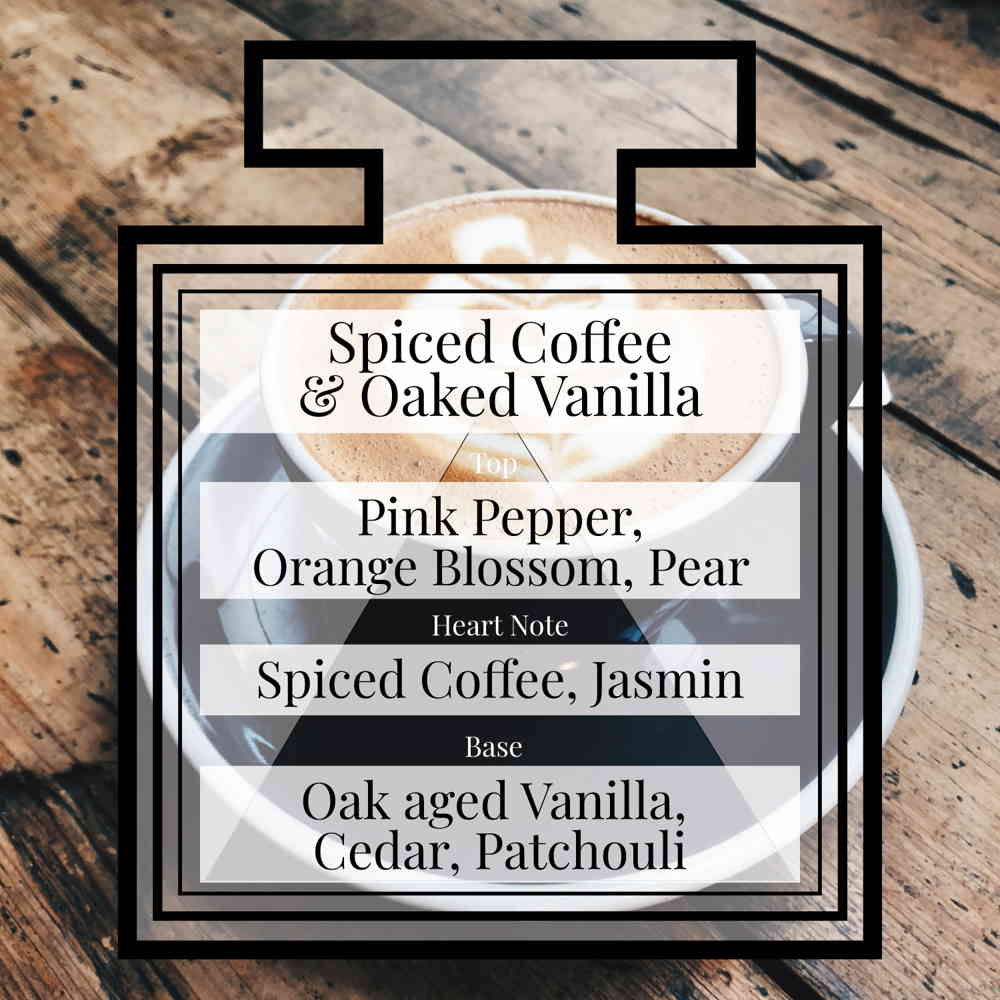
Pairfum Fragrance Spiced Coffee Oaked Vanilla Triangle

Milky Perfumes Worth Exploring

Several modern perfumes have helped shape interest in milky fragrances.

Bianco Latte by Giardini di Toscana is a rich vanilla and caramel fragrance that leans into creamy sweetness. It feels warm and soft on the skin, with a dessert-like character that is smooth rather than sharp.

Blanche Bête by Liquides Imaginaires blends white florals, musk, vanilla and soft woods to create a luminous milk-inspired fragrance. It develops gently and stays close to the skin, giving a clean, creamy impression.

Commodity Milk by Commodity uses musk, amber and marshmallow-like sweetness to build a modern interpretation of a milk fragrance. It feels soft and slightly woody, with a comforting dry down.

Ellis Brooklyn Vanilla Milk by Ellis Brooklyn combines vanilla, milk notes and tonka bean with soft florals. The result is a creamy scent that feels polished and wearable without becoming overly sweet.

Mylk de Parfum is a lighter interpretation of milky fragrances, built around musk and soft sweetness. It stays very close to the skin and creates a gentle creamy impression throughout wear.

Spiced Coffee & Oaked Vanilla – Eau de Parfum by Pairfum London

This warm oriental spicy fragrance opens with pink pepper, orange blossom and crisp pear, giving a bright yet gently spiced first impression. At its heart, rich dark coffee blends with the soft elegance of jasmine, creating a contrast that feels both smooth and slightly bitter. The scent settles into a refined base of vanilla aged in oak, layered with patchouli and cedar for a warm, grounded finish.

Milky Eau De Parfum by Pairfum London

Softness That Stays With You

Milky perfumes bring warmth, softness, and quiet comfort to everyday fragrance. Whether built around vanilla, musk, cream, caramel, or woods, these perfumes create an intimate scent that feels personal on the skin.

Some milk perfumes lean sweet and gourmand, while others stay airy, musky, and clean. The common thread is softness. A milky perfume never needs to shout.

From Bianco Latte to Blanche Bête, from Commodity Milk to Ellis Brooklyn Vanilla Milk, the world of milky fragrances continues to expand. Each perfume offers its own interpretation of creaminess, warmth, and skin-like comfort.

If you would like to visit more fragrance guides and learn about modern perfume trends, explore the wider world of niche fragrance and discover which milky perfume suits your personal style best.
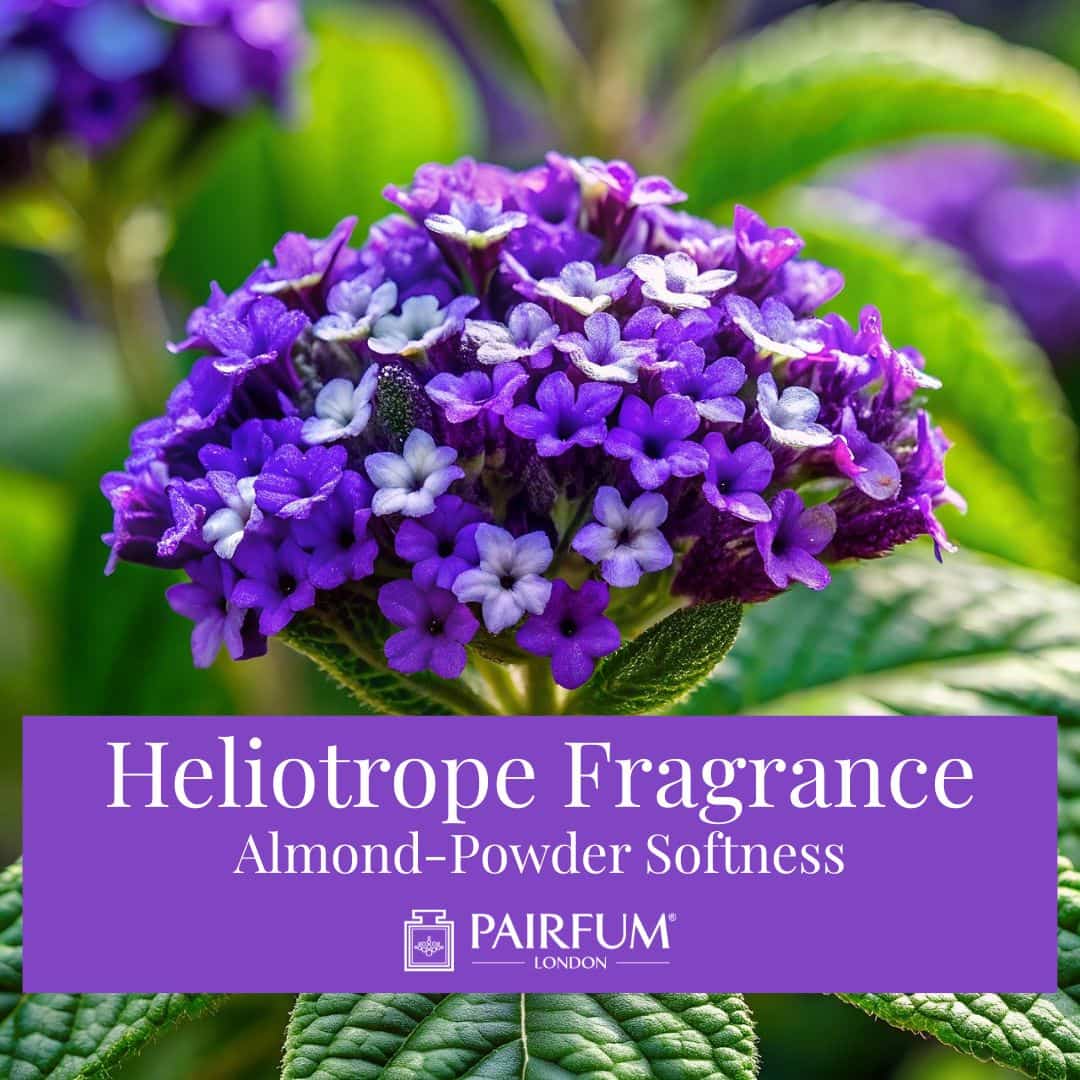
Heliotrope Fragrance

Heliotrope Fragrance: Almond-Powder Softness

Heliotrope is a sweet, powdery, floral scent recognised for its almond-like marzipan and soft vanilla aroma. Often described as creamy and comforting, heliotrope can remind people of cherry pie or delicate face powder, making it a popular powdery floral note in perfumery. The fragrance is usually recreated using the aroma molecule piperonal, also known as heliotropin.

Heliotrope brings something gentle yet memorable to perfume. Heliotrope smells like soft powder with a hint of sweet almond and warm vanilla. There’s a slight floral touch, but not in a bright or showy way. It is often described as a fragrant heliotrope accord, where the scent blends vanilla, almond and soft flower tones into something creamy and calm. It’s a cosy note that feels peaceful, especially during late winter when we start to crave comfort without anything too heavy.

This makes heliotrope a common favourite in both natural and niche perfumes. While some florals feel loud or sticky, heliotrope leans quiet and soft. Its powdery edge adds a smooth finish to a perfume, while its sweet core blends easily with other notes. When we’re searching for something warm enough for February but fresh enough to carry into spring, heliotrope holds a lovely middle ground.

A Soft Touch: Heliotrope’s History in Perfume

Heliotrope has been used in perfumery for generations. Long before heliotrope appeared in modern perfumes, people recognised the scent of this delicate flower. The heliotrope flower gives off an aroma reminiscent of vanilla, almonds and soft spring air. In early blends, this flowering plant was part of herbal remedies and body waters thought to calm the mind.

The name heliotrope has roots in Middle English and older Greek, referring to a plant that turns towards the sun. This reflects a real botanical trait, as heliotrope flowers are known to follow sunlight throughout the day.

Native to South America, heliotropium arborescens became widely admired for both its scent and ornamental value. In Victorian times, heliotrope flowers symbolised devotion and quiet charm. The powdery scent became linked to elegance, giving heliotrope a place in creams and early perfumes.

Today, heliotrope continues to appear in modern compositions. Perfumers return to heliotrope when they want softness and balance.

Fragrance Description Anise Black Vanilla Liquorice Heliotrope Amber

Heliotrope Varieties and Their Aromatic Nuance

When we describe heliotrope, we often refer to accords inspired by heliotropium arborescens rather than direct extraction. The heliotrope plant itself produces very little oil, yet its scent has become iconic.

Different interpretations of heliotrope can feel:

  • Creamy with vanilla and almond
  • Slightly dry with woody notes
  • Softly floral when paired with other flower accords

The heliotrope plant, especially common heliotrope, offers a gentle profile that adapts easily. Some heliotrope perfumes feel warm and enveloping, while others stay light and airy.

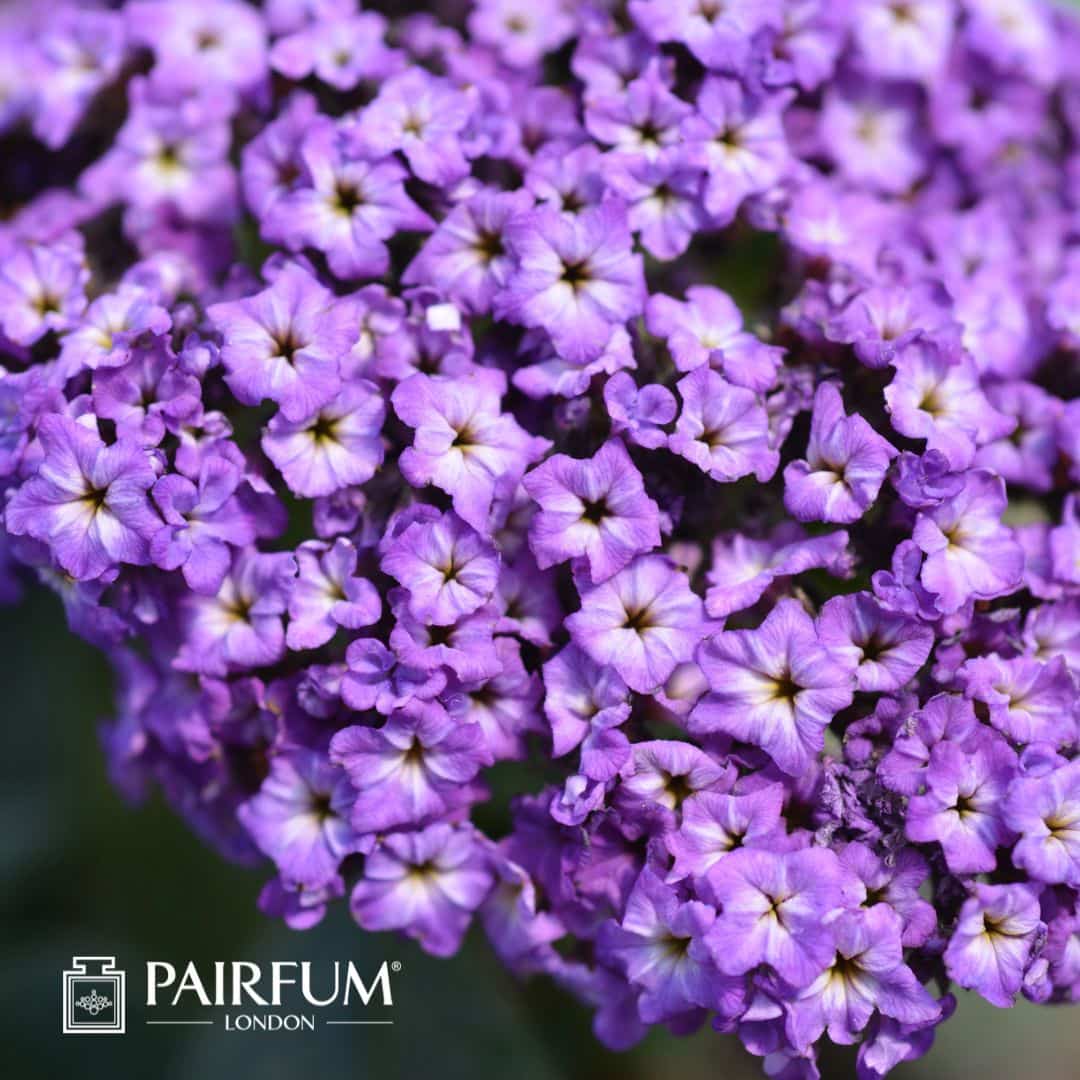
Botanically, heliotropium arborescens is a flowering plant with clusters of small, often purple or blue blooms and soft green leaves. These heliotrope plants are known for their dense clusters of scented flowers that appear throughout summer.

How Heliotrope Is Extracted and Used

Because the heliotrope flower yields little natural oil, heliotrope in perfumery is usually recreated. A key material is heliotropin, which captures the essence of heliotrope with its blend of vanilla sweetness and almond softness.

Heliotrope sits comfortably in the heart of a fragrance. It connects brighter top notes with deeper base notes. Heliotrope works particularly well with vanilla, musks and soft woods.

Even when subtle, heliotrope plays an important role. Without heliotrope, many blends would lose their smooth and comforting quality.

Living Room Natural Reed Diffuser Luxury Fragranced Candle

Heliotrope in the Garden: From Soil to Scent

Beyond perfumery, the heliotrope plant is a favourite in gardens. Garden heliotrope is valued for its fragrant heliotrope clusters and ease of care. Many gardeners grow heliotrope for both its scent and its ability to attract pollinators such as bees and butterflies.

Heliotrope is especially appreciated in wildlife friendly spaces, as its flowers provide nectar and pollen for bees and other pollinators.

Growing heliotrope successfully depends on the right soil and conditions. Well drained soil enriched with compost helps the plant thrive. The soil should retain some moisture while still allowing excess water to drain away, as heliotrope does not tolerate waterlogged conditions.

Heliotrope plants prefer direct sunlight, though they can tolerate partial shade, particularly in warmer climates. In the UK, heliotrope is usually grown as a tender plant because frost can damage it. In fact, outside its native South America, heliotrope is often treated as an annual due to its sensitivity to frost.

You can grow heliotrope in borders or as container plants. Using a container or pots allows better control over soil and placement. Hanging baskets are also popular for heliotrope plants, where their trailing habit can be appreciated.

Growing Heliotrope at Home

For those interested in growing heliotrope, it is worth understanding its seasonal habits. Heliotrope thrives in summer, producing clusters of small flowers that create a continuous bloom effect when well maintained.

To grow heliotrope:

  • Start with a healthy seed or young plant
  • Use fertile soil mixed with compost
  • Place in a sunny spot with some shelter from strong winds
  • Water regularly to maintain steady moisture

Heliotrope can also be grown indoors, especially in cooler climates. Indoors, position the plant where it can receive direct sunlight for several hours each day.

Propagation can be done by seed or by cuttings taken in summer. Seeds are often started indoors before the last frost to give the plant time to develop before planting outside.

Heliotrope is often listed among RHS plants suitable for seasonal displays. Some varieties have even received recognition for garden performance, reflecting their reliability and ornamental appeal.

Pairfum Fragrance Candle Flacon Room Perfume Spray Bathroom Spa 1 1

Care and Challenges of Heliotrope Plants

Like many plants, heliotrope requires care to stay healthy. Watch for issues such as powdery mildew or spider mites, especially in warm or enclosed environments.

Good air circulation and careful watering can help prevent powdery mildew. Spider mites may appear on the leaves if conditions are too dry.

Heliotrope plants should be watered regularly, but care should be taken not to overwater. Consistent moisture is important, though excess water can damage roots.

Because heliotropium arborescens is not frost hardy, it is important to protect plants during colder months. Bringing container plants indoors before frost is often the best solution.

In warmer regions, heliotrope may behave like temperate perennials. In the UK, it is more commonly grown as an annual due to frost sensitivity.

Design Uses and Planting Ideas

Heliotrope is a versatile plant in garden design. It works well in borders, cottage gardens and patio displays. Its compact growth and strong scent make it ideal for container planting.

Heliotrope is often planted in groups to create impact, or used as edging along paths where its scent can be enjoyed up close. It also performs well in hanging baskets and mixed container arrangements.

In summer planting schemes, heliotrope pairs well with other flowering plants. Its rich scent complements visual colour, adding another layer to the garden experience.

Because heliotrope flowers are highly attractive to butterflies and bees, it is often included in wildlife friendly planting designs.

Heliotrope

Heliotrope and the Language of Scent

Heliotrope carries a distinctive scent that many people recognise instantly. The combination of vanilla, almond and soft floral notes makes heliotrope both comforting and familiar.

Interestingly, heliotrope has also been linked to folklore. In some traditions, the plant was associated with protection and even connected symbolically to bloodstone.

The scent of heliotrope is not overpowering. Instead, heliotrope offers a quiet presence that enhances other notes.

Why Heliotrope Feels Just Right in Early May

Early May brings a different kind of shift. Spring is in full flow, yet there can still be a trace of cool air, especially in the morning and evening. Heliotrope suits this moment well, offering a soft balance between gentle warmth and light freshness. It feels like a natural companion as spring moves towards early summer.

Heliotrope blends easily with musks, woods and amber. This versatility allows heliotrope to adapt to the changing season, sitting comfortably between brighter spring florals and the deeper tones we leave behind from winter.

There is also a sense of familiarity in heliotrope. Whether it brings to mind powder, vanilla desserts or soft fabric, heliotrope continues to demonstrate it is one of the proven winners when it comes to creating a feeling of comfort while the season settles into its warmer rhythm.

Quiet Confidence: The Staying Power of Heliotrope

Heliotrope has never needed to be loud. Its strength lies in subtlety. Heliotrope adds elegance without overwhelming the senses.

From garden heliotrope displays to perfume compositions, this plant continues to charm. Whether grown in soil outdoors, placed in pots, or kept indoors, heliotrope remains versatile.

As spring approaches and summer follows, heliotrope continues to bridge seasons. It connects the richness of winter with the brightness of warmer days.

Pairfum Large Snow Crystal Candle Noir Anise Black Vanilla

Iconic Uses of Heliotrope in Natural and Niche Perfumes

We often use heliotrope alongside other soft notes to build calming perfumes. Heliotrope pairs beautifully with vanilla, tonka bean and violet.

In home fragrances, heliotrope adds warmth without heaviness. The scent feels clean yet comforting.

In niche perfumery, heliotrope softens stronger accords such as leather or spice. This makes heliotrope valuable in complex blends.

Guerlain L’Heure Bleue Eau de Parfum (Guerlain) – A classic composition where heliotrope adds a soft, powdery sweetness alongside vanilla and iris, creating a nostalgic and elegant scent.

Etro Heliotrope Eau de Toilette (Etro) – A more modern interpretation that places heliotrope at the centre, with almond and vanilla notes giving it a creamy, comforting feel.

Serge Lutens Rahat Loukoum Eau de Parfum (Serge Lutens) – A rich gourmand fragrance where heliotrope blends with rose, sugar and vanilla to evoke the scent of sweet Turkish delight.

Heliotrope Notes in Signature Home Fragrances by Pairfum London

Anise & Black Vanilla – Large Snow Perfumed Candle by Pairfum London

This soft and elegant ‘Noir’ fragrance begins with notes of anise and liquorice, bringing a subtle sense of intrigue. At its heart, heliotrope reveals its gentle vanilla and almond character, layered with powdery violet. A base of sandalwood and amber provides a warm and lasting finish.

Final Thoughts

Heliotrope stands apart as both a botanical subject and a fragrance note. From heliotropium arborescens in South America to modern perfume labs, heliotrope has travelled far.

Whether you are interested in growing heliotrope, exploring heliotrope plants in the garden, or appreciating the scent of heliotrope in perfumery, there is always more to discover in related articles on our website.

Cypress Tree Fragrances

Cypress Tree Fragrances: Evergreen Clarity and Poise

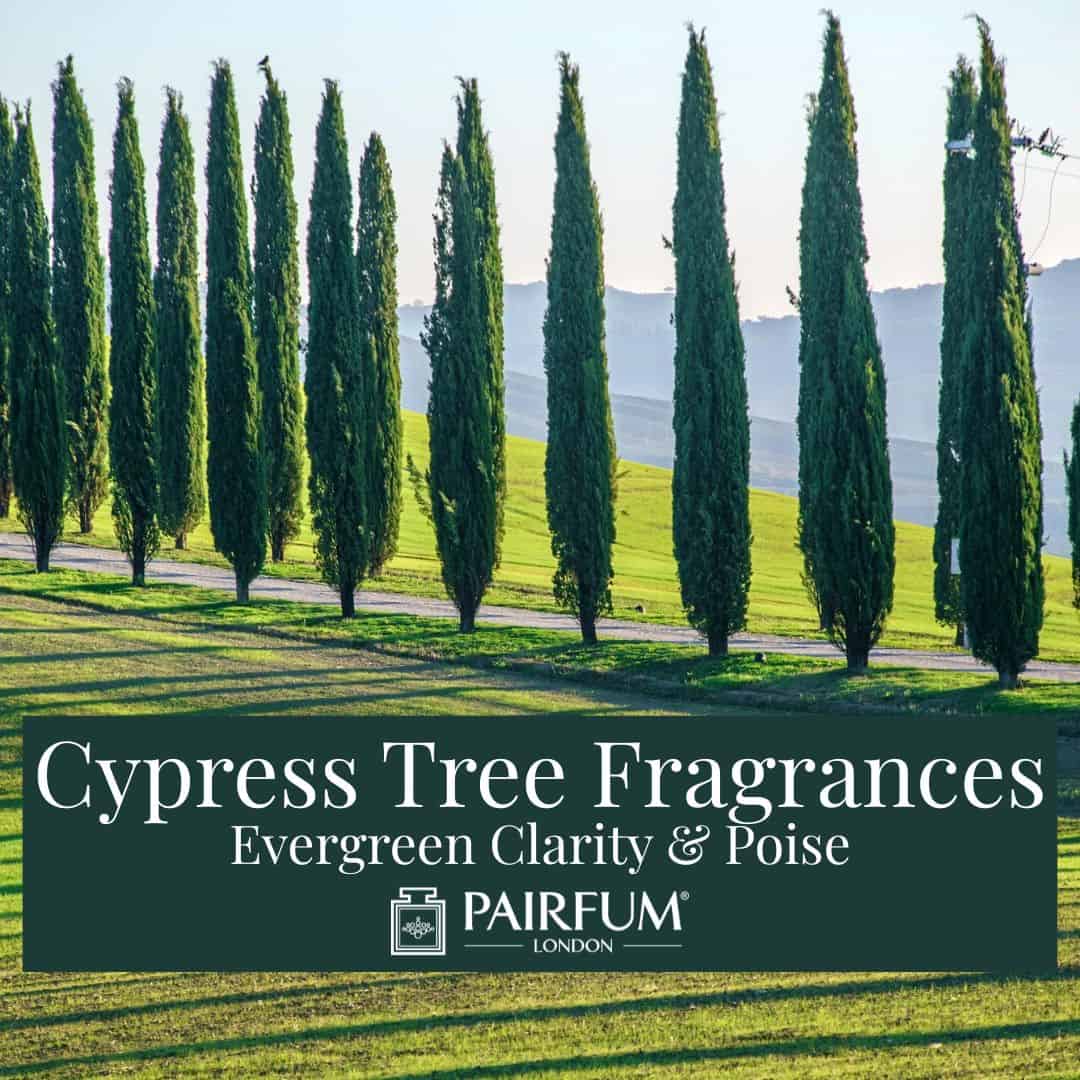
The Cypress tree is a versatile, evergreen conifer belonging to the Cupressaceae family, recognised for its tall, narrow, columnar or conical forms. Ranging from around 1 to 50 metres in height, they are widely used to create vertical structure, privacy screens, and tree-lined avenues. They thrive in sunny, well-drained, and often dry locations, making them relatively low-maintenance and drought-tolerant once established.

Cypress is one of those fragrance notes that feels instantly calming. Fresh, green, and gently woody, it brings a sense of space and lightness to any perfume. While it’s never loud or showy, Cypress keeps things grounded, balancing soft floral tones or rich woody blends with its crisp edge. Among cypress fragrances, this balance is what gives them such quiet confidence.

It is often described as a green woody freshness with a dry, slightly smoky undertone. This duality allows the scent to feel both airy and structured at once. For many, it recalls a cool breeze passing through tall evergreens, a natural clarity that feels steady rather than fleeting.

It’s especially lovely in the colder months, when many perfumes can feel too sweet or heavy. Cypress offers something more refined, clean, dry, and just green enough to cut through the weight of winter aromas. We find that perfumers often turn to Cypress for its timeless feel and its ability to add clarity without losing warmth. Its heritage in traditional perfumery shows why it still holds an important place in today’s fragrance world, both classic and niche. This kind of everyday elegance is what makes it a lasting favourite for any fragrance lover.

A Tree with Heritage: The Roots of Cypress in Fragrance

Cypress has long carried meaning beyond aroma. These tall, evergreen trees are often linked to remembrance, resilience, and calm. In Mediterranean landscapes, they are a familiar sight, often planted in lines that follow roads or mark boundaries. Their vertical form and deep green colour have influenced both art and scent for centuries.

Varieties such as Italian cypress and Mediterranean cypress have shaped how this scent is understood today. The Italian cypress is often associated with dry hillsides and warm light, while the Mediterranean cypress carries a slightly more rounded and aromatic tone. These subtle differences can influence how a perfume develops on the skin.

In traditional use, Cypress was distilled into essential oil from needles, twigs, and cones. This oil became valued for its clean, resinous aroma and was widely used in herbal preparations. Early Mediterranean cypress aftershave blends and colognes often included it for its refreshing and toning effect, particularly in warm climates where a cooling aromatic note was appreciated.

In early perfumery, Cypress oil was valued not just for its smell but for its steady, earthy profile. Alongside rosemary or frankincense, it was found in healing blends and home rituals. The clean, resinous oil worked well in summer blends, but its dryness also suited the dimmer days of winter. There is something enduring about it, perhaps because the Cypress tree itself stands tall year-round, unaffected by cold or heat. That kind of presence often finds its way into perfume.

Fragrance Description Cedar Noir Vetiver Juniper Leather Frankincense

Fragrance Profile: What Cypress Brings to a Perfume

The smell of Cypress feels like standing outdoors on a quiet winter morning. It is not sharp or spicy, but gently woody with a green edge. Some describe it as dry, with a slightly peppery tinge, almost like crushed pine needles with a twist of forest air. This crisp resinous scent is one of its defining qualities.

From a technical perspective, the scent profile of Cypress includes facets that are balsamic, slightly smoky, and faintly citrus in the opening. This soft citrus impression is not as bright as lemon or bergamot, but it adds lift to the composition. As the fragrance develops, the woody and aromatic note becomes more prominent.

We think Cypress works best when a perfume needs balance. It will not overpower floral or citrus notes, but it stops the whole blend from becoming too sweet or too rich. On its own, it feels cool and still, which is why it shows up so often in unisex perfume and more structured eau de parfum creations. In niche or natural fragrance styles, it adds that quiet body that lifts everything else.

Here are a few unique touches Cypress brings:

  • A green woody freshness for structure without weight
  • Resinous warmth with a soft woody glow
  • An air of refinement that fits crisp, winter atmospheres

Its presence is often felt more than noticed outright, and that is part of its strength. It deepens a perfume without darkening it, shaping the overall scent with subtle precision and a long-lasting scent that unfolds gradually.

Crafting with Cypress: Extraction and Perfume Applications

Cypress oil is usually obtained through steam distillation. Fresh branches, needles, and sometimes cones are distilled to capture the aromatic compounds. The result is an essential oil that holds onto the plant’s natural clarity while offering depth and stability.

The composition of this oil includes naturally occurring compounds that contribute to its woody and slightly balsamic character. These elements allow it to blend easily with other ingredients, making it a versatile choice for perfumers.

In perfumery work, we often see Cypress placed in the middle or base of a formula. It is not usually at the top of a perfume bouquet, where the lighter aromas live. Instead, it anchors the composition. This makes it helpful when working with airy florals or rich woods such as sandalwood or cedarwood. It also pairs beautifully with vetiver, which shares its grounding quality and enhances the woody tone.

In natural perfume, Cypress can bring freshness without leaning too heavily into citrus. In niche work, it offers a way to honour tradition while staying modern. Whether in an eau de parfum or lighter colognes, the aromatic blend it creates feels composed and balanced. Historical references even show its use in regency fragrances, where subtle herbal and woody accords were favoured for their understated refinement.

How Long Do Reed Diffusers Last

Harmonising with Nature: Best Notes to Pair with Cypress

Cypress is easy to blend with because it sits between cool and warm, dry and green. It fits beautifully with forest and herbal themes, especially when layered with carefully chosen ingredients.

Popular notes that work well with Cypress include:

  • Lavender and eucalyptus, for a herbal, clean impression
  • Pine and cedarwood, for a deeper, forest-inspired body
  • Vetiver and patchouli, for something well-rounded and grounding
  • Lemon, bergamot or lime, to bring a fresh citrus lift

Touches of citrus can brighten the composition, while bergamot introduces a refined citrus scent that softens the dryness of Cypress. Lime adds a sharper edge, giving a more energetic opening.

Richer notes, such as tonka bean, bring warmth and a gentle sweetness, enhancing the sense of sensuality without overwhelming the core scent. In more creative blends, perfumers sometimes include juicy grape notes or a grapevine accord, adding a subtle fruitiness that complements the green structure rather than competing with it.

This flexibility makes Cypress a useful note across styles. In home fragrance, it is often chosen for its calming, natural aroma.  Often used in reed diffusers, it clears the air gently and creates a composed atmosphere. The effect is one of quiet freshness rather than strong projection.

Cypress in Modern Perfumery and Design

Today, Cypress continues to inspire both niche creators and established designer brands. Its versatility allows it to move between classic and contemporary compositions with ease.

Well-known houses such as Yves Saint Laurent and parfums de Marly have explored green and woody accords that echo the qualities of Cypress. While it may not always be listed as a dominant note, its influence can often be found within the structure of the fragrance.

For a fragrance brand seeking clarity and balance, Cypress offers a designer essence that feels timeless. It works particularly well in eau de parfum formats, where the depth of the note can develop slowly and naturally on the skin.

Modern compositions sometimes blend Cypress with citrus, bergamot, and even grapevine nuances to create a scent that feels both grounded and luminous. These combinations highlight how adaptable the note can be while maintaining its distinctive identity.

Cypress Trees

Iconic Perfumes with the Essence of Cypress

Some of the most elegant perfumes rely on Cypress to steady their expression. You might not always notice it straight away, but its crisp touch sits just beneath the surface, holding each note in place.

These Cypress-rich perfumes often feel suited to colder weather. The resinous and slightly smoky character aligns well with crisp air, allowing the scent to feel settled rather than overpowering. The overall impression is one of clarity and focus.

In many niche fragrances, Cypress is paired with incense, woods, or subtle citrus elements. The result is a perfume that feels composed and balanced, with a scent that evolves gently throughout the day. It remains close to the skin, offering a quiet but persistent presence.

Cypress Beyond Perfume: A Lifestyle Note

Cypress is not limited to fine fragrance alone. Its clean and calming scent has made it popular in home fragrance, where it is used in candles, oils, and reed diffusers. A well-balanced diffuser with Cypress can bring a sense of order and calm to a room.

It is also a familiar element in aftershaves and colognes, especially those inspired by Mediterranean cypress landscapes. These blends often highlight the cooling and refreshing qualities of the note, making them suitable for everyday use.

Some products combine Cypress with grapevine accords, creating a scent that feels both green and gently fruity. This pairing reflects a broader trend towards more natural and botanical-inspired compositions.

For those looking for a best seller style fragrance that feels timeless, Cypress offers something distinct. It is not about boldness, but about consistency and quiet refinement.

Cedar Noir – Large Bell Shape Reed Diffuser by Pairfum London

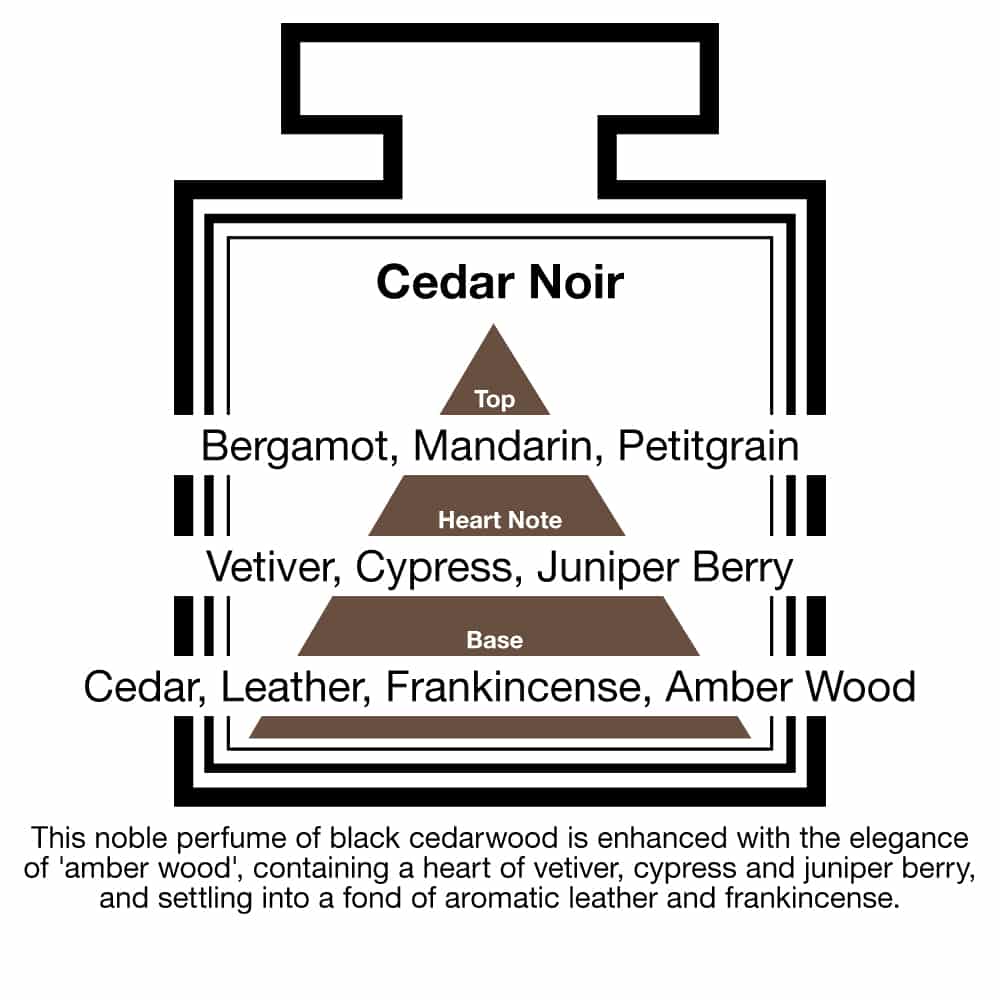
This refined fragrance centres on deep black cedarwood, lifted by the smooth elegance of amber wood. At its heart lie notes of vetiver, cypress, and juniper berry, while the base unfolds into a rich blend of aromatic leather and frankincense.

Pairfum Large Reed Diffuser Bell Signature Cedar Noir

A Breath of Green Focus in the Cold Months

Cypress gives us a way to bring freshness into our lives without relying too heavily on citrus or sweetness. It sharpens a perfume just enough to keep it lively, but never harsh. The balance it provides is particularly valuable during winter, when heavier scents can dominate.

Its greenness brings clarity. Its dryness brings calm. Used with care, it creates a sense of space within a fragrance, allowing other notes to breathe. This is why Cypress continues to appear in both traditional and modern perfume compositions.

Smoky Perfume

Smoky Perfumes: Ember-Warmed Scents with Noir Allure

There is something about smoky perfume that is hard to pin down. Not dramatic, not fleeting either. They tend to sit somewhere in between, quietly present. On cooler spring days, when the air still carries a trace of winter, that kind of scent feels right.

Most people reach for something light at this time of year. Freshness, citrus, soft florals. Yet smoky perfumes move in another direction. They bring warmth, but not in a heavy way. More like a gentle trace of smoke in the background. In the fragrance world, this shift has been noticeable. More fragrance lovers are exploring these deeper styles of perfume, not just in winter but throughout the year.

A smoky perfume does not always announce itself. Often, it lingers close to the skin, revealing itself slowly.

The Roots of Smoke in Perfumery

Smoke has always been part of scent, long before modern perfume. Burning woods and resins were once part of daily life. Not only for ritual, but also for comfort and atmosphere. That memory still seems to carry through into smoky perfumes today. Certain materials create that effect almost instinctively. Birch tar, for example, gives a dry leather tone. It feels textured, almost tangible. Resins such as incense bring something softer, more rounded. Woods supports everything underneath.

Smoke on its own would be too sharp. That is where balance comes in. Amber and vanilla are often used to soften the edges. They introduce warmth without turning the fragrance overly sweet. In some cases, the result becomes an oriental woody fragrance, or even an oriental woody smoky fragrance with a rich, bold oriental character. You will often find oriental notes and oriental resins woven through these blends. They help build depth and give the scent a sense of continuity. Incense adds a reflective quality. Not overpowering, just present enough to shift the mood.

This is where authenticity starts to matter. A well-composed fragrance does not feel forced. It settles naturally.

Pairfum Fragrance Spiced Rum Lime Guaiac Wood Triangle

Layered Like Ash and Air: What Smoky Smells Like

Trying to describe a smoky scent can feel slightly frustrating. It rarely smells like one thing alone.

At times, it leans towards leather. Dry, worn, familiar. In other blends, it feels closer to burnt sugar or even warm wood. That variation is what makes smoky perfumes so interesting. There are common patterns, though. Many smoky scents combine spice, florals, and woods. Orange blossom can appear, adding a light touch. Sandalwood and vetiver often sit underneath, steady and grounding.

Tobacco plays a noticeable role in many smoky perfumes. Sometimes it is deep and slightly bitter, like tobacco leaf. Sometimes softer, as with white tobacco. Leather is also frequent, giving the fragrance structure and a certain understated sophistication.

A smoky scent may open with a hint of freshness. Something light, almost unexpected. Then the smoke begins to emerge. Gradually, not all at once. As it settles, you will usually notice amber, vanilla, and sometimes musk. These base notes are what carry the scent forward. They help create that lasting impression people often associate with a well-made perfume. Fragrance oils and smoky accords are part of this process. They help everything blend so the transitions feel smooth.

Who Wears It Best: Smoky Perfumes for All

There is a common assumption that smoky perfumes are difficult or overly bold. In reality, they vary quite a lot.

Some are dry and quiet, built around vetiver or sandalwood. Others lean warmer, where amber and vanilla soften the edges. The difference can be subtle, but it changes how the fragrance feels.

That is why smoky perfumes tend to suit a wide range of people. Many are unisex. They do not sit neatly into categories. Instead, they adapt.

For someone new to smoky scents, it often makes sense to start lightly. A fragrance where the smoke sits in the background rather than at the centre. Over time, preferences tend to shift. Stronger smoky notes, more leather, more tobacco. It becomes easier to recognise what feels comfortable.

There is no single way a smoky perfume should feel. That flexibility is part of the appeal.

Eau de Parfum Person Reflection Spiced Rum Lime Guaiac Wood 1 1

Iconic and Modern: Well-Loved Perfumes That Lean into the Smoke

Some smoky perfumes have become widely recognised because they capture a certain mood so clearly. Maison Margiela is one example often mentioned when people talk about this style.

There has also been a shift towards more experimental blends. Perfumers are combining smoke with unexpected elements. Vanilla appears frequently, adding softness. Orange blossom sometimes brings a subtle lift.

Many best sellers follow a similar structure. Amber for warmth, leather for depth, tobacco for dryness. Vetiver often supports the base, helping the fragrance last longer.

What stands out is not just the scent itself, but the atmosphere it creates. A smoky fragrance can feel calm, reflective, even slightly distant. It does not need to be loud to be noticed.

The Role of Ingredients: Building a Smoky Profile

Looking at the ingredients individually helps explain the overall effect.

Birch tar brings that recognisable smoky leather note. Incense adds a resinous layer that can feel almost meditative. Amber introduces warmth, while vanilla softens everything around it.

Tobacco and tobacco leaf give depth. Musk supports the structure quietly in the background.

In richer compositions, oriental notes and oriental resins are added to reinforce the overall character. These elements help create a smooth progression from top to ‘base’.

A well-balanced smoky fragrance does not feel like separate parts. It feels continuous.

Smoky Fragrance

Authenticity and Choosing the Right Perfume

When choosing a smoky perfume, authenticity is worth paying attention to. Counterfeit items are more common than many realise, and they rarely reflect the intended scent.

Looking for authentic products is a simple way to avoid this. Original packaging is often a good sign, along with a clear authenticity guarantee. Many retailers now highlight that they offer 100 genuine perfumes.

It is also helpful to understand the fragrance type you are drawn to. Some smoky perfumes lean towards an oriental woody fragrance, while others focus more on leather or tobacco.

Trying a few different options usually makes things clearer.

The Art of Balance: Finding Your Own Ember-Soft Fragrance with Pairfum London

A smoky perfume does not always reveal itself immediately. It often takes time.

Wearing it on a cooler day can make a difference. The warmth develops more naturally. Applying lightly at first also helps. It gives space to notice how the scent changes.

Many smoky perfumes shift quite a bit from the first spray to the dry down. What begins as dry or slightly sharp often softens into amber, vanilla, and a touch of musk.

There is no strict method here. Some people experiment with layering. Others simply observe how the fragrance behaves over time.

Gradually, patterns start to appear. Certain smoky scents will feel more natural than others.

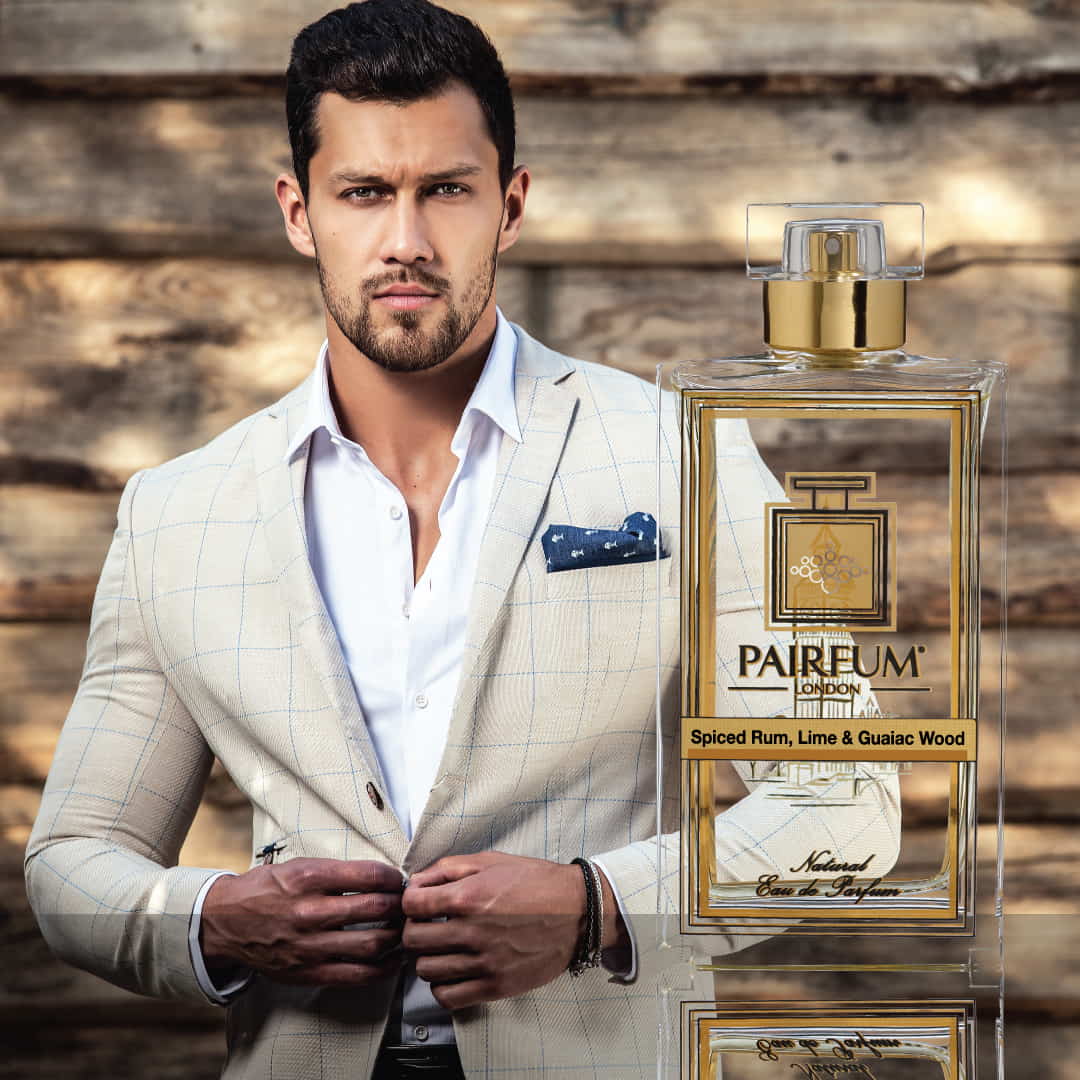
Spiced Rum, Lime & Guaiac Wood – Eau de Parfum by Pairfum London

This connoisseur’s blend begins with a spirited burst of rum, lifted by bright citrus accents of lime and lemon and the vibrant warmth of nutmeg and pepper. 

At its heart, the fragrance deepens into a sophisticated core of tuberose, iris, and vintage leather. 

Finally, a base of guaiac wood, cedarwood, golden amber, vanilla pod, and musk rounds out the composition for a truly luxurious finish.

Eau de Parfum Person Reflection Spiced Rum Lime Guaic Wood Man Jacket 1 1

A Warm Glow That Lasts

Smoky perfumes do not follow the usual path of spring fragrance. They are quieter, more grounded.

A well-made smoky perfume stays close. Notes of leather, tobacco, amber, and vanilla appear slowly. The overall effect is subtle but steady, often leaving a lasting impression.

For many fragrance lovers, that is exactly the point. These scents are not about standing out immediately. They are about depth, warmth, and a certain sense of timeless elegance.

They do not disappear quickly either. The trace of smoke tends to linger, soft but present.

Vanilla Perfume Beyond Cup Cakes

Beyond Cupcakes: The Sophisticated Side of Vanilla Perfume

When most people think of vanilla perfume, they picture something sugary and soft, maybe even a bit childlike. Cupcakes, milkshakes and sweet sprays from teen years come to mind. But vanilla is far from simple. When used with intention, it becomes rich, smooth and quietly elegant.

In niche and natural perfumes, vanilla is rarely just background sweetness. It is often the heart of the bouquet, adding warmth and polish without ever trying too hard. For spring, when the weather softens and light layers return, vanilla perfume feels right at home. Its calm, steady aura encourages a gentle shift toward ease and comfort. Let us take a closer look at how vanilla became one of the most loved ingredients in perfumery.

The Origins of Vanilla in Perfumery

The story of this fragrance starts long before it ended up in perfume bottles. The vanilla orchid is native to parts of Central America, where ancient civilisations used it in rituals and food. Spanish explorers brought vanilla pods back to Europe in the 1500s, but it took much longer for the ingredient to show up in perfumery.

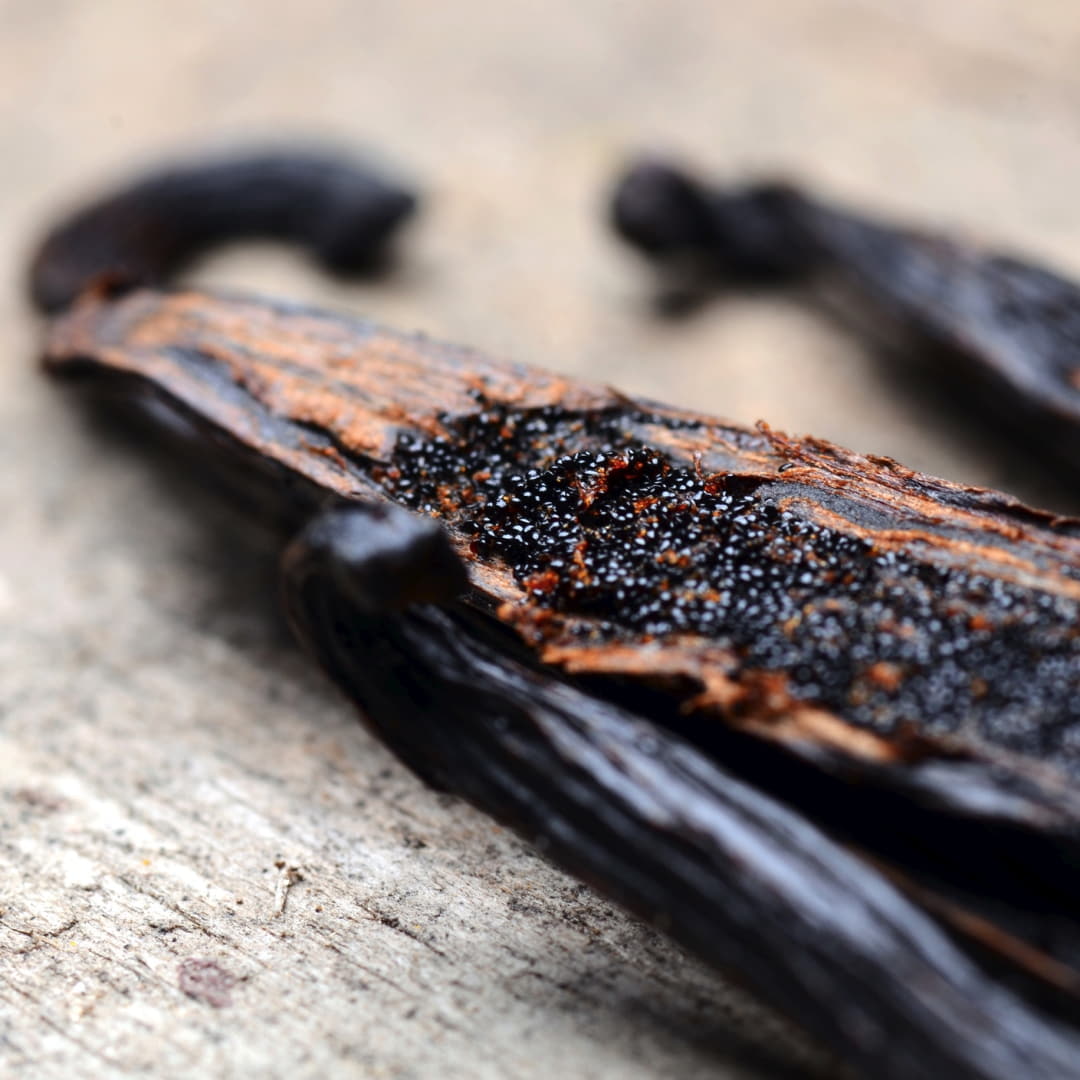
It was not until techniques were developed to extract the rich oils from dried pods that perfumers began to see its value. The process is time-consuming and delicate. First, the vanilla orchid must be hand-pollinated and then the vanilla bean pods picked at just the right time. They are then sun-dried and cured for weeks or months to develop their earthy, roasted aroma.

Once each vanilla pod is ready, the inner seeds and surrounding material become key ingredients for natural perfume oils. The transformation from green plant to deep, amber-like perfume oil is part of what gives vanilla its mystique. Today, we still value the traditional process of hand-curing and slow extraction, ensuring that each natural vanilla note feels complex and soulful.

Pairfum Person Reflection Spiced Coffee Oaked Vanilla Eau de Parfum Woman

Types of Vanilla Used in Fragrance Creation

Not all vanilla smells the same. It depends on where it is grown, how it is handled, and what part of the plant is used. Some of the best-known kinds include:

  • Madagascar vanilla: A creamy, warm profile that feels full and rounded.
  • Tahitian vanilla: Tends to be more floral and soft.
  • Mexican vanilla: Carries a slight spice with a bold edge that lingers.
  • Bourbon vanilla: Offers a dark, intense depth often found in a gourmand vanilla blend.

Perfumers often choose between natural vanilla and synthetic vanilla compounds like vanillin. While natural vanilla offers more depth and subtlety, synthetics can help support large production or balance other perfume notes without overpowering them.

Vanilla as a Base Note: Balance and Warmth

In vanilla perfumes, the ingredient tends to sit at the base of a fragrance. That means it anchors the lighter notes and gives the whole bouquet lasting power. It softens the sharper top notes and adds body to the middle florals or spices.

We often think of vanilla as sweet, but in perfume it is much more than that. It can feel woody, creamy or balsamic depending on how it is blended. That is part of why it works so well for both feminine and masculine styles. It plays nicely with lavender or rose, but it can just as easily support leather, smoke or tobacco.

A vanilla base often leaves a gentle trace in the air. People may not always recognise it right away, but they will sense something rich and calming. It gives that just-right feeling without needing to shine too brightly.

Pairfum Eau de Parfum Person Reflection Spiced Coffee Oaked Vanilla Man Smile 1 1

Famous Perfumes That Feature Vanilla With Sophistication

Some of the most iconic vanilla perfumes include this ingredient in a way that is not loud or sugary. These are blends that use vanilla to bring balance, round out rough edges, or add mood without stealing the show.

You will often find vanilla working under jasmine, patchouli or ylang-ylang, supporting the complexity of the bouquet while grounding it. Popular examples that have shaped the market include Burberry Goddess, which uses a trio of vanillas, or the deep 7 Virtues Vanilla Woods. For those who prefer a gourmand edge, Kayali Vanilla 28 is a staple, while Tobacco Vanille by Tom Ford shows the darker side of the scent.

Even in the celebrity world, the Ariana Grande Cloud fragrance uses vanilla to create a cult favourite scent. Meanwhile, DS&Durga Deep Dark Vanilla offers a more smoky, niche perspective. These are vanilla perfumes where the ingredient does not shout; it comes through smooth and steady.

Decoding the Vanilla Scent Profile

To find the best vanilla perfume, one must understand the layers. A vanilla fragrance is rarely a solo act. It is a fragrance note that plays well with others to create a specific floral scent or a spicy gourmand experience:

  • Pink Pepper: Adds a rosy, bright sparkle to the top.
  • Black Pepper: Provides a dry, woody heat.
  • Orange Blossom: Creates a fresh, honeyed floral opening.
  • Tonka Bean: Enhances the almond-like sweetness.
  • Creamy Sandalwood: Deepens the vanilla into a woody scent.
  • Creamy Musk: Softens the edges for a “second skin” feel.

When these are combined with warm spices, the vanilla takes on an exotic elegance. If you are looking for the best fresh vanilla perfume, look for blends featuring delicate florals or citrus that prevent the vanilla from becoming too heavy.

The Rise of the Anti-Vanilla and Skin Scents

Modern trends have shifted toward the anti-vanilla movement. This involves moving away from literal food-like aromas in favour of abstract and earthy interpretations. Expert beauty publications highlight how notes like sea salt, cypress root, and incense are being used to strip away the sugary coating of traditional vanilla.

This approach has led to the popularity of vanilla skin scents. These are minimalist fragrances designed to sit close to the wearer, acting as an olfactory enhancement rather than a heavy mask. By blending sheer vanilla with molecules like Iso E Super or white amber, perfumers create an aura that feels like clean skin warmed by the sun. It is a sophisticated way to wear a gourmand note without it feeling intrusive.

Vanilla Pod Wood 1 1

When and How to Wear a Vanilla Perfume

Spring is a great time to lean into vanilla perfumes, especially those with lighter blends. As the air warms, a creamy vanilla feels natural.

There are a few ways to wear this scent:

  • Body Spray and Hair: For a subtle aura, a vanilla-themed body spray can be misted through the hair. Because hair holds fragrance well, you will get compliments all day.
  • Layering: Use a vanilla-focused perfume over a woodier scent to add warmth. This is a technique often used by connoisseurs to give their signature scent more depth.
  • Skin Focus: Applying to vanilla skin (warm pulse points) allows the vanilla to bloom. Ensure skin is moisturised beforehand, as hydrated skin holds onto the sticky molecules of a vanilla base much more effectively.

Enjoy Vanilla Perfume with Pairfum London

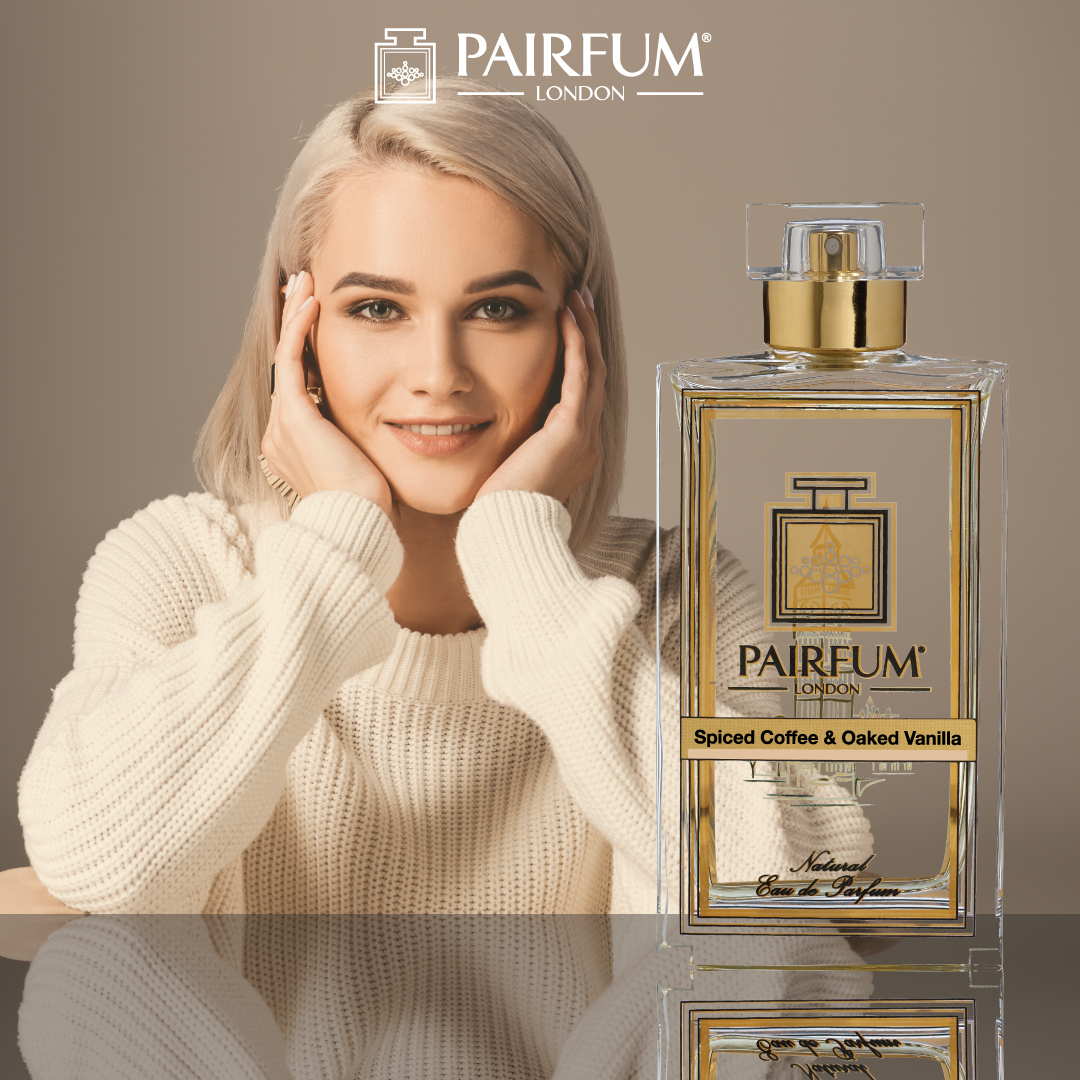
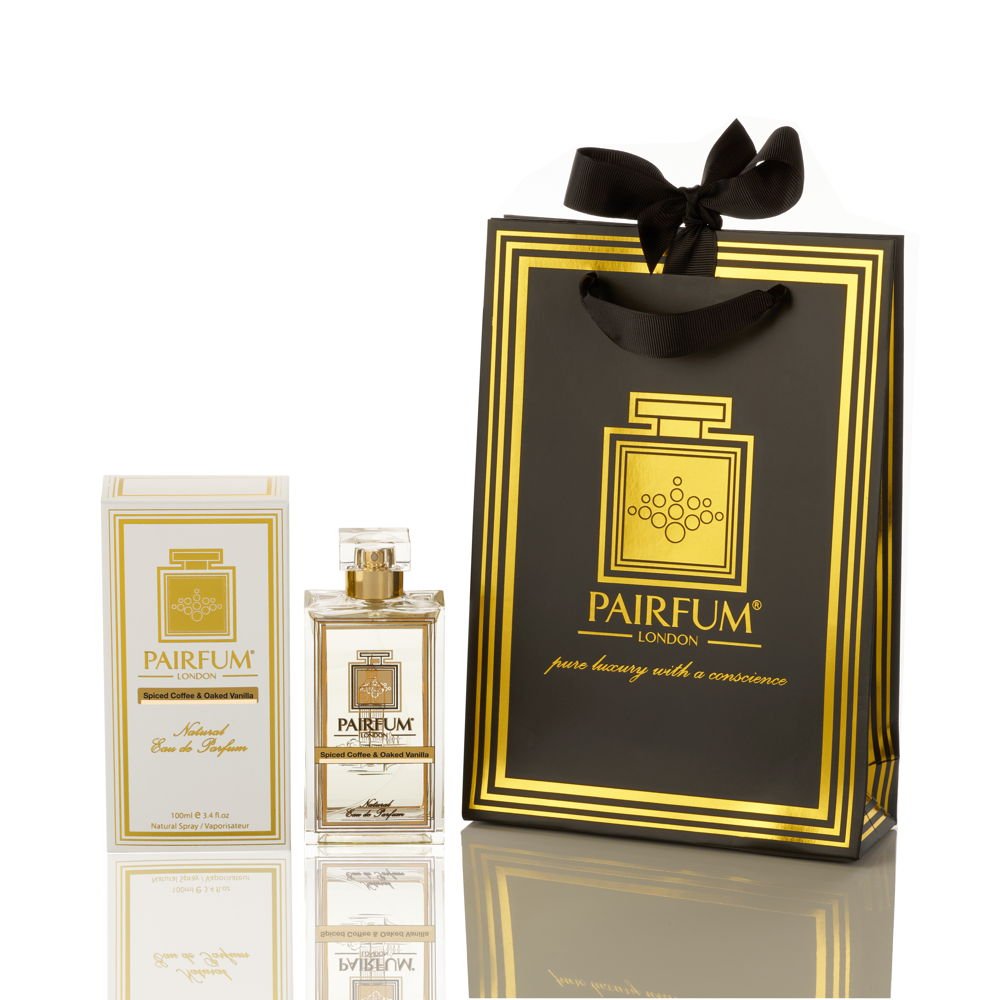
To experience this modern sophistication first-hand, our Spiced Coffee and Oaked Vanilla Eau de Parfum offers the perfect balance of warmth and depth. It is an ideal choice for those looking to move beyond simple sweetness and embrace a vanilla perfume with a truly refined, grown-up edge. Explore this unique vanilla fragrance and discover how the right blend can transform a classic scent into something entirely timeless.

Spiced Coffee & Oaked Vanilla – Eau de Parfum by Pairfum London

This warm, oriental spicy fragrance opens with a bright spark of pink pepper, honeyed orange blossom, and the crispness of fresh pear. At its heart, the composition reveals a modern, bold blend of rich, dark coffee paired with the timeless elegance of jasmine. The sophisticated finale rests on a deep vanilla base of oak-aged vanilla, earthy patchouli, and woody cedar.

Pairfum London Eau De Parfum

Modern Sophistication, Classic Comfort

Vanilla perfume has gone through many changes, but it never really left. It has stayed part of perfumery not because it is simple, but because it adapts and quietly brings everything together. Today, it is less about sugar and more about warmth.

Whether rounded in perfume oils or softened with botanicals, vanilla continues to shape how a perfume feels on skin and in memory. Its confidence lies in the balance it offers, the comfort it brings, and the quiet sophistication that lingers long after. This fragrance is a testament to the enduring power of the vanilla bean to captivate our senses through every era of perfume history.

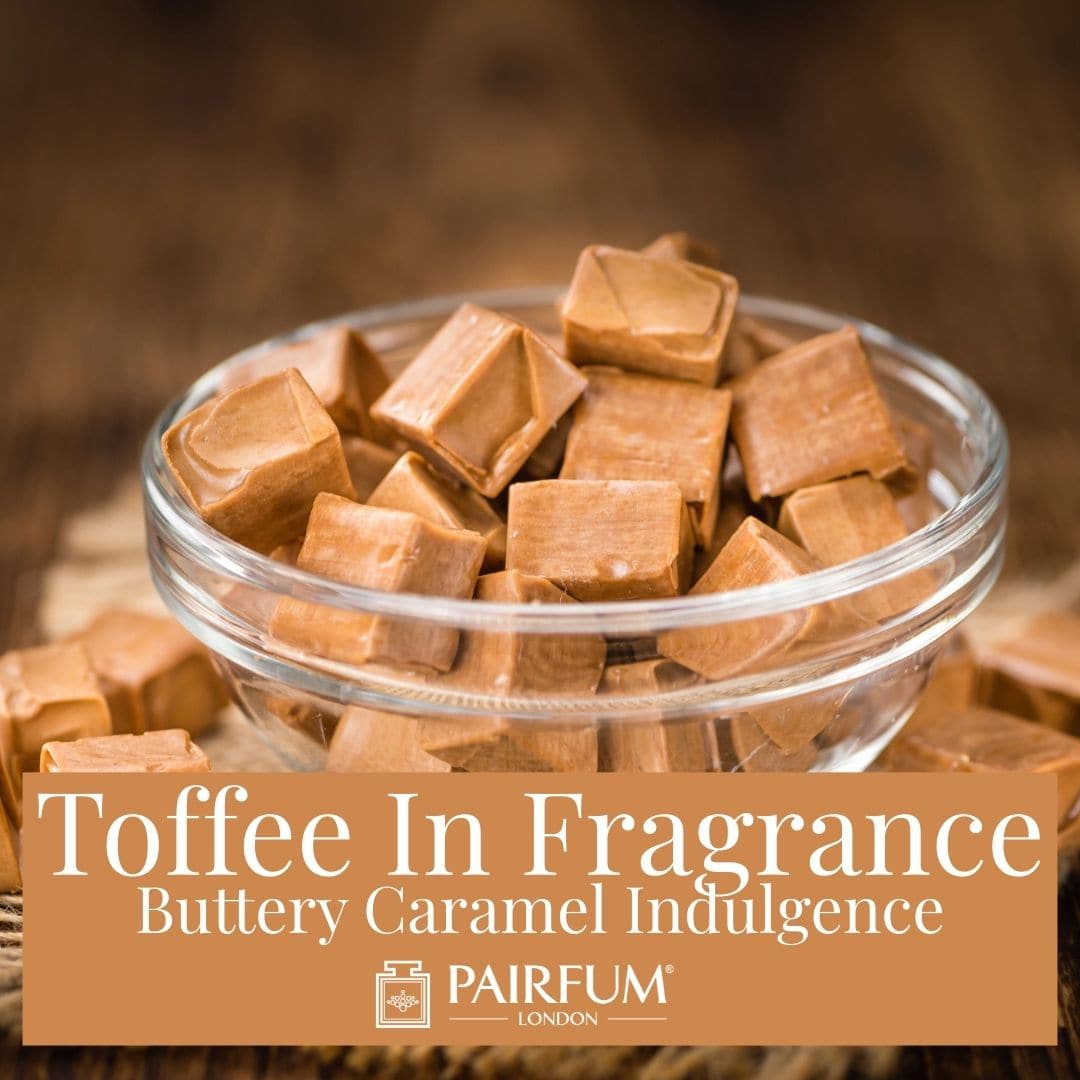
Toffee In Fragrance

Toffee in Fragrance: Buttery Caramel Indulgence

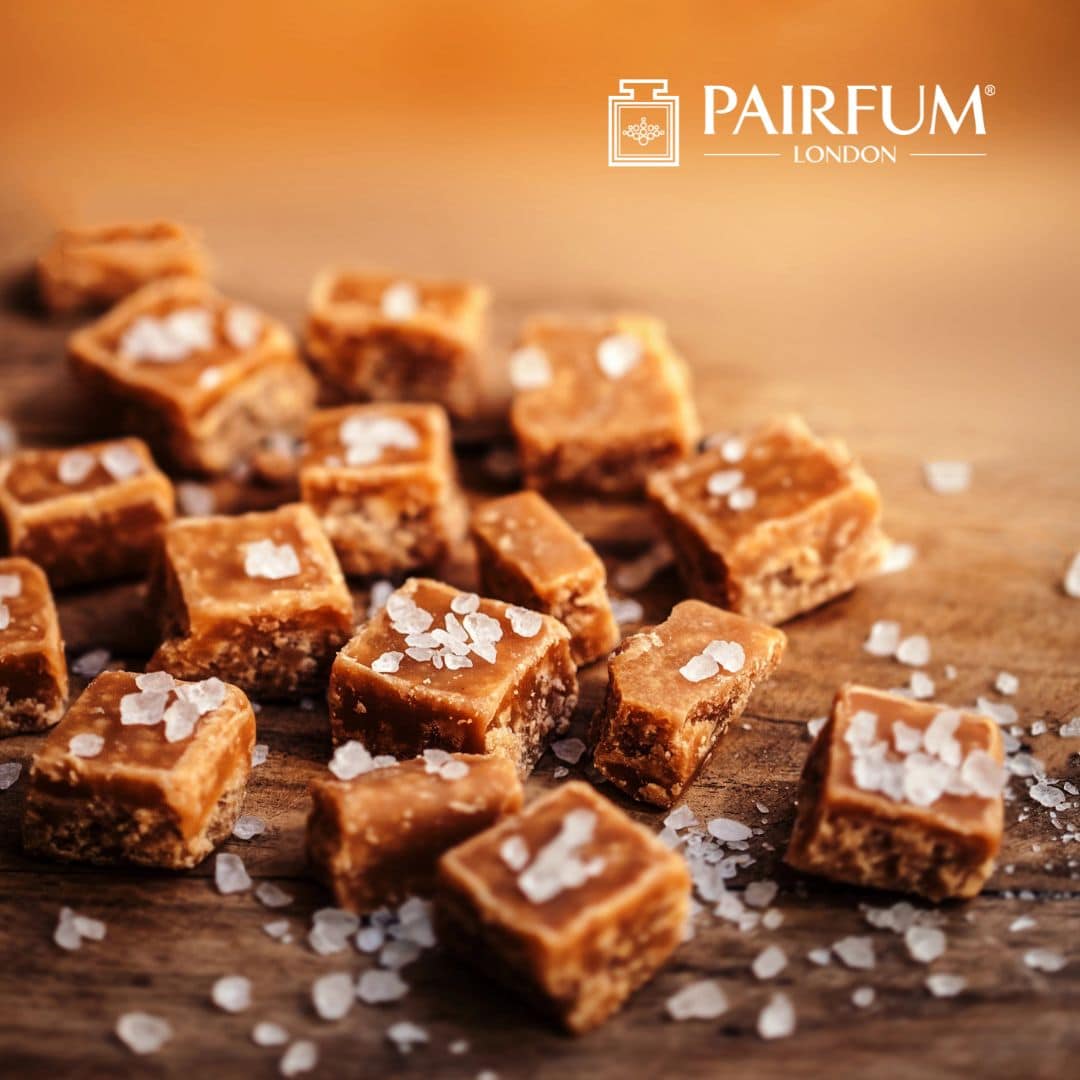
Toffee is a classic British sweet made by cooking sugar (or molasses) and butter until it reaches a firm, sticky, or hard texture, hitting “hard crack” temperatures (149-154°C). It is known for its intense caramel flavour and buttery profile, used in confectionery, coated in chocolate, or added to coffee. 

Toffee isn’t just for sweets. In perfume, it creates a cosy feel that’s perfect for this late-winter stretch that still calls for warmth yet hints at lighter days. The buttery smoothness of toffee, paired with its gentle caramel tone, wraps around the skin like a soft jumper. It’s a note that feels both nostalgic and grown up. Many might think of it as simply sweet, but toffee tells a much richer story in modern perfumery.

What starts as a familiar comfort food takes on a whole new life when it becomes part of a well-crafted perfume. Perfume makers use it to bring softness, smooth out rough edges, and add a golden glow beneath darker or sharper notes. Here is a closer look at how this dessert note has made its way into elegant fragrance, and how it’s shaped to wear beautifully every day.

A Sweet Start: The Origins of Toffee in Perfume

Toffee has always belonged to the comfort food club. Its roots go back to old-fashioned boiled sugar and butter, with origins in British kitchens. The Oxford English Dictionary dates the word back to 1825, suggesting it is a variation of the word taffy. Long before it was a scent, it was the ultimate confectionery staple. The connection to perfume is newer, rising alongside a trend that invited food-inspired notes into serious fragrance blends.

People feel drawn to aromas that remind them of home, baking, and winter holidays. Toffee brings back memories, sometimes of a favourite sticky toffee pudding or something soft and safe. These feelings are more than just personal. Perfumers know that comforting notes build trust in a fragrance the moment you smell them.

The real change came when creamy, edible notes started appearing in niche perfumes. Gourmand perfumes became favourites. They didn’t just copy candy, but instead balanced warmth and sweetness. A touch of musk, some soft woods, or a light floral finish helped to round out the composition. Toffee quickly became a favourite, thanks to its versatility and inviting cosiness.

Eau De Parfum Person Reflection Black Cherry Oolong Tea Woman Arms 1 1

From Kitchen To Chemistry: The Art of the Toffee Recipe

To understand the toffee scent, one must look at how the actual treat is made. A traditional toffee recipe usually involves heating sugar and unsalted butter together. As they melt over a medium heat, the sugar undergoes a transformation. Unlike caramel, which focuses on the burning of sugar alone, toffee relies on the heavy presence of butter to create that distinctively smooth, fatty flavour.

In the United Kingdom, this process is a point of national pride. Whether it is English toffee, which is often hard and brittle, or a softer English creamy toffee, the chemical reaction remains similar. Perfumers look for these specific markers: the richness of the butter, the depth of the brown sugar, and the hint of vanilla.

The technical secret lies in the heat. Toffee must reach the hard crack stage, which is between 149 and 154 degrees Celsius. In some variations, such as treacle toffee, the inclusion of molasses or golden syrup adds a dark, almost smoky edge. This is quite different from the toffee you might find in the United_States, where the term often refers to buttercrunch, frequently topped with chocolate chips or nuts. When a perfumer wants to create a toffee note, they are essentially trying to bottle the steam rising from that copper pot before the candy thermometer reaches its peak.

What Does Toffee Smell Like in Fragrance?

In perfume, toffee rarely tries to steal the spotlight. The aroma is warm and buttery, and sometimes there are hints of nuts or milk beneath the glowing caramel. Imagine smelling sugar cooking just before it turns dark. That soft, glowing moment is what sums up much of the toffee profile.

Toffee pairs easily with other gentle notes. Vanilla makes it creamier and adds softness. Almond brings a touch of sharpness. A backdrop of woody notes, like sandalwood or cedar, adds structure while keeping things natural. Even though it has roots in dessert, toffee doesn’t always come off as super sweet. If blended well, it adds depth and glow without going sticky or sugary.

There are plenty of sweet ingredients, but each brings something special:

  • Caramel smells more burnt and sometimes bitter.
  • Honey has a lighter, sometimes floral warmth.
  • Praline leans nutty and soft.
  • Toffee fits right in the middle, which means it works for those who like both classic and modern blends.

If you are a fan of salted caramel toffee, you might find that perfumers add a solar or marine note to mimic that salty tang, which cuts through the butter and sugar beautifully.

Nostalgia and the Sweet Shop Shelf

For many, the smell of toffee is inextricably linked to the retro sweets of childhood. Think of the heavy sweet jars lining the shelves of a traditional shop, filled with assorted toffees and boiled sweets. There is a specific tactile memory associated with toffee sweets, such as the traditional toffee hammer used to break up large sheets of treacle toffee or liquorice toffee into bite-sized chunks.

Even modern favourites like Walkers Nonsuch have kept this flavour profile alive in our collective olfactory memory. When we smell toffee in a high-end perfume, our brains might subtly flash back to chocolate eclairs (the chewy sweets, not the pastry) or the simple joy of sweet tubs shared at the cinema. This connection to sweets provides a sense of good food and abundance that makes the wearer feel nurtured.

Salted Toffee

Crafting the Aroma: How Perfumers Capture the Toffee Note

There is no such thing as toffee oil that can be tapped for perfume. Instead, perfumers build the aroma using both natural and synthetic building blocks. The job is to sculpt a smooth and believable note that feels true to the real thing, but is still wearable all day.

Some of the main parts that help recreate toffee’s magic include:

  • Lactones for creamy and milky hints.
  • Vanillin for a gentle natural sweetness.
  • Ethyl maltol for a warm, candy-like twist.

By blending these elements, the result is plush, golden, and just rich enough to carry its weight in the fragrance. Too much can feel syrupy, but balanced the right way, it wears comfortably.

This careful building often happens in niche perfume, where little tweaks reveal bigger ideas. Toffee can stand out clearly at the front or linger as a soft cloud in the background. Many modern natural perfumes use these molecules to create a confectionery accord that mimics a rich toffee sauce drizzled over ice cream, without the need for actual corn syrup or food additives.

Buttery Bliss: Why Toffee is More Than Just A Sweet

Toffee does much more than add sweetness. In careful hands, this note brings softness, balance, and a gentle touch that makes a perfume feel complete. It can warm up a cool or sharp fragrance, soften a green edge, or add richness under a lighter bouquet.

What makes toffee even more appealing is how wearable it is. Perfumes with toffee often feel lived-in, in the best way. They bring comfort without ever feeling dull or childish. It’s the kind of note that you might not be able to name straight away, but it can make a fragrance stay close to the skin, smooth and inviting.

As winter quietly turns into early spring, it’s these kinds of comforts that matter most in fragrance. It’s about more than just smelling sweets. Toffee adds an understated, soothing feeling that lingers and lifts a perfume, whether it’s at the heart or played in the background.

Those soft, golden layers of toffee give depth and roundness, making every day and every spray just a bit cosier. Even when the note is gentle, it carries a touch of richness and nostalgia that turns a simple perfume into something you want to reach for again.

Eau de Parfum Person Reflection Black Cherry Oolong Tea Man 1 1

Toffee’s Place in Modern Perfumes

Comfort is back in style, and toffee has found its role as a quiet classic in fragrance. It’s often in women’s perfumes that they want to feel warm, deep, or softly indulgent. You will also find it in men’s blends, where it helps soften stronger notes like incense, leather, or woods.

The best thing about toffee is its flexibility. Here are some of the ways it shows up:

  • In gourmand perfumes, toffee is often the heart. Chocolate, vanilla, or cream keep it company.
  • In woody blends, it smooths out the edges of patchouli or cedar.
  • In floral perfumes, toffee gives roses or jasmine a gentle anchor so the aroma feels grounded.
  • In oriental styles, it sits quietly with spicy and ambery notes.

The interaction between toffee and chocolate is particularly popular. Because chocolate has its own bitter and earthy facets, the butter and sugar in a toffee accord help to bridge the gap between the dark cocoa and the skin. It is like the scent version of chocolate eclairs, where the chocolate exterior gives way to a decadent, chewy centre.

Often, you know toffee is there, even if it’s not named up front in the product information. It provides a background hum that lasts all day, thanks to the way these heavy molecules react to body heat.

Iconic Toffee Fragrances

Jimmy Choo – Jimmy Choo EDP: A sparkling blend of toffee and Indonesian patchouli. It is the gold standard for a “glamorous” gourmand that remains light and wearable.

Penhaligon’s – Changing Constance: A sophisticated, spicy take on salted butter caramel. It balances the sweetness of toffee with pimento and cool cardamom.

Giorgio Armani – Stronger With You Intensely: A deep, woody fragrance featuring a prominent toffee heart. It captures the toasted, sugary aroma of traditional confectionery in a bold, masculine way.

Pairfum Eau De Parfum Noir Bottle Carton Black Cherry Oolong Tea

Sweet Fragrance by Pairfum London

Black Cherry & Oolong Tea – Eau de Parfum by Pairfum London

This fragrance opens with the sparkling interplay of the aromas of Black Cherry, Bergamot, Red Berries and Nutty Almond. The heart is a most elegant fusion of Oolong Tea, Bulgarian & Turkish Roses and Liquorice. The sensuous base rests on Aniseed, Tonka, Iris and Patchouli.

The Enduring Appeal of Toffee

Toffee continues to surprise us with how deeply it can shape the feel of a perfume. Whether it’s rounding out a woody base or adding softness to a floral blend, it brings warmth with quiet confidence. By manipulating heat and balance, perfumers can ensure the toffee doesn’t become cloying.

Whether you prefer the dark edge of treacle toffee or the creamy finish of English creamy toffee, there is a fragrance out there that captures that specific magic. Toffee is not just a treat for the palate; it is a symphony for the senses.

Fresh Lime Leaves

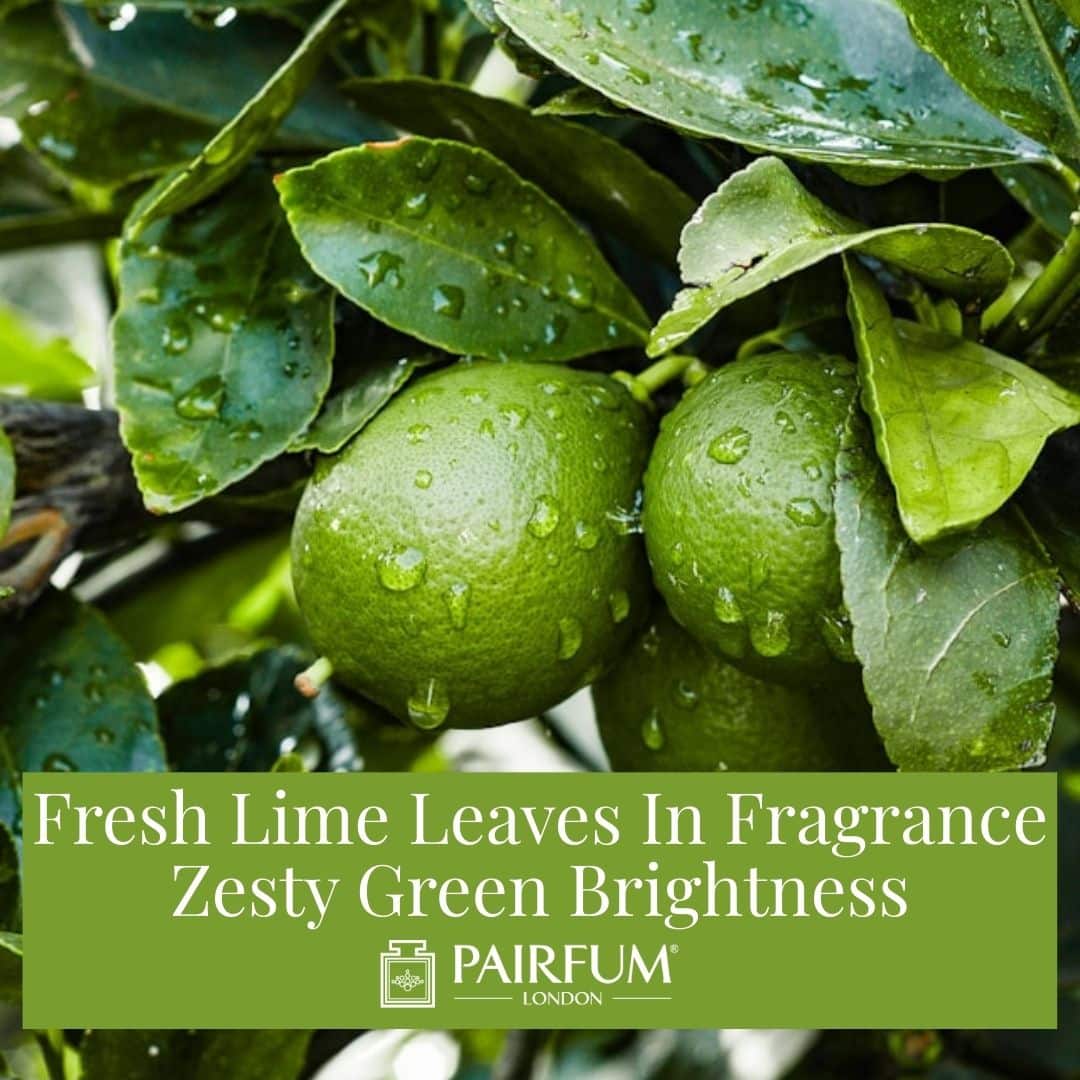
Fresh Lime Leaves in Fragrance: Zesty Green Brightness

Fresh lime leaves, specifically the Makrut or Kaffir lime leaf, are highly aromatic, double-lobed leaves that are essential for Thai cuisine and other Southeast Asian dishes. They offer an intense, citrusy, and spicy flavour profile, often compared to a blend of lemon and lime, commonly used in curry, soups, and various marinades. These fresh leaves are typically available in the refrigerated section of major supermarkets, within local Asian grocery stores, or through online specialist retailers.

Just before spring pushes winter out for good, there is something about green, citrusy perfumes that feels just right. Lime leaves offer that exact type of brightness. They carry a vivid, zesty aroma with hints of fresh greenery, almost like crushed leaves in sunshine. Used in perfumes, they can lift the whole composition in a way that feels clean, refreshing, and quietly cheerful.

We are looking more closely at lime leaves to understand how they have made their way into fine perfumery, what their perfume character is like, and why their bright green character remains a favourite in both classic and modern blends. To fully appreciate the profile of the lime, we must look at the specific species that provides these aromatic leaves, most notably the Citrus hystrix.

Pairfum Fragrance Spiced Rum Lime Guaiac Wood Triangle

A Little History Behind Lime Leaves in Perfume

Lime trees have long been grown for the freshness of their leaves as well as their tart fruit. In warm parts of the world, crushed lime leaves have been used for centuries in home rituals, cooking, and even bathing. People prized them for their natural, clean aroma, light and a bit floral, without being sugary or overpowering.

As perfume developed into an art with its own rules and structure, lime leaves provided something that citrus peel alone could not. Their leafy-green brightness added a soft, natural twist to perfumes built around herbs, white flowers, or zest. Not too sharp, not too sweet, just right for building in layers.
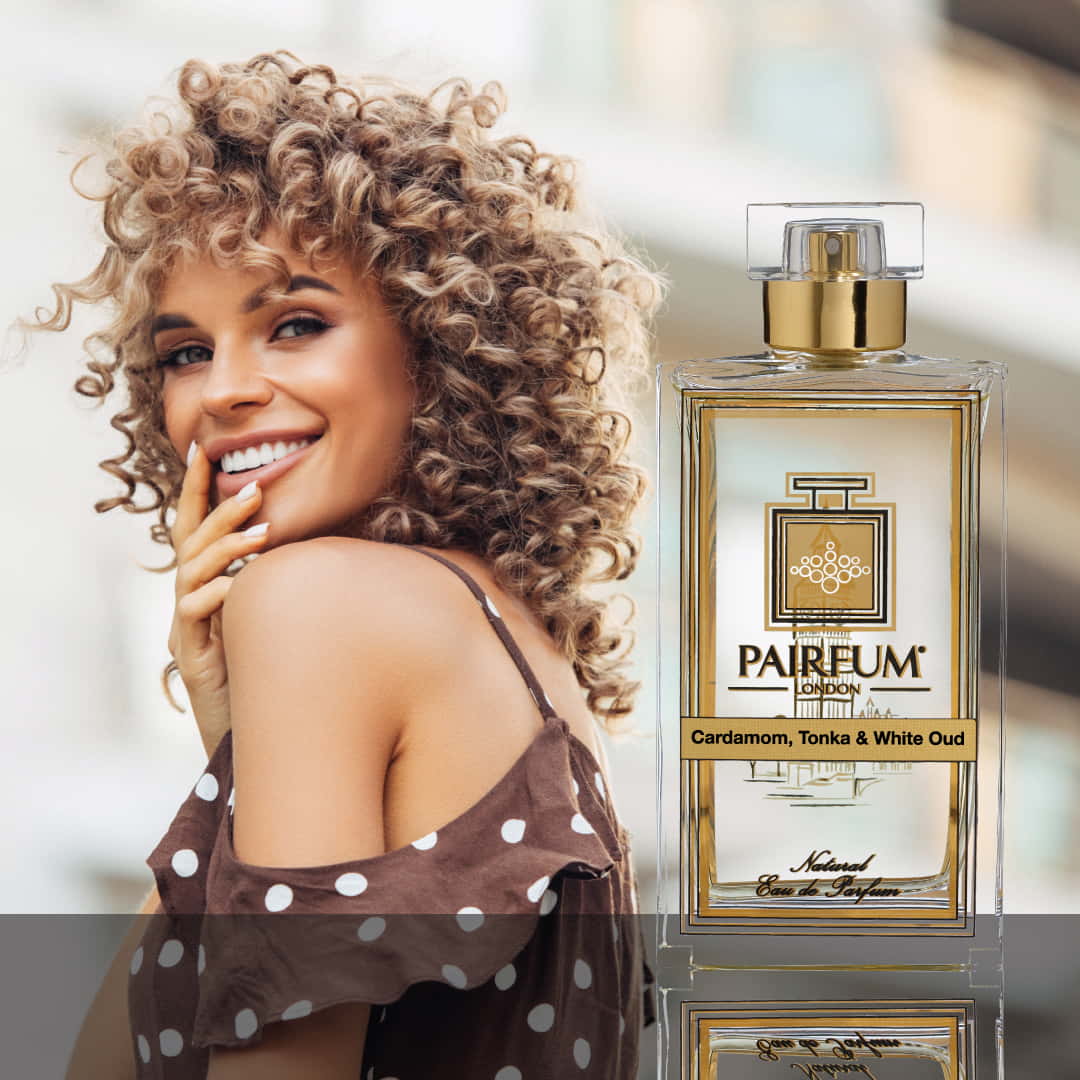
Historically, the Kaffir lime tree has been a primary source of these scents. While the fruit itself is quite bumpy and often less juicy than a standard lime, the leaf is a powerhouse of fragrance. In the United Kingdom, we often see these ingredients arriving from distant tropical climates, bringing a sense of exotic luxury to our shores.

The Botanical Identity: Makrut and Kaffir

It is important to understand that the lime leaves used in high-end scents often come from the Makrut lime, also known as the Kaffir lime. The term Makrut lime leaf is becoming the preferred name in many botanical and culinary circles. This specific Makrut lime is native to Southeast Asia, where the humid climate allows the Kaffir lime leaf to develop its signature high oil content.

Whether you refer to it as a Kaffir leaf or a Makrut lime leaf, the physical structure is unique. It looks like two leaves joined together, one appearing to grow out of the tip of the other. Botanically, this is known as a winged petiole, where the leaf-like stalk is nearly as large as the blade itself. This hourglass or bifoliate leaf shape is a hallmark of the species. In regions like South Africa and across South East Asia, the tree is a garden staple, providing fresh leaves for daily use.

Eau de Parfum Bergamot Basil Patchouli

What Lime Leaves Smell Like in a Fragrance

Lime leaves do not smell like lime juice or peel, though they share a family resemblance. They are greener and softer, with a hint of wood and a light floral touch that gives them more character than you might expect.

  • In the top notes of a perfume, lime leaves help create a fresh, crisp opening without being too sharp.
  • In the middle of a fragrance, they can soften spicy herbs, citrus, or tea notes while keeping things lively.
  • Compared with petitgrain (from the bitter orange tree), lime leaves feel less bitter and more mellow. They are also lighter than green tea, which can lean closer to dry or earthy in some blends.

The lime zest provides a punchy, sharp hit, but the leaf offers a lingering, sophisticated flavour to the scent profile. This is largely due to high concentrations of citronellal, which gives the leaves their distinctively intense, lemony-floral aroma. This makes lime leaves flexible in perfumery. They work well in fresh colognes, floral blends, and even some woody compositions that need a dash of green lightness. Whether as a starring ingredient or complementing others, lime leaves have earned their place as a staple in several scent styles over time.

Culinary Origins and Aromatic Influence

To understand why lime leaves work so well in fragrance, we can look at their role in Asian cuisine. The scent is so potent that even a single fresh Kaffir lime leaf can transform a recipe. In Thai cuisine, the Makrut lime is indispensable. You will find it in:

  • Tom Yum soup, where the fresh Kaffir lime leaves provide a counterpoint to spicy chillies.
  • A traditional Green Curry or Thai curry, where the leaves are bruised to release their oils.
  • Fish cakes and various dishes where a bright flavour is needed to cut through rich ingredients.

The way a chef uses a Kaffir lime to create a curry paste is not unlike how a perfumer uses the extract. In traditional cooking, the leaves are often julienned extremely finely to make them palatable, as they are naturally quite tough and fibrous. Both the chef and the perfumer are looking for that “spark.” In Southeast Asian cuisine, the balance of fish sauce, oyster sauce, and citrus creates a complex profile. Similarly, in a bottle of perfume, the lime notes must balance against other heavy hitters. Even the use of Thai basil or a dried leaf like a bay leaf in cooking mirrors the layering of herbs in scent.

Lime Leaf

How Lime Leaf Essence Is Created

The most common method for getting lime leaf fragrance is steam distillation. Fresh leaves from the lime tree are gently heated with steam so that their aromatic oils rise up and can be collected. This brings out the purest form of the green, citrusy aroma.

Some perfumers prefer slightly different techniques, adapting their extraction method to shape the final aroma:

  • CO2 extraction, which allows for a softer, rounder aroma that leans toward creamy, making the resulting note a little smoother for gentle blends.
  • Traditional infusions, where leaves are soaked in a neutral oil or alcohol to pick up their subtler notes over time, illustrate the slow art of fragrance.

The quality of the fresh Kaffir lime leaves used in the process is paramount. Just as a dried Kaffir lime leaf or a dried leaf loses some of its top-note vibrancy in a curry, a paste made from older leaves will not have the same olfactory “lift” as a fresh extract. In Southeast Asian markets, these leaves are prized when they are dark green and shiny, indicating a high concentration of essential oils.

How the oil is handled affects the feel of the perfume. A cleaner, sharper extract can go into a summer body splash or crisp cologne. A softer version might sit nicely in a botanical eau de parfum or even blend with white florals in a home fragrance. The choice of extraction method is an important artistic decision that can affect the end result, tailoring the lime leaf note for a particular perfumer’s vision.

Beyond the Kitchen: A Cultural Staple

The influence of the lime extends into many cultural celebrations. During Chinese New Year, citrus fruits and their aromatic leaves are often used as symbols of luck and freshness. In some cultures, the fruit and leaves are even used in traditional hair washes or religious ceremonies to signify purification. While a cook might reach for rice paper and lime to wrap a fresh spring roll, a perfumer reaches for the same botanical essence to wrap the wearer in a sense of renewal.

Even in the digital age, as we “manage consent preferences” on our favourite fragrance blogs, the search for “natural” and “authentic” scents leads us back to these ancient ingredients. The Kaffir lime remains at the top of the list for those who want a scent that feels “real.”

Eau de Parfum Person Reflection Spiced Rum Lime Guaiac Wood 1 1

Where You Will Find Lime Leaves in Perfumes Today

Lime leaves have become a notable ingredient in niche perfumes and naturally built fragrances, especially those intended to feel light, fresh, and alive. They often suggest the idea of new growth or sun-warmed air, which is why they fit seasonal launches around springtime so well.

They blend easily with:

  • Basil or verbena, for a green herbal twist that comes alive.
  • White tea or neroli, for a fresh floral edge with an airy finish.
  • Ginger or cardamom, where citrusy green notes soften warming spices and keep a balance between freshness and intensity.

Famous Lime Leaf Fragrances

To see how these notes perform in professional blends, consider these three iconic examples:

Jo Malone London – Lime Basil & Mandarin: The gold standard for herb-infused citrus. It uses a punchy lime top note balanced by peppery basil and white thyme to create a crisp, “freshly crushed” garden aroma.

Creed – Virgin Island Water: A high-end tropical classic. It features a sharp, authentic Kaffir lime note paired with coconut and white rum, perfectly capturing the zesty brightness of aromatic leaves in the sun.

Diptyque – Oyédo: A complex citrus blend inspired by ancient Japan. It combines lime and mandarin with cooling shiso leaf, providing a unique, minty-green edge that stays vivid and refreshing on the skin.

Pairfum Eau De Parfum Person Reflection Bergamot Basil Patchouli Couple Bike 1 1

Iconic Lime Notes in Pairfum London Fragrances

Spiced Rum, Lime & Guaiac Wood – Eau de Parfum by Pairfum London

This Connoiseur’s accord opens with the intense aroma of Rum, nuances of Lime & Lemon and a radiant combination of Nutmeg & Pepper. The heart is deep and rich with Tuberose, Iris and Vintage Leather. A fond of Guaiac Wood, Cedarwood, Golden Amber, Vanilla Pod and Musk completes this luxurious fragrance.

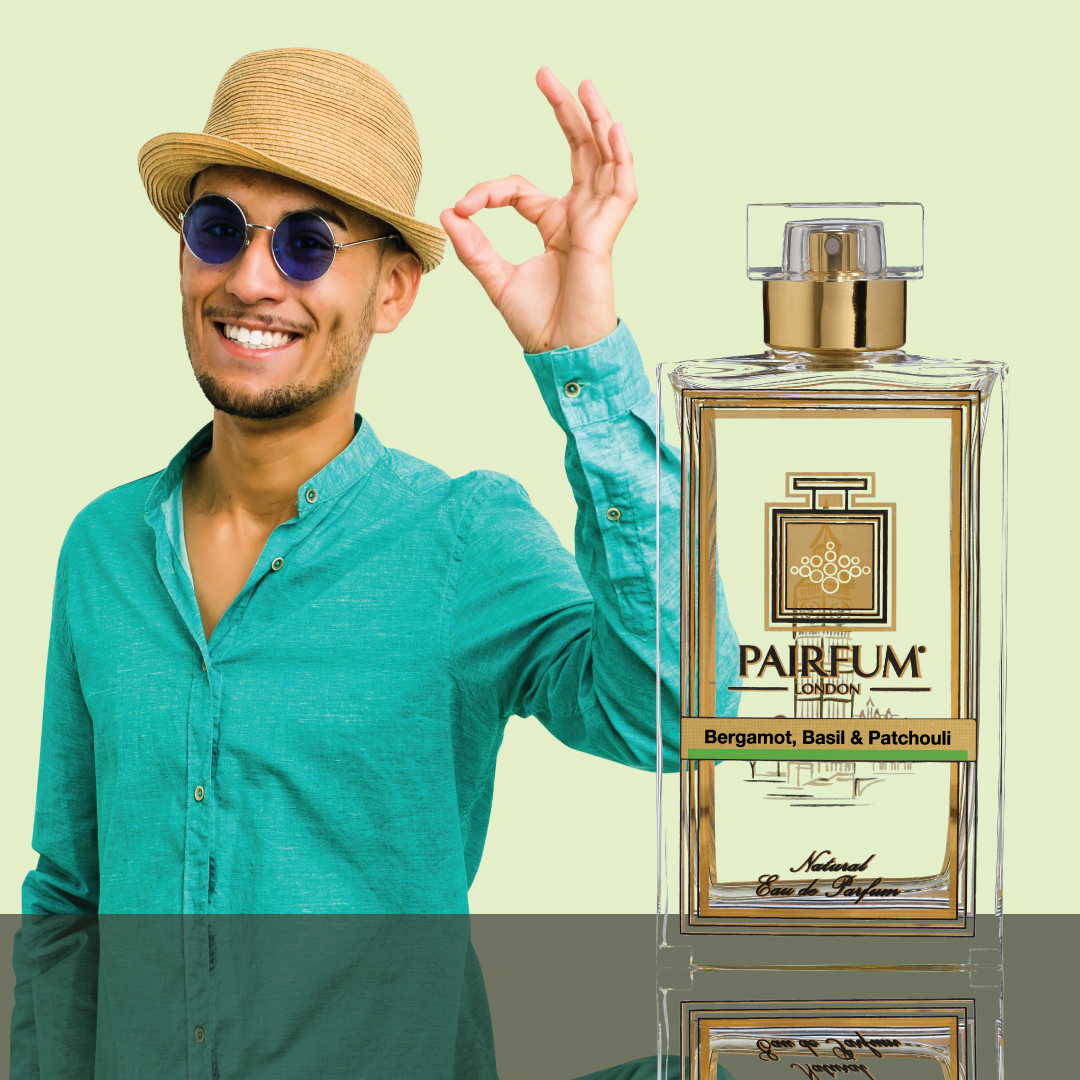
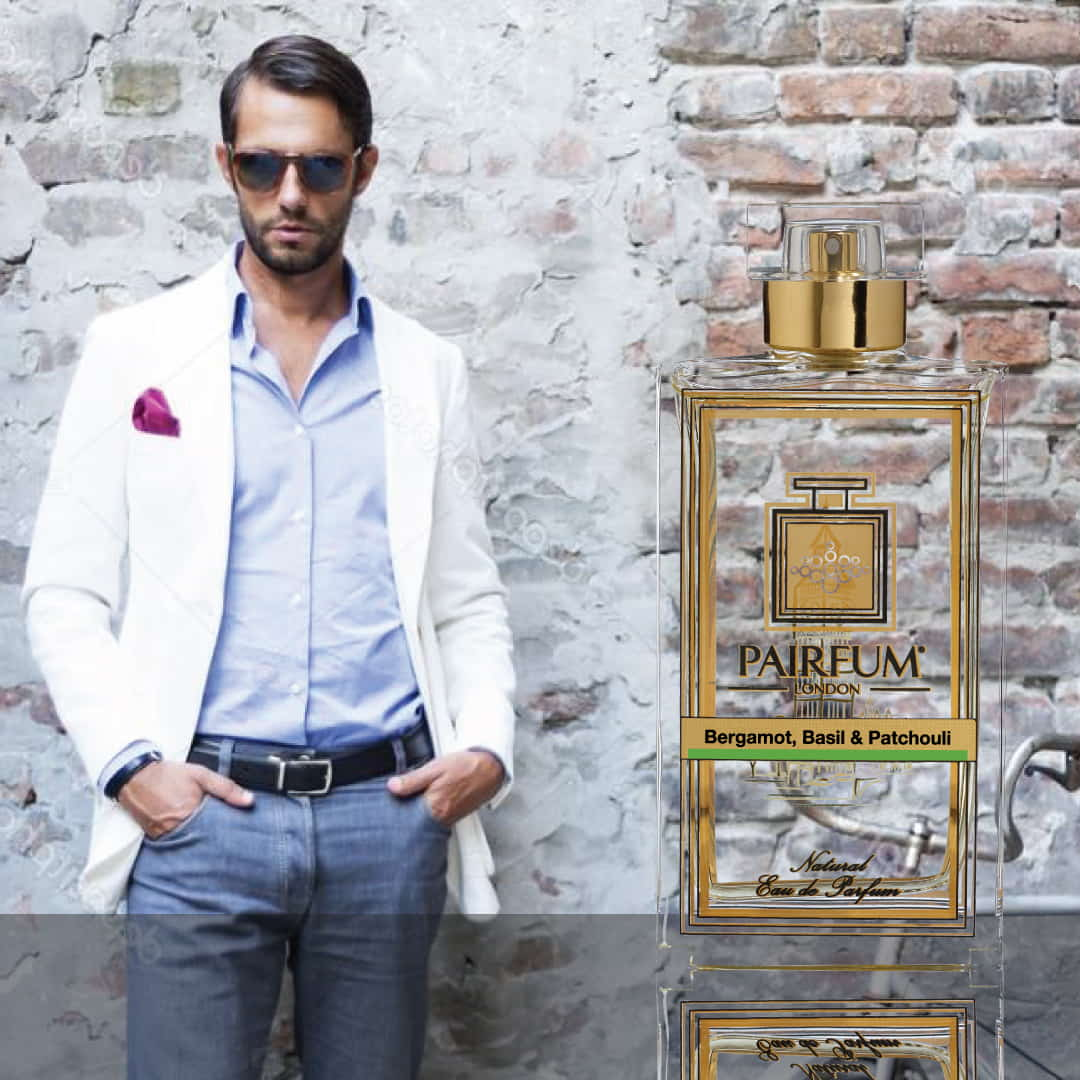
Bergamot, Basil & Patchouli – Eau de Parfum by Pairfum London

This woody and aromatic accord opens with Bergamot, Lime, Green Leaves and spicy Basil. The heart is fresh with Lily, Freesia, Violet Leaf, Rose and Geranium. The note rests on a beautifully rich woody base of Patchouli, Vetiver, Sandalwood, Cedar and Amber.

Fragrance with a Green Spark: Why Lime Leaves Still Capture Us

There is something poetic about a perfume that feels alive without shouting. Lime leaves accomplish this. Their green citrus edge gives clarity without harshness. They can lift heavier florals or woods without changing their core and fit beautifully in fragrances where balance is key.

Whether it is the scent of a Kaffir lime in a steaming bowl of soups or the elegant trail of a Makrut lime perfume, the impact is undeniable. Currently, perfumery leans into gentler touches. People want perfumes that feel natural, relaxed, and breathable. Lime leaves deliver that sense of presence without weight. Their aroma sits somewhere between leaf, zest, and faint blossom, a small twist that makes a bottle feel more grounded, more real.

Labdanum Scent

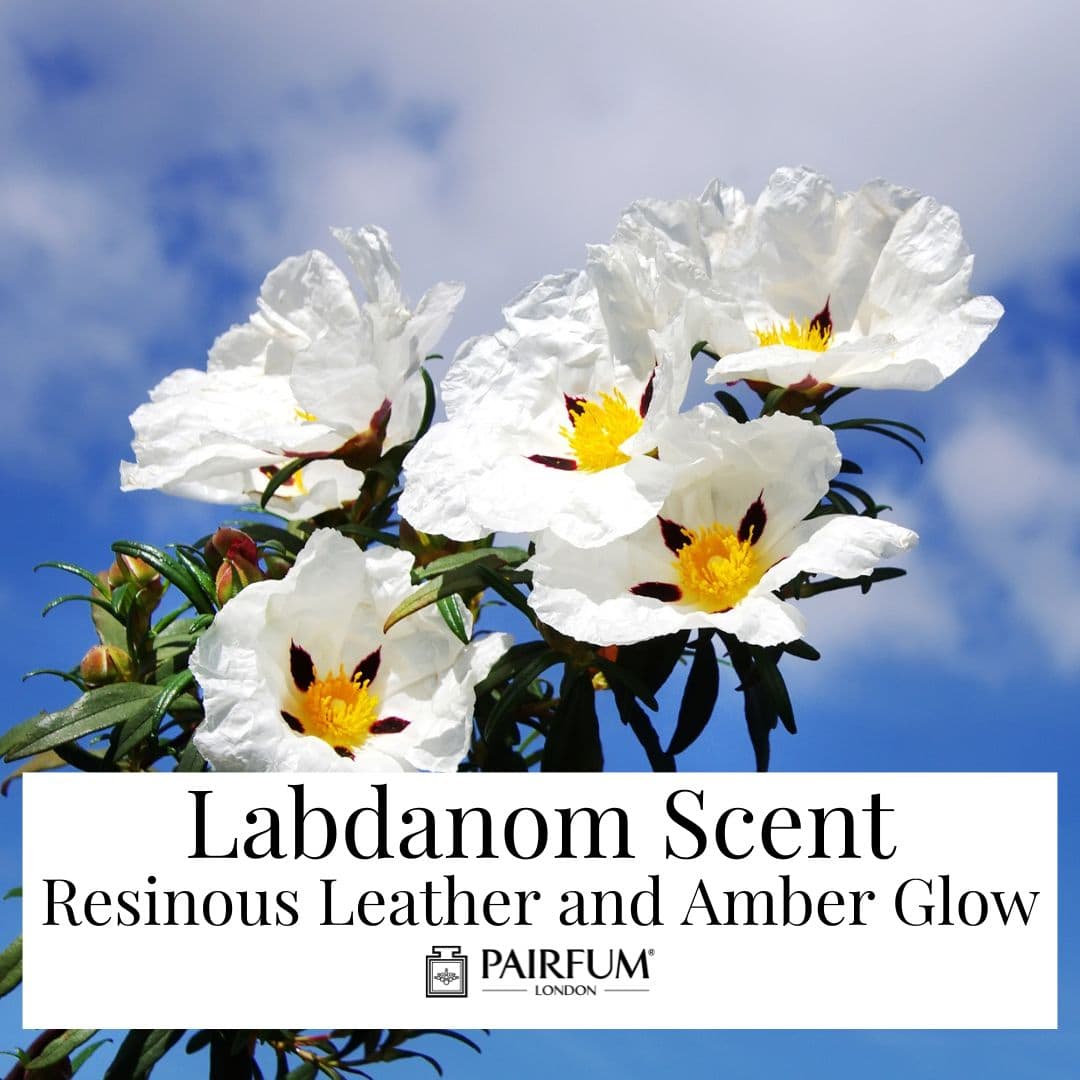
Labdanum Scent: Resinous Leather and Amber Glow

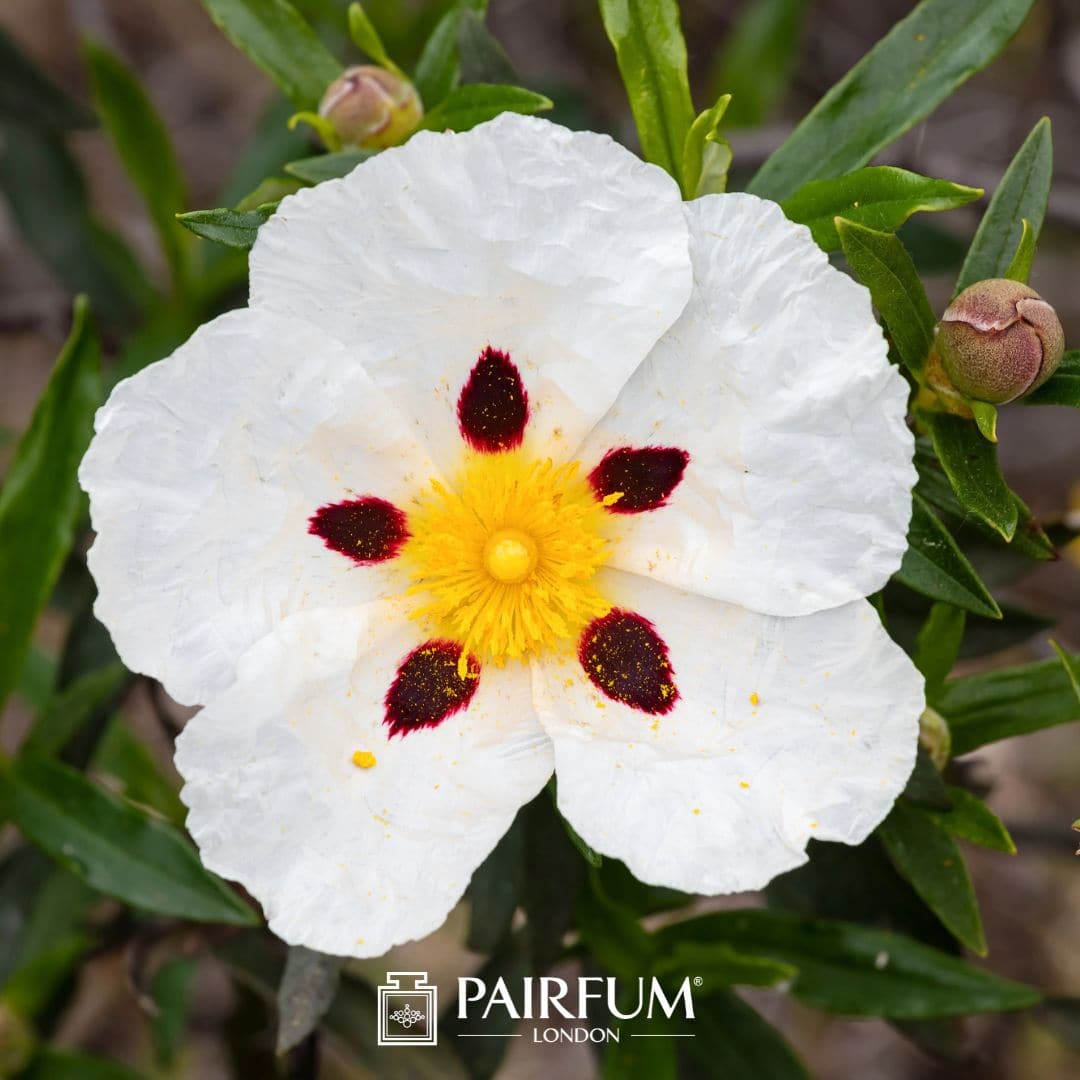
Labdanum is a rich, tenacious, and complex resin sourced from the rock rose plant, which is used extensively in perfumery for its warm, balsamic, and amber-like aroma. It functions as a key, long-lasting base note that features hints of leather, sweet honey, musk, and fruity plum. This resin is essential for creating authentic amber accords as well as classic chypre fragrances.

Labdanum is the note that makes many perfumes feel like a warm embrace, with a resinous glow that lingers on skin and in the air. It smells of sun on dry earth, leather touched by smoke, and a soft amber sweetness that seems to hum quietly in the background. When people talk about a fragrance feeling cosy, sensual or “skin-like”, they are often responding to labdanum, even if they do not yet know its name. This substance is a sticky, dark brown oleoresin whose olfactory properties undoubtedly place it among the most sought-after natural ingredients in the world of perfumery.

At our perfume house, we think of labdanum as one of the great secret ingredients of perfumery, especially in natural eau de parfum and sophisticated home fragrance. In this article, we share a perfumer’s-eye view of this beautiful material, from its unusual origins and extraction methods to the families of perfume it shapes and the iconic creations that would simply not exist without it. We will also explore how it serves as an ethical alternative to animal products while providing unparalleled tenacity to fragrance compositions.

From Goatherds to Haute Parfum

Long before labdanum reached the perfume organs of modern perfumers, it clung to the coats of goats grazing in the Mediterranean hills. As the animals brushed against Cistus shrubs, the sticky resin caught in their beards and fleece, and it was combed out by local goatherds. This dark, fragrant substance was burned as incense, pressed into unguents and offered in rituals, valued for its deep, balsamic aroma. In the island of Crete, some traditionalists still use a tool called a ladanisterion, a wooden instrument with leather straps used to rake the resin from the plants.

Historical texts suggest that labdanum may have been part of Egyptian incense blends such as kyphi, woven into smoke used for ceremony, medicine, and personal adornment. In Ancient Egypt, the resin was so highly prized that it was often linked to the beard of Osiris. It appears in texts dating back to 1500 BCE, and some scholars suggest it may even be the mysterious myrrh mentioned in certain biblical contexts. In Greek and Roman times, it continued to be treasured, associated with both healing and sensuality. Across the Middle East, labdanum appeared in religious perfumes and traditional remedies, always linked to warmth, comfort and spiritual reflection.

When modern perfumery began to flourish, labdanum stepped quietly but firmly into the spotlight. It became a pillar of the classic chypre family, where its resinous richness ties together bright citrus, floral hearts and mossy bases. In amber or oriental perfumes, it bridges the gap between sweet balsams, leathery nuances and incense notes, adding structure and depth to compositions that defined whole eras of fine fragrance.

Pairfum Flacon Perfume Room Spray Signature Cognac Vanilla

The Scented World of the Cistus Shrub

Labdanum comes from several species of Cistus, sun-loving shrubs that thrive in dry Mediterranean climates. Two are especially important in perfumery: Cistus ladanifer, commonly found in Spain and Portugal, and Cistus creticus, associated with Greece and surrounding regions. Rocky soil, strong sun and relatively harsh conditions all shape the character of the resin, concentrating its aromatic compounds. Known colloquially as the Rock Rose, this plant produces white flowers with five petals, often marked with deep crimson spots at the base.

The botanical name for the most common source is Cistus ladaniferus. Different growing areas give labdanum subtly different personalities. Resin from warmer, very dry regions may feel darker, smokier and more leathery. Material from slightly cooler or higher locations can present a touch more herbal brightness or a softer, ambery sweetness. As perfumers, we select the quality that matches the mood we want to create, whether for a natural eau de parfum or a candle that fills a room with warmth.

Once harvested, labdanum can be transformed into several perfumery ingredients. You may come across:

  • Labdanum resinoid, thick and inky, with strong leather and smoke tones
  • Labdanum absolute, smoother and more refined, emphasising amber and balsamic facets
  • Cistus oil, distilled from leaves and twigs, has a drier, more aromatic profile
  • Molecularly distilled fractions, isolating particular aspects, such as the honeyed or woody notes

On the blotter, labdanum is complex and evocative: sticky resin, sun-warm herbs, worn leather, pipe tobacco, honeyed amber and a breath of dried fruits and smoke. In both home fragrance and natural eau de parfum, it is a remarkable base note, lending volume, longevity and a sense of quiet luxury.

From Resin to Perfumer’s Palette

The oldest stories of labdanum collection describe leather thongs or combs drawn over Cistus shrubs to pull off the resin, or the famous image of goatherds gathering it from their animals’ coats. While romantic, these methods are labour-intensive and inconsistent, so modern production focuses on more controlled harvesting of the resin directly from the plants.

Today, the sticky raw material is processed through several techniques to create ingredients suitable for perfumery. Solvent extraction yields a concrete, a waxy mass that is then further processed to produce a labdanum absolute, prized for its rich yet workable texture. Steam distillation of the leaves and twigs gives Cistus oil, also known as labdanum essential oil. This essential oil is lighter and harsher, but very useful for drier, more aromatic interpretations of the note. There is also molecular distillation, where parts of the scent are carefully refined or separated to accentuate particular facets.

When we look at labdanum from a sustainability angle, it stands out as a truly renewable gift from the earth. Because these hardy shrubs can be cropped year after year without damage, they are a favourite for artisan and niche perfumery houses. These creators value natural ingredients that maintain a genuine link to the rugged landscapes and age-old crafts of the Mediterranean. Within a natural eau de parfum, labdanum acts as a powerful anchor, providing the fixative qualities needed for a scent to last. In the world of home fragrance, it helps build those rounded, diffusive base accords that make a room feel instantly more elegant and snug.

Labdanum

Extraction Techniques and Olfactive Range

The specific extraction method chosen by a producer will ultimately dictate the personality of the fragrance ingredient. While some purists still seek out the raw, unprocessed labdanum resin for its tactile grit, many of today’s automated technologies allow for a much cleaner, more precise refinement of the labdanum scent. This modern approach ensures that when the material is used in a luxury perfume, it is entirely clear of impurities while still projecting its famous majestic radiance.
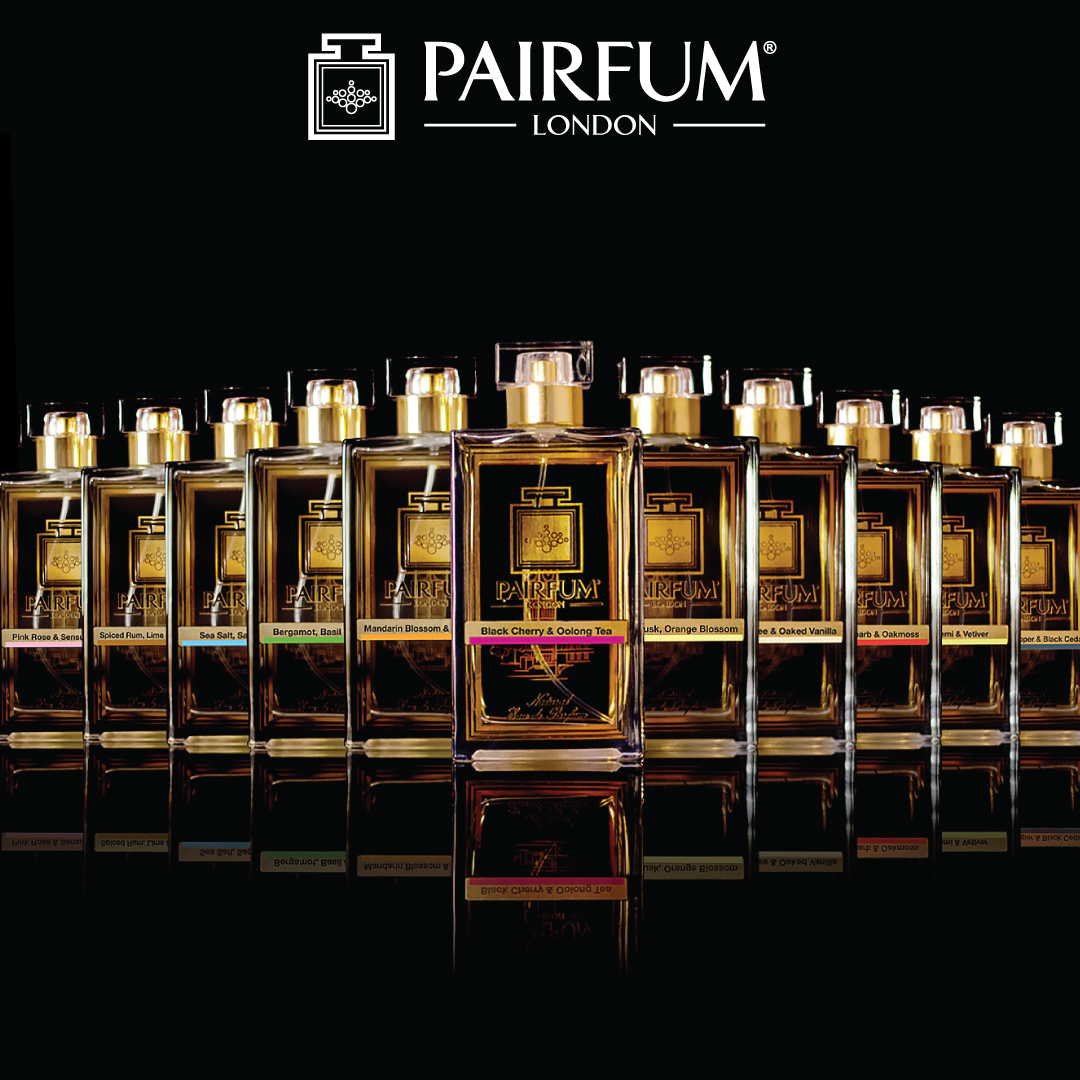
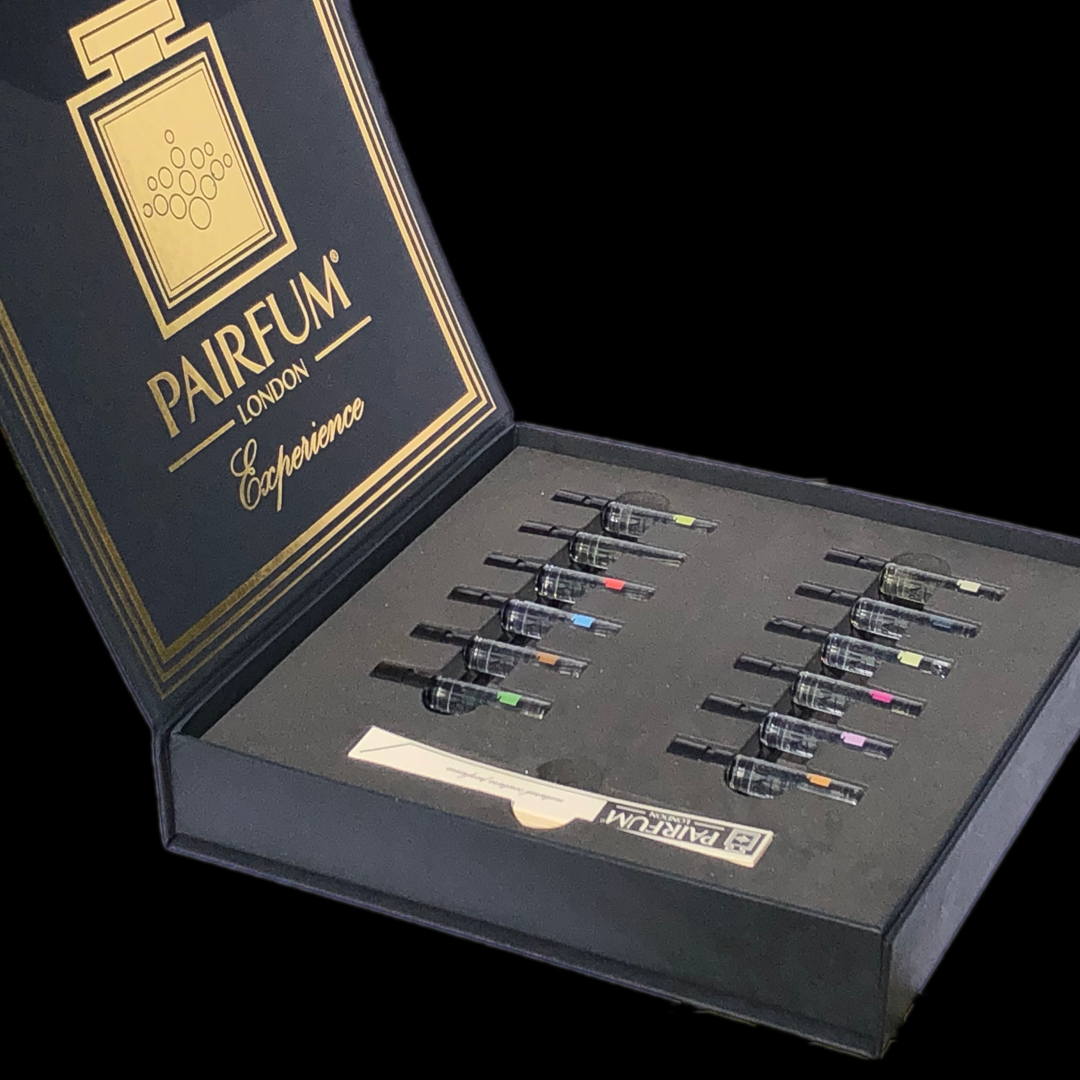
In some instances, a labdanum pack of raw materials is sent to laboratories across the United Kingdom and the United States to be tested for its chemical stability. This is vital when creating an essential oil blend where labdanum must interact with carrier oils without separating. Because labdanum is so thick, it requires a skilled hand to blend it into a fragrance without it overpowering the more delicate fragrance notes.

The labdanum profile is often compared to the Midas touch in a bottle, as it has a way of turning simple floral notes into a Midas touch of golden, rich olfactory art. Much like the legend of King Midas, a few drops of labdanum can transform a basic essential oil into something that feels expensive and timeless. It is also highly valued for its ability to mimic ambergris, providing a sweet, earthy, and slightly animalic scent that serves as an ethical alternative to animal-derived substances.

Recognising Labdanum and Enjoying It at Home

Once you know what to look for, you begin to notice labdanum everywhere. In fragrance descriptions, it often appears under base notes, with words like amber, balsamic, resinous, leathery or cistus. When you spray a perfume, wait for the bright top and softer heart to settle. The lingering, slightly smoky amber that feels like a second skin is very often labdanum’s work.

Different personalities may gravitate to labdanum in different ways:

  • Lovers of cosy ambers enjoy it in soft, comforting natural eau de parfum
  • Chypre enthusiasts appreciate how it ties citrus, flowers and moss together
  • Fans of leather fragrances relish its darker, more rugged side
  • Incense devotees recognise its smoky, meditative warmth

At home, labdanum adds a cocooning, grown-up character to scented candles, reed diffusers and room sprays. A labdanum-rich candle in the living room makes evenings feel intimate and relaxed. In a bedroom or study, it can bring a sense of calm, like a soft blanket of scent around you.

To get the best from a labdanum-rich natural eau de parfum, a few simple habits help:

  1. Apply to pulse points, where the warmth of your skin will slowly reveal its facets.
  2. Allow a little time after spraying before judging the fragrance, as labdanum shines in the base.
  3. Store your perfume away from direct sunlight and heat to protect the resinous notes.
  4. Layer with unscented or subtly matching body products so the labdanum accord stays clear rather than muddled.

If you enjoy a coherent scent presence in your home, you can echo your personal fragrance with matching styles in candles or reed diffusers. A leather-amber perfume on skin, paired with a resinous home fragrance, creates a quiet signature that guests often remember long after they leave.

Bedroom Reed Diffuser Luxury Scented Candle Room Spray 1 1

How Perfumers Use Labdanum Today

In the language of perfumery, labdanum is a cornerstone of both amber and chypre families. If you see an amber fragrance, there is a strong chance that labdanum is part of the accord that creates that golden, glowing effect. Blended with vanilla, benzoin and tonka bean, it forms the impression of warm amber, never too sugary, always grounded in a resinous base. In chypres, labdanum joins oakmoss, patchouli and a citrus top, acting like a bridge between sparkling brightness and shadowy woods.

Perfumers also reach for labdanum when building leather, incense or smoky notes. Combined with materials such as birch tar, balsam, frankincense or cade, it can suggest:

  • A soft leather jacket, warm from the skin
  • Smoky church incense curling through cool stone
  • A glowing ember effect in woody, spicy perfumes

Labdanum pairs beautifully with florals too. Rose, iris and jasmine often gain a velvety, more sensual undertone when resting on a labdanum base. Woods like sandalwood and cedar become creamier or deeper, while spices such as cinnamon, clove and saffron knit into its balsamic structure. For natural eau de parfum, this versatility makes labdanum an invaluable tool, and it plays a similar role in candles and reed diffusers, adding lasting warmth and complexity to home scents.

If you wish to view all the different ways this resin is used, you can look toward niche houses that celebrate raw materials. For example, Argos Fragrances and Olfactive Studio often highlight the dark, leathery side of the Cistus plant. Another notable mention is PG81 L’Ombre Fauve, which uses labdanum to create a feral, animalic warmth. Modern designers such as Chanel, Dior, and Guerlain continue to rely on this resin to provide depth to their most famous compositions.

Labdanum Scent in Pairfum London Home Fragrance

The Flacon Room Spray is an elegant way to instantly elevate your home atmosphere with the same sophistication as a fine fragrance. Housed in a classic glass bottle, this room perfume uses a high-quality, high-pressure mist to disperse scent evenly, allowing the aroma to linger beautifully on home textiles. It is a perfect choice for those who appreciate a luxurious, immediate scent presence that mirrors the depth and character of a personal perfume.

Cognac & Vanilla – Flacon Perfume Room Spray by Pairfum London

The aroma worthy of a Connoisseur: Sherry Aged Oak, rich Bourbon Vanilla, Golden Cognac, Caribbean Patchouli, Amber Benzoin and Ancient Labdanum.

White Sandalwood – Flacon Perfume Room Spray by Pairfum London

A Creamy Sandalwood accord with a hint of Chypre. It includes top notes of Neroli and Lychee, a floral heart of White Jasmine, Violet and Cistus Labdanum, and a base of sun-bleached Cedar, Patchouli, Musk and Tonka Bean.

Pairfum Flacon Perfume Room Spray Signature White Sandalwood

Experience The Quiet Luxury Of Natural Eau De Parfum Today

Discover how our natural eau de parfum can become your signature, with fragrances that feel as elegant as they are gentle on skin. We craft perfumes in small batches so you can enjoy a scent that feels personal, refined and beautifully balanced. By utilising the finest labdanum resin and high-quality essential oil, we ensure every bottle captures the true essence of the Cistus shrub.

If you would like help choosing the right fragrance for you or a loved one, simply contact us, and we will be delighted to guide you through the world of amber, labdanum, and the many other natural ingredients we use. Discover how this ancient resin bridges the gap between mythology and modern luxury, offering a scent experience that is as enduring as its history.

Eau De Parfum Person Reflection Sea Salt Sage Amber Couple Young 1 1

7 Vorteile natürlicher Parfums für Luxusliebhaber

Du möchtest gut duften, aber synthetische Parfüms reizen oft deine Haut oder enthalten fragwürdige Inhaltsstoffe. Die Suche nach einer gesunden und nachhaltigen Alternative kann schnell unübersichtlich werden, besonders wenn du Wert auf Qualität und Umweltfreundlichkeit legst.

Natürliche Parfüms bieten dir eine sanfte Lösung, frei von künstlichen Chemikalien und problematischen Zusätzen wie Phthalaten oder synthetischem Moschus. Sie verwöhnen nicht nur deine Haut, sondern sorgen auch für ein authentisches und einzigartiges Dufterlebnis, das sich individuell entfaltet.

Gleich entdeckst du, welche Vorteile Naturparfums für dich bereithalten und wie du von hautfreundlichen, umweltbewussten und außergewöhnlichen Düften profitieren kannst. Dein Weg zu einem gesunden Parfümerlebnis beginnt jetzt.

Inhaltsverzeichnis

Kurze Zusammenfassung

Wichtige BotschaftErklärung
1. Naturparfüms sind hautfreundlicherSie enthalten keine aggressiven Chemikalien und minimieren das Risiko von Hautreizungen.
2. Chemikalienfrei und umweltfreundlichNaturparfüms basieren auf botanischen Quellen und unterstützen eine nachhaltige Produktion.
3. Individuelle DuftentwicklungJeder Duft passt sich Ihrer Hautchemie an und bietet ein einzigartiges Erlebnis.
4. Geringeres AllergierisikoDie Verwendung natürlicher Inhaltsstoffe verbessert die Hautverträglichkeit und senkt Allergierisiken.
5. Ethische und transparente ProduktionNachhaltige Naturparfüms achten auf faire Bedingungen und umweltbewusste Herstellung.

1. Sanfte Wirkung auf die Haut

Natürliche Parfüms bieten Ihrer Haut eine sanfte und pflegende Alternative zu herkömmlichen synthetischen Düften. Anders als traditionelle Parfüms, die oft aggressive chemische Zusätze enthalten, sind natürliche Parfüms besonders hautfreundlich.

Die Hauptvorteile liegen in der Zusammensetzung: Naturparfüms bestehen aus ätherischen Ölen, pflanzlichen Extrakten und natürlichen Harzen, die Ihre Haut nicht nur parfümieren, sondern auch zusätzlich pflegen. Diese natürlichen Inhaltsstoffe reduzieren das Risiko von Hautreizungen und allergischen Reaktionen, die bei synthetischen Düften häufig auftreten.

Besonders Menschen mit empfindlicher Haut profitieren von dieser sanften Duftalternative. Die natürlichen Öle passen sich individuell Ihrer Körperchemie an und entfalten einen einzigartigen Duft, der sich angenehm im Laufe des Tages entwickelt. Im Gegensatz zu konventionellen Parfüms, die problematische Inhaltsstoffe wie Phthalate und synthetische Moschusse enthalten, schonen Naturparfüms Ihre Haut und Gesundheit.

Pro-Tipp: Führen Sie einen Hautverträglichkeitstest durch, indem Sie das natürliche Parfüm zunächst auf einer kleinen Hautpartie auftragen und die Reaktion über 24 Stunden beobachten.

Eau De Parfum Person Reflection Cardamom Tonka White Oud Dress 7 Vorteile natürlicher Parfums für Luxusliebhaber

2. Frei von synthetischen Chemikalien

Natürliche Parfüms unterscheiden sich grundlegend von herkömmlichen Düften durch ihre chemikalienfreie Zusammensetzung. Natur-Parfüms sind eine reine Alternative zu synthetischen Produkten, die Ihre Gesundheit und Umwelt schonen.

Herkömmliche Parfüms enthalten oft problematische Zusätze wie Phthalate, synthetische Moschusverbindungen und künstliche Konservierungsmittel. Im Gegensatz dazu basieren Naturparfüms ausschließlich auf botanischen Quellen wie ätherischen Ölen, Absolues und Extrakten aus Blumen, Früchten und Gewürzen. Diese natürlichen Inhaltsstoffe bieten eine ungiftige Alternative zu chemischen Duftstoffen.

Durch den Verzicht auf synthetische Chemikalien reduzieren Naturparfüms nicht nur das Gesundheitsrisiko, sondern unterstützen auch eine nachhaltigere Produktionskette. Die verwendeten Pflanzenextrakte werden often schonend und umweltbewusst gewonnen, was den ökologischen Fußabdruck deutlich minimiert.

Pro-Tipp: Achten Sie beim Kauf von Naturparfüms auf Zertifizierungen wie Bio oder Naturkosmetik, um die Reinheit der Inhaltsstoffe zu garantieren.

3. Natürliche Aromenvielfalt erleben

Natürliche Parfüms bieten eine unvergleichliche Reise durch eine Welt authentischer und komplexer Düfte. Botanische Aromavielfalt ermöglicht ein einzigartiges Dufterlebnis, das weit über traditionelle synthetische Parfüms hinausgeht.

Diese natürlichen Düfte werden aus verschiedensten pflanzlichen Quellen wie Blumen, Früchten, Harzen und Kräutern gewonnen und entfalten sich im Laufe des Tages individuell. Jeder Duft reagiert einzigartig mit Ihrer persönlichen Hautchemie und schafft so ein maßgeschneidertes Aromaprofil. Von blumigen und fruchtigen bis hin zu holzigen und würzigen Nuancen bieten Naturparfüms eine beeindruckende Bandbreite an Dufterlebnissen.

Die Komplexität dieser Düfte liegt in ihrer natürlichen Zusammensetzung. Anders als synthetische Parfüms, die oft monoton und vorhersehbar sind, verändern sich natürliche Aromen dynamisch und überraschen mit subtilen Facetten während des Tragens.

Pro-Tipp: Tragen Sie Ihr Naturparfüm am Handgelenk und an den Halspulspunkten auf, um die komplette Dufentwicklung über den Tag zu erleben.

4. Geringeres Allergierisiko

Menschen mit empfindlicher Haut finden in Naturparfüms eine sanfte Alternative zu herkömmlichen Düften. Natürliche Düfte minimieren Allergierisiken durch ihre schadstofffreie Zusammensetzung.

Herkömmliche synthetische Parfüms enthalten oft Phthalate, künstliche Konservierungsmittel und reizende Chemikalien, die allergische Reaktionen auslösen können. Im Gegensatz dazu werden Naturparfüms nach strengeren Standards entwickelt und verwenden ausschließlich natürliche Inhaltsstoffe, die die Hautverträglichkeit deutlich verbessern.

Ätherische Öle und pflanzliche Extrakte bilden die Basis dieser Düfte und reduzieren das Risiko von Hautirritationen. Jeder Inhaltsstoff wird sorgfältig ausgewählt, um eine maximale Verträglichkeit zu gewährleisten. Dennoch variieren individuelle Hautreaktionen und Empfindlichkeiten.

Pro-Tipp: Führen Sie vor der ersten Anwendung immer einen Hautverträglichkeitstest durch, indem Sie eine kleine Menge des Parfüms auf Ihrem Handgelenk auftragen und die Reaktion über 24 Stunden beobachten.

Eau De Parfum Person Reflection Sea Salt Sage Amber Couple Beach Stroll 7 Vorteile natürlicher Parfums für Luxusliebhaber

5. Umweltfreundliche Herstellung

Natürliche Parfüms setzen neue Maßstäbe in der nachhaltigen Kosmetikproduktion. Umweltbewusste Parfumherstellung kombiniert Luxus mit ökologischer Verantwortung.

Die Produktion basiert auf biologisch abbaubaren Inhaltsstoffen aus kontrolliertem Anbau und vermeidet umweltschädliche Chemikalien. Anders als konventionelle Parfüms konzentrieren sich Naturparfüms auf nachhaltige Produktionsprozesse, die Ressourcen schonen und den ökologischen Fußabdruck minimieren.

Viele Hersteller setzen zusätzlich auf plastikfreie und recycelbare Verpackungen sowie klimaneutrale Produktionsmethoden. Die verwendeten natürlichen Rohstoffe werden unter fairen Bedingungen und mit Respekt gegenüber Umwelt und Produzenten gewonnen.

Pro-Tipp: Achten Sie beim Kauf von Naturparfüms auf Zertifizierungen wie Bio oder Nachhaltigkeitslabel, um die Umweltfreundlichkeit der Produkte zu überprüfen.

6. Individuelle Duftentwicklung auf der Haut

Natürliche Parfüms bieten mehr als nur einen Duft sie versprechen ein einzigartiges olfaktorisches Erlebnis. Dynamische Duftentwicklung macht jedes Naturparfüm zu einem persönlichen Meisterwerk.

Im Gegensatz zu synthetischen Düften reagieren natürliche Aromen direkt mit Ihrer individuellen Hautchemie. Die Kombination aus reinem Alkohol und natürlichen Essenzen lässt die Duftkomponenten sanft auf der Haut verfliegen und entfaltet einzigartige Duftnuancen während des Tragens.

Jeder Mensch erlebt denselben Duft anders. Die natürlichen Duftstoffe entwickeln sich im Tagesverlauf und verändern ihre Akzente je nach Körpertemperatur und individueller Hautchemie. Das macht Naturparfüms zu einem wahrhaft personalisierten Dufterlebnis.

Pro-Tipp: Tragen Sie das Parfüm an Körperstellen mit guter Durchblutung wie Handgelenken oder Halsbereich auf, um die optimale individuelle Duftentfaltung zu erleben.

7. Nachhaltige und ethische Produktion

Nachhaltige Naturparfüms repräsentieren mehr als nur einen Duft sie verkörpern eine globale Verantwortung. Ethische Produktionsweisen setzen neue Standards in der Kosmetikindustrie.

Diese Parfüms basieren auf Prinzipien wie biologisch zertifizierte Inhaltsstoffe aus fairem Handel, ressourcenschonender Anbau und vollständige Tierversuchsfreiheit. Umweltfreundliche Verpackungskonzepte minimieren den ökologischen Fußabdruck und unterstützen einen verantwortungsvollen Produktionszyklus.

Viele Hersteller engagieren sich darüber hinaus sozial, indem sie Teile ihrer Erlöse in ökologische oder soziale Projekte investieren. Die Wertschöpfungskette wird transparent gestaltet und legt Wert auf faire Arbeitsbedingungen in allen Produktionsstufen.

Pro-Tipp: Informieren Sie sich vor dem Kauf über die Zertifizierungen und ethischen Standards des Naturparfüm-Herstellers, um eine bewusste Kaufentscheidung zu treffen.

Nachstehend finden Sie eine umfassende Tabelle, welche die wesentlichen Punkte und Vorteile beschreibt, die im Artikel über natürliche Parfüms behandelt werden.

ThemaBeschreibungBesonderheit
Sanfte HautwirkungNatürliche Parfüms verwenden rein pflanzliche Inhaltsstoffe, die hautschonend sind und das Risiko von Reizungen minimieren.Ideal für Menschen mit empfindlicher Haut.
Ohne synthetische ChemikalienDiese Parfüms verzichten auf künstliche Zusätze wie Phthalate und synthetischen Moschus.Gesundheitsschonender und umweltfreundlicher.
Individuelle DuftvielfaltDie natürlichen Aromen passen sich der persönlichen Hautchemie an und entwickeln sich dynamisch über den Tag.Jeder Nutzerin erlebt ein individuelles Dufterlebnis.
Reduziertes AllergierisikoDank der Verwendung natürlicher Essenzen wird die Wahrscheinlichkeit allergischer Reaktionen erheblich gesenkt.Besonders verträglich und kontrolliert.
Nachhaltige HerstellungNatürliche Parfüms setzen auf biologischen Anbau, faires Produzieren sowie klimafreundliche Verpackungen.Ökologisch und sozial verantwortungsbewusst.
Ethische ProduktionLabels legen Wert auf fairen Handel, transparente Produktionsmethoden und Investition in soziale Projekte.Unterstützt die Umwelt und globale Fairness.

Hiermit wird die Vielfalt und der nachhaltige sowie gesundheitsbewusste Ansatz von Naturparfüms zusammengefasst.

Entdecken Sie die luxuriöse Natürlichkeit mit Pairfum London

Der Artikel hebt hervor wie natürliche Parfüms nicht nur die Haut schonen sondern auch ein unvergleichliches Duft-Erlebnis bieten das individuell mit Ihrer Hautchemie harmoniert. Für alle die Wert auf sanfte Inhaltsstoffe, nachhaltige Herstellung und eine vielseitige Aromavielfalt legen ist es eine Herausforderung das perfekte Parfum zu finden das Luxus mit Natürlichkeit verbindet. Genau hier setzt Pairfum London an und bietet eine exklusive Auswahl an handgefertigten, natürlichen Eau de Parfums die mit natürlichen Essenzen aus botanischen Quellen komponiert und frei von synthetischen Chemikalien sind.

Pairfum London Natural Niche Eau De Parfum Range 7 Vorteile natürlicher Parfums für Luxusliebhaber

Tauchen Sie ein in die Welt von Pairfum London und erleben Sie individuelle Duftkreationen die sich dynamisch auf Ihrer Haut entfalten. Profitieren Sie von der nachhaltigen und ethisch verantwortlichen Herstellung die Luxus und Umweltbewusstsein vereint. Starten Sie jetzt Ihre persönliche Duftreise mit einem natürlichen Parfum das Luxus neu definiert und schenken Sie sich ein authentisches sowie gesundes Erlebnis. Besuchen Sie Pairfum London und entdecken Sie unser Sortiment für natürliche Luxusparfüms die Ihre Sinne verzaubern und zugleich Haut und Umwelt respektieren.

Häufig gestellte Fragen

Was sind die Hauptvorteile natürlicher Parfums für Luxusliebhaber?

Natürliche Parfums bieten eine sanfte und hautfreundliche Alternative zu synthetischen Düften, die oft schädliche Chemikalien enthalten. Sie fördern nicht nur das Wohlbefinden der Haut, sondern bieten auch ein einzigartiges und individuelles Dufterlebnis.

Wie unterscheiden sich natürliche Parfums von herkömmlichen Parfums?

Natürliche Parfums basieren auf ätherischen Ölen und pflanzlichen Extrakten, während herkömmliche Parfums häufig künstliche Zutaten und Chemikalien enthalten. Wählen Sie natürliche Parfums, um die Kombination aus Luxus und Umweltbewusstsein zu genießen.

Wie kann ich die Verträglichkeit eines natürlichen Parfums testen?

Führen Sie einen Hautverträglichkeitstest durch, indem Sie eine kleine Menge des Parfums auf einer unauffälligen Hautstelle auftragen und die Reaktion über 24 Stunden beobachten. So stellen Sie sicher, dass Ihr ausgewählter Duft gut zu Ihrer Haut passt.

Warum sind natürliche Parfums besser für die Umwelt?

Natürliche Parfums verwenden biologisch abbaubare und nachhaltig gewonnene Inhaltsstoffe, wodurch der ökologische Fußabdruck minimiert wird. Achten Sie beim Kauf auf Zertifizierungen, um umweltfreundliche Produkte zu unterstützen.

Wie entwickeln sich natürliche Düfte auf der Haut?

Natürliche Düfte reagieren mit der individuellen Hautchemie und entfalten sich im Laufe des Tages vielfältig. Tragen Sie das Parfüm auf gut durchblutete Körperstellen auf, um die optimale Duftentfaltung zu erleben.

Was sollte ich beim Kauf von natürlichen Parfums beachten?

Achten Sie auf die Inhaltsstoffe und bevorzugen Sie Produkte mit Bio- oder Naturkosmetik-Zertifizierungen. So stellen Sie sicher, dass die verwendeten Rohstoffe von hoher Qualität und ohne schädliche Zusatzstoffe sind.

Pairfum Collection Niche Perfume Experience Fragrance Library 7 Vorteile natürlicher Parfums für Luxusliebhaber
Image

Wie man Parfum auswählt: Der perfekte Duft für Ihre Haut

Nichts ist so persönlich wie ein Duft, der Ihre Identität unterstreicht und sich perfekt an Ihre Hautchemie anpasst. Die Suche nach einem natürlichen Parfum wird zu einer inspirierenden Entdeckungsreise, wenn Sie verstehen, dass Ihre Parfümpräferenzen ein Zusammenspiel aus Persönlichkeit, Emotion und Kultur sind. Wer Luxus und Natürlichkeit schätzt, erfährt hier, wie Sie Ihr individuelles Duftprofil analysieren und mit gesundheitsbewusster Auswahl Ihr persönliches Signature-Parfum finden.

Inhaltsverzeichnis

Schnelle Zusammenfassung

Wichtiger PunktErklärung
1. Analysieren Sie Ihre DuftvorliebenVerstehen Sie Ihre eigenen Vorlieben und testen Sie verschiedene Düfte, um Ihre persönlichen Präferenzen zu erkennen.
2. Berücksichtigen Sie Ihre HautchemieIhre individuelle Hautchemie beeinflusst, wie ein Duft auf Ihnen wirkt, daher sollten Sie dies bei der Auswahl beachten.
3. Vergleichen Sie DuftkompositionenTesten Sie verschiedene Düfte innerhalb der gleichen Duftfamilie, um herauszufinden, welche Noten Ihnen am meisten zusagen.
4. Testen Sie Düfte auf Ihrer HautTragen Sie den Duft auf verschiedenen Körperstellen auf und beobachten Sie, wie er sich über den Tag entwickelt.
5. Dokumentieren Sie die DuftentwicklungNotieren Sie, wie der Duft zu verschiedenen Tageszeiten riecht, um die für Sie passende Wahl zu treffen.

Schritt 1: Analysieren Sie Ihre persönlichen Duftvorlieben

Bevor Sie sich auf die Suche nach Ihrem perfekten Duft machen, lohnt sich ein ehrlicher Blick auf das, was Ihnen wirklich gefällt. Ihre Duftvorlieben sind keine zufällige Wahl, sondern ein faszinierendes Zusammenspiel aus Ihrer Persönlichkeit, emotionalen Erinnerungen und kulturellem Hintergrund. Das Verständnis dieser persönlichen Faktoren ist der Schlüssel, um einen Duft zu finden, der nicht nur angenehm riecht, sondern sich anfühlt, als hätte er speziell für Sie entwickelt.

Beginnen Sie damit, bewusst verschiedene Düfte zu testen und Ihre Reaktionen zu notieren. Welche Aromen ziehen Sie magisch an? Ist es die warme Umarmung von Vanille und Amber, die frische Leichtigkeit von Zitrus und Grüntönen, oder die luxuriöse Tiefe von Holznoten? Duftpräferenzen hängen stark von kulturellen und emotionalen Verbindungen ab, weshalb es wichtig ist, auf Ihre inneren Reaktionen zu achten. Testen Sie mehrere Düfte hintereinander, aber nicht mehr als drei oder vier auf einmal, sonst verwirrt sich Ihre Nase. Halten Sie Ihre Eindrücke fest. Was macht Sie glücklich? Was fühlt sich unnatürlich an? Diese Notizen werden Ihr Kompass beim weiteren Auswahlprozess.

Achten Sie auch darauf, wie ein Duft auf Ihrer Haut wirkt, nicht nur im Flakon. Die Kopf-, Herz- und Basisnoten spielen eine zentrale Rolle in der Entwicklung eines Duftes über die Zeit. Ein Duft riecht in den ersten Minuten anders als nach einer Stunde oder am Ende des Tages. Diese Veränderung ist kein Fehler, sondern das schöne Spiel der natürlichen Duftkomposition. Nehmen Sie sich Zeit, diese Reise zu erleben, und notieren Sie, welche Phasen Sie am meisten ansprechen.

Pro-Tipp: Tragen Sie einen Testduft auf der Innenseite Ihres Handgelenks und riechen Sie im Laufe des Tages mehrmals daran, um zu sehen, wie er sich entwickelt und mit Ihrer Hautchemie verändert.

Schritt 2: Bestimmen Sie Ihre individuelle Hautchemie

Die Magie eines Duftes entfaltet sich nicht im Flakon, sondern auf Ihrer Haut. Jeder Mensch besitzt eine einzigartige Hautchemie, die bestimmt, wie ein Parfum auf seiner Haut wirkt und wie lange es hält. Das ist der Grund, warum ein Duft bei Ihrer besten Freundin völlig anders riecht als bei Ihnen. Um den perfekten Duft für sich selbst zu finden, müssen Sie zunächst verstehen, welche Faktoren Ihre persönliche Hautchemie prägen.

Beginnen Sie mit den Grundlagen: Welcher Hauttyp sind Sie? Haben Sie eher trockene, ölige oder Mischhaut? Das ist nicht nur für Ihre Hautpflege relevant, sondern auch entscheidend für die Duftentwicklung. Ölige Haut sorgt für längere Duftintensität, während trockene Haut den Duft schneller verfliegen lässt. Neben dem Hauttyp spielen noch andere Faktoren eine Rolle: der pH-Wert Ihrer Haut, Ihre Körpertemperatur, Ihre Ernährungsgewohnheiten und sogar Ihre Hormone. All diese Elemente beeinflussen, wie die Duftmoleküle mit Ihrer Haut interagieren. Manche Menschen schwitzen mehr, was die Duftentwicklung verändert. Andere haben einen schnelleren oder langsameren Stoffwechsel, der die Duftkomposition beeinflusst.

Ein Mann testet, welcher Duft am besten zu seinem Hauttyp passt. Wie man Parfum auswählt: Ihr perfekter Duft für die Haut

Der beste Weg, um Ihre Hautchemie zu verstehen, ist praktisches Testen. Tragen Sie einen Duft mehrmals zu verschiedenen Tageszeiten auf und beobachten Sie, wie er sich verhält. Morgens nach dem Duschen wirkt Ihre Haut anders als abends. Ihre Ernährung, Ihr Stresslevel und selbst Ihr Menstruationszyklus beeinflussen subtil, wie Düfte auf Ihrer Haut wirken. Notieren Sie diese Beobachtungen. Wird der Duft bei Ihnen schneller intensiver oder bleibt er dezent? Bleibt er den ganzen Tag haften oder verblasst er nach zwei Stunden? Diese persönlichen Erkenntnisse sind Gold wert, wenn Sie später nach Ihrem Signature-Duft suchen.

Diese Übersicht zeigt, wie verschiedene Faktoren Ihre Duftwahrnehmung beeinflussen können:

EinflussfaktorWirkung auf den DuftBeispiel für Veränderung
HauttypBeeinflusst Haltbarkeit und IntensitätÖlige Haut = längere Haltbarkeit
pH-Wert der HautVerändert DuftentwicklungSäuregehalt hebt bestimmte Noten
ErnährungKann Duftnuancen verstärken/schwächenKnoblauch beeinflusst Duftspur
KörpertemperaturIntensiviert oder schwächt Duft abWärmere Haut = intensiver Duft
Hormone/StimmungVerändert DuftwahrnehmungZyklus beeinflusst Duftnoten

Pro-Tipp: Testen Sie denselben Duft an zwei verschiedenen Tagen unter unterschiedlichen Bedingungen, um zu sehen, wie konsistent oder unterschiedlich Ihre Haut auf ihn reagiert.

Schritt 3: Vergleichen Sie verschiedene Parfumkompositionen

Nun, da Sie Ihre persönlichen Vorlieben und Ihre Hautchemie kennen, können Sie gezielt verschiedene Parfumkompositionen vergleichen. Dieser Schritt ist entscheidend, um nicht in der Fülle von Optionen verloren zu gehen, sondern systematisch Ihren idealen Duft zu entdecken. Das Verständnis der verschiedenen Duftfamilien und ihrer Charakteristiken wird Ihnen helfen, schneller die Kompositionen zu finden, die wirklich zu Ihnen passen.

Die Duftlandschaft lässt sich in klare Kategorien einteilen, die Ihnen als Orientierungshilfe dienen. Duftfamilien wie holzig, blumig, ambriert und frisch bilden die Hauptkategorien, wobei jede Familie ihre eigenen charakteristischen Noten und Emotionen vermittelt. Blumige Düfte strahlen Eleganz und Weiblichkeit aus, während Zitrusdüfte Frische und Energie bringen. Holzige und orientalische Düfte hingegen vermitteln Wärme und Sinnlichkeit. Wenn Sie beispielsweise feststellen, dass Sie von Rosenblüten und Jasmin magisch angezogen werden, wissen Sie, dass blumige Düfte wahrscheinlich Ihre beste Wahl sind. Bevorzugen Sie hingegen die beruhigende Wärme von Vanille und Amber, sollten Sie sich orientalischen Kompositionen zuwenden. Jede dieser Familien hat ihre eigene Sprache, und je besser Sie diese verstehen, desto präziser können Sie suchen.

Fragrance Wheel Michael Edwards. Wie man Parfum auswählt: Der perfekte Duft für Ihre Haut.

Beginnen Sie, mehrere Düfte aus derselben Familie zu testen und zu vergleichen. Wo liegen die Unterschiede? Ein blumiger Duft kann zart und luftig sein oder intensiv und üppig wirken. Ein orientalischer Duft kann süß und verspielt sein oder tiefgründig und verführerisch. Notieren Sie Ihre Eindrücke und vergleichen Sie direkt. Welcher Duft aus einer Familie spricht Sie stärker an? Mit dieser systematischen Herangehensweise finden Sie leichter den perfekten Duft je nach Anlass, Jahreszeit und persönlichem Stil. Nach zwei oder drei Wochen intensiven Testens werden sich die besten Kandidaten herauskristallisieren. Das sind die Düfte, zu denen Sie immer wieder greifen, die Ihnen den ganzen Tag über Freude bereiten und die sich wie eine Erweiterung Ihrer Persönlichkeit anfühlen.

Zur besseren Übersicht finden Sie hier einen Vergleich der wichtigsten Duftfamilien und ihre typischen Merkmale:

DuftfamilieCharakteristisches GefühlTypische InhaltsstoffePassend für diese Anlässe
BlumigElegant, romantisch, femininRose, Jasmin, VeilchenAlltag, Festlichkeiten
ZitrusFrisch, belebend, dynamischBergamotte, Orange, LimetteSommer, Büro, Sport
HolzigWarm, erdig, beruhigendSandelholz, ZedernholzHerbst, Abend, Meetings
OrientalischSinnlich, würzig, exotischVanille, Amber, MoschusAbend, Events, Dates

Pro-Tipp: Testen Sie nicht mehr als zwei oder drei Düfte gleichzeitig, um Ihre Nase nicht zu überlasten und um präzise Vergleiche anstellen zu können.

Schritt 4: Testen Sie Parfums direkt auf Ihrer Haut

Der entscheidende Moment ist gekommen: Sie müssen den Duft direkt auf Ihrer Haut testen. Das ist nicht optional, sondern absolut notwendig. Ein Duft im Flakon und auf Ihrer Haut sind zwei völlig unterschiedliche Welten. Die Wechselwirkung zwischen den Duftstoffen und Ihrer persönlichen Hautchemie entscheidet darüber, ob dieser Duft wirklich zu Ihnen passt oder ob er sich in etwas Unerwartetes verwandelt.

Beginnen Sie damit, den Duft an mehreren verschiedenen Stellen Ihres Körpers aufzutragen. Die klassischen Orte sind das Handgelenk, die Innenseite des Ellenbogens und hinter dem Ohr. Diese Bereiche haben eine höhere Körpertemperatur und ermöglichen eine optimale Duftentwicklung. Tragen Sie den Duft auf, aber widerstehen Sie dem Drang, sofort Ihre Handgelenke aneinander zu reiben. Viele Menschen machen das, aber es zerstört die Duftkomposition und verhindert, dass sich die Kopfnoten richtig entfalten. Lassen Sie den Duft stattdessen sanft trocknen und dann seine ganze Geschichte erzählen. Die erste Phase, die Kopfnoten, dauert etwa 5 bis 15 Minuten. Hier entstehen oft die intensivsten ersten Eindrücke. Danach folgen die Herznoten, die Ihr Duftherz ausmachen und etwa 30 Minuten bis mehrere Stunden anhalten. Schließlich kommen die Basisnoten, die den Duft den ganzen Tag über prägen und seine langanhaltende Signatur bilden.

Während Sie den Duft tragen, achten Sie bewusst auf Ihre Reaktion. Wie fühlen Sie sich? Löst dieser Duft eine emotionale Reaktion aus? Macht er Sie selbstbewusster oder fühlt er sich fremd an? Beobachten Sie, wie er sich im Laufe des Tages verändert. Notieren Sie Ihre Eindrücke mehrere Stunden später. Ein großartiger Duft wird Sie nach mehreren Stunden immer noch erfreuen. Tragen Sie ihn mindestens zwei oder drei Tage hintereinander, um sicherzustellen, dass es keine unerwarteten Reaktionen gibt und dass Ihre Begeisterung anhält. Manchmal braucht ein Duft einfach Zeit, um sich entfalten zu dürfen und in Ihr Herz zu wandern.

Pro-Tipp: Testen Sie neue Düfte morgens und nicht abends, damit Sie die gesamte Entwicklung über den Tag verfolgen können und die Kopfnoten nicht in Ihrem Schlaf verloren gehen.

Schritt 5: Bewerten Sie die Entwicklung des Dufts über Stunden

Ein großartiger Duft ist kein statisches Erlebnis. Er transformiert sich während des Tages, offenbart neue Facetten und erzählt eine Geschichte auf Ihrer Haut. Diese Veränderung ist nicht ein Zeichen von Minderwertigkeit, sondern ein Merkmal einer gut komponierten Duftkreation. Um Ihren perfekten Signature-Duft zu finden, müssen Sie lernen, diese zeitliche Entwicklung bewusst zu beobachten und zu bewerten.

Die erste Stunde nach dem Aufsprühen ist entscheidend. Direkt nach dem Aufsprühen dominiert die Kopfnote mit frischen, spritzigen Duftstoffen, die oft als erster Eindruck sehr intensiv wirken. Diese anfängliche Frische kann überwältigend oder subtil sein, je nach Ihren Vorlieben. Manche Menschen lieben diesen energischen Start, andere finden ihn zu aggressiv. Notieren Sie sich, wie Sie sich in dieser Phase fühlen. Nach etwa 15 bis 30 Minuten beginnt die Herznote, sich durchzusetzen. Dies ist oft der Kern des Duftes, wo Blüten, Gewürz- oder Fruchtnoten ihre volle Kraft entfalten. Achten Sie darauf, wie sich der Duft verändert. Wird er wärmer? Intensiver? Verschwindet die frische Kopfnote sanft oder abrupt? Dies ist der Moment, in dem Sie spüren, ob dieser Duft wirklich Ihre Persönlichkeit widerspiegelt. Die Herznote kann viele Stunden anhalten, und für viele Menschen ist dies die schönste Phase des Dufterlebnisses.

Gegen Ende des Tages, oft nach 4 bis 6 Stunden, tritt die Basisnote mit warmen, holzigen oder süßlichen Nuancen in den Vordergrund und hält am längsten. Diese tiefe, langanhaltende Signatur ist wie das Finale einer Symphonie. Ein hervorragender Duft wird Sie am späten Nachmittag oder Abend immer noch mit seiner Basisnote erfreuen. Beobachten Sie genau, ob dieser letzte Akt des Duftes zu Ihnen passt. Einige Menschen lieben die warme Umarmung einer Holzbasisnote, während andere die süßliche Wärme von Amber bevorzugen. Bewerten Sie auch die Langlebigkeit. Bleibt der Duft den ganzen Tag über präsent oder verblasst er schnell? Ein Duft mit guter Haltbarkeit ist eine Investition wert. Verbringen Sie mindestens eine Woche mit dem gleichen Duft und beobachten Sie diese Entwicklung täglich. Jeder Tag wird Ihnen neue Erkenntnisse bringen.

Pro-Tipp: Schreiben Sie auf, wie der Duft zu verschiedenen Tageszeiten riecht, um später Ihre Beobachtungen zu vergleichen und ein klares Bild der Duftentwicklung zu haben.

Finden Sie Ihren einzigartigen Signature-Duft mit Pairfum London

Die Wahl des perfekten Parfums ist eine Reise der Selbstentdeckung und eine feine Balance zwischen persönlichen Duftvorlieben, individueller Hautchemie und der wunderbaren Entwicklung von Duftkompositionen auf Ihrer Haut. Wie der Artikel eindrucksvoll zeigt, sind es diese individuellen Faktoren, die den Unterschied zwischen einem gewöhnlichen und einem unverwechselbaren Duft ausmachen. Genau hier setzt Pairfum London an. Unsere handgefertigten, natürlichen Düfte sind speziell darauf ausgelegt, sich harmonisch mit Ihrer Hautchemie zu verbinden und Ihre Persönlichkeit authentisch zu unterstreichen.

Wie man Parfum auswählt: Ihr perfekter Duft für die Haut

Entdecken Sie auf Pairfum.com exklusive, luxuriöse Eau de Parfums und maßgeschneiderte Duftkreationen, die weit über Massenprodukte hinausgehen. Tauchen Sie ein in die raffinierte Welt der natürlichen Duftkunst, erleben Sie, wie unsere Kompositionen sich im Laufe des Tages verwandeln und Ihre Sinne berühren. Starten Sie jetzt Ihre Duftreisen mit Düften, die so einzigartig sind wie Sie selbst. Besuchen Sie unsere Website und finden Sie Ihr persönliches Dufterlebnis, das bleibt.

Häufig gestellte Fragen

Wie finde ich meine persönlichen Duftvorlieben?

Um Ihre persönlichen Duftvorlieben zu finden, sollten Sie verschiedene Düfte testen und Ihre Reaktionen darauf notieren. Atmen Sie tief ein und achten Sie darauf, welche Aromen Sie anziehen und welche eher unangenehm sind. Starten Sie mit mindestens drei bis vier Düften und notieren Sie Ihre Eindrücke, um später eine informierte Entscheidung zu treffen.

Was beeinflusst meine Hautchemie bei der Auswahl von Parfum?

Ihre Hautchemie spielt eine entscheidende Rolle, wie ein Duft auf Ihrer Haut wirkt. Faktoren wie Hauttyp, pH-Wert, Ernährung und Körpertemperatur beeinflussen die Duftentwicklung. Experimentieren Sie, indem Sie denselben Duft an verschiedenen Tagen und zu unterschiedlichen Zeiten auftragen, um herauszufinden, wie er sich verändert.

Wie vergleiche ich verschiedene Duftkompositionen effektiv?

Vergleichen Sie verschiedene Duftkompositionen, indem Sie mehrere Düfte aus denselben Familien testen, beispielsweise holzig oder blumig. Achten Sie darauf, deren Unterschiede in Intensität und Nuancierung zu notieren. Geben Sie jedem Duft genügend Zeit, sich zu entwickeln, und entscheiden Sie dann, welche Eigenschaften am besten zu Ihnen passen.

Wie teste ich Parfums auf meiner Haut?

Tragen Sie den Duft auf klassischen Stellen wie Handgelenk oder hinter dem Ohr auf, aber reiben Sie die Handgelenke nicht aneinander. Lassen Sie den Duft ruhig entfalten und beobachten Sie seine Entwicklung über mehrere Stunden. Testen Sie ihn mindestens zwei oder drei Tage in unterschiedlichen Situationen, um ein vollständiges Bild zu erhalten.

Wie bewerte ich die Entwicklung meines Duftes über den Tag?

Beobachten Sie den Duft, indem Sie notieren, wie er sich in den ersten Stunden nach dem Auftragen verändert. Achten Sie auf die verschiedenen Phasen: Kopf-, Herz- und Basisnoten. Machen Sie sich Notizen über die Intensität und die Dauer des Dufts, um eine informierte Wahl für Ihren Signature-Duft zu treffen.

Warum ist es wichtig, Parfum auf meiner Haut zu testen?

Parfum riecht im Flakon oft anders als auf der Haut, da die Wechselwirkung mit Ihrer Hautchemie entscheidend ist. Um sicherzustellen, dass der Duft tatsächlich zu Ihnen passt, sollten Sie ihn unter realen Bedingungen testen. Wenden Sie den Duft mehrmals an verschiedenen Orten und Zeiten an, um die besten Ergebnisse zu erzielen.

Wie man Parfum auswählt: Ihr perfekter Duft für die Haut
    Your Cart
    Your cart is emptyReturn to Shop