Home / scent / Page 2
Blackberry Perfume

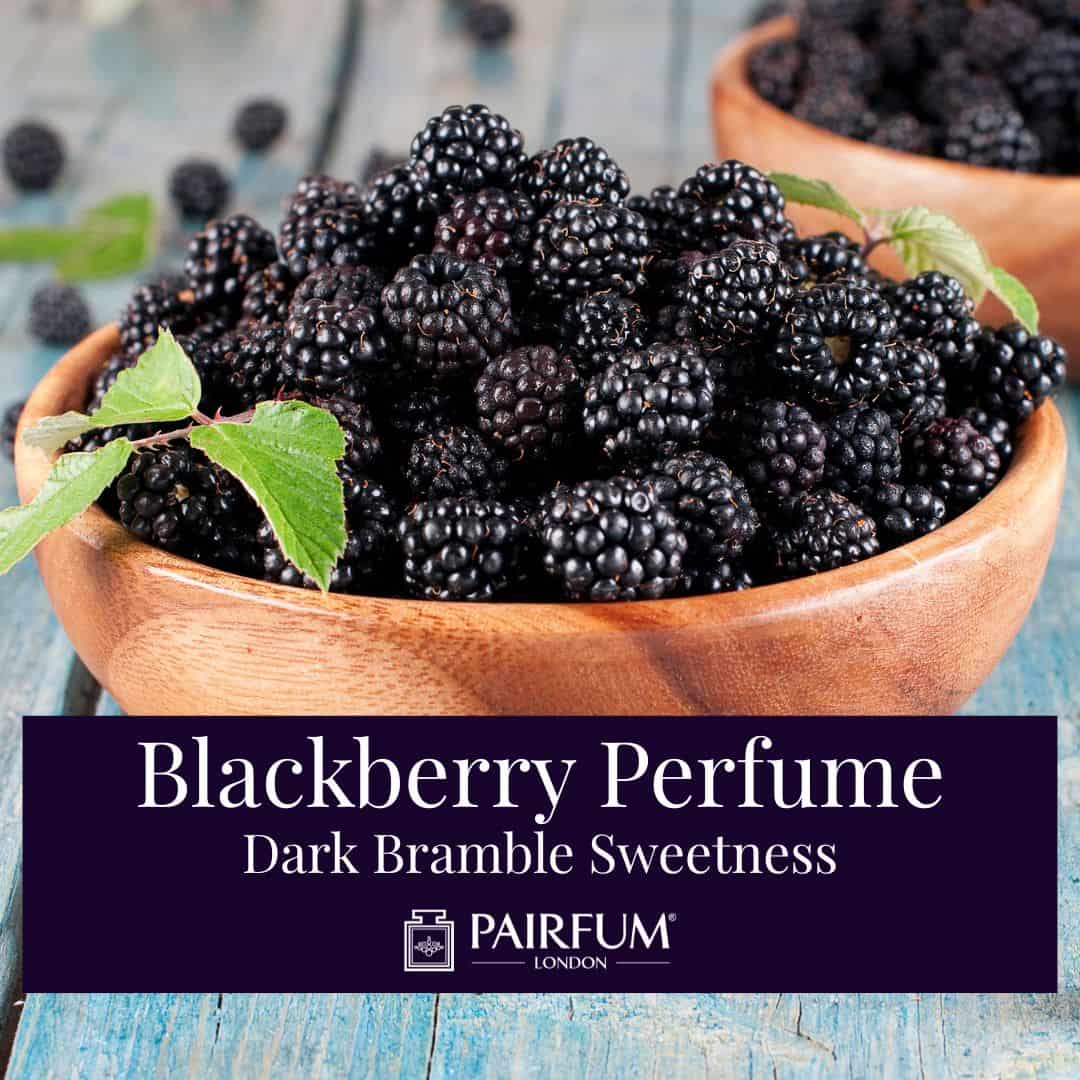
Blackberry Perfume: Dark Bramble Sweetness

Blackberry perfume is dark, juicy, and just a little wild. When used in fragrance, blackberry offers richness, playfulness, and the raw bramble edge that makes this fruit stand apart from softer fruity notes. A well-made blackberry perfume feels vivid and grounded at the same time.

This aroma fits beautifully with early spring. The air is still crisp, the trees mostly bare, and blossoms are just beginning to appear. Blackberry does not feel like a polished fruit bowl. It feels like a hedgerow after the rain, or a spoonful of deep tart blackberry juice spread over warm toast. It leans into its natural and slightly untamed character, which makes it perfect for perfume compositions that want to surprise the wearer.

We often turn to blackberry in these transitional months when everything still feels grounded, but the promise of something lighter hangs ahead. There is honesty in the scent. It does not hide under sugar or disappear too quickly. Blackberry stays juicy, stays dark, and brings a little mystery wherever it appears.

A Wild Note with History

Blackberry has long been tied to stories, symbolism, and everyday rituals. In parts of Europe, brambles were believed to have healing qualities. The fruit appeared in folk medicine, poetry, and seasonal traditions. Blackberries were treasured in kitchens too, used in pies, preserves, milk-based desserts, and fresh summer dishes gathered straight from the hedge.

It took time for blackberries to move from countryside paths into perfume. Traditional fragrance often focused on polished fruit accords such as peach, apple, or citrus. Blackberry carried a rougher and greener edge. Yet that shift towards more natural fragrance styles helped perfumers recognise the beauty of wild blackberry accords.

The note carries memories of the English countryside, tangled hedges beside old stone walls, and dark clusters hidden beneath leaves on a sunny day. When blackberry appears in fragrance, it brings all of that atmosphere with it. The result feels layered, textured, and more realistic than many modern fruity blends.

Pairfum Fragrance Black Cherry Oolong Tea Triangle

Aroma Profile: What Blackberry Brings to a Fragrance

Blackberry does not smell simply sweet. It balances ripe juice with green sharpness and sometimes a soft smoky undertone. The opening feels bright and fresh before settling into a fuller and richer aroma.

Here is how blackberry stands apart:

  • Sweet but never syrupy, with tart edges
  • Greener than raspberry and less sugary than strawberry
  • Sometimes touched by leafy or smoky facets
  • Able to feel ripe, musky, and slightly woody in certain blends
  • Full of freshness while still carrying depth

In perfume, blackberry often sits at the top or heart of a fragrance. The berry note creates an inviting opening before revealing floral notes, woods, or warm base accords beneath. Perfumers value blackberry because it adds movement to a fragrance rather than flattening it with sugar.

A juicy blackberry accord can make a scent feel playful, while darker blends paired with musk or sandalwood create something far more mysterious. Blackberry is one of those rare fruit notes that can move easily between light daytime perfume and evening fragrance.

Why Blackberry Works So Well in Modern Perfume

Blackberry stands apart from many fruit notes because it feels realistic rather than sugary. It combines tartness, greenery, and dark sweetness, which gives the fragrance more depth and texture.

Perfumers usually recreate blackberry through accords built from fragrance oils and aroma materials, since the fruit itself produces very little oil. The result can suggest ripe berries, crushed leaves, soft woods, or even damp hedgerows after rain.

This balance makes blackberry especially popular in niche perfume. It works equally well in fresh daytime fragrance and richer evening perfume, particularly when blended with musk, vanilla, woods, or citrus.

Blackberry in Contemporary Niche Fragrance

Modern fragrance lovers are often drawn towards realistic fruit notes rather than overly sweet compositions. Blackberry answers that demand beautifully. It offers sweetness, tartness, and a little earthiness all at once.

A good blackberry scent captures the contrast between ripe fruit and tangled hedgerows. Some perfumers even combine blackberry with brambly woods to create the impression of walking through a forest path after rainfall. Others soften the sharpness with vanilla## Blackberry in Contemporary Niche Fragrance

Modern niche perfume houses often pair blackberry with woods, herbs, and greenery to create an atmospheric fragrance. Cedarwood, bay leaf, sandalwood, and soft musk are common companions because they highlight the darker side of the fruit.

Many fragrance lovers are drawn to blackberry because it feels gender neutral and versatile. A juicy blackberry accord can smell bright and playful at first, then settle into something smoother and more woody on the skin.

This balance is why blackberry appears not only in fine fragrance but also in indulgent candles, luxurious shower gels, and fruity wax melts designed for the home.

Pairfum Eau de Parfum Person Reflection Black Cherry Oolong Tea Man 1 1

Blackberry and Seasonal Fragrance

Blackberry changes character with the seasons. In spring and summer, it feels fresh and juicy beside floral notes and citrus. In autumn, it becomes darker and richer when blended with woods, vanilla, or musk.

This versatility explains why blackberry appears in both daytime perfume and deeper evening fragrance. The note works particularly well with brambly woods, cedar, and moss during colder months.

Iconic Perfumes Featuring Blackberry

Many popular perfumes have used blackberry to introduce fruit into fragrance without creating something overly sugary. Blackberry often gives the opening sparkle before the fragrance moves into woods, florals, or musk.

Jo Malone helped bring blackberry into wider popularity through Jo Malone blackberry-inspired creations that paired berry notes with woods and greenery. For many fragrance enthusiasts, Jo Malone demonstrated how blackberry could feel elegant rather than childish.

Blackberry is often chosen in:

  • Floral perfume styles that need a darker fruit layer
  • Gourmand perfume that should feel balanced rather than sugary
  • Natural fragrance where the fruit should smell realistic
  • Spring perfume inspired by cool mornings and blossom-covered gardens
  • Signature scent creations that feel memorable without overpowering the room

Blackberry works across many fragrance families. In a floral perfume, it adds freshness beside rose or jasmine. In woody fragrance, it softens dry woods while keeping depth and structure.

Gourmand perfume uses blackberry to balance sweetness, while musk-based fragrance pairs the fruit with warm skin-like accords. This flexibility allows blackberry to feel bright, comforting, or dramatic depending on the blend.

The Difference Between Blackberry and Other Berry Notes

Not every berry accord behaves the same way in fragrance. Strawberries usually feel brighter and sweeter. Raspberry tends to smell playful and candy-like. Blackberry sits in a deeper and moodier space.

The berry note in blackberry compositions often carries a tart quality that makes the fragrance feel more natural. This depth also allows blackberry to blend beautifully with woods, musk, and floral notes.

Perfumers sometimes describe blackberry as the bridge between fruit and woodland accords. It captures the juicy brightness people enjoy in fruity fragrance while still adding shadow and texture.

Blackberry In Perfume

Blackberry Beyond Fine Fragrance

The popularity of blackberry has expanded far beyond traditional perfume. Home fragrance brands now use blackberry in candles, room sprays, and fragrance oil blends because the scent feels both comforting and refined.

Blackberry fragrance oils are especially popular in artisanal home products because they layer beautifully with vanilla, rose, and woods. Fruity wax melts with blackberry are often chosen during colder months because they create warmth without becoming cloying.

Some independent brands also use blackberry in liquid gold perfume oil style products, where concentrated fragrance creates a rich and long-lasting scent experience. These oils are often appreciated by people who want perfume that develops slowly through the day.

Many fragrance enthusiasts enjoy exploring sample kits that include blackberry blends alongside floral, woody, and gourmand styles. Sampling helps people discover how blackberry changes when paired with jasmine, musk, or sandalwood.

The Emotional Appeal of Blackberry

Part of blackberry’s charm comes from memory. The scent reminds many people of childhood walks, stained fingers after picking fruit, and the smell of hedgerows warming in late sunlight.

Unlike heavily processed fruit notes, blackberries often feel familiar and believable. It has texture and movement. That realism explains why blackberry fragrance continues to attract people looking for perfume that feels expressive rather than artificial.

The emotional quality of blackberries can even shape how people respond to fragrance online. Brands often study browsing behaviour and user profiles to understand which fruit-based perfumes customers revisit most often. Blackberry regularly stands out because people connect with its balance of sweetness and depth.

In some digital fragrance shops, customers may also be asked for consent before personalised recommendations are shown. Those recommendations frequently highlight blackberry-based perfume for shoppers who enjoy woody, fruity, or musky fragrance styles.

Building a Blackberry Signature Scent with Pairfum London

Creating a signature scent with blackberry can be surprisingly personal because the note adapts so well to different styles.

Someone who prefers fresh fragrance may enjoy blackberry with rose, citrus, and green herbs. Those who lean towards warmer perfume often prefer blackberry with vanilla, musk, and woods.

For evening wear, blackberry combined with jasmine and soft musk creates elegance without losing the fruit character. During spring and summer, juicy blackberry accords with floral notes, feel bright and relaxed.

Blackberry also works beautifully when layered with woody perfume styles. The contrast between fruit and timber gives fragrance depth and sophistication.

Pairfum Person Reflection Black Cherry Oolong Tea Eau de Parfum

Fruity Complex Multi-Layered Blends by Pairfum London

If you enjoy the rich, slightly wild character of blackberry in perfume, our niche fragrances at Pairfum London are worth exploring. Their collection focuses on high performance fragrance oils and layered fragrance compositions where fruity notes sit naturally beside woods, florals, vanilla, jasmine, rose, sandalwood, and soft musk. The result feels refined, modern, and easy to wear, with the same balance of freshness and depth that makes blackberry such an appealing perfume note.

Black Cherry & Oolong Tea – Eau de Parfum by Pairfum London

This fragrance opens with the sparkling interplay of the aromas of Black Cherry, Bergamot, Red Berries and Nutty Almond. The heart is a most elegant fusion of Oolong Tea, Bulgarian & Turkish Roses and Liquorice. The sensuous base rests on Aniseed, Tonka, Iris and Patchouli.

Concluding Thoughts

Today’s perfume industry values individuality more than ever. Consumers are increasingly interested in niche fragrance, artisan production, and realistic ingredients.

Blackberry fits naturally into this movement. It feels less polished than many fruit accords and more connected to nature. Perfumers appreciate how blackberry can transform a composition from simple to memorable.

Whether paired with vanilla, rose, musk, sandalwood, or jasmine, blackberry adds texture and atmosphere. The fruit note can feel comforting, dramatic, romantic, or fresh depending on the surrounding accords.

Blackberry does not try to behave perfectly. It keeps a little wildness and a little shadow. That balance is what makes blackberry perfume so compelling.

For fragrance lovers searching for something expressive, blackberry offers richness, freshness, and character in equal measure. From fine perfume to fragrance oil blends for the home, blackberry continues to prove that fruit in perfumery can feel sophisticated, modern, and deeply atmospheric.

Bulgarian Rose In Perfumery

Bulgarian Rose In Perfumery: Lush Damask Elegance

The Bulgarian rose (Rosa damascena) is a world-renowned, high-quality oil-bearing flower that has been cultivated for centuries within Bulgaria’s famous Rose Valley. Highly prized for its deep, honeyed scent, this rose variety serves as the primary source for precious rose oil (rose otto) and rose water. These natural essences are essential staples in luxury perfumery and skincare, valued globally for their intense hydrating and anti-inflammatory properties.

Bulgarian Rose is often thought of as one of the most elegant flowers used in perfumery. Its aroma is soft yet full, rich yet fresh, and always graceful. There is a reason it has stood the test of time in fragrance. With its lush Damask petals and strong natural oil, the Bulgarian Rose brings a sense of floral luxury that feels just right as the days slowly grow longer and early spring settles in.

This flower is not just beautiful in a bottle. It has a deep history, a unique growing region, and a very precise way of being turned into perfume. Today, we are sharing what makes it so loved in natural and niche perfumes and why its presence can lift a fragrance without ever overpowering it.

A Rose with Roots: The History of Bulgarian Rose

Bulgarian Rose comes mainly from a small part of southern Bulgaria known as the Rose Valley. This area has been growing roses for centuries, and its fields are well known for producing some of the finest rose oil in the world. Spring arrives gently in this region, and it is during this short bloom that the flowers are picked in the early morning to protect their freshness.

What started as a local tradition soon became a symbol of craftsmanship and beauty. Known as liquid gold because of its immense value, Bulgarian rose oil became highly respected in European perfumery. Its strong, balanced aroma made it popular with those looking for purity and quality. Today, it still stands out because of how it connects nature, culture, and comfort.

There is something quite special about how this flower is included in springtime rituals, festivals, and even homemade beauty customs. Each of these traditions gives the flower a personal touch, making its aroma feel both grounded and familiar.

Eau De Parfum Person Reflection Black Cherry Oolong Tea Woman Arms 1 1

A Heritage of Cultivation in Central Bulgaria

The journey of the rose begins in the heart of the Balkan Peninsula. In central Bulgaria, the geography creates a perfect cradle for these delicate flowers. This specific location, including the famous area of the Bulgarian rose Karlovo, provides the ideal environment for the plants to thrive. The tradition of cultivation stretches back to a distant century, and even in ancient times, the region was noted for its flora. In fact, historical evidence suggests rose culture existed here as far back as the Thracian Odryssian Kingdom.

Today, local farmers continue to harvest the blooms by hand, a practice that has remained unchanged for generations. Every year, visitors flock to the region to witness the Rose Festival, a celebration of the harvest that showcases the deep cultural connection between the people and the Bulgarian roses they tend. This event, officially established as a national holiday in 1967, features the crowning of the Queen of Roses and traditional folk dances.

What Makes It Different: Types and Special Traits

The Bulgarian Rose used in perfume oil is not just any rose. It is a variety called Rosa damascena, better known as the Damask Rose. This type is known for having a deep floral character, with layers of honeyed sweetness and a hint of green freshness underneath. Genetic testing indicates it is a hybrid of Rosa gallica and Rosa moschata, crossed with the pollen of Rosa fedtschenkoana.

The reason the Bulgarian version is so special has a lot to do with where it grows. The Valley of Roses has a particular mix of geography:

  • Rich, loamy, diluvial sedimented soil that holds moisture well
  • Cool mornings and warm afternoons that help the petals develop their rich aroma
  • Natural mountain protection from the Balkan Mountains and Sredna Gora that creates a calm, steady climate

All of these small details give the Damask Rose from this region its lasting aroma and balance. Compared to rose oils from other places, the Bulgarian Rose tends to feel rounder and more complete, without being too sugary or too sharp.

Eau de Parfum Person Reflection Black Cherry Oolong Tea Man 1 1

The Unique Properties and Benefits of Bulgarian Rose

The rose damascena is prized not just for its scent but for its unique properties that benefit the skin. In the world of beauty and cosmetics, rose oil is celebrated for providing intense hydration. It is a common ingredient in cosmetic products, ranging from luxury creams to simple, traditional soap. The oil contains over 300 chemical compounds, including geraniol and citronellol, which contribute to its therapeutic status.

Because of its delicate tenderness, it is often used in aromatherapy to promote a sense of calm and reduce stress. The purity of the essential oil ensures that even a single drop carries the soul of the rose fields. Whether used for its fragrance or its therapeutic benefits, the quality of Bulgarian rose oil remains the highest quality available on the global market.

Petals to Perfume: Extracting the Essence of Bulgarian Rose

Once the roses are picked, usually before sunrise while the dew still protects the fragrance, teams begin the careful job of turning them into perfume oil. The most common method used is steam distillation. This gentle process lets hot steam pass through the petals, lifting out the oil without damaging its soft aroma. Bulgarian producers famously perfected a double distillation method, which is significantly more effective at capturing the complex profile of the flower.

This distillation method creates pure rose oil, often called rose otto, and a second product as well, which is rose water. This by-product is also used in perfumery and in other areas like skincare and cooking, but the main focus remains that prized oil.

Harvesting is difficult. It takes approximately 3,500 to 4,000 kilograms of rose petals to produce just one kilogram of rose oil. Since each flower is picked by hand, the effort is significant. This care and effort show up in the finished aroma, which feels close to the natural beauty of the flower.

Bulgarian Roses

Global Reach and Modern Usage

The demand for Bulgarian Rose extends far beyond Europe, with significant exports reaching the United States and other global markets. While many people first discover it through perfume, its presence in rose water and various cosmetics makes it a staple in daily routines.

For those who have integrated this scent into their lifestyle, a recurring purchase of rose based products often becomes a ritual. Some specialist suppliers even offer a deferred subscription for those who want to ensure they never run out of this floral essence. In a busy world, perhaps managed from a speedy office, the scent of a rose offers a moment of natural peace.

Iconic Fragrances that Use Bulgarian Rose

You will find Bulgarian Rose at the heart of many popular perfumes, especially those that aim to feel timeless or comforting. It builds the floral part of the perfume and helps hold other notes together.

  • It pairs beautifully with powdery notes and soft woods to create perfumes that feel warm and smooth
  • Add a touch of spice or a hint of citrus, and the floral notes become brighter and cleaner
  • Combine it with resins or amber, and it becomes deeper, smokier, and more romantic

In niche perfumes, Bulgarian Rose often plays a subtle role. It is not always the star, but its presence helps build layers and bring balance. Modern perfumers use it to soften strong edges, round off fruity top notes, or add real depth to lighter, breezier styles.

Tom Ford – Café Rose: A dark and seductive blend where Bulgarian Rose meets exotic spices and dark coffee.

Guerlain – Rose Barbare: A sophisticated, honeyed rose fragrance that highlights the flower’s natural Turkish and Bulgarian elegance.

Bvlgari – Omnia Amethyste: A clean, powdery scent that focuses on the fresh, morning-dew side of the Bulgarian Rose.

Black Cherry & Oolong Tea – Eau de Parfum by Pairfum London

This fragrance opens with the sparkling interplay of the aromas of Black Cherry, Bergamot, Red Berries and Nutty Almond. The heart is a most elegant fusion of Oolong Tea, Bulgarian & Turkish Roses and Liquorice. The sensuous base rests on Aniseed, Tonka, Iris and Patchouli.

Pairfum Eau De Parfum Noir Bottle Carton Black Cherry Oolong Tea

The Feel of Spring in a Bottle

There is something about early spring that asks for something soft. The cold is still there, but the light has changed. Flowers are just starting to show, and the air holds a little more hope. Bulgarian Rose fits this shift perfectly.

Its aroma feels like nature turning the page. With its slightly honeyed, fresh floral character, this rose does not push too hard. It rests gently on the skin and settles nicely in a space. It feels like open windows and soft fabrics. It reminds us of new mornings and quiet afternoons.

Used in perfume or a home bouquet, it gives every room or wrist a bit of that early-season brightness. It does not try to steal the show. It just sits softly and holds everything together, like a well-loved part of a changing season.

If you enjoyed learning about the Rosa damascena, you may wish to look at our recent posts regarding other botanical ingredients. You can also explore related products that celebrate the purity of the rose.

Loganberry In Perfume

Loganberry in Fragrance: Tart Hybrid Berry Pop

The loganberry in fragrance provides a bright, juicy, and multifaceted aroma, which combines the sweet facets of raspberry with the deeper, tart, and earthy characteristics of blackberry. It is frequently utilised as a central heart note to provide a sophisticated, fruity freshness, often being paired with floral accords or woody elements to create a balanced and vibrant scent profile.”

Loganberry has a bold, tart flavour that sits somewhere between raspberry and blackberry. It’s a fruit that doesn’t shout for attention, but once you know it, you don’t forget it. In perfume, that combination of sharpness with soft berry depth creates something playful and slightly unexpected. As a soft fruit, it offers a specific texture to a scent profile that is hard to replicate with more common ingredients.

As winter fades and spring begins to appear, Loganberry feels like it belongs. The air is still cool, trees are just starting to bud, and nature is holding back its full bloom. That early spring mood perfectly matches the character of Loganberry. It’s fresh, a little wild, and full of promise. Adding it to perfume brings a crisp berry brightness, while still holding on to a deeper edge.

We’ve seen Loganberry start to appear in niche and natural perfumes where perfumers are looking for fruit that feels real, not sugary. It’s a twist that lifts the bouquet without turning too sweet, and it works beautifully for perfumes created for the season ahead. Whether used to evoke a summer garden or the crispness of autumn, this edible fruit provides a sophisticated alternative to synthetic alternatives.

Pairfum Collection Niche Perfume Experience Fragrance Library 91 Square

From Crossbreed to Fragrance Note

Loganberry didn’t come from the wild. It was first grown by accident in Santa Cruz, California, in 1881 when a gardener named James Harvey Logan mixed a Pacific blackberry (Rubus ursinus) with a raspberry in his garden. James Logan, a lawyer and amateur horticulturist, was actually trying to produce a superior blackberry when he inadvertently created this vigorous plant. What came out of it was something darker, more tart, and with a richer bite than either parent.

The fruit’s kitchen story helped it find its way into fragrance. Its bold character reminded perfumers of sunny gardens and home recipes. Historically, Loganberry became popular in cooking and jams, and was a staple in summer pudding, pies, and even wine or fruit syrups. One interesting piece of history is the Loganberry drink served at Crystal Beach Park, often frequented by New York residents, which cemented its place in popular culture.

As perfume trends moved toward more natural, food-inspired and seasonal notes, Loganberry fit right in. More recently, we’ve seen perfumers use it to bring something real and surprising to fruity blends. Its sharp edges bring out the best in spring perfumes that aim to feel less processed and more like nature after the rain. For natural and niche perfumery, Loganberry has opened up new ways to play with fruit, without drifting into sticky territory.

The Botanical Roots of the Loganberry Plant

To understand the scent, one must understand the loganberry plant itself. In terms of scientific classification, it is known as Rubus loganobaccus. It is a hybrid of the European raspberry (Rubus idaeus) and a variety of wild blackberries. The plant grows on long, often prickly canes that can reach lengths of eight to ten feet in a single season, requiring horizontal wires for support in a garden setting.

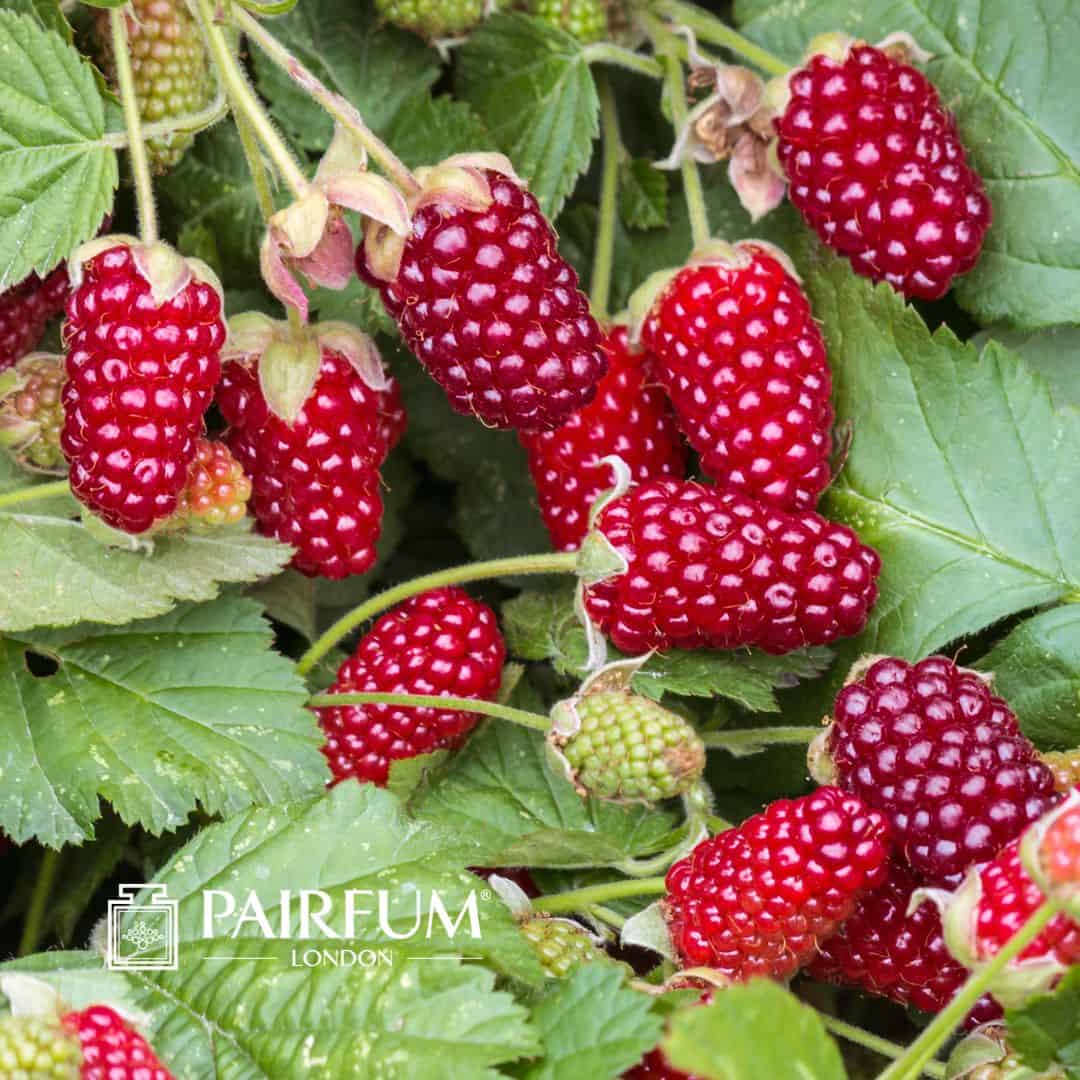
The loganberry inherits the sturdy nature of blackberry plants and the deep colour of the red raspberry. Unlike a raspberry, when you pick ripe loganberries, the core stays inside the berry, much like it does with blackberries. This physical structure contributes to its juice-heavy, fleshy aroma. Interestingly, while the fruit starts out red, it is often best harvested when it reaches a deep purple hue, indicating its full aromatic maturity.

If you were to grow this plant at home, it thrives in a sunny spot with well-drained soil. While it is typically an outdoor vine, some enthusiasts have tried keeping it as a temporary indoor plant during the early stages of growth. It requires rich soil and plenty of compost to produce a high yield of fruit that is famously high in vitamin c. In the UK, it is highly valued for being more resistant to disease and frost than many other berries, though its short shelf life makes it a rarity in commercial shops.

Pairfum Collection Niche Perfume Experience Fragrance Library 40 Square

Fragrance Profile of Loganberry

The aroma of Loganberry isn’t shy. It’s bold at the start, tangy as it hits the skin or the air. After that, you get a soft mix of sweet and sour that feels alive and nicely rounded. There’s a bit of green hidden underneath, almost like you’re still near the bramble it came from, catching the scent of a crushed leaf.

Here’s how Loganberry stands apart from other popular fruit notes:

  • It has more bite than a strawberry but doesn’t lean into the sugar
  • It’s rounder and riper than a raspberry, with fewer floral notes
  • It shares the earthiness of blackberries but keeps a livelier top edge
  • It is less “dusty” than a boysenberry, staying bright and acidic

In many natural or niche perfumes, Loganberry fits best in the top or heart layers. It makes a bold first impression, then blends into whatever comes next. That flexibility gives it range. It can sit at the start of a fresh summer blend or soften the centre of something darker as we transition into autumn. And because it’s not widely used yet, it feels a bit different, like a surprise hidden in familiar territory.

Loganberry, as a perfume note, offers natural energy and vibrancy, brightening up the compositions it joins. Its lively aroma complements the freshness that people associate with the very first weeks of spring, when everything is budding and awakening. While some berry scents in perfumery can feel overly candied or synthetic, Loganberry’s unusual hybrid nature gives it a more lifelike profile, which supports both everyday and more creative fragrance concepts.

Cultivation and the Scent of the Earth

The scent of a loganberry is inextricably linked to the soil and the environment in which the plant grows. Whether grown in the United States or exported to places like New Zealand, the loganberry thrives when the soil is enriched with organic compost.

Gardeners often purchase bare root plants in late autumn or winter to ensure a strong harvest the following summer. As the new cane develops, the plant prepares to produce its signature tart fruit. Even the prickles on the canes seem to suggest the sharp, defensive tartness of the berry itself. This “green” and “thorny” aspect is often captured in niche perfumery by adding hints of bramble or wood to the loganberry accord.

How Loganberry Works in Natural and Niche Perfume

Perfumers are getting creative with Loganberry. The fruit doesn’t offer a pure essential oil, so they build it instead. Some use aroma molecules. Others mix berry accords to get close to the full effect. The goal is always the same: to capture that tart, juicy feel with enough depth to stay interesting.

Here’s why we see Loganberry show up more in niche blends:

  • It smells like garden fruit, not candy
  • It works well with woody and green notes
  • It adds fresh movement without taking over

When blended well, Loganberry can open a perfume with energy, then settle into something softer. It’s often used with clean woods like cedar or herbal notes like clary sage. It plays nicely with florals too, especially peony or violet, which keep it light without losing its shape. For perfumes focused on seasonal changes, Loganberry helps link the cool start of spring with the warmth coming just behind it.

Loganberry’s adaptable personality allows it to bridge the gap between juicy fruit and more grounded, earthy facets in fragrance. Niche and natural perfumers might select Loganberry to add an element of surprise or authenticity, offering a multifaceted burst that harmonises well with both traditional and modern compositions. The result is a balanced fragrance that stands out while remaining wearable and appealing.

Ripe Loganberries

Noteworthy Perfumes Featuring Loganberry

A few niche perfumes have started to use Loganberry as their fruit centrepiece, picking it over the usual berry line-up. These blends often show it off with light musk, clean greens, or herbals to keep its sharpness in check. When handled this way, Loganberry manages to feel bold and balanced at the same time.

Seasonally, Loganberry plays especially well in:

  • Spring perfumes that need fruit but less sugar
  • Natural blends where fruit should feel like it was just picked from the plant
  • Home fragrances that add brightness to early-year moods

Find A New Iconic Spring Fragrance with Pairfum London

Just as the loganberry provides a rare and sophisticated “purple” fruitiness, the Fragrance Library introduces you to a vast array of innovative and natural accords. By stepping away from the overwhelming “cloud of fragrance” found in traditional department stores, this experience box allows you to appreciate the subtle transitions between heart notes and base layers in a neutral environment. Whether you are drawn to the tart brightness of berries or the deep earthiness of woods, this collection offers the ideal “Perfume Experience,” helping you understand the scientific and artistic balance required to create a truly vibrant and balanced scent profile.

Fragrance Library – Perfume Experience Box by Pairfum London

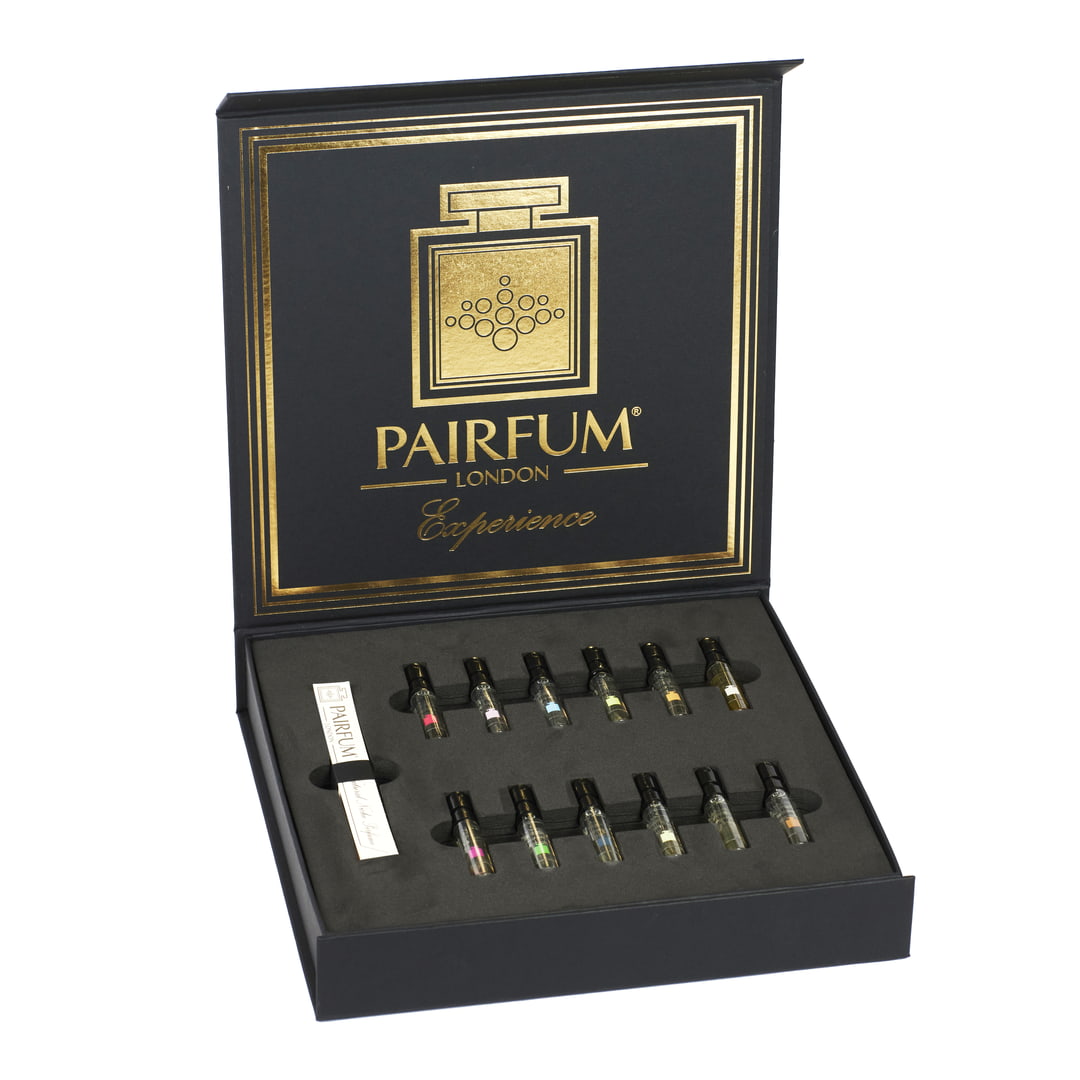
The Fragrance Library is a curated collection of 12 x 2ml Eau de Parfum Intense sprays, designed to let you explore the world of niche perfumery from the comfort of your own home. Each set includes 50 smelling strips and enough perfume for approximately 100 sprays per bottle, allowing you to test each fragrance’s longevity and evolution on your skin over two weeks. This selection is 100% vegan, cruelty-free, and handmade in the United Kingdom using natural and organic essential oils, ensuring a clean and ethical way to find a fragrance that truly resonates with your persona.

Pairfum Collection Niche Perfume Experience Fragrance Library 49 Square

‘Berry Bold’: Why Loganberry Makes Fragrance More Interesting

Loganberry stands at the edge of sweet, where tart makes things more interesting. It’s the kind of fruit perfume note that adds something honest, like where the garden hits the wild. Because it’s not as common as strawberry or raspberry, people notice it, even if they can’t name it.

As the air cools in autumn, the deeper, wine-like qualities of the loganberry come to the fore. It is a plant that yields its best fruit in the height of summer, yet its olfactory memory lingers much longer. Its fresh-tart shape, rooted in real fruits and green branches, brings a twist to springtime perfumes. For those of us working in natural and niche perfumery, Loganberry feels like a welcome change. It brings a bright note that’s modern and playful, while still grounded in nature. Its hybrid nature makes it both familiar and curious, which is exactly why it works so well.

Star Anise Benefits

Star Anise Benefits in Perfumery: Liquorice-Bright Spiced Spark

There is something immediately cheerful about the first whiff of star anise in a perfume. With its sparkling liquorice-like glow and soft spice, it brings warmth and lift to a fragrance at the same time. That makes it perfect for spring, when we crave something with a little freshness, but still want a trace of comfort as the weather shifts.

Star anise has a sweet, slightly peppery brightness that feels at once familiar and a little unusual. It is playful without being too bold, especially when paired with ingredients like citrus or wood. This spice has been used in fragrance for centuries, but when it shows up in a fine perfume, it often takes on a new, more refined expression. Here is how.

The Origins and Story Behind Star Anise

Star anise may be striking in shape, but its aromatic qualities are what have kept people fascinated for hundreds of years. Native to parts of China and Vietnam, this spice has been used in traditional herbal blends, cooking, and, over time, fine fragrance. The star-shaped pods come from a small evergreen tree and are picked when still green, then dried until they turn deep brown.

What makes the aroma of star anise stand out is how it balances contrast. It is warm, but it lifts. It is sweet, but not sugary. It brings a subtle depth to a perfume without overpowering the other ingredients. Cultures through Asia and parts of Europe have long found it to be soothing and emotionally grounding, making it a favourite for more than just its taste or look.

In fragrance, there is something familiar in its soft spice, like a comforting memory on a chilly morning or the playful zing in a fresh blend. It is this dual nature, both cosy and lively, that makes it such a useful note in perfume creation.

Pairfum Collection Niche Perfume Experience Fragrance Library 10 Square

Understanding the Botanical Profile

To truly appreciate this ingredient, one must look at the Illicium genus. The culinary and perfumery staple is known as Illicium verum. It is an evergreen tree that can live for over 50 years, reaching heights of up to 20 feet. It thrives in the humid, subtropical climates of Southern China and Northern Vietnam, where it produces small, pale yellow flowers before the fruit develops.

However, it is vital to distinguish this from Illicium anisatum, also known as Japanese star anise. While the Japanese variety is beautiful and looks remarkably similar to the edible version, it is highly toxic and primarily used as incense in temples rather than in food or skin-safe applications.

In the botanical order of spices, star anise holds a unique position. While it shares the name anise with the European anise seed, they are botanically unrelated. The common anise is a small seed from the parsley family, whereas star anise comes from a woody tree. Despite this, they share a high frequency of anethole, the organic compound that provides that signature liquorice flavour.

How Star Anise is Extracted for Perfume

The star-shaped pods used in perfume come from the Illicium verum plant. These little stars are not just a name; they really do look like eight-pointed flowers carved out of wood. Each point on the star holds a single seed, and both the pod and seed are rich with essential oils.

To turn these lovely shapes into something wearable, we use a method called steam distillation. This gentle process releases the essential oil inside each pod without damaging its quality. It captures the full aroma of the spice, sweet, aromatic, and warmly spicy, all while keeping the oil clear and smooth.

The extracted oil is prized in perfumery for several reasons:

  • It has a clean profile that does not muddy up a composition
  • It works well with both fresh and warm notes
  • It offers brightness, without the sharpness that comes from some spices

This makes it a favourite for use in both top and heart notes. Whether used as a ground powder in solids or as a distilled liquid, the addition of this anise note creates a sensory refresh.

Health Benefits and Traditional Wisdom

The value of star anise extends beyond its scent. Modern science has found that it contains shikimic acid, a primary ingredient used in the production of antiviral medications. It is also packed with antioxidants like linalool and quercetin, which help the body manage inflammation.

In traditional wellness, it is often brewed into a tea to act as a digestive aid. It functions as a carminative, helping to reduce bloating and settle the stomach after a heavy meal. Its mild sedative properties also make it a popular choice for those looking to improve sleep quality or reduce stress. When you wear a perfume containing this anise note, you are tapping into a long history of ingredients chosen for their ability to soothe the spirit.

Star Anise Close Up

Culinary Roots and Versatility

The description on a botanical label often masks just how versatile this spice is in the home. Long before it was a staple in a perfume, it was essential in Chinese and Vietnamese kitchens. It is a cornerstone of Chinese five-spice powder and a vital part of the broth for authentic Pho.

In the kitchen, a small amount goes a long way because it is incredibly potent. It is often simmered in water or wine to release its oils into soups and stews. Its ability to bridge the gap between savoury and sweet is remarkable:

  • Savoury: It pairs perfectly with pork, garlic, and ginger. It is frequently used alongside soy sauce, green chillies, and clove to create deep, umami-rich sauces.
  • Spiced Blends: It is a key component in garam masala, working alongside cinnamon and fennel seed.
  • Sweet: Beyond the savoury, it is used to infuse yoghurt or flavour baked goods, cakes, and various desserts.

When cooking, the pods are often added for several minutes to infuse the dish before being removed. This culinary depth is exactly why star anise feels so grounded when used in an olfactory context.

Star Anise Notes in Perfumes: What They Smell Like

The aroma of star anise in perfume is easy to spot once you know what you are looking for. It smells faintly like liquorice, light, sweet, and mildly spicy, with a flash of something herbal. But it is not a static note. Depending on how it is blended, it can shift its feel quite a bit.

  • In citrus-forward perfumes, it adds a gentle spice that smooths out the sharper edges
  • With woodier notes, it introduces a nostalgic sweetness that keeps things from feeling too heavy
  • In gourmand or food-inspired fragrances, it gives a twist that is comforting and interesting

Star anise shines best in transitional seasons like early spring. Picture a slightly crisp morning walk: cool air, but sunlight starting to stretch across your jacket collar. Its glow fits right into that. It also makes for a charming evening note, especially when the weather still holds a bit of bite and you want your fragrance to feel slightly mysterious yet warm.

Iconic Perfumes That Use Star Anise

Several well-known perfumes feature star anise, and they do this in very different ways, which speaks to its range. Some highlight the spice right at the top, letting it sparkle for a few minutes before settling into softer heart notes. Others draw it down into the base where it mingles with amber or vanilla to add roundness.

In masculine perfumes, star anise can sit in the heart or base to smooth out sharp aromatics or leather notes. In feminine perfumes, it can bring a bright vibration to the beginning of the bouquet, pairing beautifully with citrus peels or floral herbs like neroli or orange blossom.

Lolita Lempicka – Le Premier Parfum: An iconic gourmand fragrance where star anise and liquorice meet violet and ivy to create a whimsical, enchanted forest aroma.

Guerlain – L’Instant de Guerlain pour Homme: A sophisticated scent using star anise to bridge the gap between fresh citrus top notes and a warm, cocoa-rich base.

Jo Malone London – Vanilla & Anise: A modern, airy blend that pairs the herbal spice of star anise with wild fennel for a transparent and dewy finish.

It is clear from these blends that star anise does not belong to one type of perfume. It flexes, rounds things out, or adds a twist exactly where it is needed. Each anise-infused blend carries a unique date with nature.

Pairfum Collection Niche Perfume Experience Fragrance Library 49 Square

Elevate Your Scent Profile through Personal Discovery

The world of perfume is vast, and finding that perfect balance of sweet anise and soft spice requires a personal touch. If you are curious about the transformational powers of other botanical herbs, our Fragrance Library – Perfume Experience Box Collection offers the ideal way to explore. This curated set allows you to experience a wide variety of niche scents in the comfort of your home, making it easy to identify which aromatic profiles truly resonate with your spirit before committing to a full bottle.

Fragrance Library – Perfume Experience Box Collection by Pairfum London

This collection features a versatile range of natural Eau de Parfum sprays, each presented in a glass vial to ensure the spirit of the fragrance remains pure. The set is designed for discovery, providing enough frequency of use to test each scent across different days and moods. With a diverse description of notes ranging from deep woods to sparkling spices, this library is a wonderful addition to any fragrance lover’s collection and makes a thoughtful gift for those keen to refine their olfactory palette.

The Sweet Spark That Keeps on Shining

The appeal of star anise in perfumery lies in its unique mix of comfort and brightness. It does not just add a liquorice-like sweetness or sharp spice, it adds energy. Something about its warmth feels full of life, like the earth waking up after winter.

When star anise is used thoughtfully in niche or natural perfumes, it becomes part of something that lingers. It finishes softly but starts with sparkle. It connects well with today’s longing for familiarity, but also novelty. That makes it a small but steady star in the anise aroma map of spring and beyond.

By understanding the journey of star anise from the Chinese forest to the fragrance bottle, one can better appreciate the complex anise nuances in every spray. Whether it is the anise aroma in your favourite anise perfume or the anise scent in a sweet anise treat, this anise spice remains a classic. The anise pods deliver an anise punch that makes anise a true anise favourite for any anise lover. This anise profile is simply timeless.

Cistus Labdanum Smell

Cistus Labdanum Smell In Perfumery: Smoky Rockrose Amber

Cistus labdanum (rockrose) has a complex, warm, and tenacious scent profile, often described as a blend of balsamic amber, rich leather, and honey-like sweetness. Extracted from the labdanum resin of the cistus shrub, it offers woody, smoky, and slightly animalic undertones that serve as a natural fixative in fine perfumes.

Cistus Labdanum carries a smoky, earthy tone that fits perfectly as winter gives way to spring. This natural resin, drawn from a plant known as rockrose, has an aroma that feels warm, deep, and grounded. For centuries, it has been used in rituals and ceremonies, adding richness to the air and early fragrance blends. Often called the champion of perfume, it remains a cornerstone of the industry due to its incredible versatility and animalic allure.

Today, it still holds a place in perfumery, especially in compositions that want to feel grounded, soothing, or quietly luxurious. We often turn to it in both niche perfume and natural blends for its smooth amber style with gentle smoky edges. Here is how we think about it, where it starts, what makes it special, and how it is used by perfumers today.

Lifestyle Living Room Natural Reed Diffuser Fragrance Candle 1 1

The Origins of Cistus Labdanum

Cistus Labdanum comes from the leaves and twigs of the Cistus ladanifer plant, which grows around the Mediterranean. This hardy, evergreen shrub is not flashy, but it produces a thick, sticky brown resin that was treasured in ancient times for more than just its fragrance. The plant thrives in dry, nutrient-poor soil and is known for its five fragile white petals that resemble crepe paper, often marked with deep maroon spots at the base.

In early Mediterranean cultures, labdanum resin was collected using wool or leather combed through the plants. Historically, it is said that goats and sheep would wander through the cistus scrub, and the fragrant resin would stick to their coats and beards, only to be scraped off later by shepherds. In Ancient Egypt, this was so highly valued that pharaohs reportedly wore false beards made of goat hair soaked in the resin. Later, the labdanum gum was used in religious ceremonies or burned as incense. It was believed to have healing powers and was even utilised in herbal medicine to treat various ailments such as colds, coughs, and rheumatism.

The plant itself is often called rock rose, but Cistus Labdanum refers to the rich resin that seeps from it. That is the part used in perfumes. The botanical name is Cistus ladanifer, though you might sometimes see it referred to as Cistus ladaniferus or Cistus creticus, depending on the specific subspecies found across the Western Mediterranean, North Africa, and parts of the Middle East. The name Cistus actually stems from the Greek word kistos, the original name for the shrub in antiquity.

Perfumers from long ago liked cistus for its bold, smoky character. It easily blends with other materials used in spiritual oils and incense sticks, which gives it a strong link to both tradition and warmth.

Extraction: Transforming Raw Material into Liquid Gold

Collecting labdanum resin can be a slow and careful process. Traditionally, branches were brushed with leather or wool, trapping the sticky brown resin. After drying, the resin was scraped off and shaped by hand. Even with fewer machines, the result smelled remarkably full and warm. Modern producers in countries like Spain and Morocco still use traditional rakes called Ladanisterion to collect the gum during the peak heat of summer.

Modern extraction uses a few different methods to turn the raw material into a usable extract:

  • Steam distillation is a common approach. By turning the plant oil into steam and then cooling it, we can gather cistus essential oil. This extraction method results in a soft, more subtle version of the resin with fruity and balsamic overtones.
  • Solvent extraction gets a deeper, stickier result, known as labdanum absolute. This absolute is full of that smoky amber character. It can make the fragrance richer but might feel heavier.
  • In natural perfumery, many prefer clean, pure labdanum essential oil gathered without added chemicals. They keep the true depth of the cistus plant without the harshness.

Each extraction method gives slightly different outcomes. While cistus oil is often distilled from the leaves and twigs to create a lighter, more herbal scent, labdanum refers specifically to the products derived from the gum resin itself. This distinction is vital for perfumers looking to balance the bright, sharp top notes of a fragrance with a deep, heavy base. The labdanum absolute is particularly prized for its ability to mimic the scent of ambergris, a rare animal-derived ingredient once sourced from whales. By using cistus, perfumers can achieve that oceanic, salty, and sweet warmth ethically.

Pairfum Fragrance Triangle White Sandalwood Jasmine Labdanum Neroli

A Deep Amber Touch: Uses in Fine Fragrance

In a finished perfume, cistus often appears in the base or heart. That is where the long-lasting, grounding notes usually go. Cistus ladanifer excels here because of its natural depth and presence. It acts as a superb fixative, slowing the evaporation of lighter notes and helping the scent stay on the wearer for longer.

It pairs beautifully with other strong oils like patchouli, frankincense, myrrh, and even sweet notes like vanilla. This helps round out sharp edges and create a warm, inviting finish. In fact, if you blend cistus ladaniferus with a carrier oil, you can begin to see how it anchors more volatile scents. While most oils like citrus evaporate quickly, labdanum resin stays at room temperature and lingers on the skin for a significant amount of time.

In chypre fragrances, cistus holds everything together. This fragrance family was pioneered by Francois Coty in 1917 and relies on the contrast between citrus and a mossy, resinous base. These blends often include citrus, moss, and woods, and labdanum resin anchors the mix with softness and smoke. Amber perfumes would not be the same without it. Cistus labdanum can give amber blends their signature richness that lingers on the skin for hours.

We keep coming back to cistus because it fills in gaps. It deepens sweet perfumes without making them too heavy and gives woody or earthy perfumes something almost soft at their centre. Whether used as an essential oil or a concentrated absolute, it provides hints of complexity that are hard to replicate.

Cistus Labdanum Across the Senses: Character and Mood

The aura of cistus labdanum is hard to miss. It is warm, heavy, a bit leathery, and sometimes slightly sweet or smoky depending on how it is used. This gives it a strong emotional edge as well.

  • Grounding: It feels steady without being too dry. People often call it relaxing or meditative, as it brings a calm that does not demand too much attention.
  • Versatility: It shows up often in masculine or unisex perfumes, especially when the goal is to create strength without being too crisp or sharp. It has a balsamic, almost tobacco-like quality that adds sophistication.
  • Skincare: Beyond scent, cistus is often found in products for mature skin. When diluted in carrier oils, the essential oil is thought to have astringent and toning properties, often used in anti-ageing formulations.
  • Seasonal: As cold seasons linger in late winter or early spring, cistus suits the moment. It adds comfort, like a warm wool jumper or a mug of spiced tea.

It does not stand out the way florals or fruits do, but it adds body and warmth to almost anything it touches. That is why it is so loved in perfumery: it never tries to steal the show, but it holds everything together. Even in the culinary world, one might find hints of similar earthy complexity in ingredients like boletus edulis, though cistus remains firmly rooted in the world of scent.

Cistus Labdanum Flower

Iconic Perfumes Featuring Smoky Cistus Labdanum

Some well-known perfumes feature cistus labdanum as a key note, and they have helped keep it in the mix for many years now. You will usually find it near the base, bringing structure and warmth to the final fragrance. It is the secret ingredient in many legendary classics, providing a sense of weight and history.

It often appears in niche perfumes that want to feel rooted in traditional materials. The resin balances out brighter tones like citrus or spice, keeping things from feeling too sharp or dry. Whether the bottle is sold in the United Kingdom, the United States, or anywhere else in the world, the pickup availability of these cistus heavy scents remains high because of their timeless appeal.

Each perfume brings out different parts of the cistus ladanifer plant. Some pull forward the leathery parts, others highlight the ambergris style, and some let the smoky depth of the labdanum absolute do the talking. It is often described as the heartbeat of a fragrance, providing the rhythm that allows other notes to dance.

The way labdanum resin holds a fragrance together makes it a favourite in blends built to last. It gives the perfume a longer finish on the skin, which people often notice even if they cannot quite name it.

Signature Labdanum Notes with Pairfum London Home Fragrances

Cognac & Vanilla – Flacon Perfume Room Spray by Pairfum London

The aroma worthy of a Connoisseur: Sherry Aged Oak, rich Bourbon Vanilla, Golden Cognac, Caribbean Patchouli, Amber Benzoin and Ancient Labdanum.

White Sandalwood – Classic Tower Reed Diffuser by Pairfum London

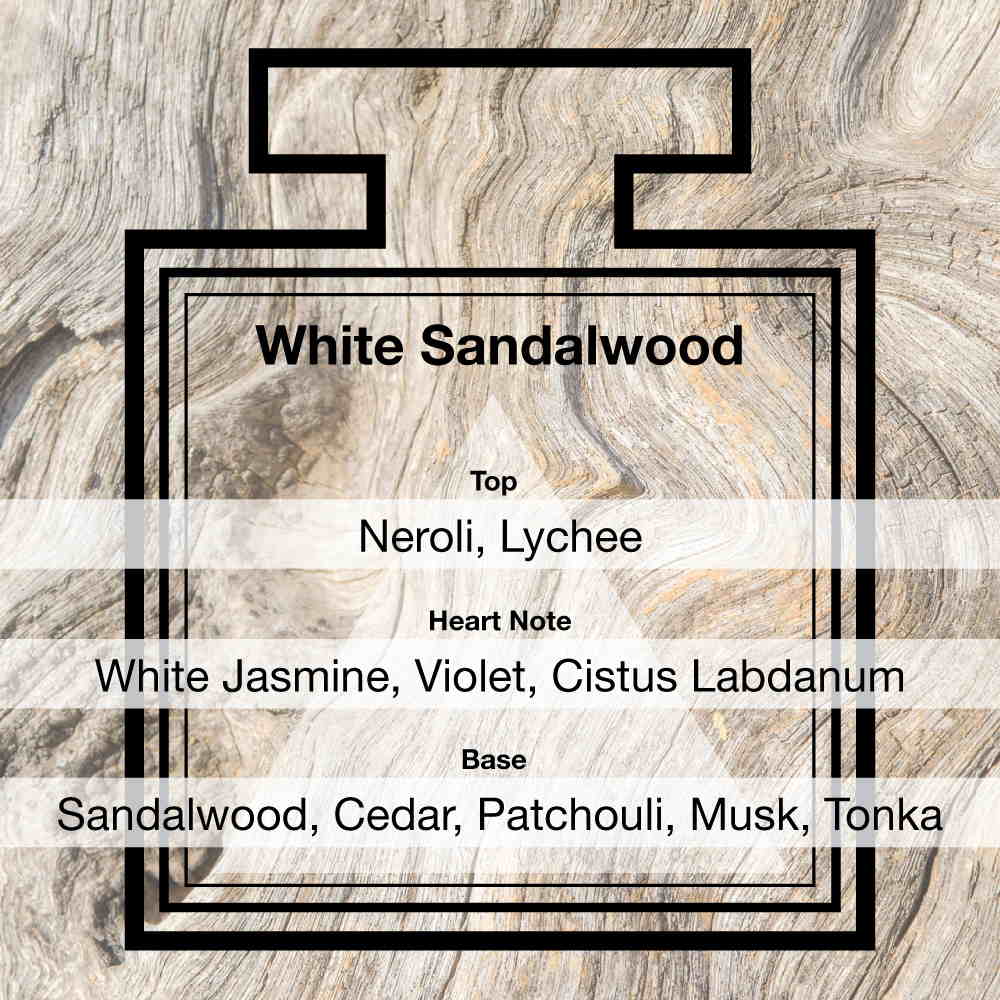
A Creamy Sandalwood accord with a hint of Chypre. It includes top notes of Neroli and Lychee, a floral heart of White Jasmine, Violet and Cistus Labdanum, and a base of sun-bleached Cedar, Patchouli, Musk and Tonka Bean.

Pairfum Flacon Perfume Room Spray Signature Cognac Vanilla

Conclusion

Cistus labdanum is one of those rare perfume notes that feels current while carrying deep roots in history. Its amber-like, smoky tone fits perfectly in this nearly spring season, when we want scents that are smooth but still comforting.

Because cistus is a natural resin, its quality can vary based on the soil and sun of the Mediterranean. Perfumers must be experts in selecting the right labdanum absolute to ensure consistency. This raw material is more than just a scent; it is a bridge between the ancient world of burning incense and the modern world of high-end perfumery.

Experience the timeless allure of cistus labdanum. Its smoky, amber warmth adds a unique touch to every scent, making it a staple in any fragrance collection. Let this enduring note transform your journey with its comforting depth and sophisticated charm. Discover the art of scent that balances tradition with modern elegance.

Macaroon In Perfumes

Macaroon in Perfumes: Sweet Coconut Gourmand Charm

A macaroon is a dense, chewy cookie primarily crafted from shredded coconut, egg white, and sugar, and is often dipped in chocolate. These treats differ from the French macaron (spelt with one ‘o’), which is a delicate, meringue-based sandwich made with ground almond. While coconut macaroons are typically rustic and packed with tropical flavour, the French macaron is smooth, colourful, and light.

There’s something wonderfully soft about the macaroon note in perfumes. It brings to mind the sweet crunch of coconut, the warmth of baked treats, and that gentle, toasted charm that feels comforting without being too sugary. As winter begins to ease into early spring, these kinds of aromas seem to suit the change in seasons perfectly.

The macaroon note brings its familiar coconut touch into fragrances in a way that adds depth and creaminess without weighing everything down. It doesn’t shout. It smooths. Whether tucked into the heart or base of a perfume, it creates an atmosphere that feels cosy and welcoming. And while it borrows from something edible, it stays grown-up, wearable, and wonderfully suited to perfumes that want to be memorable without being loud.

A Sweet History: How the Macaroon Became a Perfume Favourite

Gourmand perfumes have always had a link to comfort. They began showing up in full force in the late 20th century, led by vanilla and chocolate notes that captured the feeling of desserts without turning perfume into food. As the gourmand style grew, perfumers started to reach for other familiar treats to build new perfume profiles.

The macaroon note started to show up not just as a nod to coconut, but as a richer, fuller element made up of coconut, almond, and baked facets. Historically, these treats have deep roots; the name stems from the Italian word maccarone, meaning a fine paste. While the French macaron rose to fame in Parisian tea salons like Ladurée during the 20th century, the earlier versions were simple almond meringue biscuits. It was the introduction of shredded coconut in the late 1800s that transformed the recipe into the dense, chewy coconut macaroons we recognise today.

We saw this evolution mirrored in the move toward perfumes that felt personal and emotional. These weren’t perfumes meant to impress from a distance. They were the kind of people who wore clothes and perfume to feel good. And that’s where macaroon found its place, quietly adding warmth and sugar while helping a perfume feel holding and familiar.

Pairfum Collection Niche Perfume Experience Fragrance Library 91 Square

Recreating the Aroma: How Perfumers Capture the Macaroon Note

Unlike some natural perfume ingredients, there’s no plant or flower that gives us a true macaroon oil. Instead, perfumers build the note piece by piece, using a mix of both natural extracts and aroma molecules. Typical components include:

  • Coconut milk or shredded coconut accords for the sweet, tropical base
  • Almond oils or tonka bean to bring a nutty tone
  • Soft vanilla and sugar notes to round out the sweetness

When layered in the right way, these ingredients create a perfume note that smells gently creamy and toasted, like the real treat it’s inspired by. It usually appears in the heart or base of a fragrance, places where it can linger on the skin and offer its cosy softness all day. And because it’s a warm note, it blends seamlessly into the kind of perfumes made for cuddling up, whether that’s on chilly days or early spring evenings.

The Culinary Inspiration: From Baking Tray to Fragrance Bottle

To understand why macaroons smell so divine, one must look at the baking process itself. A classic coconut macaroon is a simple yet indulgent sweet treat. The traditional recipe involves a mixture of egg white beaten until it forms soft peaks, eventually reaching stiff peaks as sugar is folded in. Unlike the delicate French macaron, which relies on ground almond and a smooth macaron shell, the coconut variety is rugged and hearty.

In a kitchen, a baking tray lined with parchment is filled with spoonfuls of batter. As they sit on the baking sheet, the edges begin to caramelise. This toasted flavour is exactly what perfumers try to replicate. While some may confuse them with the French macaroon (often spelt macaron), the scent profile we often find in gourmand perfumes is closer to the dense, golden coconut macaroons found in British bakeries.

Even a Scottish macaroon has its own unique profile, famously invented by John Justice Lees in 1931. This version traditionally uses a surprising ingredient like mashed potato or boiled potato mixed with an abundance of icing sugar to create a thick fondant. It is then dipped in chocolate and rolled in coconut. This specific combination of earthy potato and intense sweetness creates a very different olfactory profile, one that is dense, rich, and nostalgic.

Mastering the Texture: Sugar, Butter, and Cream

The olfactory “texture” of a macaroon perfume comes from simulating the weight of the ingredients. To mimic the density of a macaron recipe, perfumers use synthetic notes that evoke butter and heavy cream. Just as a baker uses an electric mixer to combine caster sugar and almond extract at room temperature, a perfumer carefully balances superfine sugar notes with darker elements.

When you think of a high-quality chocolate macaroon, you imagine the snap of dark chocolate against a soft centre. In scent, this is achieved by layering cocoa accords over a sugar and almond mixture. The goal is to capture the essence of the food without the stickiness. This involves avoiding the trapped air bubbles of a light meringue and focusing instead on the “chewiness” of the coconut and icing sugar blend. Experts like Sally’s Baking Addiction highlight that using the right sugar and avoiding fat in the egg white is vital for the bake; similarly, a perfumer must ensure no single note “collapses” the scent’s structure.

Scottish Macaroons

Blending with Character: How Macaroon Pairs with Other Notes

One of the nicest things about the macaroon note is how adaptable it is. It doesn’t take over, which means it’s great at blending and giving structure to many different combinations.

  • It holds very well with other warm notes like tonka bean, sandalwood, and amber
  • It melts into floral notes like jasmine or tiaré to create soft, tropical-style perfumes
  • It contrasts nicely with hints of citrus or green notes, offering sugar without losing freshness

In niche perfumes, where character and contrast matter more than just sweetness, macaroon is often used to round out sharper or more airy smells. It can take something cold or dry and soften the edges just enough to make it feel inviting.

We’ve seen perfumers use it in both traditional gourmand blends and more inventive pairings. Sometimes it appears beside sea breeze notes or smoky woods, showing that coconut or vanilla doesn’t need to stay in the dessert category. When used with a light touch, it simply brings calm.

The Art of the Confectioner and the Perfumer

There is a certain theatricality to baking that mirrors the art of scent. Think of the Great British Bake Off, where contestants carefully prepare a piping bag to ensure every macaroon on the tray is uniform. They watch the selection results of their hard work as the prepared baking sheet comes out of the oven.

Similarly, a perfumer must ensure their mixture is balanced. If there is too much confectioners sugar or powdered sugar in the accord, the perfume becomes cloying. If the almond is too strong, it can smell medicinal. However, when the caster sugar and butter notes are handled with precision, the result is a fragrance that smells like the most refined macaroons in the world.

Soft and Cosy: Why Does Macaroon Work for the Colder Season

Late winter into early March brings a change in mood. We start looking forward to lighter days and milder weather, but it’s still chilly enough to want something warming on the skin. Macaroon gives that gentle warmth in a way that feels perfectly timed.

This is the season when heavy perfumes can start to feel too much, but many spring perfumes feel a little too clean or airy. A macaroon note gives the best of both sides. It’s cushiony like soft layers on a cool day, but doesn’t weigh the whole perfume down.

  • It softens perfumes that rely on sharp greens or citrus
  • It makes floral blends feel more creamy and smooth
  • It warms perfumes with woody bases without making them feel too dark

As the weather shifts, we often want perfumes that feel like an easy comfort. The macaroon note does exactly that; it creates a sense of closeness and ease that feels just right for this time of year.

12 Pairfum Eau De Parfum Bottle Niche Collection

Find Your Next Iconic Fragrance With Pairfum London

Finding the perfect gourmand scent is a deeply personal journey, especially when looking for those subtle, toasted notes of macaroon and vanilla that truly resonate with your skin chemistry. Rather than guessing at a crowded perfume counter, the Fragrance Library Perfume Experience Box allows you to explore sophisticated aromas in the comfort of your own home. It is the ideal way to discover how a sweet treat of a scent evolves from the first spray to the warm, lingering base notes, ensuring you find a fragrance that feels like a natural extension of your own style.

Fragrance Library Perfume Experience Box by Pairfum London

This beautifully presented collection features twelve 2ml bottles of Intense Eau de Parfum, providing approximately 100 sprays per bottle or enough for a two-week trial of each unique scent. The set includes 50 professional smelling strips for expert sampling and is crafted using natural, organic essential oils and a biodegradable alcohol base derived from sugar. As a 100% vegan and cruelty-free product handmade in the United Kingdom, it offers a risk-free way to sample niche luxury, with the full cost of the box refundable when you upgrade to a full-sized flacon.

Pairfum Collection Niche Perfume Experience Fragrance Library 49 Square

A Lasting Treat: When Sweetness Feels Grown-Up

Sweetness in perfume sometimes gets a bad name, but there’s a difference between sugar overload and well-made gourmand warmth. What keeps macaroon on the grown-up side is how it’s used to support, not to lead. When layered thoughtfully, it gives perfume a soft texture and a fuller shape.

We keep seeing this note appear in both familiar, comforting perfumes and in newer niche creations. It bridges the gap between everyday favourite and something just a bit unexpected. That’s probably why macaroons never quite go out of style. They don’t try too hard; they just work. And sometimes, that’s exactly what perfume should do. Experience the comforting warmth of macaroon and dark chocolate undertones, and discover how a simple recipe of notes can transform your daily flavour profile into something truly sophisticated.

Cognac In Fragrance

Cognac in Fragrance: Boozy Warmth and Fruity Depth

Cognac is a prestigious and protected variety of brandy produced exclusively within the Cognac region of France under strict, centuries-old regulations. This spirit is distilled twice in traditional copper pot stills from specific white grapes, predominantly Ugni Blanc, before being aged in French oak casks for a minimum of two years. The resulting spirit offers complex and smooth flavours that range from light floral and fruity notes to rich, spiced, and woody profiles.

There is something about Cognac in a perfume that stops you. It feels warm and familiar, like a subtle touch of something smooth and rich drifting through the air. With its deep fruitiness and soft boozy character, Cognac brings comfort and elegance to cold-weather perfumes. It fits perfectly in winter, when we reach for fragrances that feel a bit heavier, rounder, and made for the indoors.

You will often find it in natural or niche perfumes, where its richness can develop gently over time. Rather than shouting, it hums in the background, adding warmth and depth to everything around it. For perfumers and fragrance lovers alike, Cognac has become a go-to ingredient for creating a sense of calm, luxury, and slow, quiet evenings. This fine cognac essence is more than a scent. It is an atmosphere of refined relaxation.

Aromatic Origins: How Cognac Found Its Way into Perfume

Cognac begins its life in the vineyards of western France, specifically within the famous Cognac region. It is made from a specific white grape selection, primarily the Ugni Blanc variety. These grapes are fermented into a wine that is then distilled into a clear spirit and aged in oak barrels. This ageing process in a wooden cask brings out the nutty, woody, and fruity notes that Cognac is known for. What perfumers use, though, isn’t the drink itself but an extract drawn from the distillation residue or created through other aromatic means.

In perfume, what we call Cognac usually refers to either an oil or a recreated aroma that carries the spirit’s signature warmth. It is not about the drink one might pour but about the feeling it creates, such as the mood of a glass in hand by a fire, or a dark room lit by candles. Because of this, it is naturally linked to comfort, richness, and tradition, which is why so many winter perfumes use it to build that feeling. While it is a type of brandy, it is held to a much higher standard of production than your average brandy bottle. To be legally called Cognac, the spirit must be produced in Cognac France, under strict Appellation d’Origine Contrôlée (AOC) regulations.

Historically, boozy notes like Cognac were used to suggest wealth and celebration. They reminded people of old libraries, soft leather chairs, and well-stocked cabinets. Today, they still carry some of that atmosphere, but they are also used in a more modern way, blending with other ingredients for something fresh yet familiar. Whether it is a VS Cognac or a rare Extra Cognac, the influence on the nose is undeniable.

Fragrance Description Cognac Vanilla Coconut Patchouli Benzoin Labdanum

The Terroir: Crus and Grapes

To truly discover cognac, one must understand the land. The production area is divided into six zones, or crus, each defined by its unique soil composition. The most prestigious is Grande Champagne, known for producing spirits with great length and elegance due to its high chalk content. A Grande Champagne Cognac often requires much longer ageing to reach its peak. Next is Petite Champagne, and when these two are blended with at least 50% from the former, it is called a Fine Champagne Cognac.

The Ugni Blanc grape is the backbone of the industry, making up about 98% of the vines in the region. However, other grape varieties like Meslier St François are also permitted, though they are much rarer now. The soil in these areas, particularly the chalky ground of Grande Champagne, gives the wine a high acidity and low alcohol content that is ideal for distillation. Even the Bons Bois region, which features more clay-based soils, contributes its own unique, faster ageing character to the final brandy blends.

The Craft of the Cognac House

Every famous Cognac house follows strict traditions to maintain its signature flavour. The process involves double distillation in traditional copper pot stills, specifically the Charentais style still. This method concentrates the fruit and floral notes of the base wine. After the spirit is made, it must age. As the Cognac matures, it interacts with the oak of the cask, absorbing tannins and developing a golden hue. By law, this oak must come from the Limousin or Tronçais forests.

Different ages are denoted by specific labels. The youngest brandy in a blend determines its category:

  • VS Cognac (Very Special): Aged for at least two years.
  • VSOP Cognac (Very Superior Old Pale): Aged for at least four years.
  • XO Cognac (Extra Old): Aged for at least ten years.
  • XXO Cognac: A newer category for spirits aged fourteen years or more.
  • Hors d’age: This term means “beyond age” and is used for very high-quality spirits that exceed the official age scales.

Luxury bottles like Hennessy XO, Rémy Martin XO, and Courvoisier XO are world-renowned for their complexity. For the ultimate pinnacle of the craft, one might look to Louis XIII, a spectacular Louis XIII Cognac blend that represents generations of work.

Pairfum Lifestyle Natural Perfume Livingroom Large Reed Diffuser 1 1

The Fragrance Profile: What Cognac Really Smells Like

The aroma of Cognac in perfume is often warm and rounded. You will notice a whisper of aged wood, mixed in with baked fruits, faint vanilla, and just a trace of spice. It does not smell like alcohol, but the idea is still there, a nod to smooth drinks and slow evenings. The flavour profile is sophisticated and layered.

Depending on how it is blended, Cognac can smell:

  • Fruity, like dried grapes, plum, or apple.
  • Woody, thanks to the oak barrels in which it ages.
  • Sweet, in a soft, baked kind of way.
  • Warm, with amber-like tones underneath.

These features give depth to cold-weather perfumes, making them feel cosy and full. It works beautifully with other rich ingredients but never fights for attention. Used in the right amount, Cognac balances out sharp spices or lifts dense woods, building a full, steady foundation that carries the perfume forward. It provides a Dry XO quality that is both crisp and deep.

Extraction Methods and Perfume Applications

Getting the Cognac aroma into a perfume is a careful process. Natural versions come from the distillation leftovers of actual Cognac production, which are refined into oils. These carry the true character of aged spirit and are used in small amounts due to their strong perfume. In some cases, a Delamain Pale style extraction is used to keep the scent lighter and more floral.

In many modern perfumes, especially niche blends, perfumers might also use aroma molecules built to match or evoke the essence of Cognac. This allows more control over its strength and how it reacts with other ingredients. Either way, whether you are working with natural oil or a creative version, the goal is the same: to get that smooth, warm feel into the bouquet.

Cognac is rarely used at the very top of a fragrance. Instead, it often sits in the middle or base, where it can stretch out its warmth and support the other notes layered above it. From natural to niche perfumes, it quietly builds atmosphere without taking over. Whether inspired by a Courvoisier VS, a Courvoisier VSOP, or a Hennessy VS Cognac, the effect is always one of high class.

Man Holding Cognac

Blending and Pairing: Notes That Work with Cognac

As a perfume note, Cognac feels welcoming and mellow. It plays particularly well with other warm, rich, or sweet aromas. When styling a fragrance for the cooler months, this is one of those pieces that brings everything together. It shares the same DNA as a high-quality brandy but with a more floral, elevated finish.

Some of the notes commonly blended with Cognac include:

  • Tobacco and leather, for depth and boldness.
  • Amber, vanilla, and tonka bean, for soft sweetness.
  • Plum, black cherry, or fig, to echo its fruitiness.
  • Spices like clove or cinnamon can bring out warmth.
  • Dark woods like cedar or patchouli, to ground the aroma.

Used like this, Cognac helps shape woody or gourmand perfumes, giving them a richer, fuller body. It works just as well in home fragrances, lending a calm, layered finish suited to winter nights. Some perfumers even try to capture the effervescence found in cocktails, perhaps nodding to the mix of Cognac and ginger ale.

Fragrance Inspirations and Classifications

When we look at the world of spirits, brands like Hennessy VS, Rémy Martin, and Courvoisier VS have defined what we expect from this grape-based treasure. In perfumery, we seek to replicate the Hors d’age quality, where the spirit has spent decades in wood. This character is the holy grail for a perfumer, offering a scent that is both ancient and fresh.

The presence of Champagne Cognac notes in a bottle brings an immediate sense of prestige. Whether the inspiration is a VSOP Cognac or an XO Cognac, the depth provided by the distillation of wine is unmistakable. The aroma profile of a brandy is often simpler, whereas Cognac offers a symphony of fruit and spice.

Iconic Cognac Perfumes

  • Kilian Paris – Angels’ Share A tribute to the Hennessy heritage, this scent features cognac oil, oak absolute, and cinnamon to recreate the aroma of spirits evaporating in oak barrels.
  • Frapin – 1270 Named after the year the Frapin family settled in the Cognac region, this perfume uses notes of candied orange, raisins, and nuts to mirror the complexity of a fine aged spirit.
  • Roja Parfums – Enigma Pour Homme Often described as a “cognac and tobacco” masterpiece, this fragrance blends boozy notes with ginger and vanilla to evoke the atmosphere of an exclusive private members’ club.
Pairfum Reed Diffuser Tower Classic Noir Cognac Vanilla

Inspiring Cognac Home Fragrance by Pairfum London

To bring the sophisticated, boozy warmth of Cognac into your home, the Reed Diffuser Tower Classic with our ‘Cognac & Vanilla’ fragrance is the perfect choice. This artisan-crafted diffuser acts as an ‘Eau de Parfum’ for your room, using a natural, non-VOC oil serum that is healthy for your family and the environment. As the scent unfolds through the natural rattan reeds, the rich, fruity depth is beautifully balanced by the creamy sweetness of Vanilla, creating a luxurious and welcoming atmosphere. It is the ideal way to enjoy the timeless elegance and comforting glow of Cognac-infused fragrances throughout the colder months.

Cognac & Vanilla – Classic Tower Reed Diffuser by Pairfum London

The aroma of a worthy Connoisseur: Sherry Aged Oak, Rich Bourbon Vanilla, Golden Cognac, Caribbean Patchouli, Amber Benzoin and Ancient Labdanum.

A Toast to Warmth and Richness in Fragrance

Cognac might come from a bottle, but in perfume it becomes something softer that lingers. Its fruity sweetness and slow warmth are part of what makes it feel almost timeless. The brandy heritage is clear, but the execution is far more delicate. In the winter months, the spirit of the vine remains a gift for the senses.

Dark Cassis In Perfumes

Dark Cassis in Perfumes: Inky Berry Bite and Green Tartness

“Dark cassis” most often refers to Crème de Cassis, a rich, dark red liqueur crafted from blackcurrants, popular in cocktails or sipped on its own. The term can also describe flavoured products such as dark chocolate with cassis, as well as fragrances and scented items that feature a dark cassis aroma.

Dark cassis has a bold edge that sets it apart. Its mix of juicy berry and tart green notes brings something sharp, almost electric, to a fragrance. Where other fruits slip toward sugary or soft aromas, dark cassis sticks to its bite, and that’s not easy to miss. It hits the top of a perfume with a burst of energy that feels crisp and deep at once.

Perfumery often seeks notes that keep fragrances steady and add a hint of mystery. Dark cassis does exactly that. It can wear many hats, bright and berry-like but never really sweet, and brings green depth without turning leafy. There’s an adult feel to it, more confident than most other fruit notes. This is why it’s trusted in so many refined fragrances. From the hedgerow to fine perfume, the journey of this small black berry is full of quiet twists. Starting in traditional uses and now with a place in niche collections, it is now a staple ingredient that delivers all year.

What is Cassis? The Science and Chemistry

Cassis, better known to many as blackcurrant, is the dark purple berry of the Ribes nigrum shrub, native to parts of Europe and Asia. The scent of cassis holds a special place in the world of fragrance as it sits at the crossroads between juicy, tangy berries and fresh, green herbal accords. The chemistry of cassis is uniquely rich owing to compounds such as methyl anthranilate and terpenes, which create a fresh, fruity, and slightly floral effect. Dimethyl sulfide, present in both the berry and the leaf, gives dark cassis its distinct tartness and a hint of green sharpness, making the note complex and versatile. Cassis bud oil, often used in niche fragrances, is prized for delivering an intensely green, almost animalic edge, while the berry itself provides juicy tartness and an enveloping swirl of aroma. As a result, cassis is valued in perfumery for its ability to transition seamlessly between the fruity and green scent families, and it features widely in fragrance creations across the world.

History and Cultural Significance

The story of cassis stretches back centuries. Blackcurrant has been cherished in culinary traditions for its tart flavour, appearing in jams, cordials, and desserts. In France, the berry became the basis of the celebrated liqueur crème de cassis, a staple in the Kir and Kir Royale—each blending cassis with white wine or champagne. Its robust, tangy taste and colour have made it a favourite in many deli products and beverages. In herbal medicine, blackcurrant leaves and berries have been used in teas and remedies, treasured for their purported health benefits.

Cassis found its place in perfumery only later, as perfumers sought alternatives to traditional sweet berries. The adult, sophisticated edge of dark cassis set new standards for berry notes, offering subtlety over syrupiness. In contemporary perfume, cassis is now seen not only as a bridge between green and berry accords but also as a note tied to cultural elegance and a culinary legacy.

Pairfum Large Reed Diffuser Bell Signature Black Orchid

What Is Dark Cassis and Where Does It Come From?

Dark cassis comes from blackcurrants, small and deep purple, growing in clusters on woody stems. Unlike lighter berries such as blueberries or strawberries, these carry a thick, inky essence. When fresh, their taste is sharp and bold, somewhere between grapes and green tea.

In natural fragrance, dark cassis is set apart from other fruity notes. It has more structure and weight, never just floating in sweetness. Raspberry notes shine in summer, and strawberries bring soft charm, but dark cassis stands grounded with an earthy tartness.

These berries have a history reaching back through years of herbal teas, garden hedges, and preserves. Some might recognise the taste from blackcurrant cordial or the lifted aura from homemade syrups. Their distinct bite set them apart long before perfumery took note. Once bottled, the aroma grew on those searching for something more than simple fruit.

Sourcing and Sustainability

The quality and authenticity of cassis in fragrance depend greatly on its sourcing. The best cassis is derived from blackcurrants grown in regions with rich soil and a cool climate, often using sustainable farming practices to ensure biodiversity and healthy crops. Many fragrance houses today prioritise responsible sourcing, using cassis extracts from suppliers committed to the environment and to supporting local communities. Sustainable extraction methods like steam distillation and solvent-free techniques are increasingly popular in producing cassis essential oils and fragrance oil, helping to reduce the environmental impact. The move toward eco-friendly practices also includes cruelty-free standards, such as a complete ban on animal testing, throughout the creation of candles, reed diffusers, soap, and other home fragrance and body care products.

Cassis in the Perfumery Context

Cassis is both a berry and a green note, placing it in a rare space within the scent family. It sits beautifully in the fragrance family alongside other tangy and fresh accords, such as wild fig, apple, or citrus, acting as a vital bridge between sweetness and earthiness. The scent of cassis interacts dynamically with a wide spectrum of fragrance oils, providing freshness to florals, preventing sticky sweetness, and adding a lively touch to base notes like musk, patchouli, and sandalwood.

Whether featured in a hand poured candle, wax melts, reed diffuser, or room spray, cassis energises the entire olfactory experience. Its versatility allows it to complement not just fruits, but spices such as black pepper and woody notes, creating complex layers in many new arrivals and related products for the home fragrance and personal care markets.

Pairfum Large Snow Crystal Candle Signature Trail Of White Petals

How the Dark Cassis Fragrance Is Captured for Perfumery

Capturing dark cassis for perfume is about keeping berry and green qualities close together. Balancing both is tricky, but pays off. Perfumers often use isolates or carefully built blends to reach that fresh, tart edge. Steam distillation is a common method, where berries are gently heated. The essence is drawn away and slowly collected, drop by drop.

Natural perfumery aims to keep the stems and leafy green feel of cassis included, not just the fruit part. The finished essence feels vivid yet natural, a true uplift from the skin. Many niche perfume houses, including those with strict natural standards, create their cassis interpretations using building blocks from pure, raw ingredients, adjusting them until they reach the right note.

Crafted versions offer more control. Perfumers can tune up the green edge or soften it, shaping dark cassis toward the right spot in the overall blend. However it’s made, the goal remains to let cassis stay bold, green, and tart, while never drowning out the main bouquet.

Skin Chemistry and Longevity

Dark cassis exhibits exceptional versatility on the skin. As a top note, it delivers a burst of tart berry freshness, while cassis bud oil or leaf extracts can extend its impact into the heart and even base notes of a fragrance. Its longevity depends on how it is blended: in a perfume with musks, patchouli, and sandalwood, cassis can linger for hours, offering an underlying musk element with a green, fruity sparkle that is both memorable and complex.

This lasting power also comes into play in products such as body lotion and soap, where cassis continues to offer freshness and sophistication even after washing or moisturising. When layered with fragrance oil or essential oils that match its character, cassis retains its brightness while evolving beautifully over time.

The Many Faces of Dark Cassis in Perfume

Dark cassis is incredibly flexible. It can lead off a perfume with a tart splash or soften the mood as it settles in. Where it works best depends on what other notes surround it.

– As an opening note, dark cassis is bright, juicy, and lively.

– In the middle (heart notes), it pairs perfectly with florals, stopping perfumes from becoming too gentle or powdery.

– Sometimes it acts as a link, tying spiced or woody bases with light top notes.

It regularly shows up with warm spices like cinnamon or deep musks that add contrast. Dark cassis is known to blend well with rose, preventing floral perfumes from escaping into sticky sweetness. Vanilla can mellow it out, while amber backs up its richness. What makes cassis unique is its ability to flip roles, sharp when paired with florals and brightening when joined with woods. Its ability to suit so many styles and seasons makes it stand out.

Cassis has become a staple ingredient across the world of home fragrance, whether in a candle, reed diffuser, or room spray, delivering brisk clarity and an enveloping swirl of tart berry freshness that never overwhelms.

Dark Cassis Black Currants

Notable Perfumes and Case Studies

Cassis has played a starring role in a number of renowned fragrances. Some iconic examples include:

  • Chanel Cristalle Eau Verte – celebrated for its clean citrus opening underpinned by cassis.
  • Byredo Pulp – a bold and flamboyant fragrance in which cassis and wild fig form a lively fruit medley.
  • Maison Francis Kurkdjian Aqua Universalis – where cassis lends nuanced depth to the fragrance’s radiant freshness.
  • Bond No. 9 Greenwich Village – cassis brings a juicy and modern berry twist to contemporary perfumery.

Cassis is also widely used in the broader world of scent: in hand poured candle collections, wax melts, and home fragrance oil blends. Users often describe the result as an enveloping swirl, blending the tartness of berry with the warmth of patchouli and musk, or even hints of black pepper. Fragrance case studies show that blending cassis in home fragrance and candle products adds energy, complexity, and a sophisticated touch, making it a favourite in gift sets and custom products.

The Bold and the Bright Character of Dark Cassis

Dark cassis matches the shifts in perfume favourites seen in early October. As temperatures dip, most turn to fragrances that feel settled yet not too heavy. The clean spark from cassis gives enough lightness to keep a perfume feeling crisp, with a bold finish that suits breezy days and layered clothing.

It avoids the lightness of summer fruits and the heaviness of winter spice. This is why cassis is perfect as autumn arrives. Sometimes you might not even notice it as the first note after a spray, but you’ll sense its freshness and structured bite right away.

People who love green notes yet seek something with a subtle fruit feel often come back to dark cassis. It’s strong, never bitter, vivid without being sugary. In both personal perfume and home fragrance, it provides something fresh, sharp, and a little bit surprising.

Dark cassis delivers more than just another fruity layer for autumn perfumes. It adds punch, focus, and a clear structure to fragrances, perfect for the months when the air gets cool and the days start to feel shorter. Sometimes, what you want is a note that wakes you up and gives your fragrance new life. For many, dark cassis is that note.

How to Layer or Wear Dark Cassis

Layering dark cassis in your scent regimen can create remarkable depth and personality. Apply a fragrance featuring cassis and complement it with a body lotion or soap in a similar scent family for enhanced softness. For daytime, pair cassis with florals like rose or peony to lighten the mood, or blend with citrus for a crisp effect.

In the evening, try layering cassis with patchouli, musk, or sandalwood to create a stronger underlying musk element and add maturity to your fragrance profile. The combination of dark cassis with base notes of patchouli or vanilla in a candle or reed diffuser will add warmth and roundness, bringing the enveloping swirl of berry brightness into your home or personal space. Wooden matches or kobo matches can help you light your candle with style and ease.

Bedroom Reed Diffuser Luxury Scented Candle Room Spray 1 1

Dark cassis has cemented its place in the world of home fragrance. Candles, wax melts, reed diffusers, and room sprays all benefit from the addition of cassis, offering freshness and vibrancy that fills the room without overpowering. Each hand poured candle or wax melt can feature cassis as the centrepiece, balanced with green notes, wild fig, black pepper, or even a delicate underlying musk element. These fragrances are often presented as gift sets or as part of new arrivals, delivering lasting scent and enhanced functionality for indoor spaces.

Kobo products, featuring kobo matches and eco-friendly packaging, provide essential functionality and design, making the enjoyment of a dark cassis candle effortless and stylish. The pack contents of each product, from reed diffusers to soap and body lotion, are crafted to maximise both scent intensity and the longevity of the experience. Selection results may include custom products and related products that complement the core scent, supporting a cohesive fragrance story throughout your home.

FAQs and Myths

Is cassis the same as blackcurrant?
Yes, cassis is the French word for blackcurrant. In perfumery, dark cassis often also includes oil or extracts from the berry’s leaf or bud, resulting in a complex aroma that differs from culinary uses.

Does cassis last on the skin?
Cassis can be surprisingly long-lasting, especially when combined with rich base notes like patchouli, sandalwood, or musk. In soap or body lotion, the effect lingers beautifully after use.

Is cassis safe for sensitive skin?
Generally, fragrance oil and essential oils that contain cassis are safe in properly formulated products, but caution should be exercised for those with particularly sensitive skin or allergies.

Why does cassis in perfume smell different from the actual berry or wine?
Dark cassis in fragrance commonly includes additional green and woody notes from the leaf or bud, rather than only the ripe berry, resulting in a drier, more complex scent rather than a sugary aroma.

What home fragrance products feature cassis?
Cassis is found in candles, wax melts, reed diffusers, soap, room spray, and body lotion, where it delivers vibrancy across an entire range of related products. Hand poured and curated to highlight the berry’s full character, these offerings appear in many exclusive offers, new arrivals, and custom products.

Are cassis fragrances cruelty-free?
Many top fragrance brands have adopted cruelty-free standards, avoiding animal testing in all home fragrance and personal care products, providing peace of mind for ethical consumers.

Where can I find additional information about dark cassis fragrances?
Most brands now offer pack contents, scent family details, and online resources with additional information on the origins, sustainability, and scent profile of cassis in their fragrance family.

Lifestyle Living Room Natural Reed Diffuser Fragrance Candle 1 1

Dark Cassis Home Fragrance Range by Pairfum London

Black Orchid – Large Bell Shape Reed Diffuser by Pairfum London

A luxurious, Oriental fragrance featuring top notes of Anjou pear, dark cassis, and orange slice. Its heart reveals an elegant floral blend of black orchid and powdery violet, while the base unfolds into a divinely sensuous mix of musk, copaiba balm, and vanilla pod.

Trail of White Petals – Perfume Candle by Pairfum London

A delicate yet vibrant white floral fragrance, highlighted by jasmine blossom and interwoven with lily, tuberose, and ylang-ylang. The top notes feature bright accents of apple and cassis, while the base settles into a creamy blend of sandalwood and musk.

Conclusion

The versatile nature of dark cassis means it can be explored in many ways. From candles and wax melts to reed diffusers, room sprays, body lotion, and soap, this berry note delivers energy and clarity in every form. Information on pack contents, scent family, and product sustainability should be available from the brand of your choice. 

Whether you are seeking a new signature fragrance, enhancing functionality in your home, or shopping for a unique gift set, dark cassis remains a dynamic player in the fragrance world. Enjoy its enveloping swirl of green tartness and inky berry charm—an eternal autumn in scent form.

Black Orchid In Perfume

Black Orchid in Fragrance: Dark Floral Opulence

In the world of floral opulence, the black orchid emerges as both muse and mystery. This flower, dark as midnight velvet, keeps its secrets close. Many have gazed upon the black orchid, wondering at its richness and the sense of drama it projects. In fragrance, it’s easy to spot: a single breath of black orchid perfume alters the mood of a room, veiling the air in sophistication. No ordinary bloom, this rare orchid symbolises not just beauty but opulence and a certain, enigmatic allure.

There’s charm in the way black orchid weaves through a scent composition – sometimes spirited, sometimes haunting. Its notes flit from spirited spice through textured, earthy depths, ending with subtle hints that leave an impression lingering far after the last note. Perfume aficionados return time and again to black orchid, not just for the fragrance, but for the mood it creates: richly floral, unforgettably dark, undeniably unique.

Botanical and Scientific Details

Ask a botanist for additional information about the black orchid, and a knowing smile might appear. A proper black orchid is few and far between. The likes of Fredclarkeara After Dark, certain Draco and Cymbidium species are classic examples with petals nearly absolutely absorbing light. Yet, the truth is, most “black” orchids wear deep reds or purples. Orchid flowers dazzle with colour diversity, yet black orchids are prized for their puzzling allure and hypnotic hues.

Across tropical climes from Central and South America to parts of Asia and Australia, orchids grow in wild profusion. Even so, a true black orchid is something to boast about.  A flower might simply be a flower, but with orchids, and especially black orchids, the fascination runs deep.

Meanwhile, within the laboratory and the atelier, “black orchid” doesn’t describe an ingredient to be plucked or distilled at all. Perfumers sketch the concept using a palette of notes: a little of this, a hint of that. The result is something abstract, not literal, and it’s this freedom that gives black orchid fragrances so much range and personality. That’s worth considering next time a bottle tempts you to place an order.

Pairfum Flacon Room Perfume Spray Black Orchid Flower 1 1

The History of Black Orchid in Perfumery

The whispers of black orchid in the perfume world are not historical whispers from antiquity, but stories woven in modern times.

  • Origins and Early Uses: In rainforests and cloud forests, black orchids were feted for what they represent—power, secrecy, intrigue. Their rarity alone made them emblems among indigenous cultures.
  • Cultural Significance: Victorian collectors, ever on the hunt for the next marvel, found their match in black orchids. During that era, rarest equalled dearest, and black orchids soon became trophies of horticultural bravado.
  • Historical Anecdotes: Written records don’t often mention black orchids in ancient scents, but tales about fearless botanists risking everything just to add black orchids to their collection abound. The romance stuck, and now black orchid holds a place in the modern canon of perfumery.

Now, black orchids are associated with cutting-edge design and stand at the crossroads of tradition and trend in designer fragrance.

Black Orchid in Perfumery Chemistry

Black orchid perfumes are more about inspiration than extraction. Here, scent artisans orchestrate accord upon accord to bring the glamour and sensuality of black orchid to life.

A classic black orchid scent is usually structured around a luxurious floral heart, anchored by rich dark accords: patchouli, amber, sandalwood, each chosen for its resonance. Additional flourishes, such as blackcurrant or black truffle, lend intrigue and unconventional depth. Spicy notes such as pepper or cardamom create drama, while vanilla and dark chocolate wrap things in comfort. Bergamot, appearing often as a top note, refreshes, after which jasmine (often both classic and French Jasmine types) elaborates on the theme. These elements lead, at last, into base notes of vetiver and incense, solidifying the perfume’s complexity and guaranteeing a lasting impression.

Many black orchid perfumes are artfully blended, using both carefully sourced botanicals and well-chosen synthetics. Orchid, spice, sandalwood, vanilla, patchouli, and amber are all deployed for a multidimensional journey. Even a single drop may deliver waves of sophistication, a kind of aromatic “bold statement” seldom replicated.

Eau De Parfum Person Reflection Cardamom Tonka White Oud Hat 1 1

Unique Characteristics of Black Orchid Fragrance

Black orchid scents do not blend in. There is drama to their composition, a velvety texture, an aura that separates them from softer blooms.

  • Distinctive Aroma: Expect a presence that interlaces heady florals, just a glint of spice, hints of the forest, and a finishing note that gestures toward dark chocolate and blackcurrant. Each black orchid perfume claims its place as an alluring potion, a scent that makes its wearer the source of intrigue.
  • Comparison with Other Floral and Dark Notes: Rose speaks to romance, jasmine calls to mind innocence and light; in contrast, black orchid holds court among the deep and layered. Its base notes—patchouli, sandalwood, vetiver, amber—create a resonance reminiscent of twilight, of evening sophistication. The mood is undimmed confidence.

What results is an iconic fragrance that resists fleeting attention and is remembered for its theatricality and the lasting impression it bestows.

Extraction Methods for Black Orchid Essence

Even by orchid standards, black orchid essence defies easy capture. There are tried and tested routes, though each brings challenges.

  • Steam Distillation: Steam courses through petals and the stem, carrying fragrance into the cooled, collected oil. For many orchids, this technique is all but essential.
  • Solvent Extraction: Here, orchids steep in gentle chemicals, their scent ultimately becoming a concentrated absolute—thicker, richer, more suited for creative blending.
  • Enfleurage: An old-fashioned process, involving fat and time. Orchid petals sit in clean fat, their fragrance seeps in, and the perfumer, at last, extracts the scented base. Most would call this artisanal; a few call it essential.

Preserving orchid extracts means protecting them from light and heat. The simplest, smartest solution? Store every absolute or essence in fluted black glass, shielding the notes for future enjoyment.

Black Orchid Sketch

Sustainability and Ethical Considerations

The rush to embrace black orchid in modern fragrance demands a pause. Many orchids, especially black orchids, sit on the brink of endangerment. Harvesting from the wild brings clear risk to populations. Sustainable perfume houses—including Pairfum London—embrace techniques that avoid damaging natural stocks, working instead with laboratory-crafted notes or carefully farmed botanicals.

Choosing a black orchid perfume crafted in this way supports sustainability and preserves one of the world’s great floral wonders. Each new bottle ordered represents a vote for conservation, ethical luxury, and a long-view approach to sophisticated scent.

Black orchid stands at the heart of a broader movement: perfumes embracing darkness, depth, and a complex, worldly glamour. When Tom Ford Black Orchid made its debut, the landscape shifted. Black orchid, black truffle, spicy notes, rich dark accords—these came together in one scent, setting a new gold standard for luxury and iconic style.

Stars and stylists alike now reach for black orchid fragrances, seeking the perfect mix of sensuality and subtle power. The trend pushes beyond gender boundaries; fragrances built around black orchid and base notes like patchouli, amber, and incense are no longer just for evening, and special occasions see their own black orchid favourites. Transparency has also become crucial, with shoppers requesting additional information on ingredients and sourcing before they order. The ability to consult selection results and easily browse required fields gives fragrance collectors and newcomers alike the perfect starting point.

Pairfum Eau De Parfum Person Reflection Cardamom Tonka White Oud Couple Plane 1 1

Iconic Perfumes Featuring Black Orchid

Black orchid’s legacy is cemented in bottles that sit on vanity tables around the globe. The flower stars in perfumes that are both headline-grabbing and quietly complex.

  • Classic Creations: Some of the best-known luxury perfumes use black orchid as their anchor. These are often the sort that become a signature scent, distinctive and impossible to ignore.
  • Notable Examples: Wise perfumers know to blend in vanilla, patchouli, black truffle, dark chocolate and amber, layering spice and floral in precise measure. The bouquet glows with intensity, giving depth to the black orchid’s story.
  • Impact on Composition: Black orchid supplies the backbone, often complemented by jasmine or french jasmine. The result is a perfume for evening or for those occasions that call for presence and structure.

Tom Ford Black Orchid remains a touchstone, appearing in its fluted black glass bottle—an iconic scent, uniting black orchids, black truffle, spicy notes, vanilla, patchouli, incense, amber and more. Its enduring appeal is the mark of its iconic fragrance status and its lasting impression on the world of perfumery.

Occasion, Layering, and Gender

Black orchid perfumes have a breadth that few others can match. Evening, with its low golden lights, may be the obvious setting, but black orchid also punctuates special occasions and daily rituals. Feature it in selected gift sets for a gesture that feels personal and unexpected.

Universal in its appeal, black orchid defies age and gender. Those with a taste for layering will find it combines well with citrus highs or green accents, softened with base notes of sandalwood or vanilla. Application to clean skin—especially on desired areas like pulse points—ensures every accord can shine, bringing that iconic style to life.

Offered as a gift, black orchid perfume is rarely forgotten, especially if discovered within a thoughtfully curated set including bath or home luxuries.

Fragrance Description Black Orchid Pear Freesia Vanilla Musk

Embracing Dark Floral Opulence in Your Collection

There are few quicker ways to lend depth and intrigue to a perfume collection than to add black orchid. Wearing such a fragrance communicates sophistication, a flair for the dramatic, and an openness to the unexpected.

  • Selecting the Right Fragrance: Seek out black orchid perfumes paired with amber or cardamom for spicy warmth, or vanilla for smoothness. Patchouli and sandalwood often anchor the scent, offering a refined base.
  • Wearing Tips: A little black orchid goes a long way. Try a mist in autumn or as a finishing touch before evening. As the scent unfolds, expect shifting notes. Sometimes spice, sometimes a ghost of dark chocolate but always a richness that emerges as the oils warm on the skin’s required fields.
  • Enhancing Your Collection: In a landscape dominated by fresh florals or citrus, black orchid introduces contrast, complexity, and that ever-important lasting impression.

Perfume wardrobes, whether focused on designer names or niche treasures, only gain from the inclusion of an orchid scent with sophistication and broad appeal.

Pairfum Person Reflection Cardamom Tonka White Oud Eau de Parfum

Black Orchid in Home Fragrance

Black orchid is not reserved for pulse points. The same qualities grace homes in the form of candles, reed diffusers, and room sprays. Rooms given a touch of black orchid become instantly more inviting, filled with the extraordinary richness that earns the fragrance its reputation.

Home fragrances with black orchid are especially welcome during evening gatherings or relaxed afternoons. Accords found in the finest perfumes are echoed here: rich dark notes, hints of spice, and the unmistakable orchid undercurrent. Presentation in fluted black glass adds both preservation and iconic style, with exclusive gift sets available to order for thoughtful occasions.

How to Choose and Care for Black Orchid Perfumes

A new fragrance deserves careful attention. Read the short description and, if given, required fields for details on notes, longevity, and strength before ordering.

Try the perfume on clean skin, applying to desired areas such as the wrists or neck, letting the scent unfold fully. Layering with florals, woods, or spices can build on the black orchid accord, enriching sillage and character.

Proper storage is critical. Perfumes are best kept in a dark, cool place—ideally in fluted black glass, both for its tradition and its effectiveness at shielding the fragrance from spoiling light. Keep bottles capped tight, and freshness (along with those signature notes) should linger for months, even years.

Unsure which black orchid to pick? Pairfum London offers discovery sets and practical selection results, making it easy to sample, compare, and discover a favourite black orchid perfume before placing a final order.

Pairfum Large Reed Diffuser Bell Signature Black Orchid

Frequently Asked Questions

What is “Black Orchid Parfum”?

Black orchid parfum designates a high-strength perfume, featuring the signature black orchid accord. Tom Ford Black Orchid Parfum, known for its concentration and luxurious fluted black glass packaging, stands as a prime example—blending powerful scent, longevity, and iconic style.

Are there other notes commonly used with black orchid perfumes?

Absolutely. Alongside orchid, black orchid, and base notes like patchouli, amber and vanilla, perfumers often use jasmine, french jasmine, black truffle, sandalwood, spicy notes, incense, bergamot, dark chocolate, and blackcurrant. These notes contribute depth and layered intrigue.

How should black orchid perfume be stored?

To keep a black orchid perfume fresh, store it in a cool, dark place. Fluted black glass bottles shield precious orchid notes from light, safeguarding performance and ensuring the iconic fragrance remains true.

Black Orchid Inspired Fragrance by Pairfum London

Black Orchid – Large Bell Reed Diffuser by Pairfum London

This rich, Oriental fragrance opens with a vibrant blend of Anjou pear, dark cassis, and fresh orange slice as its top notes. The heart reveals an elegant floral bouquet featuring black orchid and powdery violet. The base is finished with a divinely sensuous mix of musk, copahu balm, and vanilla pod.

Cardamom, Tonka & White Oud – Eau de Parfum by Pairfum London

This opulent and passionate scent begins with lively notes of Lime and Mandarin, complemented by Cardamom, Nutmeg, Clove, and subtle touches of Cassis. At its heart lies a spicy blend of White Lily, Rose, and Orange Blossom. The fragrance settles into a sensual base featuring Tonka, White Oud, Cedarwood, Sandalwood, and Amber, completing this distinctive creation.

Eau De Parfum Person Reflection Cardamom Tonka White Oud Man Suit 1 1

Final Thoughts

The black orchid continues to captivate both fragrance creators and connoisseurs, offering far more than just a scent; it invites discovery, individuality, and timeless sophistication. Whether chosen for personal elegance, gifted as a memorable gesture, or welcomed into the home, black orchid perfumes represent the pinnacle of dark floral opulence. With each encounter, the allure endures, ensuring that this enigmatic orchid remains a defining note in the world of iconic fragrance.

Tree Resin In Perfume

Tree Resin in Perfumes: Balsamic Glow and Lasting Depth

Tree resin is a sticky, solid or sometimes semi-solid material produced by trees, mainly to protect themselves from injury, infections, and insect attacks. For thousands of years, people have used resin in various ways, including as adhesives, sealants, incense, and in traditional medicine. Well-known examples are pine resin, frankincense, and myrrh, which can be sourced directly from living trees or found as fossilised resin, commonly known as amber.

Perfume has been deeply influenced by tree resin for centuries. Used for its scent and as a symbol of healing and tradition, tree resin brings warmth, depth, and complexity to fragrance. Today, these botanical treasures are solidified on bark or around a tree trunk, wafting from incense, or forming key notes in luxury perfume and remain essential to artisan scent.

What Is Tree Resin? A Botanical Overview

Tree resin is a sticky substance secreted by certain trees, especially coniferous trees, as a defence when their bark is injured or stressed. These resins, rich in terpenes and containing resin acid, have a strong aroma and important protective qualities. Different from sap collected for maple syrup or from water-soluble gum, resin is channelled through resin ducts, helping trees quickly seal wounds. As this plant resin comes into contact with air, it can harden to become solidified resin. If left undisturbed, resin sometimes transforms into fossilised resin, which we recognise as amber. Both a gift from nature and a marvel of time, tree resin has long been treasured.

Eau de Parfum Person Reflection Spiced Rum Lime Guaic Wood Man Wood 1 1

Types of Tree Resins Used in Perfume

Perfumery relies heavily on both natural and plant resins. Each resin has its own story and chemistry.

  • Pine resin, which comes from pine trees and other coniferous trees, brings crisp, green notes that evoke the forest. Pine resin tends to seep out from pine bark, and often collects on the tree trunk, pine cones, or pine needles. When pine sap sets, it becomes hard resin or what some call raw resin. Pine resin, once distilled, results in wood rosin, used for stringed instruments, as well as turpentine—a staple for cleaning, painting and crafts.
  • Frankincense is derived from the Boswellia tree and delivers an aromatic, pine-like, citrus quality, making it a staple in incense and in many ceremonial traditions.
  • Myrrh, which is tapped from the Commiphora plant, gives a deep, earthy warmth, valued for both healing and for its balsamic scent in blends.
  • Benzoin is sourced from Styrax trees and lends vanilla-almond sweetness.
  • Labdanum, collected from Cistus plants, offers an ambery, leathery scent as sticky resin forms on leaves or stems.
  • Mastic resin is obtained from the mastic tree, Pistacia lentiscus. This hard resin has aromatic, herbal qualities and is used in incense, and, historically, as a form of chewing gum in the Mediterranean.
  • Styrax has a soft balsamic aroma that can blend smoothly with floral or woody perfumes.

The number of plant resins is vast, but these few remain central to perfumery, incense and more.

The Nature, Healing, and Function of Resin in Trees

Nature provides an automatic remedy for trees when wounds open in the bark of a living tree: resin flows and seals the area, helping to block decay and infection. Pine, fir, and their relatives all utilise sticky resin, which contains resin acid as well as terpenes, vital for protection and healing. Pine resin, first released as pine sap, will gradually become hard resin. It is not uncommon to spot layers of plant resin on a tree trunk or clustered near bark that has faced repeated stress. This natural resin is invaluable for the tree and for those who value incense, perfume, and other healing products.

Harvesting: Cultural and Ecological Impact

To collect tree resin, harvesters make careful incisions in the bark, allowing resin to flow. This traditional skill has ensured that the plant can heal and continue growing. In many societies, particularly among Native American groups, pine resin and beeswax have been used to create incense, as well as healing balms and even adhesives. Mastic resin, valued for centuries, served as a popular chewing gum and played a key role in incense traditions. Fragments of hard resins such as raw resin have been used to make glue, natural varnish and oleoresin balms for use on wounds.

Pairfum London is committed to sourcing plant resin from sustainable, ethical supplies (whether it be pine, labdanum, myrrh or mastic), championing the long tradition of resin’s use in perfume and incense, and also supporting nature.

Pairfum Person Reflection Spiced Coffee Oaked Vanilla Eau de Parfum Girls

Tree Resins in History and Ritual

Since the earliest civilisations in Egypt and Mesopotamia, tree resin has found a sacred place in spiritual life. Incense made with frankincense, myrrh, pine resin and plant resins has filled homes, temples and places of gathering across ancient and modern cultures. In Egypt, burning tree resins on charcoal was central to both healing and spiritual ceremonies, and over time, beeswax was often melted in as well. Certain traditional blends include touches of maple syrup to create a sweetly scented smoke. Each of these rituals carries an element of healing, with pine resin, labdanum and mastic being regularly used for support and purification.

Extraction and Applications

Once gathered, hard resins such as pine resin are sorted and cleaned for use. Steam distillation is a common process: pine resin, for example, can produce turpentine and also wood rosin for musicians. Resin from benzoin or labdanum often gets extracted via alcohol or solvents, helping perfumers unlock the full depth of their complex scent. Mixing resin with beeswax—and occasionally grated beeswax—can produce incense or even a balm. Tree resin remains incredibly versatile, playing roles in incense, ornaments, healing balm, glue, natural varnish and more.

Resin in Artisan Perfumery

For the artisan perfumer, resin is the very heart of a fragrance’s structure and longevity. It’s not simply a fixative—it links top notes and plant-based aromas, grounding and enriching them. Pairfum London uses natural resins of all types, like labdanum’s sticky resin, pine, myrrh, mastic and benzoin, aiming to create nuanced scents that feel timeless yet fresh. Beeswax and plant resin, blended with care, give our perfumes a warmth that could only come from nature.

Tree Resin

Iconic Perfumes Featuring Tree Resins

Some of the world’s most memorable perfumes rely on tree resin to set them apart. Blends centred on frankincense, myrrh or labdanum are famous for their longevity and sophisticated trail. Perfumes with rich resin notes are often cited for their elegance and depth. Skilled perfumers use a balance of plant resin with lighter notes such as citrus and florals, creating a scent that bridges ancient tradition and present-day luxury. Classic techniques allow the full character of resin to come through, offering a perfume that feels distinctly personal.

Choosing, Collecting and Caring For Resin Perfumes

Anyone drawn to tree resin can start with fragrances featuring benzoin or frankincense. Pine resin, mastic or myrrh lend a resinous, outdoorsy touch, while beeswax and labdanum round things off with creamy comfort. You may want to layer your perfume with lighter or woodier scents for year-round wear. Store them somewhere cool and dark—resin-based perfumes can fade with too much light or heat. Enthusiasts who enjoy making their own incense can use pine resin, beeswax, charcoal and grated beeswax; those interested in natural skin care may enjoy making balm from raw resin blended with wax.

Other Traditional and Modern Uses

Tree resin has more uses than many realise. Pine resin supplies turpentine, while wood rosin is valued by those who play stringed instruments. Plant resins help produce traditional varnish, glue, healing ointments, balms and adhesives. Chewing gum was once made from mastic resin or chunks of raw resin gathered from pine. Pine and even maple syrup are occasionally paired in regional food traditions. People everywhere have turned to resin for incense, protective sealers, crafts, and for its special role in healing.

The Future of Sustainable Natural Resin

Interest in natural, ethical perfume is growing steadily. Managing pine, mastic tree, pistacia lentiscus and other resin source plants responsibly is now more important than ever. Sustainable practices for gathering resin—such as eco-friendly oleoresin production for incense and balm—protect the future of these remarkable trees. At Pairfum London, we promise to help protect both these vital species and the communities that rely on them for their livelihood and art.

Eau de Parfum Person Reflection Spiced Rum Lime Guaic Wood Man Jacket 1 1

Frequently Asked Questions About Tree Resins

What is the difference between resin, sap and gum? Pine resin and tree resin are sticky, aromatic and protect trees after injury. Sap is much thinner and is used for maple syrup. Gums are water-soluble and work mainly as adhesives.

What is pine resin? It is the substance tapped from the bark of pine trees—a vital ingredient for incense, turpentine, adhesives, balms and stringed instruments.

Why do trees release resin? Trees use resin to seal wounds, prevent disease, and promote healing.

What is resin acid? This component in pine and other coniferous resins is naturally antimicrobial and helps preserve the resin.

How is resin used for incense and balm? Most traditional recipes include frankincense, myrrh, pine resin, mastic resin, beeswax, grated beeswax, and sometimes charcoal.

Is chewing gum ever made from resin? Before synthetics, many cultures used mastic resin or pine resin as a form of chewing gum.

What is fossilised resin? This is amber—ancient, solidified resin from prehistoric forests.

What is wood rosin? The solid product from pine resin distillation, used especially for stringed instruments.

What is oleoresin? A naturally occurring mix of essential oils and resins, found mostly in coniferous trees and prized for both incense and perfume.

How do resin ducts function? Resin ducts are small tubes that help a tree mobilise resin quickly when facing stress or injury.

Why pair beeswax with resin? Beeswax improves the structure, burn and longevity of balms, adhesives, incense and perfume.

Explore Exquisite Tree Notes with Pairfum London

Spiced Rum, Lime & Guaiac Wood – Eau de Parfum by Pairfum London

This Connoisseur’s blend begins with the bold scent of Rum accompanied by hints of Lime and Lemon, enhanced by a luminous mix of Nutmeg and Pepper. The heart unveils a deep richness of Tuberose, Iris, and aged Leather. The base settles into Guaiac Wood, Cedar, warm Amber, Vanilla Pod, and Musk, bringing this opulent fragrance to a refined and lasting close.

Spiced Coffee & Oaked Vanilla – Eau de Parfum by Pairfum London

This inviting, oriental spicy fragrance starts with vibrant top notes of Pink Pepper, Orange Blossom, and fresh Pear. At its heart is a contemporary mix of robust, dark Coffee paired with refined Jasmine. The scent concludes with a sophisticated finish of Oak-aged Vanilla, Patchouli, and Cedar, ensuring an elegant and memorable base.

Eau de Parfum Person Reflection Spiced Coffee Oaked Vanilla Man Smile 1 1

Conclusion

Tree resin has woven its way through centuries of culture, craftsmanship, and scent, continuing to captivate with its natural depth and versatility. Whether enhancing a precious perfume, kindling the heart of incense, or nurturing a tree’s healing, resin is a true wonder of nature. At Pairfum London, we celebrate these remarkable ingredients, ensuring every fragrance honours both tradition and the living world that provides them. If you are seeking scents with enduring warmth and history, look to the timeless beauty of tree resin.

0
Your Cart
Your cart is emptyReturn to Shop