Epidermal Renewal
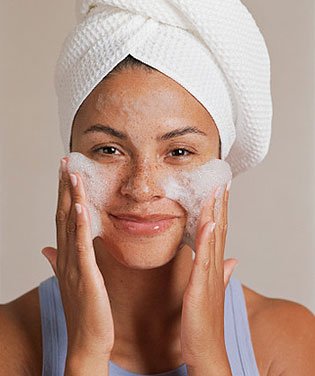
‘Exfoliation’ is widely accepted as an important and efficient approach to improving the feel and appearance of skin. Lack of proper cell-cycling leads to skin that feels rough and looks dull. Skin appears aged when dead cells stay on the skin’s surface.
Generally, these are the two ways of exfoliating:
- physical or
- chemical exfoliation;
Physical exfoliation uses microbeads or textured ingredients, such as crushed shells / salts / minerals or other similar natural materials, to rub off the dead cells on the uppermost layer of the skin or epidermis to reveal a smoother, more uniform and younger looking smoother skin underneath.
Chemical exfoliation, employs acids to ‘dissolve’ this top layer to achieve the same result.
Our advice is to use physical scrubs for the body and chemical toners/brighteners should be used for the more delicate facial area. Microdermabrasion should only be professionally administered, as it is often a particularly harsh and strong physical exfoliant.
Exfoliation continues to grows in popularity. AHA exfoliants and similar products are a fashionable subject for beauty editorials and influential beauty bloggers / vloggers (e.g. Caroline Hirons, A Model Recommends by Ruth Crilly).
Exfoliation
Looking at the top of the illustration below, the dead keratinocytes are flaking off (desquamation). This creates a ‘rough surface’ where cells are poorly or not at all bound together, which makes them sit at unstructured angles to one another. This causes ‘rough’ feeling and ‘dull’ looking skin, as light is not reflected perfectly to create a dull finish.
Exfoliation removes this deal skin layer to reveal the smooth cells below that are still structured and bonded together.
This natural process of exfoliation happens naturally but as we age, the differentiation of keratinocytes becomes less efficient and the appearance of rough skin becomes more visible.

New Trend
There is continuous research & development in the area of exfoliation and skin re-surfacing / smoothing / brightening / refining and general all round improvement.
In particular, research is looking at how the skin can be aided in the process of desquamation and how it can improve this cycle itself, as opposed to simply acting on the top layer by physically removing it. This work is focused around the idea of epidermal renewal and the internal processes involved, by defining the main proteins / enzymes and attempting to target them cosmetically.
“Nutriceuticals”, an ever growing trend, try to support the skin through diet with ‘good oils’ and ‘hydration’. Keeping hydrated is one of the best ways how each and everyone of us can help their skin from the inside !