
Home / Evergreen / Page 2
Star Anise Benefits

Star Anise Benefits in Perfumery: Liquorice-Bright Spiced Spark

There is something immediately cheerful about the first whiff of star anise in a perfume. With its sparkling liquorice-like glow and soft spice, it brings warmth and lift to a fragrance at the same time. That makes it perfect for spring, when we crave something with a little freshness, but still want a trace of comfort as the weather shifts.

Star anise has a sweet, slightly peppery brightness that feels at once familiar and a little unusual. It is playful without being too bold, especially when paired with ingredients like citrus or wood. This spice has been used in fragrance for centuries, but when it shows up in a fine perfume, it often takes on a new, more refined expression. Here is how.

The Origins and Story Behind Star Anise

Star anise may be striking in shape, but its aromatic qualities are what have kept people fascinated for hundreds of years. Native to parts of China and Vietnam, this spice has been used in traditional herbal blends, cooking, and, over time, fine fragrance. The star-shaped pods come from a small evergreen tree and are picked when still green, then dried until they turn deep brown.

What makes the aroma of star anise stand out is how it balances contrast. It is warm, but it lifts. It is sweet, but not sugary. It brings a subtle depth to a perfume without overpowering the other ingredients. Cultures through Asia and parts of Europe have long found it to be soothing and emotionally grounding, making it a favourite for more than just its taste or look.

In fragrance, there is something familiar in its soft spice, like a comforting memory on a chilly morning or the playful zing in a fresh blend. It is this dual nature, both cosy and lively, that makes it such a useful note in perfume creation.

Pairfum Collection Niche Perfume Experience Fragrance Library 10 Square

Understanding the Botanical Profile

To truly appreciate this ingredient, one must look at the Illicium genus. The culinary and perfumery staple is known as Illicium verum. It is an evergreen tree that can live for over 50 years, reaching heights of up to 20 feet. It thrives in the humid, subtropical climates of Southern China and Northern Vietnam, where it produces small, pale yellow flowers before the fruit develops.

However, it is vital to distinguish this from Illicium anisatum, also known as Japanese star anise. While the Japanese variety is beautiful and looks remarkably similar to the edible version, it is highly toxic and primarily used as incense in temples rather than in food or skin-safe applications.

In the botanical order of spices, star anise holds a unique position. While it shares the name anise with the European anise seed, they are botanically unrelated. The common anise is a small seed from the parsley family, whereas star anise comes from a woody tree. Despite this, they share a high frequency of anethole, the organic compound that provides that signature liquorice flavour.

How Star Anise is Extracted for Perfume

The star-shaped pods used in perfume come from the Illicium verum plant. These little stars are not just a name; they really do look like eight-pointed flowers carved out of wood. Each point on the star holds a single seed, and both the pod and seed are rich with essential oils.

To turn these lovely shapes into something wearable, we use a method called steam distillation. This gentle process releases the essential oil inside each pod without damaging its quality. It captures the full aroma of the spice, sweet, aromatic, and warmly spicy, all while keeping the oil clear and smooth.

The extracted oil is prized in perfumery for several reasons:

  • It has a clean profile that does not muddy up a composition
  • It works well with both fresh and warm notes
  • It offers brightness, without the sharpness that comes from some spices

This makes it a favourite for use in both top and heart notes. Whether used as a ground powder in solids or as a distilled liquid, the addition of this anise note creates a sensory refresh.

Health Benefits and Traditional Wisdom

The value of star anise extends beyond its scent. Modern science has found that it contains shikimic acid, a primary ingredient used in the production of antiviral medications. It is also packed with antioxidants like linalool and quercetin, which help the body manage inflammation.

In traditional wellness, it is often brewed into a tea to act as a digestive aid. It functions as a carminative, helping to reduce bloating and settle the stomach after a heavy meal. Its mild sedative properties also make it a popular choice for those looking to improve sleep quality or reduce stress. When you wear a perfume containing this anise note, you are tapping into a long history of ingredients chosen for their ability to soothe the spirit.

Star Anise Close Up

Culinary Roots and Versatility

The description on a botanical label often masks just how versatile this spice is in the home. Long before it was a staple in a perfume, it was essential in Chinese and Vietnamese kitchens. It is a cornerstone of Chinese five-spice powder and a vital part of the broth for authentic Pho.

In the kitchen, a small amount goes a long way because it is incredibly potent. It is often simmered in water or wine to release its oils into soups and stews. Its ability to bridge the gap between savoury and sweet is remarkable:

  • Savoury: It pairs perfectly with pork, garlic, and ginger. It is frequently used alongside soy sauce, green chillies, and clove to create deep, umami-rich sauces.
  • Spiced Blends: It is a key component in garam masala, working alongside cinnamon and fennel seed.
  • Sweet: Beyond the savoury, it is used to infuse yoghurt or flavour baked goods, cakes, and various desserts.

When cooking, the pods are often added for several minutes to infuse the dish before being removed. This culinary depth is exactly why star anise feels so grounded when used in an olfactory context.

Star Anise Notes in Perfumes: What They Smell Like

The aroma of star anise in perfume is easy to spot once you know what you are looking for. It smells faintly like liquorice, light, sweet, and mildly spicy, with a flash of something herbal. But it is not a static note. Depending on how it is blended, it can shift its feel quite a bit.

  • In citrus-forward perfumes, it adds a gentle spice that smooths out the sharper edges
  • With woodier notes, it introduces a nostalgic sweetness that keeps things from feeling too heavy
  • In gourmand or food-inspired fragrances, it gives a twist that is comforting and interesting

Star anise shines best in transitional seasons like early spring. Picture a slightly crisp morning walk: cool air, but sunlight starting to stretch across your jacket collar. Its glow fits right into that. It also makes for a charming evening note, especially when the weather still holds a bit of bite and you want your fragrance to feel slightly mysterious yet warm.

Iconic Perfumes That Use Star Anise

Several well-known perfumes feature star anise, and they do this in very different ways, which speaks to its range. Some highlight the spice right at the top, letting it sparkle for a few minutes before settling into softer heart notes. Others draw it down into the base where it mingles with amber or vanilla to add roundness.

In masculine perfumes, star anise can sit in the heart or base to smooth out sharp aromatics or leather notes. In feminine perfumes, it can bring a bright vibration to the beginning of the bouquet, pairing beautifully with citrus peels or floral herbs like neroli or orange blossom.

Lolita Lempicka – Le Premier Parfum: An iconic gourmand fragrance where star anise and liquorice meet violet and ivy to create a whimsical, enchanted forest aroma.

Guerlain – L’Instant de Guerlain pour Homme: A sophisticated scent using star anise to bridge the gap between fresh citrus top notes and a warm, cocoa-rich base.

Jo Malone London – Vanilla & Anise: A modern, airy blend that pairs the herbal spice of star anise with wild fennel for a transparent and dewy finish.

It is clear from these blends that star anise does not belong to one type of perfume. It flexes, rounds things out, or adds a twist exactly where it is needed. Each anise-infused blend carries a unique date with nature.

Pairfum Collection Niche Perfume Experience Fragrance Library 49 Square

Elevate Your Scent Profile through Personal Discovery

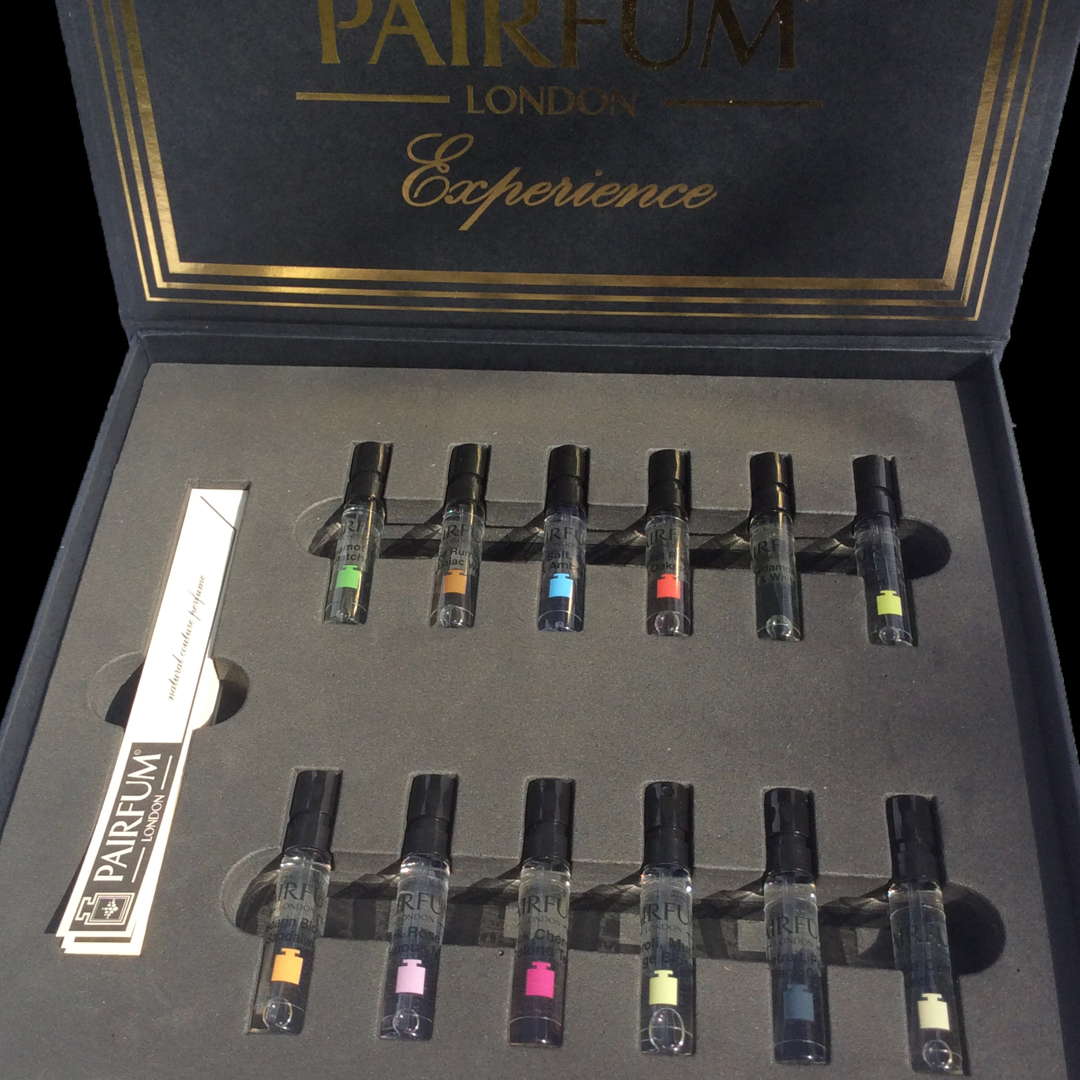
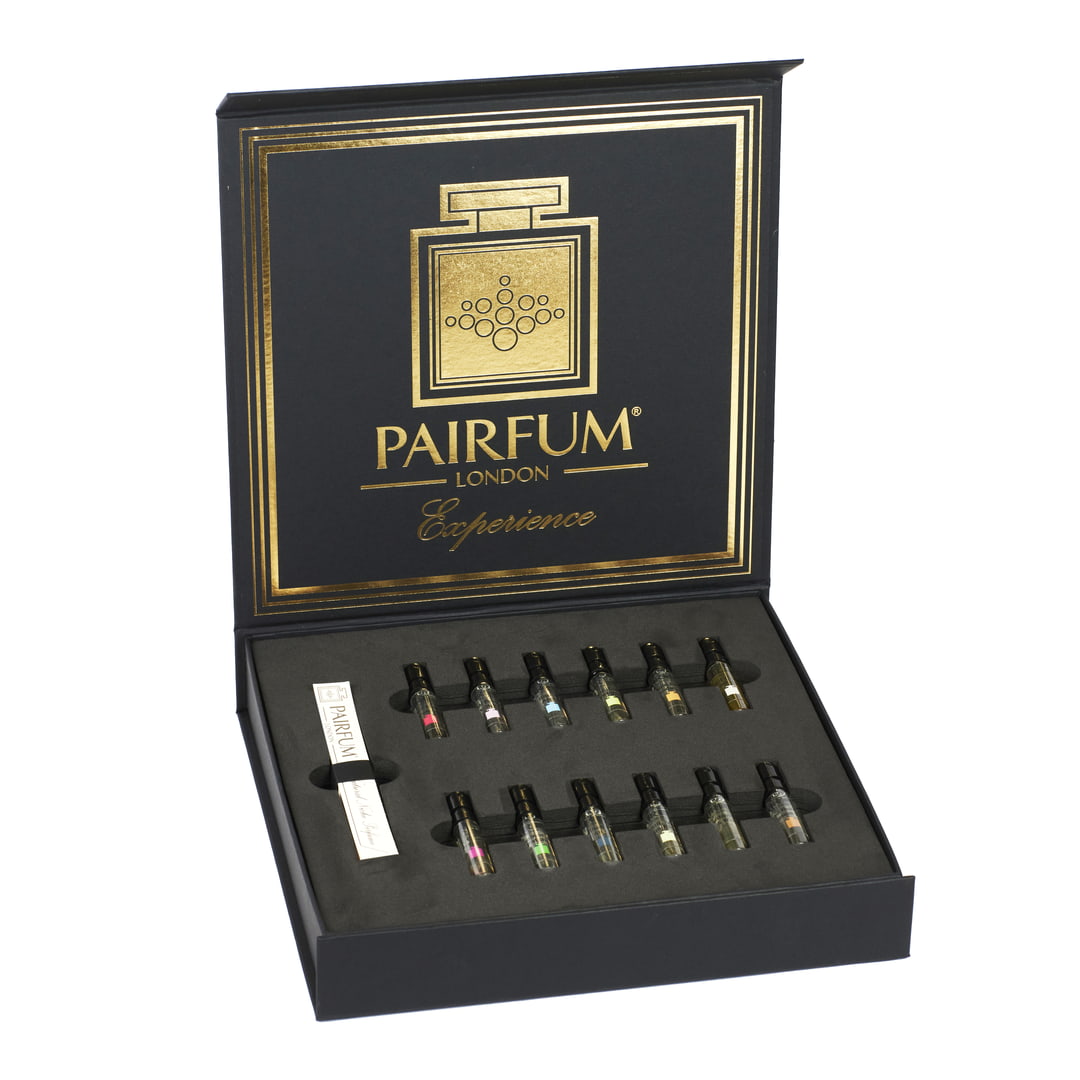
The world of perfume is vast, and finding that perfect balance of sweet anise and soft spice requires a personal touch. If you are curious about the transformational powers of other botanical herbs, our Fragrance Library – Perfume Experience Box Collection offers the ideal way to explore. This curated set allows you to experience a wide variety of niche scents in the comfort of your home, making it easy to identify which aromatic profiles truly resonate with your spirit before committing to a full bottle.

Fragrance Library – Perfume Experience Box Collection by Pairfum London

This collection features a versatile range of natural Eau de Parfum sprays, each presented in a glass vial to ensure the spirit of the fragrance remains pure. The set is designed for discovery, providing enough frequency of use to test each scent across different days and moods. With a diverse description of notes ranging from deep woods to sparkling spices, this library is a wonderful addition to any fragrance lover’s collection and makes a thoughtful gift for those keen to refine their olfactory palette.

The Sweet Spark That Keeps on Shining

The appeal of star anise in perfumery lies in its unique mix of comfort and brightness. It does not just add a liquorice-like sweetness or sharp spice, it adds energy. Something about its warmth feels full of life, like the earth waking up after winter.

When star anise is used thoughtfully in niche or natural perfumes, it becomes part of something that lingers. It finishes softly but starts with sparkle. It connects well with today’s longing for familiarity, but also novelty. That makes it a small but steady star in the anise aroma map of spring and beyond.

By understanding the journey of star anise from the Chinese forest to the fragrance bottle, one can better appreciate the complex anise nuances in every spray. Whether it is the anise aroma in your favourite anise perfume or the anise scent in a sweet anise treat, this anise spice remains a classic. The anise pods deliver an anise punch that makes anise a true anise favourite for any anise lover. This anise profile is simply timeless.

Lychee Fruit In Fragrance

Lychee Fruit in Fragrance: Rosy Juicy Tropical Lift

Lychee (Litchi chinensis) is a small, tropical fruit native to Southern China, featuring a rough, reddish-pink, and easy-to-peel skin. The translucent white, juicy flesh inside offers a sweet, aromatic, and slightly tart flavour profile. As a rich source of vitamin C and phenolic compounds, this fresh fruit is commonly enjoyed during the summer months or used as a base for an exotic fruit dessert and various botanical cocktails.

There is something bright and joyful about lychee in fragrance, especially as winter leans into early spring. That soft, fruity aroma adds just the right amount of energy without feeling too heavy or sweet. It is rosy, almost floral at times, yet still unmistakably a tropical fruit.

We often turn to this fruit when we want a perfume to feel playful and light-hearted. It brings gentleness to blends that need a boost without taking over the whole composition. As the days start getting longer and a bit warmer, lychee fits the mood. It lifts the fragrance and brings to mind freshness, movement, and a soft kind of brightness that works well in both niche perfume and home fragrance.

A Fruit with Fragrant Roots: The History and Origin of Lychees

The lychee originates in Southern China, specifically within the provinces of Fujian and Guangdong, where it has been cultivated for over two thousand years. Known botanically as Litchi chinensis, this Chinese tree produces edible fruits that were once so prized they were delivered by imperial messenger to the emperors of the Tang Dynasty. While it began in East Asia, lychee trees are now found in many warm climates, including South East Asia, South Africa, and even parts of the United States like Florida and Hawaii.

The lychee tree itself is a handsome evergreen, a member of the soapberry family or Sapindaceae. In these regions, lychees are more than just a tropical fruit; they are a cultural staple. Whether found in the herb section of a local market or alongside new fresh asian vegetables, the lychee fruit is a symbol of romance and luck.

Historically, the dried lychee was often referred to as a lychee nut, though this is a bit of a misnomer. While the outer skin becomes brown and brittle when dried, the fruit inside remains sweet and raisin-like. In its fresh fruit form, the litchi is unmatched for its perfume. It is a drupe, much like a plum or a peach, featuring a rough, strawberry-red outer husk that protects the delicate treasure within.

Bedroom Reed Diffuser Luxury Scented Candle Room Spray 1 1

Bright and Juicy: The Character and Aroma Profile

The aroma of a lychee is hard to miss. It is both juicy and light, with a natural sparkle that falls somewhere between rosewater and a fruit salad. It has a round, ripe lychee quality that brings to mind soft common fruits, but with none of the sticky sweetness. Instead, there is a cooling effect behind it that freshens up whatever it touches.

Inside the fruit, you will find a single, dark lychee seed. While this lychee seed is not for consumption, the translucent white flesh around it, known as an aril, is packed with vitamin C and phenolic compounds. These elements contribute to the health benefits often associated with the fruit, such as supporting the skin and general immunity.

When we describe the flavour and scent, we often talk about the sugar content. However, a fresh lychee has a sophisticated profile. It is not just about the sugar; it is about the balance of floral and tart notes. This makes it a smart fit for spring perfumes that need a balance. Scientific analysis shows that the litchi shares the same key molecule as the rose, known as cis-rose oxide, which explains why the two smell so harmonious when paired together.

From Fruit to Fragrance: How Lychee is Used and Extracted

A fresh lychee fruit is delicious, but it is quite hard to work with directly in perfumery. Getting oil or essence from it in pure form is not easy because the fruit has very little oil to extract. Most often, perfumers use carefully created natural accords or blended aroma molecules that mimic the juicy, dewy shimmer of a real litchi.

There are two common types used in fragrance formulations:

  • Natural accords made by blending materials that together smell like fresh lychee.
  • Aroma molecules created in the lab to match the rosy, fresh-fruit tone of the litchi.

This does not mean it smells artificial. In good hands, those blends end up feeling very close to nature and quite soft on the skin. The goal is to capture the brightness and sweet charm of the lychee while keeping everything gentle and wearable. In some cases, a lychee syrup accord is used to add a gourmand touch, similar to how one might find canned lychee used in a dessert. A fresh lychee fruit contains high levels of water, and capturing that aqueous, “wet” sensation is the hallmark of a high-quality lychee note in niche perfumery.

Lychee In A Bowl

Culinary Inspiration: From Savoury Dishes to the Lychee Martini

The influence of lychees extends deep into Asian cuisine. You will often find the fruit used in savoury dishes to balance heat, or served as a simple, chilled dessert. The versatility of the litchi is one reason it transitioned so well into the lifestyle space. In Southeast Asia, it is a seasonal highlight that signals the arrival of warmer months.

In modern mixology, the lychee martini has become a classic, showcasing how lychee and a touch of syrup can create a sophisticated, botanical drink. This “cocktail” vibe often carries over into perfumery, where lychee is used to create a “fizzy” or “sparkling” sensation. Even though it is sweet, the fruit is often noted for having a moderate impact on blood sugar compared to heavily processed sweets, making it a “guilt-free” inspiration for both chefs and perfumers. Because it is so perishable, the fresh lychee is a fleeting luxury, which only adds to its allure in the world of high-end fragrance.

Perfume Pairings and Fragrance Families

Lychee blends beautifully with a handful of other notes, especially ones that lean soft, powdery, or fresh. We often notice it working best in fruity-floral perfumes or lighter springtime blends. Some of the most common pairings include:

  • Rose or peony, which matches the floral brightness of the lychee.
  • Musk, which helps ground the fruit in a smooth base.
  • Green tea or citrus, which balances the sweetness of the lychee.

What we like about lychee is that it softens a fragrance and makes it feel more youthful. It does not demand all the attention. Instead, it lets other notes speak clearly while still leaving a gentle, rosy-fruit trail behind. Whether the tree grew in Southeast Asia or was harvested in South Africa, the litchi essence remains a symbol of elegance. It provides a bridge between the edible and the ethereal, a trait shared by few other common fruits.

Iconic Perfumes and the Future of Lychee

Though lychee may not always be listed front and centre, it is the quiet star in many memorable blends. It helps add brightness and cheer to perfumes that want to avoid being overly sweet or dry. Because the lychee has a seed that is large and smooth, it reminds us of the stone fruits, yet its scent is far more delicate.

In fine fragrance, we often find lychees used in:

  1. Modern rose perfumes, where lychee brings freshness.
  2. Spring or summer fragrances that need a tropical fruit top.
  3. Niche perfumes that want to feel unique and clean.

The reason lychee keeps coming back in perfume trends is simple: it stays refreshing without fading too fast. It is bright enough to stand out at first, but delicate enough to blend into the full story. Perfumers continue to explore the nuances of the litchi, finding new ways to highlight its watery, translucent character without relying on heavy syrup notes.

Pairfum Large Reed Diffuser Bell Pure White Sandalwood

Lychee Top Notes in Pairfum London Home Fragrance

White Sandalwood – Large Bell Shape Reed Diffuser by Pairfum London

A Creamy Sandalwood accord with a hint of Chypre. It includes top notes of Neroli and Lychee, a floral heart of White Jasmine, Violet and Cistus Labdanum, and a base of sun-bleached Cedar, Patchouli, Musk and Tonka Bean.

The Feel-Good Lift of Lychee

The lychee has earned its place in perfumery not by being dramatic or bold, but by being quietly lovely. Its blend of fruit and floral fits exactly with the kind of perfumes we want to wear when the air still feels cool but warmer, brighter days are on the way.

It adds that special lift, a small bit of sunshine tucked into a bottle. Light, rosy, and juicy, the lychee is the kind of fragrance note that helps everything feel a little fresher. From the lychee fruit hanging on a tree in a distant land to the spray of a fine mist on your wrist, this exotic fruit continues to captivate our senses. It brings a soft joy to perfume, like opening a window to let the season in. Whether you are enjoying a fresh lychee fruit at a spring feast or wearing its essence in a bespoke blend, the litchi is a timeless reminder of nature’s beauty.

Macaroon In Perfumes

Macaroon in Perfumes: Sweet Coconut Gourmand Charm

A macaroon is a dense, chewy cookie primarily crafted from shredded coconut, egg white, and sugar, and is often dipped in chocolate. These treats differ from the French macaron (spelt with one ‘o’), which is a delicate, meringue-based sandwich made with ground almond. While coconut macaroons are typically rustic and packed with tropical flavour, the French macaron is smooth, colourful, and light.

There’s something wonderfully soft about the macaroon note in perfumes. It brings to mind the sweet crunch of coconut, the warmth of baked treats, and that gentle, toasted charm that feels comforting without being too sugary. As winter begins to ease into early spring, these kinds of aromas seem to suit the change in seasons perfectly.

The macaroon note brings its familiar coconut touch into fragrances in a way that adds depth and creaminess without weighing everything down. It doesn’t shout. It smooths. Whether tucked into the heart or base of a perfume, it creates an atmosphere that feels cosy and welcoming. And while it borrows from something edible, it stays grown-up, wearable, and wonderfully suited to perfumes that want to be memorable without being loud.

A Sweet History: How the Macaroon Became a Perfume Favourite

Gourmand perfumes have always had a link to comfort. They began showing up in full force in the late 20th century, led by vanilla and chocolate notes that captured the feeling of desserts without turning perfume into food. As the gourmand style grew, perfumers started to reach for other familiar treats to build new perfume profiles.

The macaroon note started to show up not just as a nod to coconut, but as a richer, fuller element made up of coconut, almond, and baked facets. Historically, these treats have deep roots; the name stems from the Italian word maccarone, meaning a fine paste. While the French macaron rose to fame in Parisian tea salons like Ladurée during the 20th century, the earlier versions were simple almond meringue biscuits. It was the introduction of shredded coconut in the late 1800s that transformed the recipe into the dense, chewy coconut macaroons we recognise today.

We saw this evolution mirrored in the move toward perfumes that felt personal and emotional. These weren’t perfumes meant to impress from a distance. They were the kind of people who wore clothes and perfume to feel good. And that’s where macaroon found its place, quietly adding warmth and sugar while helping a perfume feel holding and familiar.

Pairfum Collection Niche Perfume Experience Fragrance Library 91 Square

Recreating the Aroma: How Perfumers Capture the Macaroon Note

Unlike some natural perfume ingredients, there’s no plant or flower that gives us a true macaroon oil. Instead, perfumers build the note piece by piece, using a mix of both natural extracts and aroma molecules. Typical components include:

  • Coconut milk or shredded coconut accords for the sweet, tropical base
  • Almond oils or tonka bean to bring a nutty tone
  • Soft vanilla and sugar notes to round out the sweetness

When layered in the right way, these ingredients create a perfume note that smells gently creamy and toasted, like the real treat it’s inspired by. It usually appears in the heart or base of a fragrance, places where it can linger on the skin and offer its cosy softness all day. And because it’s a warm note, it blends seamlessly into the kind of perfumes made for cuddling up, whether that’s on chilly days or early spring evenings.

The Culinary Inspiration: From Baking Tray to Fragrance Bottle

To understand why macaroons smell so divine, one must look at the baking process itself. A classic coconut macaroon is a simple yet indulgent sweet treat. The traditional recipe involves a mixture of egg white beaten until it forms soft peaks, eventually reaching stiff peaks as sugar is folded in. Unlike the delicate French macaron, which relies on ground almond and a smooth macaron shell, the coconut variety is rugged and hearty.

In a kitchen, a baking tray lined with parchment is filled with spoonfuls of batter. As they sit on the baking sheet, the edges begin to caramelise. This toasted flavour is exactly what perfumers try to replicate. While some may confuse them with the French macaroon (often spelt macaron), the scent profile we often find in gourmand perfumes is closer to the dense, golden coconut macaroons found in British bakeries.

Even a Scottish macaroon has its own unique profile, famously invented by John Justice Lees in 1931. This version traditionally uses a surprising ingredient like mashed potato or boiled potato mixed with an abundance of icing sugar to create a thick fondant. It is then dipped in chocolate and rolled in coconut. This specific combination of earthy potato and intense sweetness creates a very different olfactory profile, one that is dense, rich, and nostalgic.

Mastering the Texture: Sugar, Butter, and Cream

The olfactory “texture” of a macaroon perfume comes from simulating the weight of the ingredients. To mimic the density of a macaron recipe, perfumers use synthetic notes that evoke butter and heavy cream. Just as a baker uses an electric mixer to combine caster sugar and almond extract at room temperature, a perfumer carefully balances superfine sugar notes with darker elements.

When you think of a high-quality chocolate macaroon, you imagine the snap of dark chocolate against a soft centre. In scent, this is achieved by layering cocoa accords over a sugar and almond mixture. The goal is to capture the essence of the food without the stickiness. This involves avoiding the trapped air bubbles of a light meringue and focusing instead on the “chewiness” of the coconut and icing sugar blend. Experts like Sally’s Baking Addiction highlight that using the right sugar and avoiding fat in the egg white is vital for the bake; similarly, a perfumer must ensure no single note “collapses” the scent’s structure.

Scottish Macaroons

Blending with Character: How Macaroon Pairs with Other Notes

One of the nicest things about the macaroon note is how adaptable it is. It doesn’t take over, which means it’s great at blending and giving structure to many different combinations.

  • It holds very well with other warm notes like tonka bean, sandalwood, and amber
  • It melts into floral notes like jasmine or tiaré to create soft, tropical-style perfumes
  • It contrasts nicely with hints of citrus or green notes, offering sugar without losing freshness

In niche perfumes, where character and contrast matter more than just sweetness, macaroon is often used to round out sharper or more airy smells. It can take something cold or dry and soften the edges just enough to make it feel inviting.

We’ve seen perfumers use it in both traditional gourmand blends and more inventive pairings. Sometimes it appears beside sea breeze notes or smoky woods, showing that coconut or vanilla doesn’t need to stay in the dessert category. When used with a light touch, it simply brings calm.

The Art of the Confectioner and the Perfumer

There is a certain theatricality to baking that mirrors the art of scent. Think of the Great British Bake Off, where contestants carefully prepare a piping bag to ensure every macaroon on the tray is uniform. They watch the selection results of their hard work as the prepared baking sheet comes out of the oven.

Similarly, a perfumer must ensure their mixture is balanced. If there is too much confectioners sugar or powdered sugar in the accord, the perfume becomes cloying. If the almond is too strong, it can smell medicinal. However, when the caster sugar and butter notes are handled with precision, the result is a fragrance that smells like the most refined macaroons in the world.

Soft and Cosy: Why Does Macaroon Work for the Colder Season

Late winter into early March brings a change in mood. We start looking forward to lighter days and milder weather, but it’s still chilly enough to want something warming on the skin. Macaroon gives that gentle warmth in a way that feels perfectly timed.

This is the season when heavy perfumes can start to feel too much, but many spring perfumes feel a little too clean or airy. A macaroon note gives the best of both sides. It’s cushiony like soft layers on a cool day, but doesn’t weigh the whole perfume down.

  • It softens perfumes that rely on sharp greens or citrus
  • It makes floral blends feel more creamy and smooth
  • It warms perfumes with woody bases without making them feel too dark

As the weather shifts, we often want perfumes that feel like an easy comfort. The macaroon note does exactly that; it creates a sense of closeness and ease that feels just right for this time of year.

12 Pairfum Eau De Parfum Bottle Niche Collection

Find Your Next Iconic Fragrance With Pairfum London

Finding the perfect gourmand scent is a deeply personal journey, especially when looking for those subtle, toasted notes of macaroon and vanilla that truly resonate with your skin chemistry. Rather than guessing at a crowded perfume counter, the Fragrance Library Perfume Experience Box allows you to explore sophisticated aromas in the comfort of your own home. It is the ideal way to discover how a sweet treat of a scent evolves from the first spray to the warm, lingering base notes, ensuring you find a fragrance that feels like a natural extension of your own style.

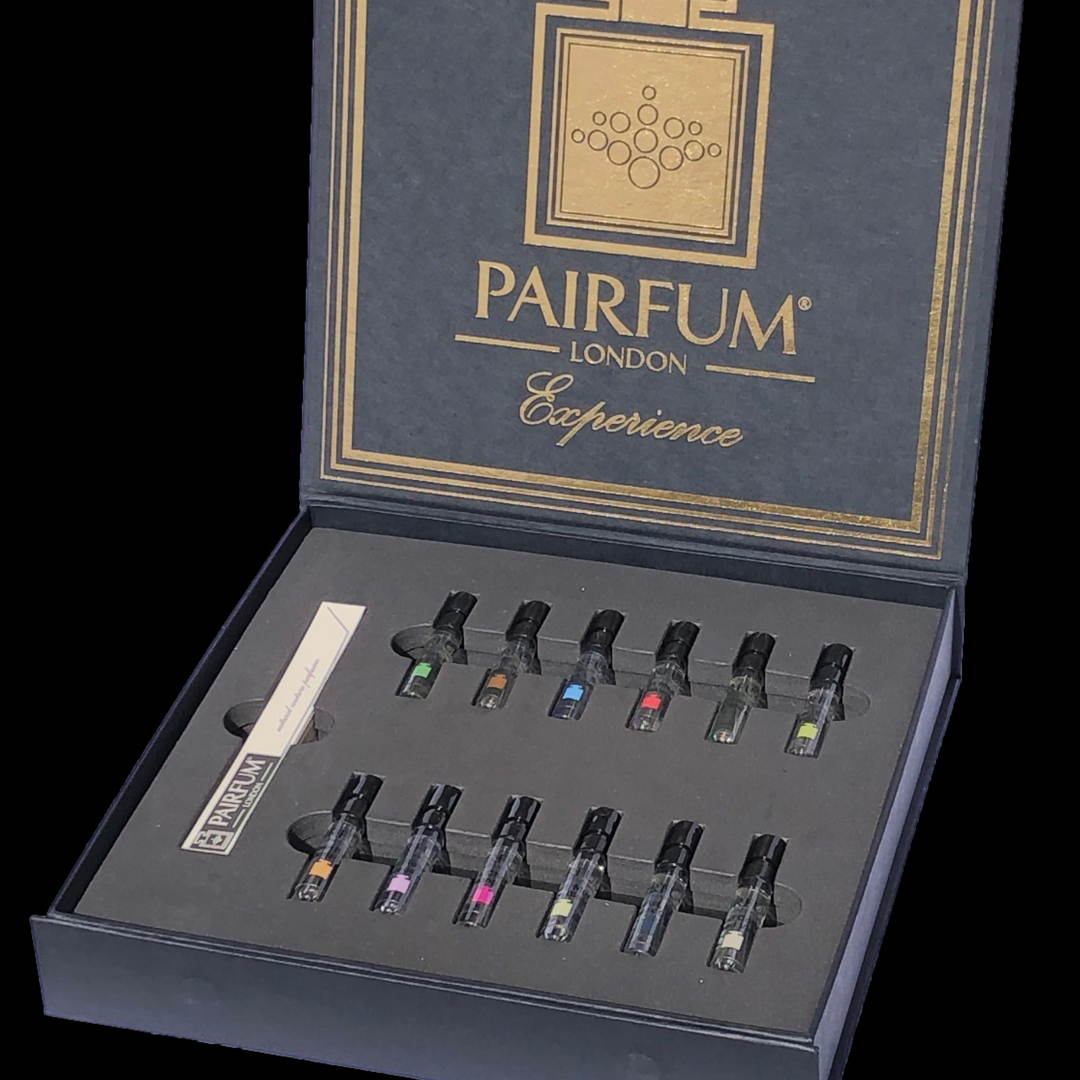
Fragrance Library Perfume Experience Box by Pairfum London

This beautifully presented collection features twelve 2ml bottles of Intense Eau de Parfum, providing approximately 100 sprays per bottle or enough for a two-week trial of each unique scent. The set includes 50 professional smelling strips for expert sampling and is crafted using natural, organic essential oils and a biodegradable alcohol base derived from sugar. As a 100% vegan and cruelty-free product handmade in the United Kingdom, it offers a risk-free way to sample niche luxury, with the full cost of the box refundable when you upgrade to a full-sized flacon.

Pairfum Collection Niche Perfume Experience Fragrance Library 49 Square

A Lasting Treat: When Sweetness Feels Grown-Up

Sweetness in perfume sometimes gets a bad name, but there’s a difference between sugar overload and well-made gourmand warmth. What keeps macaroon on the grown-up side is how it’s used to support, not to lead. When layered thoughtfully, it gives perfume a soft texture and a fuller shape.

We keep seeing this note appear in both familiar, comforting perfumes and in newer niche creations. It bridges the gap between everyday favourite and something just a bit unexpected. That’s probably why macaroons never quite go out of style. They don’t try too hard; they just work. And sometimes, that’s exactly what perfume should do. Experience the comforting warmth of macaroon and dark chocolate undertones, and discover how a simple recipe of notes can transform your daily flavour profile into something truly sophisticated.

Toffee In Fragrance

Toffee in Fragrance: Buttery Caramel Indulgence

Toffee is a classic British sweet made by cooking sugar (or molasses) and butter until it reaches a firm, sticky, or hard texture, hitting “hard crack” temperatures (149-154°C). It is known for its intense caramel flavour and buttery profile, used in confectionery, coated in chocolate, or added to coffee. 

Toffee isn’t just for sweets. In perfume, it creates a cosy feel that’s perfect for this late-winter stretch that still calls for warmth yet hints at lighter days. The buttery smoothness of toffee, paired with its gentle caramel tone, wraps around the skin like a soft jumper. It’s a note that feels both nostalgic and grown up. Many might think of it as simply sweet, but toffee tells a much richer story in modern perfumery.

What starts as a familiar comfort food takes on a whole new life when it becomes part of a well-crafted perfume. Perfume makers use it to bring softness, smooth out rough edges, and add a golden glow beneath darker or sharper notes. Here is a closer look at how this dessert note has made its way into elegant fragrance, and how it’s shaped to wear beautifully every day.

A Sweet Start: The Origins of Toffee in Perfume

Toffee has always belonged to the comfort food club. Its roots go back to old-fashioned boiled sugar and butter, with origins in British kitchens. The Oxford English Dictionary dates the word back to 1825, suggesting it is a variation of the word taffy. Long before it was a scent, it was the ultimate confectionery staple. The connection to perfume is newer, rising alongside a trend that invited food-inspired notes into serious fragrance blends.

People feel drawn to aromas that remind them of home, baking, and winter holidays. Toffee brings back memories, sometimes of a favourite sticky toffee pudding or something soft and safe. These feelings are more than just personal. Perfumers know that comforting notes build trust in a fragrance the moment you smell them.

The real change came when creamy, edible notes started appearing in niche perfumes. Gourmand perfumes became favourites. They didn’t just copy candy, but instead balanced warmth and sweetness. A touch of musk, some soft woods, or a light floral finish helped to round out the composition. Toffee quickly became a favourite, thanks to its versatility and inviting cosiness.

Eau De Parfum Person Reflection Black Cherry Oolong Tea Woman Arms 1 1

From Kitchen To Chemistry: The Art of the Toffee Recipe

To understand the toffee scent, one must look at how the actual treat is made. A traditional toffee recipe usually involves heating sugar and unsalted butter together. As they melt over a medium heat, the sugar undergoes a transformation. Unlike caramel, which focuses on the burning of sugar alone, toffee relies on the heavy presence of butter to create that distinctively smooth, fatty flavour.

In the United Kingdom, this process is a point of national pride. Whether it is English toffee, which is often hard and brittle, or a softer English creamy toffee, the chemical reaction remains similar. Perfumers look for these specific markers: the richness of the butter, the depth of the brown sugar, and the hint of vanilla.

The technical secret lies in the heat. Toffee must reach the hard crack stage, which is between 149 and 154 degrees Celsius. In some variations, such as treacle toffee, the inclusion of molasses or golden syrup adds a dark, almost smoky edge. This is quite different from the toffee you might find in the United_States, where the term often refers to buttercrunch, frequently topped with chocolate chips or nuts. When a perfumer wants to create a toffee note, they are essentially trying to bottle the steam rising from that copper pot before the candy thermometer reaches its peak.

What Does Toffee Smell Like in Fragrance?

In perfume, toffee rarely tries to steal the spotlight. The aroma is warm and buttery, and sometimes there are hints of nuts or milk beneath the glowing caramel. Imagine smelling sugar cooking just before it turns dark. That soft, glowing moment is what sums up much of the toffee profile.

Toffee pairs easily with other gentle notes. Vanilla makes it creamier and adds softness. Almond brings a touch of sharpness. A backdrop of woody notes, like sandalwood or cedar, adds structure while keeping things natural. Even though it has roots in dessert, toffee doesn’t always come off as super sweet. If blended well, it adds depth and glow without going sticky or sugary.

There are plenty of sweet ingredients, but each brings something special:

  • Caramel smells more burnt and sometimes bitter.
  • Honey has a lighter, sometimes floral warmth.
  • Praline leans nutty and soft.
  • Toffee fits right in the middle, which means it works for those who like both classic and modern blends.

If you are a fan of salted caramel toffee, you might find that perfumers add a solar or marine note to mimic that salty tang, which cuts through the butter and sugar beautifully.

Nostalgia and the Sweet Shop Shelf

For many, the smell of toffee is inextricably linked to the retro sweets of childhood. Think of the heavy sweet jars lining the shelves of a traditional shop, filled with assorted toffees and boiled sweets. There is a specific tactile memory associated with toffee sweets, such as the traditional toffee hammer used to break up large sheets of treacle toffee or liquorice toffee into bite-sized chunks.

Even modern favourites like Walkers Nonsuch have kept this flavour profile alive in our collective olfactory memory. When we smell toffee in a high-end perfume, our brains might subtly flash back to chocolate eclairs (the chewy sweets, not the pastry) or the simple joy of sweet tubs shared at the cinema. This connection to sweets provides a sense of good food and abundance that makes the wearer feel nurtured.

Salted Toffee

Crafting the Aroma: How Perfumers Capture the Toffee Note

There is no such thing as toffee oil that can be tapped for perfume. Instead, perfumers build the aroma using both natural and synthetic building blocks. The job is to sculpt a smooth and believable note that feels true to the real thing, but is still wearable all day.

Some of the main parts that help recreate toffee’s magic include:

  • Lactones for creamy and milky hints.
  • Vanillin for a gentle natural sweetness.
  • Ethyl maltol for a warm, candy-like twist.

By blending these elements, the result is plush, golden, and just rich enough to carry its weight in the fragrance. Too much can feel syrupy, but balanced the right way, it wears comfortably.

This careful building often happens in niche perfume, where little tweaks reveal bigger ideas. Toffee can stand out clearly at the front or linger as a soft cloud in the background. Many modern natural perfumes use these molecules to create a confectionery accord that mimics a rich toffee sauce drizzled over ice cream, without the need for actual corn syrup or food additives.

Buttery Bliss: Why Toffee is More Than Just A Sweet

Toffee does much more than add sweetness. In careful hands, this note brings softness, balance, and a gentle touch that makes a perfume feel complete. It can warm up a cool or sharp fragrance, soften a green edge, or add richness under a lighter bouquet.

What makes toffee even more appealing is how wearable it is. Perfumes with toffee often feel lived-in, in the best way. They bring comfort without ever feeling dull or childish. It’s the kind of note that you might not be able to name straight away, but it can make a fragrance stay close to the skin, smooth and inviting.

As winter quietly turns into early spring, it’s these kinds of comforts that matter most in fragrance. It’s about more than just smelling sweets. Toffee adds an understated, soothing feeling that lingers and lifts a perfume, whether it’s at the heart or played in the background.

Those soft, golden layers of toffee give depth and roundness, making every day and every spray just a bit cosier. Even when the note is gentle, it carries a touch of richness and nostalgia that turns a simple perfume into something you want to reach for again.

Eau de Parfum Person Reflection Black Cherry Oolong Tea Man 1 1

Toffee’s Place in Modern Perfumes

Comfort is back in style, and toffee has found its role as a quiet classic in fragrance. It’s often in women’s perfumes that they want to feel warm, deep, or softly indulgent. You will also find it in men’s blends, where it helps soften stronger notes like incense, leather, or woods.

The best thing about toffee is its flexibility. Here are some of the ways it shows up:

  • In gourmand perfumes, toffee is often the heart. Chocolate, vanilla, or cream keep it company.
  • In woody blends, it smooths out the edges of patchouli or cedar.
  • In floral perfumes, toffee gives roses or jasmine a gentle anchor so the aroma feels grounded.
  • In oriental styles, it sits quietly with spicy and ambery notes.

The interaction between toffee and chocolate is particularly popular. Because chocolate has its own bitter and earthy facets, the butter and sugar in a toffee accord help to bridge the gap between the dark cocoa and the skin. It is like the scent version of chocolate eclairs, where the chocolate exterior gives way to a decadent, chewy centre.

Often, you know toffee is there, even if it’s not named up front in the product information. It provides a background hum that lasts all day, thanks to the way these heavy molecules react to body heat.

Iconic Toffee Fragrances

Jimmy Choo – Jimmy Choo EDP: A sparkling blend of toffee and Indonesian patchouli. It is the gold standard for a “glamorous” gourmand that remains light and wearable.

Penhaligon’s – Changing Constance: A sophisticated, spicy take on salted butter caramel. It balances the sweetness of toffee with pimento and cool cardamom.

Giorgio Armani – Stronger With You Intensely: A deep, woody fragrance featuring a prominent toffee heart. It captures the toasted, sugary aroma of traditional confectionery in a bold, masculine way.

Pairfum Eau De Parfum Noir Bottle Carton Black Cherry Oolong Tea

Sweet Fragrance by Pairfum London

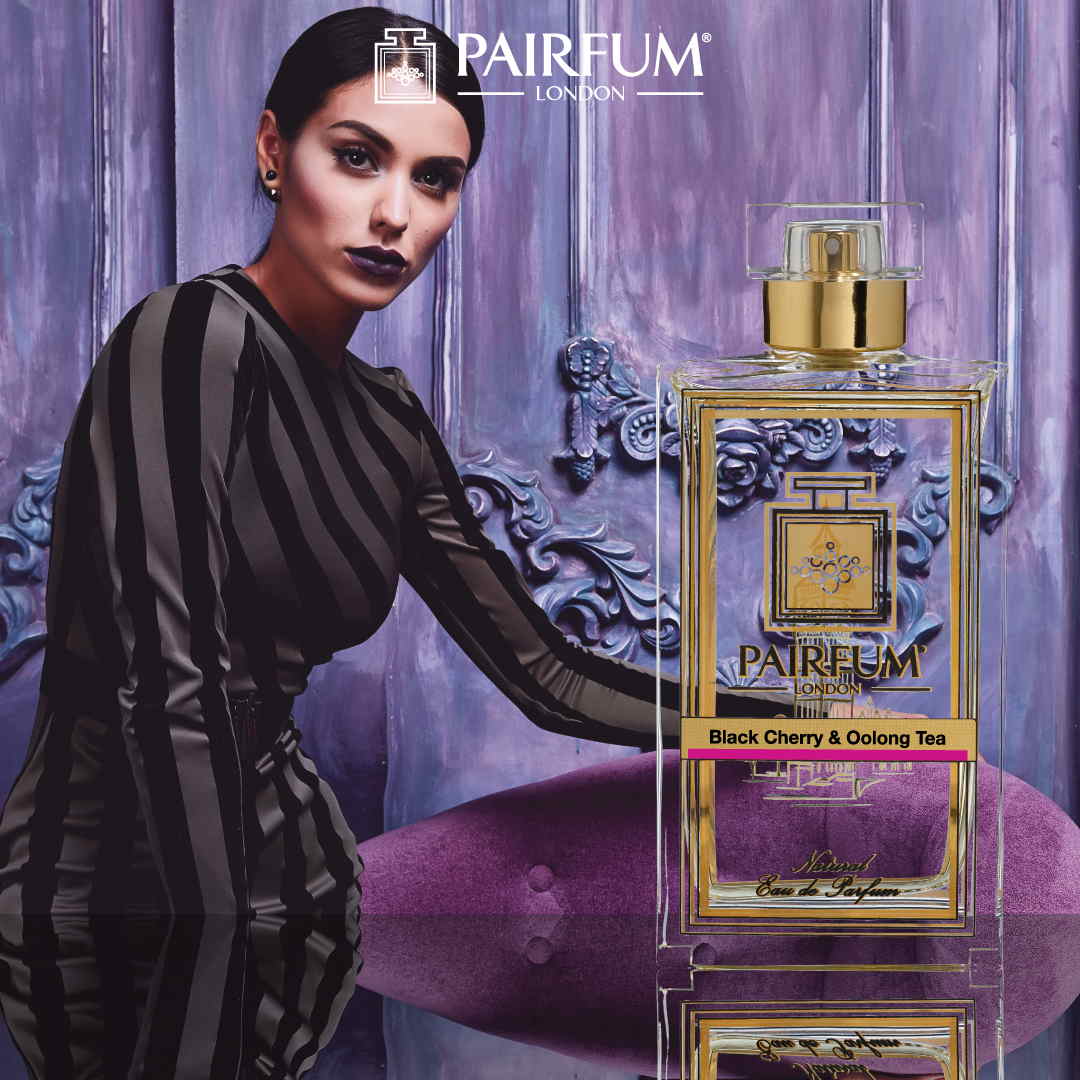
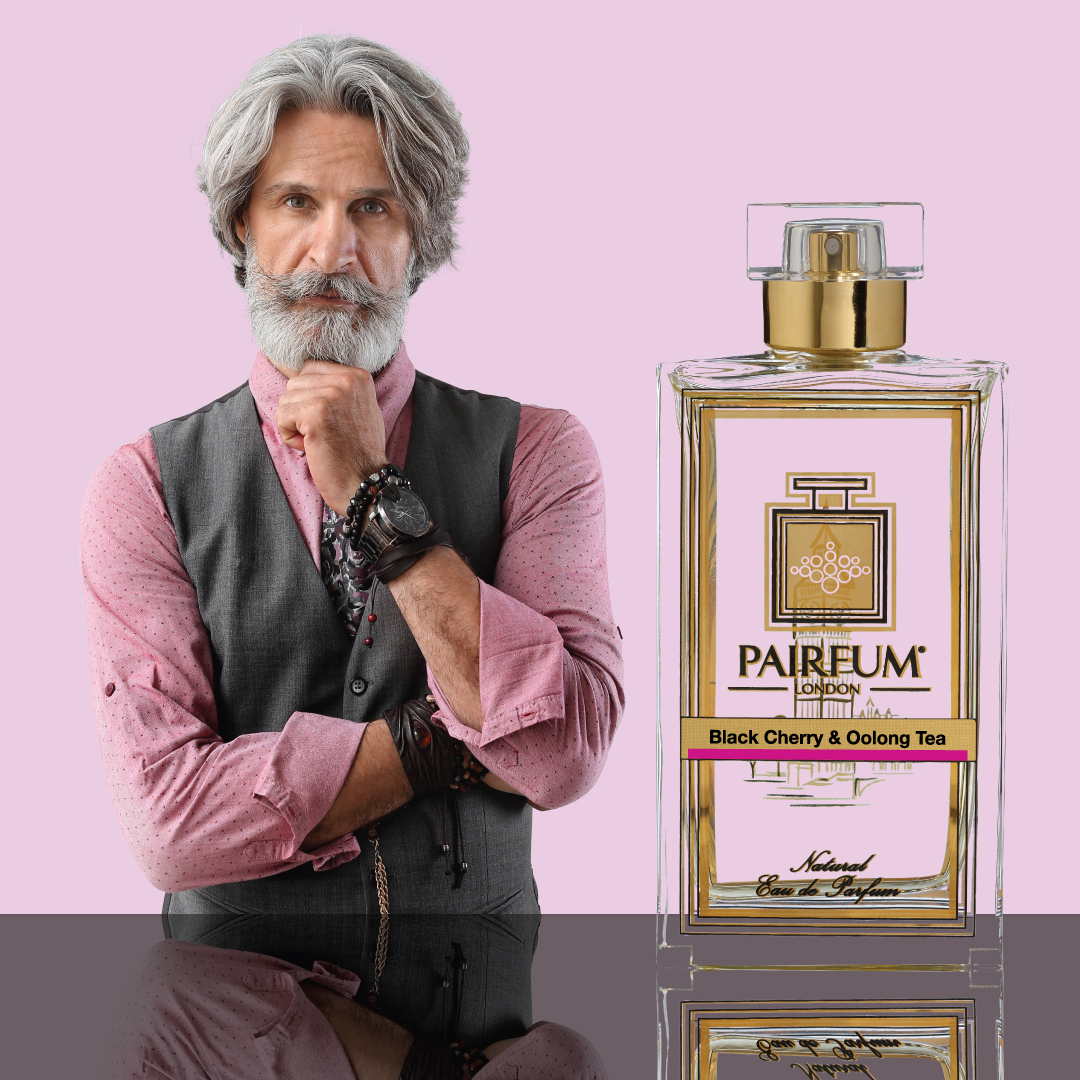
Black Cherry & Oolong Tea – Eau de Parfum by Pairfum London

This fragrance opens with the sparkling interplay of the aromas of Black Cherry, Bergamot, Red Berries and Nutty Almond. The heart is a most elegant fusion of Oolong Tea, Bulgarian & Turkish Roses and Liquorice. The sensuous base rests on Aniseed, Tonka, Iris and Patchouli.

The Enduring Appeal of Toffee

Toffee continues to surprise us with how deeply it can shape the feel of a perfume. Whether it’s rounding out a woody base or adding softness to a floral blend, it brings warmth with quiet confidence. By manipulating heat and balance, perfumers can ensure the toffee doesn’t become cloying.

Whether you prefer the dark edge of treacle toffee or the creamy finish of English creamy toffee, there is a fragrance out there that captures that specific magic. Toffee is not just a treat for the palate; it is a symphony for the senses.

Pomelo Perfume

Pomelo Perfume: Bittersweet Citrus Burst

Pomelo is a popular citrus note in perfumery, known for being fresher, sweeter, and less bitter than its close relative, the grapefruit. In aromatherapy and fragrance, it is often described as “cheerfulness, bottled” because of its energising and vibrant qualities.

Pomelo in fragrance offers something many perfume lovers crave, a citrus note that isn’t too sugary or too sharp. It’s clean, a bit bitter, and quietly bright. That balance is what gives pomelo its charm. In natural and niche perfumes, we see more perfumers turning to this fruit when they want to keep a blend crisp and fresh without tipping too far into sweetness.

We’ve always found pomelo helpful when building perfumes with energy. It nudges a bouquet to life right at the top and brings a gentle cheer in the middle of colder months, when darker oils dominate. From where it comes from to how it’s used, this is how pomelo made its place in fragrance.

A Citrus with Roots: The History of Pomelo in Perfumery

Pomelo isn’t new. Its essential oil has been used for centuries in both beauty and wellness routines, often featured in simple body oils or refreshing room blends. The pomelo fruit itself, which looks like a larger, softer-skinned grapefruit, has long been enjoyed for more than its flavour. In early aromatic traditions, pomelo peel or flowers were used to bring lightness or clarity to mixtures meant to calm or revive.

Known botanically as Citrus maxima or Citrus grandis, this citrus fruit is the largest member of the citrus family. Originally native to South East Asia and the wider Southeast Asia region, it is a non-hybrid ancestor of several other citrus species. For instance, the sweet orange is a cross between a pomelo and a mandarin, while the grapefruit is a hybrid of the pomelo and the sweet orange. By the late 20th century, as natural perfumery grew and interest turned to cleaner fragrances, pomelo oil found a way into more blends. Makers began looking for citrus notes that offered more character than lemon or orange. Pomelo, with its touch of bitterness and transparency, became a useful addition for those wanting lightness with depth.

In historical contexts, the bright aroma of a pomelo has represented cleansing and renewal. In China, it remains a symbol of prosperity and family unity, often offered to ancestors during the Lunar New Year. This cultural significance made it attractive not only in personal fragrance but in home aromatherapy practices, since its presence suggested fresh starts after long winters.

Pairfum Fragrance Neroli Musk Orange Blossom Triangle

Distinct Types of Pomelo and What They Offer

Not all pomelos give off the same aroma, and in perfumery, we consider the variety just as much as the process. Pomelos can range in colour and aroma, each type bringing its own effect to a perfume.

  • White pomelo tends to be drier with a greener, sharper citrus edge
  • Pink pomelo comes across as rounder, a bit sweeter, and sometimes juicier under the nose, often featuring a vibrant pink flesh

These small shifts make a meaningful difference. A white pomelo may lift a fragrance cleanly without too much presence, while a pink pomelo might create a softer citrus roundness, especially in eau de toilettes or warmer skin oils. The variety we pick depends on how prominent we want the citrus to feel and where it should land in the overall profile.

The harvesting area and the season at which the pomelo is picked can subtly shift the oil’s aroma as well. A pomelo harvested early in the season tends to present a livelier profile, while those picked later lend more warmth and softness to the finished essence. In the United States, cultivation in states like Florida and California has allowed for a steady supply, though the fruit is also widely grown in Israel and South Africa. This attention to timing helps us shape a fragrance experience that matches its purpose, whether that’s for an energising spring lift or a mellow backdrop.

Botanical Profile and Physical Characteristics

To understand the pomelo, one must look at its structure. Unlike a standard grapefruit, the pomelo is known for its incredibly thick rind and a total weight that can reach several kilograms. The tree itself can grow up to 15 metres tall, featuring distinctly winged leaf stalks and fragrant yellow-white flowers. When you cut through the yellow colored exterior, you find the inner edible flesh protected by a dense, spongy pith called the albedo.

While many enjoy the fresh fruit for its fibre and high levels of Vitamin C, perfumers are more interested in the pomelo extract derived from the skin. Because it grows primarily in tropical regions and various Asian countries, the citrus produced there often has a more robust profile than that grown in cooler climates. Whether it is sourced from the East or newer plantations, the citrus quality remains a benchmark for freshness.

Extracting Pomelo’s Citrus Essence

To capture pomelo in fragrance form, we press the peel. This method, called cold pressing, doesn’t involve heat, so the oil stays close to the natural experience of peeling open the fruit. Cold-pressed oils carry the boldness of raw citrus with a sharper, fresher hit than those heated into extract.

Once collected, pomelo oil shows up at the very top of a perfume’s development. It’s a top note, which means it’s often the first thing someone smells and one of the first to fade. That lightness is part of its charm. Pomelo hits quick with citrus bite, then eases into a more relaxed green bitterness just before the heart of the perfume comes forward.

This fleeting brightness leaves room for the rest of the fragrance to reveal itself. We often combine pomelo with other top notes such as bergamot or grapefruit, using it to add extra zest and complexity at the very beginning of a blend. Sometimes, a hint of pomelo peel is added to aromatic waters or mists, refreshing linens or personal workspaces. The process of cold pressing relies on careful handling to avoid capturing too much of the bitter pith, as this can skew the aroma toward harshness. That’s why we choose the right portions of the peel for the optimal balance of zest and delicacy.

Pomelo & Citrus Slices

Culinary and Health Context of the Fruit

While we focus on scent, the pomelo fruit is a staple in many food products and delicious recipes. In many cultures, the fruit is broken down into fruit salads, where each seed is removed to highlight the juicy vesicles. Beyond its culinary use, nutritional guides often highlight the pomelo for its high fibre content and concentration of antioxidants.

Research into antioxidants such as naringin and naringenin has even looked at how compounds in citrus might interact with cancer cells or help prevent heart disease. These phytochemicals help combat oxidative stress by neutralising reactive oxygen species. For those living in the United Kingdom, specifically in areas like Northern Ireland, finding this exotic fruit might have once been a challenge, but modern delivery services and wider selection results in supermarkets mean it is now easily added to a shopping basket.

Whether you are looking for certified halal meat or speciality 100 halal meat in an international market, you will likely find the pomelo nearby in the fresh fruit section. This crossover between the kitchen and the vanity table is common for citrus notes, as the product description for both food and perfume often shares terms like zesty, sharp, and refreshing. One health consideration to note is that pomelos contain furanocoumarins, which, like grapefruit, can interfere with the metabolism of certain medications like statins.

Pomelo in Iconic and Niche Perfumes

We’ve noticed pomelo paired well with other sharp fruits like grapefruit or bergamot, where its bitterness can cut through and clean up a perfume’s opening. In natural perfumes, it often appears beside herbal notes such as sage, mint, or rosemary. These combinations keep the mood from drifting into sweet or floral territory, making it a strong match for those seeking something cool and clear.

In summer perfumes, pomelo feels at home as a burst of energy. It has also been well received in reed diffusers or room sprays, where the idea is to keep a space feeling bright without leaning on florals or overly sweet citrus oils. In niche perfumes, pomelo often finds a place beside soft musks or warm woods, where it adds lift to notes like sandalwood or neroli.

Many natural perfume makers seek out pomelo when creating modern interpretations of classic citrus colognes. It shines when used to highlight fresh cut grass, dewy florals, or even dry, spicy backgrounds. The bitter edge of the pomelo keeps these blends from becoming too easy, giving them a small jolt that sets them apart. We’ve found that the pomelo profile blends well with cooling, slightly spicy notes such as cardamom or pink pepper. This gives the perfume extra complexity and extends its sparkling first impression.

Iconic Pomelo Fragrances

Jo Loves: Pomelo – A cult classic known for its photorealistic, zingy, and sharp opening that captures the exact scent of a freshly peeled fruit against a clean base of vetiver.

Heeley: Note de Yuzu – A sophisticated, salty citrus blend that uses the bitter zest of pomelo to create a crisp, high-fashion energy inspired by traditional Japanese baths.

Tiffany & Co: Tiffany & Love For Her – A bright, modern floral that pairs the bittersweet spark of pomelo with blue basil and neroli for a refined and elegant finish.

Bedroom Reed Diffuser Luxury Scented Candle Room Spray 1 1

Pomelo’s Bright Role During the Late Winter

February can feel long. In the middle of heavier, comfort-driven perfumes filled with resins, woods, or spice, pomelo shows up like a breeze cutting through the closeness. The oil doesn’t overpower, but it helps reset the profile of a fragrance that might feel overly warm or dry when the winter drags on.

We work pomelo into cold-weather perfumes to keep them from closing in. A touch of citrus at the top, especially one with a bitter spark, brightens oud or amber just enough to keep things wearable and not too heavy. This fruit gives the fragrance a cleaner lift without steering off course.

As early spring approaches, many people prefer a perfume that hints at the coming change in season without being overly floral or sweet. The gentle bitterness of the pomelo is especially helpful here, because it signals freshness, not just sweetness, to the senses. Its crispness can refresh the spirit and help transition a fragrance wardrobe from winter comfort to spring cheer. By using different parts of the citrus aroma, from the zest to the floral undertones, a perfumer can create a narrative of growth and light.

Pomelo Inspired Perfume Spray by Pairfum London

In the spirit of pomelo’s refreshing clarity, our Flacon Perfume Room Spray offers an elegant way to bring natural fragrance into your living spaces. These beautifully crafted glass bottles hold concentrated perfume mists that freshen rooms without overwhelming them, perfect when you want to lift the atmosphere during late winter’s heaviest days or transition into spring’s lighter mood. A few spritzes deliver the same thoughtful blend of notes you’d wear on your skin, but designed to scent linens, curtains, or simply the air around you. It’s a natural extension of your fragrance ritual, allowing your favourite perfume profiles to live beyond the body and into the spaces where you spend your time.

Neroli & Olive – Flacon Perfume Room Spray by Pairfum London

A refined accord centred around the luminous notes of Neroli, Pomelo, Lime and Petitgrain. Jasmine Petals, Vetiver, Patchouli and Aged Leather bring depth and warmth to capture the feeling of strolling through an olive grove on a warm, sun-drenched day.

Pairfum Flacon Perfume Room Spray Signature Neroli Olive

Conclusion: The Lasting Appeal of the Largest Citrus

The pomelo remains a fascinating subject for anyone interested in the intersection of nature and scent. Its high Vitamin C and fibre levels might make it a star in the kitchen, but its complex, bittersweet citrus profile makes it a legend in the lab. By understanding the pomelo fruit and its journey from South East Asia to the global stage, we can better appreciate the nuances of the fragrances we wear every day.

From its thick rind to its pink flesh, every element of this citrus fruit contributes to its status as a versatile and beloved ingredient. Whether you are enjoying it in fruit salads or as a sparkling top note in a niche perfume, the pomelo provides a unique sensory experience that is both ancient and thoroughly modern.

Lemongrass In Perfumes

Lemongrass in Perfumes: Crisp Lemony Herb Spark

Lemongrass in perfume provides a fresh, bright, and zesty scent, often used as a top or heart note to create invigorating, clean, and herbaceous fragrances. Extracted via steam distillation of the leaves and stems, it blends well with citrus, floral, and green notes. It is frequently used in summer scents for its energising and uplifting, slightly spicy aroma.

We often think of lemongrass as something cooked with or used in a calming tea, but it’s just as clever in perfumery. It works quietly in the background or adds a burst of citrus to the top of a perfume. In this piece, we’re walking through where it comes from, how it becomes perfume oil, and why its uplifting essence keeps showing up season after season. Lemongrass might make you think of sunny weather, but its versatility makes it suitable year-round, and we use it to add zest and a clean feel to blends that could easily become too heavy or too sweet.

A Brief History of Lemongrass in Perfume

Before lemongrass showed up in niche perfumes, it had deep roots in traditional herbal blends. It’s long been known for its clean, calming character and was used in oils and body products well before perfumers caught on to its potential.

Lemongrass oil started showing up in early perfumery thanks to its naturally strong citrus character. The fragrance world took notice of how fresh and clear it felt without being sugary or heavy. As the interest in wellness and natural living grew in the late 20th century, lemongrass found more space in personal fragrances, solidifying its place as a go-to choice for clean, herb-forward aromas.

Over time, people began to appreciate the lively aroma of lemongrass and its unique ability to blend with so many types of notes. What was once a common household and wellness ingredient developed a new role in personal and home fragrance. Its botanical name, Cymbopogon, actually comes from the Greek words for boat and beard, referring to the boat-shaped spathes and the hairy spikelets of the plant.

Fragrance Description Ginger Lemongrass Clove Cardamom Coriander Wood

The Origin and Growth of the Lemongrass Plant

To understand the lemongrass used in your favourite bottle of perfume, it helps to look at the plant itself. This perennial grass thrives in tropical climates, particularly across Southeast Asia and South East Asia, as well as parts of Sri Lanka and South India.

When growing this herb, the soil is a vital factor. It requires well-draining soil that remains moist but never waterlogged. Whether it is growing in a vast field in South India or in a pot indoors on a sunny windowsill, the plant needs plenty of light to develop its signature lemony flavour and aromatic oils.

For those interested in gardening information, you can start the plant from a seed or by rooting stalks purchased from a market. While a seed takes time to mature, once the grass is established, it becomes quite hardy. The long, slender leaf of the plant can grow several feet tall, creating a fountain of green grass that releases a scent when crushed.

In the UK, the Royal Horticultural Society notes that because it is a tropical plant, it is not hardy and requires protection from frost. It is best grown in containers that can be moved into a warm, bright spot like a conservatory or greenhouse during the winter months when temperatures must stay above 13°C for the plant to thrive.

Types of Lemongrass Used in Perfumery

There are two types of lemongrass most commonly used in fragrance:

  • Cymbopogon citratus (also called West Indian lemongrass) brings a soft, lemony feel with delicate green notes.
  • Cymbopogon flexuosus (East Indian lemongrass) is a bit spicier and can come across as more herbal than sweet.

Each delivers a slightly different effect. One makes a blend feel lively and bright, the other brings warmth and a grassy earthiness. Depending on how it’s paired, lemongrass can make a perfume feel sharper or more rounded. Both types work beautifully in fragrance, but the choice often depends on how the perfume is built.

West Indian lemongrass lends itself nicely to lighter, more airy perfumes that are easy to wear every day, while East Indian lemongrass can add extra texture and complexity to a formula. For perfumers, having two distinct options opens up new blends and styles, letting them dial in just the right amount of energy, warmth, or herbiness for a specific aroma.

Beyond Perfume: Lemongrass in Cuisine and Wellness

While we adore lemongrass for its scent, much of the world first encounters it in a kitchen. It is a staple of Southeast Asian cuisine and Thai cuisine, where it provides a citrusy backbone to many dishes.

In Thai cooking, the lemongrass stalk is often bruised or finely chopped to release its flavour. If you follow a classic recipe for a Thai dish, you will likely find fresh lemongrass listed alongside chilli, ginger, and garlic. It is a core component of a Thai green curry or a spicy tom yum soup. The woody stalks are usually removed before eating or sliced so thinly that they soften during the cooking process.

If you are looking for lemongrass recipes that use coconut milk, you will find that the creamy fat of the coconut perfectly balances the sharp lemon notes of the herb. Beyond curries and soup, it makes an excellent marinade for chicken or pork. Even in soft drinks, a hint of lemongrass provides a sophisticated alternative to sugary lemonade.

Experts often advise that the flavour of lemongrass is more complex than that of simple lemon. It contains hints of ginger and mint without the bitterness often associated with citrus zest. When selecting fresh stalks, look for those that are firm and heavy with a pale yellow base and green tips, avoiding any that look dry or brittle.

Lifestyle Living Room Natural Reed Diffuser Fragrance Candle 1 1

Growing and Using Lemongrass Stalks

If you decide to keep this plant at home, you will find it incredibly rewarding. To harvest, you should cut the stalks at the base of the plant once they are about half an inch thick. The outer layers of the stalks are tough, so you must peel them away to reach the tender, aromatic core.

In Asian cuisine, this core is what provides the intense flavour. Whether you are preparing a recipe for chicken, pork, or a vegetarian soup, the freshness of the stalks is superior to any dried version. For those with limited outdoor space, lemongrass grows well indoors as long as it has a deep pot and nutrient-rich soil. You can even grow it from a seed if you have the patience to watch the first leaf emerge and eventually turn into a thick cluster of grass.

Kitchen experts recommend that if you are using the stalks whole to infuse a broth, you should bash them first with a rolling pin or mallet. This “bruising” method breaks the internal fibres and allows the essential oils to seep into the liquid. For stir-fries, the stalks should be sliced paper-thin so they are pleasant to eat rather than woody.

The Soothing Power of Lemongrass Tea

Another popular way to enjoy this plant is as a herbal tea. Lemongrass tea is prized for its digestive benefits and its ability to help the body relax. To make a refreshing herbal tea, you can use fresh lemongrass or dried lemongrass.

Simply steep the leaf or sliced stalks in hot water. The resulting lemongrass tea has a pale yellow hue and a clean, citrusy flavour that is far less acidic than actual lemon juice. Many people find that drinking lemongrass tea provides a moment of calm in a busy day, mirroring the relaxing effect it has when used in aromatherapy as an essential oil.

How Lemongrass Essential Oil Is Extracted

Most natural ingredients used in perfumery go through a process to draw out their aroma. For lemongrass, we turn to steam distillation to produce a high-quality essential oil. This method is gentle yet effective, pulling the oils from the plant without changing their nature.

In the end, the essential oil tends to be clear or light yellow. It smells strongly of lemon at first, but that opening fades into a drier, grassier aroma within a few minutes. It’s this shift that makes lemongrass such a treat to work with. The top lifts off quickly, unveiling an earthy finish that gives depth and body to lighter blends.

Steam distillation matters for preserving the balance of lemon, green, and herbal notes. When distillation is done with care, the final essential oil isn’t harsh or flat but full of nuance, ready to be mixed into a wide range of perfumes. Lemongrass is often chosen for its ability to move from bright and lively to soft and subtle in just a short time.

Lemongrass Stalks

Technical Details: C. Citratus and C. Flexuosus

For those seeking more technical information, c citratus is the botanical shorthand for Cymbopogon citratus. This specific species is the one most commonly found in home gardens and used for cooking. It prefers sandy soil and plenty of heat.

In contrast, Cymbopogon flexuosus, or East Indian lemongrass, is the primary source of essential oil for industrial and fragrance use because it contains a high concentration of citral. The information available to perfumers suggests that East Indian lemongrass provides a more robust and stable scent profile for long-lasting fragrances.

Interestingly, another relative in the family is Cymbopogon nardus, which is the source of citronella oil. While less commonly used in fine fragrance than citratus or flexuosus, it shares the same hardy grass structure and powerful insect-repelling properties.

Why Lemongrass Still Shines in Winter

Lemongrass may be known for its sunshine feel, but it plays a smart role in winter perfumes too. That zip of citrus brings life to darker oils that might otherwise feel too rich. When you’ve got woods, spices, and resins in a perfume, lemongrass can lift the whole thing just enough to make it feel wearable.

Cold air tends to dull heavier oils, so a dash of lemongrass keeps things from getting stuck. It is often worked into blends with incense, amber, or cedar to balance out the weight. In a season where warmth and comfort matter, it’s that unexpected hit of lemongrass that keeps a perfume fresh, not flat.

Even when temperatures drop, people still want to feel uplifted. Lemongrass delivers that, whether it’s used alone in a clean, green perfume or mixed in with more indulgent notes. It even works in home fragrances to keep the air feeling lively when winter can sometimes make spaces feel closed-in.

Lemongrass in Iconic and Niche Perfumes

Lemongrass hasn’t always been the star note in fine fragrance, but it’s played some strong supporting roles. In niche perfumes, it’s often paired with other crisp notes like bergamot or green tea. It also plays well with basil, black pepper, and mint when we want to keep the bouquet more natural and less floral.

When used as the top note, lemongrass gets the first word in the perfume’s story. It sets the overall feel of the piece: bright, unsweet, and slightly herbal. Other times, it’s used behind the scenes to clean up heavier aromas like patchouli or to smooth out florals. This makes it a favourite ingredient in natural and niche blends, where the goal is to strike a refined, relaxed tone.

Many compositions use lemongrass to remain different from mainstream perfumes. It pairs with unusual partners or makes classic accords feel modern again. Some blends use it as a main note to give the whole perfume a lemony, zesty brightness, while others tuck it deep in the mix for a green or herbal boost.

Annick Goutal – Les Nuits d’Hadrien: A sophisticated, Mediterranean-inspired scent where lemongrass adds a sharp, herbal crispness to a warm base of citrus and spice.

Lush – Karma: A cult-classic blend using lemongrass to provide a bright, clean lift against heavy, earthy notes of patchouli and pine.

Diptyque – Oyédo: A vibrant, avant-garde fragrance that layers yuzu and green mandarin over a heart of lemongrass for a clear, zesty finish.

Pairfum Natural Wax Candle Signature Ginger Lemongrass

Bringing Lemongrass Into Your Home with Pairfum London

Beyond personal fragrance, lemongrass works beautifully in home scenting, where its clean, uplifting character can transform a room’s atmosphere. Our Flower Soy Wax Candles collection captures this versatility, pairing lemongrass with complementary botanicals to create welcoming, naturally refined ambiences. Hand-poured in London with pure soy wax and essential oils, these candles bring the same thoughtful balance we apply to perfumery into your living spaces. Whether you’re seeking that crisp, lemony spark to brighten a winter afternoon or a gentle herbal warmth for evening relaxation, the right candle can extend the lemongrass experience beyond what you wear, creating a cohesive sense of freshness throughout your home.

Ginger & Lemongrass – Soy Wax Candle by Pairfum London

An intensely spicy yet zesty fragrance featuring Fresh Ginger woven with a garland of Lemongrass, Bergamot, Lime and Orange. The heart reveals Clove, Cardamom, Jasmine, Lily and Coriander, whilst the base comprises Musk and precious Woods.

The Lasting Charm of Lemongrass in Fragrance

What we find again and again is that lemongrass always seems to find its place. It doesn’t need to demand attention. Its charm is in its balance. It shows up at the start of a perfume to wake things up, or deep in the blend where it steadies the mix.

Lemongrass continues to be one of the quiet champions in natural and niche fragrance. It works with a wide range of styles, from fresh and sporty to soft and smooth. When used well, it brings a familiar ease to the perfume: something cheerful, clean, and confident without being too obvious.

There’s something about its natural, lemony punch that never gets old. Over the years, regardless of changing trends, the place of lemongrass at the heart of classic and modern perfumes stays steady. Blending it into a new formula is a chance to revisit the feeling of green mornings and open skies, no matter the season.

The information we have today confirms that whether as a lemon grass essential oil, a fragrant stalk in a thai dish, or a soothing cup of lemongrass tea, this plant is a versatile treasure. From the soil of Southeast Asia to the fine glass bottles on a perfumer’s shelf, lemon grass remains a timeless favourite for anyone seeking a touch of nature’s brilliance.

Jasmine Tea Uses

Jasmine Tea Uses In Perfumery: Airy Floral Infusion

Jasmine tea is a fragrant, premium infusion (usually based on green or white tea) that is scented with jasmine flowers. This traditional scenting process allows the tea leaves to naturally absorb the floral aroma over several rounds. It is highly regarded for its delicate, sweet flavour, high catechin (antioxidant) levels, and health benefits, which include supporting heart health, boosting metabolism, and offering significant calming properties for relaxation.

Jasmine tea in perfume has a gentle way of standing out. It gives off a light, calm feeling, with a floral note that is smooth and not too sharp. Around early February, when the air still feels cool but the light begins to change, this kind of fragrance starts to feel just right. It brings a hint of spring without rushing winter away.

The aroma is a soft mix of jasmine blossoms laid over the fresh, quiet bite of green tea. Together, they create something clean, airy, and elegant. In niche perfumery, this pairing is used to add balance and lightness. Let us look more closely at where jasmine tea comes from, how perfumers work with it, and why it has become such a calm, welcoming part of everyday fragrance.

Fragrance Description Bergamot Tea Lime Leaf Thyme Pepper

Where Jasmine Tea Comes From and Why It Is Special

Jasmine tea started as a drink in China, often linked to relaxation and rituals. Historically, the process reached its height during the Song Dynasty, where the art of scenting tea leaves became highly sophisticated. The method was simple but slow, stacking fresh jasmine blossoms over dried green tea and allowing the fragrance from the blooms to settle into the leaf. Once finished, the tea kept the aroma of the jasmine petals, even though the flowers were sifted out.

That natural pairing, the jasmine floral note and the green tea leaf freshness, felt soft but clear. Like cool air with a trace of bloom. It was not long before this scent found its way into perfumery. Perfumers recognised how this pairing could work in cooler weather. On days when you want something light but not too icy, jasmine tea brings warmth without sweetness. It is not overpowering or heavy, which is why it suits February so naturally.

The Botanical Craft: From Fujian to the Fragrance Bottle

To understand the complexity of jasmine green tea in scent, we must look at the tea plant itself, Camellia sinensis. In regions like the Fujian Province, master crafters produce various jasmine teas by selecting a specific base tea. This could be a Chinese green tea, a delicate white tea, or even an oolong tea. In some rare cases, a black tea might be used, though the lighter oxidation of green tea leaves better preserves the delicate floral aroma.

Within the world of high-end tea, you will find varieties such as Jasmine Silver Needle or Silver Tip Jasmine. These represent the pinnacle of quality, often using only the top bud of the plant. Silver needle tea is prized for its downy white hairs and needle-like shape. When these are scented with fresh jasmine flowers, the result is a silver tip jasmine tea that carries a creamy, ethereal scent. Another popular form is jasmine pearls, also known as jasmine dragon pearl or simply dragon pearl tea. Here, the tea leaves and jasmine flowers are hand rolled into small spheres that unfurl when they meet hot water, releasing a burst of fragrance that perfumers strive to replicate.

Pairfum Snow Crystal Candle Large Chair Coffee Table Cognac Vanilla 1 1 1

How Perfumers Use Jasmine Tea in Fragrances

To bring jasmine tea into perfume, there are a few approaches. Some use natural methods like enfleurage, where fresh jasmine petals are laid into fat to pull out the aroma. Others use steam to distil the oil. These methods take time, and they can be unpredictable. As a result, many perfumers now rely on soft, safe synthetics that keep the aroma consistent.

Whether natural or synthetic, the goal stays the same, create something that smells like the real pairing of jasmine over green tea. When done well, you will notice:

  • A clear green note that gives the base a clean edge
  • A soft floral centre that feels airy, not powdery
  • A short trail that fades gently, keeping things subtle

It is often used in Eau de Parfums where clarity and calm matter most. People do not always recognise it as jasmine tea right away, but they know it smells balanced, light, and peaceful.

Beyond the Bottle: The Ritual of Scent and Flavour

While we often focus on the scent, the flavour and health benefits of drinking jasmine green infusions are well known in the United Kingdom and beyond. A traditional session of brewing loose leaf tea offers a sensory experience that mirrors the evolution of a perfume. When you brew jasmine tea, the caffeine content provides a gentle lift, but it is the calming properties of the jasmine blossom that define the experience.

Whether you use tea bags for convenience or prefer the ritual of loose leaf, the leaf must be handled with care. Similarly, the jasmine flower used in Chinese tea production must be picked at the precise moment it opens to capture the peak of its scent. For those who enjoy Japanese green tea, the profile is often more oceanic and grassy, whereas jasmine green tea from China is more floral and velvety.
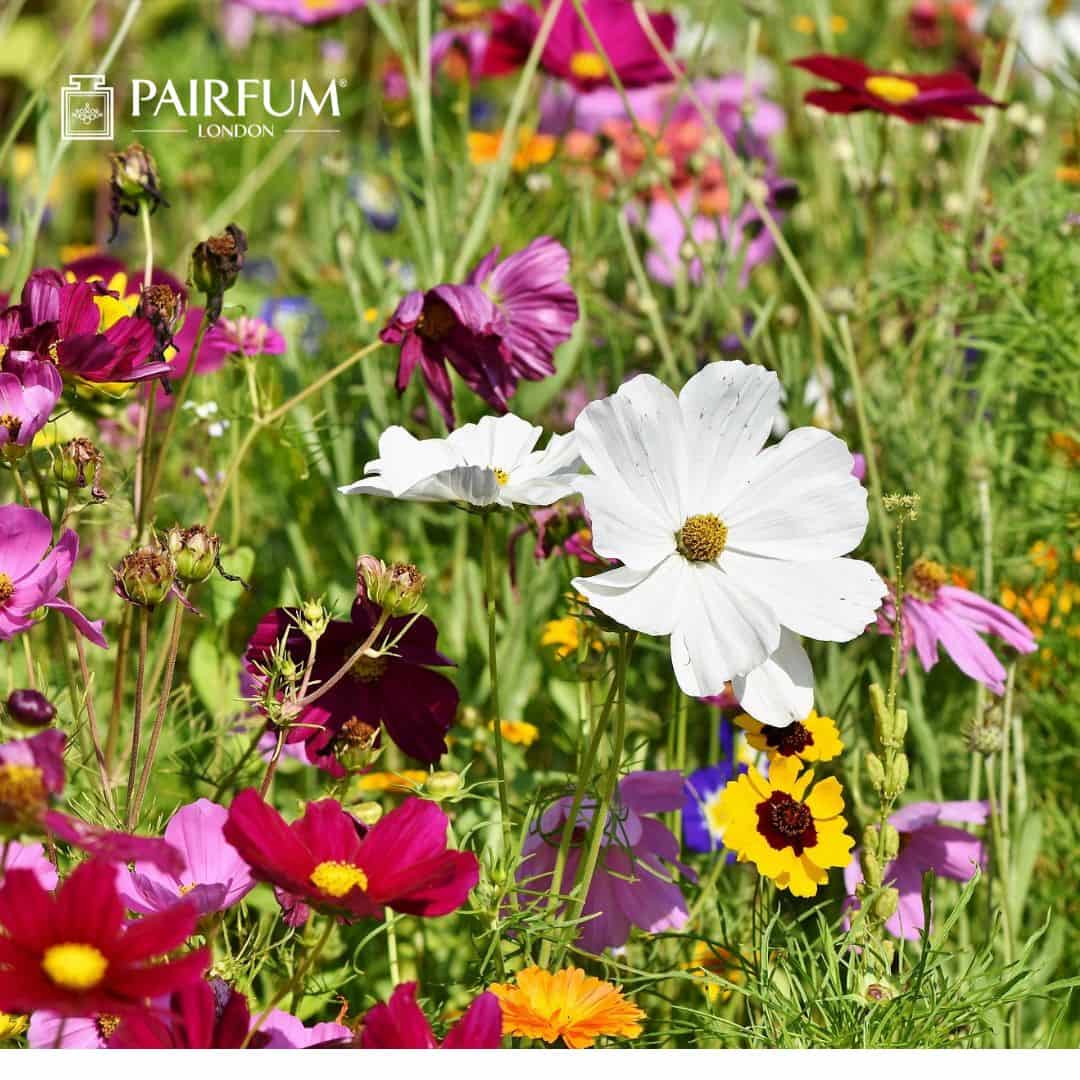
The traditional scenting process often involves repeating the layering of flowers up to seven times for the highest grades. This ensures the tea leaves fully absorb the essential oils from the fresh jasmine flowers. This dedication to purity is why premium jasmine tea remains one of the most popular scented teas in the world, prized for its ability to soothe the mind and refresh the palate.

Jasmine Tea

The Fragrance Families That Fit Jasmine Tea Best

Jasmine tea can slip into many families, but it speaks loudest in softer, more natural types. Florals that skip loudness, aromatics that settle into the skin without shouting, tea-inspired blends with balance. All make space for jasmine tea.

When placed in perfume, its job is not to dominate. Instead, it supports and smooths. That makes it ideal for perfumes that mix:

  • Light woods, such as cedar or birch
  • Gentle spices like cardamom or pink pepper
  • Mild citrus notes that freshen without sourness

It is especially good in gender neutral creations. Jasmine tea does not lean too far sweet or too bitter. Instead, it leans ‘calm’. Perfumers sometimes use it to soften strong notes, giving the full bouquet a steady, quiet backdrop. When worn in cool weather, it feels like a deep breath.

Blending jasmine tea into these types of fragrances requires a gentle hand. Too much, and the delicacy is lost. Too little, and it may not make its calming impression. The art lies in finding that subtle layer that softly emerges after the top notes begin to fade. This balance allows jasmine tea to act almost like a mediator among the other ingredients in a composition.

Perfumes That Capture the Nature of Jasmine Tea

Though not every perfume lists jasmine tea on the bottle, you will often notice its presence in niche pieces that focus on nature, elegance, or minimalism. Look for perfumes where green tea or jasmine appear low in the ingredients. Their mix often signals this gentle infusion.

Expect clean starts, with a drydown that stays near the skin. Jasmine tea rarely causes sharp turns in how the fragrance wears. It just lingers, light, dry, and calm. Spraying on a jasmine tea based fragrance in late winter can make those last cold mornings feel a bit less grey.

For collectors and enthusiasts, finding a jasmine tea scent becomes a way to add understated complexity to a perfume wardrobe. Unlike bold single flower perfumes, the layered jasmine green and floral tone offers subtlety and quiet sophistication.

Iconic Jasmine Tea Fragrances

Kilian – Imperial Tea: A refined tribute to jasmine green tea rituals. It is a crisp, minimalist blend that pairs authentic green tea leaves with heady jasmine sambac.

Memo Paris – Inlé: A shimmering, airy scent inspired by tea gardens. It combines a jasmine tea accord with osmanthus to create a delicate, slightly fruity floral trail.

Pairfum Snow Crystal Candle Classic Noir Bergamot White Tea

Bergamot & White Tea – Snow Crystal Fragrance Candle by Eau de Parfum by Pairfum London

The refreshingly sophisticated bouquet of White Tea, Ripe Bergamot and Lime Leaves, infused with Aromatic Thyme, Jasmine Tea, White Lily, Nutmeg and Black Pepper, and it all rests on a base of Woody, Powdery Musk.

A Fragrant Pause: The Quiet Charm of Jasmine Tea

Many perfume enthusiasts who value simplicity view jasmine tea as a foundation for quiet moments. Its ability to bring both clarity and softness, without unnecessary complications, makes it an ideal signature scent for those seeking something peaceful. This note acts like a gentle anchor, offering a familiar warmth that is always comforting. Whether you are enjoying a warm session with a cup of jasmine dragon pearl or applying a fine spray of floral tea fragrance, the result is a timeless connection to botanical beauty.

Fresh Lime Leaves

Fresh Lime Leaves in Fragrance: Zesty Green Brightness

Fresh lime leaves, specifically the Makrut or Kaffir lime leaf, are highly aromatic, double-lobed leaves that are essential for Thai cuisine and other Southeast Asian dishes. They offer an intense, citrusy, and spicy flavour profile, often compared to a blend of lemon and lime, commonly used in curry, soups, and various marinades. These fresh leaves are typically available in the refrigerated section of major supermarkets, within local Asian grocery stores, or through online specialist retailers.

Just before spring pushes winter out for good, there is something about green, citrusy perfumes that feels just right. Lime leaves offer that exact type of brightness. They carry a vivid, zesty aroma with hints of fresh greenery, almost like crushed leaves in sunshine. Used in perfumes, they can lift the whole composition in a way that feels clean, refreshing, and quietly cheerful.

We are looking more closely at lime leaves to understand how they have made their way into fine perfumery, what their perfume character is like, and why their bright green character remains a favourite in both classic and modern blends. To fully appreciate the profile of the lime, we must look at the specific species that provides these aromatic leaves, most notably the Citrus hystrix.

Pairfum Fragrance Spiced Rum Lime Guaiac Wood Triangle

A Little History Behind Lime Leaves in Perfume

Lime trees have long been grown for the freshness of their leaves as well as their tart fruit. In warm parts of the world, crushed lime leaves have been used for centuries in home rituals, cooking, and even bathing. People prized them for their natural, clean aroma, light and a bit floral, without being sugary or overpowering.

As perfume developed into an art with its own rules and structure, lime leaves provided something that citrus peel alone could not. Their leafy-green brightness added a soft, natural twist to perfumes built around herbs, white flowers, or zest. Not too sharp, not too sweet, just right for building in layers.

Historically, the Kaffir lime tree has been a primary source of these scents. While the fruit itself is quite bumpy and often less juicy than a standard lime, the leaf is a powerhouse of fragrance. In the United Kingdom, we often see these ingredients arriving from distant tropical climates, bringing a sense of exotic luxury to our shores.

The Botanical Identity: Makrut and Kaffir

It is important to understand that the lime leaves used in high-end scents often come from the Makrut lime, also known as the Kaffir lime. The term Makrut lime leaf is becoming the preferred name in many botanical and culinary circles. This specific Makrut lime is native to Southeast Asia, where the humid climate allows the Kaffir lime leaf to develop its signature high oil content.

Whether you refer to it as a Kaffir leaf or a Makrut lime leaf, the physical structure is unique. It looks like two leaves joined together, one appearing to grow out of the tip of the other. Botanically, this is known as a winged petiole, where the leaf-like stalk is nearly as large as the blade itself. This hourglass or bifoliate leaf shape is a hallmark of the species. In regions like South Africa and across South East Asia, the tree is a garden staple, providing fresh leaves for daily use.

Eau de Parfum Bergamot Basil Patchouli

What Lime Leaves Smell Like in a Fragrance

Lime leaves do not smell like lime juice or peel, though they share a family resemblance. They are greener and softer, with a hint of wood and a light floral touch that gives them more character than you might expect.

  • In the top notes of a perfume, lime leaves help create a fresh, crisp opening without being too sharp.
  • In the middle of a fragrance, they can soften spicy herbs, citrus, or tea notes while keeping things lively.
  • Compared with petitgrain (from the bitter orange tree), lime leaves feel less bitter and more mellow. They are also lighter than green tea, which can lean closer to dry or earthy in some blends.

The lime zest provides a punchy, sharp hit, but the leaf offers a lingering, sophisticated flavour to the scent profile. This is largely due to high concentrations of citronellal, which gives the leaves their distinctively intense, lemony-floral aroma. This makes lime leaves flexible in perfumery. They work well in fresh colognes, floral blends, and even some woody compositions that need a dash of green lightness. Whether as a starring ingredient or complementing others, lime leaves have earned their place as a staple in several scent styles over time.

Culinary Origins and Aromatic Influence

To understand why lime leaves work so well in fragrance, we can look at their role in Asian cuisine. The scent is so potent that even a single fresh Kaffir lime leaf can transform a recipe. In Thai cuisine, the Makrut lime is indispensable. You will find it in:

  • Tom Yum soup, where the fresh Kaffir lime leaves provide a counterpoint to spicy chillies.
  • A traditional Green Curry or Thai curry, where the leaves are bruised to release their oils.
  • Fish cakes and various dishes where a bright flavour is needed to cut through rich ingredients.

The way a chef uses a Kaffir lime to create a curry paste is not unlike how a perfumer uses the extract. In traditional cooking, the leaves are often julienned extremely finely to make them palatable, as they are naturally quite tough and fibrous. Both the chef and the perfumer are looking for that “spark.” In Southeast Asian cuisine, the balance of fish sauce, oyster sauce, and citrus creates a complex profile. Similarly, in a bottle of perfume, the lime notes must balance against other heavy hitters. Even the use of Thai basil or a dried leaf like a bay leaf in cooking mirrors the layering of herbs in scent.

Lime Leaf

How Lime Leaf Essence Is Created

The most common method for getting lime leaf fragrance is steam distillation. Fresh leaves from the lime tree are gently heated with steam so that their aromatic oils rise up and can be collected. This brings out the purest form of the green, citrusy aroma.

Some perfumers prefer slightly different techniques, adapting their extraction method to shape the final aroma:

  • CO2 extraction, which allows for a softer, rounder aroma that leans toward creamy, making the resulting note a little smoother for gentle blends.
  • Traditional infusions, where leaves are soaked in a neutral oil or alcohol to pick up their subtler notes over time, illustrate the slow art of fragrance.

The quality of the fresh Kaffir lime leaves used in the process is paramount. Just as a dried Kaffir lime leaf or a dried leaf loses some of its top-note vibrancy in a curry, a paste made from older leaves will not have the same olfactory “lift” as a fresh extract. In Southeast Asian markets, these leaves are prized when they are dark green and shiny, indicating a high concentration of essential oils.

How the oil is handled affects the feel of the perfume. A cleaner, sharper extract can go into a summer body splash or crisp cologne. A softer version might sit nicely in a botanical eau de parfum or even blend with white florals in a home fragrance. The choice of extraction method is an important artistic decision that can affect the end result, tailoring the lime leaf note for a particular perfumer’s vision.

Beyond the Kitchen: A Cultural Staple

The influence of the lime extends into many cultural celebrations. During Chinese New Year, citrus fruits and their aromatic leaves are often used as symbols of luck and freshness. In some cultures, the fruit and leaves are even used in traditional hair washes or religious ceremonies to signify purification. While a cook might reach for rice paper and lime to wrap a fresh spring roll, a perfumer reaches for the same botanical essence to wrap the wearer in a sense of renewal.

Even in the digital age, as we “manage consent preferences” on our favourite fragrance blogs, the search for “natural” and “authentic” scents leads us back to these ancient ingredients. The Kaffir lime remains at the top of the list for those who want a scent that feels “real.”

Eau de Parfum Person Reflection Spiced Rum Lime Guaiac Wood 1 1

Where You Will Find Lime Leaves in Perfumes Today

Lime leaves have become a notable ingredient in niche perfumes and naturally built fragrances, especially those intended to feel light, fresh, and alive. They often suggest the idea of new growth or sun-warmed air, which is why they fit seasonal launches around springtime so well.

They blend easily with:

  • Basil or verbena, for a green herbal twist that comes alive.
  • White tea or neroli, for a fresh floral edge with an airy finish.
  • Ginger or cardamom, where citrusy green notes soften warming spices and keep a balance between freshness and intensity.

Famous Lime Leaf Fragrances

To see how these notes perform in professional blends, consider these three iconic examples:

Jo Malone London – Lime Basil & Mandarin: The gold standard for herb-infused citrus. It uses a punchy lime top note balanced by peppery basil and white thyme to create a crisp, “freshly crushed” garden aroma.

Creed – Virgin Island Water: A high-end tropical classic. It features a sharp, authentic Kaffir lime note paired with coconut and white rum, perfectly capturing the zesty brightness of aromatic leaves in the sun.

Diptyque – Oyédo: A complex citrus blend inspired by ancient Japan. It combines lime and mandarin with cooling shiso leaf, providing a unique, minty-green edge that stays vivid and refreshing on the skin.

Pairfum Eau De Parfum Person Reflection Bergamot Basil Patchouli Couple Bike 1 1

Iconic Lime Notes in Pairfum London Fragrances

Spiced Rum, Lime & Guaiac Wood – Eau de Parfum by Pairfum London

This Connoiseur’s accord opens with the intense aroma of Rum, nuances of Lime & Lemon and a radiant combination of Nutmeg & Pepper. The heart is deep and rich with Tuberose, Iris and Vintage Leather. A fond of Guaiac Wood, Cedarwood, Golden Amber, Vanilla Pod and Musk completes this luxurious fragrance.

Bergamot, Basil & Patchouli – Eau de Parfum by Pairfum London

This woody and aromatic accord opens with Bergamot, Lime, Green Leaves and spicy Basil. The heart is fresh with Lily, Freesia, Violet Leaf, Rose and Geranium. The note rests on a beautifully rich woody base of Patchouli, Vetiver, Sandalwood, Cedar and Amber.

Fragrance with a Green Spark: Why Lime Leaves Still Capture Us

There is something poetic about a perfume that feels alive without shouting. Lime leaves accomplish this. Their green citrus edge gives clarity without harshness. They can lift heavier florals or woods without changing their core and fit beautifully in fragrances where balance is key.

Whether it is the scent of a Kaffir lime in a steaming bowl of soups or the elegant trail of a Makrut lime perfume, the impact is undeniable. Currently, perfumery leans into gentler touches. People want perfumes that feel natural, relaxed, and breathable. Lime leaves deliver that sense of presence without weight. Their aroma sits somewhere between leaf, zest, and faint blossom, a small twist that makes a bottle feel more grounded, more real.

White Tea

White Tea Candles and Perfume: Sheer Serenity and Silken Calm

Organic white tea is a minimally processed, delicate, and high-antioxidant tea type made from the youngest, sun-dried buds and young leaves of the Camellia sinensis plant, primarily harvested in the Fujian Province of China. It offers a subtle, sweet, and fragrant flavour profile with a lower caffeine content compared to green or black teas, and it is prized for its high catechin levels and pure, natural state.

White tea in perfume has a very particular magic. It does not shout, it does not sparkle loudly, it simply wraps the skin in a soft, silken calm. For fragrance lovers who are tired of syrupy gourmands and heavy florals, this quiet note feels like a deep breath of fresh air. It is the olfactory equivalent of clean sheets, diffused daylight, and a moment of stillness.

As an organic white tea accord, it represents a symbol of modern, quiet luxury. Its profile is sheer, silky and luminous rather than sweet or overpowering, which speaks to anyone who wants their scent to soothe, not overwhelm. This makes white tea beautiful in a natural eau de parfum, as well as in home fragrances and skincare, where you might wish to live inside the same gentle aura all day. In this article, we explore how white tea made its way from imperial gardens into our bottles, how it smells, how perfumers work with it and why it has become a beloved note for those seeking serenity.

From Imperial Gardens to Modern Bottles

Before white tea became a perfumer’s muse, it was an object of quiet reverence in China. Traditionally associated with imperial courts, the finest buds were hand-harvested in early spring, when they were still covered in a silvery down. This minimal processing kept the leaf as close as possible to its natural state, which is why white tea is often described as the purest expression of the tea plant.

The history of this tea type is steeped in prestige, stretching back as far as the Tang Dynasty and particularly the Song Dynasty, where it was reserved for the elite. Unlike black tea or oolong tea, which undergo extensive oxidation, white tea is merely withered and dried. This preserves the high concentration of antioxidants and the catechin levels found naturally in the Camellia sinensis species. Historical records suggest that white tea may have first appeared in English publications in 1876, though at the time it was occasionally categorised alongside black tea because the leaves were not steamed to stop oxidation in the way green tea is.

As trade routes opened, tea in all its forms captivated drinkers in Europe and the United Kingdom. Black tea dominated at first, with its comforting depth and malty warmth, and this naturally influenced early tea-inspired accords in perfumery. In Paris and London, perfumers began to interpret the scent of a brewed cup, adding brisk, tannic nuances to colognes and chypres.

Over time, tastes shifted towards fresher, lighter and more transparent accords. Green tea became a key note in many modern fragrances, paving the way for white tea to emerge as a softer alternative. Where black tea can feel like velvet and green tea like crisp linen, white tea is the silk scarf in the wardrobe of scent: weightless, intimate and refined, resting close to the skin rather than filling the room.

Fragrance Description Bergamot Tea Lime Leaf Thyme Pepper

Understanding White Tea: Varieties, Aroma and Extraction

White tea may sound simple, but there is a quiet diversity within it for tea enthusiasts. The four main varieties of Chinese tea offer a spectrum of inspiration:

  • Silver Needle (Yin Zhen): The most prized variety, made exclusively from an unopened bud covered in fine white hair.
  • White Peony (Bai Mu Dan or Pai Mu Tan): Composed of one tea bud and two young leaves.
  • Gong Mei: Produced from a different cultivar and generally includes more leaves.
  • Longevity Eyebrow (Shou Mei): Harvested later in the season, resulting in a bolder flavour.

Silver Needle is typically more delicate, with a gossamer character, while white peony can feel slightly fuller, with a gentle, honeyed depth. Terroir plays its part too. While the Fujian Province is the traditional home of these white teas, specifically the regions of Fuding and Zhenghe, exceptional harvests now come from the Yunnan Province and even Sri Lanka. Altitude, soil, sun and mist all leave a subtle imprint on how aromatic the leaf becomes, which in turn influences the nuances that perfumers look to capture.

When we speak about the scent of white tea in perfumery, we are not simply recreating the smell of a cup of tea. Instead, we interpret an impression: transparent white florals, a touch of dewy greenery, the faint hay-like dryness of sun-warmed straw and an almost skin-like muskiness. The subtle flavour and delicate flavour of a white peony tea or a silver needle white tea provide a blueprint for elegance. At its best, a white tea accord feels both clean and lived-in, as if you have slipped into a freshly laundered shirt that has already warmed to your body.
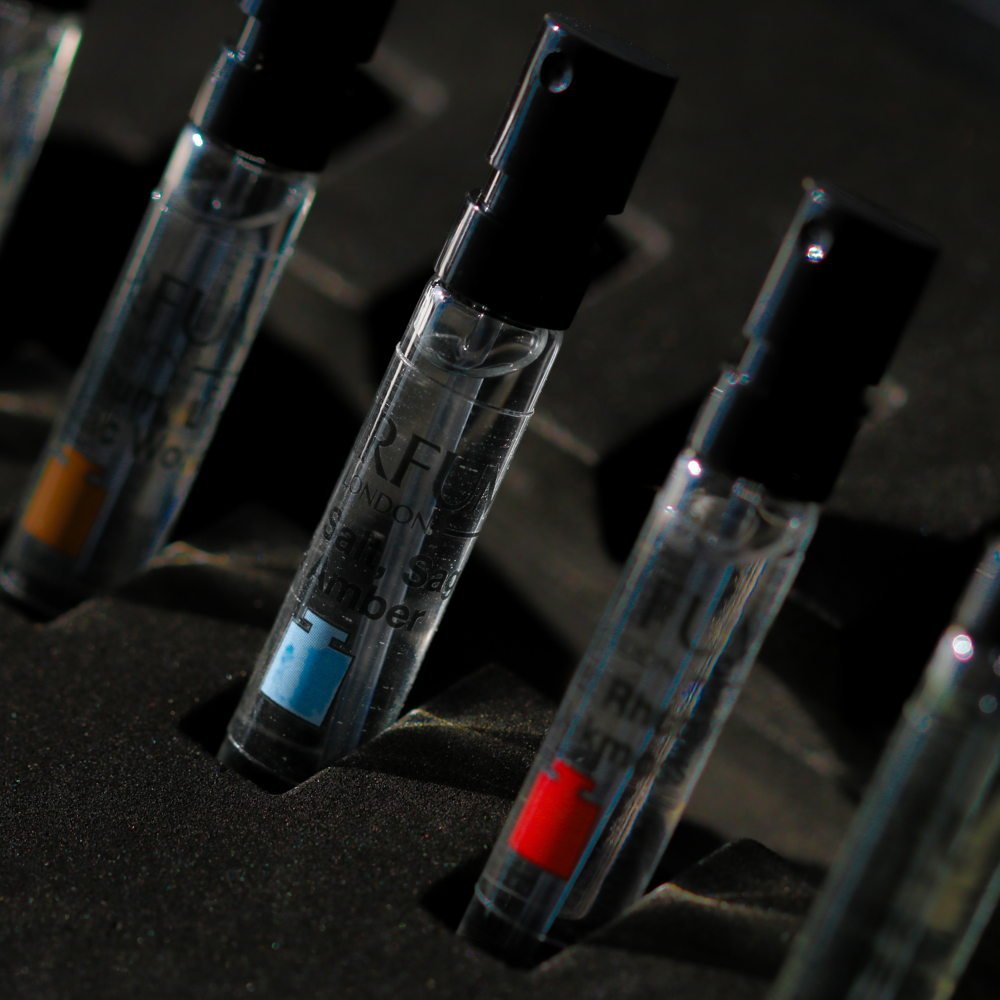
The Science and Spirit of the Leaf

Beyond the scent, many are drawn to white tea for a perceived health benefit. In its drinkable loose tea form, it is famed for helping the body fight free radicals due to its rich antioxidant profile, including polyphenols and flavonoids. While you do not ingest these when wearing a perfume, the “halo effect” of these health benefits contributes to the sense of well-being that white tea fragrances provide. Science suggests that these compounds may help protect skin from UV damage and slow the internal ageing process by inhibiting enzymes that break down collagen and elastin.

The caffeine content in the tea leaf is also a point of interest. While white tea is often thought to be low in caffeine, a high-quality silver needle tea made of pure buds can actually contain significant caffeine levels, sometimes overlapping with green tea. In the world of fragrance, we mimic this “buzz” through the use of bright, crystalline top notes that wake up the senses.

Creating this note in a fragrance can follow different paths. On the more natural side, perfumers may work with:

  • Infusions or tinctures of white tea leaves in alcohol.
  • CO₂ extracts that capture more volatile, delicate aspects of the Camellia sinensis.
  • Combinations of natural materials, such as soft woods, hesperidic notes and gentle florals, to suggest the impression of white tea.

Where direct extraction of tea can be limited or inconsistent, perfumers often craft an artistic reconstruction using aroma molecules. This might include musky notes for the skin-like aspect, airy florals for luminosity and specific green or hay-like molecules to echo the leaf. The result is not a literal tea, but a stylised white tea accord that feels consistent, modern and diffusive.

Pairfum Eau de Parfum Person Reading Black Cherry Oolong Tea 1 1

The Art of Using White Tea in Fragrance Composition

Within the classic fragrance pyramid, white tea typically sits as a luminous heart note or a long-lasting top note. It has enough presence to be noticed early on, yet it lingers gently into the dry-down, tying the different stages of the perfume together. One of its strengths is the way it bridges citrus, green and floral elements without becoming sharp or sour.

Certain pairings really allow white tea to shine:

  • With citrus and hesperidic notes, such as bergamot, mandarin or grapefruit, it creates an uplifting, spa-like freshness that feels crisp but never biting.
  • With transparent florals like peony, jasmine tea or neroli, it gives a soft-focus, romantic aura, perfect for those who love florals but shy away from heady bouquets.
  • With musks, light amber and pale woods such as cedar or cashmere woods, it turns into a cashmere-clean skin scent, comforting and quietly sensual.

White tea is equally beautiful beyond traditional fine fragrance. In-room sprays and reed diffusers, it turns a living space into a sanctuary, clean but cosy. In scented candles, the warmth of the flame adds a gentle, honeyed nuance to the tea accord, reminiscent of the delicate flavour found in premium tea blends. For bath and body care, white tea feels like the ideal partner, as if the scent itself is cleansing the mind while the formula cares for the skin.

Embracing White Tea as Your Daily Ritual of Calm

White tea works beautifully when you begin to think of fragrance as a daily ritual rather than a final, hurried step. You can choose your white tea scents according to mood and moment.

  1. A brisk, citrusy white tea for an energising morning spritz.
  2. A soft, musky interpretation as a serene office companion.
  3. A slightly warmer, woody white tea for evening unwinding.
  4. Complementary home fragrances that echo the same calming accord.

When you test a white tea perfume, wear it on clean skin and give it time. The first few minutes may feel greener and more sparkling, while the true character of the tea usually appears as the alcohol lifts and the heart note settles. Layering with unscented or very softly scented body products helps the fragrance stay clear and uncluttered, so you can really notice its gentle shifts.

Whether you are enjoying the delicate flavour of a brewed silver needle or the misty trail of a white tea perfume, you are participating in a tradition of elegance. Over time, many people find that white tea becomes a kind of olfactory meditation. A spritz of a natural eau de parfum in the morning, a scented hand cream at your desk, a candle in the evening, all centred on the same tranquil accord, can turn everyday actions into a quiet ceremony. It is sheer serenity and silken calm that follows you from pulse-point to pillow, creating a personal sanctuary in the middle of a busy world.

Pouring White Tea

Iconic White Tea Perfumes and the Niche Perspective

Over recent years, white tea-centric fragrances have quietly grown in popularity. In prestige and designer perfumery, many creations lean into a brighter, citrus-forward opening, sometimes with ozonic notes to suggest airy cleanliness. These perfumes resonate with wearers who enjoy that just-showered feeling, wrapped in a soft robe with a steaming cup on the side.

From a niche and boutique perspective, there is room to treat white tea with more nuance. We are drawn to the textured, slightly faceted aspects of the note: the way it can be both dewy and gently dry, floral yet not overtly blooming. Instead of focusing solely on freshness, we like to explore how white tea can evolve on the skin: opening with a crisp, green tea glimmer, then softening into a musky, woody cocoon.

Tea Inspired Candles and Perfume by Pairfum London

Bergamot & White Tea – Large Snow Crystal Perfume Candle by Pairfum London

The refreshingly sophisticated bouquet of White Tea, Ripe Bergamot and Lime Leaves, infused with Aromatic Thyme, Jasmine Tea, White Lily, Nutmeg and Black Pepper, it rests on a base of Woody, Powdery Musk.

Black Cherry & Oolong Tea – Eau de Parfum by Pairfum London

This fragrance opens with the sparkling interplay of the aromas of Black Cherry, Bergamot, Red Berries and Nutty Almond. The heart is a most elegant fusion of Oolong Tea, Bulgarian & Turkish Roses and Liquorice. The sensuous base rests on Aniseed, Tonka, Iris and Patchouli.

Pairfum Large Snow Crystal Candle Noir Bergamot White Tea

Discover Your Signature Scent With Natural Elegance

Indulge in the artistry of our natural eau de parfum collection and experience fragrances crafted with care for both you and the environment. We create perfumes in small batches so that each bottle feels personal and refined. If you would like help choosing a scent or have any questions about ingredients like tea or botanical extracts, please contact us, and we will be pleased to assist.

Labdanum Scent

Labdanum Scent: Resinous Leather and Amber Glow

Labdanum is a rich, tenacious, and complex resin sourced from the rock rose plant, which is used extensively in perfumery for its warm, balsamic, and amber-like aroma. It functions as a key, long-lasting base note that features hints of leather, sweet honey, musk, and fruity plum. This resin is essential for creating authentic amber accords as well as classic chypre fragrances.

Labdanum is the note that makes many perfumes feel like a warm embrace, with a resinous glow that lingers on skin and in the air. It smells of sun on dry earth, leather touched by smoke, and a soft amber sweetness that seems to hum quietly in the background. When people talk about a fragrance feeling cosy, sensual or “skin-like”, they are often responding to labdanum, even if they do not yet know its name. This substance is a sticky, dark brown oleoresin whose olfactory properties undoubtedly place it among the most sought-after natural ingredients in the world of perfumery.

At our perfume house, we think of labdanum as one of the great secret ingredients of perfumery, especially in natural eau de parfum and sophisticated home fragrance. In this article, we share a perfumer’s-eye view of this beautiful material, from its unusual origins and extraction methods to the families of perfume it shapes and the iconic creations that would simply not exist without it. We will also explore how it serves as an ethical alternative to animal products while providing unparalleled tenacity to fragrance compositions.

From Goatherds to Haute Parfum

Long before labdanum reached the perfume organs of modern perfumers, it clung to the coats of goats grazing in the Mediterranean hills. As the animals brushed against Cistus shrubs, the sticky resin caught in their beards and fleece, and it was combed out by local goatherds. This dark, fragrant substance was burned as incense, pressed into unguents and offered in rituals, valued for its deep, balsamic aroma. In the island of Crete, some traditionalists still use a tool called a ladanisterion, a wooden instrument with leather straps used to rake the resin from the plants.

Historical texts suggest that labdanum may have been part of Egyptian incense blends such as kyphi, woven into smoke used for ceremony, medicine, and personal adornment. In Ancient Egypt, the resin was so highly prized that it was often linked to the beard of Osiris. It appears in texts dating back to 1500 BCE, and some scholars suggest it may even be the mysterious myrrh mentioned in certain biblical contexts. In Greek and Roman times, it continued to be treasured, associated with both healing and sensuality. Across the Middle East, labdanum appeared in religious perfumes and traditional remedies, always linked to warmth, comfort and spiritual reflection.

When modern perfumery began to flourish, labdanum stepped quietly but firmly into the spotlight. It became a pillar of the classic chypre family, where its resinous richness ties together bright citrus, floral hearts and mossy bases. In amber or oriental perfumes, it bridges the gap between sweet balsams, leathery nuances and incense notes, adding structure and depth to compositions that defined whole eras of fine fragrance.

Pairfum Flacon Perfume Room Spray Signature Cognac Vanilla

The Scented World of the Cistus Shrub

Labdanum comes from several species of Cistus, sun-loving shrubs that thrive in dry Mediterranean climates. Two are especially important in perfumery: Cistus ladanifer, commonly found in Spain and Portugal, and Cistus creticus, associated with Greece and surrounding regions. Rocky soil, strong sun and relatively harsh conditions all shape the character of the resin, concentrating its aromatic compounds. Known colloquially as the Rock Rose, this plant produces white flowers with five petals, often marked with deep crimson spots at the base.

The botanical name for the most common source is Cistus ladaniferus. Different growing areas give labdanum subtly different personalities. Resin from warmer, very dry regions may feel darker, smokier and more leathery. Material from slightly cooler or higher locations can present a touch more herbal brightness or a softer, ambery sweetness. As perfumers, we select the quality that matches the mood we want to create, whether for a natural eau de parfum or a candle that fills a room with warmth.

Once harvested, labdanum can be transformed into several perfumery ingredients. You may come across:

  • Labdanum resinoid, thick and inky, with strong leather and smoke tones
  • Labdanum absolute, smoother and more refined, emphasising amber and balsamic facets
  • Cistus oil, distilled from leaves and twigs, has a drier, more aromatic profile
  • Molecularly distilled fractions, isolating particular aspects, such as the honeyed or woody notes

On the blotter, labdanum is complex and evocative: sticky resin, sun-warm herbs, worn leather, pipe tobacco, honeyed amber and a breath of dried fruits and smoke. In both home fragrance and natural eau de parfum, it is a remarkable base note, lending volume, longevity and a sense of quiet luxury.

From Resin to Perfumer’s Palette

The oldest stories of labdanum collection describe leather thongs or combs drawn over Cistus shrubs to pull off the resin, or the famous image of goatherds gathering it from their animals’ coats. While romantic, these methods are labour-intensive and inconsistent, so modern production focuses on more controlled harvesting of the resin directly from the plants.

Today, the sticky raw material is processed through several techniques to create ingredients suitable for perfumery. Solvent extraction yields a concrete, a waxy mass that is then further processed to produce a labdanum absolute, prized for its rich yet workable texture. Steam distillation of the leaves and twigs gives Cistus oil, also known as labdanum essential oil. This essential oil is lighter and harsher, but very useful for drier, more aromatic interpretations of the note. There is also molecular distillation, where parts of the scent are carefully refined or separated to accentuate particular facets.

When we look at labdanum from a sustainability angle, it stands out as a truly renewable gift from the earth. Because these hardy shrubs can be cropped year after year without damage, they are a favourite for artisan and niche perfumery houses. These creators value natural ingredients that maintain a genuine link to the rugged landscapes and age-old crafts of the Mediterranean. Within a natural eau de parfum, labdanum acts as a powerful anchor, providing the fixative qualities needed for a scent to last. In the world of home fragrance, it helps build those rounded, diffusive base accords that make a room feel instantly more elegant and snug.

Labdanum

Extraction Techniques and Olfactive Range

The specific extraction method chosen by a producer will ultimately dictate the personality of the fragrance ingredient. While some purists still seek out the raw, unprocessed labdanum resin for its tactile grit, many of today’s automated technologies allow for a much cleaner, more precise refinement of the labdanum scent. This modern approach ensures that when the material is used in a luxury perfume, it is entirely clear of impurities while still projecting its famous majestic radiance.

In some instances, a labdanum pack of raw materials is sent to laboratories across the United Kingdom and the United States to be tested for its chemical stability. This is vital when creating an essential oil blend where labdanum must interact with carrier oils without separating. Because labdanum is so thick, it requires a skilled hand to blend it into a fragrance without it overpowering the more delicate fragrance notes.

The labdanum profile is often compared to the Midas touch in a bottle, as it has a way of turning simple floral notes into a Midas touch of golden, rich olfactory art. Much like the legend of King Midas, a few drops of labdanum can transform a basic essential oil into something that feels expensive and timeless. It is also highly valued for its ability to mimic ambergris, providing a sweet, earthy, and slightly animalic scent that serves as an ethical alternative to animal-derived substances.

Recognising Labdanum and Enjoying It at Home

Once you know what to look for, you begin to notice labdanum everywhere. In fragrance descriptions, it often appears under base notes, with words like amber, balsamic, resinous, leathery or cistus. When you spray a perfume, wait for the bright top and softer heart to settle. The lingering, slightly smoky amber that feels like a second skin is very often labdanum’s work.

Different personalities may gravitate to labdanum in different ways:

  • Lovers of cosy ambers enjoy it in soft, comforting natural eau de parfum
  • Chypre enthusiasts appreciate how it ties citrus, flowers and moss together
  • Fans of leather fragrances relish its darker, more rugged side
  • Incense devotees recognise its smoky, meditative warmth

At home, labdanum adds a cocooning, grown-up character to scented candles, reed diffusers and room sprays. A labdanum-rich candle in the living room makes evenings feel intimate and relaxed. In a bedroom or study, it can bring a sense of calm, like a soft blanket of scent around you.

To get the best from a labdanum-rich natural eau de parfum, a few simple habits help:

  1. Apply to pulse points, where the warmth of your skin will slowly reveal its facets.
  2. Allow a little time after spraying before judging the fragrance, as labdanum shines in the base.
  3. Store your perfume away from direct sunlight and heat to protect the resinous notes.
  4. Layer with unscented or subtly matching body products so the labdanum accord stays clear rather than muddled.

If you enjoy a coherent scent presence in your home, you can echo your personal fragrance with matching styles in candles or reed diffusers. A leather-amber perfume on skin, paired with a resinous home fragrance, creates a quiet signature that guests often remember long after they leave.

Bedroom Reed Diffuser Luxury Scented Candle Room Spray 1 1

How Perfumers Use Labdanum Today

In the language of perfumery, labdanum is a cornerstone of both amber and chypre families. If you see an amber fragrance, there is a strong chance that labdanum is part of the accord that creates that golden, glowing effect. Blended with vanilla, benzoin and tonka bean, it forms the impression of warm amber, never too sugary, always grounded in a resinous base. In chypres, labdanum joins oakmoss, patchouli and a citrus top, acting like a bridge between sparkling brightness and shadowy woods.

Perfumers also reach for labdanum when building leather, incense or smoky notes. Combined with materials such as birch tar, balsam, frankincense or cade, it can suggest:

  • A soft leather jacket, warm from the skin
  • Smoky church incense curling through cool stone
  • A glowing ember effect in woody, spicy perfumes

Labdanum pairs beautifully with florals too. Rose, iris and jasmine often gain a velvety, more sensual undertone when resting on a labdanum base. Woods like sandalwood and cedar become creamier or deeper, while spices such as cinnamon, clove and saffron knit into its balsamic structure. For natural eau de parfum, this versatility makes labdanum an invaluable tool, and it plays a similar role in candles and reed diffusers, adding lasting warmth and complexity to home scents.

If you wish to view all the different ways this resin is used, you can look toward niche houses that celebrate raw materials. For example, Argos Fragrances and Olfactive Studio often highlight the dark, leathery side of the Cistus plant. Another notable mention is PG81 L’Ombre Fauve, which uses labdanum to create a feral, animalic warmth. Modern designers such as Chanel, Dior, and Guerlain continue to rely on this resin to provide depth to their most famous compositions.

Labdanum Scent in Pairfum London Home Fragrance

The Flacon Room Spray is an elegant way to instantly elevate your home atmosphere with the same sophistication as a fine fragrance. Housed in a classic glass bottle, this room perfume uses a high-quality, high-pressure mist to disperse scent evenly, allowing the aroma to linger beautifully on home textiles. It is a perfect choice for those who appreciate a luxurious, immediate scent presence that mirrors the depth and character of a personal perfume.

Cognac & Vanilla – Flacon Perfume Room Spray by Pairfum London

The aroma worthy of a Connoisseur: Sherry Aged Oak, rich Bourbon Vanilla, Golden Cognac, Caribbean Patchouli, Amber Benzoin and Ancient Labdanum.

White Sandalwood – Flacon Perfume Room Spray by Pairfum London

A Creamy Sandalwood accord with a hint of Chypre. It includes top notes of Neroli and Lychee, a floral heart of White Jasmine, Violet and Cistus Labdanum, and a base of sun-bleached Cedar, Patchouli, Musk and Tonka Bean.

Pairfum Flacon Perfume Room Spray Signature White Sandalwood

Experience The Quiet Luxury Of Natural Eau De Parfum Today

Discover how our natural eau de parfum can become your signature, with fragrances that feel as elegant as they are gentle on skin. We craft perfumes in small batches so you can enjoy a scent that feels personal, refined and beautifully balanced. By utilising the finest labdanum resin and high-quality essential oil, we ensure every bottle captures the true essence of the Cistus shrub.

If you would like help choosing the right fragrance for you or a loved one, simply contact us, and we will be delighted to guide you through the world of amber, labdanum, and the many other natural ingredients we use. Discover how this ancient resin bridges the gap between mythology and modern luxury, offering a scent experience that is as enduring as its history.

    Your Cart
    Your cart is empty