Home / Evergreen / Page 3
Image

Was ist Nischenparfum? Exklusivität und Individualität

Der Wunsch nach einem Duft, der niemanden kopiert und wirklich die eigene Persönlichkeit widerspiegelt, führt viele Kenner zu Nischenparfums. Diese besonderen Kreationen entstehen fernab des Massenmarkts mit seltenen, oft natürlichen Inhaltsstoffen und setzen auf echte Handwerkskunst statt industrieller Gleichförmigkeit. Wer einen einzigartigen Duft sucht, der sich mit seiner Haut verändert und als olfaktorische Signatur dient, entdeckt in Nischenparfums echte Exklusivität und künstlerische Freiheit. Hier erfährst du, woran du authentische Nischenparfums erkennst und was sie so besonders macht.

Inhaltsverzeichnis

Wichtige Erkenntnisse

PunktDetails
Nischenparfums zeichnen sich durch handwerkliche Herstellung ausSie werden in kleinen Chargen produziert, wodurch Qualität und Individualität gewährleistet sind.
Hochwertige Rohstoffe sind zentralNischenparfümeur setzen auf exklusive Naturstoffe, die sich von synthetischen Massenprodukten abheben.
Limitierte Verfügbarkeit erhöht die ExklusivitätDie Knappheit von Nischenparfums steigert ihren Wert und ihre Anziehungskraft.
Persönliche Duftproben sind entscheidendTeste Düfte immer auf deiner Haut, um ihre Entwicklung und Wirkung umfassend zu erfahren.

Nischenparfum: Definition und zentrale Merkmale

Nischenparfums sind weit mehr als nur Düfte, die nicht jeder trägt. Sie repräsentieren eine bewusste Entscheidung gegen die Massenproduktion und für echte Handwerkskunst. Seltene und ungewöhnliche Inhaltsstoffe prägen diese Kreationen, die in kleinen Mengen entstehen und sich fundamental von Mainstream-Produkten unterscheiden. Ein Nischenparfum entsteht fernab der großen Markttrends, angetrieben von künstlerischer Kreativität und dem Anspruch auf Einzigartigkeit.

Die zentralen Merkmale eines echten Nischenparfums lassen sich in mehreren Punkten zusammenfassen:

  • Handwerkliche Herstellung: Jede Flasche entsteht mit bewusster Sorgfalt, nicht in industriellen Massenproduktionsanlagen. Parfümeure entwickeln ihre Rezepturen mit persönlicher Leidenschaft und künstlerischem Anspruch.
  • Hochwertige Rohstoffe: Synthetische Massenware weicht echten, oft kostspieligen Naturextrakten. Rare Blüten, kostbare Harze und exklusive Moleküle bilden die Grundlage.
  • Begrenzte Verfügbarkeit: Nischenparfums werden in kleineren Mengen produziert, was ihre Exklusivität bewahrt. Diese Knappheit unterstreicht ihren Wert und ihre Individualität.
  • Künstlerischer Anspruch: Neben dem Dufterlebnis steht die künstlerische Vision im Vordergrund. Jede Komposition erzählt eine Geschichte und drückt eine persönliche Perspektive aus.

Was Nischenparfums wirklich von den gängigen Massenmarktdüften unterscheidet, ist ihre Philosophie. Während große Kosmetikkonzerne darauf abzielen, möglichst breite Zielgruppen anzusprechen, konzentrieren sich Nischenperfümeure auf Qualität, Authentizität und die Ausdruckskraft ihrer Kreationen. Die Zusammensetzung aus Alkohol und Riechstoffen folgt dabei keinen Kompromissen bei den Rohstoffkosten. Stattdessen entstehen Düfte, die tatsächlich mit deiner Hautchemie interagieren und sich über den Tag hinweg entwickeln.

Für jemanden, der nach echtem Luxus sucht, liegt der Unterschied in der Persönlichkeit. Nischenparfums passen sich deiner Haut an, nicht andersherum. Sie spielen mit deinen natürlichen Ölen, entfalten sich in Schichten und hinterlassen Spuren, die ganz allein von dir sind. Das ist nicht einfach nur ein Duft, den deine Nachbarin auch trägt. Das ist deine olfaktorische Signatur.

Die Infografik stellt Nischenparfums und Mainstreamdüfte gegenüber und zeigt ihre Unterschiede auf. Was ist Nischenparfum? Exklusivität und Individualität

Pro-Tipp: Beim Kauf eines Nischenparfums lohnt es sich, eine Probe zu testen, bevor du dich für die volle Flasche entscheidest. Deine Hautchemie verändert sich saisonal, und ein Duft, der im Frühling perfekt ist, kann sich im Sommer ganz anders anfühlen.

Unterscheidung von Nischen- und Mainstream-Parfums

Der Unterschied zwischen Nischen- und Mainstream-Parfums ist nicht nur eine Frage der Verfügbarkeit, sondern eine fundamentale Unterscheidung in Philosophie, Herstellung und Zielgruppe. Wenn du ein Regal in einem großen Kaufhaus betrittst, siehst du die Mainstream-Welt: glänzende Flaschen, bekannte Namen, Düfte, die Millionen Menschen weltweit tragen. Nischenparfums dagegen findest du in spezialisierten Boutiquen, bei ausgesuchten Perfümeuren und bei denjenigen, die bewusst nach etwas anderem suchen. Handgefertigte Produkte mit ungewöhnlichen Duftkompositionen prägen den Nischenmarkt und unterscheiden sich grundlegend von den bewährten, populären Duftprofilen der Massenproduktion.

Produktion und Verfügbarkeit

Massenproduzierte Mainstream-Parfums entstehen in großen industriellen Anlagen, wo Millionen Flaschen mit konsistenter Zusammensetzung hergestellt werden. Die Logik ist wirtschaftlich sinnvoll: Je mehr man produziert, desto günstiger wird die Herstellung. Nischenparfums folgen diesem Kalkül nicht. Sie entstehen in kleineren Chargen, oft mit handwerklicher Sorgfalt. Das bedeutet längere Wartezeiten, höhere Kosten pro Einheit und bewusste Limitierung.

Diese begrenzte Verfügbarkeit ist kein Nachteil, sondern ein Feature. Ein Nischenparfum, das ständig verfügbar ist, verliert seinen Reiz. Die Exklusivität bleibt erhalten, wenn es schwierig ist, an den Duft heranzukommen. Nischenparfum-Sektor wächst unabhängig vom Mainstream durch genau diesen Ansatz: Qualität über Quantität.

Rohstoffe und künstlerischer Anspruch

Bei Mainstream-Parfums steht das wirtschaftliche Kalkül im Vordergrund. Synthetische Dufstoffe sind günstiger, haltbarer in der Lagerhaltung und reproduzierbar. Ein Duft muss sich über Jahre hinweg gleich riechen, egal wann oder wo er produziert wurde. Das schränkt die Möglichkeiten massiv ein.

Nischenparfümeure haben keine solchen Zwänge. Sie können mit teuren Naturextrakten arbeiten, die in ihrer Zusammensetzung variieren. Ein kostbarer Oud könnte minimal unterschiedlich riechen, je nach Ernte und Lagerung. Genau das macht jeden Nischenparfum zu einem einzigartigen Kunstwerk. Exklusivität und seltene Rohstoffe sind nicht optional, sondern zentral für den Nischenansatz.

Zielgruppe und Individualität

Mainstream-Marken müssen gefallen. Sie entwickeln Düfte, die der breiten Masse zusagen, die nicht polarisieren, die massenkompatibel sind. Ein Nischenparfum darf unbequem sein. Es darf intensiv sein, ungewöhnlich, polarisierend. Es soll nicht allen gefallen, sondern denen, die es lieben, mit Leidenschaft gehören.

Für dich als Luxusliebhaber bedeutet das: Mainstream-Parfums sind der sichere Hafen. Du weißt, was du bekommst. Nischenparfums sind die Entdeckungen, die dich überraschen und definieren, wer du wirklich bist.

Hier sind die zentralen Unterschiede zwischen Nischenparfums und Mainstream-Parfums im Überblick:

KriteriumNischenparfumMainstream-Parfum
ProduktionsmengeKleine Chargen, oft limitiertMillionen Flaschen pro Jahr
InhaltsstoffqualitätExklusive Natur- und MolekülstoffeMeist synthetische Rohstoffe
PreisgestaltungHochpreisig, Kosten für LuxusMassentauglich, geringere Kosten
ZielpublikumLiebhaber für IndividualitätBreite Masse, Konsumentenmarkt

Pro-Tipp: Teste Nischenparfums immer auf deiner Haut, nicht auf Papierstreifen. Deine Hautchemie ist entscheidend dafür, wie ein Duft sich entwickelt, und das unterscheidet den persönlichen Luxus vom reinen Marketing.

Besondere Inhaltsstoffe und kreative Duftkonzepte

Was einen Nischenparfum wirklich auszeichnet, sind nicht nur die Namen oder die Flaschendesign, sondern das, was tatsächlich darin steckt. Während Mainstream-Düfte auf bewährte Formeln setzen, experimentieren Nischenperfümeure mit Rohstoffen, die du in gewöhnlichen Parfums niemals finden wirst. Nachhaltige, natürliche und seltene Inhaltsstoffe prägen den modernen Nischenparfum und ermöglichen kreative Duftkonzepte, die echte Kunstwerke sind. Die Kosmetikindustrie erlebt eine wachsende Nachfrage nach genau diesen umweltfreundlichen und einzigartigen Rohstoffen, die Individuen ansprechen, die nach echter Exklusivität suchen.

Die Welt der natürlichen Extrakte

Stelle dir vor, ein Parfümeur reist nach Madagaskar, um kostbare Vanille direkt von den Plantagen zu beschaffen. Oder er arbeitet mit einem indischen Destillateur zusammen, der Rose Attar nach traditionellen Methoden herstellt, die seit Generationen überliefert sind. Das ist die Realität in der Nischenparfumerie. Ätherische Öle und natürliche Extrakte bilden die Grundlage vieler exklusiver Kompositionen. Diese komplexen Molekülmischungen enthalten Terpene und Aromaten, die sich auf deiner Haut entfalten und ständig verändern.

Ein Parfümeur präsentiert eine Flasche mit Vanilleduft und verschiedene natürliche Rohstoffe.
Was ist Nischenparfum? Exklusivität und Individualität

Die Besonderheit liegt in der Vielfältigkeit. Ein ätherisches Rosenöl ist nicht einfach ein ätherisches Rosenöl. Je nach Herkunftsregion, Erntezeitpunkt und Extraktionsmethode variiert die Zusammensetzung. Ein indisches Rosenöl riecht anders als ein bulgarisches, und genau diese Unterschiede machen Nischenparfums so faszinierend. Du trägst nicht nur einen Duft, sondern die Geschichte einer Region, einer Jahreszeit, einer handwerklichen Tradition.

Kreative Komposition und experimentelle Ansätze

Hier wird es wirklich interessant. Nischenperfümeure verwenden oft ungewöhnliche Kombinationen, die auf den ersten Blick kontraintuutiv wirken. Metallische Noten treffen auf süßliche Blüten. Animalische Akkorde verbinden sich mit frischen Zitrusnoten. Rauchige Harze umhüllen sanfte Muskatellersalbei. Diese experimentelle Herangehensweise wäre in der Massenfertigung undenkbar, denn sie polarisiert und spricht nicht alle an.

Abernur diejenigen, die diese Düfte lieben, lieben sie intensiv. Ein Nischenparfum mit ungewöhnlicher Komposition wird zu deiner persönlichen Signatur. Es ist ein Gesprächsstarter, eine Erklärung deiner Persönlichkeit, eine olfaktorische Aussage darüber, wer du bist und was dir wichtig ist.

Diese Tabelle fasst innovative Duftkonzepte und ihre Wirkung zusammen:

Kreatives KonzeptBeispielnoteWirkung auf den Träger
Metallisch & blumigIris mit MetallakzentModernes, unkonventionelles Gefühl
Animalisch & zitrischMoschus mit ZitroneStarke Persönlichkeit, Frische
Rauchig & krautigWeihrauch & SalbeiTiefe, Charakter und Eleganz
Orient & VanilleOud mit VanilleExotik, Wärme und Sinnlichkeit

Nachhaltigkeit und Ethik als Grundwerte

Die besten Nischenperfümeure verstehen: Luxus ohne Gewissen ist kein echter Luxus. Sie arbeiten mit Lieferanten zusammen, die Fair-Trade-Praktiken befolgen, die Wälder schützen, die ihre Arbeiter fair bezahlen. Ein kostbares Sandelholzöl stammt nicht aus illegal gerodeten Beständen, sondern von Plantagen, die für kommende Generationen bewirtschaftet werden. Ein Wildveilchen-Extrakt wird in Zusammenarbeit mit lokalen Gemeinschaften ethisch nachhaltig gewonnen.

Diese Werte sind nicht Marketinggetüm. Sie sind das Fundament einer Branche, die versteht, dass echte Schönheit nicht auf Kosten des Planeten und der Menschen entstehen darf.

Pro-Tipp: Frage bei deinem Nischenparfümer nach der Herkunftsgeschichte der Inhaltsstoffe. Ein authentischer Perfümeur kann dir erklären, woher die Rohstoffe kommen und warum gerade diese Zutaten für sein Konzept zentral sind.

Handwerkliche Herstellung und limitierte Editionen

Wenn du einen Nischenparfum in die Hand nimmst, hältst du das Ergebnis von Monaten oder sogar Jahren handwerklicher Arbeit. Nicht von Massenproduktion. Nicht von automatisierten Prozessen, die täglich Zehntausende identischer Flaschen ausspucken. Handwerkliche Herstellung in kleinen Chargen ermöglicht eine hohe Qualität und individuelle Ausprägung, die in der Industrieproduktion unmöglich ist. Jede Charge ist potenziell unterschiedlich, weil sie von menschlichen Händen gemacht wird, nicht von Maschinen.

Das klingt romantisch, ist aber auch praktisch sinnvoll. Ein Parfümeur kann auf Veränderungen reagieren. Das Rosenöl aus diesem Jahr schmeckt etwas intensiver? Er passt die Mischung an. Die Batch-Qualität einer seltenen Zutat variiert leicht? Er wählt eine alternative Herangehensweise, um das ursprüngliche Konzept zu bewahren. Diese Flexibilität ist Gold wert für jemanden, der nach Authentizität strebt.

Der Wert der limitierten Auflage

Limitierte Editionen sind nicht nur Marketing. Sie sind das Gegenteil von Massenproduktion. Ein Nischenparfümeur könnte prinzipiell unbegrenzt produzieren. Das tut er bewusst nicht. Stattdessen sagt er: Ich mache 500 Flaschen dieser Komposition, dann ist Schluss. Das erzeugt echte Knappheit und echten Wert.

Limitierte Editionen betonen dabei zwei zentrale Dinge. Erstens die Exklusivität: Du weißt, dass nur wenige Menschen diesen Duft tragen. Zweitens die kreative Freiheit: Ein Parfümeur kann experimenteller sein, wenn er nicht für Millionen Menschen produzieren muss. Eine polarisierende, ungewöhnliche Komposition funktioniert bei 300 verkauften Flaschen hervorragend. Bei 3 Millionen hätte sie Massenmarktdruck bekommen.

Qualitätskontrolle und Gute Herstellungspraxis

Das Handwerkliche bedeutet nicht, dass Standards sinken. Im Gegenteil. Strikte Richtlinien der Guten Herstellungspraxis (GMP) gewährleisten, dass jede Flasche sicher und hochwertig ist. Diese Standards verlangen sorgfältige Rezepturen, präzise Dokumentation, hygienische Produktion und umfassende Qualitätskontrolle.

Was unterscheidet sich von der Massenfertigung? Bei großen Herstellern wird die Qualität durch Volumen überprüft: Sie testen eine Probe aus Tausenden Flaschen. Bei handwerklicher Produktion ist es anders. Jede Charge wird als eigenständiges Werk behandelt. Jede Flasche zählt. Das bedeutet genauere Kontrolle, nicht weniger.

Die Geschichten hinter den Flaschen

Handwerkliche Herstellung bedeutet auch Transparenz. Ein guter Nischenparfümeur kann dir erzählen, woher jeder Rohstoff kommt, wann die Charge hergestellt wurde, welche Inspiration dahintersteckt. Manche limitieren ihre Editionen mit Nummern: Flasche 147 von 300. Das ist nicht nur dekorativ. Das sagt dir: Das hier ist etwas Besonderes, etwas Seltenes, etwas, das niemals wieder genau so gemacht wird.

Diese Narrative, diese Geschichten, sind teil des Luxus. Du kaufst nicht nur einen Duft. Du kaufst die Vision eines Künstlers, die Handwerkskunst einer Generation, die Seltenheit eines Moments.

Pro-Tipp: Frage bei limitierten Editionen nach der Restverfügbarkeit, bevor du zögerst. Eine wirklich limitierte Auflage kann innerhalb von Wochen ausverkauft sein. Wenn ein Duft dich fasziniert, warte nicht, sondern handle.

Preisgestaltung, Verfügbarkeit und Risiken

Sprechen wir über das, was viele Menschen zuerst abschreckt: den Preis. Ein hochwertiger Nischenparfum kostet oft das Drei bis Fünffache eines Mainstream-Duftes. 150 Euro für eine 50-ml-Flasche sind keine Seltenheit. Für manche ist das Wahnsinn. Für dich, als jemand, der echten Luxus versteht, ist es eine logische Konsequenz. Hochpreisstrategien mit bewusst limitierter Verfügbarkeit sichern die Exklusivität, wobei die Preise die seltenen Inhaltsstoffe, die sorgfältige Herstellung und die geringe Produktionsmenge widerspiegeln. Das ist nicht Ausbeutung. Das ist Transparenz über echte Kosten.

Woher kommen diese Preise wirklich

Ein Nischenparfümeur bezahlt für sein Rosenöl das Zwanzigfache dessen, was ein Massenhersteller zahlt. Weil er kleiner bestellt. Weil er eine spezifische Qualität will. Weil der Lieferant weiß, dass dieser Perfümeur bereit ist, fair zu zahlen. Die Herstellung kostet mehr, weil sie langsamer geht. Die Qualitätskontrolle kostet mehr, weil jede Flasche überprüft wird. Die Verpackung kostet mehr, weil sie schön sein soll, nicht austauschbar.

Wenn du einen Nischenparfum kaufst, zahlst du nicht für Marketing oder Markenname. Du zahlst für materielle Realitäten. Du kannst das sehen, riechen, fühlen.

Verfügbarkeit als doppelseitiges Schwert

Hier wird es kompliziert. Die limitierte Verfügbarkeit ist das, was Nischenparfums wertvoll macht. Gleichzeitig ist sie auch ihr größtes Risiko. Ein Duft, den du liebst, ist plötzlich nicht mehr zu bekommen. Der nächste wird erst in sechs Monaten erhältlich sein. Das ist frustrierend, aber es ist auch das System, das funktioniert.

Manche Nischenperfümeure arbeiten nach einer anderen Strategie: Sie produzieren einen Duft, bis die Rohstoffe aufgebraucht sind. Das kann bedeuten, dass dein Lieblingsdduft nächstes Jahr anders riecht, weil die neue Charge Rose Attar von einer anderen Plantage kommt. Das ist nicht fehlende Qualitätskontrolle. Das ist die Realität echten Handwerks.

Risiken und Unsicherheiten

Nachfrageunsicherheiten, Lieferengpässe bei seltenen Rohstoffen und Herausforderungen in der Markterschließung sind reale Faktoren im Nischenparfum-Geschäft. Ein Perfümeur investiert Tausende Euro in die Entwicklung einer Komposition. Dann stellt sich heraus, dass die Zielgruppe doch nicht so groß ist wie erhofft. Oder die Rohstoffe werden unerwartet knapp, weil eine Ernte missglückt. Diese Unsicherheiten sind Teil der Branche.

Für dich bedeutet das: Kaufe von Herstellern, die transparent sind. Die erklären, warum ein Duft nicht mehr verfügbar ist. Die zeigen, dass sie langfristig denken, nicht nur kurzfristig Geld verdienen wollen. Ein guter Nischenparfümeur wird dir sagen, welche Risiken es gibt, nicht sie verstecken.

Pro-Tipp: Baue dir ein kleines Netzwerk zu Nischenperfümeuren auf, denen du vertraust. Frage sie direkt nach kommenden Editionen und bitte darum, benachrichtigt zu werden. So vermeidest du die Frustration von Ausverkäufen und sicherst dir limitierte Stücke, bevor sie weg sind.

Alternativen und typische Fehler beim Nischenkauf

Nicht jeder Nischenparfum ist der richtige für dich. Und nicht jeder Kauf ist gut durchdacht. Das Problem beginnt oft mit der gleichen Ungeduld, die dich im Supermarkt zu Impulskäufen führt. Du siehst eine schöne Flasche, liest eine faszinierende Beschreibung, und schon hast du bezahlt. Impulsive Käufe führen leicht zu Fehlentscheidungen, besonders wenn man sich nicht ausreichend über Duftprofile und Bestandteile informiert. Eine bewusste, geplante Kaufentscheidung ist das Gegenteil davon, und genau das brauchst du.

Die typischen Fehler und wie du sie vermeidest

Der erste Fehler: Ohne Probe kaufen. Ein Nischenparfum ist teuer. Du darfst nicht raten, ob er dir gefällt. Verlange immer eine Probe, bevor du die volle Flasche kaufst. Ein seriöser Nischenparfümeur wird das verstehen und anbieten, nicht als Großzügigkeit, sondern als Standard.

Der zweite Fehler: Beschreibungen als Wahrheit nehmen. “Geheimnisvoll und verführerisch” bedeutet für dich etwas anderes als für die nächste Person. Ein Duft mit Noten von Leder und Moschus klingt toll, bis du merkst, dass er auf deiner Haut zu intensiv wirkt oder nicht so entwickelt, wie du es dir vorgestellt hast.

Der dritte Fehler: Trends folgen. Ein Duft wird auf Instagram gepriesen, und plötzlich wollen alle ihn. Das macht ihn nicht automatisch zu deinem Duft. Nischenparfums sind dazu da, deine Individualität auszudrücken, nicht die der Menge.

Alternative Strategien für kluge Käufer

Erstens: Lerne deine Duftpräferenzen. Was magst du wirklich? Nicht, was du tragen solltest, sondern was dich persönlich anzieht. Notiere dir Duftfamilien, auf die du reagierst. Blumig, holzig, orientalisch, frisch? Diese Selbstkenntnis ist unbezahlbar.

Zweitens: Baue eine Beziehung zu einem Parfümeur auf. Nicht zu einer Marke, sondern zu einer Person oder einem kleinen Team, das deine Vorlieben kennt. Sie können dir sagen, welche kommenden Editionen zu dir passen, welche nicht. Sie können alternative Empfehlungen geben, wenn dein Lieblingsduft nicht mehr verfügbar ist.

Drittens: Teste immer auf deiner Haut. Nicht auf einem Papierstreifen. Nicht aus einer Ferne von zehn Zentimetern. Trage die Probe den ganzen Tag und beobachte, wie sie sich entwickelt. Wie riechst du nach zwei Stunden? Nach acht Stunden? Ändert sich der Duft, und wenn ja, gefällt dir die Veränderung?

Viertens: Sei bereit, deine Meinung zu ändern. Ein Duft, der dir beim ersten Tragen nicht gefiel, kann nach drei Tagen plötzlich Sinn machen. Deine Hautchemie braucht Zeit, um sich an neue Noten anzupassen. Gib ihm diese Chance, bevor du aufgibst.

Pro-Tipp: Kaufe niemals einen zweiten Nischenparfum, bis du den ersten mindestens zwei Wochen getragen hast. So vermeidest du, eine Sammlung von Duften zu haben, die du nicht wirklich magst, sondern nur dachtest, dass du sie magst.

Entdecke Deine Einzigartigkeit mit exklusiven Nischenparfums von Pairfum London

Die Suche nach einem authentischen Duft, der deine Persönlichkeit widerspiegelt und sich individuell mit deiner Hautchemie verbindet, ist eine Herausforderung, die viele Menschen kennen. Im Artikel hast du erfahren, wie Nischenparfums durch handwerkliche Herstellung, seltene Inhaltsstoffe und limitierte Auflagen echte Kunstwerke schaffen, die weit über Mainstream-Düfte hinausgehen. Doch gerade diese Exklusivität bringt häufig Unsicherheiten mit sich: Welcher Duft passt wirklich zu dir Wie findest du einen zuverlässigen Anbieter für luxuriöse und natürliche Parfums die deine Individualität unterstützen

Eau De Parfum Person Reflection Cardamom Tonka White Oud Hair Was ist Nischenparfum? Exklusivität und Individualität

Bei Pairfum London erwartet dich eine meisterhafte Kollektion an handgefertigten Nischenparfums die mit viel Liebe und natürlichen Zutaten aus London kreiert werden. Hier findest du nicht nur einzigartige Duftkompositionen geboren aus künstlerischer Leidenschaft sondern auch wertvolle Unterstützung auf deinem Weg zum perfekten Dufterlebnis. Profitiere von persönlicher Beratung und exklusiven Proben um deinen charakterstarken Duft zu entdecken und dauerhaft zu genießen. Erlebe Luxus der echten Handwerkskunst und natürliche Schönheit mit Düften und Pflegeprodukten, die mehr sind als nur ein Duft – sie sind deine individuelle olfaktorische Signatur. Starte jetzt dein sinnliches Abenteuer und besuche unsere exklusive Auswahl auf Pairfum London.

Häufig gestellte Fragen

Was sind die zentralen Merkmale eines Nischenparfums?

Nischenparfums zeichnen sich durch handwerkliche Herstellung, hochwertige Rohstoffe, begrenzte Verfügbarkeit und einen künstlerischen Anspruch aus.

Wie unterscheiden sich Nischenparfums von Mainstream-Parfums?

Nischenparfums werden in kleineren Chargen mit verschiedenen und oft seltenen Inhaltsstoffen produziert, während Mainstream-Parfums auf synthetische Dufstoffe und Massenproduktion setzen, die für eine breite Zielgruppe gestaltet sind.

Warum sind Nischenparfums oft teurer als Mainstream-Parfums?

Die höheren Preise resultieren aus der Verwendung seltener Rohstoffe, der handwerklichen Herstellung in kleinen Chargen sowie der individuellen Qualitätskontrolle.

Wie kann ich sicherstellen, dass ein Nischenparfum gut zu mir passt?

Es ist wichtig, eine Probe des Nischenparfums auf deiner Haut zu testen, um zu beobachten, wie der Duft sich über den Tag hinweg entwickelt und mit deiner Hautchemie interagiert.

Eau De Parfum Person Reflection Sea Salt Sage Amber Couple Young Was ist Nischenparfum? Exklusivität und Individualität
Frankincense In Perfumery

Frankincense In Perfumery: Sacred Smoke & Citrusy Resin

Frankincense is a fragrant aromatic resin harvested from Boswellia trees. It has long been used in quality incense, perfume, and traditional medicine due to its distinctively woody and spicy scent. Today, it remains widely popular in aromatherapy and skincare. Its essential oil is highly valued for its calming and anti-inflammatory properties, which often help to rejuvenate the skin by reducing the appearance of fine lines and scars while also promoting deep relaxation.

For hundreds of years, frankincense has stayed a firm favourite within the world of fragrance. It is quite easy to see why. The unique aroma of this material pulls together a smoky warmth and bright, lemony notes. It feels grounding yet somehow uplifting at the very same time. There is a real sense of peace about it. This makes the scent a perfect choice for various perfume blends, particularly when the days turn cold during winter.

The story of this ingredient goes back a long way. It is tied to ancient trade, old rituals, and human spirituality. Today, we know how to pull out its rich character without letting it overwhelm a scent. It is now a staple in many niche perfumes. This is not just because of the smell. It is about how it makes you feel. On the skin, it stays soft and quiet. It fills the room around you without ever shouting for attention. When it touches your skin, it provides a gentle, steady presence.

A Fragrant Past: Where Frankincense Began

People have valued frankincense for many thousands of years. Long before modern perfume existed, people across ancient lands were using it daily. Merchants moved the resin across vast deserts and over deep seas. It was a primary feature during religious ceremonies held in temples or quiet homes. In those places, the aroma was the heartbeat of sacred rituals. Known by the common name of incense, it acted as a link between the physical world and the spirit. The name itself comes from the Old French phrase “franc encens,” which means true incense.

In places like Egypt, Mesopotamia, and India, frankincense was far more than just a nice smell. People treated it as something holy. You can find it in ancient stone carvings and old writings. The Egyptians even used the resin during mummification to cleanse the body. The thick smoke from spiritual ceremonies helped people clear their minds for prayer. This is likely why frankincense still appeals to anyone seeking a sense of calm. Within traditional medicine, it is called rǔ xiāng. It is prized for its power to get stagnant energy moving again.

As time passed, the use of fragrance moved into our daily routines. The role of the resin shifted. It moved from the temple to the perfume bottle. It became a part of lovely aromatic blends for the skin and the home. For over 5,000 years, people traded the gum resin on the Arabian Peninsula. It even travelled the Silk Road to reach China. This aromatic gum resin has a legacy of luxury that few other things can match.

Fragrance Description Cedar Noir Vetiver Juniper Leather Frankincense

What Frankincense Really Smells Like

The scent of frankincense is full of contrast. It is deep and rich, but it also has a surprising freshness. At first, you might notice citrus in the top notes, like lemon zest. A warm, woody smell follows quickly. It reminds one of dry bark and light smoke. Science tells us this scent comes from monoterpenes and sesquiterpenes. These give the resin its pine and lemon character.

Underneath it all sits a balsamic sweetness. It is smooth and gives a fragrance real body. On a freezing day, it feels like a warm scarf. It stays very close to the skin. It is comforting but never heavy. If you have sensitive skin, the mild nature of a properly diluted pure essential oil is often very welcome.

In perfumery, frankincense is excellent at balancing other things. If a perfume is too spicy or too floral, this ingredient can settle it down. It stops a scent from feeling too sharp. It adds a cool, quiet echo to the mix. It can lift up bright notes or ground the heavy ones. The resin also helps the perfume stay on your skin for much longer.

The Botany of the Boswellia Species

To understand this resin, we have to look at the Boswellia species that produce it. The frankincense tree is a survivor. It belongs to the Burseraceae family. We get these oils from trees that grow in very dry, rocky places with almost no soil. Boswellia carterii and Boswellia sacra are the two most famous types.

You find Boswellia sacra mostly on the Arabian Peninsula, in Oman or Yemen. However, Boswellia carterii is found more in East Africa. Another type is Boswellia frereana. This one grows in North Africa and Somalia. It makes a resin that is often used for top quality incense because it forms large tears. In India, they use Boswellia serrata. This is a major source for traditional medicine and is used as a natural remedy.

Each Boswellia tree creates a slightly different gum resin. This depends on the local soil and the weather. The resin contains boswellic acid, which researchers study for health reasons. It is worth noting that boswellic acid is usually too heavy to stay in a steam-distilled essential oil. If someone wants the acid, they usually look for a frankincense extract instead of the essential oil.

Lifestyle Sideboard Home Fragrance Candle Reed Diffuser 1 1

From Tree to Bottle: How Frankincense Is Made

Frankincense starts its life as part of a tree. It comes from the Boswellia genus found in hot, dry regions. You will see them in Oman, Somalia, and India. These trees are quite small but very tough. They have gnarled trunks that survive the burning sun. They start to make resin when they are about eight or ten years old.

Harvesters make small cuts in the tree bark to collect it. A thick juice comes out and turns hard when it hits the air. We call these drops tears. Once they are dry, they are gathered. This frankincense resin is either crushed for incense sticks or turned into a frankincense essential oil. They usually tap the trees two or three times every year. The last harvest is often the best. It has the strongest scent.

A natural extraction process keeps the earthy and floral notes intact. This is why frankincense essential oil is so popular in niche perfumery. Finding a trusted source for organic essential oils is the best way to ensure the quality is high. If the real thing is not available, perfumers use recreated versions. These allow for more creativity in blends. Both the resin and the oils help us connect with the spirit of the frankincense tree.

Therapeutic Uses: Aromatherapy and Beyond

Outside of the perfume world, frankincense oil is a major part of aromatherapy. Many people use essential oils to help their mental health or to relax. Inhaling the scent can actually lower your heart rate. It brings a feeling of calm. When used for meditation, the smell of burning incense or a diffusing frankincense essential oil helps you breathe deeply. It quiets a busy mind.

Scientists are very interested in Boswellia serrata because of its anti inflammatory properties. The boswellic acid in the resin is often used to help with inflammation. This is especially true for joint pain or gut issues. People with mature skin often find that frankincense oil mixed with carrier oils is very soothing. Because it helps with inflammation, it is a popular addition to skincare. It helps the skin look clear and fresh.

Remember that a pure essential oil is very strong. You must always mix it with carrier oils like almond or jojoba before it touches your skin. This prevents any irritation. If you are pregnant, talk to a doctor before using the resin. Using frankincense as an essential oil can be a great addition to your daily health habits.

Spoonful Of Frankincense

Blending with Elegance: How Perfumers Use Frankincense

In the world of perfume, frankincense is a foundation that pulls everything together. It works in the background but changes the whole feeling. It can lift the top notes or add warmth to the base. It gives a fragrance its structure.

Certain scents work very well with frankincense:

  • Myrrh and labdanum provide extra warmth
  • Citrus oils like bergamot make the mix feel brighter
  • Spices like black pepper or clove give it a winter feel
  • Woods like cedar or sandalwood match its earthy tone

Most perfumers use frankincense as a base note. If used correctly, it can also make the top of a scent feel lighter. In natural perfumes, this balance is what makes it special. It creates space between the different ingredients. This lets you notice every part of the scent.

You will often see incense in winter perfume collections. It might be part of a festive mix or a scent for meditation. It works well with flowers and woods. This makes it very useful for perfumes sold in the United Kingdom. Whether you prefer frankincense essential oil or the raw resin, the result is always very elegant.

Famous Frankincense Fragrances

Avignon by Comme des Garçons is a classic. It smells like the cold, smoky air of an old cathedral. It focuses on the religious history of the resin.

Portrait of a Lady by Frédéric Malle is very sophisticated. Here, frankincense acts as a dark anchor for rose and patchouli. It feels wonderful when worn on the skin.

Cardinal by James Heeley is light and very clean. It highlights the citrus side of the resin for a modern finish.

Pairfum Large Reed Diffuser Bell Signature Cedar Noir

A Frankincense Base in Pairfum London Home Fragrance

If you want the calming scent of frankincense in your home, our Large Bell-Shaped Reed Diffuser is a great choice. It is an artisan piece that releases its scent slowly and steadily. Because of its size, the resinous scent can fill a large room with clarity. It is a timeless way to make any room feel like a place for rest. It lets the beauty of natural scents grow throughout the day.

Cedar Noir: Large Bell Shape Reed Diffuser by Pairfum London 

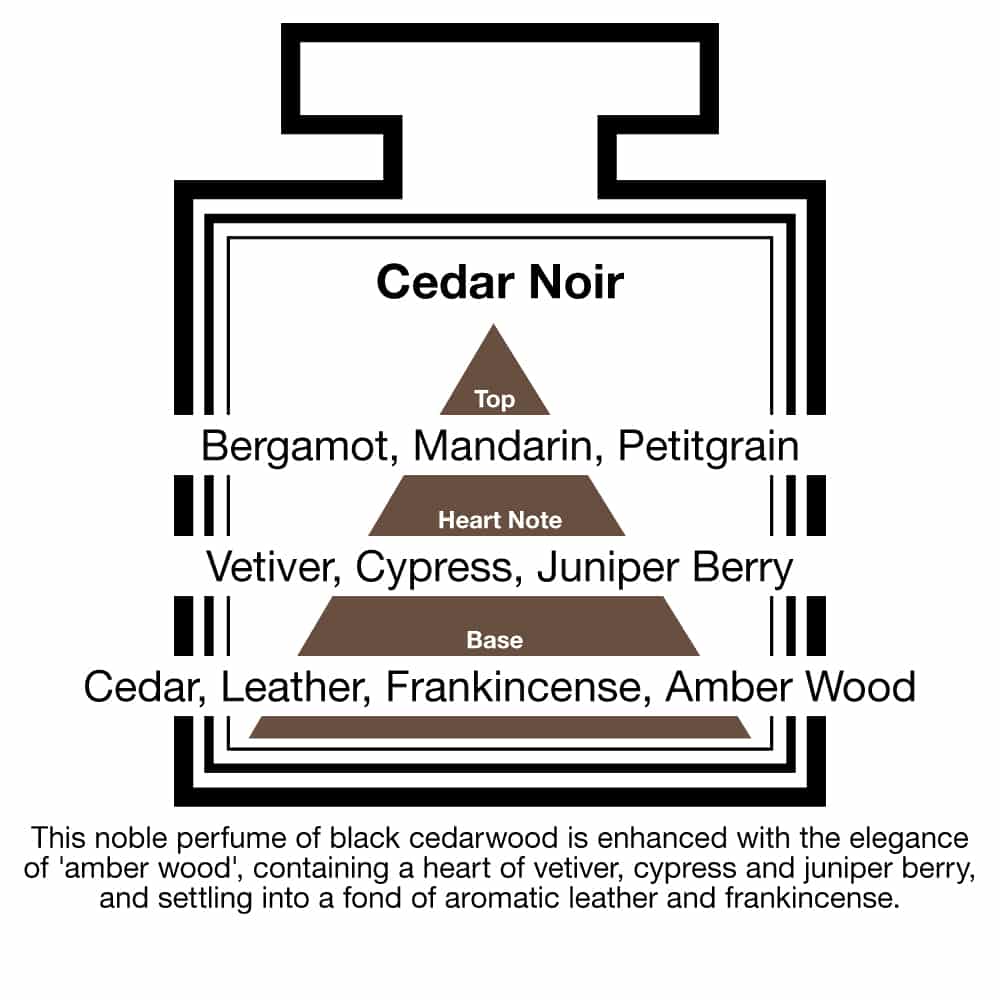
This perfume uses Black Cedarwood and Amber Wood. The heart has Vetiver and Juniper Berry. The base is rich with Leather and frankincense. It is one of our best related products for the winter months.

The Glow of Resin in Winter Perfume

Frankincense adds something unique to a perfume. It gives warmth without being too heavy. It is bright but not sharp. Because it has such a long history, the smell feels familiar. Every new perfume finds a different way to use it. Whether you want a balm for your skin or a new scent, this resin is always easy to spot.

It has a steady way of setting the mood. It keeps the other ingredients stable in a perfume. That grounded feeling is why people love it every winter.

Even as the seasons change, frankincense stays a favourite in niche perfume. By getting frankincense essential oil from sustainable Boswellia carterii, Boswellia serrata, or Boswellia sacra, the industry keeps this treasure alive. This aromatic gum resin is a gift from the Boswellia tree. It is a natural remedy for our senses. Its story started in ancient temples and continues today in modern perfume houses. It proves that this scent is truly timeless. Using frankincense as an essential oil or a resin is always a sign of quality.

Juniper Berry In Fragrances

Juniper Berry In Fragrances: Gin-Bright & Piney Fresh

A Juniper berry is a small, blue-black, pine-scented seed cone from juniper shrubs and trees. They are crucial for a gin’s flavour and are also used in cooking to season game, meats, stews, and sauerkraut for their resinous, peppery taste, which is best released by crushing. Though appearing like berries, they are the fleshy cones from the Juniperus communis species, providing distinct piney notes to many savoury dishes and botanical drinks.

There’s something sharp and clean about the aroma of juniper berry. Not quite woody, not fully citrus, it occupies a unique spot in perfumery. You’ve likely caught a hint of it in gin’s crisp bouquet, but it does far more in a fragrance than remind us of a cocktail.

A juniper berry brings a green edge that cuts through heavy, sweet perfumes, especially during the quieter months of winter into spring. When the holiday spices fade, this piney oil steps in with a dose of brightness. It’s like cracking open a window on a still, cold morning. In natural and niche perfumes, it’s used not to decorate, but to frame other notes with sharp clarity. And that’s what makes it so interesting to work with, its ability to pull a composition into focus.

A Brief History of Juniper Berry in Perfumery

The story of the juniper berry begins long before it found its way into perfume bottles. Used for centuries in herbal medicine and rituals, it was often added to botanical tinctures for its fresh, clean properties. People once hung juniper branches near doors, burned them in rituals, or soaked them in spirits for tonic blends. For the Native American tribes, the juniper was a sacred plant, used for both its aromatic wood and the healing properties of its fruit.

Its connection with spirits is actually what helped modern perfume houses take note. The signature aroma of gin made juniper berries noticeable on the nose, giving them a new place in the world of fragrance. That dry, bracing green tone quickly stood out against sweeter or spicier ingredients. Any gin distiller will tell you that without the juniper berry, the drink simply wouldn’t exist, as it provides the distinguishing flavour that defines the spirit.

As perfumery shifted toward cleaner, lighter compositions, juniper became a natural fit, especially when making masculine colognes or fresh, tonic-inspired aromas. It chimed well with other classic notes like lemon peel, lavender, and vetiver, and has remained familiar yet fresh ever since.

Fragrance Description Cedar Noir Vetiver Juniper Leather Frankincense

Botany and Biology: Understanding Juniperus Communis

To appreciate the juniper berry, one must understand that it is not a true berry in the botanical sense. It is actually a female seed cone with unusually fleshy and merged scales, which gives it a berry-like appearance. The most common species used in the fragrance and food industry is Juniperus communis, often referred to as the common juniper. This shrub or small juniper tree has the largest range of any woody plant, growing across the Northern Hemisphere from North America to Europe and Asia.

While Juniperus communis is the star of the perfume world, there are many other juniper species in existence, such as Juniperus virginiana, also known as Eastern Red Cedar. However, it is the common juniper that provides the specific flavour and scent profile we crave. The green berries take two to three years to ripen. Only the ripe berries are harvested for their high concentration of oils and aromatic compounds. Interestingly, because of the slow ripening process, a single juniper bush may hold both green, unripe cones and dark, mature ones simultaneously.

Culinary Uses and the Flavour of Juniper

The juniper berry is just as famous in the kitchen as it is in the perfume lab. It is a vital spice in European cuisine, particularly in Scandinavian and Alpine regions. Because of its rich, hearty flavours, it is frequently used to flavour meat dishes that might otherwise be too heavy. It is the traditional choice to flavour venison and other game meats, as the resinous quality of the juniper cuts through the fat.

Beyond venison, you will find dried juniper used to flavour sauerkraut or added to flavour casseroles and stews. While it is rarely used in sweet dishes, it provides a wonderful flavour contrast in certain fruit-based preserves. Unlike other dried fruits, the dried juniper berries are usually crushed juniper berry by crushed juniper berry to release their oils before being added to a pot. This ensures the spice permeates the entire dish. In culinary contexts, it is noted for a distinctive bittersweet, pine-like character with a lingering peppery aftertaste.

Health Benefits and Nutrients

The juniper berry is more than just a scent or a flavour; it is a powerhouse of health-promoting compounds. It is a significant source of vitamin C, which is essential for immune health, collagen synthesis, and blood vessel function. Furthermore, a juniper berry is packed with antioxidant compounds. These include flavonoid antioxidants, which help to neutralise harmful free radicals in the body.

Many people enjoy juniper berry tea for its antioxidant and anti-inflammatory properties. Using a juniper berry extract in wellness products is also common due to these protective qualities. Whether consumed as fresh berries or as dried berries, the juniper offers a unique medicinal profile. Lab studies have documented its antibacterial and antifungal activities, especially against certain types of bacteria like Staphylococcus aureus. However, it is important to note that while widely used in folk medicine as a diuretic or digestive aid, individuals with kidney disease or those who are pregnant should avoid high doses, as the volatile oils can be stimulating to the kidneys and uterus.

Bedroom Reed Diffuser Luxury Scented Candle Room Spray 1 1

Extracting the Essence: How Juniper Berry Oil is Made

To work with it in perfumes, we first need to extract the oil. This usually happens through steam distillation, a gentle way to release the juniper berry oil from the plant without harming its aroma. Both the juniper berries and the woodier sprigs of the juniper plant can be used, depending on the exact style of oil the perfumer is after.

  • Juniper berries give a richer, fruitier oil with that classic pine and pepper note.
  • Twigs and needles bring out more dryness and a slightly woody base.

The parts chosen change how bright or deep the final perfume feels. A perfumer can play with the balance by selecting oils with more top-note sharpness or those with a drier, more grounded juniper oil. No matter the strength, the bouquet always stays brisk, a little wild, and never overly smooth. The presence of monoterpenes like alpha-pinene and myrcene in the juniper oil is what gives it that characteristic mountain-air freshness that perfumers prize.

The Aroma Profile: What Juniper Berry Smells Like

Describing the aroma of a juniper berry takes more than one word. It smells of pine trees, but not like a Christmas tree. It’s drier, crisper, with a quiet pepper note that adds structure. When blended, it wears well with colder ingredients like eucalyptus or fir, but can also freshen warmer bases like resins or smoke.

Compared to rosemary, it’s less herbal and softer on the nose. Compared to cypress, it’s cooler and slightly more peppery. It holds its shape without taking over the whole composition. You’ll find it often in perfumes that aim for clean, tonic starts. But it isn’t a top-note-only ingredient. Its woody edge means it lingers longer than you’d expect, making it just as helpful in the heart or base of a perfume. The complex profile includes a delicate, bittersweet quality that provides a sophisticated edge to modern niche scents.

Why Juniper Works for Winter and Early Spring

After rich perfumes full of spice and sugar in late December, many of us need a break. The juniper berry is perfect for January and February, right when we want clarity over comfort. It cuts through the warmth with a breath of fresh air without being overly cold or sharp.

The juniper shrub survives harsh conditions, and its seed cone remains resilient through the frost, which is perhaps why we associate the juniper berry so strongly with this time of year. It’s a note we reach for when we want to:

  1. Lighten up woody perfumes without making them feel summery
  2. Add freshness to darker, smoky oils like patchouli or leather
  3. Keep a winter perfume from feeling too heavy or sweet

In early spring, it still makes sense. The crispness reflects the lingering bite in the air, and the green hints from the juniper feel right before nature begins to change again.

Juniper Berries

Juniper Berry in Niche and Luxury Perfumes

In some perfumes, juniper berry is the star. In others, it’s the quiet line that helps keep things tidy. Perfumers love how it blends with both fresh and warm notes, which is rare. When you look at the required fields of a fragrance formula, juniper is often there to provide that elusive “gin” accord.

Common pairings include:

  • Citrus, like grapefruit or lemon, for a clean open with a tart finish
  • Lavender, for a sweet-meets-sharp combination often used in modern colognes
  • Cedarwood or vetiver, to ground the piney facets and bring dry balance
  • Frankincense adds depth and a quiet spice

In natural and niche perfumery, we often use juniper berry as both a bridge and a contrast. It holds space between cool and warm notes, making the finished perfume feel steady and intentional. The use of juniper berries allows a perfumer to evoke the crispness of a high-altitude forest or the sophisticated air of a classic flavour gin cocktail.

Iconic Juniper Berry Fragrances

  • Penhaligon’s – Juniper Sling: A crisp, atmospheric tribute to London Dry Gin that opens with a chilled blast of juniper and soft black pepper.
  • Maison Francis Kurkdjian – Gentle Fluidity (Silver): An ultra-modern scent where a high concentration of juniper berry creates a vibrant, metallic, and refreshing “gin frappé” effect.
  • Byredo – Gypsy Water: A cult favourite that blends the juniper berry with pine needles and incense to evoke the earthy, nomadic aroma of a forest floor.#

Juniper Berry Heart Notes in Cedar Noir Home Fragrances by Pairfum London

This Noble Perfume of Black Cedarwood is enhanced with the elegance of Amber Wood. The heart contains Vetiver, Cypress and Juniper Berry. The base fond is rich with Aromatic Leather and Frankincense.

Cedar Noir – Large Bell Shape Reed Diffuser by Pairfum London

To bring the invigorating essence of the juniper berry into your home, the Large Reed Diffuser Bell offers the perfect solution. Much like a juniper berry provides clarity in fine fragrance, this artisanal diffuser uses a natural, non-VOC oil serum to envelope your space in a crisp, uplifting atmosphere for up to nine months. Presented in a stunning Italian glass decanter, it diffuses ‘Eau de Parfum’ quality scents such as Cedar Noir, which balances juniper with vetiver. It is a sophisticated, healthy way to enjoy the piney freshness of the common juniper within your own living environment.

Pairfum Large Reed Diffuser Bell Signature Cedar Noir

The Clean Freshness of Juniper Berry

Juniper has kept its place in perfumery because it’s so adaptable. It smells clean without being sweet, green without being soft, dry without feeling flat. That balance is hard to find. Whether you are using dried juniper berries for a recipe or looking for a fragrance that features juniper oil, the result is always one of refinement.

We return to the juniper berry often when a perfume needs clarity. When a fragrance has too much going on, a juniper berry can make it breathe again. It steps in not to shout but to sharpen. And it stays fresh no matter how it’s used, welcoming in winter, steady in spring.

It’s one of those rare materials we never tire of revisiting. Something about the juniper berry always feels just right. Whether it is the species Juniperus Communis or the fruit of another juniper variety, this botanical treasure remains a cornerstone of the aromatic world.

Petitgrain In Perfumery

Petitgrain In Perfumery: Green Citrus Twig Brightness

Petitgrain (French for “little grain”) is a refreshing, aromatic essential oil obtained by steam-distilling the leaves and twigs of the bitter orange tree. It offers a woody, citrusy, and slightly floral aroma used extensively in aromatherapy, perfumes, and natural skincare for its soothing, antibacterial, and anti-inflammatory properties. As a versatile middle note in fragrance blends, it is distinct from neroli (extracted from flowers) or bitter orange oil (from the peel). This oil promotes relaxation, aids sleep, and balances mood, blending well with other citrus or woody oils. Primary production for this essential oil is located in Paraguay.

Petitgrain brings a crisp, green brightness to perfume that feels both fresh and grounding. It does not shout for attention like a sweet floral or a juicy citrus. Instead, it leans into that leafy, citrus-twig aroma that lingers in the background and holds everything together.

Made from the leaves and twigs of the bitter orange tree, Petitgrain has been a part of natural and niche perfumery for many years. It is quiet, herbal, and just sharp enough to wake up the senses. In this article, we look at where Petitgrain comes from, how it smells, and the way it fits into some familiar and much-loved perfumes.

A Brief Look at What Makes Petitgrain Special

Petitgrain is not made from the fruit or flower of the orange tree. It comes from the green parts (mostly the leaves and small twigs) of the bitter orange tree. This is what gives it that dry, zesty edge. It delivers a balance that feels both clean and a little woody at the same time.

Its bouquet carries a soft, citrus tone with a green backbone, making it feel lighter than other orange ingredients. You will often find it resting in the heart of a blend, adding structure without making the whole perfume smell like a fruit bowl.

During winter and early spring, Petitgrain becomes even more welcome. Perfumes can start to feel too rich or too sugary during colder months, but this particular essential oil adds a crisp lift. It works well in compositions that need a breath of air without moving into floral or overly sweet territory. Because petitgrain contains high levels of linalyl acetate, it possesses a soothing quality that bridges the gap between sharp citrus and soft herbs.

Fragrance Description Neroli Olive Pomelo Lime Leather Vetiver

The Origin and History Behind Petitgrain in Perfume

The bitter orange tree gives us more than one material for perfume. The flowers yield neroli, and the peel gives us orange oil. But it is the green parts (the slender twigs and the shiny leaves) that give us Petitgrain.

This has roots in traditional perfumery. In early colognes, Petitgrain was used for its uplifting and slightly herbal feel. It freshened up the formulas and gave balance to sharper ingredients like rosemary or lavender. In the past, the plant part used for extraction included the tiny, unripened green fruits, which were about the size of cherries. This is actually where the name comes from, as “petit grain” translates from French to “little grain.”

As perfume styles shifted, Petitgrain remained a quiet but steady companion. It did not define fragrances on its own, but it made everything flow better. It worked for both bright, masculine colognes and gentler, timeless blends. Whether used in stronger perfumes or softer water-based ones, it brought structure to the whole bouquet.

How Petitgrain is Extracted and Crafted

Petitgrain essential oil is made using steam distillation. Perfumers take the leaves and green twigs from the bitter orange tree and gently heat them to release the fragrant vapour. That vapour is cooled, and from it, the petitgrain oil is collected. Unlike orange peel or neroli blossoms, the leafy material offers a drier, greener aroma.

This makes it quite different from other orange-based oils. Orange oil itself is juicy and sweet, with a full-bodied citrus aroma. Neroli, from the flowers, is more floral and powdery. Petitgrain sets itself apart with its crisp, woody citrus character. It brings a natural sharpness that works beautifully when a perfume needs to feel clean without being cold.

When sourcing this pure essential oil, geography plays a major role in the scent profile. Petitgrain Paraguay is perhaps the most common variety, known for its slightly more robust and woody scent. However, Petitgrain Bigarade, often sourced from North Africa or southern Europe, is considered the finest quality for high-end perfumery because it is more refined and floral. While the bitter orange tree is native to Southeast Asia, it is now grown globally, from the Mediterranean to South America, and even in niche plantations in South Africa or New Zealand.

Pairfum Lifestyle Flacon Room Perfume Spray Clear Natural 1 1

Skincare and Practical Applications

While we primarily celebrate its scent, petitgrain also has a place in skincare. It is particularly beneficial for those with oily skin or greasy hair, as it helps to balance sebum production and tone the complexion. Many people use it to target skin imperfections by adding a drop of organic essential oils to their daily routine.

The oil is known for its antibacterial and anti-inflammatory qualities, making it a useful natural remedy for blemish-prone skin. You might find it listed in the product details of a high-end body lotion or a facial cleanser. The petitgrain oil helps to tone the skin, leaving it feeling refreshed. If you are looking for specific usage instructions, most reputable suppliers provide technical documents to ensure the essential oil is used correctly. Whether you are buying a small 10 ml bottle for home use or looking for special offers on bulk fragrance oils, the versatility of this ingredient is unmatched.

Aromatherapy and the Science of the Scent

Beyond its role in a bottle of fragrance, the botanical name Citrus aurantium covers a variety of uses. In the world of aromatherapy, aromatherapy oils like petitgrain are prized for their ability to calm the mind. The aromatherapy benefits of this specific organic essential oil are often compared to lavender because they share similar chemical components.

For those interested in natural remedies, petitgrain essential oil is frequently used in synergy blends to support a sense of well-being. It is a staple in many essential oil blends designed to reduce stress and combat mental fatigue. When diluted in a carrier oil or mixed into base oils, it can be applied to the skin during a massage. Using it as a massage oil allows the herbal, woody scent to linger, providing a grounding experience.

Historically, the oil has been used in traditional practices across Haiti and China to soothe the nervous system. Because it acts as a mild sedative, it is often recommended for those struggling with shock, anger, or high-pressure situations. Its ability to promote a calm, cheerful atmosphere makes it a popular choice for home diffusion.

Petitgrain

Why Petitgrain Works So Well for Fresh Winter and Early Spring Perfumes

By the time holidays are over, and January rolls in, rich fragrances can start to feel too heavy. That is where Petitgrain shines. It gives a fragrance a touch of green and a bright start without moving into anything overly floral or sweet.

Its bouquet works well with resinous or balsamic notes, making them feel easier to wear in cooler weather. If a perfume has something like myrrh, sandalwood, or incense, a touch of Petitgrain can bring just enough lift to make it wearable past festive evenings.

That clean edge also works for people who want perfumes that feel steady rather than fanciful. Not everyone enjoys gourmand or powdery notes, especially when they want something clear through winter. Petitgrain offers that structure and clarity in a way that is not too sharp or sterile. It interacts beautifully with the skin, evolving from a sharp green opening to a soft, woody hum.

Many citrus-style perfumes would feel incomplete without Petitgrain. It is often not the leading note, but it plays a strong supporting role that perfumers count on. You will see it appear with other herbal ingredients like:

  • Lavender essential oil (to add sharpness and freshness)
  • Rosemary essential oil (for a cleaner and greener balance)
  • Vetiver (to round out the woody side of the blend)
  • Neroli essential oil (for a drier and less floral finish)

Together, these oils build aromas that feel classic and timeless. Petitgrain is especially favoured in niche perfumery. Its natural character gives a perfume a lived-in feel, while keeping the structure balanced and calm. It does not aim to be showy. Instead, it joins the perfume in creating a pleasant, lasting impression.

In many formulations, it is blended with patchouli essential oil, ylang ylang, or clary sage to create complex, earthy, and floral layers. Because it belongs to the Rutaceae plant family, it has a natural affinity for other citrus and wood notes.

Iconic Petitgrain Perfumes

  • Acqua di Parma – Colonia Essenza A sophisticated Italian classic where petitgrain provides a woody, green backbone to bright citrus and white florals. 
  • Mugler – Mugler Cologne (Come Together) A legendary, minimalist scent that uses petitgrain to achieve a famous “steam” accord and soapy, out of the shower freshness. 
  • Miller Harris – Le Petit Grain A fragrant tribute to the bitter orange tree, highlighting the twiggy, herbal, and aromatic intensity of the leaves.
Pairfum Flacon Perfume Room Spray Signature Neroli Olive

Petitgrain Top Notes in Pairfum London Home Fragrance

To bring the crisp, green energy of petitgrain into your living space, the Pairfum London Flacon Room Spray Perfume offers an elegant way to refresh your home. This natural “Eau de Toilette” for the home is expertly crafted with pure essential oils, ensuring that the zesty, botanical brightness of petitgrain is diffused into a fine, long-lasting mist. Unlike standard aerosols that quickly fall to the floor, this couture room perfume remains suspended in the air for up to eight hours, allowing you to enjoy the restorative aromatherapy benefits and clear, citrus-twig structure throughout your day. 

Neroli & Olive – Flacon Perfume Room Spray by Pairfum London

A sophisticated accord built around the vibrant notes of Neroli, Pomelo, Lime and Petitgrain. Jasmine Petals, Vetiver, Patchouli and Aged Leather add depth and warmth to complete the sensation of walking through an olive grove on a warm, sunny day.

Green Citrus Brightness for Every Season

As perfume tastes shift with the seasons, we find Petitgrain remains a favourite. Its bright, green edge makes it feel clean, calm, and just a little bit wild, as if it still remembers the branches it came from. The way this essential oil balances the floral sweetness of neroli with the earthiness of the twigs ensures it will remain a cornerstone of the perfumer’s palette. Whether you are exploring aromatherapy or searching for a new signature scent, understanding the role of petitgrain opens up a new world of appreciation for the art of fragrance. Its ability to soothe the skin and the soul makes it more than just a scent; it is a botanical treasure.

Bluebell In Perfumes

Bluebell in Perfumes: Dewy Woodland Freshness

A bluebell is a classic woodland flower (Hyacinthoides non-scripta) known for its nodding, violet-blue, bell-shaped blossoms that carpet the forest floor in spring. These plants effectively attract pollinators and bees before the emerging tree leaves block the sun. While native bluebell populations are common across the UK and Europe, growing from a deep bluebell bulb, they are increasingly threatened by habitat loss and the spread of the Spanish bluebell, a similar species which is distinguished by its stiffer, upright stem.

There is something inherently refreshing about the aroma of bluebell in perfumes. It brings to mind soft moss underfoot and sunlight filtering through trees. That quiet, green air you find on a spring morning in a shaded woodland lives in the memory of this flower. For many, the sight of blue carpets across a forest is a source of springtime joy, a seasonal shift that signals the end of winter. This iconic scene is particularly significant in the United Kingdom, which is home to almost half of the global population of this species.

Bluebell has a long and gentle story in perfumery. It is not a bold floral, but that is what makes it stand out. Its presence is subtle, leafy, and slightly sweet. Over time, it found its place in delicate blends where fresh, airy notes matter just as much as florals. We take a closer look at what gives bluebell its charm, where it grows, and how its unique character shapes the essence of some of our favourite perfumes.

A Glimpse Into the History of Bluebell in Fragrance

The bluebell flower, renowned for its soft violet-blue colour and carpet-like blooms in the British countryside, has always evoked a sense of calm. For many here in the UK, it is a sign of early spring and a reminder of nature’s quiet beauty. Historically, this woodland flower was even linked to ancient myths. In Greek mythology, the flower was said to have sprung from the blood of Prince Hyacinthus, whose death was mourned by the god Apollo. The tears of the god were said to have marked the petals with the letters of grief, though the botanical name non-scripta actually means unlettered. This name was given specifically to distinguish the native bluebell from the classical hyacinth of myth.

Beyond folklore, the plant has a storied history of practical use. During the Elizabethan era, the starch-rich juice from the bluebell bulb was used to stiffen the elaborate ruff collars fashionable at the time. In even earlier periods, the sticky mucilage from the bulbs served as a natural glue for bookbinding and for attaching feathers to the shafts of arrows.

We began seeing bluebell used more widely in perfumes during the 20th century. Before that, it was mostly admired in a garden or wild woodland. Its aroma was hard to capture, but perfumers saw the potential. This flower held a special kind of stillness, a green freshness that was not too sweet or too strong. It had its own rhythm. As niche perfume grew in popularity, Bluebell found more space to shine. Its delicate nature fits well within compositions that moved away from heavy florals.

Bluebells Underneath A Tree

Where Bluebell Grows and How It Smells

Bluebells thrive naturally across woodland areas throughout the United Kingdom. If you have walked through a forest trail in early spring, chances are you have seen them, rows of violet-blue flowers growing in quiet, shaded parts of the woods. These flowers do not bloom for long, but when they do, they transform the woodland floor. Botanically, the common bluebell is called Hyacinthoides non-scripta. It is a protected species in the wild, meaning you can look but not touch. Picking or uprooting them is a criminal offence under the Wildlife and Countryside Act 1981.

The natural aroma of bluebell is soft and layered. It has a quiet green feel, similar to fresh leaves or damp flower petals. There is a gentle sweetness, but not the sugary kind. It leans more toward watery florals, with a light, earthy edge that makes it feel more like nature and less like a bouquet from a vase. In a garden setting, people often try to cultivate this plant to recreate that wild magic at home. However, the native bluebell is currently facing a challenge from the Spanish bluebell (Hyacinthoides hispanica). This species was introduced as a garden plant, but is much more vigorous than our native English bluebell.

Species Information and Identification

When looking for information on how to tell these plants apart, species information provided by botanical experts at Kew Gardens and the Woodland Trust often highlights the differences in the bulb, pollen, and structure. The english bluebell is the species most prized by perfumers for its scent. Unlike its non native bluebells cousins, it has a deep, sweet fragrance that can fill an entire bluebell wood on a warm day.

The Spanish bluebell and its clones or hybrids often lack this strong, evocative scent. Identification is key: the native bluebell has a nodding stem where the flowers hang mostly to one side, and the petals are strongly recurved at the tips. The pollen inside a native English bluebell is a creamy white, whereas the Spanish bluebell usually features blue or green pollen. Furthermore, the Spanish bluebell has a much broader leaf, often double the width of the native species, and a more upright stem that does not droop.

The life of a bluebell begins deep underground in a bluebell bulb. These bulbs use contractile roots to pull themselves deeper into the soil to find moisture, sometimes reaching depths of over 10cm. They prefer dappled shade or partial shade, often growing under the canopy of ancient trees. During the flowering time, you might also see the wood anemone growing nearby, as they both benefit from the sunlight that reaches the ground before the tree canopy fully closes.

To ensure the survival of the British bluebell, ride maintenance in forests is often required. This intervention ensures that paths do not overgrow and crush the delicate plants. Trampling is a major threat; if the leaves are crushed, the plant cannot photosynthesise, and the bulb may starve. This is particularly damaging because a bluebell can take between five and seven years to grow from seed to a flowering bulb.

Bright Blue Bluebell

Bluebells as an Evolutionary success

The biological success of the native bluebell is a result of its unique adaptation to the ancient woodland ecosystem. As an early flowering specialist, the plant utilises energy stored in its bulb to push through the thick leaf litter before the forest canopy closes and blocks the sun. This rapid, magical appearance on the forest floor led to its folkloric nickname, the fairy flower, a name rooted in the belief that bluebell woods were woven with ancient enchantments. The complex relationship between the plant’s biology and its environment is well-documented in botanical studies published by Cambridge University Press, which provide verified data on how the species has maintained its presence in the British landscape for thousands of years.

The Ecosystem: Bees, Insects, and the Summer Cycle

The importance of the bluebell extends beyond its scent. In the wild, they are a vital food source for bees and other insects during the early months of the year when other flowers have yet to bloom. As the spring fades and summer approaches, the vibrant bluebell carpets begin to disappear.

The green leaves of the plant wither away, and the energy is pulled back down into the bulb for storage. This is when the bluebell seeds are formed within the drying seed pods. If you have plenty of these plants in your own garden, you might notice the seed pods drying out as the heat of summer increases. During this transition, the bluebell remains dormant, hidden under the soil until the cycle begins again.

Managing a bluebell population requires patience. Because they are slow-growing, any intervention in their habitat must be handled with care. If you are using a device to help with garden planning or woodland mapping, you will find that these plants are very specific about their needs for dappled shade. Without the right balance of light and moisture, the bluebell bulb may fail to produce a stem the following year.

How Perfumers Work With Bluebell: Extraction and Re-creation

Unlike some flowers used in fragrance, bluebell does not give up its oil easily. You cannot press or steam it the way you might with rose or orange blossom. The flower is delicate, and there is no safe or useful way to extract oil directly from it. This is where re-creation plays a key role. Perfumers mix together natural materials that smell similar to bluebell, building a new version that feels just right.

To recreate the scent, a perfumer might look at the hyacinth flower, which is a similar looking hyacinth to the bluebell but offers a more robust scent profile. They might use notes that mimic fresh florals, green accents, and soft, earthy touches. By carefully blending these, they capture the essence of the British bluebell without needing to harvest the protected plants.

This method allows you to enjoy beautiful bluebells in perfume without harming real plants or the spaces where they grow. It also gives perfumers room to be creative, choosing how much sweetness, freshness, or depth they want to highlight in their blends. What we end up with is not a copy, but a respectful impression of what it feels like to walk through a bluebell wood.

Bluebells Along a Straight Path

When You Want to Wear a Breath of Woodland Air

One of the reasons we love using bluebell is the sense of space it gives in a perfume. Its airy, green nature has a way of letting other floral or natural notes breathe. That makes it perfect for winter, when many perfumes are heavy or sweet, and you might want something that feels lighter on the skin.

Bluebell makes a winter perfume feel like a quiet moment indoors after a fresh walk. In early spring, it becomes a natural choice because its bouquet reflects what is happening outdoors. Whether bluebell is used as the main floral or just as a soft layer to help other notes flow, it creates balance. It does not compete. It calms. That is part of what makes it so loved in the niche world, where natural impressions and artful choices matter more than loud trends.

When you wear a fragrance inspired by the Hyacinthoides non-scripta, you are wearing a piece of British bluebell history. It is a scent that captures the very essence of the woodland, from the damp earth to the tips of the petals.

Some perfumes are built entirely around a soft floral with a woodland feel, and bluebell is often their star. Many of us reach for these when we want something quiet and calming, something that feels natural. A bluebell woods scent is often defined by its supporting cast.

Common companions to bluebell in fragrance include:

  • Green leaf notes, they bring a crisp start and seem to brighten the floral side
  • Lily of the valley, another soft spring flower that pairs well, adding a gentle sweetness
  • Violet, adds a powdery or slightly creamy depth to the floral mix

When used together, these create a perfume that is light but not flat, floral but not showy. It feels like clean air after rain. A perfume that uses bluebell does not try to shout. Instead, it gives you a pause, like sitting still in the middle of a forest where everything smells green and calm. This scent profile is particularly popular in regions like East Anglia, where ancient woodlands provide the perfect backdrop for these seasonal displays.

Iconic Bluebell Fragrances

  • Penhaligon’s – Bluebell A distinctive and earthy scent that captures the damp freshness of a forest floor using citrus, hyacinth, and spicy clove. 
  • Jo Malone London – Wild Bluebell A light, dewy cologne that blends delicate floral notes with lily of the valley and a hint of sweet persimmon. 
  • Floris London – Hyacinth & Bluebell A refined fragrance that emphasises green, leafy accents paired with soft woody notes to evoke a tranquil woodland.
Pairfum Reed Diffuser Cube Classic Noir White Lavender

Bluebell Heart Notes with White Lavender Home Fragrance by Pairfum London

This Innocent White Fragrance opens with aromatic Artemisia and Bergamot, to combine with a heart of Soft White Lavender, Pure Lily, Iris, Hyacinth and Bluebell. The base note sensually envelops with Intense Musk, Sandalwood, Vanilla, Amber and Tonka Bean.

Classic Tower Reed Diffuser by Pairfum London

To bring the refreshing essence of a dewy bluebell wood into your own home, the Reed Diffuser Tower Classic offers an elegant and long-lasting solution. Unlike standard home fragrances, this diffuser acts as an “Eau de Parfum” for your rooms, utilising a natural, non-VOC oil serum that is both healthy for your family and environmentally friendly. With its extra-long black reeds and luxury glass decanter, it provides a continuous, subtle diffusion of couture perfume for three to five months. It is the perfect way to capture the serene, green air of spring and the delicate charm of a woodland flower, allowing you to enjoy a breath of woodland air in any large room throughout the year.

The Enduring Appeal of Bluebell in Perfume

Its subtle balance makes it suited to many moods, especially during winter and into spring. It reminds us that not all flowers are bold and showy. Some, like bluebell, whisper from the forest floor and leave a lasting impression in the way they make us feel. By seeking out information on the different species, we can better appreciate the unique qualities of the native English bluebell and ensure that these beautiful bluebells continue to thrive in our wild places.

The story of the bluebell is one of resilience and quiet elegance. From its origins in a bluebell wood to its carefully crafted presence in a luxury perfume, it remains a symbol of the British spring. Whether you are looking at a single bluebell flower or a vast sea of blue, the feeling remains the same: a sense of peace, a breath of fresh air, and a connection to the natural world that stays with you long after the summer sun has set.

Artemisia In Perfume

Artemisia In Perfumes: Bitter-Green Sophistication

Artemisia in perfumes provides a unique, bitter, herbaceous, and green scent—often derived from wormwood or mugwort—which adds depth, complexity, and a slight medicinal edge. It is very common in fougère and chypre styles for balancing florals and woods, and can even act as a natural fixative. The plant is featured in legendary scents like Penhaligon’s Artemisia (a sweet floral), Maison Crivelli’s Absinthe Boréale, and Pairfum London’s White Lavender, showcasing a versatility that ranges from sharp, bitter-green notes to soft, vanilla-toned finishes.

Artemisia adds a quiet strength to perfume, one that does not shout but still makes an impression. Earthy, bitter and green, it brings a distinctive character that lingers in the background, giving balance and freshness to both floral and woody blends. While not always noticed, its presence makes other notes come alive. This flowering plant genus, known scientifically as Artemisia, belongs to the Asteraceae family and is prized for its aromatic foliage.

We often reach for aromas that warm us in winter, something rooted yet clean. The bitter-green snap of Artemisia brings just that. In this article, we are sharing how it has become a subtle hero in perfume, where it originated, and why it is such a smart pick for this time of year. For the ignorant but curious seeker of scent, understanding this plant is a gateway to appreciating complex, professional perfumery.

Where Artemisia Comes From

Artemisia belongs to a wide group of hardy herbs that grow across Europe and Asia. You will likely know some of them already, like wormwood or tarragon. Long before it found a place in fragrance, Artemisia was used in teas, folk remedies and kitchen flavouring. Its strong taste and aroma were valued for their cleansing, cooling qualities. The name itself is steeped in history, often linked to the Greek goddess Artemis, the huntress, who was said to have discovered the many virtues of the plant.

Over time, those same qualities made it a favourite in herbal and aromatic perfumes. With its fresh, slightly bitter profile, it became a clever way to cut through heavy or overly sweet blends. It is never just green. There is a dry crispness behind the smell, almost like crushed leaves or sun-warmed herbs. Many perennials in this family are known for their silvery foliage, which adds a shimmering aesthetic to the landscape before they are ever harvested for their essential oil.

The different species within the Artemisia family contribute to its wide range of traditional uses, with some species cultivated specifically for their potent medicinal effects, and others prized for their adaptability in various culinary and cultural practices. In many regions, Artemisia has even been linked to rituals or seasonal ceremonies, further deepening its connection to ideas of cleansing and renewal. Despite its lengthy past in practical roles, Artemisia’s aromatic allure is what eventually drew the attention of perfumers.

Fragrance Description White Lavender Artemisia Lily Musk Vanilla

 A Legacy of Folklore and Medicine

The roots of artemisia are buried deep in folklore. Historically, Artemisia vulgaris (the common name mugwort or common mugwort) was used for protection and herbal medicine. Beyond its use for intestinal worms, the genus provided a major medical breakthrough: artemisinin. Extracted from Artemisia annua, this is vital for treating malaria. The plant is also famous for providing the bitter thujone in absinthe and the botanical punch in vermouth, where absinthium creates a sophisticated, dry finish.

Historical and Cultural Significance

The use of Artemisia in herbal medicine is vast. One of its most famous associations is with intestinal worms, a use from which the common name wormwood is derived. Beyond the apothecary, it has a storied history in the world of spirits. It is the primary ingredient in absinthe, the potent green drink favoured by nineteenth-century artists. The chemical thujone, found in the plant, was once thought to cause hallucinations, though modern science suggests the high alcohol content was more likely the culprit.

Furthermore, Artemisia is used in the production of vermouth, where its bitterness balances the sweetness of the wine. In traditional contexts, Artemisia vulgaris, also known as common mugwort, was often hung over doorways to ward off evil spirits or rubbed on the skin to protect travellers. Whether it is used for its roots, its rhizomes, or its seed, the plant has remained a constant companion to human civilisation.

How Perfumers Use Artemisia

In a perfume bottle, Artemisia rarely takes centre stage, but it still holds the shape of the composition. It often appears as a top or middle note, opening a perfume with a bracing, almost sharp edge before softening into the background.

  • It adds a bitter-green bite that freshens floral or woody perfumes
  • Used early in the perfume structure to set a crisp, herbal tone
  • Works well in masculine styles, but suits unisex and green-themed perfumes too

Pairing Artemisia with sweet florals can create tension and energy. Against darker notes like leather, resin or oakmoss, it adds a touch of lightness or clarity. It is one of those ingredients that does more than it first appears. The plant type varies, but the effect in a bottle is consistently sophisticated.

The versatility of Artemisia means that it is just as at home in vintage, classic fragrance architecture as it is in modern, innovative blends. Its bitter-green edge is highly valued for cutting through potential heaviness and for lending an overall clean, natural impression. It helps bring sophistication to perfumes that might otherwise feel flat or too saccharine. When used with restraint, Artemisia can serve as a bridge between otherwise clashing notes, ensuring that each piece of a fragrance works harmoniously together.

As a result, Artemisia’s bitterness, so distinct and alluring, grants complexity and contrast to perfume formulas. Its impact is often subtle but significant: floral bouquets seem airier and more alive, while woody aromas gain a leafy dimension. Even when deployed in small quantities, Artemisia influences the entire tone of a scent, leaving a clean and memorable finish.

Pairfum Flacon Room Perfume Spray Lavender Water Droplet 1 1.

Types of Artemisia and Their Aromas

There are many species in this family, but a few have stood out in perfumery for their distinctive profiles.

  • Artemisia absinthium (wormwood): Bitter, dry, almost smoky. Often used in masculine colognes. This herbaceous perennial is most famous for its role in absinthe.
  • Artemisia dracunculus (tarragon): More aromatic and slightly sweet. Adds roundness to herbal compositions.
  • Artemisia vulgaris (mugwort): Offers a more earthy, slightly camphorous scent.
  • Artemisia annua: Also known as sweet wormwood, it is the source of artemisinin, a compound used to treat malaria.

Some versions of Artemisia lean fresh and cool, while others feel deep and slightly medicinal. You will find both clean and dusty tones in its wake, which makes it incredibly flexible. Whether the goal is sharp and angular or warm-green and smooth, there is usually an Artemisia type to match. For instance, Artemisia Powis Castle is a popular hybrid known for its garden merit and evergreen qualities in warmer climates, though it is used more for its silvery foliage in landscaping than for scent extraction.

Another notable point is that even within the same species, the aroma profile can shift according to where and how the plant is grown. Soil, climate, and harvest season all play a part in the final scent that is captured from the plant. This natural variability allows perfumers to select very specific versions of Artemisia for particular creations, whether they want to emphasise the bitter, the herbal, or even a faint sweetness in a finished perfume. Through careful sourcing and blending, the many personalities of Artemisia can be fine-tuned, bringing depth and subtlety to the world of fragrance.

Cultivating Artemisia in the Home Garden

Gardeners value artemisia for its garden merit and silvery foliage. Many species are perennials that grow as evergreen shrubs, such as the hybrid artemisia powis castle. These perennials thrive in sun-drenched rock gardens or a container, provided the soil is not too moist or heavy with clay. While artemisia vulgaris spreads via rhizomes, most varieties are low-maintenance, drought-tolerant additions to any landscape.

Growing Artemisia At Home

For those interested in the herba itself, growing Artemisia can be very rewarding. These plants are generally perennials and range from small herbs to large shrubs. Most Artemisia varieties prefer full sun rather than shade and thrive in well-drained soil. While they can tolerate clay, they do best when the soil is not overly moist, as their roots are prone to rot in standing water.

When flowering, the flower heads are usually small and not particularly showy. The flower colour is often a muted yellow or white, as the plant is primarily grown for its foliage. Many varieties are perfect for rock gardens or even a container on a patio. Whether you call it sagebrush in the American West or mugwort in a British meadow, these common names all point to a family of plants that are as tough as they are fragrant.

The Botany of Bitterness

Botanically, this herbaceous perennial is fascinating. When flowering, it produces subtle flower heads rather than bold flower colour. The true appeal lies in the aromatic foliage. Whether it is common mugwort, sage, or sagebrush, the leaves release a potent essential oil when crushed. This ‘herba’ protects itself from heat by using its distinct colour and hairs to shield each seed. For the curious, this flowering plant represents a perfect marriage of survival and scent.

Artemisia

How Artemisia Is Extracted

The most common technique for capturing Artemisia’s character is steam distillation. This produces a concentrated oil that holds onto its leafy, bitter essence. Distillers need to be delicate here, since the green notes of Artemisia can change quickly if exposed to too much heat or pressure. During the flowering period, the top leaves and flower heads are harvested for the best yield.

Natural Artemisia oil is still prized by perfumers who want authenticity in their formulas. While synthetic versions are available, the true thing often smells rounder and more organic, with soft edges and subtle variation. Its earthy, plant-like nature works better in natural-style perfumes. Whether it is Artemisia absinthium or another vulgaris variety, the quality of the oil is paramount.

Because the raw material is so sensitive to processing, the expertise involved in distillation makes a great difference in the quality of the result. Only well-managed distillation will preserve the most delicate green facets of Artemisia oil, ensuring that its full aromatic spectrum is available to perfumers. This careful balance between capturing enough intensity and preserving subtle notes is a hallmark of fine natural ingredients in perfumery. The natural variations in each distillation batch also contribute to unique artistry in small-batch and artisanal fragrance-making.

Iconic Perfumes That Feature Artemisia

Artemisia has a long history in classic perfume, especially in green chypres and vintage fougères. Many of these use it right in the opening to give their floral and woody notes an elegant bitterness. The colour of these scents is often mentally associated with the deep green of a forest or the silver-grey of sage.

In more niche fragrances, Artemisia sometimes becomes the focus itself. You will find it wrapped in vetiver, moss or lavender, creating green perfumes that feel dry, clean and grounded. Tarragon and sage are often used alongside it to enhance the aromatic, culinary facets of the scent.

It has also gained new ground in modern natural perfumes. Soft touches now appear in lighter blends alongside citrus and soft florals, showing how versatile the aroma can be when used with purpose. Even Artemisia (as it is sometimes spelt) continues to be a staple in the perfumer’s palette.

Artemisia by Penhaligon’s

Named after the Greek goddess of the hunt, this is perhaps the most famous fragrance dedicated to the note. It is a silky, powdery floral that uses Artemisia to provide a crisp green opening, which eventually settles into a creamy heart of jasmine, violet, and vanilla.

Fou d’Absinthe by L’Artisan Parfumeur

This fragrance celebrates the rebellious spirit of absinthe. It uses Artemisia absinthium (wormwood) to create a cold, bracing sensation that mimics the “bite” of the spirit. It is a dry, aromatic masterpiece that balances the herb’s bitterness with spicy notes of star anise and pine needles.

Fir & Artemisia by Jo Malone London

A more contemporary and seasonal example, this scent showcases the “bitter-green sophistication” mentioned in your blog. It pairs the herbaceous freshness of Artemisia with the resinous, woody depth of fir needles, making it a perfect example of how the plant is used to create a clean, evocative winter aroma.

Pairfum Flacon Perfume Room Spray Signature White Lavender

Artemisia Top Notes with Pairfum London

For those seeking to bring the sophisticated, bitter-green aromas of the garden into their living space, the Flacon – Perfume Room Spray offers an elegant way to experience these complex scents at home. Among the collection, the White Lavender fragrance is a standout choice for enthusiasts of this botanical family, as it beautifully blends aromatic Artemisia with delicate lily and herbal lavender. Unlike standard aerosols, this natural couture room spray uses a high concentration of essential oils and biodegradable alcohol to create a fine mist that floats and diffuses, ensuring your home is enveloped in a clean, sophisticated scent that lingers for hours.

White Lavender – Flacon Perfume Room Spray by Pairfum London

This innocent, white fragrance opens with the bracing clarity of aromatic artemisia and bergamot, which seamlessly combine with a heart of soft white lavender, pure lily, iris, hyacinth and bluebell. The base notes then sensually envelop the wearer with a blend of intense musk, sandalwood, vanilla, amber and tonka bean.

A Plant That Quietly Stands Out

Artemisia is not loud, but it leaves its mark. It threads through a perfume with sharpness and clarity, helping balance the sweet, the smoky, or the dense. Its bitter-green edge fits especially well in cold seasons, offering something cool yet familiar when softer florals feel out of season. From the common mugwort found in the wild to the cultivated evergreen shrubs in a designer garden, this plant family remains essential.

For those who enjoy perfumes with depth and freshness, Artemisia is worth noticing. Whether you are intrigued by its history in absinthe, its use as an herbal medicine, or its silvery foliage, it brings a great deal to the story inside each bottle. That kind of quiet character never goes out of style.

Green Tea In Perfumery

Green Tea In Perfumery: Pure Serenity & Fresh Clarity

Green tea in perfumery offers a crisp, clean, and subtly bitter or herbaceous aroma, providing a soothing, uplifting, and gender neutral scent that is often paired with citrus or florals for a revitalising feel. It evokes a sense of calm yet modern sophistication through the use of natural extracts, synthetic accords, or ingredients like mate absolute to create an airy, clean, or even delicately smoky profile in modern fragrances.

Green tea is not loud. It does not need to be. In fragrance, it is the quiet moment between notes, offering calm, clean freshness without taking over the whole room. At the end of December, when everything feels slower, and the air carries that stillness, it fits perfectly. It is like opening a window first thing in the morning, cool, fresh, and clear.

Over time, ithas become a favourite for perfumers looking to add lightness and gentle clarity without tipping into sharp citrus or bold herbs. It leans toward subtle freshness, like soft leaves washed in rain or warm water steeped with quiet warmth. Here, we will look at where it began, how it is used, and why it feels right, especially during the calm shift of winter.

A Peaceful Note: The History of Green Tea in Fragrance

Before it appeared in perfume, green tea had been part of everyday life for centuries. In many cultures, it has long been tied to health, stillness, and mindfulness. Its natural smell, mild and warm with a clean edge, made it appealing beyond the teacup.

By the 1990s, there was a strong tilt toward wellness and clean living. That shift brought green tea into fragrance more formally. Early on, it was seen as unisex and modern, not heavy or classic like many florals. Perfumes that used it felt clear and light, almost like a spa in a bottle. It was not floral or fruity; it was simple, fresh, and balanced. That idea of lightness gave green tea a place that has remained steady since.

Eau de Parfum Person Reflection Bergamot Basil Patchouli 1 1

The Botanical Heart: From Plant to Perfume

To truly understand why green tea smells the way it does, we must look at the Camellia sinensis plant. This is the source of all true tea, whether it ends up as a delicate green tea leaf or a robust black tea. The difference in the final flavour and aroma comes down to how the leaf is handled after it is picked.

For green tea, the tea leaves are quickly heated to prevent oxidation. This preservation of the natural state is why the scent remains so vibrant and “green.” In contrast, black tea undergoes full oxidation, turning the leaf dark and the scent malty or smoky. Even oolong tea sits somewhere in the middle, offering a different aromatic profile.

When a perfumer wants to capture the essence of the tea plant, they are looking for the soul of the green tea leaves. This involves understanding the chemical makeup, such as the polyphenol content and the presence of any specific catechin. These elements do not just provide a health benefit when swallowed, they also contribute to the complex, tannic, and slightly sweet scent profile that we recognise in high-quality fragrance.

What Green Tea Really Smells Like

Describing the aroma of green tea is not always easy. It is not grassy or bitter like raw herbs. Instead, the perfume note gives off a clean, crisp edge, touched with soft leaves and a hint of steamed warmth. It is slightly herbal but not medicinal. More leafy than powdery, but with a calm finish.

You might think of:

  • Freshly cut tea leaves just before brewing
  • A foggy garden before sunrise
  • Warm water in a wooden bowl filled with leaves

In many perfumes, green tea tends to sit in the heart or middle notes. It makes the bouquet feel clear without cooling it too much. It brings uniform balance, helping other parts of a fragrance feel more open or lifted. It provides a sense of mental health and clarity, acting as a sensory reset for the wearer.

The Science of the Scent: Extract and Compounds

When we talk about green tea in a bottle, we are often talking about green tea extract. This is a concentrated form of the plant’s aromatic and chemical properties. Within this green tea extract, we find a high concentration of a specific antioxidant called a catechin.

Scientists and perfumers both pay close attention to green tea catechins, specifically one known as EGCG. While the National Institute of Health might study these for their impact on physical well-being, perfumers value how these green tea catechins interact with other scent molecules. The way green tea catechins behave helps to stabilise the “greenness” of the scent, ensuring it does not turn sour on the skin.

Green Tea is typically steamed or pan-fried and has a fresh, vegetal and clean aromatic profile.

Black Tea is usually processed by full oxidation and possesses a bold, malty and earthy quality.

Matcha is processed into a stone-ground powder that creates a creamy, grassy and intense taste

Oolong Tea is partially oxidised and has an aromatic profile that is floral, buttery and complex.

Extracting the Essence: How Green Tea Is Made for Perfume

To bring green tea into perfume, perfumers typically start with steam distillation. This process uses water vapour to pull natural oils from tea leaves. But it is a tricky balance. If left too long or treated too strongly, the profile turns bitter or grassy, losing the soft edge that makes it desirable.

To keep things gentle, newer methods have become more common. These include:

  1. Green tea absolute, a more purified form of extract that carries less edge and more smoothness.
  2. Infused oils, where the leaves soak in a base oil to slowly draw out the aroma.
  3. Green tea extract supplement techniques, which sometimes use CO2 extraction to keep the scent as close to the living plant as possible.

Each choice gives perfumers a gentle, workable aroma that stays fresh, soft, and wearable. These forms are well-suited for layering or blending without taking attention away from other ingredients.

Eau de Parfum Person Reflection Black Cherry Oolong Tea Man 1 1

The Role of Caffeine in Fragrance

It might surprise you to learn that caffeine plays a role in how we perceive tea scents. While you do not “smell” caffeine in the traditional sense, the caffeine content of a plant often correlates with other sharp, invigorating aromatic compounds. In the world of wellness, caffeine intake is usually about energy. In perfume, the idea of caffeine translates to a “wake-up call” for the nose.

The caffeine in a tea bag or loose-leaf tea is part of the plant’s natural defence system. When we use green tea extract in a fragrance, we are capturing that zesty, alert quality. Even if the caffeine content is physically minute in a spray of perfume, the psychological association remains strong. People associate the scent of green tea with the same clarity they feel after their morning tea consumption.

Why Wellness and Scent Go Hand in Hand

The global consumption of tea is second only to water. This high level of tea consumption means that almost everyone on the planet has a positive emotional connection to the smell. We often hear about the health benefits of drinking it, such as how green tea consumption can support heart health or help those managing diabetes.

While a perfume cannot cure diabetes, the scent of green tea can trigger a “health response” in the brain. This is why green tea is so popular in “clean” fragrances. Because we know that green tea consumption is good for us, our brains interpret the scent as being “safe,” “clean,” and “pure.” The health benefits of the plant become part of the story of the perfume.

Interestingly, research into green tea health benefits has shown that the mere aroma can lower cortisol levels. Whether you are drinking a cup of loose-leaf green tea or spraying a green tea-based scent, the effect on your mental health is often one of immediate relaxation.

Deep Dive: From Matcha to Earl Grey

The world of tea is vast. A perfumer might choose Japanese green tea for a more “sea-like” or “umami” quality, or Chinese green tea for something more floral and delicate.

  • Matcha: This is a very specific type of Japanese tea. It is made from shade-grown leaves that are ground into a fine powder. In perfume, matcha or matcha green tea notes add a creamy, almost milky thickness to the “green” profile.
  • Earl Grey Tea: This is technically a black tea scented with bergamot. It is a staple of British tea consumption and is often used in perfumery to bridge the gap between citrus and tea notes.
  • Chinese Tea: Often more smoky or herbal, Chinese tea varieties provide a grounded, earthy base that works well in more masculine or unisex fragrances.

Regardless of the variety, whether it is loose tea or a simple tea bag style scent, the goal is always to capture that moment of peace.

Green Tea Leaves

The Ritual: From Ceremony to Spray

The Japanese tea ceremony is a masterclass in mindfulness. It is a slow, deliberate process that respects the tea plant and the hot water used to brew it. Perfumery often tries to mimic this ritual. The act of applying a fragrance is, in itself, a small ceremony.

When you brew loose-leaf tea, you wait for the boiling water to reach the right temperature so you do not burn the leaves. Similarly, a good green tea perfume is designed to “brew” on your skin, releasing its notes slowly over hours. This slow release of the antioxidant-rich scent profile ensures the fragrance stays balanced.

Pairing Green Tea with Other Perfume Notes

Green tea rarely stands alone in fragrance. It is a strong team player, smoothing out sharp points and giving room to bolder notes. Depending on what it is paired with, green tea can feel fresh, warm, or softly floral.

Some popular pairings include:

  • Bergamot – gives a bright, citrus edge, making the perfume feel even cleaner.
  • Jasmine – softens the bouquet and brings a graceful floral heart.
  • White musk – builds a calm, cosy finish without any weight.

What makes such an ingredient so useful is that it is season-neutral. In warmer months, it cools and refreshes, much like a glass of iced tea. In colder times, it adds softness without heaviness. That is why it fits so well in winter’s quiet, letting space and clarity come through without feeling cold or distant.

Health, Science, and the Modern Perfume Wearer

We live in an age where we are very conscious of what we put in and on our bodies. This is why the health benefits of green tea are such a large part of its appeal. We see green tea supplements in every health shop from the UK to New Zealand. We read about how a polyphenol can protect our cells and how green tea consumption might help lower the risk of diabetes.

The National Institute of Nutrition often highlights how tea consumption can be a better alternative to sugary drinks for those worried about diabetes or heart health. When this health-conscious consumer looks for a fragrance, they naturally gravitate toward green teas. It feels like an extension of their lifestyle.

Even the caffeine factor is considered. Some people limit their caffeine intake to avoid jitters, but they still love the “energy” of the plant. A perfume offers the perfect solution: you get the aromatic “hit” of caffeine without it affecting your blood sugar or diabetes management.

Eau de Parfum Bergamot Basil Patchouli

Understanding the Global Appeal of Tea

Why has tea become such a global phenomenon? From the high-tech labs in New Zealand testing green tea supplements to the ancient tea houses of Kyoto, the consumption of this plant is a universal language.

The caffeine content provides the energy we need, while the antioxidant properties, specifically the polyphenol and catechin levels, provide the protection our bodies crave. In many ways, green tea is the perfect plant. It is medicinal yet delicious, stimulating yet calming.

In the world of fragrance, this duality is prized. A scent that can be both “fresh” and “warm” is a rare thing. Most fresh scents are cold (like mint or ozone), and most warm scents are heavy (like vanilla or amber). Green tea sits right in the middle, offering a unique “lukewarm” freshness that mimics the feel of a cup of tea held in cold hands.

Standout Perfumes Where Green Tea Shines

In several iconic and niche fragrances, green tea holds a central role, even if it is not the most obvious part. It adds stillness and a certain polish you often will not notice until it is gone. These scents rely on the quality of the leaf extract to provide that signature “crunchy” green opening.

These perfumes tend to feel:

  • Clean but never sharp
  • Calming but not sleepy
  • Comfortable without being too cosy

Think of them as fragrances you reach for when you want to feel fresh without drawing too much attention, perfect for ending the year and welcoming the stillness that follows. December often brings gatherings, celebration, or simply quieter days at home. Green tea wears well through all of it, providing a subtle backdrop to holiday festivities.

Iconic Green Tea Fragrances

  • Elizabeth Arden: Green Tea A refreshing and clean classic that blends the scent of tea leaves with zesty citrus. 
  • Bvlgari: Eau Parfumée au Thé Vert A pioneering and sophisticated fragrance that offers a crisp and airy tea profile. 
  • Maison Margiela: Matcha Meditation A creamy and modern scent that highlights the grassy intensity of stone ground Japanese tea.

Green Leaves & Tea Inspired Perfume by Pairfum London

Black Cherry & Oolong Tea – Eau de Parfum by Pairfum London

This fragrance opens with the sparkling interplay of the aromas of Black Cherry, Bergamot, Almond and Red Berries. The heart us an elegant fusion of Bulgarian & Turkish Roses, Liquorice and Oolong Tea. The base rests on Aniseed, Tonka, Patchouli and Iris.

Bergamot, Basil & Patchouli – Eau de Parfum by Pairfum London

This aromatic and woody accord opens with Bergamot, Lime, Green Leaves and spicy Basil. The heart is fresh with Lily, Freesia, Violet Leaf, Rose and Geranium. The note rests on a rich woody base of Patchouli, Vetiver, Sandalwood, Cedar and Amber.
Eau de Parfum Person Reading Black Cherry Oolong Tea 1 1

Calm in Every Drop: Why Green Tea Still Matters in Perfume

Green tea has stood the test of time in perfumery because of its quiet nature. It keeps things light and breathable, but not plain. It feels elegant without disrupting the other notes. The caffeine gives it a bit of life, while the antioxidant associations give it a sense of purity.

That is part of its appeal. When the pace slows in late December and early January, a perfume with green tea makes a soft start feel real. It cuts through any leftover warmth of holiday perfumes and helps reset the tone.

The ritual of tea consumption, whether it involves a tea bag, loose leaf tea, or a formal Japanese tea ceremony, is always about taking a moment for oneself. Fragrance is the same. It is a quiet choice we make for our own pleasure and mental health.

Calm, clear, and easy to wear, green tea does not demand attention. It simply lets you breathe. Whether you are looking for the zesty hit of caffeine or the soothing embrace of a polyphenol-rich extract, there is a tea scent for everyone. There is strength in quiet notes, and green tea demonstrates that with every drop. It is a reminder that in a world of loud noises, sometimes the most powerful thing you can be is still.

Pink Lavender In Perfumes

Pink Lavender In Perfumes: A Soft Floral Twist On Aromatic Calm

Pink lavender refers to specific varieties of the herb plant, primarily English lavender (Lavandula angustifolia), which produce soft, rose pink flowers instead of the standard purple. These plants offer a gentler flower colour for gardens while keeping that classic fragrance and ease of care. Widely known cultivars feature lavender rosea (sometimes called Jean Davis), loddon pink, and the more recent beezee pink, which are famous for attracting pollinators. They thrive in sunny, well-drained conditions, which makes them ideal choices for borders, pots, and traditional cottage gardens.

Not all floral notes need to shout to be heard. Some are soft, steady, and offer their own kind of calm. That is where pink lavender comes in. It brings a gentle, dreamy feel to perfumes, like a warm whisper in a quiet room. You might know lavender as sharp and herbal, but pink lavender is softer. It has a light floral quality that still holds your interest without taking over the whole fragrance. In the world of perfumery, where heavy ouds and sharp citruses often dominate the conversation, this subtle botanical offers a much-needed pause.

At first, this note was better known for the lovely pale blooms in garden borders. But over time, its subtle presence began to catch the eye of perfumers looking for something less expected. Around winter, when the days grow quiet and the air turns cool, adding a light floral note like pink lavender can be a welcome shift. It does not fight the season; it softens it. For the reader who is keen to understand how a scent is constructed, it is helpful to think of this ingredient as the velvet lining of a winter coat. It provides comfort and a layer of sophistication that is felt rather than announced.

The Origins of Pink Lavender

Pink lavender comes from a type of garden lavender bred to produce blush-tinted flowers. It is a hybrid, usually blending the tougher English lavender with varieties that offer less colour but a softer aroma. The name, quite simply, comes from the flower colour. While most people immediately picture a deep violet field when they think of this plant, the pink variations have a history that is just as rich. Cultivars such as lavender rosea have been cherished for decades, particularly in traditional British gardens where they provide a contrast to the more common purple hues.

What makes it different is how toned down it feels. Where typical lavender might feel brisk or a bit overgrown, pink lavender carries a rounded, almost airy feel. There is less of that green edge and more of a fresh floral lift. This softer aroma has helped pink lavender find its way into more refined, niche fragrances where balance matters. Historically, these plants were often overlooked by commercial growers who wanted the most vibrant pigments for visual impact. However, the perfume industry began to realise that what the plant lacked in saturated colour, it more than made up for in its delicate balsamic sweetness. It started gaining attention quietly, mostly in small batches and carefully composed oils. Those looking for gentle touches or wanting to stay away from bold florals would turn to it. Over time, it earned a place in perfumes that needed poise over power.

Fragrance Description Pink Lavender Tangerine Mint Rose Amber

Understanding the Lavender Plant Species

To appreciate the oil, one must understand the plant. While Lavandula angustifolia is the most famous species for fine perfumery, there are many perennial plants in this family. For instance, French lavender and Spanish lavender (known as lavandula stoechas) offer a more camphorous scent that can sometimes feel medicinal. In contrast, angustifolia varieties like the compact hidcote pink provide the delicate pale pink flowers that perfumers crave. If you view illustrations of these lavender plants, you will notice the foliage is often a silvery grey or grey green, which beautifully sets off the pink flowers.

Unlike the common varieties, pink lavender cultivars such as Beezee Pink have a unique flowering time. They often begin flowering in late spring and continue through late summer. This long flowering period makes them a favourite garden plant for those wanting to attract bees and butterflies. When you look closely at the botanical structure of Lavandula angustifolia, you see that the oil glands are located at the base of the tiny florets. In pink varieties, these glands often produce a scent that is less about the punchy camphor and more about a honeyed, hay like sweetness. This makes the lavender plant a versatile tool for the fragrance house.

Botanical Characteristics and Growth

When choosing a lavender plant, plant size and pot size are important. Most pink English lavender varieties function as a small shrub, staying neat in pots or borders. They are drought-tolerant once established, though they dislike partial shade, preferring full sun to develop their aromatic oils. If you view illustrations of a mature Rosea or Loddon Pink, you will see a bushy habit that reaches about sixty centimetres in height. These plants are exceptionally hardy, often rated as H5 by experts, meaning they can survive the harsh UK winters if they are kept in well-drained soil.
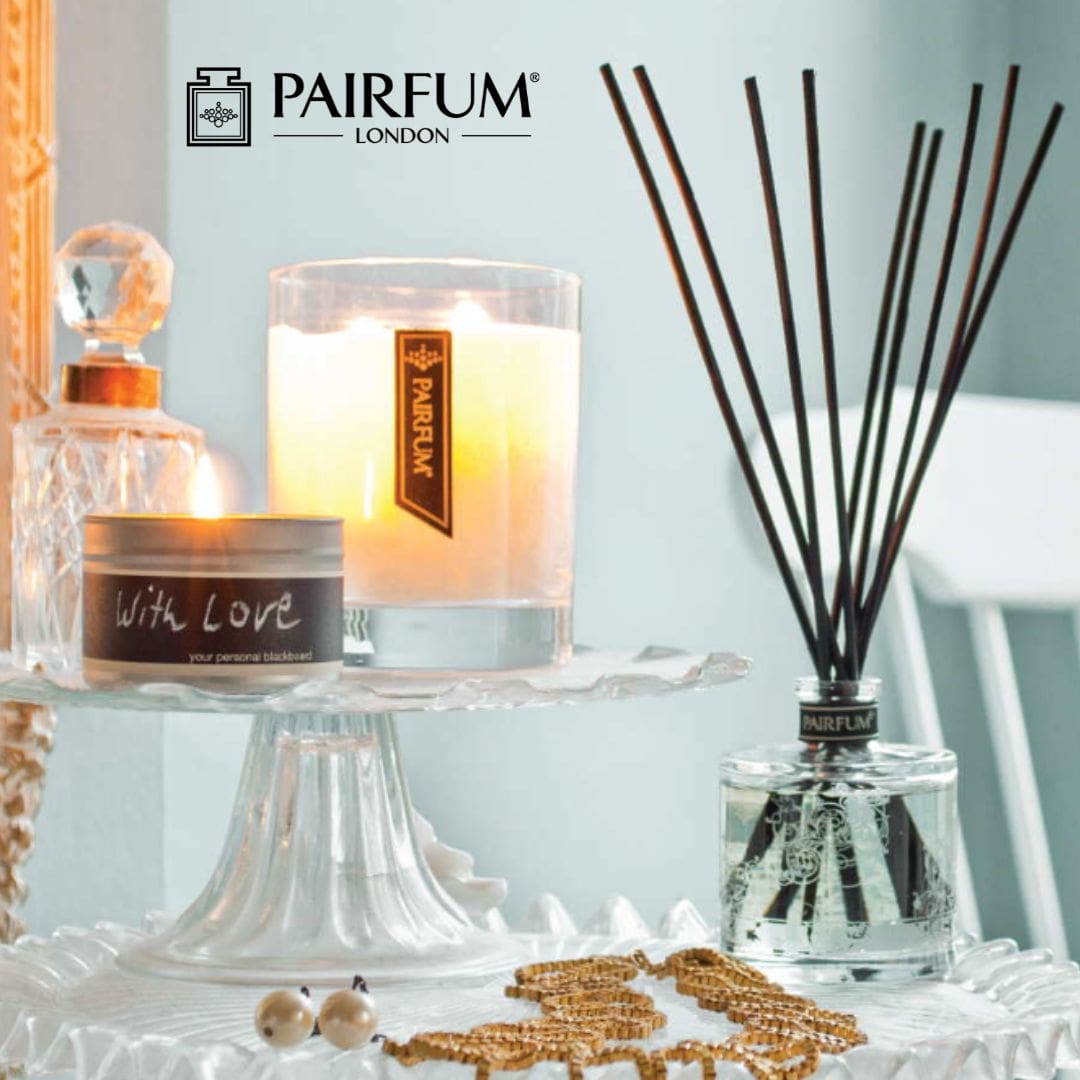
For those who study rhs plants, it is clear that the herb plant is versatile. It is not a tree, but a hardy shrub that maintains its foliage through much of the year. Whether you grow garden plants for a cut flower arrangement or for oil extraction, the angustifolia species remains the gold standard. To ensure the best fragrance, growers often avoid over fertilising, as lean soil actually encourages the plant to produce more essential oil. This is a fascinating paradox of nature where a bit of struggle results in a more beautiful scent.

Practical Cultivation for Scent Enthusiasts

If you wish to grow your own lavender plants, you can view illustrations of successful herb gardens for inspiration. Placing lavender in pots near a doorway allows the foliage to release its scent as you brush past. Because pink lavender is a hardy plant, it can survive the winter in many climates, provided the pots have good drainage. To keep the scent profile fresh, it is recommended to prune the plants every year in late summer once the flowers have faded. This prevents the wood from becoming leggy and ensures a flush of new growth the following year.

Watching the flowering process from late spring through the summer provides a visual reminder of the fragrance you enjoy in your bottles. The flowers can even be dried and used as cut flowers to scent your home, echoing the notes of your favourite lavender perfume. For those with limited space, keeping smaller varieties in pots on a sunny windowsill is a great way to enjoy the plant year round. It is a rewarding experience to see the lifecycle of the ingredient that eventually ends up in a sophisticated glass bottle on your dressing table.

Pink Lavender Growing

How Pink Lavender Is Used in Perfume

Perfumers often look for ways to bridge sharp top notes and heavier bases. Pink lavender fits right in the middle. It works best as a heart note, tying everything together with ease. It is particularly adept at softening the transition from a bright citrus opening to a deep, resinous finish.

  • It blends well with powdery florals, soft woods, and gentle musks.
  • It adds roundness to citrus or herbal openings.
  • It smooths stronger base notes like amber or tonka.

What is pleasing about pink lavender is that it does not lean overly sweet or too green. It walks the line, offering peace and structure in a fragrance without drawing too much attention to itself. For winter focused perfumes, it can bring a sense of hush and space. It adds a floral softness that does not feel out of place on chilly days but adds warmth when the rest of the bouquet might feel cool or crisp. In many ways, it acts like a mediator, ensuring that no single note becomes too aggressive or jarring.

How the Essence Is Extracted

The most common method of capturing the aroma of pink lavender is steam distillation. This process involves passing steam through the freshly picked flowering tops of the plant and collecting the aromatic oil. It is a delicate science that requires a deep understanding of temperature and pressure.

Here are a few points about its extraction:

  • The oil tends to be lighter and more delicate than classic lavender.
  • Perfumers often add supporting notes to protect its soft profile.
  • Organic variations like weather or soil can make each batch slightly different.

Its gentler aroma means precision matters. Too much heat, and you lose the fragile top layer. Too little, and the oil will not hold. So craft and climate both influence how the final essence turns out. The resulting oil is often described as having a pear like or balsamic quality, which is quite distinct from the sharper, more medicinal oil produced by some of the more common varieties. This unique chemical fingerprint is what makes pink lavender a prized possession for niche perfumers.

Comparison of Lavender Varieties in Perfumery

When comparing varieties for use in scents, English lavender is prized for its sweet, clean, and traditionally floral profile, making it a staple for both fine fragrance and high-quality cut flowers. It is the classic scent that many associate with clean linen and tranquil afternoons. In contrast, pink lavender offers a much softer, powdery, and almost balsamic experience, which is why it is so highly valued for heart notes in niche perfumery. It lacks the sharp, camphoraceous hit that can sometimes make people shy away from traditional scents.

Meanwhile, Spanish lavender tends toward a more medicinal scent with notes of camphor and pine, often making it more suitable for soaps and aromatherapy than for delicate personal fragrances. When you look at the angustifolia species, the sky blue or purple types are common, but the bright pink flowers of certain hybrids offer a more sophisticated product description for high-end scents. This distinction in flower colour and scent depth is what allows a perfumer to create a specific mood, moving away from the expected and into the realm of the extraordinary.

Why Pink Lavender Feels Right for Winter Calm

December days often feel colder, not just in the weather, but in pace. This makes it a natural time to reach for perfume notes that help slow things down. Pink lavender feels made for this. It does not add loud colour, it softens the edges and makes space for peace. It is the olfactory equivalent of a soft cashmere scarf or the glow of a candle in a dim room.

Here is why it works so well for winter:

  • It balances sharper cold weather spices with a quieter floral tone.
  • Its aroma adds just enough warmth, without leaning into sweetness.
  • On skin, it creates a graceful aura that stays close rather than floating outward.

When people look for a winter perfume, they often have warmth in mind, but not everyone wants gourmand or smoky types. Pink lavender gives another option. It creates calm but keeps things interesting. This appeals to the personal aspects of scent selection, where the wearer seeks a fragrance that mirrors their internal state. It is about finding a scent that feels like home, even when the world outside is cold and unfamiliar.

Perfumes That Highlight Pink Lavender Beautifully

The perfumes that feature pink lavender best are often the quiet ones. These are not the blends that try to quickly impress or fill a room with a heavy cloud of scent. They build slowly, letting notes unfold in simple, thoughtful layers. You will find pink lavender in winter Eau de Parfums and related products where gentle florals meet white flowers, almond, butter-soft vanilla, or musky woods. It often follows crisp top notes like citrus or green herbs, offering a floral centre before drifting into warmer bases.

Iconic Soft Lavender Fragrances

  • Chanel Jersey (Les Exclusifs) This fragrance is widely celebrated for its use of high-quality lavender that feels creamy and rounded. By blending the floral essence with notes of vanilla and musk, it creates a soft and sophisticated trail that avoids any medicinal edges. 
  • Guerlain Mon Guerlain Perhaps the most famous modern interpretation of a feminine lavender, this scent uses a specific variety called Carla lavender. It is prized for its ability to feel silky and warm, especially when paired with sambac jasmine and sandalwood to create a truly pink floral experience. 
  • Jo Malone London Wisteria and Lavender This composition highlights the more ethereal and light aspects of the plant. It feels like a gentle walk through an English garden, where the lavender provides a peaceful backdrop to the sweetness of wisteria and the softness of white musk.
Pairfum Large Reed Diffuser Bell Pure Pink Lavender

To truly capture the hushed tranquillity of pink lavender within your own four walls, you might consider an elegant bell-shaped reed diffuser. This large glass vessel is designed to hold a generous amount of perfume, ensuring that the soft floral notes linger in the air for many months. Because it works through natural capillary action, it provides a consistent and subtle backdrop of scent that never feels forced or heavy. It is a wonderful way to ground a room in the same aromatic calm that we find so captivating in fine fragrance, acting as a visual and olfactory reminder of the beauty found in nature’s quietest moments.

Pink Lavender – Large Bell Shape Reed Diffuser by Pairfum London

This vibrantly fresh and sparkling fragrance opens with top notes of Tangerine, Bergamot and Minty Dew Drops. In its heart, the accord combines a Fruity Pink Lavender note with Freesia, Rose and Lily of the Valley. The base is rich with Musk, Amber and Dried Lavender to provide a deep and lasting finish.

Final Thoughts

Choosing a place for pink lavender in your daily life is really about embracing a more thoughtful kind of beauty. It is not a scent that demands attention with a sudden burst of power, but rather one that unfolds slowly and mirrors the quiet transition of the seasons. Whether you decide to plant a few stems in a simple clay pot or you are hunting for that perfect winter perfume, this delicate botanical serves as a constant reminder that the most memorable experiences are often the ones that whisper. It is a true hidden treasure of the British garden that feels just as much at home in a refined glass bottle as it does tucked away in a sunny summer border.

Mint In Fragrance

Mint In Fragrance: Cool Crisp and Invigorating

Mint refers to a popular aromatic herb (from the genus mentha) known for its refreshing flavour, used in cooking, drinks, and remedies for digestion. However, it can also mean something excellent in slang, a place where money is made at a coin mint, or even an operating system. Key types include peppermint (stronger, for sweets) and spearmint (milder, for dishes, mint sauce or mint tea).

Mint brings an unmistakable feeling of freshness to perfume. It is clean. It is crisp. It has a cooling effect that makes other notes pop. Think of that first deep breath outdoors on a frosty morning: a sharp clarity with a hint of green. Mint is often connected with summer, but it is not limited to warm-weather blends. It plays an important role in cold-season perfumes too. It offers contrast and lift when everything else begins to feel more intense. Many fragrances released around December include a trace of this brisk herbal oil, especially during winter when heavier accords dominate the composition. Today, this article takes a closer look at how mint moves within perfume, its origin, how it is used, and why it keeps turning up in modern and timeless creations alike.

Meaning, Language, and Usage

Before exploring mint in fragrance, you should understand mint as a word. Mint is a noun with several distinct meanings. As a noun, mint may refer to an aromatic plant, a place where a coin is produced, or a description of condition and quality. These meanings developed over time. They are still reflected in modern terms and everyday language. In Old English, mint referred both to the plant and to a place associated with coin production. During Middle English, usage expanded further. This reinforced links between value, purity, and freshness.

This linguistic history explains why phrases such as mint condition and perfect condition are still used today. You see them when people describe objects like collectables, books, or even a perfume bottle that has never been opened. The phrase mint condition originally related to the appearance of a coin fresh from the royal mint, untouched and without wear. In modern usage, it no longer refers to money alone. It remains closely linked to ideas of quality and care. Mint has several synonyms depending on context. In culinary and fragrance language, synonyms often relate to freshness or flavour. In financial language, synonyms relate to origin and authenticity. These overlapping terms give mint its unusual flexibility as a noun.

Fragrance Description Pink Lavender Tangerine Mint Rose Amber

The Roots of Mint in Fragrance

Mint has a long history. For thousands of years, mint plants have been used across cultures as a cooking herb, natural remedy, and refreshing infusion. Long before it made its way into fragrance, people relied on mint for stomach troubles, headaches, and to freshen the air in homes and public spaces. Perfumers noticed its naturally clean and energising quality. Across fragrance houses, mint began appearing as a way to open a perfume with brightness and ease. It added shape to compositions that might otherwise lean too floral, citrus, or woody. Different types of mint offer different aromas. Each one supports other ingredients in its own way. From cooling top notes to green herbal hearts, mint continues to add a fresh angle to the classic perfume structure.

The Mint Plant: Botany and Growth

Mint refers to a group of aromatic plants within the mint family, botanically known as Lamiaceae. The mint plant belongs to the genus Mentha, more commonly written as Mentha. There are many recognised mint varieties, along with natural hybrids that occur where species grow close together. A typical plant is a hardy perennial plant with a spreading root system. This root network allows the plant to regenerate year after year, even after winter dormancy. Above ground, the plant develops a square stem, textured leaves, and small flowers when mature. Each flower is usually pale purple, pink, or white. Because of its vigorous growth, mint is often grown in containers or a dedicated pot rather than directly in open soil. This prevents the plant from spreading too aggressively.

Growing Mint at Home

Growing mint is considered straightforward, even for beginners. Mint prefers moist soil, moderate temperatures, and partial shade, although many varieties will tolerate full sun if watered well. The plant can be grown outdoors or indoors, provided there is adequate light and airflow. When planting mint, young nursery plants are usually recommended rather than seeds. This ensures accurate identification of the plant, whether peppermint, spearmint, apple mint, or another cultivar. Gardeners often harvest mint leaves regularly. This encourages bushier growth. Left to flower, the plant continues to attract pollinating insects and remains healthy throughout the growing season.

Green Mint

Mint Leaves, Menthol, and Extraction

The aroma of mint comes primarily from its leaves. Mint leaves contain aromatic compounds, most notably menthol, which is responsible for the cooling sensation associated with mint. Menthol interacts with cold-sensitive receptors in the skin and nose. It creates a perception of freshness rather than actual temperature change. To extract scent for fragrance, the leaves are usually steam-distilled. This process produces a concentrated essential oil that captures the characteristic aroma of the plant. Peppermint oil is one of the most widely used extracts due to its clarity and strength. Because peppermint oil is highly concentrated, perfumers use it carefully. A small quantity can influence the entire structure of a fragrance.

Types of Mint Used in Perfume

Not all varieties are the same. Each brings a distinct character to the fragrance. Peppermint (Mentha piperita) is the most widely recognised. Peppermint is a natural hybrid of spearmint and water mint. It contains a high level of menthol, giving it a sharp, cooling profile. Peppermint oil, derived from piperita, is often used to create a clear and energetic opening. Peppermint remains one of the most recognisable mint notes in perfume.

Spearmint (Mentha spicata) is softer and greener. Spearmint blends easily with florals, citrus, and herbal notes. It is often chosen when a more rounded freshness is required. Apple mint, botanically known as mentha suaveolens, has a gentle aroma and soft leaf texture. Chocolate mint offers a subtle cocoa nuance. Corsican mint is low-growing but intensely aromatic. Wild mint and other varieties grow naturally near streams and damp ground, offering an earthier profile.

Food, Culture, and Daily Life

Mint is deeply embedded in daily life. Fresh mint is widely used in salads, desserts, and cold drinks, while dried mint appears in spice blends. Mint sauce is traditionally served with savoury dishes such as roast lamb. Mint sauce remains a familiar part of British cooking. This aromatic herb provides a unique flavour profile that is hard to replicate. Mint flavour is also found in sweets and chewing gum, where it is associated with freshness and cleanliness. Mint tea, made by infusing leaves in hot water, is valued for its gentle taste and calming qualities. Because mint connects scent, taste, and memory, it has a strong presence in cultural habits from Europe to New Zealand. While sharing personal information about one’s favourite tea is common, almost everyone agrees on the refreshing power of this herb.

Lifestyle Living Room Natural Reed Diffuser Fragrance Candle 1 1

Why Mint Shines in Winter Perfumes

During winter, perfumes often feature spice, resin, and wood. While these notes suit the cold, they can feel dense. Mint plays a valuable role in winter compositions. In these fragrances, mint:

  • Lifts heavier accords
  • Adds contrast and brightness
  • Evokes cold air and freshness

Mint is frequently paired with clove, fir, patchouli, or cinnamon to balance warmth with clarity during the colder months.

How Perfumers Extract and Use Mint

The essential oil used in fragrance comes from the leaves, usually through steam distillation. This method gently heats the plant material. Aromatic compounds rise with the steam, then condense into oil. The resulting peppermint oil is light, volatile, and highly aromatic. Mint is typically used as a top note. It is one of the first impressions experienced when applying a fragrance from a bottle. Many perfumers:

  • Blend peppermint with citrus oils for a fresh opening
  • Mix it with herb notes to enhance structure
  • Use it against woods or resins for contrast

In each case, peppermint adds clarity and prevents heaviness.

Iconic Fragrances

Several well-known perfumes rely on peppermint to sharpen their structure. It is especially common in men’s and unisex fragrances where clarity and balance are important. Mint is often found:

  • Following spicy or woody openings
  • Paired with citrus or green notes
  • Used to lighten floral compositions

Mint does not dominate. Instead, it creates space within the fragrance.

Iconic Perfumes Featuring Mint

Guerlain – Héritage 

A refined classic where peppermint adds a subtle lift to a warm, woody and spicy structure. The note is restrained rather than dominant. This helps to keep the fragrance elegant and breathable, particularly in cooler weather.

Amouage – Beach Hut Man 

A vivid green fragrance built around fresh peppermint, ivy, and galbanum. Here, the aroma feels wild and herbal rather than icy. It evokes open air and natural landscapes while adding sharp definition to the composition.

Comme des Garçons – Amazingreen 

A modern, unconventional take on green freshness. Peppermint is paired with palm leaf and gunpowder notes. This creates a crisp yet mineral effect. The peppermint provides clarity and contrast rather than traditional sweetness.

Pairfum Large Snow Crystal Candle Pure Pink Lavender

Mint Notes & Home Fragrance At Pairfum London

Bring the fresh clarity of winter indoors with the Snow Crystal Perfumed Candle. Crafted from natural stearin wax, this large candle releases a refined fragrance as it burns. It creates a calm and inviting atmosphere. Its crystal-like finish and clean burn echo the crisp, uplifting sensation that mint brings to fragrance. This makes it an elegant addition to seasonal living spaces.

Pink Lavender – Large Snow Crystal Perfumed Candle by Pairfum London

A bright and refreshing fragrance that opens with lively notes of tangerine, bergamot and cool mint inspired dew. At its heart, a fruity pink lavender accord blends with lily of the valley, freesia and soft rose. The base reveals a warm combination of musk, amber and gently dried lavender.

Cool Clarity That Lasts

At first, mint might seem simple: an ingredient that only adds freshness. In perfume, it does much more. Mint shapes the space of a fragrance. It adds contrast and prevents blends from becoming overwhelming. Whether someone prefers light fragrances or complex compositions, mint helps each element remain distinct. Its crisp presence lingers long after application. It creates a sense of freshness that feels appropriate in every season.

Magnolia In Perfumes

Magnolia in Perfumes: Creamy Citrus Floral Grace

Magnolia in perfume has a way of appearing quietly. It does not rush forward or dominate the senses. Instead, magnolia settles into a fragrance with a soft, creamy floral glow that sits somewhere between citrus freshness and smooth petals. There is brightness, but it is gentle. Magnolia never overwhelms.

That quality feels particularly welcome in December and January. As days shorten and the air turns colder, many people look for a fragrance that brings comfort without becoming heavy. Magnolia does exactly that. It offers lift without sharpness and warmth without sweetness, which is not always easy to achieve.

Magnolia does not shout. It has a calm presence that feels grounded and luminous at the same time. Rather than bold spice or sugary notes, magnolia leans towards creaminess, like petals opening with just a hint of lemon. Once recognised in a perfume, magnolia tends to linger in memory.

Over time, magnolia has become more familiar in fine fragrance. It suits those who enjoy subtle floral notes, especially during winter when many perfumes lean towards deep or intense. Magnolia provides an alternative. Quiet, elegant, and easy to live with. To understand why, it helps to look at where magnolia comes from and how it is used.

A Flower with a Story: Magnolia’s History in Perfumery

Magnolia belongs to one of the oldest groups of flowering plants on Earth. Fossil records show that magnolia species existed long before bees appeared, which explains some of their unusual botanical traits. There is something steady about magnolia, shaped by time rather than fashion.

The name Magnolia was introduced in the seventeenth century by a French botanist, in honour of Pierre Magnol. From botanical classification, magnolia slowly entered wider cultural awareness and eventually perfumery.

  • Magnolia appeared early in perfume within traditional floral blends.
  • Magnolia was often paired with rose or jasmine to soften compositions.
  • Later fragrances began to highlight magnolia for its freshness and clarity.

Magnolia trees are native to both Asia and North America. This wide distribution allowed magnolia to develop through different traditions. In China and Japan, magnolia flowers were valued for their aroma long before modern extraction existed. In the southern United States, the southern magnolia became a recognisable flowering tree, admired for its scent as much as its appearance.

Eau de Parfum Person Reading Pink Rose Sensuous Musk

What Does Magnolia Smell Like?

Magnolia has a scent that is appealing but not obvious. It feels creamy and floral, yet light. Often, there is a soft citrus edge that gives magnolia lift.

  • Magnolia commonly suggests creamy white petals with a gentle lemon tone.
  • Some magnolia species show green or tea-like nuances.
  • In perfume, magnolia usually balances rather than dominates.

Unlike heavier florals, magnolia rarely becomes cloying. It works well with citrus, woods, and musks, helping perfumes feel composed. This makes magnolia an easy choice for everyday wear, even for those who usually avoid floral fragrance.

The Types and Oils of Magnolia Used in Perfumes

There are more than two hundred magnolia species, ranging from low shrubs to tall evergreen forms. Only a small number are used in perfumery, selected for scent quality and stability.

  • Magnolia grandiflora is one of the most common types, valued for its creamy, lemon-tinged aroma.
  • Magnolia grandiflora may be listed as M grandiflora in ingredient details.
  • Michelia alba offers a softer, more rounded floral character.

Oils are produced through solvent extraction or distillation. Magnolia absolute captures richness, while isolates allow perfumers to focus on specific facets. Growing conditions also matter. Magnolia grown in the southern United States develops slightly different characteristics from magnolia cultivated elsewhere.

Bedroom Large Perfumed Candle Natural Room Spray

Magnolia as a Plant, Tree, and Garden Presence

Magnolia is appreciated beyond fragrance. As a plant, magnolia is widely used in gardens for its form and seasonal interest.

Magnolia plants may grow as a shrub or develop into a small tree. Some species mature into larger magnolia trees with broad canopies and thick, glossy leaves.

  • Magnolia stellata, also known as star magnolia, suits smaller gardens.
  • Star magnolia flowers in early spring on bare branches.
  • Other magnolia trees bloom in late spring or early summer.

Magnolia grows slowly and lives long. Many magnolia plants can begin life in pots before being planted out. The golden globe cultivar is known for its rounded shape and soft colouring.

Leaves, Pollen, and the Seasonal Cycle

The leaves of a magnolia tree are distinctive. Thick and leathery, they often remain glossy throughout the year, giving structure even when flowers are absent.

Magnolia pollen is heavy and sticky. This reflects magnolia’s ancient origins, as the plant evolved to be pollinated by beetles rather than bees. Magnolia is an early example of a flowering tree adapted to insect behaviour.

The seasonal rhythm is unhurried.

  • Flower buds appear in late summer.
  • Blossoms open in early spring, late spring, or early summer.
  • Leaves mature through spring and remain into autumn.

This slow pace contributes to magnolia’s reputation for reliability.

Light Pink Magnolia

Magnolia also appears in modern culture through film. The film Magnolia, released in 1999, is set in Los Angeles and the San Fernando Valley. The film explores coincidence, emotional connection, and unresolved pain.

The film Magnolia features an ensemble cast including Julianne Moore, William H Macy, Melora Walters, and Ricky Jay. Characters such as Frank TJ Mackey, Earl Partridge, Jimmy Gator, Stanley Spector, and Jim Kurring form the emotional framework.

Aimee Mann’s music shapes the tone of the film. While Stanley Kubrick was not involved, the film’s ambition has often prompted comparison. Links to Boogie Nights are also noted because of shared creative history.

Magnolia as Symbol and Character

In literature and film, magnolia often symbolises dignity and restraint. The magnolia tree, with its strong leaves and enduring structure, becomes a quiet metaphor for continuity.

Within the film Magnolia, each character reveals fragility beneath composure. Frank Mackey, also referred to as Frank TJ Mackey, captures this tension. Magnolia functions as a device that connects emotional exposure with resilience.

The Winter Appeal of Magnolia

Magnolia works particularly well in winter.

  • Magnolia brightness lifts cold air.
  • Magnolia creaminess brings comfort.
  • Magnolia avoids heaviness or excess sweetness.

In winter, magnolia feels reassuring rather than dramatic. It hints at spring without feeling out of place, offering balance during darker months.

Pairfum Flacon Room Perfume Spray Magnolia Flower 1 1

Magnolia plays a versatile role in perfume.

  • Magnolia blends well with woods, citrus, and musks.
  • Magnolia softens stronger florals.
  • Magnolia can lead or support.

Because magnolia sits between floral and citrus families, it adapts easily across styles. Its presence often adds refinement without demanding attention.

Iconic Magnolia Perfumes

Chanel – Les Exclusifs Eau de Cologne

A citrus floral composition where magnolia adds softness beneath freshness, keeping the fragrance polished.

Frederic Malle – Eau de Magnolia

Magnolia sits at the centre, framed by citrus and woods, allowing its clean character to remain clear.

Acqua di Parma – Magnolia Nobile

Magnolia blends with citrus and white flowers, creating a refined and radiant floral perfume.

Magnolia With Pairfum London – Personal & Home Fragrances

Pink Rose & Sensuous Musk – Eau de Pairfum by Pairfum London

Fruity Peach lifts Sparkling Lemon and Lime. The heart combines Pink Rose, Magnolia, and Frangipani, supported by Sensuous Musk, Amber, and Precious Woods.

Magnolias In Bloom – Sleep & Pillow Spray by Pairfum London

A Spring Flowers accord opens with Ozone, White Flower Petals, and Watery Melon. Magnolia blends with Lily, Geranium, Rose, and Violet, resting on Musks and Rosewood.

Pairfum Person Reflection Pink Rose Sensuous Musk Eau de Parfum

A Fragrance That Feels Like Grace

There is something quietly lasting about magnolia. As a plant, a tree, a film title, or a perfume note, magnolia carries balance.

Even when written incorrectly as ‘mangnolia’, the meaning remains. Magnolia shows that subtlety can endure. From bare branches in spring to creamy floral notes worn in winter, magnolia continues to offer beauty that feels calm, thoughtful, and timeless.

    Your Cart
    Your cart is empty