Home / Social Media / Page 3
Lifestyle Natural Perfume Livingroom Large Reed Diffuser 1 1

How to Retro Scent – Yourself & Your Home?

Introduction

Retro styling is fashionable and you see it everywhere but what about a ‘retro scent‘? Which fragrances should you use to ‘retro perfume‘?

Making yourself or your room feel retro is not just about clothes, shoes, paint and furniture. Atmosphere is everything and for this you need a retro perfume! Even the most beautifully elegant vintage dresses or rooms can lose their feel because the atmosphere isn’t quite right. Take the time to charm all of the senses by adding a retro scent.

From here on down, we will introduce the designer retro perfumes that defined their decade so that you can retro scent to perfection.

The 80ies

The standout retro fragrance of the Eighties was Poison by Christian Dior. You could not only see the big shoulder pads but Poison had unrivalled power to radiate its perfume and announce your entrance with a scent!

• Poison by Christian Dior: floral (tuberose), fruity (plum, berry), balsamic (Opoponax, honey) and woody.

Poison Christian Dior for women retro scent perfume

By today’s standards, potpourri is a bit old school, even if you want to make a retro styled room smell great. If you are, however, passionate about pot pourri, are happy to refresh it regularly and don’t mind cleaning away the dust, then why not make your own pot pourri?

You could display it in an 80ies bowl to boost the mood of any living space. Pot pourri is most effective for retro styling a room.

The 70ies

Another way to make your room smell great and add to the ‘Flower Power’ of a 70ies styled atmosphere is with incense or an oil burner. Remember the Hippies ?

They did have their own unique scents that you can virtually smell when reading these:
• patchouli,
• sandalwood, or
• tea rose attars.

Burning incense from a beautifully carved, Indian-themed holder or warming patchouli oil in an oil burner would certainly give an instant retro feeling to a home.

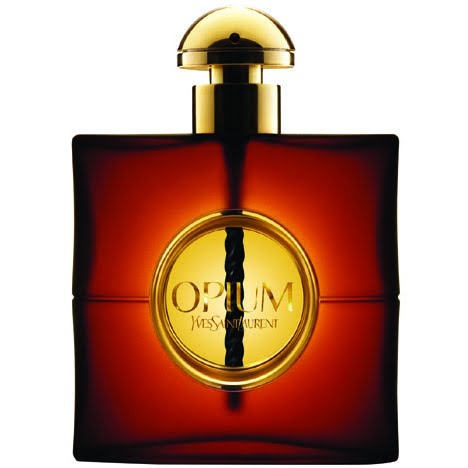
The designer retro fragrance which exemplifies the era is YSL’s Opium with an accord centred around notes of incense (myrrh), spices (cinnamon, cloves, pepper) and sandalwood.

Two other notable fragrances were:
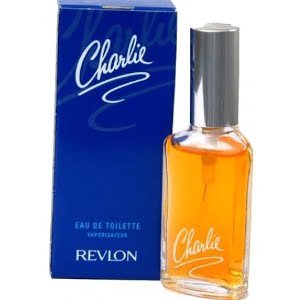
• Charlie by Revlon: woody (sandalwood, oakmoss), green (galbanum, hyacinth), aromatic (vetiver)
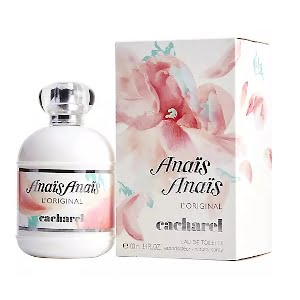
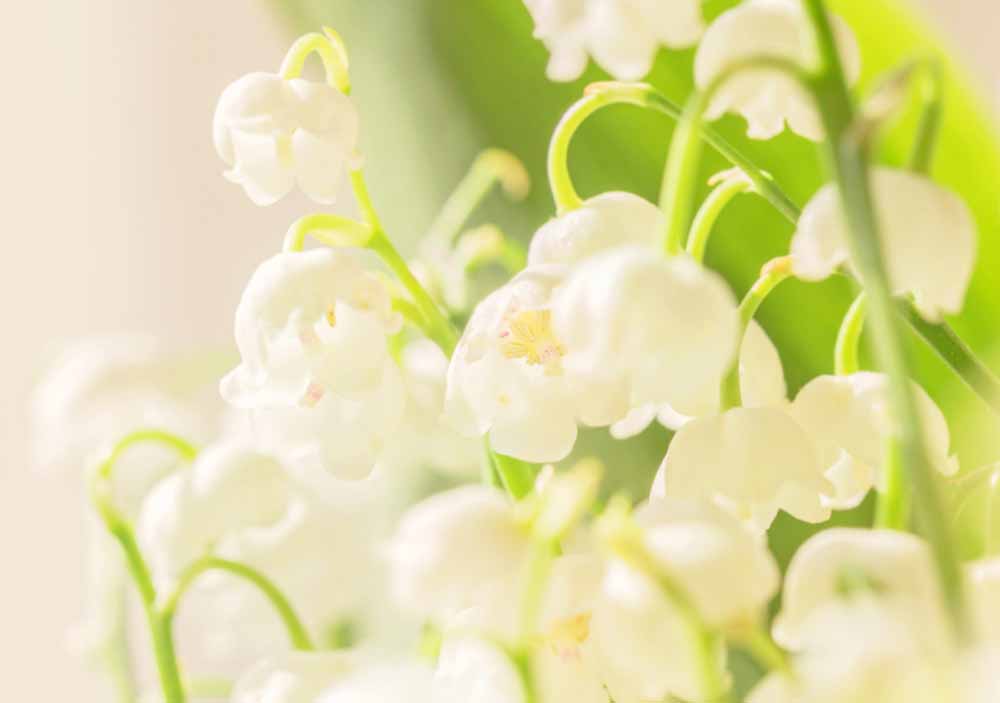
• Anais Anais by Cacharel: white floral (lily of the valley, hyacinth,lily, jasmine, honeysuckle) and green

How do you retro scent a room to a time when ‘home fragrance’ did not exist? Quite simply, … by choosing fragrances in your perfume candles and reed diffusers that are strongly reminiscent of a particular time.

The 60ies

For example, how do you add a scented 60ies feel to a room? After all, home fragrance did not really exist at the time. We would suggest a luxury scented candle on a chrome pedestal. The sixties were the time of polished chrome and beautiful curves.

The two memorable retro fragrances of the 60ies were the following two:
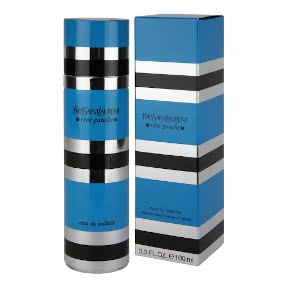
• YSL’s Rive Gauche: aromatic (lavender, rosemary, citrus, geranium), fresh spicy (clove, star anise) and woody (patchouli, guaiac wood)
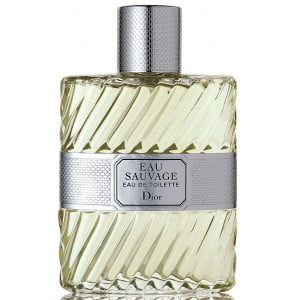
• Christian Dior’s Eau Sauvage: citrus (lemon, bergamot), aromatic (rosemary and fresh spicy basil)

Both are also perfect for invigorating a room’s atmosphere and washing away a stressful day.

The 50ies

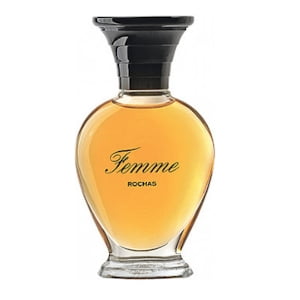
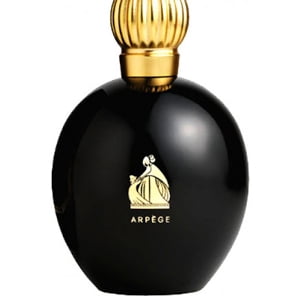
The most memorable retro perfume of this era was Femme de Rochas (1944). This rich, sultry perfume was the scent of the ‘femme fatale’. Although Arpege by Lanvin was launched in 1927, it became very popular in 1950s to become another scent of this time.

• Femme de Rochas: warm spicy (clove, cinnamon), woody (oakmoss, rosewood, vetiver), fruity (plum, peach, apricot), balsamic (benzoin, amber) and leather.
• Arpege de Lanvin: white floral (ylang ylang, jasmine), woody (sandalwood, vetiver), aldehydic and powdery

The 40ies

After World War 2, lighter and fresher perfumes became more popular.

Two of these are:
• L’Air du Temps by Nina Ricci: warm spicy (clove, carnation), floral (gardenia, jasmine, iris), aldehydic, woody and powdery
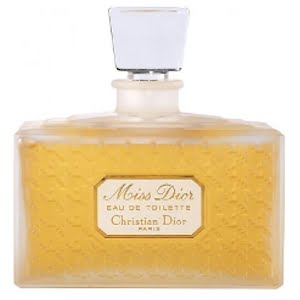
• Miss Dior by Christian Dior: woody (oakmoss, vetiver, patchouli), green (galbanum), floral (narcissus, iris, carnation), aldehydic

The 30ies

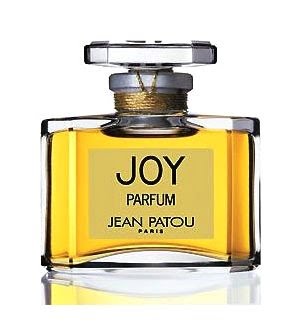
The most notable fragrance of the 1930s was Joy by Jean Patou (1929 – the year of the Crash on Wall Street). It was launched in 1929 (the year of the Crash on Wall Street) and despite being launched as ‘the world’s most expensive perfume’ at the time, it became a huge commercial success.

With its rose accord, it is to this day considered as one of greatest floral fragrances of all time:
• Joy by Jean Patou: white floral (jasmin, tuberose, ylang ylang), rose, woody (sandalwood)

Joy de Patou retro perfume scent

The 20ies

There is no question, Chanel No. 5 is the fragrance which defined this decade but in many ways also the twentieth century, as it is even today amongst the best-selling fine fragrances and not just as a retro perfume.

Wearing a perfume was something only the very rich could afford at the time.

Marilyn Monroe famously stated: “What do I wear in bed? Why, Chanel No. 5, of course.”

Guerlain’s Shalimar (1925) is another fragrance from this decade and is has become one of the most popular fragrances of all time!

• Chanel No.5: woody (patchouli, sandalwood), powdery/amber, aldehydic, floral (ylang ylang, rose, iris)
• Guerlain Shalimar: balsamic (vanilla, opoponax), citrus, woody (sandalwood), powdery

Conclusion – Retro Scent

As you can see, it is not too difficult to Retro Scent yourself and/or your home once you have a clear understanding of which retro scent for which period.

All the retro perfumes we have listed here, you should still be able to purchase without too many difficulties.

If on the other hand you are looking for trendy & modern Niche Perfumes, then we invite you to wear one of our Natural Eau de Parfums Intense and fragrance your home with one of our luxurious Reed Diffusers and Perfume Candles.

Pairfum London Fragrance Of Eid Sheer Khurma 1 1

What Is The Fragrance Of Eid ?

Fragrance-Of-Eid-Agarwood

Introduction

As perfumers, we experience life through our noses, and when we hear ‘Ramadan’ or ‘Eid’ our immediate question is: what is the fragrance of eid and ramadan?

Eid is celebrated by Muslims around the world, so it’s not limited to any specific geographical region. However, it’s most prominently observed in countries with significant Muslim populations. These include:

  • Middle East: Countries like Saudi Arabia, the United Arab Emirates, Qatar, Kuwait, Bahrain, Oman, Jordan, Lebanon, and others observe Eid with great enthusiasm and festivity.
  • South Asia: Eid is widely celebrated in countries like Pakistan, India, Bangladesh, and Afghanistan among others. The festivities often include family gatherings, feasting, and exchanging gifts.
  • Southeast Asia: Nations such as Indonesia, Malaysia, Brunei and the Philippines have large Muslim populations that celebrate Eid with various cultural traditions and customs.
  • Africa: Eid is celebrated across the African continent, particularly in countries with significant Muslim communities, such as Egypt, Nigeria, Algeria, Morocco, Tunisia, Somalia, Sudan and many others.
  • Europe: Muslim communities in countries like Turkey, Great Britain, Albania, Bosnia and Herzegovina, Kosovo and others celebrate Eid with prayers, family gatherings, and communal meals.
  • North America: Muslims in the United States and Canada observe Eid with prayers at mosques, family gatherings, and community events.
  • Oceania: Countries like Australia and New Zealand have Muslim communities that celebrate Eid with prayers, festivities, and cultural events.

As you can see, Eid is celebrated across diverse geographical regions, wherever there are Muslim communities, highlighting its global significance and cultural diversity.

In other words, there are several Fragrances or Scents which are typical of Eid, depending on the region. Let’s discover what they are.

Pairfum London Eid Mubarak Eidi Fragrance Of Eid Ramadan 1 1

About Ramadan

Ramadan is the Islamic holy month of fasting and Eid marks the end of Ramadan and the beginning of Eid al-Fitr, “festival of breaking of the fast”.

Eid, Eid al-Fitr, and Ramadan are three important terms associated with the Islamic faith. Here’s a brief explanation of each term:

  • Eid: The word “Eid” comes from the Arabic language and means “festival” or “holiday.” In Islam, Eid refers to two major festivals celebrated by Muslims worldwide – Eid al-Fitr and Eid al-Adha.
  • Eid al-Fitr: Eid al-Fitr is one of the two major Islamic festivals and is celebrated at the end of the holy month of Ramadan. It marks the end of the month-long fasting and spiritual reflection period. It’s a time for Muslims to gather with family and friends, exchange gifts, and celebrate with feasts and prayers. It is celebrated on the morning after the new month’s moon was seen the evening beforehand.
  • Ramadan: Ramadan is the ninth month of the Islamic calendar and is considered the holiest month in the Islamic faith. Muslims observe this month by fasting from dawn until sunset, refraining from eating, drinking, and engaging in other physical needs during daylight hours. Ramadan is a time for self-reflection, spiritual growth, and charity.

In summary, Eid refers to two major festivals celebrated by Muslims worldwide, while Eid al-Fitr is specifically celebrated at the end of Ramadan. Ramadan is a month-long period of fasting and spiritual reflection that leads up to the celebration of Eid al-Fitr.

Fragrance Of Eid Oudh

What Is The Fragrance Of Eid ?

During the festival of Eid the following fragrance notes will be the most prominent across the regions mentioned above:

  • ‘Oudh’ or ‘Oud’,
  • Cardamom, and
  • Rose.

What is Oudh ?

Oudh or oud is known to be one of the most expensive woods and has been used to make high quality incense for centuries.

It is a resinous and fragrant hardwood with many names : Agarwood, Aloeswood, Eaglewood, Gaharu and Ggalocha.

Agarwood or oudh forms as a reaction to fungal or bacterial attack. The trees secrete a fragrant, protective oil into the wounded areas (roots, branches, trunk), which gradually become harder and turn dark or even black. This oil is extracted via distillation or super-critical CO2 extraction.

The scent of Oudh is woody, balsamic and leathery. It is very popular as a base note and fixative in perfumery, as it is last very long on skin and is very strong. The most typical perfumery accords in the Middle East are built around an accord of Rose and Oudh. Other prominent notes might include saffron, amber, and musk, creating opulent and luxurious fragrances. These perfumes often exude a sense of tradition and sophistication, aligning with the festive atmosphere of Eid.

Most women and men will be wearing their best perfume during the festival of Eid and it is sure to feature Oudh prominently.

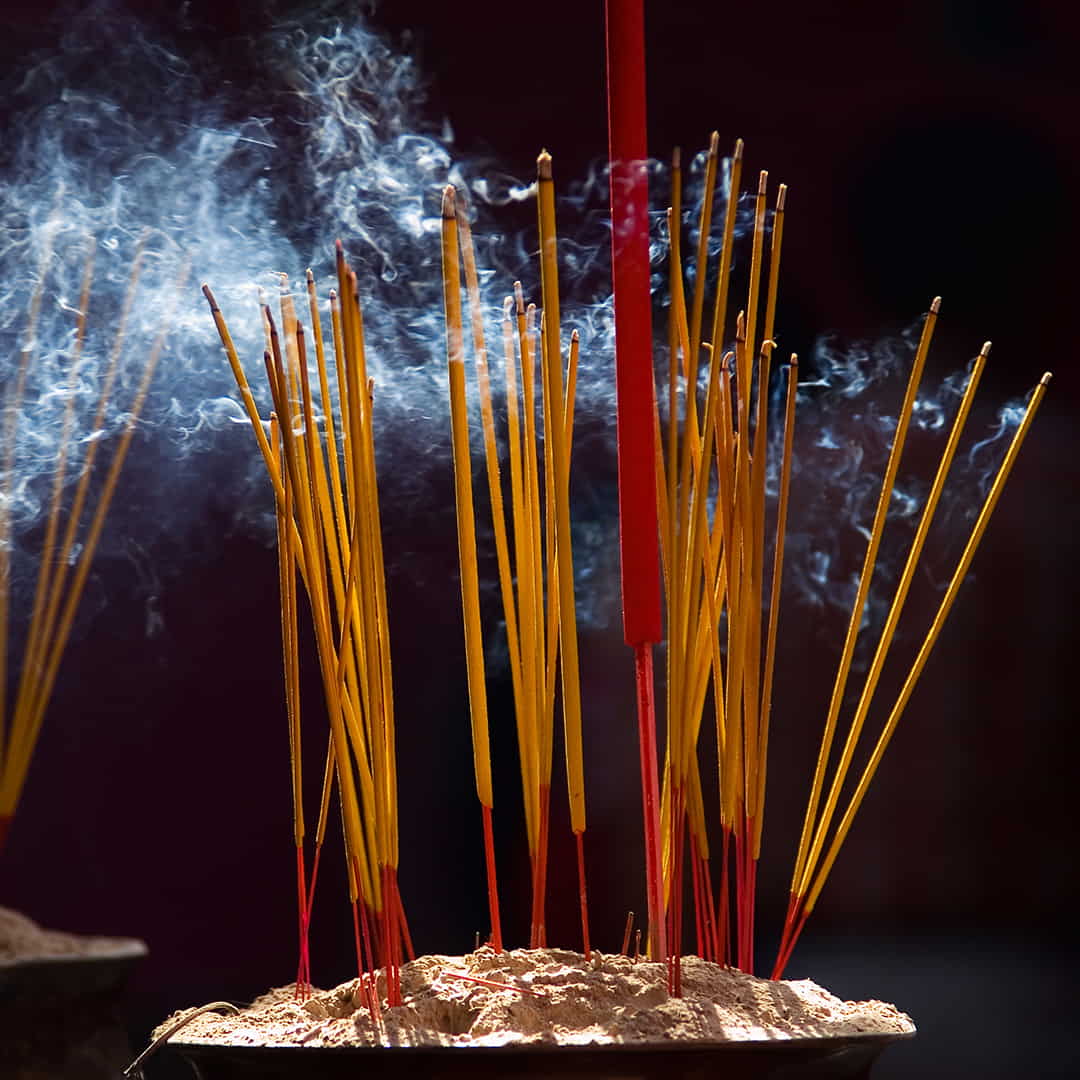
Burning incense and bakhoor (scented wood chips) is a customary practice in many households during Eid. The fragrant smoke from these aromatic materials fills the air, creating a welcoming and festive ambiance. Bakhoor fragrances at this time will all feature oud and in combination with rose, sandalwood and various spices, infusing the surroundings with a warm and comforting scent.

Fragrance Of Eid Sheer Khorma

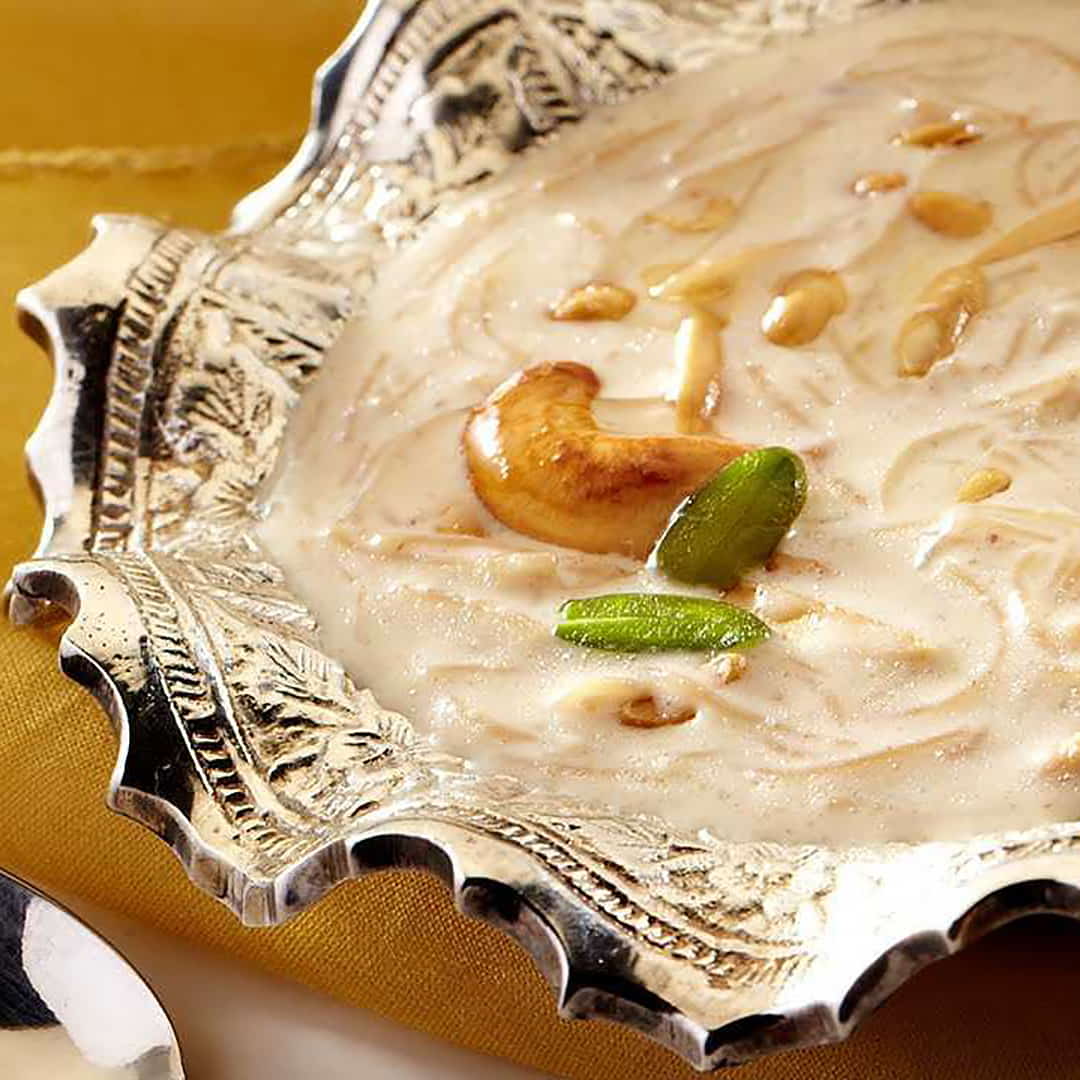
Cardamom in Sheer Khurma

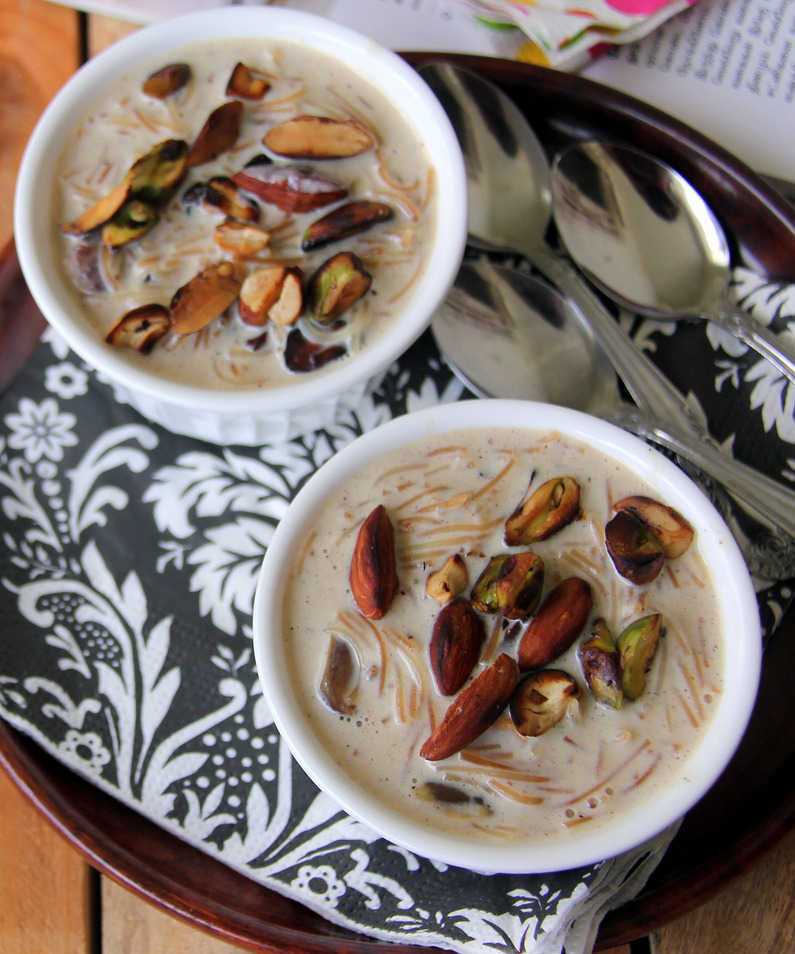
Sheer Khurma or Sheer Khorma, means literally “milk with dates”.

It is vermicelli pudding with dried dates and the traditional Muslim festive breakfast (or desert) prepared on Eid in Afghanistan, India, Pakistan, Bangladesh and parts of Central Asia.

This special dish is served on the morning of Eid in the family after the Eid prayer as breakfast and then throughout the day to all the visiting guests.

On the night before Eid, after the Maghrib prayer, Sheer Khurma is prepared and spiced with cardamom. The dish is placed on the oven allowed to simmers for several hours, filling the kitchen and house with the fragrance of cardamom.

Anybody that has experienced Ramadan and Eid will immediately recognise this scent and associate it with a happy time of celebration.

Arabic Coffee Dates Red Rosary 1 1

Cardamom In The Arabic World

Food

Traditional dishes play a crucial role during Eid celebrations. The aroma of dishes like biryani, grilled meats (such as kebabs), lamb stew, and various rice and meat-based dishes fill the air during family gatherings and feasts. Spices like cardamom, cinnamon, cloves, and saffron contribute to the aromatic richness of these dishes but they are also used in sweet dishes.

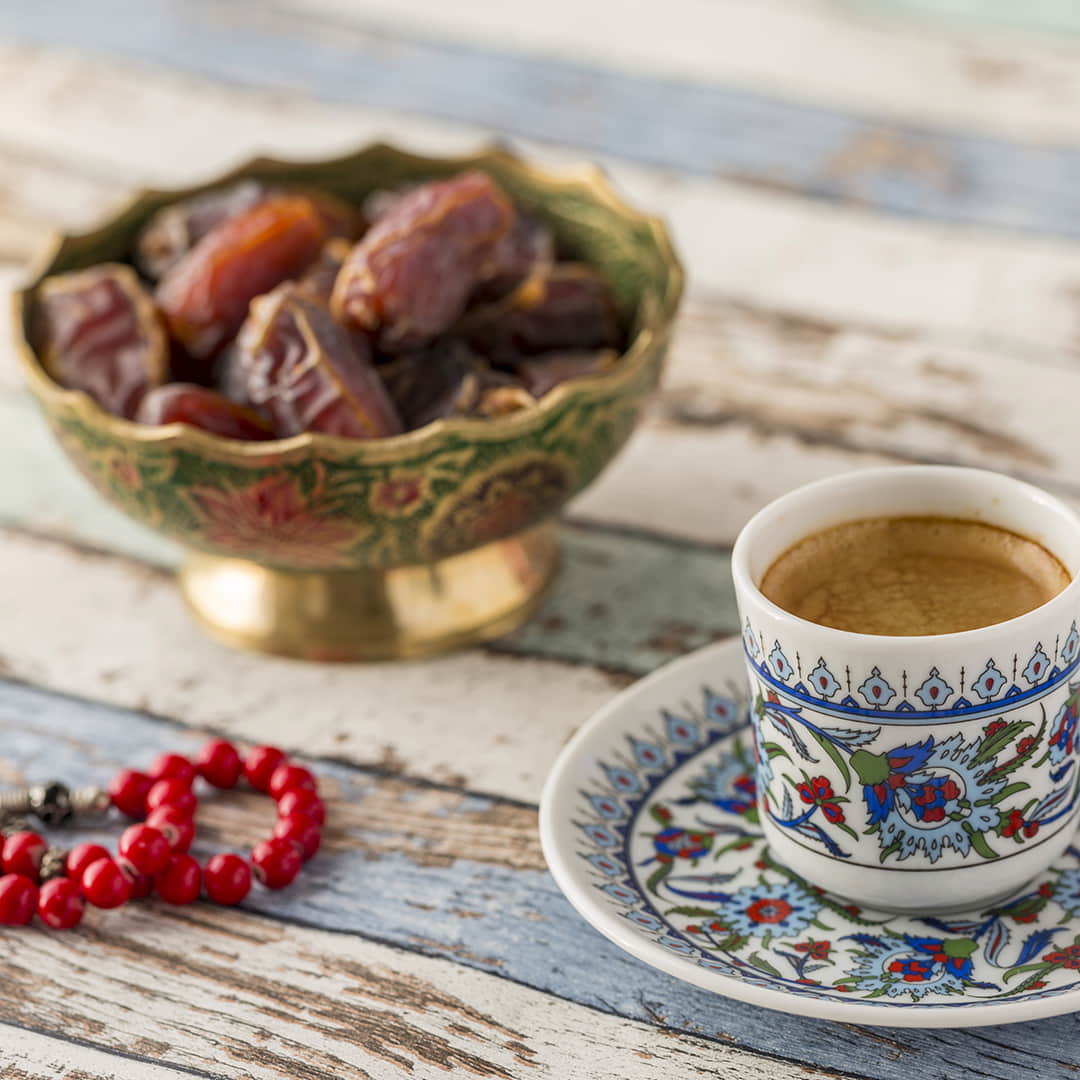
The air is filled with the aroma of freshly baked treats. Dates, a traditional Ramadan staple, are still enjoyed at this time. Delicately flavoured pastries like baklava and kunafa add sweetness with their rosewater and honey notes.

Drinks

Refreshing and aromatic beverages like traditional Arabic coffee (qahwa) and various fruit-infused drinks are enjoyed during Eid gatherings. Arabic coffee is often flavoured with cardamom and sometimes saffron, contributing to its distinct fragrance.

Soaked dates infused with rosewater or other floral essences might be served as another refreshing drink.

Gifts

Exchanging perfumes and scented oils is a common practice during Eid.

Oud-based perfumes, attar (traditional Arabic perfumes), Bakhoor and luxury fragrance sets are popular gift choices. These fragrant gifts symbolize generosity, luxury and well-wishes for the recipient.

Uniquely Regional

Overall, the scents of Eid in the Arabic region are characterized by opulence, tradition and warmth, with fragrances playing a significant role in enhancing the festive spirit and creating memorable experiences for families and communities. The combination of cardamom and other warm spices, luxurious ouds, sweet florals and smoky bakhoor creates a rich and multi-layered fragrance that is truly special.

Ramadan Iftar Eid Muslim Family Dinner 1 1

Rose & Jasmin In South-East Asia

In Southeast Asia, Eid celebrations are marked by unique fragrances and scents that reflect the cultural diversity of the region.

Here’s a breakdown of the scents associated with Eid in Southeast Asia:

Perfume

Perfumes worn during Eid in Southeast Asia often feature floral and sweet notes, reflecting the tropical climate and the region’s affinity for vibrant scents.

Fresh and floral notes take center stage. Jasmine, a symbol of purity and celebration, is widely used. Other popular florals include rose, frangipani (plumeria) and ylang-ylang, offering their sweet, heady aromas. Lighter, citrusy notes like bergamot and mandarin might be present for a refreshing touch.

In terms of accords, white floral accords are key, featuring jasmine, frangipani, and sometimes even champaca flower. Sandalwood and vetiver are found in woody bases. Additionally, musk and amber accords may be added for depth and warmth. Gourmand notes like vanilla are less common than in the GCC but might be present in sweeter options.

Traditional attars, made from natural botanicals and essential oils, are also popular choices for Eid celebrations.

Food

Eid feasts in Southeast Asia are characterized by a wide variety of savory and sweet dishes, each contributing to the aromatic richness of the festivities. Savory dishes like rendang (spicy beef stew), nasi lemak (coconut rice), satay (grilled skewered meat), and various curries fill the air with enticing aromas of spices such as lemongrass, galangal, star anise, cloves, turmeric and ginger.

For desserts, sweet treats like kuih (traditional cakes), dodol (sticky rice cake), ketupat (rice cakes in woven palm leaves), kolak (fruit compote) and various types of cookies and pastries are enjoyed, emitting fragrances of coconut, pandan leaves (with their unique grassy-vanilla scent), palm sugar, and aromatic spices like cinnamon and cloves.

Teh Tarik 1 1

Drink

Unlike the coffee focus in the GCC, Southeast Asia leans towards fragrant teas.

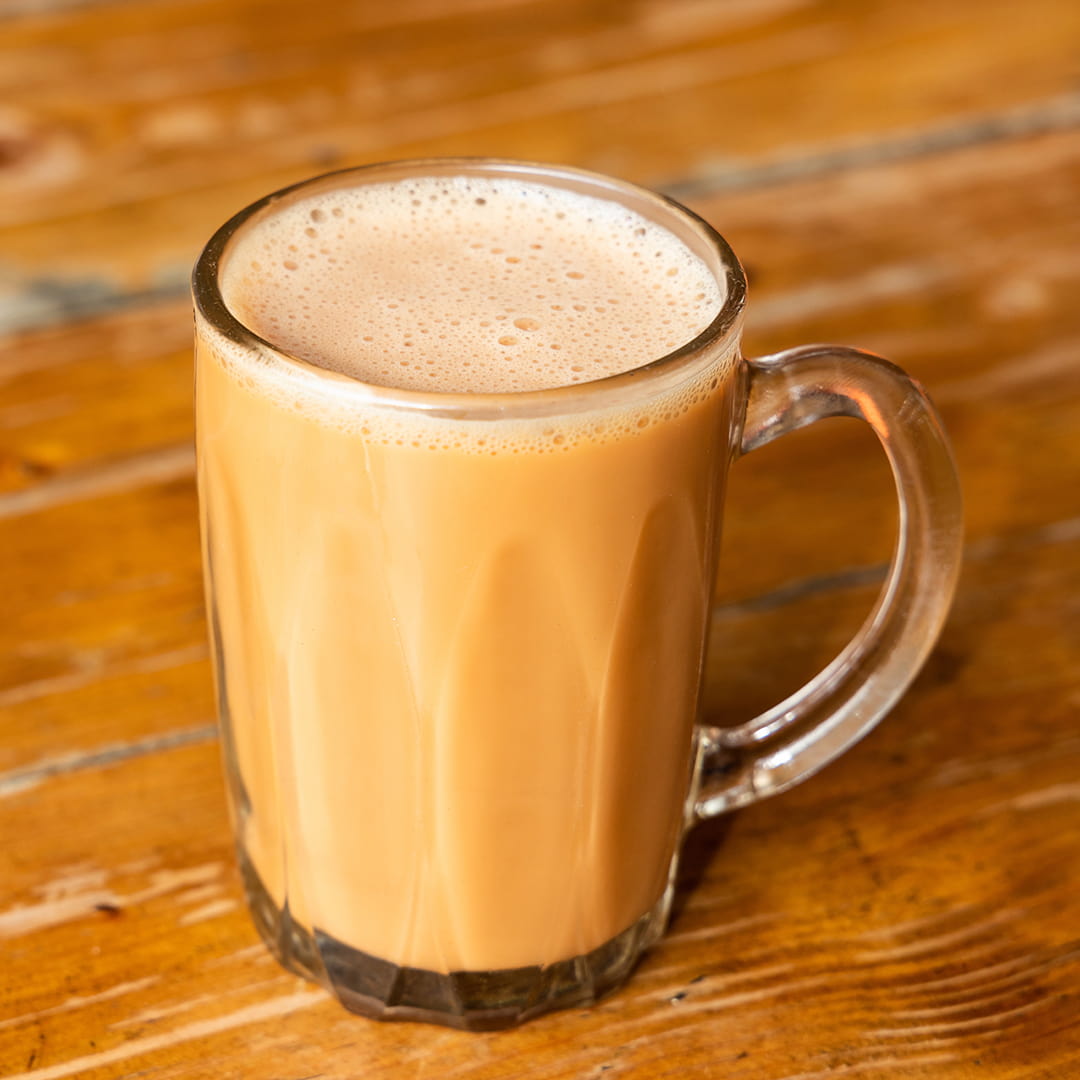
During Eid gatherings, refreshing beverages like Teh tarik (pulled tea) with its milky sweetness and cardamom aroma, and Sirap Bandung (rose syrup milk) are common choices. Flower teas like rose and chrysanthemum or various fruit juices might also be enjoyed.

Local herbal drinks like jamu (Indonesia) or cincau (mixed with grass jelly) offer a refreshing and often slightly bitter counterpoint to the sweet treats.

Gifts

Exchanging gifts is also a common practice during Eid in Southeast Asia. Alongside traditional gifts like clothing and sweets, perfumes and scented products are popular choices. Local fragrances, including attars and perfumed oils, are cherished gifts that symbolize warmth, affection, and good wishes for loved ones.

Incense

Burning incense and aromatic oils is a customary practice in many households during Eid. Fragrant materials like rose, sandalwood, patchouli and agarwood are often used, infusing the surroundings with a sense of tranquility and spirituality.

Overall, the fragrances of Eid in Southeast Asia are a harmonious blend of floral, spicy, woody and sweet notes, reflecting the region’s rich cultural heritage and the joyous spirit of the occasion.

However, unlike the smoky bakhoor in the GCC, Southeast Asian incense tends to be lighter and more floral.

Burning Incense 1 1

Fresh Flowers

Homes are often decorated with fresh flowers like jasmine, frangipani, and orchids, adding their natural fragrance to the celebratory atmosphere.

Uniquely Regional

The focus on fresh floral notes, the use of pandan leaves, and the prevalence of fragrant teas create a distinct olfactory experience in Southeast Asia during Eid. It’s a lighter, more tropical take on the festive fragrance compared to the richer, woodier scents of the Arabic World.

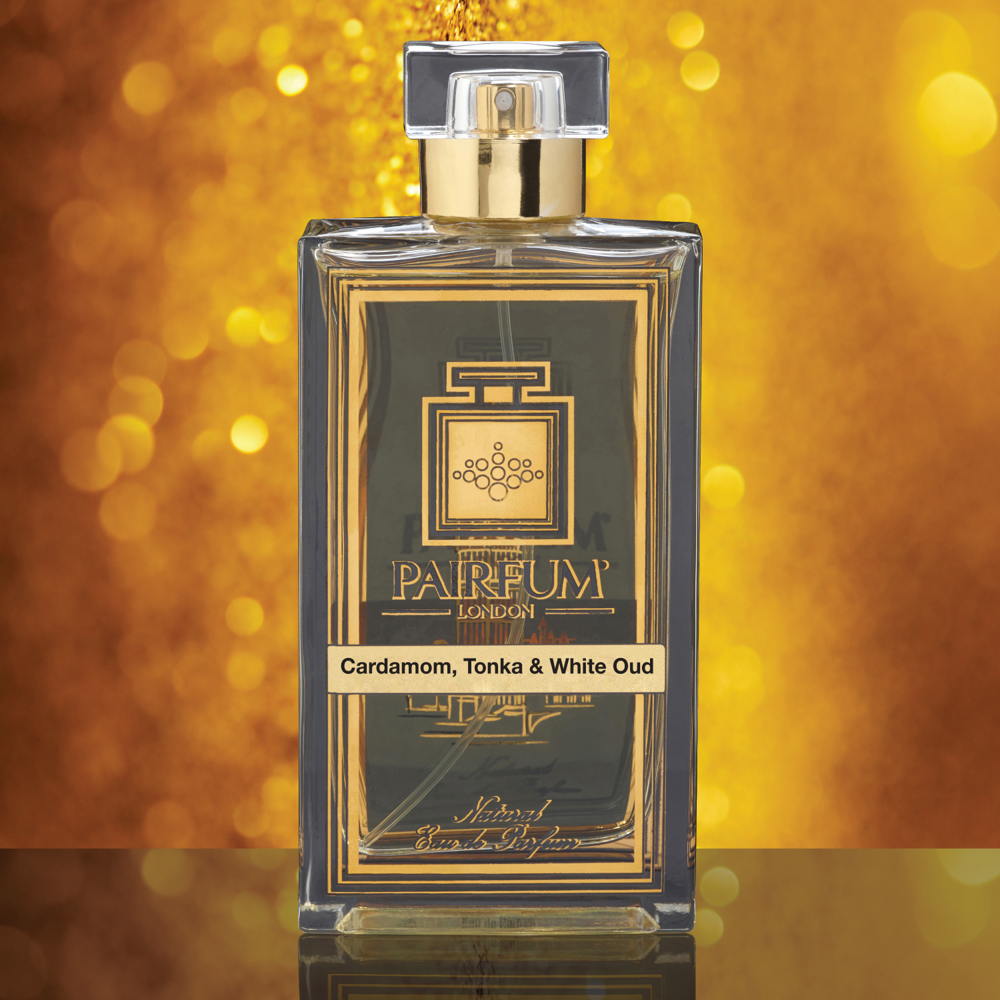
Pairfum Fragrance Cardamom Tonka White Oud Triangle fragrance of eid

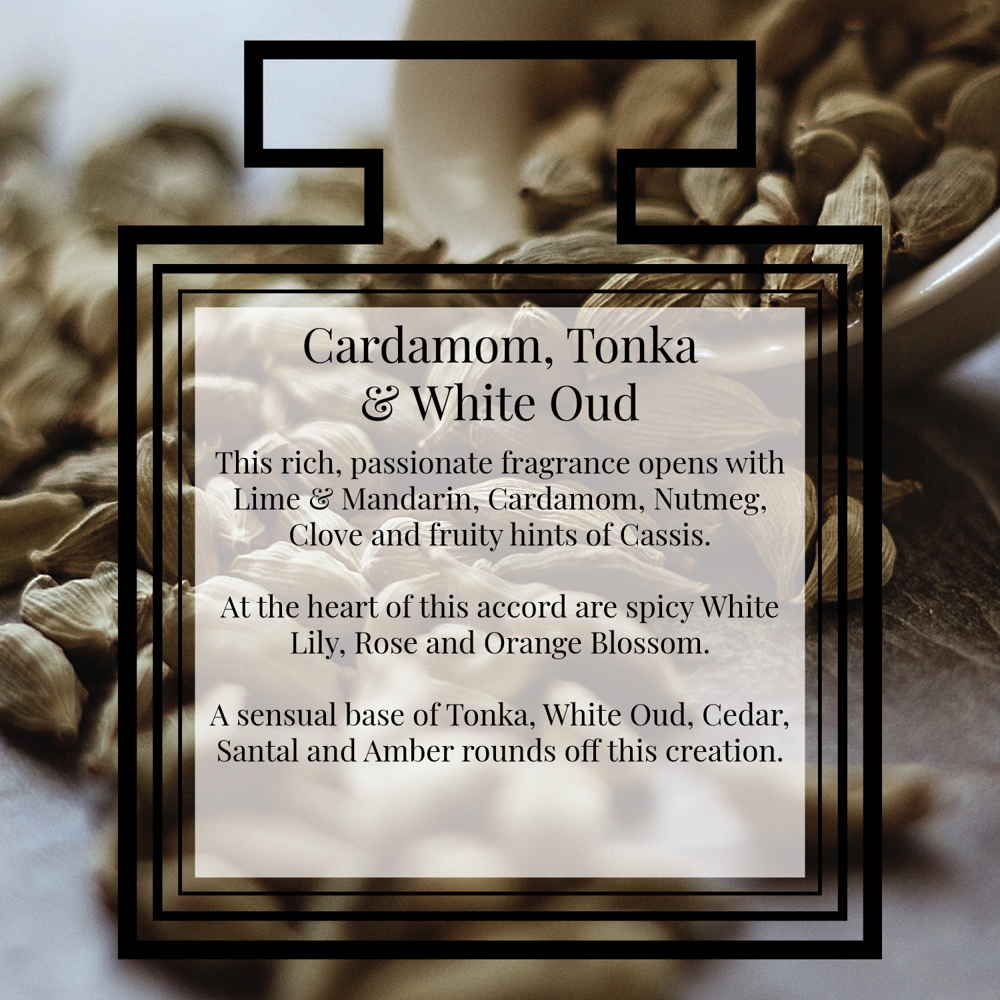
Cardamom, Tonka & White Oud

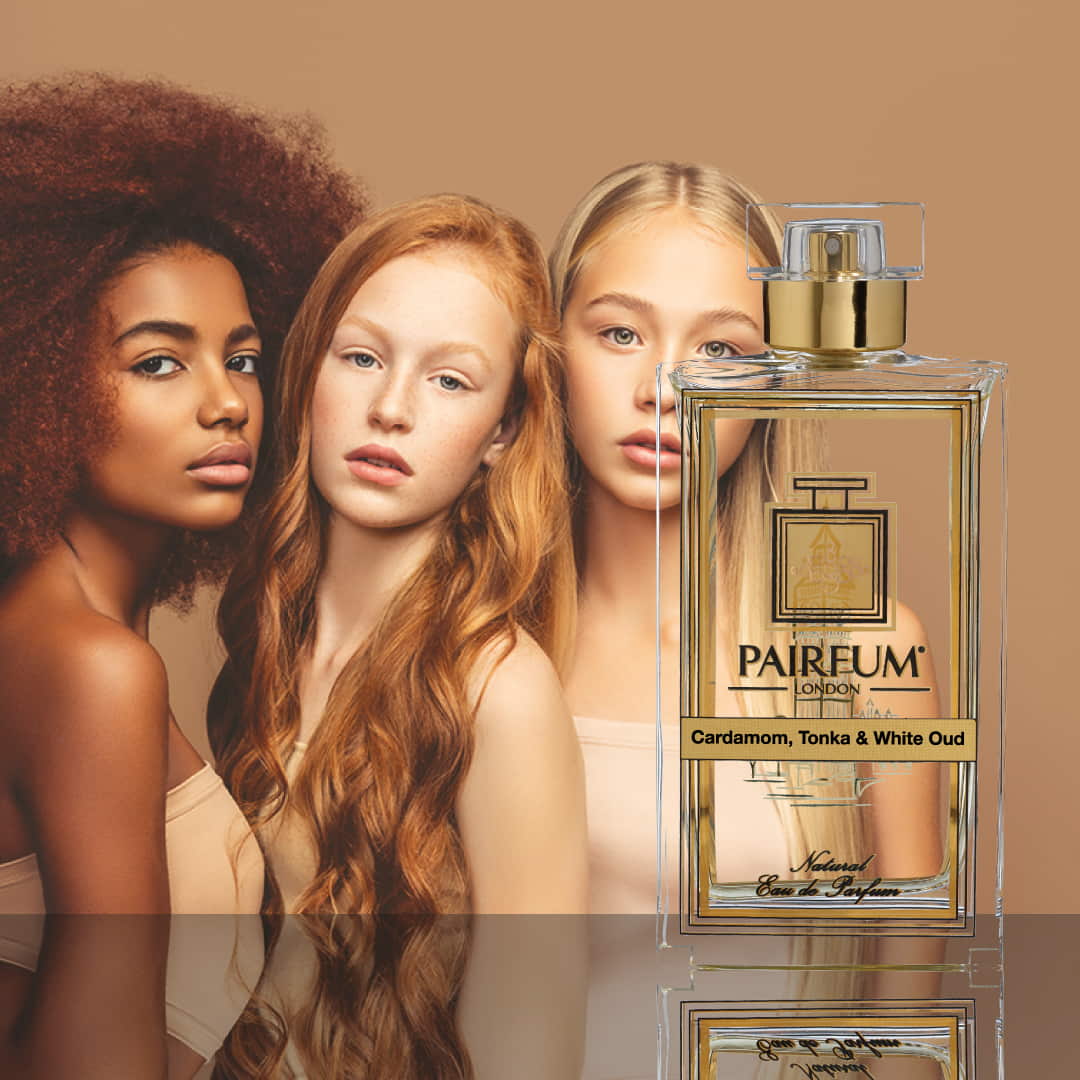
Here at Pairfum London we have a fragrance inspired by and ideal for this festive period: Cardamom, Tonka & White Oud

This is the olfactive profile:

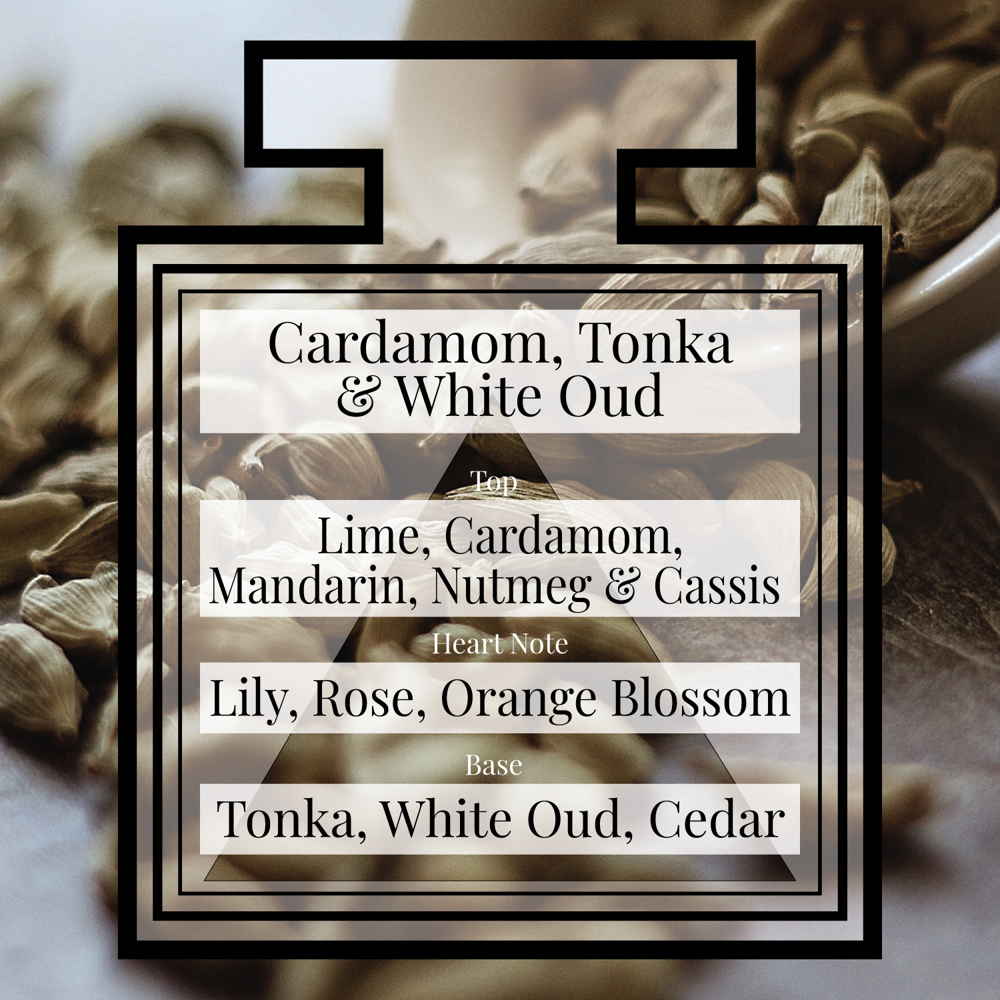
  • This rich, passionate fragrance opens with Lime & Mandarin, Cardamom, Nutmeg, Clove and fruity hints of Cassis. At the heart of this accord are spicy White Lily, Rose and Orange Blossom. A sensual base of Tonka, White Oud, Cedar, Santal and Amber rounds off this creation.
  • Olfactive Family: Oriental
  • Gender: Unisex
  • Type: Eau de Parfum Intense
  • Batch: Limited Edition
  • Content: 100 ml / 3.4 fl. oz
  • Natural & Handmade | Essential Oils | Vegan | Cruelty-free | Eco-Friendly

For us, as perfumers, this fragrance perfectly encapsulates the festive holiday of Eid and it a perfect gift for Eidi.

Pairfum Fragrance Cardamom Tonka White Oud Description fragrance of eid

Eidi

Eidi or Salami is a traditional gift that is given as part of the celebration of the two major Muslim holidays – Eid al-Fitr and Eid al-Adha. It’s a way of showing love, respect, and appreciation to family members, friends, others and sometimes to people in need and a way of spreading peace and happiness during the festive season.

Eidi is typically given in the form of money, but other gifts such as clothes, sweets, toys, and perfumes can also be given. What is chosen depends on the person’s relationship with the recipient. In some cultures, the younger generation receives Eidi from their elders as a sign of love and respect, while in others, it’s a way of giving to those who are less fortunate.

The word “Eidi” is derived from the Arabic word “Eid,” meaning “festival” or “holiday.” In some parts of South Asia, Eidi is also known as “Salami,” which is derived from the Arabic word “Salaam,” meaning “peace.” It’s a way of spreading peace and happiness during the festive season.

We hope your home smells wonderfully fragrant of cardamom and oudh, the fragrance of Eid.

Pairfum London Eid Mubarak Fragrance Of Eid Ramadan 1 1

Happy Eid !

There are different ways to express your best wishes during Eid and Ramadan. These are some common greetings:

  1. Eid Mubarak: This is a common greeting used to express well wishes on the occasion of Eid. It means “Blessed Eid” or “Happy Eid.”
  2. Ramadan Kareem: This greeting is used to wish someone a generous and bountiful Ramadan. It means “May Ramadan be generous to you.”
  3. Eid Saeed: This greeting means “Happy Eid” or “Happy Celebration” and is commonly used in Arabic-speaking countries to acknowledge the end of the holy month of Ramadan.
  4. Taqabbal Allahu minna wa minkum: This is an Arabic phrase used during Eid that means “May Allah accept from us and from you [our good deeds].”
  5. Eid-ul-fitr ki dheron shubh kamnayein: This is a greeting commonly used in India and Pakistan and means “Many happy wishes for Eid al-Fitr.”
  6. Eid al-Fitr Mubarak: This greeting is a variation of “Eid Mubarak” specifically used during Eid al-Fitr.
  7. Ramadan Mubarak: This greeting is a variation of “Eid Mubarak” specifically used during Ramadan to express good wishes for the month-long fast.

Use one of these to express your good wishes during Eid and Ramadan. Keep in mind, the most common greetings are “Eid Mubarak,” “Ramadan Kareem,” and “Eid Saeed.”

From all of us, here at Pairfum London: Eid Mubarak.

Pairfum London Eid Mubarak Fragrance Of Eid Ramadan Eidi 1 1
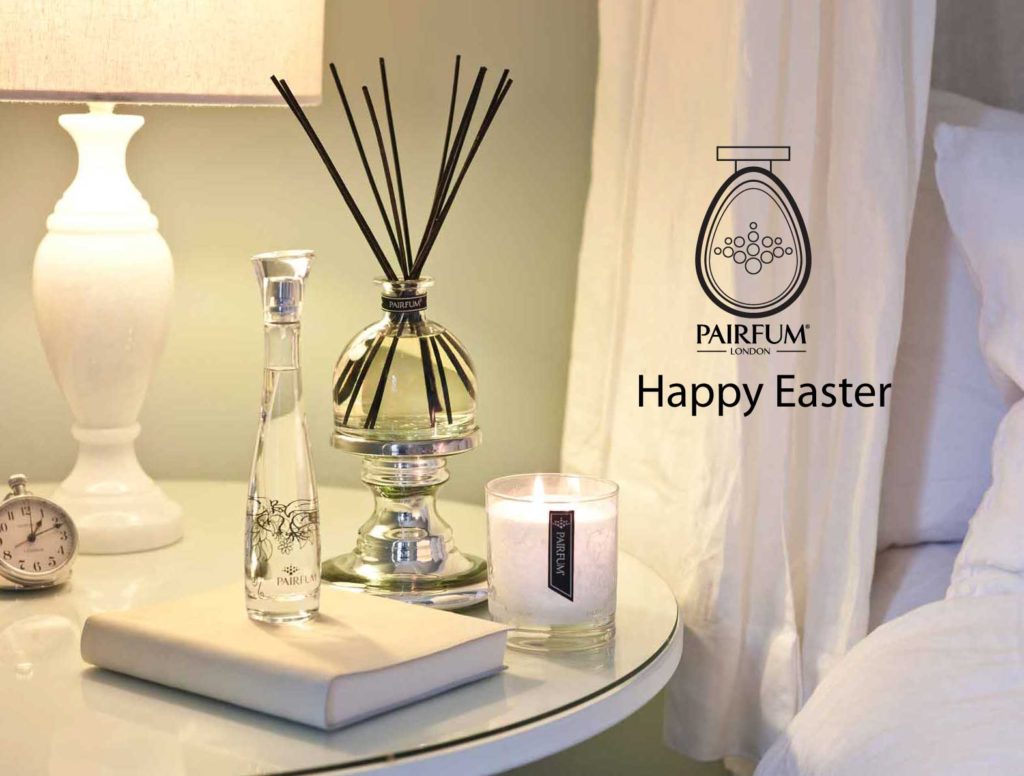
PAIRFUM Home Fragrance Bedroom Luxury Scented Candle Natural Reed Diffuser

In Italy they say: “Christmas for Family” and “Easter for Everyone”

PAIRFUM Happy Easter Natural Home Fragrance Bathroom Natural Reed Diffuser Organic Eau de Parfum Toilette

As we are celebrating Easter this weekend and in light of the turmoil around the world, Easter is wonderful symbol of rebirth in the world.

We should remember this beautiful saying from Italy:

“Natale con i tuoi, Pasqua con chi vuoi!”

In English, it reads as “Christmas for Family, Easter for Everyone”.

A time to remember good Friends, old and new, to perhaps pick up the phone and make that call you have been meaning to for ages, to drop someone an email, or if you can still find ‘Pen & Paper’ in this electronic world of ours, to write someone a letter. We know, it is not as easy as it sounds but now might be a good time.

It doesn’t really matter what you do, it is just that you take your most precious commodity ‘Time’ and make the effort. Just do it and re-establish a contact that might perhaps have fallen asleep. If you prefer to say it with a flower, then this article about the Top 5 x Fragranced Flower for Easter might help

So, from all of us here at Pairfum London, we wish you a very ‘Happy Easter’, wherever you are.

We wish you ‘Time’ to get in touch with Friends and Family, ‘Time’ for yourselves and most of all ‘Time’ to enjoy the People who come into your Life.

PAIRFUM Happy Easter Natural Room Fragrance Living Room Luxury Scented Candle Organic Skin Care Hand Lotion Eau de Parfum Spray
Pairfum London Perfume Flowers Of Easter Lily

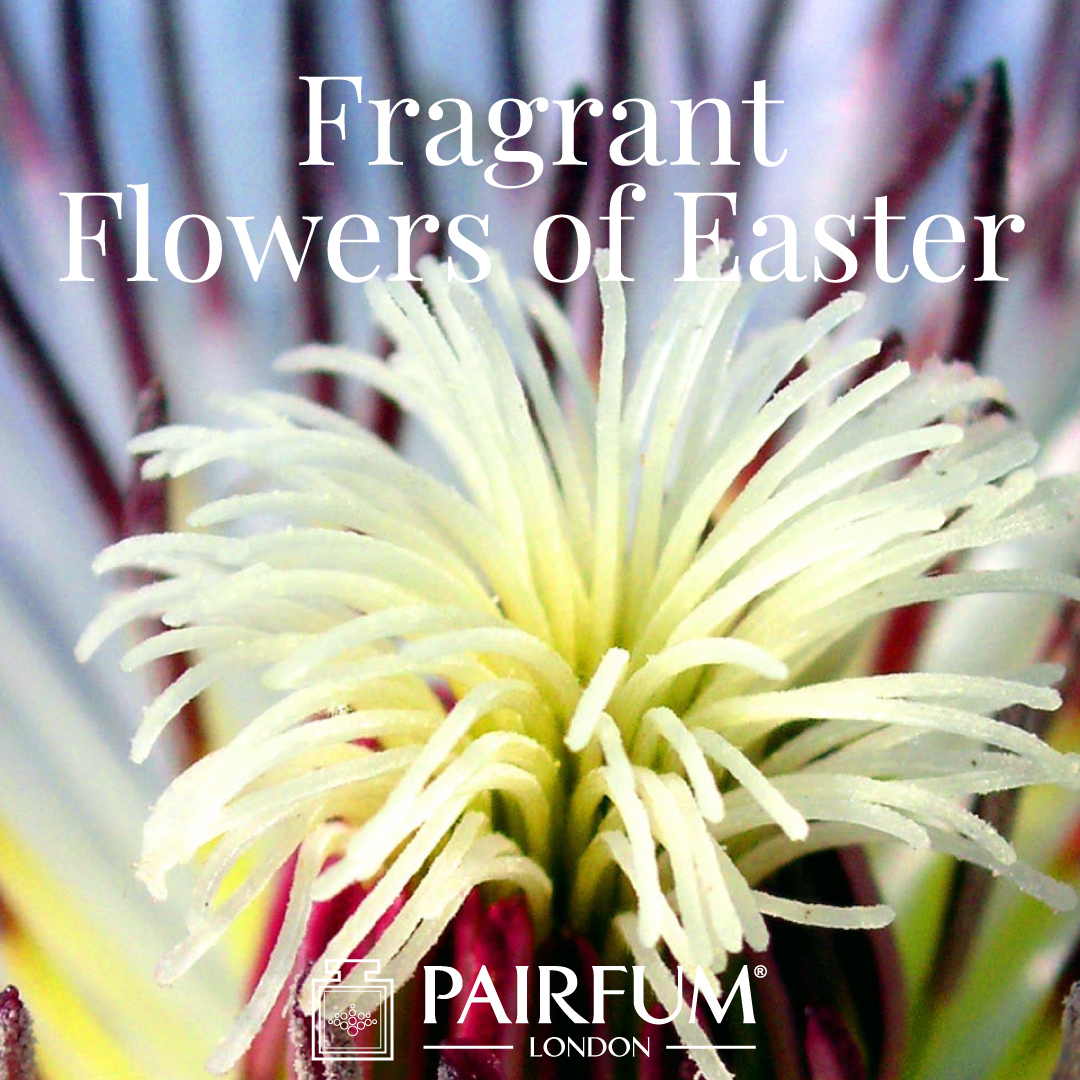
What are the Top 5 Flower Fragrances of Easter?

After a cold winter, barren of colour and fragrance, we all embrace the joys of Spring when Easter arrives and brings with it the smells and sights of a new season: the Flower Fragrances of Easter.

It is a time of renewal, a time to refresh and a time to start dreaming of those lazy hazy summer days that uplift our mood.

For many today, Easter is dominated by chocolate eggs and as perfumers our thoughts immediately turn toward fragrances with cocoa. However, Easter is also a time to connect with family, start planning activities and throw off the winter clothes to connect more with the outdoors and nature, which naturally leads into the scents and colours of a new season.

The sights, smells and fragrances of Easter greet us like an old friend.

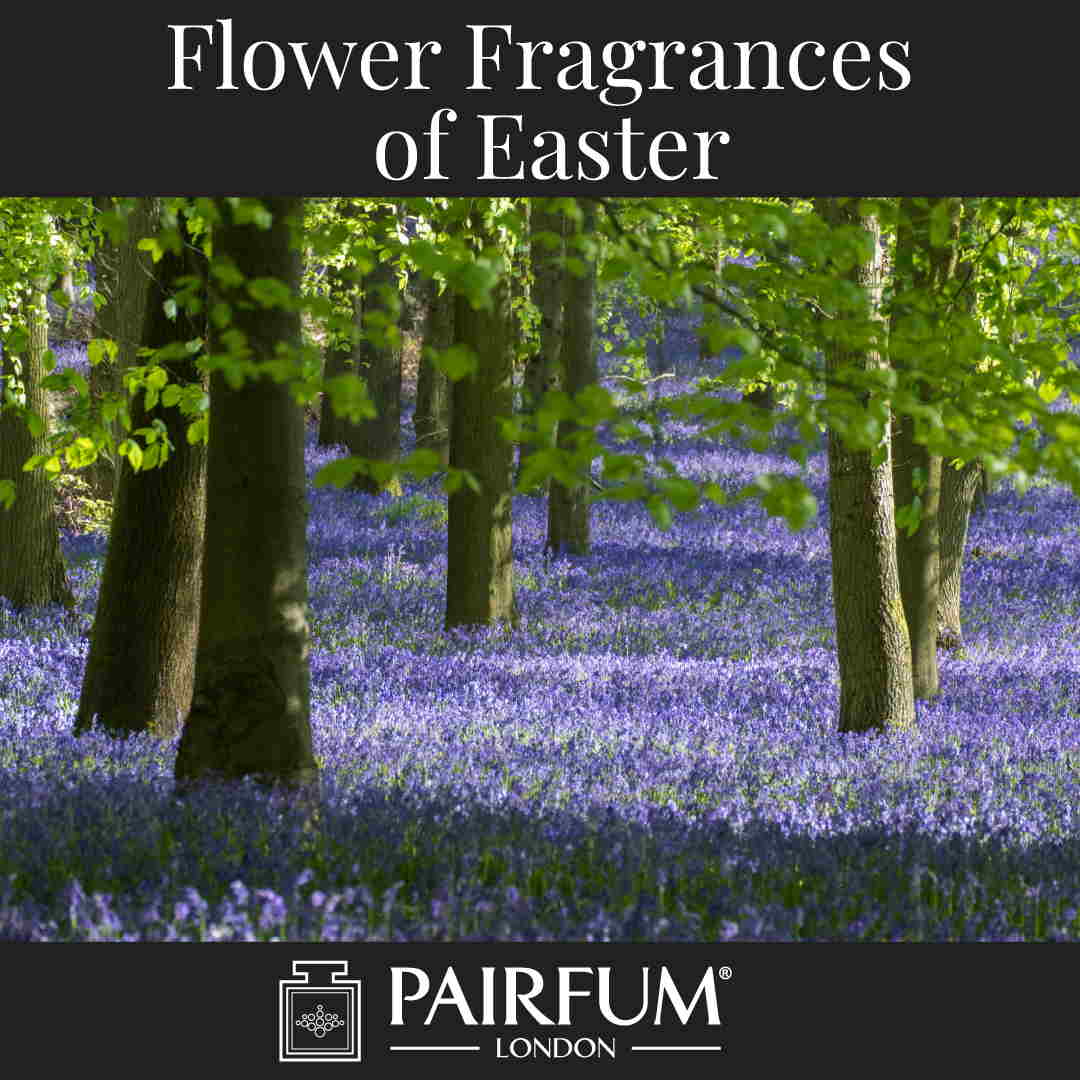
Pairfum London Fragrance Flowers Of Easter Bluebell Woodland

What are your favourite Flower Fragrances of Easter?

Below we present some of the flower fragrances of Easter that get our senses excited for Spring.  We are also sharing with you the wonderful fragrances we at Pairfum London have created to bring Spring in to your home to help you create the perfect Easter & Spring atmosphere.

We hope that the flower fragrances of Easter inspire you for the season ahead.

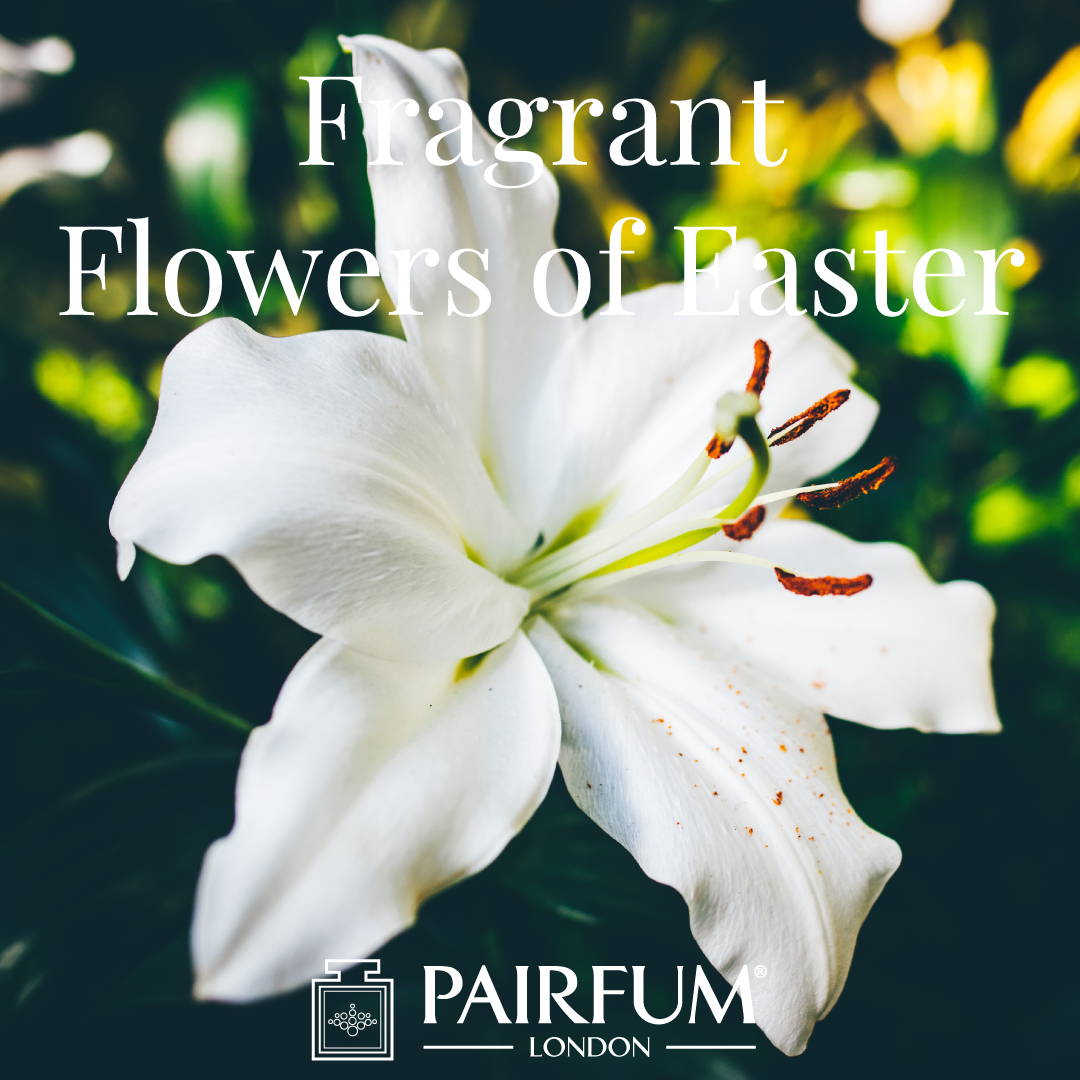
Pairfum London Fragrant Flowers Of Easter White Lily

White Lily

Easter Lilies, whose scientific name is Lilium Longiflorum, are perhaps the best-known type of lily and one that we would all recognise.

Easter lilies are native to Japan. World War I soldier Louis Houghton brought Easter Lily bulbs home to share with fellow gardeners in 1919 and the popularity of the flower has grown quickly.

Lilies have held a significant place in world history because of their aroma, grace and beauty. From ancient Crete to the flower shop down the street, people always regard the lily as “the pure flower.”

There are few rivals when it comes to the stunningly beautiful fragrance of Lilies.  The exquisite perfume and wonderful flowers certainly lift spirits as we enter Spring.

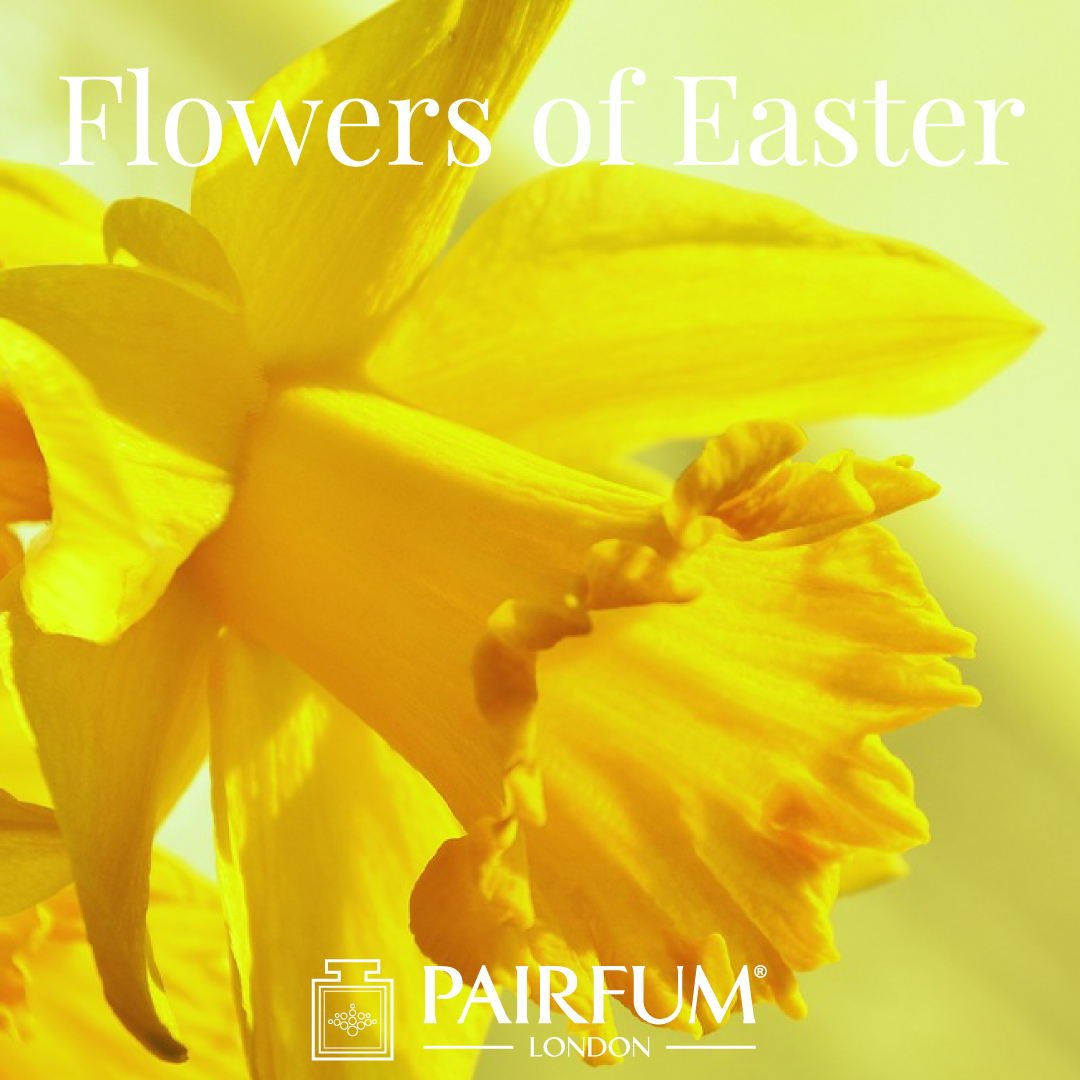
Pairfum London Flower Fragrances Of Easter Daffodil Narcissus

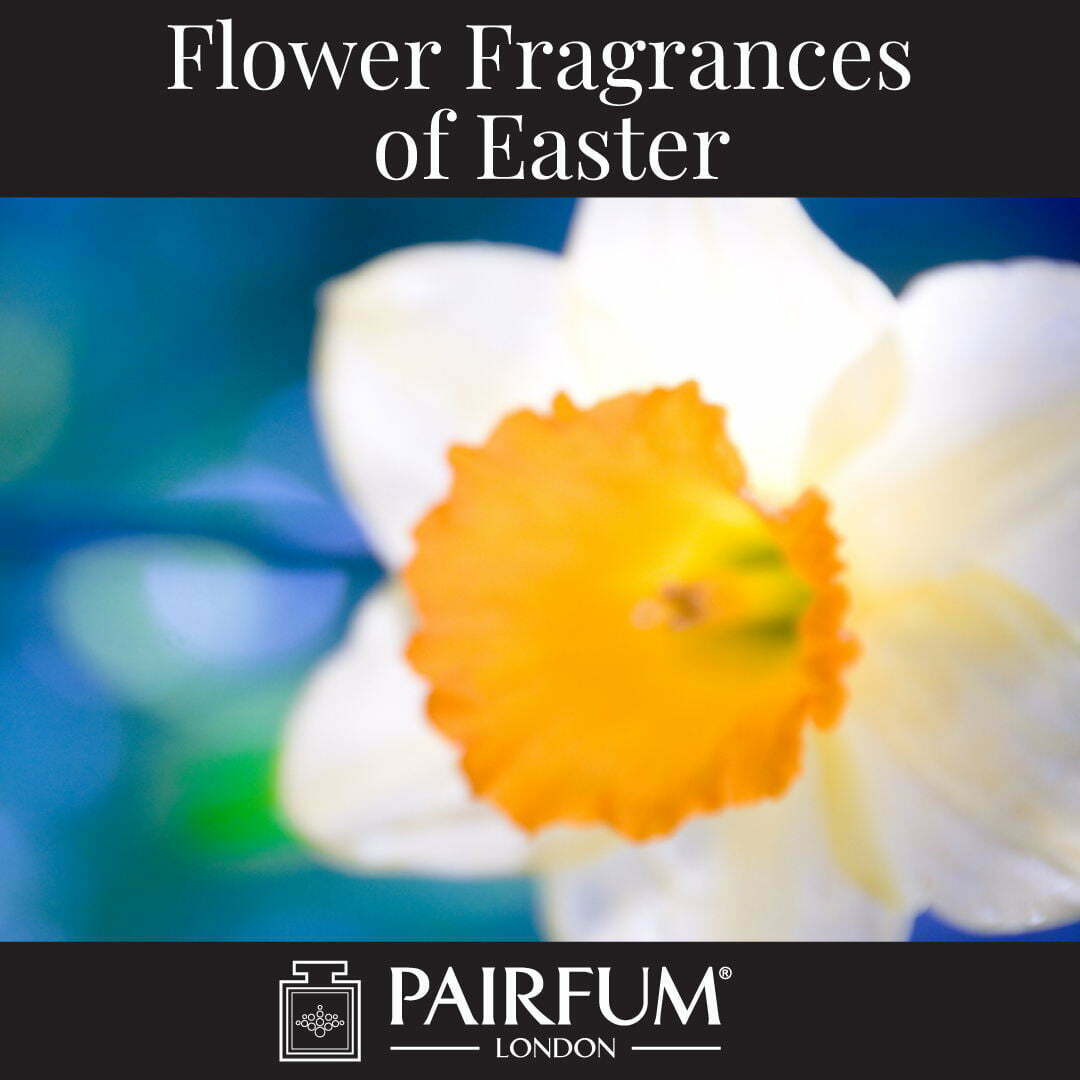
Daffodil

Daffodils are considered the first heralds of Spring time.  They are also known as Narcissus and Jonquil.  Narcissus being the botanical name for this bulbous plant of the amaryllis family, Amaryllidaceae!

The stunning daffodil originates from Southern Europe and North Africa, but some varieties can be found in Asia and China.  The flower is linked to the Greek myth of Narcissus who became obsessed with his own reflection, that he knelt to gaze in to a pool of water where he toppled in to the water and drowned.  The narcissus plant sprang up where he died.

The fragrance of the daffodil is light, cool, and spring-like in its notes.  The scent is often sweet, captivating, and unique to only daffodils.  These are fragrances that have been treasured since ancient times and ones that remind us of new life and Spring.

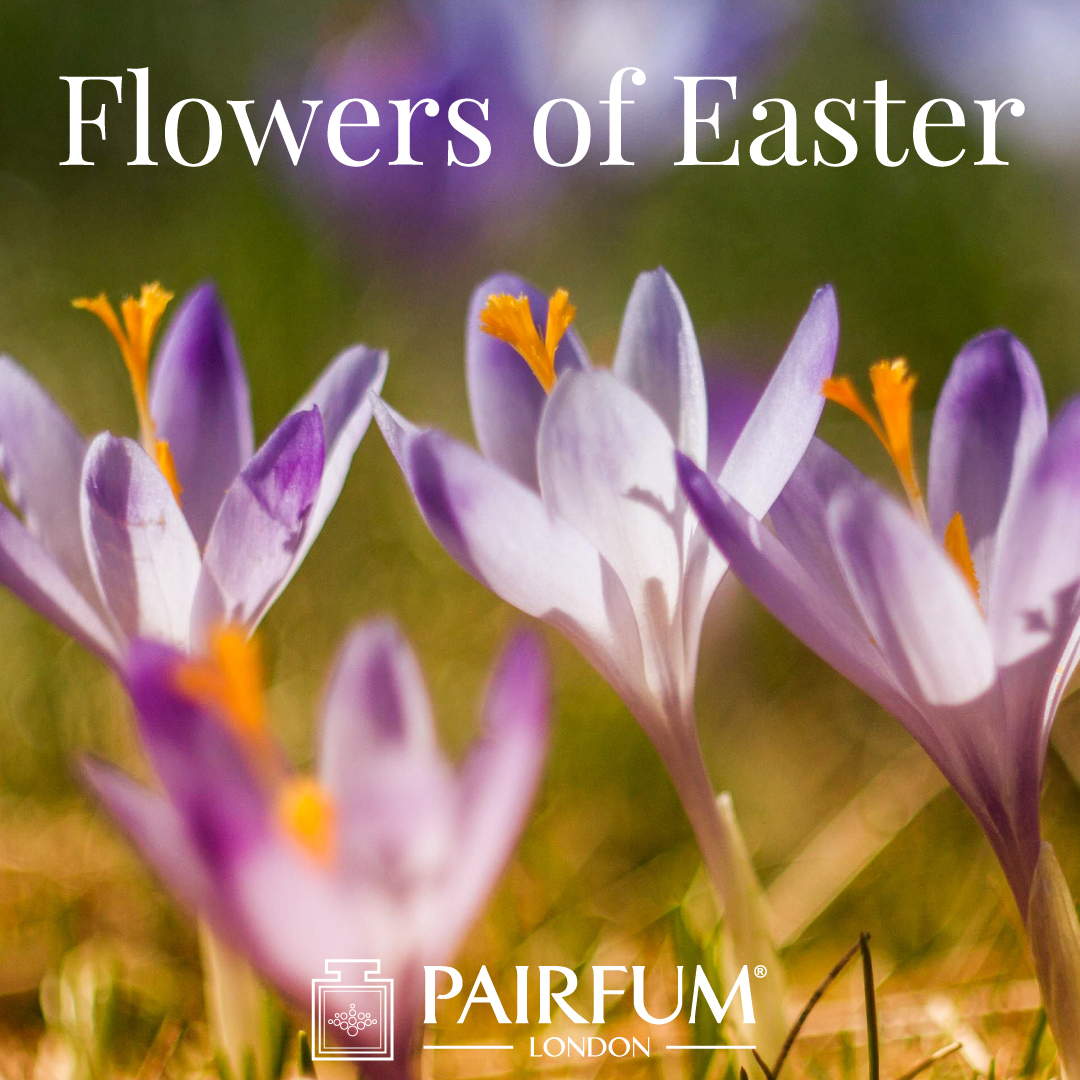
Pairfum London Fragrance Flower Of Easter Crocus

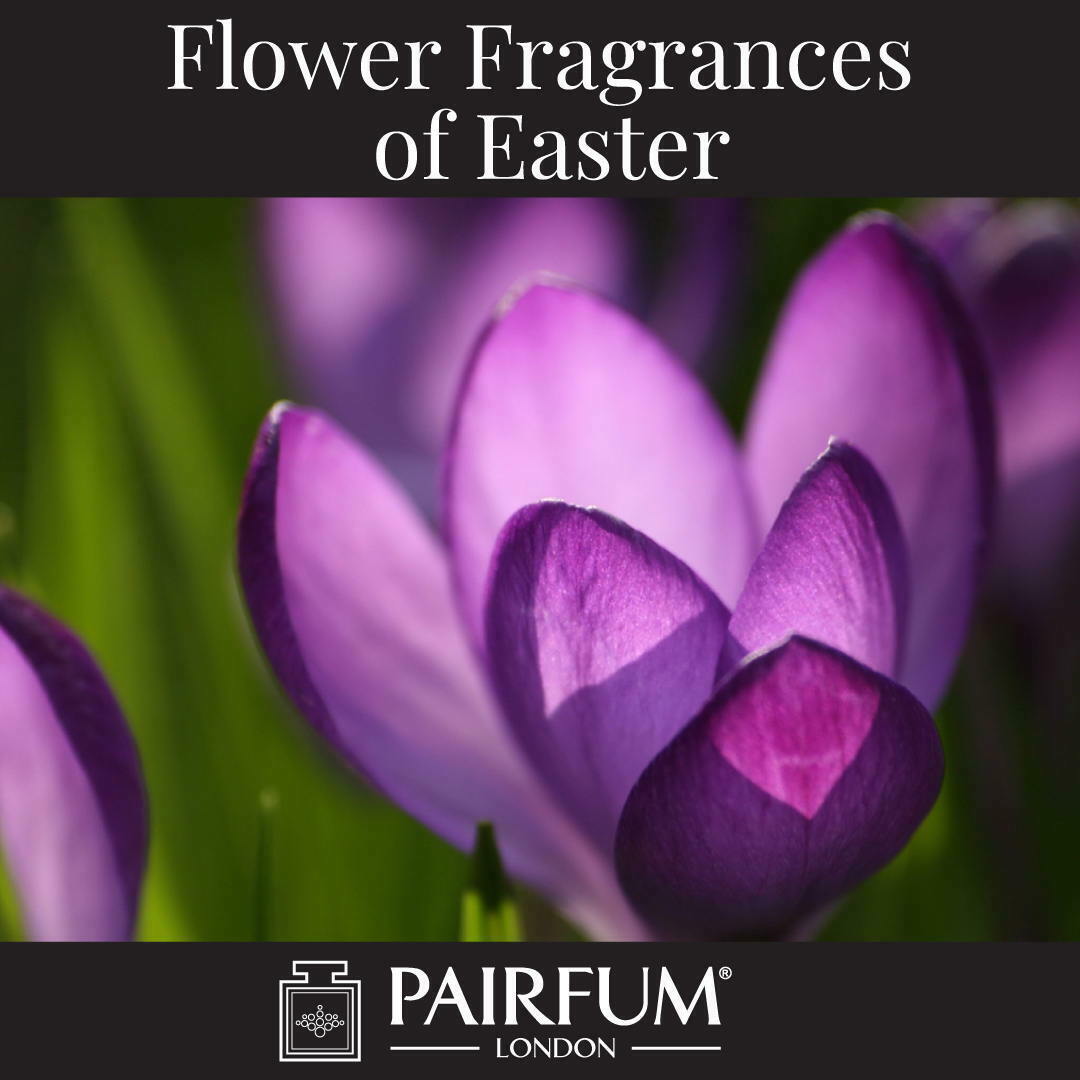
Crocus

The Crocus name is derived from the Latin crocatus which means saffron yellow.  The flower has three stigmas and parts of it are often dried and used in cooking as a seasons or colour agent.  It is native to Southern Europe and Asia.  There are about 80 species of crocus and was first cultivated in Greece.

Crocuses that bloom early in spring have cheerful heads, reminding us that Spring is around the corner.  With so many varieties to choose from you can have an abundant array of colour and fragrance which is sweet and luminous.

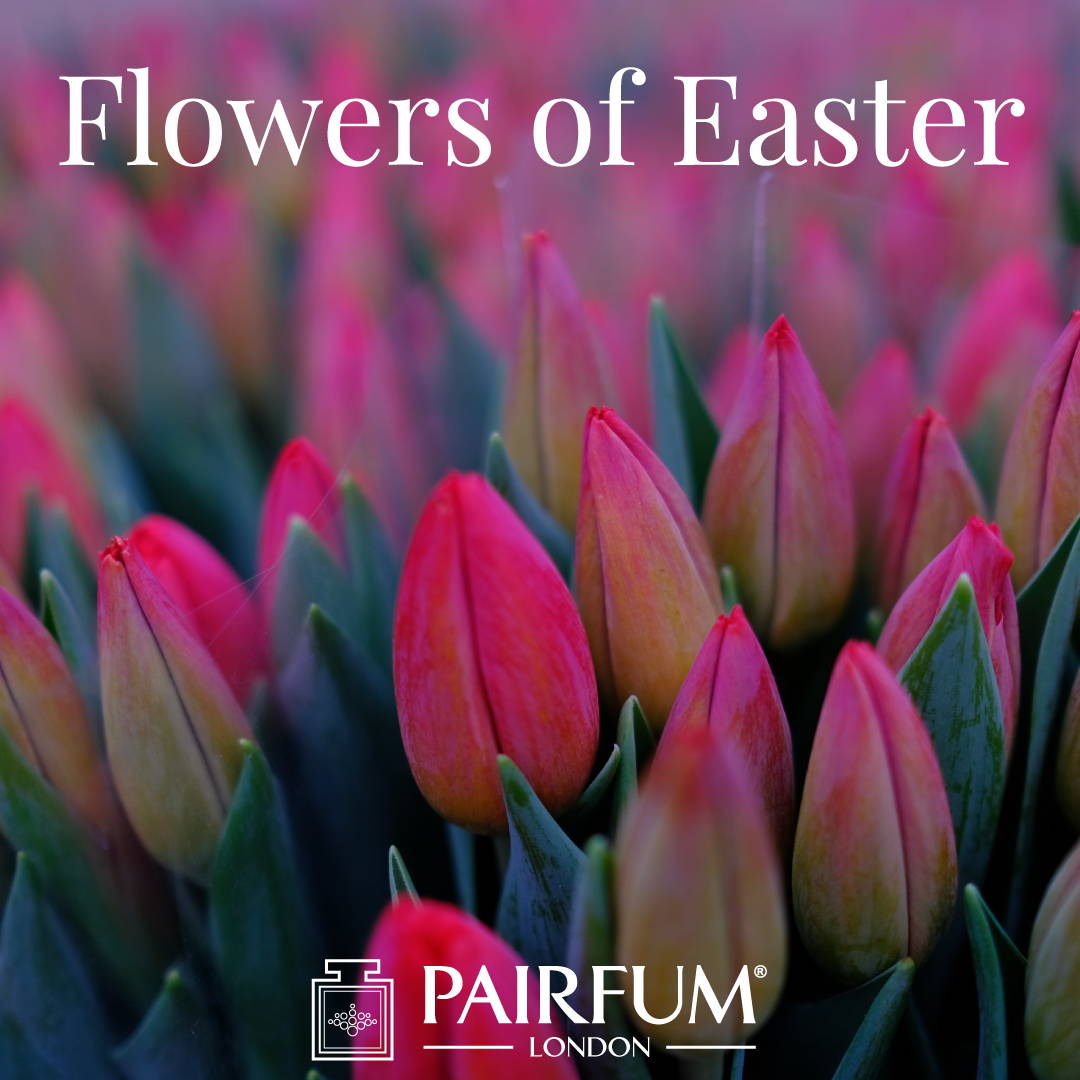
Pairfum London Fragrant Flowers Of Easter Tulip

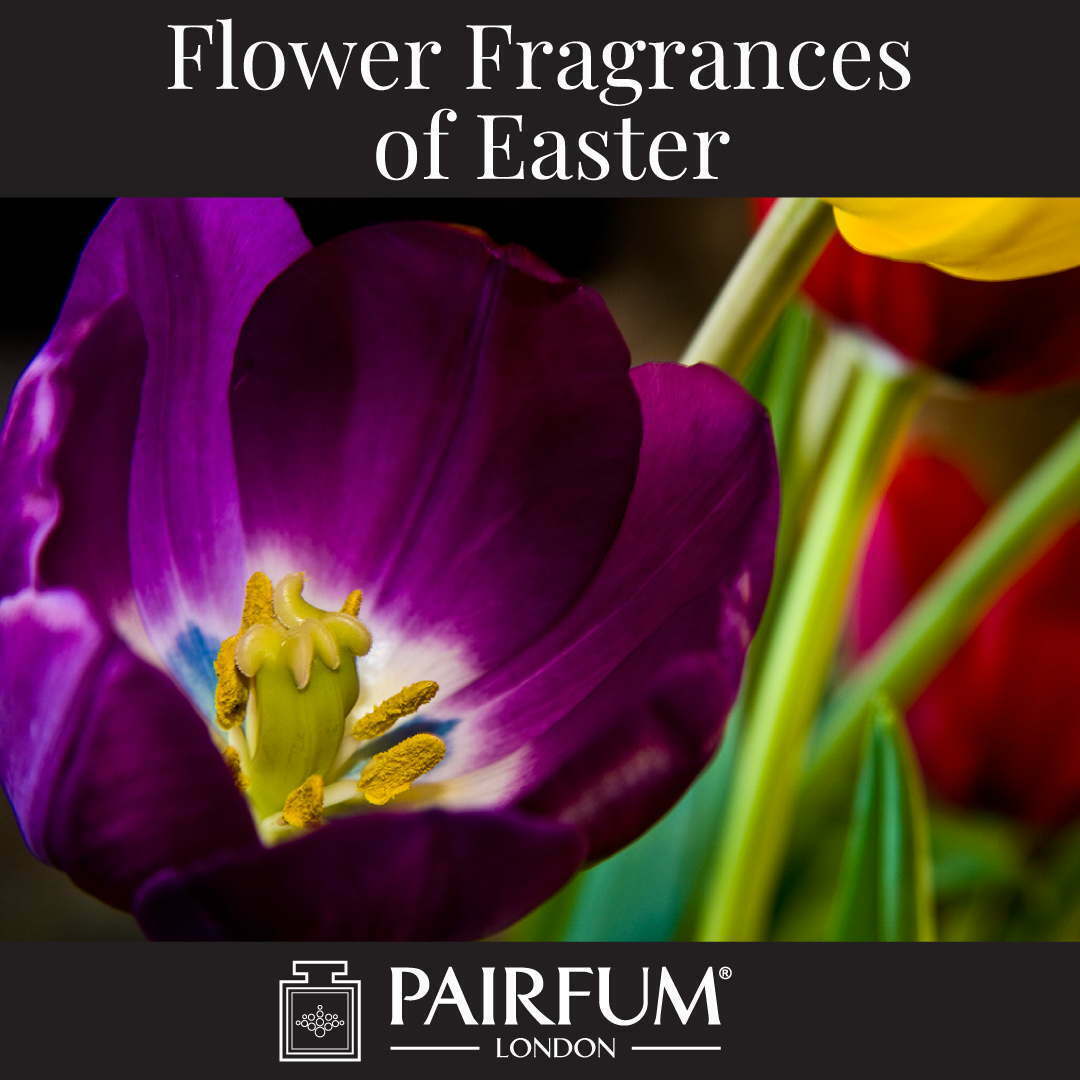
Tulip

The Tulip was originally cultivated in Turkey and then imported in to Holland in the sixteenth century.  They became popular in 1592 through a book by Carolus Clusius. Indeed, they became so popular they created an economic bubble known as Tulip Mania!

The scent of Tulips cannot be mistaken.  The fragrance is fresh – fresh like the ozone!  It also has hints of floral with a base of warm honey and musk.  It is almost like nature was making perfume herself within tulips!

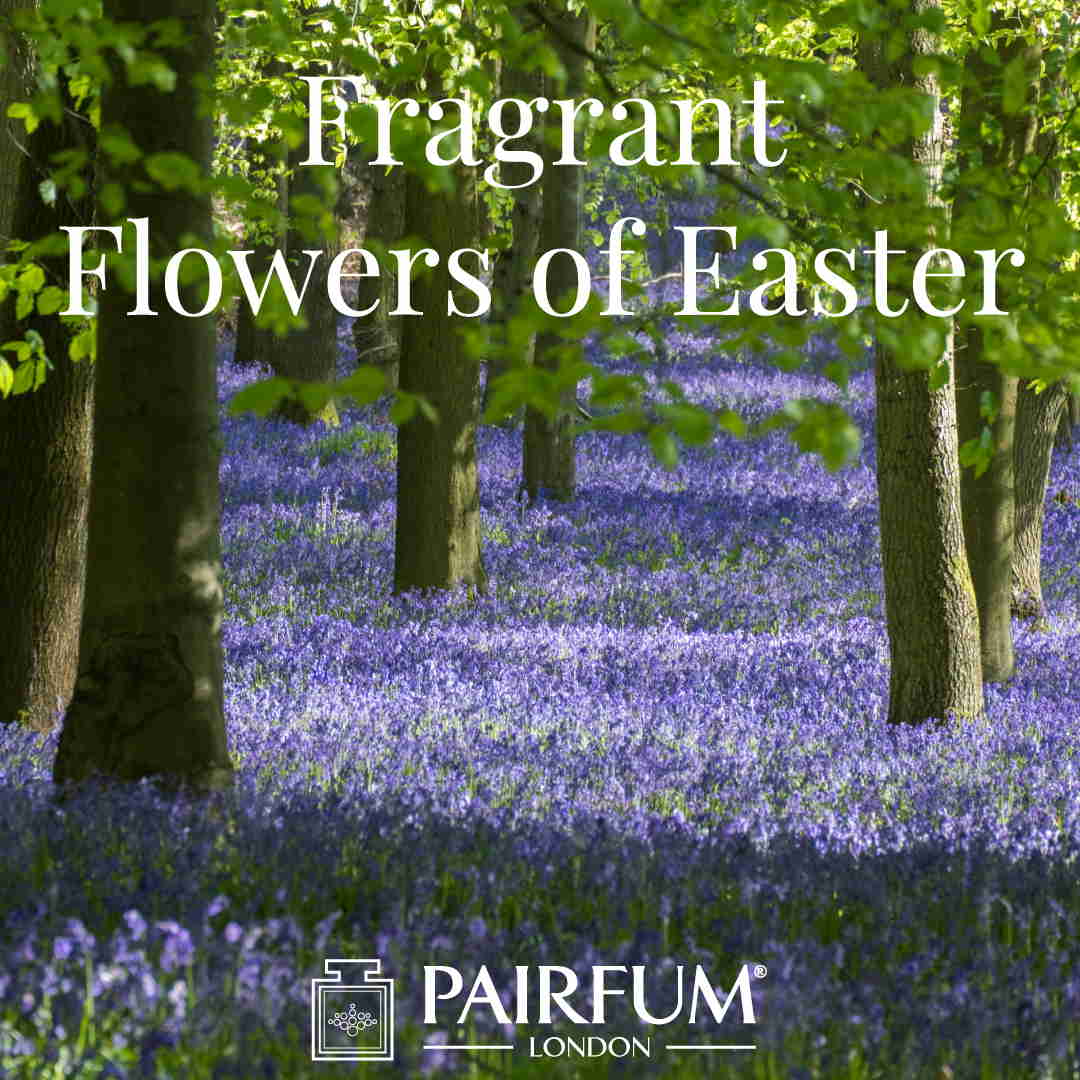
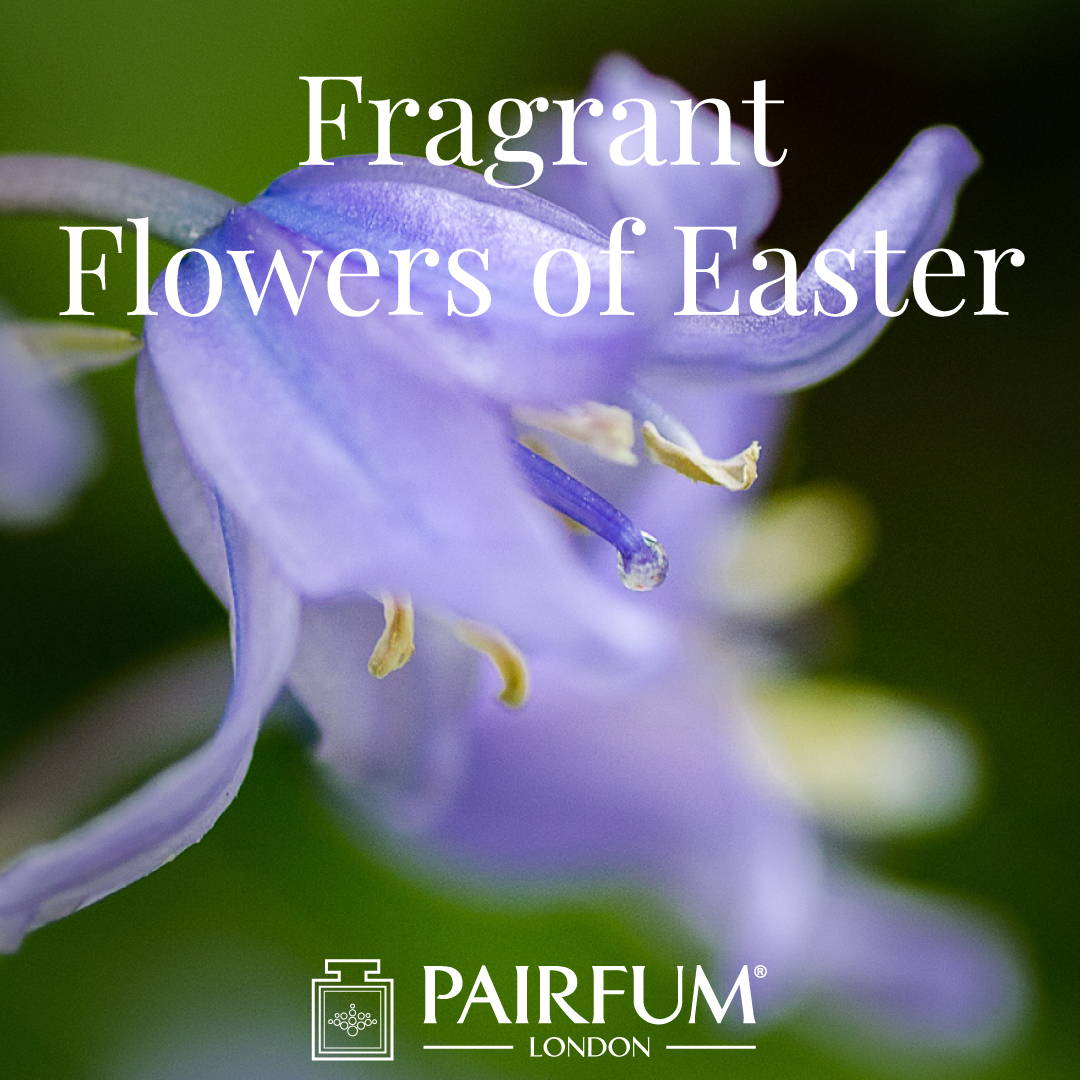
Pairfum London Fragrant Flowers Of Easter Bluebell Woodland

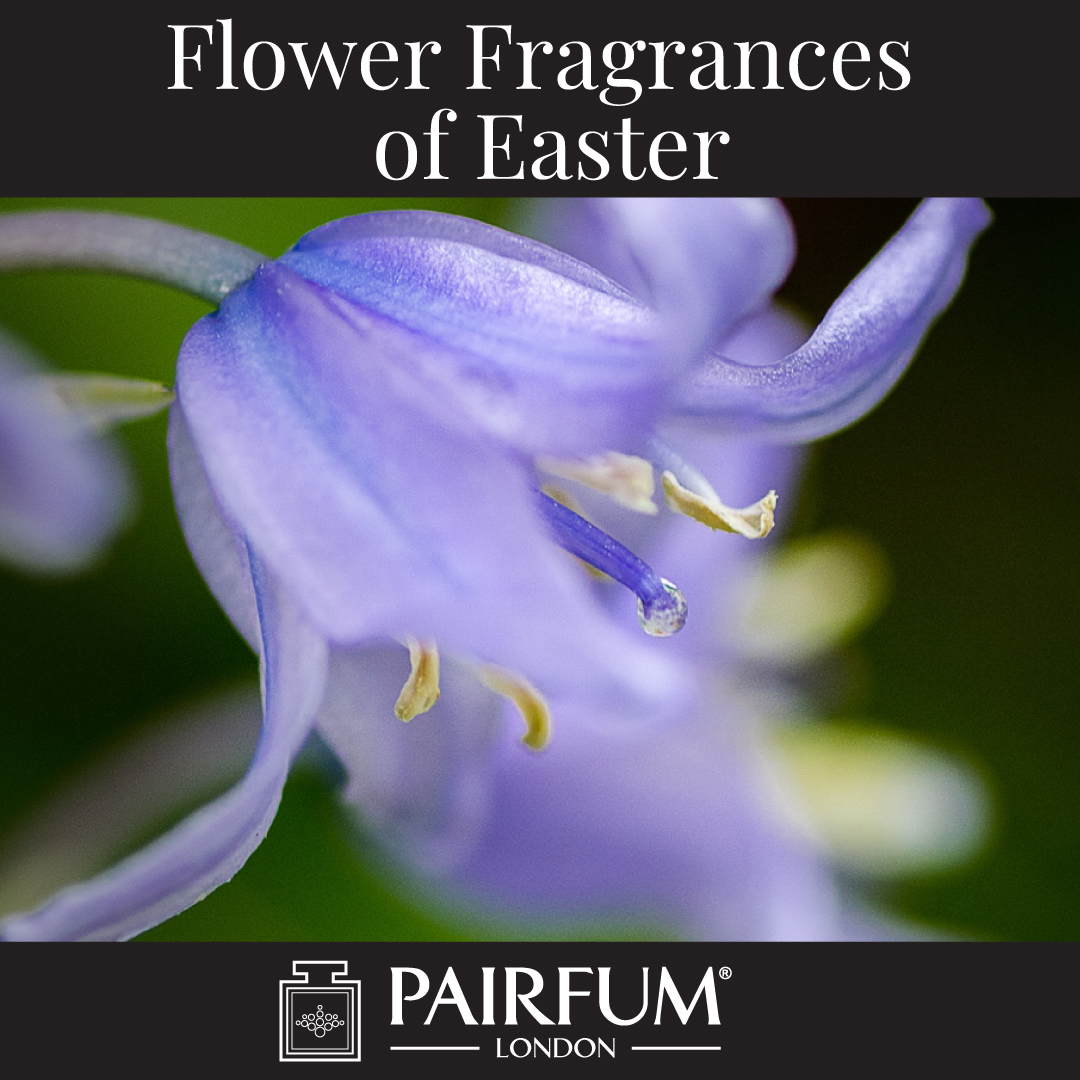
Blue Bell

The stunningly beautiful Bluebell is another sign of Spring time with the vast spread of tiny blue flowers dazzling around parks and gardens.  This beautiful flower is a protected species in the UK under the Wildlife and Countryside Act 1981.

Also known as wood bells, fairy flowers and wild hyacinth, they have carpeted our woods, and parks for many years.  In a 2015 Spring poll by botanical charity Plantlife, bluebells were voted the favourite wild flower of England.

Unfortunately, Blue Bell’s cannot be harvested but we can still enjoy the sweet fragrance when we are out walking.  Bluebells are usually at their best during the morning time, making it a fantastic time to visit the woods or parks or when there is some sunshine allowing their scent to waft through the air.

Spring Fragrance by Pairfum London

These are just five of the fragrances of Easter which fill our homes, our gardens, and our parks.

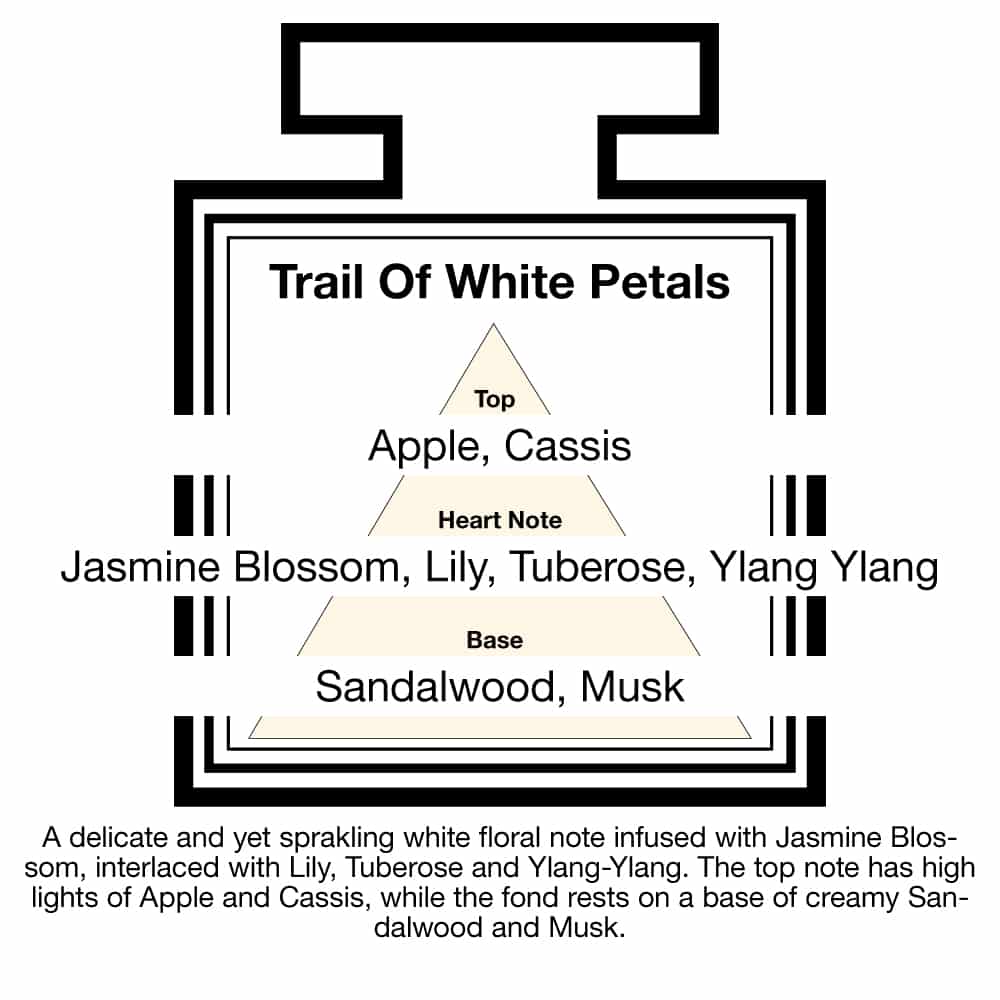
If you would like to fill your home with the stunning fragrance of white lilies and daffodils, we at Pairfum London are delighted that our fragrance Trail of White Petals includes these stunning ingredients and is available in our range of Home Fragrances (candles, reed diffusers, room sprays, fabric sprays,…) and Bath & Body Care products (washes, lotions,…).

Choosing the right perfume for your home to herald the arrival of Spring can be difficult.

Take the guesswork out by ordering the luxury fragrance of Trail of White Petals in your favourite product from our online boutique. Choose from a Reed Diffuser, Perfume Candle, Room Spray or Linen & Fabric Spray.

Whichever you choose, you will be adding the wonderful fragrance of Spring to your home.

Fragrance Description Trail White Petals Jasmine Tuberose Ylang
PAIRFUM Happy Easter Home Fragrance Bedroom Luxury Scented Candle Natural Reed Diffuser
Eau De Parfum Person Reflection Cardamom Tonka White Oud Girls 1 1

Tonka Bean in Perfume: Unveiling the Warm, Sweet and Elegant World of This Fragrance Gem

A prized ingredient in the world of perfume, the Tonka Bean is renowned for the warm, sweet, and undeniably elegant essence it contributes to the fragrances it graces. As a boutique perfumery house with a masterfully curated sensitivity for taste and the zeitgeist in fragrance, we value and appreciate the luxurious charm the Tonka Bean imparts to our creations.

In today’s article, we invite you to journey with us as we explore the enchanting world of Tonka Bean, delving into its rich history, unique aroma, and the exquisite allure it brings to fragrances.

Indulge your senses and unravel the mysteries of the Tonka Bean as you uncover the fascinating qualities that contribute to its captivating presence in the realm of perfume.

Pairfum London Perfume Ingredient Tonka Beans

Tonka Bean in Perfume: Warmth, Sweetness, and Elegance

1. The Enchanting Origins of the Tonka Bean

The fascinating journey of the tonka bean begins in the lush rainforests of South America, where the Dipteryx odorata tree thrives amid the vibrant vegetation. The coveted tonka bean is a small, wrinkled seed nestled within the fruit of this majestic tree, and it boasts an exquisite aroma that is both captivating and mysterious.

The history of tonka beans dates back centuries, with native tribes in South America utilising them for their potent effects in traditional medicine as well as their alluring fragrance. In the modern world of perfumery, the tonka bean has become a prized ingredient, renowned for imparting delectable warmth, sweetness, and elegance to the fragrances it graces.

2. Unique Aroma: A Symphony of Nuance and Delight

The distinctive fragrance of the tonka bean is a complex tapestry of aromatic nuances, establishing it as one of the most enigmatic and alluring ingredients in perfumery. At its core, the tonka bean radiates warmth and sweetness, characterised by an enchanting blend of caramel, vanilla, and coumarin notes. Intriguingly, these divine elements are further enhanced by delicate undertones of almonds, tobacco, and even a touch of spicy cinnamon.

Tonka beans’ rich yet delicate aroma has the versatility to complement and elevate a wide range of perfume notes, which is part of the reason they remain so highly sought after in the fragrance world.

Pairfum Eau De Parfum Bottle Hands Cardamom Tonka Bean White Oud Square

3. Extraction, Processing, and the Birth of Tonka Bean Absolute

A labour of love, the process of revealing the Tonka bean’s full potential as a fragrance ingredient is an intricate and carefully crafted journey. It begins with the pod-like fruits of the Dipteryx odorata tree, which are collected, split open, and left to dry under the sun. Over time, the sun’s rays naturally ferment the beans, allowing their captivating aroma to become more pronounced and luxurious.

Once the beans have undergone this transformation, the next step is the delicate extraction of the tonka bean absolute. This is achieved through a process called solvent extraction, which involves dissolving the beans in volatile solvent to yield a waxy, aromatic mass called the “concrete.” The concrete is then washed with alcohol, evaporating the remaining solvent and resulting in a highly concentrated, heavenly aromatic liquid known as the tonka bean absolute. This precious elixir embodies the heart and soul of the tonka bean, ready to weave its magic into the tapestry of fragrances.

4. The Irresistible Allure of Tonka Beans in Perfume

With its beguiling aroma and unparalleled versatility, tonka bean has become an essential component in the art of creating truly captivating perfumes. Let’s explore the various roles that tonka bean plays within the world of fragrance:

  • Base Note Wonder: Tonka bean excels as a base note in many perfume compositions, grounding and enveloping other notes with its warm, sweet embrace. Its rich aroma helps to extend the longevity of the fragrance, making it a vital and much-loved component.
  • Harmoniser and Enhancer: Tonka bean possesses the enchanting ability to subtly enhance and harmonise the fragrant symphony of a perfume’s composition. Its multifaceted aroma provides depth and complexity, elevating the overall olfactory experience to mesmerising new heights.
  • Signature Ingredient: In some fragrances, tonka bean takes centre stage, with its intoxicating charm and nuance unfolding into the signature note of the perfume. These creations highlight the captivating allure of tonka bean in perfume, showcasing its magical essence with unbridled elegance.
Pairfum Fragrance Cardamom Tonka White Oud Triangle

5. Iconic Perfumes: Timeless Masterpieces

Throughout history, a myriad of iconic perfumes has been graced with the enchanting presence of tonka bean, revealing the ingredient’s power to captivate and enthral. From classic favourites to contemporary triumphs, Tonka Bean’s unforgettable aroma has served as the foundation for a dazzling array of fragrances. Some examples include:

  • Oriental Perfumes: In the realm of Oriental scents, tonka bean imparts a warm, exotic depth and irresistible sweetness that perfectly balances the olfactory opulence of these sumptuous fragrances.
  • Woody Perfumes: Tonka Bean’s aptitude for blending flawlessly with woody and resinous notes makes it an invaluable addition to this category of perfumes, enhancing its sophistication and allure.
  • Gourmand Perfumes: Undeniably delightful, tonka bean has become synonymous with the gourmand perfume genre. Its sweet, caramel-like aroma infuses scents with a tantalising, indulgent quality that is hard to resist.

Experience the Elegance of Tonka Bean in Our Perfume Collection

Embrace the velvety warmth, captivating sweetness, and refined elegance of tonka bean with our exquisitely crafted fragrance collection. As a boutique perfumery house dedicated to curating the finest ingredients, our tonka bean-infused perfumes showcase the exceptional charm that this prized scent element brings to the world of fragrance.

Indulge your senses and explore our meticulously designed tonka bean creations, each one skilfully composed to celebrate and accentuate the timeless allure of this renowned fragrance gem. Visit our house of fragrance and let the enchanting essence of tonka bean in perfume elevate your olfactory journey with its undeniably unforgettable charm.

Enjoy trying our Natural Eau de Parfum “Cardamom, Tonka & White Oud“.

Eau De Parfum Bottle Cardamom Tonka White Oud Noir
Eau De Parfum Person Reflection Cardamom Tonka White Oud Hair 1 1

How to Perfume Your Hair: A Comprehensive Guide

Introduction:

Many of our customers ask us: “Can I Perfume My Hair?” or “How To Perfume Your Hair?

Today, the art of fragrance isn’t limited to just your wrists or neck anymore, it has transcended to become a complete sensory experience that includes your hair.

Perfuming your hair is becoming increasingly popular, not just among women but also among men who understand the value of a lingering fragrance.

However, perfuming your hair isn’t as straightforward as applying your favourite fragrance on your wrists or using an after shave. In this comprehensive guide, we explore the following:

  • how to perfume your hair,
  • pros & cons,
  • the suitable types of perfumes,
  • the different formats and techniques,
  • unique tips from our in-House perfumer.
Eau De Parfum Person Reflection Sea Salt Sage Amber Woman Smile How to Perfume Your Hair

Pros & Cons Of A Hair Fragrance?

Whenever it comes to perfume, we all have our personal preferences and routines that we favour.

Still, … it is worth to remember a few unique differences between skin and hair when discussing “How to perfume your hair” with your friends & family:

  • Air Flow: perfume evaporates faster when air flows over it and we naturally move our head & hair during the day which in turn stimulates perfume evaporation. Will a hair perfume last?
  • Habituation: One of the disappointments with wearing perfume is that we can’t sense our own fragrance after a short time because our noses become used to it. Can a hair fragrance solve this?
  • Heat: we loose most of our body heat via our head. This heat will invariably stimulate the diffusion of your perfume from your hair into the room and you may find that your fragrance projects much better than previously. Equally, your sillage can be expected to be better.
  • Surface Area: depending your hair style, you may have a wonderfully large area where to apply perfume rather than the small surface areas of your wrists, arms, chest or cheeks. How will this affect fragrance intensity?
  • Adhesion: the oils that naturally occur in your hair, will improve adhesion of the fragrance to your hair. Will your fragrance last longer?

Pros:

When you use a hair perfume, you may expect that you and your friends, family and partner will suddenly notice your perfume because you stood up, moved from where you were standing and simply ‘moved your hair’ to stimulate air flow. This is how a hair perfume overcomes ‘habituation’ and

Those of us who react allergic to perfume on their skin, may find that they do not react at all when they fragrance their, as there is no or very little skin contact.

Some of our clients report that they find fragrance on their hair lasts longer which will be due to ‘adhesion’ of the fragrance to the hair.

Our hair doesn’t perspire and you may find when playing a sport or exercising that your fragrance copes and lasts much better, as it doesn’t evaporate with your perspiration and increased body heat.

Cons:

You simply might not like perfume on your hair, as it might come into your eyes or you don’t like the feeling of the fragrance in your hair.

You might not like that a hair perfume can become too intense.

Eau De Parfum Person Reflection Scarlet Rhubarb Oakmoss How to Perfume Your Hair

Different Perfume Concentrations?

You probably know already that the concentration of the fragrance oil in a perfume dictates its longevity and potency. In other words, a Parfum or an Eau de Parfum have a higher oil concentration than Eau de Toilette or an Eau Fraiche.

You may instinctively expect that it will be better to use a higher concentration product for the hair. However, a Parfum or Eau de Parfum might not be ideal for you, if you feel that your hair is naturally oily, a bit thin or perhaps a little ‘heavy’.

Instead, in this scenario, a lighter Eau de Toilette, Eau Fraiche and maybe even a Hair Mist might be the ideal for you. The oil that is naturally in your hair will naturally help to make your perfume last longer, as it will bind the perfume to the hair, i.e. you might not need a higher concentration anyway.

The exact opposite is the case, if you feel that your hair is dry, strong or thick. In this case, the higher oil concentration you find in a Parfum, Eau de Parfum or Eau de Parfum Intense might be ideal for you.

As you can see, you might have to try a few different types before you discover which concentration is best suited to your unique hair.

Perfumer’s Tip

This is the first tip from our in-House Perfumer, Huib Maat:

“Use a lighter concentration but spray it more often to cover your entire head evenly. You will that your fragrance lasts longer and it won’t appear greasy”.

Eau De Parfum Person Reflection Black Cherry Oolong Tea Man How to Perfume Your Hair

Types Of Perfumes Suitable For Hair?

When it comes to choosing a fragrance for your hair, not all perfumes are created equal.

Some of the types to consider are:

  1. Eau de Toilette / Eau de Parfum / Eau de Cologne / Eau Fraiche : the typical perfume spray we all use. Choose the perfume concentration that fits your hair. With a spray it is very easy to apply a fine mist evenly across your hair or head.
  2. Hair Mists: These are light formulations designed specifically for hair, typically containing no or less alcohol-free and water instead. Usually, the perfume concentration is less.
  3. Essential Oil Dropper: Natural oils can be applied directly to your scalp using an oil dropper. This will naturally fragrance your hair.
  4. Attars, Elixir or Parfum: These are oil-based perfumes and it is a question of taste or climate whether these are ideal for you. They are ideal for applying perfume directly to your scalp. Also consider these when you prefer to comb a fragrance into your hair, as you can easily apply a few drops to the teeth of the come without making a mess.
  5. Pen or Roll-On: a bit like the oil dropper bottles, they allow to apply perfume to your scalp in specific spots.
  6. Pomade: this is the time-honoured and preferred method of gentlemen when fragrancing their hair in the morning. Pomades are easily and evenly applied to your hair using a comb.
  7. Serums or Creams: These are great for those who also want some nourishing benefits along with the scent. The fragrance tends to be very, very light.

Perfumer’s Tip

Here is another tip from our perfumer:

“Avoid water-based hair mists, as water droplets are bigger in size. Instead, opt for a spray with mostly alcohol, as the alcohol will create micro-fine fragrance droplets that will lightly and evenly cover your hair to ensure it doesn’t look greasy or feel wet.”

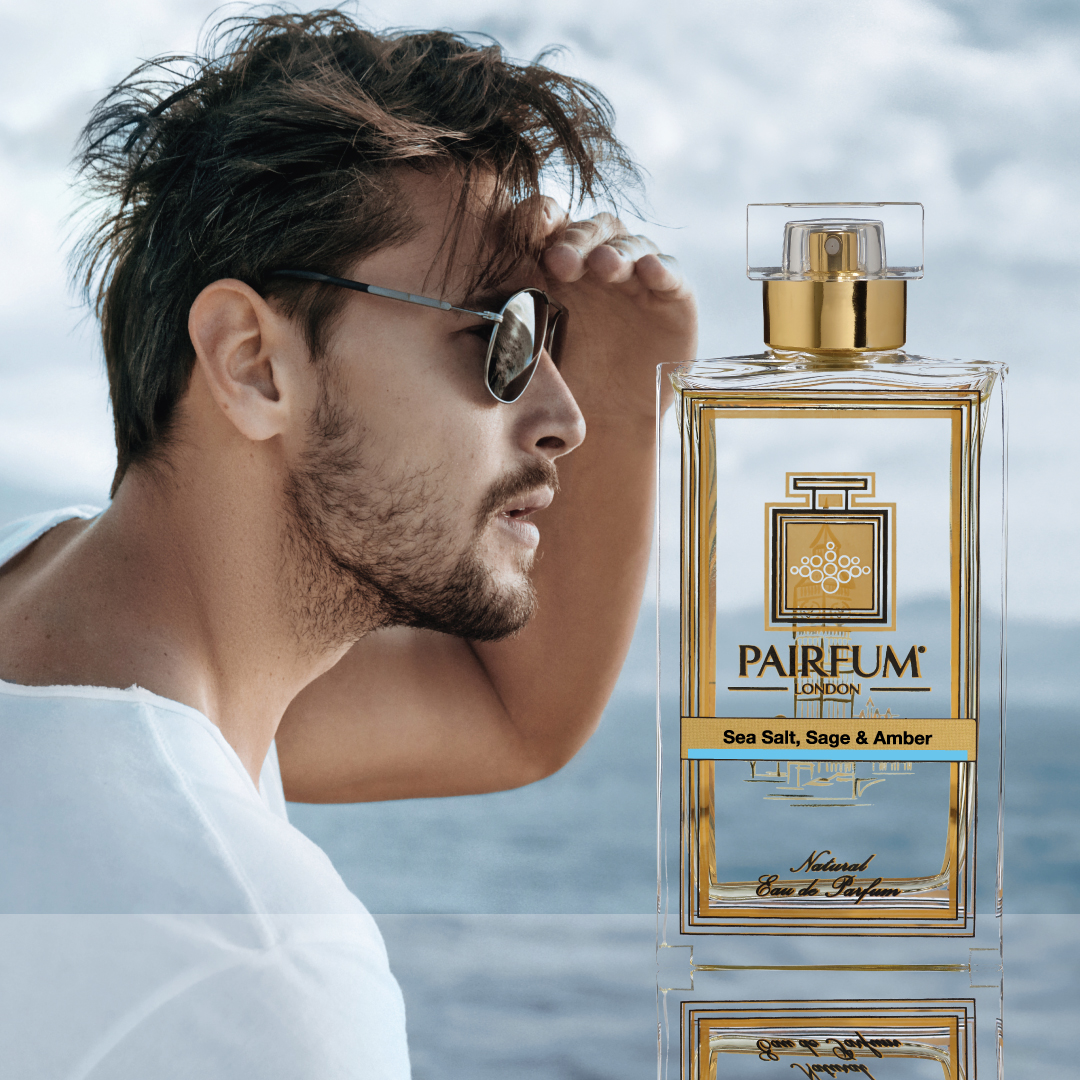
Eau De Parfum Person Reflection Sea Salt Sage Amber Man View How to Perfume Your Hair

Different Techniques to Perfume Hair

  1. Spray Directly: using a spray and mist, hold the bottle 6-8 inches away from your hair and spritz.
  2. Walk-in: Spray the ‘air’ and walk into the floating mist. This technique has a major advantage, as it allows the alcohol and/or water to evaporate so that only a very fine perfume mist settles on your hair. The technique is also recommended, if you are worried about greasy looking hair. Just make sure you close your eyes when you step into the perfume.
  3. The Comb-Through: Apply perfume to a comb and run it through your hair for even distribution. The downside is that fragrance particles left on your hair won’t be as fine.
  4. The Palm Rub: For attars and oils, apply a small amount to your palms, rub them together, and then lightly run them through your hair. This is similar to how you would apply other hair products.

Which Parts of the Hair Should Be Perfumed?

  1. Middle: this is the obvious area where every one of us instinctively fragrances the hair
  2. Ends: Focusing on the tips will allow more perfume to evaporate when your hair moves.
  3. Scalp: there is no obvious reason not to fragrance you scalp and it will allow your fragrance to last longer. However, you may find that the skin on your head is already sensitive from colouring your hair.

Should Perfume Be Sprayed Under Or Into The Hair Or On Top Of It?

This is more of a question for women and men with long hair.

Spraying perfume under the layers of your hair allows the scent to be released more subtly as you move over time.

Spraying it on top will create a more intensive perfume but will allow the fragrance dissipate more quickly.

Both have their unique advantages.

Perfumer’s Tip

Another tip from our perfumer:

“In particular for women, lifting the hair in the neck and spraying their perfume underneath is an excellent technique.”

Pairfum Person Reflection Spiced Coffee Oaked Vanilla Eau De Parfum

How Long Does Perfume Last on Hair?

The longevity of a scent on your hair depends on multiple factors, including the perfume oil concentration (see above), how long your hair is, your hair type, where you apply it on your head or hair, whether you are exercising and other factors.

Generally speaking, you should expect your perfume to last longer compared with spraying it on your skin, e.g. wrists, hands, face, neck.

Tips & Tricks

Here are a few additional tips and a word of caution from our in-House Perfumer:

  1. Layering Scents: You can layer a light hair mist with a stronger perfume for a more complex scent profile.
  2. Buildup: in the same way as you should avoid a build-up from only using 2in1 hair shampoos & conditioners, you should prevent a build up of fragrance over time by using a normal shampoo and separate conditioner afterwards.
  3. Irritation: in the same way as you should be cautious when using perfume on your skin, you should be cautious when applying it to your hair. Test the perfume on a small section of your hair to ensure it doesn’t react adversely. Observe for any changes in texture or colour and ensure the fragrance doesn’t irritate your scalp.
  4. Consult a Professional: When in doubt, consult a hairstylist or a dermatologist.

Conclusion

We hope we have answered your question of “How to perfume your hair”, as perfuming your hair can be a delightful experience, with some unique advantages and surprises.

By considering the type, concentration and application method, you can make the most out of the olfactory adventure with your hair. From sprays to attars to oils, each format offers a unique way to express your personality through fragrance.

So go ahead, choose your fragrance, and let your hair do the talking!

We invite you to trial at our Eau de Parfum Intense, for a natural niche perfume with a super-fine mist that is ideal for use as a Hair Perfume.

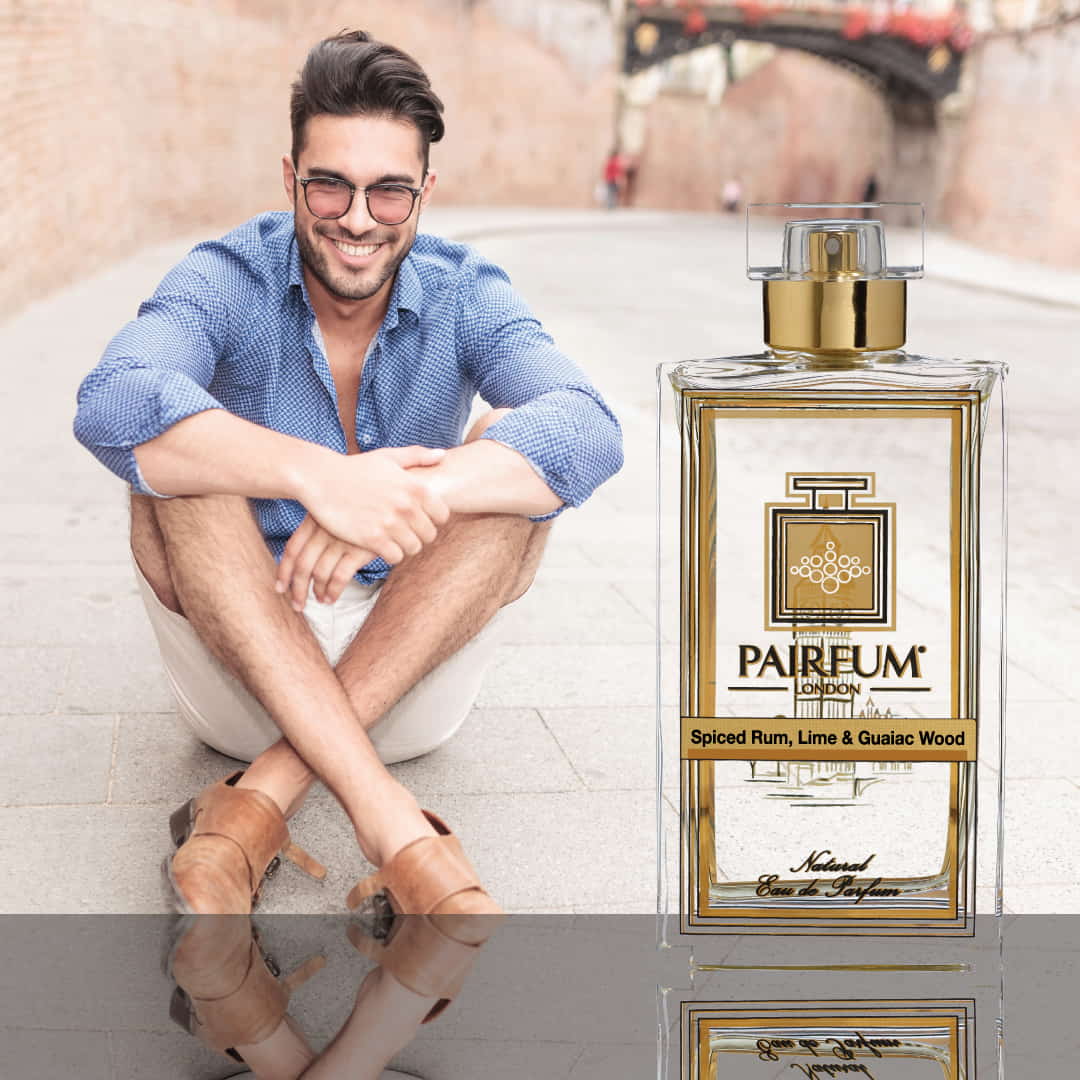
Eau De Parfum Person Reflection Spiced Rum Lime Guaic Wood Man Crosslegged How to Perfume Your Hair
Lavender Perfume Light 1 1

The Allure Of Natural Fragrance Oils: Exploring Nature’s Essence In Perfumery

Introduction:

In a world that increasingly seeks to reconnect with nature, there has been a growing interest in all things natural, sustainable, and eco-friendly, and the realm of fragrances is no exception. With the ever-evolving understanding of the connection between nature and well-being, the allure of natural fragrance oils has become impossible to ignore.

As a boutique perfumery house at the forefront of the ‘zeitgeist’ in fragrance, Pairfum London is committed to capturing nature’s essence while staying true to the artistry of perfumery, crafting extraordinary aromas that captivate both your senses and your heart.

In this article, we will take a closer look at the world of botanical extracts and their remarkable transformation into enchanting fragrances that define the Pairfum London identity. The journey from idyllic fields and lush forests to the bottles that house our unique aromas will uncover the fascinating process behind the production of natural oils used in perfumery, allowing you to appreciate the masterful craftsmanship and tireless dedication that goes into their production.

Join us as we delve into the captivating world where nature’s essence meets the art of perfumery, resulting in mesmerising, sustainable, and unforgettable fragrances.

Pairfum Home Fragrance Rose The Allure Of Natural Fragrance Oils Exploring Nature’s Essence In Perfumery

Harvesting Nature’s Essence: The Production of Natural Fragrance Oils

At the heart of natural fragrance oils lies the process of extracting the aromatic components of a vast array of botanicals, including flowers, fruits, seeds, leaves, roots, and bark. These raw materials, each with their unique and alluring aroma profiles, are transformed into highly concentrated oils that form the foundation of our fragrances.

Various extraction methods are employed to preserve the true essence of these botanicals as seamlessly as possible:

1. Steam Distillation: This widely used method relies on passing steam through plant material to release the aromatic compounds. The steam, carrying the volatile components, is then condensed and collected separately from the water.

2. Cold Pressing: Primarily used for citrus fruits such as orange, lemon, and bergamot, this mechanical method involves pressing the peels to release the fruit’s naturally fragrant oils.

3. Solvent Extraction: Solvents can be used to dissolve the fragrant components from delicate botanicals. The solvent is then evaporated, leaving a highly concentrated material called an ‘absolute’.

4. Enfleurage: A traditional and labour-intensive method typically reserved for delicate flowers, enfleurage involves placing the flowers on a layer of animal or vegetable fat, which absorbs the delicate aroma over time.

5. Bio-Fermentation: this is the most modern process to produce natural ingredients and it uses the natural process of fermentation to produce ingredients which are natural, sustainable and affordable.

At Pairfum London, we value the importance of selecting premium-quality, sustainably sourced natural ingredients to ensure the purity and finesse of our natural fragrance oils.

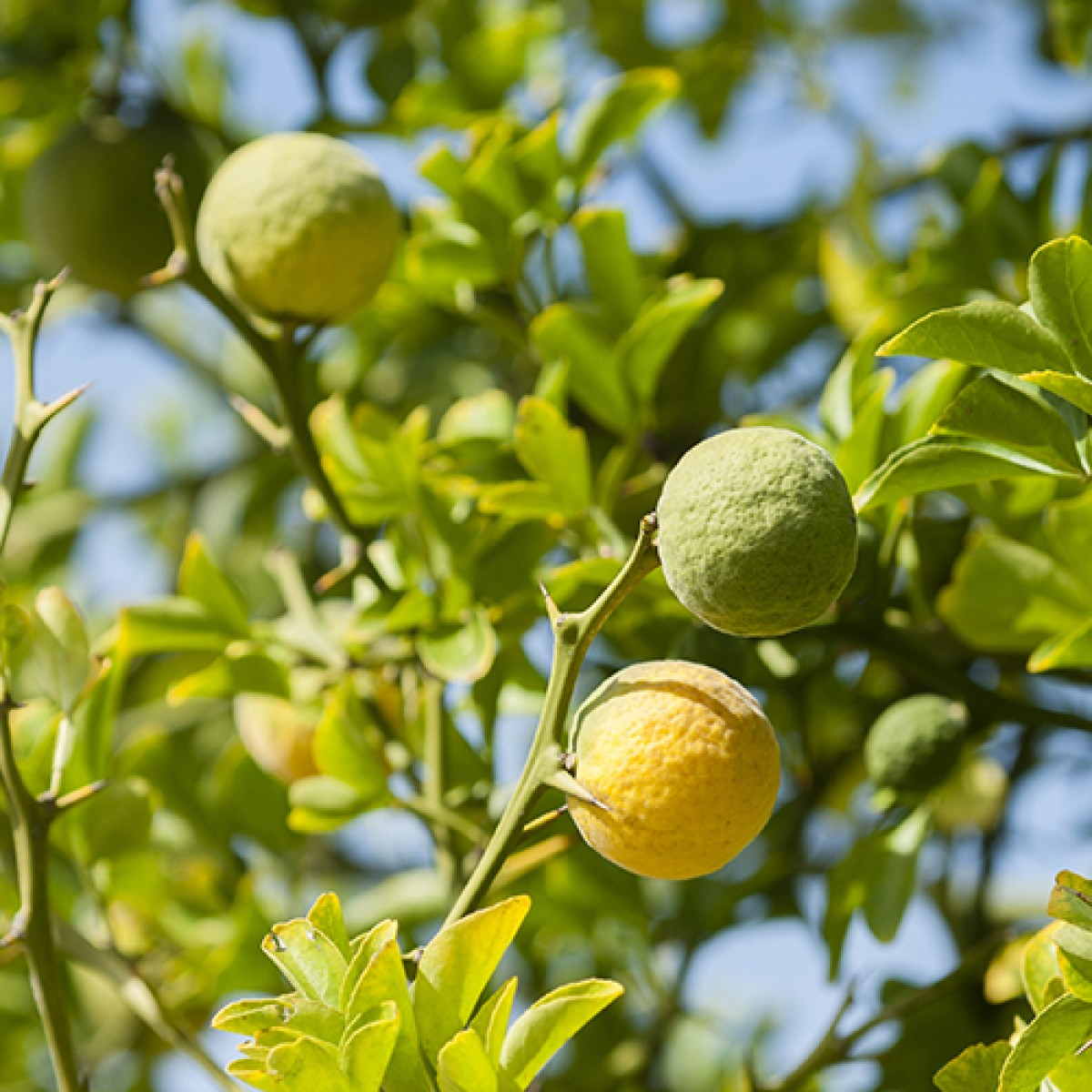
Citrus Fruit Bergamot Essential Oil Fragrance The Allure Of Natural Fragrance Oils Exploring Nature’s Essence In Perfumery

The Art of Creating a Fragrance

With an abundance of natural fragrance oils at their disposal, perfumers embark on the intricate and creative process of blending these diverse components into exquisite fragrances. This task is equal parts science and art – requiring an expert understanding of chemistry, the nuances of each individual oil, as well as the gift of intuition and creativity.

Our perfumer dedicates countless hours to painstakingly developing and refining their formulations, carefully considering the balance between the different aroma profiles, notes, and potential complimentary and opposing accords.

The final result is a harmoniously natural symphony of fragrance oils blended to create an extraordinary perfume which can transport you to a moment, a memory, or a far-off land with a single hint of the scent.

Enriching our Lives: The Benefits and Uses of Natural Fragrance Oils

The allure of natural fragrance oils is not limited to their enchanting aromas. These potent gifts of nature come with a myriad of benefits that extend beyond aroma and have been revered for centuries for their impact on our well-being, body, and soul. Some of the noteworthy advantages of incorporating natural fragrance oils into our lives include:

1. Aromatherapy: Many essential oils harnessed from natural fragrance oils are well known for their aromatherapeutic properties, which can help alleviate stress, promote relaxation, enhance mood, and even support sleep.

2. A More Sustainable aroma: Natural fragrance oils are revered for their minimal environmental impact compared to synthetic ingredients. By sourcing these ingredients from sustainable and ethical sources, we contribute towards protecting our planet and its rich biodiversity.

3. Compatibility with Allergies: While it’s important to note that natural ingredients can still cause allergic reactions, many individuals sensitive to synthetic fragrances may find natural fragrance oils a more suitable alternative.

4. A Unique Olfactory Experience: Owing to the complexity and depth of natural fragrance oils, perfumes crafted from botanicals can offer a nuanced, captivating aroma profile that evolves over time as it interacts with your skin chemistry.

These multifaceted benefits make natural fragrance oils a valuable and coveted ingredient for those who appreciate the mutual benefits of aroma, wellness, and environmental consciousness.

Pairfum Natural Sandalwood The Allure Of Natural Fragrance Oils Exploring Nature’s Essence In Perfumery

Demystifying the Mystery Notes: The Role of Natural Fragrance Oils in Niche Perfumery

In niche perfumery, the aim is to create distinctive and memorable fragrances that stand out from the commercial market. Utilising natural fragrance oils allows niche perfumers like us at Pairfum London to craft innovative aroma profiles with unique, intriguing, and unexpected accords.

Natural fragrance oils, with their rich and varied aroma characteristics, provide a vast palette for perfumers to experiment with and weave mysterious, lesser-known notes into their perfumes. These building blocks, combined with the craftsmanship of perfumery, culminate in evocative fragrances that offer an unparalleled olfactory journey, appealing to those who seek authentic and individual aroma expressions.

Embracing nature’s bounty, we at Pairfum London strive to create exceptional fragrances that not only captivate the senses but respect and honour the environment. With our dedication to crafting sustainable, innovative, and unique perfumes, we hope to encourage a deeper appreciation for the natural rawmaterials that form the foundation of our beloved creations.

Lily Of The Valley Sunlight Fragrance White Flower The Allure Of Natural Fragrance Oils Exploring Nature’s Essence In Perfumery

The Final Flourish: Celebrating Nature’s Gifts in Perfumery

As we’ve seen throughout this article, the captivating world of botanicals offers us a unique sensory journey where nature’s finest essences are beautifully infused into our favourite fragrances. These potent oils, with their multifaceted properties and enchanting aroma profiles, inspire us to create perfumes that bring joy, wonder, and well-being to your lives while honouring our commitment to sustainability and eco-conscious practices.

At Pairfum London, our passion for crafting exceptional natural fragrances is a testament to our deeply held belief in the power of nature to enrich our lives and touch our souls. We invite you to experience the genuine essence of the natural world through our exquisite perfume creations and discover the allure of these liquid gems for yourself.

Explore our range of uniquely crafted perfumes and find your perfect aroma companion, immersing yourself in the remarkable world of natural fragrances that encapsulate the true spirit of Pairfum London’s legacy.

Perfume Experience Box Fragrance Library
Psychodermatology Mental Health Skincare Synchronization Woman

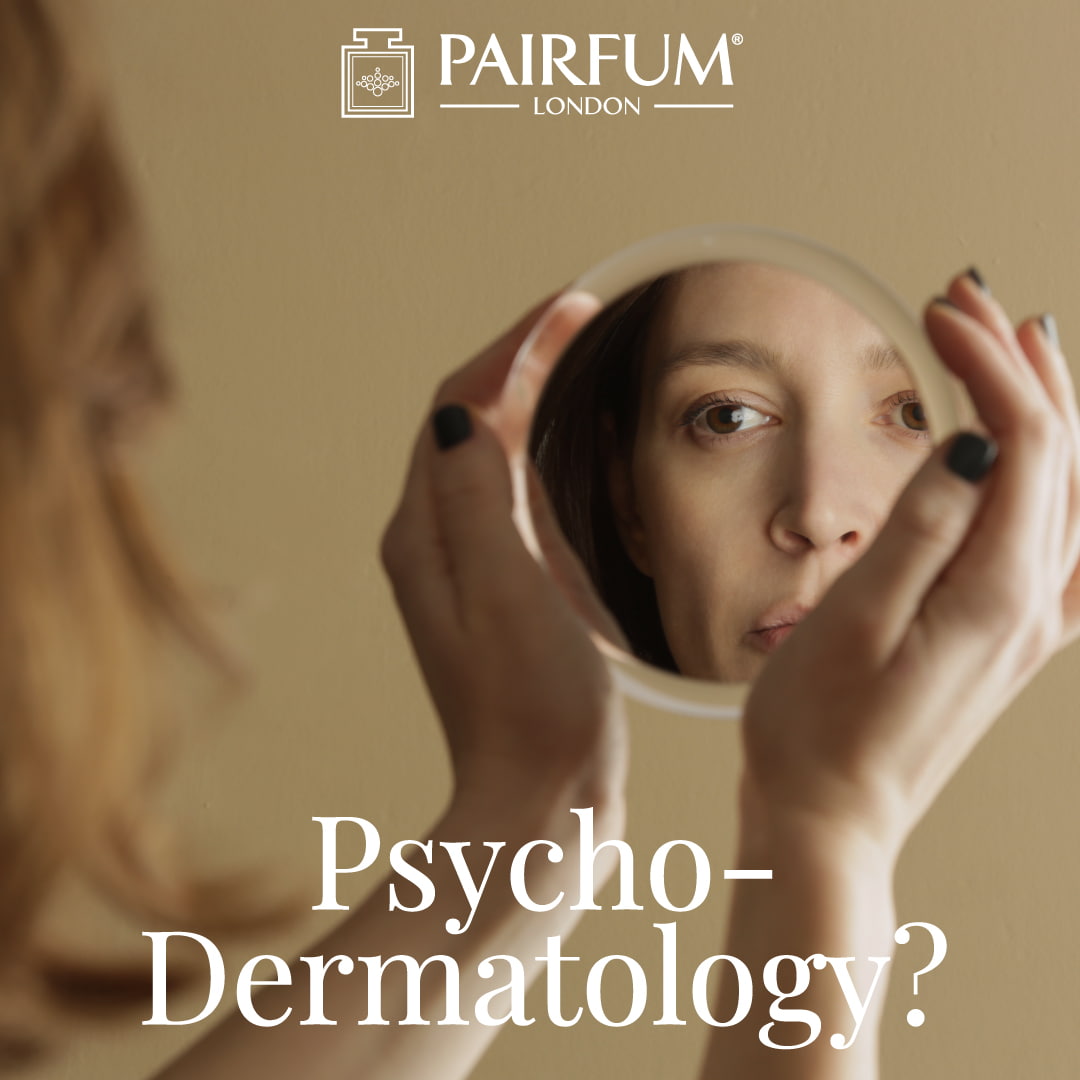
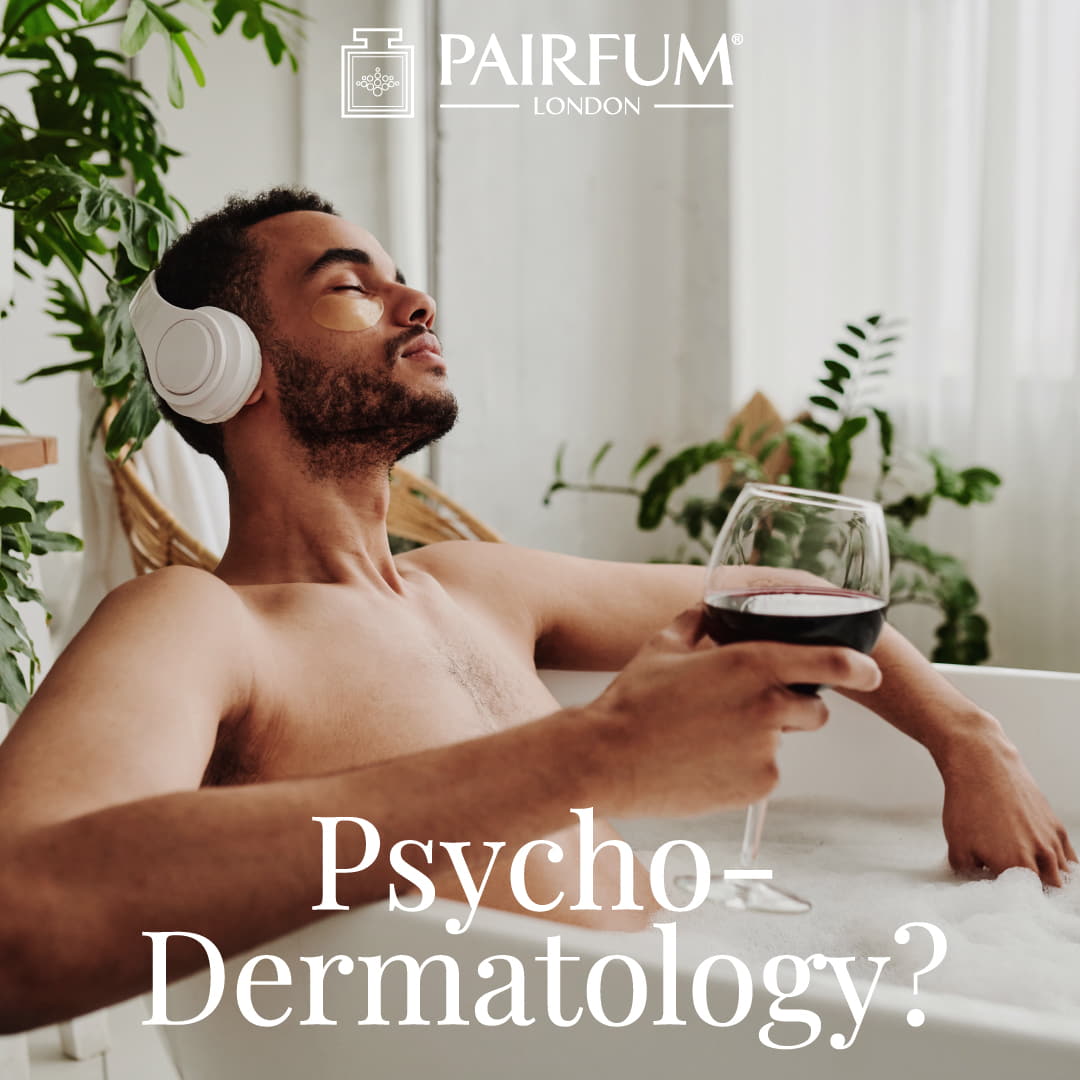
Psychodermatology: Mental Health & Skincare Synchronization

 A new, innovative trend within cosmetic ingredients being developed is in the direction of skin health and overall wellness, termed psychodermatology. Specifically, this trend focuses on the experience of using skincare products and how these products can positively impact our mood and overall mental health.

Keep in mind, our skin is our largest organ!

What Is Psychodermatology?

Psychodermatology is the study of the relationship between the skin and the mind. It is a relatively new field of study, but there is growing evidence to suggest that there is a strong connection between the two.

For example, studies have shown that people with mental health conditions such as anxiety and depression are more likely to develop skin conditions such as acne, eczema, and psoriasis. Conversely, people with skin conditions are more likely to experience anxiety and depression.

This suggests that there is a bidirectional relationship between the skin and the mind. The skin can affect the mind, and the mind can affect the skin.

Why Is This Trend Emerging?

There are a number of reasons why the trend of psychodermatology is emerging. One reason is that there is a growing awareness of the importance of mental health. People are more open to talking about their mental health challenges, and they are more likely to seek help.

Another reason is that there is a growing body of research on the link between the skin and the mind. This research is helping to raise awareness of the issue and to develop new treatments for skin conditions that are associated with mental health challenges.

Psychodermatology Mental Health Skincare Synchronization Man Bath

How Does This Trend Materialise?

1. Sensorial Experience

The first aspect of focus is the sensorial experience of applying the product to the skin.

Consumers are seeing positive impacts on their mood during application and when evaluating the afterfeel and performance of these products. When skincare products leave the skin feeling hydrated, soothed, and soft, it has a positive impact on the user’s mental health. Ingredients are being developed and appearing in the first products with an improved sensorial experience and ‘application enjoyment’.

2. Mental Health

Beyond the initial experience, this trend shows how skincare products, particularly those that treat skincare imperfections and conditions, can offer true mental health benefits. By using products that are beneficial to the skin’s overall health and appearance, stressors that have negative psychological effects are reduced, helping to improve overall self-esteem and confidence.

New multifunctional ingredients are coming to the market that offer skin health benefits such as hydration, makeup removal, moisture retention, and healthy shine, all while being naturally derived. These benefits are being utilized in new products that:

  • thoroughly cleanse the skin,
  • products used during slugging to retain a higher level of actives and moisture, and
  • in products that leave behind a healthy glow and shine.

These benefits can help to improve the appearance of the skin and can help to improve the consumers’ overall confidence and experience with the products.

Here are a few example of skin care ingredients that align with this trend

3. Ingredient & Product Examples

There are a number of skin care ingredients that have been shown to have benefits for mental health. These include:

  • L-theanine: This amino acid is found in green tea and has been shown to reduce anxiety and improve mood.
  • GABA: This neurotransmitter is known to have calming effects. It can be found in supplements or in certain skin care products.
  • Aloe vera: This plant has been shown to have anti-inflammatory and wound-healing properties. It can also help to reduce stress and anxiety.
  • Chamomile: This herb has been used for centuries to soothe the skin and promote relaxation. It can be found in teas, lotions, and essential oils.
  • Lavender: This essential oil is known for its calming and relaxing properties. It can be used in a diffuser or added to a bath.

Examples of product types & features that align with this trend

There are a number of product types and features that are designed to address the mind-skin connection. These include:

  • Products that are fragrance-free or lightly fragranced: Strong fragrances can irritate the skin and trigger anxiety or headaches.
  • Products that are calming and relaxing: These products may contain ingredients such as lavender, chamomile, or L-theanine.
  • Products that are designed to be used in a spa-like setting: This can help to create a relaxing and de-stressing environment.
  • Products that are personalized to the individual: This can help to ensure that the product is effective and that it does not trigger any negative reactions.
Psychodermatology Mental Health Skincare Synchronization Woman Lotion

The Implications For Perfumes?

The trend of psychodermatology has implications for the perfume industry.

Fragrance has long been known for its aromatherapeutic and psychological benefits.

Perfumes can have a powerful effect on the mind and emotions. They can be used to create a sense of calm, relaxation, or excitement.

Equally, wearing a perfume has a significant impact on our general feeling of wellbeing.

As more people become aware of the mind-skin connection, there is a growing demand for perfumes that are designed to promote mental well-being. Perfumers are now incorporating ingredients such as lavender, chamomile, and L-theanine into their fragrances.

How this new trend should be applied to perfumes?

When choosing a perfume, it is important to consider the ingredients and the fragrance profile. Some ingredients, such as strong citrus scents, can be stimulating and may not be suitable for people with anxiety or stress.

Fragrances that are calming and relaxing, such as lavender and chamomile, are often a better choice for people with mental health challenges.

It is also important to become aware when choosing a fragrance what its impact is on our general feeling of wellbeing. Do you enjoy it and that makes you feel good?

For example and with this in mind, we should buy perfume differently, rather than ‘on a hop’ when we sprint through the Duty Free.

Instead, we should ‘live’ with a perfume before we buy it:

  • we should experience it over time and on our skin,
  • in our own scent neutral home environment, and
  • throughout a week during a variety of activities, e.g. sports, work/home, socialising, travelling, …

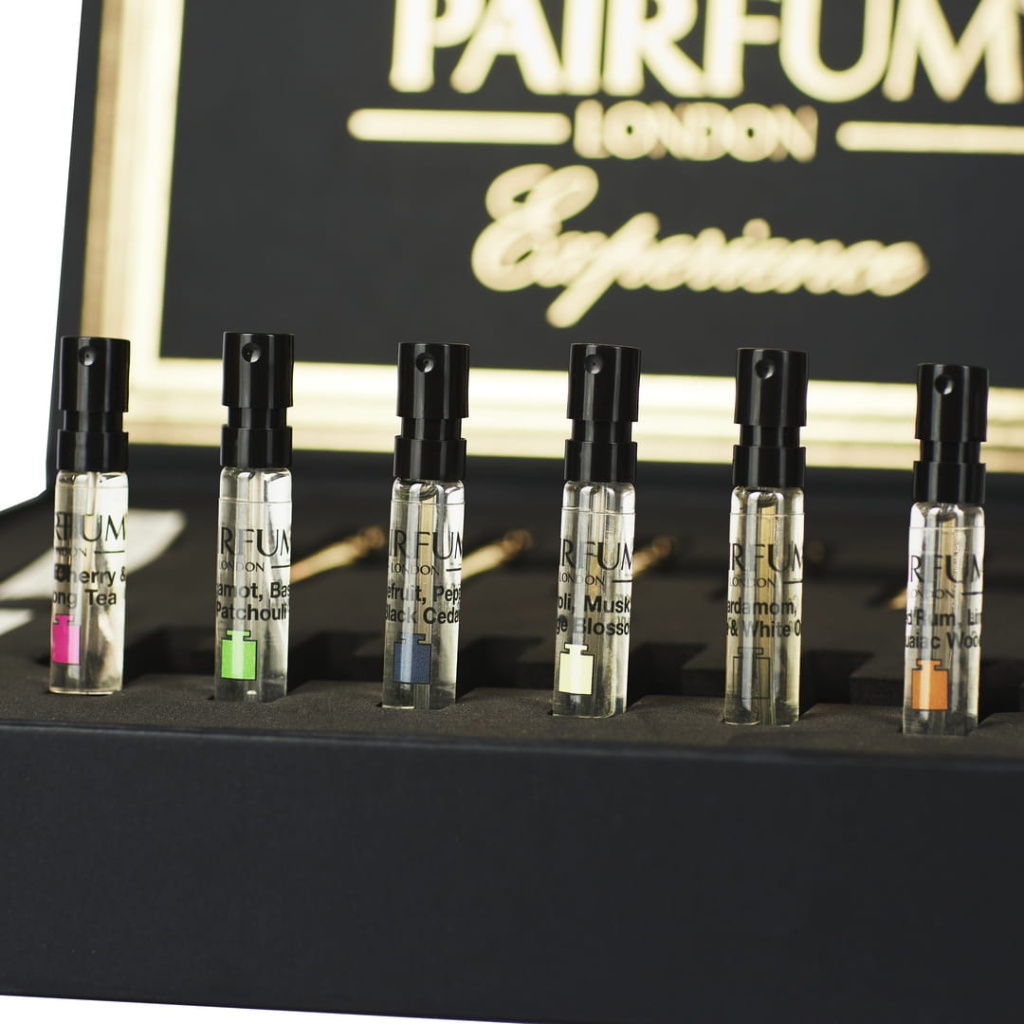
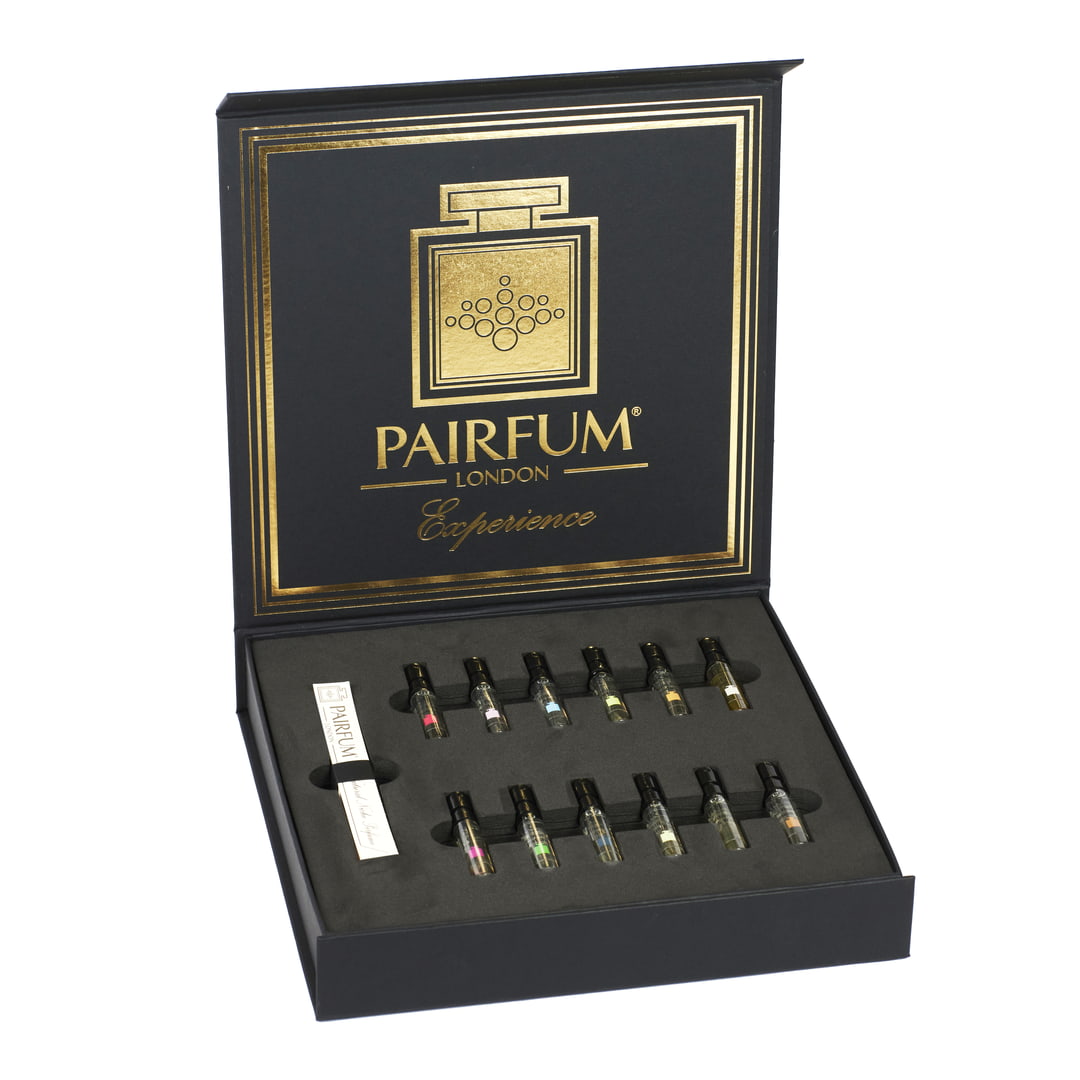
In this context, we highly recommend ‘Discovery Boxes’ or ‘Fragrance Libraries’. In particular, our own company’s “Perfume Experience Box” embraces this approach by offering 12 x Eau de Parfum Intense together with smelling strips. Each spray vial contain enough perfume to thoroughly experience the fragrance for 2 weeks.

Psychodermatology Mental Health Skincare Synchronization Fragrance Experience Box

How Should This Trend Be Applied When Choosing Skincare Products?

The same principles apply when choosing skincare products.

Our recommendation is again to discover products through subscription or discovery boxes. It allows to trial a variety of products from the comfort of your own home, on your skin over time and throughout a typical day.

Depending on your circumstances, you may choose products that are fragrance-free or lightly fragranced or ones that do not contain any ingredients that you know will irritate your skin.

Alternatively, products that are designed to be calming and relaxing, such as those that contain lavender or chamomile, can be a good choice for people with mental health challenges.

Equally, it important to choose products that you enjoy using and that make you feel good.

Conclusion:

The trend of psychodermatology is still emerging, but it is clear that there is a growing connection between the skin and the mind. This trend has implications for the perfume and skincare industries, as well as for individuals who are looking for ways to improve their mental health.

By choosing products that are designed to be calming and relaxing, and by avoiding products that contain irritating ingredients, you can help to improve your mental health and overall well-being.

In addition to the tips mentioned above, there are a few other things you can do to promote mental health and skin health:

  • Get enough sleep. When you’re well-rested, your skin has a chance to heal and repair itself.
  • Eat a healthy diet. Eating plenty of fruits, vegetables, and whole grains can help to improve your overall health and well-being.
  • Exercise regularly. Exercise releases endorphins, which have mood-boosting effects.
  • Manage stress. Stress can trigger skin conditions and worsen mental health challenges. Find healthy ways to manage stress, such as yoga, meditation, or spending time in nature.

By taking care of your mental and skin health, you can improve your overall quality of life.

Here are some additional things to keep in mind:

  • The mind-skin connection is complex and not fully understood. More research is needed to better understand how the two systems interact.
  • The effects of psychodermatology products can vary from person to person. It is important to experiment with different products to find what works best for you.
  • If you have a skin condition or mental health challenge, it is important to see a doctor or mental health professional. They can help you to develop a treatment plan that is right for you.

The trend of psychodermatology is still in its early stages, but it is a promising development. By understanding the mind-skin connection, we can develop new treatments for skin conditions and improve mental health outcomes.

Eau De Parfum Person Reflection Ginger Elemi Vetiver Psychodermatology Mental Health Skincare Synchronization
Eau De Parfum Person Reflection Sea Salt Sage Amber Woman Rock 1 1

Unlocking The Secrets Of Clean Fragrance & Clean Beauty

Interest in clean fragrance and clean beauty is on the rise, changing not only what people buy, but also how brands approach responsibility for both ethics and the environment. In a world placing greater attention on sustainability and wellness, new expectations have emerged within the beauty and fragrance sectors. More and more buyers want certainty that products are safe and free from harmful chemicals, pushing natural ingredients and ingredient transparency to the forefront when it comes to skincare, hair care, home fragrance and perfume.

Clean fragrance brands such as Pairfum London, Clean Reserve, and Henry Rose have all had an impact on how clean perfume is viewed globally. Ingredient transparency and clear information about natural ingredients are now almost as important to shoppers as the final scent itself. Whether you’re picking out a signature scent, looking for a fresh perfume, considering a fragrance-free choice, or simply want to understand what clean fragrance means to your routines, this guide will cover the essentials and explain how they fit into contemporary lifestyles.

This article covers the following topics:

  • What Is Clean Beauty: Definition, Importance, Ingredients
  • The Rise Of Clean Fragrance: Definition, Differences, Benefits, Longevity, Industry Standards
  • How to Identify a True Clean Fragrance Brand
  • Iconic Clean Fragrance Brands
  • How to Build a Clean Scent Routine
  • Myths and Misconceptions about Clean Fragrance
  • The Intersection Of Clean Fragrance & Beauty
  • The Emergence Of Clean Home Fragrance
  • Ethical Dimension
  • Challenges & Criticism
  • The Future
  • What to Look For in a Clean Fragrance – A Quick Reference Guide
  • Fragrance Library Perfume Experience by Pairfum London
Clean Fragrance Perfume Beauty Natural Sustainable Health Parfum

What Is Clean Beauty?

Definition

Clean beauty describes skincare, perfume and personal care products that are designed with natural ingredients at their heart, but also avoid the use of potentially harmful chemicals or harsh chemicals. Ingredient transparency and a strong emphasis on wellness and sustainability set the tone for how clean beauty is approached by industry leaders and customers alike.

Importance

Over recent years, enthusiasm for clean beauty has intensified. Findings from current research confirm that knowledge of fragrance allergens and the impact of synthetic ingredients are driving many to seek out alternatives, especially those with sensitive skin or health concerns. For many, clean beauty is far more than a passing fascination, and it now shapes the reputation of everything from perfume to hand cream and body mist.

Clean beauty helps buyers avoid harsh chemicals, offers peace of mind, and often sets new standards for both the perfume and fragrance sectors. It has grown from a niche interest to a staple feature of the mainstream.

Key Ingredients

Choosing clean beauty and clean perfume means taking a close look at both what goes into the product and what is left out.

Ingredients to seek: Botanical extracts and pure essential oils such as ylang ylang, jasmine, and orange blossom, along with supportive base oils and vitamin E, all work to promote wellbeing and a captivating aroma.

Ingredients to avoid: Top clean fragrance brands and clean beauty leaders deliberately exclude harmful chemicals like parabens, phthalates, aggressive synthetic musks, and unnecessary preservatives. Ingredient transparency is now closely linked to ethical and responsible choices.

Brands also make use of natural ingredients like shea butter or cater for lighter tastes with options like body mist, which is ideal for a midday clean scent.

Clean Fragrance Perfume Beauty Sustainable Healthy Natural

The Rise Of Clean Fragrance

Definition

Clean perfume is about moving away from traditional methods filled with suspicious synthetic ingredients and harmful chemicals. The popularity of this change is fuelled by a wider wish for products which care for health and the planet. Clean perfume shouldn’t be confused with just a ‘clean-smelling’ experience. It can be bold and rich, offering floral scent, vanilla foundations, or even an enticing blend of botanicals, all designed with sustainability in mind.

Differences from Traditional Fragrances

Many traditional fragrance products rely on undisclosed synthetic fragrance, often hidden within the broad label of “parfum”. These may shelter all sorts of additives, such as nitro musks, phthalates, and other harsh chemicals, some of which are gathering concern worldwide.

Clean fragrance brands focus intently on full disclosure. Shoppers can see every ingredient listed, and the sector prioritises what’s best for both people and nature. Clean Reserve, for example, sets standards with open ingredient lists and thorough alignment to global safety bodies and recommendations. Today’s clean fragrances and fresh perfume options run the full spectrum: from zesty citrus to deep, complex blends, proof that performance and integrity can share the stage. The clean fragrance scene now includes classics like warm cotton and jasmine, as well as creative collaborations like those between major brands and streetwear innovators such as Acne Studios.

Benefits

The move to clean perfume is driven by its clear benefits for both users and the world.

  • There is a much lower risk of allergic reactions or irritation, which is crucial for those with sensitive skin.
  • Users avoid unnecessary contact with questionable or harmful chemicals.
  • Brands give consumers more control, with transparency of information and choice over every detail.
  • Ethical sourcing and sustainable choices feature at every stage, with vegan and cruelty-free practices at the core.
  • Modern clean fragrance and clean perfume lines perform just as well – whether you love the comfort of powdery vanilla, uplifting orange blossom, or the sparkle of pink grapefruit.

Addressing Longevity and Performance

A common myth is that clean fragrance does not last. Yet, thanks to advancements like innovative botanical fixatives and perfume oil, today’s clean perfume experiences offer a lasting and memorable scent. Luxurious, authentic and impactful, they provide real alternatives, without reliance on outdated synthetic ingredients from the past.

Global Legislation and Standards

Clean fragrance has flourished in an environment shaped by strict international guidelines. For instance, the EU and the UK list well over 1,300 banned substances across cosmetics and fragrance, while other parts of the world are stepping up gradually. The most diligent clean fragrance brands far surpass these requirements, placing safety and sustainability first for both people and planet.

Sustainable Clean Fragrance Perfume Beauty Non Toxic Healthy

How to Identify a True Clean Fragrance Brand

With so many claiming to be part of the clean fragrance movement, knowing how to spot genuine clean fragrance brands matters. Look for the following qualities:

  • Are all ingredients revealed and never hidden as ‘fragrance’ or ‘parfum’?
  • Are badges visible – for IFRA, Ecocert, Leaping Bunny or other respected bodies?
  • Will you see clear statements regarding vegan-friendly formulas, cruelty-free methods, and a conscious avoidance of harsh chemicals?
  • Does the company tell you about the origins of materials, such as wild harvest or upcycled ingredients, and open trade practices?
  • Does packaging reflect efforts to reduce environmental impact, for instance, by using refillable bottles or recyclable materials?

The mark of a responsible, clean fragrance brand lies in an obvious commitment to ingredient transparency and ethics.

How to Read a Clean Fragrance Label & Recognise Certifications

It helps to know how to handle the finer details on a perfume or fragrance label, as this is a vital step for buyers.

  • Check the ingredient list is clear and highlights any well-known allergens (ylang ylang, jasmine, or coumarin are good examples).
  • Note recognisable seals such as Ecocert (organic), IFRA (safe formulation), Vegan Society and Leaping Bunny (animal welfare), and Soil Association (organic status).
  • Honest claims like “no synthetic musks”, “phthalate-free”, “no parabens”, or “free from synthetic fragrance” should be prioritised.
  • If aiming for a fragrance free option, ensure the label gives a transparent summary.

Clean Fragrance Brands: The Pioneers & Innovators

Pairfum London

Pairfum London takes a small-batch approach under the motto “Perfume & Fragrance with a Conscience”, using biodegradable materials, niche blends of perfume oil, sophisticated reed diffusers and luxurious home fragrance. 

Henry Rose Perfume

Led by Michelle Pfeiffer, Henry Rose is famous for ingredient transparency. It shares full breakdowns for every clean fragrance, aiming for allergy-friendly formulations and stringent certifications. It was among the early names to earn EWG verification for fine fragrance.

Clean Reserve

Clean Reserve helps set benchmarks for the clean fragrance market. Its bestsellers, such as “Warm Cotton” and “Rain”, showcase eco-friendly packaging and sustainable sourcing, demonstrating that style and responsibility blend seamlessly.

Abel Odor, Maison Louis Marie, 7 Virtues, Sana Jardin & Rosie Jane

Across the globe, Abel Odor from the Netherlands, Maison Louis Marie, 7 Virtues, Sana Jardin, and Rosie Jane all help show how diverse clean fragrance brands have become. Whether you like Abel’s minimalist approach, the plant-based storytelling at Maison Louis Marie, or the ethical sourcing found in 7 Virtues’ uplifting blends, there is now a variety for every preference.

Natural Clean Fragrance Perfume Beauty Sustainable Healthy

How to Build a Clean Scent Routine

A consistent clean scent routine can shape both your wellness and your sense of style. Try these steps to create a routine that works for you:

  • Begin with a sample kit to explore clean fragrance and test longevity, including perfume oil roll-ons.
  • Add complementary items, such as using a matching clean fragrance hand cream or pairing with a reed diffuser to control the mood at home.
  • Match clean fragrance to activity and time of year, such as opting for fresh perfume or citrus in the daytime, or a deeper musk and jasmine blend for nighttime. When it gets cooler, switch to spicier or woody perfume.
  • Double-check ingredients every time you restock a favourite, as clean beauty and clean perfume brands constantly update and improve.
  • Give yourself a short ‘no scent’ break without synthetic fragrance or detergent-heavy products now and then. It will help reset your senses for appreciating a unique skin scent or trying the next natural fragrance.

Myths and Misconceptions about Clean Fragrance

There are a number of misunderstandings around clean fragrance and clean beauty that should be addressed.

  • “All natural means hypoallergenic.” This is not the case; pure essential oils and even some botanicals can cause a reaction for certain people.
  • “Clean perfume is boring.” Today’s clean fragrances include vibrant floral scent, layered musk, plenty of vanilla and lively notes like pink grapefruit.
  • “Synthetic always means dangerous.” Some synthetic ingredients are required for cruelty-free status or the protection of rare plants, and they are often safer than certain natural extracts.
  • “Clean fragrances do not last.” With the help of new perfume oil blends and fixatives, even body mist or a lighter clean scent performs as well as conventional fragrances.
  • “Clean fragrance is expensive.” Increasing demand and special offers, such as Black Friday deals, have made clean fragrance brands affordable and accessible.
Clean Home Fragrance Perfume Beauty Natural Sustainable Health

The Intersection of Clean Fragrance & Beauty in Everyday Life

Bringing together clean fragrance and clean beauty in everyday routines means reducing the unknowns for yourself and those around you. A move towards clean perfume, clean beauty, and home fragrance lessens the risk of exposure to harsh chemicals while allowing you to make the most of well-made, honest aromas all day long.

People moving to routines built on clean fragrance and clean beauty often see their sensitive skin respond positively, with fewer issues and a sense of living in greater balance. From finding a new signature scent, layering fresh perfume with delicate body mist, or getting reassurance through ingredient transparency, there is something for anyone within these forward-thinking choices.

The Emergence of Clean Home Fragrance

Interest in clean home fragrance is soaring, creating a new focus on how people shape their living space. Clean home fragrance now covers not only candles and reed diffusers but also room spray and perfume oil blends. This category holds itself to the same high bar as the best clean fragrance brands.

Older home fragrance products may use ingredients such as paraffin, phthalates or synthetic musks, while new clean fragrance brands lean towards natural wax, essential oils, and biodegradable containers. If you like clean clothes fresh from the wash, you will love options like warm cotton or orange blossom for a home fragrance atmosphere, which calls to mind comfort and cleanliness, minus the chemicals typically found in detergent fragrances.

Pairfum London is an example in the field, providing natural wax candles, refillable diffusers and home fragrances which exclude harsh chemicals, leading to a cleaner and more welcoming home.

Clean Fragrance Perfume Beauty Natural Sustainable Healthy

The Ethical Dimension of Clean Fragrance

Clean fragrance is about much more than what is left out. Top clean fragrance brands pledge to support fair trade sourcing, provide openness across their supply chains, and aim for minimal impact on the environment. Upcycled ingredients, biodegradable bottles, support for local growers and communities, as well as certifications for vegan and cruelty-free standards, set the ethical bar high.

Notable names, including Maison Louis Marie, Abel Odor and 7 Virtues, deliver fabulous choices for those wanting everything from smooth vanilla to gentle musk and brilliant orange blossom. Transparency about the full journey of ingredients, including regions of origin and support for the wider community, is now a basic expectation rather than an added extra.

Challenges & Criticisms in the Clean Perfume Sector

As the clean fragrance trend advances, challenges remain. The field still suffers from grey areas within regulations, differing country standards, and the risk of ‘greenwashing’. While cost, variety, and performance used to be obstacles for clean beauty and fragrance, innovation, teamwork and growing demand are rapidly closing these gaps.

For customers, careful attention is still needed: a label claiming ‘clean’ or ‘natural’ does not guarantee a high standard or ingredient transparency every time. Supporters are calling for better labelling, more regulation, clearer allergen warnings and visible certifications, so clean fragrance and clean beauty can continue to earn trust.

Natural Clean Home Perfume Fragrance Beauty Sustainable Healthy

The Future of Clean Fragrance & Beauty

The outlook for both clean beauty and clean fragrance is energetic and imaginative. According to the Clean Beauty Collective, the clean fragrance market is set to rise by over eight percent each year for the next five years.

Trends to pay attention to include:

  • The introduction of artificial intelligence for made-to-order perfume blends or new home fragrance concepts
  • Increased partnerships between clean fragrance brands and environmental initiatives
  • More refillable packaging, especially for perfume oil and niche home fragrance
  • Ever-stronger calls for ingredient transparency, including digital solutions so shoppers can follow the journey of a clean scent

Products like or Pairfum London’s niche Eau de Parfum are at the cutting edge, combining ethics, superb performance, and suitability for both traditional and modern tastes.

What to Look For in a Clean Fragrance – A Quick Reference Guide

When sampling clean classic perfume, looking for a signature scent, or choosing home fragrance, be sure to watch out for:

  • A full, clear ingredient list (beware of any undisclosed synthetic fragrance)
  • Trusted certifications, like IFRA, Ecocert, Leaping Bunny, Soil Association
  • Strong evidence of responsibility in sourcing, upcycling or sustainability
  • Packaging that is easy to recycle or refill
  • Direct information about allergens, especially vital for those with sensitive skin
  • Honest claims for performance and longevity, proven across lines like perfume and home fragrance
  • A mix of familiar luxury (floral scent, vanilla, musk, woods) and new, fresh approaches
  • Genuine reviews, along with open policies on trials and returns
Clean Perfume Fragrance Beauty Sustainable Healthy Natural

Frequently Asked Clean Fragrance Questions

What’s the difference between clean, green, and natural fragrance?
Clean fragrance is all about safety for people and the planet, full transparency and conscious choices. It doesn’t have to mean only natural content, while green and natural fragrance often focus more on using only plant-based essential oils.

Are clean fragrance brands suitable for sensitive skin?
The vast majority avoid major irritants, but you should always run a patch test when you first try perfume oil, hand cream or body mist containing essential oils.

Can clean fragrance products replace standard room spray or detergent for keeping homes smelling clean?
Yes. Clean fragrance brands now provide home fragrance and special fabric-friendly options, including reed diffusers, candles, room spray, and laundry-safe sprays.

Fragrance Library Perfume Experience by Pairfum London

For those looking to explore clean fragrances in all their variety, the Pairfum London Fragrance Library Perfume Experience Box Collection offers an ideal introduction. This thoughtfully curated set features a selection of elegant, naturally-inspired perfumes, each crafted to embody the values of clean beauty: purity, transparency, and sustainability. Perfect as a gift or for personal discovery, the Perfume Experience Box makes it easy to enjoy sophisticated scents while supporting a brand committed to ethical ingredients and responsible luxury.

Conclusion

The rise of clean perfume and clean beauty marks a new phase in luxury, wellness, and environmental awareness. Brands like Pairfum London have shown that distinctive fragrances, whether a fresh perfume, calming perfume oil or inspiring home fragrance, can all be created in line with your principles. If you are ready to consider clean fragrance, signature scents or the latest home innovations, be sure to look for ingredient transparency and ethical sourcing at every step. The transition towards a brighter fragrance world has started, and you can help shape it. Visit Pairfum London to find the clean fragrance, signature scent, or home fragrance collection that suits you, your home and the world around you.

Natural Clean Home Fragrance Perfume Beauty Sustainable Health

The History Of Perfume The Perfume Maker

The Perfumer: Crafting Artistry With Fragrance

Introduction:

In this article we will introduce the role of the perfumer in a fragrance house by covering the following subjects:

  • What is a Perfumer?
  • The History of the role of the Perfumer
  • The Modern Day Tasks & Responsibilities
  • The responsibilities of a perfumer
  • Famous Perfumers
  • Typical Employers
  • Education
  • Qualities of a Perfumer
  • Differences versus a Parfumista, Flavourist and Chemist
  • The Consultation with a Perfumer
  • A Perfumer’s Boutique
  • Must-read Books about the Perfumer

What is a Perfumer?

A perfumer is a professional who creates and formulates perfumes. They are experts in the art and science of perfumery, possessing a deep understanding of various fragrance ingredients and how they harmonize together. These individuals leverage both their creativity and technical prowess to design fragrances that are not only pleasing to the olfactory senses but also capable of evoking specific emotions and memories.

History of the Role of Perfumer

The roots of perfumery stretch far back into the annals of ancient civilizations, including Egypt, Greece, and Rome. Early perfumers harnessed the potential of natural materials like flowers, spices, and herbs to compose fragrances with various applications. These ancient perfumes played roles in personal hygiene, religious ceremonies, and even warfare, demonstrating the multi-faceted nature of scent’s significance.

The Middle Ages and the Renaissance marked significant milestones in the evolution of perfumery. Perfumers of this era began integrating more intricate fragrance ingredients, such as musk and ambergris, into their creations. This era also saw the development of novel techniques for extracting and distilling fragrance oils, propelling the art forward.

The Industrial Revolution ushered in a new era for perfumery, where technological advancements enabled mass production. This period witnessed experimentation with synthetic chemicals, expanding the palette of ingredients available to perfumers and altering the landscape of fragrance creation.

The Perfumer’s Palette: Tasks and Responsibilities

The tasks assigned to perfumers can vary based on their roles and the organizations they work for.

However, some core responsibilities include:

  • Developing innovative fragrance concepts
  • Crafting intricate fragrance formulas
  • Rigorously testing and evaluating fragrance samples
  • Collaborating harmoniously with marketing and sales teams
  • Engaging in travel to meet clients and discuss their fragrance needs
  • Adjusting fragrances to match the preferences of consumers
  • Ensuring fragrances comply with regulatory requirements, e.g. IFRA/RIFM.
  • Matching the chemical formula of the perfume to technical requirements of the perfume medium, e.g. is it an alcoholic spray, a light lotion or solid perfume
Eau De Parfum Person Reflection Sea Salt Sage Amber Man Trousers 1 1

Famous Perfumers

The realm of perfumery boasts a roster of famous figures who have significantly impacted the art and science of fragrance creation. Some of the most notable perfumers include:

Jean-Paul Guerlain: Renowned for creating timeless fragrances like Shalimar, Habit Rouge and Mitsouko for the iconic Guerlain perfume house.

François Demachy: The current perfumer-in-chief at Guerlain, responsible for crafting modern classics such as La Petite Robe Noire and Mon Guerlain.

Alberto Morillas: A Spanish perfumer with a prolific career at prominent perfume houses like Givaudan, Firmenich, and Puig, known for crafting popular fragrances like Acqua di Gio and Eternity.

Jacques Cavallier Belletrud: A French perfumer serving as the perfumer-in-chief of Louis Vuitton, acclaimed for creating signature scents like L’Immensité and La Nuit de L’Homme.

Ernest Beaux: The creator of Chanel No. 5, one of the most iconic fragrances in history.

Jacques Polge: The nose behind many Chanel fragrances, including Coco Mademoiselle and Allure Homme.

Sophia Grojsman: Renowned for her modern creations, including Calvin Klein’s Eternity and Lancôme’s Trésor.

Evolution of the Perfumer: From Tradition to Innovation

The role of the perfumer has gracefully transformed over epochs, shaped by societal shifts, technological strides, and changing preferences. Traditionally, perfumers often relied on natural ingredients, skillfully blending them to conjure scents. However, the advent of synthetic molecules broadened possibilities, permitting not only cost-effective alternatives but also novel avenues for creativity.

The emergence of niche perfumery in the latter part of the 20th century disrupted the sway of mass-market fragrances. Niche perfumers endeavored to craft distinctive and artistic scents, catering to discerning individuals seeking olfactory experiences beyond the mainstream.

Furthermore, technological advancements have revolutionized the perfumer’s toolkit. Techniques like gas chromatography and mass spectrometry empower perfumers to scrutinize and replicate scents with unprecedented precision. Computer-aided design software augments the fragrance formulation process, facilitating experimentation and innovation.

Perfuming Pursuits: Prominent Employers and Opportunities

Perfumers are sought-after professionals within the fragrance industry, finding placements across various sectors:

Fragrance Houses: Distinguished brands such as Chanel, Dior, and Guerlain engage perfumers to orchestrate scents that encapsulate their brand essence.

Niche Perfumery: Niche brands celebrate uniqueness and innovation, offering perfumers an outlet for boundless creativity.

Fragrance Suppliers: this is where the vast majority of perfumers are employed. These companies source and produce the ingredients, and their perfumers create the wonderful perfumes that we have come to love & cherish from the leading Couture and Perfumery Houses.

Personal Care and Cosmetics: Perfumers contribute their expertise to scented products like shampoos, soaps, and lotions.

Flavour and Food Industry: Perfumers enrich the sensory journey of consumables by crafting flavors and aromas for the food and beverage sector.

Scientific Research: Some perfumers dedicate their efforts to laboratory exploration, innovating aromatic compounds and extraction methods.

Pairfum Person Reflection Pink Rose Sensuous Musk Eau De Parfum Woman The Perfumer

The Perfumer Today: Prevalence and Education

In contemporary times, the perfumer’s role stands as a relevant and vital pursuit. While an exact count eludes us, perfumers find themselves in a demand-driven field, with the resurgence of niche perfumery and customized fragrances amplifying their prominence. This revival has led to an upswing in perfumer numbers, both within established fragrance houses and among independent artisans.

Education and Qualifications for Perfumers:

Becoming a perfumer necessitates a blend of education, training, and personal qualities. Formal education in chemistry, biochemistry, or related fields lays the foundation for comprehending the chemistry of aromatic compounds.

Specialized perfumery institutions furnish comprehensive training in olfaction, blending techniques, and fragrance composition. Noteworthy establishments encompass the Grasse Institute of Perfumery in France and the International Flavors & Fragrances (IFF) School of Perfumery.

Qualities of a Perfumer: Navigating Aromatic Symphony

A perfumer’s journey mandates an array of qualities:

Discerning Olfactory Sense: A perfumer’s acute sense of smell serves as their principal instrument, discerning individual notes and envisaging intricate compositions.

Unbridled Creativity: Perfumery transcends mere science, necessitating a perfumer’s innate creative spirit to concoct scents that recount stories, evoke sentiments, and captivate the senses.

Patience and Precision: Cultivating the ideal fragrance demands meticulous attention to detail, unwavering patience in exploring various ratios, and an unerring precision in ingredient measurement.

Adaptive Mindset: In an industry where trends, inclinations, and technological advancements mold the landscape, perfumers’ adaptability ensures relevance and innovation.

Curiosity and Passion: A genuine inquisitiveness about the realm of scents, coupled with an unbridled passion for fragrance construction, ignites a perfumer’s dedication to their craft.

A Scientific Mind: Modern perfumers excel in Fine Chemistry and their laboratories are not to dissimilar from the Pharma Industry. Today, perfumes are complex mixtures with interactions

Pairfum London Perfumista Fragrancista Woman 1 1

Aromatic Horizons: The Future of Perfumery

The trajectory of perfumery brims with anticipation. Growing consumer fascination with individuality, authenticity, and immersive experiences continues to shape the landscape.

The exploration of sustainable ingredients and eco-conscious practices is burgeoning, aligning with contemporary environmental concerns. Additionally, technological tools, from artificial intelligence to advanced chemistry, are poised to enhance the perfumer’s creative toolkit, fostering new realms of olfactory expression.

Perfumer versus Flavourist: Scent and Taste Artisans

In the intricate tapestry of fragrance and flavor, two distinct yet interconnected roles emerge: the perfumer and the flavourist.

While both professionals harness their expertise to craft captivating sensory experiences, their focus diverges between the olfactory realm of scents and the gustatory world of tastes.

A flavourist is a skilled artisan who formulates flavors for various consumable products, ranging from food and beverages to oral care products. They possess a deep understanding of aromatic compounds and the interaction between taste receptors and scent receptors in creating harmonious flavor profiles.

While the perfumer navigates a world of emotions, memories, and personal connections through fragrances, the flavourist delights in crafting tastes that tantalize the palate and evoke culinary experiences.

Commonalities lie in their shared mastery of raw materials and their ability to balance various elements into an artful creation. Both perfumers and flavourists tap into nature’s abundance, working with botanical extracts, essential oils, and synthetic molecules to achieve their objectives.

Their expertise finds relevance in various sectors, with perfumers serving luxury brands and niche markets, while flavourists collaborate with food and beverage companies, oral care product manufacturers, and more. In this world of scents and tastes, these artisans collaborate to enrich our sensorial journey, transforming ingredients into masterpieces that resonate with our senses and memories.

Perfumer versus Parfumista: Professionals and Connoisseurs of Fragrance

Within the realm of fragrances, two distinct roles emerge: the perfumer and the parfumista.

While the perfumer is the skilled architect behind creating fragrances, the parfumista is the passionate connoisseur who appreciates, collects, and explores a diverse array of scents.

Perfumers harness their expertise to blend aromatic compounds, crafting intricate compositions that evoke emotions, memories, and artistry.

On the other hand, the parfumista’s journey is characterized by their deep love for fragrances and their ability to discern and appreciate the nuances of various notes and accords.

They are collectors, enthusiasts, and advocates of olfactory experiences, with an astute ability to distinguish between different scents and an insatiable curiosity to explore the vast world of perfumery. While the perfumer crafts the fragrant symphony, the parfumista revels in the beauty of its melody.

In a harmonious interplay, the perfumer’s creations find their way into the discerning noses of parfumistas, forging a connection that celebrates the art of scent creation.

Perfumer versus Fragrance Evaluator: Collaboration in Scent Creation

In the intricate world of perfumery, two distinct roles harmonize to shape the olfactory landscape: the perfumer and the fragrance evaluator.

While the perfumer is the visionary artist responsible for crafting fragrances, the fragrance evaluator plays a pivotal role in assessing, analyzing, and providing critical insights into these creations.

Perfumers blend aromatic notes to tell stories through scents, relying on their artistic intuition. In contrast, fragrance evaluators are analytical minds who rigorously assess the final fragrances. They navigate a complex spectrum of considerations, from longevity and sillage to market trends and consumer preferences.

This collaboration is a dance of creativity and objectivity, where perfumers channel their artistry into fragrant compositions, and fragrance evaluators provide invaluable feedback to ensure these creations resonate with diverse audiences. The interplay between these roles results in a dynamic synergy, where the perfumer’s visions are refined and enhanced by the evaluator’s discerning nose.

This symbiotic relationship ultimately shapes the fragrances that grace our skin and evoke emotions within us.

Pairfum Natural Artisan Eau De Parfum Intense Gold Flair The perfumer

Perfumer versus Product Development Chemist: Blending Artistry with Science

Within the intricate world of fragrance creation, the roles of the perfumer and the product development chemist intersect, each bringing a unique perspective to the olfactory symphony.

While the perfumer is the artist who crafts captivating scents, the product development chemist is the scientific mind behind formulating and perfecting these fragrances for commercial products.

Perfumers skillfully blend aromatic compounds to weave tales through scents, relying on their creative instincts. Conversely, product development chemists employ their scientific prowess to ensure fragrances are stable, safe, and retain their olfactory allure across various formulations.

Their expertise lies in understanding the chemistry of ingredients and the interactions that occur during the development process. This collaboration harmonizes artistic expression with technical precision, producing fragrances that not only enchant but also endure. In this dynamic interplay, the perfumer’s creations find steadfast support from the chemist’s understanding of molecular intricacies.

The result is a seamless blend of art and science that graces our senses and products with enduring olfactory magic.

The Evolution of Perfumery Consultations: From Traditions to Modern Experiences

In the bygone era of perfumery, seeking the expertise of a perfumer was a cherished tradition that offered a personalized and sensorial journey. Enthusiasts would step into a perfumery store, where the perfumer’s knowledge and olfactory prowess were ready to be harnessed. These encounters were immersive experiences, where the perfumer’s insights guided customers through a symphony of scents. The perfumer would attentively listen to preferences, nuances, and memories, translating them into a bespoke fragrance recommendation. This traditional ritual created a bond between the perfumer and the customer, ensuring that each fragrance choice was a tailored expression of the individual’s personality.

In the modern age, this tradition has evolved alongside changing consumer habits and technological advancements. With the rise of online shopping, virtual consultations and AI-driven fragrance recommender systems have emerged. Customers can input their preferences and receive curated fragrance suggestions, transforming the consultation experience into a digital realm. While technology enhances accessibility and convenience, it also raises questions about the loss of the personalized touch that defined traditional in-person interactions.

Nonetheless, some fragrance houses and boutiques strive to preserve the essence of the traditional perfumery consultation. They offer bespoke services that recreate the intimate engagement of yesteryears. Perfumers and fragrance experts still hold one-on-one consultations, but with a modern twist—perhaps blending the physical and virtual worlds, allowing customers to explore scents at their own pace. This evolving landscape reflects the dynamic fusion of tradition and innovation, where the magic of personal fragrance curation is adapting to the demands of the contemporary world.

Perfumer’s Online Stores

The dawn of the internet has opened the door of boutique perfumery houses worldwide to any person interested in sourcing unique and rare fragrances from anywhere in the world.

No longer is access to a boutique perfumery house in remote Grasse, the heart of London or Paris the privilege of the few the world travellers or connoisseurs.

Instead of asking “Where is a perfumery near me?”, the question is morphing into “Which Perfume suits me best?”

The Perfumer Books

Exploring the Perfumer’s World: Must-Read Books

“Perfumes: The Guide” by Luca Turin and Tania Sanchez
This iconic book offers an irreverent yet informative journey into the world of perfumes. Written by scent critics Luca Turin and Tania Sanchez, the book provides candid reviews of thousands of fragrances, shedding light on the nuances of scents, ingredients, and the art of perfumery. The authors’ unique perspectives and witty commentary make this a must-read for anyone curious about the olfactory universe.

“The Secret of Scent” by Luca Turin
In this captivating exploration, Luca Turin delves into the science behind the sense of smell and the art of perfumery. The book chronicles Turin’s journey from a researcher to a perfume critic, offering insights into how our noses perceive fragrances and the role of molecules in creating scents that resonate with us.

“The Perfume Bible” by Josephine Fairley and Lorna McKay
As an encyclopedic guide to fragrances, “The Perfume Bible” covers the history, art, and science of perfumery. Authored by scent experts Josephine Fairley and Lorna McKay, the book is a treasure trove of information about ingredients, techniques, and the industry’s evolution. It also features profiles of famous perfumers and iconic fragrances.

“Essence and Alchemy: A Natural History of Perfume” by Mandy Aftel
Mandy Aftel’s book is a poetic exploration of the world of natural perfumery. She takes readers on a journey through the history of aromatic materials, the art of extraction, and the transformative power of scent. Aftel’s passion for fragrance creation is palpable, making this book a source of inspiration for aspiring perfumers.

“The Perfect Scent: A Year Inside the Perfume Industry in Paris and New York” by Chandler Burr
Chandler Burr’s book offers an insider’s view of the perfume industry, following the creation of two iconic fragrances—one by a renowned perfumer in Paris and the other by a celebrity-endorsed brand in New York. Burr delves into the creative process, the challenges faced by perfumers, and the commercial intricacies of the industry.

“Perfum: The Story of a Murderer” by Patrick Süskind
A significant work that should be included in the list of important books related to perfumery. Although it’s a fictional novel, its exploration of the olfactory world and the protagonist’s obsession with creating the perfect scent offers a unique perspective on the art and allure of perfumery. The novel delves into the darker aspects of fragrance creation and the lengths to which one may go to capture the essence of beauty through scent. While not a guide to the profession itself, it provides an intriguing narrative that immerses readers in the aromatic tapestry of the perfumer’s craft.

These books collectively provide a comprehensive glimpse into the multifaceted world of perfumery, offering readers a deeper understanding of the art, science, and culture that surround the creation of captivating scents.

History Of Perfume Medieval Production Of Perfume The perfumer

Conclusion

The perfumer’s role traverses time, weaving history, science, and art into a fragrant tapestry.

From ancient civilizations to modern niche perfumery, their journey encompasses history’s aromatic legacies, embodies present-day innovation, and charts the path to a scented future.

Through their artistry, perfumers connect the ephemeral beauty of fragrance to the eternal realm of human emotion.

If you enjoy buying directly from a Perfumer, then we invite you to visit our Online Perfume Boutique. Pairfum London is one of the few remaining independent Perfumery House with its own in-House perfumer, Huib Maat.


    Your Cart
    Your cart is emptyReturn to Shop