Aroma chemicals are fundamental to the art and science of perfumery. These organic compounds are the essential aroma ingredients that allow perfumers to craft complex, memorable fragrances. Whether derived from nature or produced synthetically, aroma chemicals are responsible for the scent, structure, and evolution of perfumes.
This article explores the origins, types, uses, production methods, and impact of these chemicals on the fragrance industry. It also discusses their scientific nature, applications in fine fragrance and cosmetics, and the balance between natural and synthetic materials in fragrance composition.
What Are Aroma Chemicals?
Aroma chemicals are chemical compounds that convey specific scents when perceived by the human olfactory system. These compounds include both natural aroma chemicals and synthetic aroma chemicals. They can be isolated from essential oils or produced in laboratories through chemical synthesis. As a type of organic compound, each aroma chemical possesses a unique chemical structure that determines its odour and volatility.
In perfumery, these chemicals are the foundation of fragrance creation. They are used to build accords, layer aromas and create distinct olfactory experiences across perfumes, fragrance oils, and cosmetics. These compounds range from light, volatile top notes to long-lasting base notes.
Historical Development of Aroma Chemicals
Early Milestones in Aroma Chemistry
The use of aromatic chemical substances in perfumery began in the late 19th century, when chemists started isolating aroma compounds from natural materials. One example is benzyl acetate, a natural aroma chemical that imparts a sweet, floral scent and is commonly found in jasmine.
As the demand for consistent, long-lasting perfumes grew, synthetic aroma chemicals became essential. Their development allowed for the creation of stable fragrance ingredients with predictable performance.
The Birth of Modern Fragrance Design
With advancements in chemical synthesis, perfumers gained access to an expanded palette of aroma chemicals. Aldehyde, first used in the early 20th century, introduced a new dimension of abstract, radiant aroma. This marked a significant shift in fragrance composition, enabling the invention of olfactory experiences that were not limited to natural scents.
The growth of the aroma chemicals industry throughout the 20th century saw the introduction of synthetic aroma chemicals that mimicked or extended the qualities of essential oils. These developments helped meet global demand for affordable, consistent perfumes and fragrance oils.
Categories and Functions of Aroma Chemicals
Classification by Structure and Function
Aroma chemicals can be categorised based on their molecular composition and aromatic qualities. Each type plays a unique role in fragrance composition:
Aldehydes: Four key forms are used widely for their fresh, clean, and sometimes metallic scent. They contribute brightness and volume to floral scent profiles.
Esters: These compounds are responsible for fruity, juicy notes and are common in both flavour and fragrance.
Ketones: Ketones like muscone provide depth and richness, often used in base notes.
Lactones: These offer creamy, sweet, and milky facets, ideal for gourmand blends.
Terpenes and Terpenoids: Derived from essential oils, these are central to citrus and herbal notes. Limonene, a terpene found in citrus fruit peels, gives vibrant citrus character.
High Impact Aroma Chemicals
High impact aroma chemicals are potent, long-lasting compounds used in trace amounts to define a fragrance’s character. Their intense aroma and low detection threshold make them invaluable in fine fragrance formulation.
Application Across Fragrance Layers
Perfumers select aroma chemicals based on their evaporation rate and scent character:
Top Notes: Typically include citrus, green, and aldehydic elements that create the first impression.
Heart Notes: Comprise floral, spice, or herbal aroma chemicals that form the core of the scent.
Base Notes: Use heavier oils and synthetic aroma chemicals to provide depth and longevity.
Production and Sources of Aroma Chemicals
Natural Aroma Chemicals
Natural aroma chemicals are extracted from plants, flowers, roots, and spices. Extraction methods include:
Steam Distillation: A traditional technique that uses steam to extract essential oils without degrading them.
Solvent Extraction: Suitable for delicate flowers, it yields absolute oils rich in complex aroma chemicals.
Cold Pressing: Commonly used for citrus fruit peels to obtain vibrant essential oils.
Essential oil and essential oils remain a major source of aroma compounds in natural perfumery. These contain hundreds of aroma chemicals, making them complex and multifaceted.
Synthetic Aroma Chemicals
Synthetic aroma chemicals are created through chemical synthesis or biotechnological methods. These processes allow for precise control of aroma, purity, and performance.
One example is Endeavour Speciality Chemicals, a company that specialises in crafting synthetic aroma chemicals for the fragrance and flavour industries. They help provide perfumers with materials that may be rare, expensive, or unsustainable in their natural form.
Synthetic aroma chemical production also reduces pressure on natural resources, making it a responsible alternative to overharvesting.
The Role of Aroma Chemicals in Perfumery
In perfumery, the strategic use of aroma chemicals defines the final fragrance. These compounds are selected not only for their aroma but for their behaviour when blended with other ingredients.
Fragrance creation relies on the combination of natural and synthetic aroma chemicals to create olfactory harmony.
Fragrance composition includes balancing volatilities, aroma intensities, and interactions between compounds.
Carrier oil is often used to dilute aroma chemicals in oil-based perfumes, allowing for smooth application and scent diffusion.
Each molecule in a fragrance must interact with the others to form a stable and pleasing blend. The complexity of this interaction is what makes perfumery both a science and an art.
Scientific and Sensory Considerations
Each aroma chemical has a distinct chemical structure which influences its volatility, diffusion, and stability. Understanding the molecular behaviour of these compounds helps perfumers design compositions that evolve beautifully over time.
Perfumers must also consider:
The odour profile of each molecule
The way aroma chemicals combine with other compounds
How aroma is perceived by consumers
These factors ensure that fragrances perform consistently and retain their character across different products, including cosmetics and fragrance oils.
Aroma Chemicals in Related Fields
Aroma chemicals are not limited to perfumery. They are essential in:
Flavour and fragrance design for foods and beverages
Flavour enhancers in natural and synthetic forms
Creating fragrance ingredients for detergents, air fresheners, and skincare
Due to the overlap in olfactory and gustatory perception, many aroma chemicals serve both flavour and fragrance applications. The difference lies in the intended use and required purity.
Environmental and Regulatory Context
The aroma chemicals industry is increasingly focused on sustainable and ethical practices. This includes sourcing raw materials responsibly, reducing waste in production, and designing biodegradable compounds.
Aroma chemicals are regulated by organisations that govern their use in both perfumery and cosmetics. Standards ensure that these ingredients are safe for human use and environmentally sound.
Fragrance houses and manufacturers must comply with these guidelines, balancing creative freedom with regulatory responsibility.
Timeless Fragrance for Your Living Space
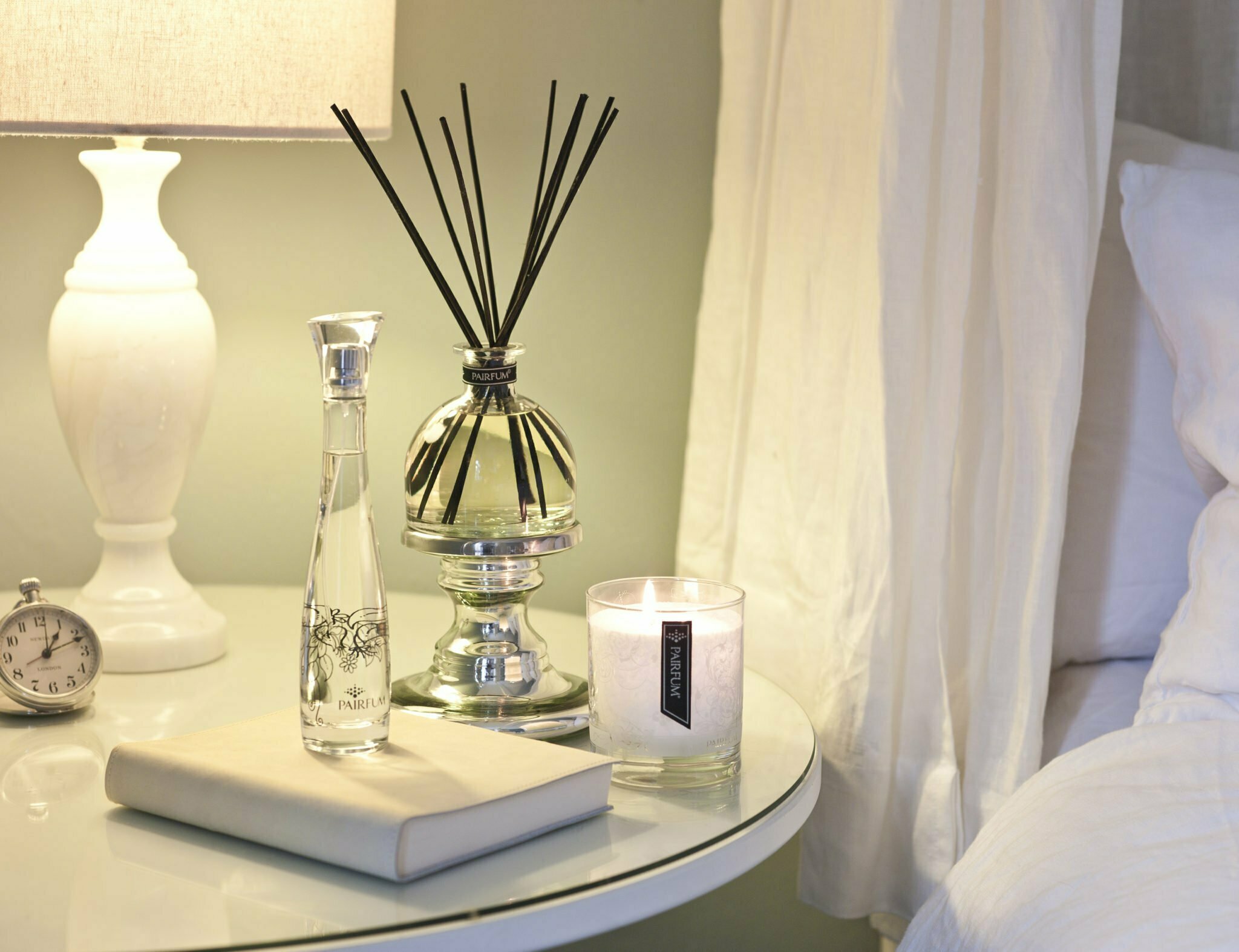
For those who appreciate the lasting warmth of amber and the creamy depth of sandalwood, a reed diffuser is a refined way to enjoy these fragrances throughout the day. The gentle diffusion of scent transforms any room into a calm and welcoming space. Ideal for living areas, bedrooms or quiet reading corners, it brings the sophistication of fine perfumery into your daily surroundings with subtle elegance.
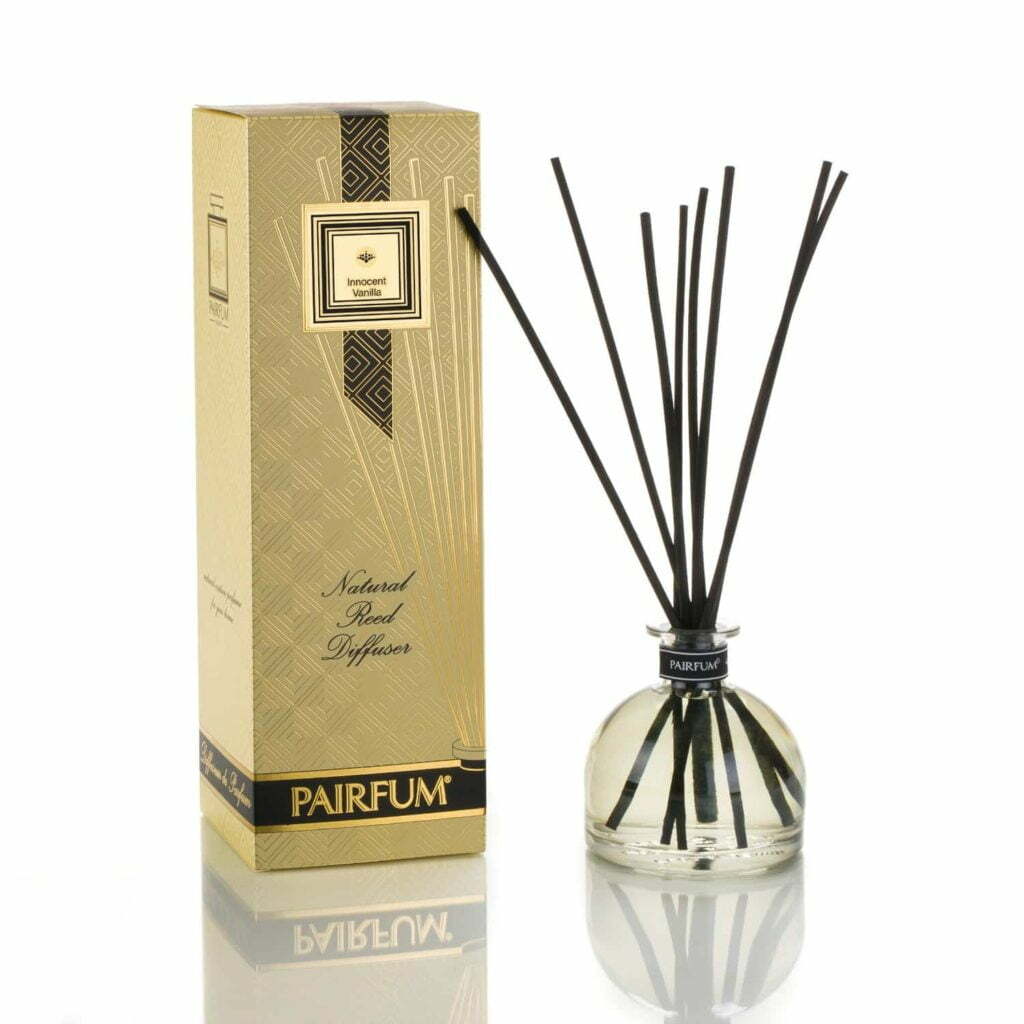
Crafted with attention to both form and function, this large bell reed diffuser features natural reeds that slowly release fragrance oil into the air. It combines a sleek, glass design with generous capacity to ensure a long-lasting scent experience. Easy to use and visually striking, it is perfect for those seeking a signature scent that lingers gently without overpowering the room.
Conclusion
Aroma chemicals are the lifeblood of perfumery, enabling the creation of diverse, beautiful, and enduring fragrances. From essential oils to synthetic aroma chemicals, every aromatic compound plays a role in fragrance creation.
Their versatility and scientific precision make them indispensable in modern perfumery and across related industries such as cosmetics and flavour. Whether derived from nature or born in a lab, these molecules continue to expand the creative possibilities for perfumers around the world.
Through constant innovation, the fragrance industry continues to explore new ways to use aroma to delight the senses, tell stories, and create emotional connections.
Today, the sandalwood reed diffuser offers one of the most accessible and stylish ways to introduce this classic aroma into your space. Sandalwood is one of the most cherished notes in the world of fragrance. Known for its warm, woody and slightly creamy scent, sandalwood has been used for centuries in perfumery, meditation, rituals and wellness.
Whether you’re new to diffusers or an experienced enthusiast, this guide will walk you through everything you need to know — from choosing the right reed diffuser, to safety, maintenance, and why sandalwood remains an enduring favourite in home fragrance.
What is a Reed Diffuser and How Does It Work?
A reed diffuser is a passive fragrance delivery system that requires no electricity or flames. It uses reed sticks (commonly made of rattan) inserted into a bottle of fragrance oil. The reeds absorb the oil and naturally disperse the scent into the air.
Unlike candles, which burn out, or wax melts that require heat from an oil burner, reed diffusers are long-lasting and flame-free. They’re ideal for those who want a continuous fragrance in their living spaces without the need for intervention.
Why Sandalwood?
The appeal of sandalwood lies in its versatility and sophistication. It is both soothing and exotic. The warm, creamy and woody base note of sandalwood works harmoniously with other components such as vanilla, amber, citrus, vetiver, musk, clove, and sweet floral notes.
Benefits of Sandalwood in Reed Diffusers:
Calmness and relaxation: The scent is well-known for reducing anxiety and promoting emotional balance.
Complements other oils: It pairs beautifully with essential oils like bergamot, cedarwood, and vanilla.
Long-lasting appeal: Sandalwood is one of the longest-lasting natural fragrance ingredients available.
Suitable for all rooms: From bedrooms to living areas, its subtle richness works everywhere.
The presence of aromatic sandalwood in your environment adds a feeling of grounded luxury.
How to Choose the Right Sandalwood Reed Diffuser
When selecting a sandalwood reed diffuser, consider the following:
1. Quality of Fragrance Oil
Ensure the oil is made with high-quality essential oils or a refined blend of synthetic and natural ingredients. Poor-quality oil can cause skin irritation, eye irritation, and even harm aquatic life if disposed of improperly.
2. Design and Size
A luxury reed diffuser should complement your home decor. Bottle size will influence how long the diffuser lasts and how strong the intensity of the fragrance is.
3. Number of Reeds
More reeds means stronger diffusion. Most diffusers come with between 6 and 10 reed sticks, which can be added or removed to adjust the intensity of the scent.
4. Related Products
Some people prefer to layer their fragrance experience. While the sandalwood reed diffuser offers passive diffusion, you may want to complement it with room spray, candles, or wax melts in the same sandalwood note.
Maximising Your Sandalwood Reed Diffuser
Placement Tips
Place in a well-ventilated area, away from open windows or vents where the fragrance might disperse too quickly.
Avoid placing near direct sunlight, which may degrade the fragrance oil.
Maintenance
Flip the reeds weekly for a burst of scent.
Replace old reeds every 2 to 3 months for consistent diffusion.
Keep away from delicate surfaces to avoid oil stains or skin exposure.
Safety Notes
Wash hands after touching oil-soaked reeds.
Avoid direct contact with skin or eyes to reduce the risk of allergic skin reaction, skin irritation, or eye irritation.
Keep away from children, pets, and always store in original packaging.
Do not dispose of oil down the drain to avoid harming aquatic life.
Complementary Scents to Blend with Sandalwood
Sandalwood is versatile and layers beautifully with other fragrance families. Try blending with:
Vanilla – for a warm, cosy finish
Amber – to deepen the resinous undertones
Citrus – to add a fresh and lively lift
Bergamot – for a sparkling, tea-like crispness
Clove – to enhance its spiced woodiness
Vetiver – for a green, earthy depth
These combinations elevate the experience and give a beautiful fragrance that’s multi-dimensional.
Sustainability and Reuse
Many consumers are now turning toward reed diffuser refills rather than replacing the entire unit. These help reduce waste and save on packaging. Additionally, some bottles are compatible with electric diffusers or oil burners if you wish to repurpose them.
FAQ: Sandalwood Reed Diffuser
Q: How long does a sandalwood reed diffuser last? Typically, 8 to 12 weeks depending on reeds, room size, airflow and oil quality.
Q: Can I reuse the bottle? Yes. Clean thoroughly and refill with fresh fragrance oil or reed diffuser refills.
Q: Are reed diffusers safe for pets? They are generally safer than candles, but always use caution and consult your vet if unsure.
Q: What happens if the oil gets on my skin? Wash immediately. While most sandalwood oils are safe, low-quality blends may cause skin irritation or even an allergic skin reaction.
Q: Can I use contact lenses when handling the diffuser? Avoid touching your eyes after handling reed sticks or oils. Remove contact lenses and rinse with water if eye irritation occurs.
Q: Do I need to include my delivery address when ordering diffusers online? Yes. Be sure to provide a full delivery address to ensure safe and secure delivery of fragile fragrance products.
Wax Lyrical on Sandalwood: A Timeless Classic
Many perfumers and lifestyle experts will wax lyrical about the beauty of sandalwood. Its elegance is unmatched. The gentle release of its scent via a reed diffuser evokes a spa-like calm that enhances any environment.
A Beautiful Addition to Your Sandalwood Experience
For those looking to bring the rich scent of sandalwood into their home with style, the Reed Diffuser Bell Large offers both elegance and long lasting fragrance. Its timeless design and generous size make it a striking piece in any room, while the natural diffusion process ensures a continuous release of warm, soothing sandalwood throughout your space. It’s a refined way to enjoy the benefits of a quality reed diffuser with minimal effort.
Thoughtful Design and Practical Features
The Reed Diffuser Bell Large is designed for lasting performance and visual impact. It includes a tall glass bottle with a wide neck to allow optimal air circulation around the reeds, helping to deliver a steady and noticeable scent. The thick glass base adds stability, while the generous fill capacity ensures weeks of continuous fragrance. Paired with long, high quality reeds, it offers reliable diffusion without the need for flames or plugs.
Final Thoughts: Why Every Home Needs a Sandalwood Reed Diffuser
In the world of home fragrance, few options are as timeless and effortless as the sandalwood reed diffuser. It is safe, easy to use, elegant and highly effective at bringing a constant flow of beautiful, natural-smelling fragrance into your environment.
By understanding how to care for and get the most from your reed diffusers, you not only enhance your space but also elevate your sense of well-being.
No matter your style, whether you love soft vanilla, warming amber, refreshing citrus or smoky musk, sandalwood offers the perfect base for any lovely fragrance journey.
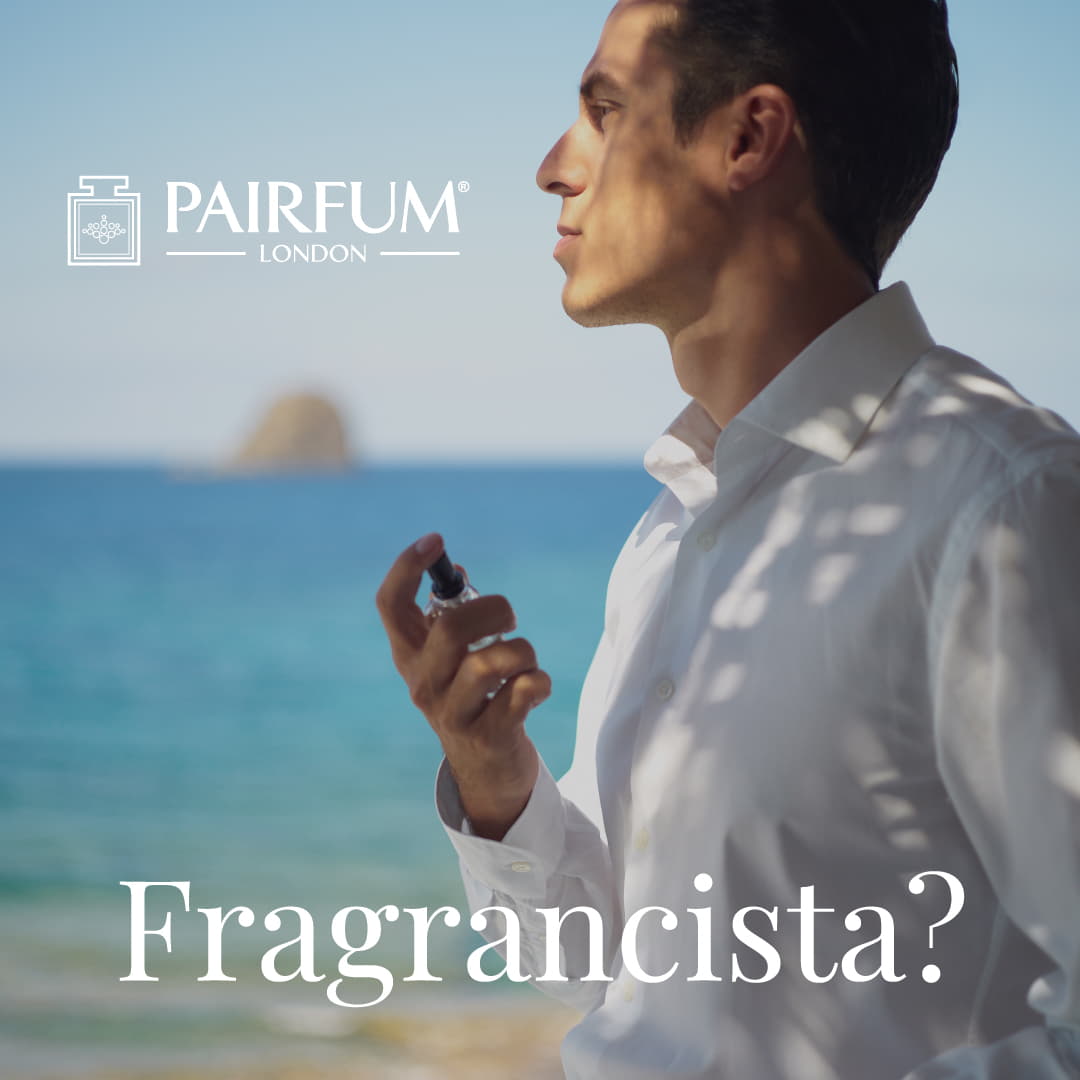
We all know what a Perfumer is! But, what do we call somebody that is passionate and knowledgeable about Fragrance? Here at Pairfum London, we are asking: Should it be a Fraghead, CognoScenti, Fragrancista or Perfumista? Are they simply synonyms?
Have you ever met someone so enamoured with fragrance that their eyes light up at the mere mention of a new scent? A perfume lover called by many names, whether Fraghead or Perfumista, embodies a deep passion for the art of smell. Here at Pairfum London, we’re fascinated by these individuals who can detect the subtle notes of a fragrance and cherish every whiff of a carefully crafted scent. They’re the ones who can tell you the difference between a signature scent and a fleeting trend, often seeking out a beautiful fragrance that speaks to their soul. Their love for perfume oil and luxury perfume often leads them to explore iconic creations from houses like Yves Saint Laurent, where every bottle tells a story of elegance and allure. For these enthusiasts, a perfume bottle is more than just a container; it’s a treasure chest of emotions waiting to be unlocked with each spray on their skin. They revel in the smell of a perfect fragrance, hunting for that perfect scent or perfect perfume that feels like it was made just for them. Whether it’s a unique scent or their favourite fragrance, their journey is one of endless discovery, guided by an unshakeable connection to the world of fragrance.
Perhaps before even posing this question, we should start with the following background:
How do you describe a ‘Lover of Perfume’?
What sets them apart from the crowd?
How can you spot of this species?
In this blog post, we answer these, incl. “What is a CognoScente“? (remember the ‘e’ at the end instead of an ‘i’)
Enjoy!
CognoScenti?
What is a ‘CognoScenti‘? It sounds like ‘connoisseur’ and a term that morphs ‘scent’ with ‘connoisseur’, but the term ‘cognoscenti’ does actually exist.
The dictionary defines it as ‘persons who have superior knowledge and understanding of a particular field, especially in the fine arts, literature, and the world of fashion.
In the World of PAIRFUM, a ‘CognoScenti’ is a person who ‘Loves’ perfume. In other words, a connoisseur who can distinguish between a good and a bad fragrance. Somebody who would not be able to, or even wish to create a perfume themselves.
It is similar to the difference between a Gourmet and Chef:
Gourmet, an expert judge in matters of taste and fine dining, also sometimes described as an ‘Epicure’ a person who takes particular pleasure in fine food and drink.
Chef, a trained professional cook, proficient in all aspects of food preparation. They may focus on a particular cuisine. The term is derived from ‘chef de cuisine’.
So, what do we call somebody that appreciates ‘Fine Perfumes’, regardless of whether it is an Eau de Parfum, a Fragranced Candle or a Body Lotion? You may wonder why we include Home Fragrances and Skin Care products in this question but ask yourself the following:
Have you brought a ‘Perfumed Candle’ or a fragranced gift to a house warming party as an alternative to a bottle of wine?
Have you ever presented a set of beautiful toiletries, as a Gift?
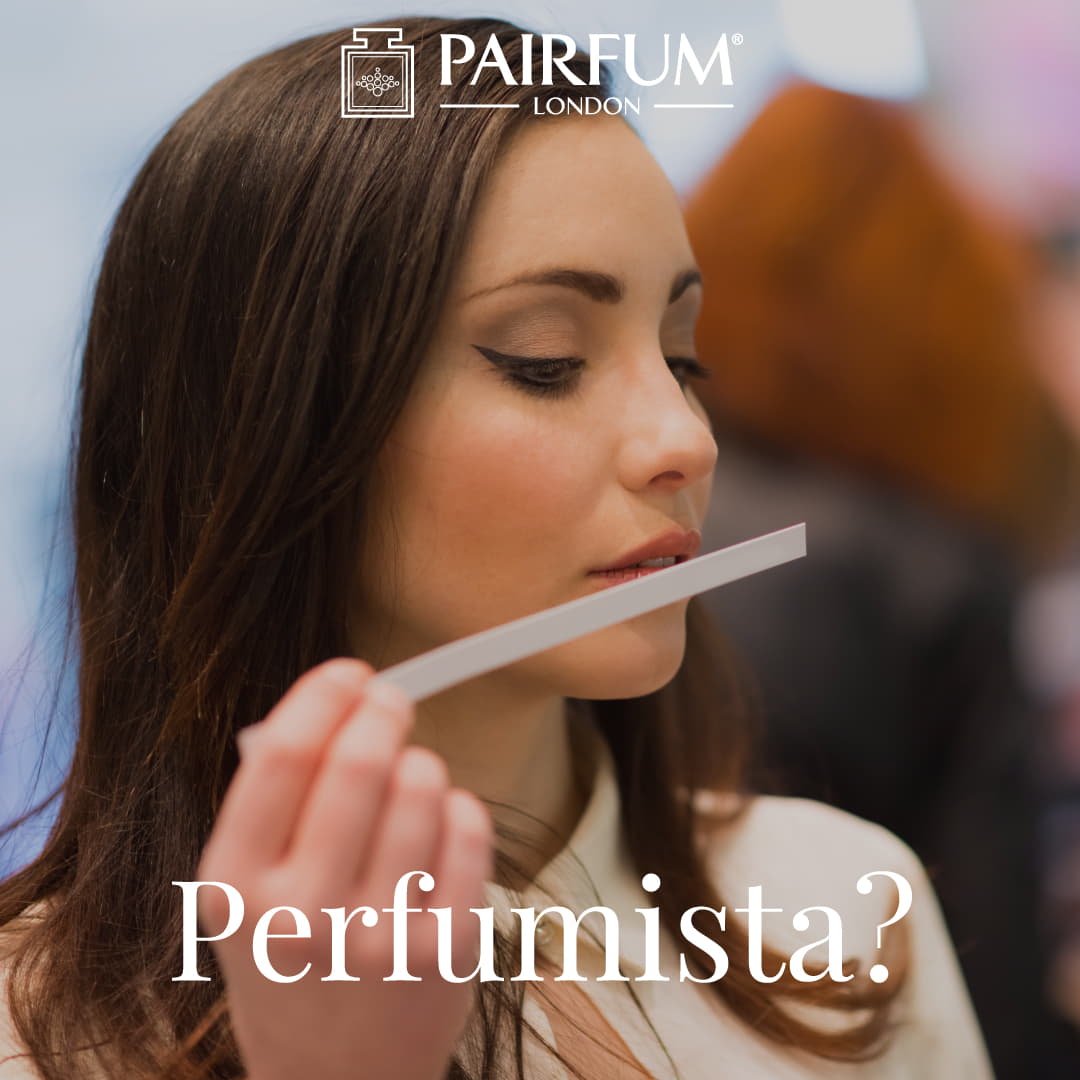
Fragrancista or Perfumista?
Making a Fragrant Gift has been part of civilisation for thousands of years, perfumes and fragrances can be traced to multiple ancient cultures, Egyptians associated their perfumes with the gods, fragrances were also highly prized by ancient Iranians and Chinese cultures.
Here is an example:
In the bible, Gold, Frankincense and Myrrh were presented by the Three Wise Men to the infant Jesus.
It is still a very important part of our cultures today, and it illustrates how much a part of our psyche perfumes or fragrances have become in all their beautifully different facettes.
In this context, many of us will have heard the terms ‘Fragrancista‘, ‘Perfumista‘ and ‘Parfumista‘.
Unfortunately, ”Fragrancista” does not easily roll off the tip of our tongue and “Perfumista” and “Parfumista” are registered trademarks (e.g. Puig, a fashion and fragrance business based in Barcelona), which prevents us from using them in our daily lives.
yet is also commonly means to ‘vacuum’ in everyday life.
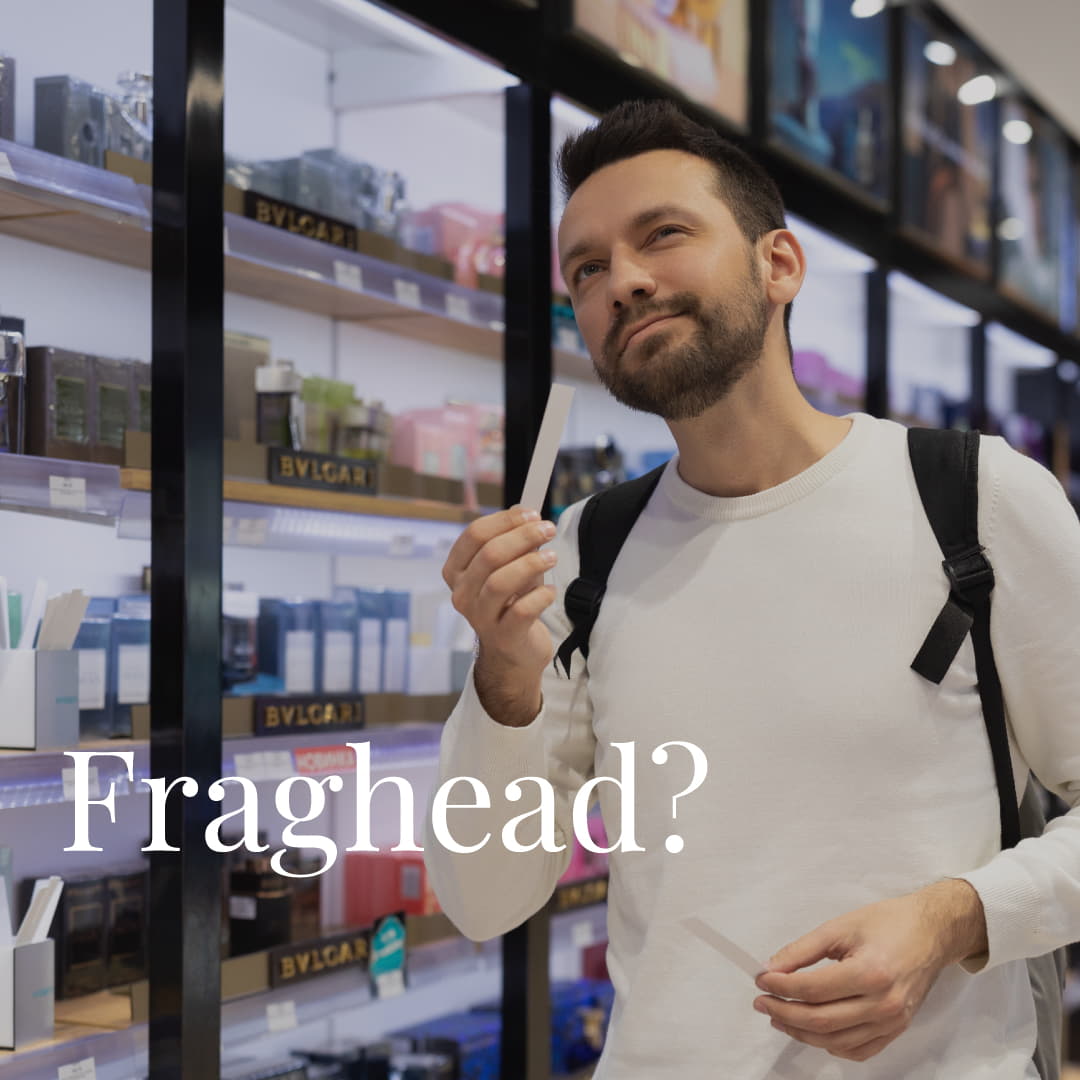
Fraghead?
The term fraghead is more of a new term that has gained traction and popularity on Social Media.
It is obviously a term inspired by ‘Motorhead’: someone who loves everything around motors: cars, motorbikes, planes, boats, …
In our view, this is actually not a bad fit. It conveys passion, expertise and dedication. The fact that it is being used by lovers of perfume to describe themselves shows that the perfume community agrees with it and has naturally started using fraghead to describe itself.
Cologneisseur?
What about ‘Cologneisseur,’ the combination of Cologne and Connoisseur in one word? Though rarely used, this term could represent a perfume lover who has a specific passion for colognes or lighter, fresher scents. Despite its limited use in the perfume society, it perfectly fits the modern perfume enthusiast with a deep knowledge of this category.
Unlike more concentrated fragrance oils used in niche perfumes, colognes generally have a lighter, fresher appeal. Still, for someone who treasures the subtlety of an orange flower or a fruity blend, this term might resonate. The Cologneisseur is someone who appreciates the elegance of an everyday fragrance but with the discernment of a perfumer. Perhaps with time, the term will become as beloved as the bottles it represents.
Alternatives?
So how else can we honour, appreciate or describe a ‘Perfume Lover‘ or perfumista?
For some inspiration, let’s have a look at the many fields where society has coined phrases to affectionately identify a person with a passion or strong preference. All of these have in common that they do not describe the ‘Chef’ but the ‘Gourmet’, i.e. they don’t actually ‘cook’ or produce / perform the art but ‘eat’ or enjoy it instead :
Whiskey Connoisseur, Beer Connoisseur – need we say more?
Turophile – is a connoisseur of cheese, a cheese lover.
A Sommelier or wine steward, is a trained specialist or wine professional, normally working in fine restaurants, who specialises in all aspects of wine service as well as wine and food pairing.
Fashion Aficionado – “Dedicated follower of Fashion” – The Kinks
Devotee is an enthusiastic believer in a particular form of religion or God, but it can also be applied to a person.
Book Critic – some would say they ‘Love’ books, at other times they may just ‘Hate’ them.
Art & Antique Appraisers or Valuers – They love ‘Art & History’ and they know how much it is worth.
A Fan or Supporter – a person who is enthusiastically devoted to something or somebody, such as a singer, band, or a sports team etc.
A Movie Buff – person who loves and knows a lot about movies, movie fan, movie enthusiast, movie expert.
Geek – once an insult now a compliment, someone who engages in or discuss computer-related tasks with great attention to technical detail – one of the reasons we love this word ‘The Big Bang Theory’
A Birder – in Oxford English ‘A birdwatcher’ – Somebody that loves to study and admire birds in their natural habitat
Balletomane – an ardent admirer or lover of Ballet
Enthusiast of Music – a person who is very driven or has a huge passion for music and musical culture.
Theatre Lover
Afficionado – a person who is very knowledgeable and enthusiastic about an activity, subject, or pastime.
A Patron of the arts
Follower – throughout history a follower has always had a special meaning, and in the age of ‘Social Media’ it continues to do so.
From the list above we can see how we describe a person’s expertise or passion in their field, even if they are not the ‘chef’?
As the old joke goes: “A farmer is out-standing in his or her own Field”
There are many other terms that we use to describe a passionate follower or lover of a particular subject: adherent, supporter, upholder, defender, advocate, champion, disciple, votary, partisan, member, friend, stalwart, believer, worshipper, attender, expert, authority, specialist, pundit and last but but not least ‘dab hand'( if you are a ‘dab hand’ at something, you are very good at doing it).
Now it is very important to note, that none of these specialists, may actually know how to make, create or play the art they support and yet, they are very knowledgeable and in some cases more knowledgeable than the creators themselves.
Here is an example (with the recent Euros tournament in mind):
A Footballer as a opposed to a Fan/Pundit, the former actually plays the game, whereas the latter appreciates it.
“CognoScente”?
In trying to correctly define a ‘Lover of Perfume’, we came across a phrase that we believe would be perfect to describe somebody that loves perfume: CognoScente
We could even go a step further with this version: Cog-Nose-cente
As we mentioned earlier in the post, these are “people who have superior knowledge and understanding of a particular field”.
In their definition of the term, the dictionary “Mirriam Webster” describes “Cognoscente and Connoisseur” as more than synonyms: they are also linguistic “cousins”.
With such an endorsement, it surprises us that the term has not seen greater popularity.
What is stopping it from becoming the typical term to describe a ‘perfume lover’? We would love to know.
How To Spot This Species?
Now to the last questions:
How do you spot a “CognoScenti” or “Perfumista”?
How do you know if you are or fast becoming one of this ‘Species‘, i.e. the perfume lovers?
Simply answer these questions and you might surprise yourself:
Do you enter the room with your nose first? Before you say ‘No’, think how often you have revelled in the aroma of freshly brewed coffee, bread or a wonderful meal, before ever taking a single step into the kitchen, restaurant or bakery!
Do you smell wine, chocolate, cheese, lotions & potions or other items, before you taste or try them?
Do you get excited about a new Perfume, a Scented Candle, Room Perfume, Fragranced Soap or Reed Diffuser?
Can you re-create in your mind’s eye the fragrance of Lavender, or freshly mown grass?
Do you talk to others about Perfume, e.g. at a party, or compliment somebody on their fragrance?
Do you find yourself saying that you love perfume?
If you can answer ‘Yes’ to any or all of the above, then you should give yourself a pat on the back: you can now proudly carry any of the titles of “CognoScenti”, “Fragrancista”, “Perfumista” or “Fraghead”? Welcome to the community.
Which Title do you prefer? Are you perhaps using another term?
Regardless, we would love to hear from you and to welcome you to the World of Pairfum London. We love perfume, too.
Another telltale sign of a true perfume enthusiast is their eclectic collection and attention to detail. You’ll often find them with a bigger bottle of their go-to fragrance, alongside smaller vials of niche offerings from brands like Frederic Malle or Parfums de Marly. They’re drawn to a perfume brand that resonates with their personality, whether it’s the timeless charm of Chanel Coco Mademoiselle or the bold allure of Serge Lutens. Their vanity might also feature an array of home fragrance products, because for them, every space deserves a captivating scent. They’re likely to experiment with different scents, layering a vanilla scent with hints of ylang ylang or a touch of ginger for a spicy kick. Their skin becomes a canvas, absorbing the warmth of musk or the delicate bloom of jasmine, transforming each fragrance into something personal. And it’s not just about perfume, watch them delight in the smell of fragrant hand creams or a beautifully scented soap, proving that their obsession with scent extends to every corner of life. Whether it’s a powdery note or a spicy accord, they can describe how each fragrance shifts their mood, making every day a sensory adventure.
How to Become a Perfume Connoisseur?
Becoming a perfume connoisseur is not just about having an extensive collection of fragrances; it’s about understanding the intricacies that go into each bottle.
Here are some steps to guide you on your aromatic journey:
Educate Yourself: Start by learning the basics of perfumery, including notes, accords, and olfactory families.
Smell, Smell, Smell: This is the most important skill and you should train your nose continuously by smelling individual ingredients and also fragrances, both the classic or iconic notes and the new introductions to the market. Accept that this will take time and you will enjoy the experience.
Sample Widely: Don’t limit yourself to commercial fragrances. Explore niche perfumes, vintage scents, and even natural fragrances to broaden your olfactory palette.
Attend Workshops: Many cities offer perfume-making workshops where you can learn firsthand from experts in the field.
Read and Research: Follow blogs, read books, and even academic papers on perfumery to deepen your understanding.
Network: Join online forums and social media groups where perfume enthusiasts share their knowledge and experiences.
By following these steps, you’ll be well on your way to becoming a true perfume connoisseur.
Building Your Fragrance Wardrobe
As you embark on your journey to becoming a perfume connoisseur, think of building a fragrance wardrobe as essential as curating a collection of outfits. Start with a versatile fragrance that suits everyday wear, perhaps a light and floral scent that feels effortless on your skin. Then, add a bold fragrance for special occasions—something with depth and character that leaves a lasting smell in every room you enter. Don’t shy away from experimenting with a bottle or two of niche fragrance, as these often offer unexpected combinations that can redefine your perception of scent. Include a variety of bottles to match different moods and seasons—a warm, comforting scent for winter nights, and a fresh, zesty fragrance for summer days. Each bottle in your collection should tell a story, from the first smell that caught your heart to the latest fragrance that surprised you with its charm. At Pairfum London, we encourage you to mix and match, layering a fragrance over another to create your own unique scent. Keep exploring until every bottle on your shelf feels like an extension of who you are, each scent and smell a chapter in your personal tale of fragrance.
The History of the Perfume Connoisseur
The concept of a perfume connoisseur dates back to ancient civilizations where fragrances were considered a form of art and a symbol of status.
In ancient Egypt, perfumes were associated with the gods, and only the elite had access to these divine scents. Fast forward to the 18th century in France, the birthplace of modern perfumery, where perfume was seen as a luxury and a sign of sophistication.
Over the years, the term “perfume connoisseur” has evolved, but the essence remains the same: a deep appreciation and understanding of the art of scent.
Today’s “Perfumista” is typically associated with “Niche Perfumes”, a further step in the evolution of the “CognoScenti”.
The Science Behind Fragrances
Understanding the science behind fragrances can add another layer to your appreciation of perfumes. Perfume enthusiasts, often part of the Perfume Society, are keenly aware of how the interplay of perfume ingredients—such as jasmine, musk, and vanilla—creates memorable aromas.
Did you know that our olfactory receptors can detect more than one trillion distinct scents? These receptors are directly linked to the limbic system, the part of the brain responsible for emotions and memory. This connection explains why certain fragrances, like the iconic Coco Chanel or Baccarat Rouge 540, can evoke intense emotional responses. For some, these scents trigger feelings of nostalgia or sexual attraction, while others may experience a sense of calm or happiness. Delving into this science of perfumery makes you appreciate the layers of craftsmanship involved in creating your favorite signature scent.
Moreover, pheromones—natural chemicals secreted by our bodies—are often incorporated into fragrance oils to amplify feelings of attraction. While not all niche perfumes rely on this, understanding how our body’s natural scent interacts with external perfume oils can deepen your perfume journey.
The Craftsmanship Behind Every Bottle
Behind every bottle of fragrance, there’s a world of artistry that only a true perfumer can fully appreciate. The role of a perfumer is akin to that of a painter, blending notes to create a masterpiece that dances on the skin. At Pairfum London, our perfumer team spends countless hours perfecting each scent, ensuring that every bottle delivers an unforgettable smell. They might weave together the richness of ylang ylang with a spicy undertone, or balance a powdery floral with the earthiness of patchouli, creating a fragrance that lingers in the mind as much as on the skin.
This dedication is what draws perfume lovers to collect multiple bottles, each one representing a unique chapter in their aromatic journey. From the elegant bottle designs to the complex scent profiles within, the work of a perfumer transforms a simple smell into an experience. Whether it’s the contents of a classic bottle or a modern fragrance, the magic lies in how it evolves—starting with a burst of freshness before settling into a deeper, more intimate scent. It’s no wonder that enthusiasts treasure each bottle, often displaying them like art, knowing the smell inside holds the power to transport them anywhere.
Why Scent Matters in Our Daily Lives
Scent is not just about smelling good; it’s an integral part of our daily lives. As perfumery has evolved, scents like amber, vanilla, and jasmine have made their way into everything from home fragrances to luxury perfumes like Frédéric Malle and Jo Loves. These scents create an ambiance that transforms how we experience the world.
Consider the uplifting aroma of orange flower in the morning or the cozy, grounding scent of musk in a relaxing evening environment. A good perfume can shift your mood, just as a particular smell can transport you to a specific time and place in your love story. Fragrances help define our personal and social environments. Fashion designers often leverage this, using specific scents to complement their collections and create an immersive sensory experience.
The Emotional Power of Scent on Skin
Let’s not underestimate the intimate bond between scent and skin. A true perfume aficionado knows that a fragrance isn’t just something you wear, it’s something that becomes part of you. The way a scent clings to your skin can change its character, revealing layers of jasmine or a hint of patchouli as the day unfolds. This personal alchemy is why finding a signature scent or your favourite scent feels like discovering a hidden part of yourself. The smell of a well-chosen fragrance on your skin can boost your confidence or soothe your mood, whether it’s a powdery whisper or a spicy burst of energy.
For a young woman stepping into the world of fragrance, this connection is often magical. She might spritz on a body spray for a light, everyday smell, or indulge in an expensive perfume for a special occasion, letting the scent linger on her skin as a memory. At Pairfum London, we’ve seen countless customers describe how a single bottle of fragrance, be it rich with musk or soft with a vanilla scent, has marked a milestone in their lives. It’s this transformative power of smell on the skin that keeps us all coming back for more, eager to explore the next captivating scent.
For a perfume lover, noticing these nuances enhances daily experiences. From the aroma of fresh flowers to the lingering smell of perfume bottles on your vanity, scent plays an essential role in shaping how we navigate life.
Conclusion: The Aromatic Journey Awaits
Becoming a perfume connoisseur is a fascinating journey that goes beyond merely collecting bottles of fragrances. It’s an exploration into the world of scents that can be as complex and rewarding as understanding fine art, literature, or gourmet cuisine.
Whether you’re a “Fraghead,” “CognoScenti,” “Fragrancista,” or “Perfumista,” the labels matter less than the passion and curiosity you bring to this aromatic world. From understanding the history and science behind fragrances to recognizing the role scent plays in our daily lives, there’s a wealth of knowledge to explore.
So, what’s stopping you? Dive into the captivating world of perfumes, broaden your olfactory horizons, and who knows—you might just find a term that perfectly encapsulates your love for fragrances.
After all, the journey is as enriching as the destination, and in the world of perfumes, the possibilities are endless.
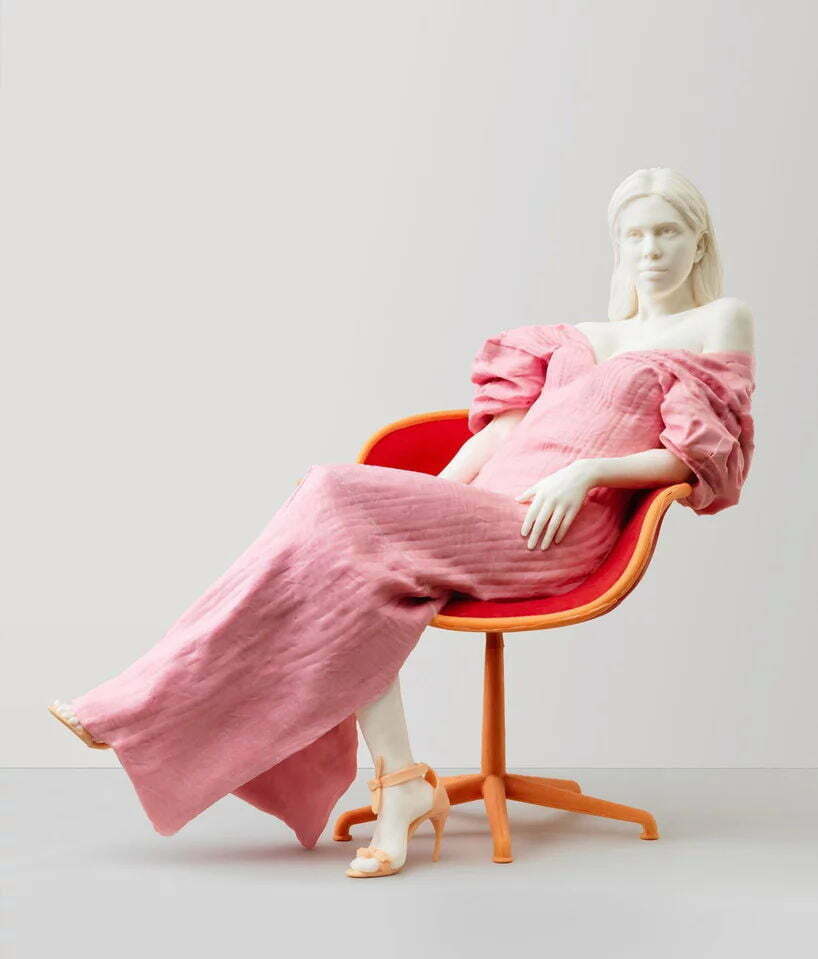
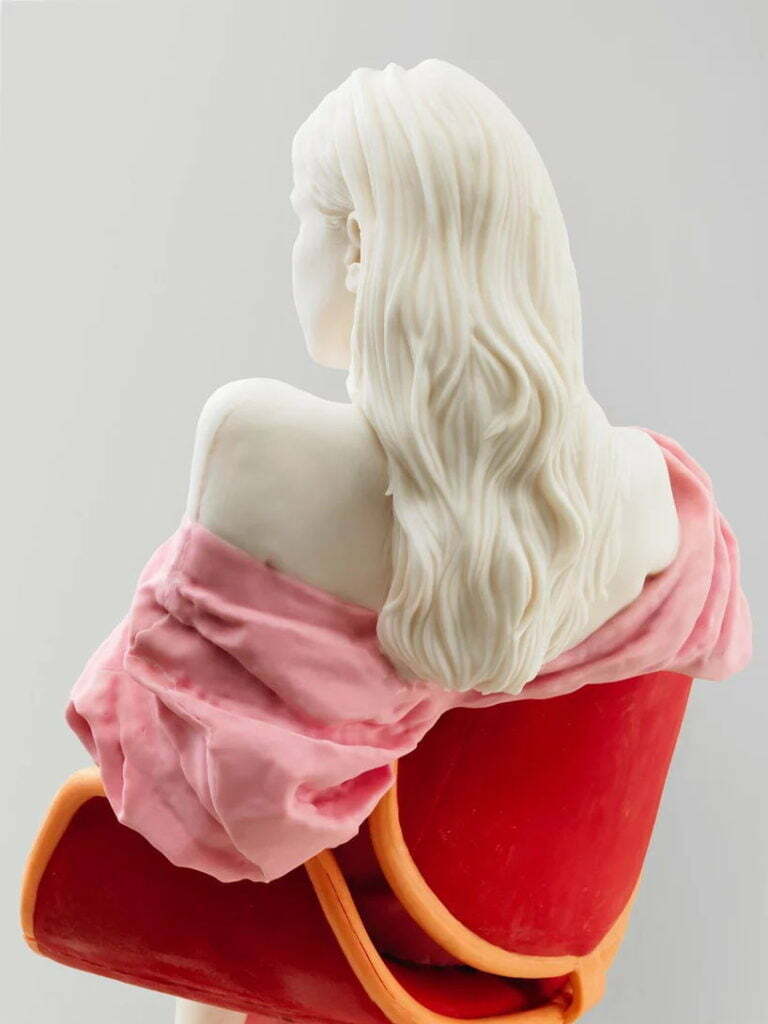
The artist Urs Fischer has created a real wax candle sculpture of Dasha Zhukova and burns the candle down to the ground.
Dash Zhukova is a russian art collector and the founder of the garage museum of contemporary art in moscow.
A wick is strategically placed on top of her head and when lit, it will slowly burn down the candle. Addititional wicks have been placed all over her body to ensure a complete burn down of the sculpture (just like Pairfum’s Fragranced Candles) and to reduce it to a pile of wax drippings, over the course of almost two months.
The candle sclupture is a contemporary memento mori, to remind us all of the impermanence in life, beauty and art.
The giant candle is exhibited at the Gagosian Gallery in Davies Street in London.
If you are looking for something more practial, which will probably burn much cleaner and fragrance your room, then look no further than Pairfum’s Perfumed Candles.
Wherever we call ‘Home’, from a Mansion to a Maisonette, we thought that – A Boutique Hotelier’s Guide to Creating a Luxury Haven at Home, is something we can all enjoy and aspire to, irrespective of the size of the house or the budget…
Luxury is something that everyone enjoys and looks forward to, having a luxury haven to return home to after a long stressful day at work, or an even longer harder day looking after your family. Will help you to feel completely relaxed, it is also sure to impress any visitors that you may have, and lets be honest we all like to ‘Look’ our best, so why not have our surroundings looking ‘Good’ too….
Fortunately, you do not always have to spend a fortune or take on huge construction projects, to add a touch of ‘Magic’ or achieve a high-end look in your home!
The following Tips were given to PAIRFUM London by the people in the know, the ‘Hotelier’s’ who’s job it is to create that Luxurious Haven in their wonderful hotels…
Here are just a few ideas or tips to use when creating or up-dating a space, which will quickly become one of your favourite areas at home. A few simple changes and upgrades that you can make when following ‘A Boutique Hotelier’s Guide to Creating a Luxury Haven at Home’. From a grand salon to a cosy sitting room.
Fragrance – well would would lead off with that wouldn’t we….. however there is a very good reason why we do..
When people think about luxury in relation to interior design, they instinctively visualise their surroundings (which is quite normal) they will usually imagine or focus on the things that they can see and touch, but scent is our oldest, and with out you realising it probably our most powerful sense, and one which we ‘Guarantee’ will and does completely change how you feel about a space.
If you don’t believe us! then just imagine walking into a beautiful house or room, which has been permeated by a disgusting aroma – no matter how beautiful it looks – no one would or could stay there unless they suffer from ‘Anosmia’ (loss of the sense of smell).
Now taking this idea a step further…..
Imagine walking into a house or a room that is not as aesthetically pleasing, the furniture may not be to your liking, it may even be mismatched and a little worn around the edges.. but there is a beautiful scented candle flickering on the mantle piece, above a welcoming cosy fire. With a large shabby, comfortable seat or sofa that has seen better days placed in front of it, where you can sit and relax. While from the kitchen comes the smell of a freshly brewed pot of coffee, freshly baked bread or the welcoming aroma of a delicious dinner being prepared…..
Of all the senses – the sense of smell is not easily fooled, it is there to protect us, it is the single sense that goes directly to the brain. So the ‘Nose knows You Know’.. So once the nose is happy with it’s surroundings, the furniture fades into the background, you feel welcome and safe, it is a place you would want to stay. So when planning or designing your surroundings, never forget that most important of factors, the ambient aroma in your home, the top Hotelier’s do not forget and place a very high importance on how their establishment welcomes you as you step through their door, or as you enter in to your bedroom or bathroom.
When ‘Scent’ is such an important part in the interior design of a home, or work space. How is it that we do not see or hear designers, discuss it with clients when watching an interior design show on T.V, or read about it in interior magazines? It could be that they have not fully grasped how important it is, or some may assume that the customer will choose their favourite smells for themselves. Be that as it may, the problem arises when they do not include or consider just how important ‘How your Home Smells’ is. When first entering a home, a building or a room, the very first thing that greets you is the aroma (whether you are aware of it or not).
Having said that not enough importance is placed on insuring that your ‘House’ or ‘Home’ smells beautiful or welcoming, one group of experts have for years encouraged their clients to use the sense smell when selling their homes … the smell of freshly baked bread or a pot of coffee to make your possible buyers – ‘Feel’ at home….
However the experts in welcoming you into their ‘Home away from Home’, the owners and managers of some of the best Hotels in the world, are fully aware of it, and use it to make you welcome and feel comfortable, relaxed and at home when you visit with them.
Lighting
Every interior designer will advise you that when used correctly, lighting can and will change a room instantly. Stylish and attractive. wall-lights, uplighters, downlighters, spotlights, table lamps, floor lighting, or a simple string of fairy lights are all perfect ways to change the atmosphere or ambience in a room. They are perfect for illuminating spaces, that are not just practical but are also stylish. Particularly if you have certain areas that you need to light up such as stairwells, offices, doorways or a reading area. It may be that you wish to highlight family photo’s or a favourite piece of artwork (especially the ones created lovingly for you, with the use of crayons)..
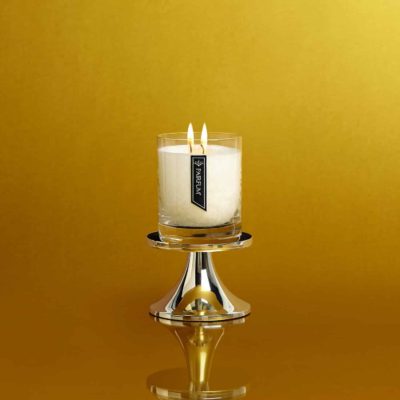
Another perfect form of lighting and one that has been around long before ‘Benjamin Franklin or Thomas Edison’, were even a twinkle in their Mother’s eye. The beautiful flicker of ‘Candle Light’ – a ‘Luxury Scented Natural Candle’ such as the ones found in our PAIRFUM London Collection, are a simply, easy and affordable way to change the atmosphere instantly in any room. Along with adding the soft glow of candlelight, they also bring a relaxing and enjoyable fragrance into your home, and we have a wide range of Perfumes in our collection to choose from, one to suit every home, room or taste.
Comfortable Seating
You will also want comfortable seating so that you can relax and enjoy your luxurious surroundings. What to use will depend on your choice of decorative style, your budget and the size of the room you are decorating. However the wide range of stylish sofas and beautiful armchairs that are now available, in a large range of colours, styles and price points make it easier to choose. In the age of up-cycle and re-cycle, one of the ‘Pro Tip’ we were given was “If you can not afford to treat yourself to a new sofa, settee, or couch ( whatever you choose to call it) or a set of new armchairs, then an excellent alternative is to buy or make a new set of large, comfy cushions and or a new throw in a contrasting colour, then kick off your shoes sit back and relax.
Smart Technology
There is a remarkably wide range of technology available which will transform your home, adding a real sense of luxury while bringing your home truly into the 21st century. Wireless home control systems which until recently cost a fortune, are now available for much more reasonable prices. These systems can control the lighting, temperature, entertainment devices, and most systems enable you to control all aspects of your environment, from your tablet or smartphone with ease. No doubt on your wish list may also be the latest television, high-quality stereo system and many other forms of entertainment for this space. However as with smart home technology, these items can be added as and when the budget allows it.
Decoration
Finally, we all have our own ideas of what defines our decorative style, from retro, shabby chic, minimalist, modernism or boutique. Everyone wants decorative touches that add that 5 Star elegance, luxury, class and sophistication. Artwork, personal photographs, , stylish rugs and ornaments all work well, but avoid having too much as the old adage of ‘Less is More’ also applies to interior design. Otherwise a space could feel cramped and cluttered, most people have in mind the interior of a ‘Luxury Boutique Hotel’ where they may have been lucky enough to spend some time. Or images of rooms from our favourite interior magazine or T.V. program, that we would love to recreate at home.
Whatever your style or taste, following the advice or simple tips from the top ‘Hoteliers’ that PAIRFUM London have the privilege to work with, can help create the perfect luxury haven in your own home. As we mentioned earlier it does not have to cost a fortune or involve major building work to create a relaxing and stylish space, and it can quickly become your favourite space to spend time.
If you are planning any interior or design changes to your home we would love to hear from you, and see the before an after images of the work. Please click on the PAIRFUM to contact us.
An article in the Guardian by Nicola Davis entitled – Did Dinosaurs stop to smell the flowers – made us smile and then stop to consider if they did?Even if they did so what….
As part of her research Nicola met and spoke with, Gemma Lake and Guy Barter the Chief Horticultural Adviser for the RHS.
If! Dinosaurs did stop to smell the flowers, then this would mean a number of things….
One: that Flowers already existed … well they have always existed… haven’t they?Well the answer to that is, that after years and years and years of research, the history of flowers continues to vex scientists.
Even Darwin the naturalist, geologist and biologist, best known for his contributions to the science of evolution once wrote that the evolution of ‘Flowers’ was “an abominable mystery.”
So, when we say years, we mean years – consider that at the time of Darwin’s death, the oldest known fossils of flowering plants came from rocks that had formed between a 100 million to 66 million years before, during the Cretaceous period.
Flowering plants make up the majority of living plant species on the planet, they dominate many of the world’s ecosystems, from rain forests to grasslands and farms.
Most of the food we eat is derived from flowers, in the form of foods like corn, rice or wheat. We normally associate ‘Flowers’ with our gardens, but the sheer diversity of flowers in all their wonderful forms and colours is amazing, from garden or wild hedgerow roses, to magnolias, dandelions or pumpkins.
Flowering plants revolutionised life on Earth, so the next time you stop to admire or smell a flower say ‘Thank You’ , because what ever they look or smell like, we would and could not exist with out them.So if it is true that dinosaurs did stop to smell the flowers (and who are we to argue, especially not with a Dinosaur), and in doing so have had a role to play in the emergence of flowers.
Then we here at PAIRFUM London would like to say a big ‘Thank You’ to the Dinosaurs, for being one of the first to appreciate a Wonderful Perfume
If someone told you – The 70s are back , or asked you if you remember the Iconic Perfumes of the 70s?
What is the first thing that springs to mind?
Is it bell-bottoms which were a staple., or words like ‘Groovy and Flower Power’.How about T.V. programs such as Starsky and Hutch, The Dukes of Hazzard and Charlie’s Angels.
Maybe it is the Music, or World events that were happening at the time.
What ever it is that springs to mind, the 1970’s had some iconic styles, great music, wonderful Perfumes and no shortage of political scandal.So like it or not everywhere you look, style trends from the ’70s are back or making a comeback.
If you are wondering why we think the 70s are back? just look at how…
Recently style from the 1970’s has begun to resurface, open a magazine or fashion blog post, and you spot the odd fringe, frayed denim and where would we be without flares.
Do you ever wonder why certain trends come around again when they do?
Is it fashion houses simply regurgitating styles in a cyclical order?
Or! has it to do with ‘Zeitgeist’ – the defining spirit or mood, of what people feel and what is happening in the world.
The good thing is that when you look back at what defines a decade, most people remember the Fashion, Perfume, Food and Music that shaped it.If The 70s are back – then we here at PAIRFUM London want to look back at the wonderful Perfumes of the time.
It is hard to think of Fashion in the 70s without ‘Saint Laurent’ springing to mind, as Yves Saint Laurent was himself synonymous in revolutionising the landscape of 1970’s fashion.
So as an homage to this colourful, ‘Funky’ period in history, we have picked out!
Our Top Ten Iconic Perfumes of the 70s, that helped defined an era:
Charlie the legendary perfume by Revlon presented in 1973, ad campaigns for the scent featured a number of models including Naomi Sims, making Sims the first African American woman in history to be featured in a cosmetic company’s advertising.
Chanel No. 19 perfume was first marketed in 1971. The number 19 was chosen to commemorate Coco Chanel’s birthday, the 19th of August. The perfume was launched just a year before she died, and the scent was created by Henri Robert.
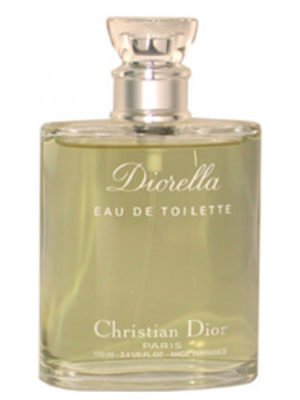
Diorella a fragrance by Christian Dior, for women brought to the market in 1972. Created to symbolises the spirit of freedom of the 1970s.
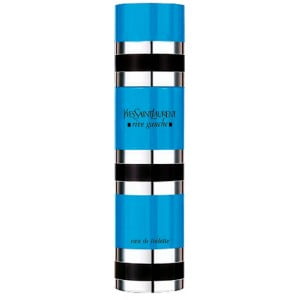
Rive Gauche a women’s perfume launched by Yves Saint Laurent in 1971, remembered by many for it’s all-aluminium silver and cobalt blue striped bottle.
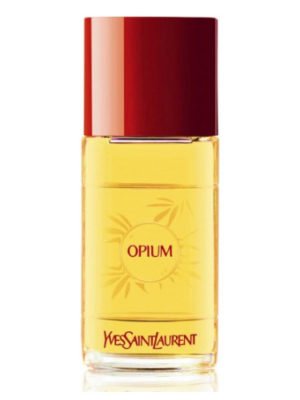
Opium another of the iconic perfumes created for Yves Saint Laurent in 1977, it caused quite a stir at the time with its controversial name and ad campaigns.
White Linen was created for Estee lauder by Sophia Grojsman in 1978, and was a modern classic.
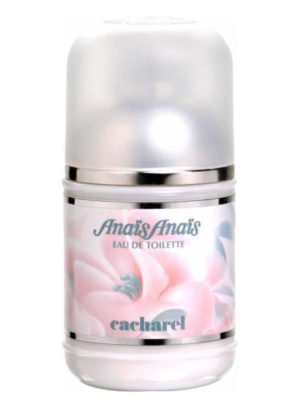
Anais Anais by Cacharel a fragrance created for women 1978, this was the first perfume created by them.
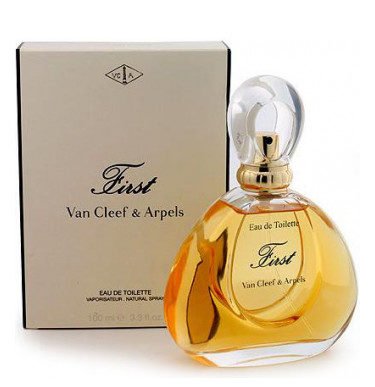
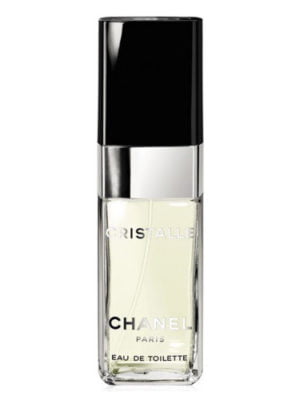
Cristalle Perfume by Chanel – a fragrance for women released in 1974, remembered by many for it’s Green Notes.Estée Lauder launched Cinnabar in in 1978, in answer to Yves Saint Laurent Opium..First by perfumer Jean-Claude Ellena for Van Cleef & Arpels, when Ellena was commissioned to create ‘First’ back in 1976 – it was literally the first ‘jewellery fragrance’ in the world.
There are so many other wonderful Perfumes from the 70s such as, Clinique Aromatics Elixir by perfumer Bernard Chant, Oscar by perfumer Christian Bastard-Lafitte for Oscar de la Renta in1977, Lauren created by perfumer Bernard Chantby for Ralph Lauren also in 1977, Ciara by Revlon in1973… but for now we will just keep it to our top ten
Now when looking back over our selection of some of the classic Perfumes of the 70s, we may be accused of being a bit top-heavy with the Female fragrances of the time.
Why have we not included any Male fragrances?
Well, you must also remember that in the 70’s Men wore ‘Aftershave’, and these great Fragrances that came to epitomise this era are so iconic, that we have decided that they deserve a separate article all to themselves.
If one of the first things that drops into your inbox in the morning is an email entitled – Organic Hand Wash Review.
In our case it not only peaks our interest but as you read through it, it brings a big smile to our face.
When one of the things that the review asks you to do is “Check Out the ‘Free From list‘, as it’s very impressive”….
Then what are you waiting for….
O.K, if you are wondering what a ‘Free From List’ is? then in a nutshell it is a list of the Raw Materials / Ingredients that are NOT used by a company in their products. In this case PAIRFUM London
When a reviewer takes not only the time to try the products, but to investigate what they contain before using them..
Then it really should act as a reminder to all of us to check what our skin care or toiletries contain, just having the terms ‘Organic’, ‘Natural’ , ‘Essential Oils’ or ‘Best’ on the label may not be enough.
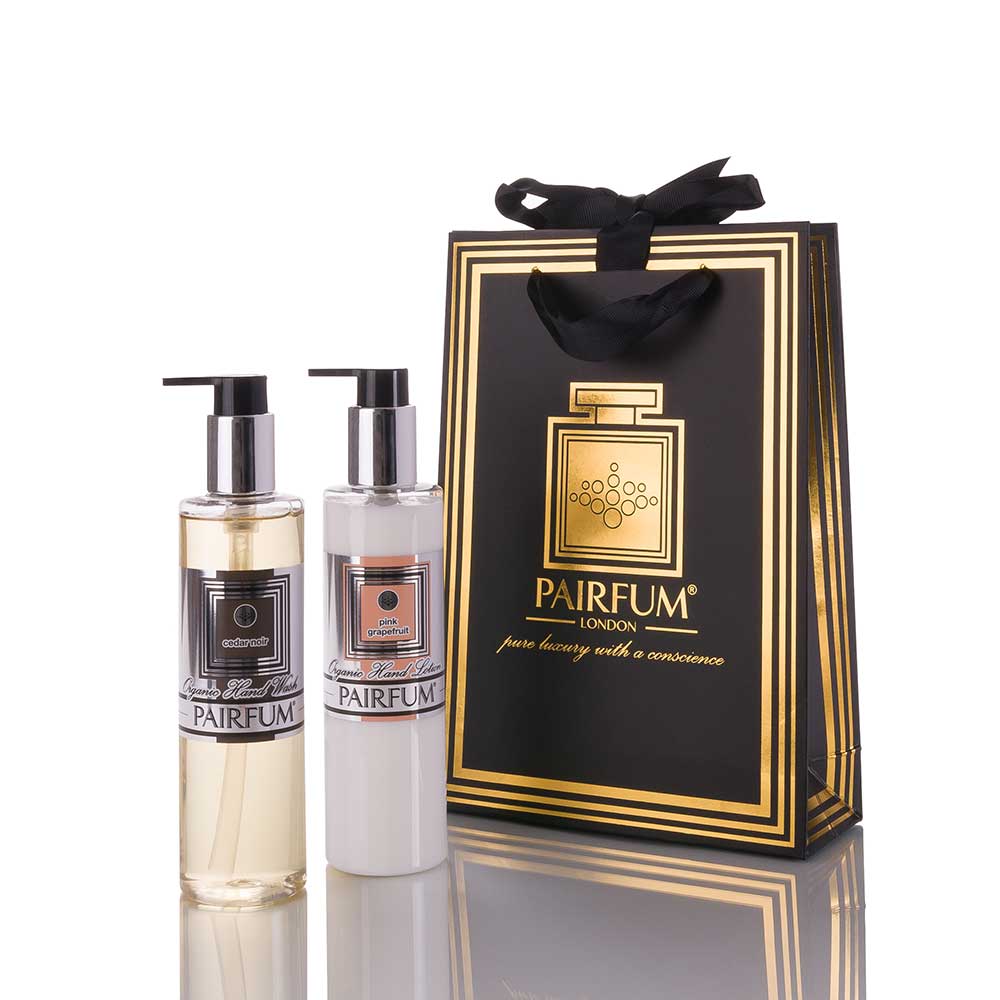
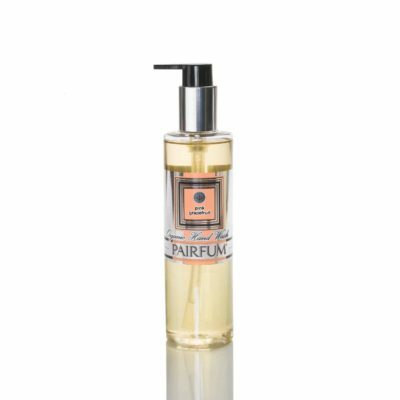
Just to give you an idea of what the PAIRFUM Organic Hand and Body washes ‘DO NOT’ contain, below is just a few from the list:
NO – parabens, e.g. Methyl, Propyl, Butyl and Ethyl Paraben NO – SLS, SLA NO – GMO ingredients, NO – animal derived ingredients NO – animal testing, NO – phthalates, NO – sulphate, NO – nitro musks or polycyclic musks, NO – alkyl phenol ethoxylate solubilizers, NO – mineral oils and none of the following petroleum derived ingredients: petrolatum, petroleum jelly, petroleum distillates, etc.
YES ! it is just as I mentioned above only a few of the ingredients that are NOT in the PAIRFUM London products….
We know that some of the above have been in the news for quiet a few years, as ‘NO-no’s’ when it comes to our HEALTH.
One example you may not have heard of such as ‘alkyl phenol ethoxylate solubilizers’, as they may not roll of the tongue easily but are described as endocrine disrupters or (EDCs).
Does it really matter if our endocrine system is disrupted?
What does our endocrine system do?
Well our endocrine system is the collection of glands that produce hormones that regulate metabolism, growth and development, tissue function, sexual function, reproduction, sleep, and mood, among other things…. so basically our entire life
So you tell us! is that something that you want to disrupt or disturb?
If not! then checking the ingredients list is of the upmost importance, and this is just one of the items on the ‘Free From List’ by PAIRFUM London. So if you would like to find out more or care about what you are putting on your skin, or the skin of your children
Please click here or contact us at in**@*****um.com
Alternatively if you would like to see the wonderful review that brought a smile to our face please click here.
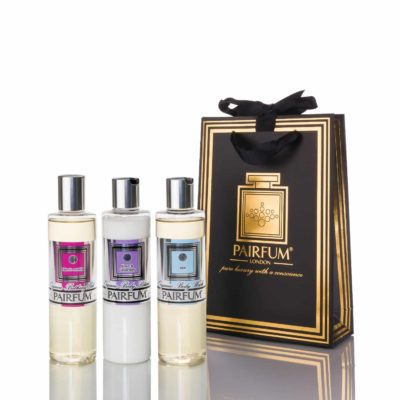
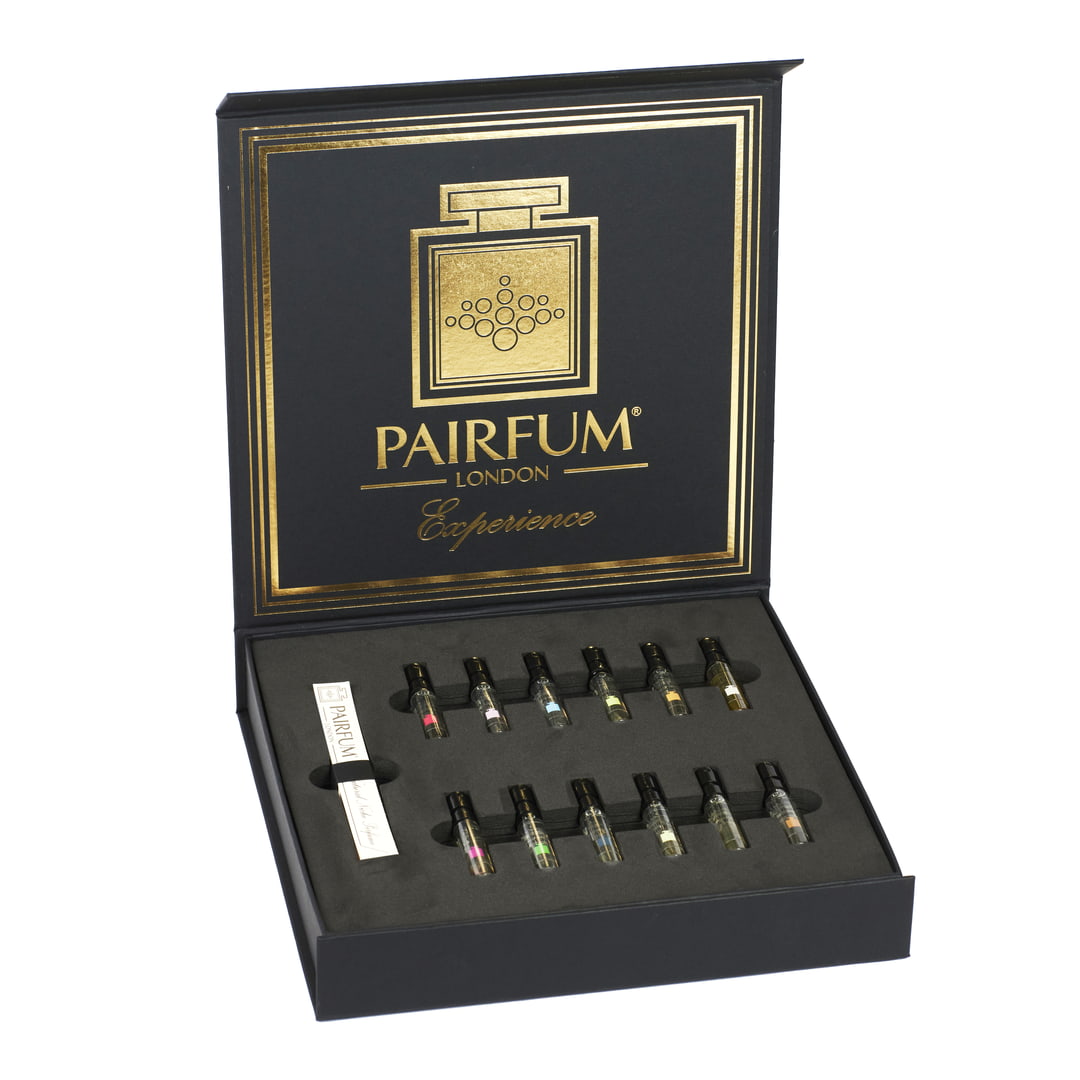
Get a Full Refund when you later buy a full-sized bottle. Special Offer: Free Gift-Wrap (luxury bag & tissue paper) with every Perfume Experience Box.
We value and respect your personal data and privacy. By submitting this form, you agree that we may process your information in accordance with our Privacy Policy.
×
Risk Free Trial
We understand that shopping online for perfume is different, which is why we offer our 100% Happiness Guarantee:
Free Tester: We will include a mini sampler with your Eau de Parfum so you can try the perfume before you open the pack.
Free Returns: Should you not love your perfume, then we will collect it free of charge from your home (unopened product). No quibbles from us.
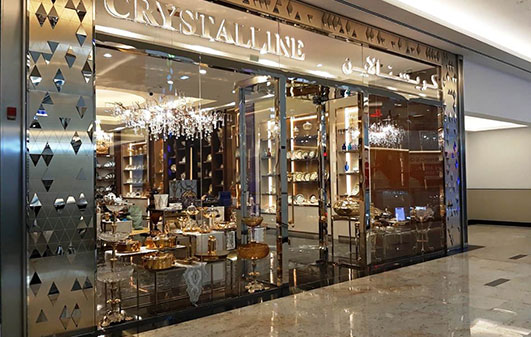
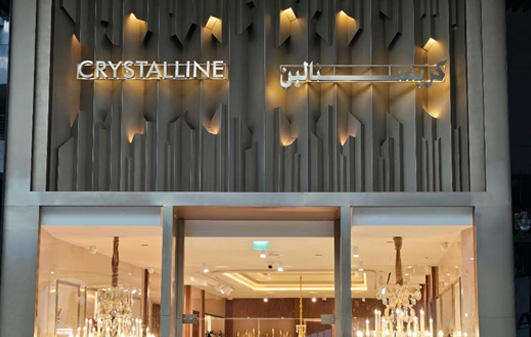
We are honoured & proud that Pairfum London is available for you to enjoy at CRYSTALLINE in Abu Dhabi.
CRYSTALLINE Unit 13235, Level 3 The Galleria Al Maryah Island, Abu Dhabi Tel: +971 2 6228 824
eMail: at***@**********et.ae / ar****@*****um.com
×
Try Natural Niche Perfume
Special Offer: Get a Full Refund when you later buy a full-sized bottle.
We value and respect your personal data and privacy. By submitting this form, you agree that we may process your information in accordance with our Privacy Policy.
×
CRYSTALLINE in the UAE
We are honoured & proud that Pairfum London is available for you to enjoy at CRYSTALLINE in Dubai & Abu Dhabi.
CRYSTALLINE LG-110- LOWER GROUND THE DUBAI MALL, DUBAI, UAE Tel +971 4 3398 897

















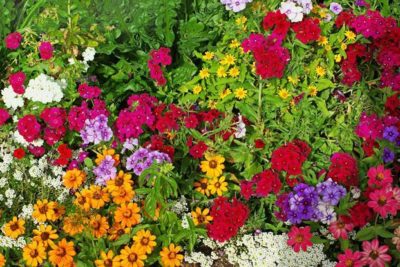 Even if they did so what….
 If! Dinosaurs did stop to smell the flowers, then this would mean a number of things….
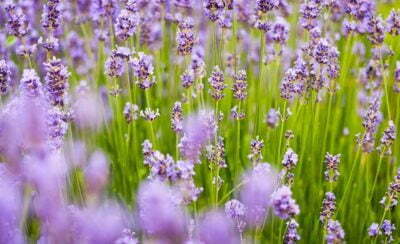 Well the answer to that is, that after years and years and years of research, the history of flowers continues to vex scientists.
 So, when we say years, we mean years – consider that at the time of Darwin’s death, the oldest known fossils of flowering plants came from rocks that had formed between a 100 million to 66 million years before, during the Cretaceous period.
 Flowering plants revolutionised life on Earth, so the next time you stop to admire or smell a flower say ‘Thank You’ , because what ever they look or smell like, we would and could not exist with out them.
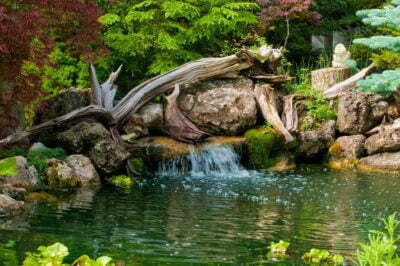 So if it is true that dinosaurs did stop to smell the flowers (and who are we to argue, especially not with a Dinosaur), and in doing so have had a role to play in the emergence of flowers.
 Then we here at
 How about T.V. programs such as Starsky and Hutch, The Dukes of Hazzard and Charlie’s Angels.
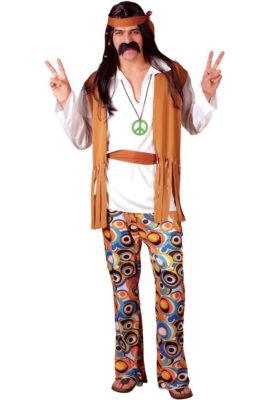 So like it or not everywhere you look, style trends from the ’70s are back or making a comeback.
 If The 70s are back – then we here at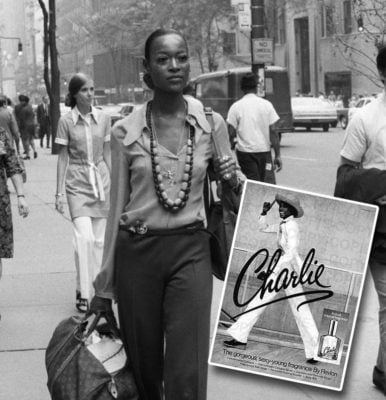

 White Linen was created for Estee lauder by Sophia Grojsman in 1978, and was a modern classic.
 Estée Lauder launched Cinnabar in in 1978, in answer to Yves Saint Laurent Opium..
 First by perfumer Jean-Claude Ellena for Van Cleef & Arpels, when Ellena was commissioned to create ‘First’ back in 1976 – it was literally the first ‘jewellery fragrance’ in the world.