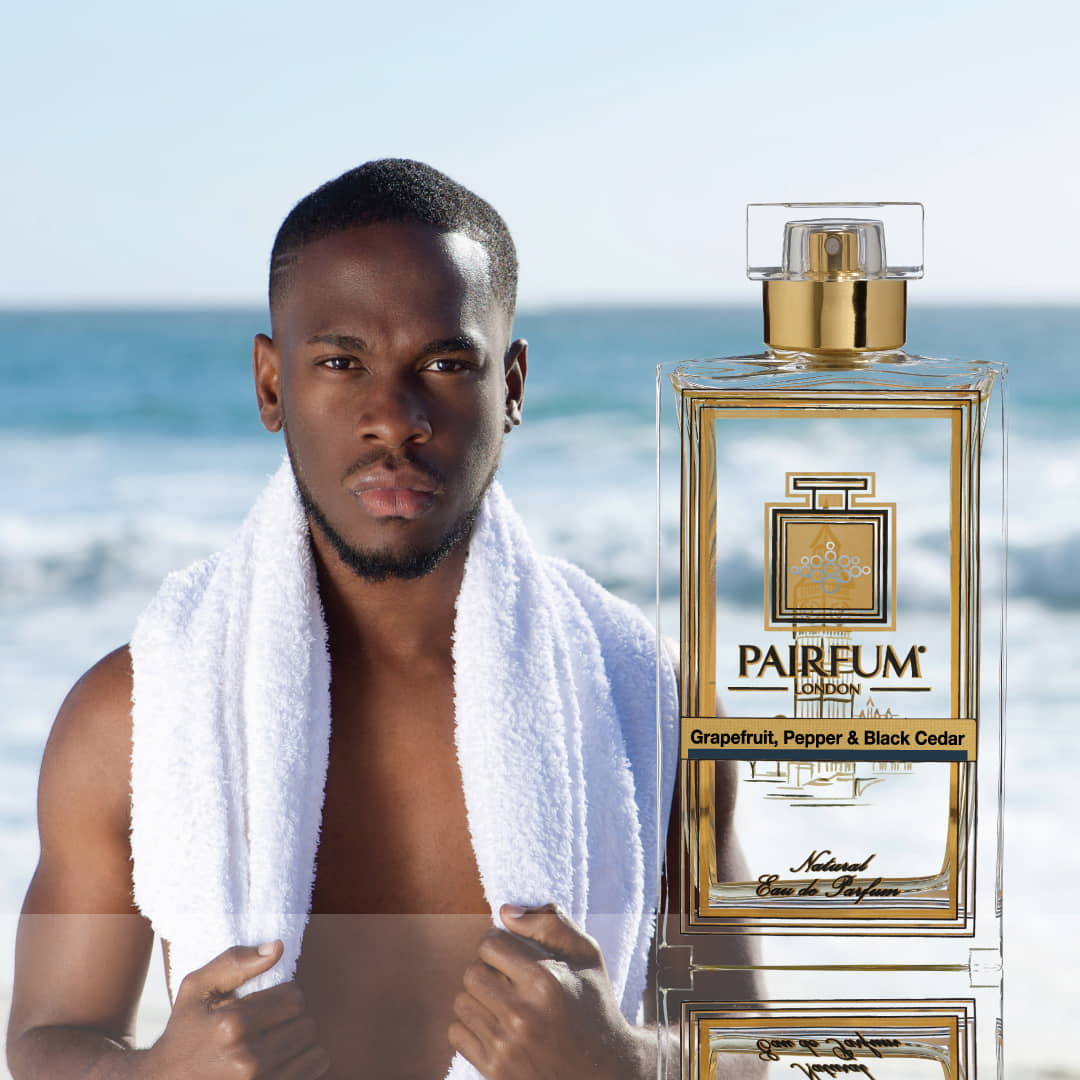
Fragrance is an essential aspect of personal grooming. It has the power to set the mood and make a lasting impression on the people you come in contact with. Frequently, however, fragrances tend to fade away quickly, leaving us feeling disappointed. One solution to this problem is perfume layering.
By combining different products with different scents to work together harmoniously, you can extend the life of your fragrance and enjoy its aroma for a longer period of time. This includes shower gels, body lotions, and perfumes, among others. Not only does layering help to prolong the fragrance, but it also allows you to create a personalised scent that is unique to you.
However, not all oils in perfumery are created equal, so you will have to choose notes that complement each other and work together to create a harmonious scent. The right perfume combination can help to intensify the scent, making it last longer and smell more luxuriously unique.
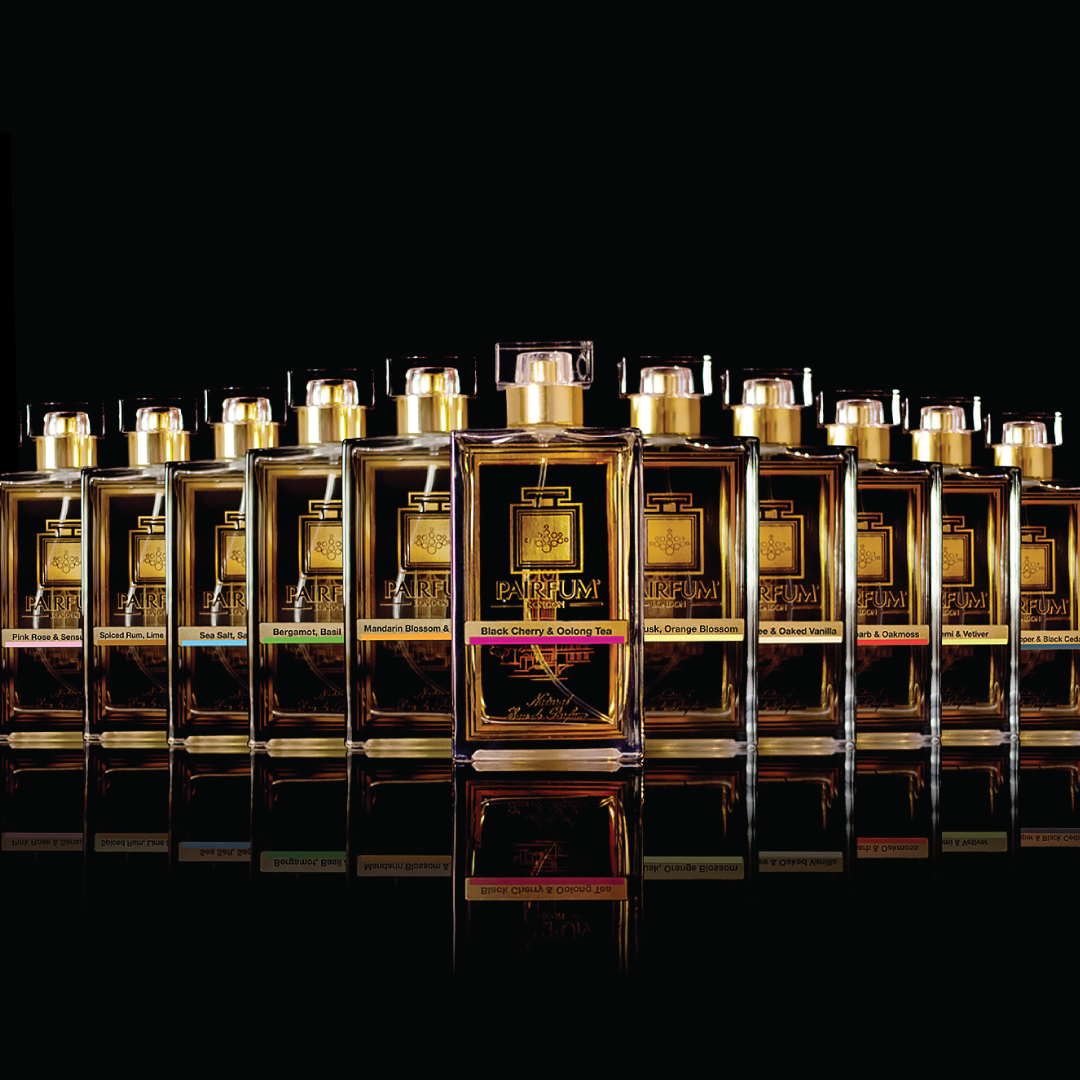
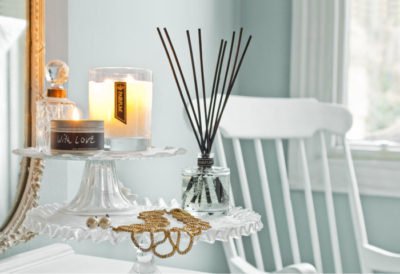
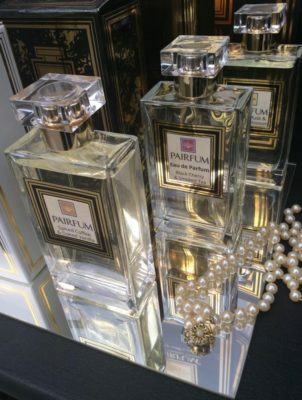
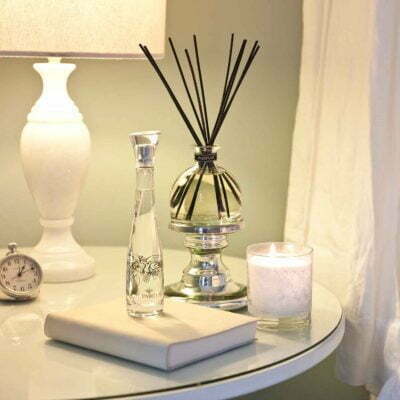
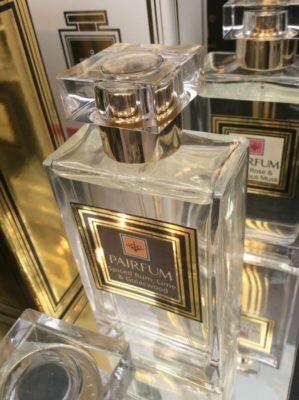
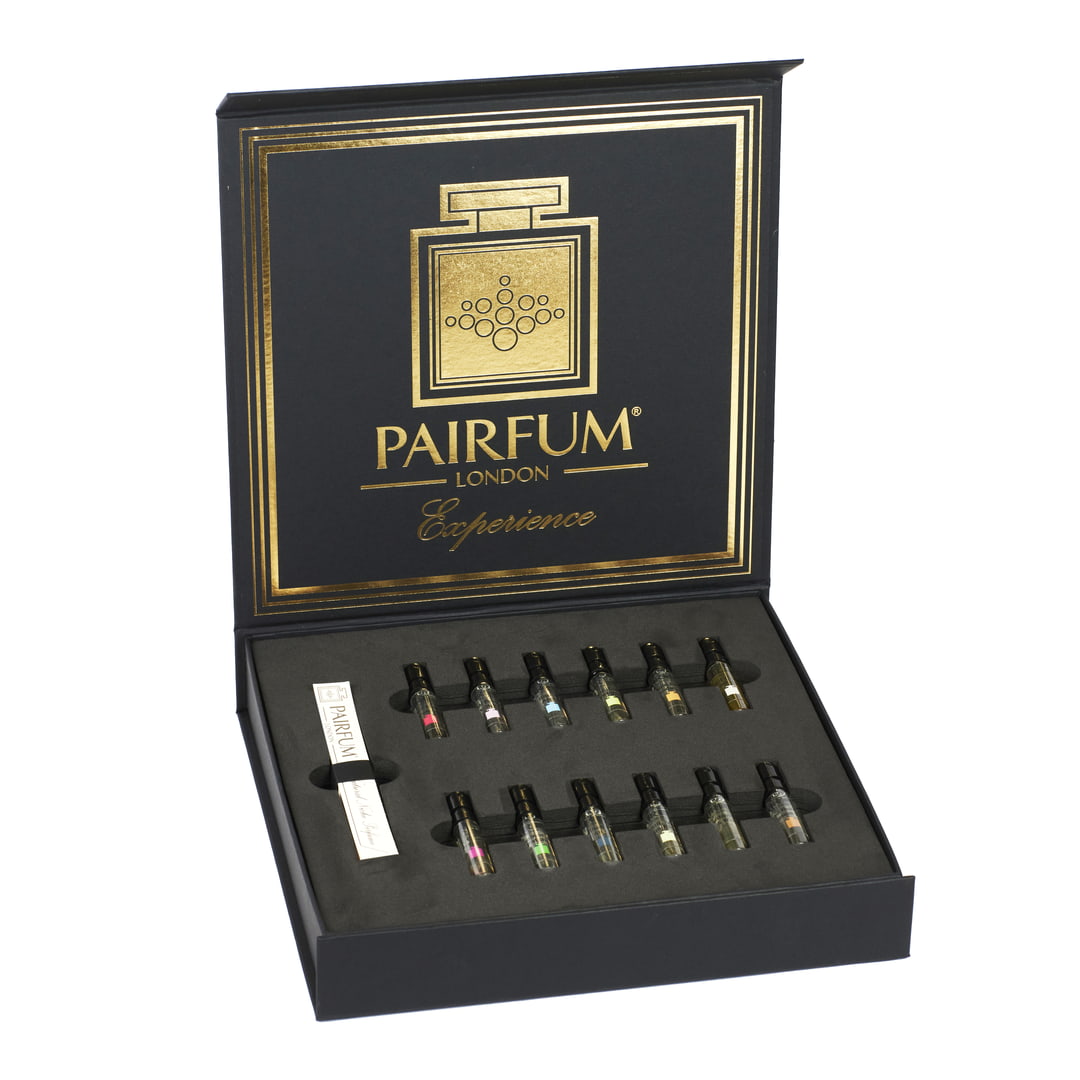
At Pairfum, our in-house perfumer is passionate about fragrances. He uses his innovative skills to create an exquisite variety of unique aromas. Our luxurious collection includes niche perfumes, diffusers, scented candles, room sprays and much more.
In this blog, we will dive into the world of perfume layering and provide you with practical tips and tricks that you can use to create a long-lasting fragrance experience. Get ready to take your fragrance game to the next level!

1. Understand the Science of Perfume Layering
Fragrance layering is the process of combining different scents to create a unique and personalised fragrance. It involves selecting aromas that complement each other and applying them in a specific order to enhance the overall scent experience.
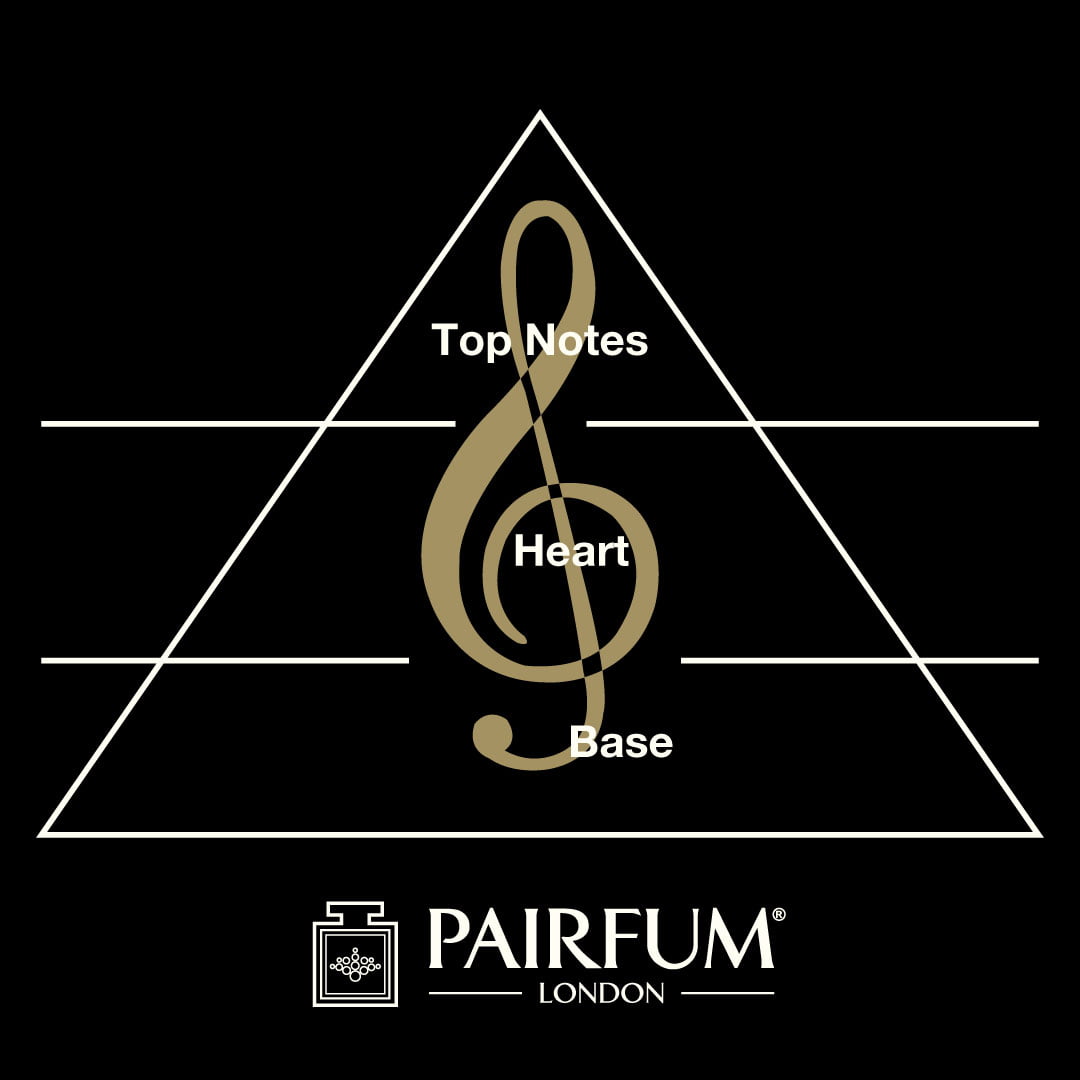
The science behind combining fragrances lies in the understanding of perfume notes and how they interact with each other. Each fragrance is made up of top, middle, and base notes, and when layered, these notes interact to produce a new scent.
Layering can also increase the longevity of fragrances, as some scents fade away quickly while others can last longer. Finding the ideal perfume combination is the key to creating a long-lasting and enjoyable fragrance experience.
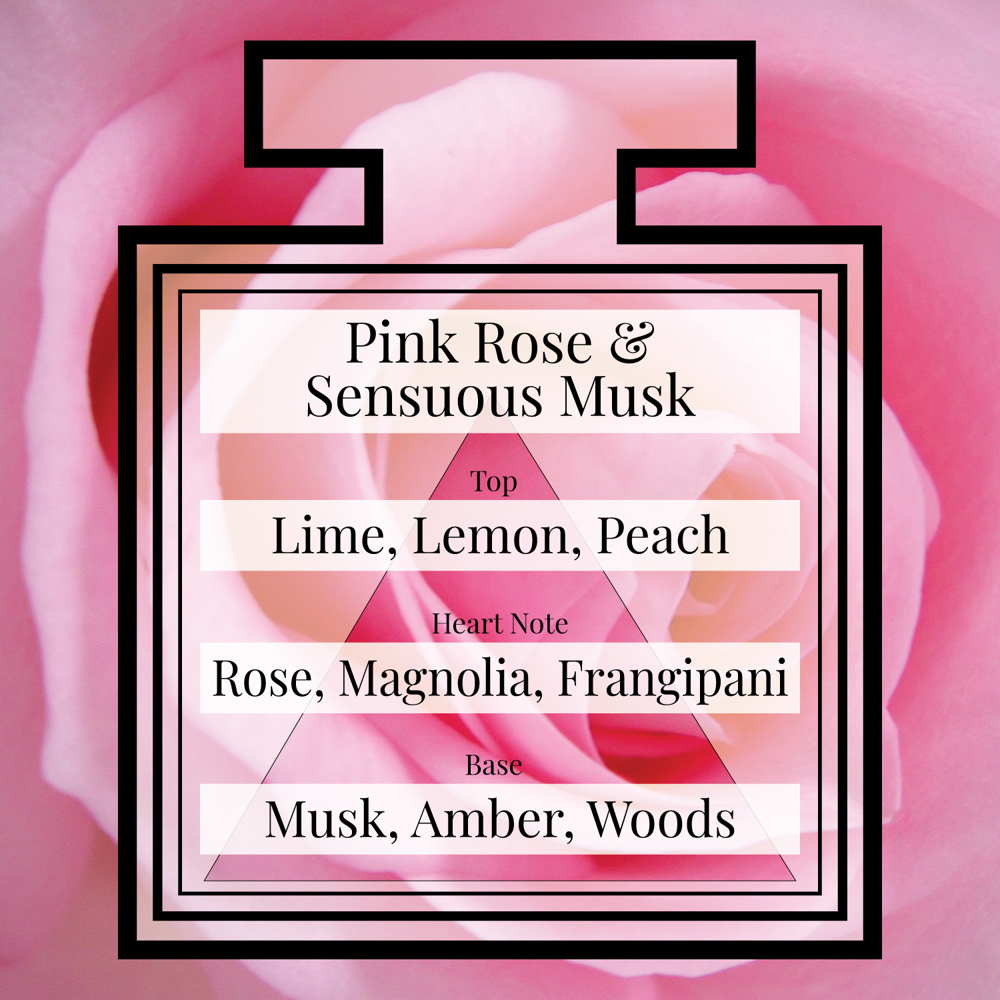
Fragrance notes refer to the different layers that make up a single fragrance. Most fragrances have top, middle, and base notes, each with their own distinct scents and longevity.
The top notes are the first scents you smell, and they tend to fade away quickly. Middle notes, also known as heart notes, develop after the top notes have faded, and they make up the bulk of the fragrance. Finally, base notes are the foundation of a fragrance and are the scents that linger the longest.
Understanding fragrance layers allows you to create a scent that is unique and personal to you. By overlaying different fragrances, you can create a scent that lasts longer and has a more complex and interesting scent profile. This is why perfume layering is a popular technique among fragrance enthusiasts and perfume connoisseurs.
3. Choose the Right Product and Fragrances
Choosing the right combinations is the key to achieving your desired scent and longevity. Make sure to select fragrances that complement each other, rather than clash. Consider the fragrance notes as well as the strength and longevity of each product.
As lighter scents tend to fade quickly, layering with a stronger fragrance can help to extend the overall scent. Additionally, you should choose products with a similar intensity level to ensure that the fragrance is not too overpowering. Look for fragrance oils or opt for a combination of scents that have been carefully selected to work well together.
By layering a floral fragrance with a citrus scent, you can create a bright and refreshing aroma, while layering a woody fragrance with a spicy scent can create a warm and cosy aroma. Experiment with different combinations of fragrances to find one that best suits your perfume preferences.
To properly layer fragrances, start by applying the lightest scent first, followed by the next lightest, and so on. This allows each fragrance to build upon the previous one, creating a unique and complex scent.
You should also allow each fragrance to dry completely before applying the next, as this helps to avoid any unwanted mixing of scents. Additionally, be mindful of the fragrance intensity, as combining too many strong fragrances can lead to an overwhelming scent.
Start with small amounts of each fragrance, and add more if necessary, until you reach the desired intensity. With a little practice, combining fragrance oils can be a fun way to create a customised scent that is uniquely yours.
Choose Pairfum to Find Your Ideal Niche Fragrances
These perfume layering tips and tricks can help you enjoy a long-lasting perfume experience.
At Pairfum, our in-house perfumers are passionate about fragrances and dedicated to innovating new and unique scents to delight our customers.
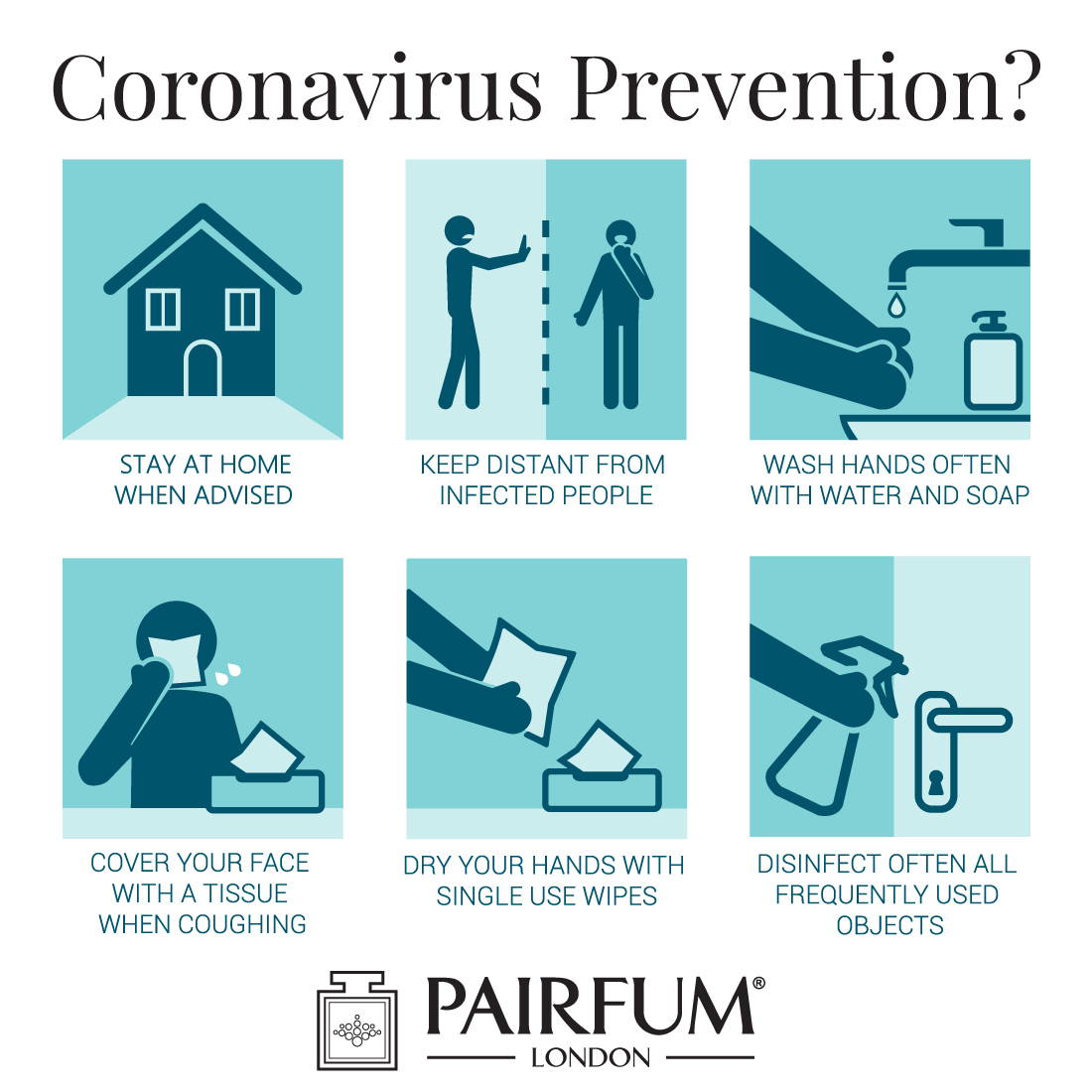
Is Alcohol effective against certain virus, i.e. is it suitable for Coronavirus Prevention ?
While governments across the world and society in general are struggling to understand Covid-19 / Coronavirus, and how to limit its spread, sales of hand disinfectant gels have increased in the UK.
Some supermarkets have already sold out or are running very low in stock.
According to a study by the USDA, over 90% of us don’t wash our hands correctly leading to cross-contamination.
A person’s hands are one of the main causes of transferring viruses from surfaces to their respiratory system.
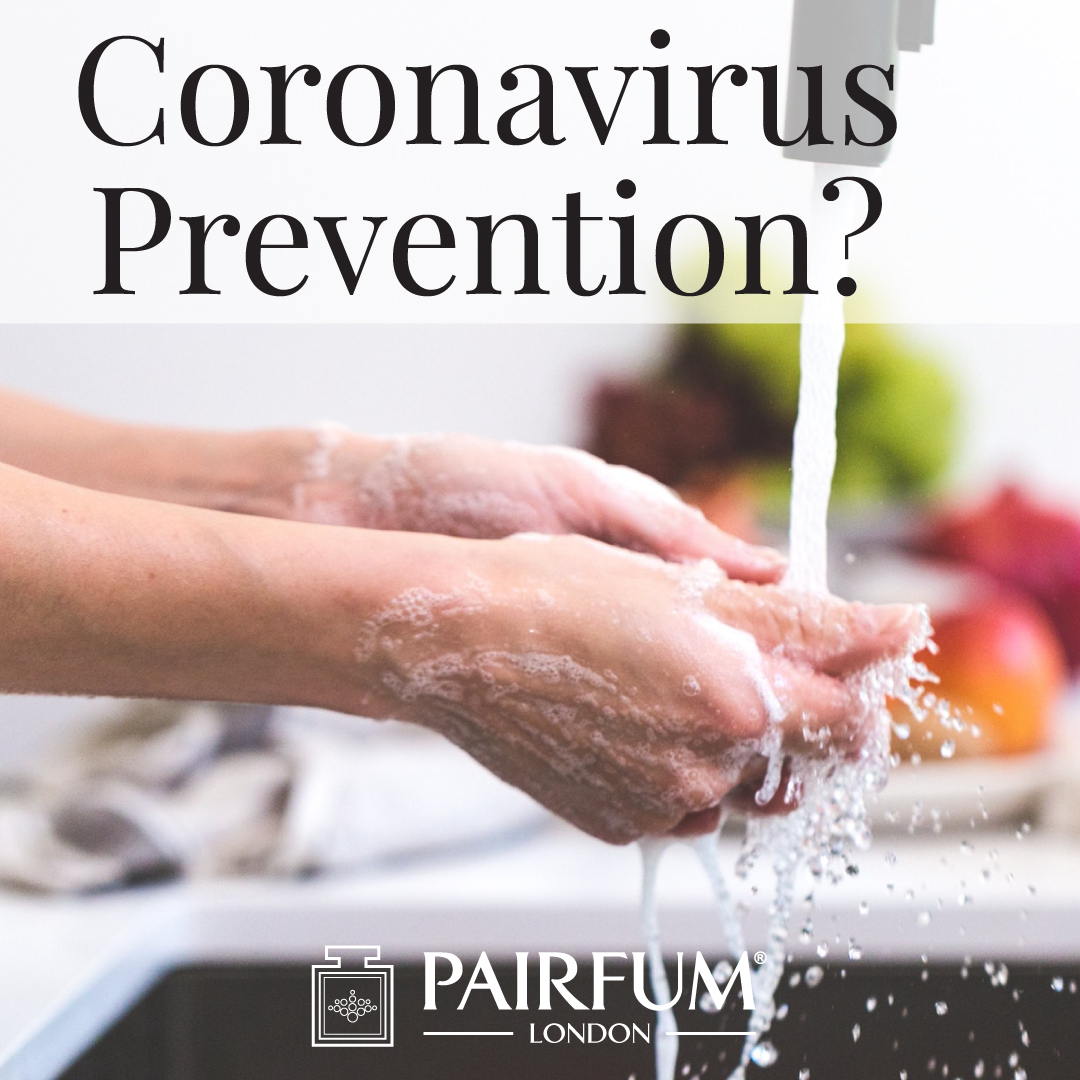
Insuring that you wash them correctly and often, is one way of preventing you from contracting or spreading a virus, i.e. Coronavirus Prevention.
Wash your hands thoroughly with soap and clean running water for at least 20 seconds. If that is not possible, then using an alcohol-based hand sanitiser is an excellent alternative.
However it is very important to understand that these hand sanatising products must contain at least 60% alcohol.
Both the N.H.S. and Public Health England agree that products containing more than 60% alcohol are most effective at killing microbes.
The fact is that alcohol doesn’t kill some viruses and Professor Sally Bloomfield from the London School of Hygiene and Tropical Medicine has said that viruses are much more resistant to disinfectants than bacteria.
Viruses, such as the norovirus or rhinovirus are not enveloped, which means they are not surrounded by a shell.
However, the good news about Covid-19 / coronavirus (and there is precious little good news about it so far) is that Professor Bloomfield has said that Covid-19 is an envelope virus, meaning it has a coating around it, which the alcohol can attack.
With the stock of hand disinfectant gels running low or sold out, and with reports of unscrupulous people selling products on certain websites for many times their original price, it is tempting to think that you could make your own.
This however is not the wisest, safest or best solution, as it is difficult to insure that you have the correct formulation. If made incorrectly they could cause more harm than good.
Products made by reputable manufacturers also contain emollients that soften and protect the skin without the risk of injury to the hands.
On some wellness sites it has been suggested to use alternatives to make your own gels containing certain ingredients such as aleo vera or witch hazel, however as we have mentioned earlier – it is the alcohol and the percentage of alcohol in the products that attacks the virus.
If you are seeking an alternative to alcohol another strong antibacterial agent that is used in certain soaps, cosmetics and toothpaste is called Triclosan. However we would not recommend this as research has now shown that triclosan can damage the body’s endocrine system, and the U.S. Food and Drug Administration banned its use in hygiene products at the end of 2017, no such ban exists in the U.K. as yet however…..
As it is still unknown how Covid-19 is spread and according to the latest update from the N.H.S. the most lightly transference is from person to person through coughing or sneezing and is unlikely to pass through items, such as packaging or food.
Having said that it is better to avoid touching things that you do not need to touch, however in our everyday lives we need to open doors, sit on seats and handle other objects as part of our daily routines.
As this is unavoidable, then the safest thing to do is avoid touching your face, mouth, nose, eyes or any wounds you may have before thoroughly washing your hands in clean running water for more than 20 seconds using soap in both solid or liquid form and then drying them with a clean disposable towel – a 2012 study by the Mayo Clinic showed that from a hygienic point of view: “Paper towels are better than air dryers”.
If you find yourself in a situation where you are unable to wash your hands, then using a sanatising hand gel with over 60% alcohol content is an excellent alternative. Once you have an opportunity you should then wash your hands thoroughly with clean running water and soap.
One report has shown that adults get between four to six colds every year and children pick up six to eight. The author of the report pointed out that hand washing and good general hygiene could stop the spread of these viruses….
When over 90% of us do not wash our hands correctly, and by doing so we can prevent the spread of viruses. Then it really is a case of ‘Wash, Rinse & Repeat’
Is Coronavirus Prevention possible? what part can we play in the prevention or spread of Covid-19?
The Department of Health and the N.H.S. are advising that we should all wash our hands thoroughly and correctly, as one of the main preventative measures.
So then suggesting that we should all take note and wash our hands as thoroughly as medical professionals preparing for surgery – the following instructions on how to wash your hands correctly ‘IS NOT’ really a case of stating the obvious!
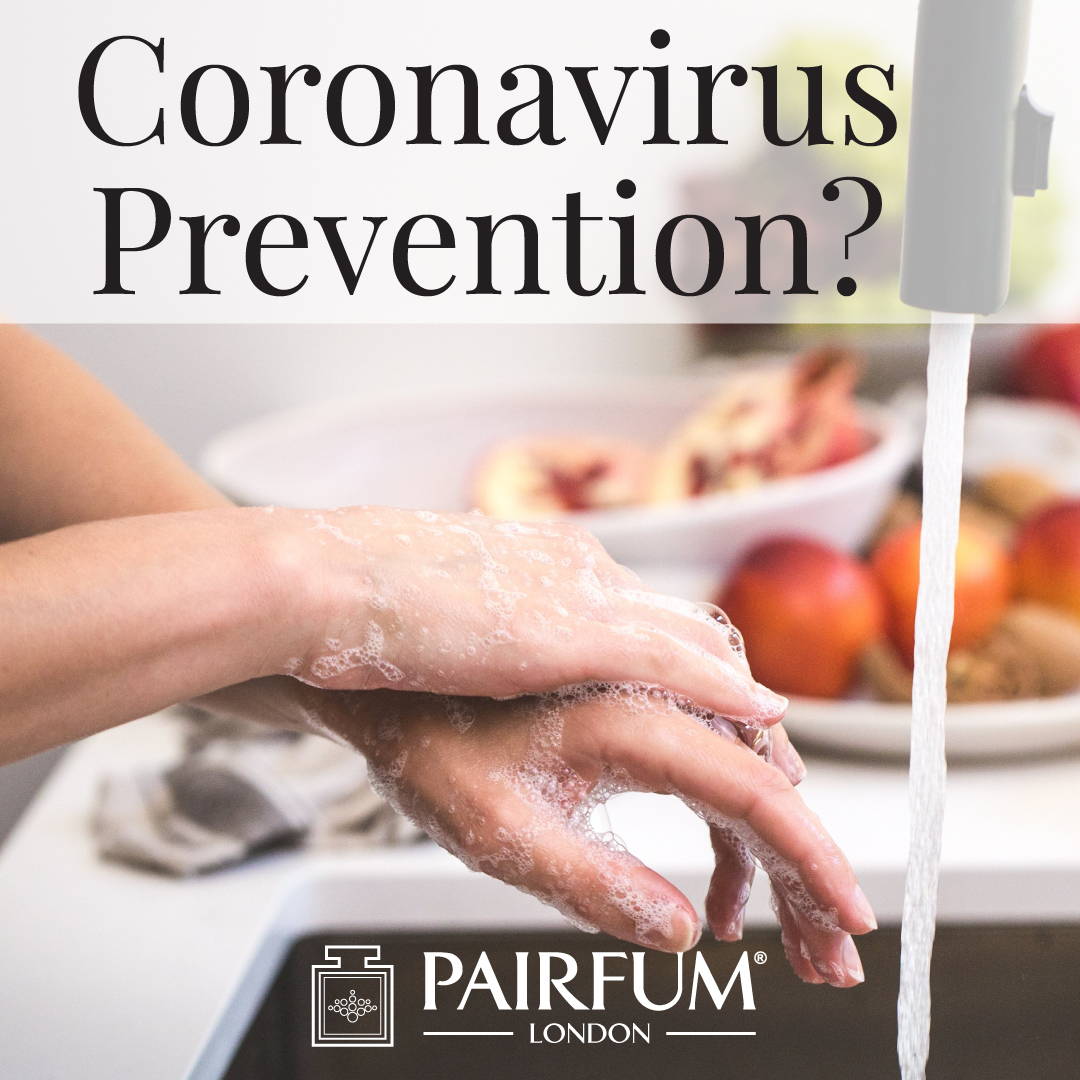
Thoroughly wet your hands with clean running tap water, both hot and cold is fine.
Apply soap and lather your hands well paying special attention to the area in between your fingers and the backs of your hands, and do not forget to clean under your nails.
Spend at least 20 seconds actively scrubbing your hands after lathering them completely. (If you are unsure how long 20 seconds is then one suggestion by the America CDC is to sing ‘Happy Birthday’ to yourself in your head – or out loud if you feel like it)
Then thoroughly rinse off all the soap from your hands under clean running water.
Finally use a clean and if possible a disposable towel to dry your hands and if this is not available then simply air dry them (if you are wondering what we mean by air drying them – then remember what Cameo said “Wave your hands in the air like you don’t care”
As the London School of Hygiene & Tropical Medicine has said “It’s not for the NHS to manage COVID19 primarily, it’s for all of us to help manage it.”
As professor John Edmunds told Channel4News that if we all follow @PHE_uk advice properly in the coming weeks & months the epidemic should slow down.
At this time of uncertainty, we recommend taking these few simple precautions to help Coronavirus Prevention. By doing so we can all help keep ourselves and others safe.
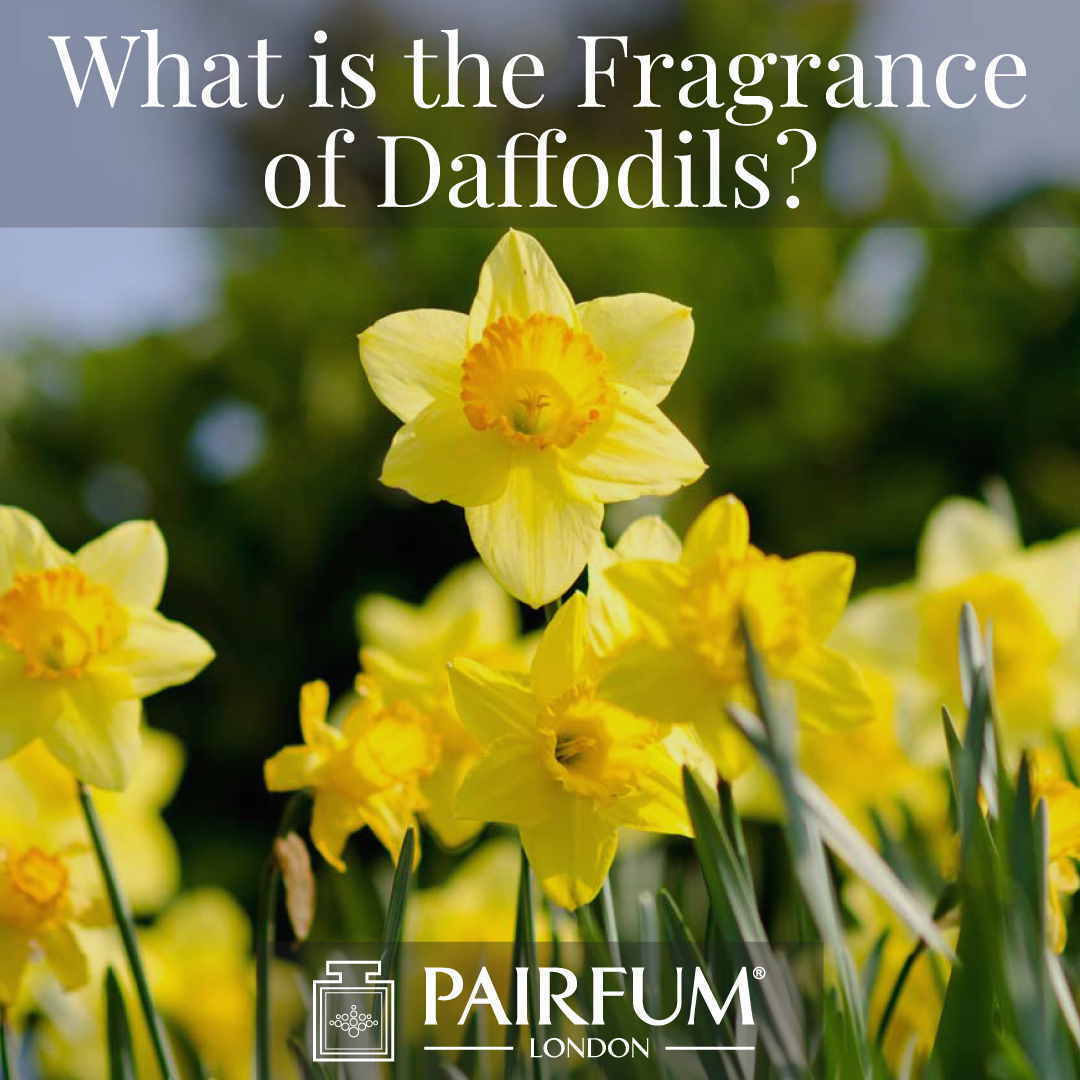
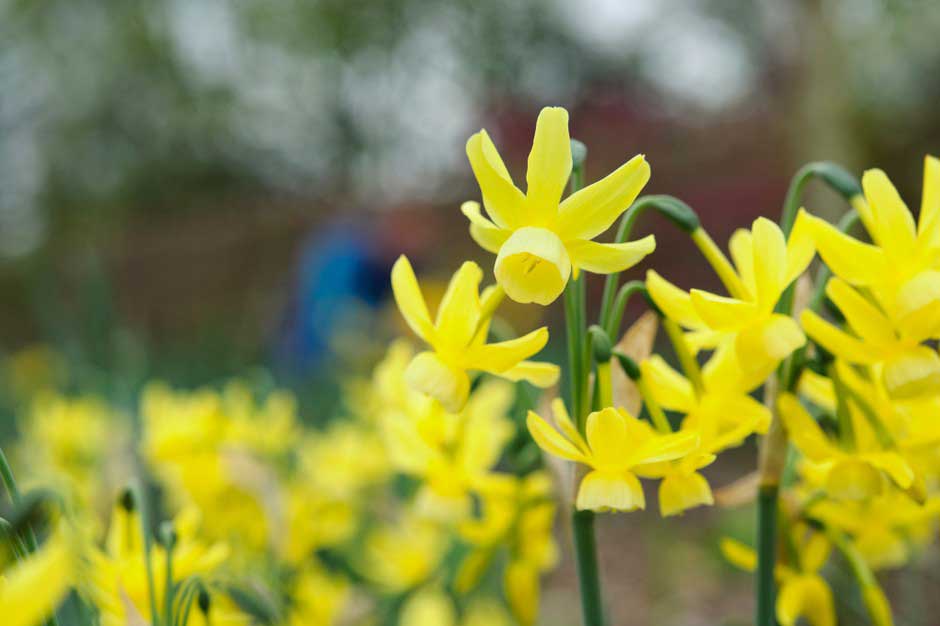
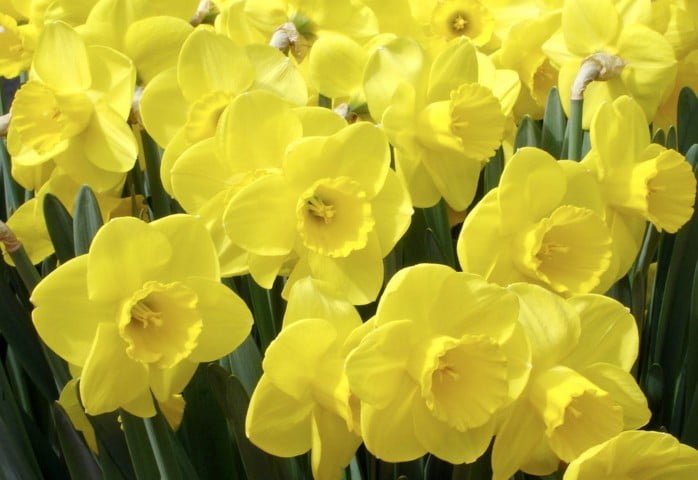
Daffodils are considered one of the heralds of spring.
Their common name is Daffodil and their Latin, botanical name Narcissus. They are a bulb that is part of the amaryllis family, Amaryllidaceae.
Planted between September and October the previous year, the bulb develops roots before the beautiful yellow and white flowers burst out the following spring from February to early May. They can be found in borders, containers but also parks and by the roadside.
Their typical height and spread are 5cm (2in) to 50cm (20in). They prefer sun or light shade and are an easy to grow bulb. The plant is very resistant and most sorts survive cold winters to flower for many years.
The flowers are either yellow or white, trumpet or star-shaped and grow on a long stalk with green leaves. In all, there are about 26 wild varieties but many hundreds of cultivated versions.
Mainly based on their flower form, Daffodils are categorised into 13 groups, mainly based on the form of their flower:
Trumpet: flowers with cups (the corona) that are longer than their petals
Large-cupped: with large cups but the corona is not longer than their perianth segments
Small-cupped: the flowers have small cups, much shorter than their petals
Double: double blooms, with a ruffled appearance, but no clear distinction between petals and cup
Triandrus: small-flowered daffodils with pendent blooms, up to five, which naturalise well in grass
Cyclamineus: small flowers with petals sweeping back from the cup (i.e. reflexed perianth). These are an early flowering species and naturalise well in grass
Jonquilla and Apodanthus: These are the fragrant varieties and they display up to five small flowers per stem
Tazetta: another fragrant variety with up to 20 small flowers per stem, with sadly some only half hardy
Poeticus: another variety that can be naturalised in grass. They have small cups with a contrasting colours to their large white petals
Bulbocodium: in this variety the cups are much larger than the petals and they are short, with delicate, rush-like leaves. They naturalise well in grass.
Split-corona (Collar or Papillon): they look like orchids, with a cup split into segments. In the papillon type (typically with a whorl split into six segments) the face appears flatter and more open.
Species daffodils (including wild narcissi): these small species grow well in rock gardens and pots
Miscellaneous: daffodils that do not fit any of the above groups
History of Daffodils
Daffodils originate from Southern Europe and North Africa, but some varieties can be found in Asia and China. Some claim that narcissus originated from Persia and was brought to China in the 8th century by travelling traders along the Silk Route.
The flower is linked to the Greek myth of Narcissus, who became so obsessed with his own reflection, that he knelt down to gaze into a pool of water. Sadly, he toppled into the water and drowned. The Narcissus plant sprang from where he died.
The name probably has its origin in the Greek word of ‘narke’, which became ‘narce’ under the Romans, meaning ‘numb’ and is a reference to its narcotic effect.
For more than a thousand years, Narcissus oil has been used for many different purposes, in both ancient Rome and the middle East:
Narcissinum was the name the Romans gave the fragrance they created using narcissus unguent.
In Arabia it was used in perfumery but also to cure baldness
In India, the oil of the narcissus (as well as fragrant oils of sandal, jasmine, and rose), is utilised during ritual cleaning before attending prayers.
The French used it as a scent in early cosmetics (powders, soaps and lipsticks) but they also treated epilepsy and hysteria with it
In China narcissus is associated with good fortune and gain. Even today, narcissus remains as a symbol of awakening and hope.
Narcissus Oil
The oil was historically extracted through a technique called ‘enfleurage’, whereby the individual petals are placed on plate of lard. The fat draws the oil from the petal and after a few days the petals are replaced by fresh ones. This is repeated until the lard is saturated with oil. At this stage it is called the ‘pomade’. The pomade is then filtered and distilled to produce the oil.
Nowadays, the oil is typically extracted using volatile solvents. About 500 kg of flowers are required to produce 1 kilogram of concrete or 300 g of absolute. ‘Concrete’ and ‘Absolute’ refer to different stages of refinement of the natural extract. It explains, however, why natural narcissus oil is so precious and expensive.
Today, the major quantities of natural narcissus essential oil are produced in the Netherlands and in France.
The main varieties used for oil extraction are Narcissus poeticus, Narcissus tazetta and Narcissus jonquill.
Fragrant Varieties
Have you tried smelling a Daffodil or wondered what this wonderful member of the Narcissus family smells like?
Most hybrid and over-bred bulbs you find in some Garden Centres today (and there are several hundred cultivated varieties) will not produce a fragrance and yet there are many wild daffodil varieties (around 26) that are marvelously fragrant. This means in turn there are many different scents and yet the typical olfactive profile associated with Narcissus reads as follows:
heady floral with sweet and green nuances.
The scent of narcissus oil is strong and rich. It reminiscent of dark green leaves with traces of hyacinth and jasmine.
We have also been able to smell some varieties that were ‘spicy’ and others with ‘musky’ or ‘vanillic’ tonalities.
Narcissus would generally be classified as a ‘green-floral’, together with hyacinth and lily of the valley.
Daddodil Fields in Great Windsor Park
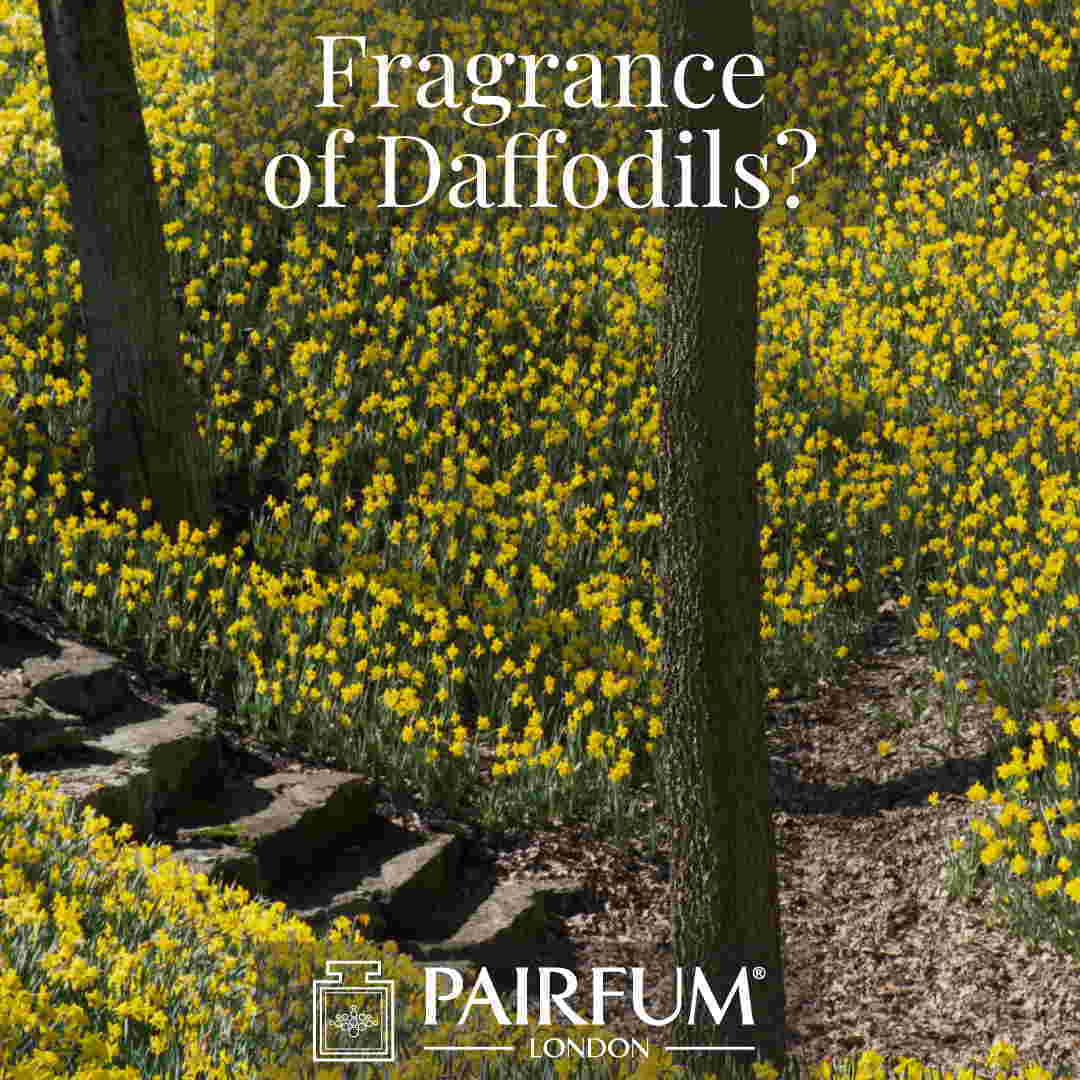
If you would like to experience the joys of spring, feast your eyes on an acres of daffodils in the wind and actually smell some beautiful daffodils, then head over to ‘Great Windsor Park’ (near Windsor).
The fields of yellow you will enjoy, perfectly illustrate this poem by William Wordsworth:
I wandered lonely as a cloud That floats on high o’er vales and hills, When all at once I saw a crowd, A host of dancing daffodils Beside the lake, beneath the trees, Fluttering and dancing in the breeze
Daffodils in Great Windsor Park 2 x small e1526136244644
Daffodil Fragrance Windsor Park Stefanos Kogka
Daffodils in Great Windsor Park 3 x small
Daffodil Fragrance Windsor Park Andrea Tummon
Daffodils in Great Windsor Park 4 x small
Daffodils in Great Windsor Park 5 x small
Daffodils in Great Windsor Park x small
Pairfum Windsor Woodland Daffodil Home Fragrance Oil 11
Pairfum Windsor Woodland Daffodil Home Fragrance Oil 12
Daffodil Fragrance Windsor Park Peter Wimber
Pairfum Windsor Woodland Daffodil Home Fragrance Oil 14
Daffodil Fragrance Windsor Park Eberhard Grossgasteige
Windsor Great Park Daffodils Fragrance Petal Spring
Windsor Great Park Daffodils Scent Bloom Grass
Pairfum Windsor Woodland Daffodil Home Fragrance Oil 15
Pairfum Windsor Woodland Daffodil Home Fragrance Oil 13
Pairfum Windsor Woodland Daffodil Home Fragrance Oil 10
Daffodils in Great Windsor Park 6 small
Daffodils in Home Fragrance
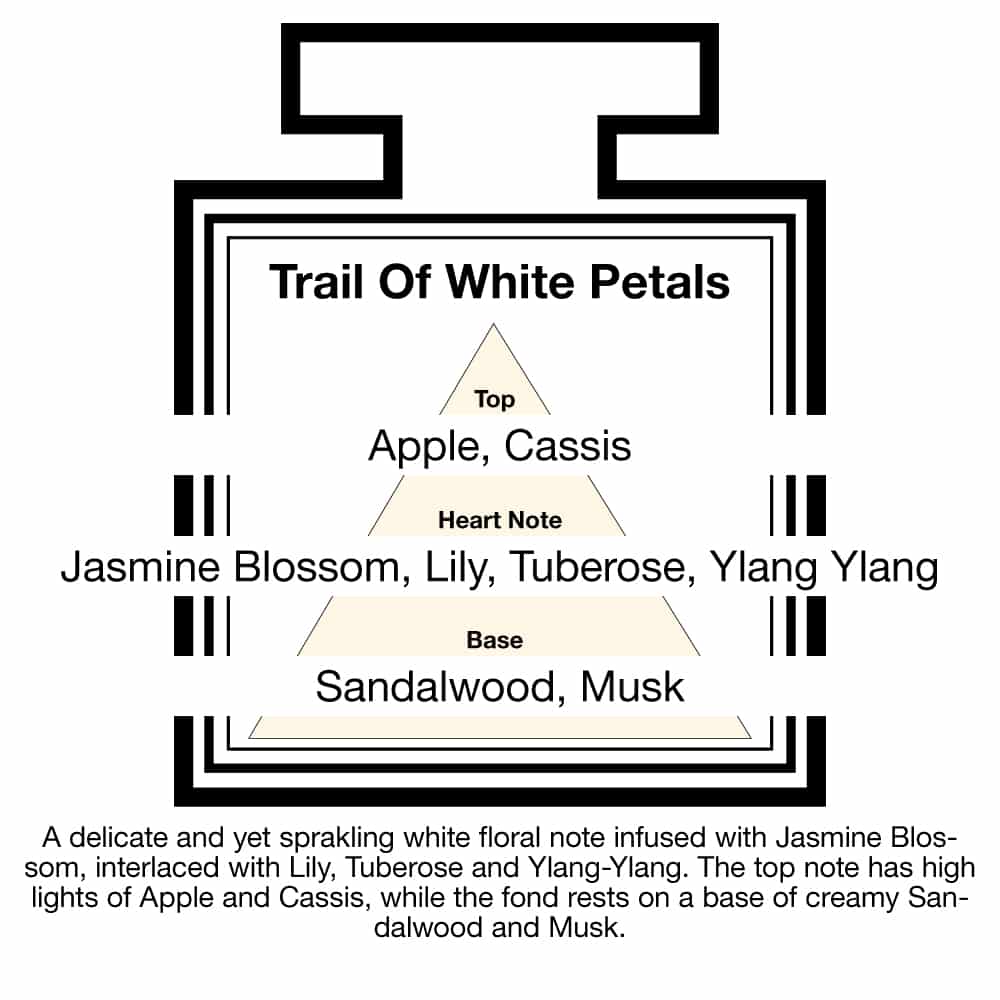
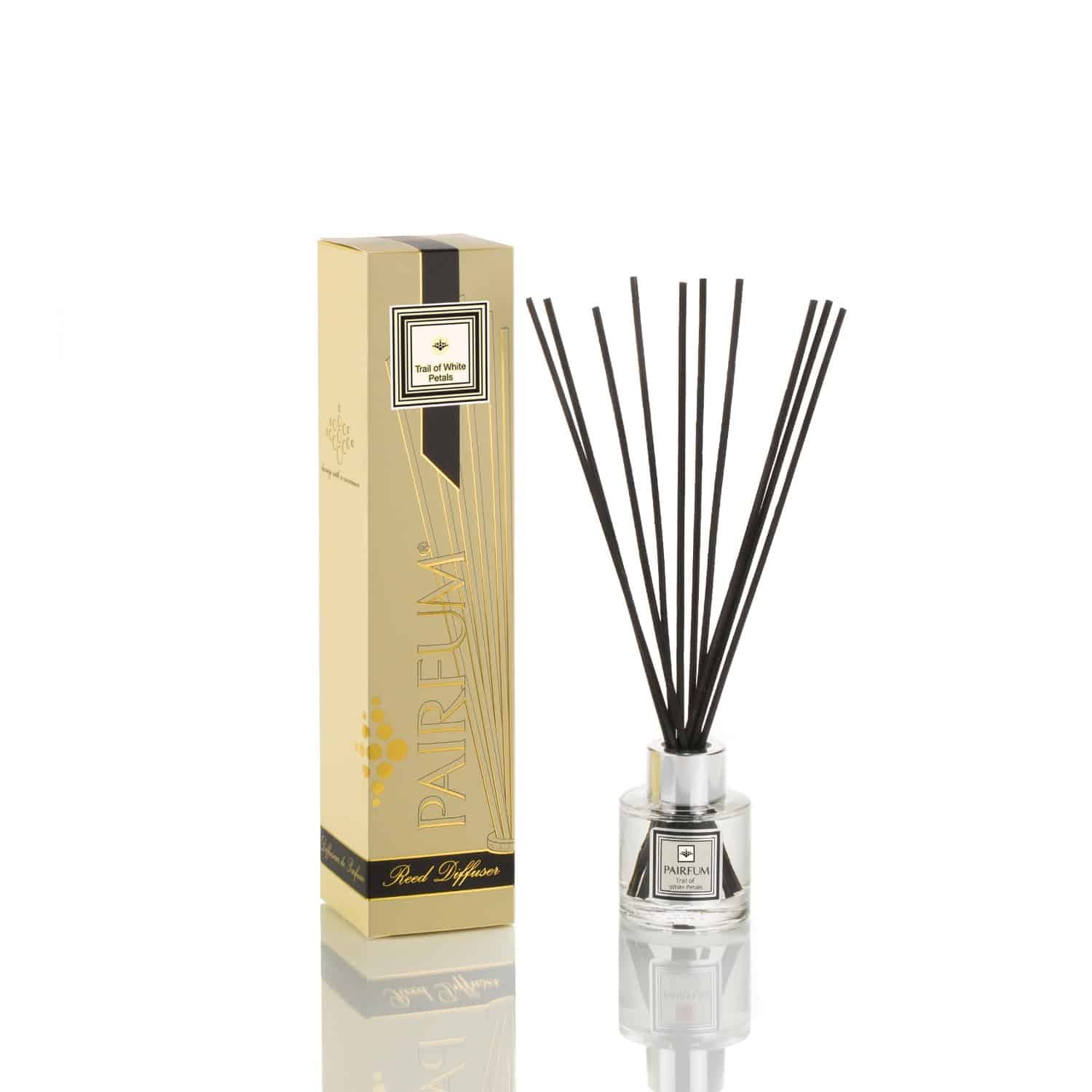
Here at PAIRFUM we don’t have a true Daffodil fragrance but our ‘Trail of White Petals’ contains Daffodil oil and this floral perfume has the sweet and green nuances typically associated with Narcissus. Trail of White Petals is available in perfumed candles, natural reed diffusers, perfume room sprays and many other products.
Bring the scent of spring into your home with Daffodils !
There is nothing more enjoyable than a PAIRFUM Flowerwax Candle or Reed Diffuser in ‘Trail of White Petals’, spreading the scent of spring in your home.
Pairfum Natural Wax Candle Signature Trail Of White Petals
Pairfum Flacon Perfume Room Spray Signature Trail White Petals
Pairfum Large Reed Diffuser Bell Signature Trail Of White Petals
Pairfum Large Snow Crystal Candle Signature Trail Of White Petals
Fragrance Description Trail White Petals Jasmine Tuberose Ylang
Pairfum Reed Diffuser Tower Petite Signature Trail Of White Petals
Daffodils & Narcissus in Perfumery
Here in the gallery below you can see a few perfumes where the narcissus plays a prominent role in the fragrance accord.
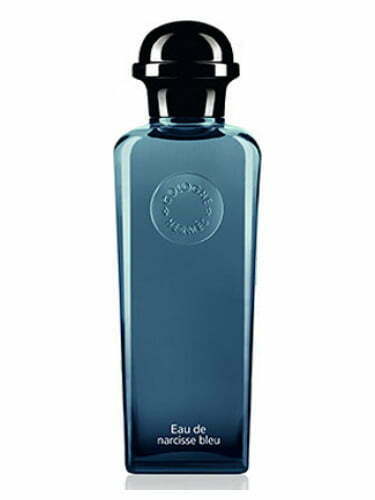
You will notice that we have included both classical fragrances, e.g. Nacisse Noir by Caron for women, and also modern interpretations, e.g. Eau de Narcisse Bleu by Hermès, for both women and men.
Eau De Narcisse Bleu Hermes Unisex
Daffodil Demeter Unisex
Jonquille De Nuit Tom Ford Unisex
First Van Cleef Arpels Woman
Narcissus Yardley Female
Narcisse Noir Caron Woman
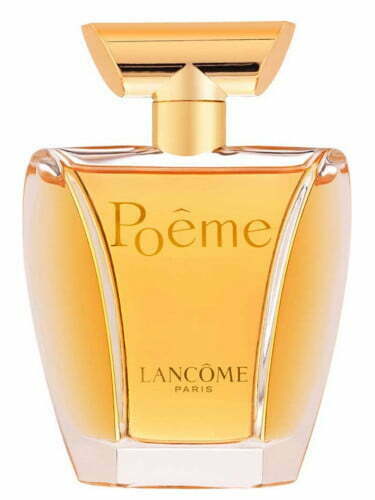
Poeme Lancome Woman
Poeme Lancome Woman
Un Air De Samsara Guerlain Female
Summary
As you can see ‘Daffodils’ or ‘Narcissus’ are quite clearly fragranced and they play a prominent role in perfumery.
Sadly, through breeding many varieties we see today have lost their scent.
Should you be passing Windsor Great Park in the UK in Spring, we invite you to visit the fields full of Daffodils. It is a feast not just for your eyes but also your nose.
Are you having a problem falling asleep or trying to get a good night’s sleep? Yes, … then using a Deep Sleep Spray can help you solve this problem.
One of our most popular products, that customers come back for repeatedly, is our Natural Sleep Spray, that can be used on your pillows, bed sheets, duvet covers, night clothes, or sprayed into the air.
We all know that there are a number of contributing factors for why we can’t jump into bed and sleep, ranging from the age and condition of your mattress and pillow to the temperature in your room. Not to mention noise levels and how dark and electronic free your resting place is.
Some of the causes for a disturbed nights sleep may seem very obvious, but it is surprising how many people, do not consider them a factor when trying to eliminate or alleviate the cause of a sleepless or restless night.
One of the most obvious things is that you do not go to sleep in a brightly lit room, bright light especially blue-ish light that is emitted from T.V.’s, Computer Screens, Mobile phones, all send a signal to our brains that it’s still daytime and prevents the body’s natural release of chemicals critical for restful & deep sleep.
Our bodies release chemicals in a 24-hour cycle, telling us to do certain things at certain times.
Each of these cycles is called a circadian rhythm, one of the most important chemicals involved in this process is melatonin, a hormone that makes us feel sleepy.
The amount of melatonin in our bodies starts increasing in the evening, as natural light decreases, and peaks in the middle of the night, letting us know it is time to sleep.
It then decreases by morning, allowing us to wake up refreshed.
Why is it so important that we get a good nights sleep?
Studies show that four in every ten Americans don’t even get the minimum of seven hours of sleep doctors recommend, and the important word in the previous sentence is ‘MINIMUM’.
This is now considered a public health emergency, as lack of sleep and fatigue leads to both short and long term mental and physical health problems.
Recent studies have shown that Americans currently average only 6.8 hours of sleep per night, down an hour from 1942, which means that they have lost ‘One Full’ hour’s sleep per night since then.
Think of it as having to set your alarm clock an hour earlier every morning … !
This is not something that effects only people living in the USA, but they have recognised the problem and are studying the causes and effects.
As I have mentioned above, study after study has shown that watching a screen before bedtime or while you are lying in bed is an absolute ‘No-no’ – if you wish to drift off to the land of nod and stay there until morning.
So, … whether it’s a TV screen, your laptop, tablet or phone, if you want to fall asleep ditch the pixels until morning.
Expert Tips
The following are some simple tips that will help improve your nights sleep:
Lavender has been shown to decrease heart rate and blood pressure, potentially putting you in a more relaxed state.
In one study, researchers monitored the brain waves of subjects at night and found that those who sniffed lavender before bed had a deeper nights sleep and felt more invigorated in the morning
If Lavender helps us get a better nights sleep – then “Why is that”?
Well, … you will be delighted to know that there is scientific proof to backup the claim:
Lavender oil is mainly composed of linalyl acetate (which is a naturally occurring phytochemical found in many flowers and spice plants, and is one of the principal components of the essential oils of Lavender and Bergamot) and linalool.
Both are natural chemicals that are rapidly absorbed into the bloodstream.
Studies on mice have shown that these compounds inhibit several neurotransmitters and have a sedative and pain-relieving effect.
In humans, lavender has been proven to lower the heart rate and reduces anxiety, leading to a more relaxed and peaceful sleep.
Dr. Chris Winter, MD, is a renowned sleep specialist and author of the book: ‘The Sleep Solution – Why Your Sleep Is Broken and How To Fix It” – He has also been called “The Sleep Whisperer”.
I love this nick name, as it is better to whisper, so you do not wake anyone up.
He stated that scent plays a role in helping people drift off to sleep, with the proviso that the formula contains lavender.
“There are a number of studies that indicate it might have sleep-promoting effects,” he says.
Other notes that are known to help promote relaxation and sleep are Chamomile, Bergamot, Jasmine, Rose, Sandalwood and Valerian.
Recommendations from the Harvard Medical School suggest using dim red lights in the evenings and to expose yourself to bright lights during the day time help to reset your sleep schedule (your internal clock).
In a recent Bedroom Poll by the National Sleep Foundation in the US, 53% of their respondents rated sleeping on sheets with a fresh scent an important contributor to their sleep experience.
If Lavender is not one of your favourite notes, other fragrances that you associate with happy events in your life are also perfect to use.
For example notes or smells that evoke or awaken happy, calming memories, such as walks on the beach or in the woods, a wonderful relaxing holiday, times spent with loved ones, or memories of childhood when sleep came easily at the end of a day well spent.
Dr. Winter, the ‘Sleep Whisperer’, also said that “Sprays can be helpful if we pair a certain smell in our minds with the act of sleep. This is particularly true with travel. If you associate a certain smell with your bedroom, spraying that in your hotel room can trick your brain into thinking you’re at home.”
This is the reason why here at PAIRFUM London, we developed the ‘Voyage’ Spray, it is the perfect travelling partner to take with you on Holiday.
We are a London based Natural Niche Perfumery House and we have been working on Sleep Aid Perfume Sprays for a number of years.
At this time of the year, in hustle & bustle of pre-Christmas, it is easy to forget why we present gifts and what makes the Perfect Christmas Gift.
With this in mind, we wrote this article.
What Is A Gift?
Here is a definition:
A gift is something (an item or service) given without the expectation of anything in return.
The gift (or present) may be a tangible item or a service.
We undertake the act of ‘giving’ to sustain our social relations (e.g. friend & family) and / or contribute to social cohesion (e.g. charity).
The intention is to make the other happier or less sad.
Christianity consider the death and resurrection of Jesus Christ to save Humanity to be the greatest gift to humankind.
We accept this sounds all very abstract but felt it is worthwhile at this time of the year to strip everything away and look at the essence of gifting.
Bear with us, you will find out why further down why and what makes the Perfect Christmas Gift.
A Little History
The tradition of gift-giving in generally very old and one of the oldest forms of social interaction.
In the ancient Rome, giving a gift probably happened around the winter solstice, which in Europe occurs in December.
In Christianity, during Christmas period, the custom of gifting is symbolic of the ‘The Three Wise Men’ presenting gifts to the baby Jesus.
It is interesting to note that different countries / Christian religions, practice gifting at different times:
England / Ireland / US / Canada: the 25th
Germany / France: the 24th
Netherlands: 6th of December (St. Nicolas)
Spain: gifts are presented on the ‘Three Wise Men’, e.g. 6th of January
Greece: on the Feast of Saint Basil (the 1st / 2nd of January), gifts are presented.
Going back to our original question:
The Psychology Of Gifting
Gifting allows people to connect!
This is the essence of a gift.
When making a gift, the giver shares their feelings & emotions with the recipient.
In receiving these, the recipient makes a connection with the giver.
In giving a gift, we extend and make ourselves vulnerable to the recipient, as it (or we) may be rejected.
This act displays a strong humility or humbleness.
Making connections with the people gives us self-fulfillment, happiness and purpose.
Products of Limited Quantity or produced in small batches, such as handmade clothing / handbags / jewellery / ….
Niche, Boutique, Artisan or Indie Products with authenticity and limited batch sizes.
This is where we can help you here at Pairfum with our online boutique.
We invite you to introduce your family & friends to Pairfum, The Artisan Perfumers of London, and give them the gift of ‘Your Thought’, it is authentically yours.
You are thinking of them!
This is the Essence of the Perfect Christmas Gift.
Essential Oils – we have heard about them read about them, and most lightly we have used or do use them in our day to day lives.
If you have ever had a professional therapeutic massage or a treatment at your local beautician, maybe you have even been lucky enough to visit a spa..
Then whether you realise it or not the chances are you have had essential oils, applied, massaged or mixed in with your treatment.
Since time immemorial ‘Woman & Mankind’, have been searching for the Elixir of life…..
A magic potion that would help them – Keep Young and Beautiful.
If you would like to find out which one of the Reviewed Top 10 Essential Oils – claims to have ‘Youth Renewing’ properties then read on…
A large number of our customers that run Spa’s or Treatment centres, use the PAIRFUM London Healthy Diffusers and Candles, because they are made using Essential Oils.
Essential Oils are in essence the concentrated liquid extracted from plants, which are highly aromatic and can be used for certain medicinal, pharmacological and culinary purposes.
They have been used for centuries in the creation of Perfumes, Soaps, Lotions, and when processed in a particular way, they are safe to use in cooking, much like the way you may use vanilla or almond extract.
So many articles are written about ‘Wellness’ , and finding ways to promote good health, to help you relax and de-stress after a busy day. Could using Essential Oils be the answer?
Are there any benefits to using Essential Oils, and if so what are they?
We have picked the following ‘Ten Essential Oils’, some you may be familiar with, some less so, whatever the case may be hopefully you will enjoy finding out a little more about them…….
1. Basil Oil:
Every cook knows how wonderful this herb is in cooking, it has also been claimed that use of the oil helps with or alleviates, nausea, motion sickness, indigestion, constipation, relieves cold symptoms, infections, relieves stress, improves blood circulation and helps alleviate Pain… to name but a few. So quite a wide range of uses for this wonderful little plant.
2. Peppermint Oil
If you were asked to describe – Fresh, Green, Sparkling – then for most people peppermint would spring to mind. Used for it’s cooling effects and to help relieve sore muscles. It is well known for it’s ability to aid in digestion, and some claim that it triggers satiety. ( If so – this is one to add to the shopping list). Users also swear by it’s antimicrobial properties, which is why it can be used to fight infections and even freshen your breath. This is one of the reasons we find that little tray of mints on offer at the end of a meal in a restaurant.
3. Eucalyptus Oil
Eucalyptus actually refers to a large genus of flowering trees that has over 700 different species, most of which are located in Australia and New Zealand. The oil has historically been used for infections, upset stomach, asthma, joint pain and burns. Known as one of the more versatile essential oils, it’s often found in mouthwashes, etc.. However as with all essential oils it should not be applied directly to the skin, or ingested without first consulting a doctor or specialist.
4. Frankincense Oil
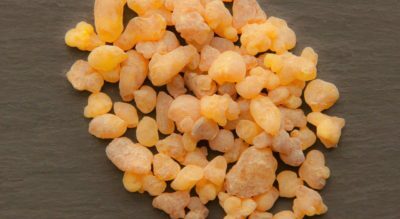
Very few of us have not heard or read about the story of ‘The Three Wise Men’ or ‘The Three Kings’, one of whom brought frankincense as a gift for Jesus of Nazareth. This essential oil is an aromatic resin used in incense and perfumes obtained from trees, sometimes referred to as Olibanum. Some of the claims made for this oil are that it can offer a variety of health benefits, including helping relieve chronic stress and anxiety, reducing pain and inflammation, and boosting immunity. Some claim that it aids concentration, and that it may help you focus on the task at hand. ( Well, with that in mind – I will also add this one to my shopping list) it’s worth a shot.
5. Juniper oil
A juniper berry is the female seed cone produced by the various species of junipers, not a true berry, but is in fact a cone that looks like a berry (glad we could clear that up for you!) The uses for this oil range from a cleansing and detoxifying agent, to a natural skin toner that reduces the appearance of skin blemishes. Which may be the reason it is found in a variety of skincare products. It may also be the reason some people have the odd restorative ‘G&T’ now and again – just saying….
6. Lavender Oil
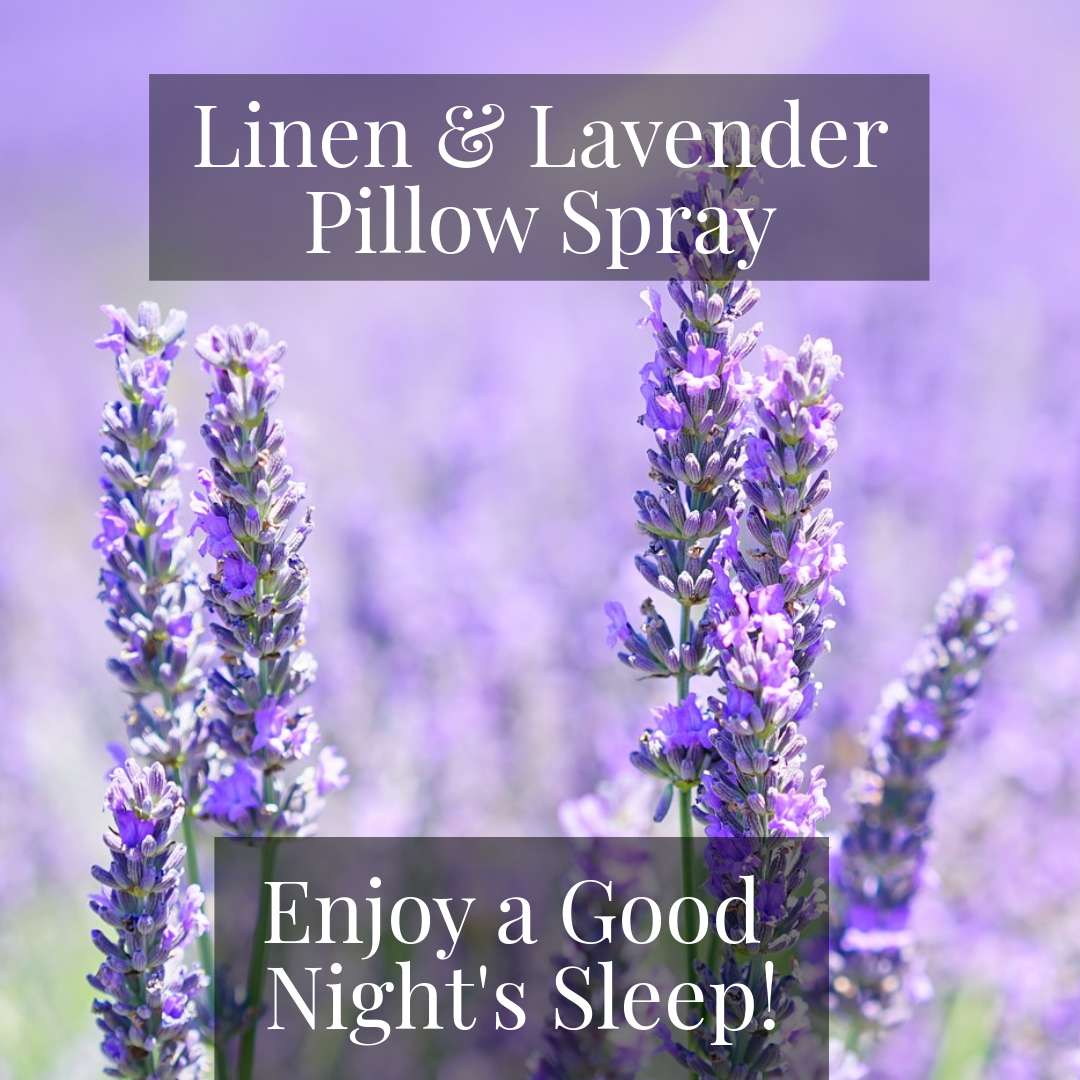
If you have not heard of or used Lavender Oil, then the one question that we have to ask is “Where have you been?” One of the most well known aromas worldwide, and we must also mention one of the most polarising aromas (as some people have a well known ‘Marmite Moment’ when you mention it) is used to calm, relax and de-stress. One of PAIRFUM’s best selling products is the Lavender Pillow Spray – For A Deep Night’s Sleep so if you do want to drift off peacefully into the land of nod – then look no further.
7. Lemon Oil
Lemons like most citrus fruit, remind us of Sunshine, Health and Vitality, believed to boost immunity, lemon essential oil can be added to a cup of tea, a glass of water or beer – come to think of it – just about any drink that you want to add a sparkle to. It’s also commonly found in household cleaners, this may be due to the fact that the oils are easier to extract, and for that reason less expensive to produce. The aroma of Lemons is always uplifting and energising.
8. Carrot seed Oil
We have all heard that eating carrots helps maintain or improve our eyesight, well claims for this essential oil also include it’s ‘Youth’ promoting effects, as it contains antioxidant properties. (Note to self – add extra carrots to the shopping list). It is also said to help relieve joint conditions. So! to Keep Young and Beautiful….. it really can’t hurt to put carrots at the top of the shopping list for now….
9. Rose Oil
One of the most expensive ingredients in the Perfumery industry, Rose Oil is the essential oil extracted from the petals of various types of roses. It may be extracted through steam distillation, while rose absolutes are obtained through solvent extraction, the absolute being used more commonly in perfumery. Despite the high price and the advent of organic synthesis, rose oils are still perhaps the most widely used essential oil in perfumery. The Essential Oils are used in a number of applications, as it is believed to be an excellent emollient, a moisturiser for dry skin, contain anti-inflammatory properties to help treat redness and inflammation. Along with possessing antiseptic and astringent properties. Remember that what ever life brings, we should all “Take time to smell the roses”
10. Tea Tree Oil:
Has become more widely know in recent years, a native to Southeast Queensland and the Northeast coast of New South Wales, Australia. It is extracted from the leaves of the’Tea Tree’ or the Melaleuca alternifolia. It is reputed to have antibacterial properties used for scrapes and cuts. It has also been claimed to work on everything from toothaches to head lice…. but as we have mentioned before, as with all Essential Oils it comes with a word of warning – it may cause you to have a severe reactions, so never take or use any Essential Oils without first checking with your Doctor if this is suitable for you to use.
As with everything in ‘LIFE’ it is better to be ‘Safe than Sorry’….. so … A word of caution
While essential oils are generally considered safe to use, they shouldn’t be ingested in large quantities. It should also be noted that they should not be applied to the skin directly, as they may be an irritant or a sensitiser. If you’re thinking about regularly using an oil, you should always insure that you research the usage guidelines and potential risks, especially if there are children or pets in your home.
A NOTE about PREGNANCY:
As not all oils are safe for use during pregnancy. It’s probably safer to refrain from using any oils, since there is no solid evidence of their safety. Plus, pregnant women do tend to be more sensitive to smells and substances during this time. If in doubt always check with your Doctor.
If you would like to know more about the PAIRFUM London Collection – please get in touch we would love to hear from you.
If someone told you – The 70s are back , or asked you if you remember the Iconic Perfumes of the 70s?
What is the first thing that springs to mind?
Is it bell-bottoms which were a staple., or words like ‘Groovy and Flower Power’.How about T.V. programs such as Starsky and Hutch, The Dukes of Hazzard and Charlie’s Angels.

Maybe it is the Music, or World events that were happening at the time.
What ever it is that springs to mind, the 1970’s had some iconic styles, great music, wonderful Perfumes and no shortage of political scandal.So like it or not everywhere you look, style trends from the ’70s are back or making a comeback.
If you are wondering why we think the 70s are back? just look at how…
Recently style from the 1970’s has begun to resurface, open a magazine or fashion blog post, and you spot the odd fringe, frayed denim and where would we be without flares.
Do you ever wonder why certain trends come around again when they do?
Is it fashion houses simply regurgitating styles in a cyclical order?
Or! has it to do with ‘Zeitgeist’ – the defining spirit or mood, of what people feel and what is happening in the world.
The good thing is that when you look back at what defines a decade, most people remember the Fashion, Perfume, Food and Music that shaped it.If The 70s are back – then we here at PAIRFUM London want to look back at the wonderful Perfumes of the time.
It is hard to think of Fashion in the 70s without ‘Saint Laurent’ springing to mind, as Yves Saint Laurent was himself synonymous in revolutionising the landscape of 1970’s fashion.
So as an homage to this colourful, ‘Funky’ period in history, we have picked out!
Our Top Ten Iconic Perfumes of the 70s, that helped defined an era:
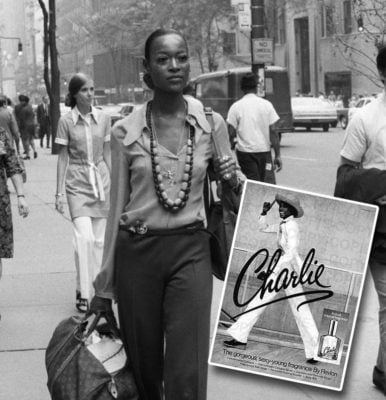
Charlie the legendary perfume by Revlon presented in 1973, ad campaigns for the scent featured a number of models including Naomi Sims, making Sims the first African American woman in history to be featured in a cosmetic company’s advertising.
Chanel No. 19 perfume was first marketed in 1971. The number 19 was chosen to commemorate Coco Chanel’s birthday, the 19th of August. The perfume was launched just a year before she died, and the scent was created by Henri Robert.
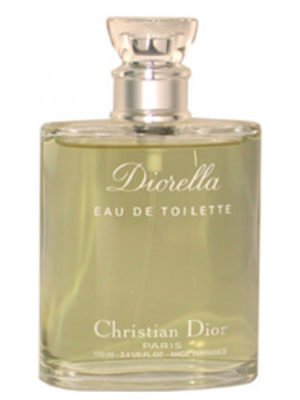
Diorella a fragrance by Christian Dior, for women brought to the market in 1972. Created to symbolises the spirit of freedom of the 1970s.
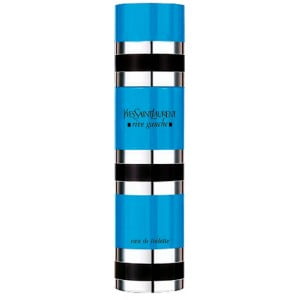
Rive Gauche a women’s perfume launched by Yves Saint Laurent in 1971, remembered by many for it’s all-aluminium silver and cobalt blue striped bottle.
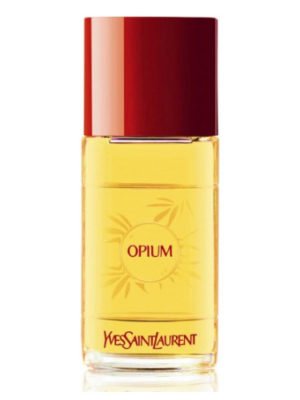
Opium another of the iconic perfumes created for Yves Saint Laurent in 1977, it caused quite a stir at the time with its controversial name and ad campaigns.
White Linen was created for Estee lauder by Sophia Grojsman in 1978, and was a modern classic.
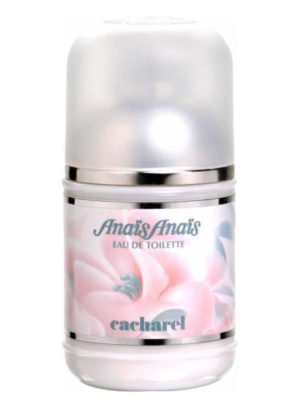
Anais Anais by Cacharel a fragrance created for women 1978, this was the first perfume created by them.
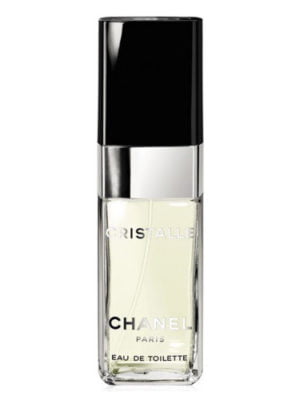
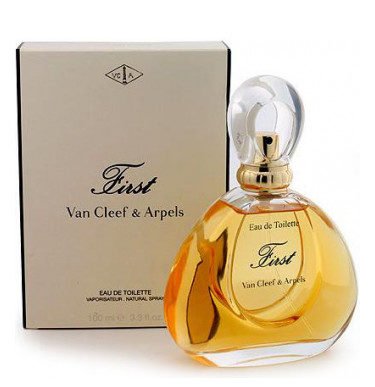
Cristalle Perfume by Chanel – a fragrance for women released in 1974, remembered by many for it’s Green Notes.Estée Lauder launched Cinnabar in in 1978, in answer to Yves Saint Laurent Opium..First by perfumer Jean-Claude Ellena for Van Cleef & Arpels, when Ellena was commissioned to create ‘First’ back in 1976 – it was literally the first ‘jewellery fragrance’ in the world.
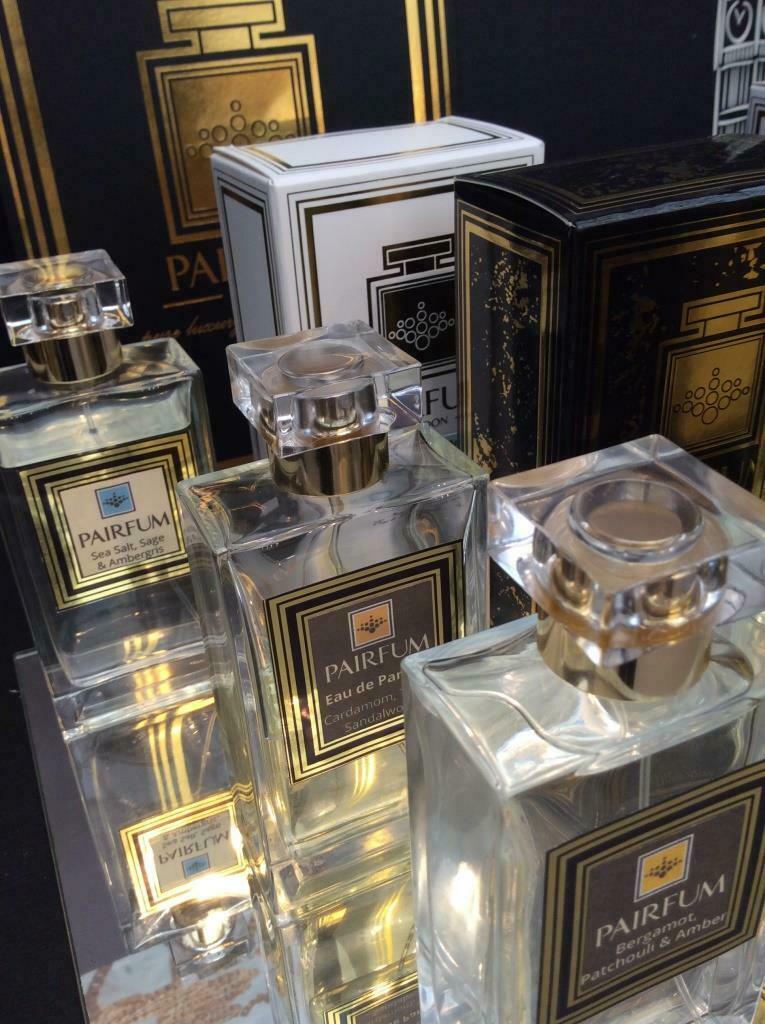
There are so many other wonderful Perfumes from the 70s such as, Clinique Aromatics Elixir by perfumer Bernard Chant, Oscar by perfumer Christian Bastard-Lafitte for Oscar de la Renta in1977, Lauren created by perfumer Bernard Chantby for Ralph Lauren also in 1977, Ciara by Revlon in1973… but for now we will just keep it to our top ten
Now when looking back over our selection of some of the classic Perfumes of the 70s, we may be accused of being a bit top-heavy with the Female fragrances of the time.
Why have we not included any Male fragrances?
Well, you must also remember that in the 70’s Men wore ‘Aftershave’, and these great Fragrances that came to epitomise this era are so iconic, that we have decided that they deserve a separate article all to themselves.
Do you have a Perfume Personality and do you know what it is?
If you are trying to buy that ‘Perfect Perfume’ for someone special, how do you go about choosing it?
It can be a very difficult task as perfumes are very personal and different scents evoke different memories and emotions for different people. In some cases what smells wonderful on you might not suit someone else, since everyone’s individual skin pH may alter a perfume slightly. If you’re trying to express your feelings with perfume, then nothing expresses it worse than choosing a badly thought-out bottle of fragrance.
Afraid To Choose?
Maybe one of the reasons that people tend to buy the same perfume again and again, for themselves or a loved one, is not that they ‘love’ the fragrance but because they are afraid to make a mistake when choosing something so personal for someone else, or they are just unsure about trying something different, when it is easier to go to the tried and tested, safe option.
Smell works 40 times faster than the thought process in the brain. A scent can immediately take you back to a moment or emotion, and you could be creating a life-long memory for someone. So,… get it right and you have created a wonderful memory, but get it wrong and you may be creating just the opposite.
For Whom Is The Fragrance?
Luckily there are some simple guidelines that you can follow when picking out that ‘Perfect Perfume’.
Remember who you are shopping for! It may sound obvious but we can sometime forget and get carried away with testing perfumes and deciding whether ‘We’ like them or not. For example, ‘Teenagers’ tend to like fragrances that they see their favourite celebrity wearing, or that they have heard about from their friends in school or on social media. They will, like most teenagers, most likely have dropped not so subtle hints to guide you along the way. We find that ‘fruity’ or ‘gourmand’ style fragrances tend to be preferred by teenagers.
If it is for a close Friend or a Sister, then remember all the information you already know about them. You probably know what kind of fragrance the person wears now, or even the kinds of scents they are drawn to, like soft floral or fresh citrus notes. Do you remember some of the fragrances they have loved in the past? Maybe a modern interpretation has been introduced which may be ideal for them.
If its for your Mother or Mother-in-Law, then she may have some classic Perfumes she reverts to time and again, no matter what the occasion is. If this is the case, then this is the perfect opportunity to add to her fragrance wardrobe with a variation of her favourite scent.
How someone dresses can also give you a hint about their taste in perfume, is it Feminine or Fun, Ladylike or Tomboyish or a combination of all, depending on their mood. A combination of all would give you a wider choice as they will be open to trying different scents.
Fragrance & Personality
Most Perfume purists would agree that you should work out which of the three feminine fragrance families the person you are giving the Perfume to belongs to:
Floral – fragrances created around accords dominated by red Florals, white Florals and green Florals
Oriental – warm spicy notes of resin, vanilla and musk
Chypre – this is an accord with elements of moss, wood, oakmoss and other fresher elements
Citrus – lemon, lime, orange, grapefruit, … the list endless.
Fruity – red fruits, yellow fruits, tropical or exotic fruits
Woody – notes of sandalwood and patchouli dominate these feminine perfumes
A more in-depth overview of fragrance groups can be found here.
Below is perfume personality that has been associated with these olfactive classes:
Women wearing florals have been described as carefree, uncomplicated and open.
Oriental wearers are ‘Larger than Life’, extravagant personalities that love big exotic oriental perfumes bursting with life.
Chypre or Woody is usually worn by personalities that are more subtle and understated in style. Perhaps, they are classical and their taste is tailored.
Fruity notes are the domain of youth! It might be because they are still growing or full of energy that fragrances with an edible connotation are their preferred choice.
Also take into account various elements of their interior style, are they Classic, Sumptuous, Minimalist or Shabby-Chic. What are the home fragrances you come across in their house? It may not be something that springs to mind when choosing a perfume for someone, but it can be an excellent indicator of their olfactive taste, and can help you decide which ‘Perfume Personality’ they have.
Take Your Time
If you are still unsure which perfume to choose, then make sure to take your ‘Time’ and don’t buy in a rush while charging through the airport to catch your flight or drifting by the perfume counter in your favourite department store.
Invest a little time in researching and trialling what is the Perfect Perfume for that Perfect Someone.
It will be time well spent, as you are about to invest both money and a part of yourself in this gift and the olfactive memory or moment that you are about to create for your loved one.
You may have heard of the terms such as ‘Pre-biotics’ and ‘Pro-biotics’ being mentioned in association with digestive health, but what are Pre-biotics as opposed to ‘Pro-biotics’ ? While they may sound similar, they are very different and play different roles in our digestive system / gut or in the flora of our skin.
Pre-Biotics v Pro-Biotics
Prebiotics are classified as non-digestible food ingredients that can be utilised by Probiotics in the gut. They are soluble, fermentable fibers that we are unable to digest in our stomachs, which allows them to progress through to our intestines, where they are fermented by Probiotics and turned into short-chain fatty acids that increase healthy bacteria in the gut.
FOS and Inulin
Research has shown that FOS and Inulin are some of the most beneficial types of Prebiotics for feeding our gut bacteria. They come from the same family of fructo-polysaccharides and although they both carry out a very similar job in terms of promoting the size and diversity of our gut bacteria, some research has also indicated that FOS may wield a broader restorative benefit than Inulin. FOS is extracted from sources such as the blue Agave plant which has been found to have the highest concentrations of ‘FOS’ of all cultured plants.
Good Bacteria
Probiotics on the other hand are live beneficial bacteria, that are found in fermented food products such as yogurt, traditional buttermilk, sauerkraut, miso, tempeh, kimchi and kombucha. Many types of probiotics are similar to the bacteria naturally residing in our guts. We have 100 trillion bacteria living in our stomach and intestines, but poor diet, antibiotics, hormones, stress or too much alcohol can upset this natural balance.
It is very important to have a large number of microbes in your digestive system, but it is equally as important to have a wide diversity, which creates a more robust bacterial ecosystem where good bacteria grow and thrive. Natural sources of Probiotics have been found to have a greater variety of good bacteria.
Bacteria & Health ?
Scientists are still discovering how and why exactly gut bacteria plays such a vital role in our health. What is known, however, is that the gut’s bacterial makeup affects us far more than previously assumed. Along with improved digestion, having abundant and varied colonies of good gut bacteria has been linked to better health, such as lower cholesterol levels, improved blood sugar regulation and improved mood.
Fibre
Prebiotics and Probiotics are both essential to your health, that much is clear, but how should we go about consuming both Probiotics and Prebiotics?
Probiotics and Prebiotics can both be consumed through food. Foods such as chicory root, onion, garlic, jerusalem artichokes and beans are all good sources thanks to their high soluble fiber content, as are sources of resistant starch. A fiber that gets its name because it “resists” digestion in the stomach. Resistant starch can also be found in oats, unripe or green bananas and peas.
Are Humans Bacteria?
We now understand that humans are 90% microbial but only 10% human and that the average human has over 100 trillion microbes in and on their body.
Yet we have spent the previous decades focusing on trying to kill all bacteria, e.g anti-bacterial handwash. In other words, we have spent decades and millions of pounds trying to kill or attack ‘90%’ of our own biological makeup.
The latest research is now challenging previously held beliefs about good and bad bacteria. We are now witnessing the shift away from everything being ‘ant-ibacterial’ to a new understanding of the complex bacterial system in our bodies and in the world around us.
We are a symbiotic organism that relies heavily on our relationship with bacteria both inside and out. In recent years, due to new research, we have become more aware of the importance of the microbial ecosystem or the microbiome and our wellbeing, both internal and external, e.g. our skin.
Microflora of the Skin ?
We actually have more bacteria on our skin than we do in our body.
Just like your gut, your skin has a delicate balance of bacteria called a Flora or Microbiome. The skin microbiome protects us from invasive virus-causing pathogens and maintains the pH function of the skin.
Consider this, your Skin is the human body’s largest organ. Our skin is made up of three layers:
epidermis: the outermost layer
dermis: the cells in the epidermis are continually replaced with cells produced in this inner or bottom layer. It also contains nerve endings, sweat glands, hair follicles, and blood vessels.
hypodermis: our deeper subcutaneous tissue that is made of fat and connective tissue.
Together these layers provide us with protection and are vital for our survival. The skin is a protective covering and our first barrier to fight illness and disease, whilst also protecting the body against extremes of temperature, damaging sunlight and it also manufactures vitamin D for converting calcium into healthy bones.
Considering just some of the functions that this wonderful organ does for us, and the fact that our skin works so well during most of our lifetime, we tend to take it for granted. It is only when something goes wrong that we start to sit-up and take notice.
Probiotics are already sold worldwide as a solution for gut problems, but the benefits of Prebiotics are only now starting to be recognised in the skincare industry for the health benefits they offer the skin microbiome and your overall natural wellbeing.
Educating the Immune System
The skin flora also commonly referred to as skin microbiota refers to the diverse milieu of microorganisms which reside on the skin, many of which are beneficial to their host (that means us Humans). One of the many wonderful processes preformed by the skin flora or microbiota is that it also educates the immune system, as it changes and adapts to the environment in which we find ourselves by modulating and adapting the skin flora.
To further our understanding of the health of the skin and the diverse ecosystem that our microbiota is composed of, microbiologists, immunologists and dermatologists are working alongside genomic scientists to develop a more complete picture of the skin microbiota and how it interacts with us, it’s hosts. This work has and will advance our understanding of the delicate balance between host and microorganism. To put it simply, the symbiotic relationship between us and the skin we live in.
This amazing research is completely altering how we look at beauty products, skin health and changes the focus from removing all bacteria from the skin.
For decades we have seen all bacteria as ‘bad bacteria’. This attitude to bacteria and in particular skin bacteria, is changing with better insight and understanding of our Skin Flora or Microbiome and how it works for and not against us.
Pre-Biotic or Microbiome Skin Care
For this reason, which is now over three years ago, PAIRFUM London decided to bring to the market a range of prebiotic or, as they are sometimes described, microbiome skin care products.
This skin care range uses ‘prebiotics’ to feed the skin’s Flora or Microbiome and will help to rebuild the skin barrier. They are designed to provide the perfect environment for the skin and its ‘Good Bacteria’ to re-balance and thrive.
Let’s embrace our bacteria to lead healthier lives!
In this article we address the Top 10 Misconceptions About Perfume and hopefully correct the most common held fallacies.
Fragrance is one of those subjects which is frequently misunderstood and many myths form around some of these misconceptions and mistaken beliefs held about perfume.
Does Fragrance Go Bad ?
A typical fragrance contains a large amount of alcohol, regardless of whether it is an Eau de Cologne, Eau de Toilette or an Eau de Parfum. One of the great features of alcohol is its ability to preserve fragrance ingredients and at the same time prevent any bacteria from forming over time.
However having said this, what is correct is that fragrance ingredients do breakdown overtime and the typical life expectancy of a Perfume is approximately two years. This can vary however depending on the perfume.
What better reason is there to use and wear your wonderful Perfume on any and every occasion, to prevent it from reaching it’s end of life date.
How you store your Perfume will also effect its longevity as exposure to sunlight and varying temperatures will cause the ingredients within the perfume to change.
Equally, exposure to heat or noticeable temperature fluctuations will change the odour profile of your fragrance.
Cologne Is Only For Men !
Some people think that an Eau de Cologne is only for men, and an Eau de Toilette is solely for women.
Instead, what is correct is that these two terms only describe the perfume oil concentration inside the bottle. An Eau de Cologne will be lighter or contain less pure oil than an Eau de Toilette.
Eau de Cologne and Eau de Toilette are gender neutral, as are Eau de Parfum, Parfum and Extrait.
A cologne might sound more masculine, but it is merely the name or word used to describe a profile of a Perfume.
Does Fragrance Have To Be Stored In The Bathroom ?
Moisture, sunlight or heat will affect how quickly essential oils break down, regardless of whether they are natural or synthetic, expensive or cheap.
The idea that your perfume can only be stored in your bathroom may not entirely be untrue, that is if your bathroom is one of the slightly cooler or darker places in your home. In this case, it would be a good place to store your fragrance.
A cool storage area or a fridge is the optimum place to store your Perfume, but do not go as far as placing your fragrance in the freezer. Another excellent place to keep your Perfumes is in a drawer, however it is such a pity to be unable to see the beautiful bottles in which they are presented. So again, unlike good wine that you wish to store in optimal conditions for a long period, we believe Perfume should be displayed in pride of place and worn on every occasion.
Perfume Smells The Same On Paper As On My Skin !
No it doesn’t and here is why:
We all enjoy passing through duty free on our way to a lovely vacation or visiting the perfumery counters of our favourite department store.
All of the beautiful perfumes are being presented to us on paper smelling strips. Hence, it is very good question: Why are they doing this ? Will it actually smell the same on my skin ?
The answer is quite simple: presenting fragrance on a paper smelling strip is a hygienic, cheap and fast way of sampling a new scent. It also allows you to take it with you and experience how it develops over time. You will find that you gradually discover base notes or other facets of the perfume which were not immediately obvious when you initially trialled the perfume. The presence of the initial alcohol also makes it a little difficult to fully appreciate an odour profile.
When you like how a fragrance develops from the smelling strip, we all like to test it further by wearing it.
This is where your personal or natural body odour profile comes into play. ‘Body odour’ may not sound very pleasant but our skin has natural oils, healthy bacteria, skin cells and many other elements on its surface. All of these have an impact on how a fragrance develops on your skin. The skin is unique to each and every one of us. We may find that a scent smells familiar on one of our friends or colleagues, but you will also notice that your favourite perfume can have a completely different character when smelled on somebody else.
Have you noticed how your fragrance smells different from one day to next? Here other factors come into play such as the last meals you consumed, the current weather or climate and your general sense of wellbeing.
Even simple things such as taking a shower will alter your perception of fragrance. Let’s say you have enjoyed a lavender scented shower gel. Do you notice how you are then suddenly much more tuned into perceiving lavender in many other products ?
Sounds confusing but actually the best advice is the following:
See whether you like a perfume on the smelling strip not just initially, but also after it has had time to develop.
If you enjoy the fragrance from the paper, then you may like to apply a little to your skin to see how it works for you.
Et Voilà – now you know that what you were doing all along was correct, and that you should keep on doing it.
(If not, then now is an excellent time to start).
Spray The Perfume In The Air And Walk Into It !
You may have heard this recommendation, and it is indeed a very nice way to apply Perfume, if a little extravagant as you will have fragranced your room along with yourself. Some may find that it is a little wasteful, but you will smell fabulous from head to toe.
So when you are just about to leave on your way to a special occasion, or an everyday occasion why not spray your Perfume in the air and immerse yourself in your World of Perfume.
Normally though, we recommend that you apply perfume to the usual favourite spots:
Wrists
Neck
Décolletage
Hair
behind the knee
These are naturally warmer areas of your body and the aura of the scent will radiate from them throughout the day.
One piece of advise: no matter how much we adore our perfume, it is better to not over do it. With fragrance, the old wisdom of ‘less is more’ really does apply (excuse the pun).
‘Parfum’ Does Not Contain Alcohol !
When we refer to ‘Parfum’ in the title above or in this section, we are referring to the Perfume concentration within any given perfume format, visit any department store or specialist Perfumery, and you’ll find Parfum, Extrait de Parfum, Eau de Parfum, Cologne, Eau de Toilette, Aftershave, these are distinguished from each other by their Perfume Oil concentration.
When someone states that ‘Parfum’ does not contain alcohol, this is actually incorrect and leads to a broader question about fragrance oil concentration. The main difference between types of fragrance lies in the concentration of essences. The order of highest to lowest concentration is first Extrait, second Perfume, third Eau de Parfum, fourth, Eau de Toilette, and fifth, Eau de Cologne. … Perfume is very expensive because it can have up to 40% concentration of essences, however even with this high oil content, it still contains alcohol.
Here are some simple guidelines about the concentration of oils in the various grades of perfume:
Splash Cologne and After Shave: 1-3% of aromatic compounds
Eau de Cologne (EdC): about 2–6% of concentrated perfume oil
Eau de Toilette (EdT): 5-15% but typically around 10% of oil content
Eau de Parfum (EdP): 10-20% and most commonly ~15% of fragrance oils
Parfum or Extrait: 15-40% but usually 20% of aromatic oils
The remaining balance in these formulations is for the most part alcohol with a small addition of some colourants, skin emollients, solubilisers and other additives.
Would a Parfum without alcohol not be nicer? not necessarily, as the alcohol lifts and adds freshness to the olfactive profile. It would last slightly longer, but the fragrance would probably feel a little ‘dull’ or ‘flat’.
Don’t Rub Your Two Wrists Together !
We have all done it: we applied perfume to our wrists and then rubbed them together.
There is nothing wrong with this approach, as it helps to spread and work the scent into the skin.
There is only one downside with this: alcohol degreases or disolves the natural skin barrier and slightly opens the pores of your skin.
Some people with sensitive skin may find that this irritates their skin.
In this case or if you simply like to avoid this risk, we would recommend that you let the scent sit on the skin and gradually develop on its own.
The benefit of rubbing your wrists together, is that it helps the fragrance to remain longer on you skin.
All Fragrances Are Equally As Strong !
The short answer is: no this is not correct but there are a few more facettes to this statement.
We spoke earlier about the different fragrance oil concentrations and it become self-evident that a ‘Splash’ cannot be as strong as an ‘Eau de Parfum’. You don’t need to apply as much of an ‘eau de parfum’ as you would naturally use of a ‘splash’.
Sometimes the perception of ‘strength’ is a question of a distinct period of history or era. In the 80ies the fragrance Poison was very popular and nobody felt it was overtly strong. By today’s standards, it would be considered very strong.
Another aspect is the character of the ingredients themselves. For example, ‘lemon’ will typically seem rather strong because it has a sharp, zesty nature. Alternatively, ‘vanilla’ may come across as being weaker due to its warmer and more rounded profile.
On the other hand the ‘lemon’ scent will disappear quickly, while the vanilla note can last for days.
Based on this, which would you say is stronger?
In our opinion, strength is very much a personal assessment. If you believe that something is strong, then obviously it is, irrespective of what experts say.
A perfect example for this is musk. Some people cannot smell it. They are anosmic to musk. Others find it very strong. Who in this case is right? Actually, does it matter who is correct?
What we can state quite clearly though, is that not all fragrances are equally as strong.
A Good Perfume Is A Strong Perfume !
You saw earlier that the more expensive grades of perfume (e.g. eau de parfum, parfum, extrait), contain less alcohol and these tend to be stronger than a simple splash cologne.
But what makes a ‘good perfume’ ?
The concentration of pure perfume oil in a bottle will determine its strength and longevity when you wear it. This does not make it a better perfume.
Depending on the scent you are choosing, a greater or lesser strength might suit you better, as the amount of alcohol affects the olfactive profile.
In other word, it is not uncommon for a fragrance to smell very different when you try a different concentration, i.e. an eau de parfum versus an eau de cologne.
A perfume with a higher fragrance concentration will naturally smell more powerful and you won’t need to apply as much.
When You Can’t Smell Your Own Perfume Anymore Its Gone !
Our noses get used to our fragrance, and like background music, we switch off and tune out of own scent.
Our sense of smell was developed to warn us of imminent danger: a fire, food that has gone off, the presence of another animal, etc.
Just because we can’t smell our own fragrance any longer, it does not mean that those around us won’t notice it or that it is no longer perceivable.
Only A Cheap Perfume Changes During The Day !
This statement is simply wrong.
There are two main approaches in perfumery development:
some perfumers delight in creating fragrances that don’t change at all or only very little over time,
others master the art of a perfume that seems to be changing constantly and offers new surprises and pleasant facettes of itself as time goes on.
Both types can be of the highest quality and what matters more is whether the resulting fragrance is pleasing.
If a perfume is non-linear and changes over time, then this evolution of the scent throughout the day has to be carefully choreographed by the perfumer. If the change only occurs by chance or because cheap aroma compounds were used, then the result tends to be unpleasant like an underwhelming meal.
Only Expensive Perfumes Are Good !
Generally, as a ‘rule of thumb’ this statement holds true and yet quite a number of inexpensive perfumes may be more pleasant than the designer scent of a famous brand.
A famous saying goes ‘beauty is in the eye of beholder’.
The same applies to perfume:
if you love a scent, then it is good, irrespective of its price tag.
some of the most famous fragrances, have not necessarily been the most expensive.
Another adage also applies to perfume: ‘don’t be penny-wise and pound stupid’.
Christian Dior famously stated that “a woman’s perfume tells more about her than her handwriting”. Perfume is part of your personal signature or your wardrobe. It is a vital element of your personality.
Apply the fragrance that corresponds to your mood or feelings for the day.
This is how Paloma Picasso summarised it: “a perfume is like a piece of clothing, a message, a way of presenting oneself … a costume … that differs according to the woman who wears it.”
The best advice we can give is to try a perfume on paper and then on your skin, do this as often as you feel necessary and if you find that this fragrance is ‘you’, then don’t worry about the price tag whether it is large or small. Have the confidence to buy and enjoy how you feel when wearing it. What better way to start the day than applying a spray or two of happiness.
Perfume becomes so much a part of our memories, not just our own but also our partner’s, children’s and friend’s.
Like perfume it is much nicer to have good memories than bad ones.
Just one word of caution, If something seems too good to be true, then it normally isn’t.
Final Note
We close this article with the hope that we have answered one of your questions amongst the ‘Top 10 Misconceptions About Perfume’and that you feel more confident when buying your next fragrance, regardless of whether this is a Home Fragrance or an Eau de Parfum.
“Perfumery is an art and when you choose to buy a painting it is wise to choose a ‘Good Artist”‘.
Try Natural Niche Perfume
Get a Full Refund when you later buy a full-sized bottle. Special Offer: Free Gift-Wrap (luxury bag & tissue paper) with every Perfume Experience Box.
We value and respect your personal data and privacy. By submitting this form, you agree that we may process your information in accordance with our Privacy Policy.
×
Risk Free Trial
We understand that shopping online for perfume is different, which is why we offer our 100% Happiness Guarantee:
Free Tester: We will include a mini sampler with your Eau de Parfum so you can try the perfume before you open the pack.
Free Returns: Should you not love your perfume, then we will collect it free of charge from your home (unopened product). No quibbles from us.
We are honoured & proud that Pairfum London is available for you to enjoy at CRYSTALLINE in Abu Dhabi.
CRYSTALLINE Unit 13235, Level 3 The Galleria Al Maryah Island, Abu Dhabi Tel: +971 2 6228 824
eMail: at***@**********et.ae / ar****@*****um.com
×
Try Natural Niche Perfume
Special Offer: Get a Full Refund when you later buy a full-sized bottle.
We value and respect your personal data and privacy. By submitting this form, you agree that we may process your information in accordance with our Privacy Policy.
×
CRYSTALLINE in the UAE
We are honoured & proud that Pairfum London is available for you to enjoy at CRYSTALLINE in Dubai & Abu Dhabi.
CRYSTALLINE LG-110- LOWER GROUND THE DUBAI MALL, DUBAI, UAE Tel +971 4 3398 897