As we remain confined to our homes for weeks on end, we are beginning to yearn for the natural freedom to go outside and to make an appearance in society. On those rare occasions that we do venture outside many of us will have our faces covered. How will this new world affect perfume trends? How will we use fragrances? How will perfume brands be able to tackle these issues ?
While makeup or even our faces may no longer allow us to express our personality or emotions, perhaps our best alternative comes in the form of perfume. To overcome any garments we may be wearing as a precaution after the lockdown, perfumeries will look to experiment with different perfume strengths and intensities.
In this article we will explore how perfume brands can take advantage of this and provide us with new innovative ways of presenting ourselves to society.
What role will perfume have and how will perfume trends change we move forward post-lockdown?
Once before, perfumes were a trigger to sparking desires and curiosity in others where we could explore ourselves, our overall wellbeing and even ourselves. In a post-lockdown world perfume can return to being a means to enhance our emotions.
How can perfume brands move away from simply offering a “standardisation of fragrances?
Fragrances naturally have their own strengths and virtues that can influence our overall wellbeing and how we feel physically and mentally. If perfumes contain fragrances that have the allow us to express ourselves the way nature intended, the soothing and energizing effects on our mood would be irrefutable.
Memories of reassurance and intimacy can be invoked through particular vibrations that are generated from different aromas. During the development of new perfume, the creative strategy must be focused on the fragrance at its heart.
It is also likely that boutique perfumes or niche perfume will becomes more available to the consumer.
How can a fragrance stand out without having to be bespoke ?
The characteristics that lead to a perfume becoming unique are as distinctive as they are numerous. The best perfumes contain essences with a variety and a range of powers.
They can invoke regressive nostalgia and intimacy or they can portray astonishing radiance.
The problem perfume brands face is proposing signature and ‘true’ perfumes by following their creative intuition rather than solely depending on industry trends.
In the art of perfumery, the trick is to experiment with combinations such as floral bouquets and over-dosing ingredients; all the while, ensuring that beautiful materials are chosen.
When it comes to perfume it is advisable to focus your attention on fragrances that resemble nature while still remaining addictive and reassuring.
Rather than simply using aromas to aid their packaging and branding, the best fragrance houses have their perfumes at the heart of the business model.
How can perfume brands ensure their fragrances stand out while consumer behaviour and perfume trends are changing ?
Since the lockdown, the fact that perfume bouquets reveal emotions and reflect personality has become much more apparent to the consumer.
It is likely that perfume brands will include exclusive and original perfumes within their collections and invite the consumer to experiment with doses to explore the effects that new spices have on themselves and those around them.
It is very possible that many perfumery houses will create hybrids between their existing ranges of perfumes and other aromatic ingredients such a soliflore essence, perhaps even several notes.
The consumer has become much more sensitive to fragrance since they have been confined during the lockdown.
Therefore, there is a need for fragrance houses to rediscover their love and passion for perfuming.
Perfume brands will also need to look at other factors such as our activity, times we are outside and our relationships with others as well as ourselves.
One such example to consider would be that fragrances become much more powerful through movement. How much we move will depend on the potency required from the applied perfume.
The Perfume industry will change forever but what will remain the same for perfume brands ?
One part of the business which perfumery houses may change will be the packaging. They will become much more responsible and document their own unique convictions, generosity and even history on bottles and packaging.
But while many things will change, core principles such as the commitment to sustainability and transparency will continue.
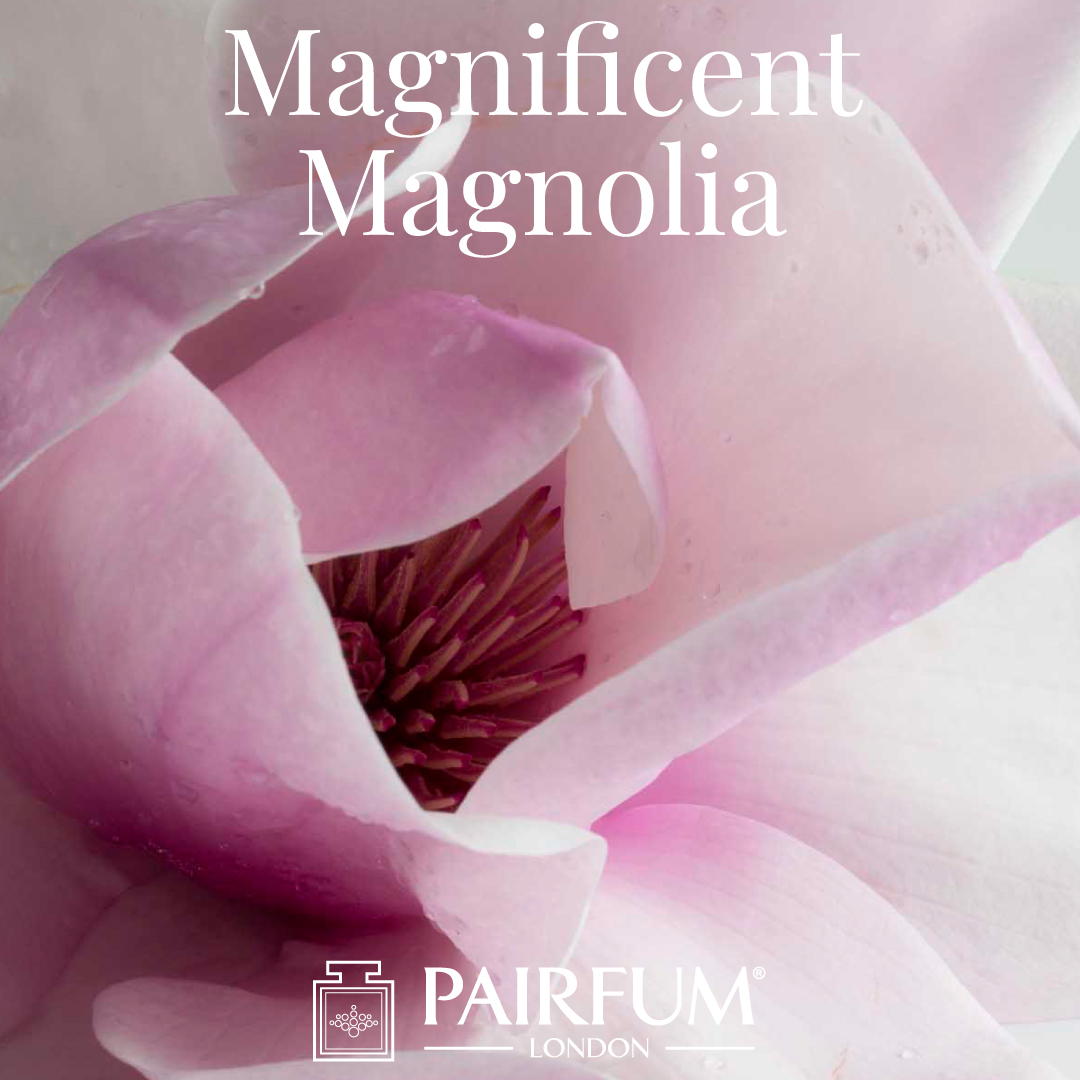
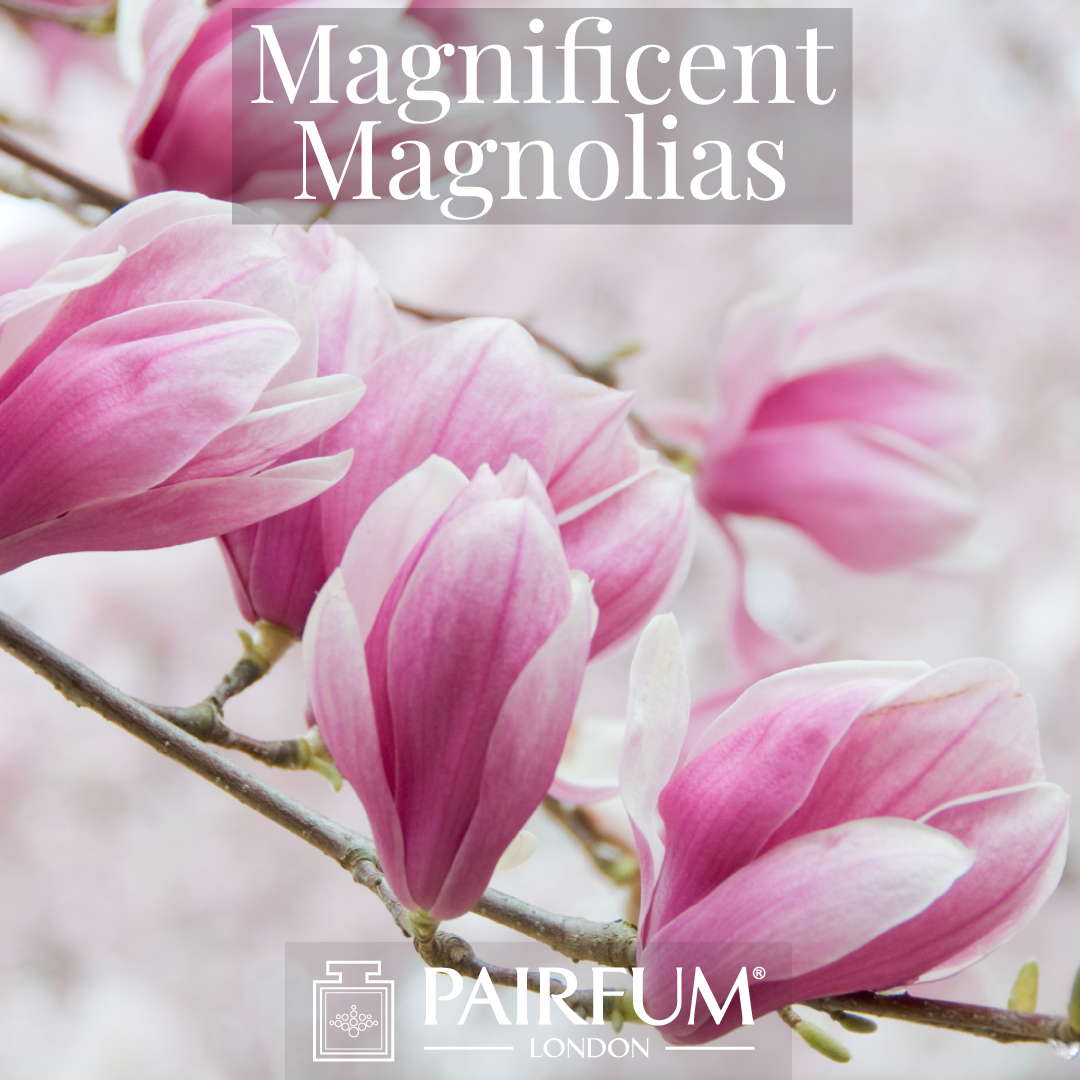
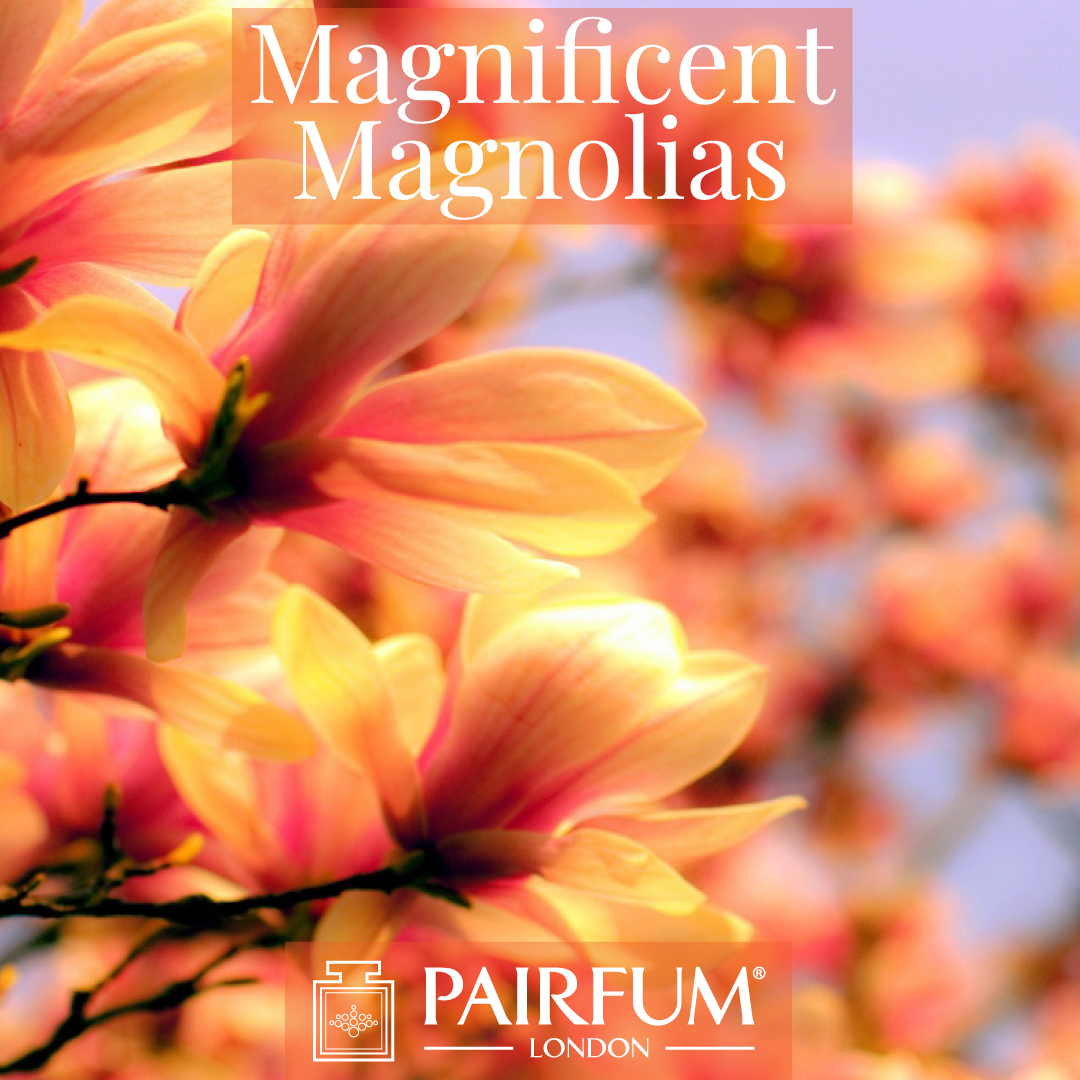
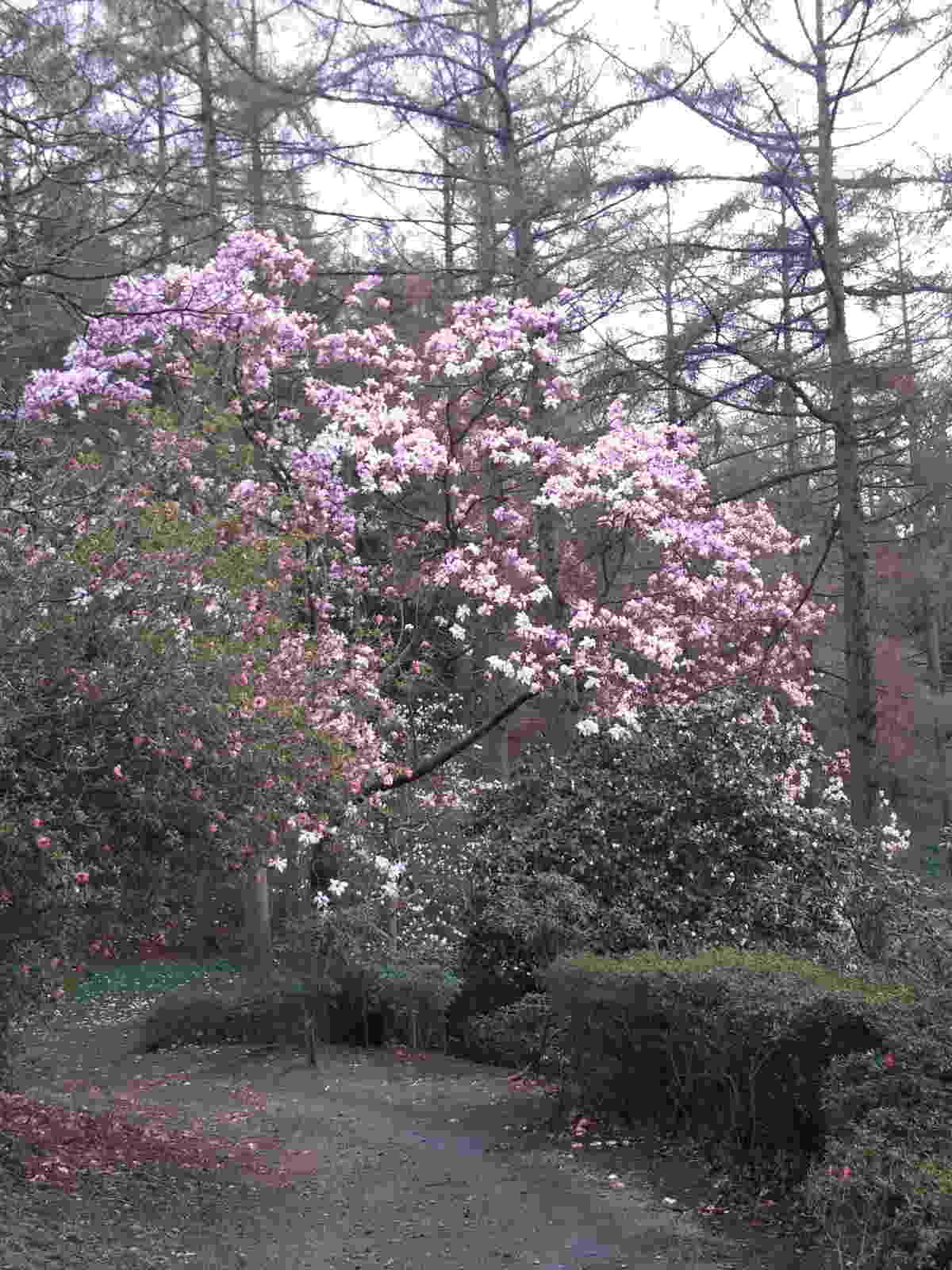
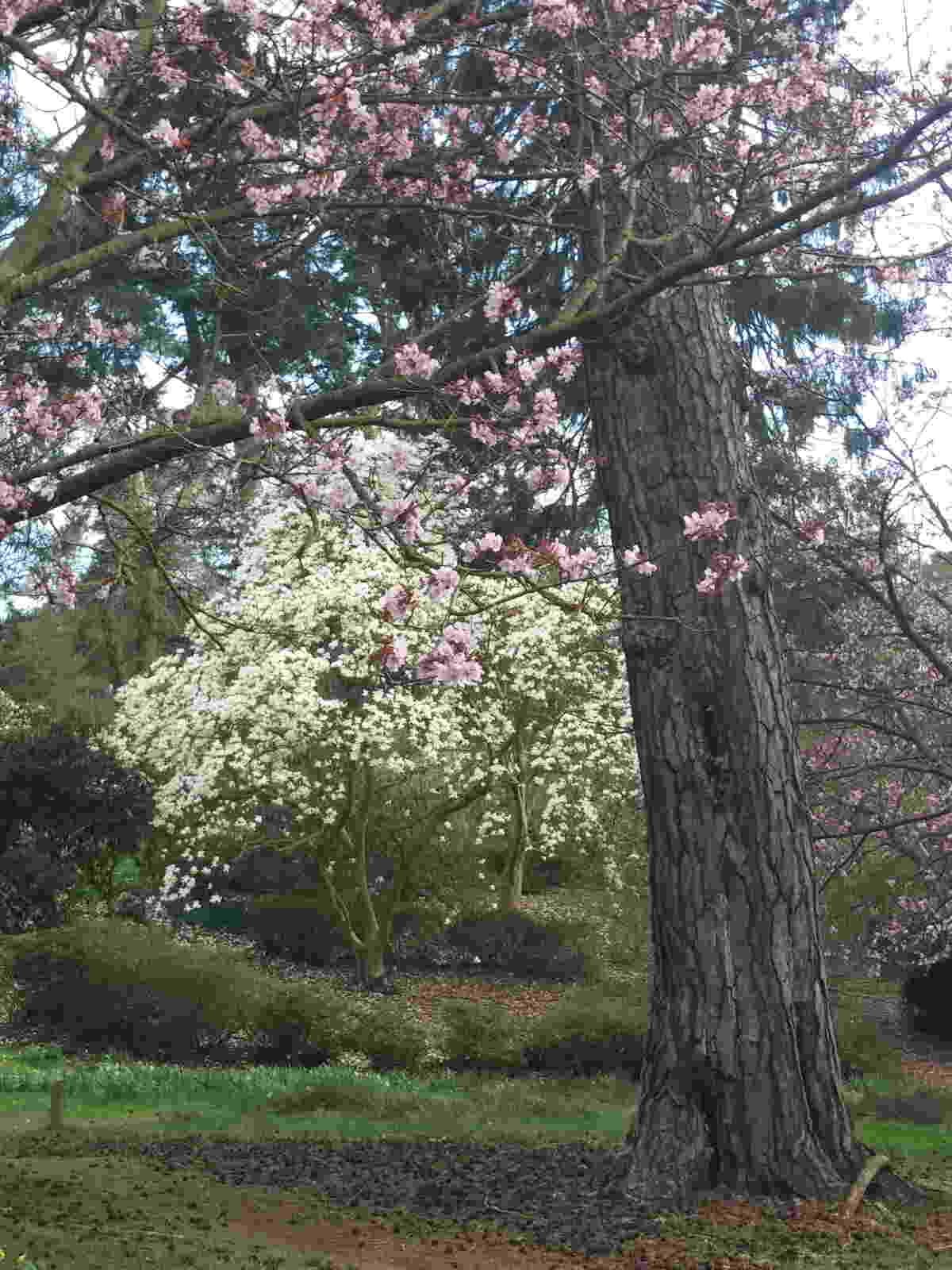
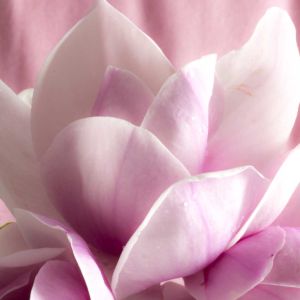
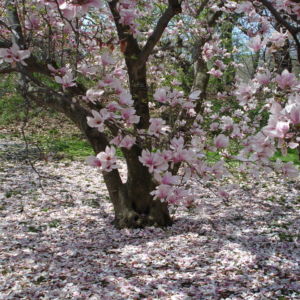
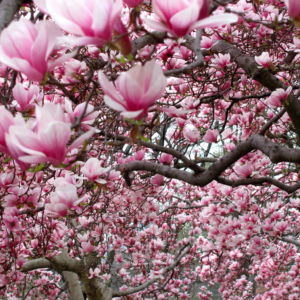
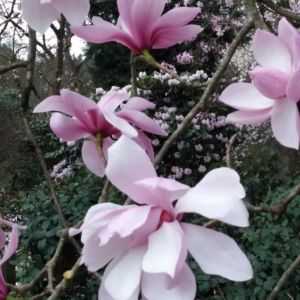
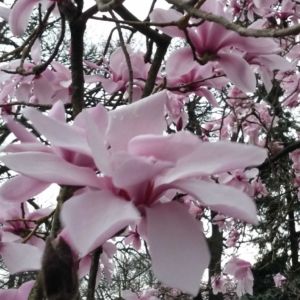
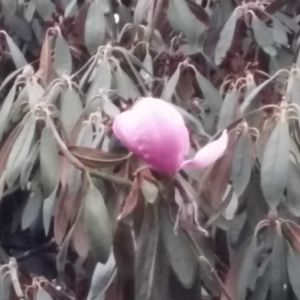
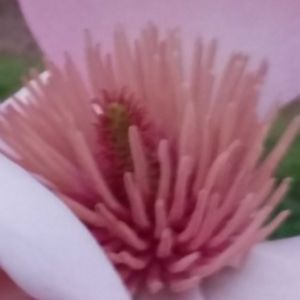
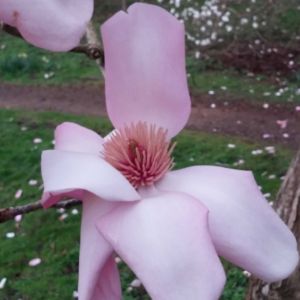
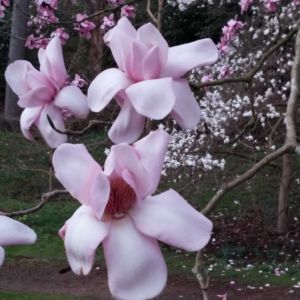
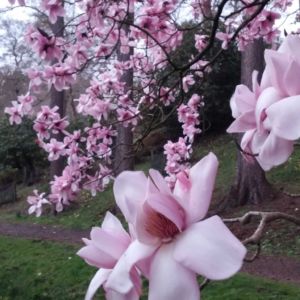
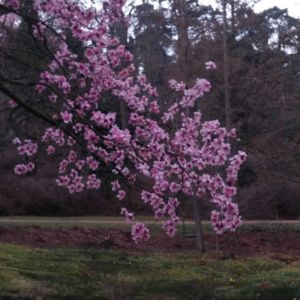
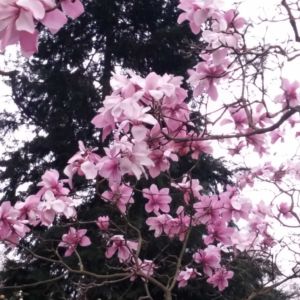
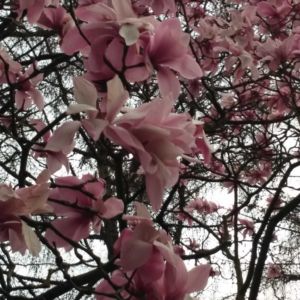
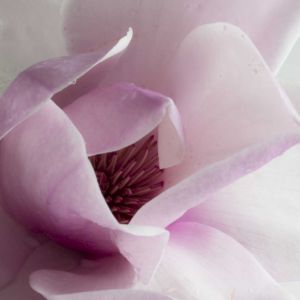
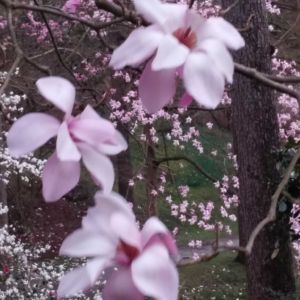
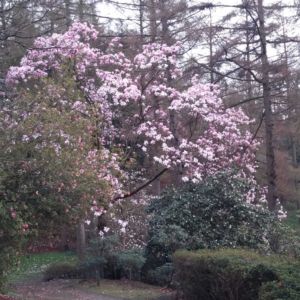
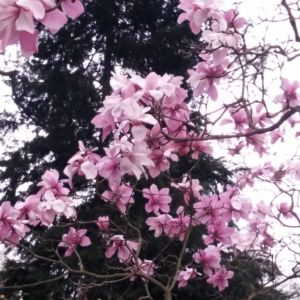
Magnificent Magnolias blooming in Great Windsor Park in Spring offer a spectacular sight.
The Valley Gardens, together with The Savill Garden, provide a home to a National Collection of Magnolia trees. Here are some examples:
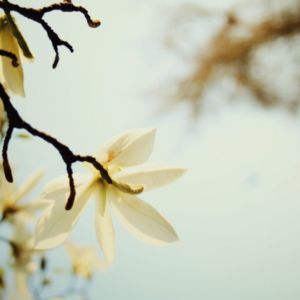
On leaving the Savill building, visitors are welcomed to a fantastic show by a mature Magnolia loebneri ‘Merrill’, covered in ice-white flowers.
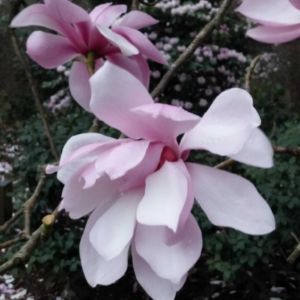
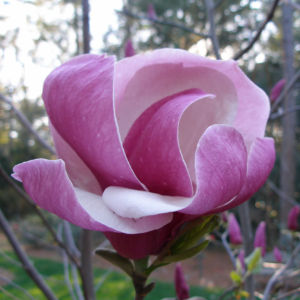
In a far corner of the garden, close to the summer house, is a Magnolia sprengeri ‘Eric Savill’, with large, bold pink flowers.
The Valley Gardens features a glorious collection of rhododendrons, azaleas, camellias and magnolias, best viewed in the spring from the top of the valley, with views down to Virginia Water.
About Magnolia
The magnolia family can count approx 200 species mainly found in two regions:
Asia, and
the Americas.
The Magnolia tree was named after Pierre Magnol, the French botanist behind the current nomenclature of botanical classification.
Magnificent Magnolias are significant flowers in Chinese and Japanese culture, and has been cultivated for centuries.
The ‘Magnolia Virginiana’ species (from Virginia) was the first Magnolia to be introduced into Europe. In 1687, it was sent across John Banister, an English missionary and naturalist, to Henry Compton, English bishop and a passionate gardener.
Shortly afterwards, Europe was introduced to Chinese Magnolias (Magnolia Denudata and Liliflora).
In the middle of the nineteenth century, the beautiful Star Magnolia (Stellata) from Japan was planted in Europe.
The “queen of Magnolias”, the pink Magnolia Campbellii from the Himalaya, was discovered at the beginning of the last century.
It is believed that Magnolia is one of the oldest plants, the Dinosaurs probably saw Magnolias blooming.
Magnificent Magnolias in Perfumery
Magnolia flowers (Magnolia Grandiflora) frequently have a fragrance. Their perfume is fresh, floral and creamy sweet with hints of waxy citrus.
Magnolia is a popular ingredient in floral perfume accords and there have been notable fragrances where Magnolia is the main floral ingredient.
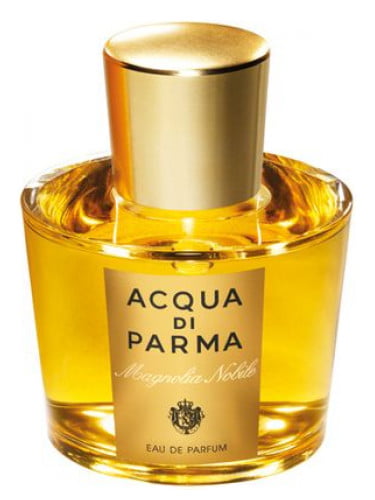
Here are some of these fragrances that focus on Magnolia and its various olfactive facettes:
When reviewing these notes, you will notice one commonality in that they interpret the freshness of Magnolia in different ways: some use the freshness of white flowers, others incorporate citrus and again others use fruity nuances.
Here at Pairfum London we have built our fragrance “Magnlias in Bloom” around the white flowers of Magnolia, Lily and Geranium with the sweet freshness typical of Magnolia Grandiflora coming from the more modern notes of ozone and watermelon, rather than citrus. “Magnolias in Bloom” is available in our online boutique in many different Home Fragrance products (candles, diffusers, sprays, …).
Yardley Magnolia Women
Spendida Magnolia Sensuel Bulgari Women
Magnolia Yves Rocher Women
Magnolia Rosae Lancome Women
Pairfum Flacon Perfume Room Spray Signature Magnolias In Bloom
Is Alcohol effective against certain virus, i.e. is it suitable for Coronavirus Prevention ?
While governments across the world and society in general are struggling to understand Covid-19 / Coronavirus, and how to limit its spread, sales of hand disinfectant gels have increased in the UK.
Some supermarkets have already sold out or are running very low in stock.
According to a study by the USDA, over 90% of us don’t wash our hands correctly leading to cross-contamination.
A person’s hands are one of the main causes of transferring viruses from surfaces to their respiratory system.
Insuring that you wash them correctly and often, is one way of preventing you from contracting or spreading a virus, i.e. Coronavirus Prevention.
Wash your hands thoroughly with soap and clean running water for at least 20 seconds. If that is not possible, then using an alcohol-based hand sanitiser is an excellent alternative.
However it is very important to understand that these hand sanatising products must contain at least 60% alcohol.
Both the N.H.S. and Public Health England agree that products containing more than 60% alcohol are most effective at killing microbes.
The fact is that alcohol doesn’t kill some viruses and Professor Sally Bloomfield from the London School of Hygiene and Tropical Medicine has said that viruses are much more resistant to disinfectants than bacteria.
Viruses, such as the norovirus or rhinovirus are not enveloped, which means they are not surrounded by a shell.
However, the good news about Covid-19 / coronavirus (and there is precious little good news about it so far) is that Professor Bloomfield has said that Covid-19 is an envelope virus, meaning it has a coating around it, which the alcohol can attack.
With the stock of hand disinfectant gels running low or sold out, and with reports of unscrupulous people selling products on certain websites for many times their original price, it is tempting to think that you could make your own.
This however is not the wisest, safest or best solution, as it is difficult to insure that you have the correct formulation. If made incorrectly they could cause more harm than good.
Products made by reputable manufacturers also contain emollients that soften and protect the skin without the risk of injury to the hands.
On some wellness sites it has been suggested to use alternatives to make your own gels containing certain ingredients such as aleo vera or witch hazel, however as we have mentioned earlier – it is the alcohol and the percentage of alcohol in the products that attacks the virus.
If you are seeking an alternative to alcohol another strong antibacterial agent that is used in certain soaps, cosmetics and toothpaste is called Triclosan. However we would not recommend this as research has now shown that triclosan can damage the body’s endocrine system, and the U.S. Food and Drug Administration banned its use in hygiene products at the end of 2017, no such ban exists in the U.K. as yet however…..
As it is still unknown how Covid-19 is spread and according to the latest update from the N.H.S. the most lightly transference is from person to person through coughing or sneezing and is unlikely to pass through items, such as packaging or food.
Having said that it is better to avoid touching things that you do not need to touch, however in our everyday lives we need to open doors, sit on seats and handle other objects as part of our daily routines.
As this is unavoidable, then the safest thing to do is avoid touching your face, mouth, nose, eyes or any wounds you may have before thoroughly washing your hands in clean running water for more than 20 seconds using soap in both solid or liquid form and then drying them with a clean disposable towel – a 2012 study by the Mayo Clinic showed that from a hygienic point of view: “Paper towels are better than air dryers”.
If you find yourself in a situation where you are unable to wash your hands, then using a sanatising hand gel with over 60% alcohol content is an excellent alternative. Once you have an opportunity you should then wash your hands thoroughly with clean running water and soap.
One report has shown that adults get between four to six colds every year and children pick up six to eight. The author of the report pointed out that hand washing and good general hygiene could stop the spread of these viruses….
When over 90% of us do not wash our hands correctly, and by doing so we can prevent the spread of viruses. Then it really is a case of ‘Wash, Rinse & Repeat’
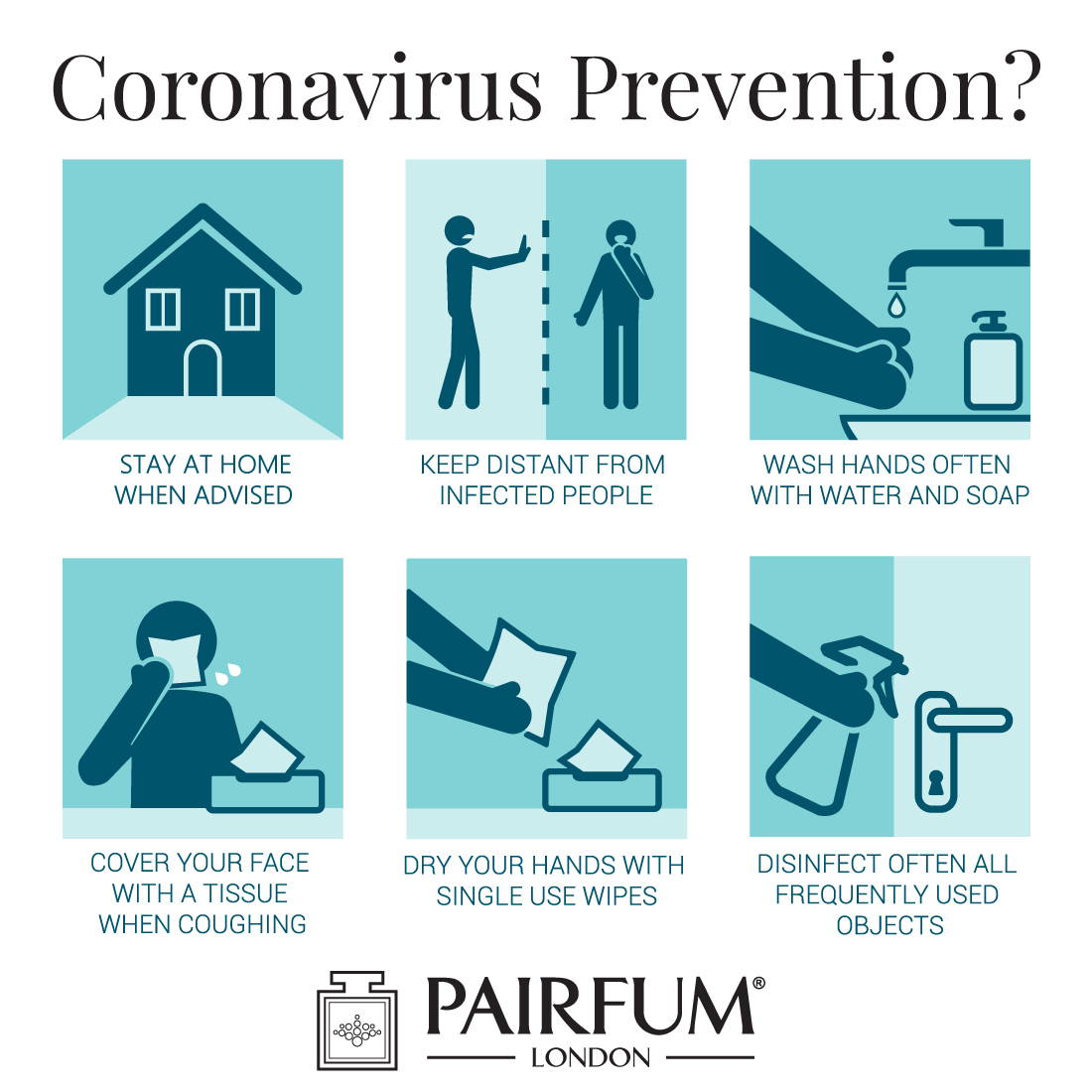
Is Coronavirus Prevention possible? what part can we play in the prevention or spread of Covid-19?
The Department of Health and the N.H.S. are advising that we should all wash our hands thoroughly and correctly, as one of the main preventative measures.
So then suggesting that we should all take note and wash our hands as thoroughly as medical professionals preparing for surgery – the following instructions on how to wash your hands correctly ‘IS NOT’ really a case of stating the obvious!
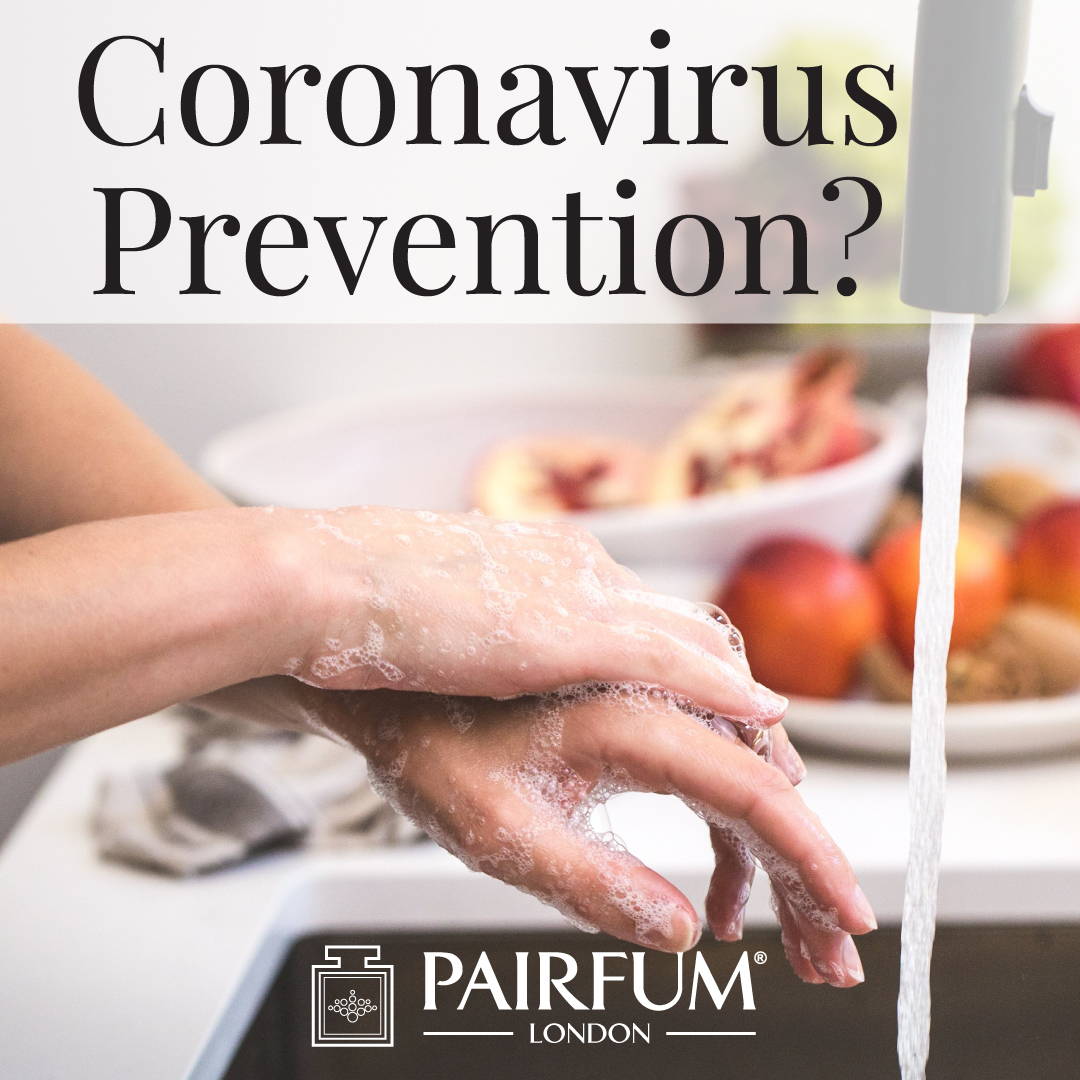
Thoroughly wet your hands with clean running tap water, both hot and cold is fine.
Apply soap and lather your hands well paying special attention to the area in between your fingers and the backs of your hands, and do not forget to clean under your nails.
Spend at least 20 seconds actively scrubbing your hands after lathering them completely. (If you are unsure how long 20 seconds is then one suggestion by the America CDC is to sing ‘Happy Birthday’ to yourself in your head – or out loud if you feel like it)
Then thoroughly rinse off all the soap from your hands under clean running water.
Finally use a clean and if possible a disposable towel to dry your hands and if this is not available then simply air dry them (if you are wondering what we mean by air drying them – then remember what Cameo said “Wave your hands in the air like you don’t care”
As the London School of Hygiene & Tropical Medicine has said “It’s not for the NHS to manage COVID19 primarily, it’s for all of us to help manage it.”
As professor John Edmunds told Channel4News that if we all follow @PHE_uk advice properly in the coming weeks & months the epidemic should slow down.
At this time of uncertainty, we recommend taking these few simple precautions to help Coronavirus Prevention. By doing so we can all help keep ourselves and others safe.
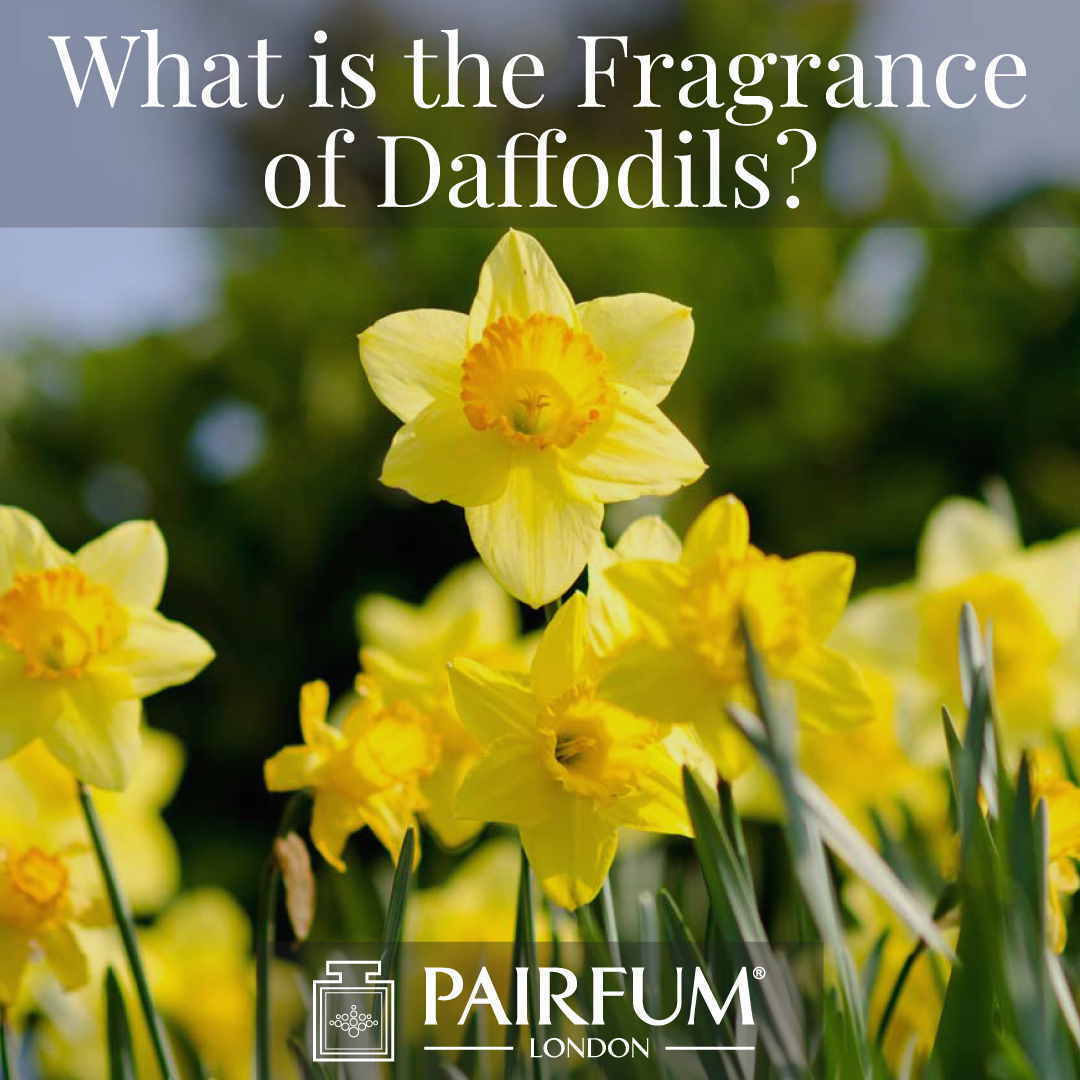
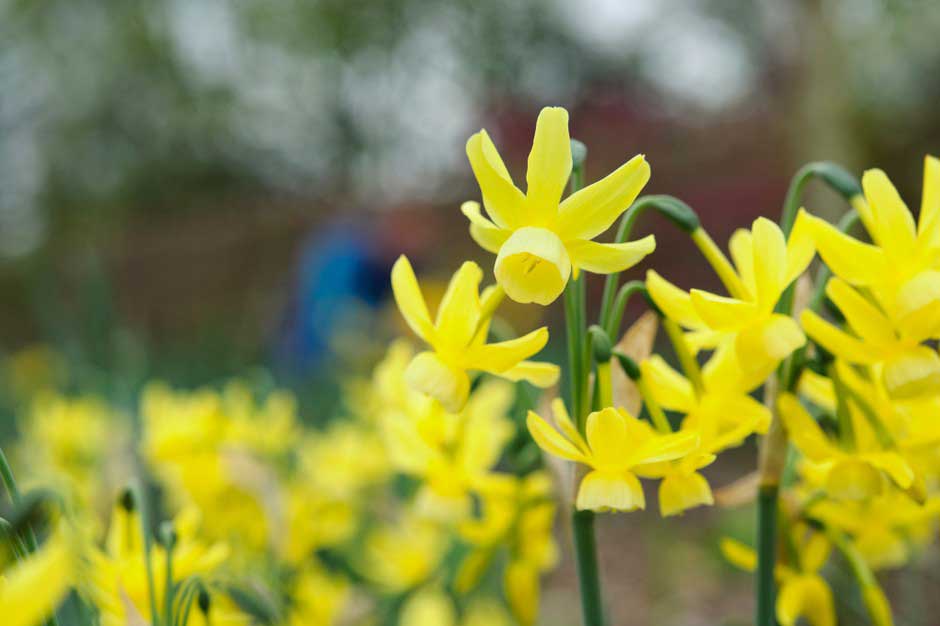
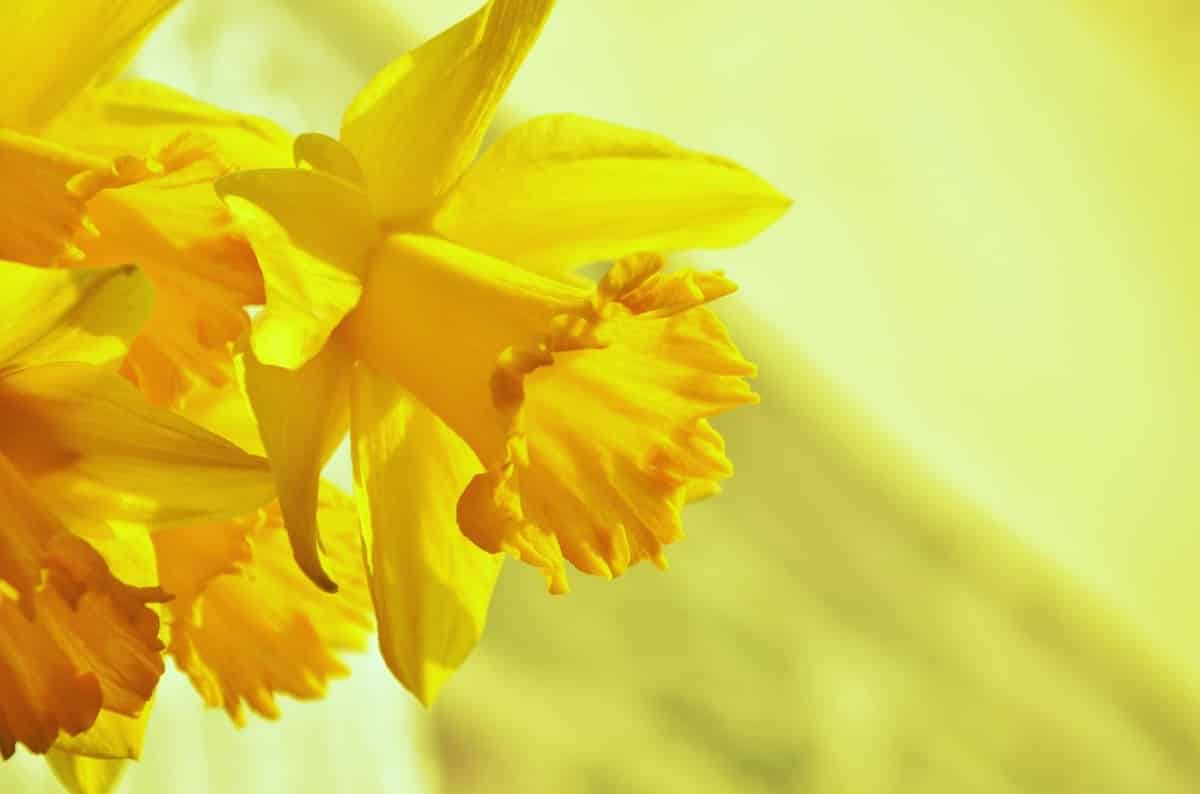
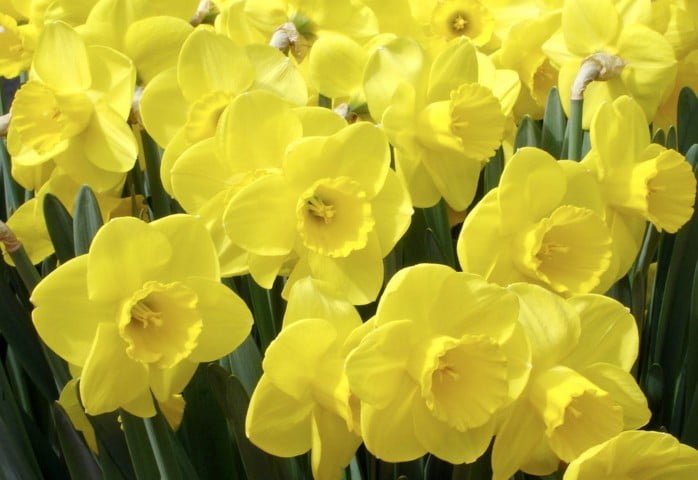
Daffodils are considered one of the heralds of spring.
Their common name is Daffodil and their Latin, botanical name Narcissus. They are a bulb that is part of the amaryllis family, Amaryllidaceae.
Planted between September and October the previous year, the bulb develops roots before the beautiful yellow and white flowers burst out the following spring from February to early May. They can be found in borders, containers but also parks and by the roadside.
Their typical height and spread are 5cm (2in) to 50cm (20in). They prefer sun or light shade and are an easy to grow bulb. The plant is very resistant and most sorts survive cold winters to flower for many years.
The flowers are either yellow or white, trumpet or star-shaped and grow on a long stalk with green leaves. In all, there are about 26 wild varieties but many hundreds of cultivated versions.
Mainly based on their flower form, Daffodils are categorised into 13 groups, mainly based on the form of their flower:
Trumpet:Â flowers with cups (the corona) that are longer than their petals
Large-cupped: with large cups but the corona is not longer than their perianth segments
Small-cupped: the flowers have small cups, much shorter than their petals
Double: double blooms, with a ruffled appearance, but no clear distinction between petals and cup
Triandrus: small-flowered daffodils with pendent blooms, up to five, which naturalise well in grass
Cyclamineus: small flowers with petals sweeping back from the cup (i.e. reflexed perianth). These are an early flowering species and naturalise well in grass
Jonquilla and Apodanthus: These are the fragrant varieties and they display up to five small flowers per stem
Tazetta: another fragrant variety with up to 20 small flowers per stem, with sadly some only half hardy
Poeticus: another variety that can be naturalised in grass. They have small cups with a contrasting colours to their large white petals
Bulbocodium: in this variety the cups are much larger than the petals and they are short, with delicate, rush-like leaves. They naturalise well in grass.
Split-corona (Collar or Papillon): they look like orchids, with a cup split into segments. In the papillon type (typically with a whorl split into six segments) the face appears flatter and more open.
Species daffodils (including wild narcissi): these small species grow well in rock gardens and pots
Miscellaneous: daffodils that do not fit any of the above groups
History of Daffodils
Daffodils originate from Southern Europe and North Africa, but some varieties can be found in Asia and China. Some claim that narcissus originated from Persia and was brought to China in the 8th century by travelling traders along the Silk Route.
The flower is  linked to the Greek myth of Narcissus, who became so obsessed with his own reflection, that he knelt down to gaze into a pool of water. Sadly, he toppled into the water and drowned. The Narcissus plant sprang from where he died.
The name probably has its origin in the Greek word of ‘narke’, which became ‘narce’ under the Romans, meaning ‘numb’ and is a reference to its narcotic effect.
For more than a thousand years, Narcissus oil has been used for many different purposes, in both ancient Rome and the middle East:
Narcissinum was the name the Romans gave the fragrance they created using narcissus unguent.
In Arabia it was used in perfumery but also to cure baldness
In India, the oil of the narcissus (as well as fragrant oils of sandal, jasmine, and rose), is utilised during ritual cleaning before attending prayers.
The French used it as a scent in early cosmetics (powders, soaps and lipsticks) but they also treated epilepsy and hysteria with it
In China narcissus is associated with good fortune and gain. Even today, narcissus remains as a symbol of awakening and hope.
Narcissus Oil
The oil was historically extracted through a technique called ‘enfleurage’, whereby the individual petals are placed on plate of lard. The fat draws the oil from the petal and after a few days the petals are replaced by fresh ones. This is repeated until the lard is saturated with oil. At this stage it is called the ‘pomade’. The pomade is then filtered and distilled to produce the oil.
Nowadays, the oil is typically extracted using volatile solvents. About 500 kg of flowers are required to produce 1 kilogram of concrete or 300 g of absolute. ‘Concrete’ and ‘Absolute’ refer to different stages of refinement of the natural extract. It explains, however, why natural narcissus oil is so precious and expensive.
Today, the major quantities of natural narcissus essential oil are produced in the Netherlands and in France.
The main varieties used for oil extraction are Narcissus poeticus, Narcissus tazetta and Narcissus jonquill.
Fragrant Varieties
Have you tried smelling a Daffodil or wondered what this wonderful member of the Narcissus family smells like?
Most hybrid and over-bred bulbs you find in some Garden Centres today (and there are several hundred cultivated varieties) will not produce a fragrance and yet there are many wild daffodil varieties (around 26) that are marvelously fragrant. This means in turn there are many different scents and yet the typical olfactive profile associated with Narcissus reads as follows:
heady floral with sweet and green nuances.
The scent of narcissus oil is strong and rich. It reminiscent of dark green leaves with traces of hyacinth and jasmine.
We have also been able to smell some varieties that were ‘spicy’ and others with ‘musky’ or ‘vanillic’ tonalities.
Narcissus would generally be classified as a ‘green-floral’, together with hyacinth and lily of the valley.
Daddodil Fields in Great Windsor Park
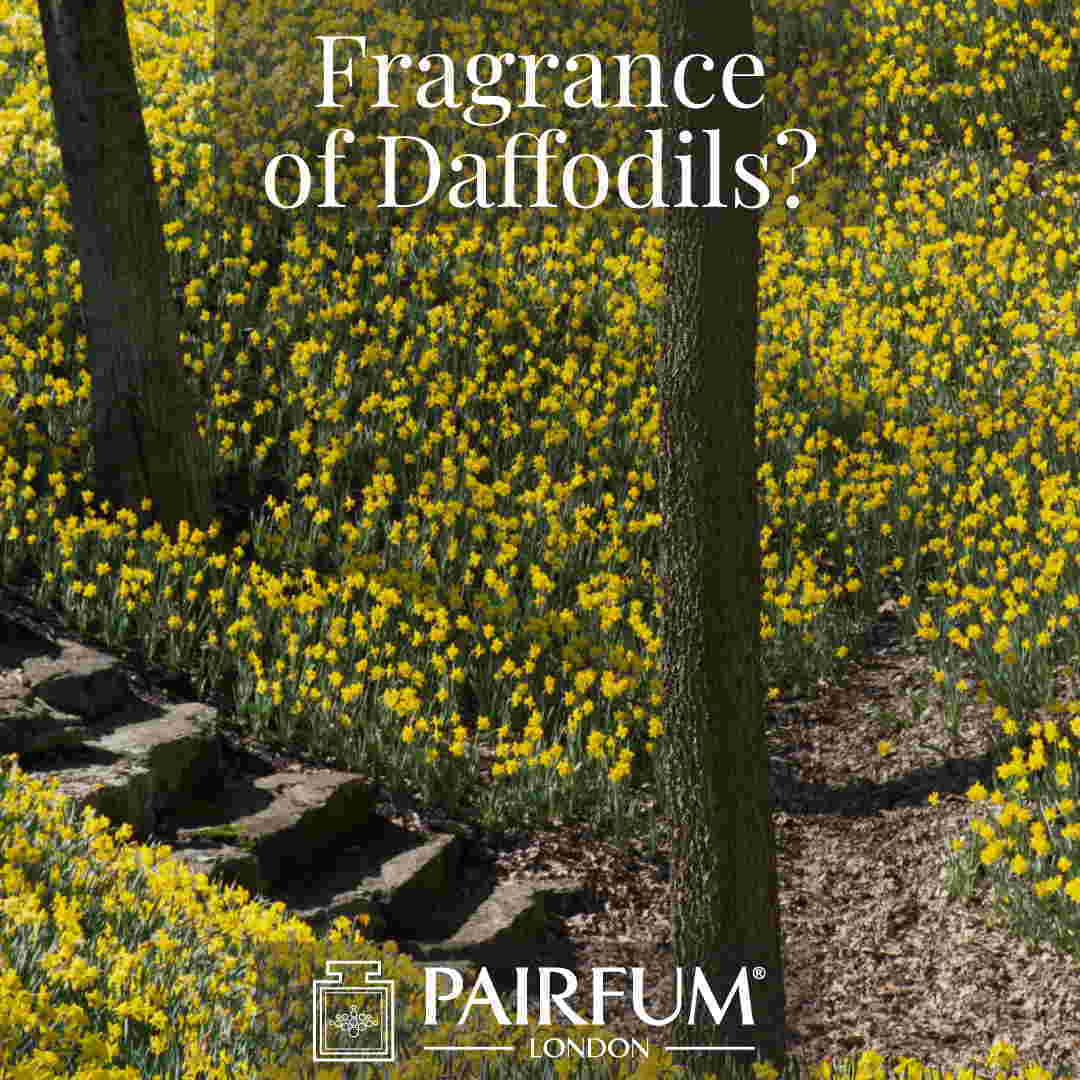
If you would like to experience the joys of spring, feast your eyes on an acres of daffodils in the wind and actually smell some beautiful daffodils, then head over to ‘Great Windsor Park’ (near Windsor).
The fields of yellow you will enjoy, perfectly illustrate this poem by William Wordsworth:
I wandered lonely as a cloud That floats on high o’er vales and hills, When all at once I saw a crowd, A host of dancing daffodils Beside the lake, beneath the trees, Fluttering and dancing in the breeze
Daffodils in Great Windsor Park 2 x small e1526136244644
Daffodil Fragrance Windsor Park Stefanos Kogka
Daffodils in Great Windsor Park 3 x small
Daffodil Fragrance Windsor Park Andrea Tummon
Daffodils in Great Windsor Park 4 x small
Daffodils in Great Windsor Park 5 x small
Daffodils in Great Windsor Park x small
Pairfum Windsor Woodland Daffodil Home Fragrance Oil 11
Pairfum Windsor Woodland Daffodil Home Fragrance Oil 12
Daffodil Fragrance Windsor Park Peter Wimber
Pairfum Windsor Woodland Daffodil Home Fragrance Oil 14
Daffodil Fragrance Windsor Park Eberhard Grossgasteige
Windsor Great Park Daffodils Fragrance Petal Spring
Windsor Great Park Daffodils Scent Bloom Grass
Pairfum Windsor Woodland Daffodil Home Fragrance Oil 15
Pairfum Windsor Woodland Daffodil Home Fragrance Oil 13
Pairfum Windsor Woodland Daffodil Home Fragrance Oil 10
Daffodils in Great Windsor Park 6 small
Daffodils in Home Fragrance
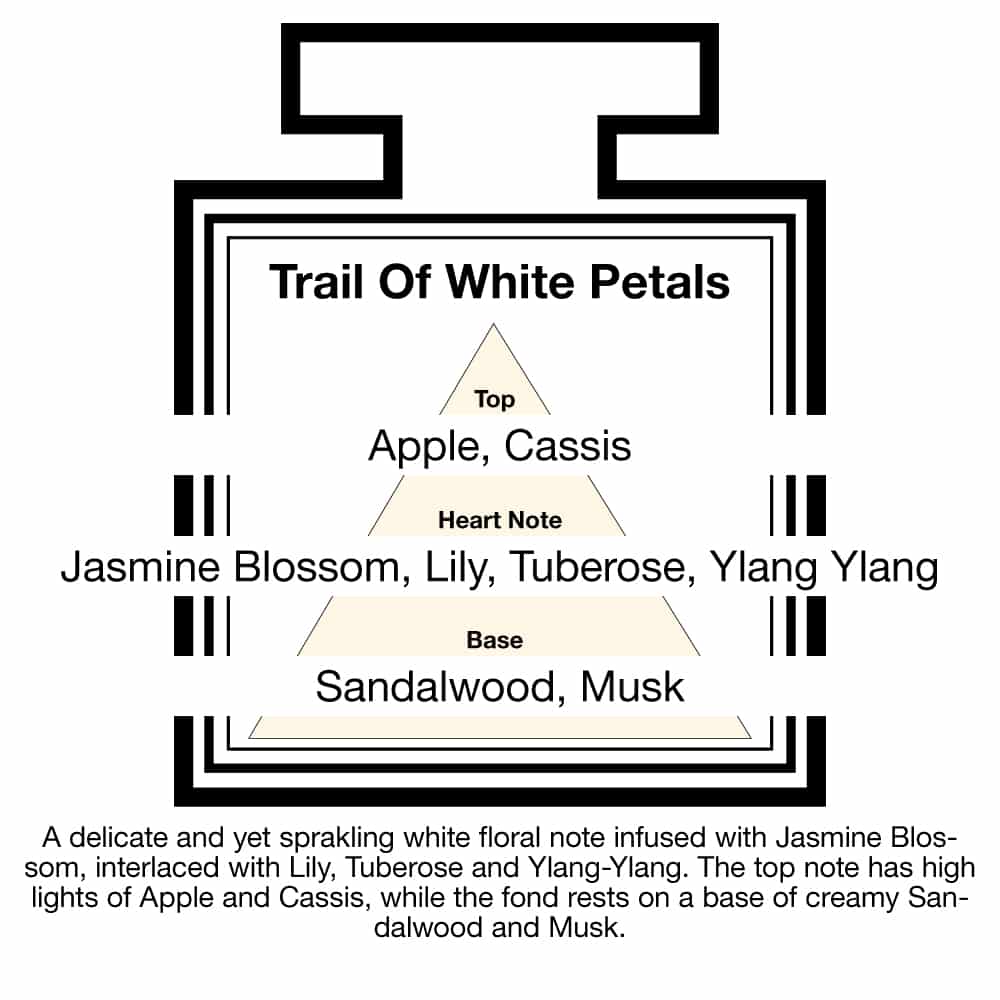
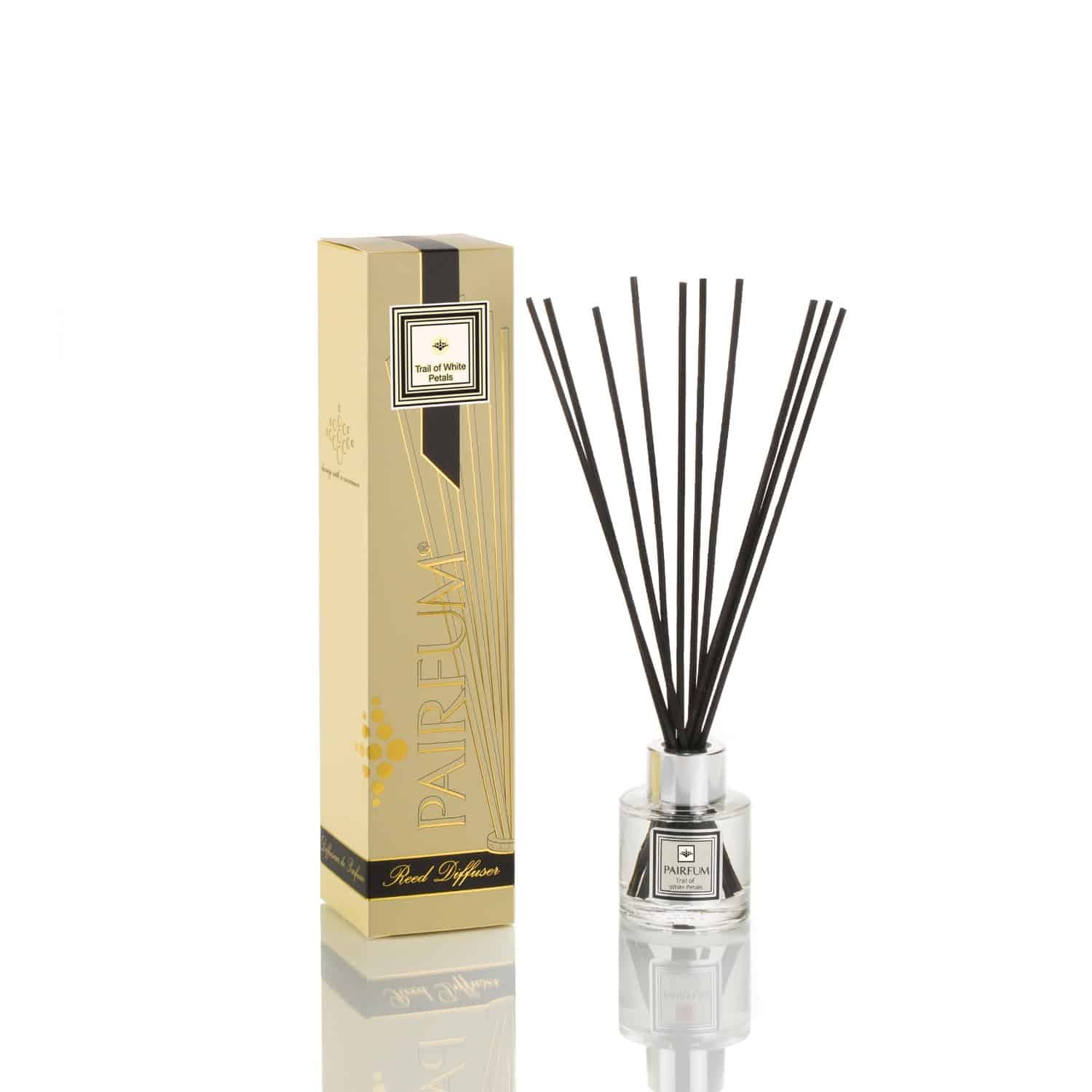
Here at PAIRFUM we don’t have a true Daffodil fragrance but our ‘Trail of White Petals’ contains Daffodil oil and this floral perfume has the sweet and green nuances typically associated with Narcissus. Trail of White Petals is available in perfumed candles, natural reed diffusers, perfume room sprays and many other products.
Bring the scent of spring into your home with Daffodils !
There is nothing more enjoyable than a PAIRFUM Flowerwax Candle or Reed Diffuser in ‘Trail of White Petals’, spreading the scent of spring in your home.
Pairfum Natural Wax Candle Signature Trail Of White Petals
Pairfum Flacon Perfume Room Spray Signature Trail White Petals
Pairfum Large Reed Diffuser Bell Signature Trail Of White Petals
Pairfum Large Snow Crystal Candle Signature Trail Of White Petals
Fragrance Description Trail White Petals Jasmine Tuberose Ylang
Pairfum Reed Diffuser Tower Petite Signature Trail Of White Petals
Daffodils & Narcissus in Perfumery
Here in the gallery below you can see a few perfumes where the narcissus plays a prominent role in the fragrance accord.
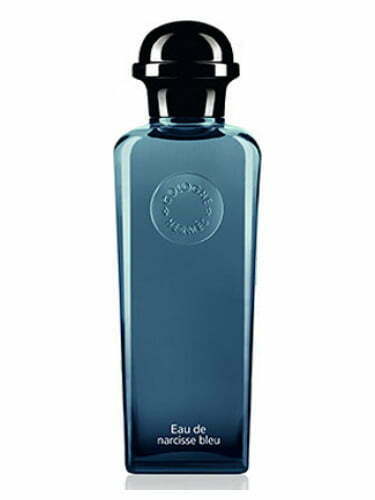
You will notice that we have included both classical fragrances, e.g. Nacisse Noir by Caron for women, and also modern interpretations, e.g. Eau de Narcisse Bleu by Hermès, for both women and men.
Eau De Narcisse Bleu Hermes Unisex
Daffodil Demeter Unisex
Jonquille De Nuit Tom Ford Unisex
First Van Cleef Arpels Woman
Narcissus Yardley Female
Narcisse Noir Caron Woman
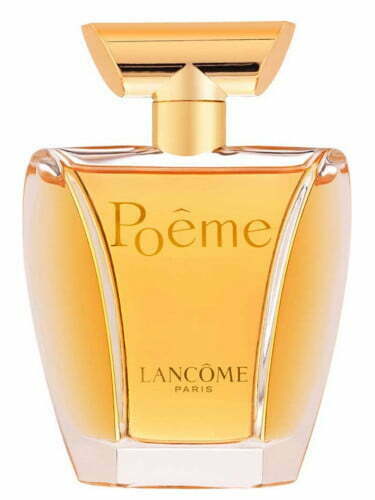
Poeme Lancome Woman
Poeme Lancome Woman
Un Air De Samsara Guerlain Female
Summary
As you can see ‘Daffodils’ or ‘Narcissus’ are quite clearly fragranced and they play a prominent role in perfumery.
Sadly, through breeding many varieties we see today have lost their scent.
Should you be passing Windsor Great Park in the UK in Spring, we invite you to visit the fields full of Daffodils. It is a feast not just for your eyes but also your nose.
This past Sunday was the 3rd of Advent, Gaudete Sunday, also called ‘Rose Sunday’.
“Why Rose Sunday?” you may ask, … read on to find out.
Each Sunday during the Advent highlights one of the 4 virtues of Jesus Christ:
Hope – 1st of Advent
Love – 2nd of Advent
Joy – 3rd of Advent / Gaudette Sunday
Peace – Christmas Eve/Day
Guadete Sunday
Gaudete Sunday is the third Sunday of Advent in the liturgical calendar of the Western Churches, including the Roman Catholic Church, the Anglican Church, Lutheran and other mainline Protestant Churches.
On Gaudete Sunday rose-coloured vestments may be worn instead of violet or deep blue, which are otherwise used for every day in the season of Advent.
Hence, Gaudete Sunday was also known as “Rose Sunday”.
If you would enjoy a ‘Rose’ perfume in your home during this week, we can highly recommend our perfume “Blush Rose & Amber”.
Here is the fragrance description:
“A top note of precious Iris,
leads into a sensuous, intensely feminine floral bouquet of Regal Rose in harmony with Jasmine, Lily of the Valley and Freesia,
supported by a deep and warm fond of Crystal Amber, Musk and Rich Woods.”
Our Snow Crystal Candles in “Blush Rose & Amber” are perfect for the Christmas Season!
One of the biggest challenges in perfumery is the continuous question of “How Do You Describe Perfume”.
Our noses can distinguish 1 Trillon different smells but we struggle to articulate the differences, character or nuances of a fragrance.
For this reason, the perfume industry has to a degree developed its own set of words, classification systems and various other aids to help in this task.
Here at Pairfum London we have created a brief introduction into “How Do You Describe Perfume” which we believe is ideal reading during National Fragrance Week.
After reading the article, you will feel much more comfortable with some of the terms you come across in the World of Perfumery.
No more sleepless nights and ‘tossing & turning’ before you fall asleep.
Try Natural Niche Perfume
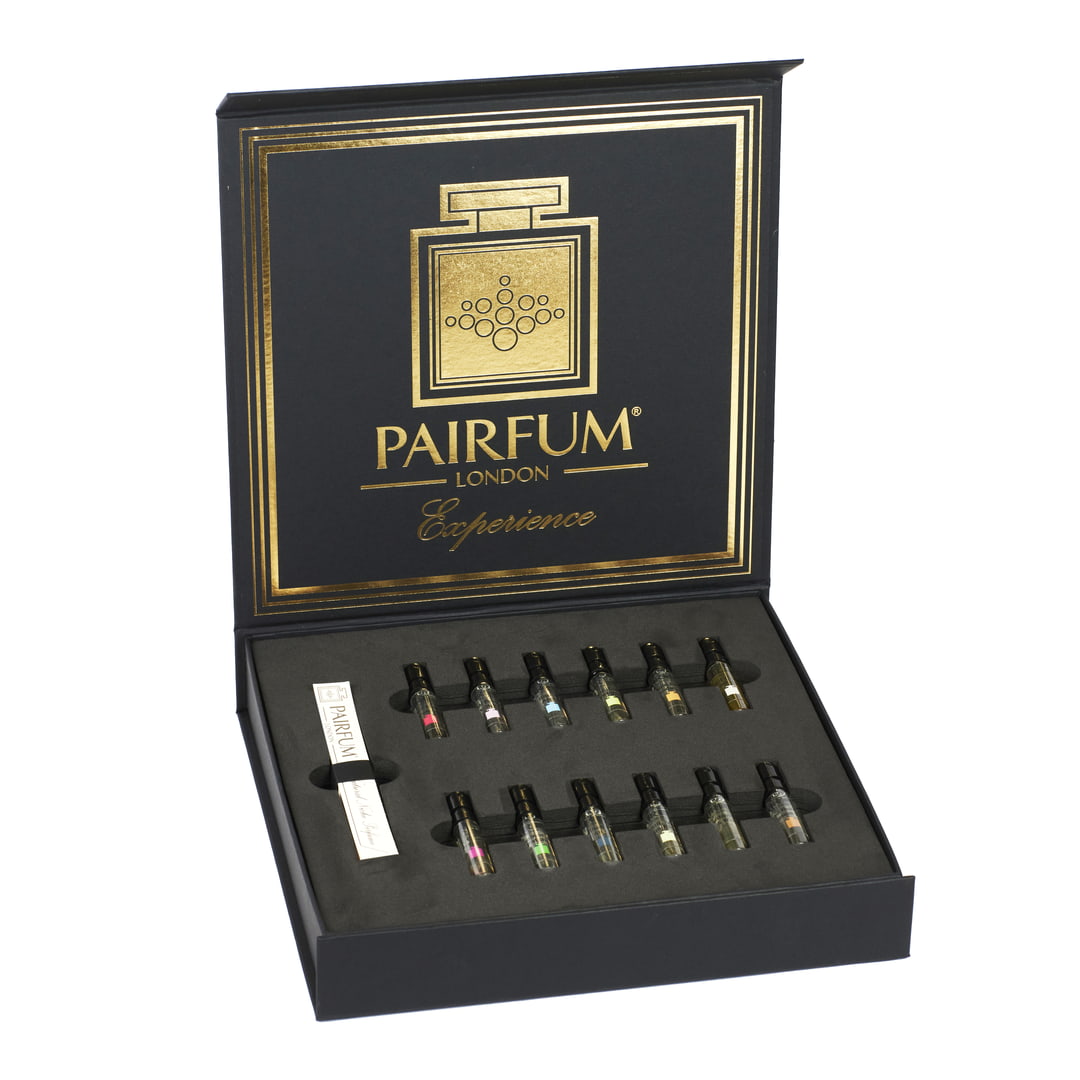
Get a Full Refund when you later buy a full-sized bottle. Special Offer: Free Gift-Wrap (luxury bag & tissue paper) with every Perfume Experience Box.
We value and respect your personal data and privacy. By submitting this form, you agree that we may process your information in accordance with our Privacy Policy.
×
Risk Free Trial
We understand that shopping online for perfume is different, which is why we offer our 100% Happiness Guarantee:
Free Tester: We will include a mini sampler with your Eau de Parfum so you can try the perfume before you open the pack.
Free Returns: Should you not love your perfume, then we will collect it free of charge from your home (unopened product). No quibbles from us.
We are honoured & proud that Pairfum London is available for you to enjoy at CRYSTALLINE in Abu Dhabi.
CRYSTALLINE Unit 13235, Level 3 The Galleria Al Maryah Island, Abu Dhabi Tel: +971 2 6228 824
eMail: at***@**********et.ae / ar****@*****um.com
×
Try Natural Niche Perfume
Special Offer: Get a Full Refund when you later buy a full-sized bottle.
We value and respect your personal data and privacy. By submitting this form, you agree that we may process your information in accordance with our Privacy Policy.
×
CRYSTALLINE in the UAE
We are honoured & proud that Pairfum London is available for you to enjoy at CRYSTALLINE in Dubai & Abu Dhabi.
CRYSTALLINE LG-110- LOWER GROUND THE DUBAI MALL, DUBAI, UAE Tel +971 4 3398 897